1/9
Are glass coffee tables still on trend? Designers weigh in on this 'love it or hate it' style
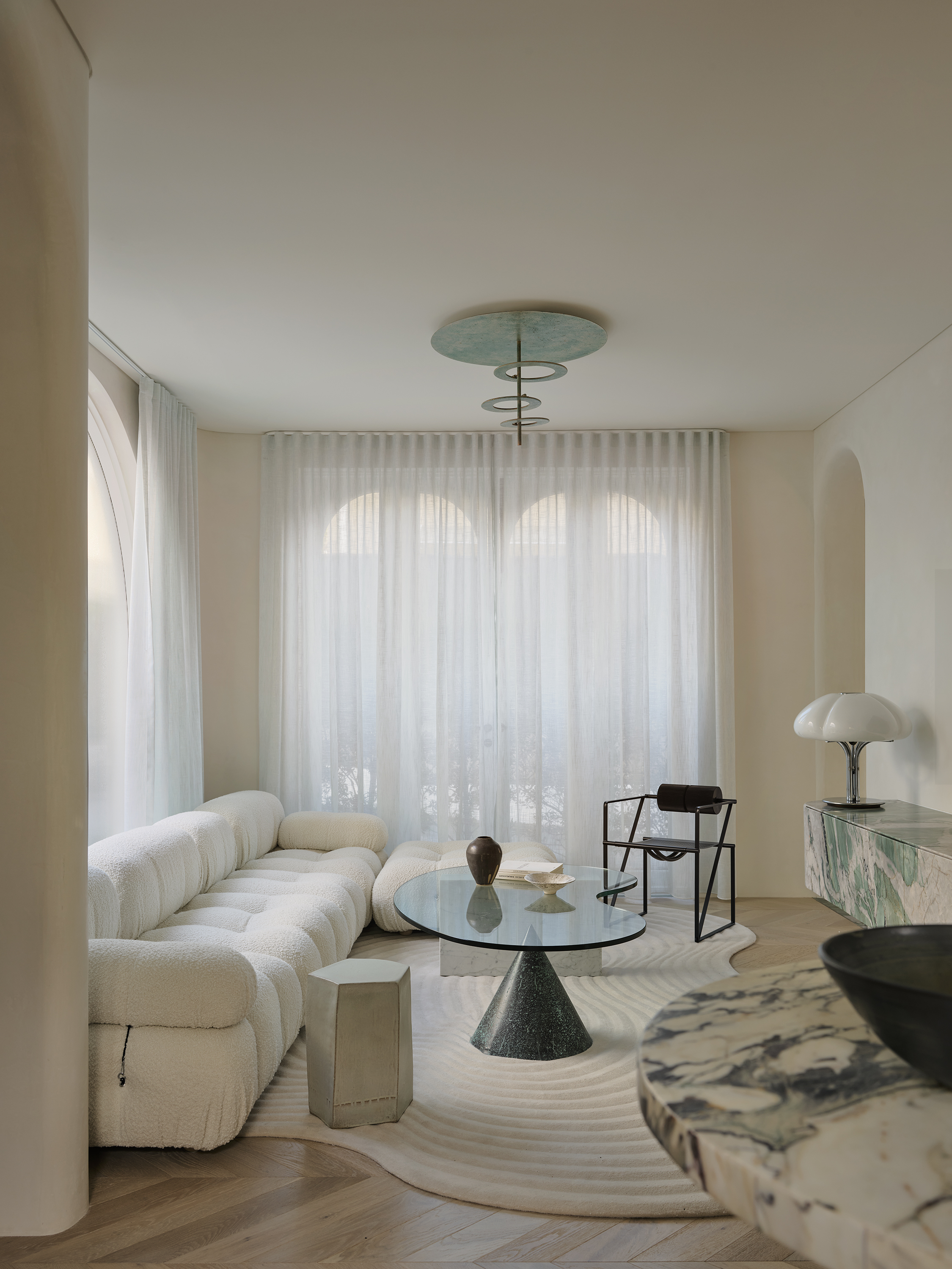
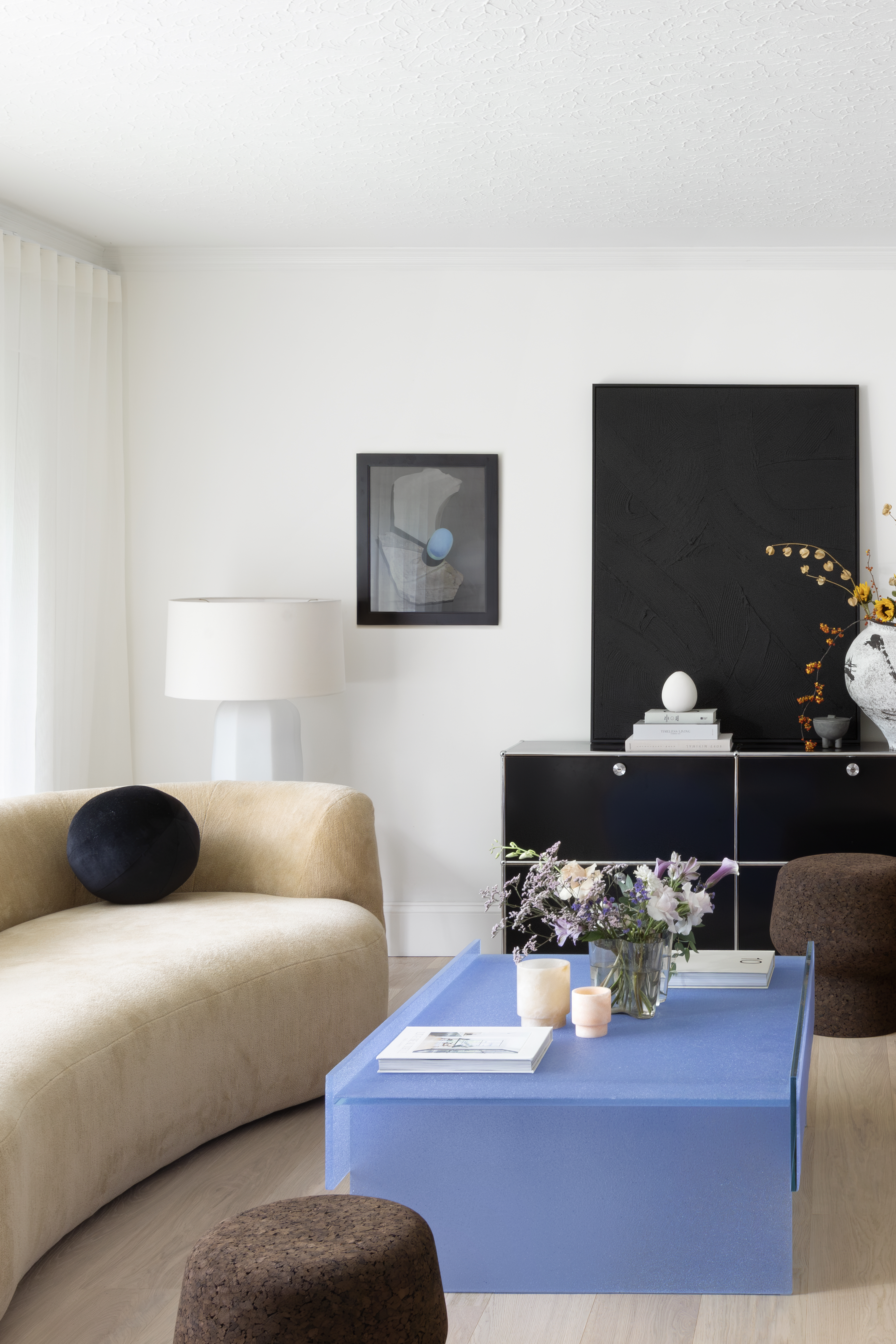
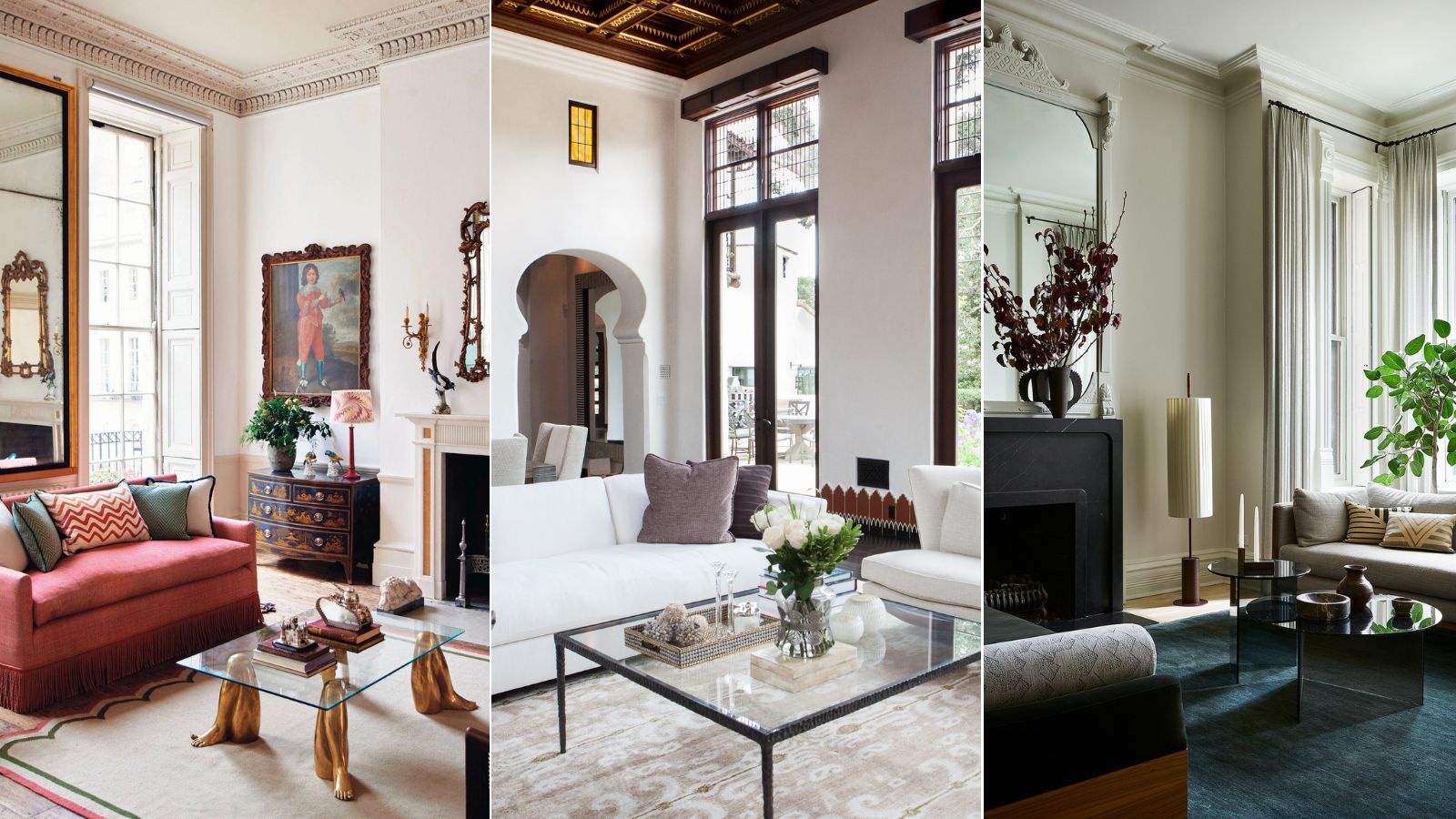
Glass coffee tables are re-emerging as a significant trend in interior design, lauded by experts for their ability to enhance living spaces with elegance and functionality. These transparent furniture pieces, once a classic staple, are seeing a resurgence due to their unique aesthetic and practical benefits. Designers highlight that glass coffee tables contribute to an illusion of openness and lightness, making even smaller rooms appear more spacious. Their reflective quality disperses natural light, brightening the room and enhancing the overall ambiance. This characteristic also allows other design elements, such as intricate rugs or distinctive flooring, to remain visible and contribute to the room's decor.
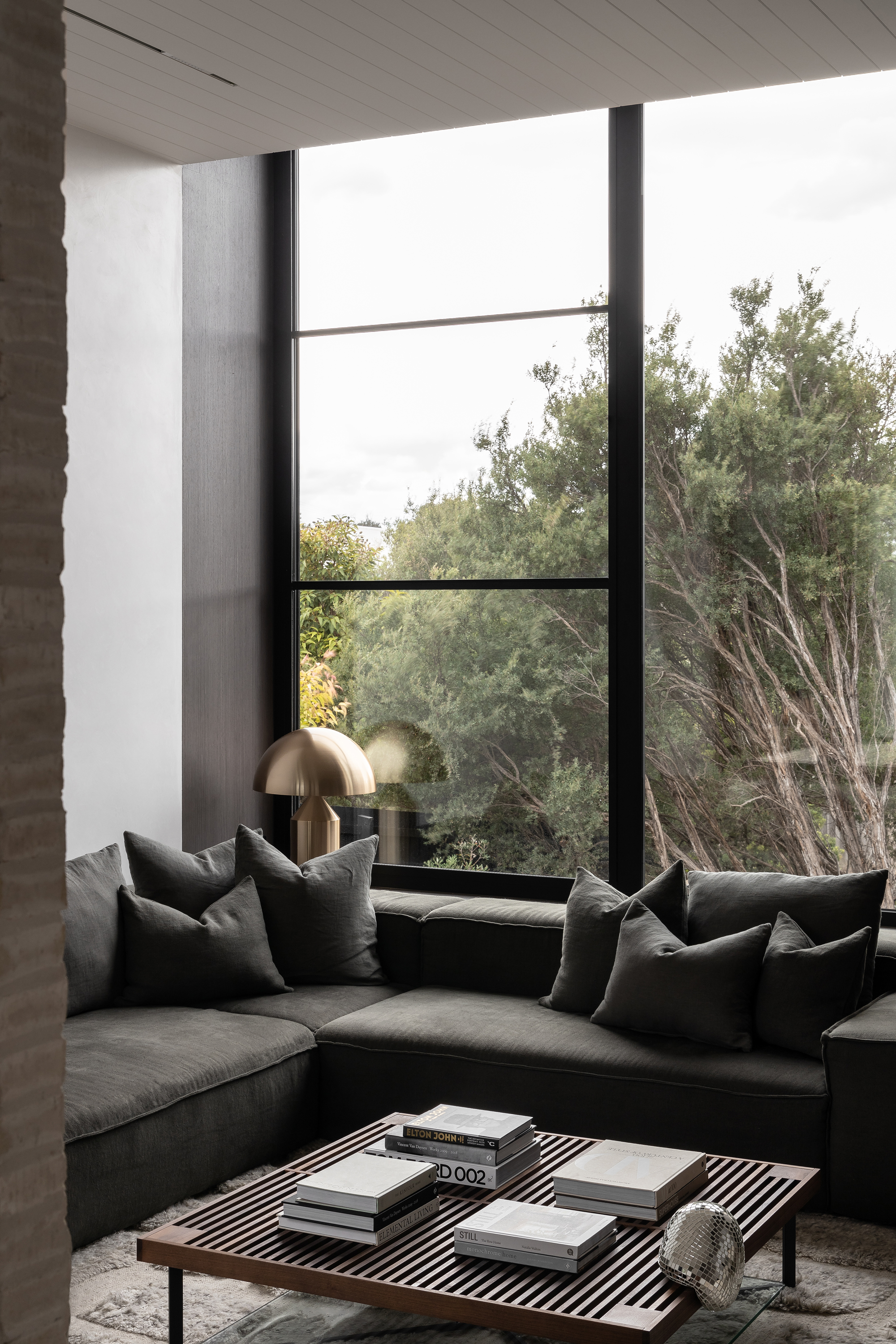
Interior design professionals explain that glass coffee tables offer versatility, complementing a wide array of styles from modern to classic. When paired with an interesting base material like wood or metal, they can become a striking focal point. While glass tables have always maintained a place in contemporary design, their renewed popularity is attributed to a broader shift towards minimalist and open-concept design aesthetics. These styles prioritize clean lines, unobtrusive furniture, and a less cluttered environment, all of which are perfectly supported by the transparent nature of glass coffee tables.
Technological advancements in glass manufacturing have also played a role in their comeback, leading to more durable and practical options that address previous concerns about fragility. The adaptability of glass coffee tables to modern, pared-back, and serene spaces further solidifies their position in current trends. They are particularly beneficial in homes with limited natural light, where they can bring in a sense of luminosity and airiness. Furthermore, their ease of cleaning makes them a practical choice for busy households, combining both style and convenience.
Before incorporating a glass coffee table, several considerations are important. While they excel at creating a perception of space and showcasing underlying decor, they may not align with heavily traditional or rustic aesthetics. Safety and durability are also factors, especially in homes with active children or pets, as glass is more prone to breakage and scratches in high-traffic areas. Additionally, unlike solid coffee tables, glass tables typically do not offer storage, which might be a drawback for those needing extra space.
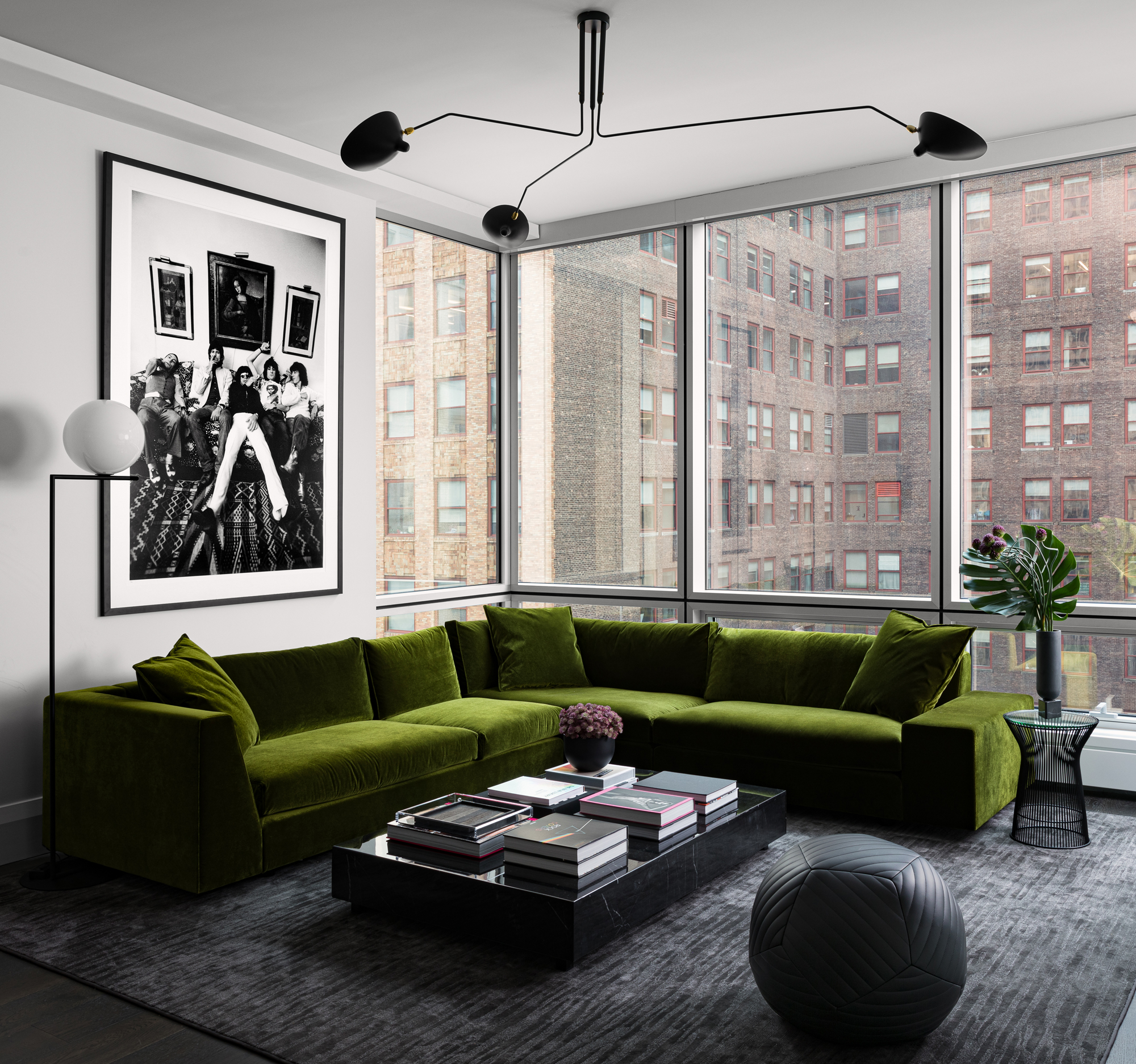
Styling a glass coffee table requires a deliberate approach due to its transparent nature, where items are visible from all angles. Designers recommend creating balance by pairing them with plush, textured rugs, sleek metal accents, or bold, colorful furniture. The key is to ensure the table enhances other pieces without overwhelming them. Layering decorative elements such as hardcover books, a vase with fresh flowers, and sculptural pieces is effective, but it’s crucial to maintain a relatively sparse arrangement to preserve the table’s airy feel. Incorporating decorative trays or books as a base layer can add visual interest. Integrating textured seating options and patterned area rugs helps to create a balanced contrast, juxtaposing soft and sharp materials. Personalizing the display with unique items like travel souvenirs or family heirlooms can add character and make the space uniquely yours. Ultimately, thoughtful styling can transform a glass coffee table into a chic and functional centerpiece.
#GlassCoffeeTables #InteriorDesignTrends #LivingRoomDecor #HomeStyling #MinimalistDesign #SpaceSavingSolutions #FurnitureTrends #DesignersTips #GlassCoffeeTables #InteriorDesignTrends #LivingRoomDecor #HomeStyling #MinimalistDesign #SpaceSavingSolutions #FurnitureTrends #DesignersTips
合計0件のコメント
 まだコメントはありません
あなたも好きかもしれません
Are glass-fronted kitchen cabinets still on trend? Experts weigh in on whether this classic design is timeless or outdated
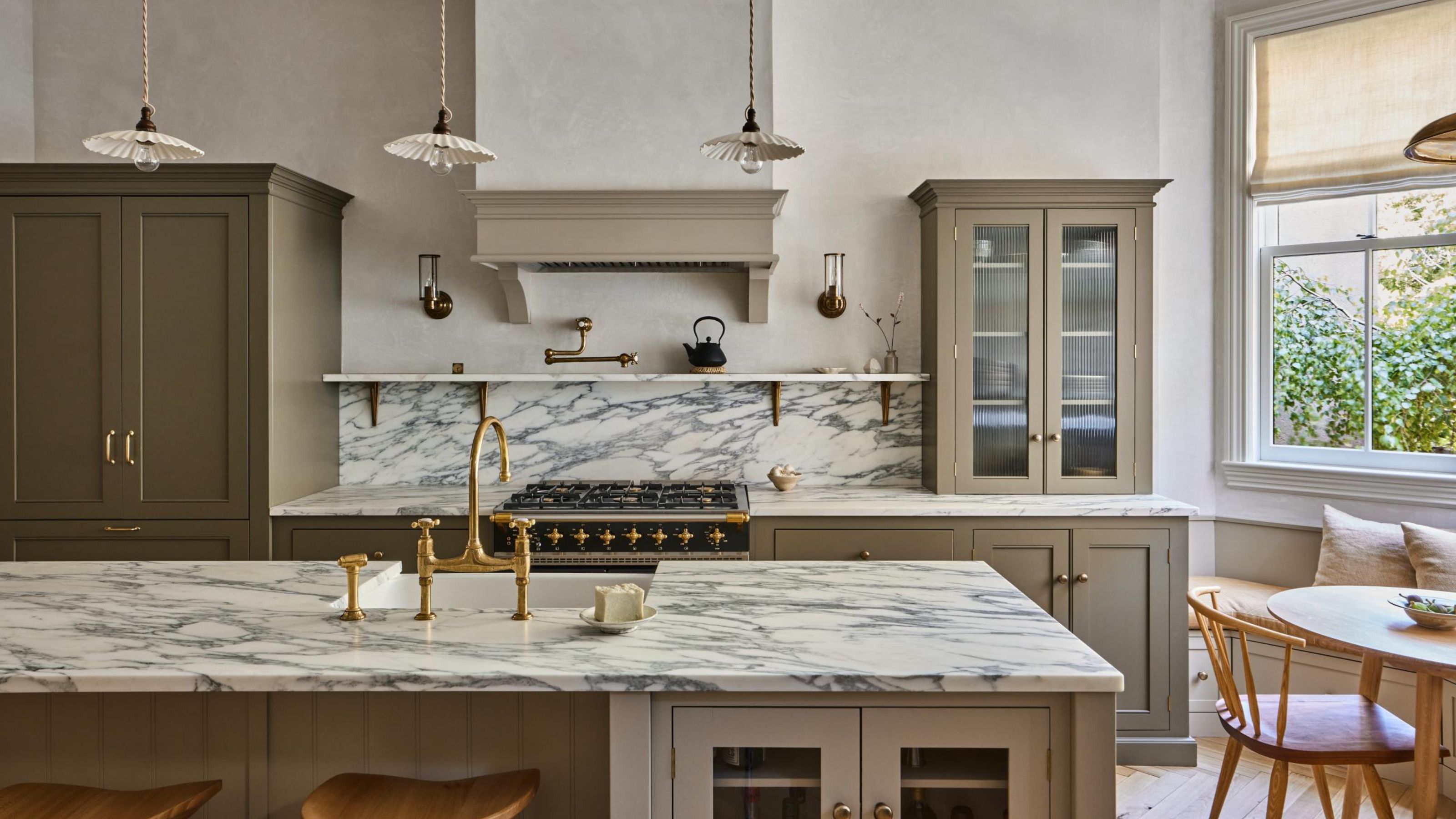
Are Fluted Glass Kitchen Cabinets Still on Trend? How to Make This Style Feel Right for Now

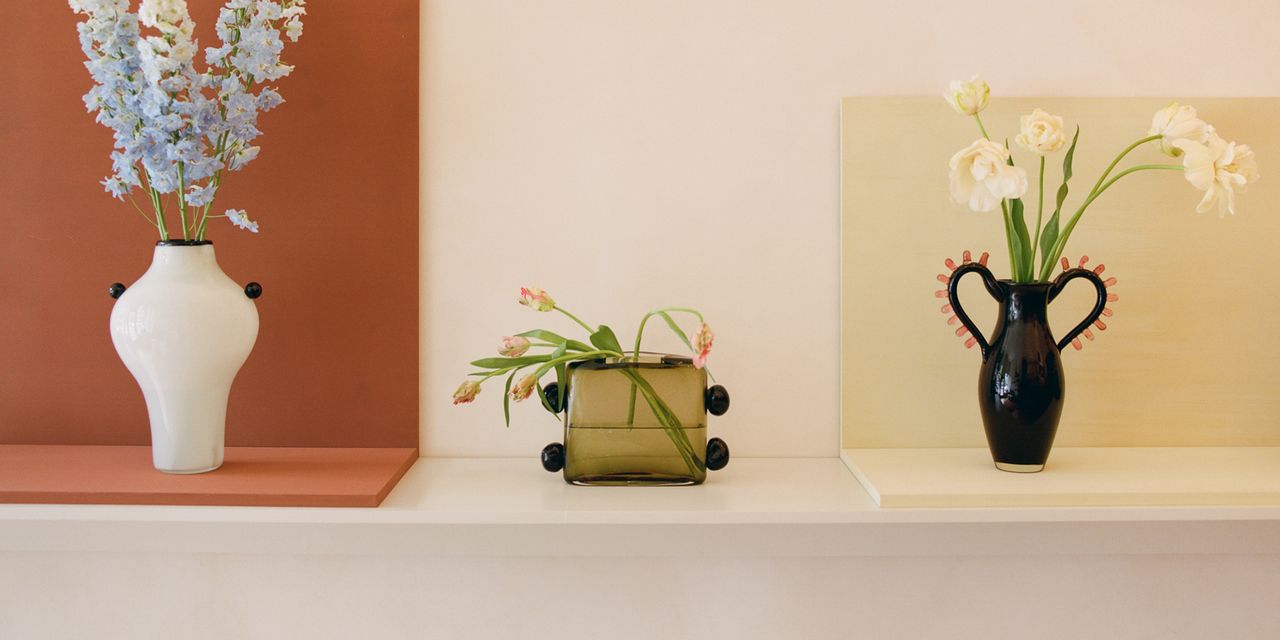
Glass Is Red-Hot: Here Are 6 New Collections to Know

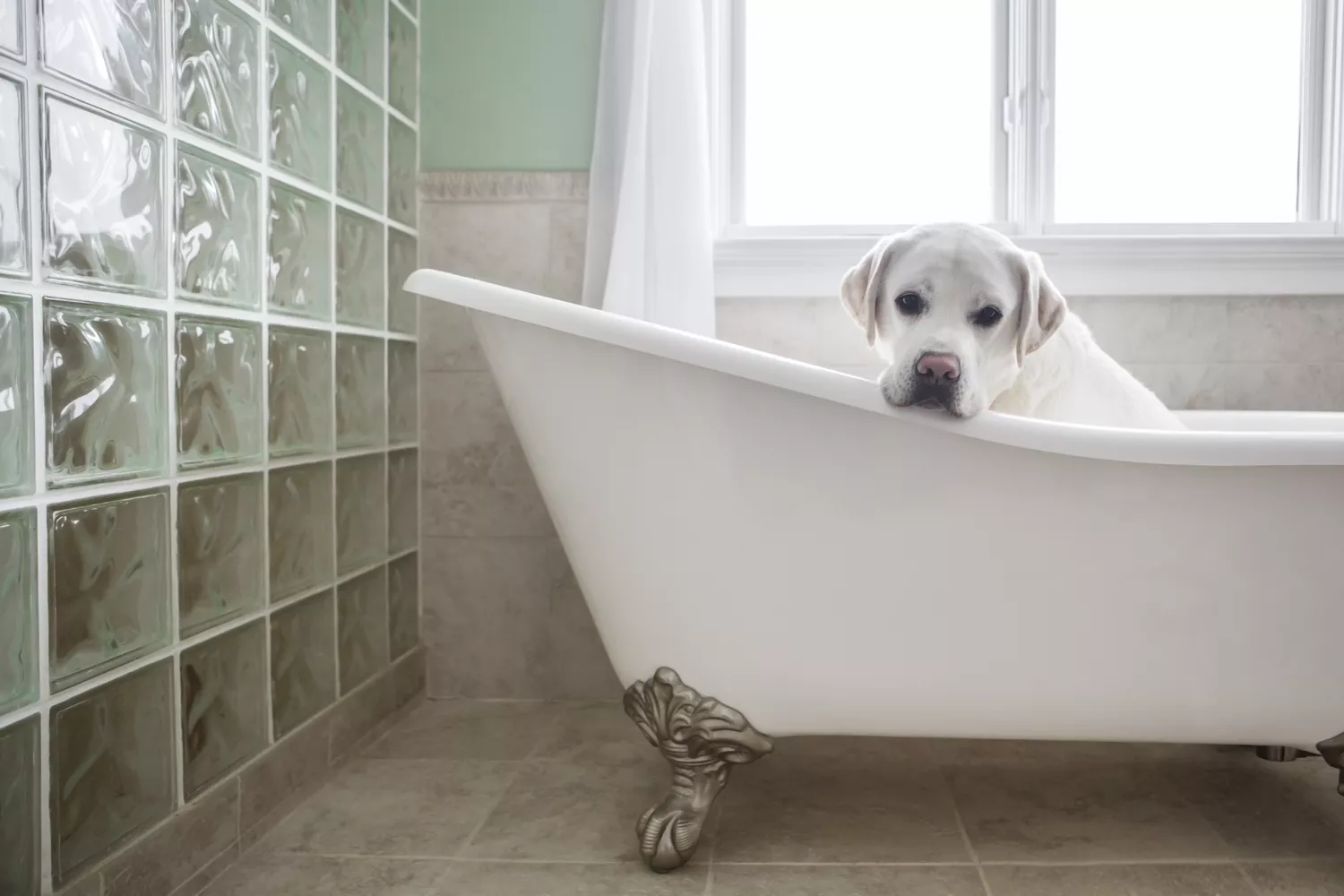
Like It Or Not, This '80s Bathroom Decorating Trend Is Making A Comeback
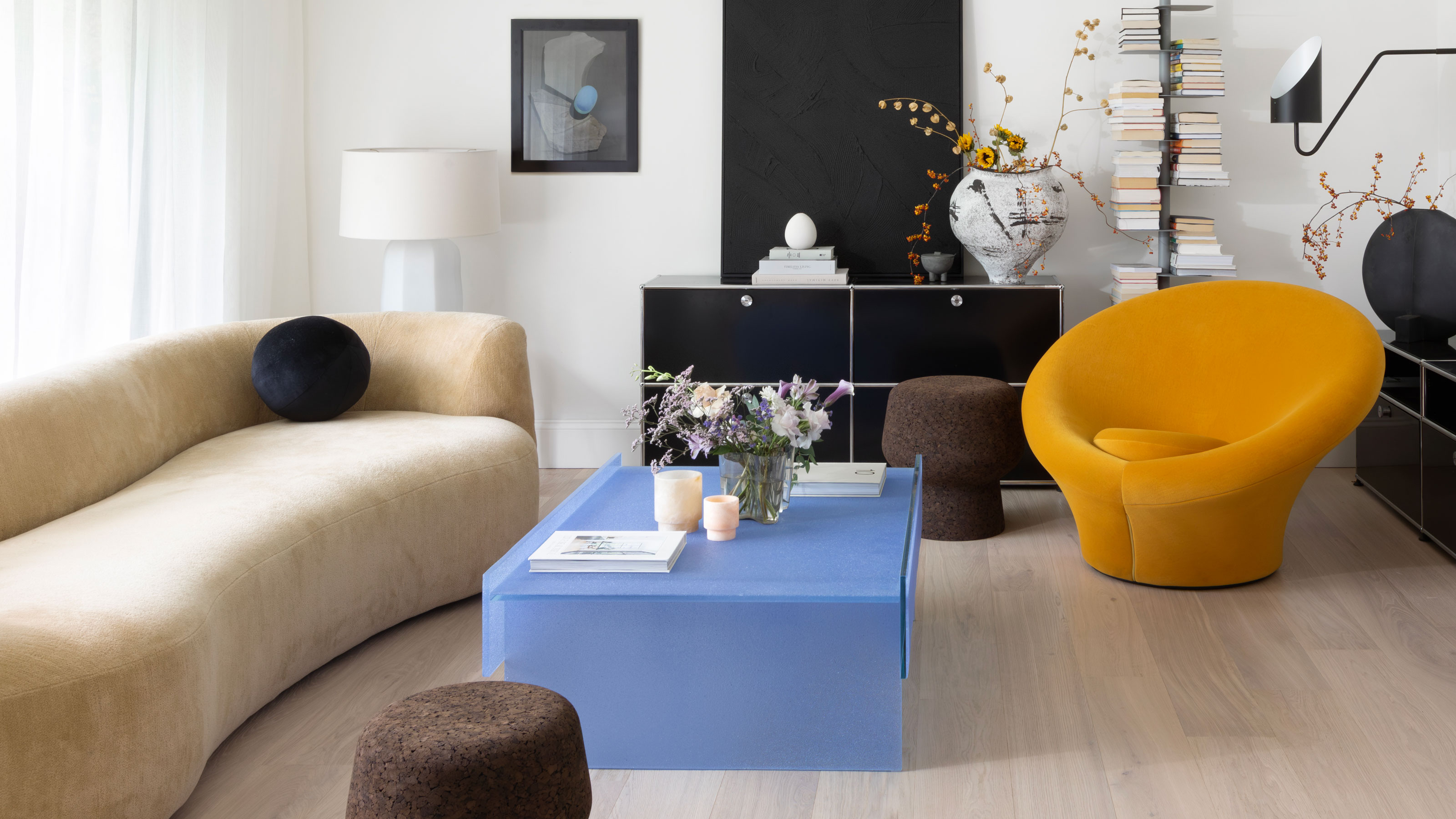
Coffee Table Trends — 9 Designer Styles That Resonate With the Mood of 2025, and How to Get the Look
There's a new coffee table styling trend designers are loving for a less pretentious living room
Are Formal Dining Rooms Out of Style? Why Pro Designers Say They Might Make a Comeback

Are Shaker kitchens still on trend? Interior design experts weigh in on whether this classic style is looking dated
Are floating shelves still on trend? Designers have their say on this once popular style
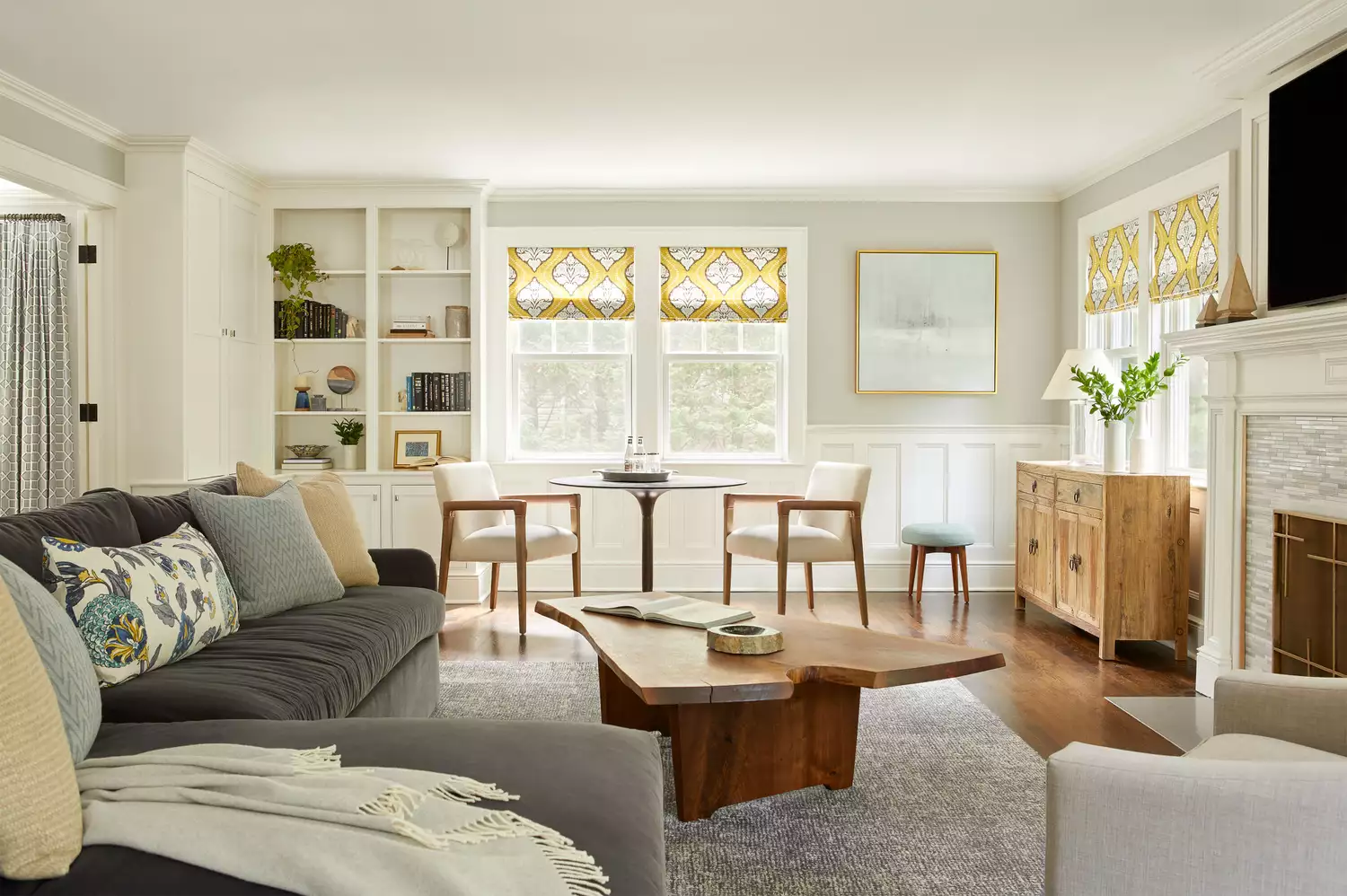
We Asked Interior Designers About Their Favorite Coffee Tables—Here Are Their Picks
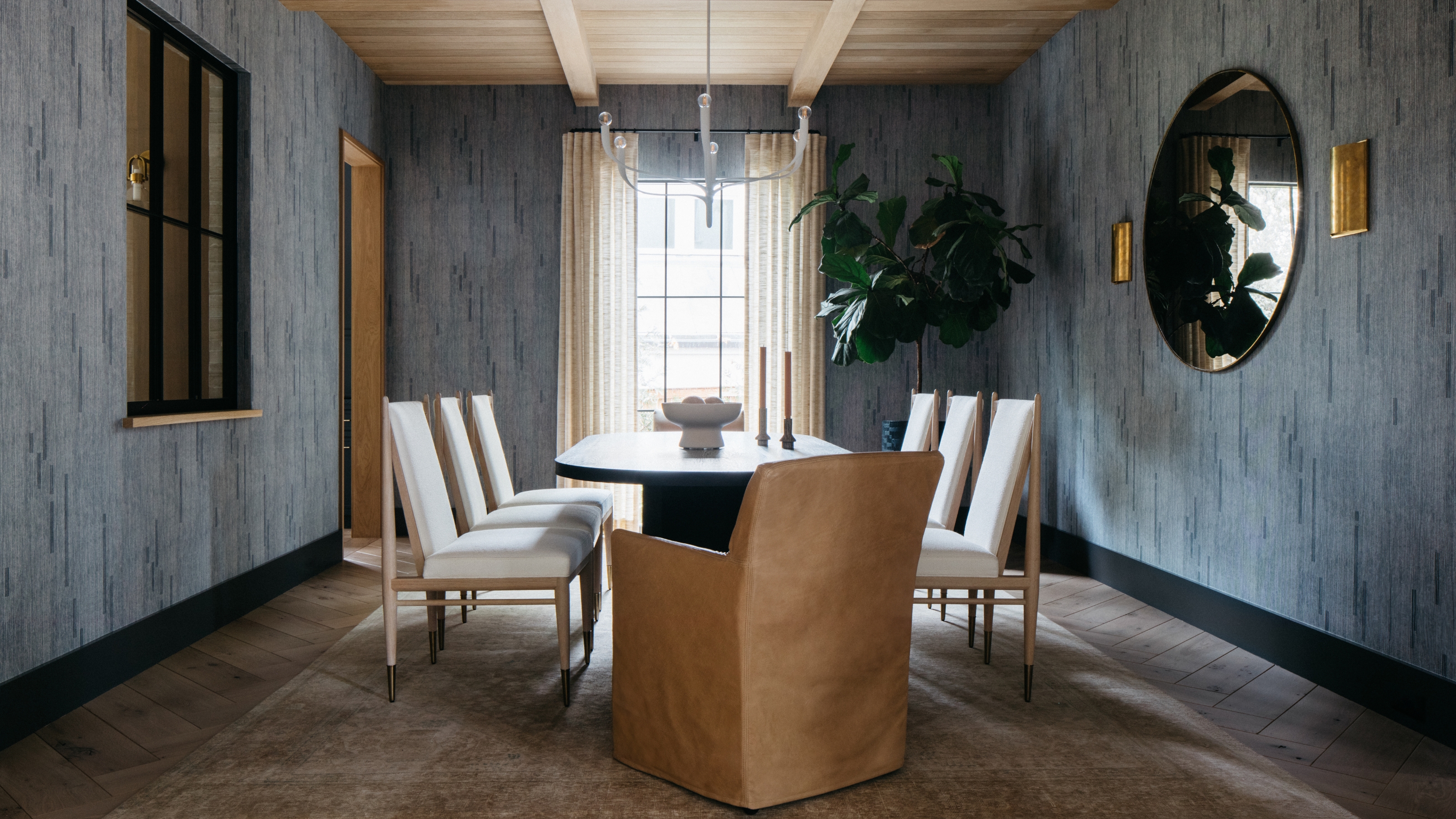
Are Formal Dining Rooms Out of Style? Designer's Discuss

Why glamorous glassware is booming

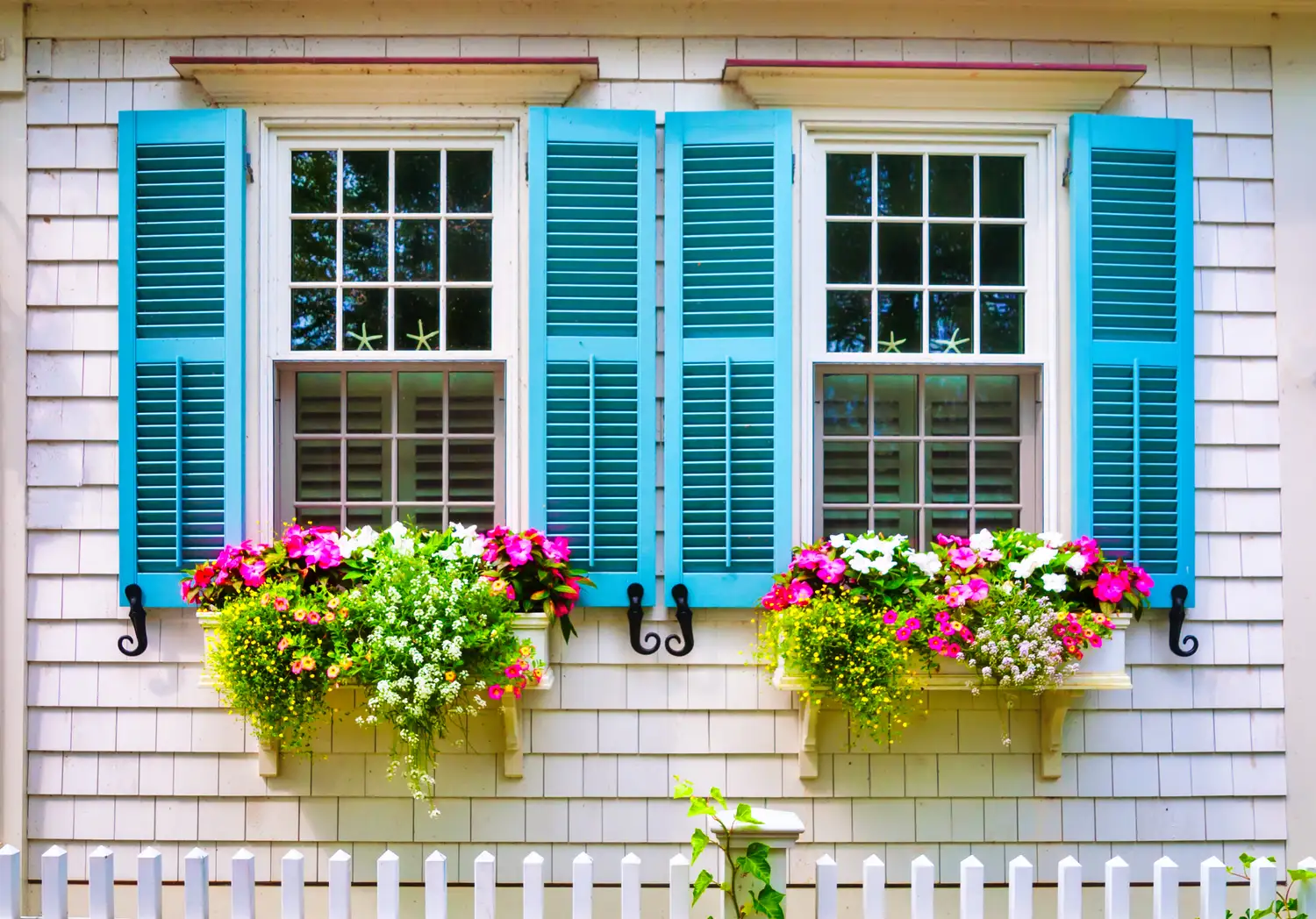
Are Window Shutters Still in Style? We Asked Designers What They Really Think
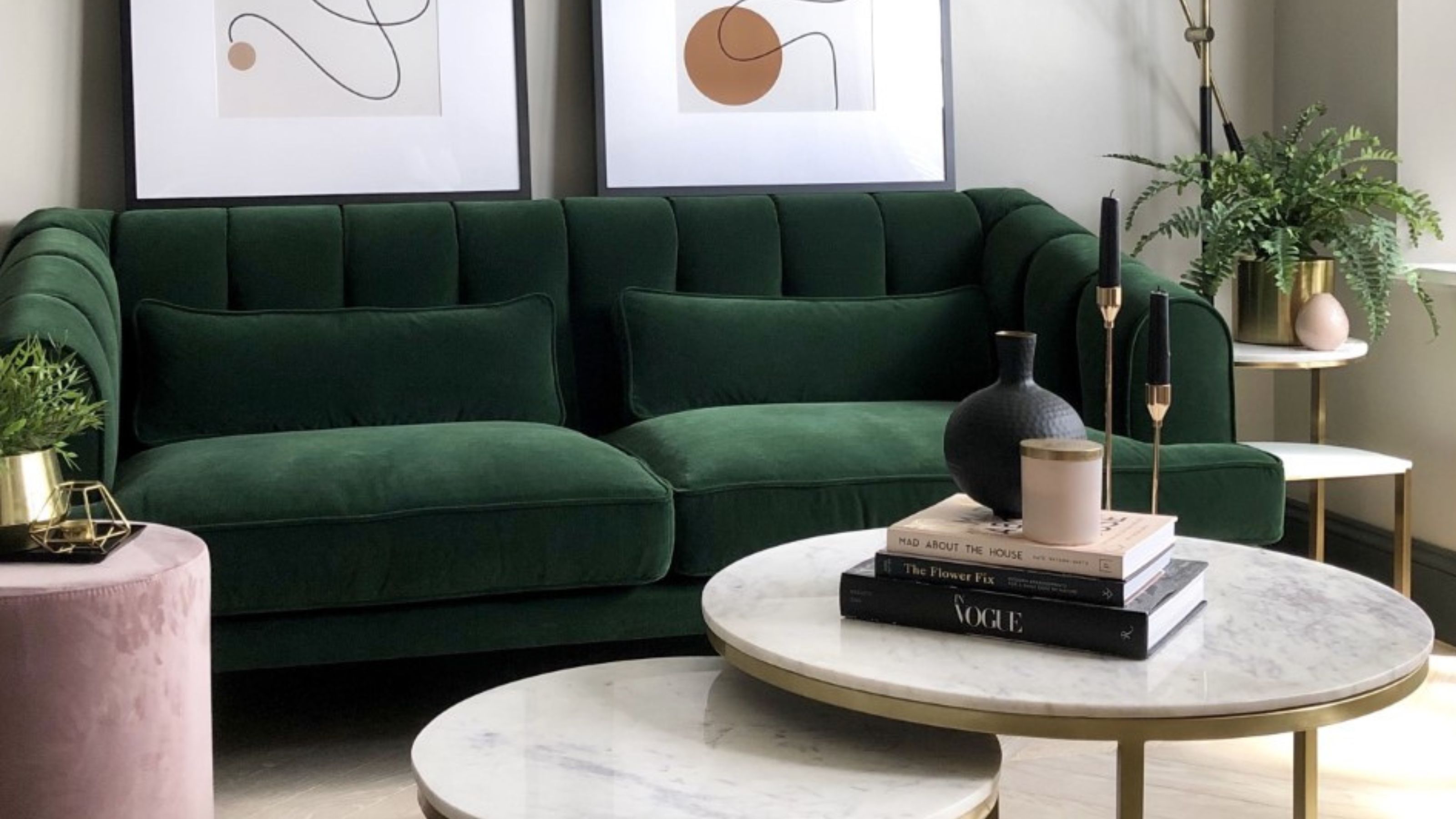
The 5 coffee table trends design experts are seeing everywhere in 2024

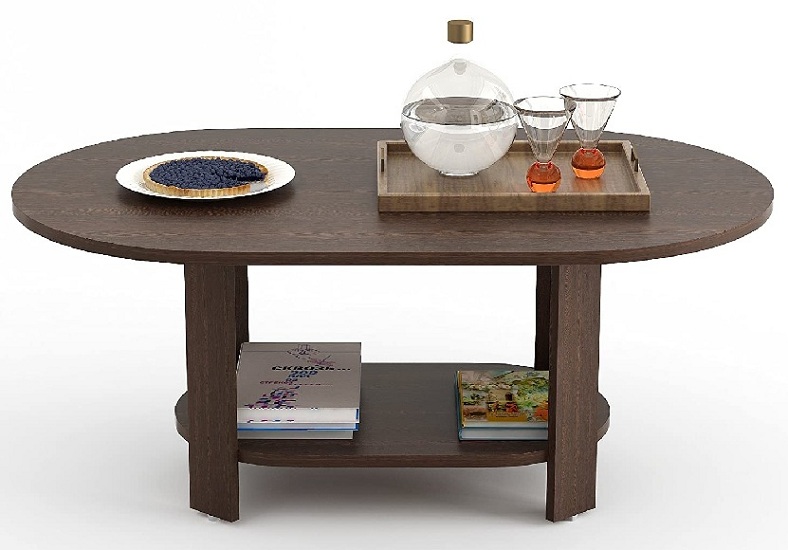
20 Stylish And Latest Coffee Table Designs In 2025

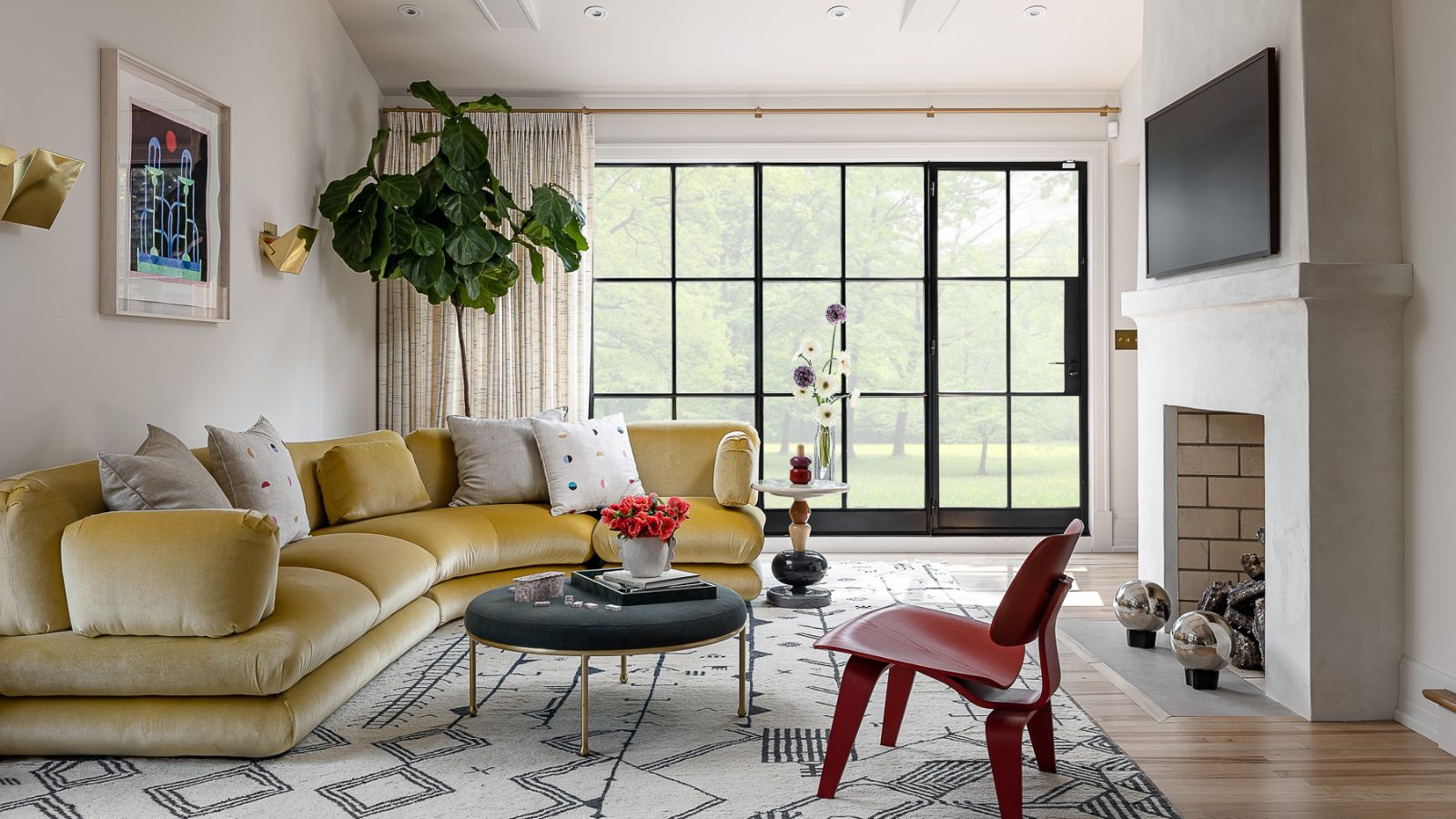
Are curved couches still on trend? Designers say this style is a classic in the making
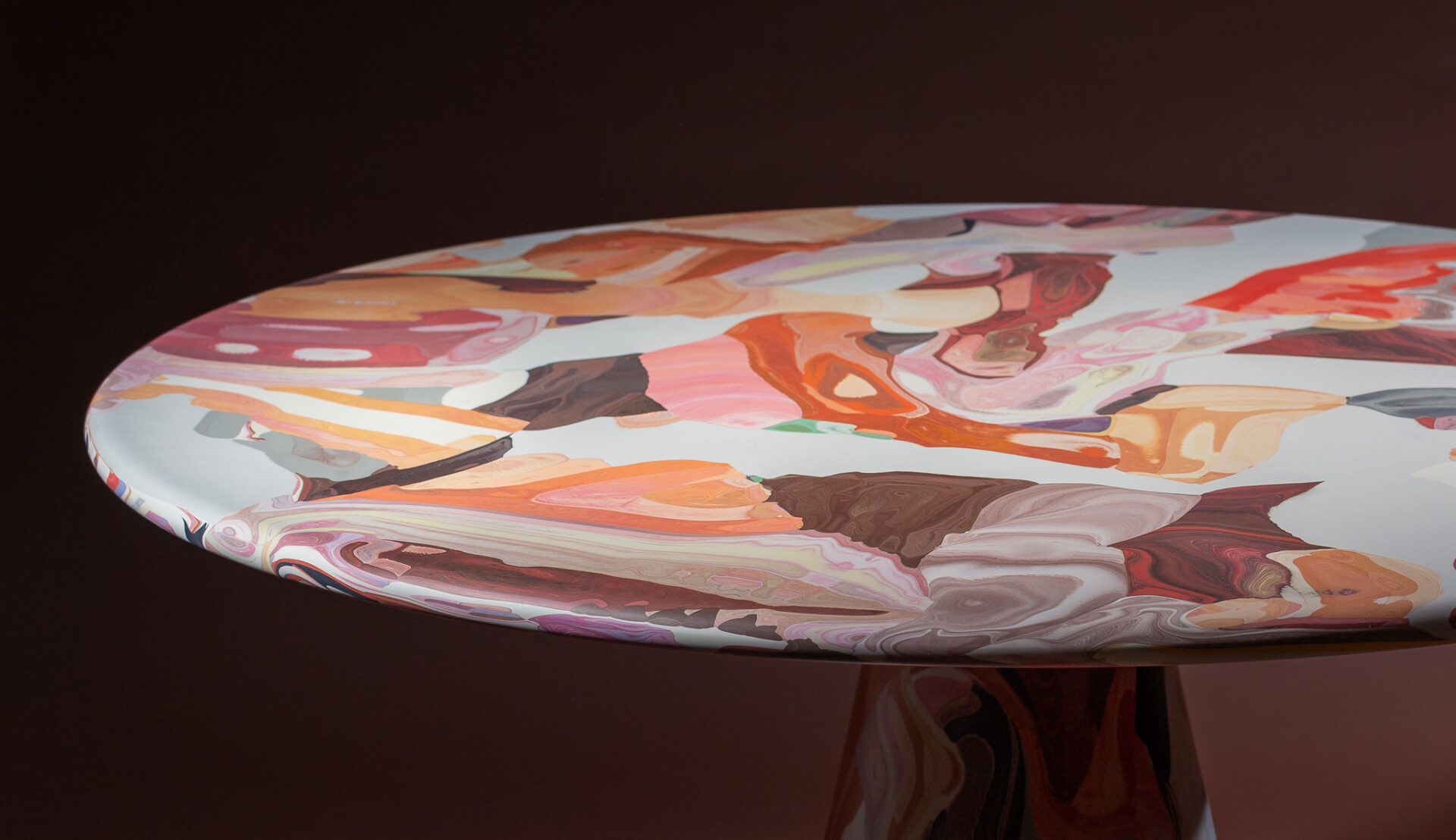
Gather round! The best coffee tables for design lovers, from the colourful to the sculptural

Is marble still on trend? Interior designers have their say
Are Gallery Walls Still in Style? Here’s What Designers Say

The Best Coffee Tables on the Market Right Now