1/3
A Guide to Biophilic and Sustainable Design With Low-Emissivity Glass and Other Efficient Materials
Advanced biophilic and sustainable design is gaining significant traction in architecture and development as professionals recognize its crucial role in achieving net-zero carbon goals. This approach extends beyond merely reducing emissions, focusing on improving the quality of life for building occupants by fostering a connection with nature, optimizing natural light, enhancing air quality, and substantially decreasing energy consumption. Such designs incorporate high-impact materials, including low-emissivity (Low-E) glass, high-performance insulation, and living green systems, all of which are essential for climate-conscious projects. Investing in these eco-friendly strategies is fundamental to creating a more harmonious future for both people and the planet.
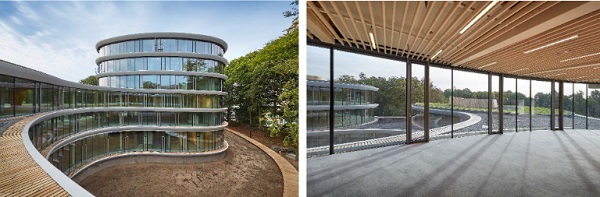
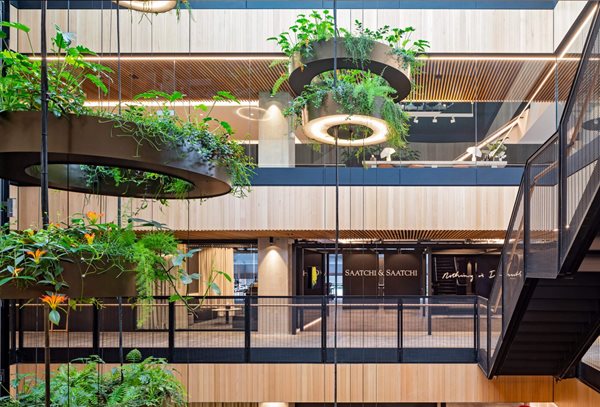
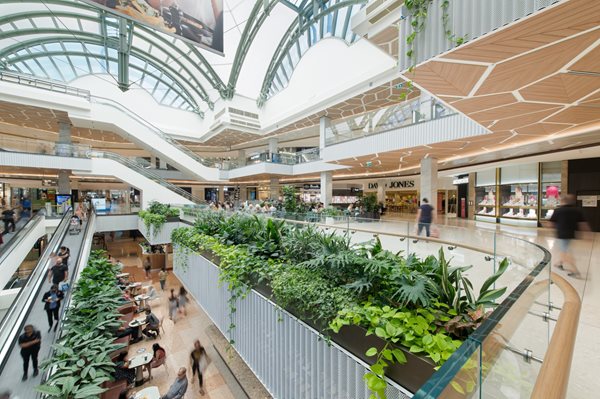
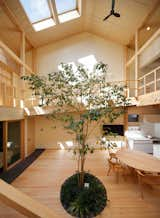
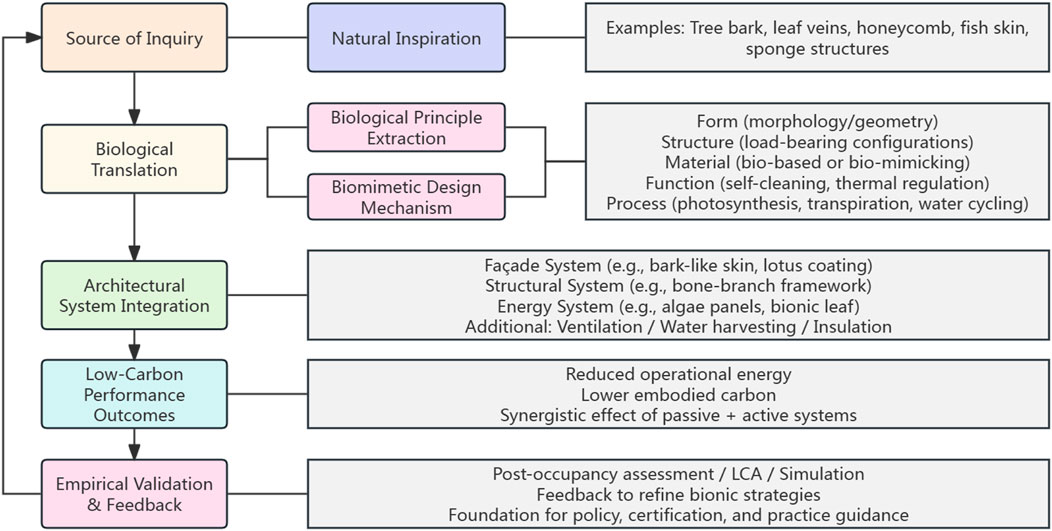
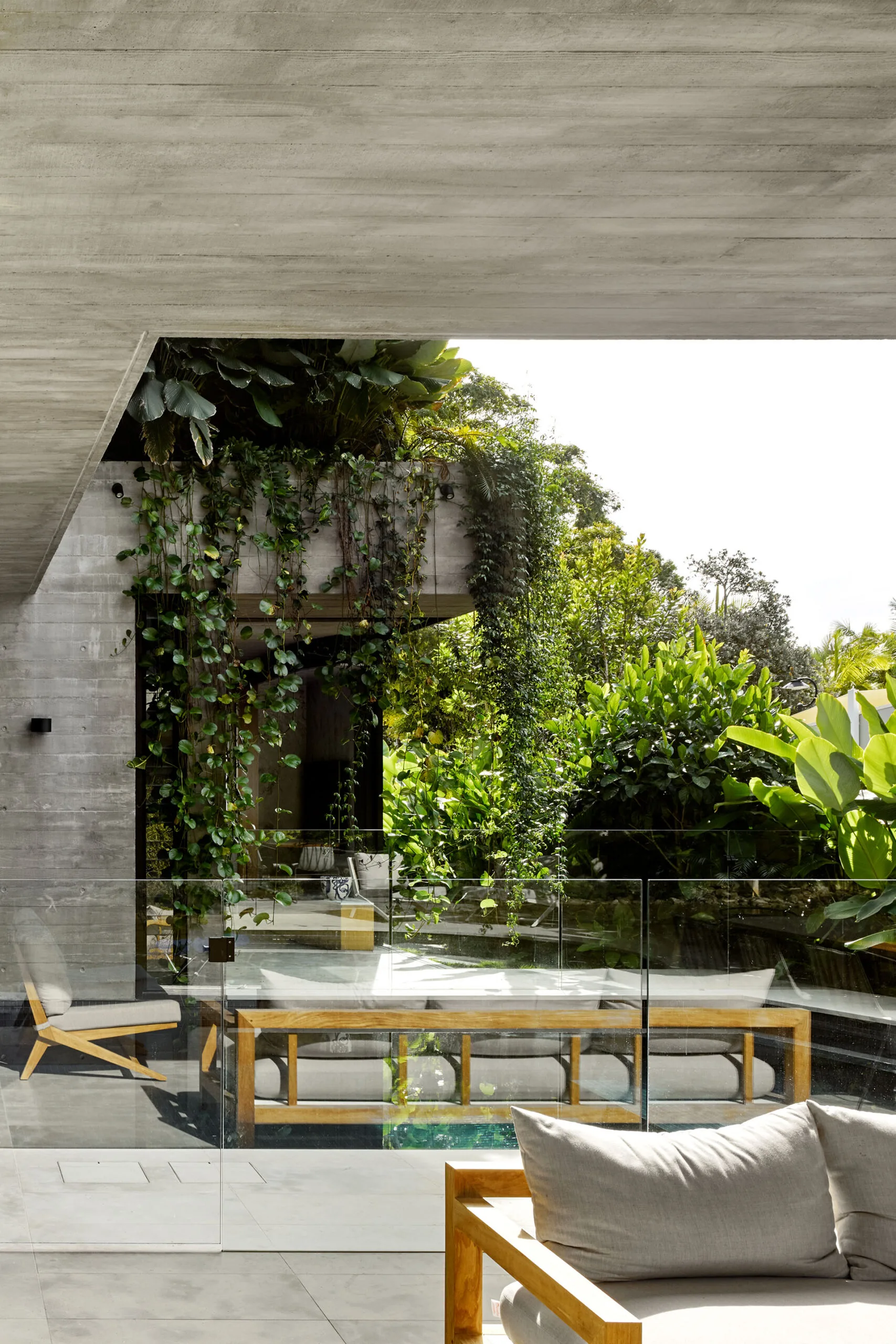
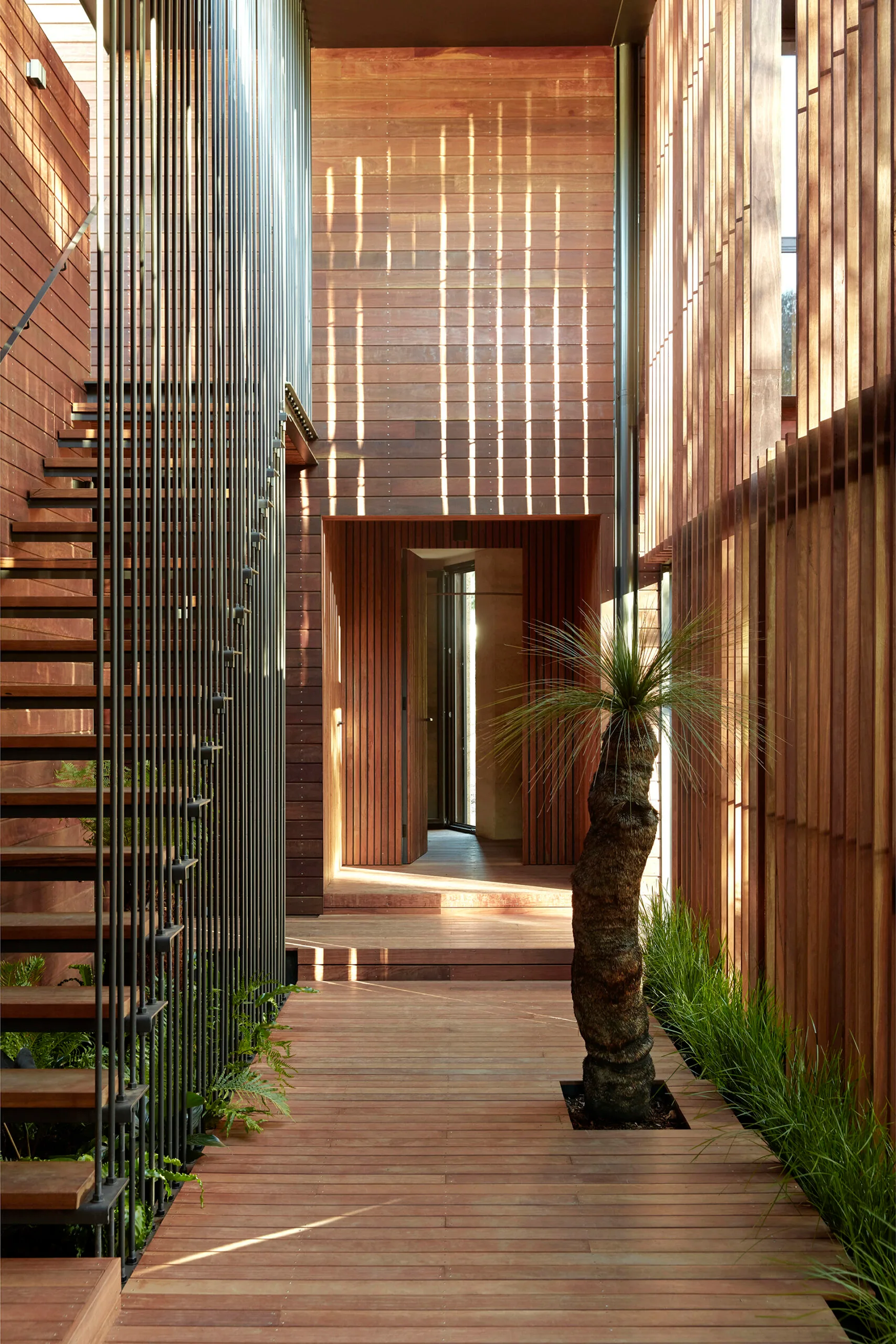
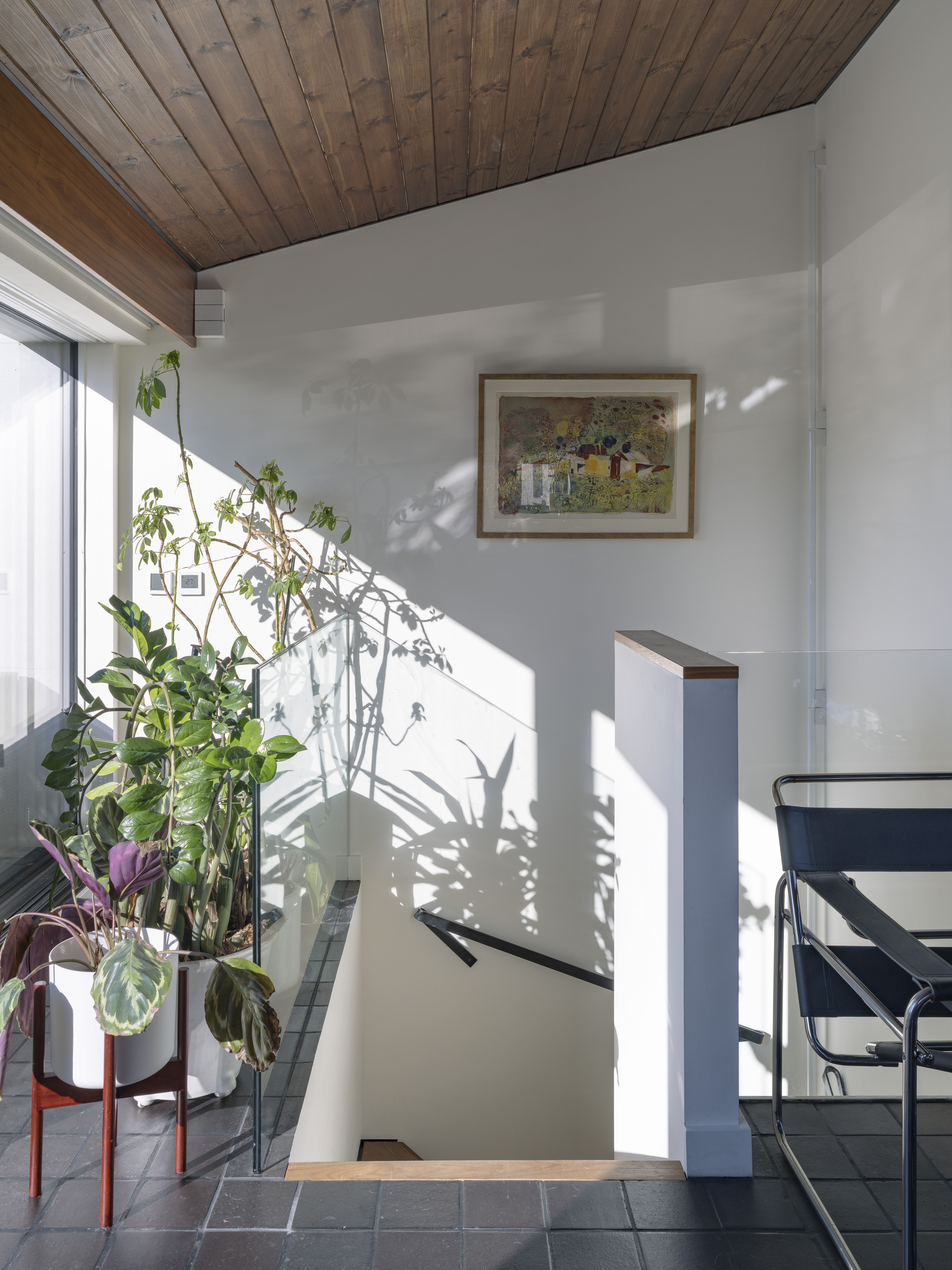
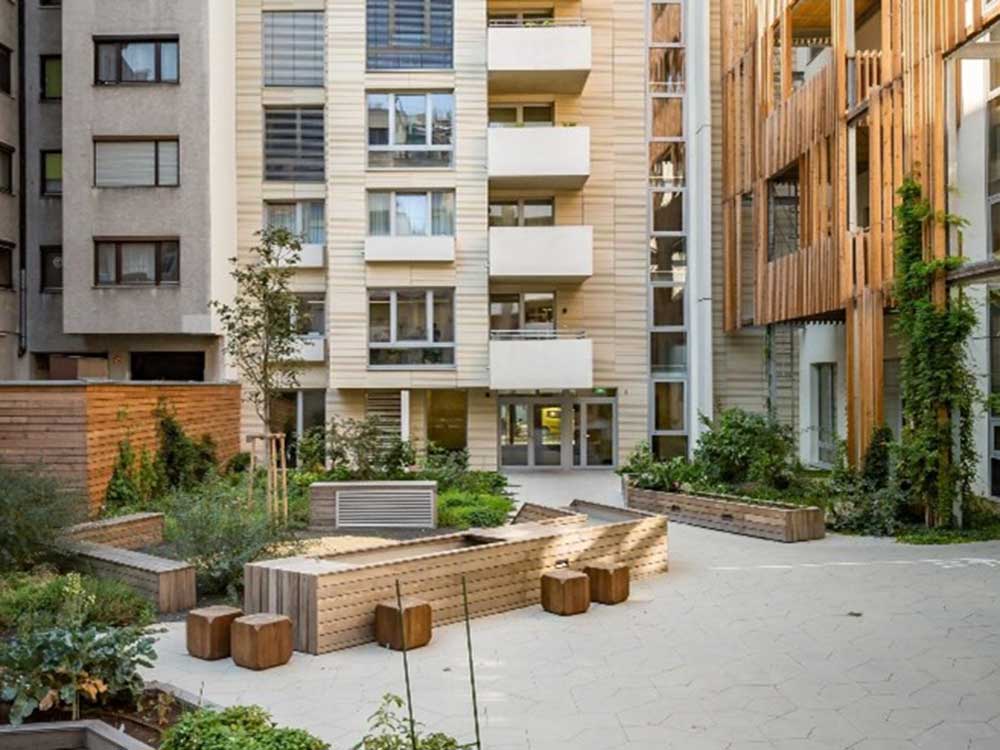
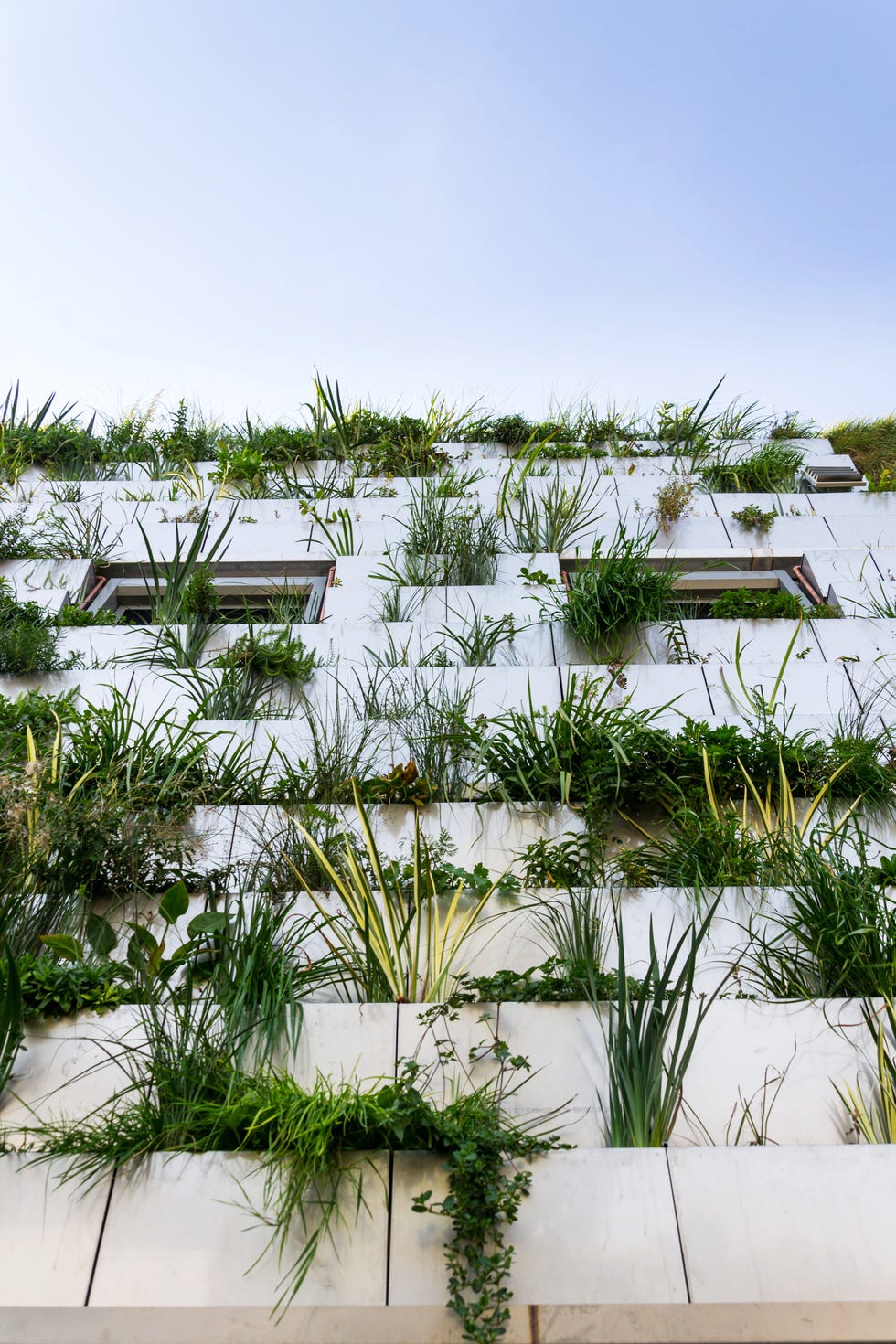
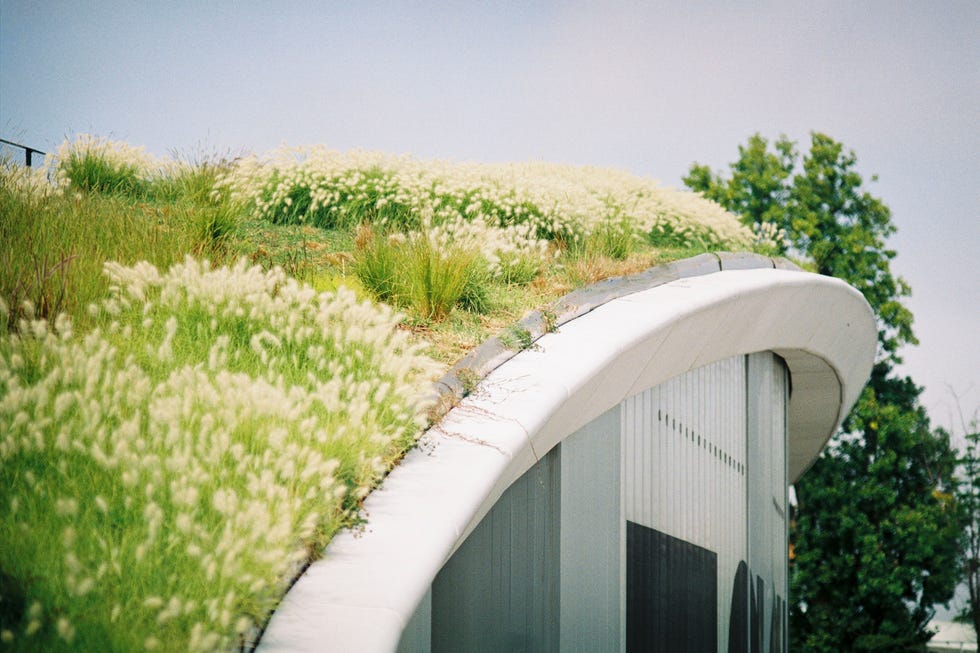
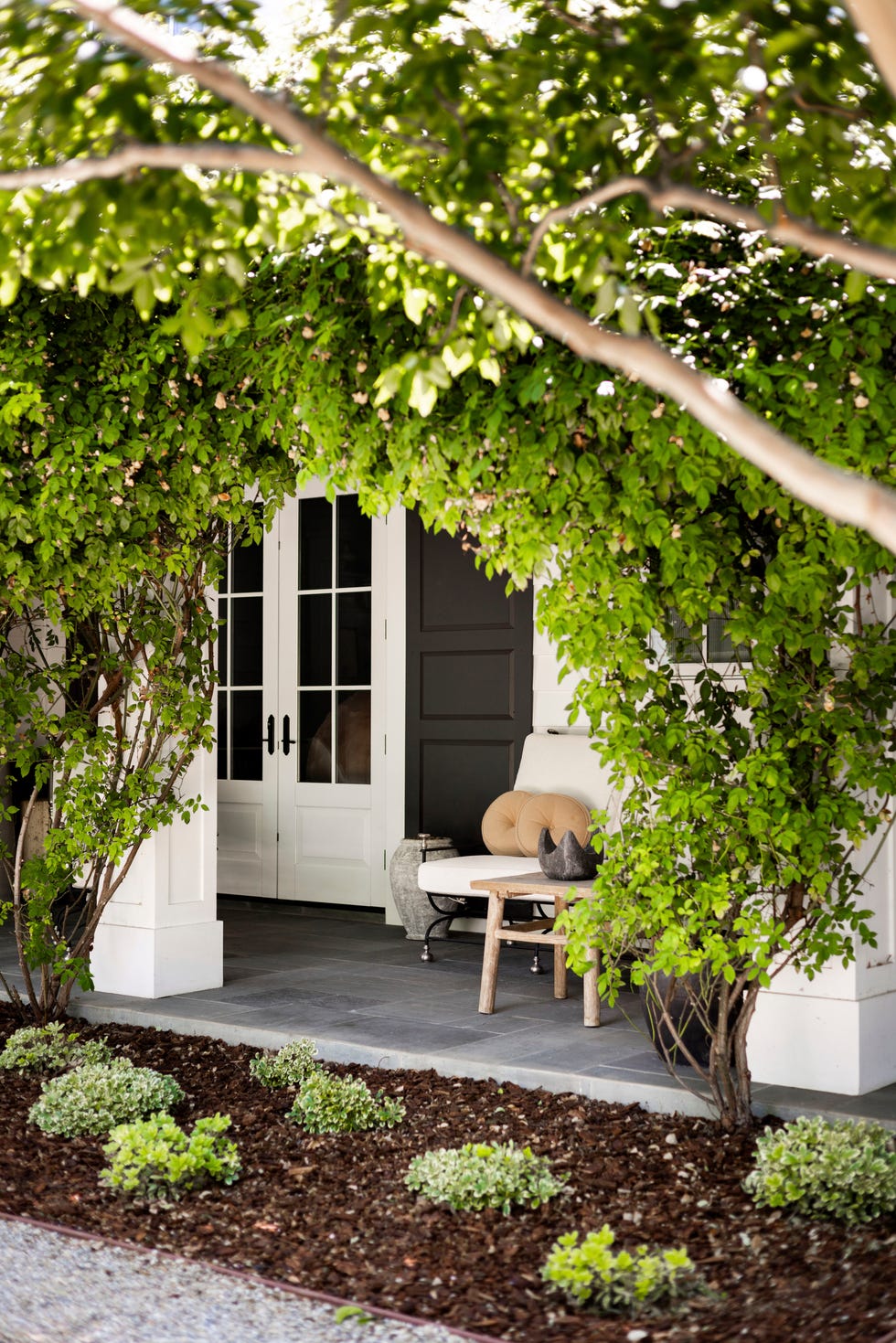
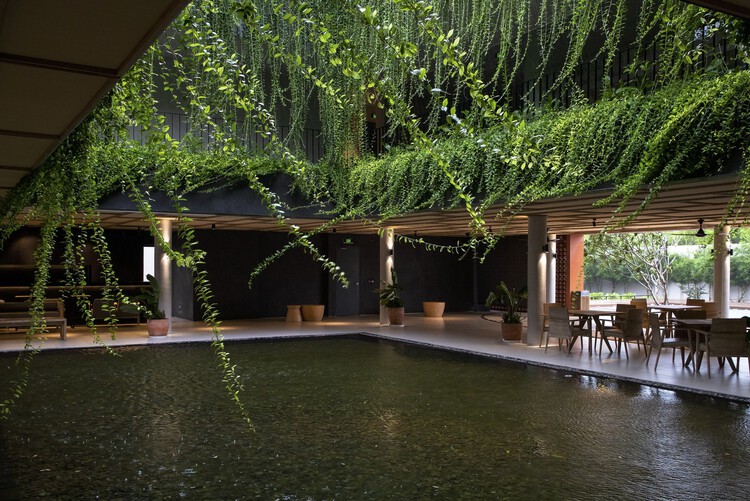
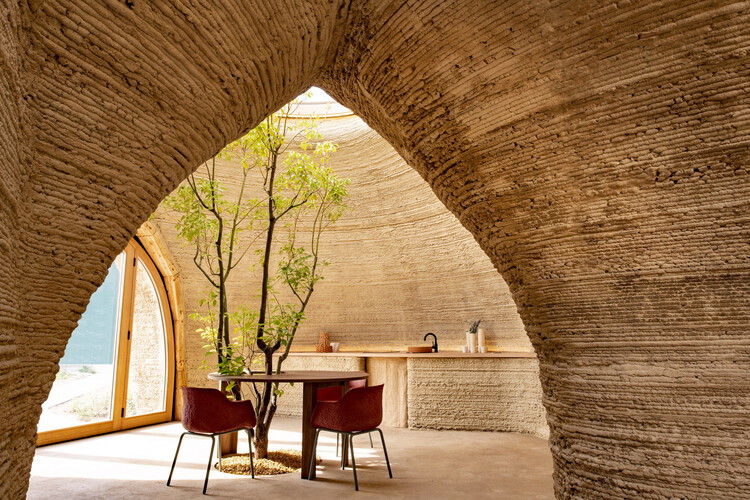
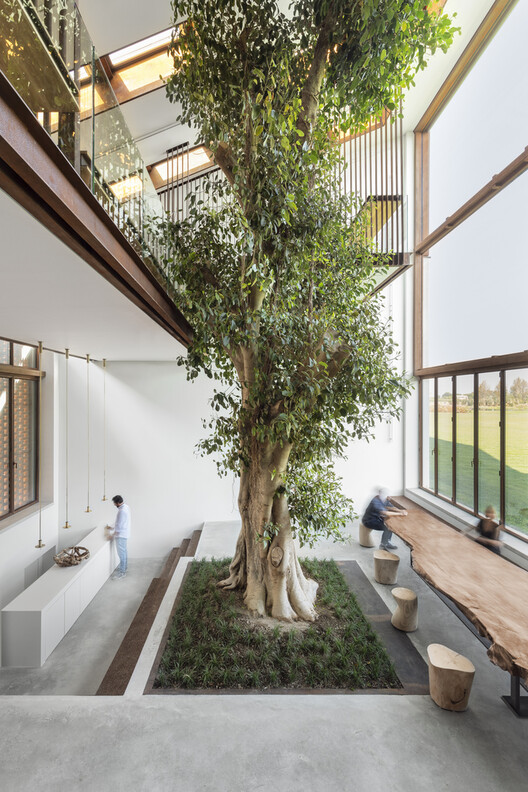
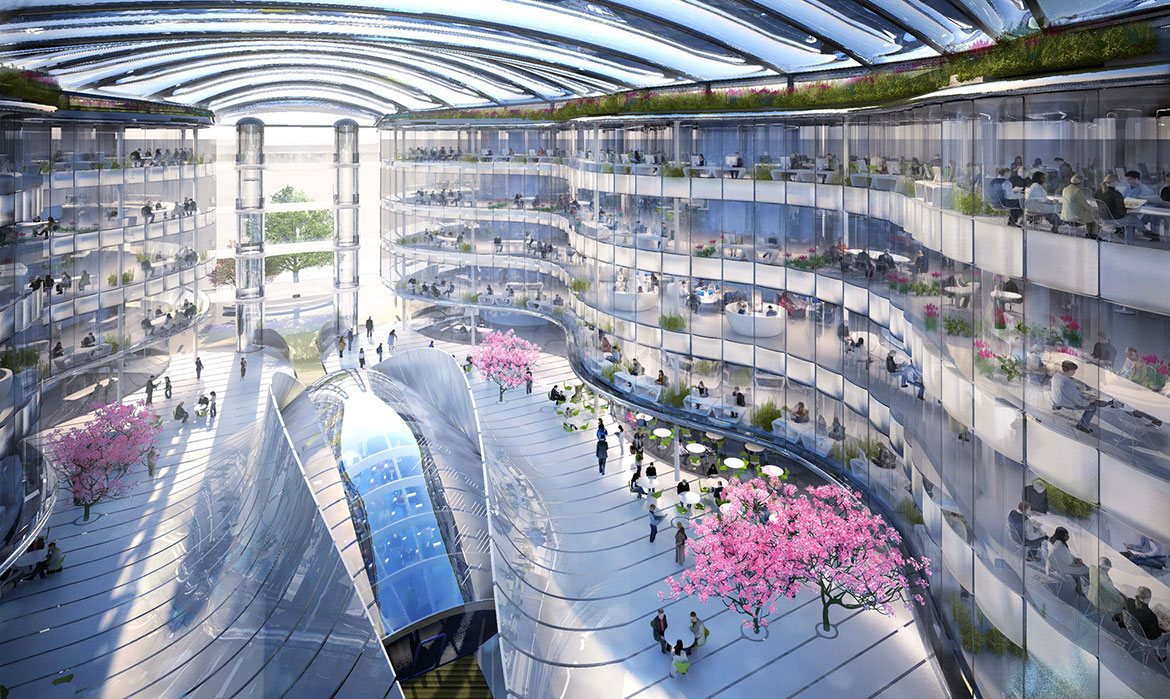
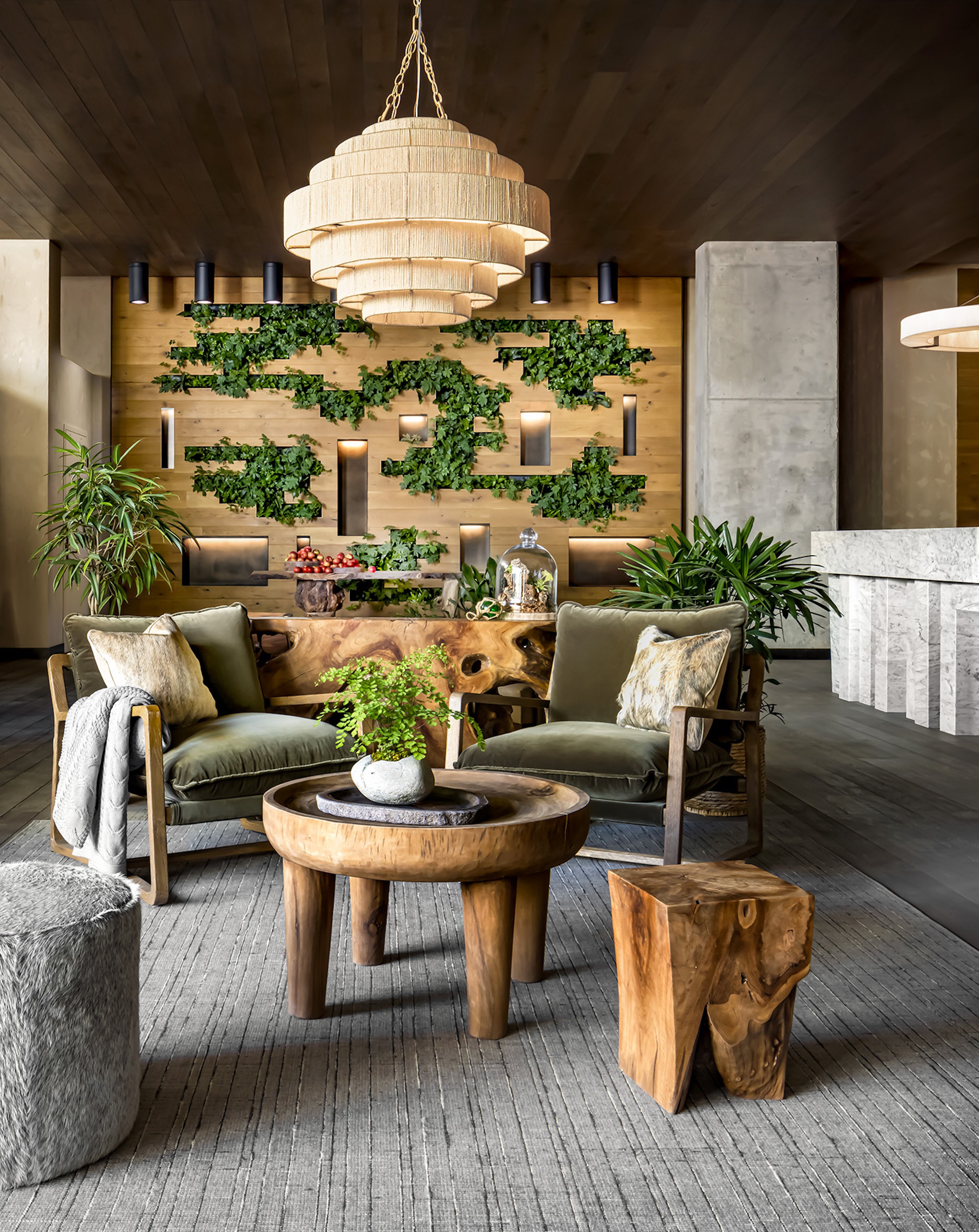
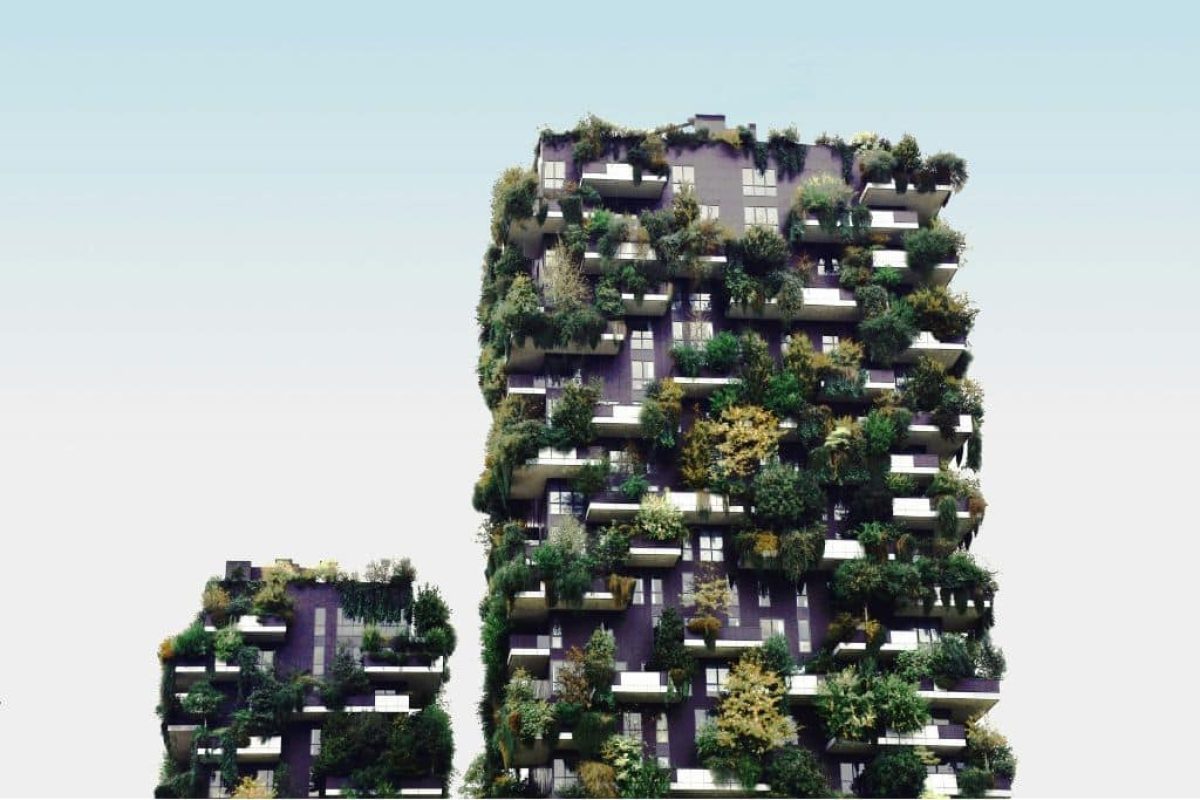
Biophilic design has evolved beyond simply integrating plants into urban environments. Modern architects now create entire ecosystems within buildings to bring nature's benefits into densely populated urban areas. This architectural shift promotes sustainability by embedding natural processes into everyday spaces, thereby addressing urban challenges like resource scarcity and limited access to green spaces. Features such as living walls, rooftop gardens, and green corridors reconnect people with nature, establish urban ecosystems that support biodiversity, aid in stormwater management, and improve air quality. By adopting biomimicry, architects draw inspiration from natural processes, like the self-cooling mechanisms of termite mounds or the efficient energy capture of leaves, to design buildings that optimize electricity use and create healthier living and working environments. The benefits of biophilic design are quantifiable, including enhanced thermal comfort, increased productivity, and improved emotional well-being, contributing to both aesthetic improvements and a sustainable environment.
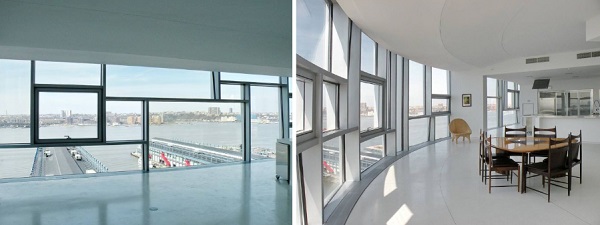
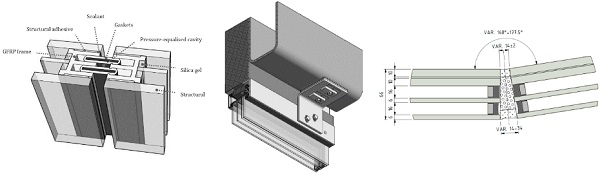
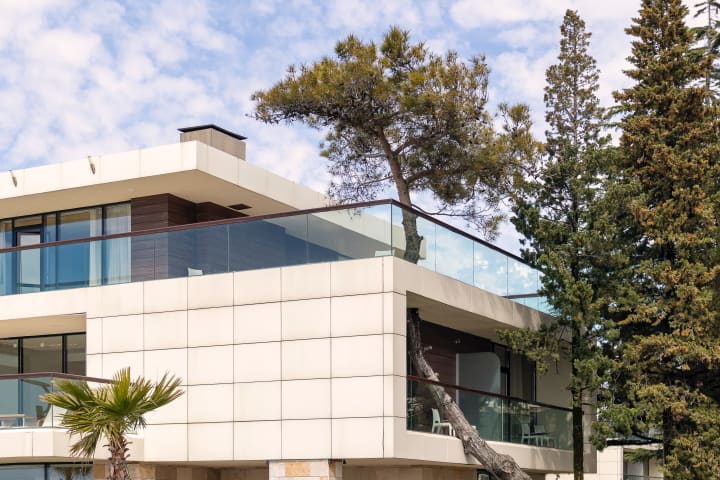
Low-emissivity (Low-E) glass is a cornerstone of advanced sustainable design, providing substantial energy-saving advantages without compromising natural light. It minimizes heat transfer and reduces glare, creating comfortable and efficient indoor environments. Low-E glass comes in two main types: soft-coat, which offers superior insulation for colder climates by reflecting infrared energy, and hard-coat, a more durable option suitable for single-pane windows, though less insulative. Spectrally selective coatings further enhance versatility by filtering infrared heat while allowing visible light, which is particularly beneficial in warm climates for reducing cooling costs. This technology significantly contributes to stable thermal envelopes by allowing natural light in while blocking unwanted heat, thereby reducing energy loss through windows—which can account for 25% to 30% of energy use in residential buildings and 30% in commercial structures. Integrating Low-E glass with passive solar design and dynamic shading systems further optimizes energy management, allowing buildings to adapt to changing light conditions, minimize energy costs, and maximize natural light.
Sustainable design principles for high-performance spaces aim to create resilient buildings that benefit both the environment and their occupants. Key steps include reducing embodied carbon, maximizing resource efficiency, and improving indoor air quality. Net-zero design strives for buildings that balance energy consumption with renewable energy generation, with a strong emphasis on reducing embodied carbon—the carbon footprint associated with material production, transport, and construction. Utilizing sustainable materials like recycled steel or low-carbon concrete results in buildings with lower embodied carbon and longer, more efficient lifecycles. Environmental Product Declarations (EPDs) provide crucial transparency on a material’s carbon footprint, energy consumption, and emissions, enabling designers to make informed choices aligned with sustainability goals. Addressing both operational energy (daily energy usage) and embodied energy is vital, as buildings account for 75% of electricity use in the US. Strategies to reduce operational energy include efficient HVAC systems, LED lighting, and renewable energy sources, while low-impact materials contribute to reducing a building's environmental footprint from its inception.
To integrate Low-E glass and other efficient materials effectively into biophilic and sustainable design, several practical steps are essential. These include defining clear energy and environmental goals, analyzing climate considerations to select appropriate Low-E glass types, consulting with sustainability experts for life cycle assessments, orienting buildings for optimal solar benefits, incorporating dynamic shading systems, thoughtfully adding biophilic elements, and targeting green building certifications like LEED or WELL. By following these guidelines, architects can create structures that not only meet high performance standards but also foster a deeper connection between occupants and the natural environment, pushing the boundaries of environmental design towards more energy-efficient and nature-integrated spaces.
#BiophilicDesign #SustainableDesign #LowEmissivityGlass #GreenConstruction #NetZeroCarbon #BuildingMaterials #EnergyEfficiency #EnvironmentalProductDeclarations #BiophilicDesign #SustainableDesign #LowEmissivityGlass #GreenConstruction #NetZeroCarbon #BuildingMaterials #EnergyEfficiency #EnvironmentalProductDeclarations
合計0件のコメント
 まだコメントはありません
あなたも好きかもしれません
Slim Skins: Towards a New Glazed Façade System

Five UK landmarks if they were made out of glass
What Sustainable Interior Design Really Means in 2025 — And Why It’s No Longer Just About the Materials


Eggs, sticky rice, and transparent wood create new kind of window

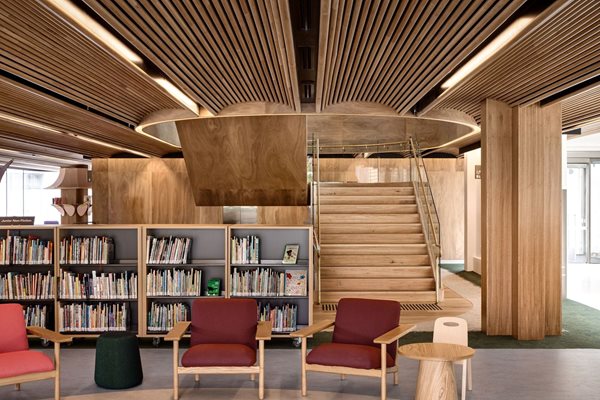
Why biophilic design is more than just a trend

Enhancing Climate Sustainability through Biophilic Design

Biophilic facades in sustainable building design
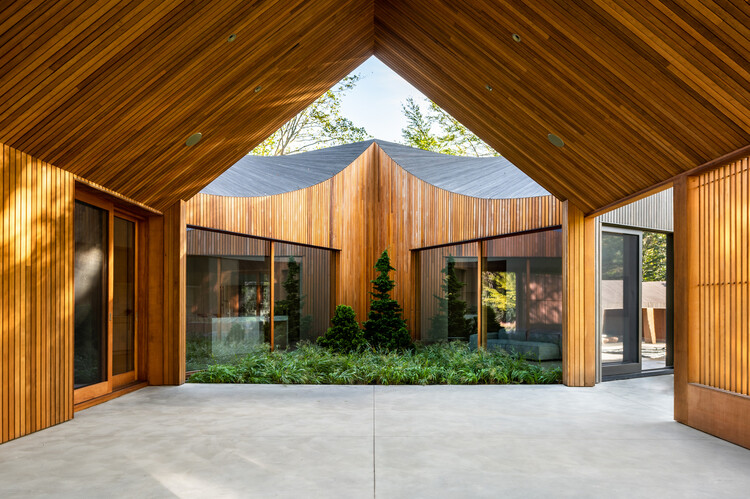
Biophilic Interiors: 21 Projects that Blend Architecture with Nature

20 Nature-Loving Homes Where Biophilia Thrives

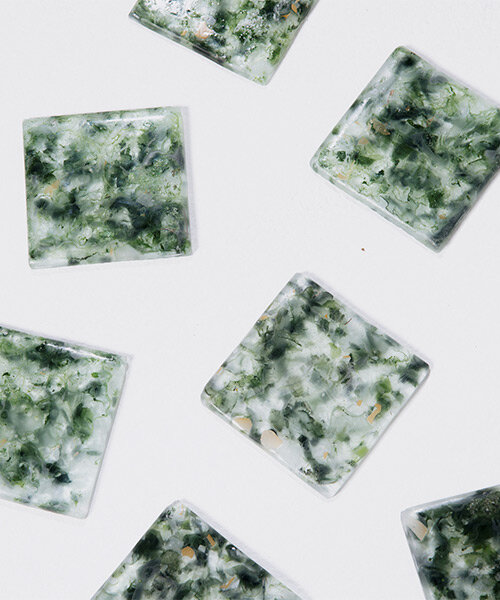
snøhetta makes tiles out of electronic waste glass in 'common sands – forite'
10 Start-ups Creating Innovative and Sustainable Building Materials, from Mycelium Bricks to Water Purifying Tiles

From Fringe Idea to Mainstream Imperative: The Future of Design Depends on Biomimicry


Sustainable Material Spotlight: Recycled Glass
What the heck is biophilic design?

6 Sustainable Material Trends That Prove It's No Longer Just a Buzzword, but an Exciting Design Opportunity
Room for Change: Interior Design that Adapts with Style
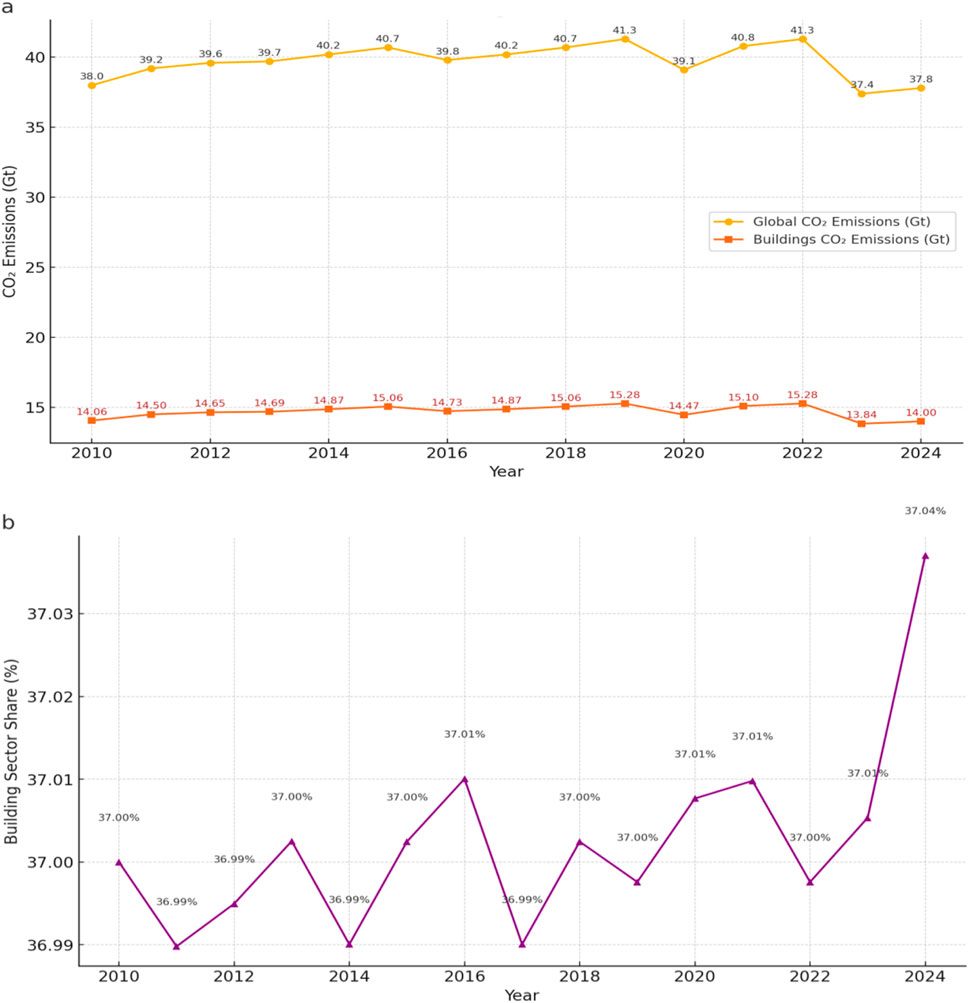
Application of bionic architecture in low-carbon design: a systematic review from nature inspiration to architectural practice
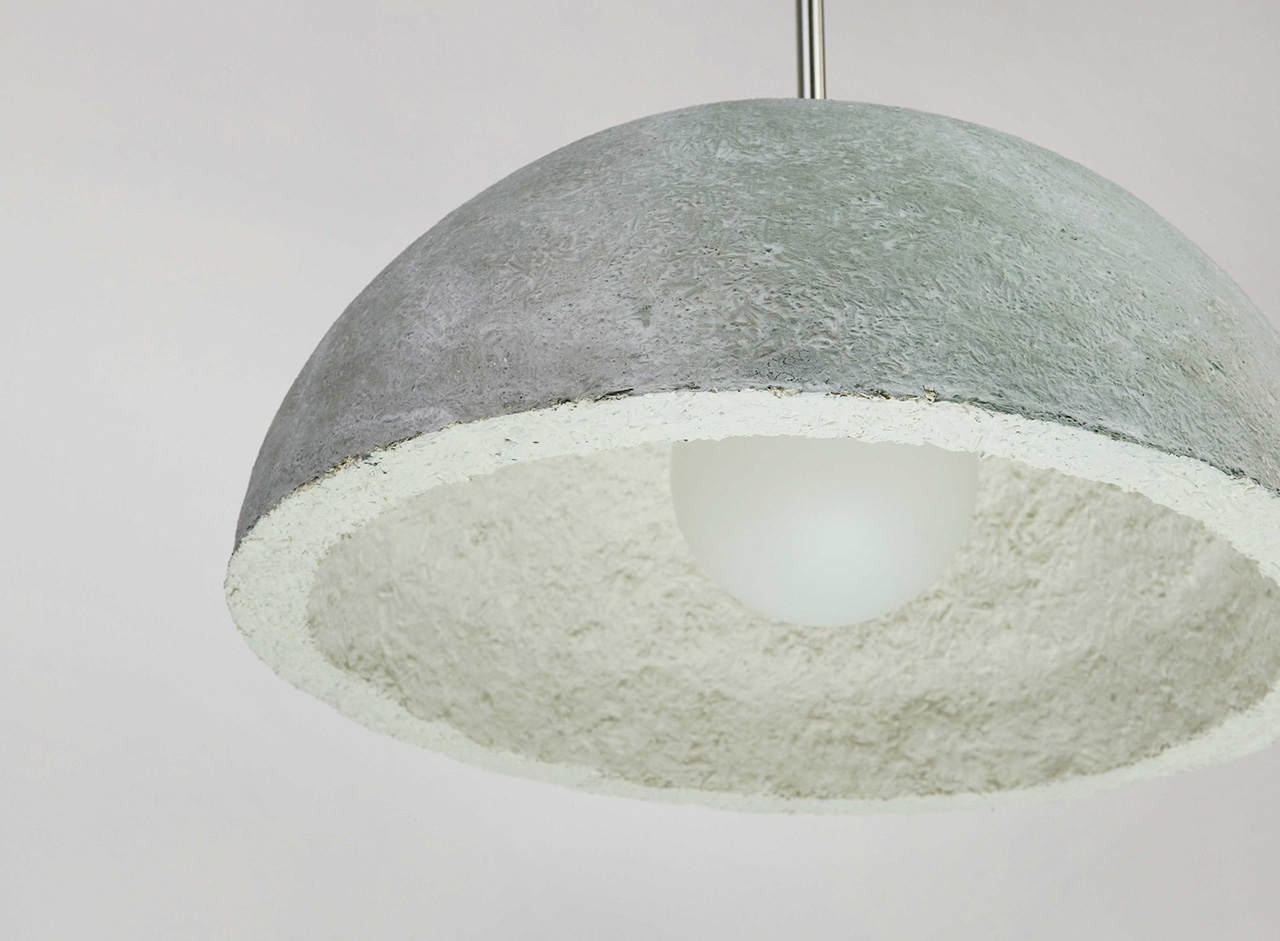
MushLume Lighting Is an Illuminating Example of BioDesign
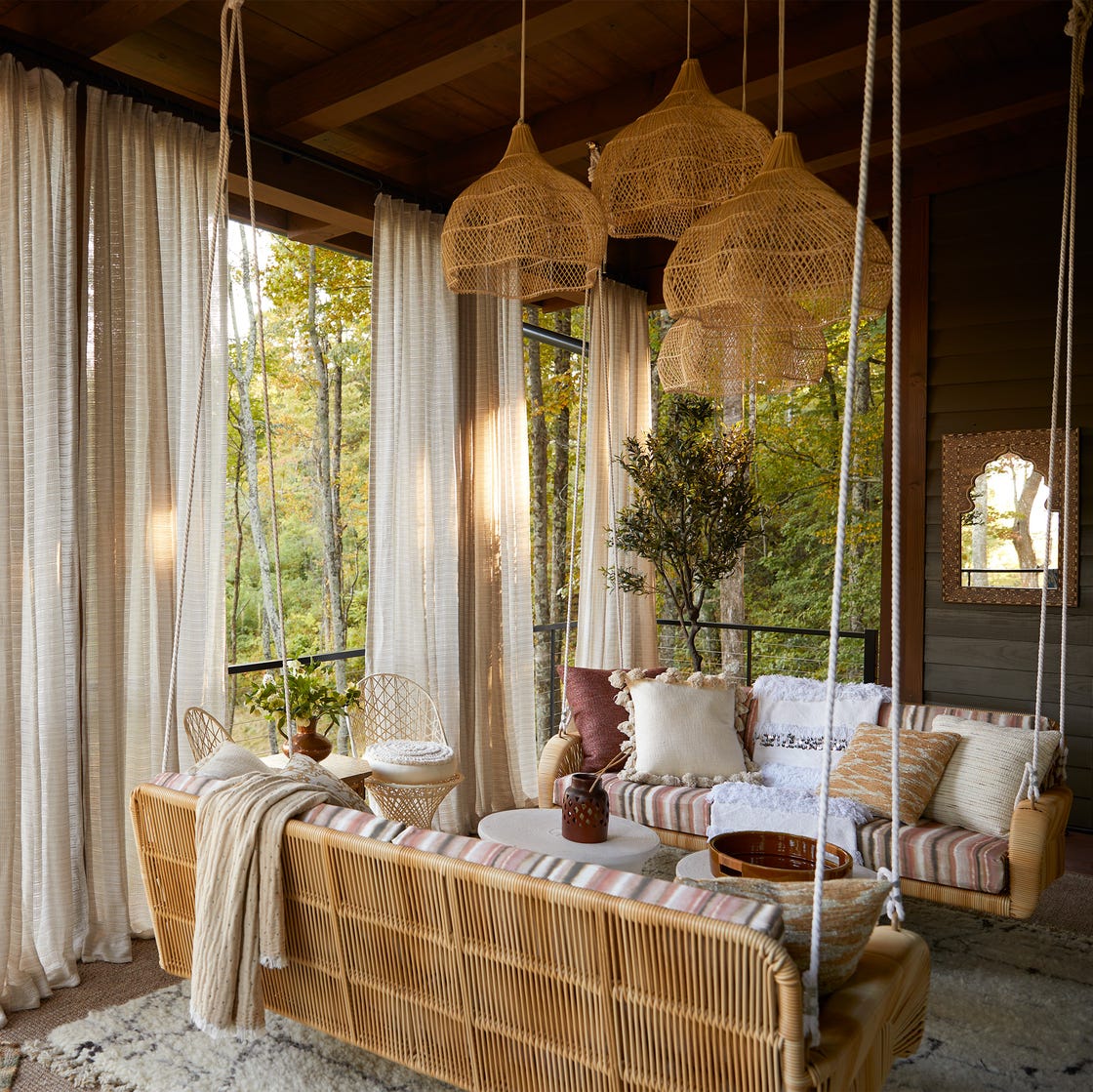
Biophilic Design Is the Signature Style of Plant Lovers Everywhere

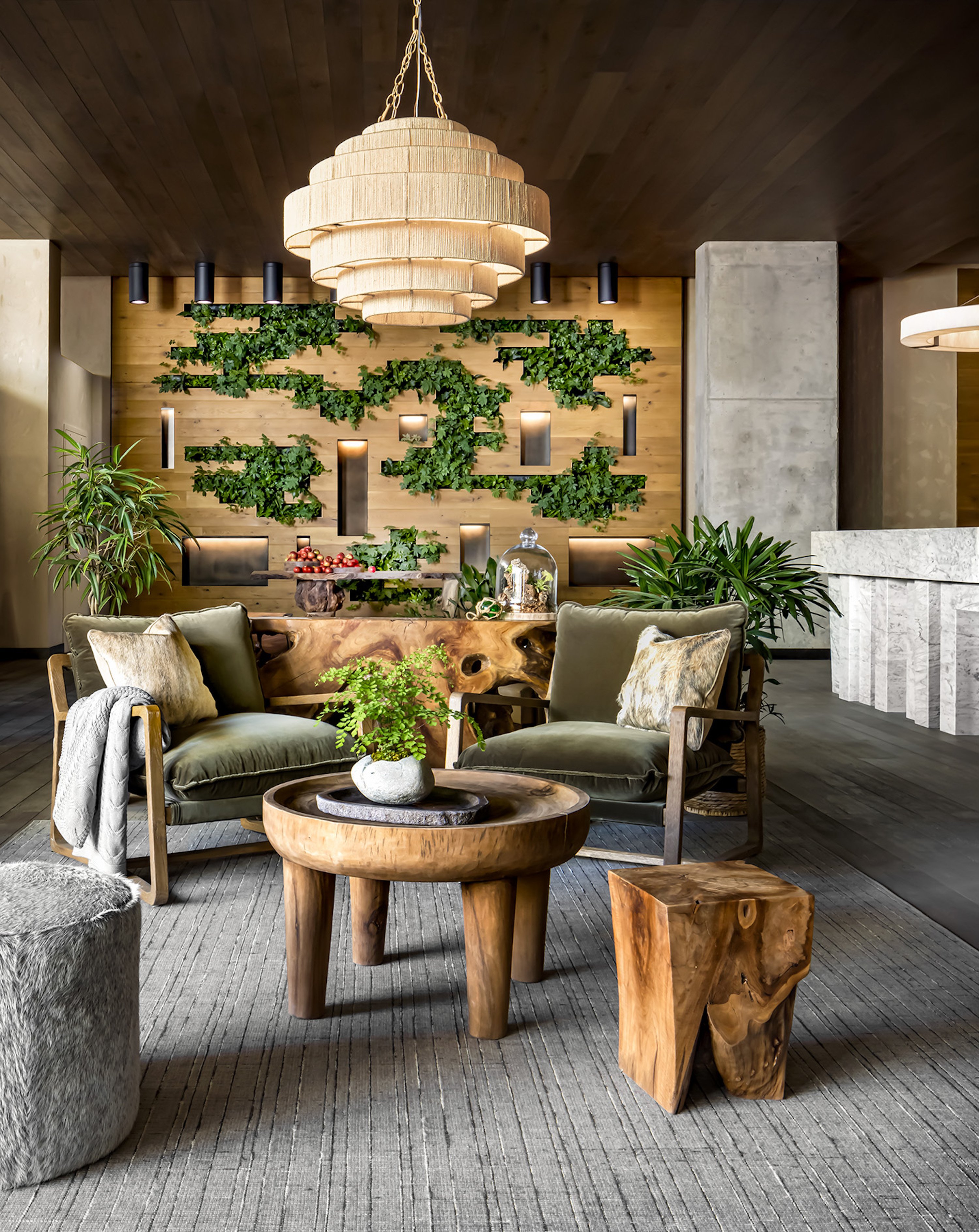
Is Biophilic Design the New Paradigm?