1/11
9 Garden Divider Ideas That Help to Create the Sense of 'Rooms' Within Your Landscaping
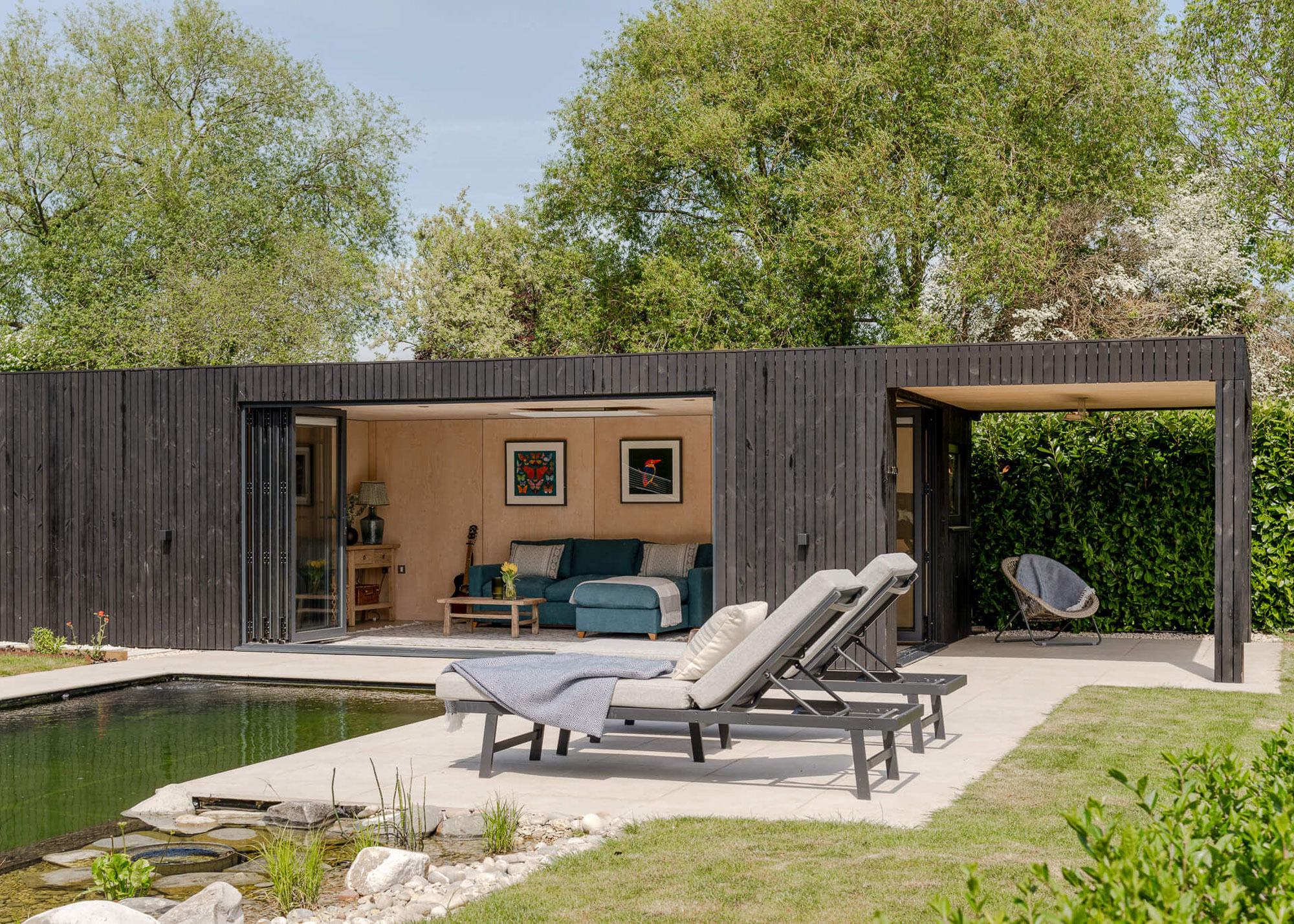
The article discusses various garden divider ideas to optimize outdoor living areas, creating a sense of 'rooms' within the landscaping for improved function and aesthetic flow. Modern garden design increasingly treats outdoor spaces as extensions of the home, necessitating thoughtful zoning for activities like entertaining, relaxing, and dining. Kerith Flynn, principal at Margali & Flynn Designs, emphasizes that zoning is crucial for both aesthetics and purpose, bringing clarity and calmness to how outdoor spaces are utilized.
One effective method for garden division involves creating transitional pathways. These pathways guide movement between different zones and can be enhanced with attractive flowers or shrubs, serving as both a functional separator and a visual element. Joseph Richardson of Richardson & Associates Landscape Architecture illustrates this with a design connecting cooking/dining and lounging areas via a paver walkway bordered by river stone, boxwood, ornamental grasses, and perennial flowers, effectively partitioning spaces while maintaining connection.
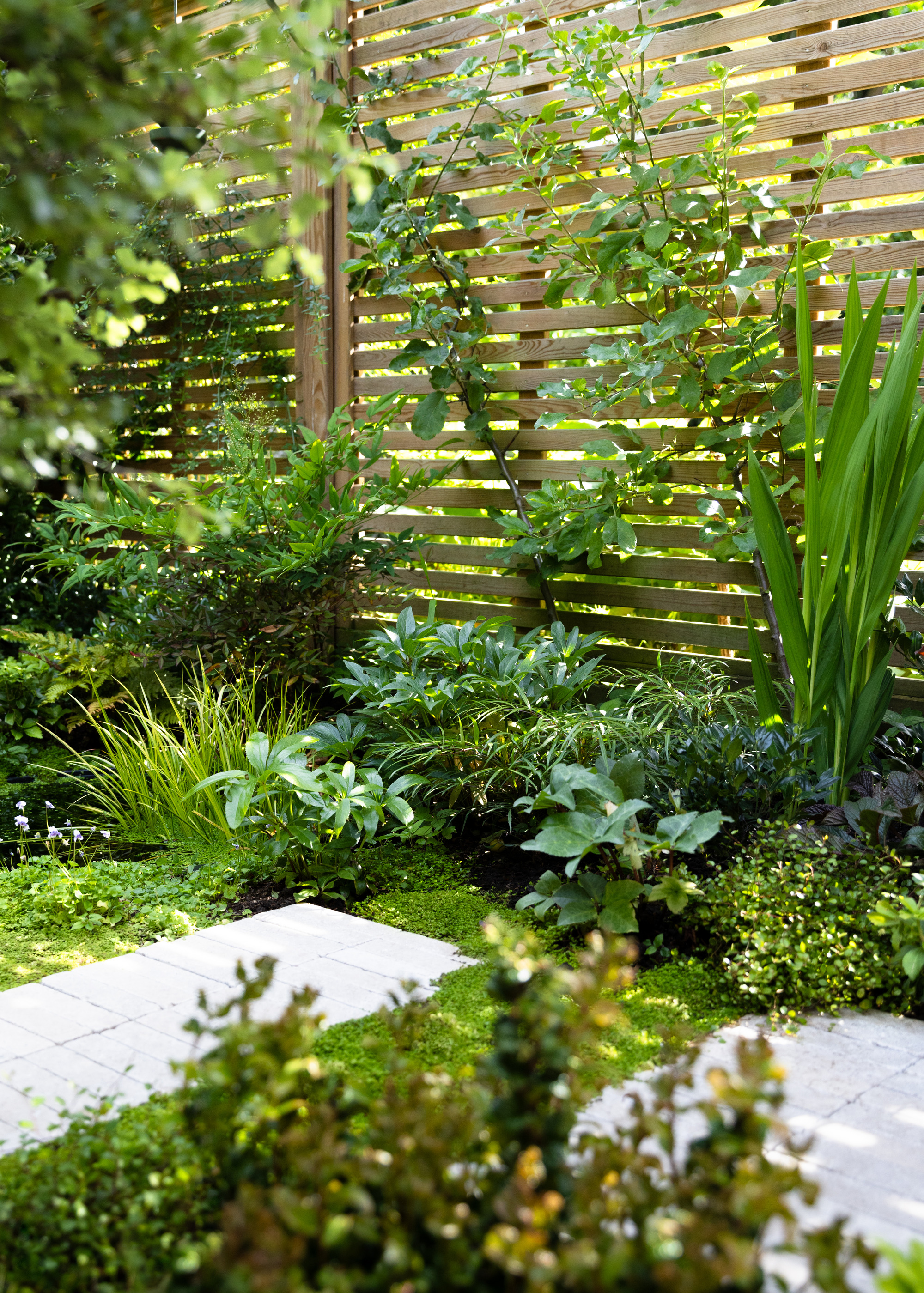
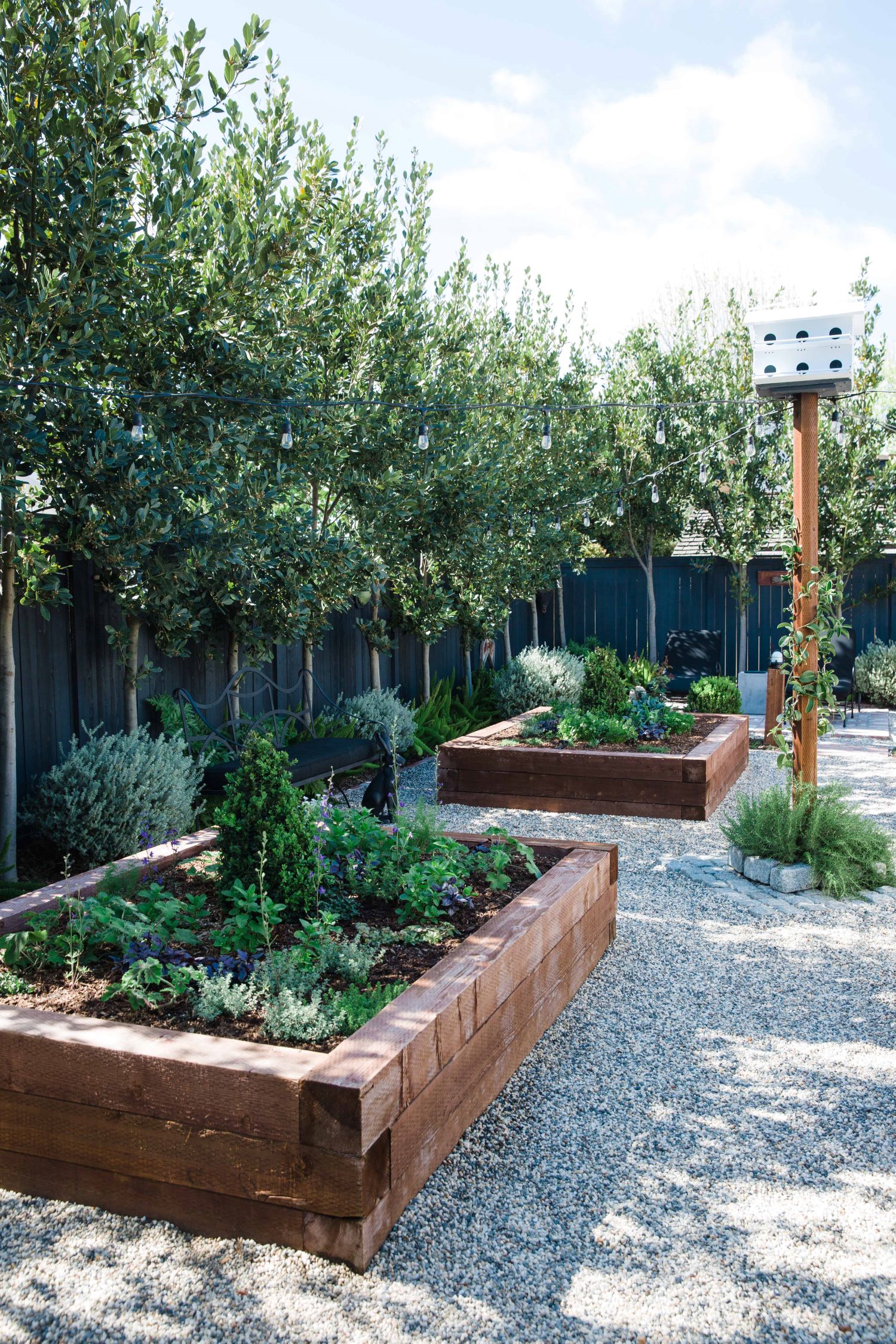
Natural borders, primarily using plants and shrubs, offer a subtle and organic way to define garden areas. Christina Fenmore, Principal Designer at Garden Studio Design, notes that thoughtful transitions, rather than harsh dividers, are preferred, especially when privacy is not the main concern. She highlights how ornamental shrubs can delineate spaces like outdoor kitchens and living areas, guiding visitors through the garden in a soft and soothing manner, and avoiding obtrusive barriers.
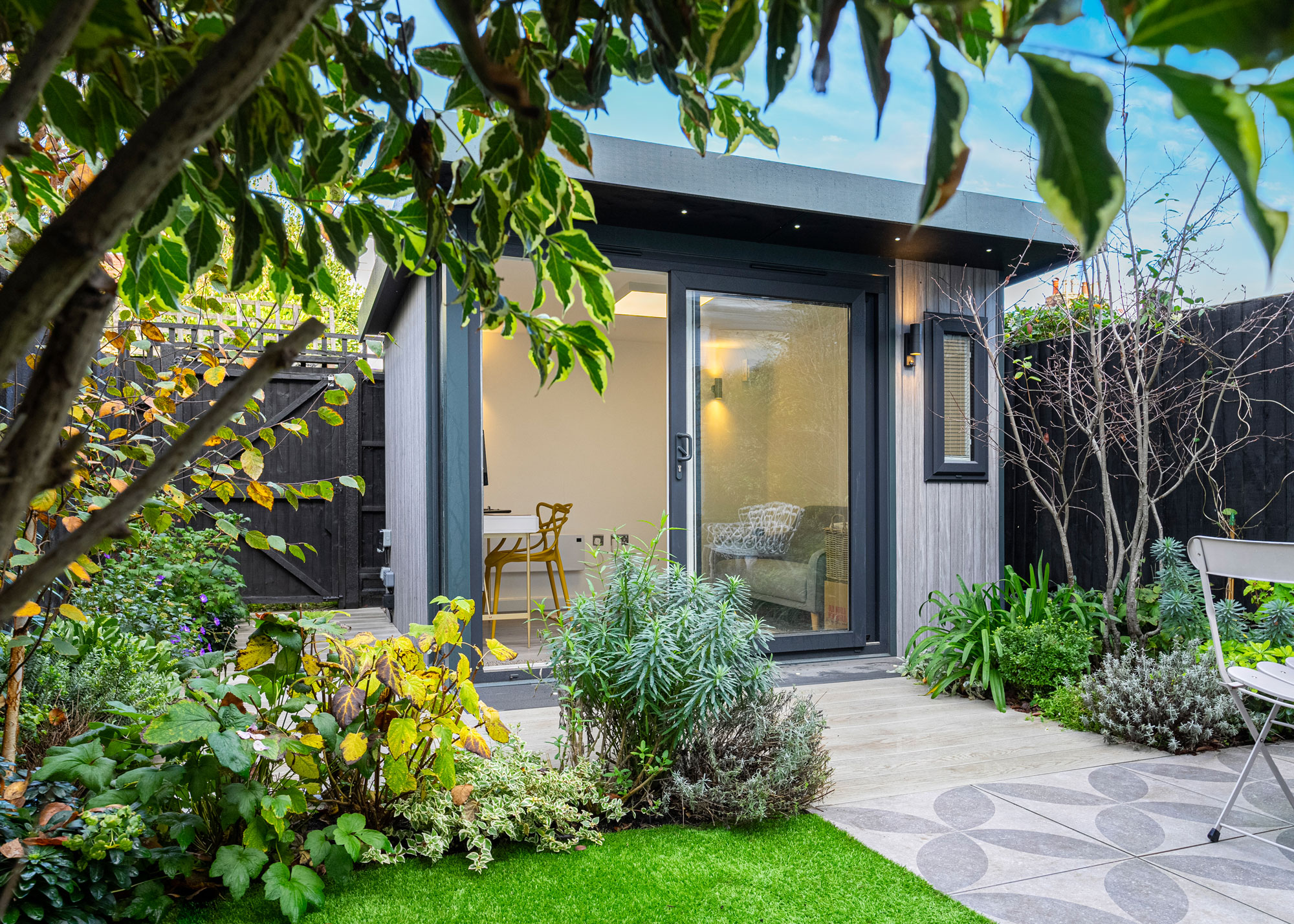
Another technique for defining garden zones is altering the hardscaping materials underfoot. Changing from stone to wood decking, or using different types of pavers, tiling, or gravel, can distinctly mark different functional areas. This method is exemplified by transitioning from a lawn area to a gravelled section for a chillout zone, making the shift in use intuitive yet clear. Fenmore explains that these material changes create the feeling of a distinct room without physically enclosing it, ensuring a cohesive yet purposeful flow.
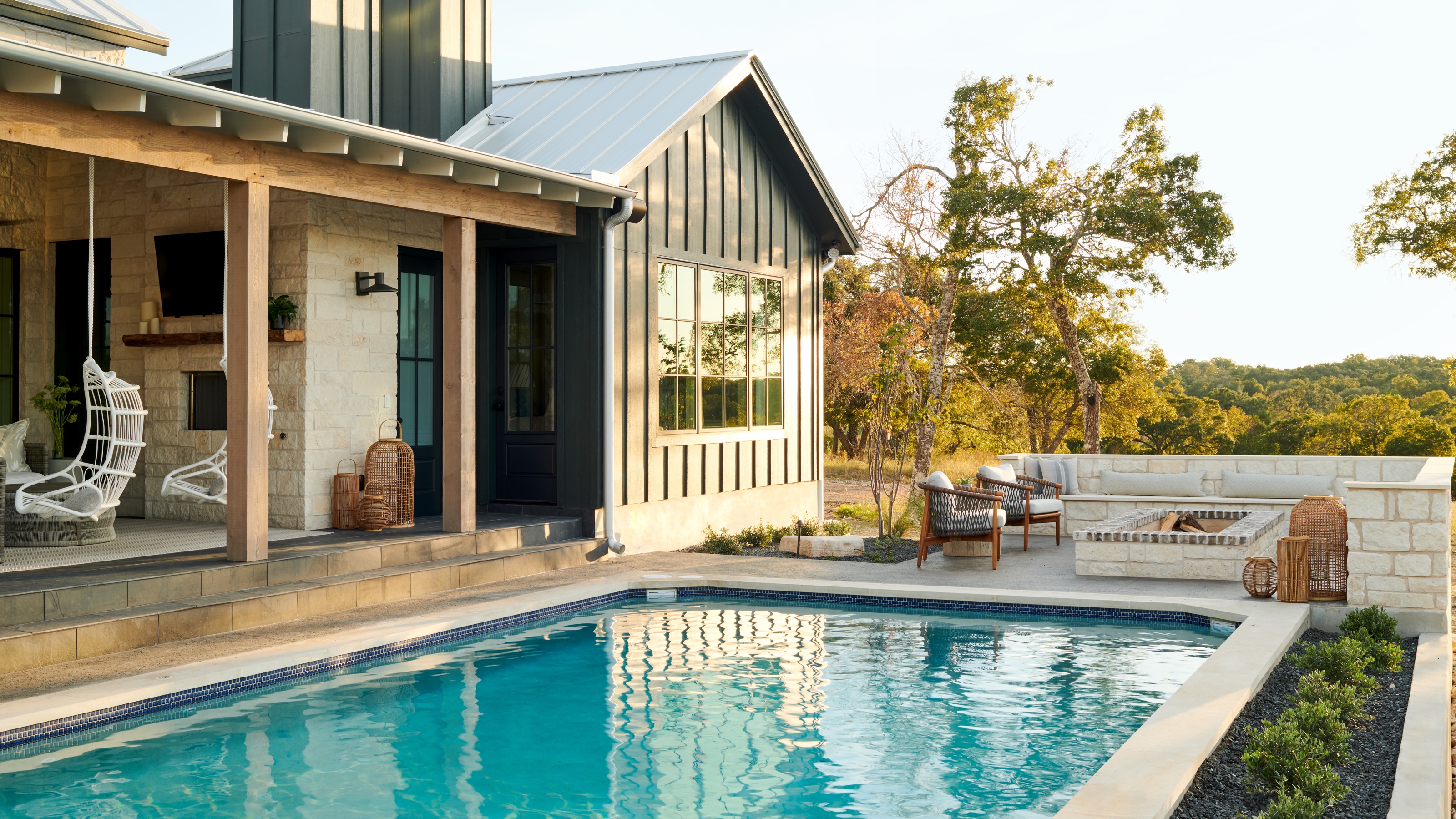
Raised decks are presented as an ultra-effective way to establish an outdoor living room. Flynn explains that a raised deck naturally separates a sophisticated lounge area from lawns or planting beds, making it ideal for poolside lounging. Further definition can be achieved with outdoor rugs and curated furniture groupings on the deck. Additionally, colorful or patterned tiling can define areas like outdoor kitchens, offering a striking visual partition without significant structural changes. Lee Thornley, founder of Bert & May, notes that statement tile partitions or backsplashes add texture and visual interest, turning practical surfaces into design features.
Tiered landscaping offers another approach, creating multiple levels for various functions without high walls. This method allows for distinct entertaining areas for swimming, lounging, dining, and cooking. Ryan Street Architects designed a landscape using stone, water, and lawn as structuring elements to clarify different experiences, with grade changes, low walls, or planting gently defining areas, emphasizing invitations to linger rather than rigid divisions.
Low stone walls that double as seating provide a practical and visually appealing garden divider. These built-in seating options define spaces while serving a dual purpose. Ryan Street suggests that sometimes the suggestion of enclosure is sufficient, using soft stucco planes and curved stone benches to subtly carve space without interrupting the natural flow. Linda Hayslett of LH. Designs similarly used stone seating to define a fire pit area, providing both relaxation space and clear demarcation.
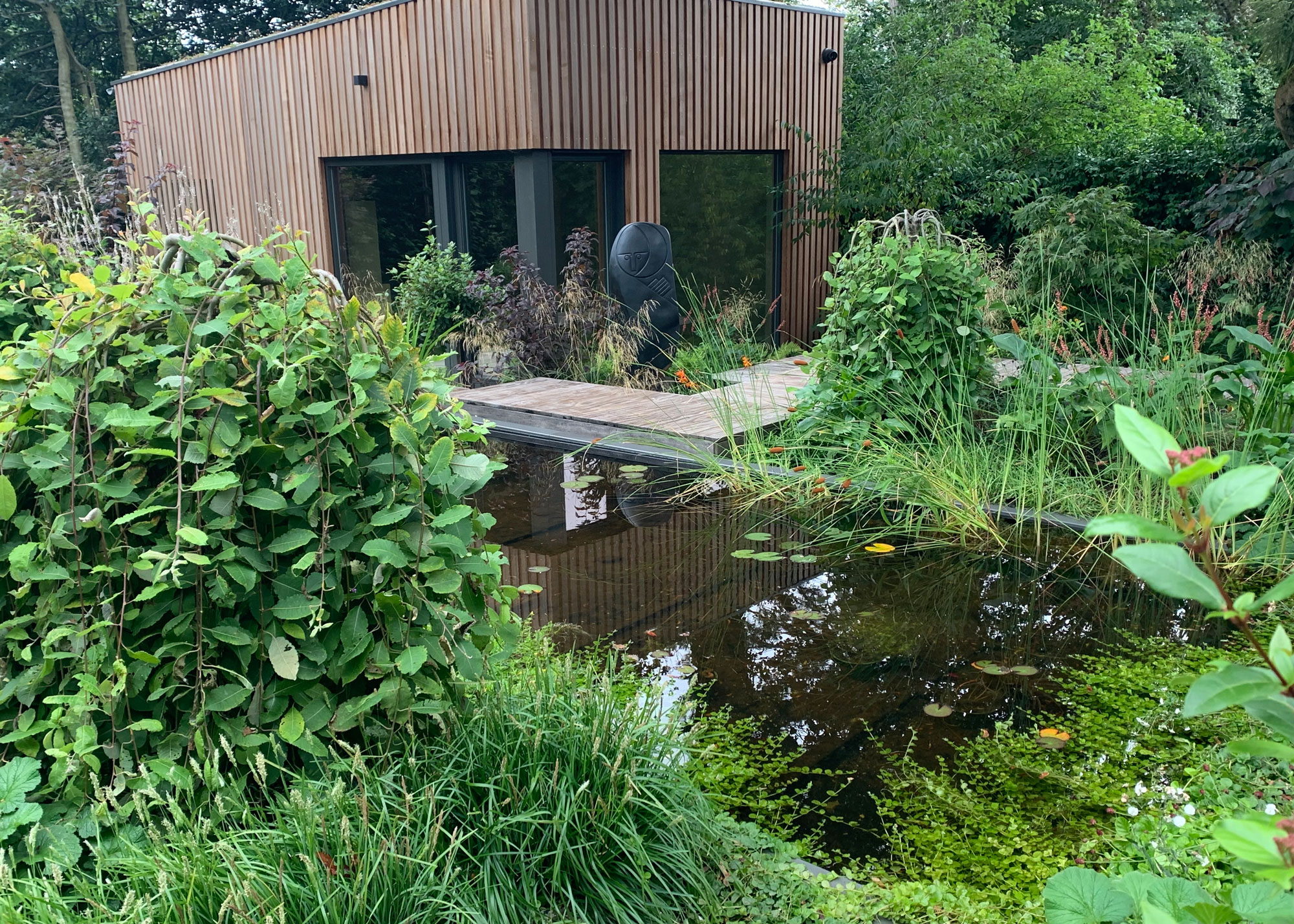
Architectural structures such as pergolas are effective for defining lounging or dining areas, providing shade and highlighting a specific function. Lauren Lerner, principal at Living with Lolo, suggests strategic use of pergolas to define zones, noting that flooring changes and built-in seating can further enhance separation. Finally, linear water features can serve as tranquil partitions, anchoring reflective zones and elevating the overall outdoor living space, as shown in GRDN Design's use of a metal water feature to define a relaxation haven.
#GardenDesign #OutdoorLiving #LandscapingIdeas #GardenZoning #HomeImprovement #PatioDesign #OutdoorKitchen #PergolaIdeas #WaterFeatures #GardenDesign #OutdoorLiving #LandscapingIdeas #GardenZoning #HomeImprovement #PatioDesign #OutdoorKitchen #PergolaIdeas #WaterFeatures
合計0件のコメント
 まだコメントはありません
あなたも好きかもしれません
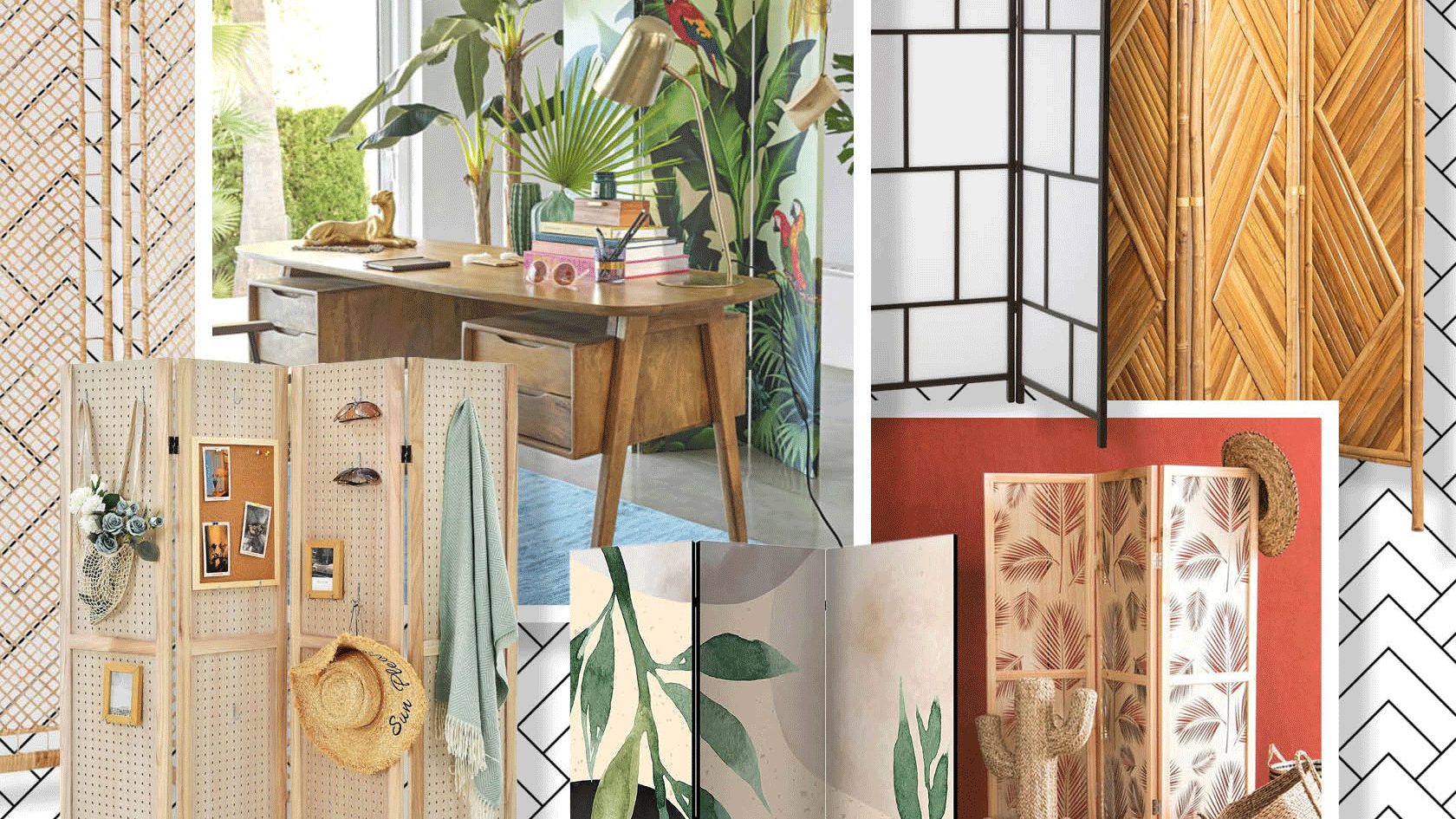
Transform small spaces with the help of these 9 clever and chic room dividers
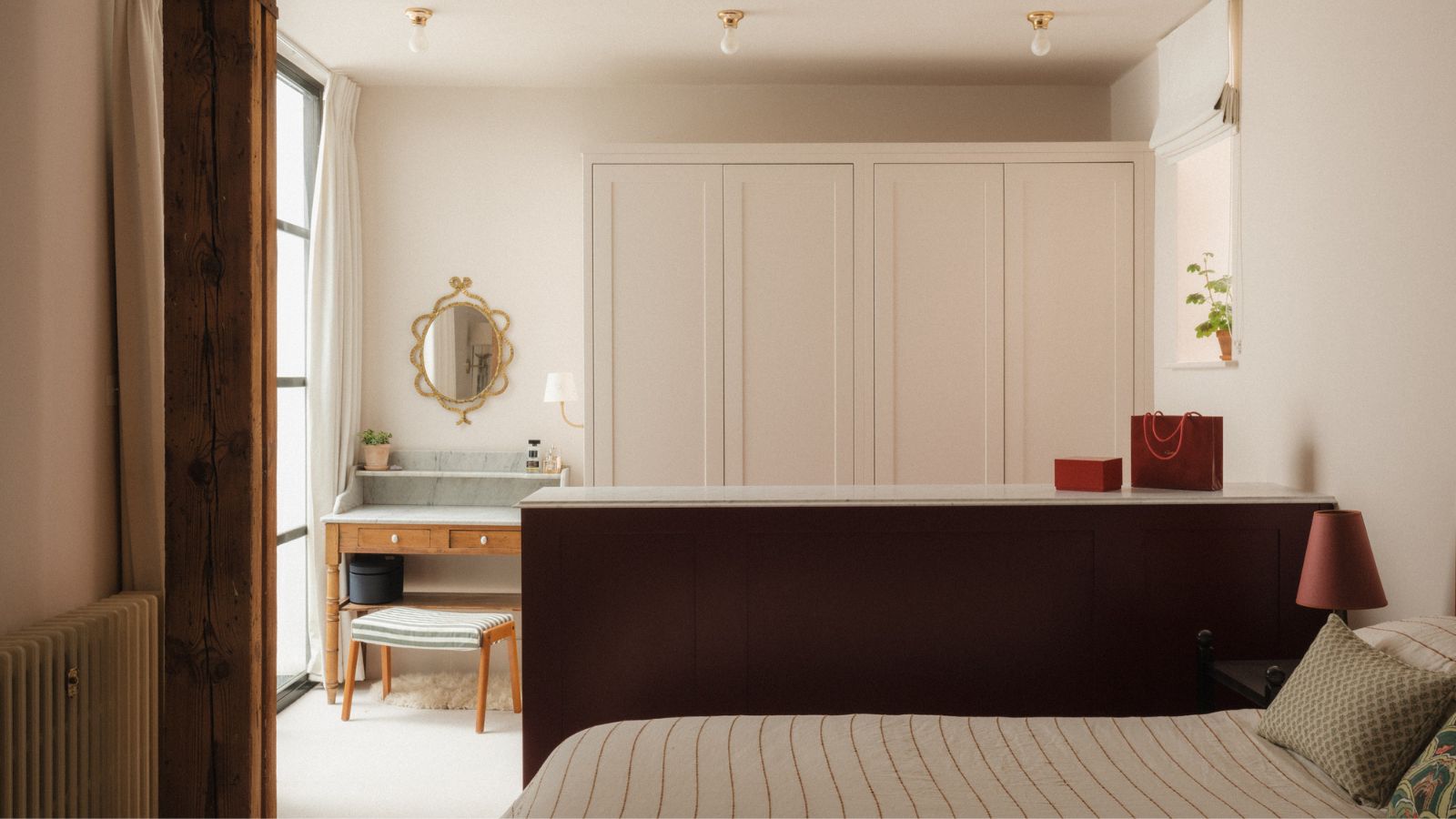
Ikea room divider ideas – 9 clever ways to arrange your space
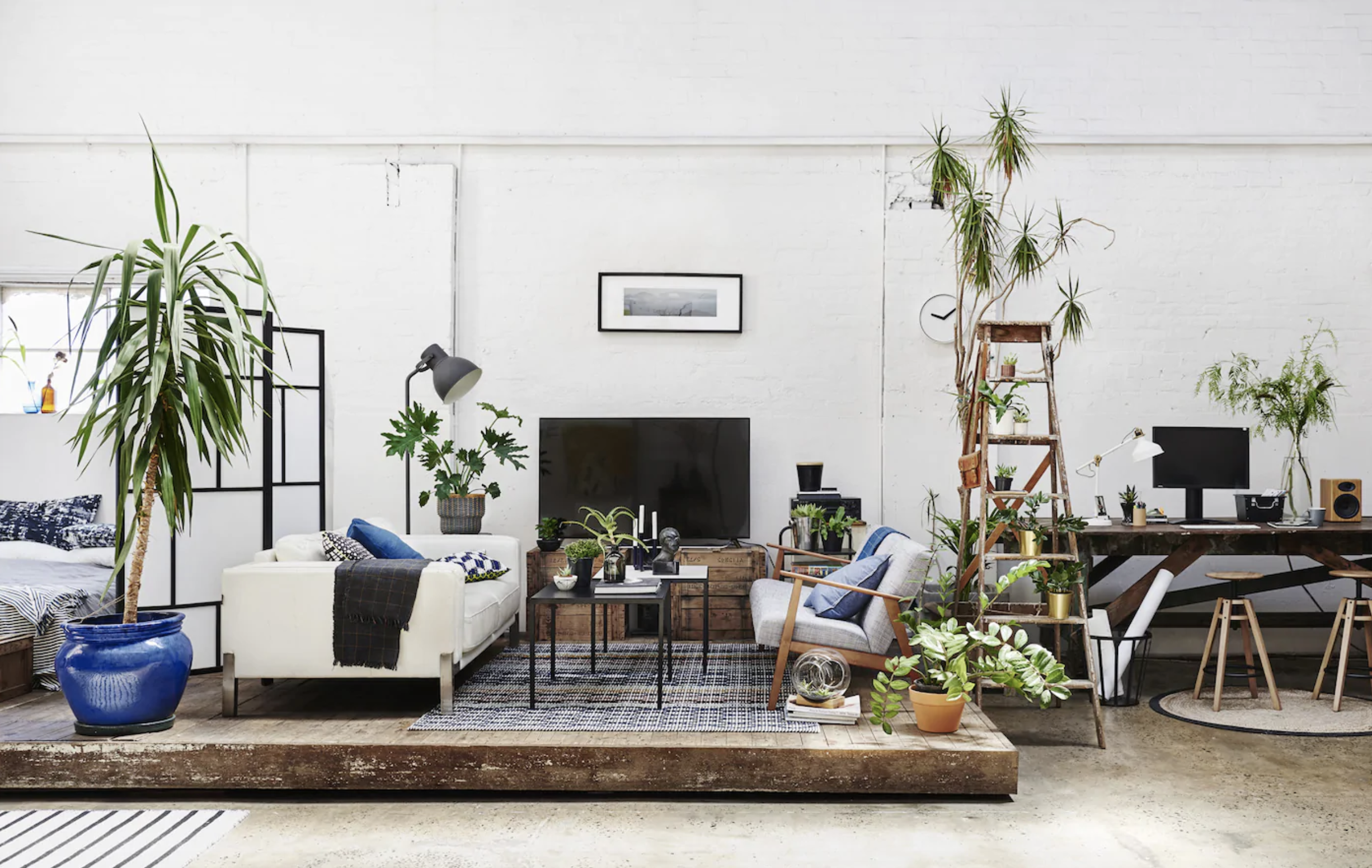
18 room divider ideas – how to zone an open plan space

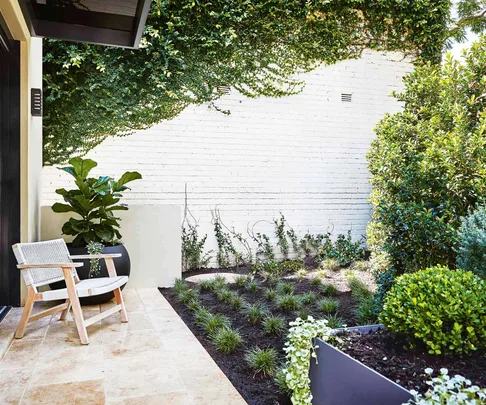
An inner-city courtyard garden that’s perfect for entertaining

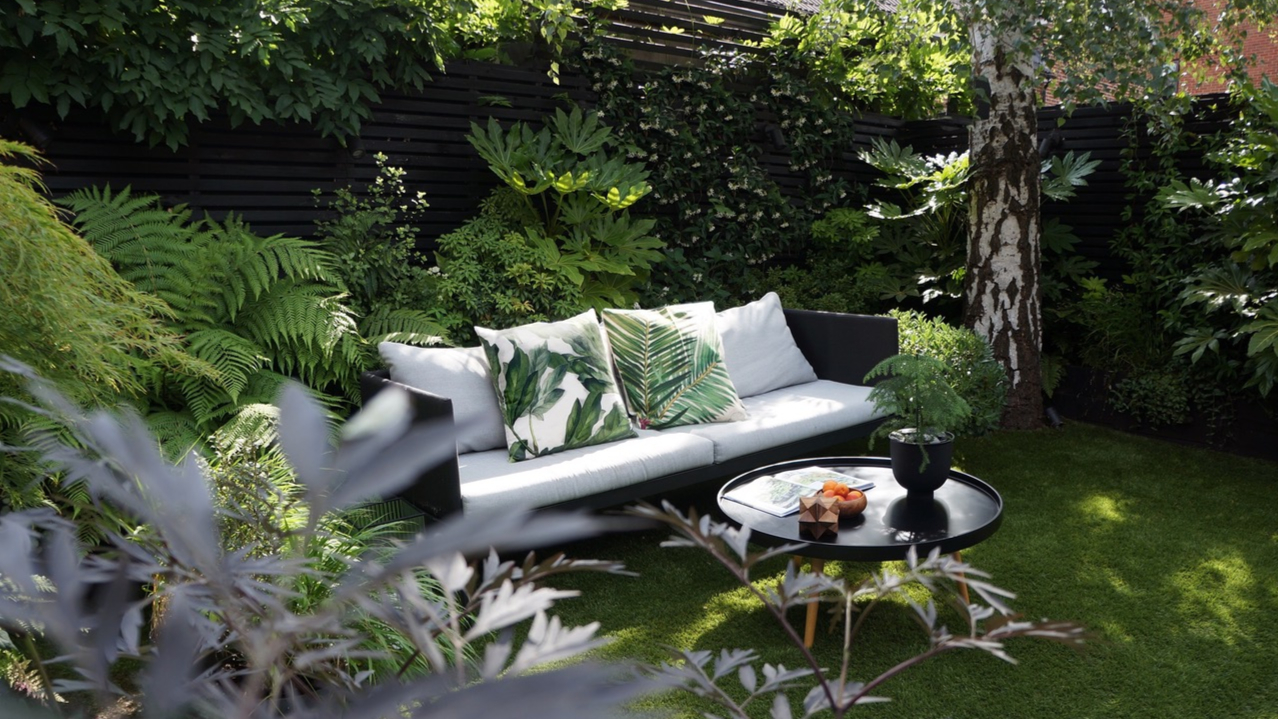
Garden Screening Ideas That Will Create Boundaries and Zones

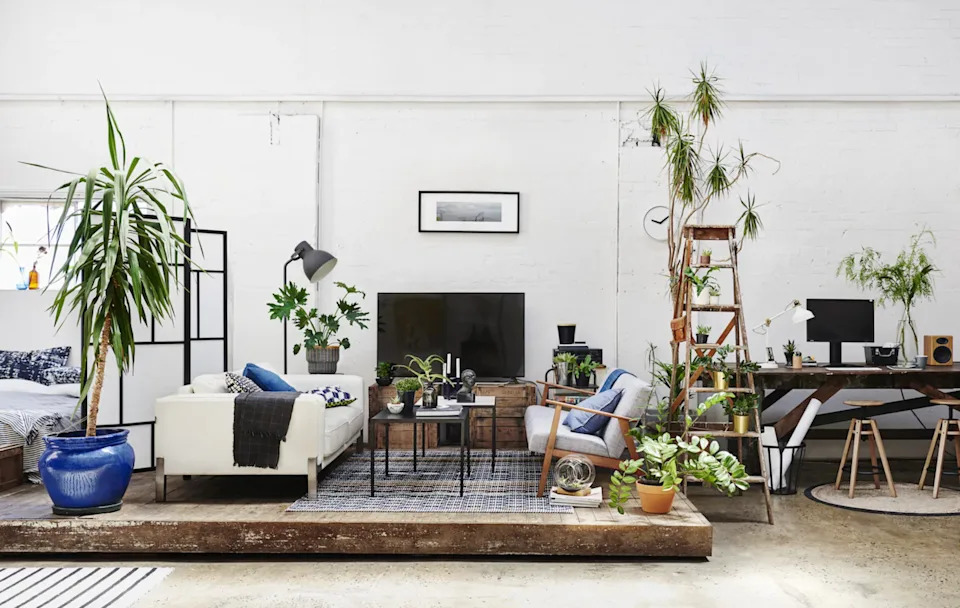
16 room divider ideas – innovative ways to zone an open plan space
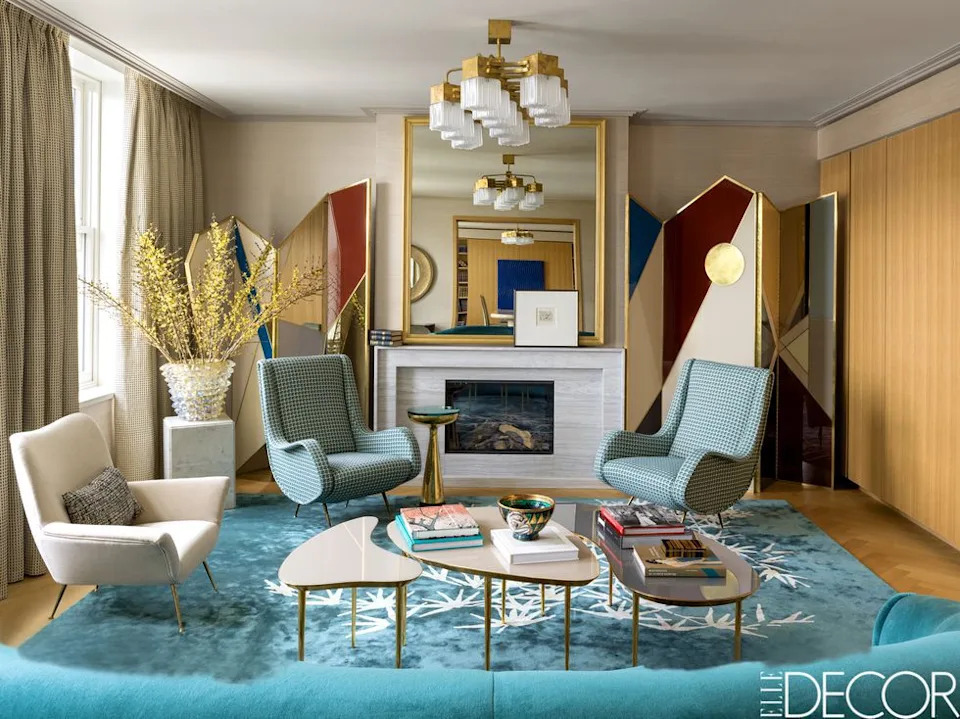
These Room Divider Ideas Will Transform Your Home in an Instant
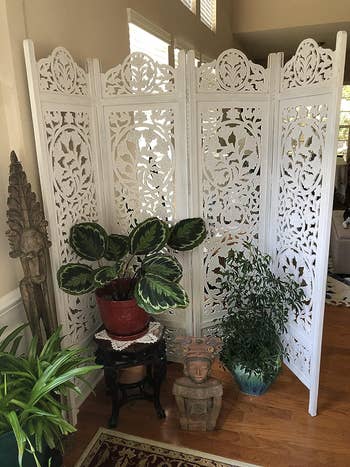
37 Room Dividers So You Can Easily (And Stylishly) Separate Your Space
Indoor garden ideas: 9 ways to create a plant-filled haven

These Room Divider Ideas Will Transform Your Home in an Instant


10 Best Room Dividers for Creating More Privacy at Home
Ten interiors that use innovative room dividers instead of walls

Divide & Conquer: NoVA Decor Experts on Making the Room Divider Work
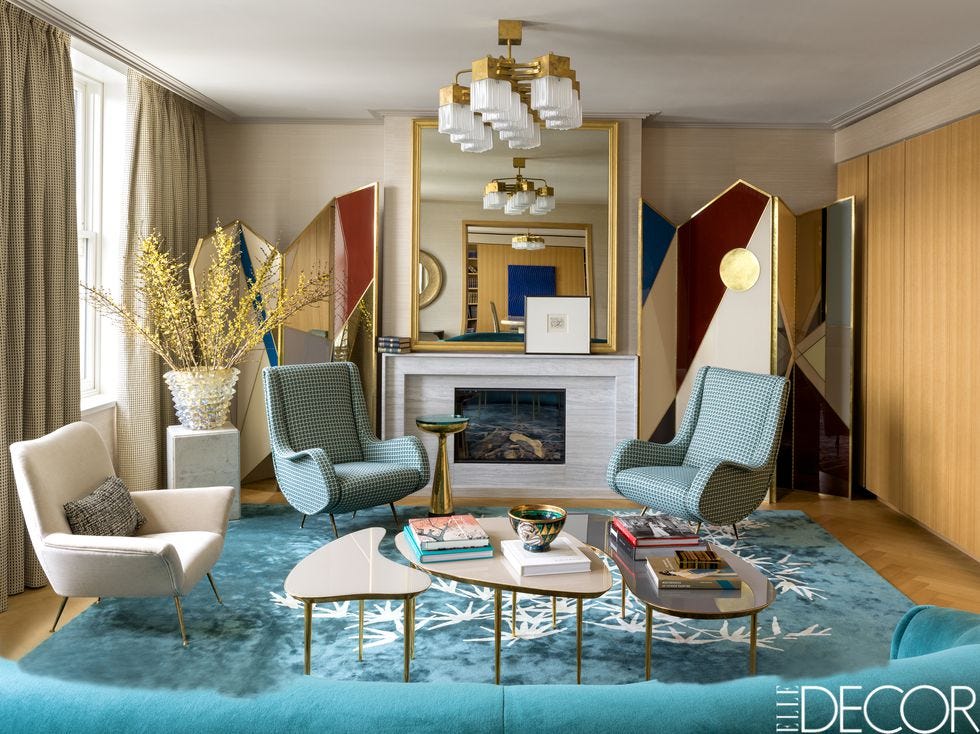
These Room Divider Ideas Will Transform Your Home in an Instant

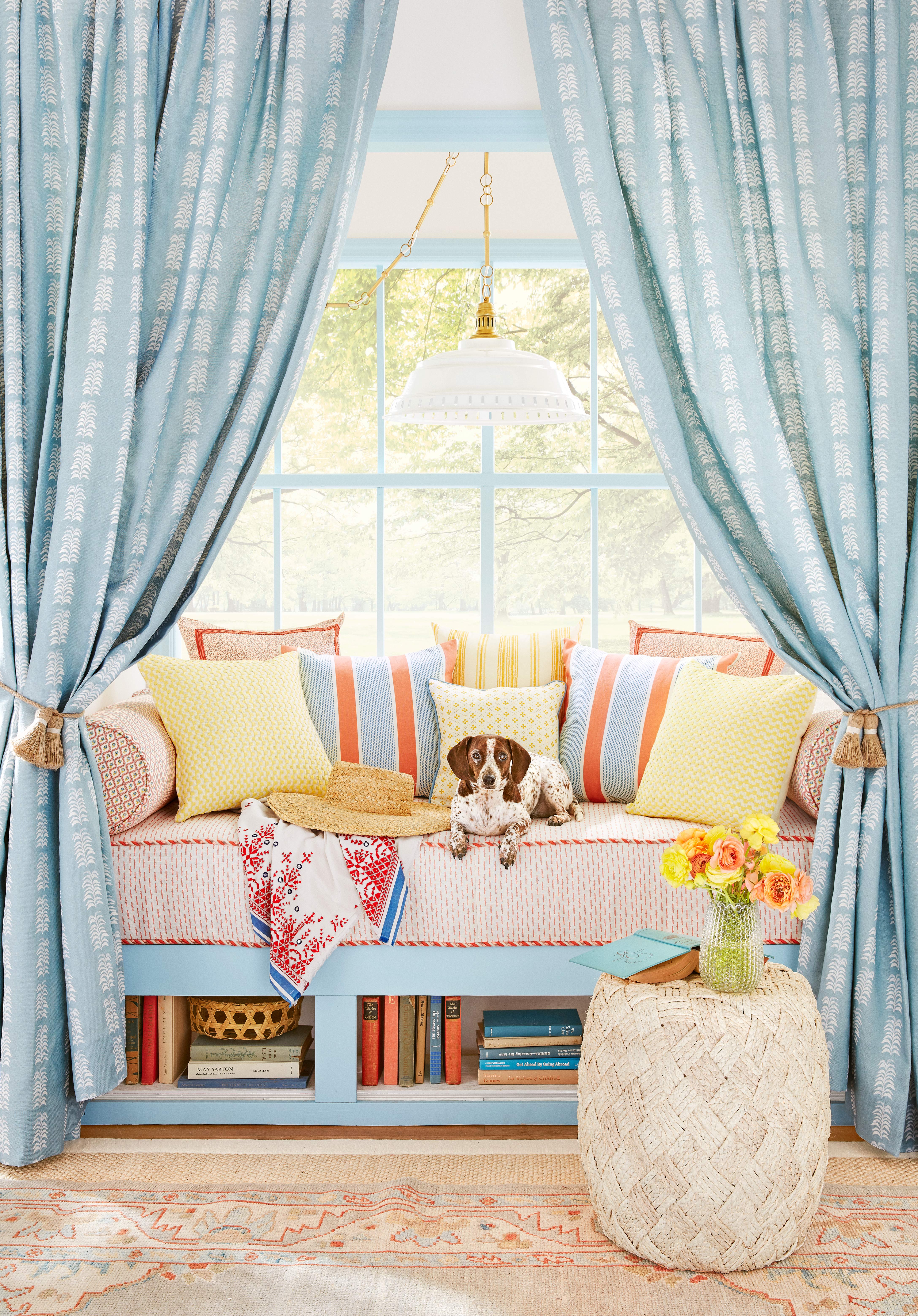
The Most Clever Room Divider Ideas
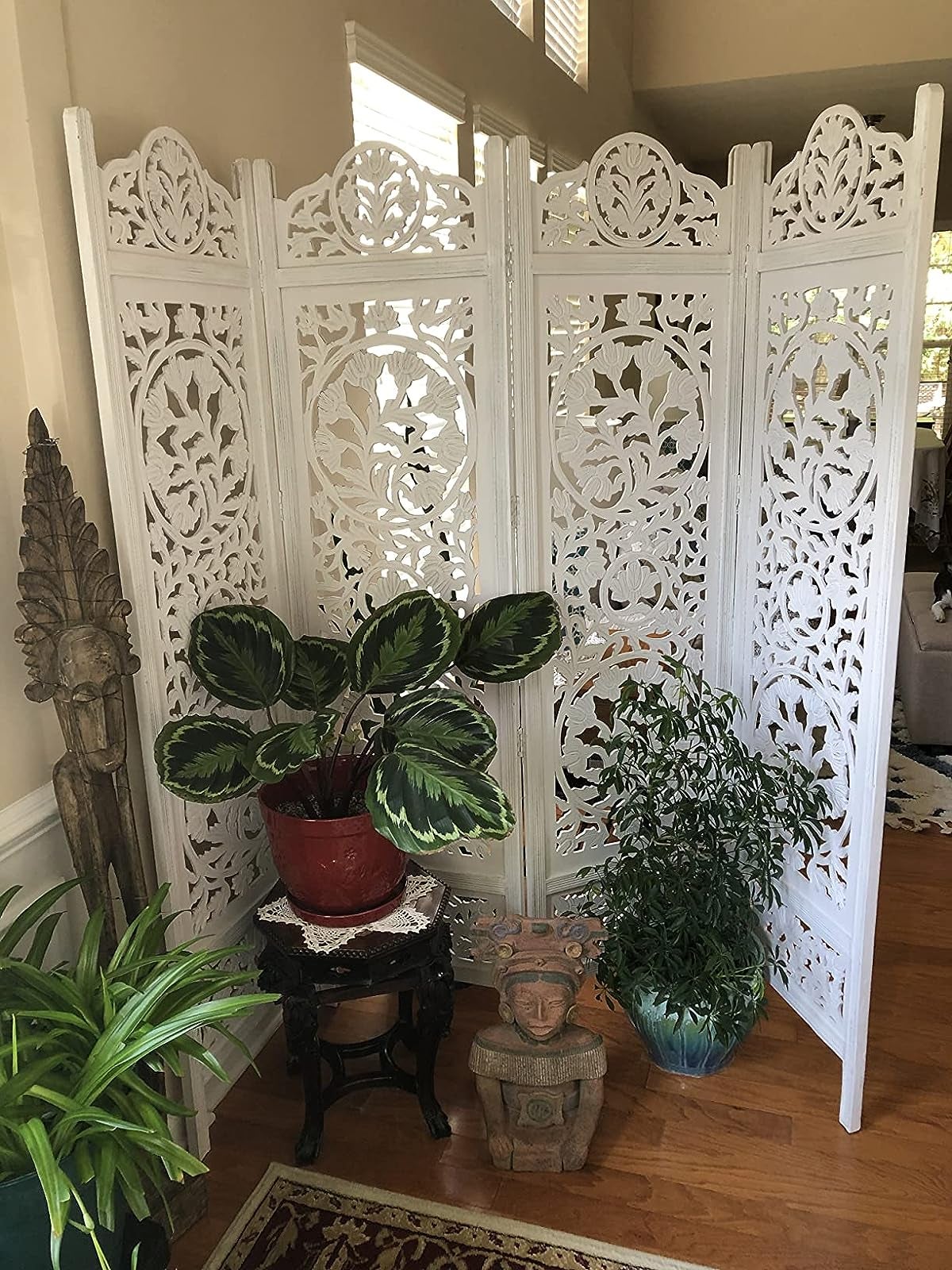
30 Room Dividers So You Can Easily (And Stylishly) Separate Your Space
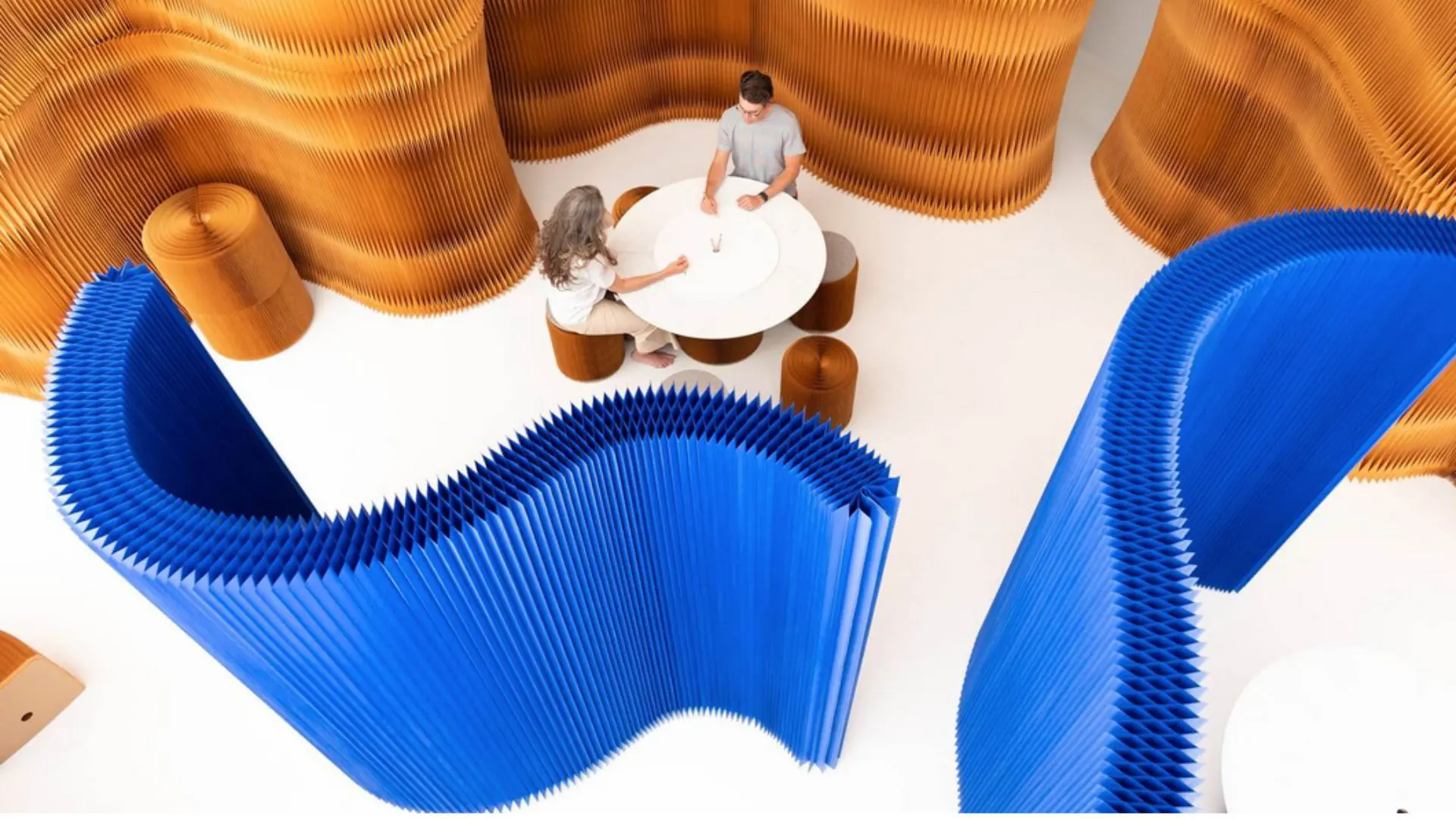
Enjoy these 5 creative space dividers for small and big rooms

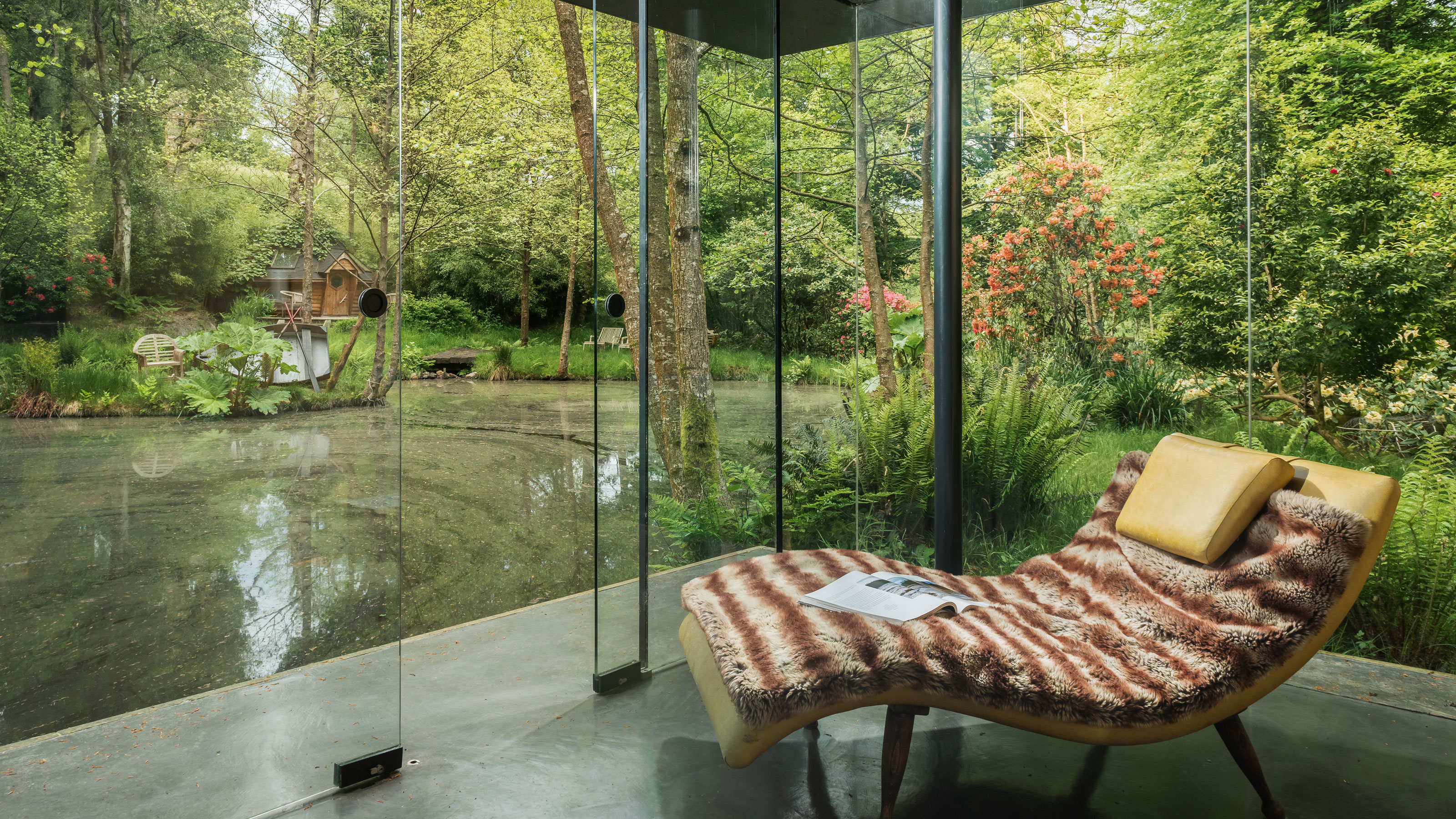
12 Garden Room Ideas That Will Elevate Your Outdoor Space and Bring You Extra Room to Unwind
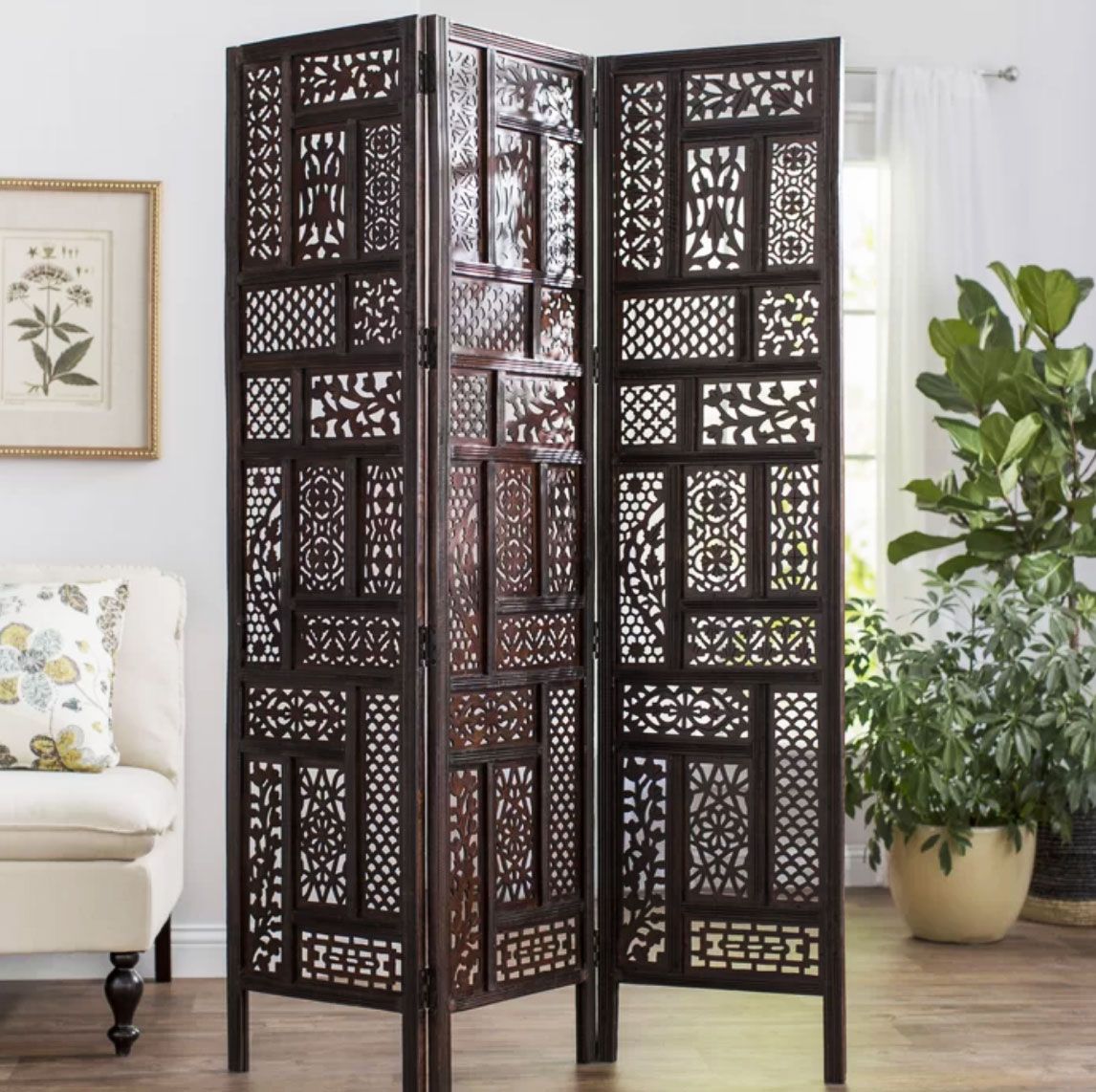
The Best Room Dividers, According to Interior Designers
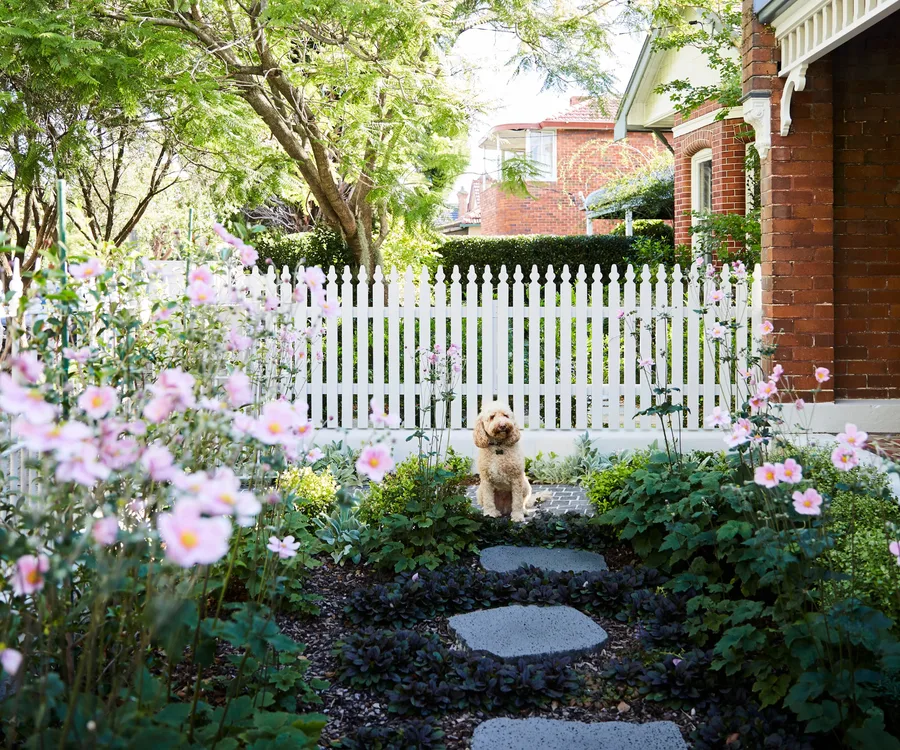
14 small garden design ideas that maximise space and greenery