5 Home Renovation Trends That Interior Designers Are Ditching in 2026
As 2025 draws to a close, interior designers are identifying several home renovation trends that are becoming outdated for 2026. Homeowners planning renovations are advised to consider these shifts to avoid investing in fads that will quickly lose their appeal, ensuring their spaces remain stylish and desirable. The insights come from expert interior designers Jennifer Cataldo of Maison Cataldo, Tennille Burnup of Tennille Joy Interiors, and Alyssa Anselmo of Anva Studio, who highlight specific design elements to avoid.
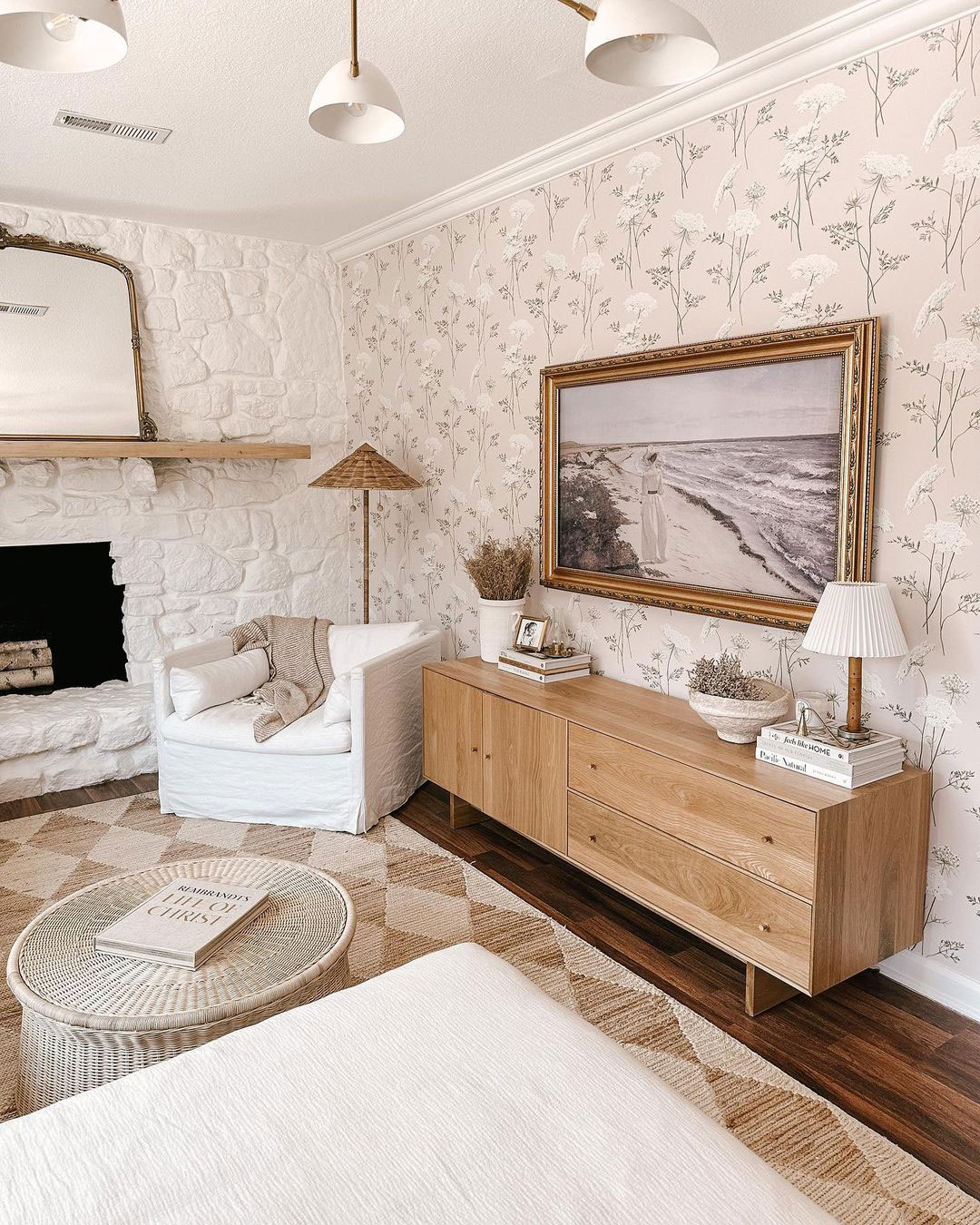
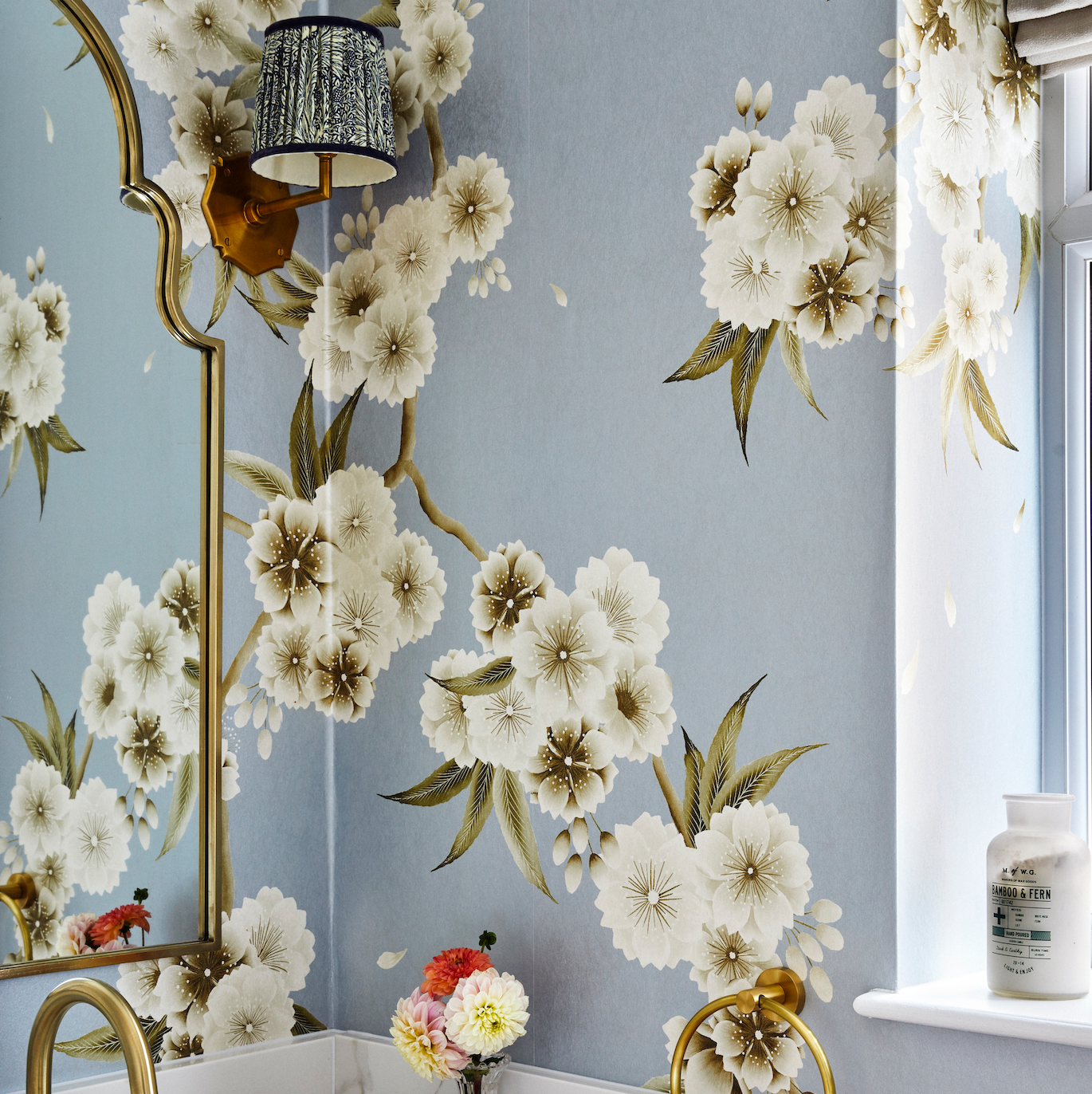
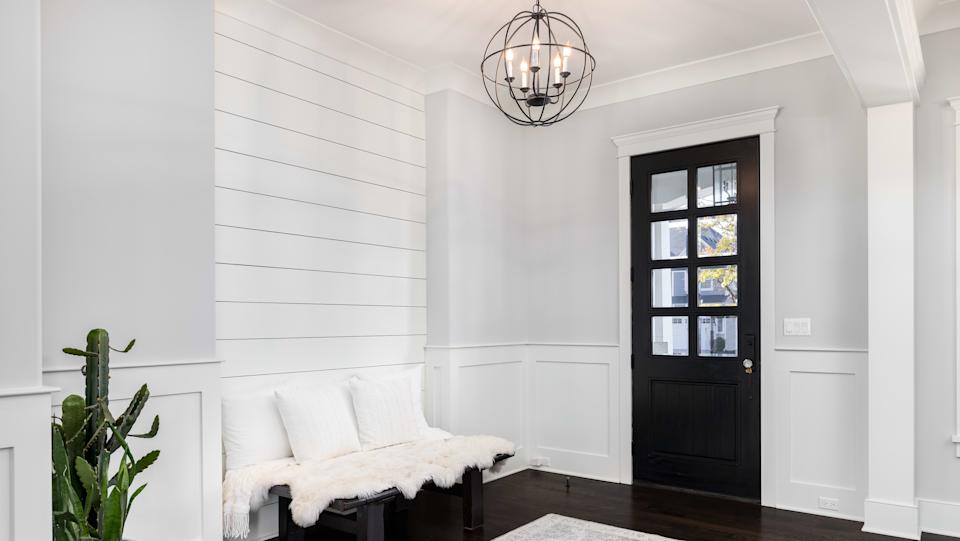
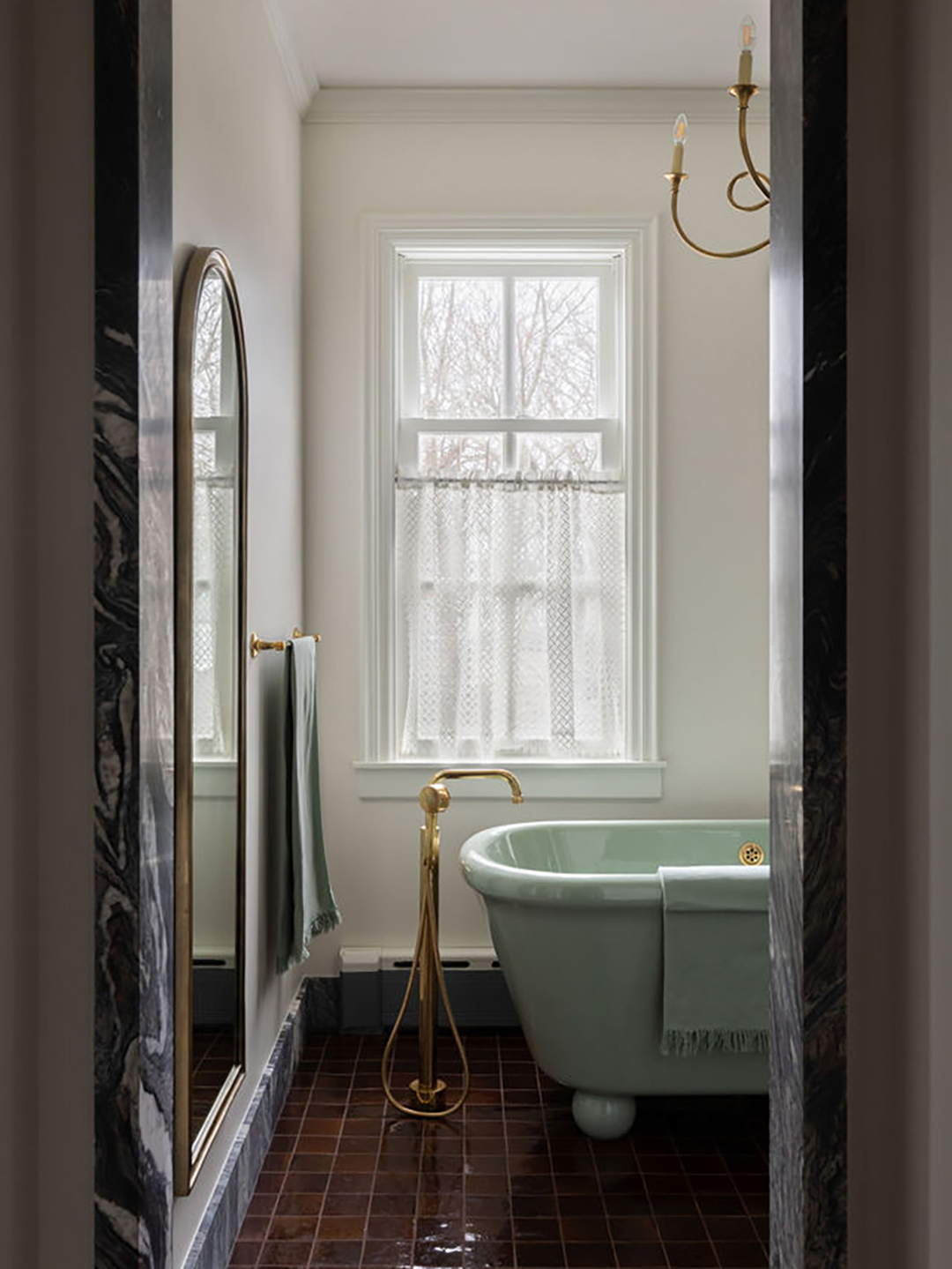
One significant trend falling out of favor is the use of smooth, builder-grade drywall. This flat finish is perceived as cold and lacking character. Designers are instead advocating for textured wall treatments such as limewash, Venetian plaster, or hand-troweled finishes. These alternatives introduce subtle movement and dimension, making a space feel more artisanal and layered, especially as light interacts with the surfaces. This preference reflects a broader move towards handcrafted materials over mass-produced ones.
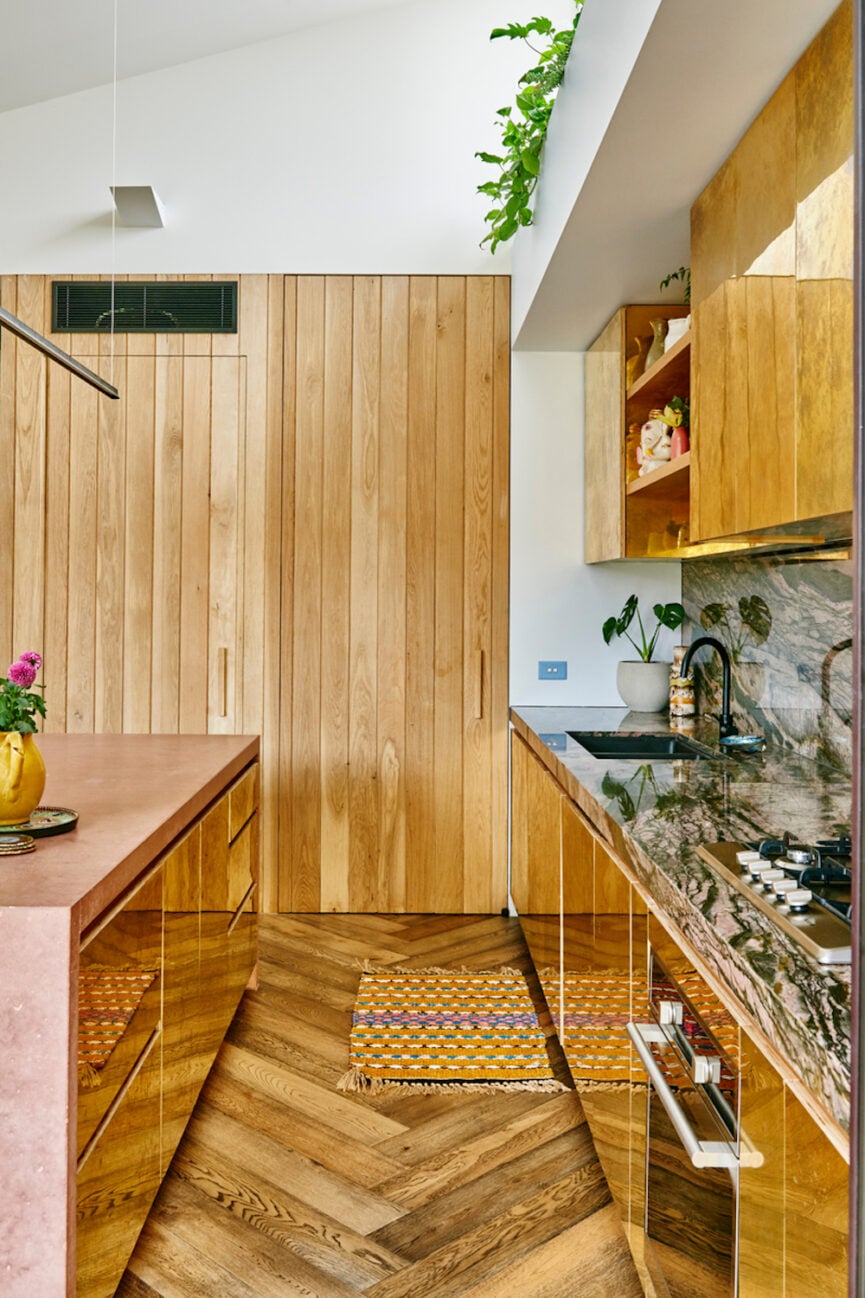
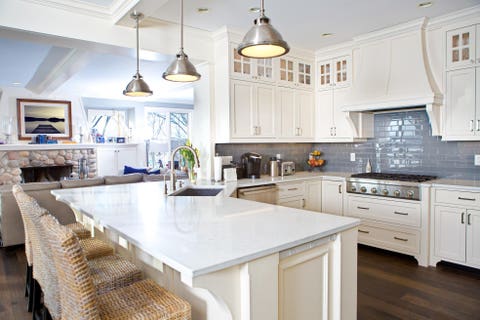
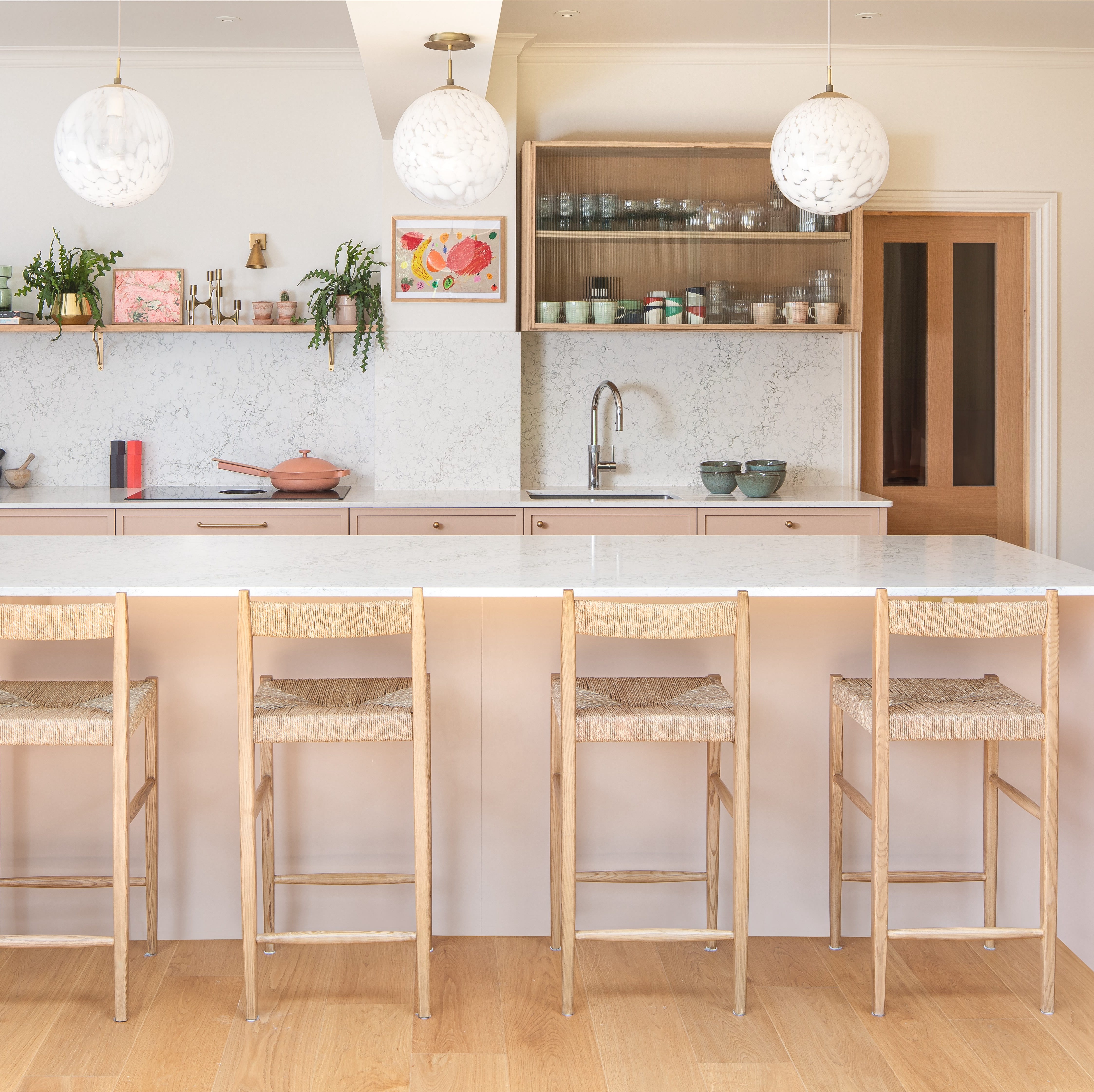
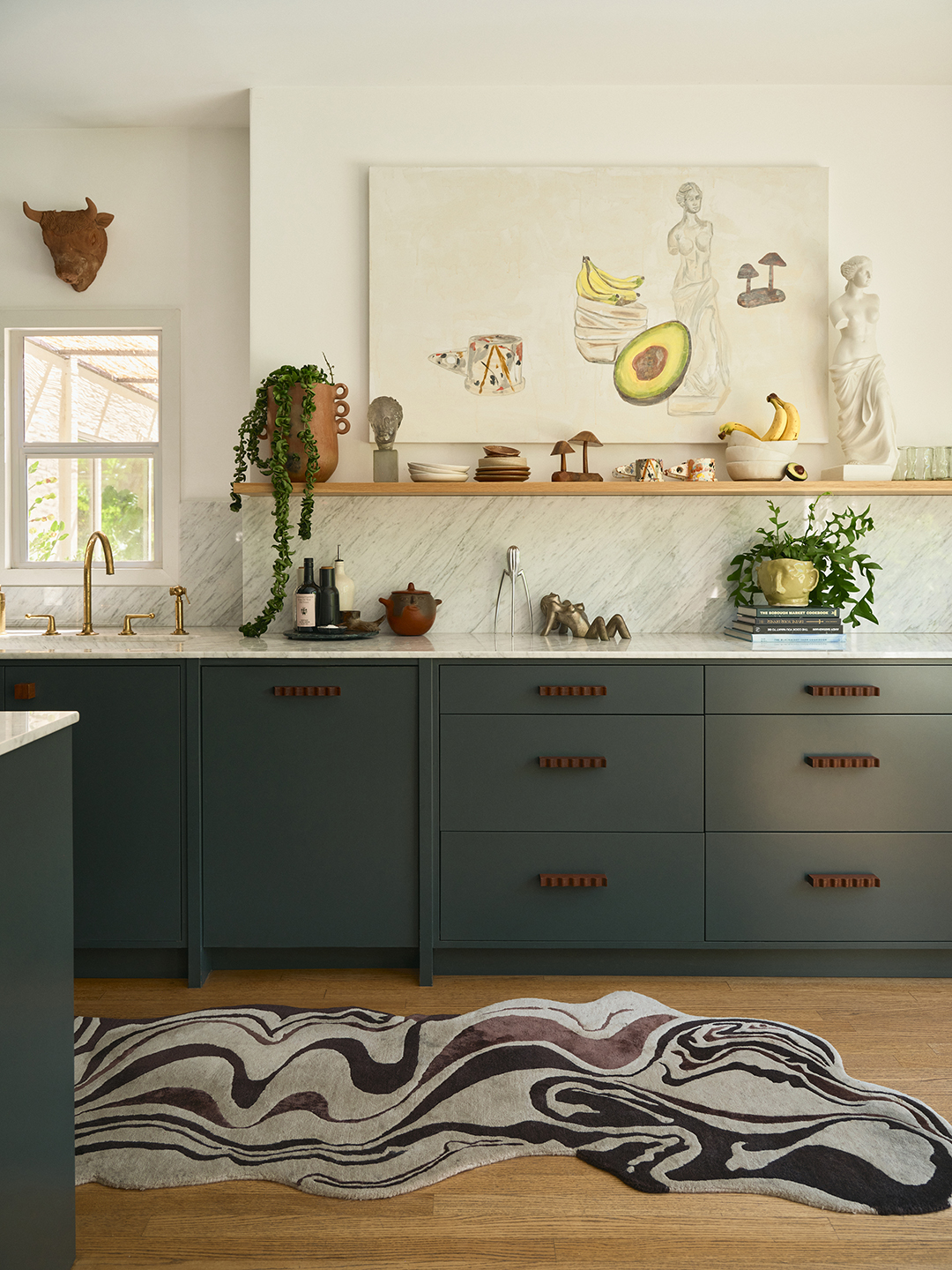
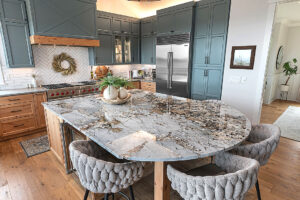
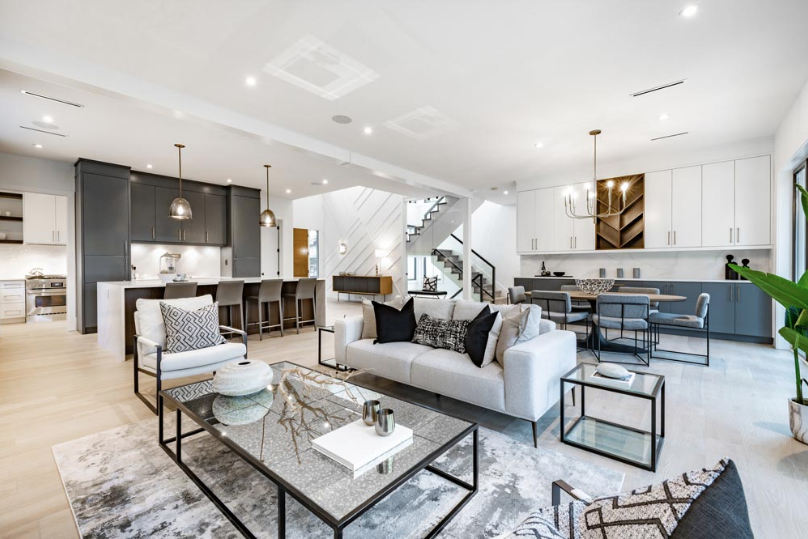
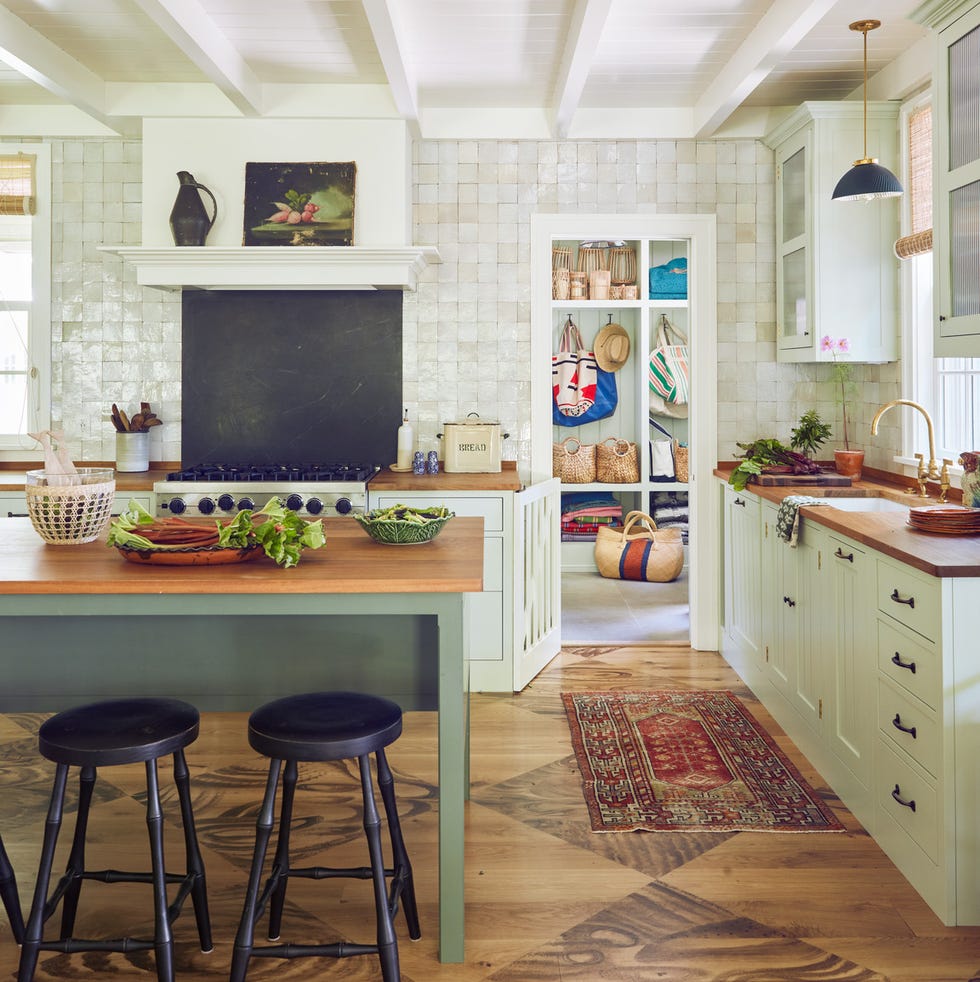
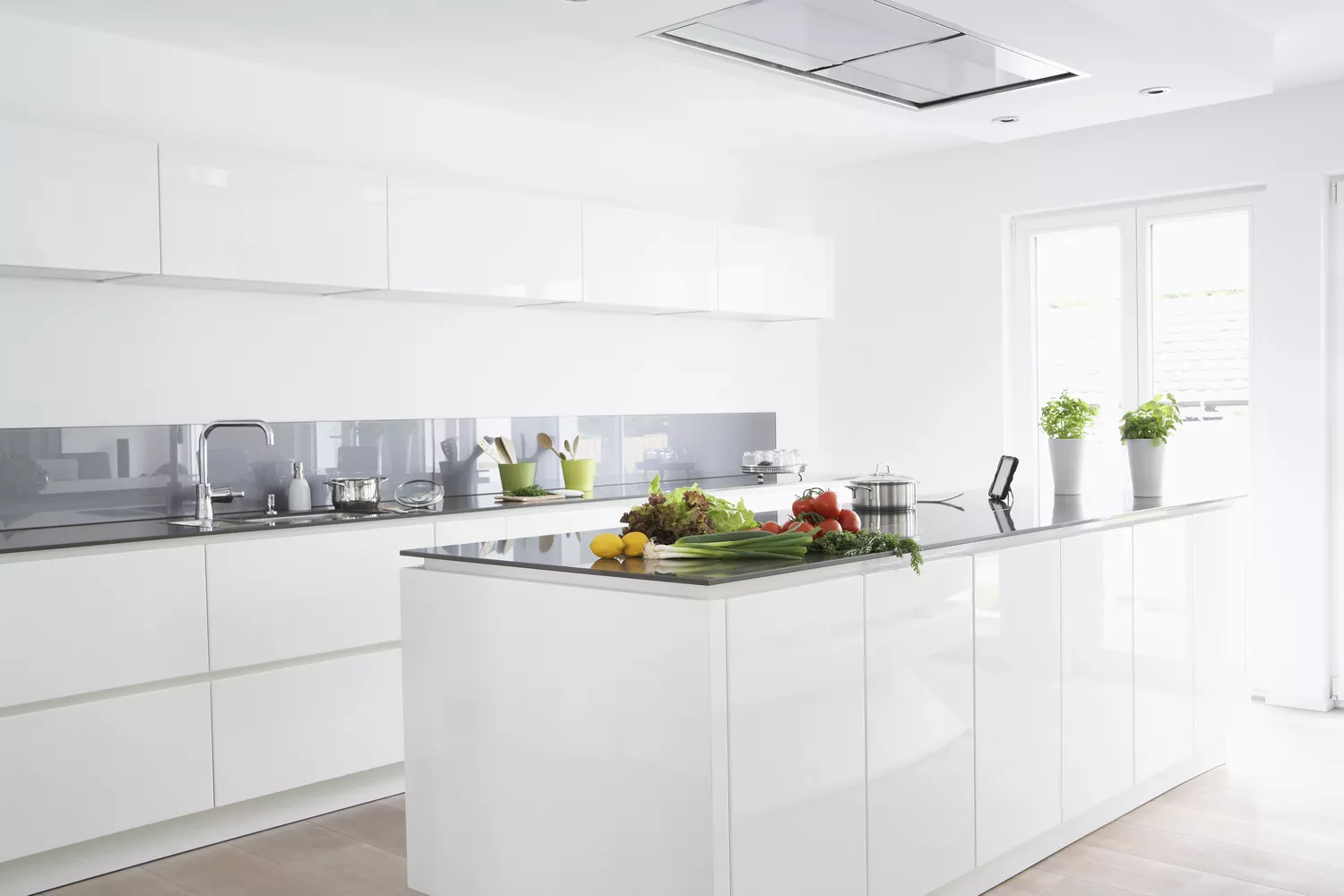
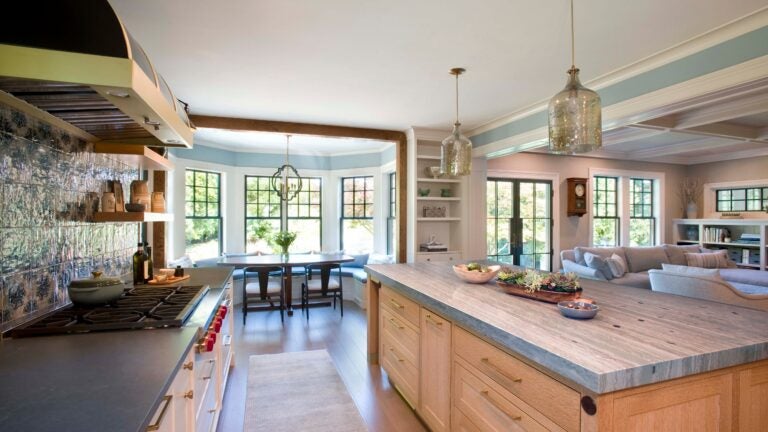
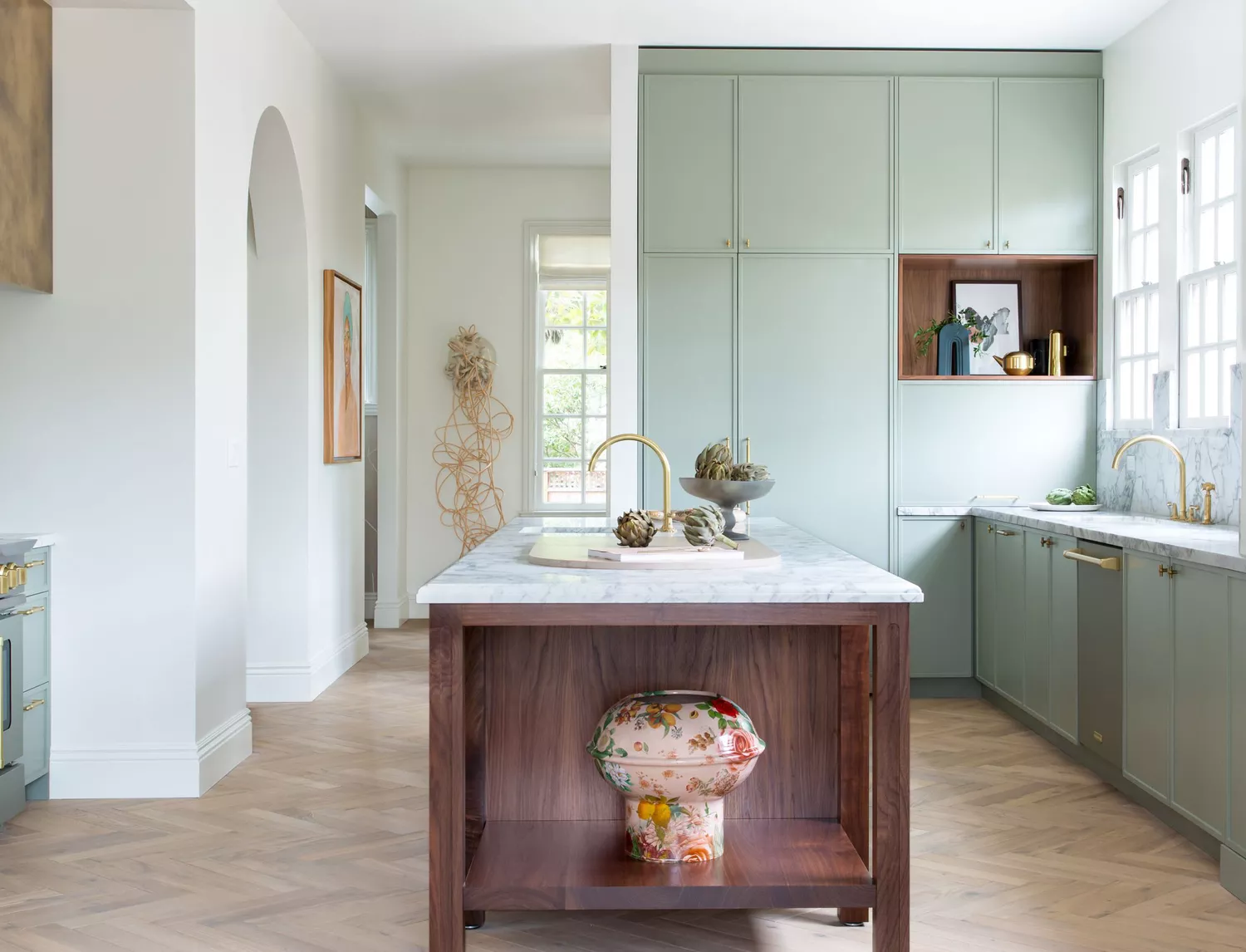
Waterfall kitchen islands, once a hallmark of modern luxury, are also being phased out. While they were popular for a period, designers now view them as predictable and overused. The current focus for kitchen islands is on customization and warmth. This involves incorporating mixed materials, sculpted edges, furniture-style bases, and blending warm woods and metals. The aim is to create a sense of richness and refinement rather than a singular, stark statement, fostering a more inviting and functional gathering space.
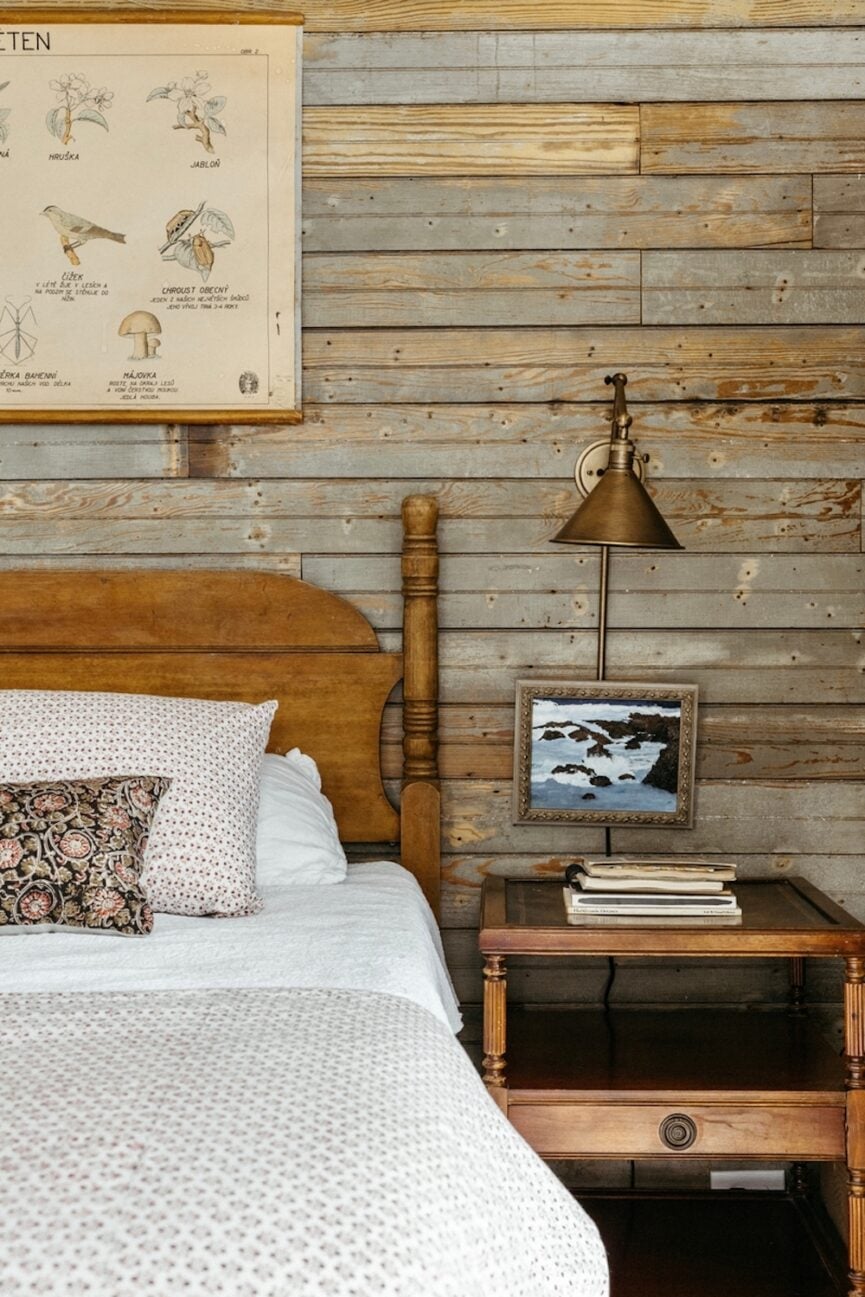
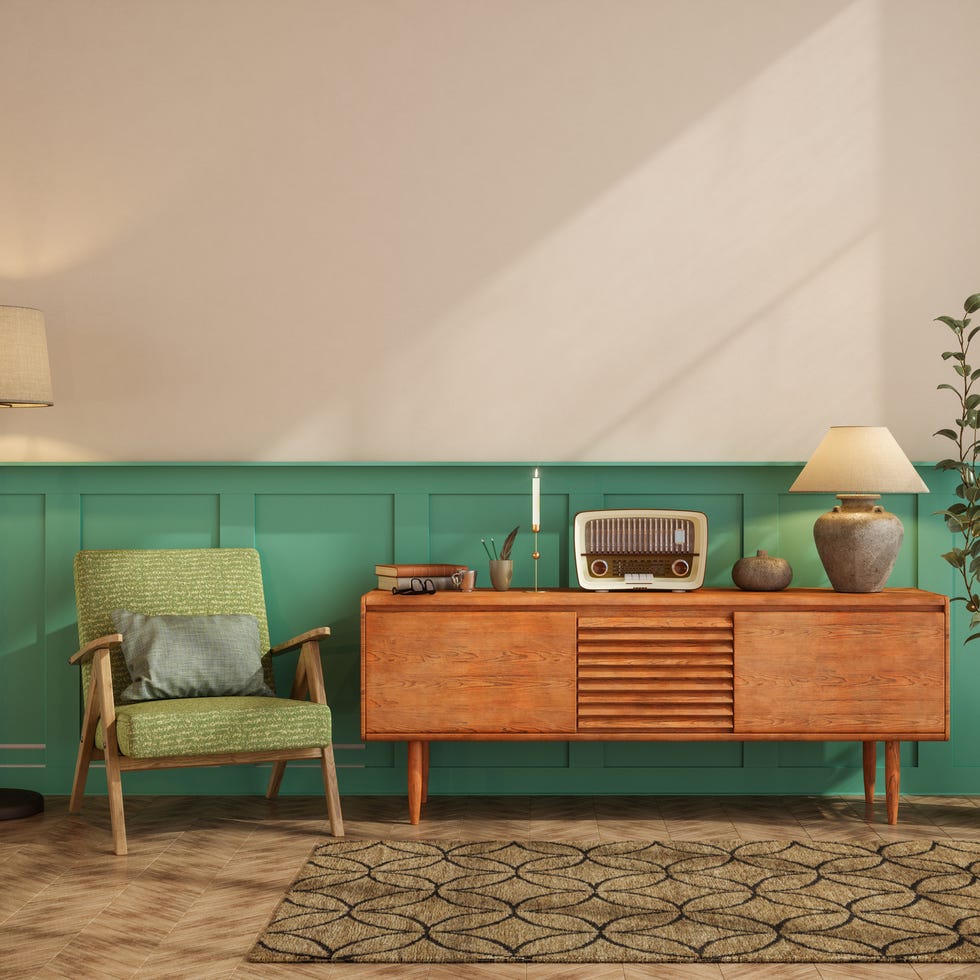
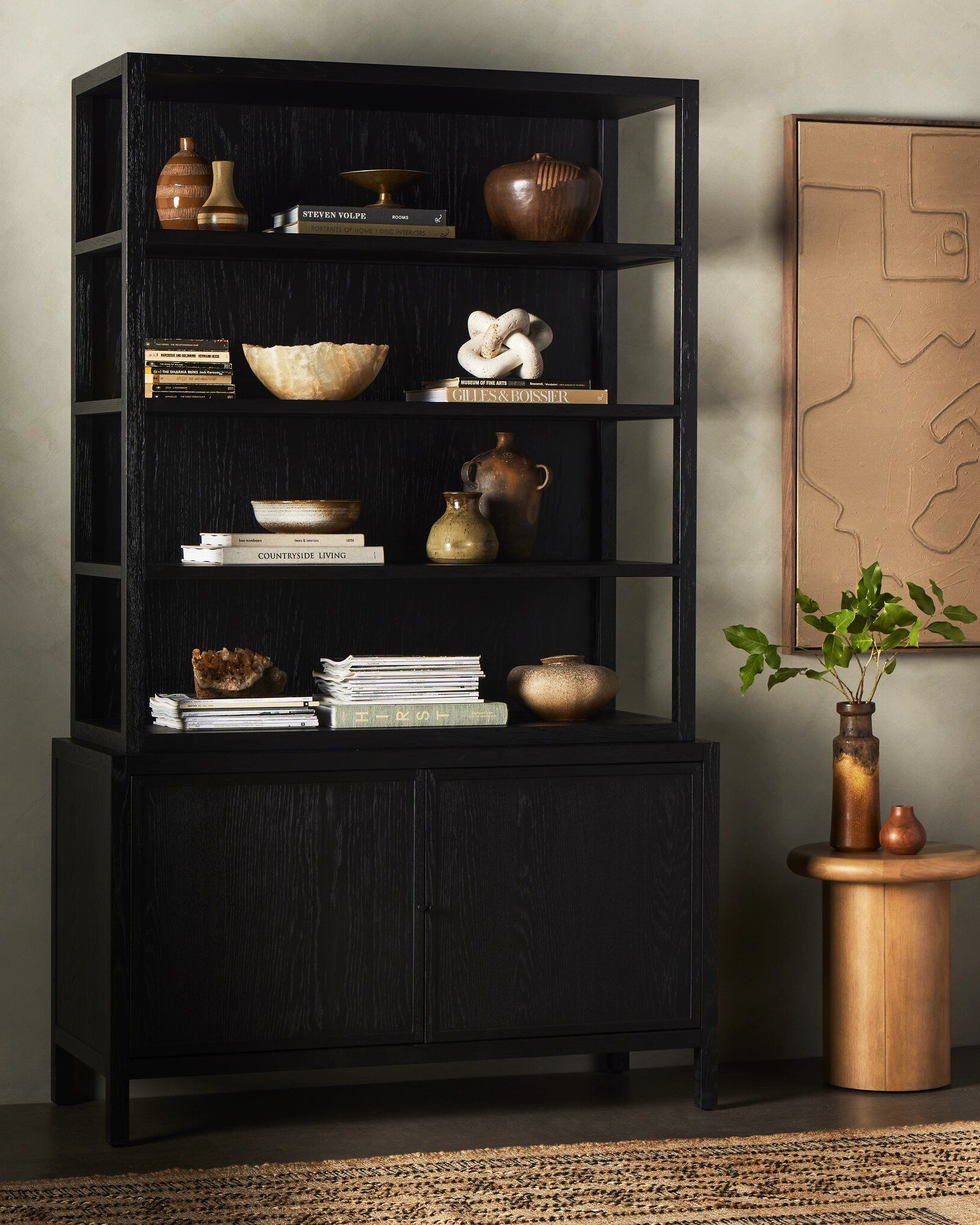
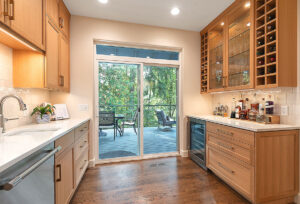
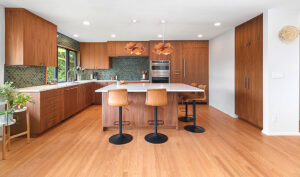
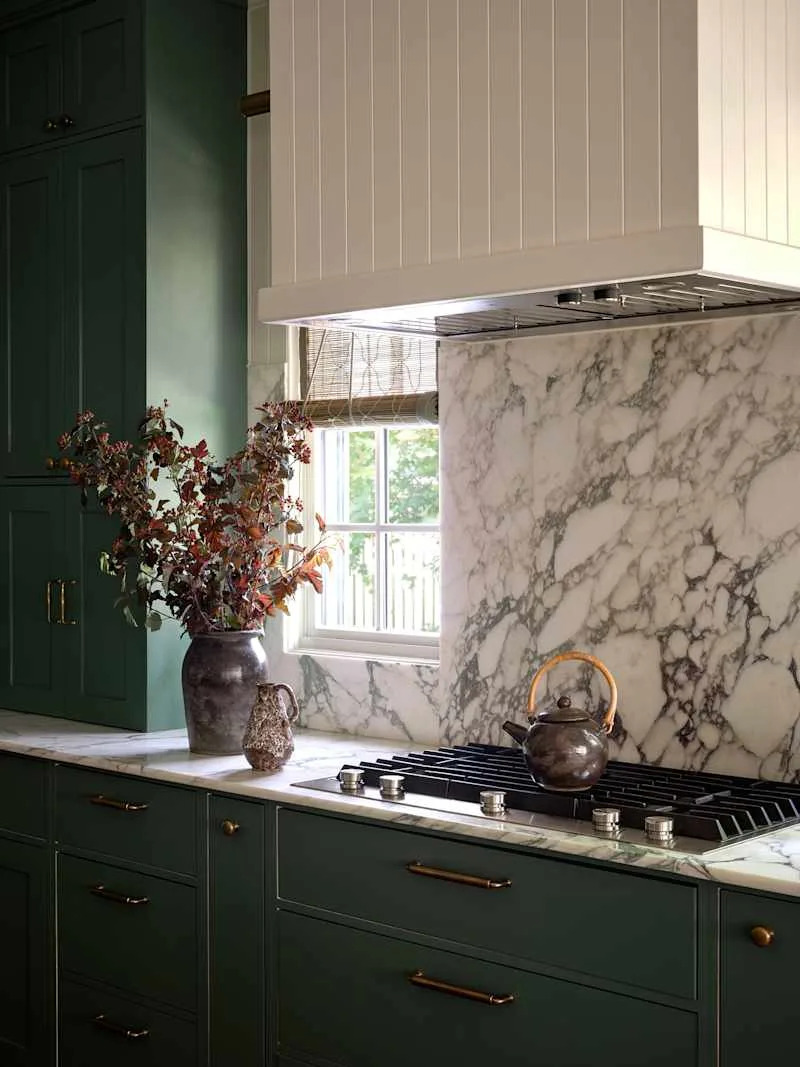
Blonde oak, which dominated interiors for its light and airy aesthetic, is another trend that designers are moving away from. For 2026, there is a clear shift towards deeper, richer wood tones. This preference for darker finishes, such as mid-tone amber or walnut stains, introduces greater contrast and depth into home interiors. This change moves away from the monochromatic light wood look towards a more varied and sophisticated palette.
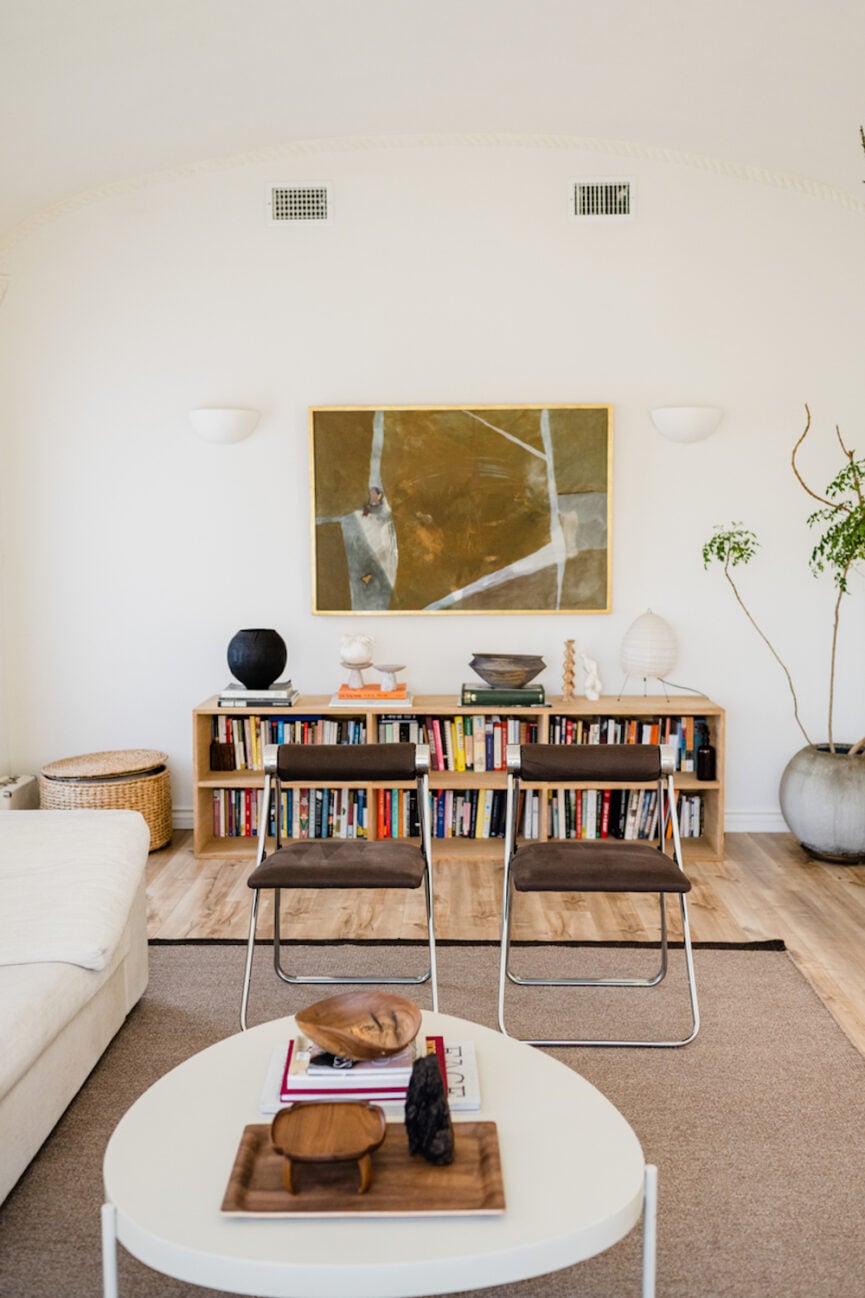
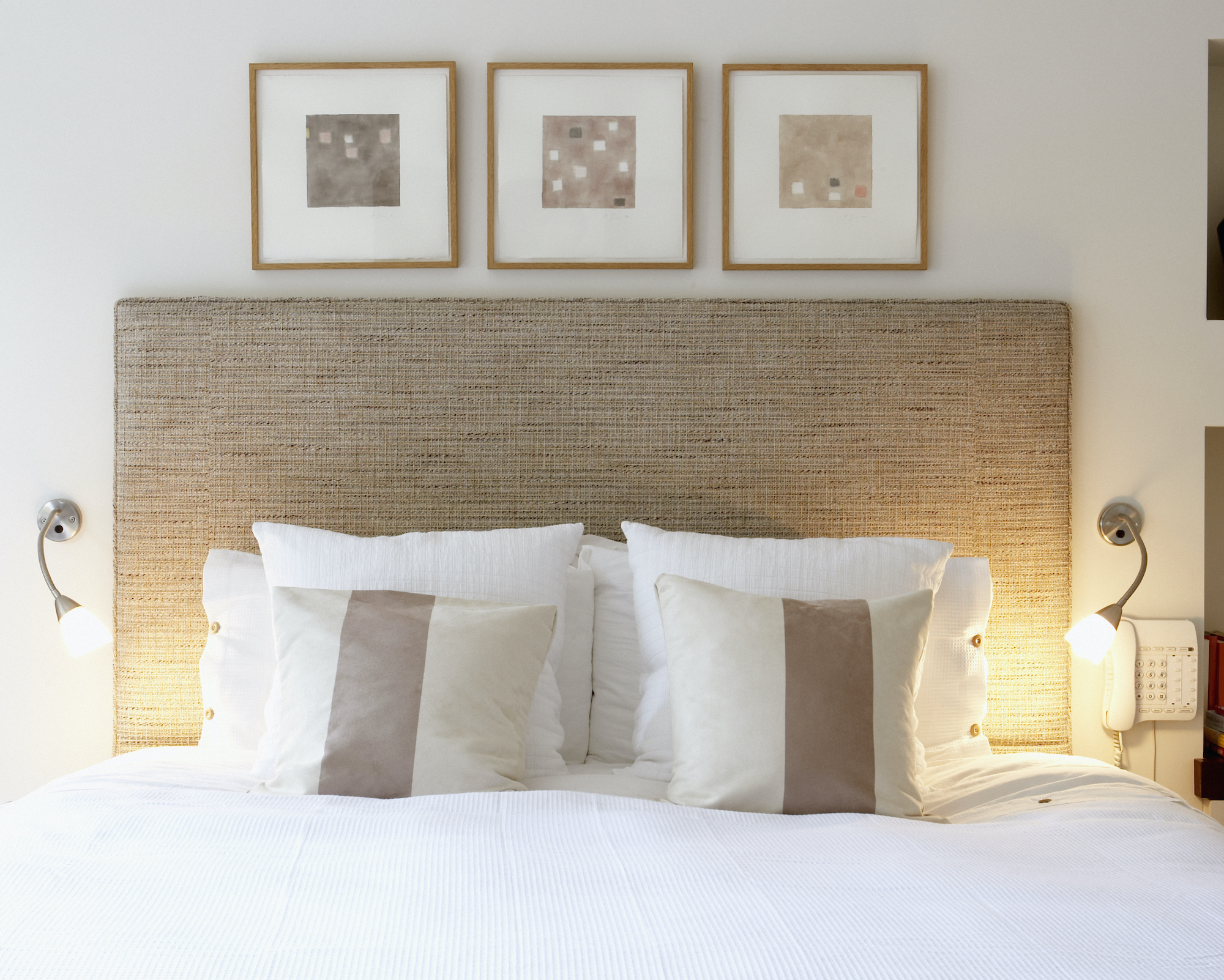
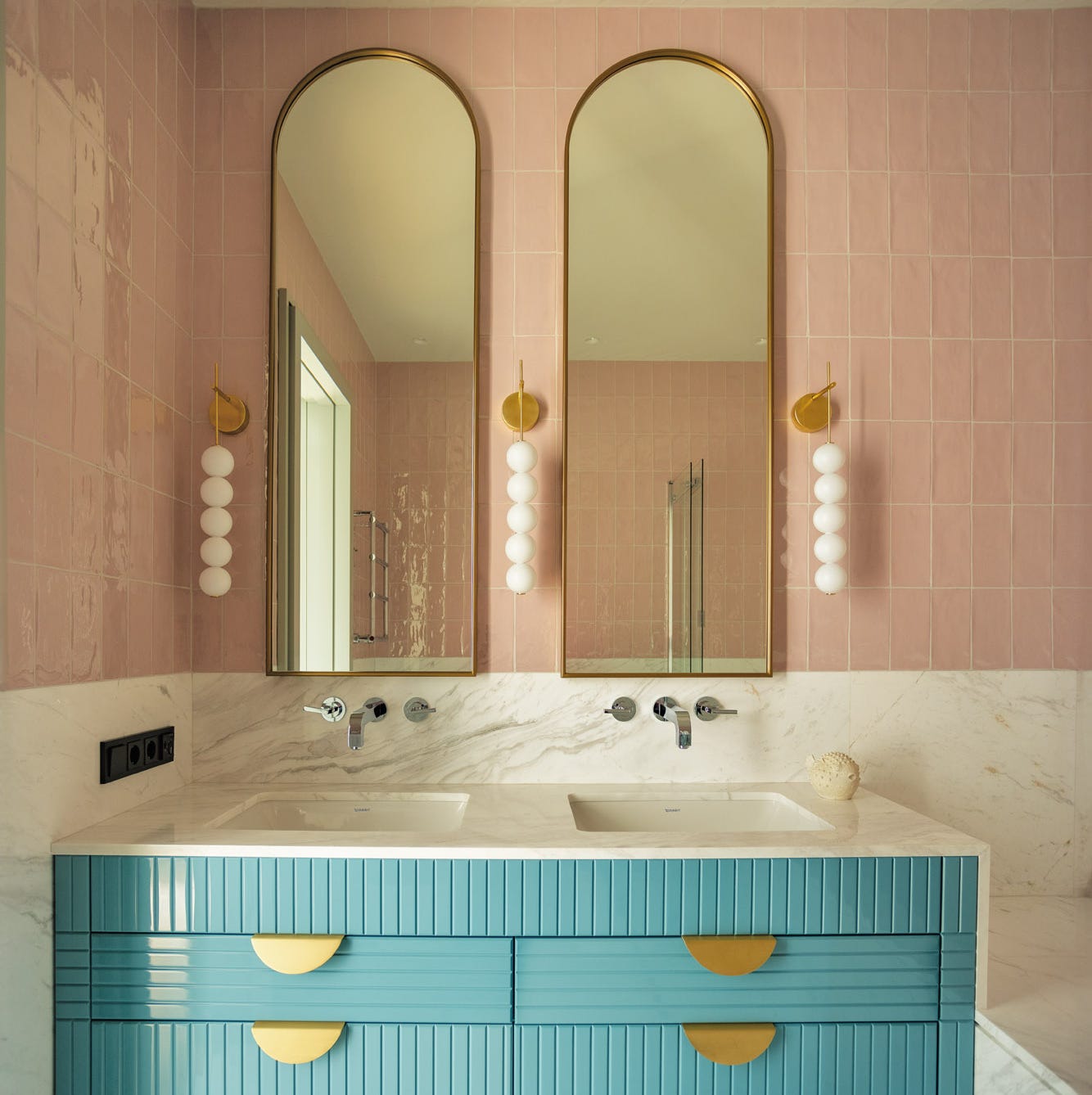
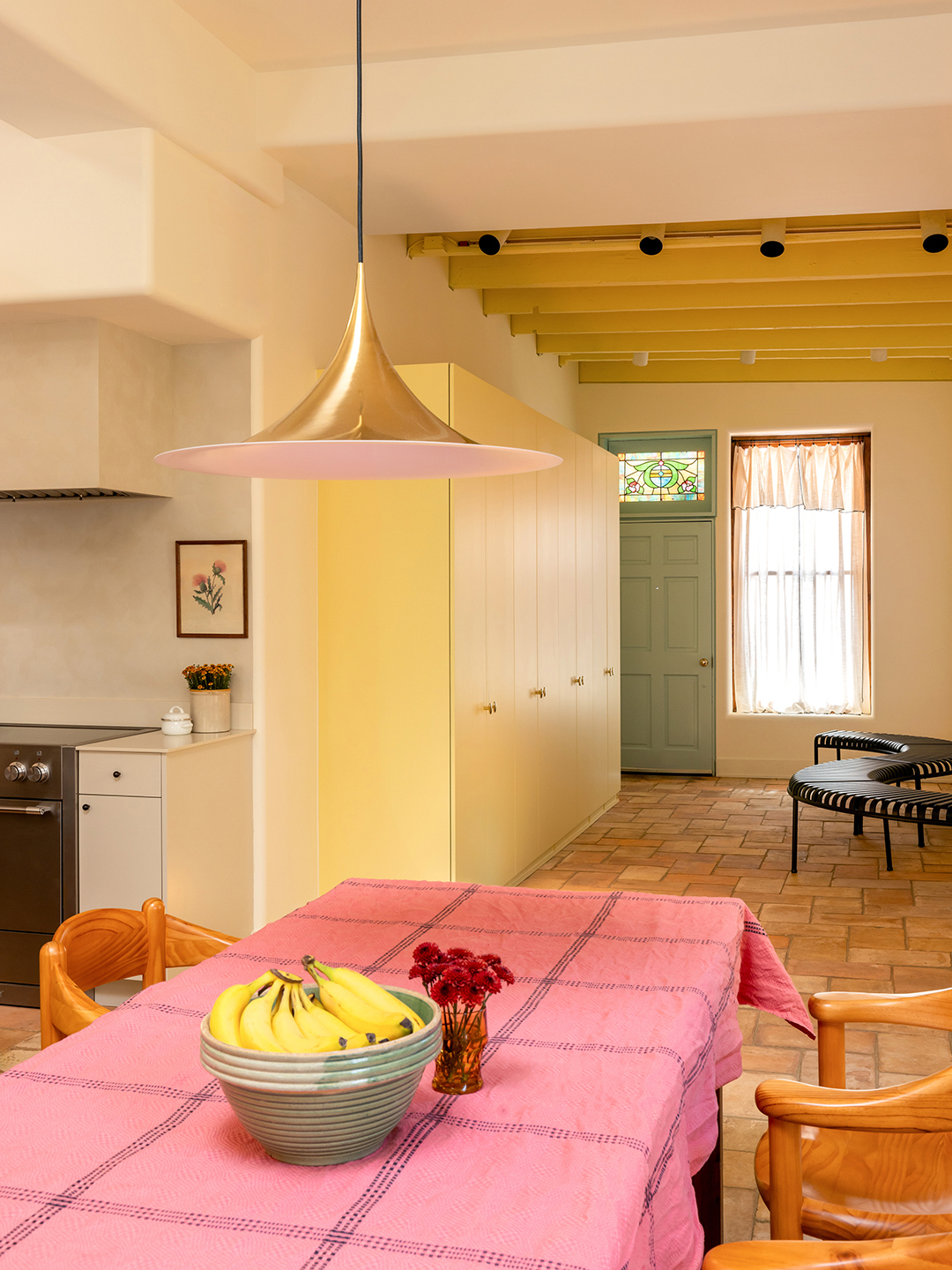
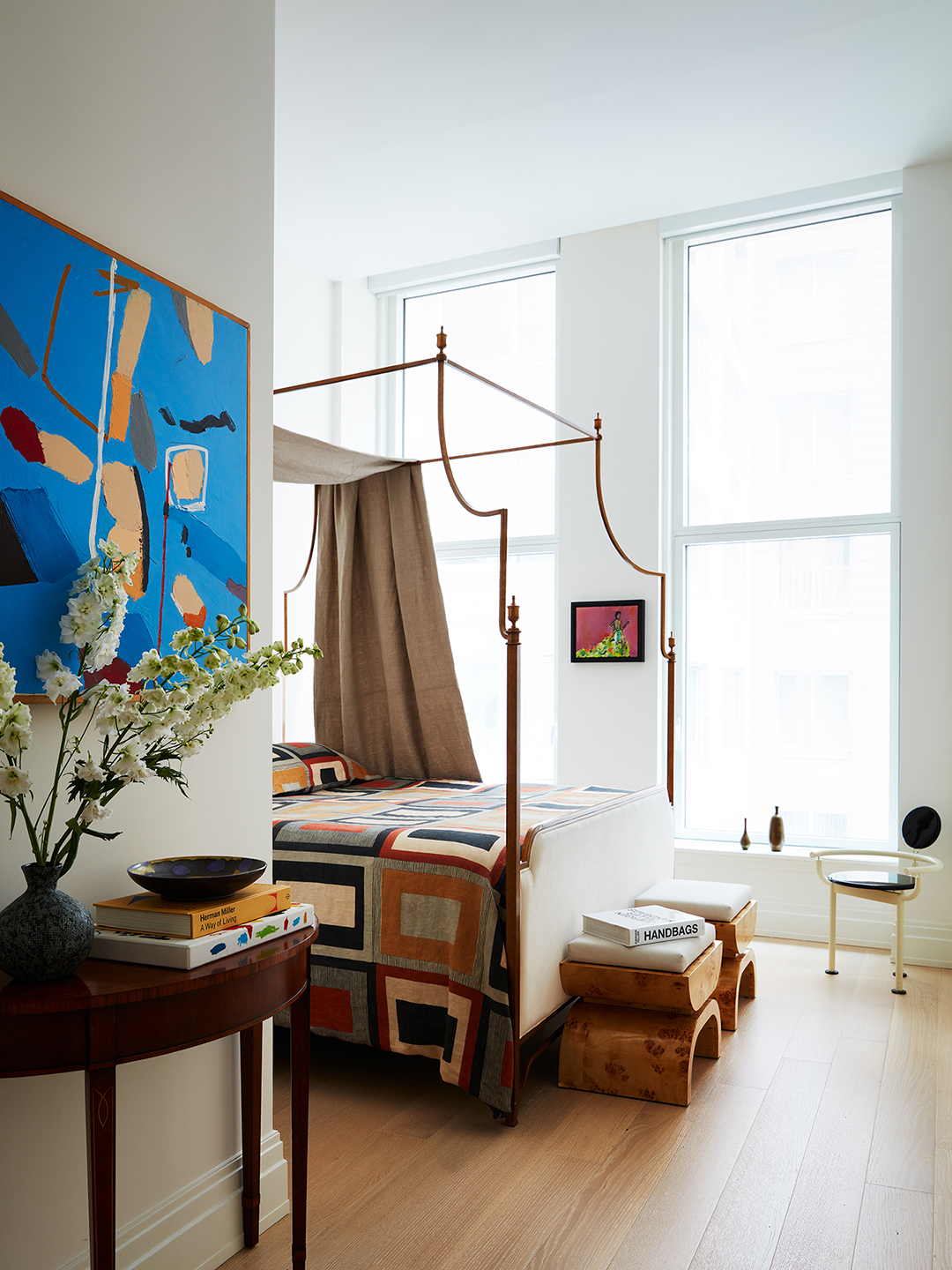
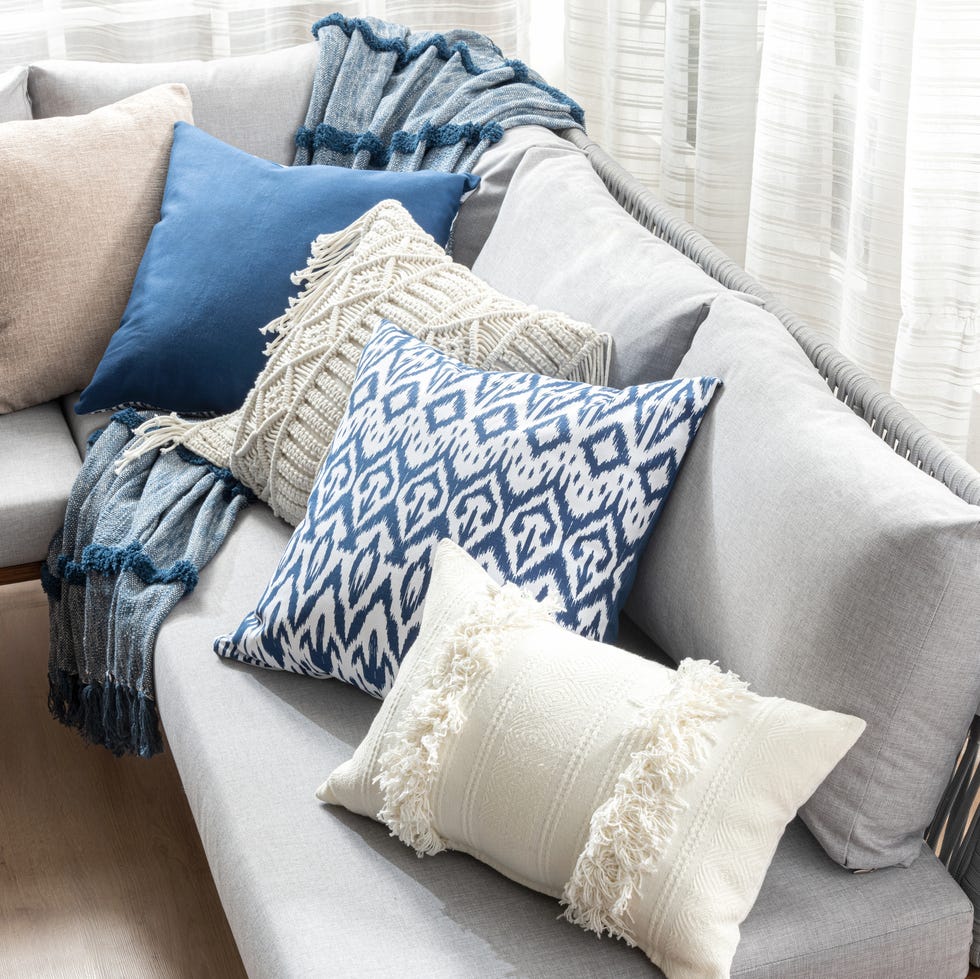
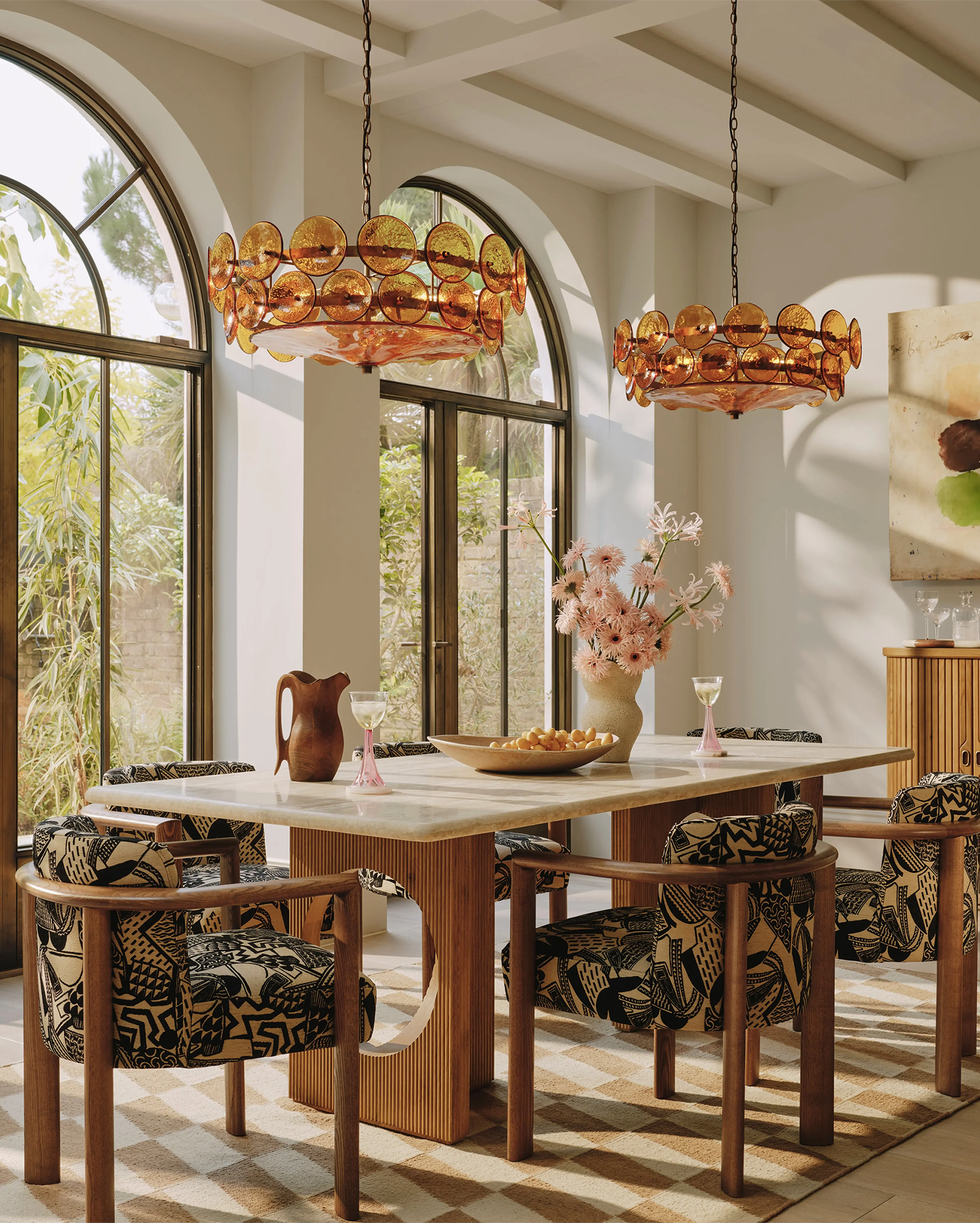
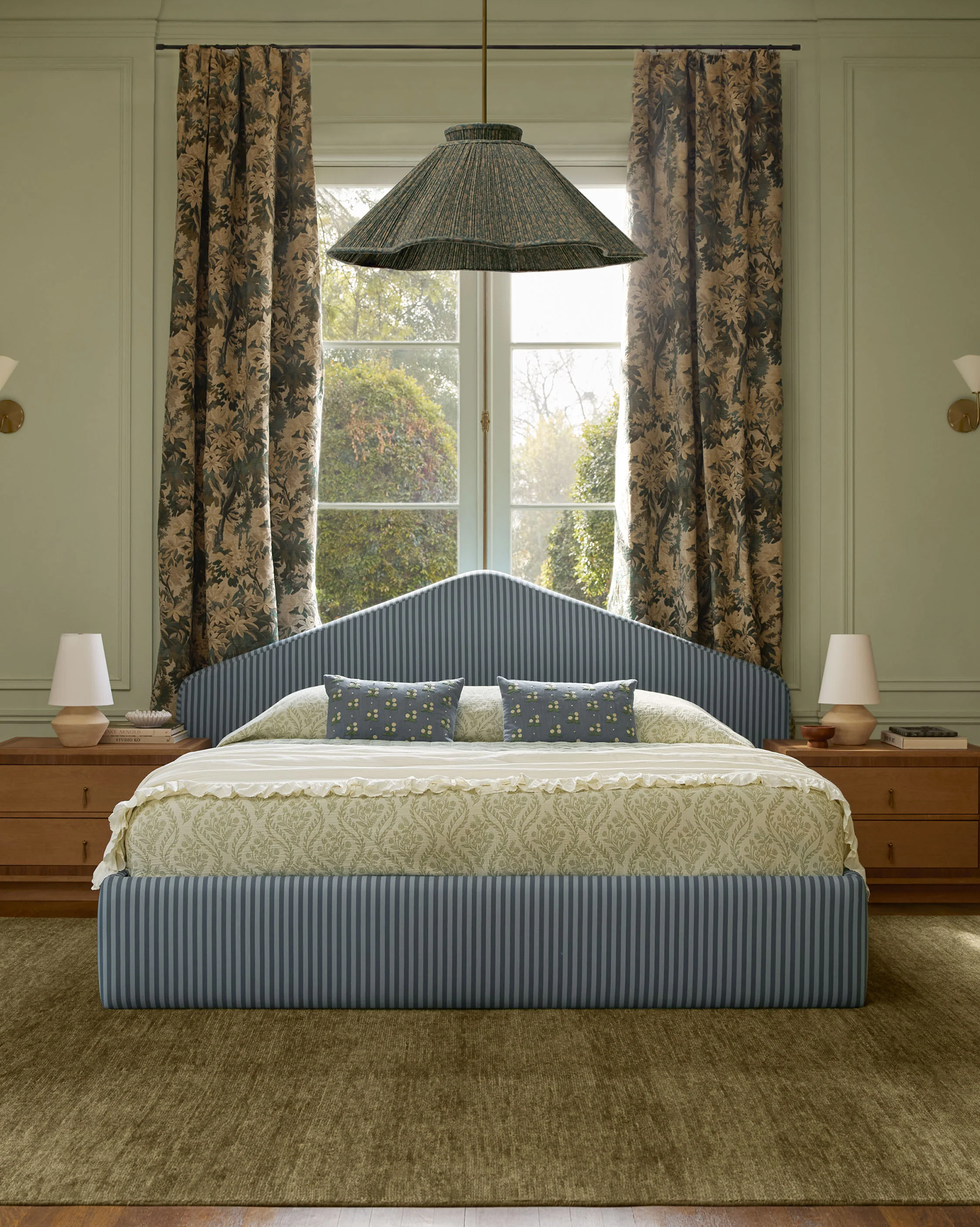
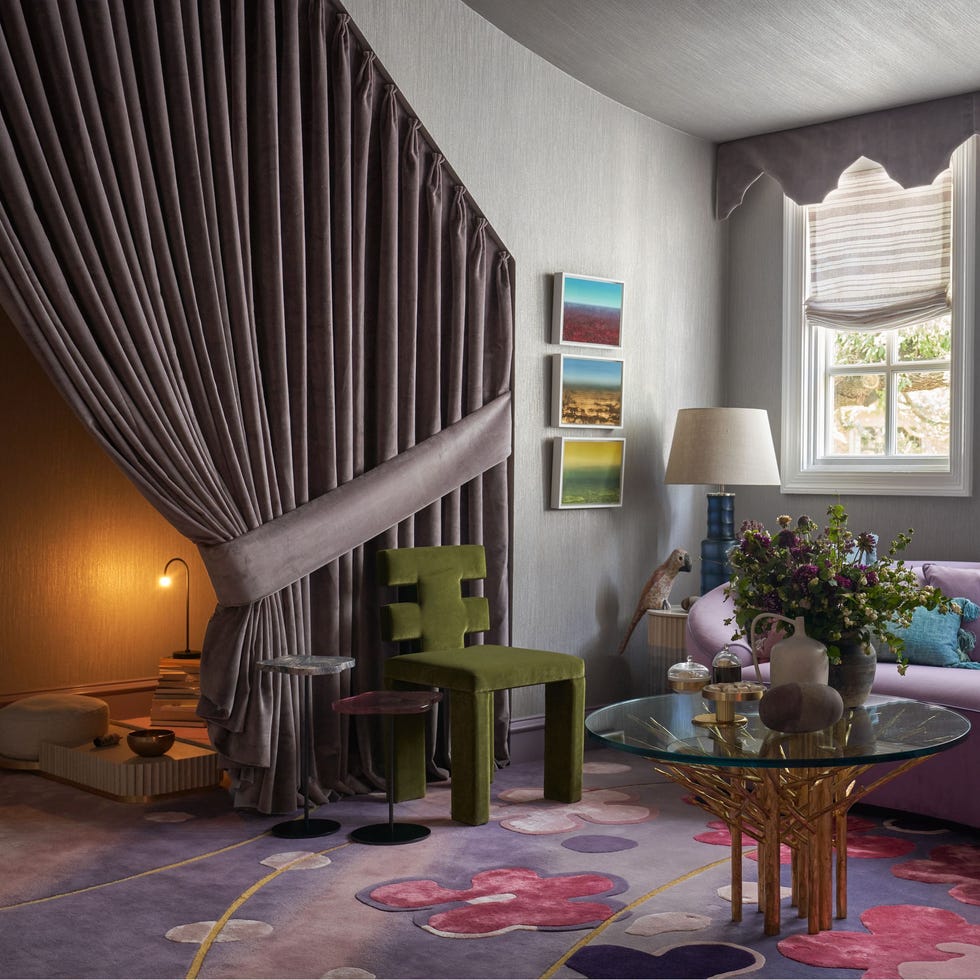
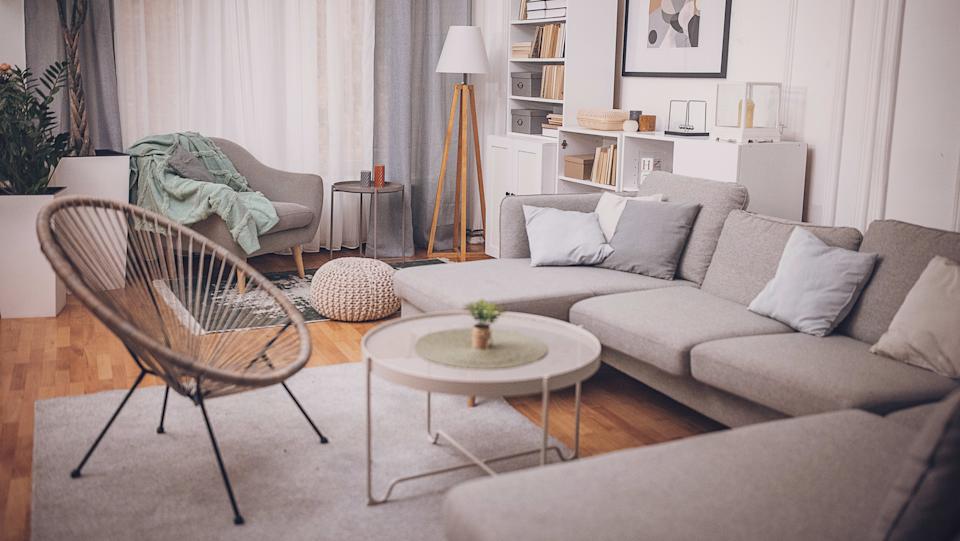
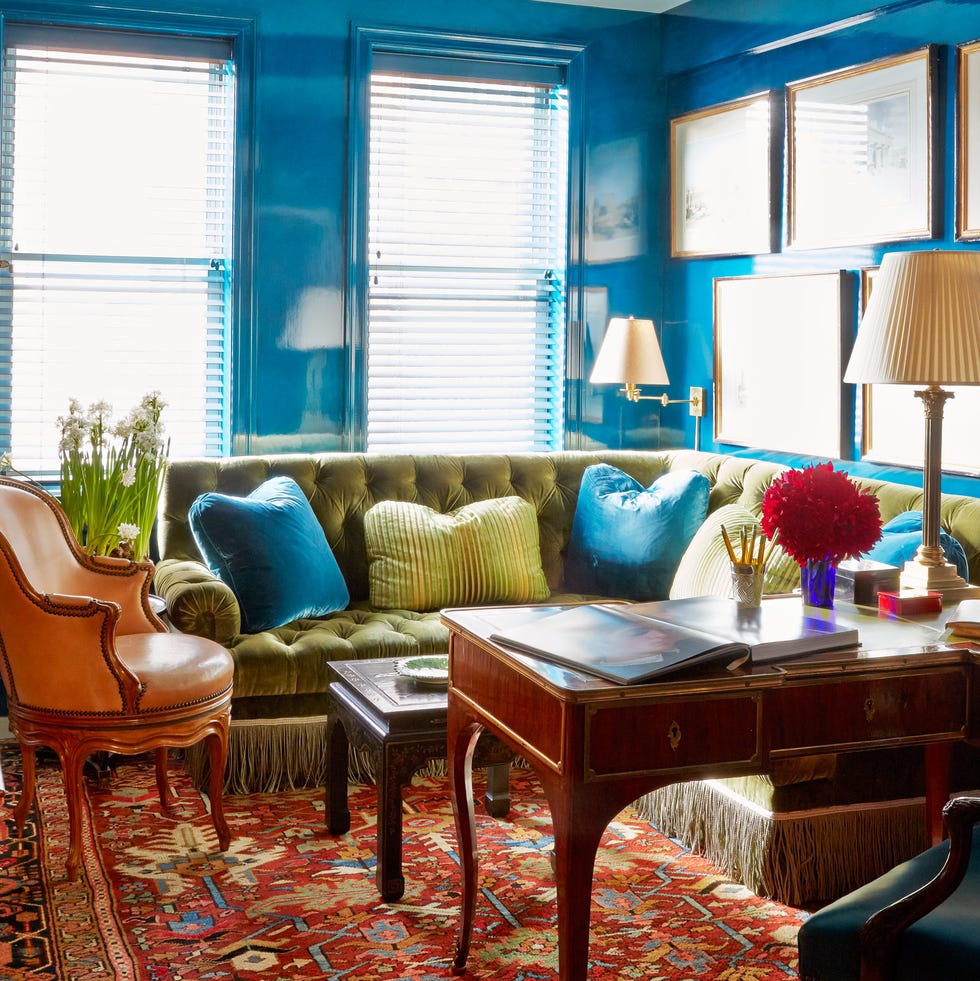
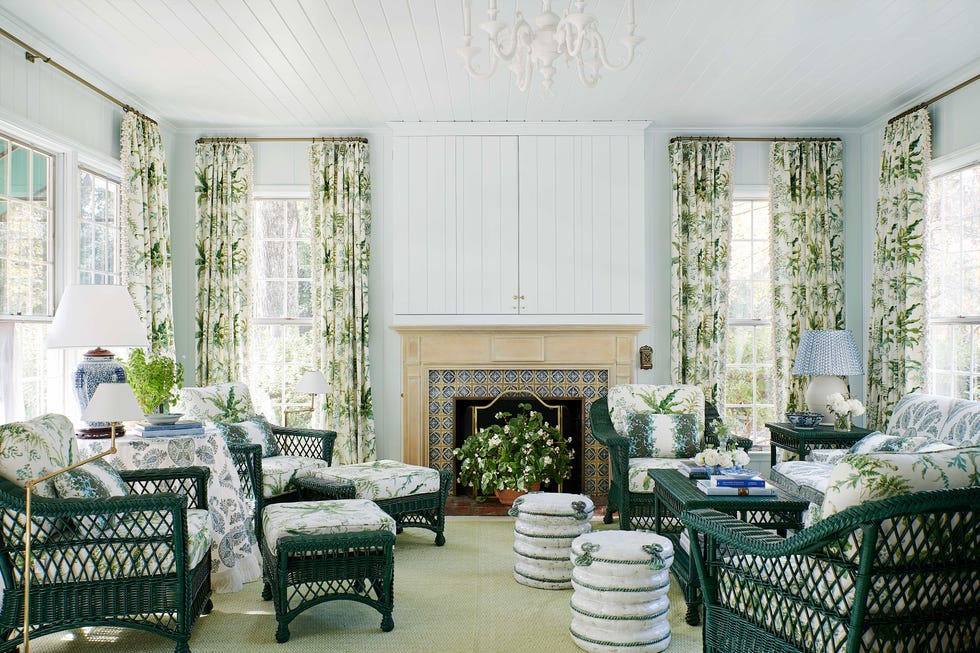
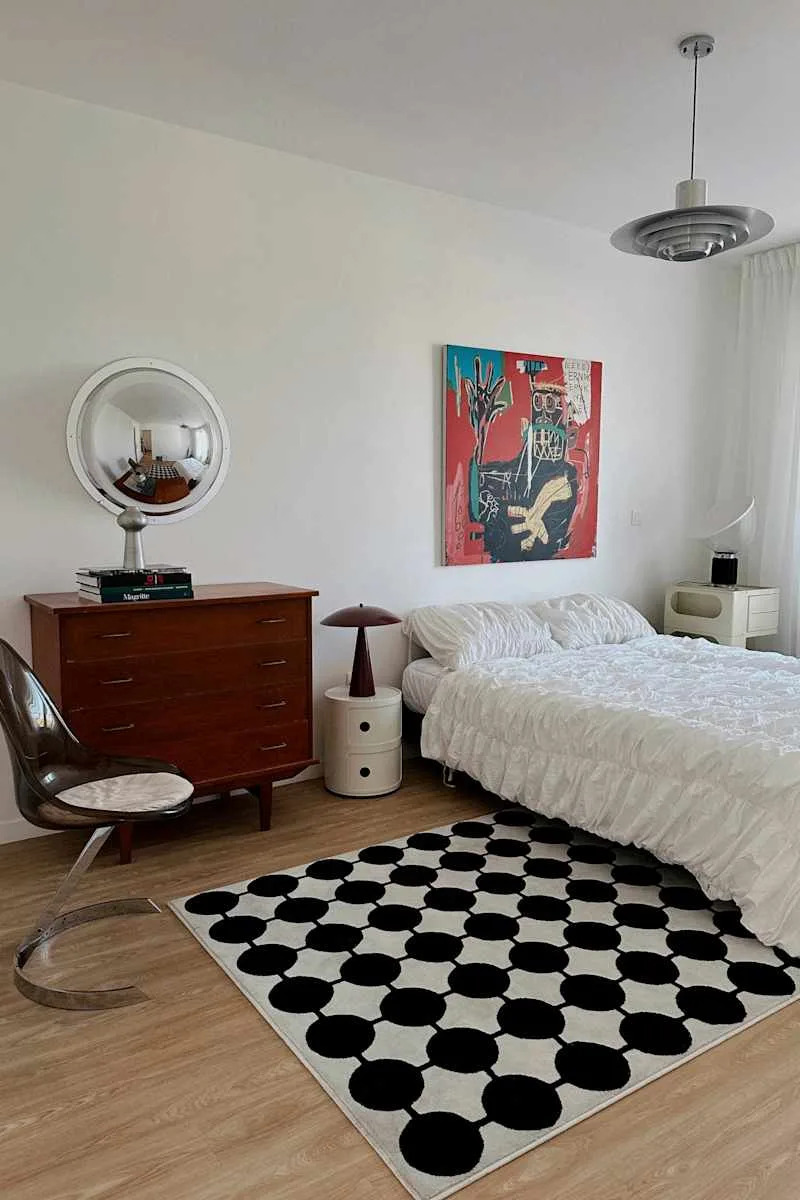
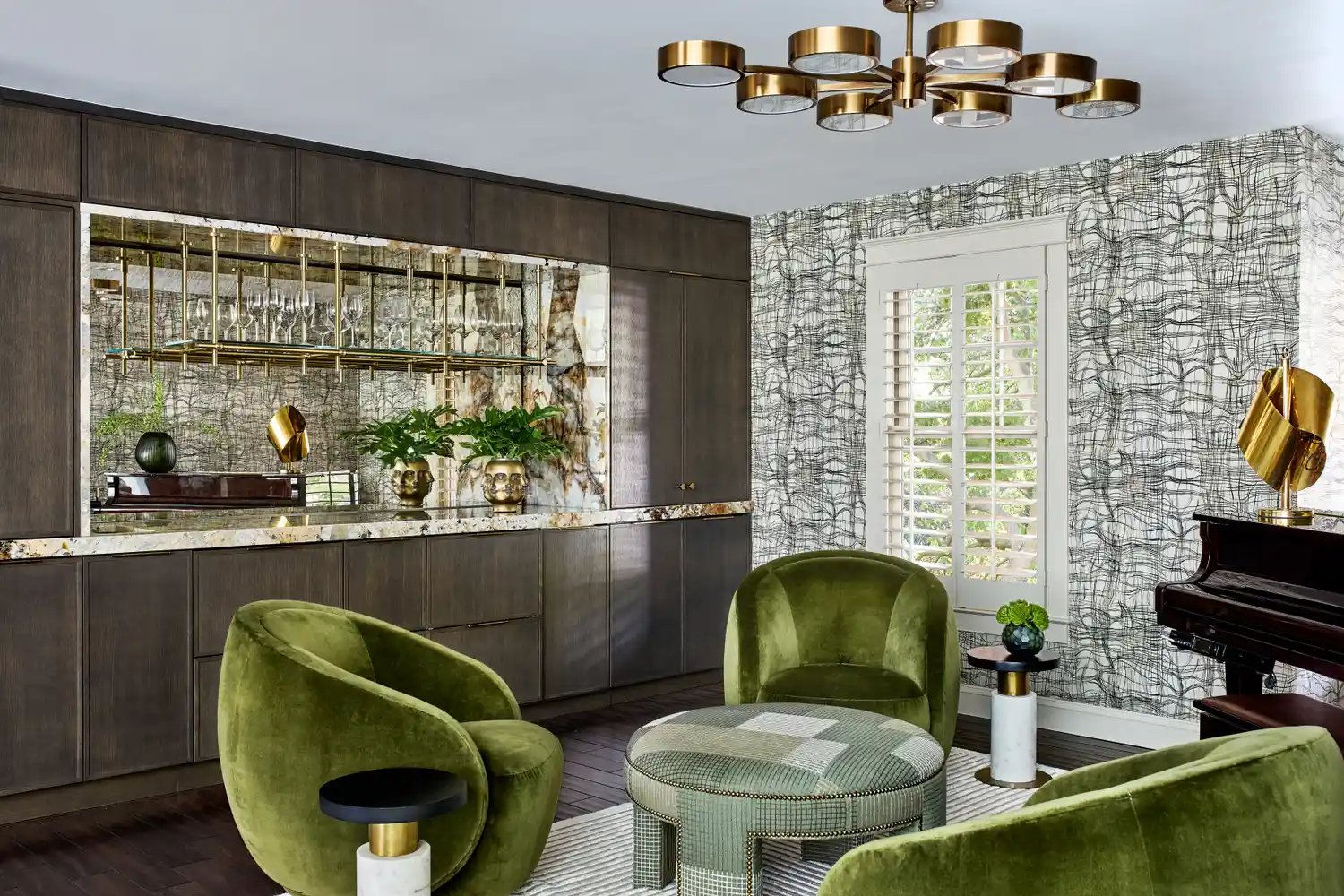
The practice of matching everything in a room, which gained popularity due to its simplicity and ease of design, is also being discarded. While convenient for builders and property stylists aiming for broad appeal, this matchy-matchy approach is seen as stripping homes of their individuality. Designers now encourage a more eclectic approach, suggesting that homeowners intentionally mix materials, eras, and styles to create a unique and curated sanctuary rather than a uniform, catalog-like display.
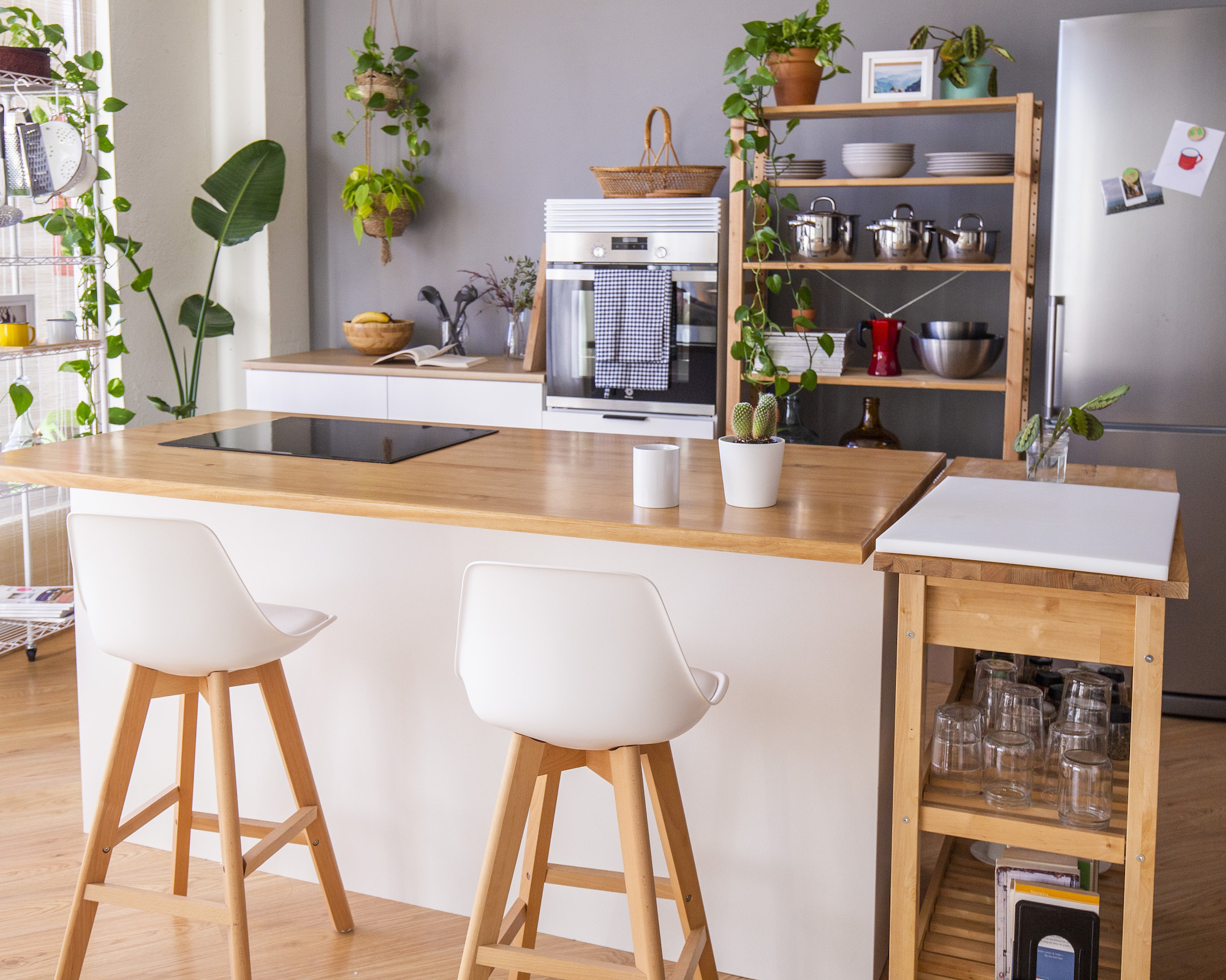
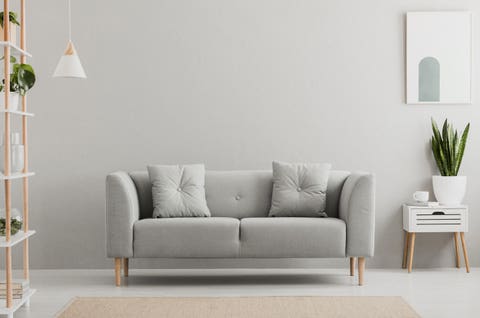
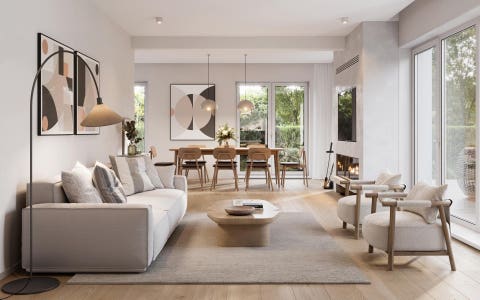
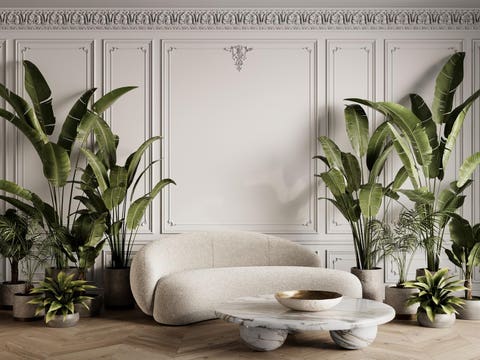
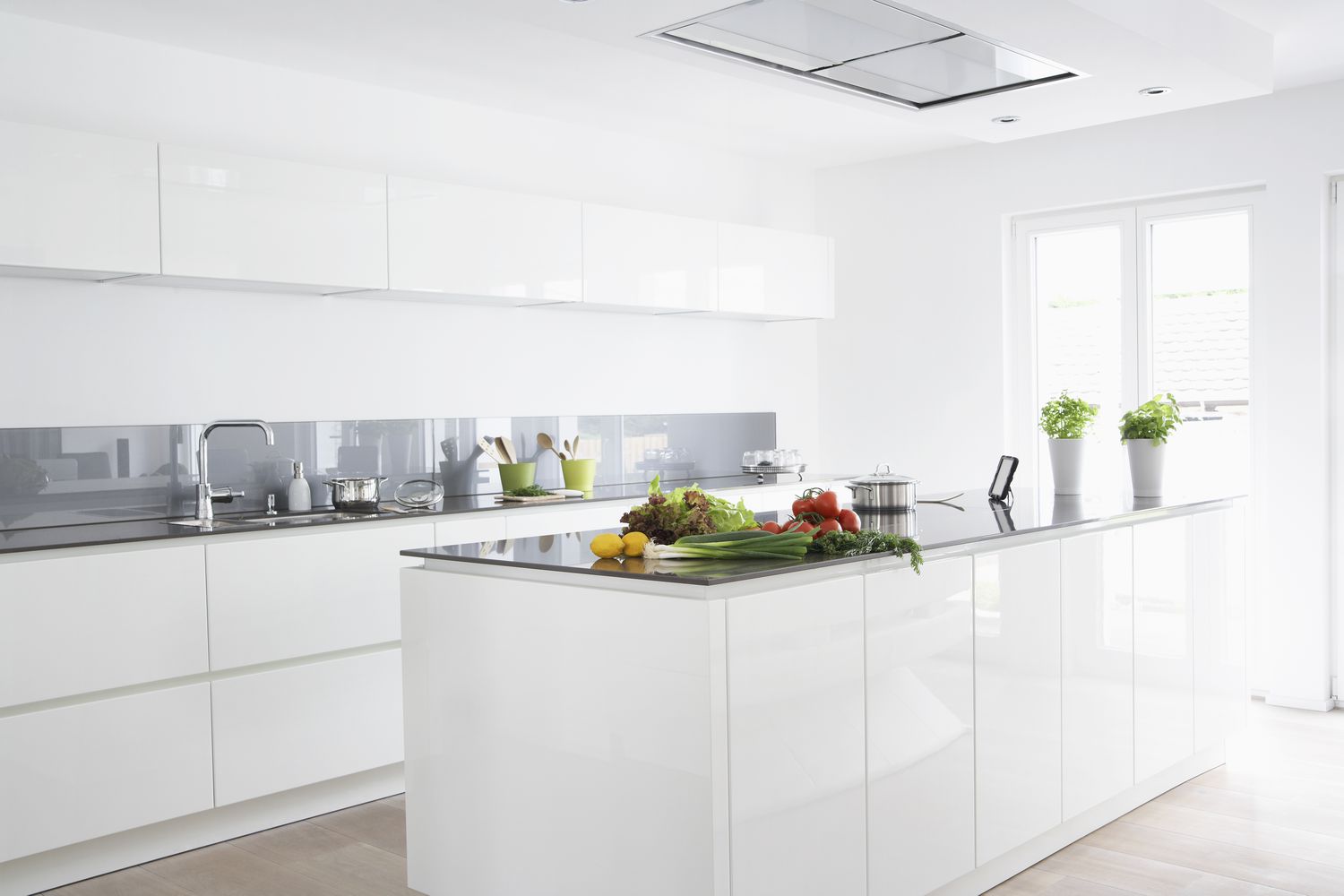
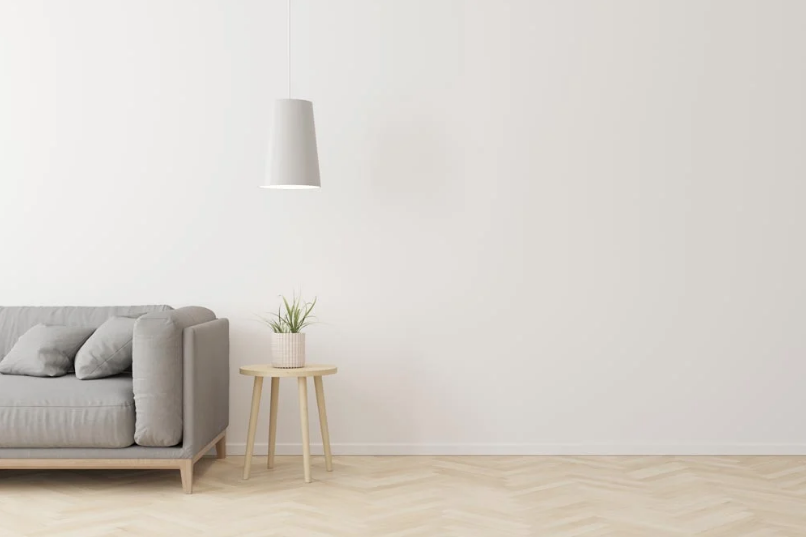
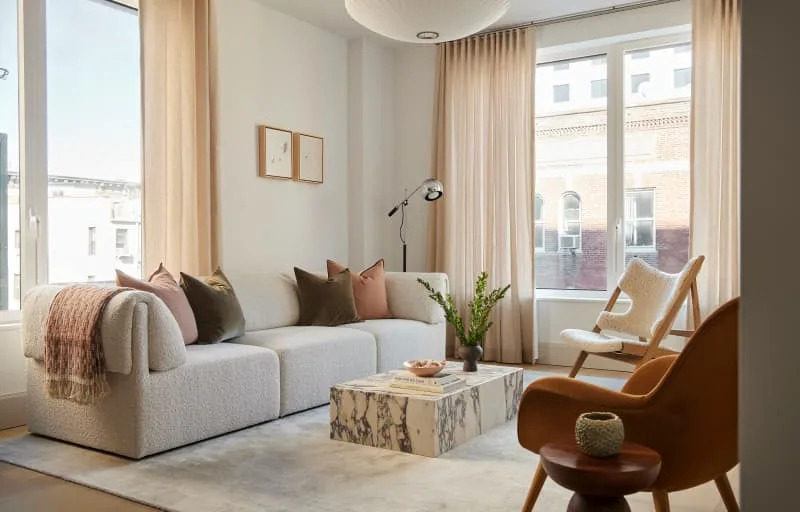
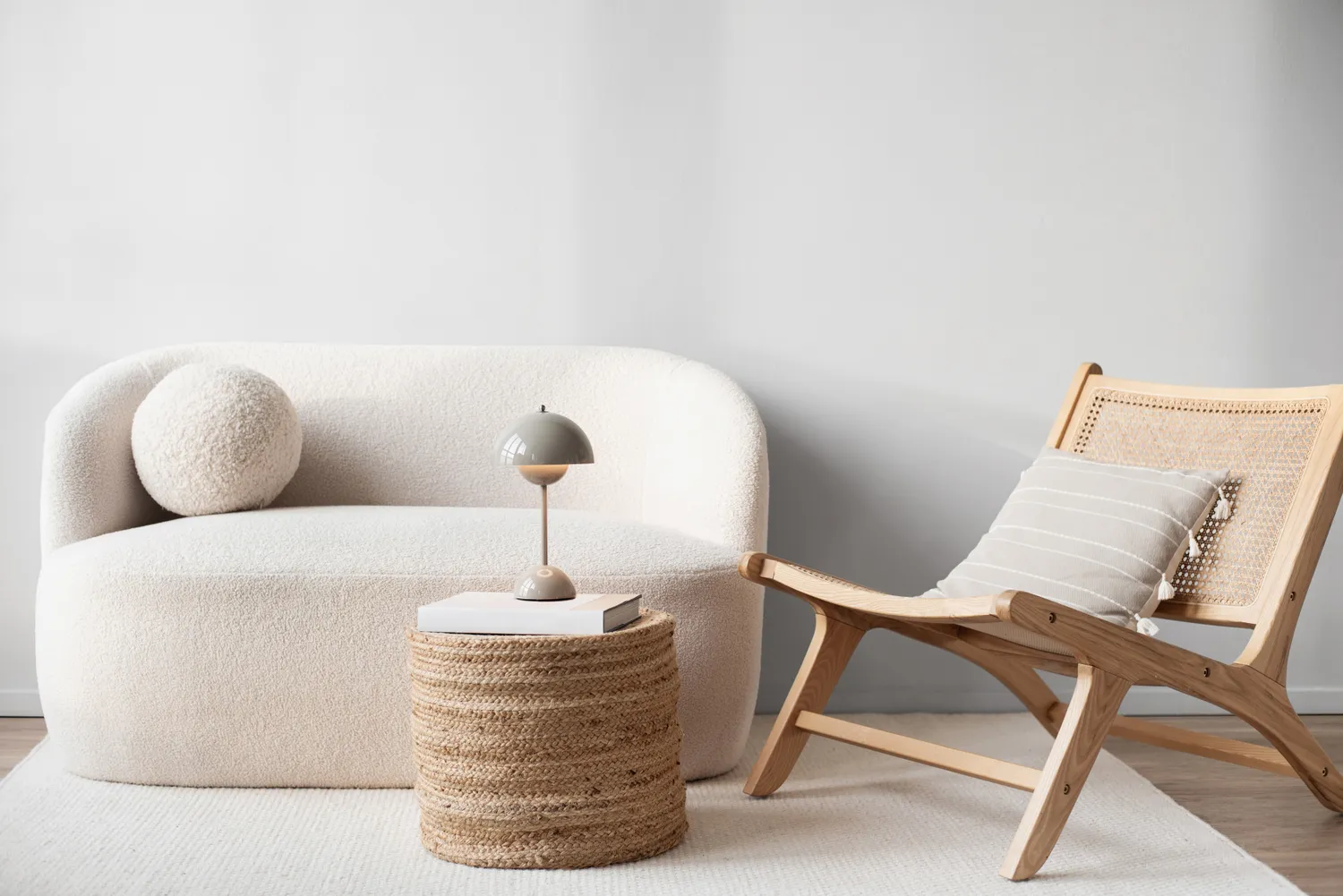
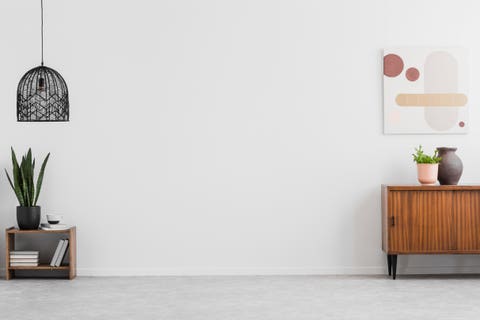
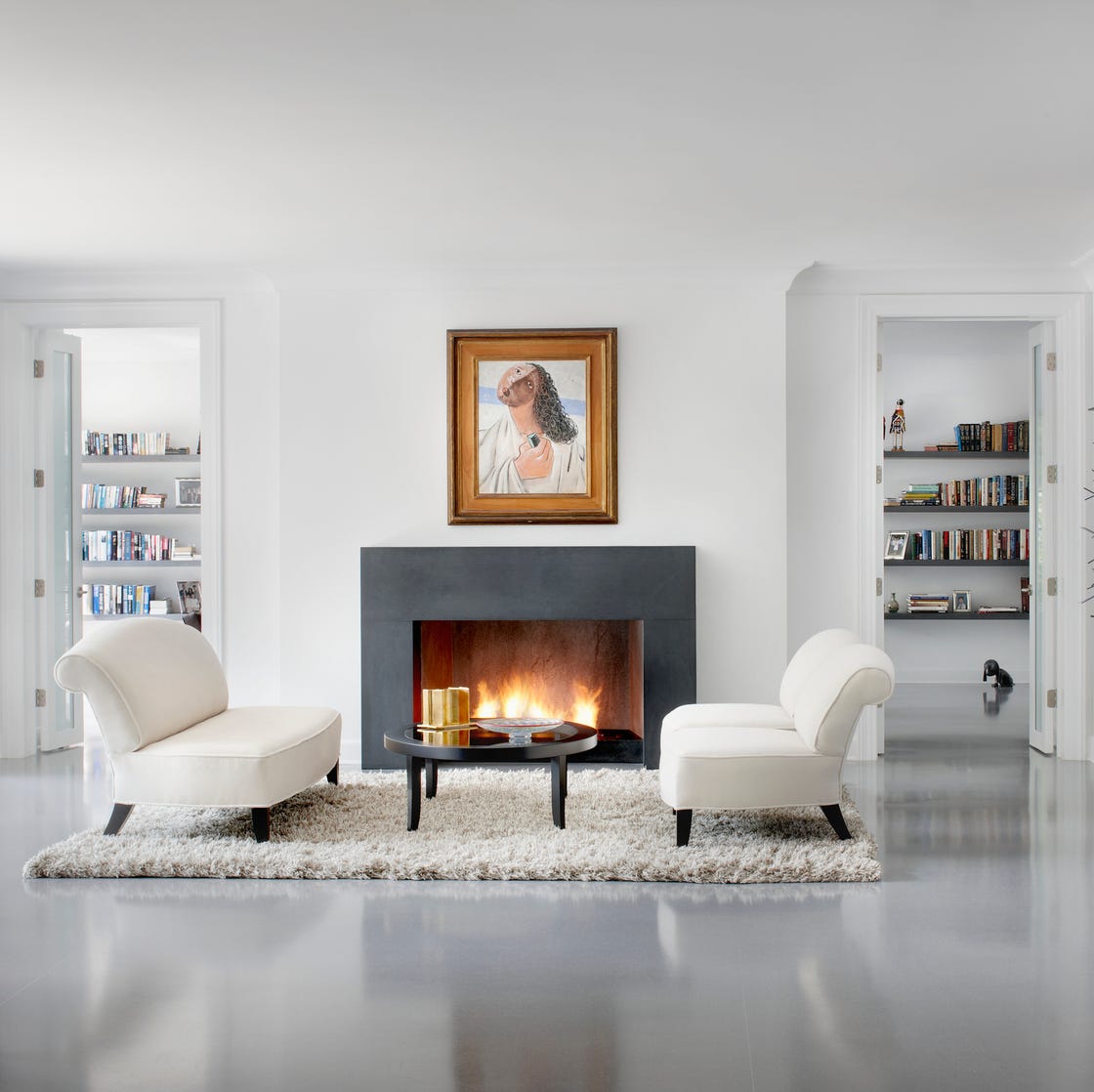
Finally, the mass-produced "fake Scandi" aesthetic is losing its appeal. Authentic Scandinavian design emphasizes restraint, simplicity, clean lines, and functional forms. However, many mass-market interpretations have missed the core principles, resulting in a lifeless and generic minimalism. Interior designers recommend moving beyond these superficial trends and returning to the essence of thoughtful craftsmanship and curated pieces that evoke warmth and intentionality. The goal is to create a home that feels authentic and personal, rather than simply following a popularized, diluted style.
#HomeRenovation #InteriorDesignTrends #KitchenDesign #WallTreatments #ScandinavianDesign #DrywallAlternatives #WoodFinishes #CustomInteriors #HomeDecor #HomeRenovation #InteriorDesignTrends #KitchenDesign #WallTreatments #ScandinavianDesign #DrywallAlternatives #WoodFinishes #CustomInteriors #HomeDecor
合計0件のコメント
 まだコメントはありません
あなたも好きかもしれません
Interior Designers are Ditching These Home Trends in 2024
Renovating? The home design trends you’ll see everywhere in 2025

2026 Home Design Trends to Watch
8 Home Renovation Trends We're Leaving Behind In 2024
5 outdated home decor trends interior designers want you to kiss goodbye in 2024, and what to do instead

The Decorating Trends Designers Are Leaving Behind in 2026

5 Design Trends Interior Designers Can't Wait to Say Goodbye to in 2025

Ask the remodeler: 10 home trends we’ll continue to see in 2026 renovations

10 Interior Design Trends Going Away In 2025

6 Renovation Trends You're About to See Everywhere in 2025, According to Designers
Sorry, But It’s Time to Retire These 5 Interior Design Trends in 2024

8 Decorating Trends Designers Wish Would Go Away in 2025

5 Renovation Trends You're Going to See in Every Home in 2026, According to Pros
8 "Tacky" Home Trends That Are Tragically Dead to Designers in 2026
The 8 Renovation Trends Designers Say Will Shape Homes in 2025 and Beyond

5 Styles That Will Dominate Home Decor in 2026, According to Experts
5 Kitchen Design Trends Going Away In 2026
Ready to Redecorate? 2025’s Top Design Trends Just Dropped

How to decorate in 2025: Skip these tired trends, interior designers say
7 Home Renovation Trends Everyone Will Be Talking About In 2026