32 Wall Décor Ideas Designers Swear by, From Hanging Plates to Oversized Artwork
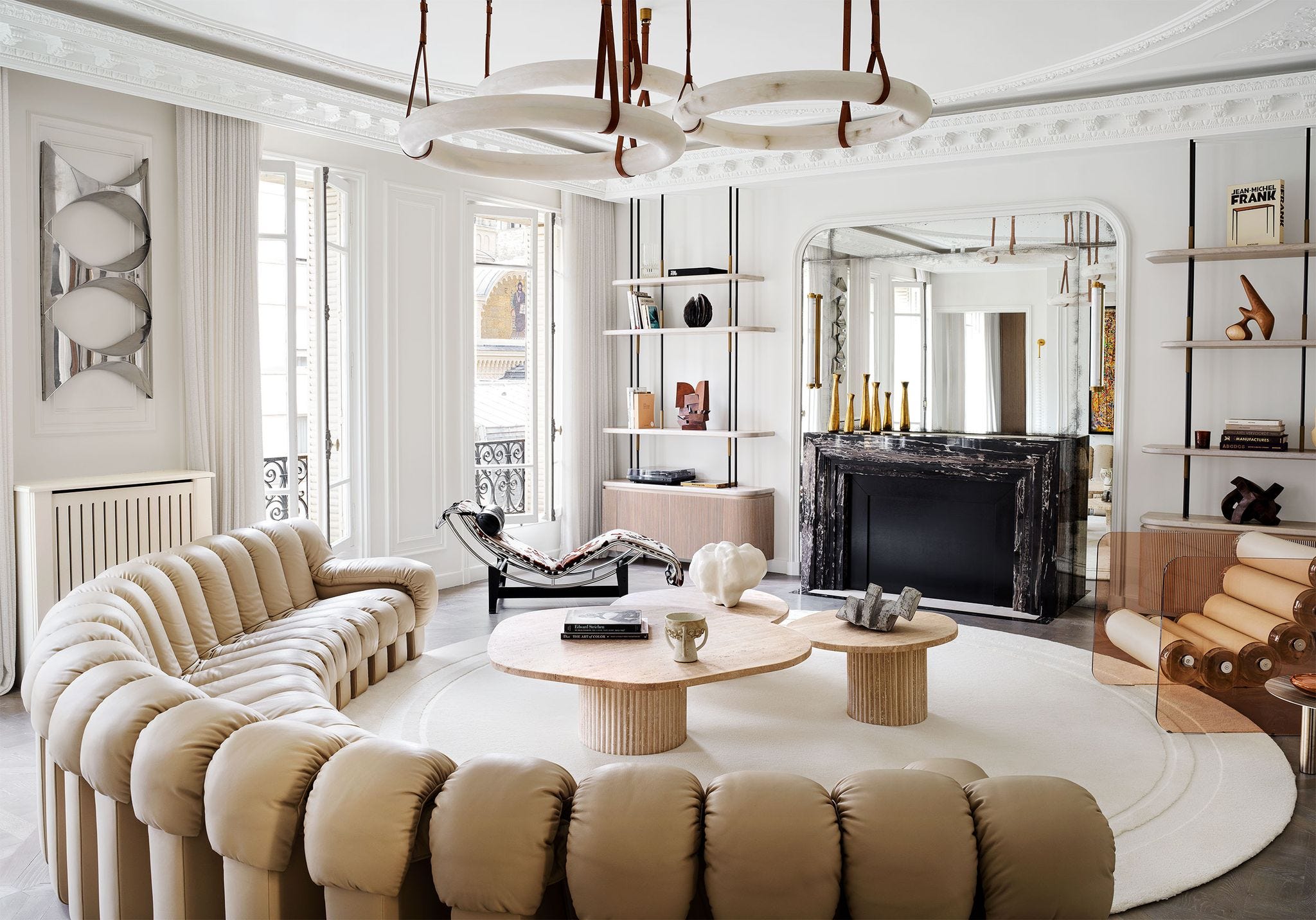
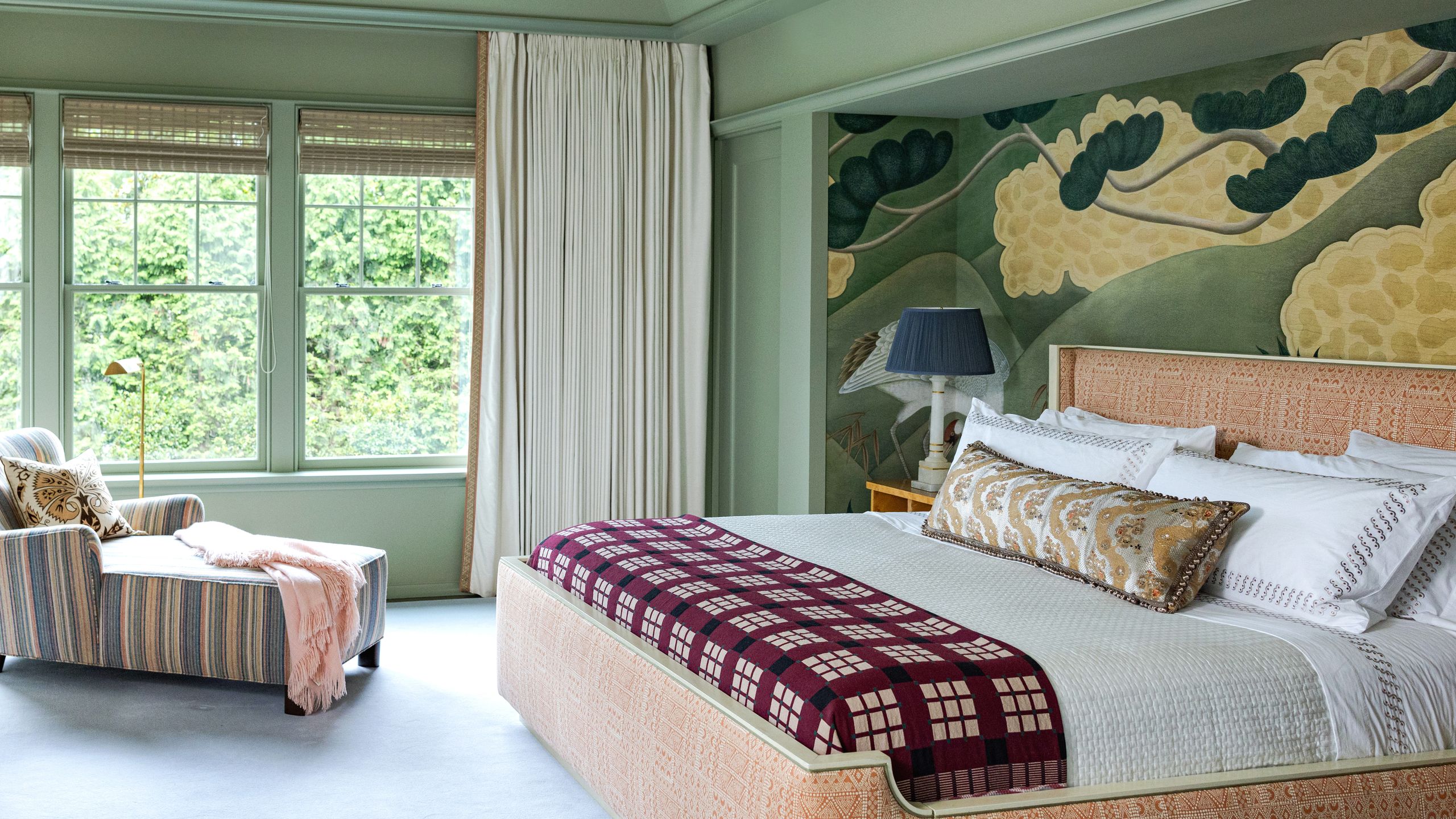
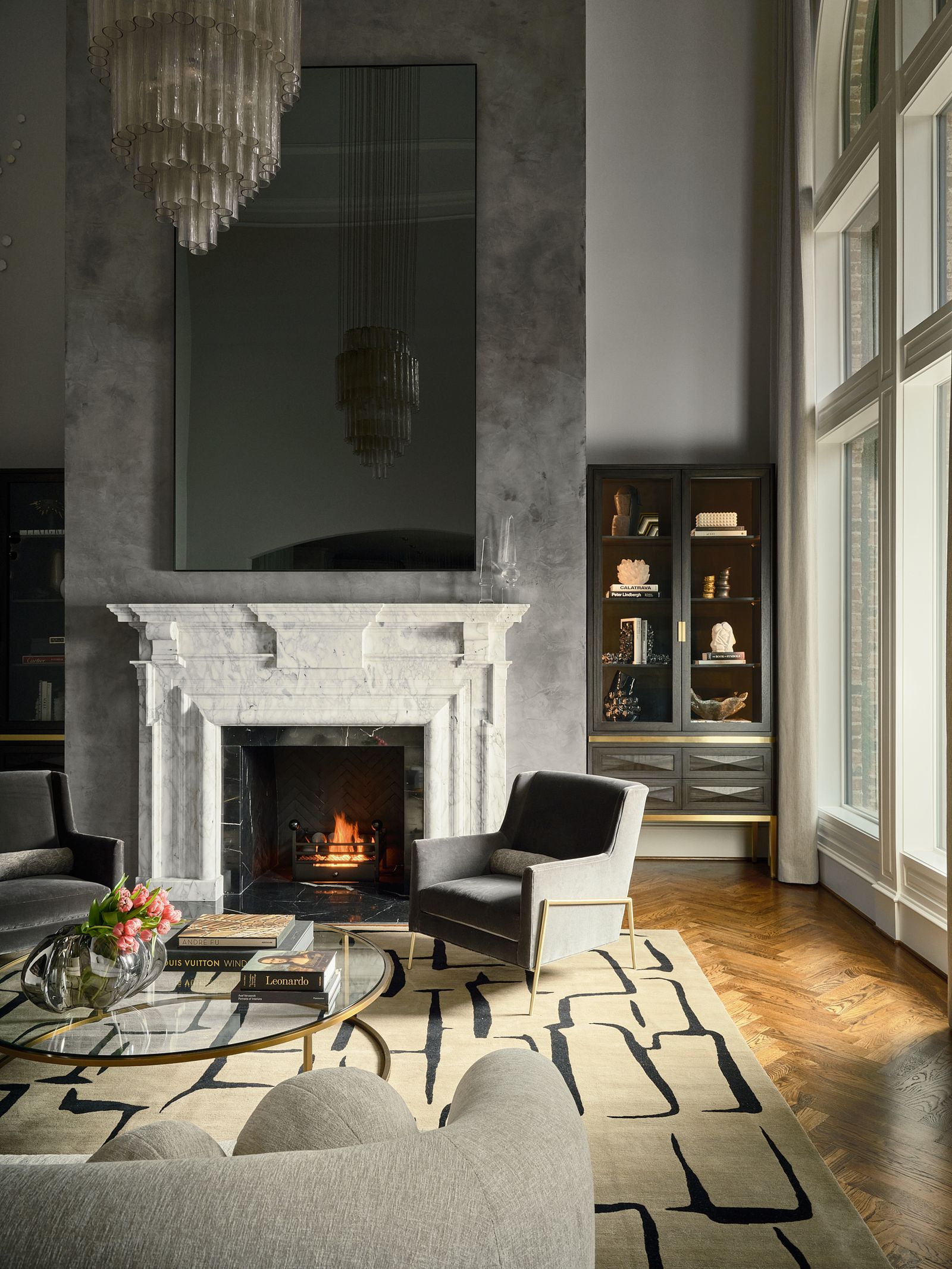
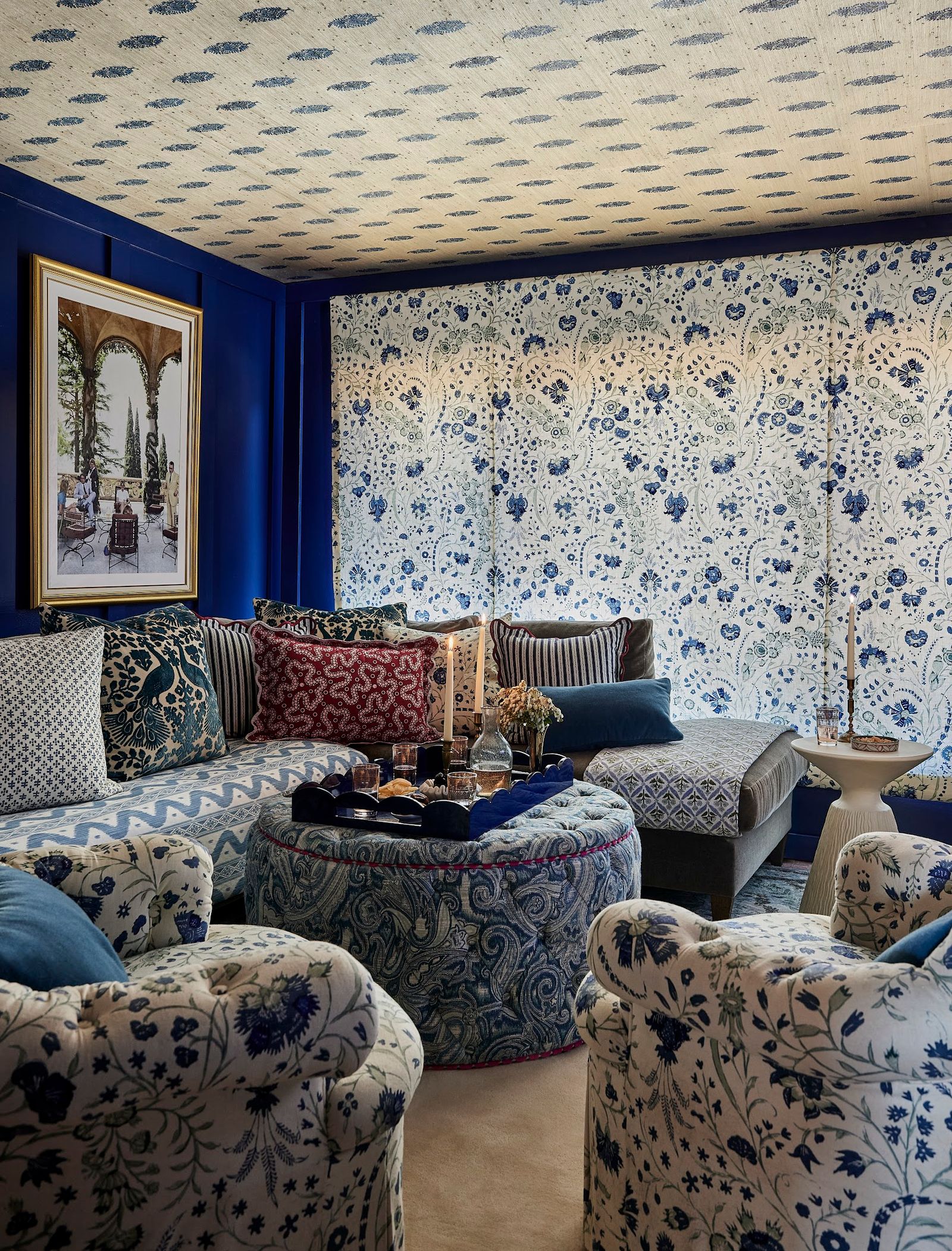
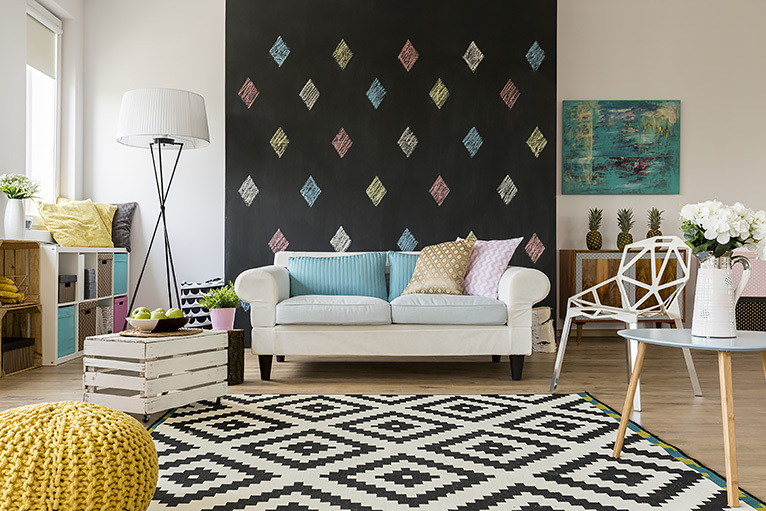
Empty walls present a significant design challenge, offering a blank canvas that requires careful consideration to transform into an engaging and aesthetically pleasing space. The process of selecting and arranging wall décor is akin to accessorizing an outfit, providing the final touch that completes the overall look of a room. This article provides a comprehensive guide to various wall decoration techniques, catering to a wide range of aesthetic preferences, from minimalist to maximalist styles. It aims to inspire individuals to fill their blank walls with creative, practical, and impactful solutions.
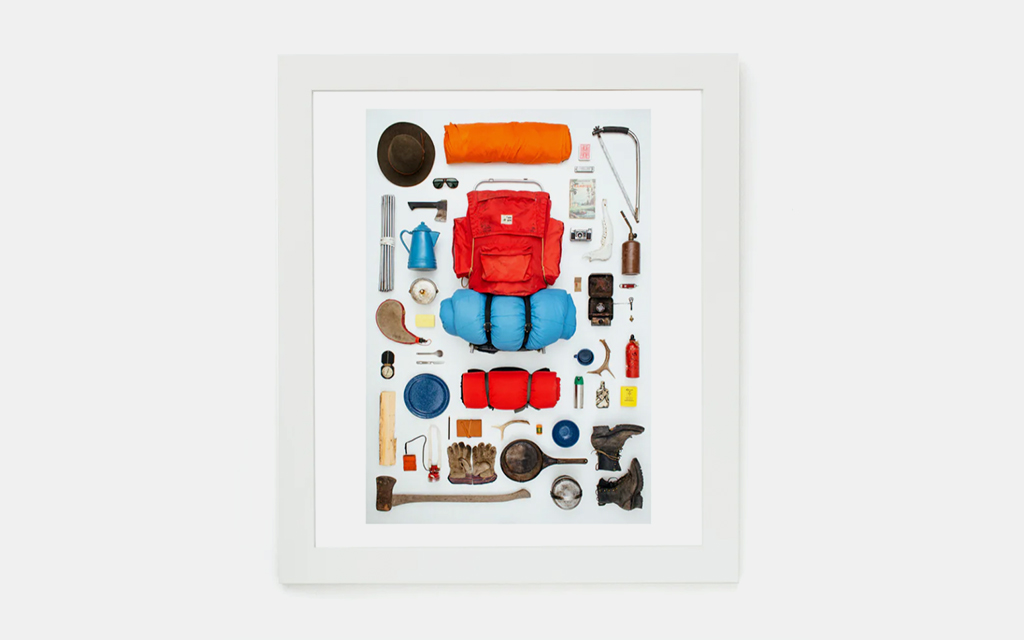
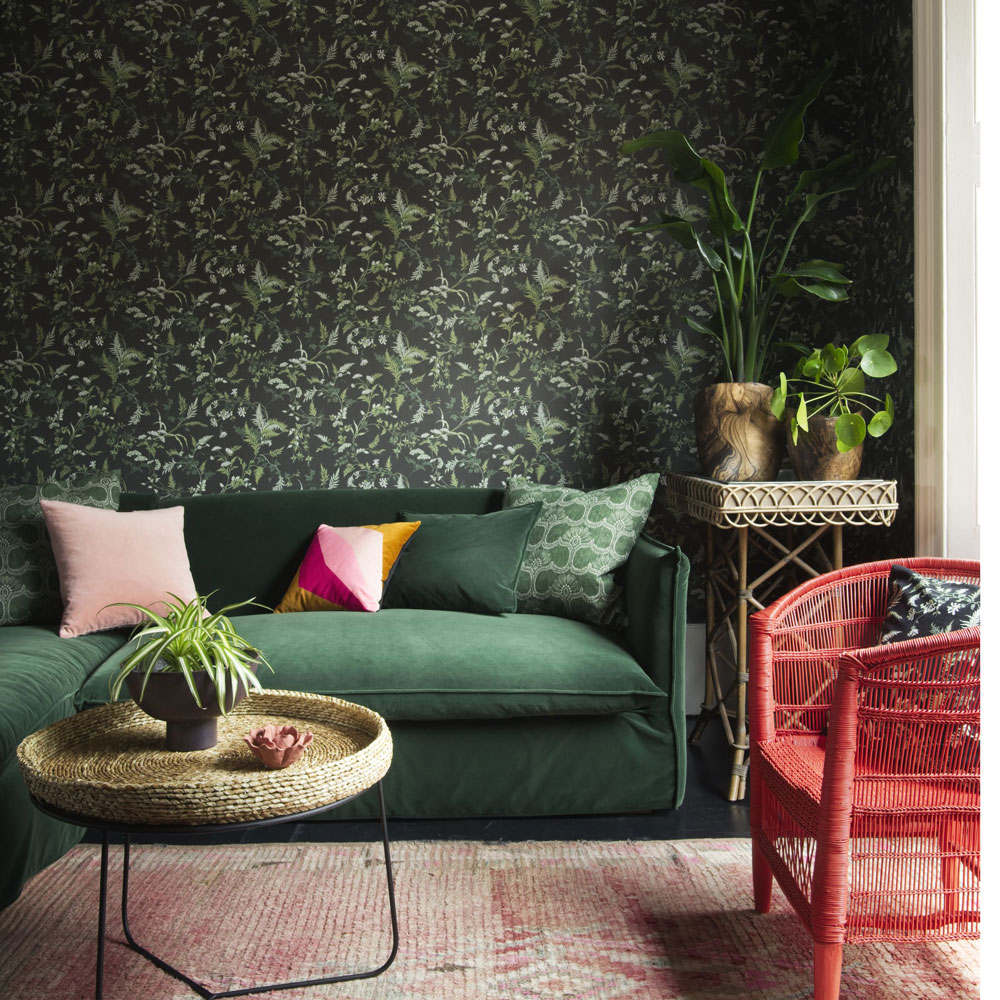
The article explores diverse approaches to wall ornamentation, starting with the use of decorative plates, which can be arranged in collections featuring varied sizes, shapes, and patterns to create visual interest against contrasting backgrounds like dark floral wallpaper. Personal touches are highlighted through the suggestion of framing maps that hold sentimental value, such as vintage maps of hometowns or city subway systems, adding a unique narrative to the décor. Innovative solutions for integrating technology are also presented, such as concealing a television behind a sliding artwork panel, allowing for a seamless blend of functionality and aesthetics.
Textile art is prominently featured, with recommendations for displaying cherished quilts or framing fabric pieces like vintage blanket segments, heirloom linens, or patterned scraps, transforming them into custom gallery displays. The integration of nature indoors is encouraged through wall-mounted planters, allowing for a biophilic design element. Alternatives to traditional wallpaper include textural fabric wall coverings with large-scale prints, offering a tactile and mural-like effect. Mirror gallery walls are suggested as a way to add dimension and light to a space, using mirrors of various shapes, sizes, and complementary frames.
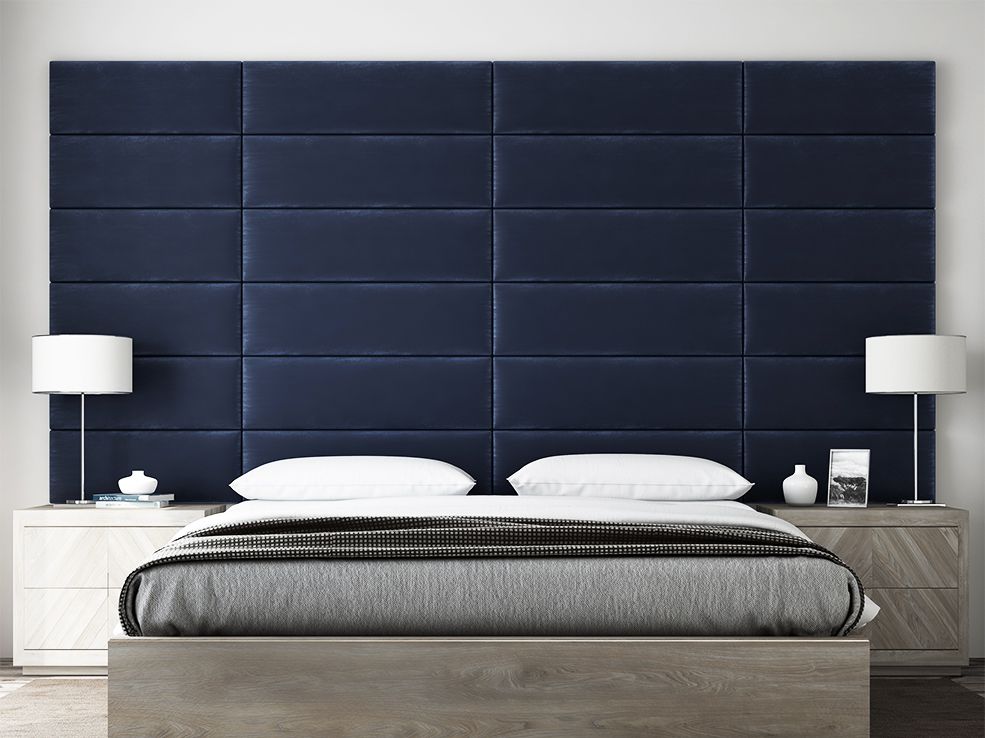
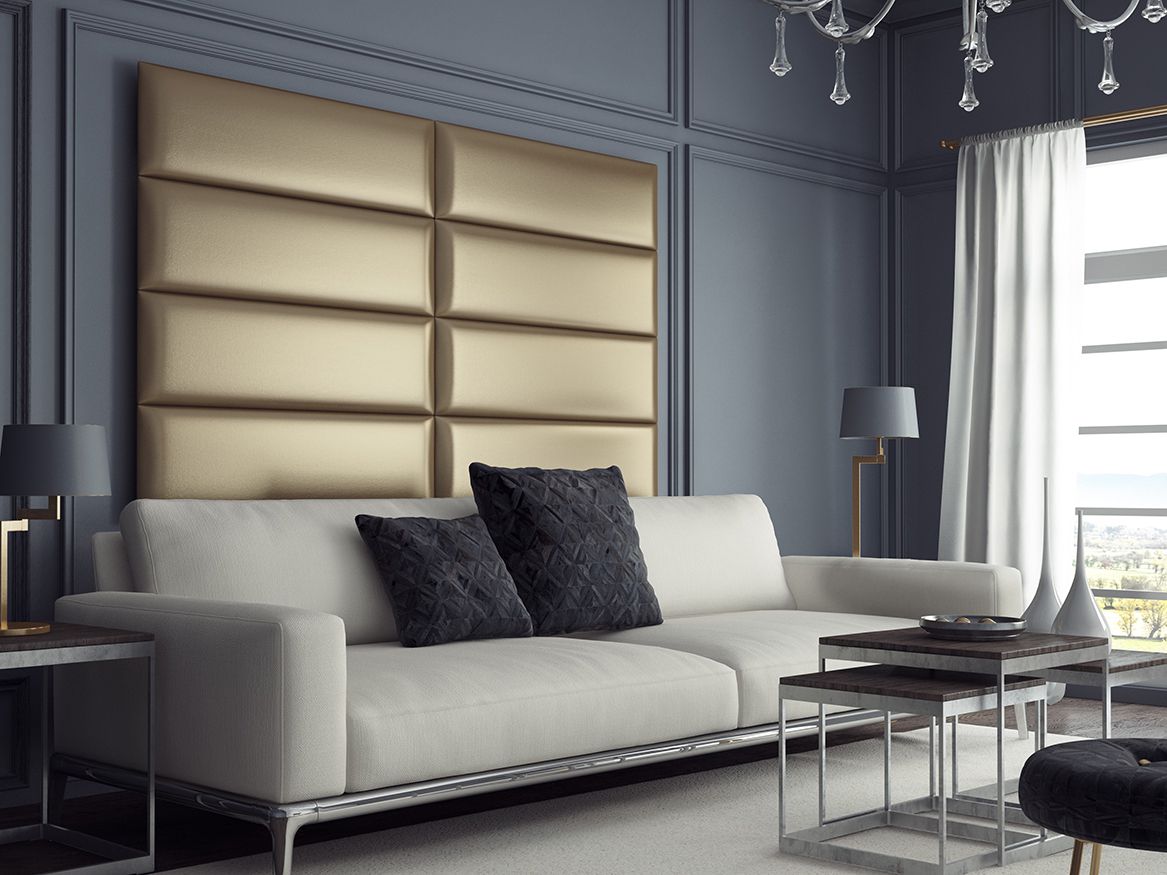
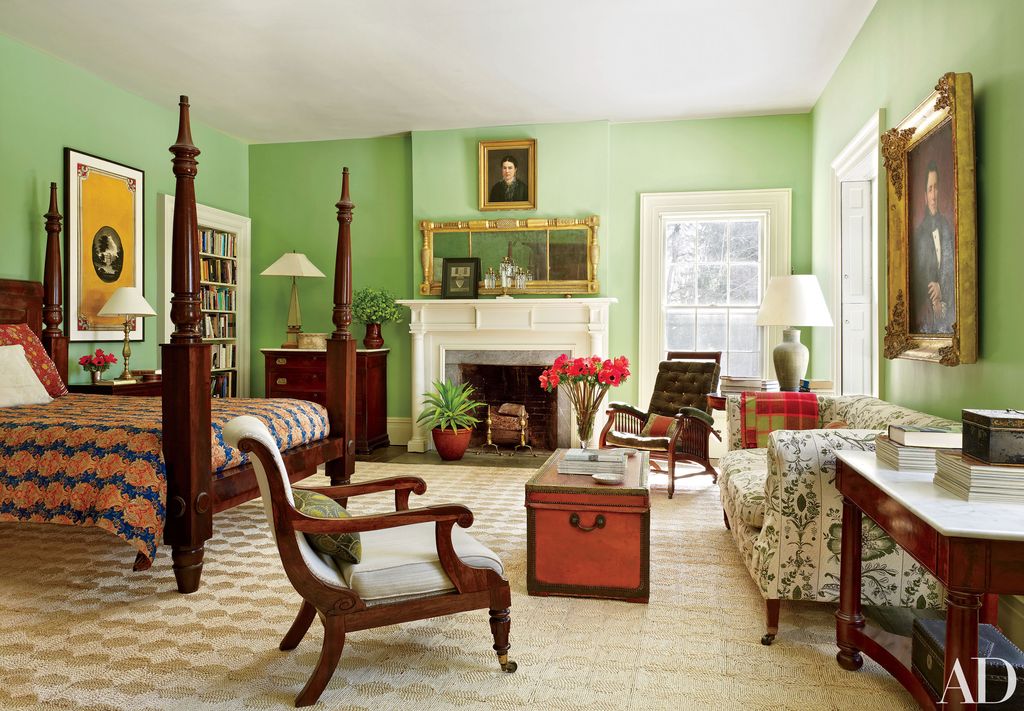
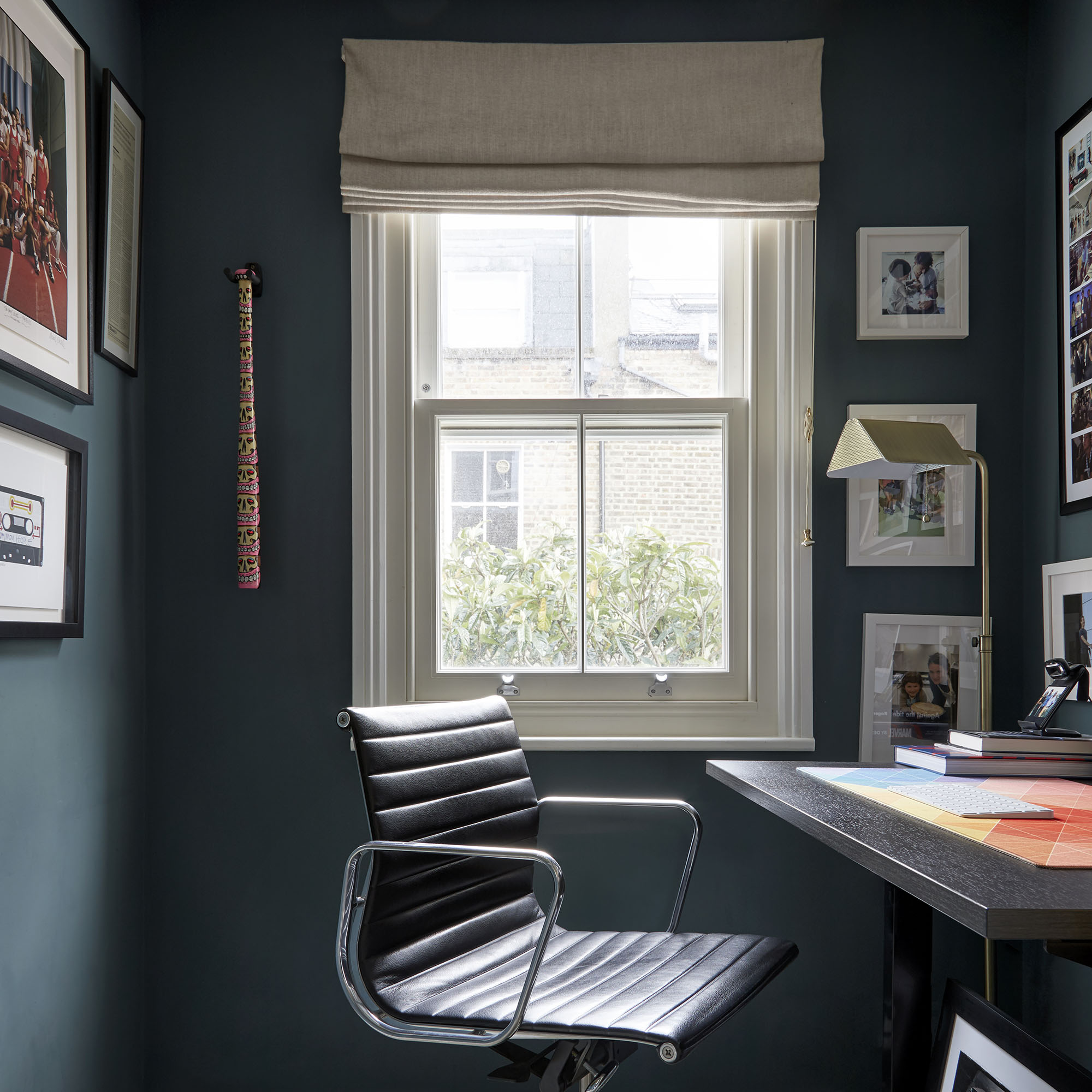
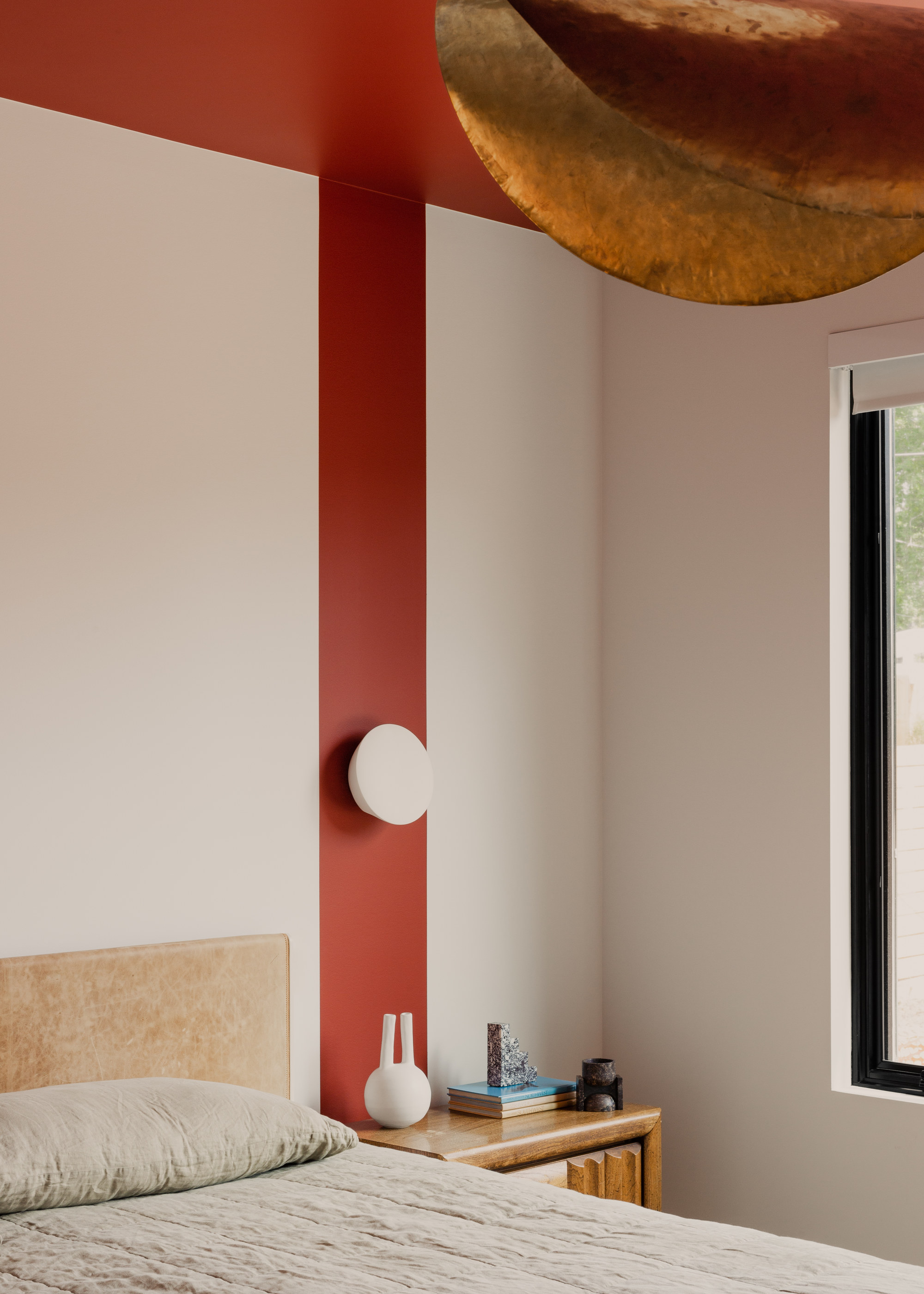
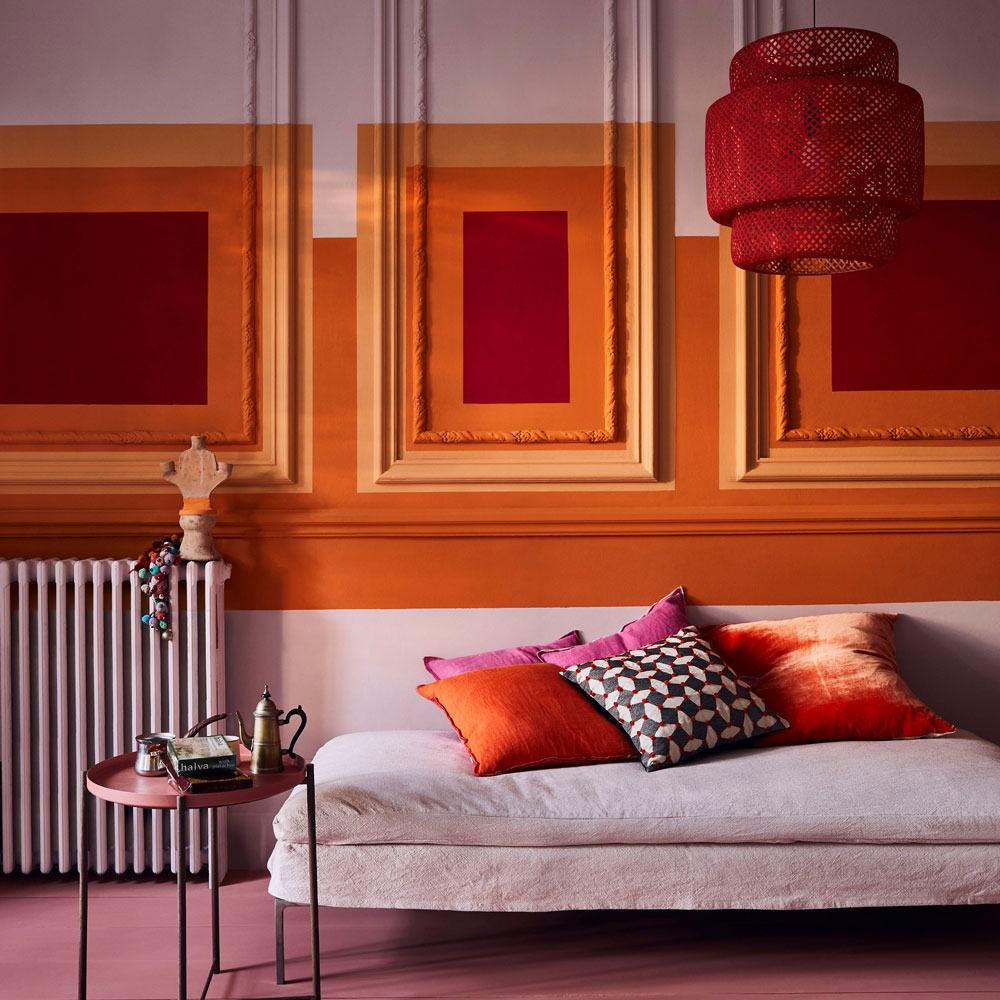
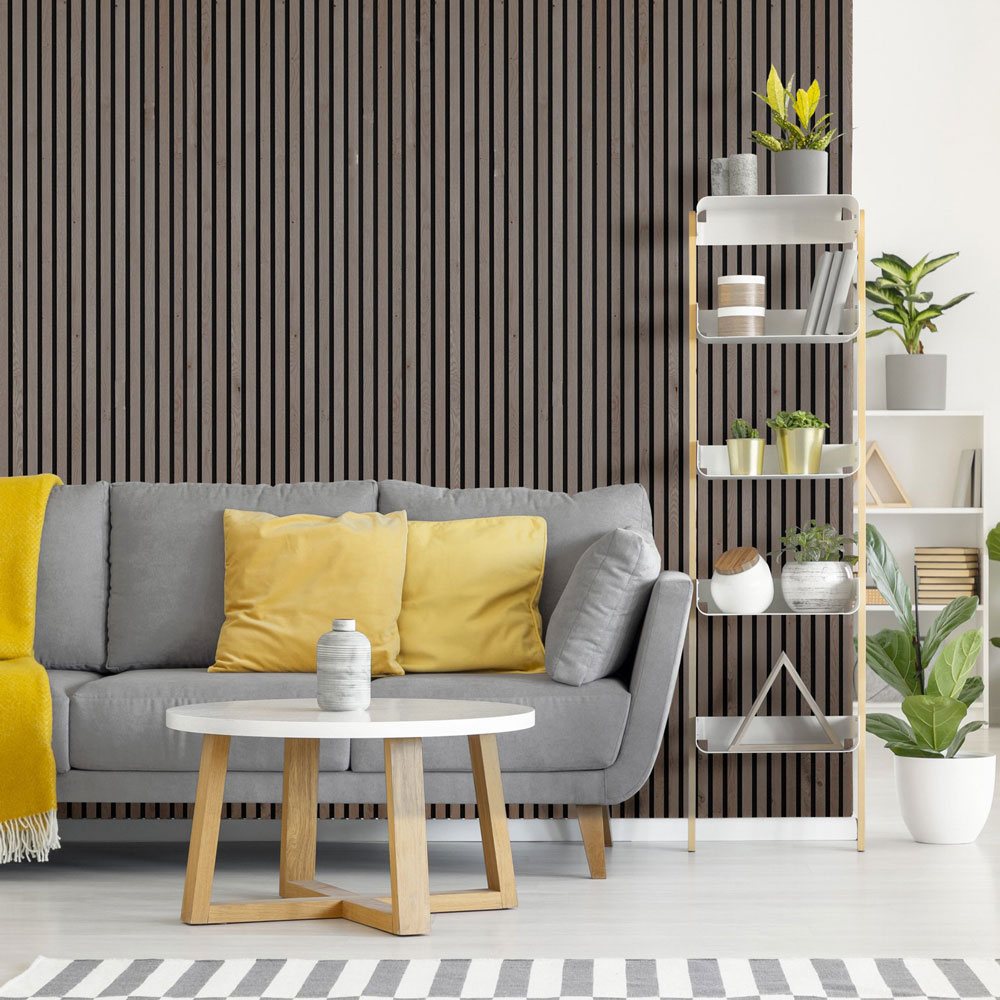
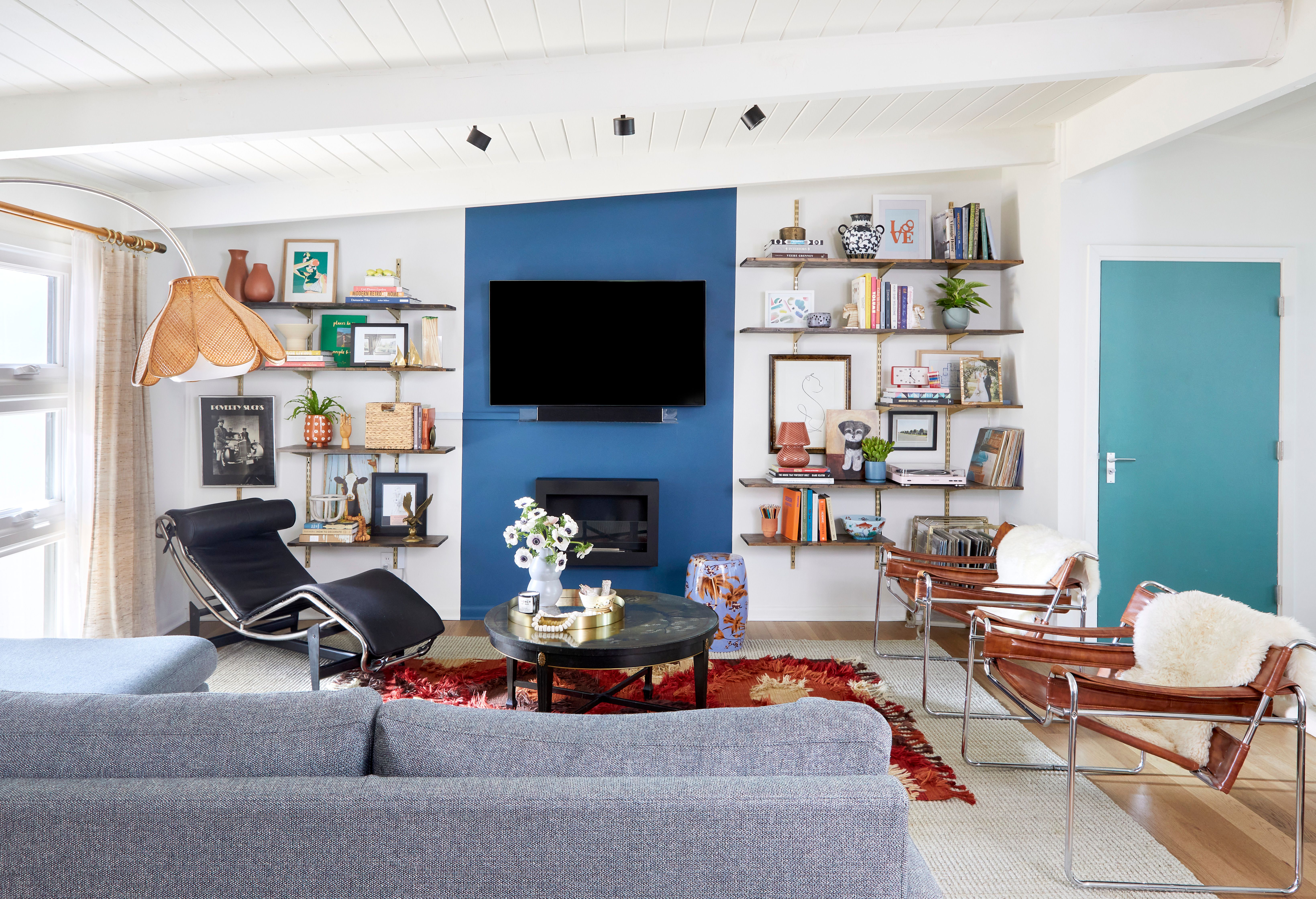
The article also delves into functional décor, proposing the display of favorite clothing and accessories as art in areas like bedrooms or foyers, showcasing their aesthetic value. Wine storage is reimagined as a decorative element, treating bottle labels as miniature artworks. Architectural elements such as geometric wall paneling in bold colors are presented as a means to make the wall itself a focal point, especially when framing opulent furniture pieces. Strategic paint choices, like using deep navy paint with three-quarter-height wainscoting, are discussed for their ability to create contrast and highlight framed artworks.
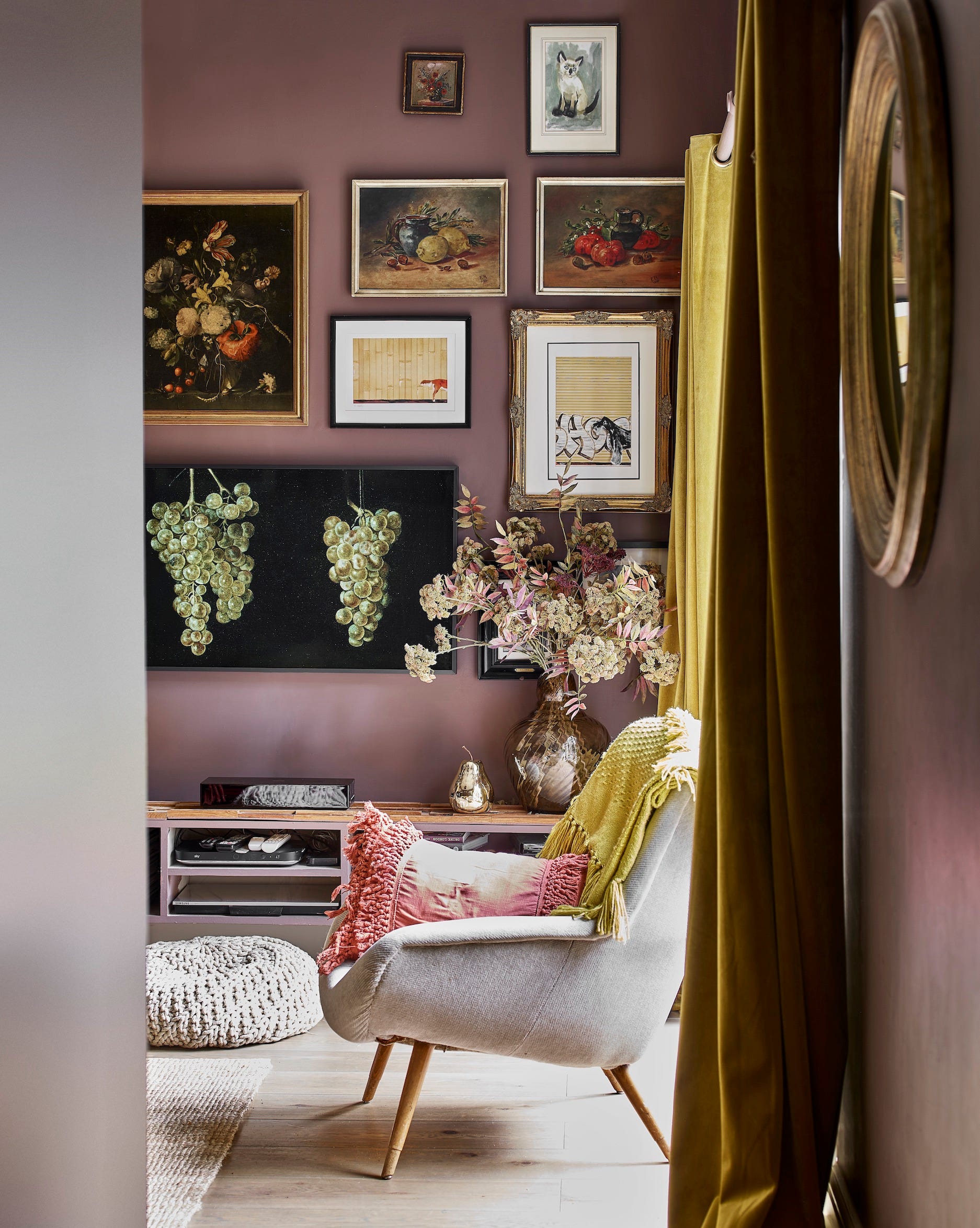
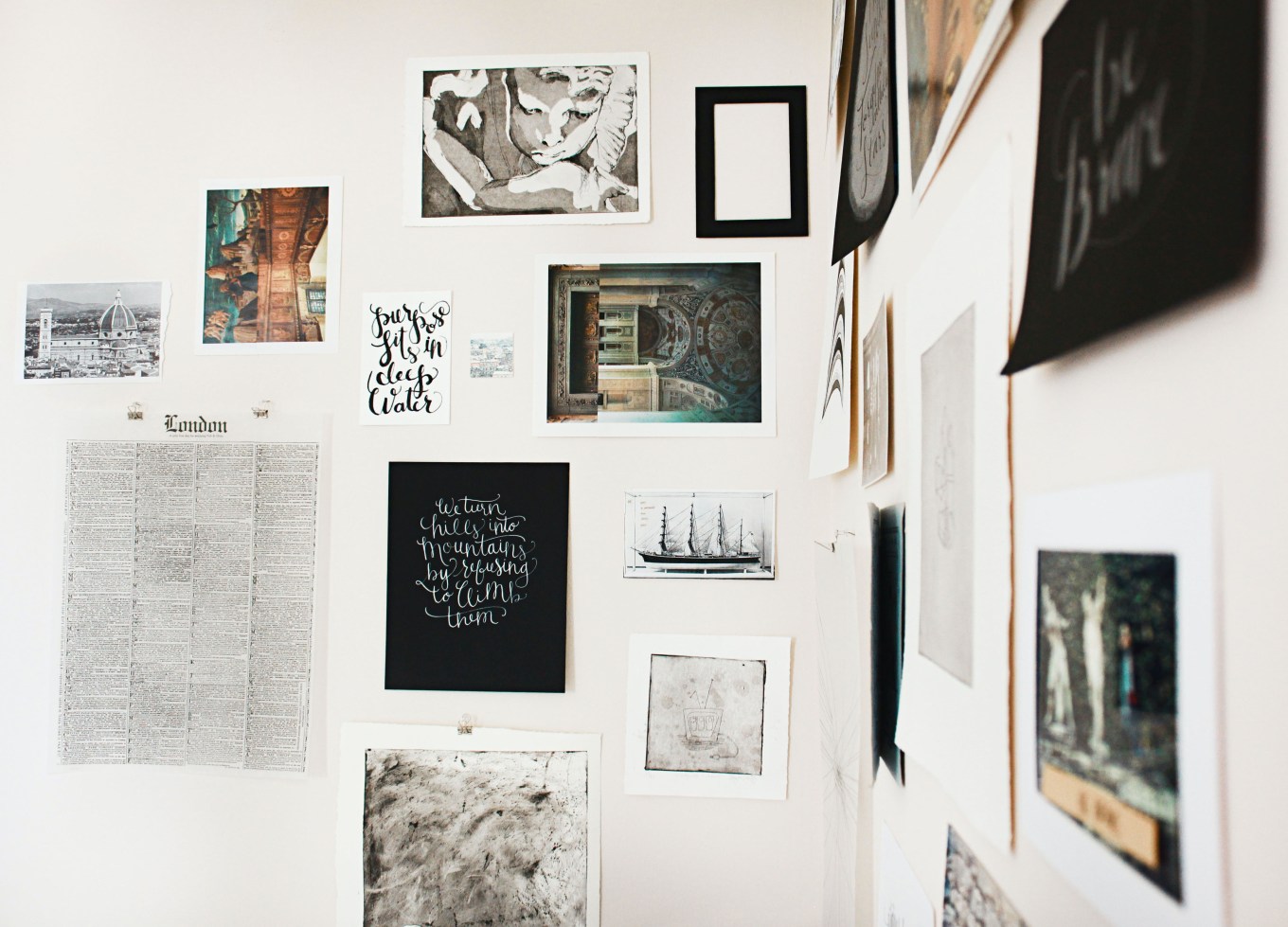
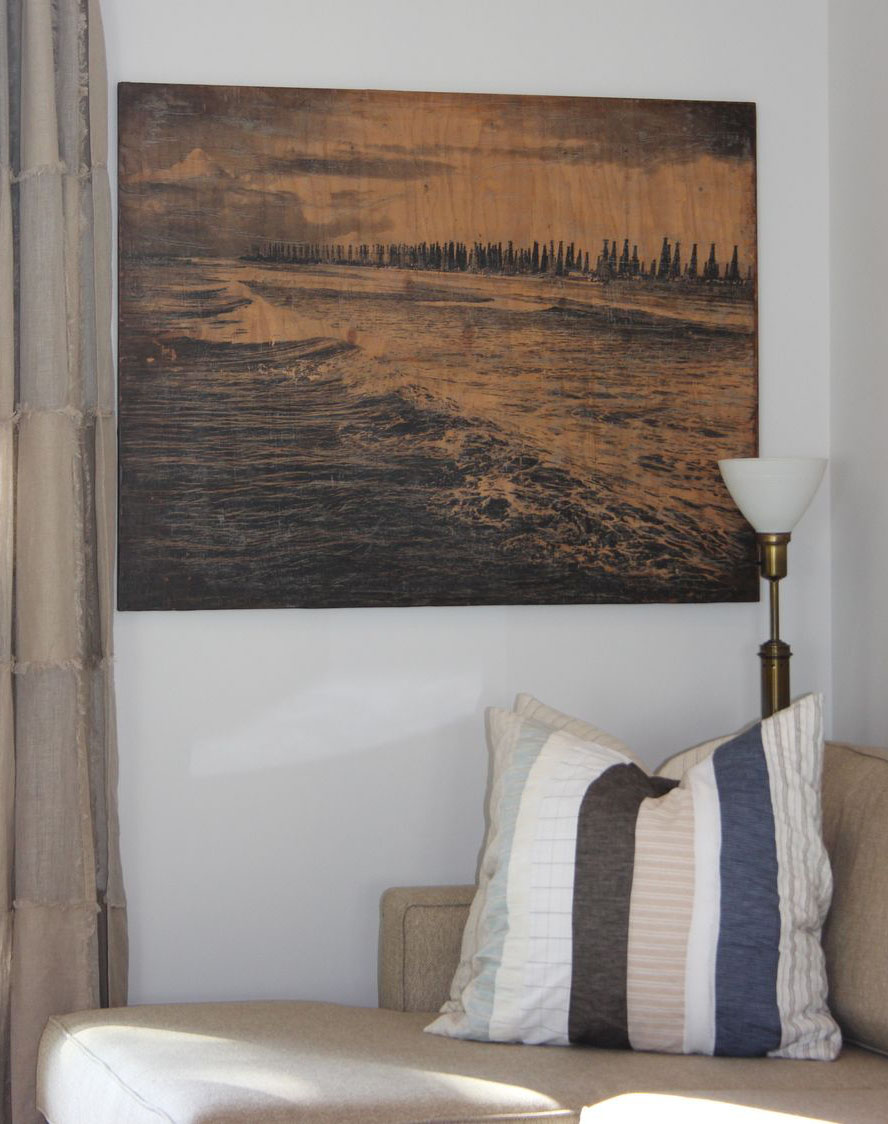
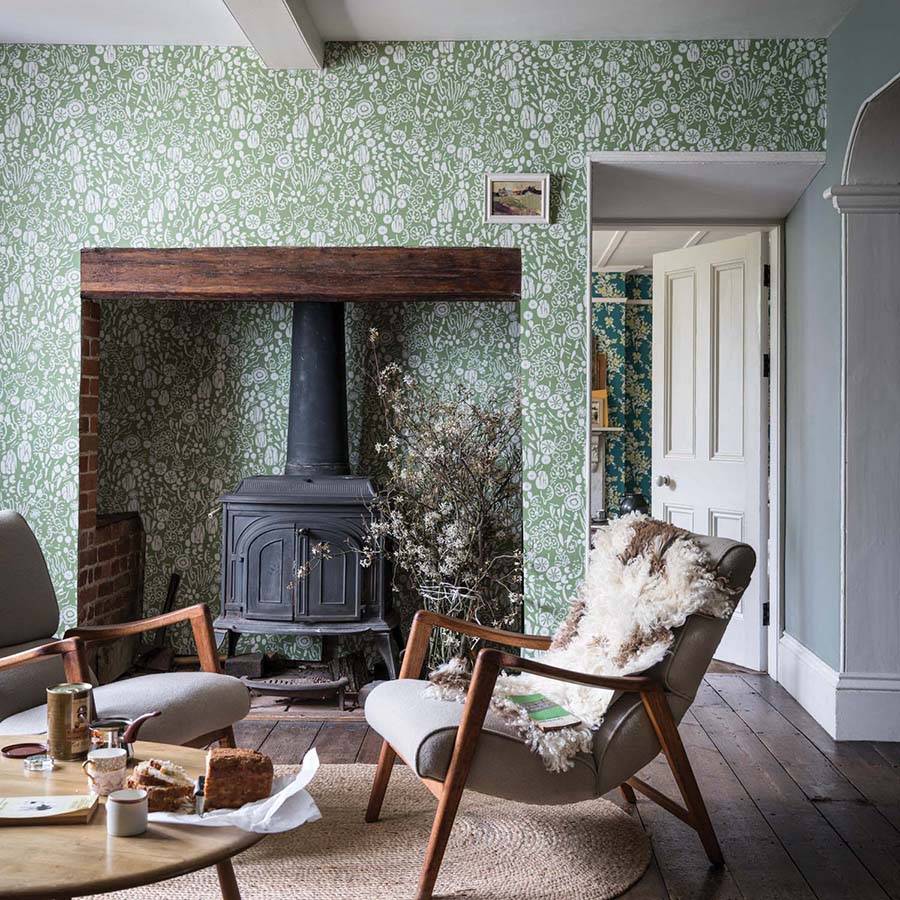
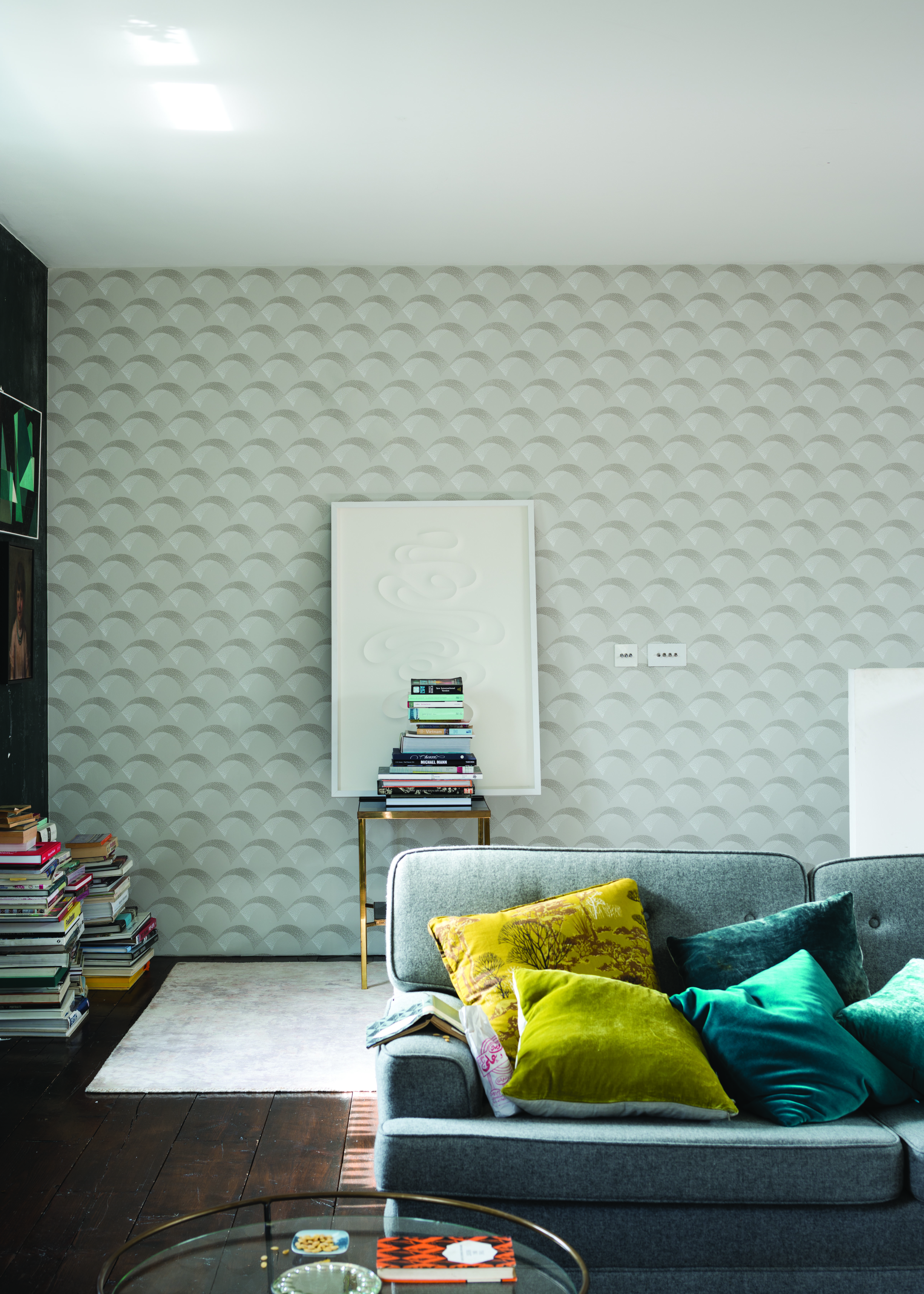
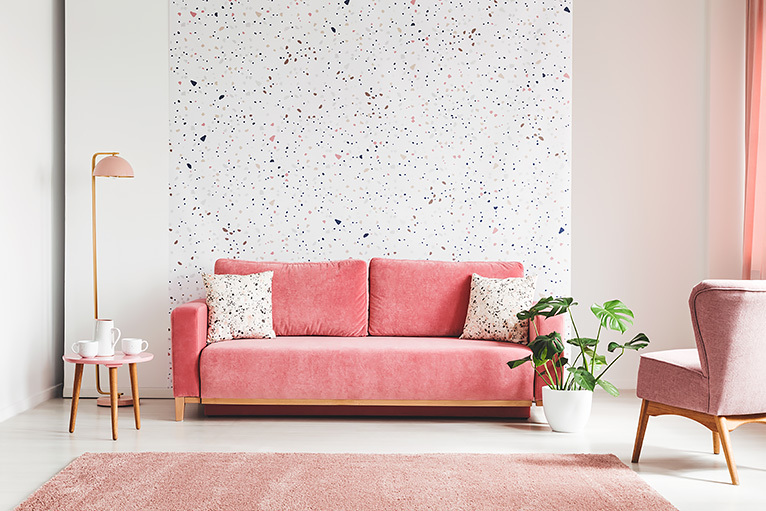
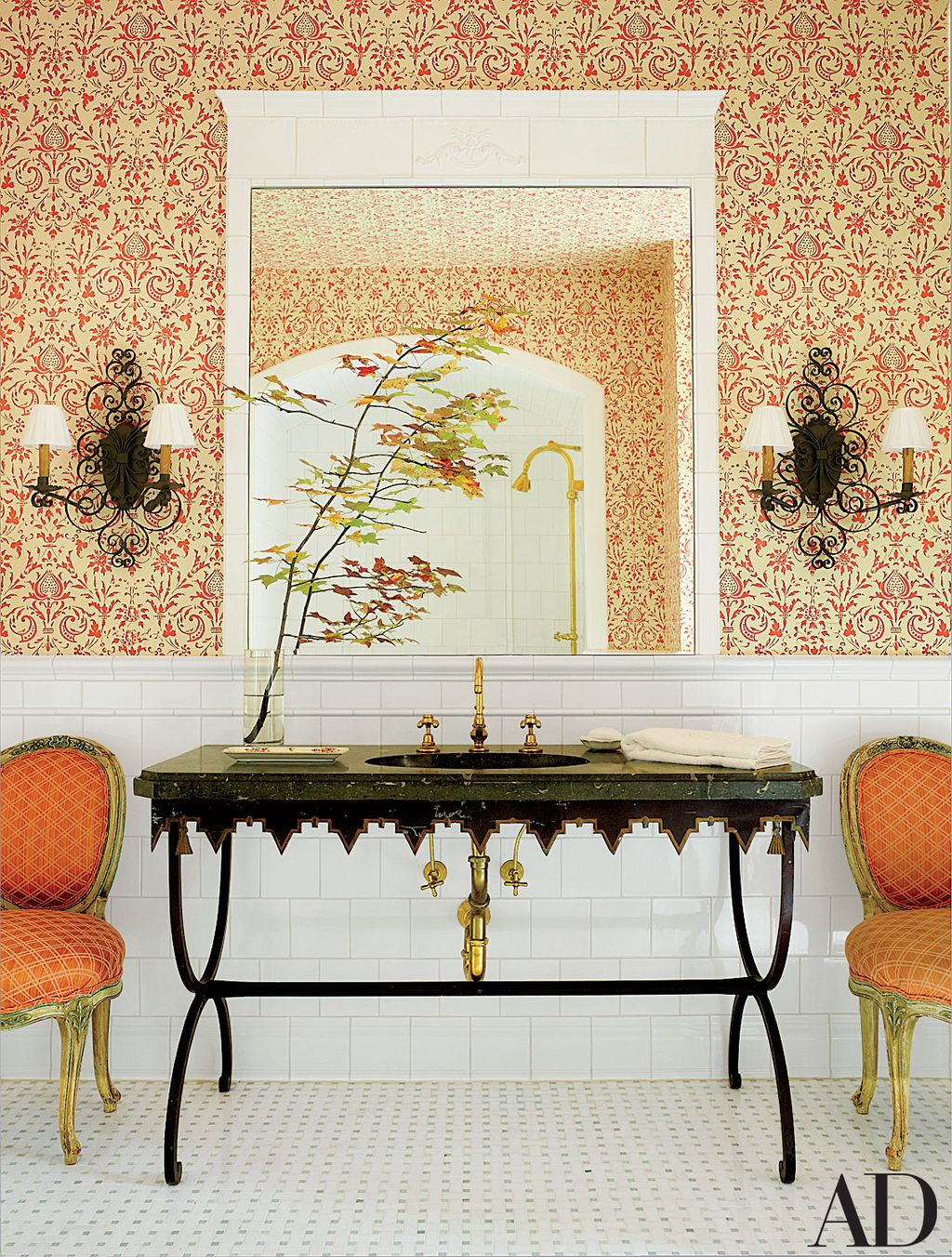
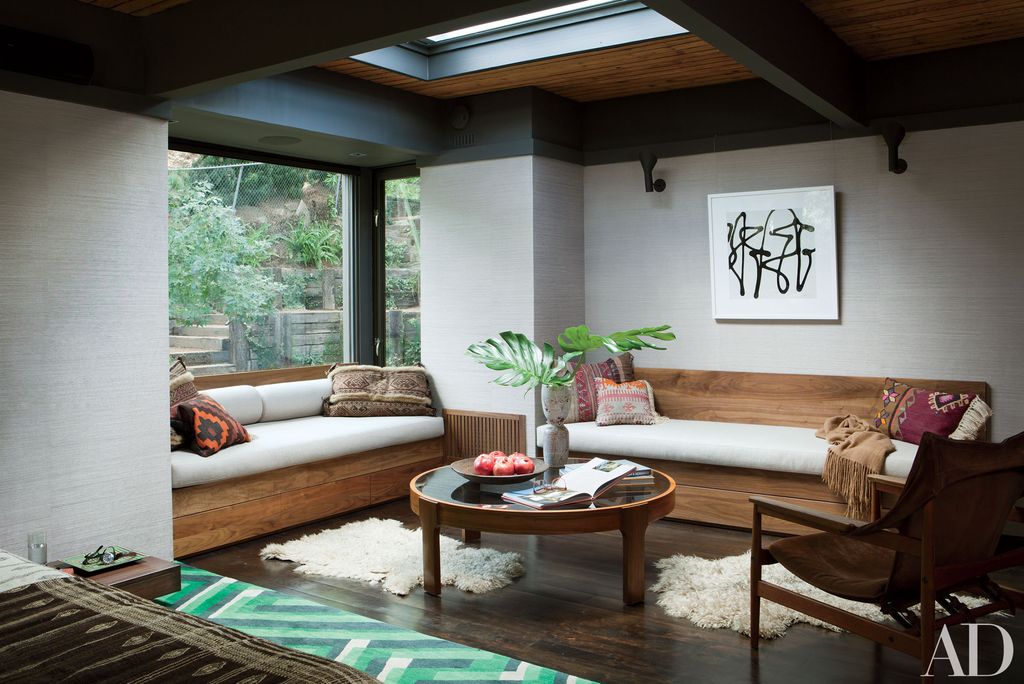
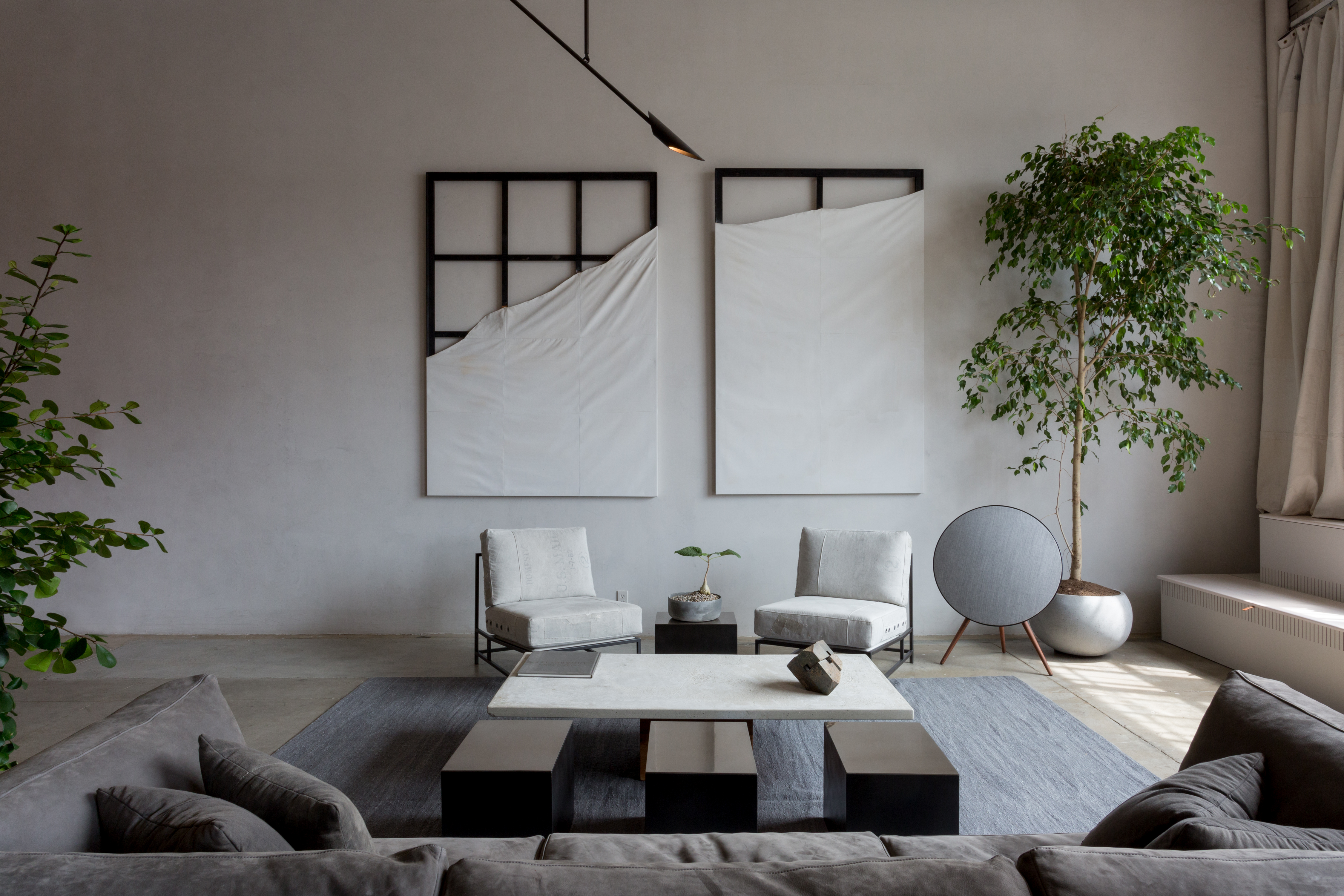
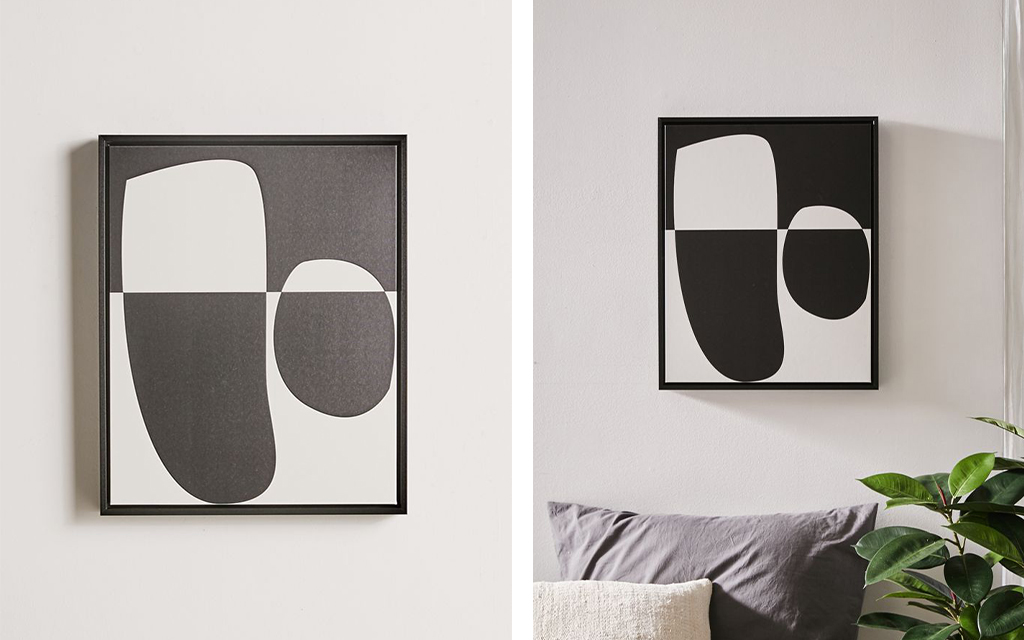
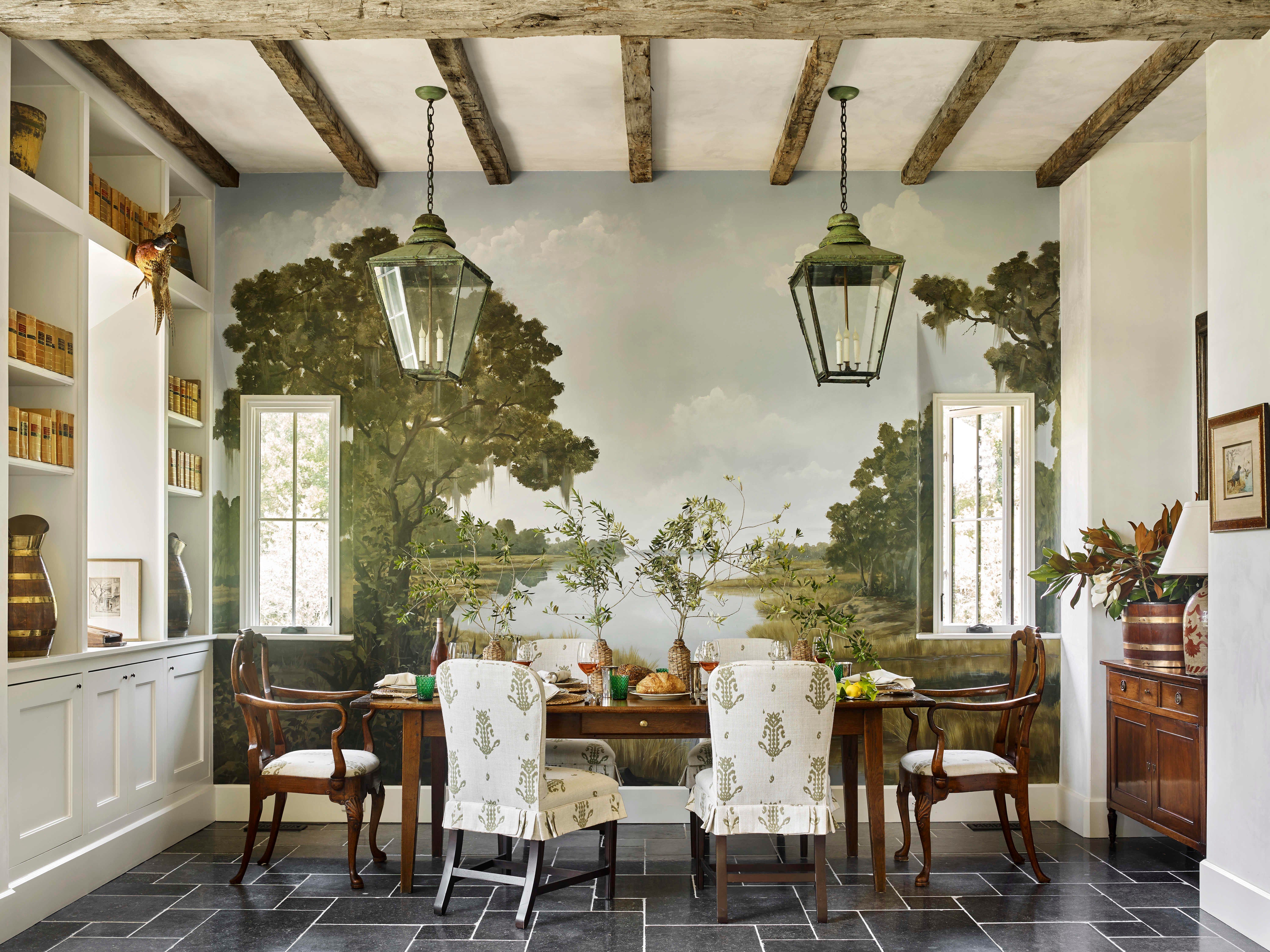
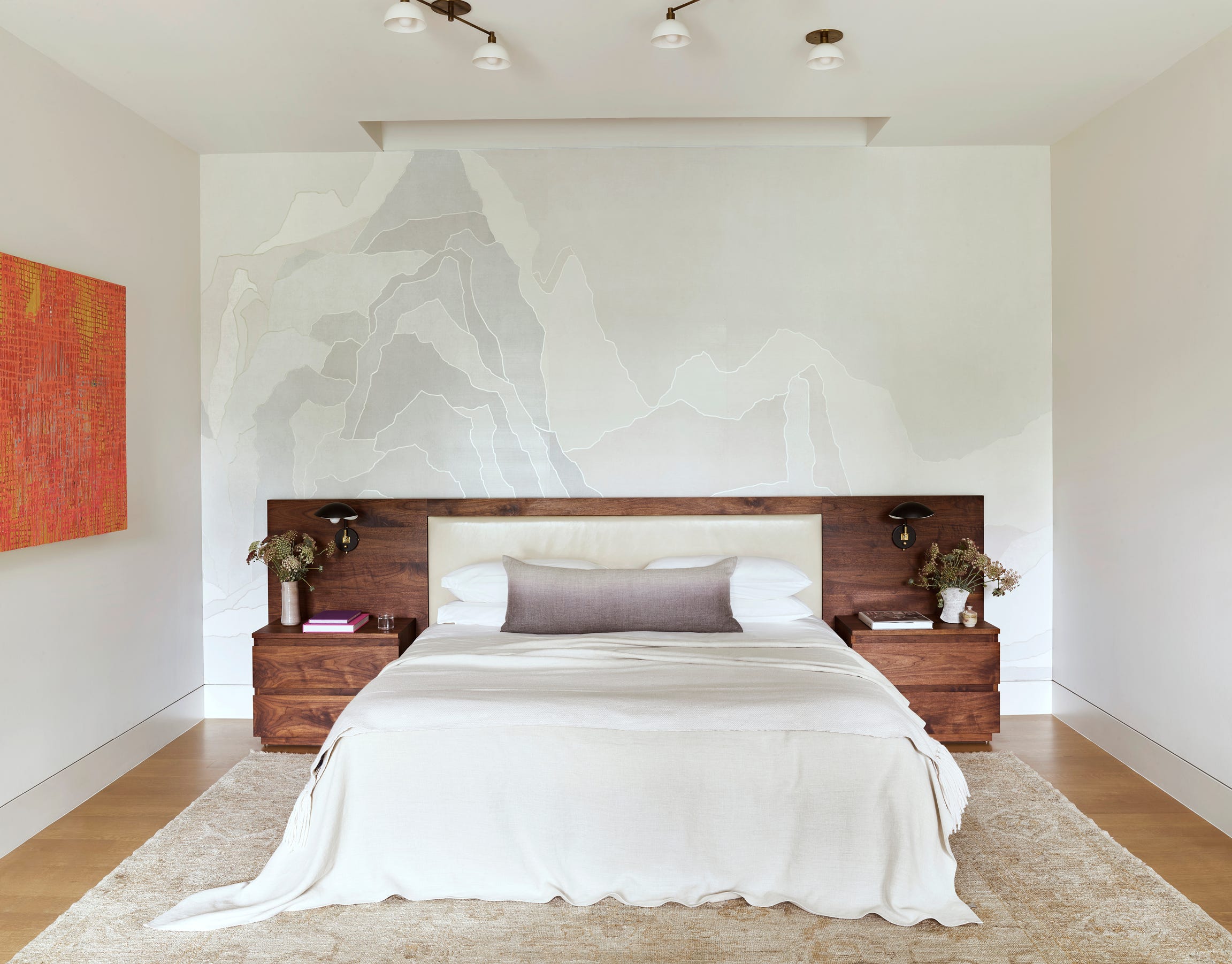
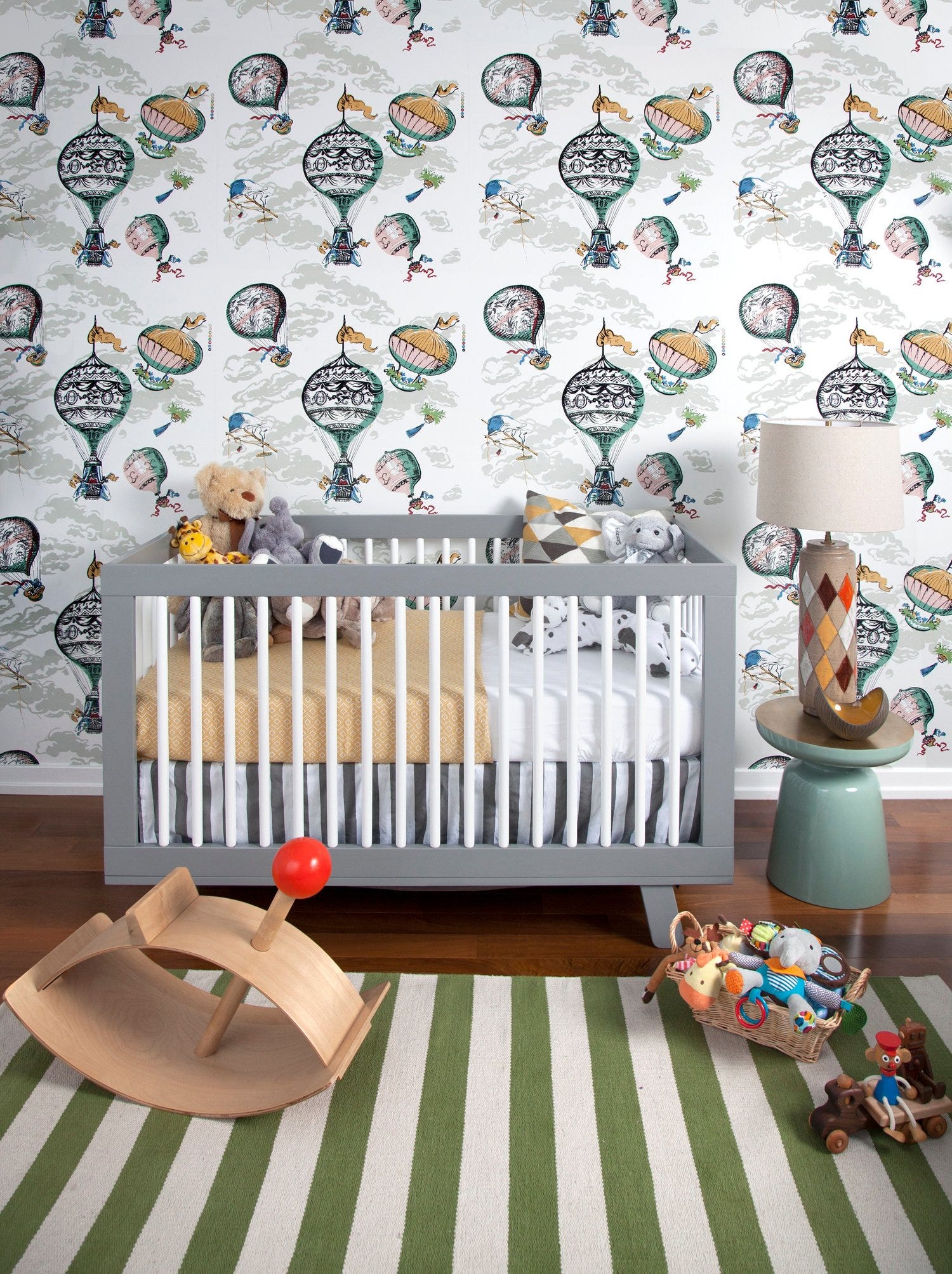
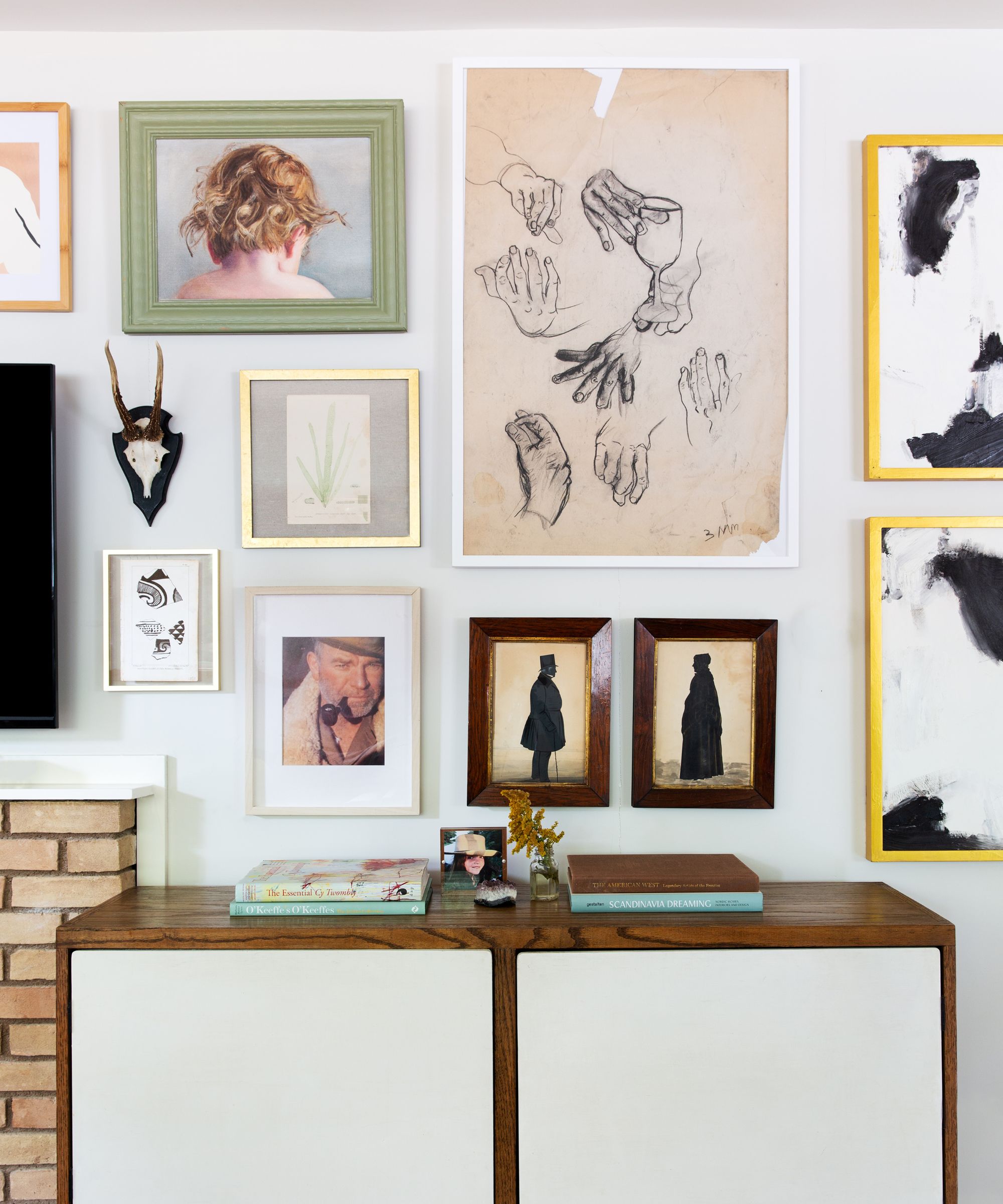
Furthermore, the guide explores the interplay between art and wallpaper, suggesting that patterned wallpaper can enhance the statement made by arranged art, albeit requiring careful balance to avoid visual clutter. Oversized abstract pieces with high-contrast color schemes are recommended for making a strong impression without overwhelming a room. Mixed media displays, combining framed art with other objects, and the strategic use of molding to define mini galleries, are also covered. The impact of large, oversized artwork as a focal point, as well as the artistic potential of empty, painted frames, are highlighted.
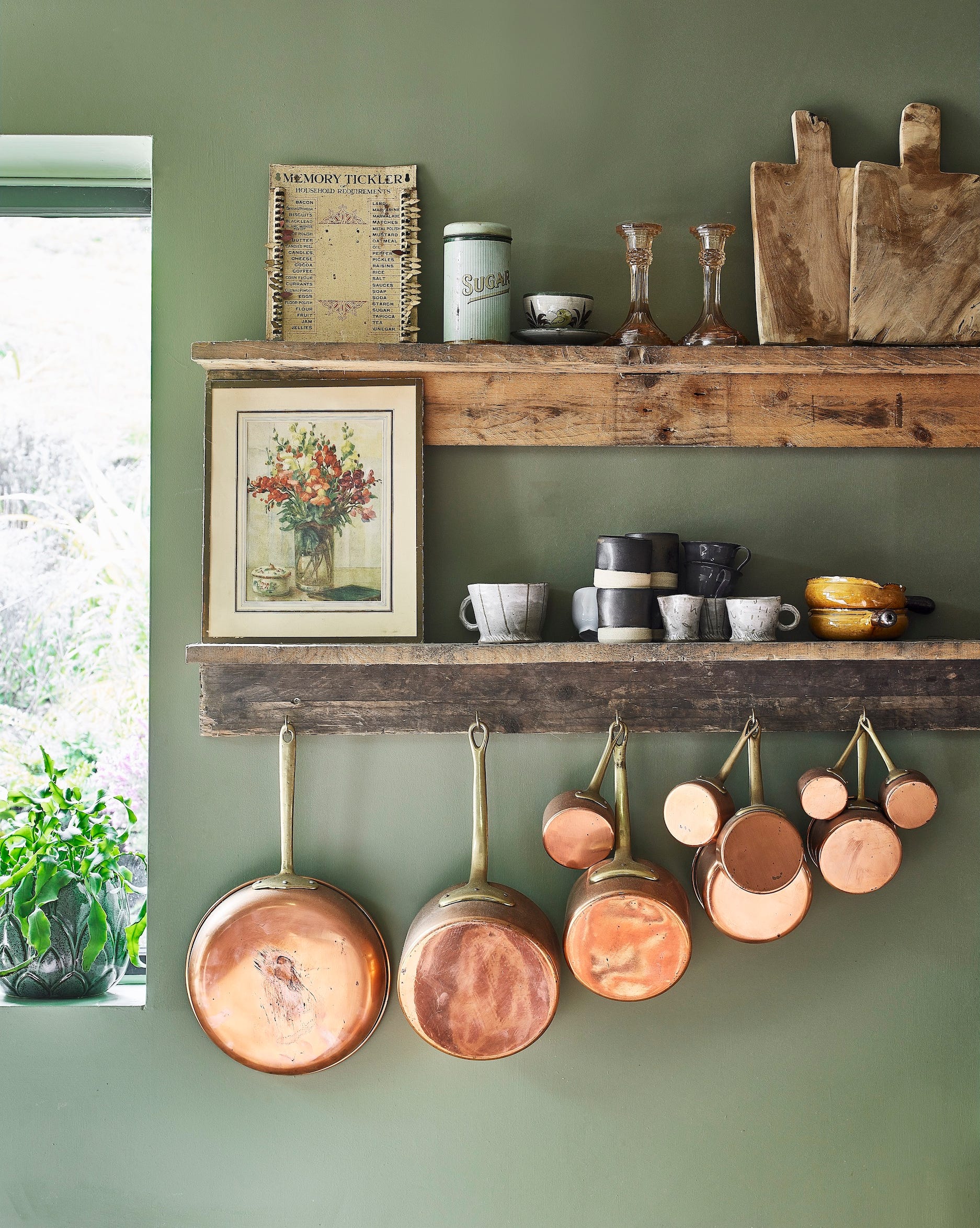
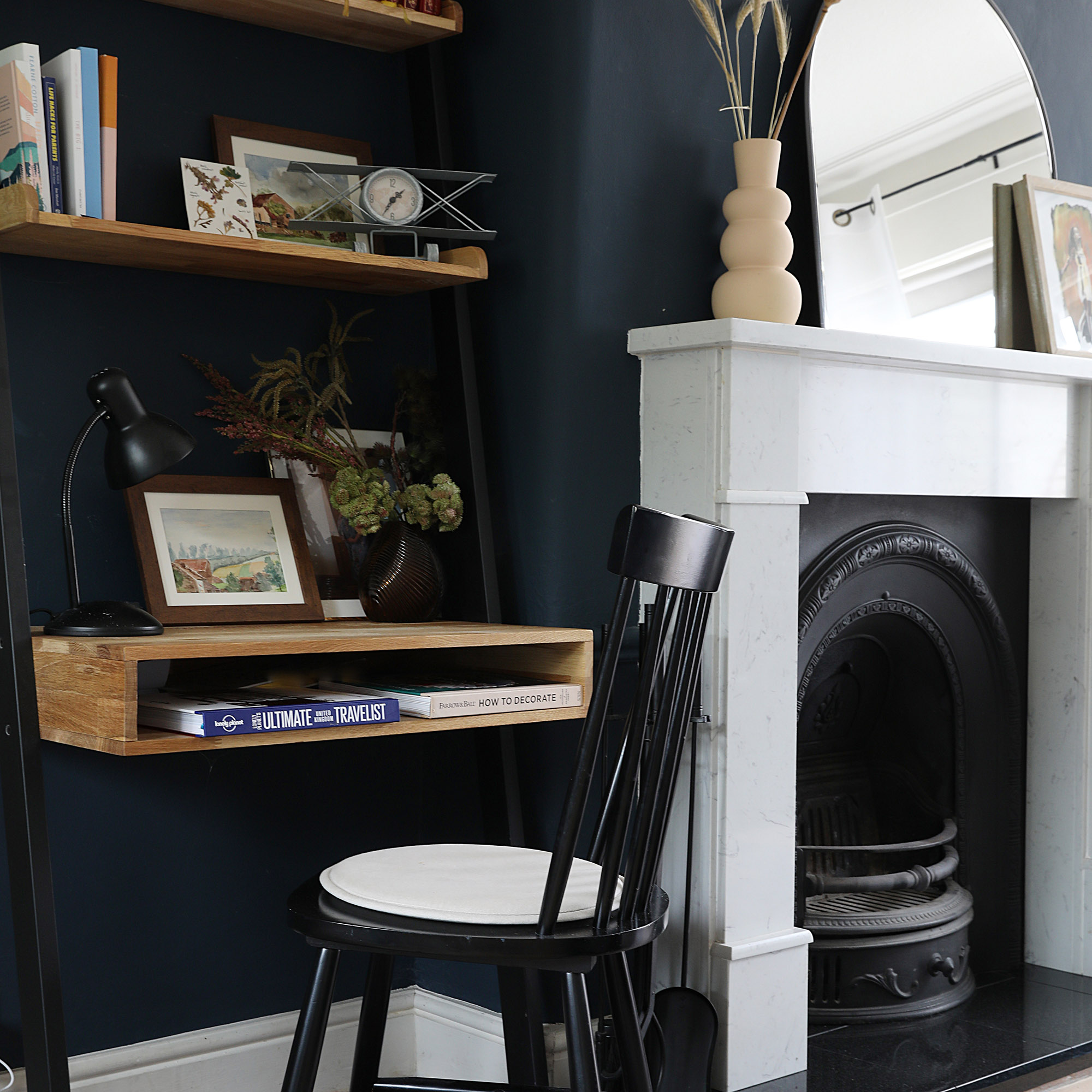
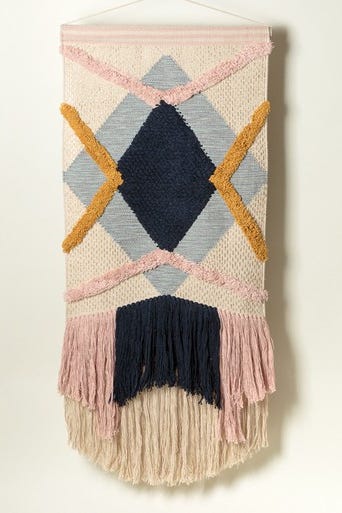
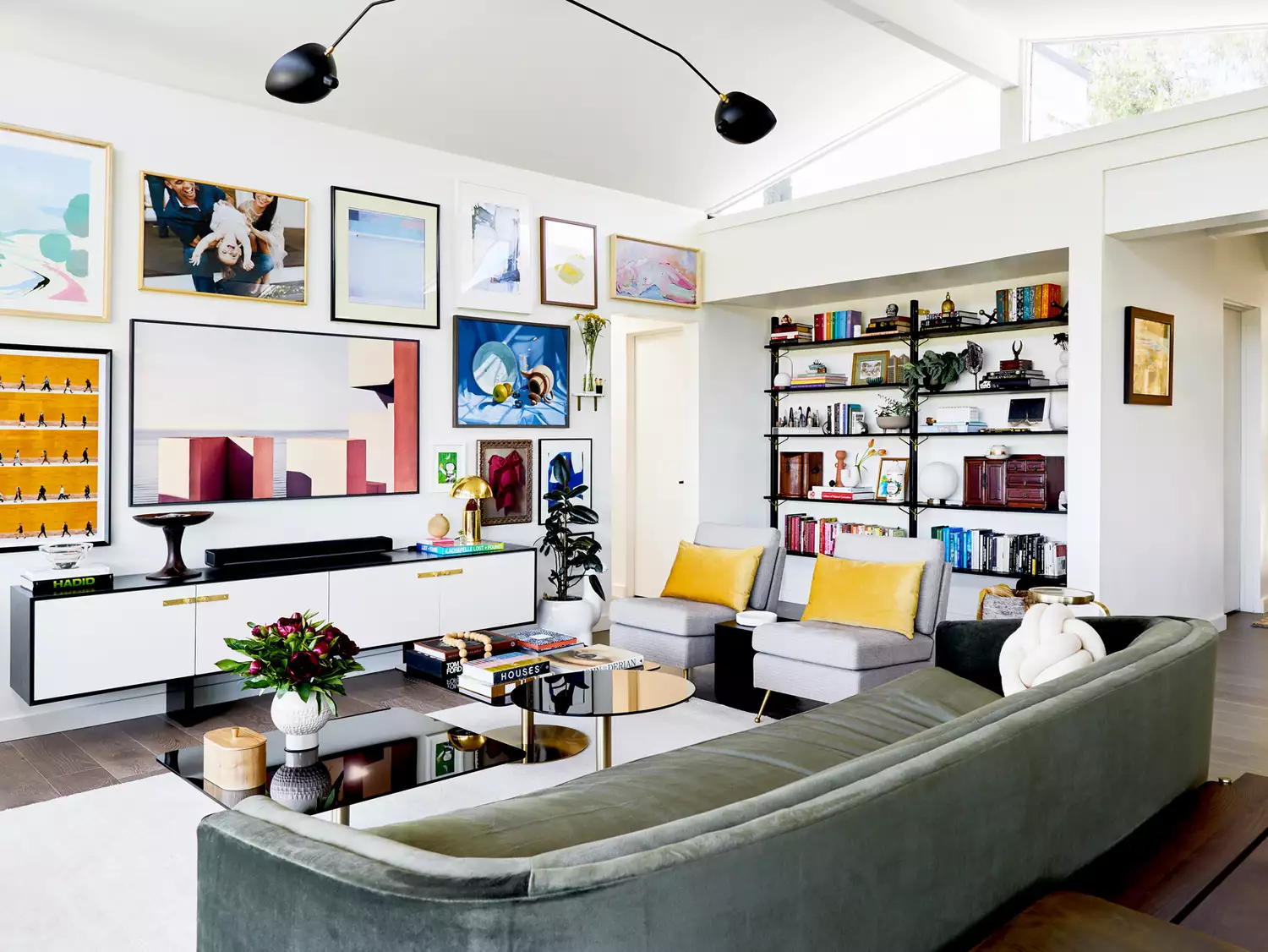
Creative use of bookshelves, such as painting them vibrant colors and organizing books by color or size, transforms them into decorative features. Woven art pieces are suggested as alternatives to traditional mantels, offering a natural texture against stone backdrops. Eye-catching sconces are presented as dual-purpose items, providing both practical lighting and decorative appeal. Floating shelves are recommended for displaying essential objects and favorite items as part of the décor, especially when the shelves themselves are stylish. Maximalist gallery walls, covering multiple walls with a mix of sizes, frames, and media, allow for a comprehensive display of collections.
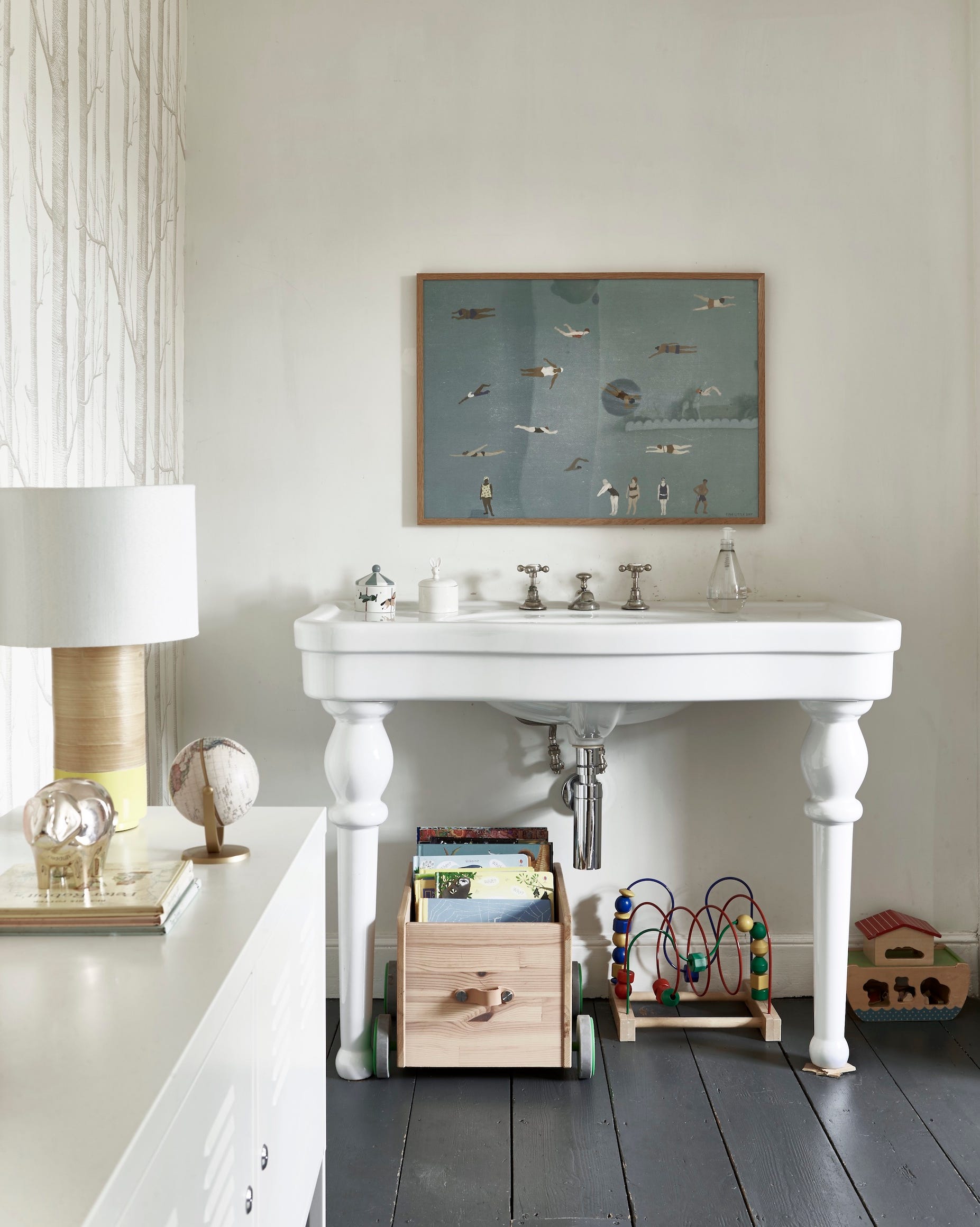
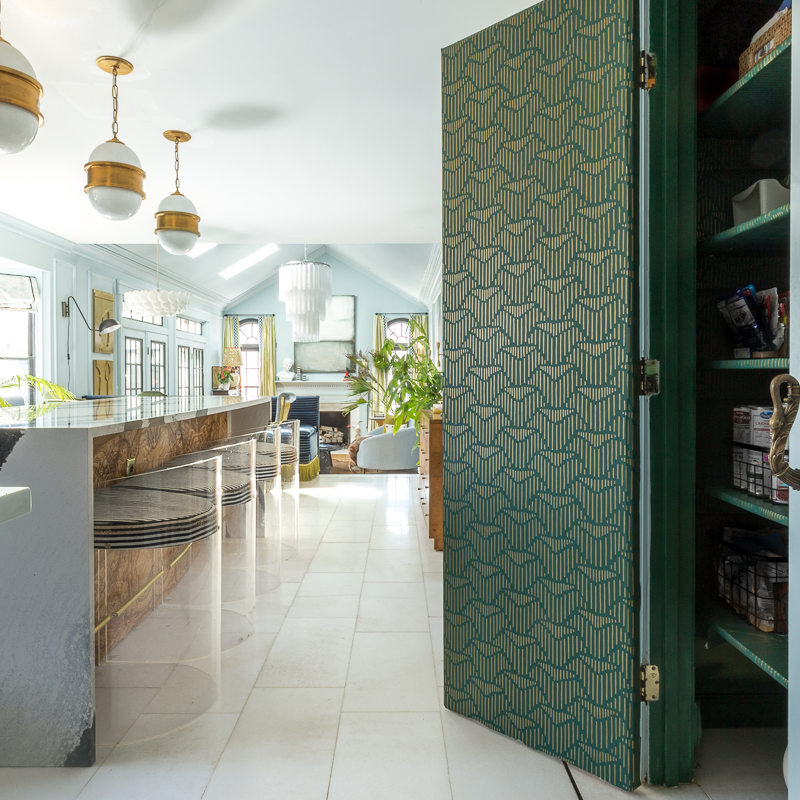
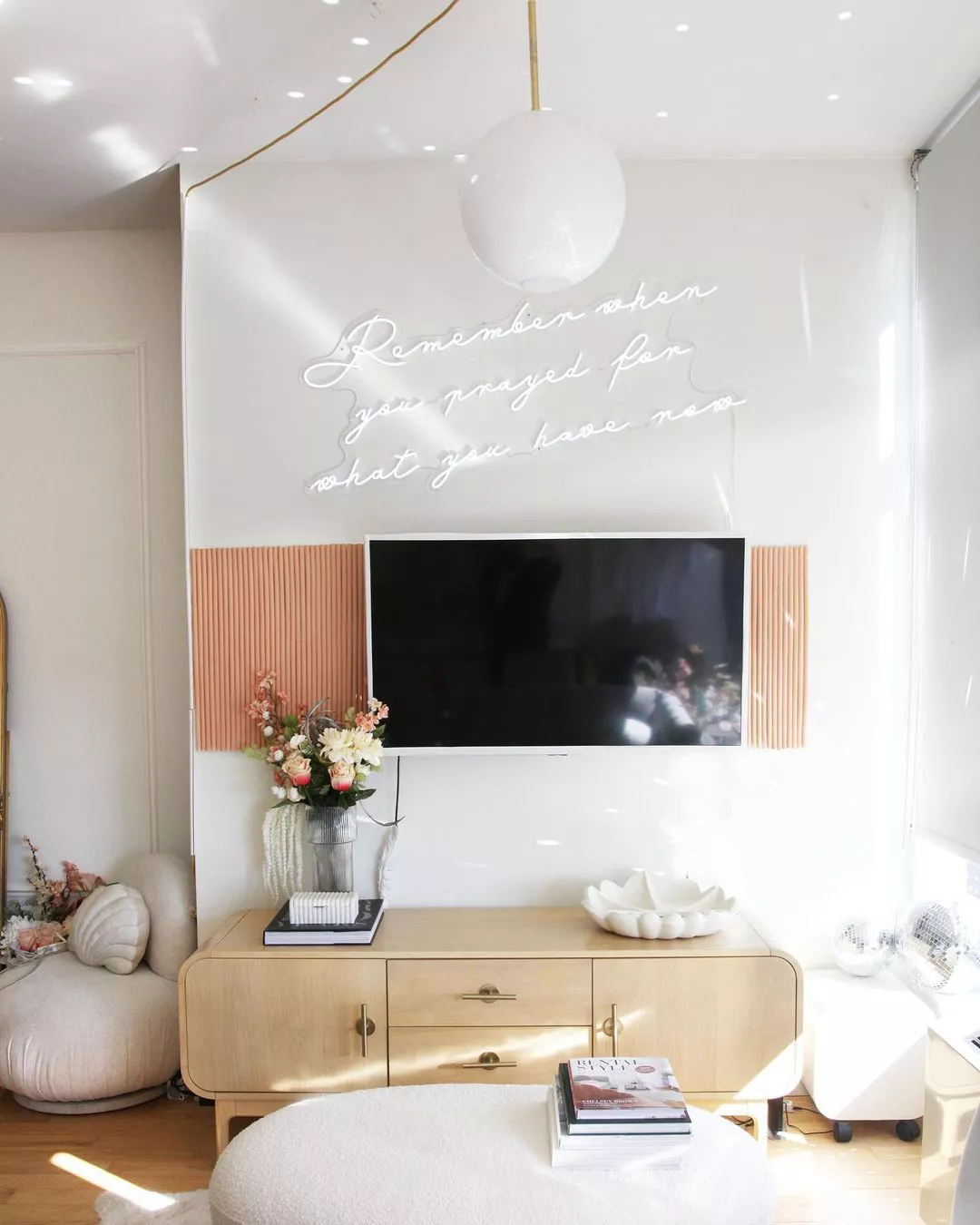
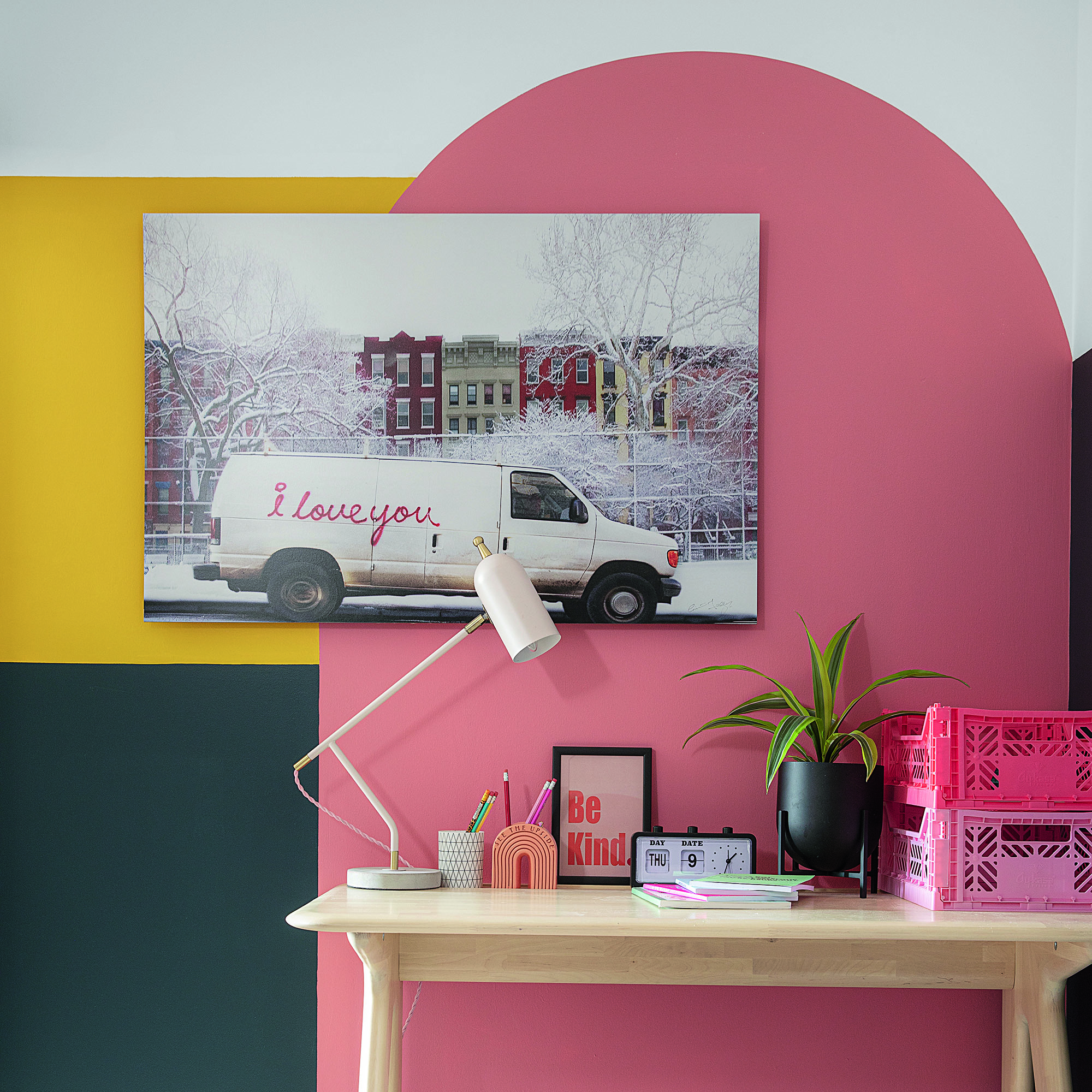
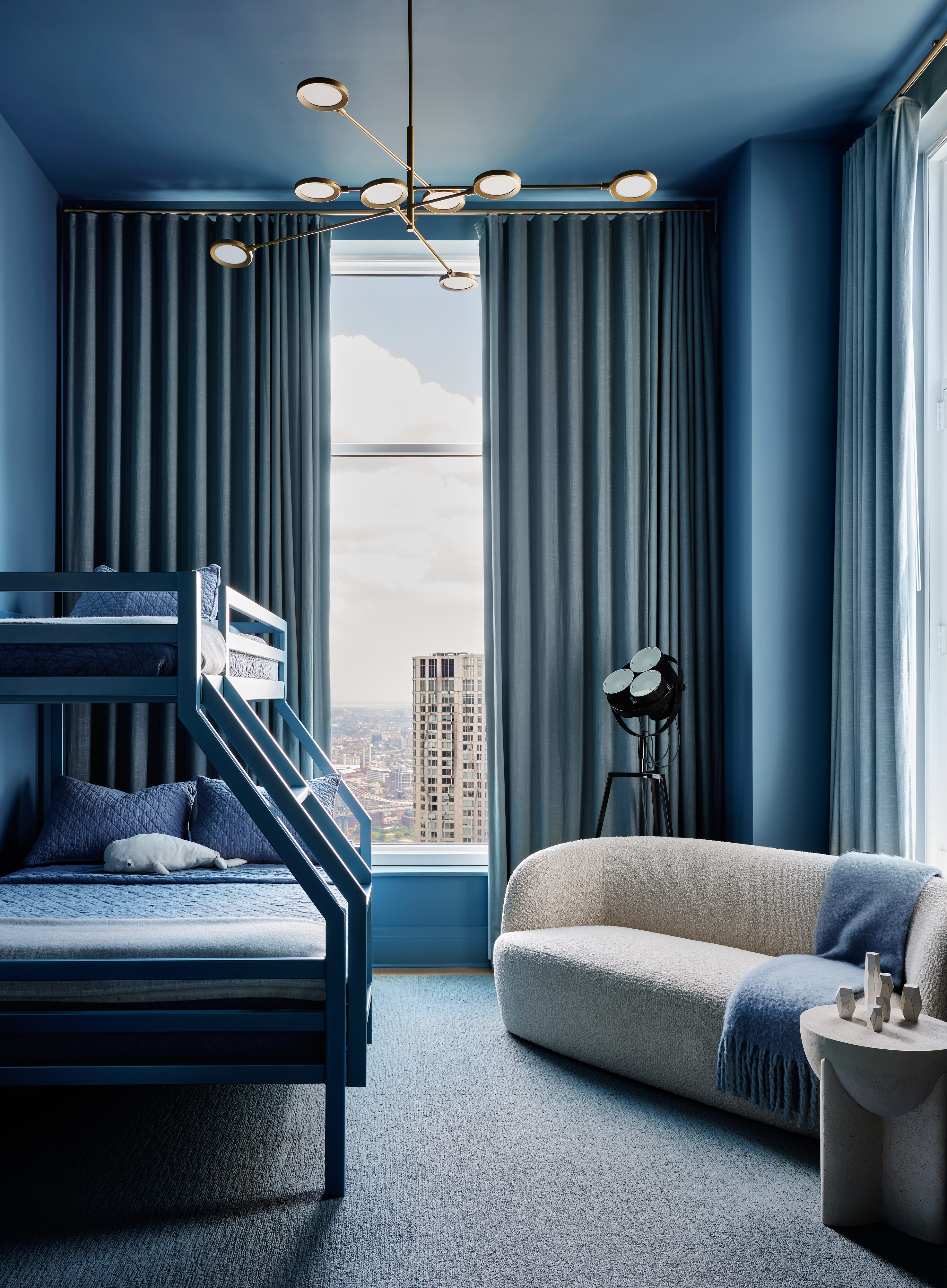
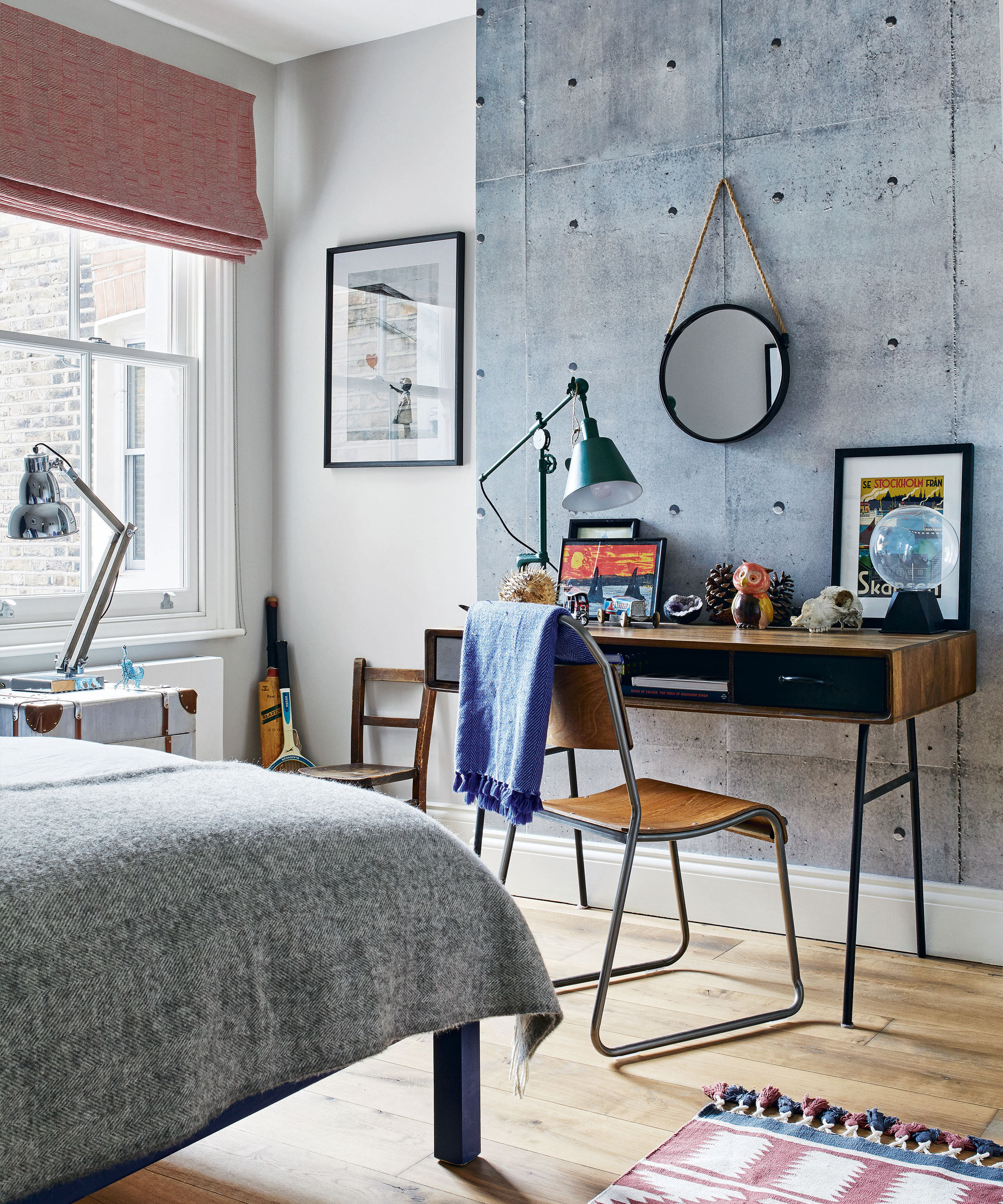
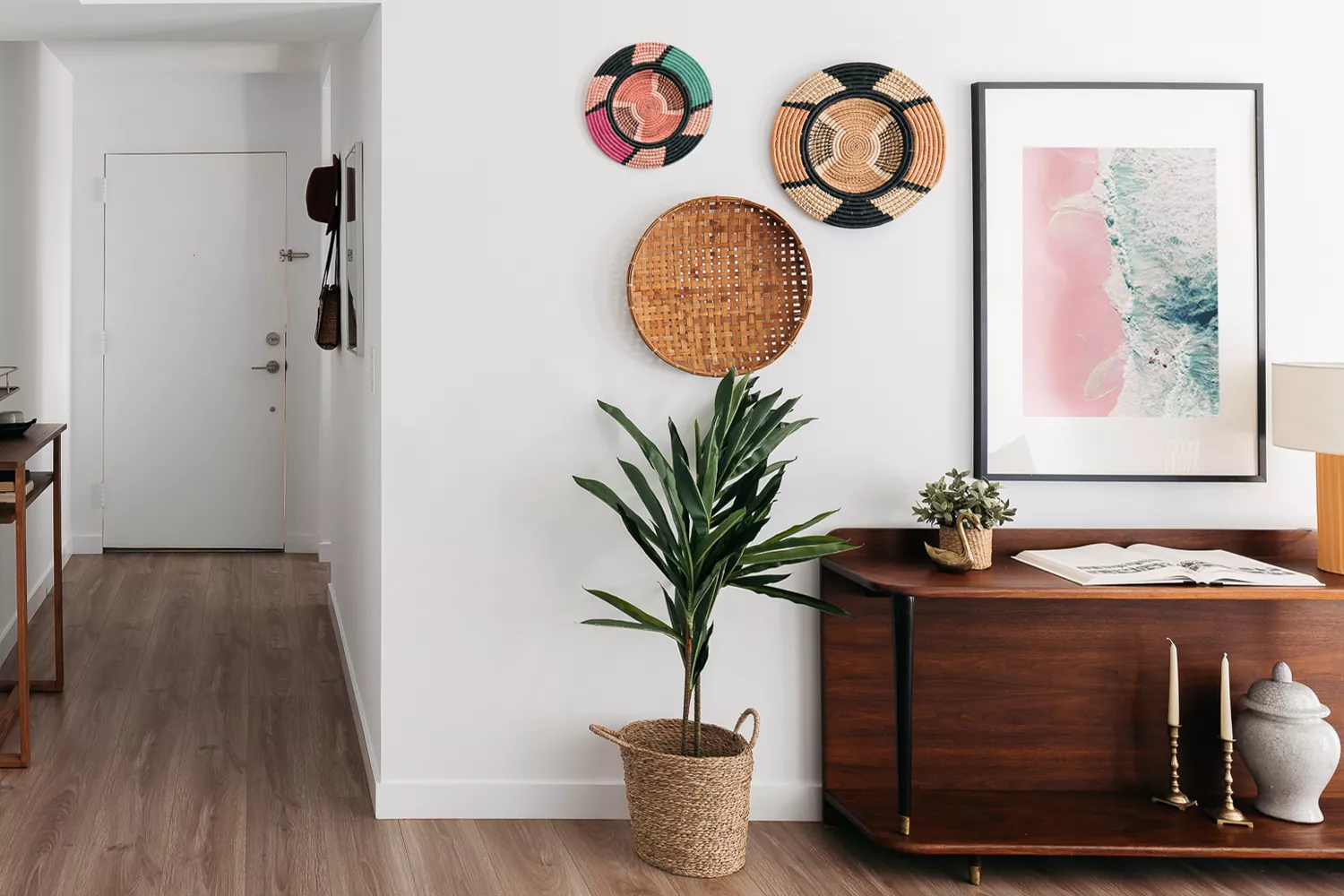
The article also extends to displaying outdoor items like colorful oars in appropriate settings and using single, oversized photographs to create a focal point in a dining room, enhanced by complementary lighting and drapery. Unique textural elements, such as fluted clay walls, are suggested for creating restful and soothing spaces in neutral bedrooms. Color-block paint designs are proposed as an easy way to dress up walls in children's or guest rooms, utilizing darker tones near the floor for grounding and lighter tones near the ceiling for an airy feel. Reflective surfaces, through collections of matching mirrors or statement vintage mirrors, are discussed for adding light and character. Finally, the combination of different wall coverings for unexpected contrast and the use of sconces to frame artwork and collectibles are explored, along with incorporating natural materials like wicker baskets for a subtle yet impactful biophilic touch.
#WallDecor #HomeDesign #InteriorDecoration #GalleryWalls #TextileArt #BiophilicDesign #PaintTechniques #MirrorDecor #StorageSolutions #WallDecor #HomeDesign #InteriorDecoration #GalleryWalls #TextileArt #BiophilicDesign #PaintTechniques #MirrorDecor #StorageSolutions
合計0件のコメント
 まだコメントはありません
あなたも好きかもしれません
12 creative ideas for displaying wall art around your home
21 Wall Art Ideas That Will Give Your Home Some Major Personality
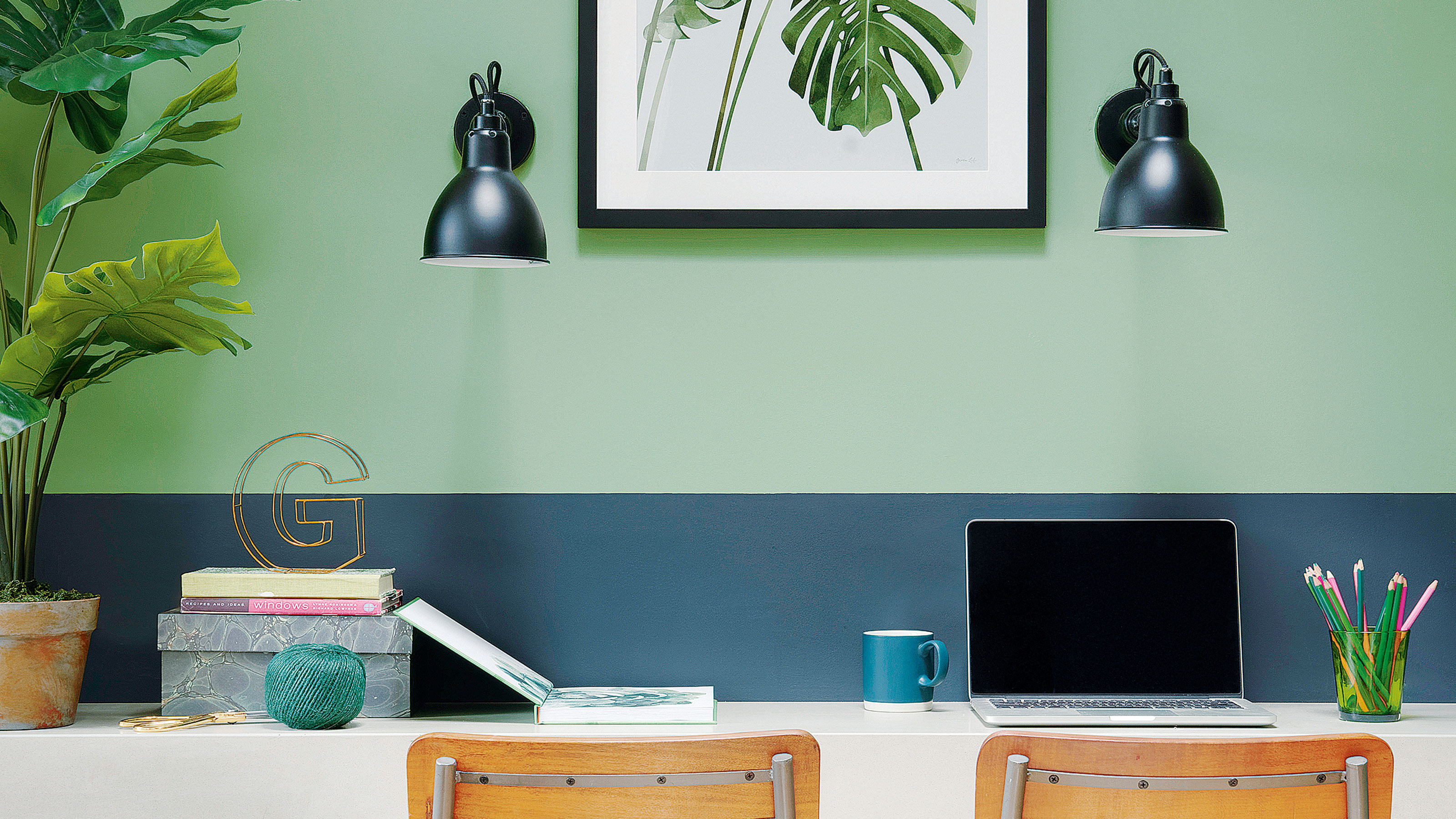
Home office wall decor ideas to create an inspirational display
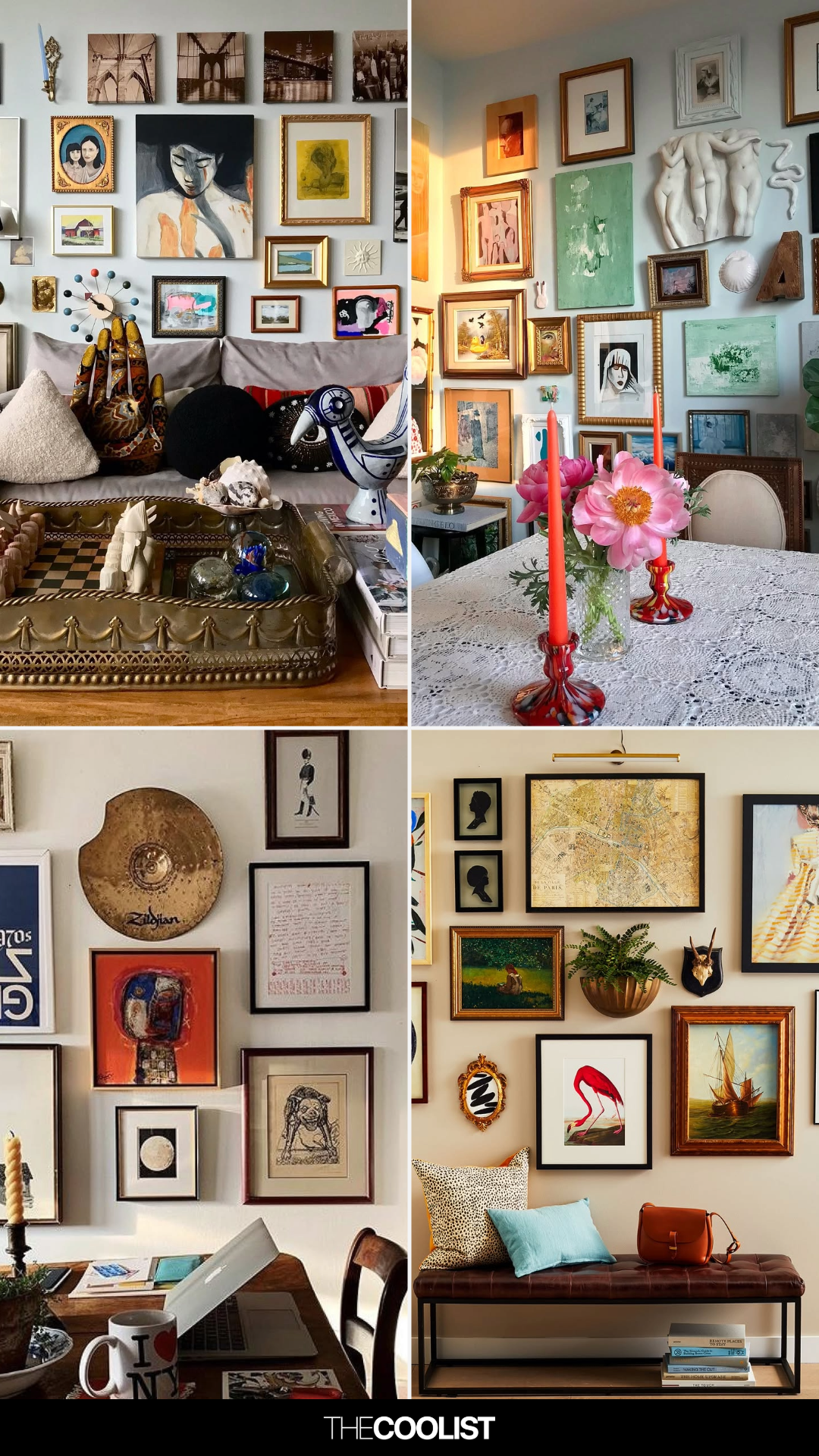
28 Insanely Chic Gallery Wall Decor Ideas That Feel Personal, Curated, and Timeless
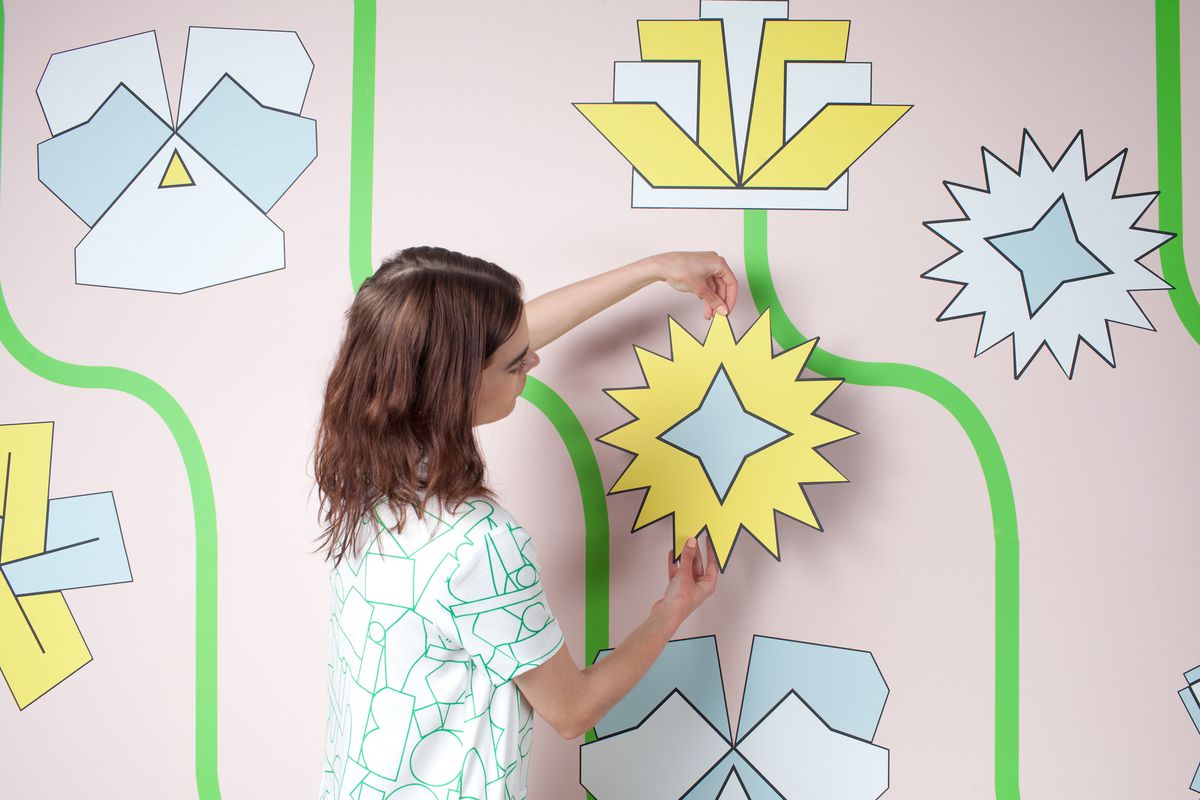
5 wall decor ideas perfect for renters and DIY lovers

32 wallpaper ideas – beautiful designs for every room

7 Ideas for How to Decorate a Large Wall with the Perfect Scale

5 outdated wall decor trends designers warn to avoid – plus what we should be doing instead

These Are the Decor Ideas Designers Can’t Get Enough Of (and We’re Obsessed With!)

55 Things to Hang on Walls That Aren't Framed Artwork

Paint Ideas for Walls — 29 Inspiring Ways Designers Use Paint in Modern Homes

Living room wall decor ideas – 27 easy ways to add style
34 Creative DIY Wall Art Ideas to Decorate Your Space

Feature Wall Designs, Wallpaper and Paint Ideas
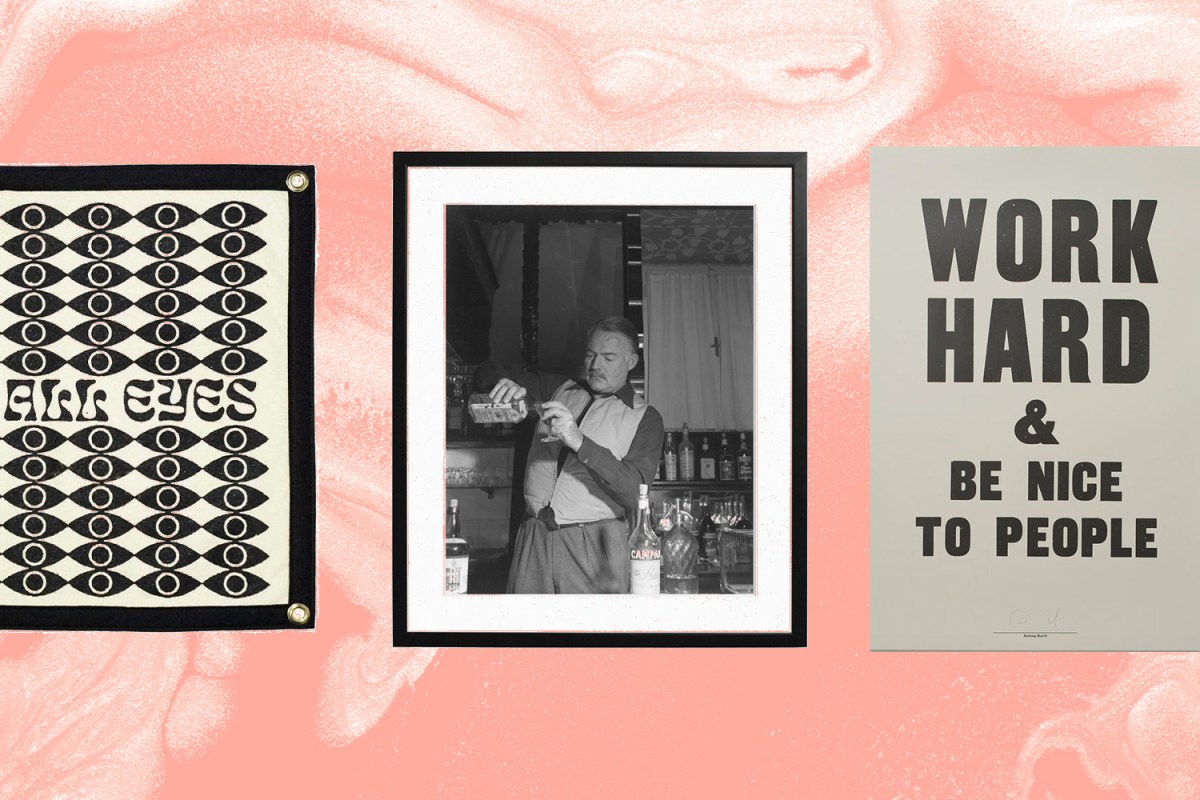
10 Pieces of Wall Decor That'll Make Your WFH Space Anything But Boring
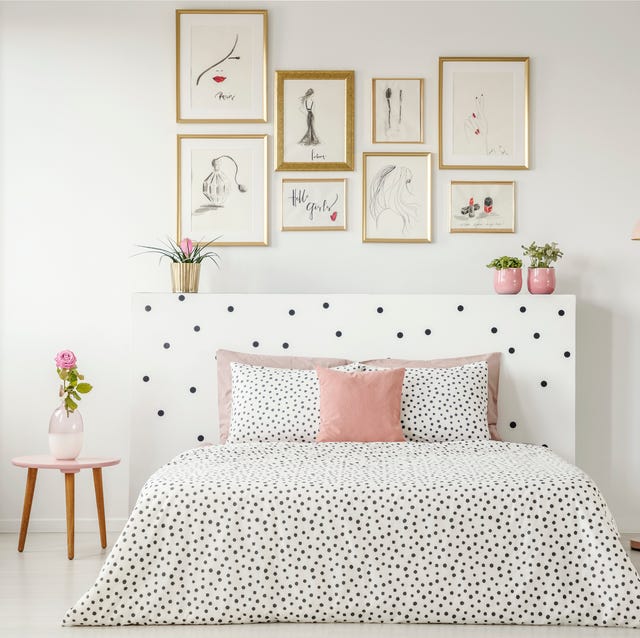
Bedroom wall decor ideas that the whole family will love love


34 Accent Wall Ideas for Every Room in the House

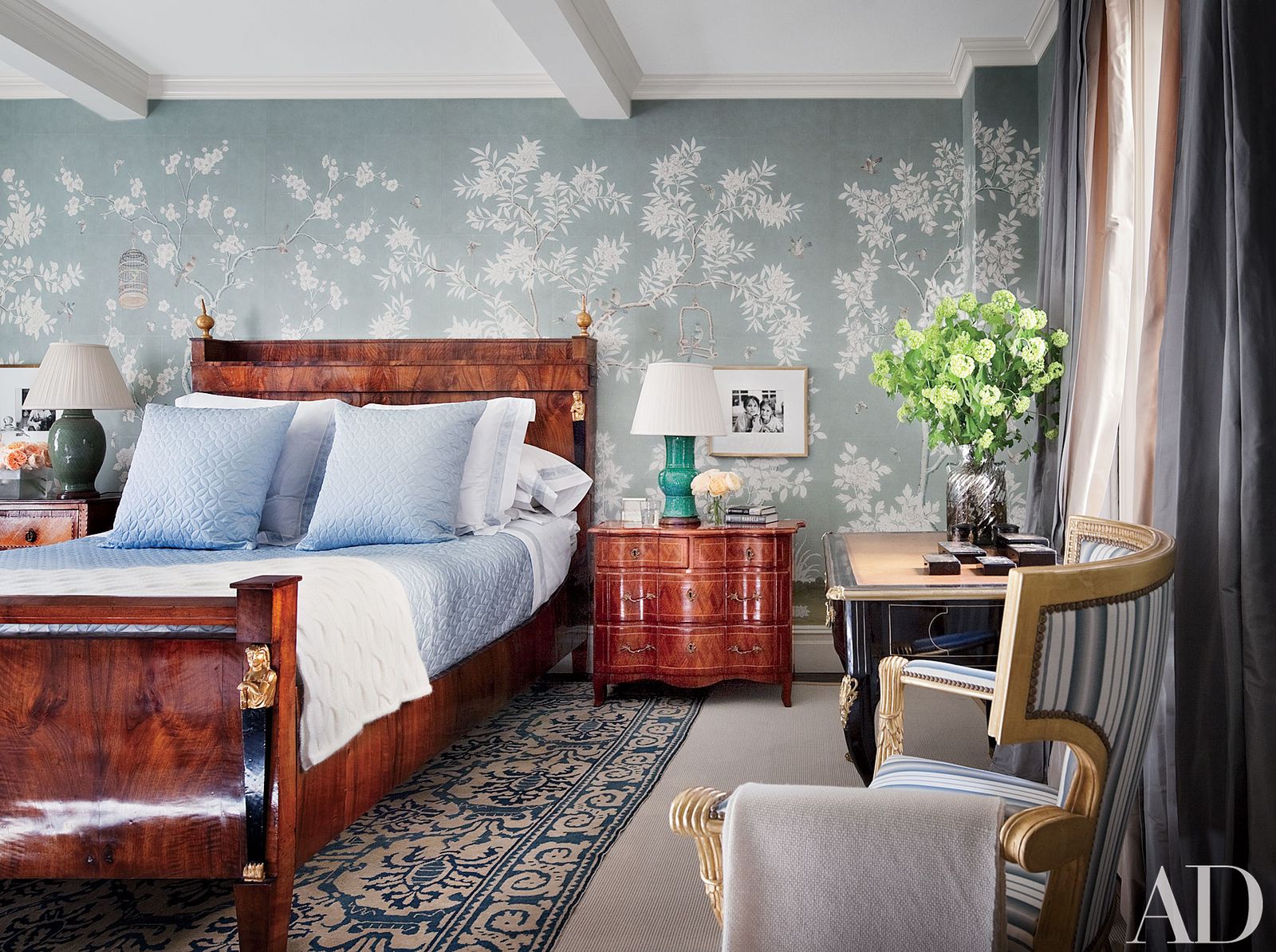
9 Designer Wall Treatments That Will Reinvent Your Interiors
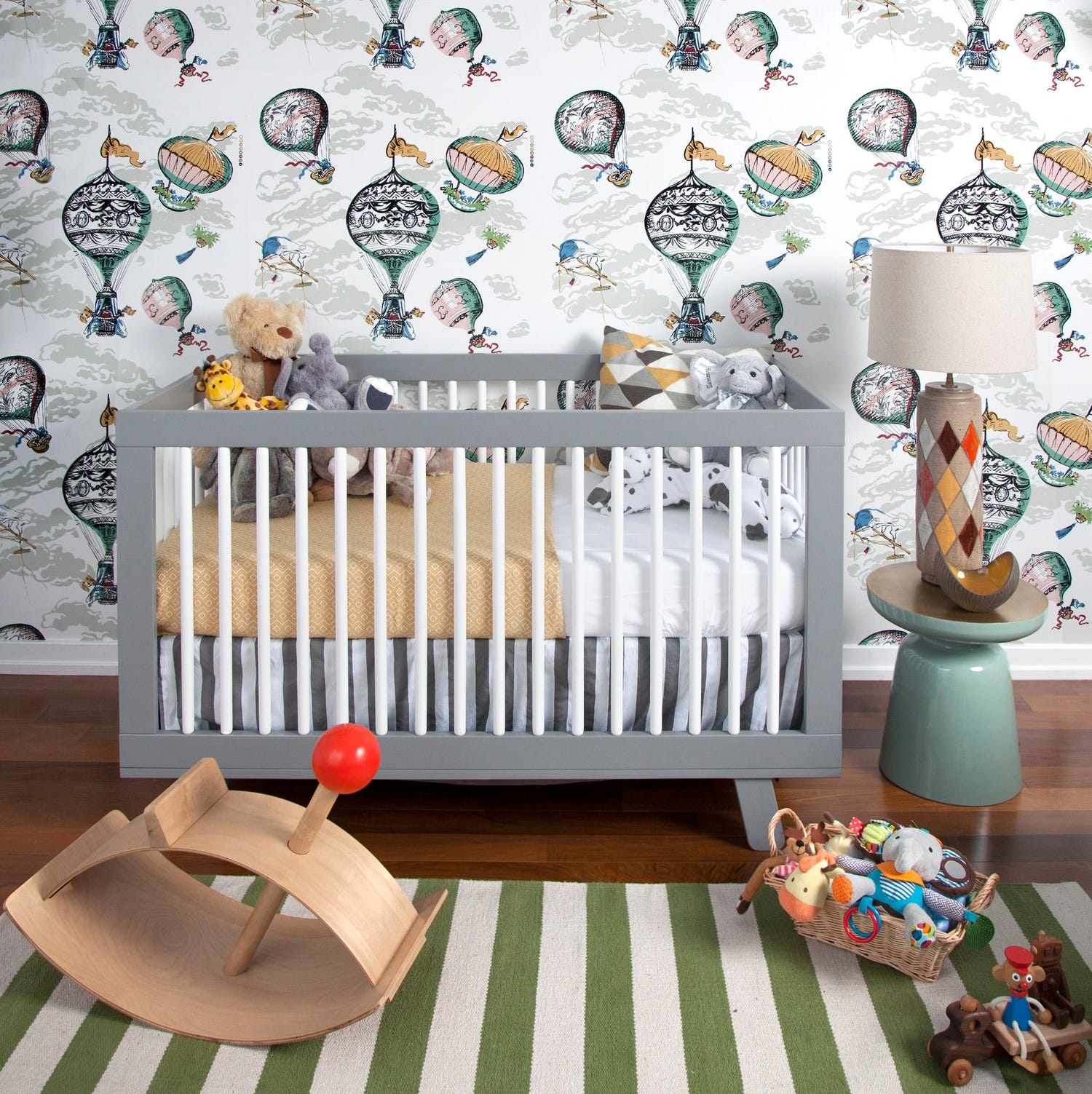
12 Accent Wall Ideas That Will Never Go Out of Style

20 Innovative Bedroom Wall Decor Ideas Beyond Paint