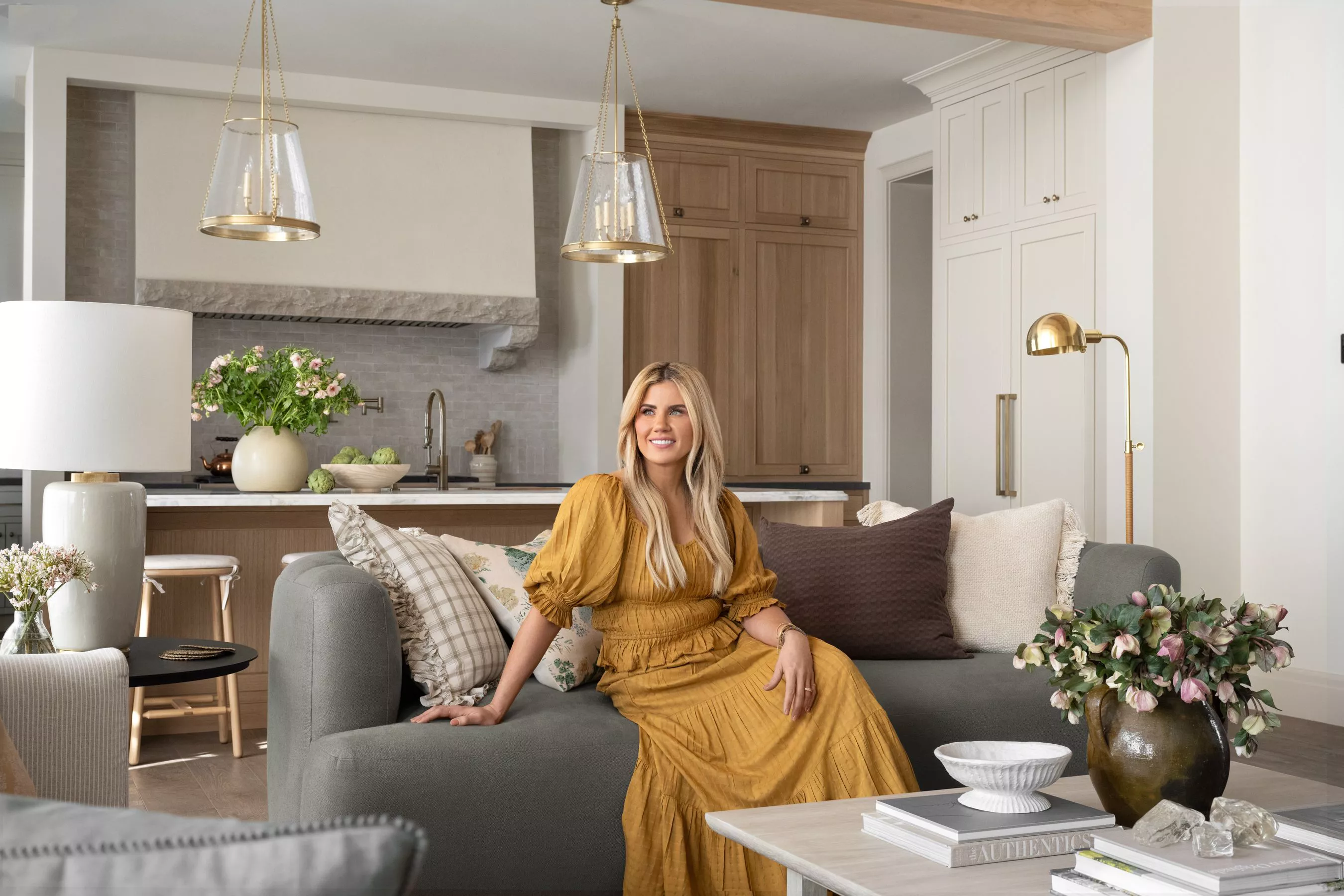
Make a House a Home with Shea McGee: 9 Key Tips from Her Book
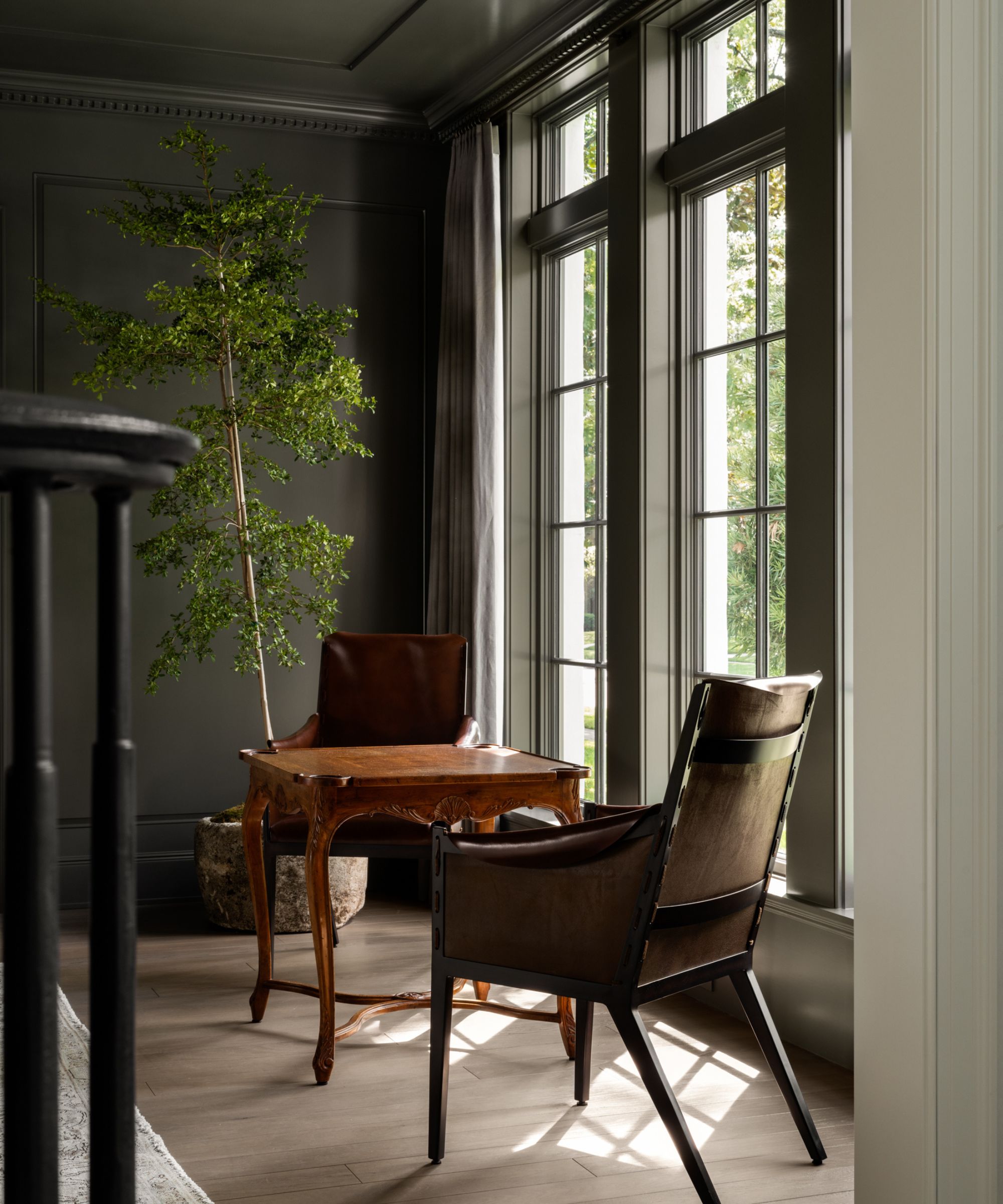
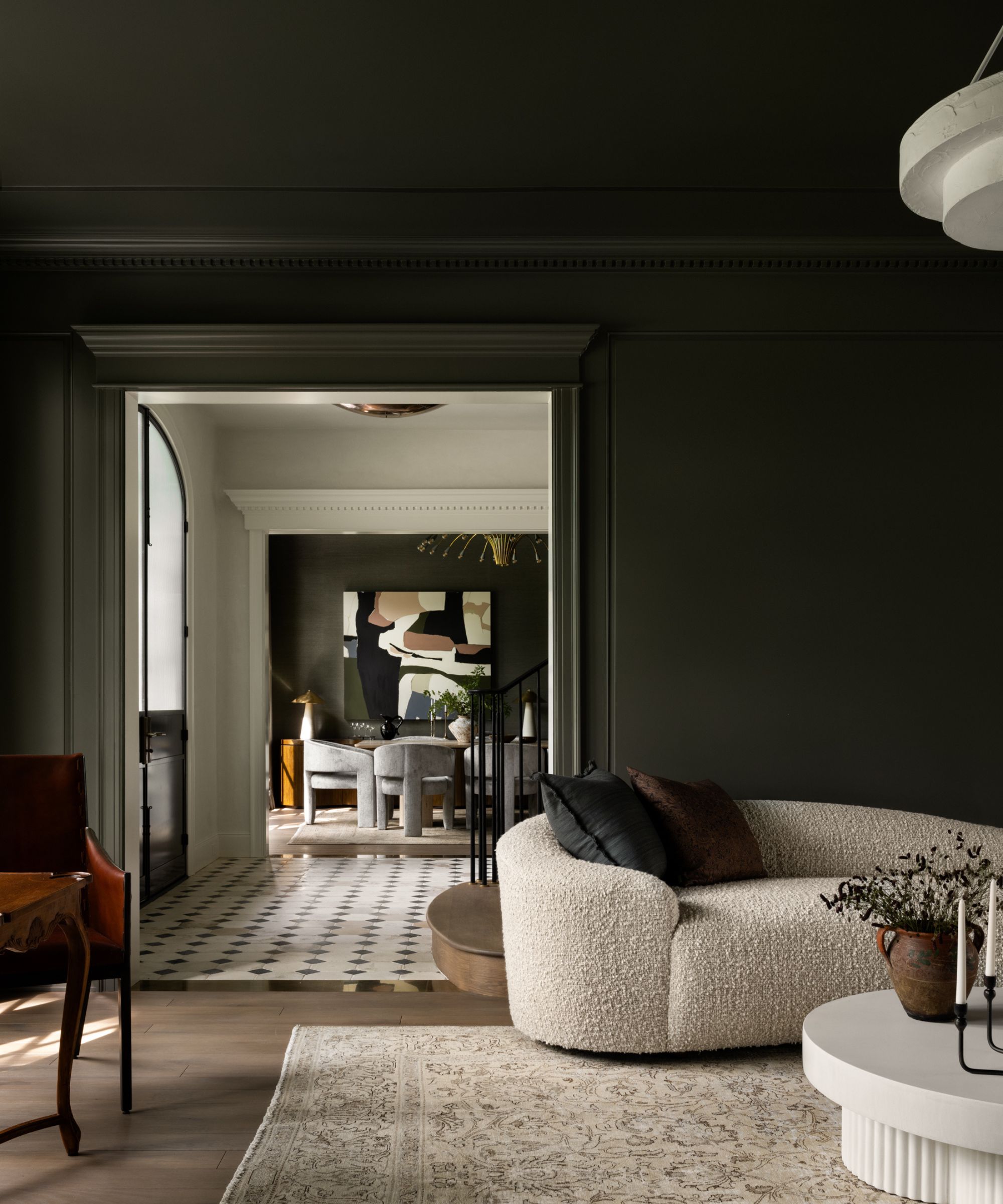
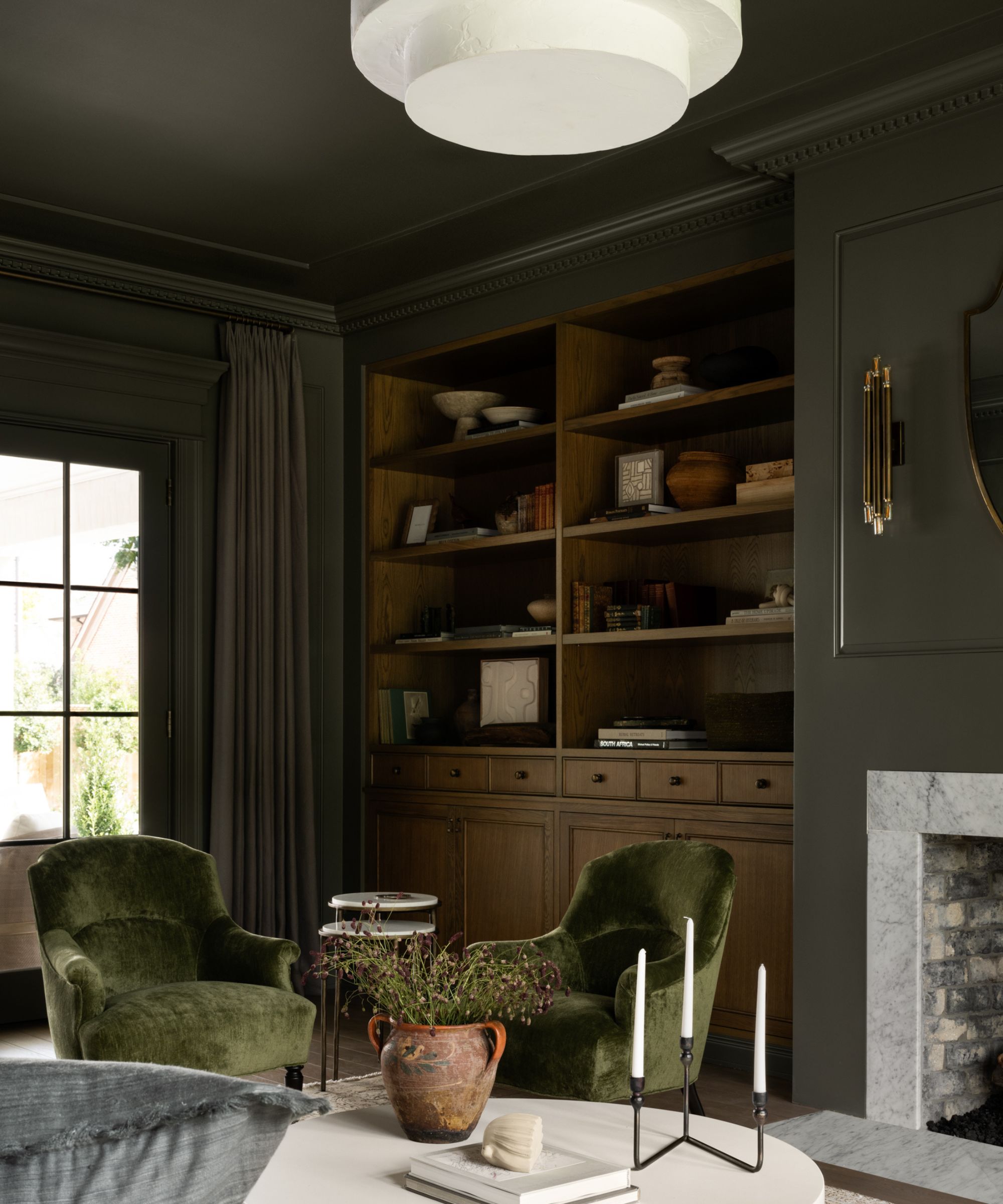
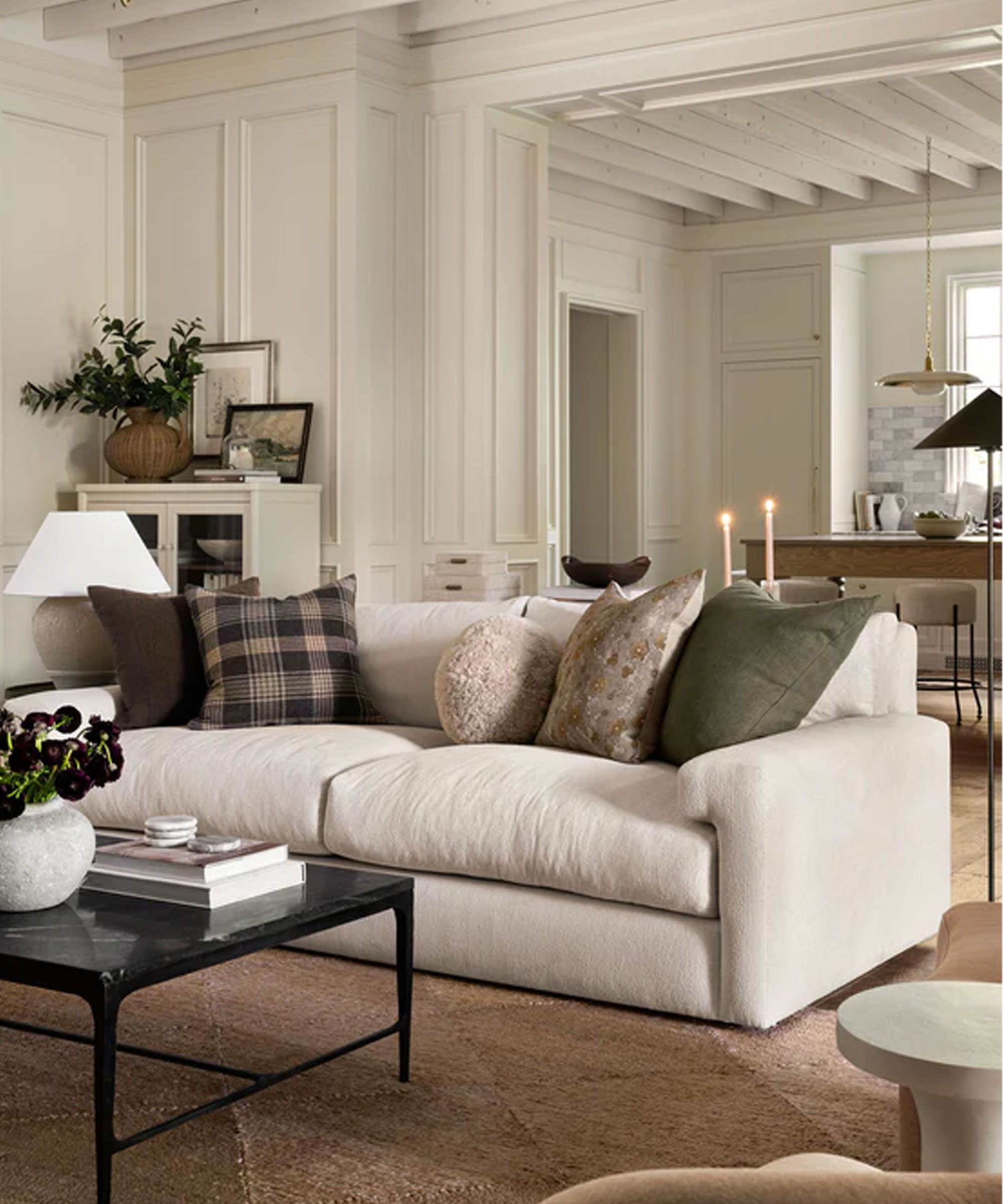
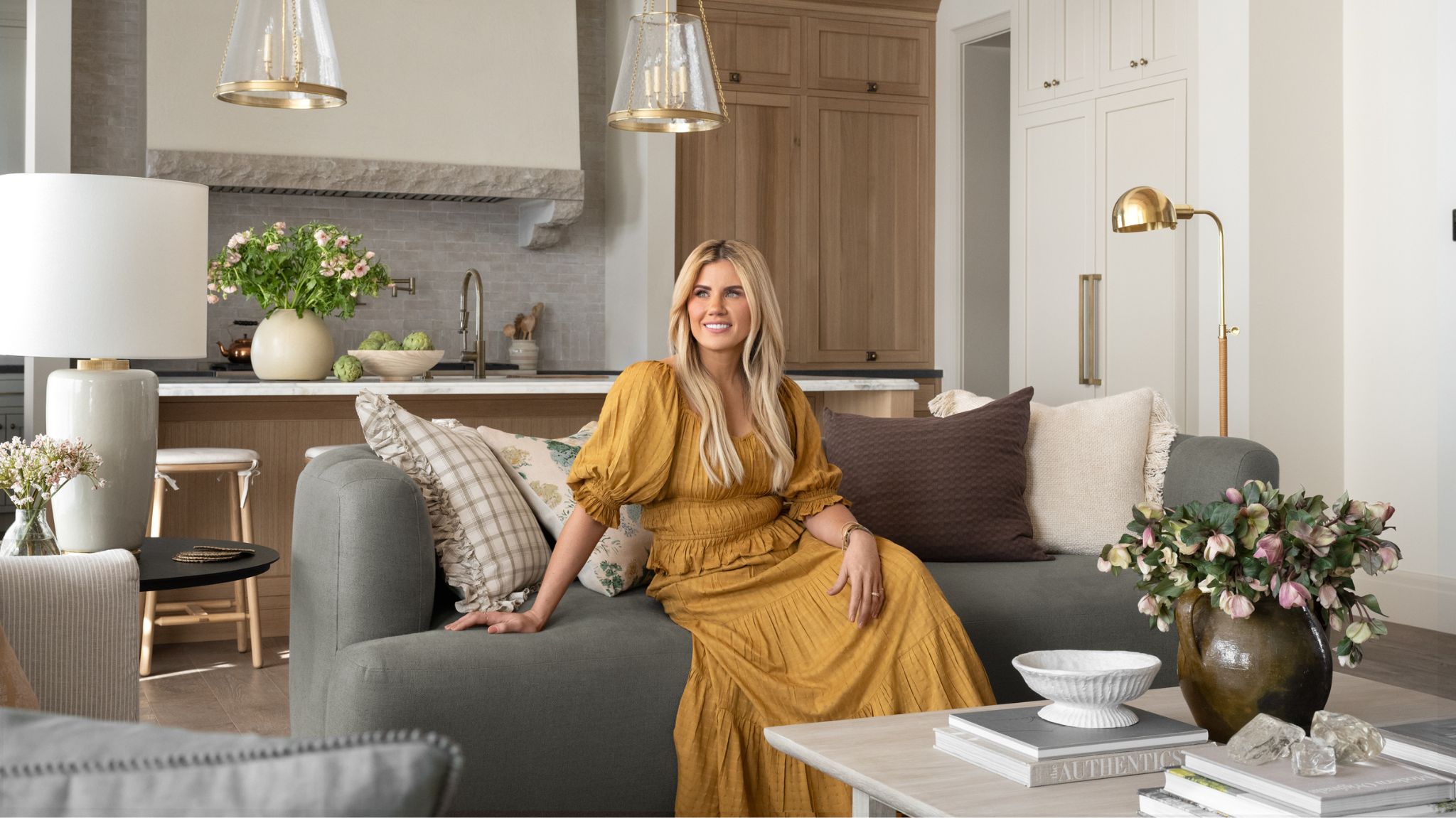
Interior designer Shea McGee, known for her thriving business Studio McGee and her work on Netflix's Dream Home Makeover, has released her first design book, "The Art of Home: A Designer Guide to Creating an Elevated Yet Approachable Home." The book aims to make high-end design principles accessible for any home and budget, guiding readers through the design process and offering room-specific advice. McGee emphasizes that design is a step-by-step process of unfolding decisions and layers, and she is passionate about helping people create authentic and functional spaces.
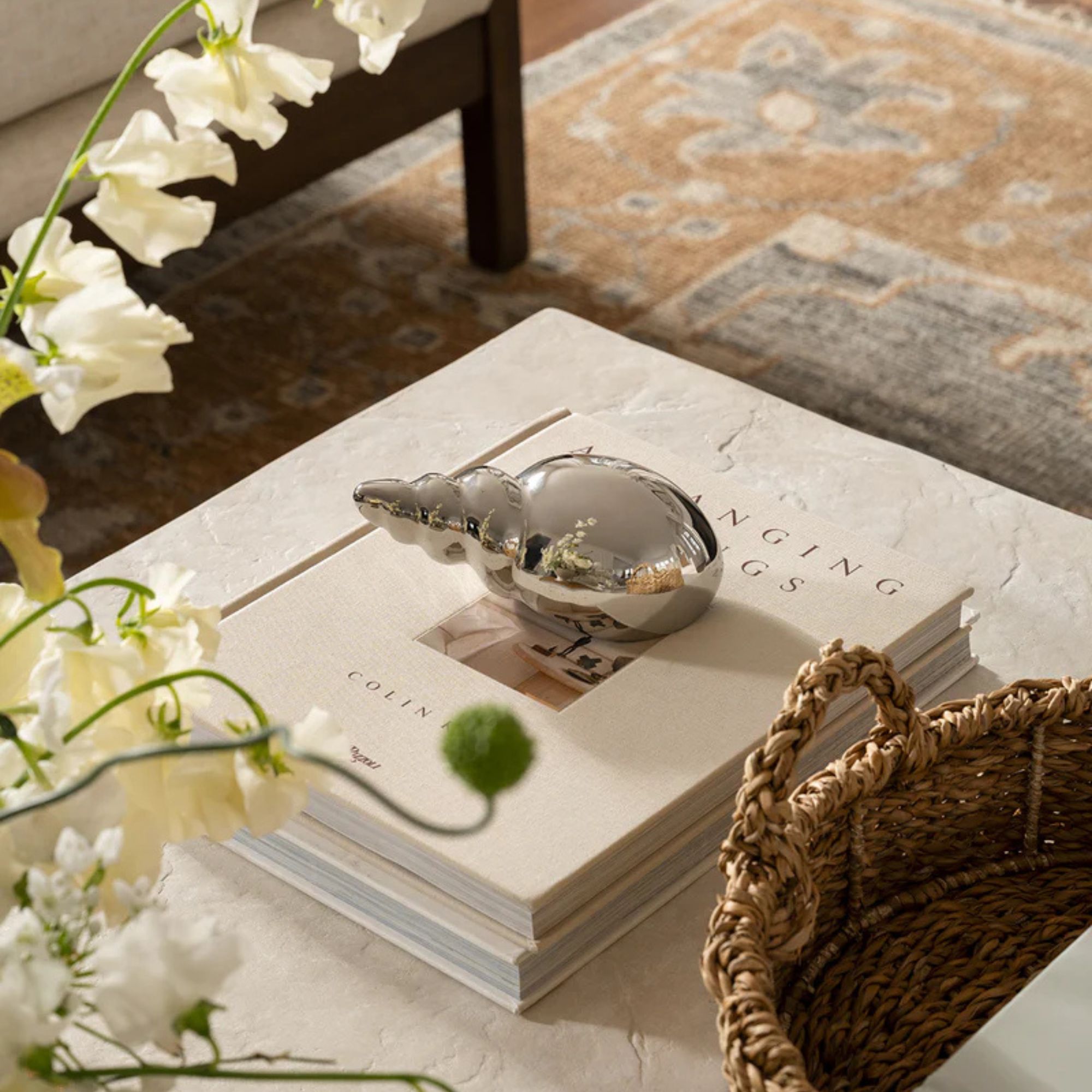
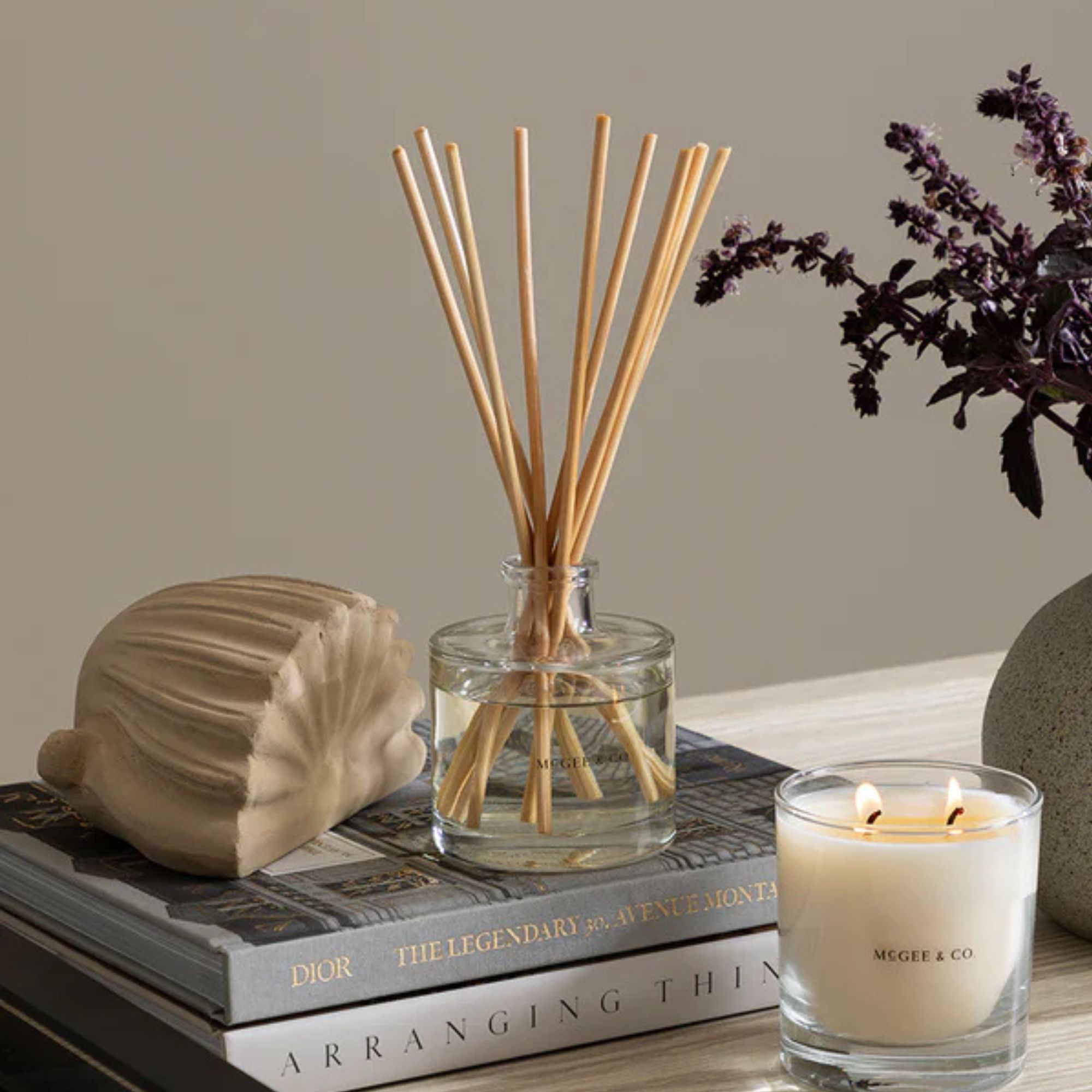
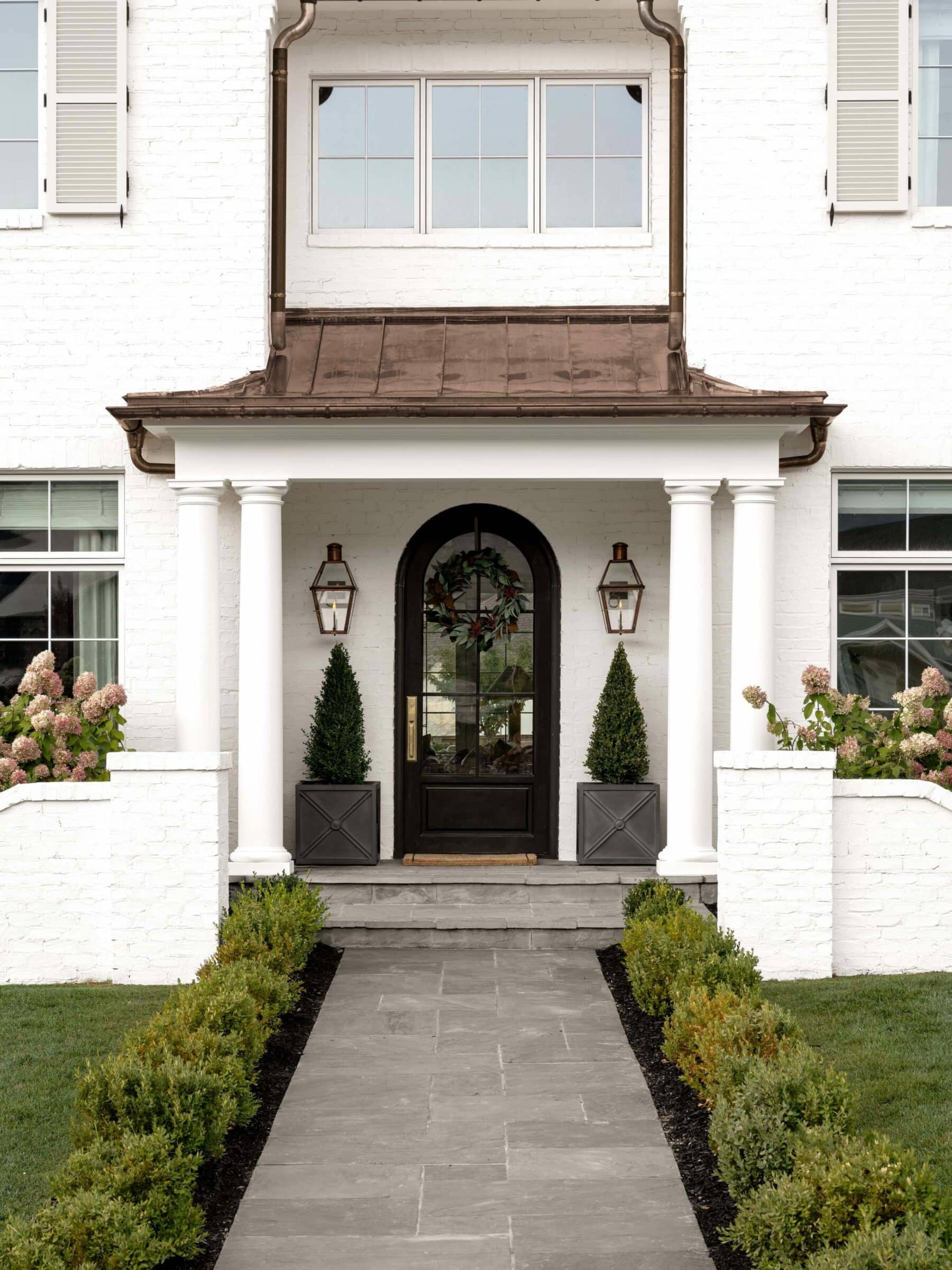
The book begins with the entryway, which McGee considers crucial for setting the home's tone. She suggests five essential items for a functional and stylish entryway: a console table, a lamp, a mirror, a tray or bowl as a drop zone, and a candle. In smaller spaces, a vintage rug can ground the area and introduce color and pattern. Other elements like ottomans, floor plants, and sculptural objects can also enhance the space.
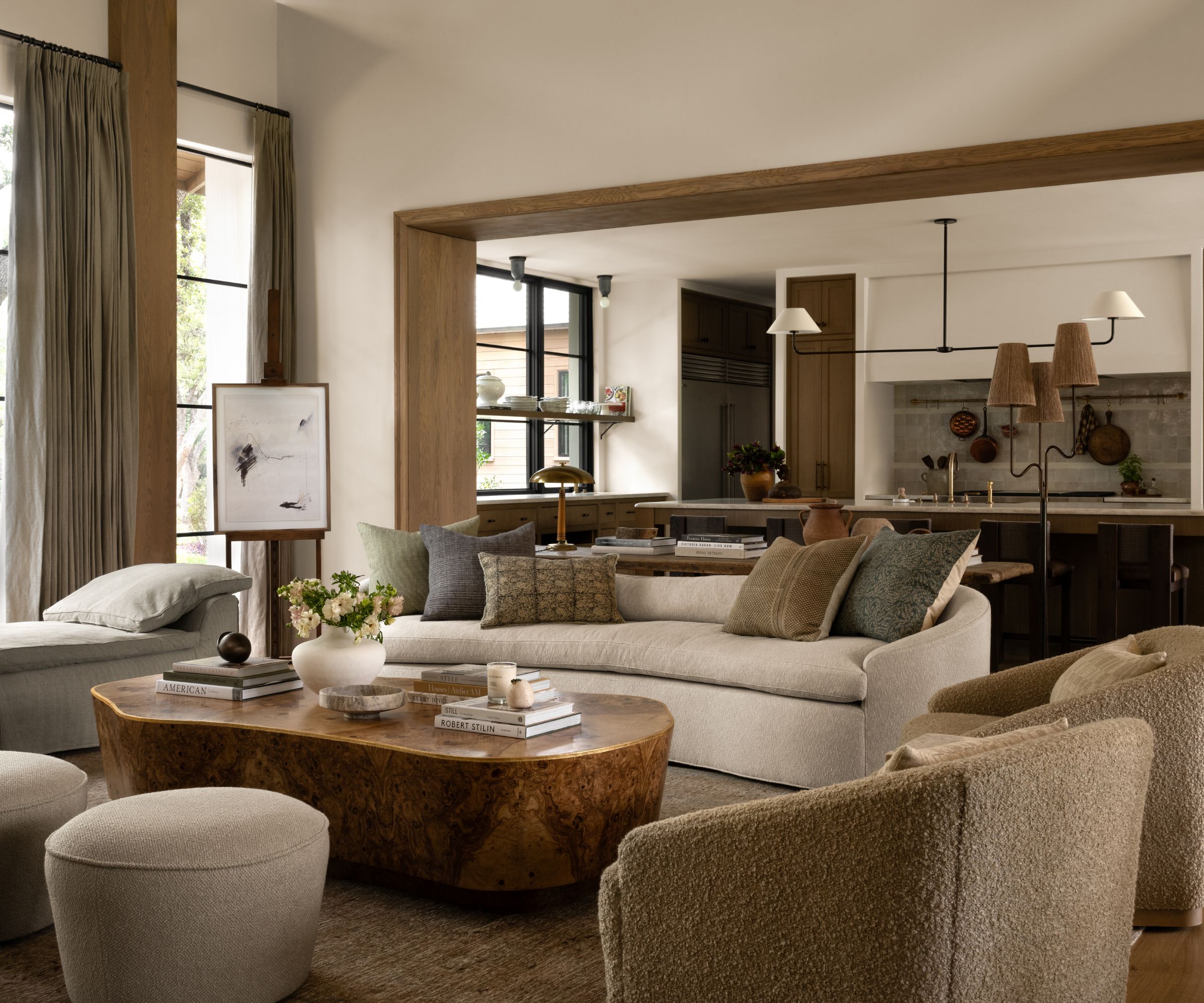
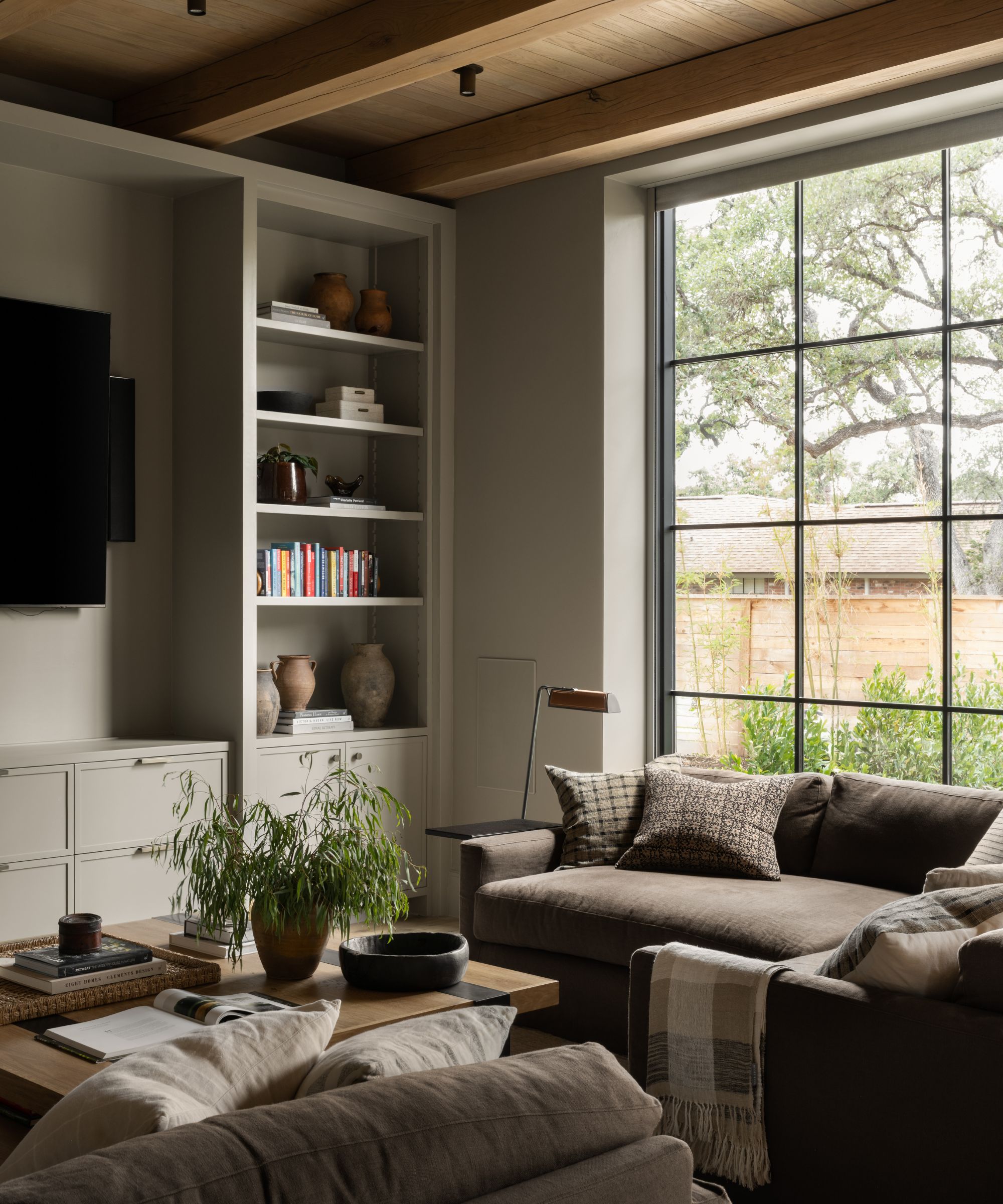
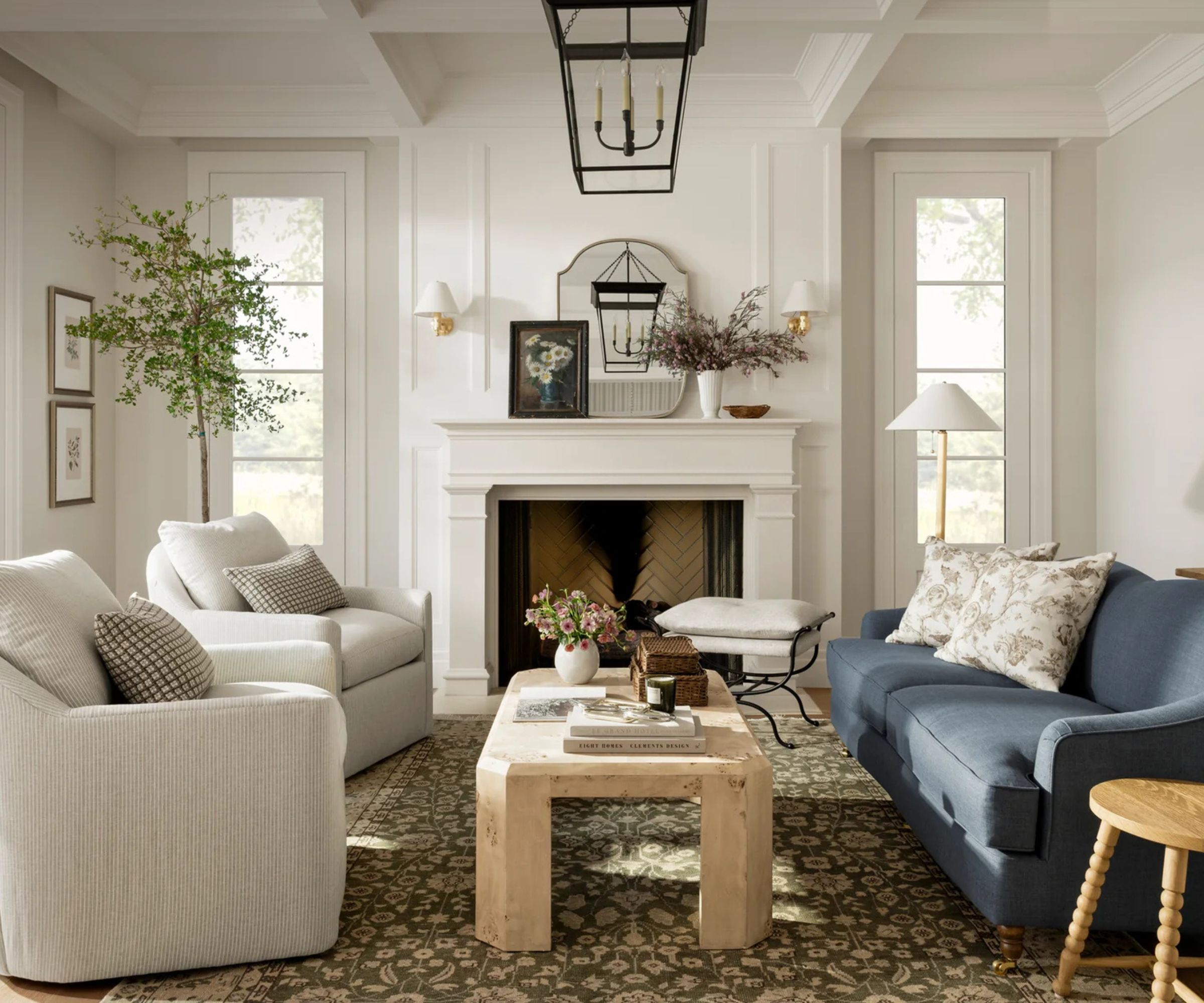
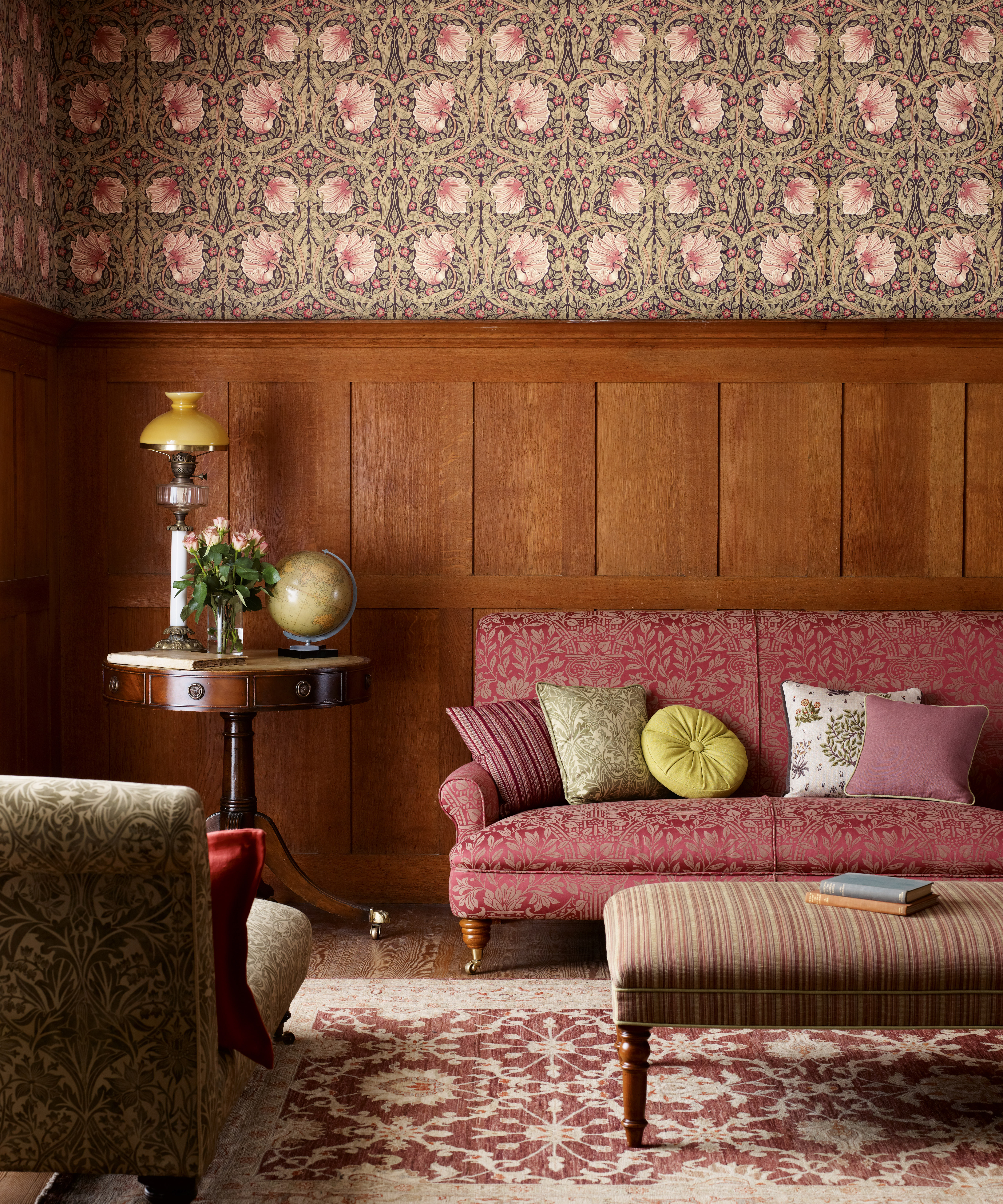
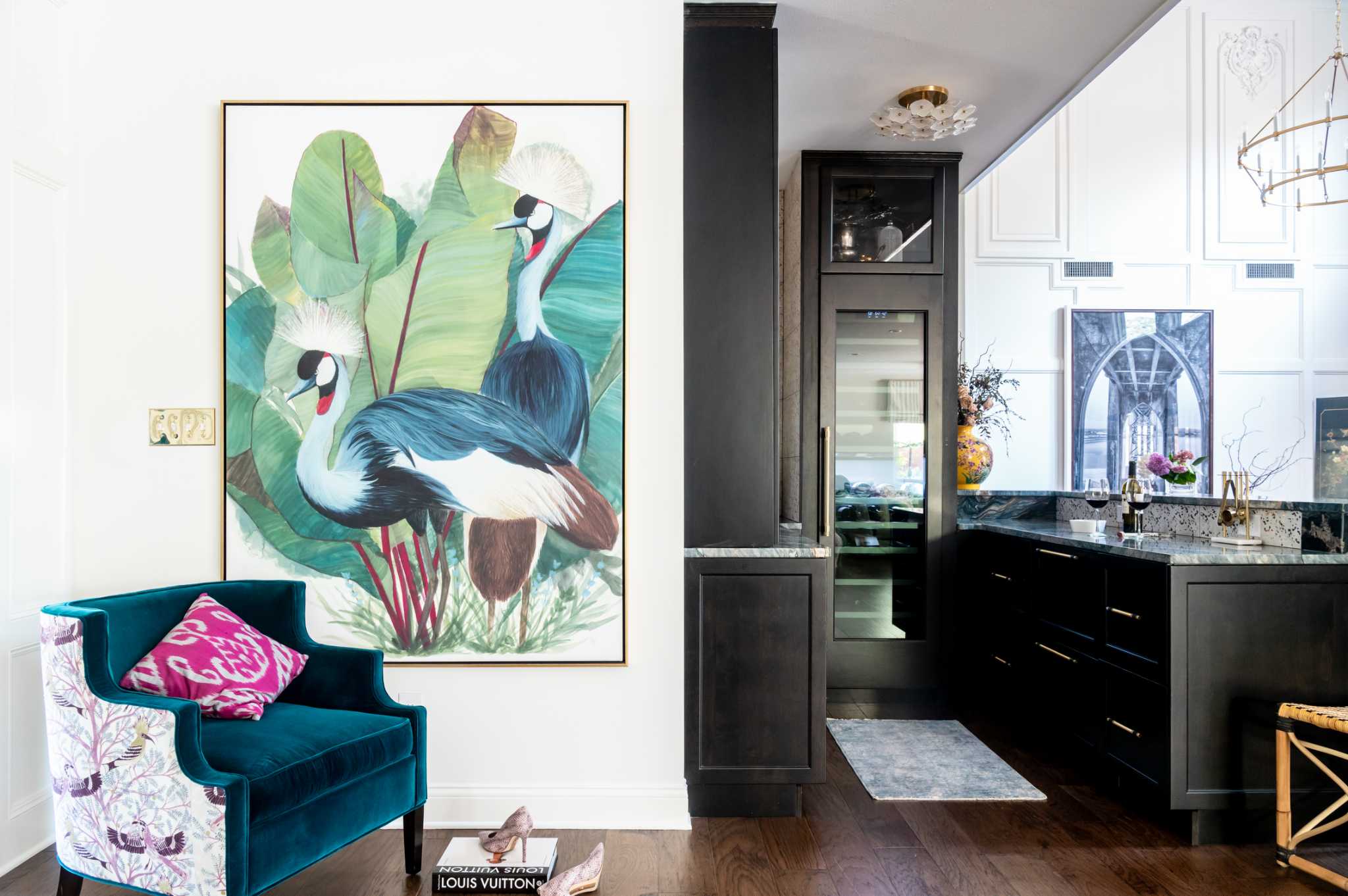
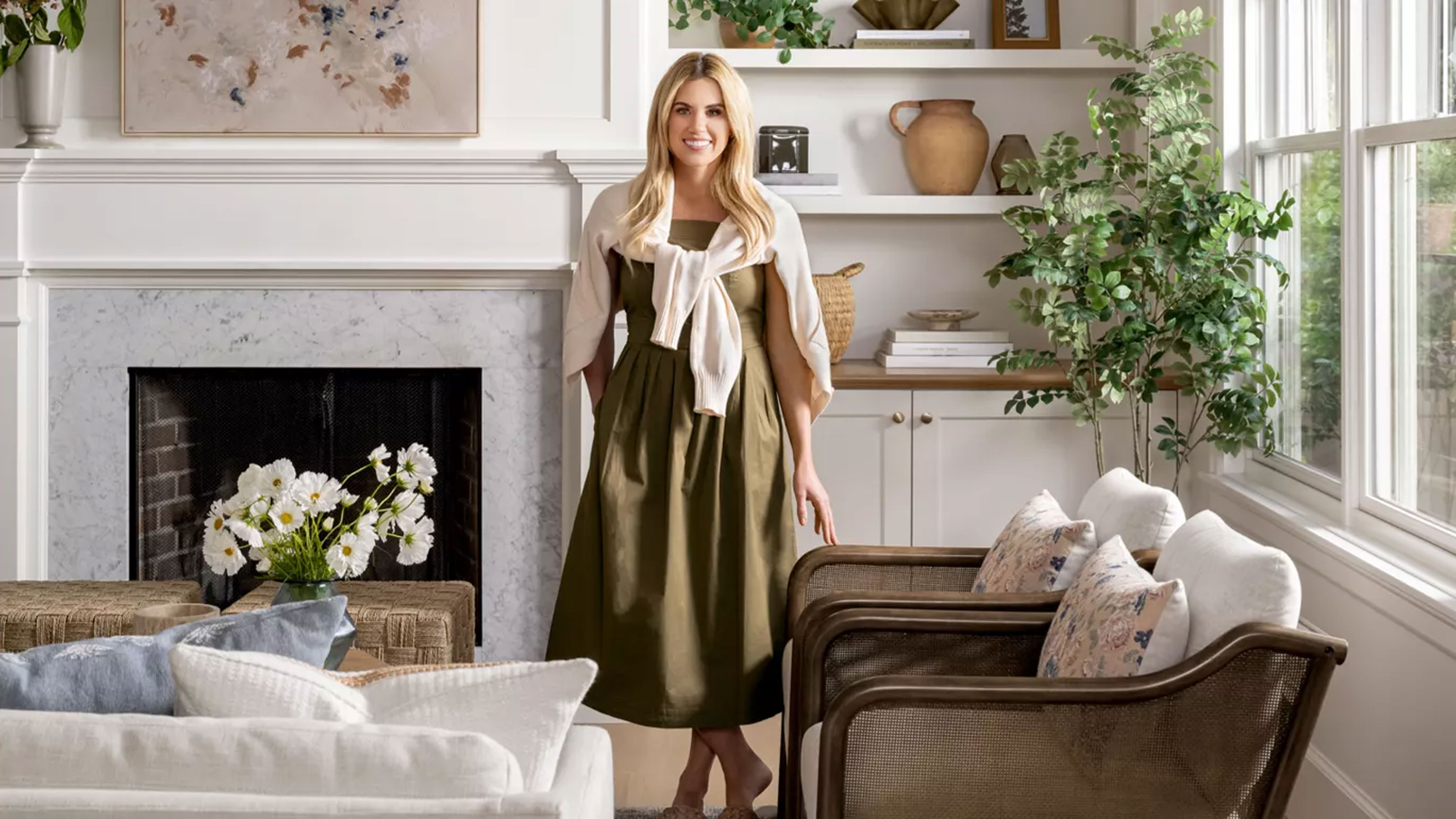
For living rooms, McGee typically starts here or in the kitchen, as these are central to daily living. A good layout is paramount, fostering conversation and intimacy rather than pushing furniture against walls. She recommends ottomans over coffee tables in compact areas for their versatility. McGee's eclectic style balances old and new, achieved by focusing on compatible tones, textures, proportions, and shapes, and repeating motifs. She advises against ultra-modern fireplace designs if the room features soft moldings, highlighting the importance of rhythm and flow over strict cohesion, using modern lamps with antique chests as an example of successful style mixing.
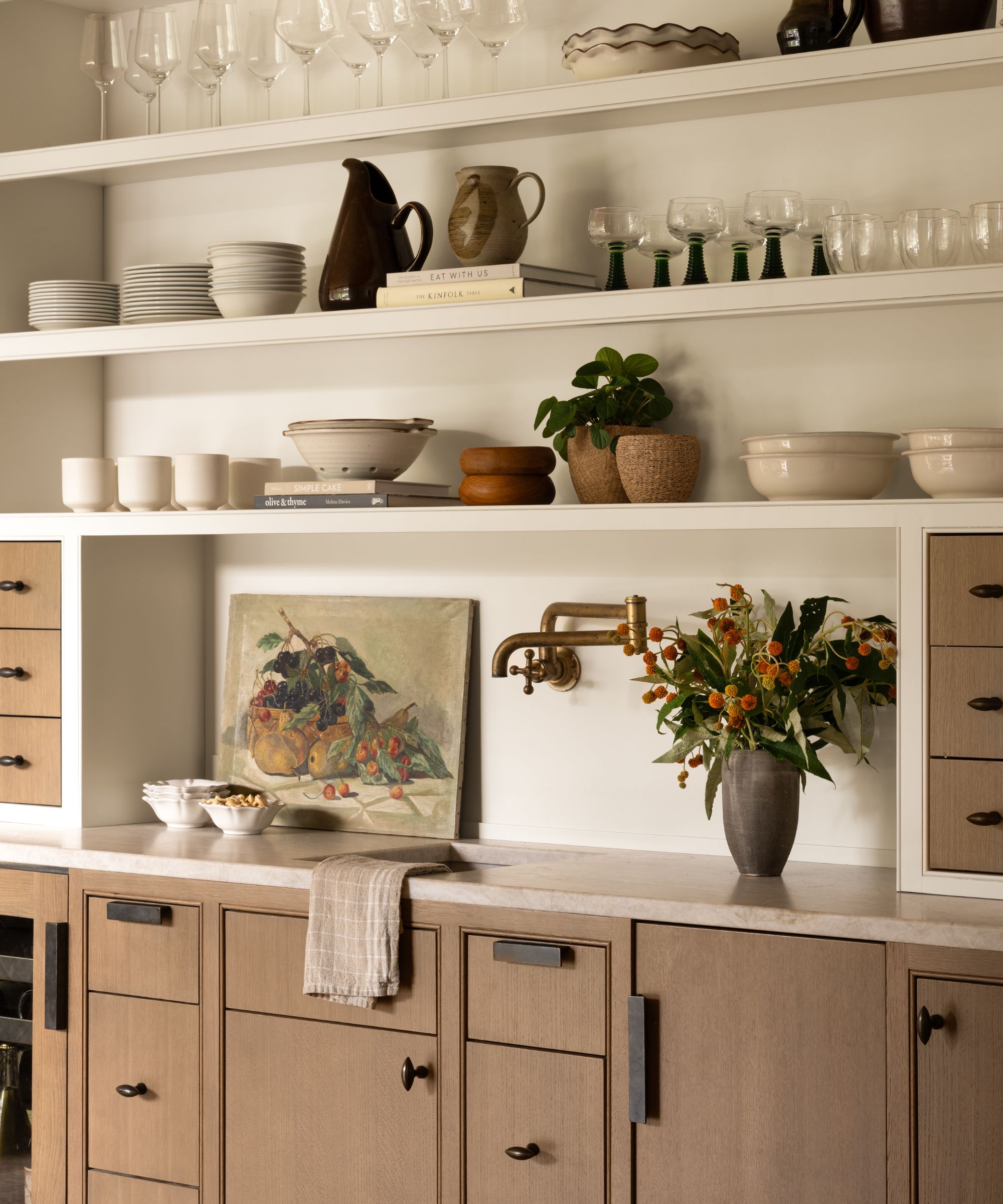
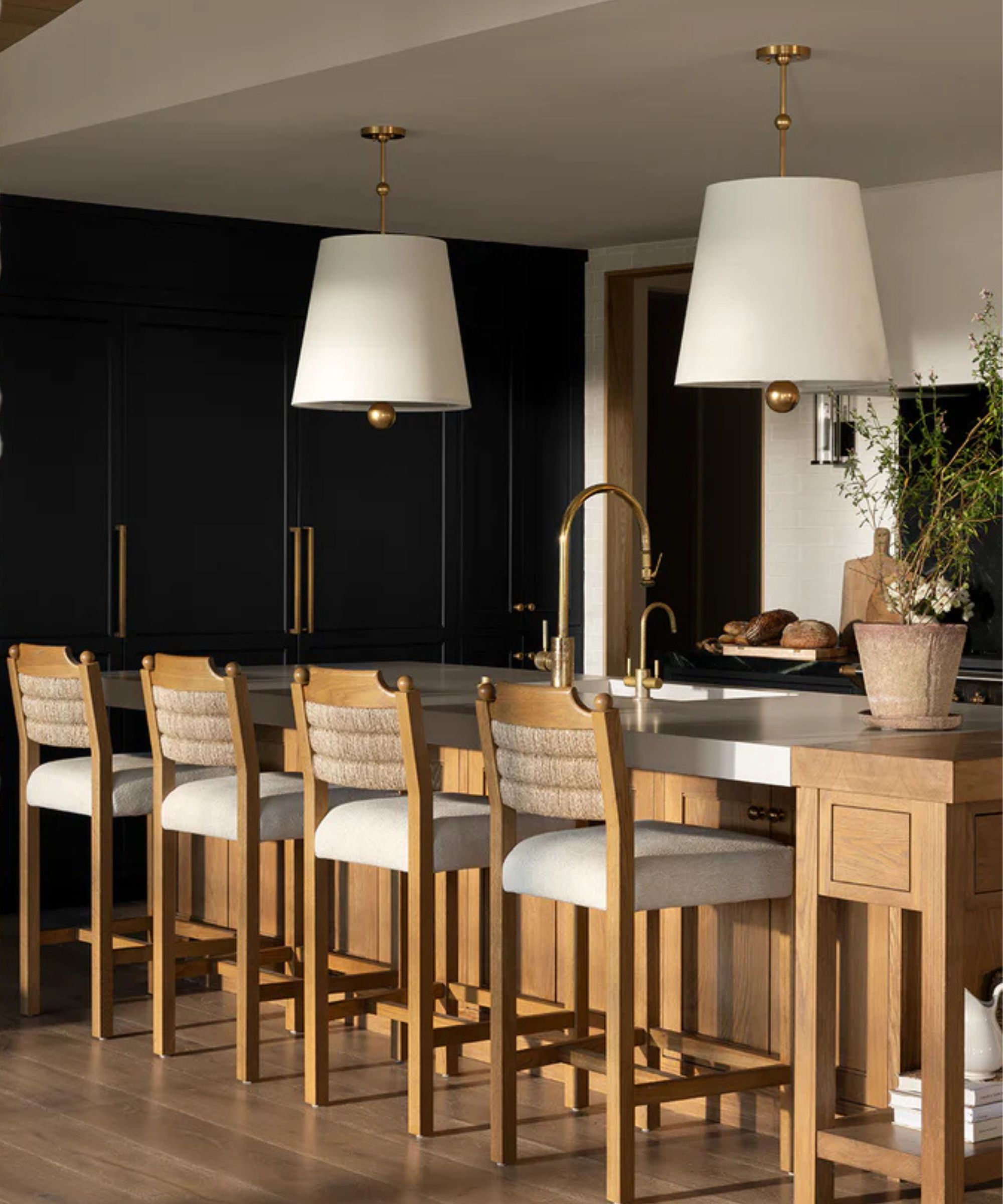
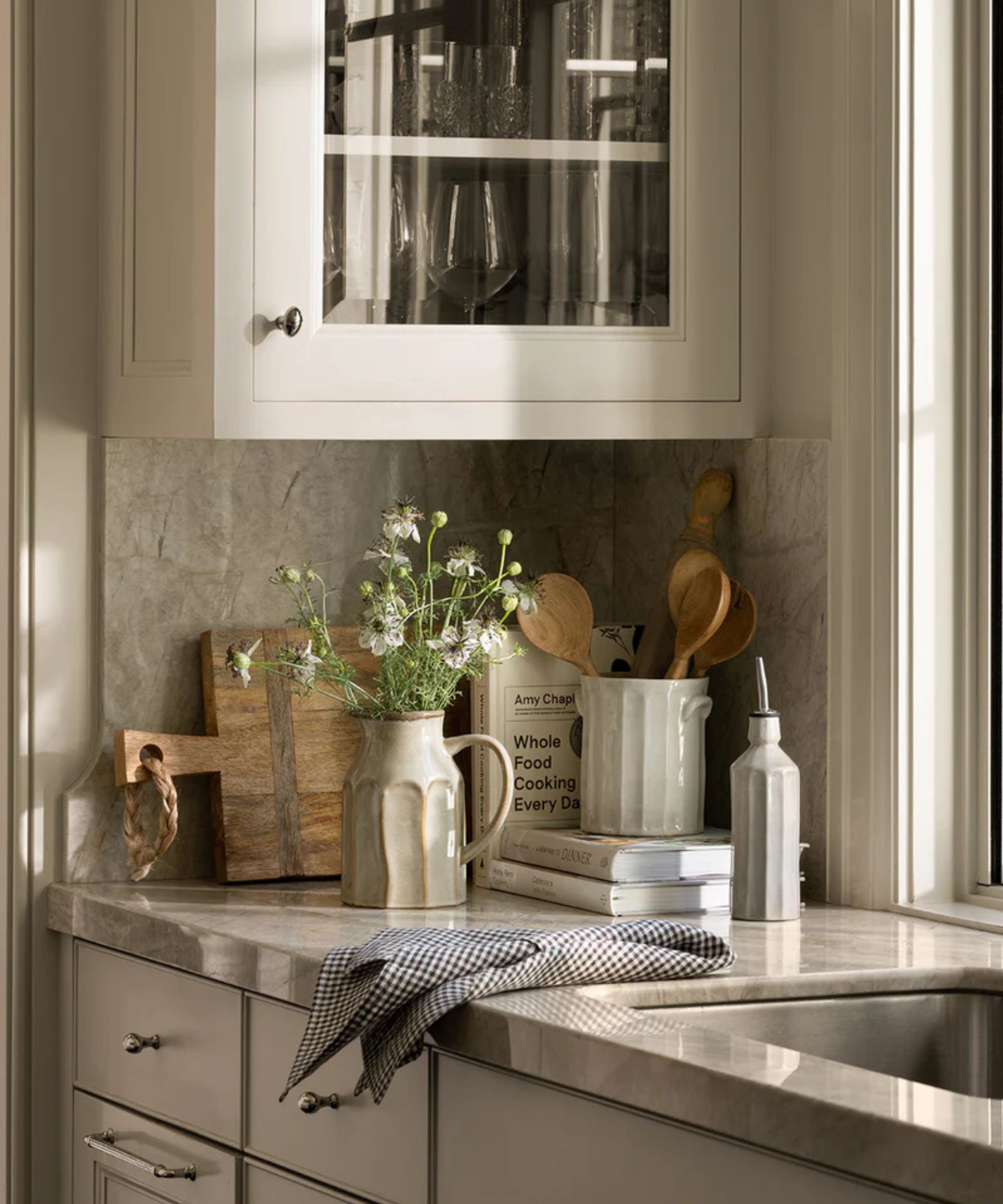
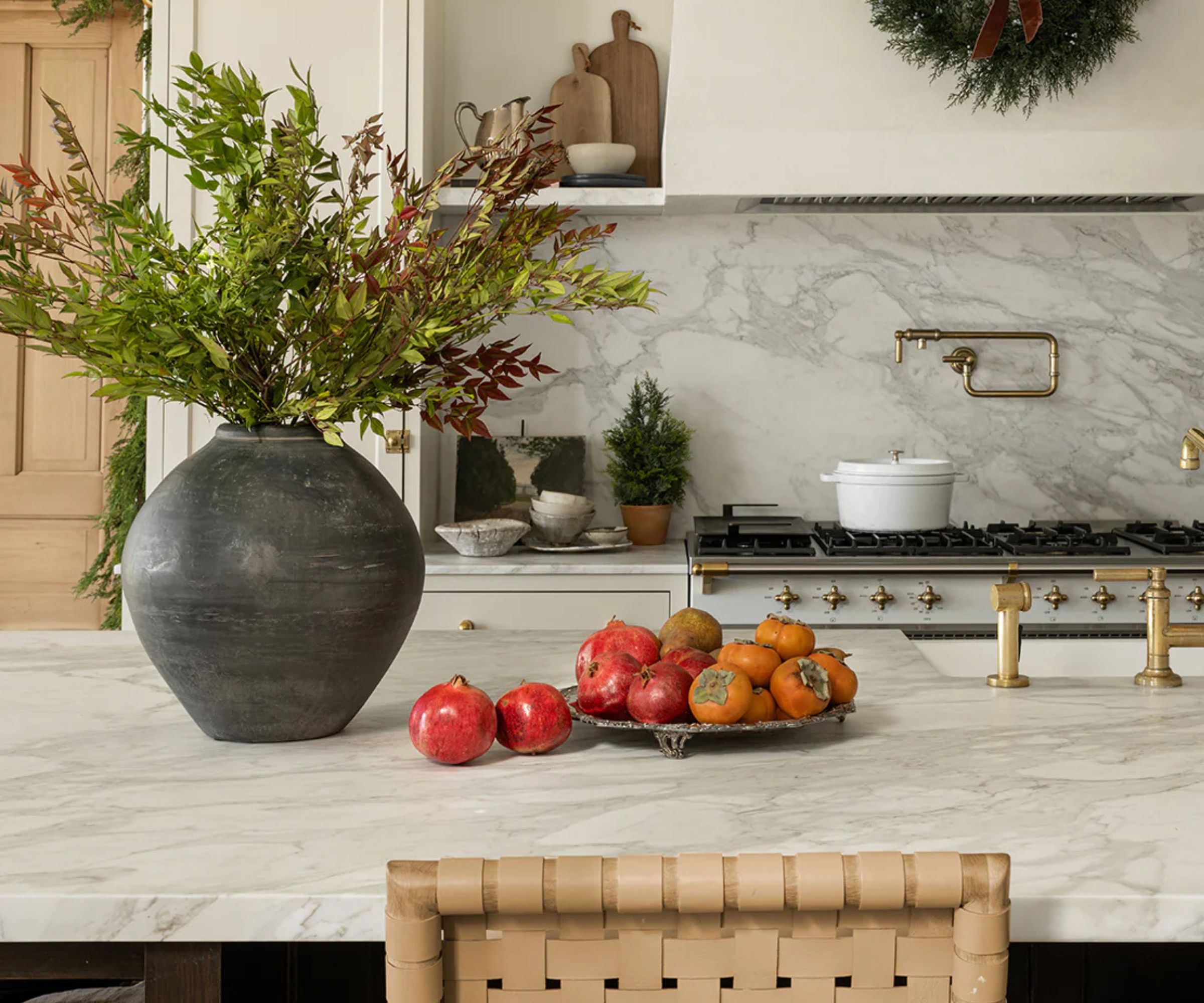
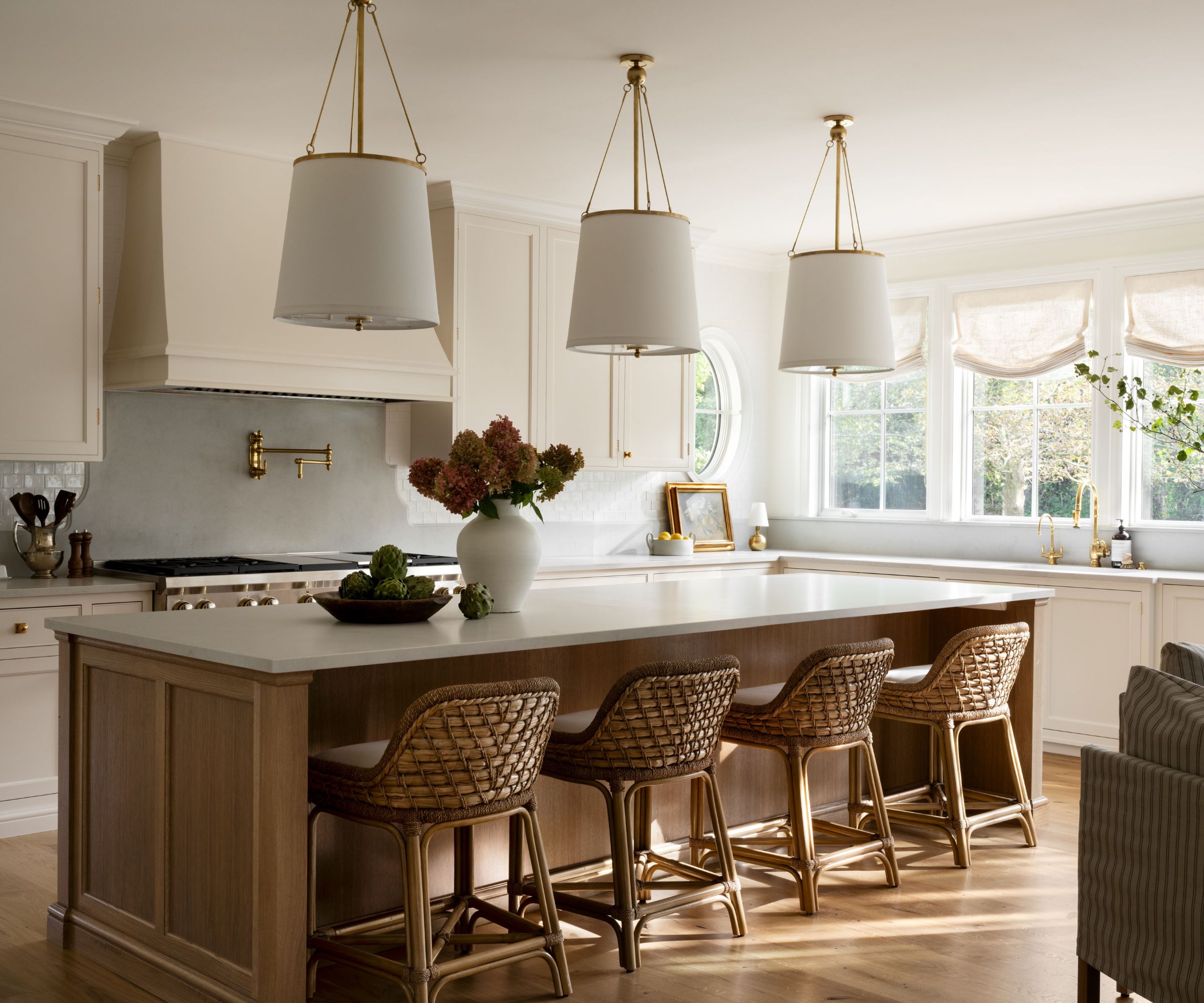
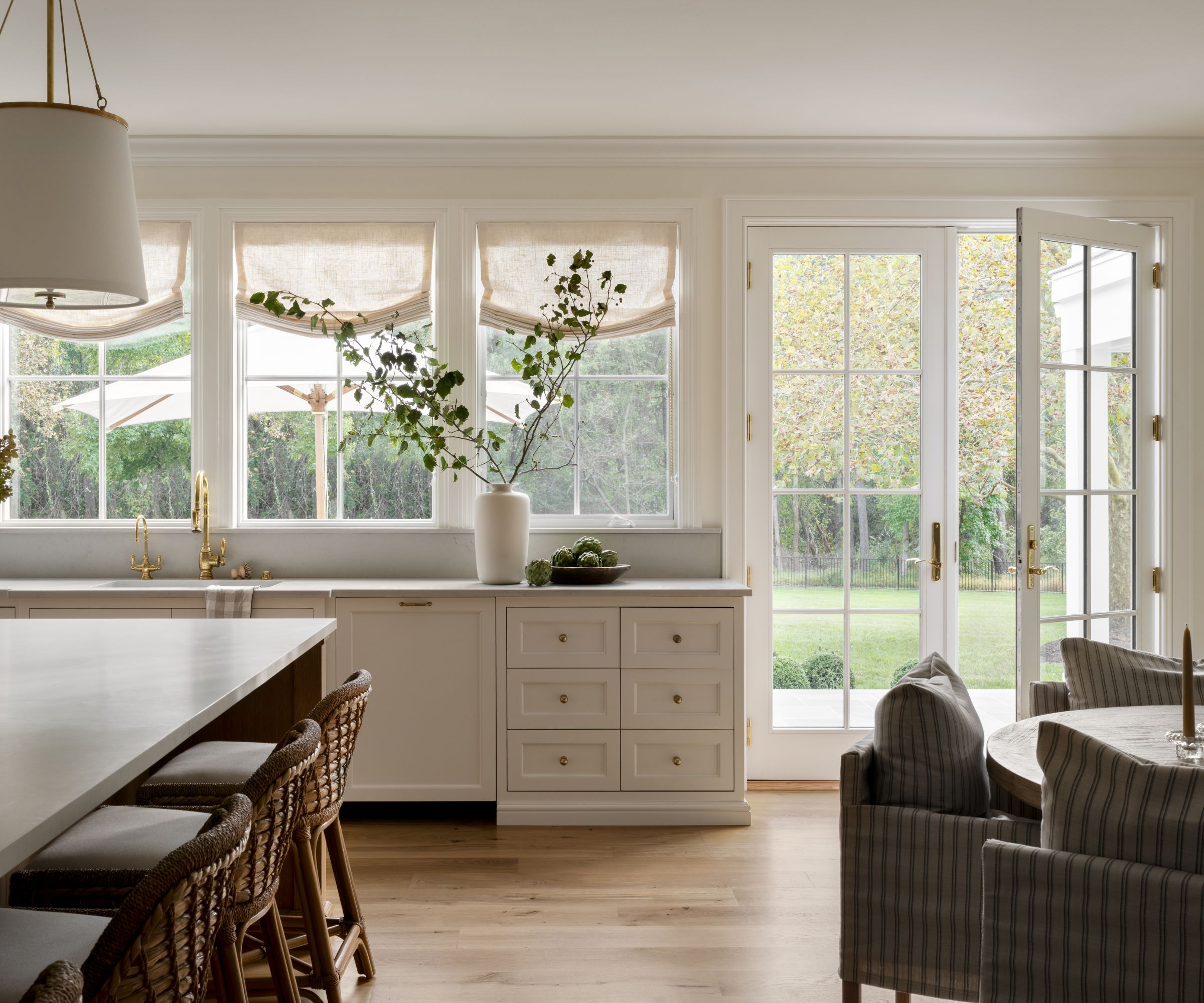
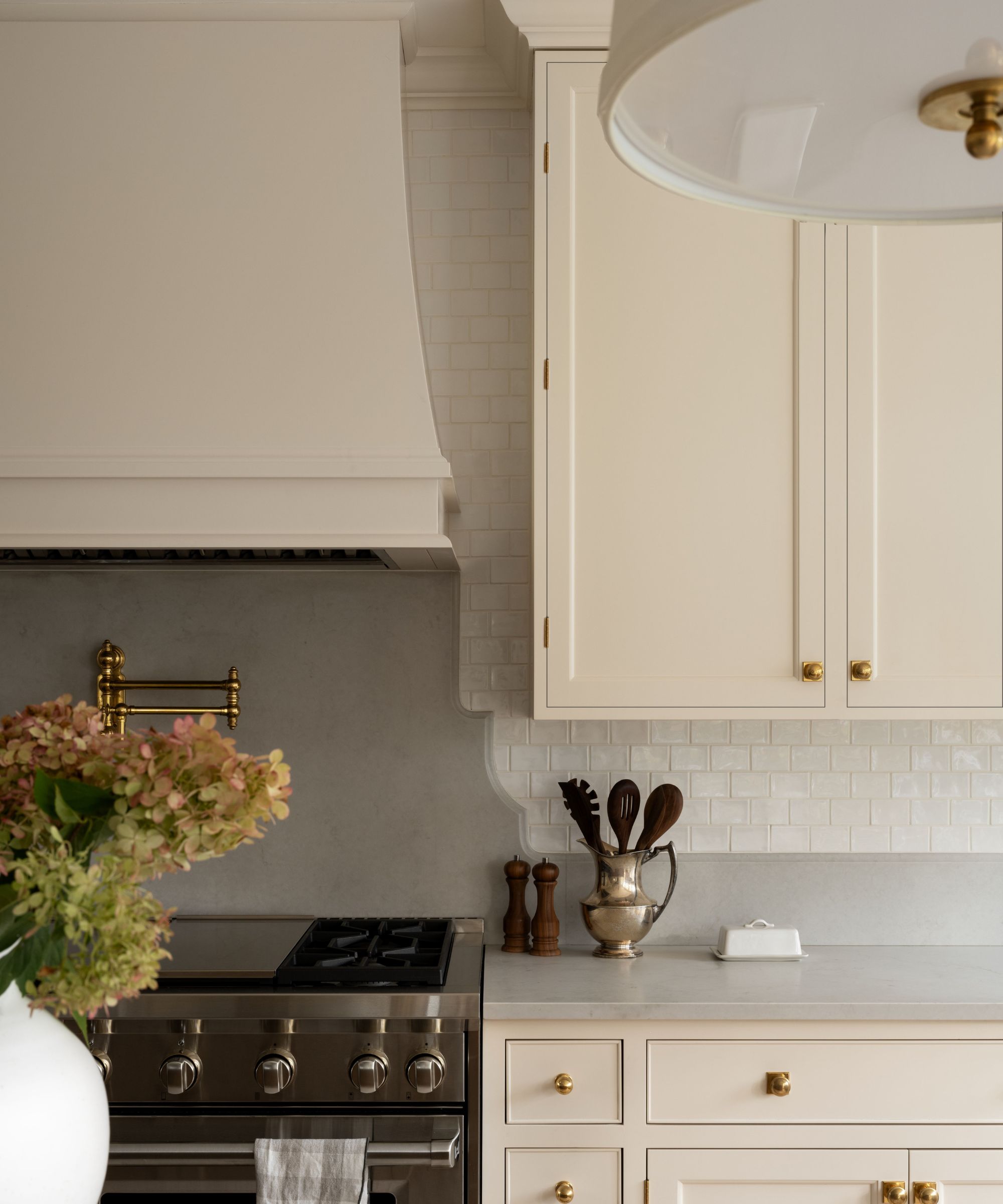
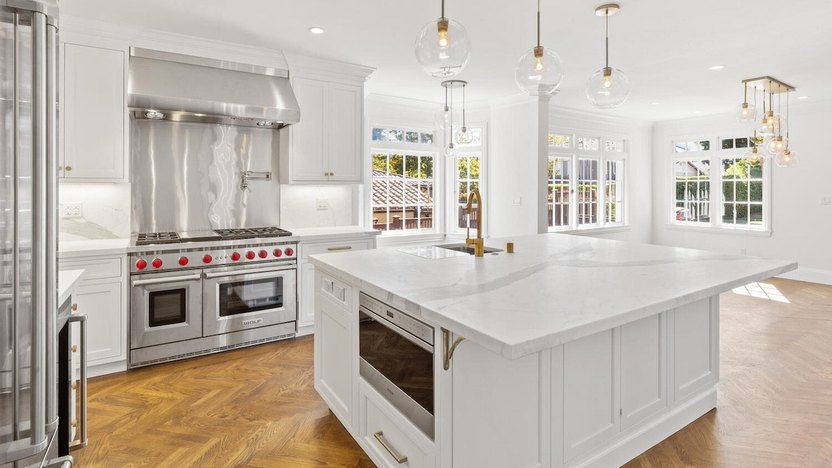
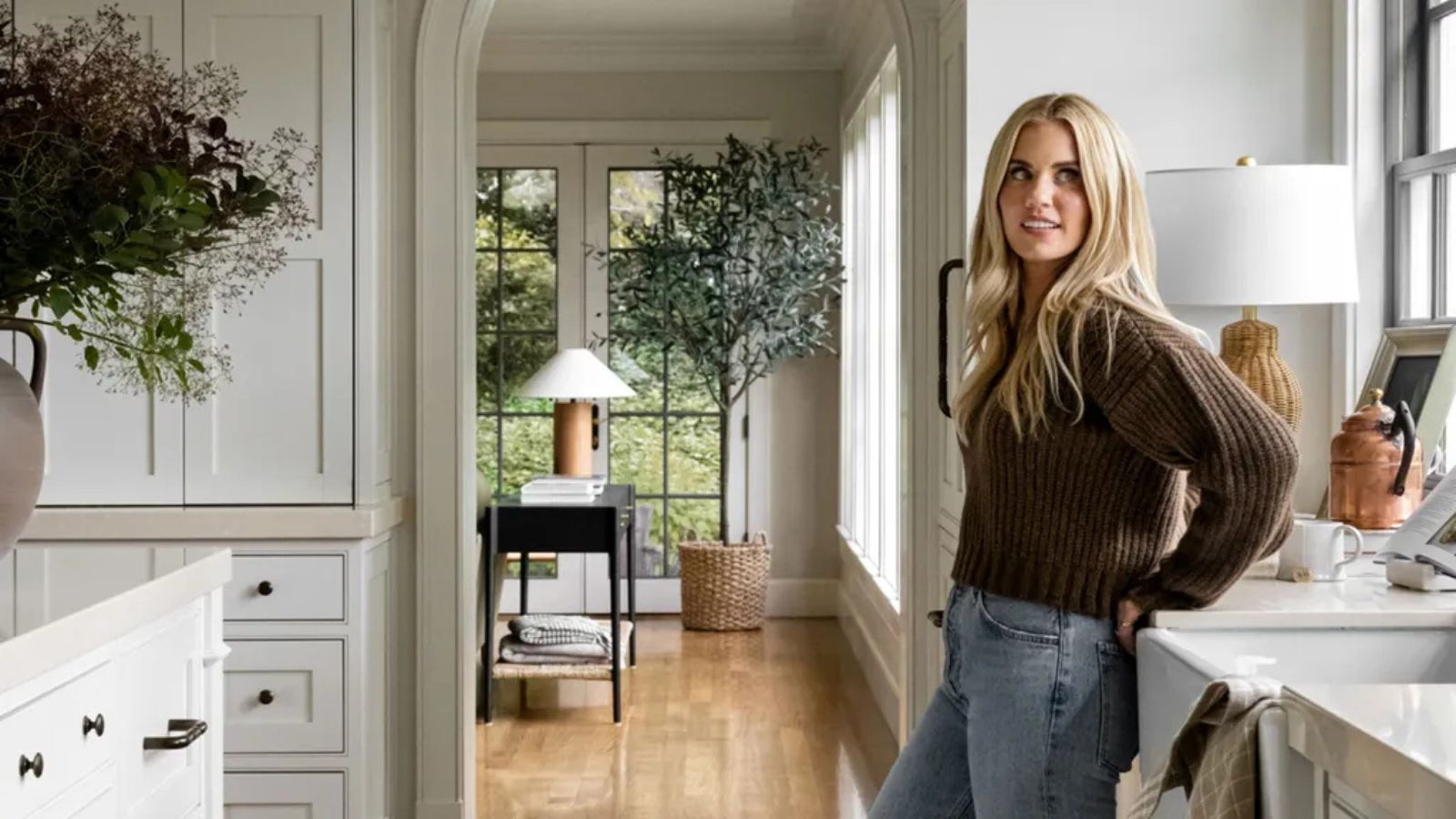
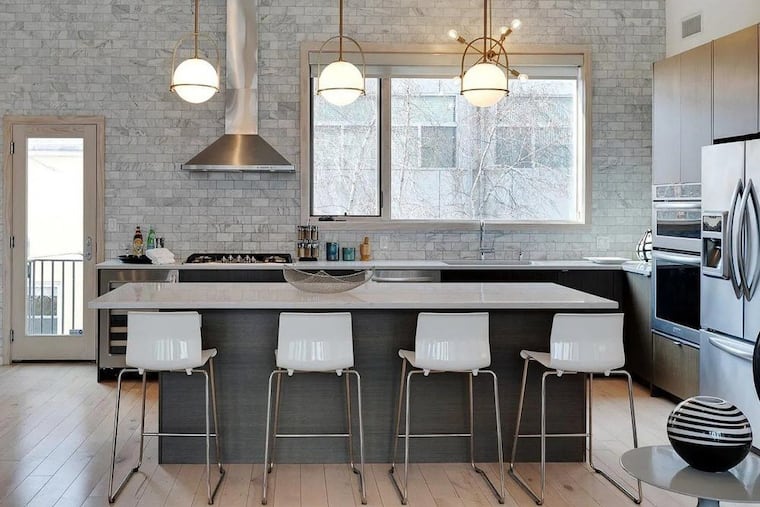
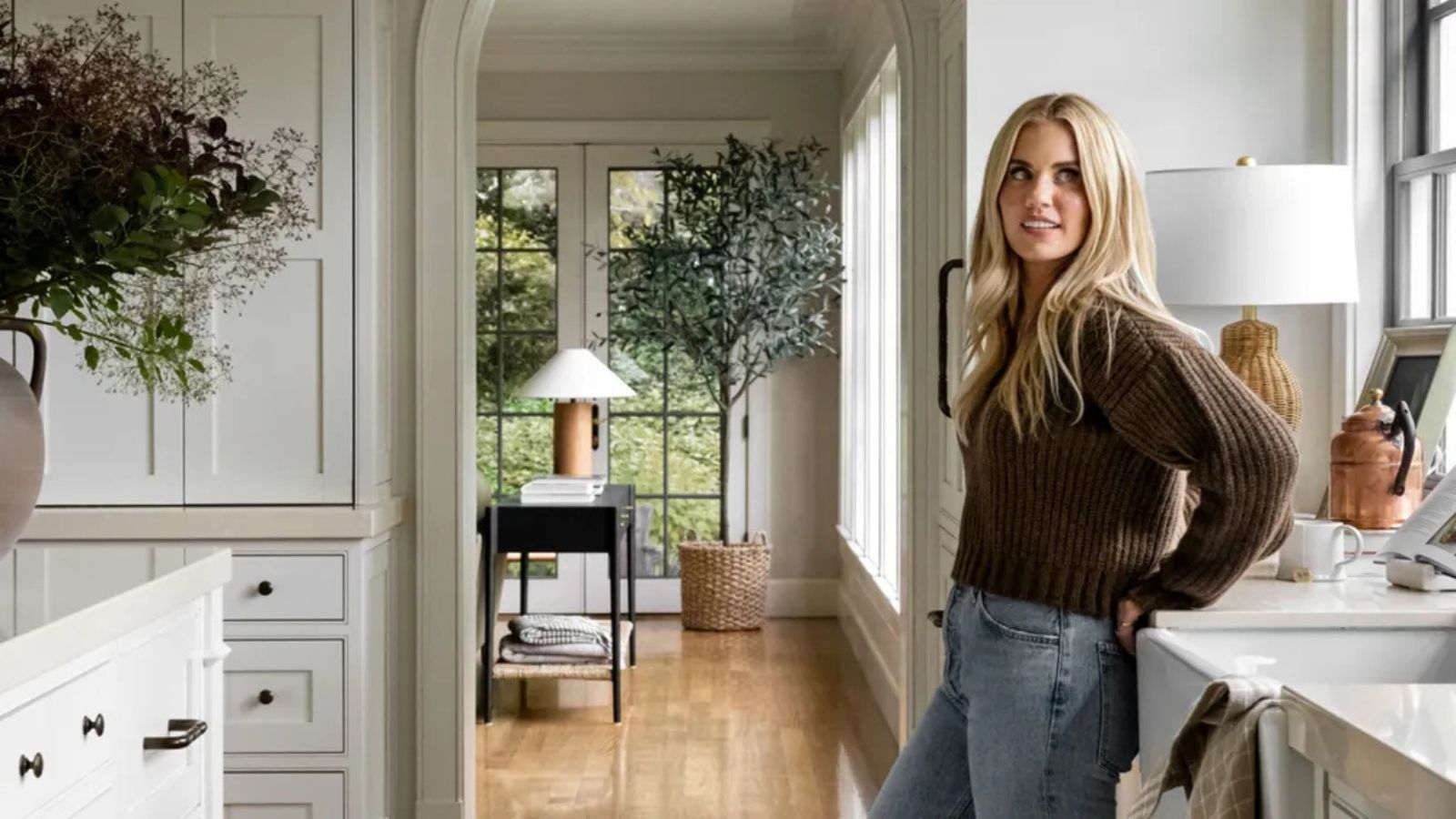
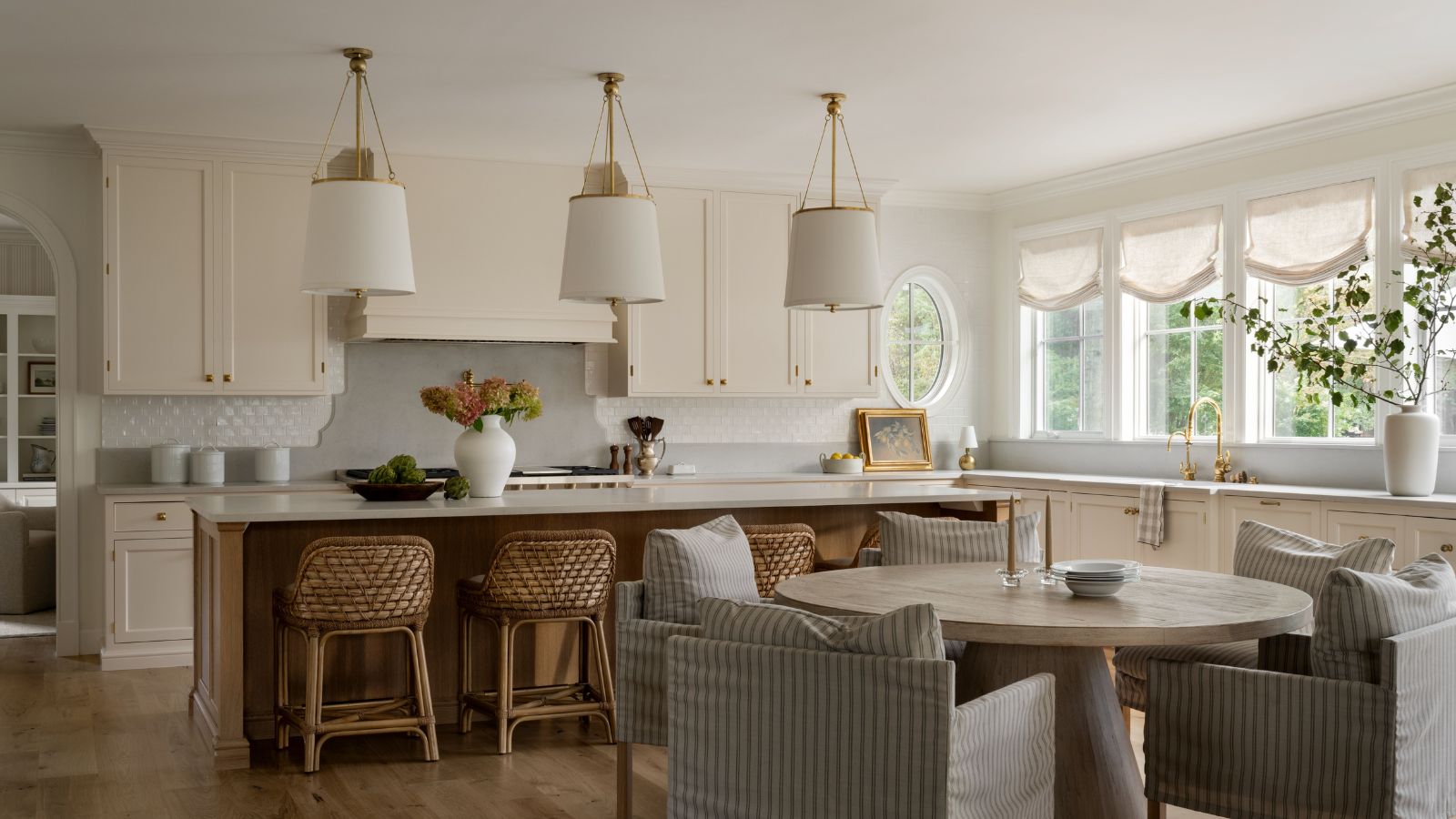
In the kitchen, functionality and beauty are equally important. McGee prioritizes a "work triangle" (refrigerator, sink, stove) for efficiency. A focal point, such as a decorative range hood, backsplash tiles, or open shelves, is essential to give the eye a place to rest. Durability is key for long-term investments, so timeless materials and finishes are recommended over trendy ones. Creative lighting, including task and accent lighting, can also enhance the kitchen's aesthetic.
Dining rooms, having fewer elements, demand careful selection of tables and chairs, with scale being crucial for comfort and flow. The room's shape should guide the table's shape. A decorative light fixture centered over the table, scaled appropriately (two-thirds the table's width and 32-36 inches above), completes the look. McGee's book includes a style guide with practical tips, such as how to properly hang light fixtures.
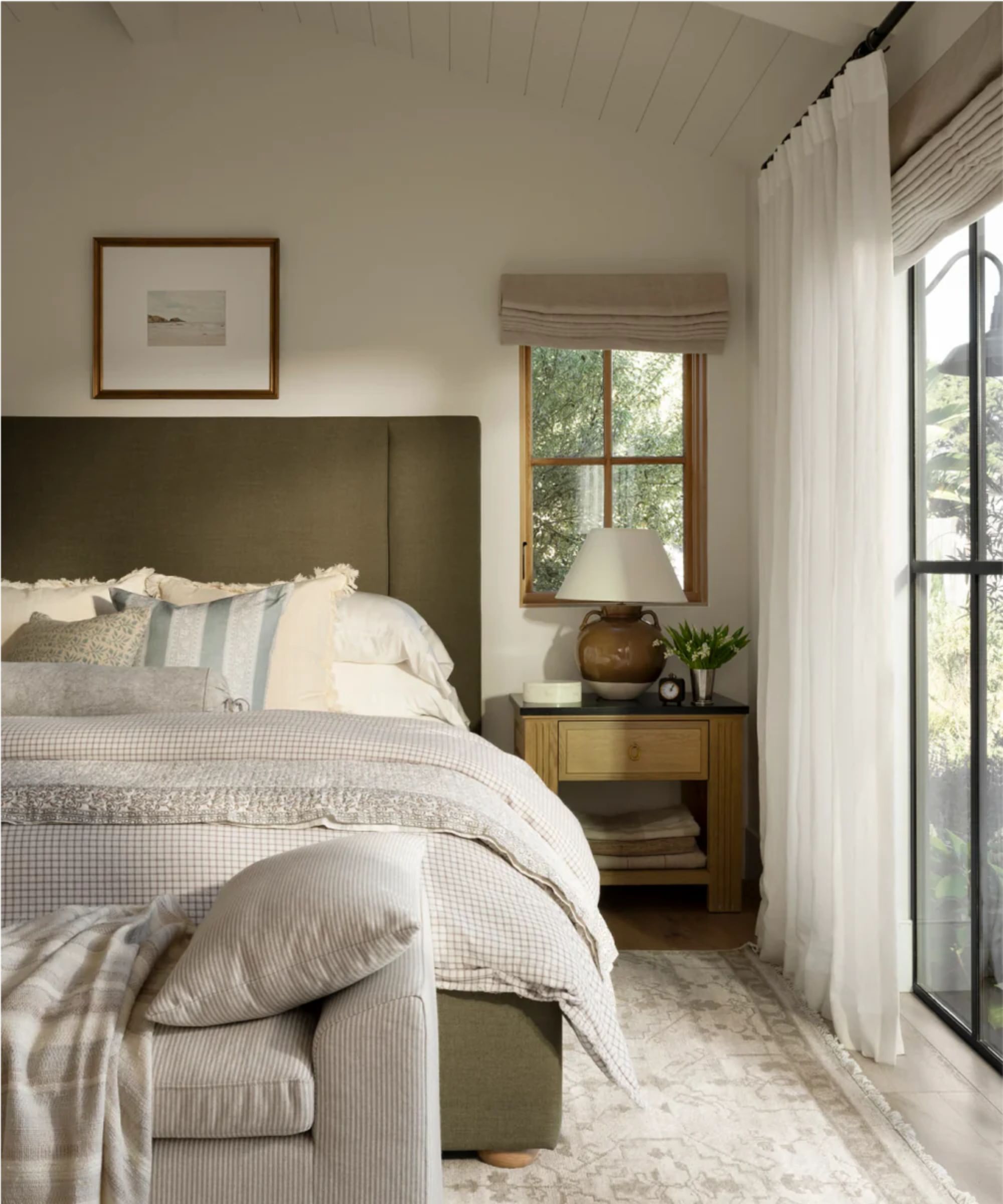
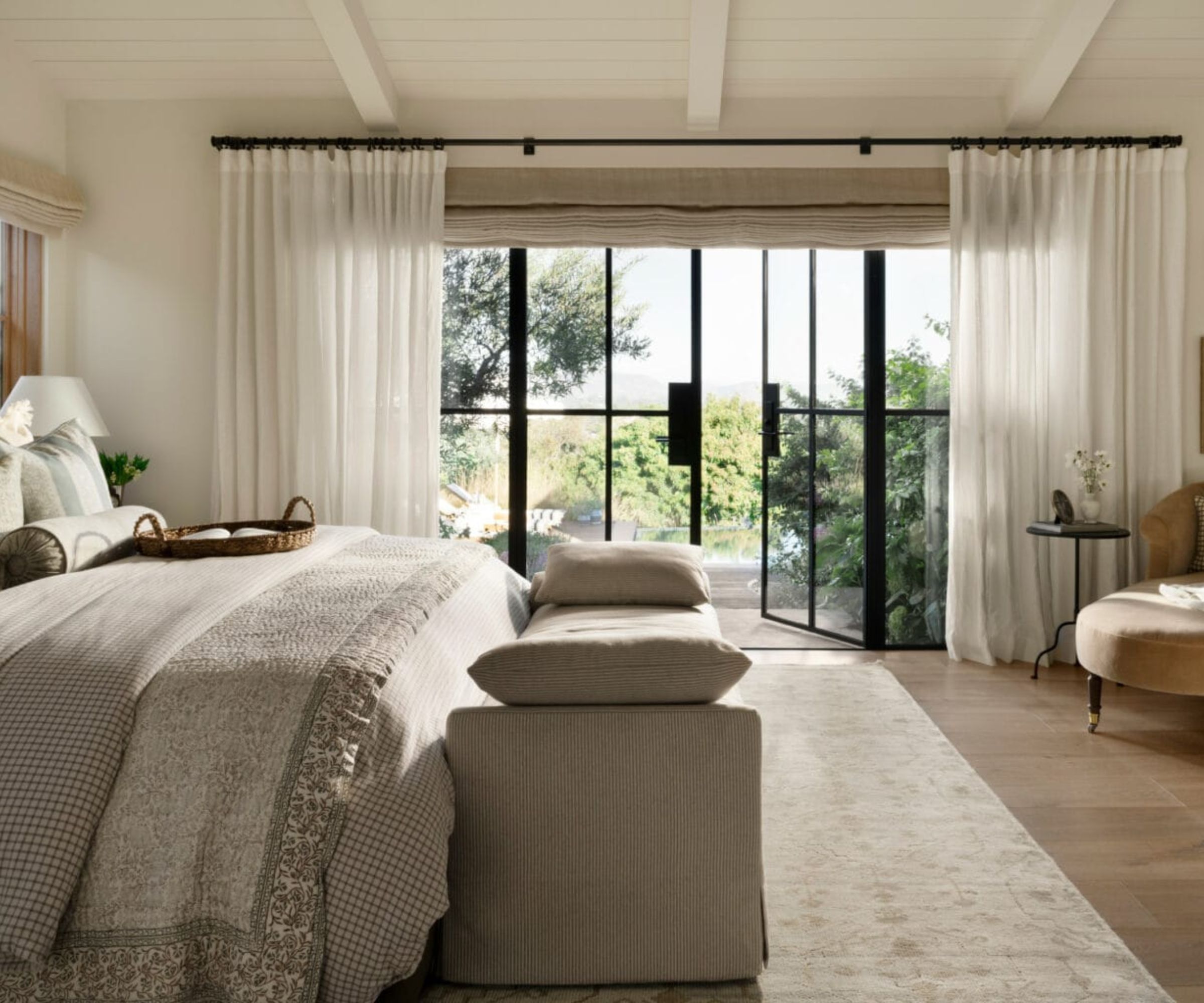
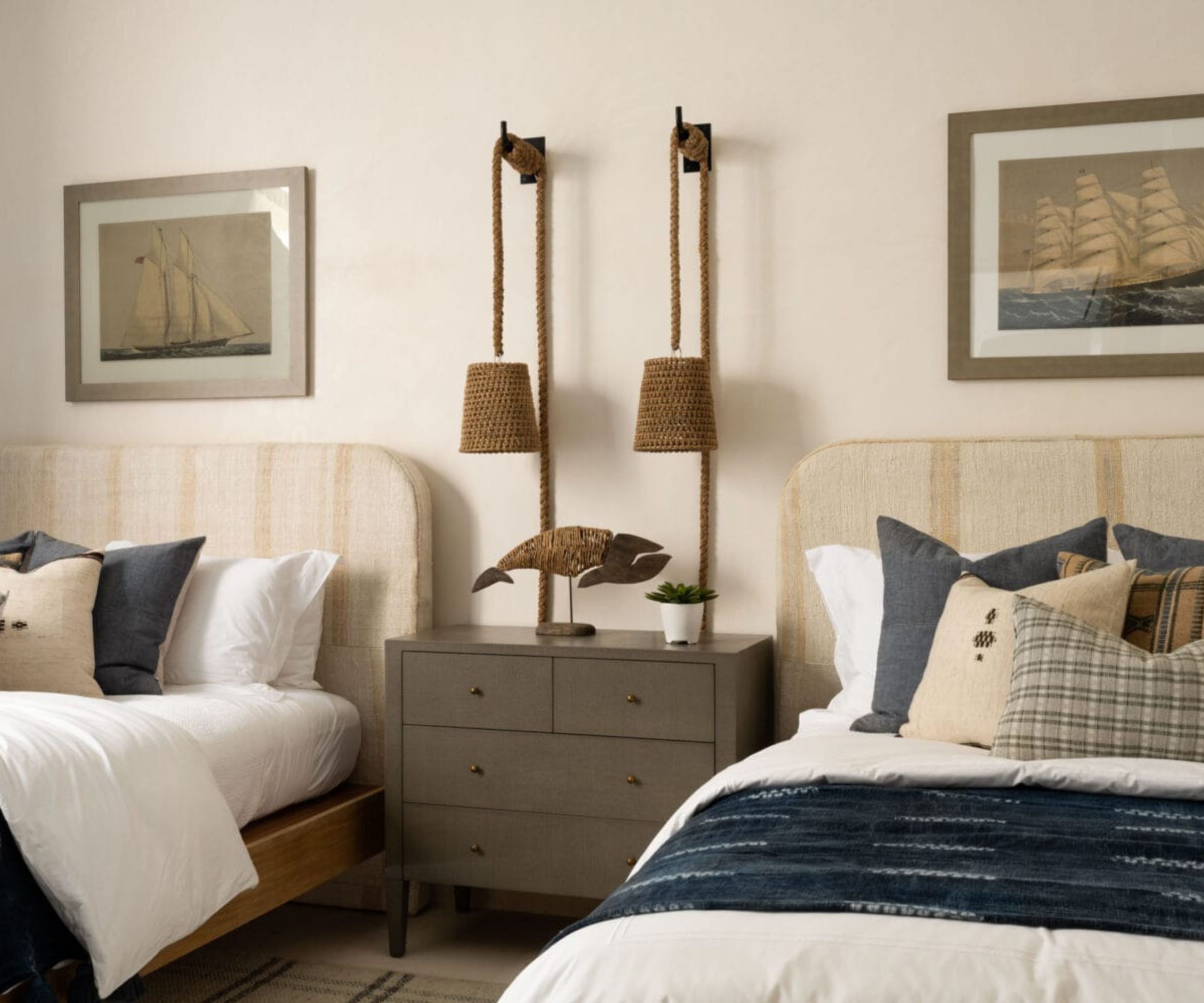
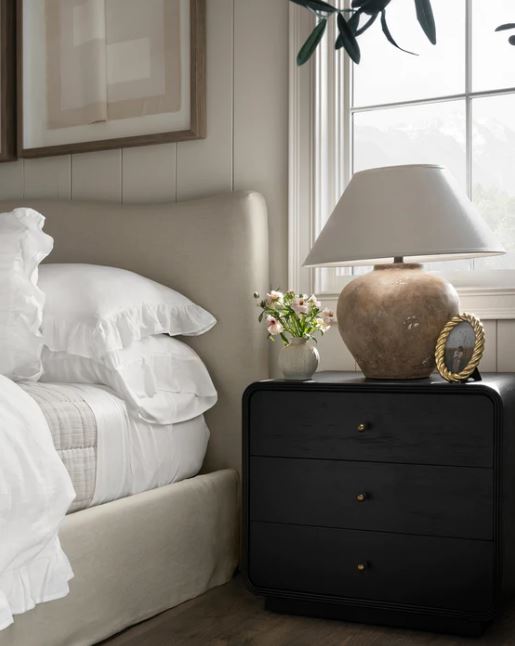
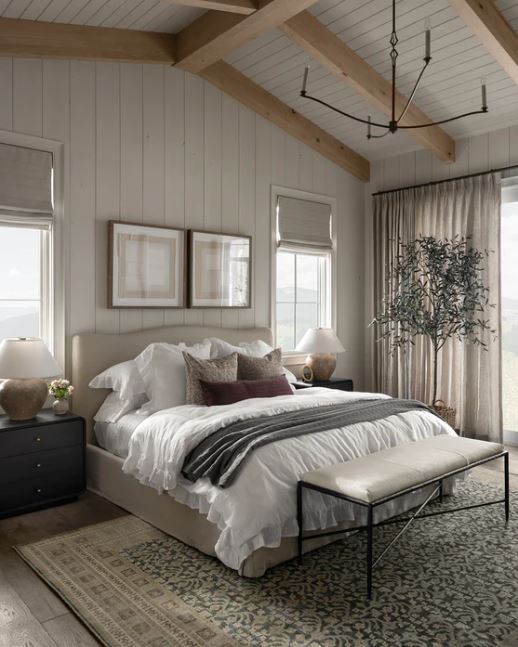
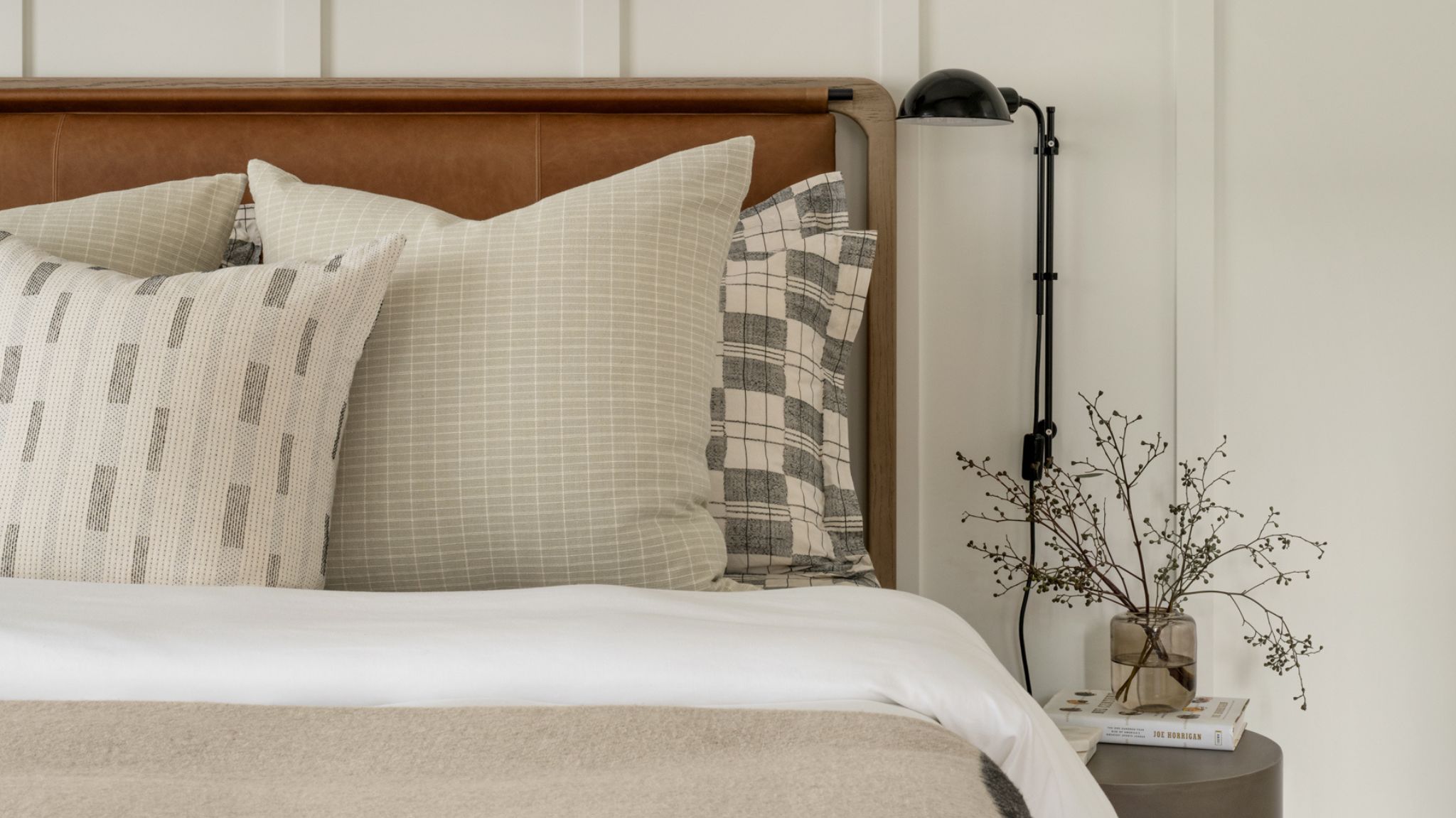
Bedrooms are envisioned as serene sanctuaries achieved through layering textures like quilts, throws, and decorative pillows to create a luxurious feel. Soft textures contribute to relaxation. Upholstered furniture, window treatments, and throw pillows offer opportunities to introduce color and pattern, tying the scheme together and repeating motifs from other elements in the room. McGee also shares tips on pattern mixing for a cohesive bedroom design.
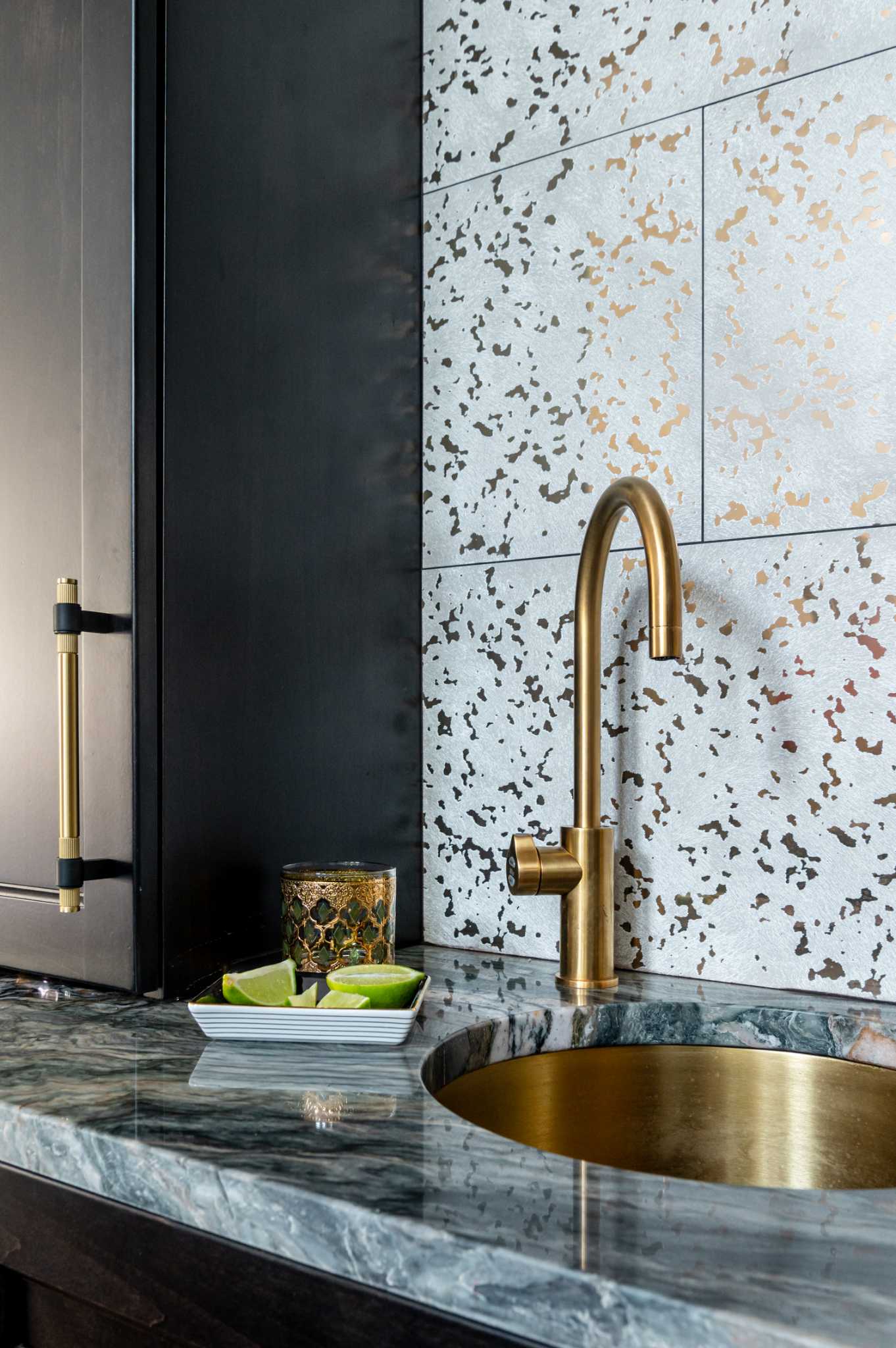
Bathroom renovations, often costly, should avoid fleeting trends. McGee advises classic choices for big-ticket items like plumbing, tiles, vanities, and countertops, while allowing for playful, changeable elements like vanity lighting and decorative mirrors. Even with classic tiles, varying patterns or grout colors can add uniqueness without extra cost. Mixing metal finishes, with a dominant metal for plumbing and different finishes for lighting or hardware, is also encouraged. However, powder rooms and kids' bathrooms are exceptions, where bold patterns and trendy colors are embraced.
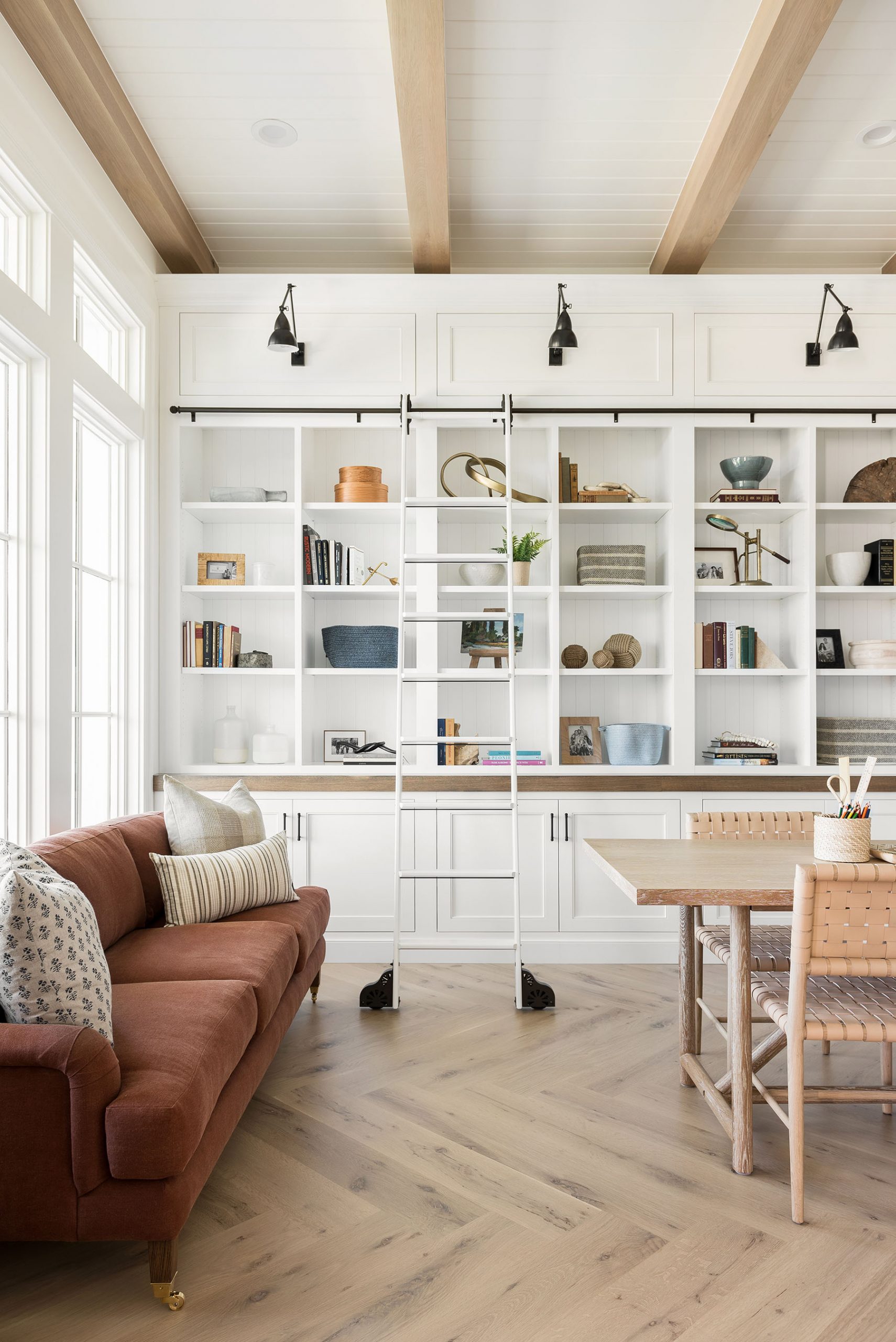
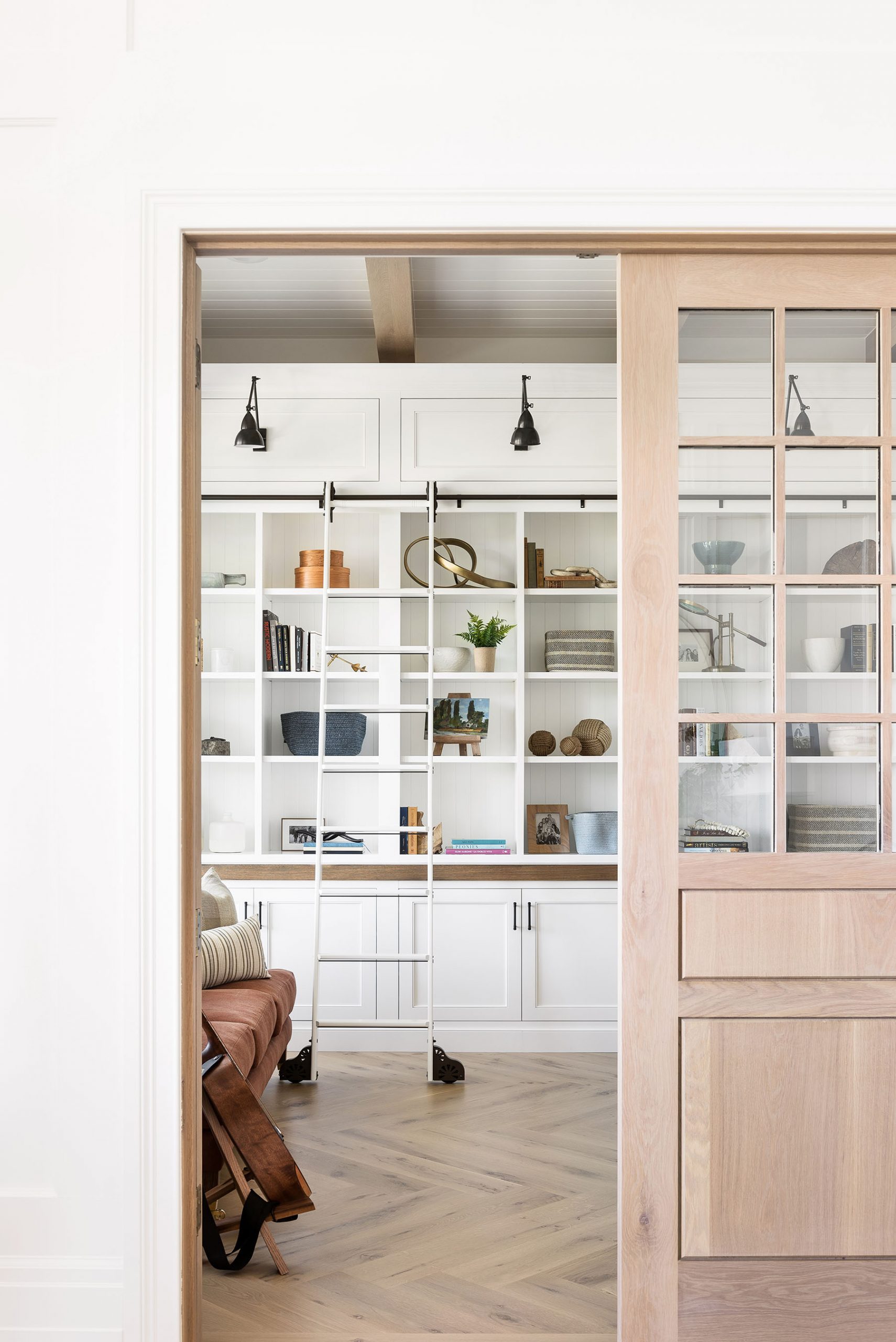
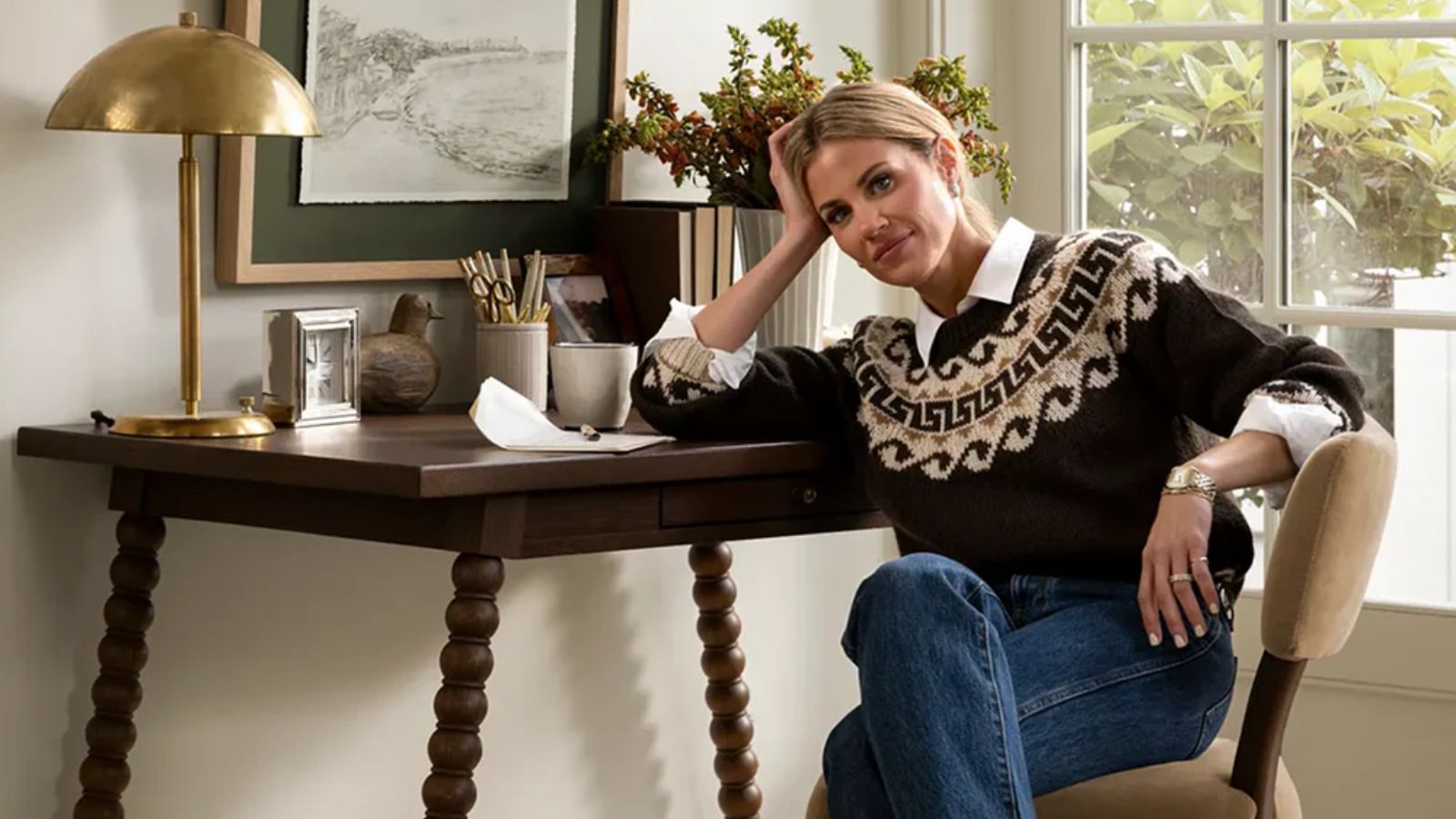
Home offices, now a staple for many, require personalized design for inspiration and productivity. McGee suggests clients consider what inspires them, their hobbies, preferred working environments, and colors. Whether a dark, moody space or a bright, light-filled one, the office should reflect individual preferences. Personalizing the space with hobbies and passions ensures motivation, especially since these rooms are less frequently used by guests or children.
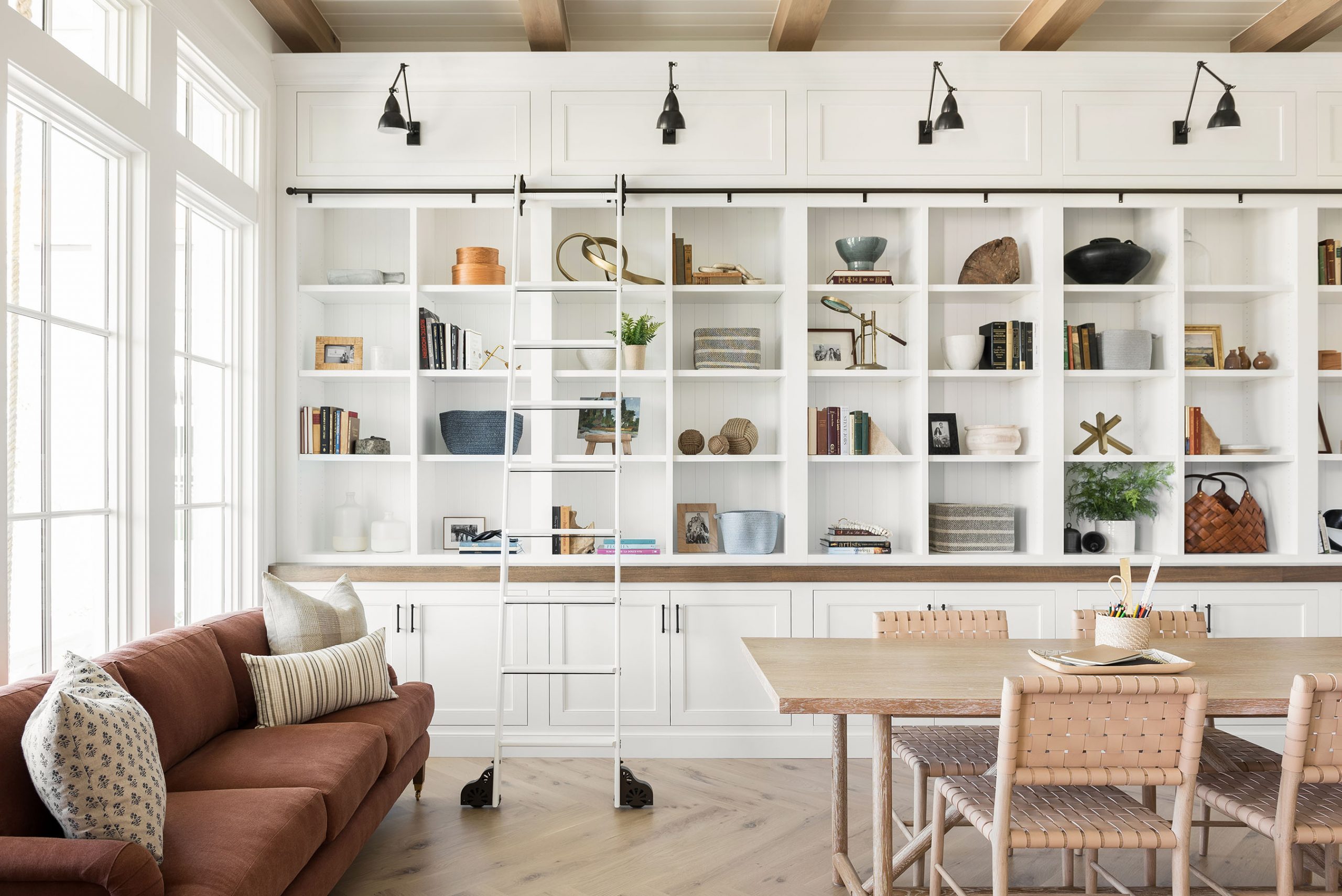
Utility rooms, such as mudrooms and laundry rooms, though less glamorous, benefit from thoughtful design to streamline household tasks. McGee emphasizes listing priorities and uses for the space before planning cabinetry. Closed storage helps conceal clutter, while open shelving allows for decorative elements that also serve a purpose. She advocates for a balance between decoration and functionality in these spaces.
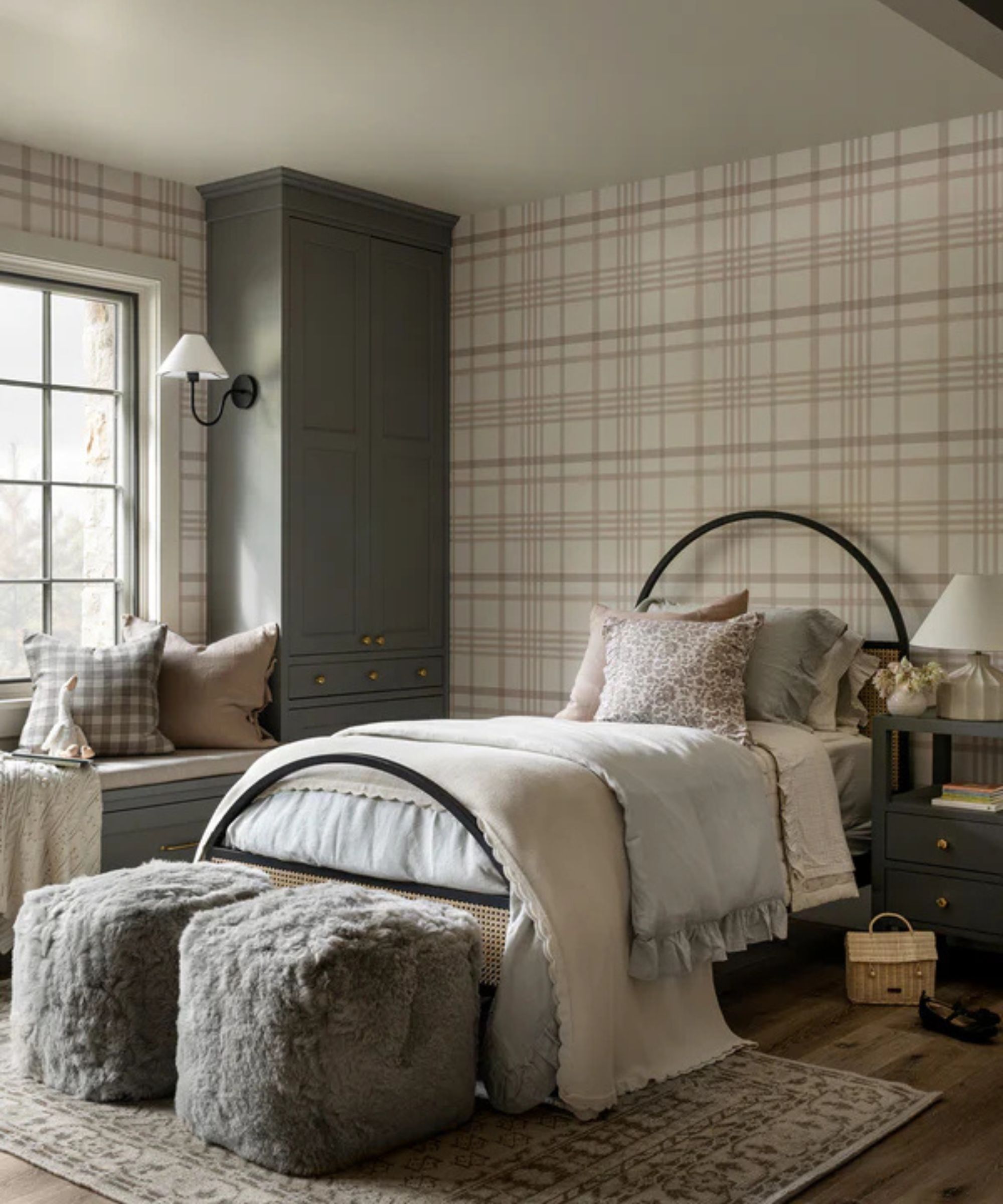
For kids' rooms, the goal is to balance whimsy with room for growth. McGee recommends investing in foundational pieces like furniture and custom carpentry that have longevity. Personality is added through easily updated decorative accessories, wall colors, and finishes. Ample storage, including some open shelves for display, is essential, though open shelving should be minimized to avoid clutter. Creating a comfortable spot for relaxation, like a fun chair or reading nook, and layering textures also contribute to an inviting and calming environment for children.
#InteriorDesign #HomeDecor #SheaMcGee #StudioMcGee #DesignTips #RoomDesign #HomeStyling #InteriorDecorator #DesignBook #InteriorDesign #HomeDecor #SheaMcGee #StudioMcGee #DesignTips #RoomDesign #HomeStyling #InteriorDecorator #DesignBook
合計0件のコメント
 まだコメントはありません
あなたも好きかもしれません
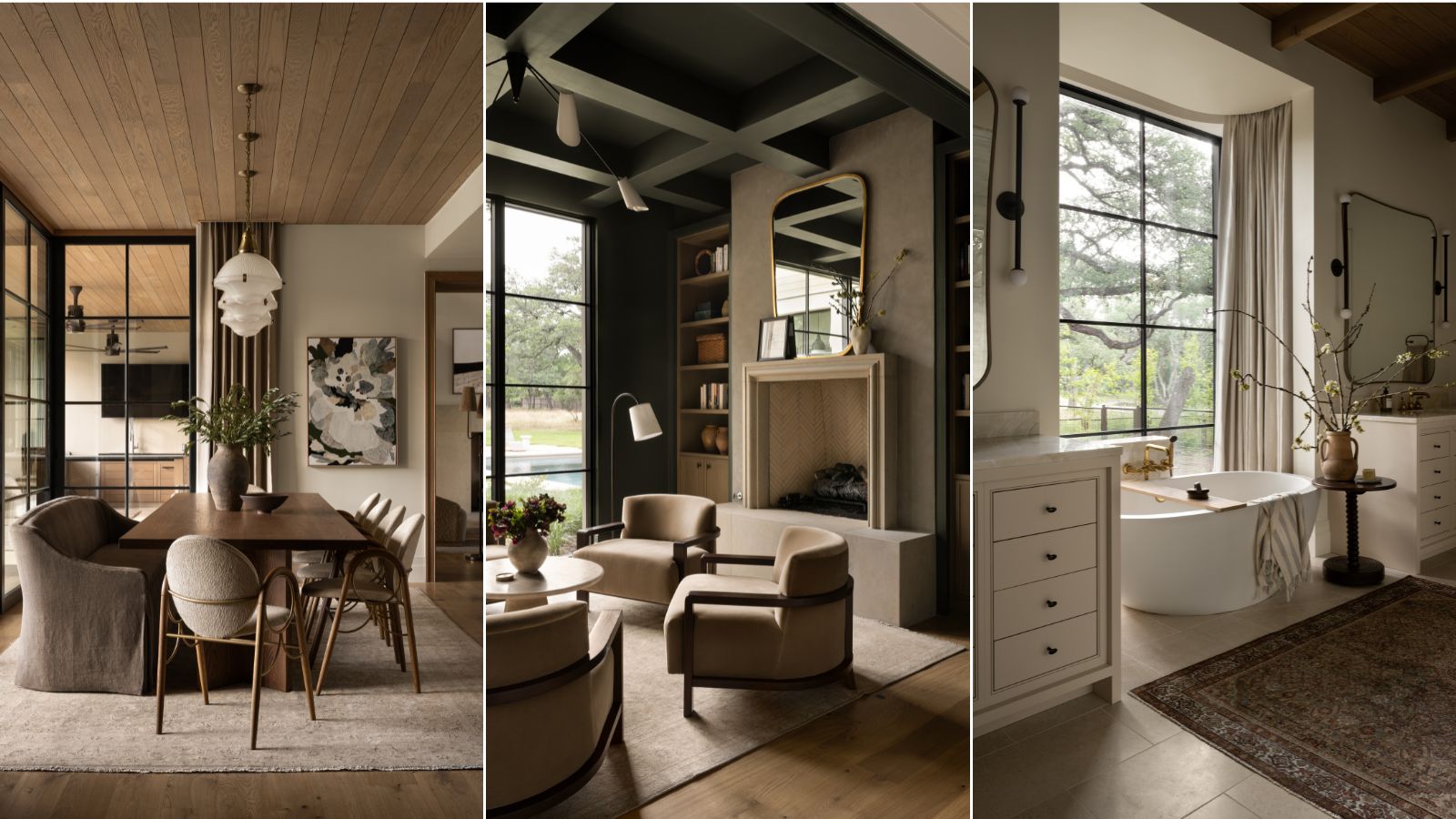
Shea McGee unveils her newest project – a luxurious modern rustic home inspired by the beautiful natural surroundings

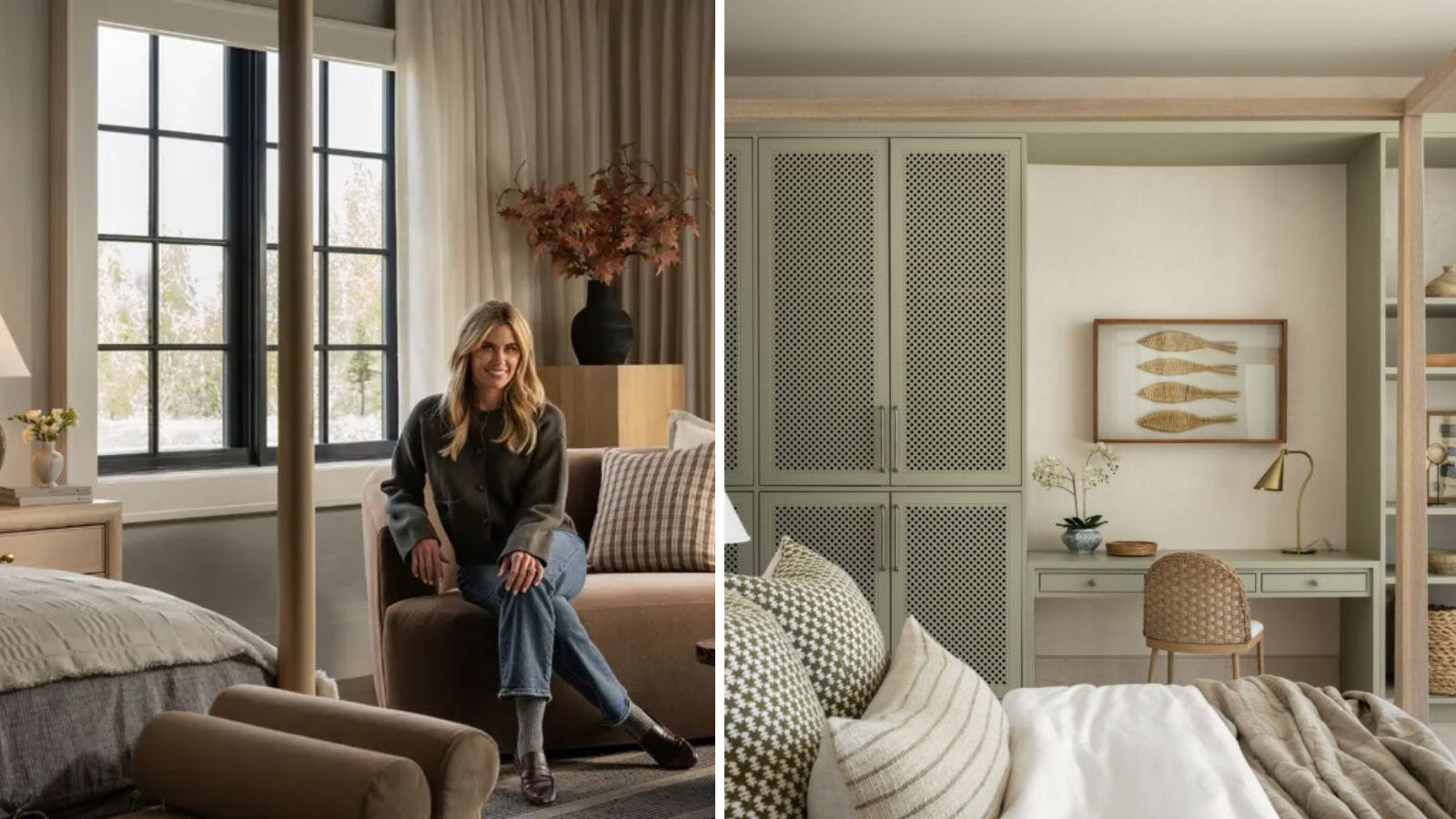
Shea McGee's 3 top tips for designing a beautiful bedroom
'Many of us have memories or feel inspired by the sea' – Shea McGee shares her key advice on bringing the coastal look into your home without going overboard

Shea McGee loves using this rug hack to bring warmth to the living room – perfect for fall

Shea McGee has shared her 4 simple tips for creating her iconic look in a small space
The McGee Home Refresh
Home staging tips from someone who’s been getting homes sold for two decades

Joanna Gaines, Christina Haack, and More TV Expert Advice I Followed to Renovate and Decorate My Home
Shea McGee's 3 valuable tips to make a kitchen look designer
Shea McGee swears by these flooring transition rules for successful, open plan spaces
6 easy ways designer Shea McGee styles beds to make them so much more luxe, restful and comfortable

Home On The Ranch: Entry Library & Mudroom
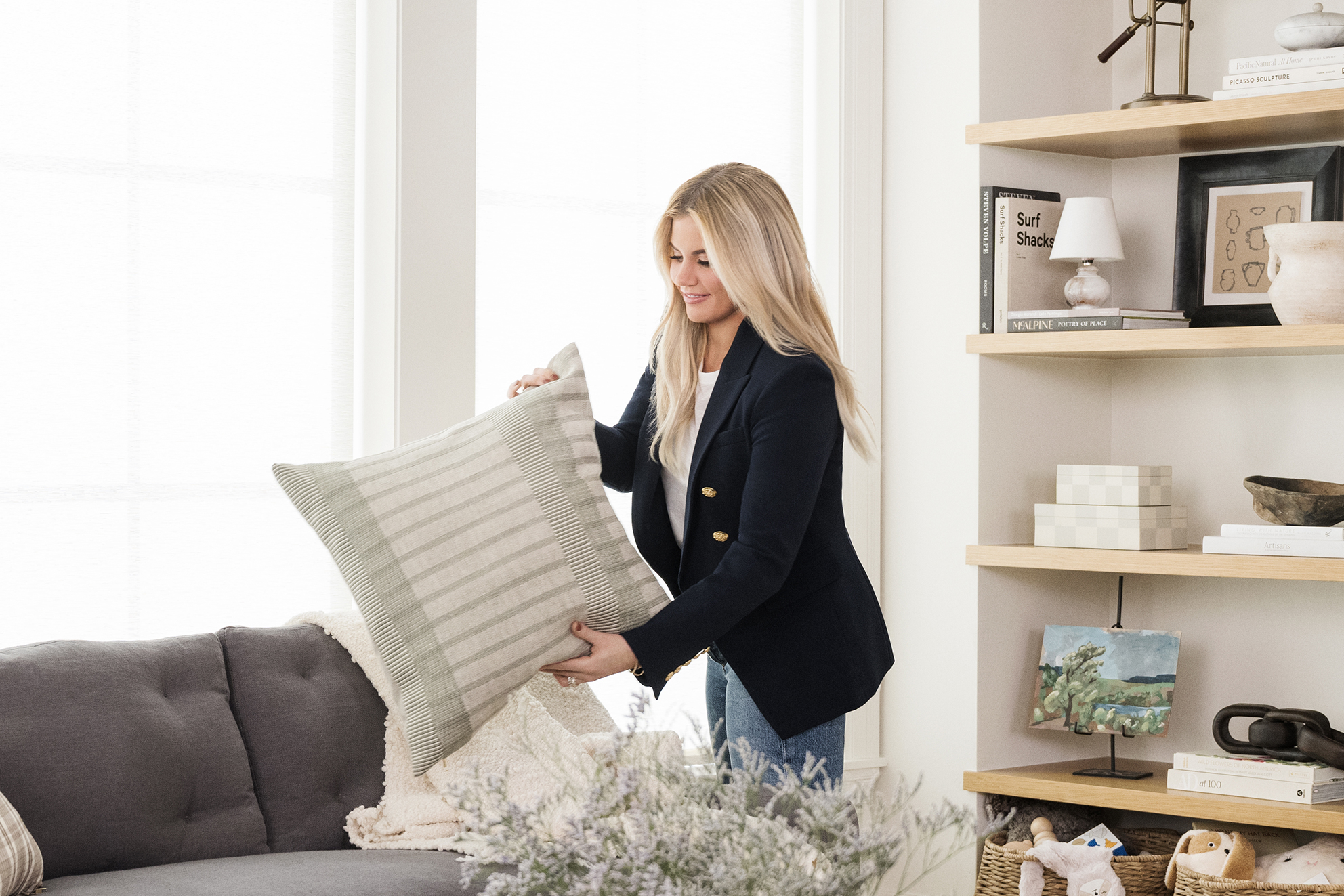
Shea McGee Just Joined MasterClass, But First She Told Us About the Top Living Room Mistakes
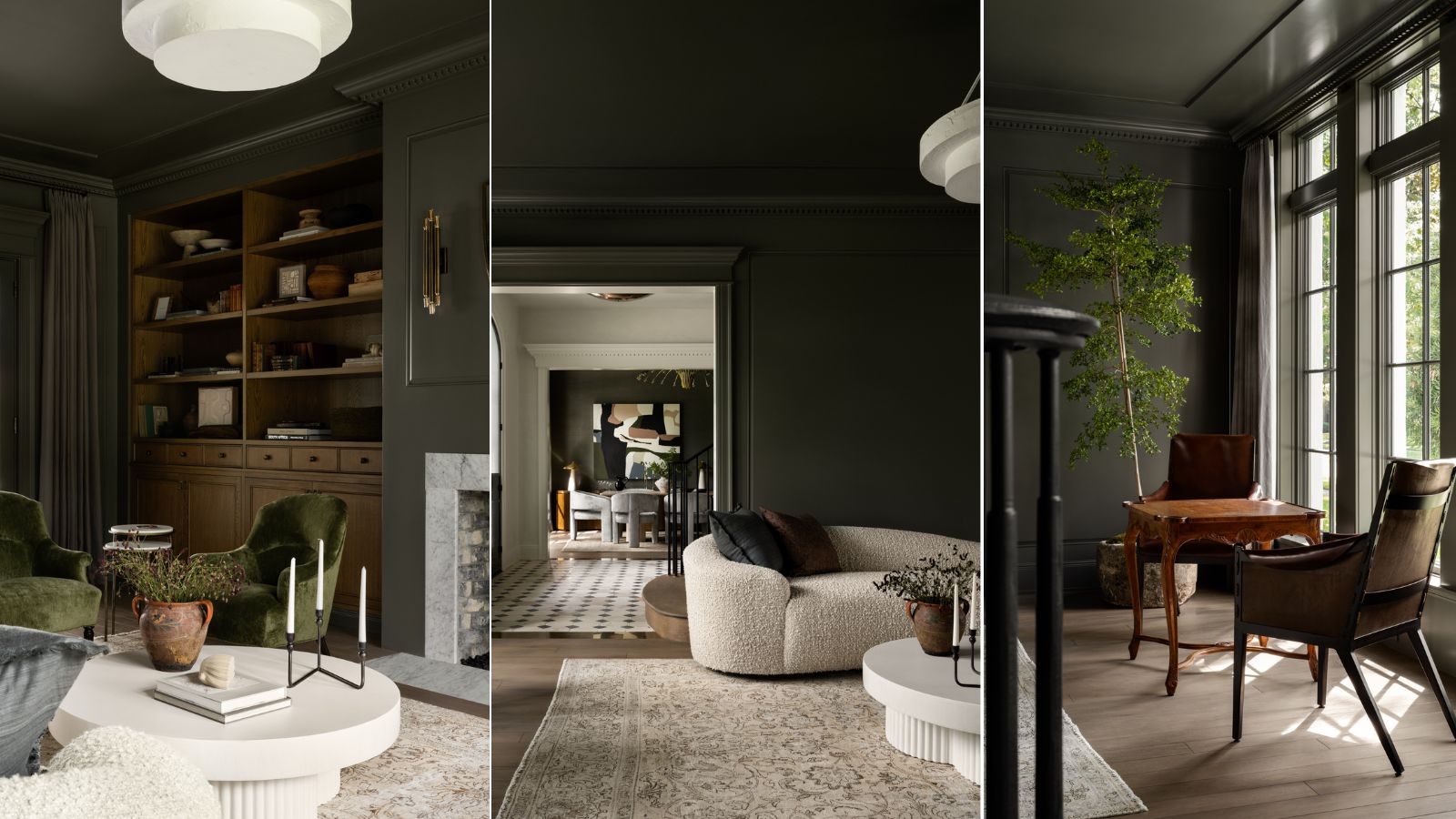
Shea McGee just shared how she balances vintage and modern home decor – the key is to always keep new items 'streamlined'
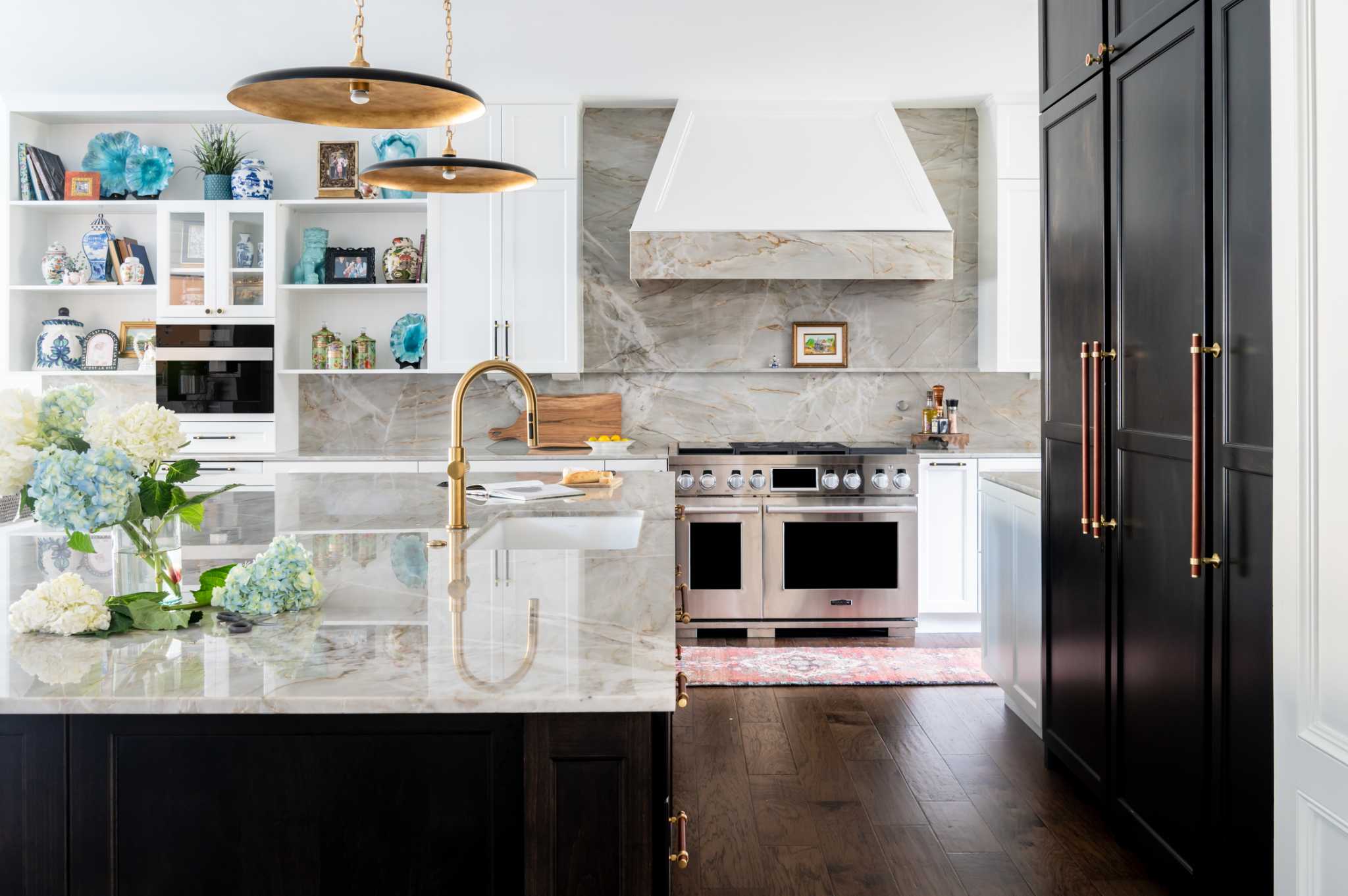
Designer Jessica Duce offers 8 great home remodeling tips


Shea McGee proves just how stylish storage solutions can be
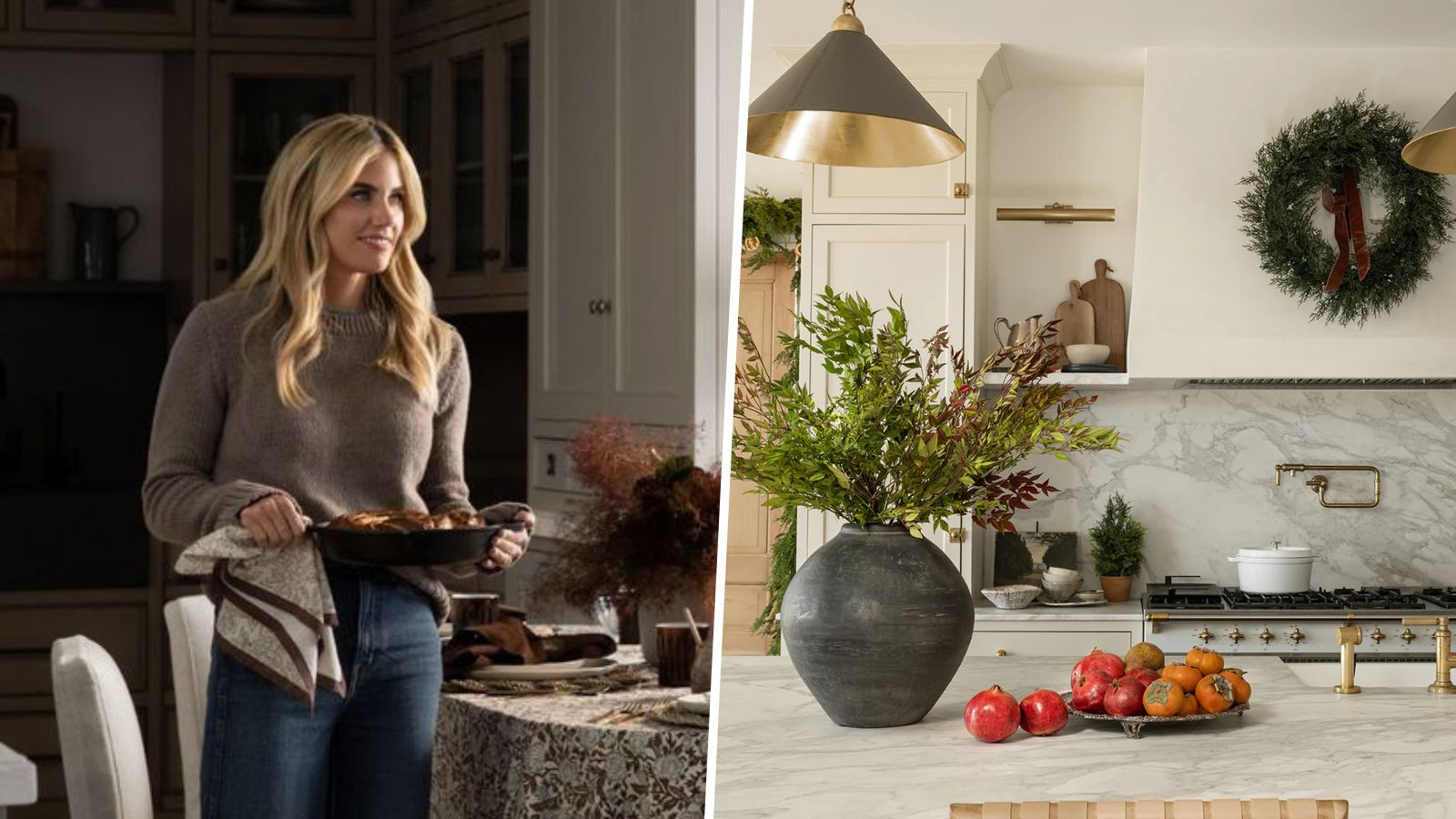
Shea McGee's top tips on styling a kitchen for the holidays
Updating a heritage home? These are Shea McGee's top tips for blending historic details with modern charm
Inside Shea McGee's latest kitchen project, a layered, neutral design
Shea’s Tips For Styling Our Target Holiday Collection