1/12
Philips Hue Tap Dial switch review: a smooth way to control your smart lights
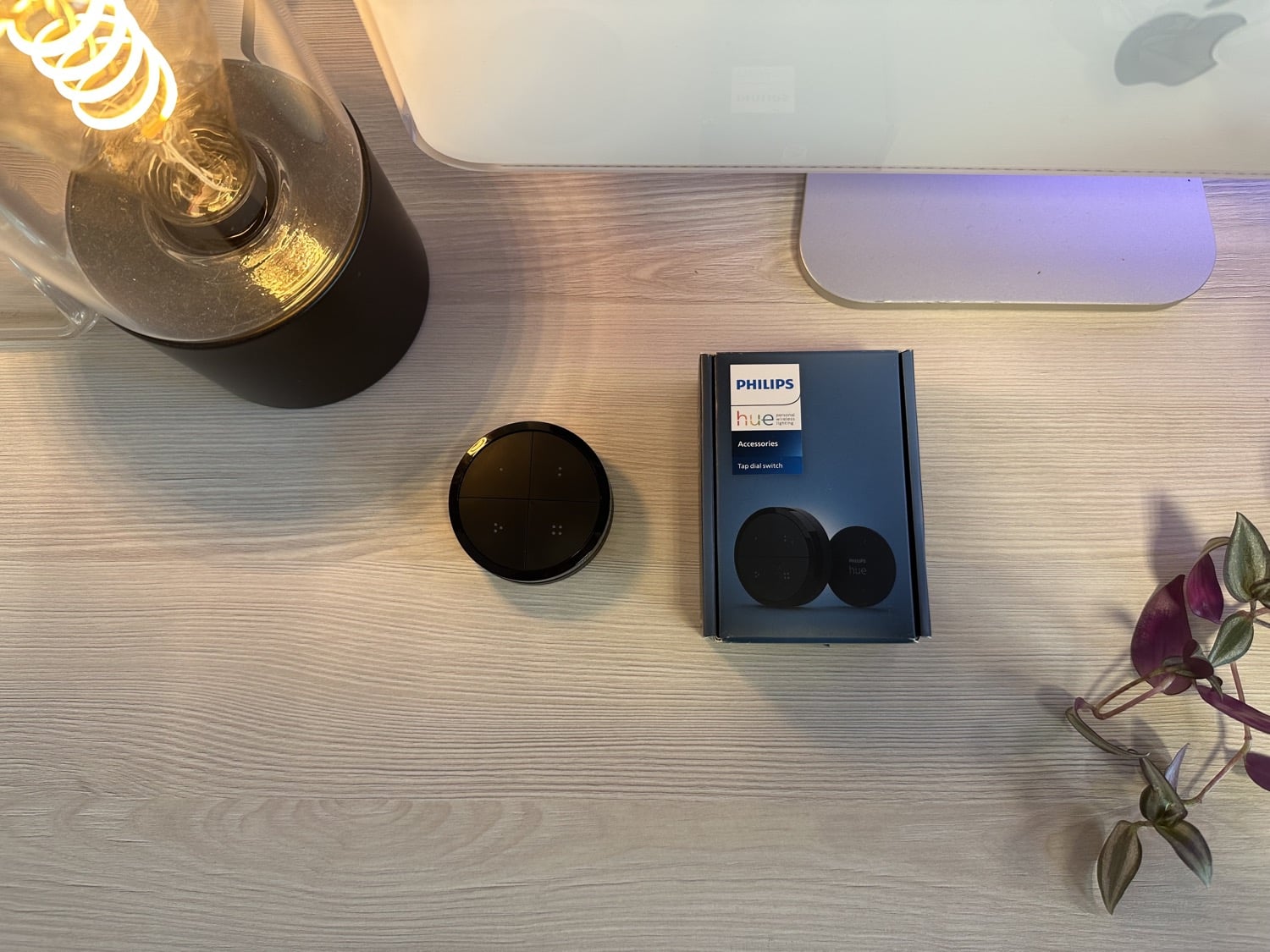
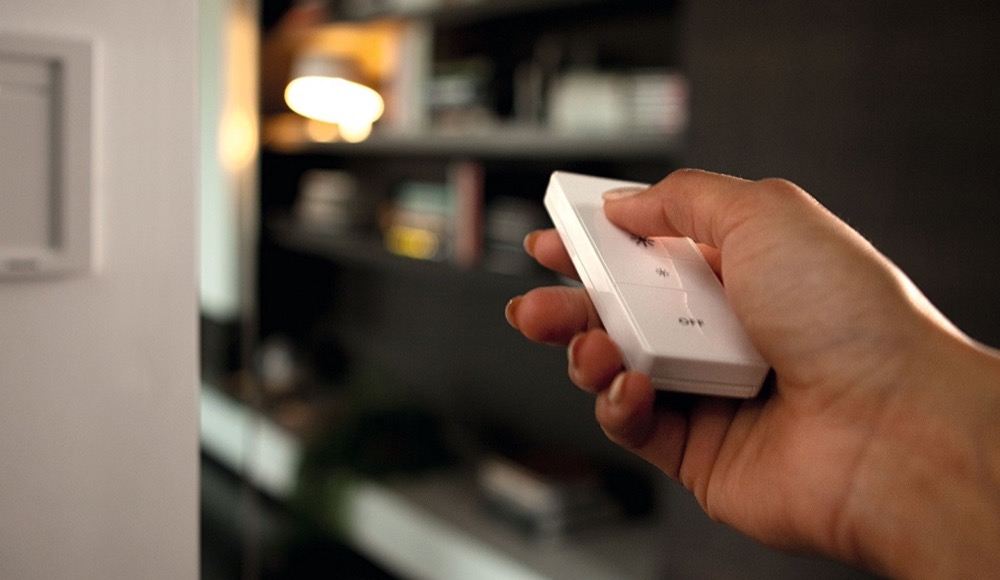
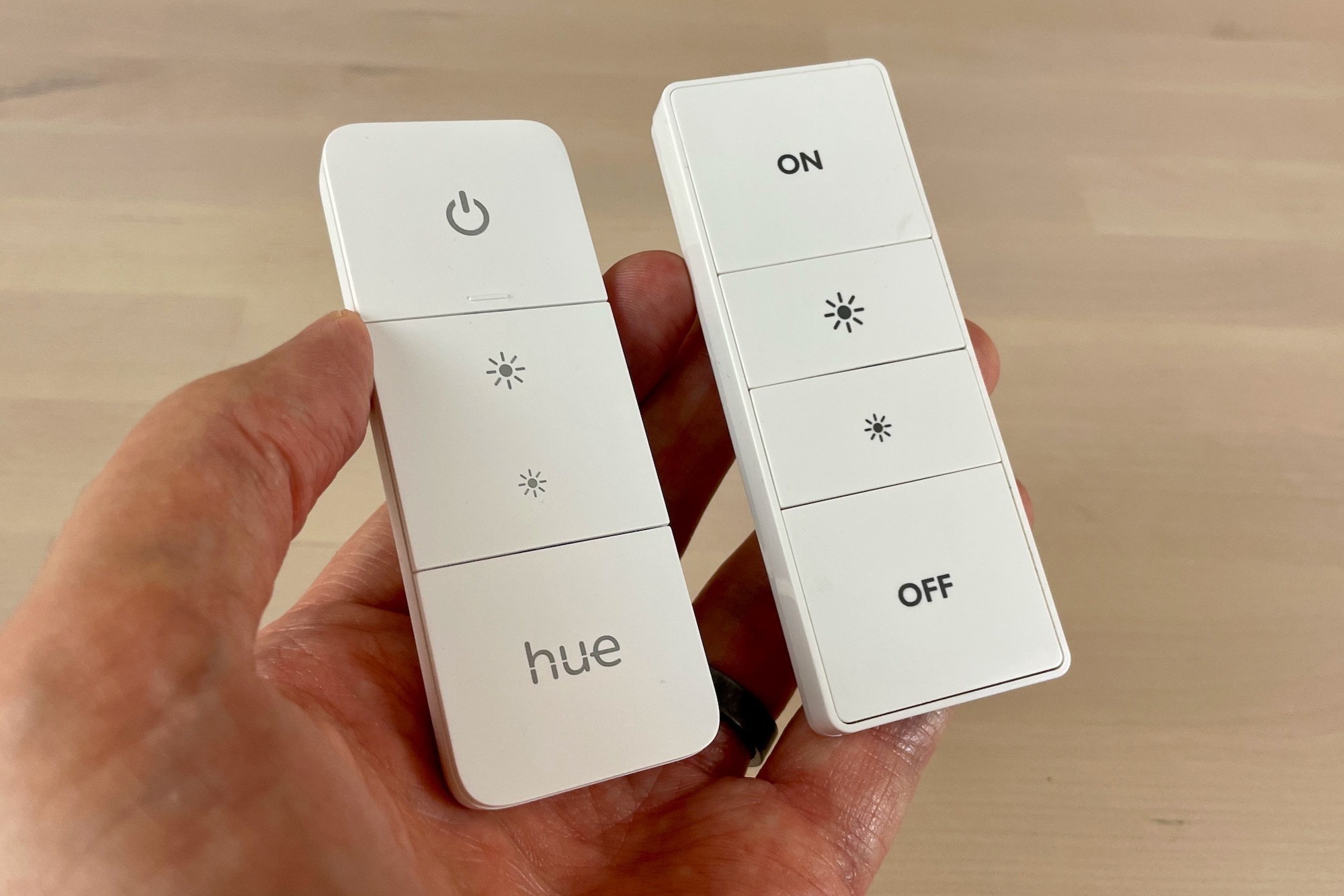
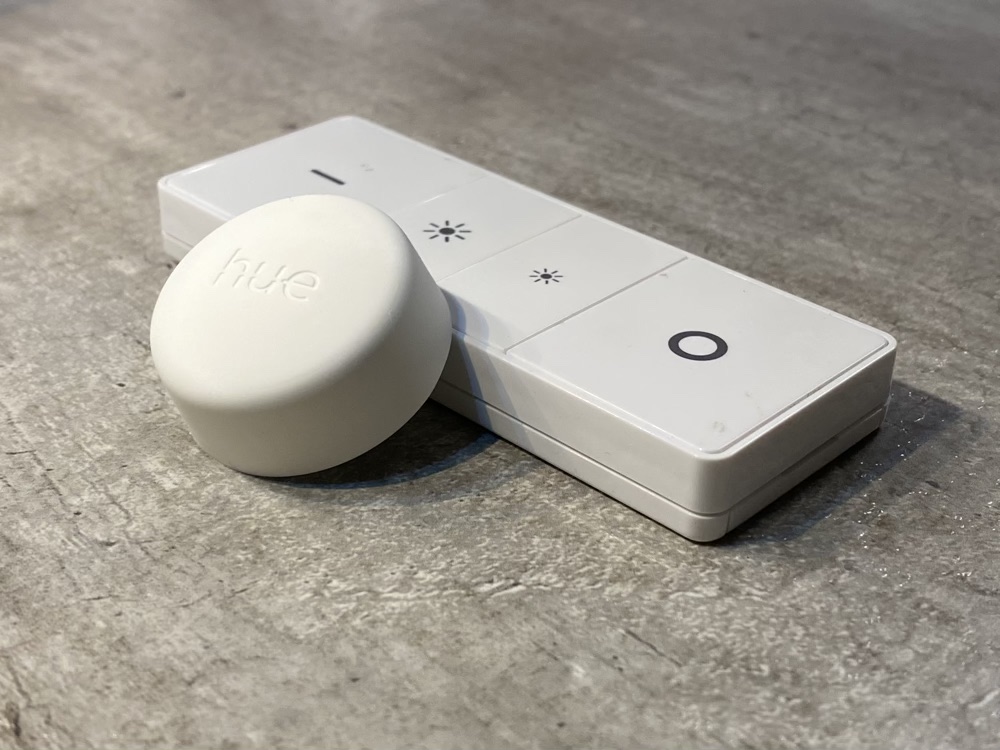
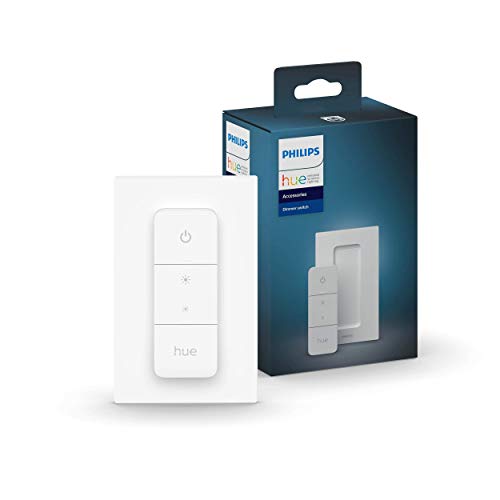
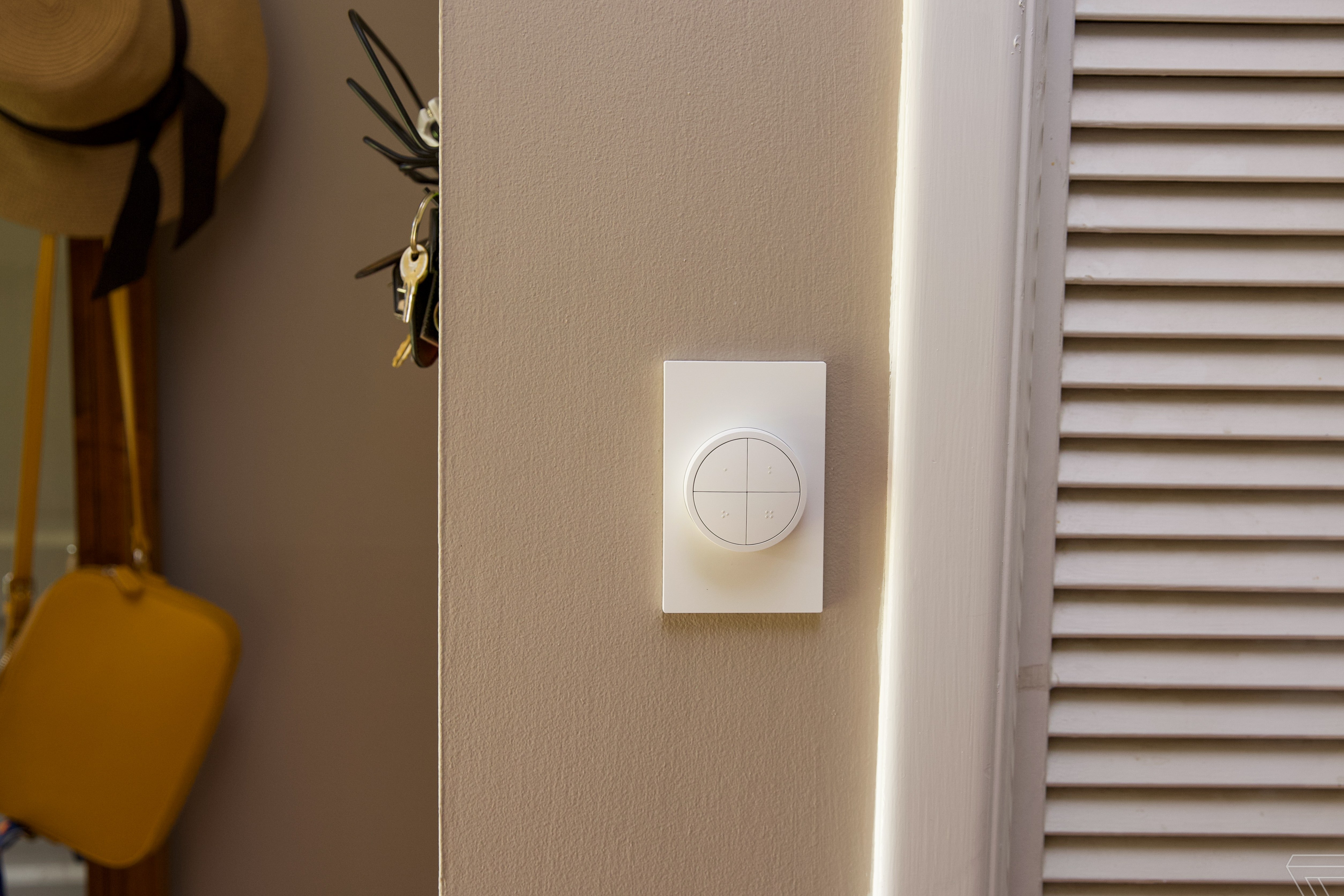
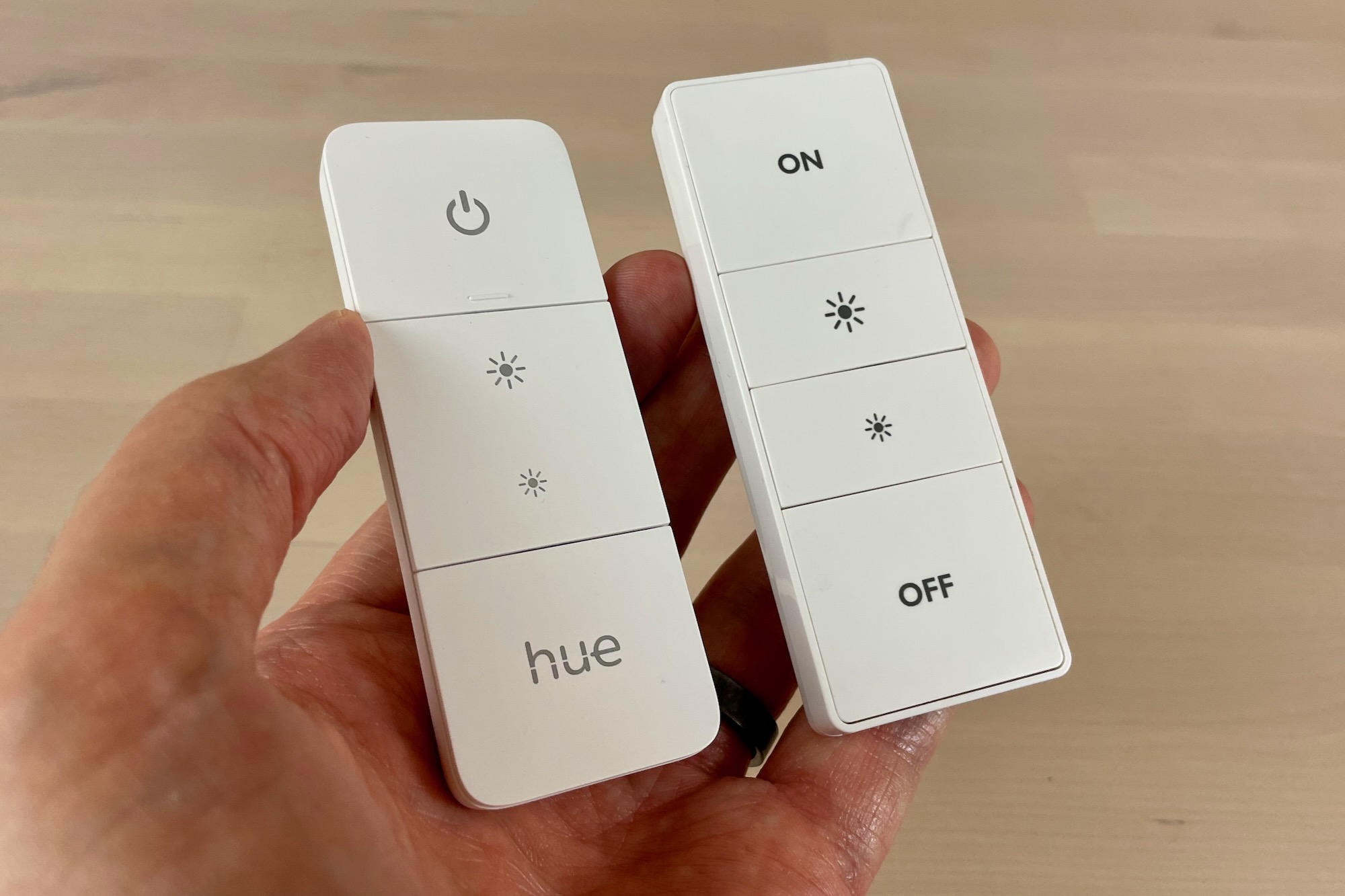
The Philips Hue Tap Dial switch is introduced as a powerful and innovative smart lighting controller aimed at "Hue superusers." Priced at $49.99, this wireless, battery-operated device features four buttons and a physical dial for dimming lights and setting scenes. Unlike the simpler Hue Smart Dimmer Switch, which costs about half the price, the Tap Dial is designed for controlling multiple zones or an entire house filled with Philips Hue lights.
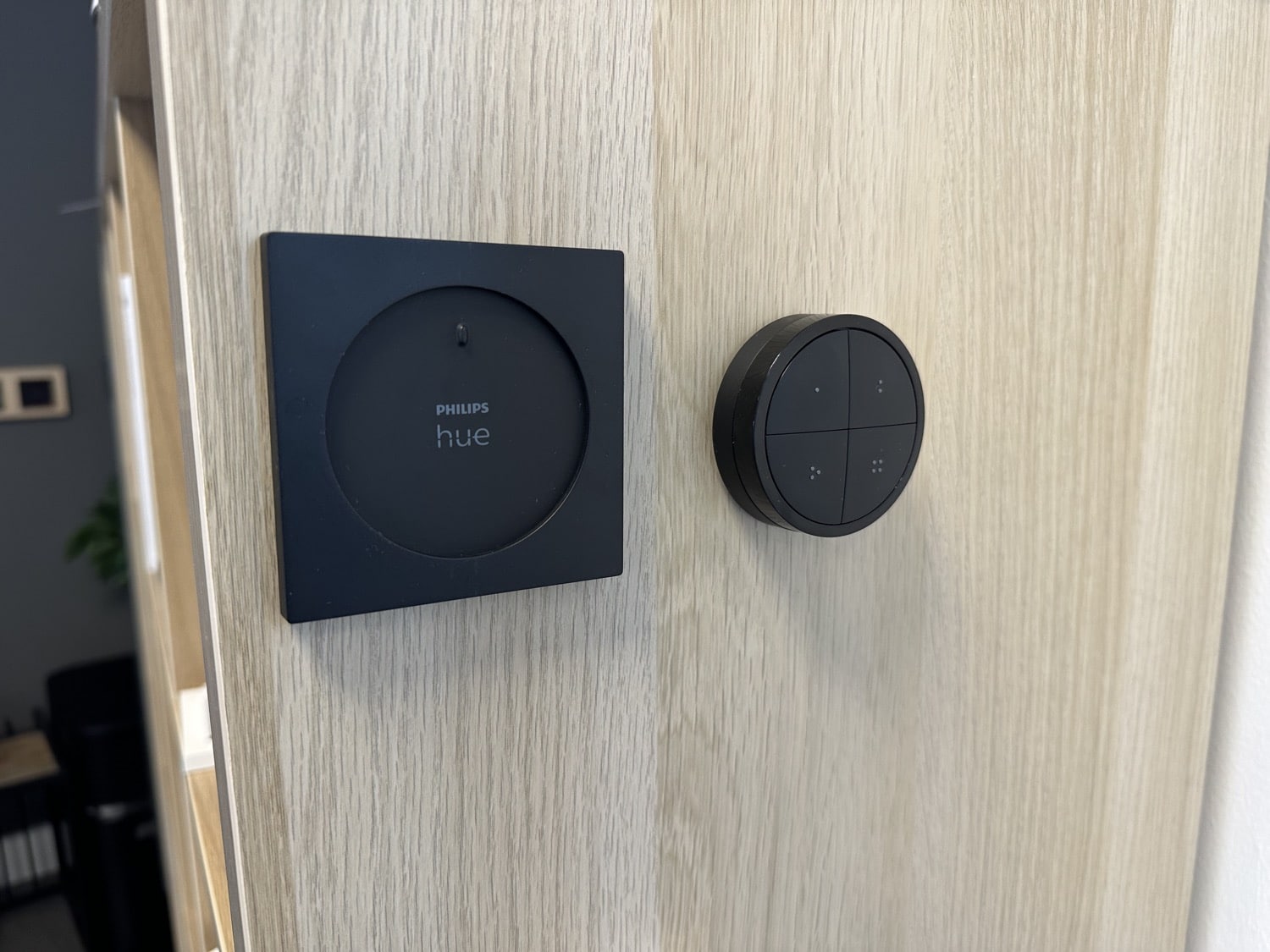
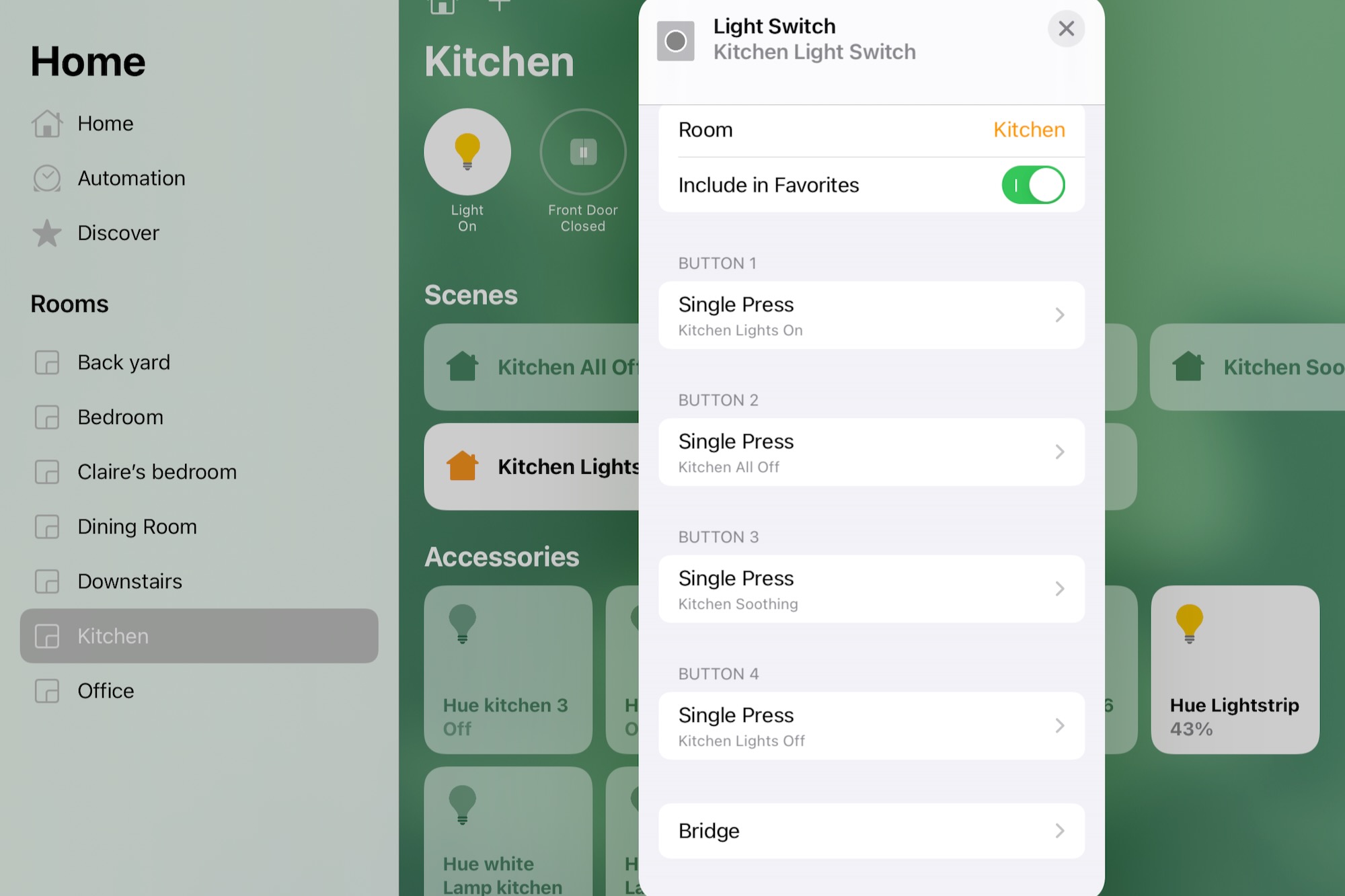
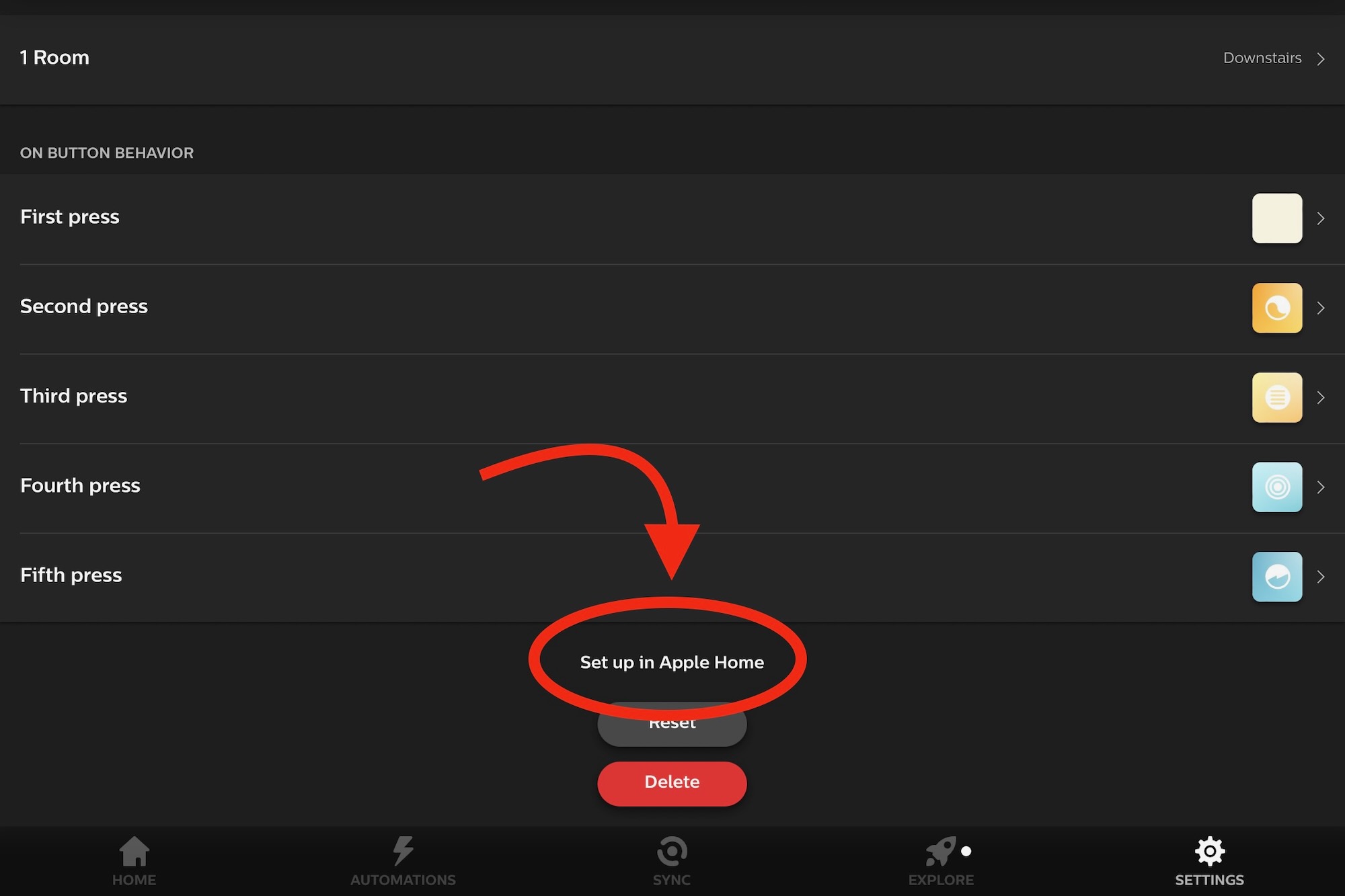
The switch is built with a weighty, solid feel, similar to a Nest Learning Thermostat, ensuring it stays put when operated on a surface. Its dimming action is described as smooth and responsive, without noticeable lag. The default setup in the Hue app assigns buttons one through three to adjust light levels, and button four to cycle through five pre-set Hue scenes. A long press on any button turns the lights off. The dial provides precise dimming capabilities. While its out-of-the-box configuration is for a single room or zone, the Tap Dial's true potential lies in its ability to act as a multi-zone controller for users with extensive Hue light installations.
The article describes a personal setup where the Tap Dial was programmed to control different areas of a house: button one for all lights, button two for the entry hall and living room, button three for upstairs lights, and button four for downstairs lights. It also notes the ability to assign up to 10 additional scenes per button press. A current limitation highlighted is the dial's inability to dynamically dim or brighten lights based on the last-pressed button, instead requiring it to control either all lights or a single pre-defined zone. This necessitates a workaround of using subsequent button presses to adjust lights not controlled by the dial.
Despite this, the convenience of having a central physical controller for all household lights, eliminating the need for a phone or voice commands, makes the device highly useful for those fully invested in the Hue ecosystem. However, the author notes that without a complete Hue setup, the Tap Dial remains a "nice-to-have" rather than a "must-have," especially given its price and the additional requirement of a Hue Bridge ($59.99) due to its Zigbee protocol.
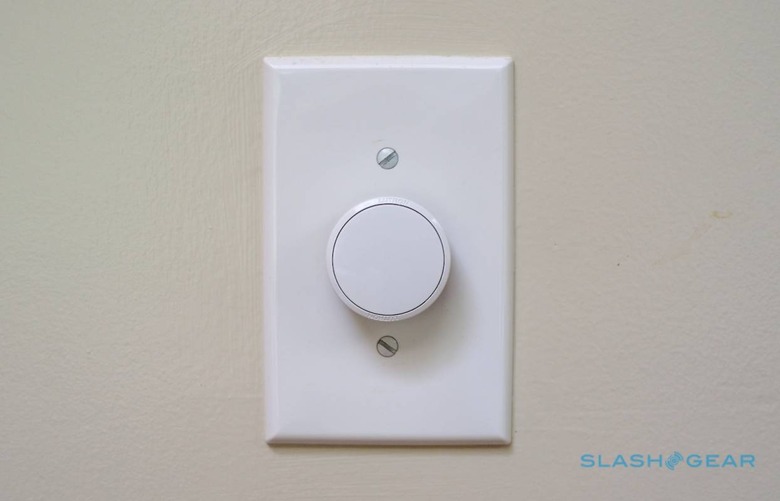
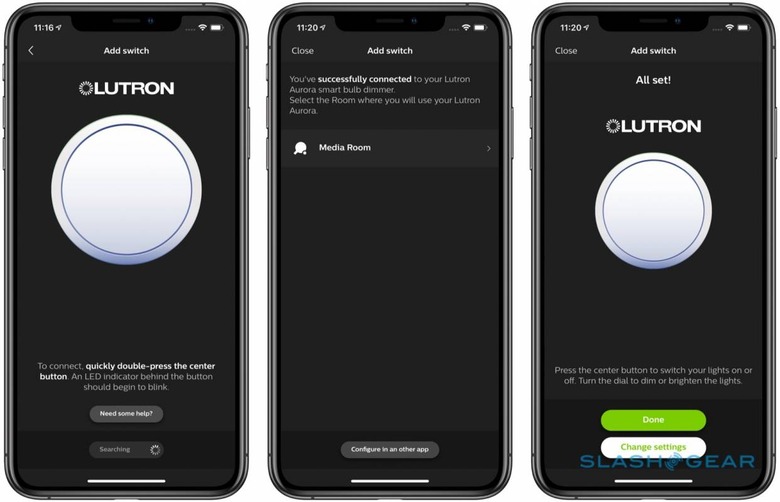
Comparatively, the cheaper Hue Smart Dimmer is suggested for users with fewer Hue bulbs, as it offers similar core functionalities but with a less refined dimming interface and time-based lighting features currently absent from the Tap Dial (though promised soon). The Tap Dial is also contrasted with the Lutron Aurora, another dimming option for smart bulbs. Privacy considerations are also addressed, detailing the data collected by Philips Hue and Signify, and their stated policies on data usage and protection.
Future updates are anticipated, including broader compatibility with Amazon Alexa and the smart home standard Matter. Matter support would enable the Tap Dial to control a wider range of smart devices from various manufacturers, moving beyond the proprietary Hue ecosystem. However, the article advises against purchasing the device solely based on future capabilities, recommending it primarily for current Hue superusers seeking a dedicated physical control solution.
#PhilipsHue #SmartHome #SmartLighting #HomeAutomation #TapDial #MatterStandard #SmartSwitch #HueBridge #PhilipsHue #SmartHome #SmartLighting #HomeAutomation #TapDial #MatterStandard #SmartSwitch #HueBridge
合計0件のコメント
 まだコメントはありません
あなたも好きかもしれません
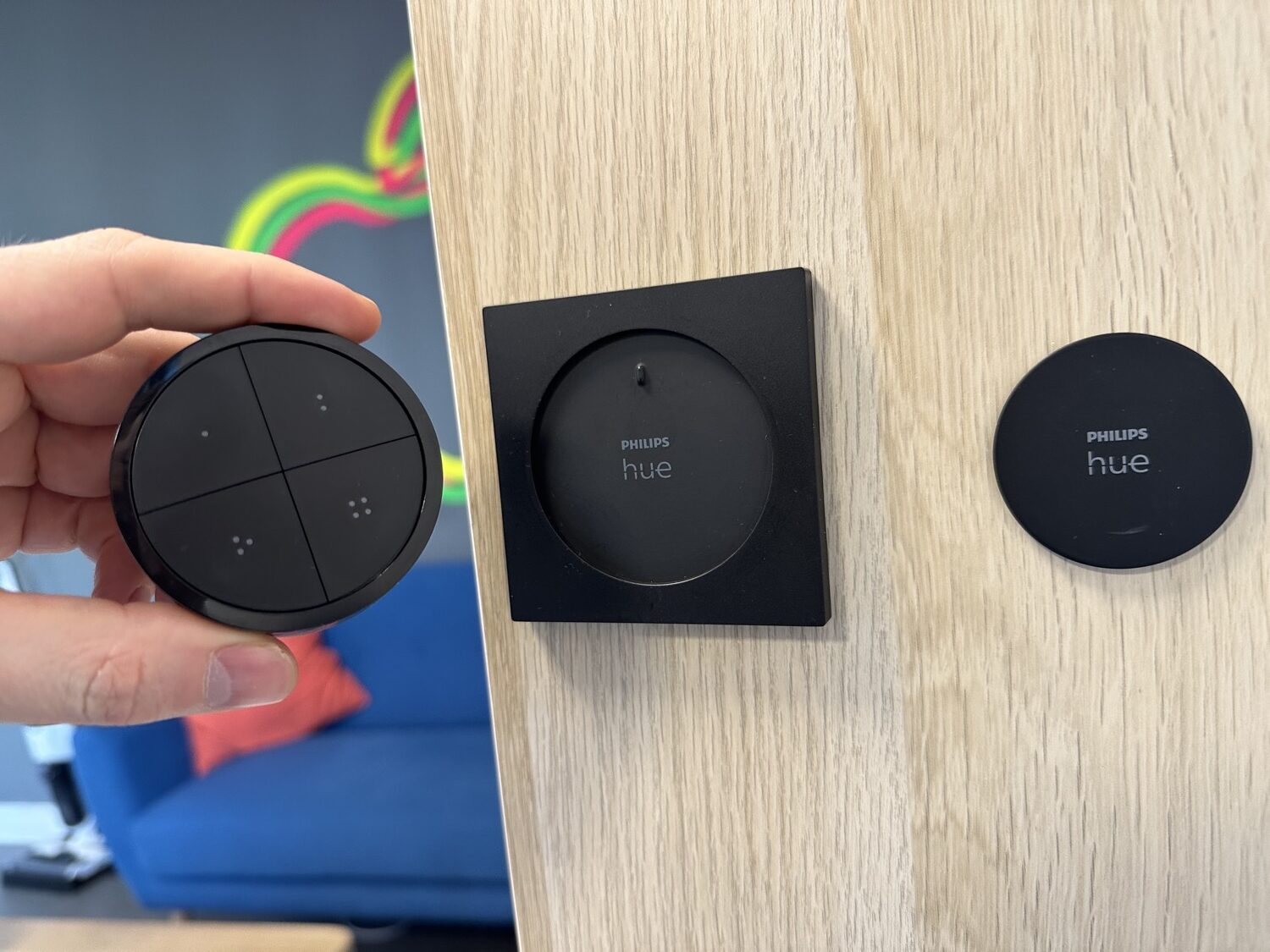
Hue Tap Dial switch with mini mount unboxed
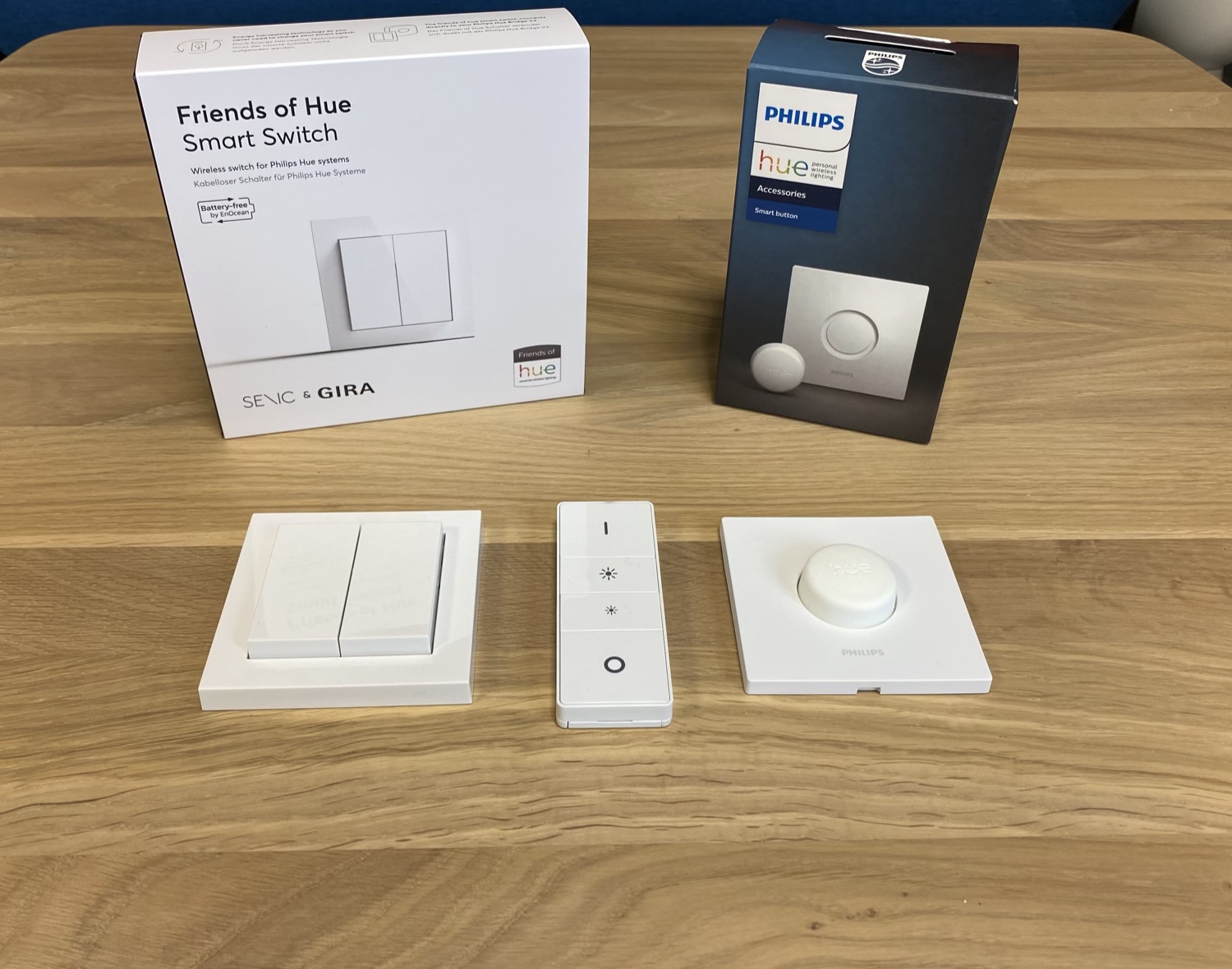
Dimmer switch, Smart Button or Friends of Hue: Which switch is the right one?

Control Your Home in Seconds With The Best Smart Light Switches of 2022

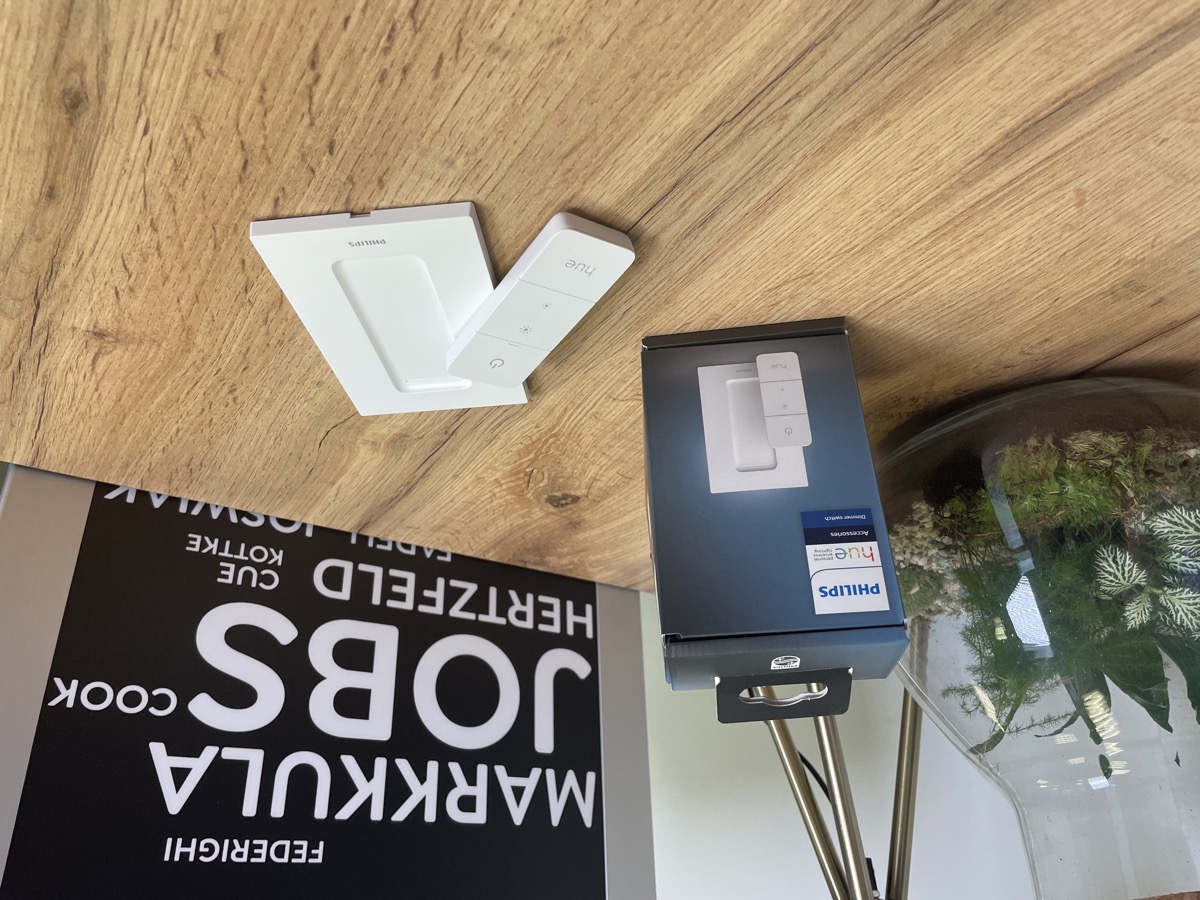
The new Philips Hue dimmer switch is remarkable
Philips Hue Dimmer Switch (review)

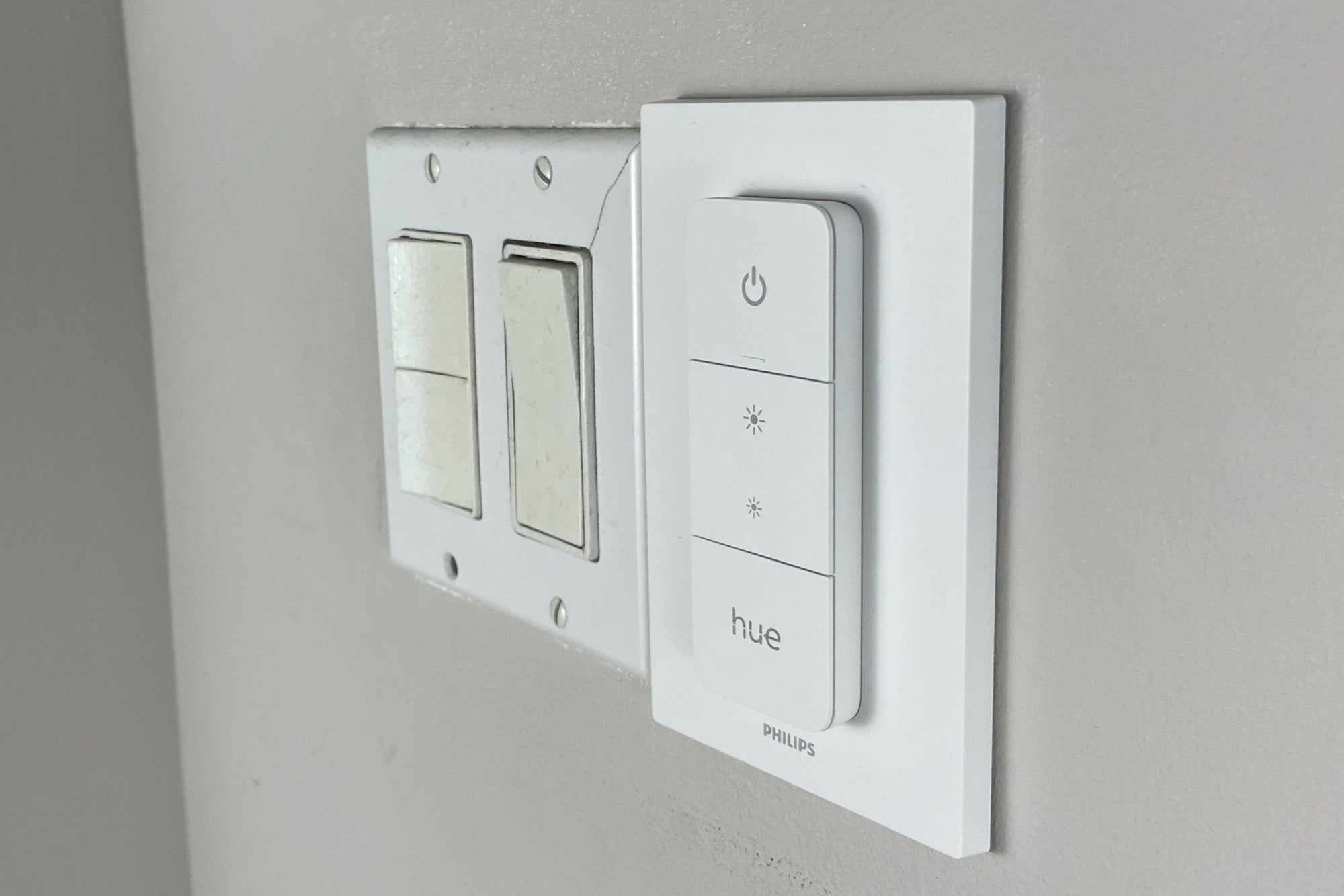
Philips Hue Dimmer Switch (2021) review: The aging Hue dimmer switch gets a welcome revamp

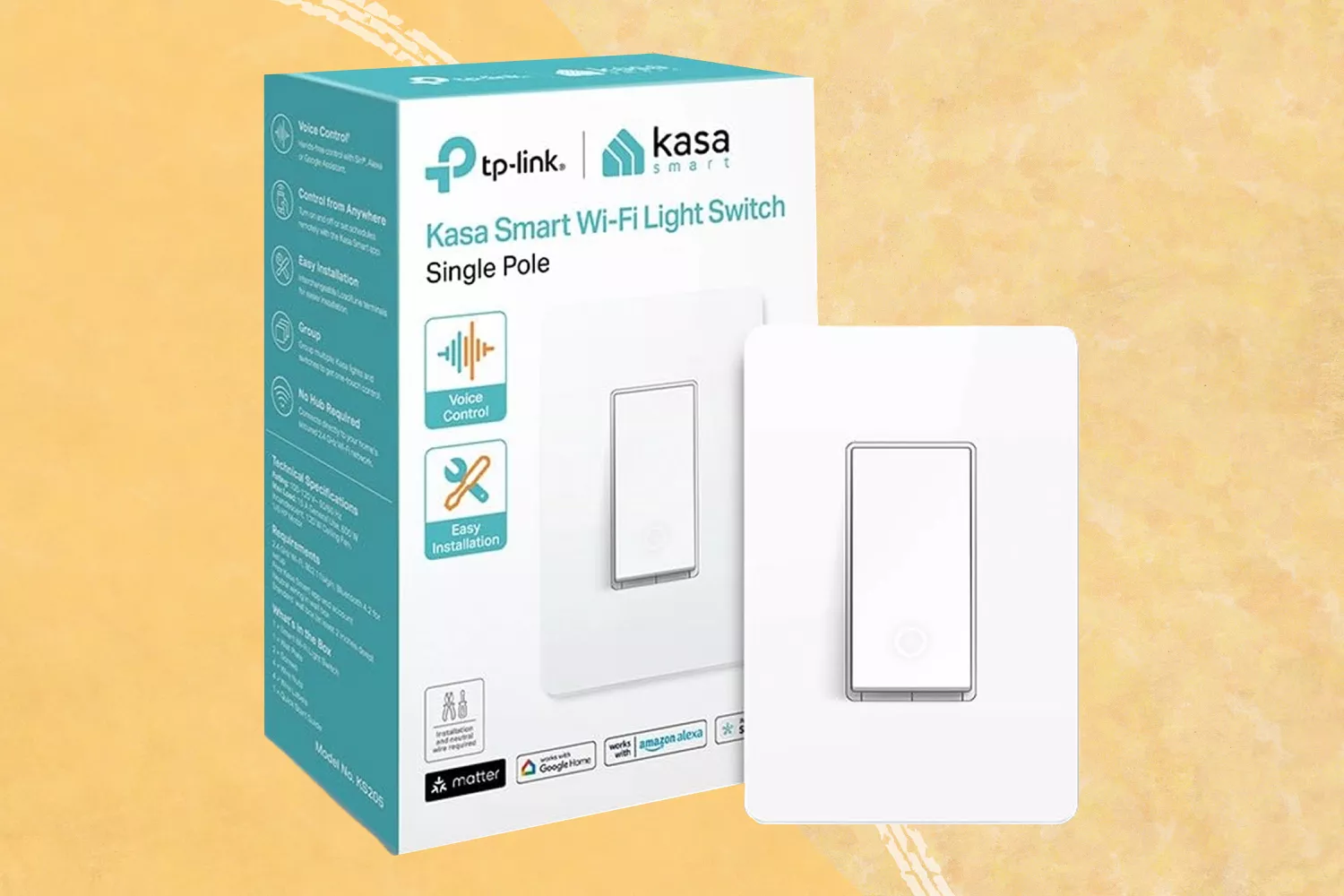
Our Favorite Smart Switches Add Convenient Hands-Free Controls to Any Light

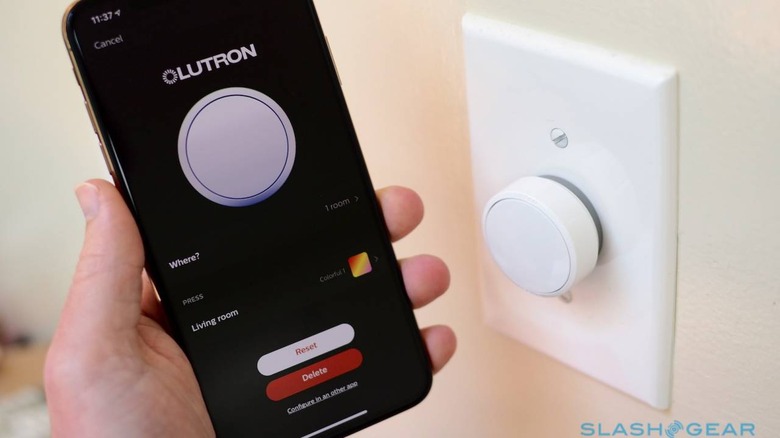
Lutron Aurora Review: The Hue Dimmer I Always Wanted

Philips Hue Wall Switch Module review: smart-ish, at last
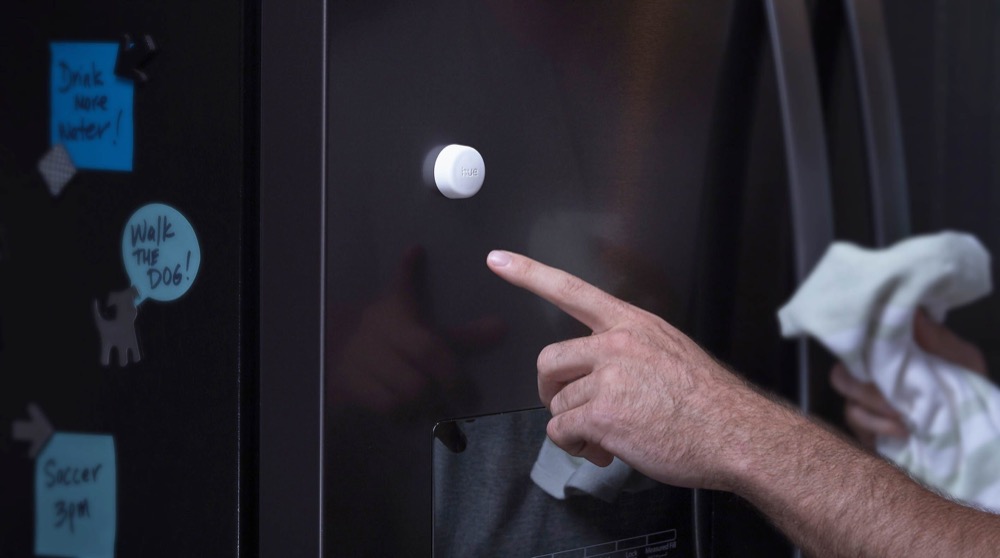
Hue Smart Button: Dimming function always affects all lamps in the room
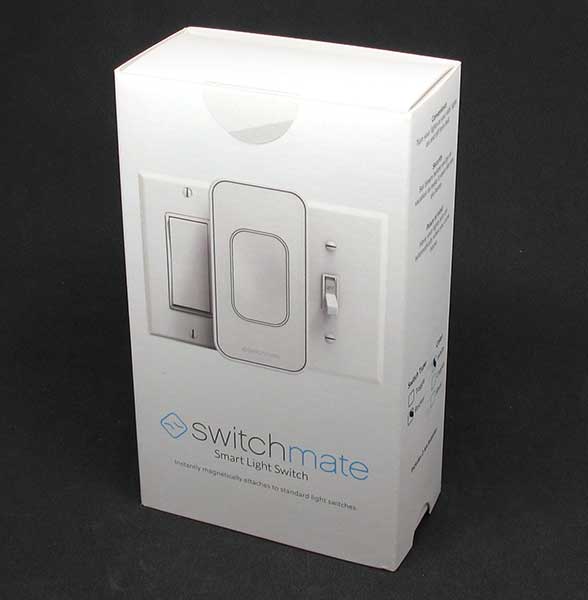
Switchmate Smart Light Switch review

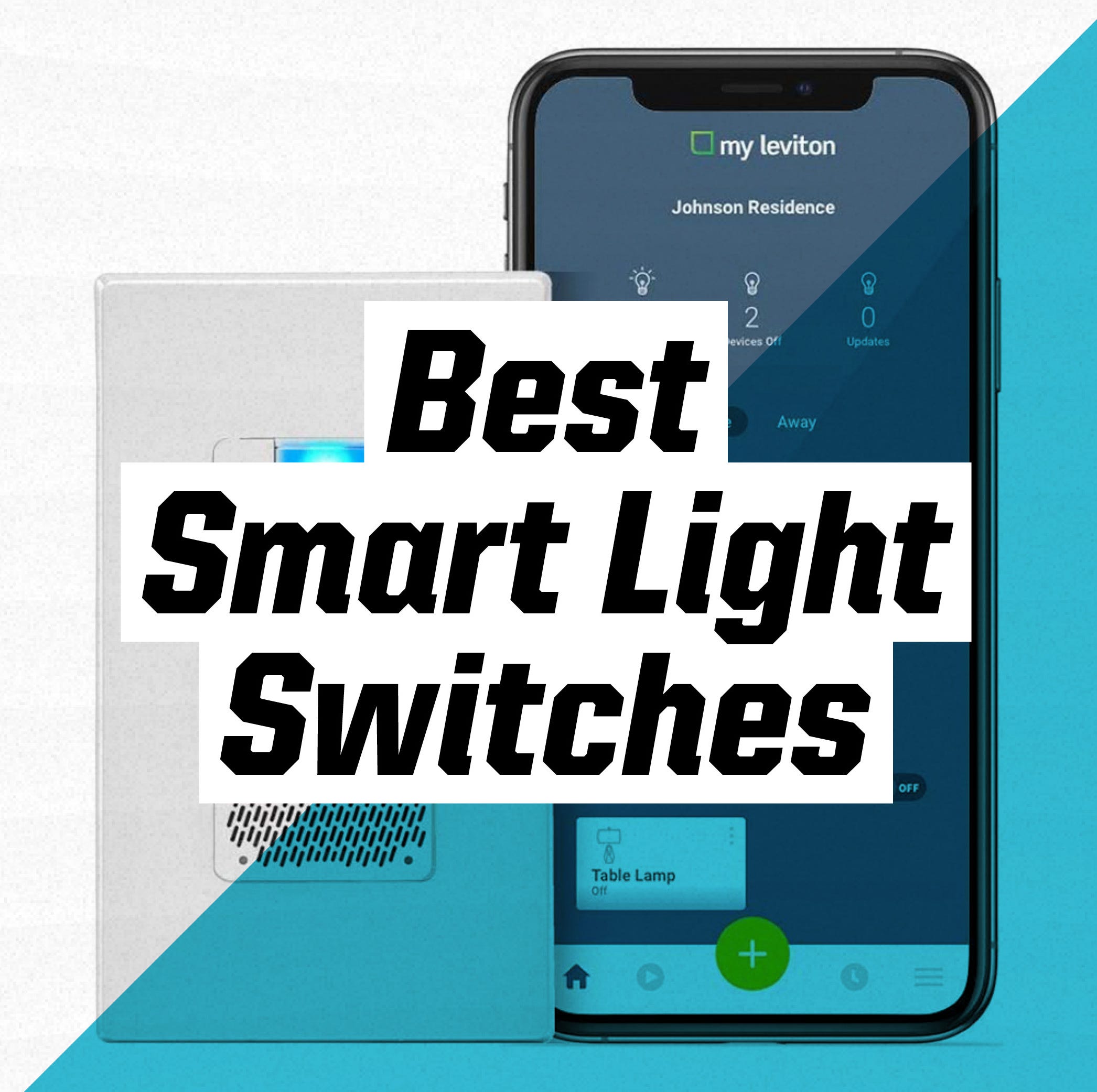
Upgrade Your Lighting With These Smart Light Switches

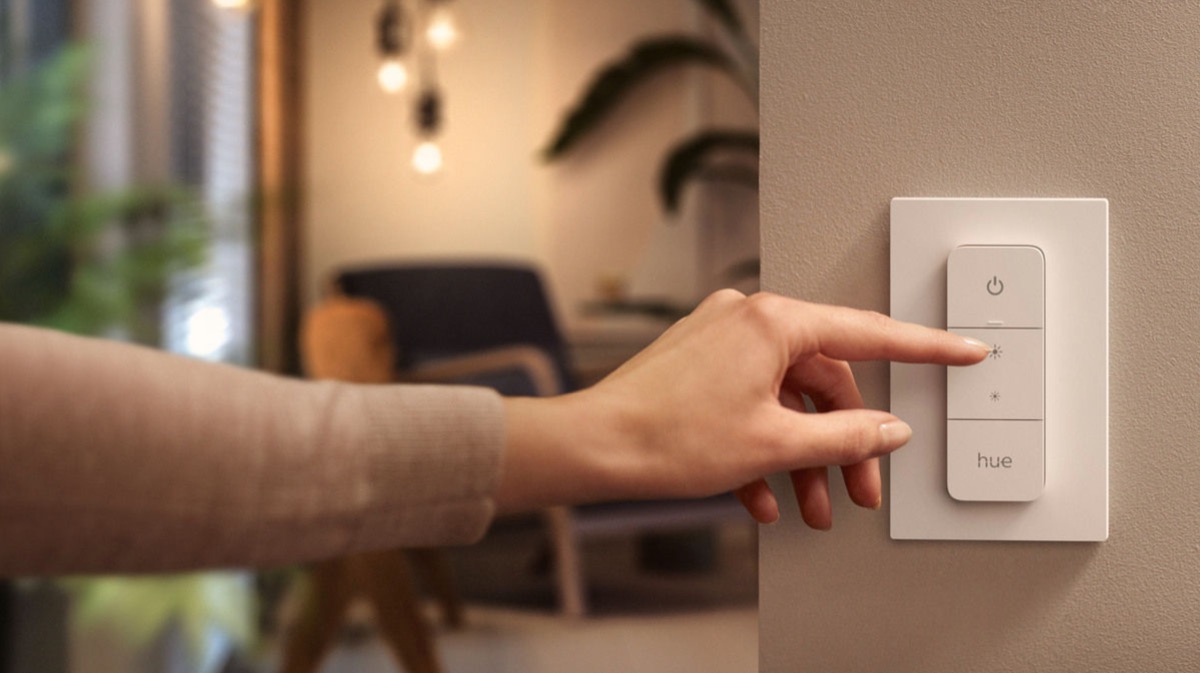
Philips Hue rolls out new functions for switches
How to turn the Philips Hue Dimmer Switch into a HomeKit control panel
Brilliant Smart Dimmer Switch review: A simple addition to a luxe smart home system
Review of the new Philips Hue Play Wall Washer
I Almost Installed a Dimmer Switch, But I Tried Philips Hue Smart Bulbs Instead
First impressions of the new Philips Hue Tento ceiling light

TP-Link Smart Wi-Fi Light Switch, Dimmer HS220 review: A solid competitor in the in-wall dimmer space
How to control Philips Hue lights remotely when away from home