Designing Beyond Buildings: An Architect’s Strategic Shift
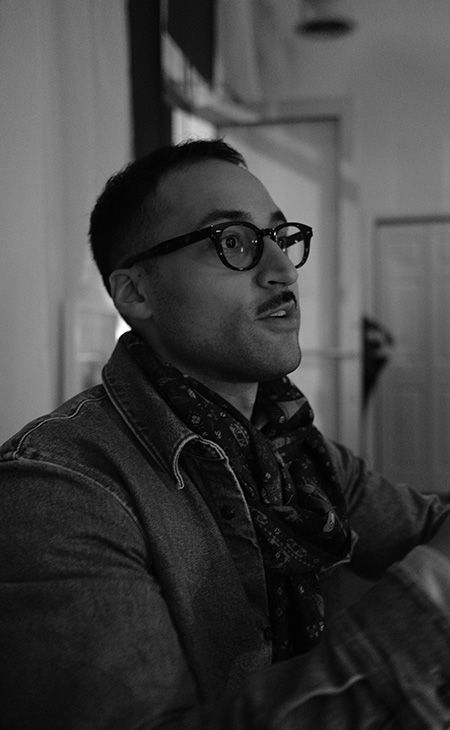
Zubair Bhaidani, an alumnus of Illinois Tech's College of Architecture (2016) and a current M.S. in Strategic Design Leadership ('25) student, made a significant career shift after nearly a decade as a licensed architect. While working on multimillion-dollar architectural projects, he recognized that his work primarily addressed physical space and structural design. He sought a more profound impact, one that involved understanding and shaping the underlying systems and processes within built environments, rather than just the buildings themselves. This realization led him to pursue strategic design, aiming to solve for the 'lived environment' rather than being confined to the 'built environment.'
During his architectural career, Bhaidani managed complex projects that involved diverse teams, competing stakeholder interests, regulatory constraints, and budgetary pressures. He found this complexity engaging but felt limited by the traditional scope of architecture, which often focused on the physical structure rather than the strategic intent or user experience. He observed that the architectural discipline was often slow to adopt user research or quantifiable strategic metrics. This led to a disconnect where architects struggled to articulate the business value of their designs or align with end-user needs, making it difficult to gain client trust.
His pursuit of a Master of Science in Strategic Design Leadership at the Institute of Design at Illinois Tech allowed him to explore a broader application of design principles. In a business innovation course, he developed a roadmap and minimum viable product for Hosperience, an industry partner. This platform aimed to improve communication for patients' family members and caregivers regarding orthopedic care processes. This experience demonstrated his ability to translate strategic insights into tangible digital solutions.
Furthermore, in an Organizational Models for Innovation course, Bhaidani collaborated with a Latin American financial holding conglomerate. His work focused on designing an innovative operating model that integrated artificial intelligence, open governance, and cross-subsidiary alignment. This project involved a combination of user research, speculative design, and data analytics, pushing him beyond his traditional architectural comfort zone and into the realm of systemic and organizational design. He found this to be a challenging yet rewarding experience, expanding his understanding of how design can influence complex business structures.
In an Innovation Frontiers course, Bhaidani co-developed Resonant, a social media intervention application. This app was designed to help families understand the emotional patterns embedded in their children’s web browsing habits. It aimed to provide tools and insights to foster empathy and emotional literacy, thereby guiding browsing behavior in a more constructive direction. This project highlighted his ability to apply strategic design thinking to social and behavioral challenges, moving from physical spaces to digital and emotional landscapes. Approaching graduation, Bhaidani envisions a future where he designs comprehensive systems, including platforms, services, and operations, where design drives measurable positive change, enhancing clarity, dignity, and agency for people.
#StrategicDesignLeadership #ArchitecturalCareerShift #SystemsDesign #UserExperience #Innovation #DigitalPlatforms #OrganizationalDesign #IllinoisTechAlumni #StrategicDesignLeadership #ArchitecturalCareerShift #SystemsDesign #UserExperience #Innovation #DigitalPlatforms #OrganizationalDesign #IllinoisTechAlumni
合計0件のコメント
 まだコメントはありません
あなたも好きかもしれません
Building Knowledge, Not Just Structures: Redefining the Architect’s Role in Times of Uncertainty

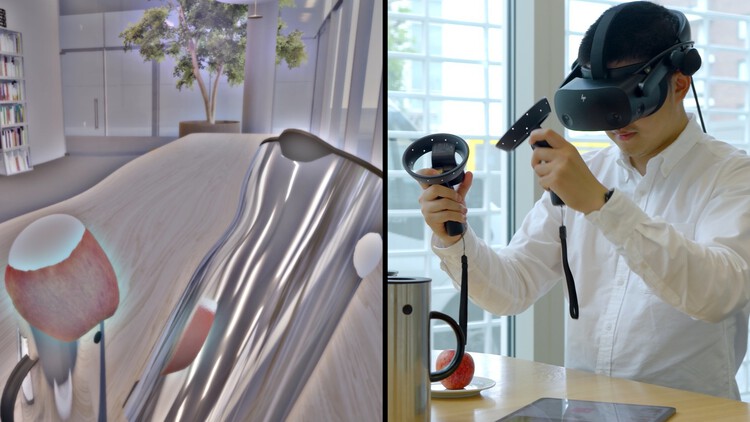
Beyond the Drawing Board: How Augmented Reality is Reshaping Architectural Design Review
How Antony Gibbon is pushing the boundaries of architectural design


The outsider: how a land-based architect brought fresh ideas to 56m Virtuosity

Building a profile: The sway of marketing on architectural design

Outside the box: Bold architecture meets sophisticated style


How today’s enterprise architect juggles strategy, tech and innovation

17 Essential Architectural Styles Everyone Should Know


15 Best Architecture and Design Firms in the USA
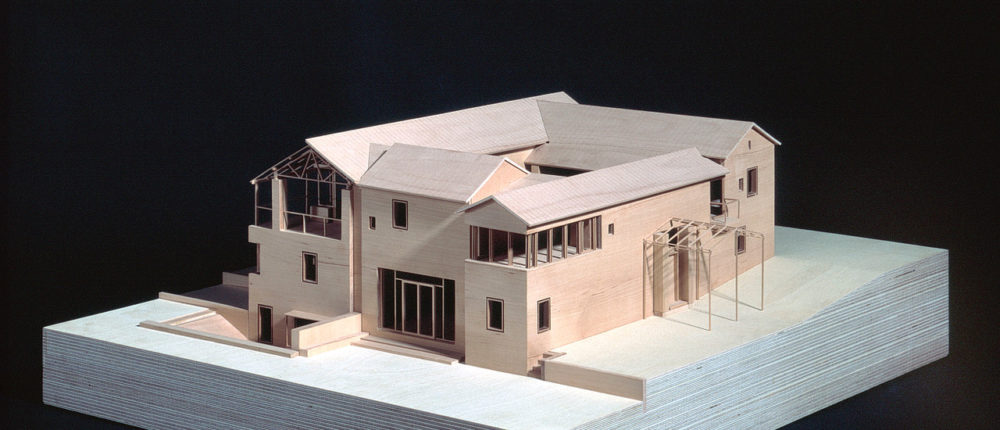
Whatever Happened to “The Architects’ Architect”?
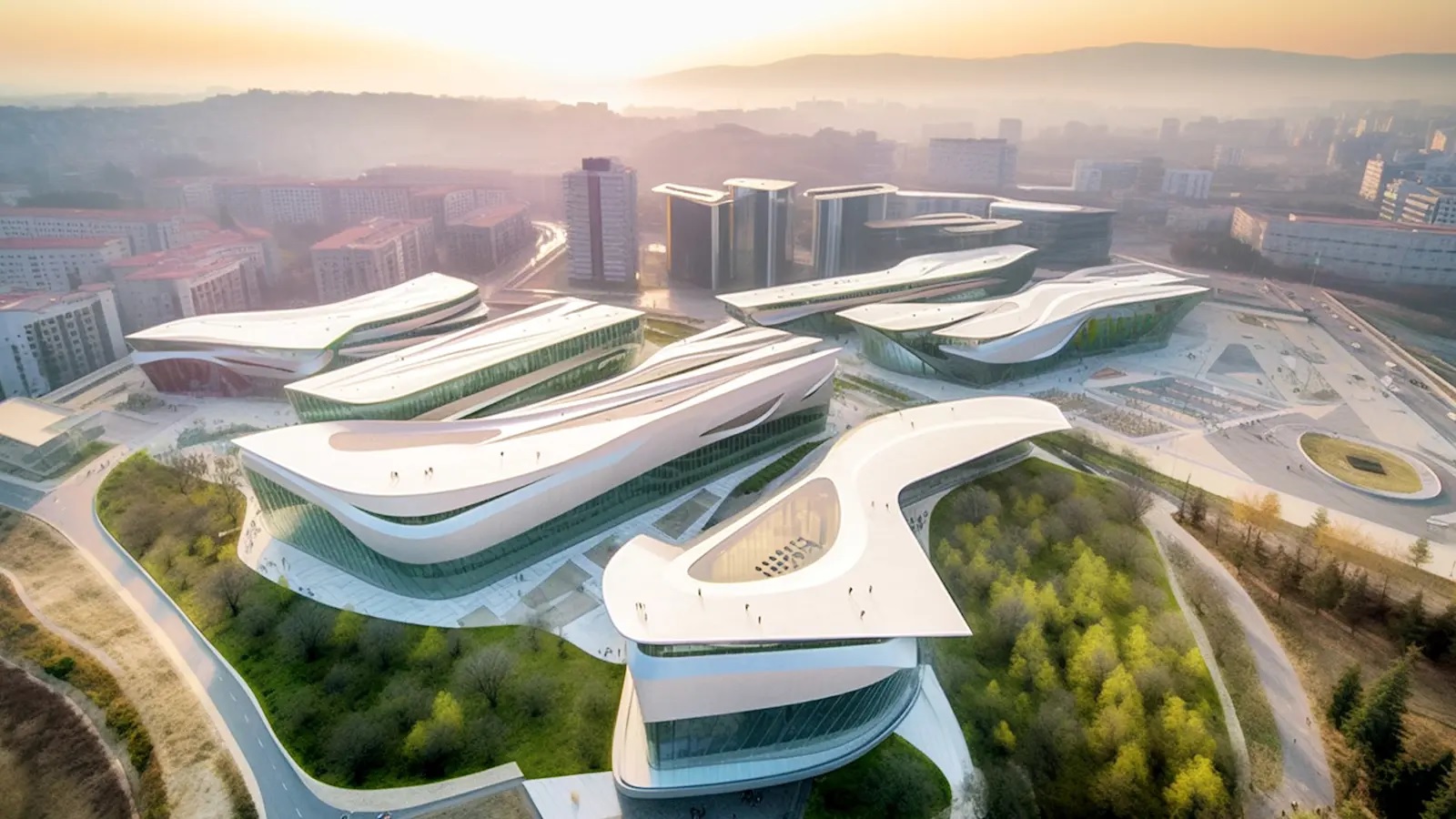
The Transformative Power of AI in Architecture Design
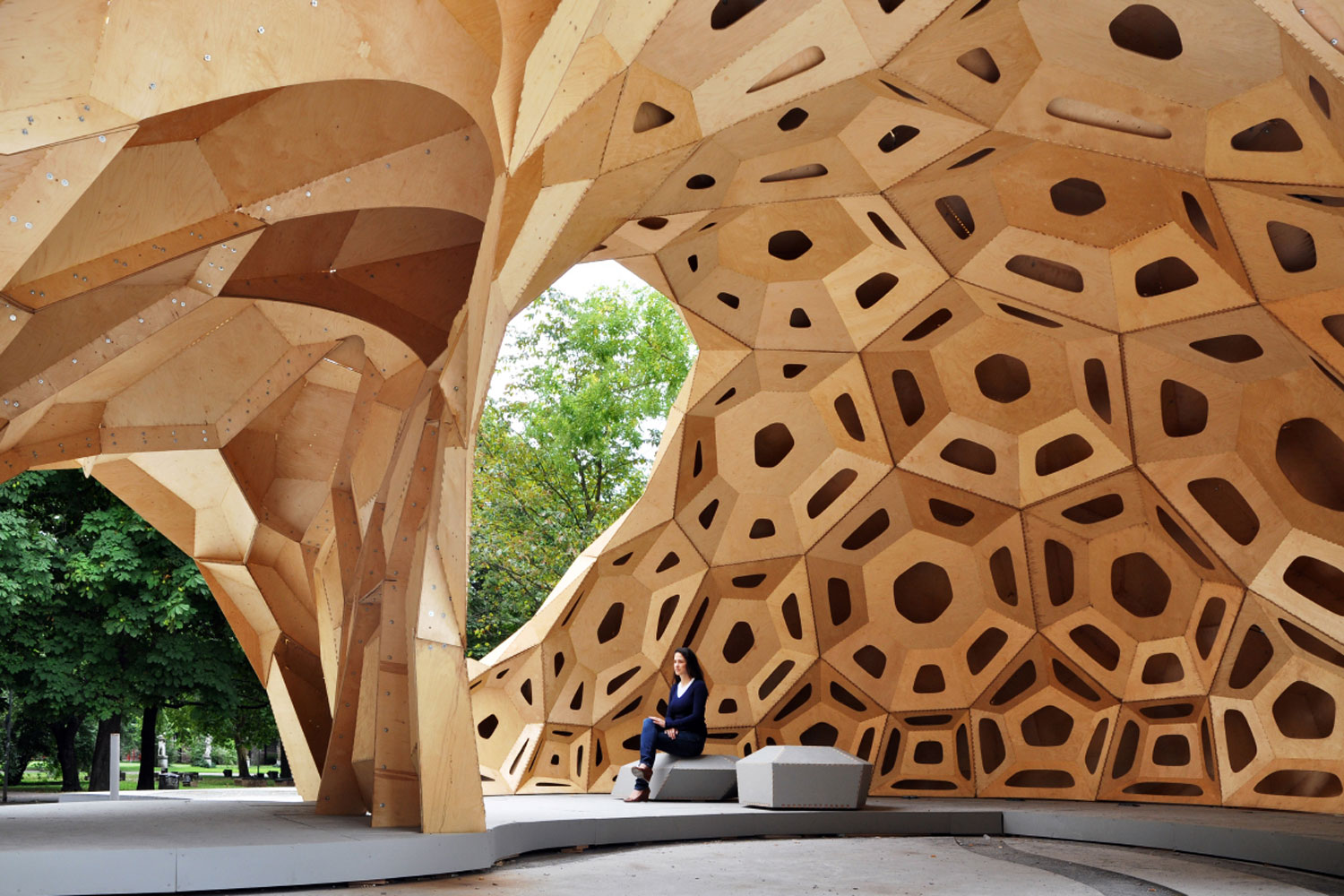
How generative design is shaping the future of architecture?
The Architect as Writer: Expanding the Discipline Beyond Buildings

7 innovative ideas in architectural design


Architectural design to meet the needs of our time
7 Awe-Inspiring Modern Libraries That Bend the Genre


Meet Philip Oloo | Architectural Designer, Virtual Reality for Architecture and Licensed General Contractor

New Talent: Seven Innovative Design Studios to Watch
Real Estate Design Solutions - Commercial Space Design


How to Be a Better Architect Than Me