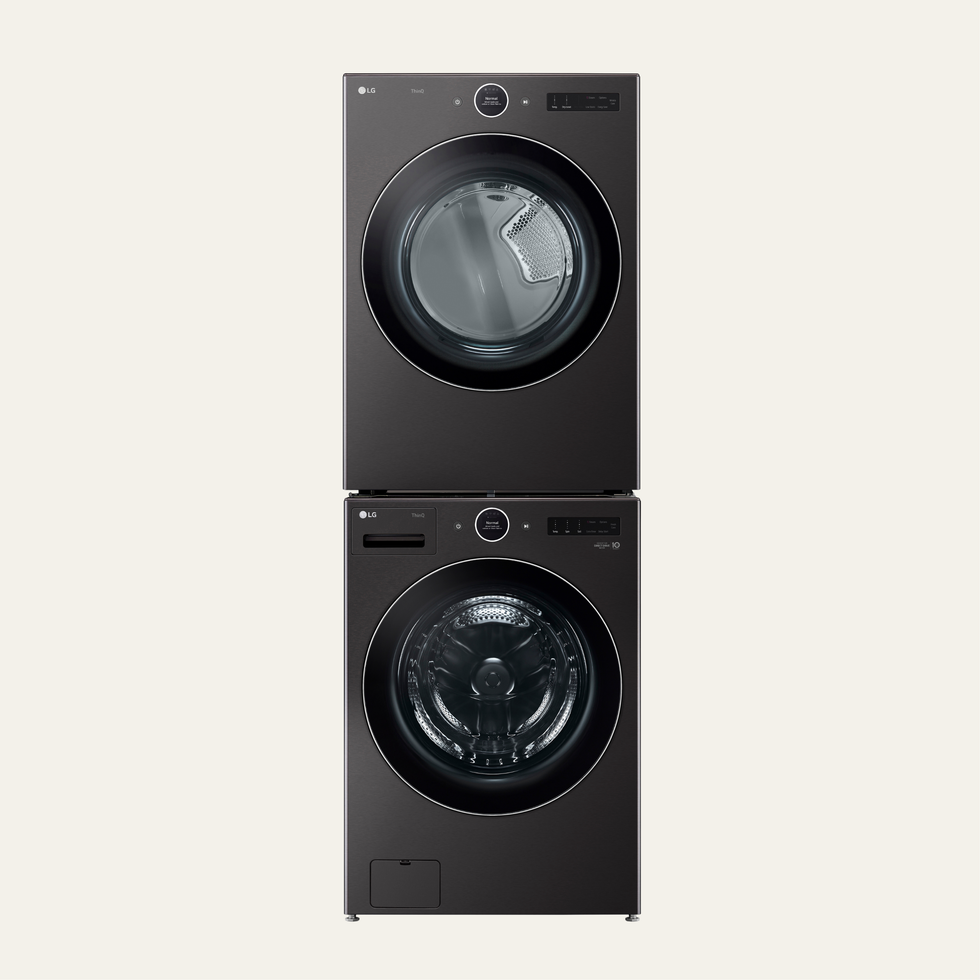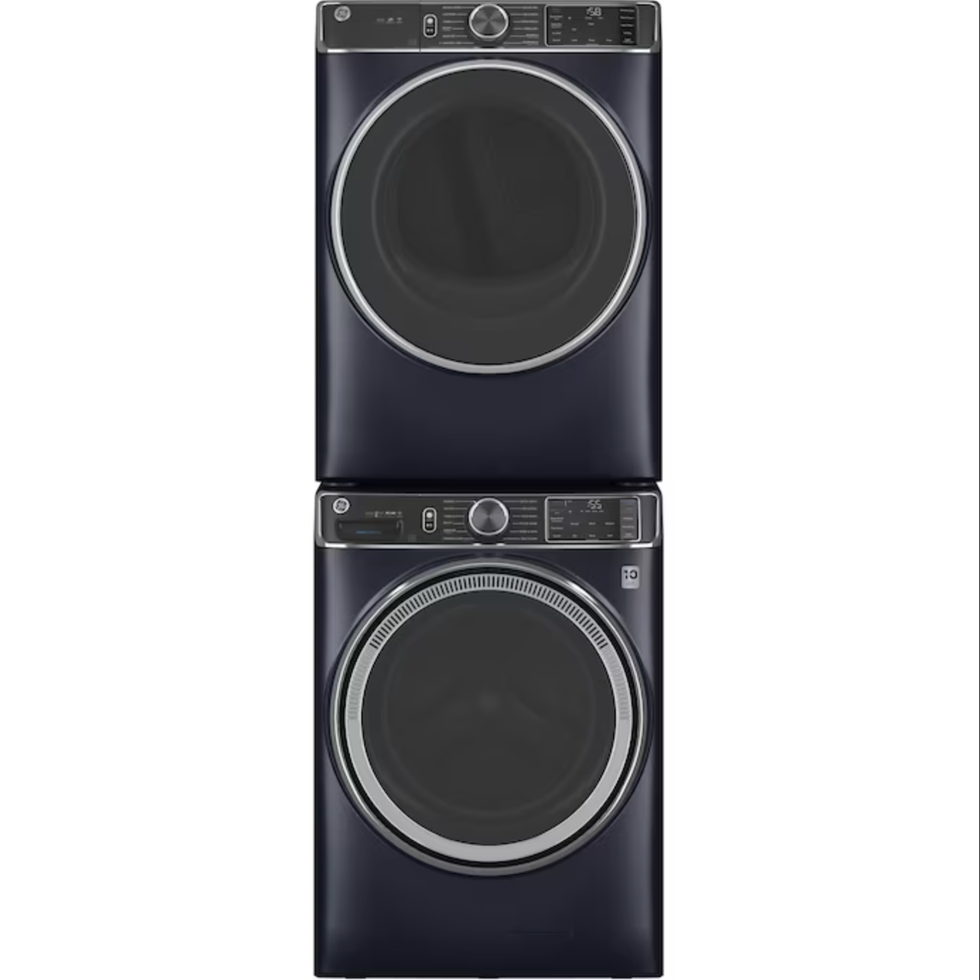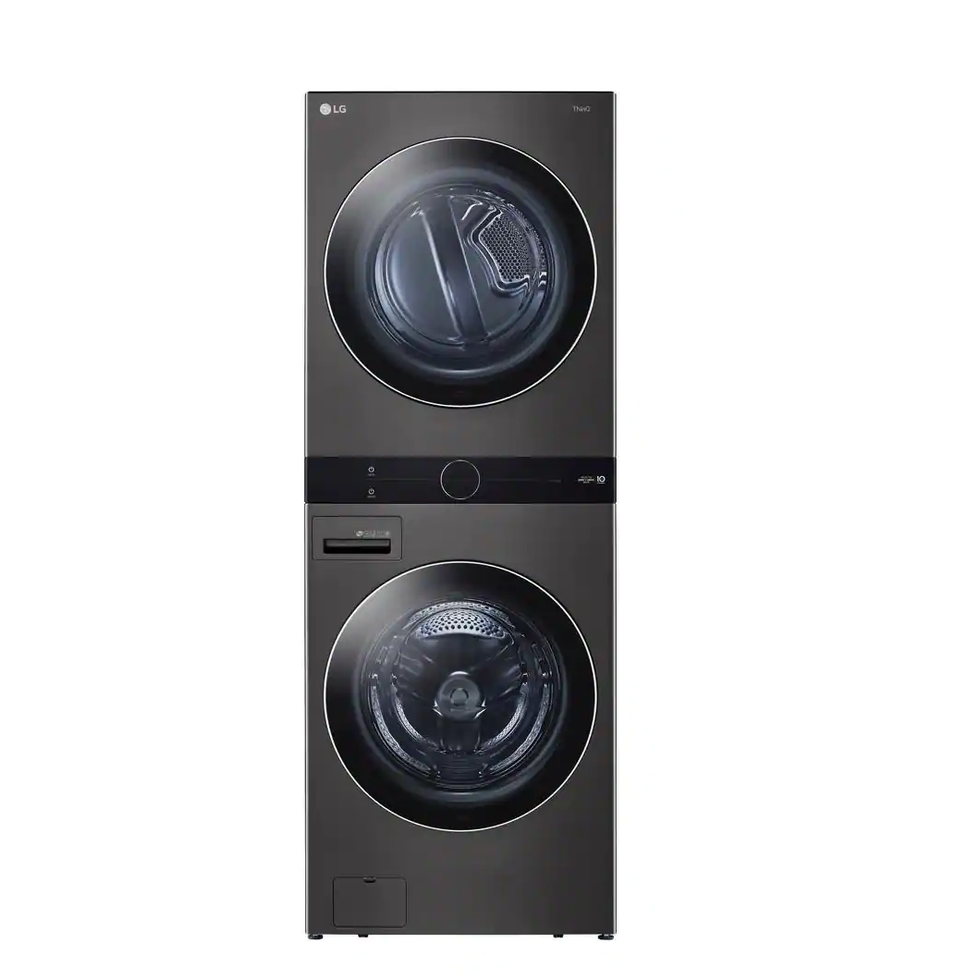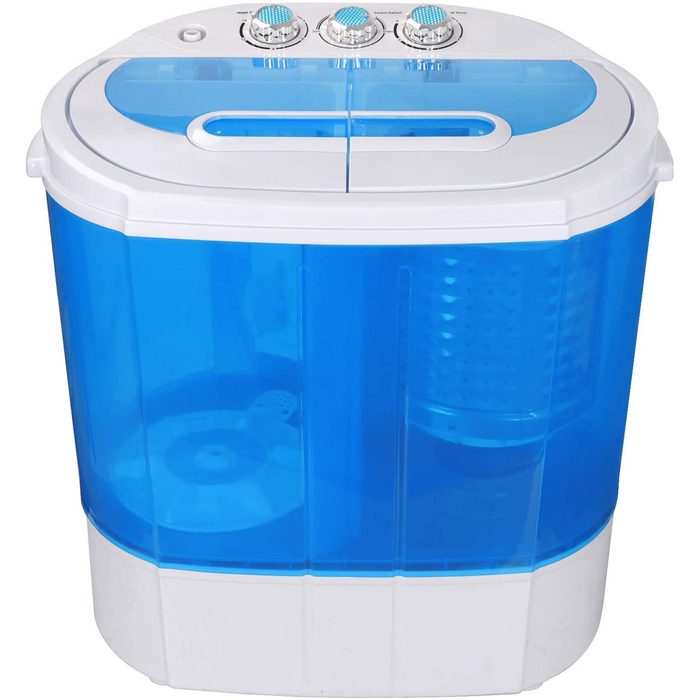
Will a Ventless Washer/Dryer Combo Work for You?
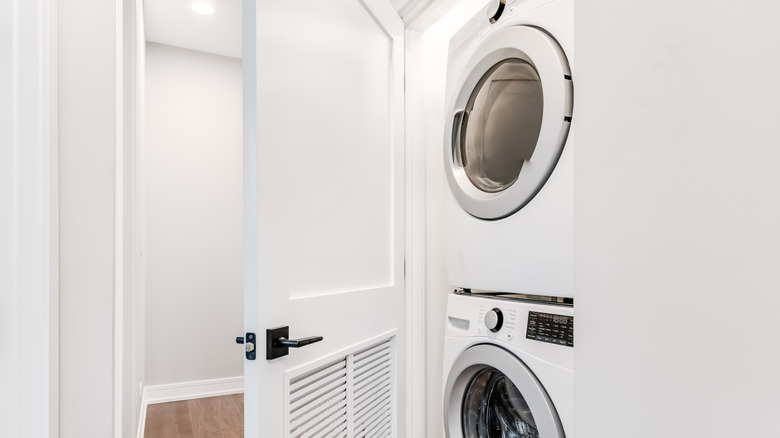
Ventless washer-dryer combos are gaining traction, particularly in regions outside North America, due to their compact design and energy efficiency. While they offer significant advantages, such as space-saving and lower energy consumption, they also present certain trade-offs, including smaller load capacities and longer drying times. The decision to opt for a ventless combo largely depends on individual household needs and priorities. For instance, these units are an ideal solution for older homes or apartments lacking external dryer vents, eliminating the need for complex installations.
The technology behind ventless washer-dryer combos differs significantly from conventional vented models. A ventless dryer operates by drawing in cool ambient air, heating it, and then circulating it through a condenser loop. This process cools the humid air, extracts moisture, and drains it into a storage tank, thus eliminating the requirement for an external vent. This system uses a refrigeration mechanism similar to an air conditioner or dehumidifier, with condensing coils heating the air to absorb moisture and evaporative coils cooling it to remove water. The compressor involved in this process consumes energy comparable to a refrigerator compressor, contributing to its energy efficiency. The washing component of these combos functions like a standard washing machine, requiring hot and cold water hookups and a shared drain. Users simply load laundry, select a wash/dry cycle, and the machine handles both processes consecutively, with a moisture sensor determining when clothes are dry.
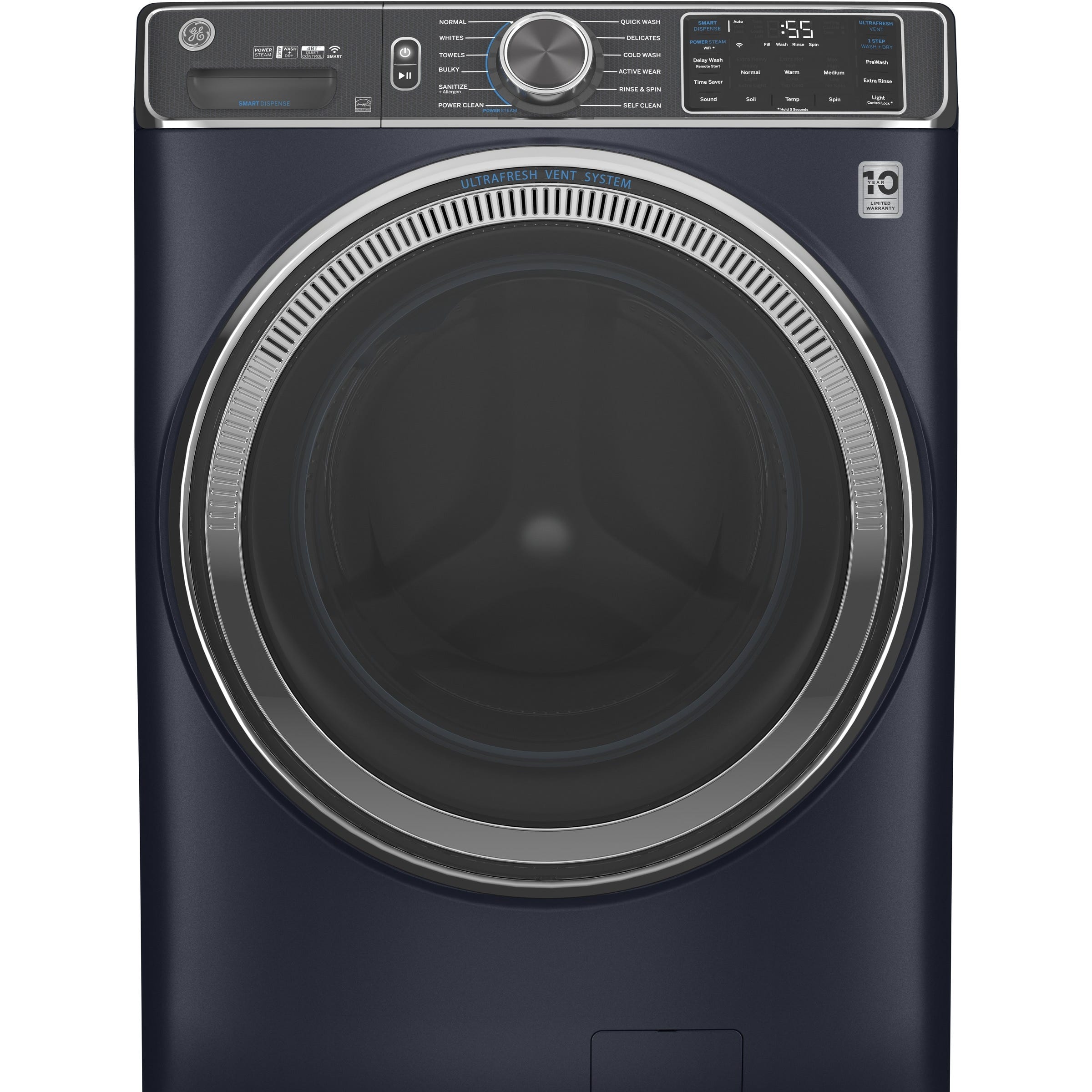
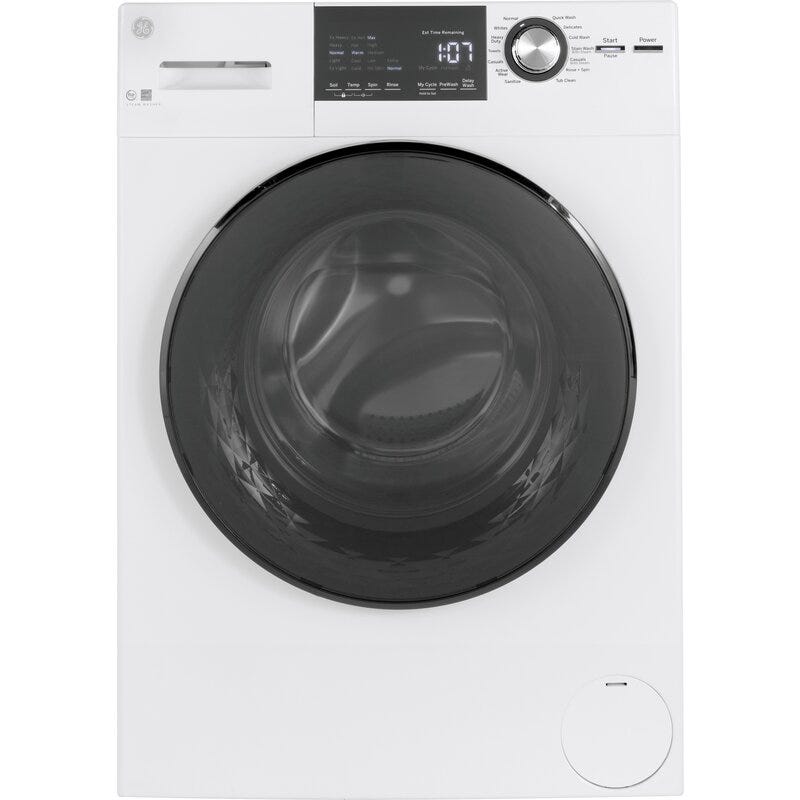
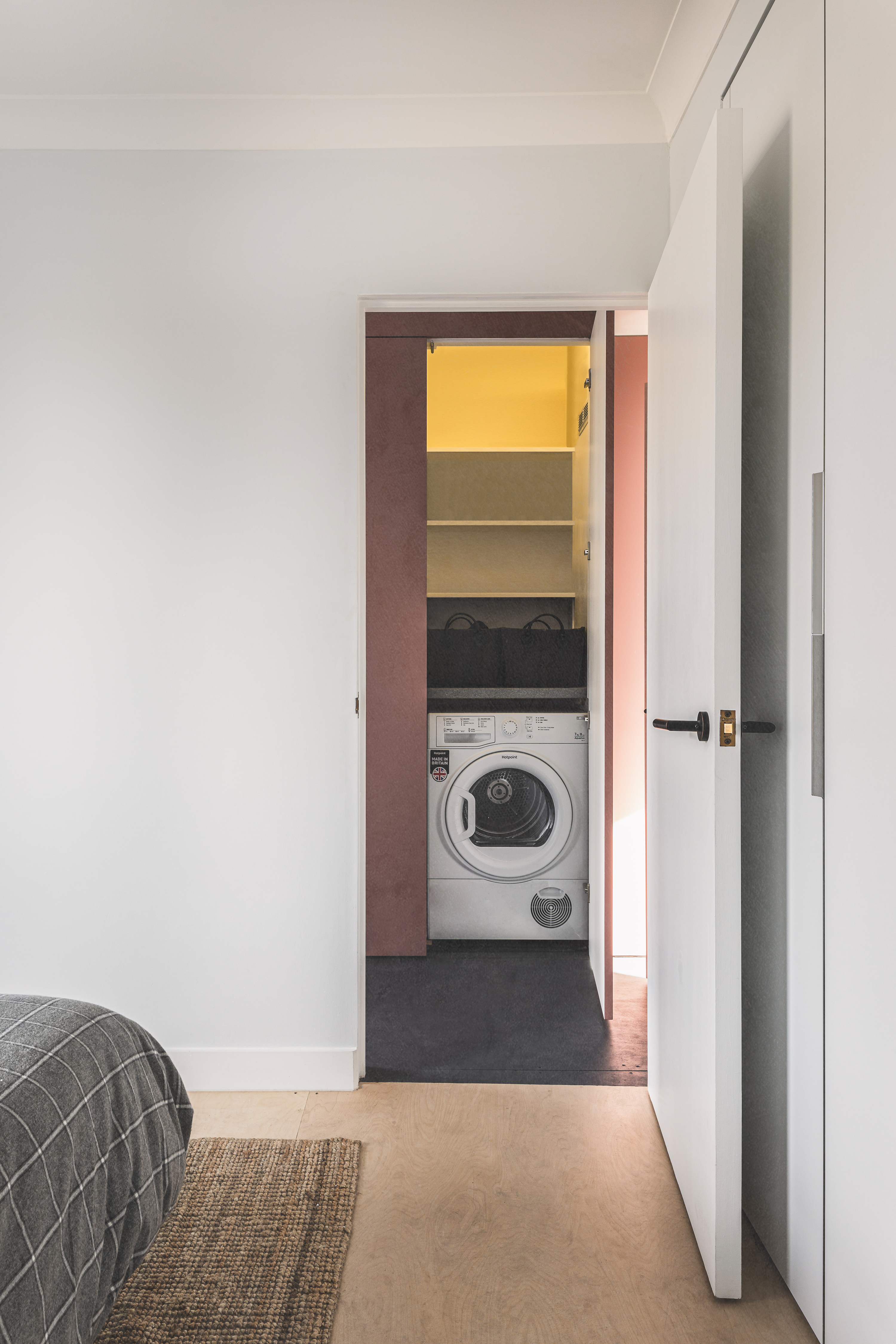
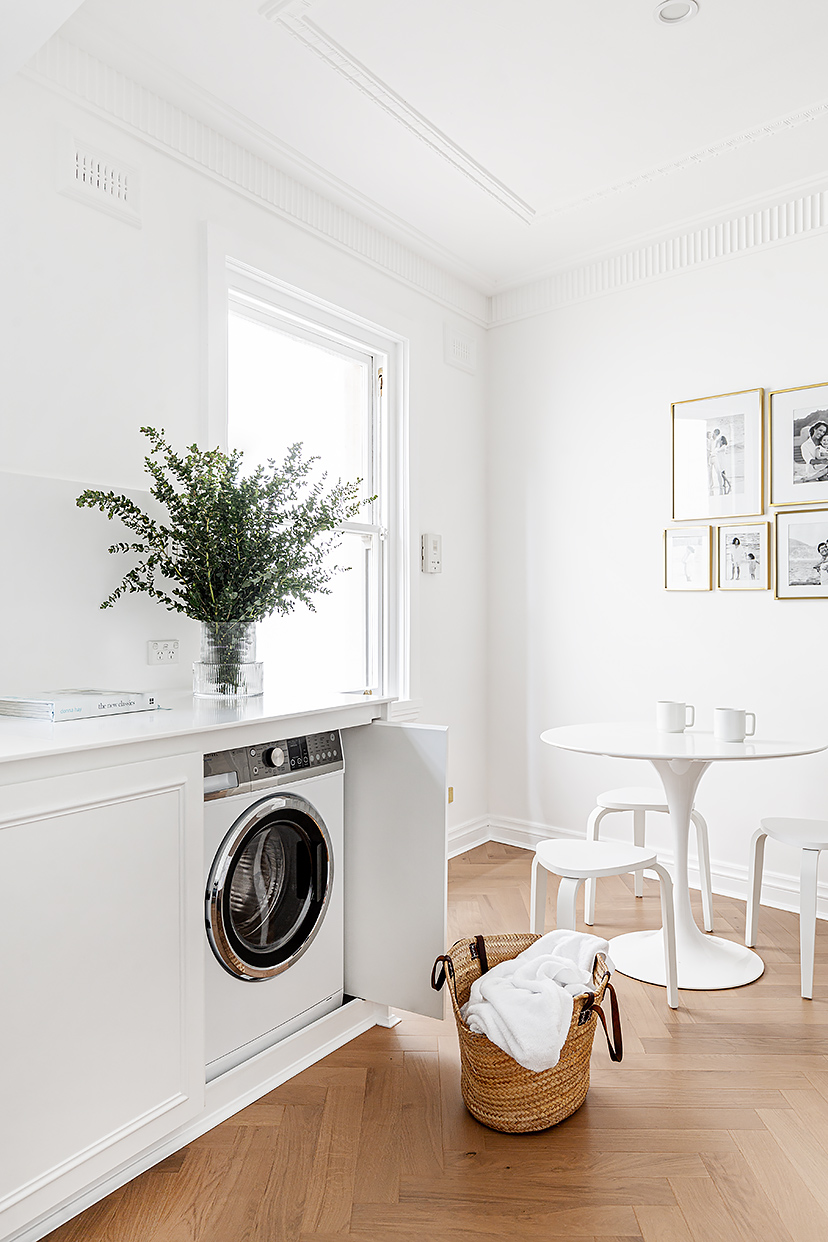
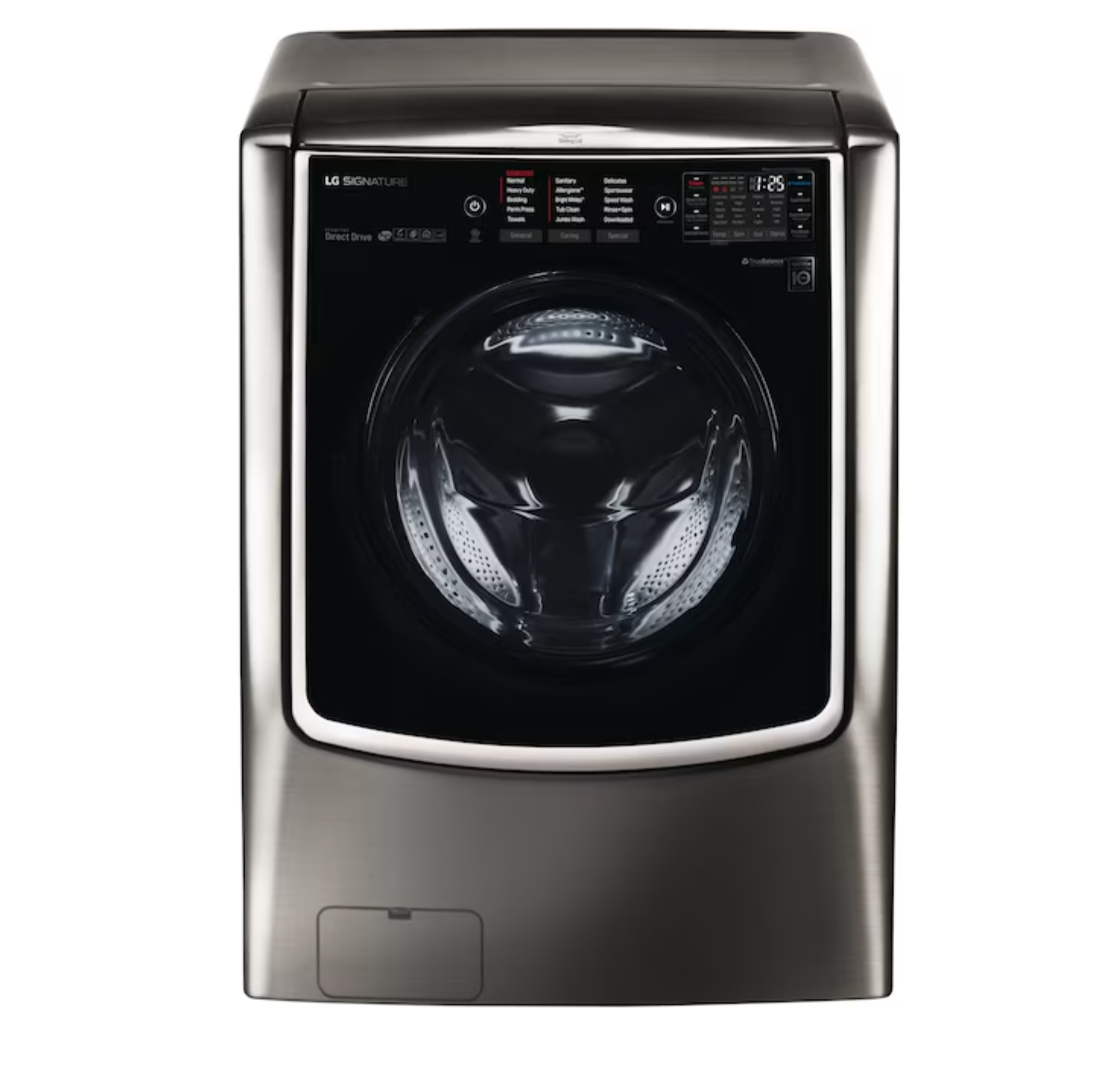
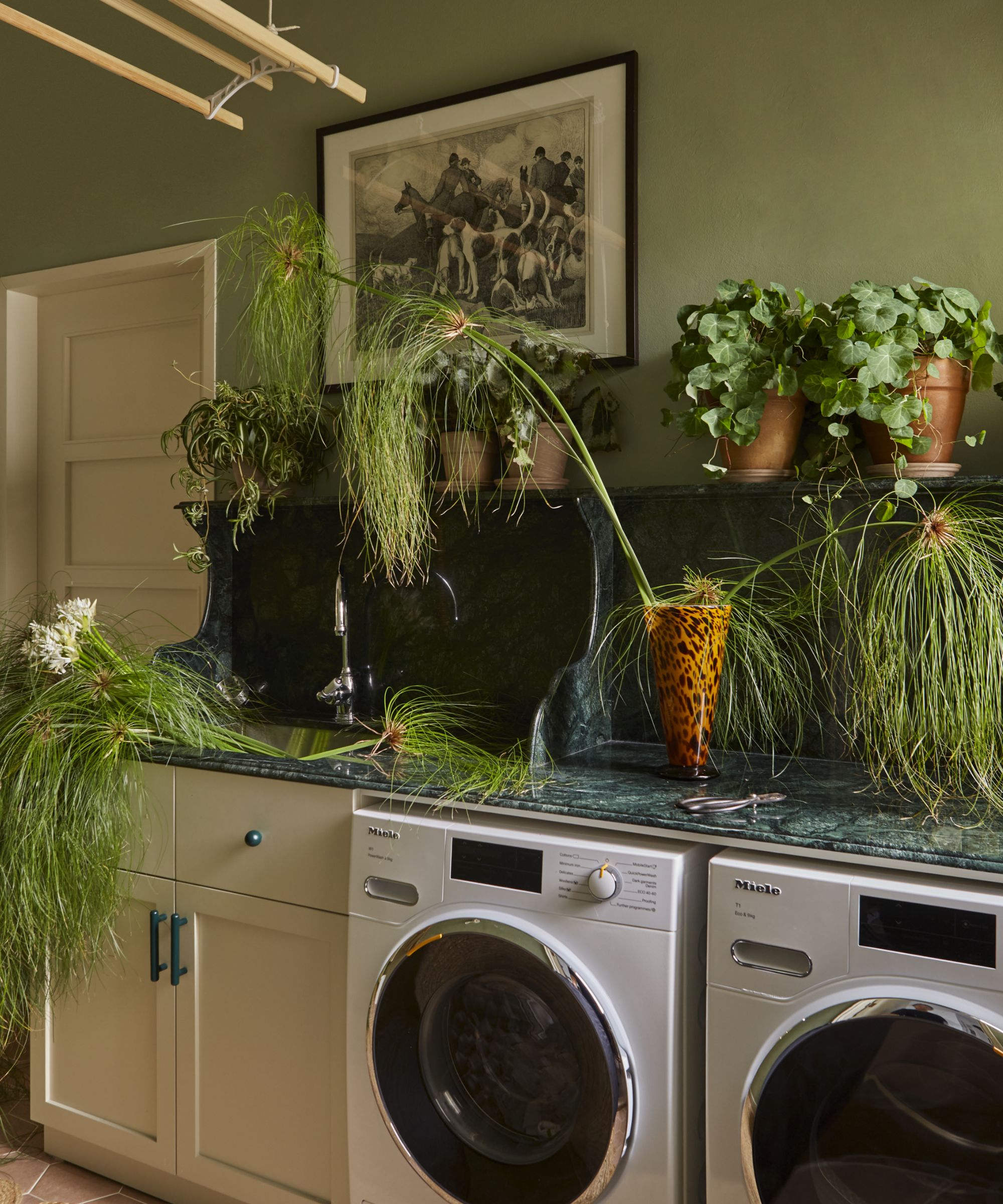
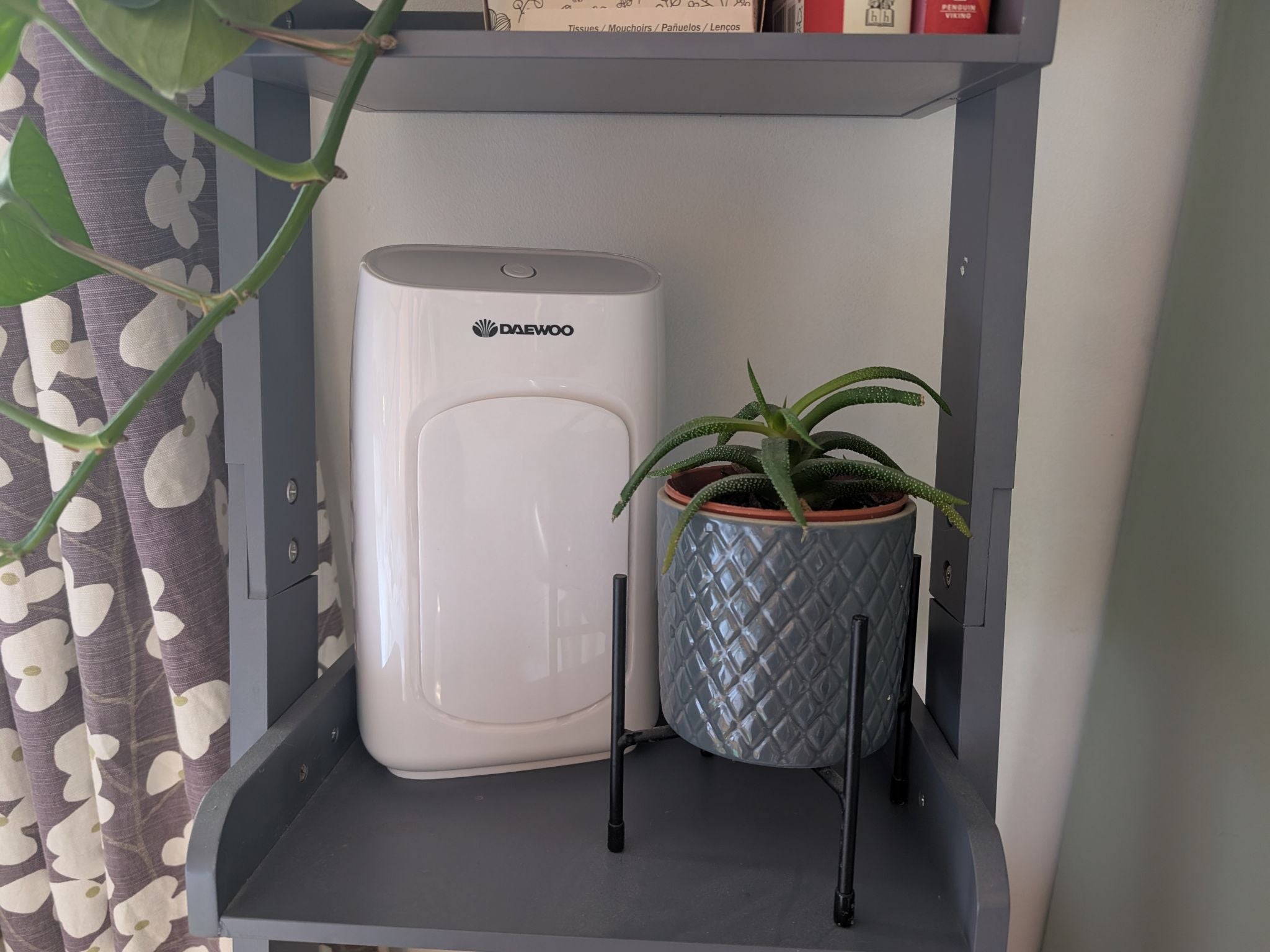
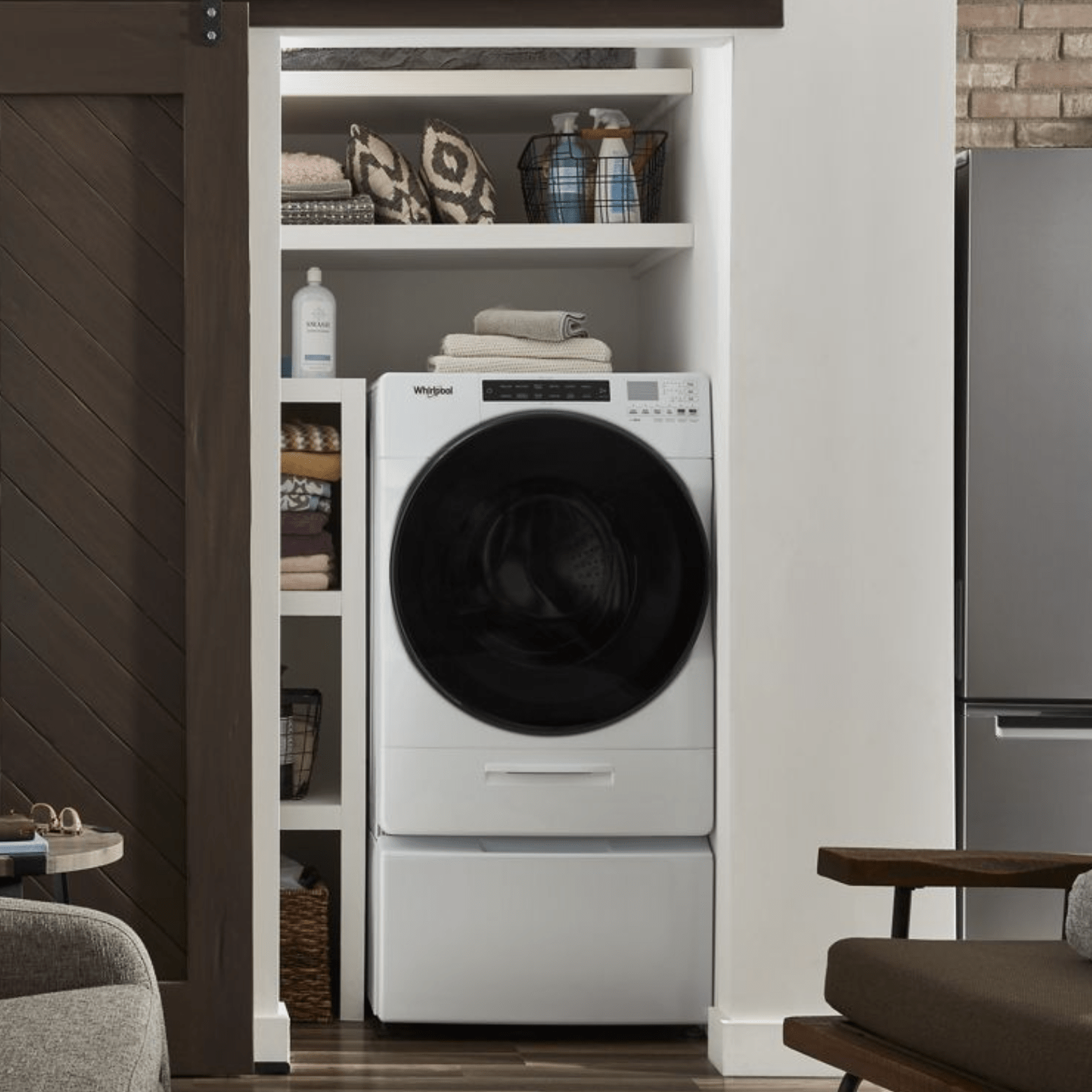
Typical ventless washer-dryer combos are front-loading units with capacities ranging from 2.4 to 2.7 cubic feet, though larger models are emerging, such as the GE Profile Ultrafast Combo and the Whirlpool Ventless All In One Washer Dryer, both offering 4.8 cubic feet. The benefits of these units include versatility in installation, as they only require water hookups and a 120-volt GFCI receptacle, allowing placement in various spaces like kitchens, bathrooms, or closets. They boast energy savings, consuming up to 60% less energy than conventional units, and offer convenience by completing both wash and dry cycles automatically. Additionally, the lower heat generated is gentler on delicate clothing, and the absence of lint-collecting ductwork reduces fire hazards. However, drawbacks include a higher initial cost, a shorter lifespan (8-10 years compared to 10-13 for conventional units), smaller capacities (though newer models are improving), and longer drying times, which can still be significant even with improved models. Increased humidity in the surrounding area is another concern, potentially leading to mold and mildew issues.
A ventless washer-dryer combo is particularly suitable for individuals or small households, those with limited living space, or renters in apartments or condos where external venting is restricted. It's also a preference for those who prioritize energy conservation and are comfortable with longer laundry cycles. Conversely, households with large laundry volumes, existing vent systems, or those prioritizing quick drying times might find conventional units more practical. The article suggests that while ventless technology is advancing and energy efficiency is a growing concern, conventional gas and electric units still hold an advantage for high-volume users who value speed and established infrastructure.
#VentlessWasherDryer #HomeAppliances #EnergyEfficiency #LaundrySolutions #ApplianceReview #SmallSpaceLiving #CondoLiving #HomeImprovement #VentlessWasherDryer #HomeAppliances #EnergyEfficiency #LaundrySolutions #ApplianceReview #SmallSpaceLiving #CondoLiving #HomeImprovement
0 commenti in totale
 Nessun commento ancora
Potresti anche gradire
The Best Stackable Washers and Dryers That Cleaning Experts Trust

These Front-Load Washers Will Get Your Laundry Clean and Fresh Using Less Water

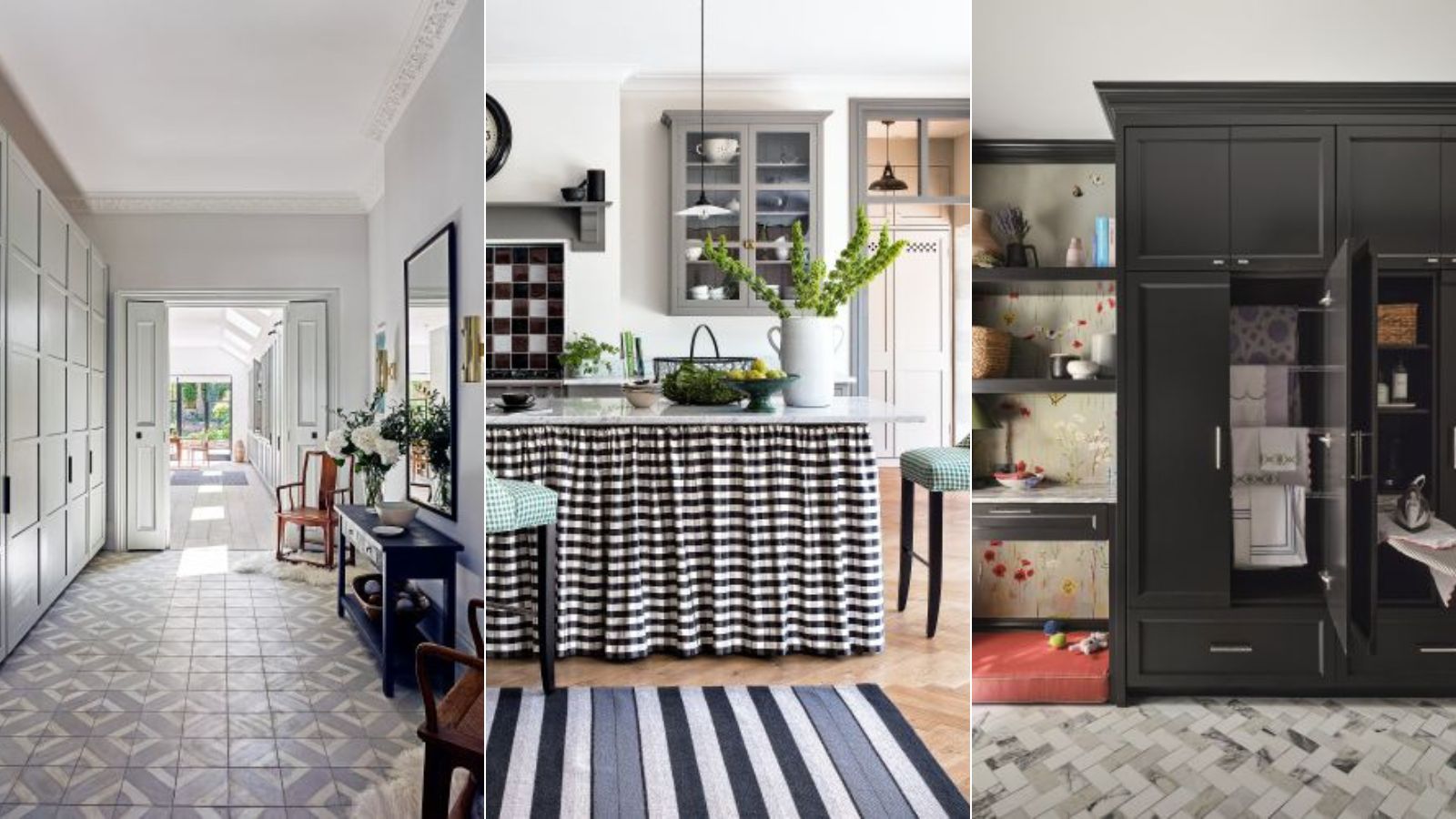
How to hide a washer and dryer – interiors experts on keeping laundry appliances out of sight

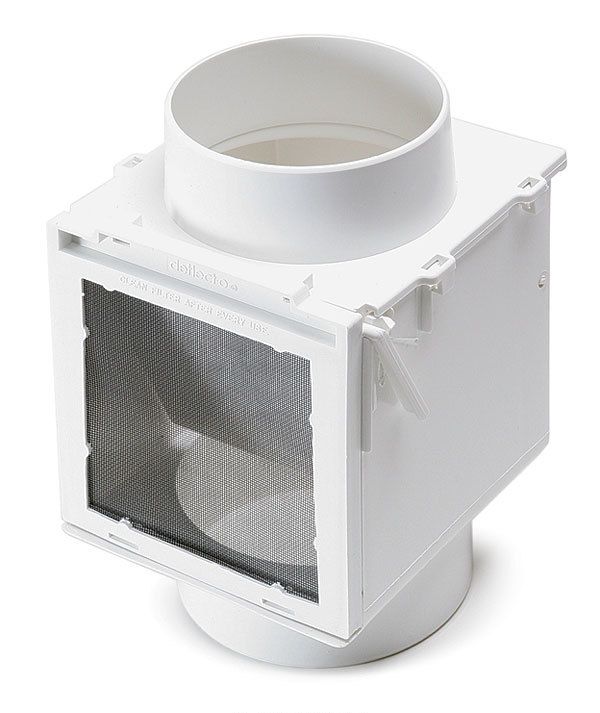
Tapping into a dryer vent for heating


8 Best Portable Washing Machines
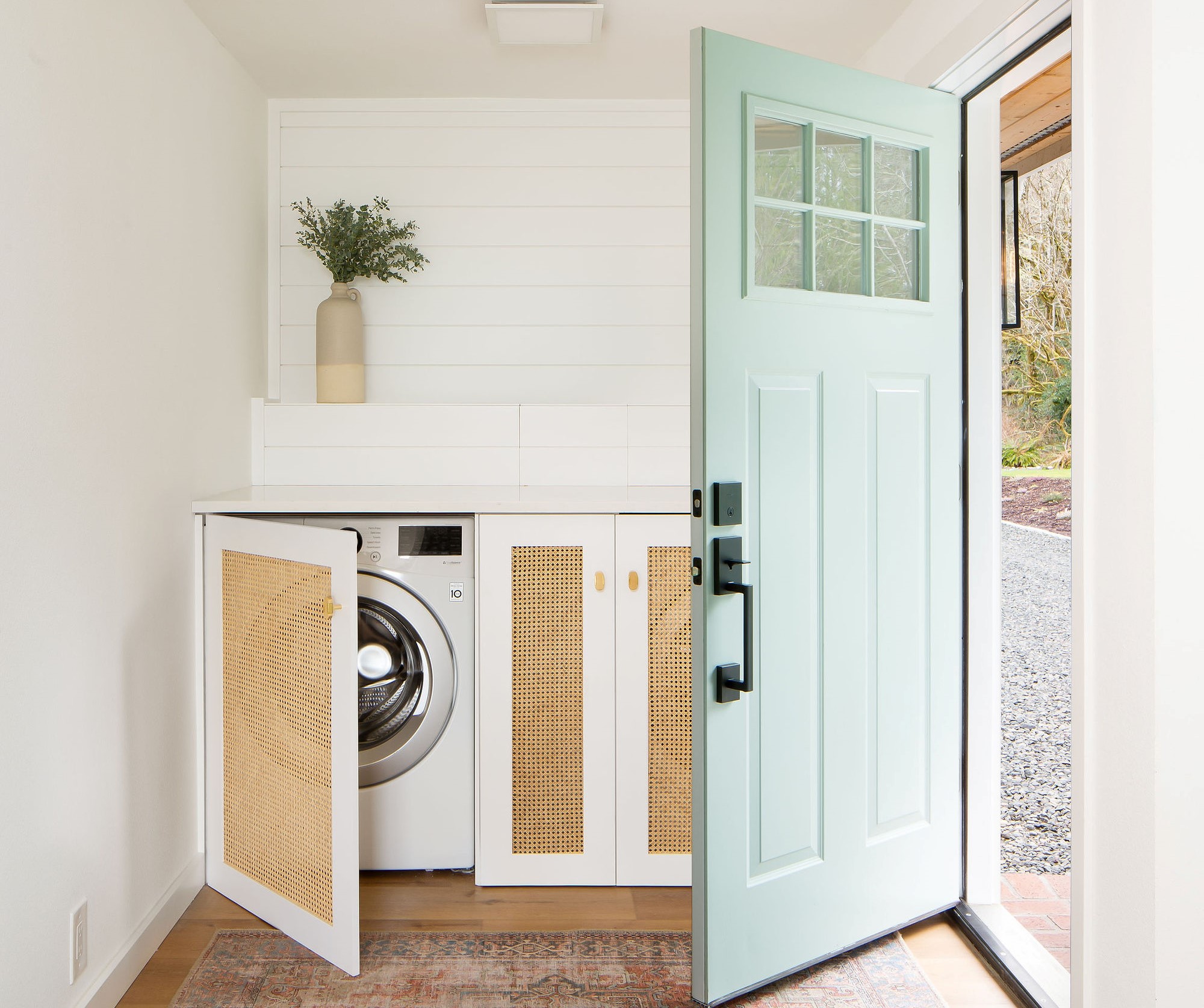
6 genius ways to sneak a washer dryer into a small home – even if you don't have space for a laundry room

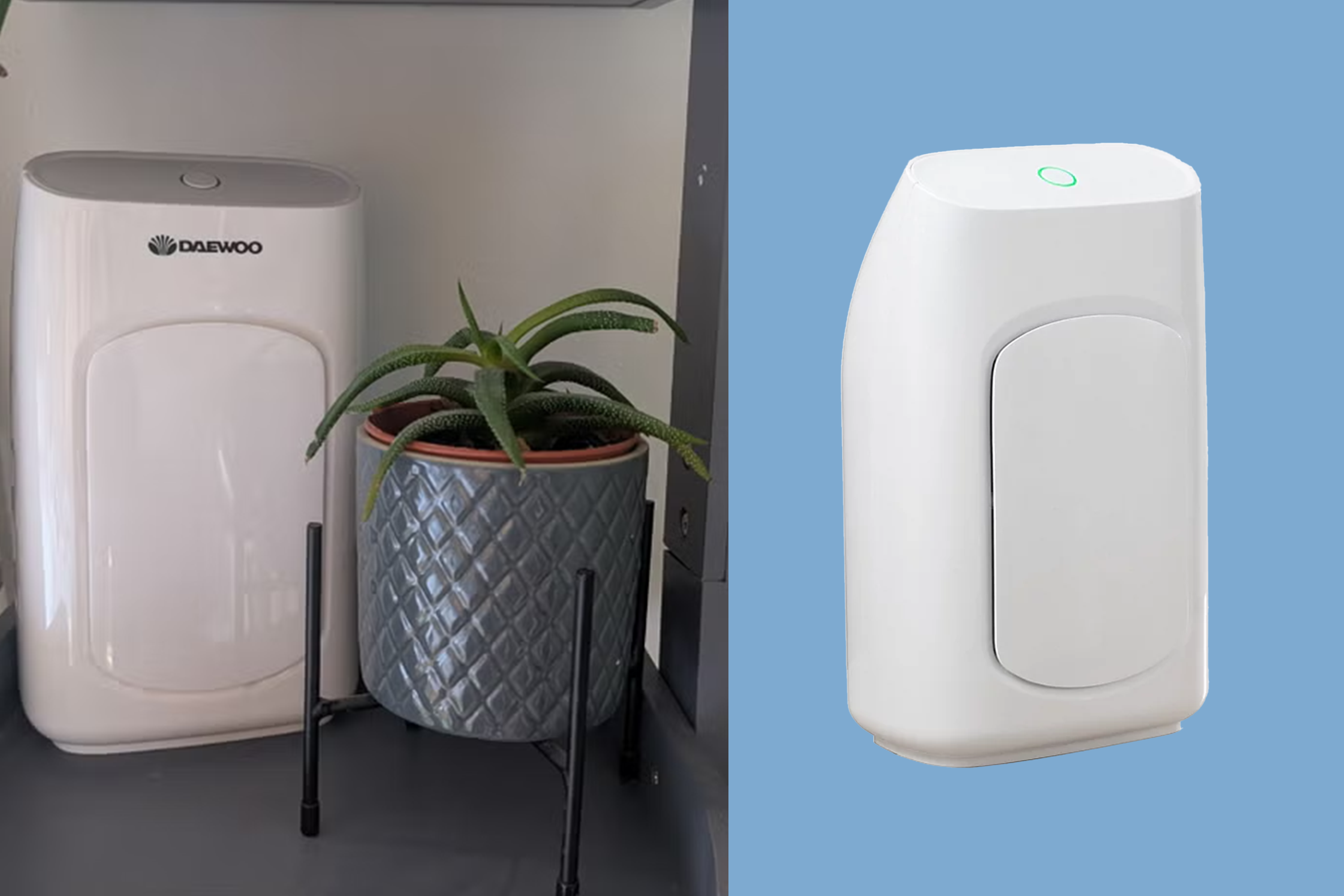
You can stop worrying about damp in your home thanks to this budget appliance
The Best Washer and Dryer Pedestals for Your Laundry Room
8 Best Washer and Dryers for an Apartment in 2023
This closet depth washer is still full size, but it can fit in almost any laundry room.

Best places to buy washer dryers
Should I raise my washer and dryer? This is why I wish I'd invested in a laundry pedestal
Is It Safe To Run Your Washer And Dryer Together?
Front-Load vs. Top-Load Washers: Which Is Better?

This washing machine placement mistake could be damaging your appliance – here's where to put it instead

5 Things to Know About Front-Load Washers
The Best Dryer Vent Hoses for Tight Spaces


The Best Dryers of 2025

The 9 Best Dryers of 2026 | Reviews by Wirecutter


The Home Appliance Design Hilary Farr Relies On For Its Space-Saving Benefits