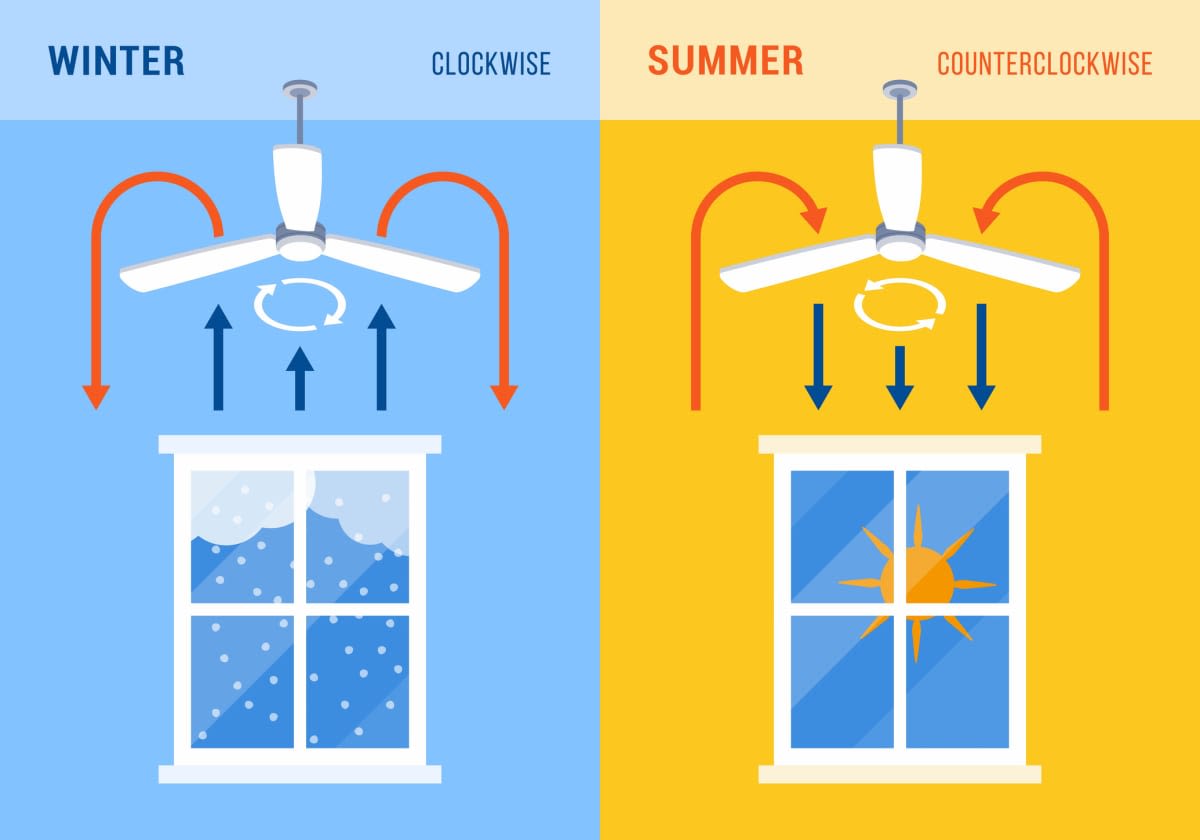
Why You Should Set Your Ceiling Fan’s Direction Clockwise This Winter? Appliance Experts Weigh In
The article discusses the often-overlooked functionality of ceiling fans in regulating room temperature beyond just cooling, specifically highlighting their role in warming a room during winter. While commonly perceived as devices solely for circulating cool air, appliance experts reveal that ceiling fans possess a feature that allows them to distribute warm air efficiently. This feature involves changing the direction of the fan's rotation.
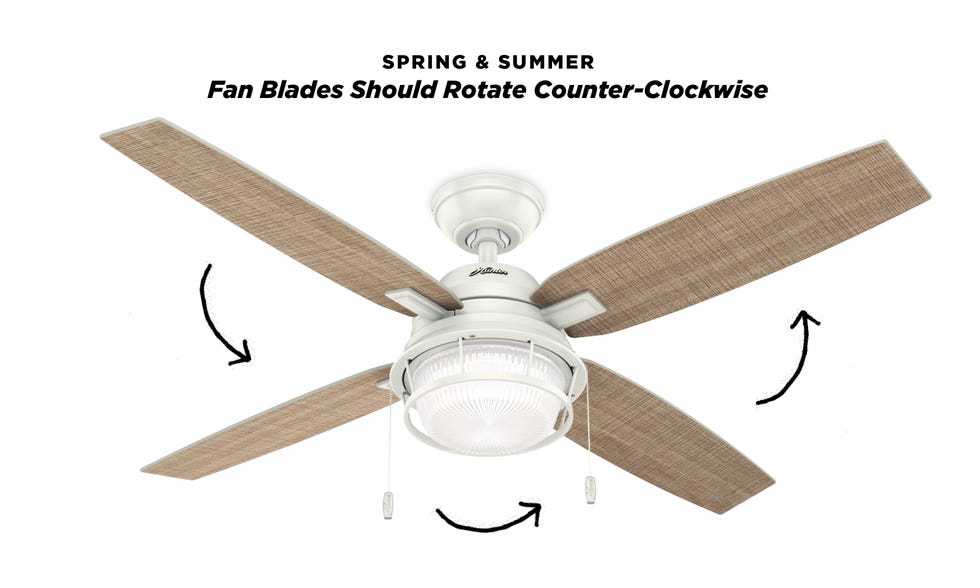
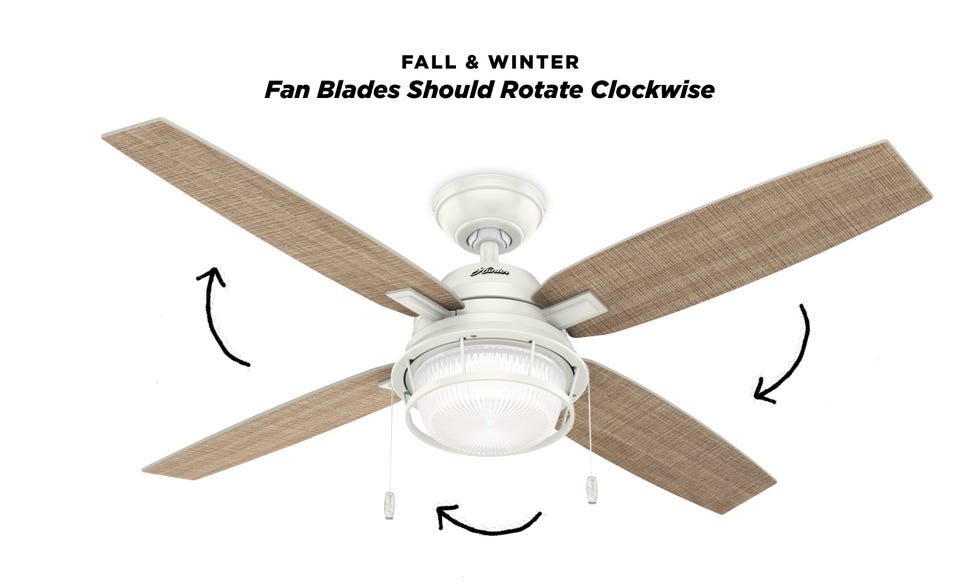
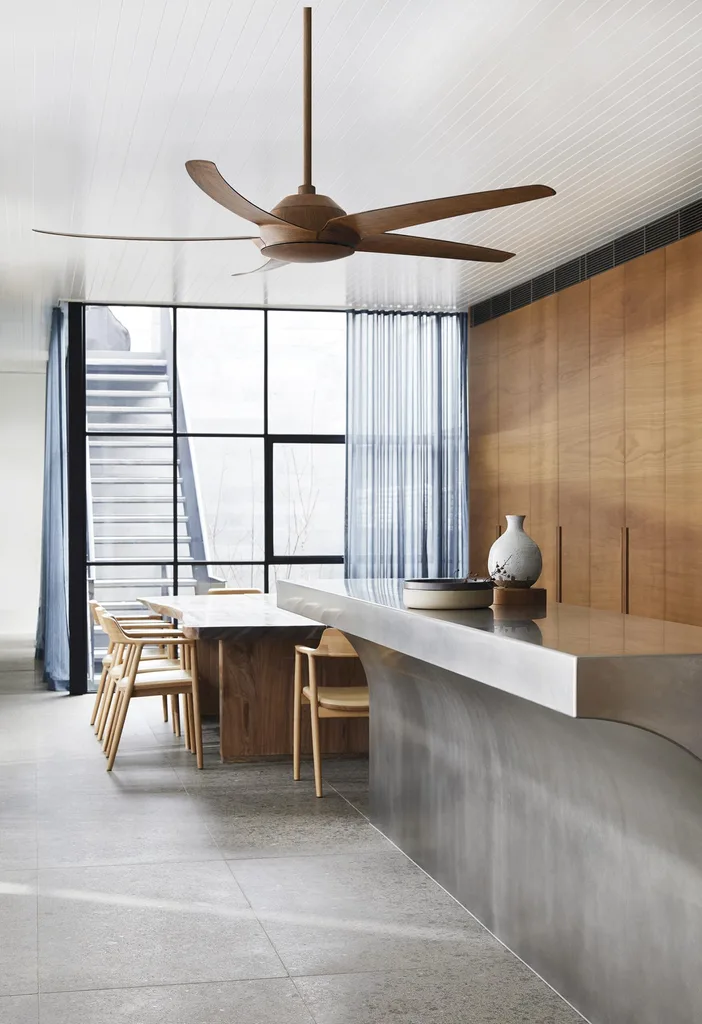
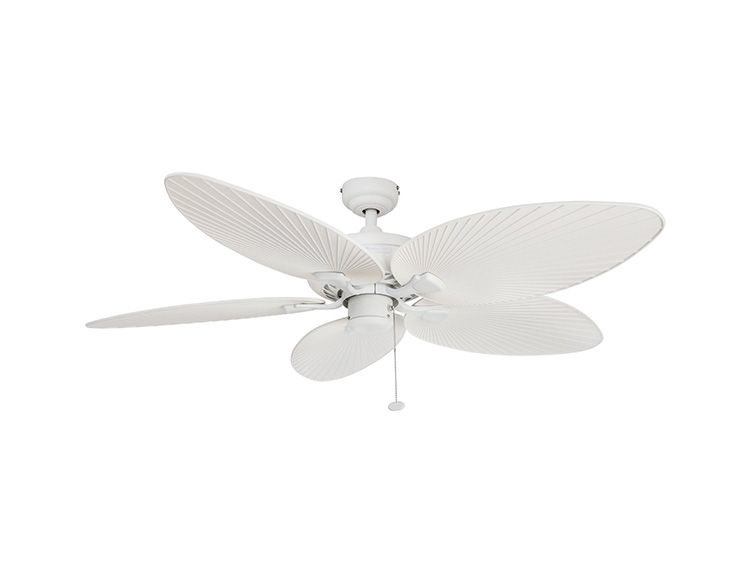
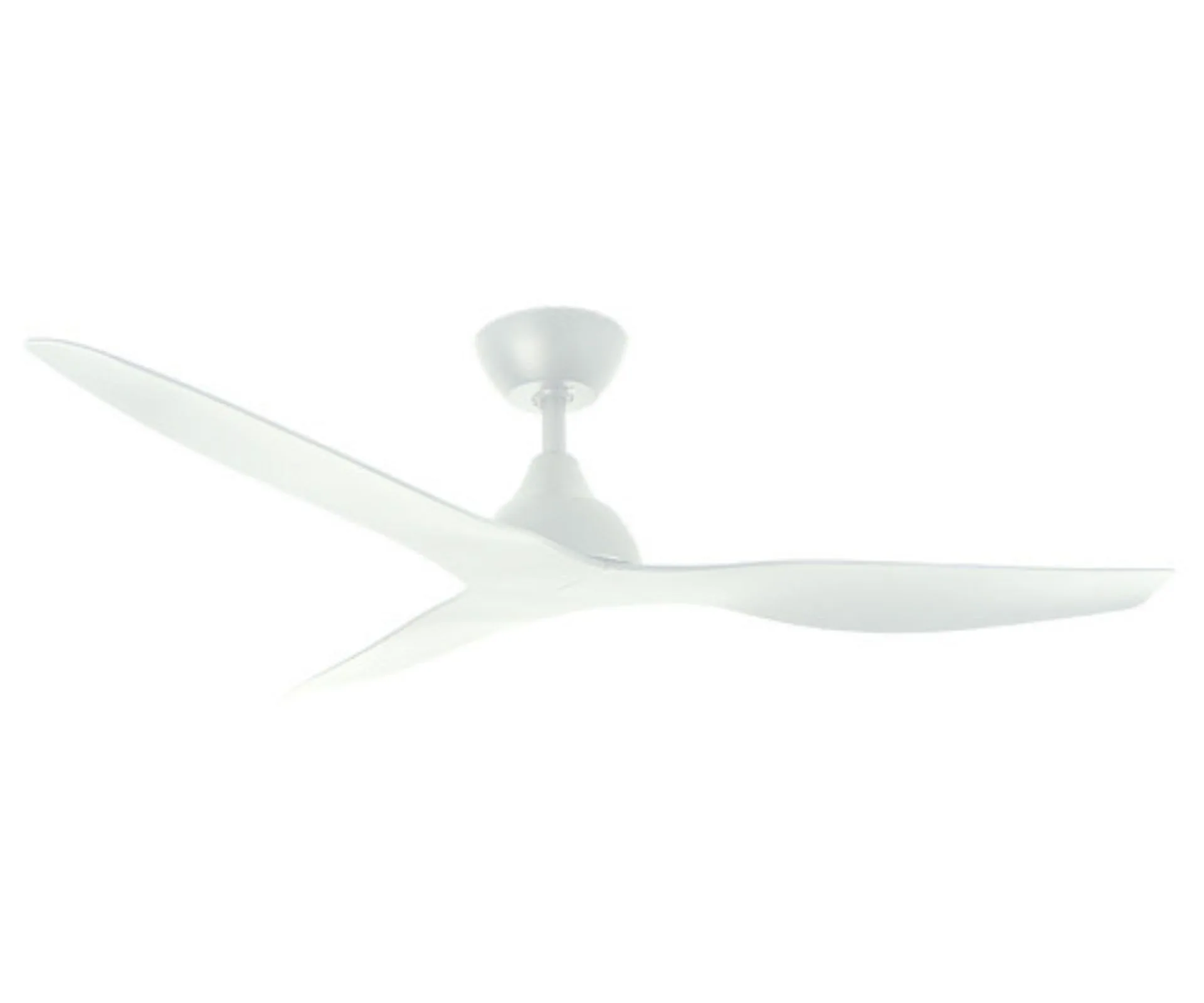
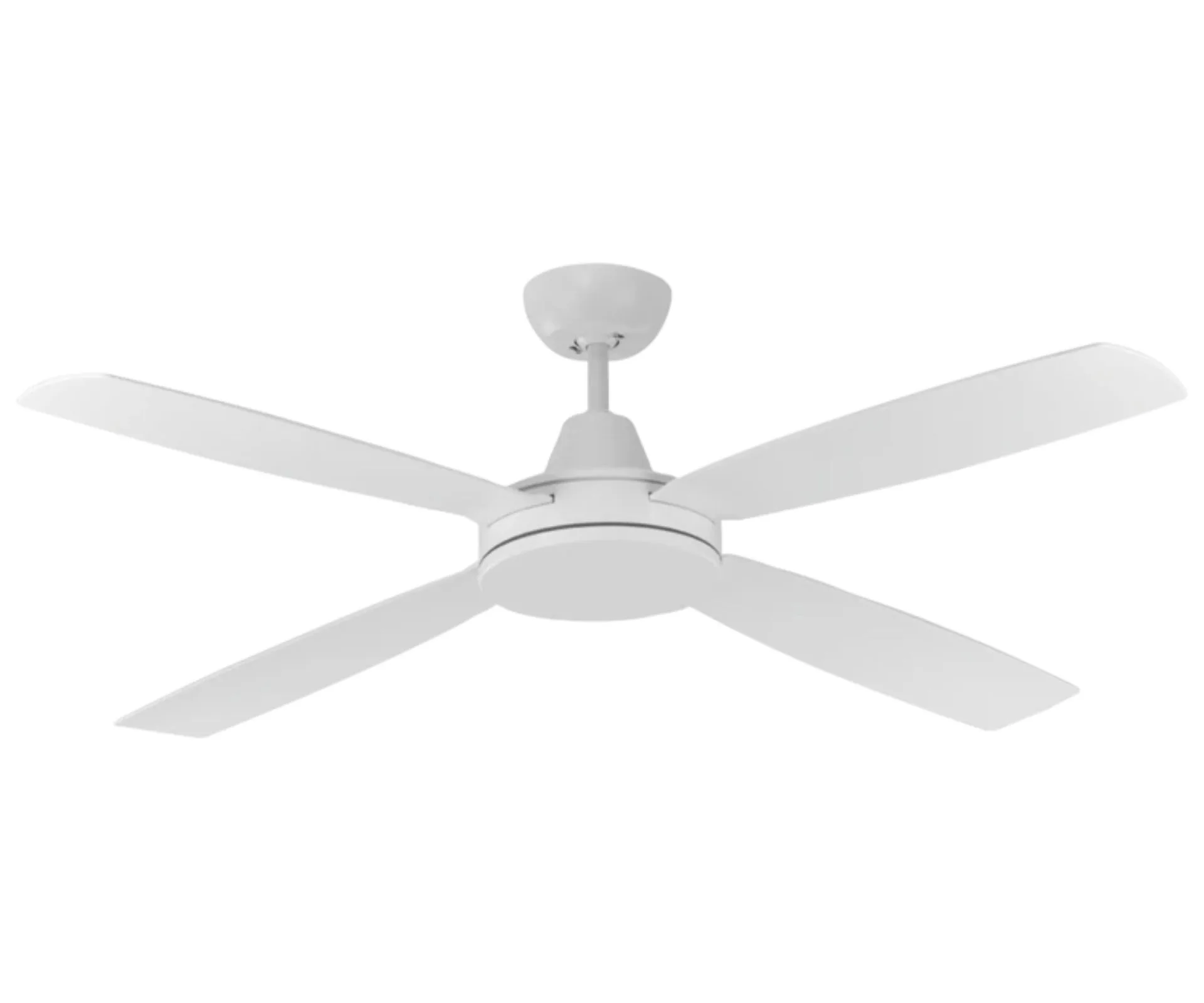
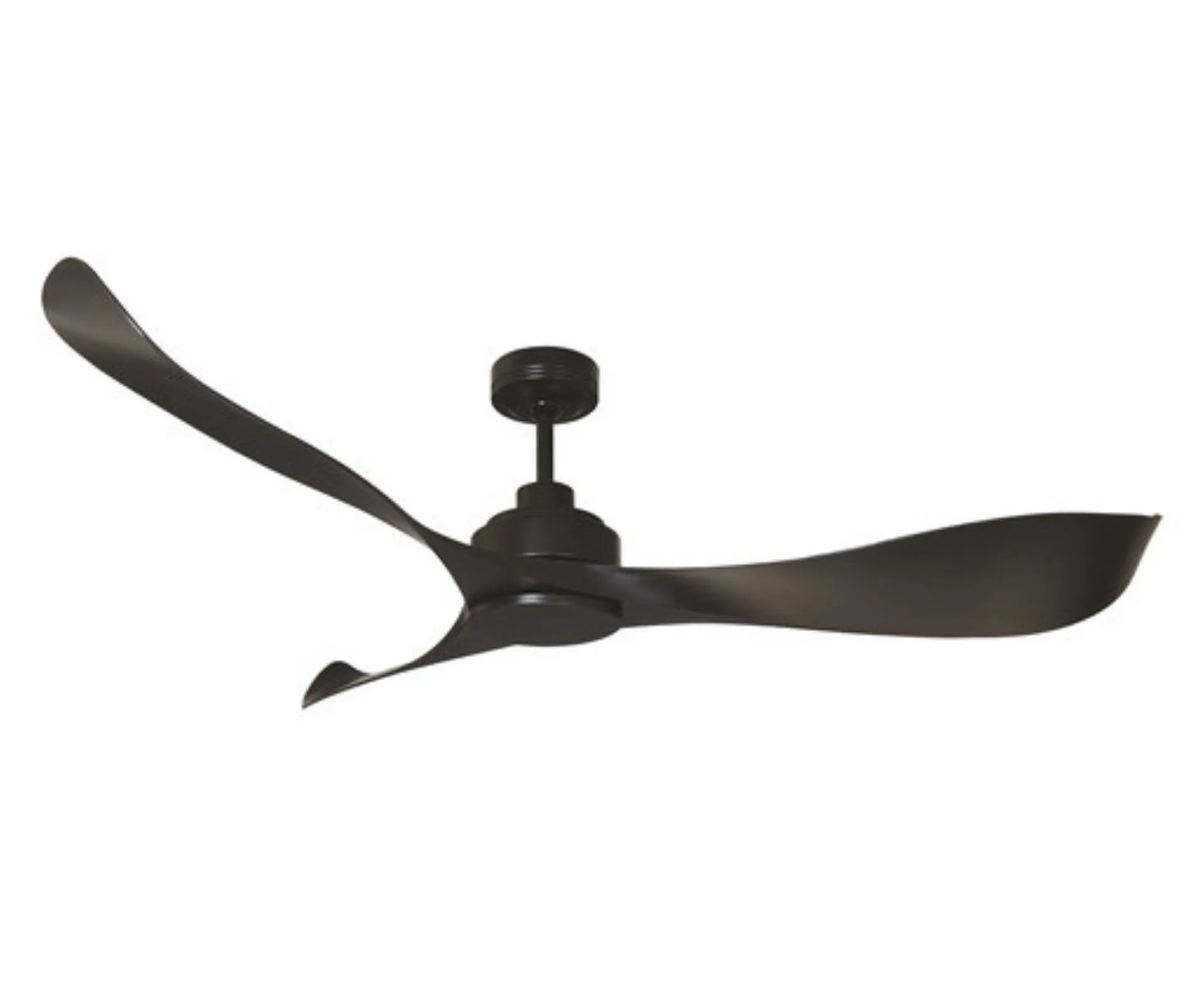
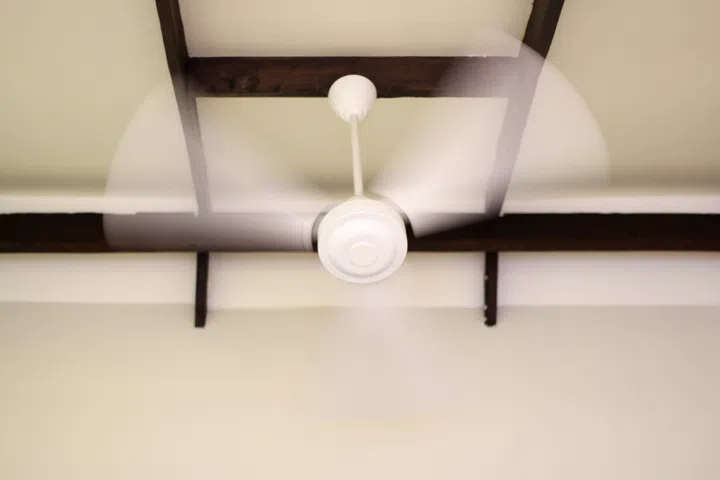
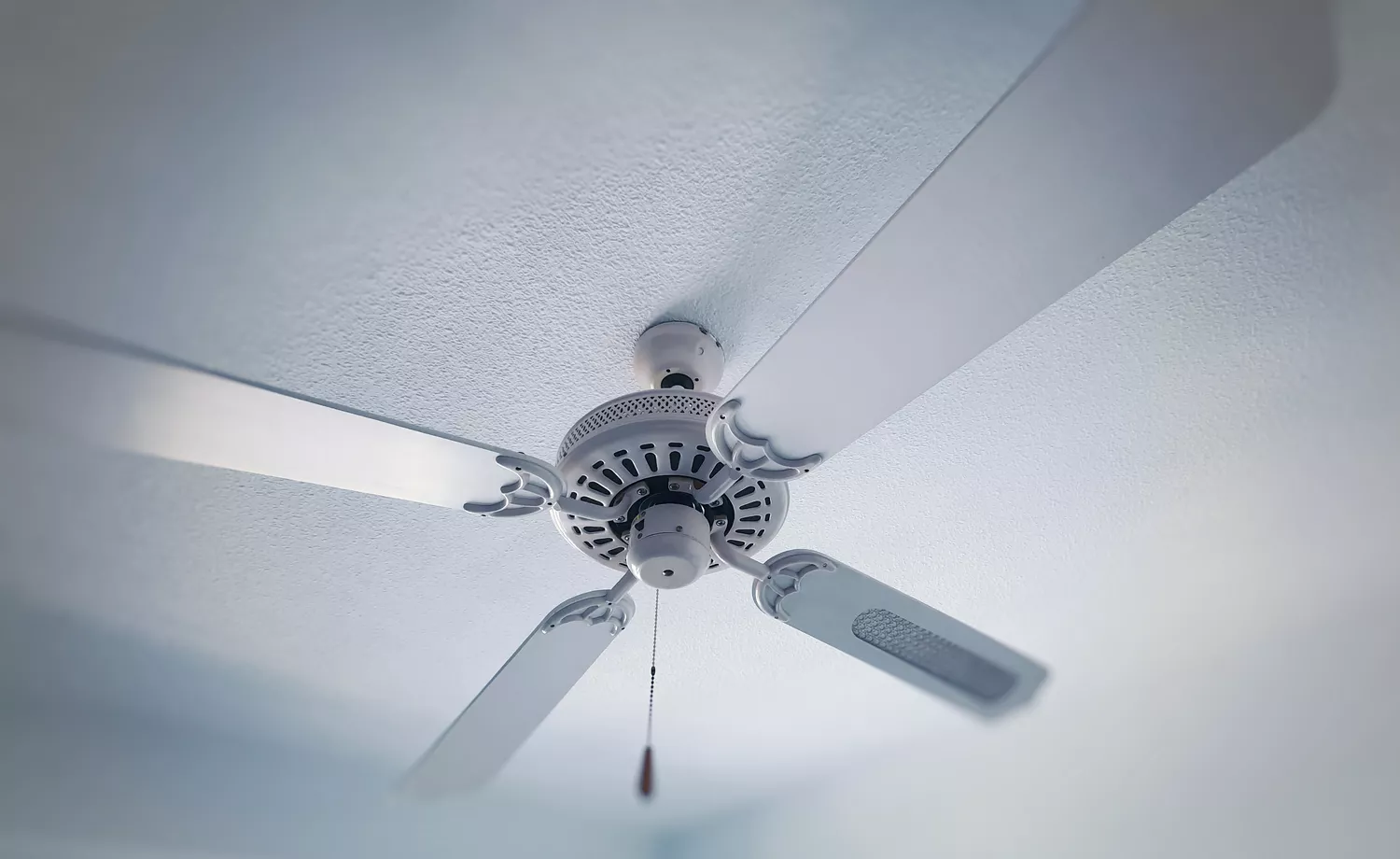
Traditionally, ceiling fans are operated to spin counter-clockwise, which pushes air downwards, creating a cooling effect for occupants. However, during colder months, this direction can be counterproductive. The key to utilizing a ceiling fan for warmth is to reverse its rotation to a clockwise direction. When the blades rotate clockwise, they draw cool air from the lower parts of the room upwards. This action then displaces the warmer air that naturally rises and accumulates near the ceiling, pushing it down and circulating it throughout the living space. This process effectively redistributes the existing warm air, leading to an overall increase in perceived room temperature.
Katie Whitaker, founder of the home repair business Handyma’am, emphasizes that ceiling fans do not alter the actual temperature of the room. Instead, they manipulate airflow to change how individuals perceive the temperature. The movement of air can significantly impact comfort levels, making a room feel cooler in summer and warmer in winter, even if the thermostat setting remains unchanged. For optimal warming, experts recommend operating the fan at a low speed in the clockwise direction. This low-speed rotation ensures an even distribution of warm air, effectively eliminating cold spots and contributing to a more consistent ambient warmth.
Changing the fan's direction is a straightforward process, typically involving a small switch located on the fan’s motor unit, just below the blades. Gary McCoy, a store manager at Lowe’s, explains this simple mechanism. Beyond comfort, this technique offers significant energy-saving benefits. The Department of Energy supports the claim that adjusting ceiling fan direction according to the season can lead to substantial reductions in heating and cooling costs, with some estimates suggesting savings of up to 15% on utility bills. This is because by recirculating warm air, the heating system does not have to work as hard to maintain the desired temperature, thus consuming less energy.
The effectiveness of this energy-saving method is influenced by other factors, including the home's insulation quality and the efficiency of its heating and cooling systems. Homes with better insulation and more efficient HVAC systems will likely experience greater benefits from optimizing ceiling fan usage. The physics behind this phenomenon involves the blade pitch and airflow dynamics. As explained by CityLightsSF, the angle of the fan blades determines how much air is moved and how much power is required. The direction of rotation then dictates how these pitched blades interact with the air to create either a cooling downdraft or a warming updraft. Therefore, understanding and utilizing this simple adjustment can enhance home comfort and promote energy efficiency during the winter months.
#CeilingFan #WinterHeating #EnergyEfficiency #HomeComfort #ApplianceTips #SustainableLiving #AirflowDynamics #CeilingFan #WinterHeating #EnergyEfficiency #HomeComfort #ApplianceTips #SustainableLiving #AirflowDynamics
0 commenti in totale
 Nessun commento ancora
Potresti anche gradire

The Fan Mistake You’re Making That’s Making Your House Hotter
11 Best Fans to Keep You Cool in 2025

How to choose the best ceiling fans for your home
This Is the Direction Your Fan Should Be Spinning in the Winter

Our Editor Recommendations for Ceiling Fans Can Supplement or Even Replace an A/C

Ceiling fans: A new spin on cooling your home | Home and Garden | Life
The Ceiling Fan Mistake That's Costing You Money Every Month
Best ceiling fans in Australia 2025

We Spent 1,200 Hours Testing Which Ceiling Fans Are the Most Cooling — These Are Our Winners
Will Reversing Your Ceiling Fan Actually Save You Money This Winter?

10 Best Ceiling Fans in Singapore
Not a Fan? Seven Ceiling Fan Options For All You Haters

Which Way Should A Ceiling Fan Turn In The Winter? Experts Explain
The Best Ceiling Fans for a Breezy, Comfortable Home


7 top-rated ceiling fans to consider this year
11 Ceiling Fans in Singapore with Lights, Smart Tech, Bladeless and Small Options (2025)
Ceiling fans 101: a guide to choosing the right one


The Best Ceiling Fans to Keep You Cool All Year Round


16 Best Ceiling Fans You Can Buy Online Right Now

The unknown switch that you should change twice a year on your ceiling fan