1/5
What is Art Deco design? Expert advice on this luxurious look that's returning for 2024
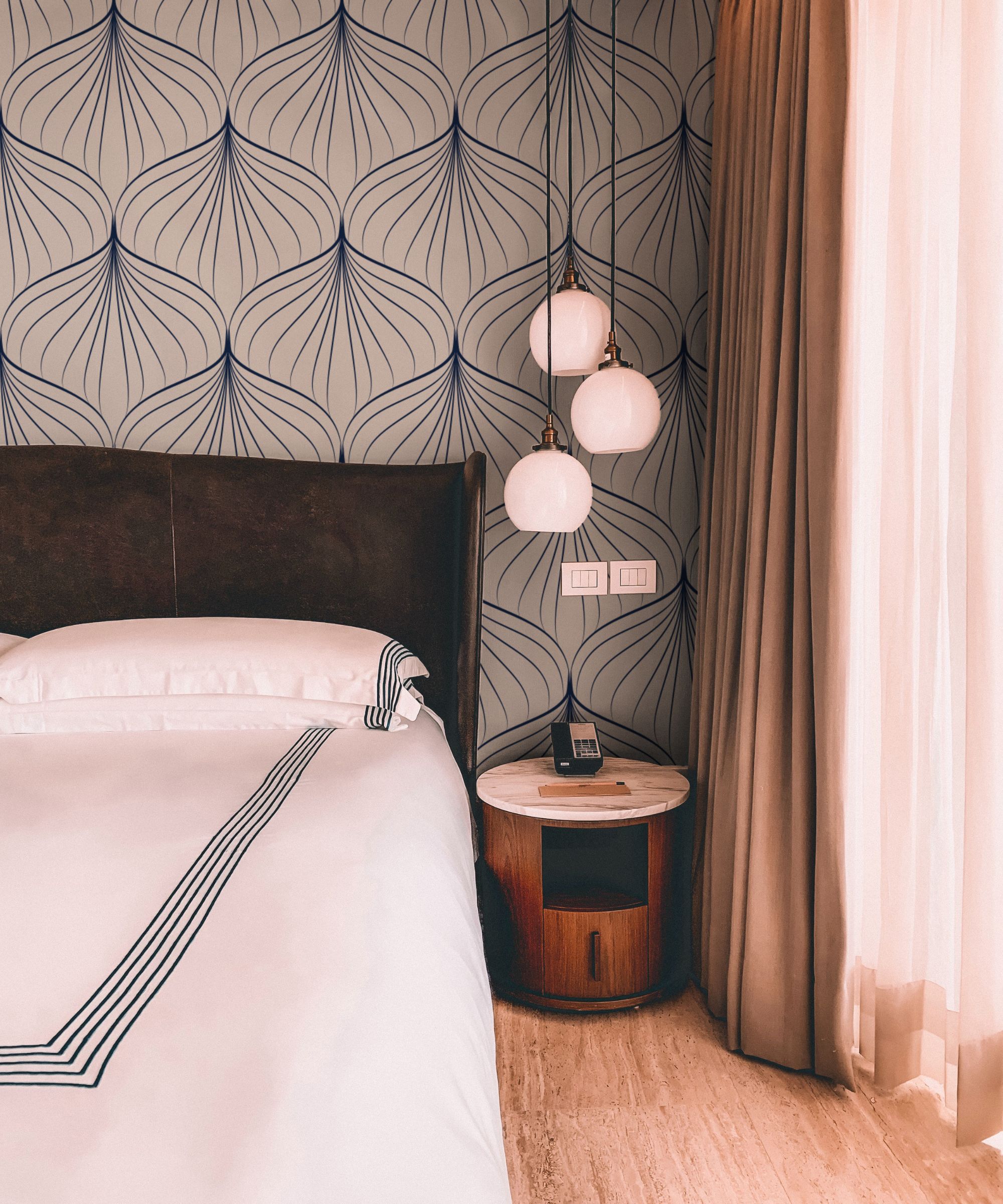
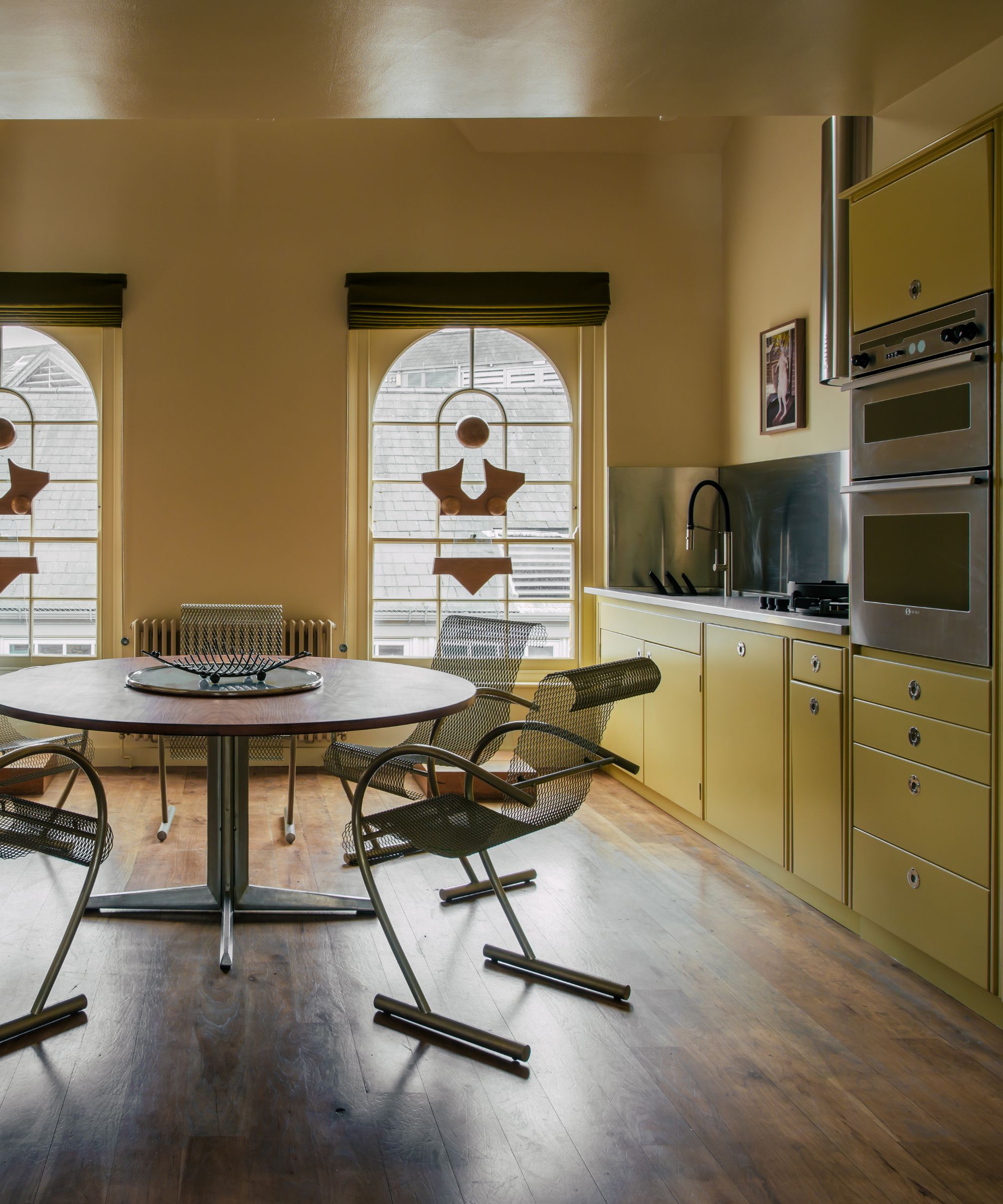
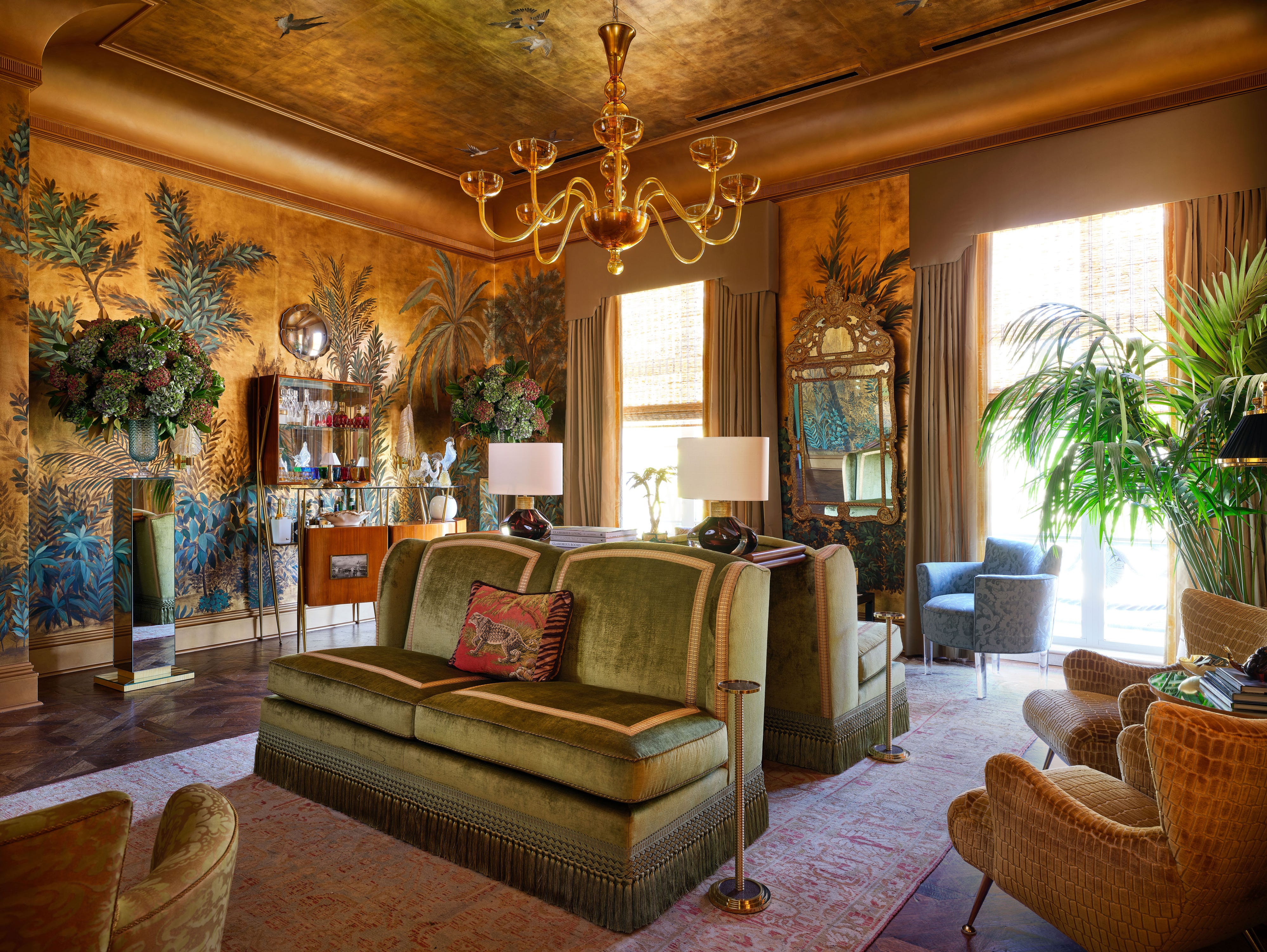
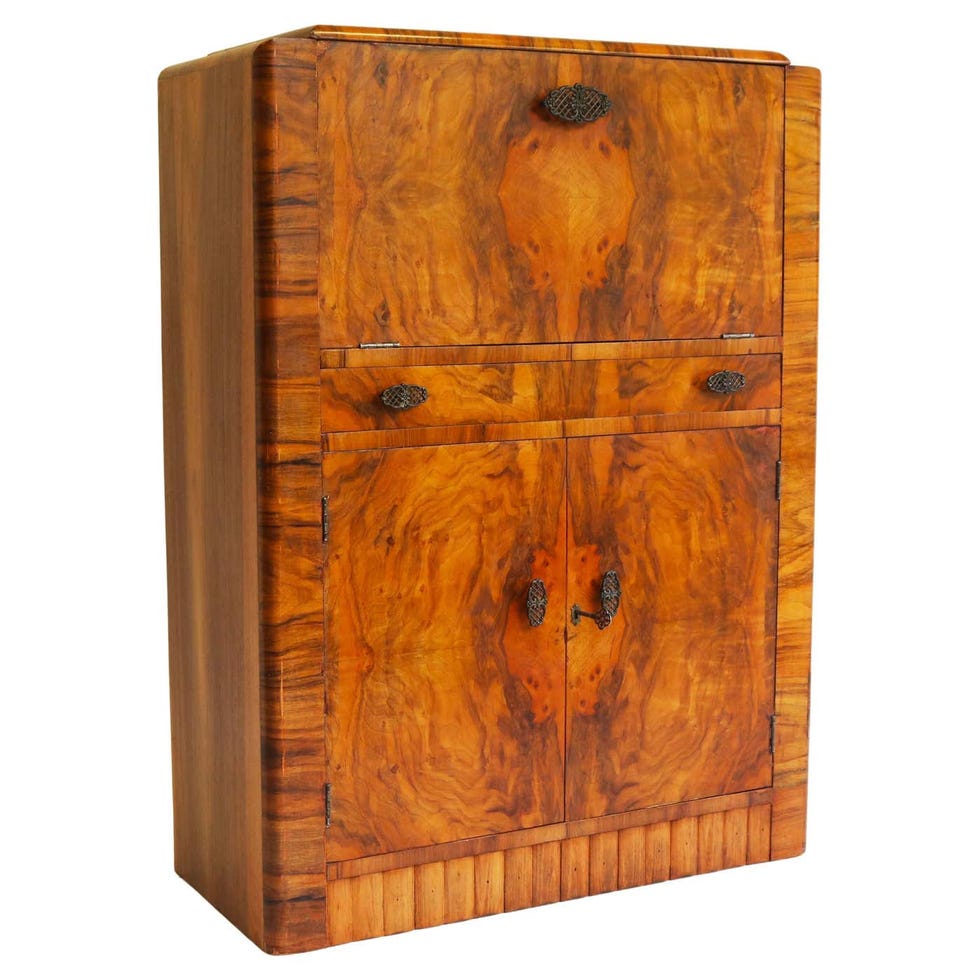
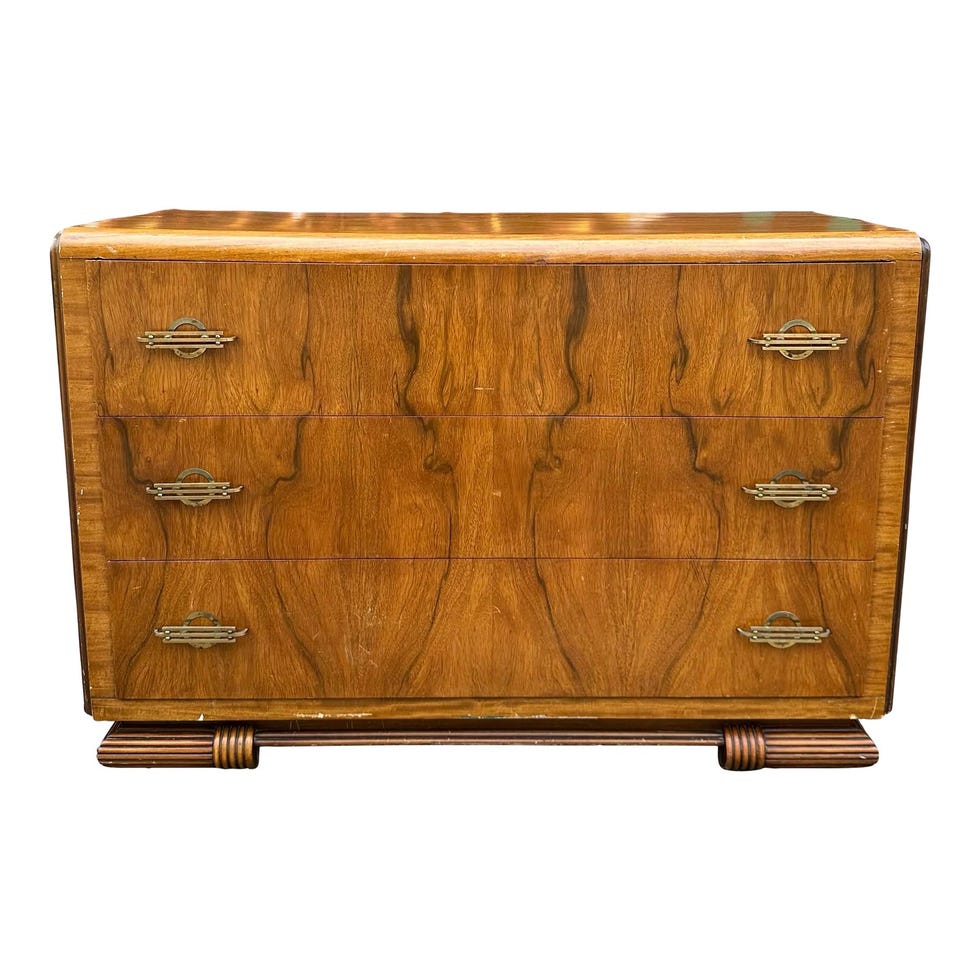
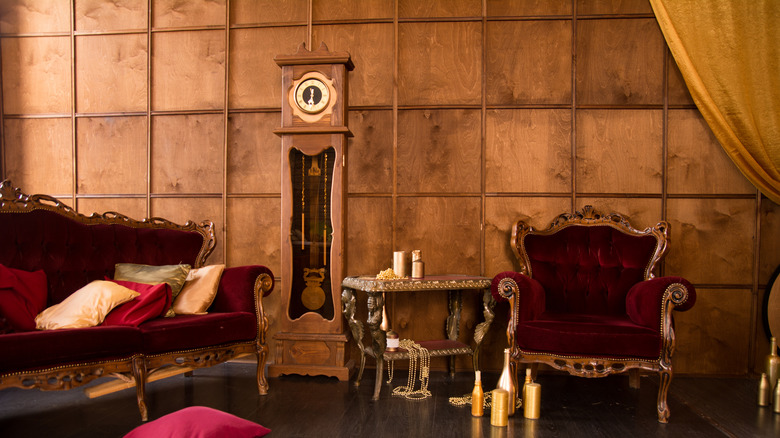
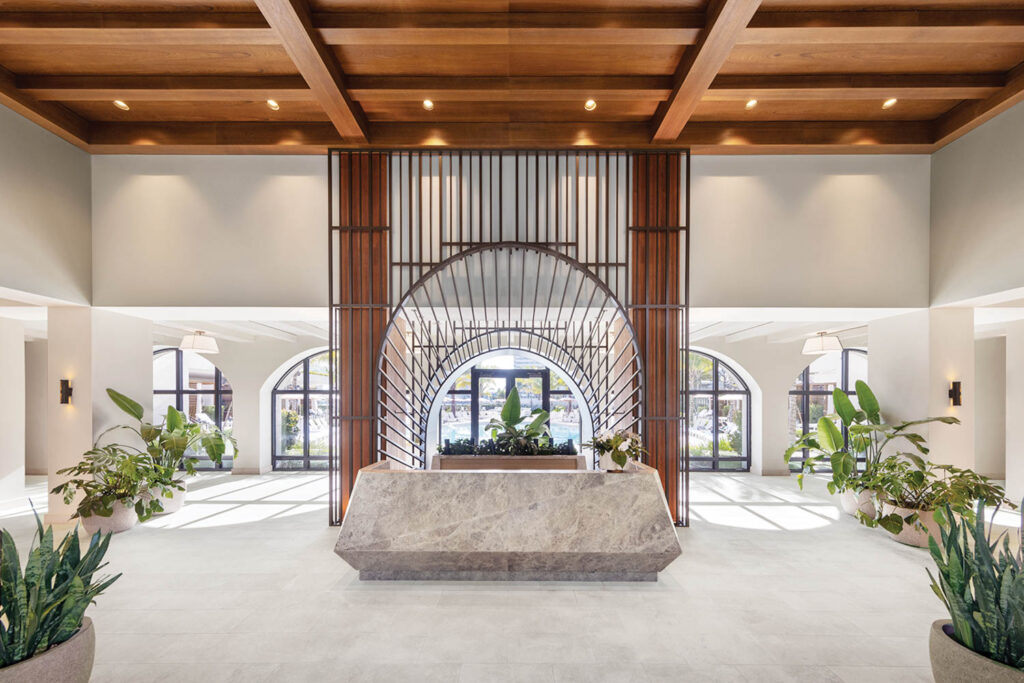
Art Deco design, while reaching its peak popularity in the early 20th century, continues to offer significant aesthetic appeal to contemporary interiors. This style is characterized by a distinctive color palette, unique patterns and motifs, and sleek forms, all of which can be seamlessly integrated into modern living spaces. Art Deco decor is inherently luxurious and extravagant, drawing inspiration from the technological and architectural advancements of its era, such as skyscrapers and ocean liners. This foundational spirit and opulent detailing can bring a sophisticated and optimistic ambiance to 21st-century homes.
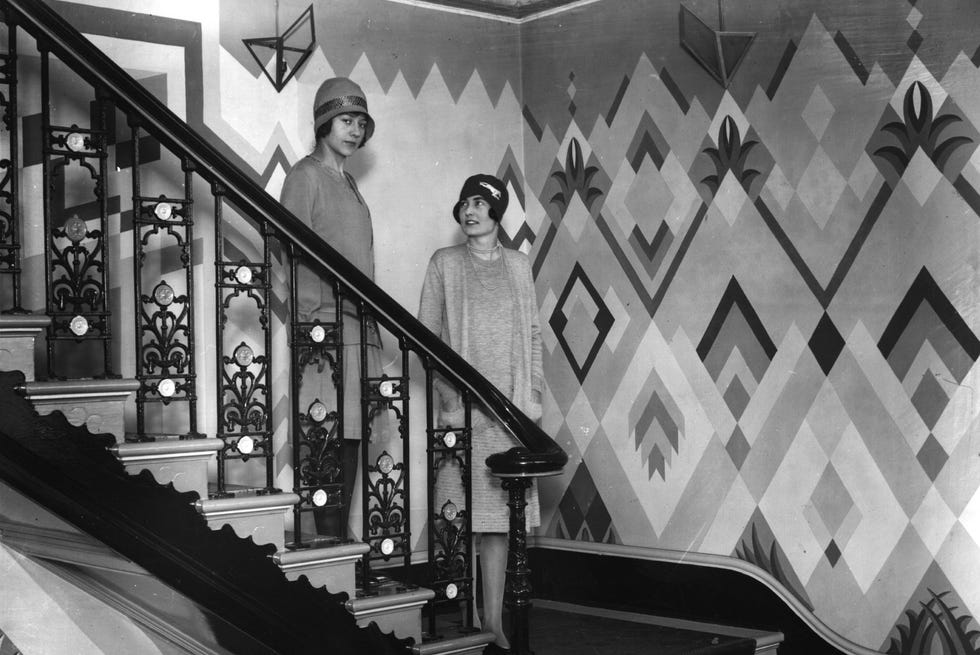
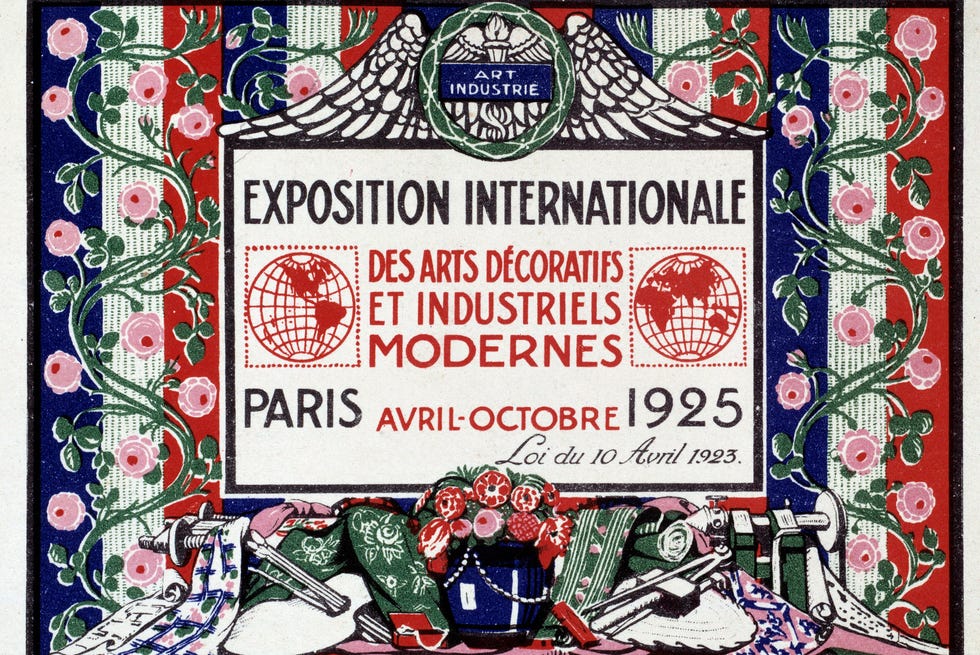
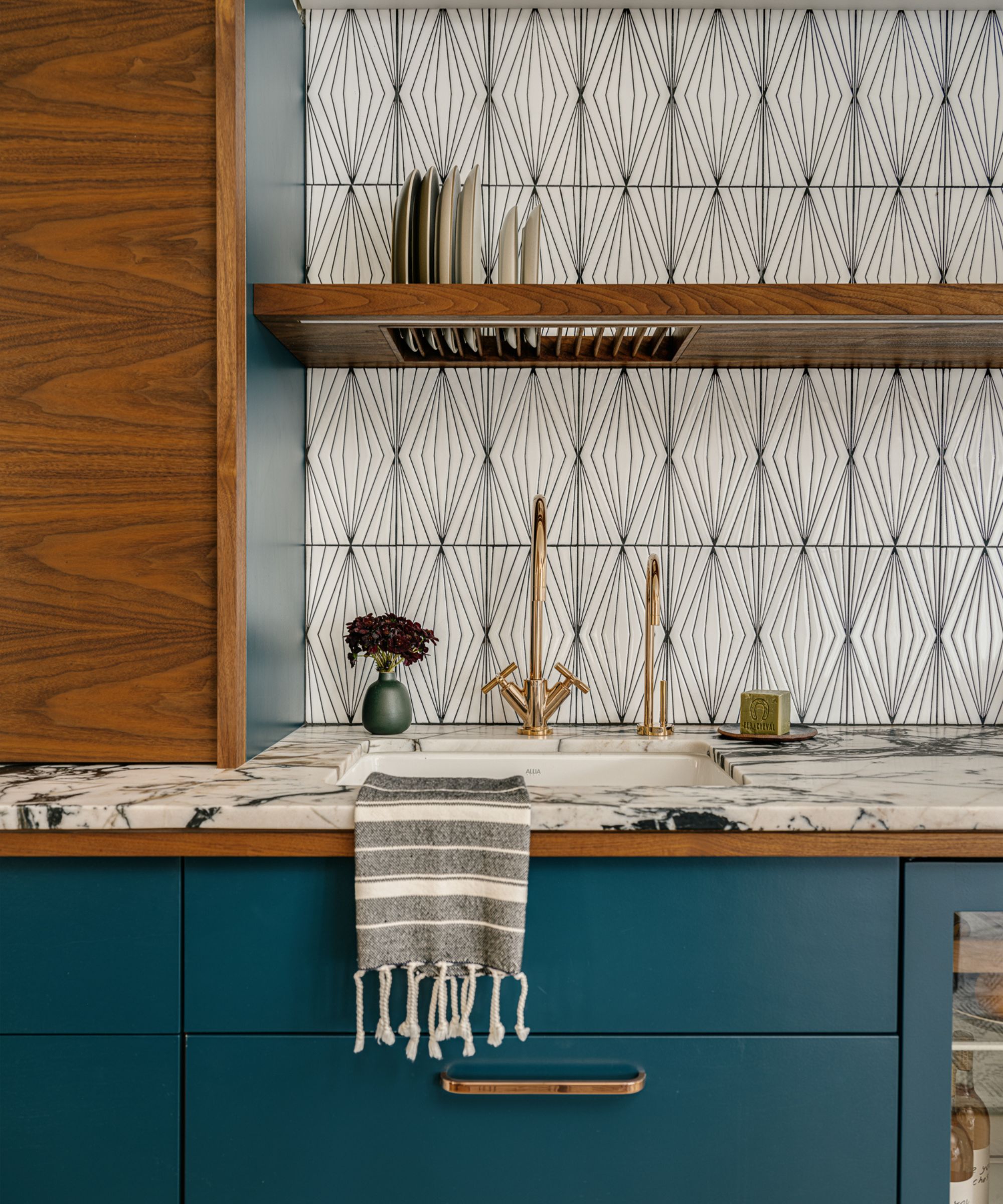
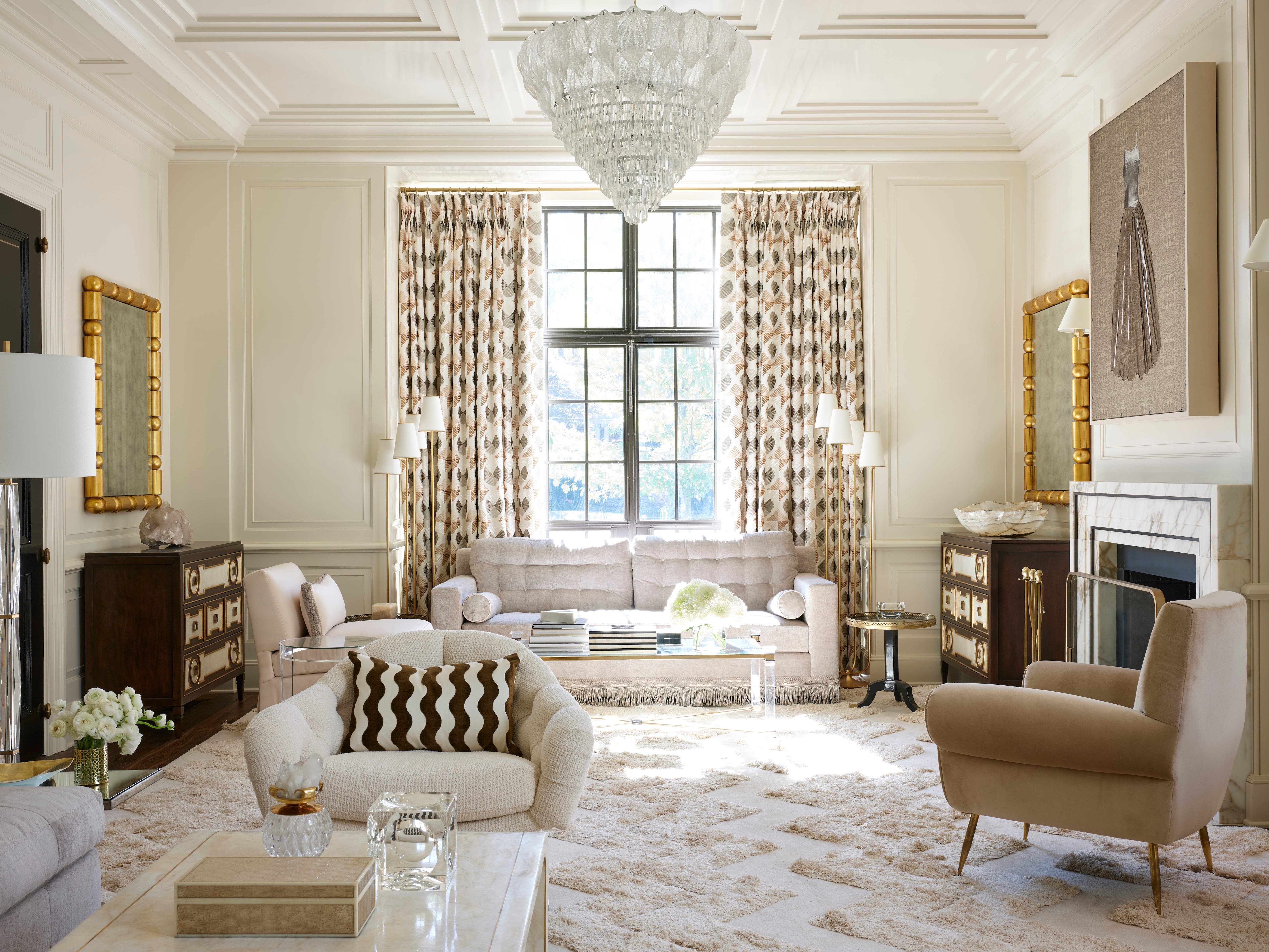
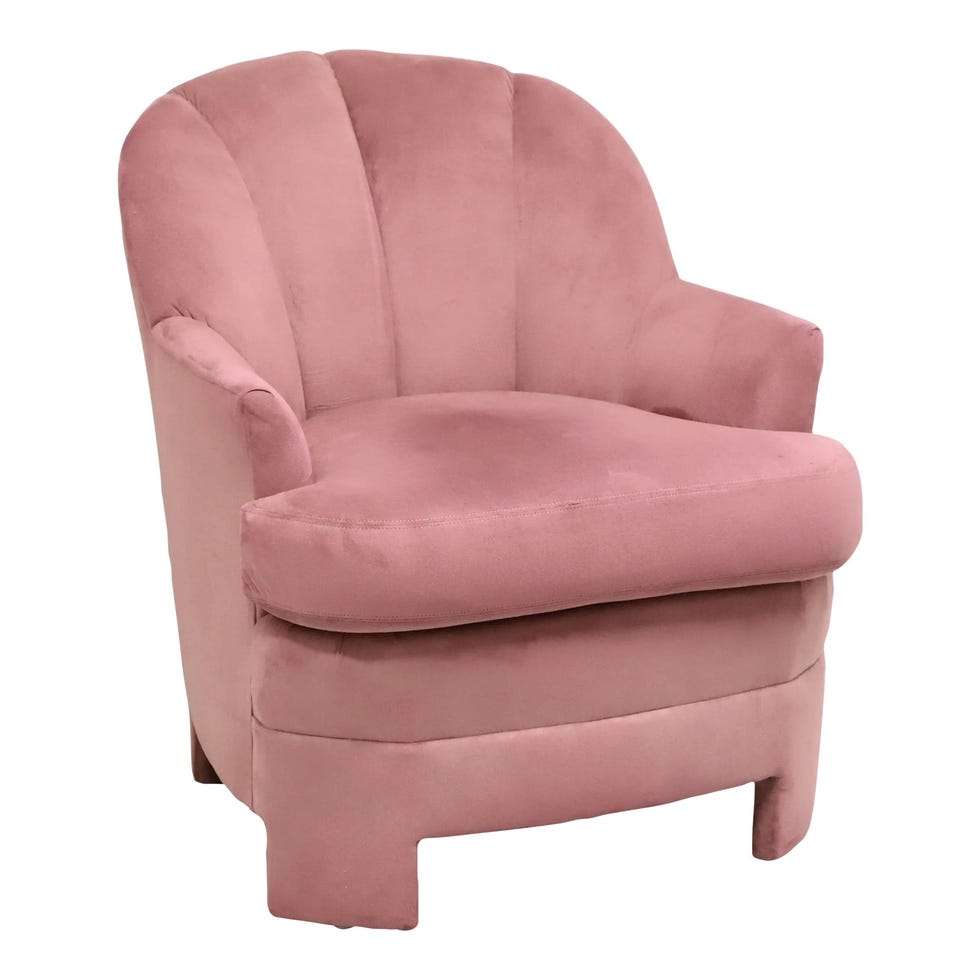
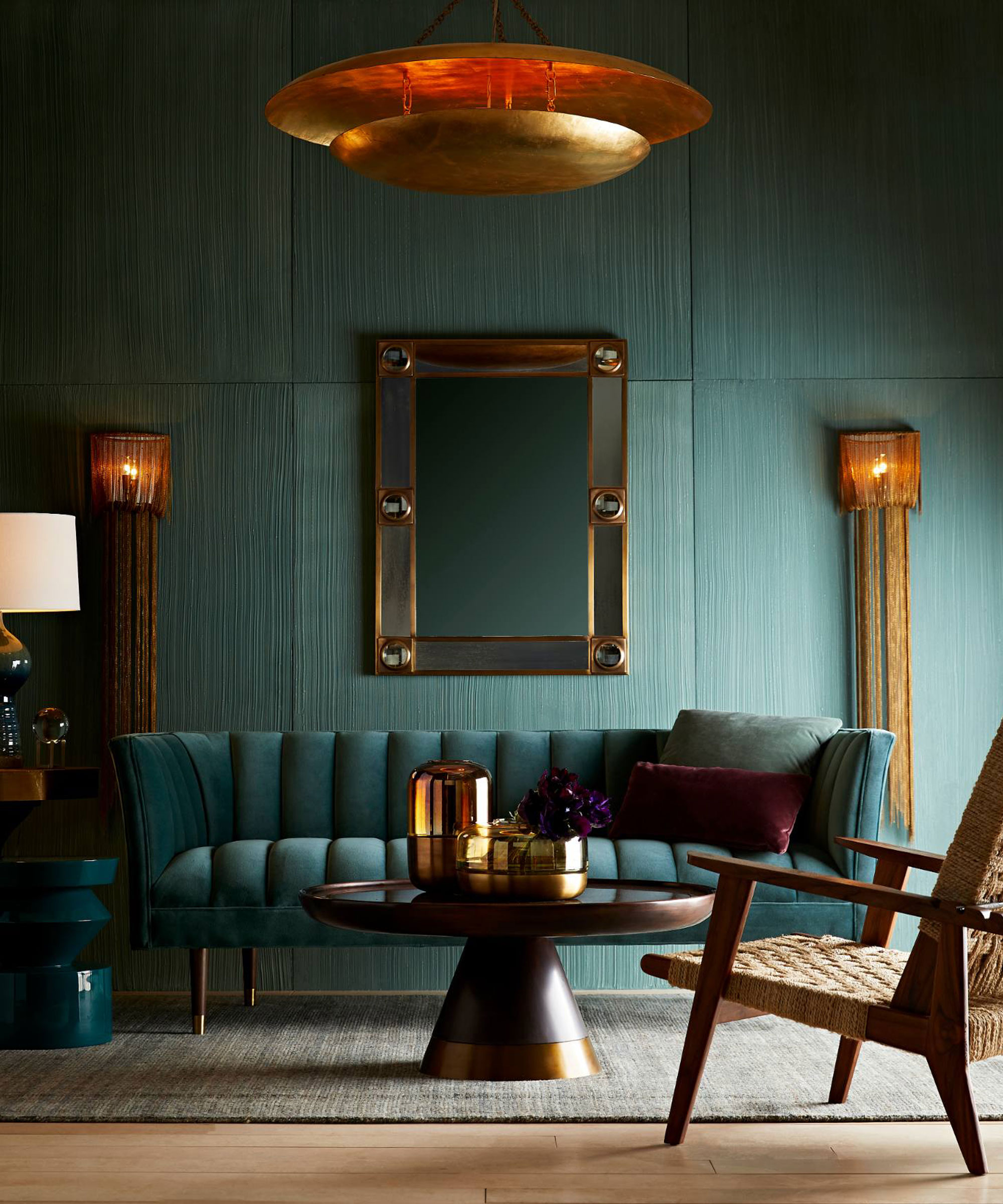
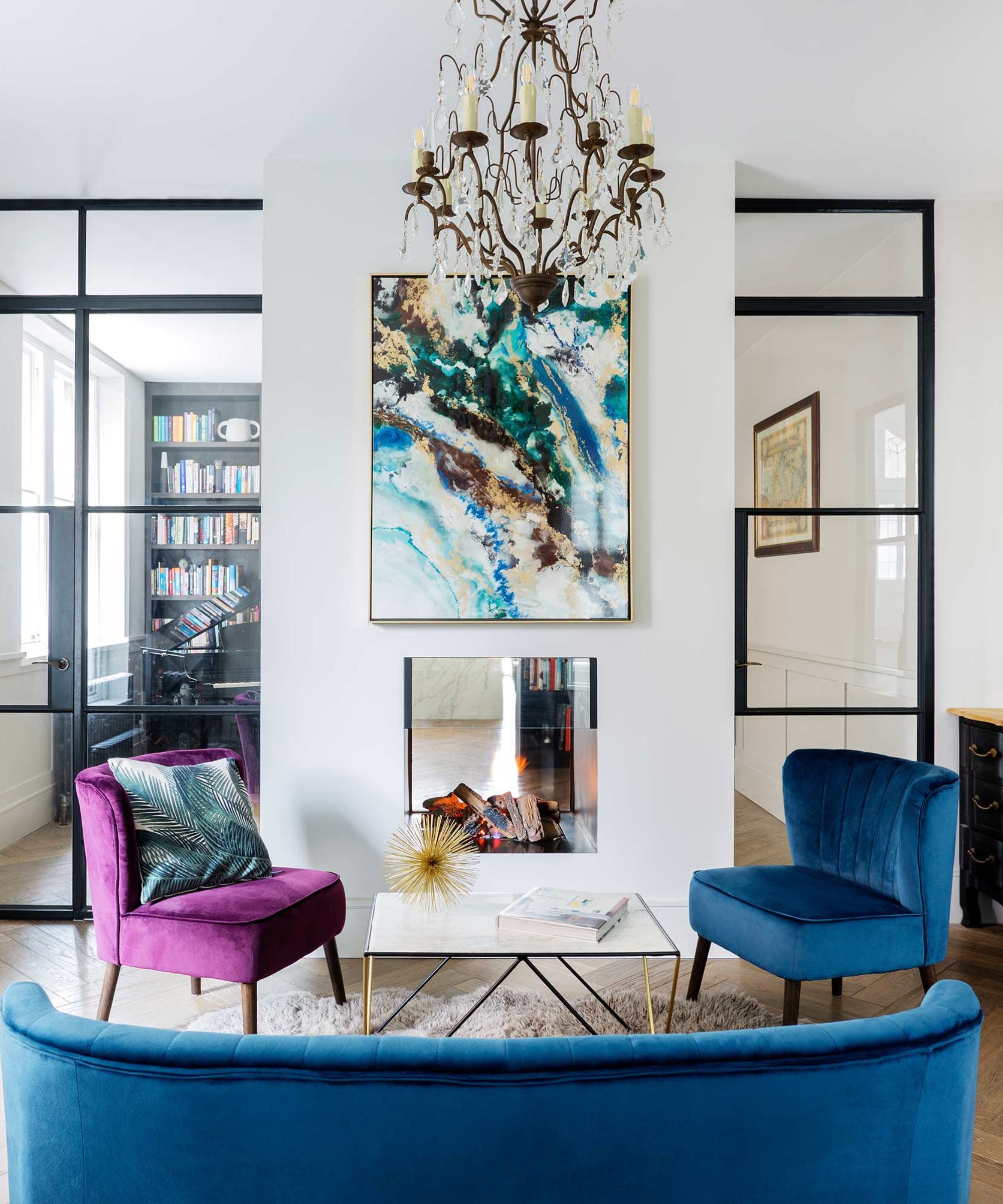
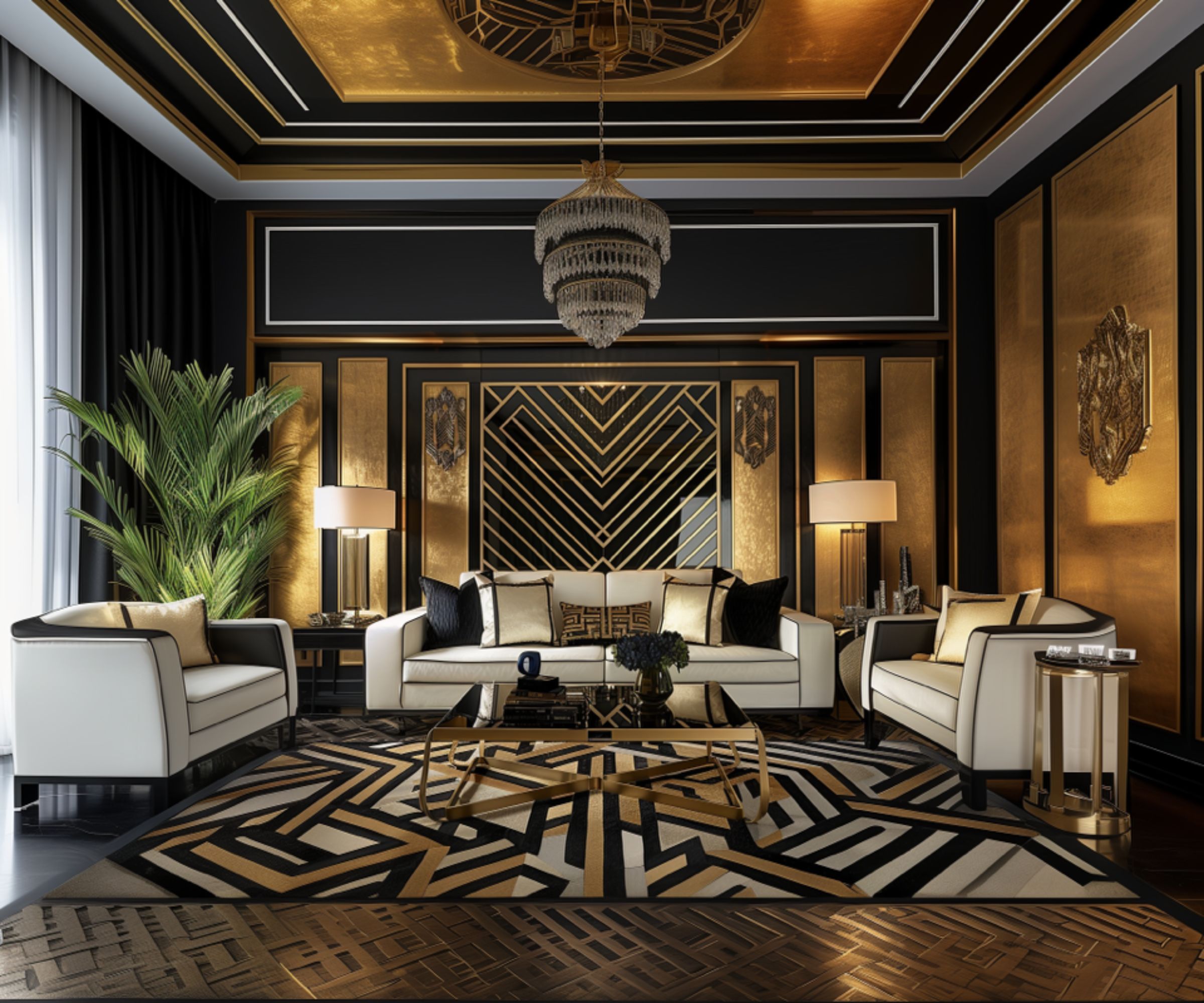
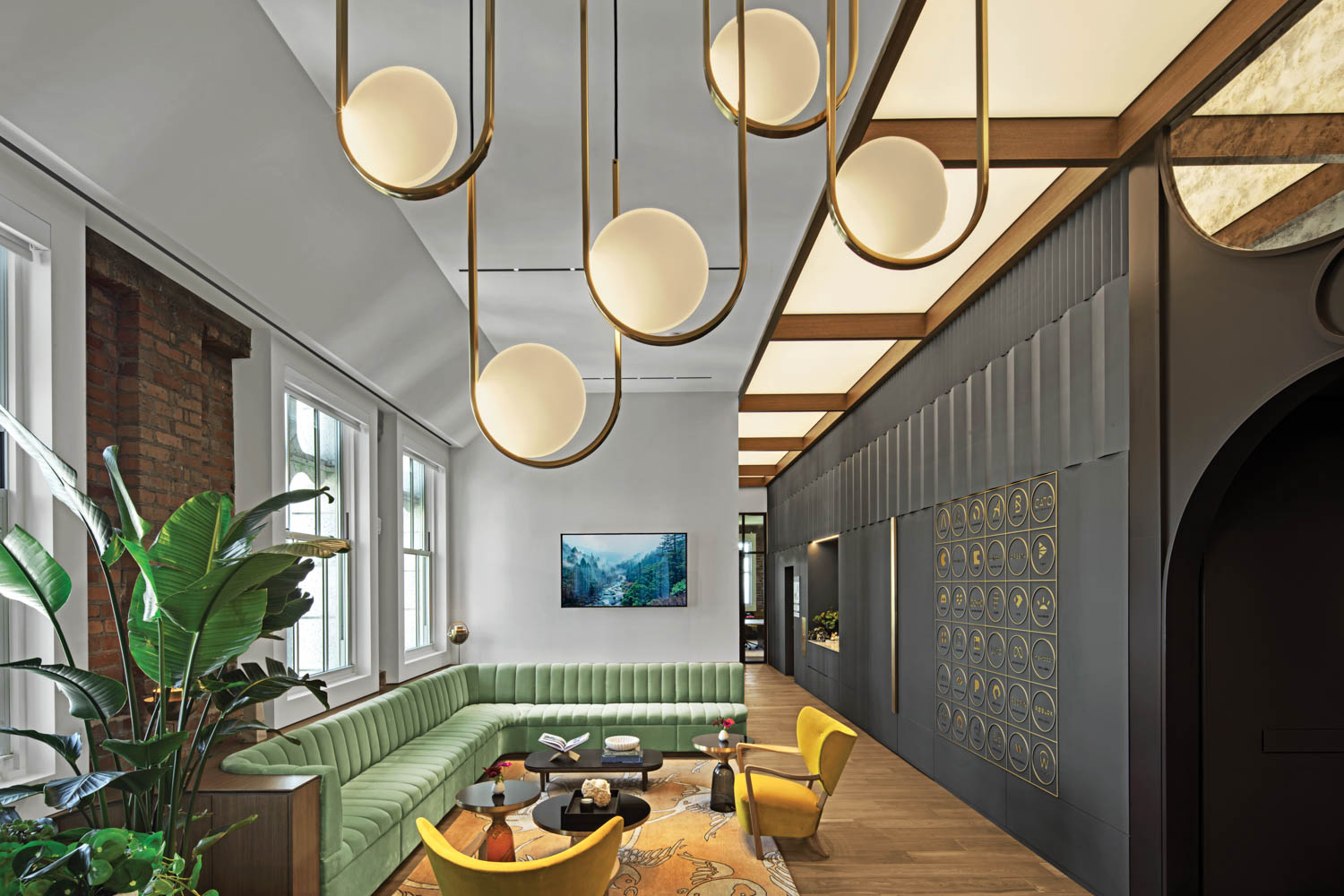
Interior designers highlight that Art Deco is an opulent style, identifiable by its straight lines arranged into ornate patterns like zigzags or chevrons. It frequently incorporates rich, jewel-tone colors, complemented by materials such as lacquer, brass, upholstered fabrics, and other metals. Furniture and lighting in Art Deco design are typically more ornate, making it a suitable choice for various rooms, including living rooms, bedrooms, and kitchens. The style originated in Paris in the 1910s and gained significant popularity in the United States during the 1920s and early 1930s. Its rise coincided with a post-World War I desire for exuberance and luxury, reflecting the era's advancements in technology and architecture. Despite its international influence, Art Deco's dominance waned in the late 1930s with the emergence of mid-century modernism and new materials like stainless steel and plastic, followed by World War II.
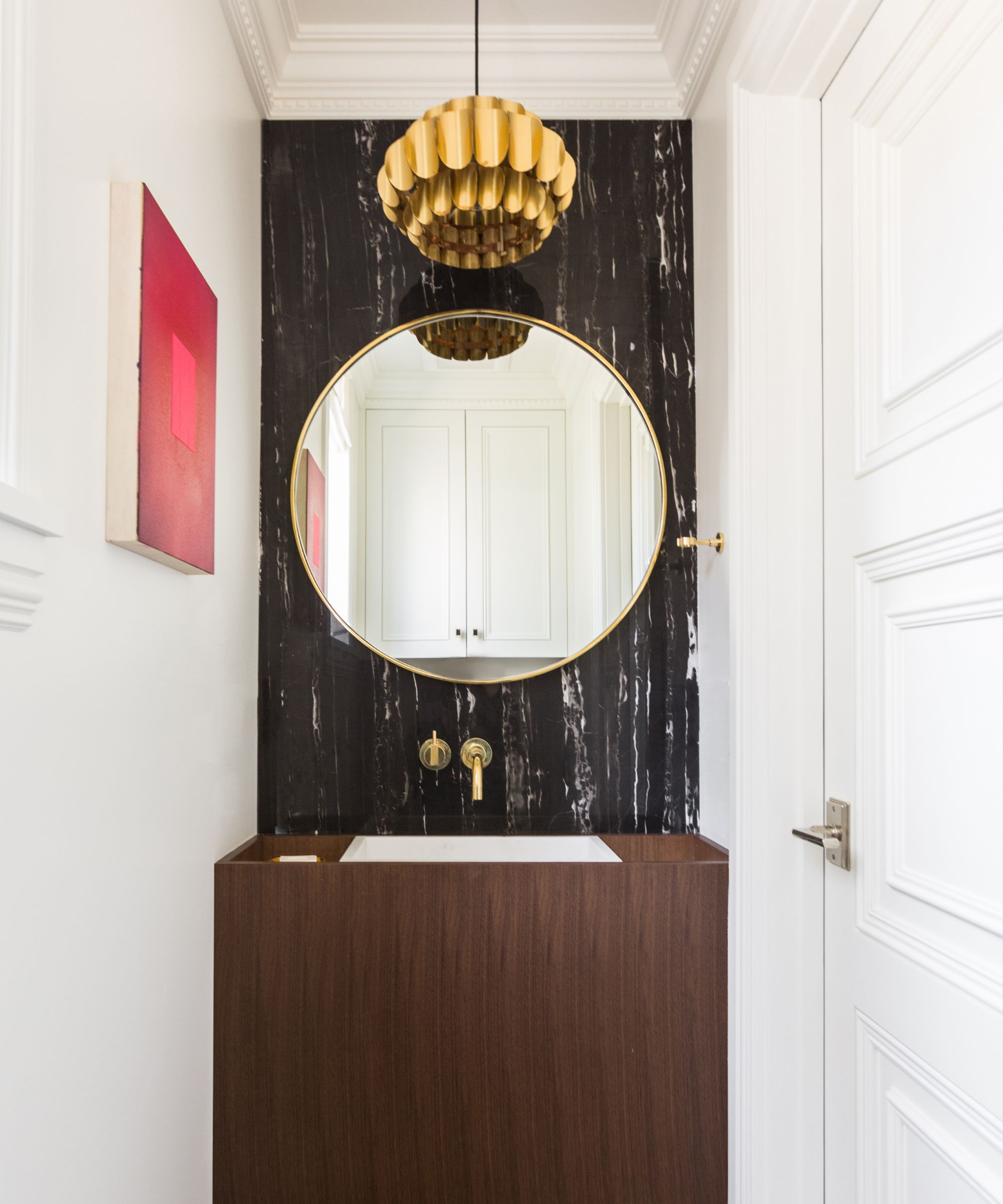
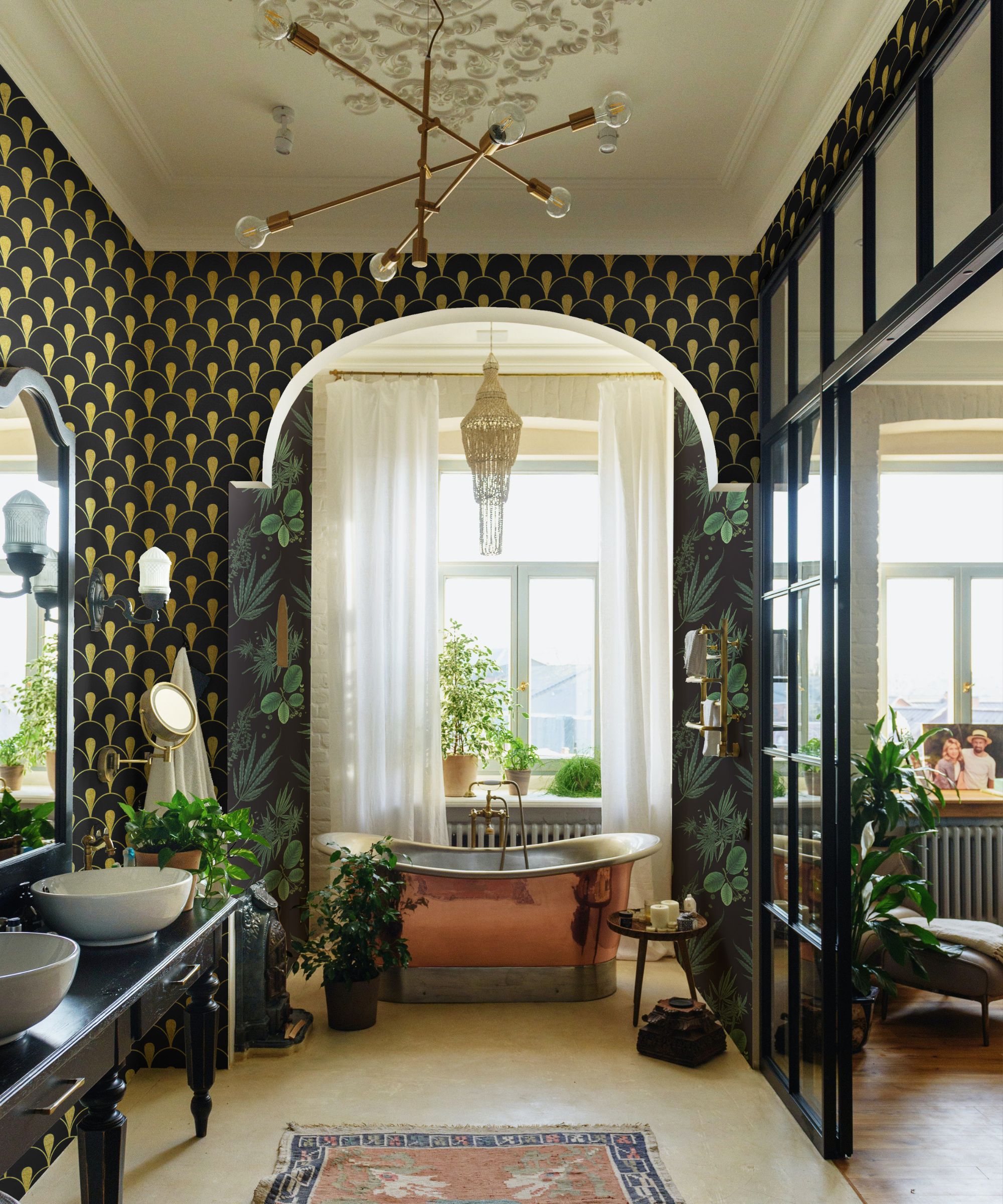
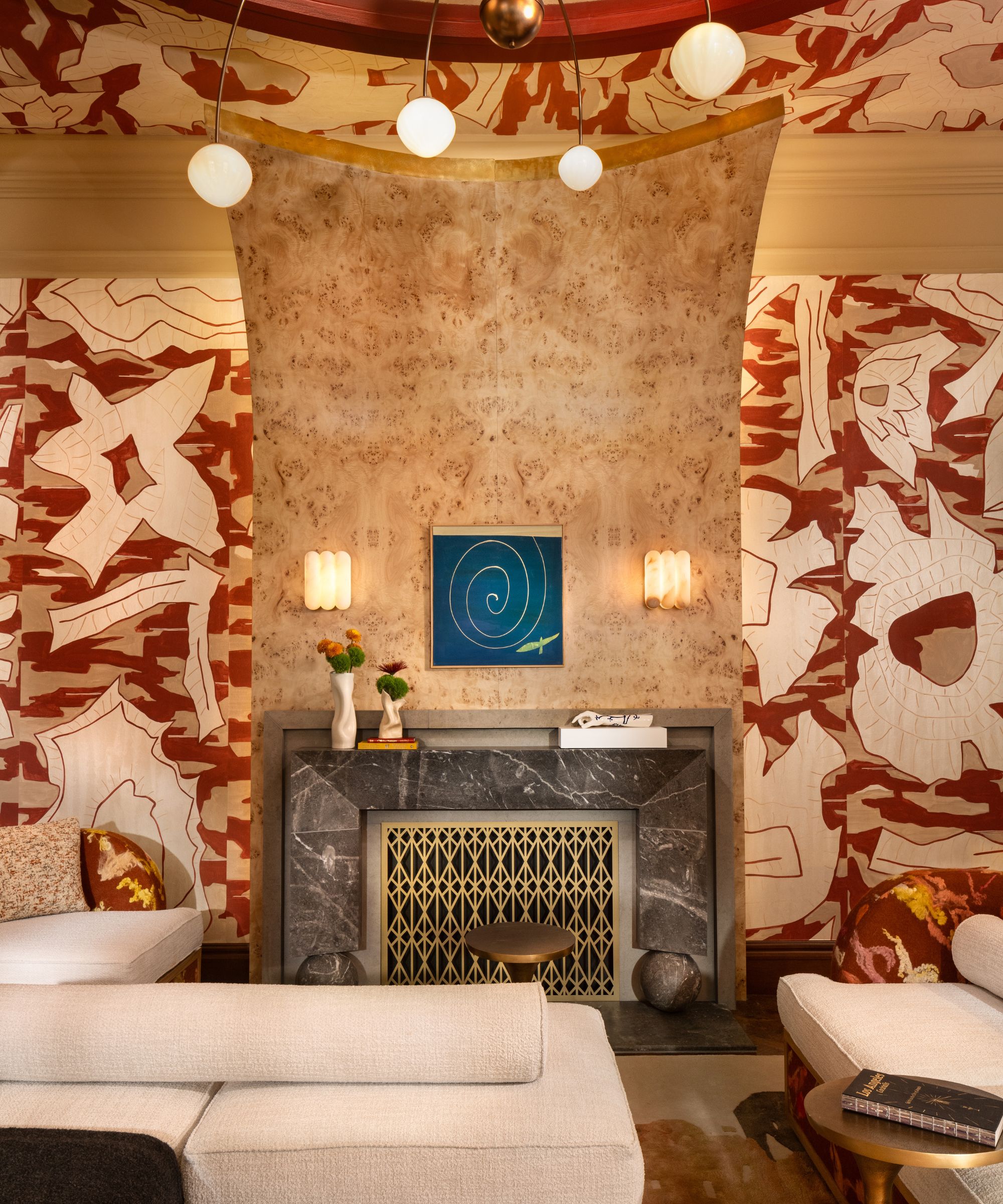
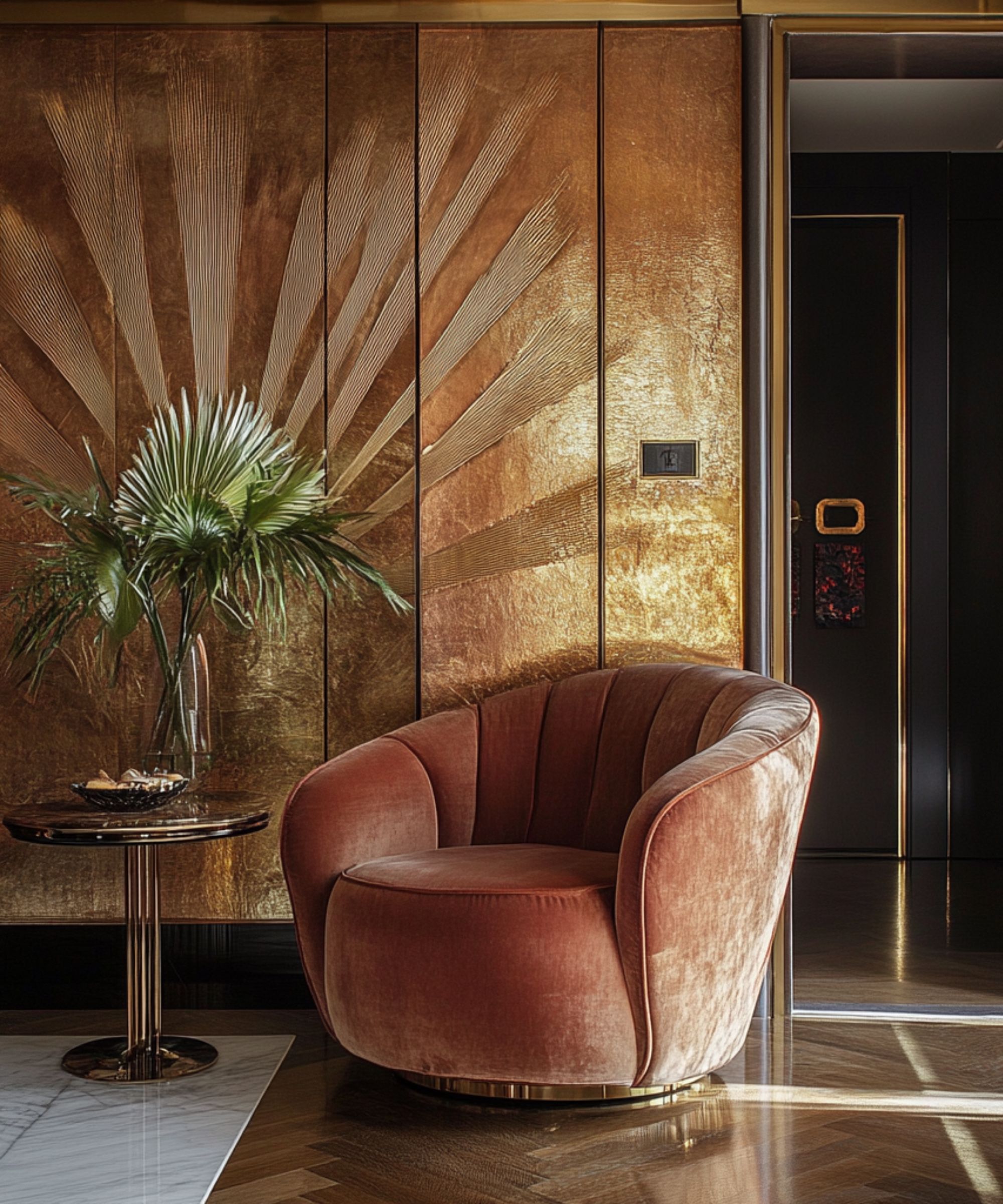
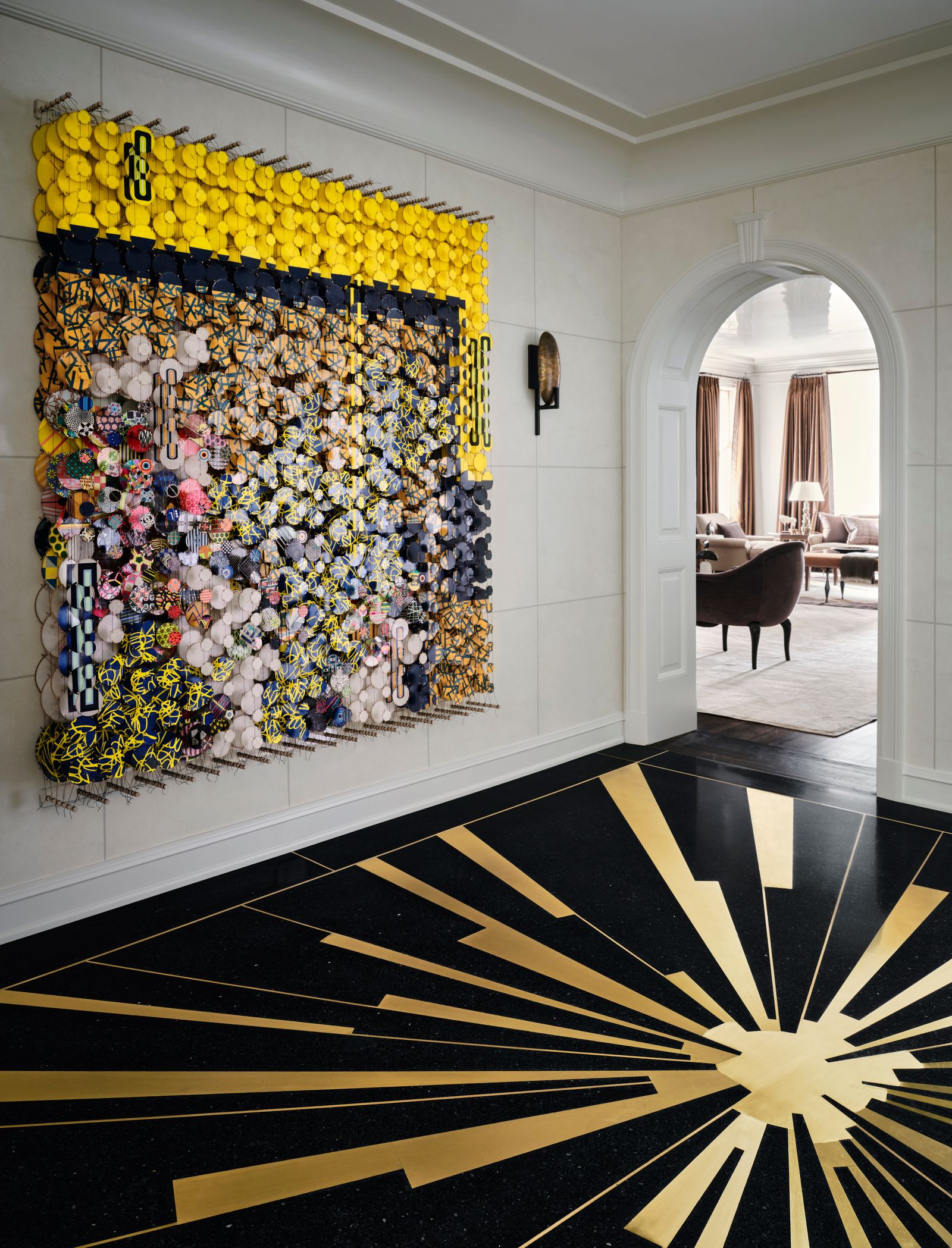
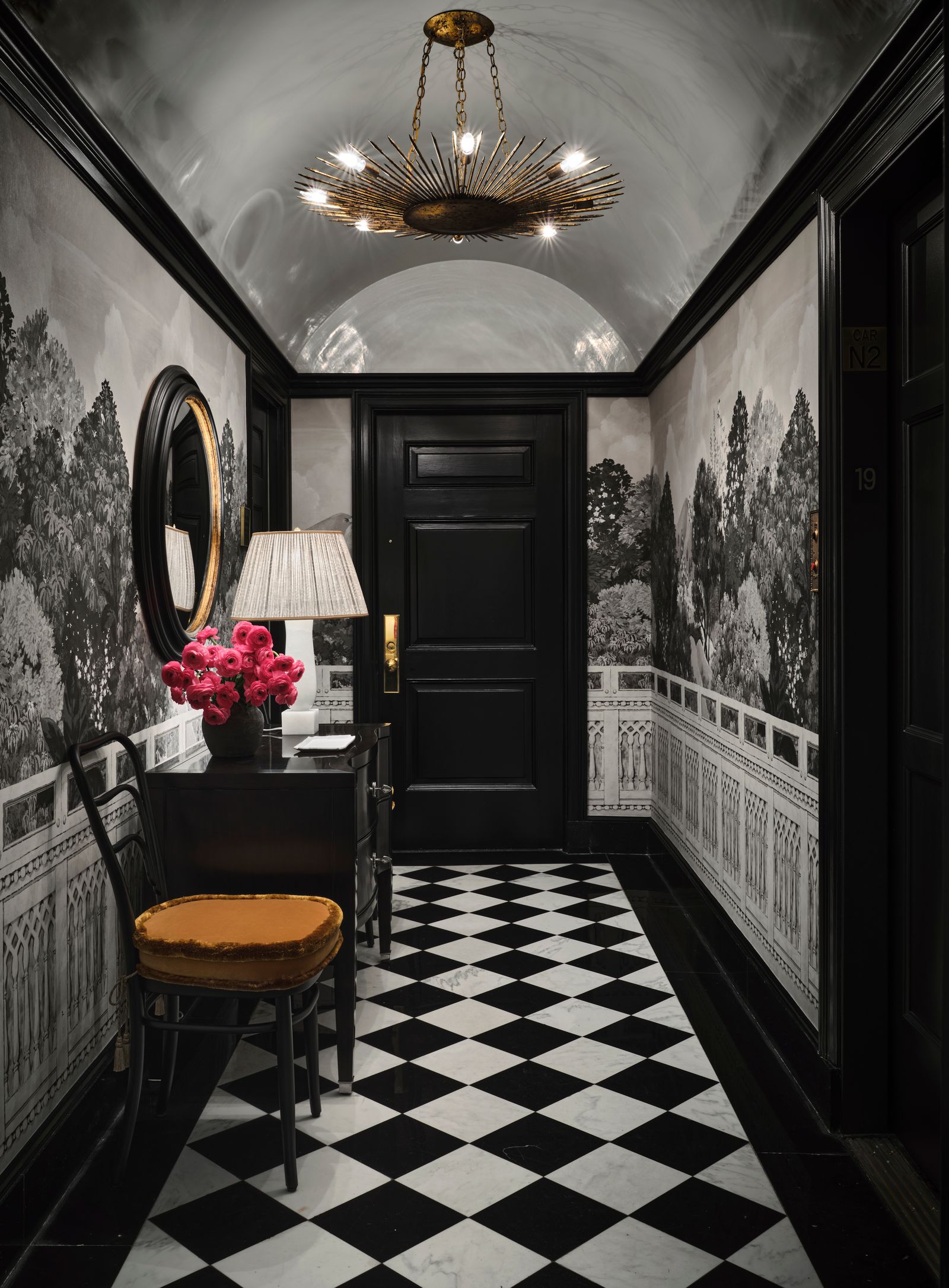
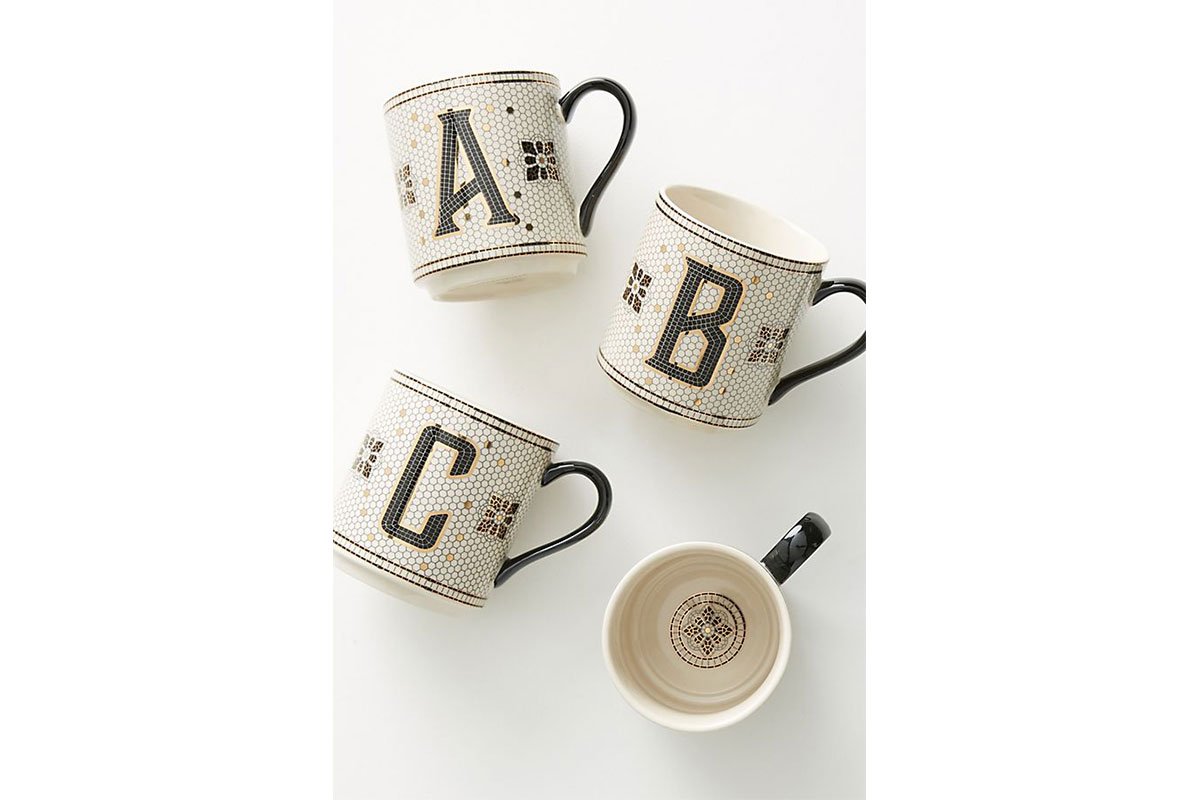
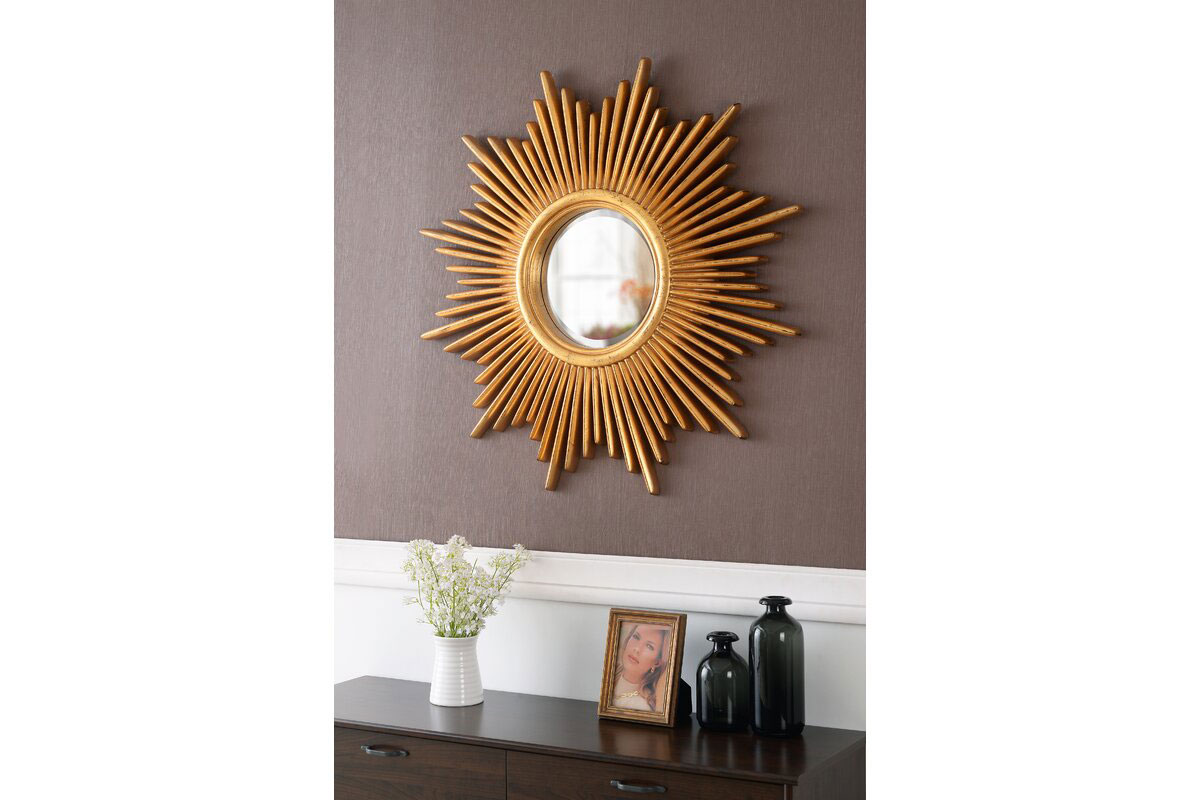
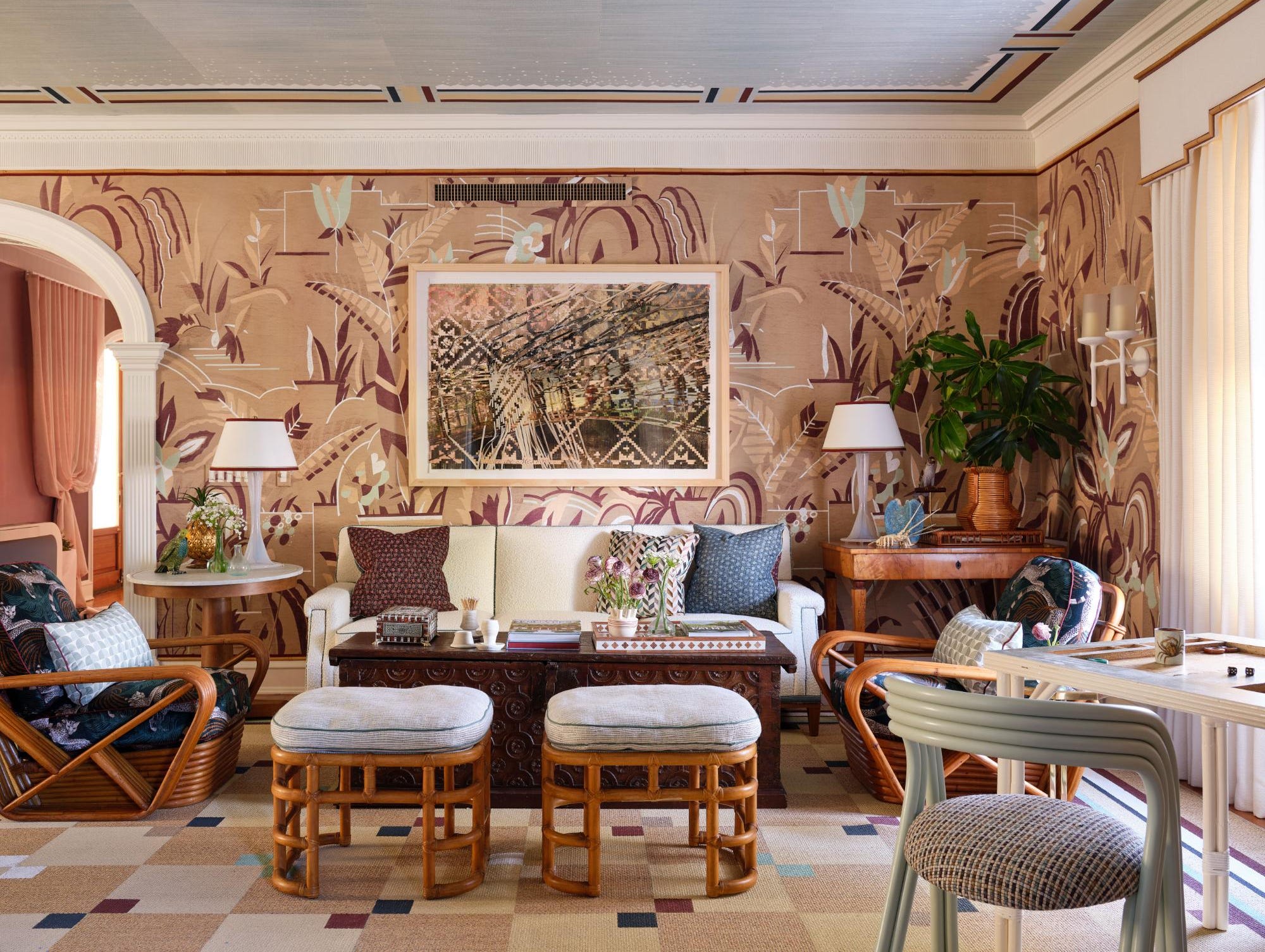
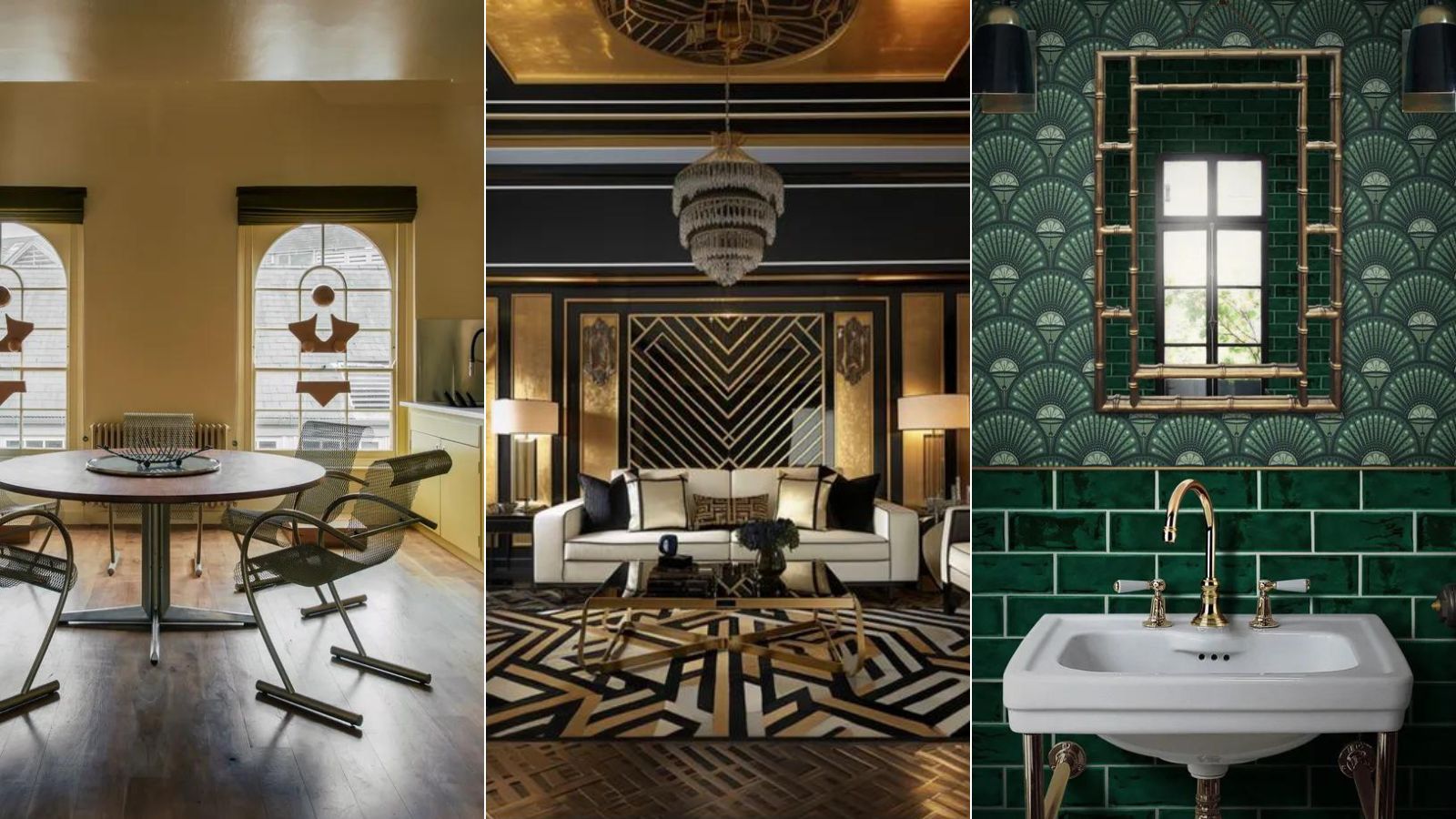
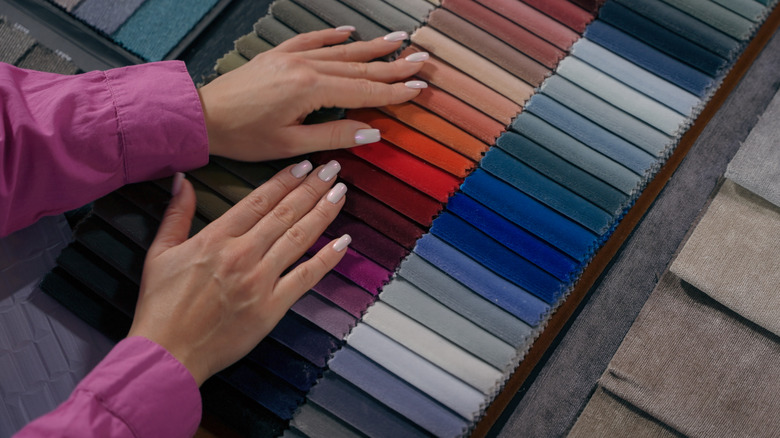
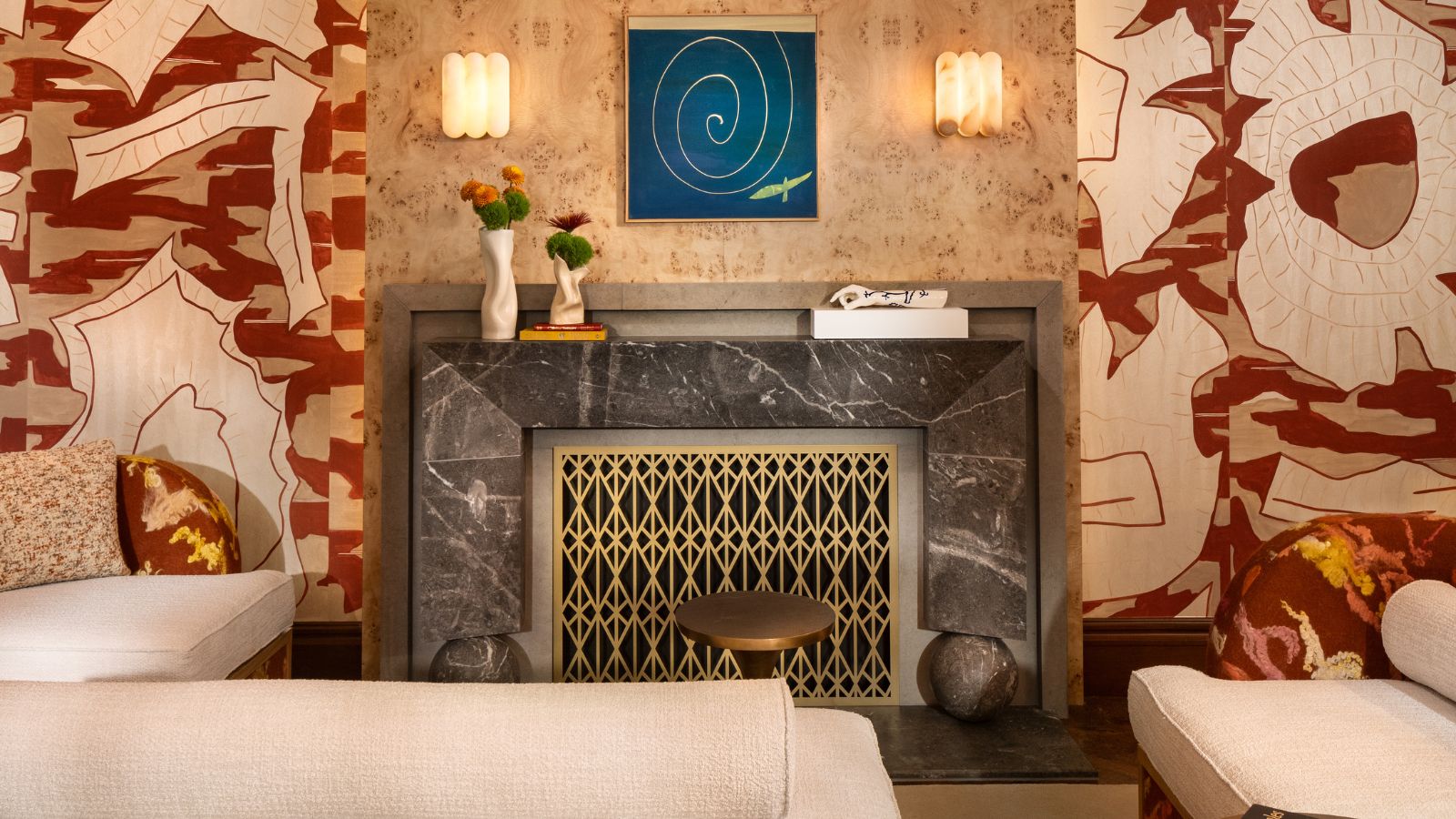
Key Art Deco motifs include geometric and linear shapes such as zigzags, triangles, and trapezoids. Sunburst or sunrise motifs, often seen in golden sun-shaped mirrors, were also common. Animal prints, particularly shark, zebra, and tiger skins, were extremely popular. Other characteristic elements include florals and Egyptian-inspired motifs. Low relief decoration and fluting on materials like fabric, glass, and mirrors are also signatures of the style. The color palette typically features rich jewel tones like reds, blues, and greens, often balanced with neutral shades such as beiges, creams, or muted yellows. The combination of black, white, and gold was a frequent choice to create a luxurious scheme, with gold and steel liberally used in furniture and accessories to symbolize the wealth generated by new industries.
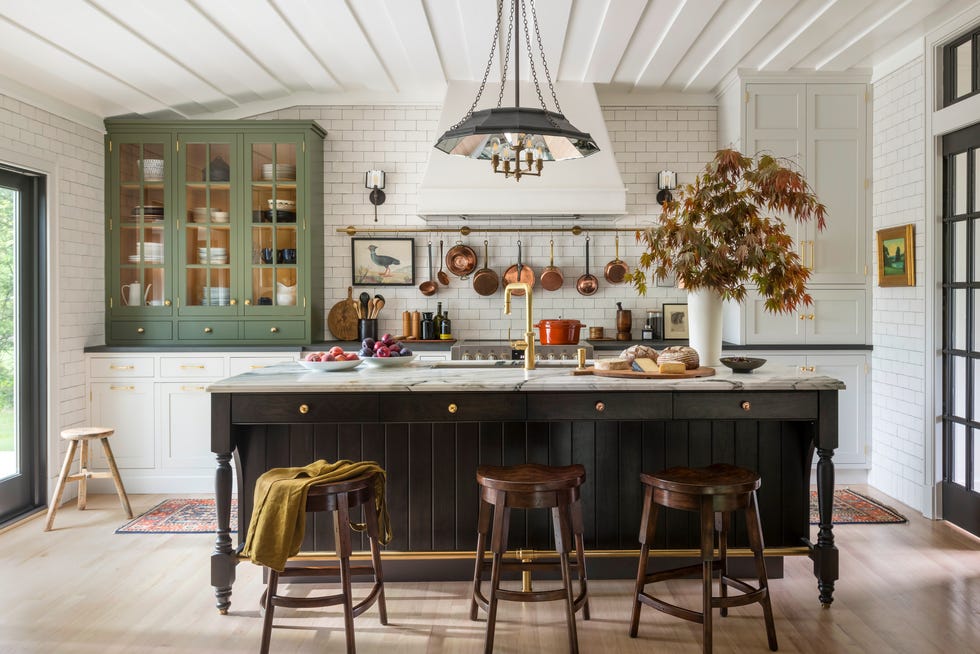
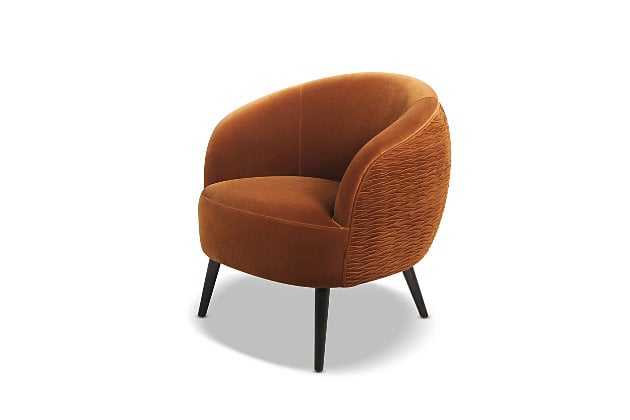
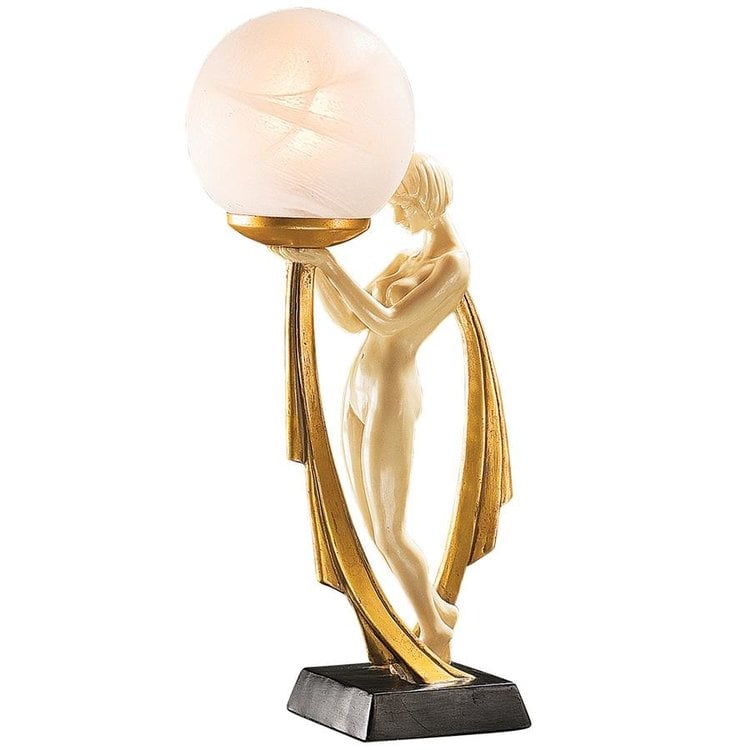
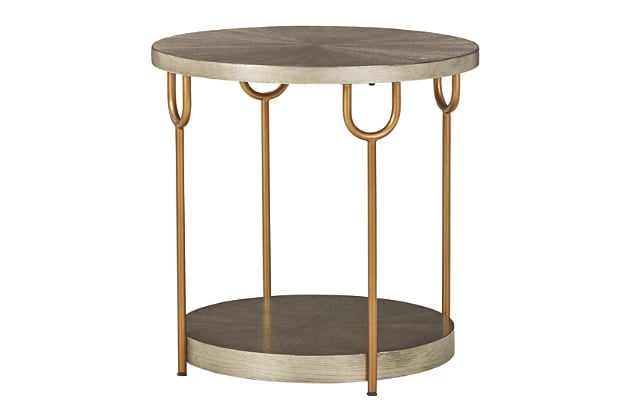
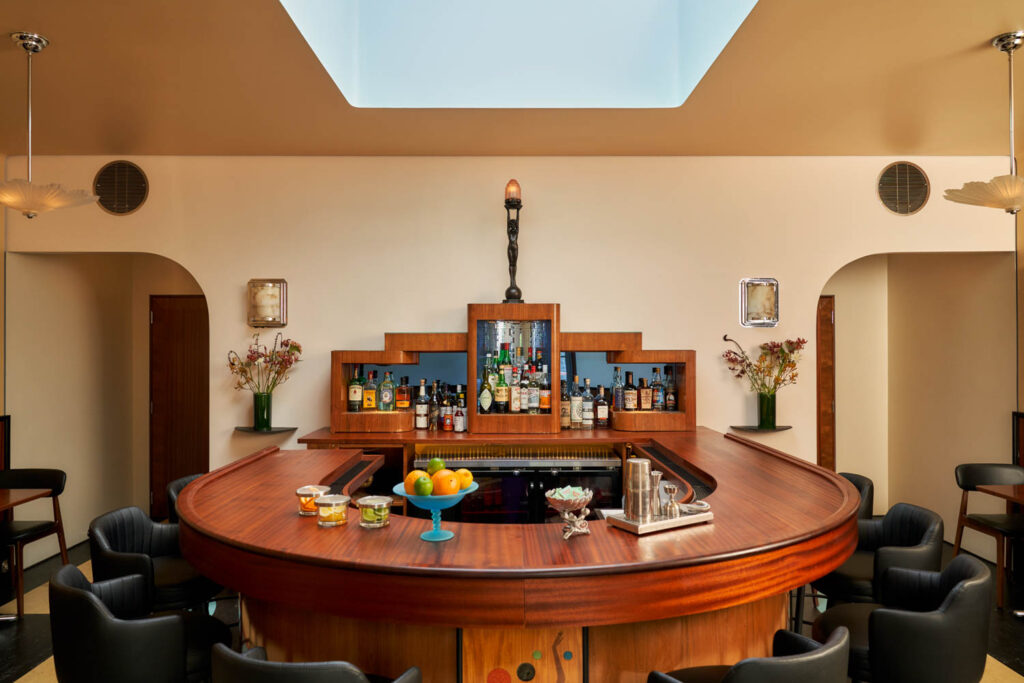
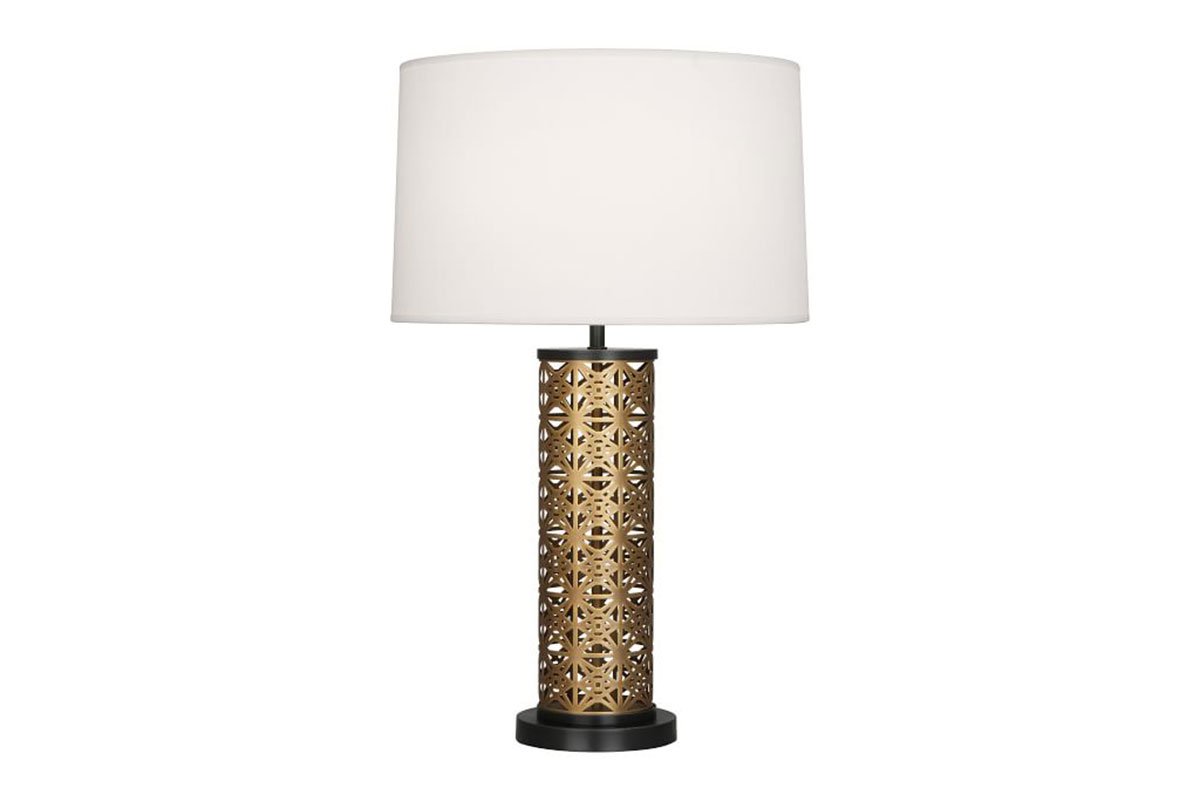
Lighting fixtures are typically metallic, featuring gold, chrome, or glass, contributing a modern, sleek, and sophisticated look. Skyscraper lamps, for instance, are characteristic of the style. Geometric patterns are pervasive, appearing on floor tiles, curtains, fireplaces, doors, chairs, wall art, and coffee tables. Furniture during the Art Deco period was often large and opulent, with elaborate sideboards and wardrobes, alongside simpler pieces featuring sleek curves and smooth lines. To introduce Art Deco style into modern homes, experts suggest incorporating bold and luxurious elements. Vintage pieces, especially barware, or adding jewel-tone velvet or patterned fabric to furniture are effective ways. Emphasis is placed on using high-quality materials to avoid a 'gimmicky' feel, and seeking authentic vintage pieces through thrifting is recommended. The style's clean lines and sleek forms integrate well into contemporary luxury design, with textiles, wallpapers, and decorative elements featuring Art Deco motifs further enhancing the aesthetic. For an effective integration, it is advised to be bold and incorporate more than just one or two elements to ensure a cohesive and balanced look. Art Deco differs from Art Nouveau, which predated it, primarily in its use of lines; Art Nouveau is more organic and inspired by nature, while Art Deco is starker and more geometric, though both styles can complement each other.
#ArtDecoDesign #InteriorDesign #LuxuryInteriors #HomeDecorTrends #ArchitecturalHistory #GeometricPatterns #JewelTones #VintageDecor #ArtDecoDesign #InteriorDesign #LuxuryInteriors #HomeDecorTrends #ArchitecturalHistory #GeometricPatterns #JewelTones #VintageDecor
0 commenti in totale
 Nessun commento ancora
Potresti anche gradire
Is Art Deco back on trend? Experts share how they make the iconic design style fresh for 2024
5 Art Deco kitchen ideas: for a nostalgic, glamorous look
Arts and Crafts decor is making a comeback for 2025 – here's how designers are reimagining this iconic vintage style
Pinterest Says This High-Class Aesthetic Is Sure To Trend In 2026

This is how designers are doing Art Deco in 2025, 100 years on from when this iconic style began
10 items to bring 1920s art deco style into your home
The Stunning Interior Design Trend That's Here To Stay In 2025
8 Art Deco living room ideas to add classic and glamorous style
Art Deco Interior Design: Everything You Need to Know About This Opulent Style

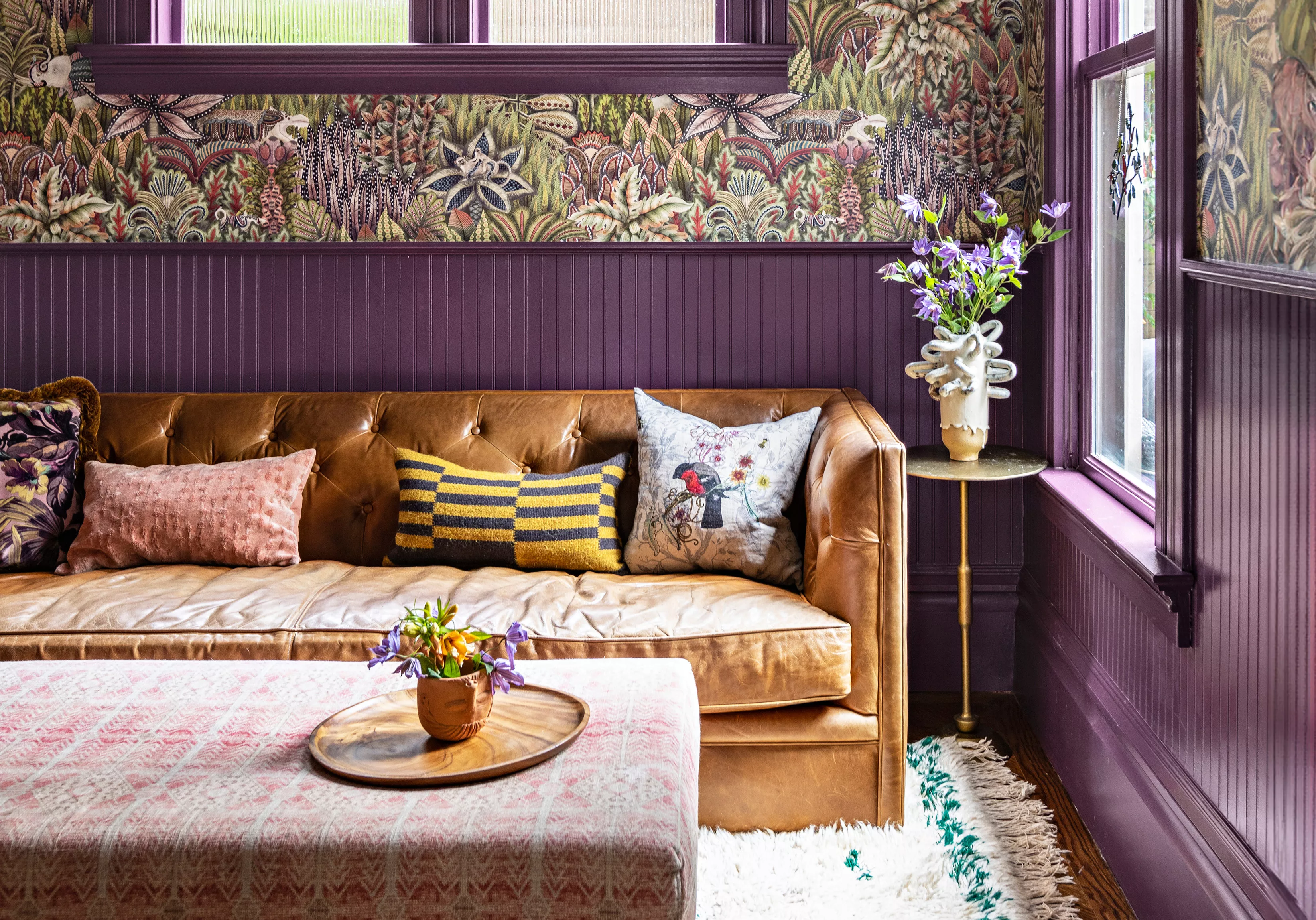
7 Vintage Decor Trends Designers Are Loving in 2025

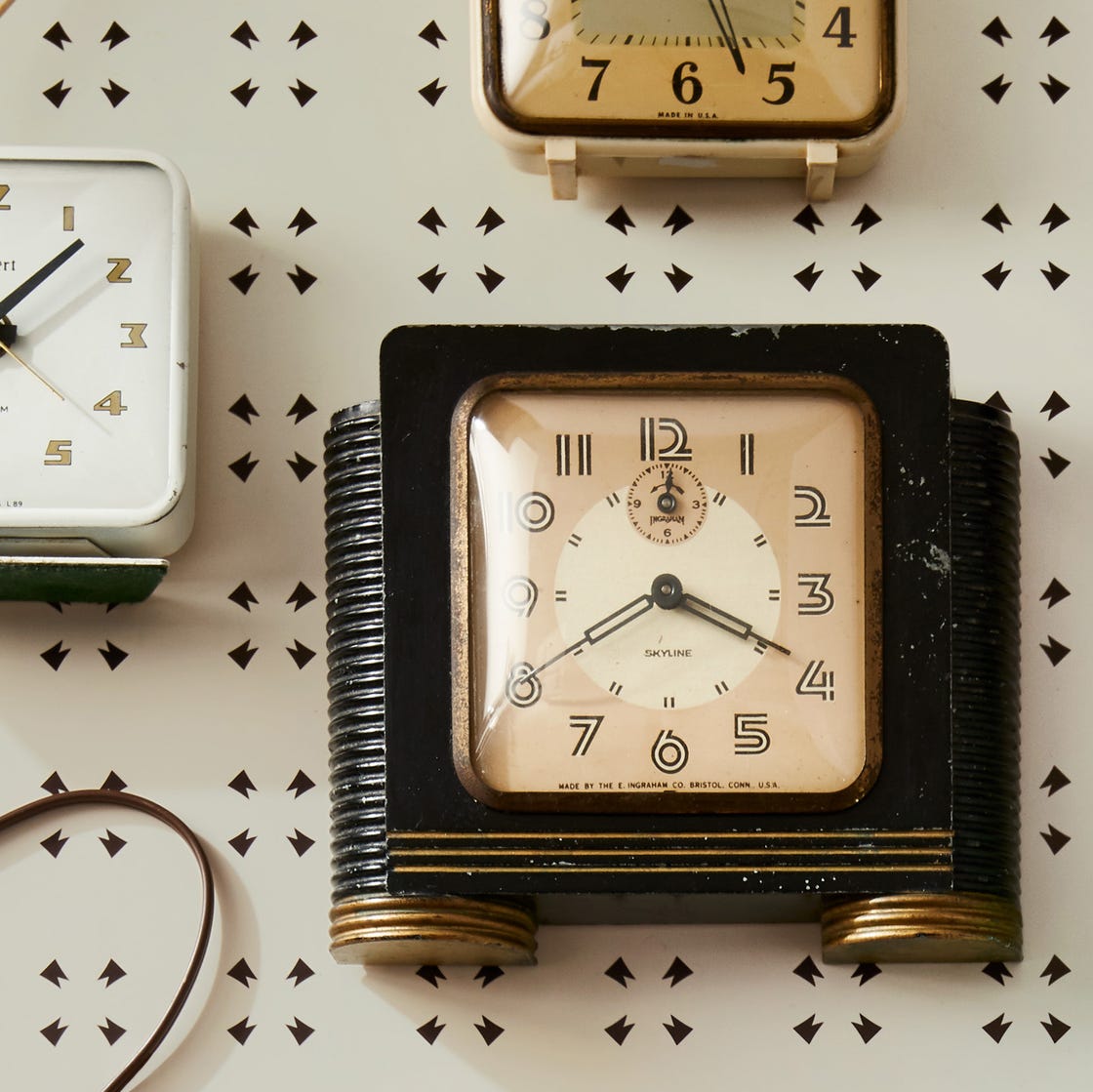
How to Thrift The 1920s Design Trend Gen Z is Making Cool Again
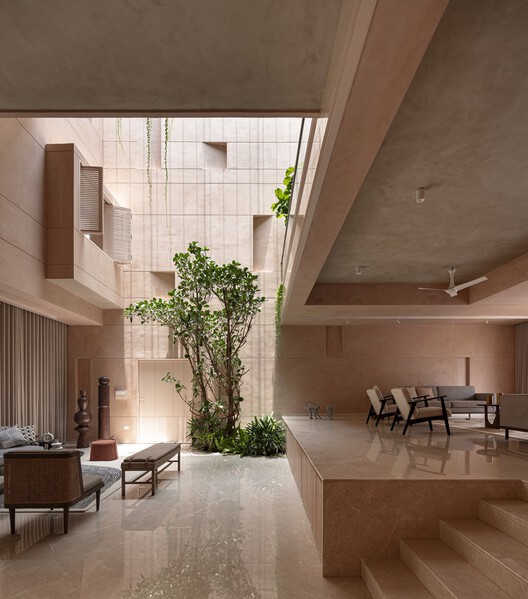
Interior Design Trends of 2024

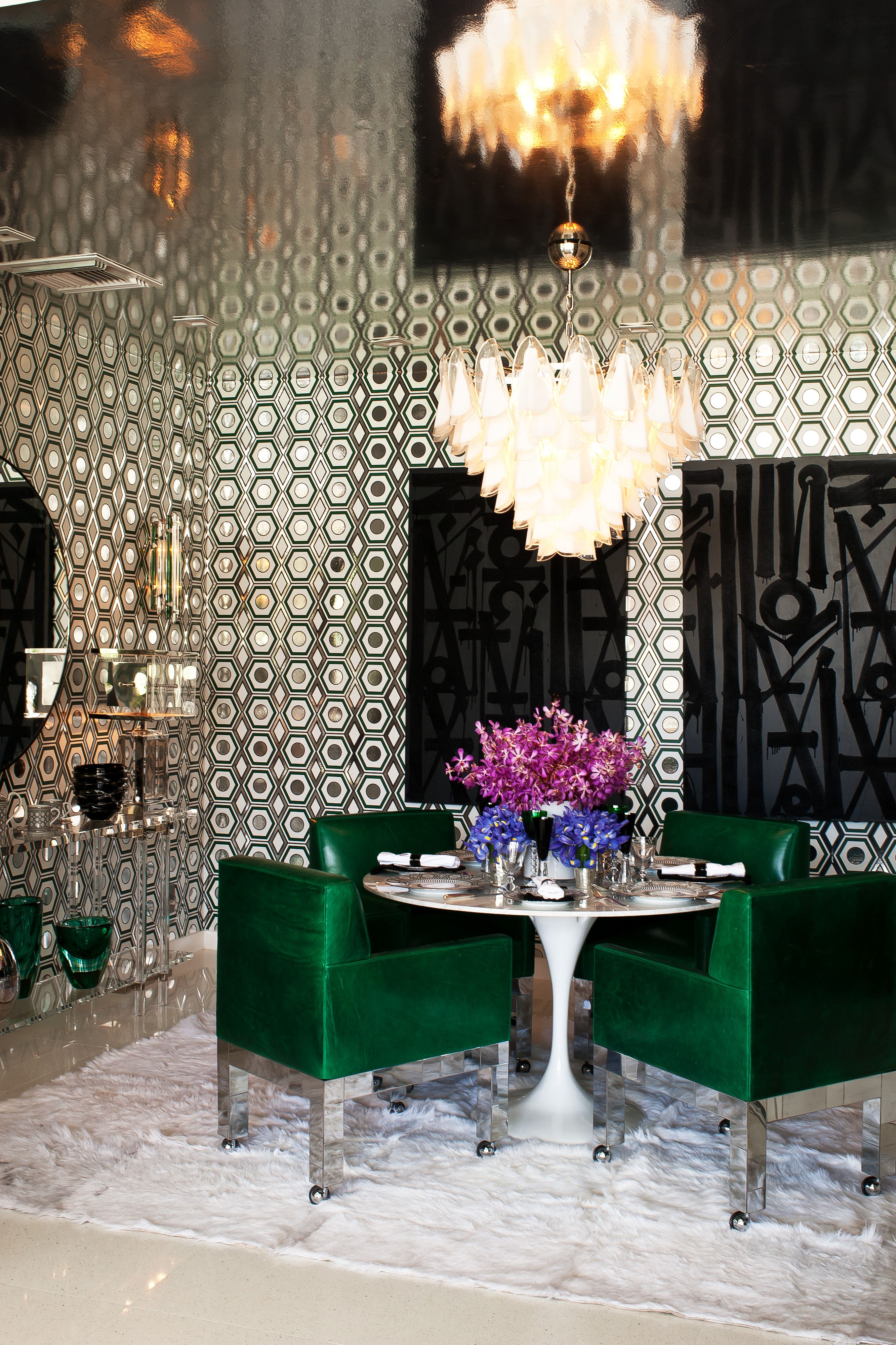
Art Deco Interior Design in 6 Ways—Including Bold Patterns and Jewel Tones

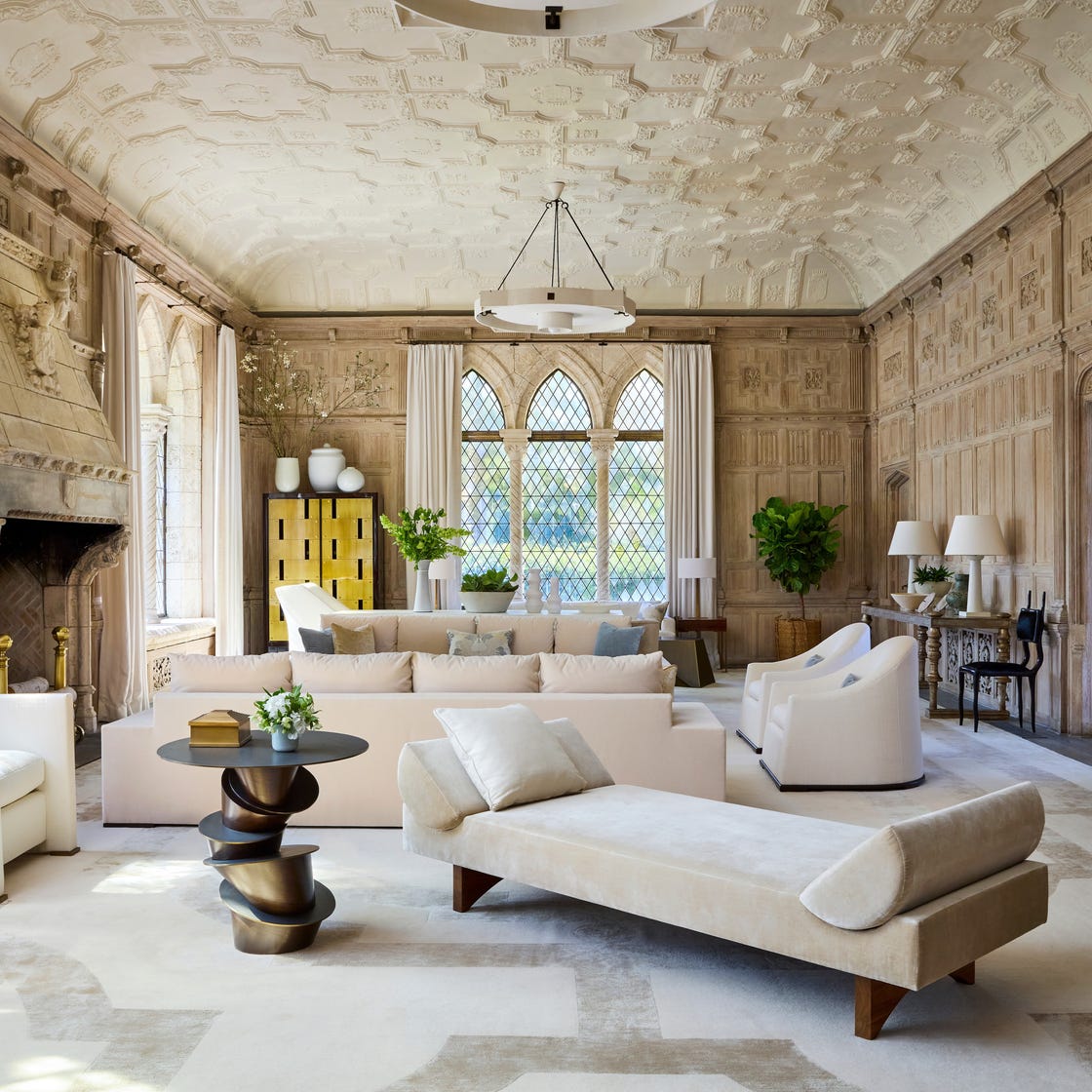
These 12 Art Deco Living Rooms Make a Bold Case for Unapologetic Glamour

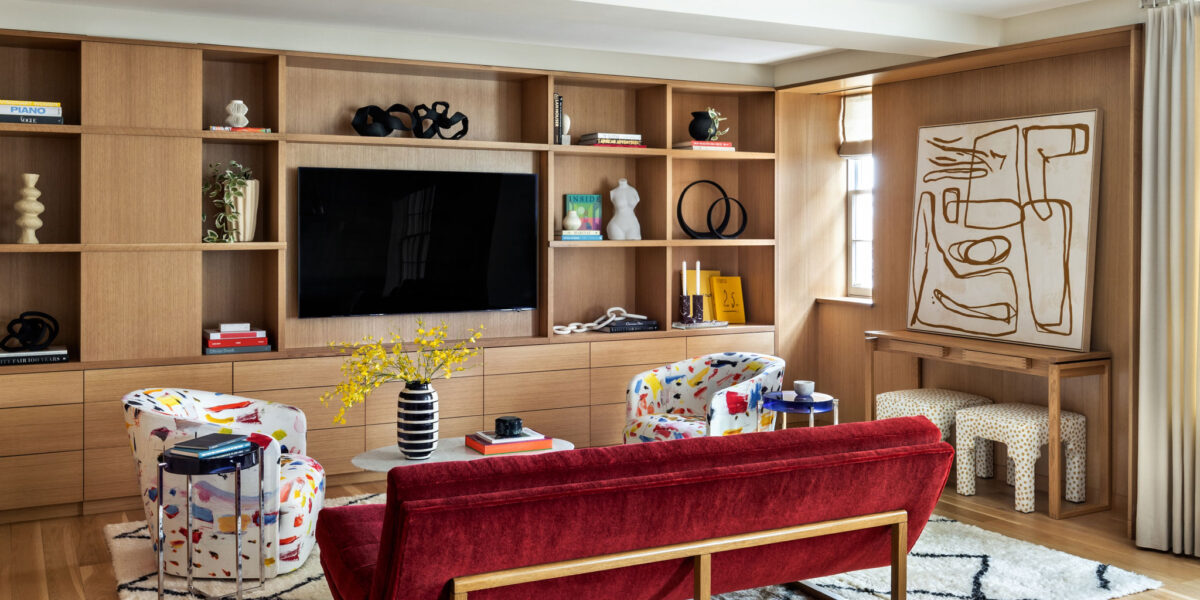
This Opulent Decor Choice Is Poised to Become the Biggest Design Trend of 2025
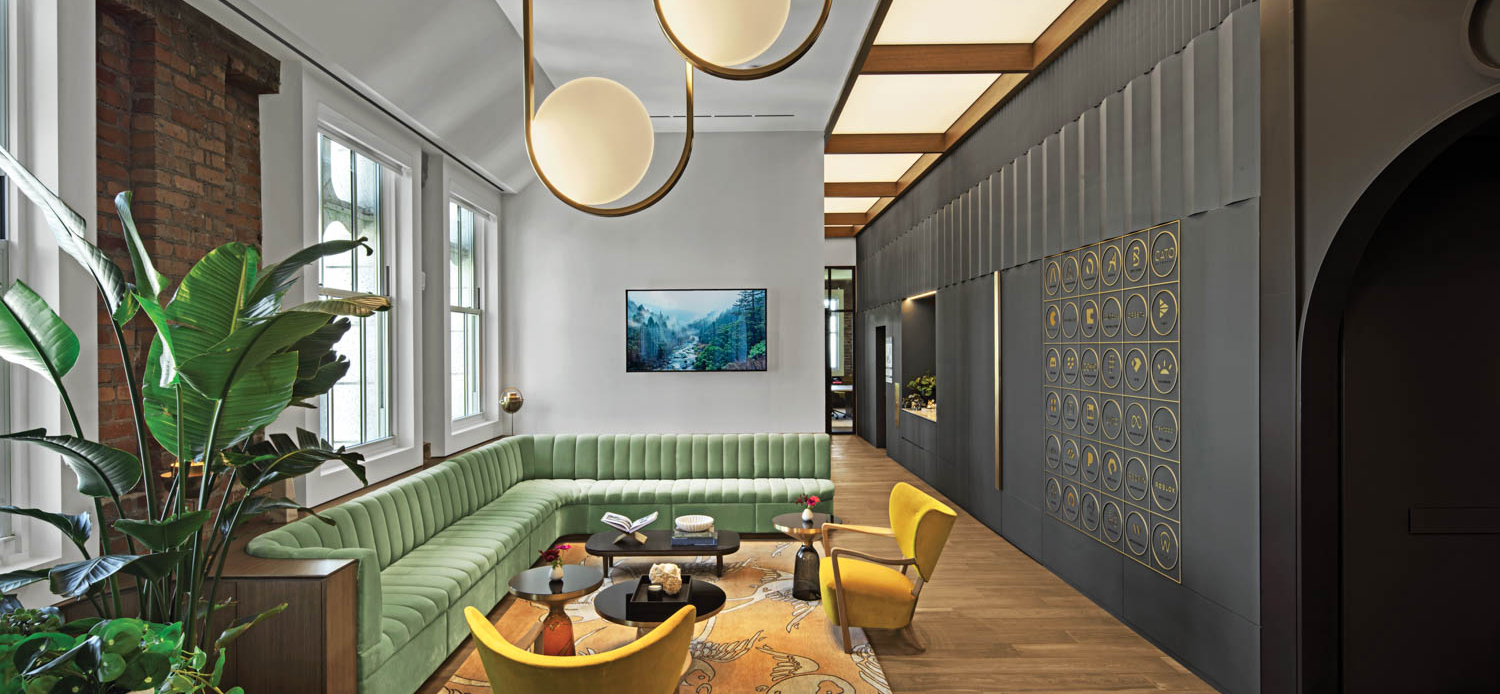
9 Stunning Art Deco Interior Design Styles

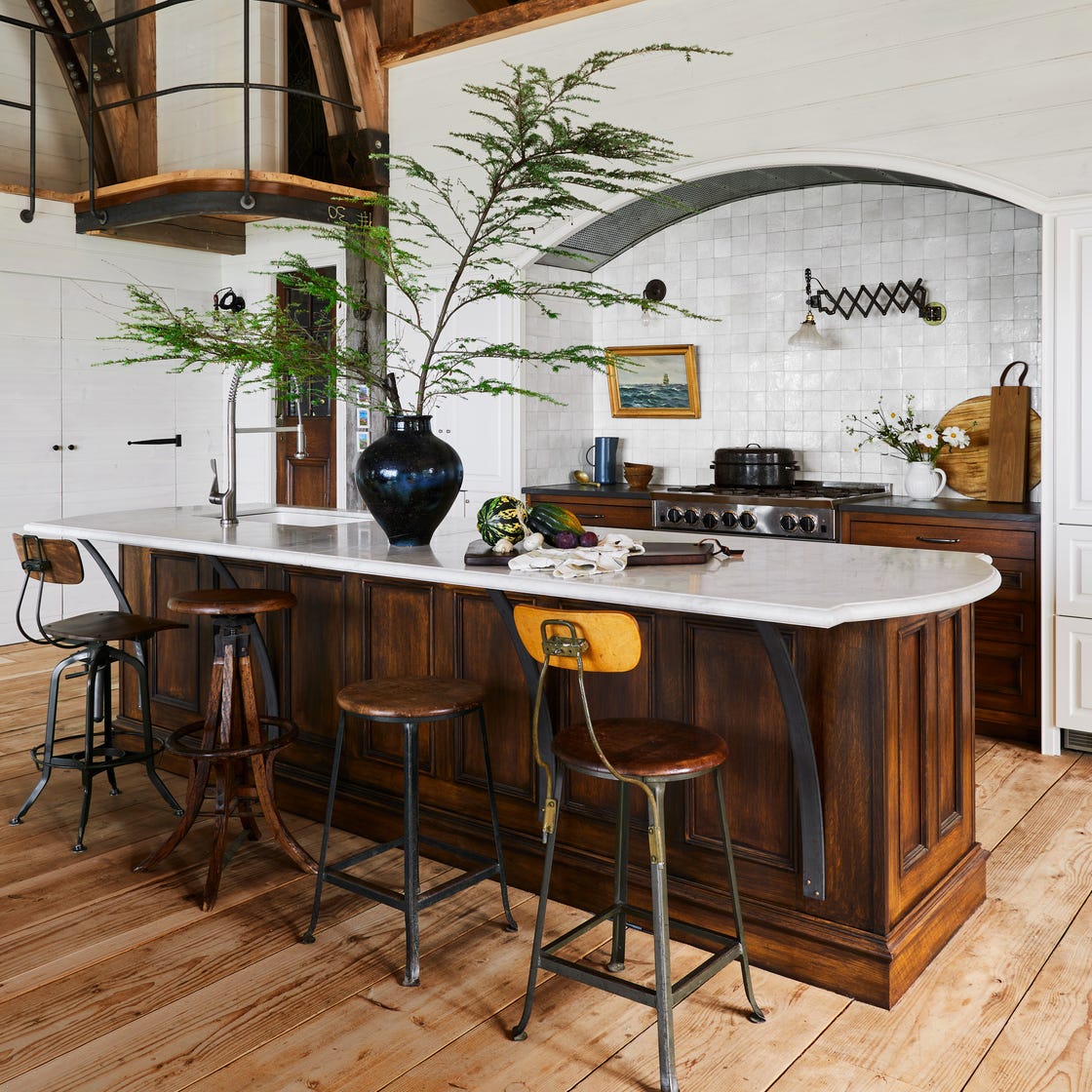
This 1920s-Inspired Design Trend Is Taking Over Homes in Fall 2025
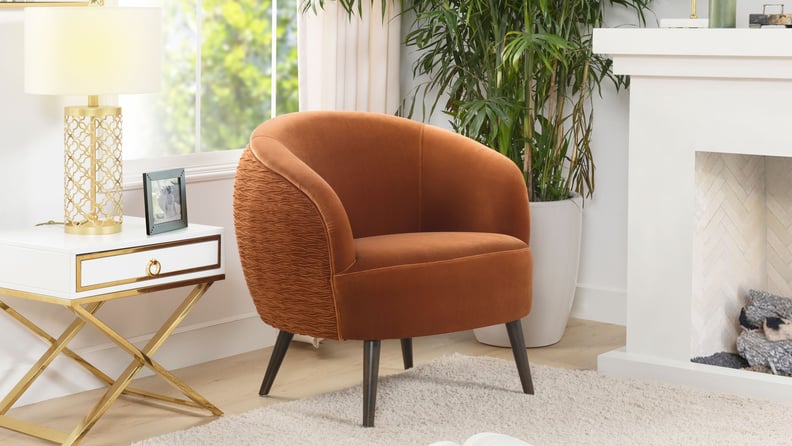
From Bed Frames to Mirrors, These Art Deco Touches Will Elevate Your Home
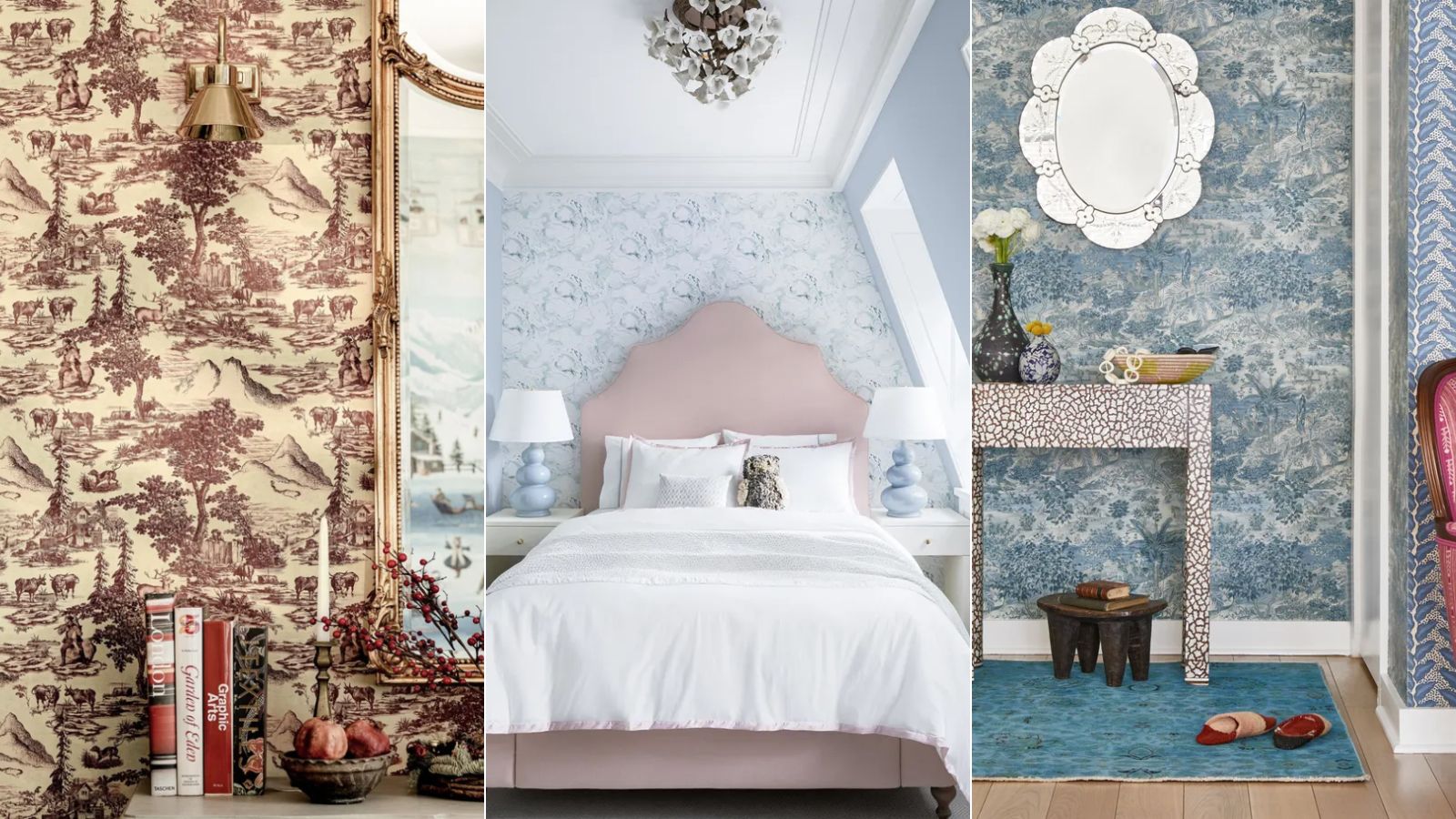
This classical, European-inspired wall decor is back in style for 2024 – designers love its elegant appeal
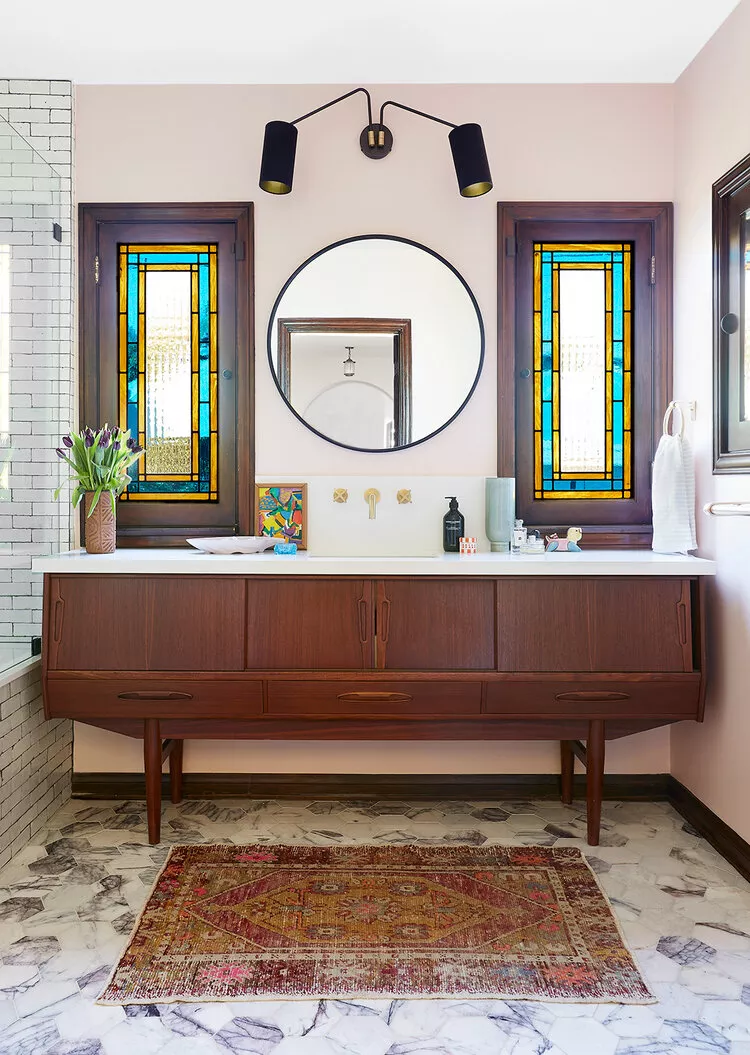
23 Art Deco-Inspired Bathrooms to Glam Up Your Life