1/2
We Asked Designers How to Design a Home You'll Love into Retirement—And We Loved Their Advice
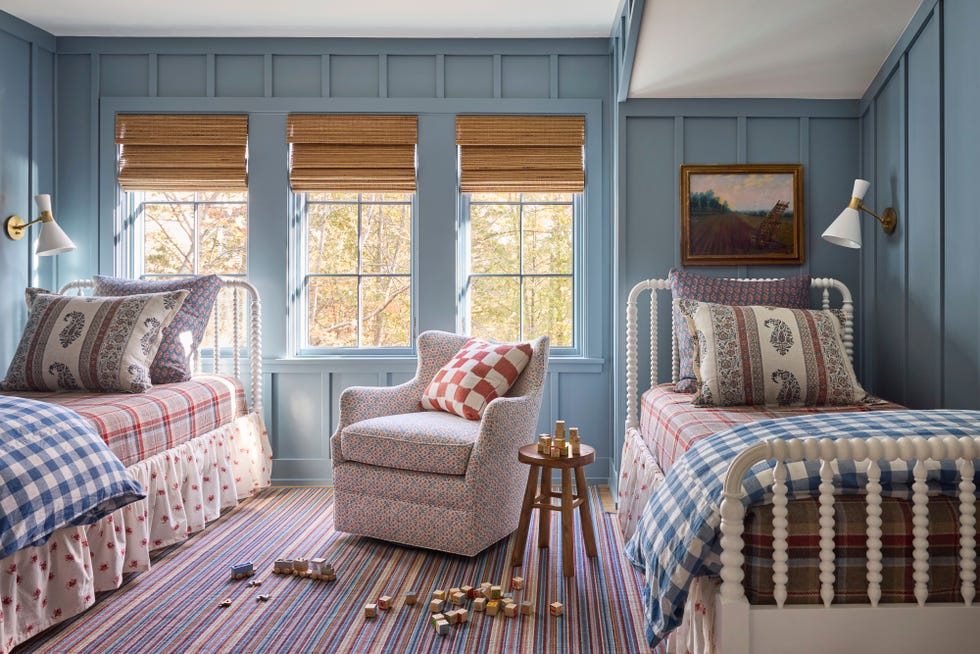
The article explores how to design a home that adapts to various life stages, from raising children to accommodating visiting relatives and entering retirement. This approach emphasizes creating multi-purpose spaces that can evolve with a homeowner's changing needs over time. Interior designers Steven Graffam and John Stivale offer their expertise on achieving this adaptable home design.
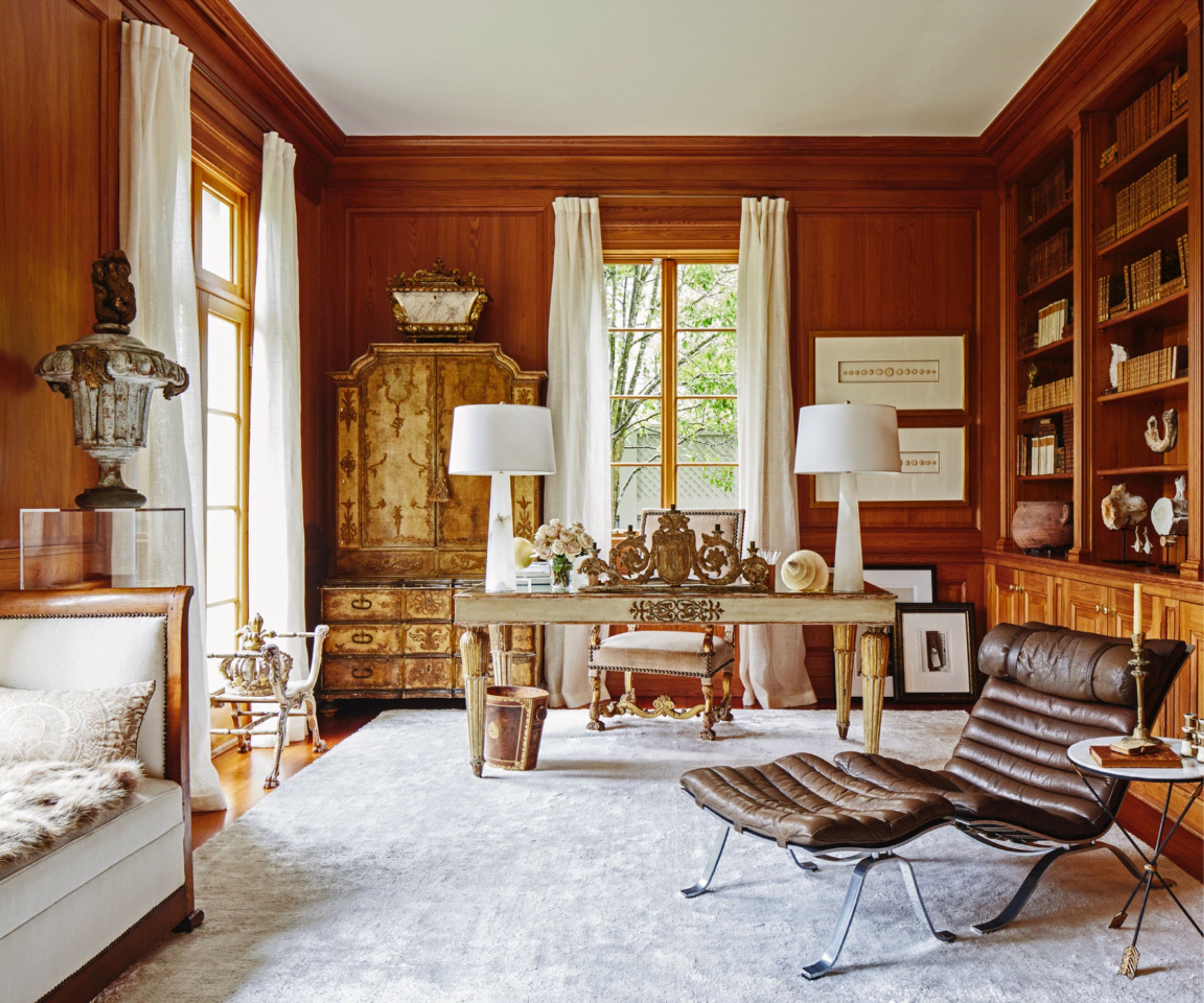
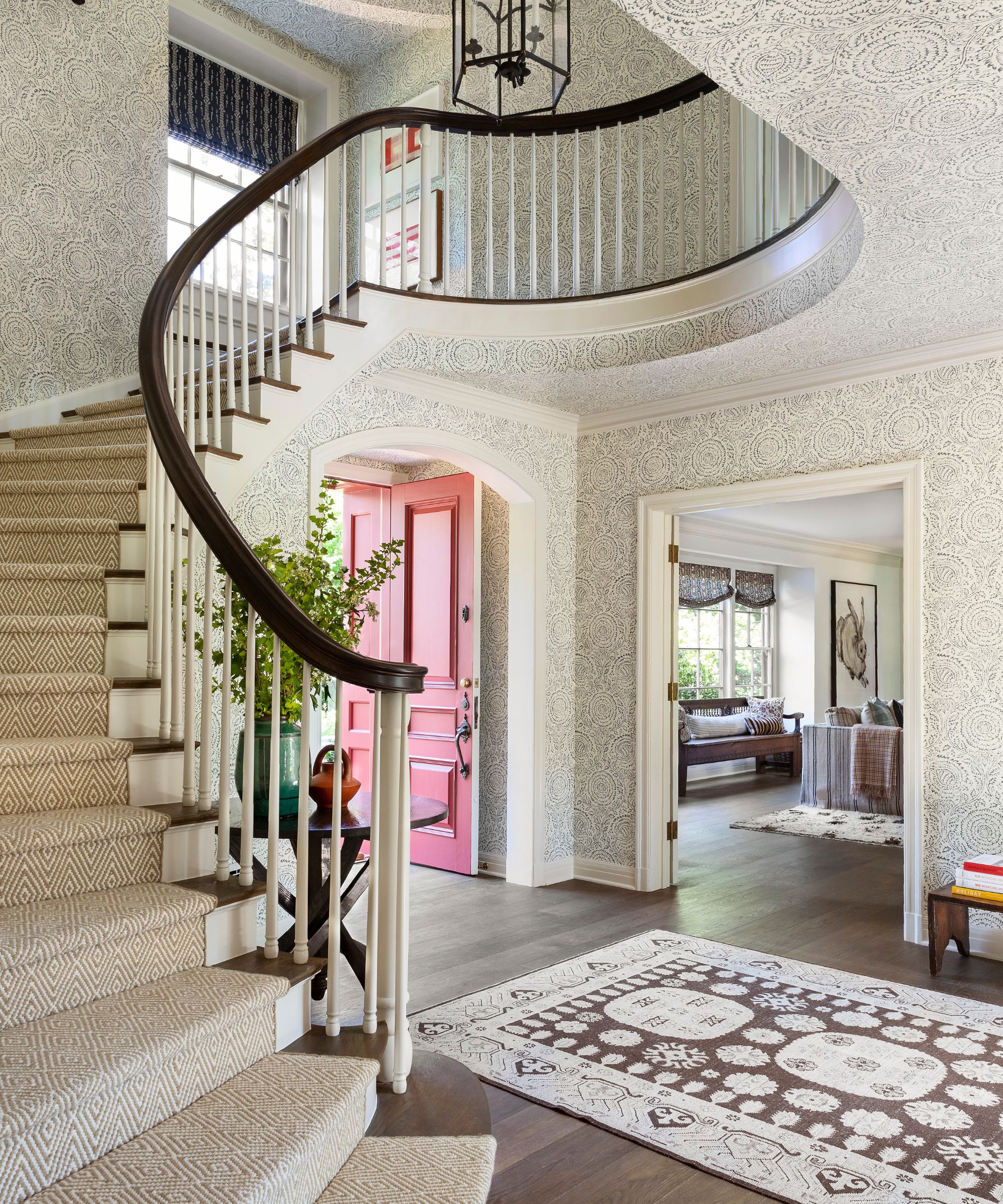
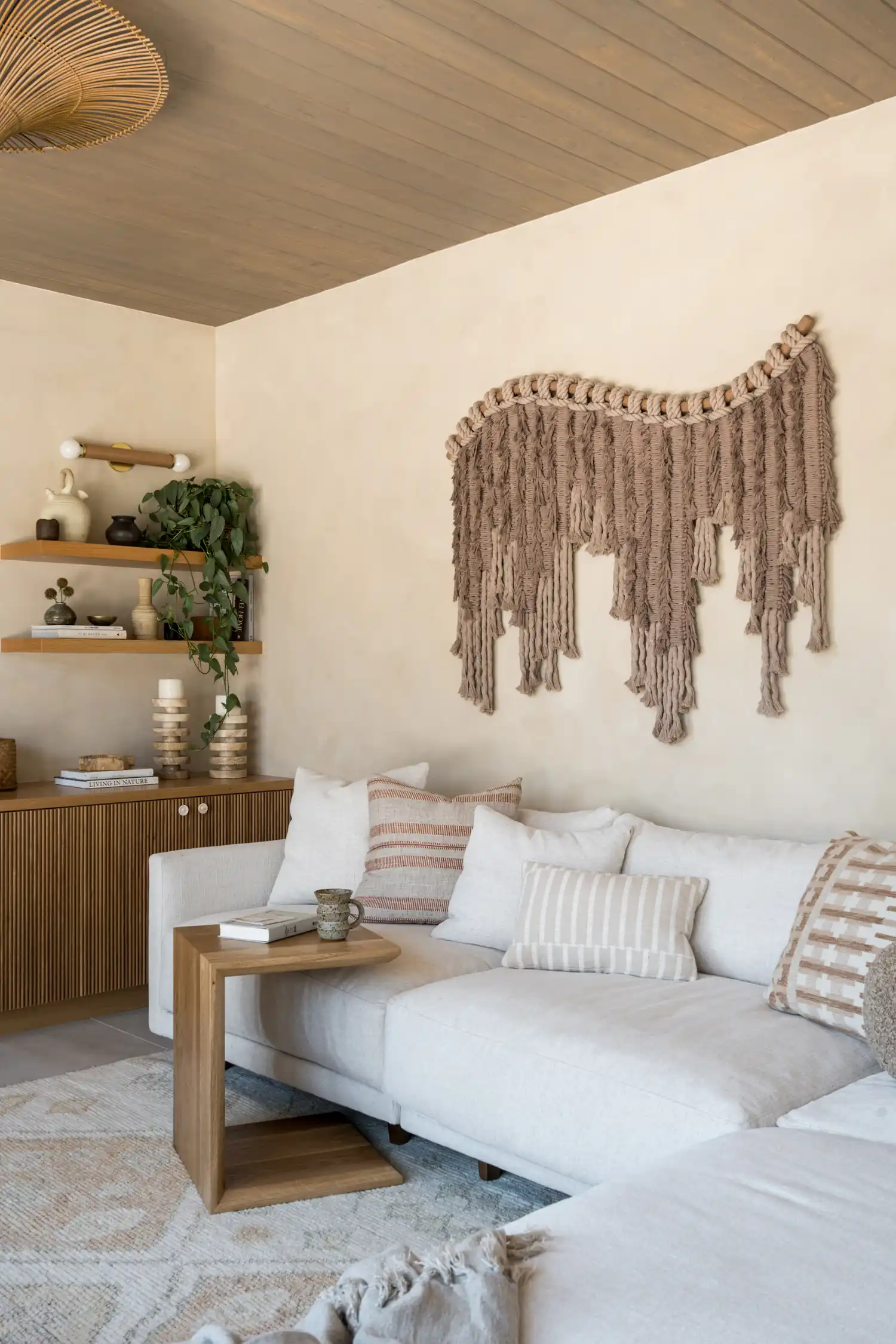
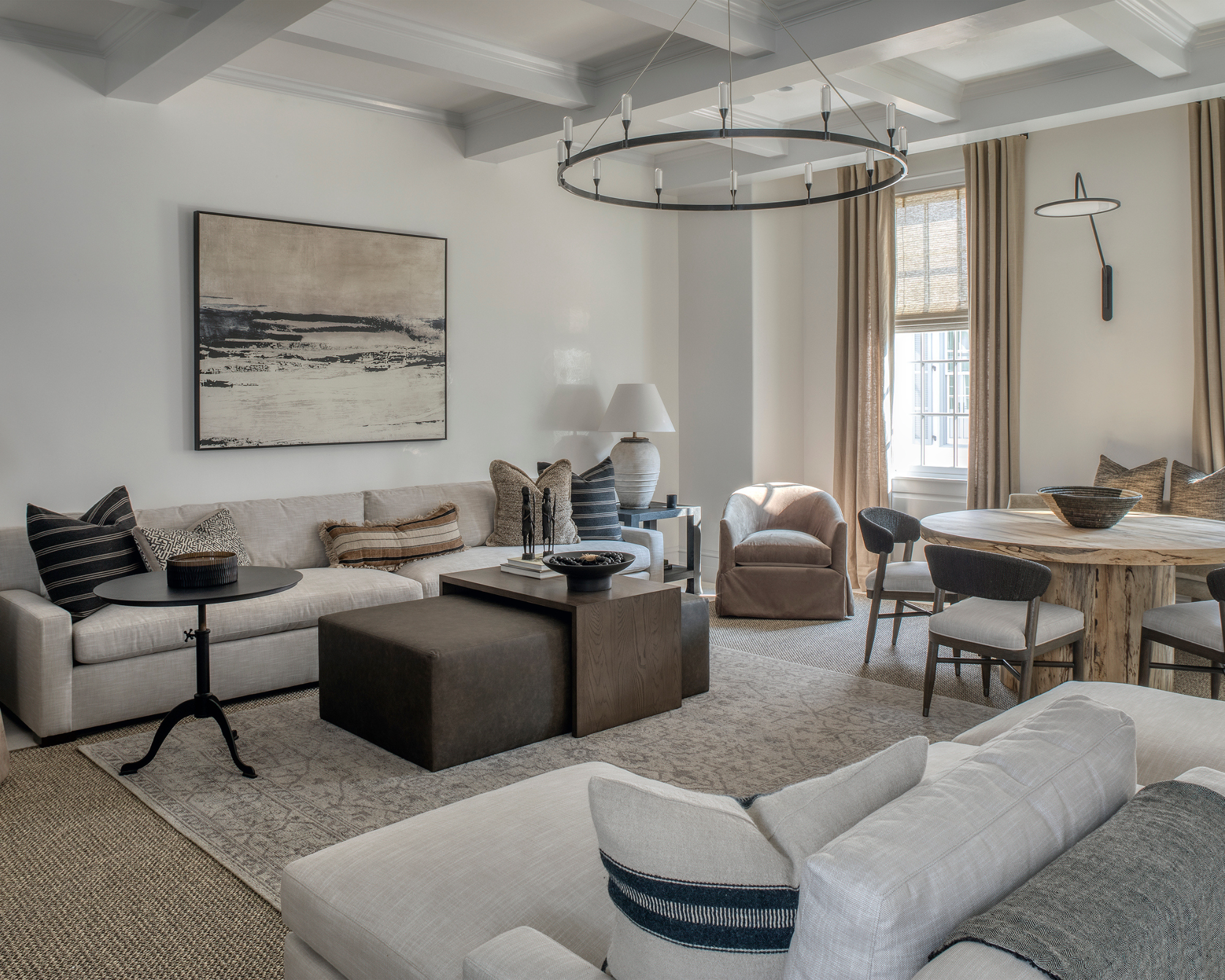
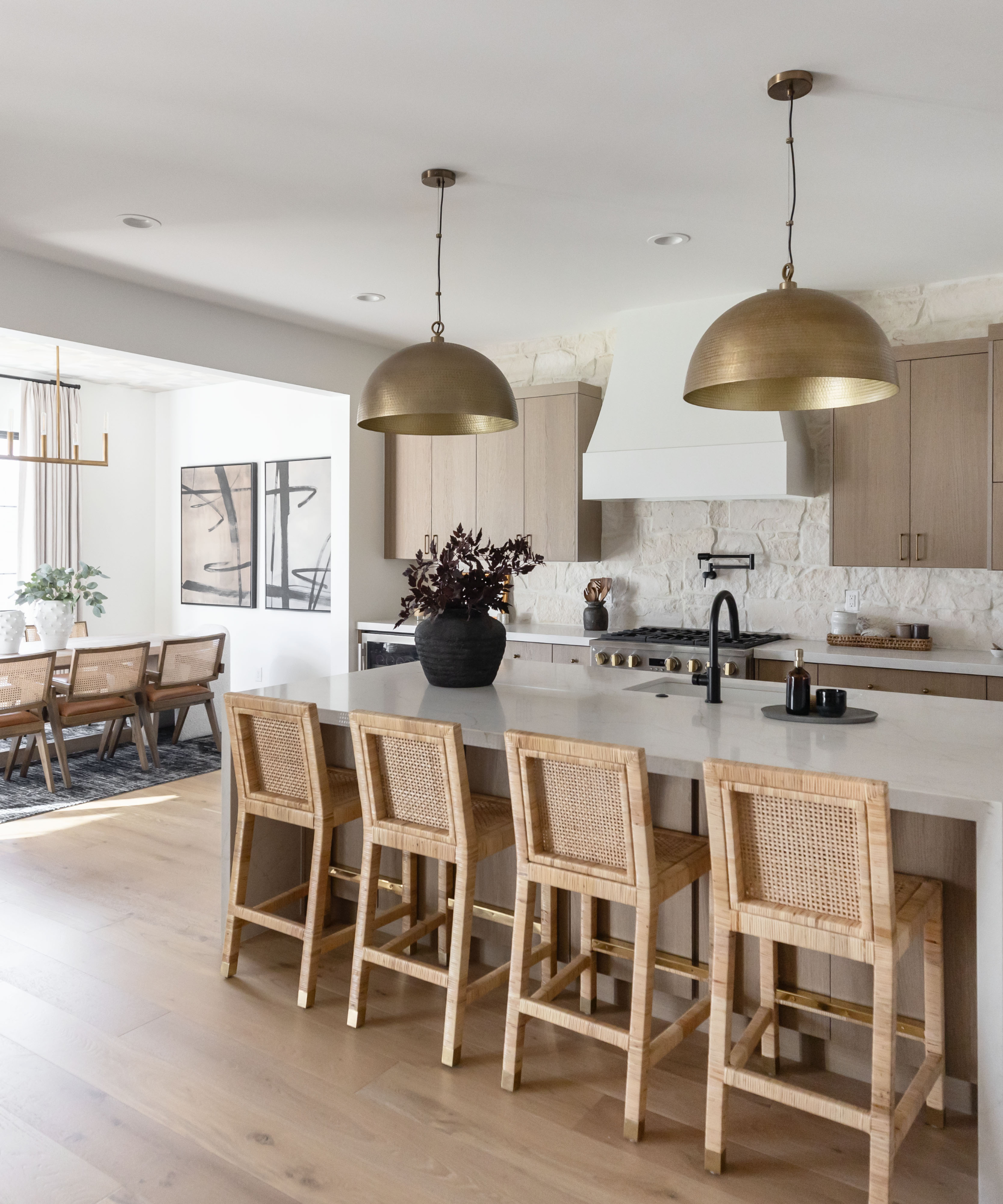
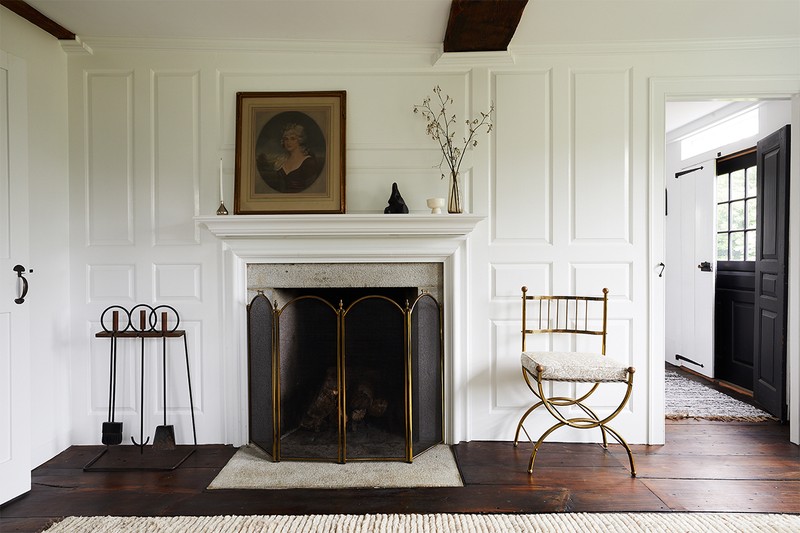
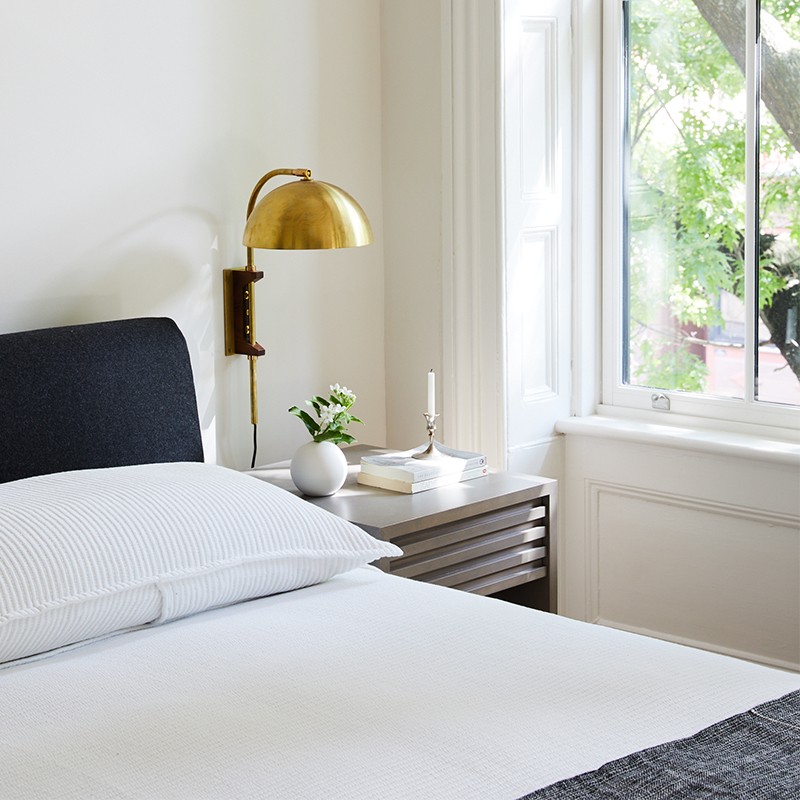
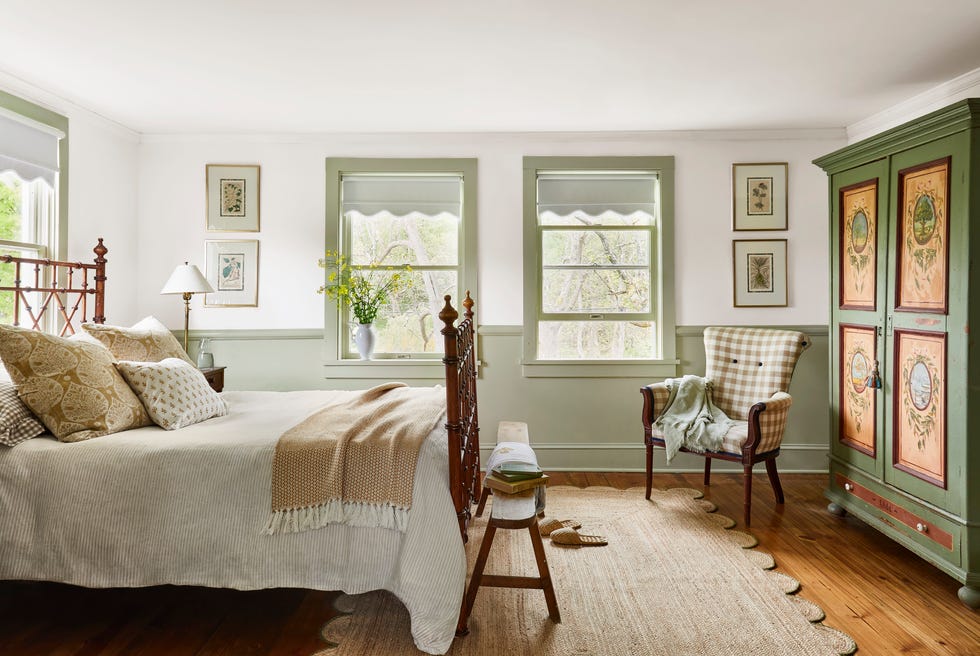
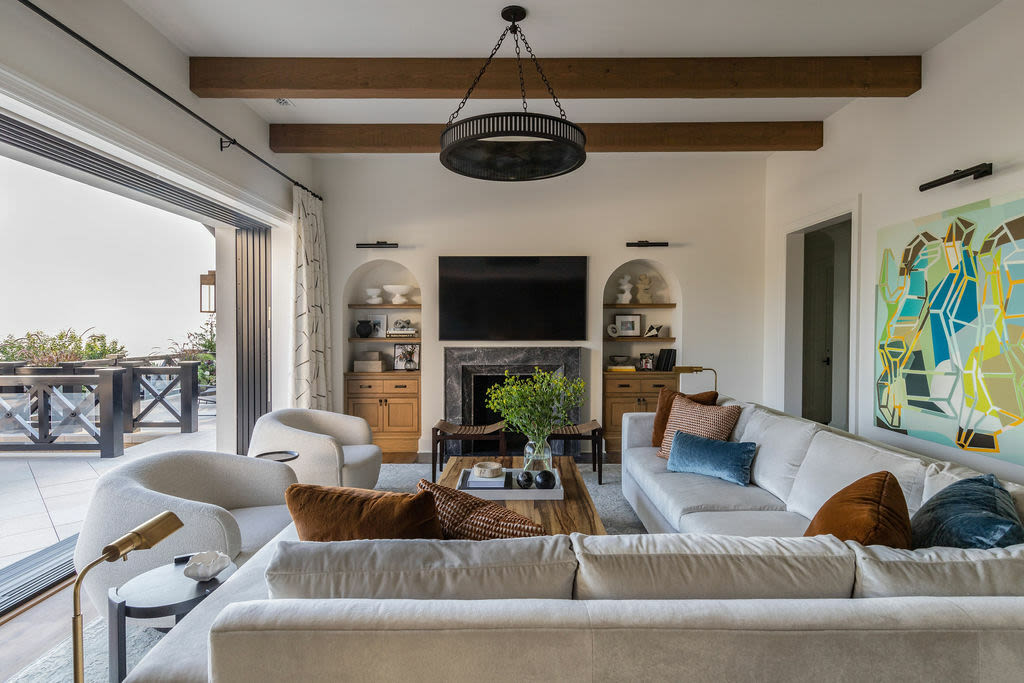
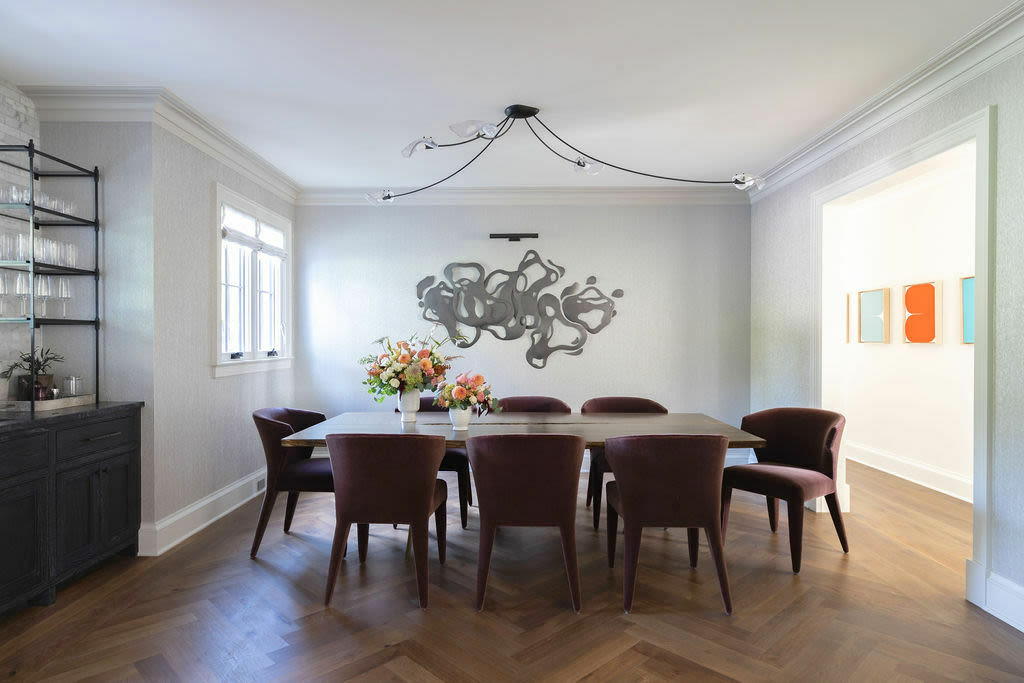
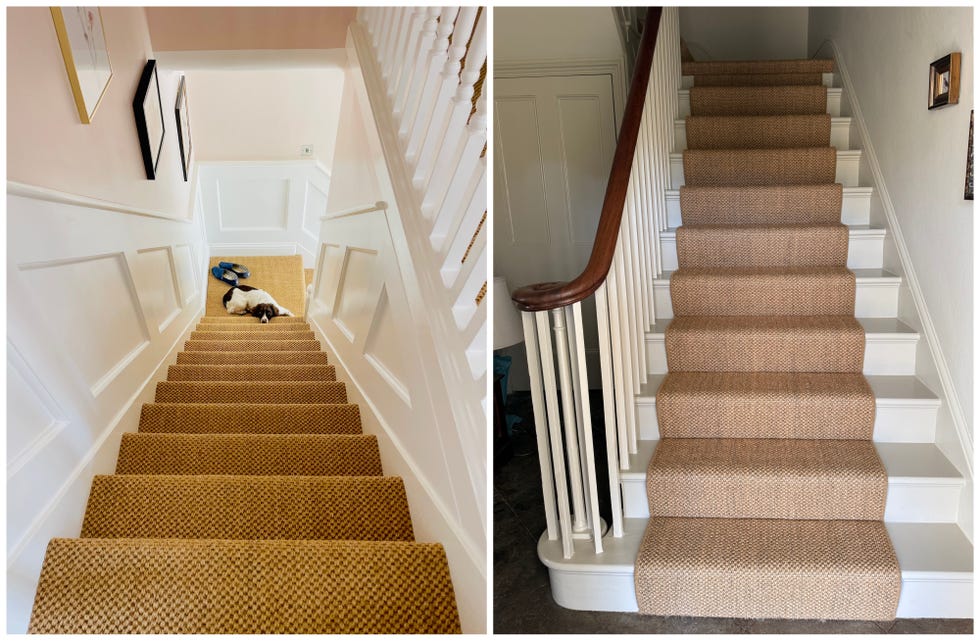
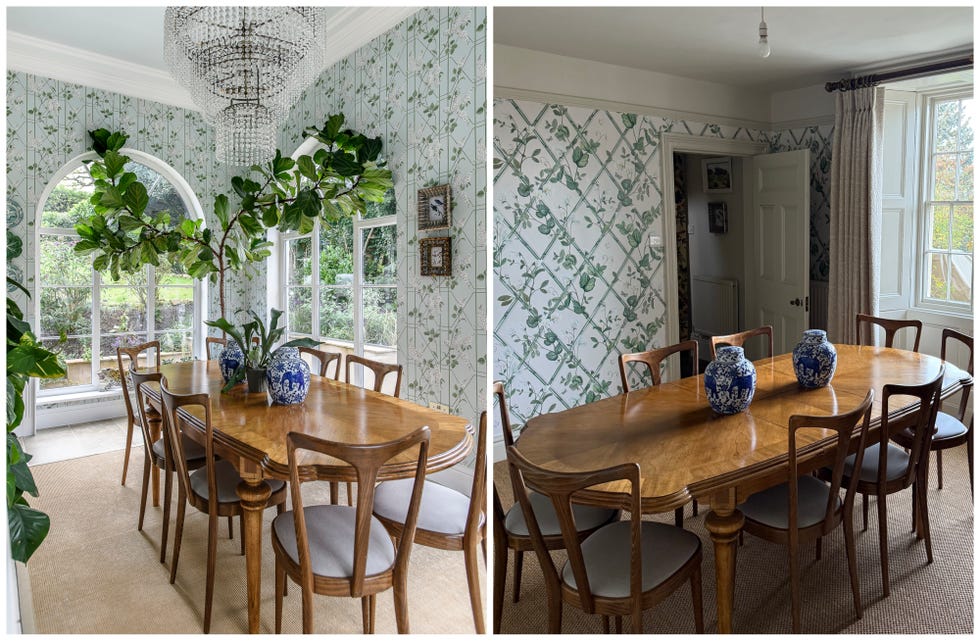
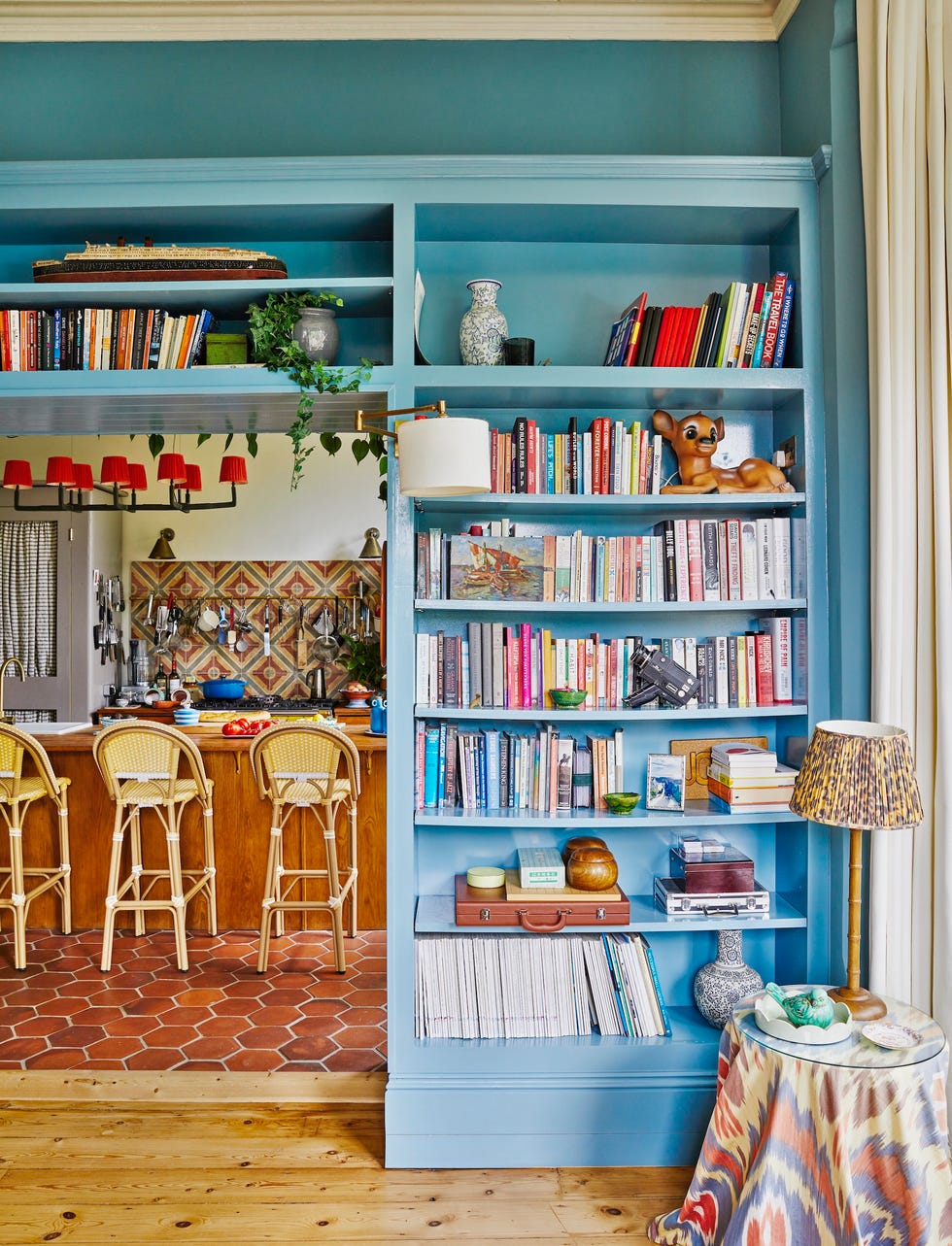
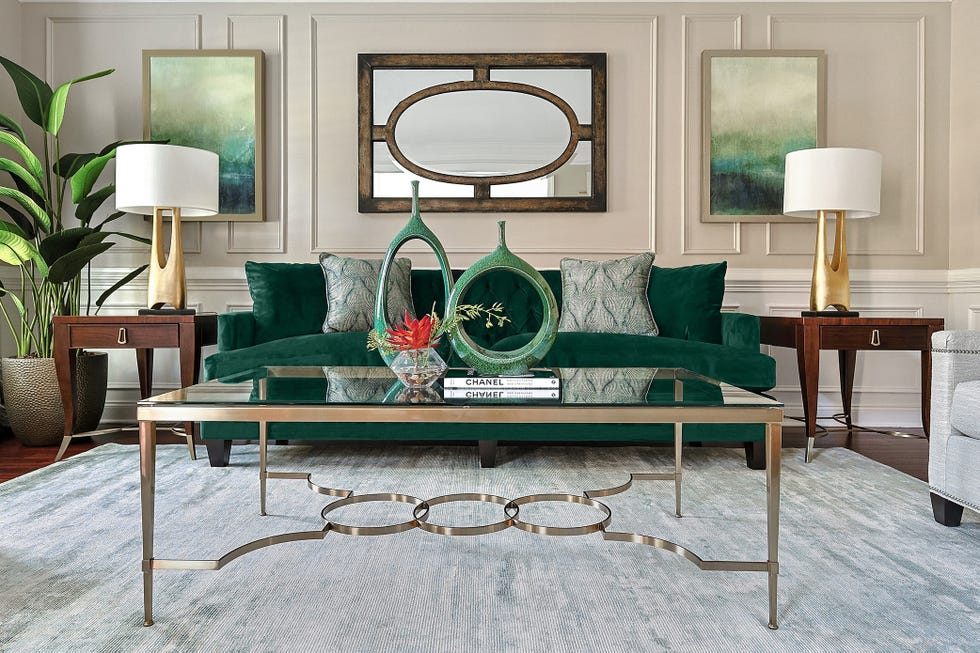
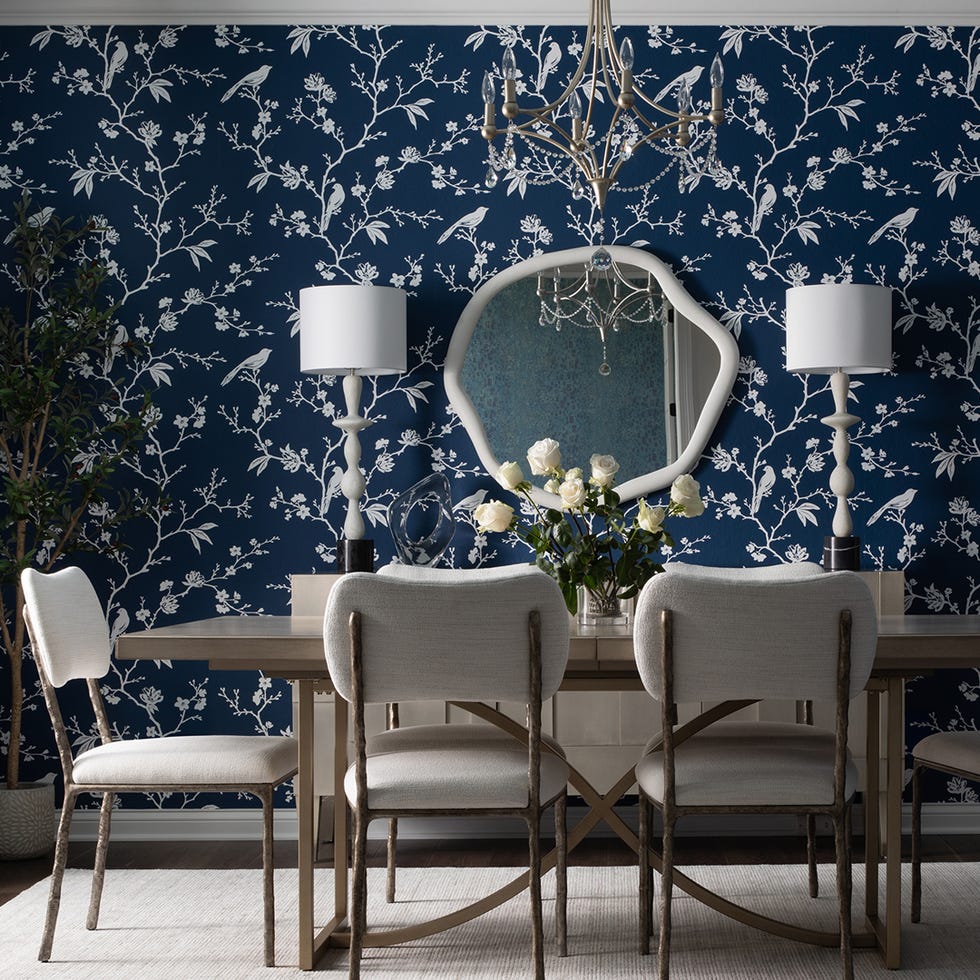
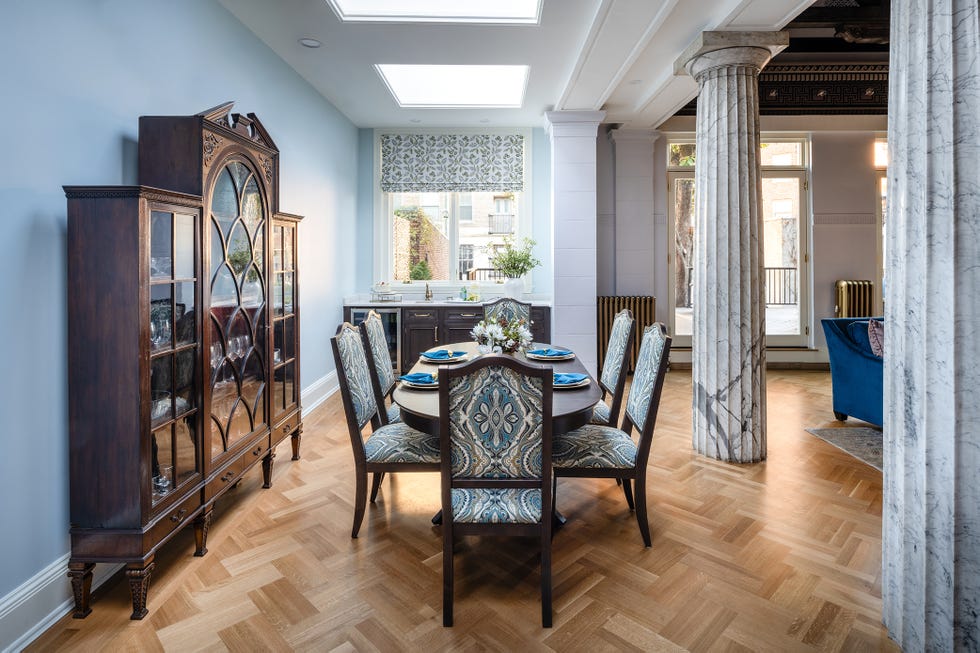
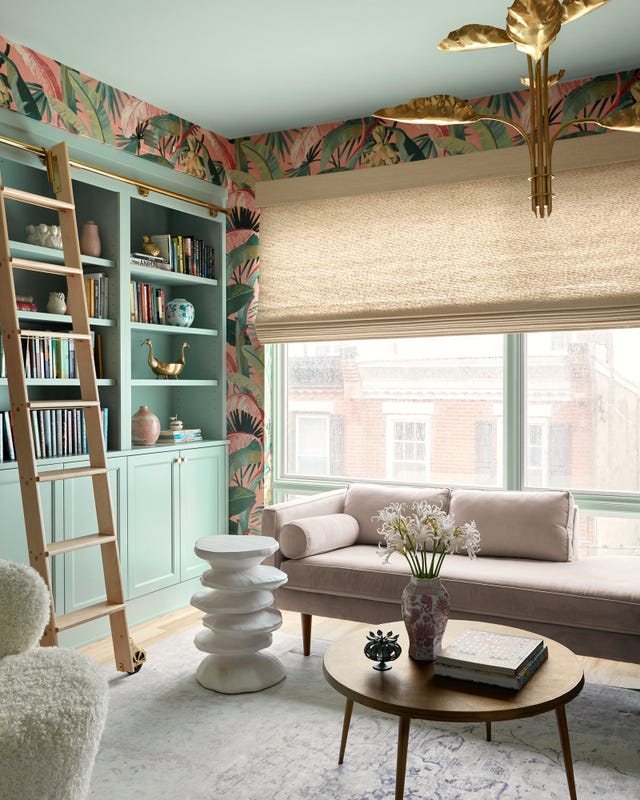
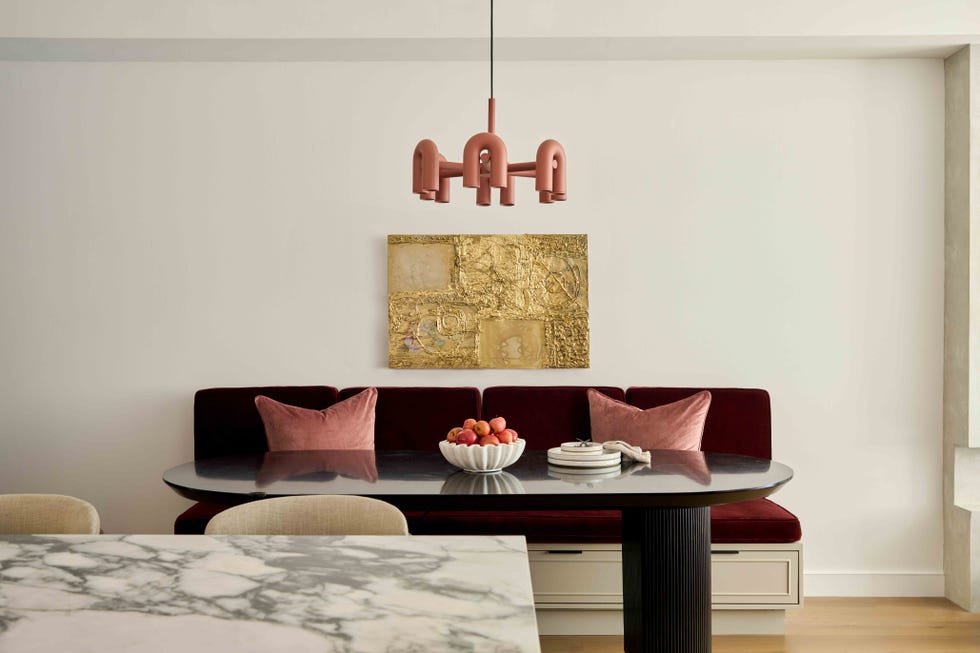
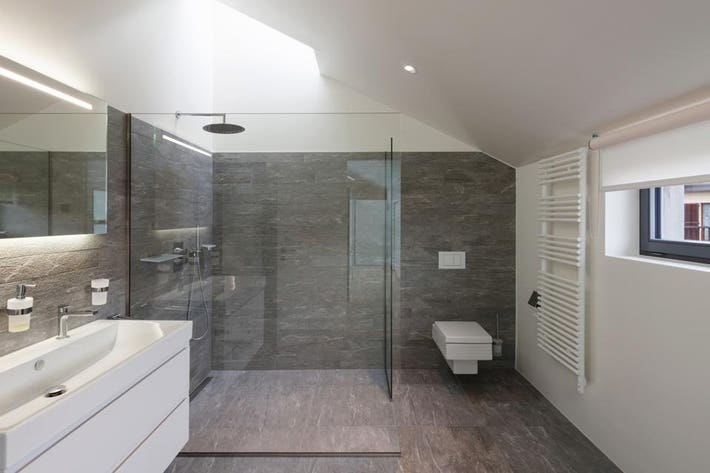
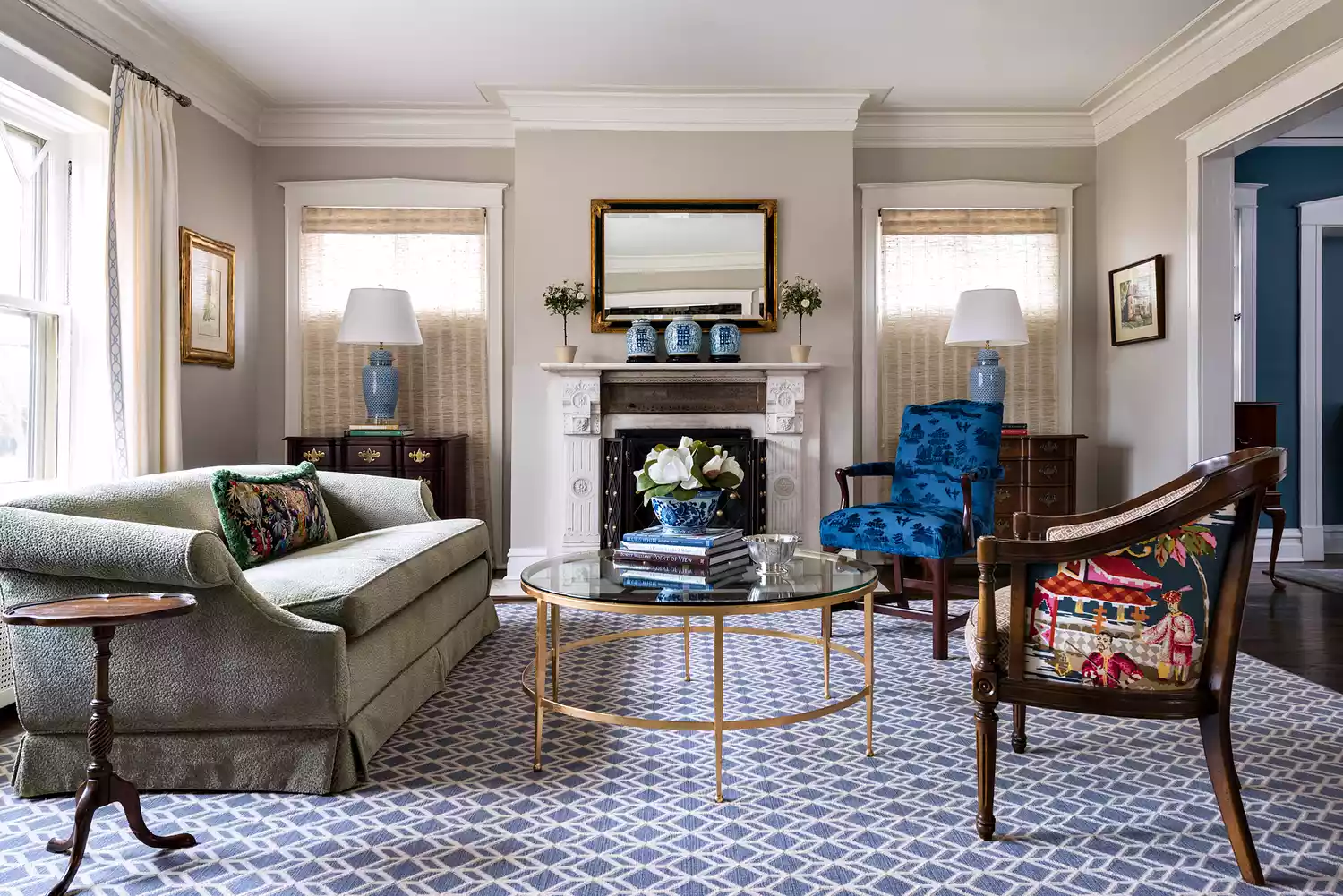
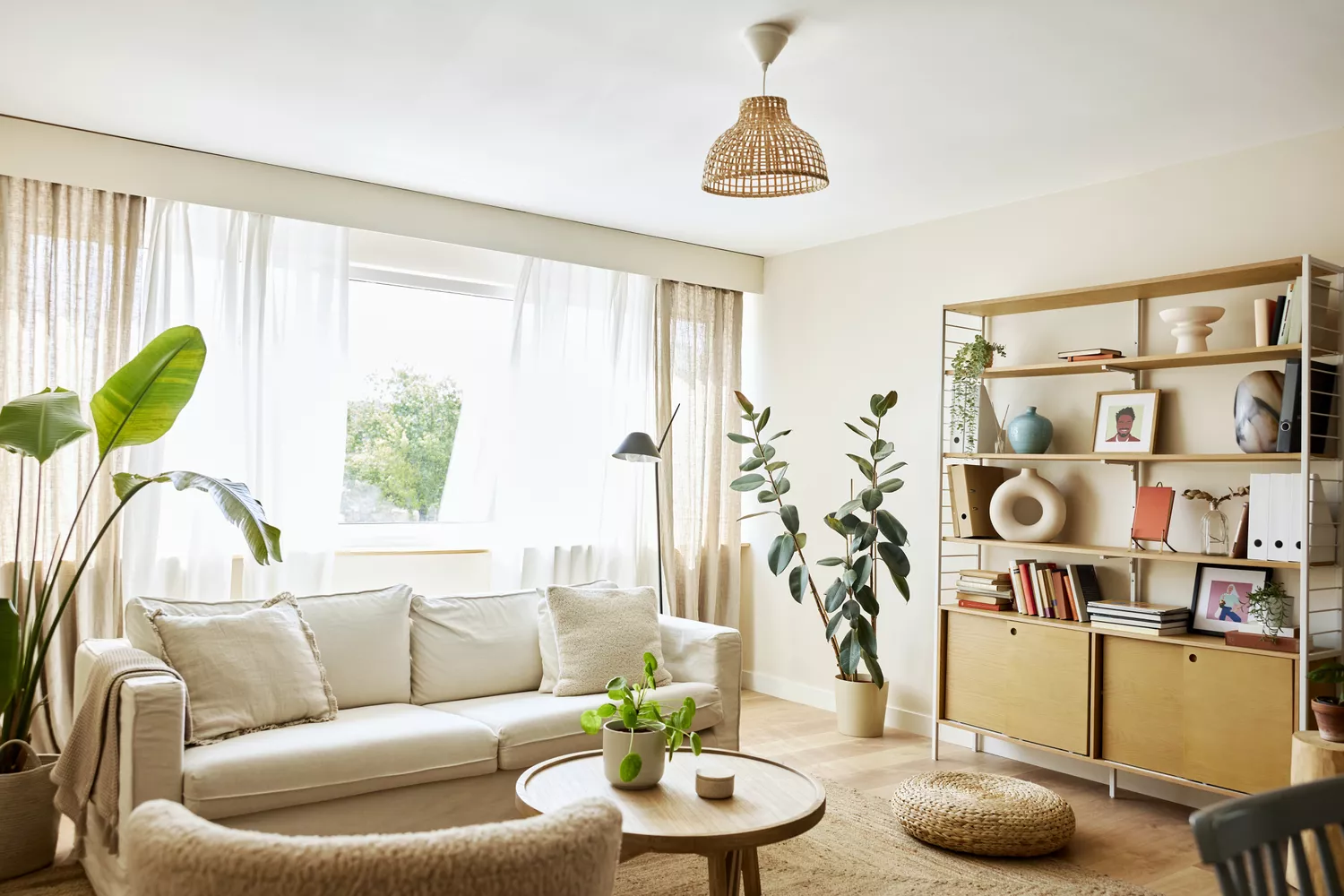
A foundational aspect of designing for longevity is prioritizing a timeless foundation. Graffam suggests starting with neutral color palettes and classic furniture and finishes for major elements like walls, flooring, and fixed structures. This provides a stable base that won't quickly go out of style. Trendier items, such as rugs, lighting, and accessories, can then be layered in and easily updated as personal tastes and current trends shift, allowing for periodic refreshes without major renovations.
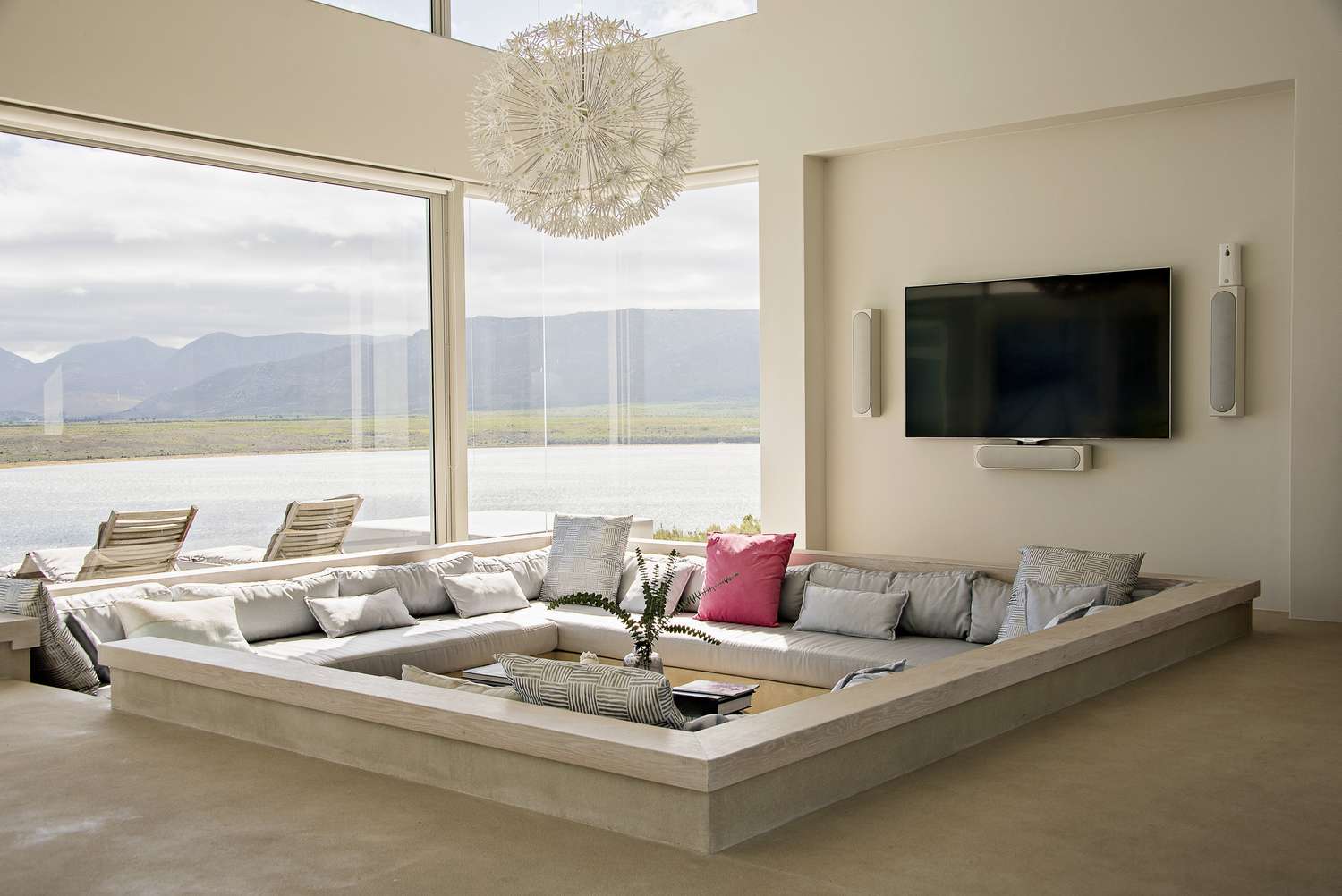
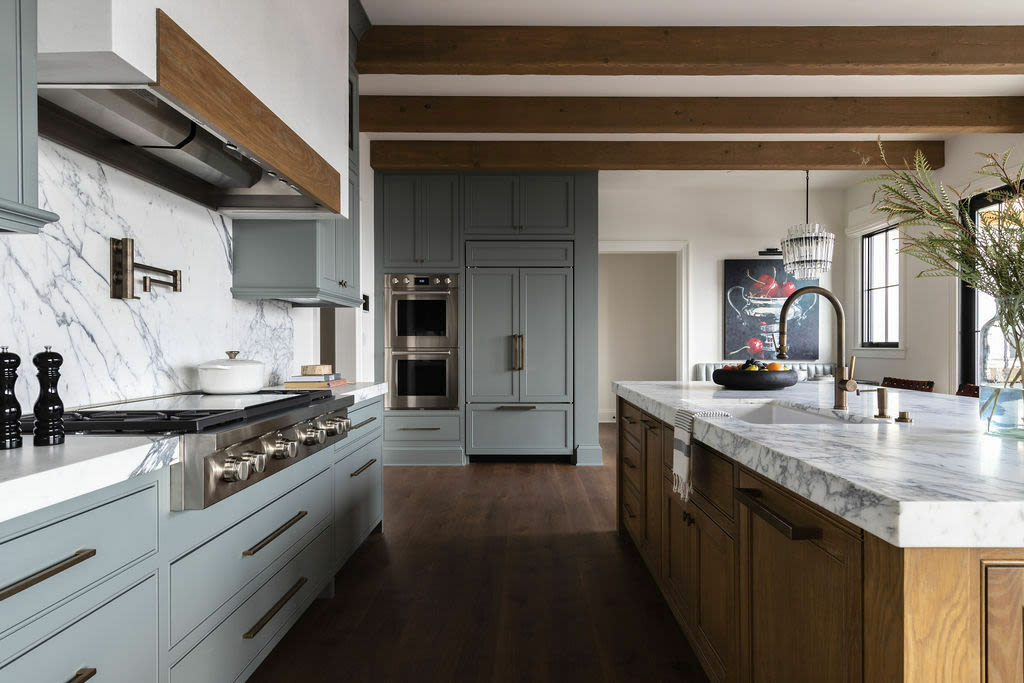
Another crucial element is creating a thoughtful and intuitive layout. A well-planned layout ensures natural ease and flow throughout the home, making it manageable and comfortable for individuals of all ages. Graffam highlights the importance of accessible kitchens and bathrooms, alongside flexible, multi-use spaces. These design choices are not only beneficial for current needs but also contribute to a home that remains comfortable, safe, and stylish well into retirement, mitigating the need for extensive future modifications.
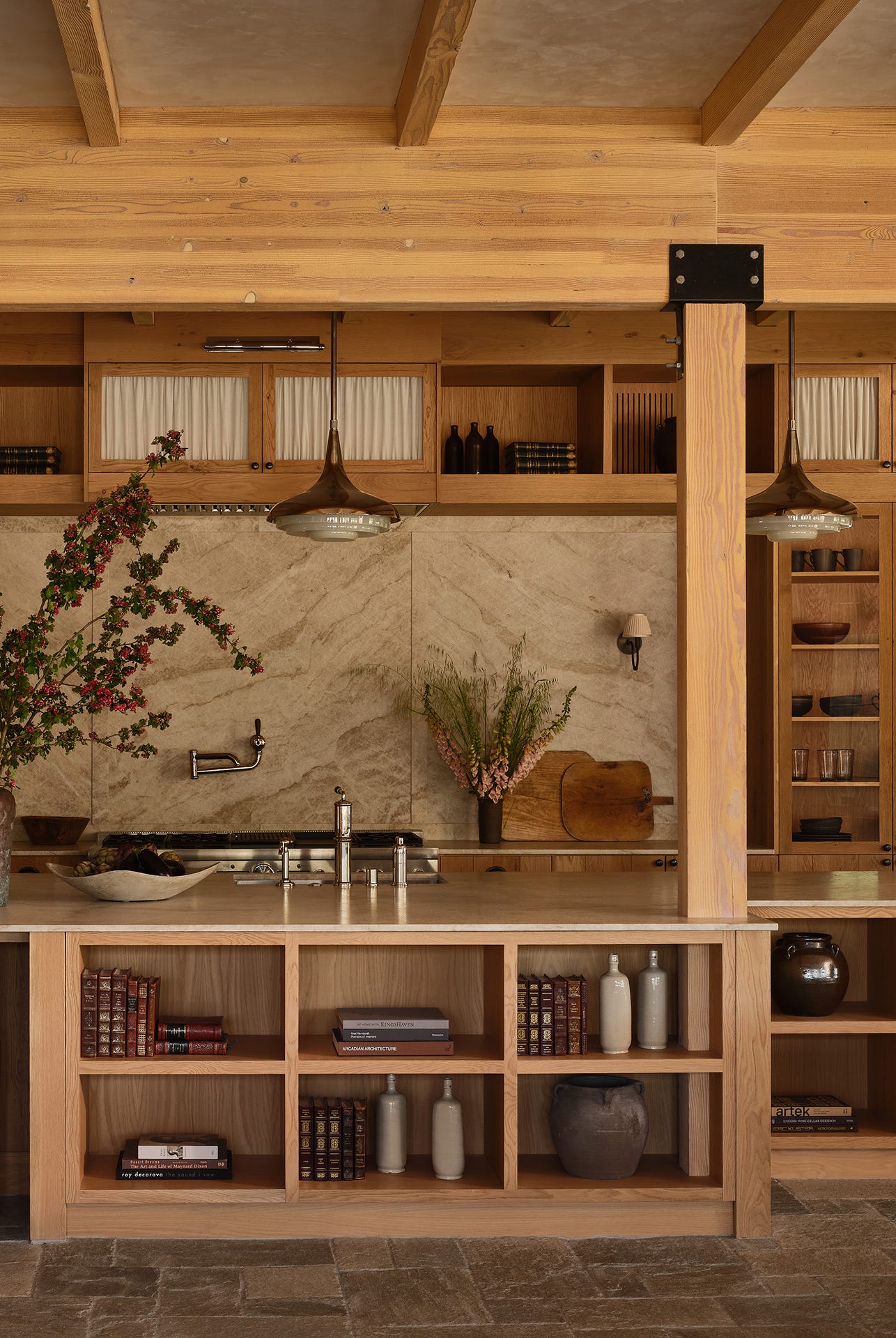
Investing in high-quality pieces is presented as a strategic long-term approach. While these items may have a higher upfront cost, Stivale views them as investments designed to last for decades. Quality materials and craftsmanship mean that these pieces will endure longer, maintain their appearance over time, and adapt gracefully as the home's style evolves. This focus on durability reduces the frequency of replacements and contributes to a more sustainable and economically sound home design.
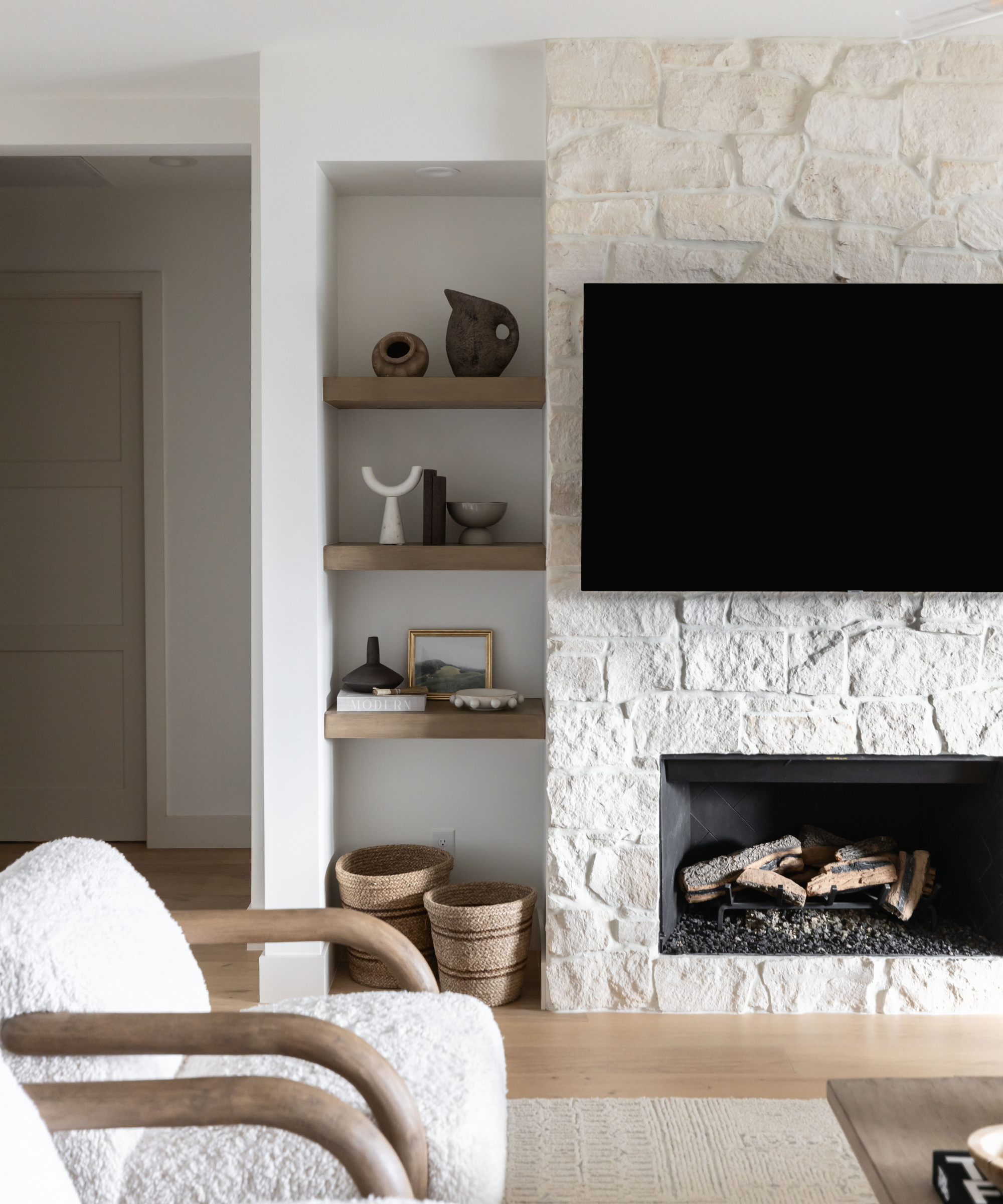
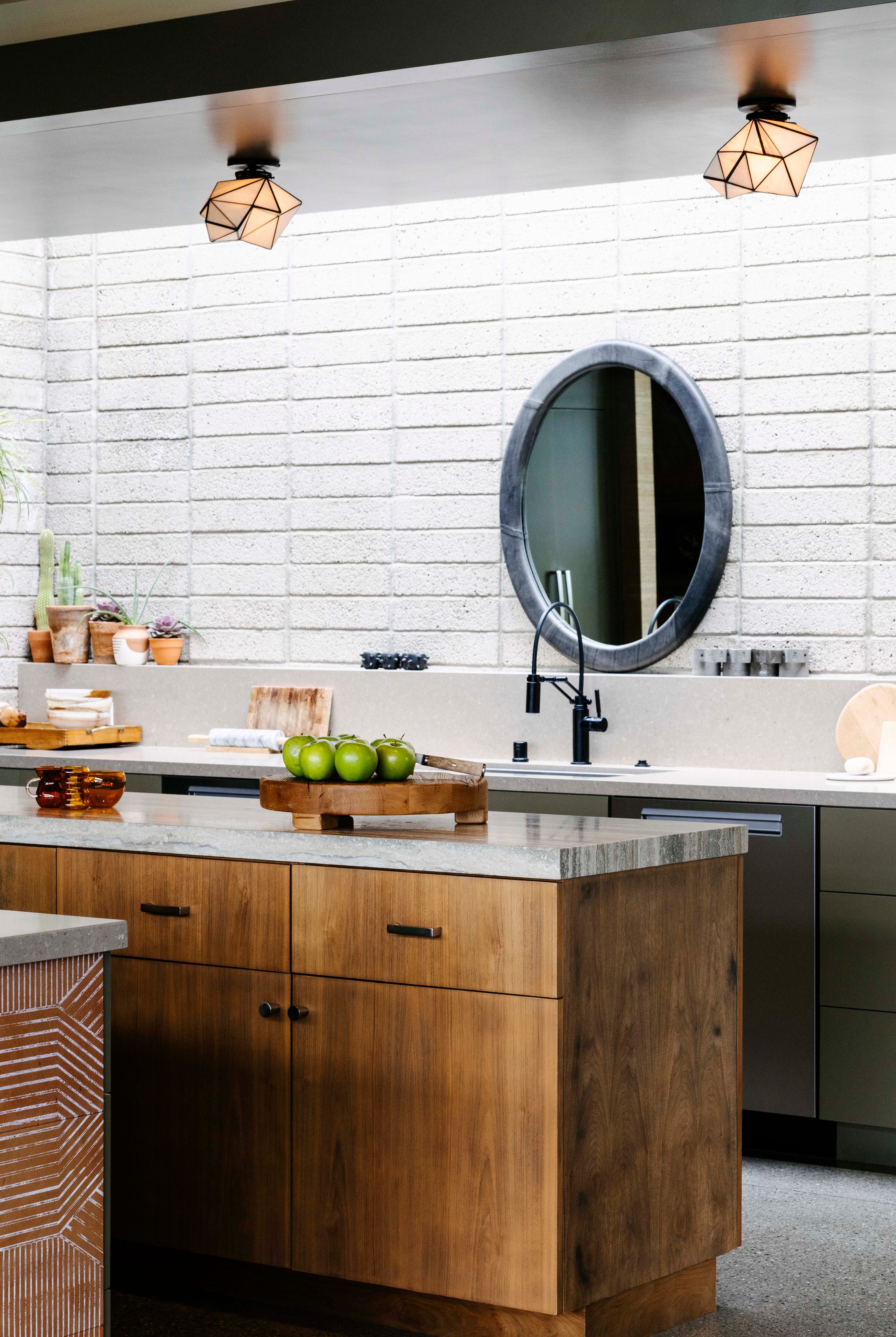
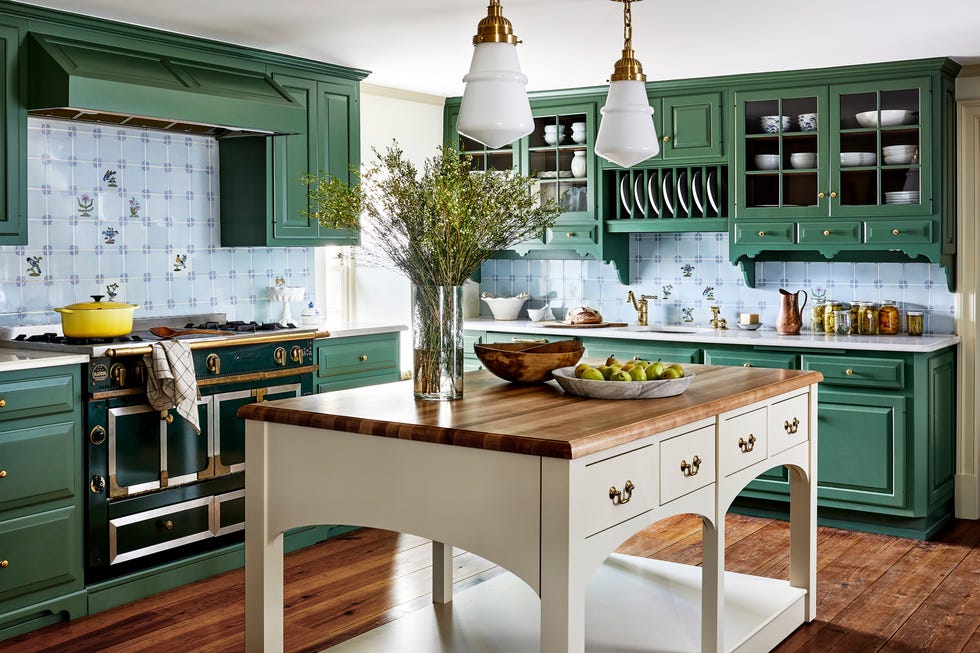
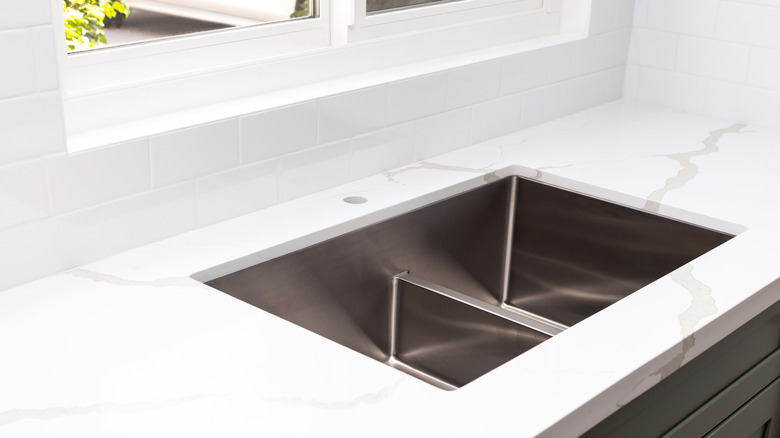
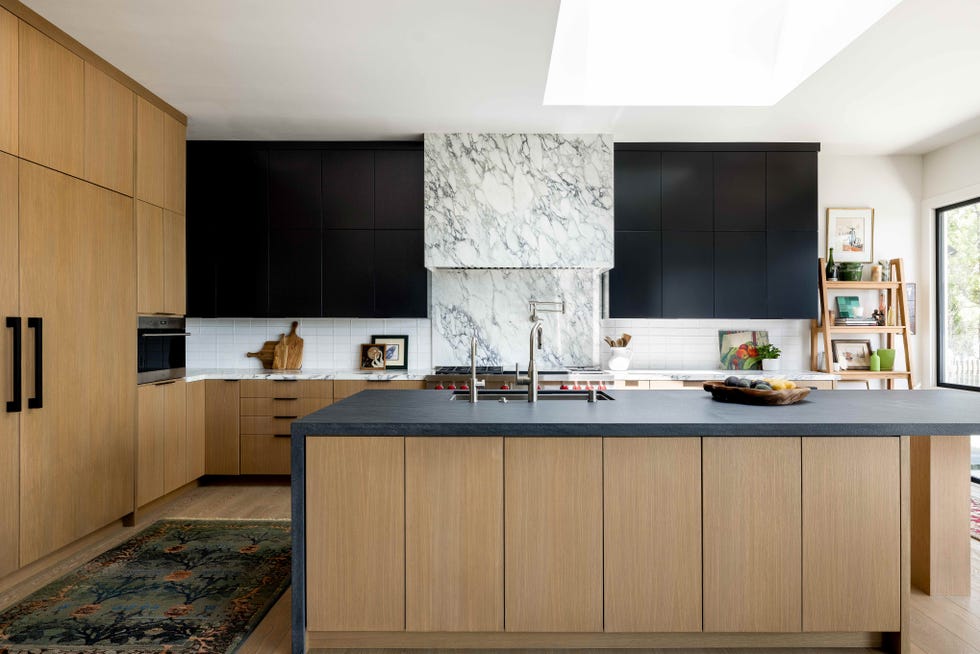
Furthermore, the article advises homeowners to concentrate on areas intended to last for decades. Certain elements, such as soft goods, inevitably require updating over time. However, fixed elements like flooring, countertops, and cabinetry are areas where longevity is paramount. Investing in high-quality materials for these components is a wise decision, as they define the home's character and are expected to withstand the test of time without frequent replacement, which also helps in budget allocation for costly items.
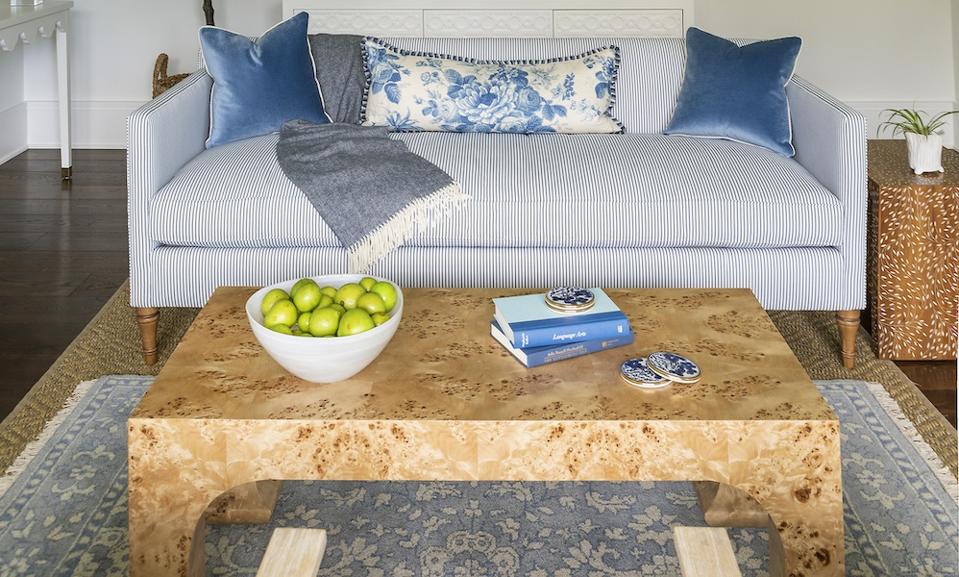
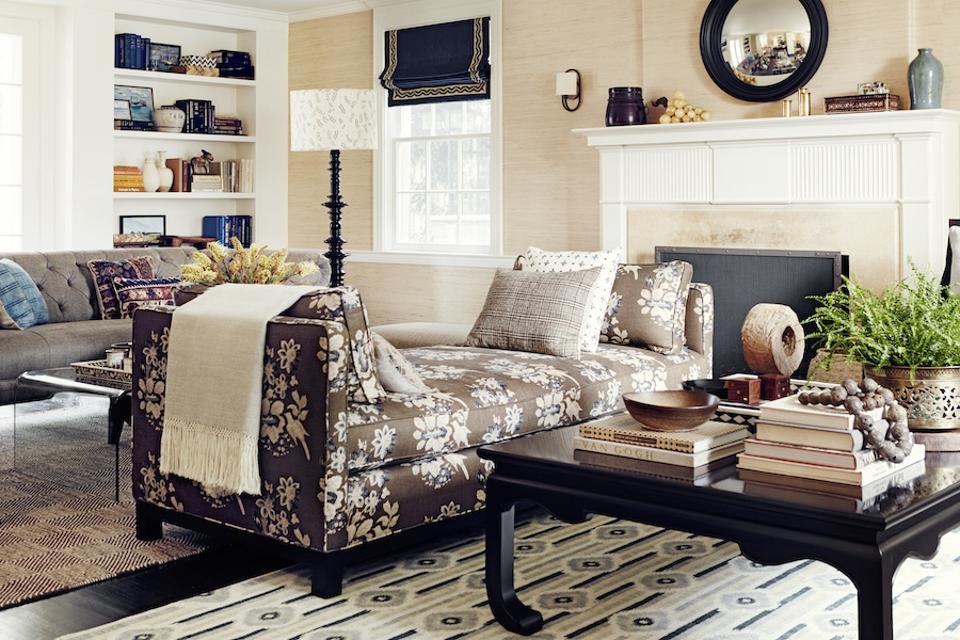
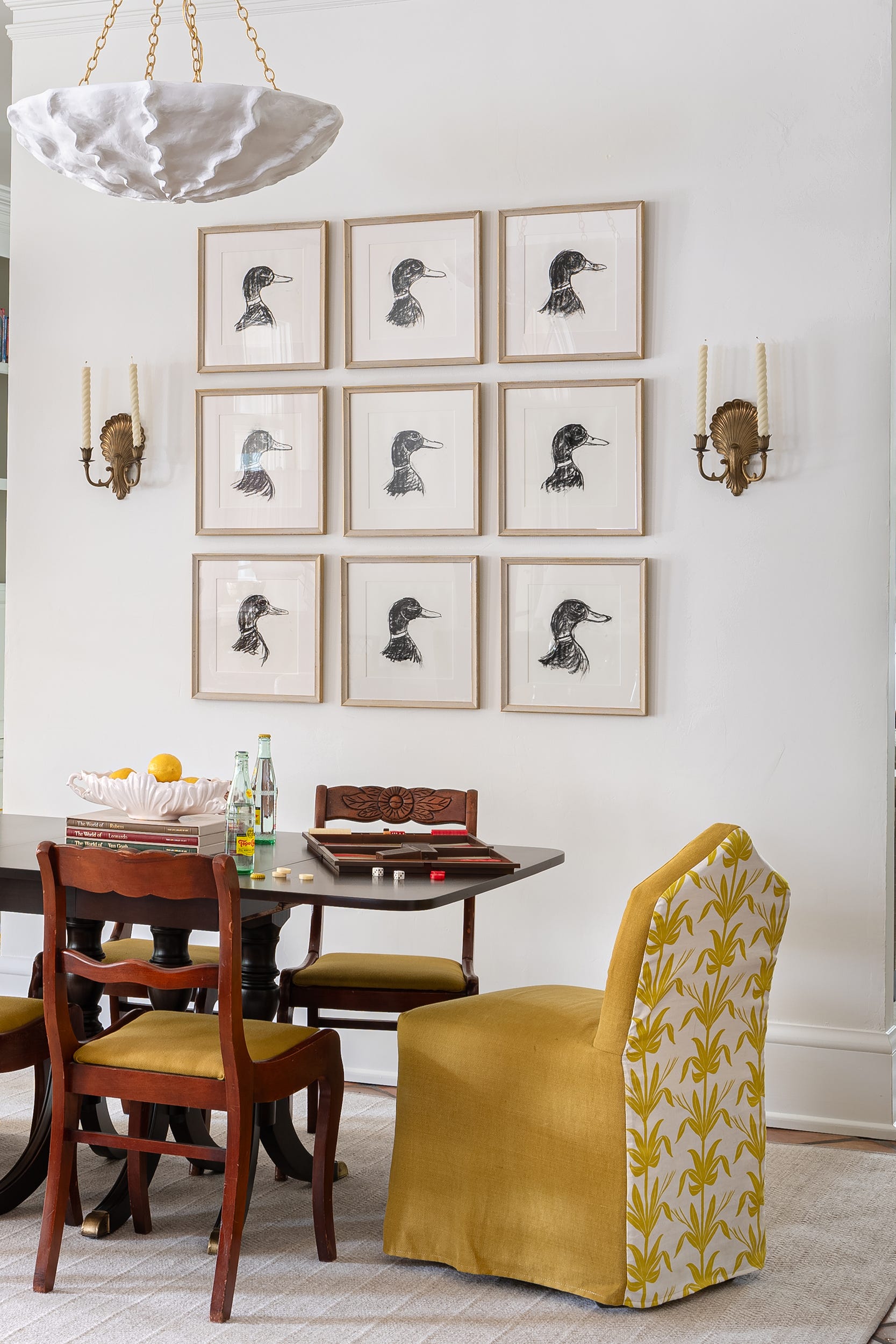
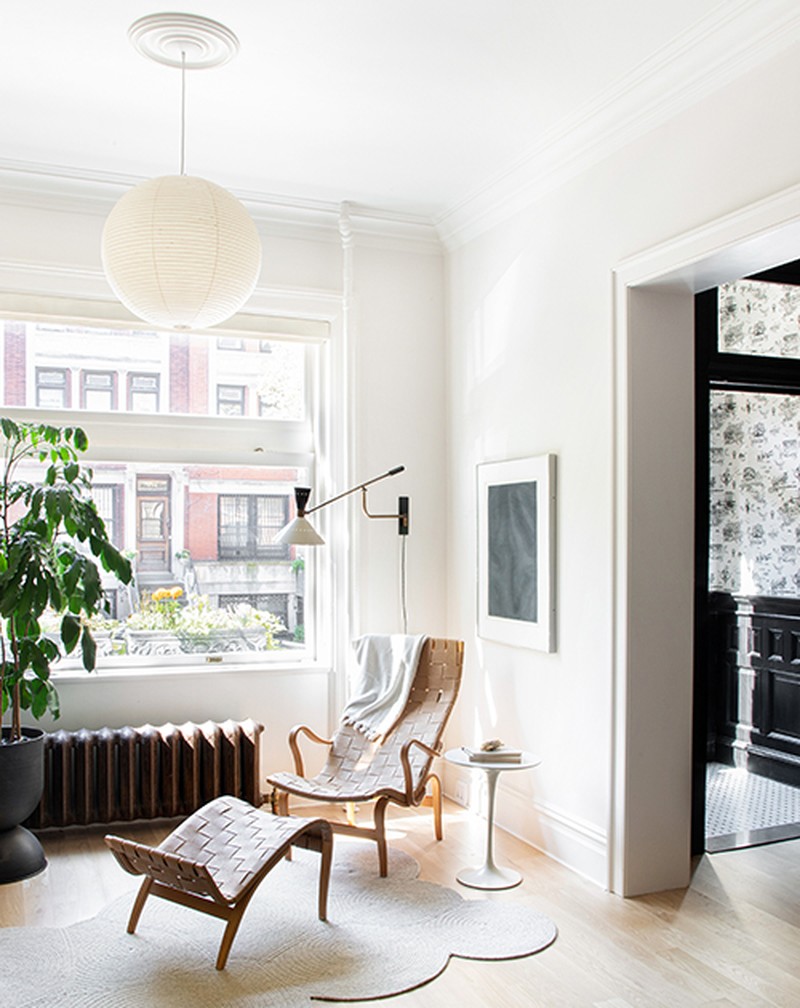
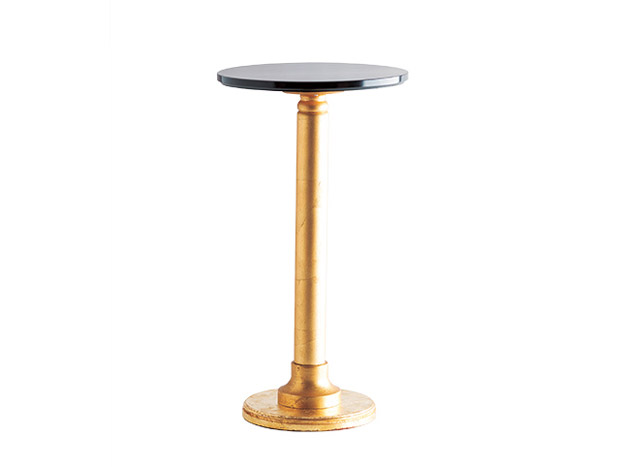
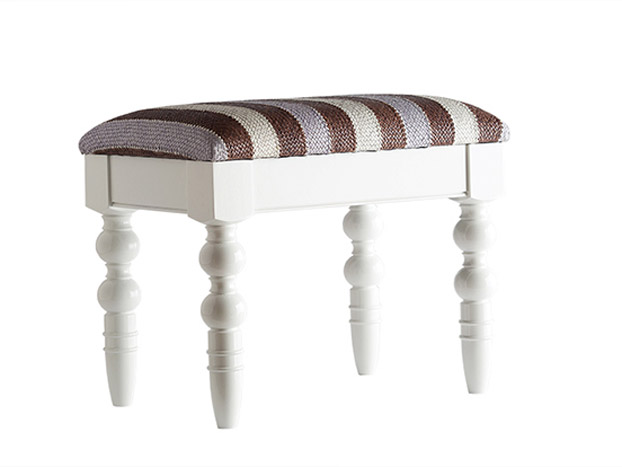
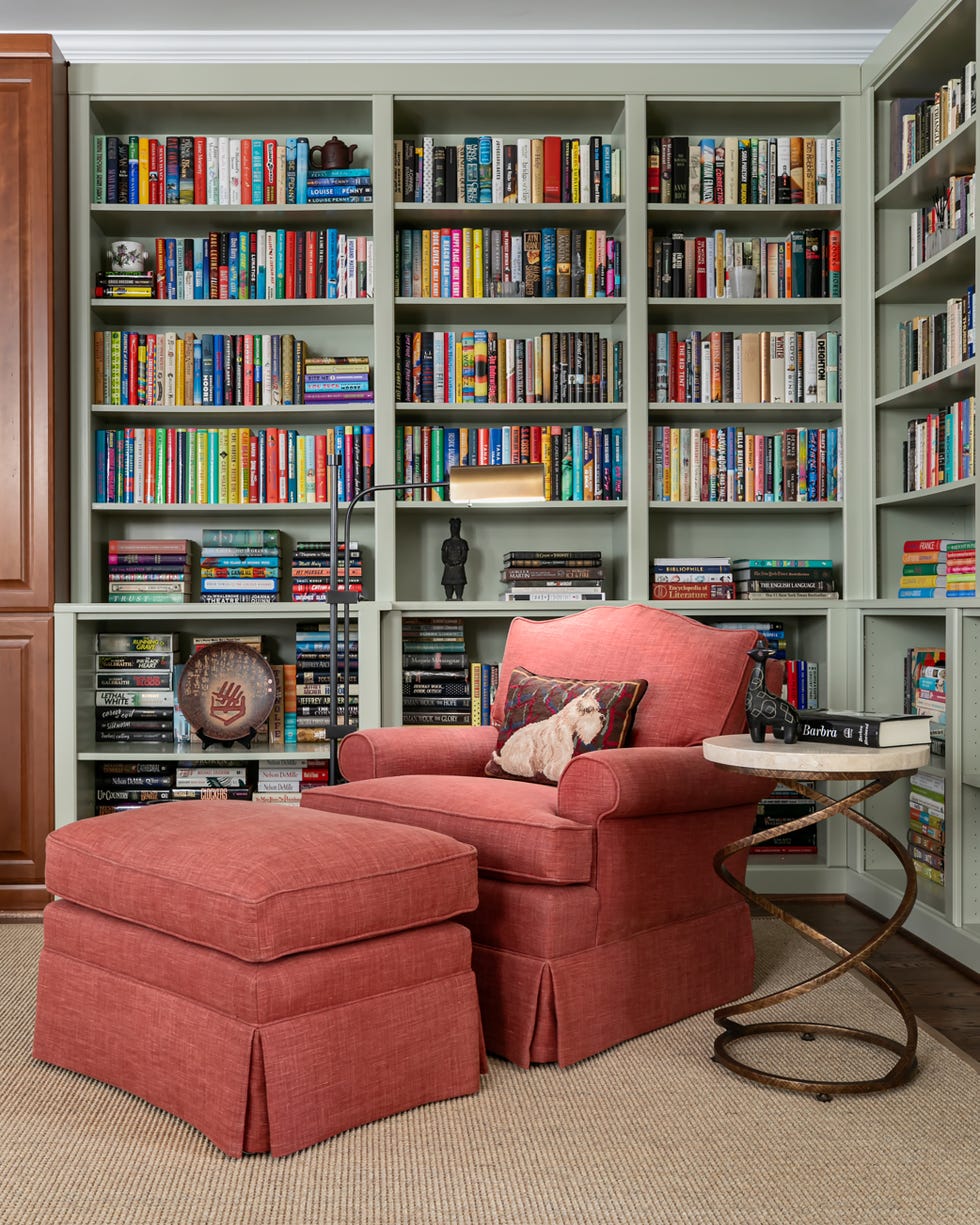
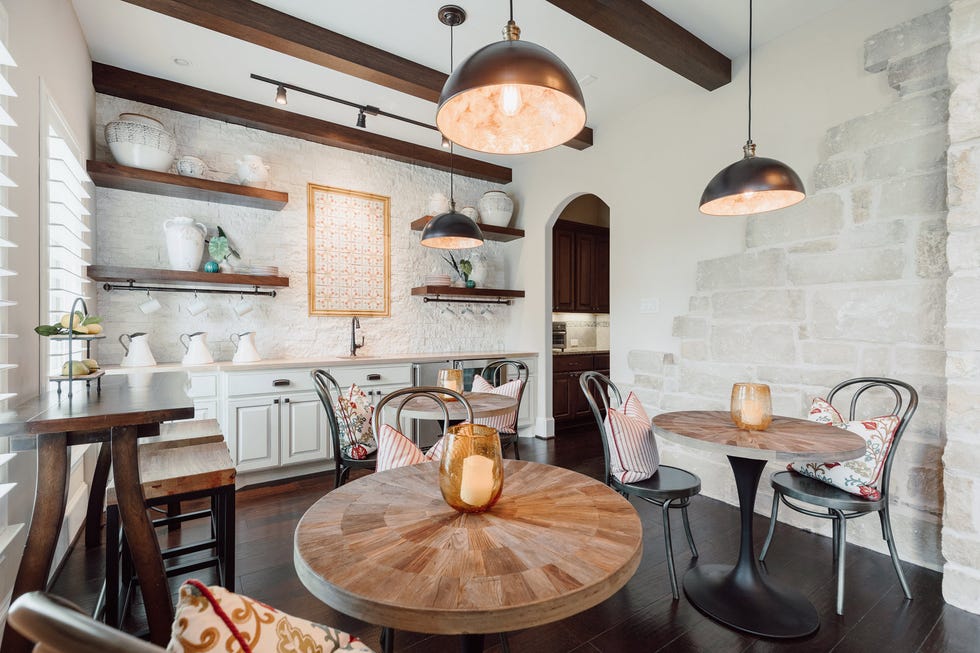
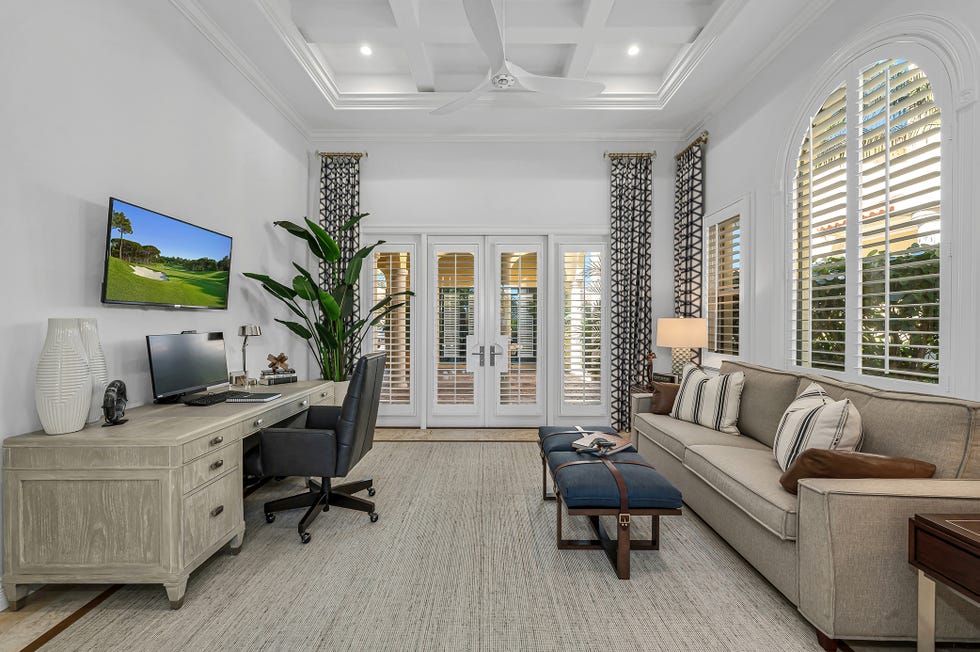
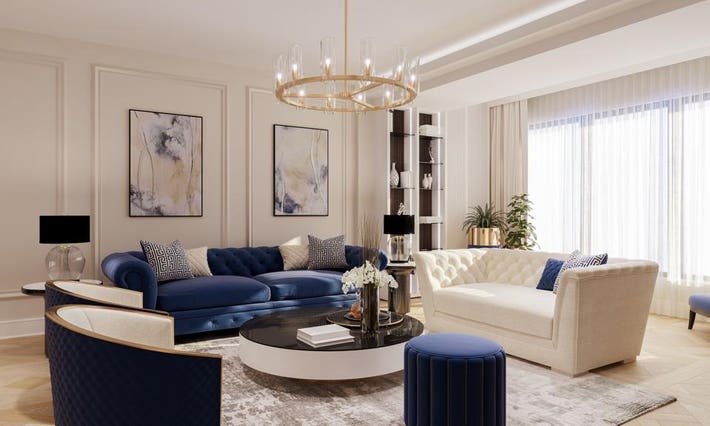
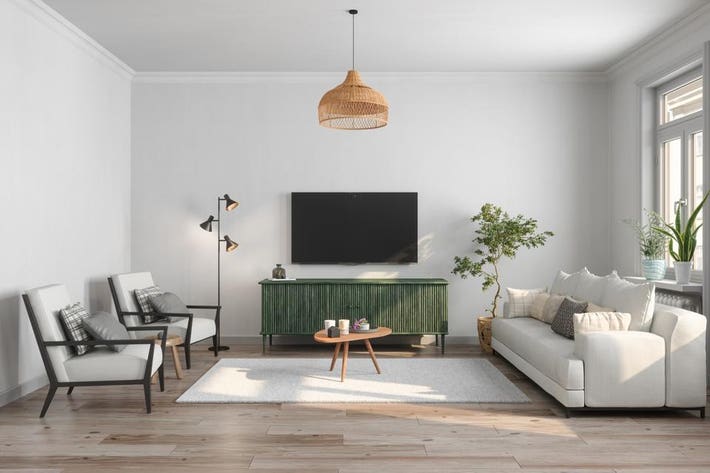
Finally, the importance of versatile furniture is highlighted. Once the timeless foundation is established, the integration of adaptable furniture allows for flexibility as lifestyles change. Stivale suggests incorporating flexible seating arrangements, multi-use furniture pieces, and finishes that can be easily updated. This strategy enables the home to evolve with the family's changing needs without necessitating major renovations. Graffam recommends choosing modular furniture and versatile storage solutions with neutral and durable finishes. These choices ensure that rooms can adapt their function and aesthetic over time, avoiding the need for complete overhauls and contributing to a truly multi-generational and adaptable living space.
#HomeDesign #InteriorDecorating #LifeStageLiving #TimelessDesign #MultiPurposeSpaces #QualityFurniture #AdaptableHome #ThoughtfulLayout #HomeLongevity #HomeDesign #InteriorDecorating #LifeStageLiving #TimelessDesign #MultiPurposeSpaces #QualityFurniture #AdaptableHome #ThoughtfulLayout #HomeLongevity
0 commenti in totale
 Nessun commento ancora
Potresti anche gradire
We Asked 6 Interior Designers for the One Antique They Use in Every Home
Design Insiders Reveal Their SECRETS to Decorating Your Home Like a Pro

4 Cutting-Edge Home Design Couples (And Their Advice)

We Asked Interior Designers to Show Us Their Favorite Room at Home—and We're Ready to Move in Immediately

Interior designers on the best piece of decorating advice they inherited from their parents and grandparents

19 Tips From A Top Interior Designer

The Interior Home Trend Designers Are Happy To Put Down, And Why It's For The Best
If You Have These 10 Traits, You'd Probably Be a Great Interior Designer
Interior Designers Share Their Best Traditional Design Tips

We Asked Designers Which Living Room Styles They Wish Would Come Back, and We Agree
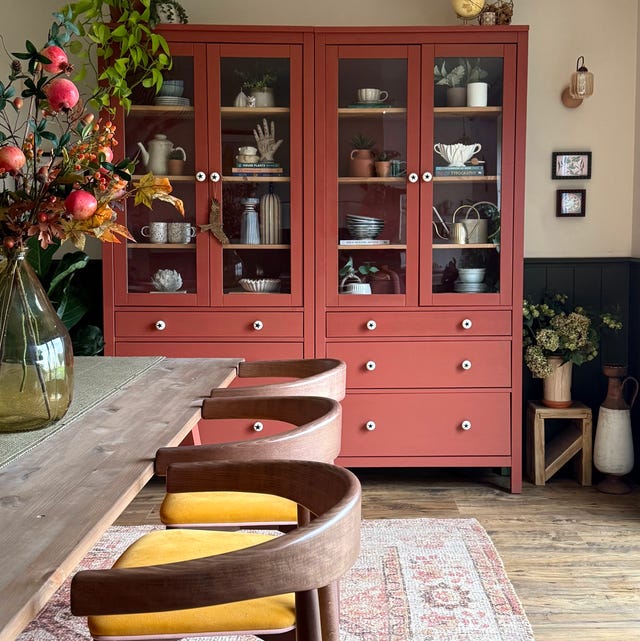
Copy-And-Paste Interiors: Repeating A Look Isn’t Lazy — It’s Clever
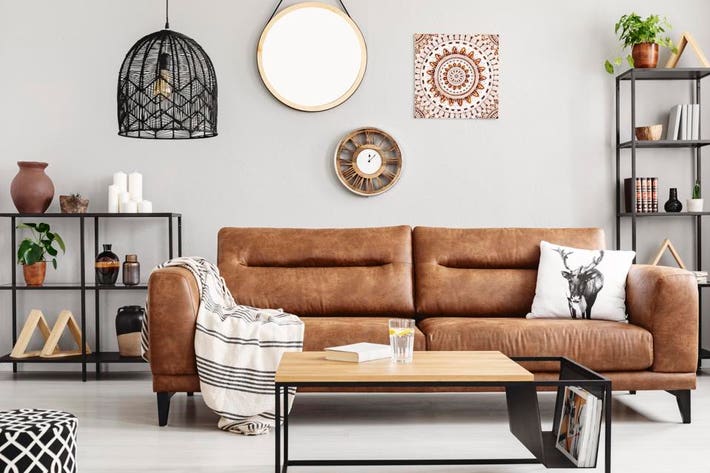
10 Interior Design Mistakes Experts Avoid In Their Own Homes

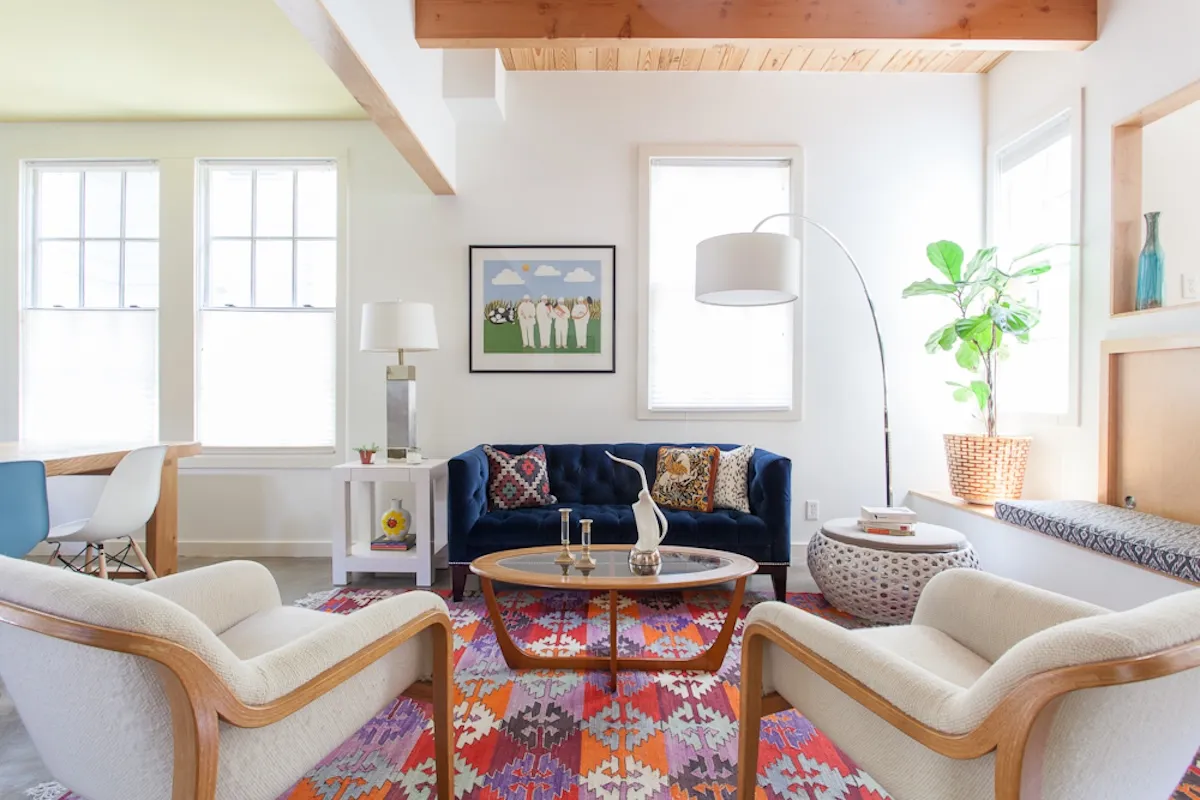
We Asked Designers How to Get a Boho-Style Living Room That Will Age Well, and They Delivered
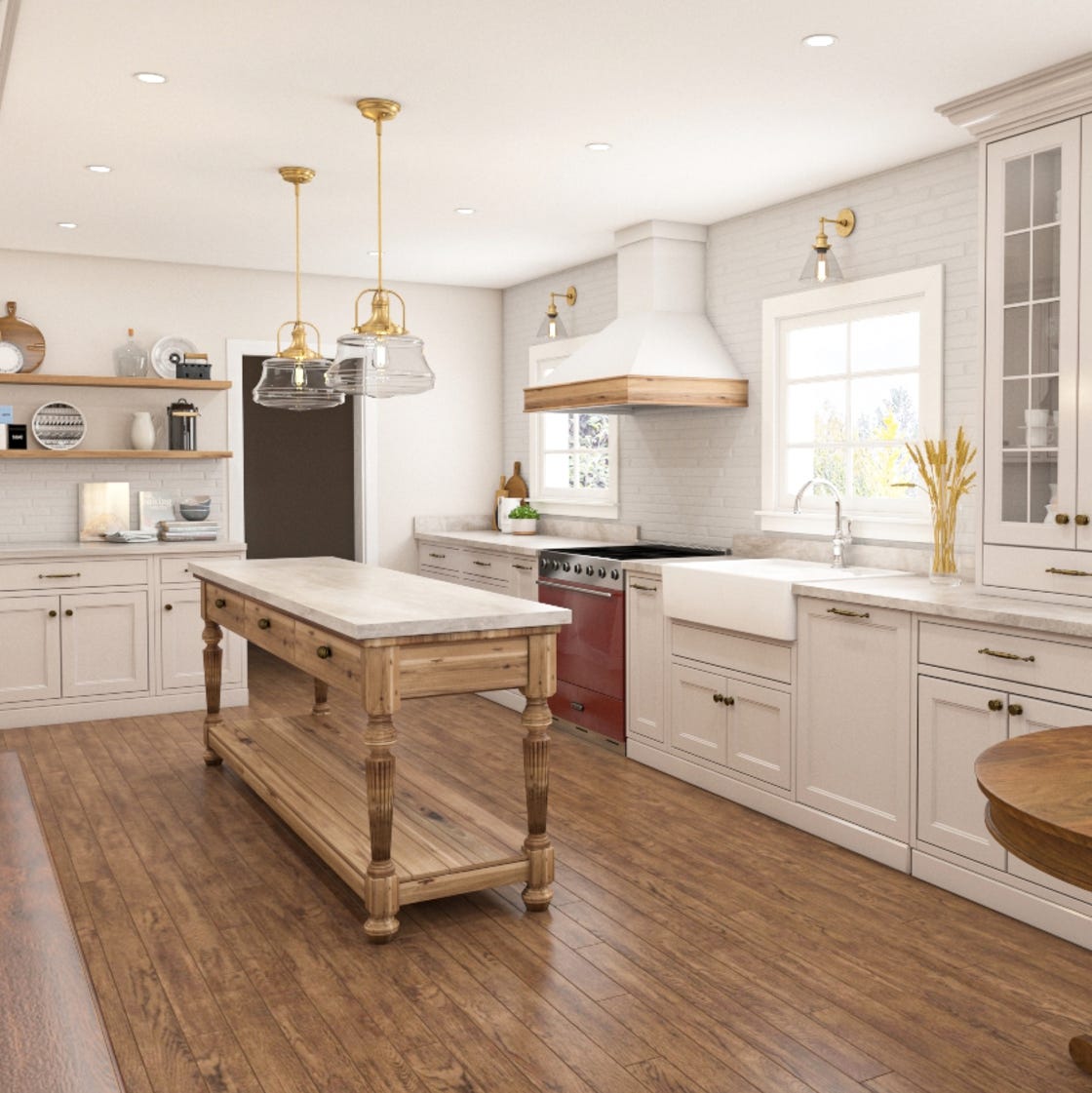
6 Farmhouse-Style Trends Designers Secretly Wish We’d Retire
5 Things Interior Designers Wish You Would Do


Twelve creatives on the home essentials they can't do without
5 interior designers on the styles they will love forever
Habitat Design Consulting Expert Interior Design Advice

Why the Perfect Time to Work with an Interior Designer Is Now
We Asked Designers to Pick the Most Timeless Living Room Paint Color—and They Agreed