1/2
Stucco House Finish: Everything You Need To Know About Stucco
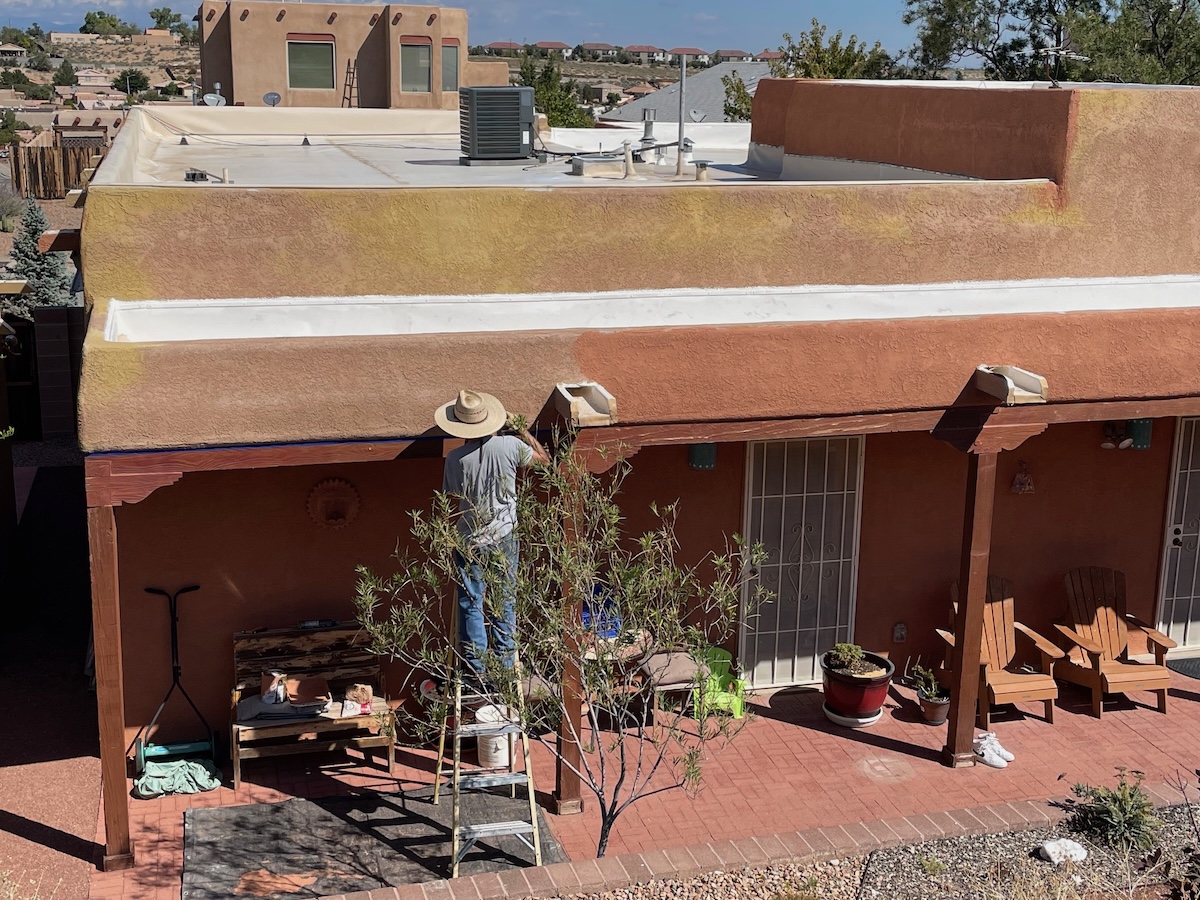
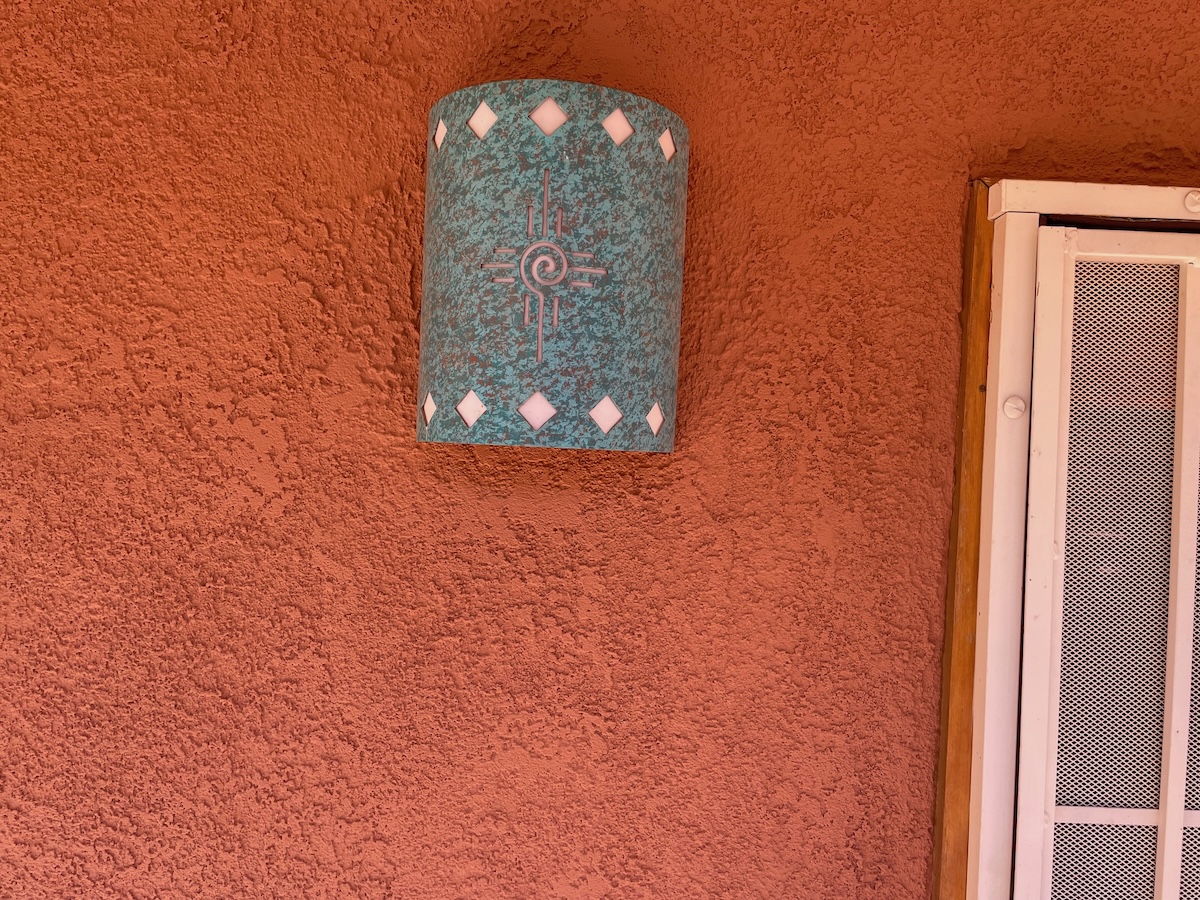
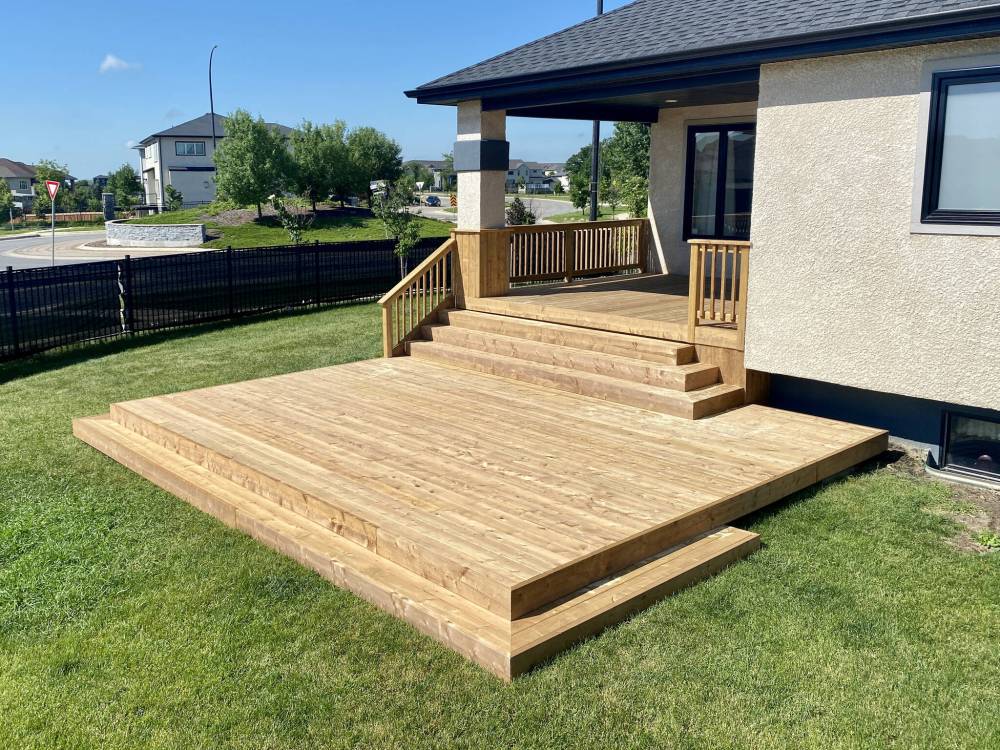
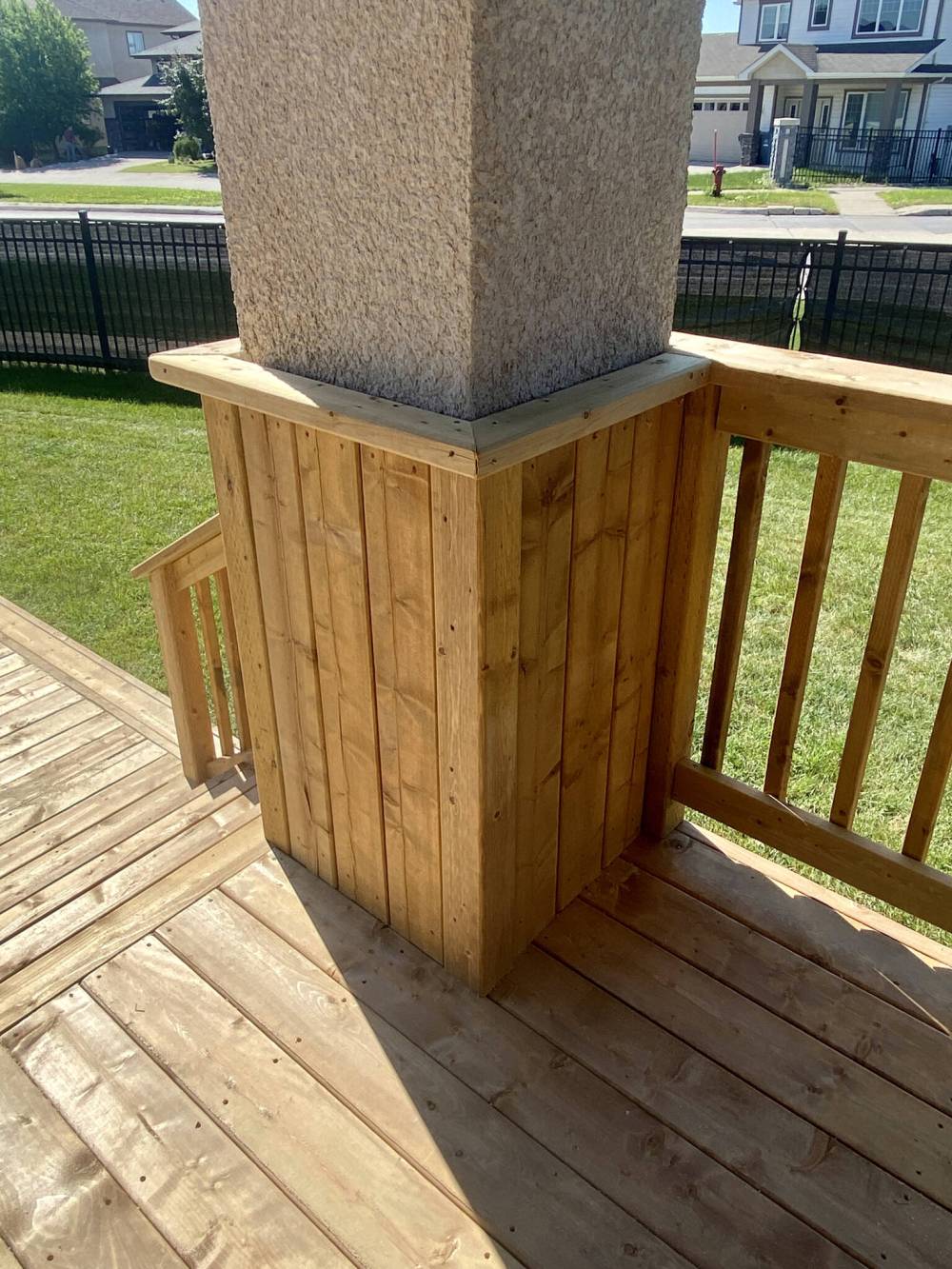
Stucco is presented as a long-standing and popular choice for residential siding, currently ranking as the second most popular siding material in the U.S., behind vinyl, according to a 2019 report from the Stucco Manufacturers Association. The article delves into the characteristics, advantages, disadvantages, application process, and maintenance requirements of stucco. Stucco is defined as a cement-like product applied to a home's exterior in multiple layers, typically about an inch thick, offering varied textures from smooth to highly textured. It can be applied over masonry or wood frames and traditionally consists of cement, lime, and sand. Newer stucco systems, such as acrylic, insulated, and crack suppression variants, are highlighted for addressing common issues like cracking and expanding the range of available textures. While historically popular in the Southern and Western U.S., its adoption is growing in other regions due to these improved products.
The pros of stucco include its exceptional durability, with properly applied stucco potentially lasting up to 100 years, according to a Department of Energy study. Its aesthetic versatility allows for extensive customization in finish and color, making it suitable for various architectural styles and compatible with other building materials. Stucco also offers a strong one-hour firewall rating, which can be crucial for meeting local fire codes. In terms of cost, the article notes that while labor costs can vary regionally due to the skill required for application, conventional stucco for a 3,000 sq. ft. home might cost around $20,000, with newer acrylic systems costing slightly more at $25,000 to $30,000. Despite these initial costs, its high durability, low maintenance, and long lifespan often make it a more cost-effective option compared to traditional wood, vinyl, and composite sidings.
However, stucco also has its cons. Conventional stucco is prone to hairline cracks, and stress cracks can develop as a home settles, though newer acrylic and crack suppression systems significantly mitigate this issue. Traditional stucco offers minimal insulation value, but modern insulated stucco systems improve thermal performance. Staining can occur if water consistently runs down stucco surfaces, potentially leading to moisture damage, emphasizing the importance of proper gutter installation and careful landscaping to keep sprinklers away from stucco exteriors.
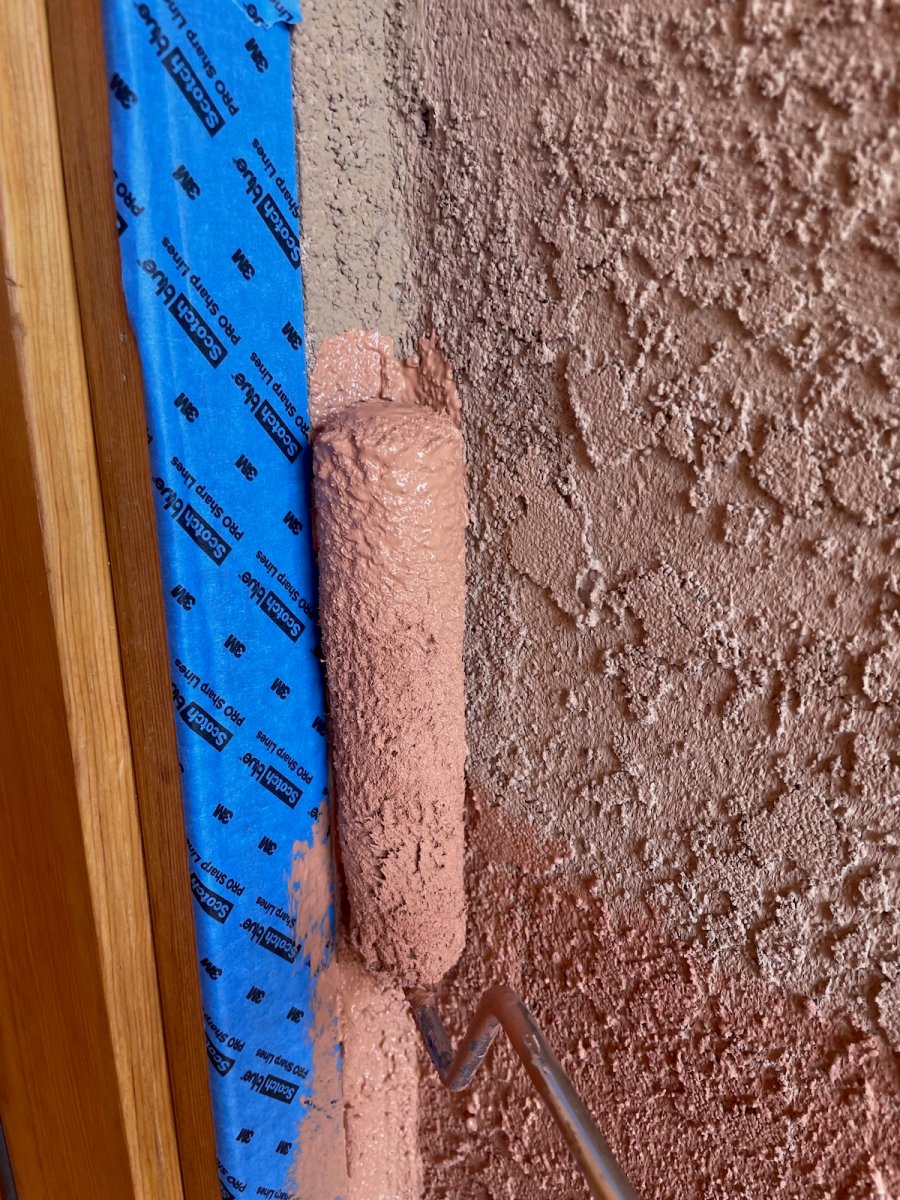
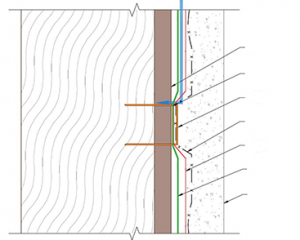
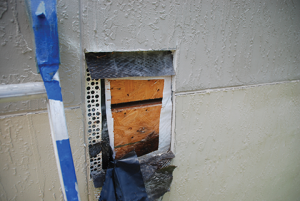
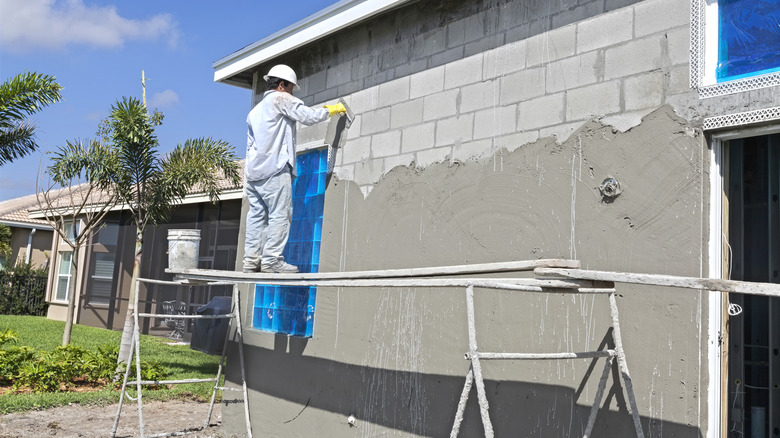
The application process for stucco typically involves three hand-troweled coats over a base of house wrap or felt paper and lath, with color and texture applied during the final coat. Newer systems have specific application requirements, such as four coats for crack suppression systems and multiple steps for insulating systems, which often include a polystyrene foam board, fiberglass mesh, and an acrylic finish coat. The article strongly advises against DIY stucco application due to the high skill level, specialized equipment, and multiple personnel required, recommending professional installation instead.
Maintaining stucco involves annual inspections for cracks or damage, with prompt repairs to prevent water infiltration. Stucco generally does not require frequent cleaning, but mild pressure hosing can be used for significant dirt. Regular gutter maintenance is essential to prevent clogging, damage, or water leakage onto stucco. Faded color can be refreshed by painting. Trimming trees and shrubs to prevent contact with stucco, avoiding planters that retain moisture against the wall, and keeping soil levels below the stucco finish are also crucial to prevent moisture absorption. Lastly, using drip irrigation systems around the home's perimeter is recommended to avoid spraying water directly onto the siding.
#StuccoSiding #HomeExterior #BuildingMaterials #HomeMaintenance #DIYHomeImprovement #SidingOptions #HomeDurability #CrackSuppression #StuccoSiding #HomeExterior #BuildingMaterials #HomeMaintenance #DIYHomeImprovement #SidingOptions #HomeDurability #CrackSuppression
0 commenti in totale
 Nessun commento ancora
Potresti anche gradire
This DIY Project Was WAY More Than I Anticipated

100 Day Dream Home Details The Inexpensive Way To Make Stucco Walls Look Like Brick

Christina Haack's Best Solution For Blending Stucco Patching

Plastered In Style
Jul 2022: You aren’t stuck with stucco

Getting Along With Stucco: Sometimes it just needs space
Rosie on the House: Understanding Arizona stucco applications and repairs


Stucco tips all Arizona homeowners should know
15 Stucco Paint Color Ideas That Go Beyond Classic Tan


Acme Brick, Tile and Stone – Northwest Arkansas
Rosie on the House: Interior and exterior paint tips from a pro