1/8
Quartz vs granite countertops: what's the best material
Choosing the right kitchen countertop material is a crucial decision that impacts both the functionality and aesthetic appeal of a kitchen. Among the many available options, quartz and granite consistently emerge as popular choices, each offering distinct advantages and disadvantages. This article delves into a comprehensive comparison of these two materials, drawing on expert opinions to guide homeowners in making an informed decision tailored to their specific needs and design preferences.
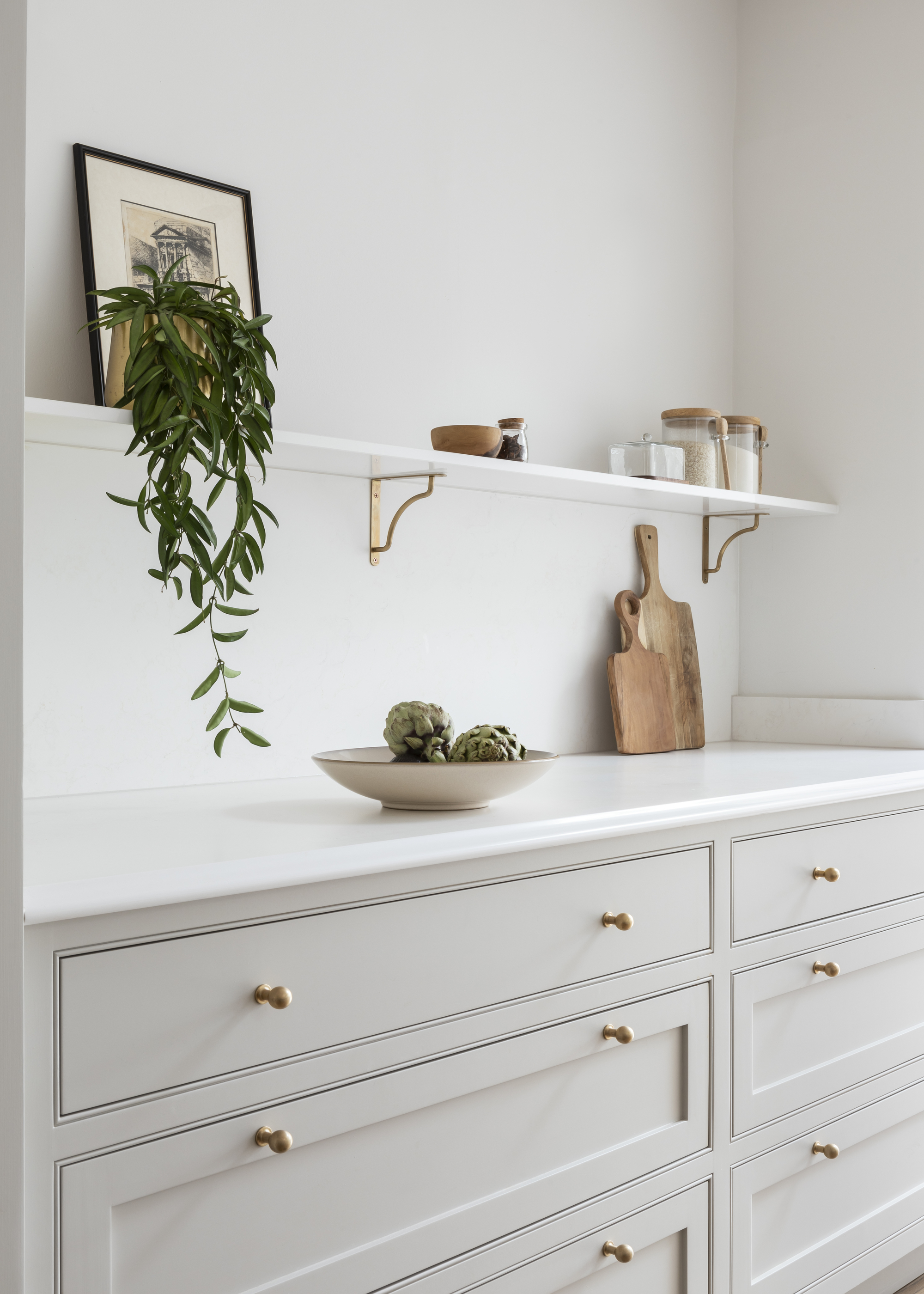
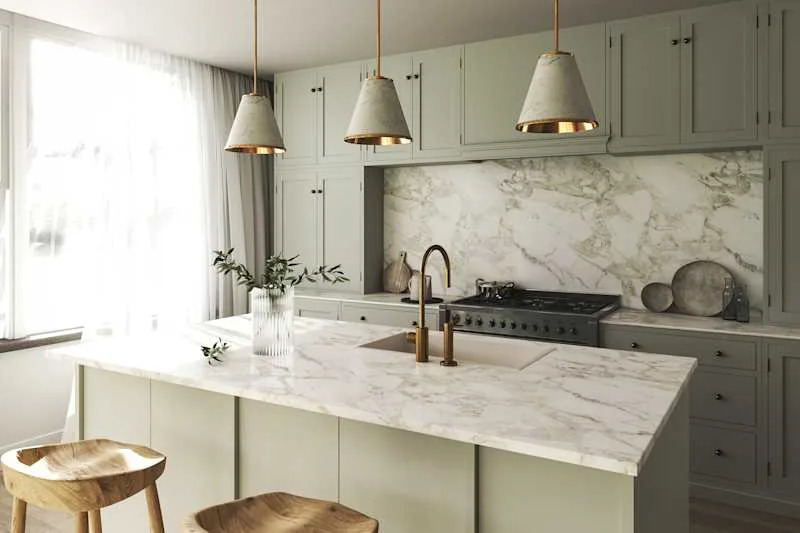
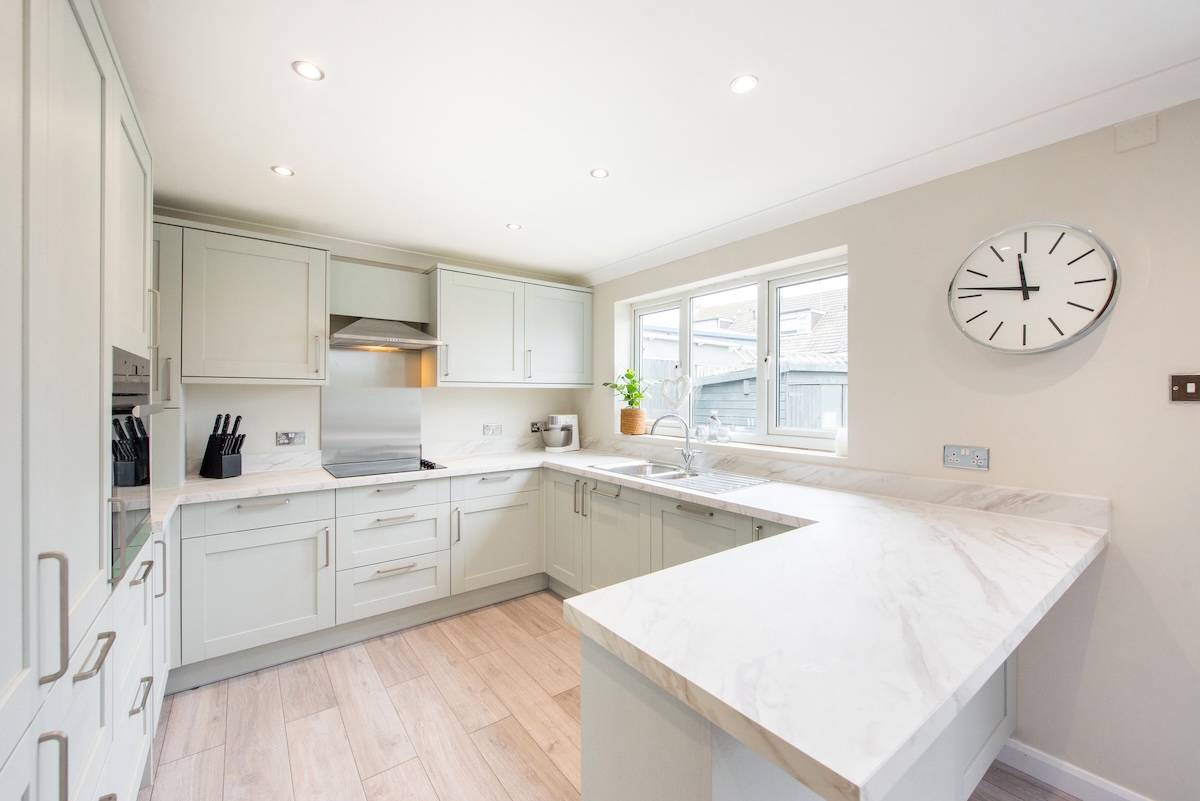
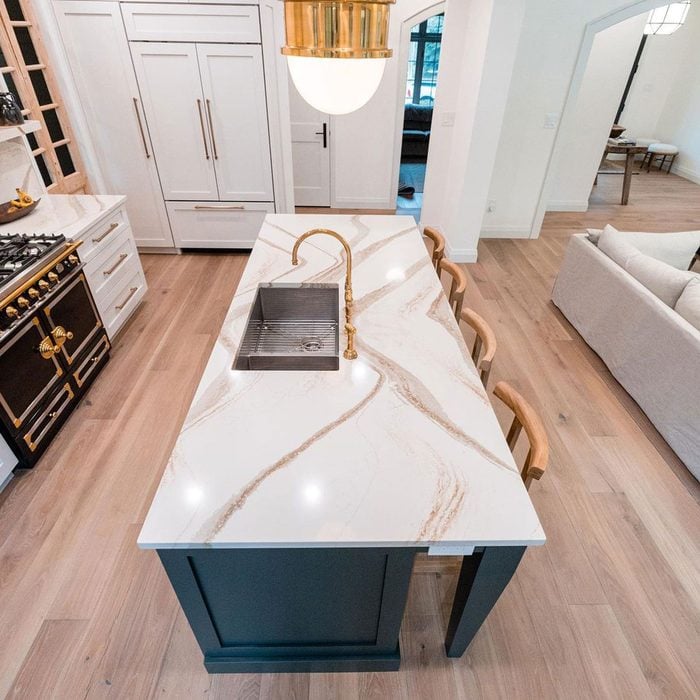
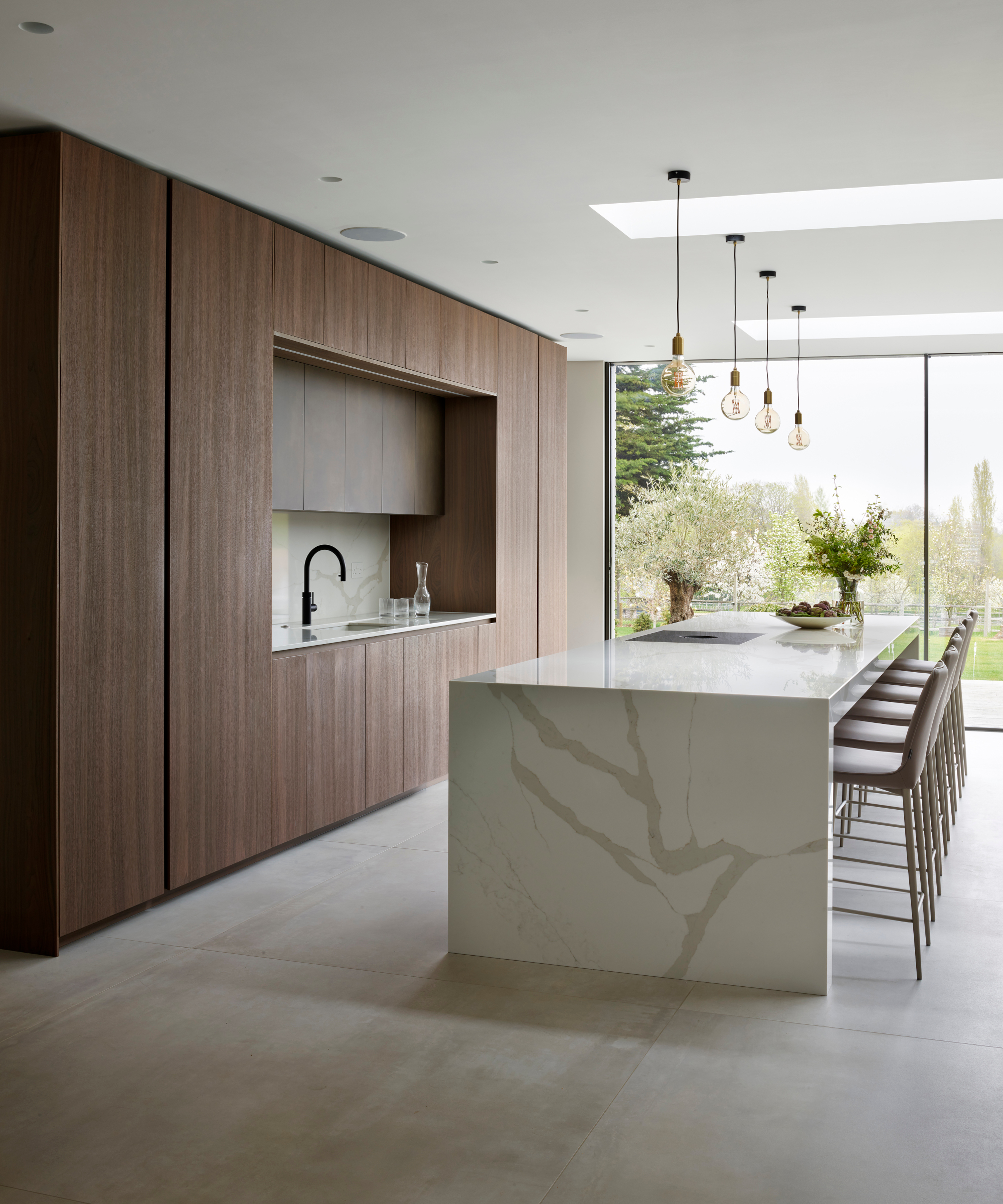
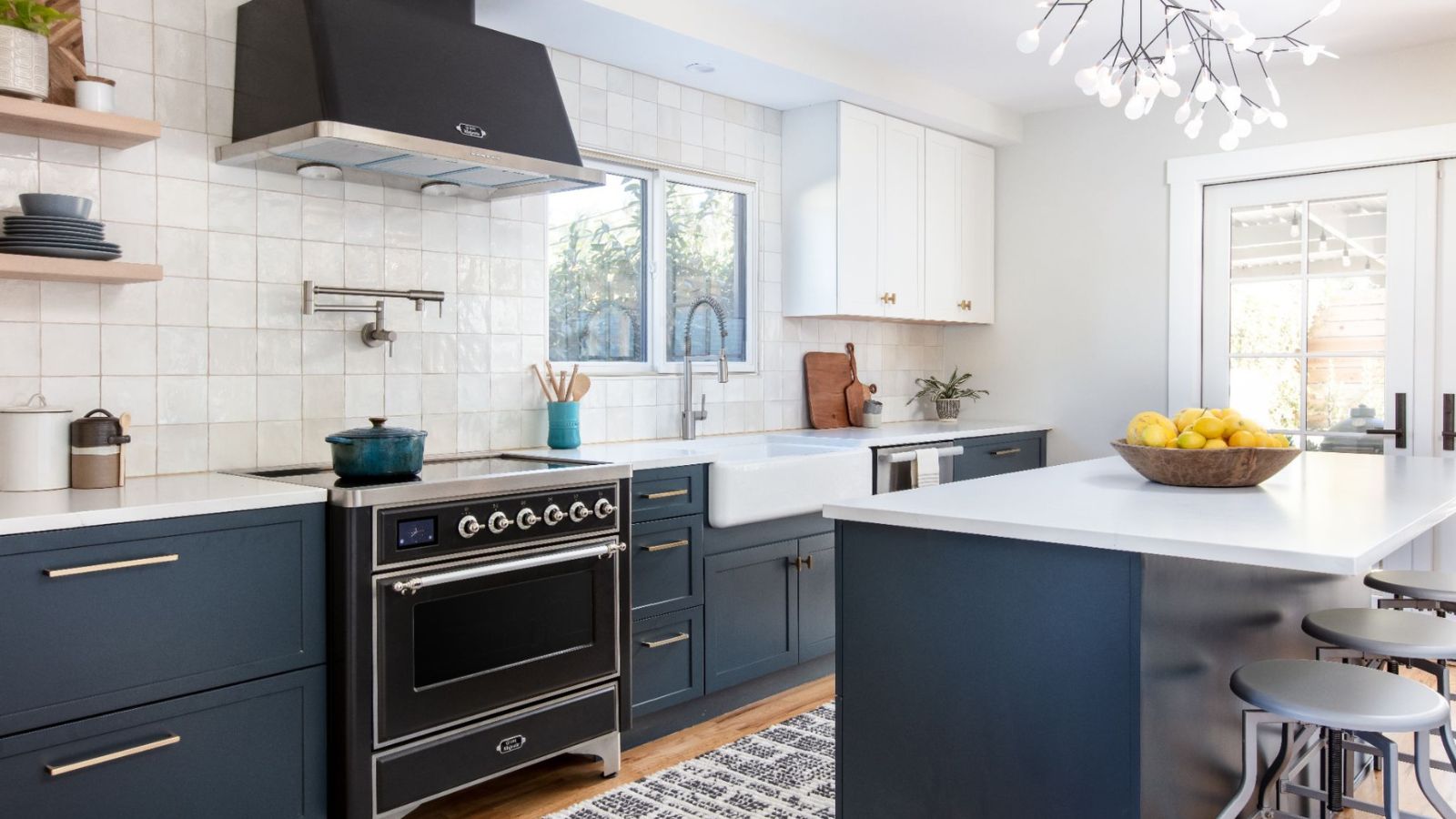
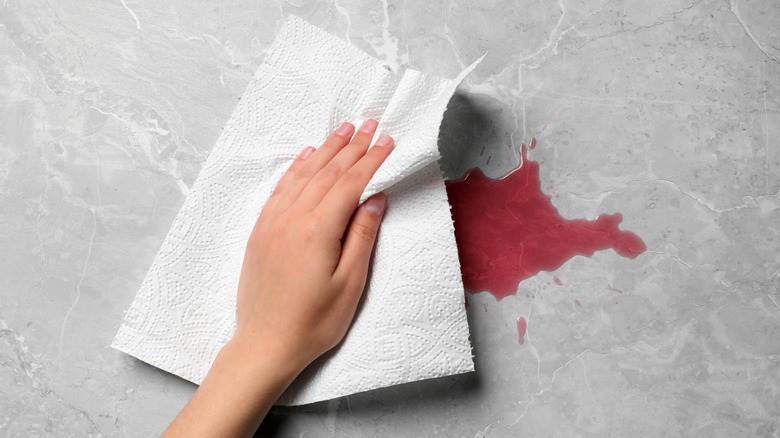
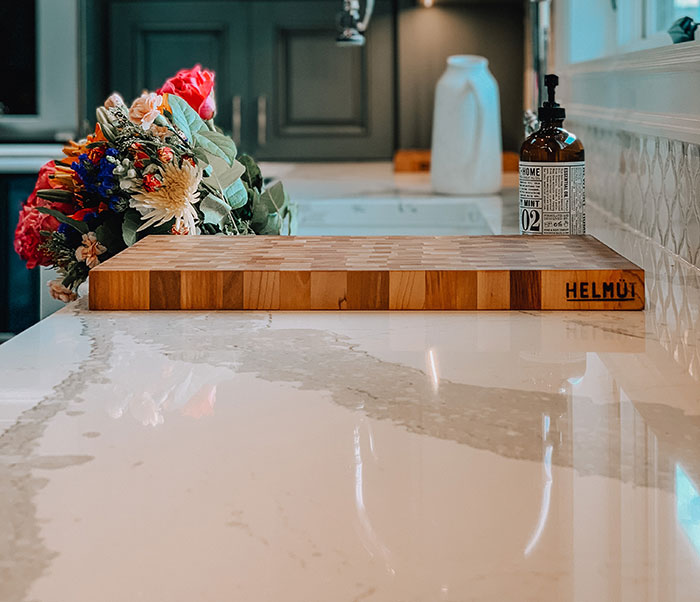
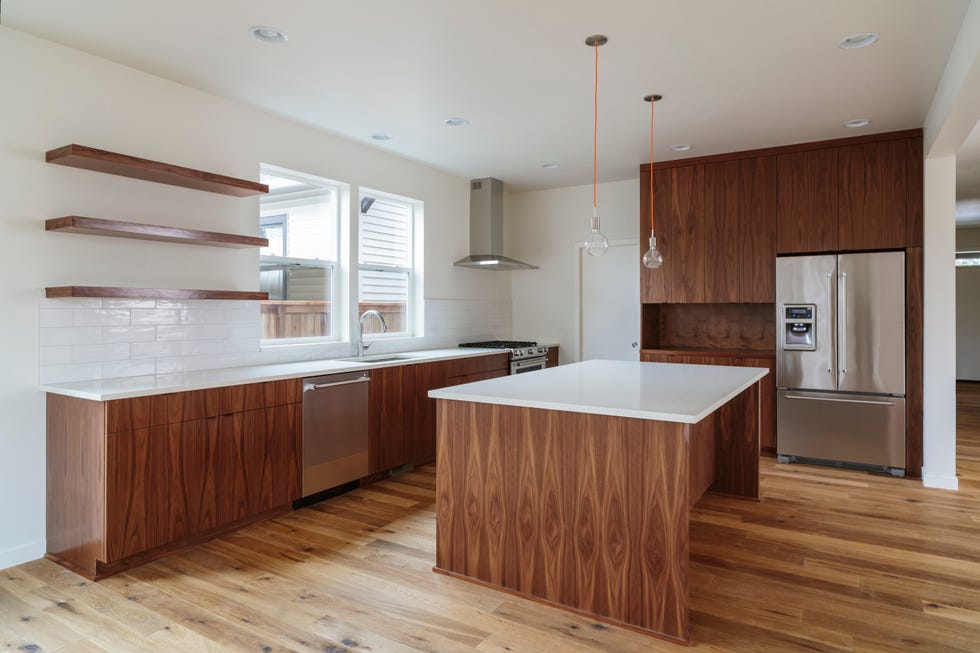
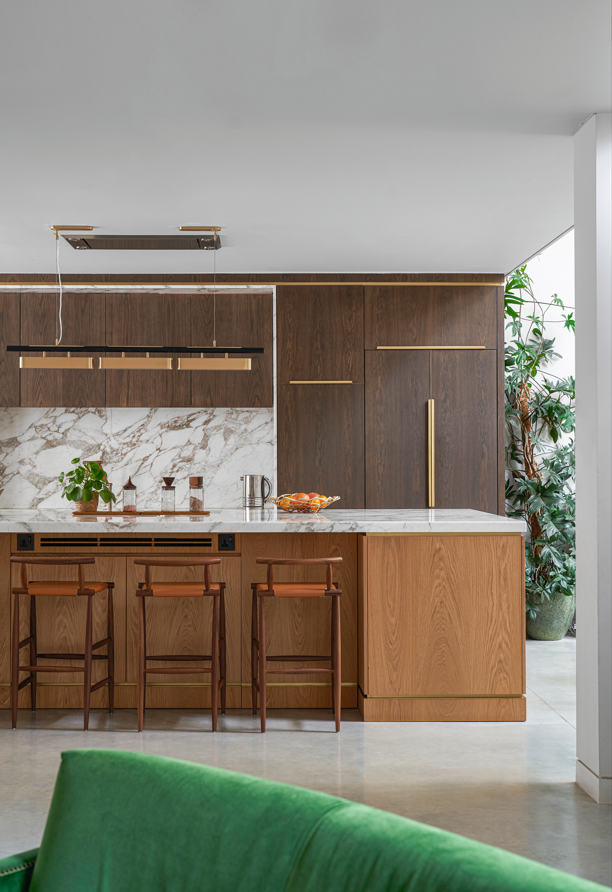
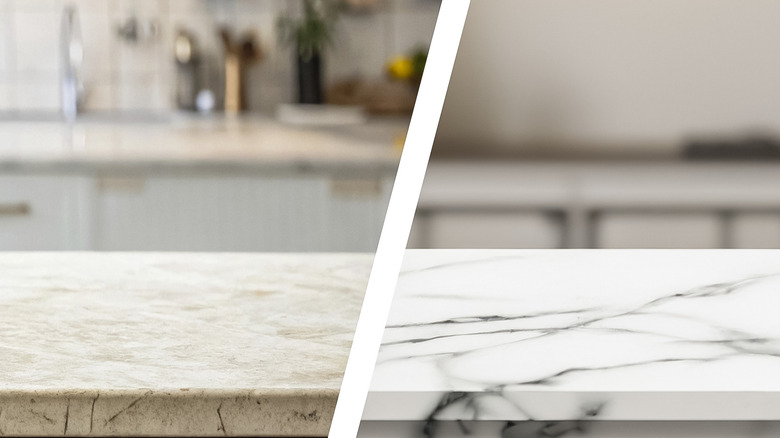
Quartz, an engineered stone, is highly praised for its exceptional durability and resistance to stains, making it a robust option for busy kitchen environments. Experts highlight its ability to adapt to current kitchen trends with an evolving range of colors and its inherent hardness, which provides strong resistance to cutting. While quartz is largely stain-resistant and hard-wearing, it is not entirely impervious to UV light, which can lead to fading and a loss of luster over extended periods. A primary aesthetic concern with quartz is its tendency to mimic natural stone, which, according to interior designers, often results in an inauthentic or overly uniform appearance, lacking the intricate depth and natural movement found in real marble or granite. For this reason, designers recommend embracing quartz's unique characteristics rather than attempting to replicate natural stone, as an ill-chosen imitation can make a kitchen appear less sophisticated.
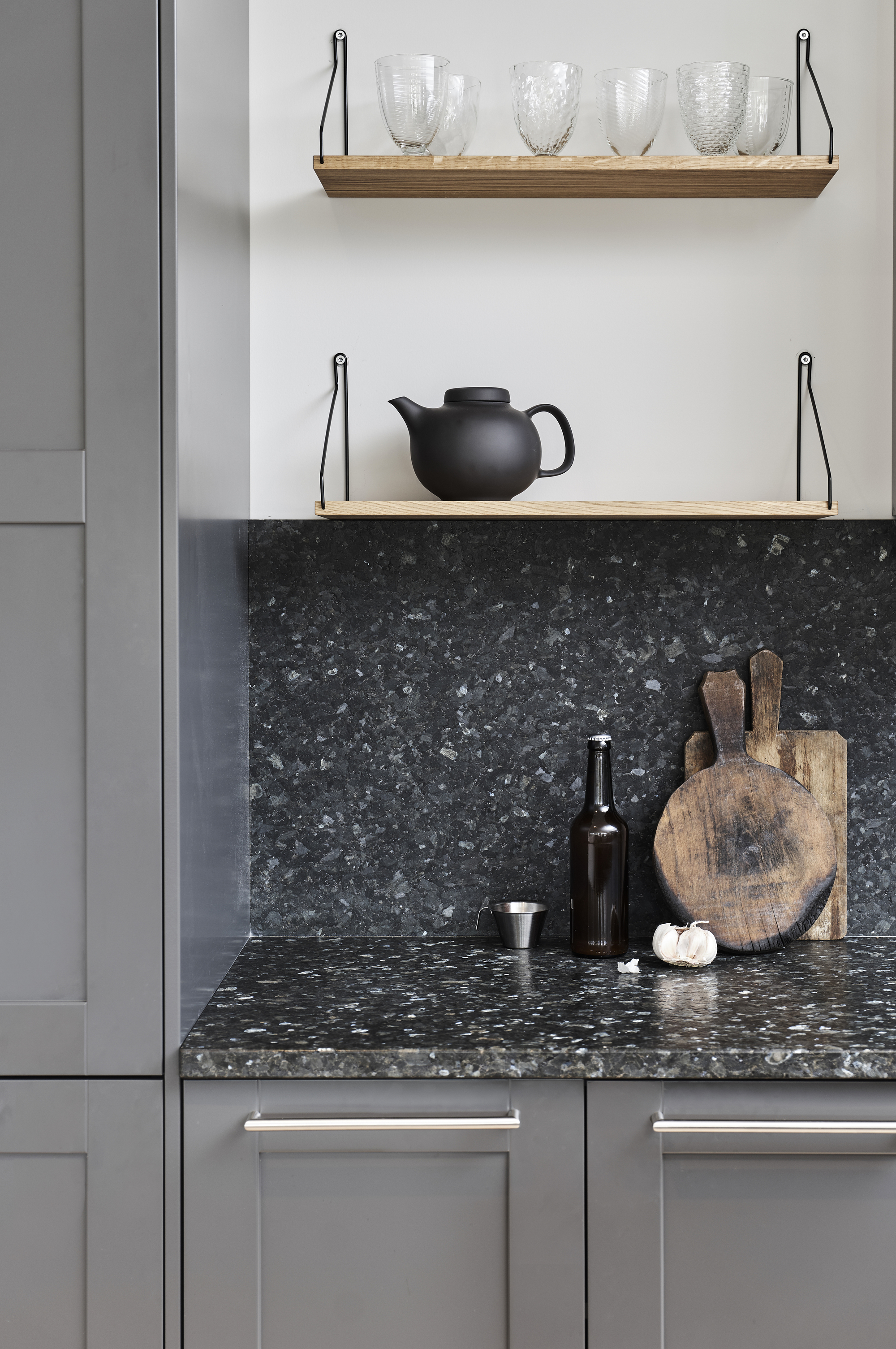
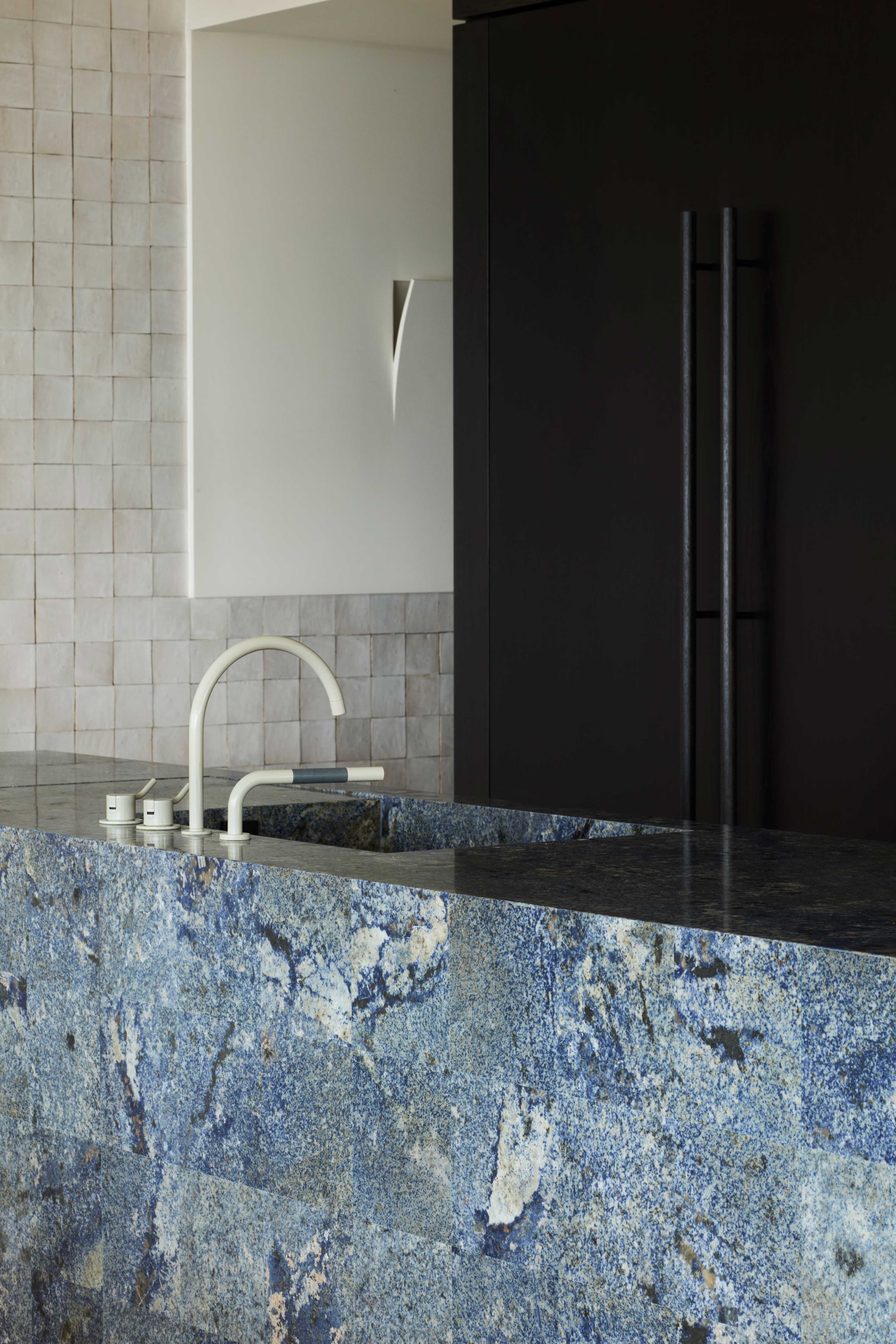
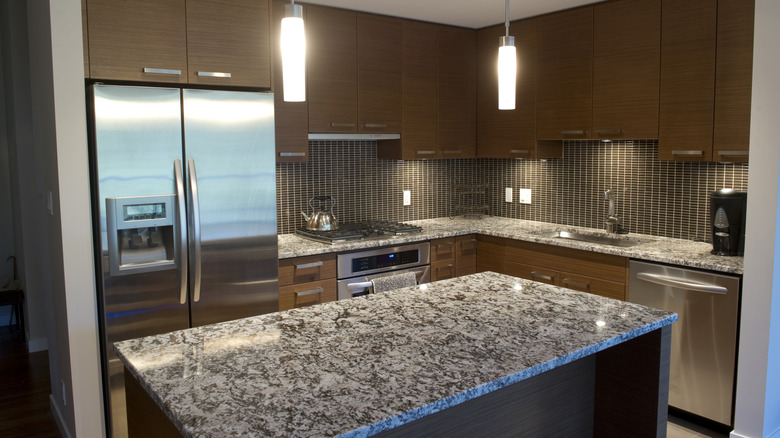
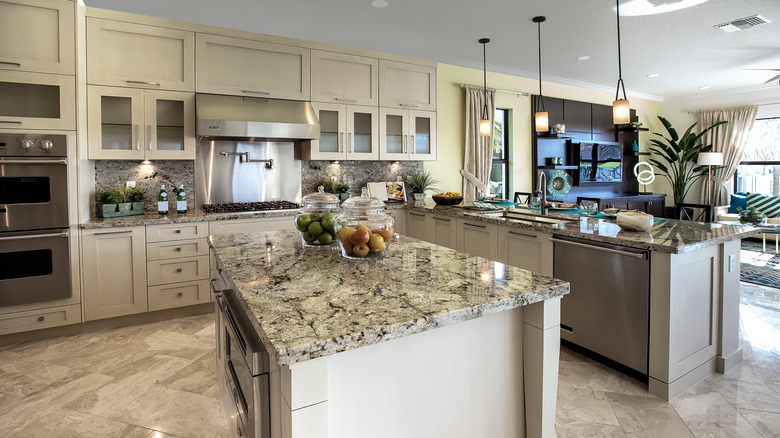
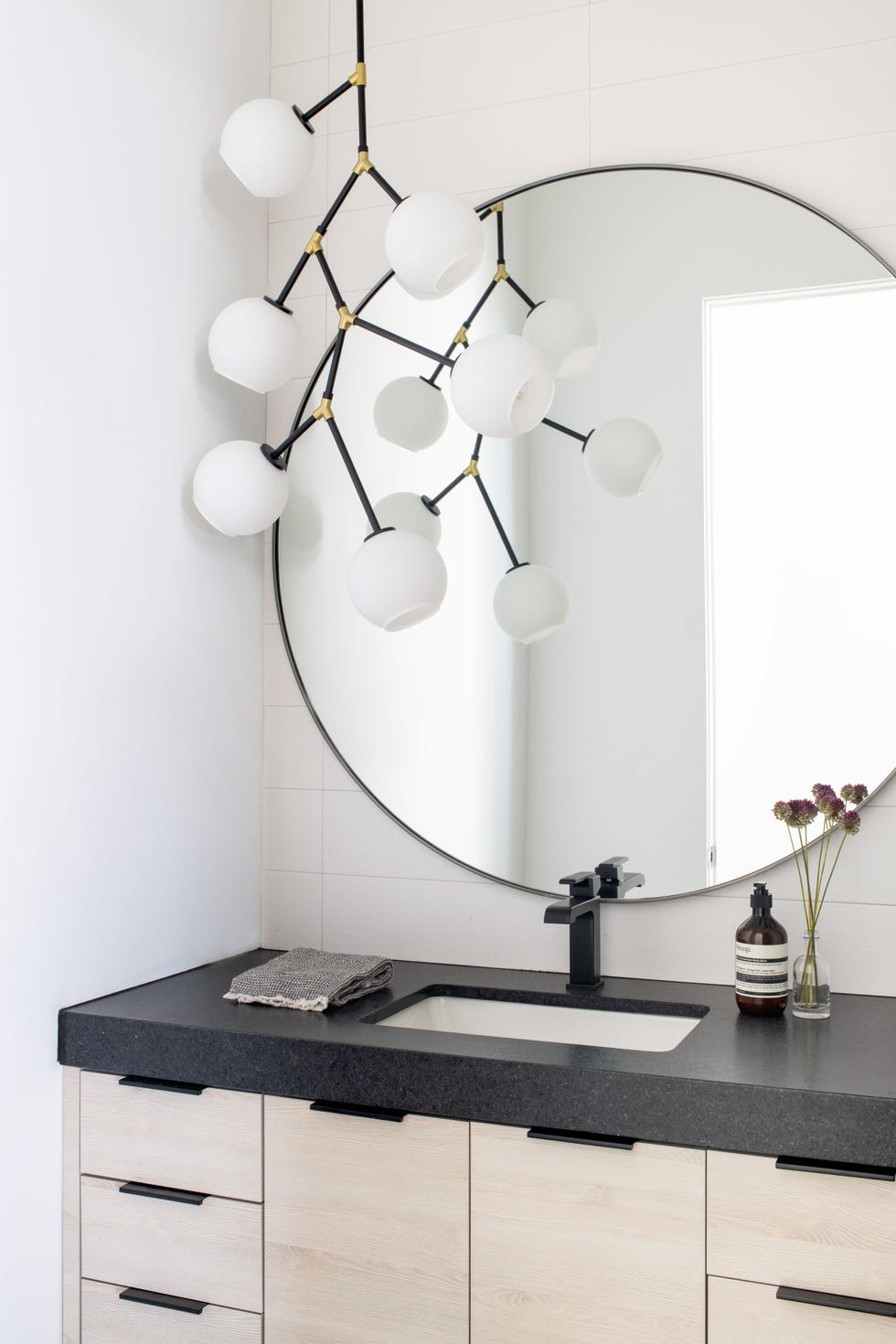
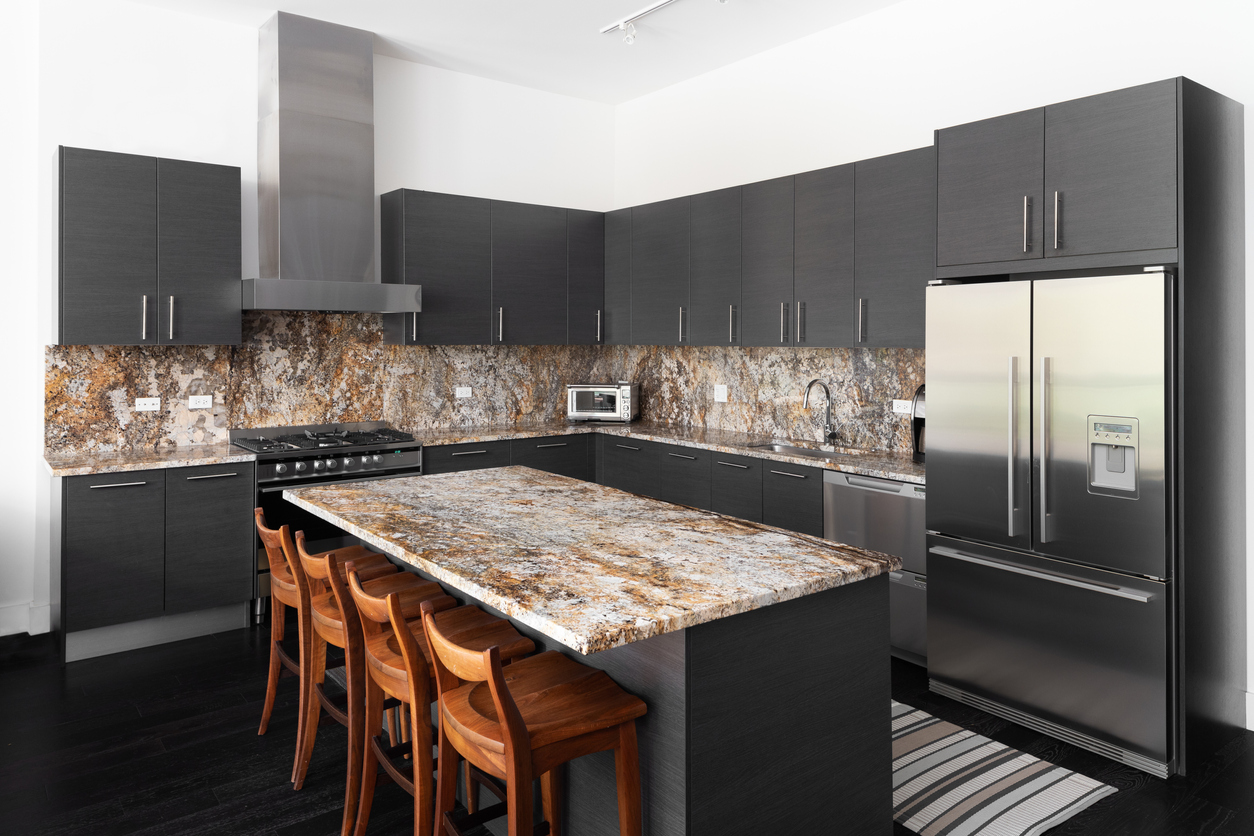
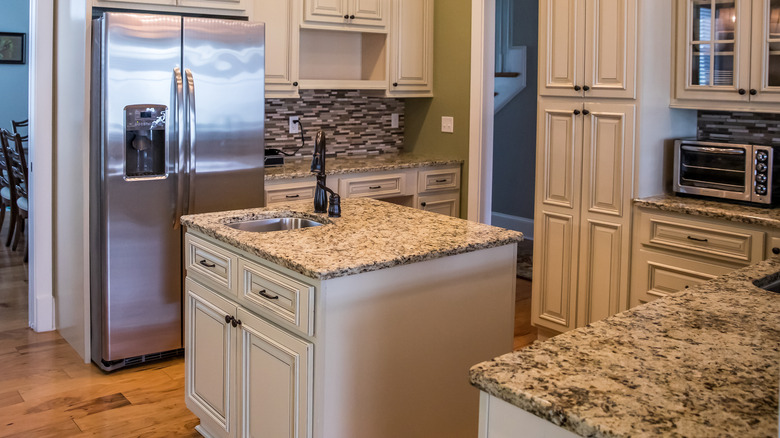
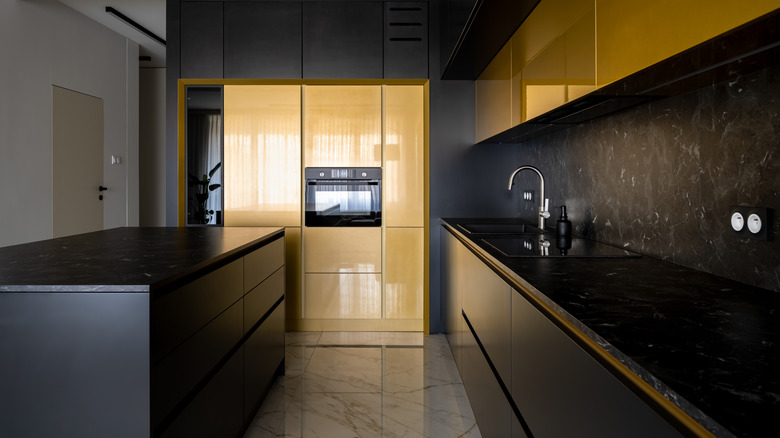
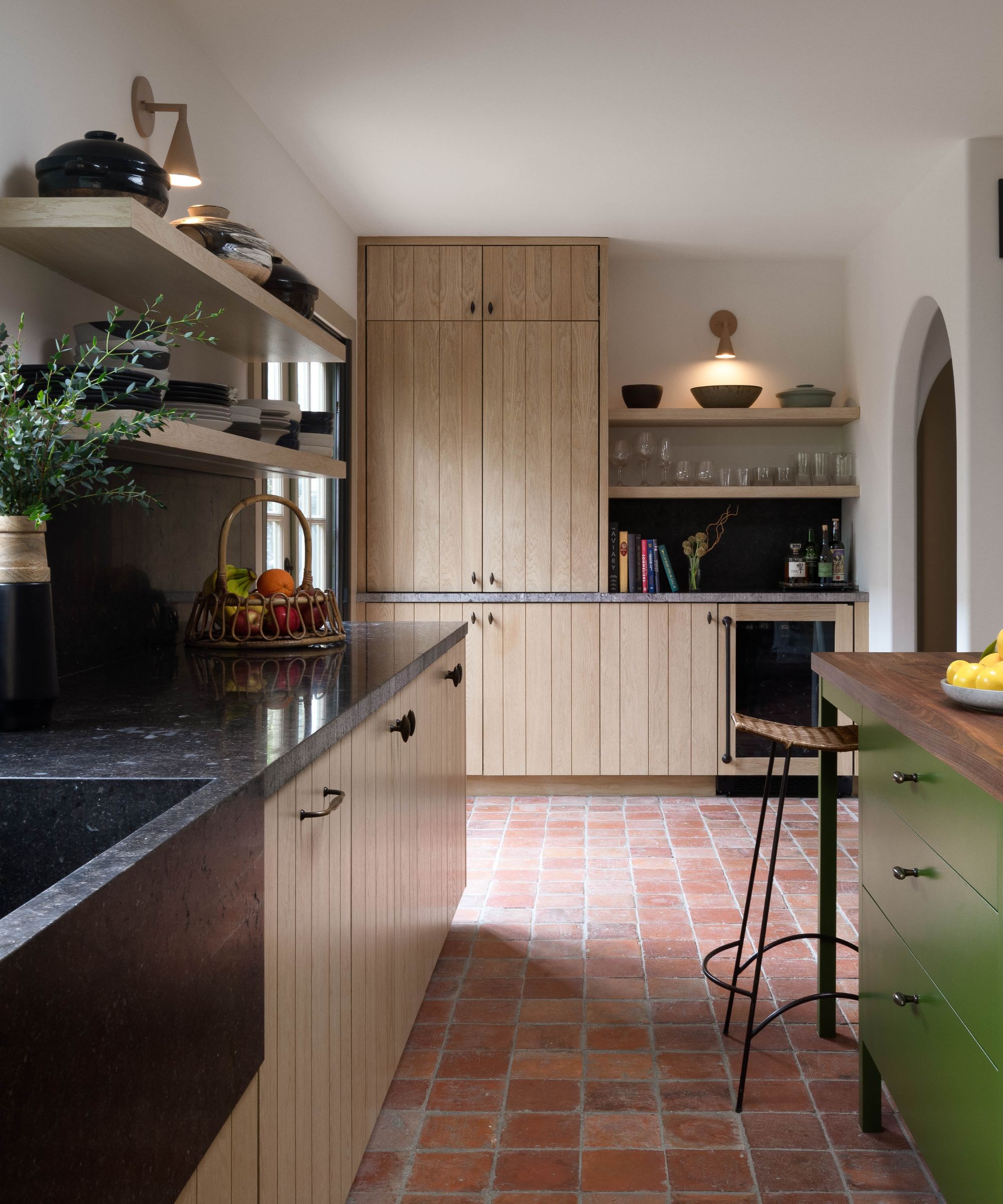
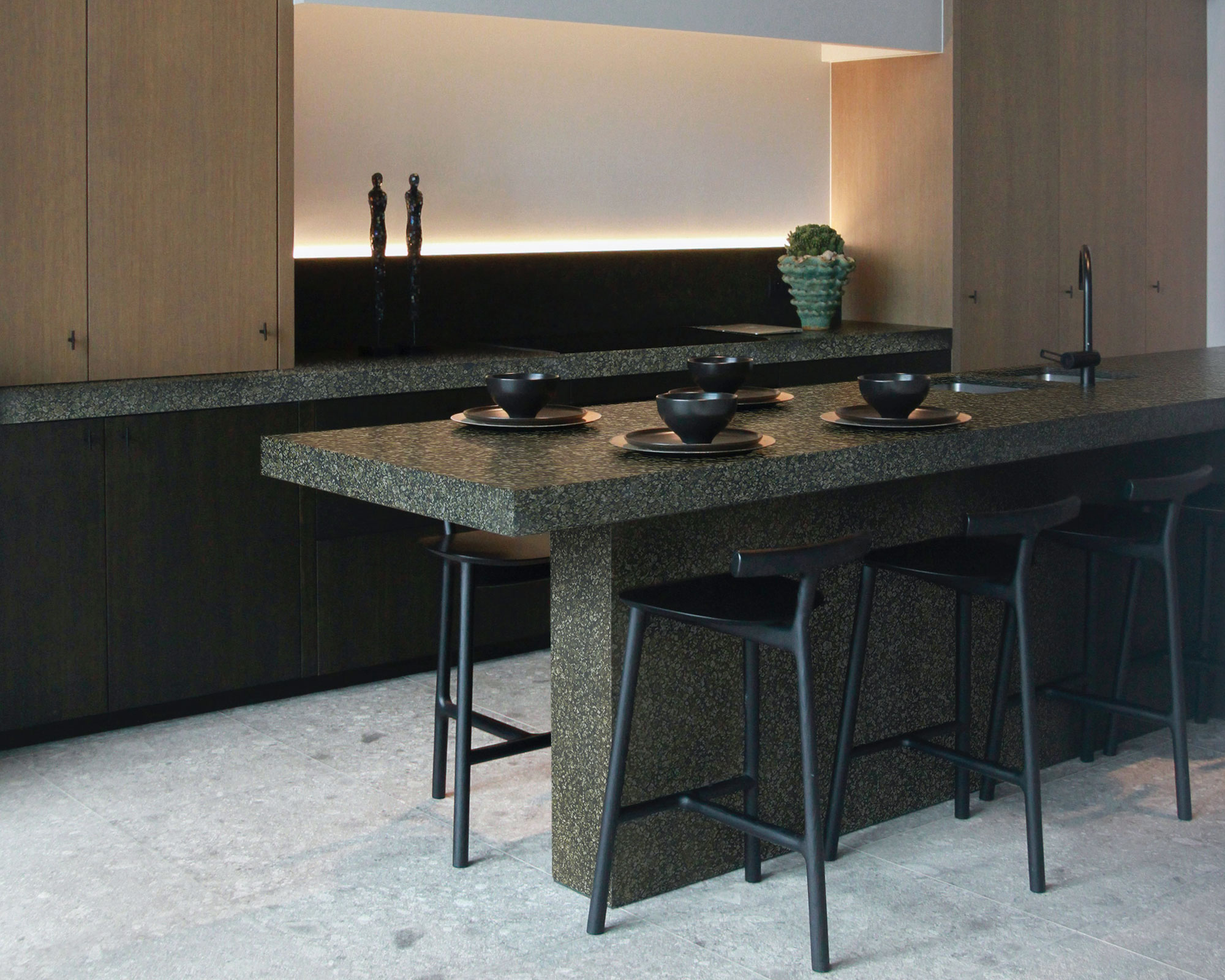
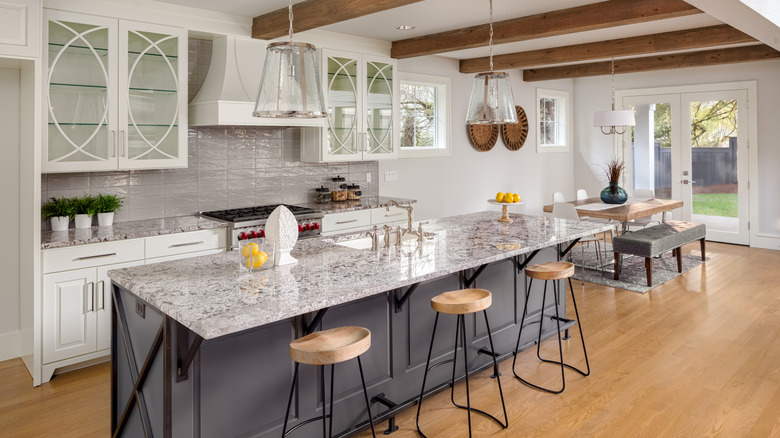
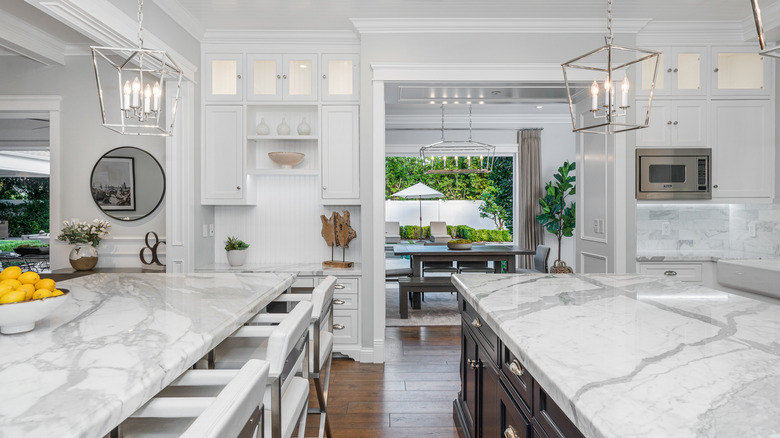
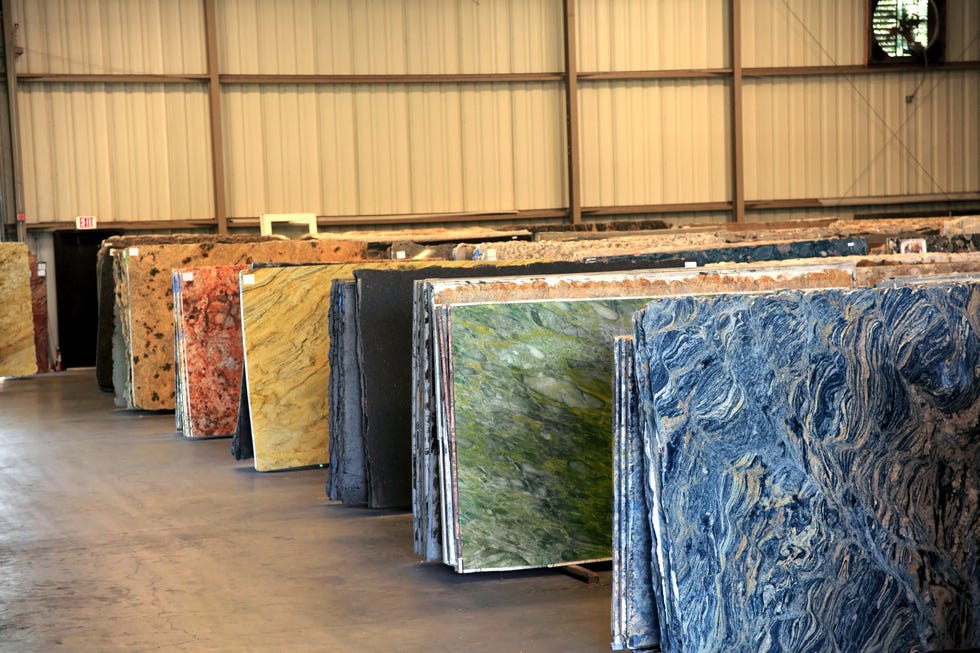
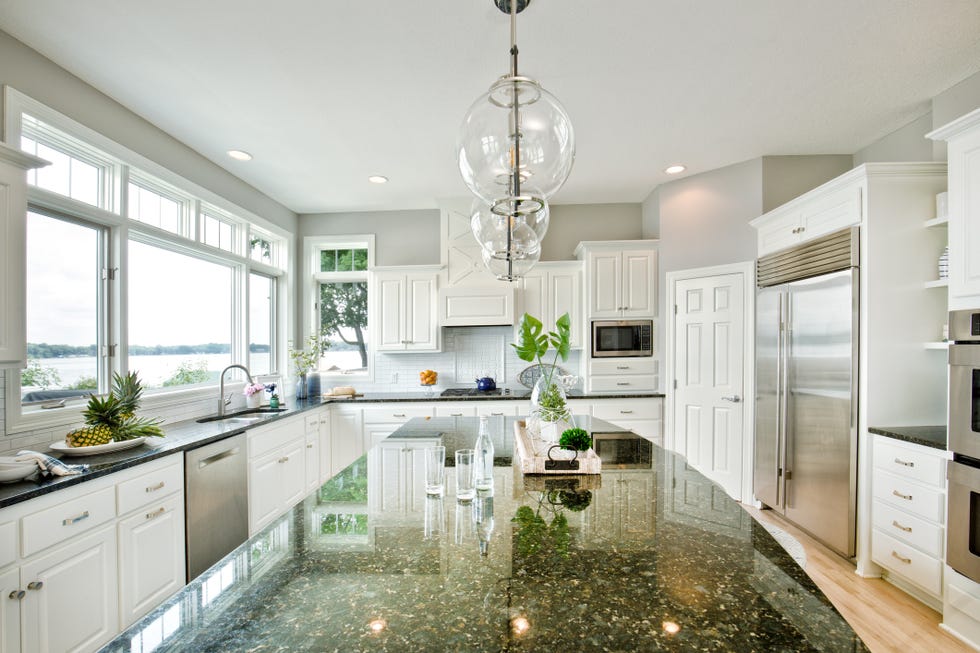
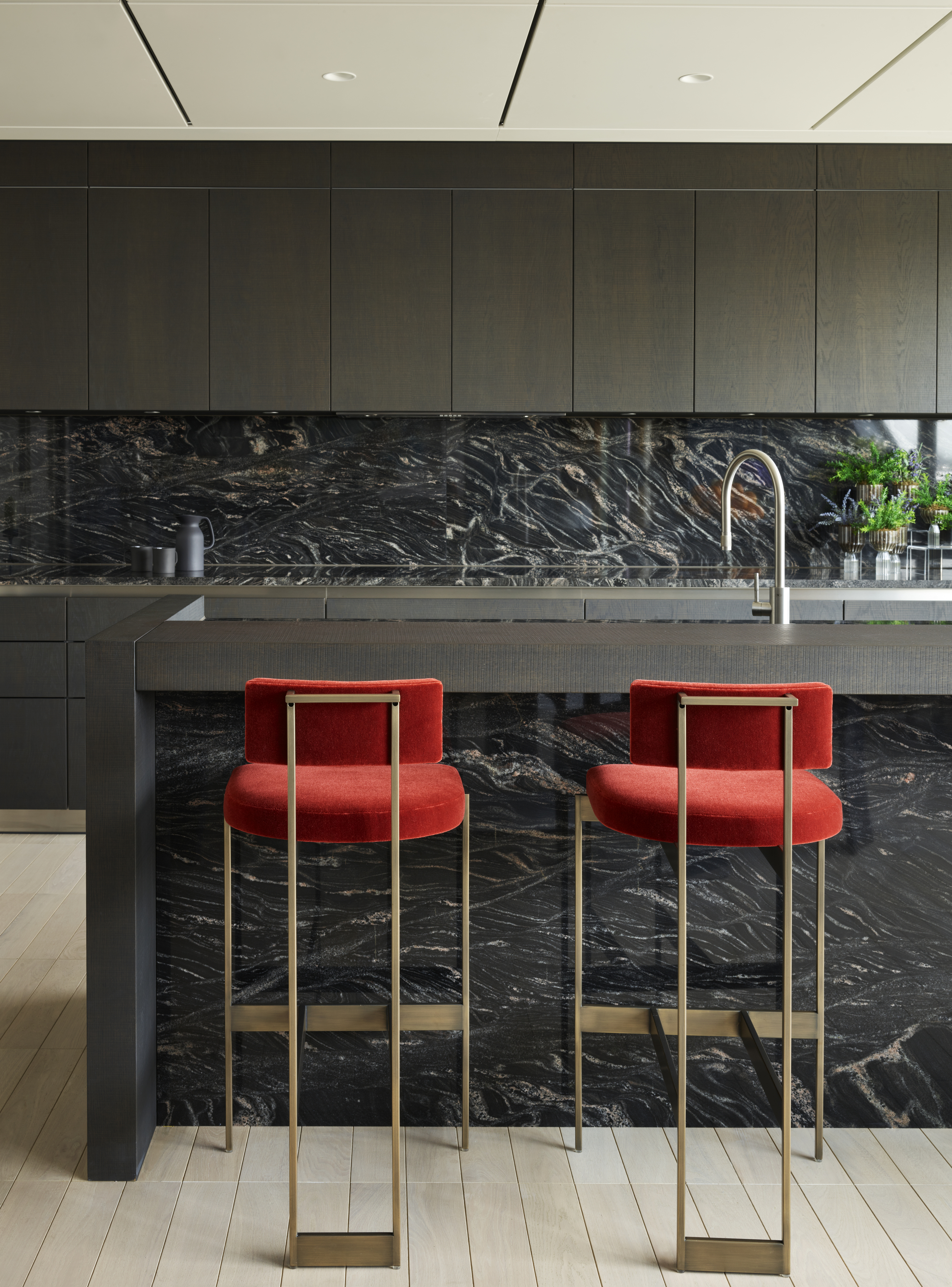
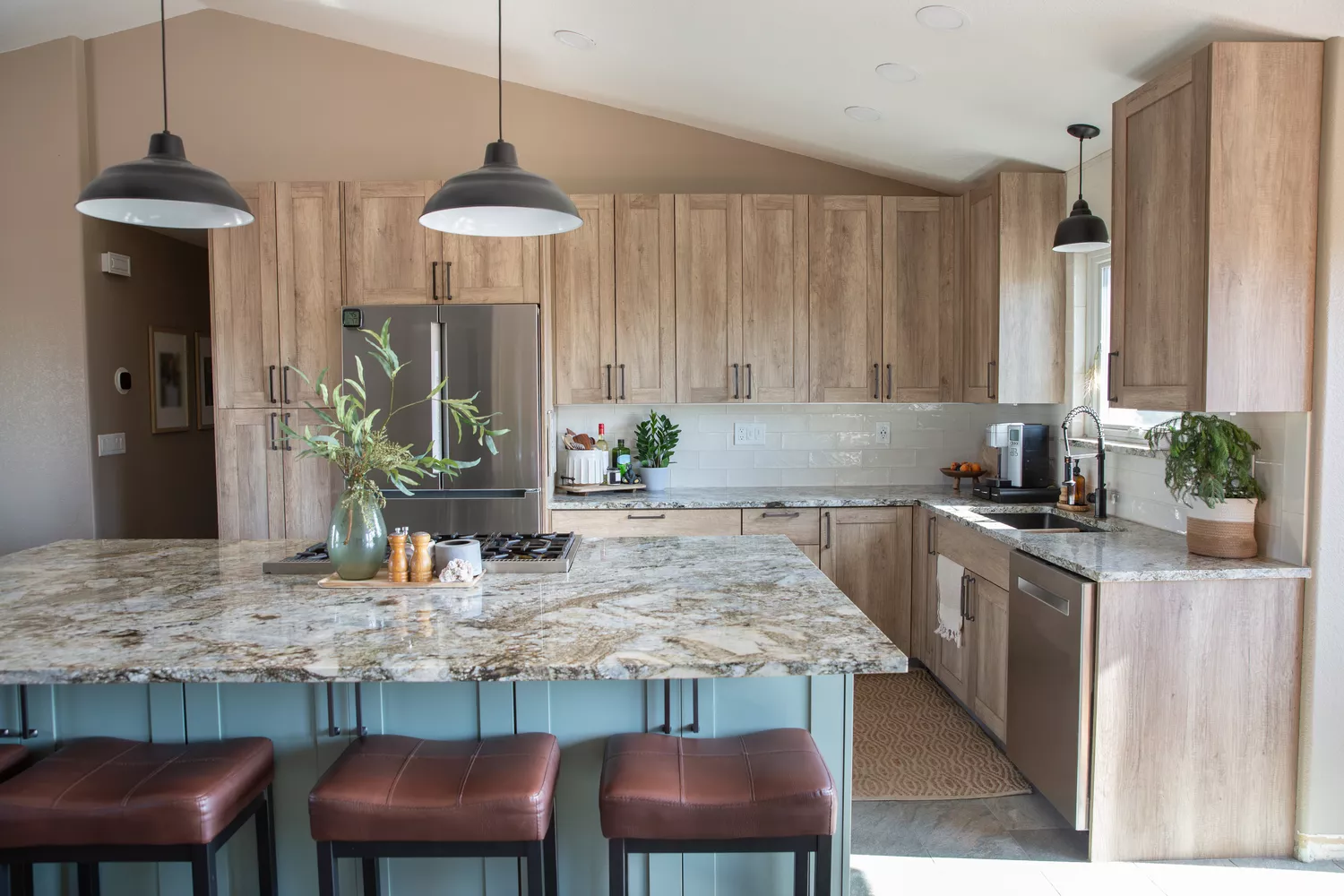
In contrast, granite is a natural stone celebrated for its unique beauty, natural variations, and inherent character. Every slab of granite is distinct, offering a bespoke feel to any kitchen. While generally more durable than some other natural stones like marble, granite is a premium material that can be more expensive than engineered alternatives. However, the unique patterning and natural variations, such as those found in Absolute Black or Steel Grey granite, are highly valued for their sophisticated and timeless appeal, especially when finished with leathered or honed textures that enhance their tactile quality. Despite its durability, granite is a natural material and, as such, can exhibit a wide range of shades and patterns. Some styles with excessive patterning or multiple competing colors might appear dated or overly busy, necessitating careful selection to achieve a refined aesthetic. Although granite is known for its heat resistance, it is advisable to use trivets to prevent thermal shock from hot objects.
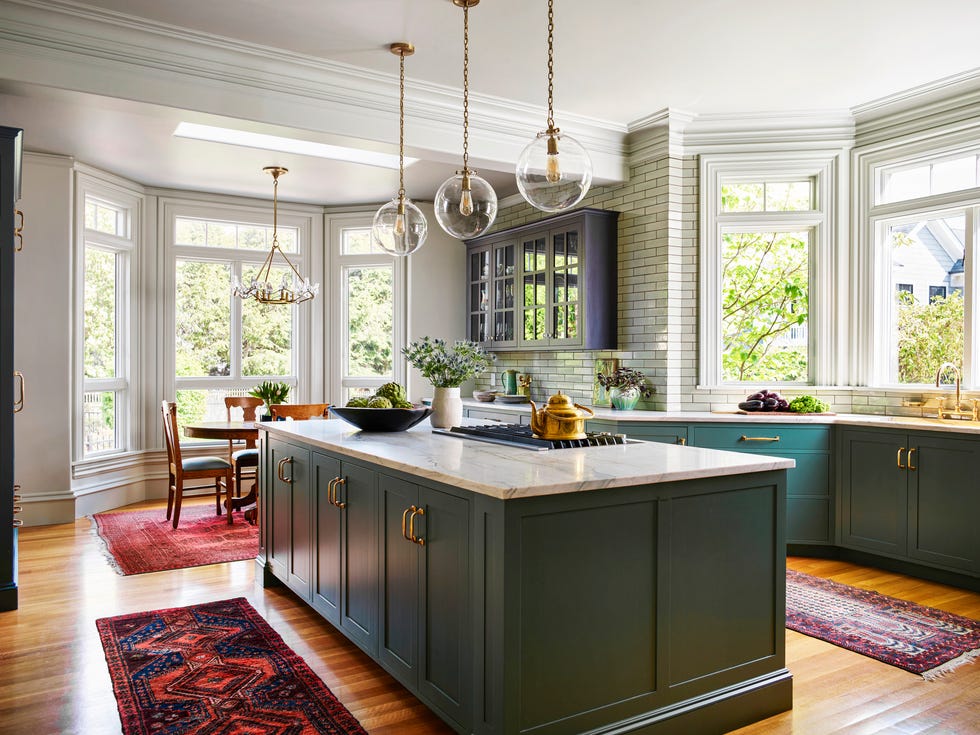
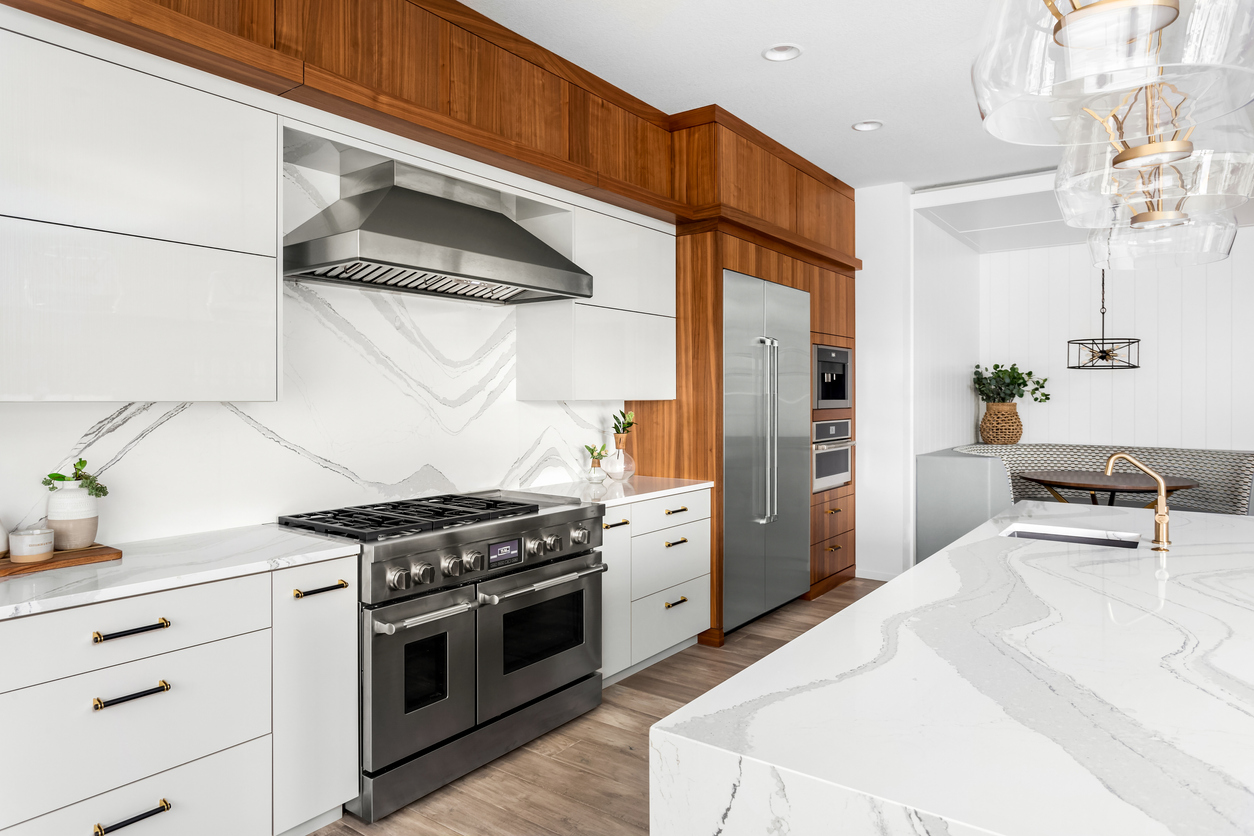
Ultimately, the choice between quartz and granite hinges on individual priorities. For those who value the authentic feel, unique natural beauty, and timeless elegance of natural stone, granite stands out as the superior choice. Its individuality and rich character are difficult to replicate. Conversely, homeowners who prioritize consistency, uniformity, and a higher resistance to scratches and stains might find quartz to be a more suitable option. Both materials offer impressive durability and style. However, if a perfect balance of beauty and functionality is desired for a timeless kitchen, granite often comes out slightly ahead. For exceptionally busy family kitchens where unwavering durability is paramount, quartz might be the more practical choice, provided its engineered nature is embraced rather than trying to imitate natural stone.
#KitchenCountertops #QuartzCountertops #GraniteCountertops #KitchenDesign #HomeRenovation #InteriorDesign #MaterialComparison #Durability #AestheticAppeal #KitchenCountertops #QuartzCountertops #GraniteCountertops #KitchenDesign #HomeRenovation #InteriorDesign #MaterialComparison #Durability #AestheticAppeal
0 commenti in totale
 Nessun commento ancora
Potresti anche gradire
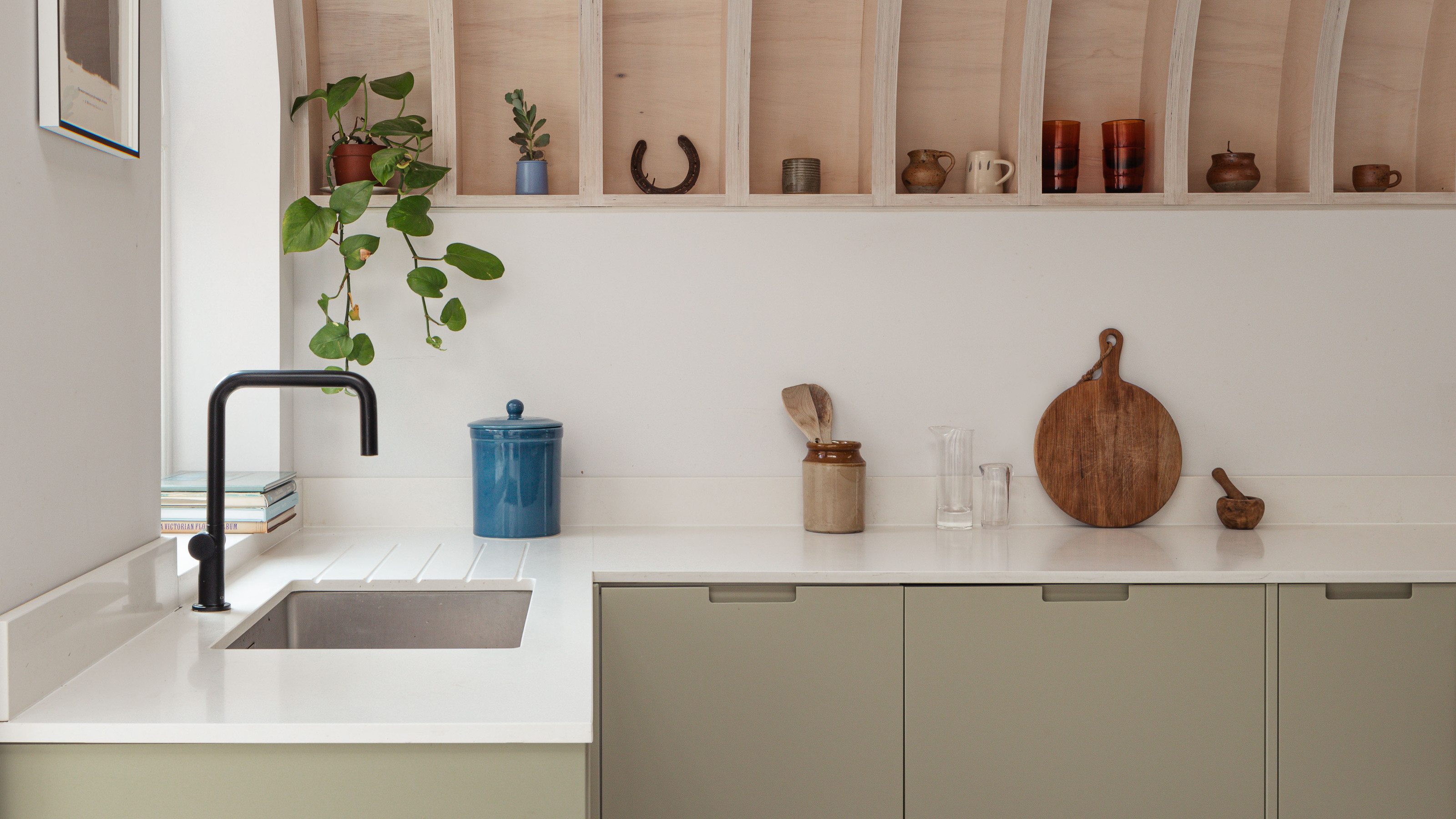
Should You Choose Quartz or Granite Countertops? Experts Settle the Debate on These Two Popular Materials

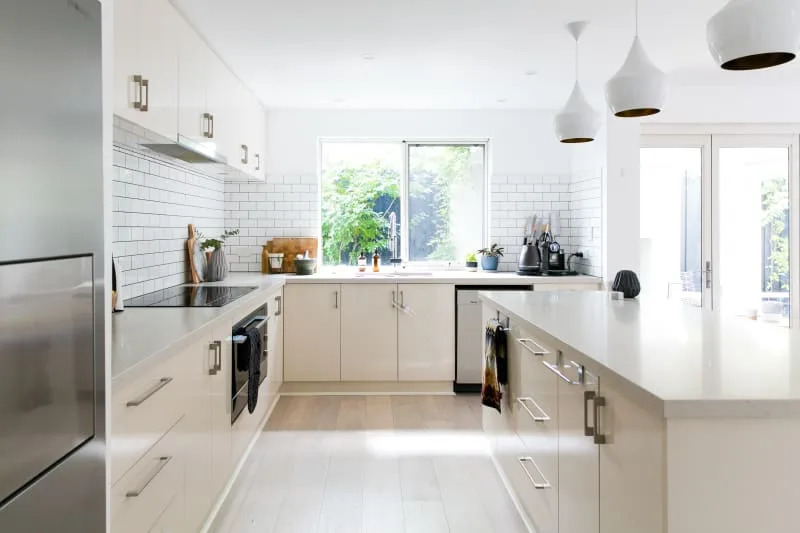
The Worst Thing About Every Popular Kitchen Countertop Designers Don’t Tell You
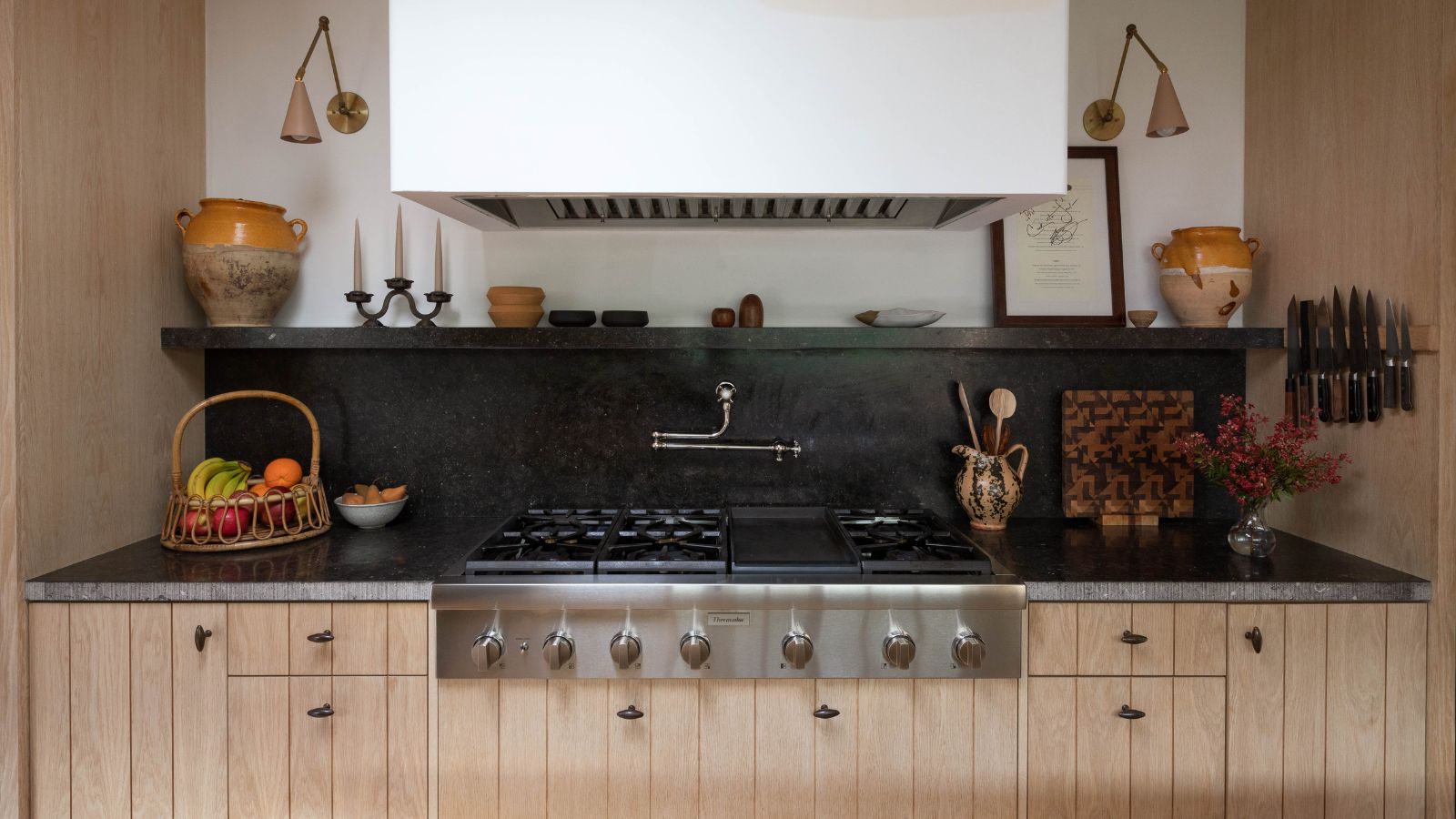
This is the One Material Designers Are Choosing Over Marble in 2026
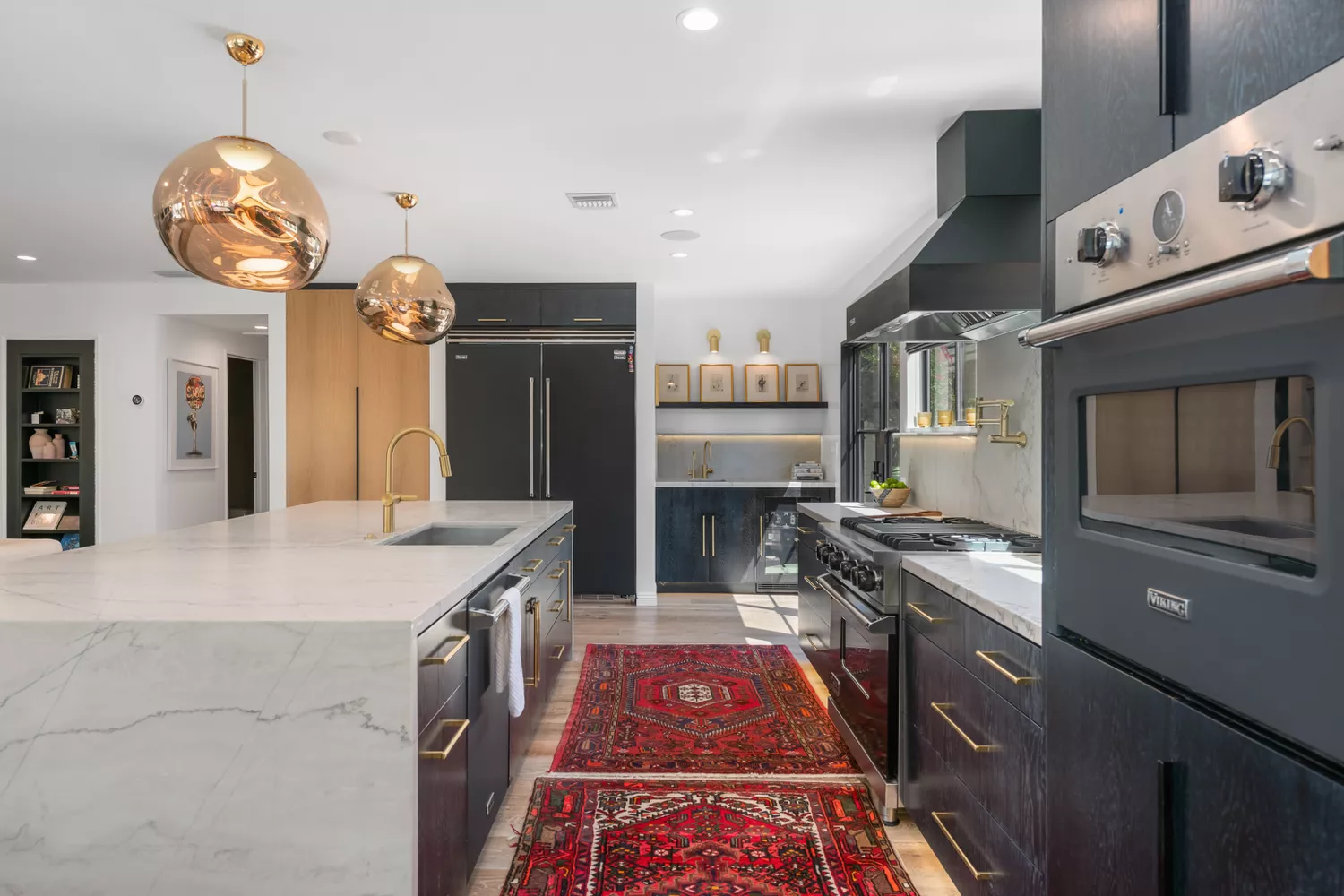
Should You Get a Marble or Quartz Countertop? Here's What Designers Say

Marble vs. Quartz Countertops: Which Is Better?

The Best Countertop Materials for Every Type of Kitchen

Goodbye Granite: These Countertop Materials Are The New Favorite (And They Aren't Marble)

Quartz Countertops Guide: Maintenance Tips & 15 Chic Decor Ideas

Granite Vs Marble Countertops: Which Is Best For Your Kitchen?

Confused About the Differences Between Granite and Quartz? Here’s a Handy Guide

Kitchen countertop ideas – 21 worktops in marble, granite and composite materials
From Natural Stone to Plastic Laminate, We're Helping You Choose the Best Countertop Material for Your Kitchen
Quartz Vs Granite: Which One's Better For Kitchen Countertops?

18 Awesome Countertops That Aren’t Granite

Are quartz countertops right for your home? We examine the pros and cons
Outdated Granite Colors to Avoid for Kitchen Countertops — and What to Pick Instead for a Fresh Look
Are Granite Countertops Outdated?

These Are The Best Granite Countertop Colors

How To Pick The Perfect Countertop Material For Your Kitchen
Natural or engineered? The pros and cons for the different types of kitchen-countertop materials