1/3
North America Smart Lighting Market Size
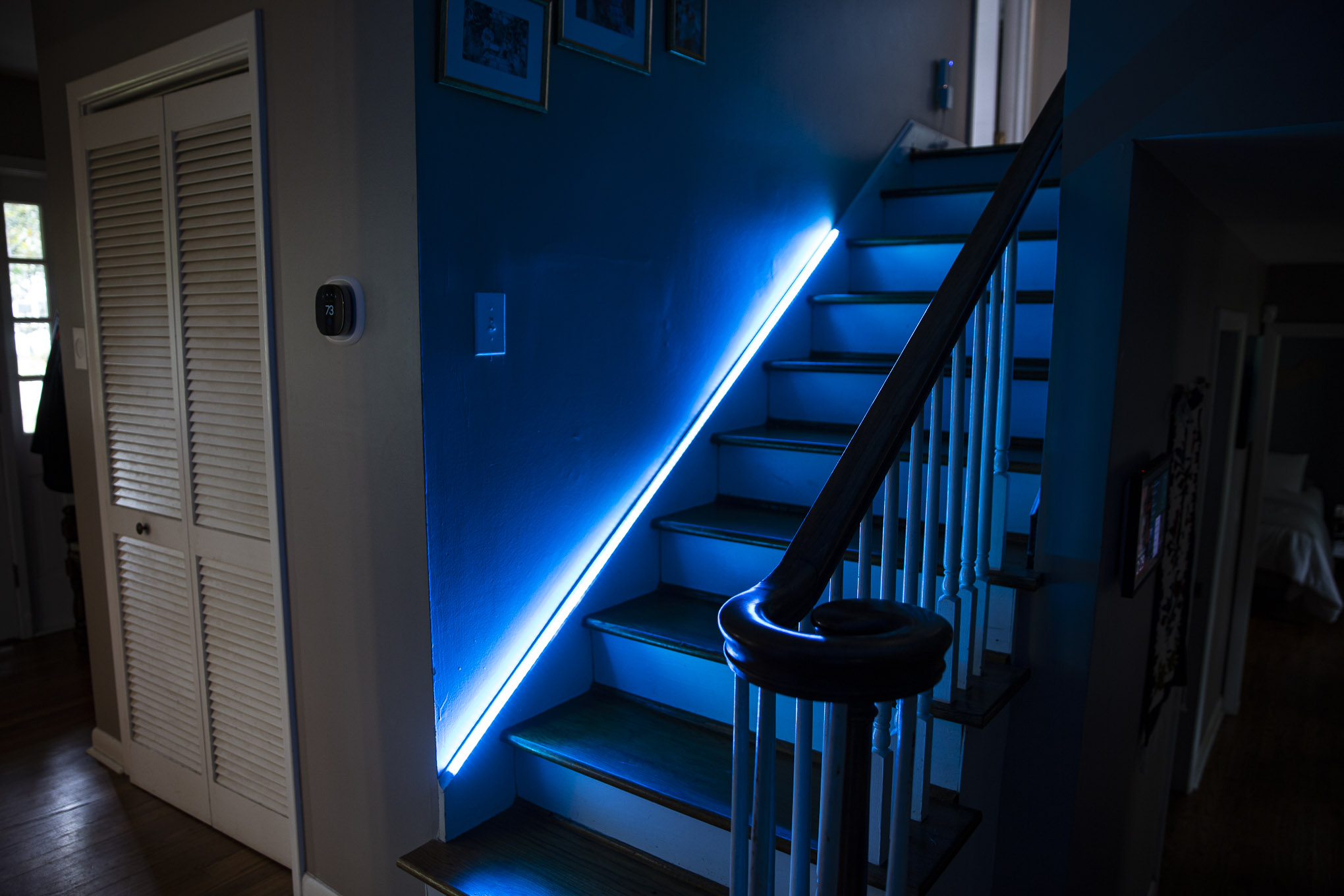
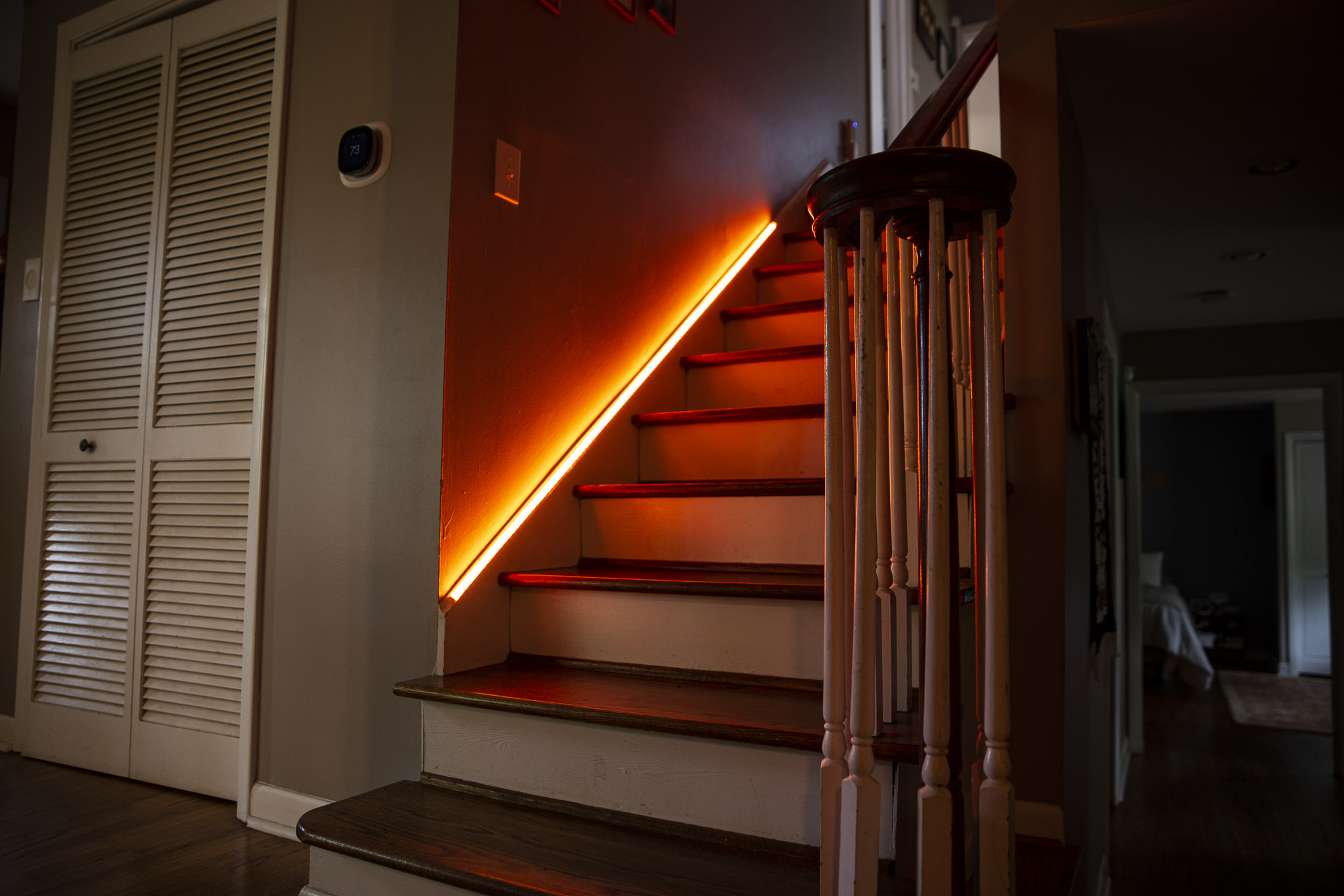
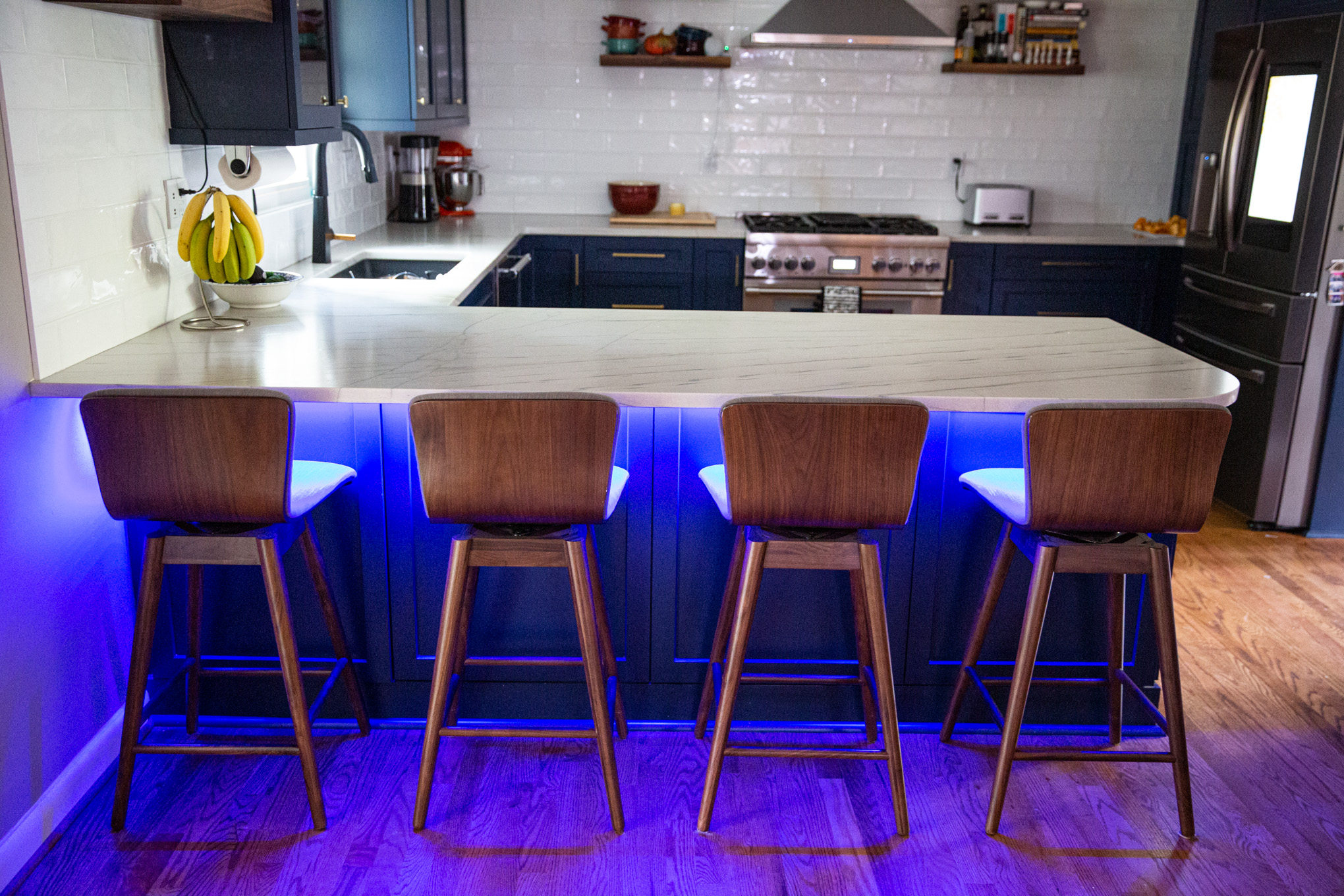
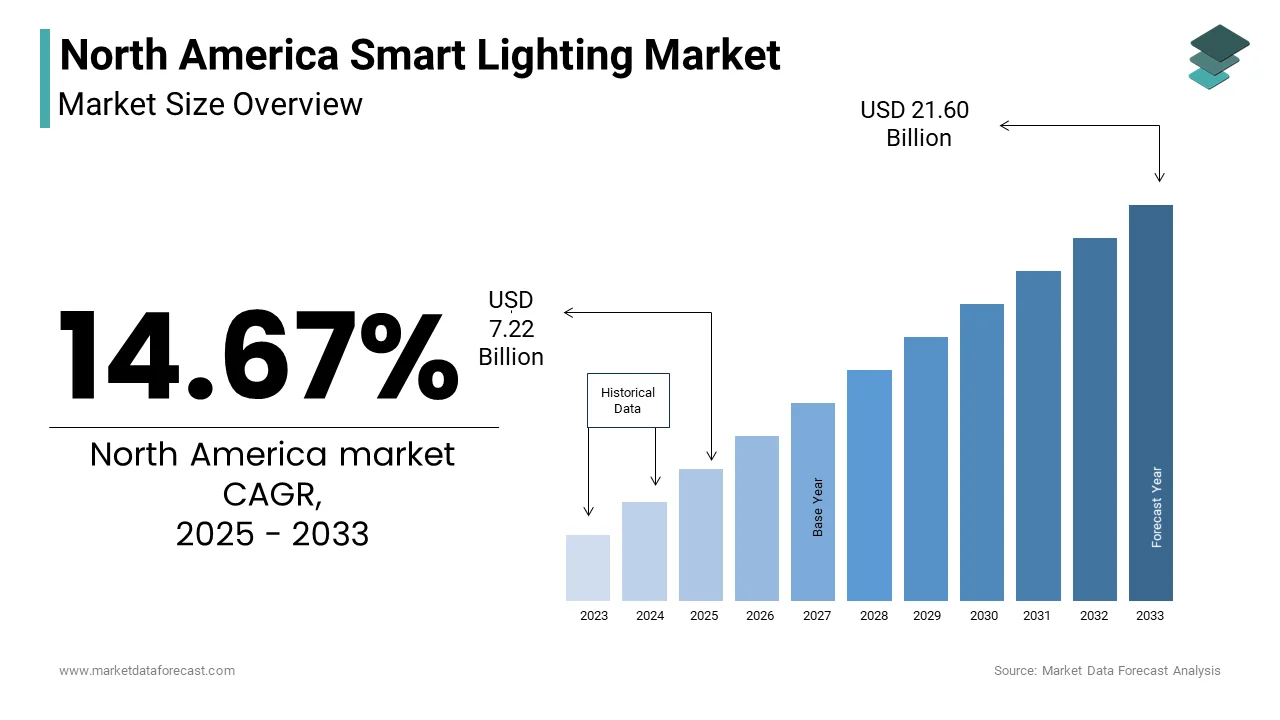
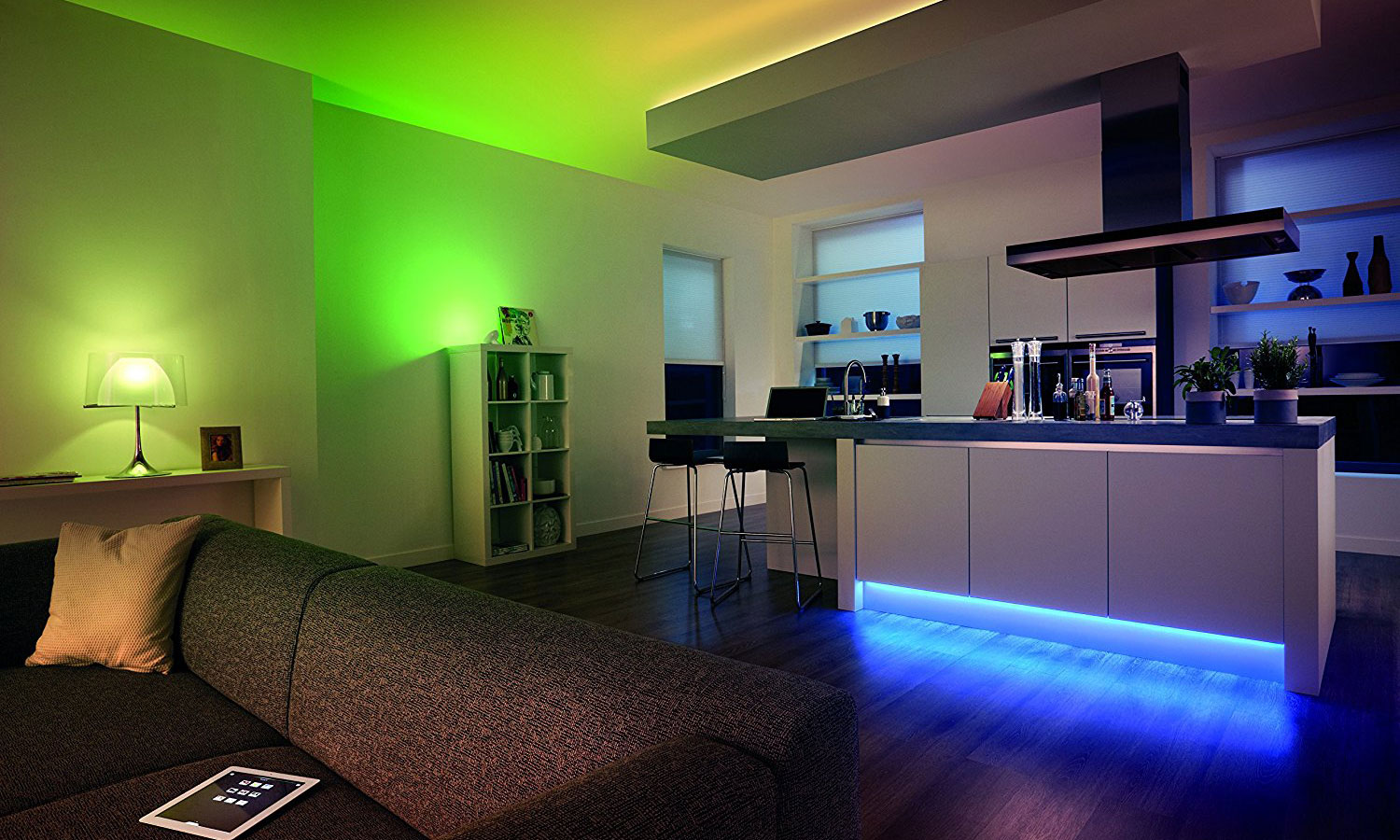
The North America Smart Lighting Market, valued at USD 6.3 billion in 2024, is projected to reach USD 21.60 billion by 2033, demonstrating a Compound Annual Growth Rate (CAGR) of 14.67% from 2025 to 2033. This market encompasses intelligent, connected lighting systems that integrate IoT technologies, automation, energy efficiency, and adaptive control mechanisms across residential, commercial, industrial, and outdoor applications. Key benefits include remote monitoring, occupancy sensing, daylight harvesting, and integration with building management systems. The market's growth is predominantly driven by increasing urbanization, strong governmental support for energy-efficient infrastructure, and substantial investments in smart cities and green buildings, particularly in the United States and Canada.
A significant market driver is the escalating adoption of IoT and connected home technologies. A considerable percentage of U.S. households own smart home devices, with smart lighting being a leading category due to its ease of installation, immediate usability, and compatibility with voice assistants. Smart lighting enhances comfort and energy efficiency through personalized control and seamless integration with security systems, climate control, and entertainment platforms. Furthermore, government initiatives at federal, state, and municipal levels actively promote energy efficiency and green building standards. Programs like the U.S. Department of Energy’s GATEWAY and Natural Resources Canada’s Office of Energy Efficiency fund pilot projects and mandate the use of smart lighting in new constructions, reinforcing market penetration and contributing to greenhouse gas reduction targets.
However, the market faces restraints, primarily high initial installation costs and complex integration requirements. The substantial upfront investment for hardware, software, and professional installation deters many consumers and small businesses, raising concerns about the return on investment. The technical complexity of integrating smart lighting with legacy electrical systems and incompatible protocols further complicates adoption. Another critical challenge is consumer concern over data privacy and cybersecurity. The reliance on internet-connected devices and cloud-based platforms creates vulnerabilities for potential breaches, making facility managers and IT departments cautious about incorporating these systems into their networks.
Despite these challenges, significant opportunities exist. The expansion of smart cities and municipal lighting projects presents a promising avenue, as urban centers prioritize sustainability, energy savings, and public safety. Smart street lighting not only reduces power consumption but also functions as nodes for broader smart city networks, supporting applications like traffic management and air quality sensing. The growth in commercial and industrial automation also offers substantial opportunities. Smart lighting is increasingly integrated into commercial spaces, enhancing productivity and reducing operational expenses, while in industrial settings, it contributes to broader automation strategies, predictive maintenance, and improved safety.
The market also contends with challenges such as the fragmentation of standards and interoperability issues, as proprietary protocols often limit cross-compatibility between different brands and platforms. This lack of standardization complicates integration efforts and increases implementation costs. Additionally, limited awareness and education among end-users regarding the benefits and value proposition of smart lighting solutions hinder widespread adoption. Many consumers and commercial stakeholders remain hesitant due to misconceptions about complexity, reliability, and actual cost savings.
In terms of segmentation, retrofit installations dominated the market in 2024, accounting for 58.6% of deployment activity, driven by the cost-effectiveness of upgrading existing buildings to meet energy efficiency targets. New installations are the fastest-growing segment, propelled by evolving building codes and demand for intelligent home environments. Hardware commanded the largest share in the offering segment (67.8%) due to the foundational nature of physical components, while post-installation services are experiencing the fastest growth, reflecting the need for ongoing support and maintenance. Commercial applications held the largest share (43.5%) in the application segment, emphasizing energy efficiency and automation in corporate and retail spaces, with highways and roadways lighting being the fastest-growing. Wireless communication technology, especially Zigbee, Wi-Fi, and Z-Wave, dominated the technology segment (72.6%) due to its flexibility, while Bluetooth Low Energy (BLE) is the fastest-advancing, favored for its low power consumption and localized control. The United States leads the North American market, followed by Canada and Mexico, reflecting varying stages of smart lighting adoption and infrastructure development.
#SmartLighting #NorthAmericaMarket #IoTHome #EnergyEfficiency #SmartCities #HomeAutomation #BuildingManagementSystems #WirelessLighting #LEDTechnology #SmartLighting #NorthAmericaMarket #IoTHome #EnergyEfficiency #SmartCities #HomeAutomation #BuildingManagementSystems #WirelessLighting #LEDTechnology
0 commenti in totale
 Nessun commento ancora
Potresti anche gradire
Remodeling Market Size, 2025-2034 Trends Report


Best Smart Lights for 2025: Light Up Your Home With Our Top Picks

This new light strip is versatile and good value
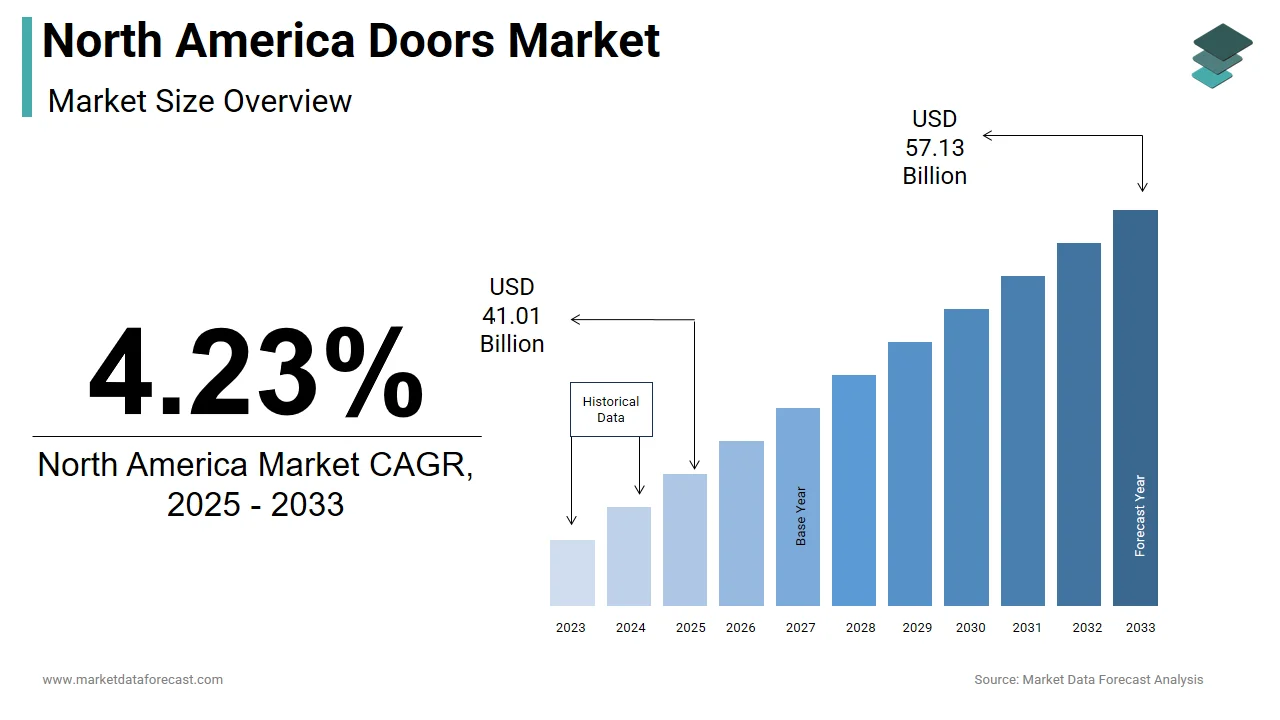
North America Doors Market Size, Share & Growth, 2033
![Doors Market, Industry Size Growth Forecast Report, [Latest]](https://gstatic.ideal.house/news/images/49bdcee660bd4d108750313d21923184.webp)
Doors Market, Industry Size Growth Forecast Report, [Latest]

This smart lighting strip gave me 12 hours of hell
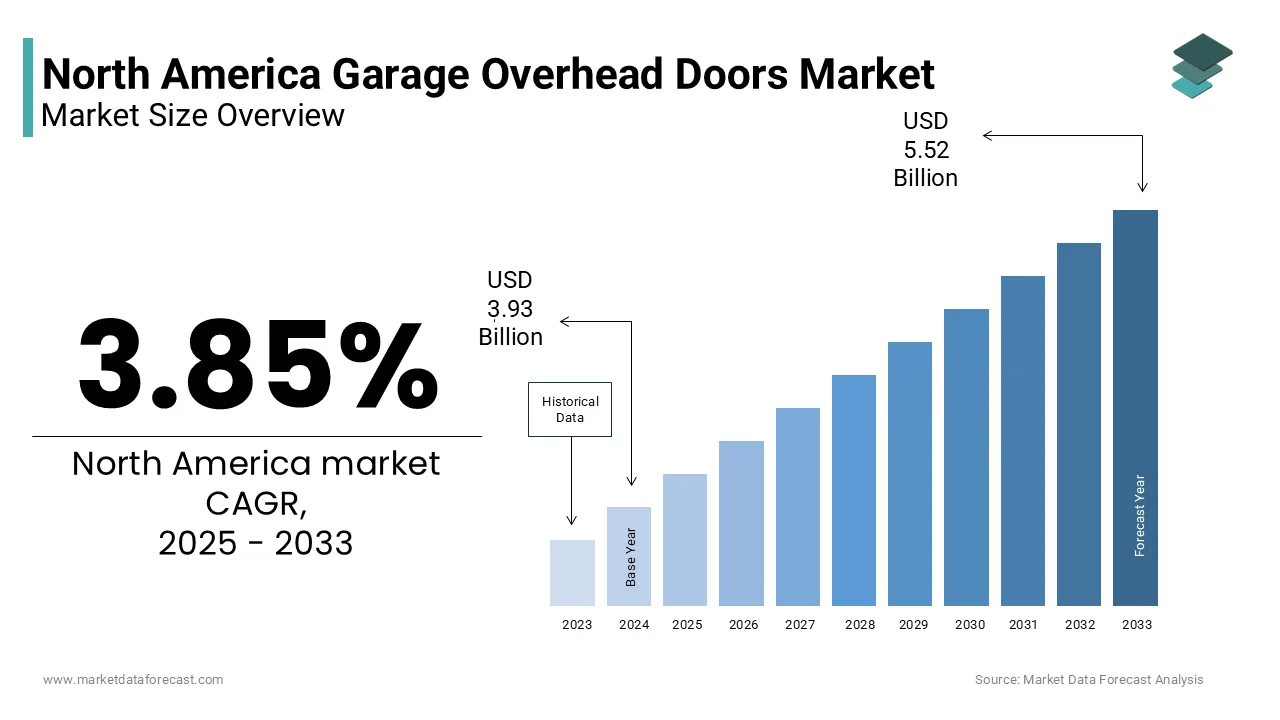
North America Garage Overhead Doors Market Size, Share, 2033

Discussing Smart Home Automation

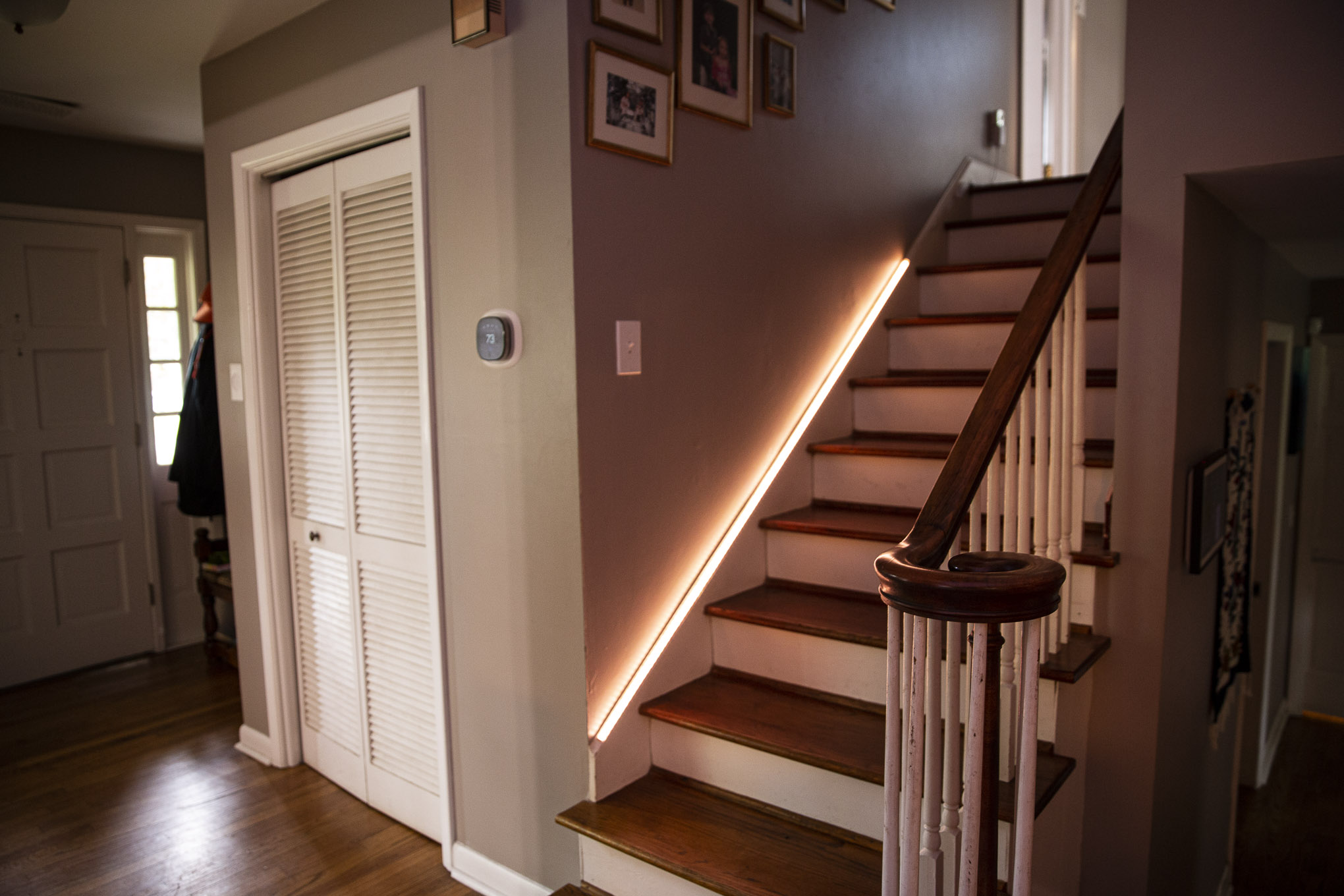
Matter makes Govee’s new light strip more functional but less fun


US Household Kitchen Appliances Market
![Modular Flooring Market Size & Forecast [Latest]](https://gstatic.ideal.house/news/images/88e7dffc81964dc0b0928f6aca821eed.jpg)
Modular Flooring Market Size & Forecast [Latest]
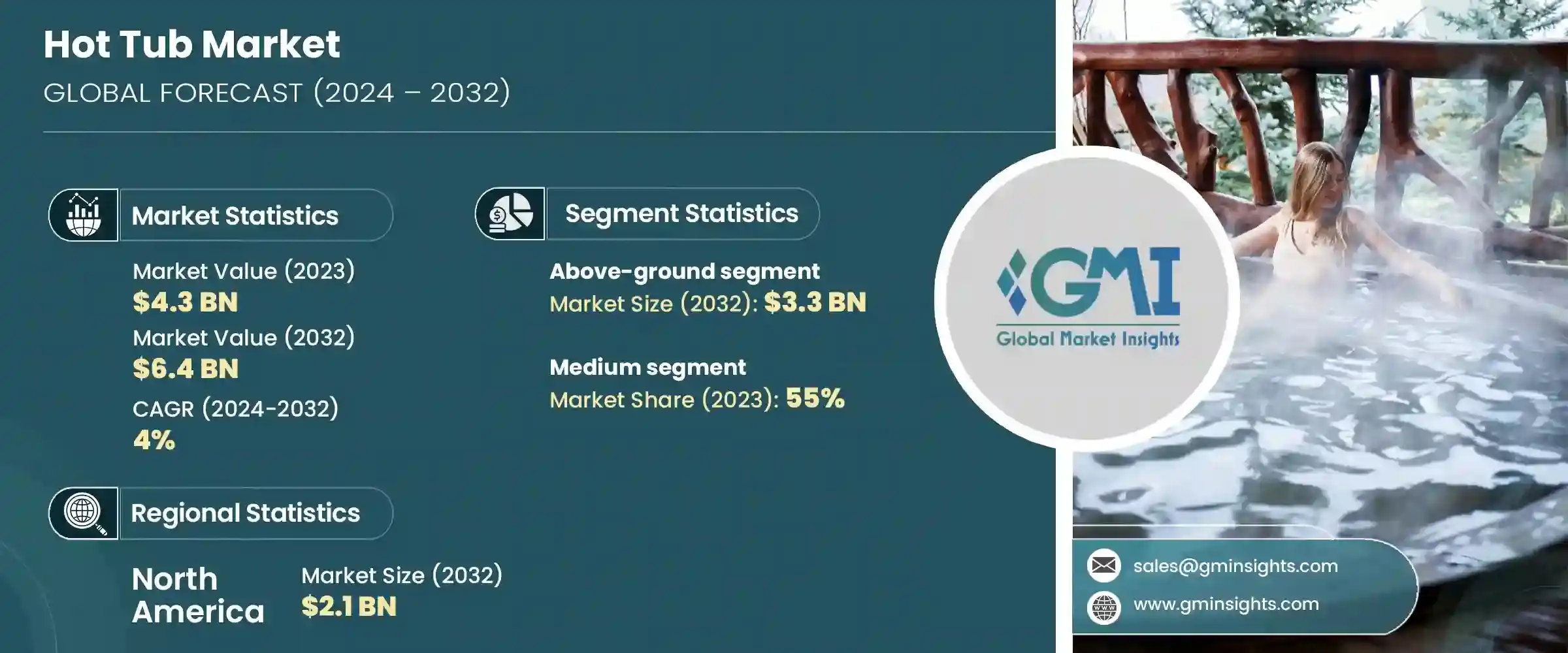
Hot Tub Market Size, Share & Analysis Report, 2024 – 2032

Europe Smart Lighting Market: Size, Share, and Forecast 2025–2033
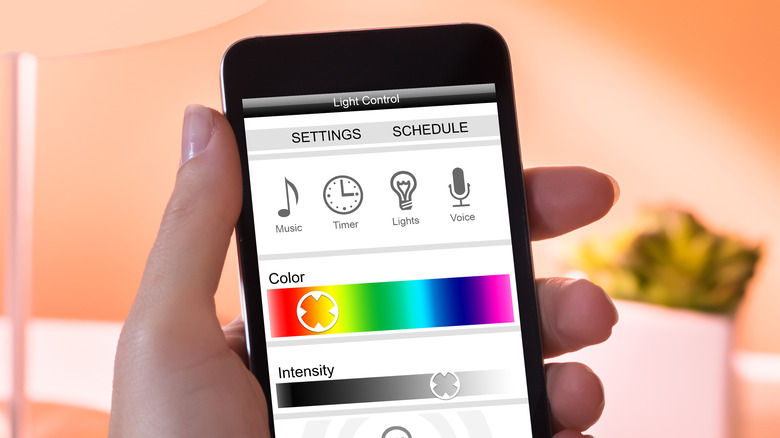
Major Smart Lighting Brands Ranked Worst To Best


Govee Permanent Outdoor Lights Prism Review: Great, but Wait for a Good Sale

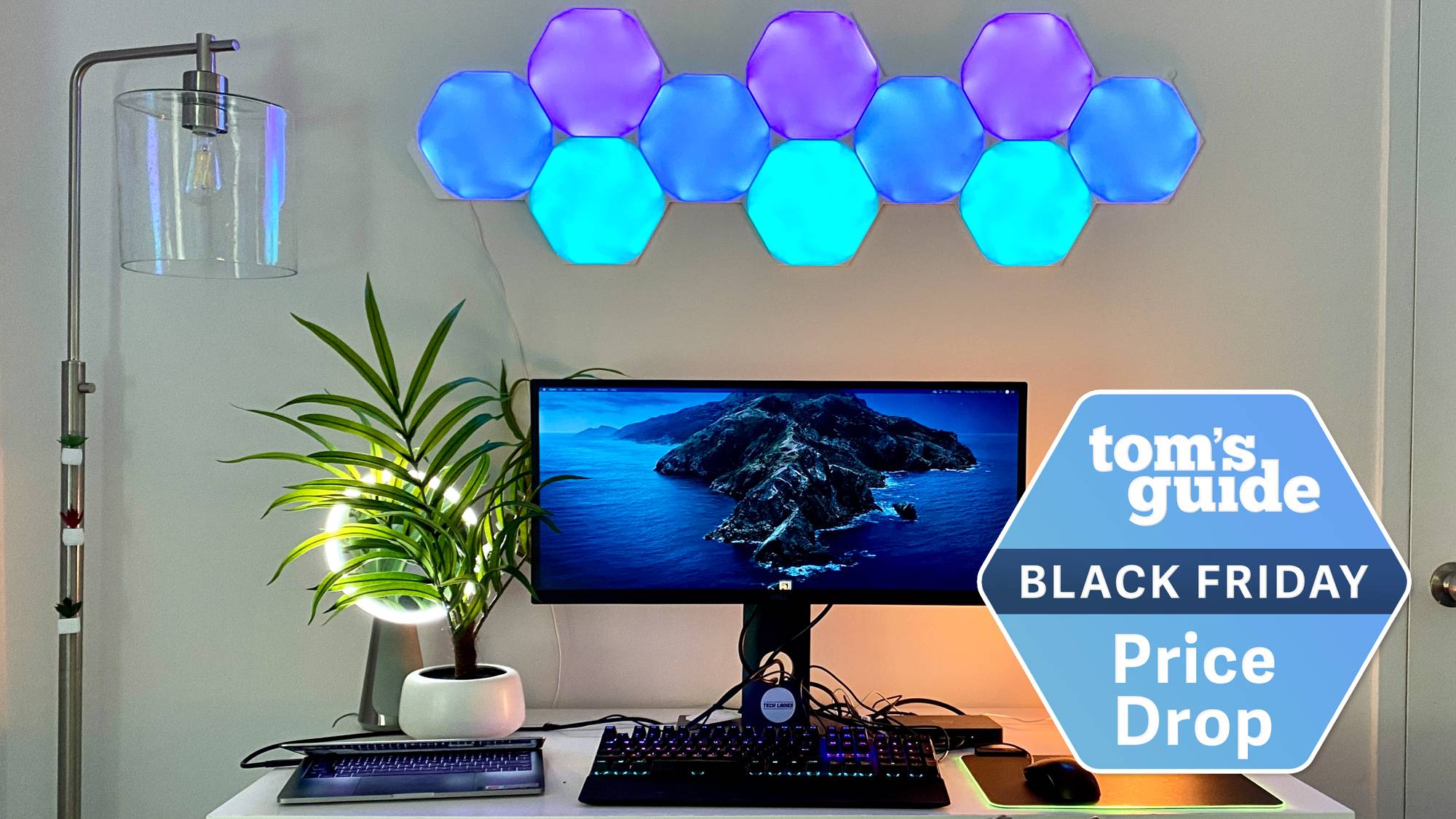
My favorite Nanoleaf smart lights just hit lowest price ever for Black Friday

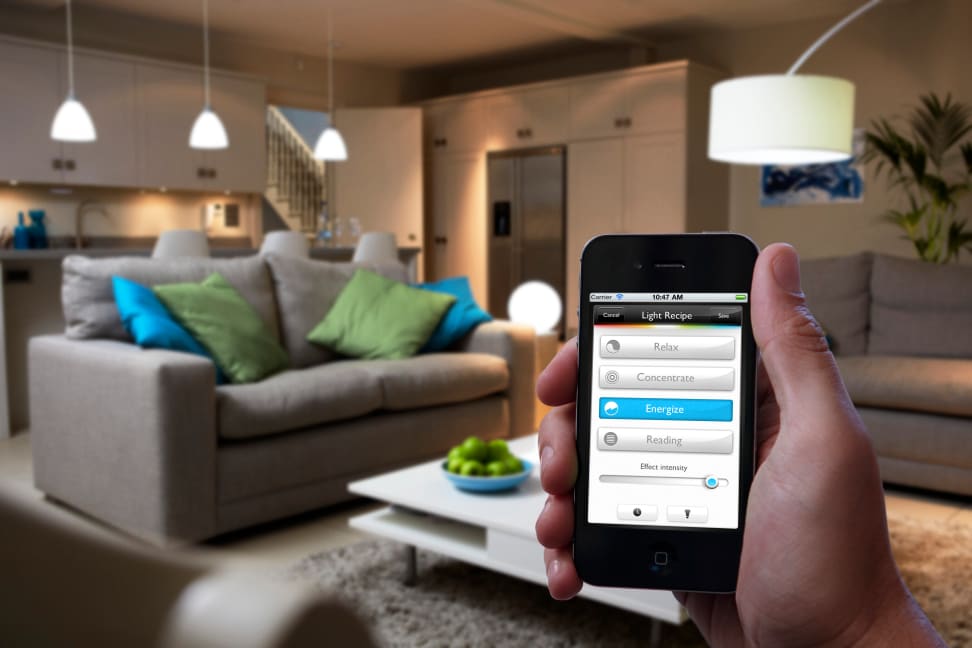
10 ways to add 'smart lighting' in your home and never touch a switch again

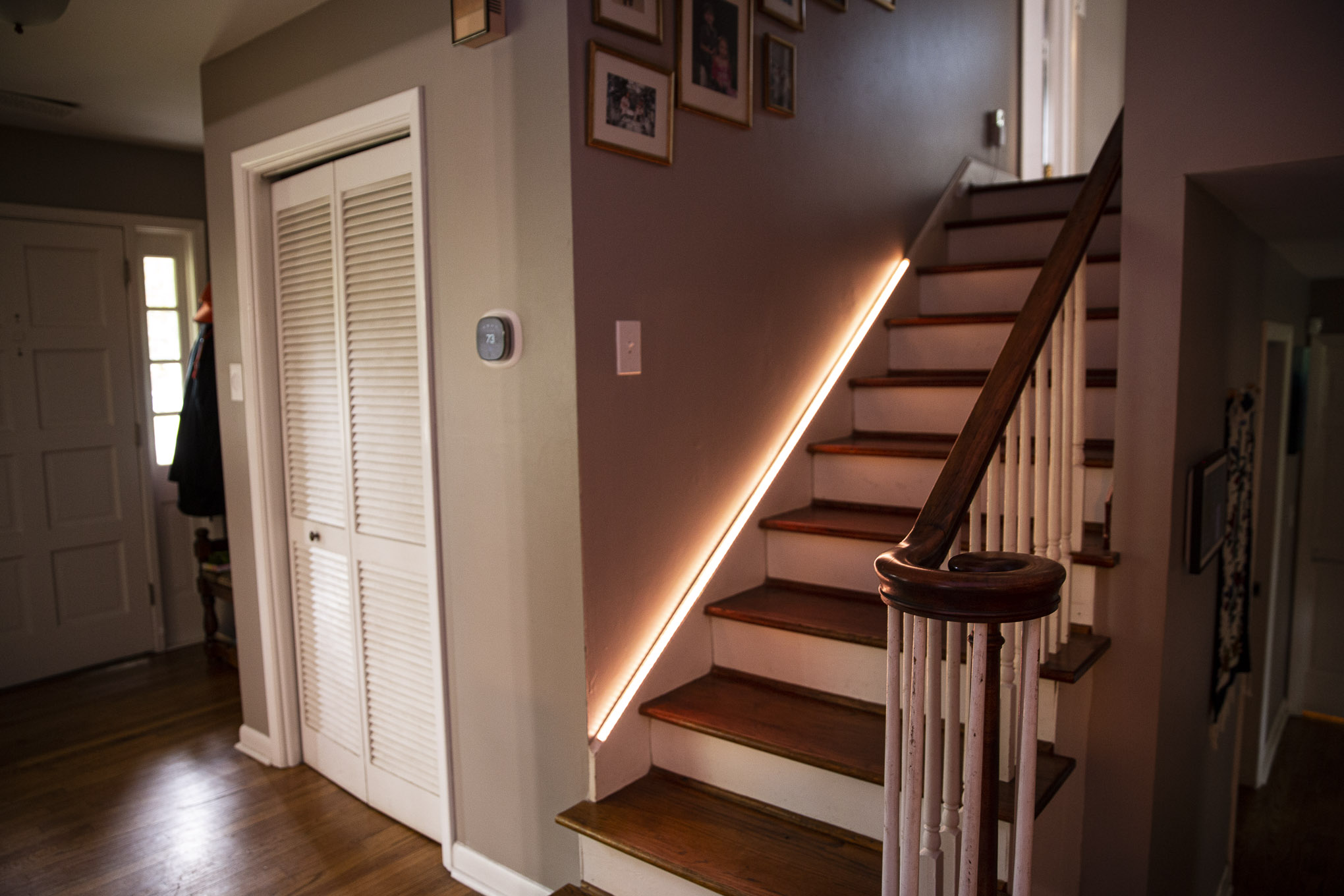
Matter makes Govee’s new light strip less groovy
The best smart lights
Top 11 LED Downlight Manufacturers in the World