1/2
Installation Solutions: Select the right hardscape edging
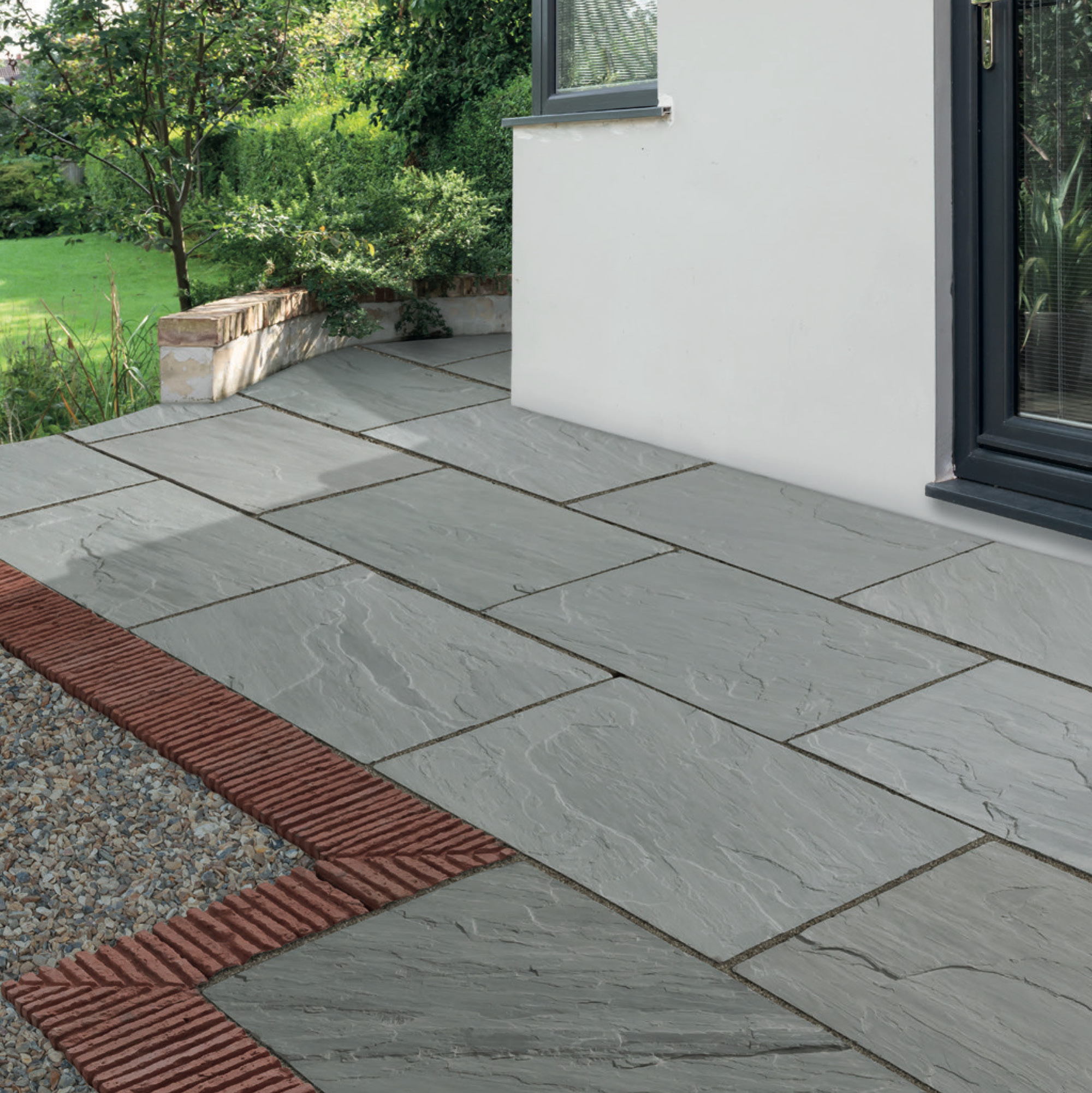
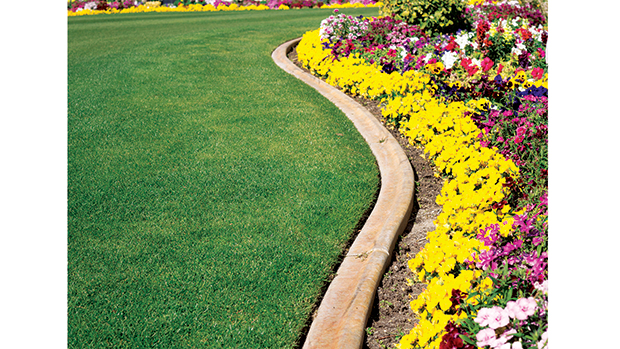
This article discusses the importance of selecting the appropriate hardscape edging for landscaping projects, providing insights from Cameron Maneri, a store manager at Kurtz Bros., an Ohio-based landscaping supply company. The fundamental purpose of hardscape edging is to restrain or contain patios and other hardscape areas.
The selection process for hardscape edging is influenced by several factors, including the paver height and the type of base material used for the project. Maneri emphasizes that understanding these elements is crucial for making an informed decision.
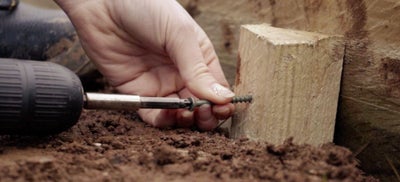
For projects with a smaller budget, plastic edging is identified as the most cost-effective option. It offers benefits such as suitability for high-moisture environments. However, a significant consideration when installing plastic edging with spikes is to be aware of the client’s irrigation lines and other underground utilities to prevent damage. Contractors are advised to consult irrigation designs before beginning installation. Additionally, the quality or grade of plastic edging can vary, and working with a supplier can help contractors find the best product for a specific budget.
For mid-sized budget projects, concrete edging is recommended, particularly when an open-graded aggregate is used in the base preparation. This is because it is challenging to drive stakes through such aggregate. Concrete edging is also beneficial in climates experiencing frequent freeze-thaw cycles, as it is designed to withstand these conditions. Modern concrete edging is reinforced with fibers to enhance its strength, making it more durable than traditional concrete. Proper mixing of concrete is vital, as incorrect proportions of water can lead to improper curing. Plastic edging remains an option for mid-sized projects when a traditional, compacted base is used, making it easier for stakes to secure the edging, though oxidation of spikes over time is a consideration.
For larger budget projects, contractors have a broader range of options, including aluminum edging with 90-degree angle brackets, as well as concrete and plastic edging. Aluminum edging offers higher resistance to movement and is less susceptible to expansion and contraction due to temperature and moisture fluctuations, providing a more stable and long-lasting solution.
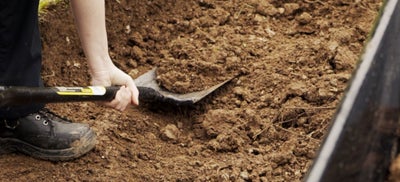
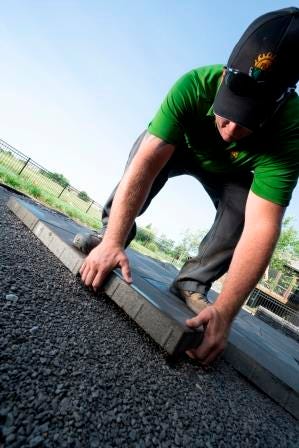
Regardless of the material chosen, proper installation is paramount for all edging products, especially when used on patios. Maneri stresses the importance of installing the edging as closely as possible to the pavers to ensure a tight bond. This tight bond prevents paver shifting, patio movement, and base washout, which can compromise the integrity and longevity of the hardscape. For landscape edging projects, a clean edge requires the removal of all vegetation and roots in the installation area. Ultimately, Maneri advises against compromising on product quality, advocating for the selection of the best possible product for each project to ensure durability and customer satisfaction. The article concludes by stressing that investing in high-quality edging is a critical factor for successful hardscape installations.
#HardscapeEdging #LandscapeDesign #InstallationSolutions #ConstructionMaterials #BudgetManagement #ConcreteEdging #PlasticEdging #AluminumEdging #ProjectManagement #HardscapeEdging #LandscapeDesign #InstallationSolutions #ConstructionMaterials #BudgetManagement #ConcreteEdging #PlasticEdging #AluminumEdging #ProjectManagement
0 commenti in totale
 Nessun commento ancora
Potresti anche gradire
New products, trends create exciting time for outdoor living projects

Reimagine Landscape Design Online With Yardzen and Realize Your Dream Outdoor Space
Strategic Hardscaping Can Make Your Outdoor Space More Sustainable—Here’s How

Ask the Experts: Hard Surfaces 101

How to lay a garden path

Set the Stage With These Flooring Options

Piece by piece: Pros and cons of using pavers to spruce up your yard
5 brilliant budget alternatives to paving slabs that won't cost the earth
L-shaped garden ideas to help you create a visually pleasing space

How to Add Hardscaping to Your Outdoor Living Space
Expert Tips for Making the Most of Your Property’s Curb Strip

Landscaping with ornamental grasses – 6 inspirational ideas to add height and movement to your yard
15 affordable and easy garden edging ideas you can do yourself, with advice from a master gardener
Patio edging ideas - 10 ways to create beautiful borders around paved areas
How to lay a patio

Front yard landscaping with rocks and mulch: 8 expert ideas
The Patio Construction Material This Landscape Designer Won’t Ever Work With

Stomping grounds: Local designers talk choosing the right flooring


Brooklyn Garden: From Weeds to Wonderful With Groundworks

Feather Edge Boards