How to Hang Outdoor String Lights (and Make Them Look Good) | Reviews by Wirecutter
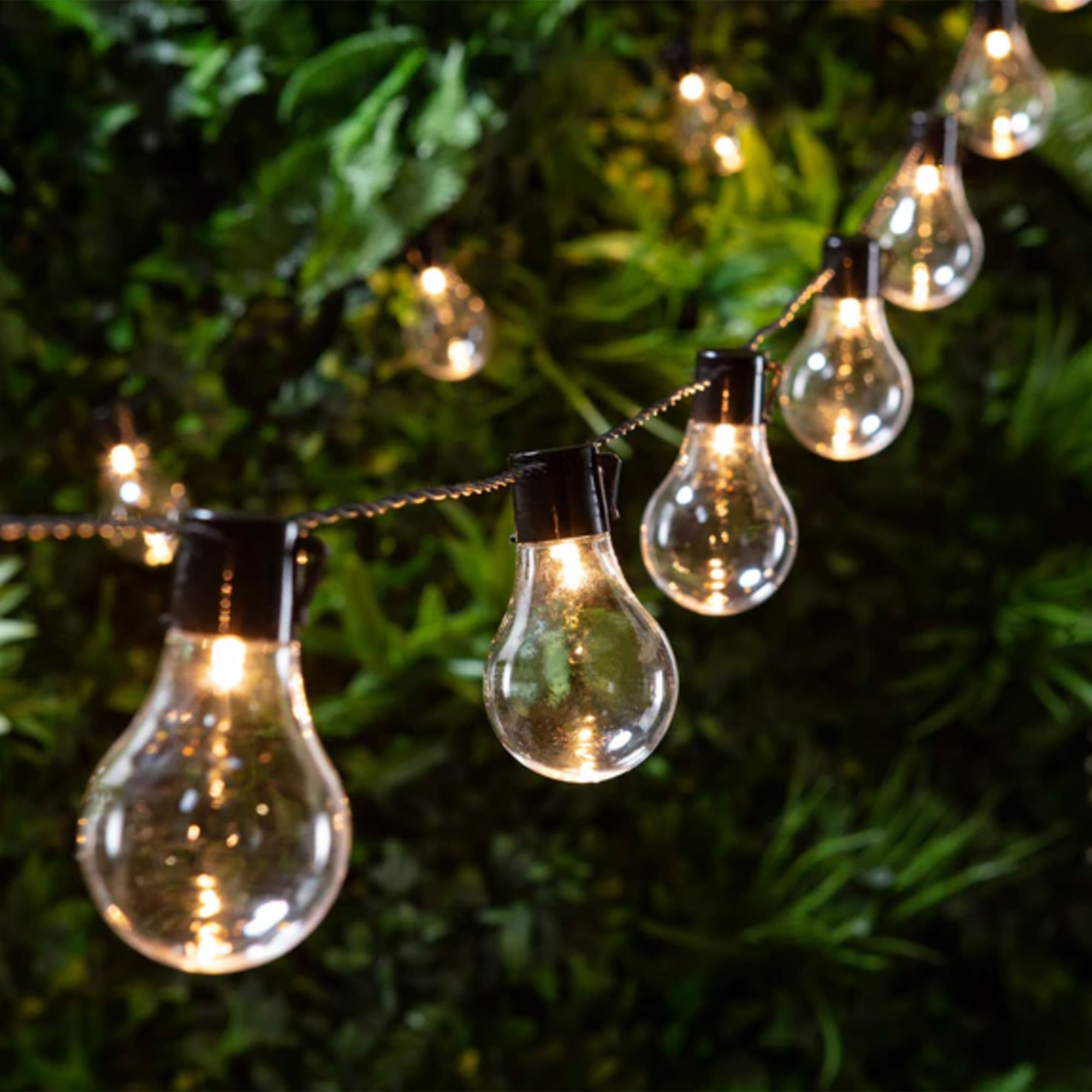
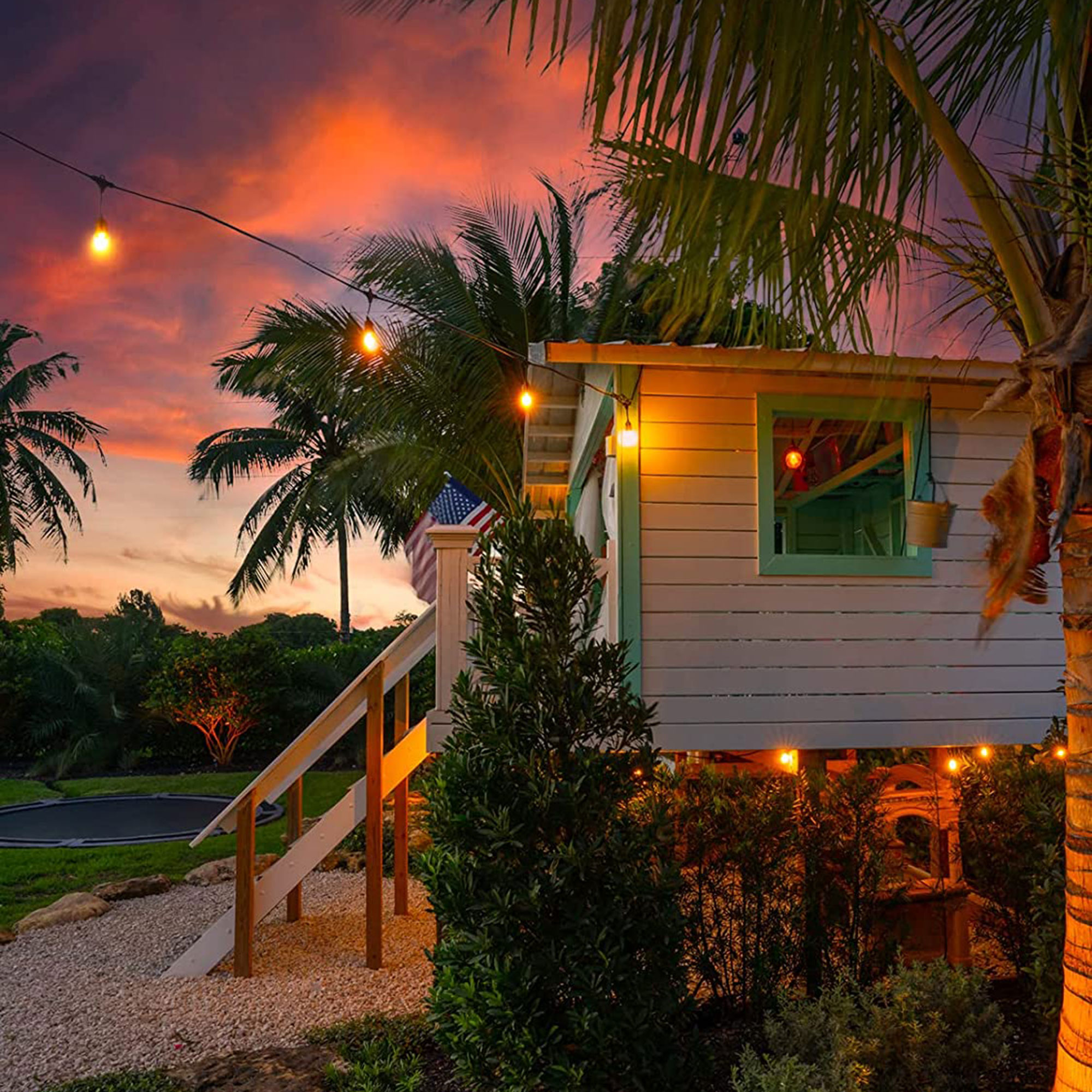
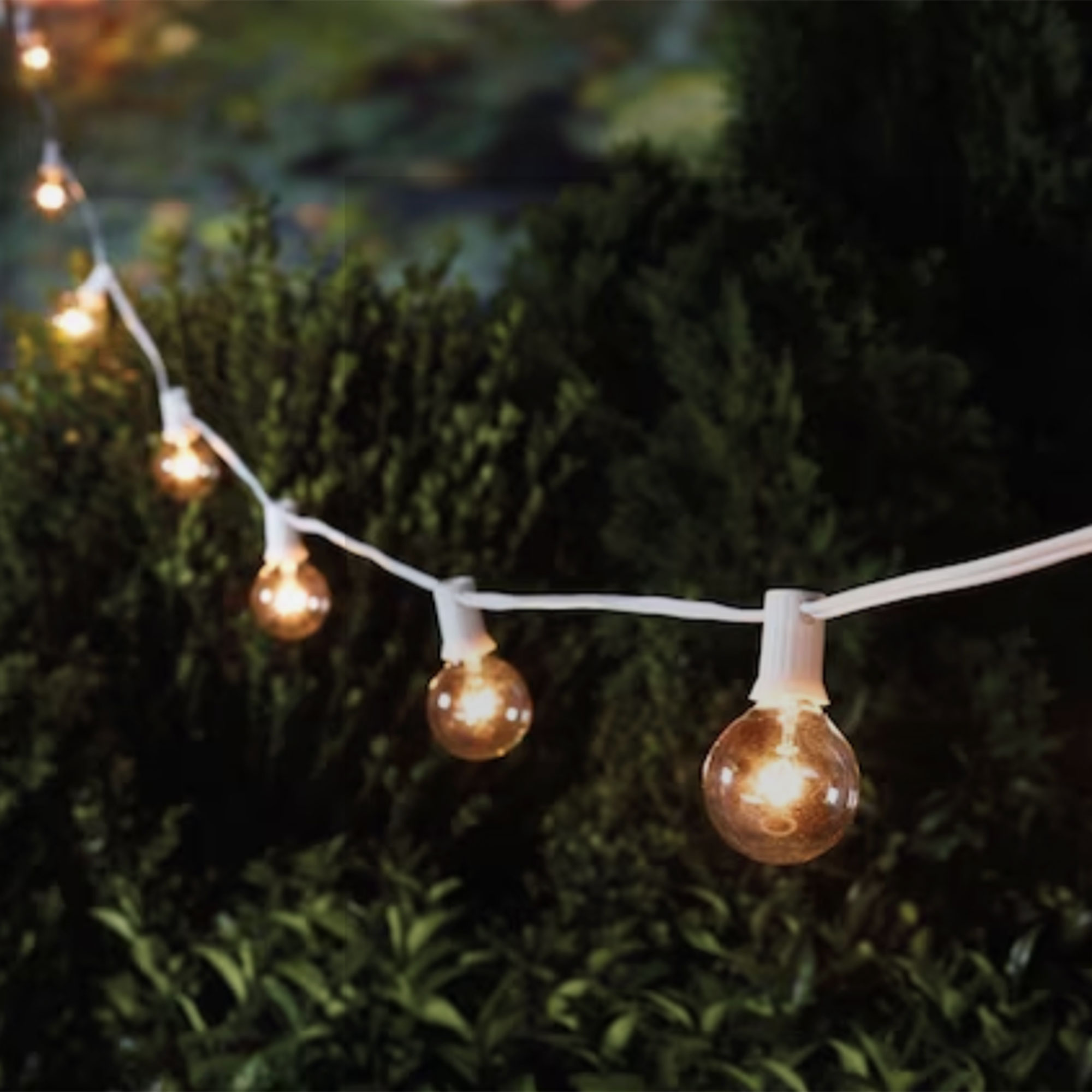
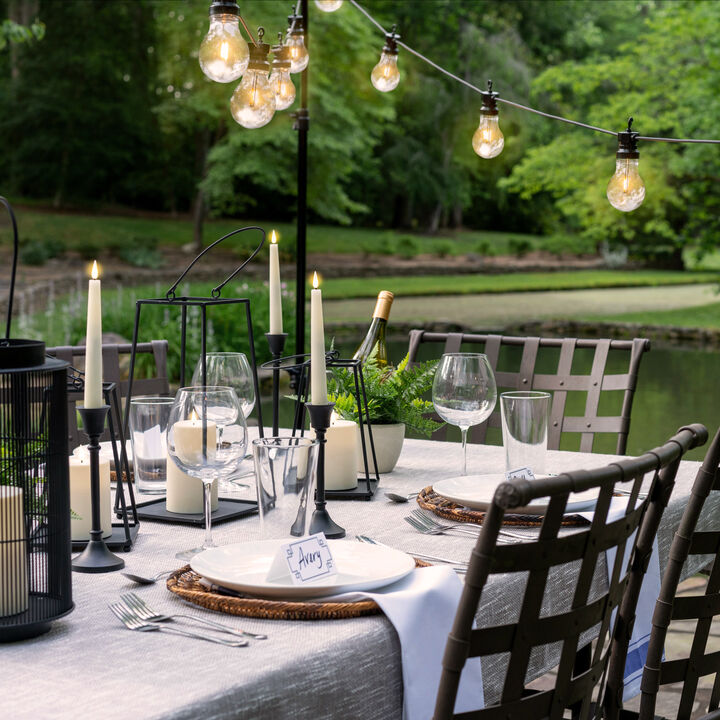
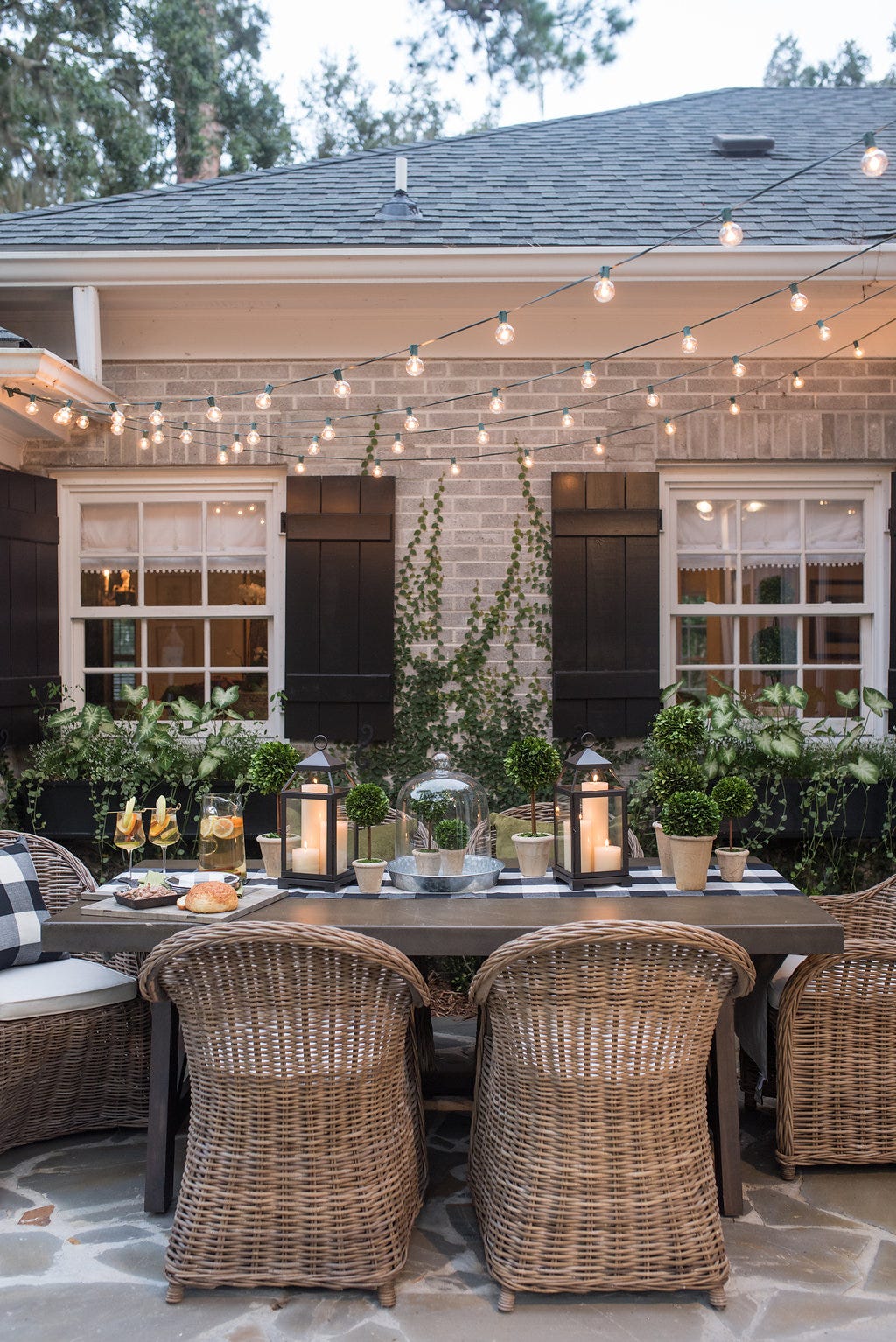
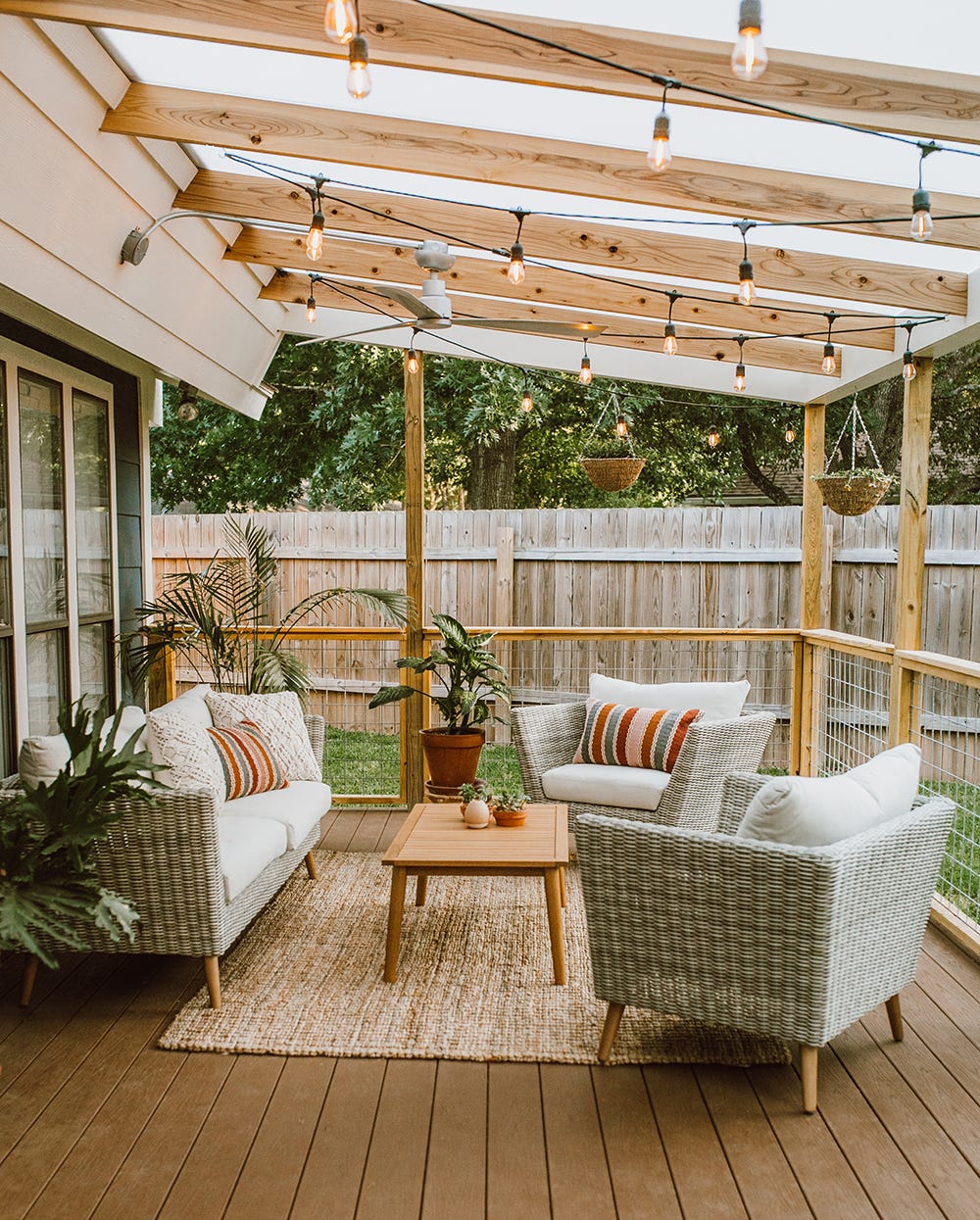
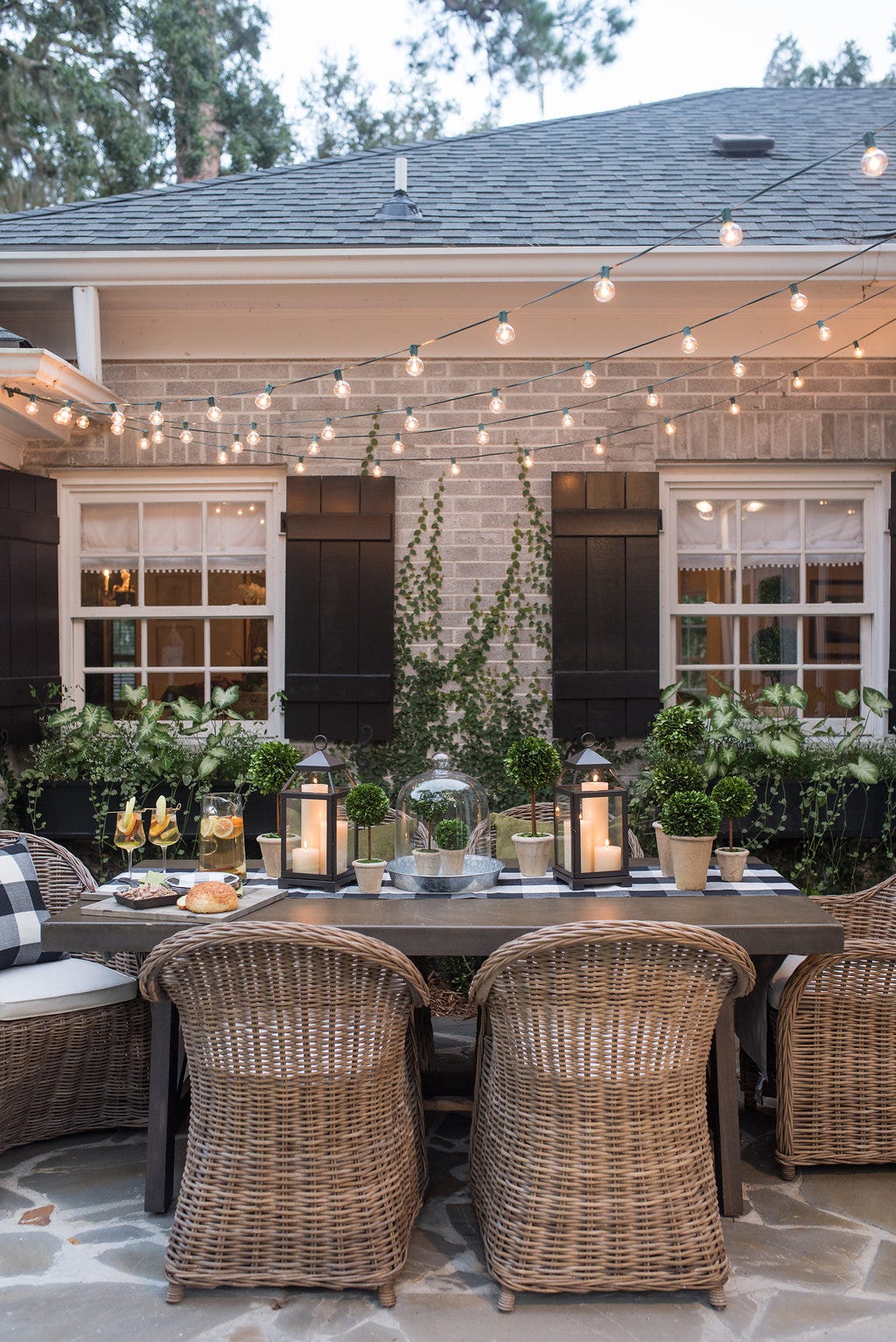
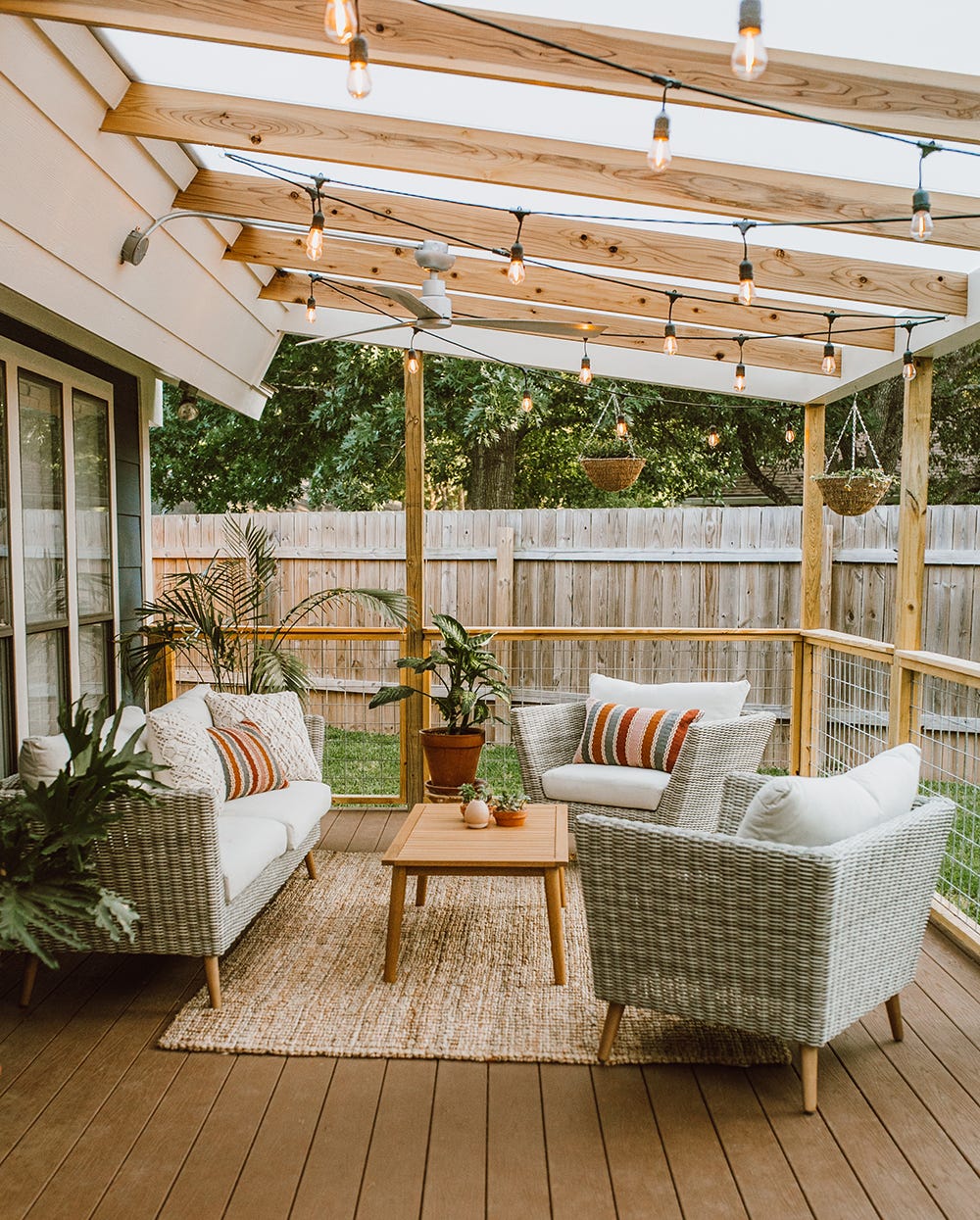
Outdoor string lights offer a simple yet effective way to enhance the ambiance of outdoor spaces, including porches, decks, and yards, thereby extending the usability of these areas into the evening. However, selecting the appropriate methods for hanging these lights to ensure safety, stability, and aesthetic appeal can be challenging. This guide provides comprehensive advice on the best practices for installing outdoor string lights, highlighting recommended tools, ideal placement strategies, methods for even spacing, and crucial safety considerations, drawing insights from home improvement experts.
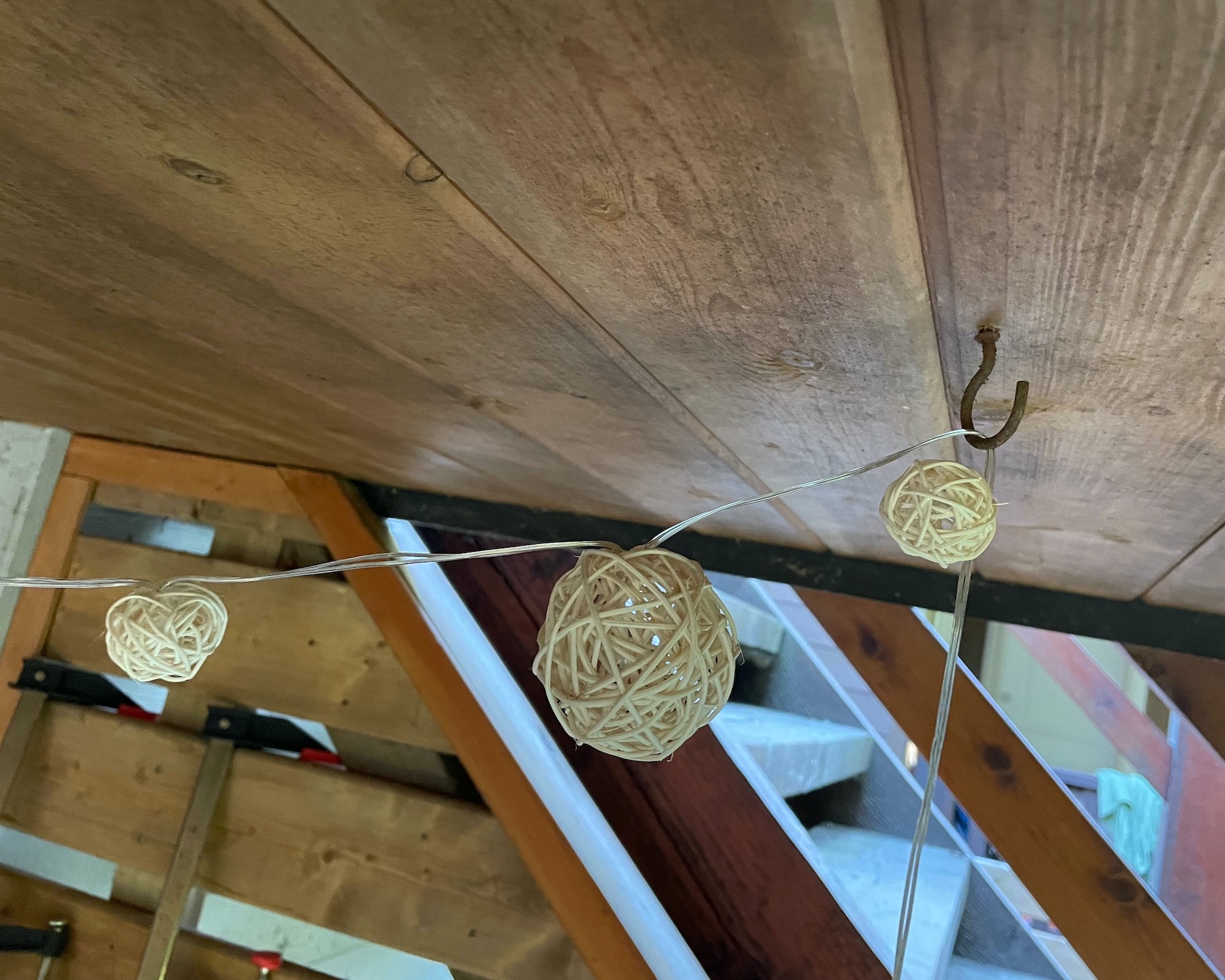
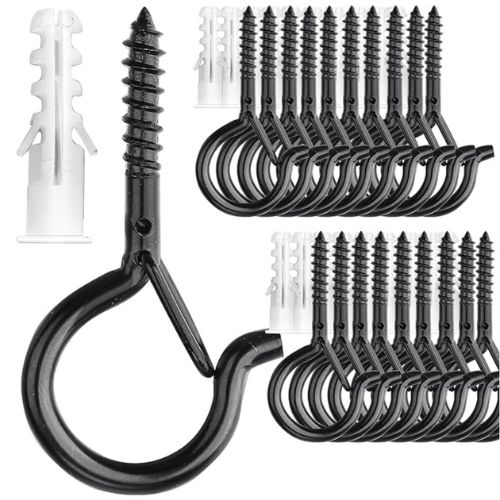
For hanging outdoor string lights, stainless steel screw hooks or cup hooks are highly recommended. These hooks are easy to install, often without the need for pre-drilling if sufficient hand strength is applied, and they securely cradle the light wire, keeping it slightly off the mounting surface. Their design is also more visually appealing than angled nails or screws, and some models include a carabiner-like clip for enhanced security, especially when hanging lights from a porch ceiling. A key advantage is that their small threads minimize damage upon removal. It is essential to ensure these hooks are installed into a solid surface and are adequately secured to withstand environmental factors.
Alternatively, zip ties and fishing line offer discreet solutions for installation. Zip ties, particularly 8-inch ones, can effectively secure lights, especially if their color matches the string light cord for better camouflage. Fishing line, being clear, is less noticeable and strong, making it suitable for attaching lights to structures like wicker fences without rusting. Conversely, common nails are discouraged due to their potential to stain siding and their lack of durability against wind and accidental bumps. Picture hooks are also unsuitable for this application.
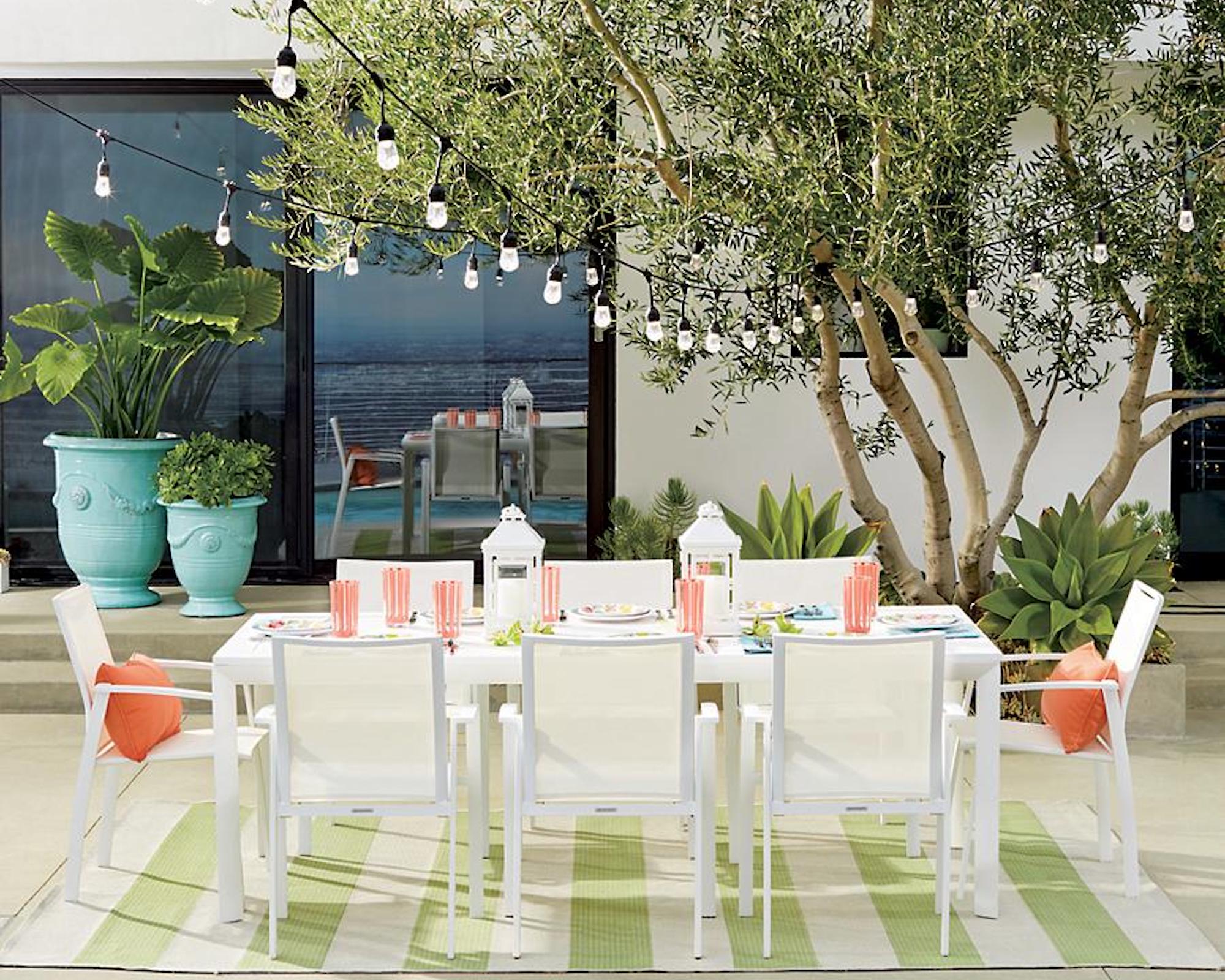
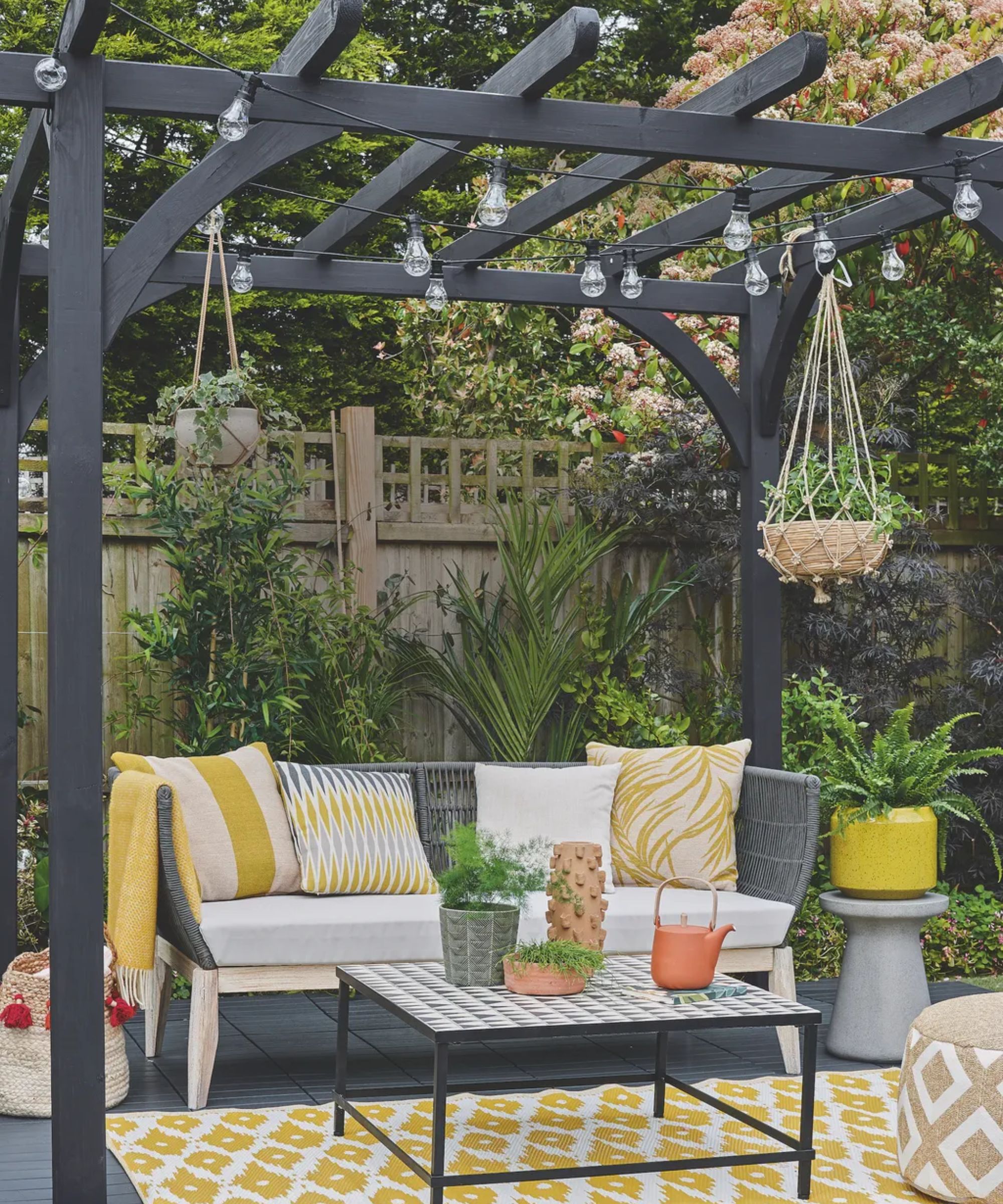
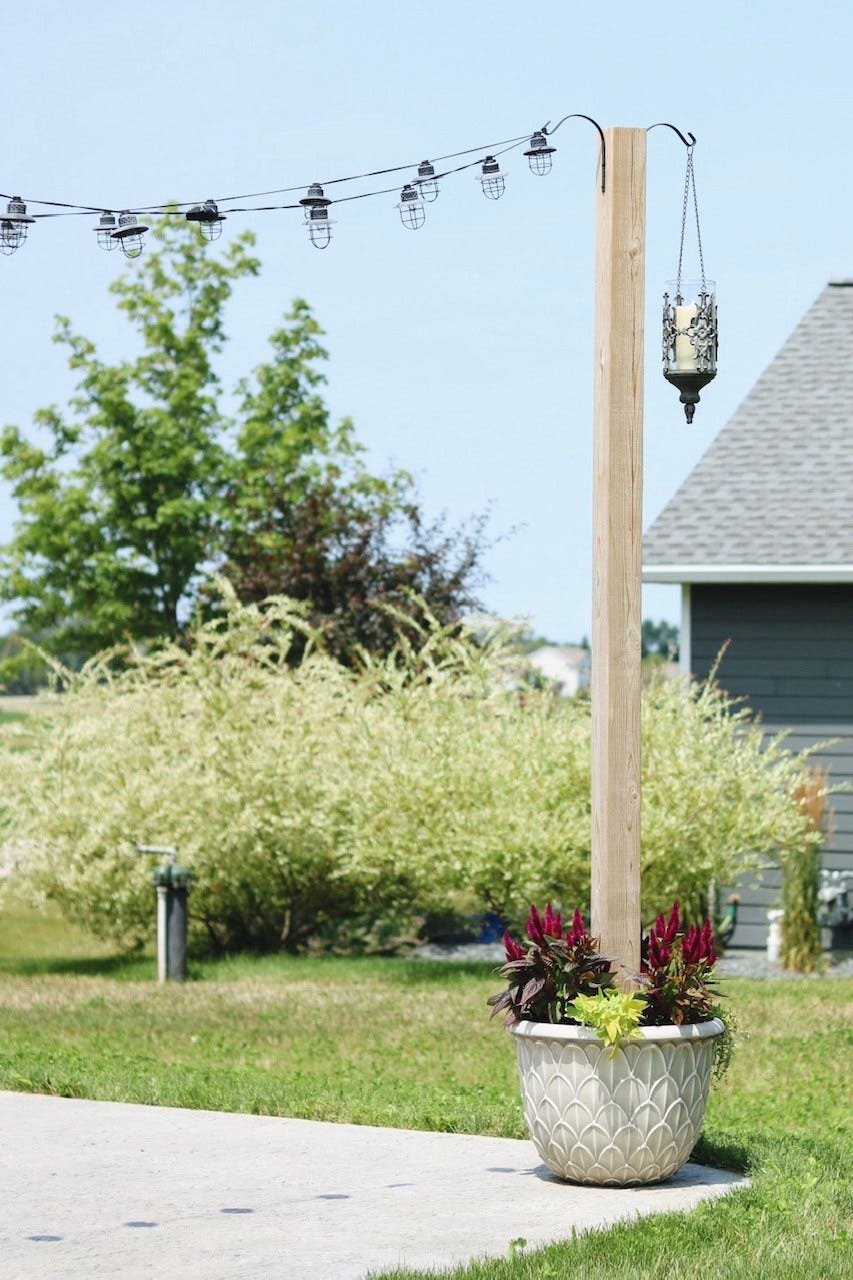
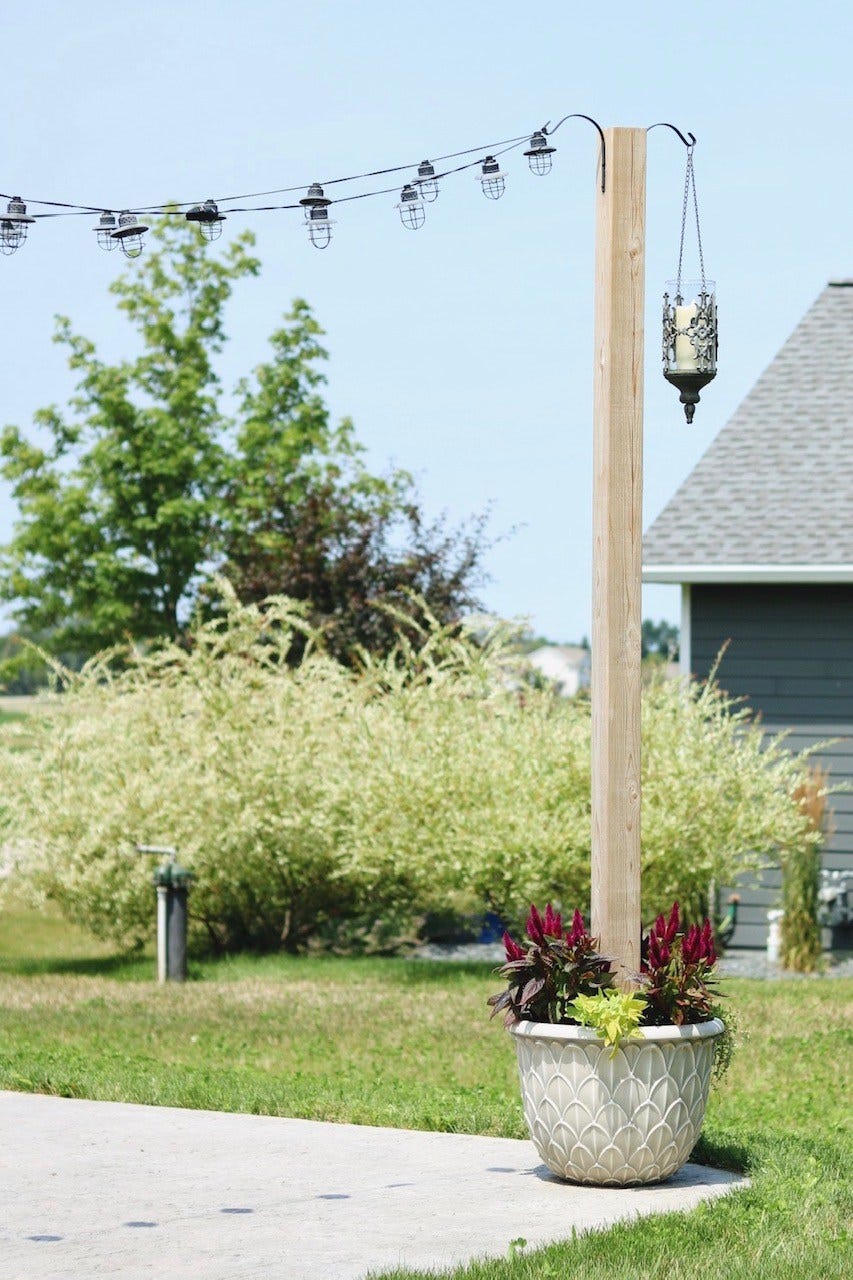
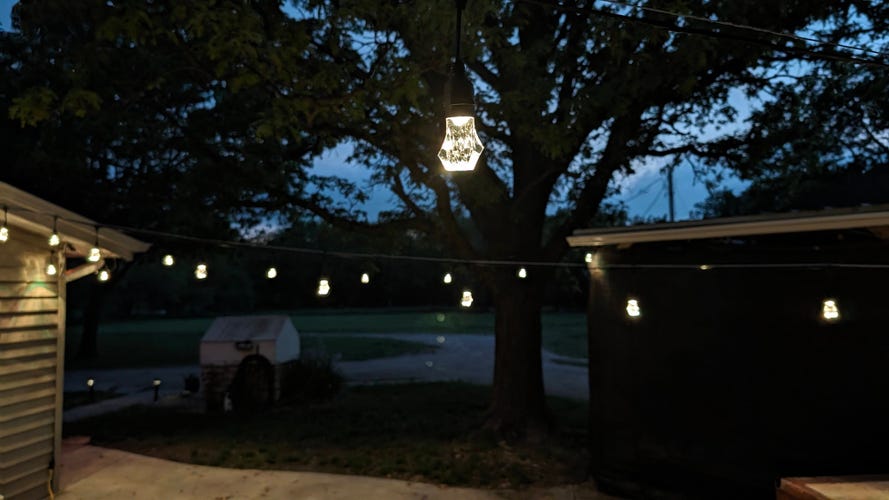
When determining placement, the specific purpose of the lighting – be it functional illumination, defining an area, or purely aesthetic enhancement – should guide the decision. For larger spaces or between two posts or trees, a string-light hanging kit is beneficial. These kits provide a taut wire from which the lights can be suspended, distributing the stress off the light wire itself and helping to maintain the desired slope.
Achieving even spacing of string lights requires careful planning. A practical method involves using a piece of fishing line or string to simulate the desired light arrangement, including any stylistic dips and ensuring sufficient length to reach an outlet. This string can then be measured to determine the required length of lights. Before actual installation, spreading the lights out in the intended area allows for pre-placement of hooks or hangers, streamlining the installation process. This approach helps avoid the common issue of running out of lights midway through the job.
Safety is paramount when installing outdoor string lights. Modern LED string lights typically do not generate enough heat to pose a fire hazard. However, it is crucial to avoid wrapping anything around the cords or hanging additional items from them, as this could weaken the cord over time. Using the designated hanging holes or hooks on the lights is recommended to prevent cord damage. While plastic bulbs are generally durable, weather conditions should be considered during setup to prevent potential damage. Adhering to manufacturer guidelines regarding the maximum number of connectable strands is vital. Lastly, plugging outdoor string lights into a ground-fault circuit interrupter (GFCI) outlet, possibly via an outdoor smart plug, is a critical safety measure to protect against electrical hazards.
#OutdoorLighting #StringLights #HomeImprovement #OutdoorDecor #DIYHome #PatioLighting #BackyardDesign #SafetyTips #OutdoorLighting #StringLights #HomeImprovement #OutdoorDecor #DIYHome #PatioLighting #BackyardDesign #SafetyTips
0 commenti in totale
 Nessun commento ancora
Potresti anche gradire
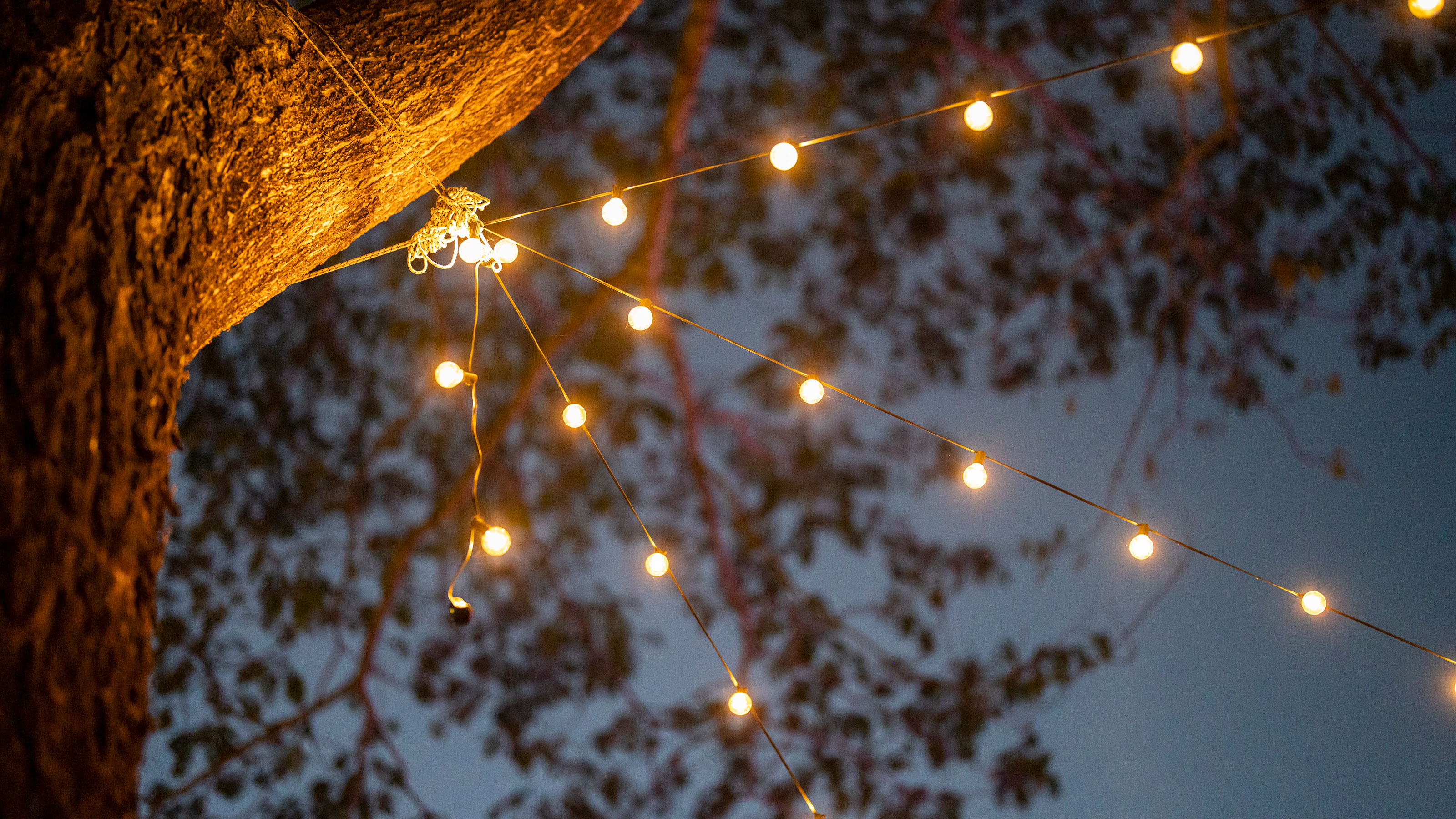
How to hang outdoor string lights in 6 simple steps

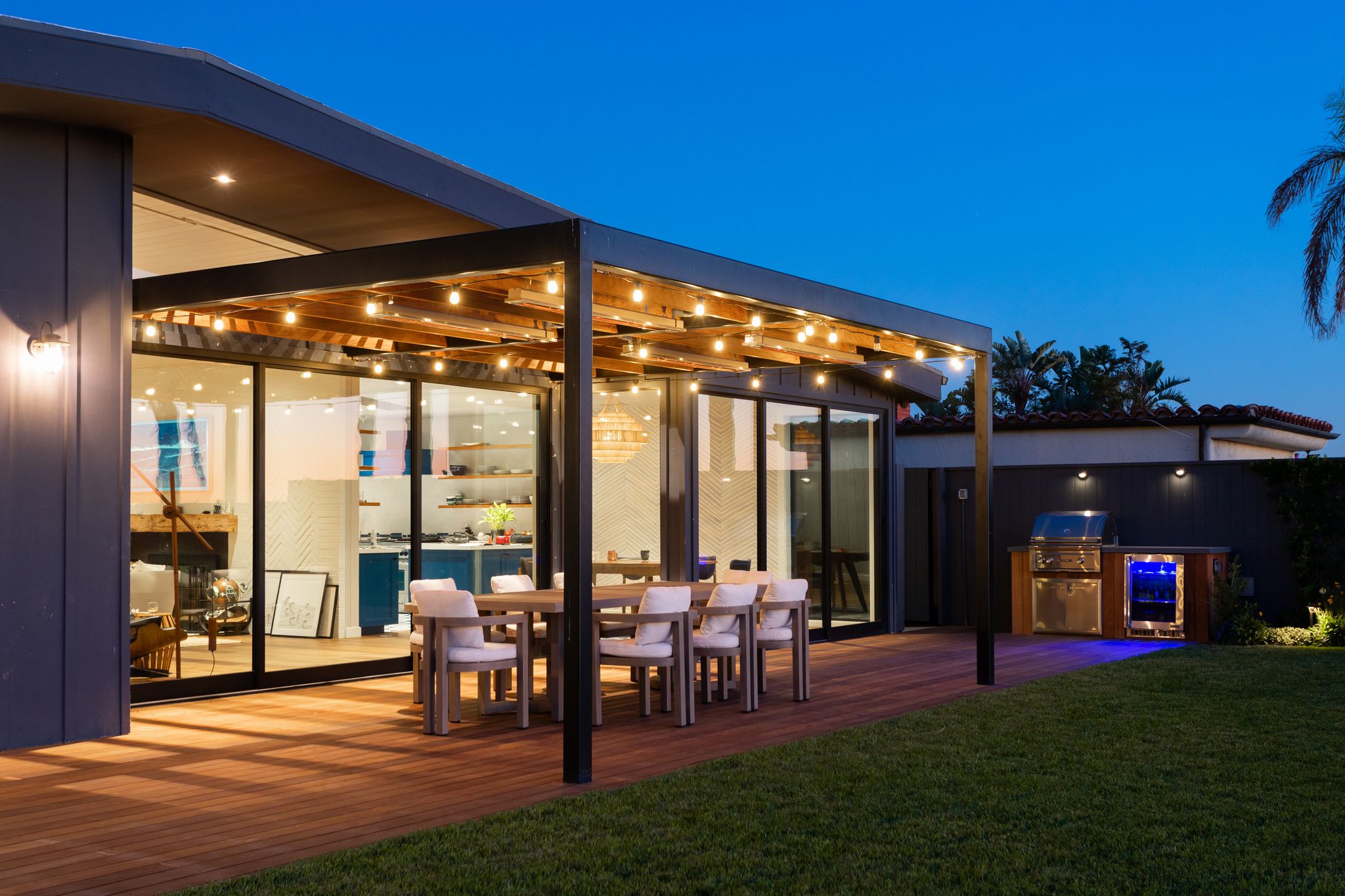
These 10 string light ideas will help you bring a cozy glow to any size and shape of backyard

We Tested More Than a Dozen Outdoor String Lights, But These Are the 7 Best

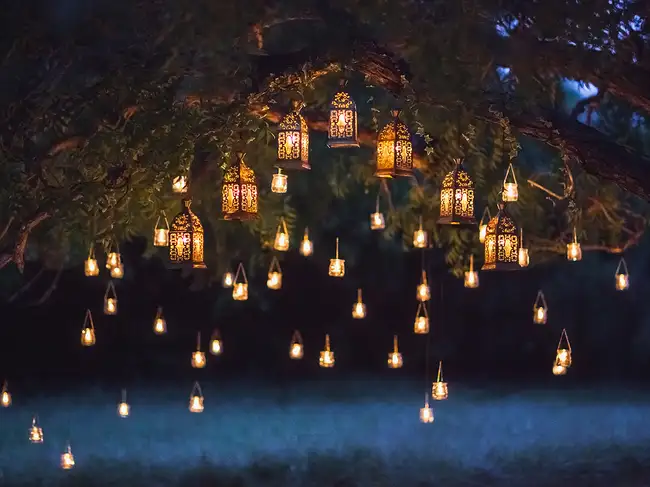
Festive tips: Lanterns, hanging lights to brighten up the house
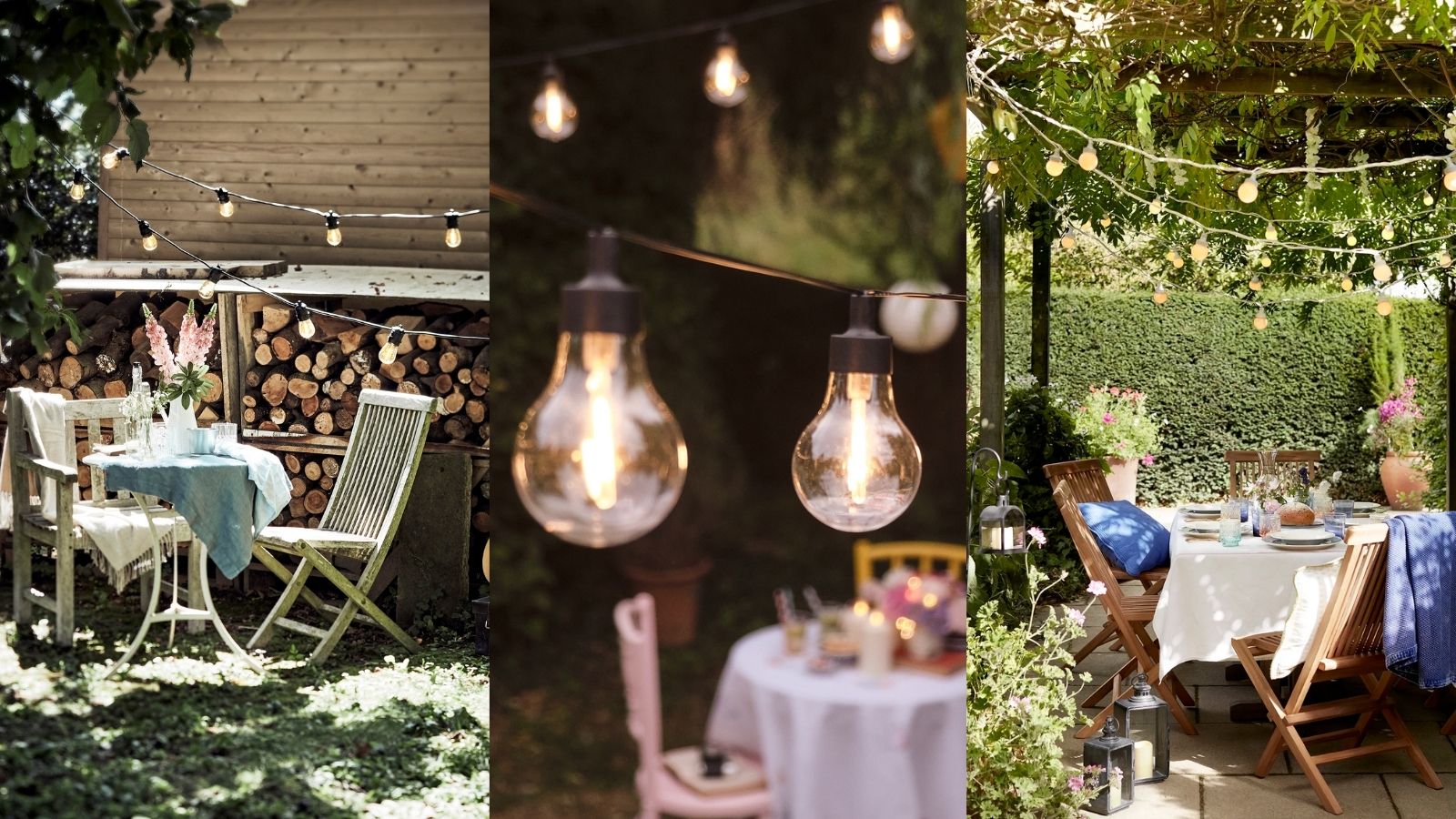
How to hang outdoor string lights – 4 safe and secure ways

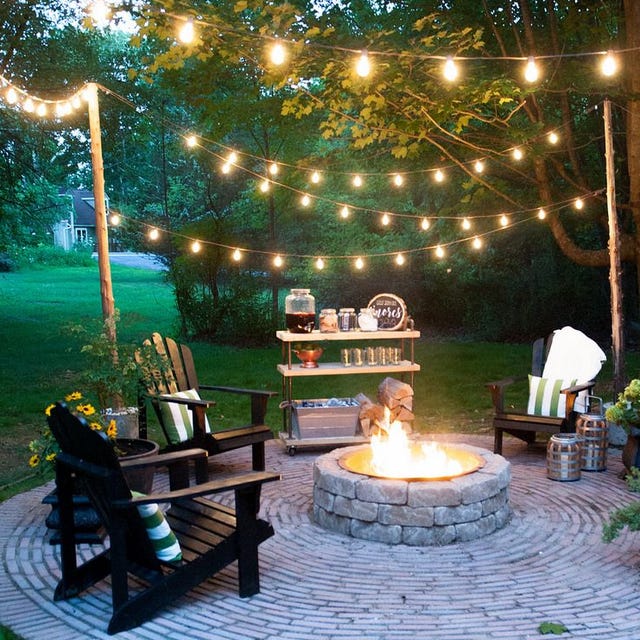
These Are the Cutest and Most Creative Ways to Hang Your Backyard String Lights this Summer
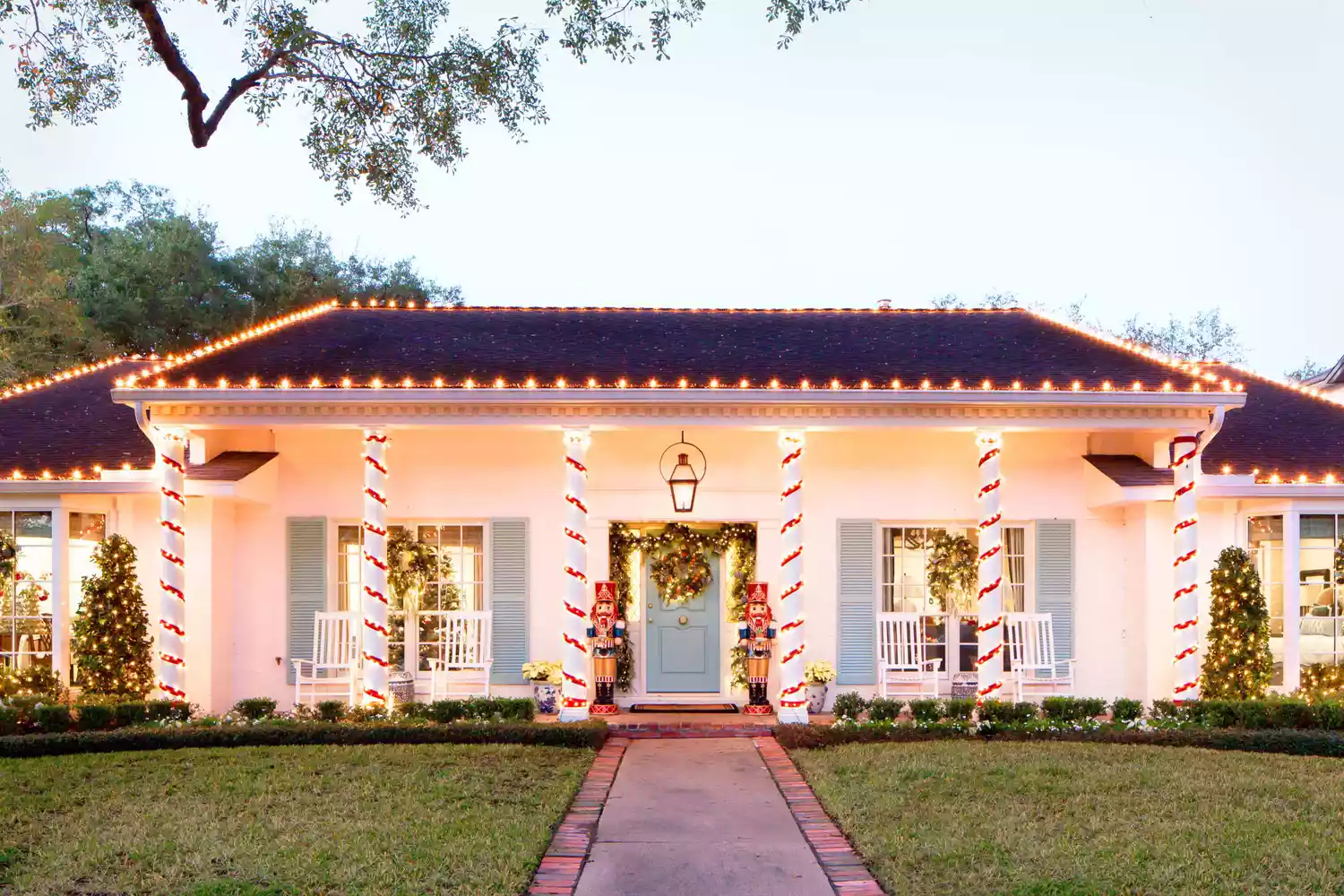
The Best Outdoor Christmas Lights Ideas And Tips To Make Your Home Shine This Season

24 Times String Lighting Made Patios Prettier
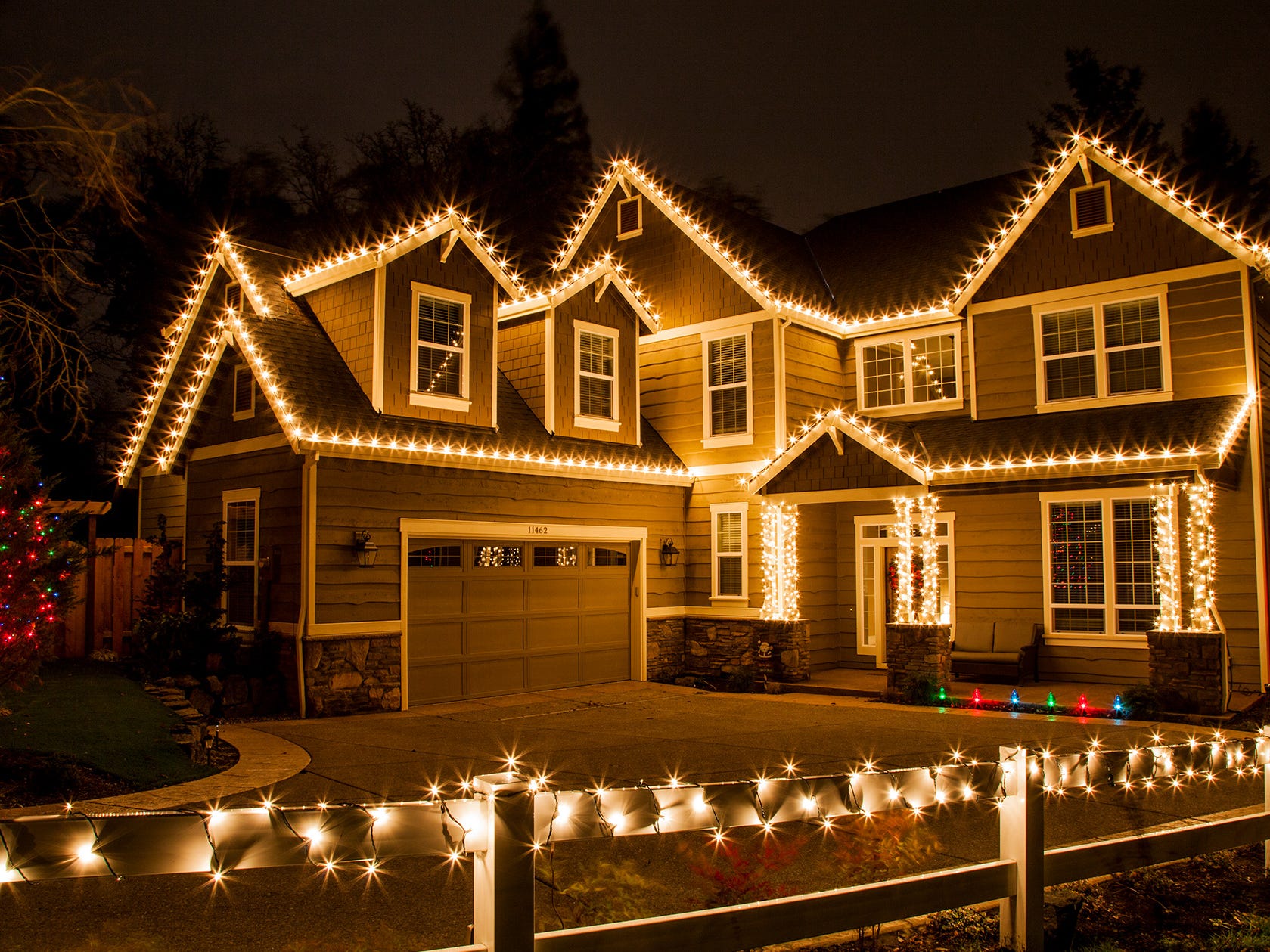
These Tips Will Help You Hang Outdoor Christmas Lights Like a Pro This Holiday Season
Review: Nanoleaf's Outdoor String Lights Are Smart Looking (and Also Smart)

24 Backyard String Light Ideas to Create a Magical Outdoor Escape
Brighten Up Your Patio with these Outdoor String Lights
7 Creative Ways to Hang Patio String Lights for a Dreamy Outdoor Space

The best ways to securely hang Christmas lights – both inside your home and out

Forget Basic Festoon Lights — I've Found These Much More Elevated Options for Your Garden's Lighting That Have Designer Good Looks

These rules of thumb make hanging light fixtures easy
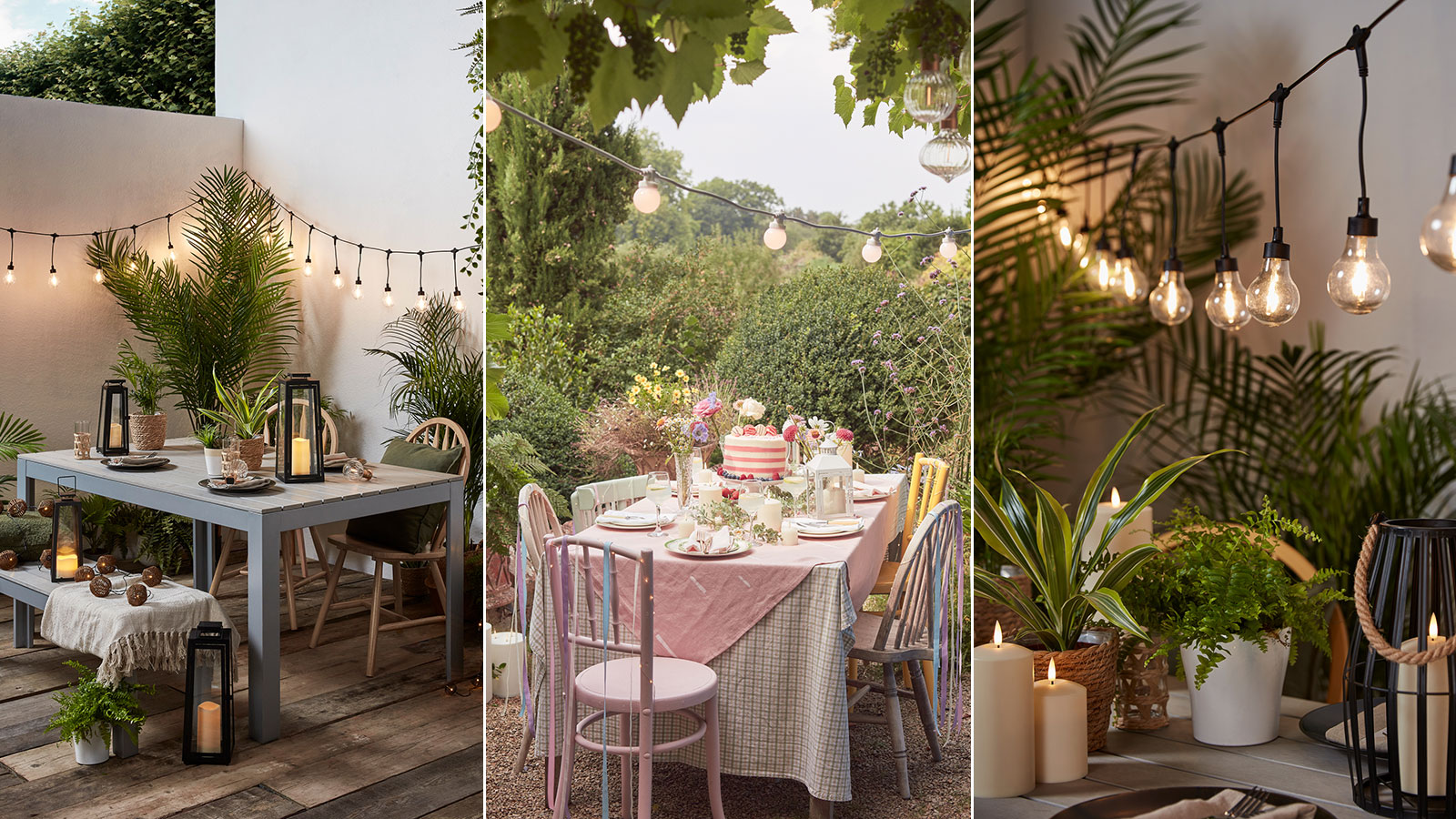
Outdoor string lighting ideas – 15 pretty ways to illuminate your backyard
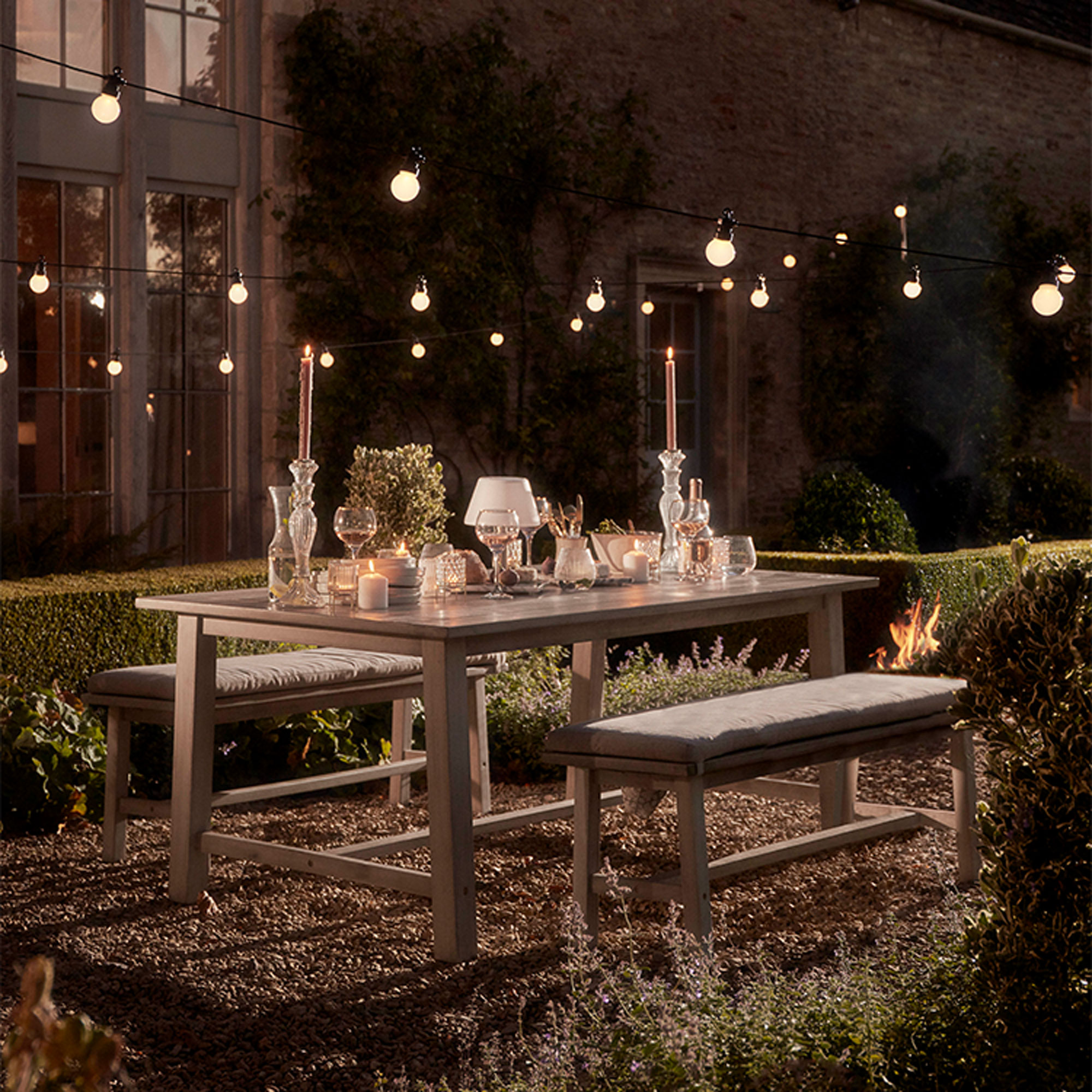
Outdoor string light ideas - 12 easy ways to make your garden sparkle this summer
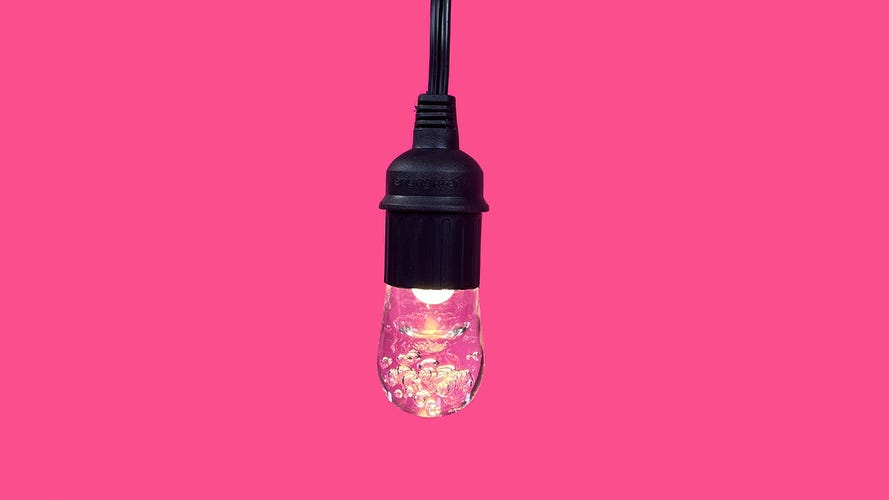
Best Outdoor String Lights for 2025: Illuminate Your Balcony, Patio, Backyard and More

These Spooky Halloween Light Decorations Will Electrify Your Entire Neighborhood