1/2
How SOM Is Exploring A New Wellness Blueprint
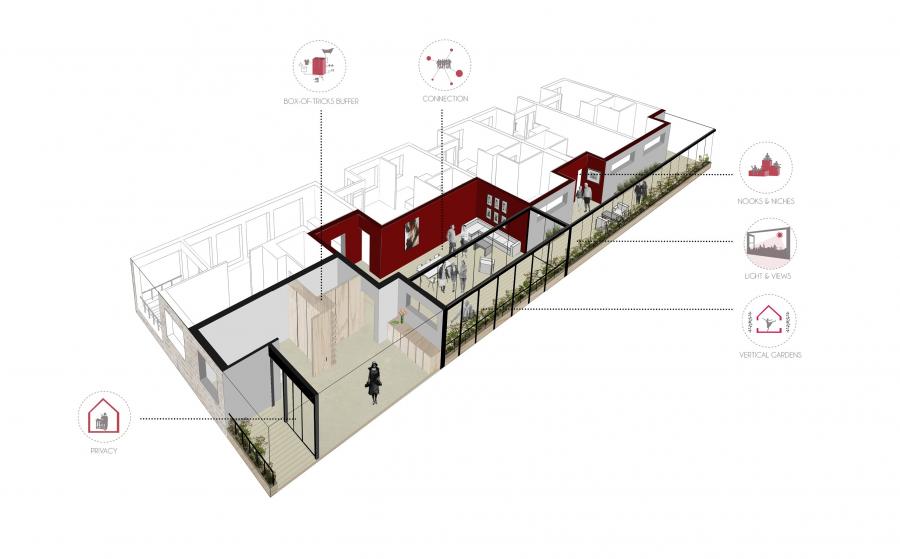
Stefano Tronci, Asia Pacific sustainability lead at Skidmore, Owings & Merill (SOM), is spearheading a comprehensive approach to crafting wellness spaces, extending beyond traditional biophilic elements, non-toxic materials, and WELL certifications. Tronci emphasizes prioritizing the well-being of individuals within commercial environments designed by SOM, fostering community and connection. In an episode of the 'Once Upon a Project' podcast, hosted by AJ Paron and supported by Shaw Contract, Tronci elaborated on how his team creates high-performance spaces with a strong focus on occupant well-being.
Tronci's career trajectory reflects a deep-seated interest in connecting design with sustainability, exploring how architectural choices influence nature and resource consumption. He developed a keen focus on how design can directly impact the quality of life for the users of the spaces his firm creates. To achieve truly people-centric spaces, Tronci believes that input from a wide range of stakeholders, including developers, engineers, and city officials, is crucial. This collaborative approach ensures that proposed strategies are not merely aesthetically pleasing but also deliver tangible positive outcomes for the occupants.
SOM's methodology for integrating wellness into architectural design involves codifying essential quality-of-life factors. These include promoting daily physical activity, incorporating circadian lighting to align with natural light cycles, and fostering immersion in natural environments. Tronci highlights the challenges presented by large East Asian cities, which often contend with millions of inhabitants, leading to issues such as pollution, noise, traffic, and high stress levels. He poses a fundamental question: how can society be reimagined through design to enhance health and well-being?
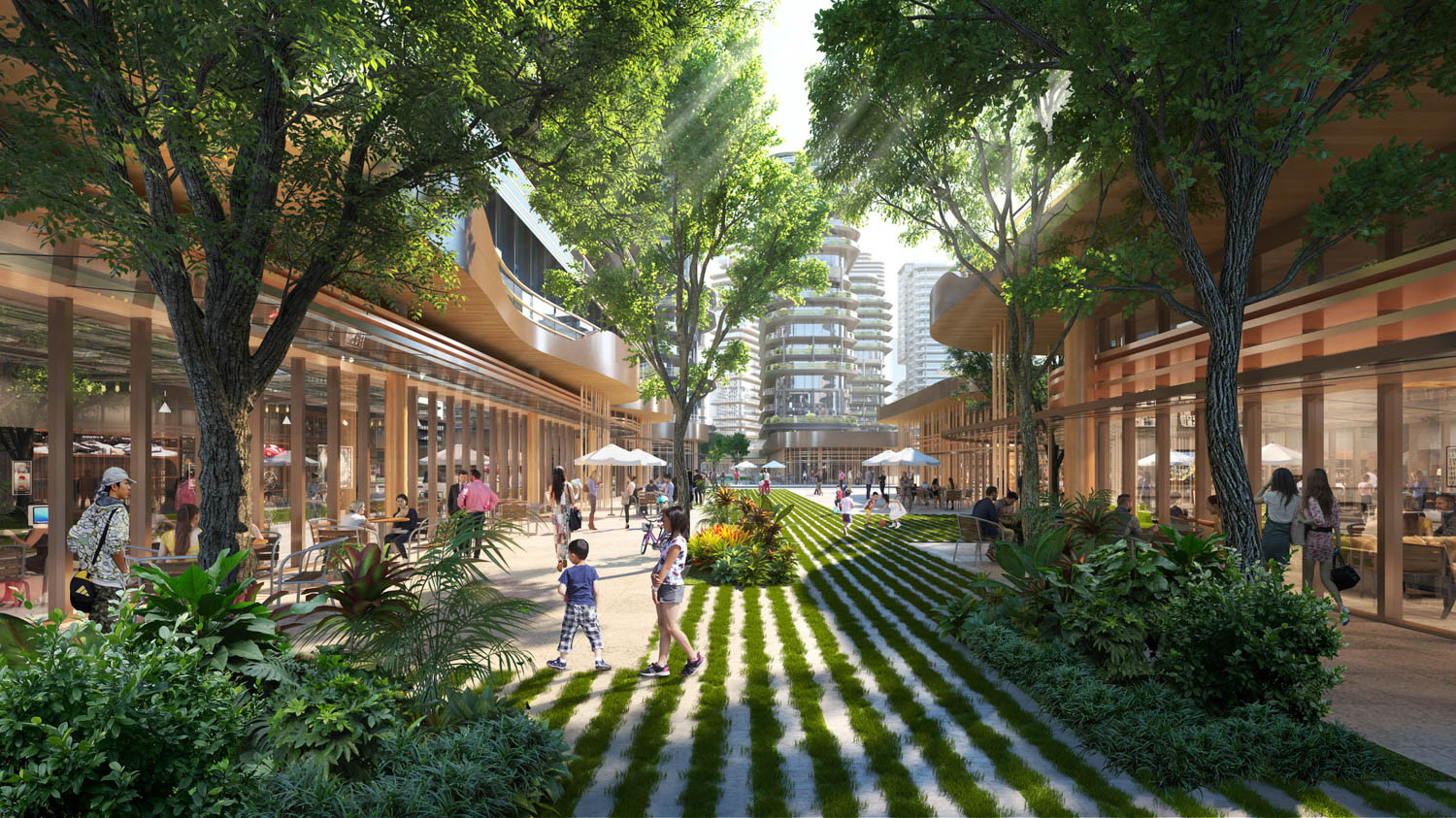
An illustrative example of SOM's innovative approach is their master plan for a University Island development in Guangzhou, China. The design process began with an in-depth study of the local climate to understand its specific characteristics. This understanding informed strategies to optimize airflow, mitigate pollution, and reduce ambient temperatures within the development. Furthermore, safety is a paramount concern, particularly in the context of climate change and its associated impacts like increased heat waves and flooding. To address these environmental challenges, SOM integrated extensive green corridors throughout the University Island development. These green spaces are designed to naturally absorb water, creating tidal pools and actively regenerating local biodiversity. Tronci underscores the importance of designing spaces that can not only mitigate the effects of climate change on residents but also empower them to thrive within a changing environment.
Tronci concludes by emphasizing the profound impact of place-making, regardless of whether the project is a public bench or a towering skyscraper. He asserts that establishing a sense of purpose within urban environments significantly enhances an individual's sense of belonging and their ability to consider a place home. True place-making, according to Tronci, transcends the mere placement of beautiful landmarks; it involves the intricate intersection of life within various architectural elements, buildings, communities, and the activities that unfold within them, creating a holistic and meaningful experience for inhabitants.
#WellnessDesign #SustainableArchitecture #BiophilicDesign #UrbanPlanning #ClimateResilience #CommunityBuilding #ArchitecturalInnovation #PeopleFirstDesign #WellnessDesign #SustainableArchitecture #BiophilicDesign #UrbanPlanning #ClimateResilience #CommunityBuilding #ArchitecturalInnovation #PeopleFirstDesign
0 commenti in totale
 Nessun commento ancora
Potresti anche gradire
Spaces for Wellness: Integrating Fitness into Everyday Environments

Contrast therapy meets neuroaesthetic design at this Singapore spa and bathhouse

KBIS 2025 Turns a Corner on Wellness With Integrated Technology
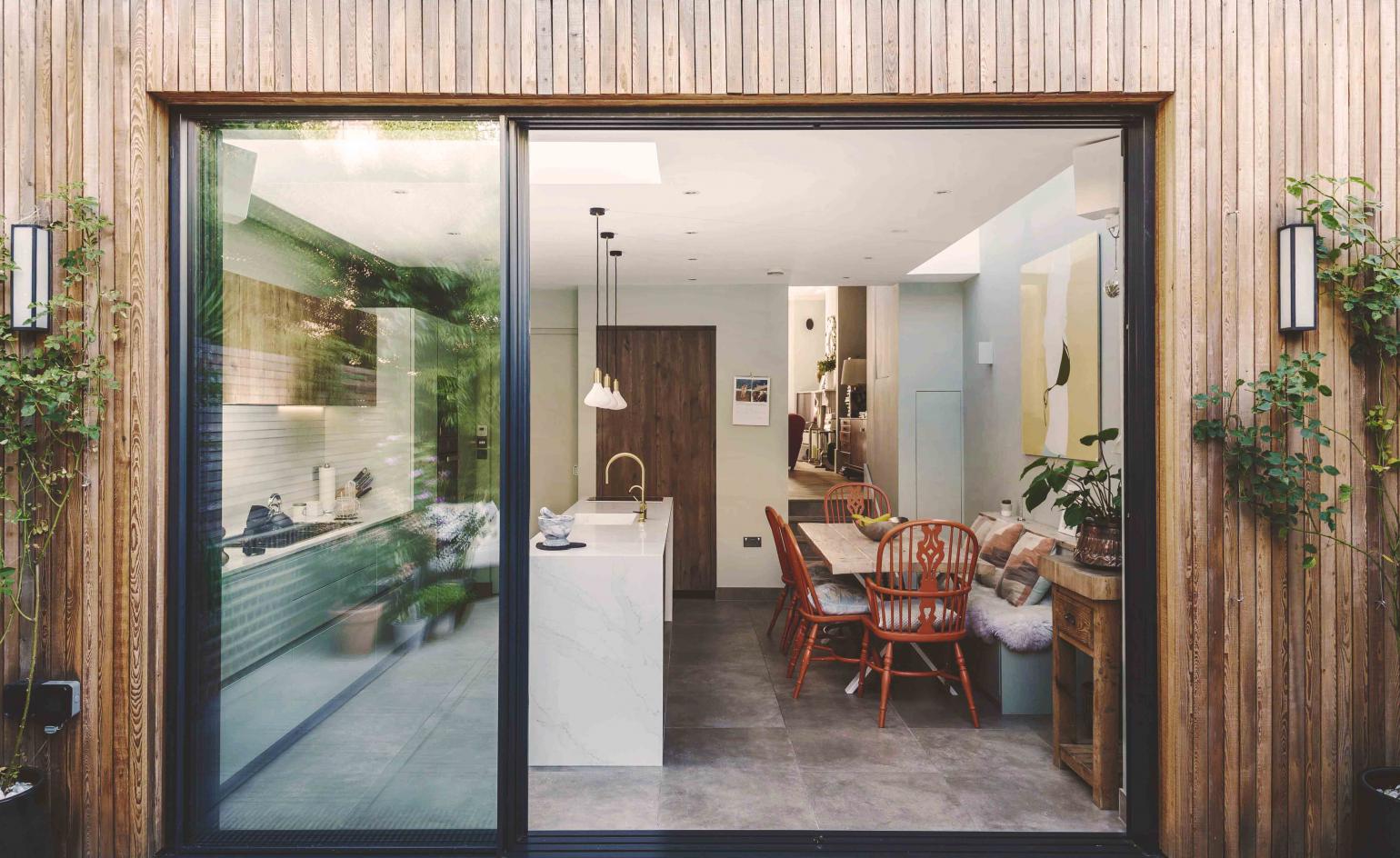
Natasha Reid's designs champion social and psychological wellbeing
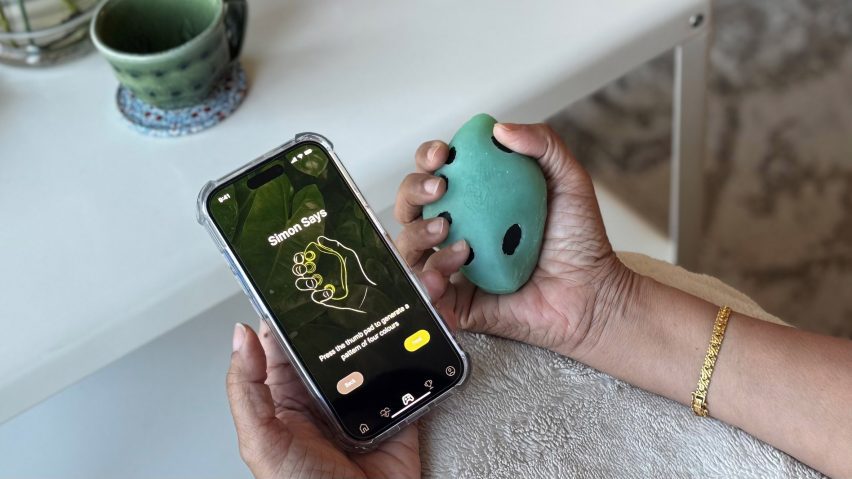
Rehabilitation device for stroke survivors among projects from OCAD University
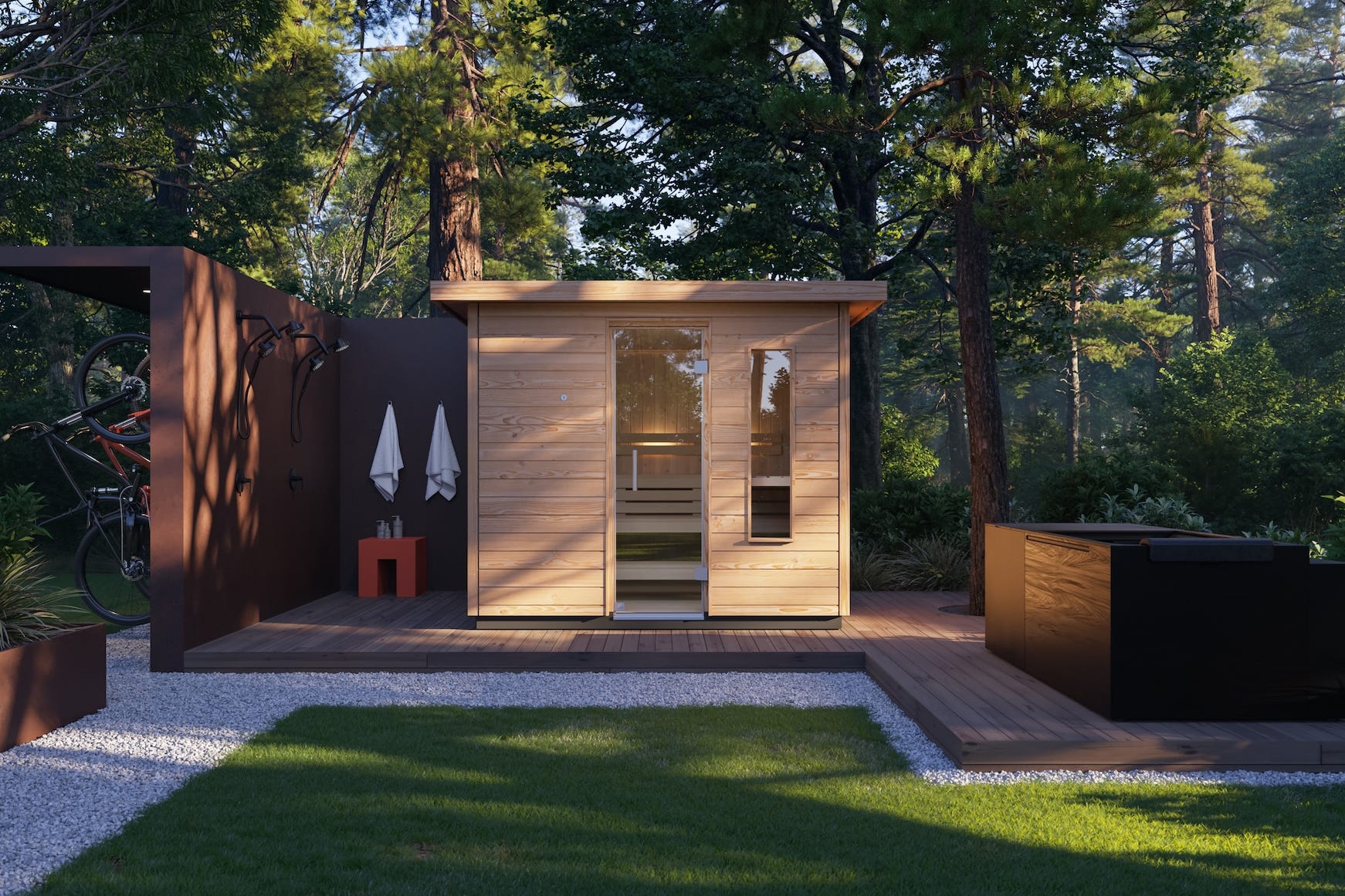
This at-Home Sauna Is the Smartest Wellness Investment of 2025


The Team That Built Drybar Is Back With Massages

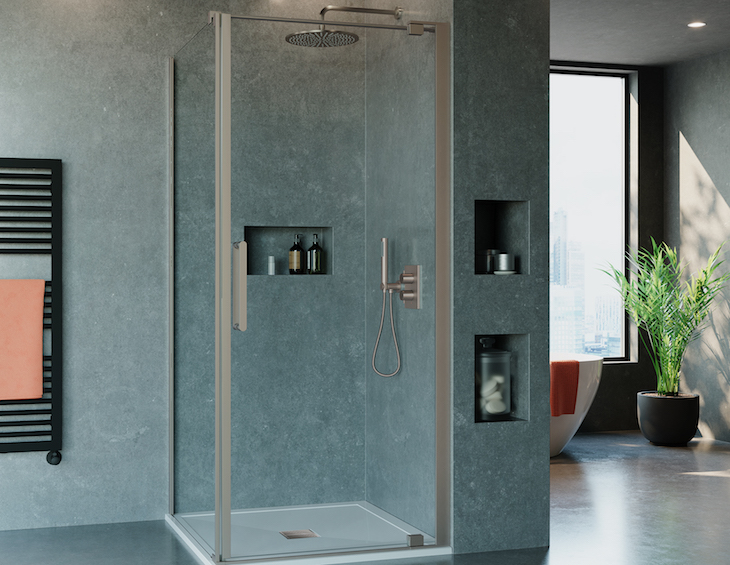
Luxury shower goals: Crosswater launches new 10mm walk-in solutions

6 ‘Wellness’ Additions Taking Priority in Bathroom Updates

These Are the Best Smart (and Dumb) Bathroom Scales