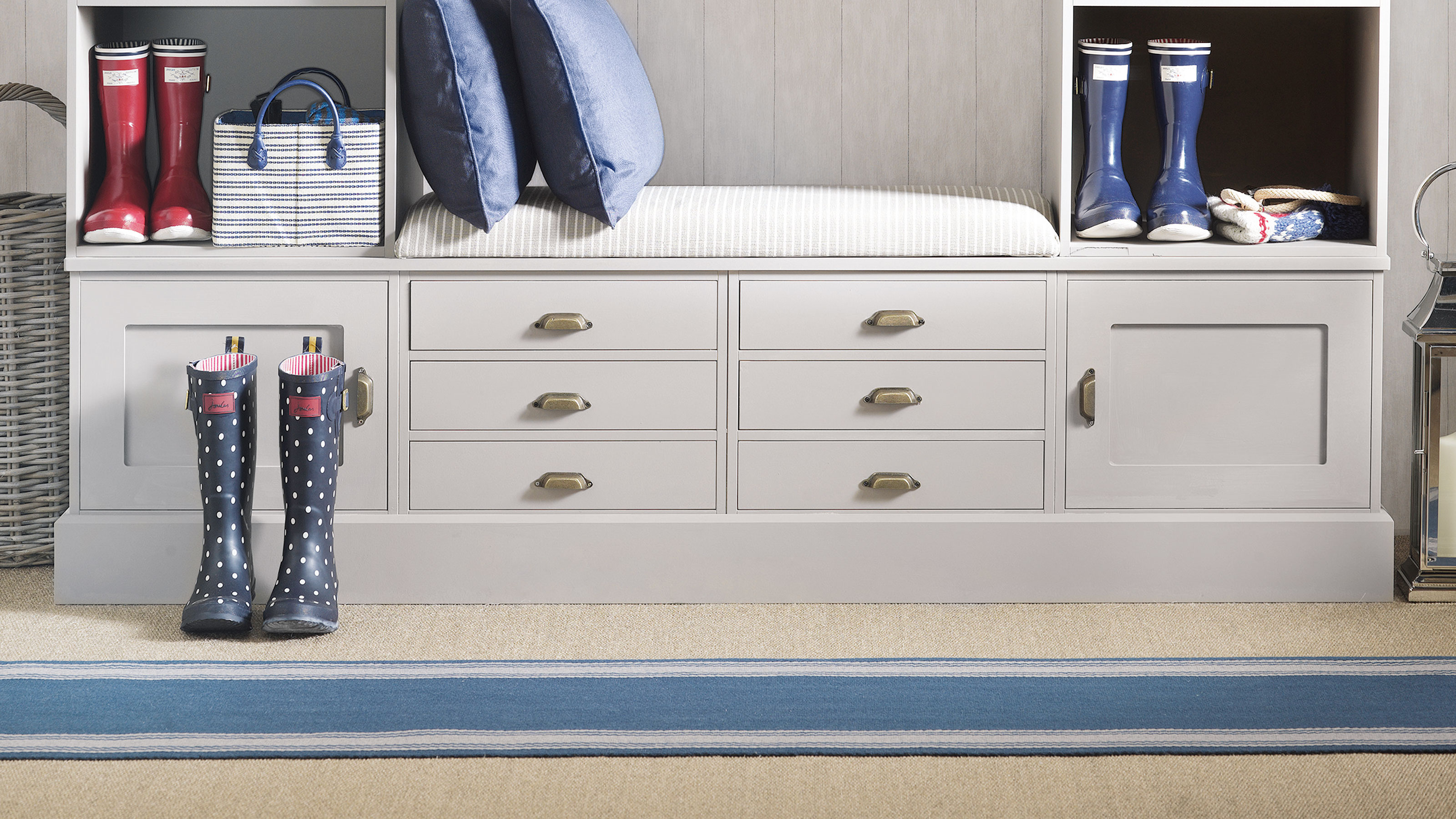
1/15
Hallway runner ideas - 10 ways to make a great entrance
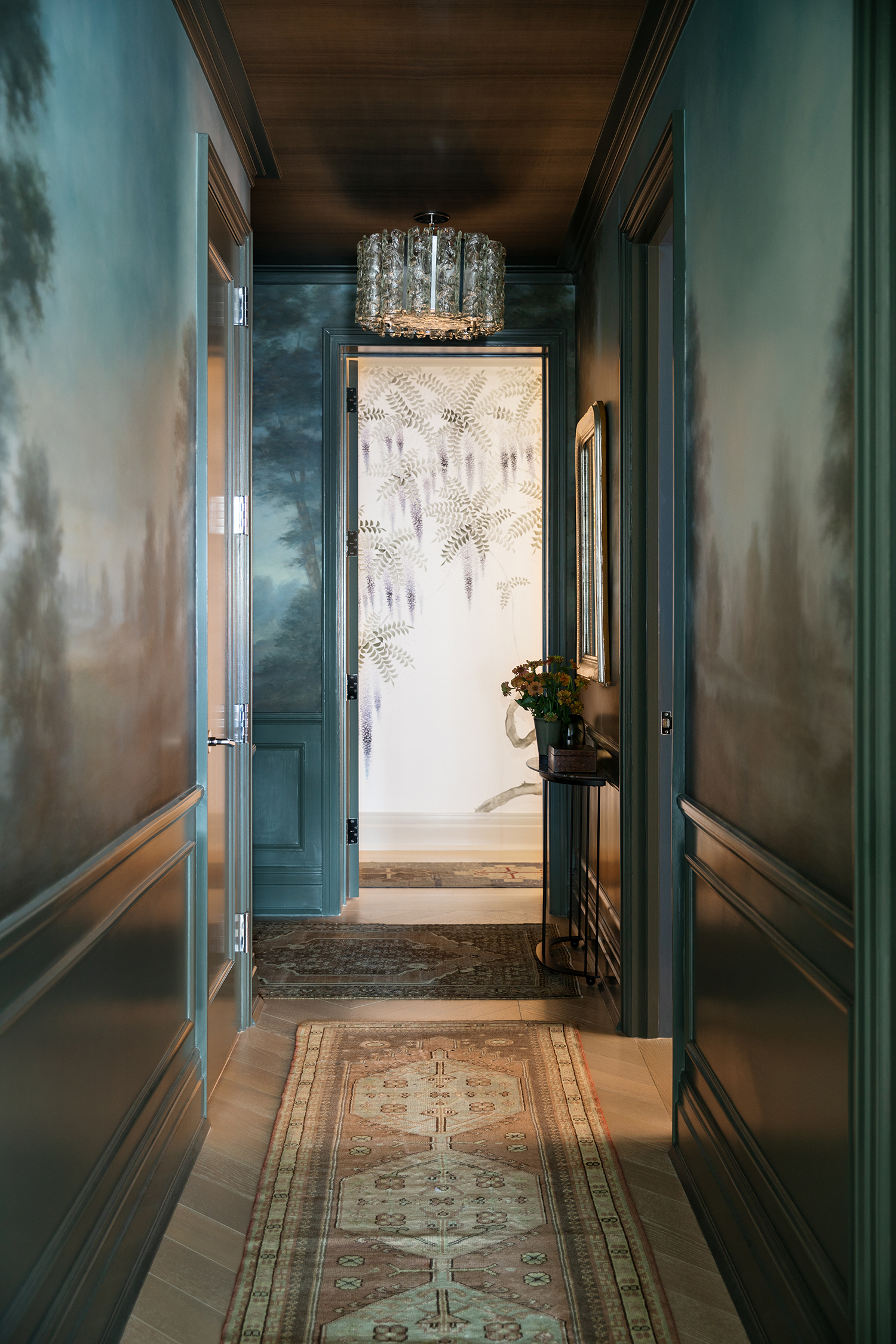
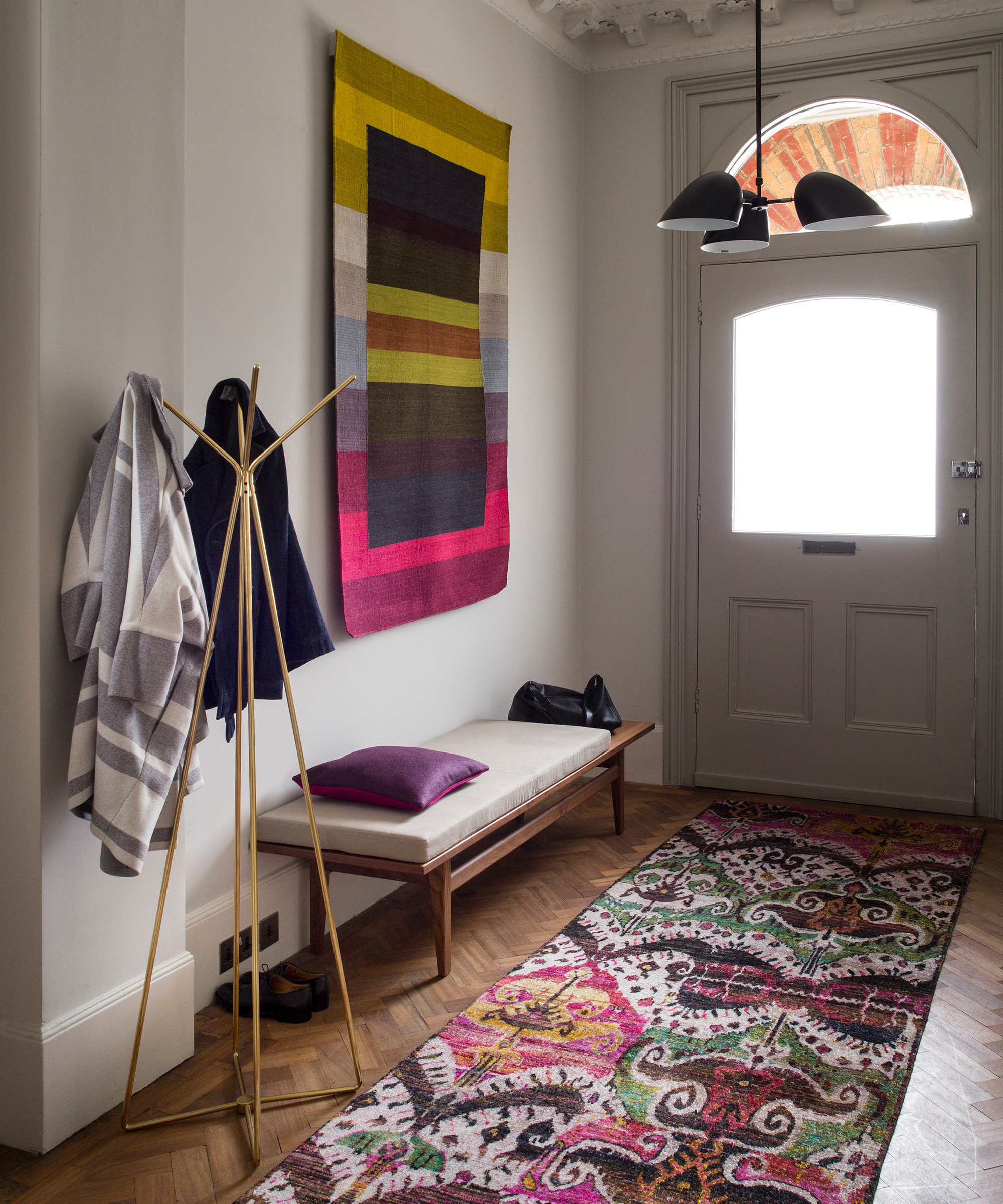
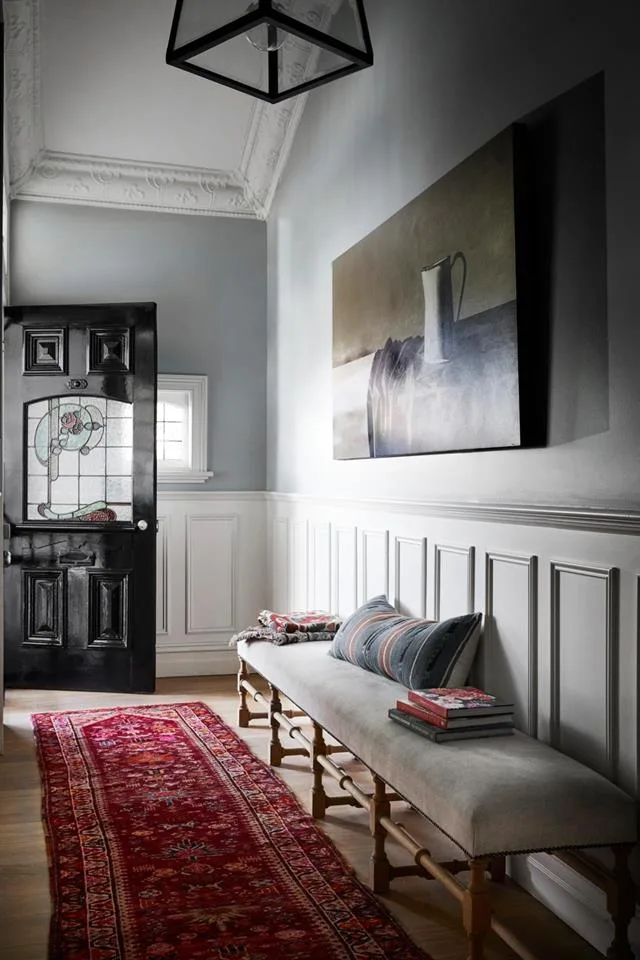
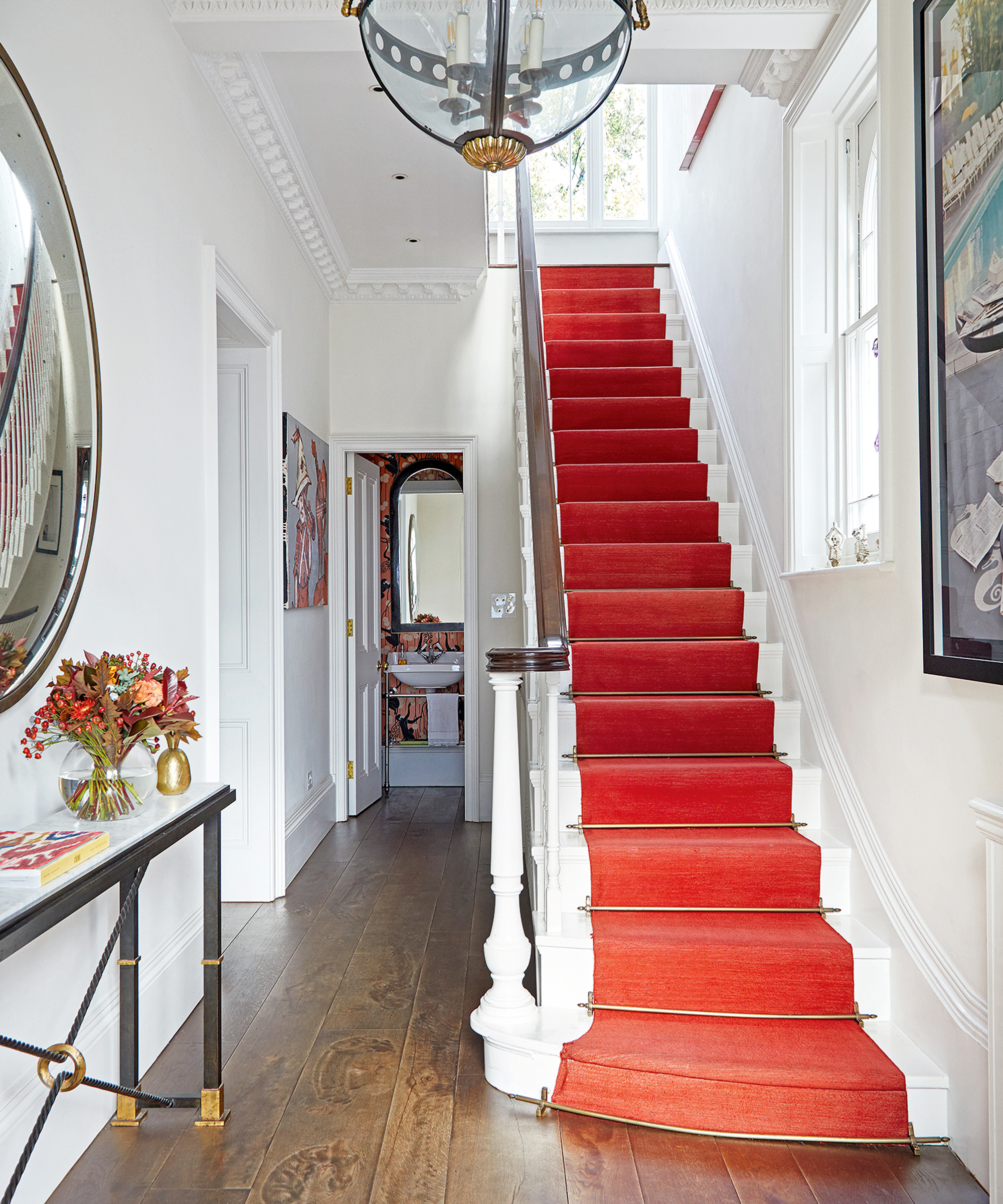
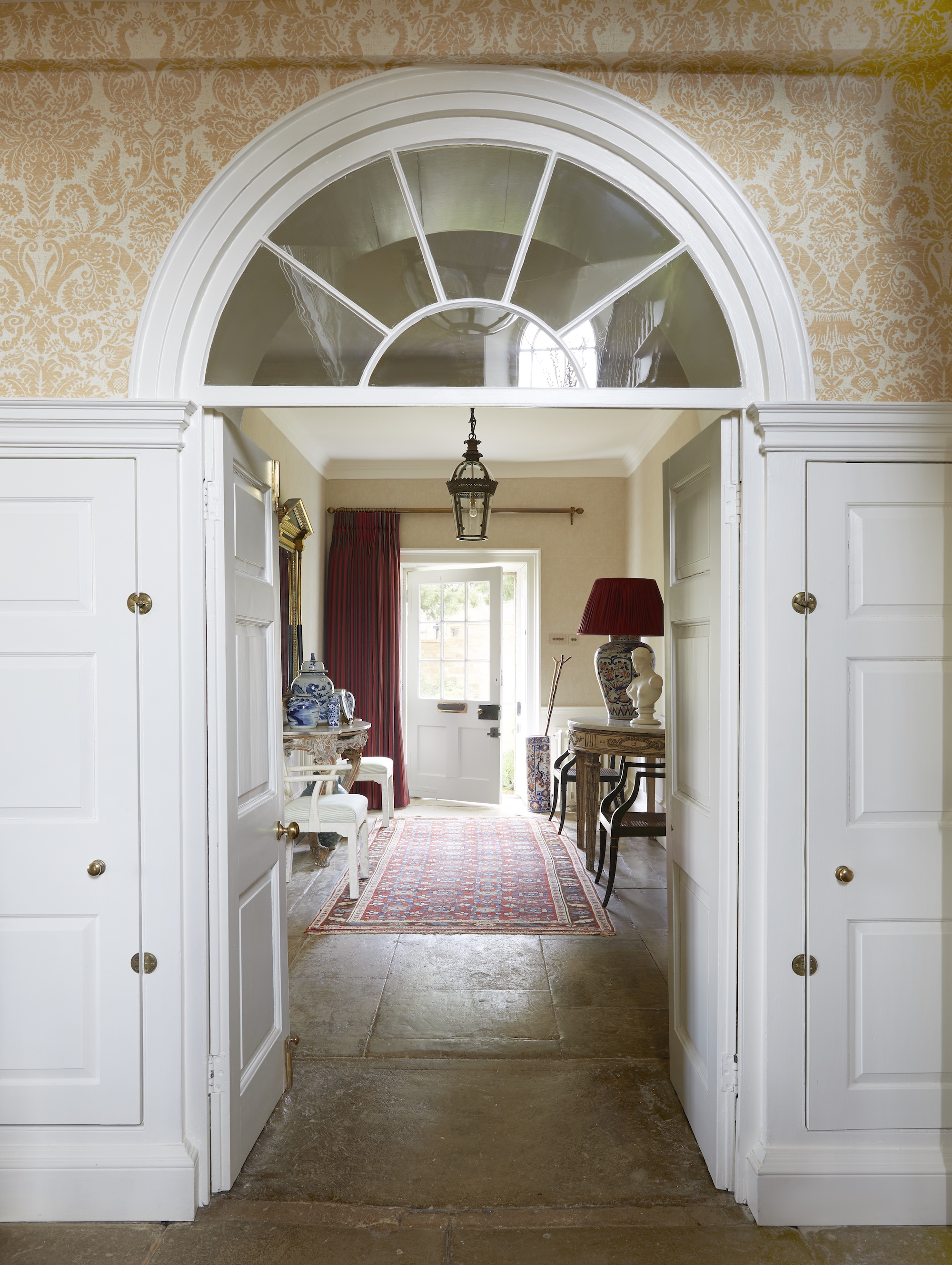

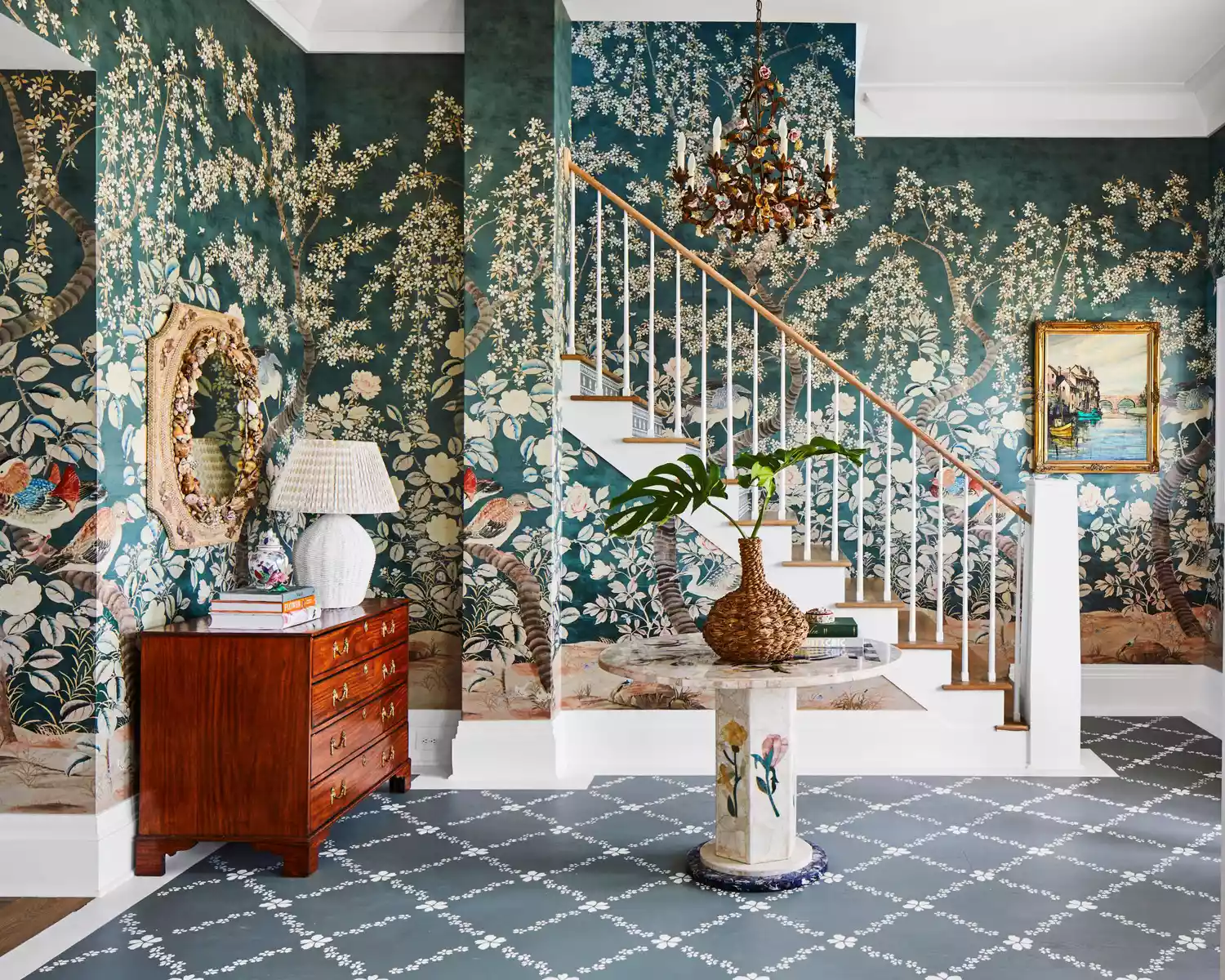
Hallways, despite being transitional spaces, can be transformed into visually appealing and practical areas with the right runner. A hallway runner offers both comfort underfoot and a strong decorative element, setting the tone for the rest of the home. Therese Germain, Director of Core Product for Ruggable, highlights that runners can elongate hallways, divide open spaces, and protect high-traffic floor areas. Andy Guard, Creative Director at Roger Oates Design, emphasizes that runners are decorative and chic, instantly adding a welcoming touch to any hall or stairway, turning a dark entrance into a warm space. Hallways are excellent areas to be adventurous with color and pattern, as they are transitional zones where people do not spend extended periods.
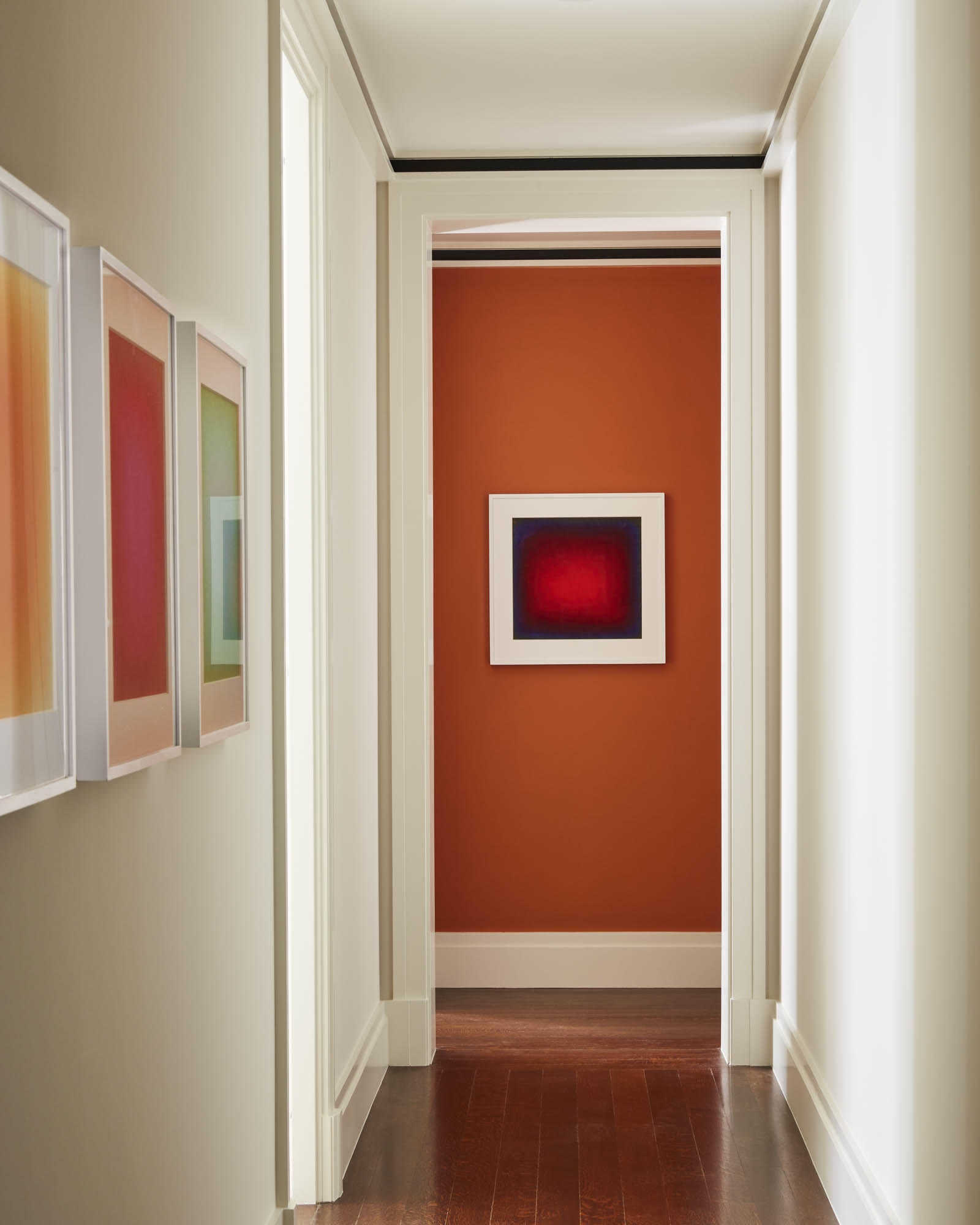
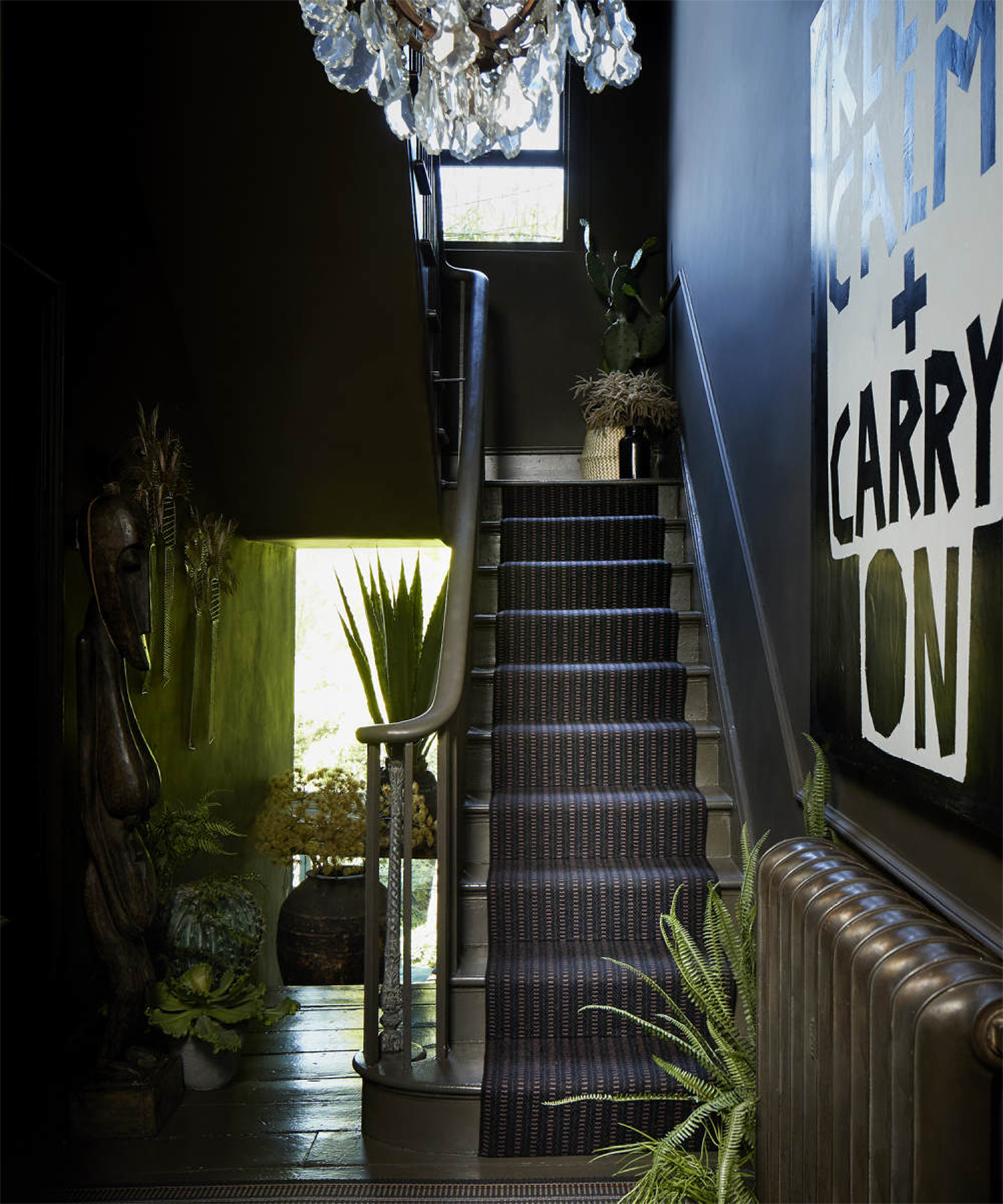
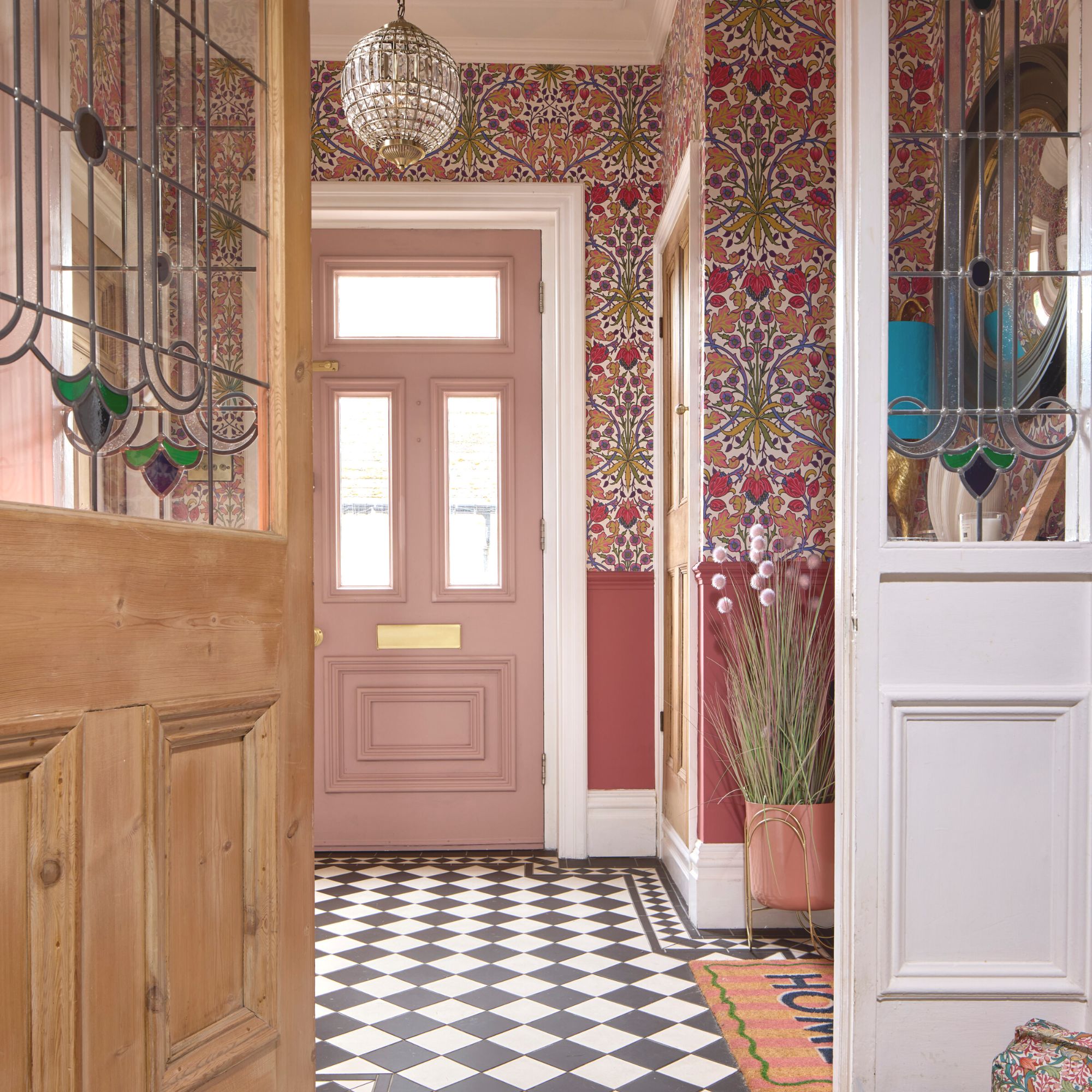
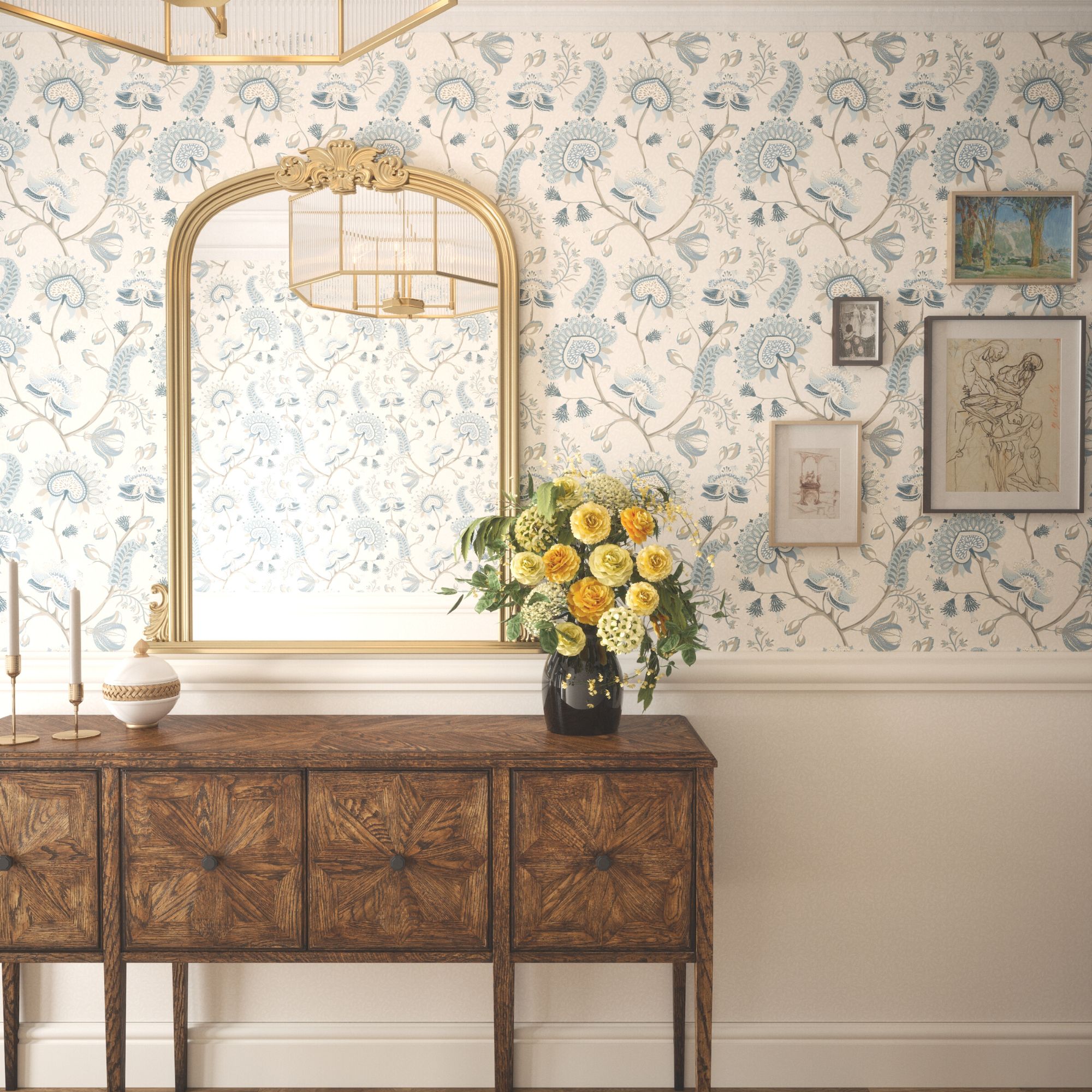
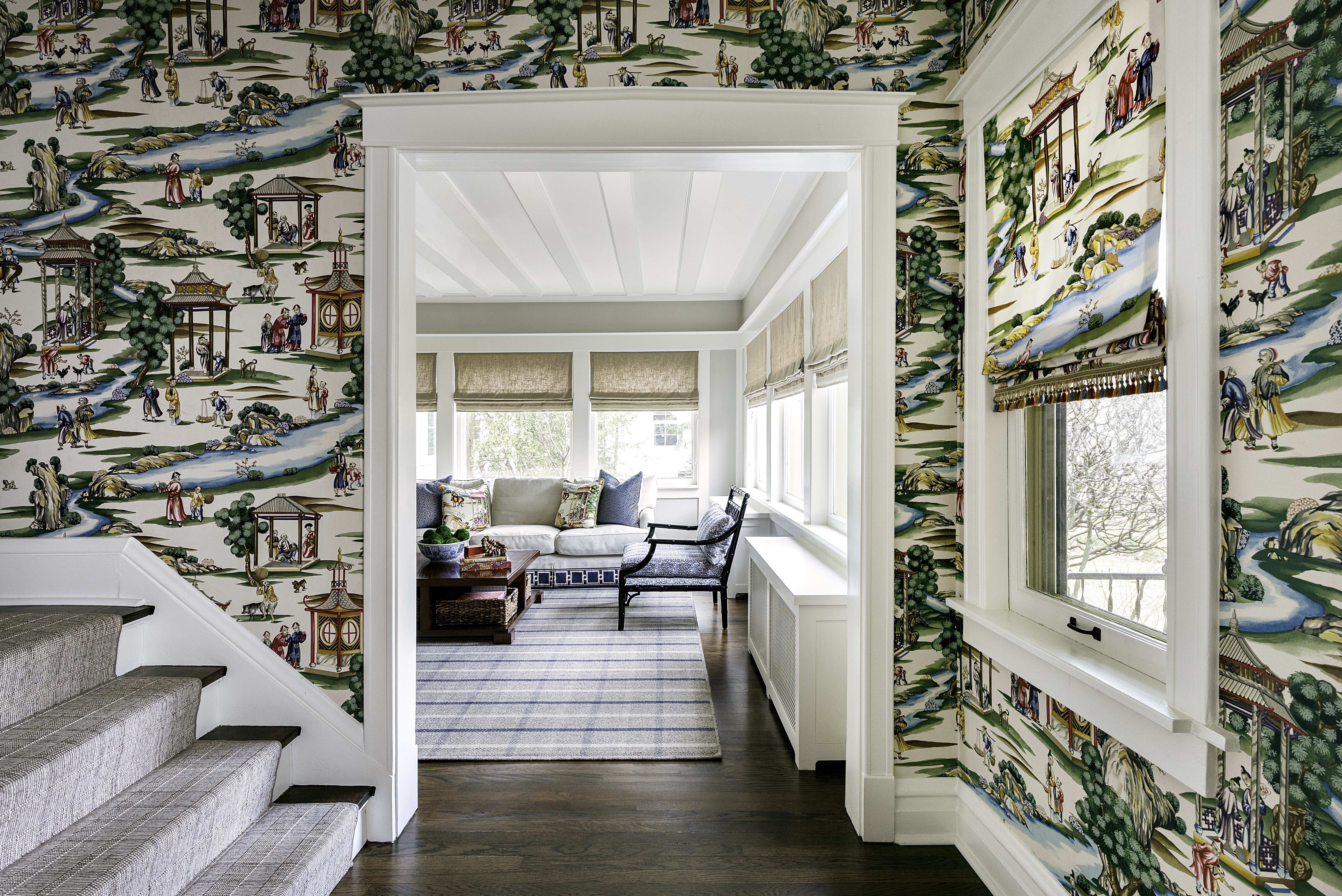
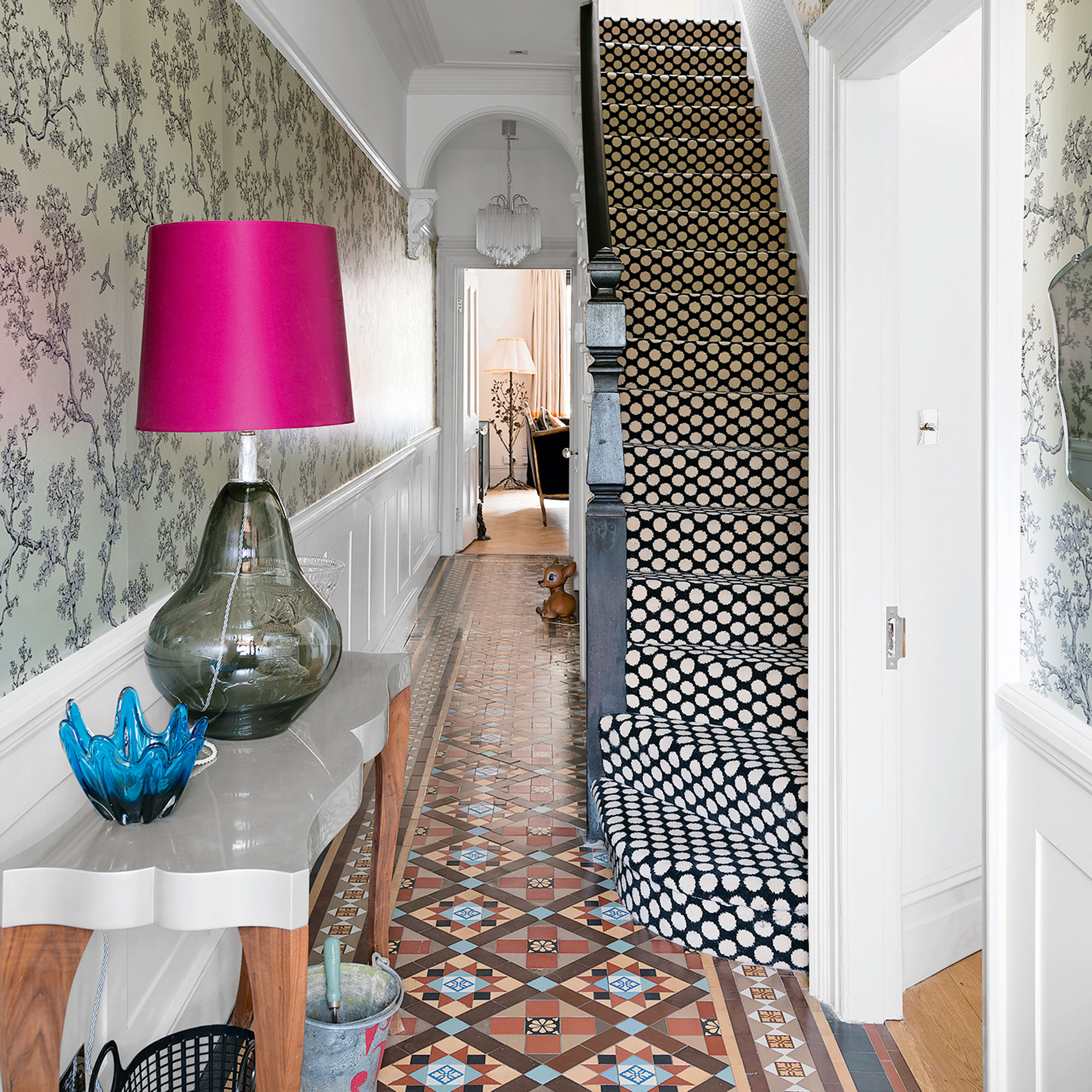
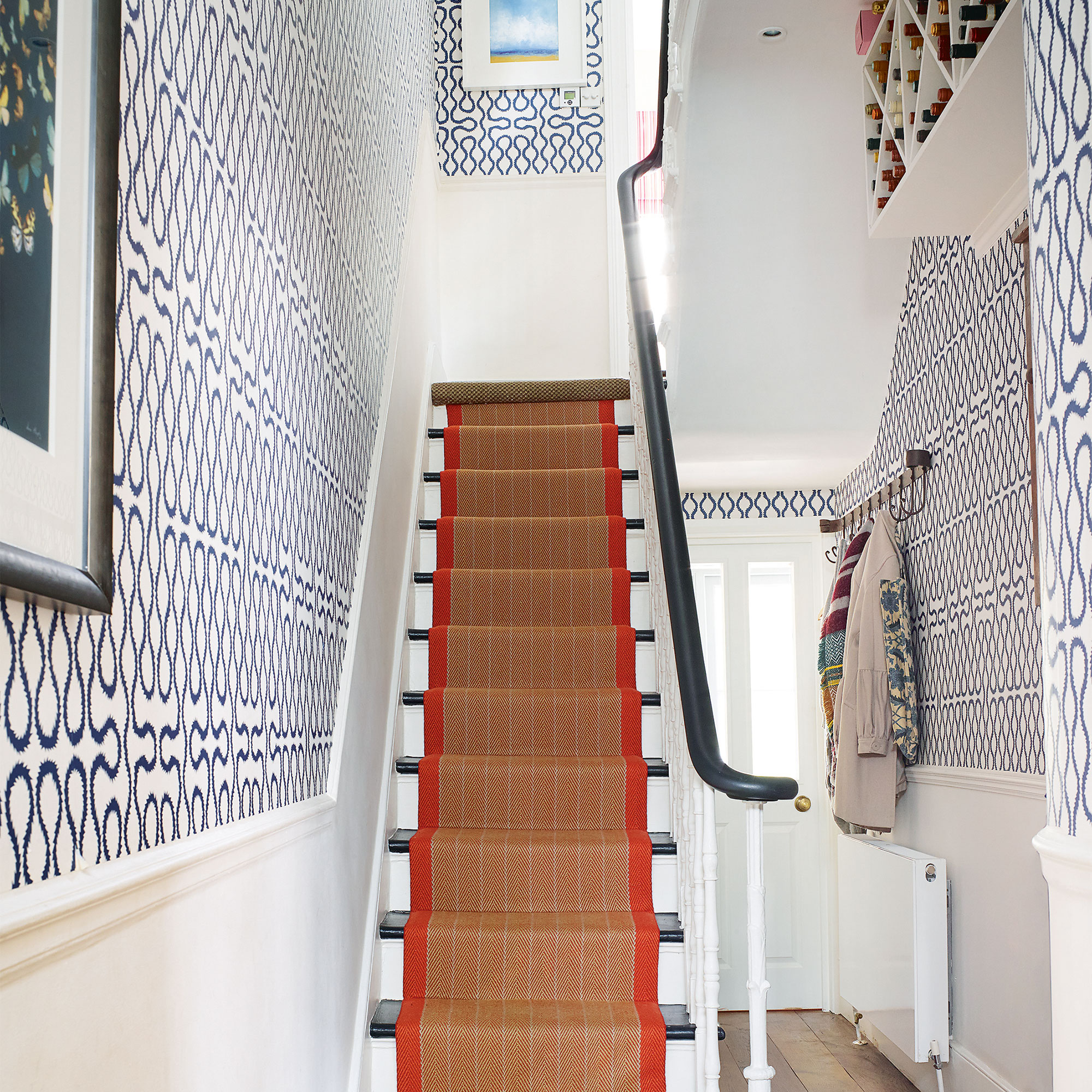
Selecting the appropriate hallway runner can be challenging due to its multifaceted role. The article presents ten smart looks and expert tips for choosing the perfect runner for hallways of all shapes and sizes. These tips include opting for bright, graphic prints to make an instant style statement, using bold patterns to inject fun into neutral decor, or coordinating patterns with existing wallpaper. Conversely, for a more subtle aesthetic, a neutral design with a simple pattern like thin stripes is recommended to conceal grubby marks. Investing in a bespoke design is advised for particularly long hallways where off-the-peg options may not suffice. The article also suggests embracing runners with unique patterns and graphic designs beyond traditional stripes, pairing them with dark walls to make the space pop.
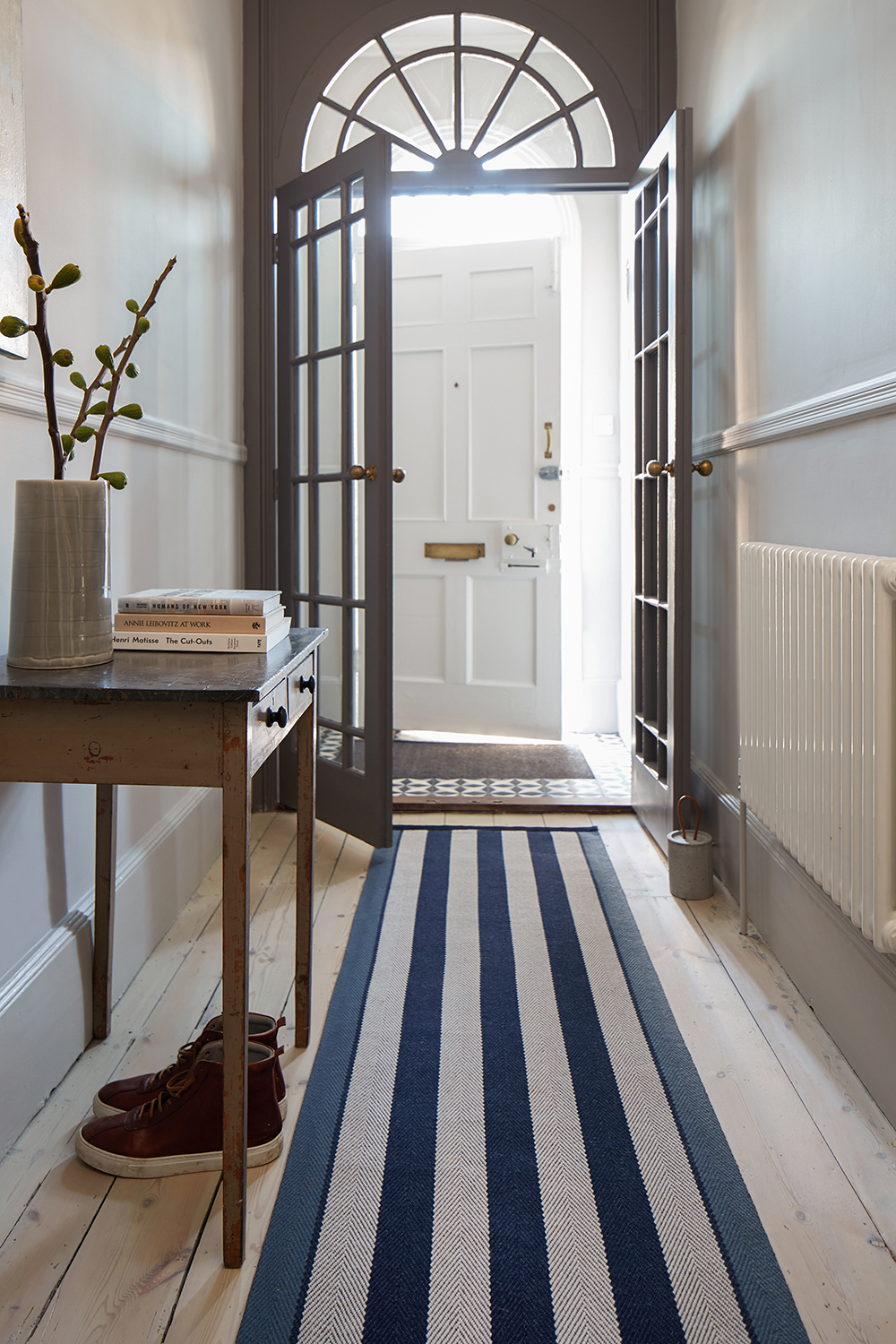
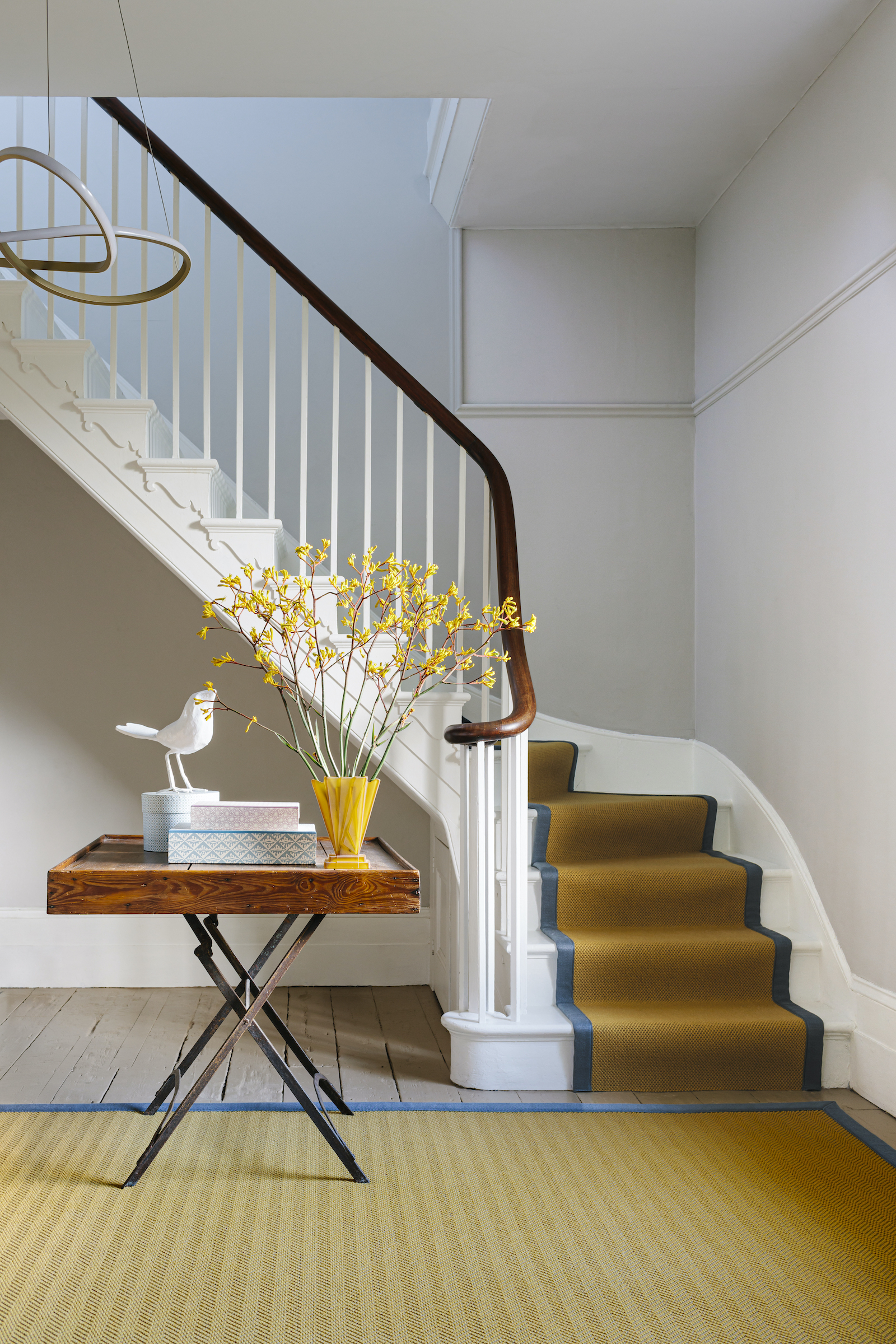
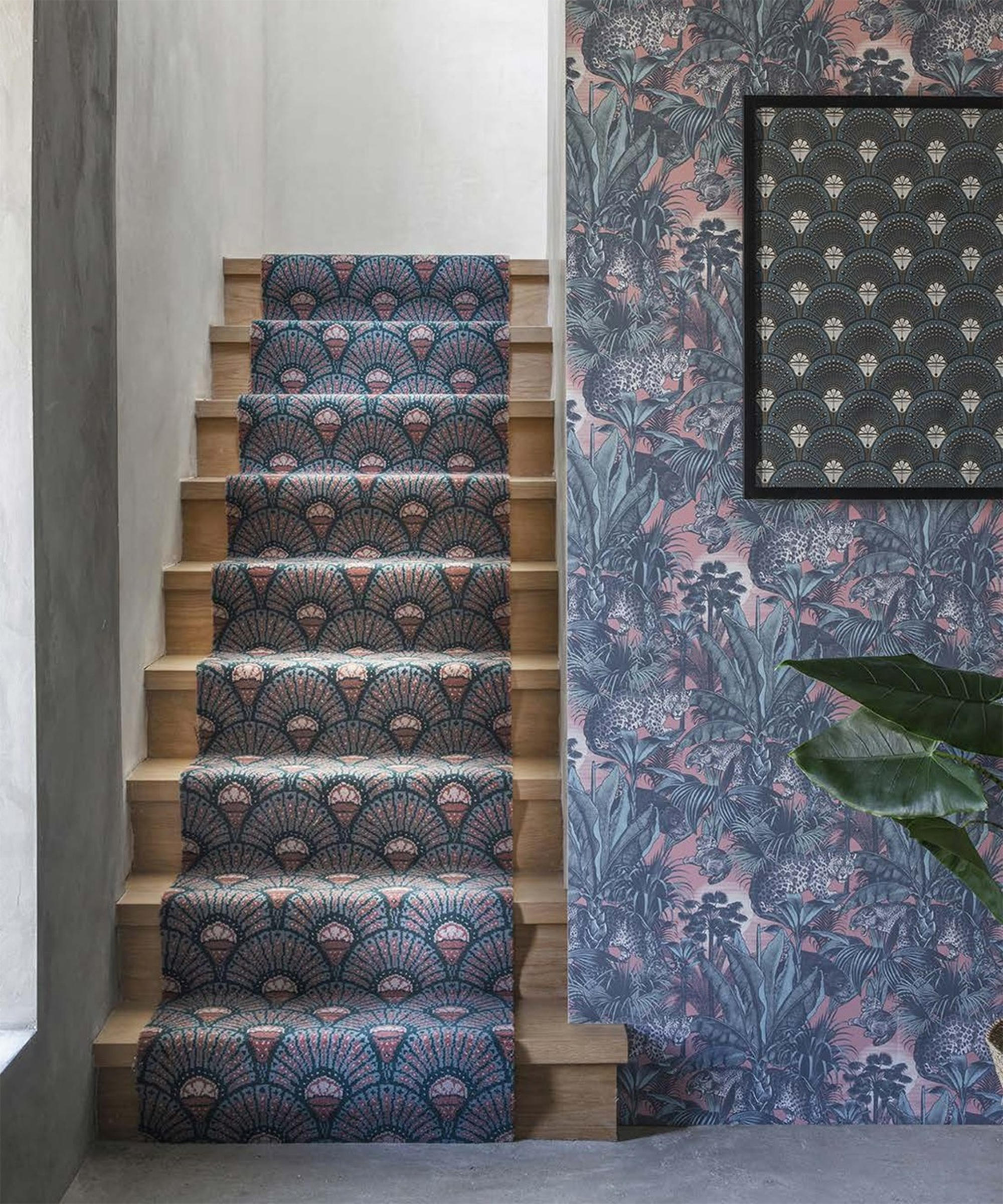
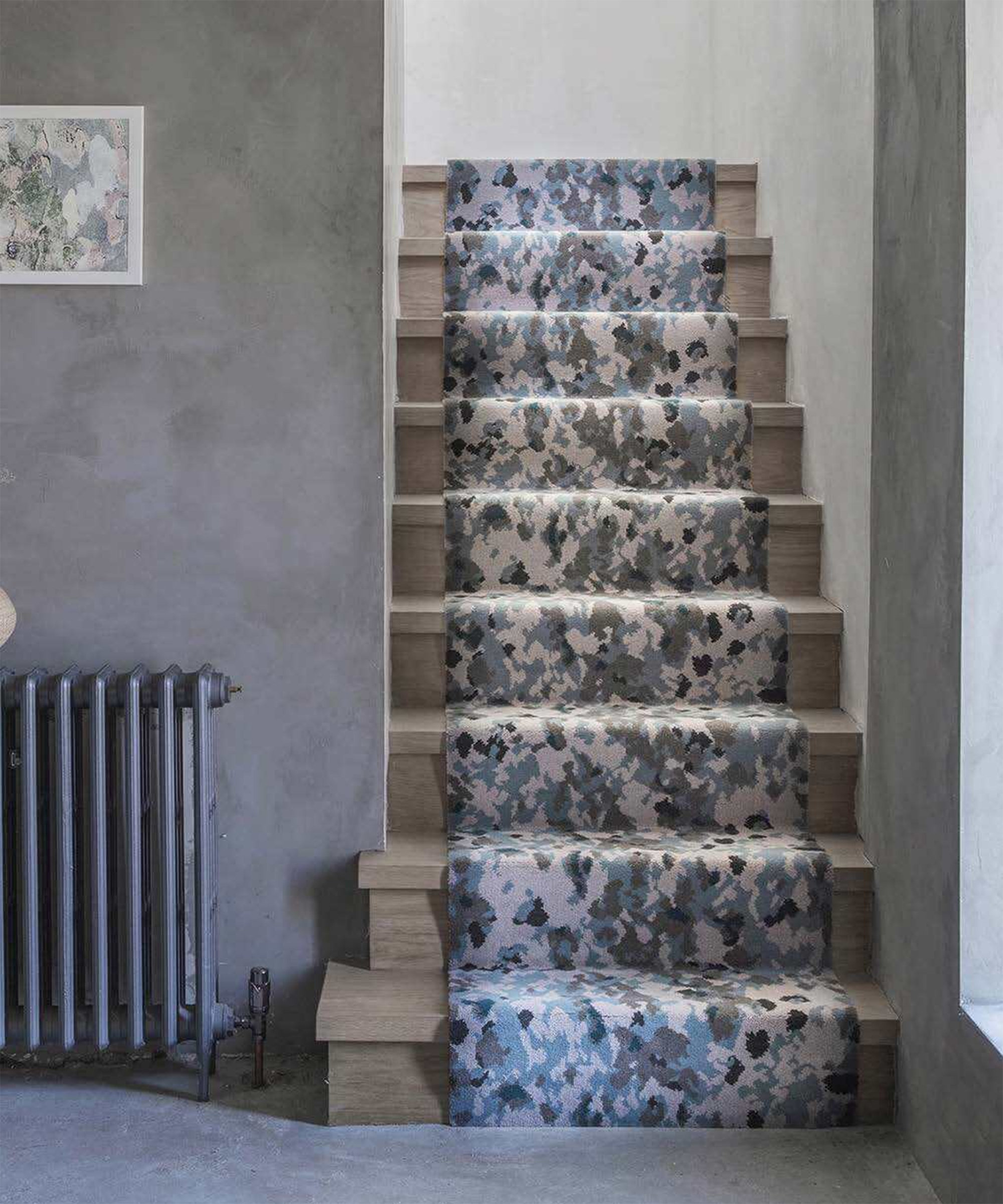
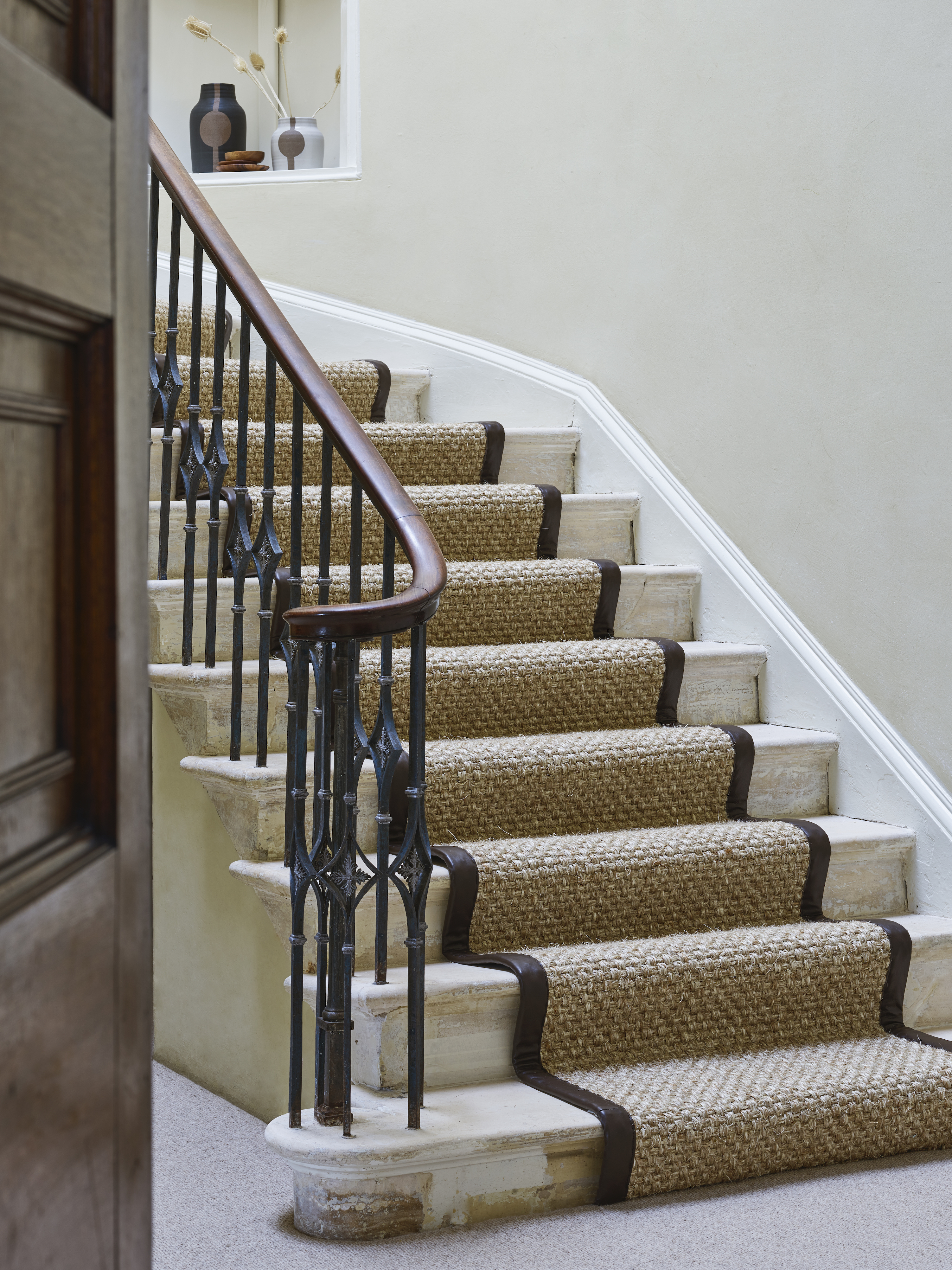
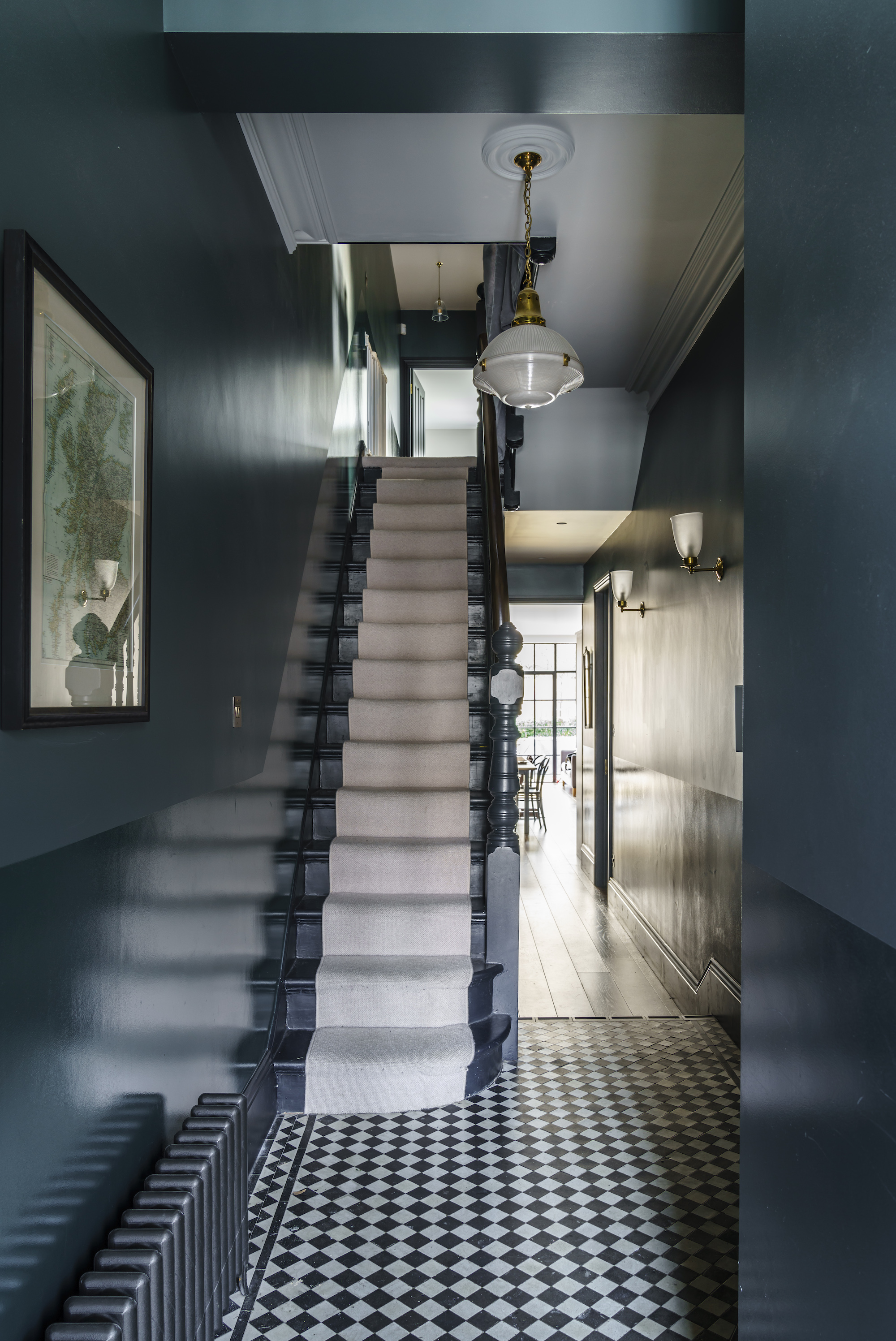
Striped runners are highlighted for their ability to guide the eye and elongate the space, creating a visual flow towards focal points like a front door or console table. The versatility of stripes is noted, as they complement various flooring types and even floral wallpapers. For spaces connecting to other hallways or stairwells, using matching designs in different directions can either lengthen or widen the entire area, depending on the stripe orientation. Coordinating patterns between walls and runners, using simple graphic repeats in limited color palettes, can create a fresh and cohesive feel. Extending the hallway runner upstairs to become a stair runner is also discussed, with advice to consider coordinating designs rather than exact matches for visual variety, especially from companies specializing in bespoke options.
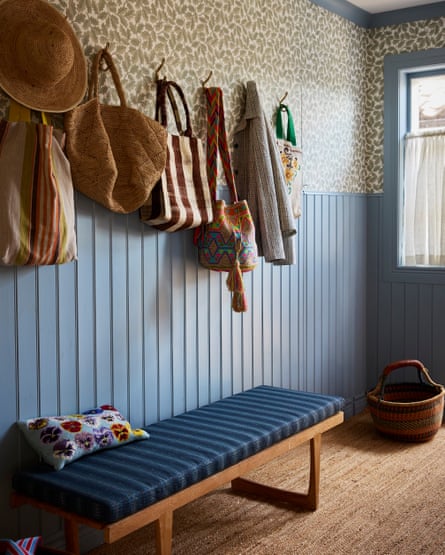
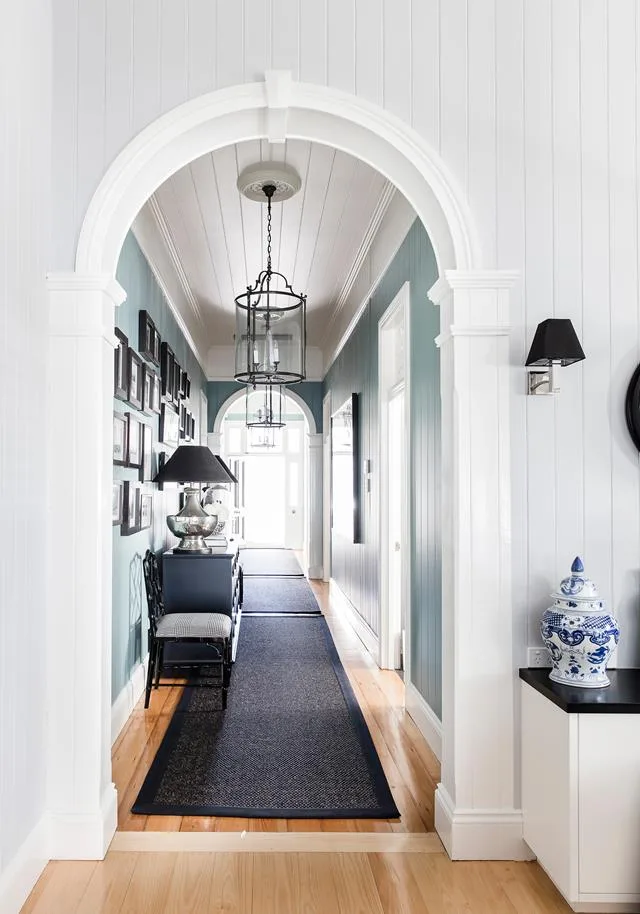
When it comes to the type of runner, natural fibers like sisal and jute are recommended for busy hallways due to their hardwearing nature and natural aesthetic. Wool runners are suggested for added texture and coziness, while washable options are ideal for family homes with pets. Regarding size, standard runner widths are typically 57cm, 60cm, or 66cm, with various length options (150cm, 200cm, 230cm). Proper placement involves leaving a few inches of space between the runner's edge and adjacent walls to prevent the area from feeling crowded, while also ensuring the runner is not too small and does not get lost in an open space. Maintaining hallway runners involves using entrance matting to trap dirt, removing shoes to prevent abrasion from rubber soles, vacuuming regularly, and promptly cleaning spills.
The article emphasizes that a hallway runner is not merely a protective item but a significant decorative element that contributes to the overall ambiance and style of a home's entrance. By considering factors such as pattern, color, material, size, and coordination with other decor elements, homeowners can select a runner that is both functional and aesthetically pleasing.
#HallwayDecor #HomeDecoration #RunnerIdeas #InteriorDesign #Flooring #HomeAccessories #SpacePlanning #TextileDesign #HallwayDecor #HomeDecoration #RunnerIdeas #InteriorDesign #Flooring #HomeAccessories #SpacePlanning #TextileDesign
0 commenti in totale
 Nessun commento ancora
Potresti anche gradire
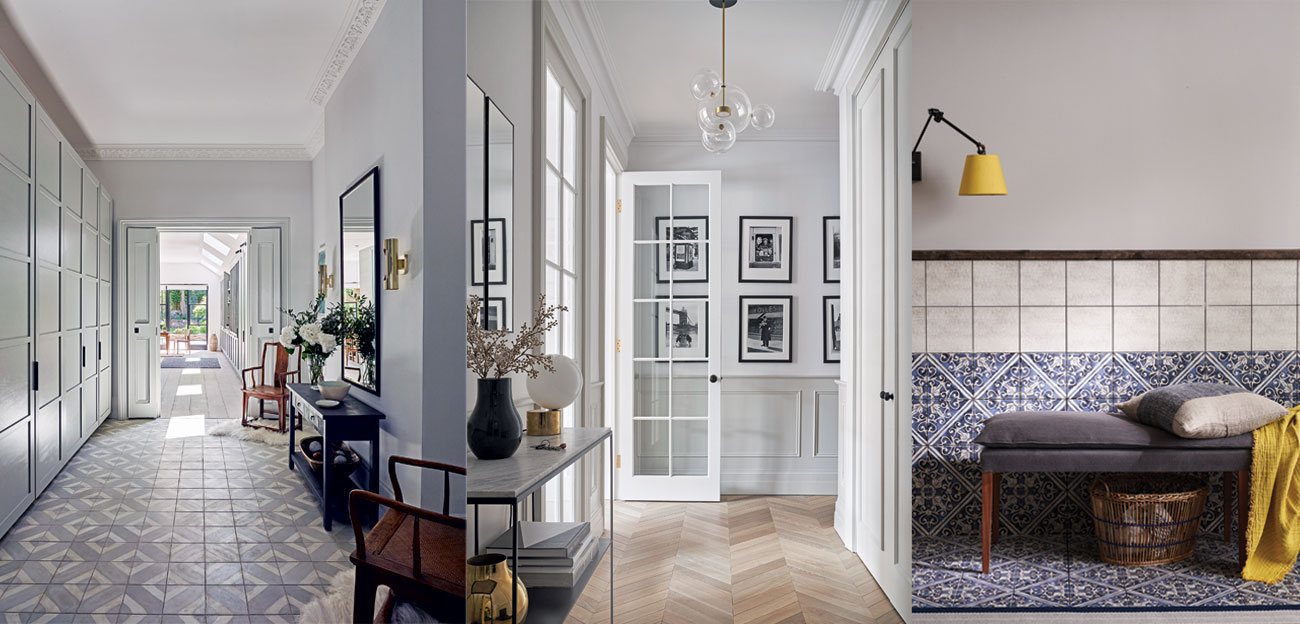
Modern hallway flooring ideas – 10 ways to put the focus on your floor in an entryway

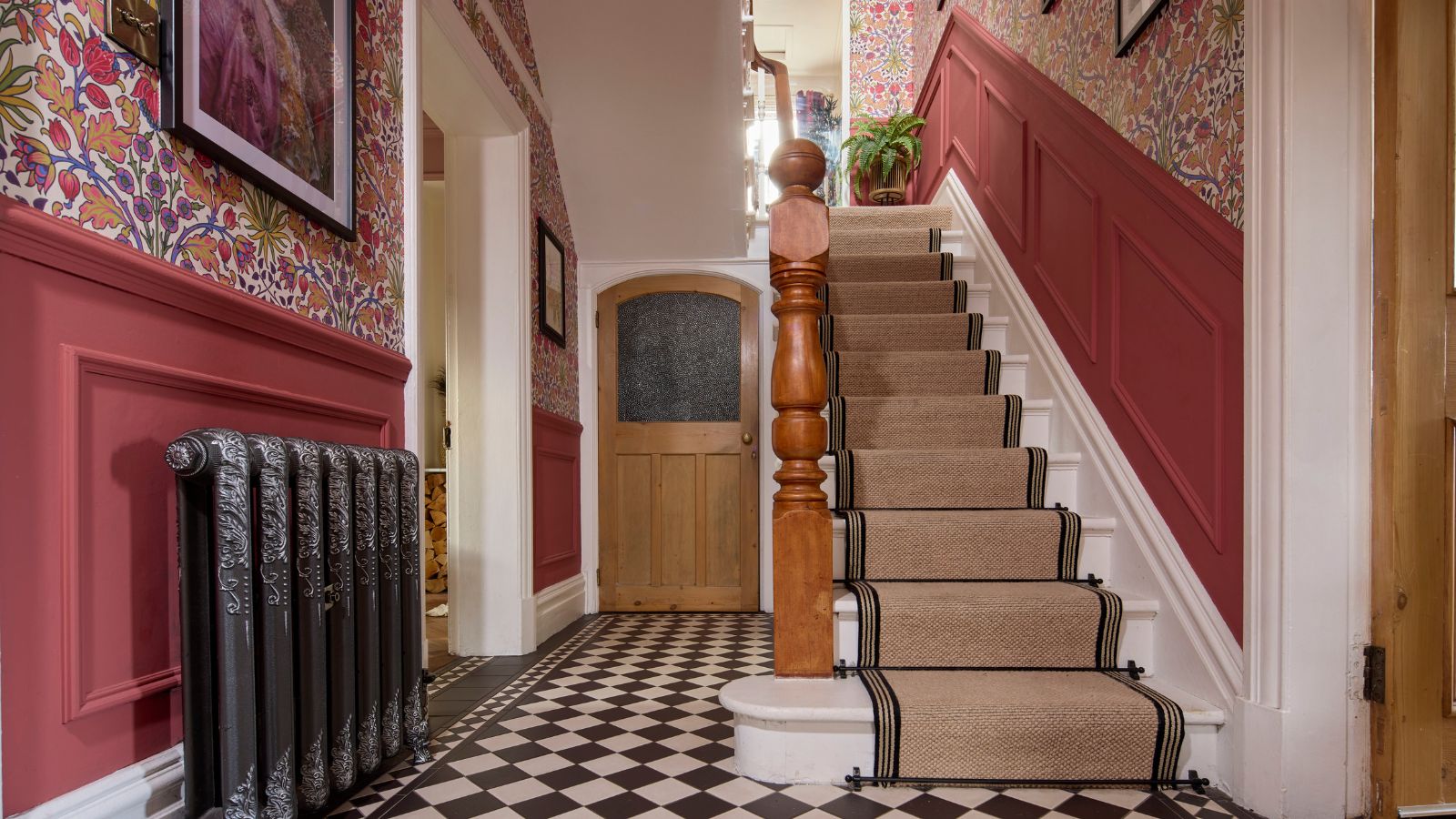
How to decorate a period hallway - 10 expert tips to create a stunning entryway
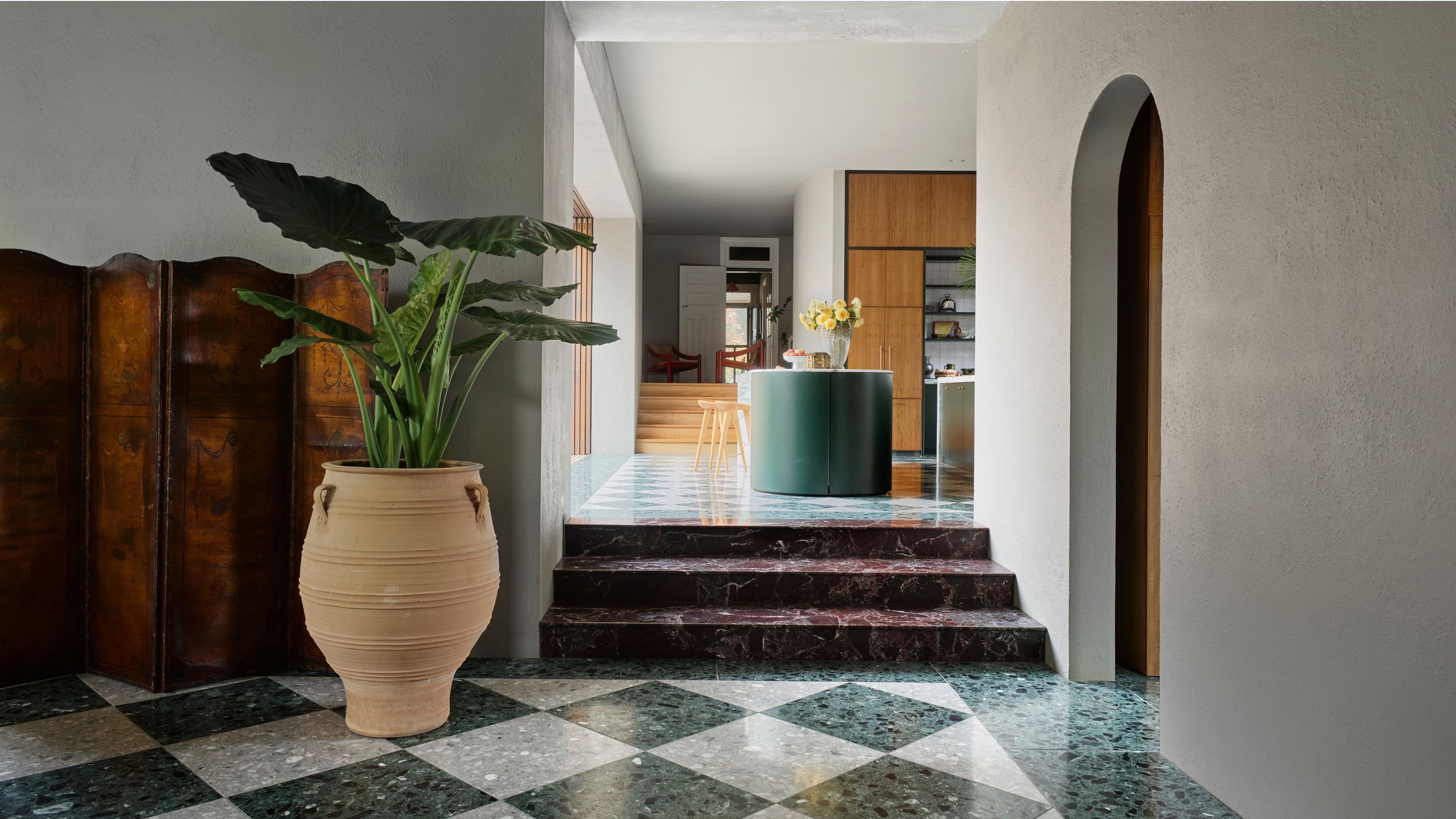
10 Entryway Flooring Ideas That Set the Scene For a Truly Stylish Home

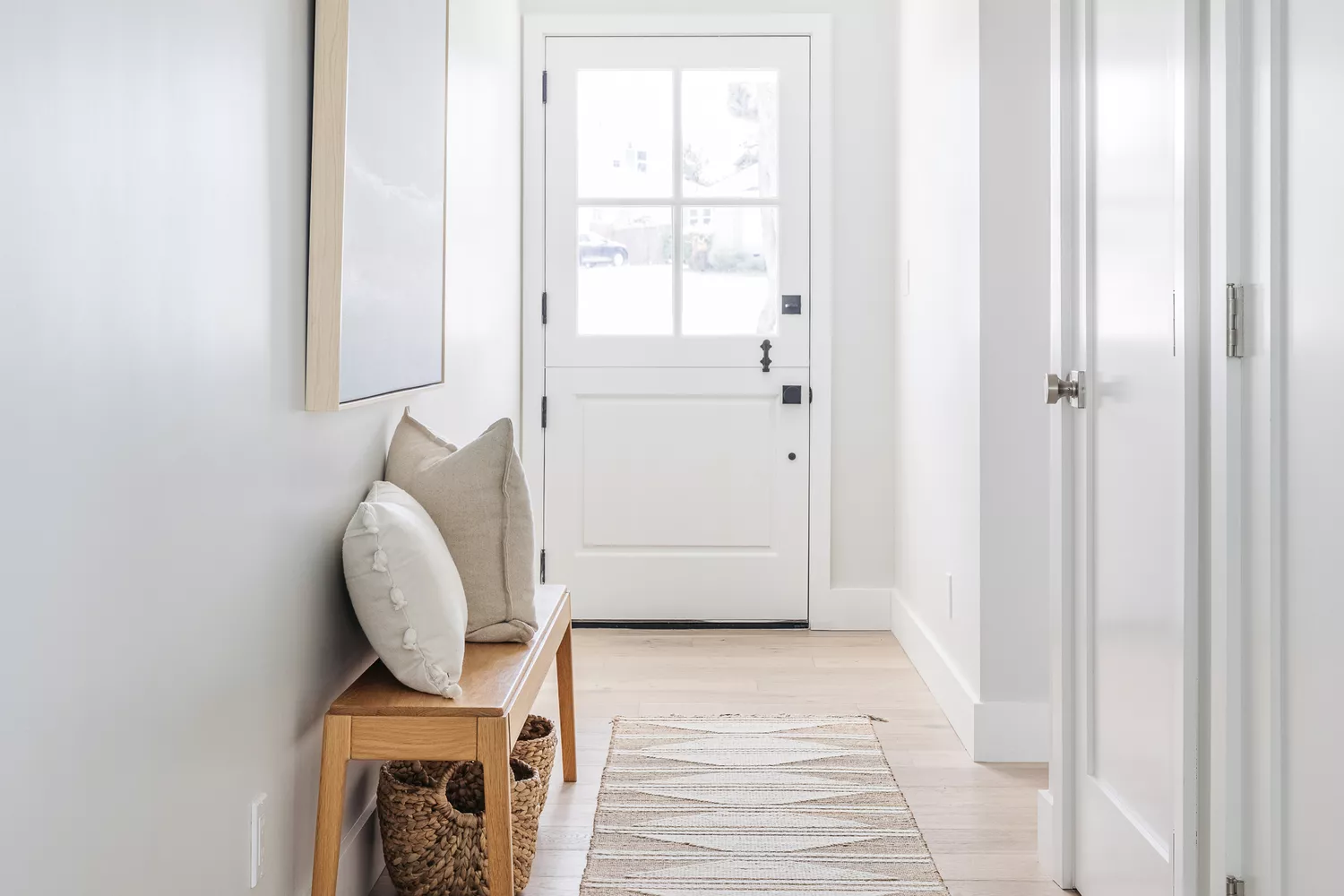
See These 27 Fabulous Flooring Ideas for Entryways

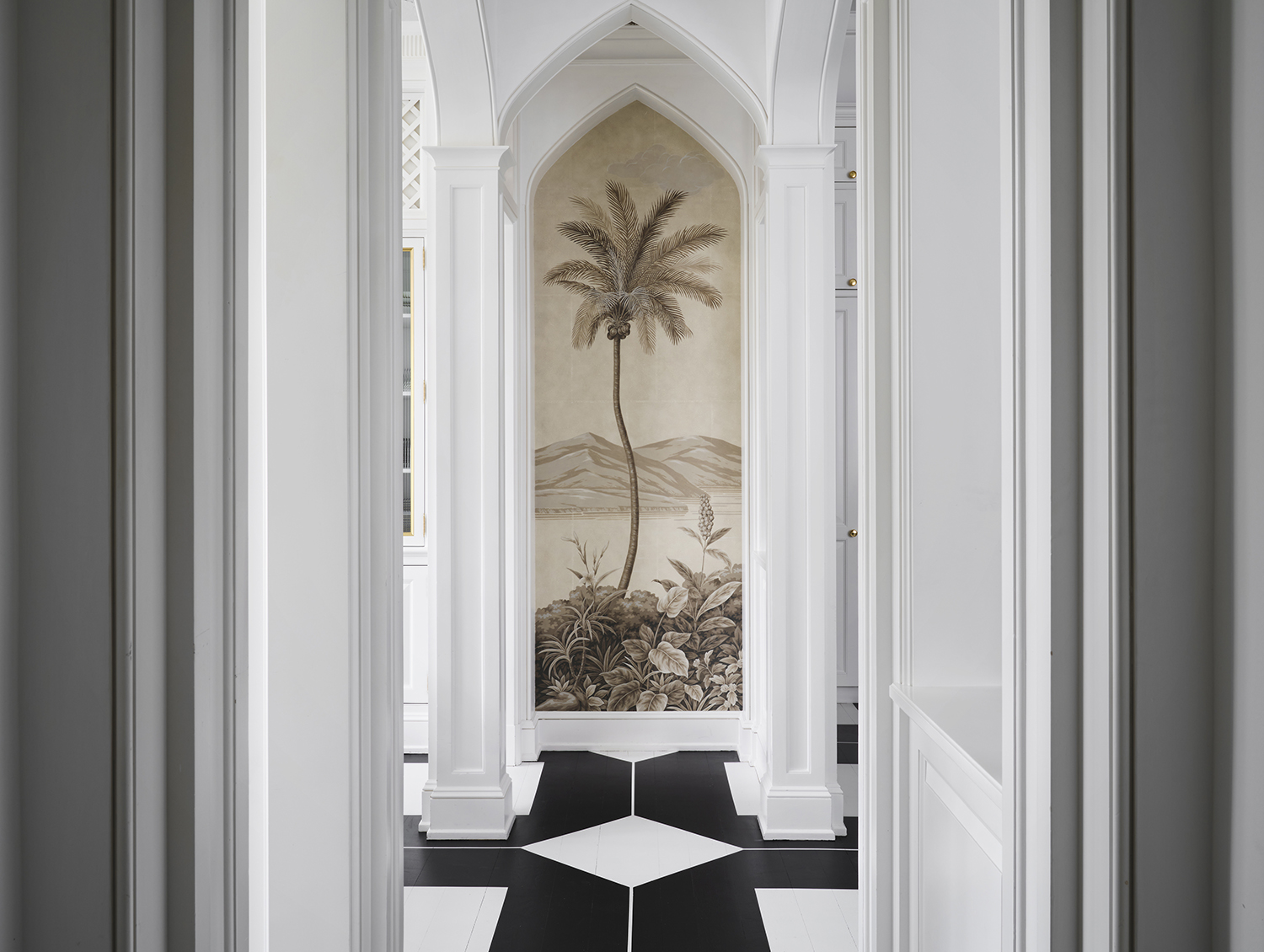
Narrow hallway ideas to help you make a grand entrance out of an awkward space
14 stylish hallway designs we’d love to come home to

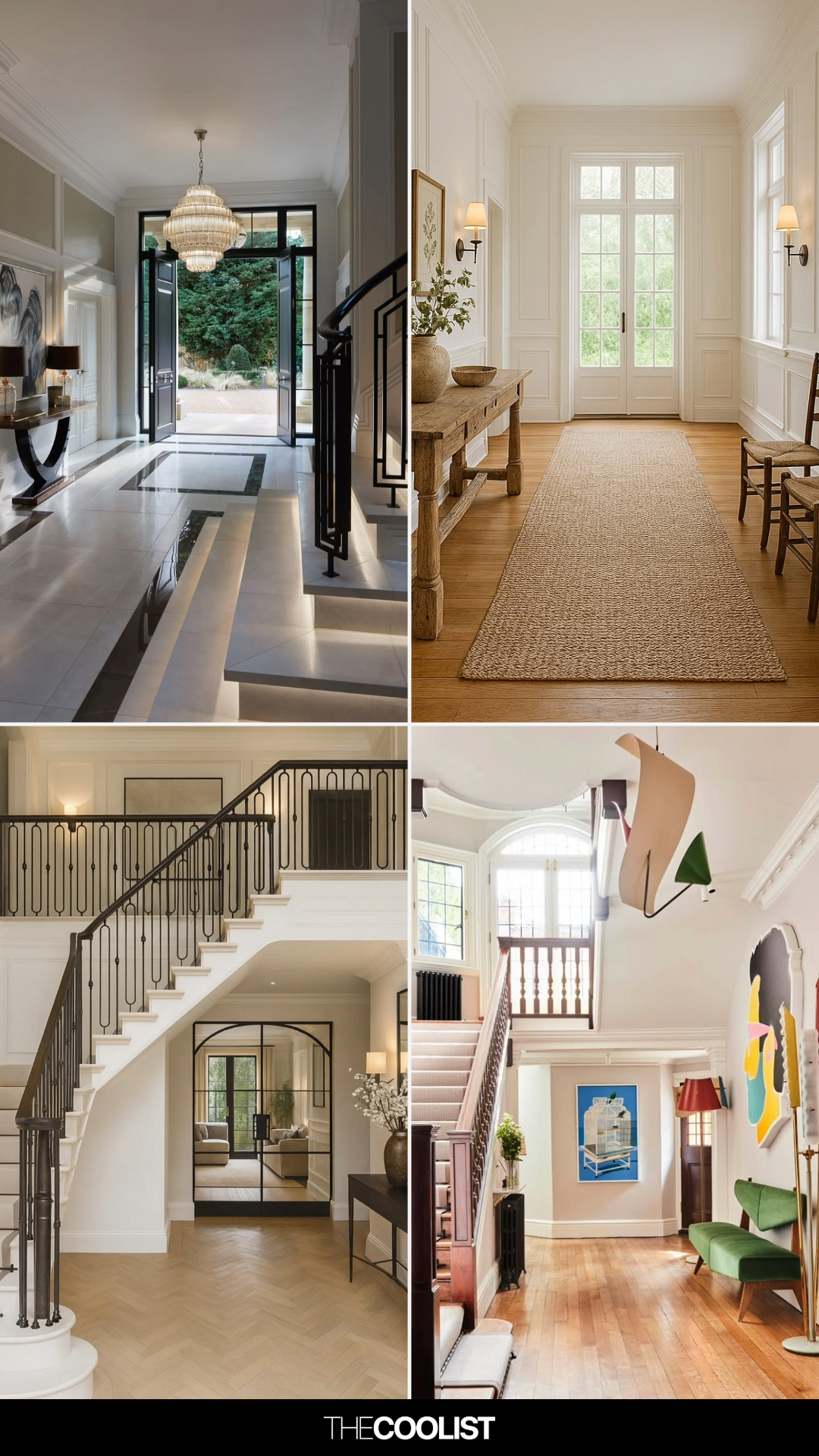
30 Entrance Hall Ideas No One Shares Because These Are Rare Even in Renovated Homes

Modern hallway ideas – 10 tips for creating a contemporary hall
Hallway runner ideas – 10 ways to warm up your entryway with rugs
25 Staircase Landing Ideas That'll Add Style
Organizing an entryway – 10 clever ways to arrange a home’s entrance
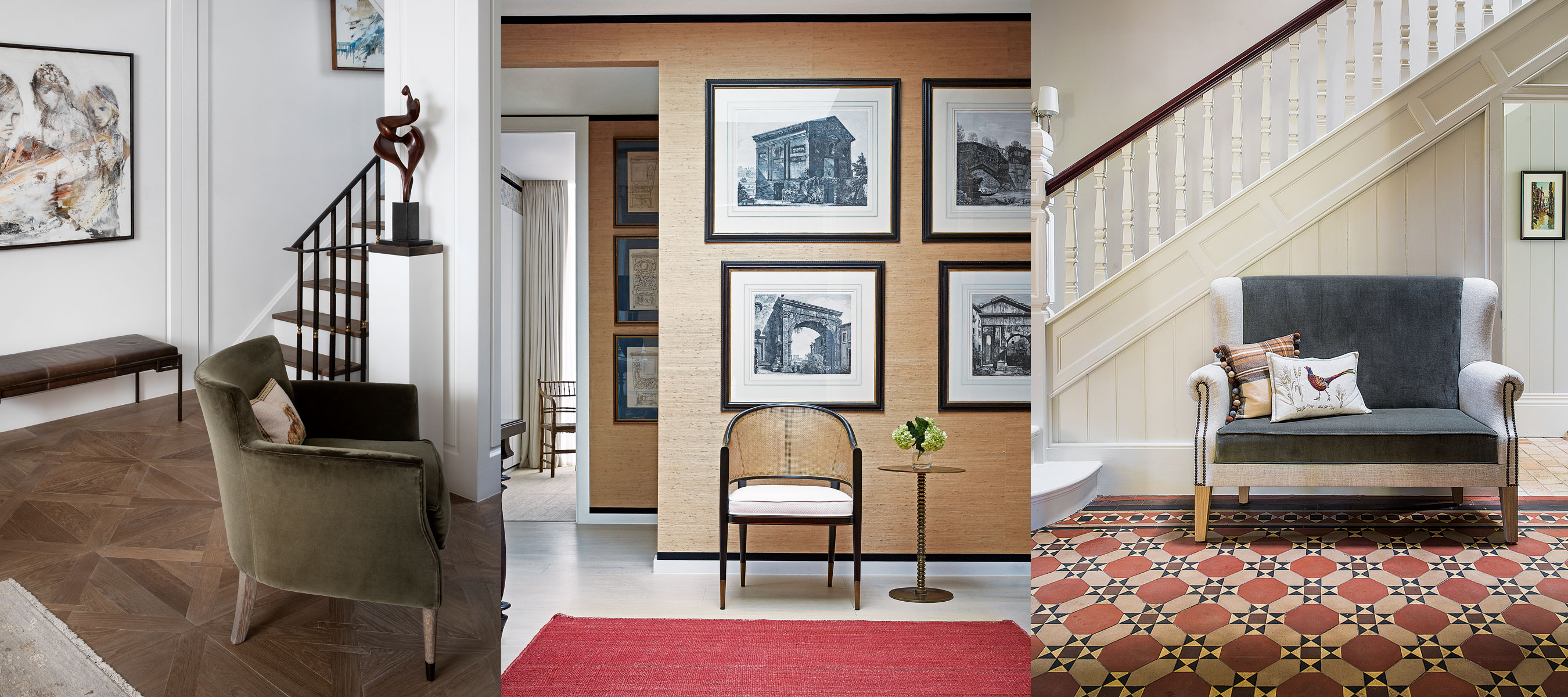
Entryway floor ideas – 10 luxury flooring designs that look good underfoot
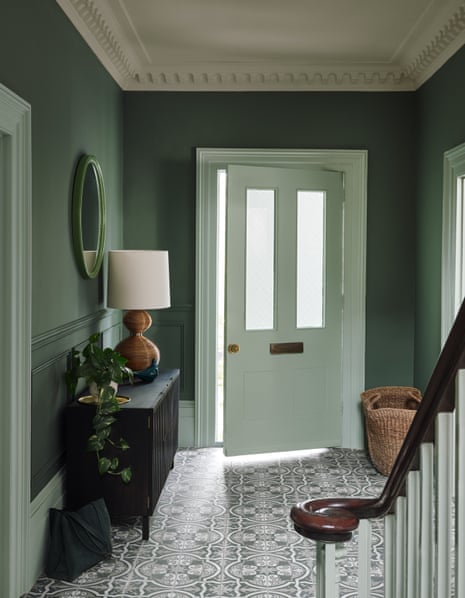
Making an entrance: the experts share design ideas for your hallway

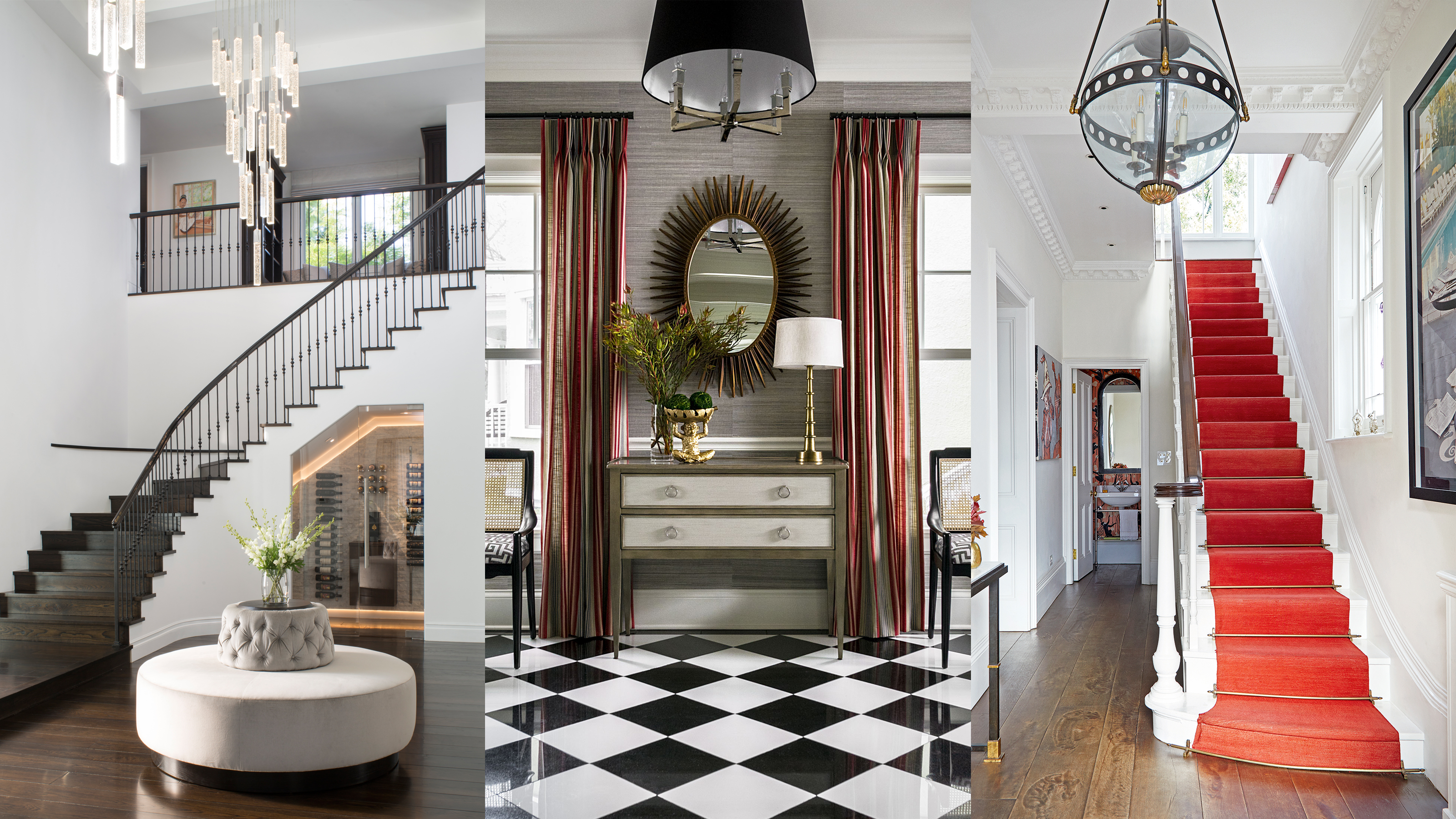
Hallway lighting ideas – 10 tips for illuminating your home's entrance
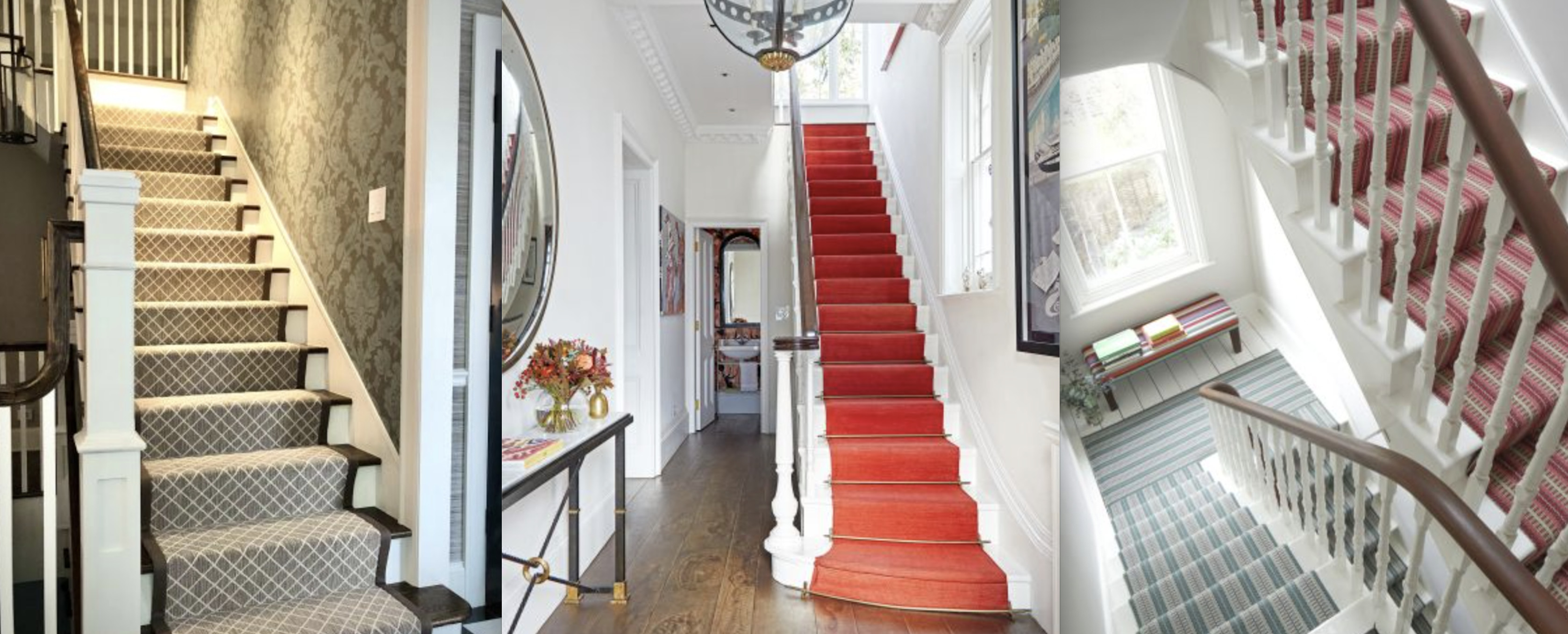
Stair runner ideas – 11 inspiring ways to introduce color and pattern
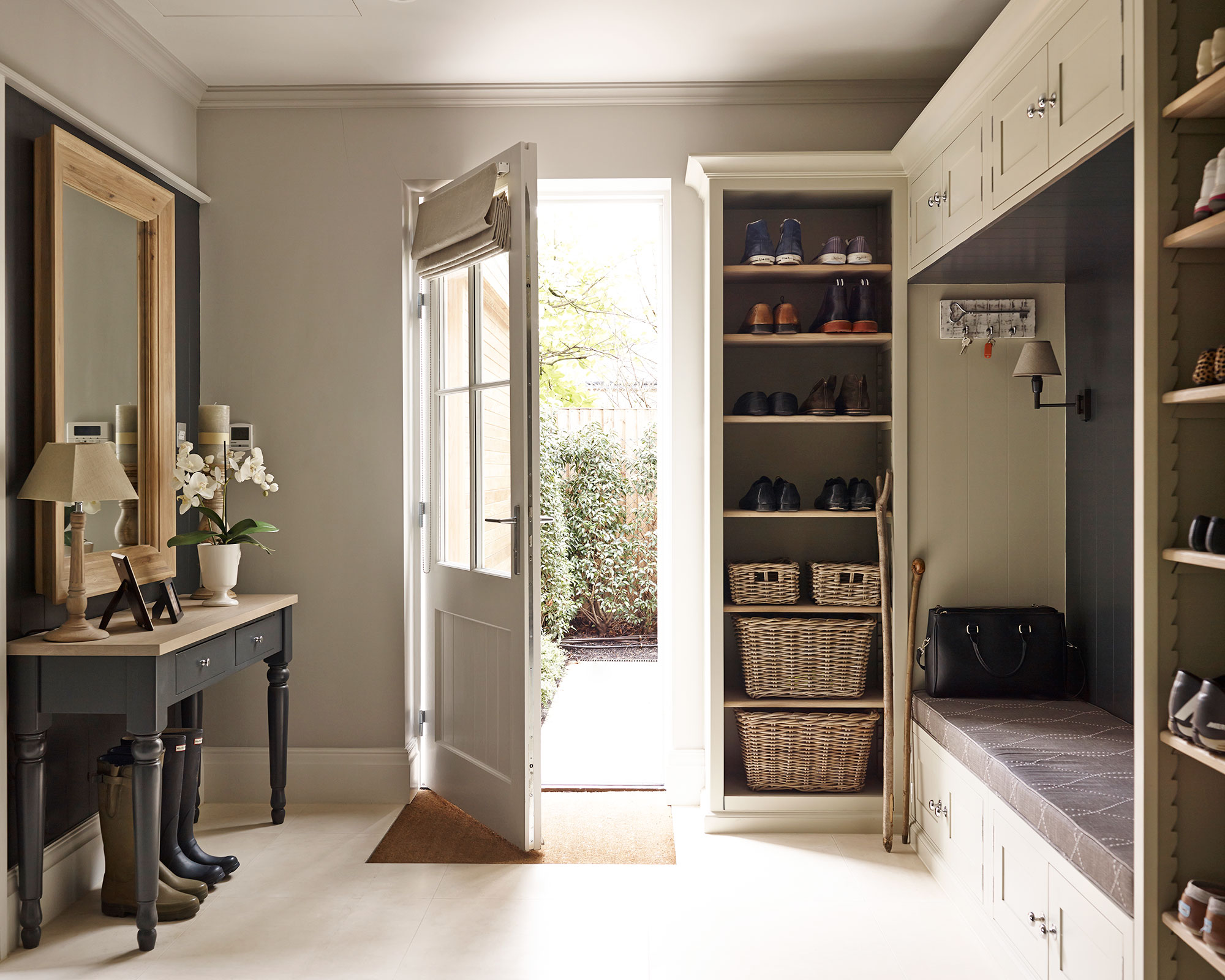
Entryway closet ideas – 10 tips for making the most of your entrance
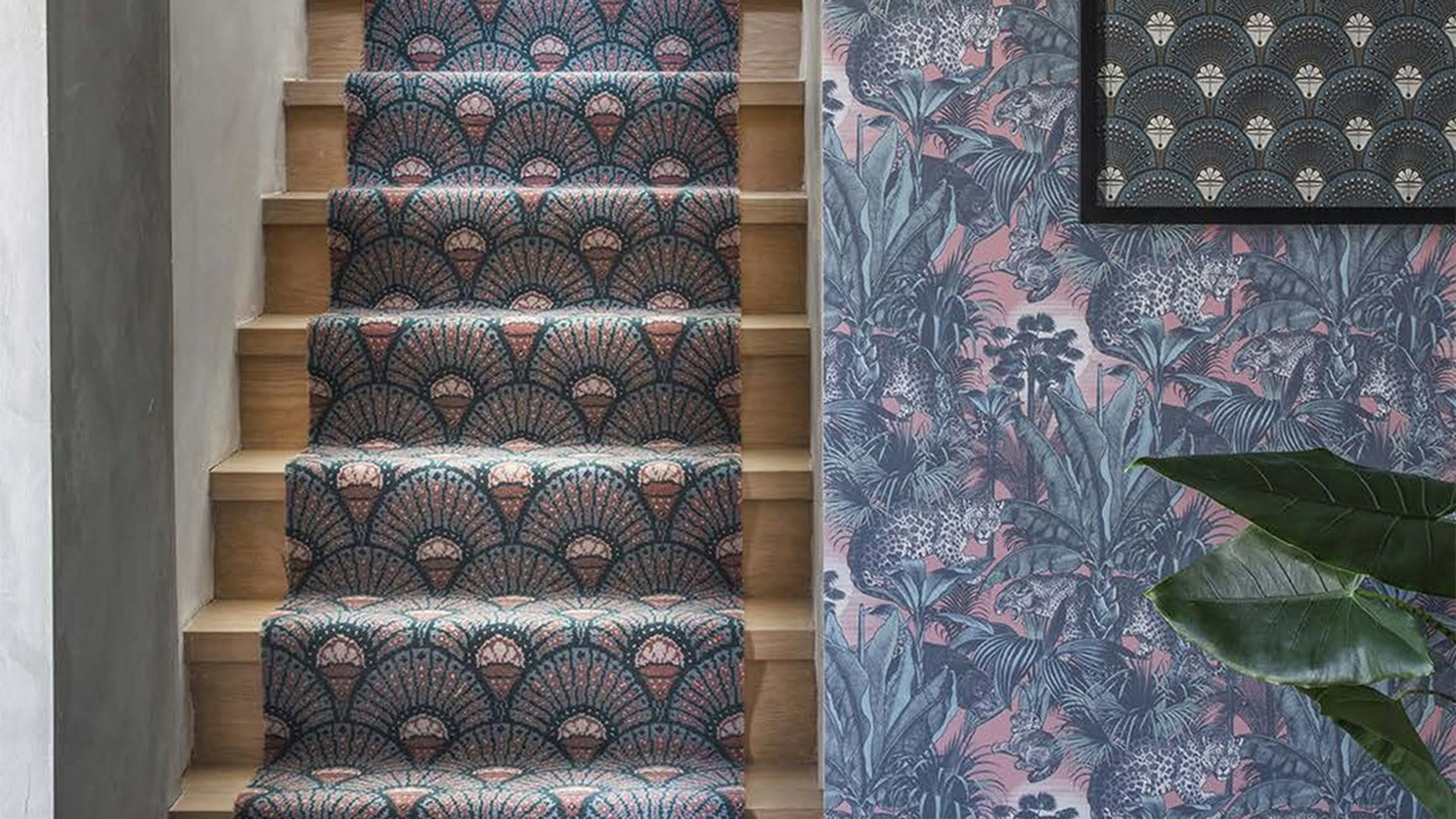
Staircase runner ideas – 15 designs that will instantly elevate your hallway steps

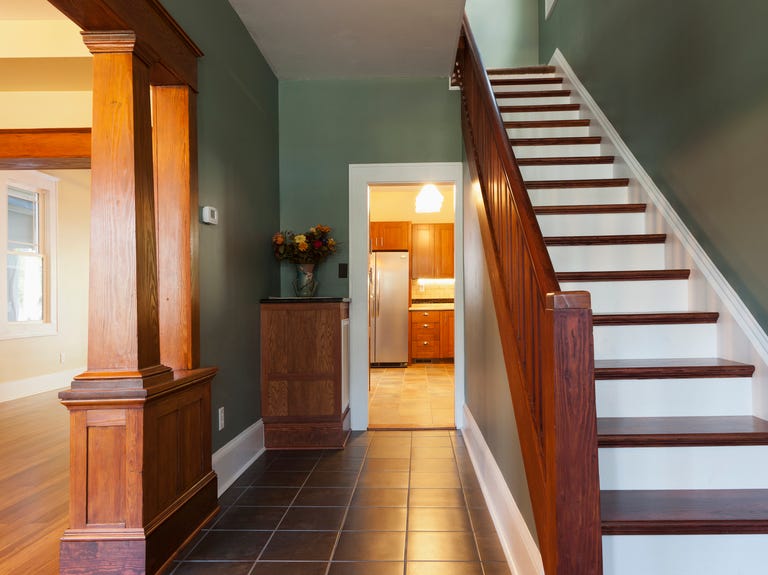
Hallway decor ideas to make your space look amazing

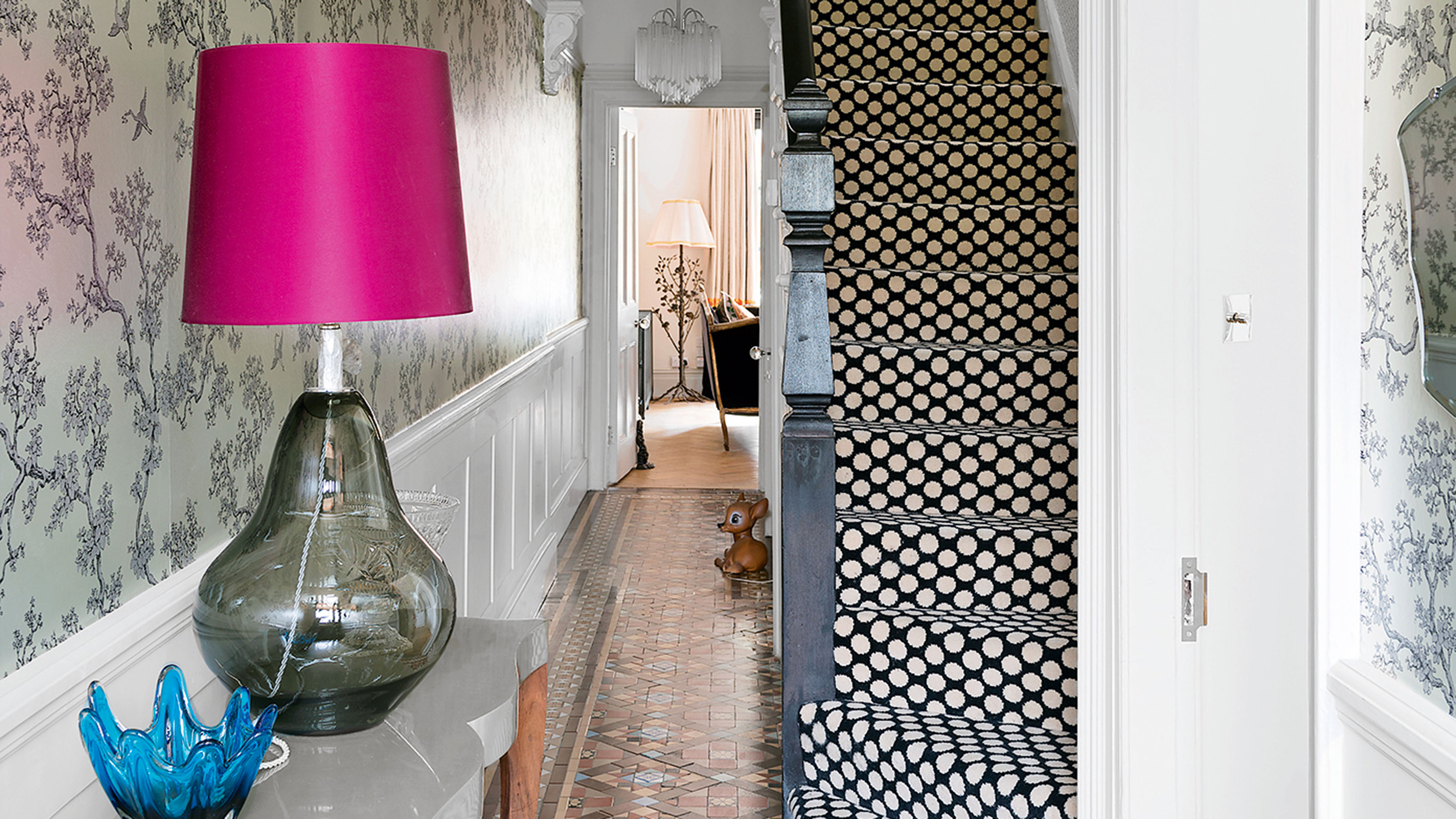
Long hallway ideas – 10 ways to make the most of your space
14 Hallway Decor Ideas To Add Style To Every Part Of Your Home