1/21
Grow These Stunning Spring Flowers to Welcome in the Season
This article highlights 25 beautiful spring flowers to consider for garden enhancement after winter. It emphasizes the importance of planning and provides guidance on selecting the right plants based on sun exposure and USDA hardiness zones. The article also suggests essential gardening tools and offers additional spring gardening ideas.
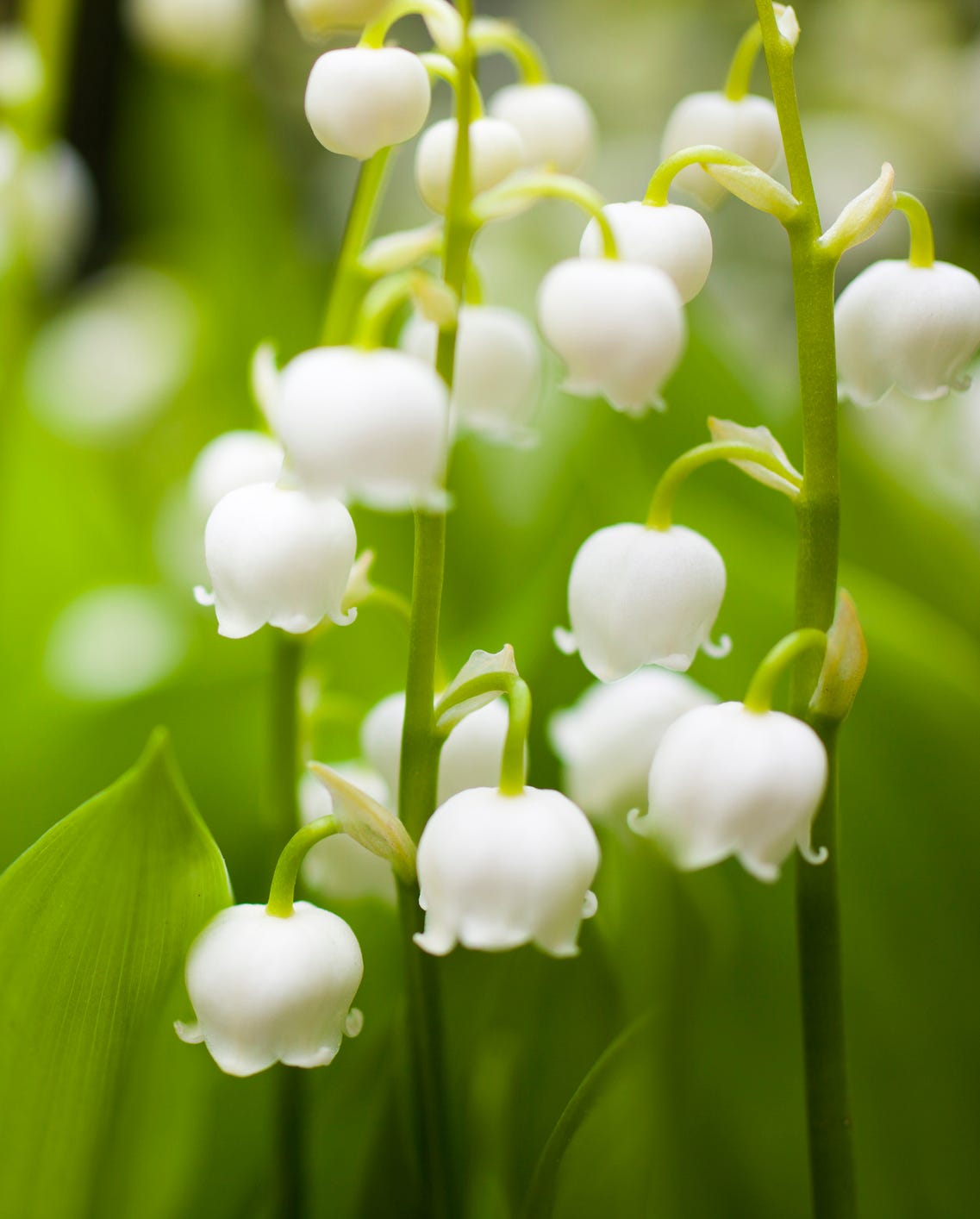
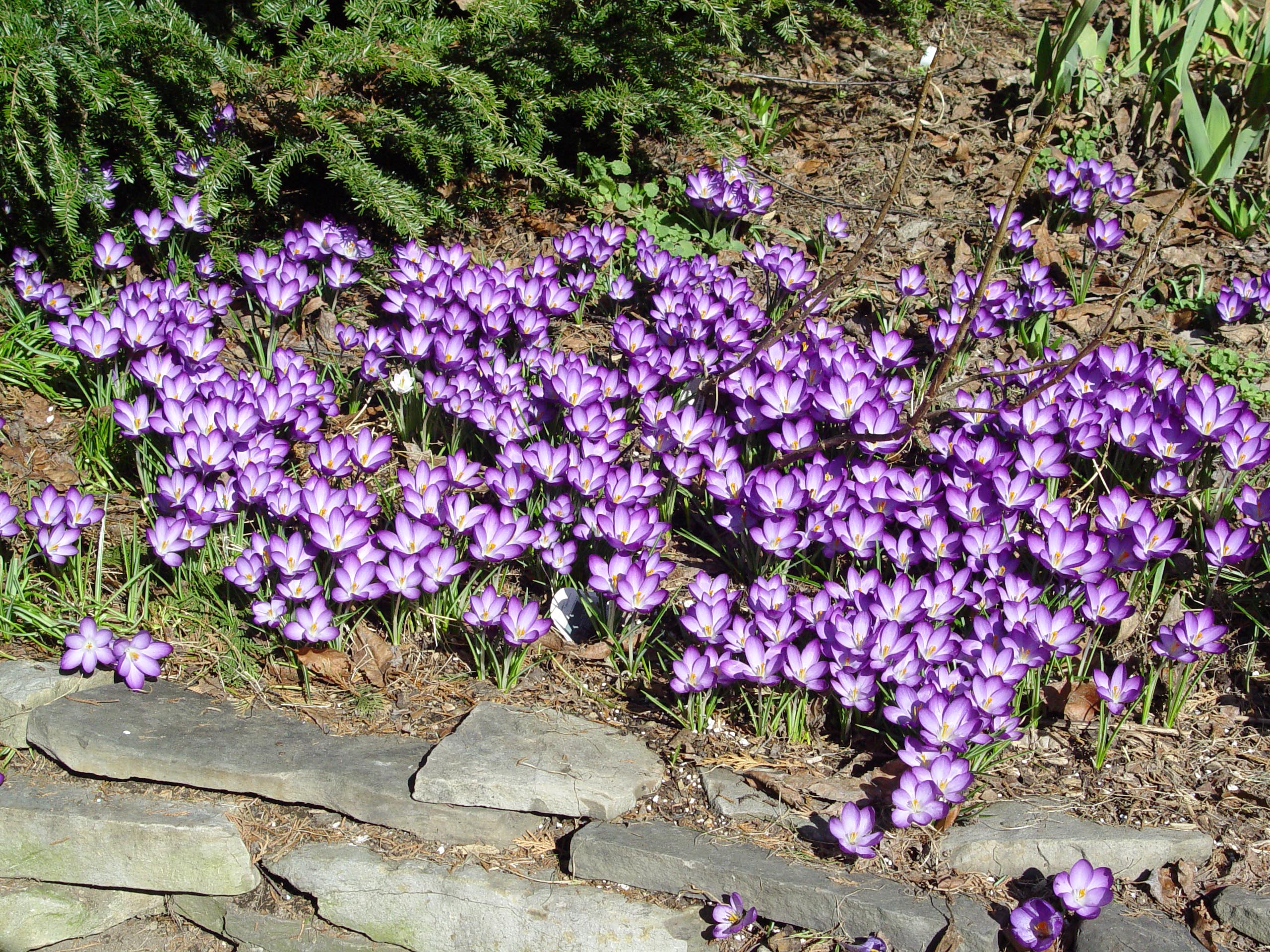
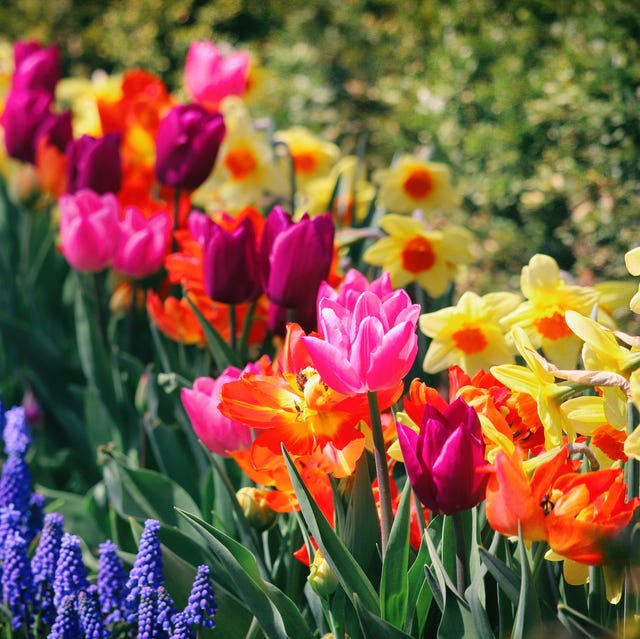
Among the featured flowers, Daffodils are noted for their cheerful yellow, trumpet-shaped blooms that come in various sizes and colors, and are rodent-resistant and low-maintenance. Tulips offer a wide array of colors, including purple, pink, and white, with some double varieties. They are often replanted annually due to weaker second-year blooms and are prone to rodent damage, suggesting planting in pots or near rodent-resistant plants like grape hyacinths. Grape Hyacinths, resembling tiny grape bunches, naturalize well and have a sweet scent, but are toxic to pets. Crocuses are early bloomers known for their bright, cup-shaped flowers and sweet fragrance. Lily of the Valley is a perennial with delicate, fragrant bell-shaped flowers and vibrant green foliage, thriving in shade and spreading quickly.
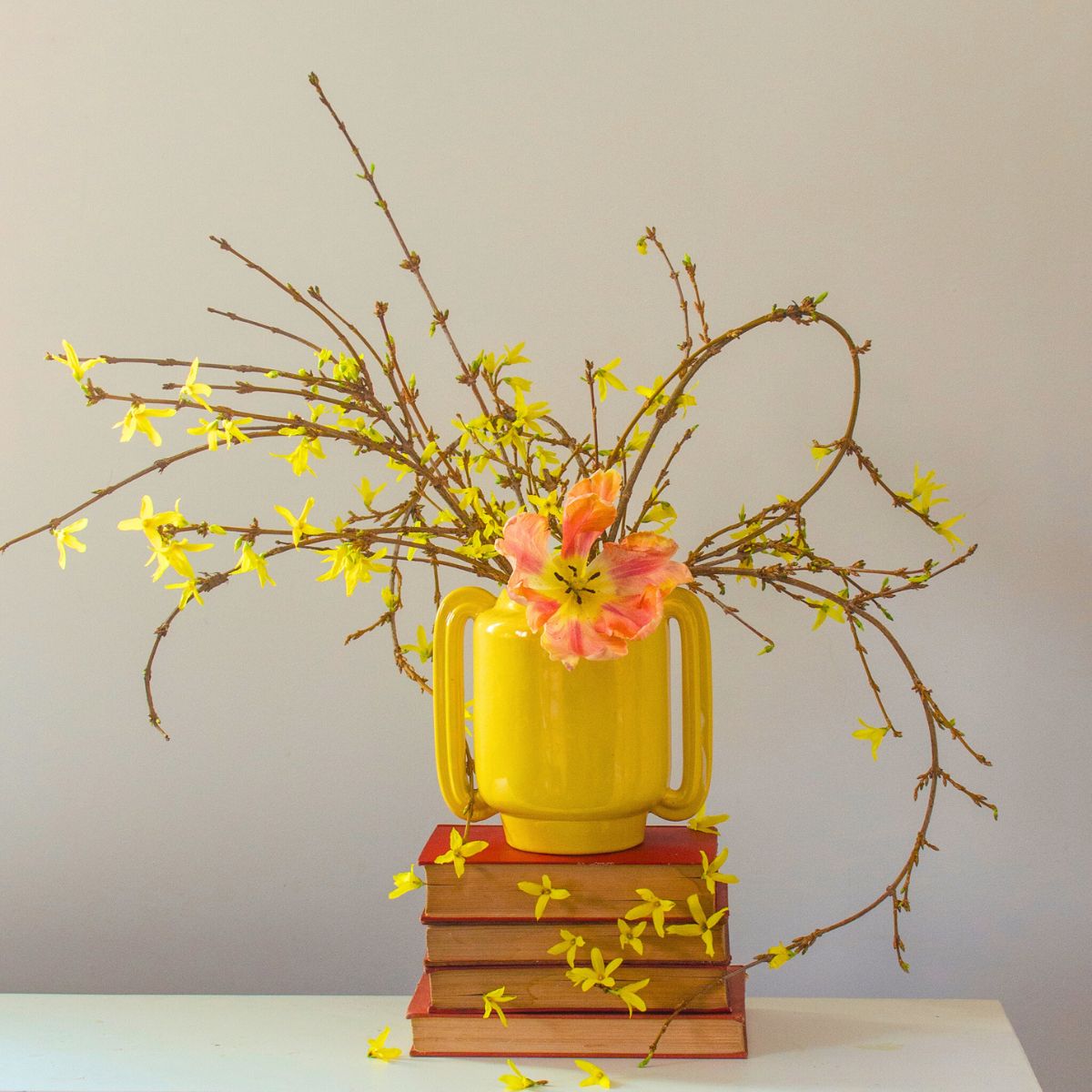
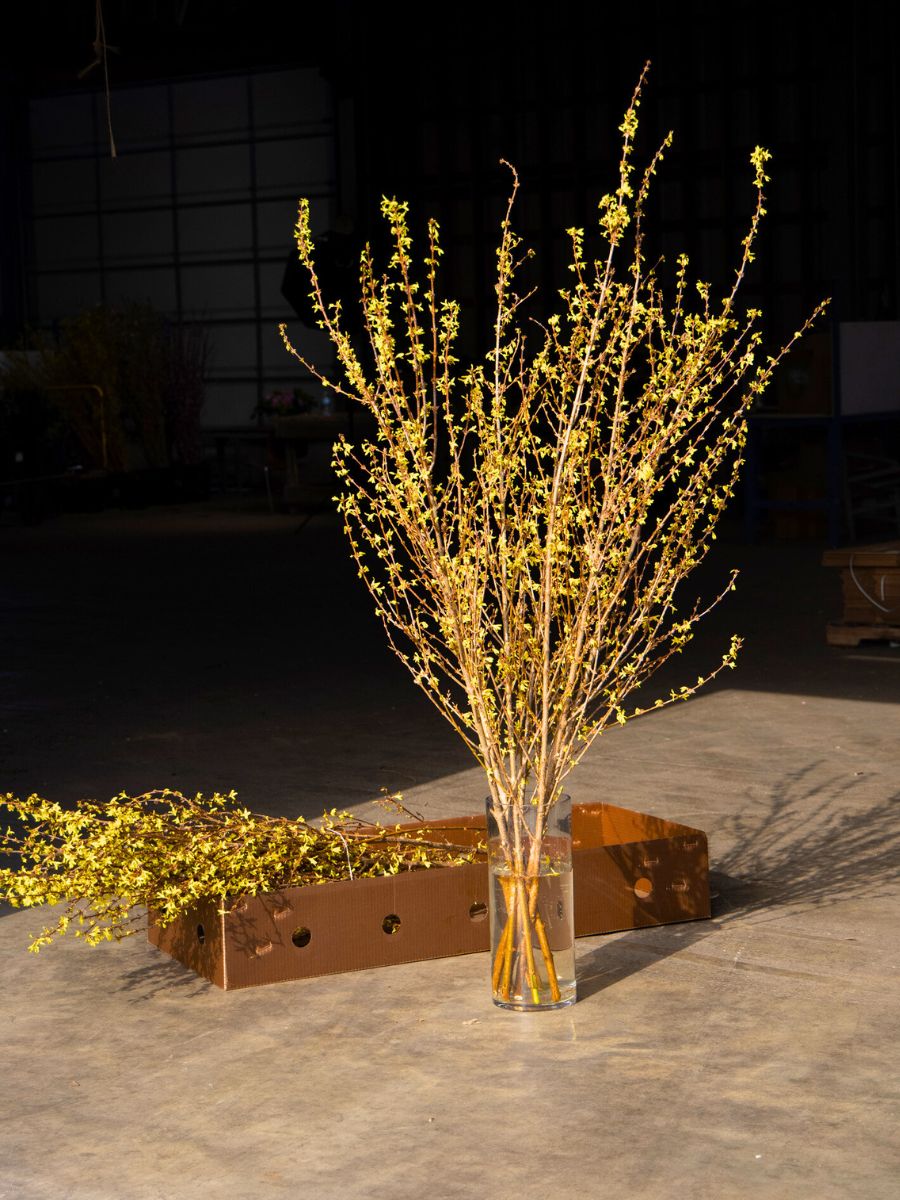
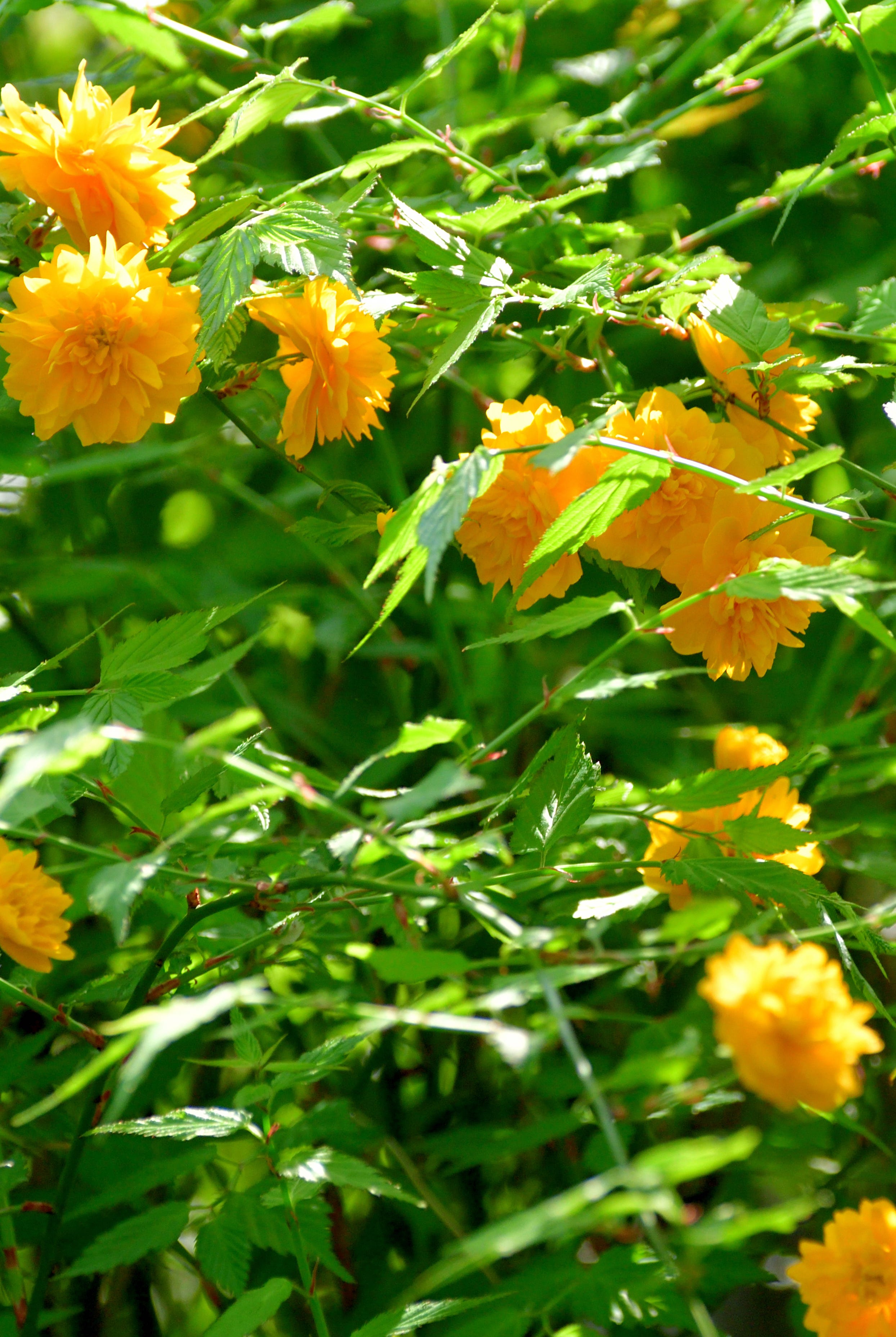
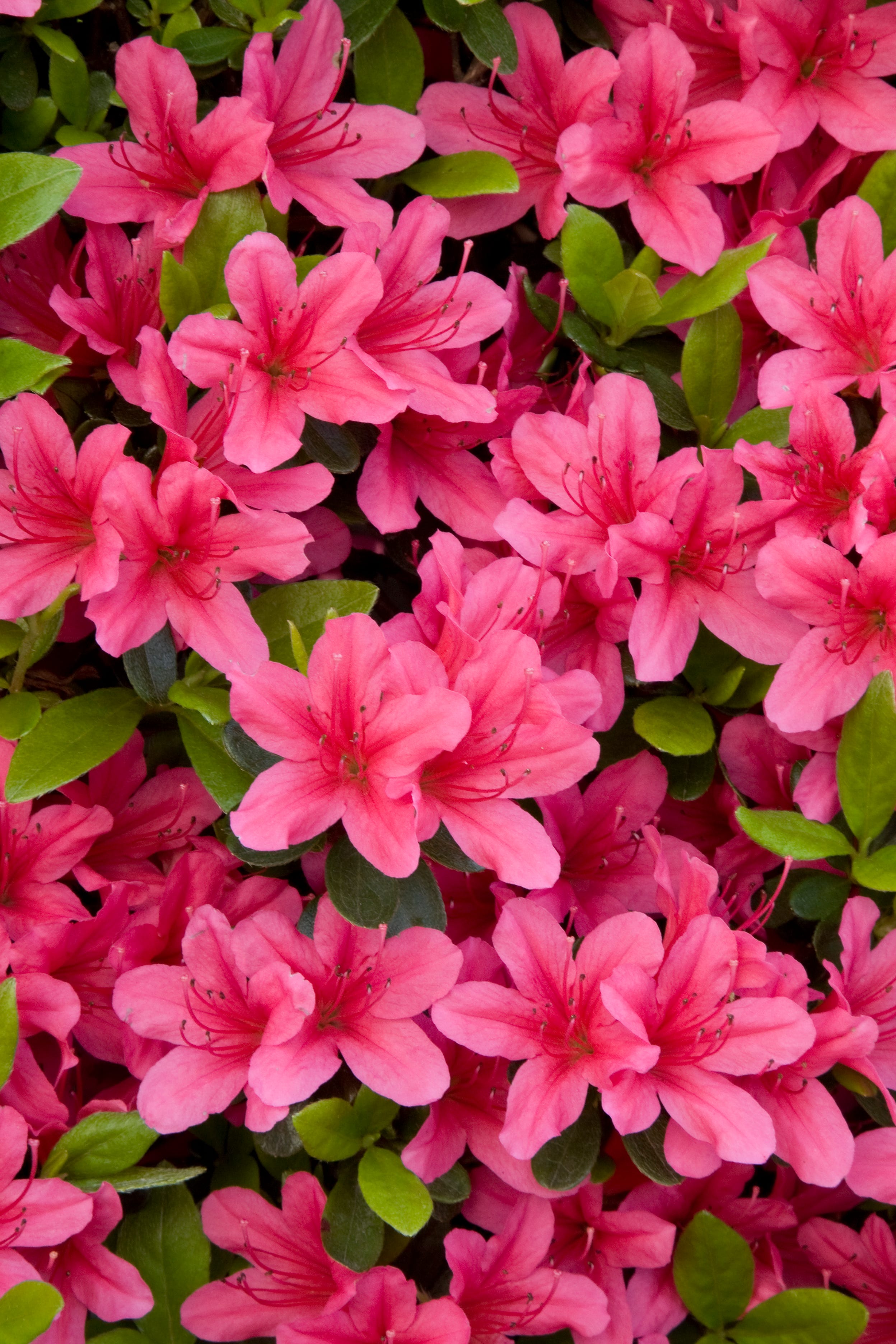
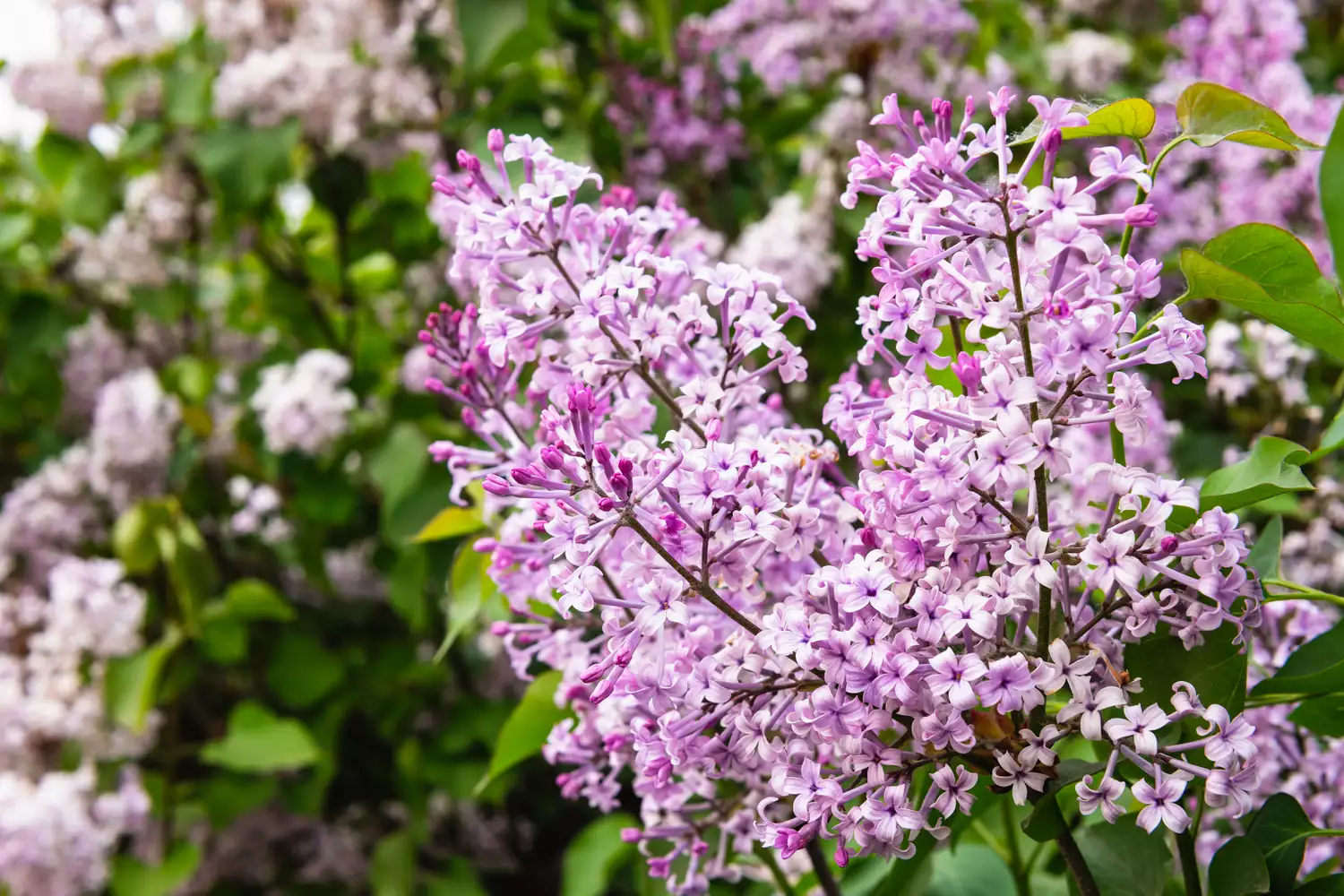
Irises are recognized for their striking sword-like foliage and dramatic flowers, available in many forms and colors. They multiply annually and require shallow planting in full sun, attracting pollinators but being toxic to humans and pets. Forsythia, a low-maintenance and fast-growing shrub, provides a blast of yellow color in early spring, attracting butterflies and bees. Azaleas are popular flowering shrubs with trumpet-shaped blooms in various colors, best planted in partial shade but toxic to humans and pets. Lilacs feature cone-shaped clusters of four-petalled flowers, are hardy, low-maintenance, and long-lived, available in multiple shades, and attract pollinators. Magnolias, blooming from late winter to mid-spring depending on the variety, offer large blossoms and require ample space due to their wide-spreading nature.
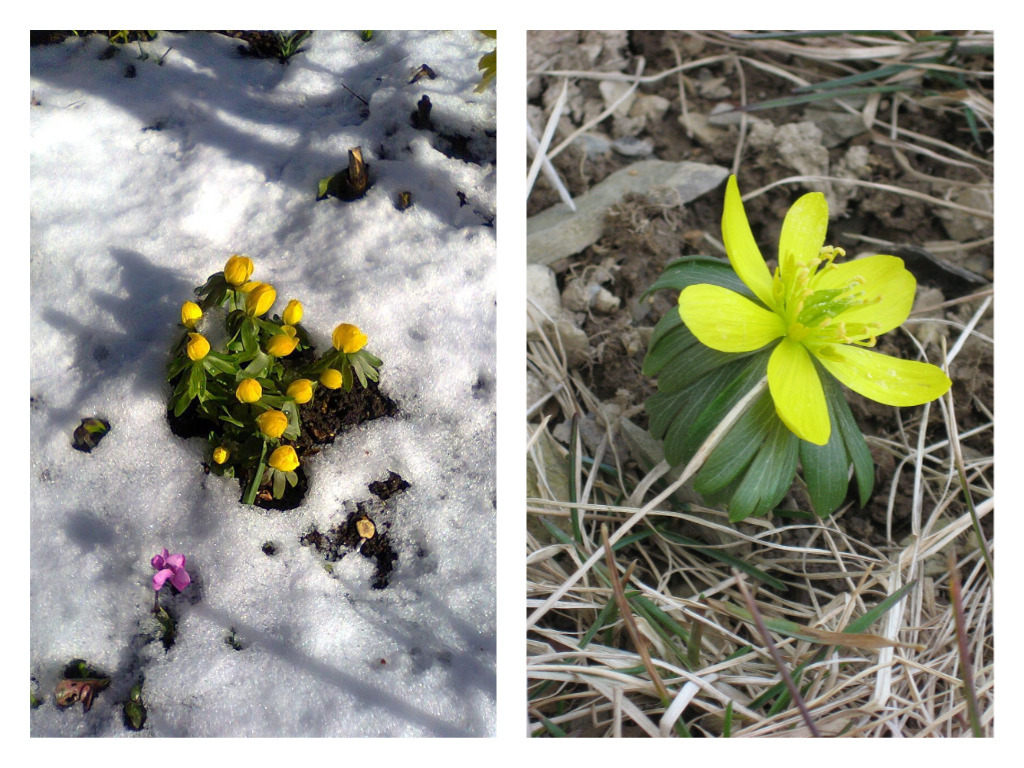
Diascia flowers, with their delicate pink shades, are suitable for hanging baskets due to their trailing habit and continuous blooms from late spring into autumn. Snowdrops are cheerful, easy-to-care-for early spring bloomers. Wallflowers are fragrant and easy to grow, thriving in sunny, well-draining soil. Bluebells, with their blue-violet hues, signify peak spring and are excellent cut flowers. Forget-Me-Nots are sweet blue blooms that spread rapidly and attract butterflies. Foxgloves, known for their striking tubular pink, white, or purple blooms with speckles, usually flower in their second year. Peonies, often called the “queen of flowers,” are prized for their beautiful scent and showy blooms.
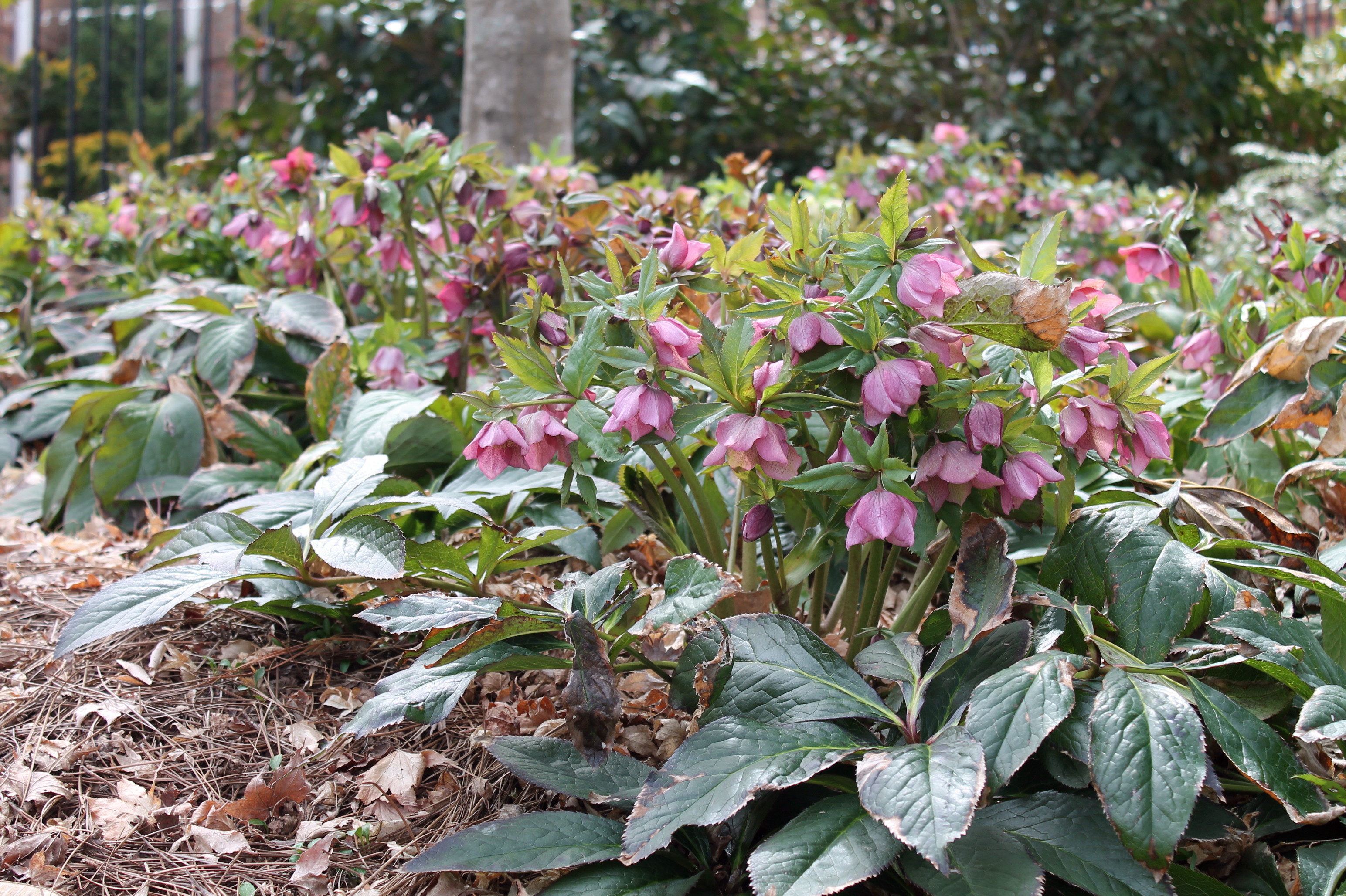
Columbines offer unusual flowers and delicate foliage in various exotic forms and saturated colors, thriving in part sun. Snowflakes (leucojum) bloom profusely, have a wispy appearance, naturalize well, and are pest-resistant. Flowering Quince shrubs produce red, orange, white, or pink flowers followed by small fruits suitable for jellies. Pansies are charming annuals in diverse colors, tolerating cold but fading in heat. Primroses are hardy early spring perennials that come in many species and tolerate part sun. Lenten Roses (hellebores) are tough perennials with frilly blooms appearing in late winter or early spring, spreading as ground cover in mostly shaded areas. Glory of the Snow, small blue, pink, or white flowers, emerge early in spring, ideal for rock gardens but can be aggressive growers. Lupines are stately perennials with tall flower spikes that attract pollinators, preferring part to full sun.
#SpringFlowers #GardeningTips #FlowerCare #PerennialPlants #AnnualFlowers #LandscapeDesign #USDAHardinessZone #PlantingGuide #GardenGlowUp #SpringFlowers #GardeningTips #FlowerCare #PerennialPlants #AnnualFlowers #LandscapeDesign #USDAHardinessZone #PlantingGuide #GardenGlowUp
0 commenti in totale
 Nessun commento ancora
Potresti anche gradire

4 Floral Arrangements To Hold You Over Until Spring
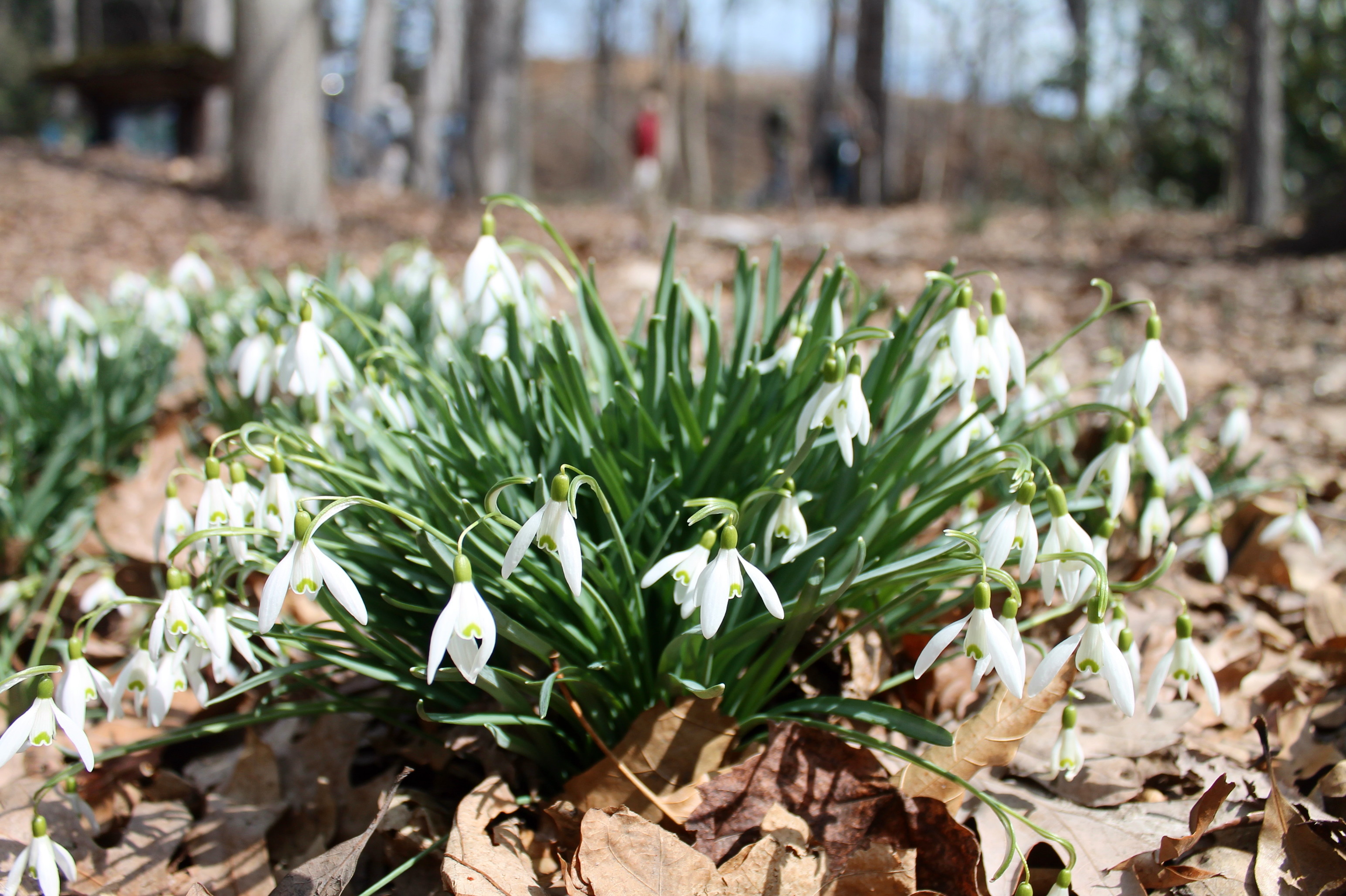
12 early-blooming plants and flowers that will chase the winter blues away

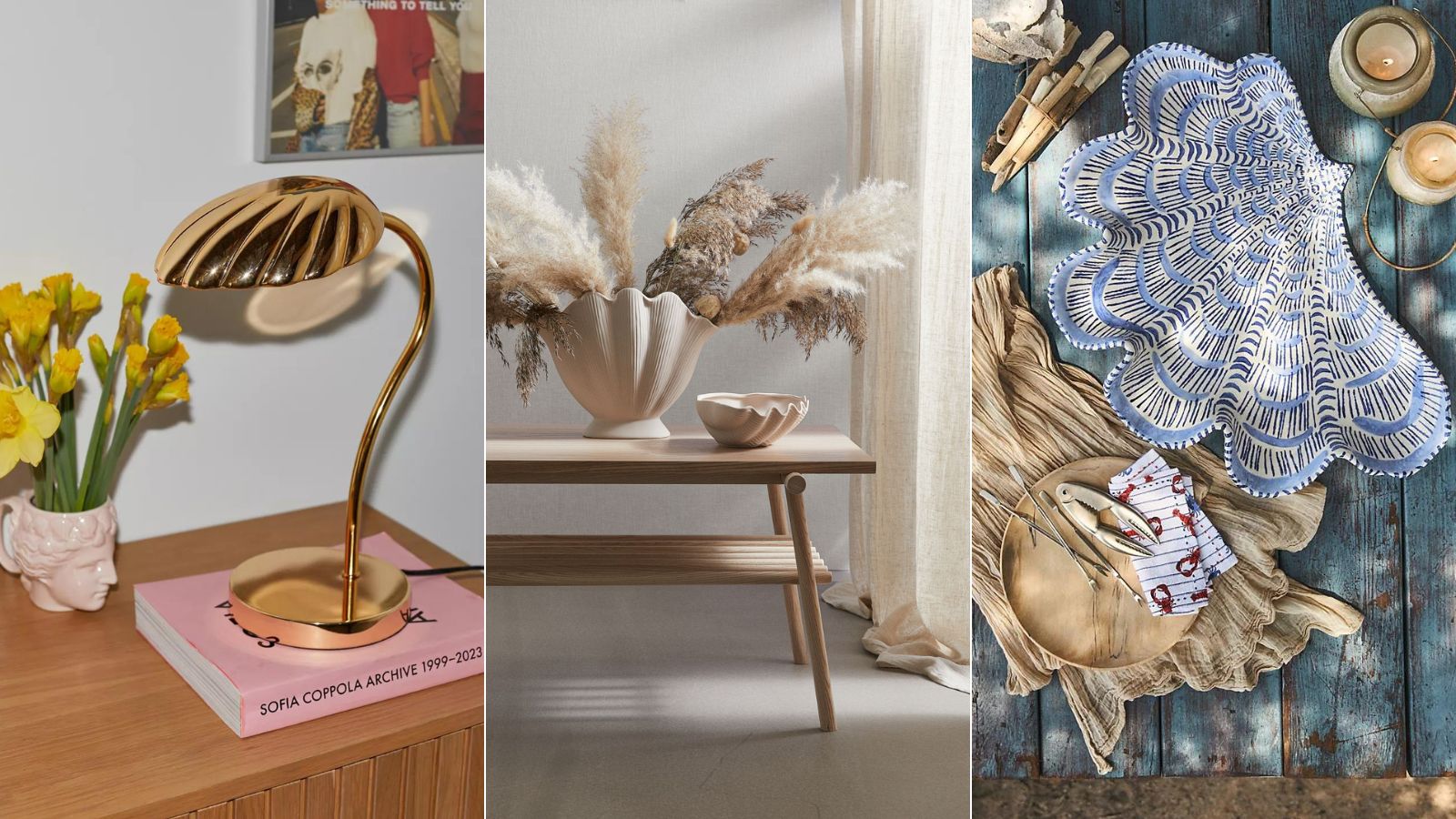
Florals for spring? It's all about shell decor for 2024 – these are our top picks

The Best Flowers for an April Wedding, According to the Experts
Best Flower And Vase Combos For Spring

Flowering Branches - Continental Floral Greens' Gift for Spring


14 Floral Wallpaper Ideas We're Loving For Spring

8 fabulous frond-filled designs to pick this spring


Gorgeous Spring Decor Ideas to Welcome the Warm Weather

9 Fragrant Flowers to Plant in Spring for a Beautiful, Sweet-Smelling Garden
Spring Decor
Easy Spring Centerpiece Ideas That Wow

23 Spring Flower Arrangements That Put the Season's Best Blooms on Display

These Beautiful Flowering Shrubs Will Add Major Color to Your Garden

Plant These Flowering Shrubs Today If You Want a Vibrant Summer Yard

18 spring decor ideas to help you set the scene this season
The Best Spring Flowers for Your Easter Centerpiece

How To Decorate the Home for Spring: 19 Full-Colour, Floral-Inspired Ideas
Spruce Up Your Table for Spring with These Fresh Centerpieces
52 Beautiful Spring Centerpieces You Can Easily Make for Your Home