1/21
The Best Spring Flowers for Your Easter Centerpiece
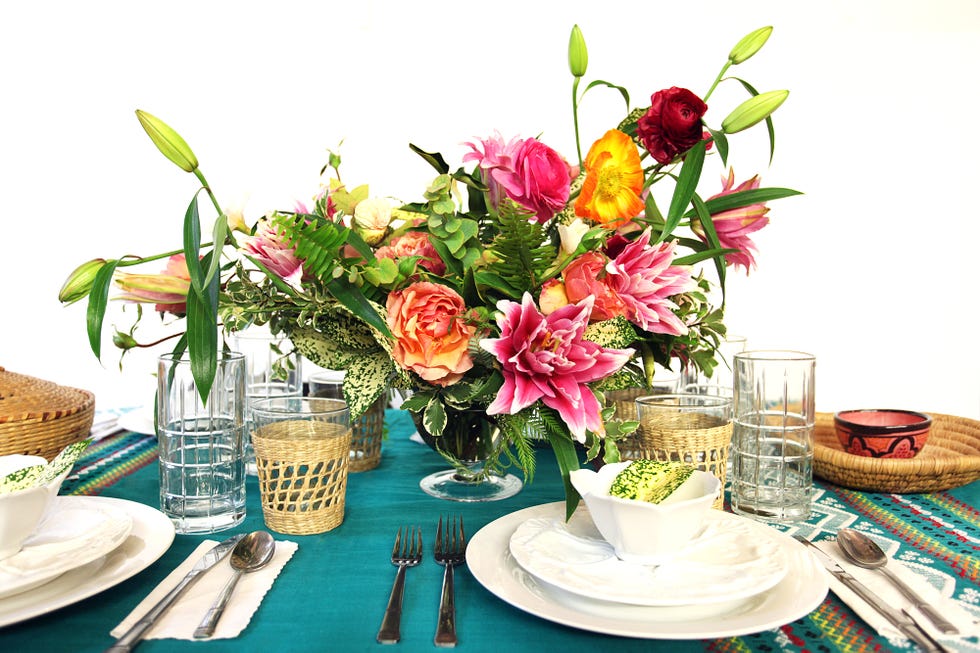
The arrival of spring brings a vibrant array of flowers, providing an ideal opportunity to infuse color and freshness into homes, particularly in celebration of Easter. This article explores a variety of Easter flowers, from traditional favorites to lesser-known blooms, highlighting their characteristics, care tips, and suitability for home decor or garden planting. Many of these flowers can be purchased as potted plants, offering the advantage of being transplanted into outdoor gardens after the holiday, potentially blooming again in subsequent years.
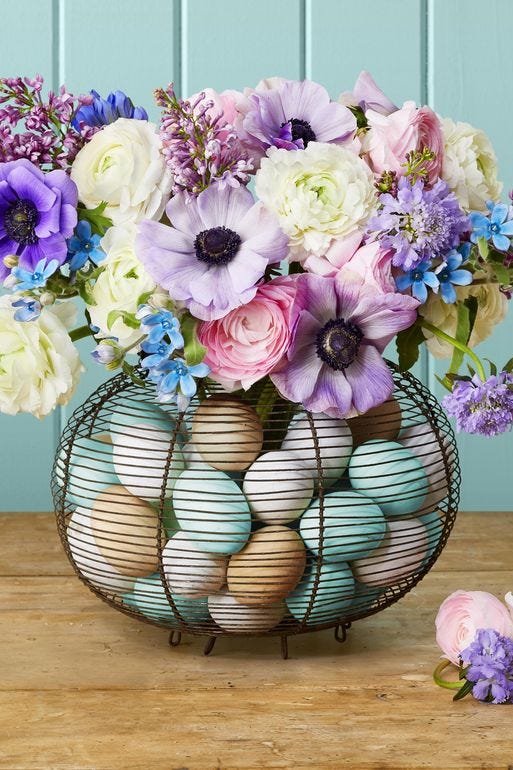
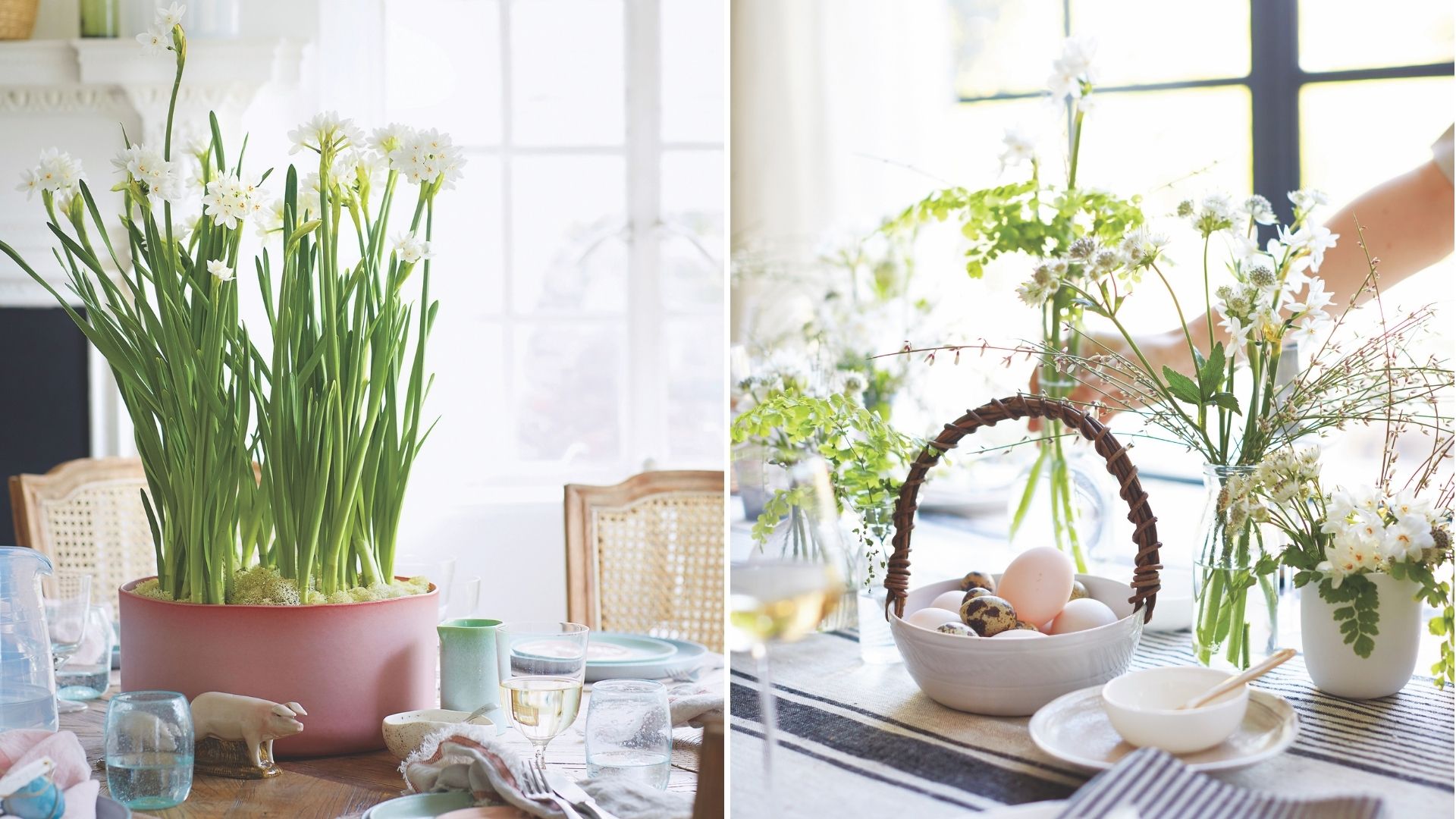
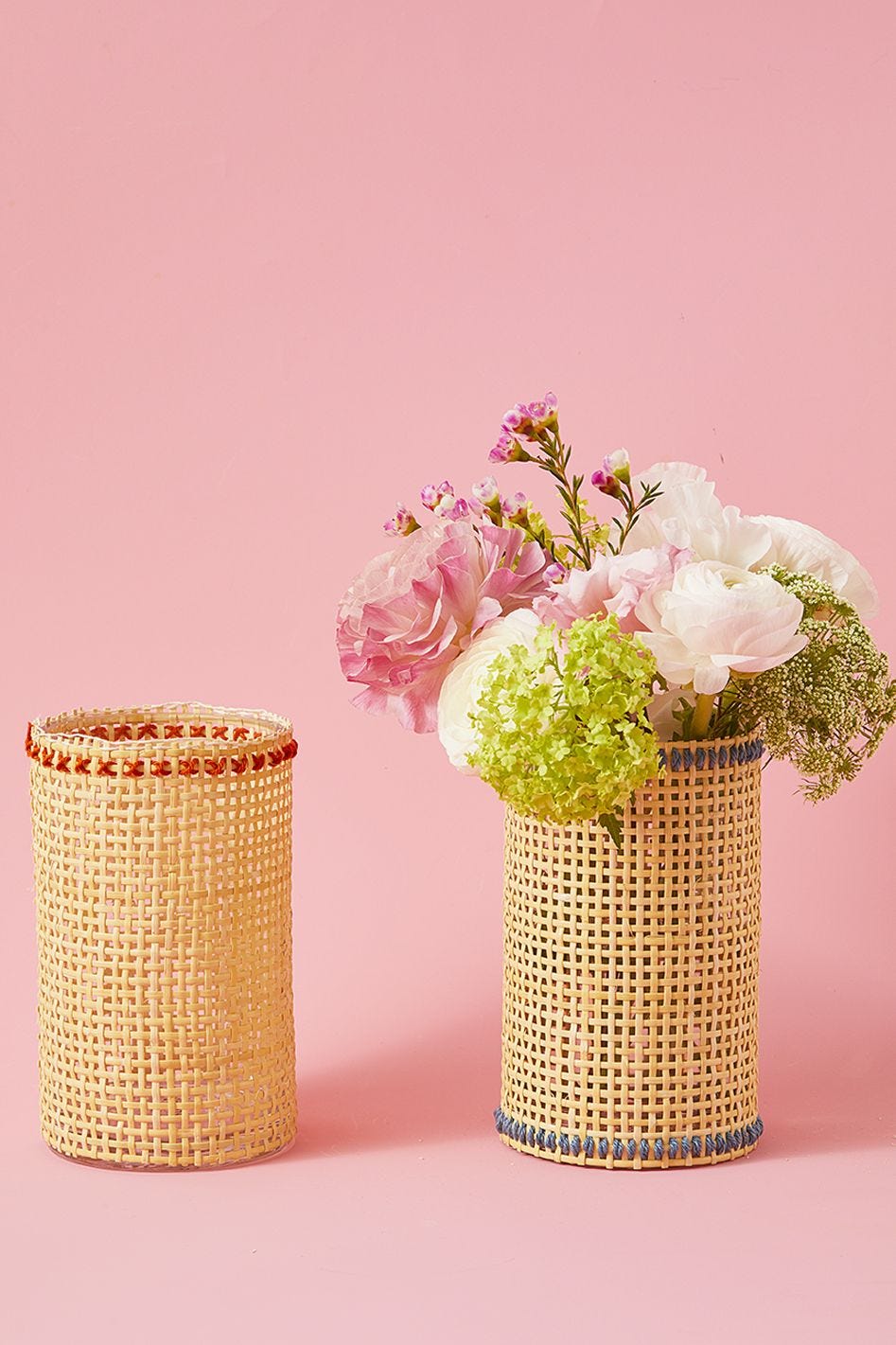
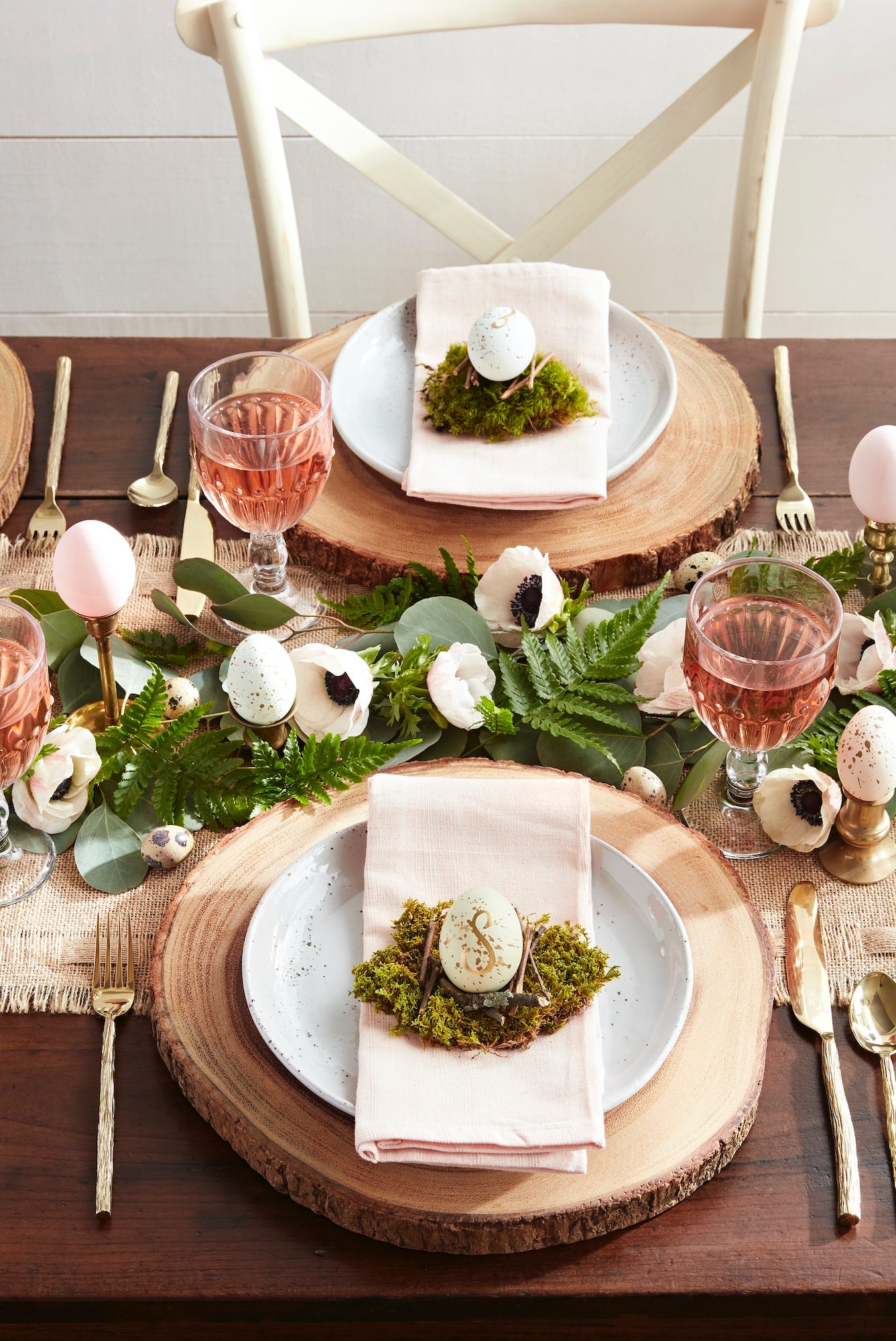
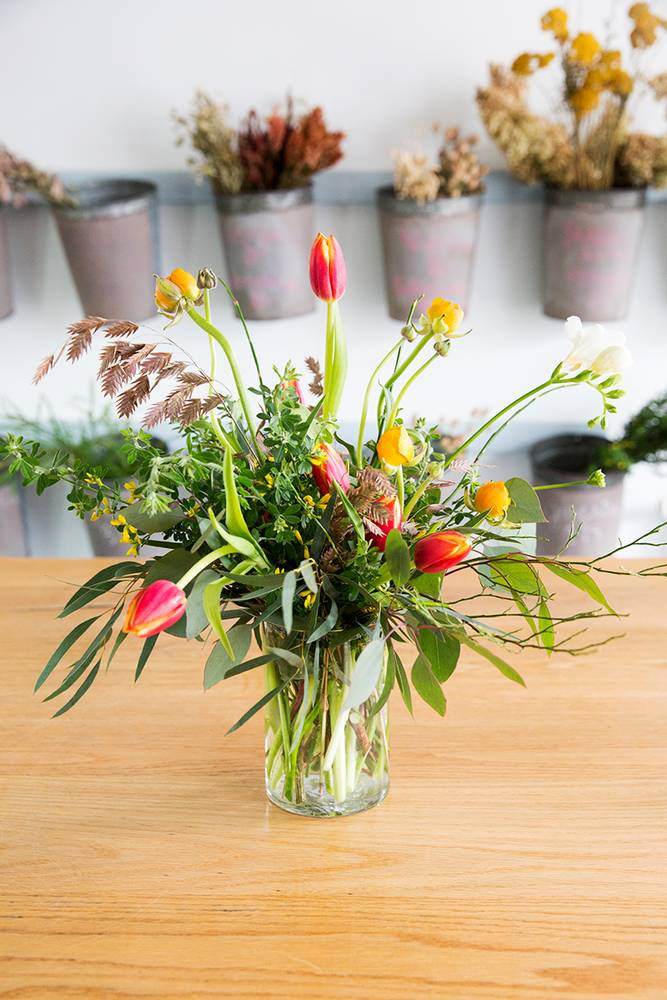
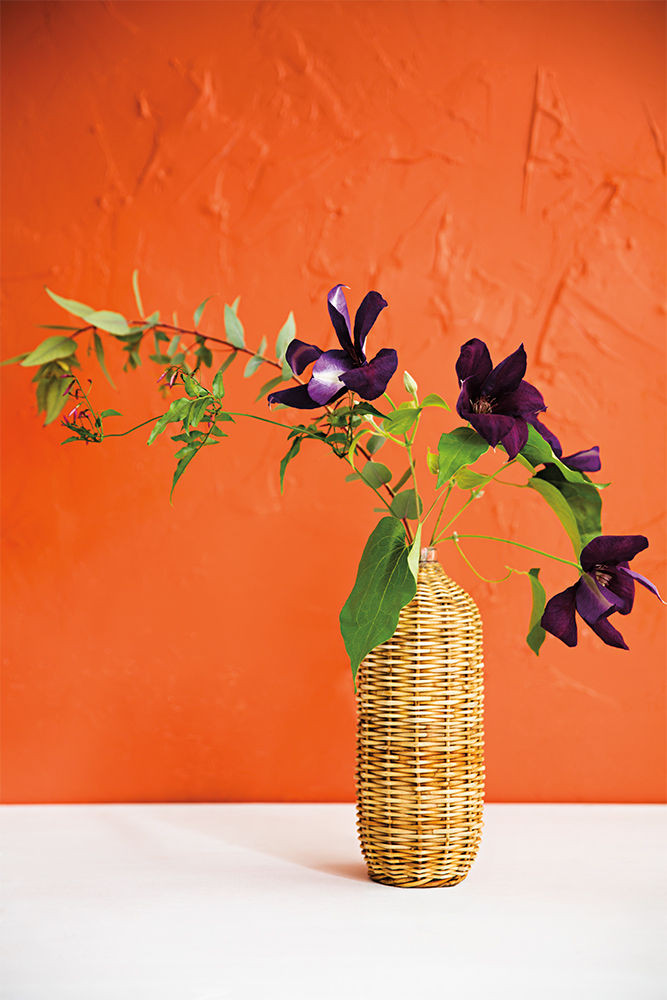
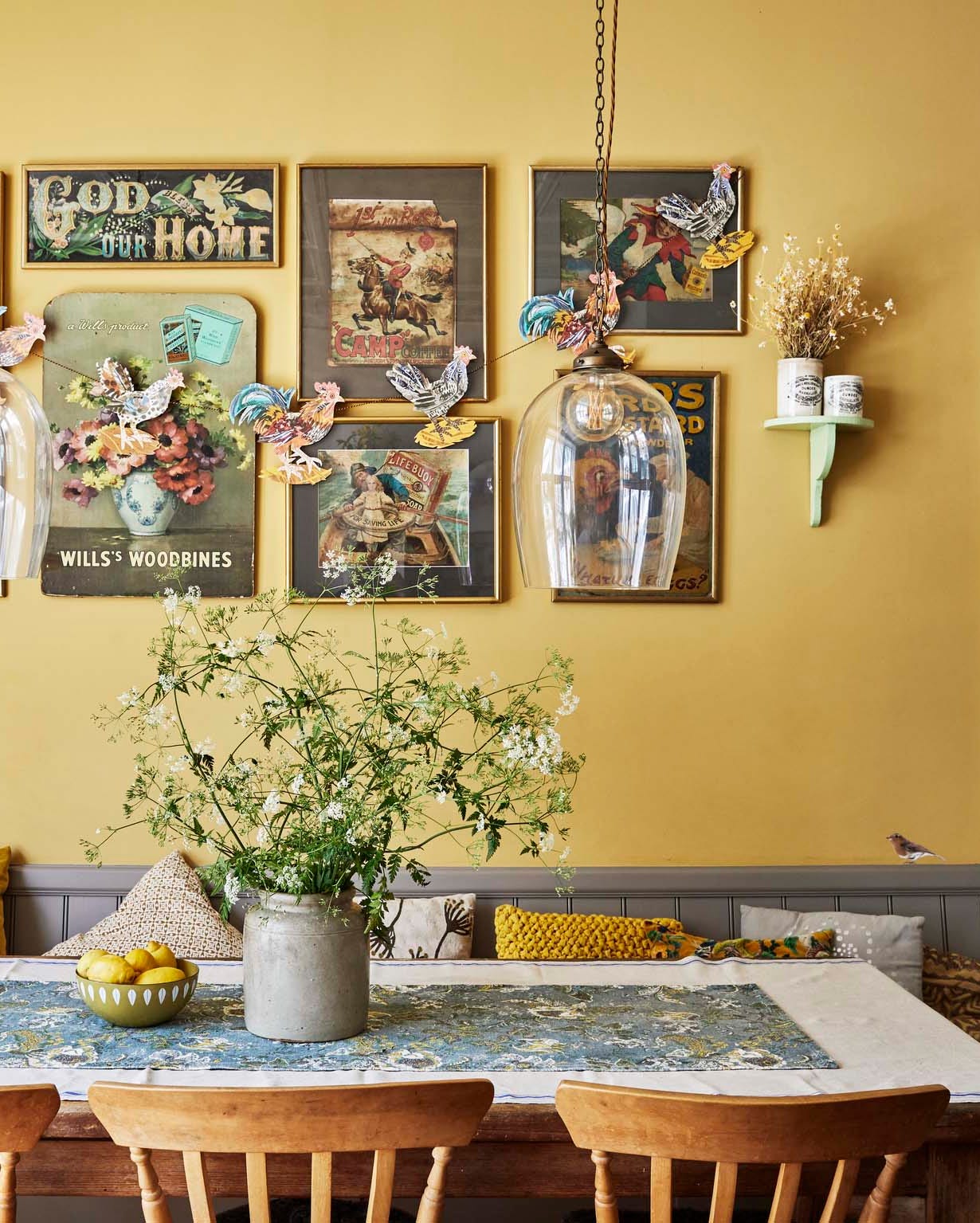
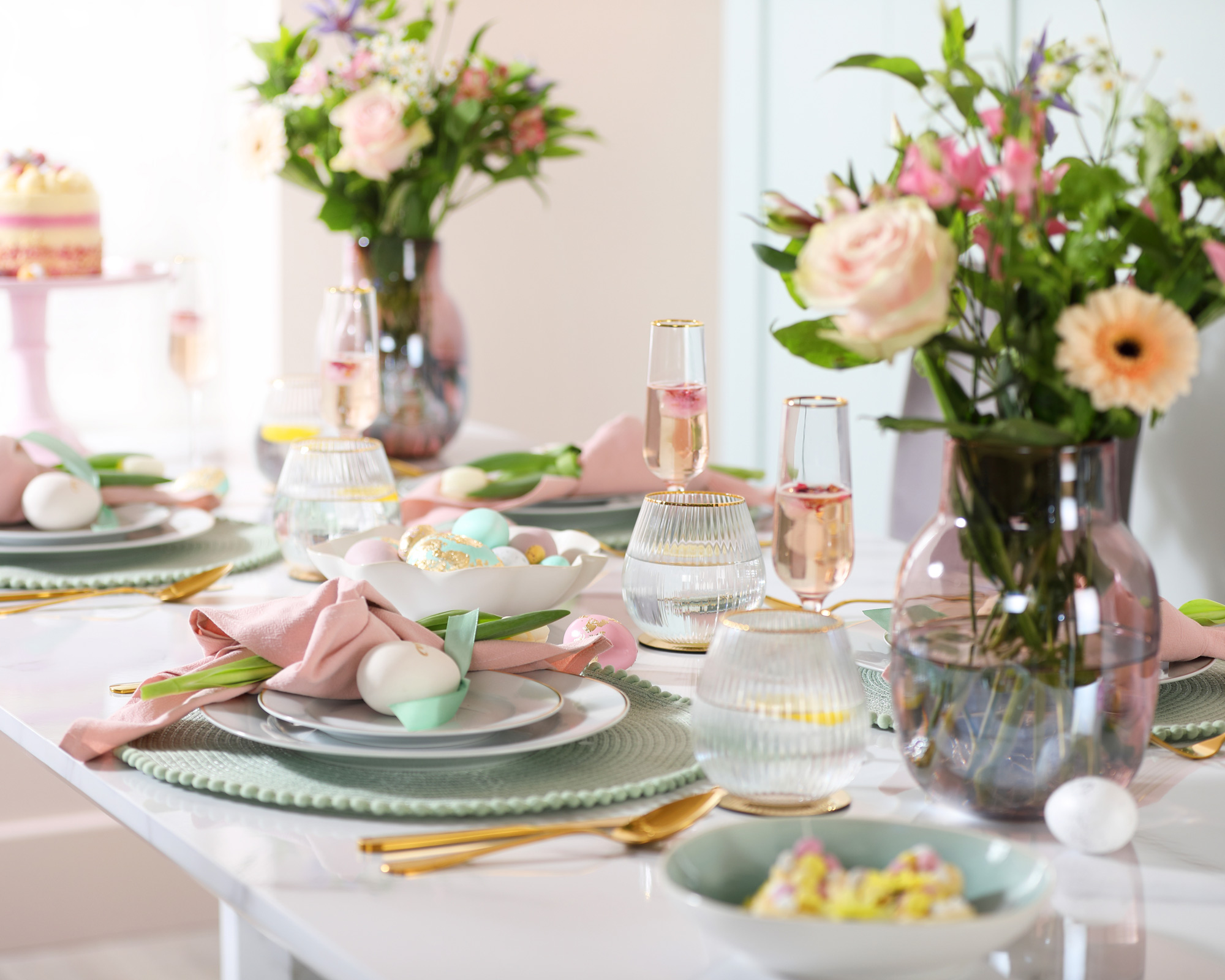
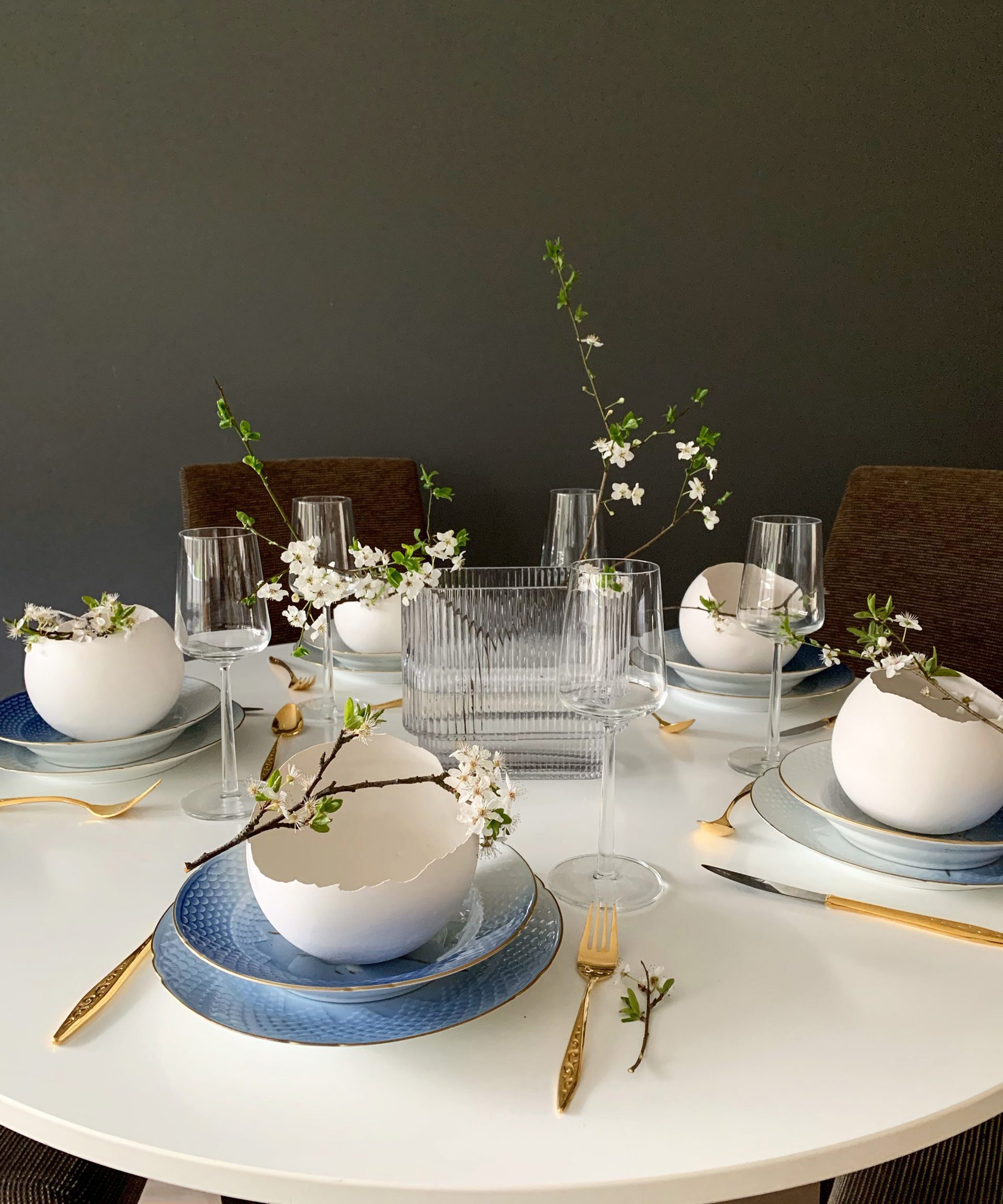
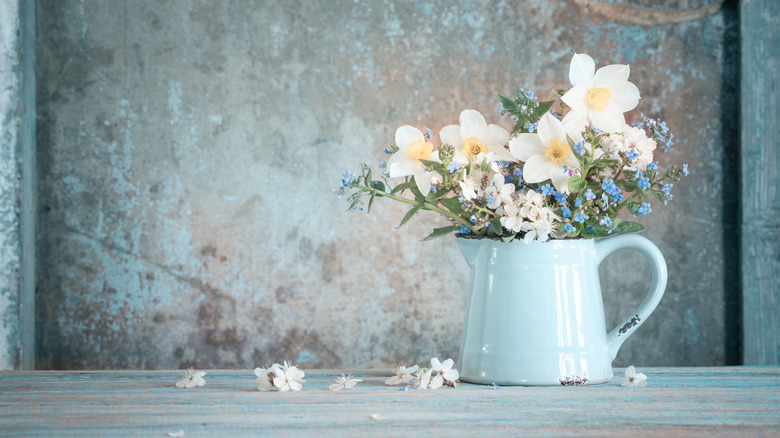
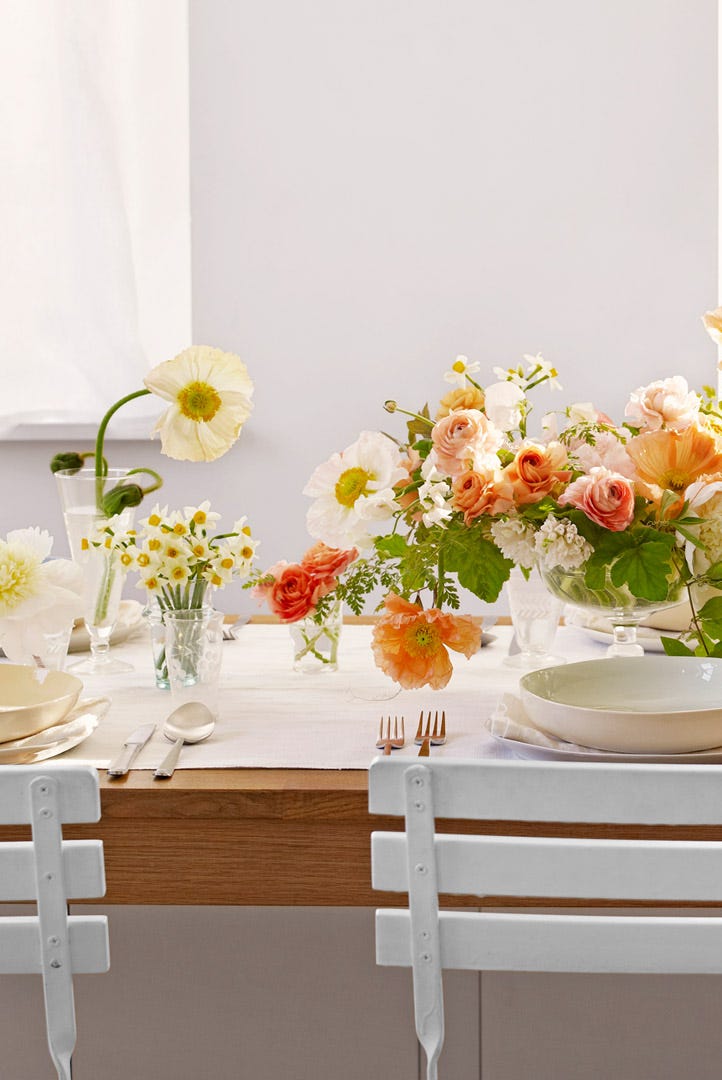
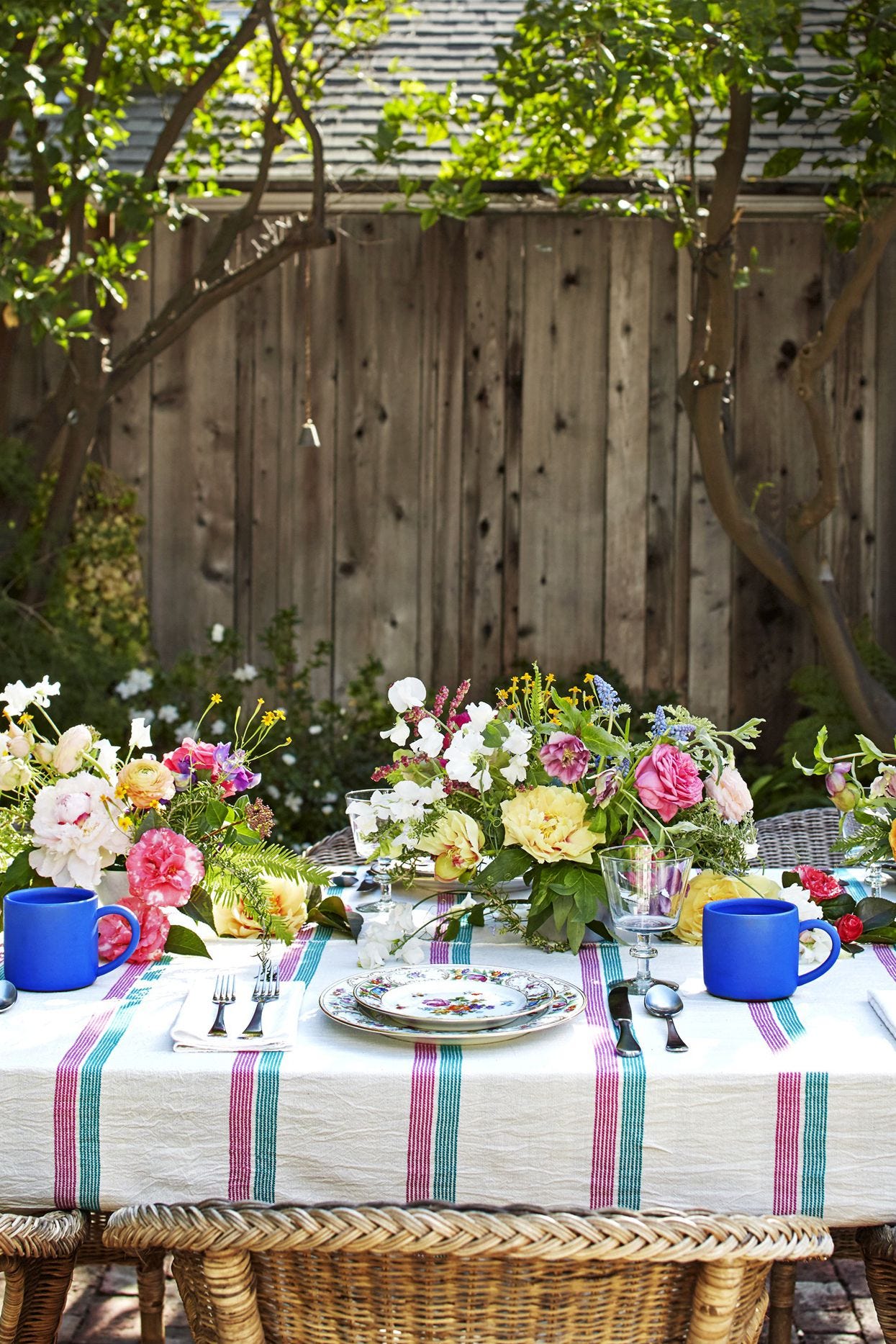
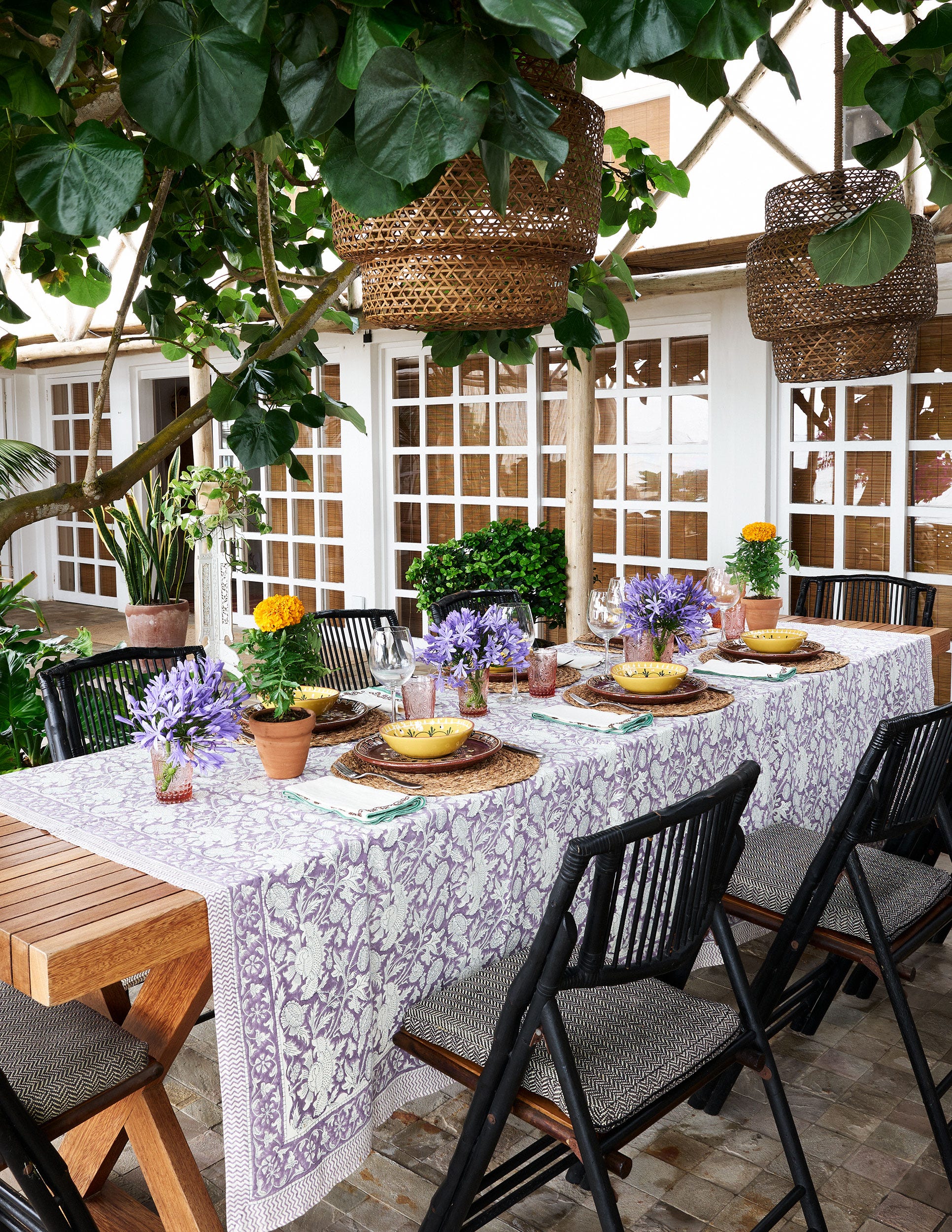
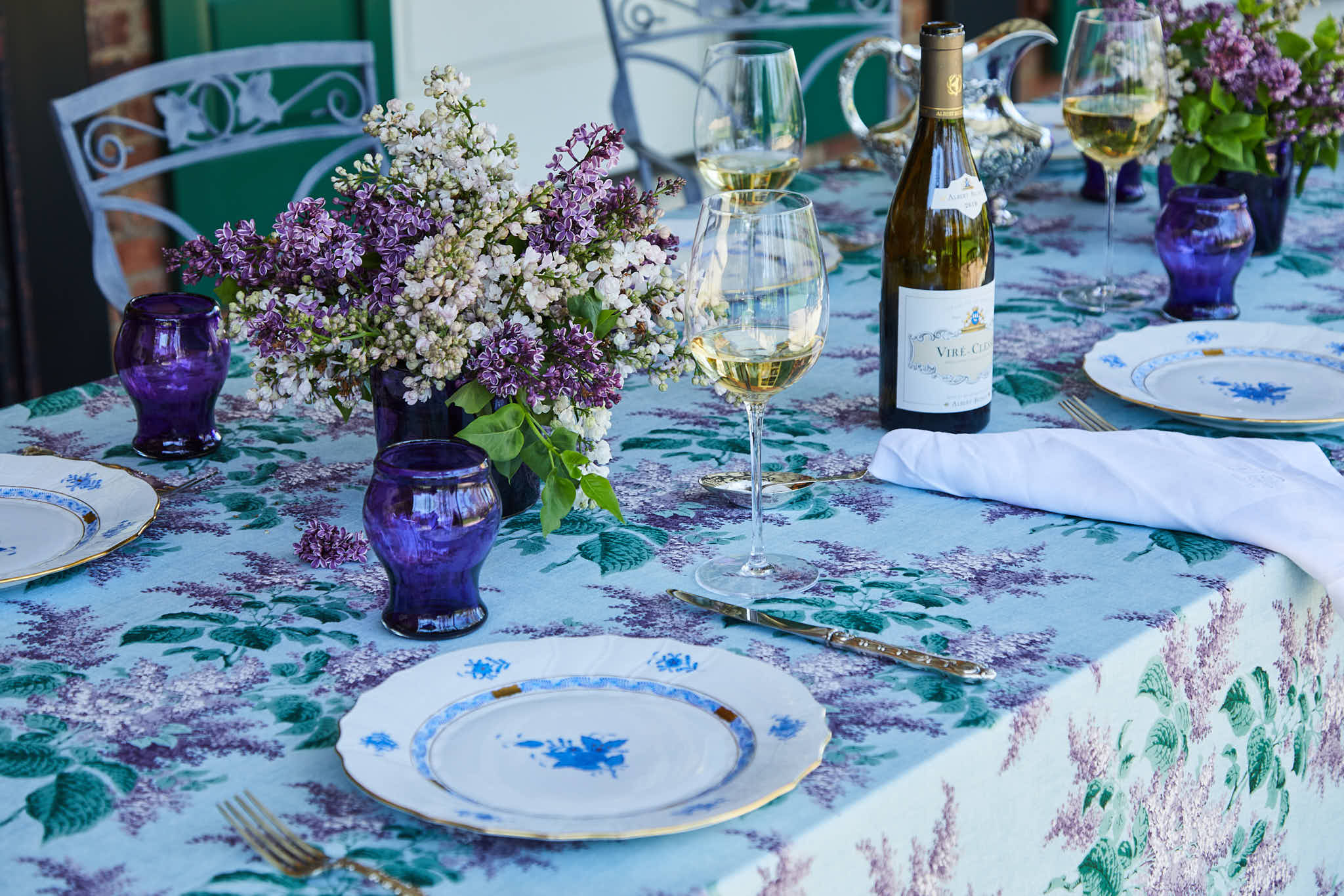
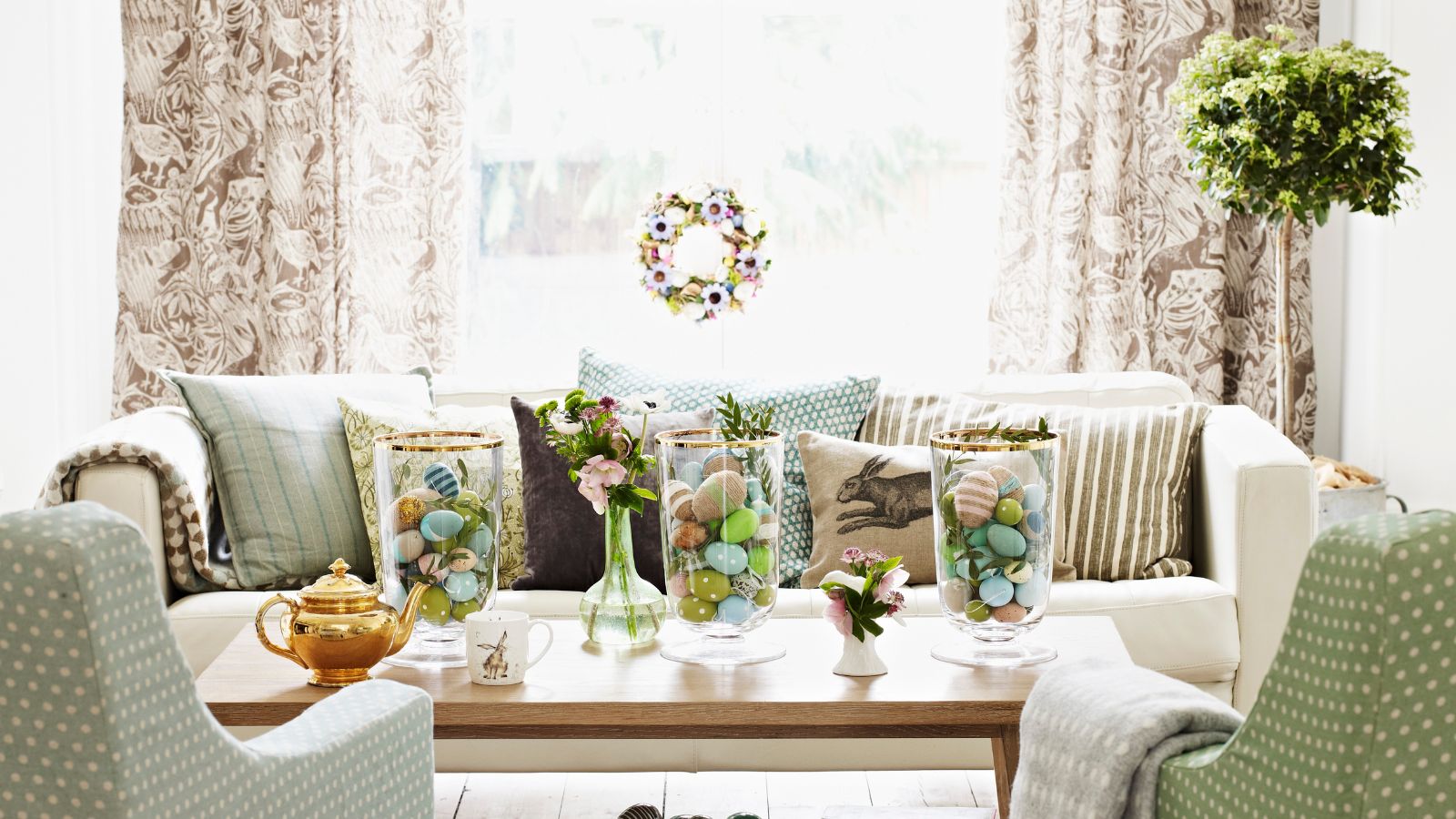
The article begins by suggesting creative ways to display these flowers, such as using vintage coffee pots, ceramic pitchers, or grouped coffee mugs and wineglasses as centerpieces. Even a single floral stem can effectively signal the anticipation of warmer weather. The selection of featured flowers includes the Water Lily, which symbolizes new dawn, rebirth, spiritual growth, and renewal, making it a fitting choice for Easter. Gladiolus, known for its tall, sword-like shoots and various vibrant hues, was a celebratory flower in ancient Rome and can add a pop of color to early spring gardens. Lily of the Valley, an aggressive grower with dainty, sweet-smelling blooms, is noted for its late spring appearance, though it is important to be aware of its toxicity to people and animals.
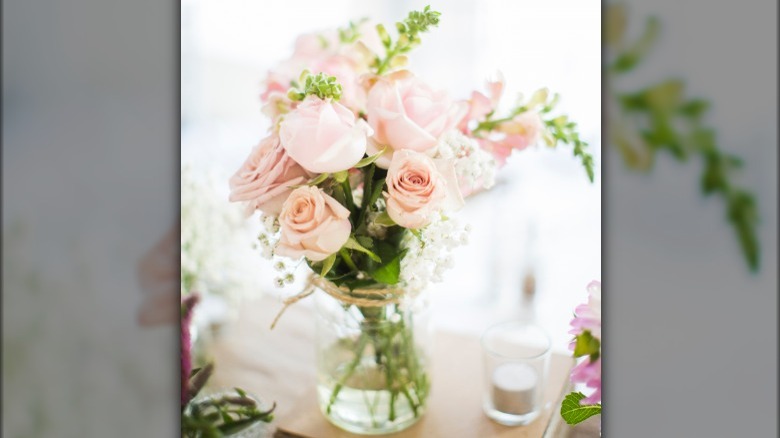
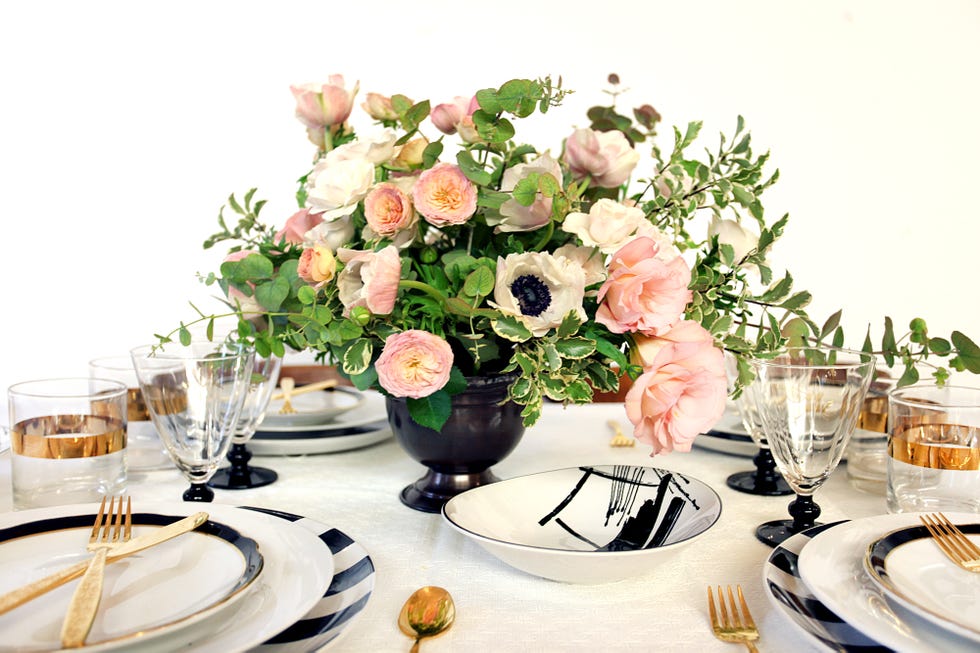
Irises, named after the Greek goddess of the rainbow, symbolize the connection between earth and heavens and are associated with the passion and resurrection of Christ due to their bloom time around Easter. Their rich purple color is also a traditional Easter hue in the Catholic Church. Roses, with their diverse meanings depending on color, offer customization for Easter bouquets; pink roses can symbolize spring sweetness, while white accents represent new beginnings and pure intentions. Baby's Breath, traditionally used in wedding bouquets and baby showers, signifies good luck and new beginnings and can be creatively incorporated into Easter centerpieces with carrots.
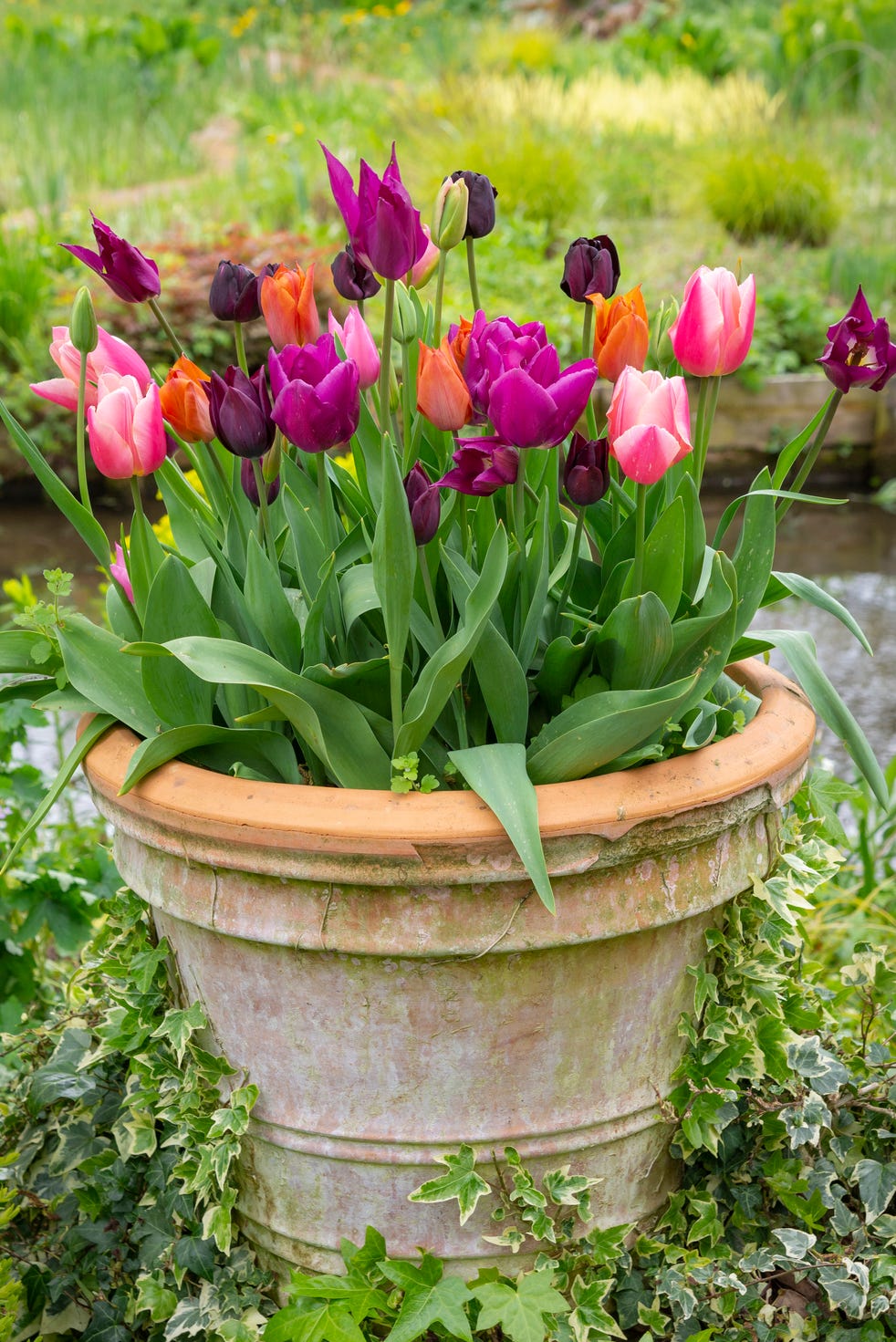
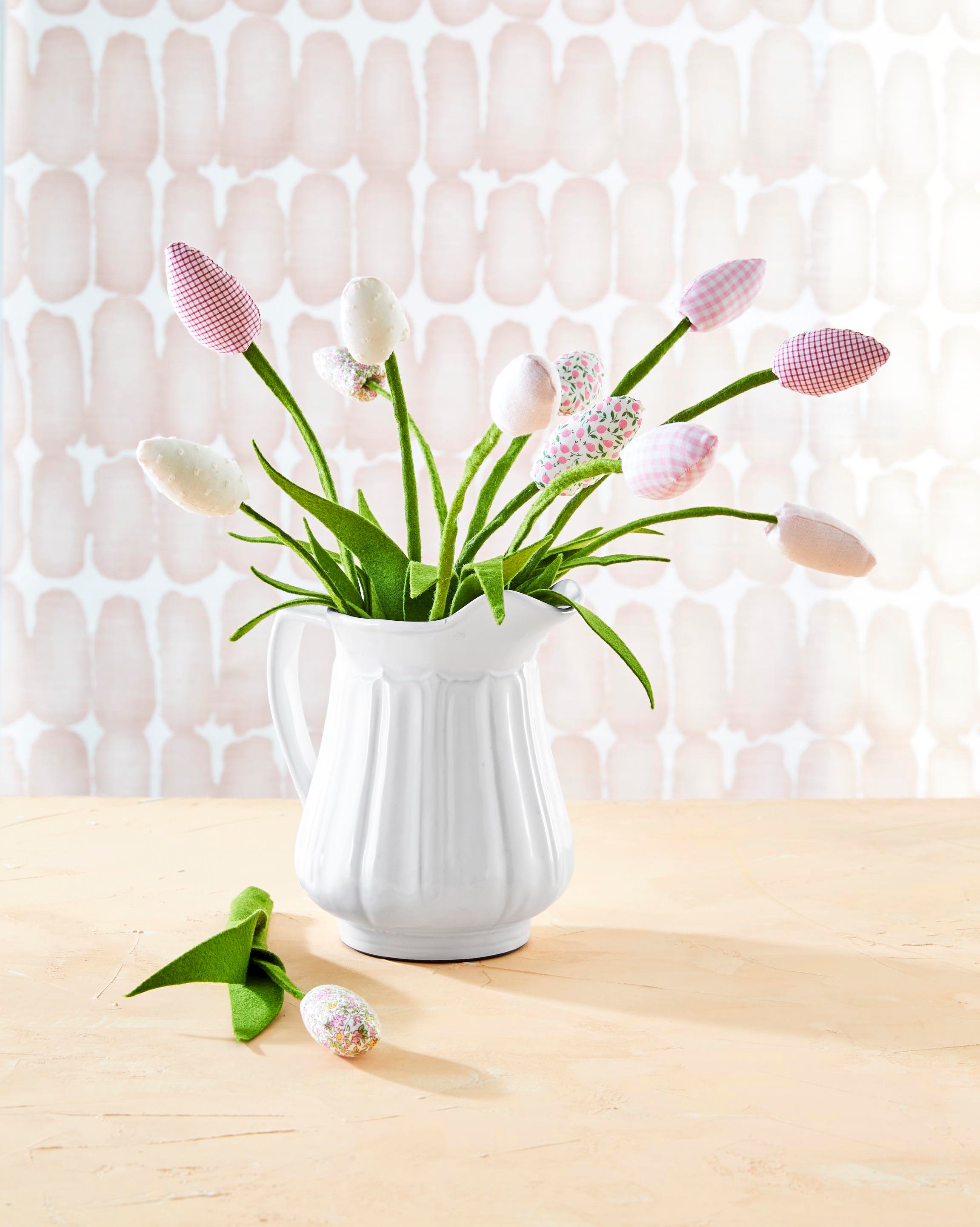
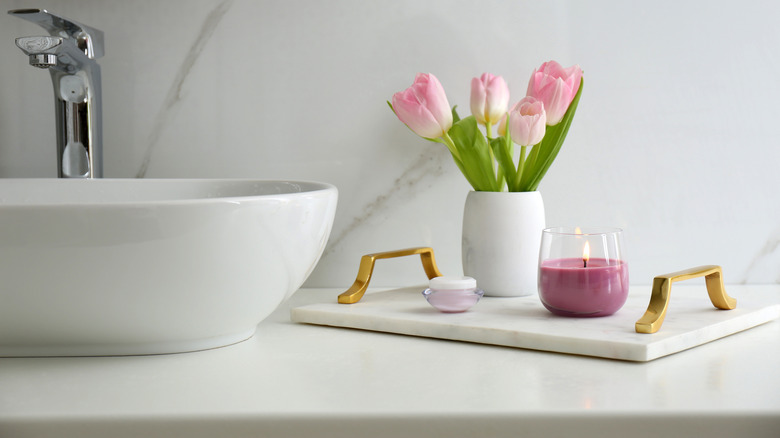
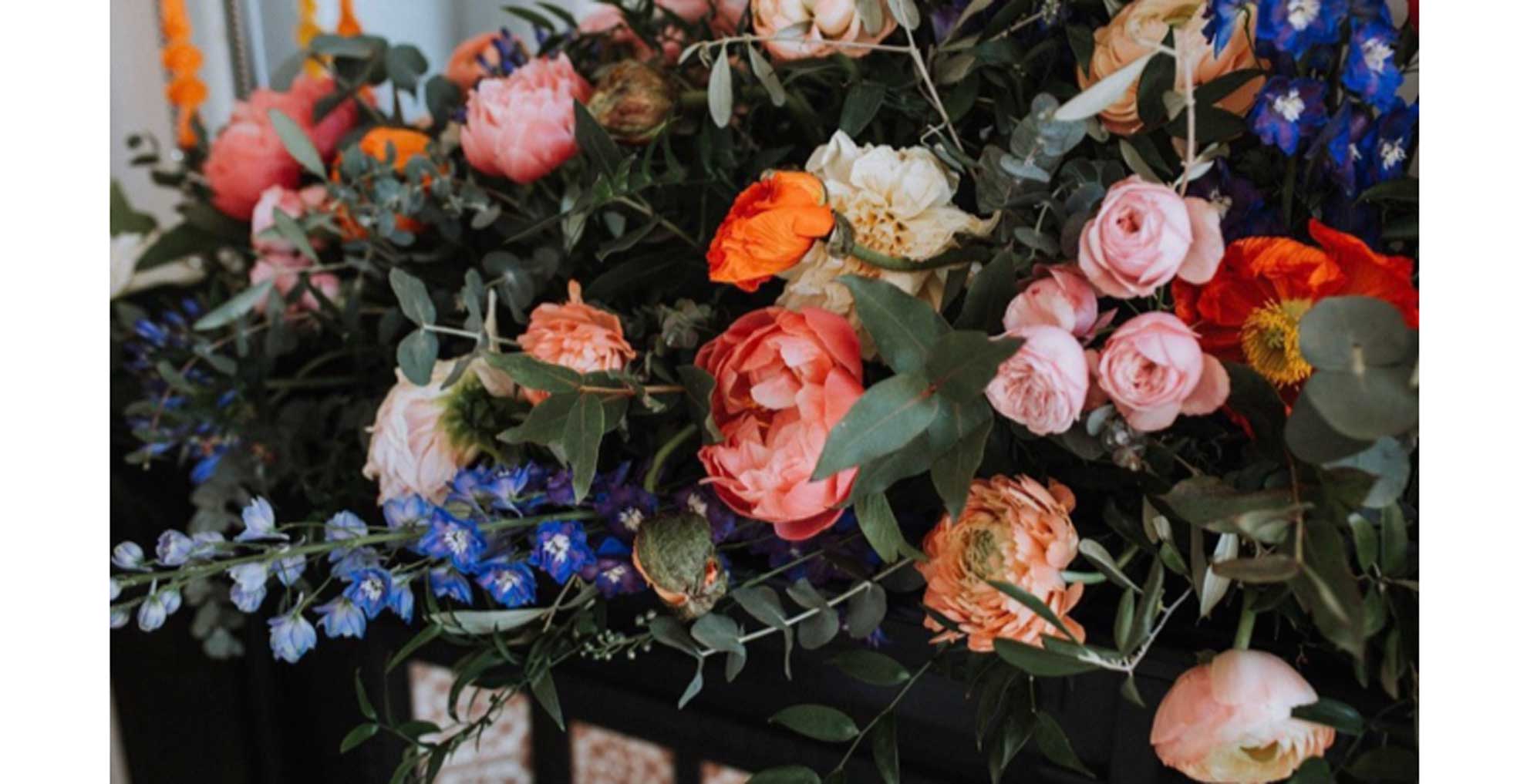
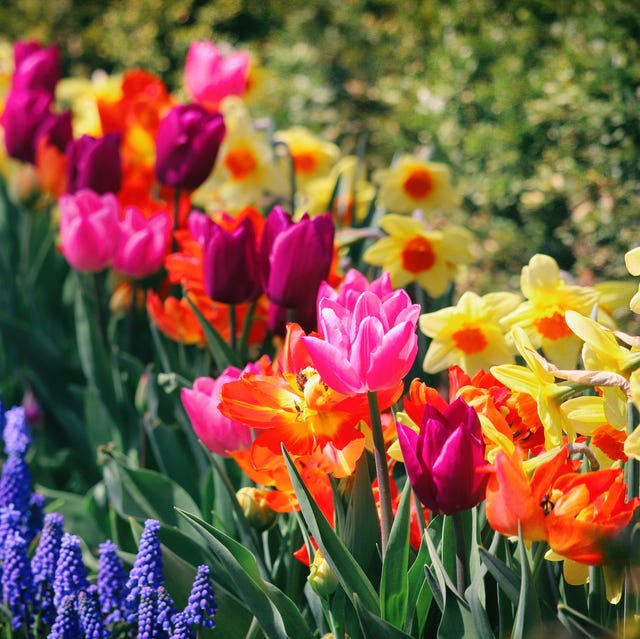
Peonies, though typically blooming later in spring, are beloved for their layered petals and intoxicating fragrance in warmer climates. The article advises purchasing cut peonies that are nearly closed to maximize their vase life. Tulips, a quintessential spring flower, are available in various colors and forms and are perfect for Easter displays. For longevity, selecting tulips with tight buds is recommended, and planting their bulbs in the fall ensures their return the following spring. Easter Lilies, native to Japan, are iconic for the holiday; plants with buds in various stages should be chosen for extended enjoyment, and they can be planted outdoors in warm climates. However, all parts of lily plants are highly toxic to pets, especially cats.
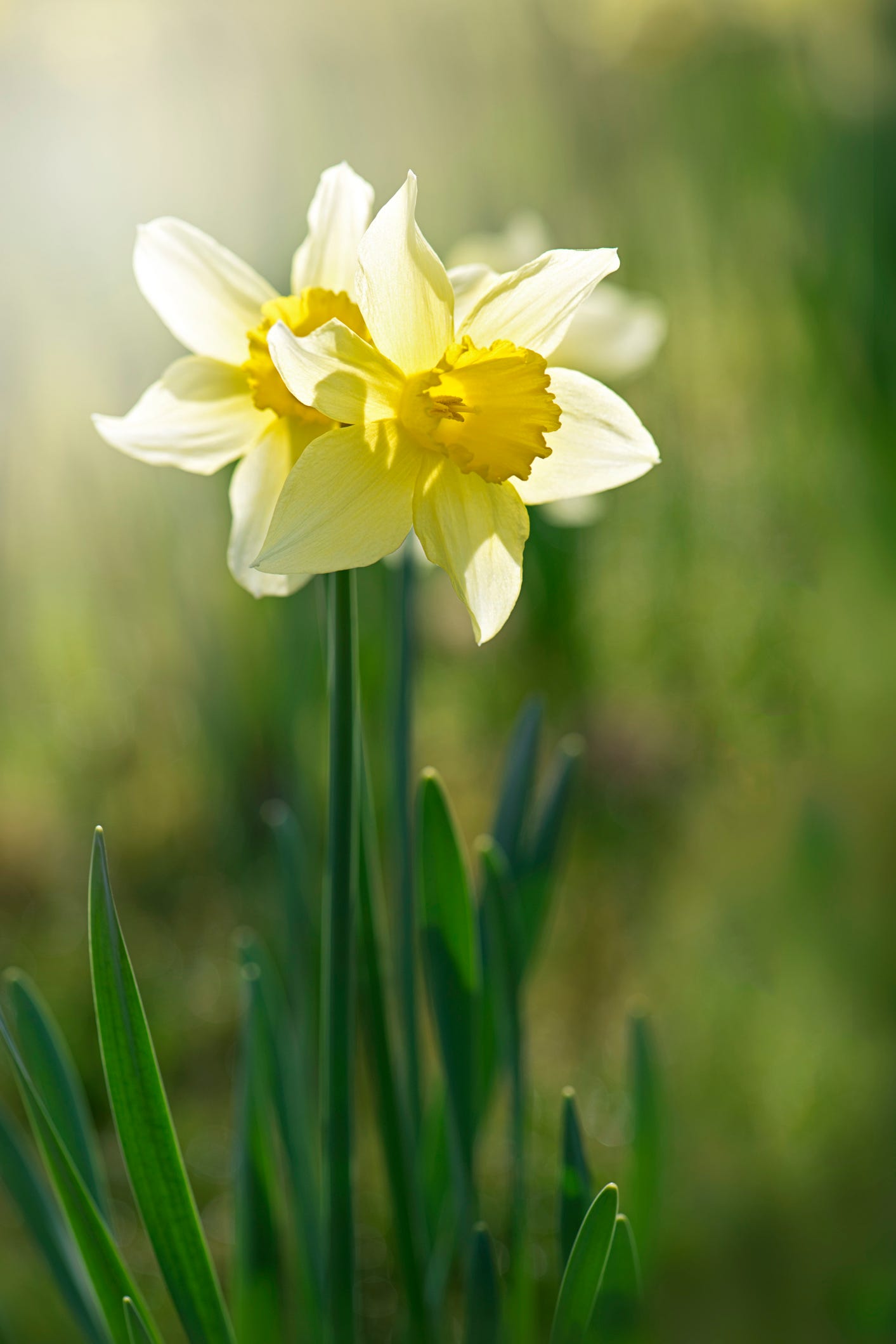
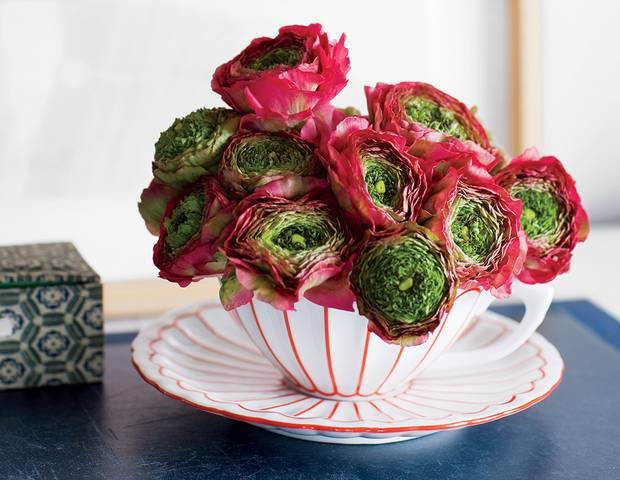
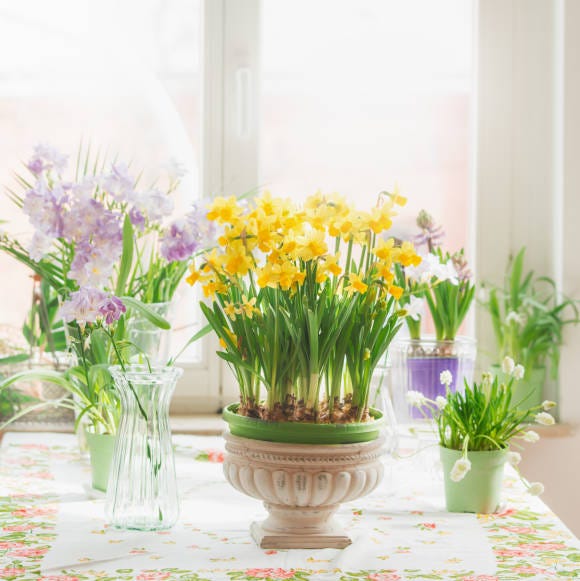
Hyacinths, with their pretty spikes of white, pink, blue, and purple, are strongly associated with Easter. These hardy bulbs can be planted outdoors and typically return for many years. Their strong fragrance is a consideration for indoor placement. Gerbera Daisies, colorful flowers blooming in late spring or early summer, are excellent for Easter decorating, with potted plants generally offering longer-lasting beauty than cut flowers. Daffodils, often among the first signs of spring, can be bought as potted plants or cut stems. Planting their faded bulbs in the garden allows for their return in subsequent seasons. Ranunculus, with its dainty and ethereal beauty, is a welcome addition to Easter decor and has a long vase life.
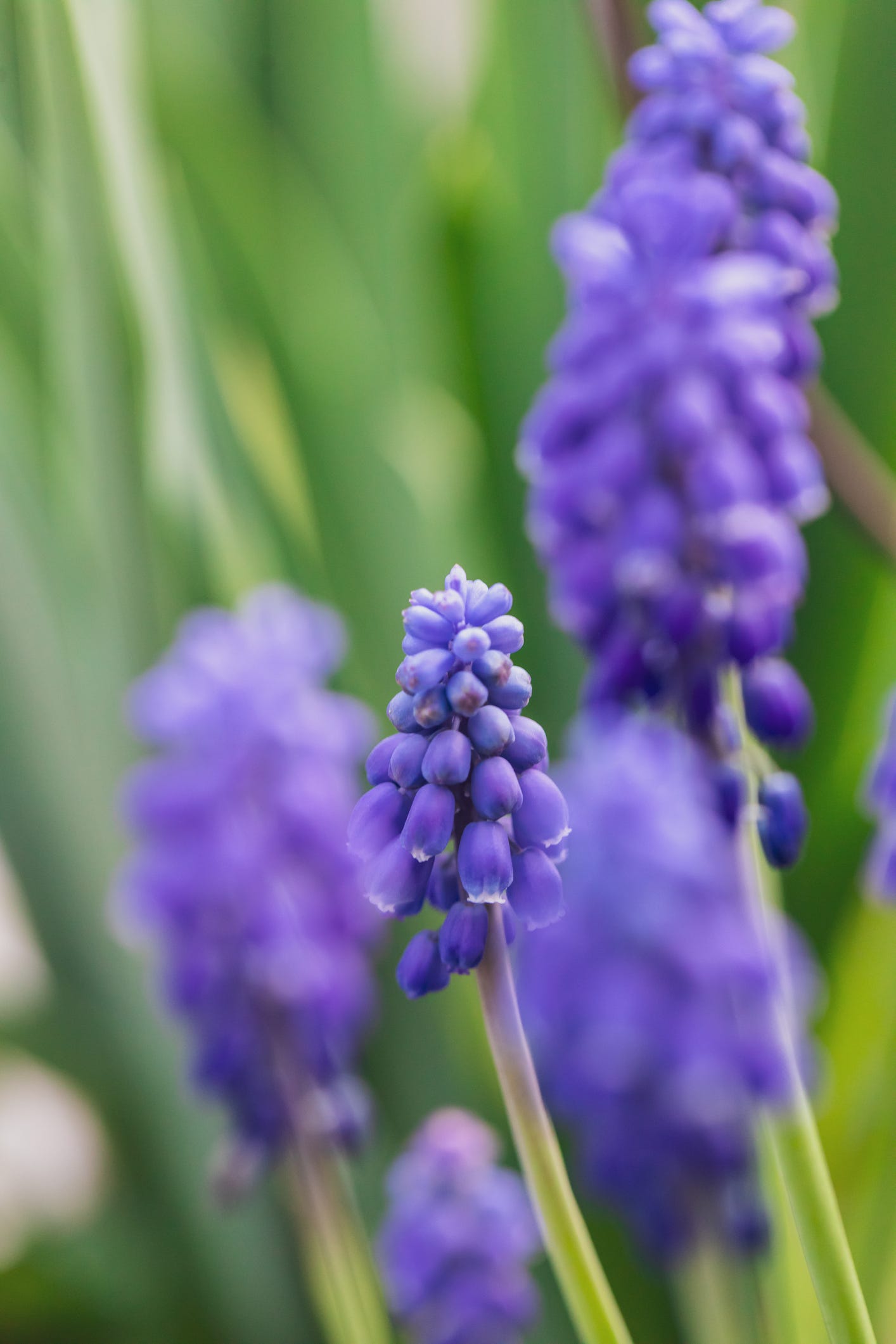
Primroses are tidy plants with brightly colored blooms that are among the first to appear in spring. Lining several potted primroses on a tabletop creates an easy-care centerpiece that can last for weeks. Azaleas, frequently sold as potted gift plants in spring, offer vibrant floral displays but are typically not cold-hardy for outdoor planting. Crocuses, delightful cup-shaped flowers, are true heralds of spring, often blooming while snow is still on the ground. Moth Orchids, despite common misconceptions, are relatively easy to care for, with delicate flowers that last for months and can rebloom for years. Grape Hyacinths, charming bulbs often sold as tabletop blooms, can also be planted outdoors in the fall for spring flowers, some possessing a faint, pleasant grape-like scent.
Forsythia branches, when cut as buds begin to swell, can be forced to bloom indoors, creating striking yellow displays for entryway tables or mantels. Pansies and Violas, delicate, funny-faced flowers, are widely available in spring and can be potted for Easter tables or planted in window boxes, tolerating cold snaps and even light snow. This comprehensive guide provides practical advice and inspiration for incorporating a diverse range of flowers into Easter and springtime celebrations, enhancing the aesthetic appeal of any home and garden.
#EasterFlowers #SpringDecor #FloralArrangements #GardeningTips #HomeDecoration #SeasonalBlooms #PottedPlants #FlowerCare #IndoorPlants #EasterFlowers #SpringDecor #FloralArrangements #GardeningTips #HomeDecoration #SeasonalBlooms #PottedPlants #FlowerCare #IndoorPlants
0 comment in total
 No comments yet
You may also like
These Flower Arrangements Are Beautiful Additions to Your Easter Decor

Easy Spring Centerpiece Ideas That Wow

25 Spring Centerpiece Ideas to Set Your Dinner Party Table in Style
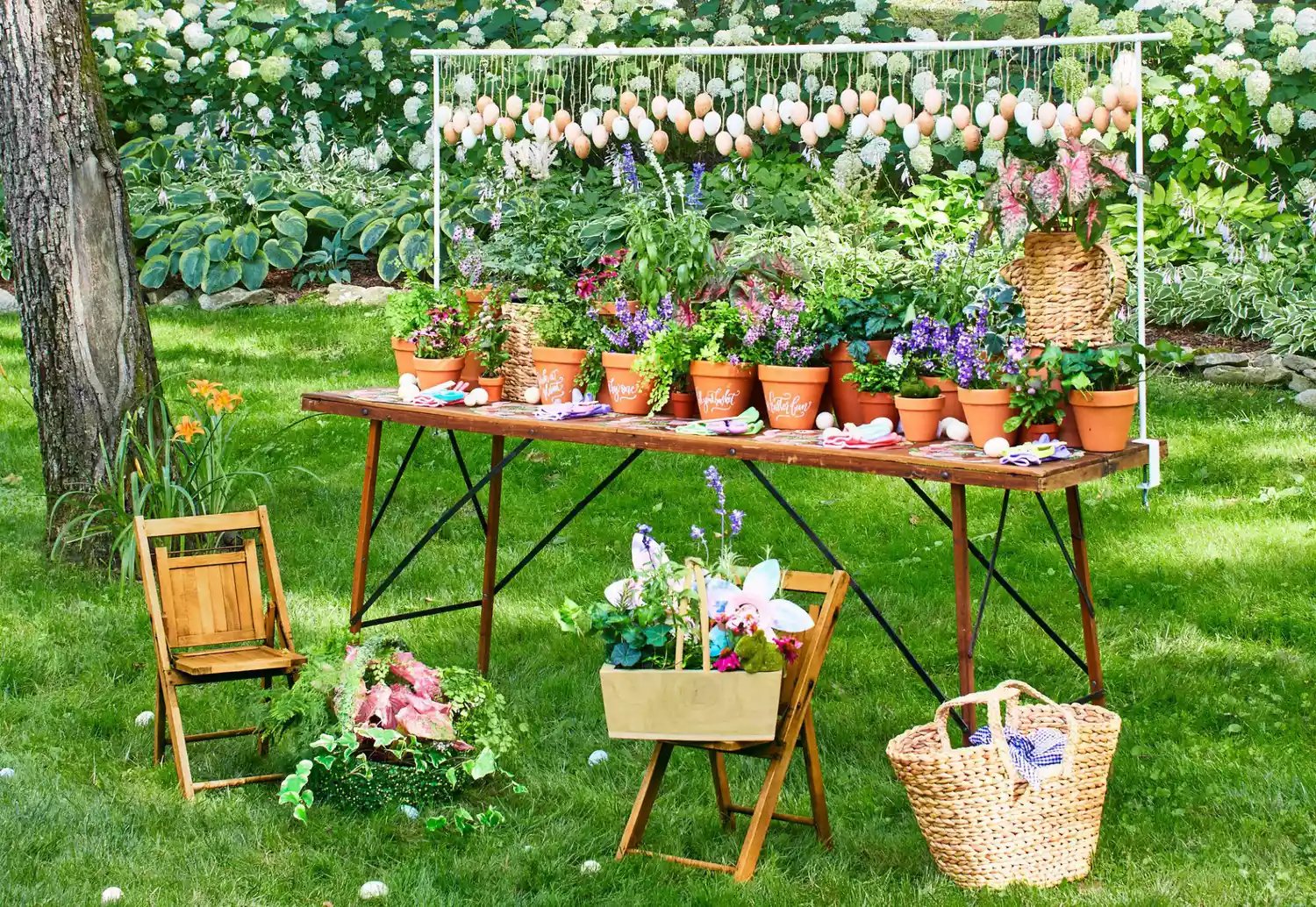
64 Beautiful Easter Decorations For 2025
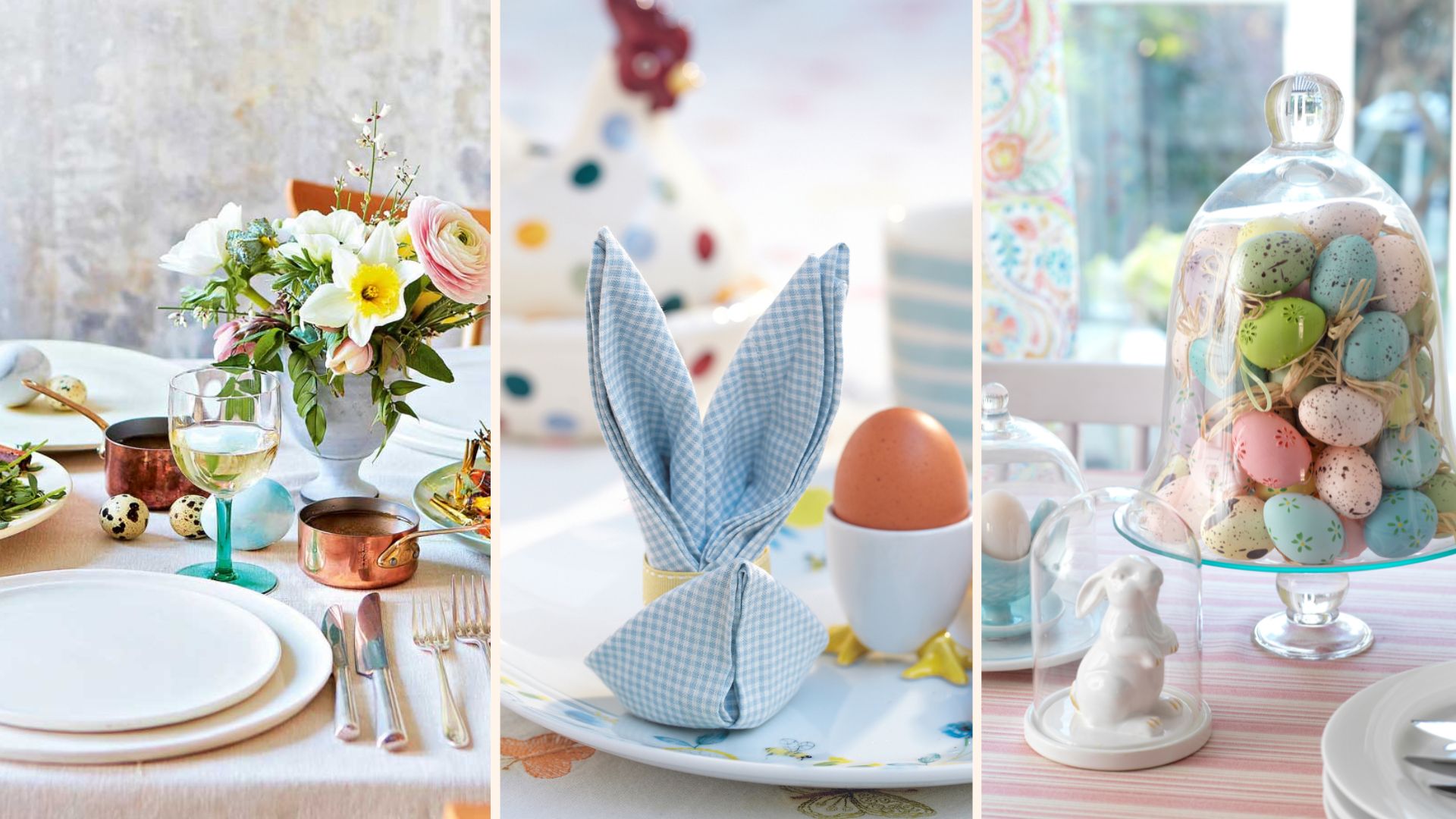
20 stylish Easter table decor and centerpiece ideas for spring

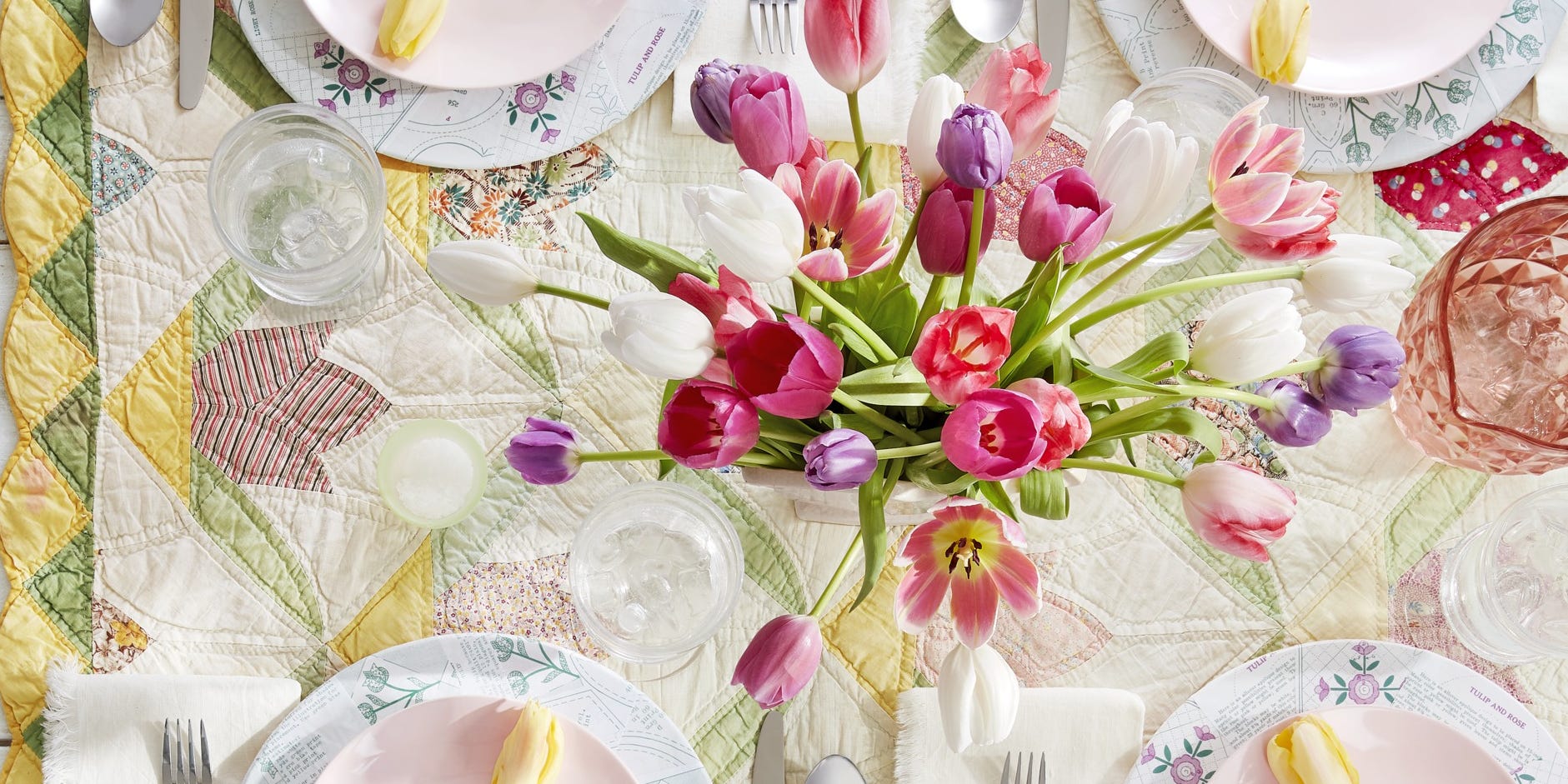
Spruce Up Your Table for Spring with These Fresh Centerpieces
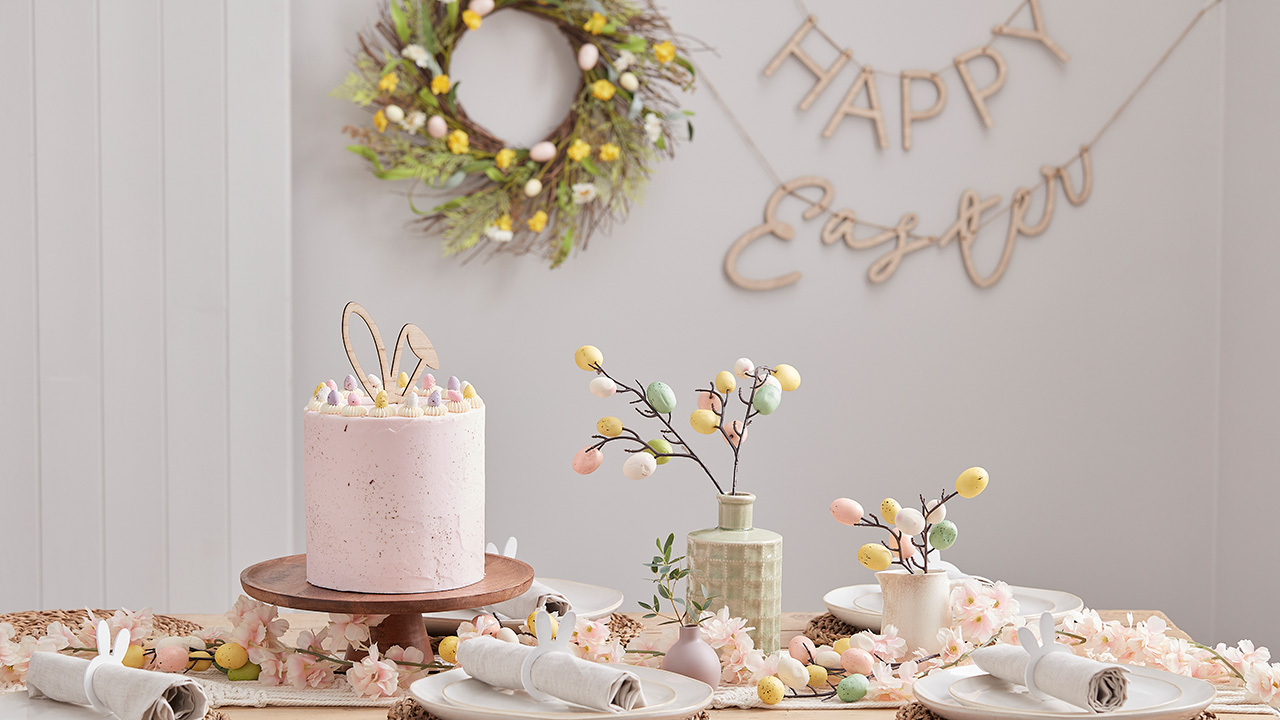
28 of the best Easter decoration ideas for 2022

11 Spring Wreaths for a Festive Front Door

24 Simple Spring Centerpieces That'll Bring Seasonal Cheer Straight to Your Table

15 Gorgeous (and Easy!) Easter Centerpiece Ideas to Complete Your Table

18 Easter mantel decor ideas to dress your living space in style
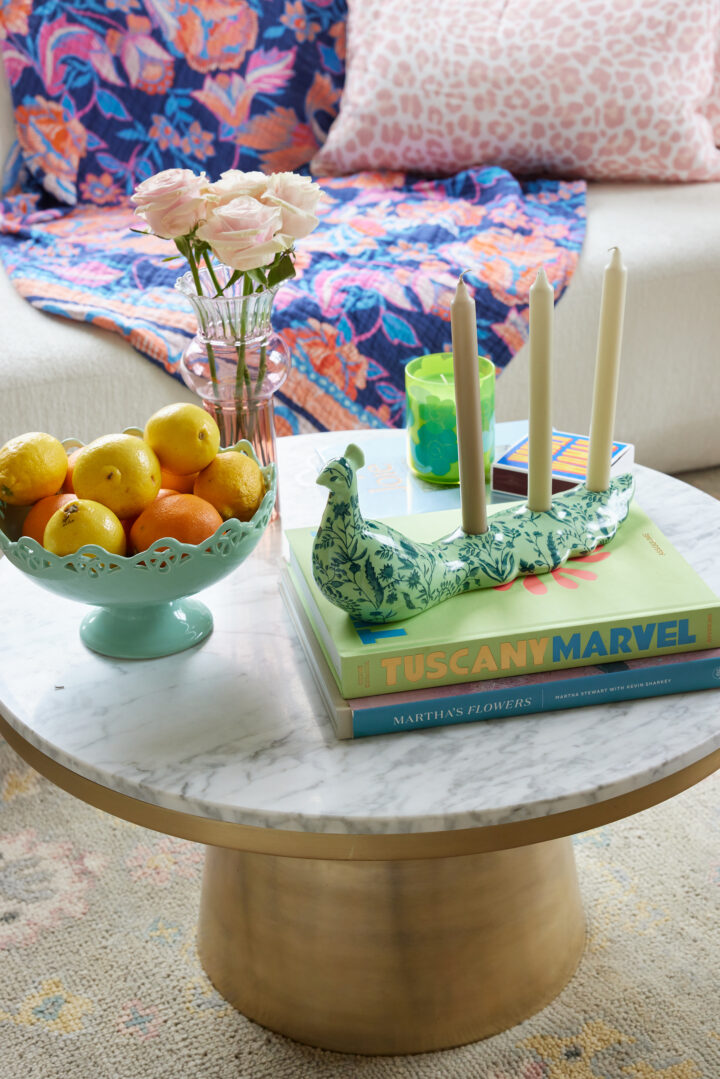
Spring Decor
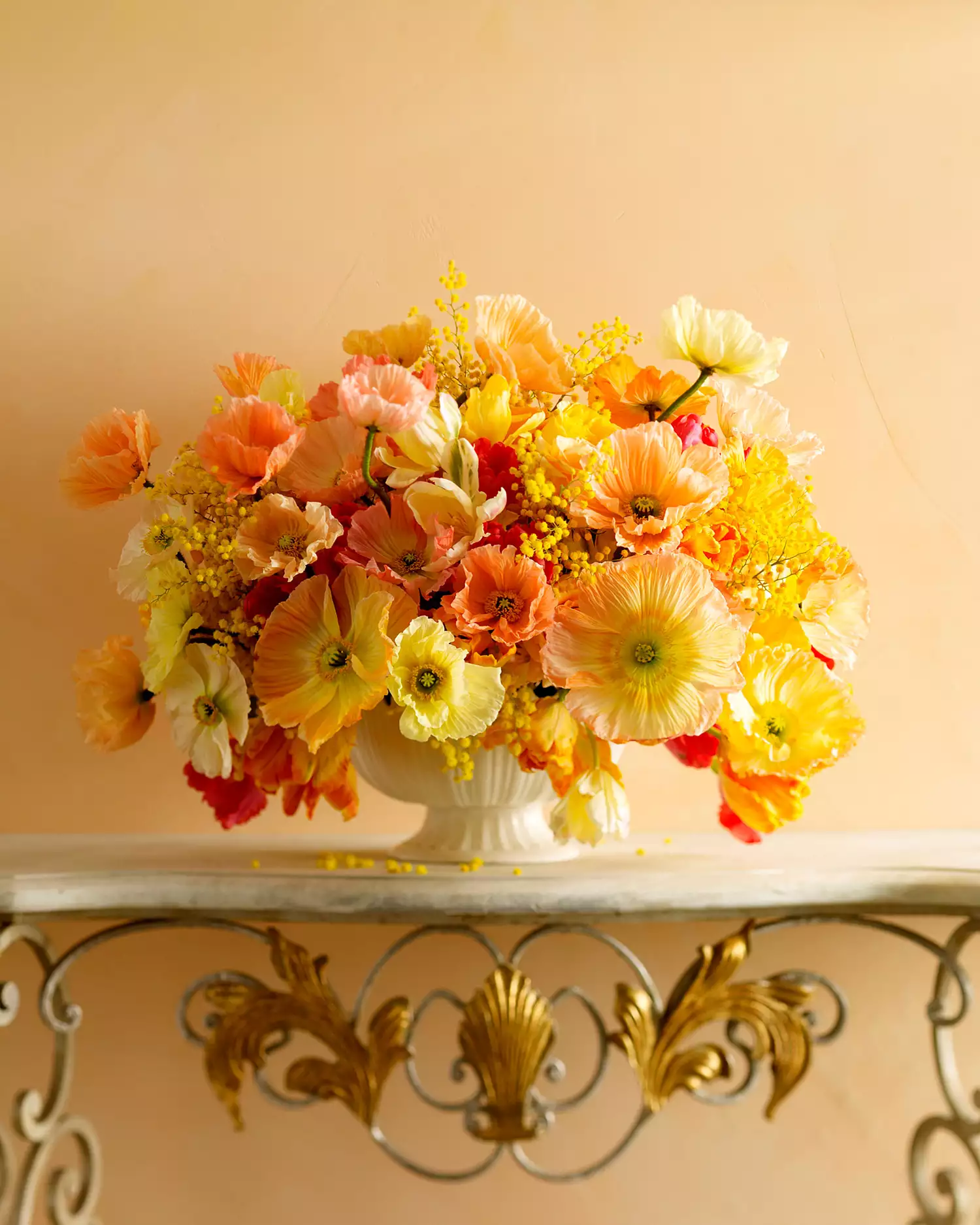
23 Spring Flower Arrangements That Put the Season's Best Blooms on Display

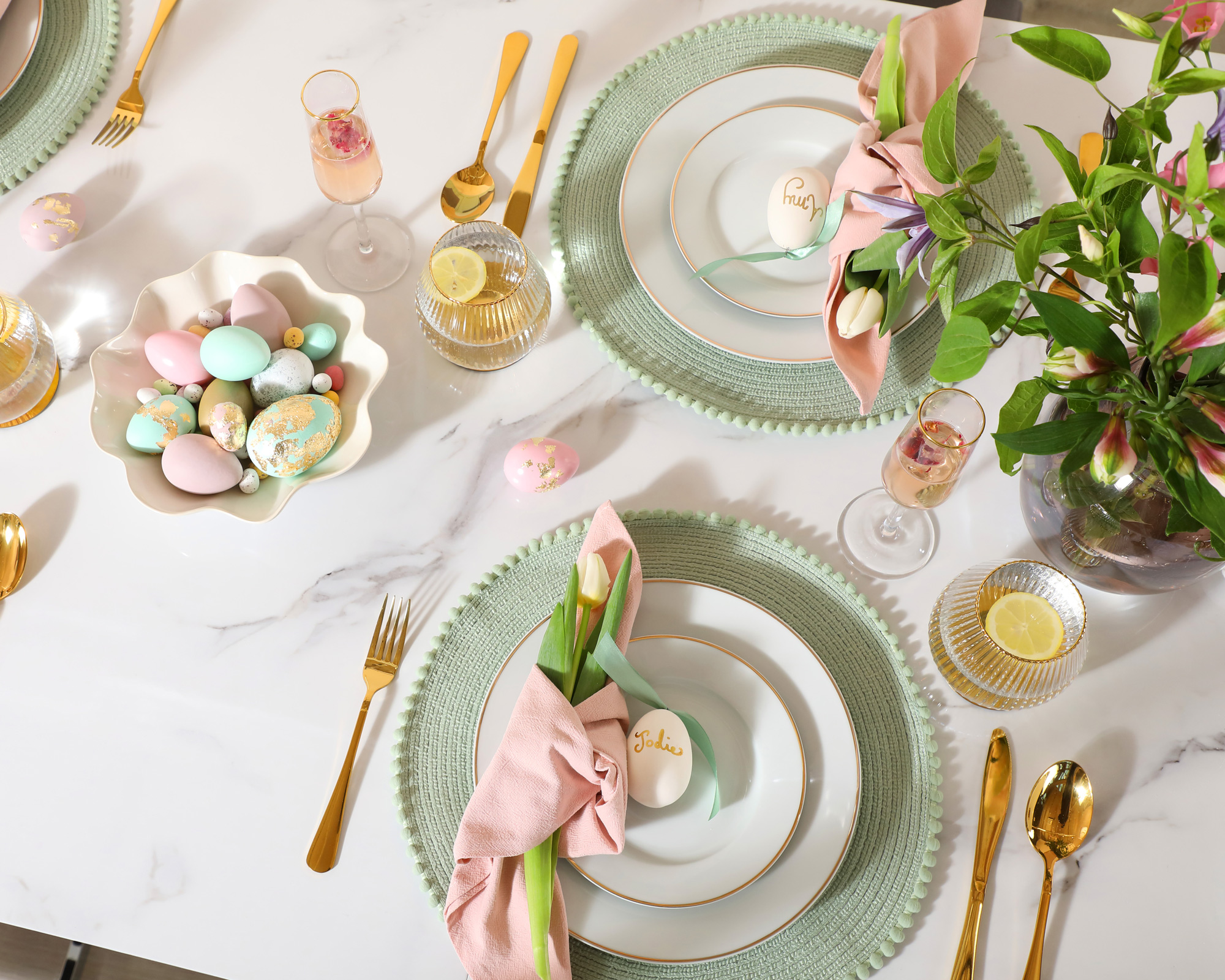
7 Easter table decor ideas to celebrate in style


4 Floral Arrangements To Hold You Over Until Spring
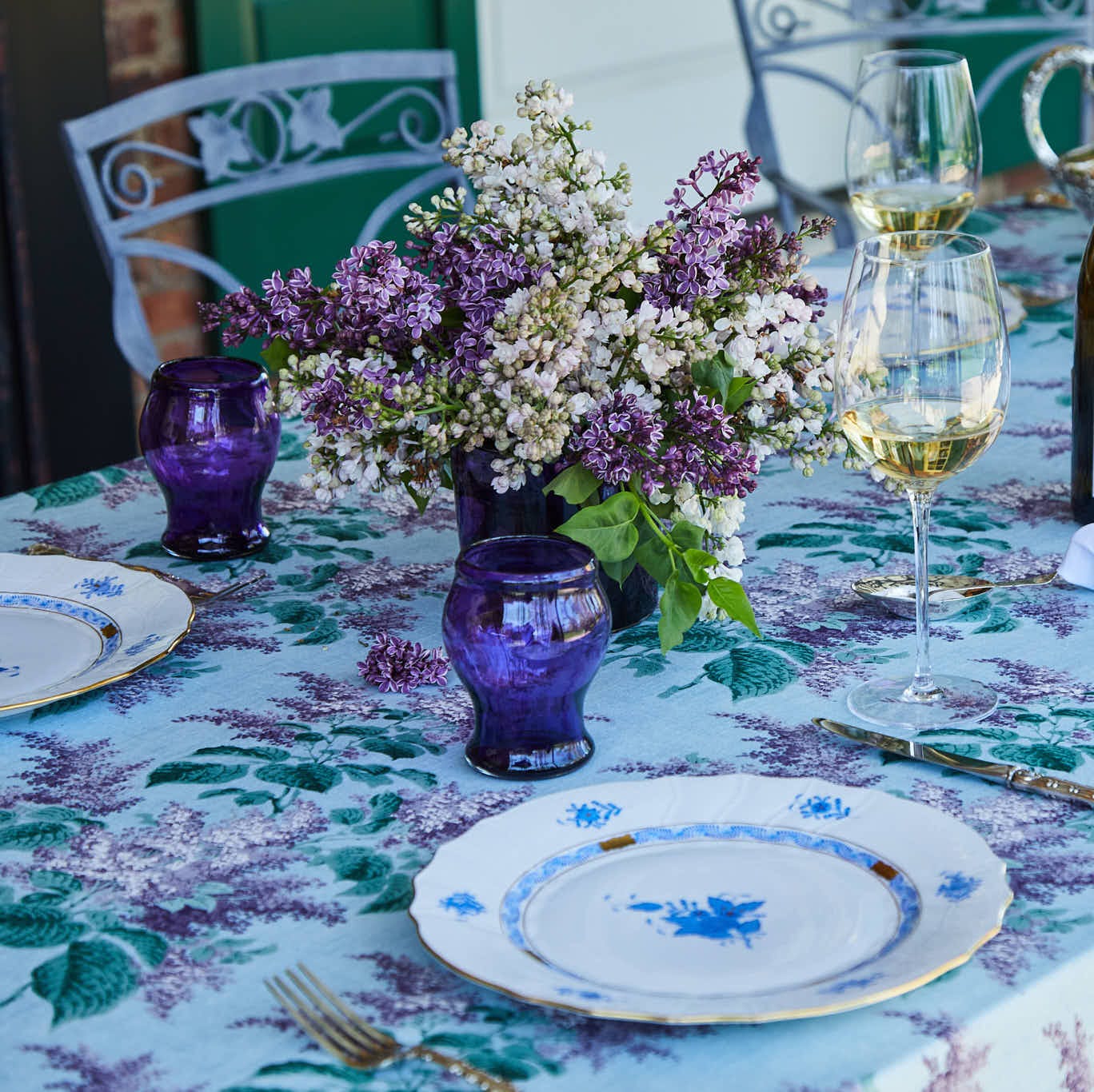
Our Favorite Spring Table and Centerpiece Ideas
Grow These Stunning Spring Flowers to Welcome in the Season

Best Flower And Vase Combos For Spring

7 beautiful Easter wreath ideas to instantly bring spring into your home – plus where to buy this year's best designs

The Best Flowers for an April Wedding, According to the Experts