Furniture concealed hinge options explained
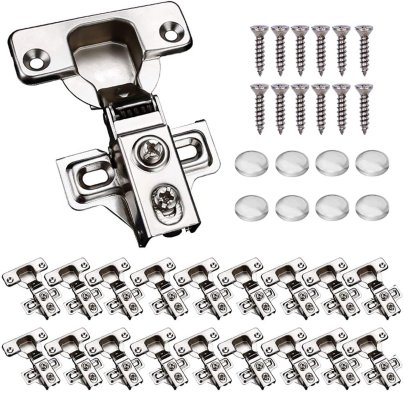
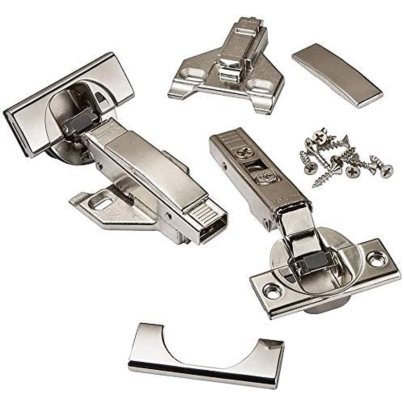
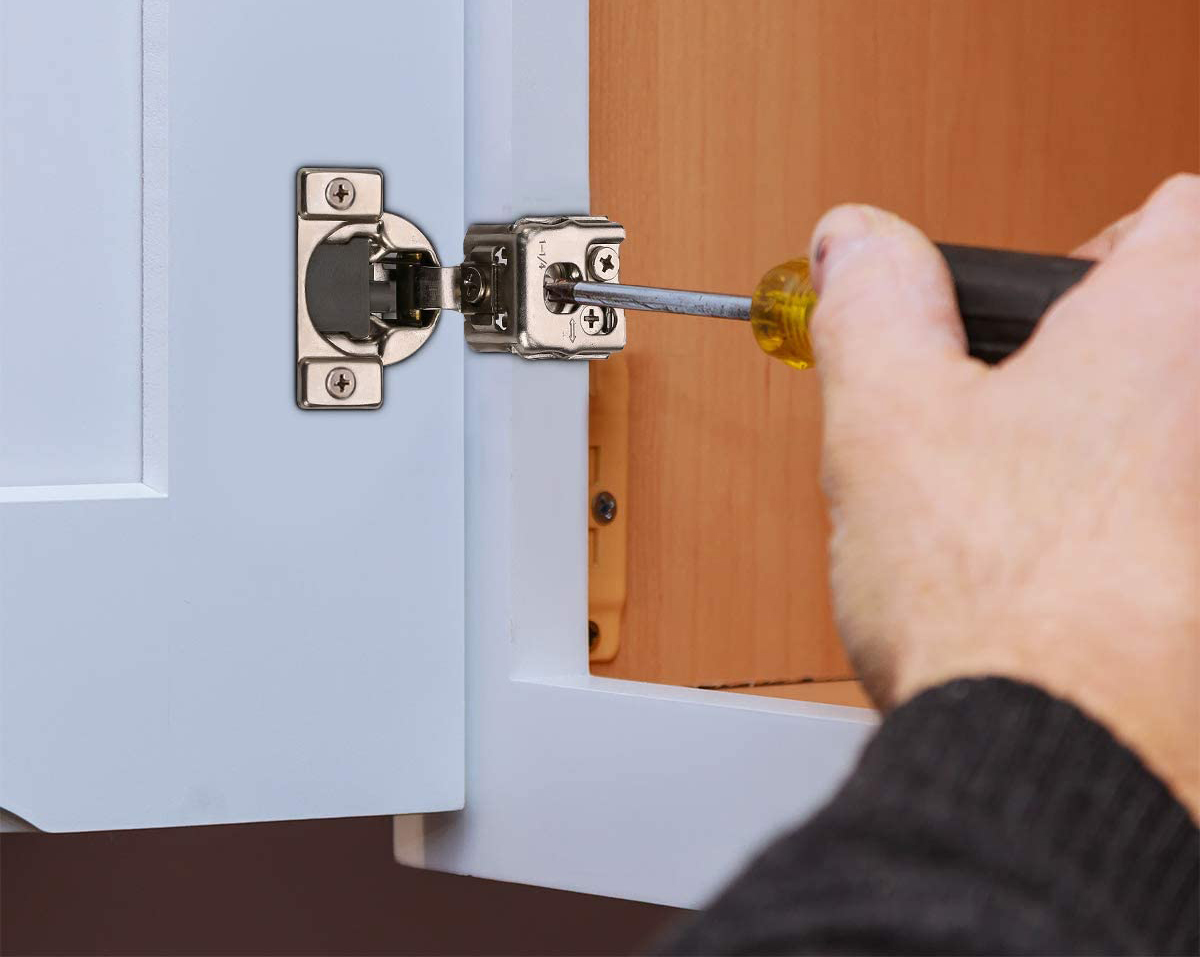
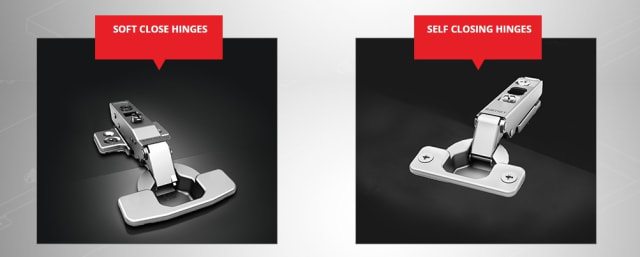
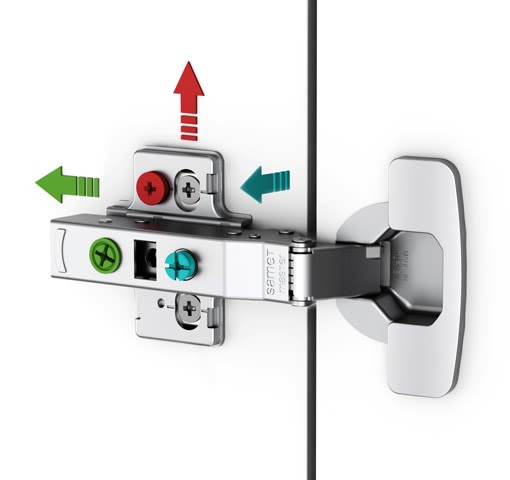
Concealed hinges are commonly used in various furniture types, including kitchen, office, and bedroom furniture, due to their hidden appearance behind cabinet doors and their adjustability for varied fitting patterns and drilling. This article details the different options available for these hinges, starting with how they attach to the cabinet. There are two primary methods: clip-on and slide-on. Clip-on hinges offer quick and tool-free installation, ideal for doors requiring multiple hinges, as they simply clip onto the mounting plate. Slide-on hinges, conversely, require a screwdriver for securing the hinge to the mounting plate, demanding a more hands-on approach.
The article further explains the three common overlay options for concealed hinges: full overlay, half overlay, and inset. A full overlay hinge is used when the cabinet door completely covers the front of the unit when closed, concealing the cabinet. These hinges typically have a straight arm and offer full adjustability through three screws, ensuring a perfect fit. Half overlay hinges allow for doors to be mounted on either side of a central carcass panel, covering half of the carcass. They feature a bend in the arm and are often found in bedroom wardrobes. Inset concealed hinges, distinct from the overlay types, position the door inside the carcass when closed, exposing the wooden frame. These are commonly seen on solid wood furniture and glass doors in kitchen display cabinets.
Regarding hinge cup hole sizes, three common dimensions are discussed: 26mm, 35mm, and 40mm. The 26mm diameter is typically found in domestic furniture like bedroom and bathroom cabinets, often referred to as 'mini' hinges. The 35mm diameter cup hinge is the most widely used for furniture, including kitchens, and is generally the preferred choice for most concealed hinge applications. The 40mm diameter is reserved for extra thick or large doors and is less commonly available from suppliers.
The article also addresses non-standard concealed cabinet hinges designed for specific storage challenges. The bi-fold corner hinge is found in corner cupboards, especially those with carousels, allowing for full access. It involves a 170° hinge attaching the first door to the carcass and a specific bi-fold hinge connecting the second door to the first. The blind corner hinge is used in corner cupboards lacking a cabinet panel for fixation but having an inline fascia, enabling the door to open beyond 90° for full access. Angled hinges are utilized in corner cupboards or those with unusual angles, typically 30-45° when closed, often found in kitchen islands.
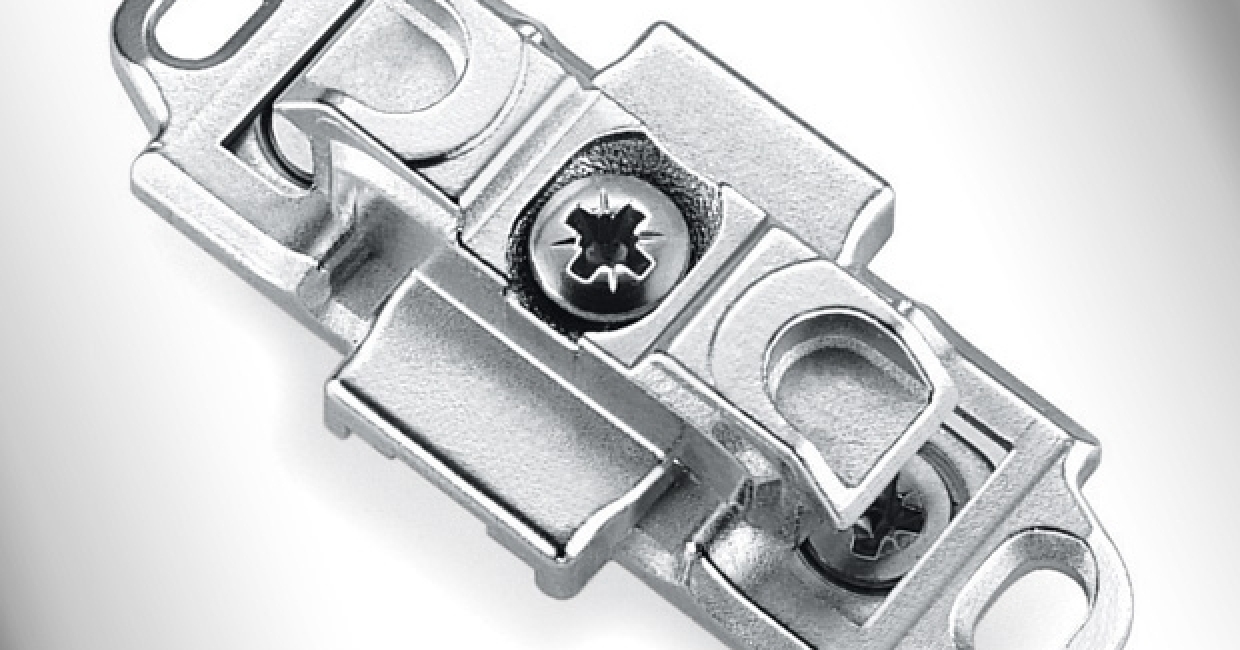
Finally, the article covers mounting plates, which connect the concealed hinge to the cabinet side. These plates are screwed to the side panel and are available in types compatible with different carcass thicknesses, such as 15/16mm or 18/19mm. Three main mounting plate options are highlighted: the 37mm cruciform mounting plate, a common style for UK hinges, fitted 37mm from the carcass edge with two screws; the 28mm cruciform mounting plate, which sits 28mm from the carcass edge; and the in-line mounting plate, named for its shape and also positioned 37mm from the front edge of the carcass, favored by some manufacturers globally.
#ConcealedHinges #FurnitureHardware #CabinetDoors #HomeImprovement #KitchenDesign #BedroomFurniture #HardwareOptions #MountingPlates #FurnitureManufacturing #ConcealedHinges #FurnitureHardware #CabinetDoors #HomeImprovement #KitchenDesign #BedroomFurniture #HardwareOptions #MountingPlates #FurnitureManufacturing
0 commenti in totale
 Nessun commento ancora
Potresti anche gradire
This Product Keeps Your Cabinets Protected and Your Kitchen Quiet

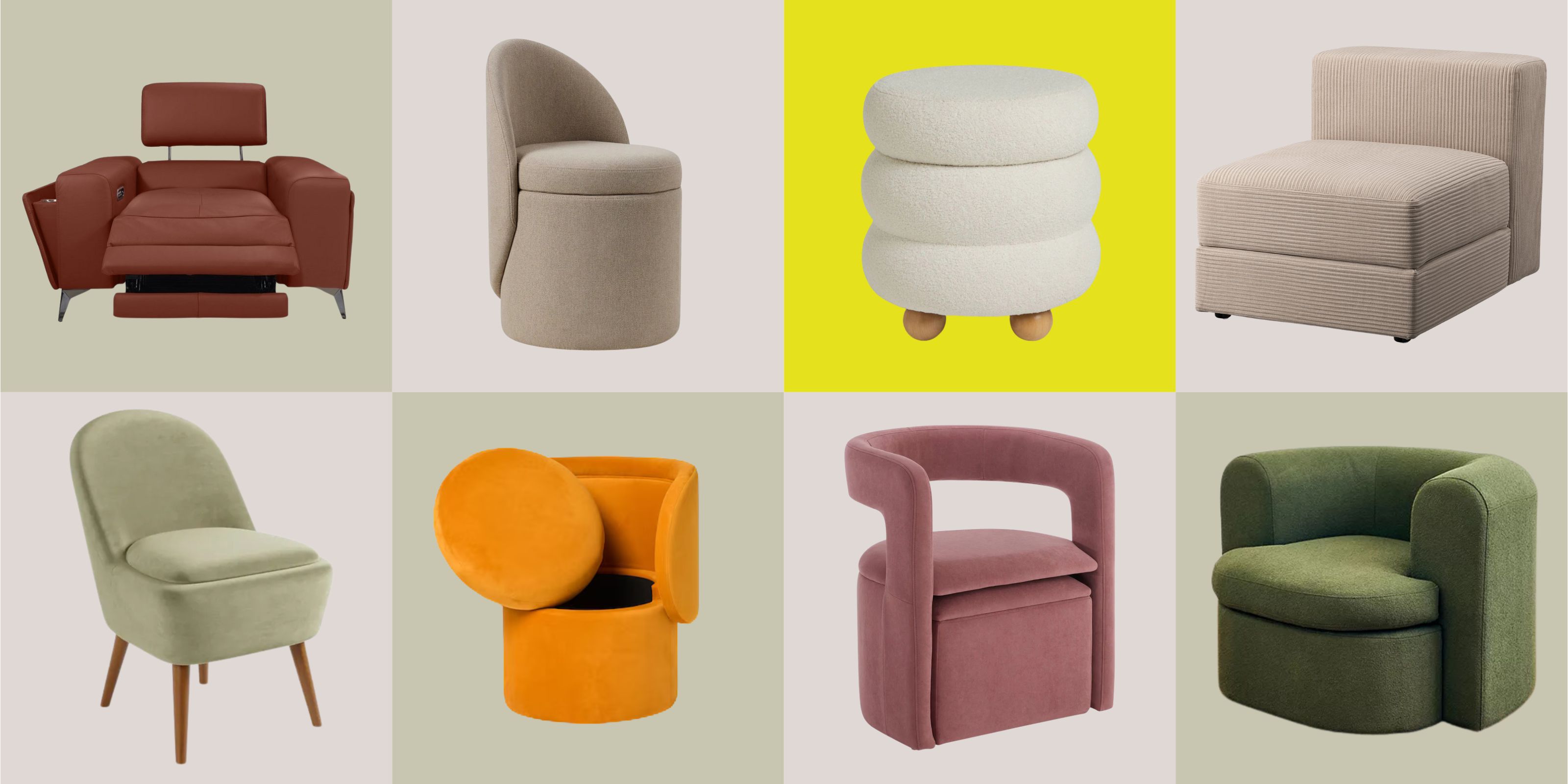
9 Cool-As Chairs With Hidden Storage That You’d Never Spot Unless You Knew

New on The Scene: Storage Furniture That Busts Clutter With the Flick of a Curtain

9 Hidden Storage Ideas That Conceal Clutter in Plain Sight


Kitchen Cabinet Hinges

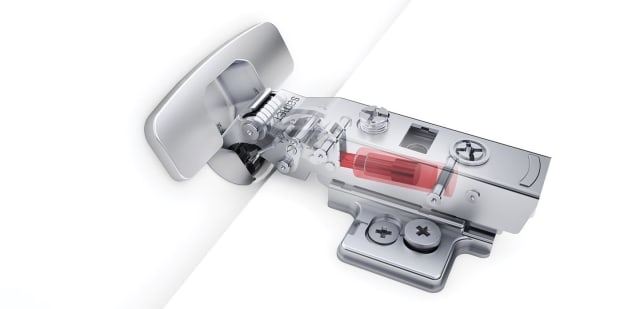
Becoming Unhinged: The Engineering Behind Furniture Hardware

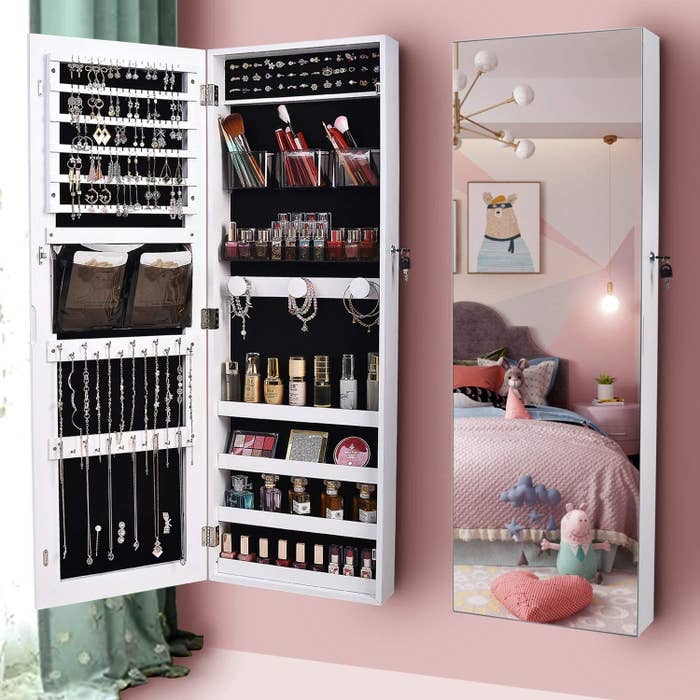
26 Pieces Of Furniture That’ll Hide All Your Secrets
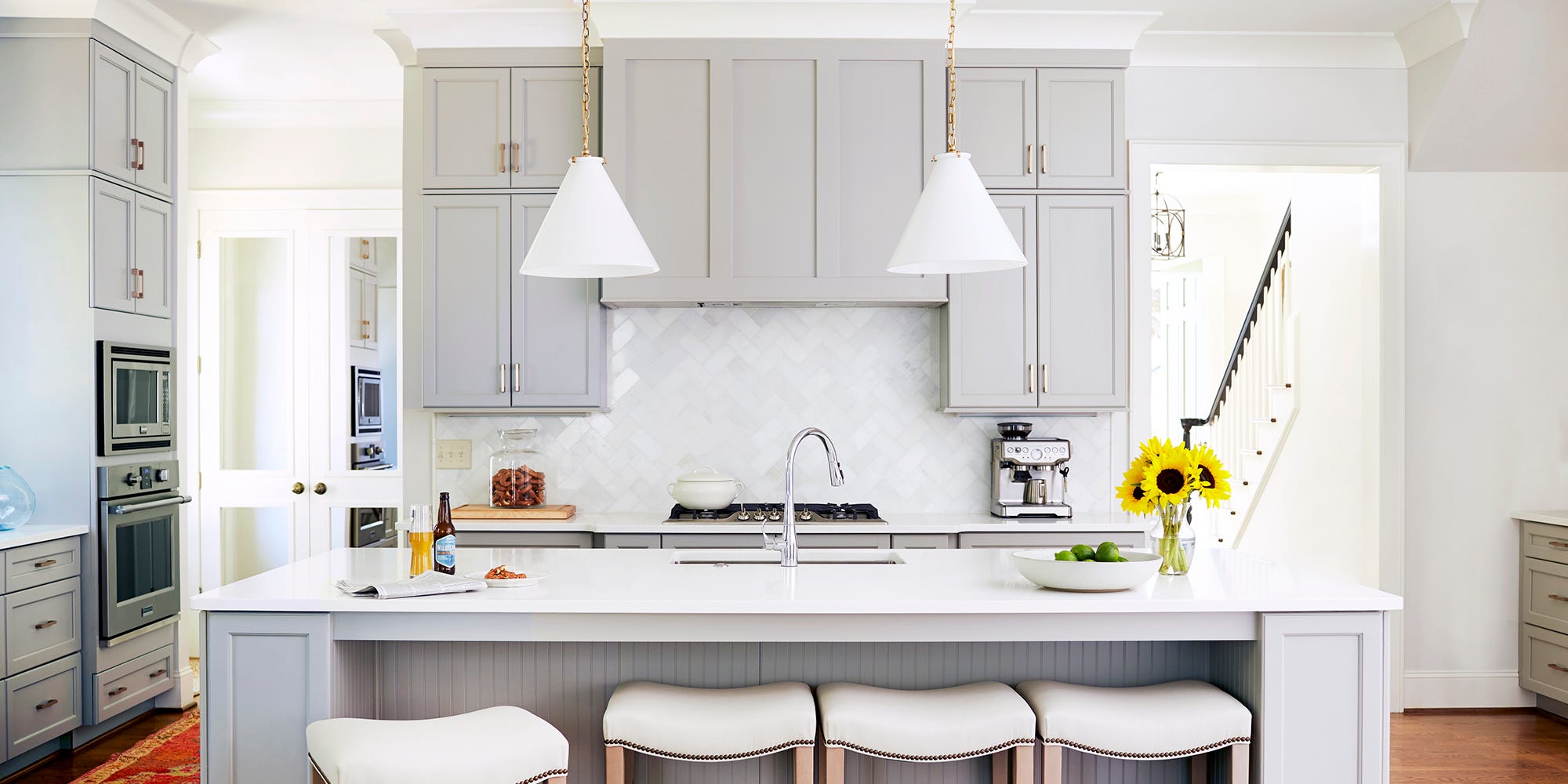
28 Stylish Kitchens with Concealed Range Hoods

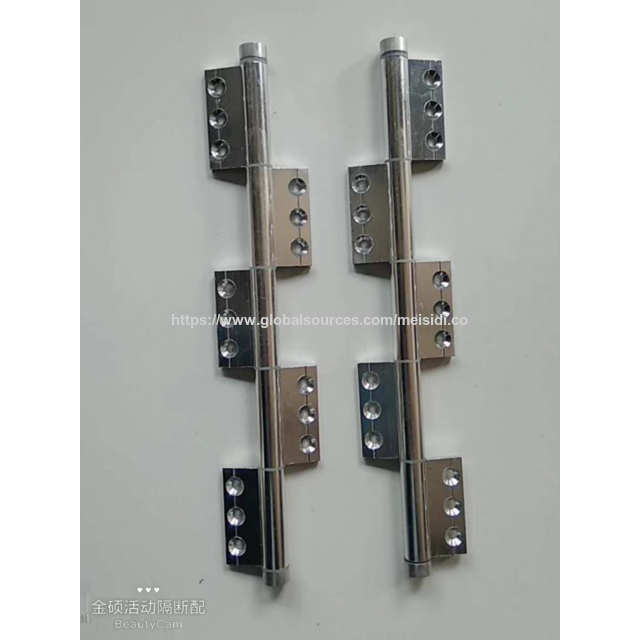
Activity partition accessories, door-in-door hinge, door hinge, five-piece hinge, movable screen, hotel partition, heavy-duty slid
QLine Design's Incredible Hidden Compartment Furniture Designs

Snap clip-on supports create furniture from found objects
This Is the Ultimate Way to Hide Your TV

Gate furniture system comprises flip-down shelves that are easy to reconfigure
10 top-rated furniture pieces that double as storage

16 Hidden Door Ideas — Make Your Home Super Streamlined by Concealing Passages and Storage
Wait, What's a Jib Door, and Do I Need One?

37 Cute Home Decor Items That Add Secret Storage

Door closer hinges: A new approach
Our All-Time Favorite Places to Buy Cabinet Hardware Online
25 Hidden Door Ideas For That Secret Room You've Always Dreamed About