1/2
Flower Arrangements Are Reaching New Heights (Published 2024)
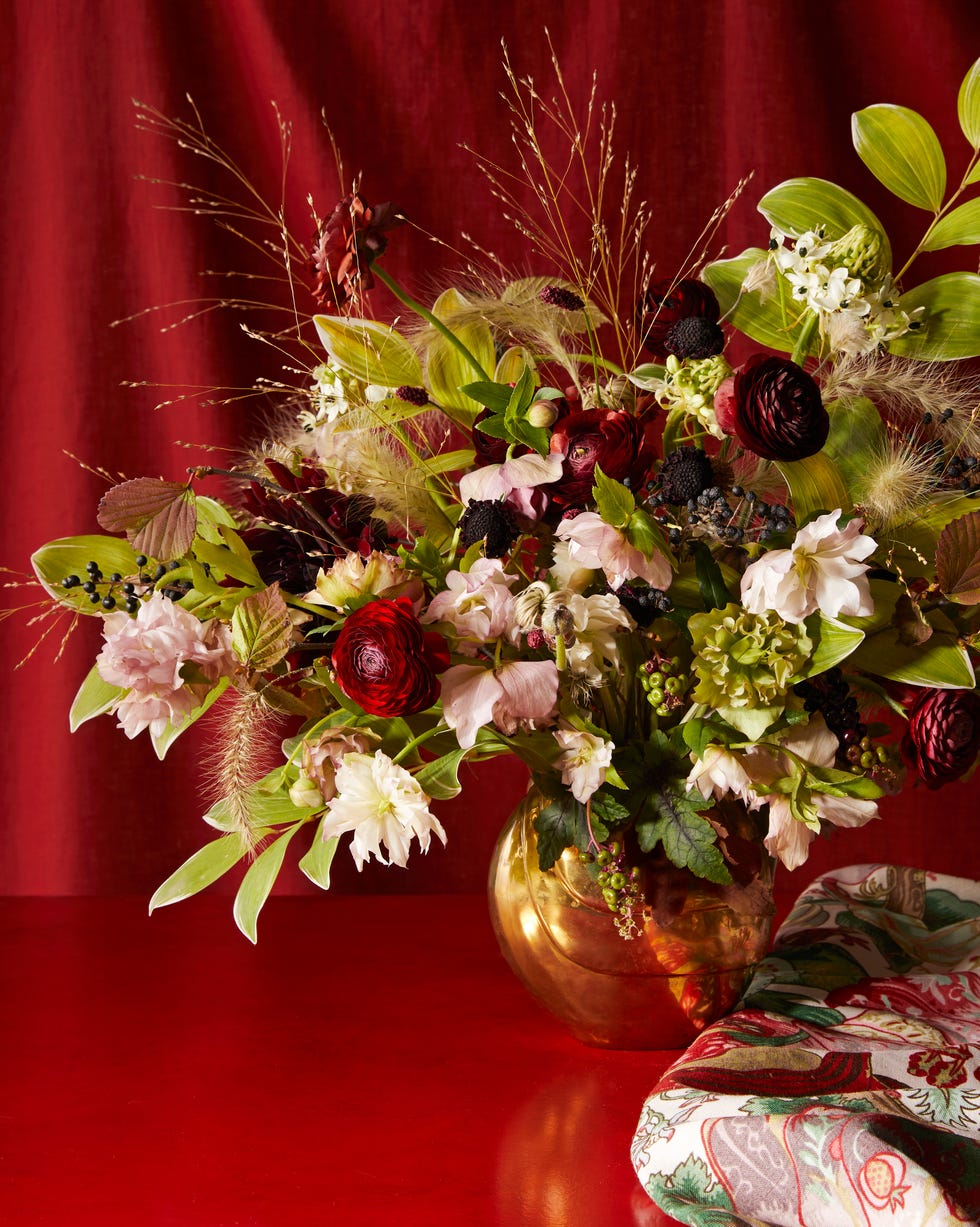
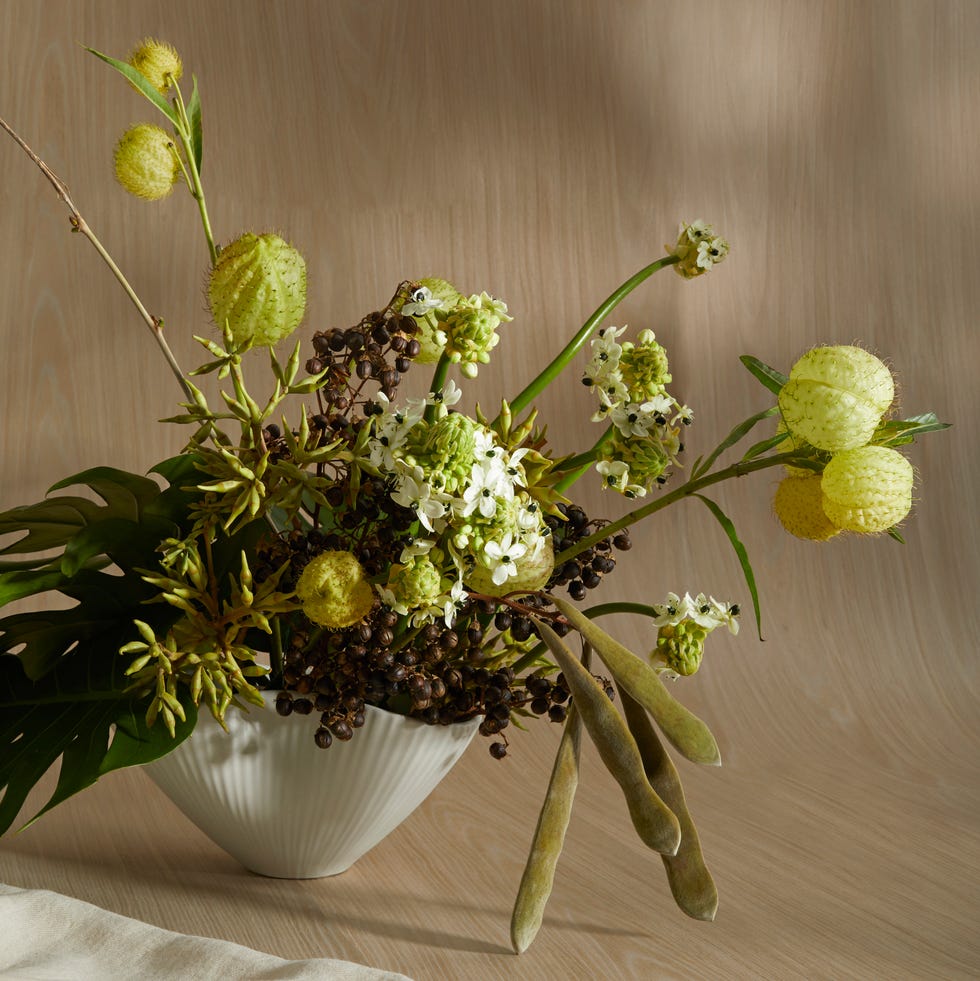
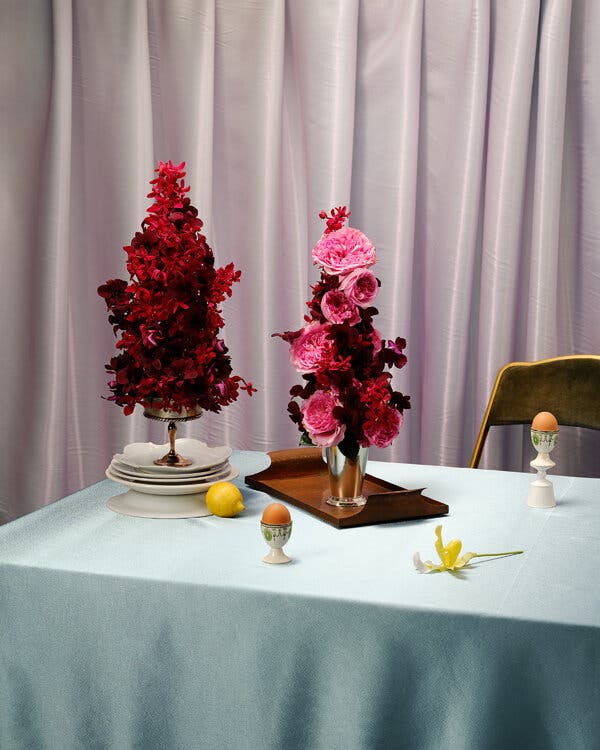
Floral designers are increasingly embracing tall, statuesque compositions, departing from the previously popular sprawling, low-lying floral landscapes. This shift is characterized by more orderly and precise structures, often with blooms contained within elongated vessels, suggesting a preference for control and optimism in turbulent times. Miguel Yatco, a floral artist based in Brooklyn, exemplifies this trend with his rigorous approach to creating compositions that are often so tall and tightly packed they resemble inverted cumulonimbus clouds. He aims to evoke the feeling of flowers floating and defying gravity, frequently beginning with a substantial vessel and building blooms to double or triple its height.
The inspiration for these elevated designs can be historical, as seen in the work of Brussels-based French floral artist Thierry Boutemy. For Bottega Veneta's remodeled Paris store, Boutemy created towering arrangements inspired by 17th-century Flemish and Dutch still lifes, particularly Ambrosius Bosschaert the Elder's "A Still Life of Flowers in a Wan-Li Vase." His vertical designs, held in cylindrical Venetian bubble-glass vases, emphasized rigor and clarity, allowing each flower to remain visible and contribute to the overall strength of the composition. This approach prioritizes a clear visual line and ensures individual blooms are appreciated within the grand scale.
However, striking upright arrangements need not be grandiose. The Connecticut-based ceramic artist Frances Palmer creates dramatically simple displays using single-stem and single-variety flowers from her garden. She pairs these with her elegant pottery, often leaving stems long and exposed, treating them as equally important elements in the design. Her philosophy is to allow each flower to have its "cameo," highlighting its unique form and presence. This minimalist yet impactful style brings a refined simplicity to the trend of verticality in floral design.
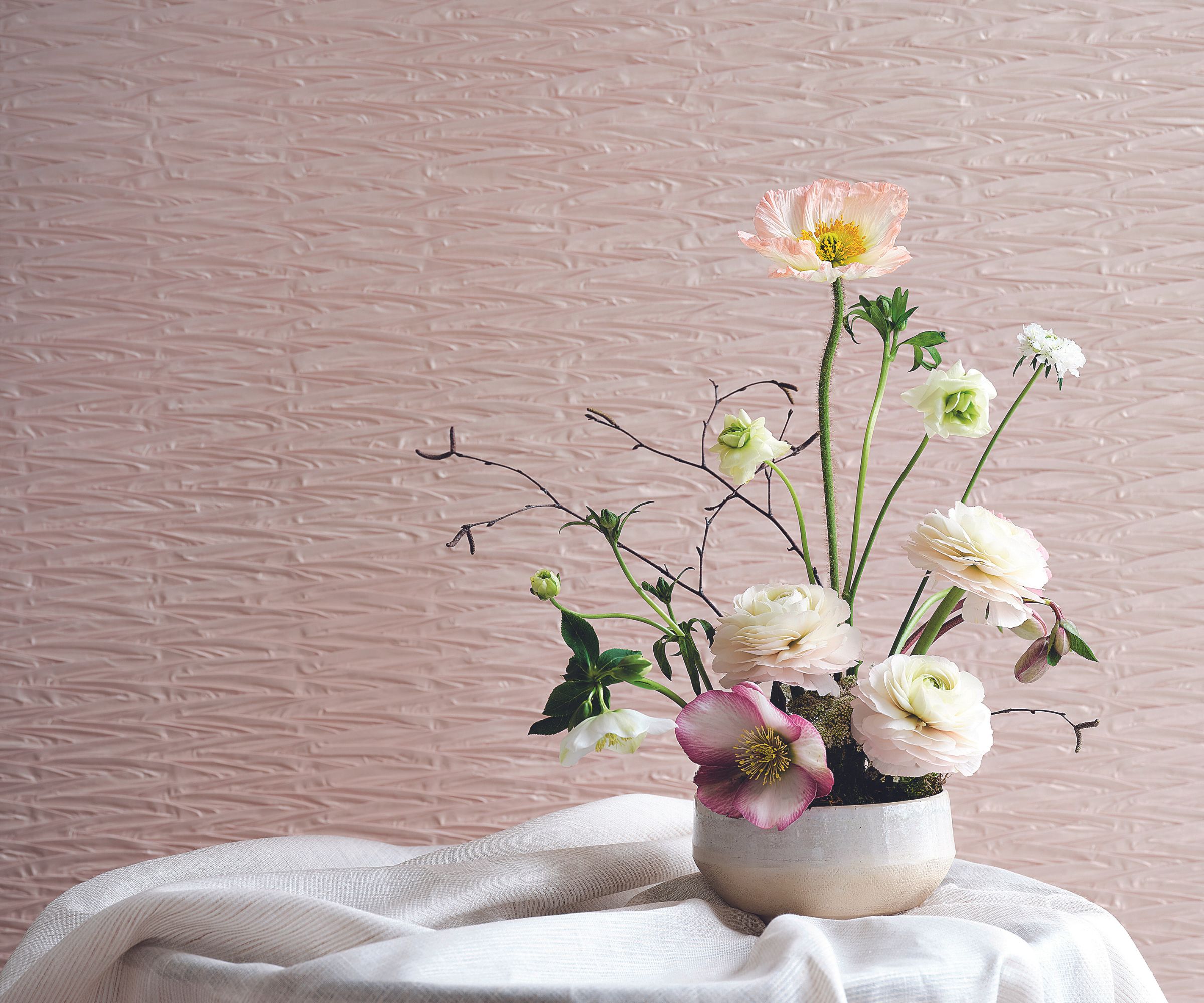
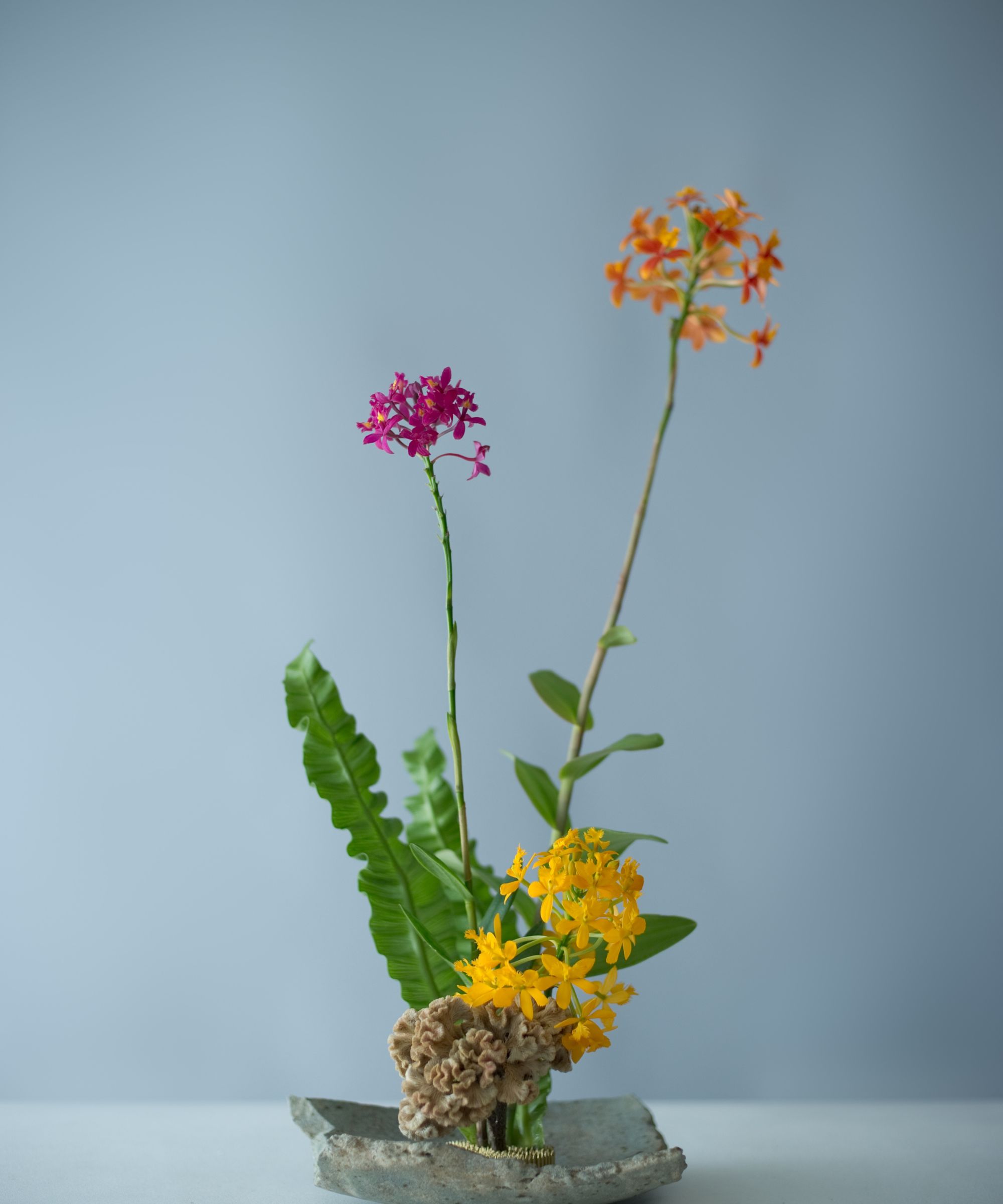
The London-based florist Christie Leigh also champions minimalist, elongated forms, drawing inspiration from ikebana, the traditional Japanese art of flower arranging. She often uses tools like the kenzan or narrow vessels to support her sparse arrangements, which emphasize the natural bends and twists of stems. For a restaurant in East London, Leigh used silver candlestick-shaped vases with single, barely trimmed stems of white 'Butterfly' ranunculus, showcasing a delicate and intentional verticality. Her work highlights how height can be achieved with restraint and careful consideration of each element.
Further exploring verticality, London-based florists Iona Mathieson and Romy St. Clair of Sage Flowers create distinctive arrangements that play with unexpected juxtapositions of color and scale. Their asymmetrical compositions often feature a low cluster of flowers on one side and an exaggeratedly tall explosion of blooms on the other, shooting skyward like fireworks. This approach acknowledges that floral design doesn't always mimic nature but can create artistic, dramatic effects through deliberate structure. The stretched stems of these towering arrangements, while defying natural growth patterns, also serve to highlight the inherent ephemerality and delicate beauty of the flowers themselves, capturing a fleeting moment of vibrant display.
#FloralDesign #HomeDecor #InteriorStyling #ContemporaryFloristry #ArtisticArrangements #DesignTrends #TallFloralArrangements #IkebanaInfluence #FloralDesign #HomeDecor #InteriorStyling #ContemporaryFloristry #ArtisticArrangements #DesignTrends #TallFloralArrangements #IkebanaInfluence
0 commenti in totale
 Nessun commento ancora
Potresti anche gradire
The best new annual flowers of 2025

Florals for spring? It's all about shell decor for 2024 – these are our top picks

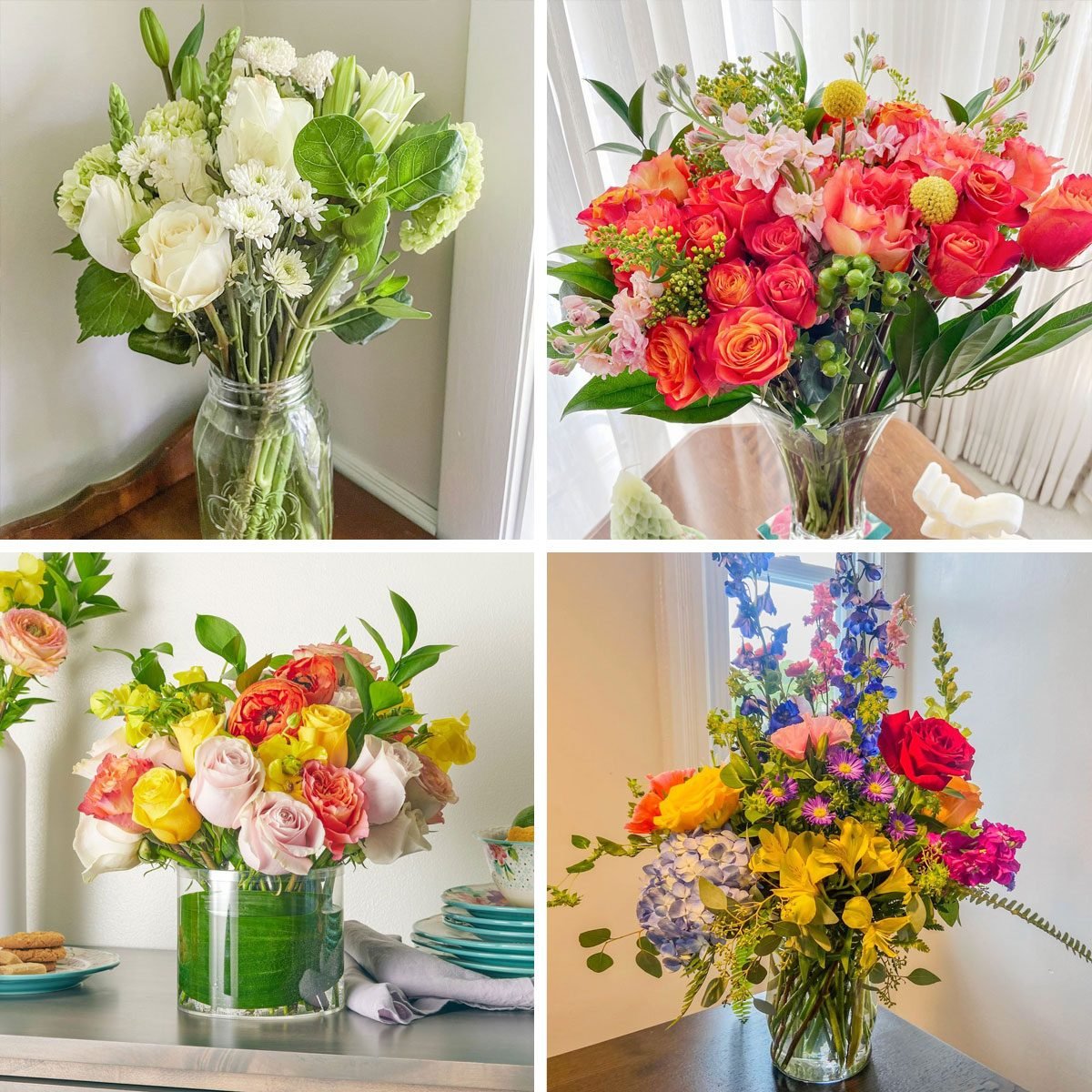
7 Flower Subscription Services Perfect for You (or Your Best Bud)

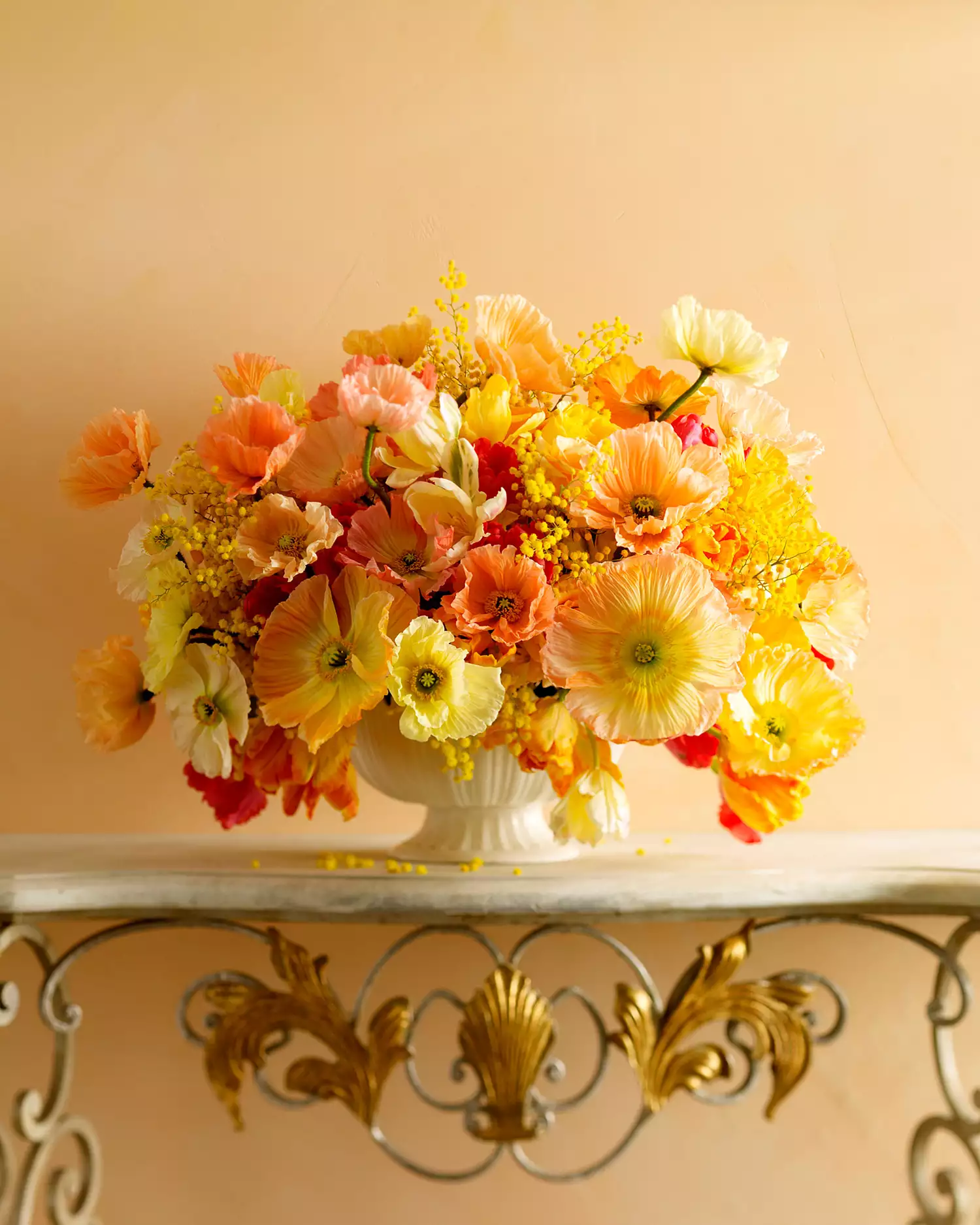
23 Spring Flower Arrangements That Put the Season's Best Blooms on Display
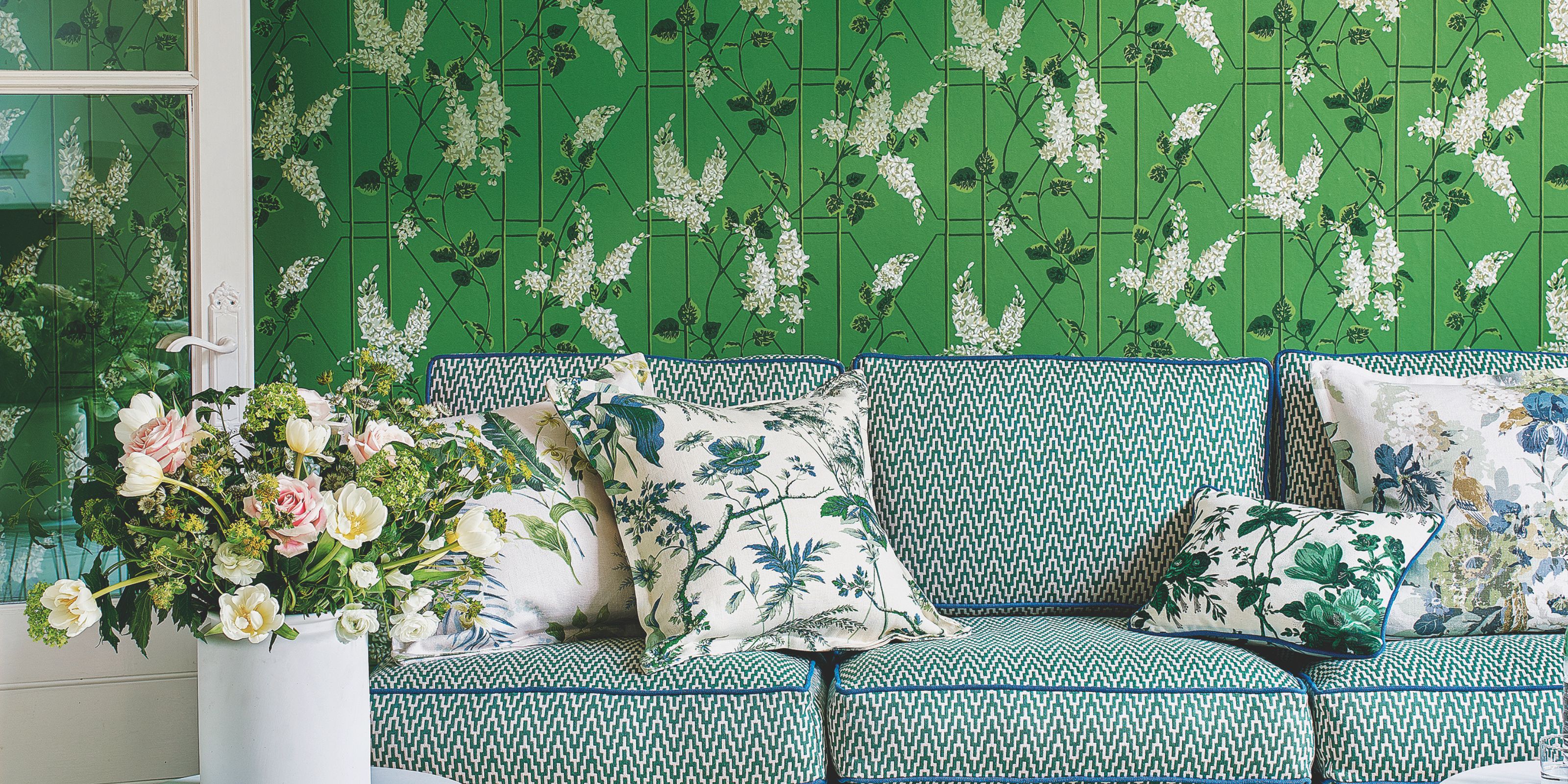
Sorry florals, botanical patterns are trending for 2025
These Are the New Floral Prints Designers Are Loving

How to Arrange Flowers for an Unexpected, Wild-Looking Table (Published 2019)
Ikebana – 2023's biggest floral trend –challenges everything we thought we knew about flower arranging. Here's why
'A flower grown from seed is the perfect metaphor for our individual creativity' – why 2025 floral trends are about stepping back and letting nature ground us
Floral Upholstery Is Making a Comeback in 2025 Thanks to the Vintage Eclectic Trend
20 Modern Flower Tiles Designs With Pictures In 2025
Petals & Roots: How To Create a Symbolic Floral Arrangement – and Welcome in the New Year with Intention
Florists Take to the Floor (Published 2023)
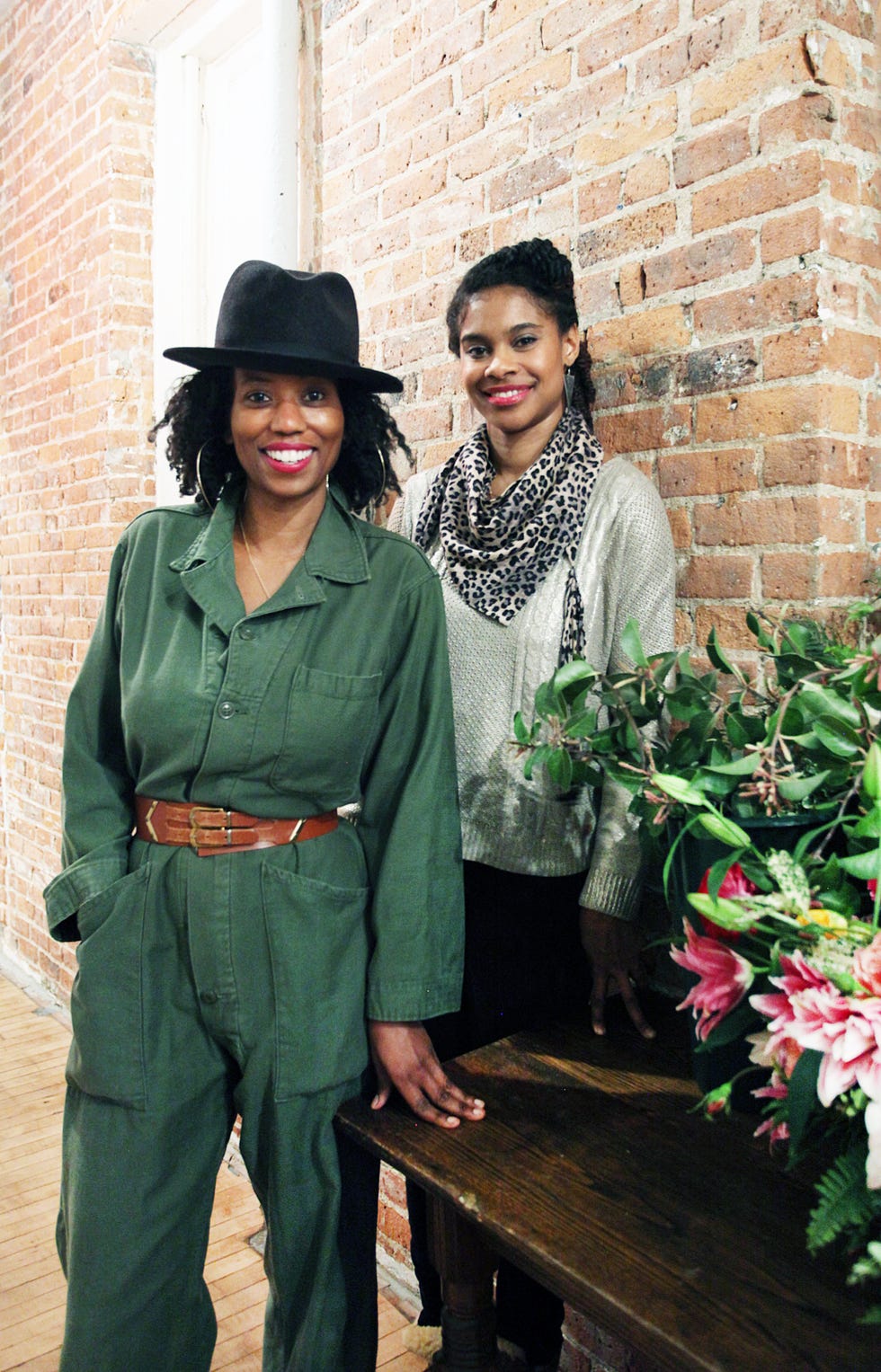
4 Floral Arrangements To Hold You Over Until Spring
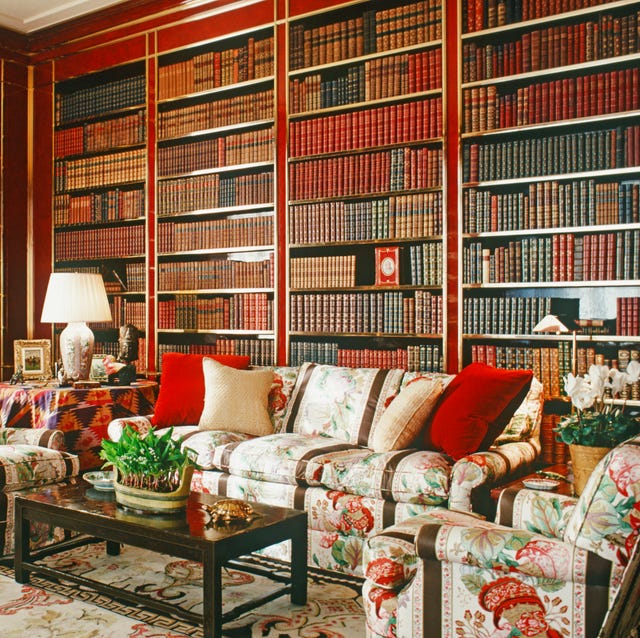
4 Flower Arrangements Inspired by Iconic American Rooms

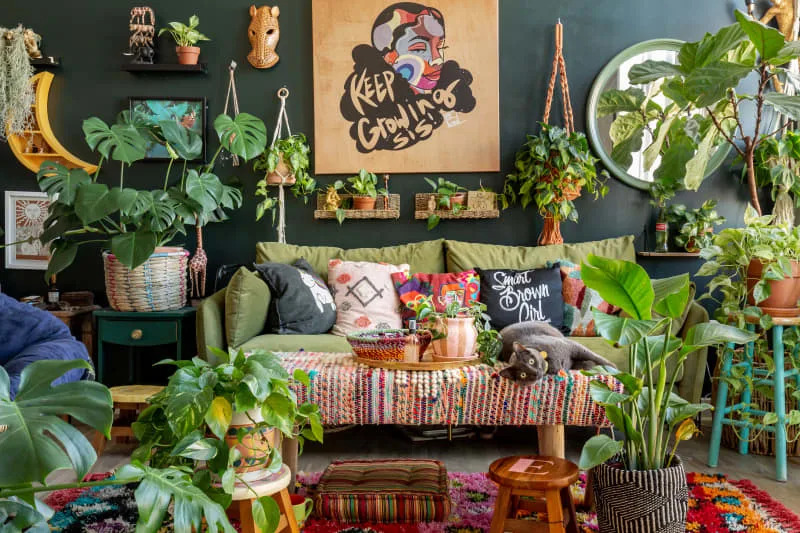
9 Houseplants You’ll See Everywhere in 2024, According to Influencers
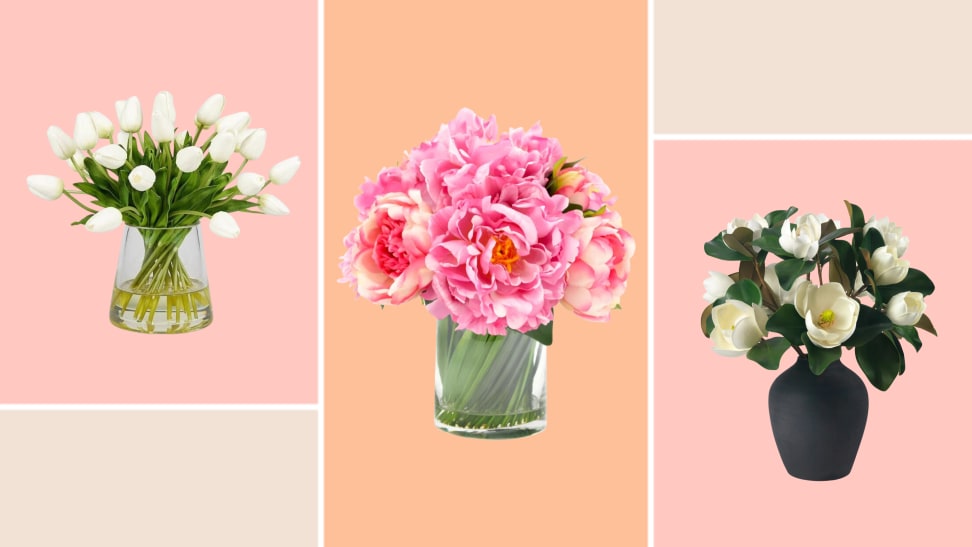
Faux flowers got upgraded: Shop these realistic-looking blooms

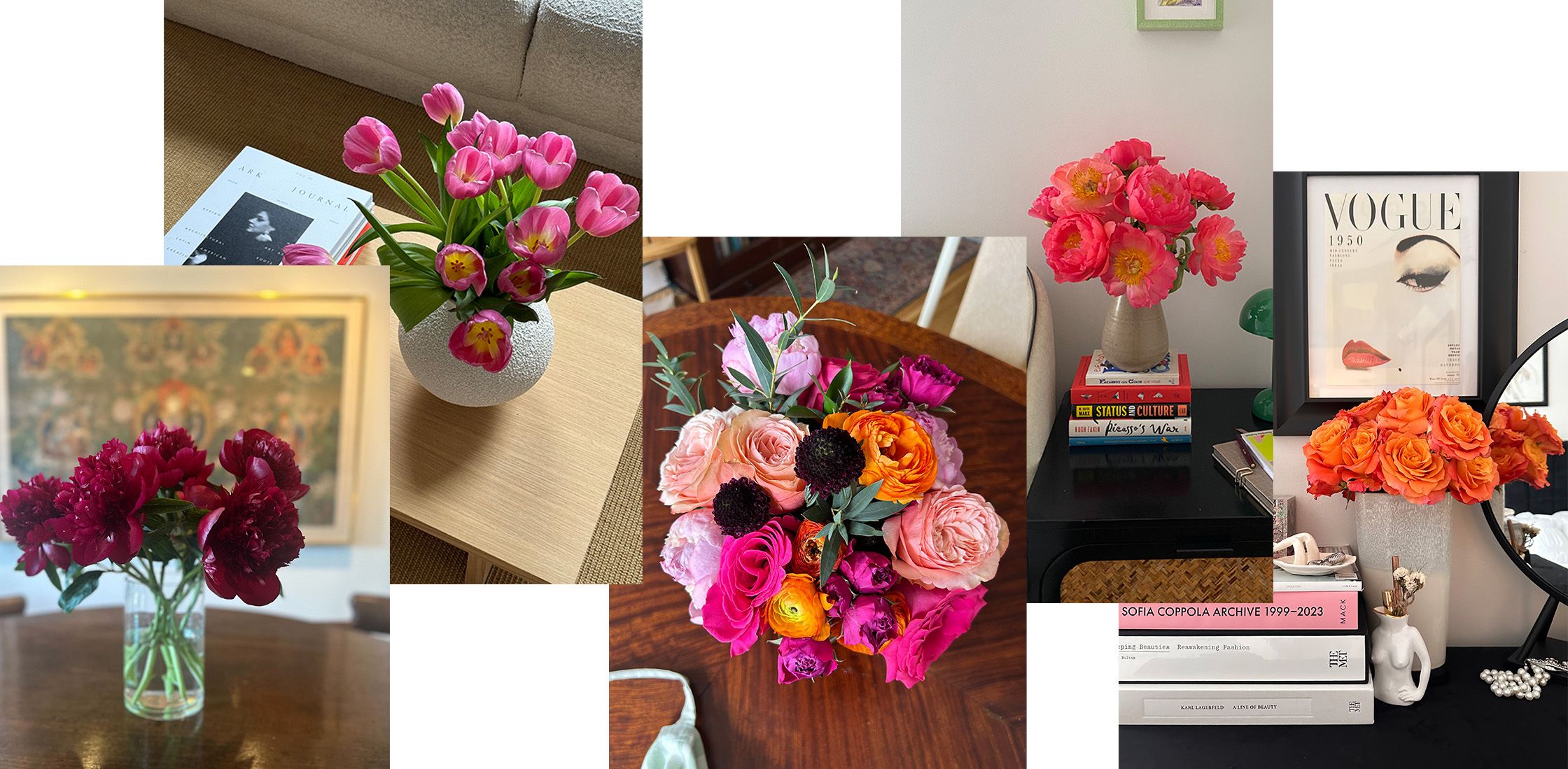
The Best Flower Delivery Services & Subscriptions For The Ones You Love
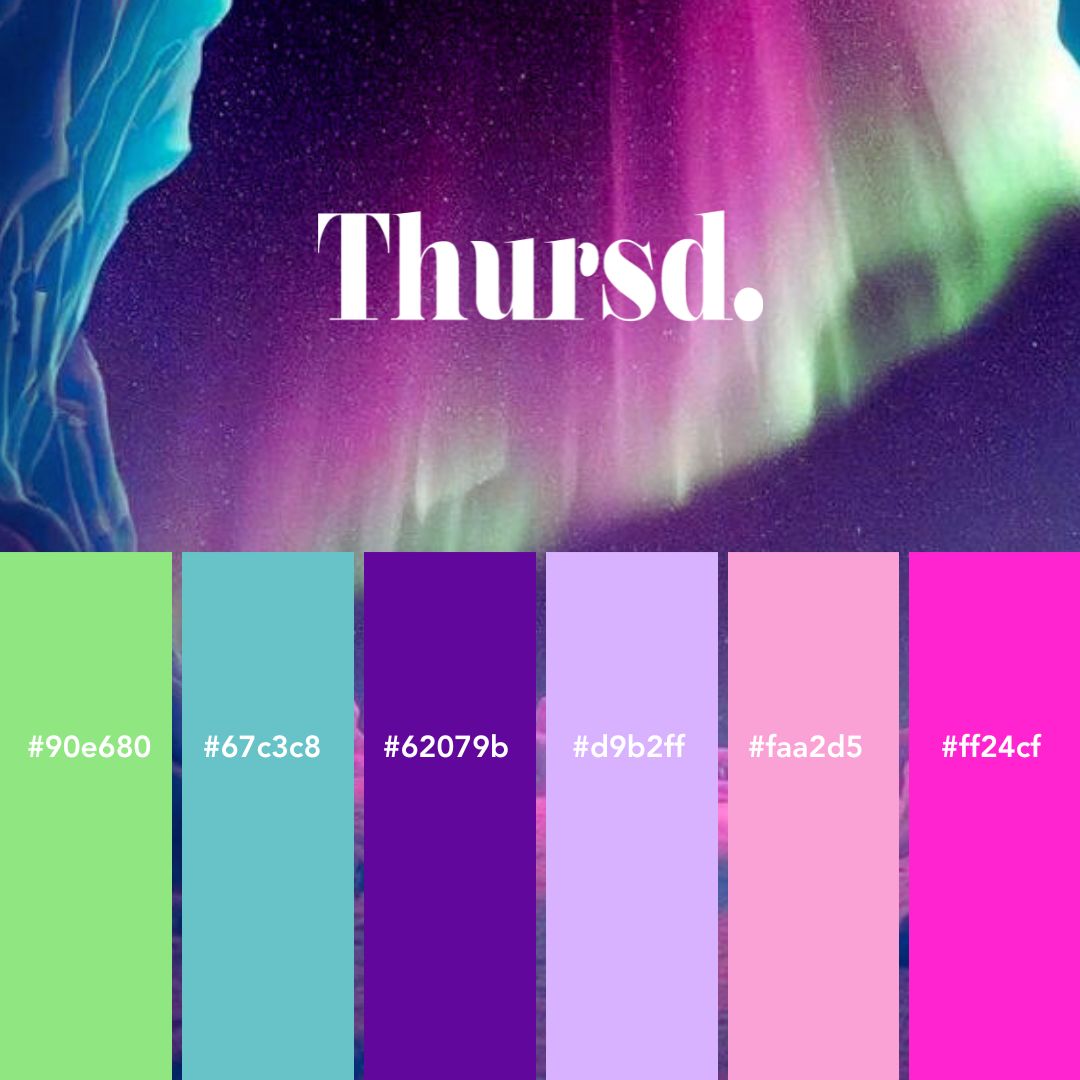
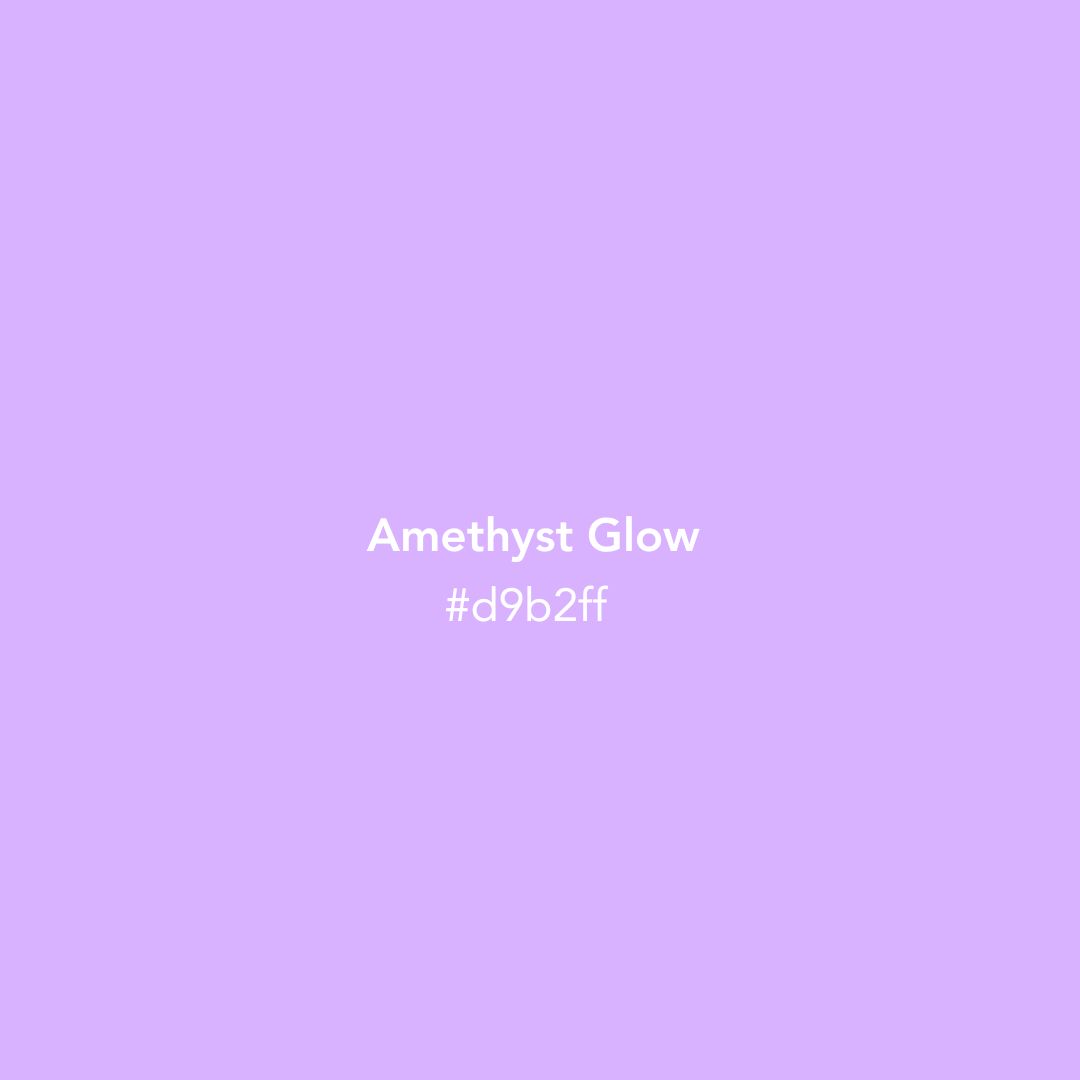
Thursd Floral Trend Color Palette 2025 - Aurora Glow

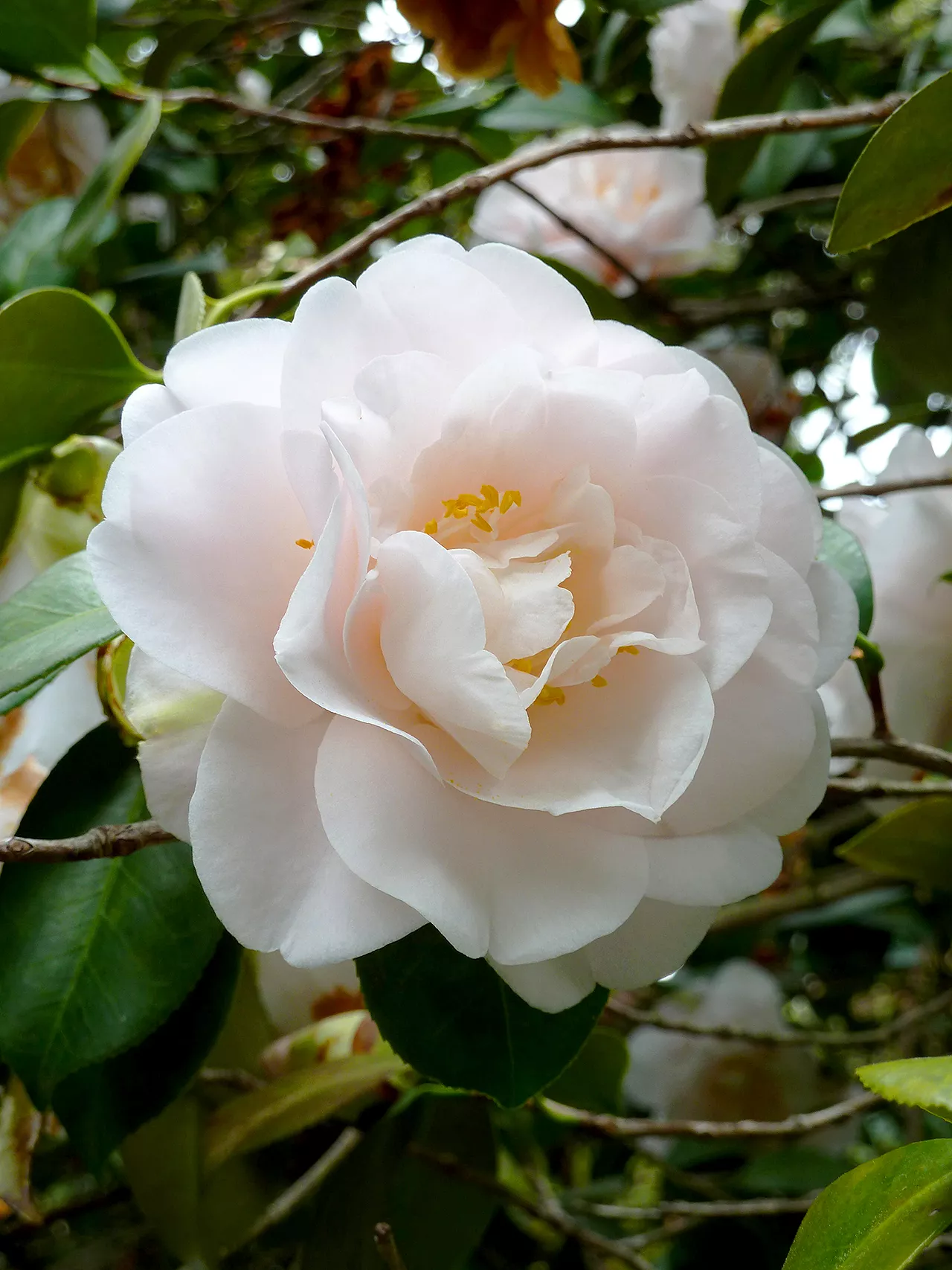
11 Blooming Plants with Breathtakingly Big Flowers