1/2
7 Japanese-style gardens to inspire and delight
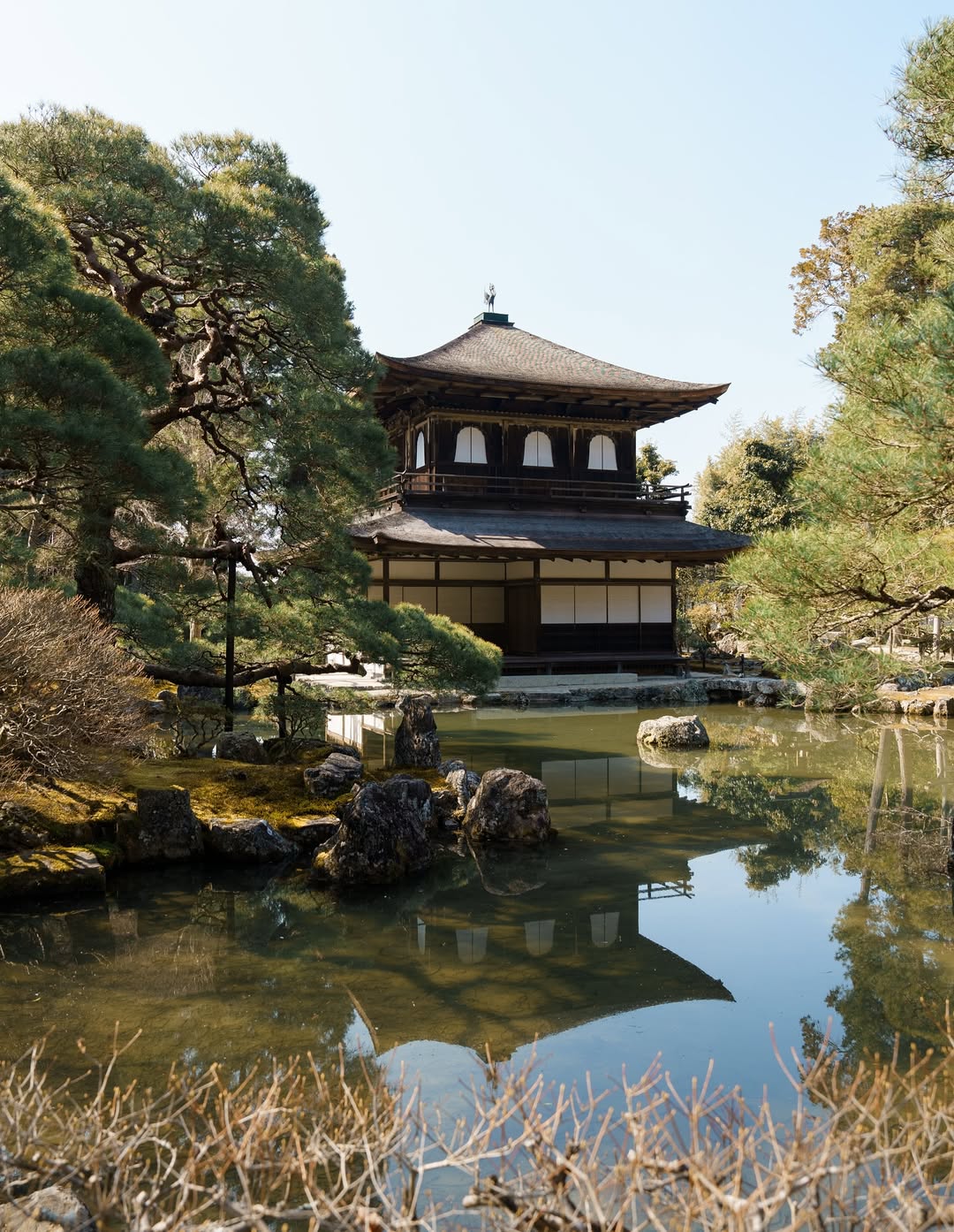
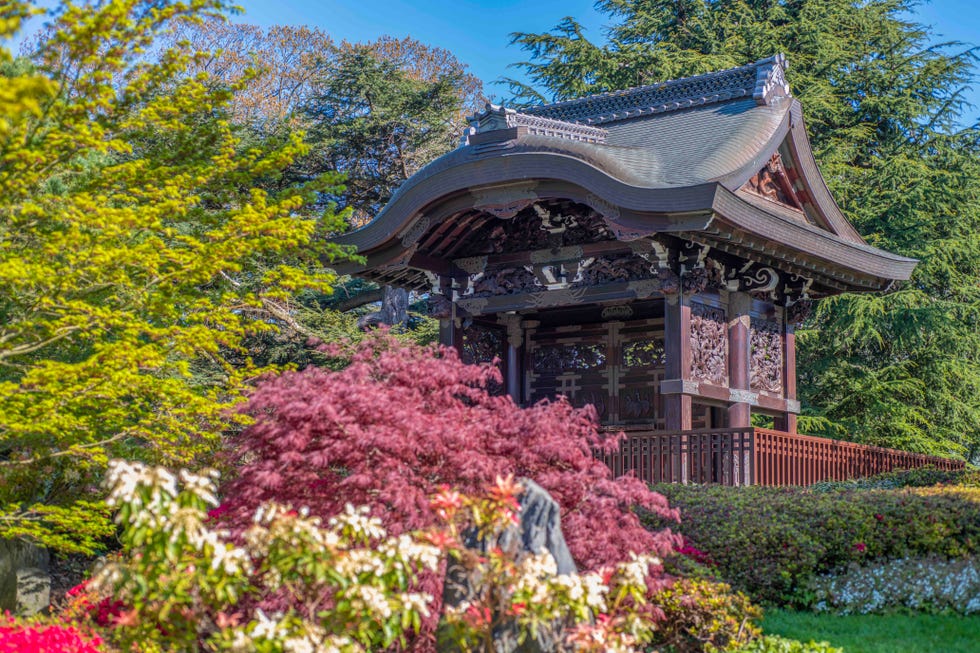
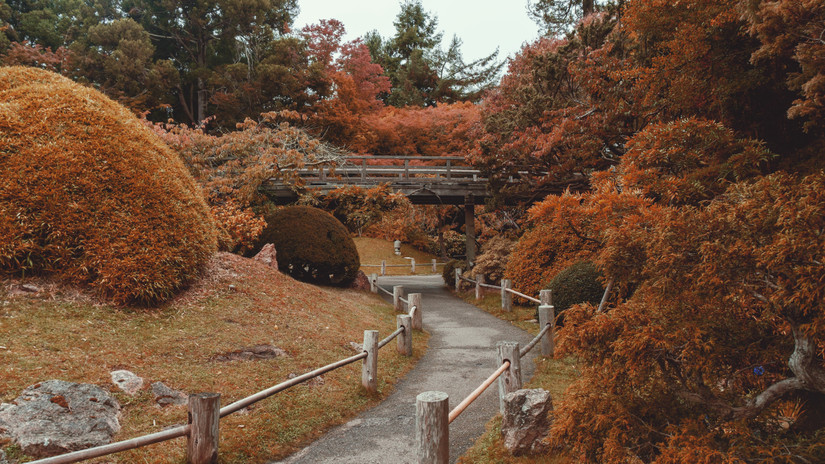
Traditional Japanese garden designs are deeply rooted in a rich culture and a profound reverence for the natural world, infused with spiritual philosophy. These designs are not merely visual but are intended to be understood and experienced, acting as a reflection of Eastern thought. Their serene aesthetic and "zen" atmosphere have made them perennially popular globally, serving as an endless source of inspiration for garden enthusiasts.
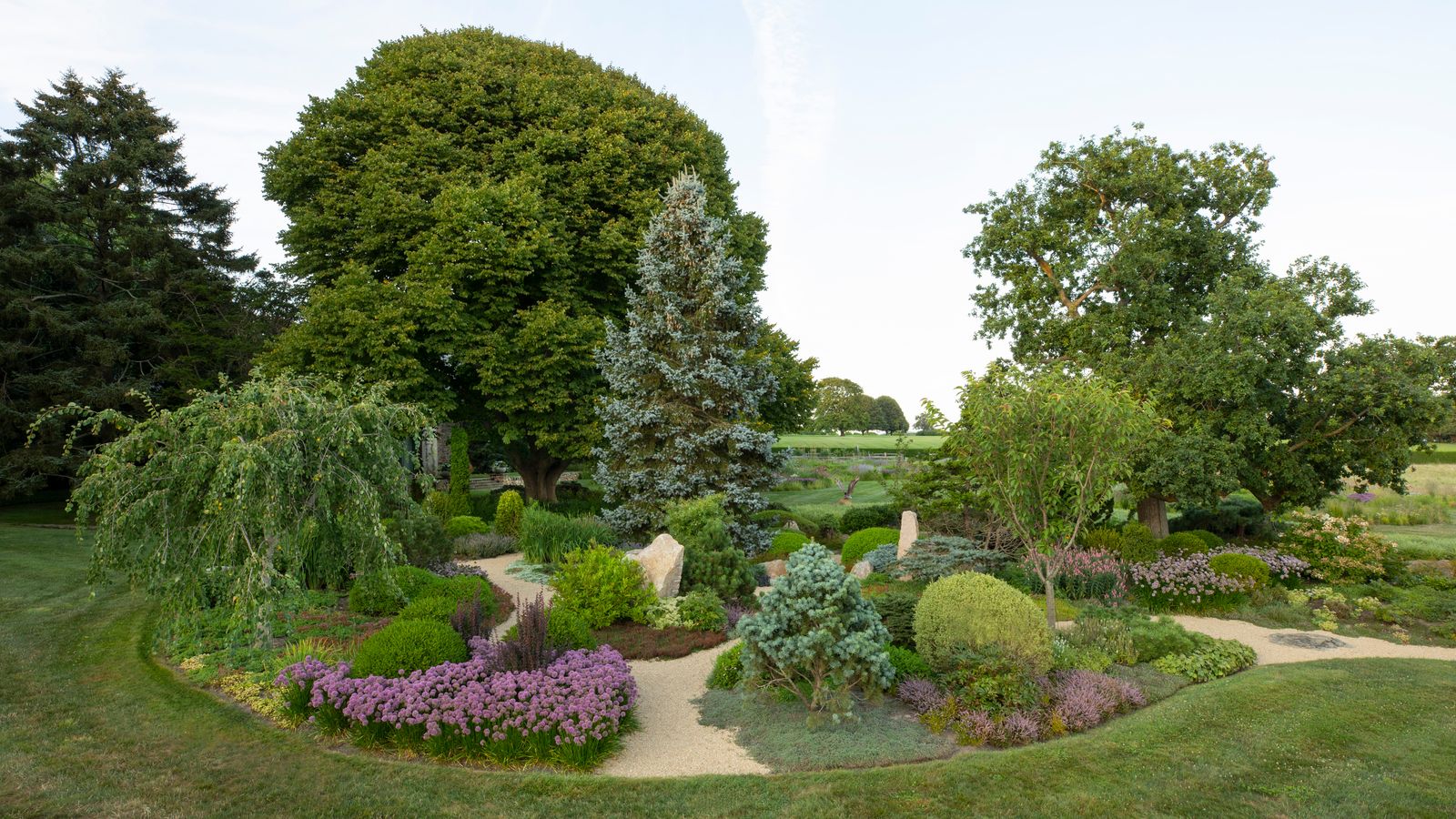
The article showcases seven diverse Japanese-inspired gardens, demonstrating the versatility of this design style. These examples provide insight into how to incorporate elements of Japanese garden design, ranging from subtle acknowledgements to more traditional approaches. The aim is to guide readers in achieving an authentic look and feel for their own outdoor spaces.
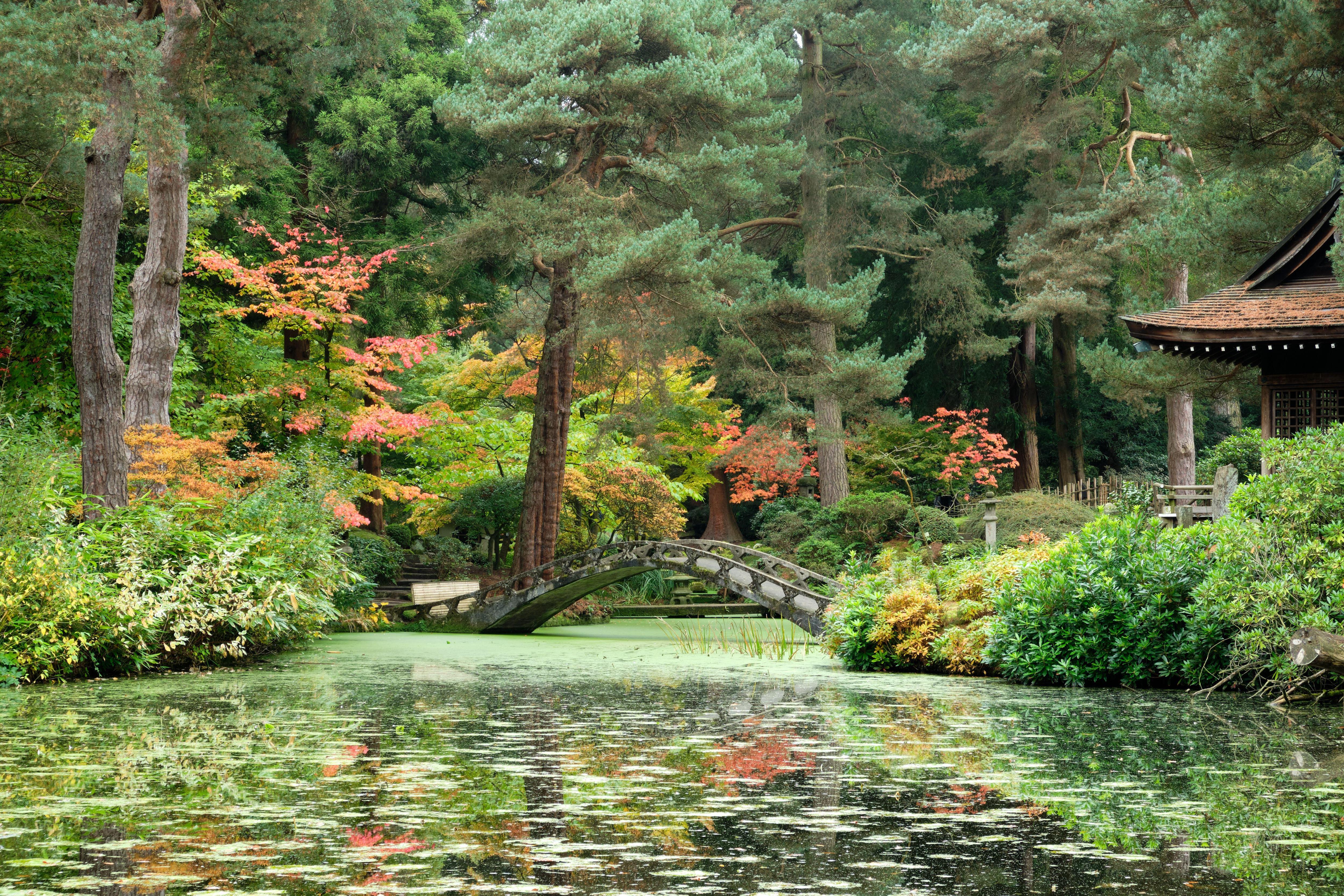
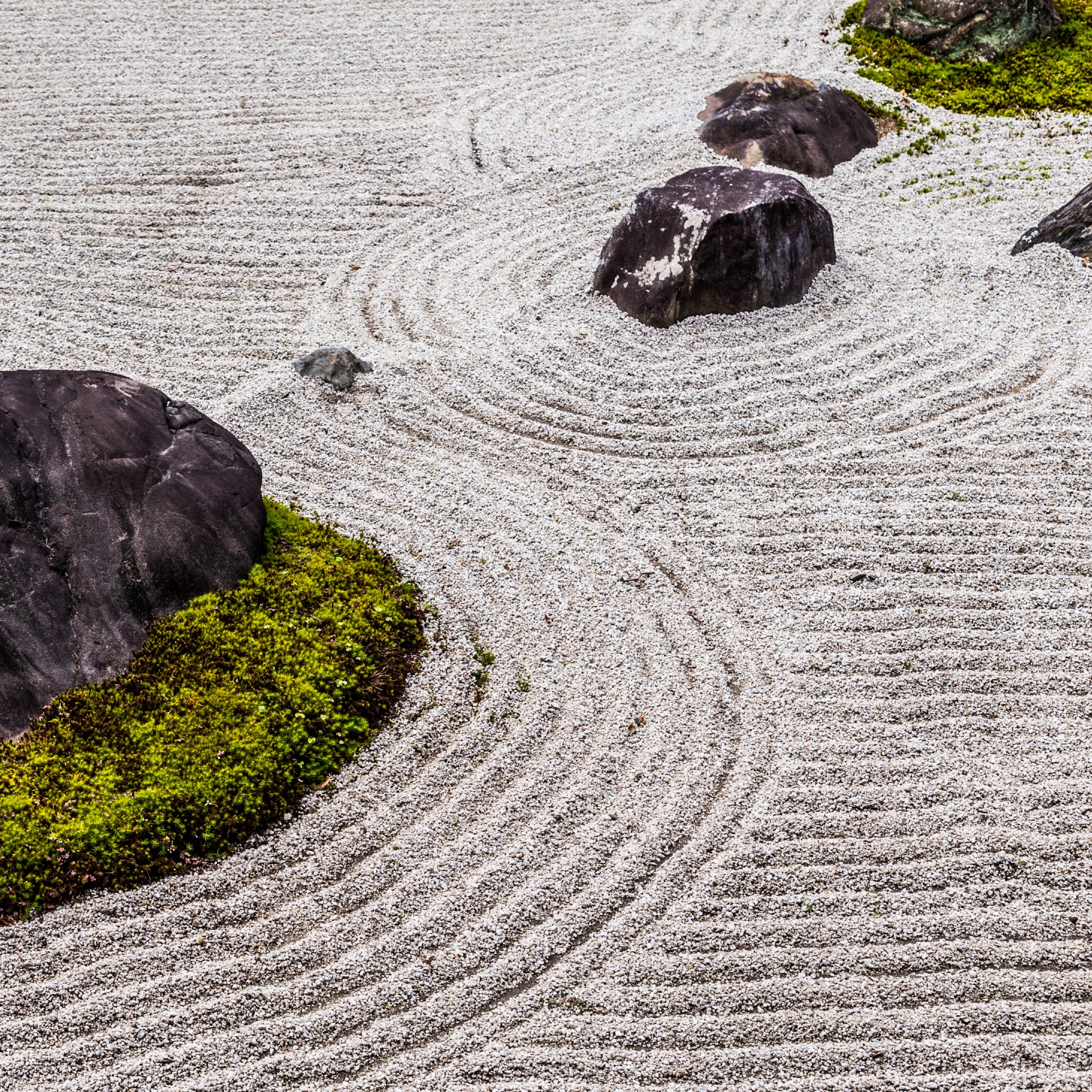
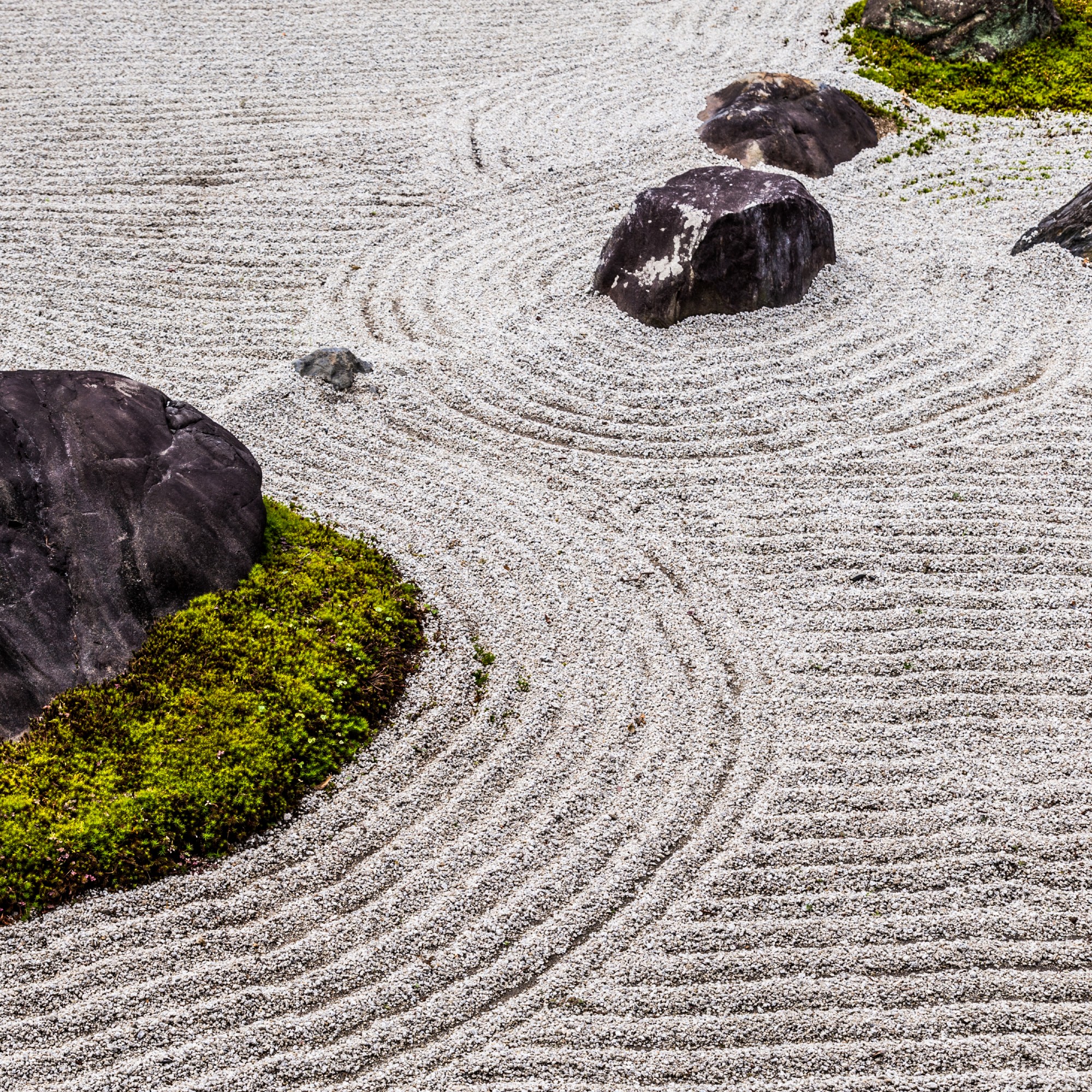
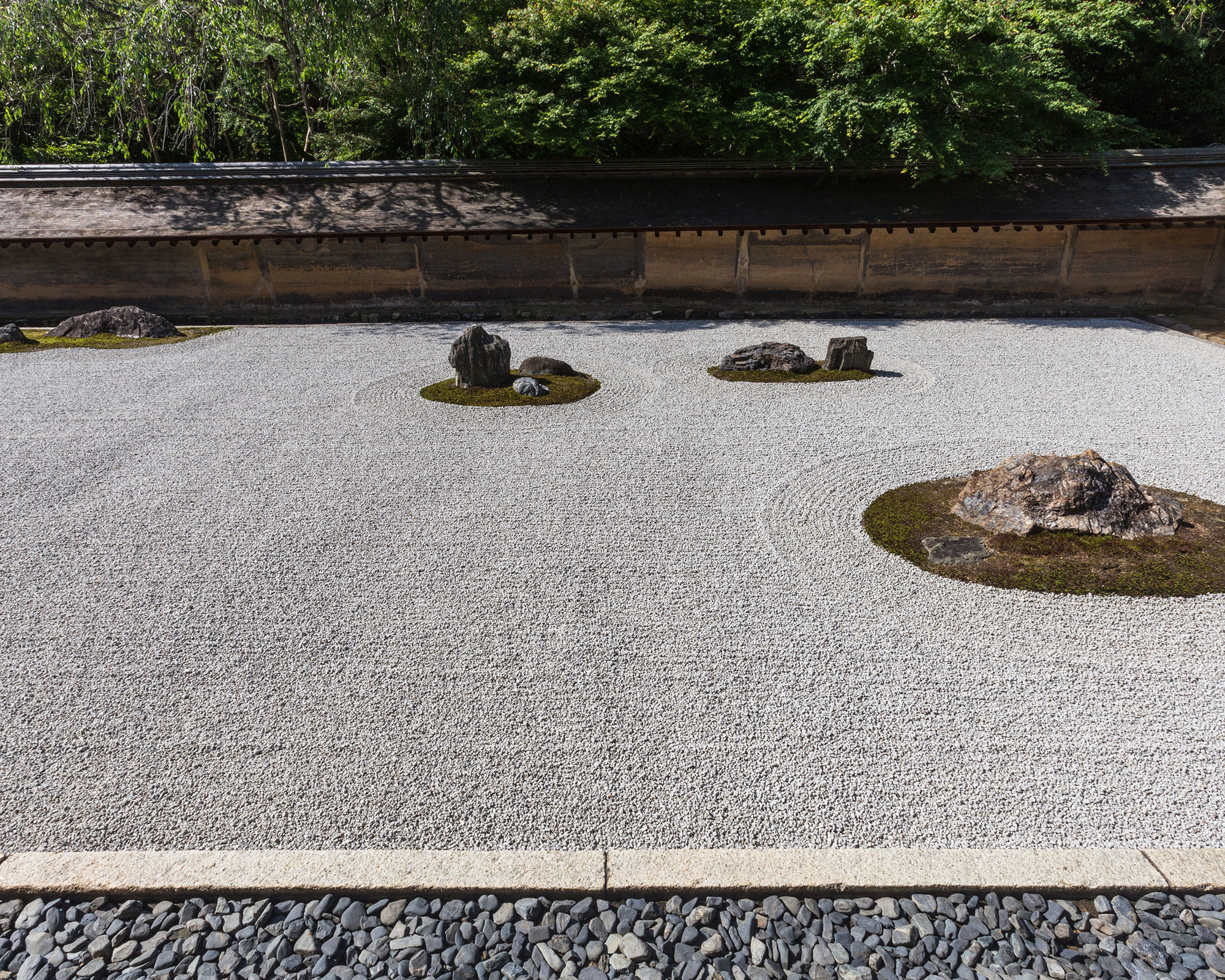
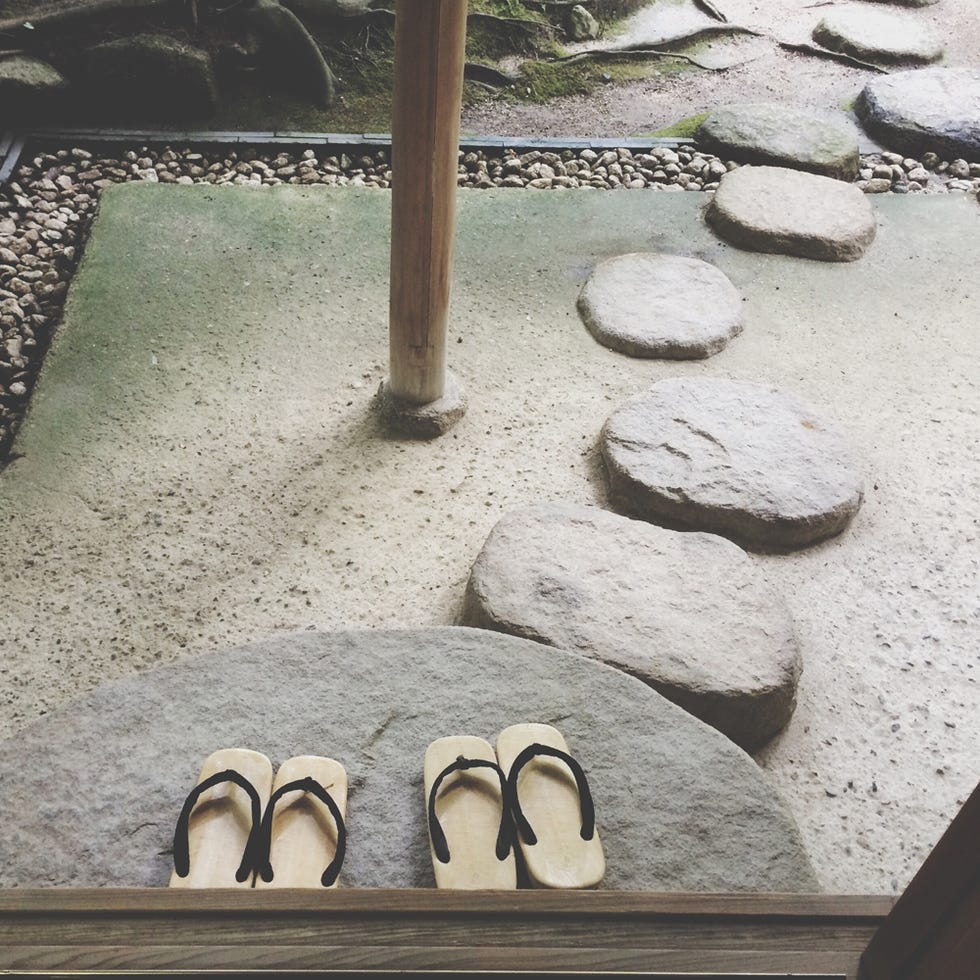
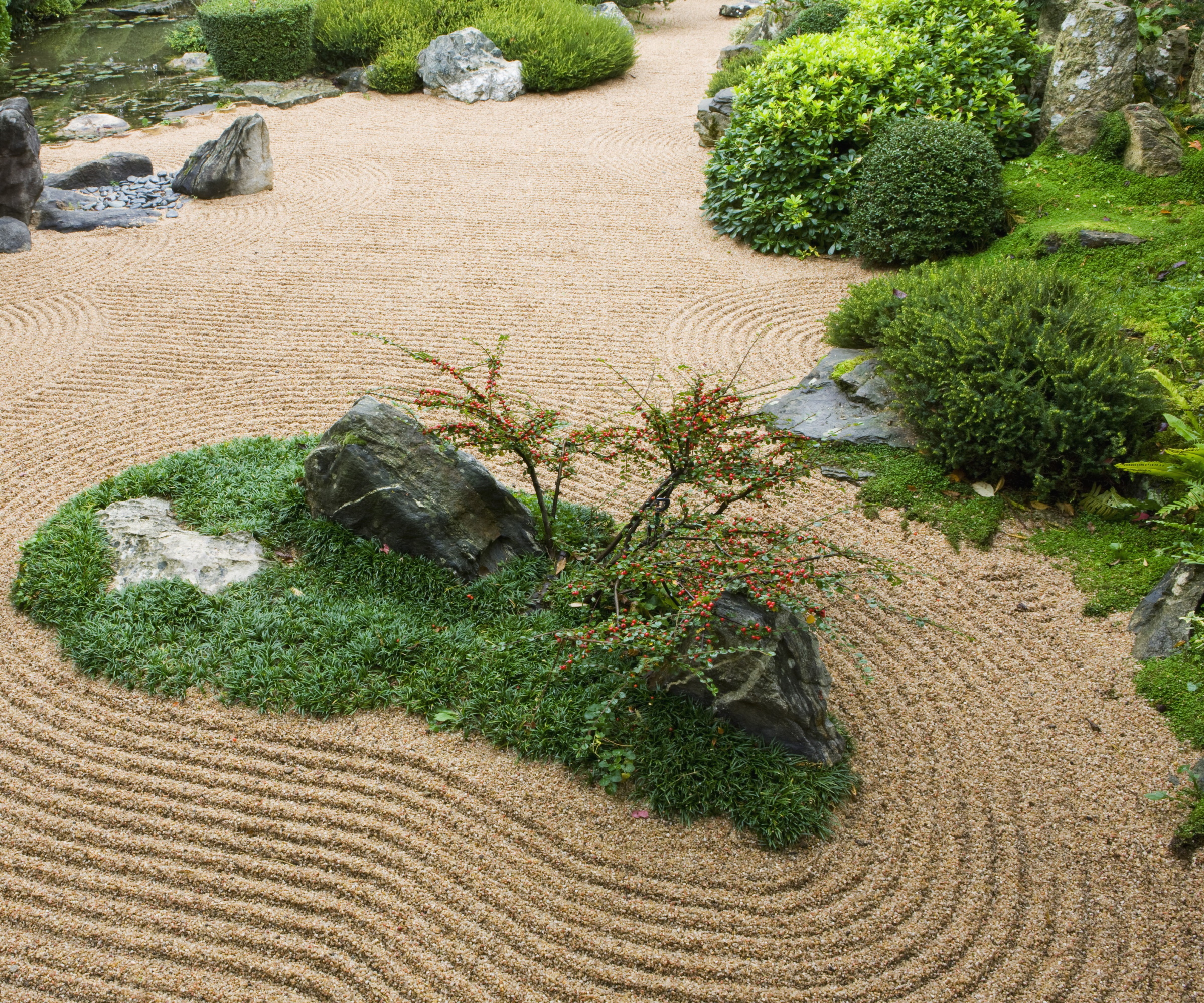
Several types of Japanese gardens are highlighted, including *Karesansui* (dry rock gardens), *Chaniwa/Roji* (tea gardens), *Chisen-shoyū-teien* (pond gardens), and *Kaiyusjiki-teien* (promenade gardens). Each type offers a unique interpretation of the core principles.
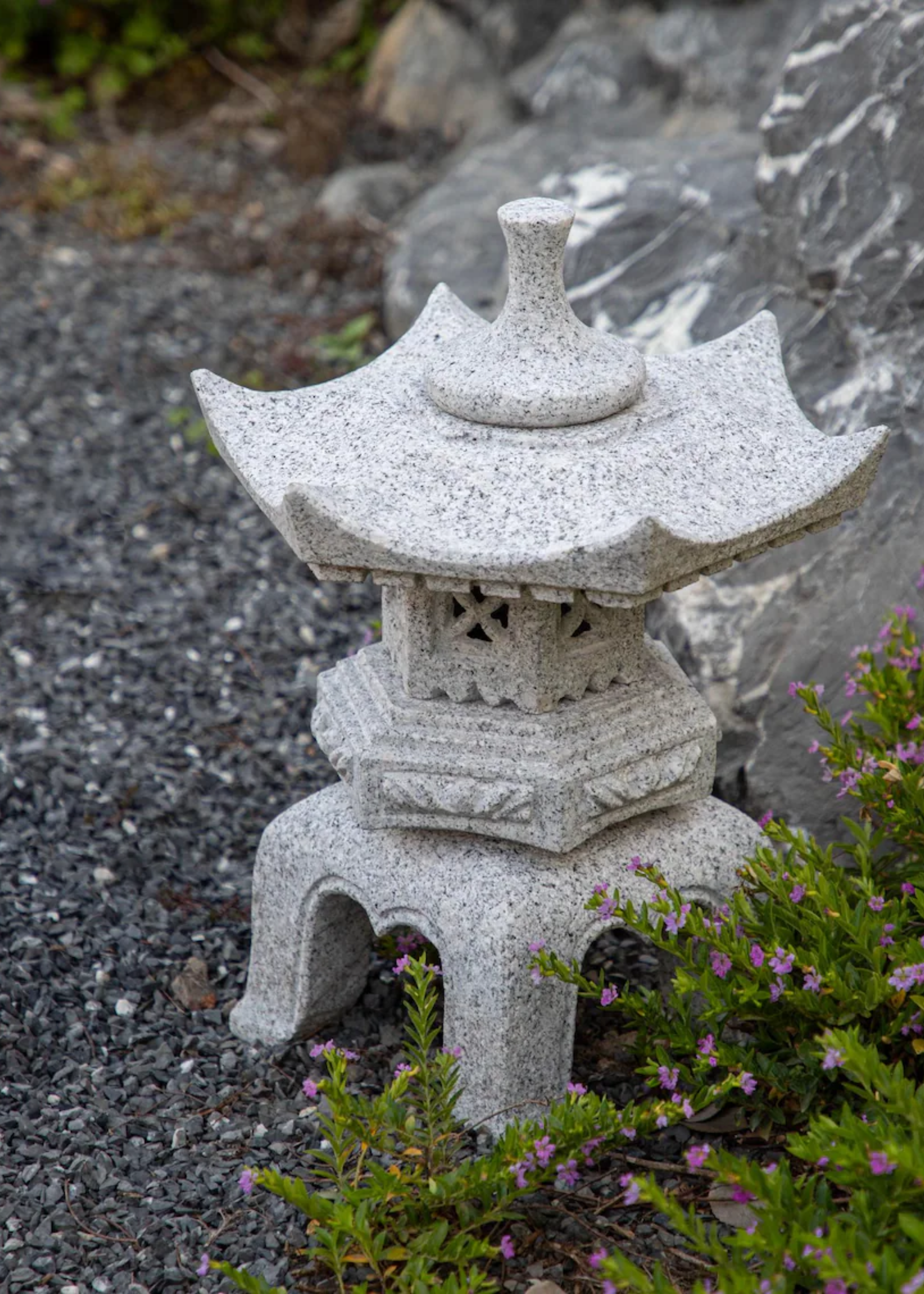
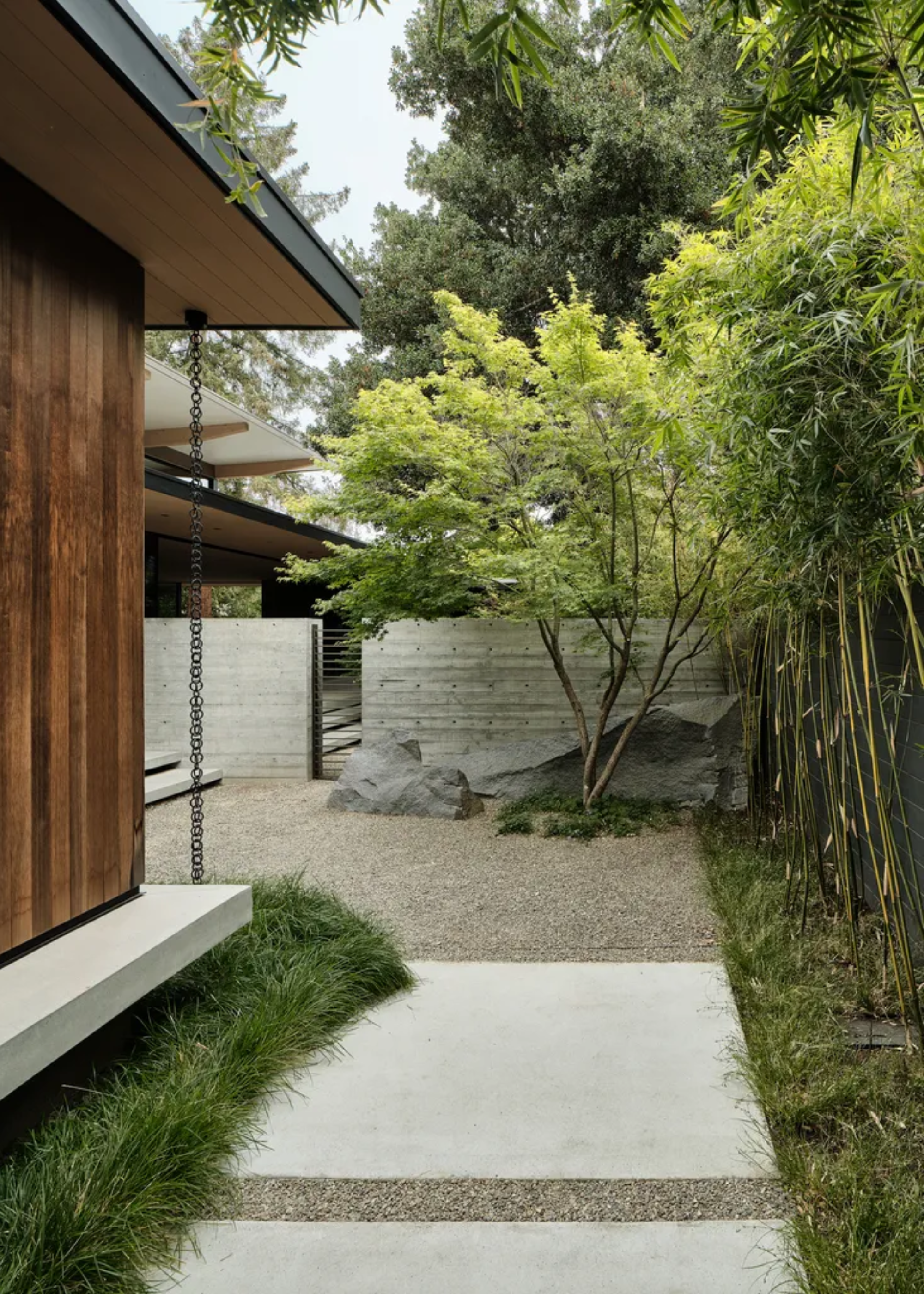
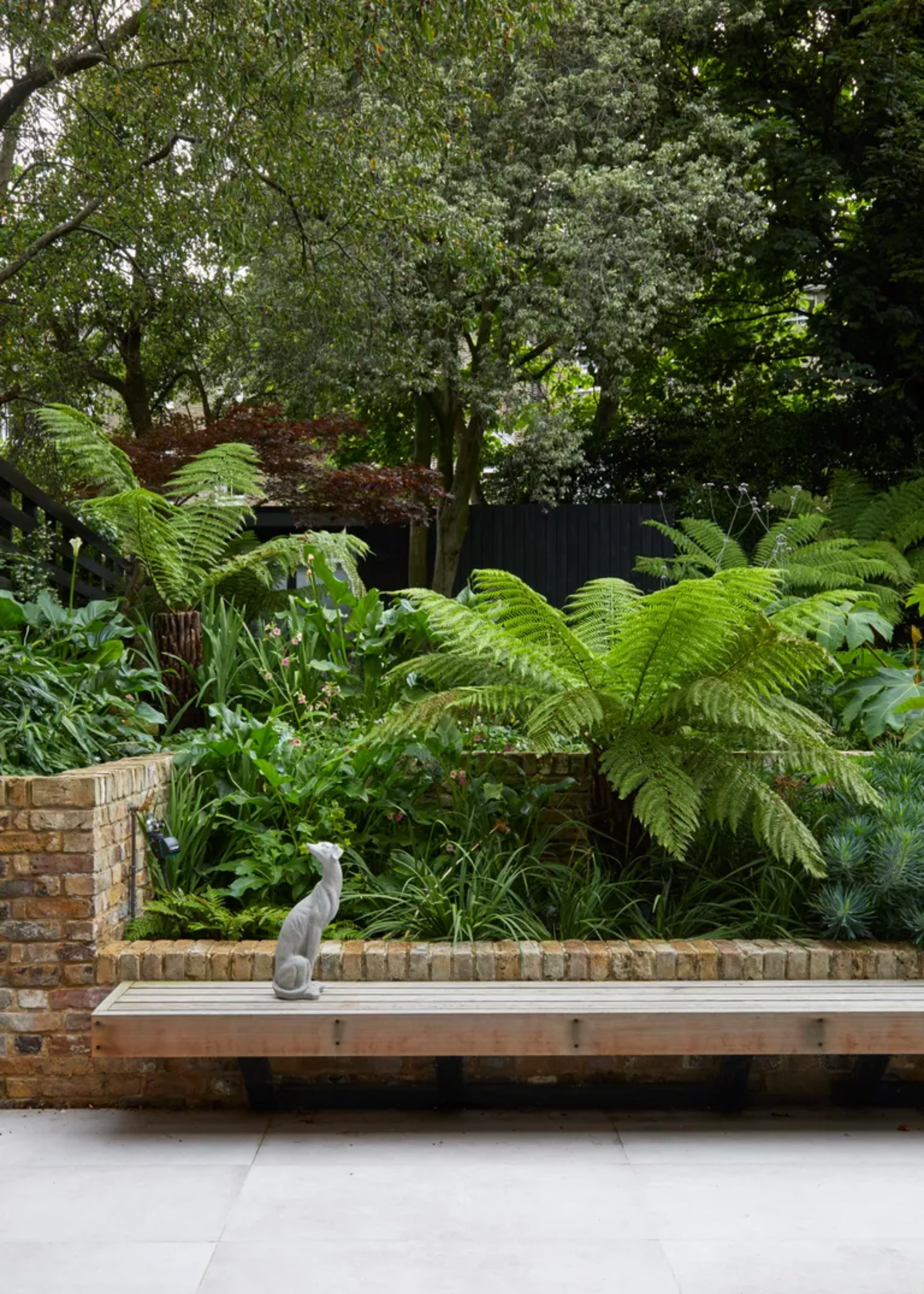
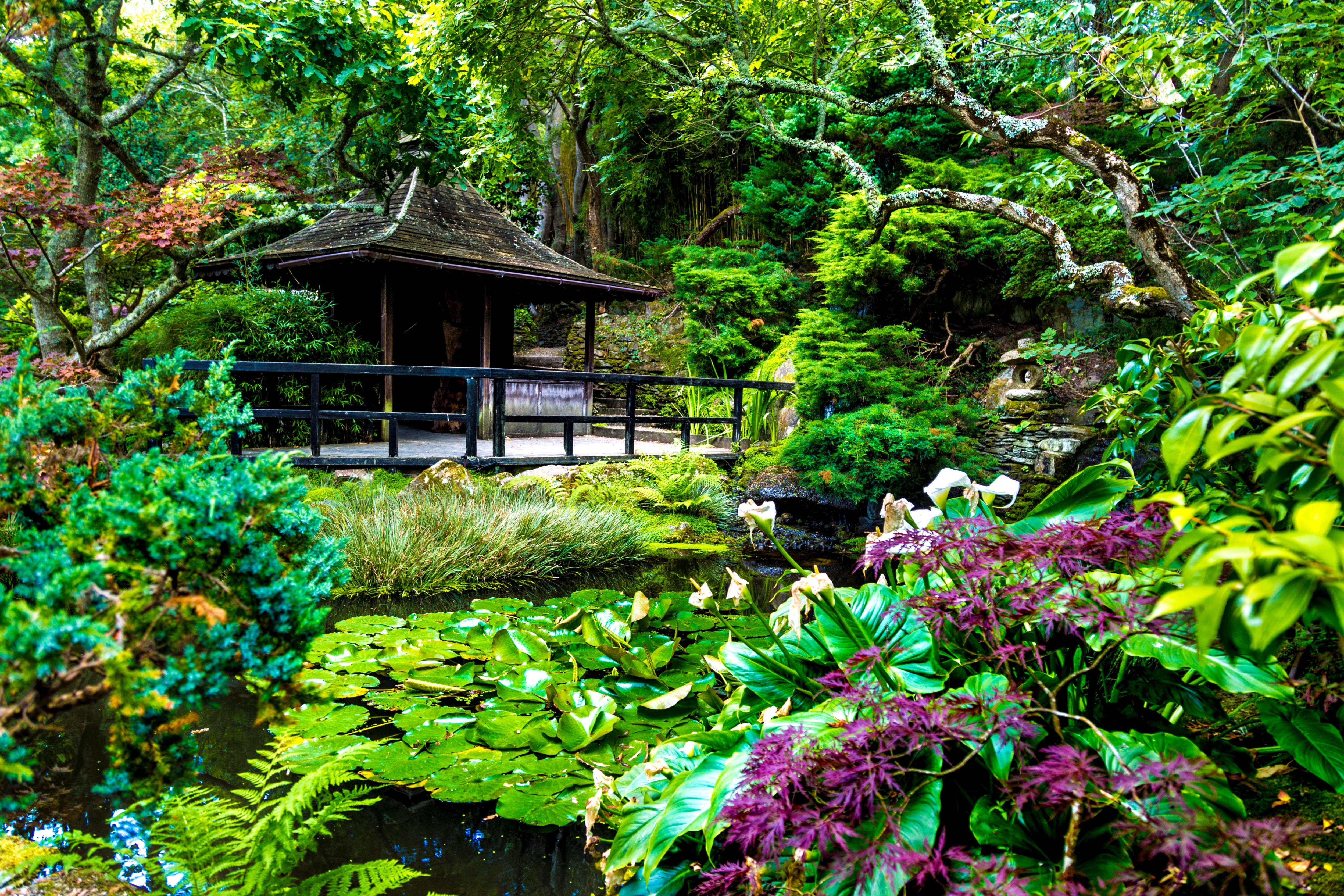
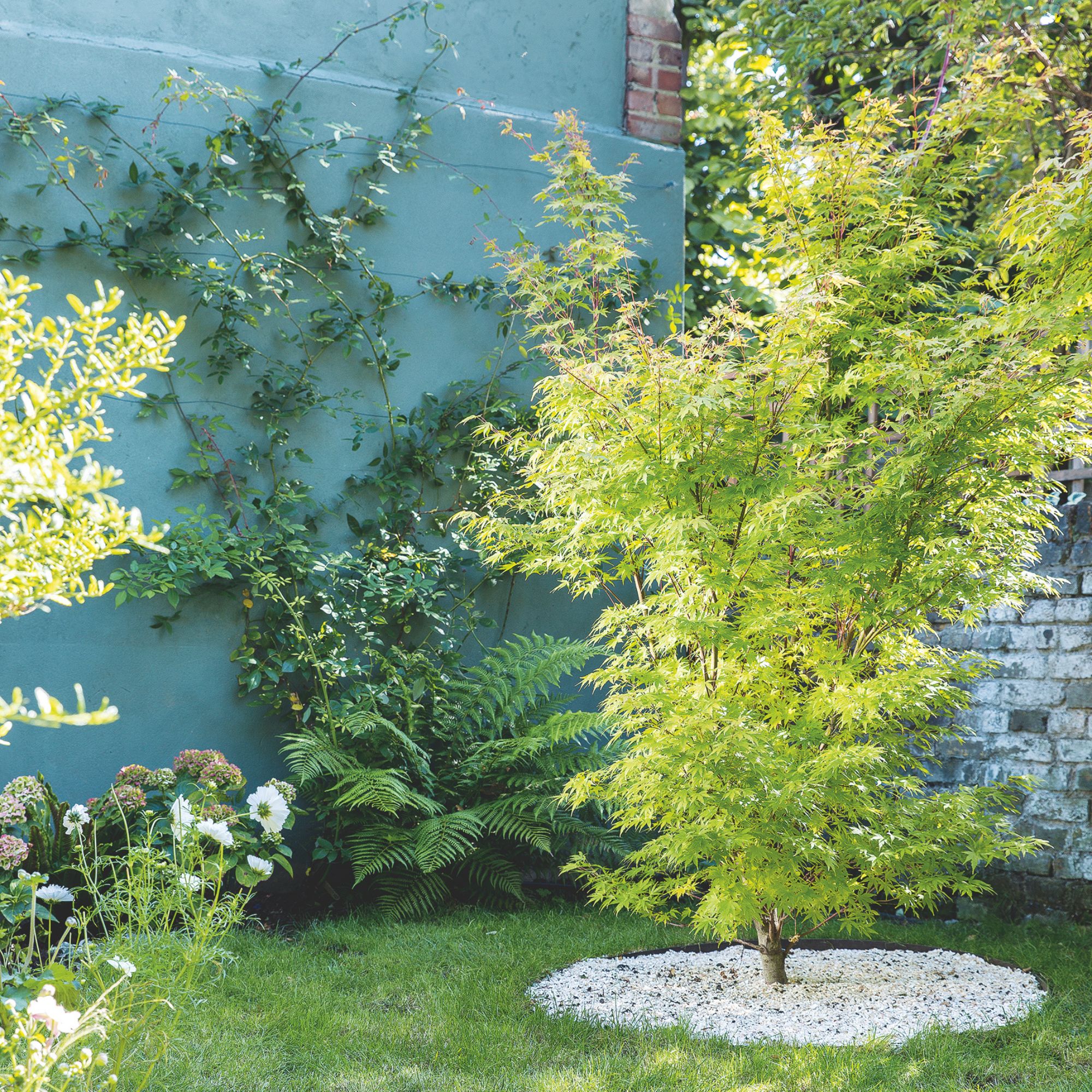
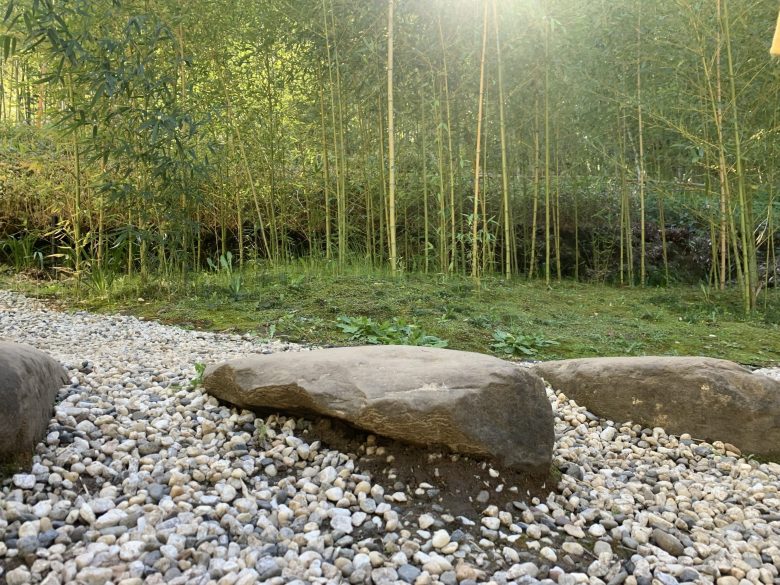
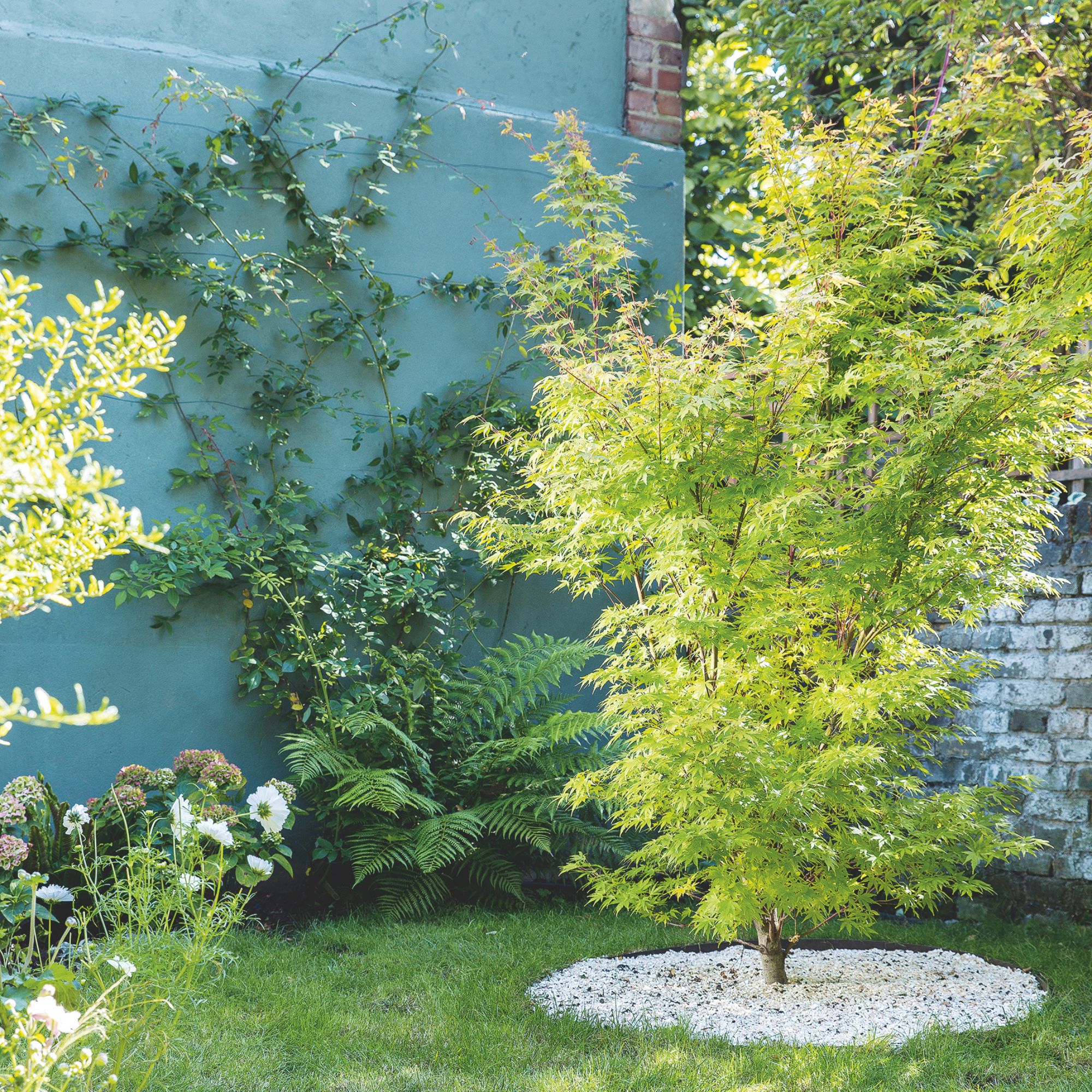
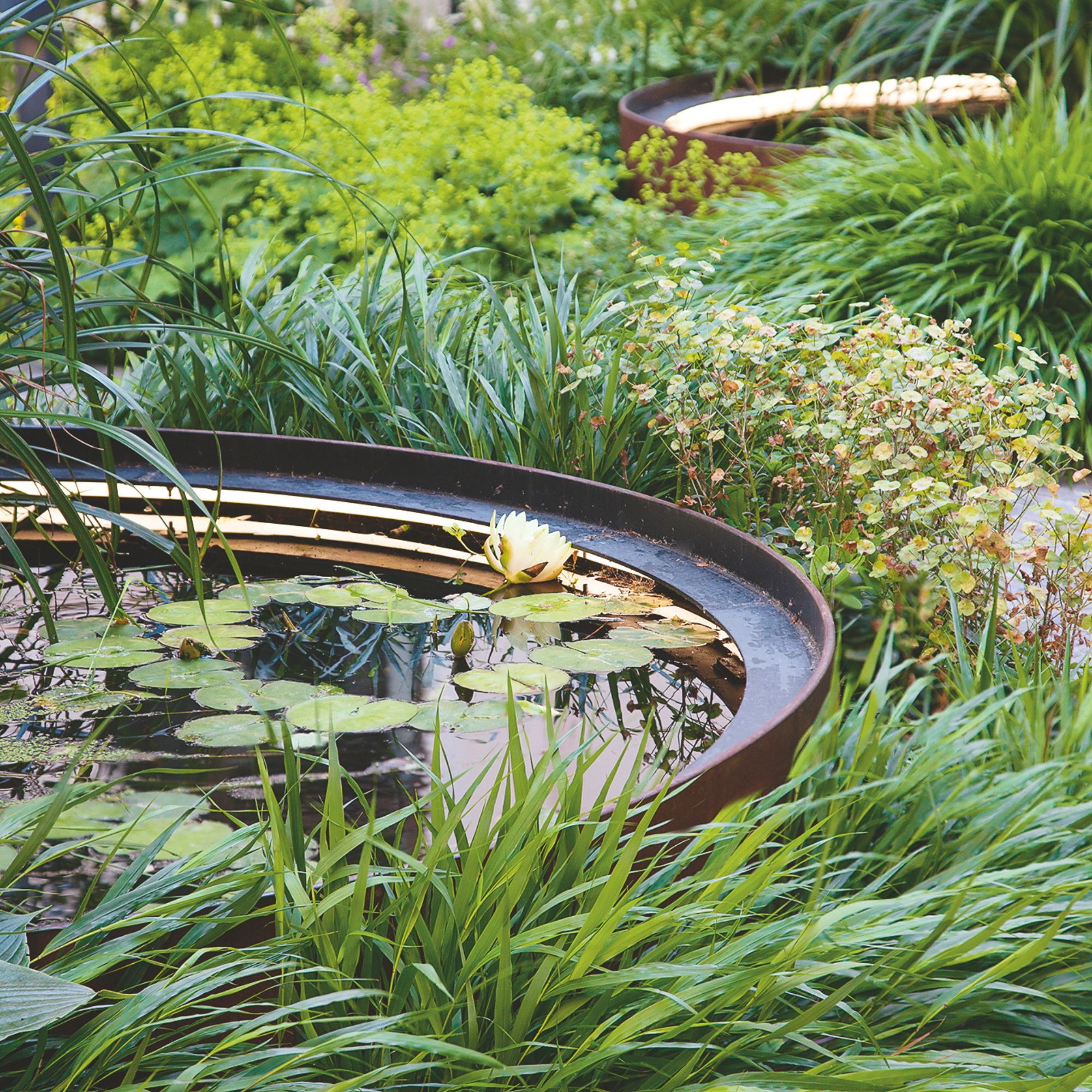
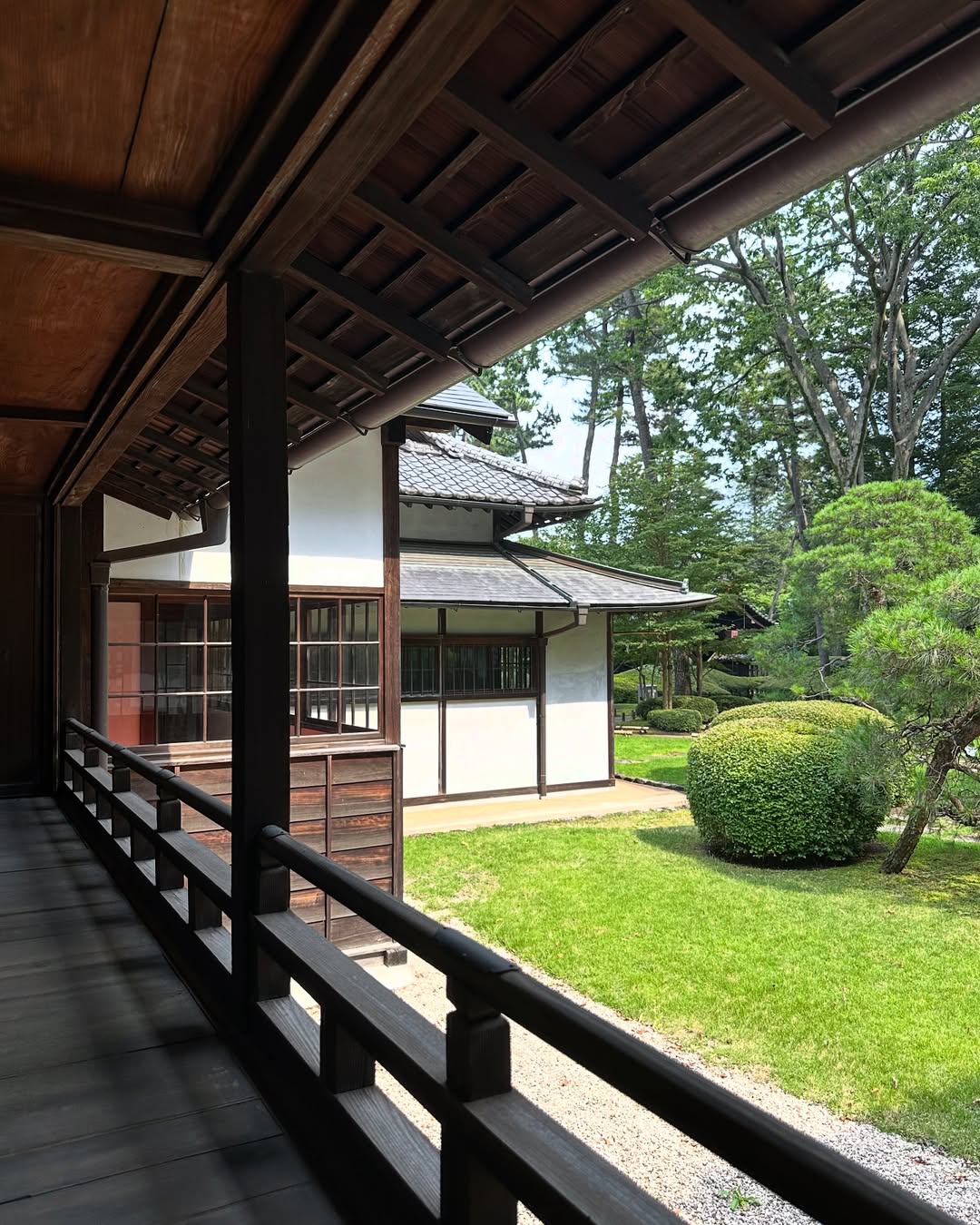
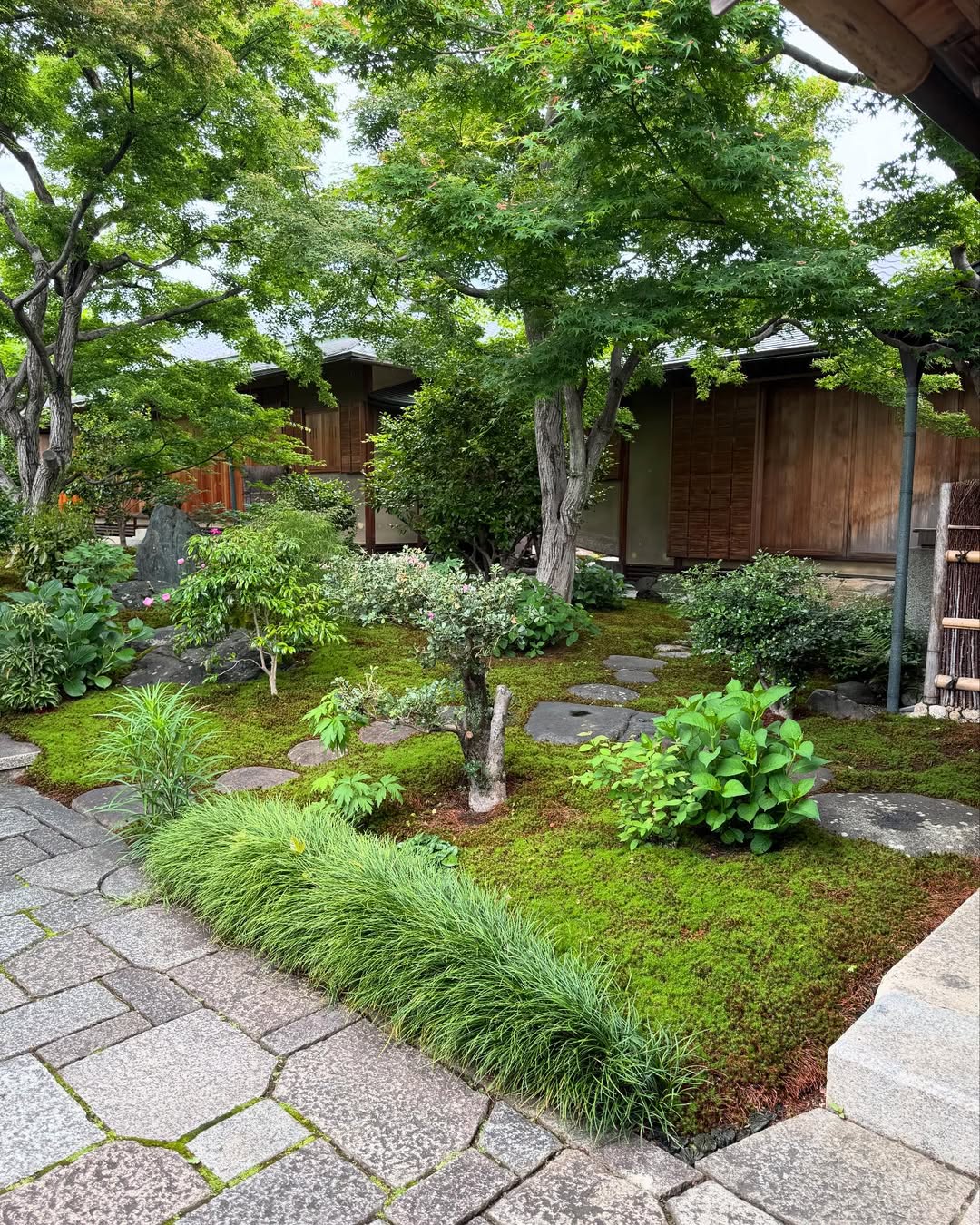
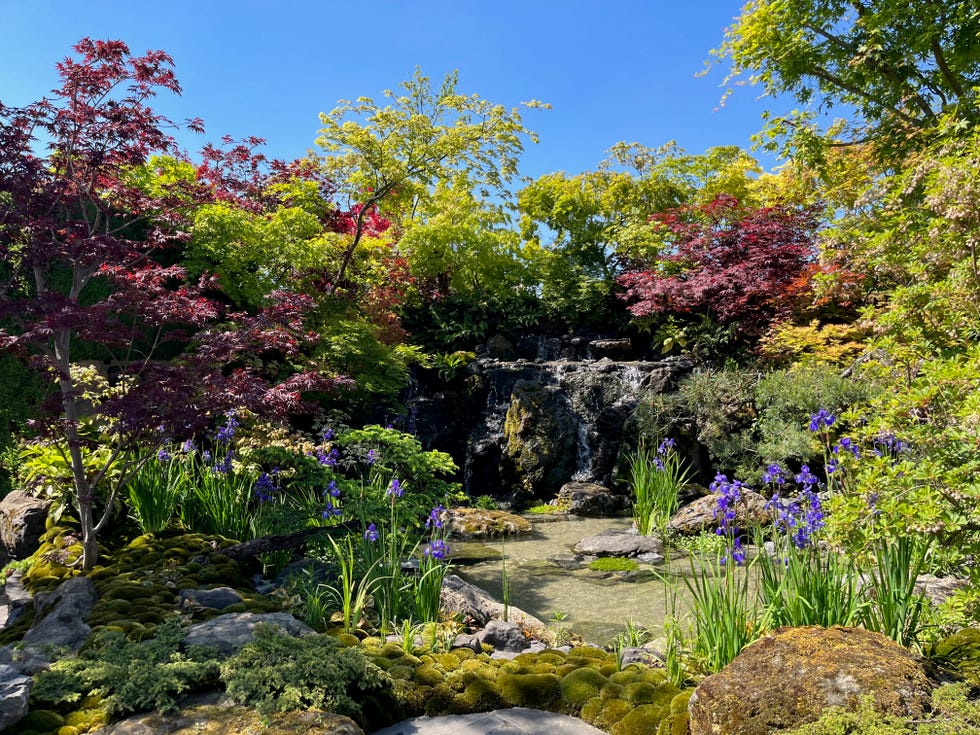
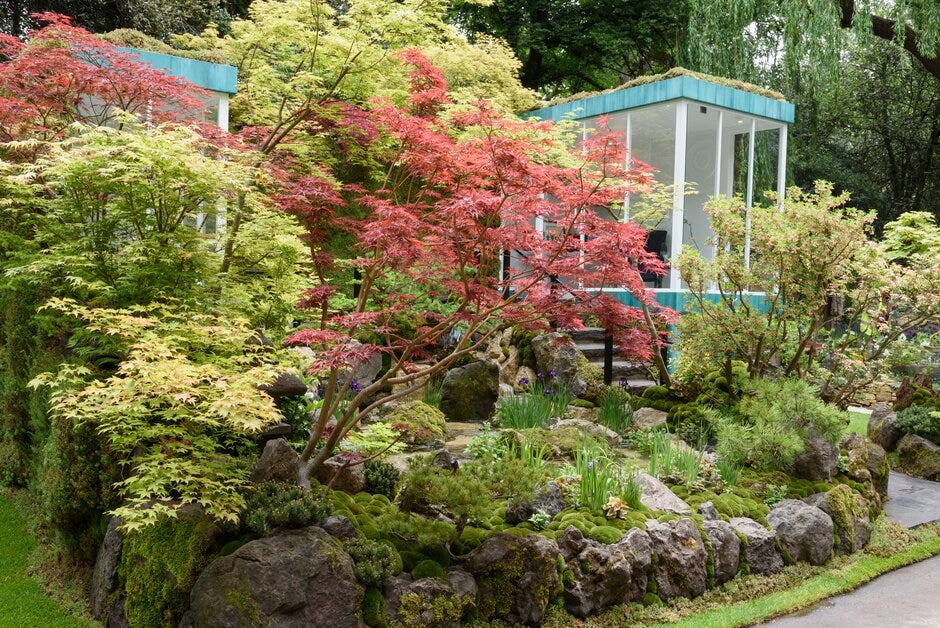
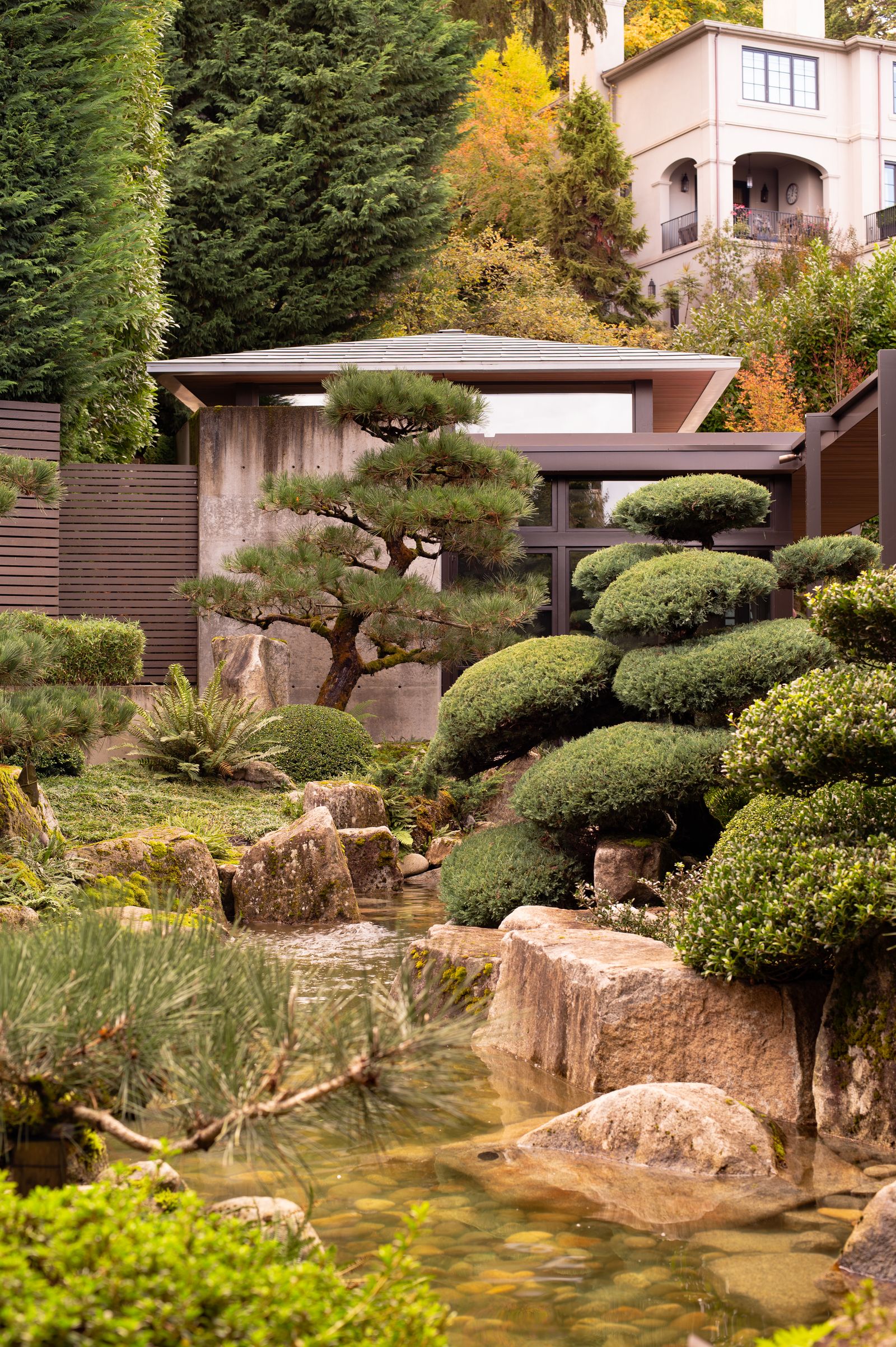
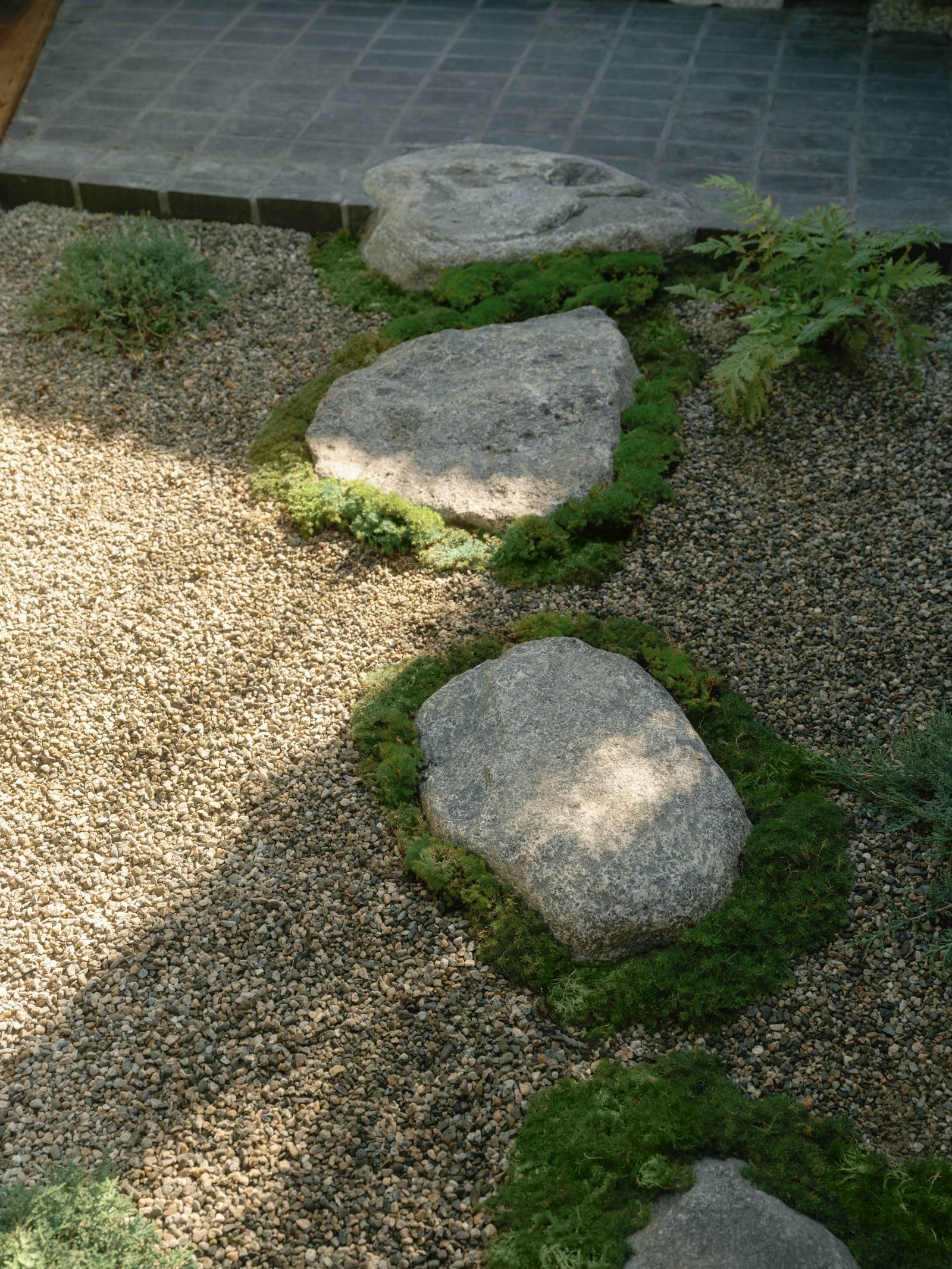
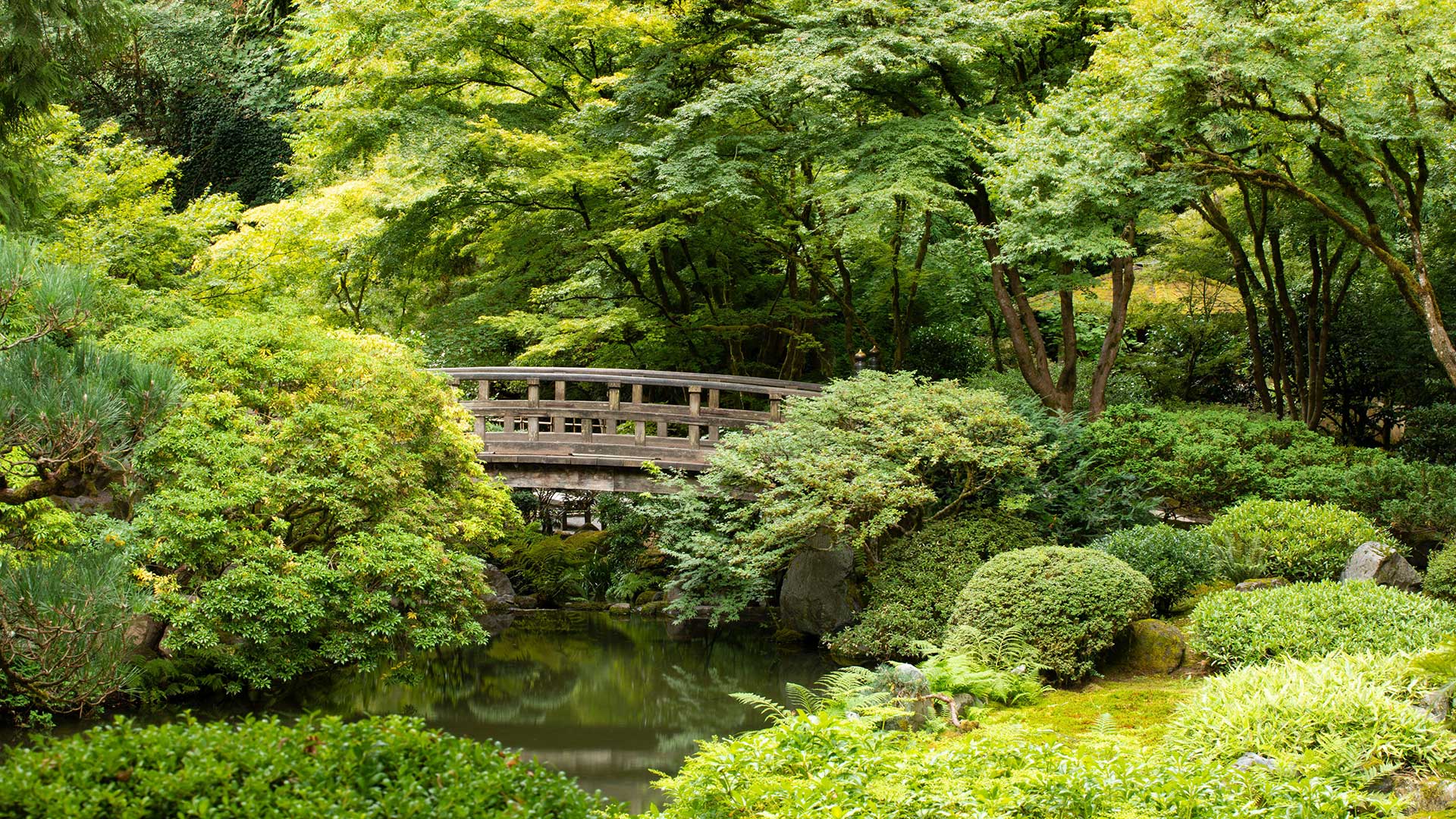
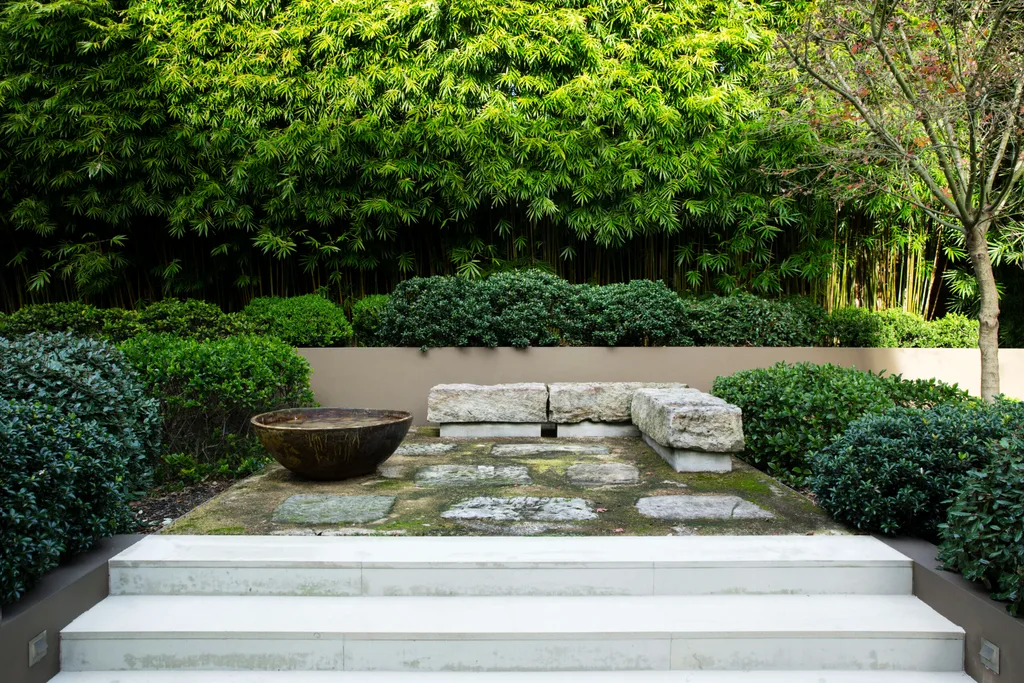
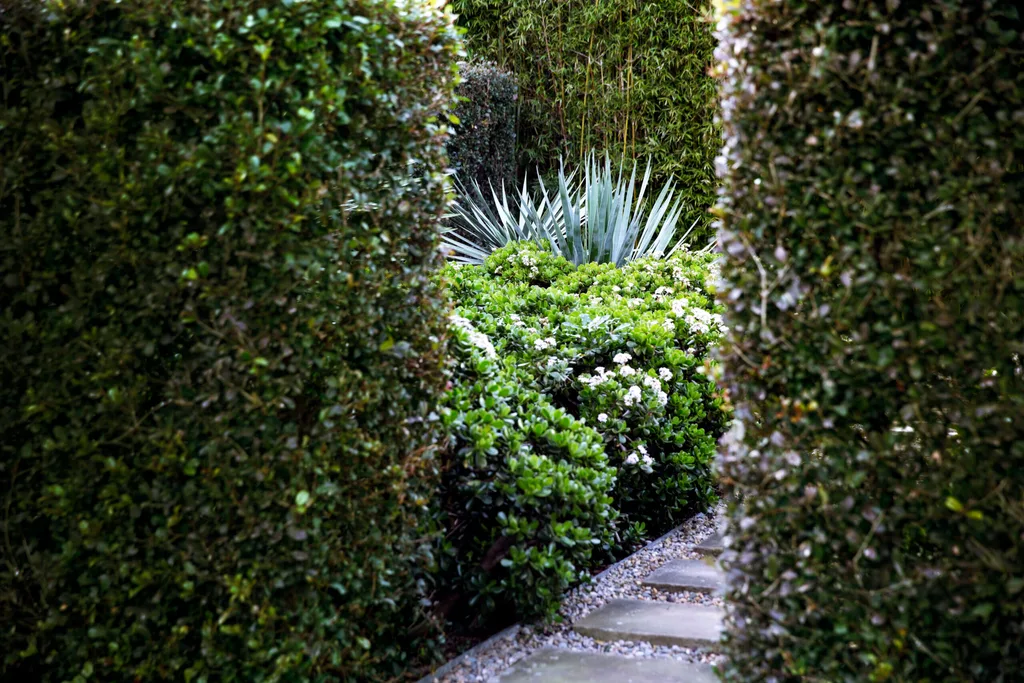
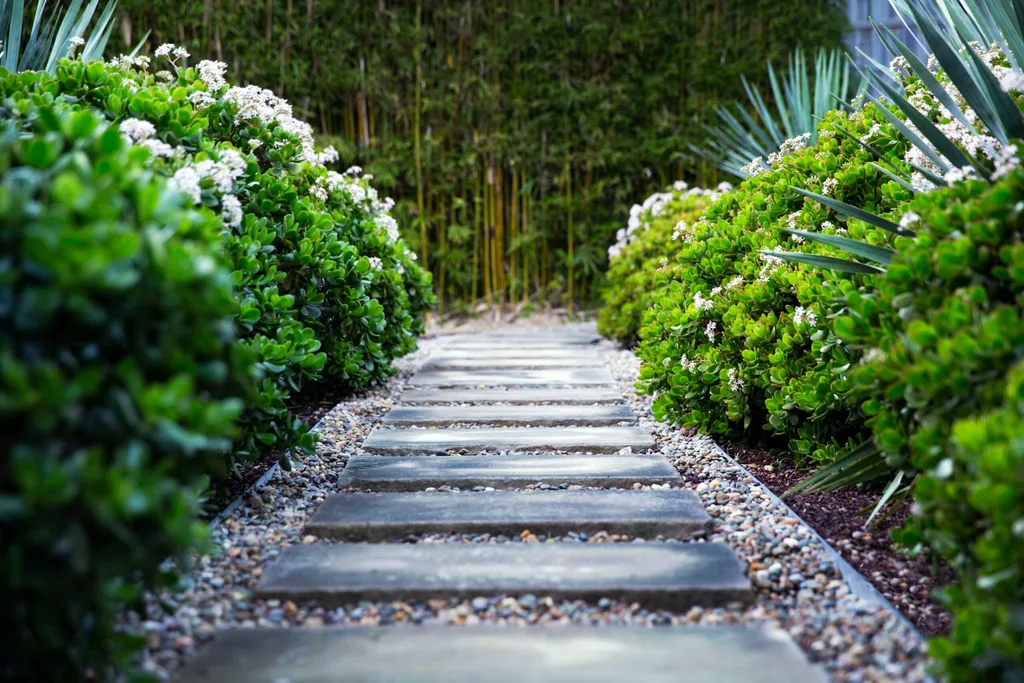
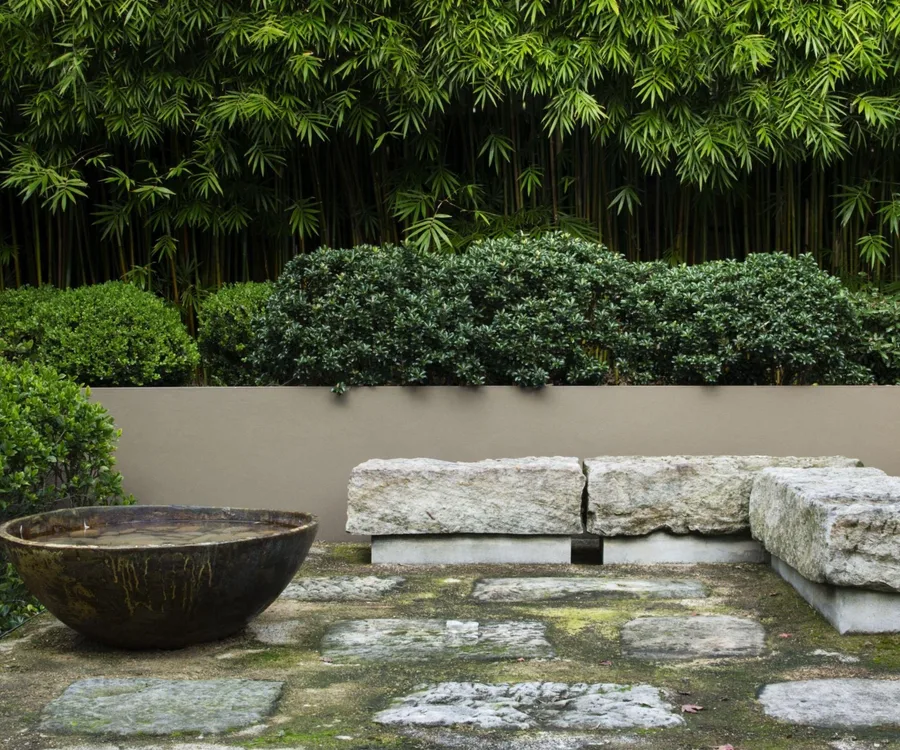
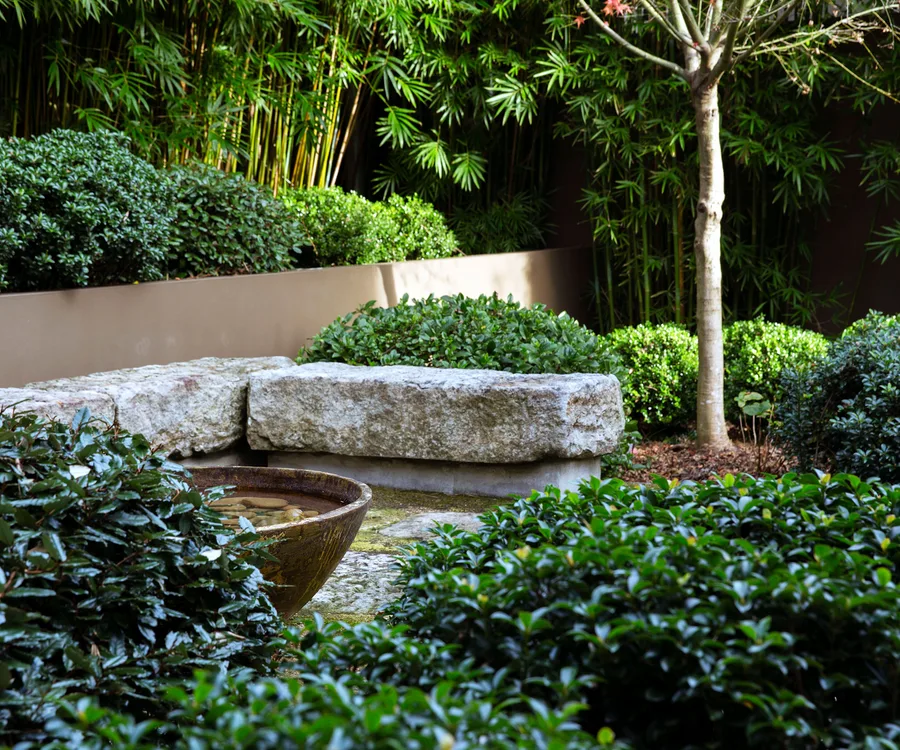
Featured gardens include a semi-formal front garden in Sydney's North Shore, where a potted Japanese maple in white gravel creates serenity, complemented by star jasmine on a stainless-steel trellis. Another example is a zen courtyard in a granite-heavy Melbourne home, where spherically pruned greenery and delicate foliage soften a modern, grey-toned backdrop. A wispy wonderland in an inner-city Melbourne garden uses Japanese wisteria to create a sense of calm, focusing on abundant, layered foliage rather than elaborate floral displays. A wabi-sabi sanctuary in Longueville, Sydney, features natural stone covered in moss, framed by lush green foliage and bamboo, embracing the beauty of natural aging. A wellness retreat in Geelong showcases a Japanese-influenced garden with a serene water feature and various Japanese maple species, designed as an interpretation rather than a strict replication. A coastal retreat in Lennox Head merges Japanese design elements, like natural stone and preserved timber, with a classic Australian backyard aesthetic. Finally, a low-maintenance sanctuary in Melbourne presents a Zen-like courtyard with gentle plants, organic lines, neat gravel, and a birdbath, offering a striking yet tranquil hideaway.
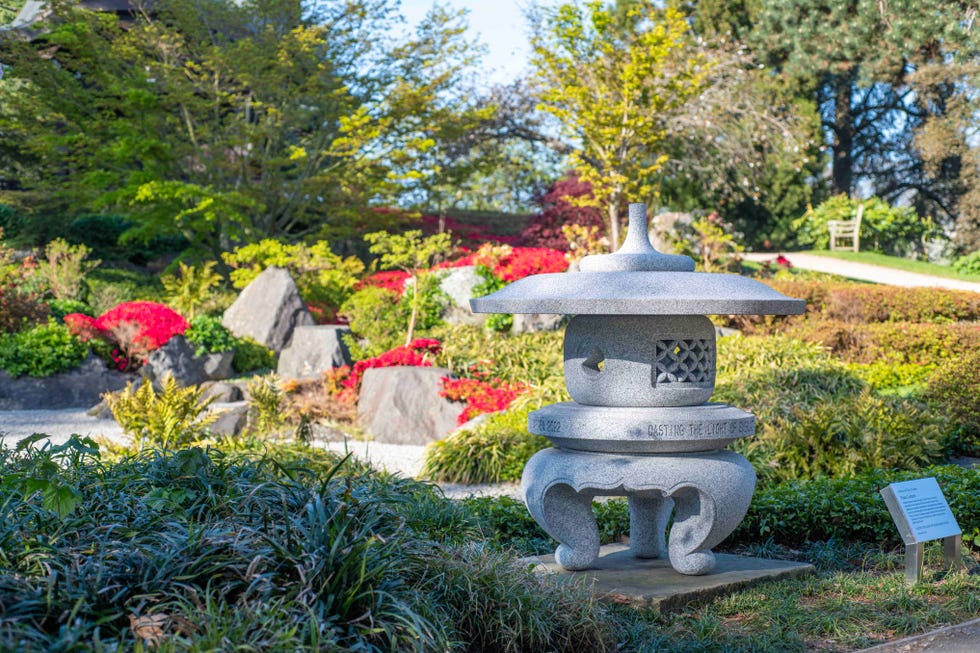
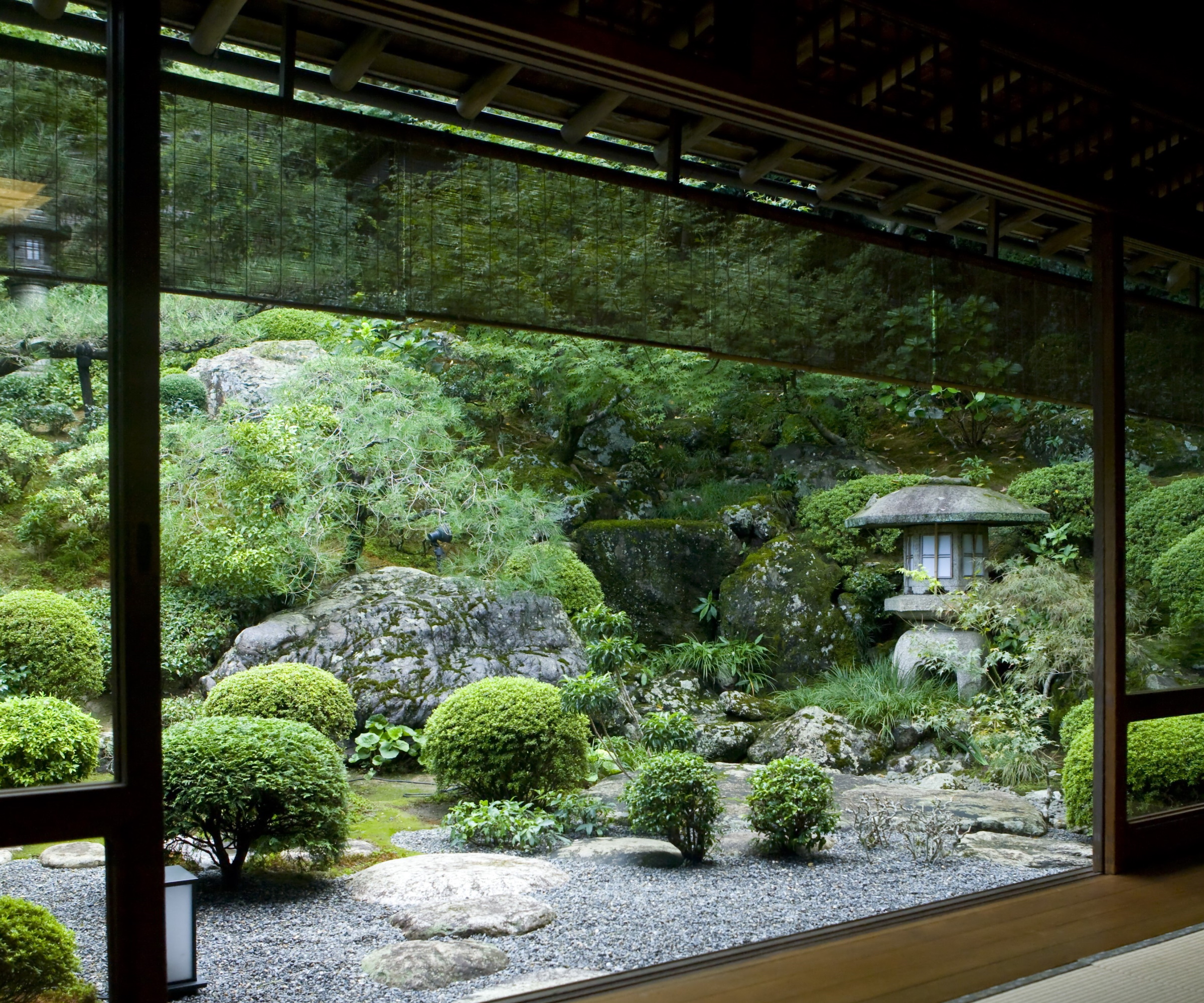
The main features of Japanese gardens include their inherent asymmetry, which mimics natural forms, and a strong emphasis on symbolism, where a simple rock can represent a mountain or raked gravel can signify ocean waves. A mindful connection to nature is central, celebrating the seasonal cycles and embracing the concept of *wabi-sabi*, which values aging, damage, and distortion as markers of beauty and time's passage. Serenity and balance are achieved through natural materials like stone, water, and plants, carefully positioned to reflect their natural habitats.
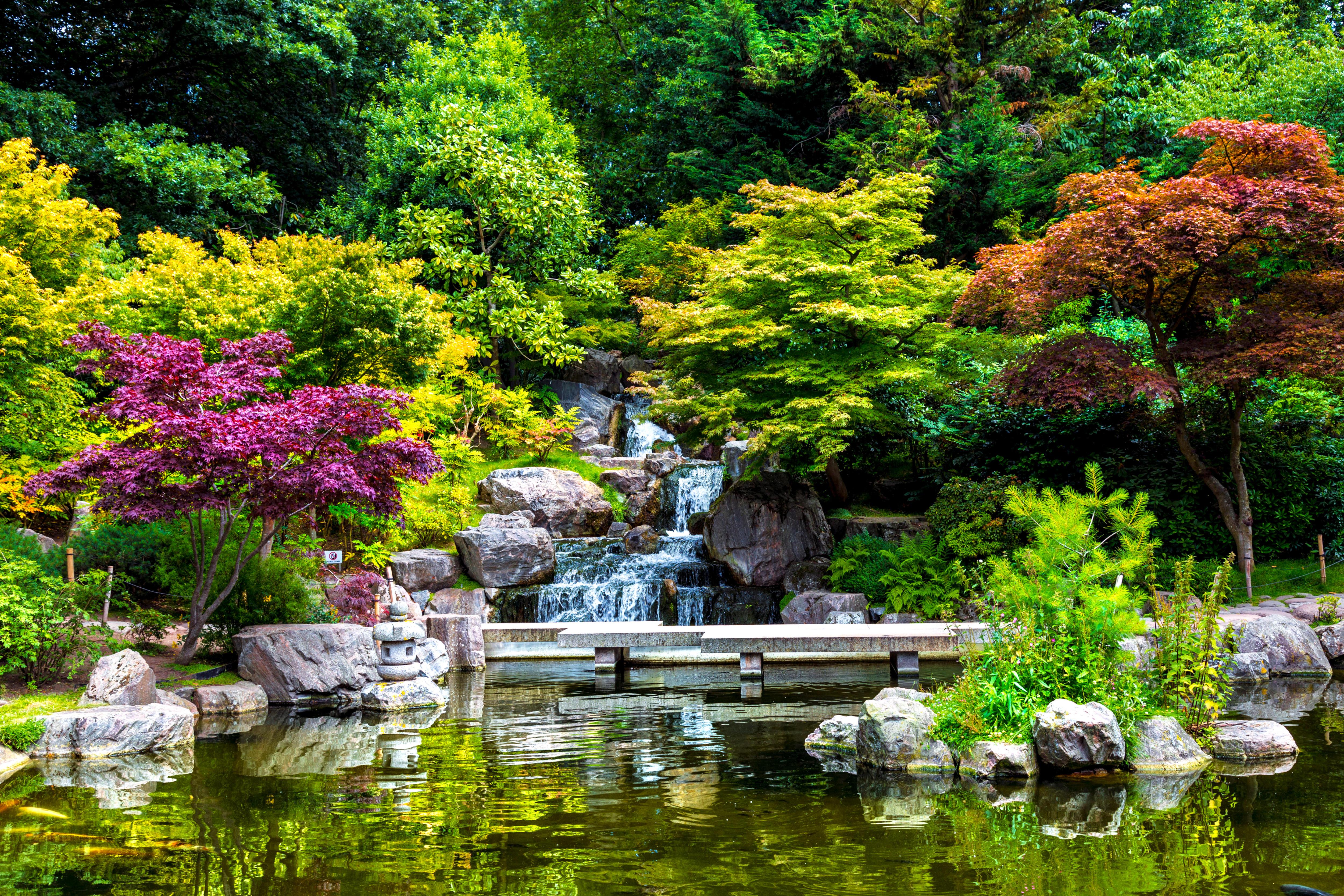
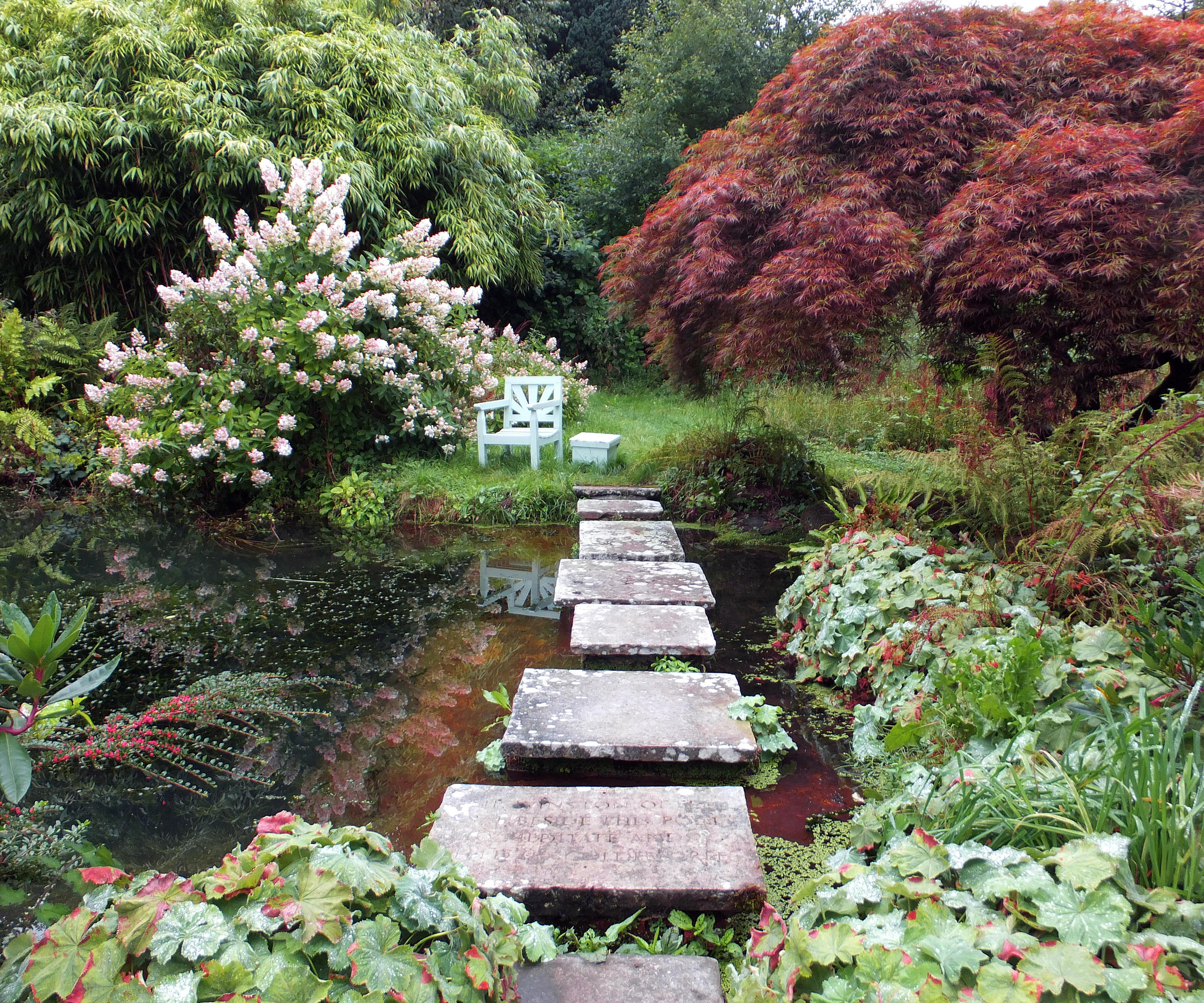
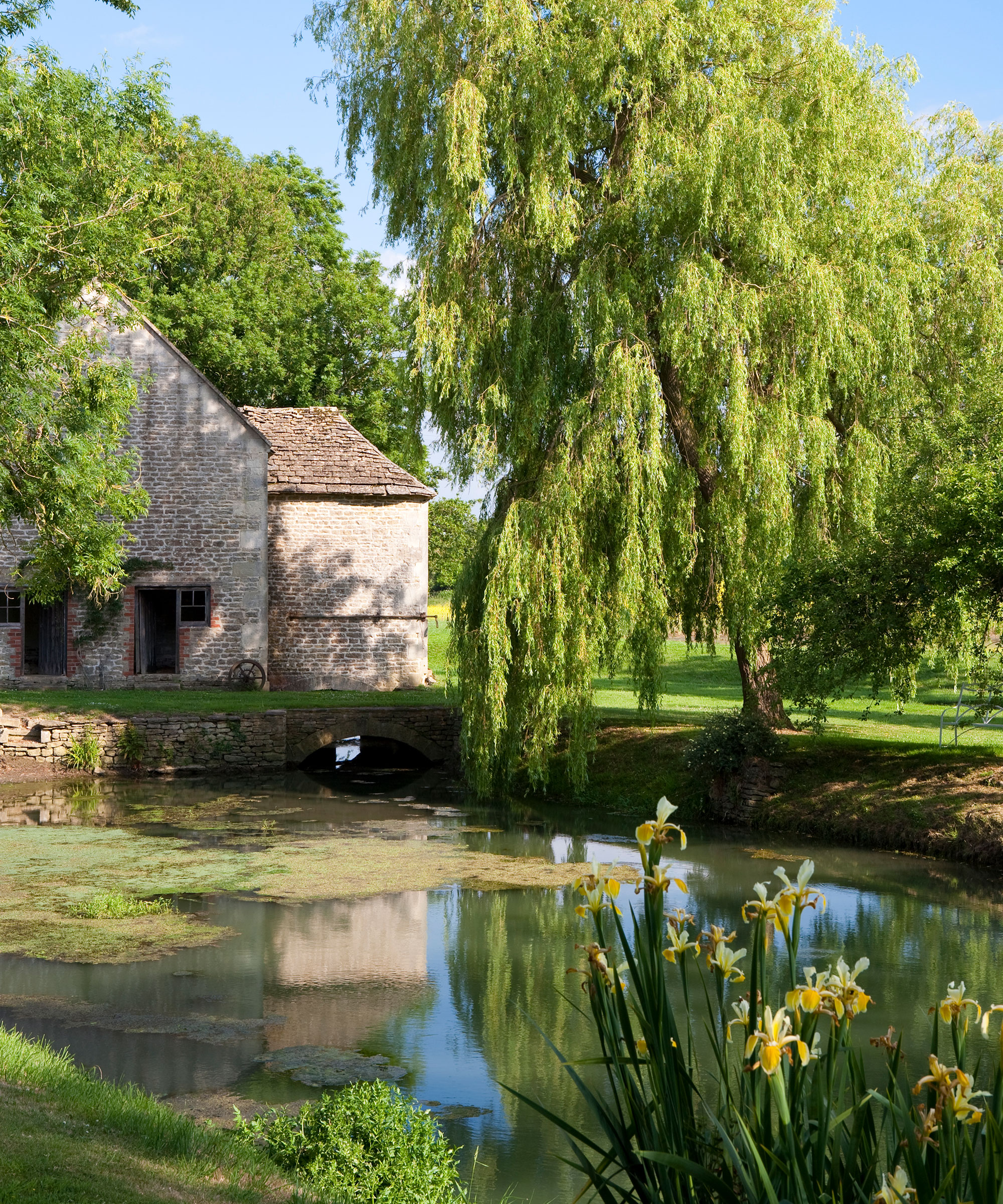
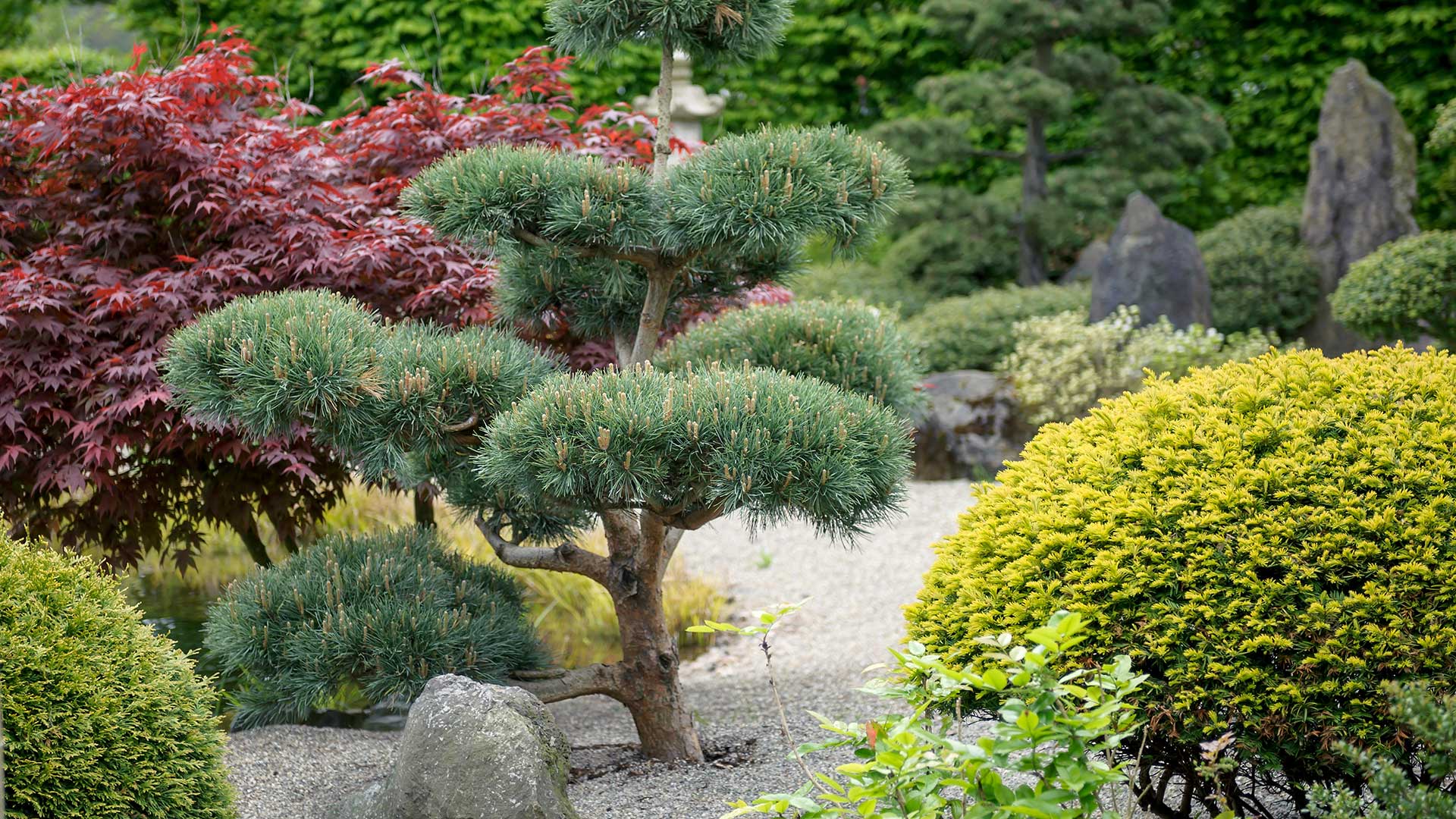
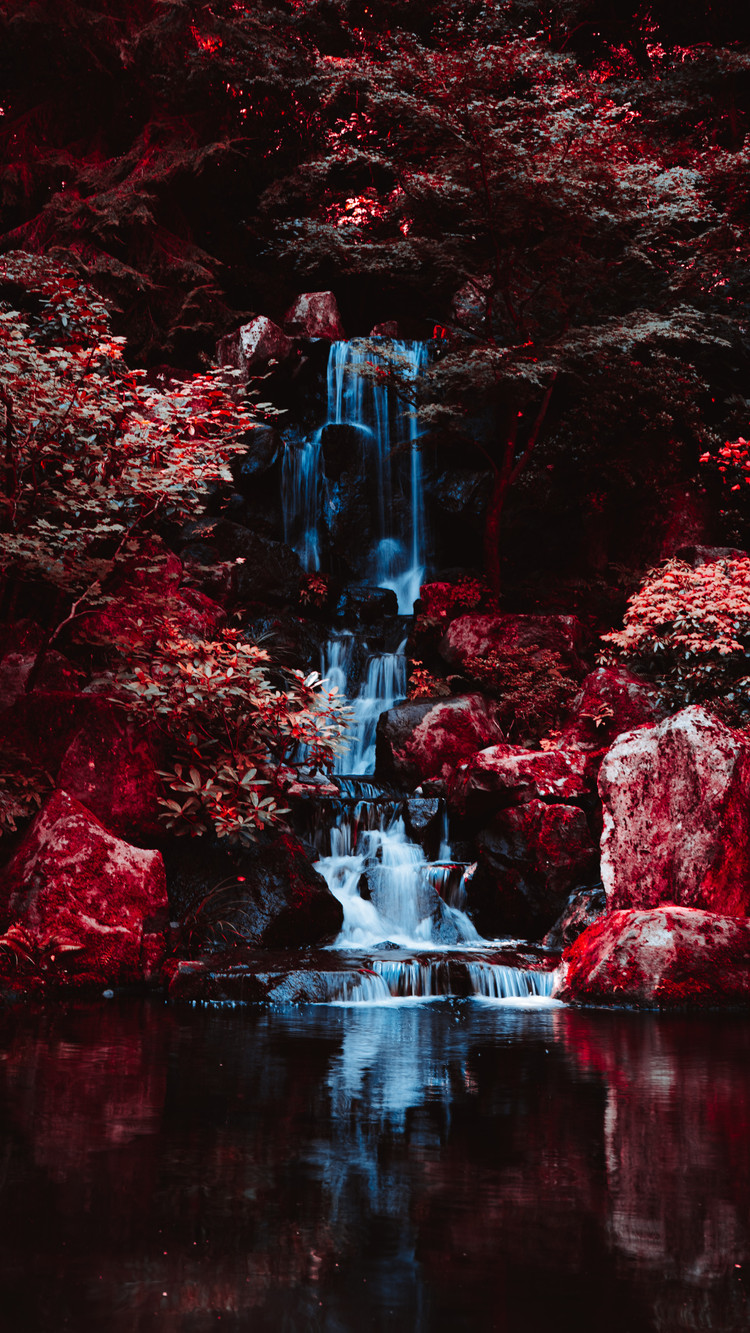
The three essential elements of a Japanese garden are stone, symbolizing eternity and grounding the landscape with representations of hills and mountains; water, signifying renewal, tranquility, and repose, often appearing as ponds or waterfalls; and plants, such as moss, ornamental pines, bonsai, bamboo, Japanese maples, and gingko trees, chosen for their lushness and seasonal color. When designing a Japanese garden in an Australian backyard, the article suggests borrowing principles rather than strictly replicating traditional designs, adapting to the local climate by substituting native species where necessary. Key elements like ponds, water features, timber, and stone benches are recommended to create inviting and successful small gardens or courtyards.
#JapaneseGardens #GardenDesign #OutdoorLiving #BackyardIdeas #ZenGardens #WabiSabi #LandscapeDesign #AustralianGardens #HomeDecor #JapaneseGardens #GardenDesign #OutdoorLiving #BackyardIdeas #ZenGardens #WabiSabi #LandscapeDesign #AustralianGardens #HomeDecor
0 commenti in totale
 Nessun commento ancora
Potresti anche gradire
7 Japanese Garden Ideas That Channel the Elements of Nature to Make Your Outdoor Space Feel Serene

The best plants for a Japanese garden: 7 serene species

Experts reveal how to plant a Japanese-inspired garden

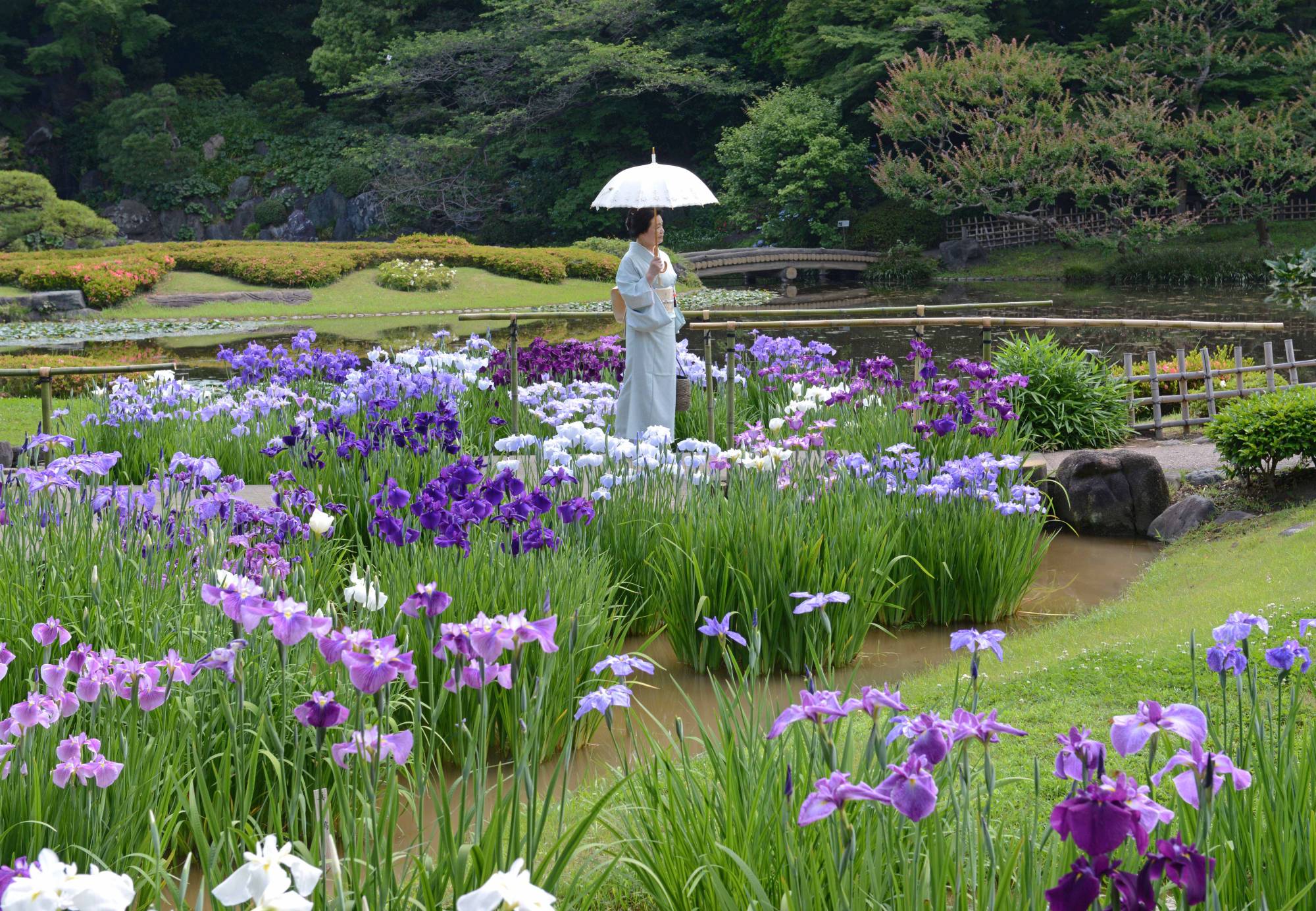
In a Japanese garden, you’re never under the weather
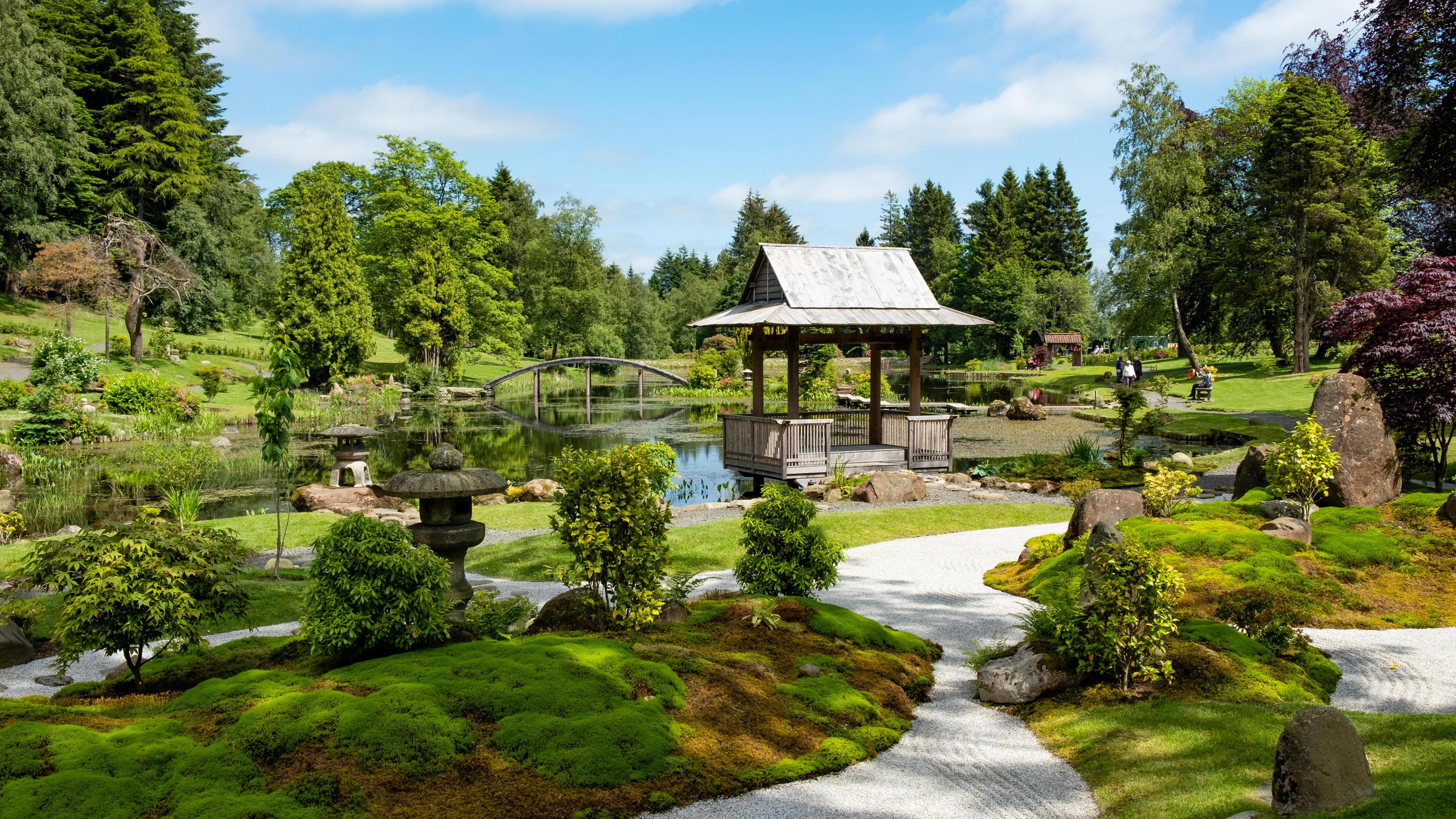
Seven of the loveliest Japanese gardens in the UK

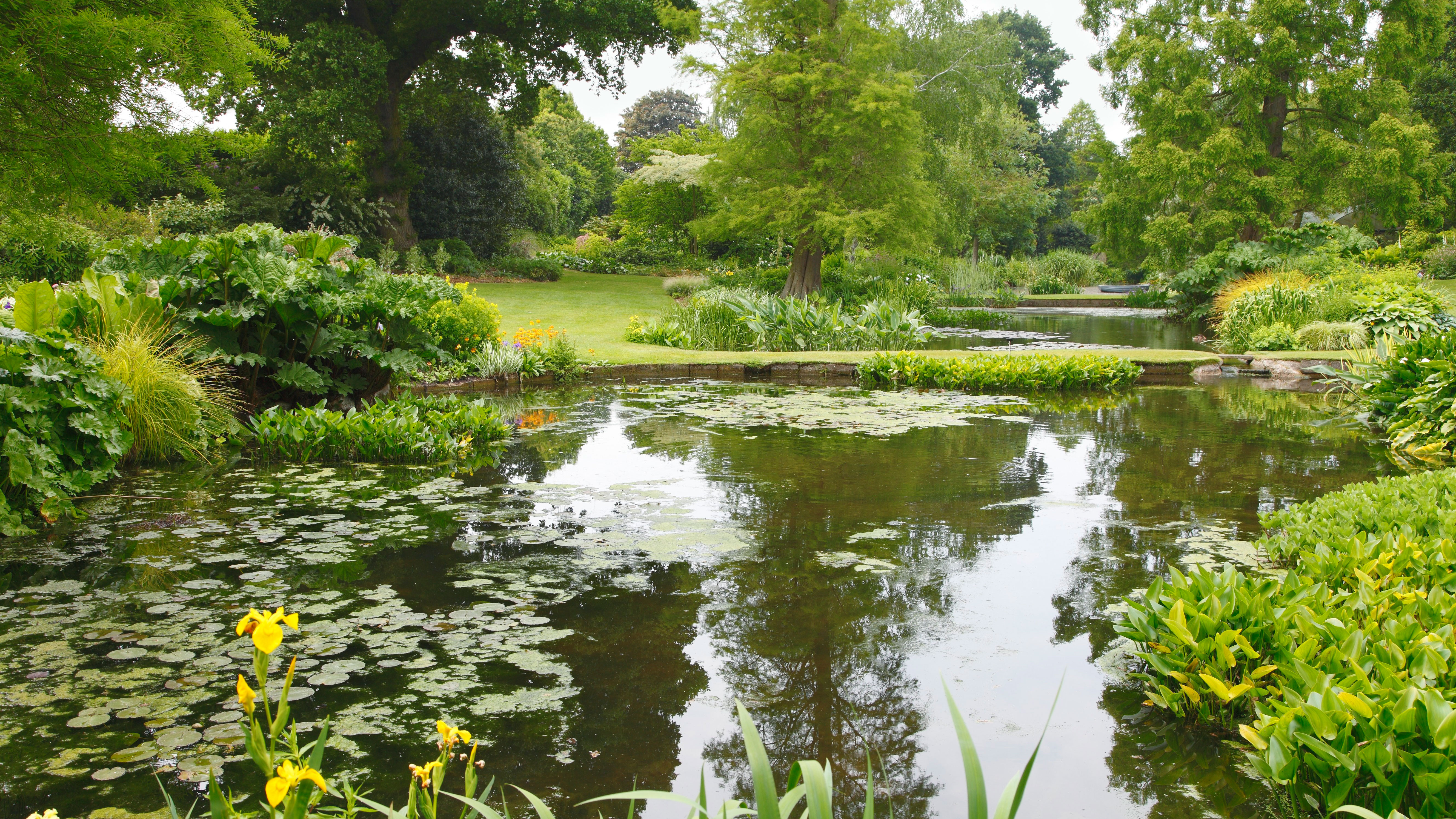
Japanese garden ideas – 11 design tips for a zen backyard
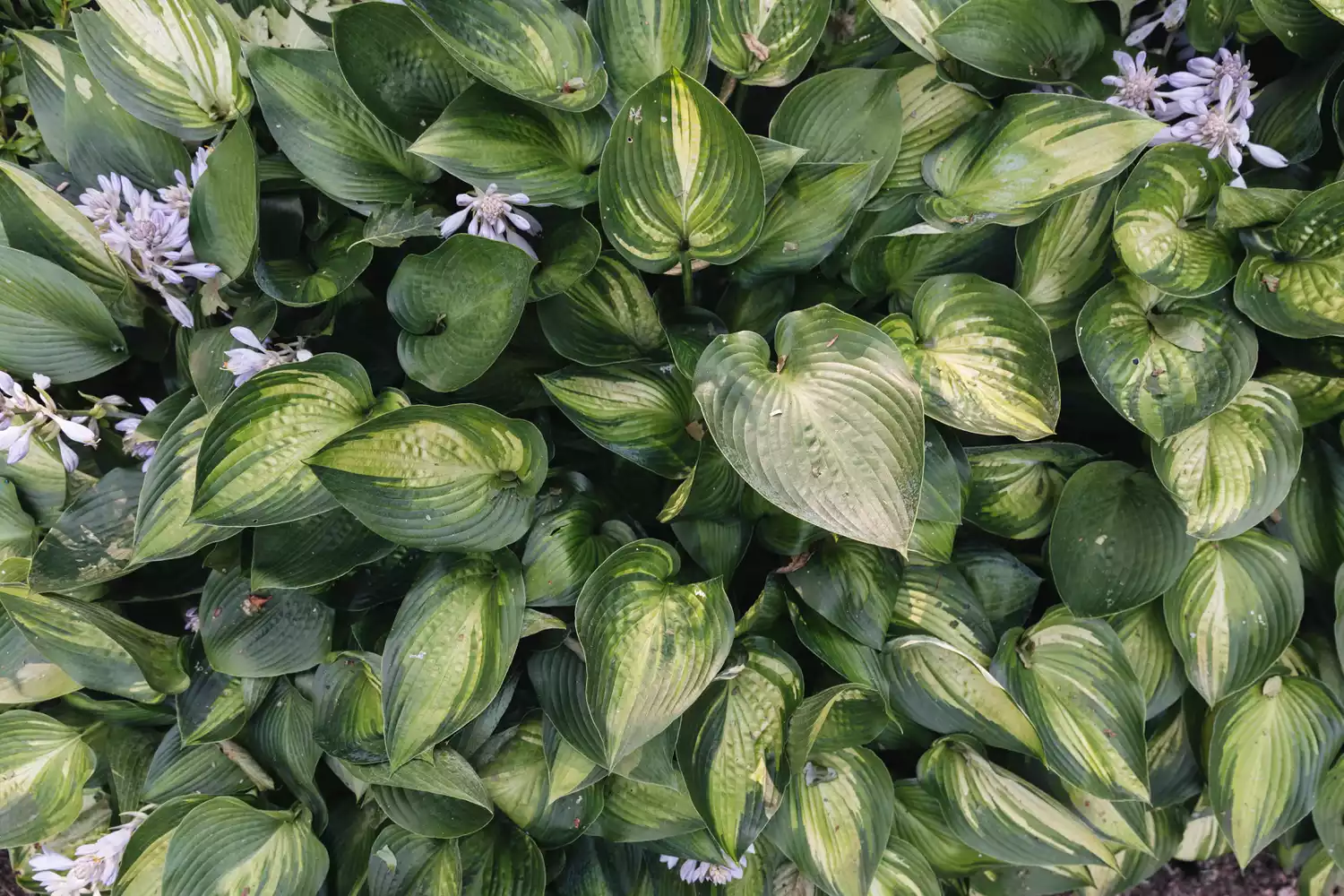
9 Japanese Plants for a Zen Garden
These Are The Most Breathtaking Japanese Gardens In The U.S.

Small Japanese garden ideas – 7 ways to infuse a tiny outdoor space with Japanese-inspired planting and landscaping

For the Garden | Zen and Now

How to Design a Japanese Garden in Any Climate, According to Landscape Experts

A Japanese-inspired garden on Sydney’s north shore
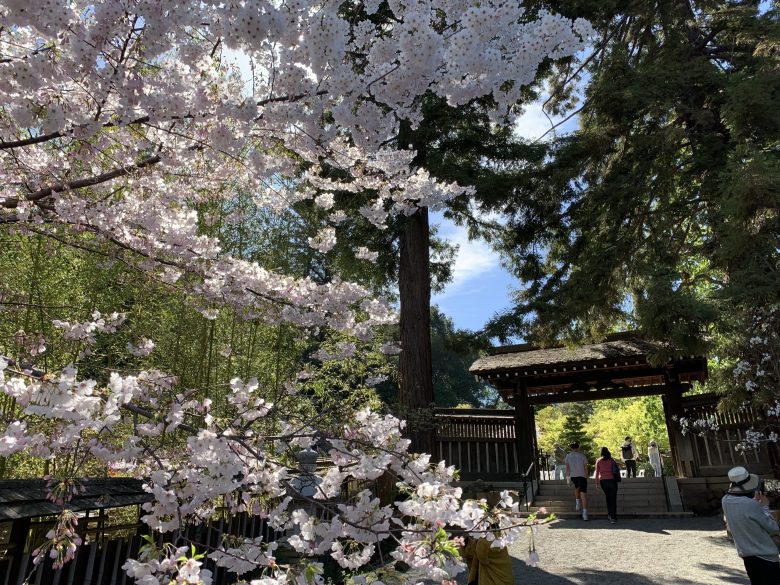
Looking to add some Zen to your landscape? Visit these Japanese gardens for inspiration
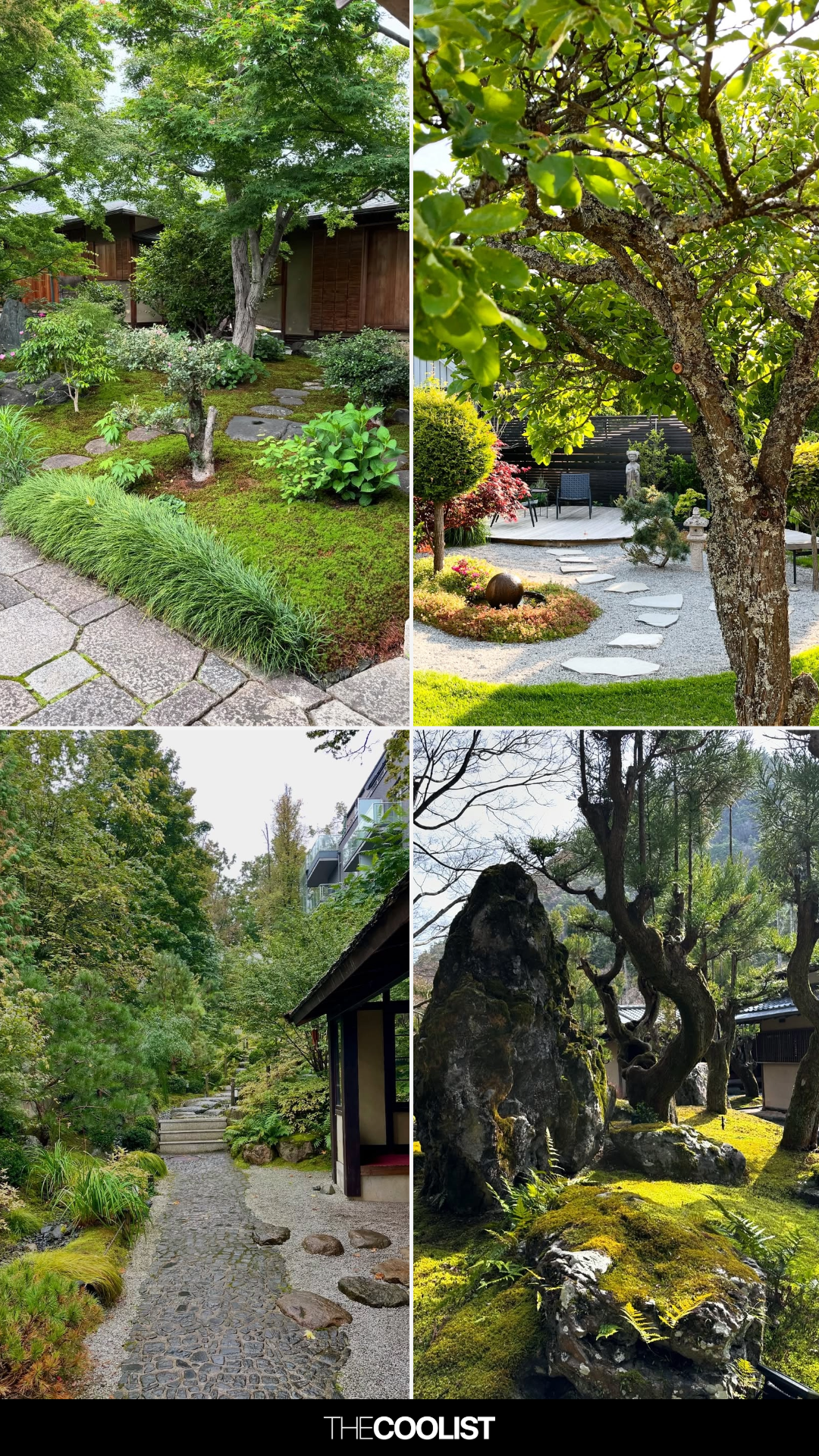
24 Japanese Garden Ideas That Encourage Slow Walks and a More Relaxed Outdoor Rhythm

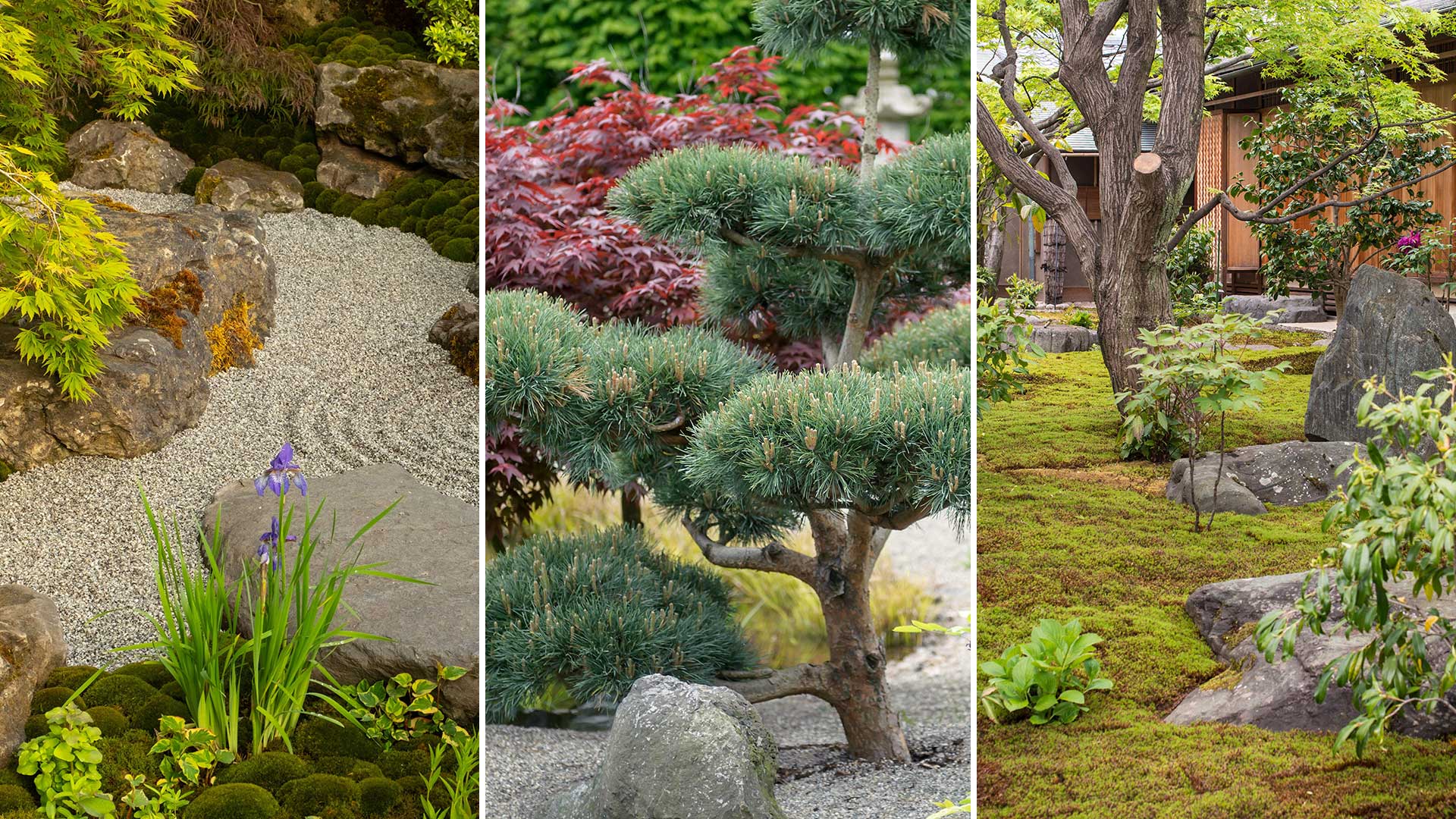
Japanese garden ideas – 10 ways to create a soothing space, with advice from the experts

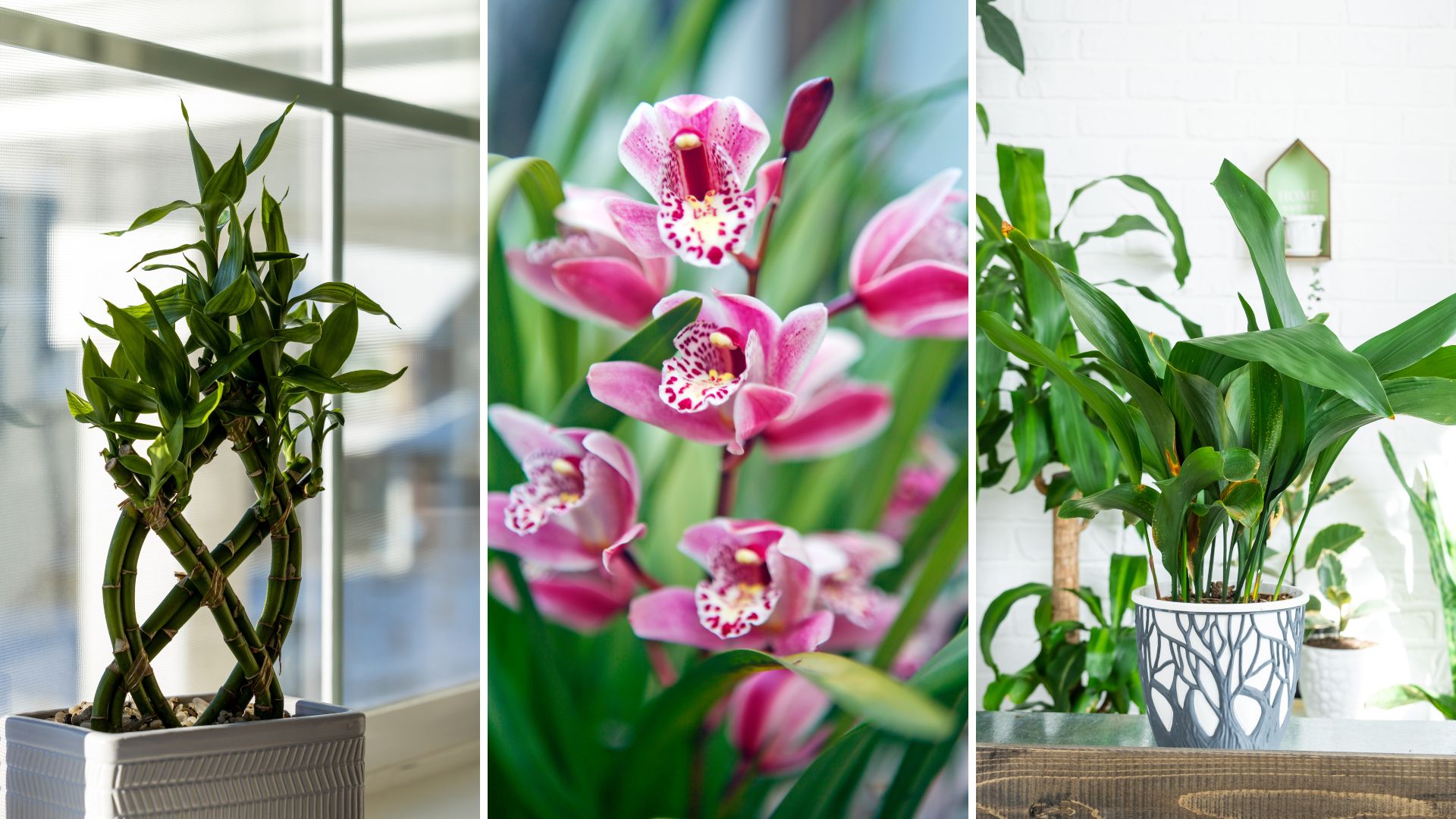
The best Japanese houseplants to create a zen, serene space in any room

Small Japanese garden ideas – 7 ways to infuse a tiny outdoor space with Japanese-inspired planting and landscaping

4 Japanese garden ideas for a calm and tranquil outdoor space
What is a zen garden? This Japanese approach to design can turn backyards into calming sanctuaries
Peter Dowdall: So many reasons to love Japanese gardens