1/12
It's a Color Symbolic of Dreams, so These Purple Bedroom Ideas Almost Guarantee a Good Night's Sleep, Right?
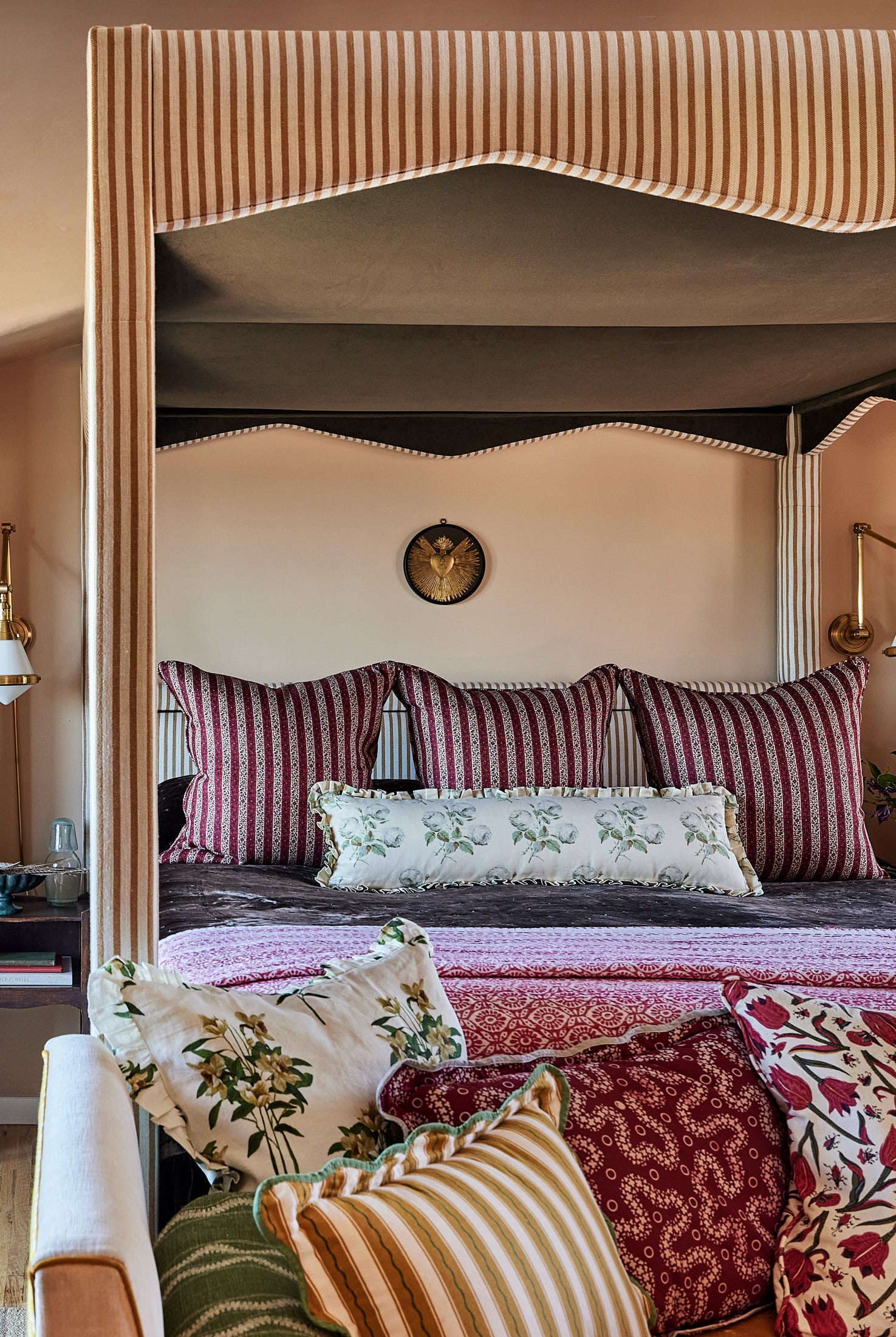
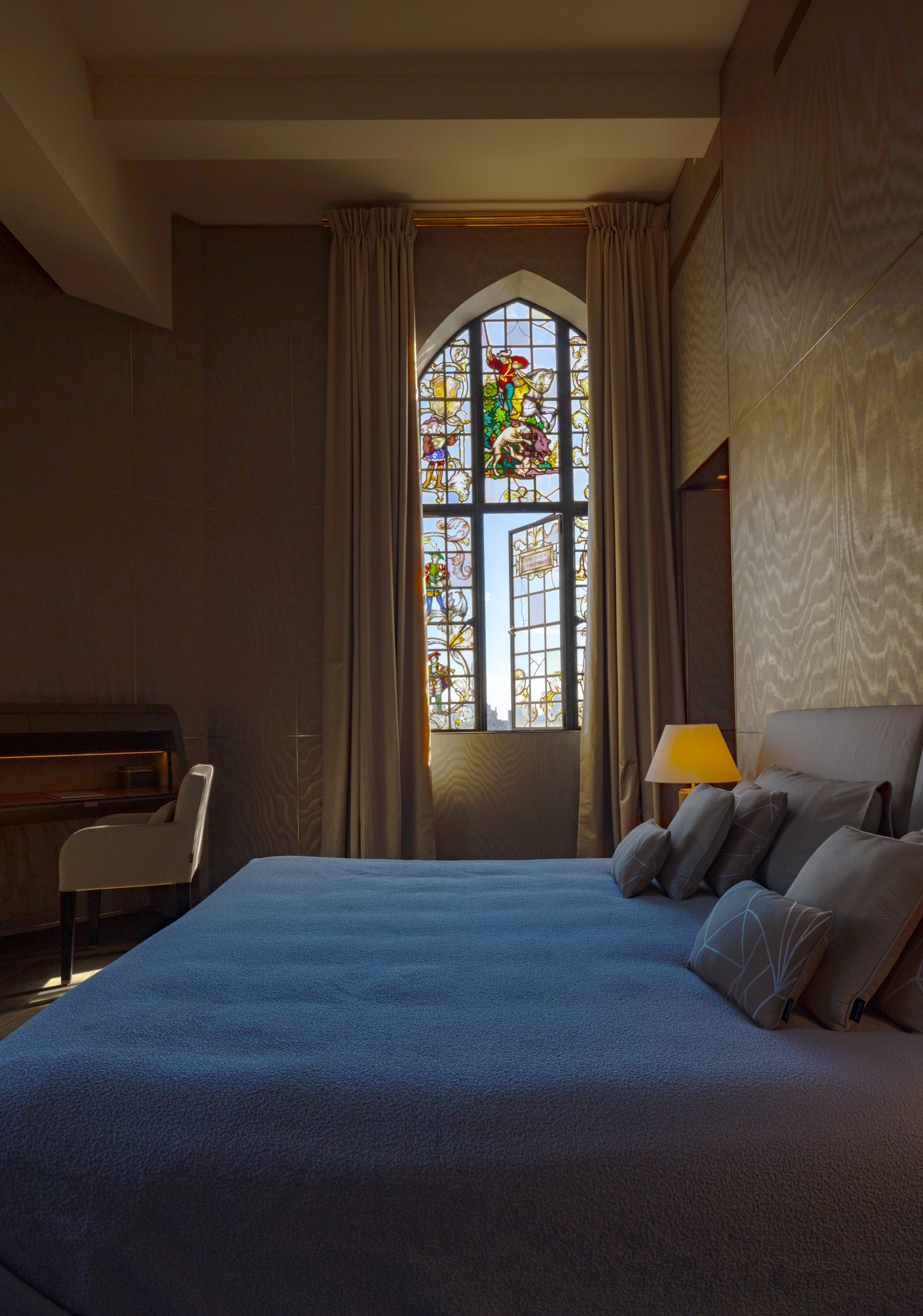
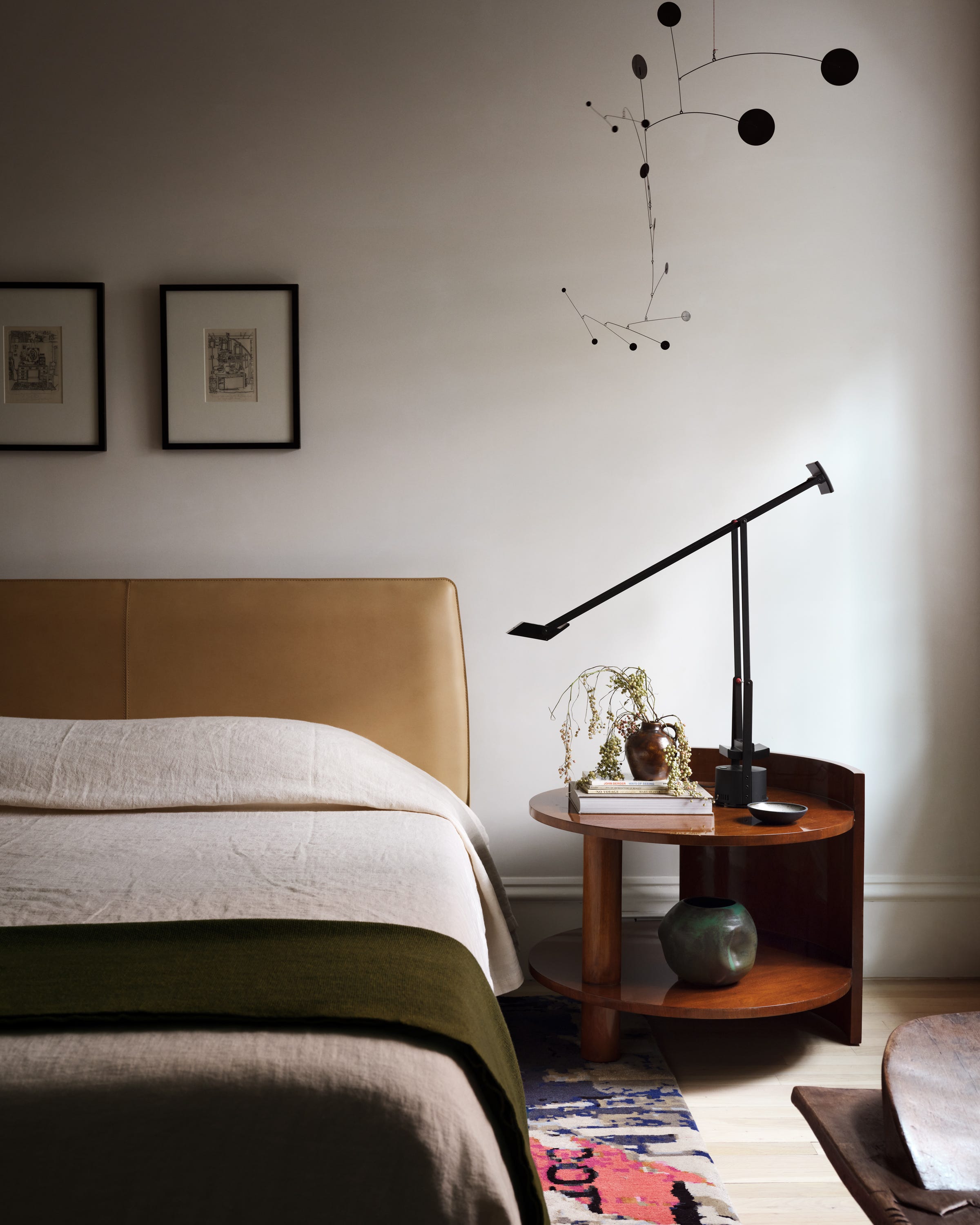
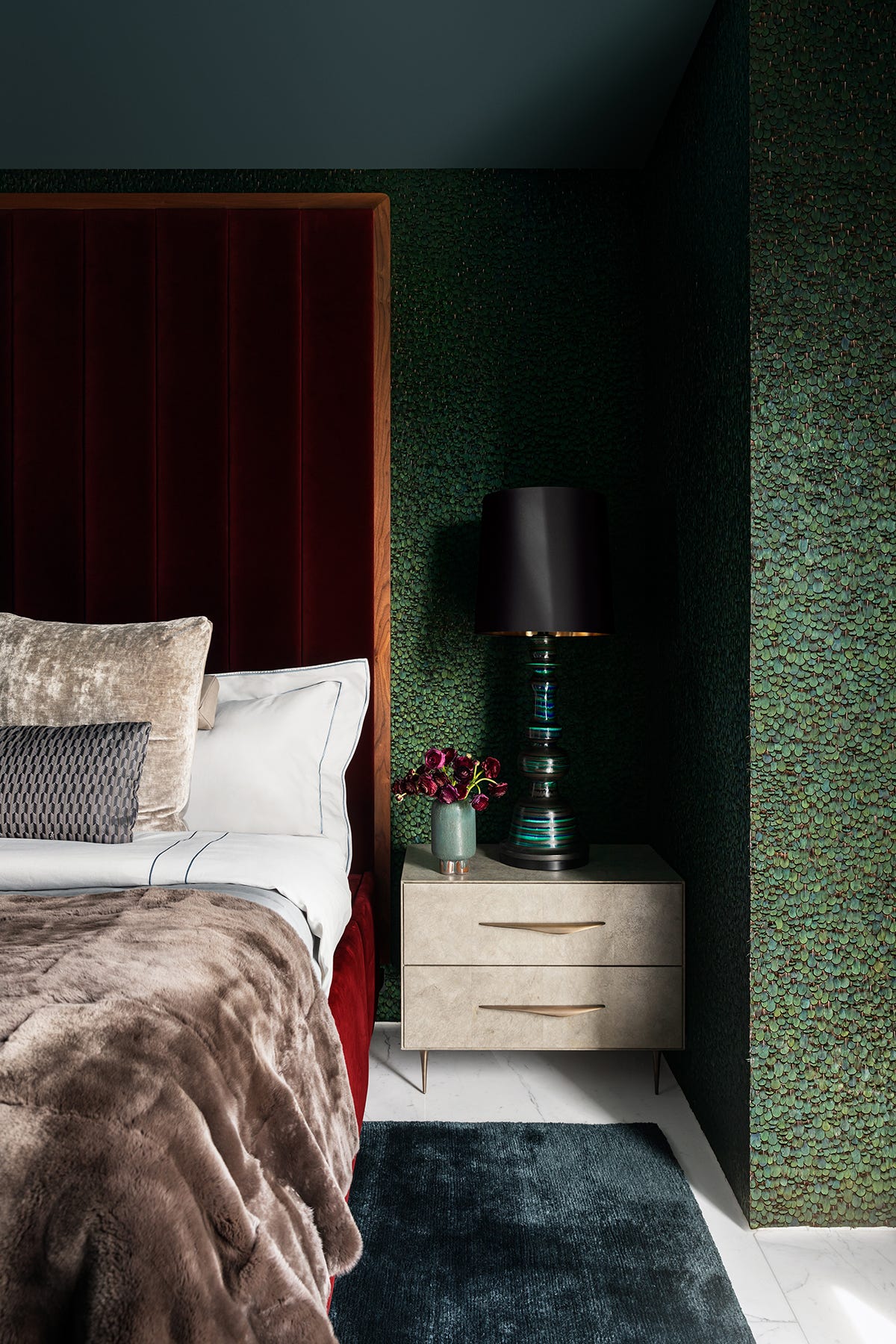
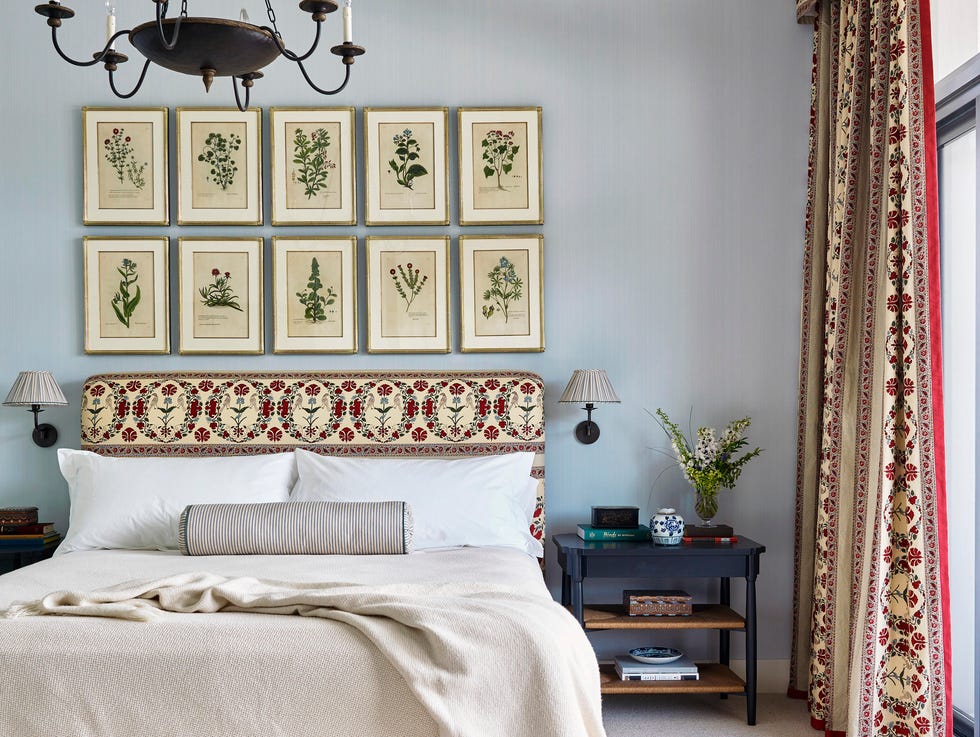
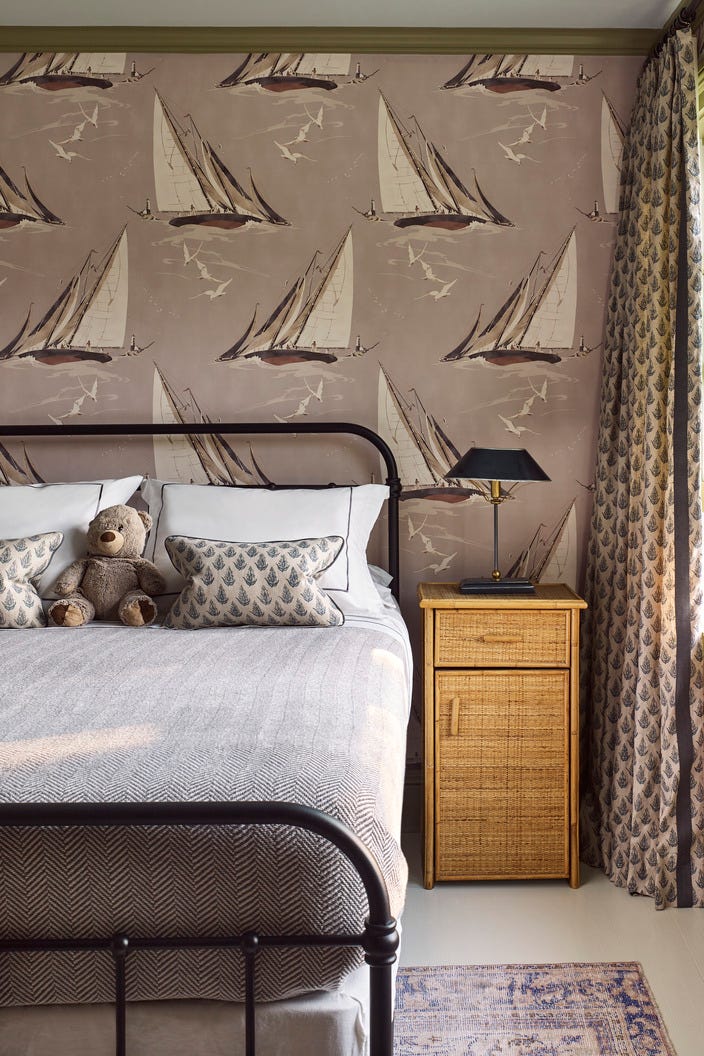
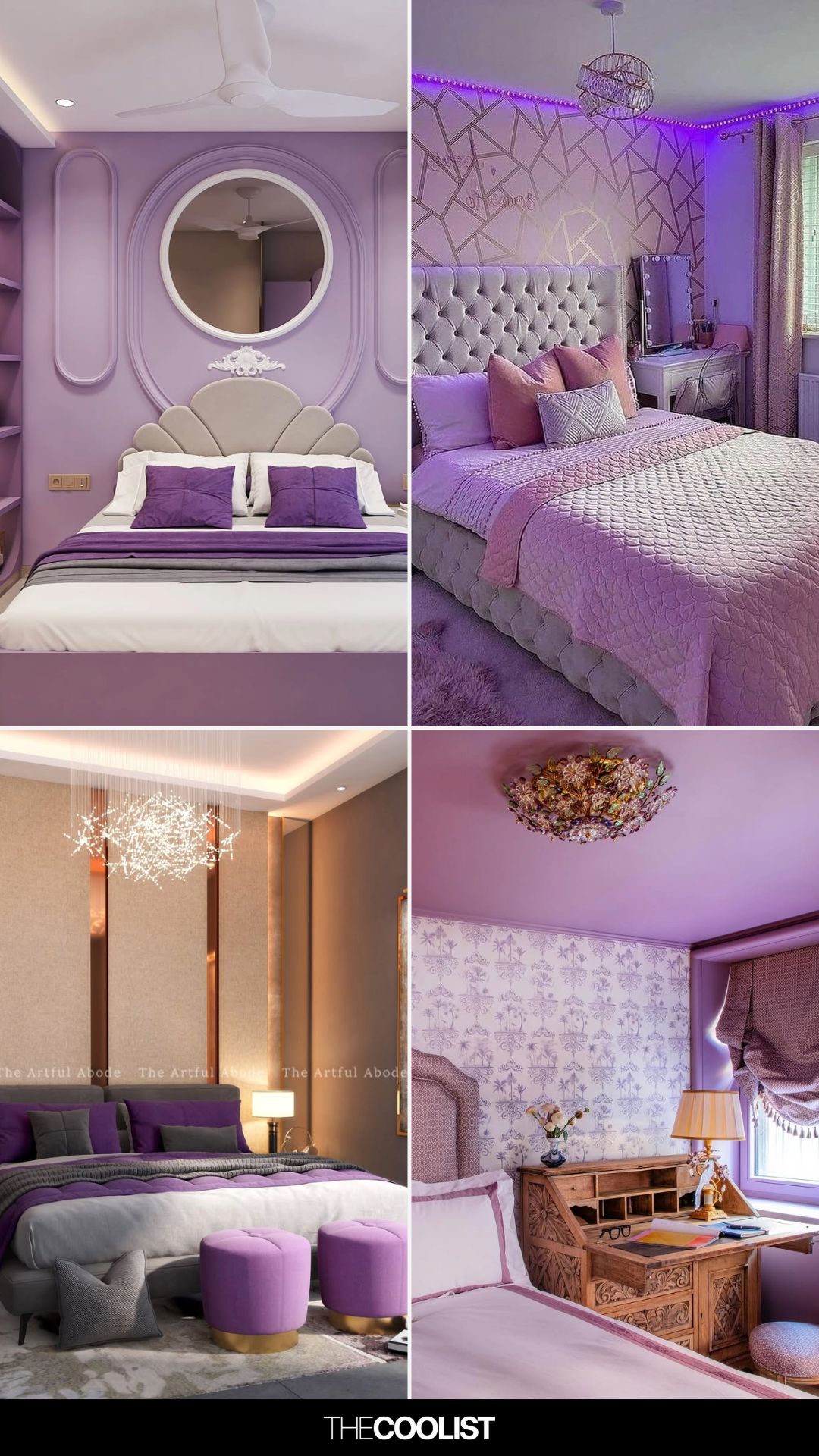
The article explores various purple bedroom ideas, challenging the conventional notion that purple is not an ideal color for sleep spaces. Despite its infrequent use by designers for adult bedrooms, the inherent calming qualities of purple are highlighted, suggesting its suitability for promoting rest and tranquility. The discussion begins by quoting interior designer Bynn Esmond, who describes purple as a magical combination of warm and cool tones, evoking relaxation and a sense of peace due to its mysterious beauty. The article then presents ten different approaches to incorporating purple into bedroom design, ranging from monochromatic schemes to subtle decorative accents.
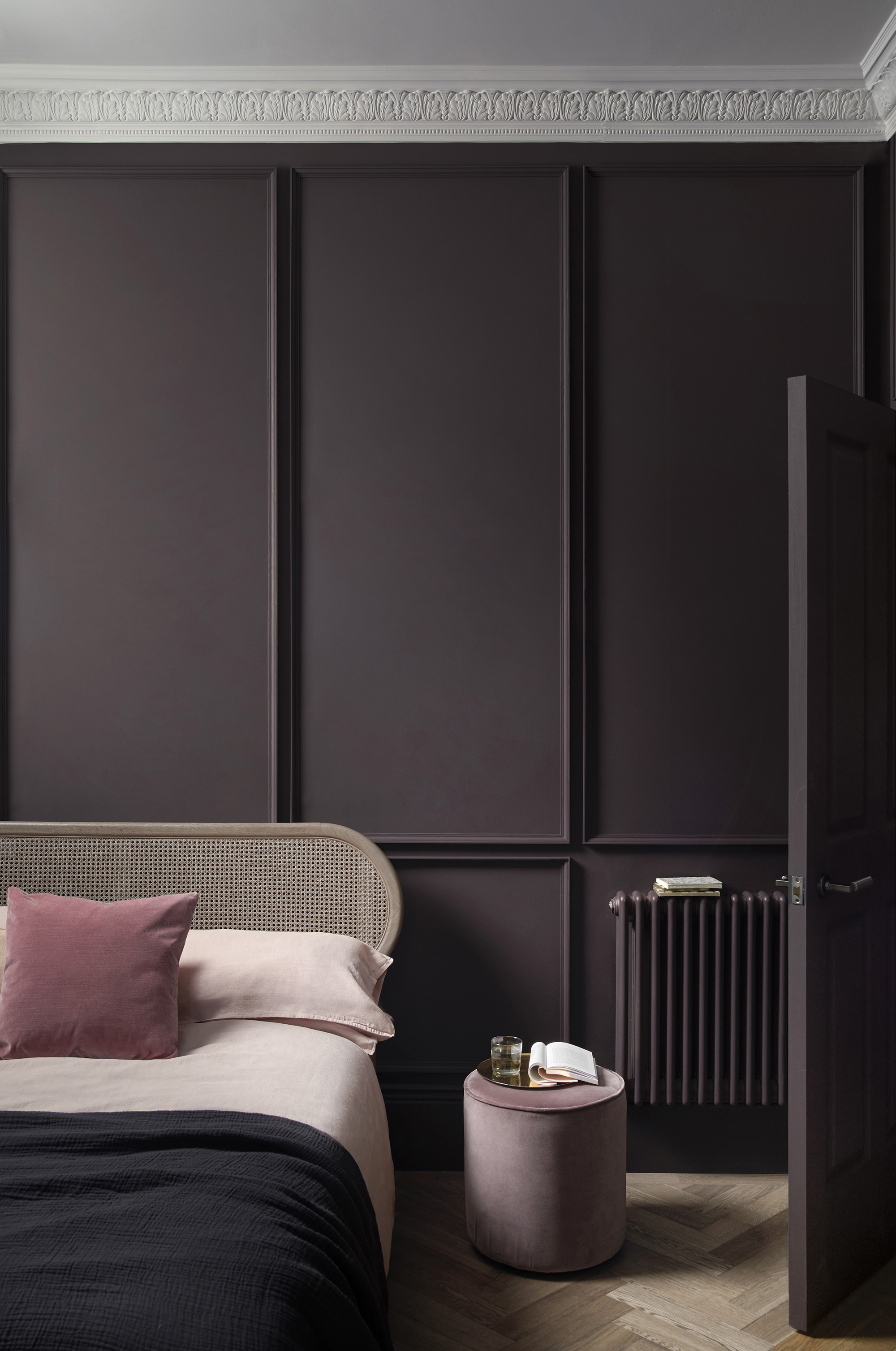
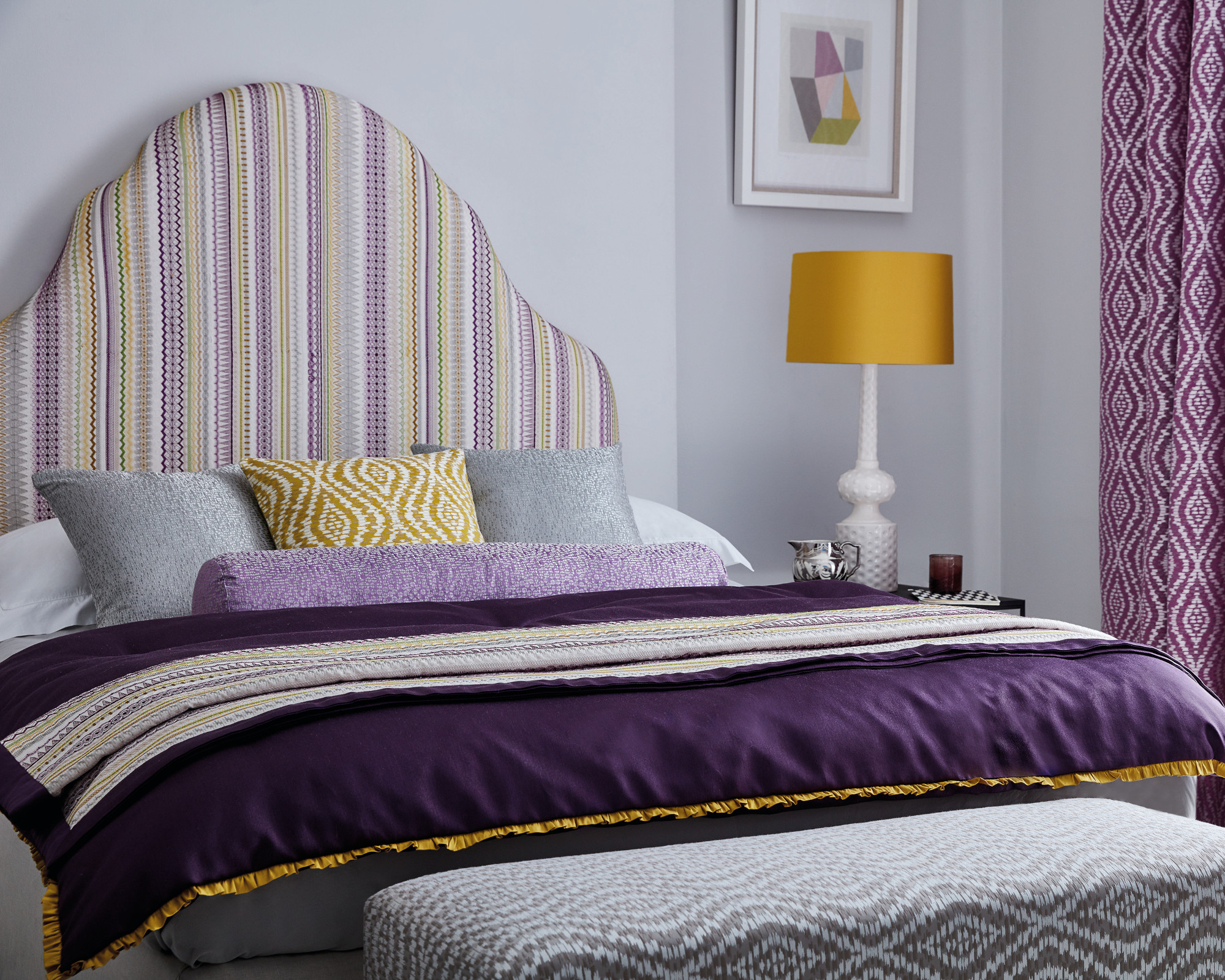
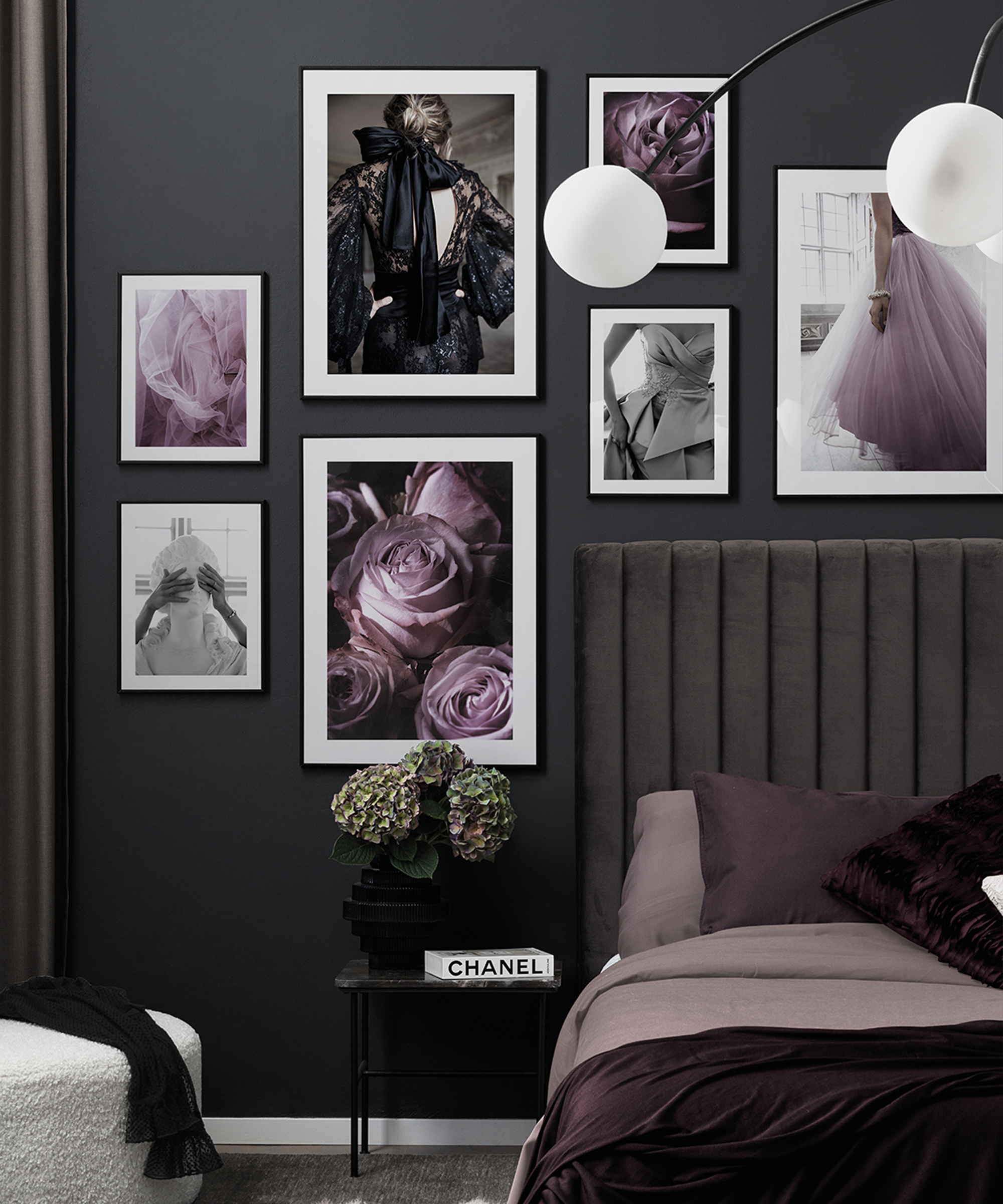
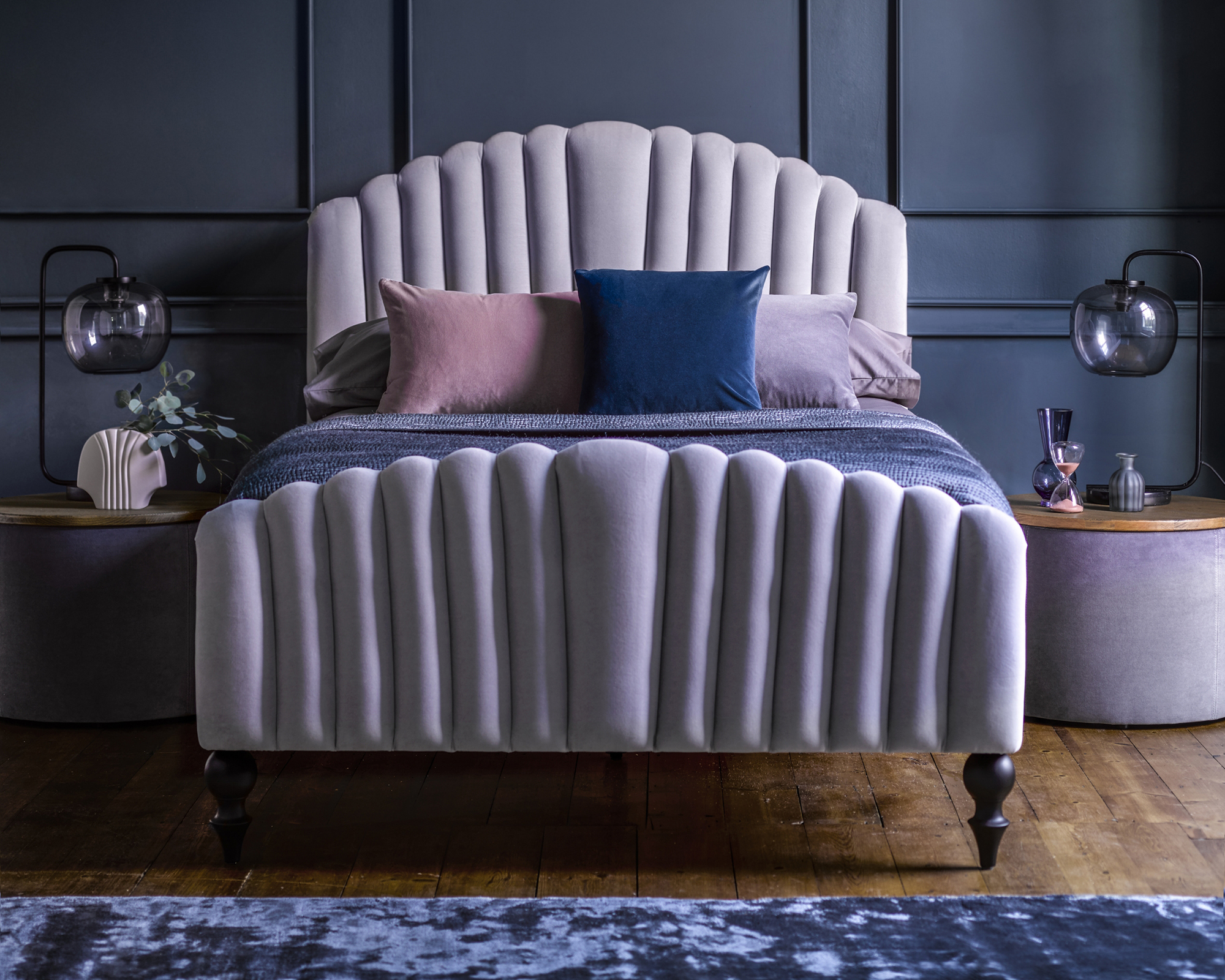
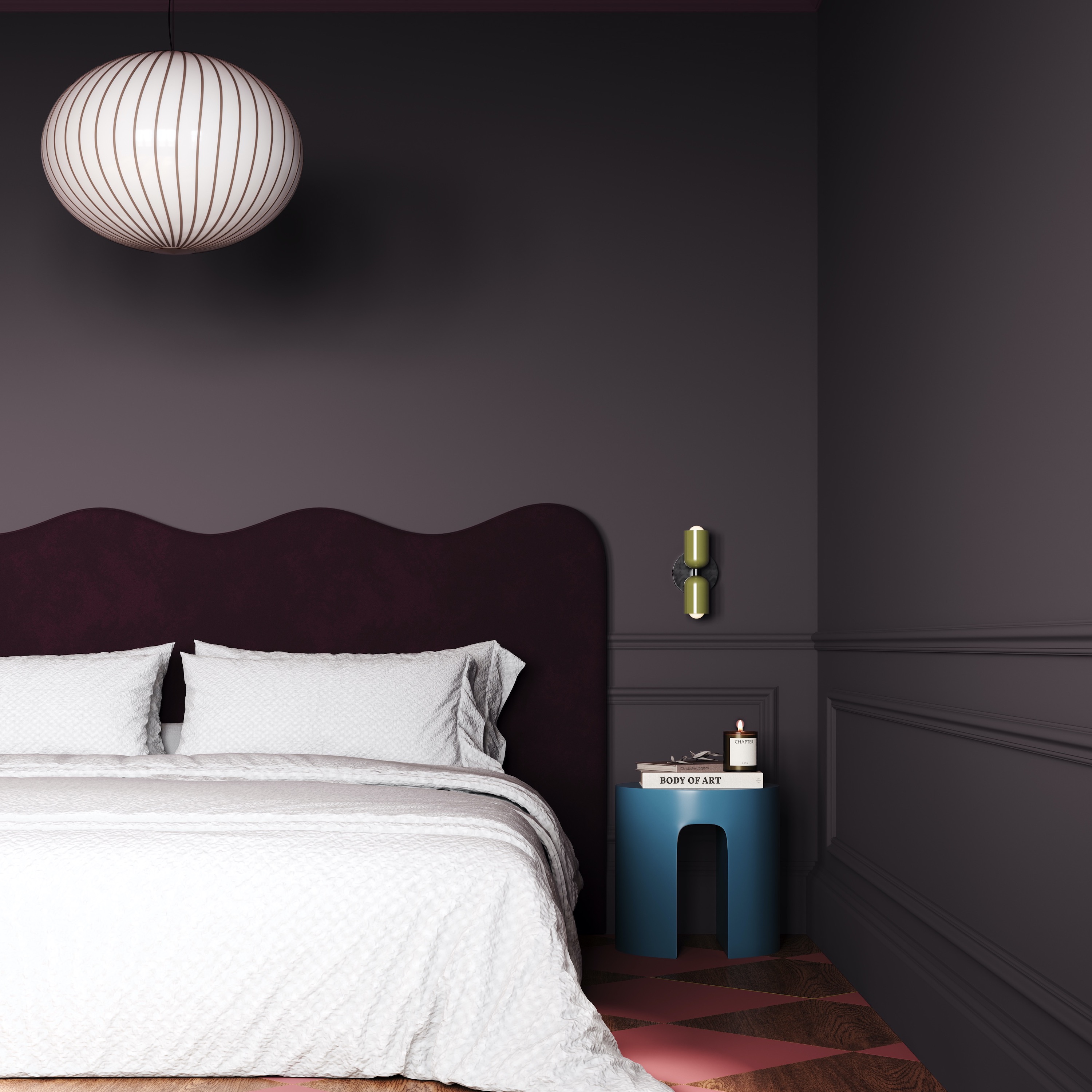
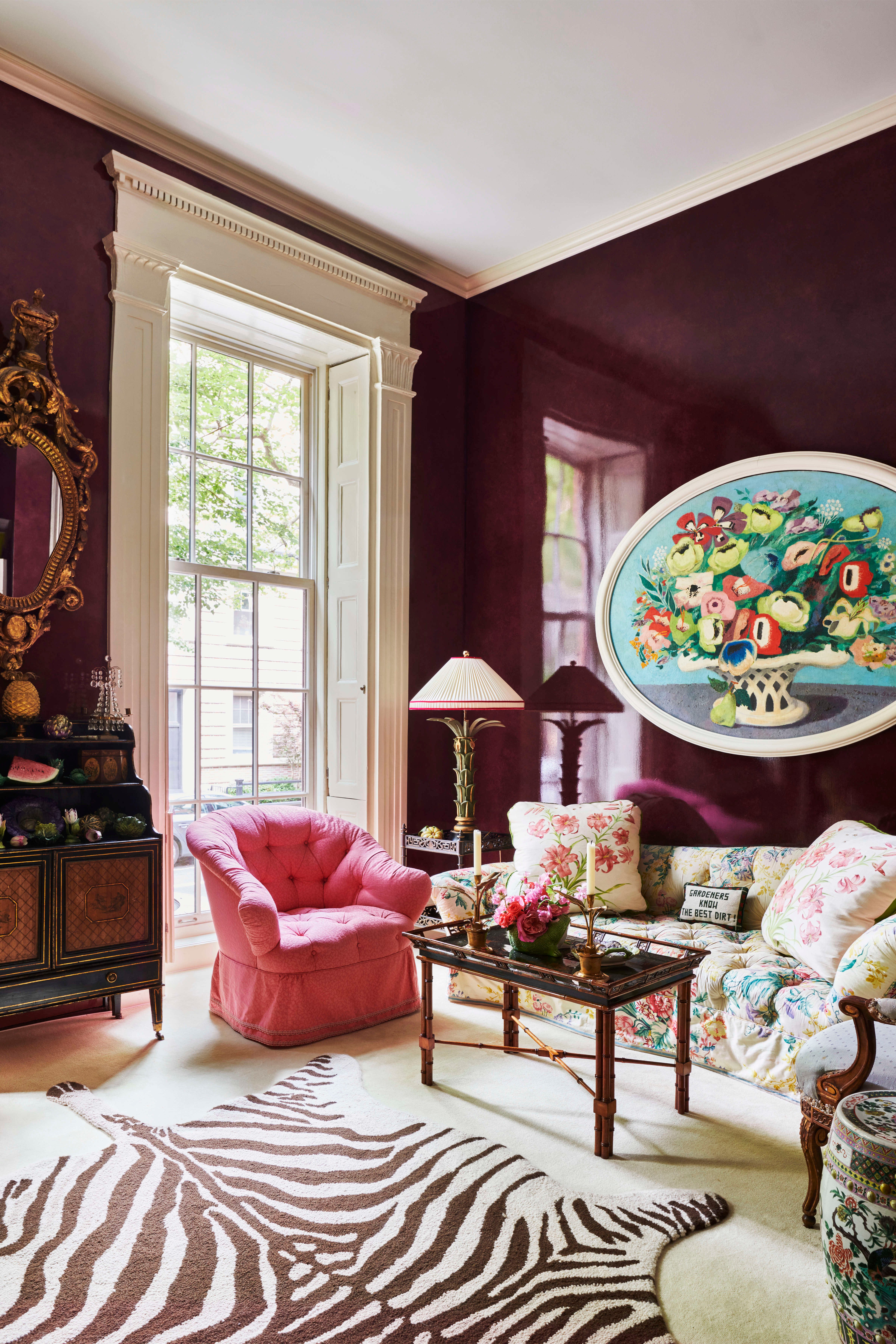
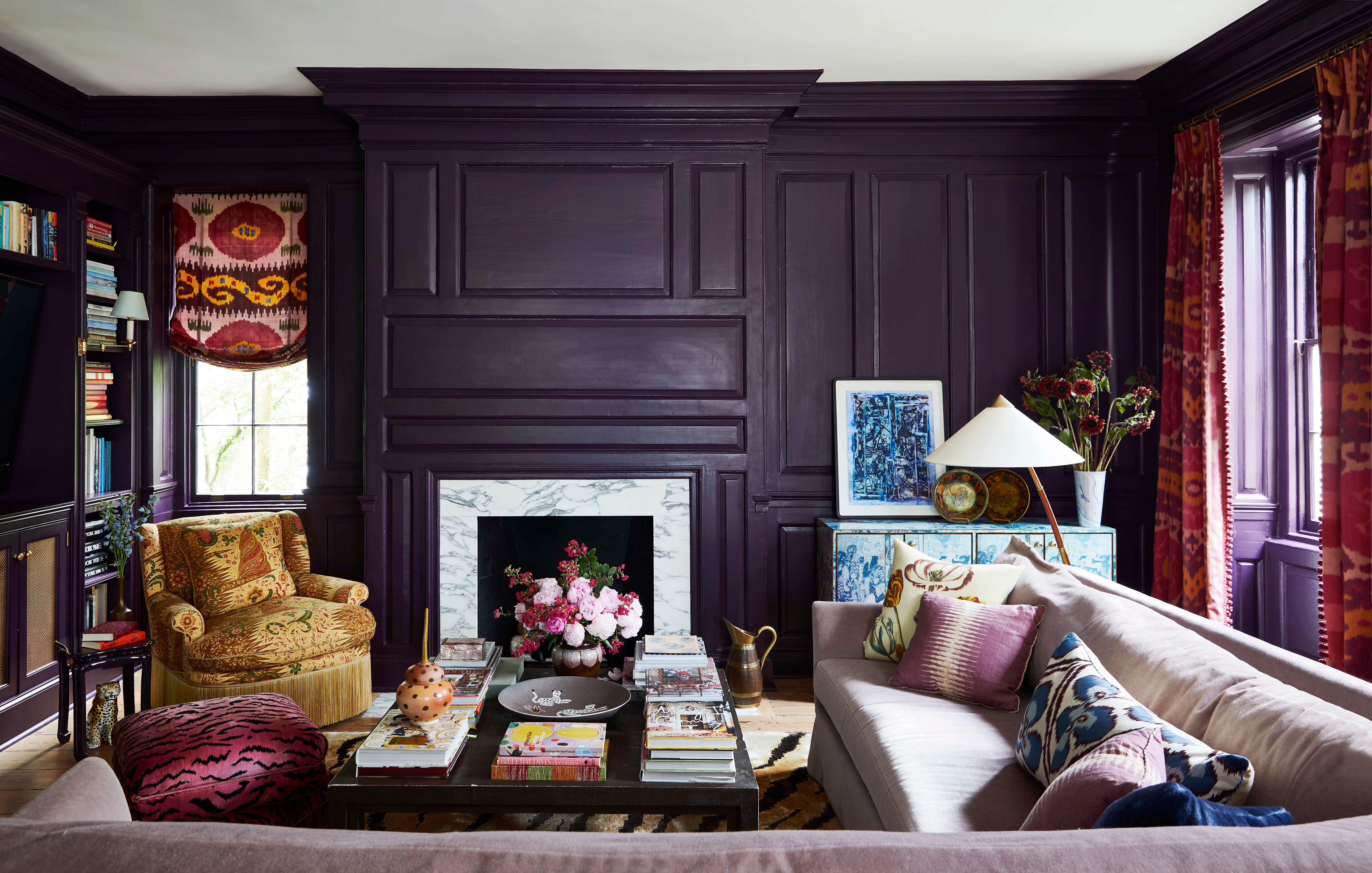
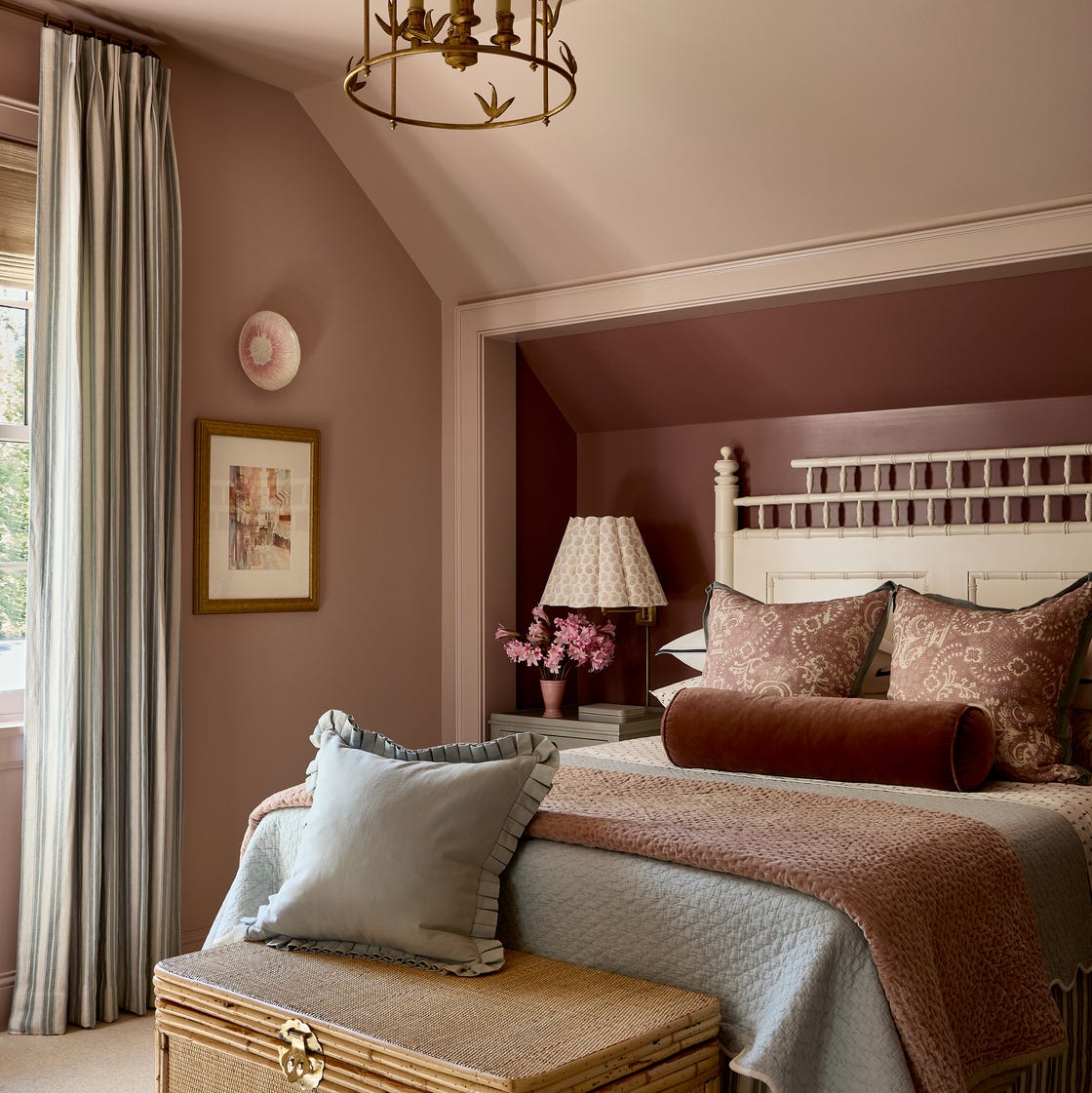
The first idea advocates for a monochromatic, cocooning aesthetic, where deep purple is applied to walls and bedding. Emma Vo Gårdh, a Stockholm-based designer, emphasizes that purple, symbolizing dreams, is a perfect choice for bedrooms. The dark tone absorbs light in the evening, creating a softer and more restful environment, combining both warm and cool qualities for optimal comfort. The second approach suggests an analogous color scheme, using colors close to purple on the color wheel, such as blue. Ana Engelhorn’s design, featuring Piedmontese Aubergine on walls paired with deeper upholstery and artwork, and grounded by cooler blue tones, exemplifies this harmonious and calming method. This creates a sense of flow rather than sharp contrast, contributing to a serene and luxurious retreat.
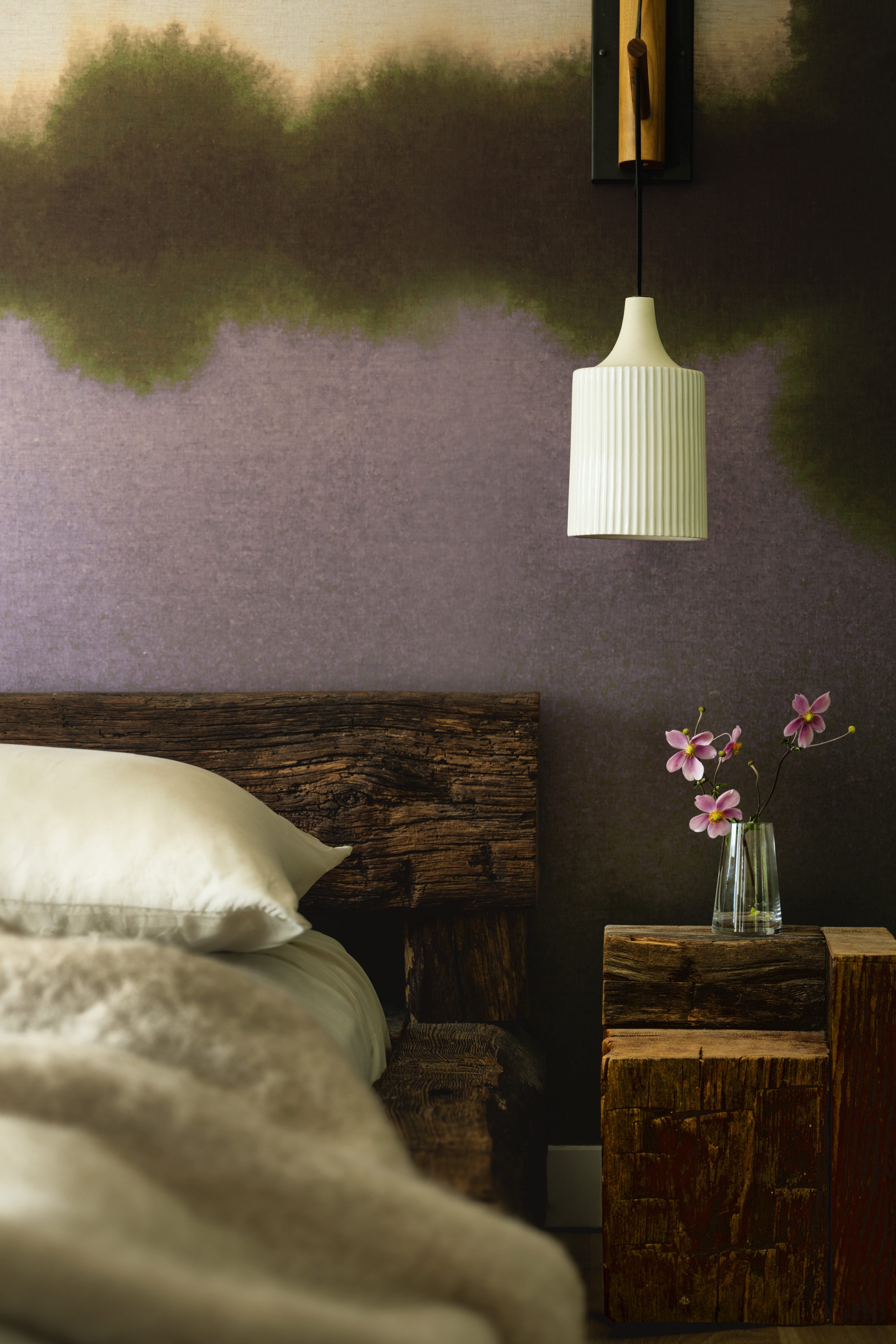
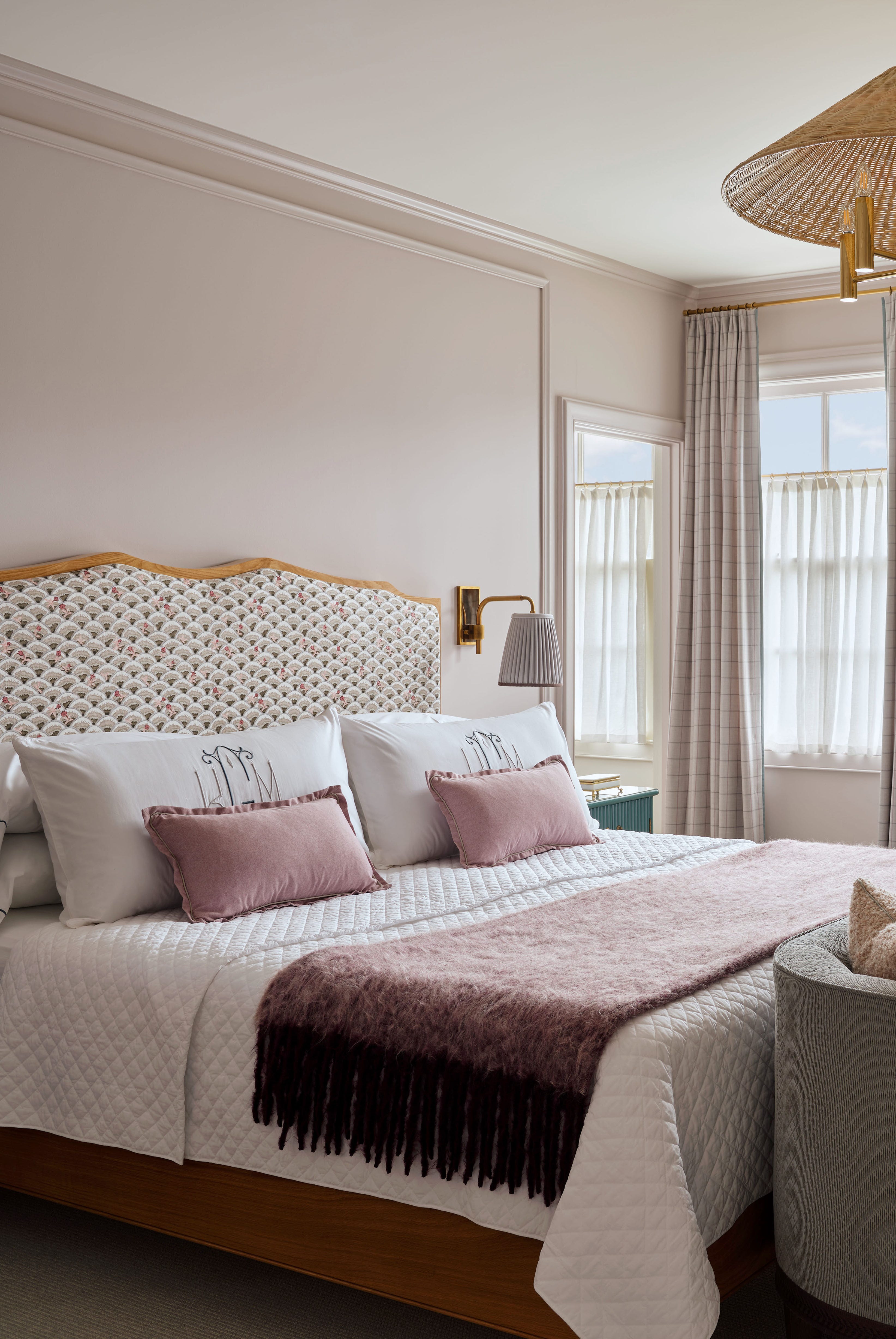
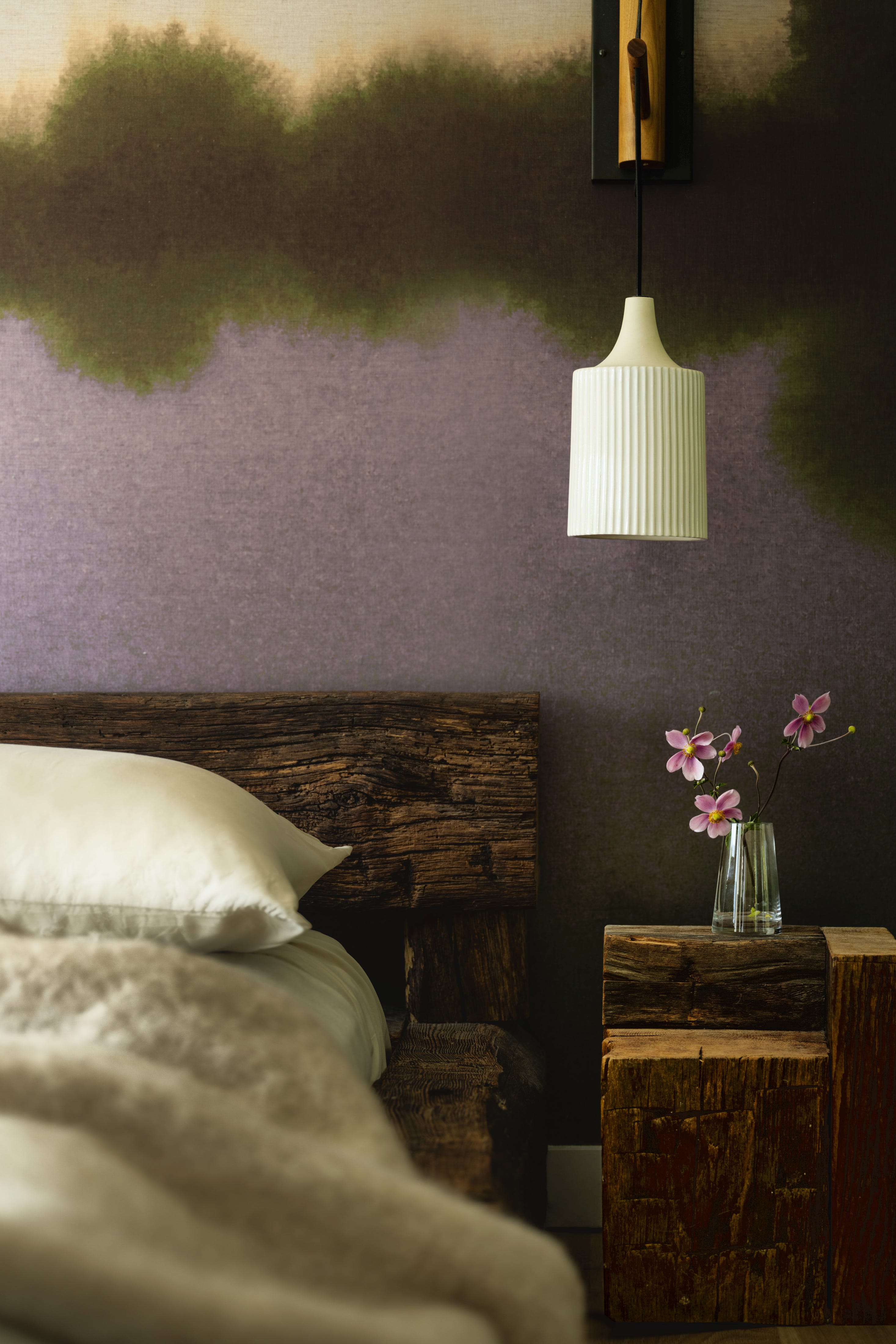
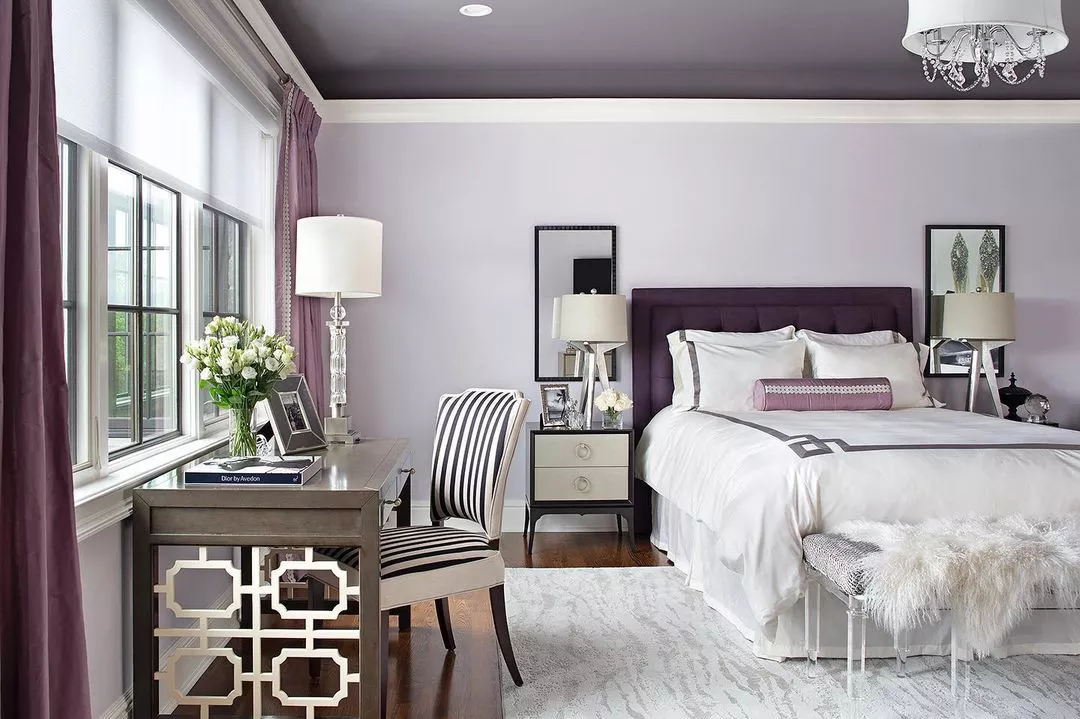
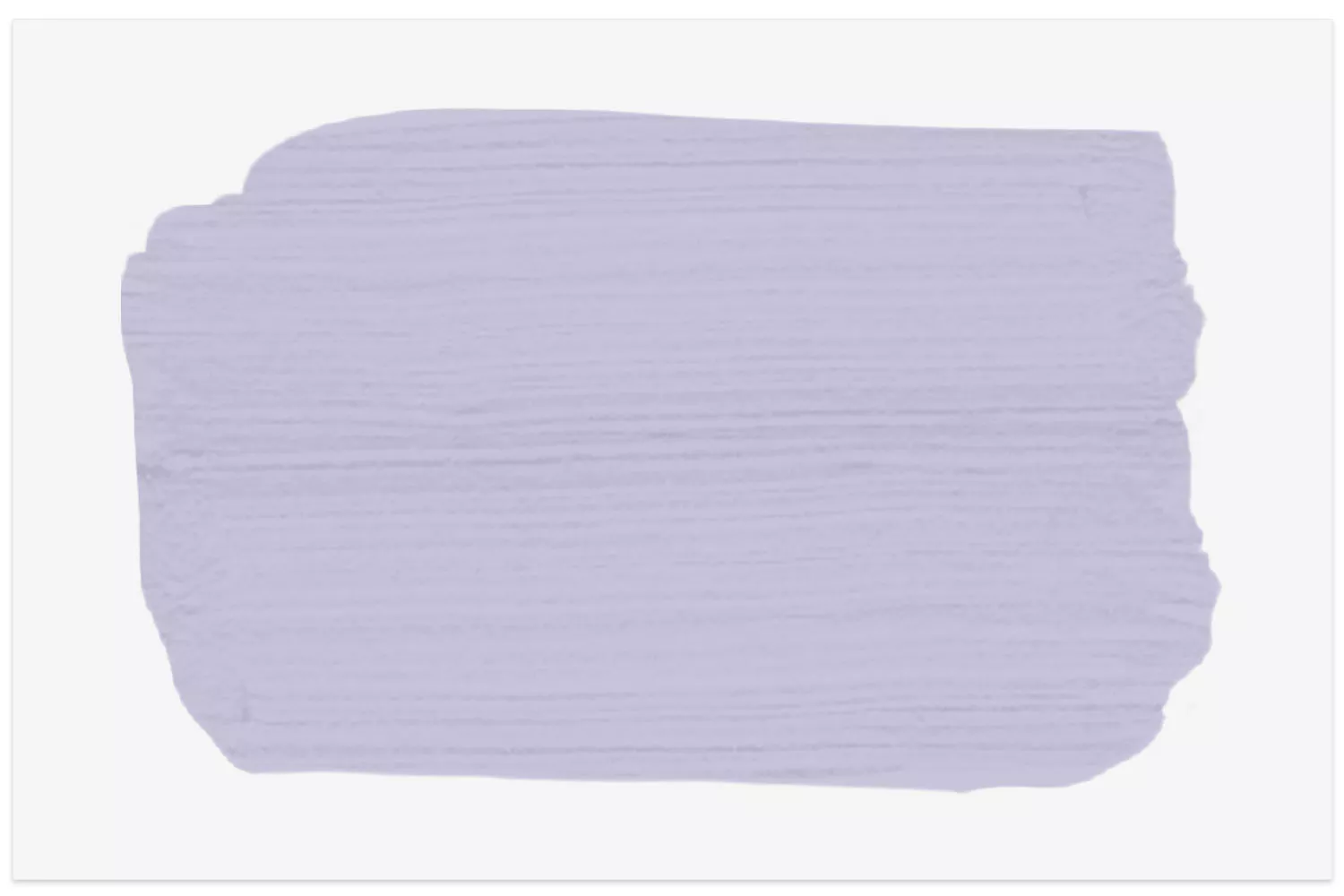
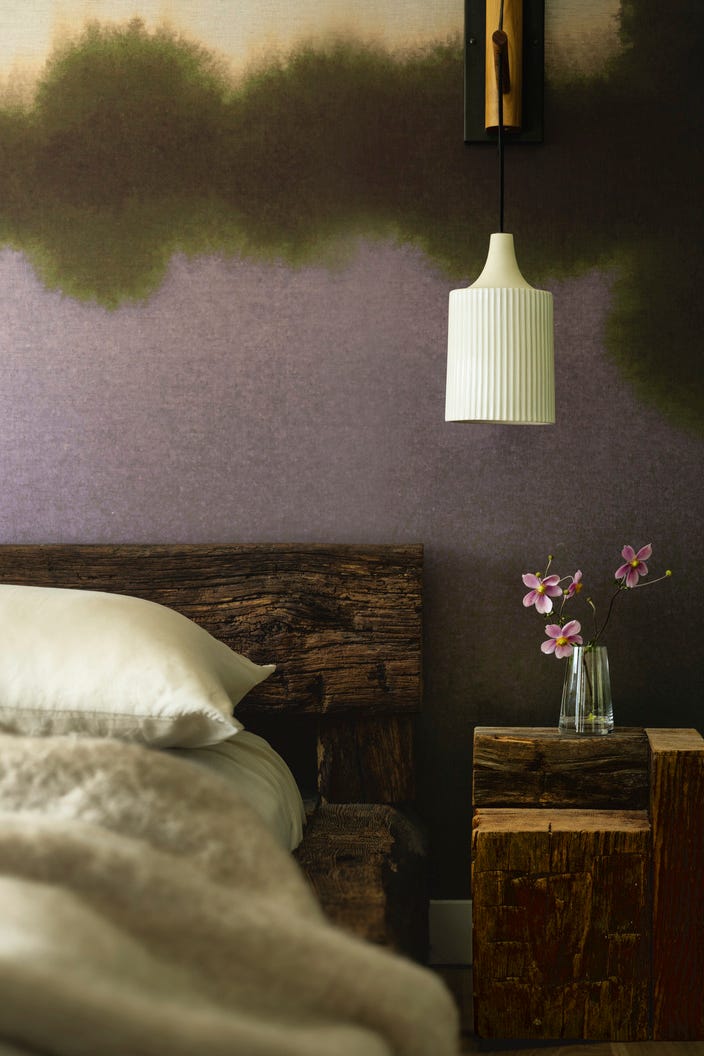
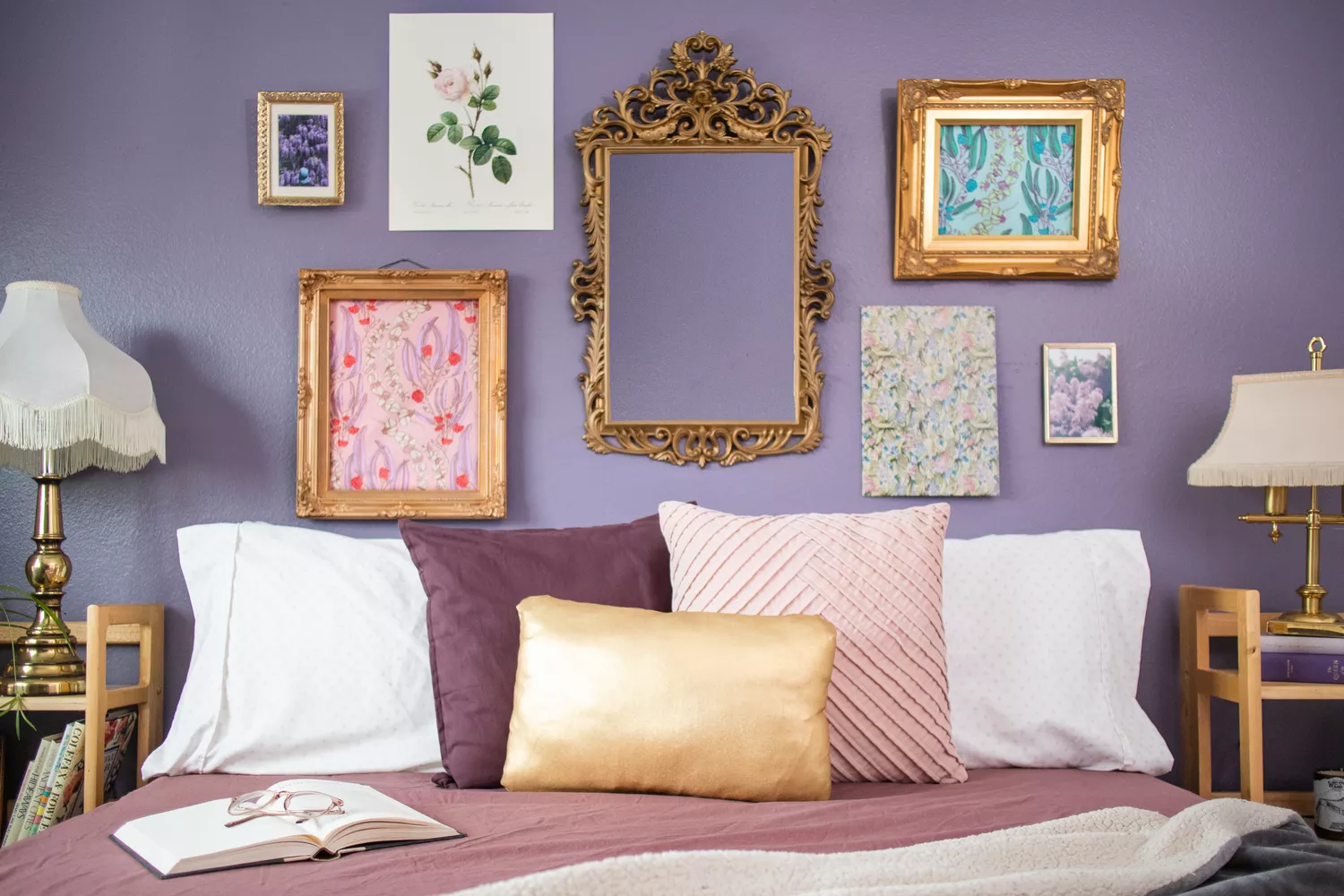
A third option is to opt for lighter shades like lavender, which significantly alter the room's ambiance. Benjamin Moore Spring Iris, a pale lavender, was used in a child's bedroom to create a tranquil space, incorporating natural wood for warmth. Bynn Esmond notes that lavender aligns with characteristics of creativity and imagination, making it suitable for artistic personalities. Another idea involves pairing purple with sultry gray tones for a sophisticated and mysterious charm. Kimberly Peck's design, using Benjamin Moore Galaxy, demonstrates how a dark purple with gray undertones can be conducive to sleep by having a soothing effect on heart rate and blood pressure when combined with a stained oak headboard.
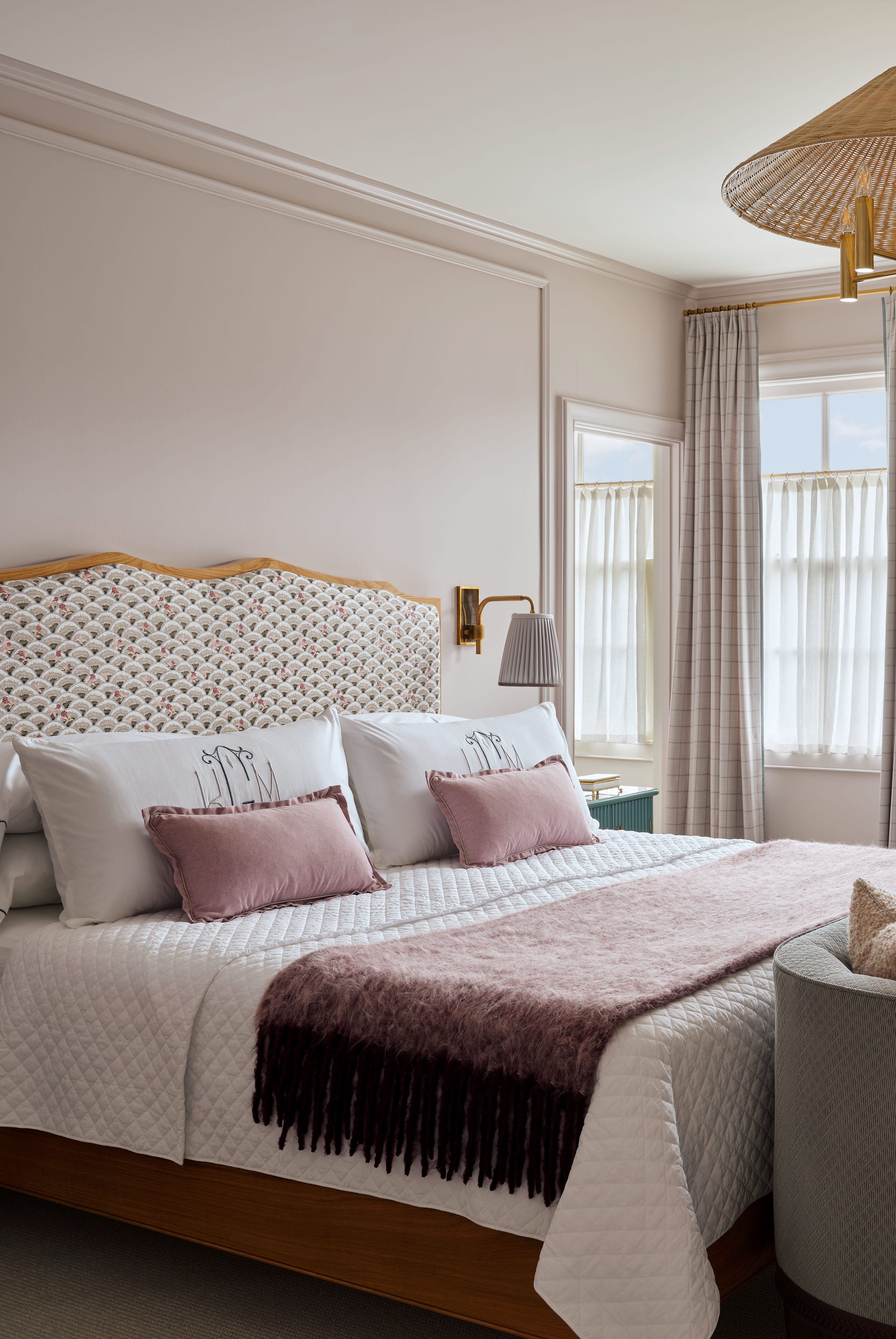
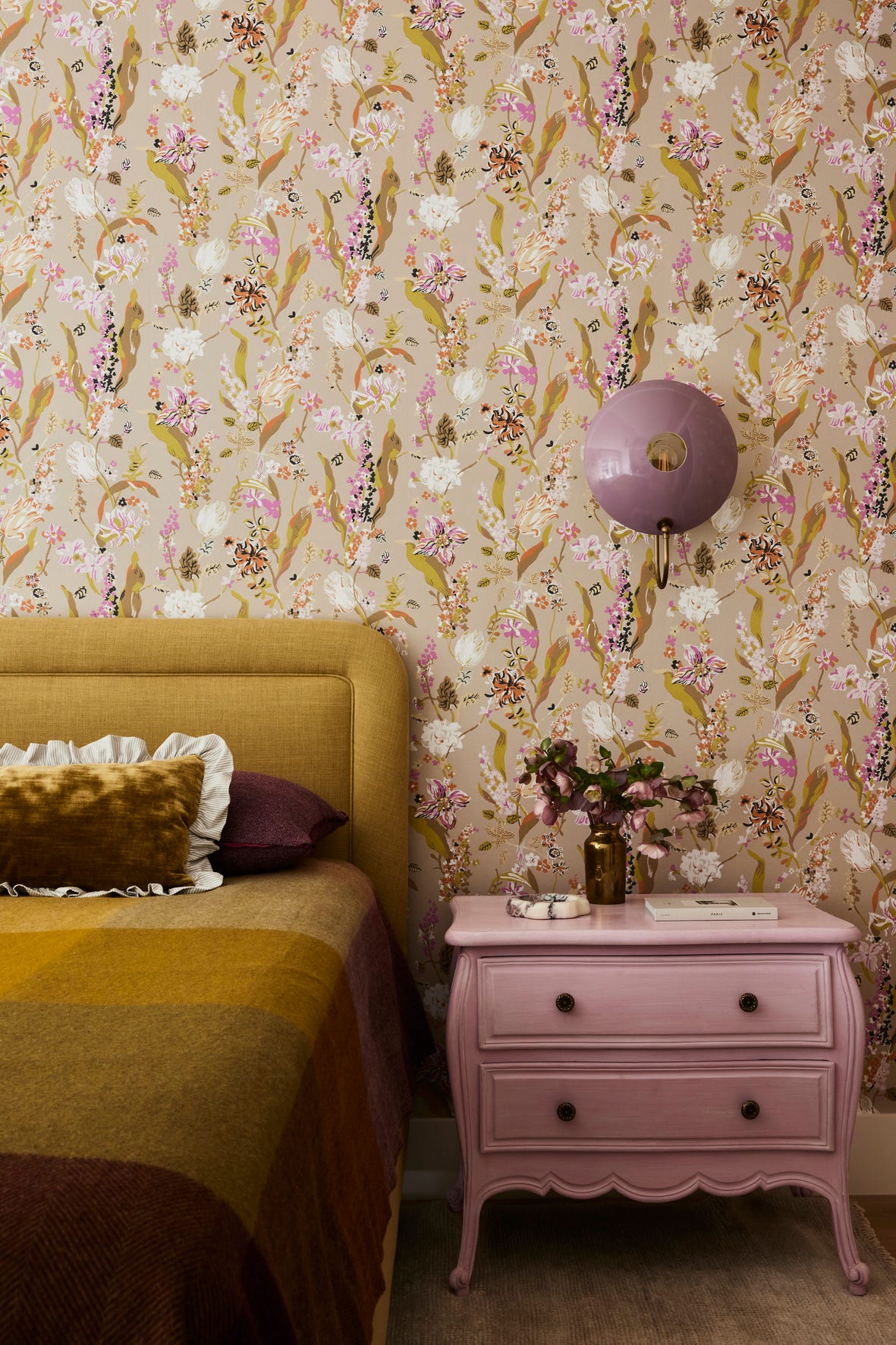
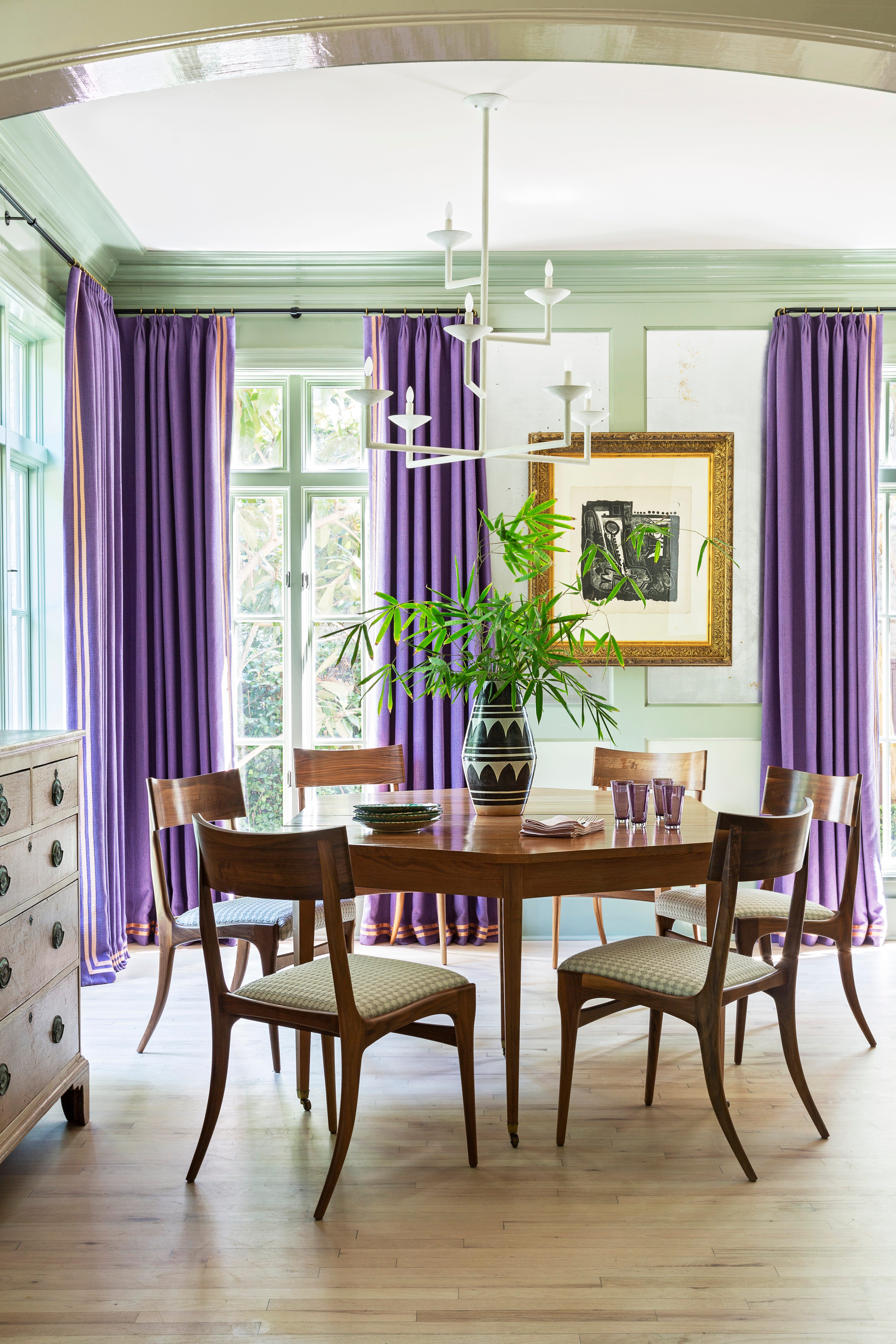
The fifth idea introduces a split-complementary color scheme, pairing purple with mint green. Emma Merry of Home Milk used this combination, noting its playful yet calming effect. The article explains that green, though not a typical partner for purple, works well when selecting shades either side of purple’s direct complement, creating a bright and joyful space that is both uplifting and calming. For those preferring minimal commitment, the sixth idea suggests introducing purple in small, decorative doses, layering different shades for an expressive yet cohesive feel. Plaid Fox’s design by the ocean utilized lavender accents in bedding, decor, and a Moroccan rug to reflect the calming coastal setting without being clichéd.
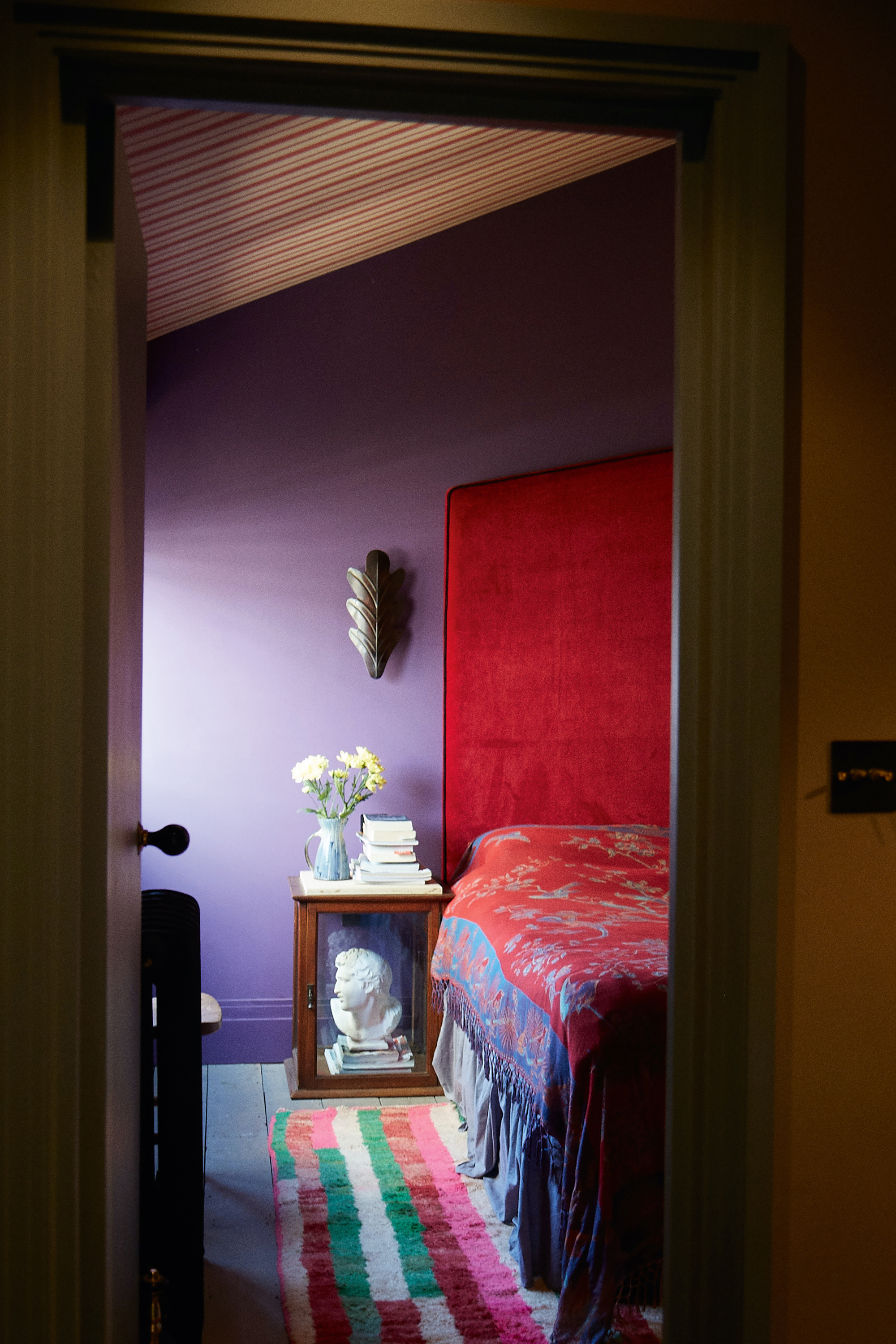
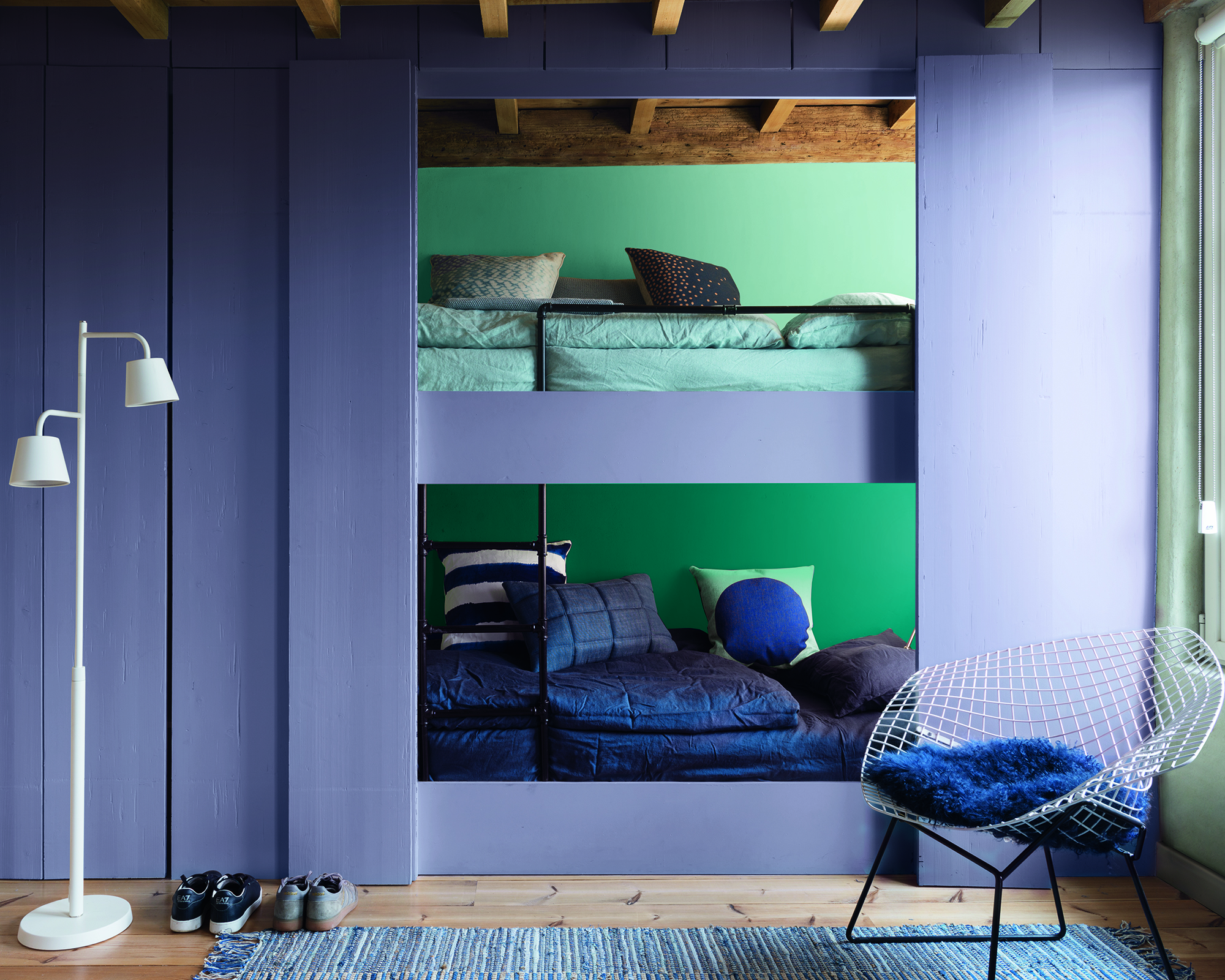
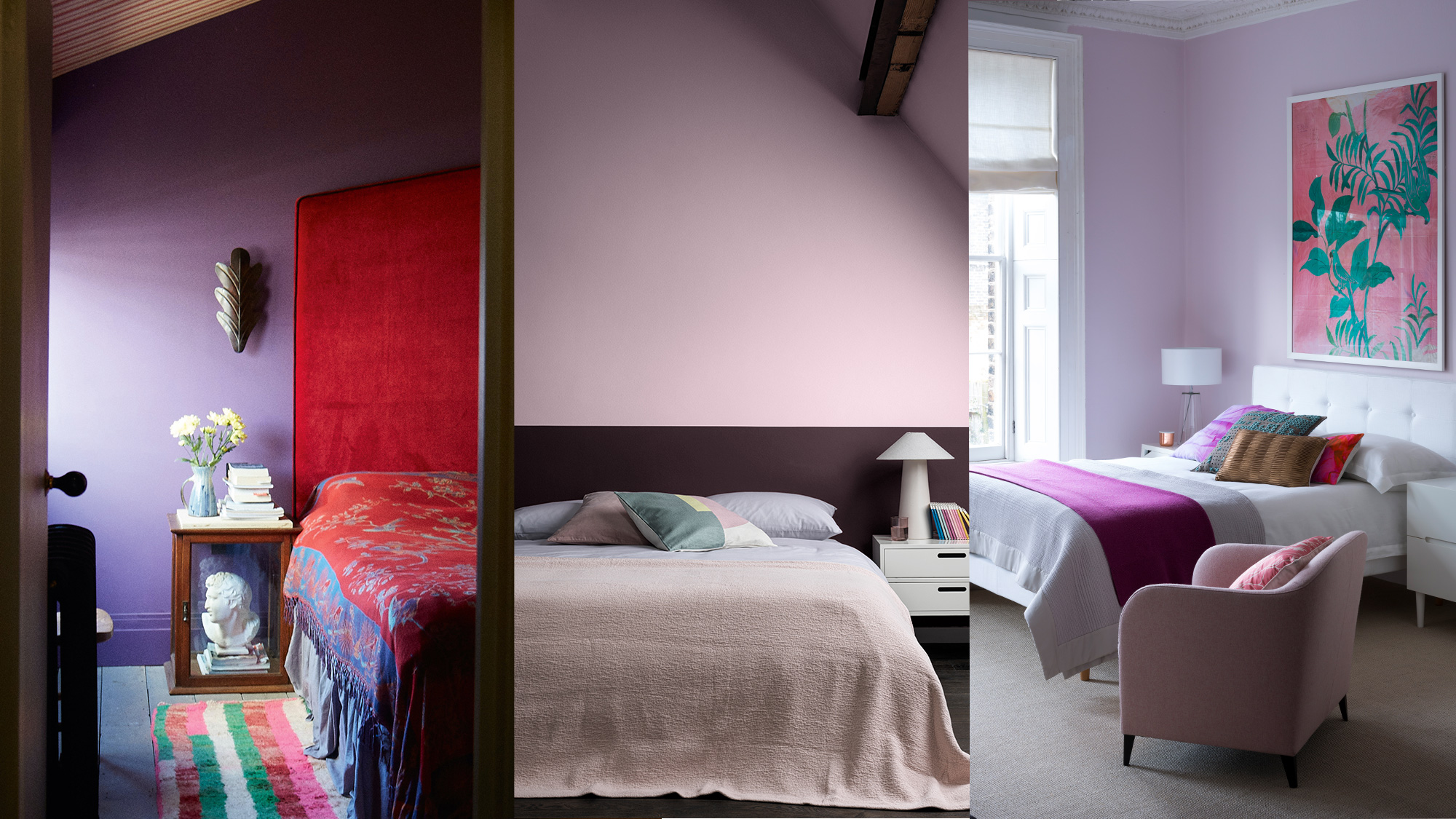
The seventh approach involves adding purple to built-in storage around the bed, using it to accentuate architectural details. Hannaford Design Studio balanced playfulness with rich textures and brass accents, painting a niche in striking purple that complemented pale green walls. The eighth idea proposes creating contrast by pairing deep purple with traditional elements like brickwork or natural wood, resulting in a striking balance of old and new, as seen in a Paul Archer Design bedroom. The ninth suggestion is to go for a statement contrasting headboard, embracing jewel tones. Rachel Chudley’s design features a bold red headboard deliberately clashing with a purple wall, creating a dramatic and personal space that celebrates the depths of color.
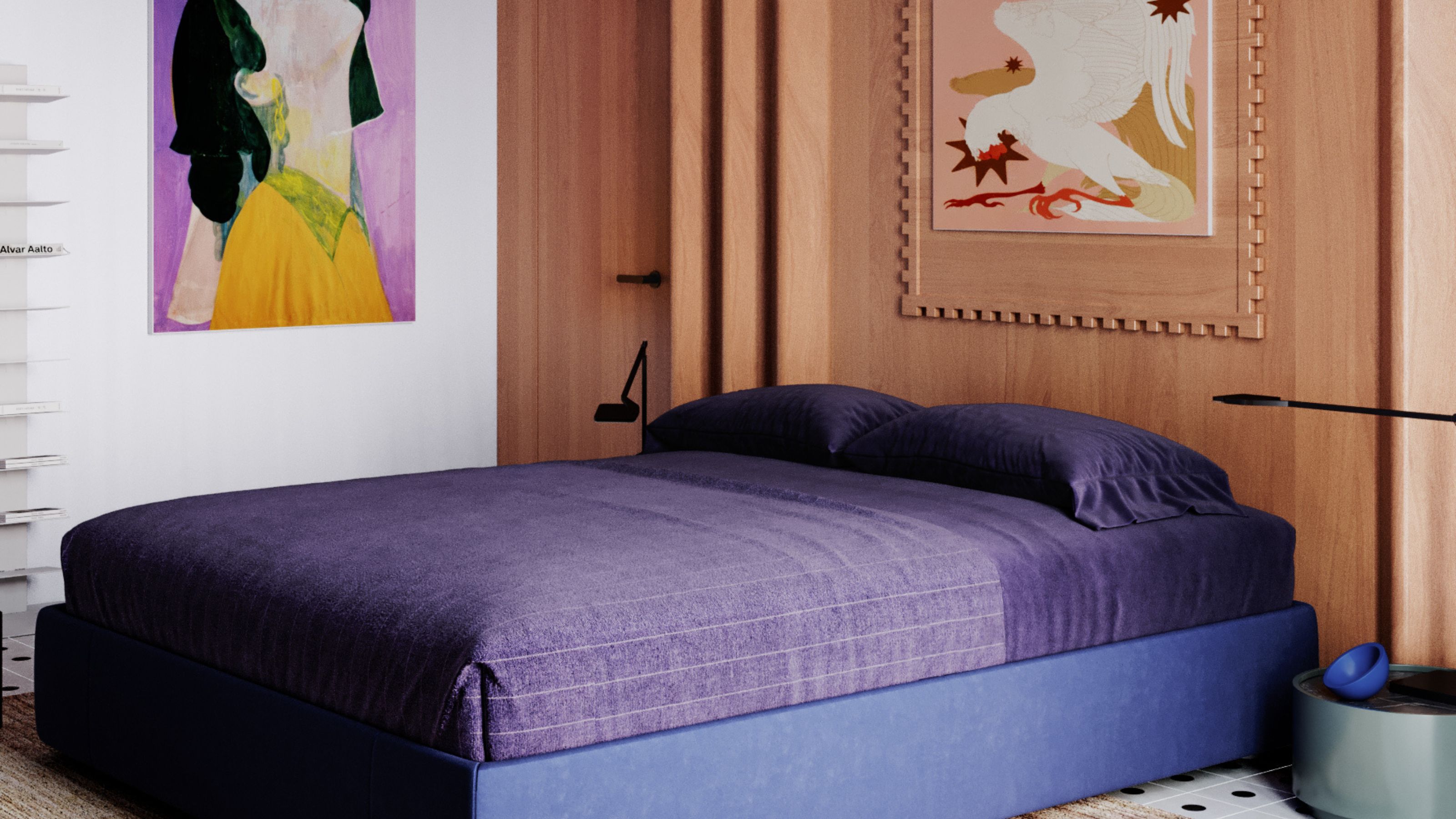
Finally, the tenth idea focuses on color blocking with purple curtains. DIG Architects' design uses violet curtains as a visual anchor, transforming the room when drawn to create a block of deep purple, and allowing for a lighter feel when open. The article concludes by reiterating that purple is a good color for bedrooms due to its calming properties, promoting relaxation and rejuvenation. Softer or muted shades create a peaceful backdrop, while its unexpected nature adds personality and works well in various lighting conditions. #PurpleBedroomIdeas #InteriorDesign #ColorTheory #BedroomDecor #HomeStyling #MonochromaticScheme #AnalogousColors #LavenderShades #ColorBlocking
0 commenti in totale
 Nessun commento ancora
Potresti anche gradire
16 Dreamy Purple Bedroom Ideas That Prove This "Controversial" Color Is Very Versatile

The Best Bedroom Colors to Help You Sleep (And Wake Up Happy)

Designer-Approved Bedroom Paint Colors That'll Help You Wake Up Happier
25 Blue Bedroom Ideas to Soothe You to Sleep in Style

Purple bedroom ideas – 10 ways to use this on-trend shade

These Designer-Approved Bedroom Paint Colors Are the Key to the Best Sleep of Your Life

12 Best Purple Paint Colors for Bedrooms

5 Paint Colors That Will Help You Sleep Better if You Use Them in Your Bedroom
Purple bedroom ideas: 11 designs that prove lilac and plum aren't granny or glum

These 25 Dreamy Purple Bedrooms Make Our Hearts Sing
You Can Wake Up HAPPIER Just by Painting Your Bedroom—Here Are the Colors Designers Love
Designers LOVE Pairing These Unexpected Colors With This Sophisticated Hue
23 Purple Bedroom Ideas That Add Elegance and Drama to Your Space
18 dreamy bedroom colour ideas to create a rest-promoting, stylish space
10 Bedroom Decor Mistakes Keeping You From Your Best Sleep Ever

These 12 Elegant Rooms Prove You Can Decorate with Purple Effortlessly

This "Controversial" Bedroom Color Is a Designer Favorite—Here's Why
Best Bedroom Colors for Sleep

Is colour drenching a bedroom a good idea? 7 rooms that prove it is
11 Soothing Bedroom Paint Colors Designers Say Can Help You Sleep