1/6
6 tricks designers use to instantly elevate a dining room
The dining room serves as a central convivial space in a home, and while it can be minimally designed, it should never be uninspiring. Elevating a dining room to an impressive standard does not necessarily require extensive effort. Interior designers offer several key strategies to transform even an underwhelming dining room into an elegant and enjoyable space.
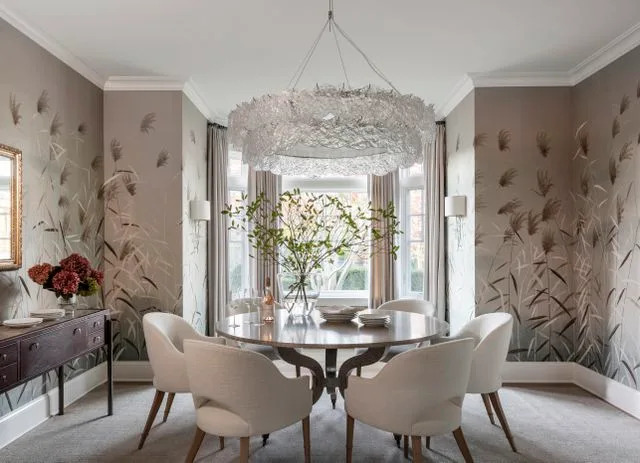
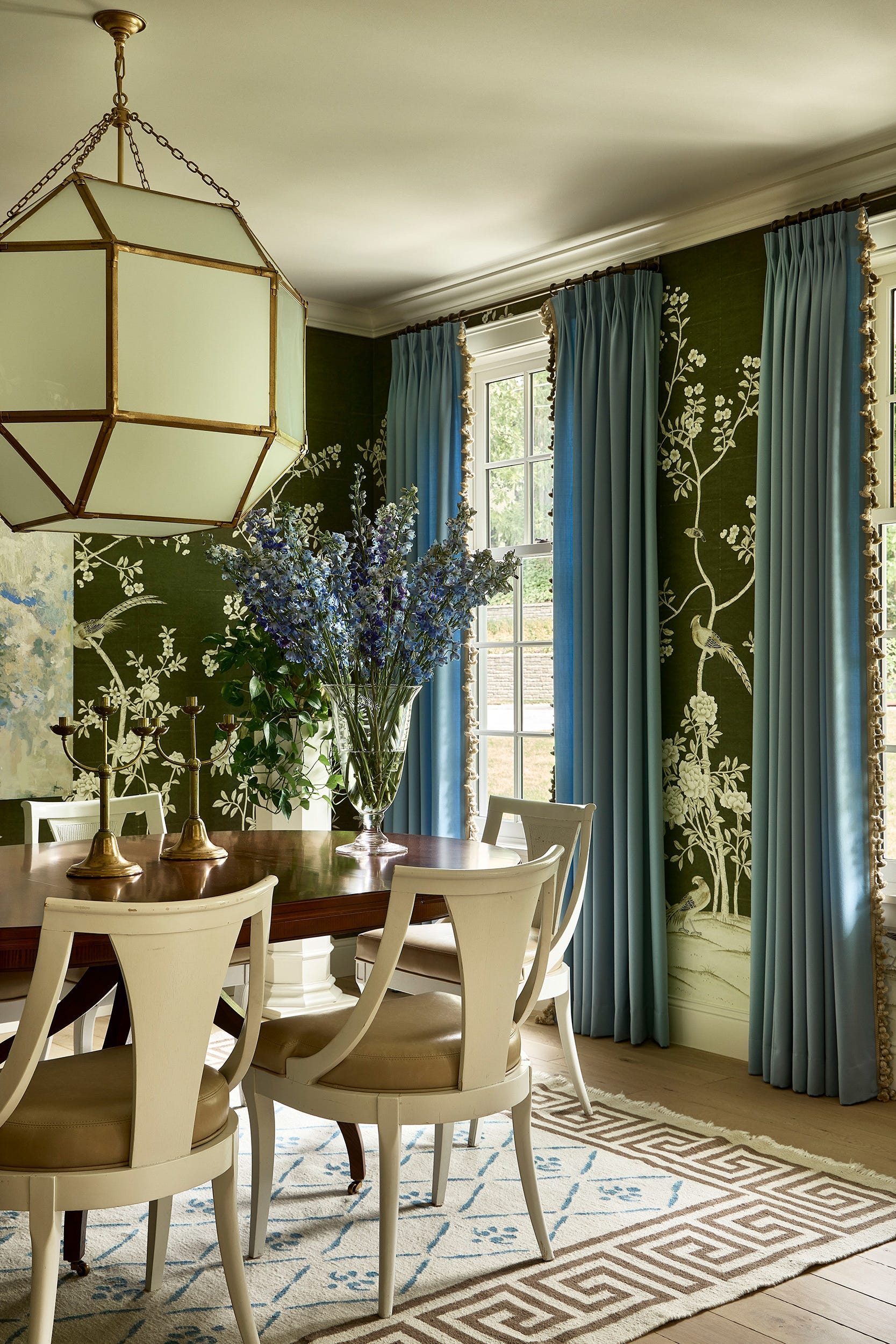
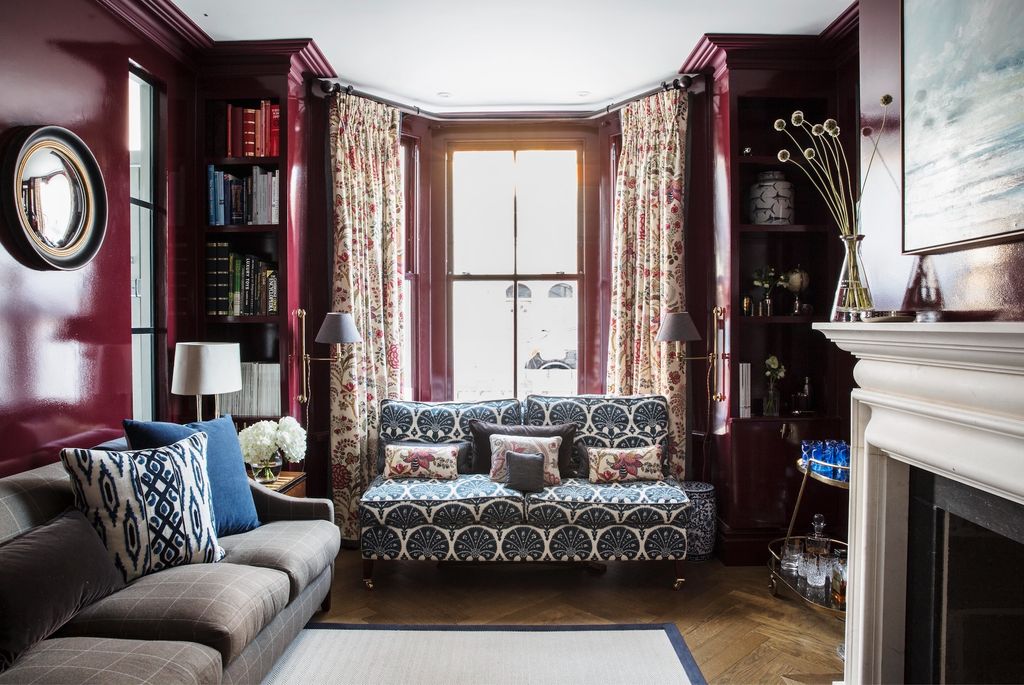
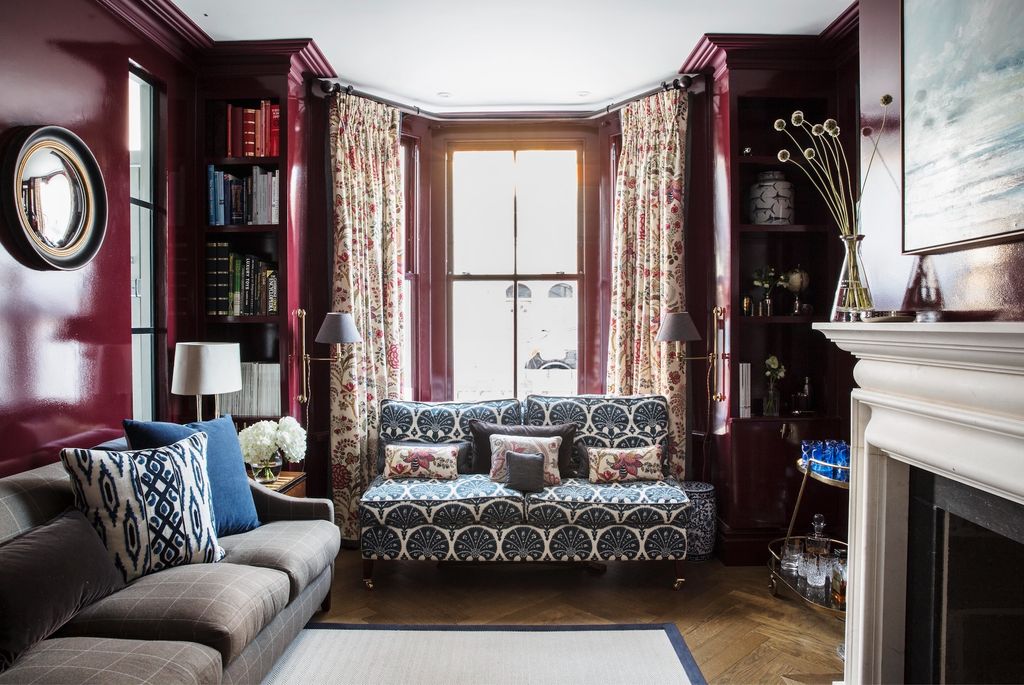
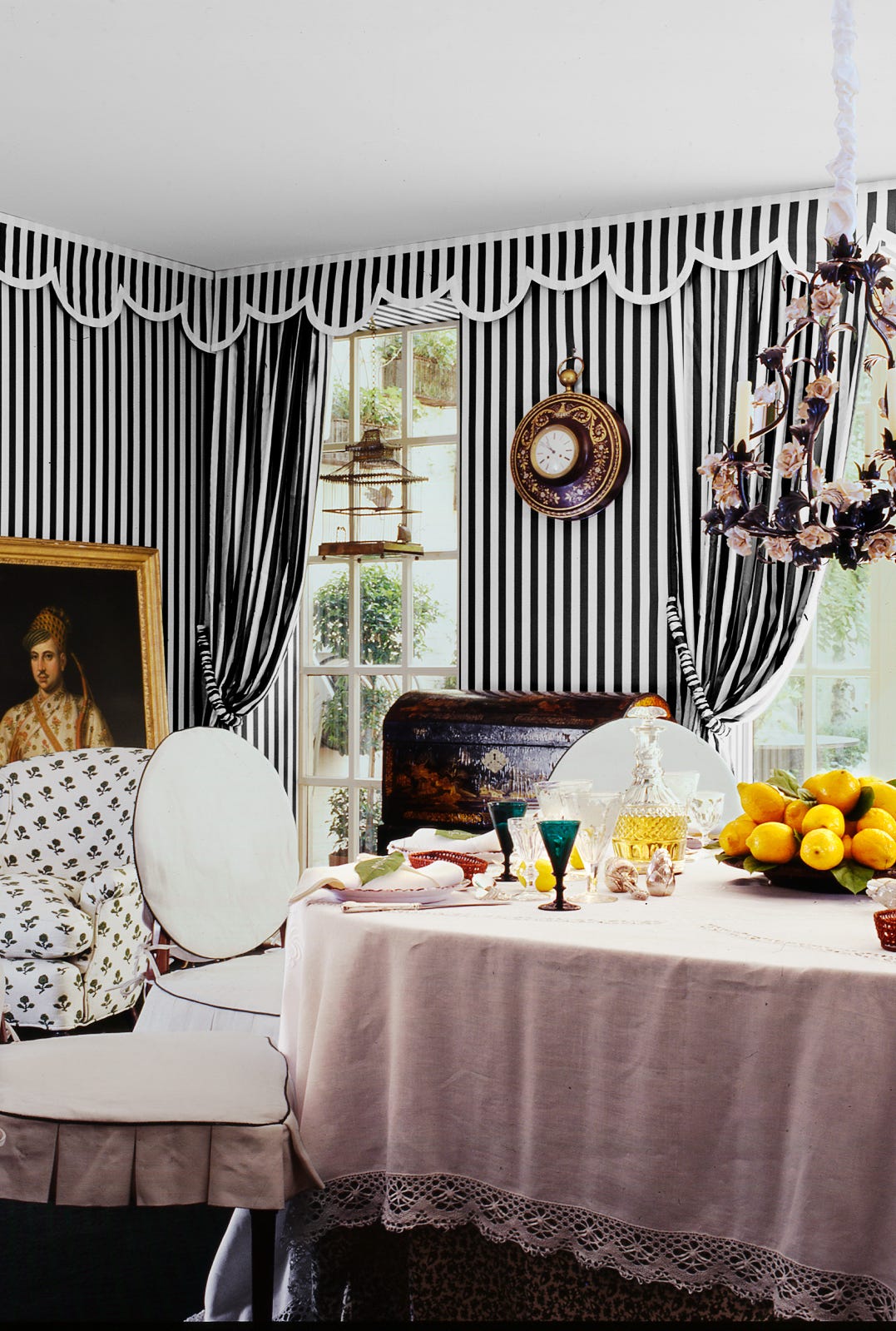
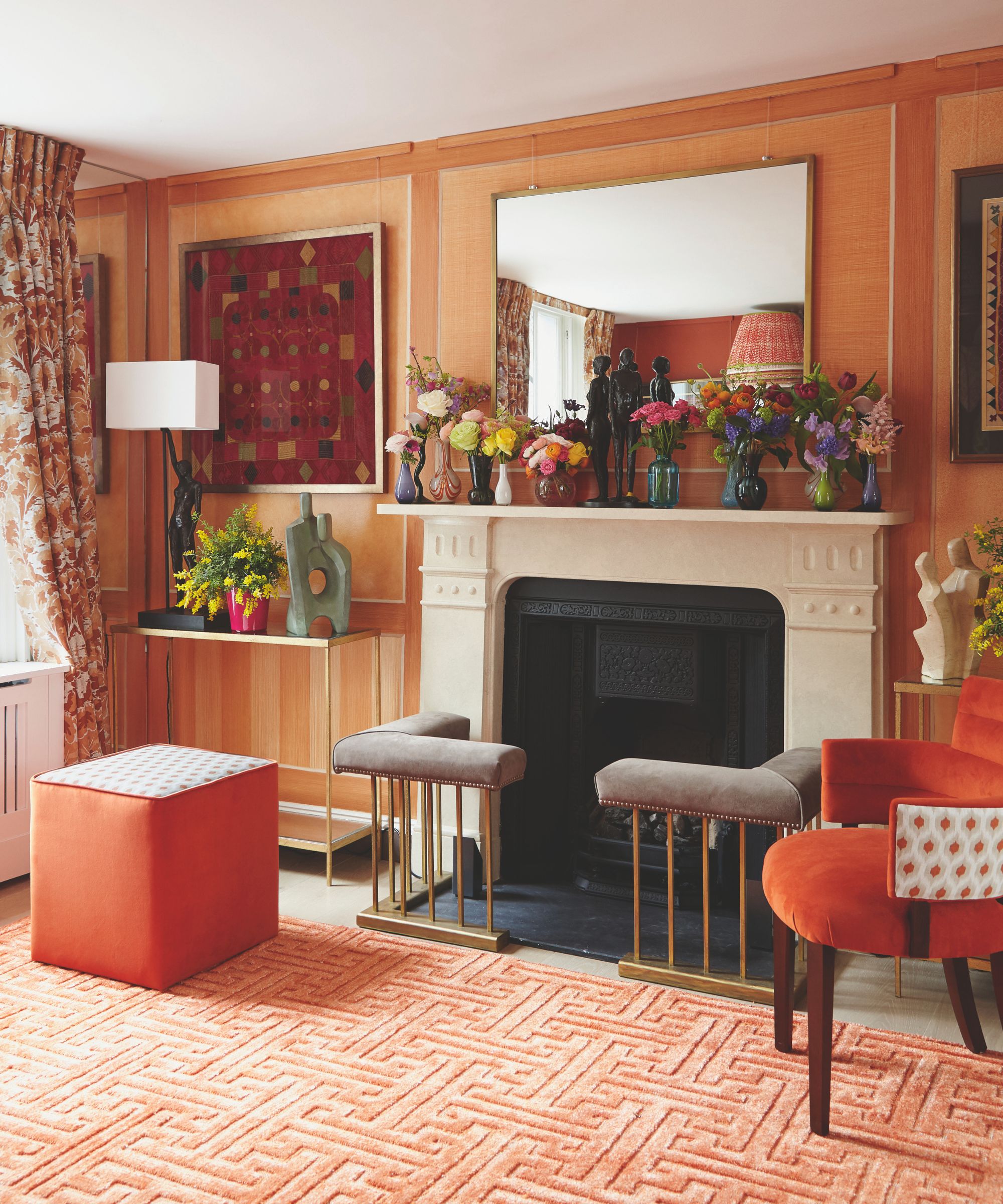
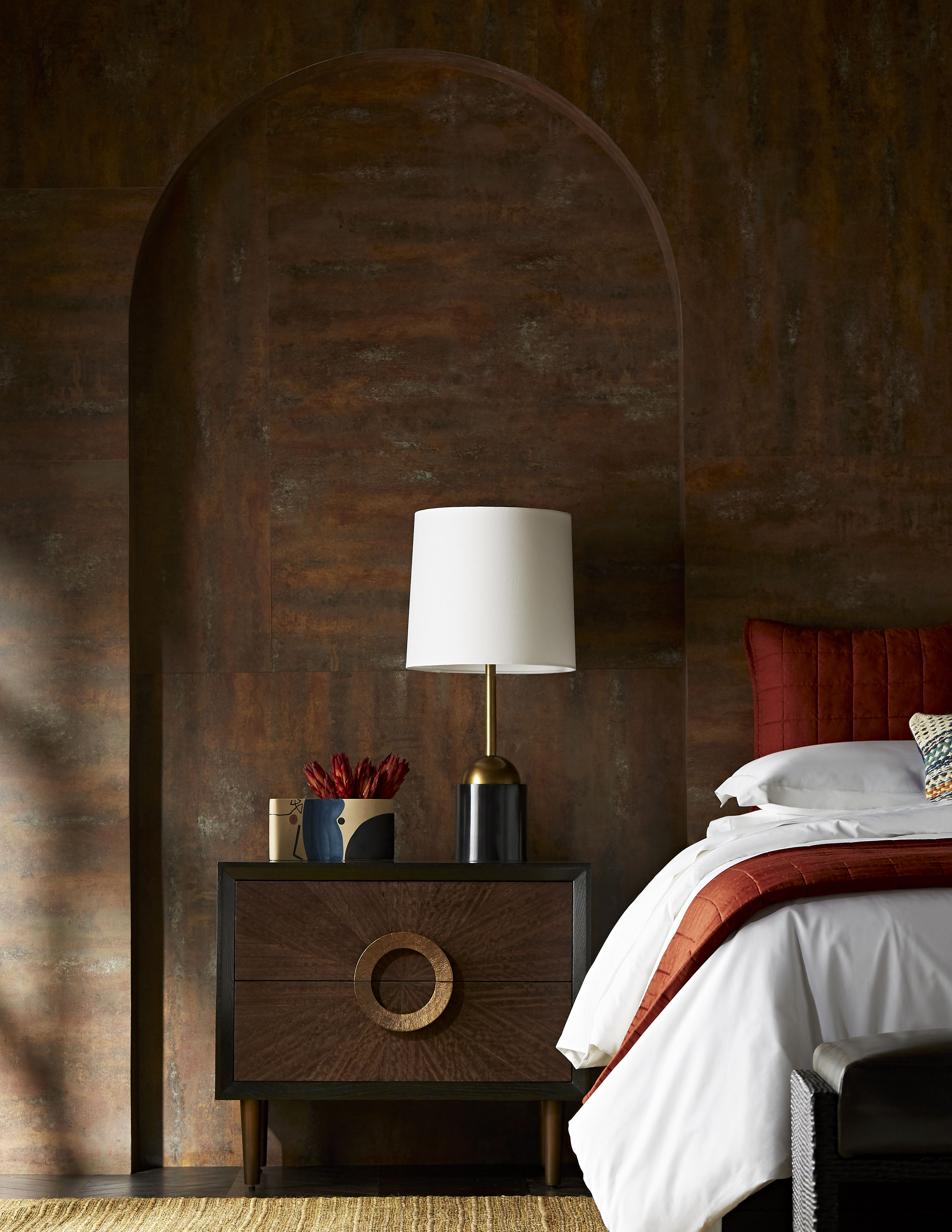
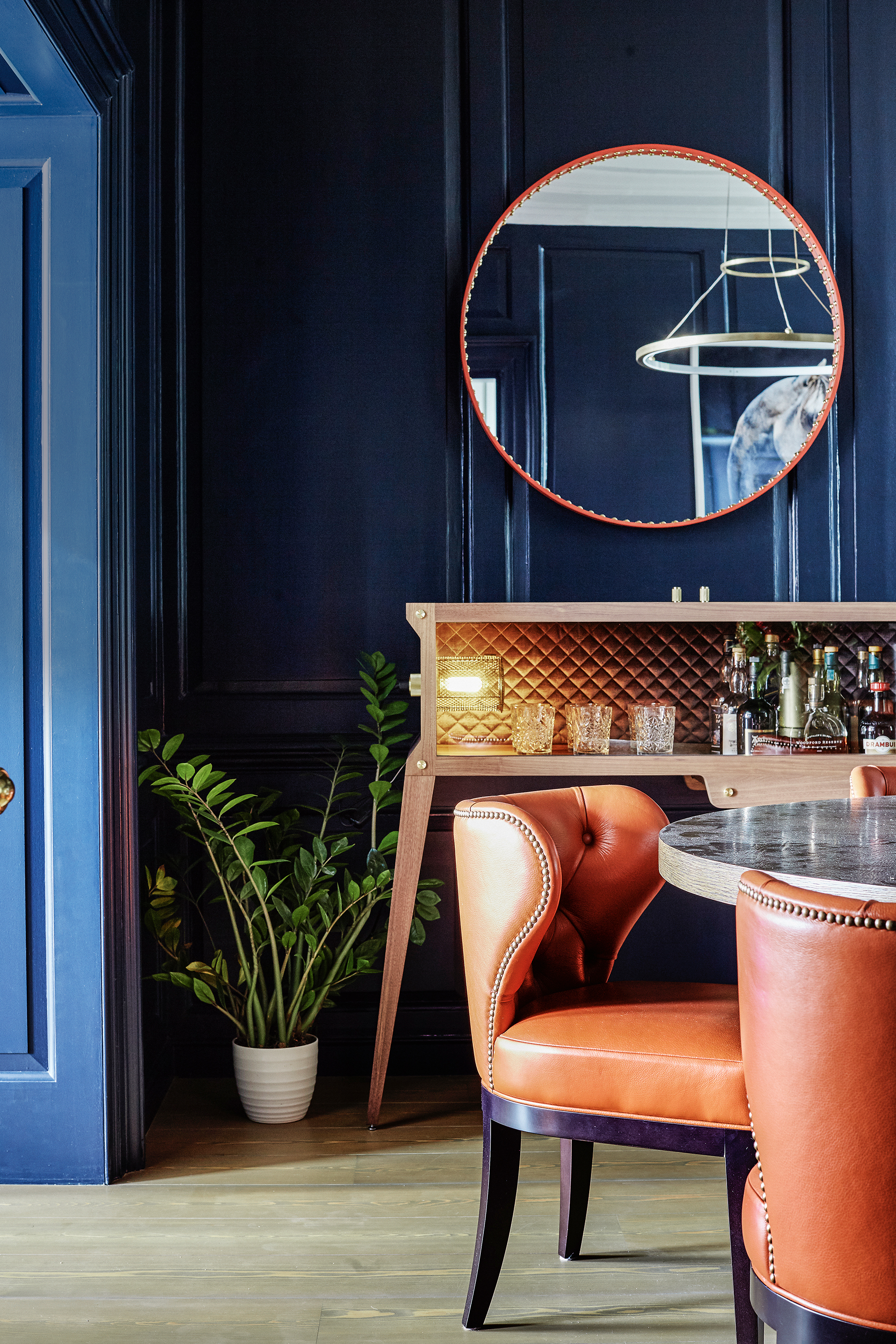
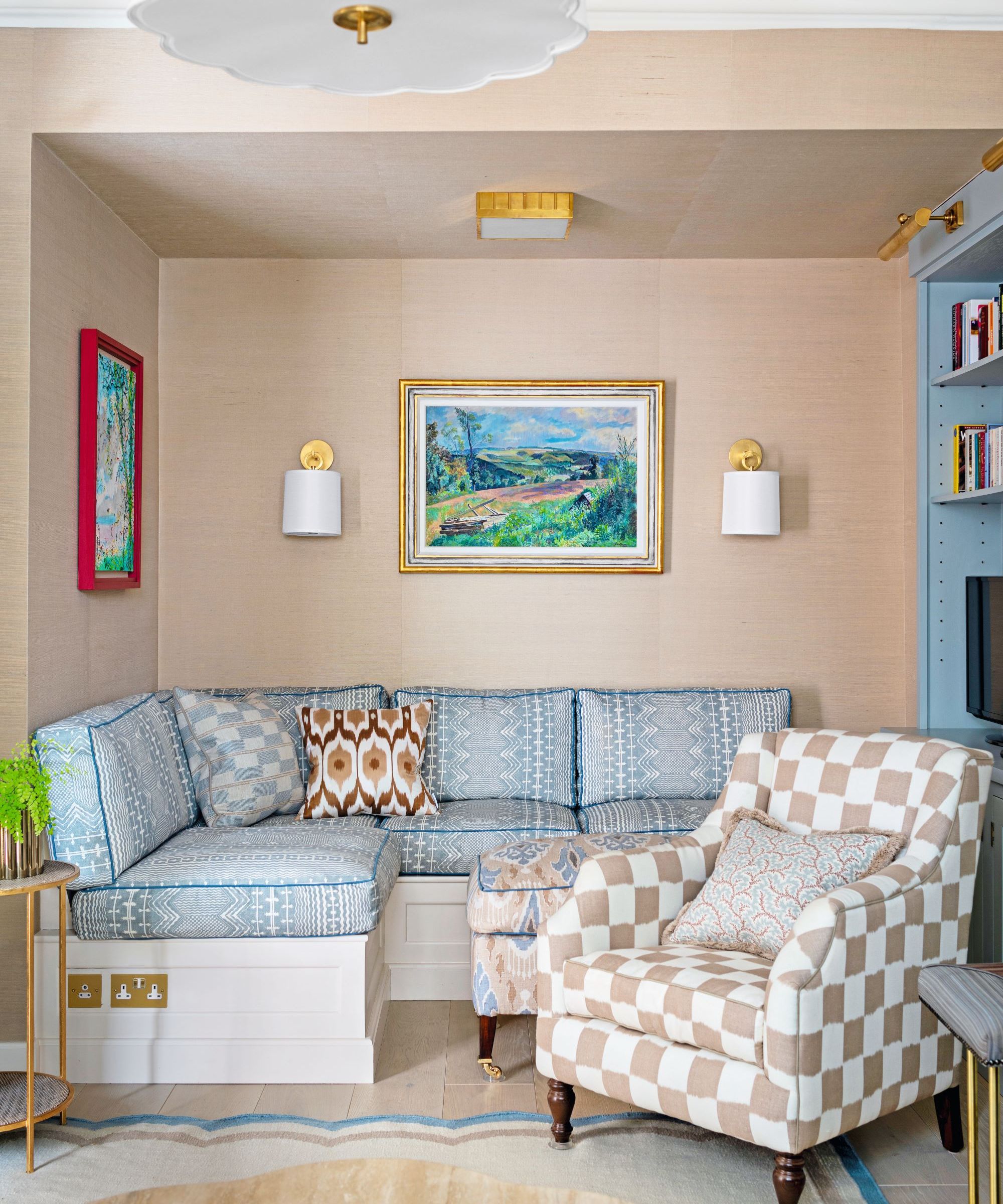
One effective technique is to apply a distinctive finish to all five walls, including the ceiling. This can involve using rich, warm colors, unique wall treatments like murals, or textured finishes such as grasscloth. For added drama and light reflection, a high-gloss lacquer finish can be applied to the ceiling, while limewash or plaster finishes can create a softer effect, adding depth and visual interest. Limewash, in particular, is gaining popularity for its ability to create a cocooned and rustic feel.
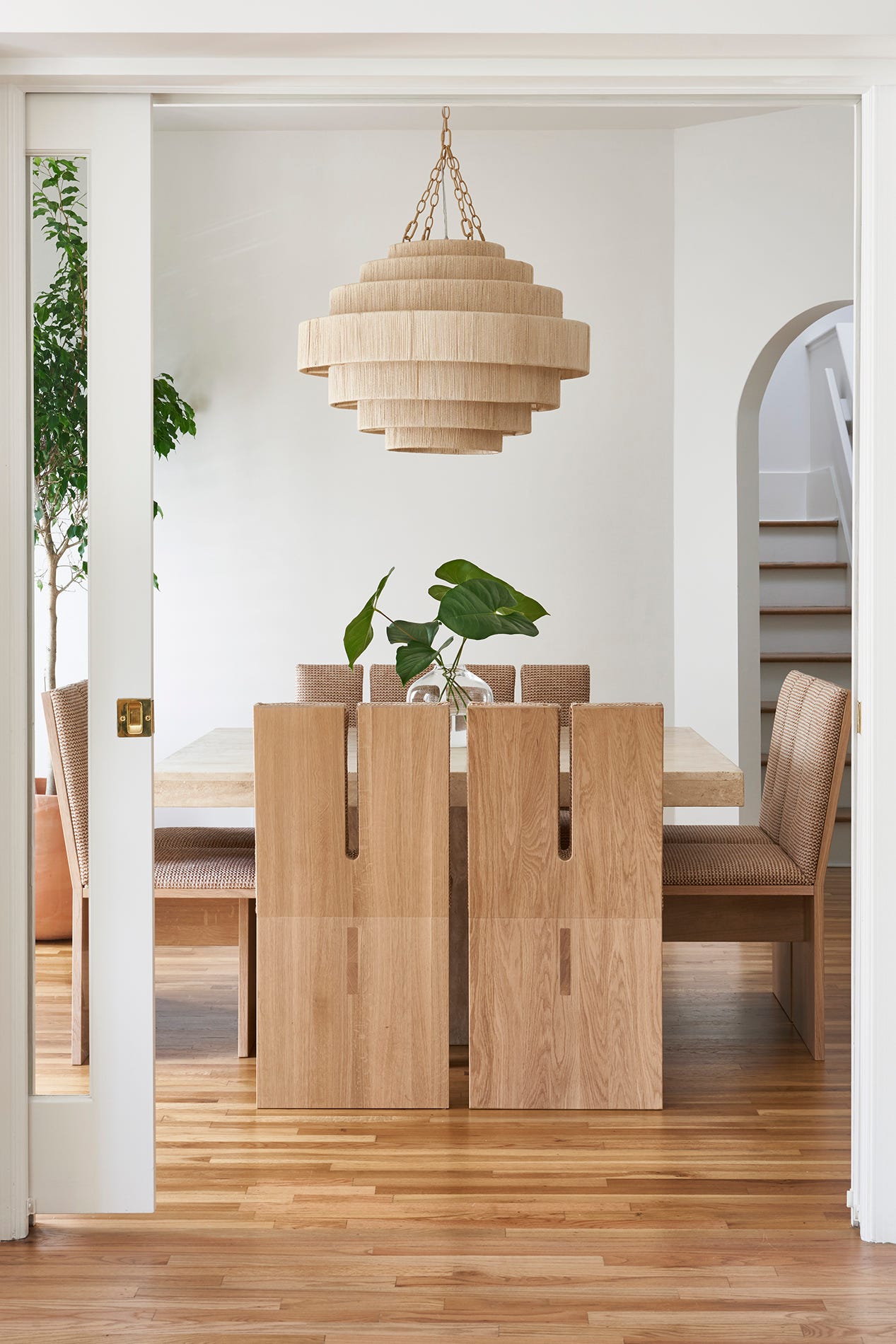
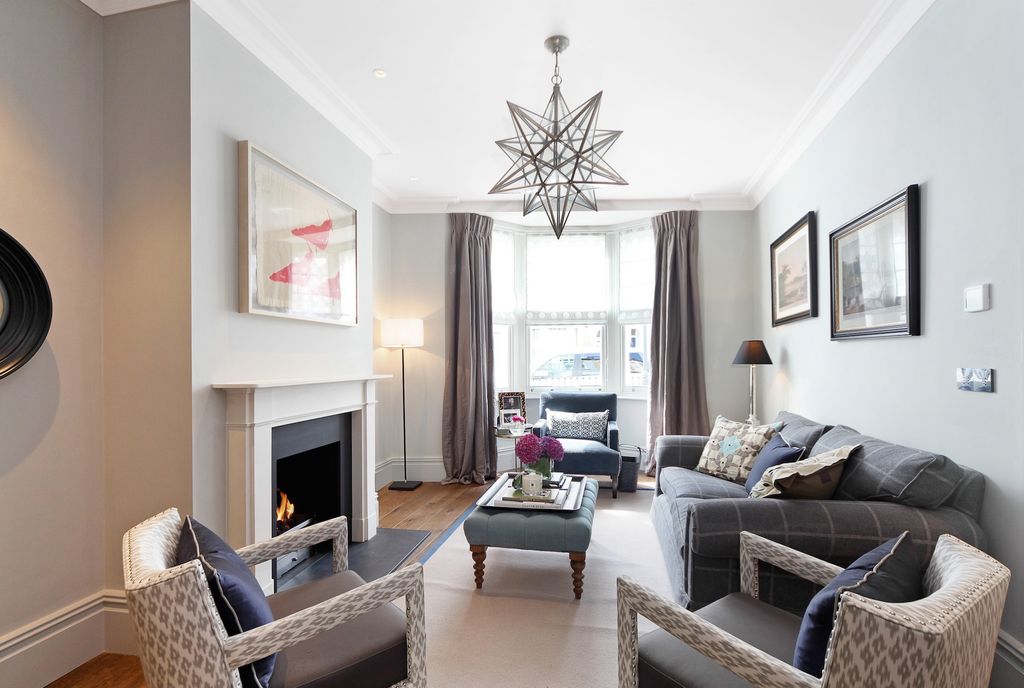
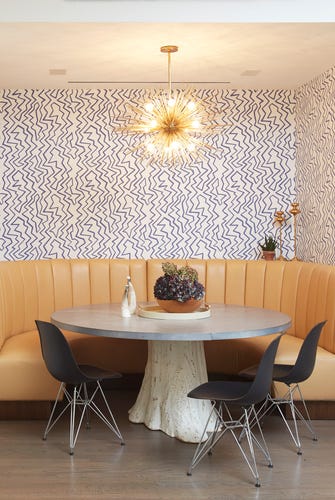
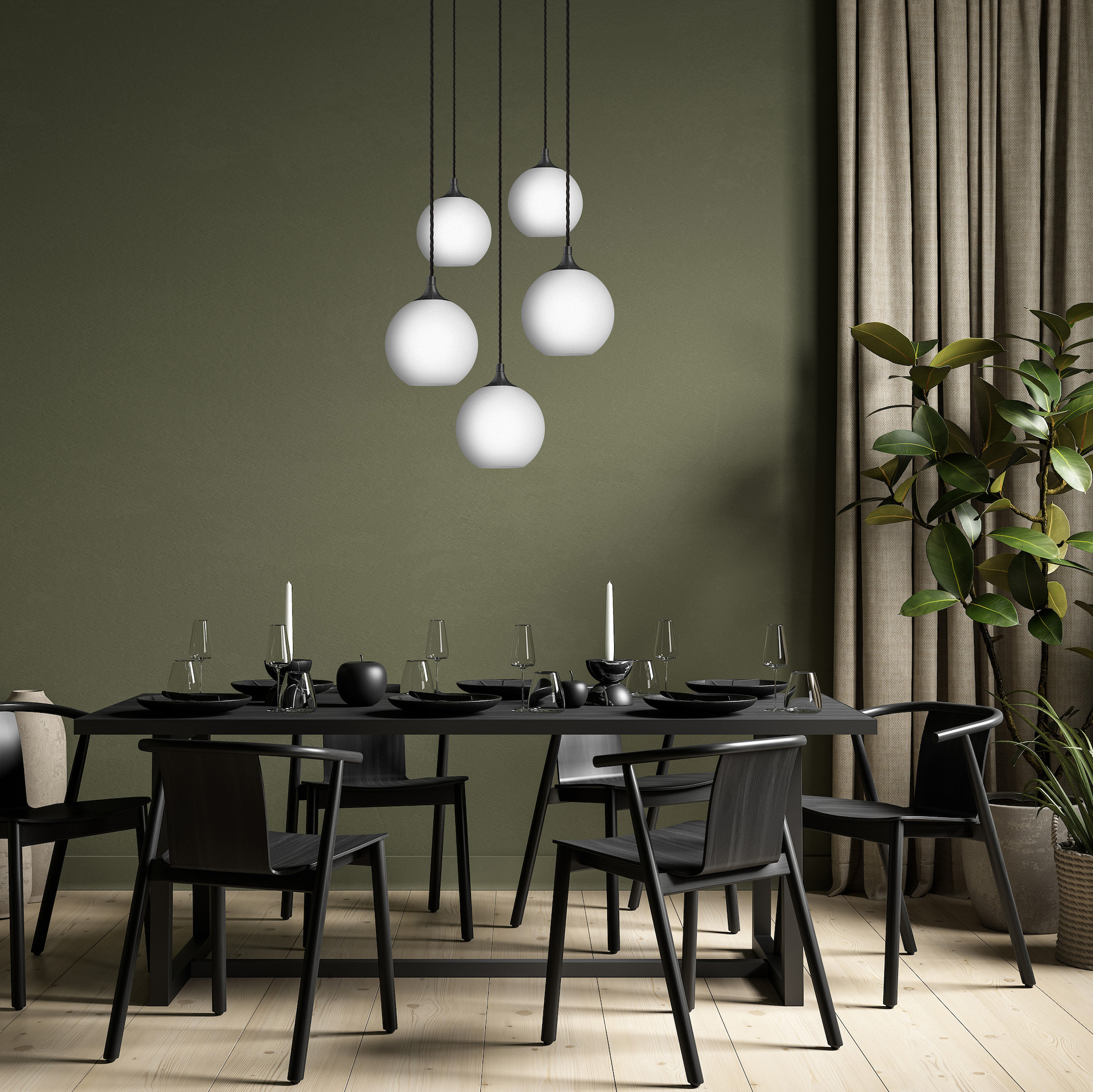
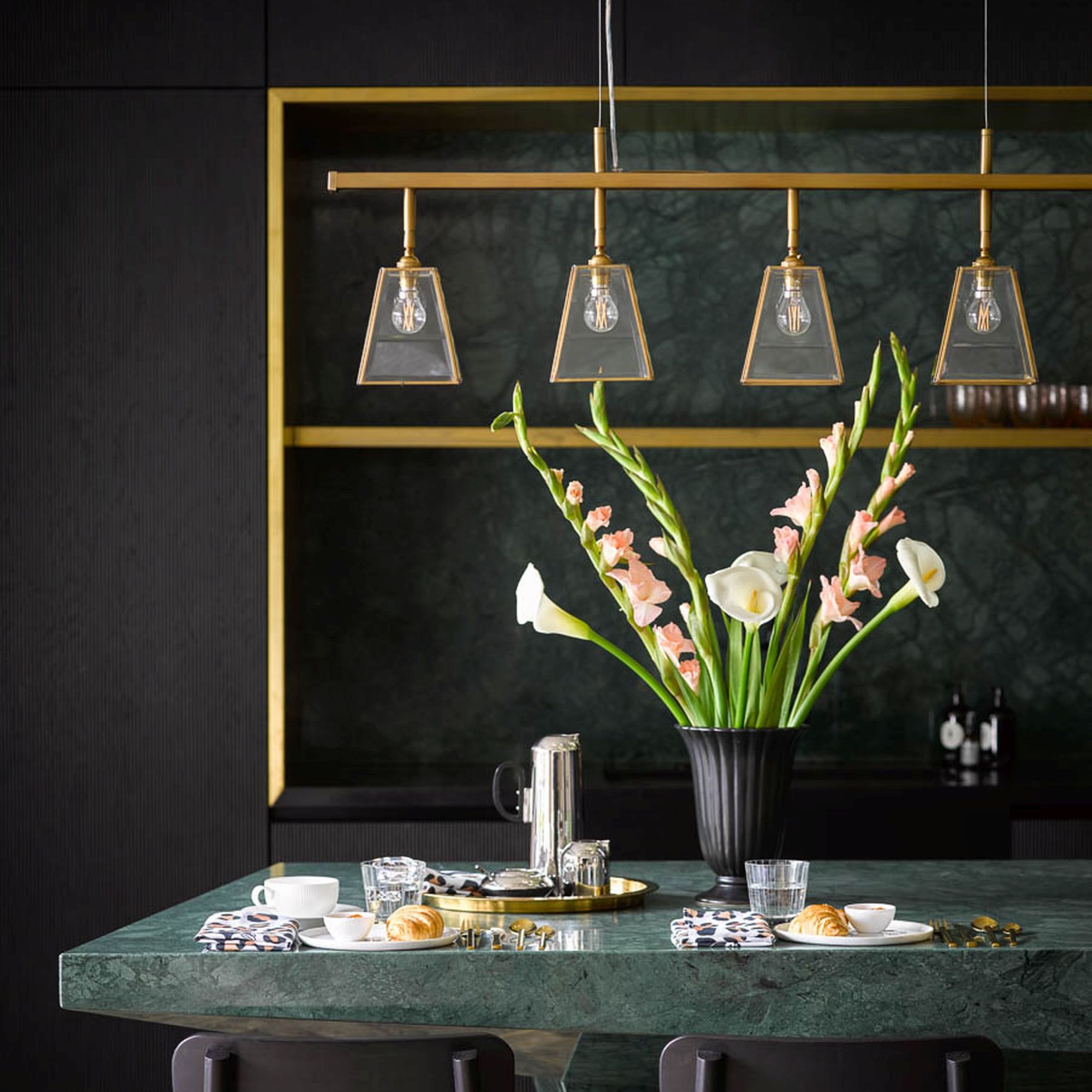
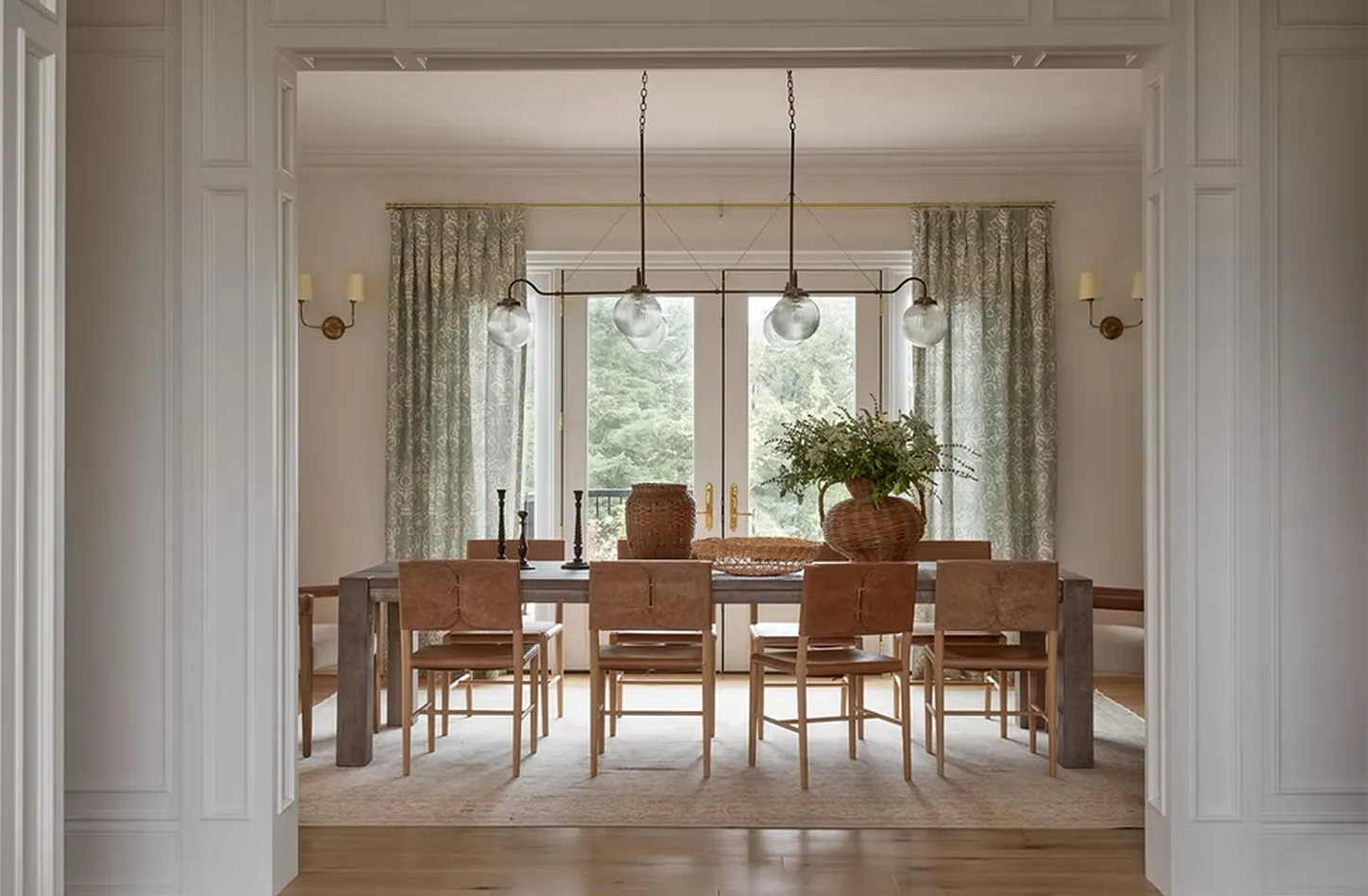
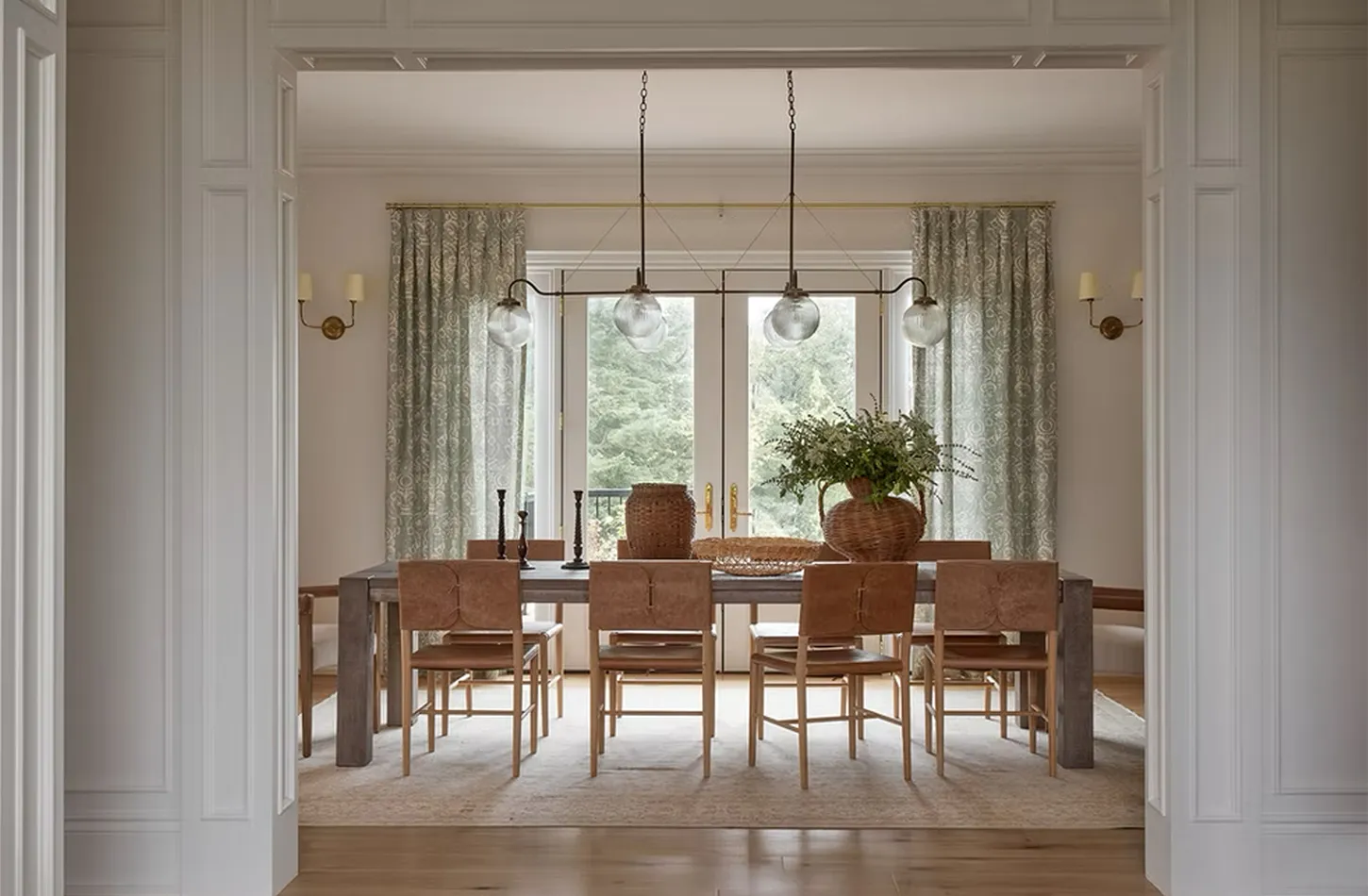
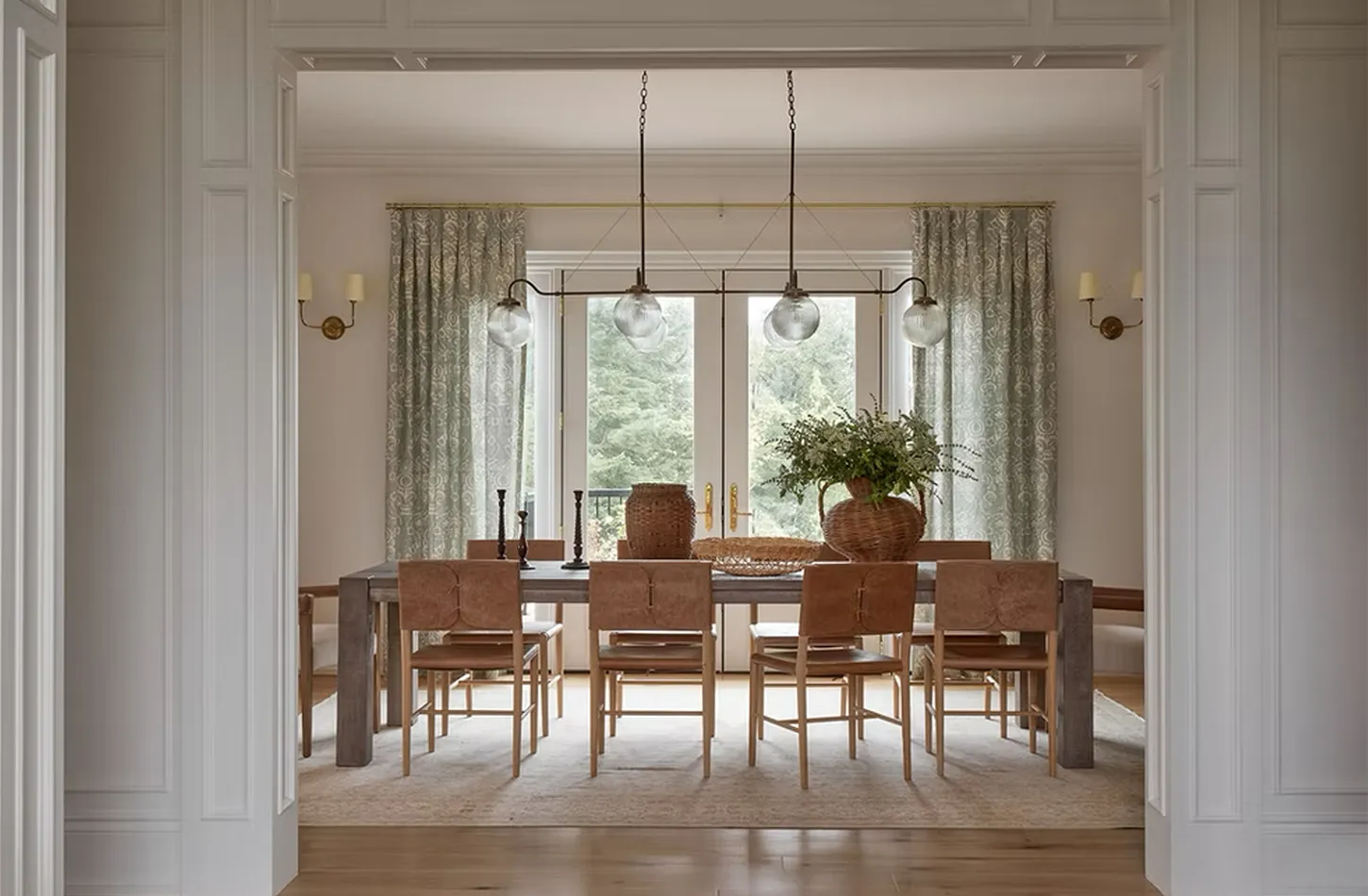
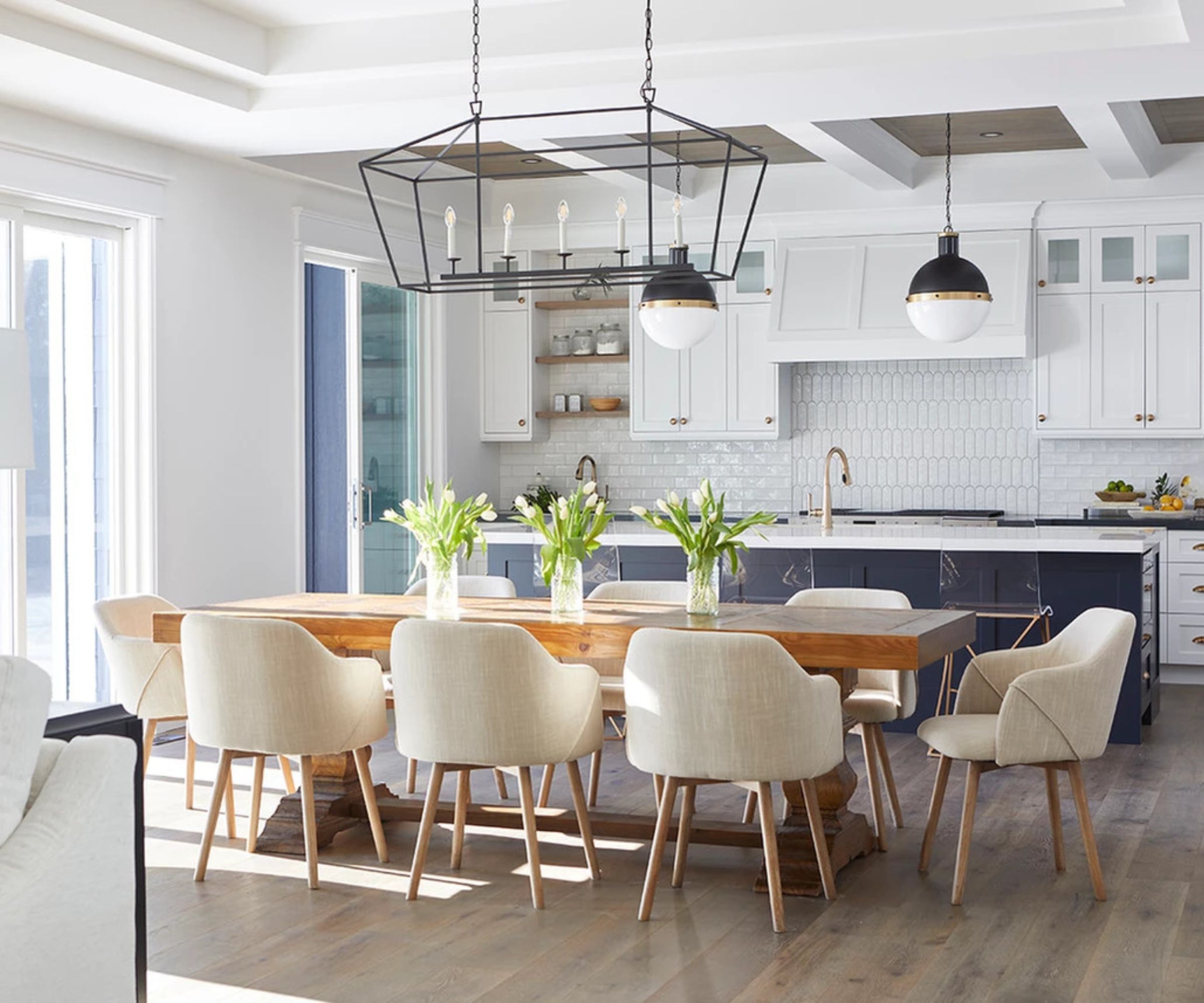
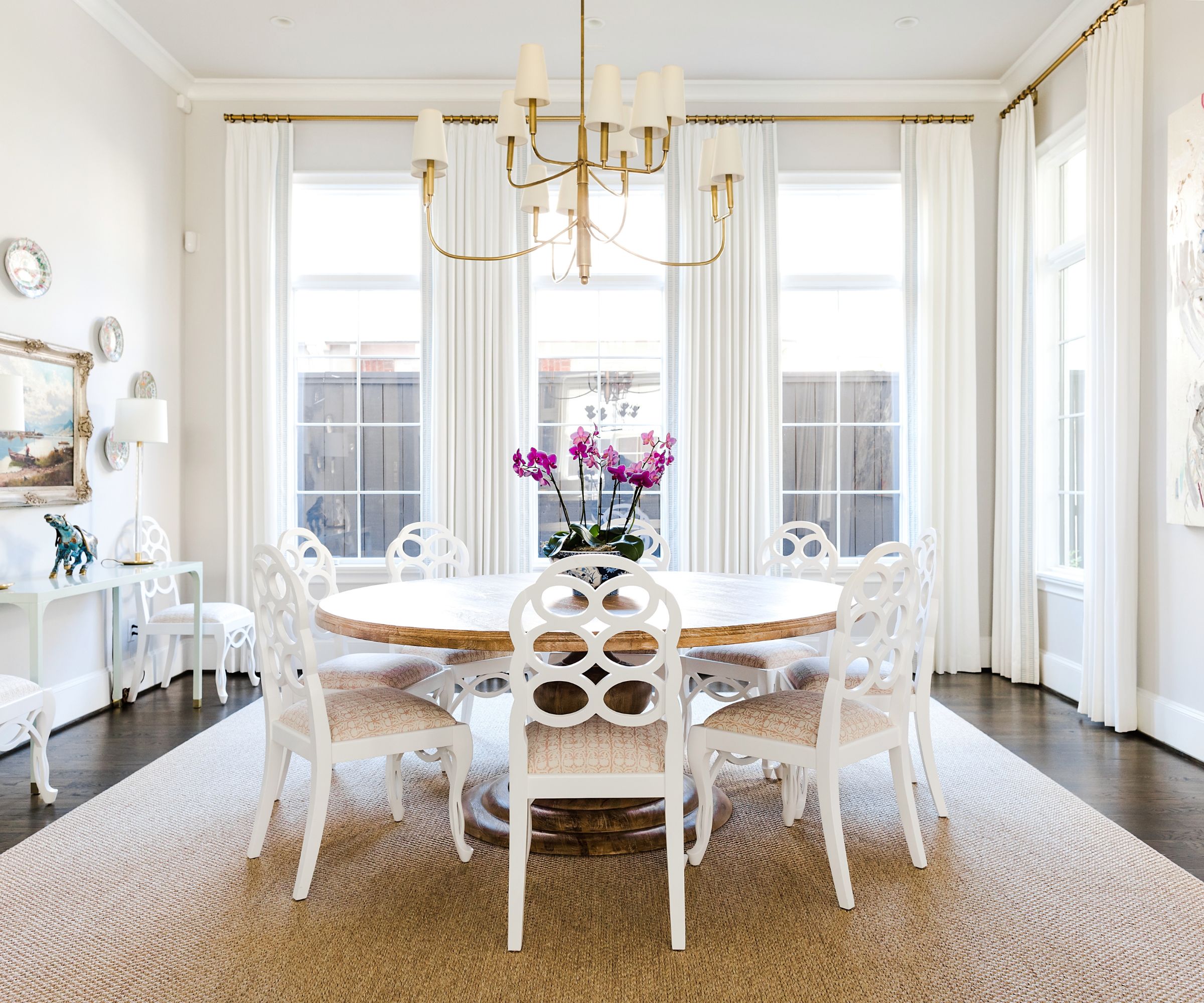
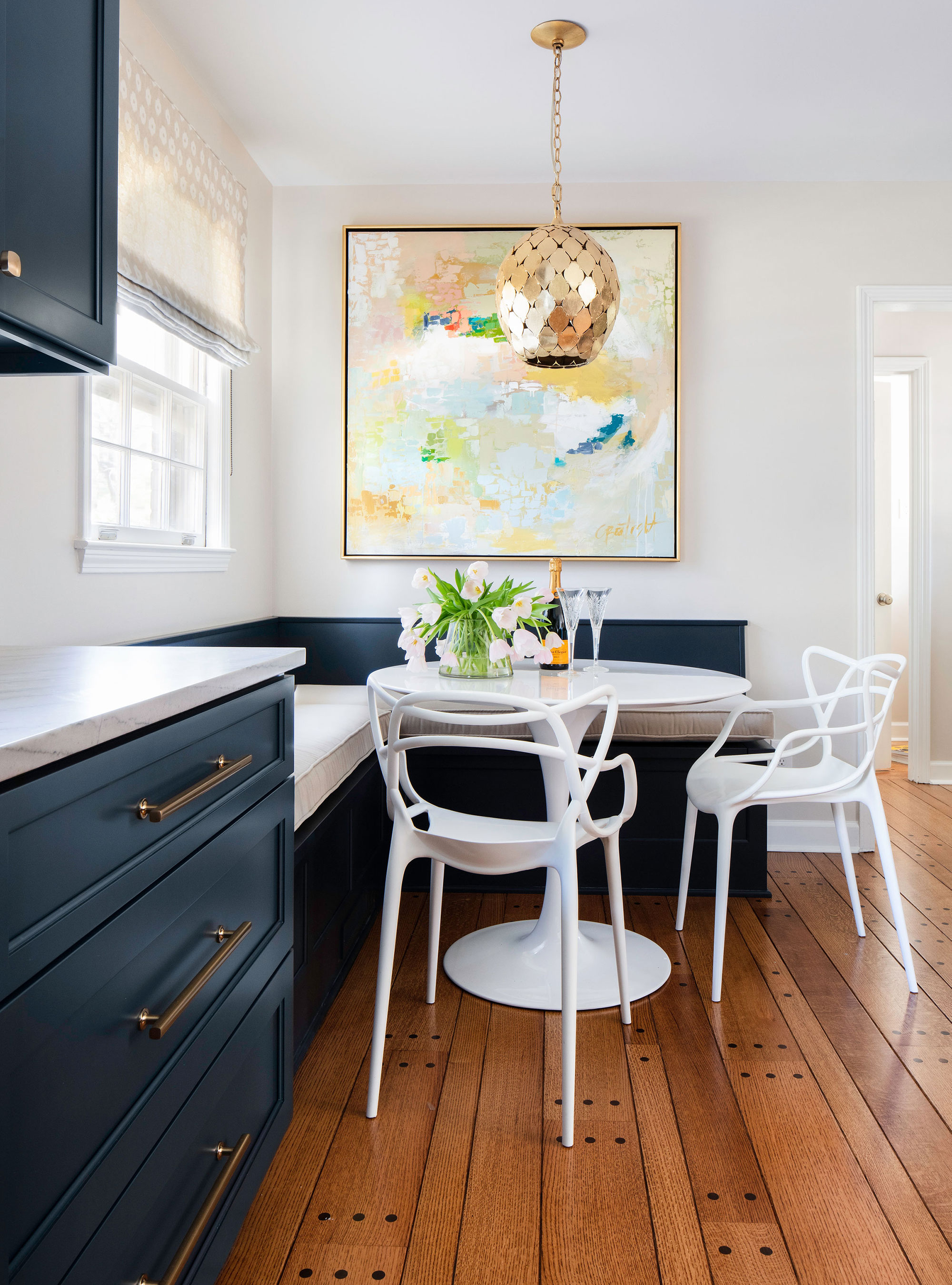
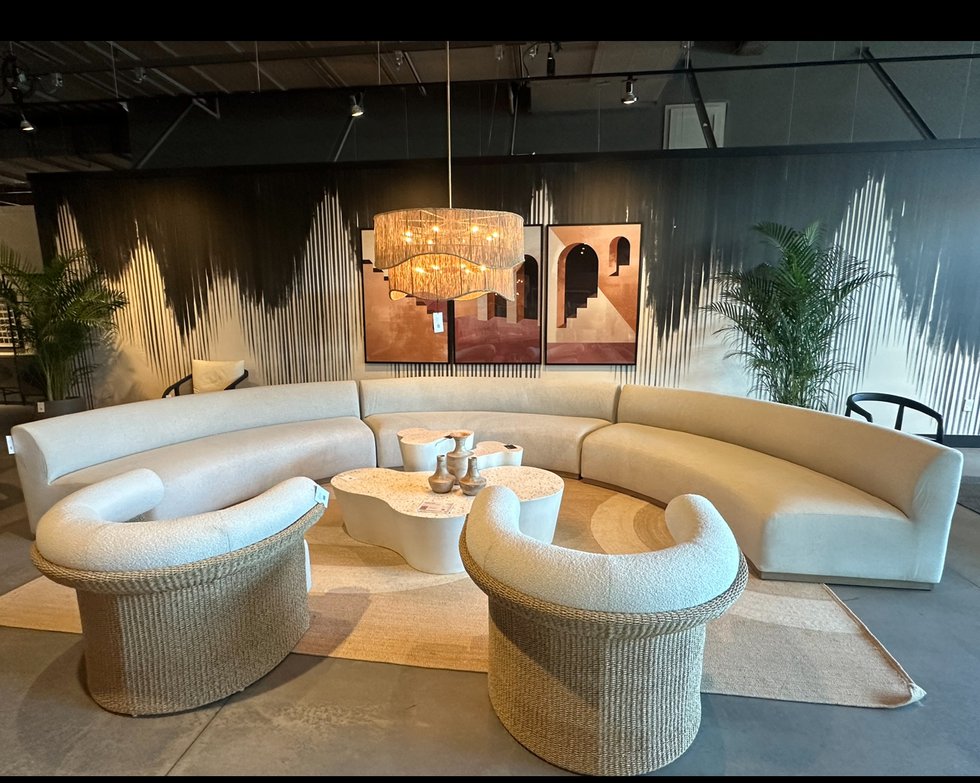
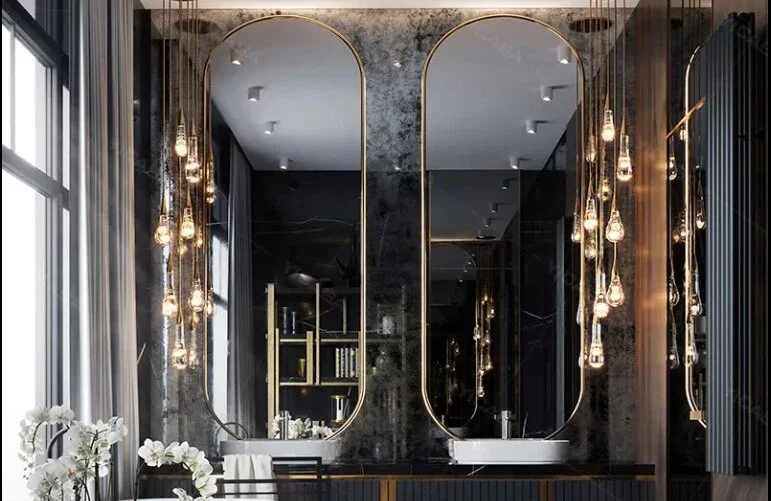
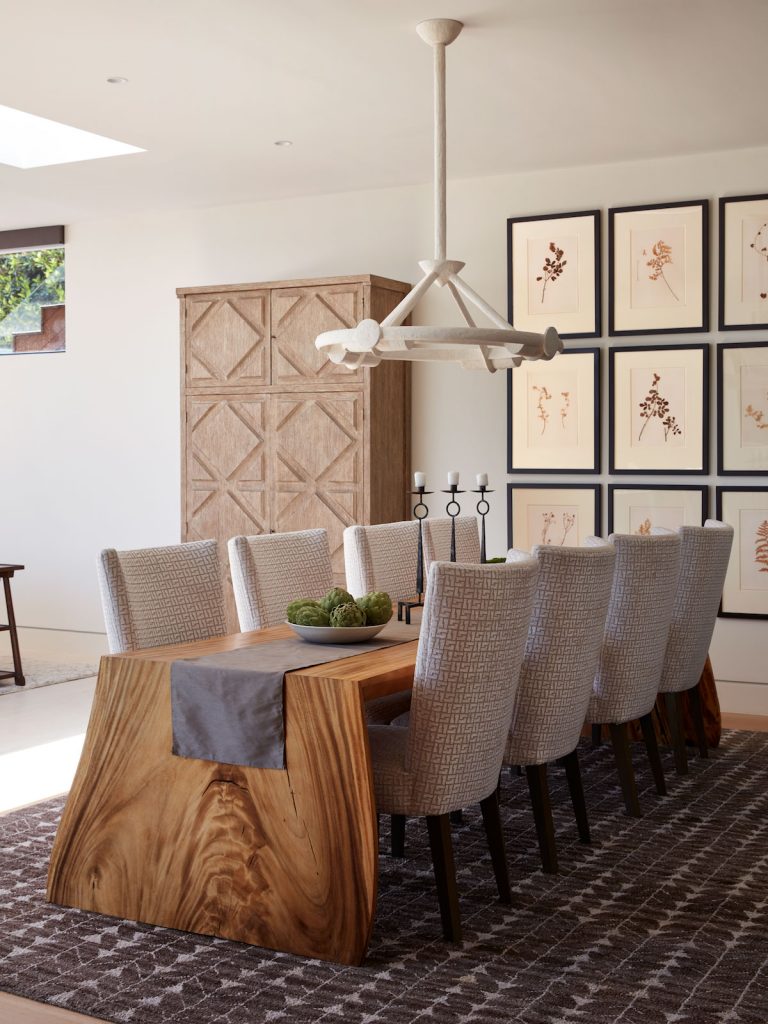
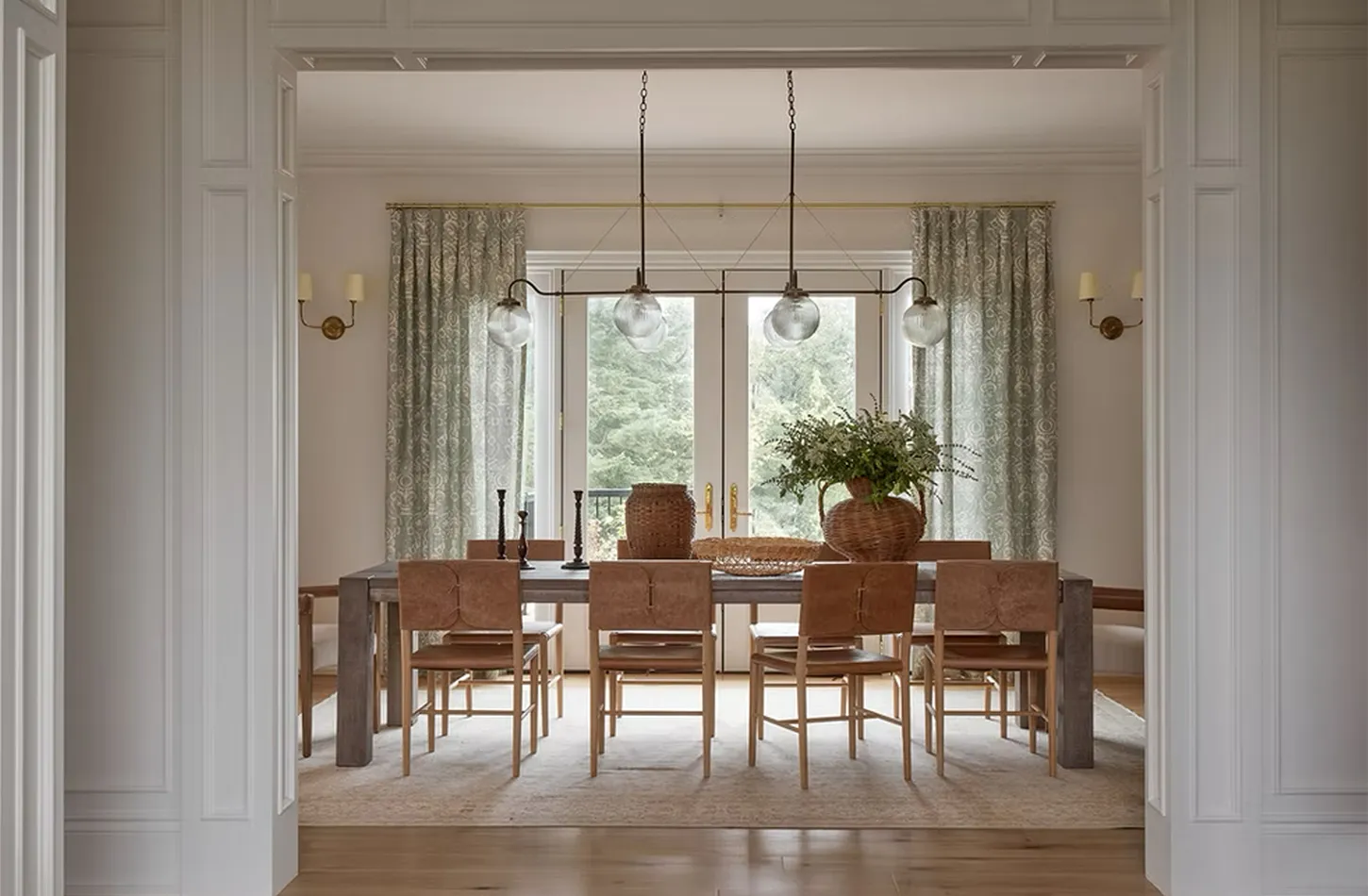
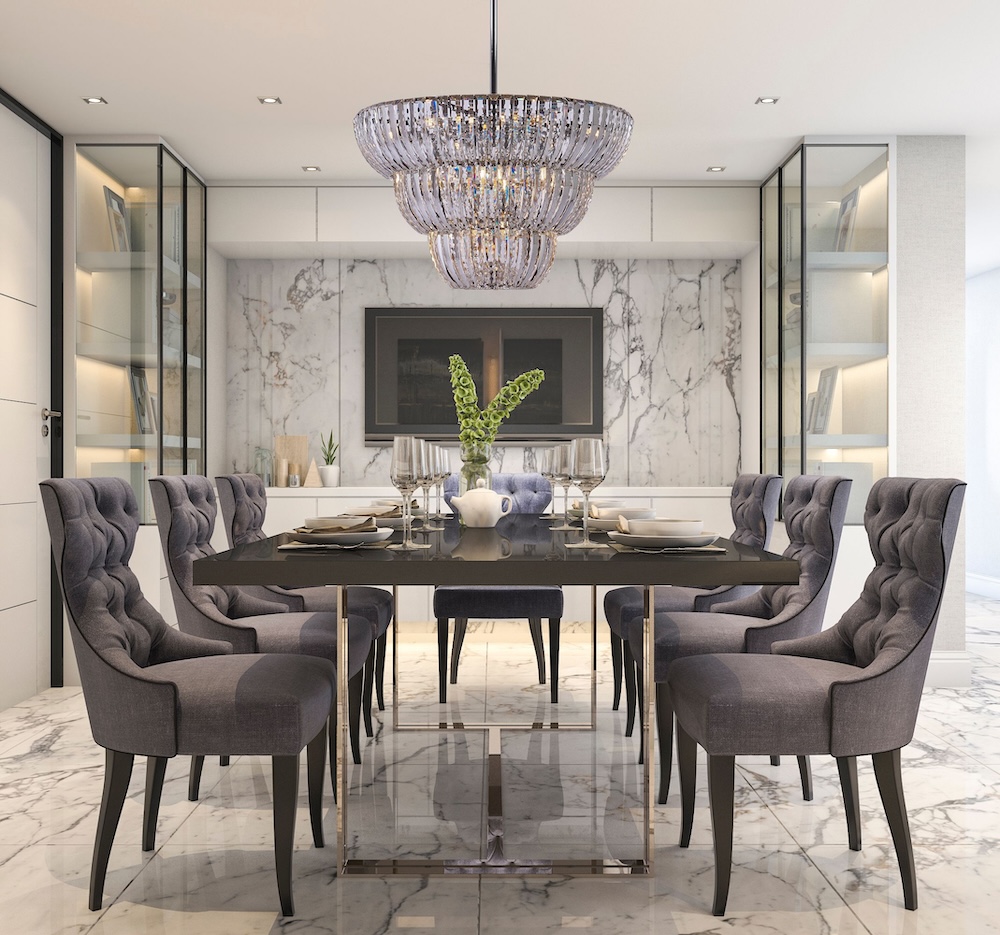
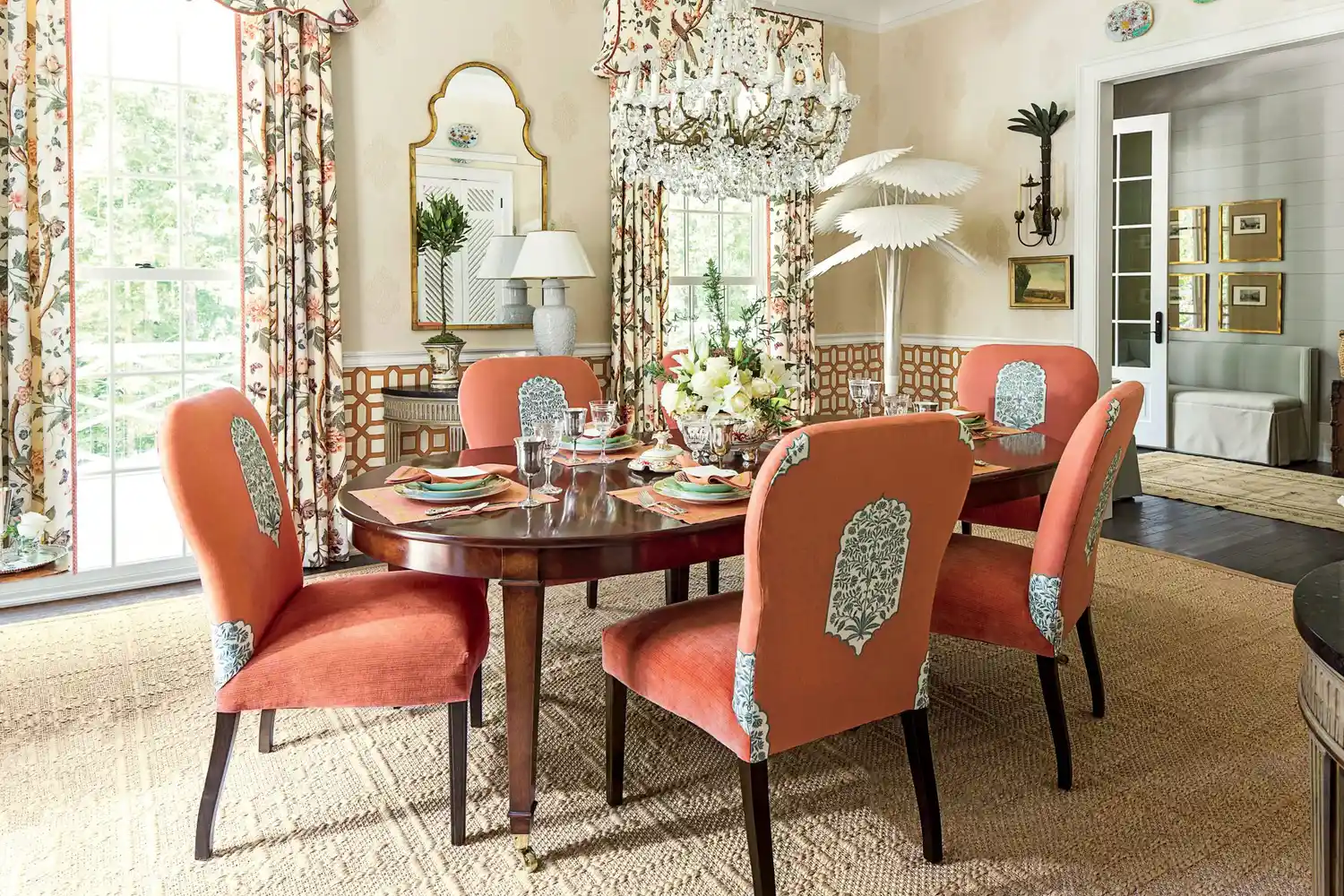
Lighting is another critical element for elevating a dining room. Integrating an oversized chandelier is a highly recommended approach, as it acts as a stunning focal point, draws the eye upward, and spotlights the dining table. This creates a sense of luxury and opulence, transforming an ordinary dining space into a grander setting. Beyond aesthetics, proper lighting is essential for functionality, accommodating various occasions.
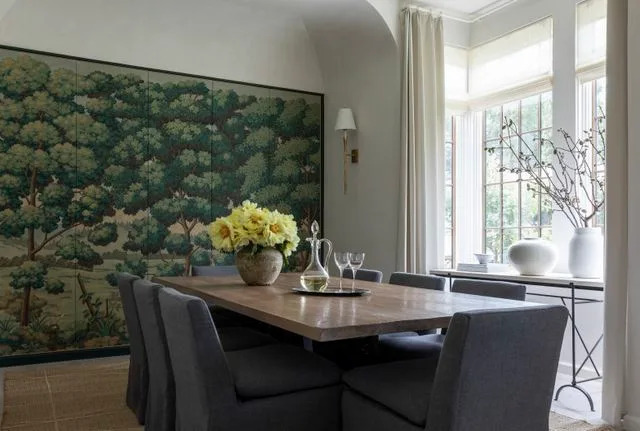
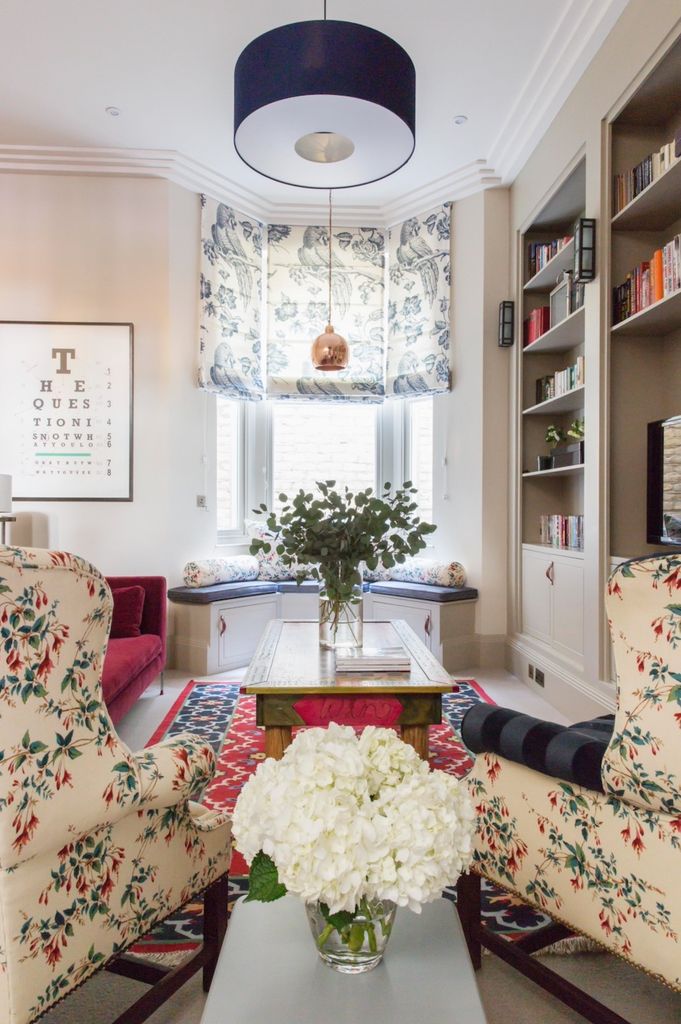
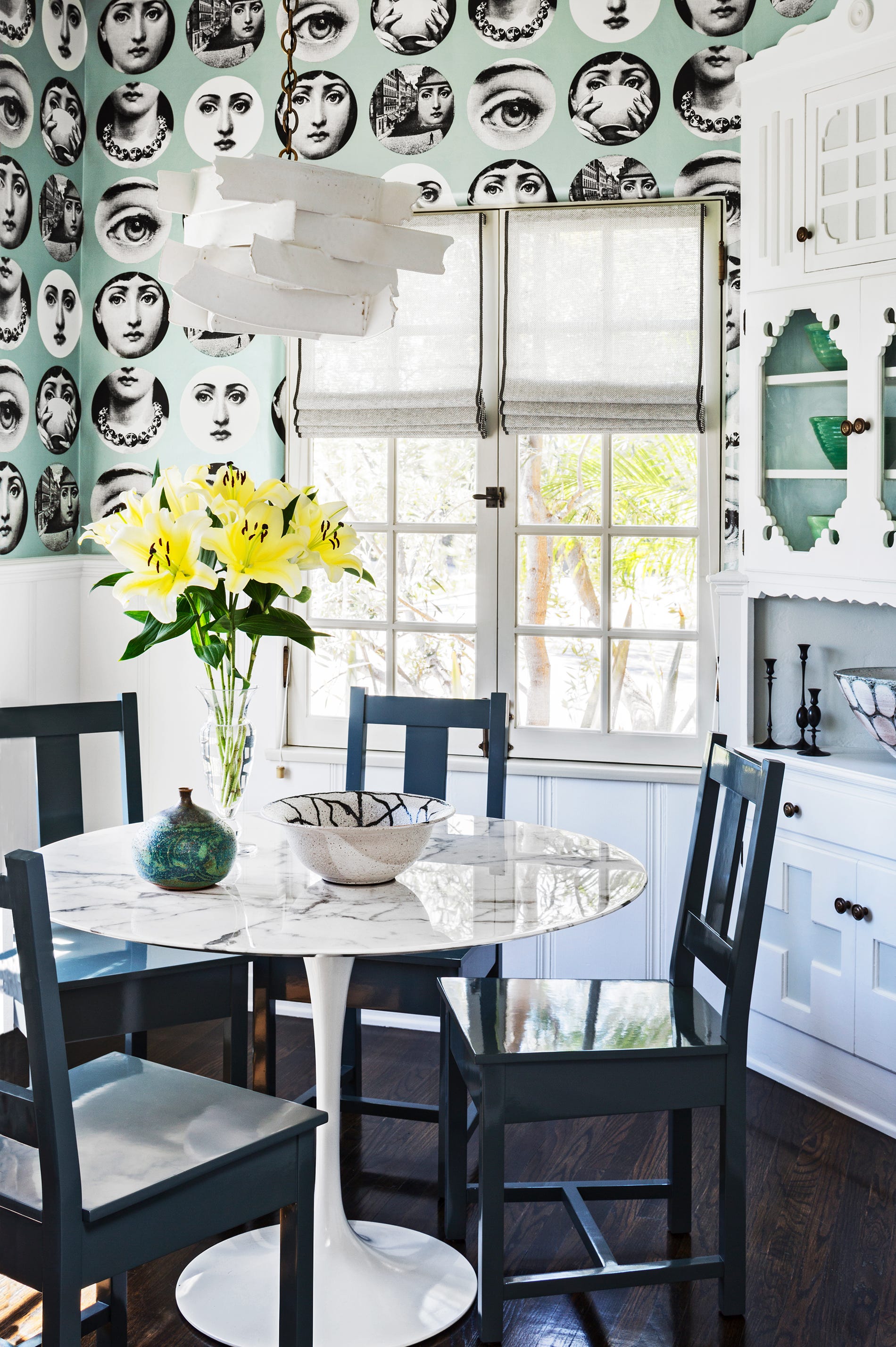
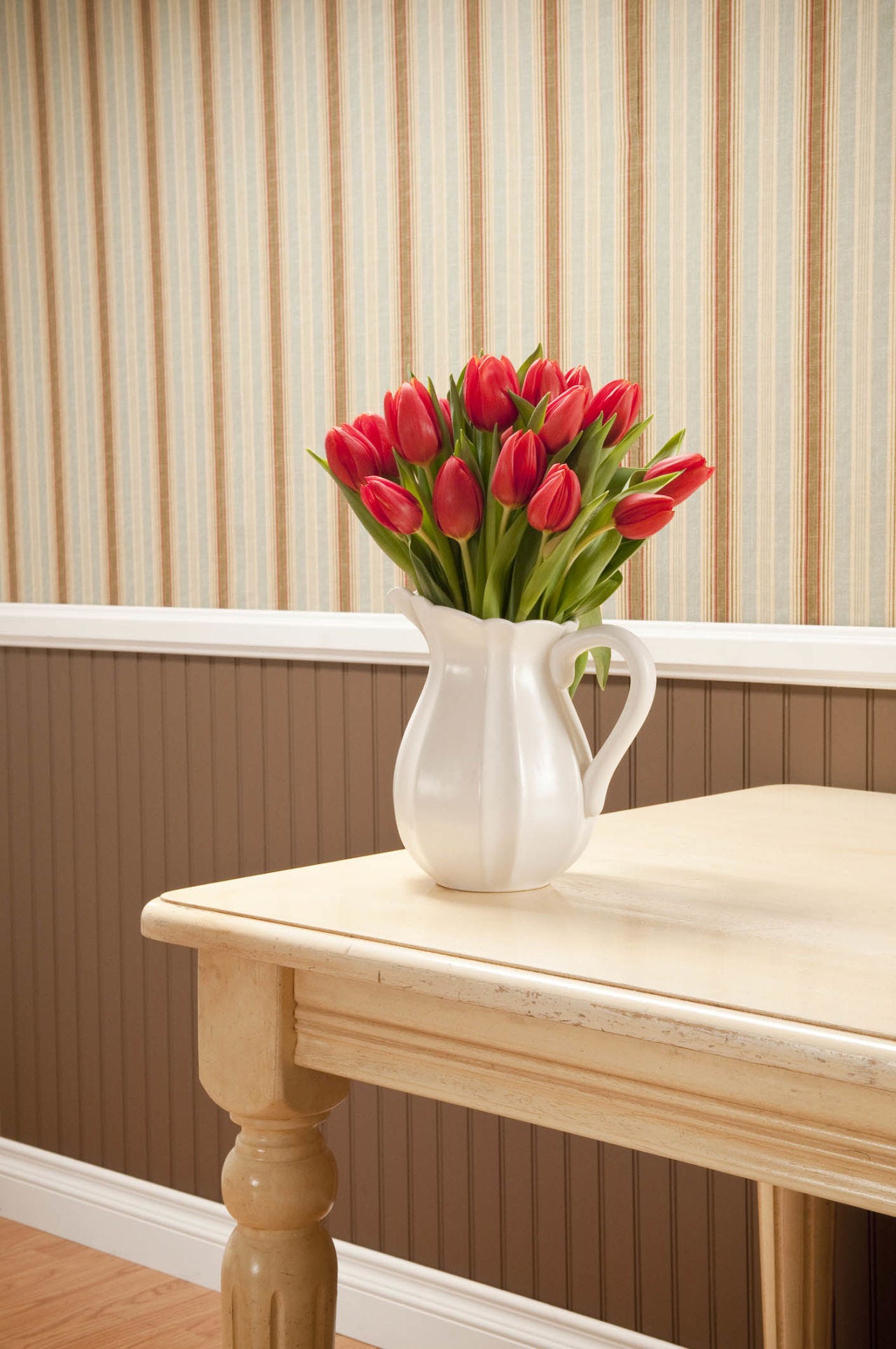
Wallpaper plays a significant role in dramatically transforming the ambiance of a dining room. A well-designed wallpaper can introduce color, pattern, and texture, providing an appealing backdrop for dining experiences. Options range from bold patterns for character to subtle textures for understated elegance. Hand-painted wallpapers, like those from DeGournay or Fromental, can make a dining space exceptionally special for entertaining. Wallpaper can also be used creatively on ceilings or within molding frames to enhance visual interest.
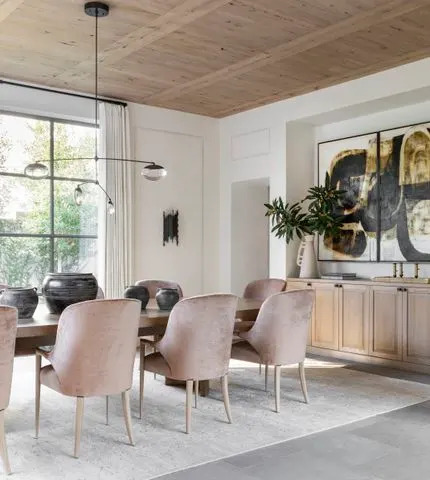
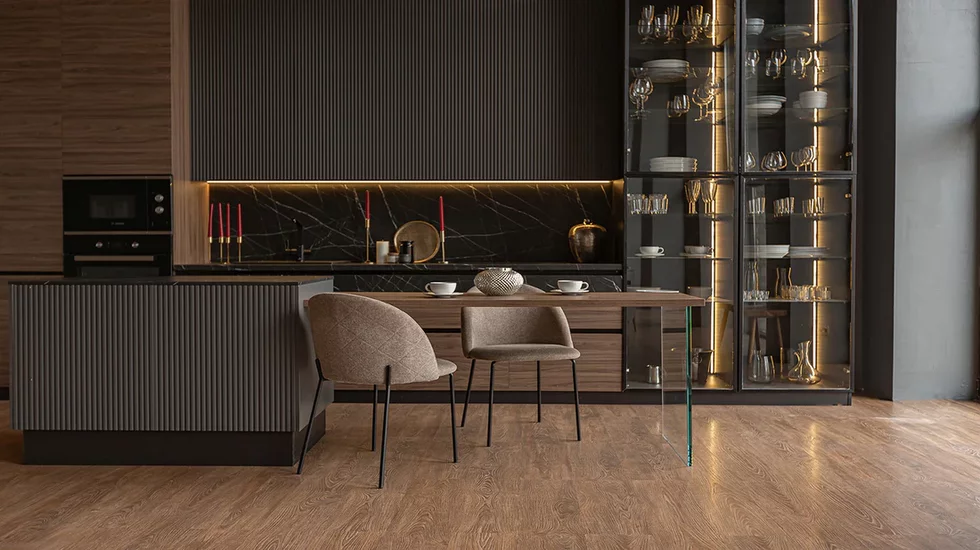
Design elements that prioritize guest comfort are also crucial for an elevated dining experience. Upholstered dining chairs ensure guests are comfortable, while carefully chosen color palettes can make everyone look and feel their best. Incorporating meaningful art pieces adds sophistication. To further enhance comfort and visual cohesion, designers recommend using low-pile antique or vintage rugs under dining chairs, which are both durable and functional, and help to unify the room's color scheme.
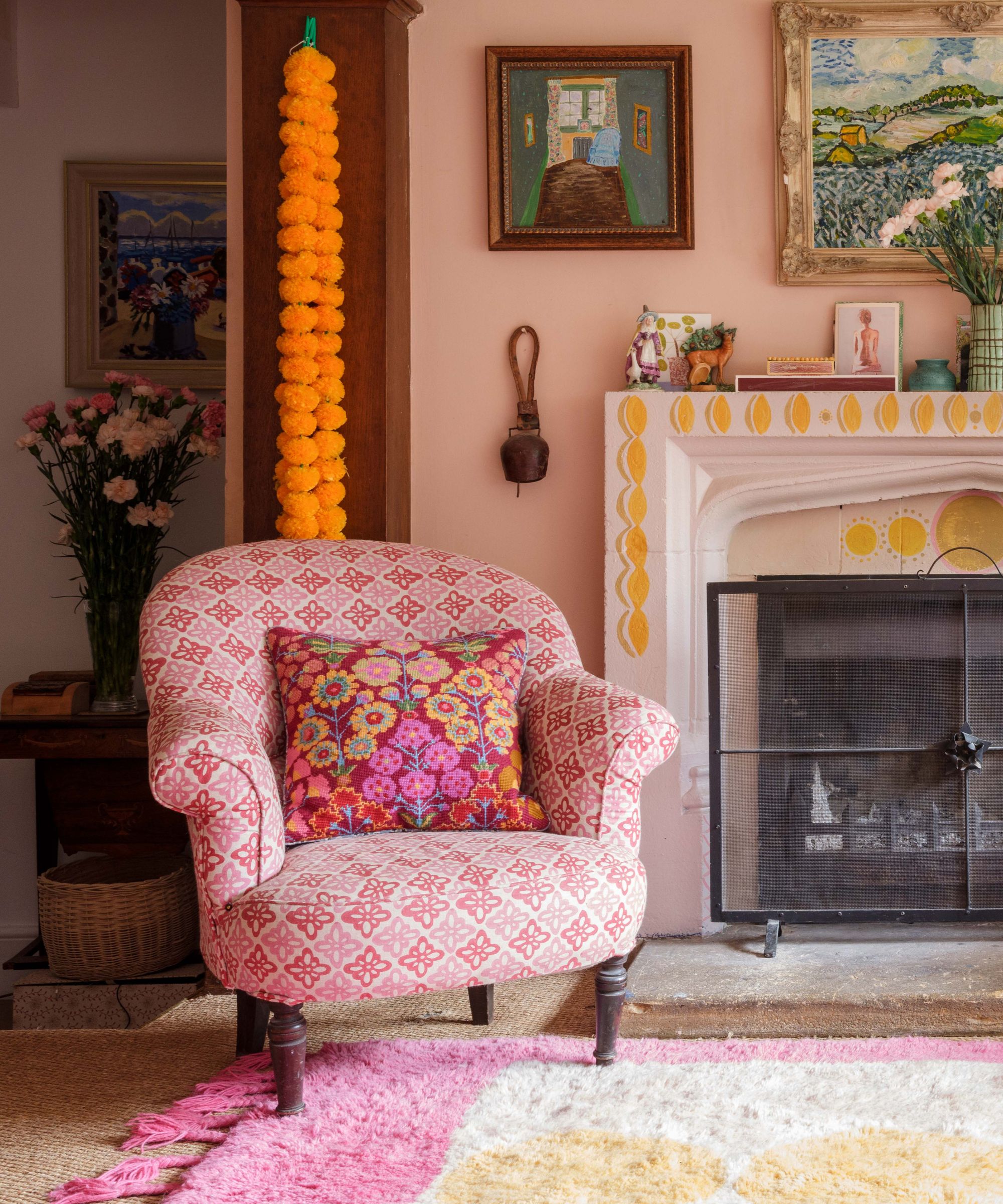
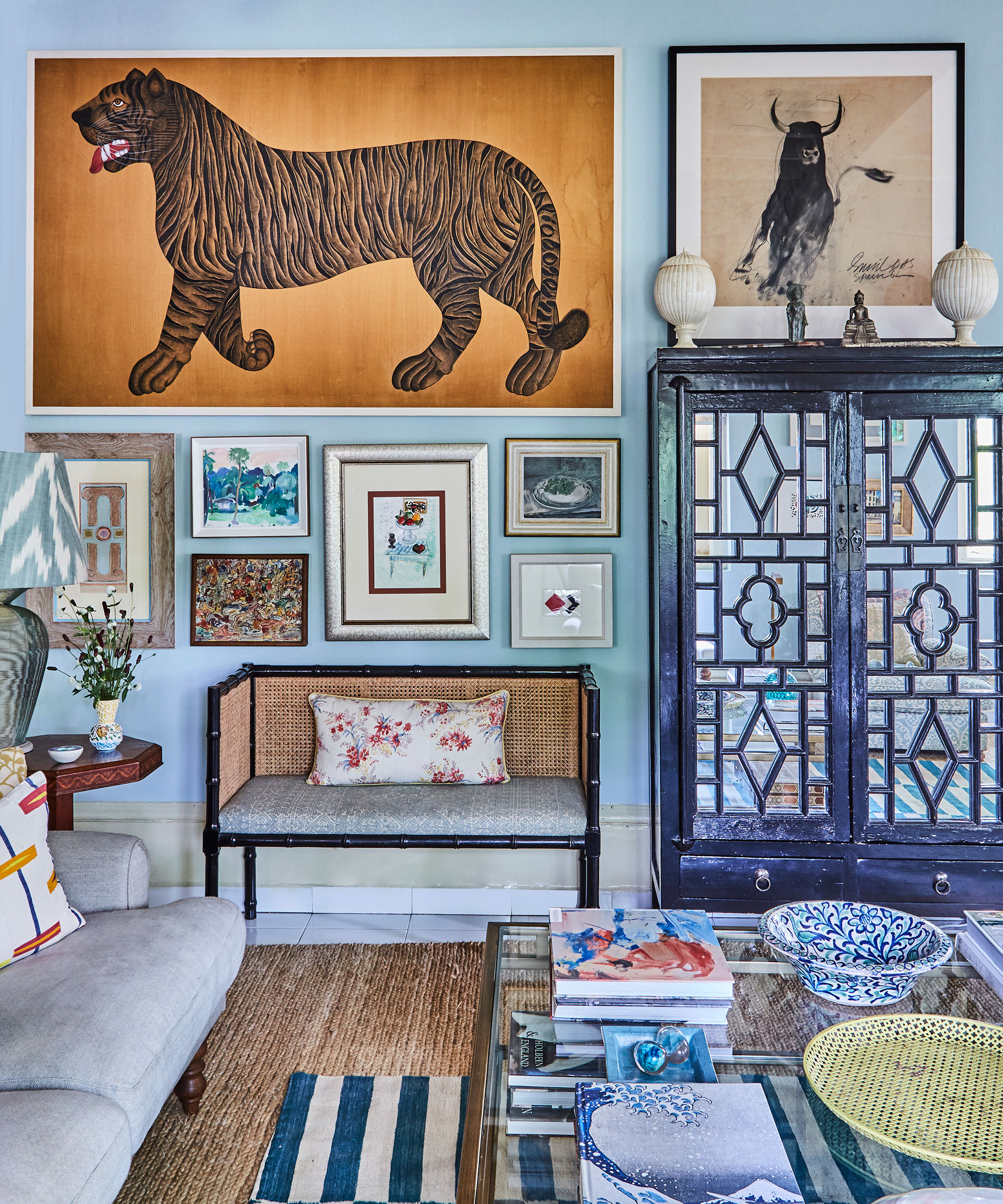
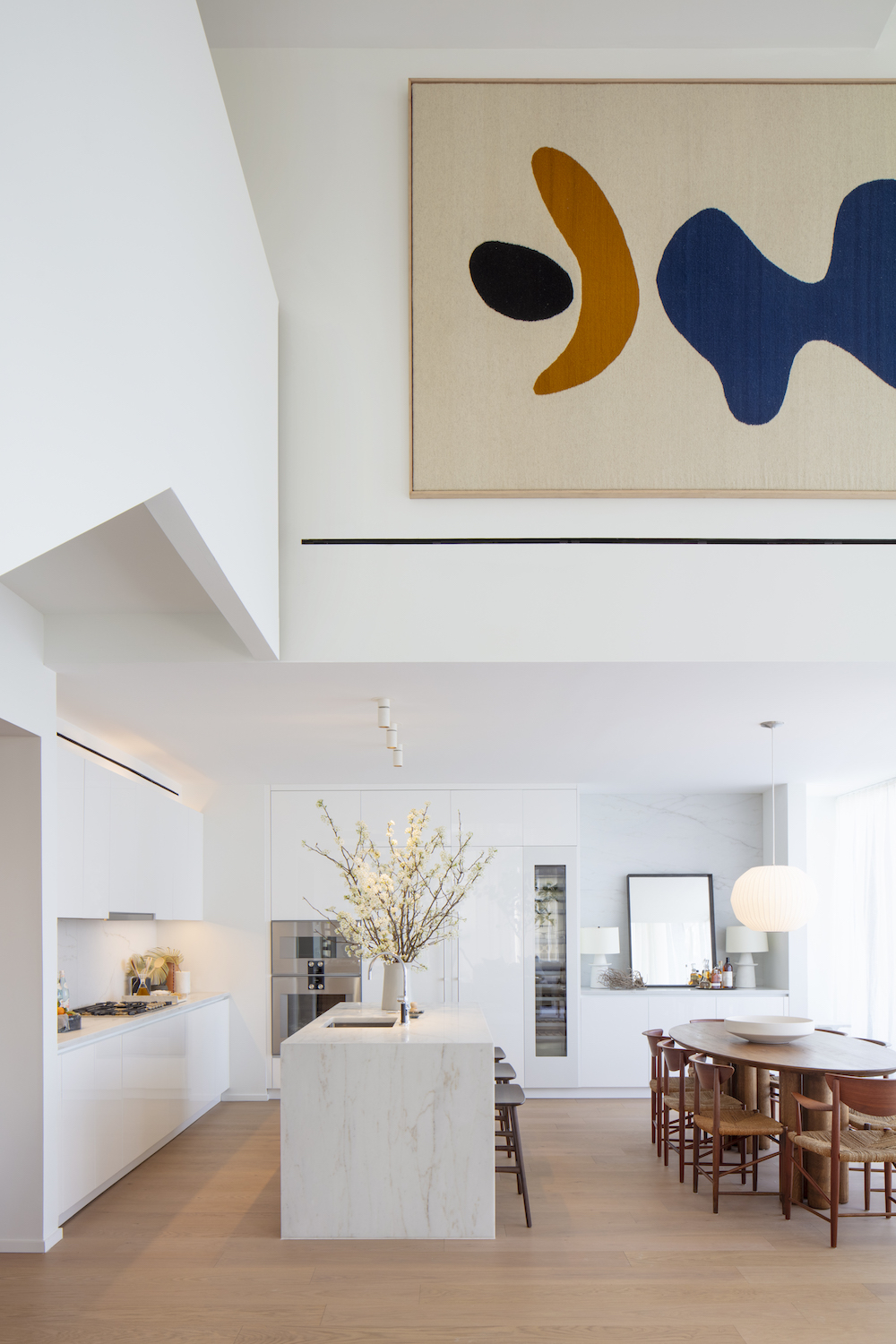
Introducing a statement piece is another way to add luxury. While paintings are common, a focal point can also be a unique light fixture. Designers view chandeliers not just as lighting but as works of art, suggesting not to shy away from larger-than-comfortable sizes. Art and photographs chosen for personal significance, hung at an appropriate height for seated viewers, also contribute to the room’s unique character.
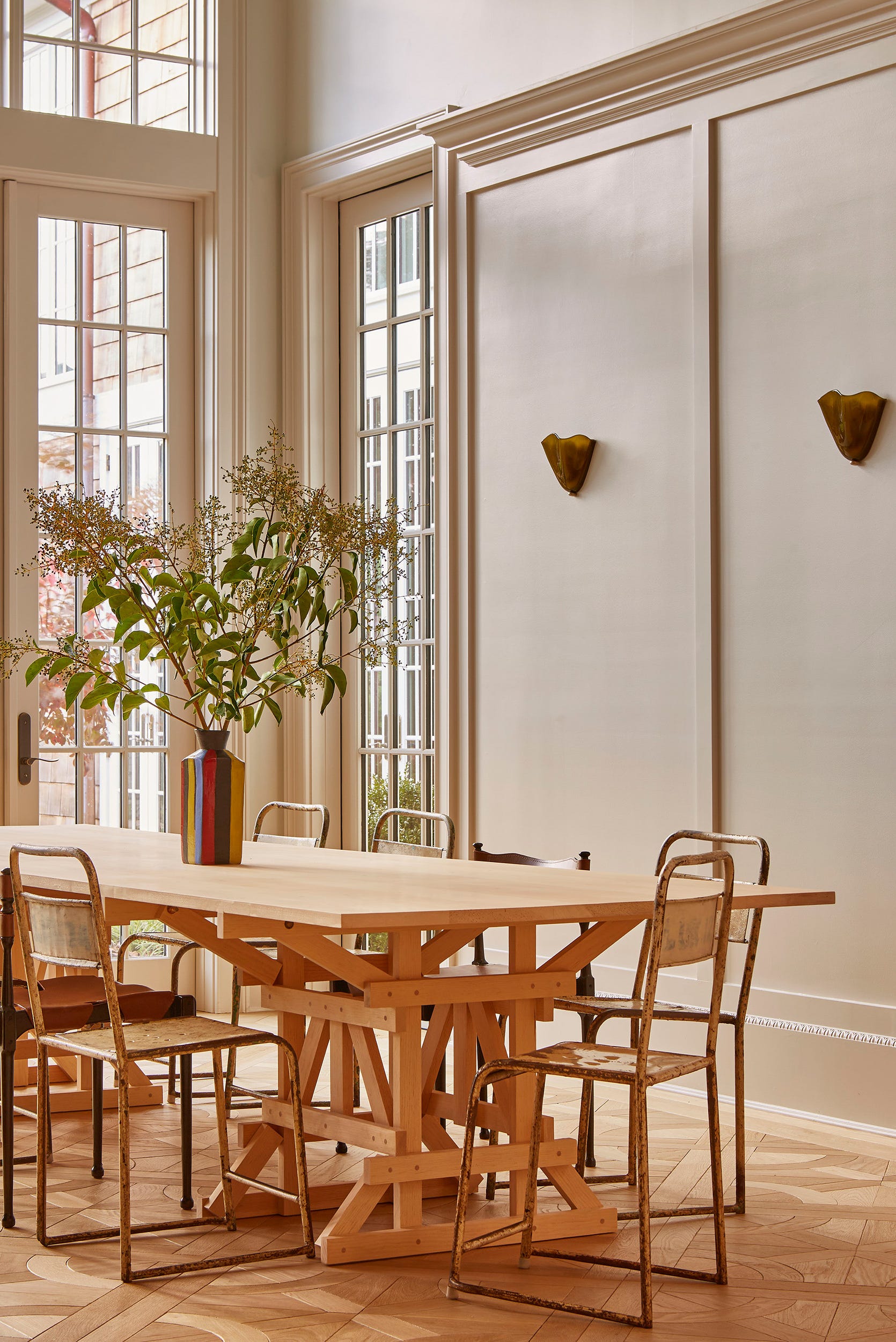
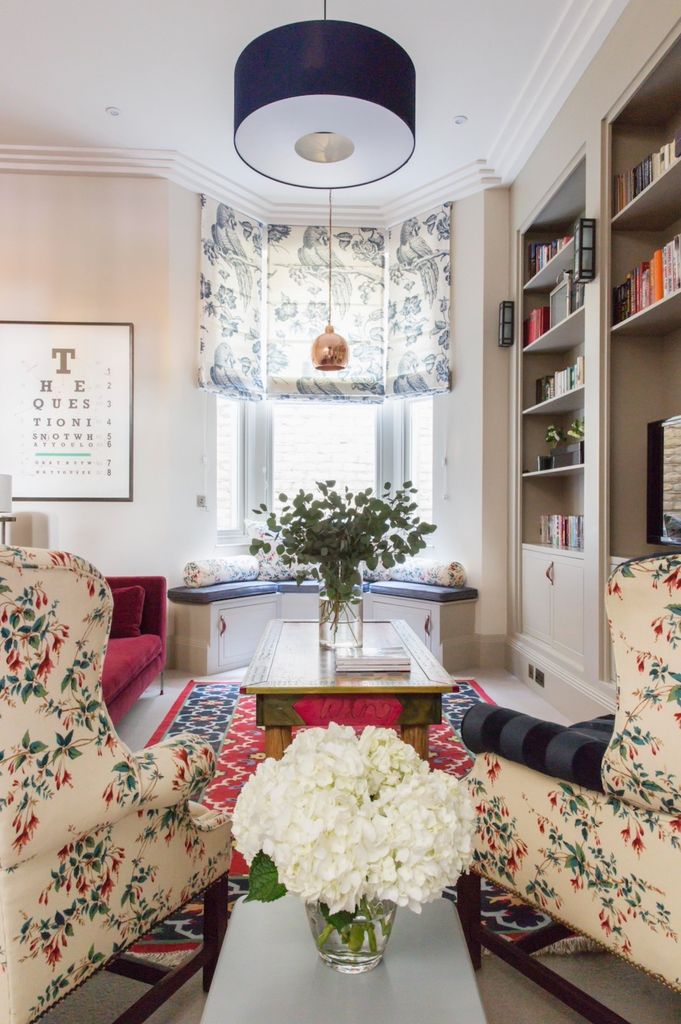
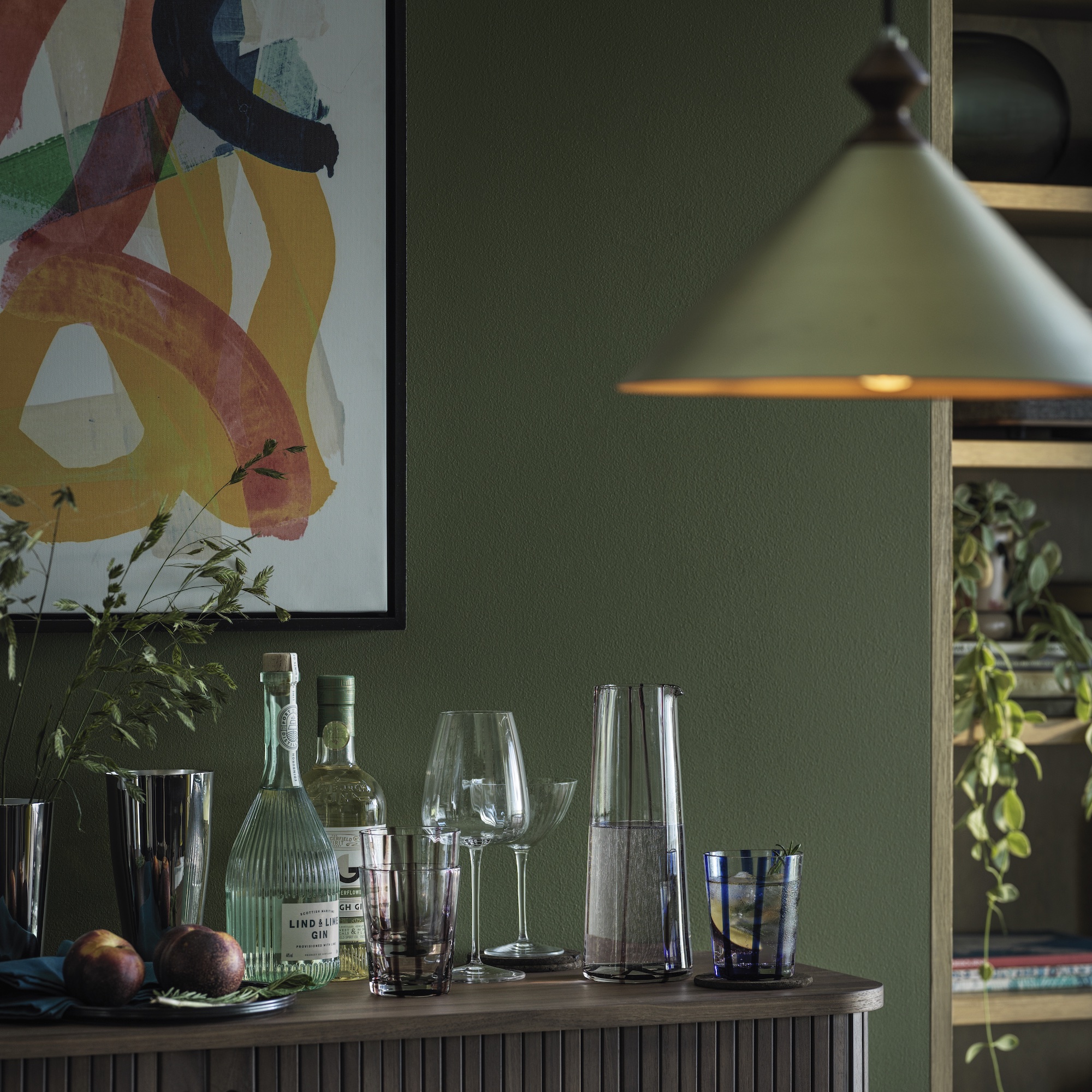
Finally, an unexpected layout can powerfully edit a dining room's appeal. Shifting the dining table from a central position to a sunny corner can create a new perspective and visual interest. The vacated space can then be utilized for a settee, a stylish chair, and a floor lamp. For small dining rooms, re-arranging existing furniture or adding a new impactful piece can surprisingly enhance the space. Layered lighting, including sconces and dimmer switches, allows for adjustable ambiance, transitioning from formal to informal settings effortlessly. By paying attention to finishes, lighting, wallpaper, comfort-focused elements, statement pieces, and innovative layouts, any dining room can become a luxurious and inviting area.
#DiningRoomDesign #InteriorDesignTips #HomeDecor #LuxuryInteriors #LightingDesign #WallpaperTrends #FurnitureArrangement #HomeElevation #DiningRoomDesign #InteriorDesignTips #HomeDecor #LuxuryInteriors #LightingDesign #WallpaperTrends #FurnitureArrangement #HomeElevation
0 commenti in totale
 Nessun commento ancora
Potresti anche gradire
12 Layout Tricks Designers Use to Make Dining Rooms Feel Bigger and Brighter

The Dining Room Design Trend That Elevates Every Dinner Party

6 Underrated Designer Secrets That Instantly Make Any Room Look Better
12 Layout Tricks Designers Use to Make Dining Rooms Feel Bigger and Brighter

These Designer-Approved Dining Room Ideas Will Elevate ANY Entertaining Space

7 different interior designers on ingenious ways they use paint to easily elevate a room
6 Designer Tips for Showcasing the Dining Room
11 Pro Tricks to Make It Look Like You Have High Ceilings
9 simple tricks to elevate your small living room according to an interior designer

6 Styling Tricks Designers Always Use to Make Any Dining Room Look Instantly Finished
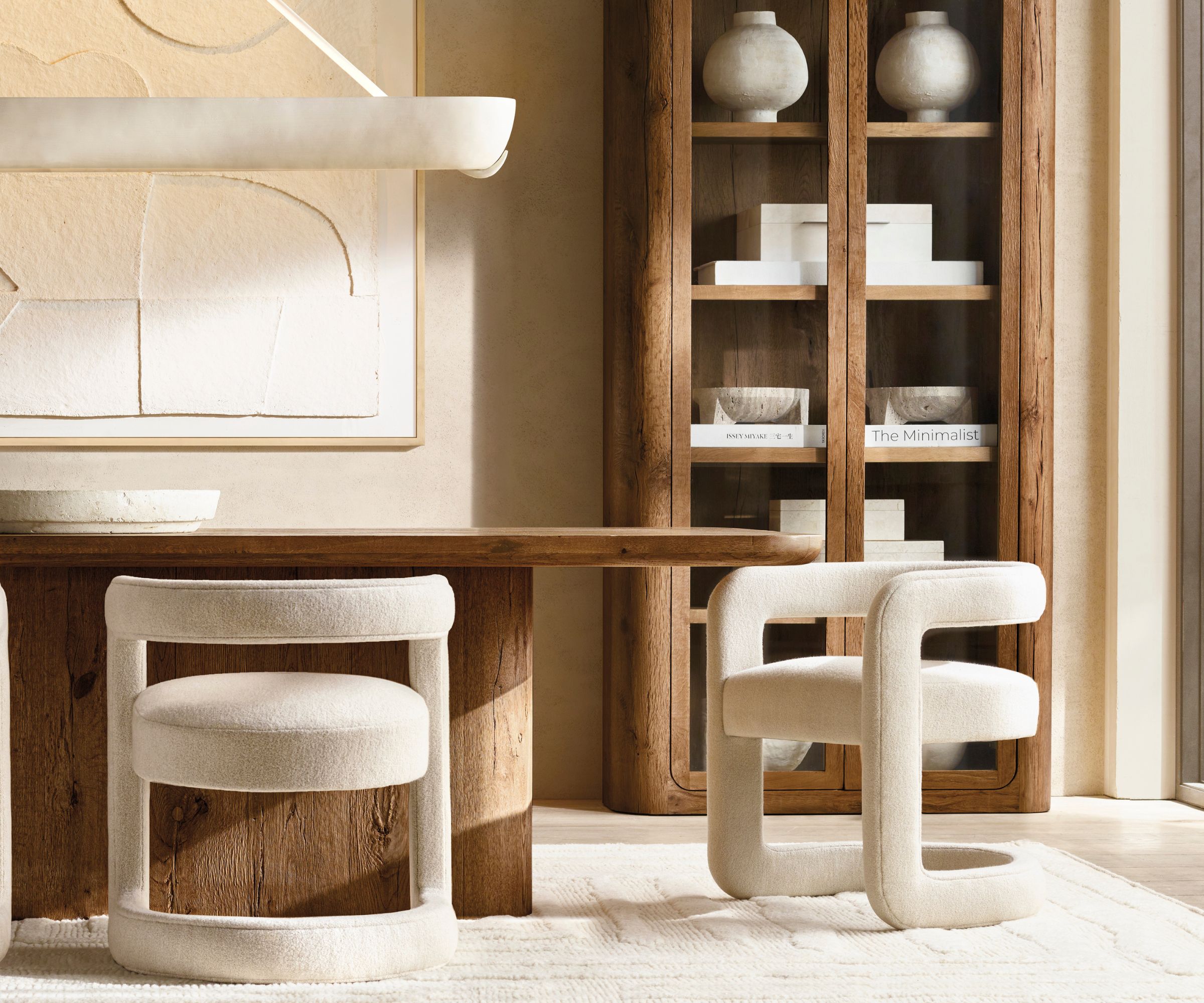
RH dining room ideas – 10 ways to recreate a designer space
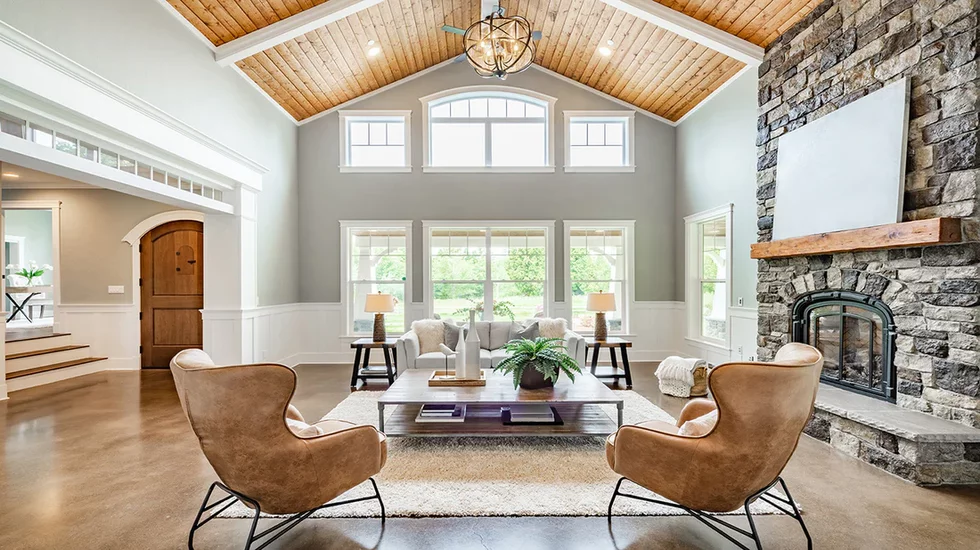
8 ways to elevate your living room, kitchen, bathroom, and bedroom

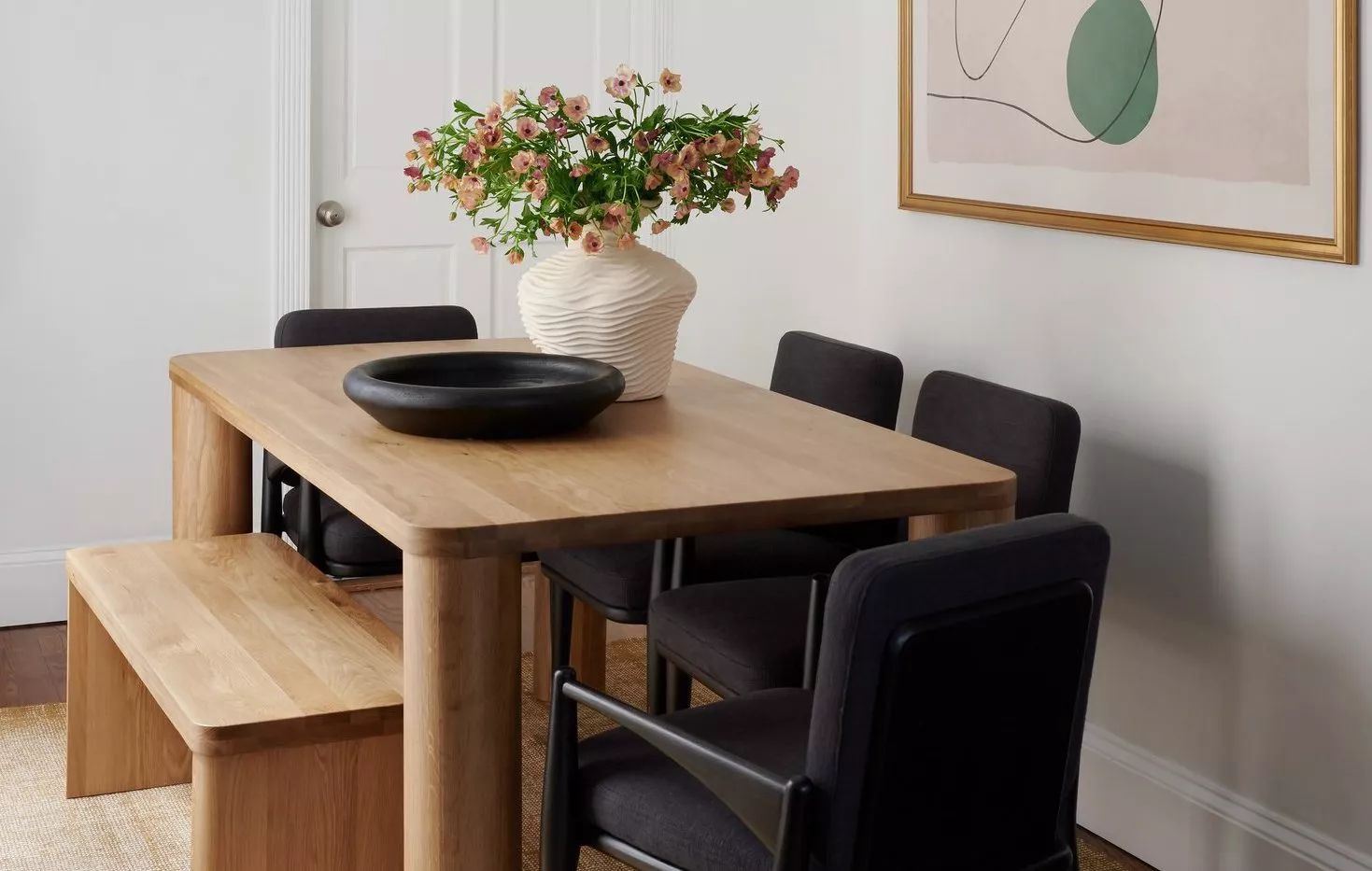
6 Easy Ways to Make Any Small Dining Room Look Larger—Instantly
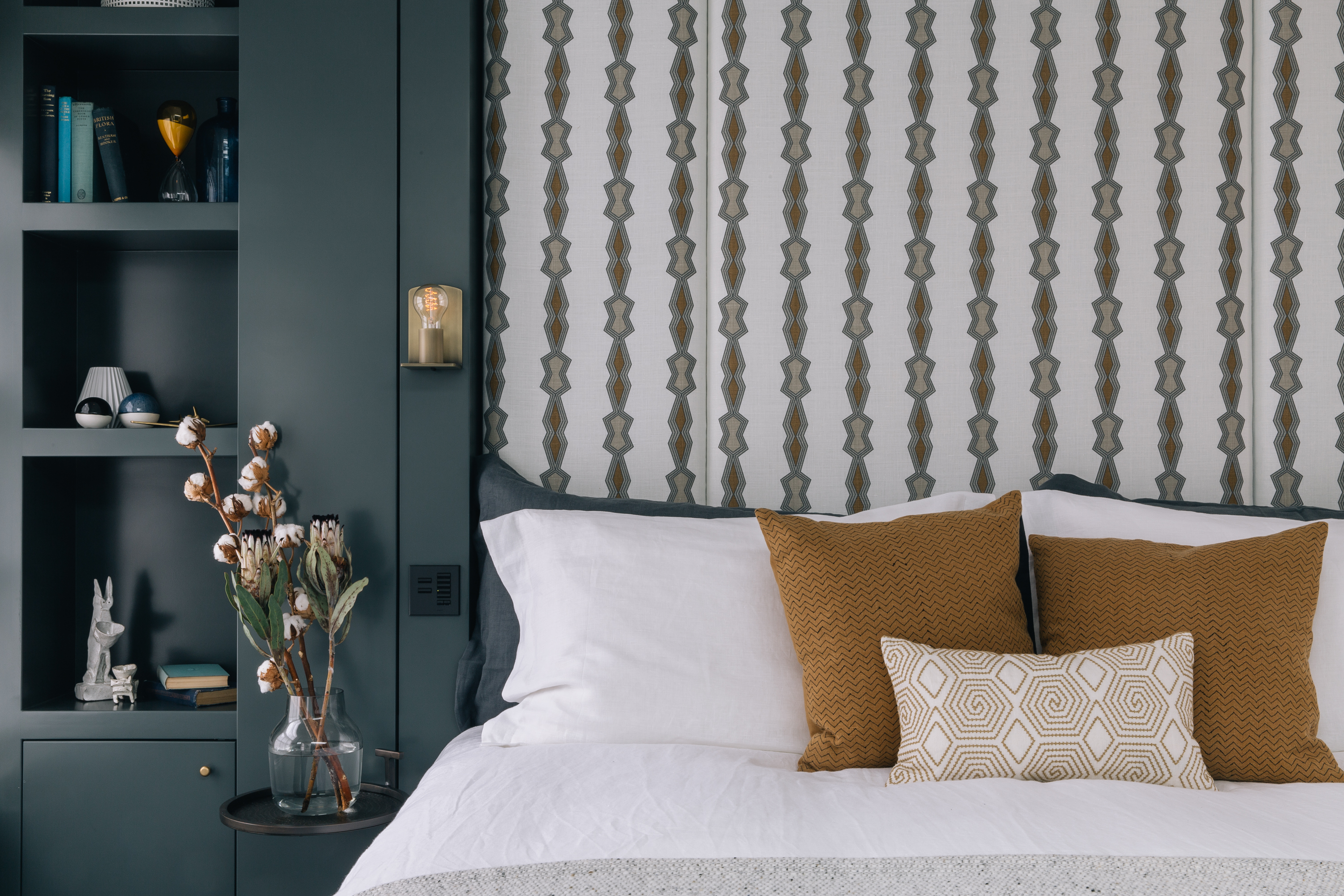
7 tricks design experts use to make a bedroom ceiling seem higher
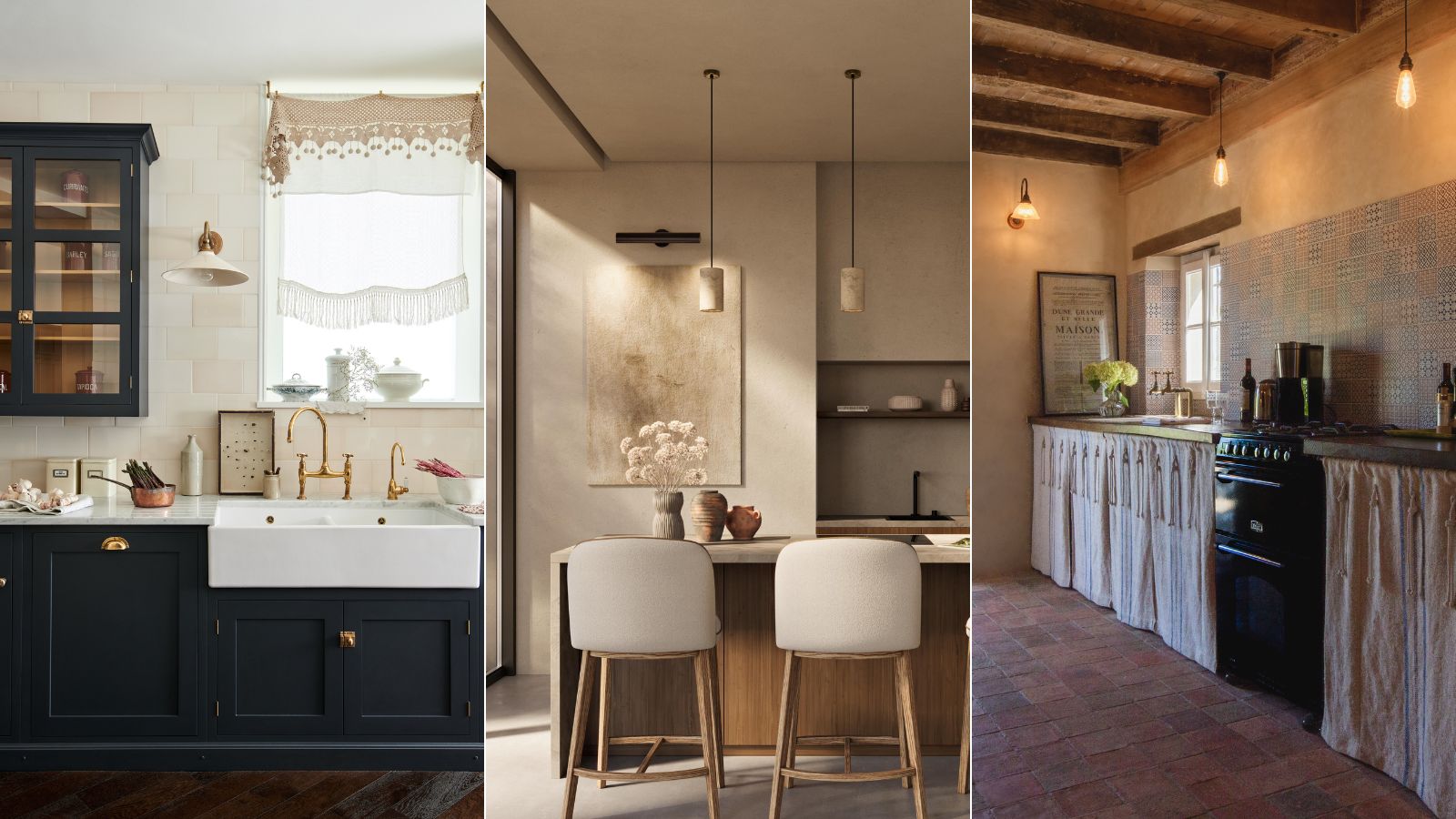
Designers say that lighting is the easiest way to elevate your kitchen
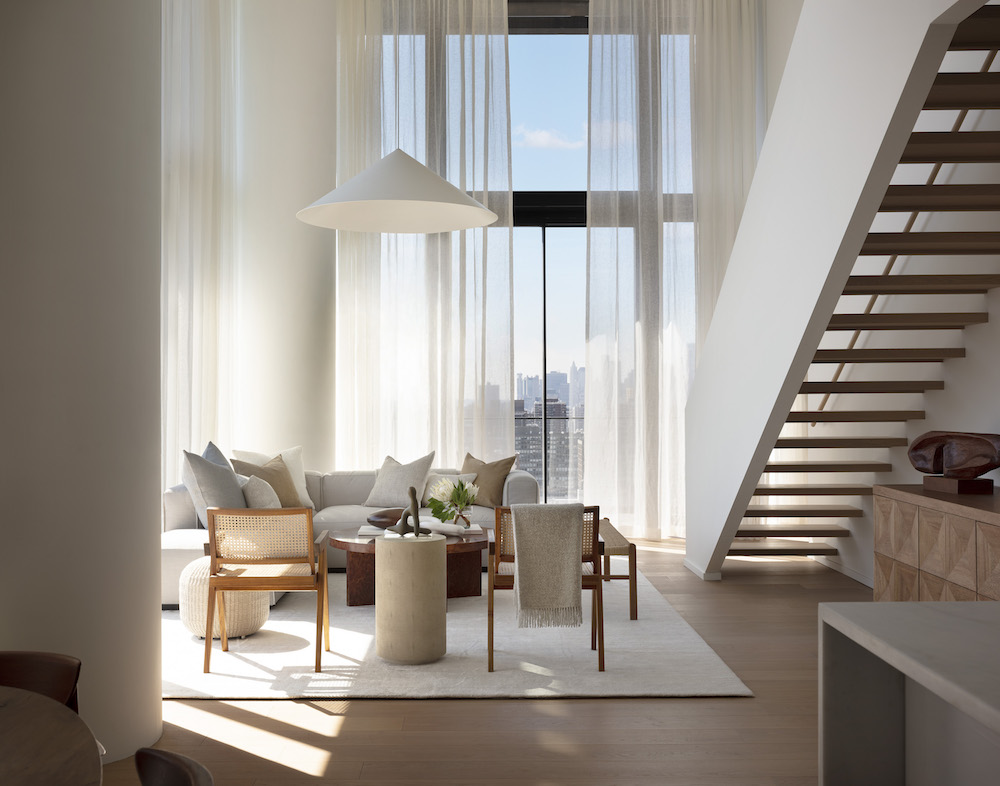
4 steps to creating a Michelin-worthy dining room atmosphere at home

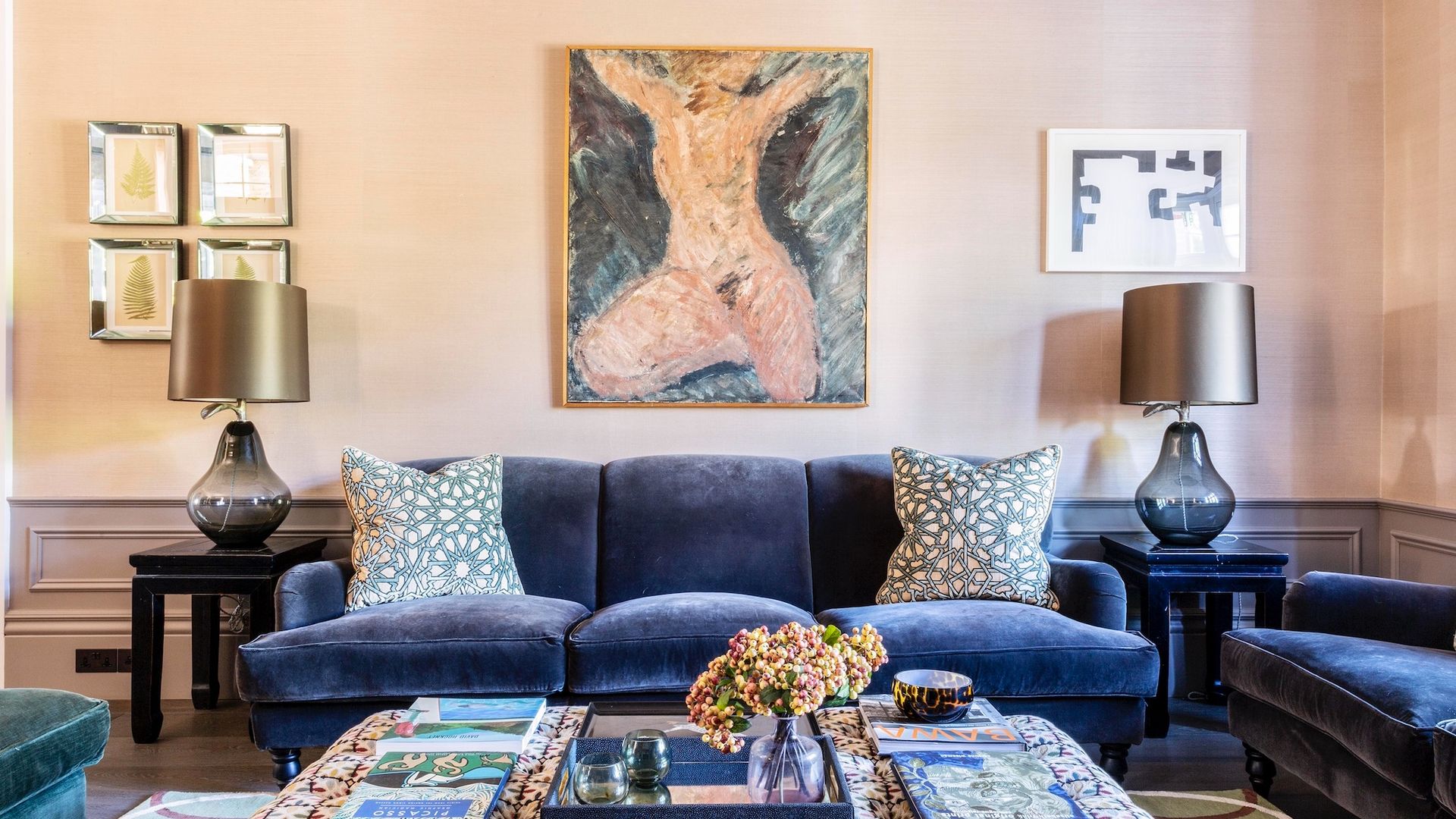
9 simple tricks to elevate your small living room according to an interior designer

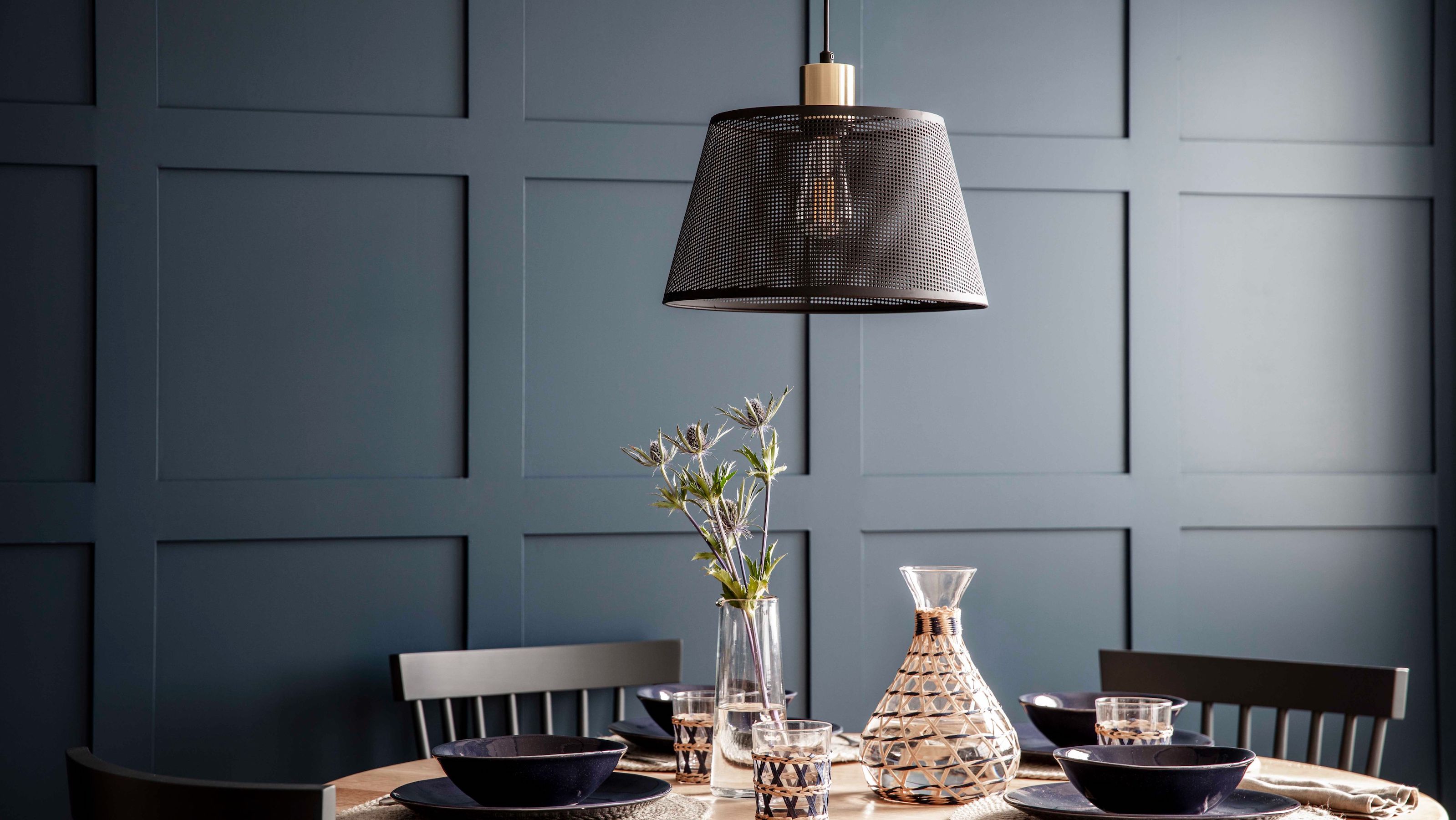
Lighting a dining room – expert tips to give mealtimes a glow-up
10 things designers do to make rooms look bigger – strategies for success from the experts
7 Ways To Make A Small Dining Room Feel Bigger, According To Designers