1/9
6 places you should never put your air fryer in your kitchen, according to appliance experts
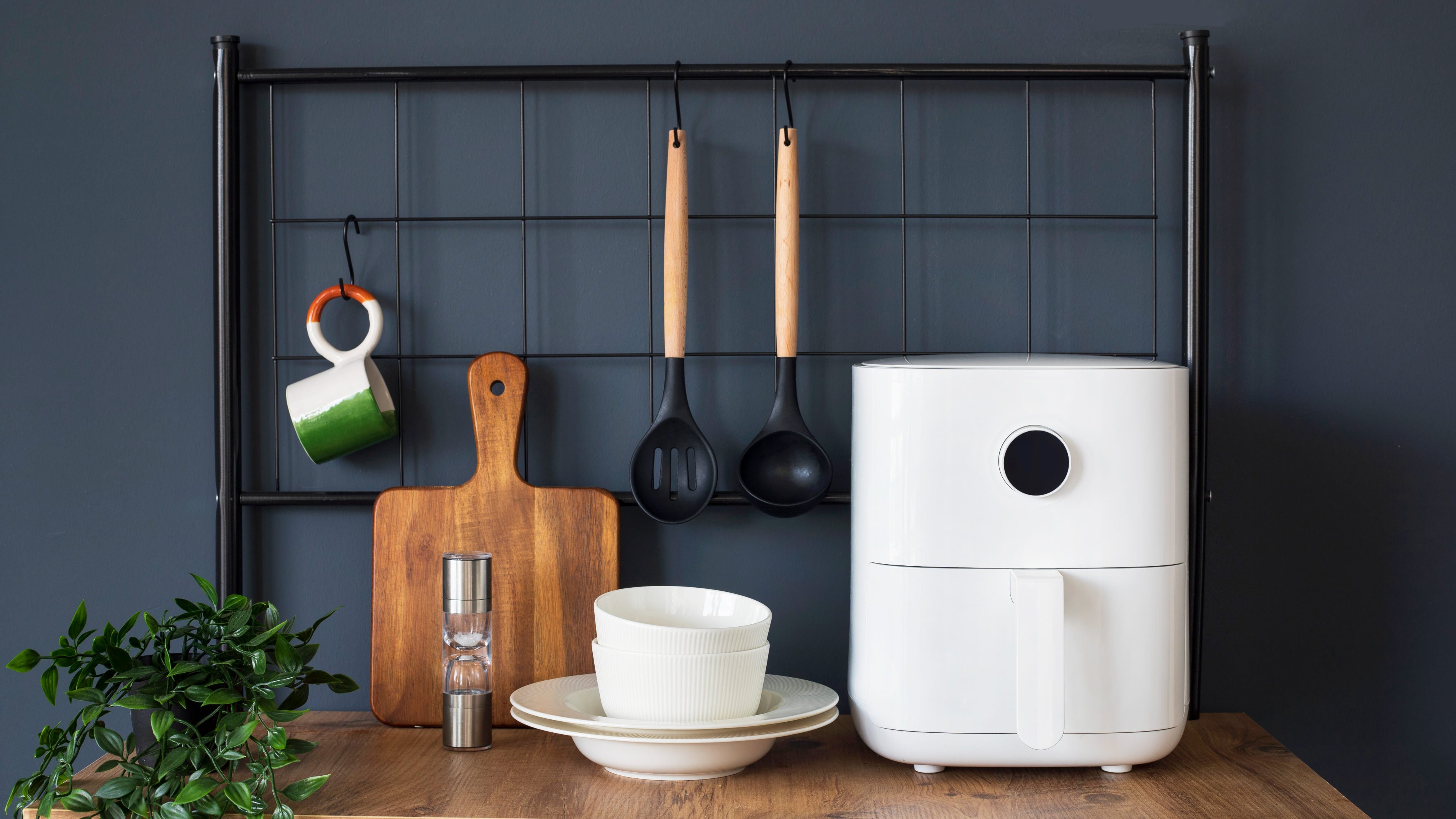
The placement of an air fryer in a kitchen is a critical aspect often overlooked, despite its significant impact on household safety and appliance longevity. Air fryers, which function similarly to mini convection ovens, require specific environmental conditions to operate safely and efficiently. Improper placement can lead to overheating, potential fire hazards, and damage to both the appliance and surrounding kitchen elements.
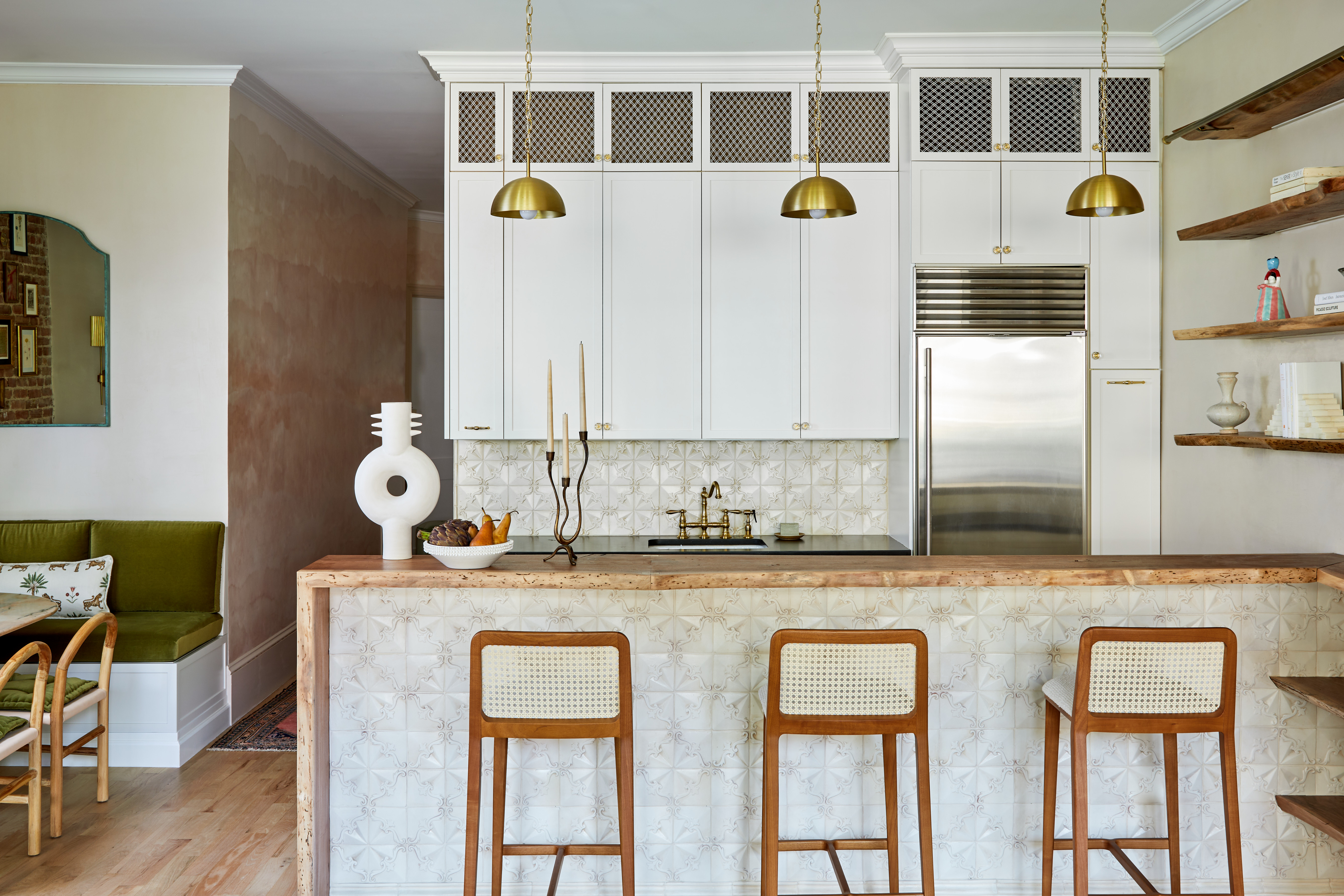
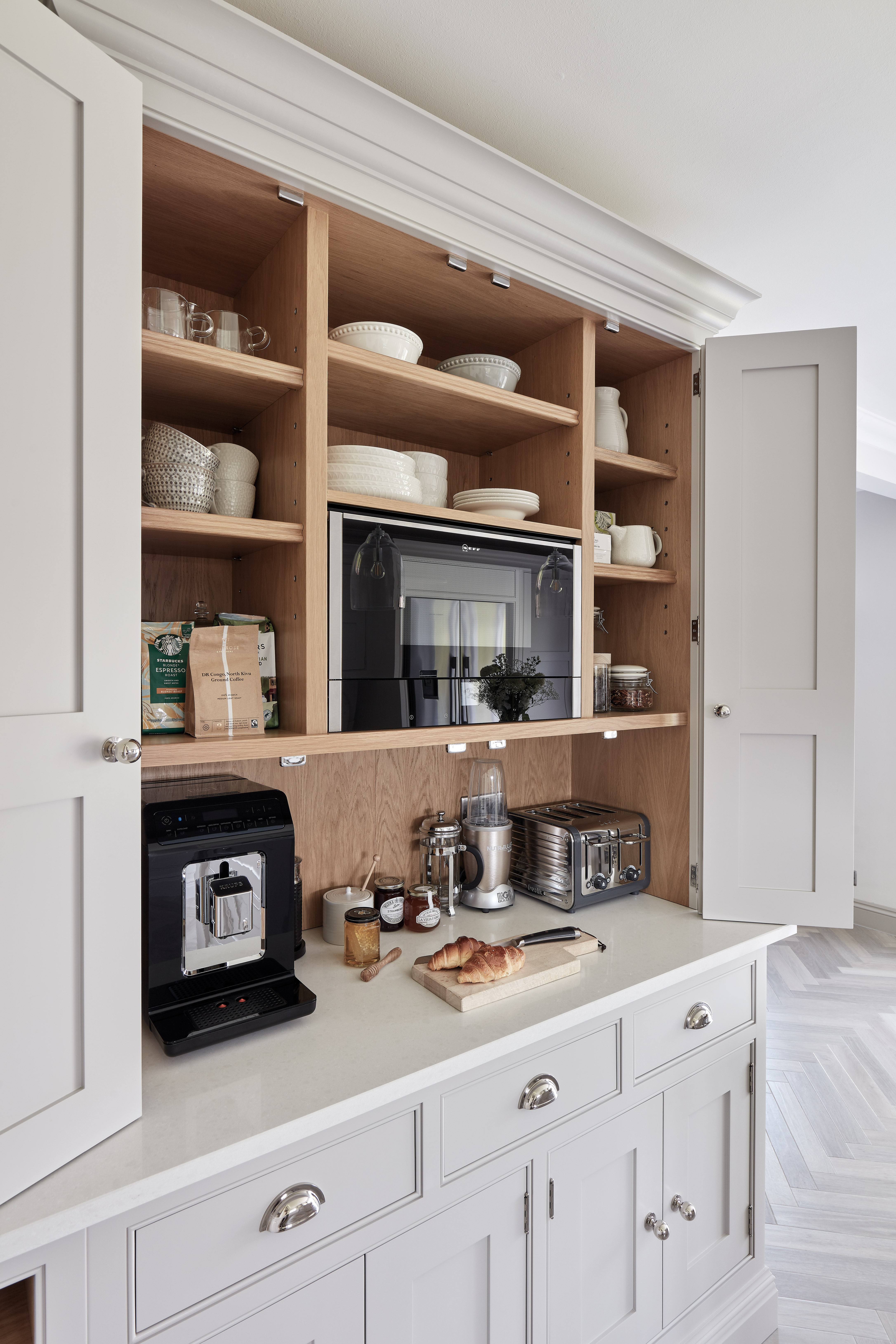
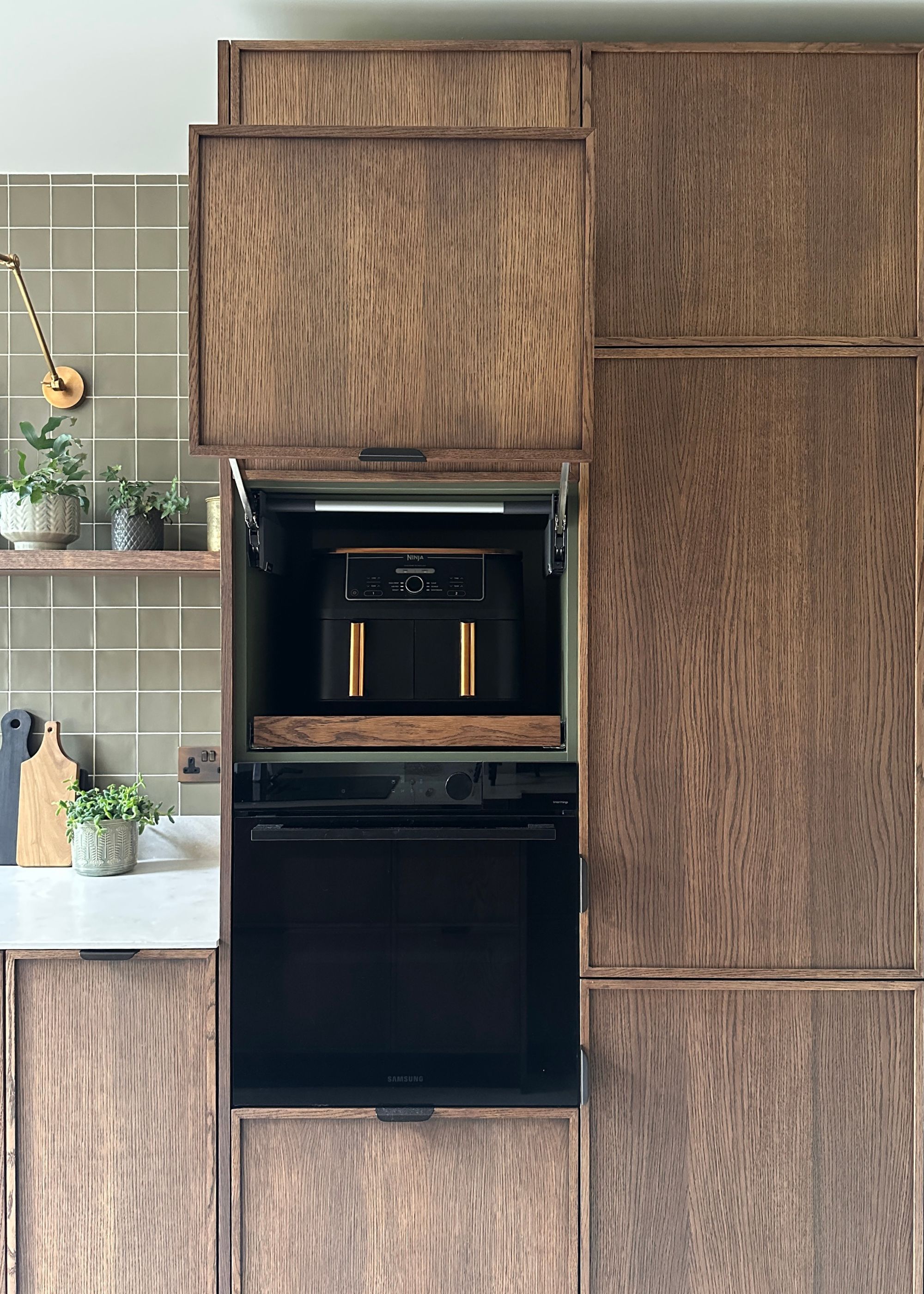
One crucial consideration is ventilation. Air fryers release hot air during operation, and restricting this airflow can cause the appliance to overheat. Therefore, air fryers should never be placed directly under low cabinets. Not only does this hinder proper ventilation, but the heat emitted can also damage kitchen cabinetry, leading to discoloration, warping, or even structural integrity issues over time. Similarly, using an air fryer inside a closed cupboard is highly discouraged for the same ventilation reasons.
Another hazardous placement involves positioning the air fryer too close to other heat-producing appliances, such as ovens, stovetops, or even toasters. This creates an accumulation of heat in a concentrated area, which can damage all involved appliances and significantly increase the risk of fire. Maintaining adequate space between kitchen appliances is essential for preventing such heat build-up and ensuring safe operation.
Placing an air fryer directly against a wall or too close to plug sockets is also ill-advised. The steam and hot air expelled from the back of the air fryer need an escape route. If the appliance is pressed against a wall, this can lead to moisture damage on the wall and electrical sockets, and in severe cases, it can pose a fire hazard. Experts recommend keeping at least 5cm of space between the air fryer and any walls or plugs. For kitchens with limited counter space, using castor wheels on the air fryer can be a practical solution, allowing it to be easily moved away from walls during use and then repositioned for storage.
Safety dictates keeping all electrical appliances, including air fryers, away from water sources. Placing an air fryer near a kitchen sink or taps increases the risk of electrical hazards, such as short circuits or electric shocks. This principle also extends to cleaning methods; filling an air fryer basket with water and turning it on, a common but dangerous cleaning hack, should be avoided as it combines electricity and water unsafely.
Furthermore, flammable items should be kept at a safe distance from an operating air fryer. Curtains, dish towels, paper products, and other combustible materials can easily ignite if they come into contact with the hot air or surface of the appliance. Ensuring a clear perimeter around the air fryer is vital to prevent accidental fires.
Finally, the surface on which an air fryer rests must be stable and level. An unstable surface risks the appliance tipping over, potentially spilling hot food or causing damage to the unit and surrounding areas. A cluttered countertop can also impede safe operation and proper airflow, necessitating an organized and clear space for the air fryer. The heat emitted from an air fryer, particularly steam, is typically not a concern as long as it is not directed at valuable items, directly against walls, or trapped under low cabinets. For dual-zone air fryers, steam and heat often exit from the sides, which can be advantageous in protecting rear surfaces. Adhering to these guidelines ensures both the safety of the household and the optimal performance and longevity of the air fryer.
#AirFryerPlacement #KitchenSafety #ApplianceCare #KitchenAppliances #HomeSafety #KitchenDesign #Ventilation #FirePrevention #AirFryerPlacement #KitchenSafety #ApplianceCare #KitchenAppliances #HomeSafety #KitchenDesign #Ventilation #FirePrevention
0 commenti in totale
 Nessun commento ancora
Potresti anche gradire
The 5 worst places to put a microwave in a kitchen, according to experts
6 Mistakes With Your Kitchen Stove's Feng Shui to Avoid

Where should your dishwasher really go? Expert top tips on this appliance's placement in the kitchen
6 Things You Should Never Store in Your Kitchen Cabinets—and Where to Keep Them Instead


How to Hide an Air Fryer in a Kitchen — 6 Practical Solutions to Conceal Bulky Appliances From Sight
Where should you place a coffee machine in your kitchen? Experts share advice to avoid potential hazards

This 'Air Fryer Garage' Is The Next Must-Have Kitchen Feature

Never store these 6 things on open kitchen shelving, warn pro organisers

How to Hide an Air Fryer in a Kitchen — 6 Practical Solutions to Conceal Bulky Appliances From Sight
Wi-Fi Technicians Reveal the 5 Worst Spots to Place Your Router

Is your air purifier in the best spot? Follow these rules


This is the one place Feng Shui experts say you should never put your sofa – and it's a surprisingly common layout
This Is the #1 Mistake to Avoid When Using an Air Fryer, According to TikTok
6 areas of your home you should never insulate – and why it's a hazard that can do more harm than good

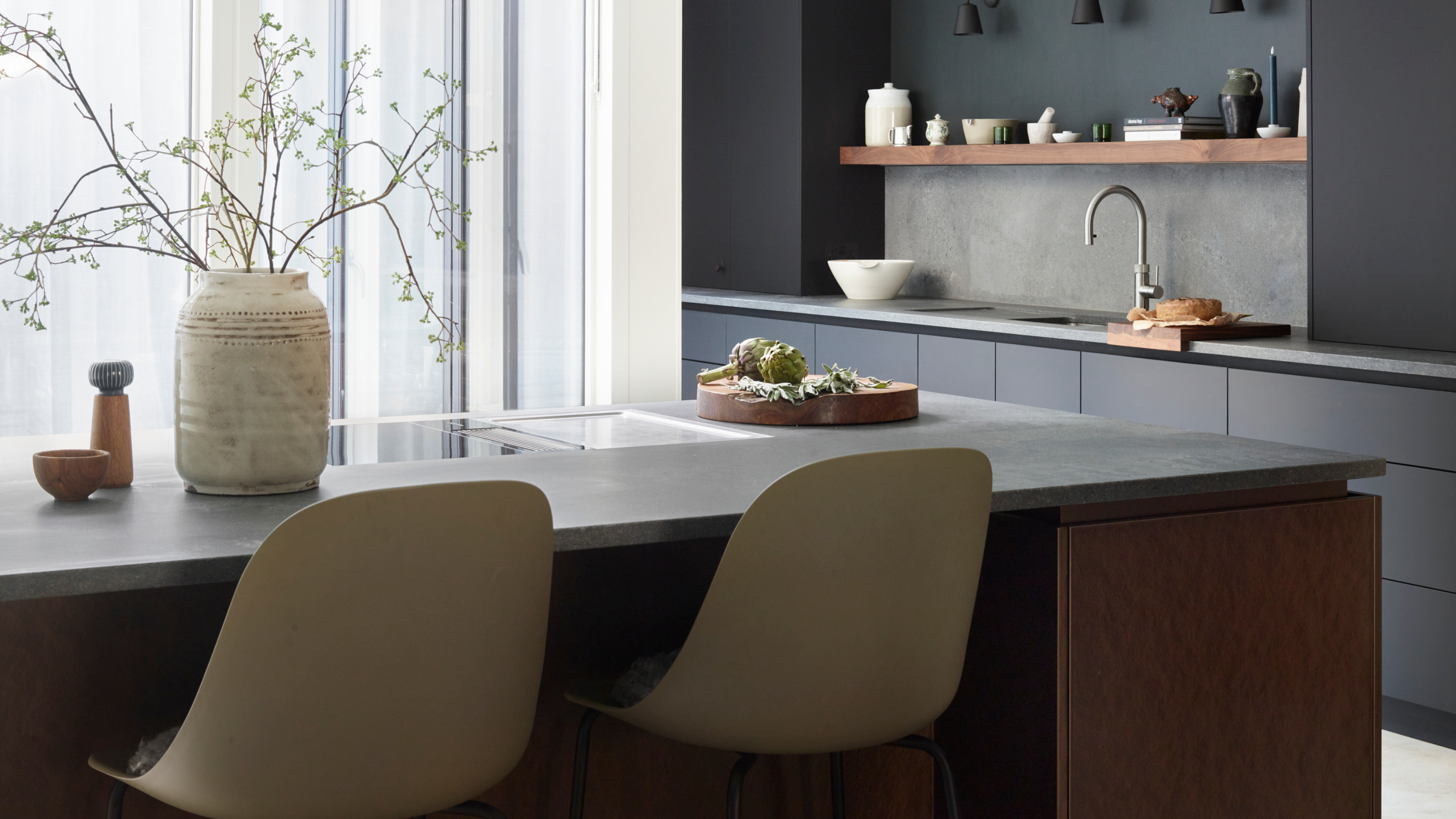
5 Times It'd Be a Mistake to Put a Hob on Your Kitchen Island — And How to Get It Right

This is the one place Feng Shui experts say you should never put your sofa – and it's a surprisingly common layout

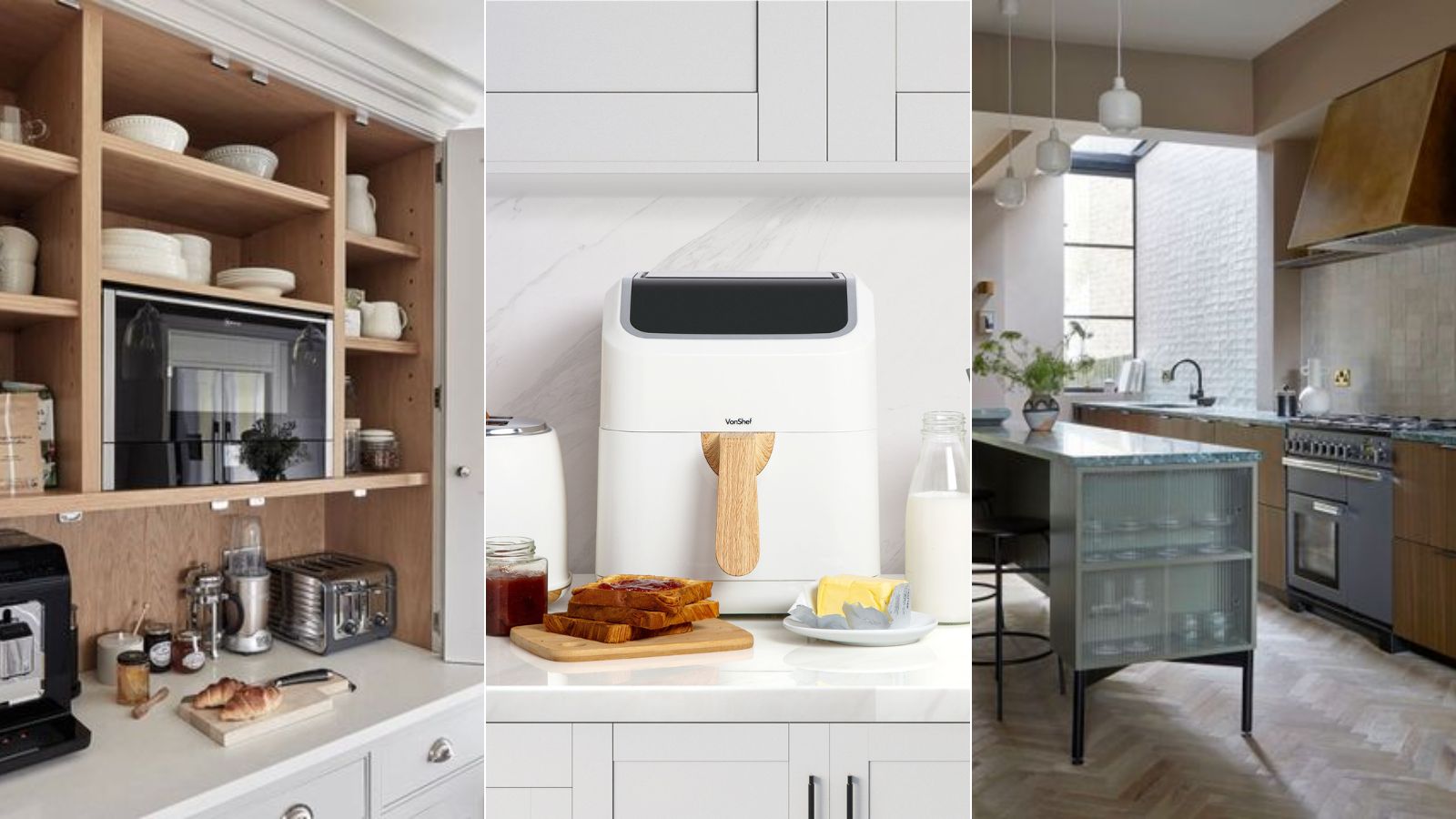
How to conceal an air fryer in a kitchen – 7 practical solutions
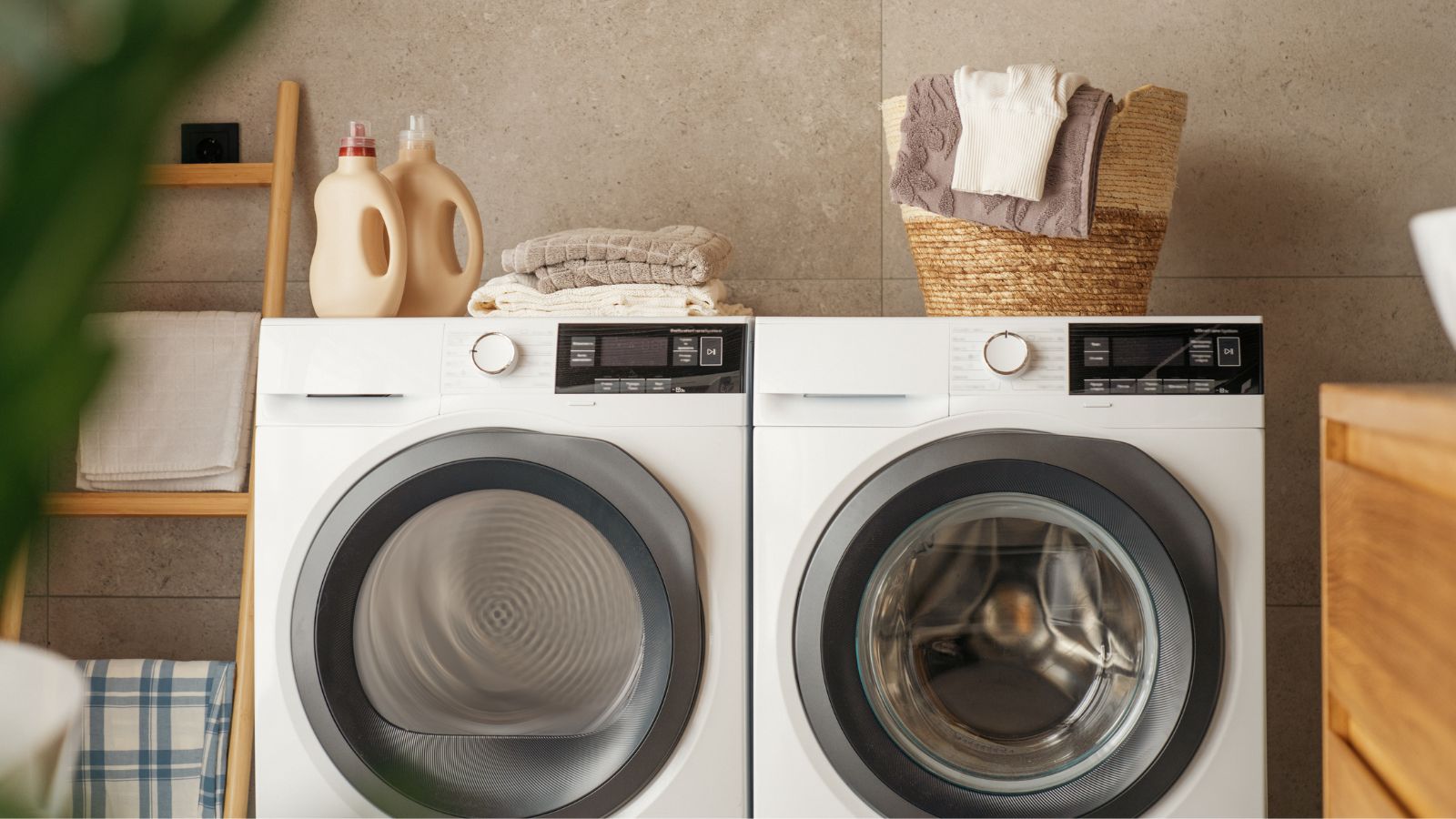
This washing machine placement mistake could be damaging your appliance – here's where to put it instead
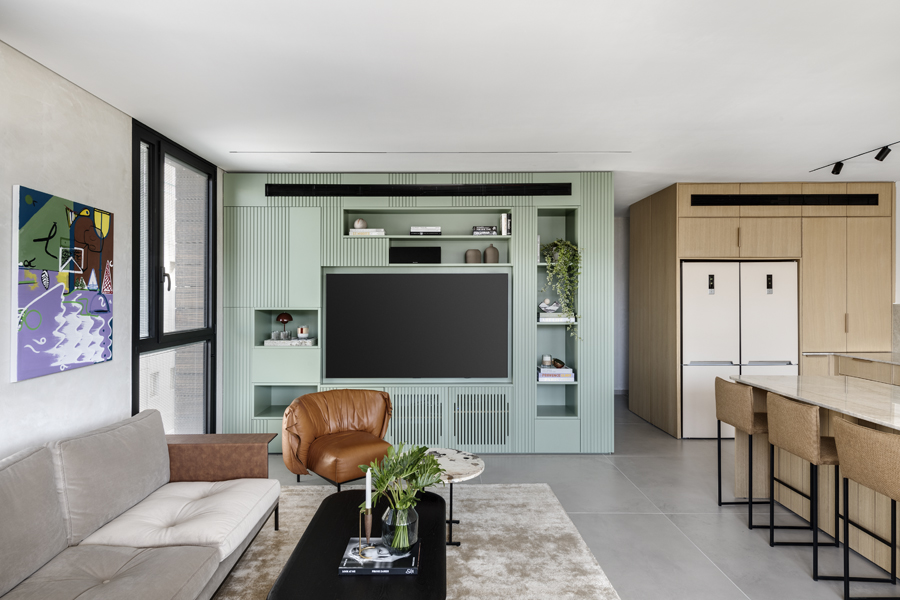
These are the 7 biggest mistakes you can make when deciding where to put your TV, according to Feng Shui masters

8 shockingly common kitchen design mistakes according to a pro