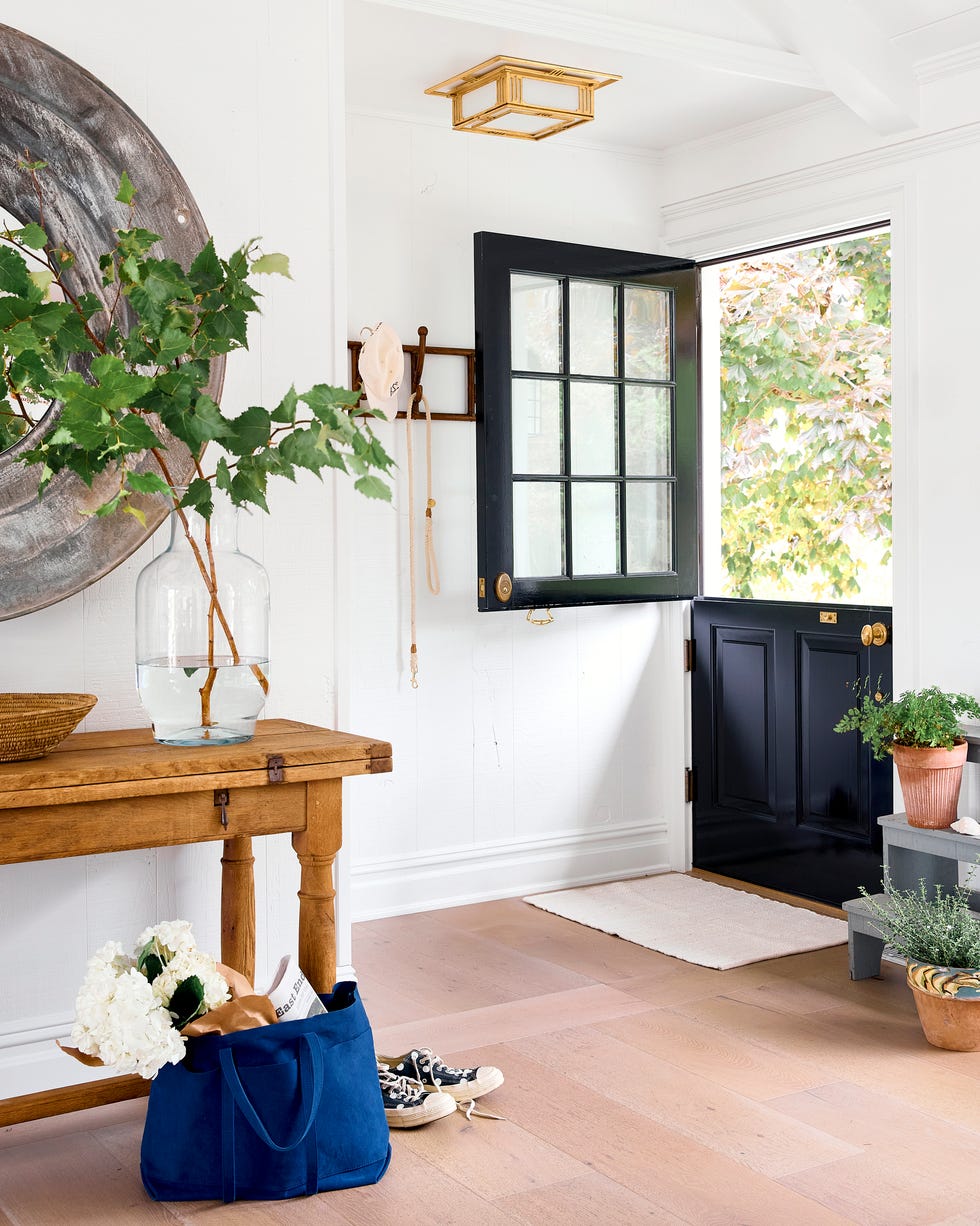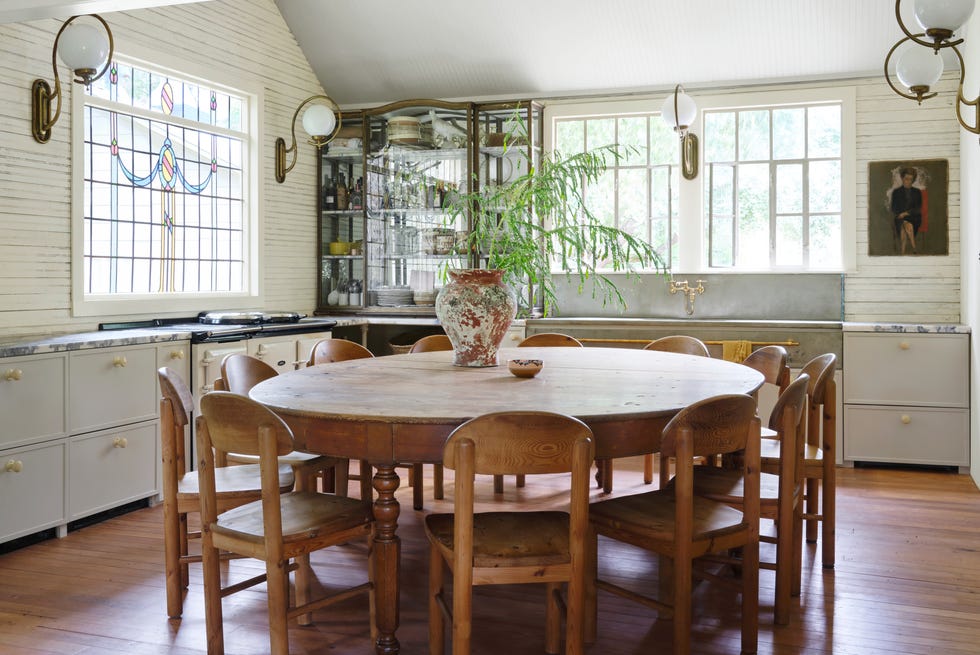

How is an aging baby boomer generation changing the design of homes?
The demographic shift caused by the aging baby boomer generation, specifically the 75 million Americans born between 1946 and 1964, is significantly influencing home design. Unlike previous generations that often transitioned to retirement communities, a substantial majority of boomers express a strong desire to age in place, preferring to remain in their own homes. A 2000 AARP survey revealed that 71 percent of Americans aged 45 and older strongly desired to stay in their current residences. This preference for "aging in place" is projected to be the second-biggest influence on home design in the coming years, primarily due to the need to adapt homes for decreased mobility and physical capabilities that can accompany older age.
To address these evolving needs, baby boomers are increasingly adopting universal design principles. Universal design, a concept developed by a wheelchair-bound architect in the 1970s, advocates for designing environments that are usable by all people, regardless of age, ability, or disability. This approach allows for the harmonious integration of function and aesthetics, ensuring that homes are not only accessible but also visually appealing and indistinguishable from conventionally designed homes. The AARP has become a key proponent of universal design, actively promoting it to its members. This advocacy has led to a noticeable increase in requests for universal design modifications, with 75 percent of contractors surveyed by the National Association of Home Builders reporting a rise in work related to aging in place.
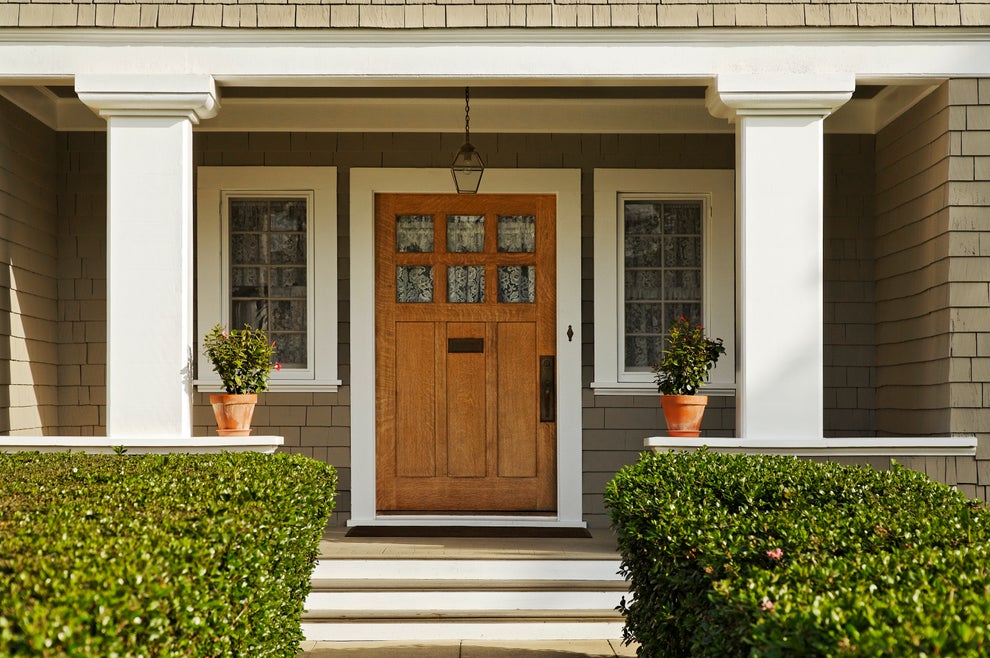
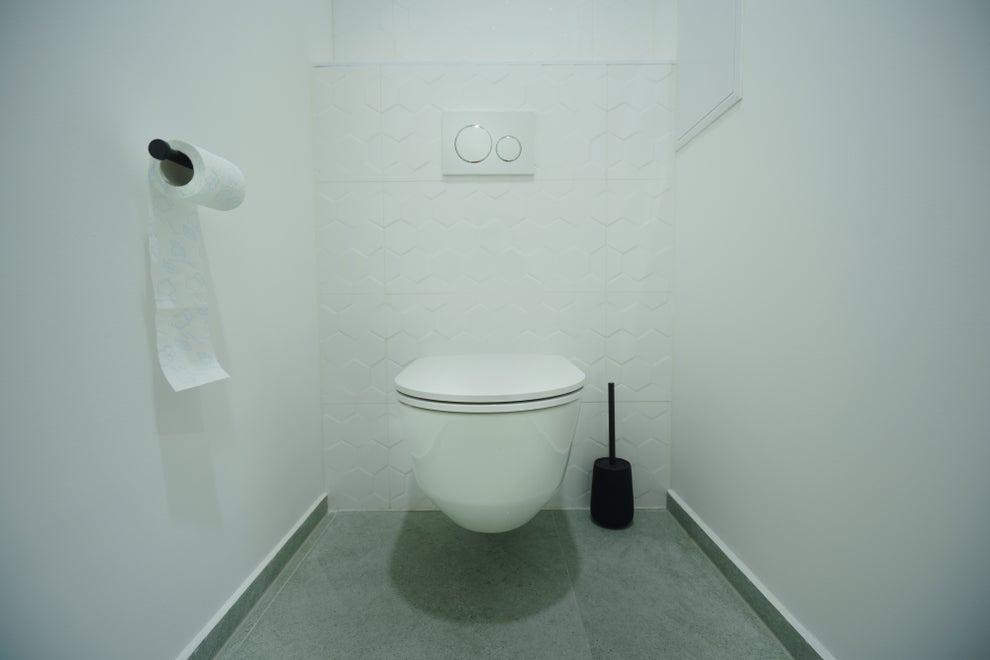
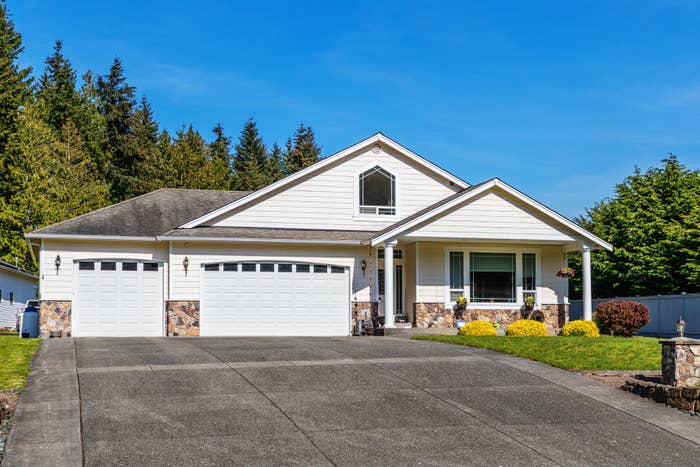
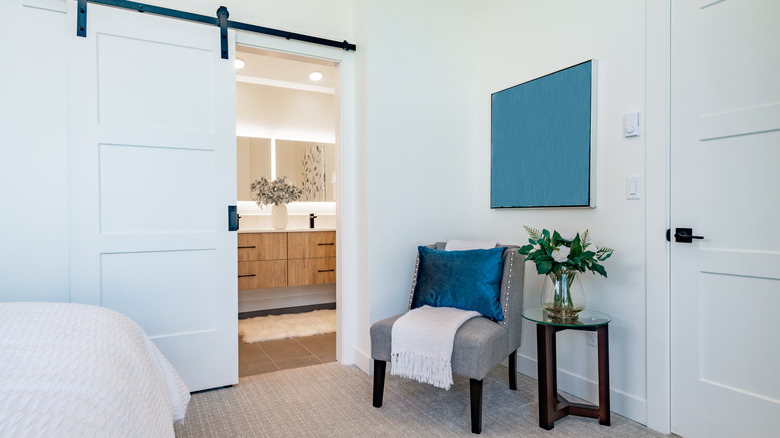
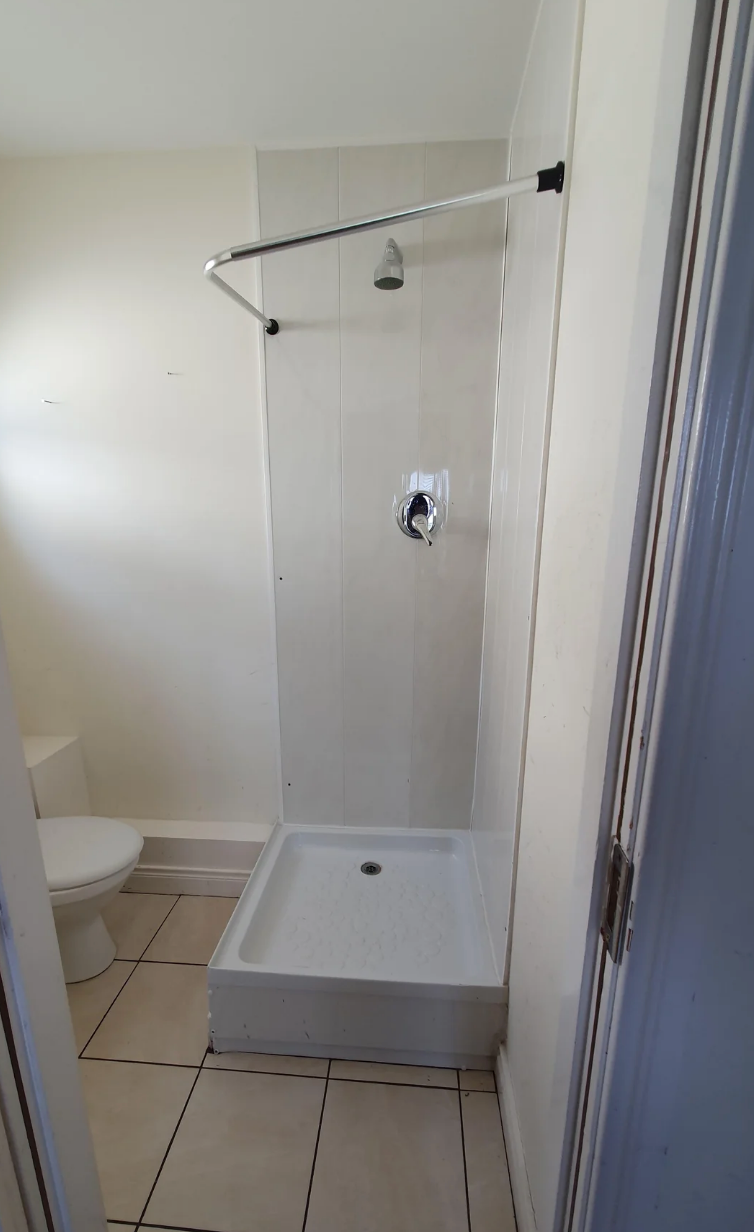
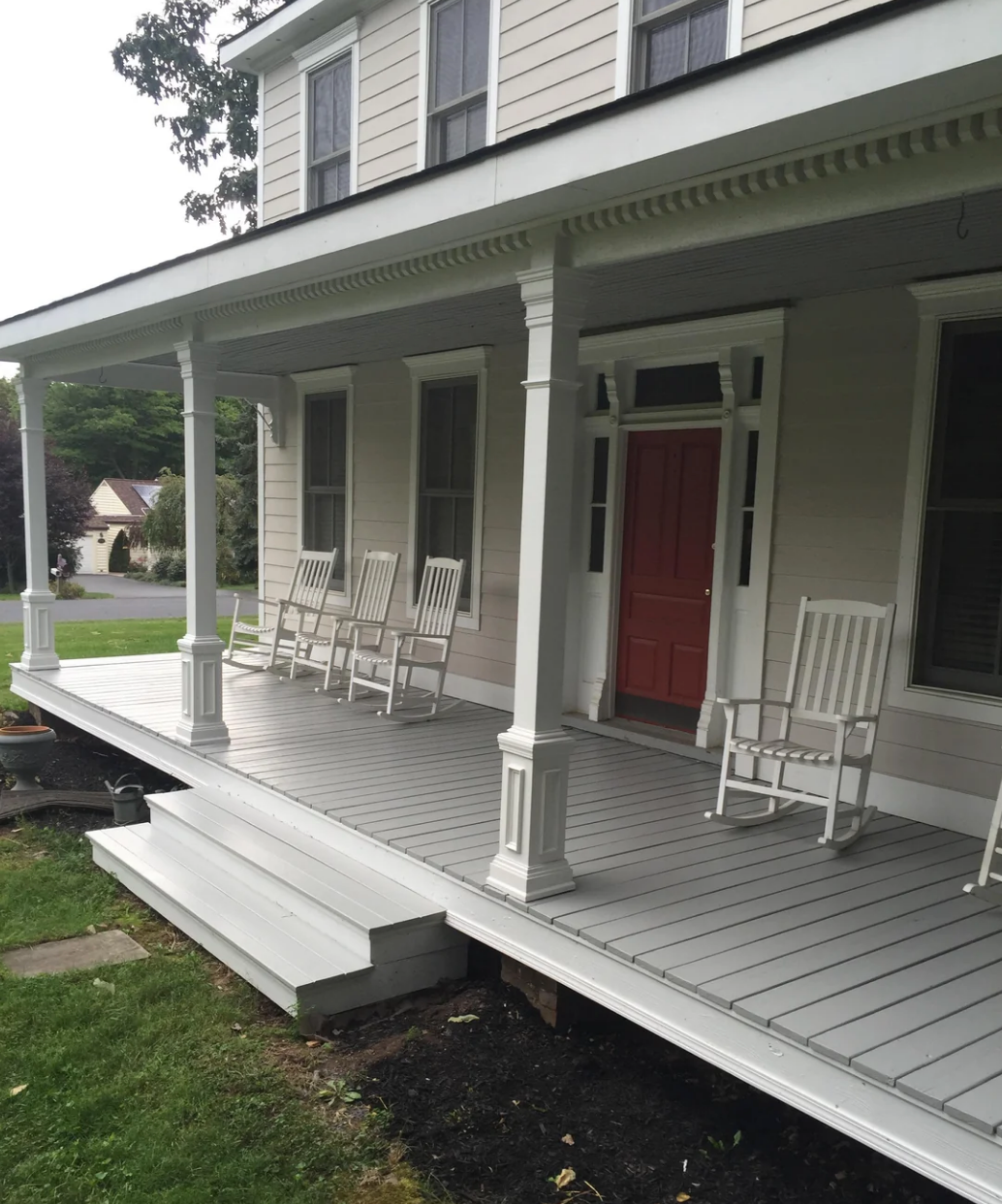
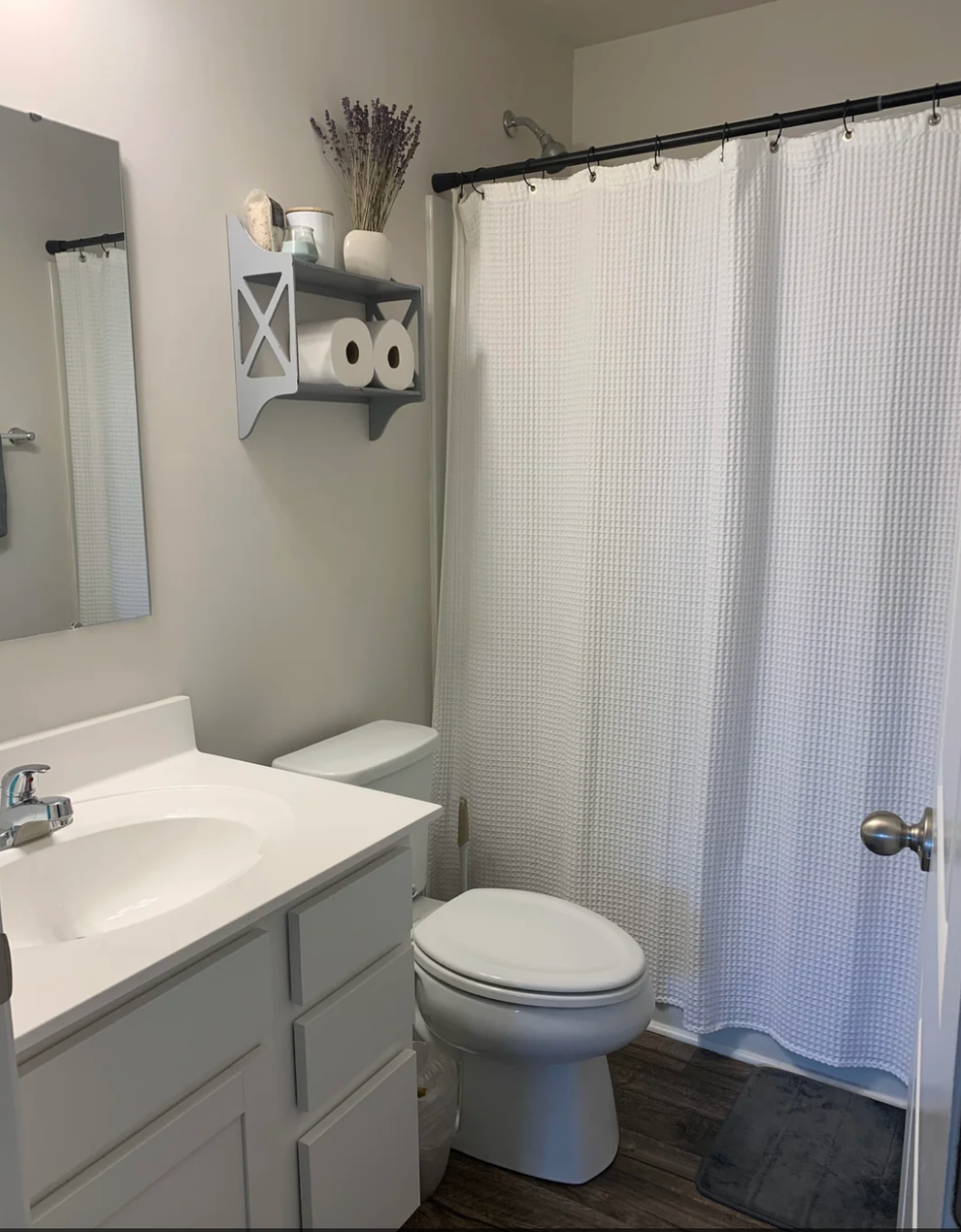
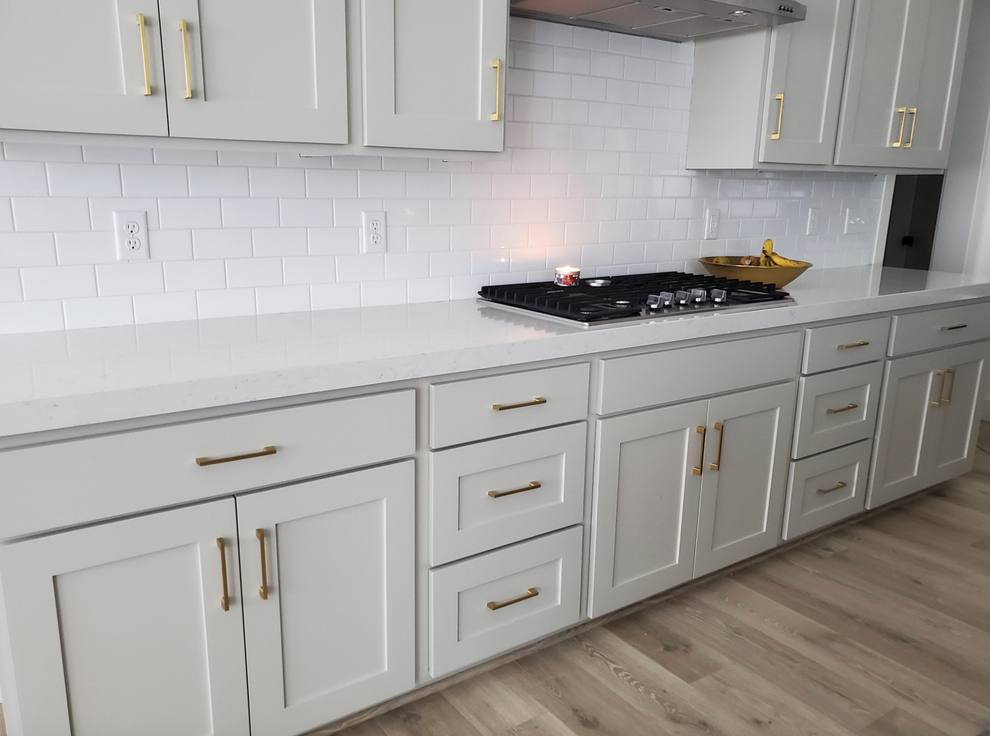
Universal design is guided by several core principles: equitable use, flexibility in use, simple and intuitive operation, perceptive information, tolerance for error, low physical effort, and appropriate size and space for approach and use. These principles translate into practical home features such as stepless entryways, lever door handles for easier grip, and at least one bedroom located on the ground floor, often the master bedroom, to allow for single-level living when stairs become challenging. Homes with universal design also typically feature wide hallways to accommodate wheelchairs, hardwood floors instead of restrictive carpeting, and abundant lighting. Light switches, outlets, and thermostats are positioned no higher than 48 inches (1.2 meters) off the floor for easy access. In the kitchen, appliances like microwaves are placed on countertops, and countertops themselves are slightly lower than standard to facilitate use by both seated and standing individuals. Bathrooms often include higher toilets, multi-level countertops, and walk-in or wheel-in showers, with reinforced walls for the future installation of grab bars, which are now available in more stylish designs.
Incorporating universal design features from the initial building phase is significantly more cost-effective than retrofitting an existing home. Building a new home with universal design may add only about 5 percent to the total cost, or sometimes incur no additional cost, offering substantial savings compared to the expenses of a retirement community. In contrast, retrofitting can be up to 20 times more expensive for certain features. For example, a wider doorway might cost an additional $6 during new construction but $650 during a remodel. Similarly, installing an elevator in a home with stacked cabinets could cost around $20,000 as part of a renovation, compared to approximately $50,000 for a completely new installation. It is advisable to plan for universal design well in advance, rather than waiting until such features become a necessity.
The benefits of universal design extend beyond the elderly, aiding young parents with strollers and children who can reach lower light switches. The integration of these features can also enhance a home's market value, as it broadens its appeal to a wider range of potential buyers. With an estimated 70 million people over 65 by 2030, representing 20 percent of the U.S. population, the demand for universally designed homes is expected to grow. Some regions, like California, have already introduced voluntary universal design codes, and other localities are exploring zoning incentives. For those seeking professional assistance, the National Association of Home Builders (NAHB), in collaboration with the AARP, offers the Certified Aging-in-Place Specialist (CAPS) program, which trains contractors and designers in creating homes that cater to the needs of the aging population. This program emphasizes practical experience, such as navigating a home in a wheelchair or simulating arthritis to understand accessibility challenges. Universal design differs from accessibility guidelines by aiming for usability for all, not just those with disabilities, preferring subtle integrations like stepless entryways over visible ramps.
#AgingInPlace #BabyBoomers #UniversalDesign #HomeDesign #Accessibility #HomeImprovement #ResidentialArchitecture #RetirementPlanning #NAHBCAPS #AgingInPlace #BabyBoomers #UniversalDesign #HomeDesign #Accessibility #HomeImprovement #ResidentialArchitecture #RetirementPlanning #NAHBCAPS
0 commenti in totale
 Nessun commento ancora
Potresti anche gradire
Older Adults Are Sharing The Design Trends They Despise For Very Specific Reasons

People Are Revealing The "Outdated" Home Design Trends From The '80s That Need To Come Back
Designers Reveal the Surprising Home Trend That's Taking Over Right Now


The 5 Ways Technology Is Changing Home Design
"I Grit My Teeth When I See It": People In Their 60s, 70s, And 80s Are Sharing The Modern Home Trends They Simply Cannot Stand

Outdated Trends That HGTV's Property Brothers Swear Are Ruining Your Home's Vibe

10 'essential' home items boomers obsess over that millennials and Gen Z will never buy


Gorgeous Gorgeous Girls Love Nursery Chic

From Gen Z To Boomers, Here Are The 16 Home Decor Choices That Perfectly Summarize Each Generation

10 living room decorations boomers still buy that Gen Z would never be caught dead with
What's making a home look dated in 2025? Interior designers share the design icks that they say are aging your interiors
A thoughtful renovation brings a 100-year-old home into the 21st century

Do You Decorate Like a Boomer or Gen Z? Designers Define All the Generational Styles

16 "Outdated" Home Design Trends That Are Wildly Better Than Modern-Day Trends

Three generations of making homes stylish in Canterbury
Designers Are Moving On from Modern Farmhouse—Here’s the Style Taking Over
Most popular home design trends in Birmingham—according to local realtors
21 "Outdated" Home Design Trends That Are Sooo Much Better Than Modern-Day Trends
40 Outdated Home Trends We Hope Never to See Again

People Are Revealing The "Outdated" Home Design Trends That Are Wayyy Better Than Modern Trends