1/5
Front-Load vs. Top-Load Washers: Which Is Better?
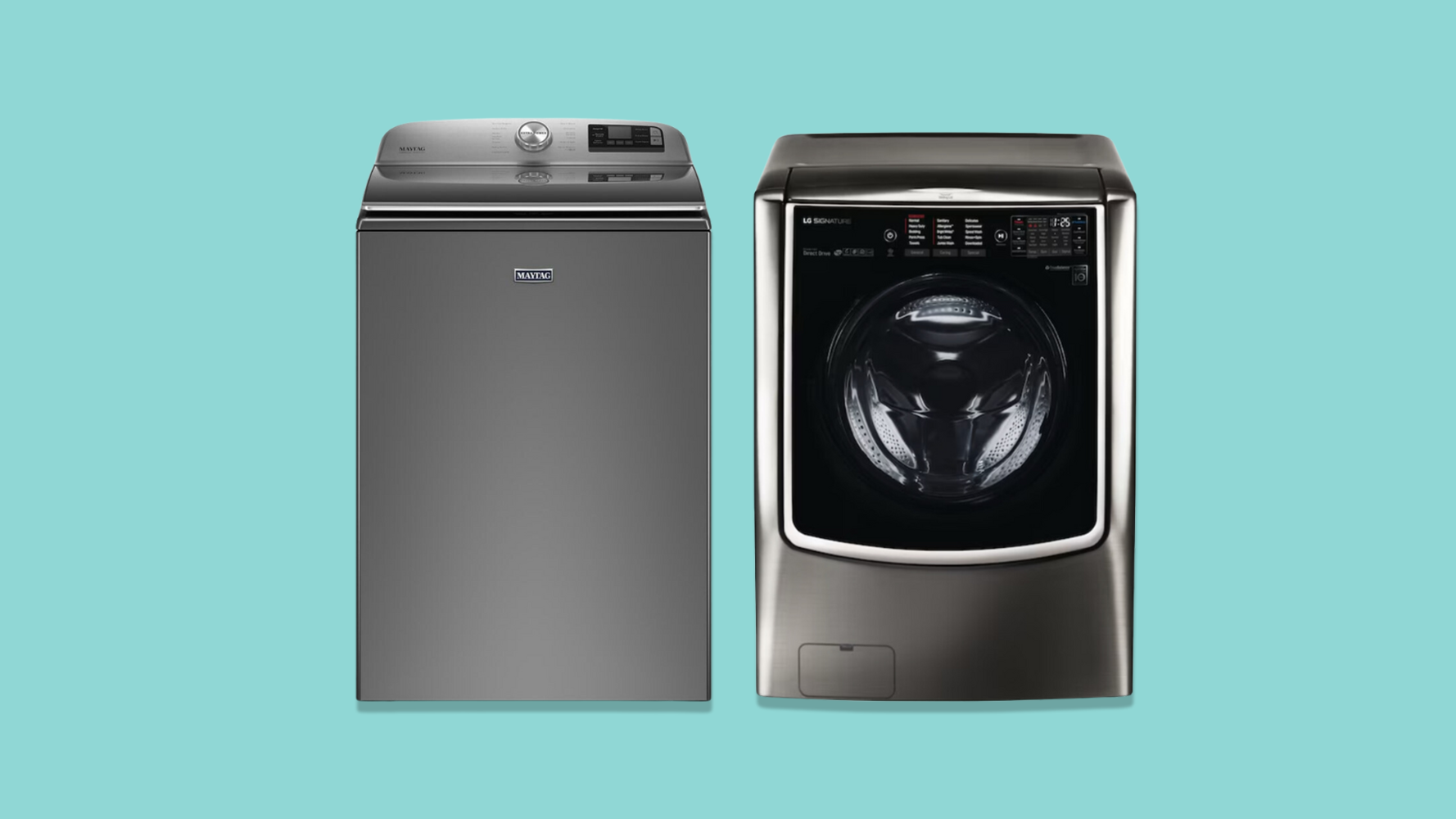
Choosing a new washing machine involves a significant investment, with the primary decision often revolving around selecting between a front-load and a top-load model. While front-loading washers are recognized for their stackability, making them suitable for compact spaces like small laundry rooms or closets, top-loading machines are generally less prone to developing mold and unpleasant odors. However, the selection process extends beyond these basic distinctions, encompassing various features that warrant consideration.
Experts at the Good Housekeeping Institute's Home Care and Cleaning Lab have dedicated over a century to testing diverse washing machine types. Their evaluation criteria include cleaning performance, gentleness on fabrics, water and energy consumption, and the availability of specialized cycles. Drawing upon extensive hands-on experience and comprehensive testing data, the benefits and drawbacks of both front-load and top-load washing machines have been thoroughly analyzed to assist consumers in making an informed purchase.
Top-load washers are characterized by a vertically oriented drum, and they can be equipped with or without a central agitator. Models lacking an agitator feature larger tubs, accommodating bigger loads, and clean clothes by gently bouncing them under a water shower. Conversely, models with agitators typically employ a swishing action. A notable advantage of top-loaders is the reduced need for bending during loading and unloading, which can alleviate back strain. These machines are also often gentler on fabrics, especially those without agitators. Furthermore, top-loaders are less susceptible to mold and odor development due to their design, which allows water to drain effectively. Despite this, regular cleaning of the tub and dispensers, approximately once a month, is still recommended.
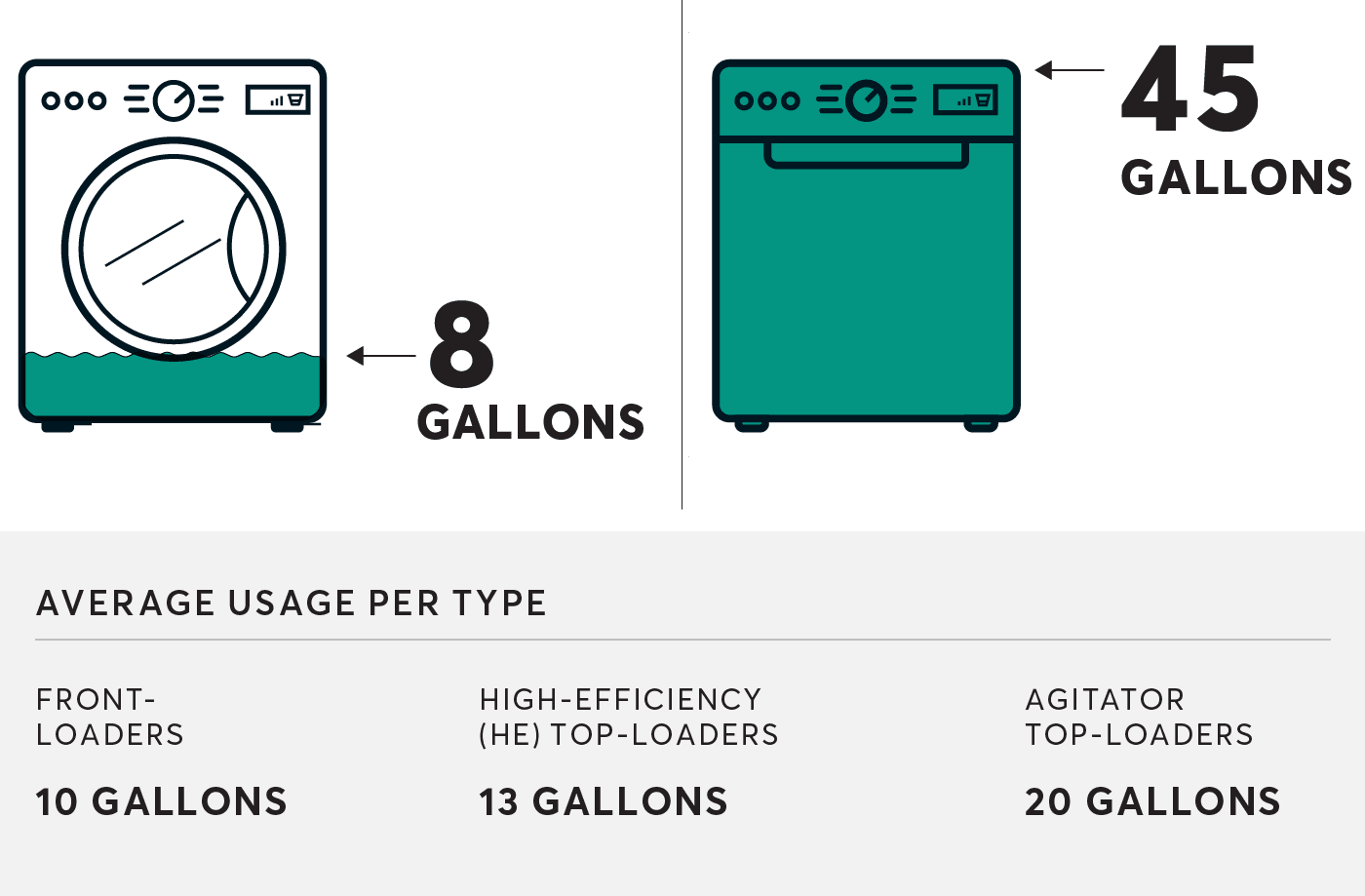
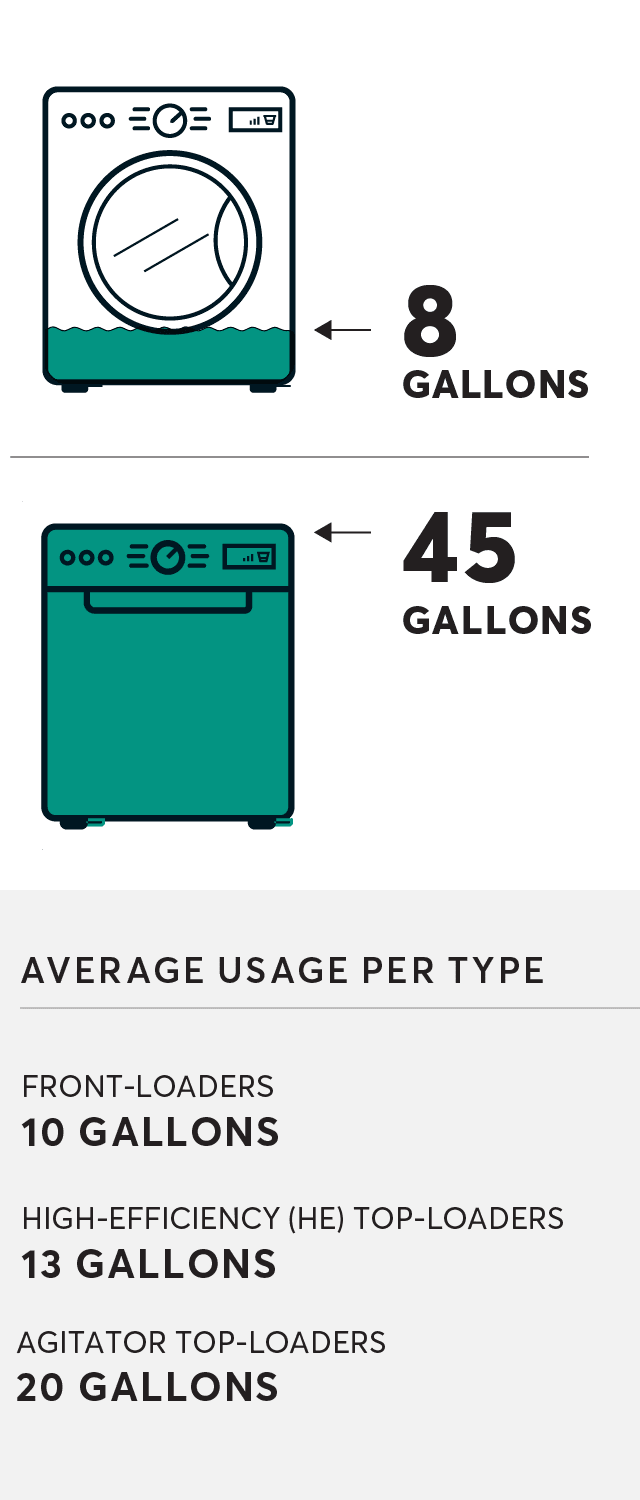
However, top-load washers also present certain disadvantages. Their deep tubs can pose a challenge for shorter individuals attempting to reach the bottom for the last garments. They are generally less energy-efficient than front-loaders, as they consume more water, although newer high-efficiency models have improved in this regard. Additionally, top-loaders cannot be stacked, which may be a limiting factor in very small laundry areas.
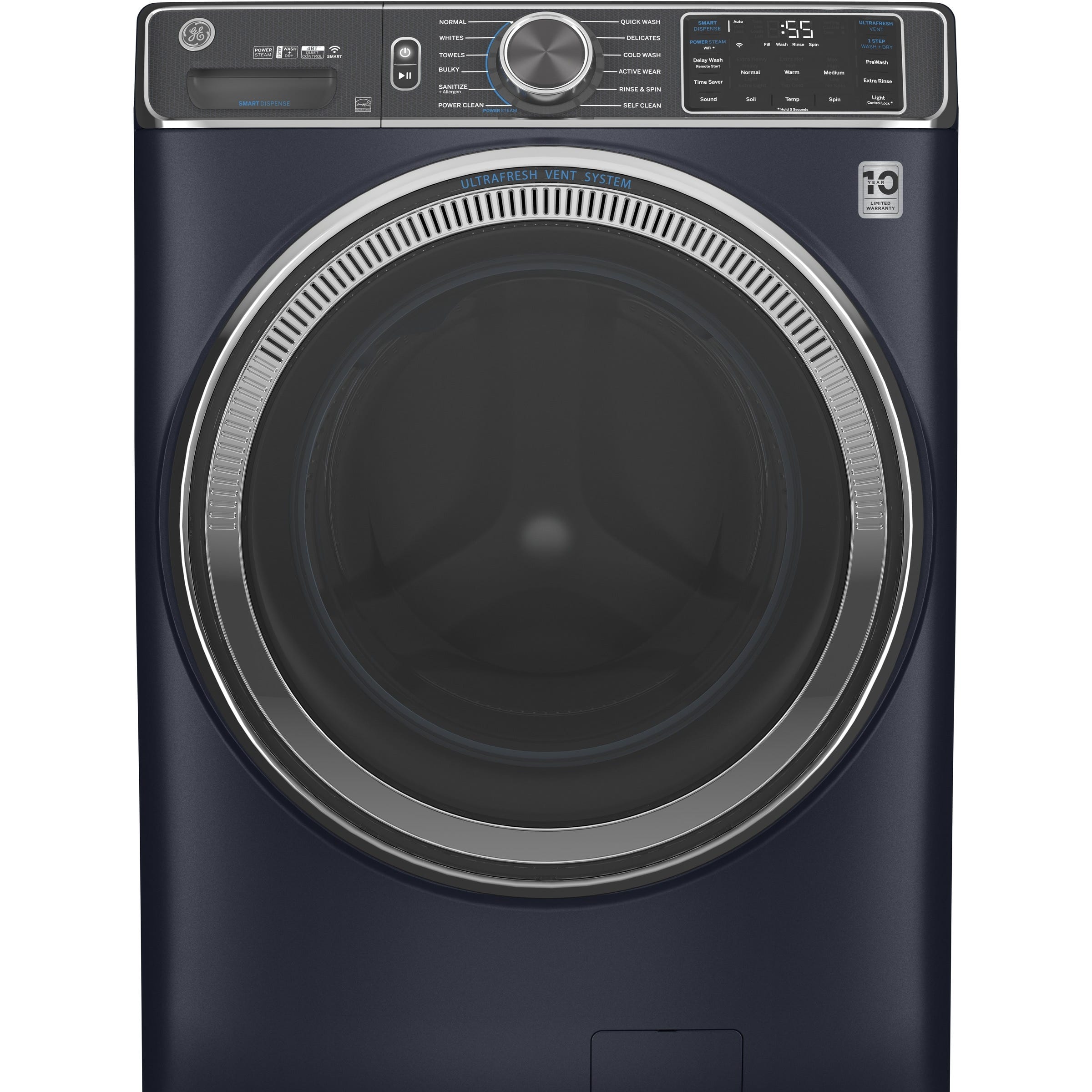
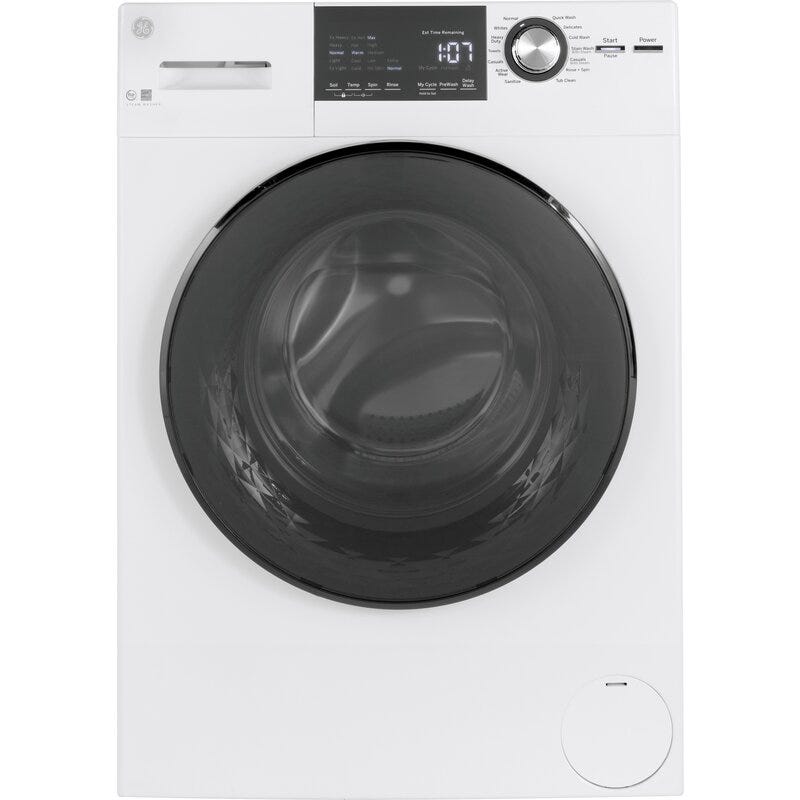
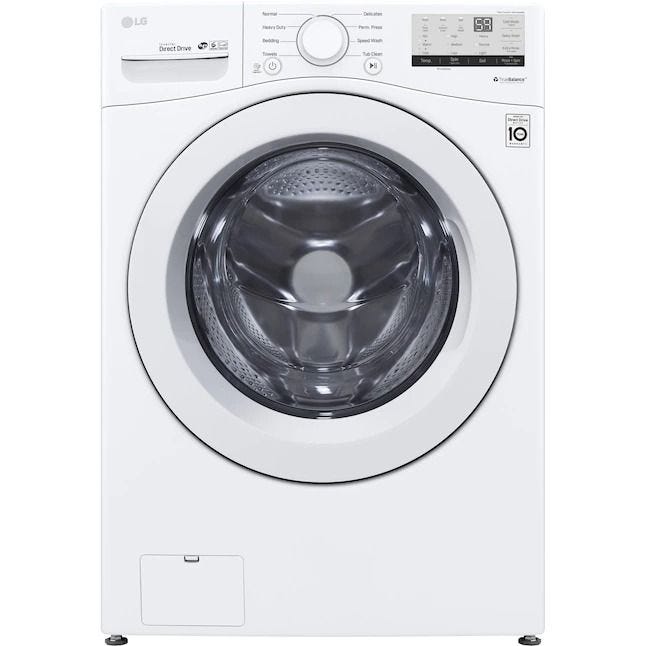
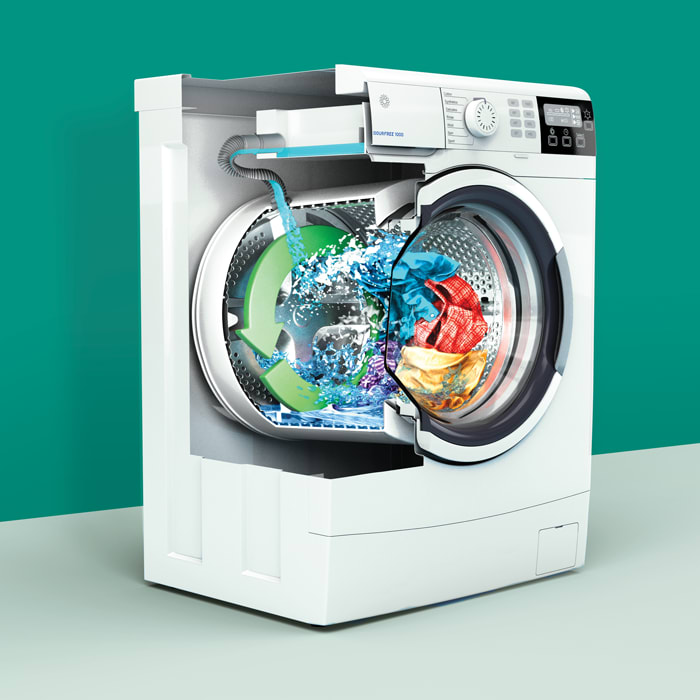
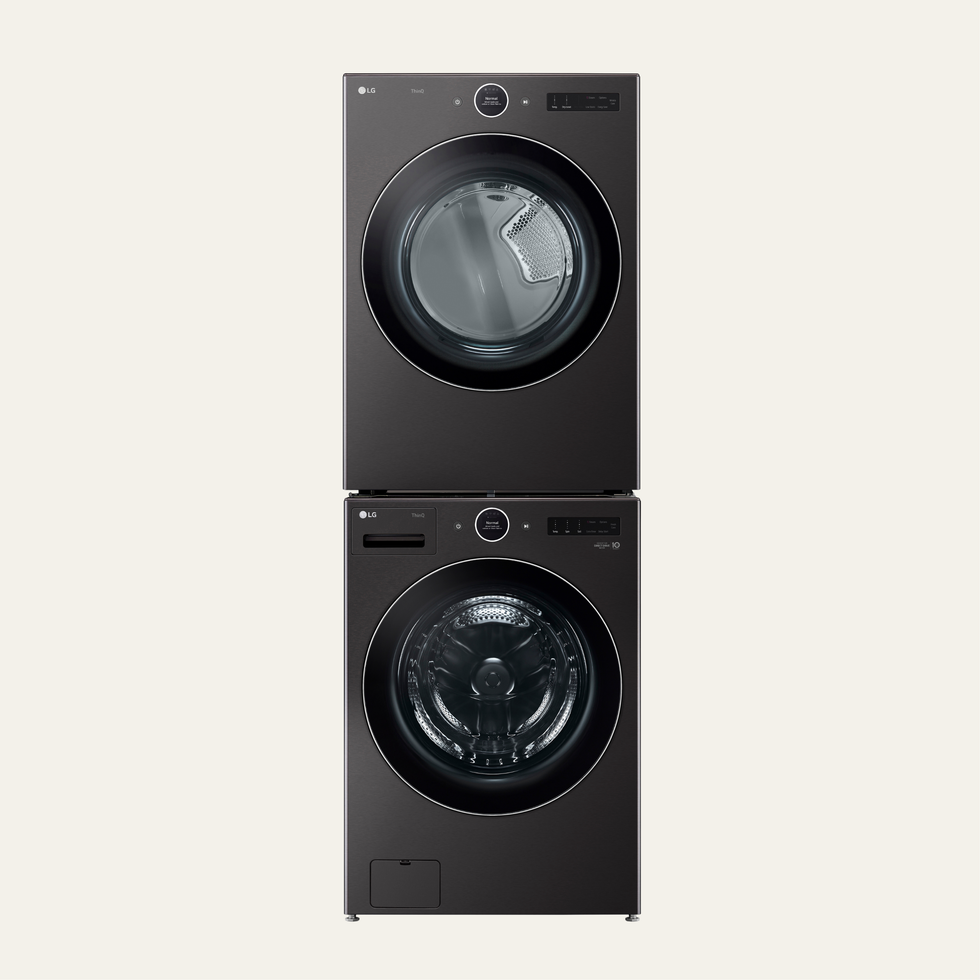
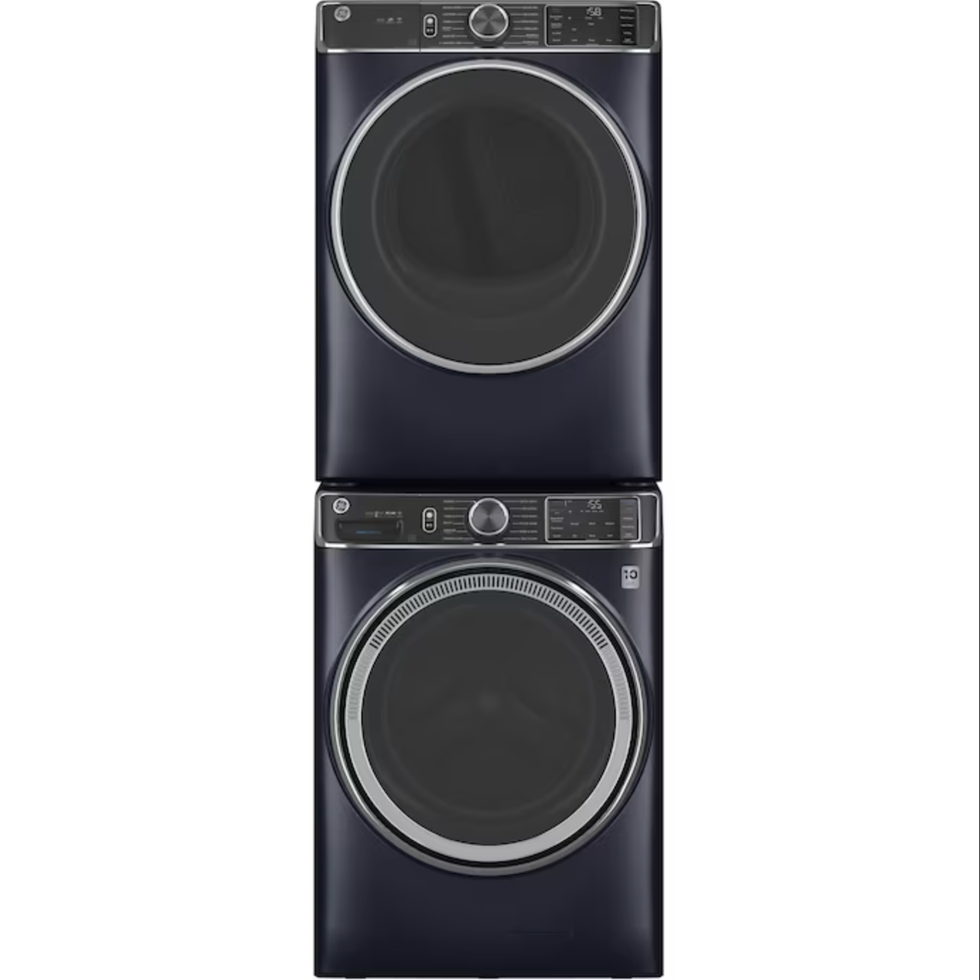
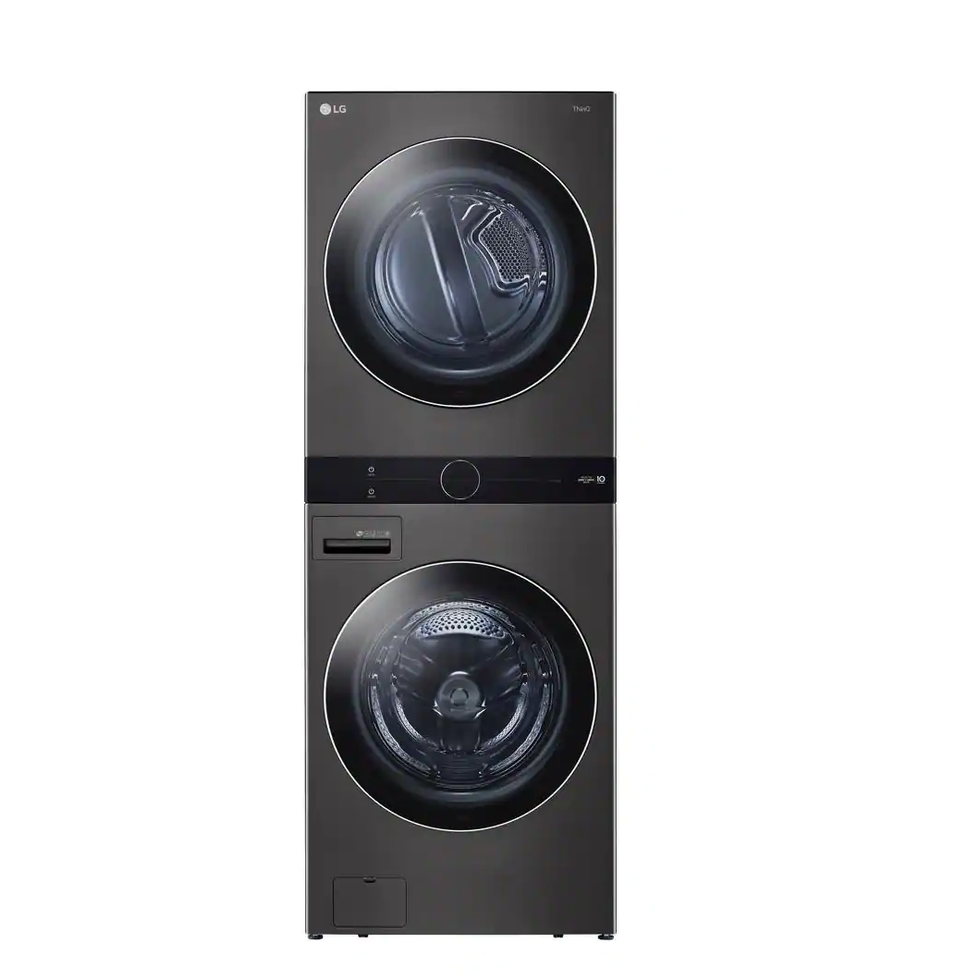
Front-load washers, which have gained considerable popularity over the last two decades, are horizontal-axis machines that clean by tumbling and dropping clothes through a small pool of water. Their main advantage is their stackability, allowing them to be paired with a matching dryer and installed in confined spaces, provided the necessary water, electrical connections, and venting are available. Non-venting dryers are also an emerging option. Front-loaders are more energy-efficient due to their minimal water usage, as they sense the load's weight and type to optimize water consumption. They are also adept at handling large, bulky items such as pillows, comforters, and sleeping bags.
Conversely, front-load washers are more susceptible to mold and odors. Water can accumulate in the door gasket, dispensers, and even the drum after a cycle, necessitating diligent cleaning of the gasket and dispenser, and often leaving the door ajar or drying the machine after use. Some newer models incorporate features like venting and Microban technology to mitigate these issues. Another potential drawback is the loud vibration they can produce during high-speed spin cycles. To counteract the need for bending, pedestals that elevate the machine are available, often sold separately, and some even provide additional storage.
In terms of cleaning performance, lab tests indicate that front-loading washing machines slightly outperform top-loaders, though the difference is often imperceptible unless dealing with very large, heavily soiled loads. Front-loaders are better equipped to tumble substantial loads. Both types have become more energy-efficient over time, but front-loaders maintain an edge in water conservation. Price-wise, top-load machines are typically less expensive, while front-loaders often come with more pre-programmed cycles and smart features. Ultimately, the choice between a front-load and top-load washer largely depends on personal preferences, considering factors like space constraints, maintenance commitment, and desired features.
#washingMachines #laundryAppliances #frontLoadWasher #topLoadWasher #applianceReview #homeCare #cleaningEfficiency #energyEfficiency #washingMachines #laundryAppliances #frontLoadWasher #topLoadWasher #applianceReview #homeCare #cleaningEfficiency #energyEfficiency
 Nessun commento ancora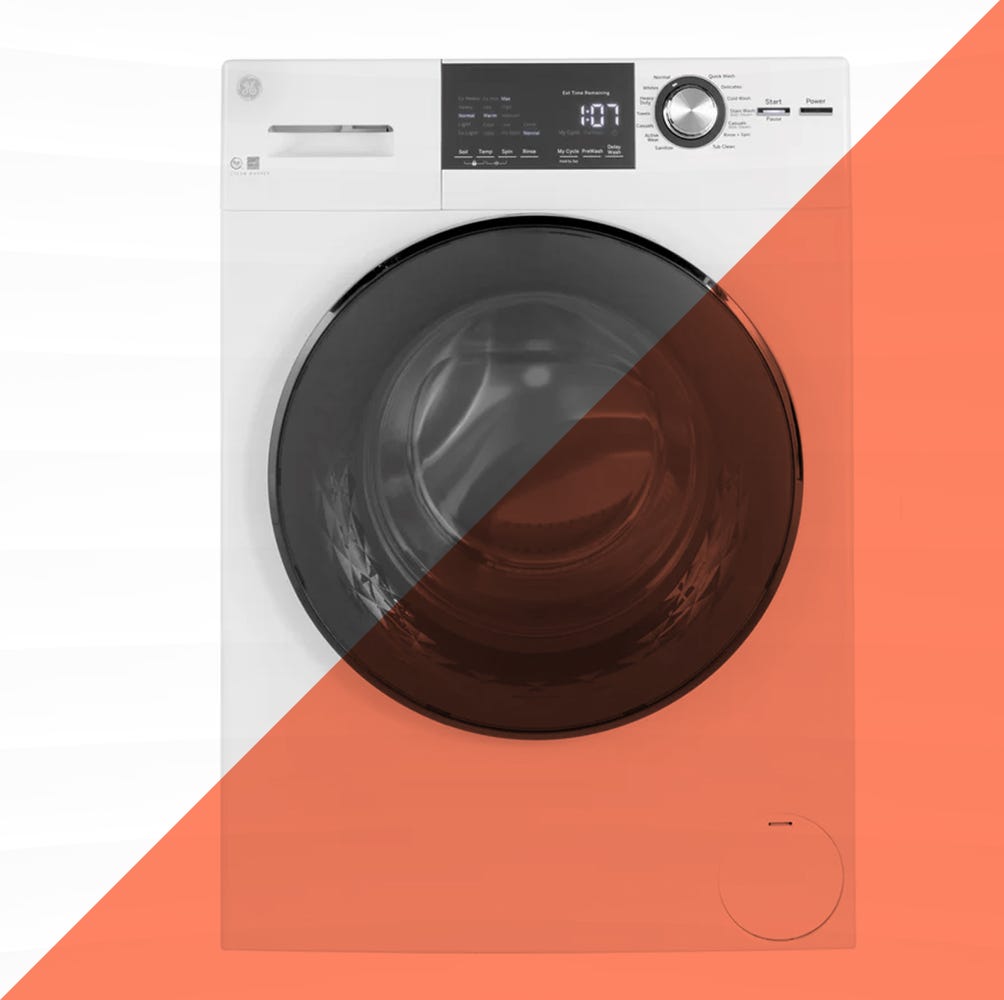
These Front-Load Washers Will Get Your Laundry Clean and Fresh Using Less Water

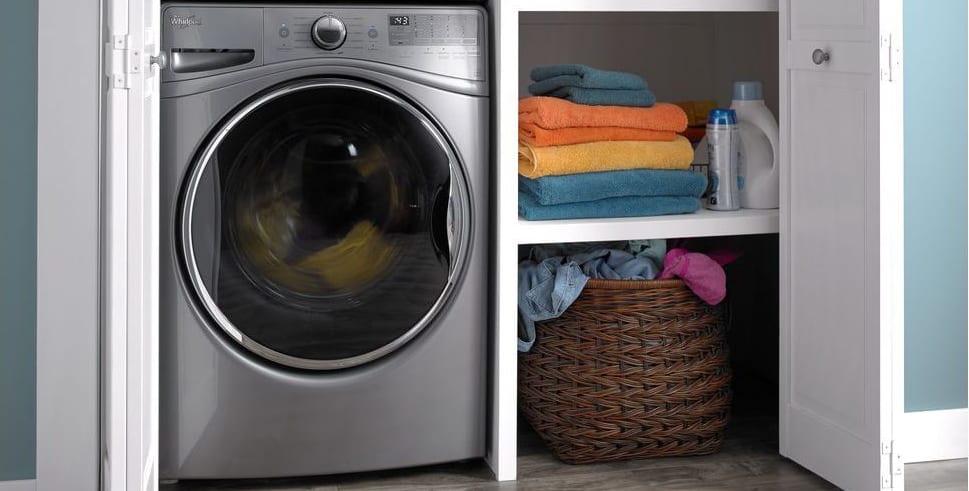
This closet depth washer is still full size, but it can fit in almost any laundry room.

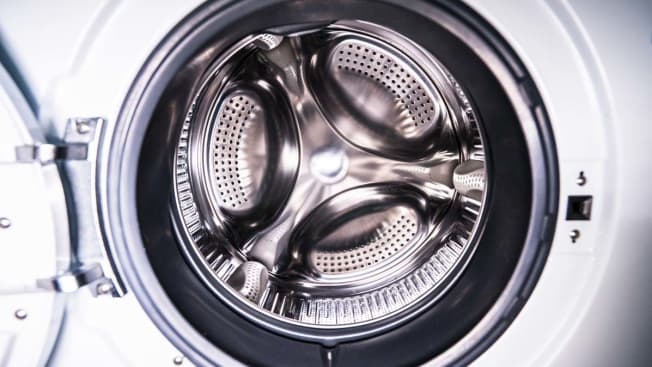
5 Things to Know About Front-Load Washers

8 Best Portable Washing Machines

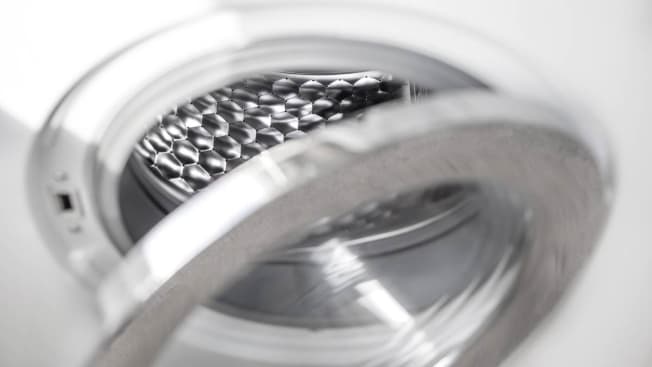
How to Minimize Mold in Your Washing Machine
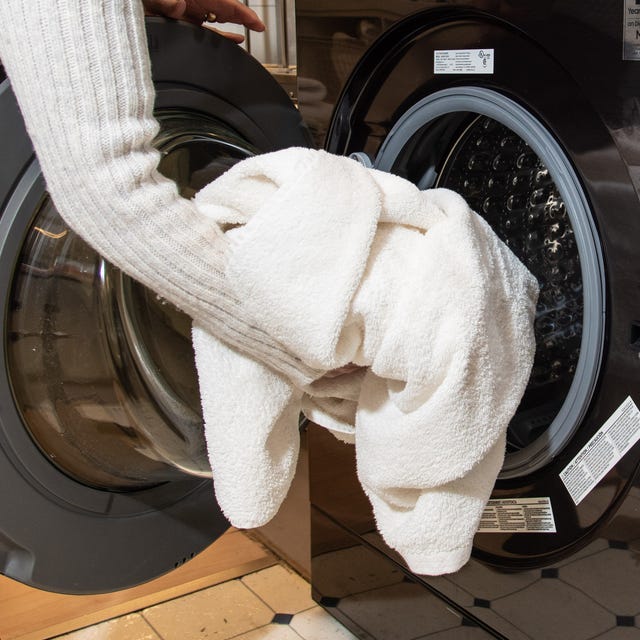
The Best Stackable Washers and Dryers That Cleaning Experts Trust