Cypress siding: It's what the pros choose
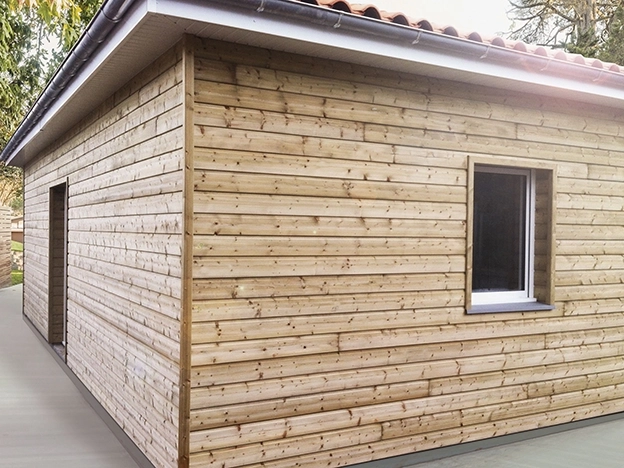
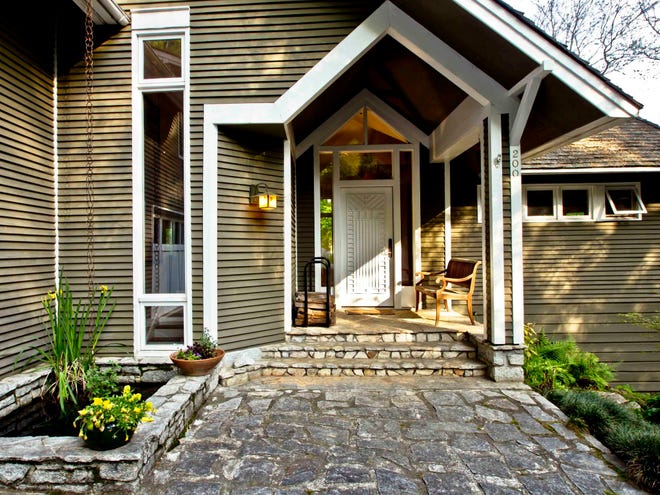
Wood siding is experiencing a resurgence in design trends, with cypress emerging as a highly recommended species among design professionals. This revival is attributed to cypress's aesthetic appeal, reliable performance, and cost-effectiveness. The wood is characterized by its honey-like hues and distinctive grain patterns. Its inherent ability to withstand harsh environmental conditions, such as constant heat, high humidity, and heavy rains, has historically made it a preferred choice for exterior applications in various regions.
Architects, such as Daniel Martin from Atlanta, advocate for cypress due to its proven durability. Martin notes that cypress siding on his own home has required repainting only once in over two decades, attesting to its long-lasting finish. A key advantage of cypress is its natural resistance to decay and pests like termites and carpenter bees. Unlike some other wood species such as cedar, cypress does not attract carpenter bees, preventing the subsequent damage caused by woodpeckers foraging for eggs. This natural durability stems from an oil produced by the cypress tree during its growth, which acts as a preservative, eliminating the need for chemical pressure treatment often required for other wood siding options.
Husband-and-wife design/build team David and Laurel Mullikin, also based in Atlanta, frequently integrate cypress into their outdoor designs. They highlight cypress as a favored wood, incorporating it into significant projects. For their personal new home, they plan to use cypress for porch ceilings to add warmth and for siding finished with the Shou Sugi Ban method. This ancient Japanese technique involves charring, sanding, and sealing the wood surface, which not only creates a unique visual effect but also enhances cypress's natural resilience.
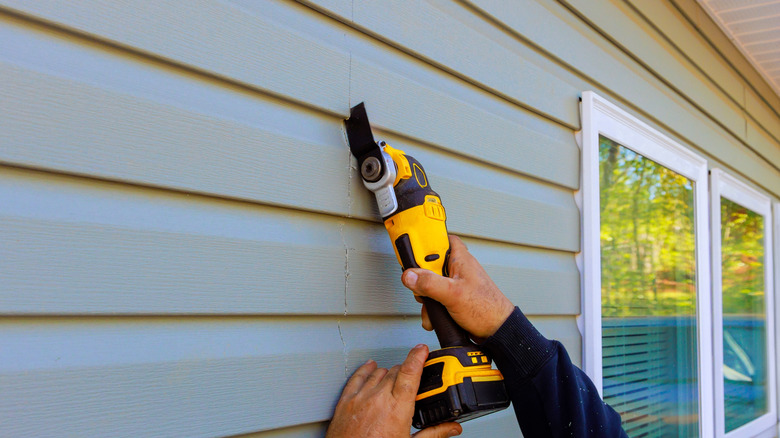
To ensure cypress siding maintains its appearance and performance over time, proper application of finishes and regular maintenance are crucial. The initial step for both new installations and existing wood involves thoroughly cleaning the surface to optimize finish absorption. This process includes washing the wood with a mild bleach-and-water solution, using a pressure washer on a low setting, allowing it to soak, rinsing thoroughly, and then letting it dry for approximately one week. This period also allows for the repair of any nail holes or surface irregularities.
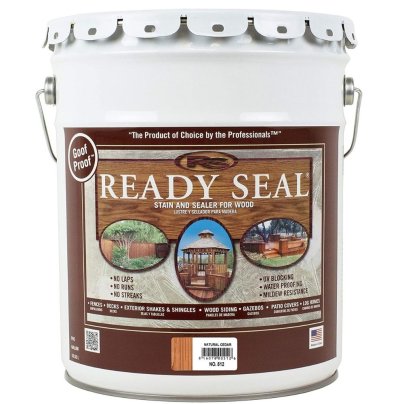
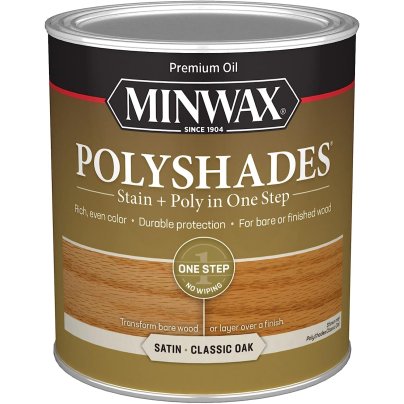
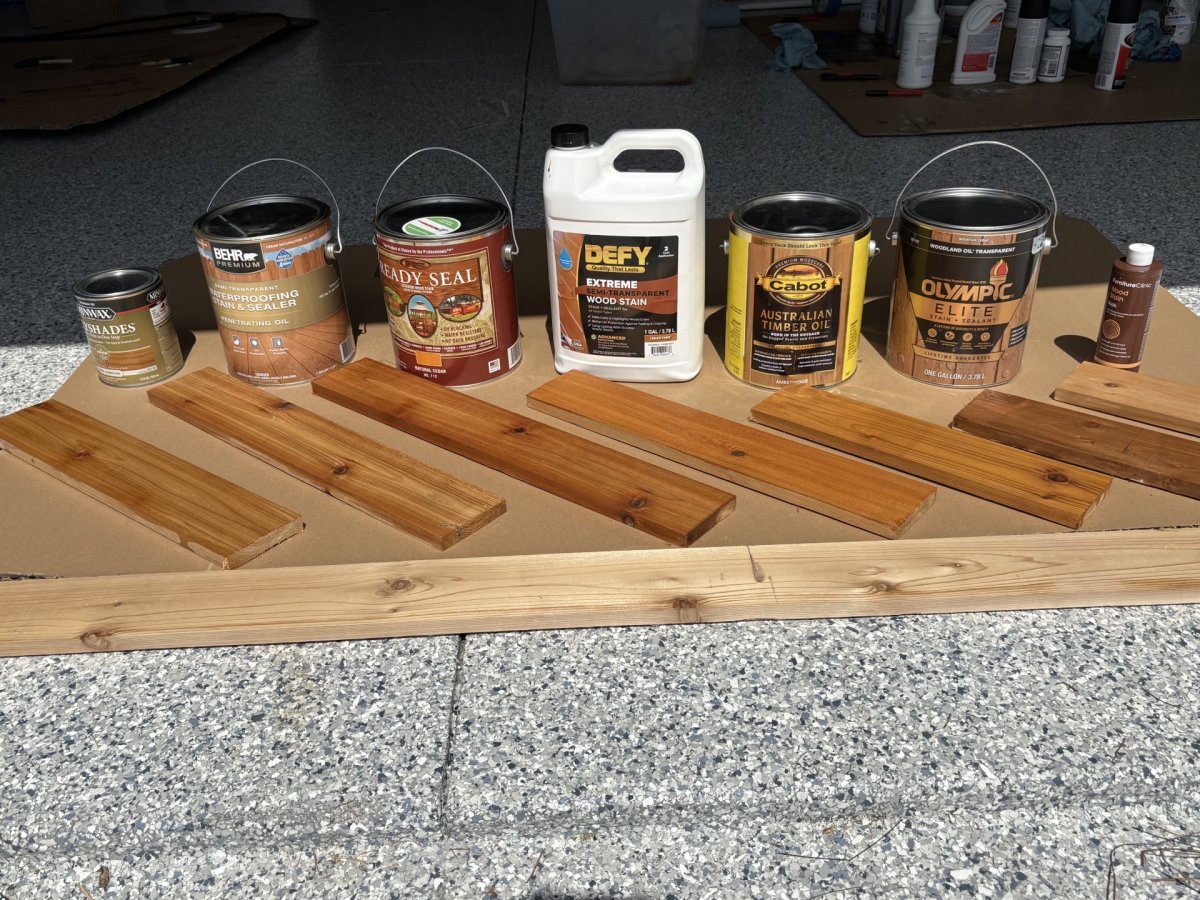
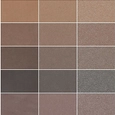
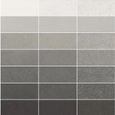
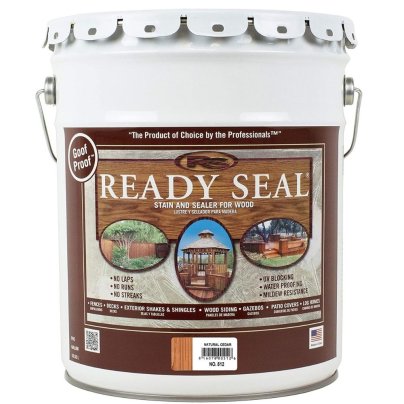
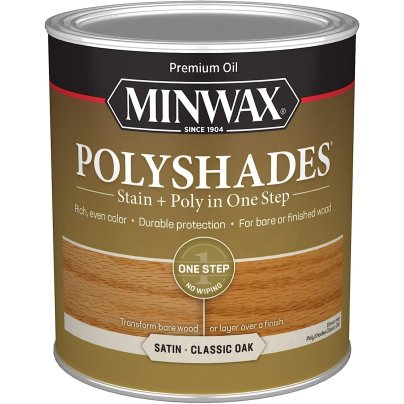
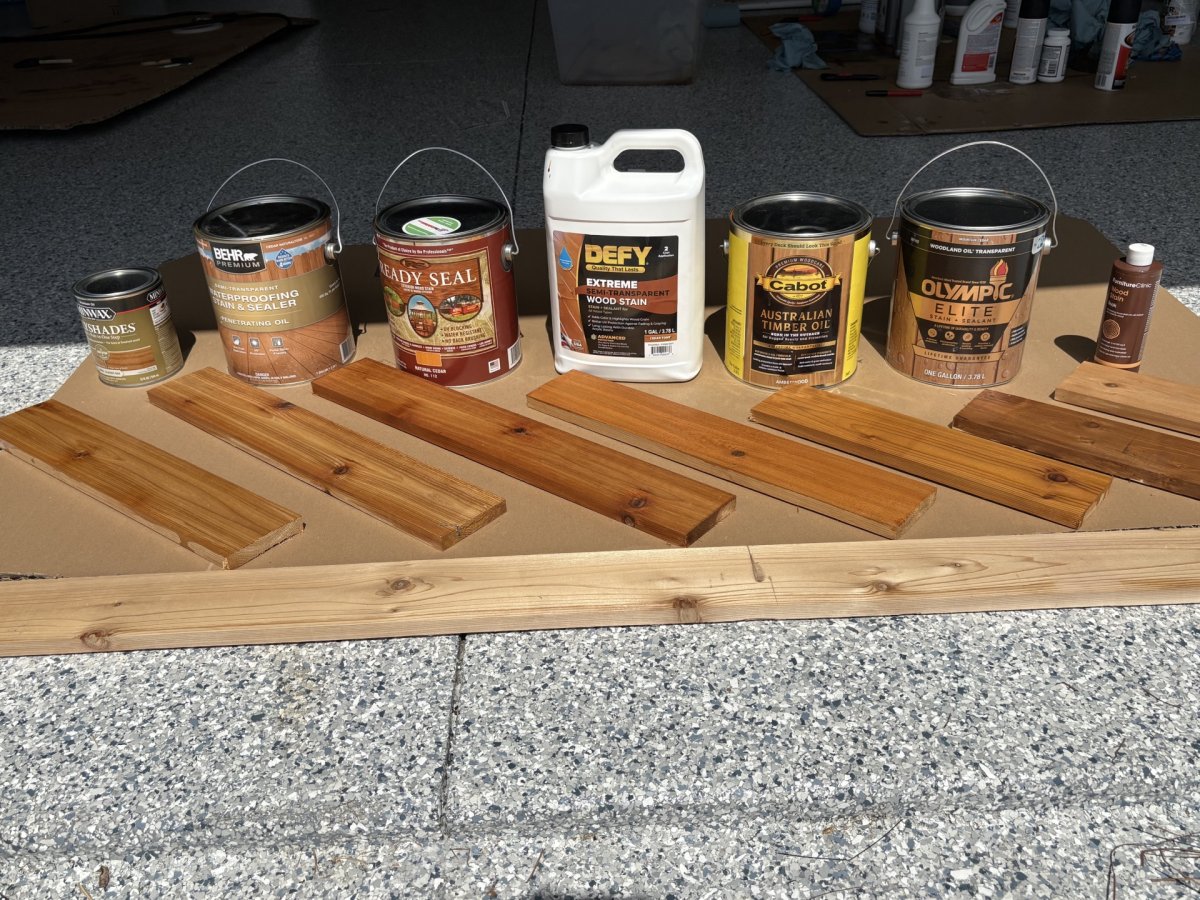
Homeowners have several finishing options. To preserve cypress's natural color, a clear, water-repellant sealer should be applied to all sides and edges of the siding boards. It is advisable to choose sealers with UV inhibitors to protect against sun-induced fading, and reapplication is recommended every few years for sustained protection. If left untreated, cypress will naturally weather to a dark gray. For those preferring to highlight the wood's grain, semi-transparent, oil-based stains are effective. These stains penetrate the wood, prevent moisture issues, and allow the wood to breathe, typically requiring reapplication every two years. For a solid color finish, 100 percent acrylic latex paint with a compatible primer is recommended, along with back priming the boards to mitigate potential moisture problems. Adhering to the manufacturer's instructions for any chosen finish is essential for optimal results. Further information and inspiration for cypress projects are available through the Southern Cypress Manufacturers Association.
#CypressSiding #WoodSiding #HomeDesign #ExteriorDesign #ArchitecturalMaterials #DurableMaterials #NaturalWood #ShouSugiBan #CypressSiding #WoodSiding #HomeDesign #ExteriorDesign #ArchitecturalMaterials #DurableMaterials #NaturalWood #ShouSugiBan
0 commenti in totale
 Nessun commento ancora
Potresti anche gradire
Cupa Pizarras slate-cladding system Cupaclad offers modern siding options
More Practical Than Plaster and Cement: This Material Is on Our Reno Radar
These Classic Vinyl Siding Colors Deliver Curb Appeal for Years

Fiber-Cement Siding: An Attractive Alternative to Wood

CUPACLAD: Why This Natural Slate Is Raising The Bar For Exterior Cladding
Facade Panel – Twine from Rieder Smart Elements GmbH & Co KG

How To Choose The Best Siding For Your Home
Vinyl Siding: Costs and Key Considerations, Explained (2025)
The Best Stains for Cedar Decks, Siding, Fences, and More
Blog Section

After Talking to an Expert, This is Our Favorite Outdoor Shade for Proper Protection


Rogue builders quoted over £15k for a repair job that cost £185 to fix - my lessons learnt
New Construction: What you need to know about siding your home
Make Cedar Shine: Our Favorite Wood Stains
The Backyard Home Trend That Needs To Go (And What We Recommend Instead)
3 Experts Agreed: Siding Replacement Is Always Worth It—Here’s What You Need to Know
The Best Siding Nailers
You Can Save Thousands of Dollars With a DIY Vinyl Siding Installation
Cladding

When Wood Siding Failed, Architects Found a Solution: MAC Metal