Farmhouse Interior Design: Understanding the Key Elements
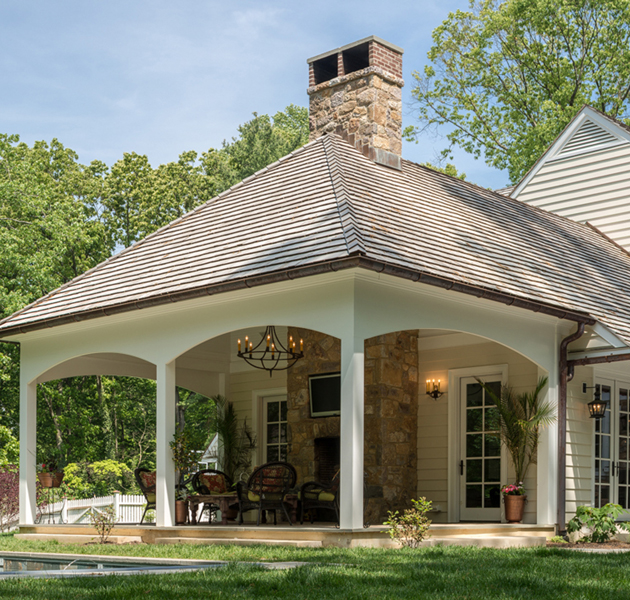
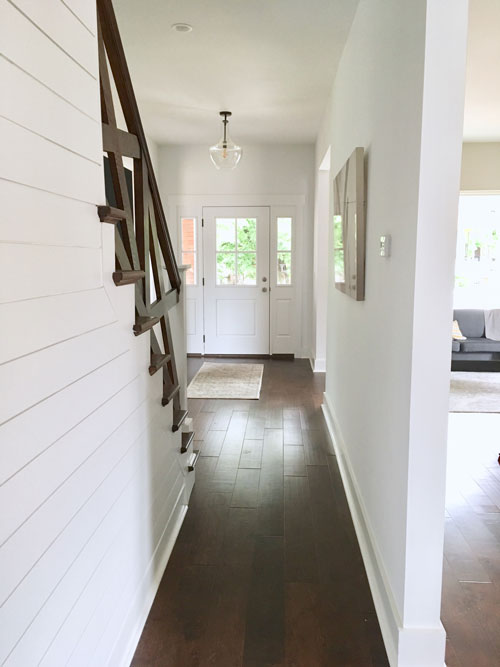
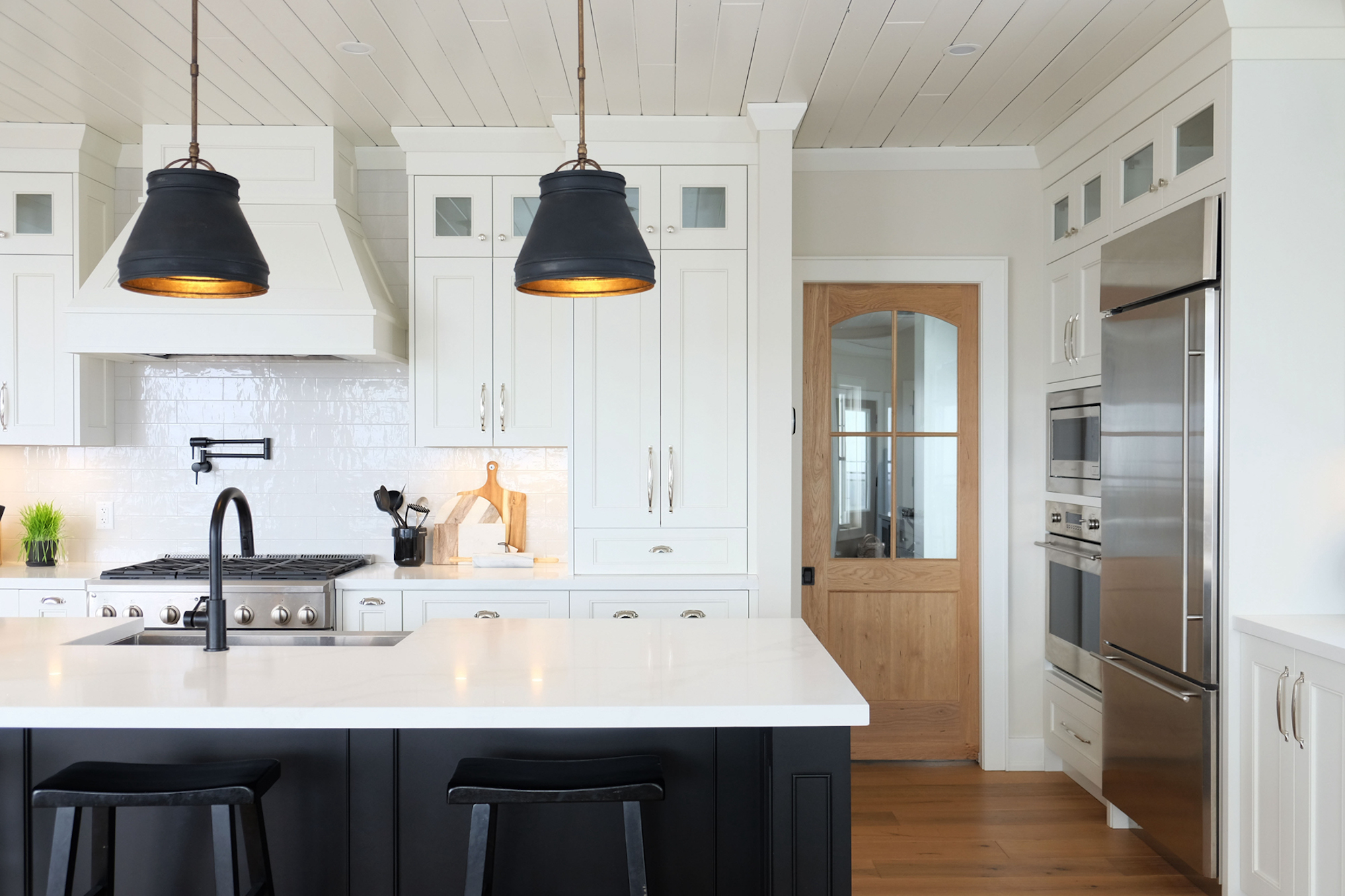
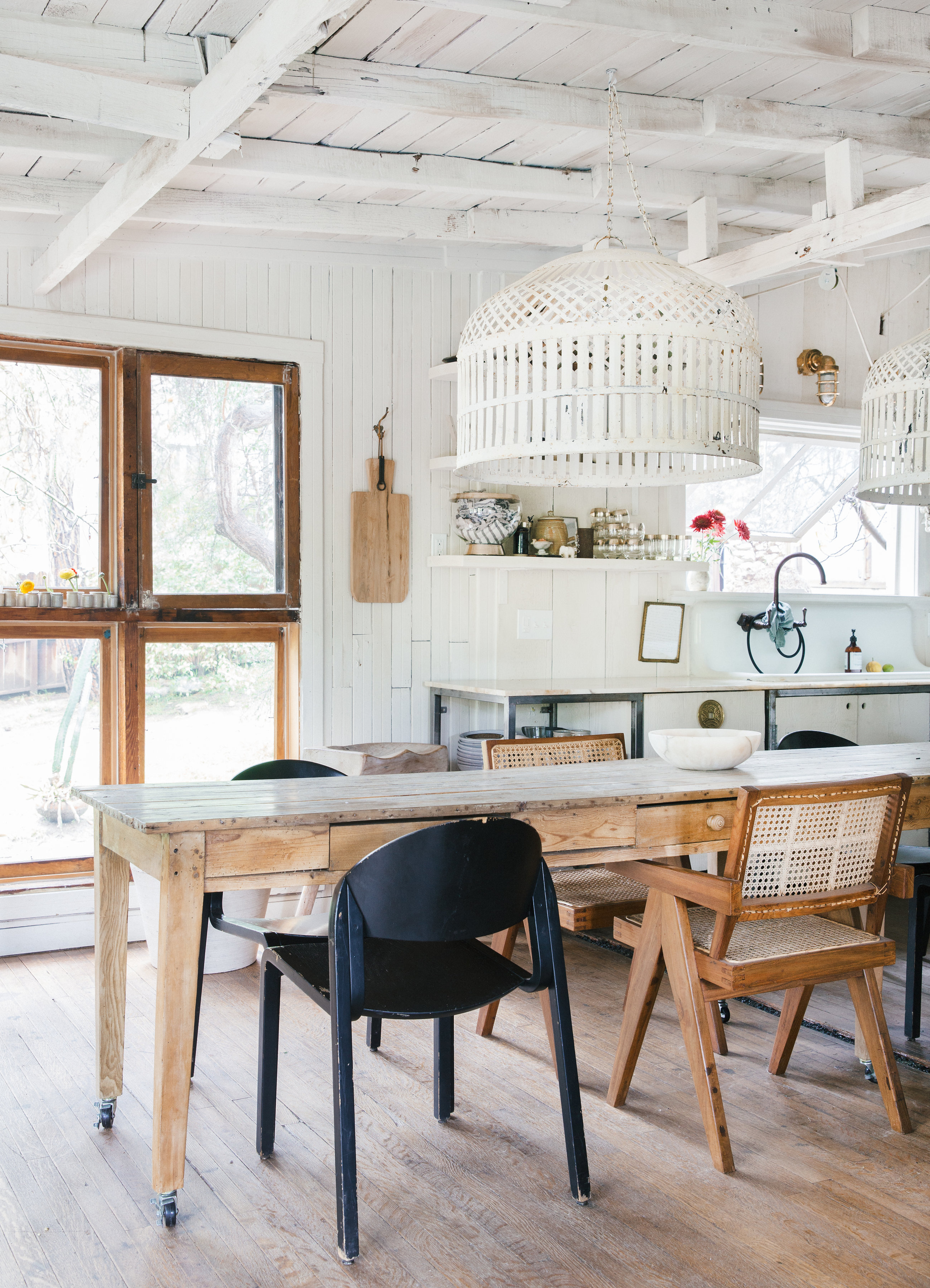
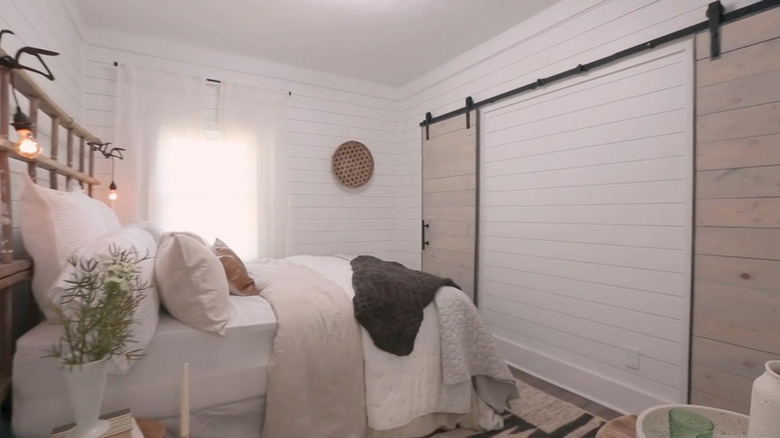
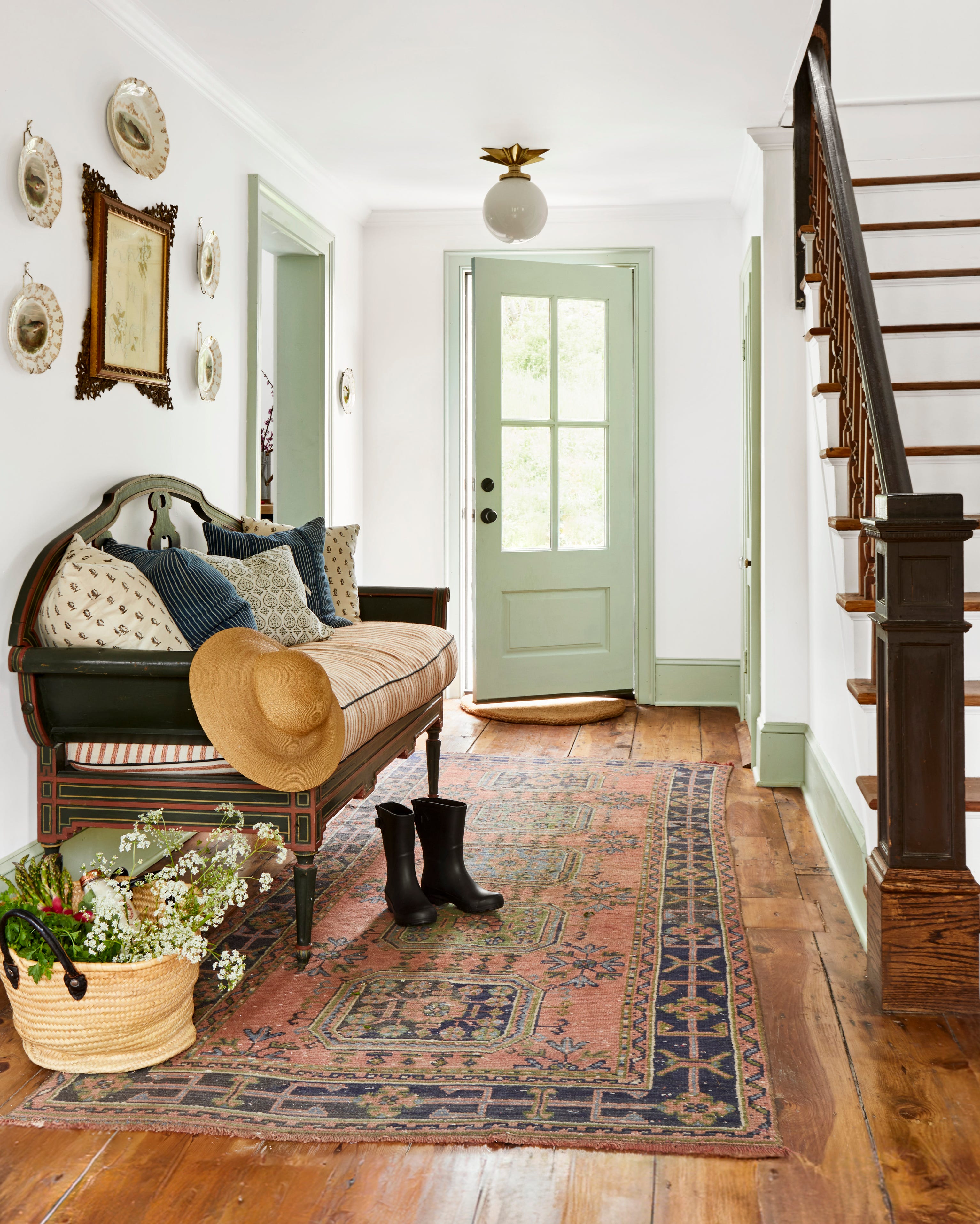
Farmhouse interior design, a style popularized by figures like Joanna Gaines, draws inspiration from traditional, rustic farmhouses and rural homes, creating a comfortable and inviting living space. This design aesthetic combines simplicity, warmth, and functionality. Key elements of this style include white-painted shiplap wood paneling, reclaimed wood, a mix of light and dark neutral colors in varying textures, and handmade textiles such as quilts and knitted blankets. The style, though currently experiencing high saturation, contains timeless elements that blend rustic charm with modern comforts, resulting in elegant yet unpretentious spaces.
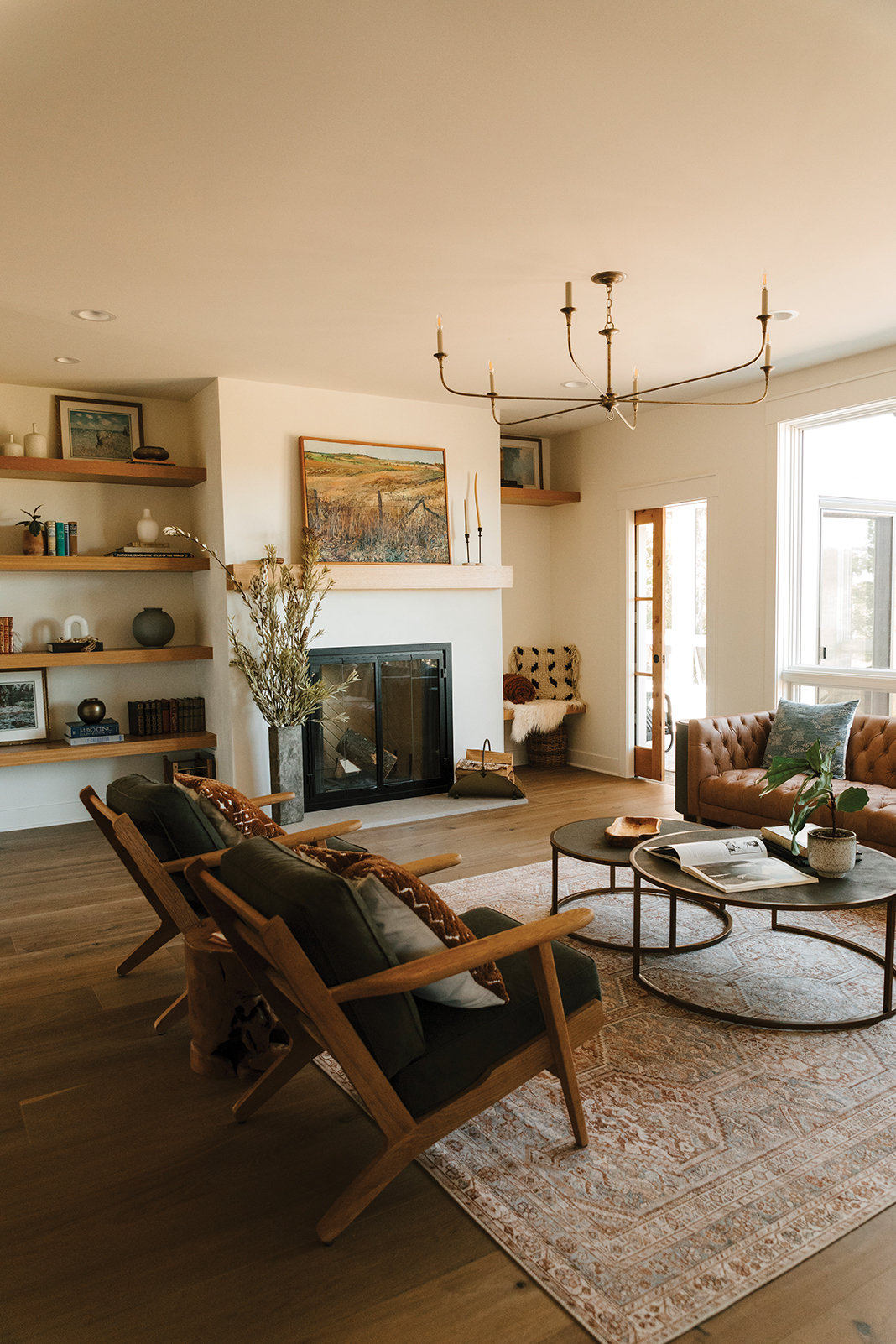
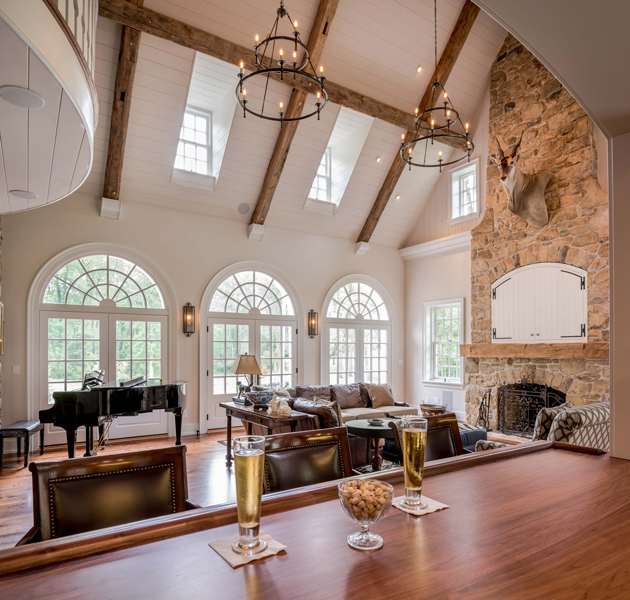
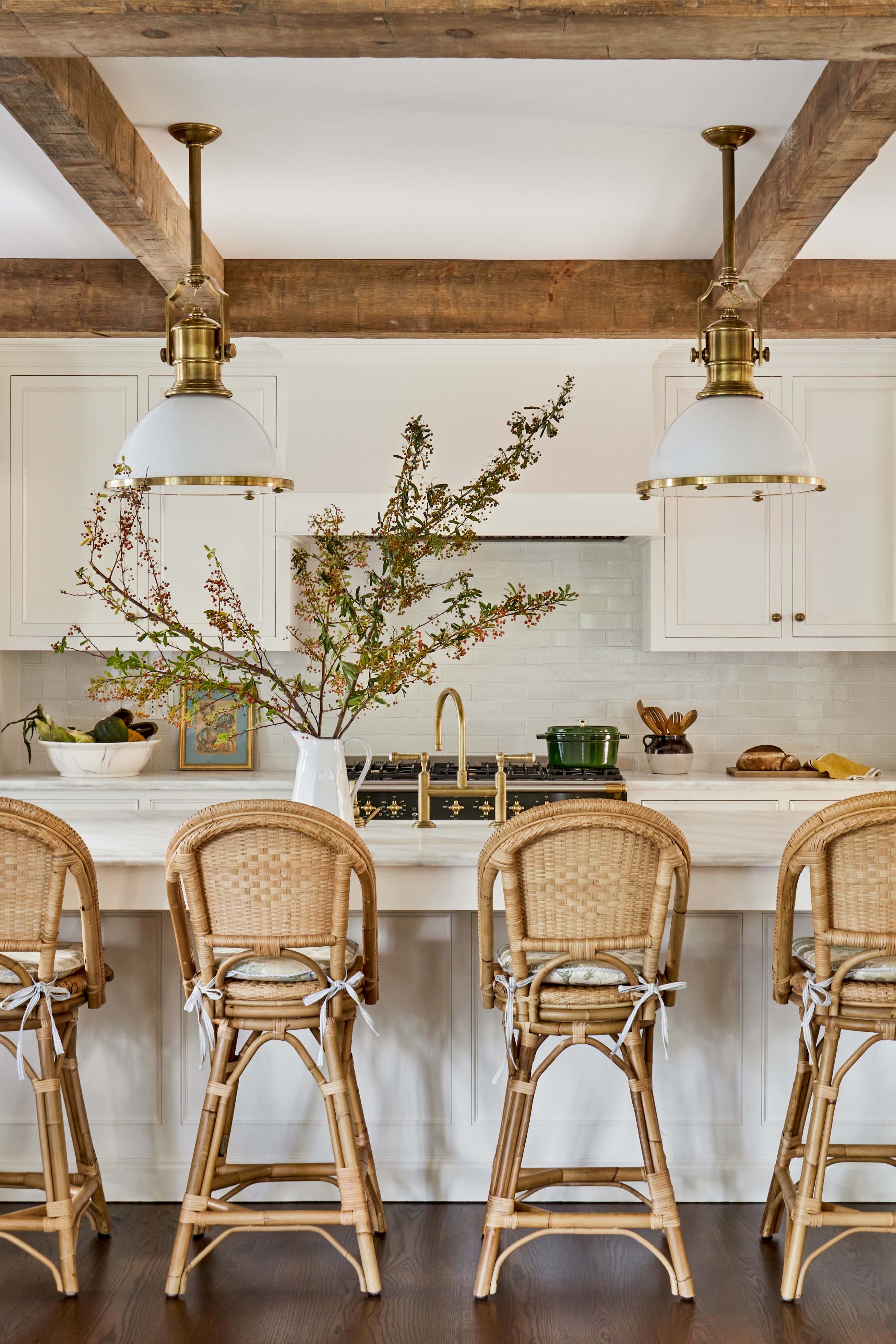
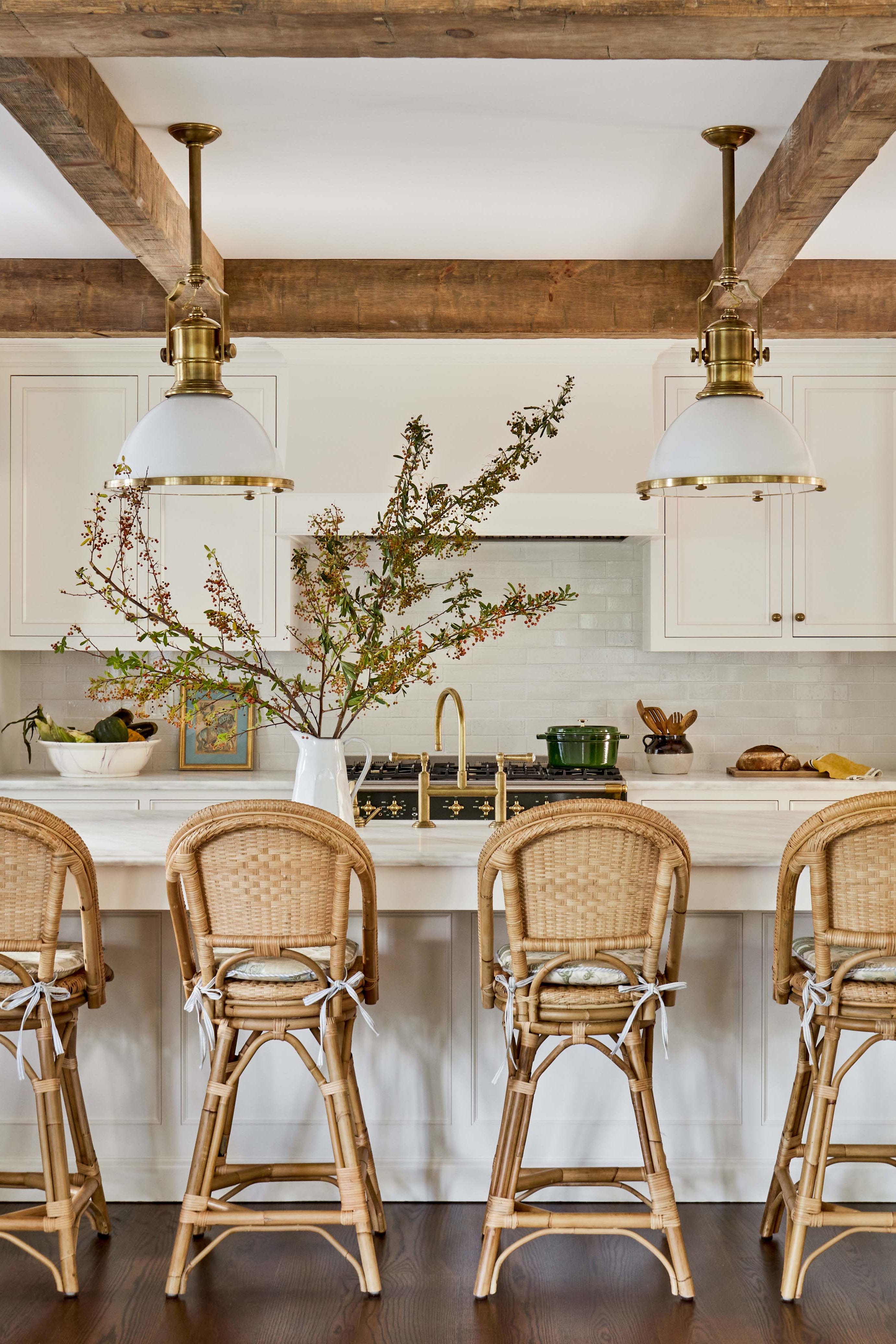
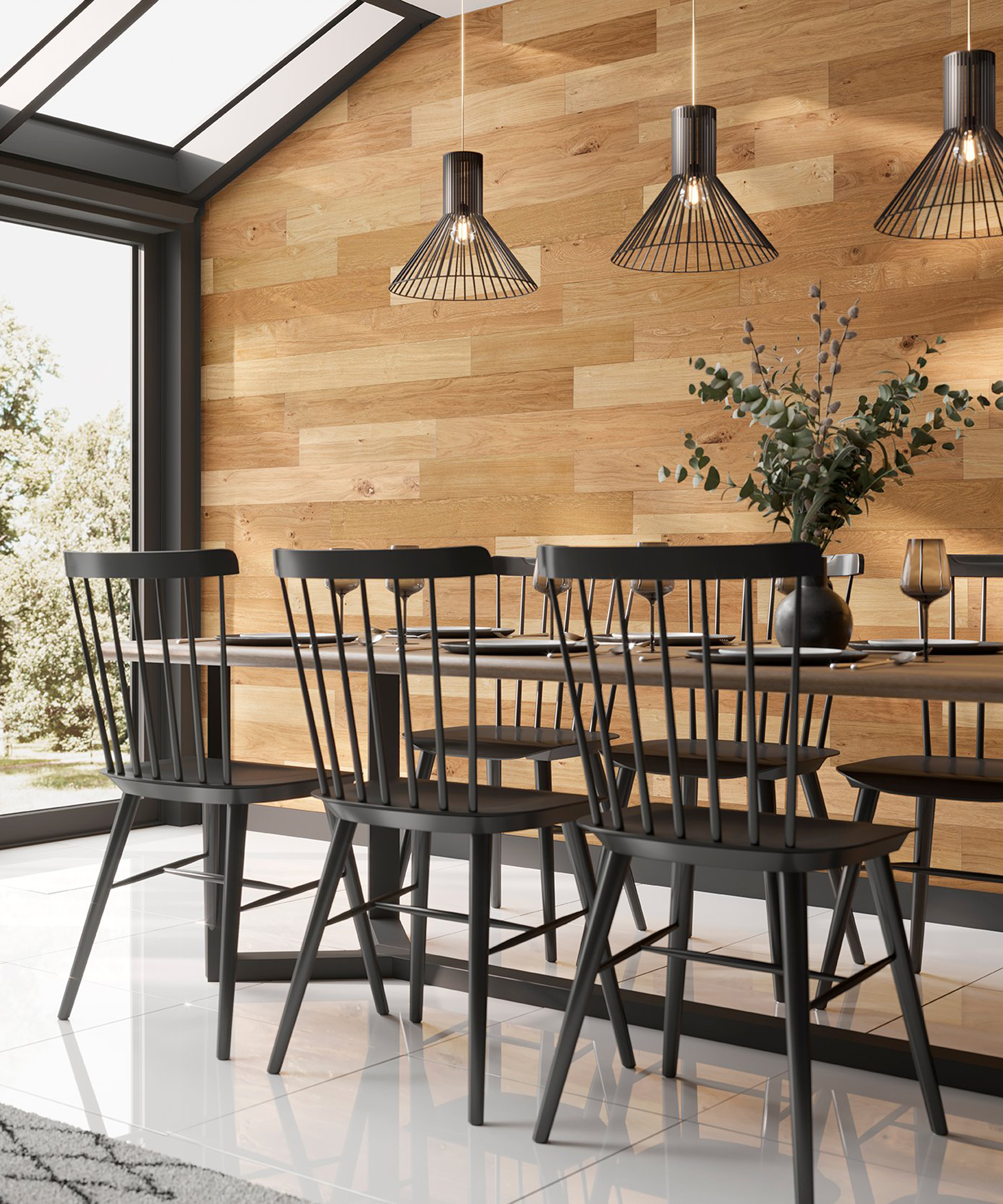
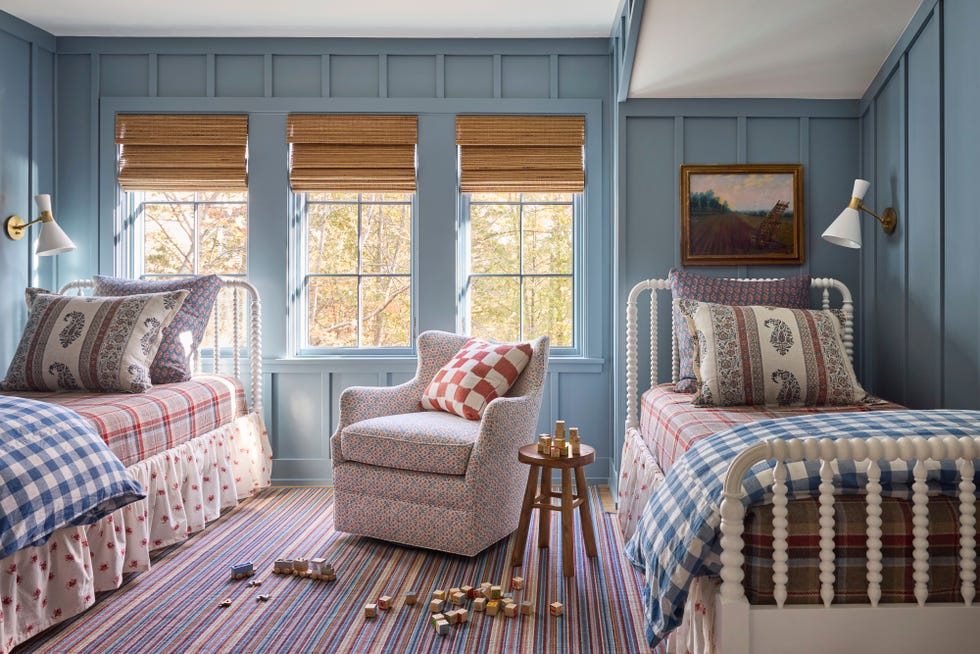
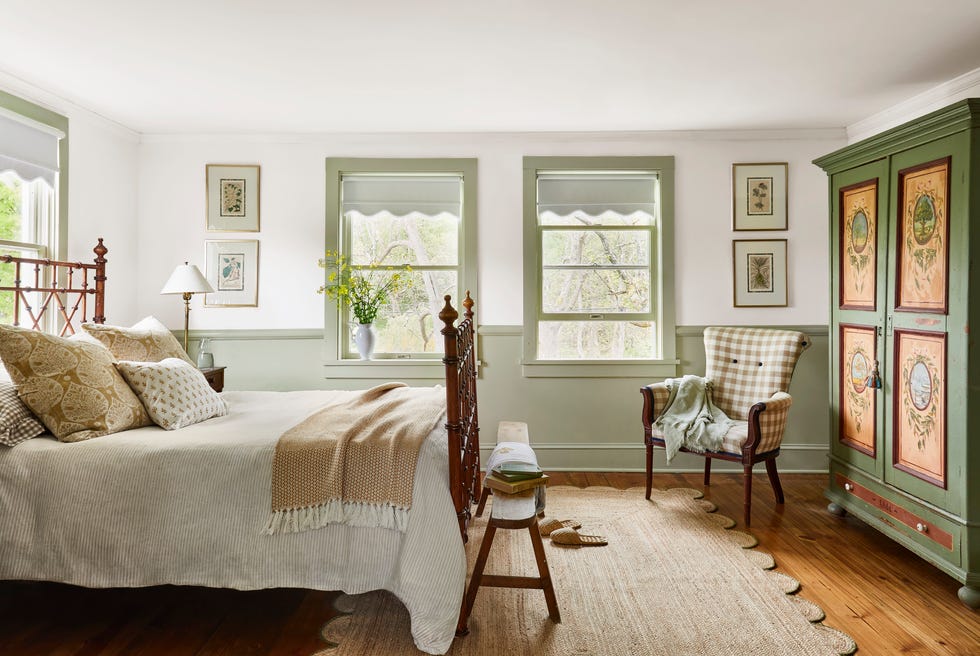
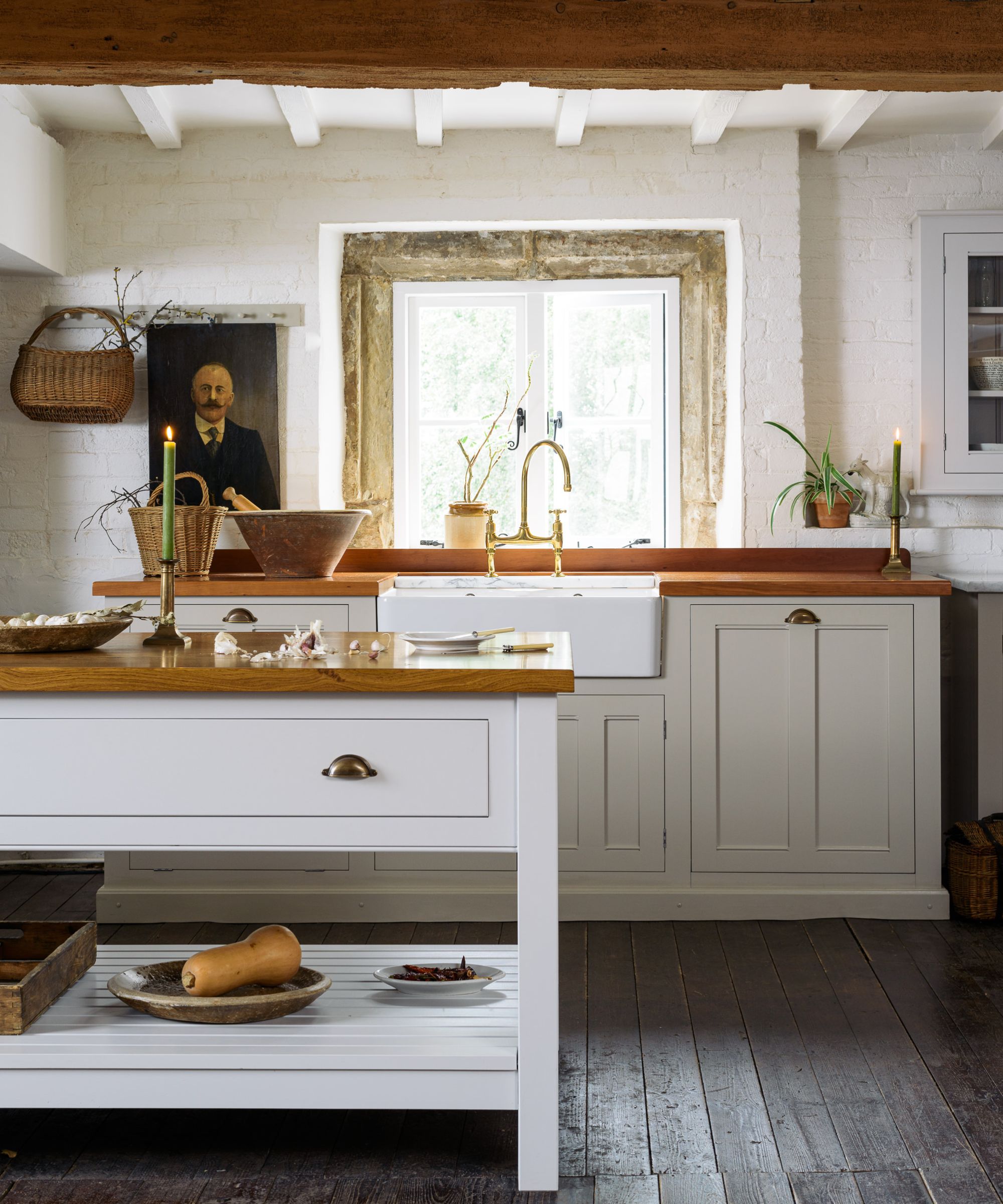
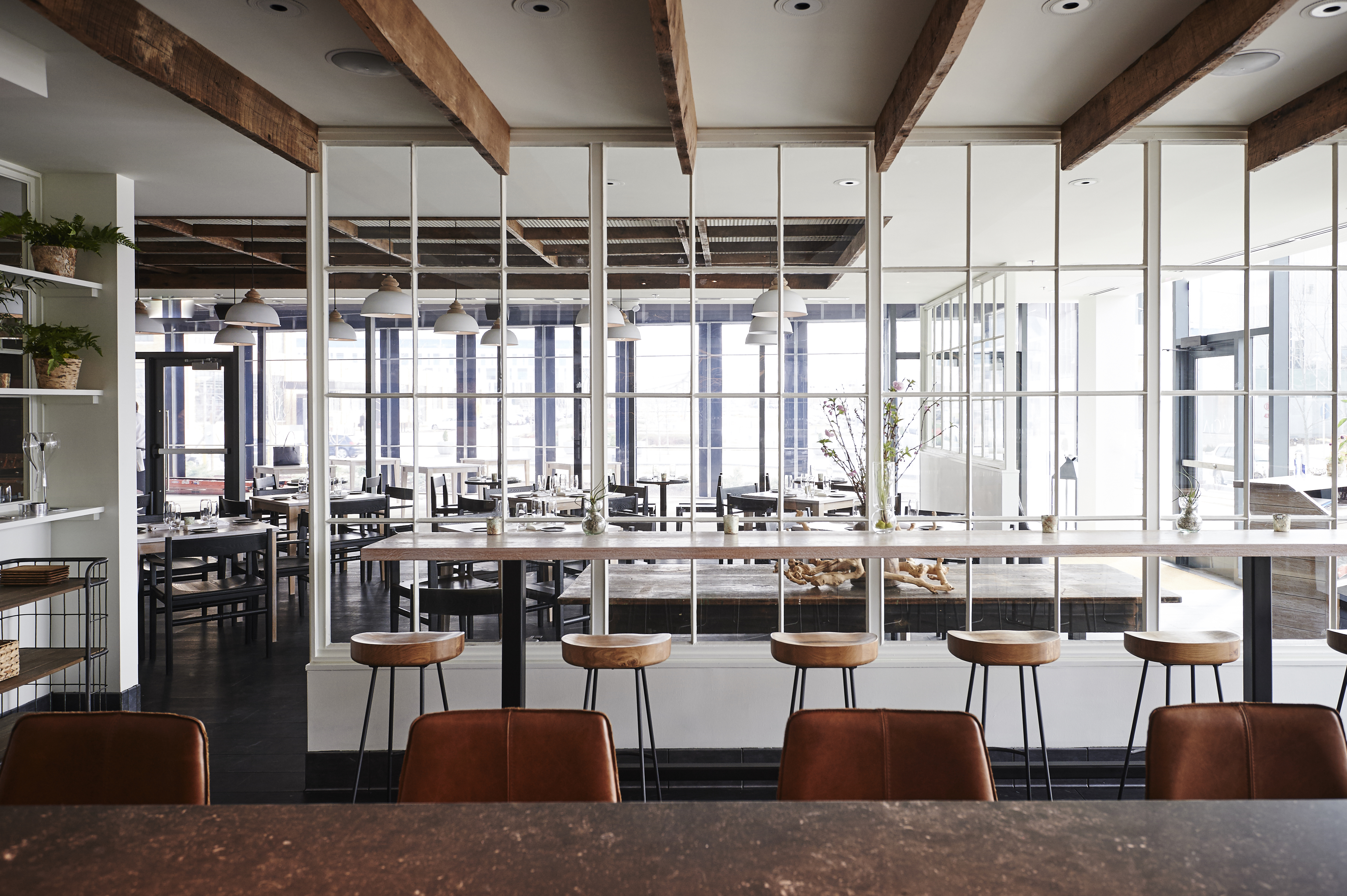
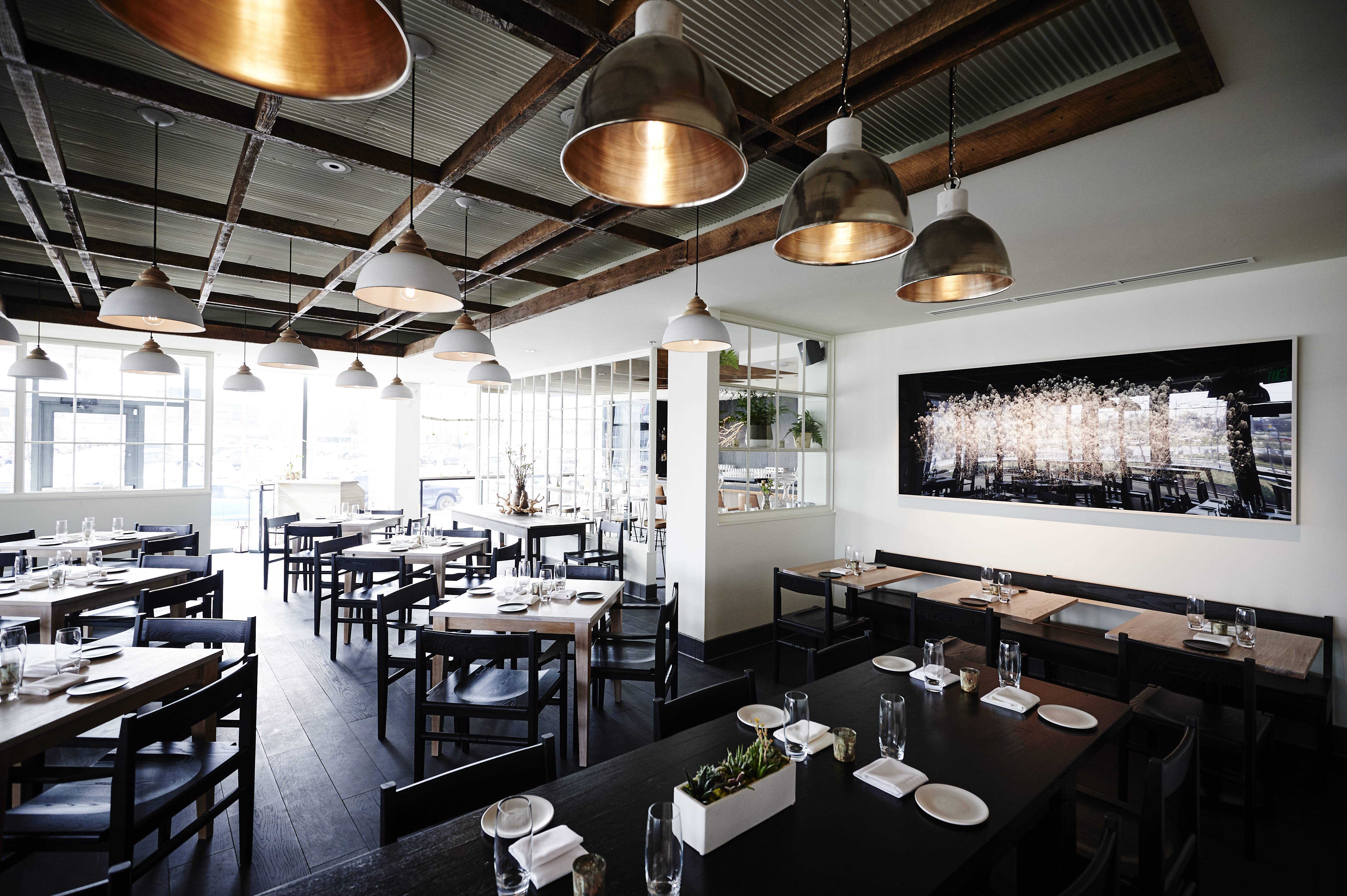
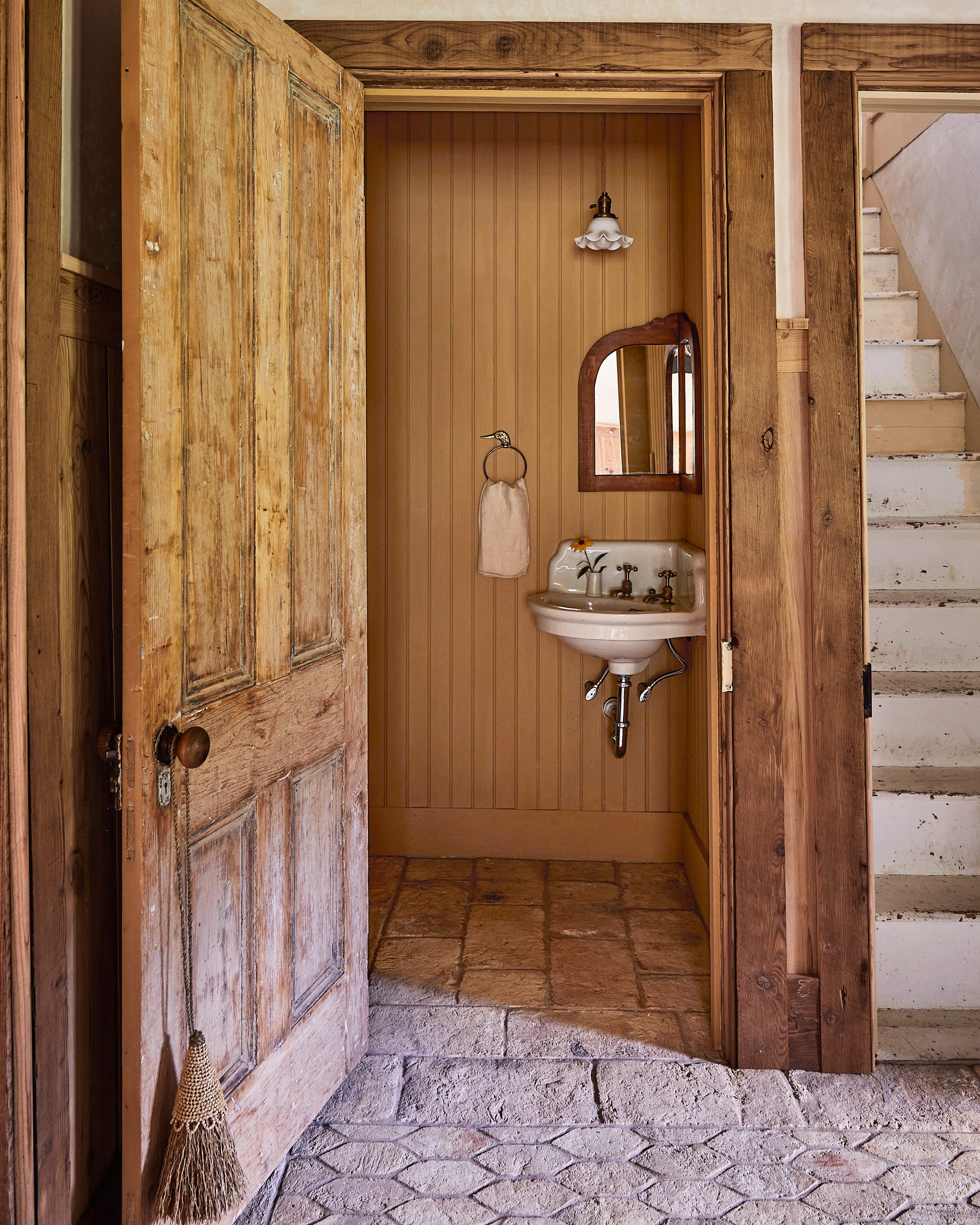
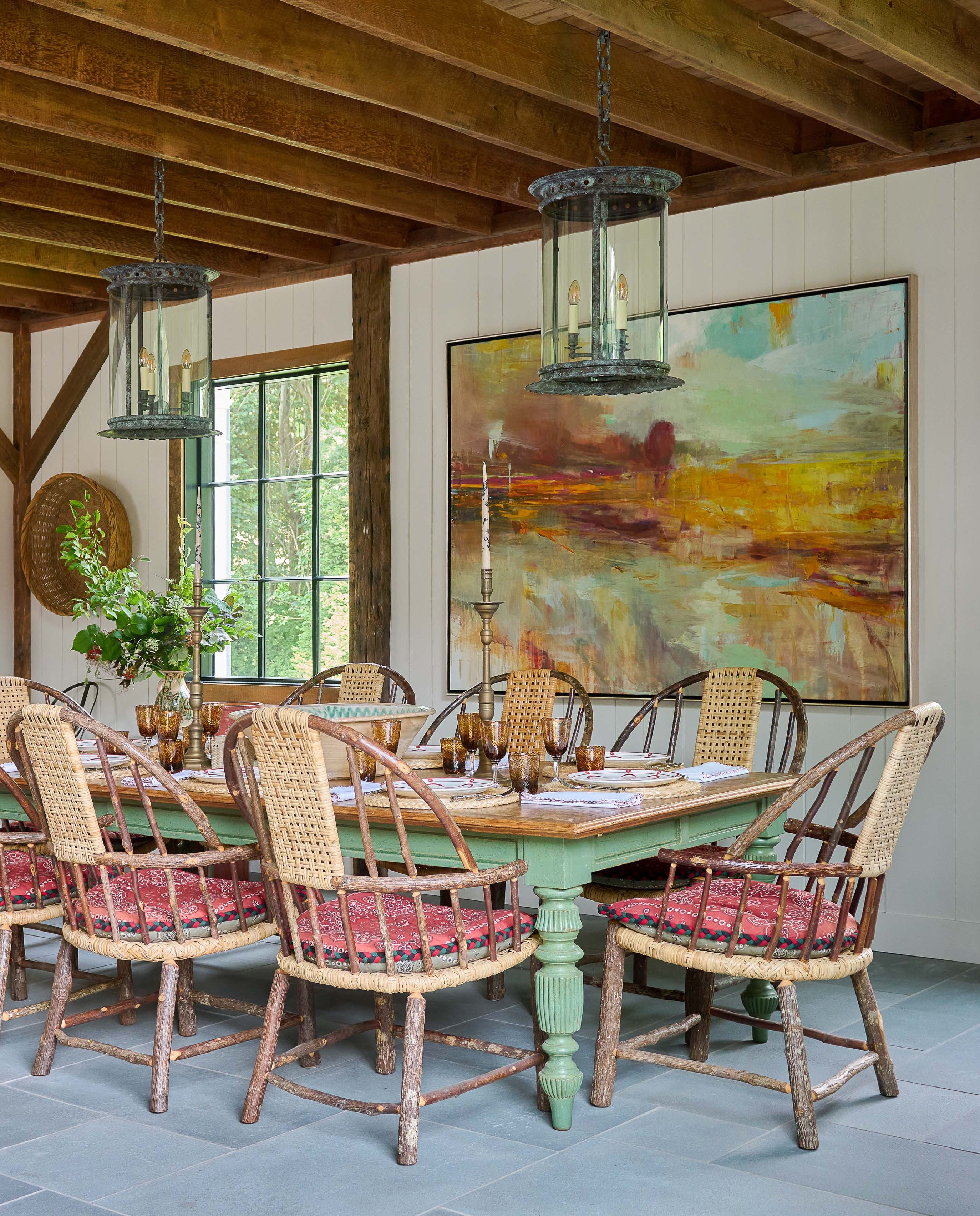
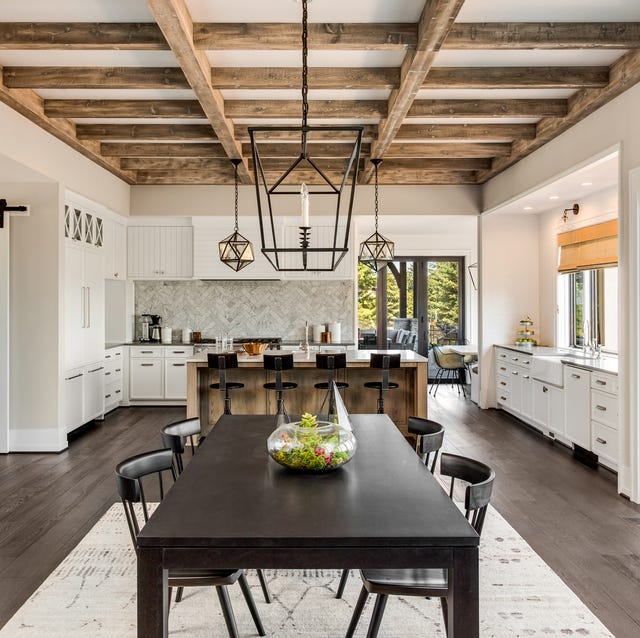
To achieve the farmhouse look, several design principles are consistently applied. The use of handmade textures is crucial, with natural fabrics like linen, burlap, and cotton employed for upholstery, curtains, and throw pillows. These textiles introduce a tactile quality that complements rustic features like weathered wood or repurposed industrial farm items. Natural building materials are fundamental, with exposed wood beams, hardwood floors, and stone embellishments forming the backbone of the aesthetic. The color palette typically leans towards neutral tones, fostering a calm and unified atmosphere throughout the home.
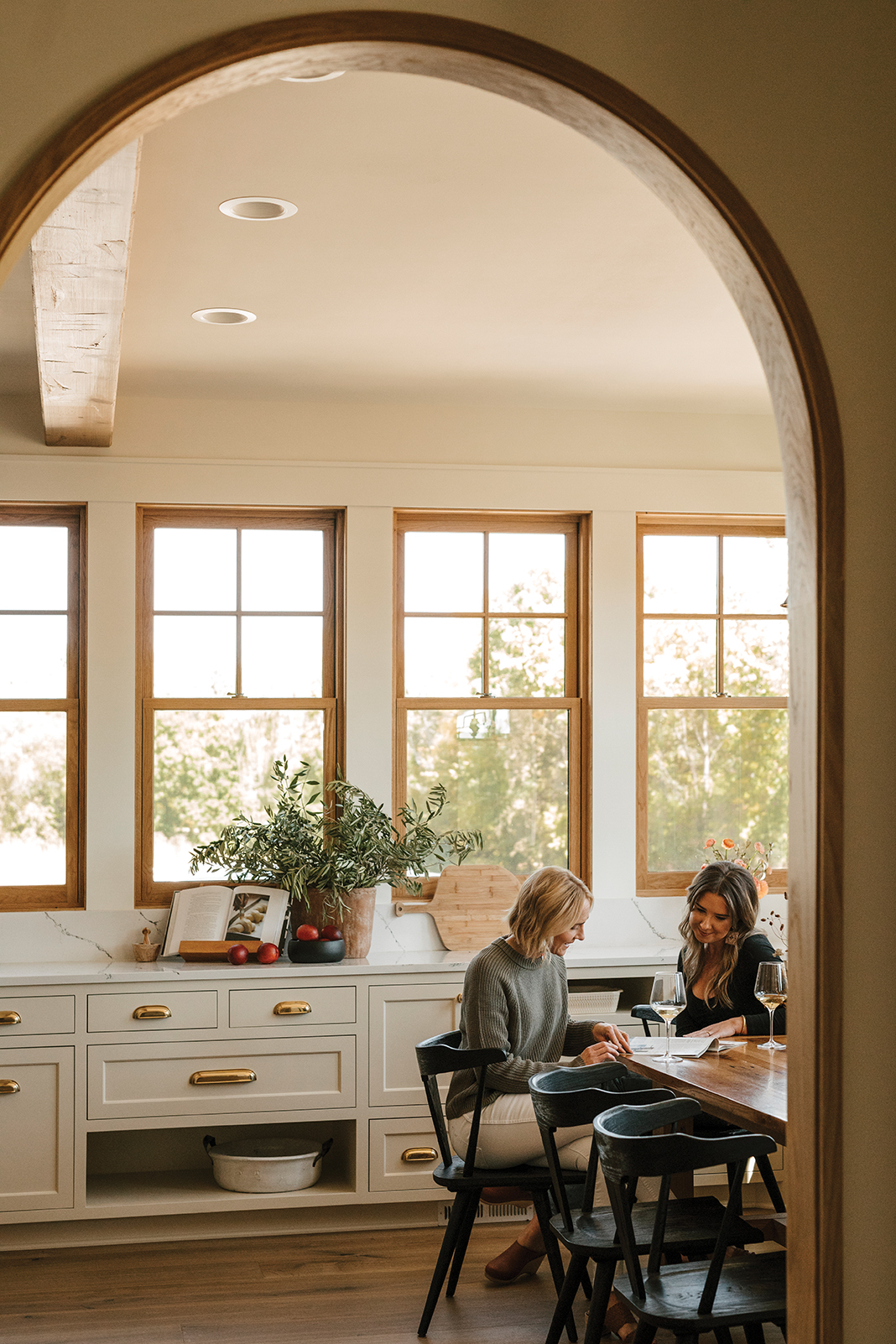
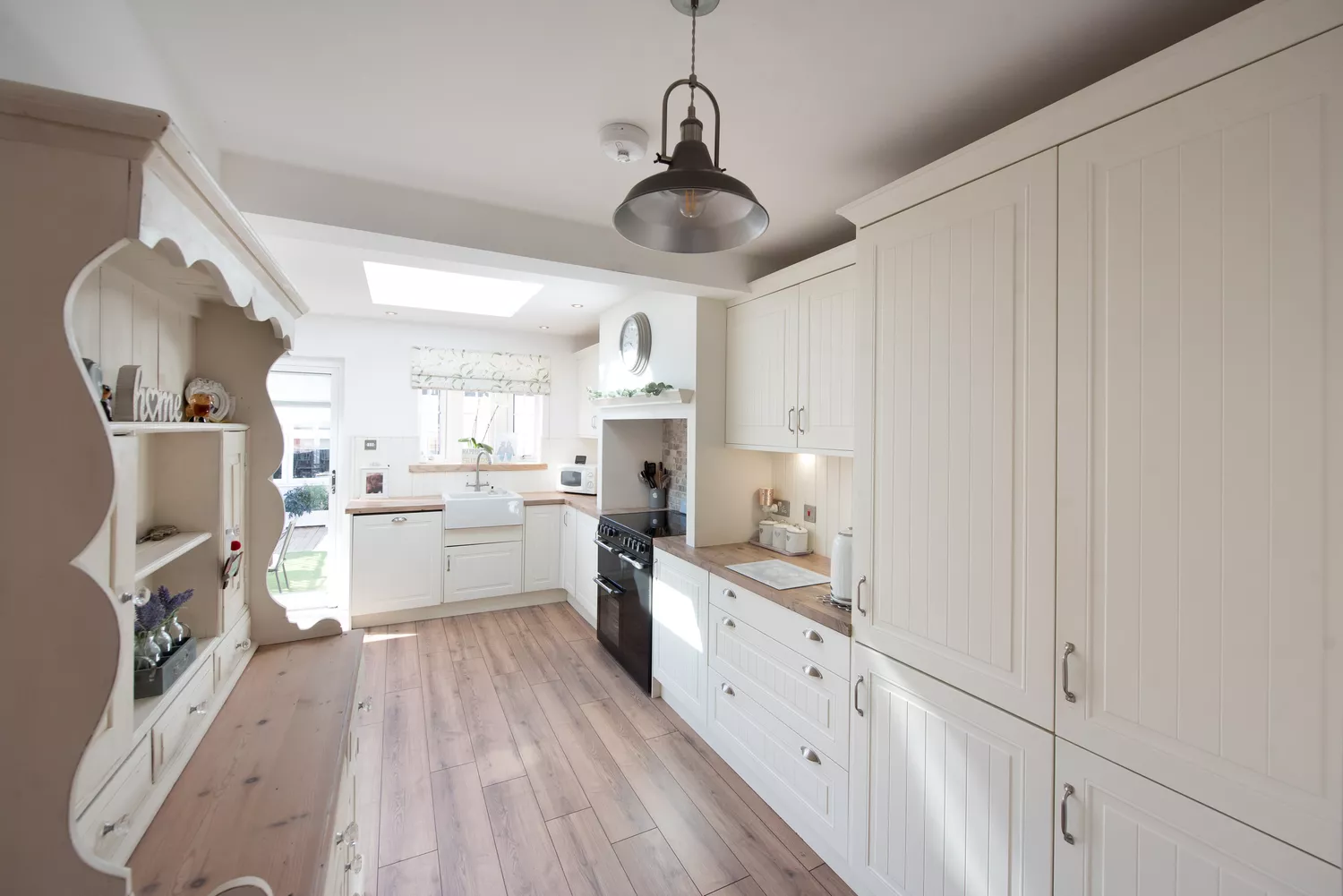
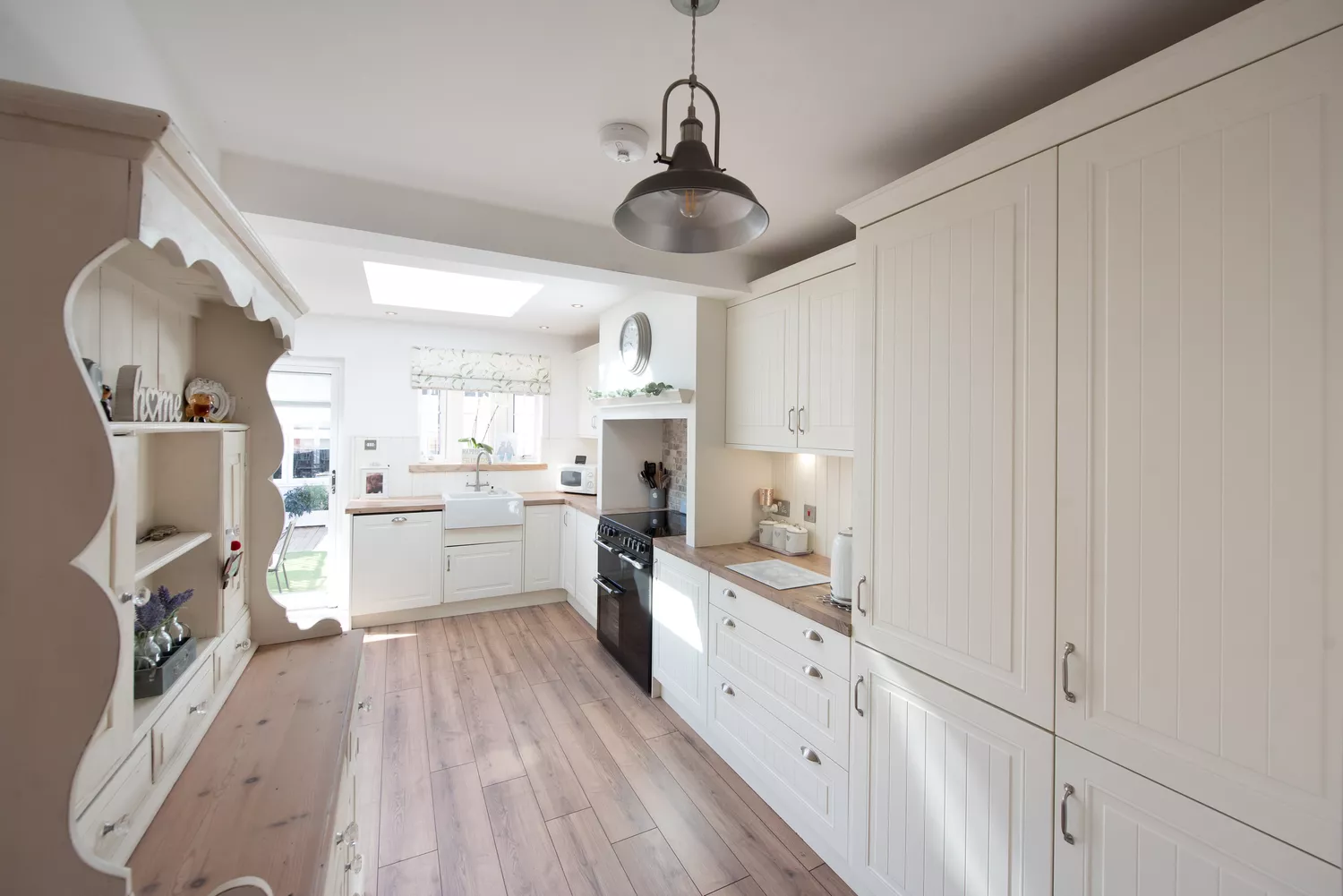
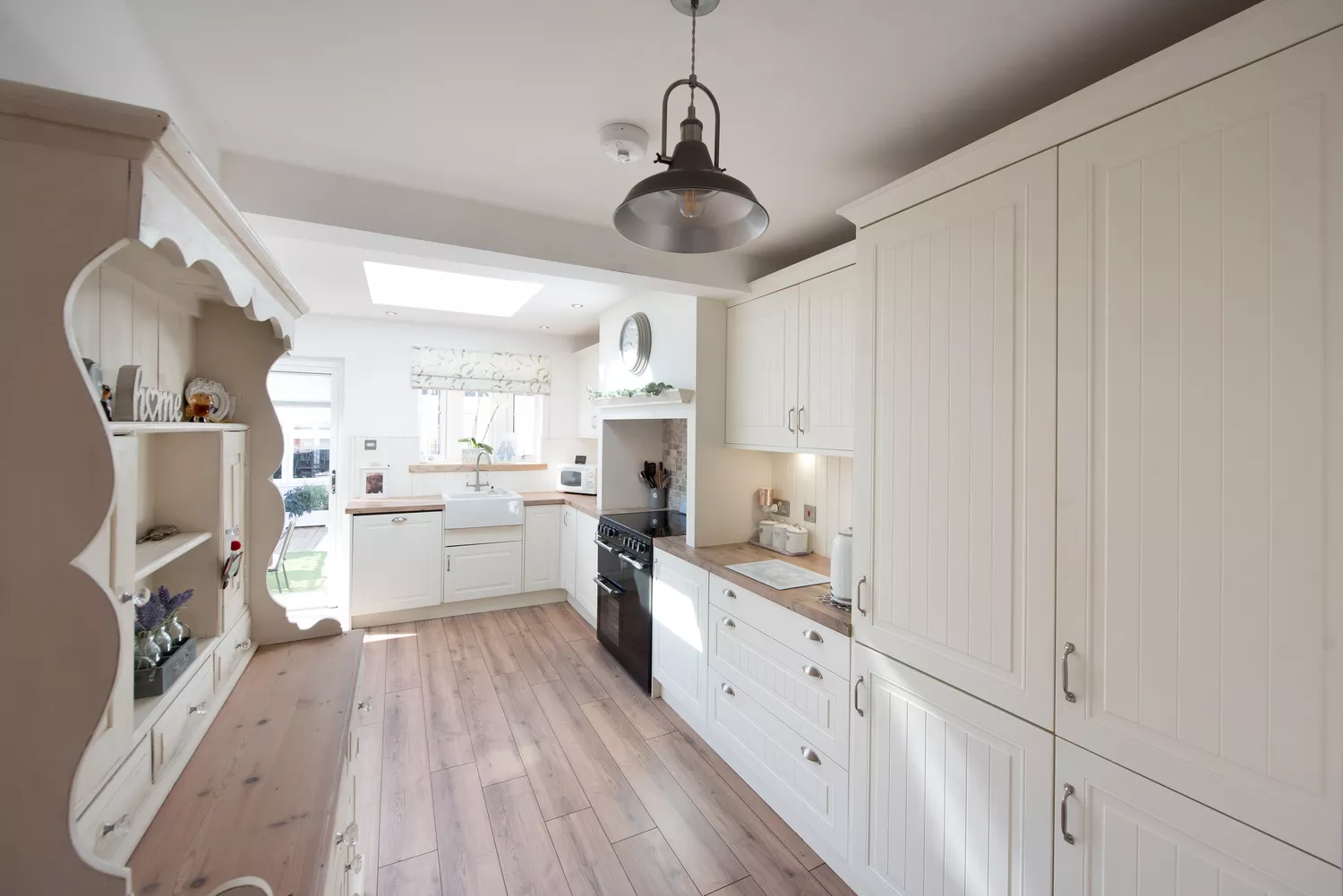
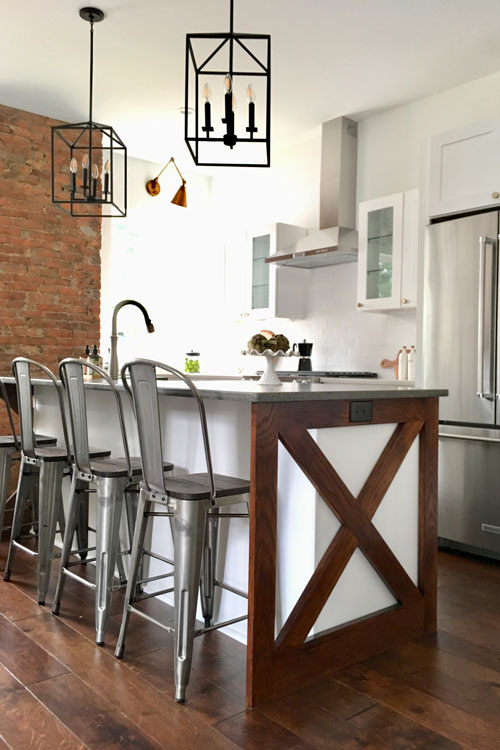
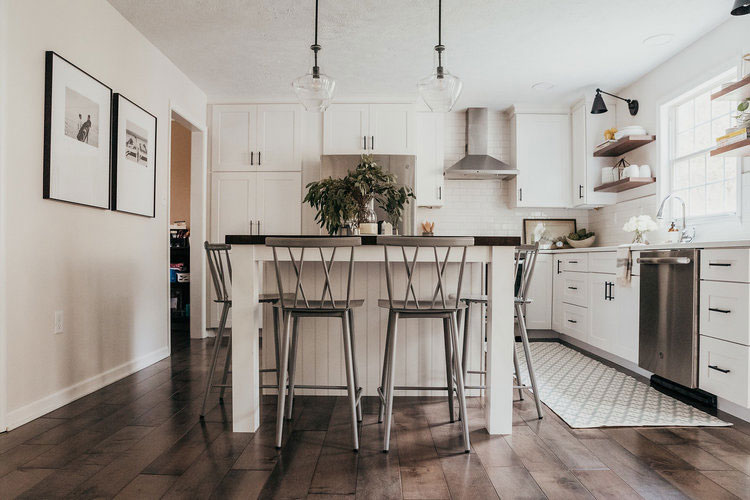
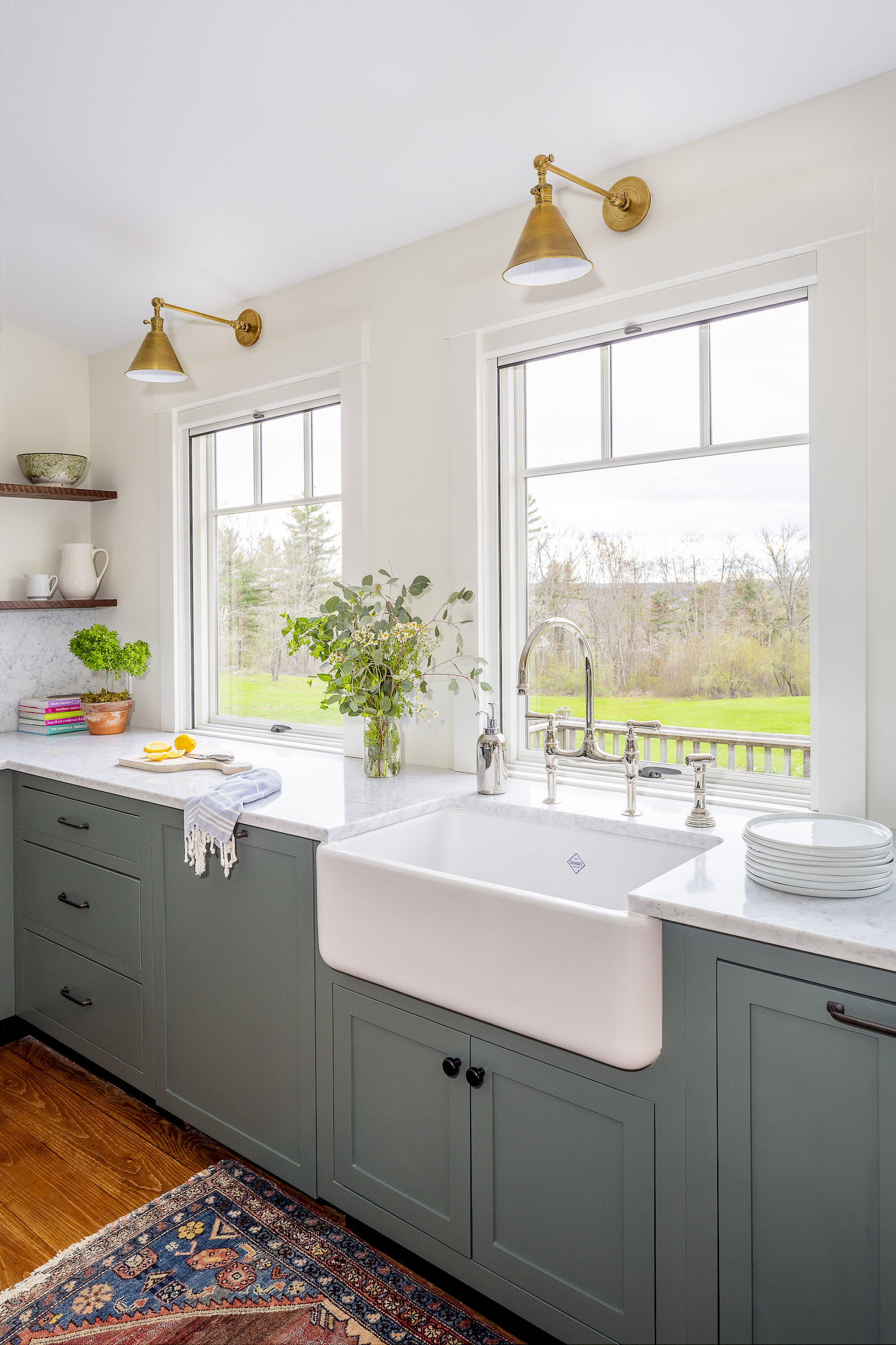
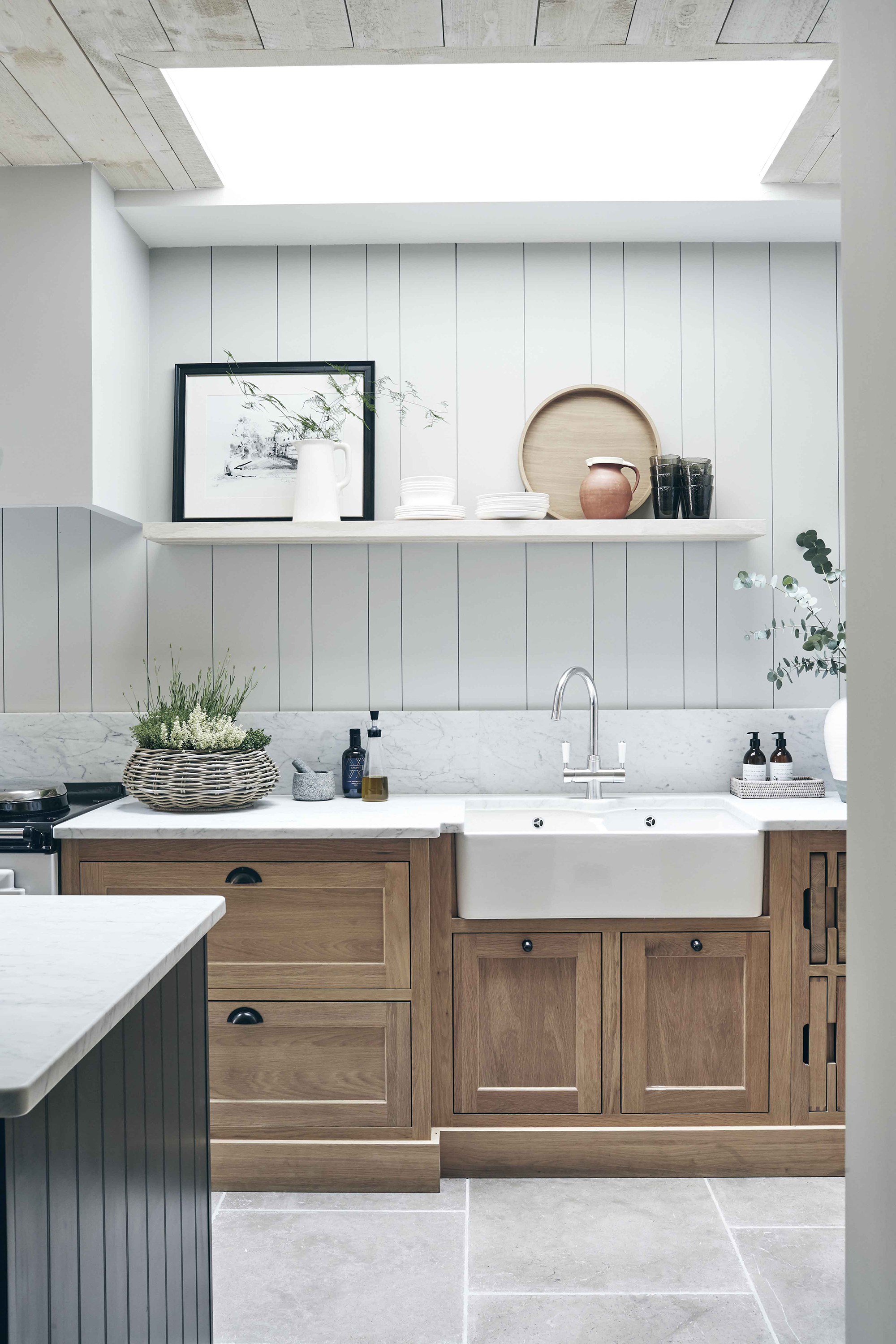
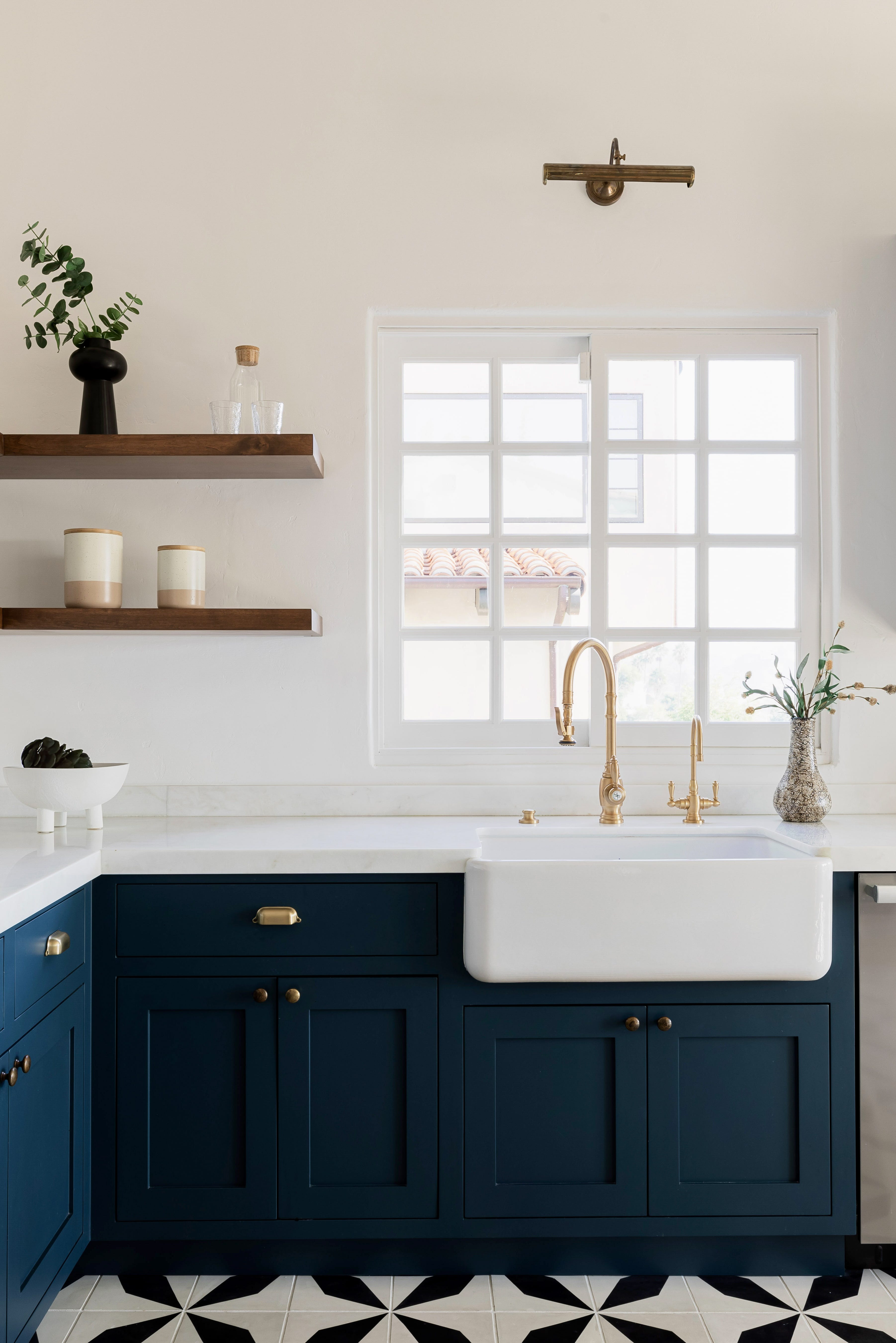
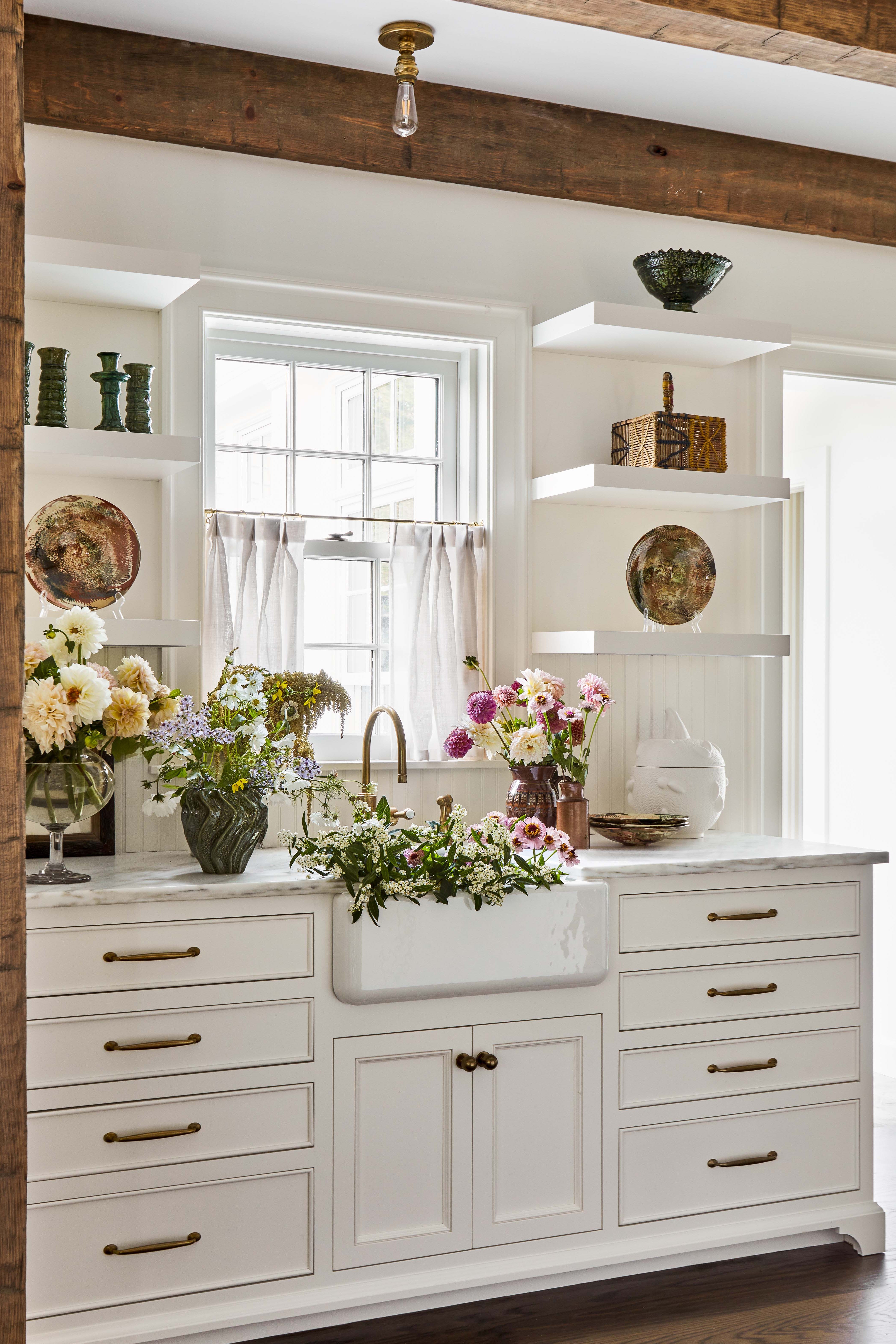
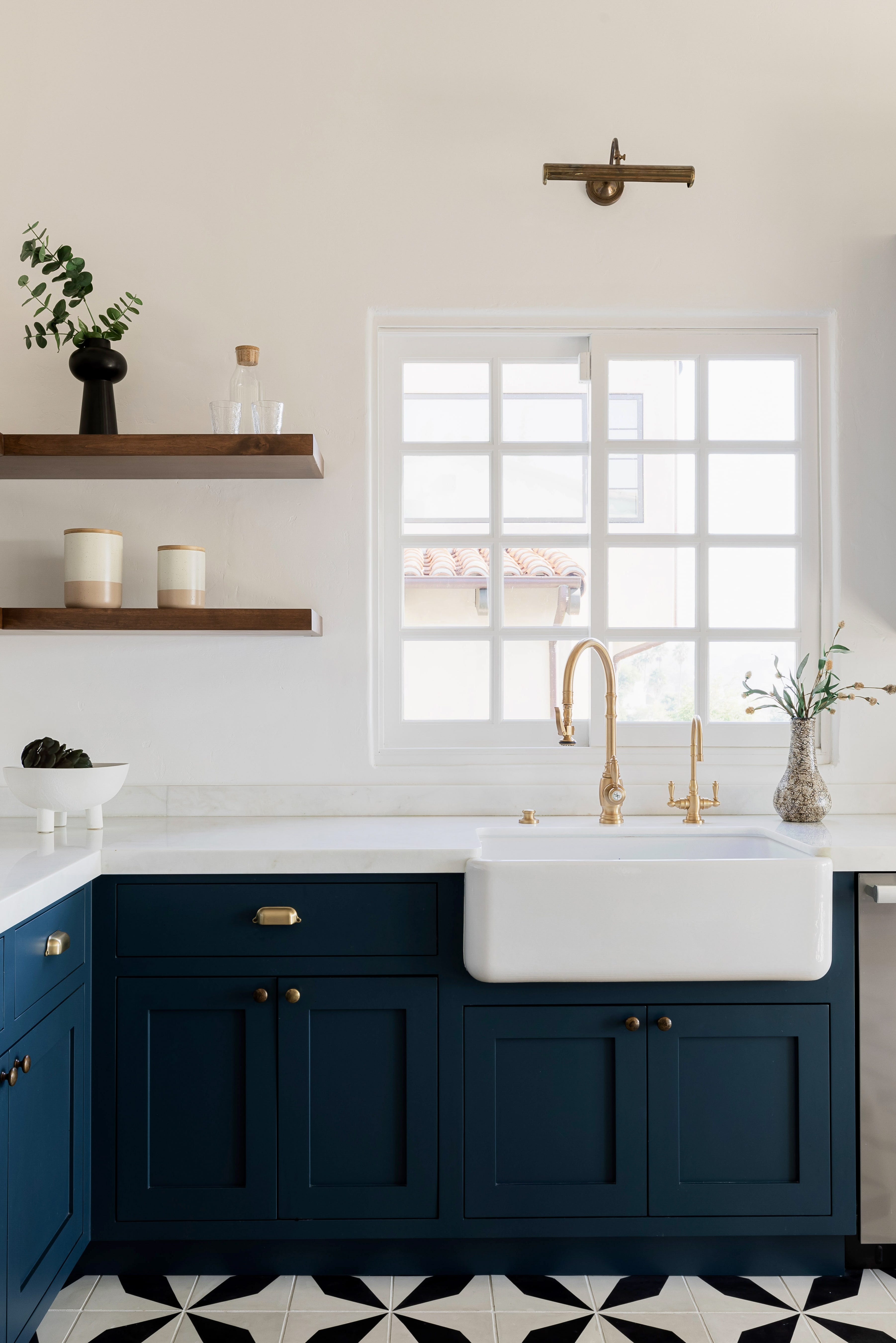
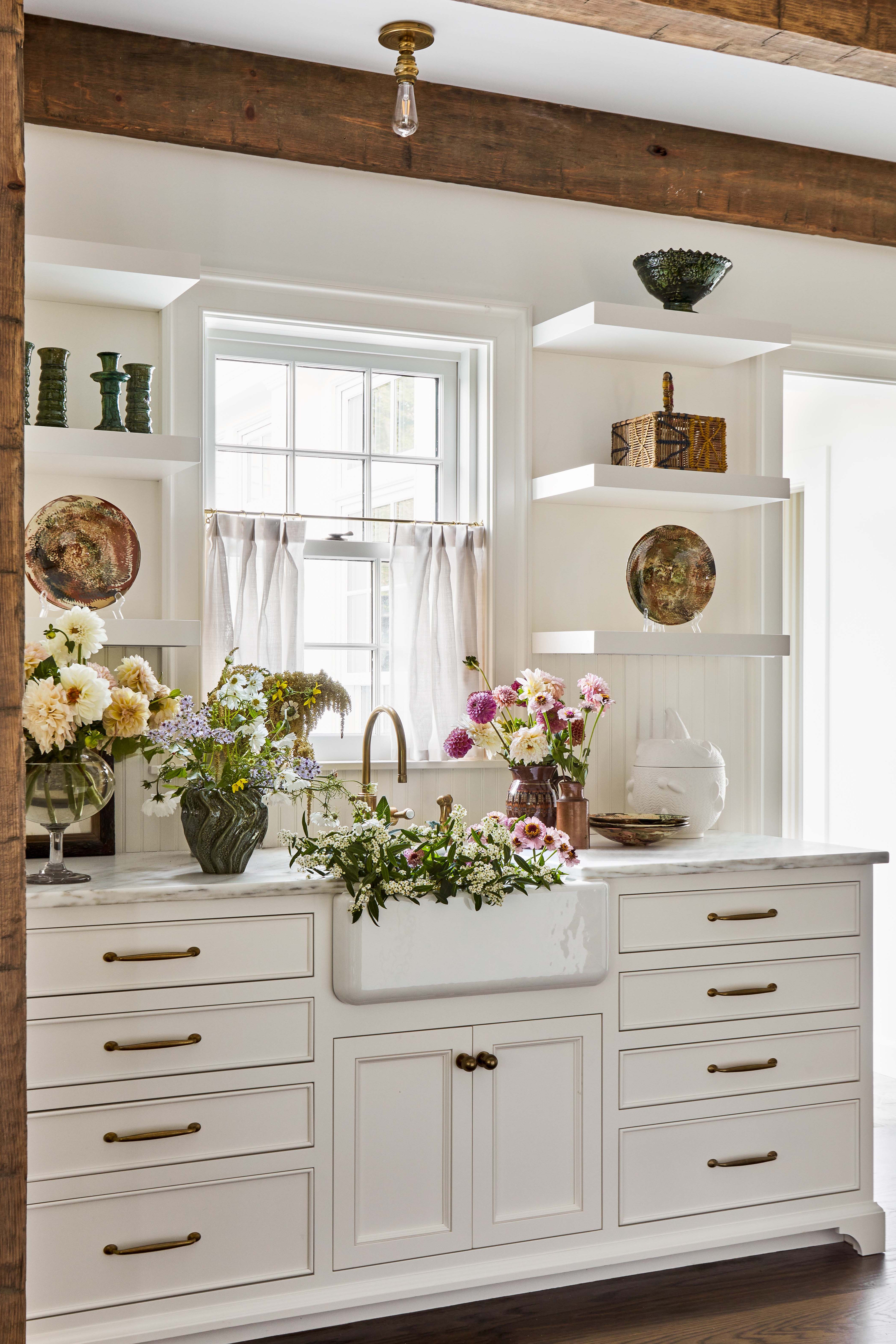
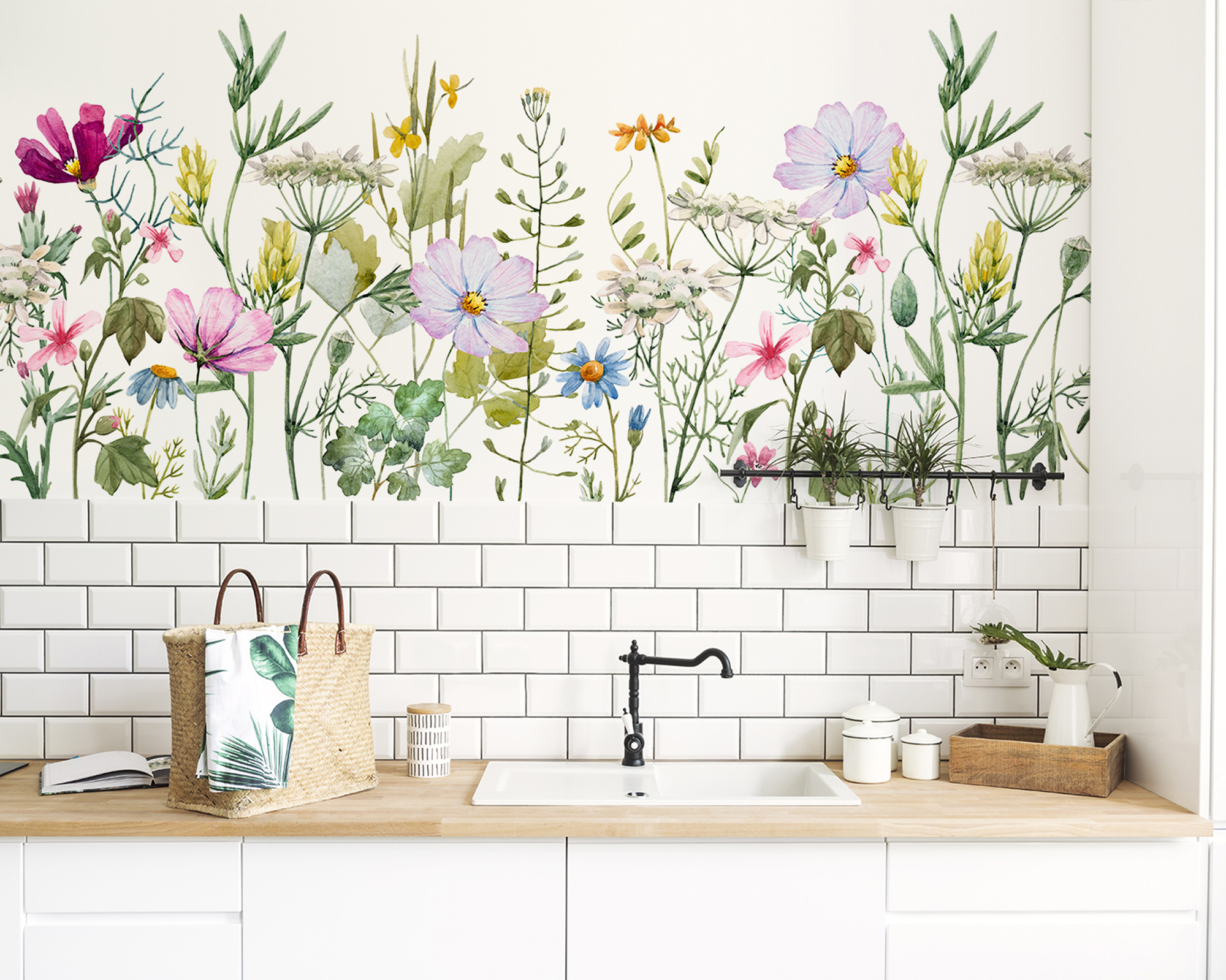
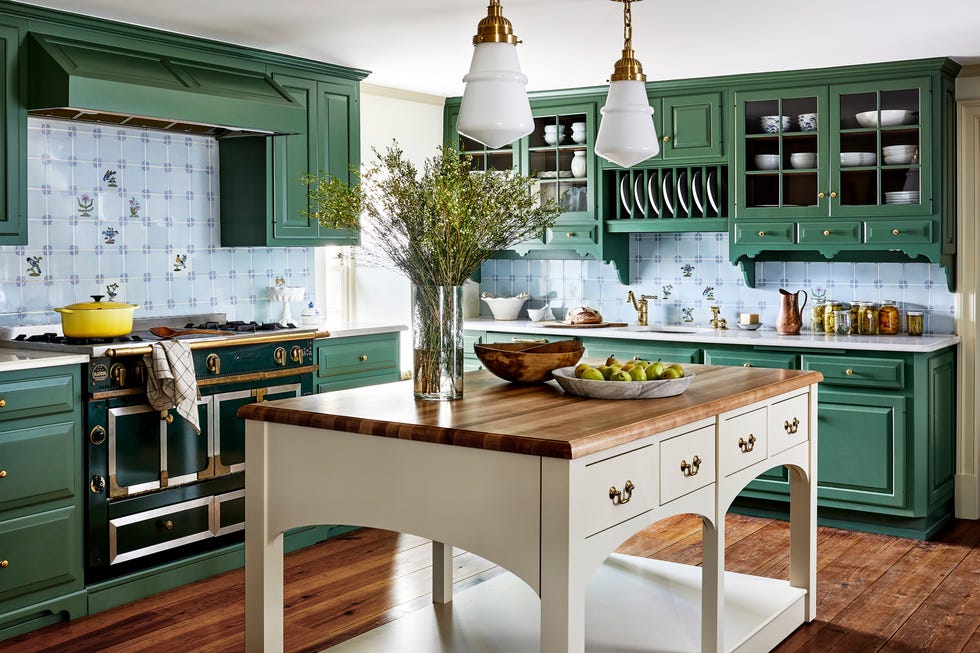
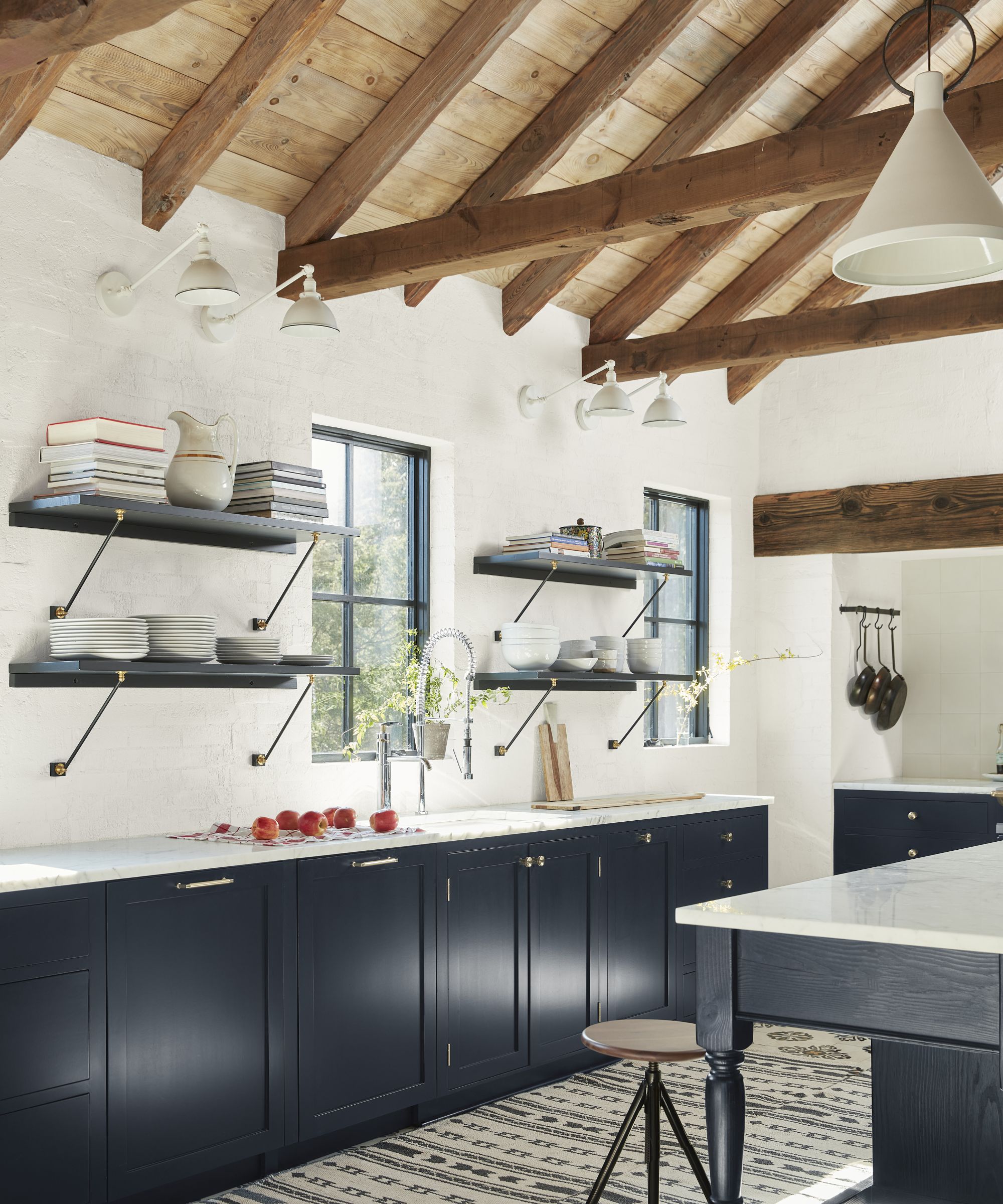
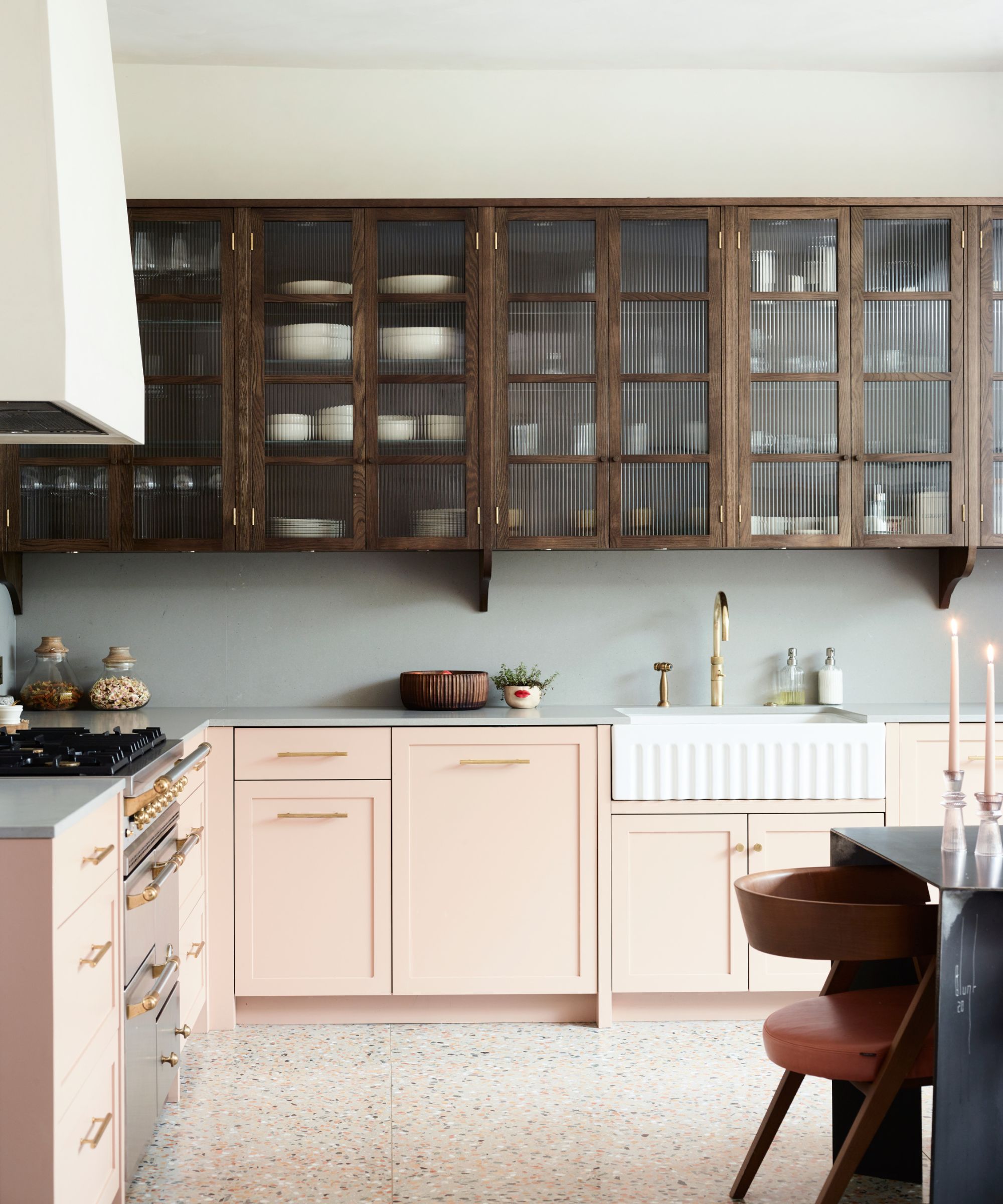
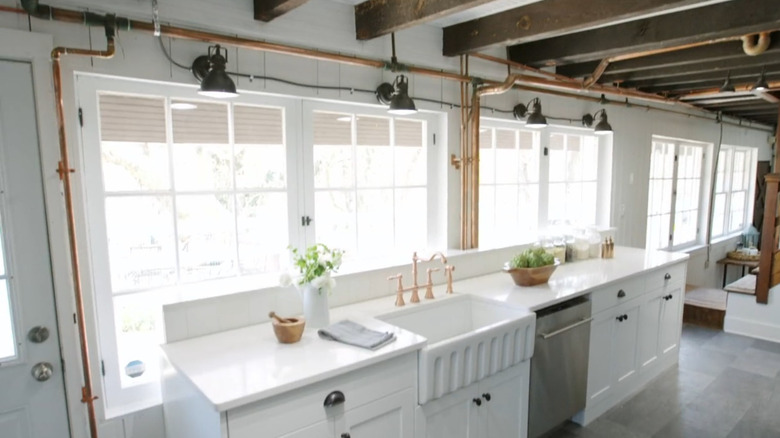
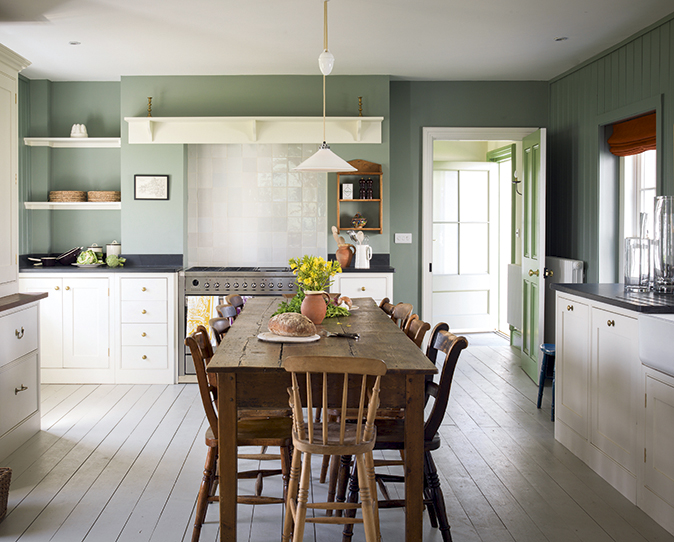
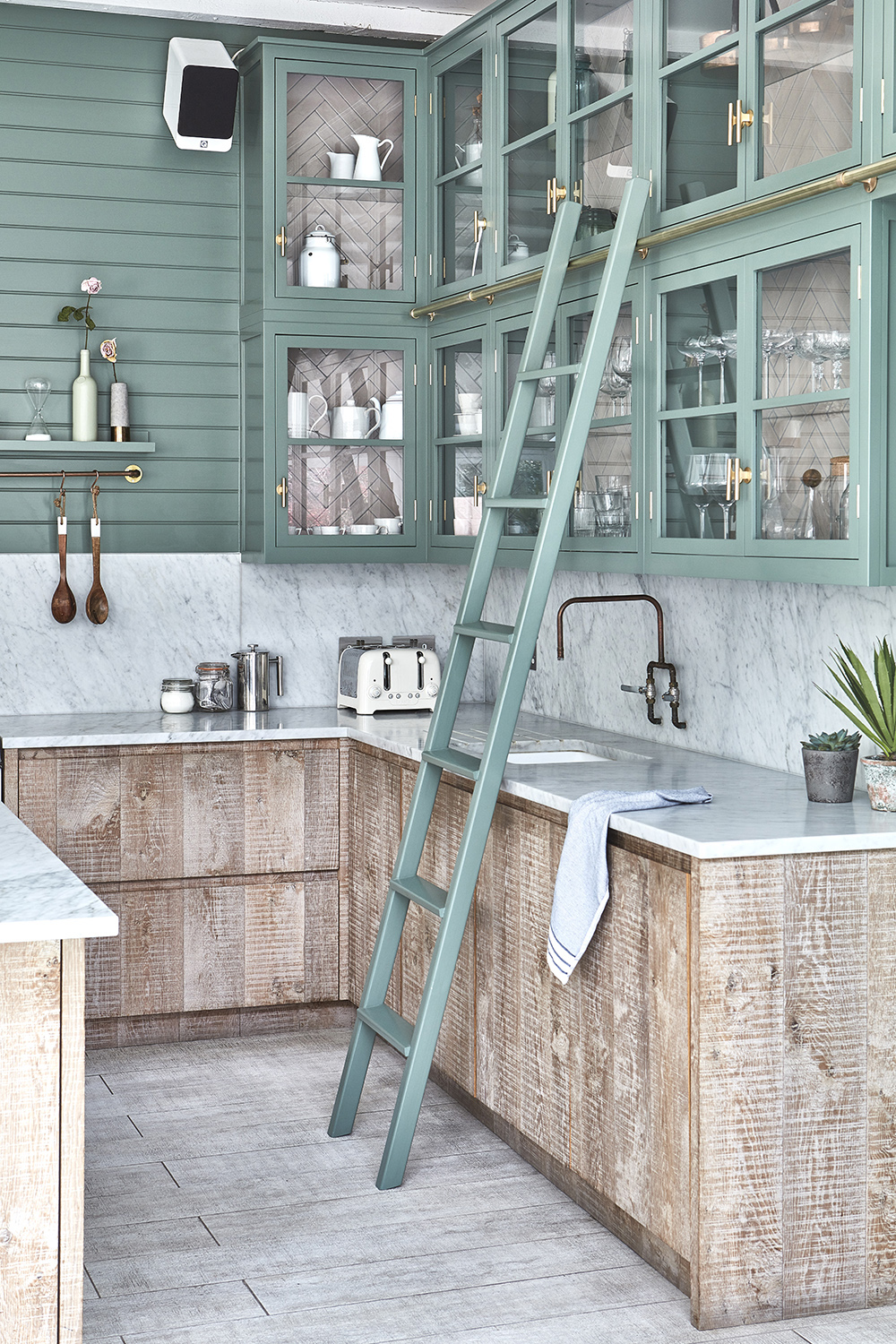
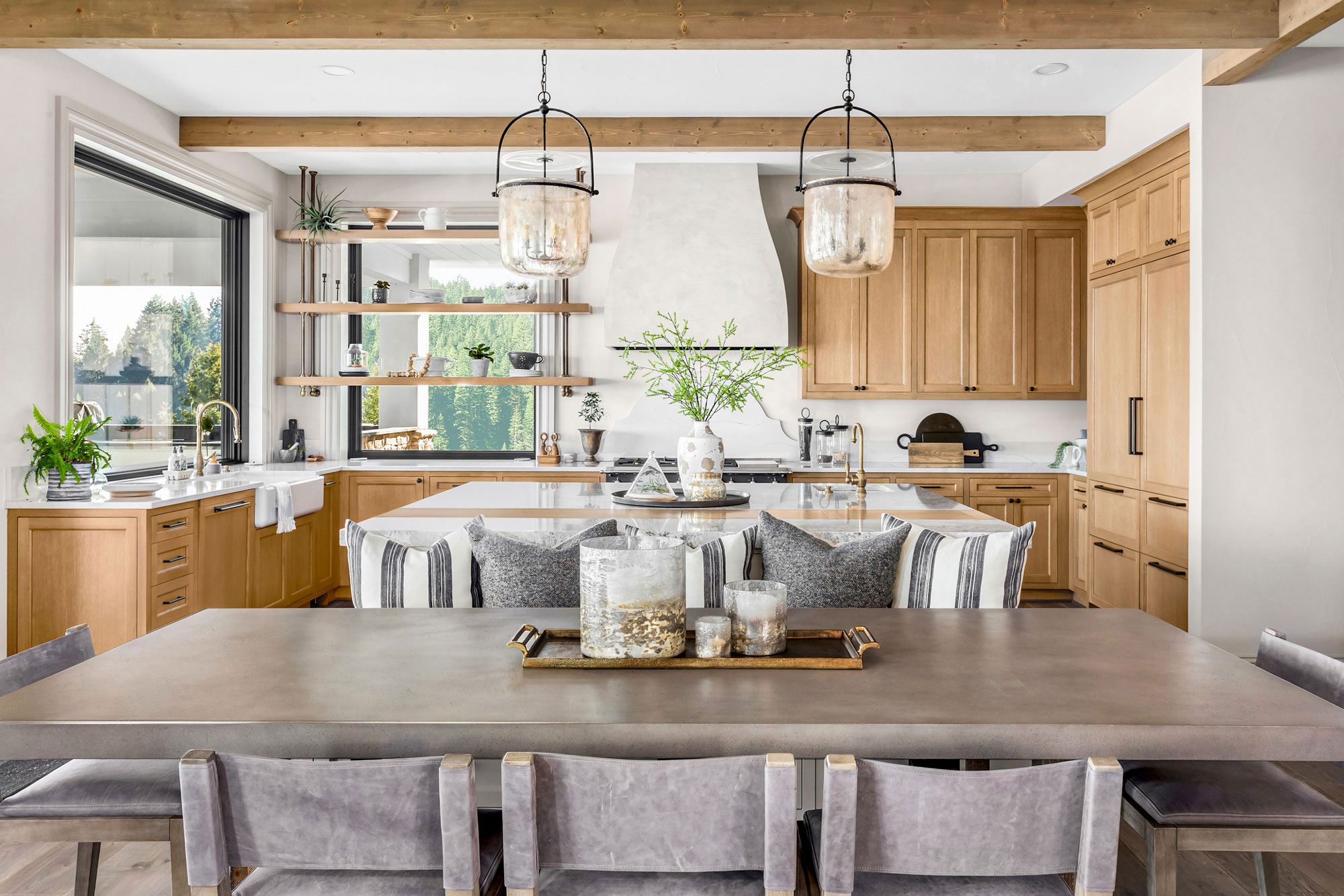
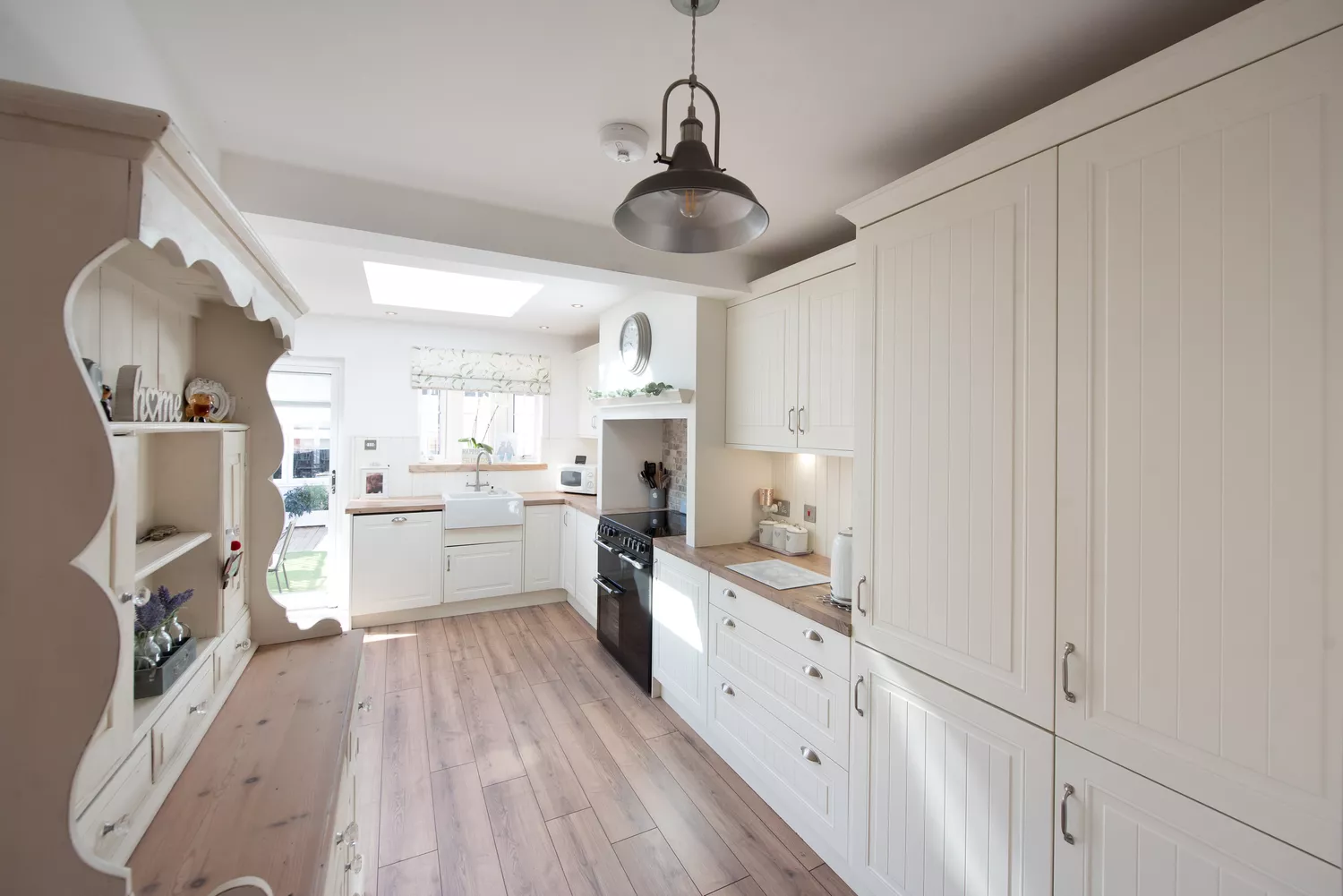
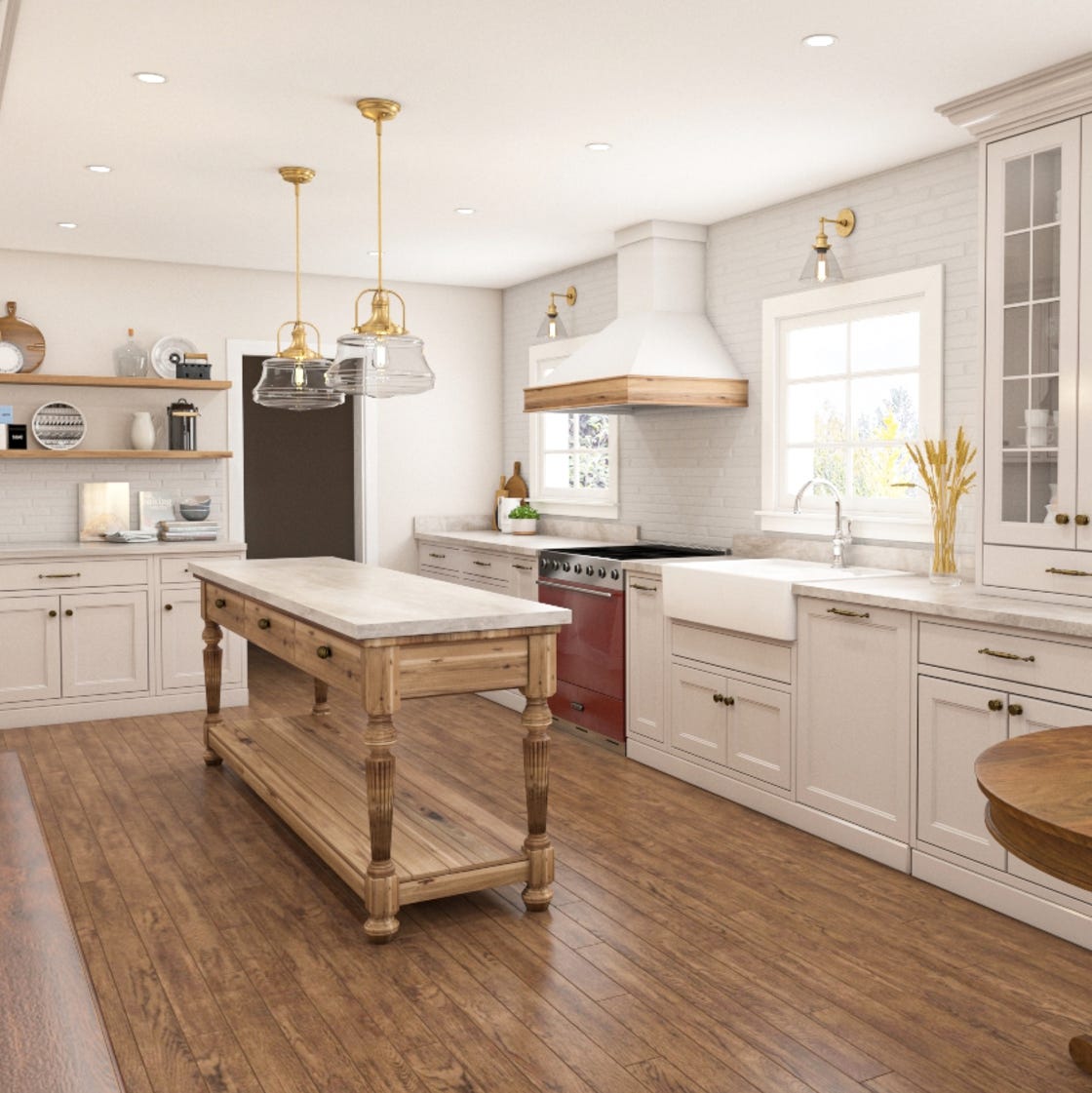
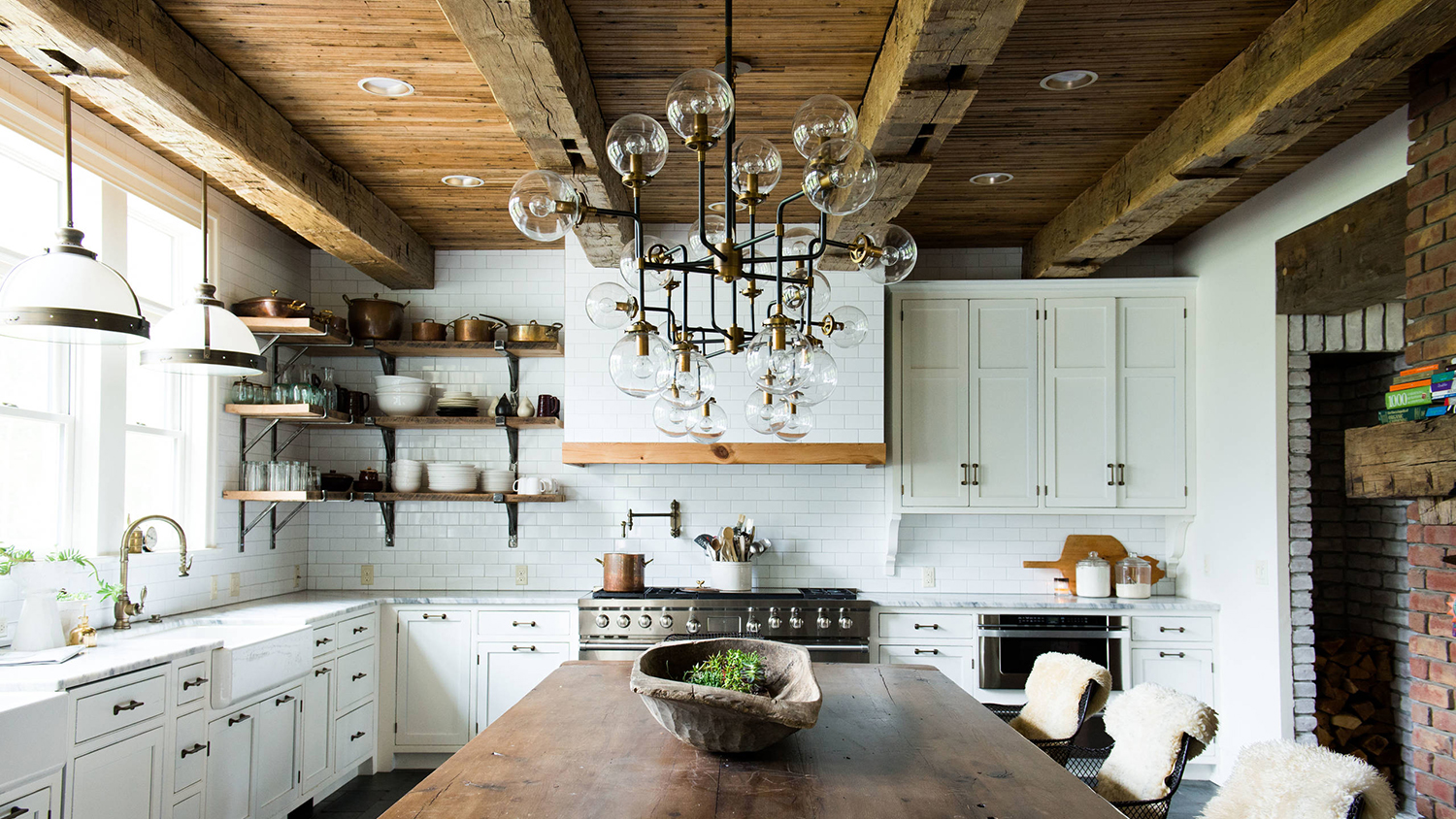
In the kitchen, specific elements are characteristic of farmhouse design. A farmhouse or apron-front sink is a popular choice, evoking a nostalgic yet practical feel. Open shelving is frequently used to provide easy access to dishes while maintaining a casual and charming ambiance. Emphasis is placed on natural light, which is enhanced by white-based color palettes and large windows with light curtains, contributing to an airy and bright interior. Furniture in farmhouse design is generally simple, functional, and comfortable, often featuring a distressed or weathered appearance to amplify its rustic charm. Vintage and antique finds, such as weathered signs, old tools, and repurposed items, are essential for creating a lived-in and nostalgic feel, with flea markets and vintage shops being ideal sources for such pieces.
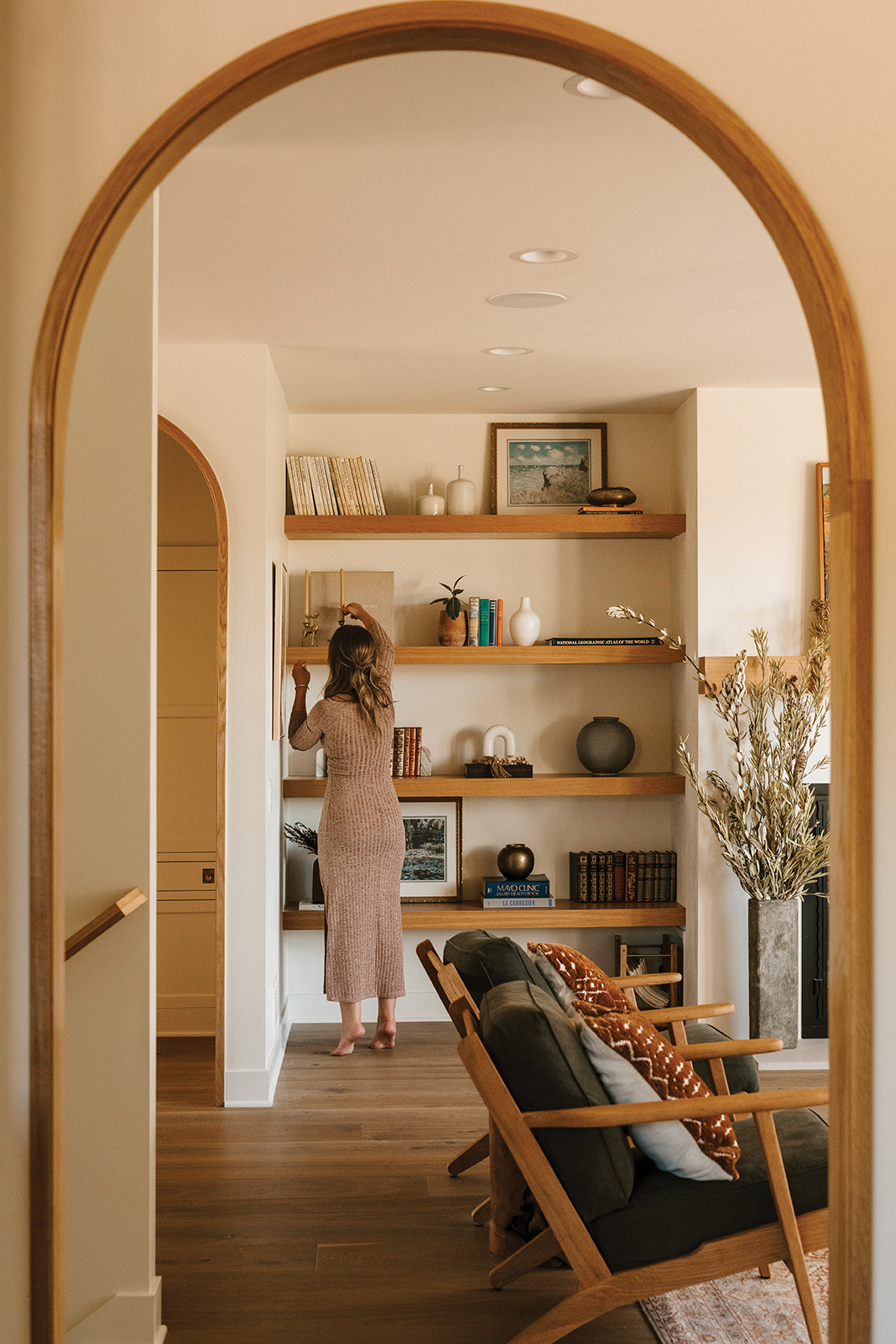
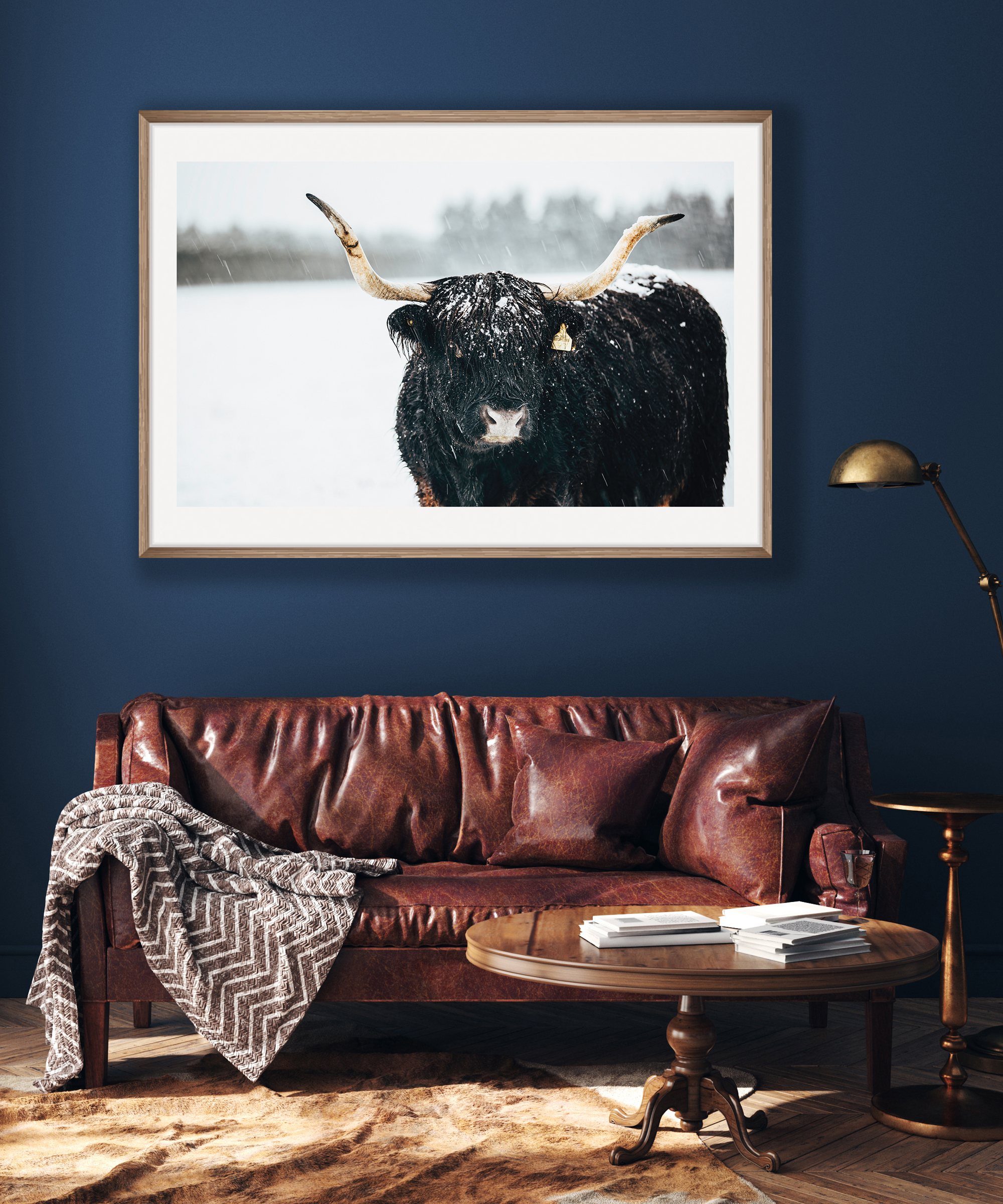
For those looking to integrate farmhouse interior design into their homes without a complete overhaul, several practical steps can be taken. Incorporating distressed wood furniture, like a wooden coffee table or bookshelf, can replace modern pieces. Layering textures through throw pillows, chunky knit blankets, or jute rugs adds depth and warmth. Installing open shelving made of rustic reclaimed wood in the kitchen is an inexpensive and impactful way to introduce a key farmhouse element. Furthermore, embracing white, particularly through white linen drapery panels, helps create a cozy feel and underscores the importance of natural light in achieving an authentic farmhouse aesthetic. These elements collectively contribute to a harmonious and inviting farmhouse-inspired home.
#FarmhouseInteriorDesign #HomeDecor #RusticStyle #InteriorDesignElements #JoannaGaines #Shiplap #ReclaimedWood #NeutralColors #VintageDecor #FarmhouseInteriorDesign #HomeDecor #RusticStyle #InteriorDesignElements #JoannaGaines #Shiplap #ReclaimedWood #NeutralColors #VintageDecor
0 commenti in totale
 Nessun commento ancora
Potresti anche gradire
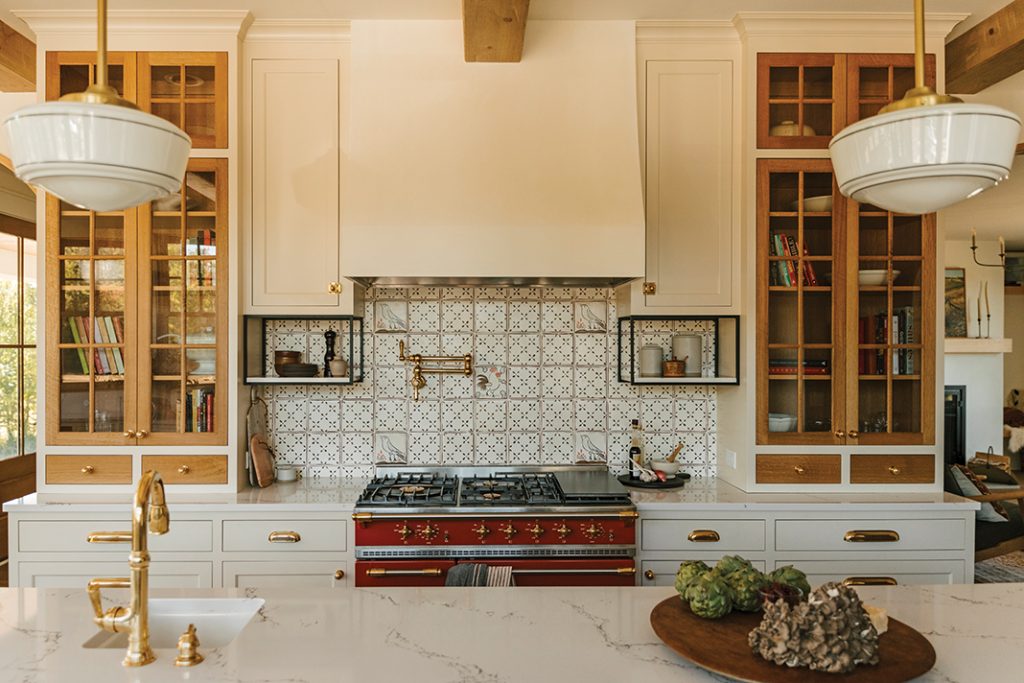
Chateau Margaux Fuses Farmhouse With Eclectic, Yet Classic Design

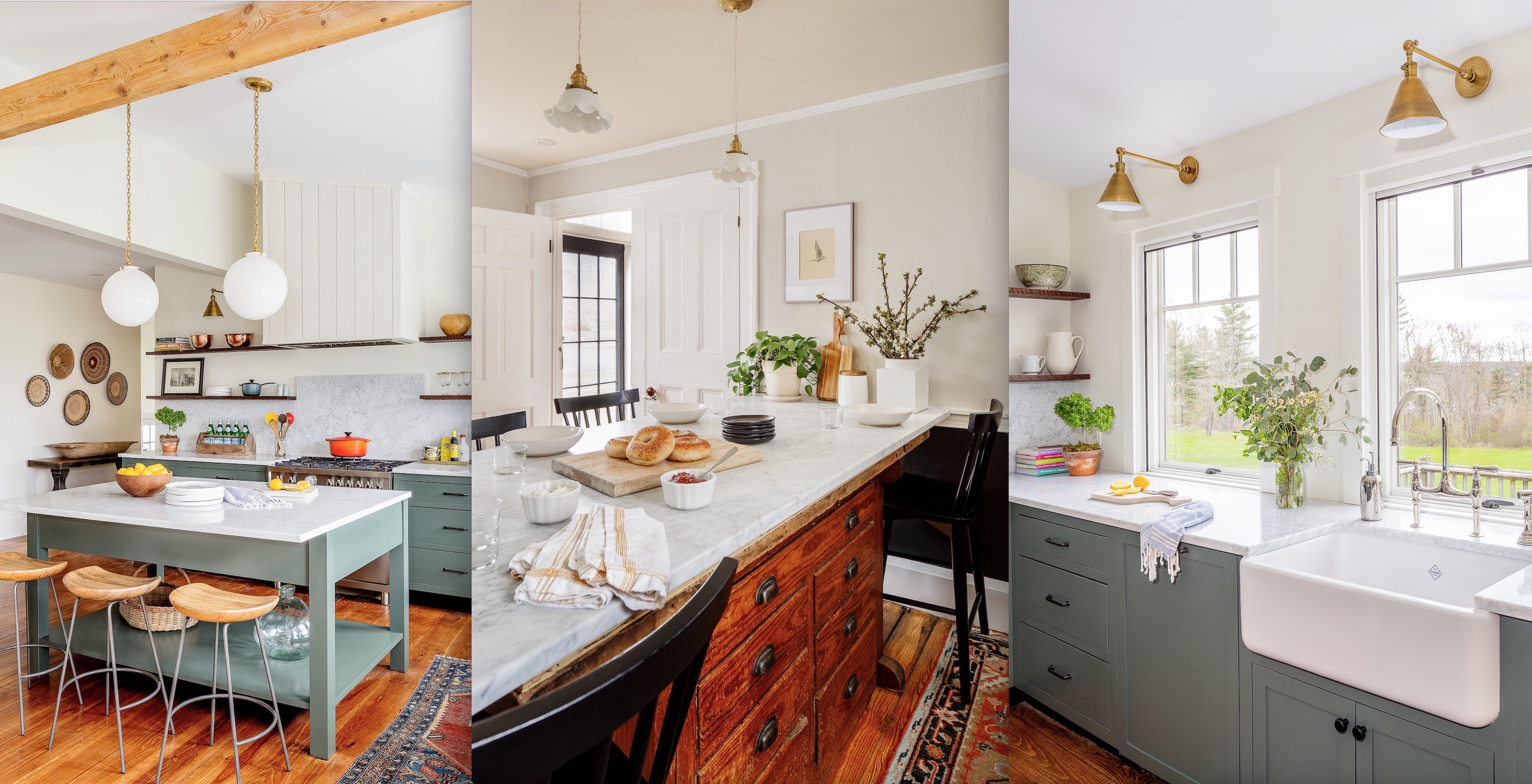
How do I make my kitchen look farmhouse? 12 elements experts always include

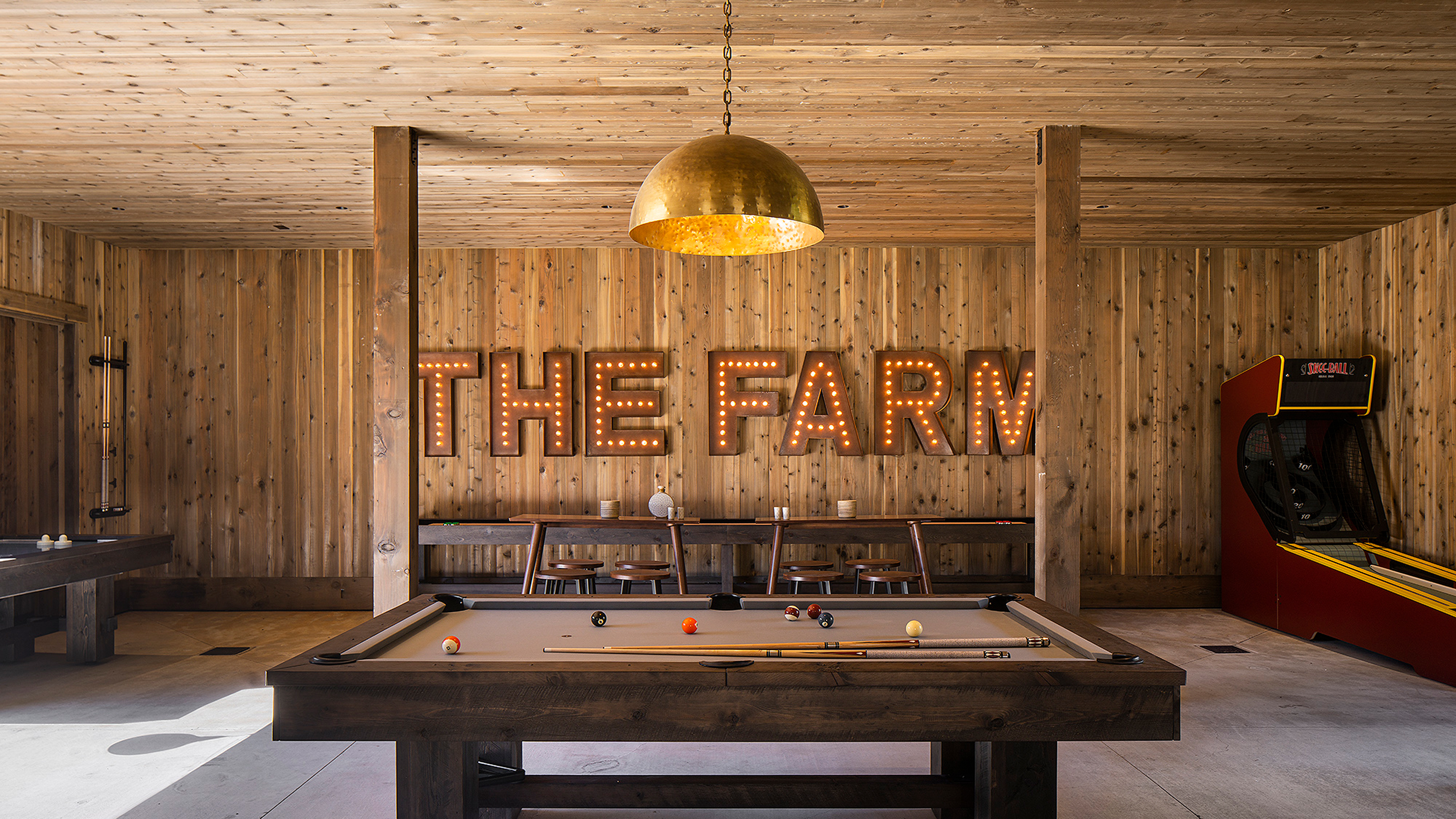
23 farmhouse decor ideas that hug your home in cozy authenticity

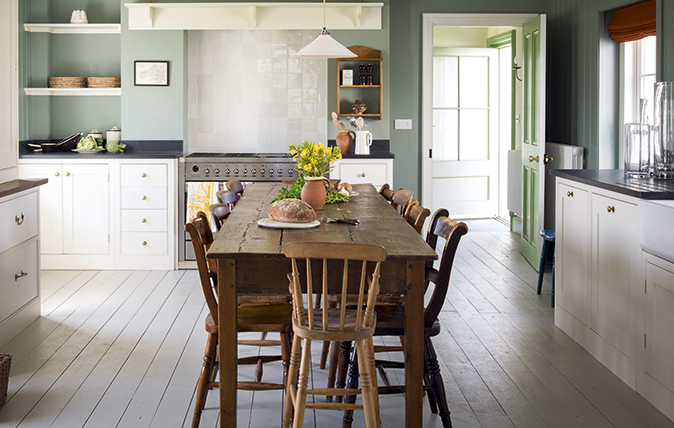
Farmhouse kitchen design ideas and tips
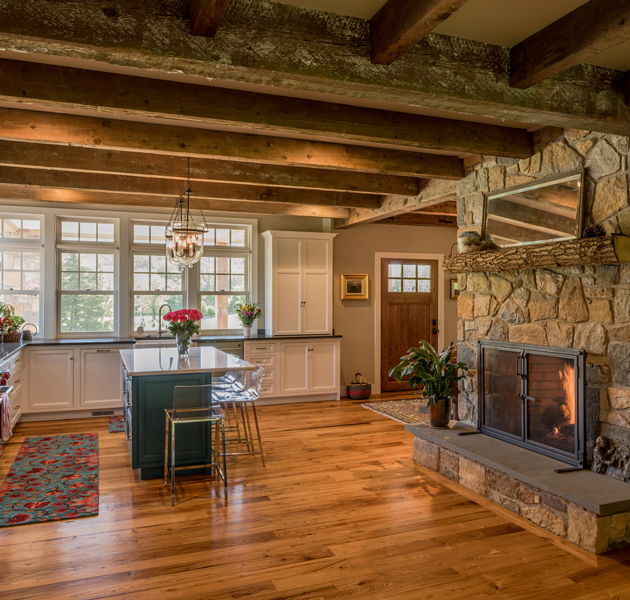
The six principles of a farmhouse aesthetic

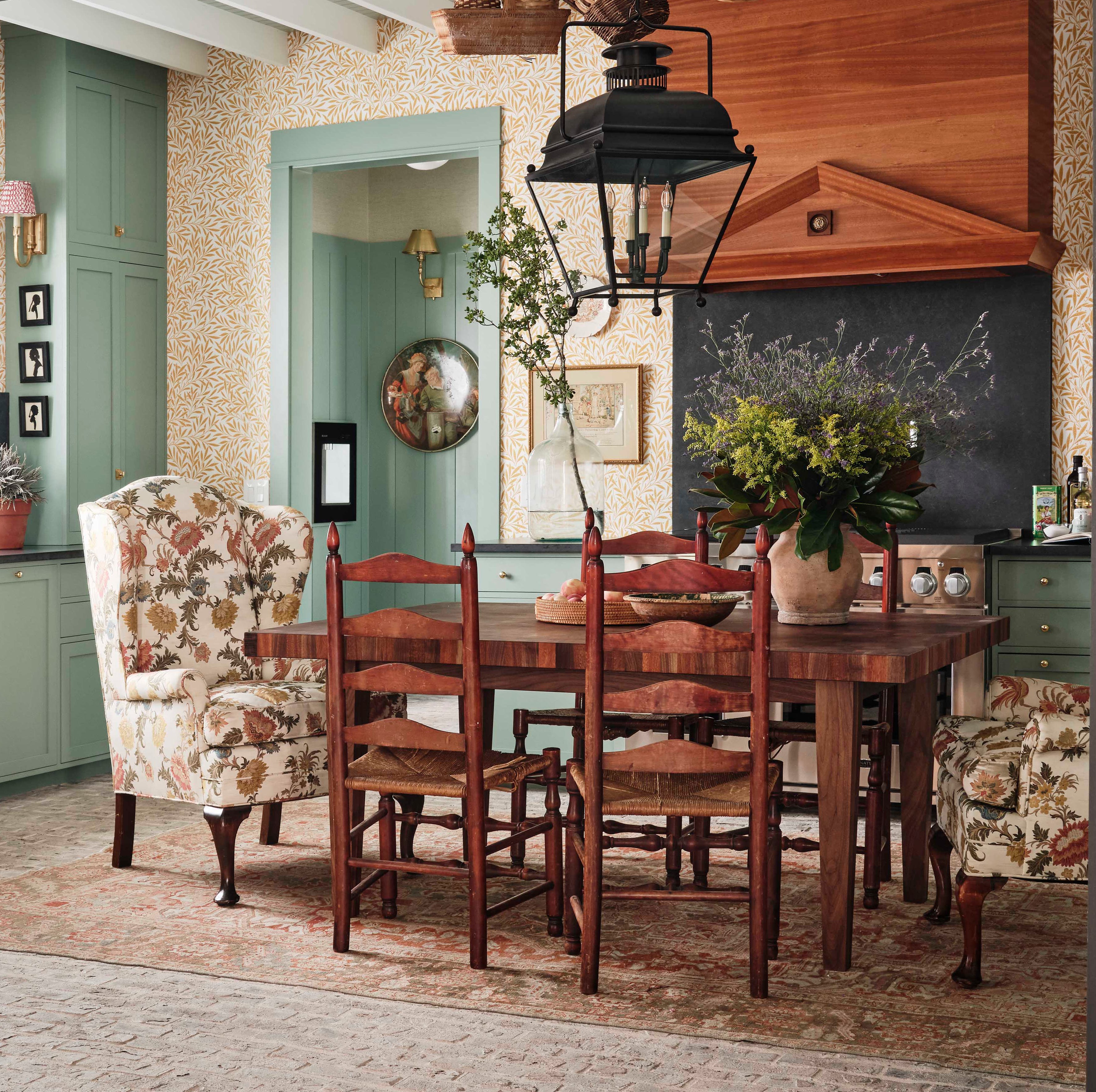
35 Farmhouse Kitchen Ideas That'll Add Endless Charm to Your Home

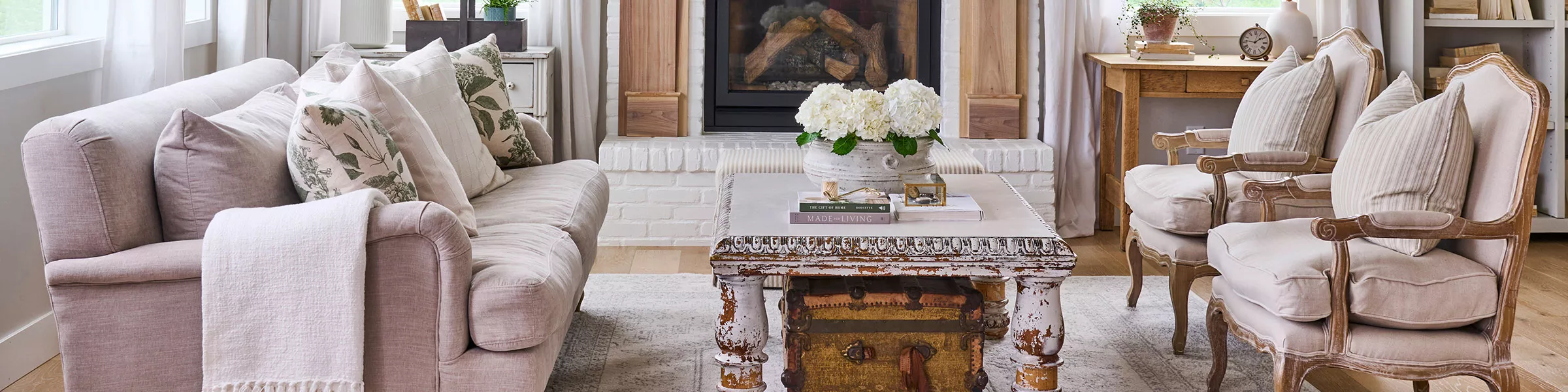
Farmhouse Decorating and Design Ideas

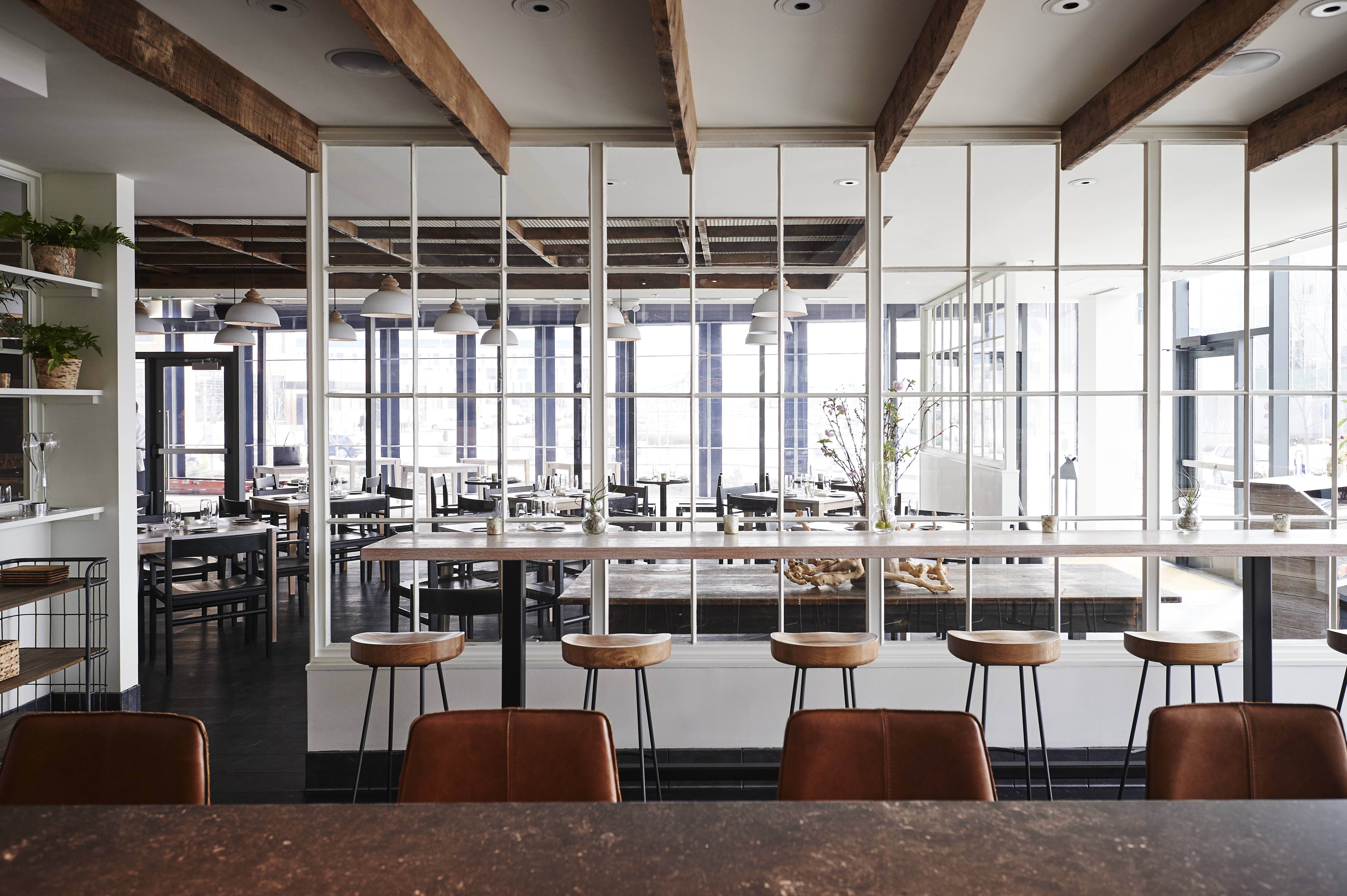
Shop the Restaurant: Vicia’s Modern Farmhouse Style
Don't Make These 5 Mistakes When Trying Modern Farmhouse Style, Designers Warn

Designers Say This Beloved Style Is Completely Out for 2025

6 Farmhouse-Style Trends Designers Secretly Wish We’d Retire
Modern farmhouse kitchen ideas – how to achieve a country look even if you live in the city

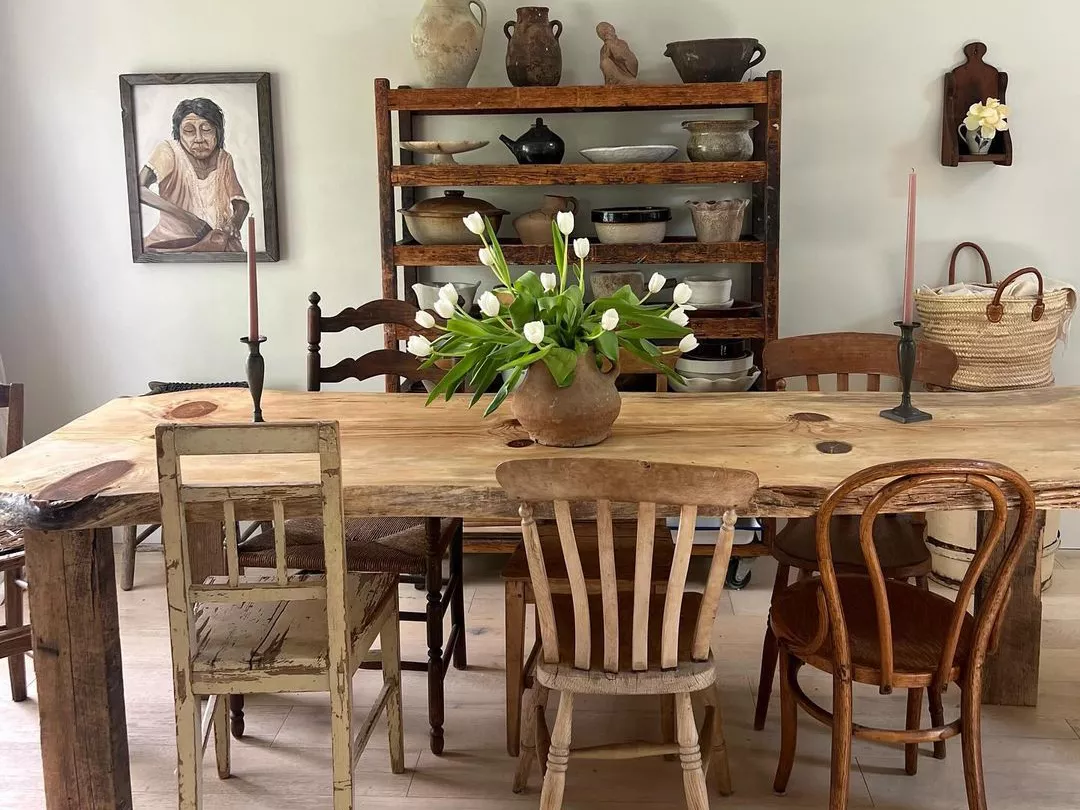
Is Farmhouse Design Still Trendy? What Designers Want You to Know

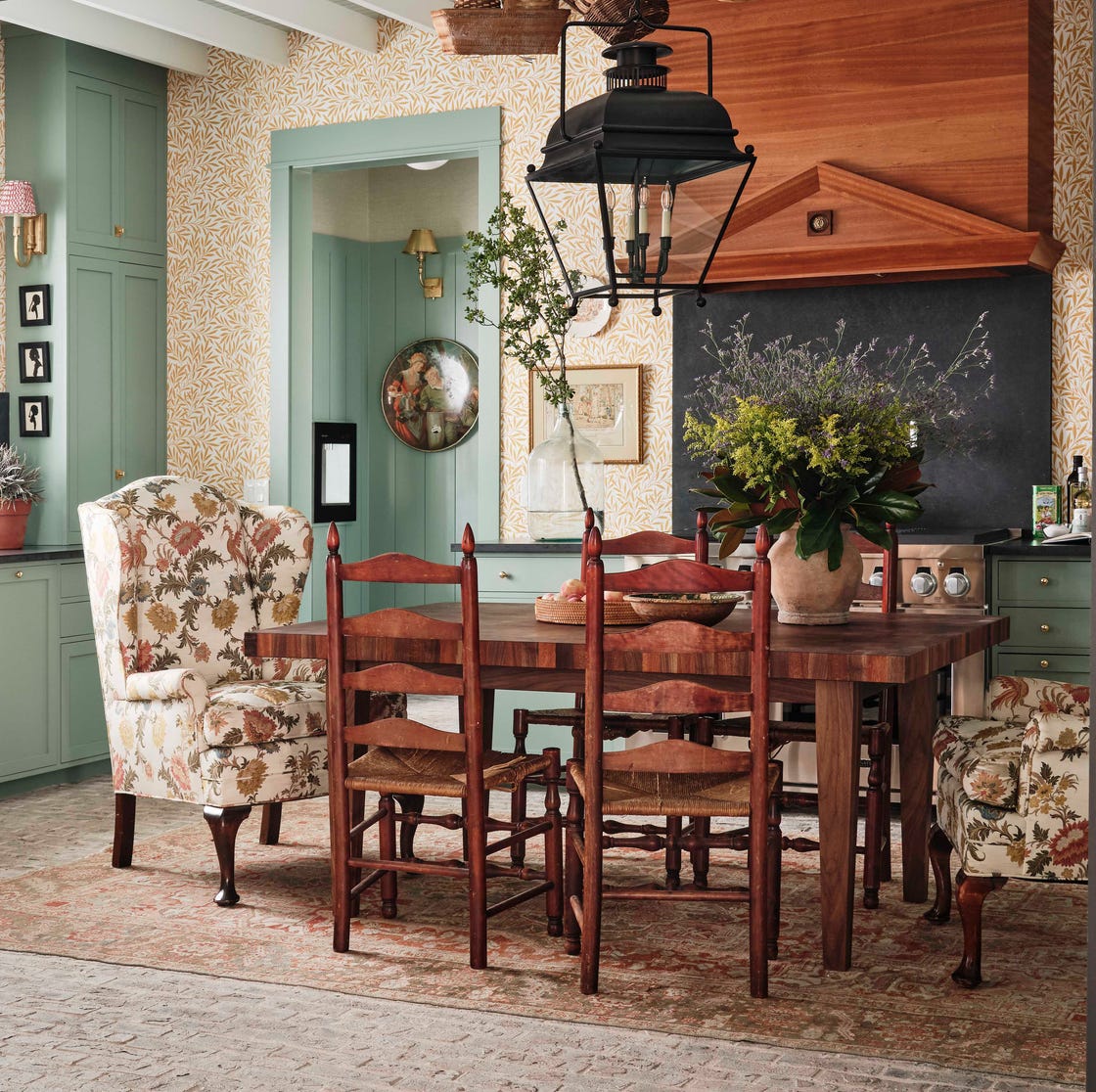
For a Homey and Charming Kitchen Vibe, Designers Say to Choose This Aesthetic

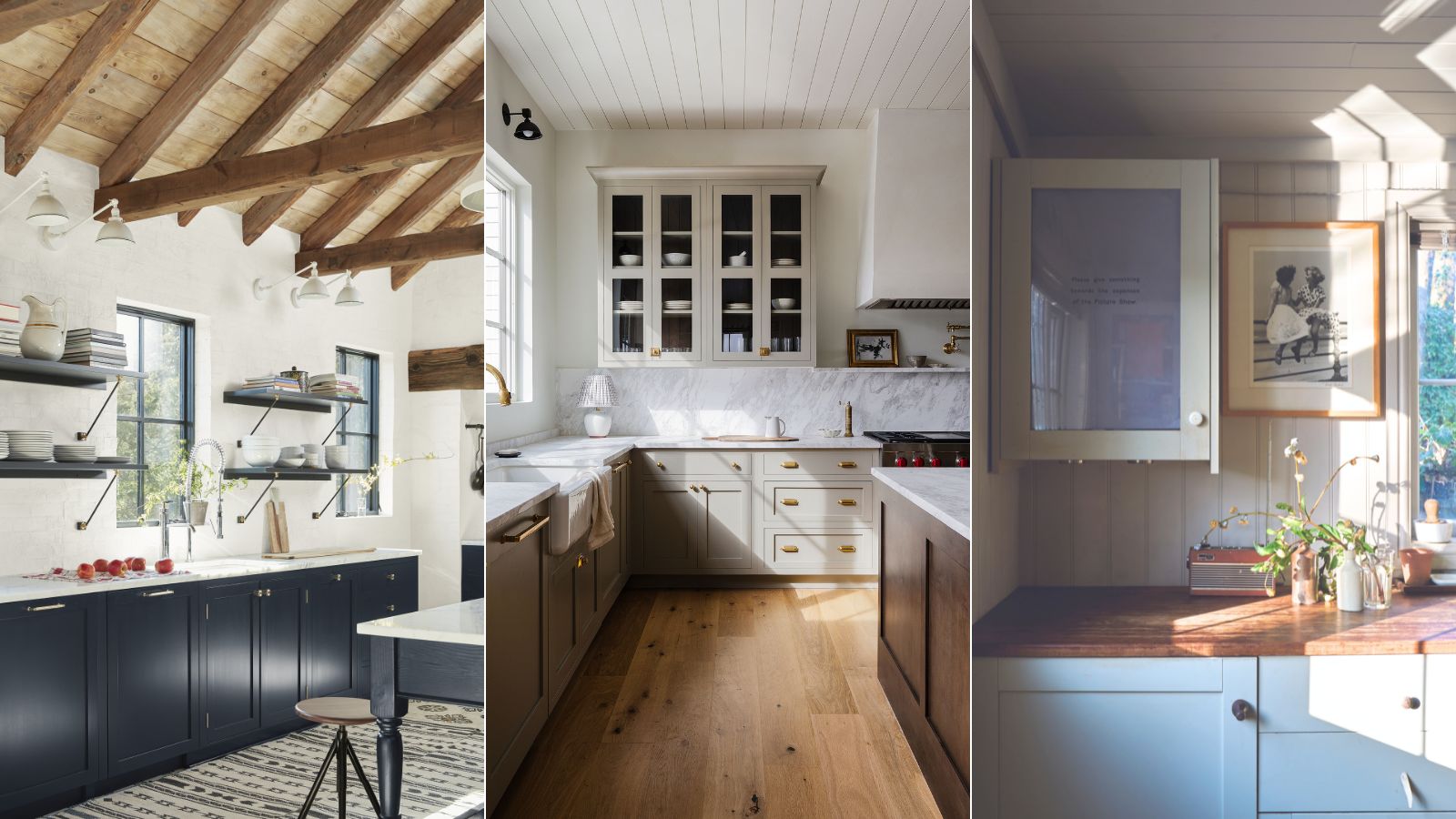
Modern farmhouse kitchen cabinet ideas – 5 styles that always work with this classic look
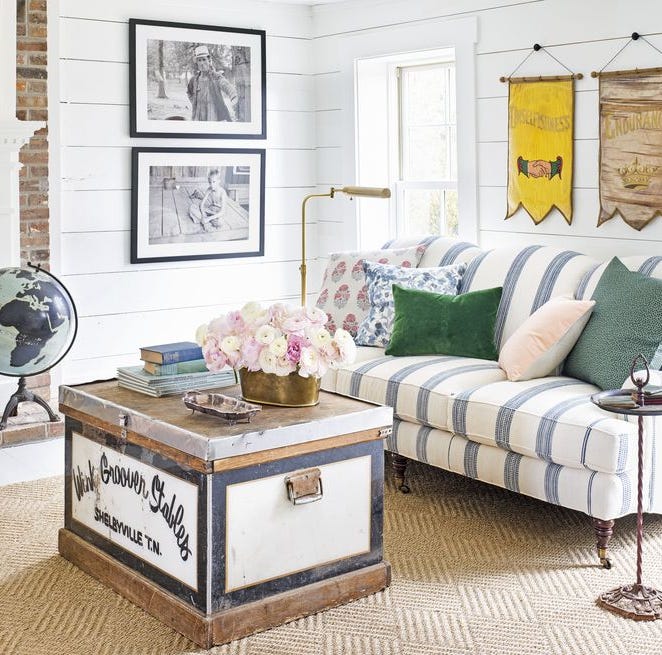
Our Favorite Farmhouse Décor Ideas for Your Dream Country Home
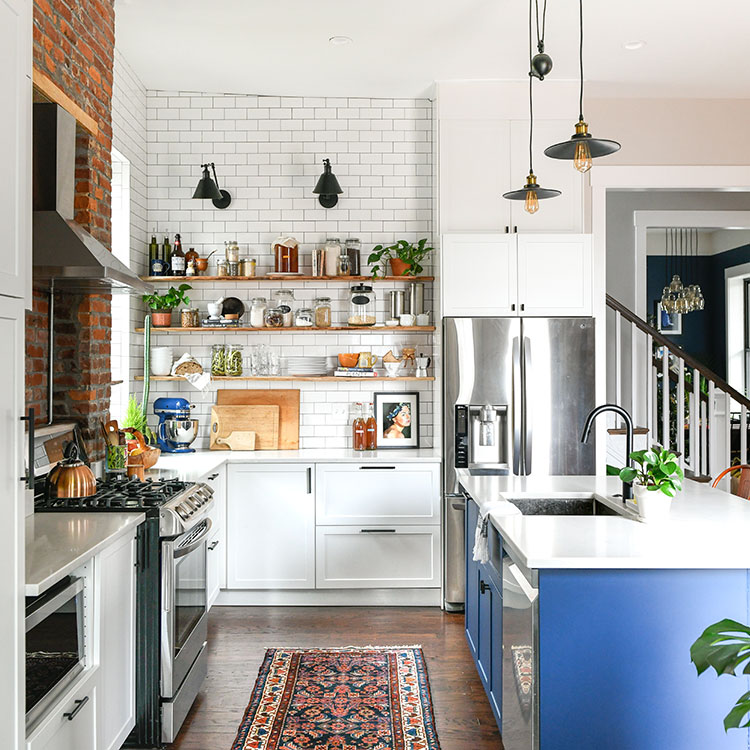
Home How-To: The Making of a Modern Farmhouse Kitchen

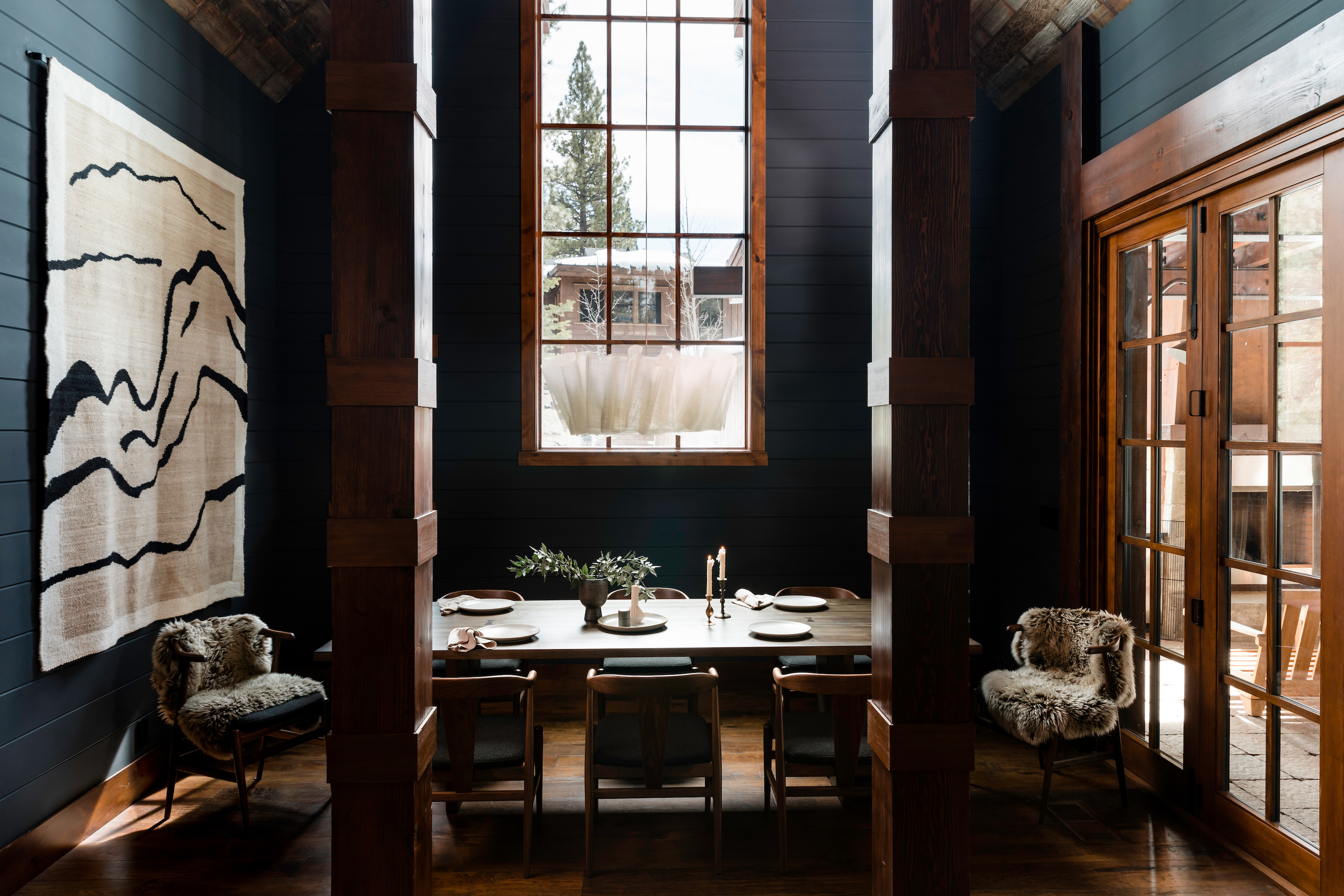
Modern farmhouse dining rooms - 10 ways designers create relaxed and welcoming spaces
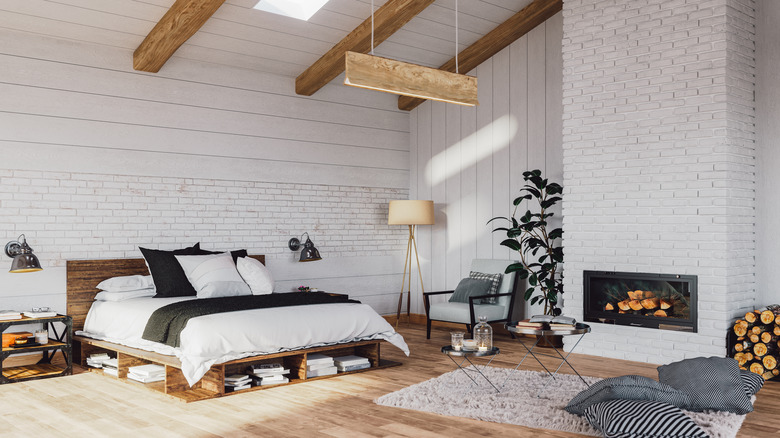
Modern Farmhouse Design Inspo From Popular HGTV Stars

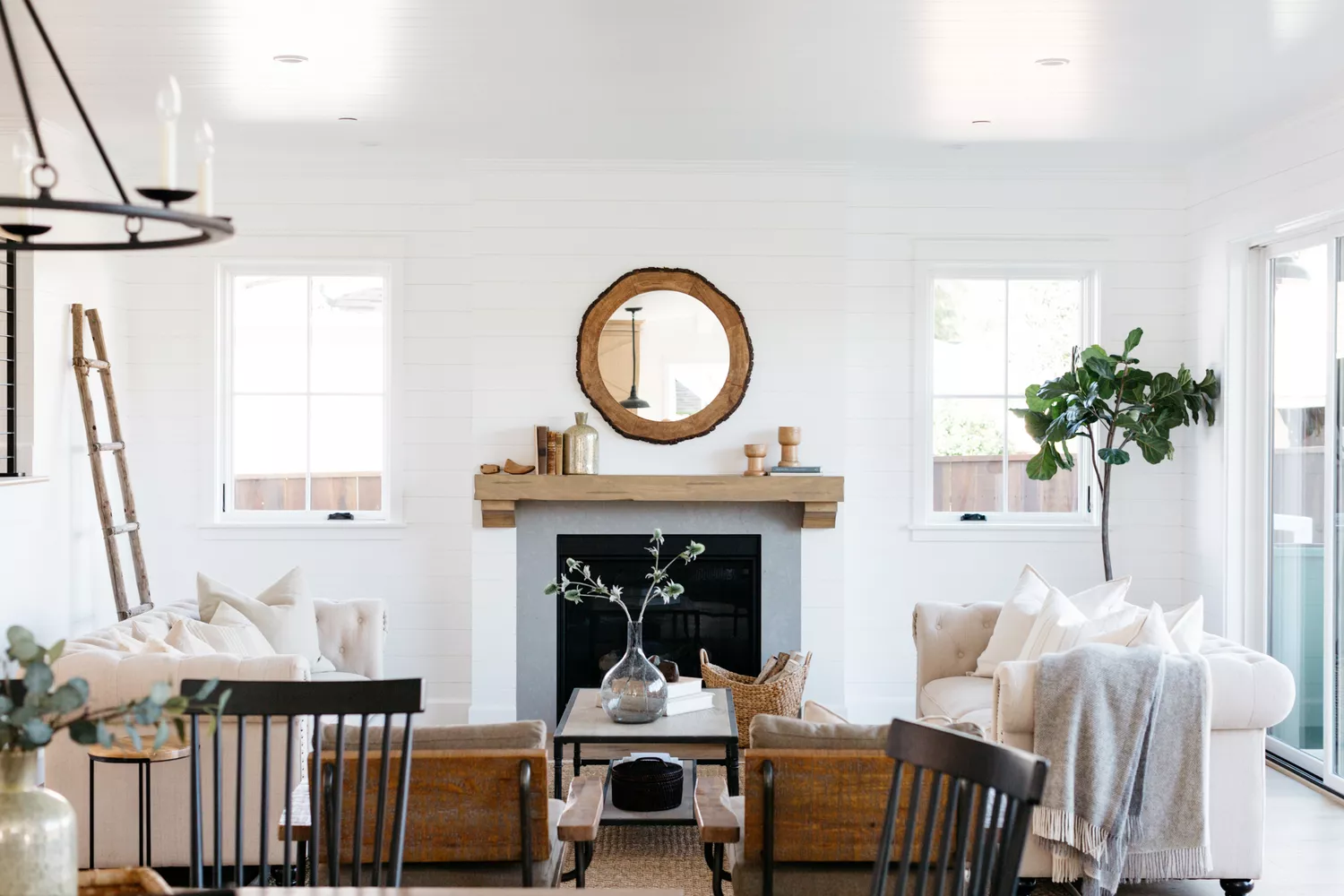
30 Farmhouse Living Rooms To Make You Feel Cozy and Warm