1/6
This is how designers are doing Art Deco in 2025, 100 years on from when this iconic style began
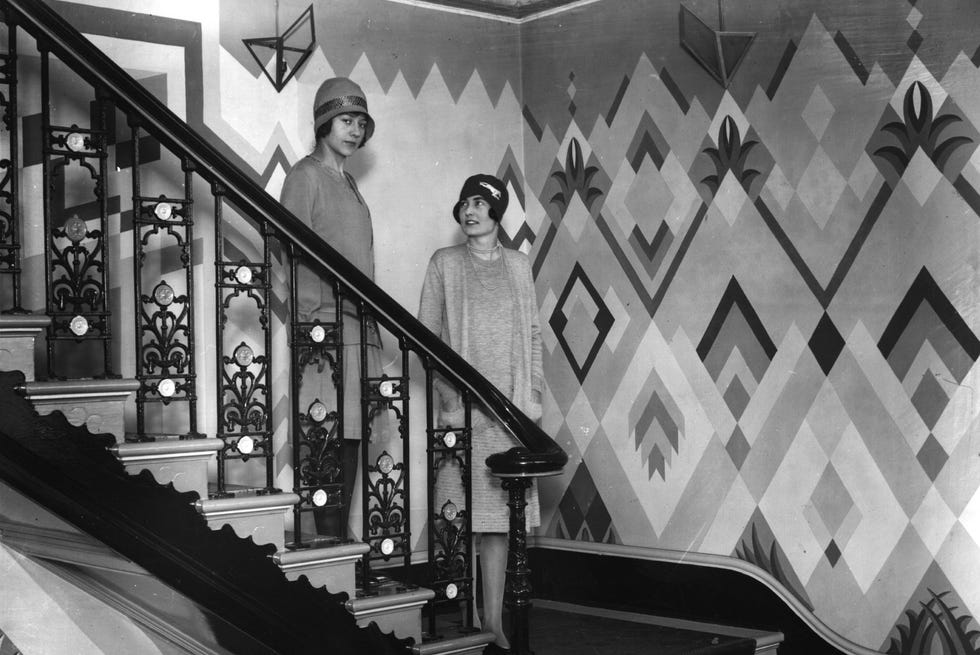
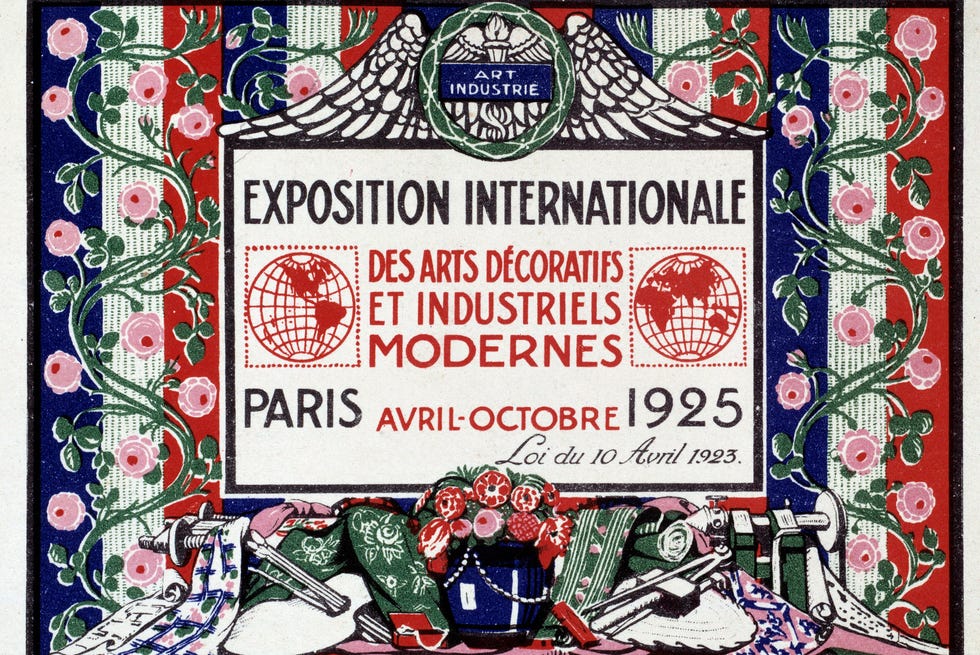
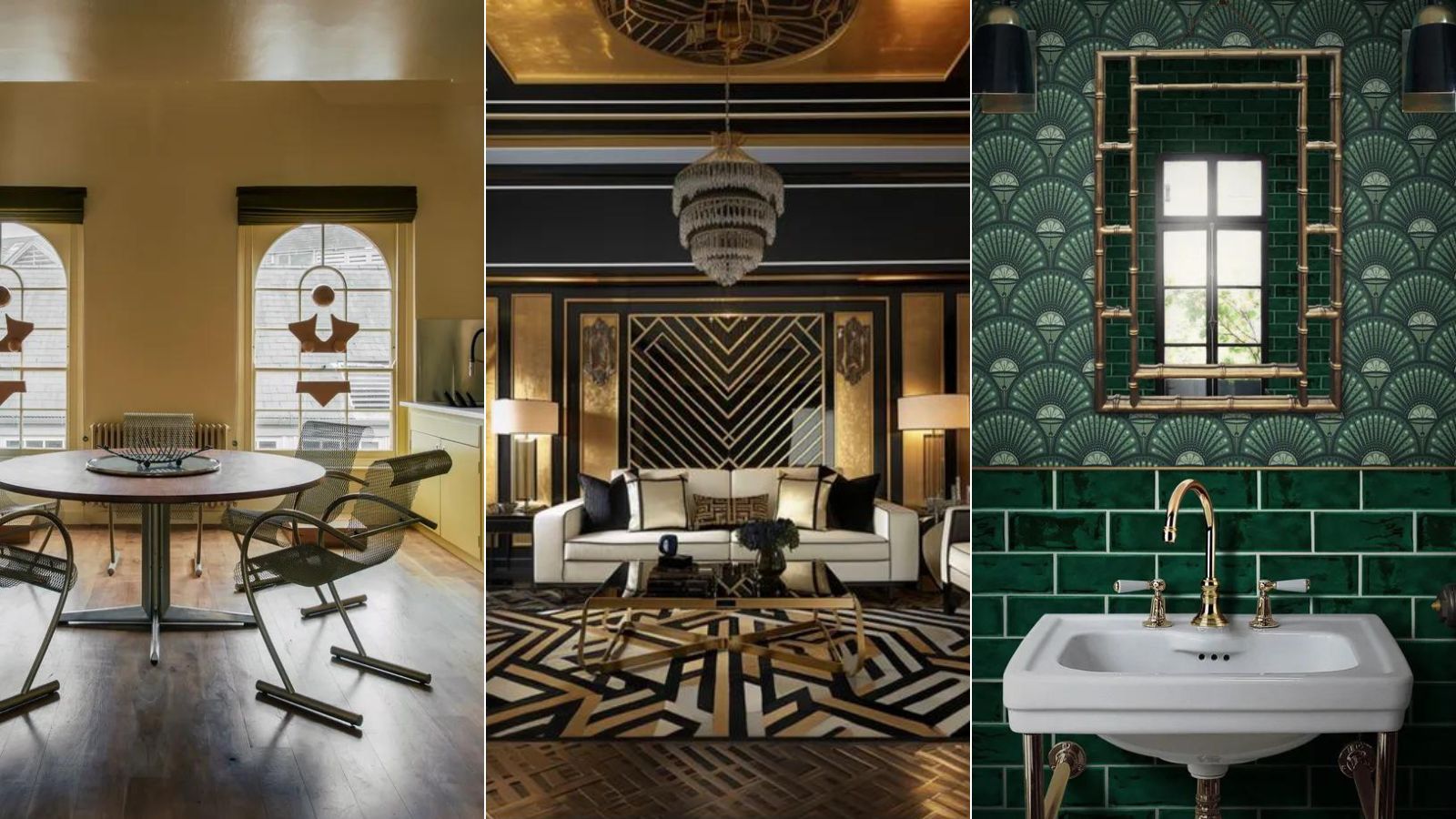
The Art Deco style, which originated in 1925, is celebrating its centennial in 2025. This enduring design movement, known for its geometric patterns, bold colors, and luxurious materials, continues to influence contemporary interior design. A century after its debut at the International Exhibition of Modern Decorative and Industrial Arts in Paris, designers are exploring innovative ways to refresh and integrate Art Deco into modern spaces while honoring its historical roots. This article gathers insights from five design experts on how they are adapting and reinterpreting Art Deco for the current year.
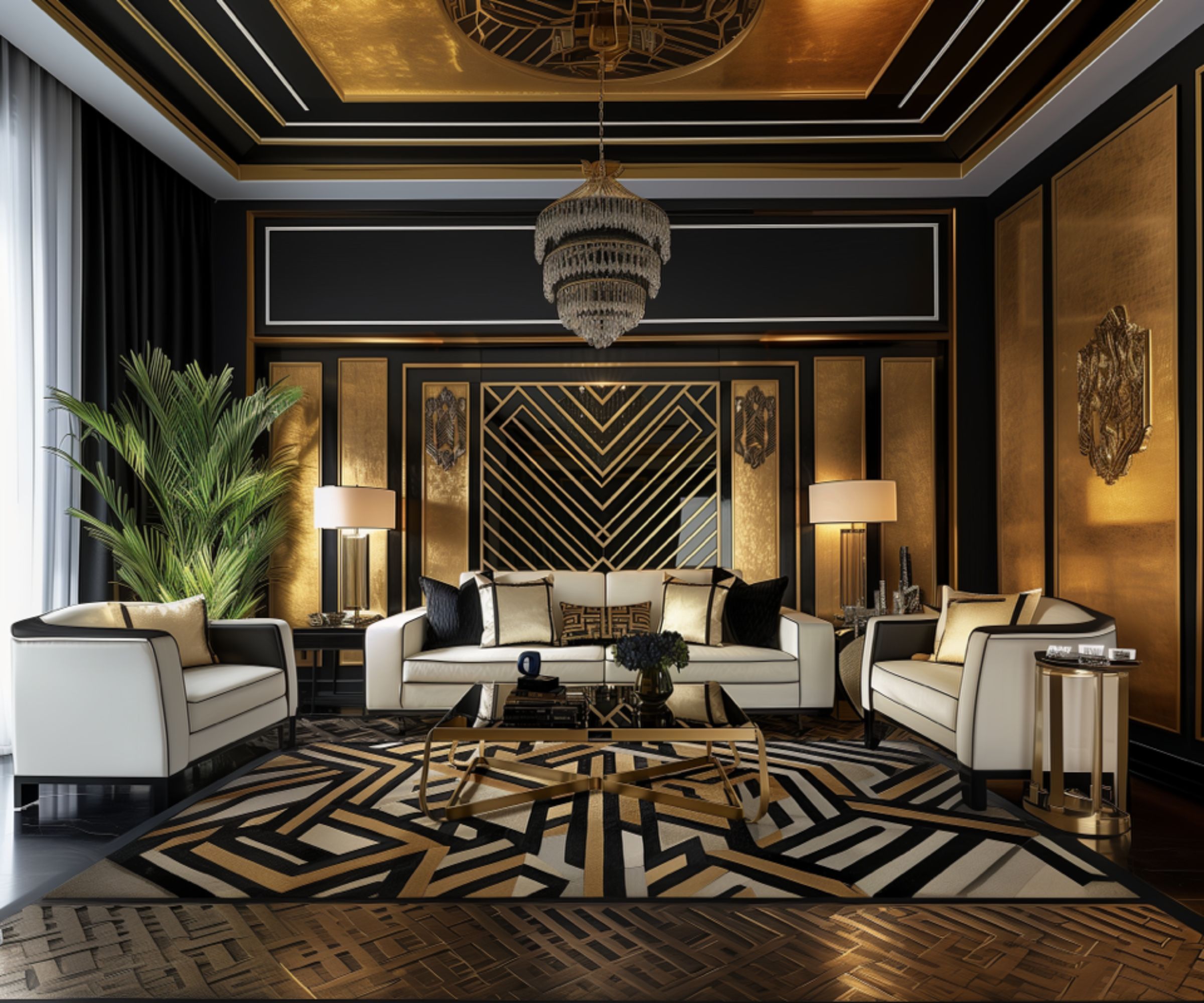
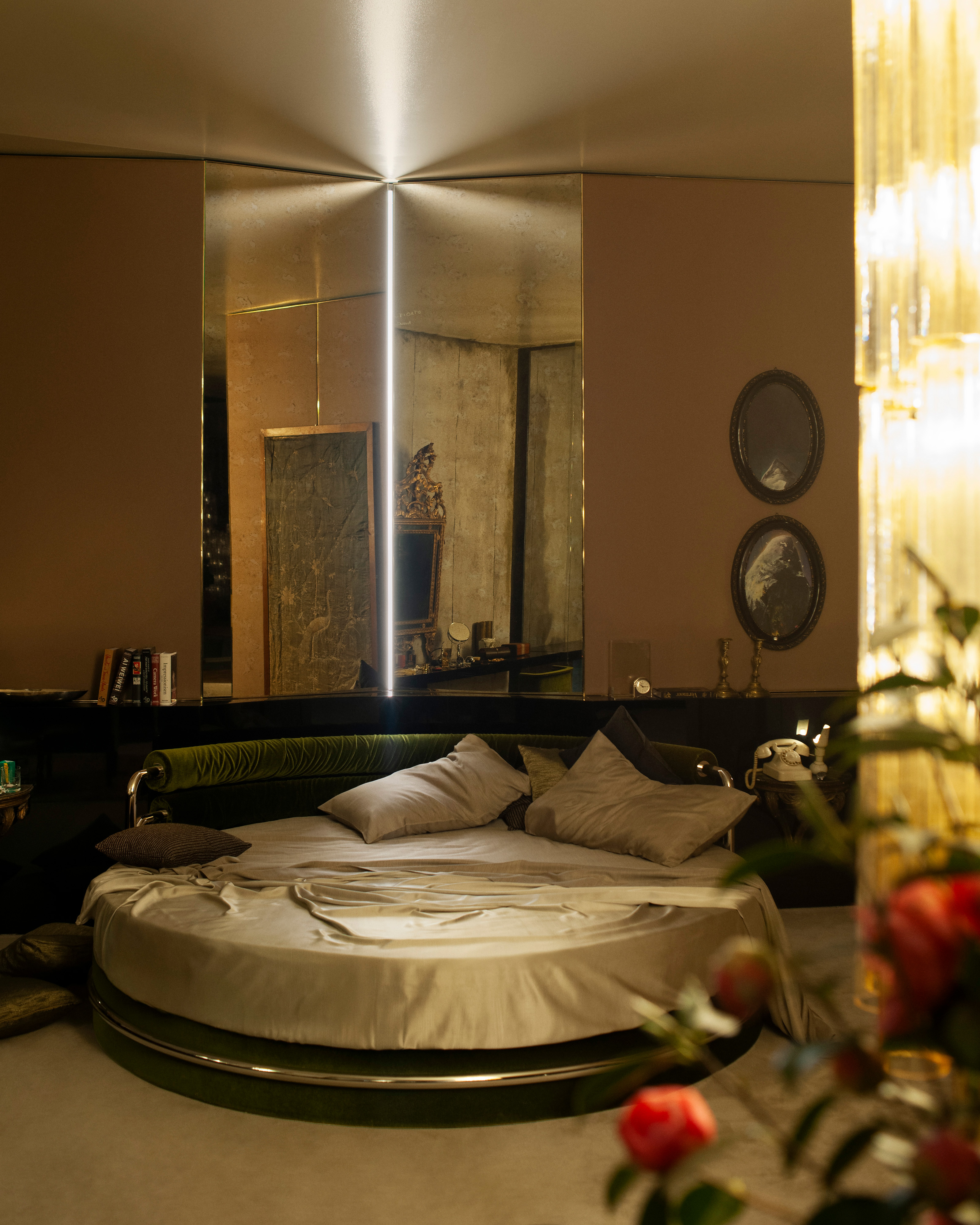
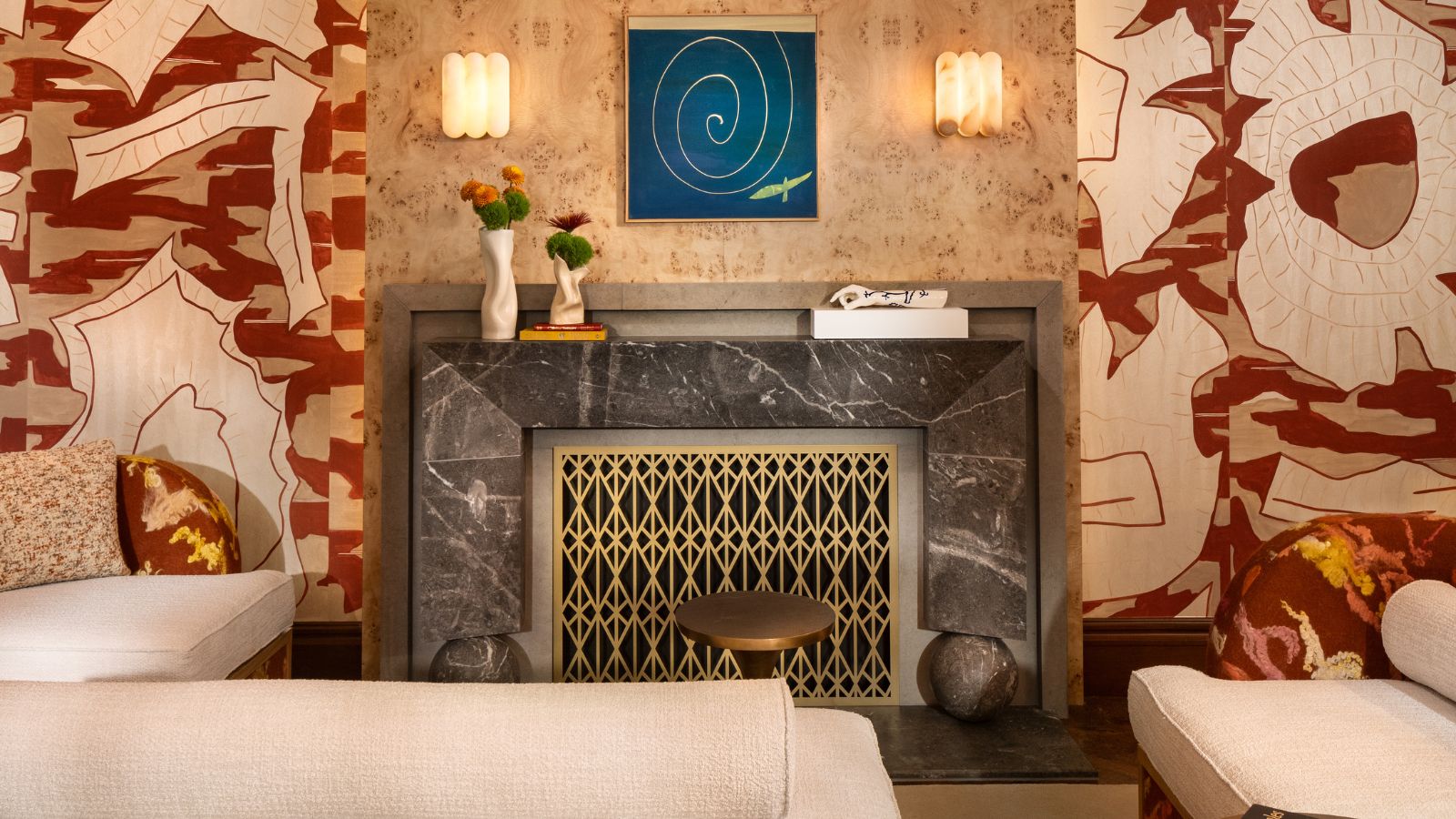
One significant trend identified by designers is the incorporation of mirrored ceilings. Eddie Maestri of Maestri Studio emphasizes how decorating with mirrors, especially those with ornate curves, complements Art Deco's lavish aesthetic. He highlights a project featuring hand-painted floral wallpaper, curved burl wood panels, brass accents, and an opulent mirrored ceiling medallion, along with a distinctive architectural stone fireplace. This approach marries classic opulence with contemporary innovation, resulting in designs that are both timeless and strikingly current.
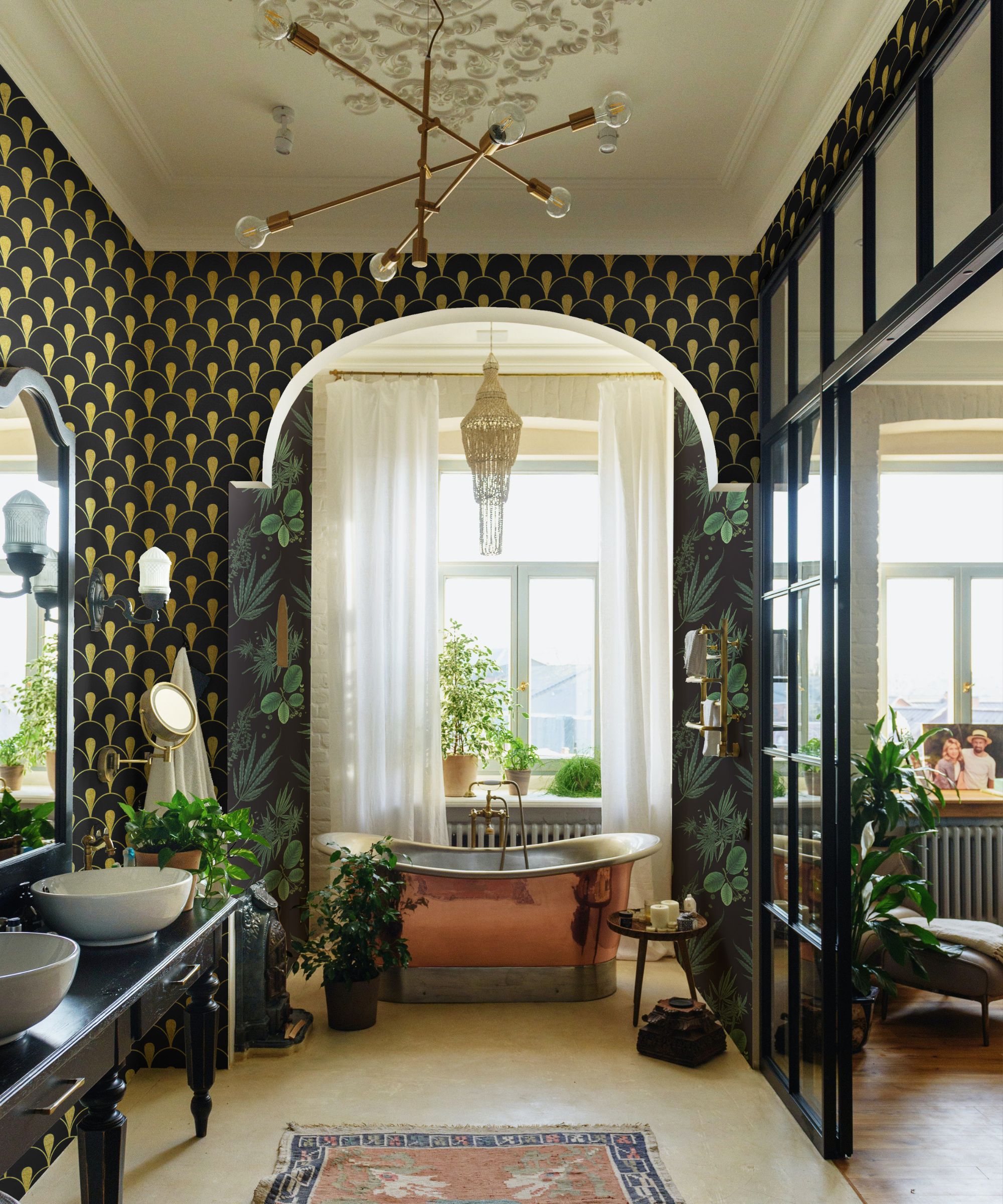
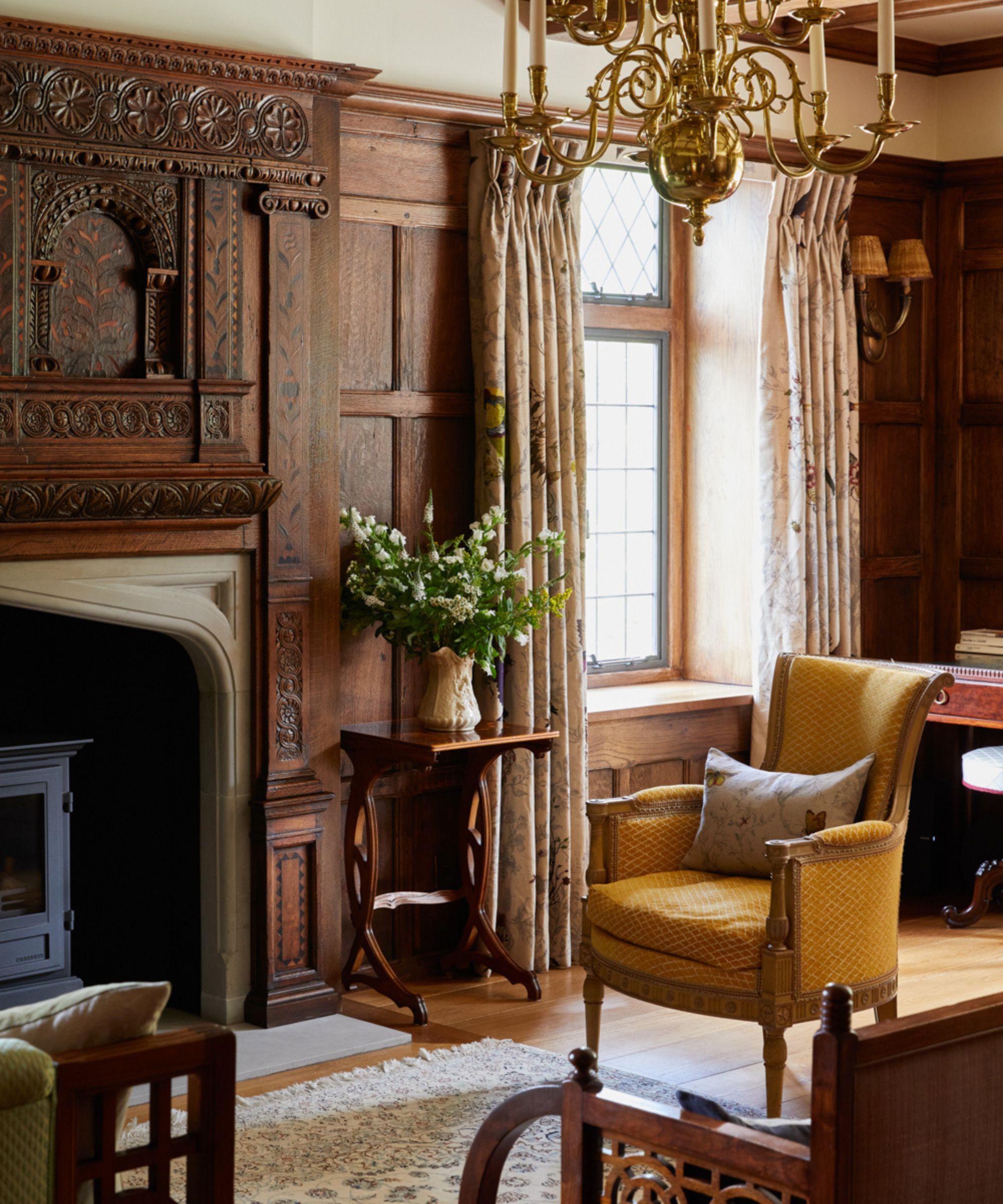
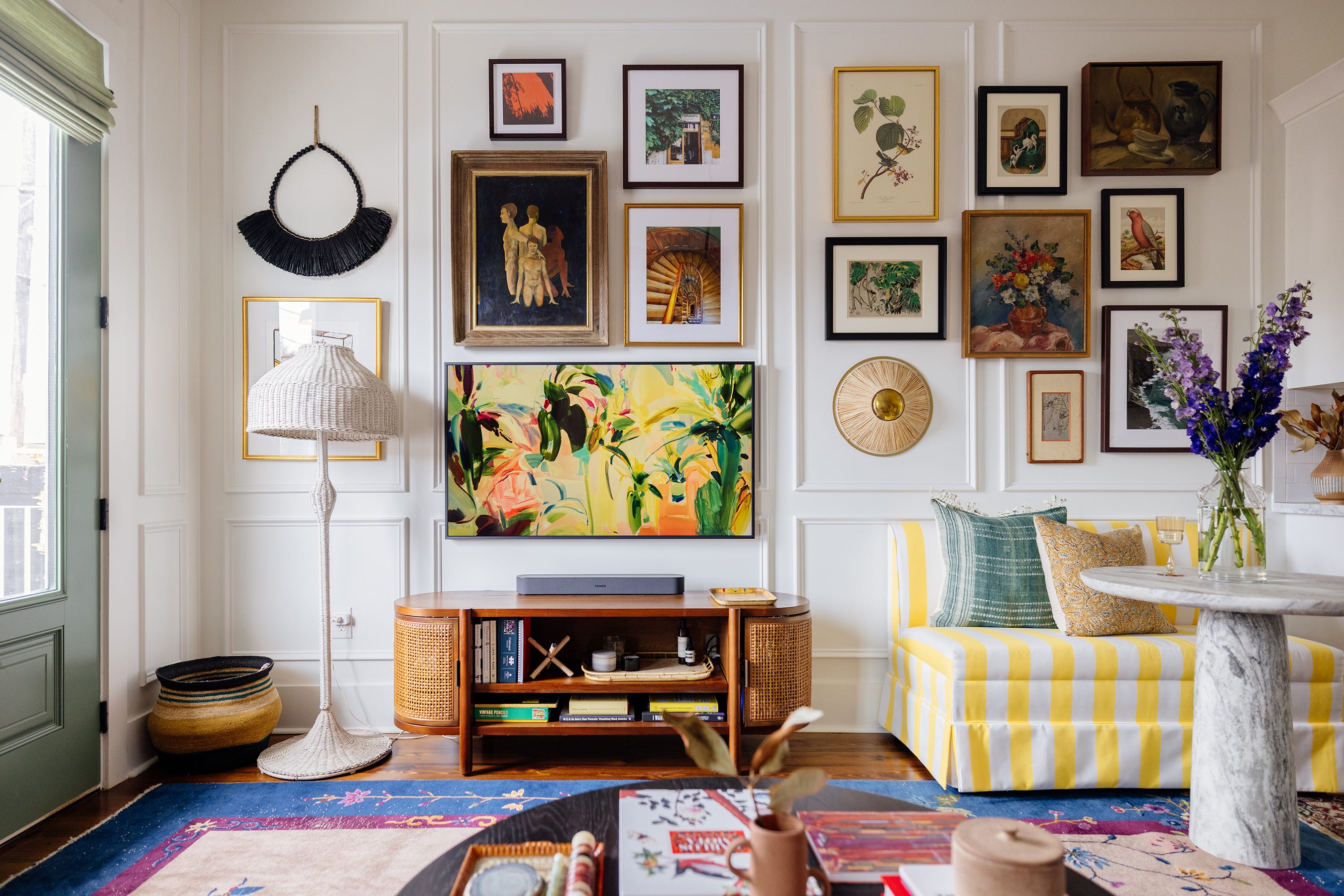
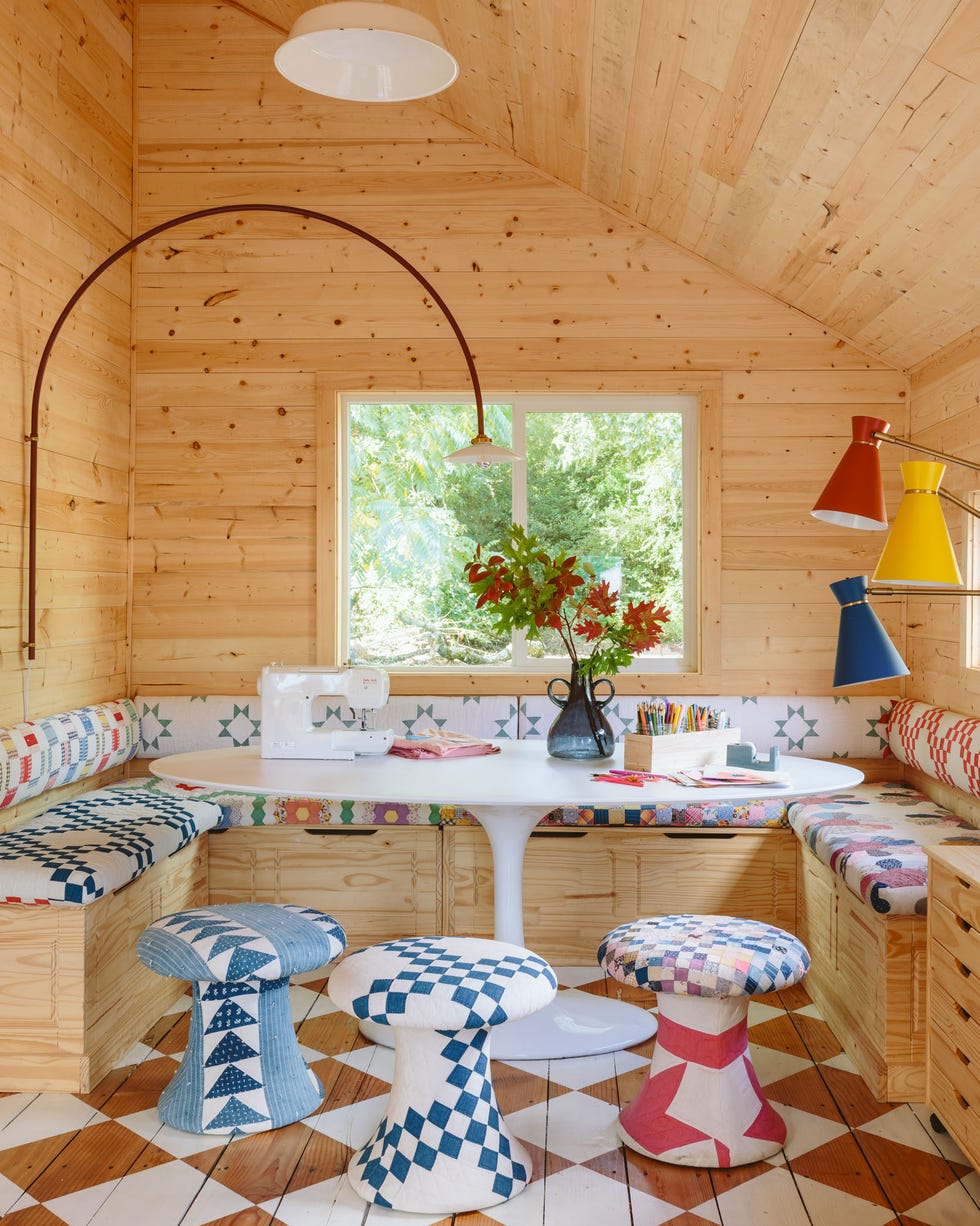
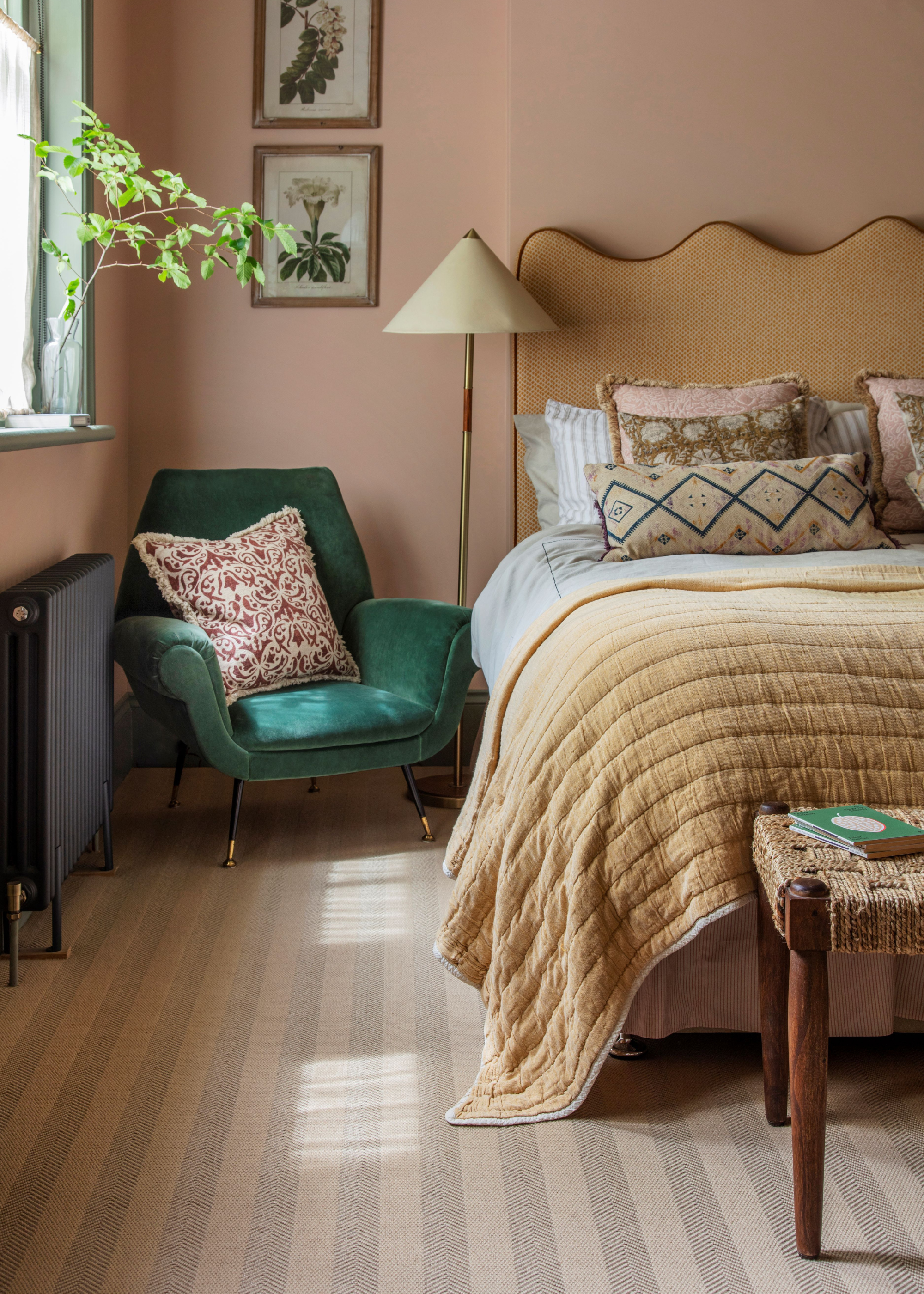
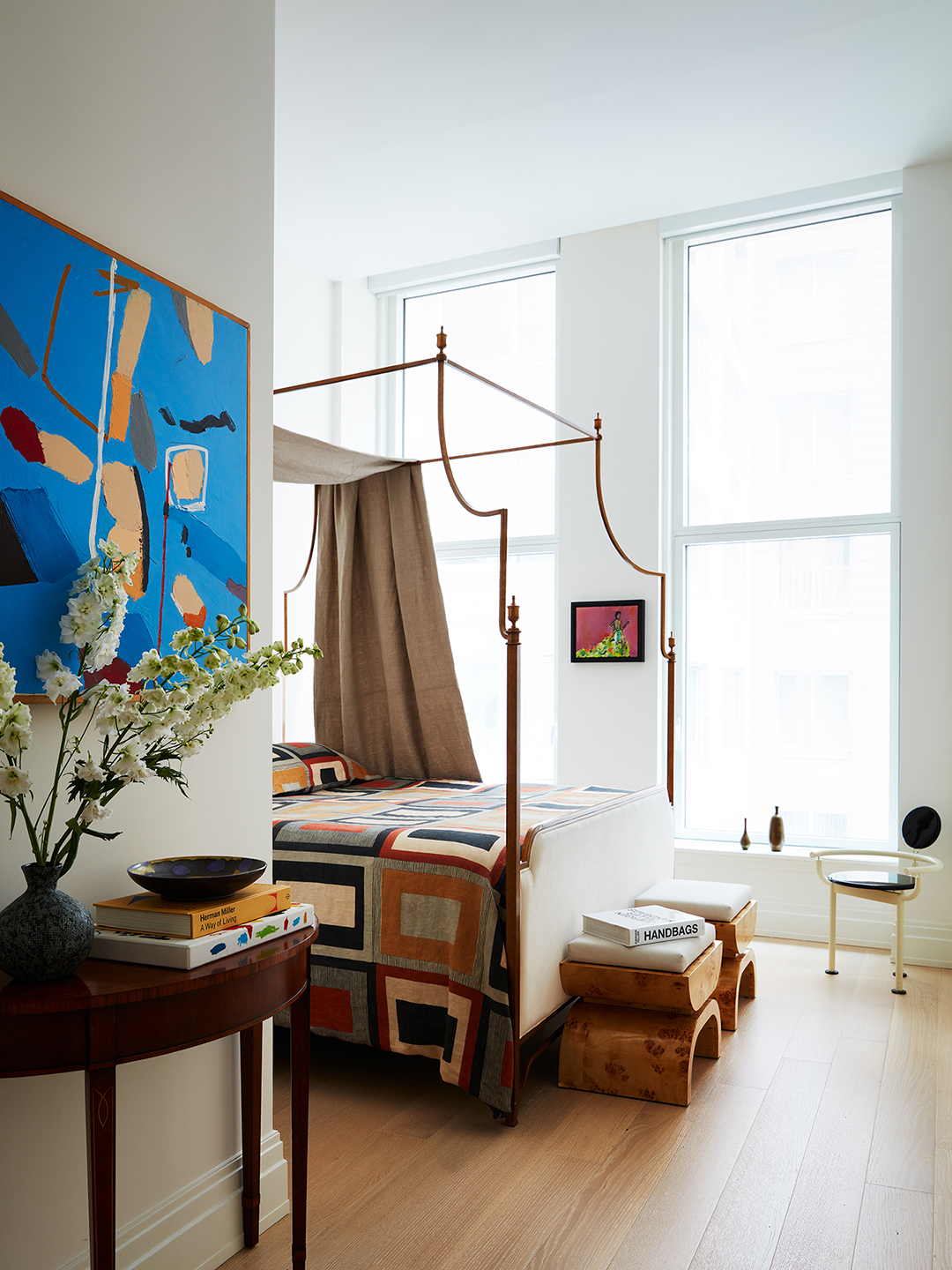
Another evolving aspect is the fusion of lavish Art Deco elements with rustic decor. Designer Ali Mahon advocates for mixing natural, rustic textures and furniture with the bold, modern materials characteristic of Art Deco. She suggests combining 1920s chevron or zigzag patterns with 19th-century Swedish slag-board tables, or pairing a fan-back chair with a wicker trunk. The juxtaposition of a streamlined sofa in emerald green mohair with an industrial zinc garden table also exemplifies this blend, showcasing a move towards integrating bold and antique elements.
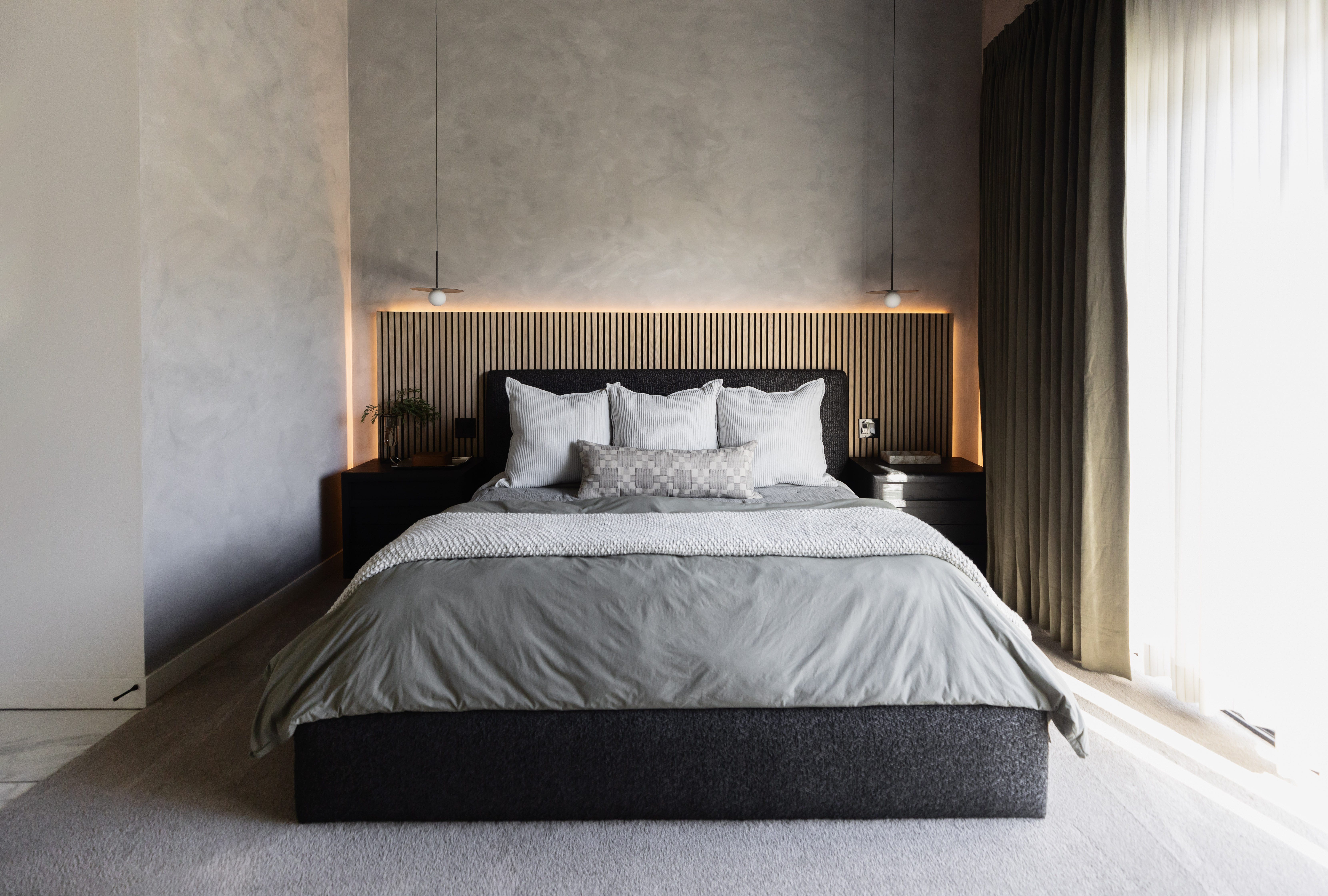
The concept of 'Deco-Tech' is introduced by Juliette Thomas, who sees Art Deco evolving beyond nostalgia into a future-forward aesthetic. This involves laser-etching vibrant, geometric motifs onto contemporary materials like carbon fiber and recycled metals. The focus is on blending 1920s glamour with eco-conscious minimalism. Thomas suggests experimenting with lit features, such as luminous geometric panels powered by embedded LED arrays or high-shine surfaces, to create a playful sense of futurism while capturing Art Deco's inherent optimism.
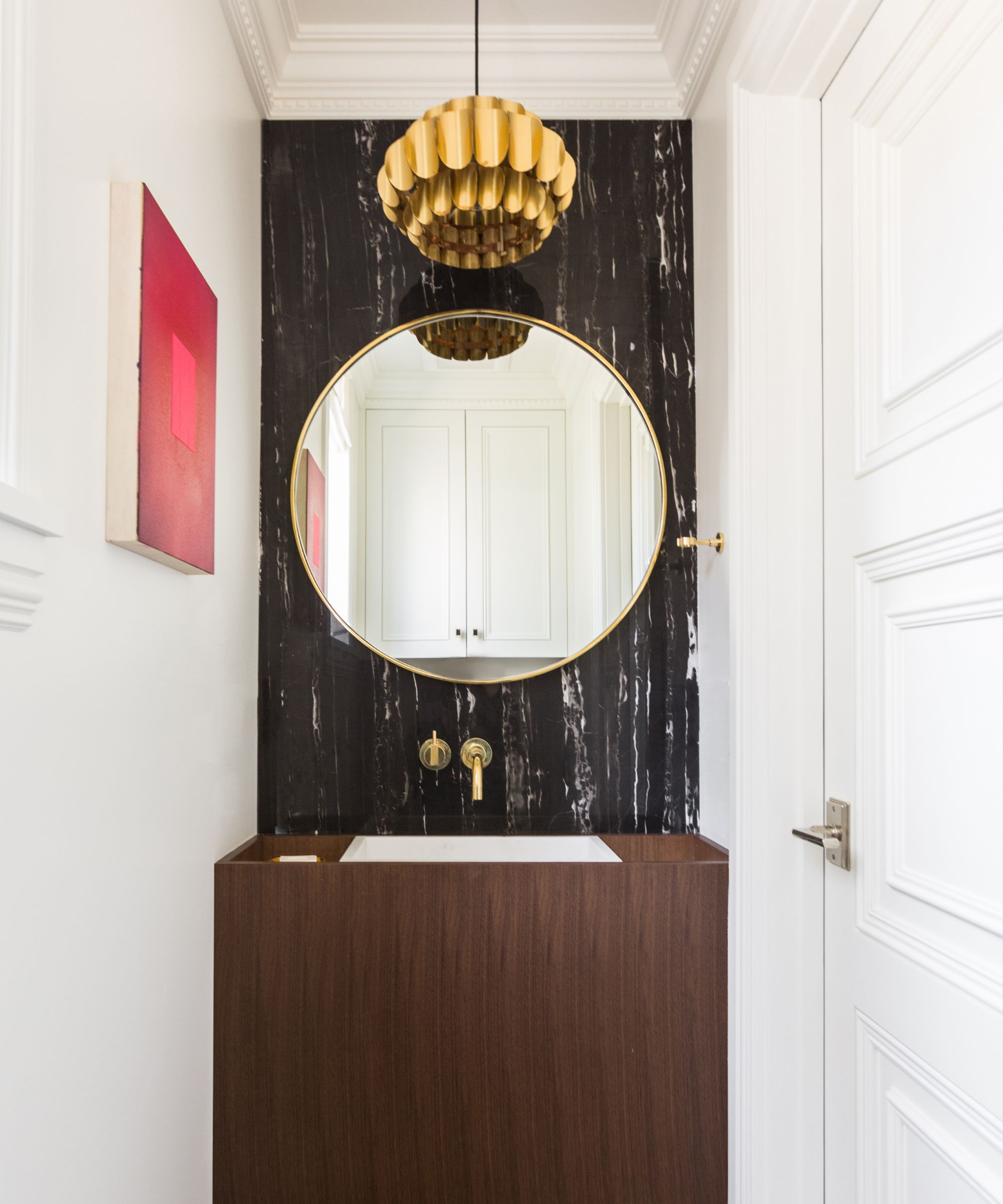
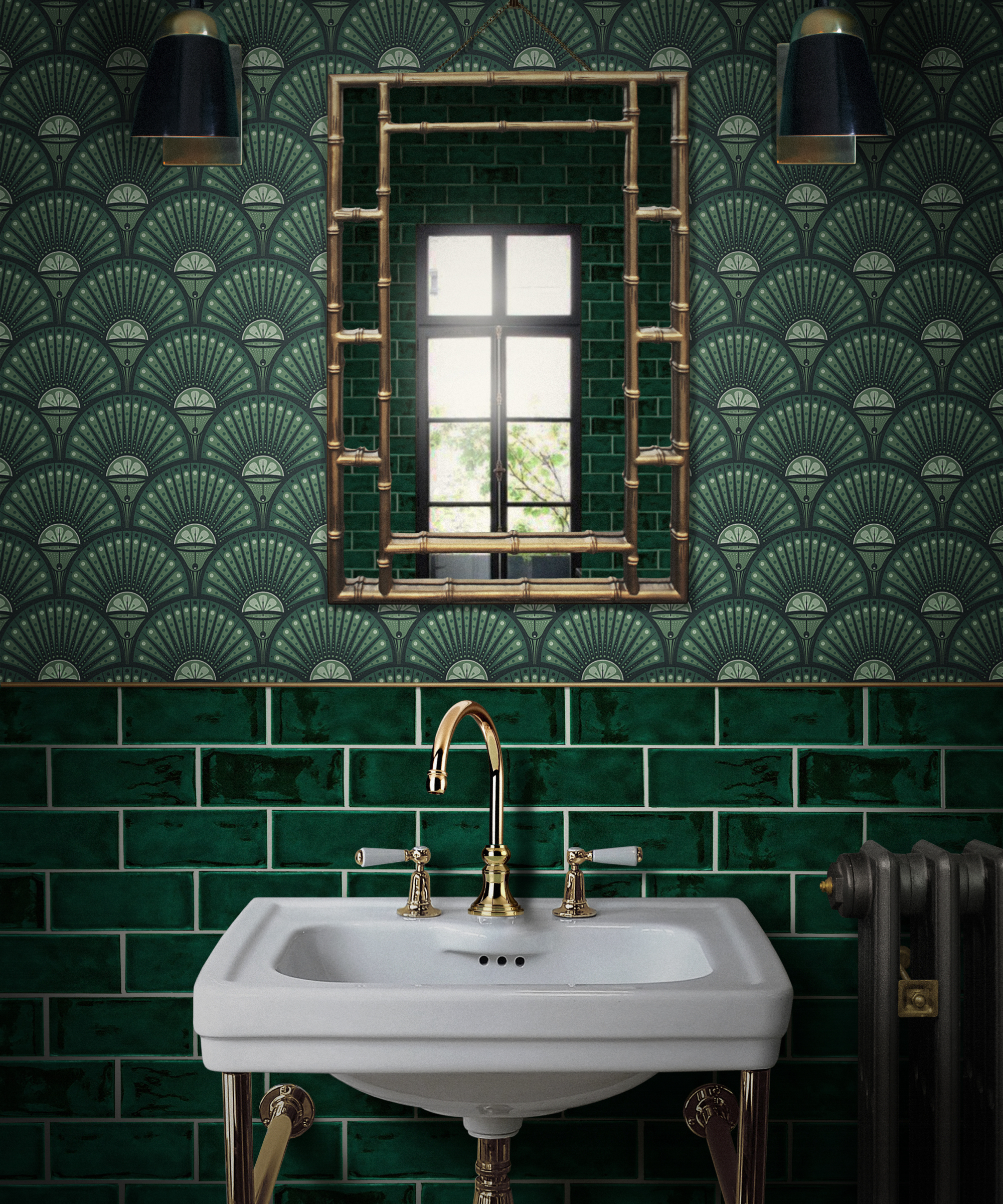
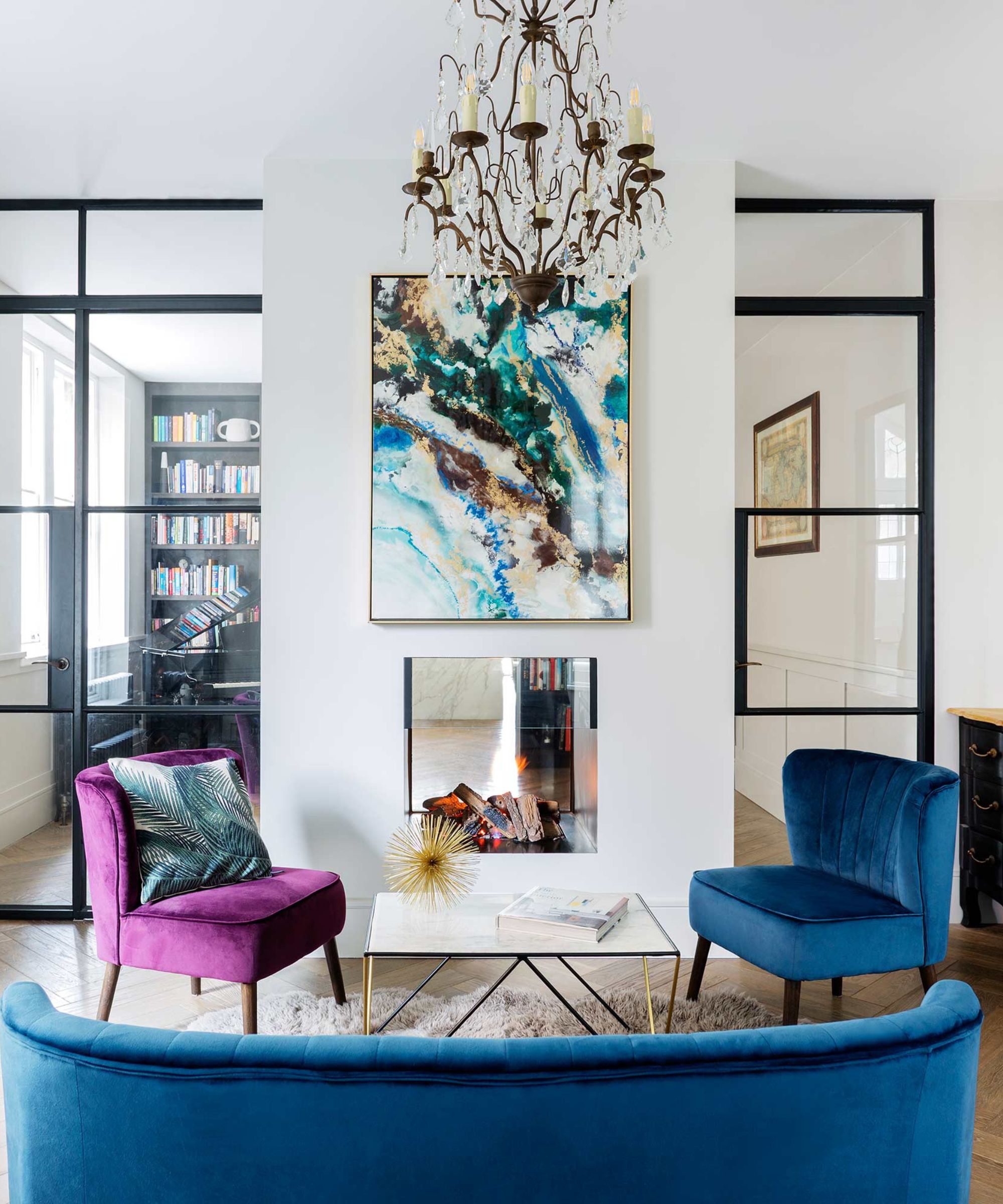
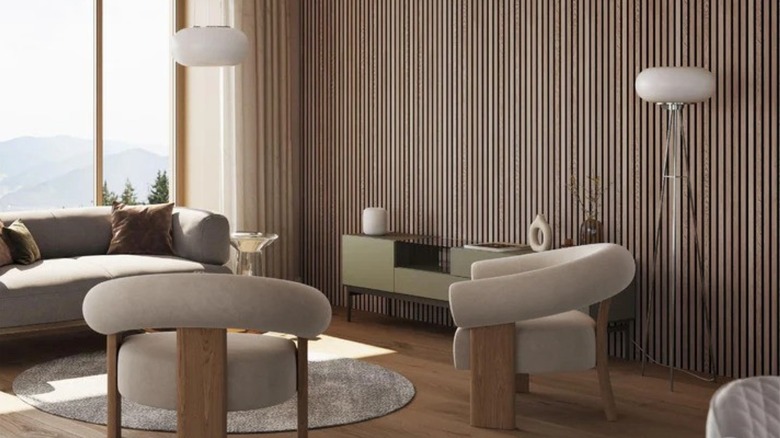
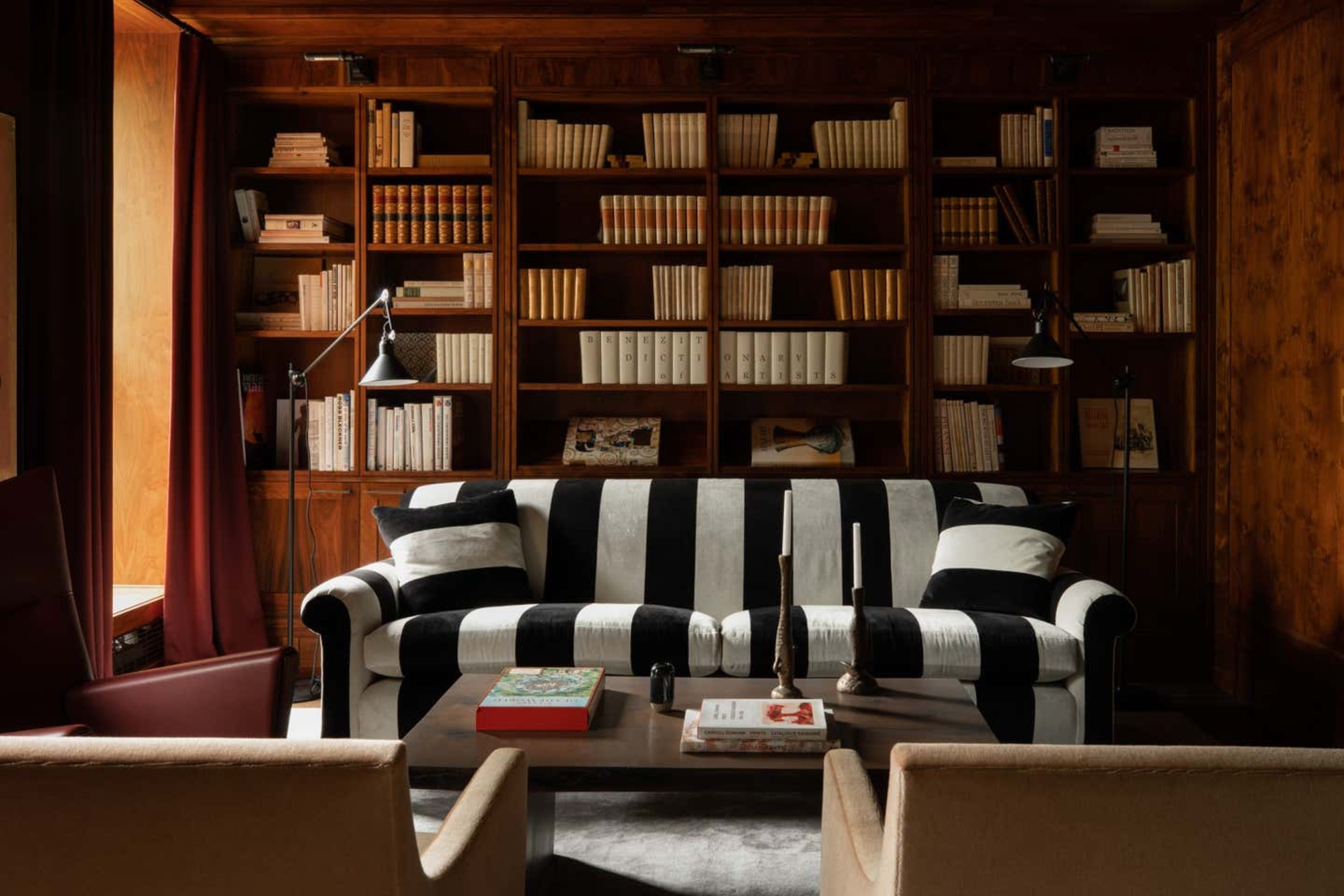
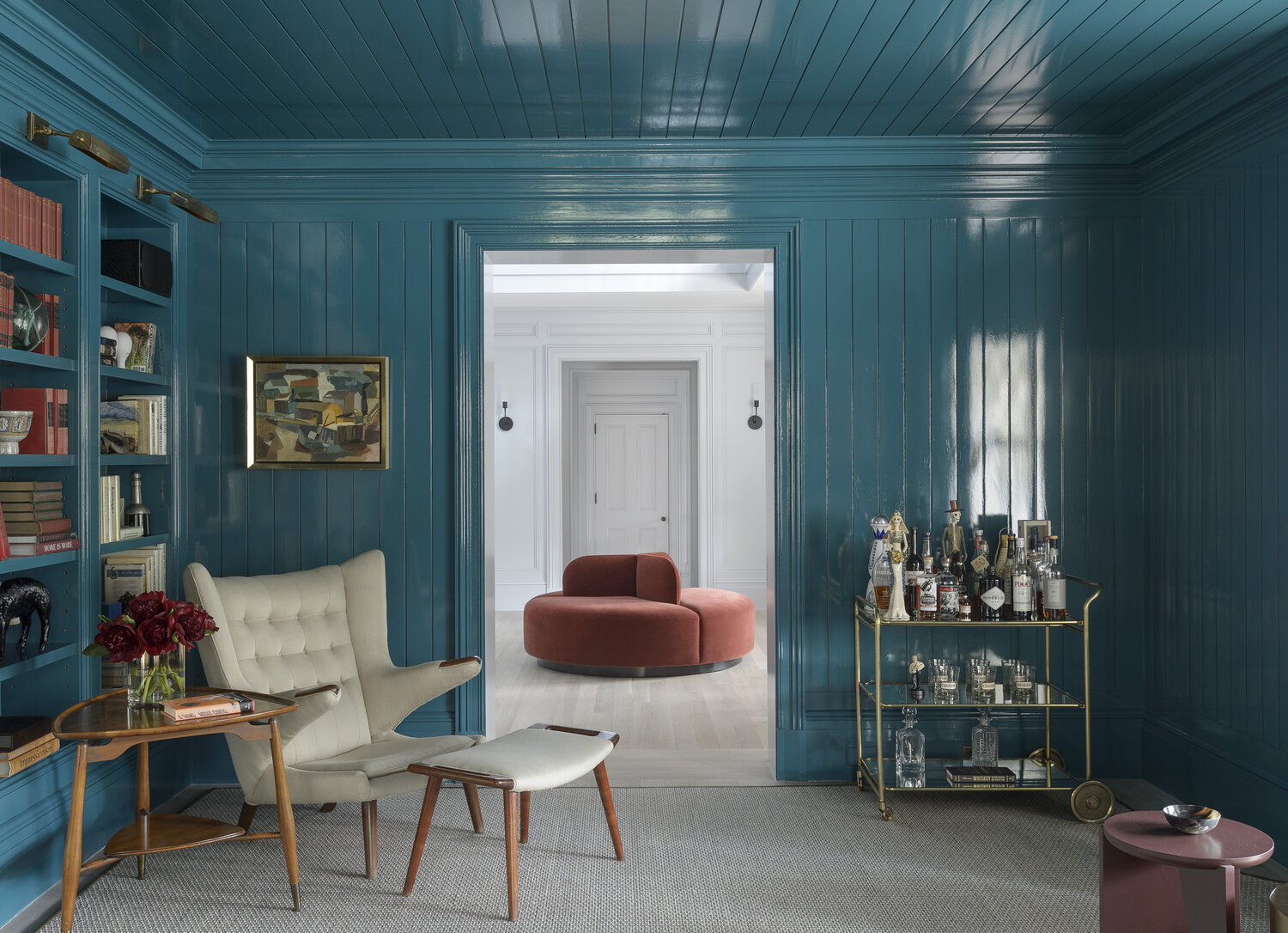
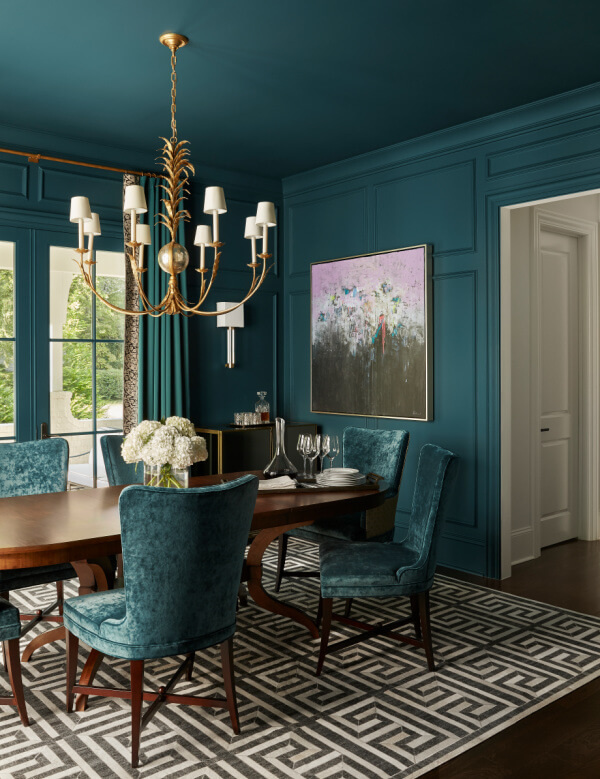
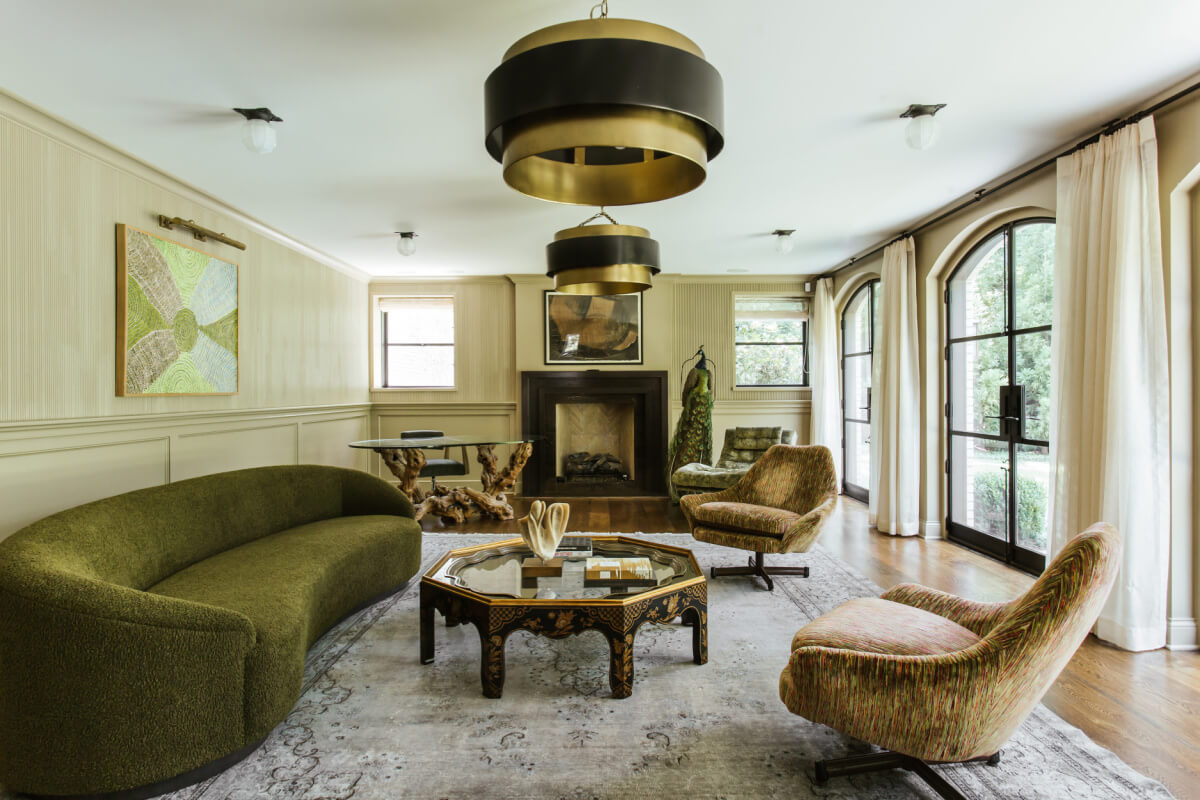
Metallic accents remain a cornerstone of modern Art Deco design. Mara Rypacek Miller, founder of Industville, notes that bronze, brass, and gold accents are essential for creating an elevated Art Deco feel. She recommends using these materials in furniture and lighting to establish cohesion within a space, complemented by a rich color palette in soft furnishings. Pendant lights and floor lamps with sleek lines and elegant curves are particularly effective in instilling a sense of Art Deco glamour.
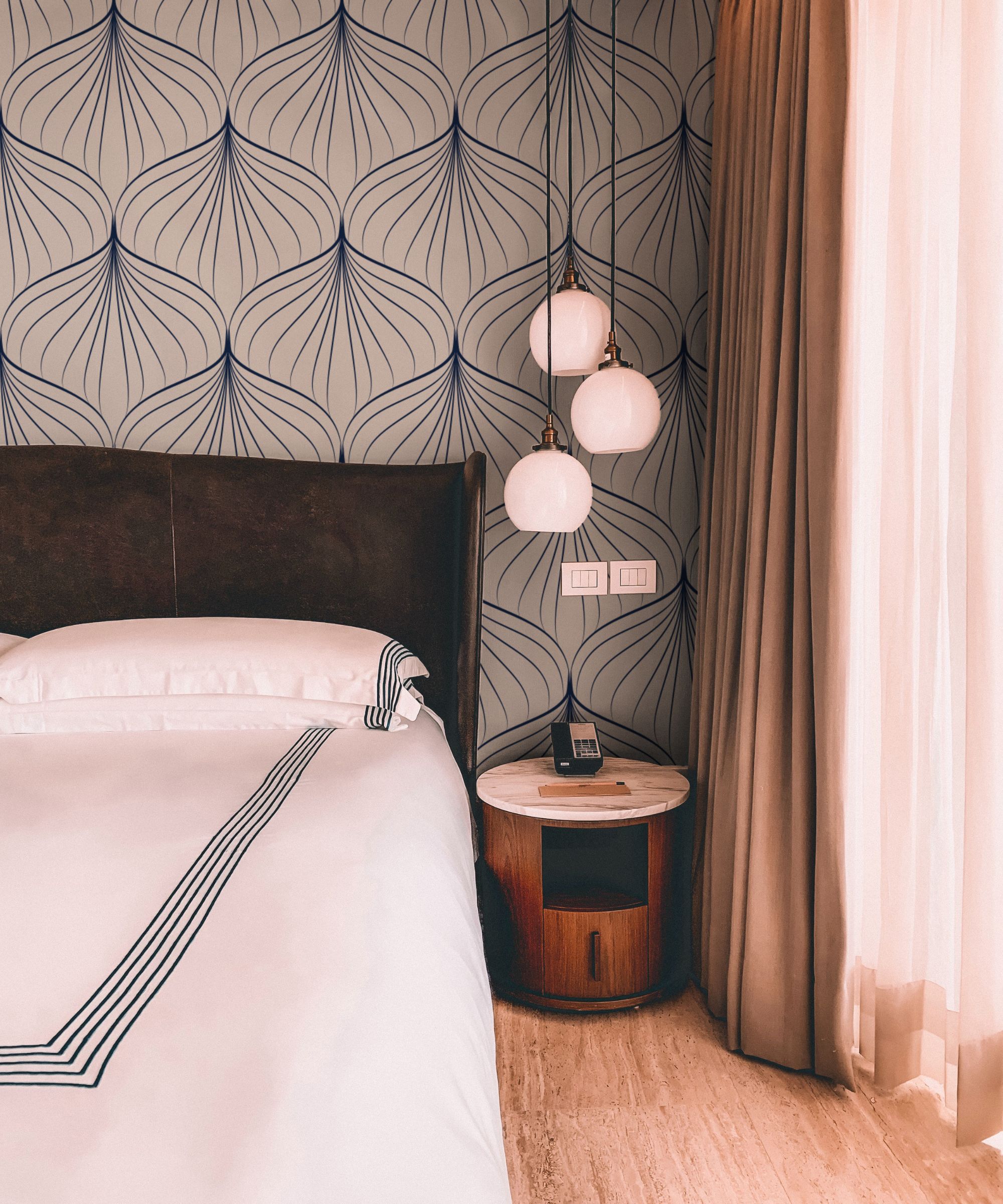
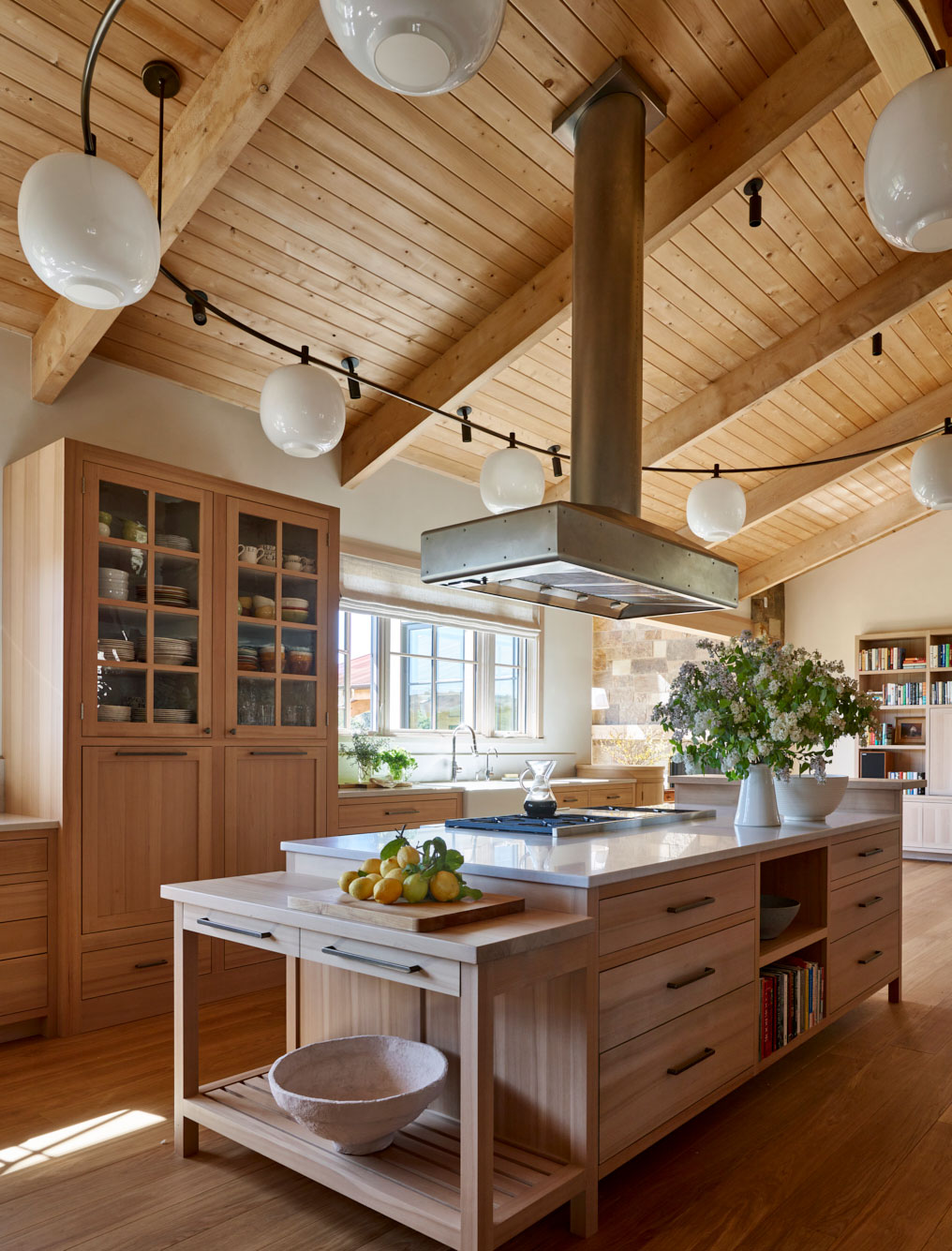
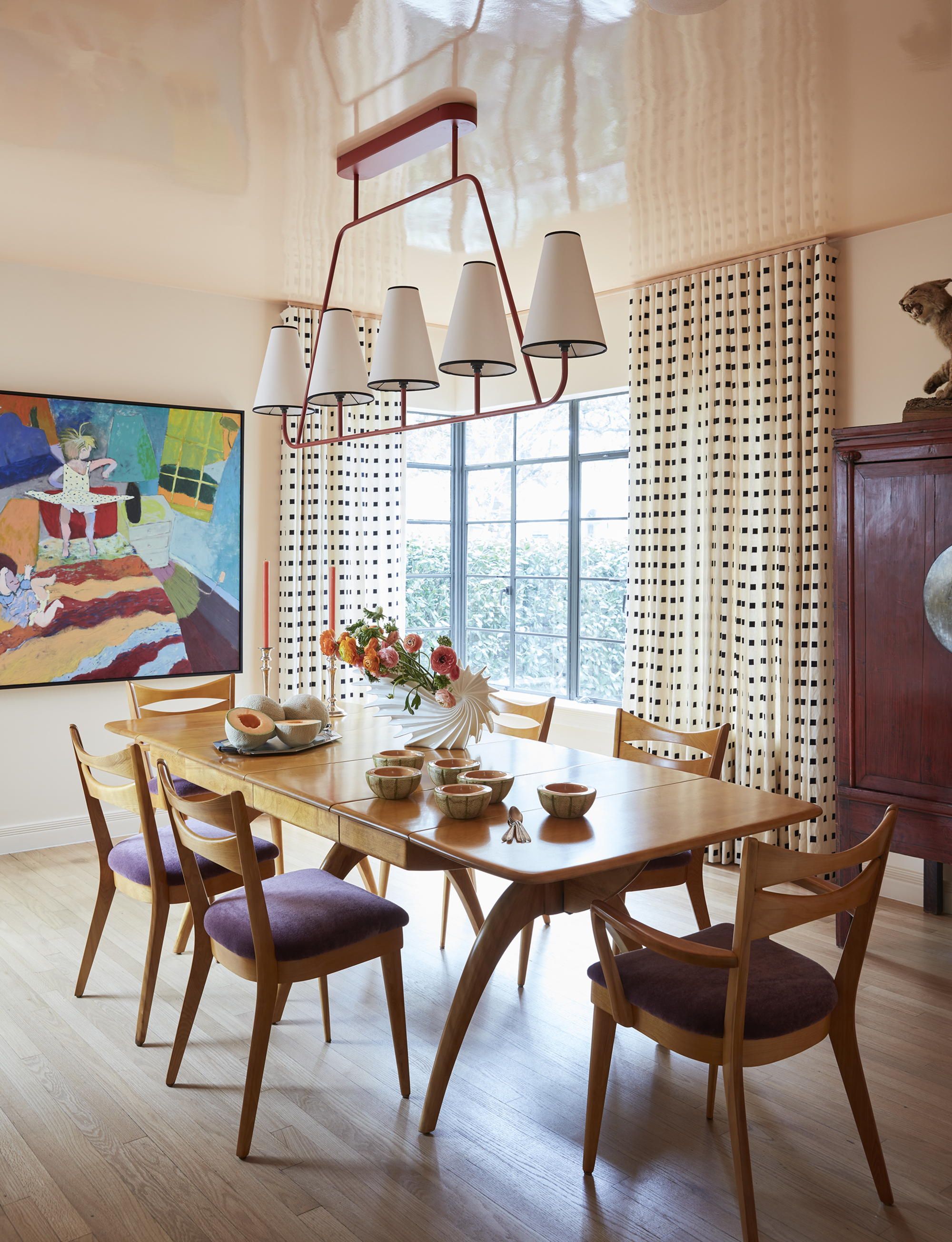
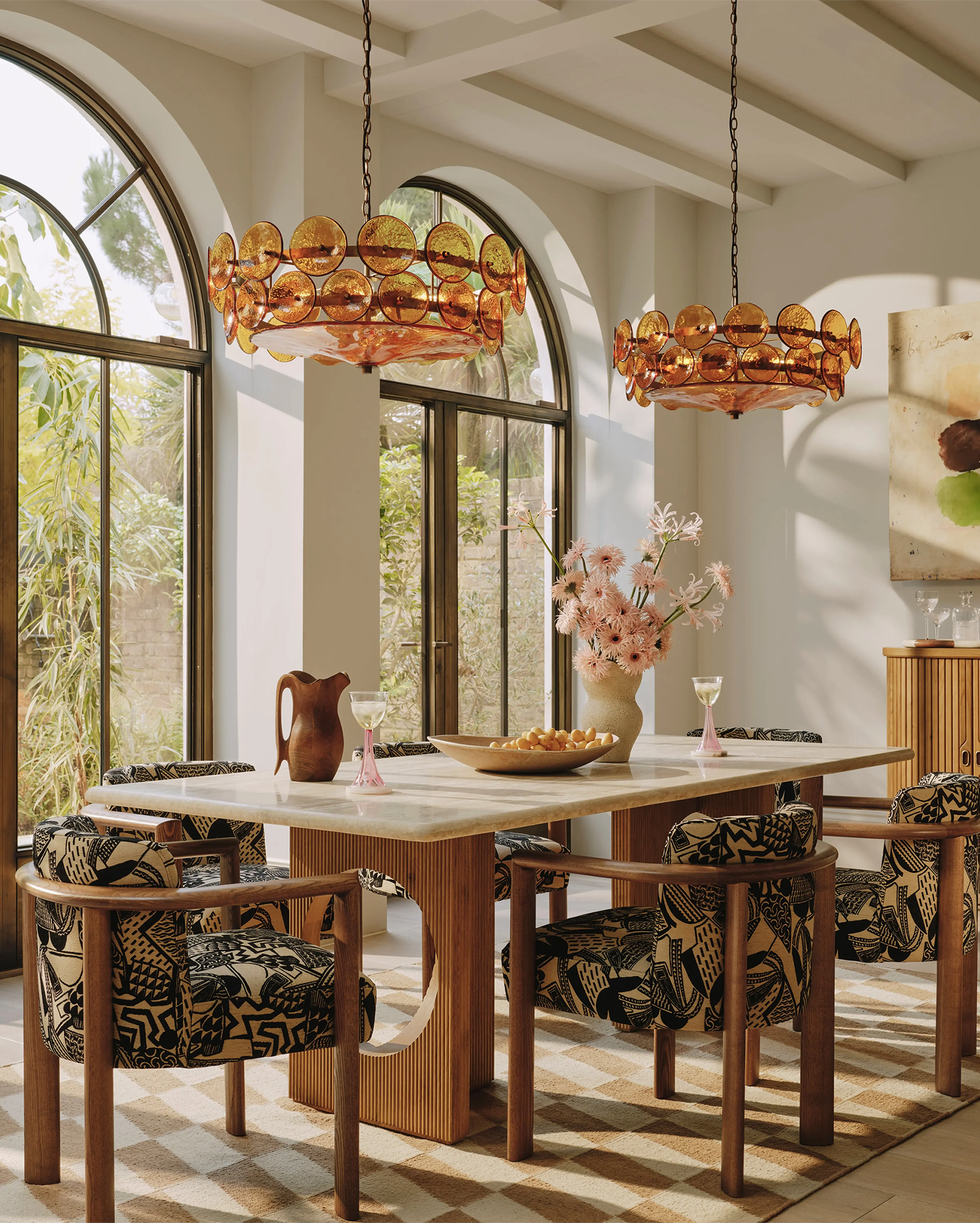
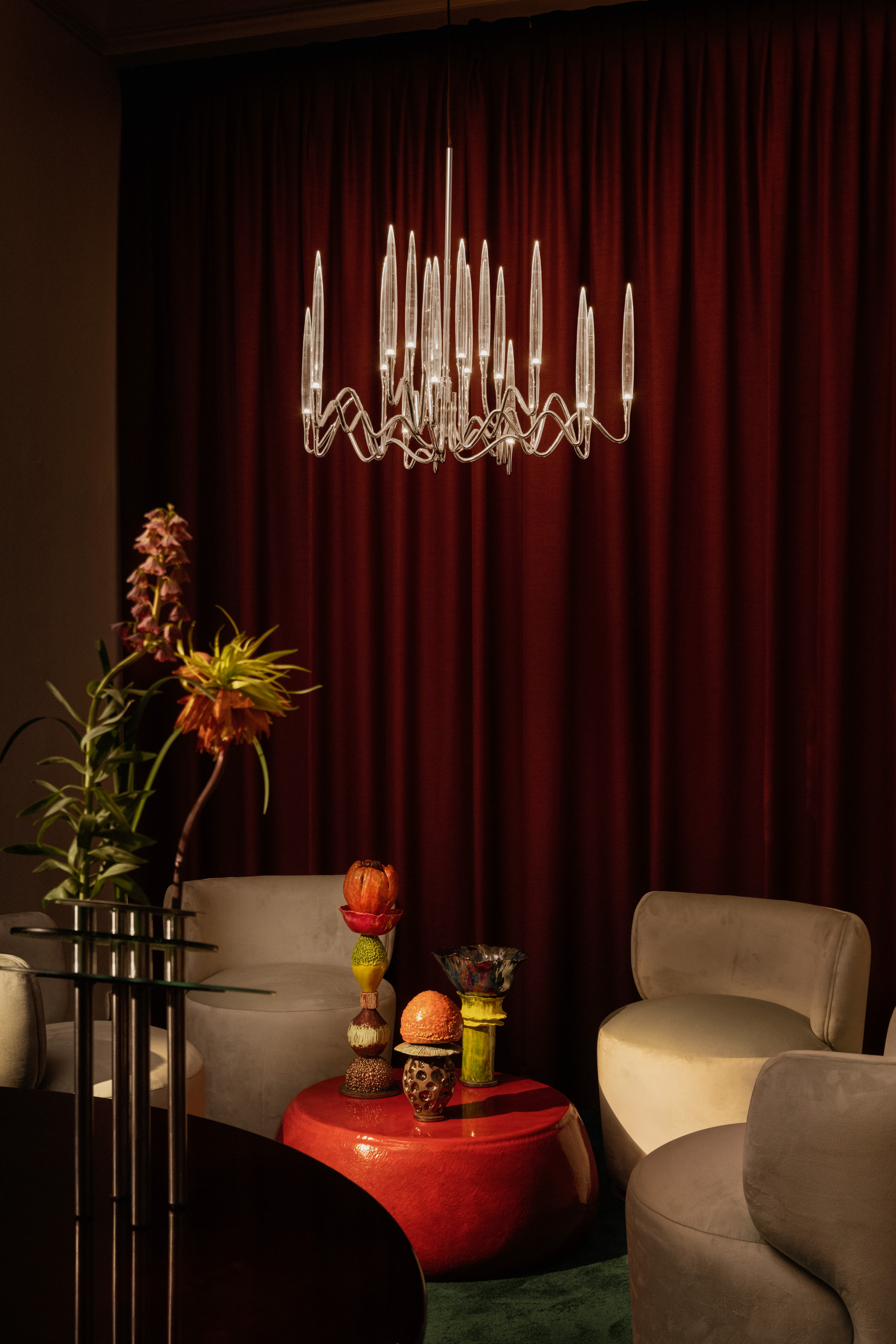
Lastly, globe pendants are highlighted as a key lighting trend for integrating Art Deco into contemporary interiors. Lior Kahana, operations manager at 123 Remodelling, points out that lighting is one of the most accessible ways to introduce Art Deco. While tiered chandeliers capture the era, Kahana advises clients to opt for cleaner silhouettes, such as brass chandeliers with frosted glass globes, to achieve a modern yet authentically Art Deco look. This focus on statement lighting aligns with current interior design trends.
#ArtDeco #InteriorDesignTrends #HomeDecor #MirroredCeilings #RusticGlamour #DecoTech #MetallicAccents #GlobePendants #DesignInnovation #ArtDeco #InteriorDesignTrends #HomeDecor #MirroredCeilings #RusticGlamour #DecoTech #MetallicAccents #GlobePendants #DesignInnovation
0 commenti in totale
 Nessun commento ancora
Potresti anche gradire
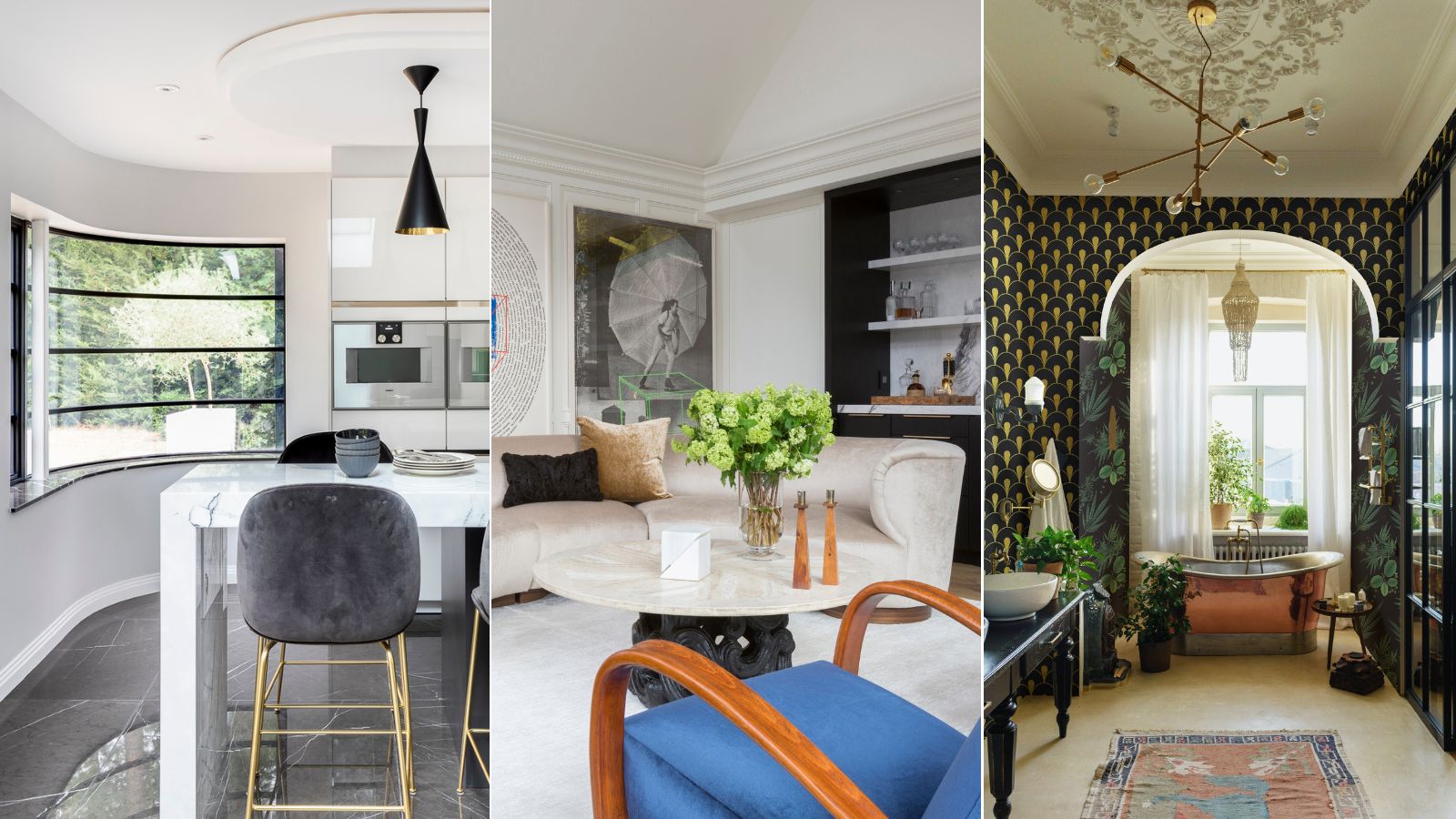
Is Art Deco back on trend? Experts share how they make the iconic design style fresh for 2024
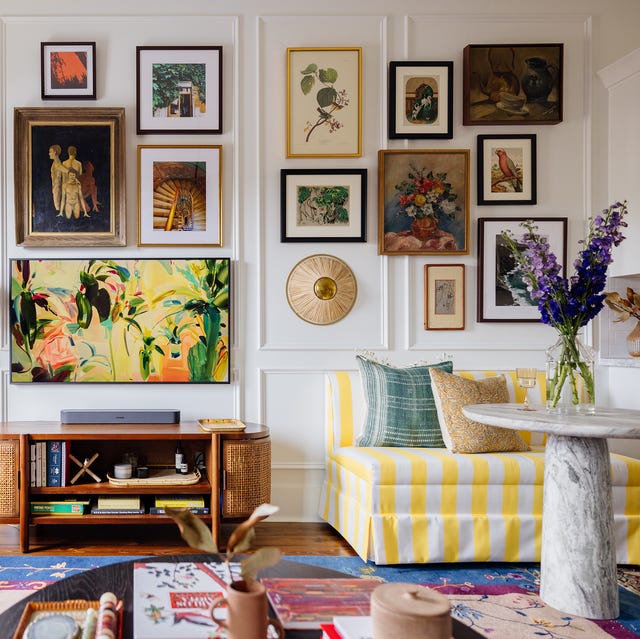
The Pros Have Spoken: These Interior Design Trends Will Define 2025

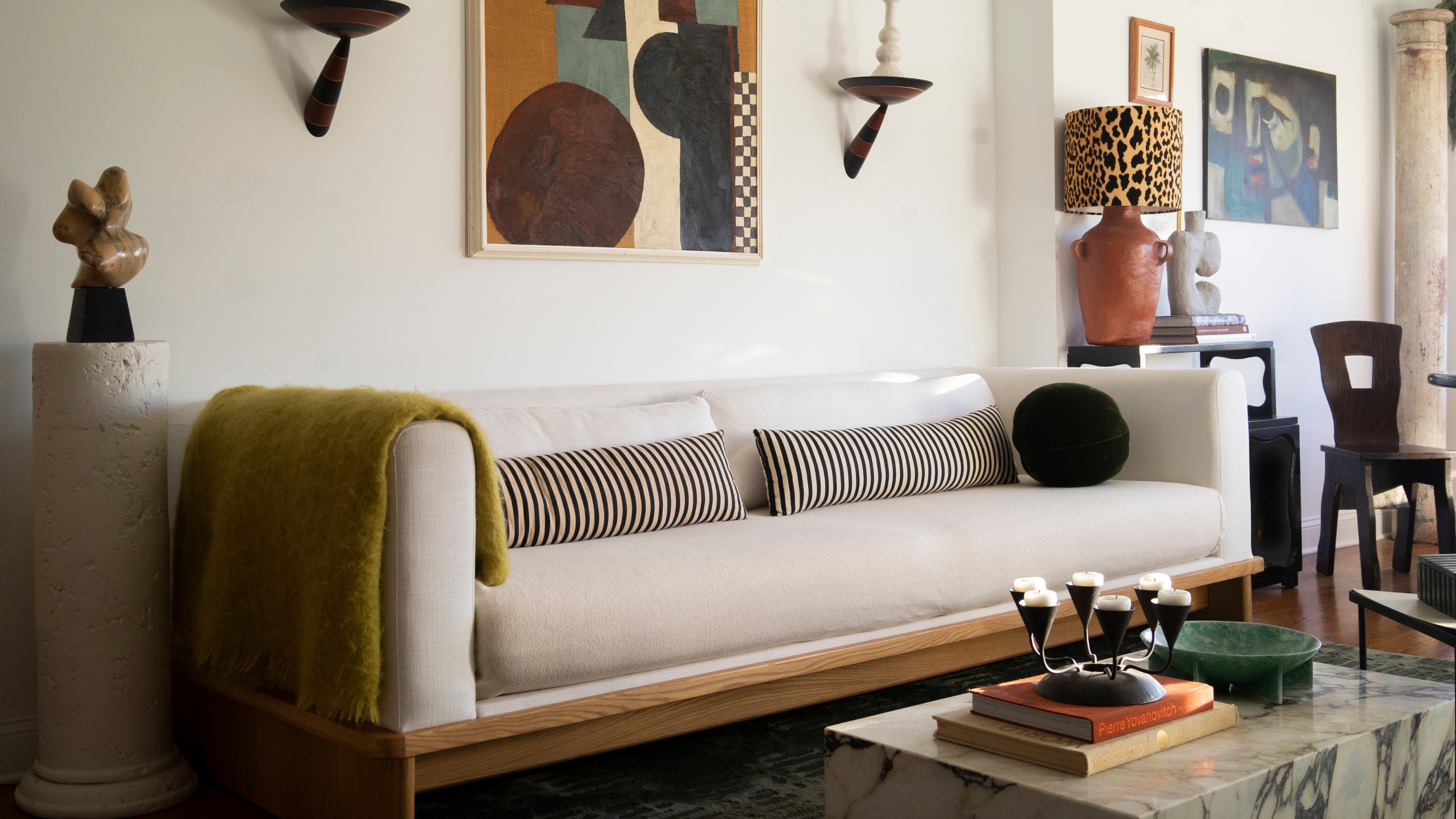
Designers' Reveal the Biggest Pattern Trends for 2025, and It's Shaping Up to Be a Bold Return to the Classics

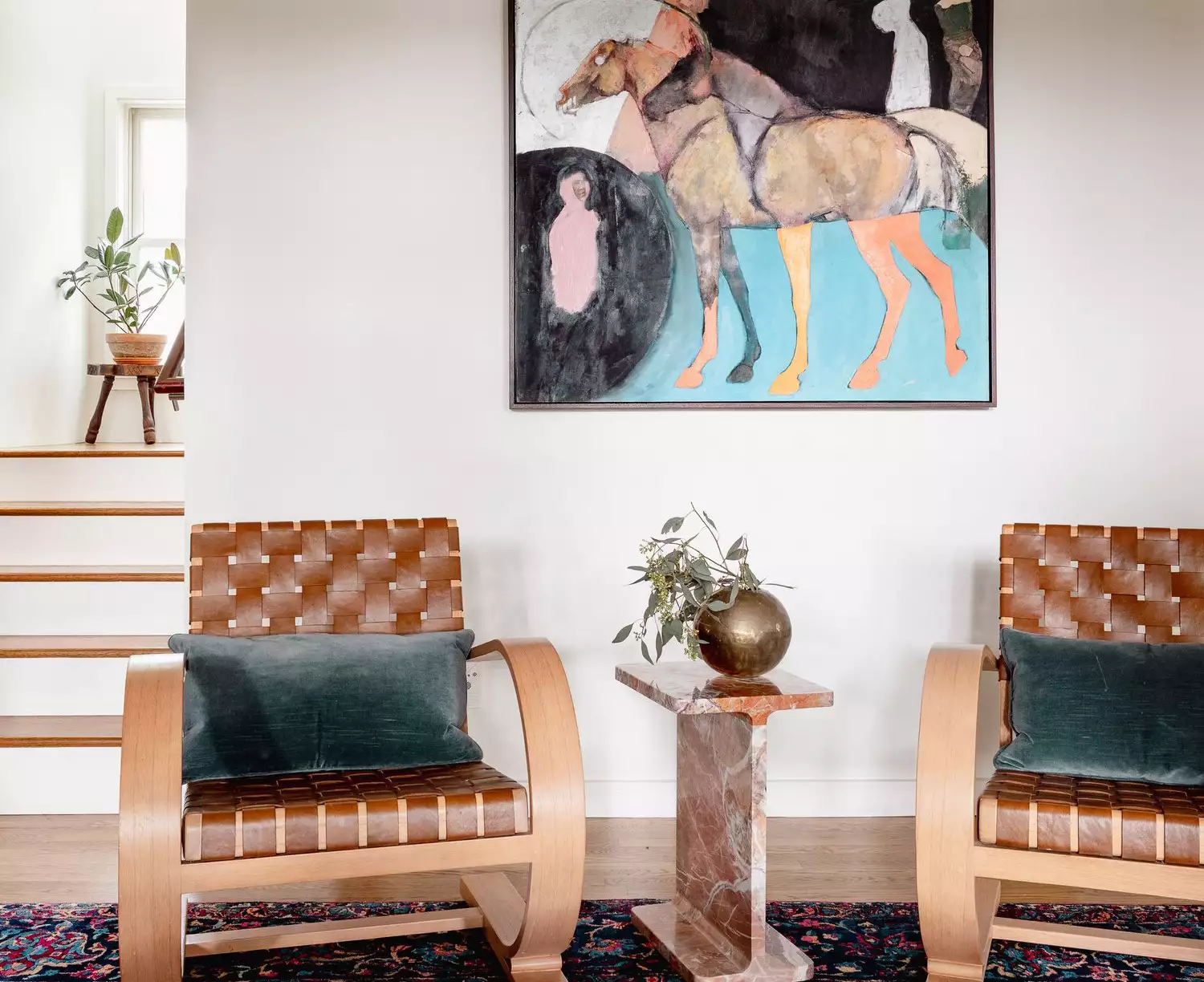
6 Vintage Design Trends That Are Making a Comeback in 2025, According to Designers
What is Art Deco design? Expert advice on this luxurious look that's returning for 2024
Retro Design Trends That Are Making A Comeback In 2025
Is Midcentury Modern Decor Finally Out of Style in 2025? What Designers Really Think

The Biggest Interior Design Trends for 2025

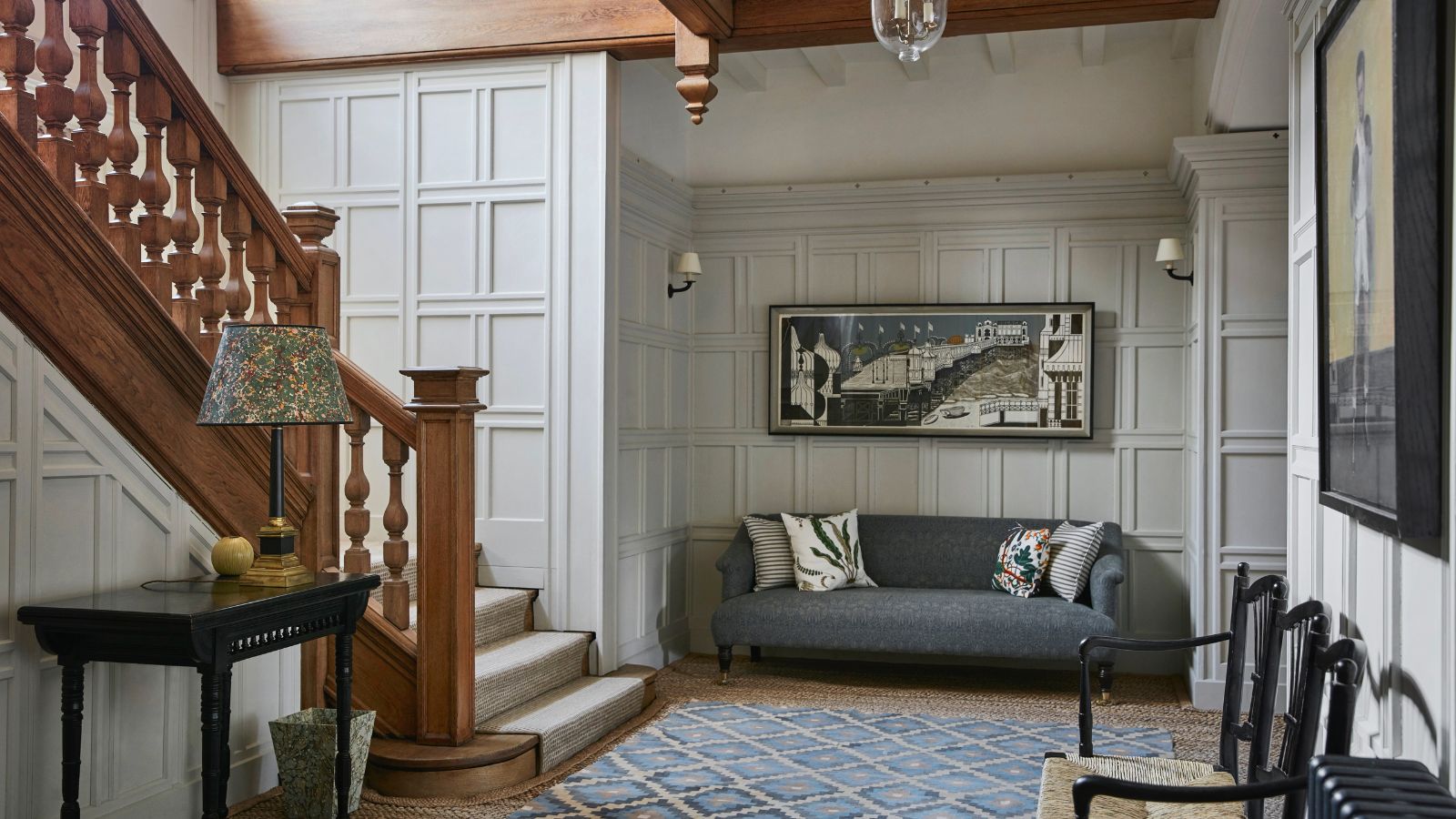
Arts and Crafts decor is making a comeback for 2025 – here's how designers are reimagining this iconic vintage style
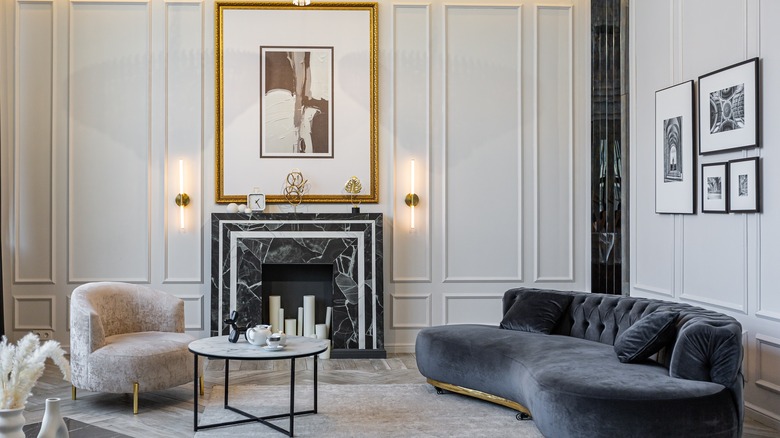
The Stunning Interior Design Trend That's Here To Stay In 2025

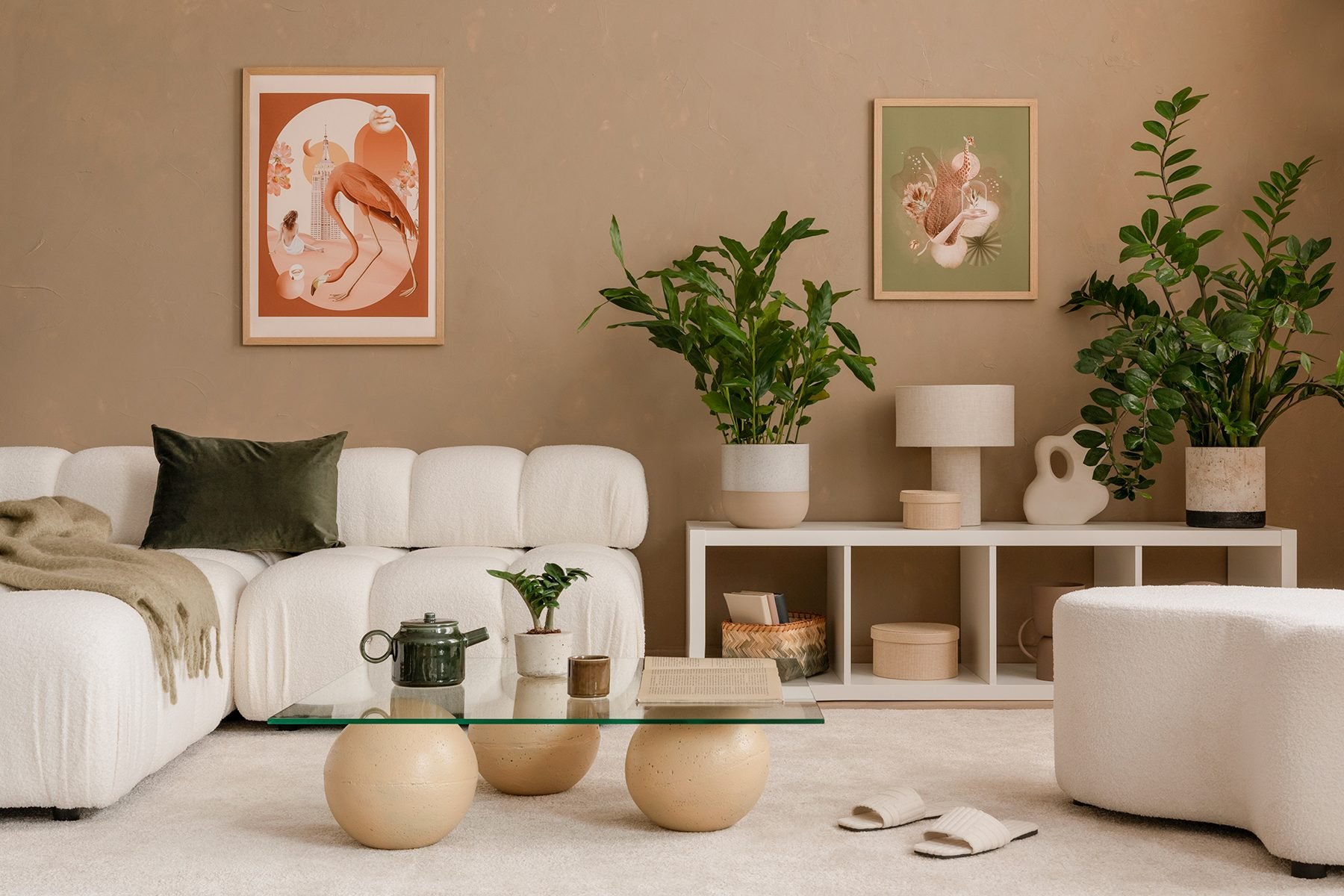
Design Forward: 4 Must-Know Interior Trends for 2025

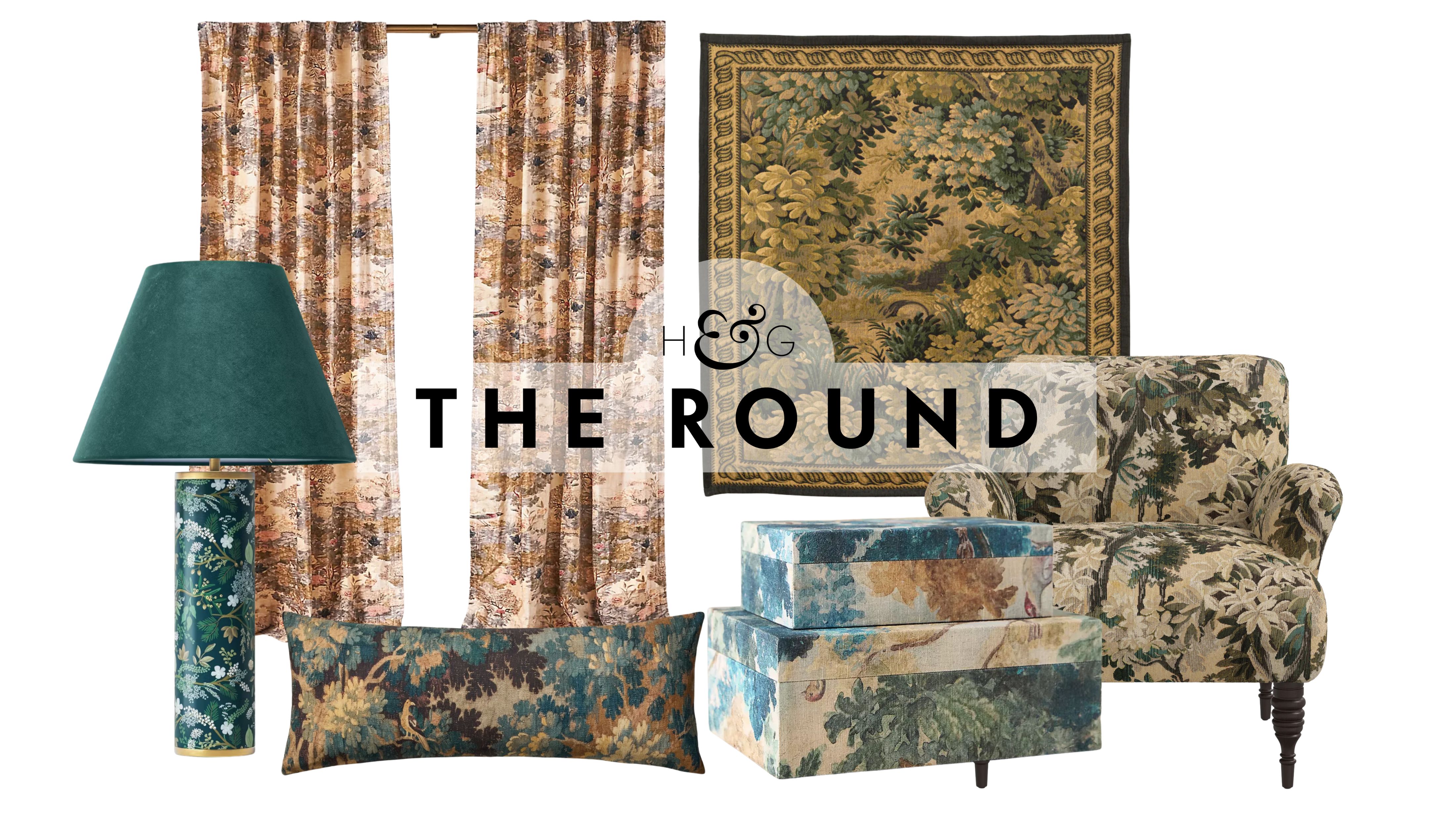
This Centuries-Old Pattern Is the Next Big Design Trend for 2026 – Here Are 24 Pieces That Prove It
7 Vintage Decor Trends Designers Are Loving in 2025

This Opulent Decor Choice Is Poised to Become the Biggest Design Trend of 2025
Ready to Redecorate? 2025’s Top Design Trends Just Dropped

10 Interior Design Trends to Watch in 2025

This 1920s-Inspired Design Trend Is Taking Over Homes in Fall 2025
Wood Paneling and 11 More Vintage Decor Trends Making Huge Comebacks in 2025
The Decorating Trends Designers Are Leaving Behind in 2026

Old Is New Again: Designers Say These 6 Retro Design Trends Are Defining 2025 Style