1/6
5 things you must think about before buying a fitted wardrobe – tick each of these things off your list before you invest
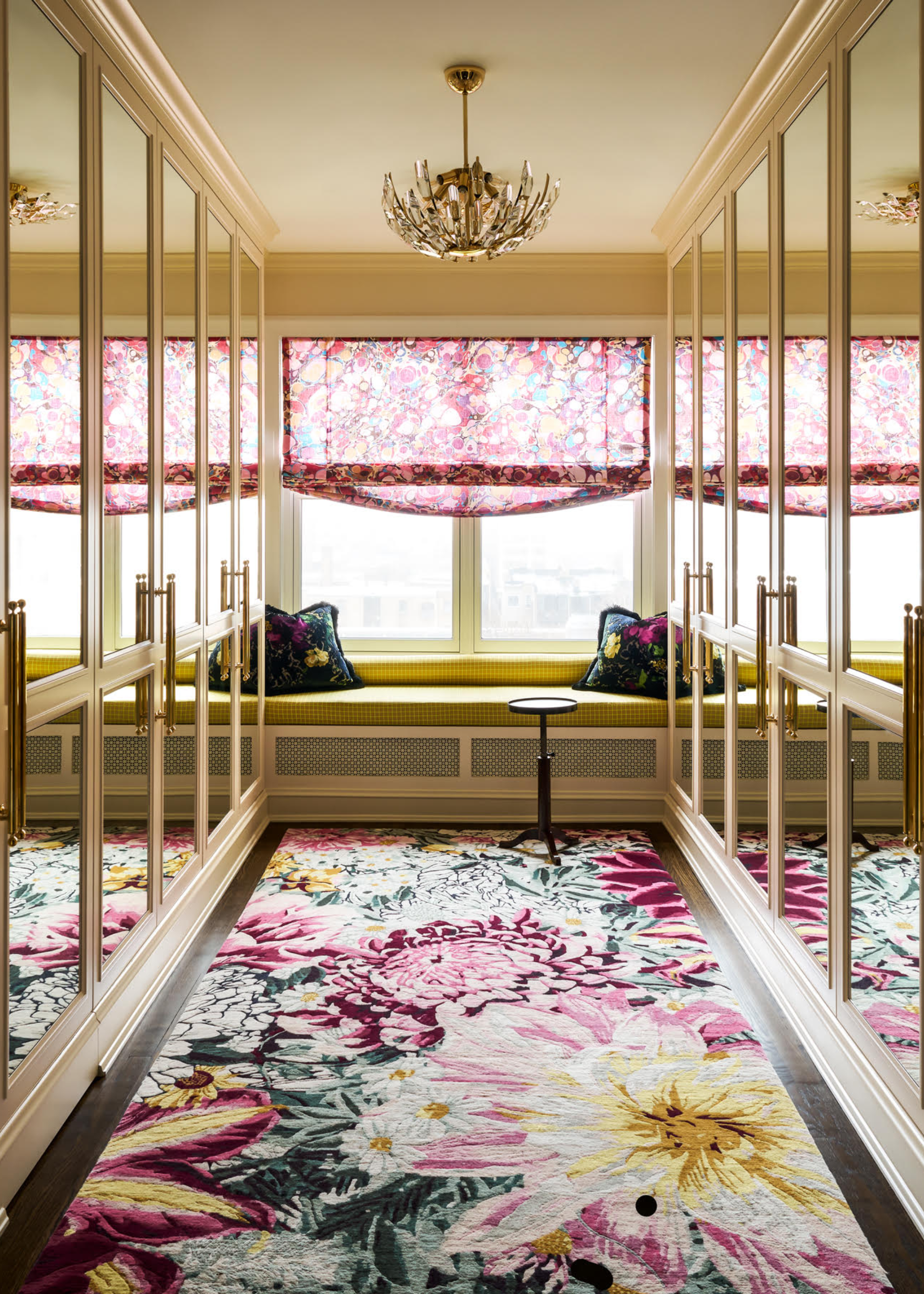
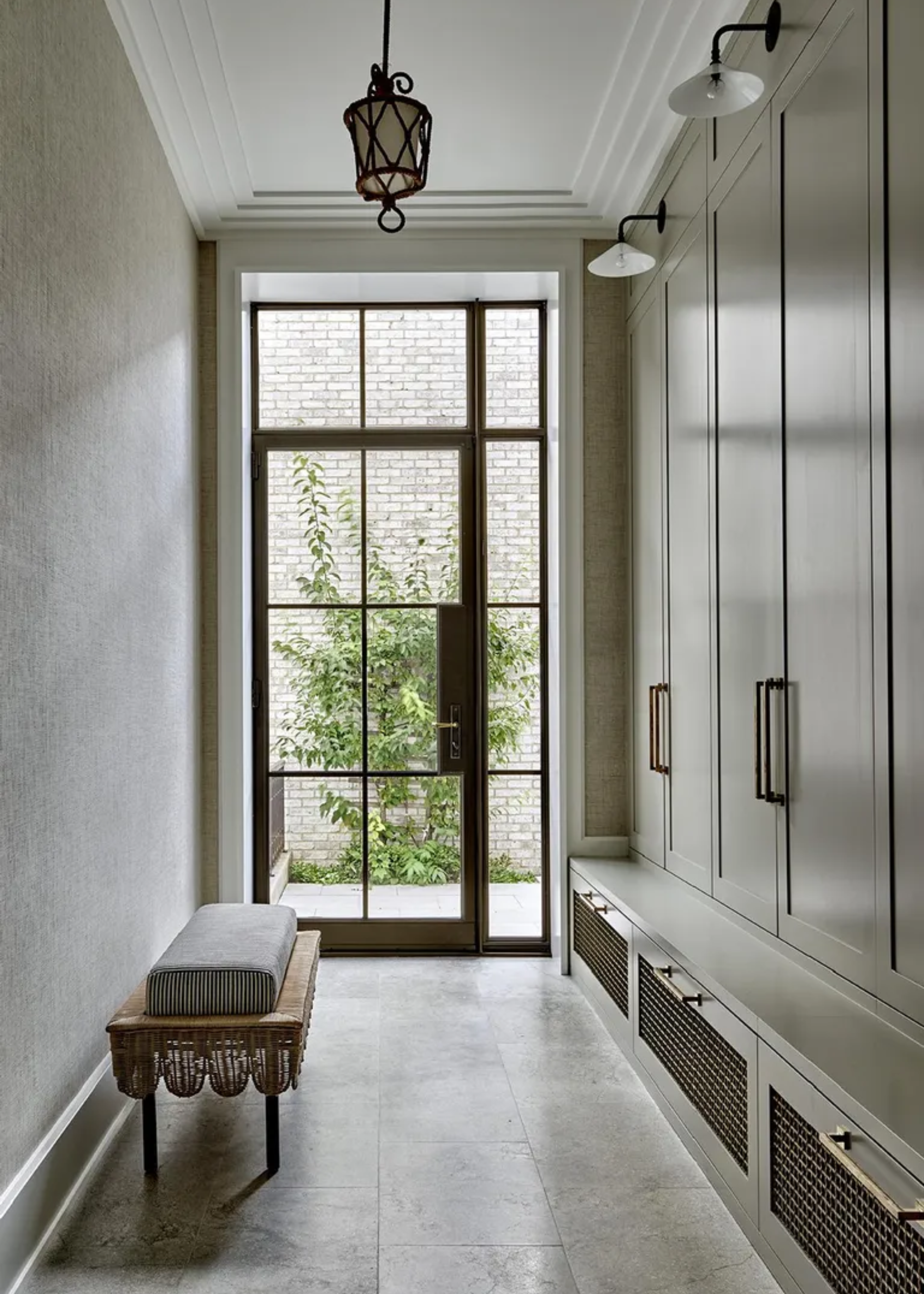
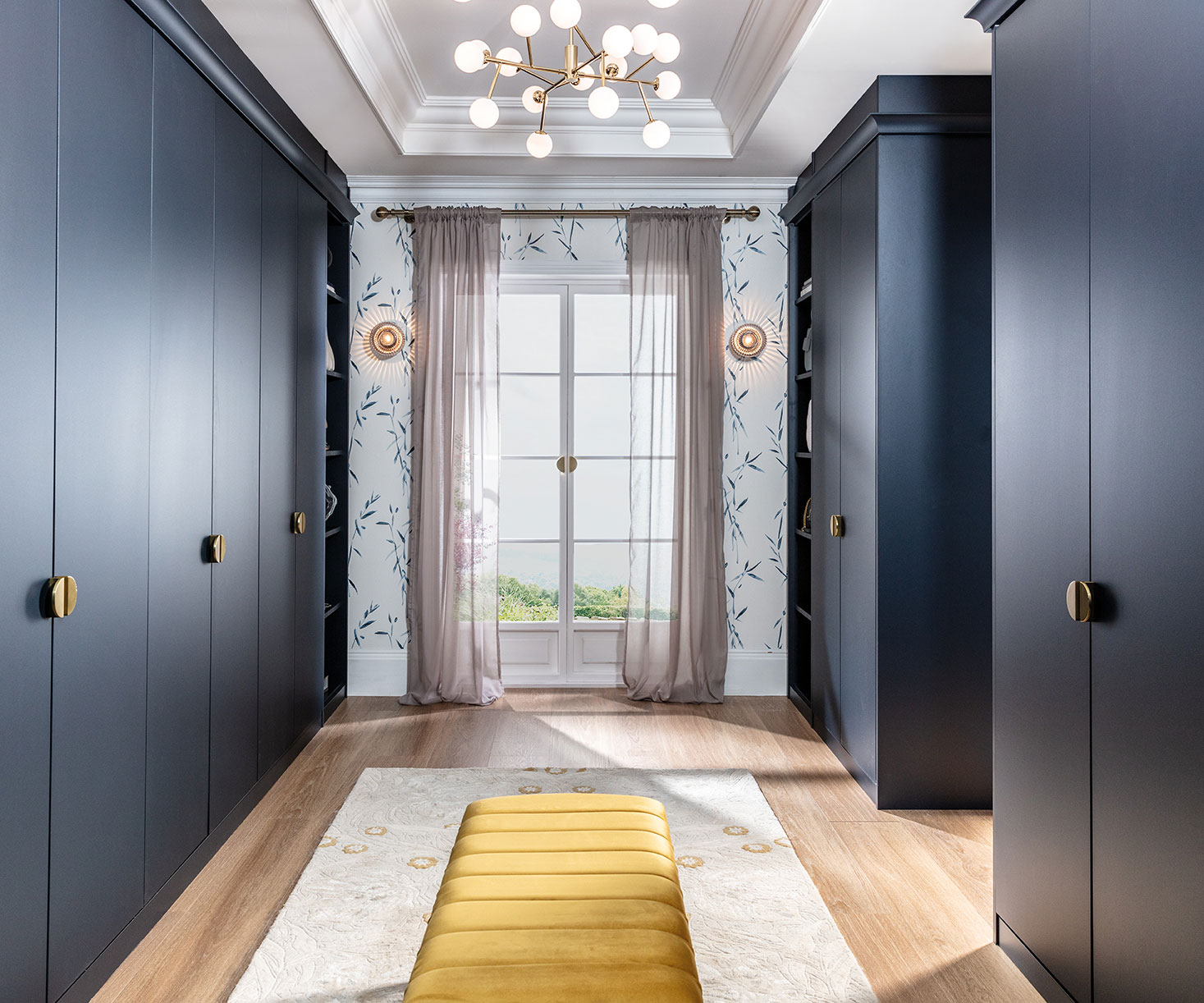
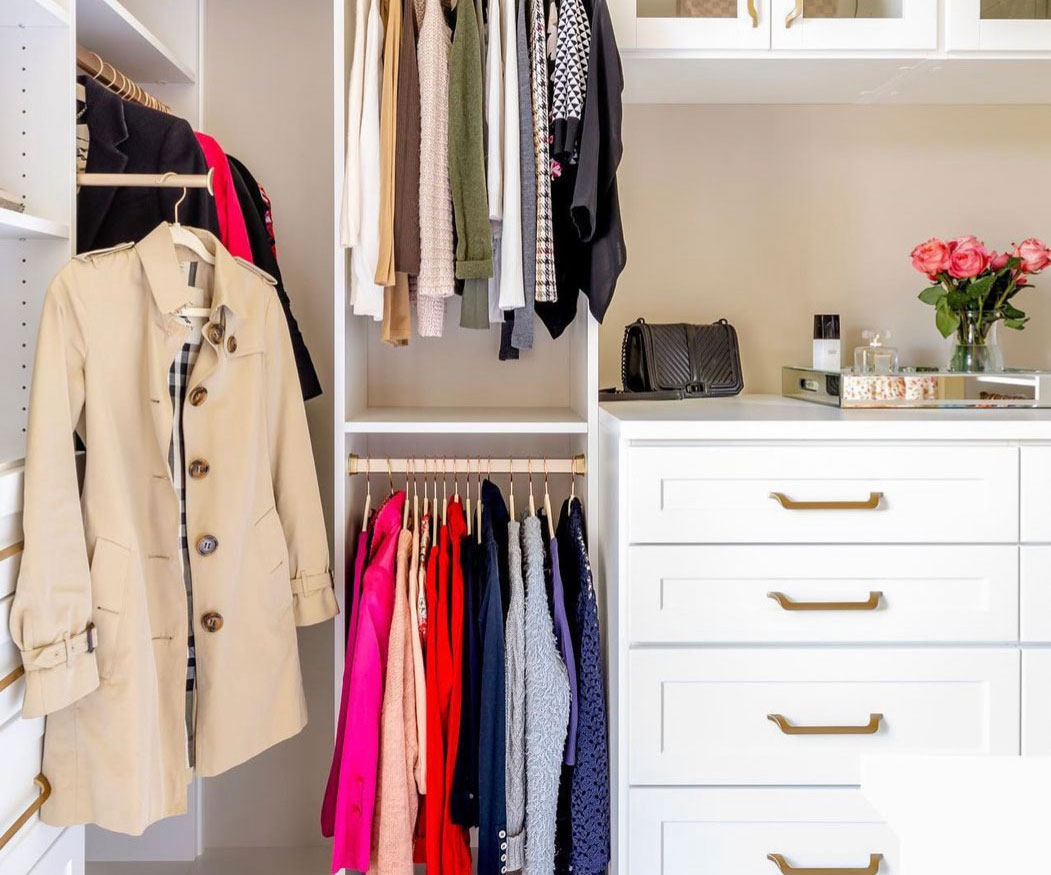
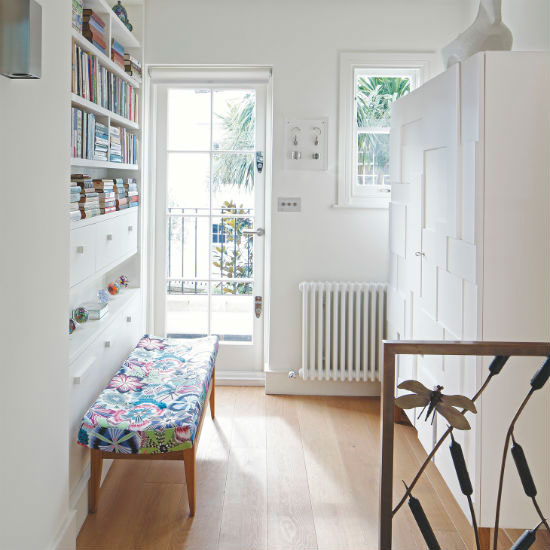
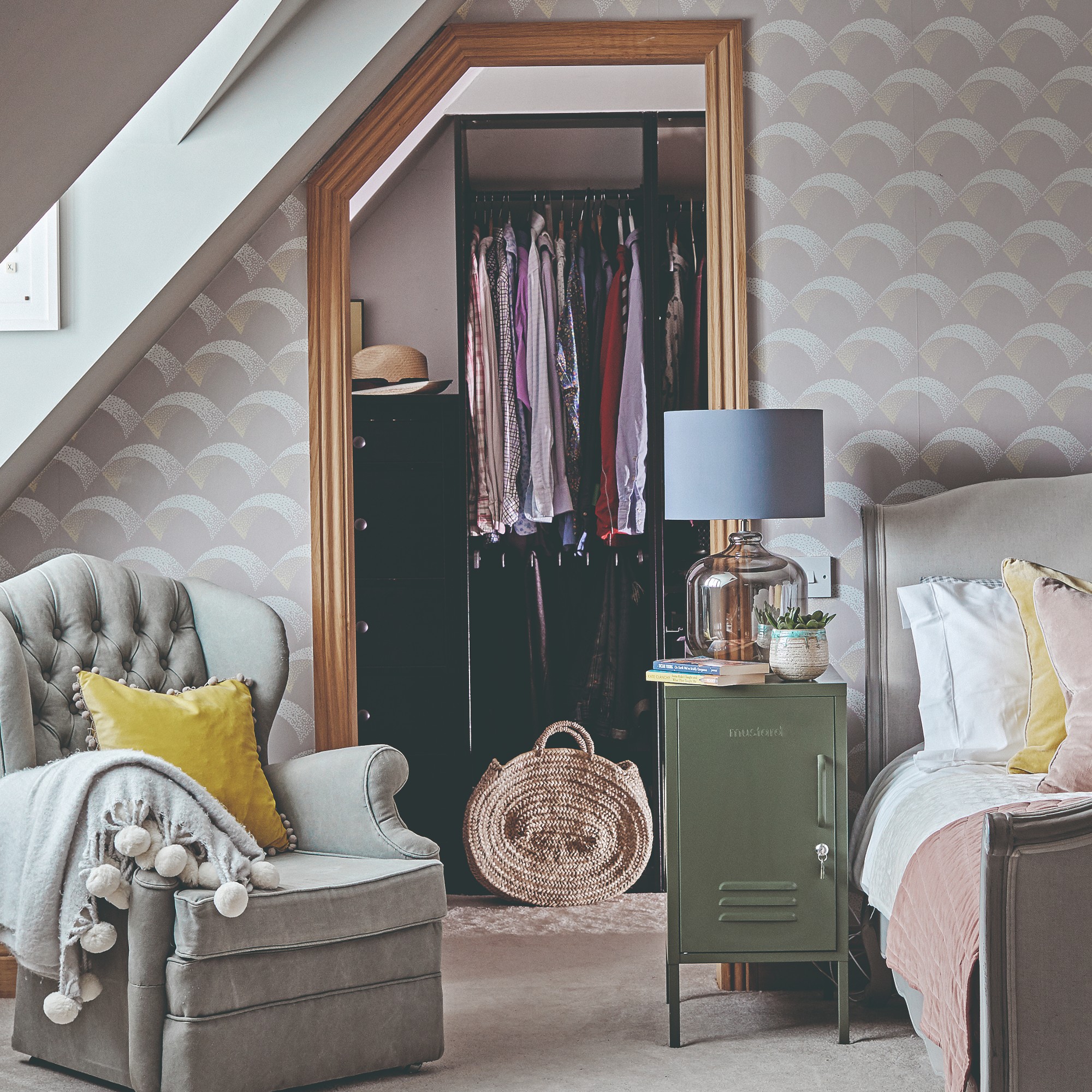
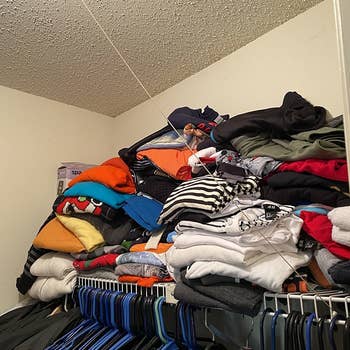
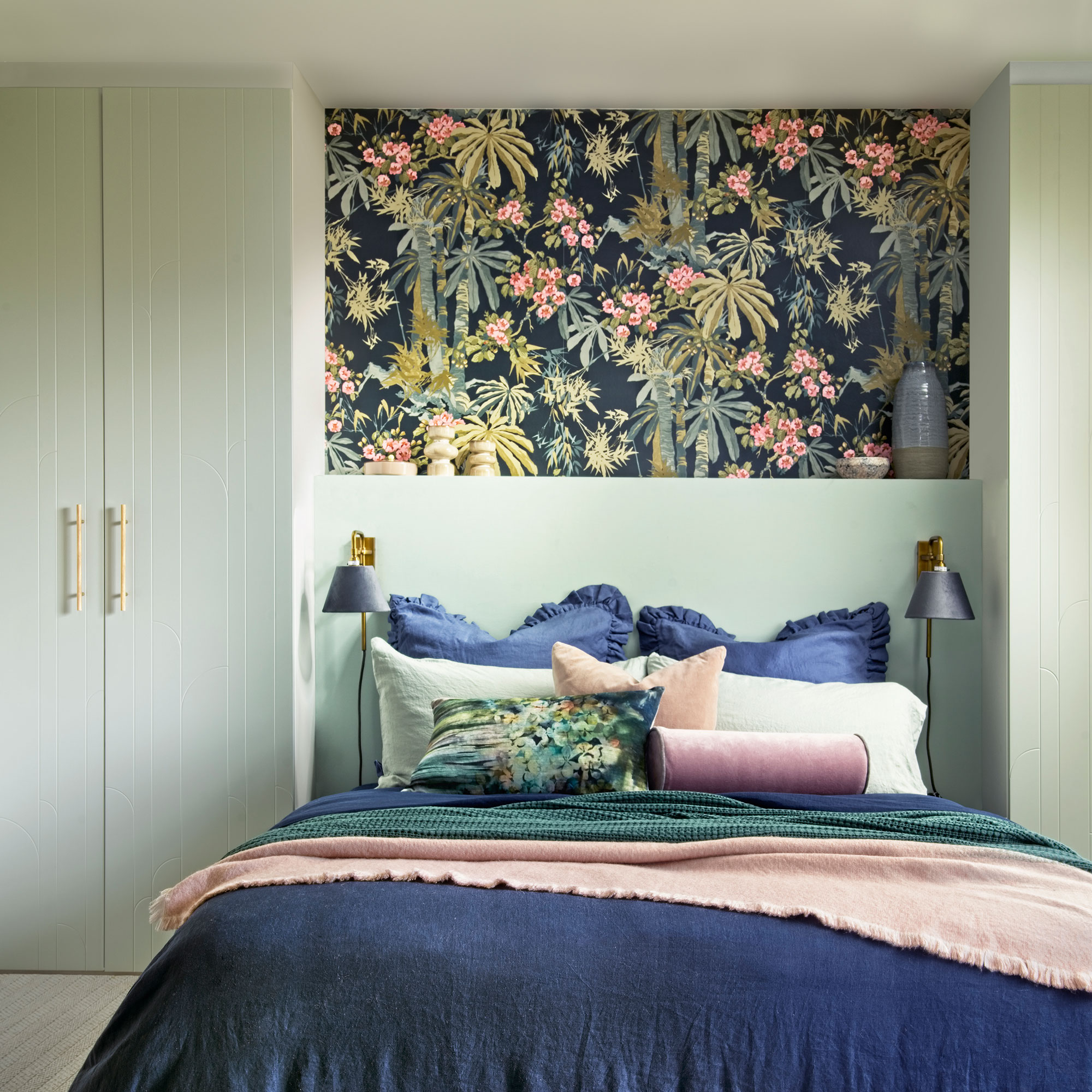
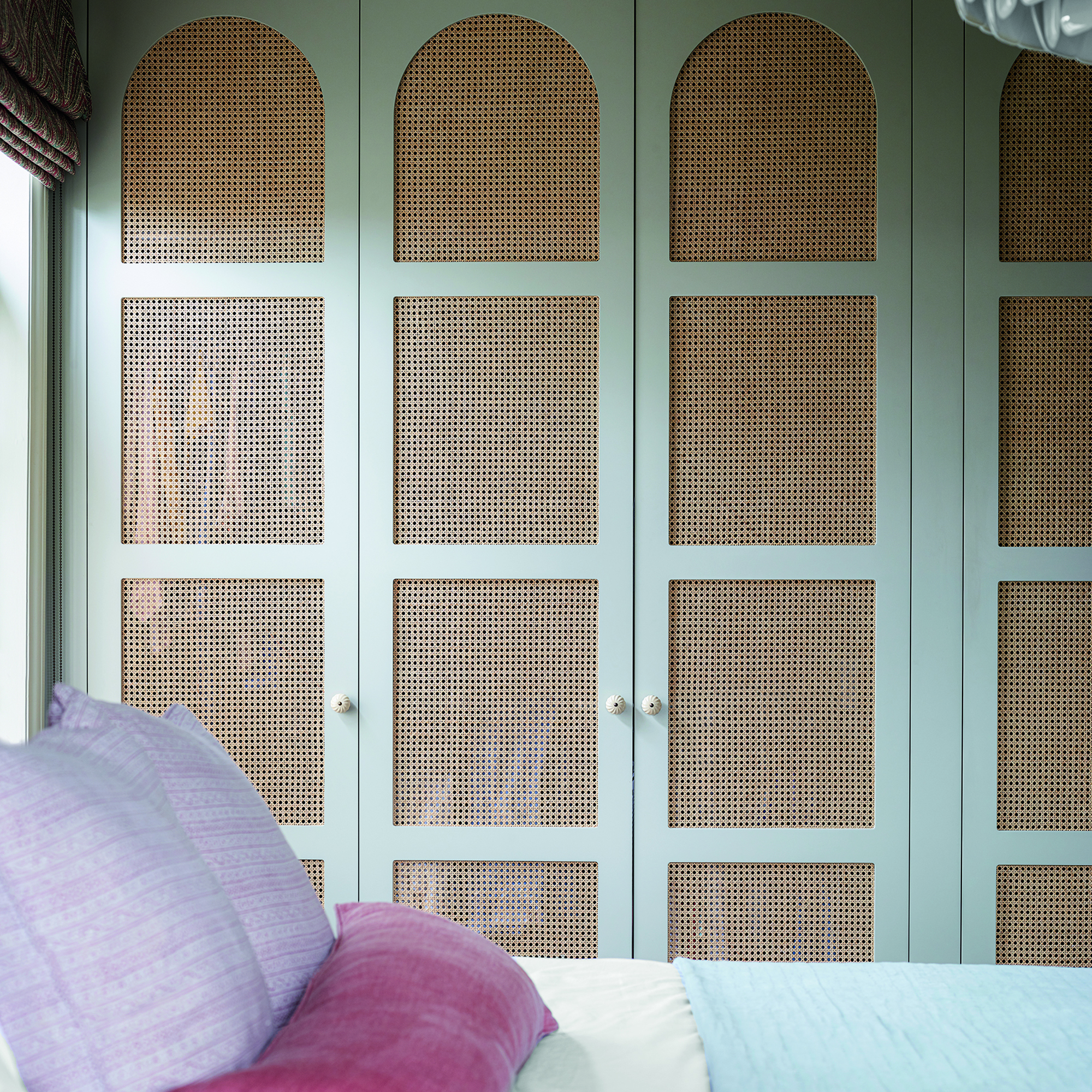
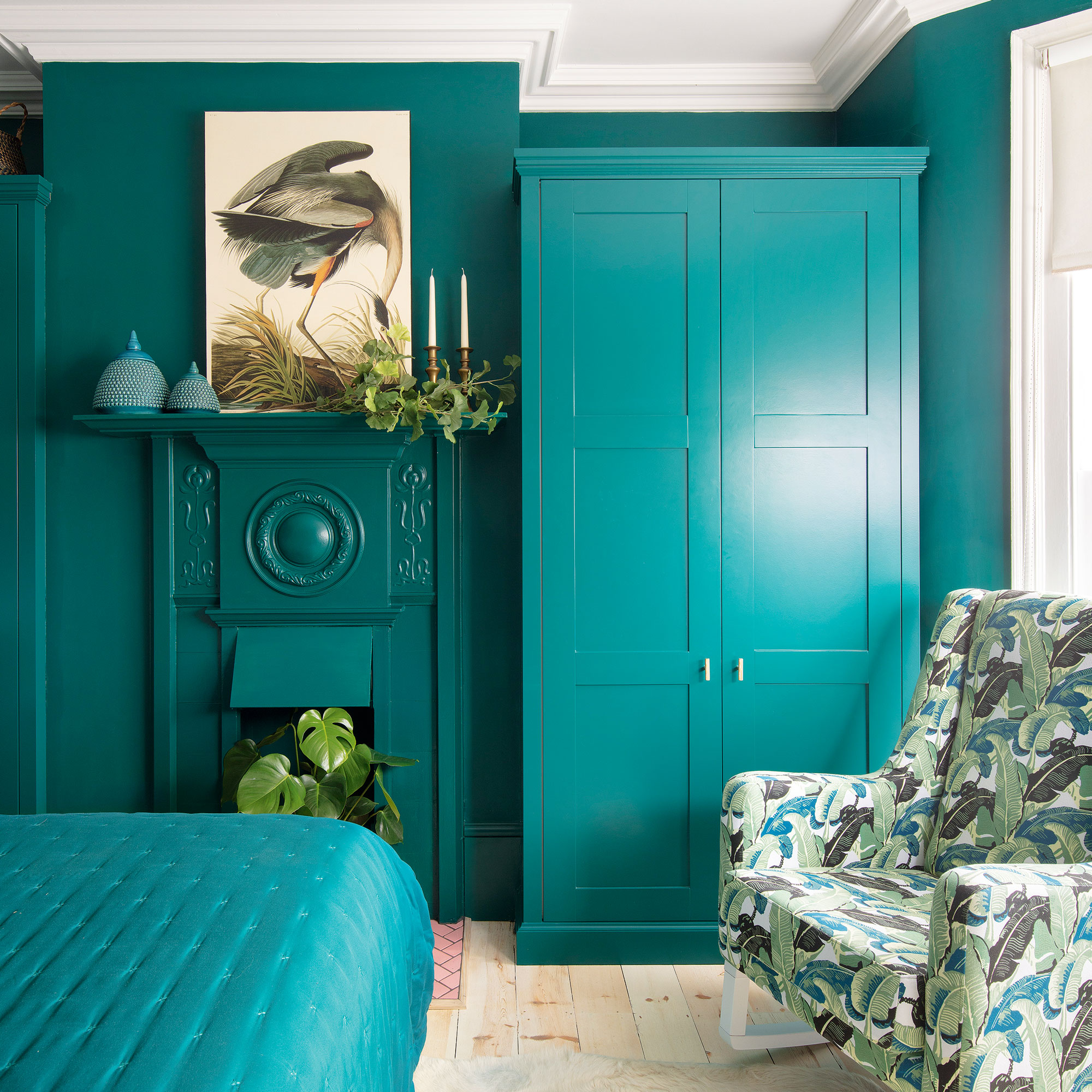
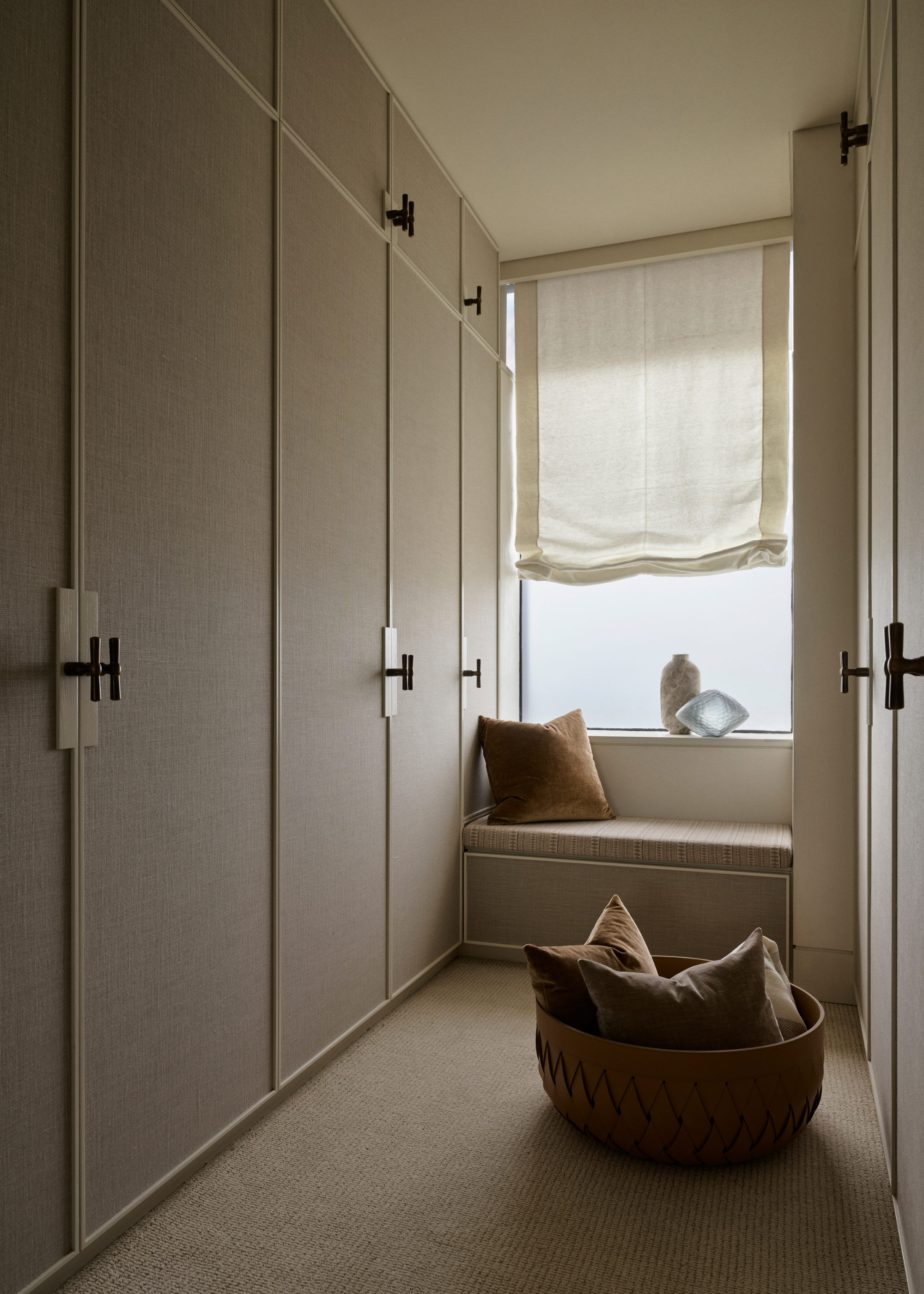
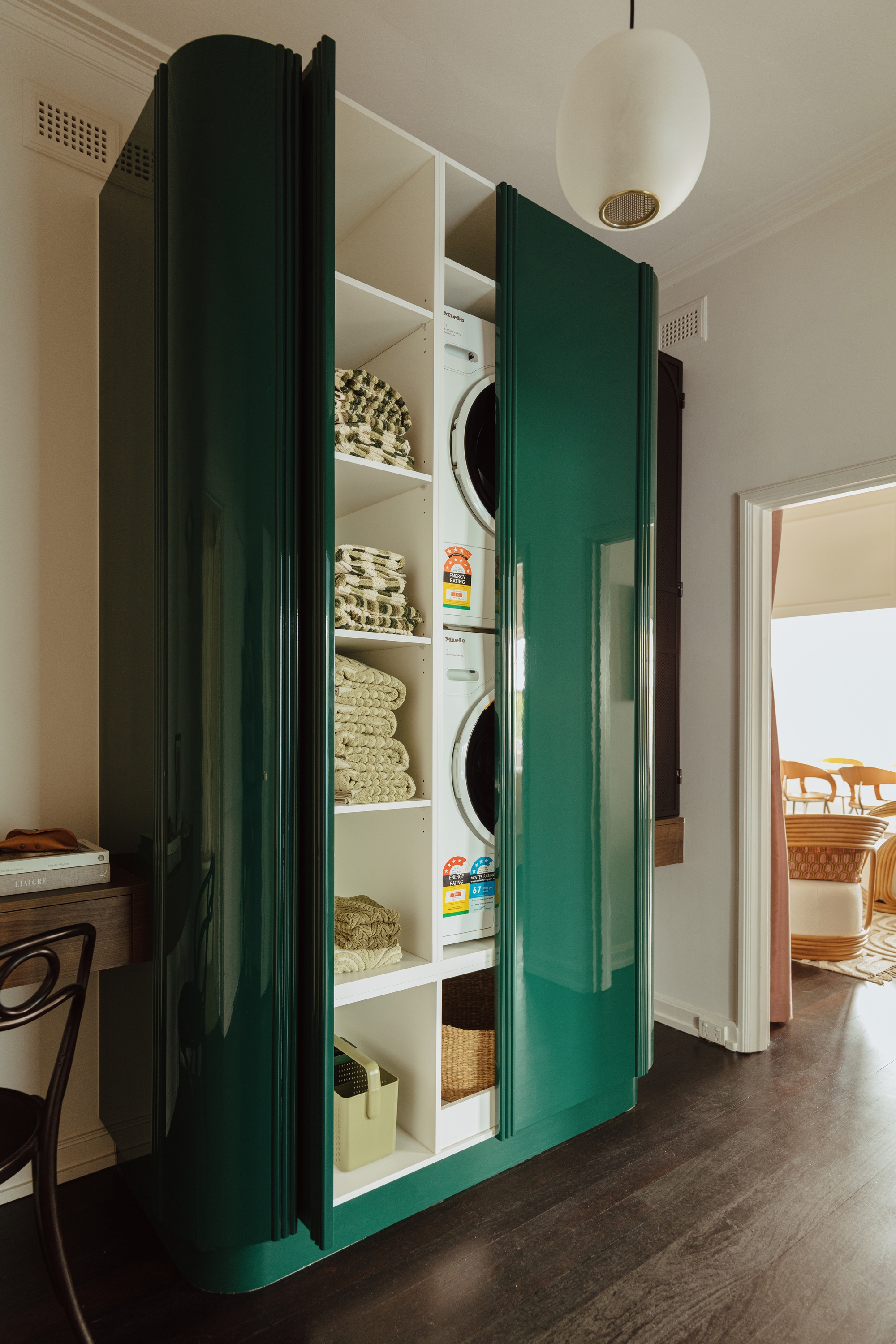
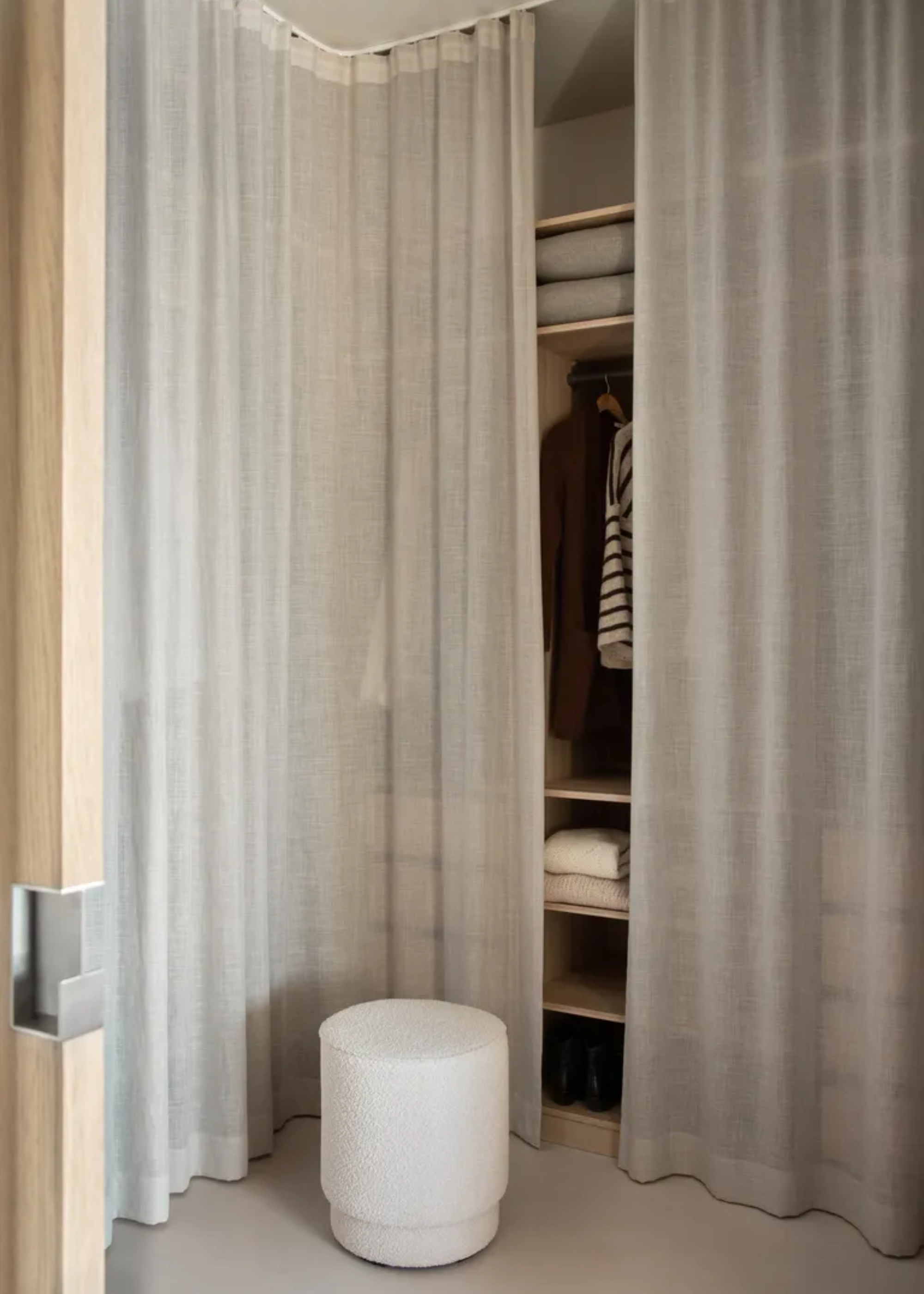
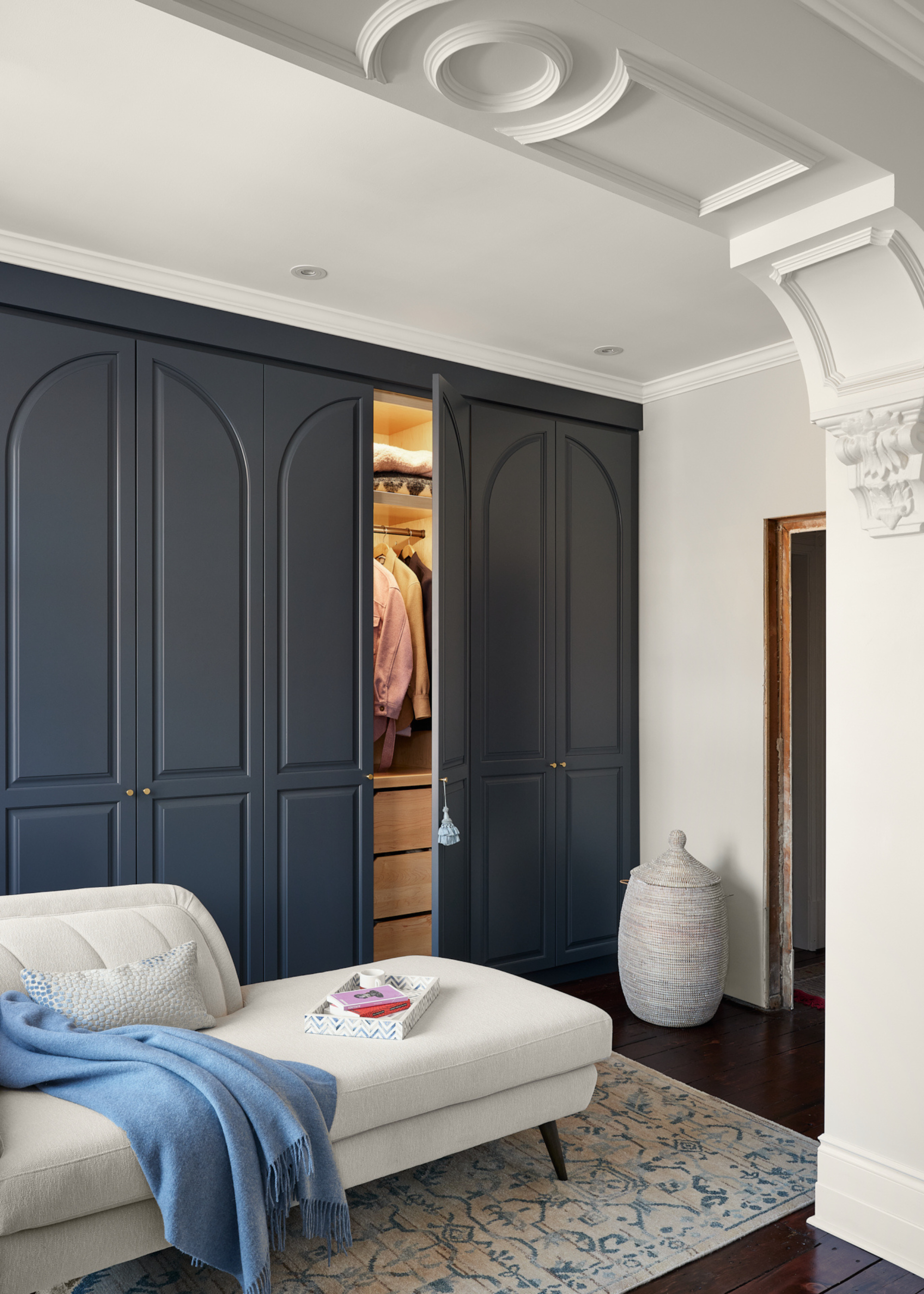
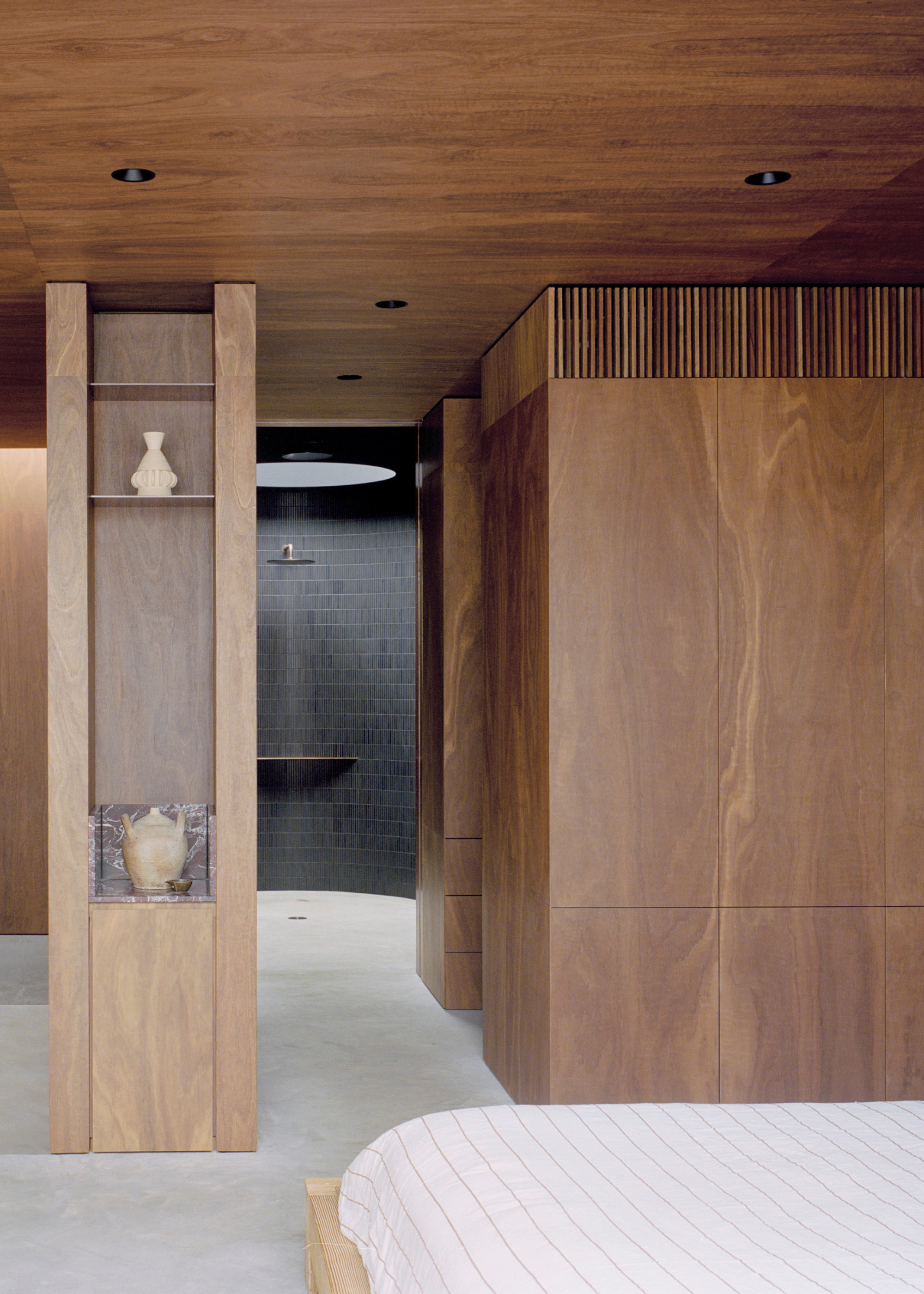
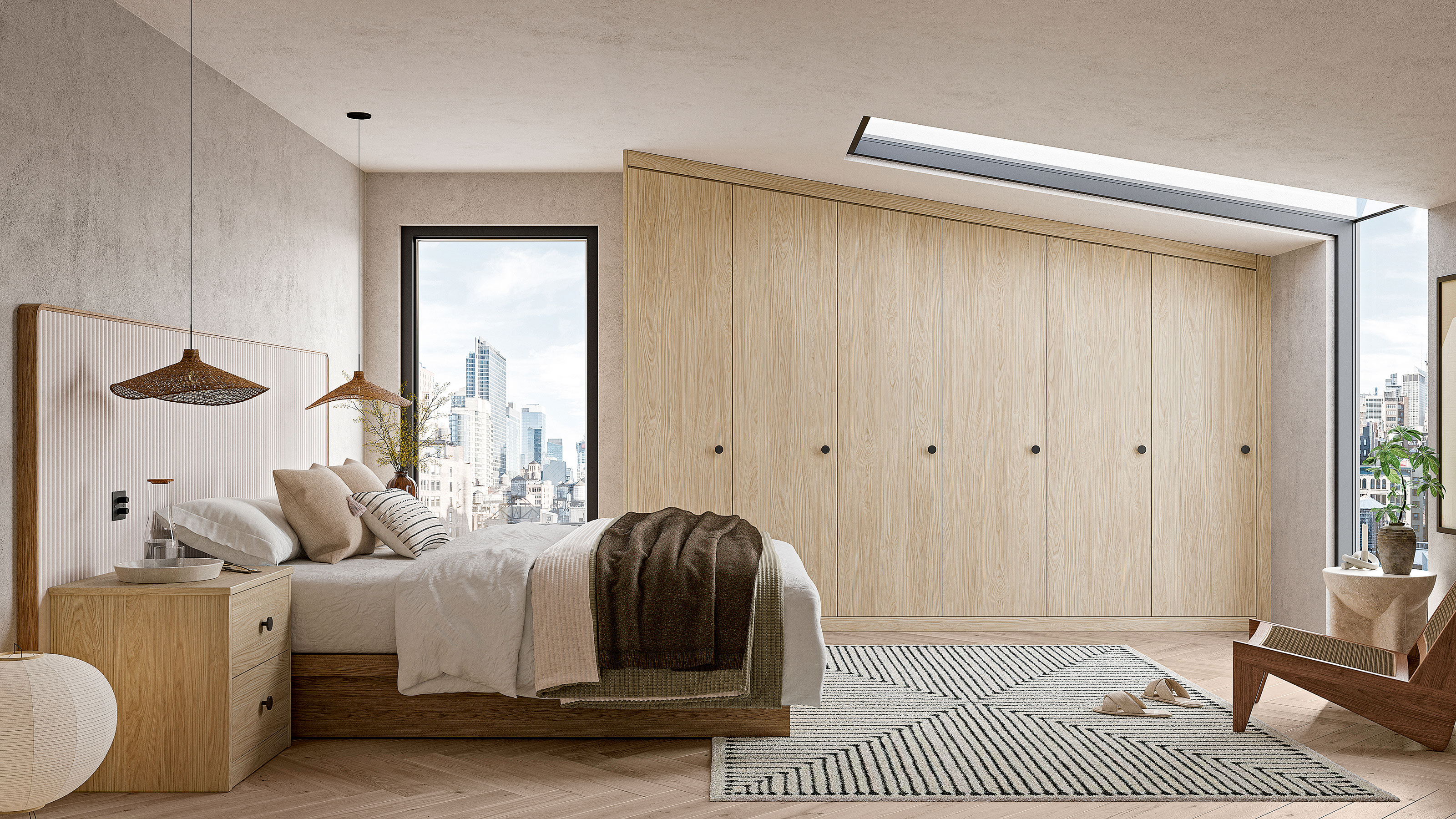
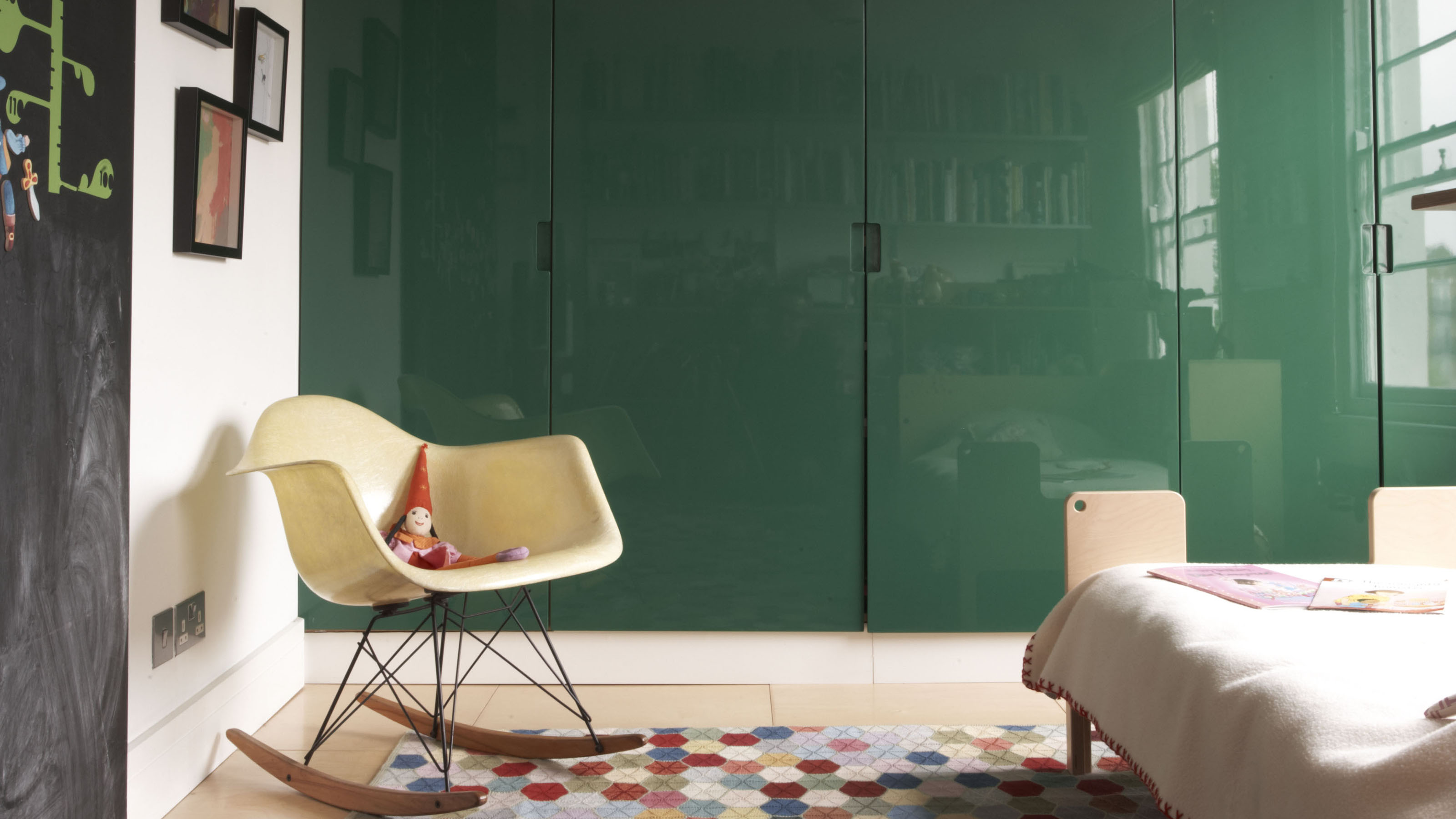
Fitted wardrobes offer a highly desirable solution for maximizing storage and creating a seamless, clutter-free environment within a home. Unlike freestanding wardrobes, which come with restricted capacities and often leave awkward gaps, bespoke fitted wardrobes are designed to utilize every available inch of space, from wall-to-wall and floor-to-ceiling. This customization is particularly beneficial in rooms with architectural quirks like uneven walls, sloped ceilings, or intricate skirting boards, allowing for a polished, built-in aesthetic that integrates harmoniously with the room's structure.
The initial consideration before investing in a fitted wardrobe is to clearly identify the specific problem it aims to solve. While aesthetic appeal is often a driving factor, these wardrobes can offer much more than just a pleasing look. They can be designed to create multifunctional spaces, incorporating elements like dedicated work-from-home areas or dressing tables, ensuring the solution is tailored to individual needs and lifestyle. This strategic planning ensures that the investment is wise and addresses practical requirements beyond mere storage.
Accurate measurement of the space is paramount to avoid costly mistakes. Experts emphasize that meticulous space planning is crucial, not only for ensuring a snug fit in irregular areas but also for maintaining a balanced layout and a sense of symmetry within the room. This detailed approach prevents the wardrobe from overwhelming the space and ensures it complements the existing interior design. Properties, especially older ones, often have unique structural elements that require precise measurements for a truly integrated fitted unit.
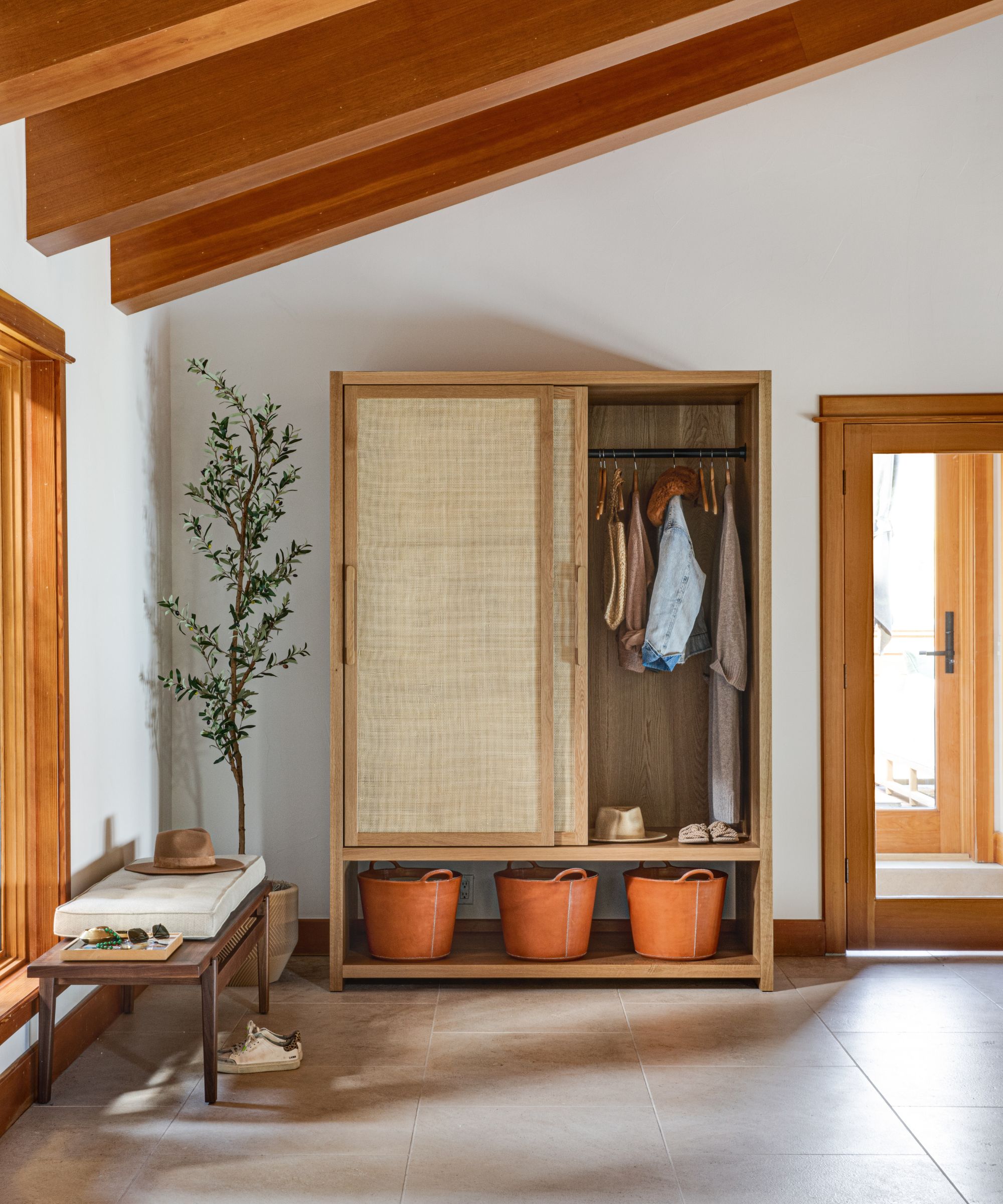
Another critical aspect is to assess whether the intended space can adequately accommodate the functional requirements of a wardrobe, specifically the depth needed for hanging clothes. While fitted wardrobes can adapt to almost any awkward space, certain items, like suits, demand a minimum height of one meter and a depth of 600 millimeters. Failure to provide sufficient depth may result in the wardrobe protruding unnecessarily into the room. In cases of shallow spaces, alternative solutions such as open wardrobe ideas might be considered, provided the homeowner is comfortable with their clothing being visible.
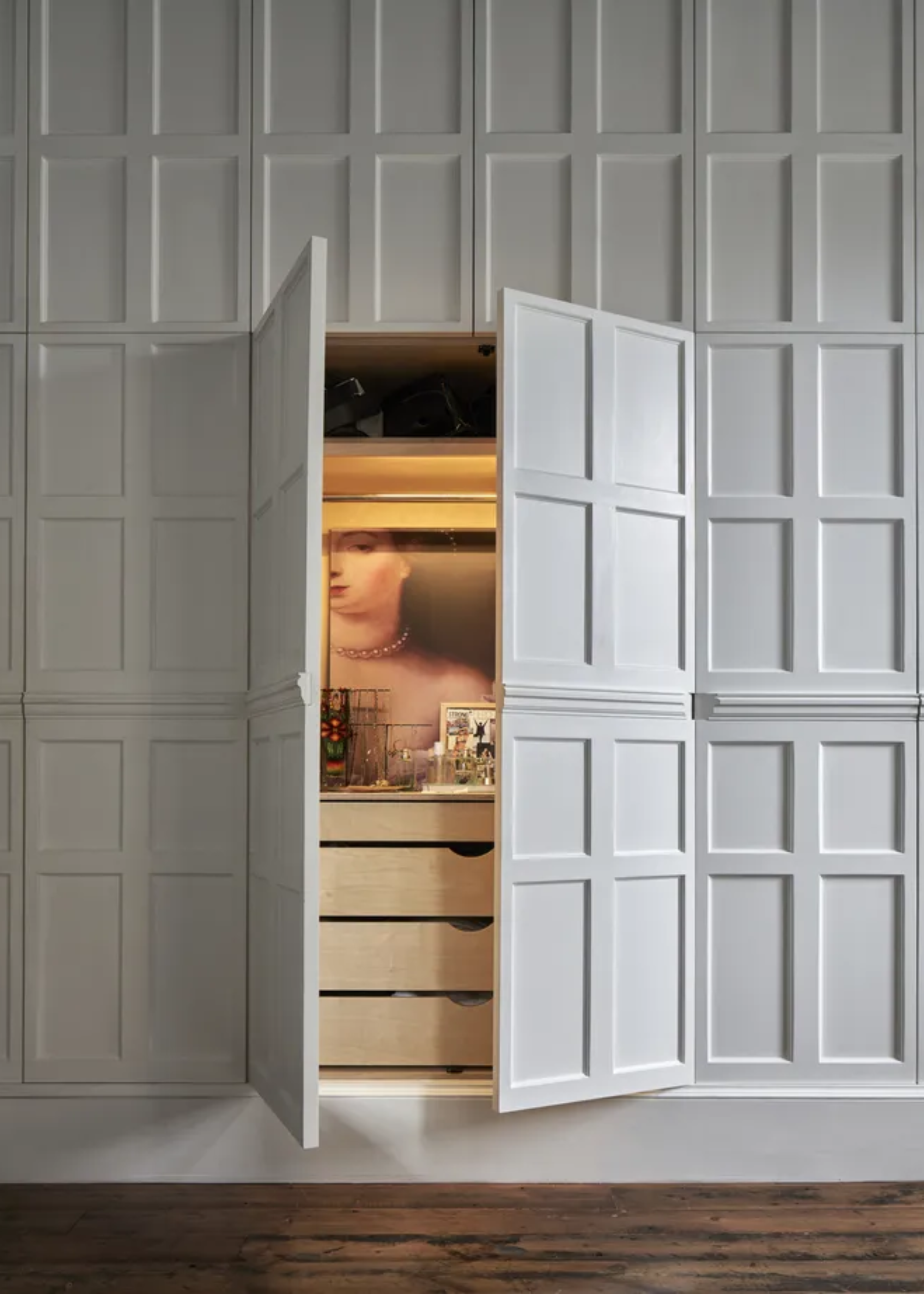
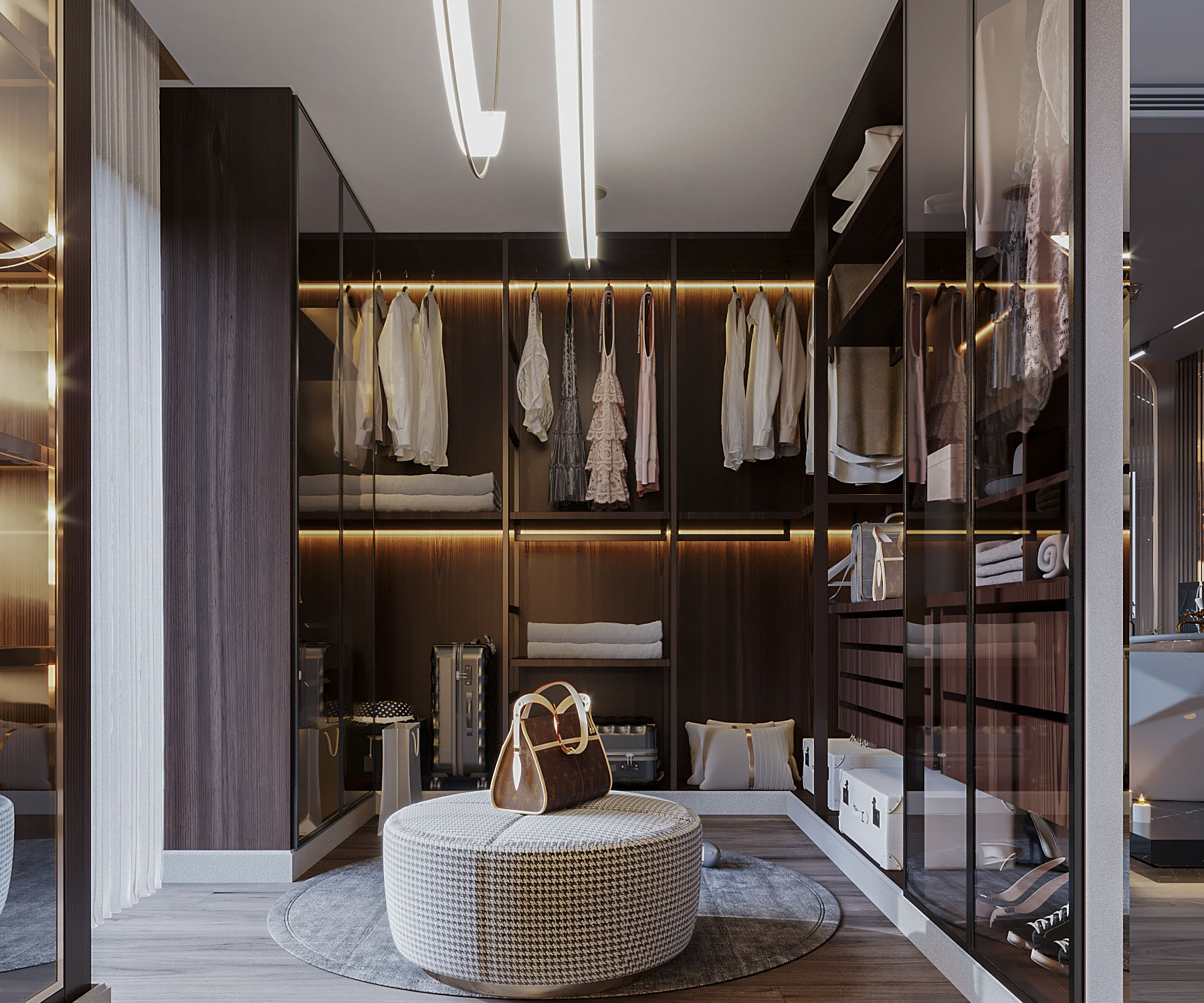
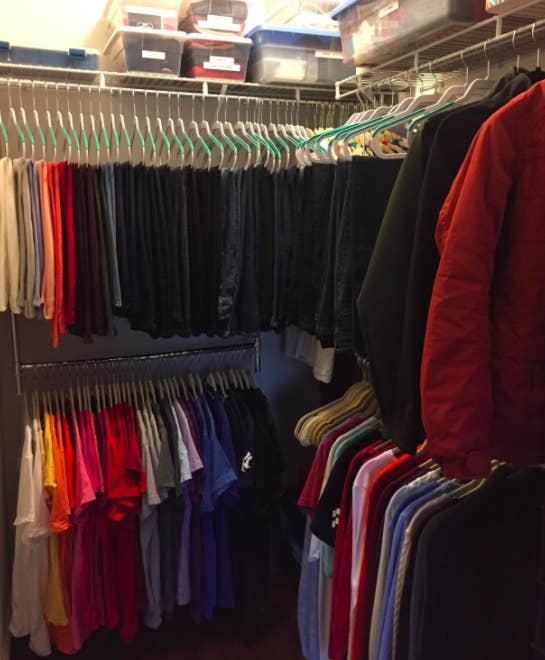
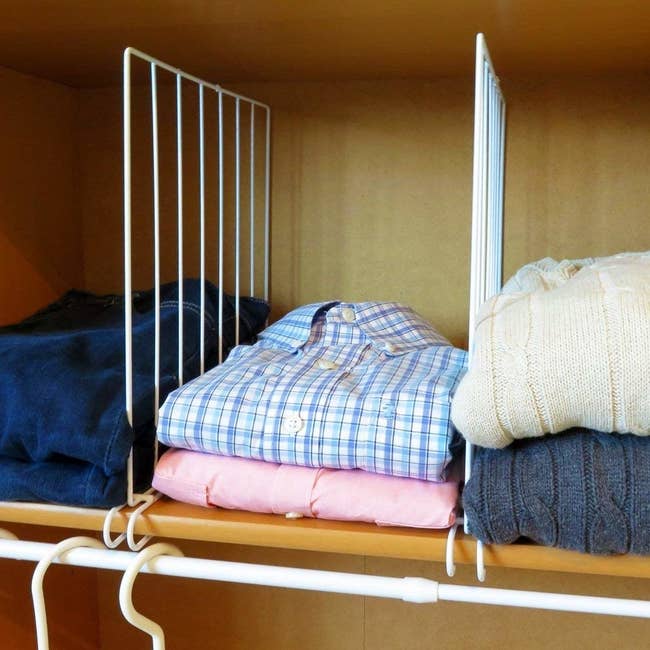
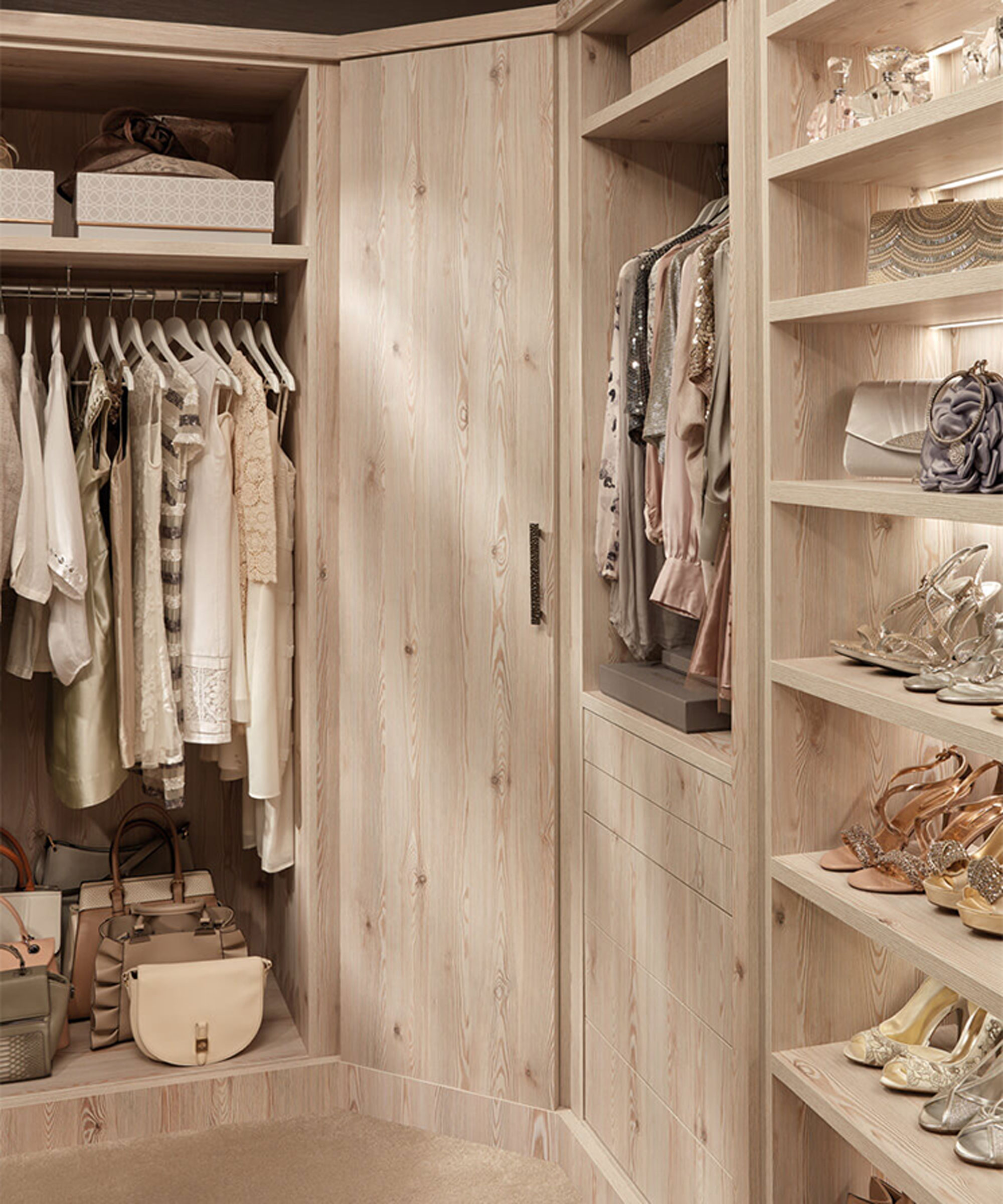
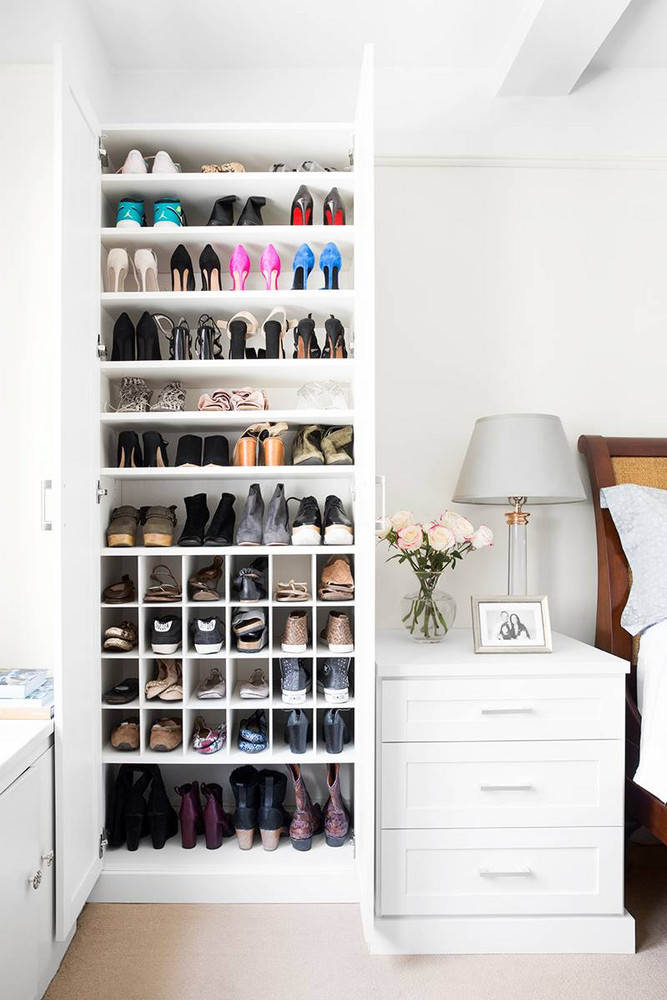
The internal configuration of the wardrobe should be customized based on what will be stored inside. This involves considering the balance between hanging space, drawers, and shelving to suit personal preferences and the types of items to be organized, including extensive shoe collections, bulky items, or uniquely shaped possessions. High-quality materials are recommended as fitted wardrobes are a long-term investment. Additionally, incorporating internal lighting can significantly enhance functionality, making it easier to locate items, especially in darker environments, and adding a touch of luxury to the design. Despite being more expensive than off-the-shelf options, fitted wardrobes are considered a worthwhile investment due to their bespoke nature, craftsmanship, and ability to increase property value by maximizing storage and improving organization.
#FittedWardrobes #HomeStorageSolutions #BedroomDesign #InteriorDesignTips #SpaceMaximization #HomeImprovement #CustomFurniture #WardrobePlanning #HomeValue #FittedWardrobes #HomeStorageSolutions #BedroomDesign #InteriorDesignTips #SpaceMaximization #HomeImprovement #CustomFurniture #WardrobePlanning #HomeValue
0 commenti in totale
 Nessun commento ancora
Potresti anche gradire
5 Feng Shui Closet Rules You Should Apply to Your Wardrobe

9 things you need to know before upholstering furniture
21 Ways To Organize Your Clothes If You Can’t Bring Yourself To Downsize Your Wardrobe

6 Signs It’s Time to Reorganize Your Closet, According to Pro Organizers


Do you need a vase wardrobe? Plus more trends to know
10 best wardrobes with smart storage space for every budget

Five Things To Consider When Designing Your Living Room
6 warning signs it is time to quickly reorganize your closet and make stressful mornings easy to navigate again

Shopping for a new fridge? Pay attention to these 5 things

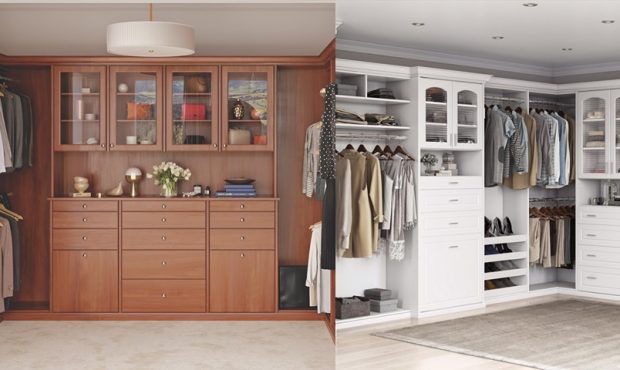
This Wardrobe Quiz will Give You a Tip to help You Organize Your Closet

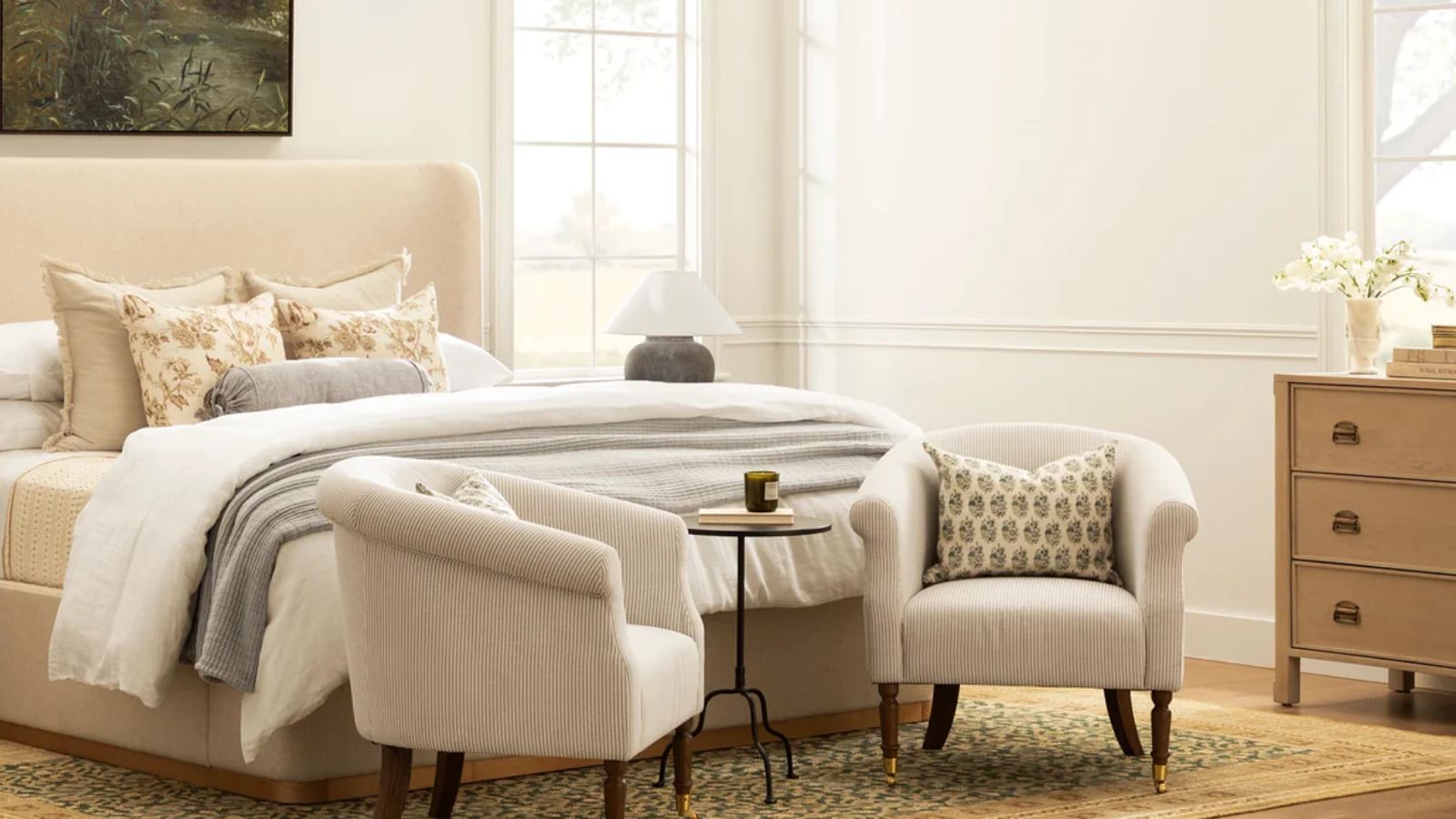
Too Many Clothes, Not Enough Space? These Are the Best Places to Buy Dressers for Anyone Whose Wardrobe Runs Their Life
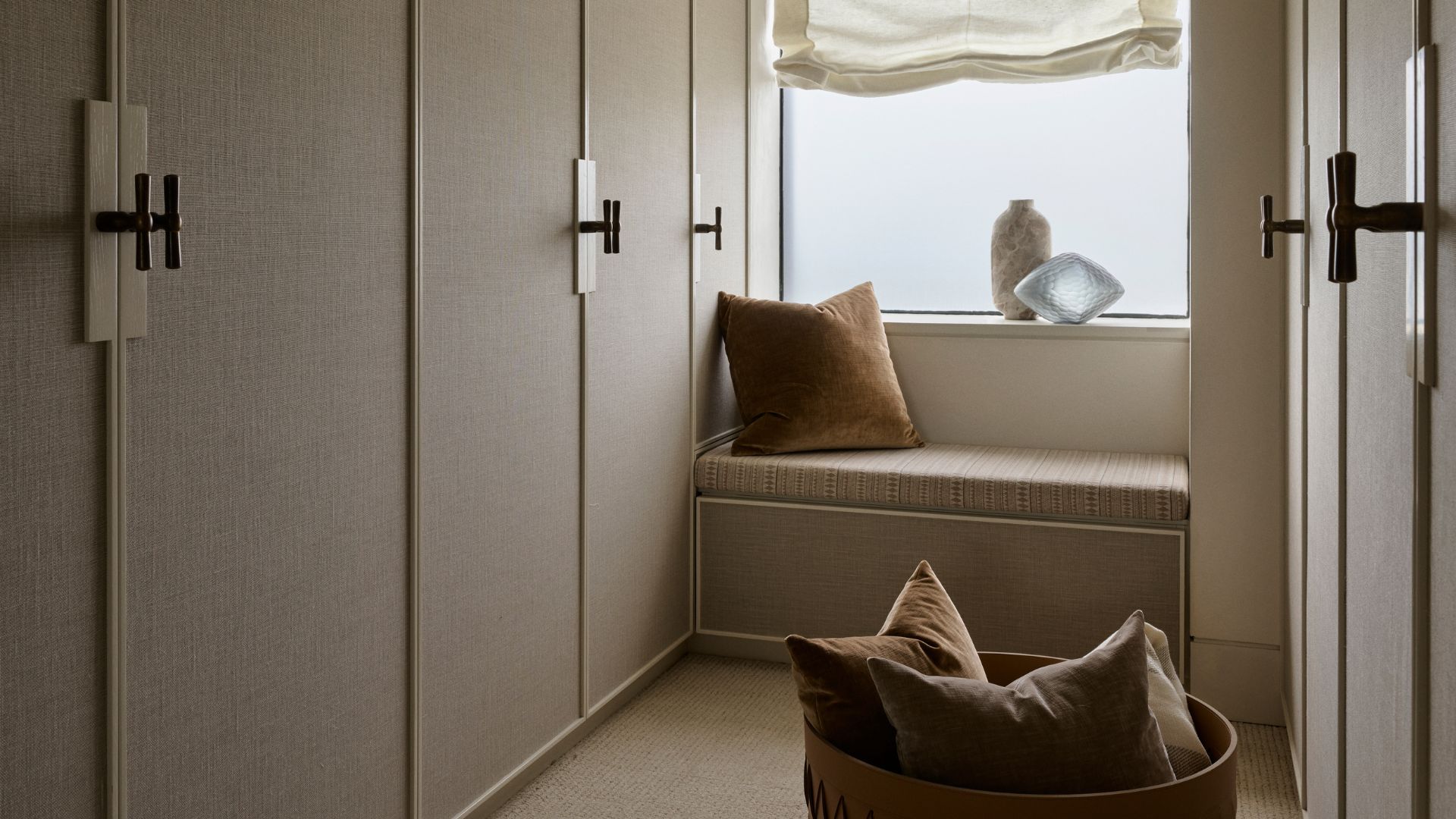
These 5 Linen Closet Organization Mistakes Are Costing You Space and Losing You Time

6 Things You Should Always Do Before Shopping for Furniture, Designers Say
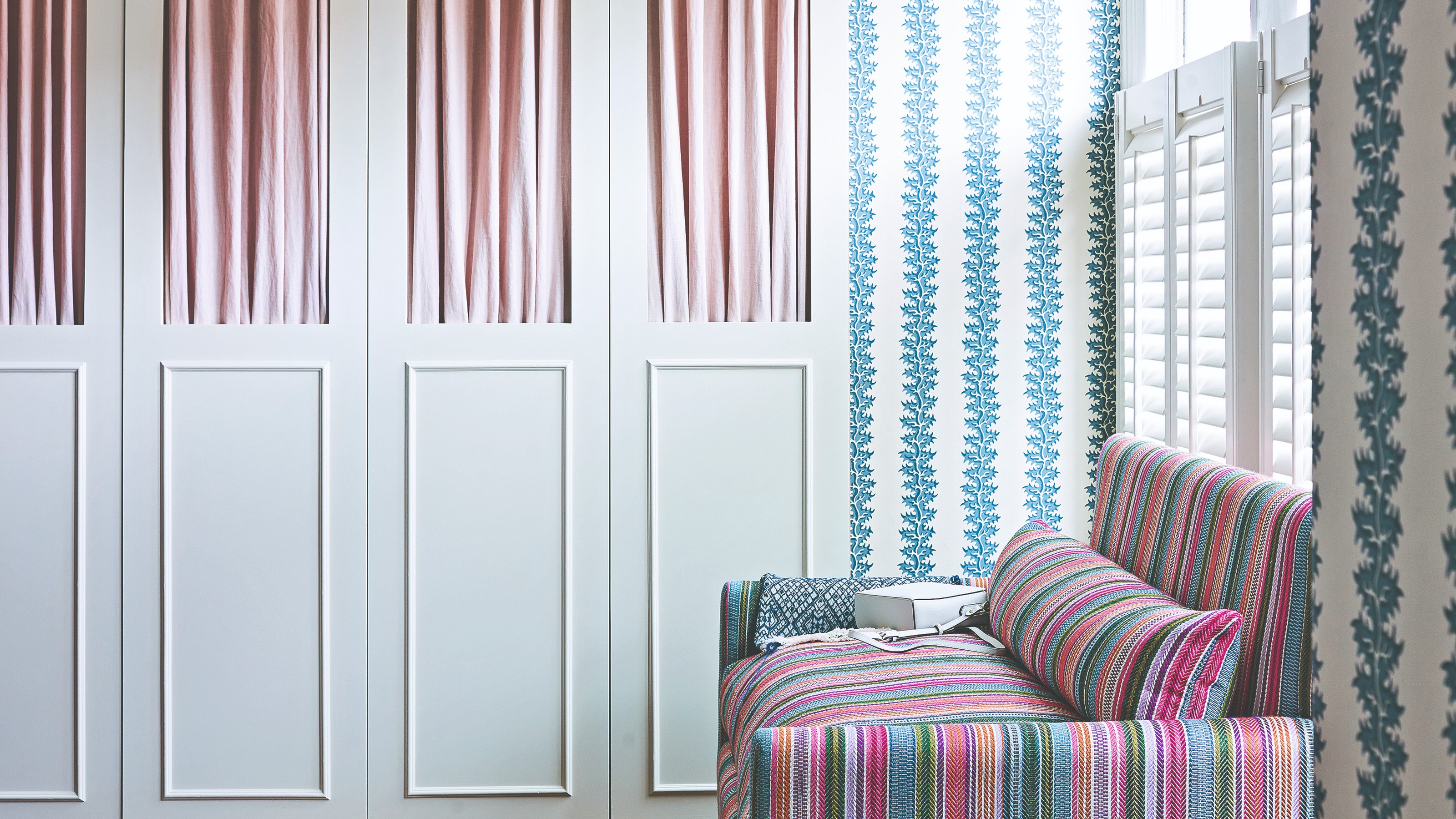
Wardrobe storage ideas – 17 ways to keep your closet neat, organised and easily accessible
11 Fitted wardrobe ideas to supersize your storage space
Give Your Wardrobe an Energy Glow-Up by Ditching These 5 Feng Shui Closet Mistakes Now (And Forevermore)
It's What's on the Outside That Counts — Here's How to Choose Your Closet Materials Wisely
6 things I wish I had known before buying my heated towel rail

10 Must-Haves For an Organized Closet

6 quick tips to find the right furniture fabric