10 Habits That Are Making Your House Smelly, According To Experts
Maintaining a fresh-smelling home is a common desire, yet many daily habits can inadvertently contribute to unpleasant odors. This article, drawing on insights from residential cleaning experts, identifies ten key habits that lead to a smelly house and offers practical solutions to address them. The primary culprits often include neglecting routine garbage disposal, which allows bacteria to thrive on food waste, and overlooking the cleaning of trash cans themselves. Regular emptying and cleaning of trash receptacles are essential to prevent odors from accumulating.
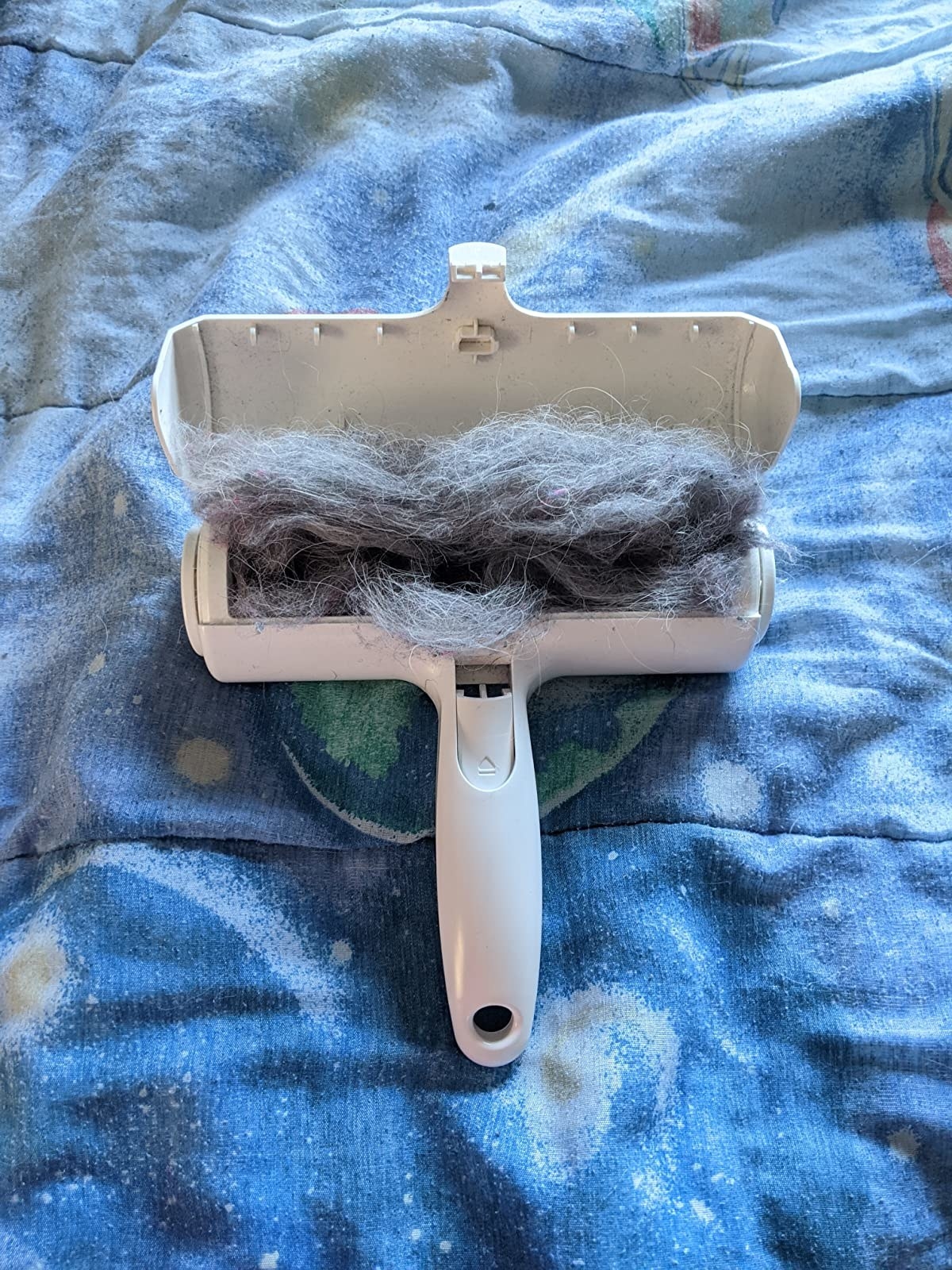
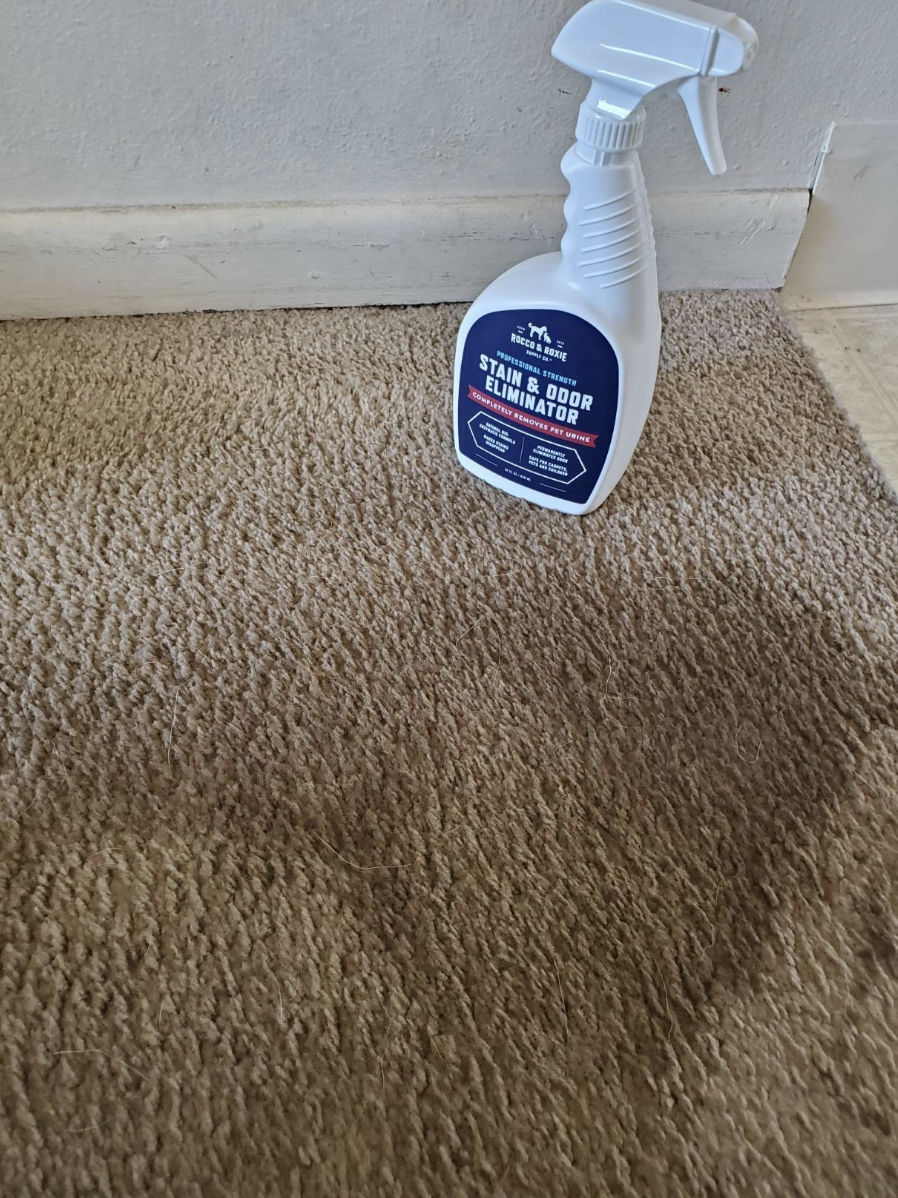
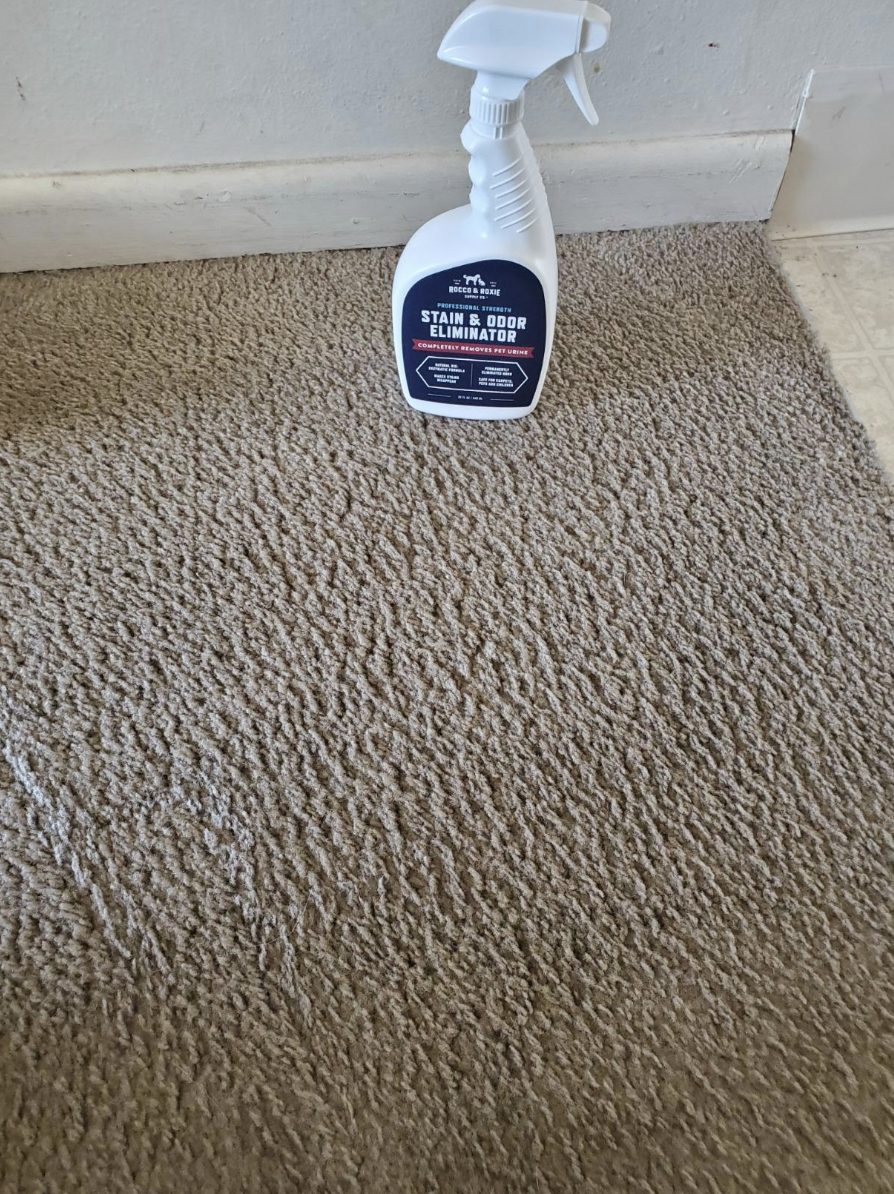
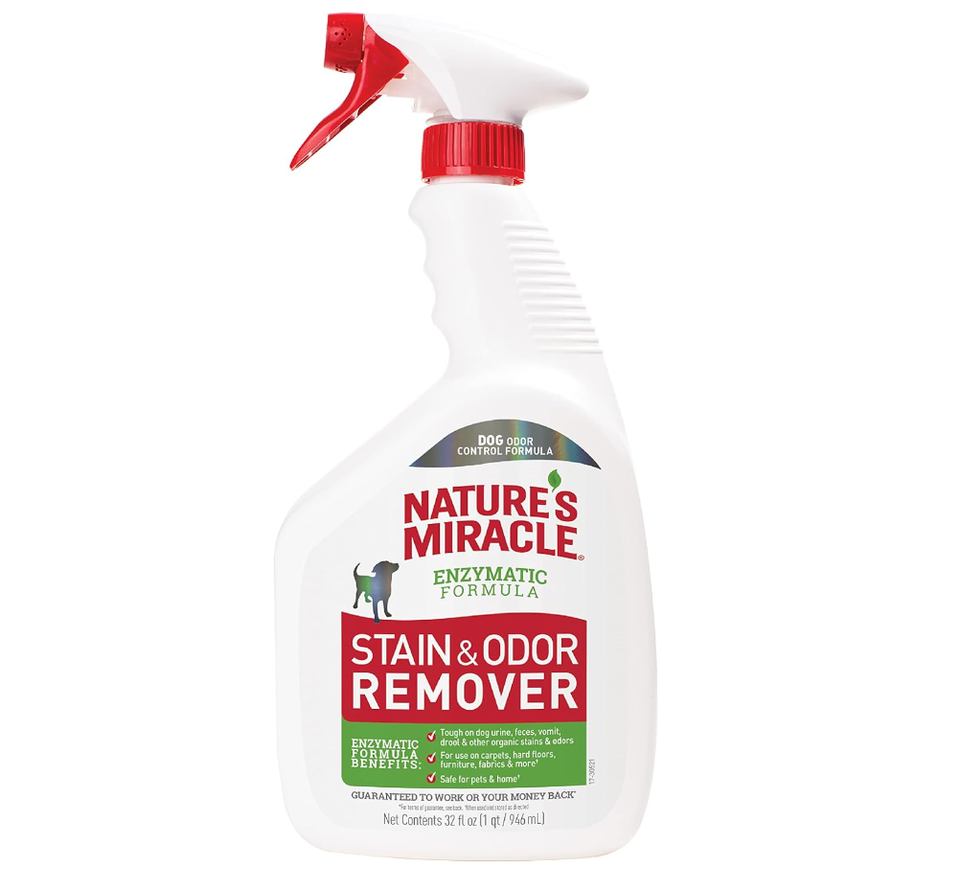
Pets, while cherished, are another significant source of household odors. Pet dander, fur, and accidents, particularly during potty training, can create a musty smell. The recommended solutions involve prompt cleaning of pet messes with bio-enzymatic cleaners and a consistent bathing schedule for pets, ideally at least once a month. Furthermore, poor ventilation plays a crucial role in trapping and intensifying smells from various sources such as cooking, unwashed clothes, dust, and pet dander. Ensuring adequate airflow by opening windows or utilizing exhaust fans in kitchens and bathrooms is vital to prevent odors from lingering and worsening.
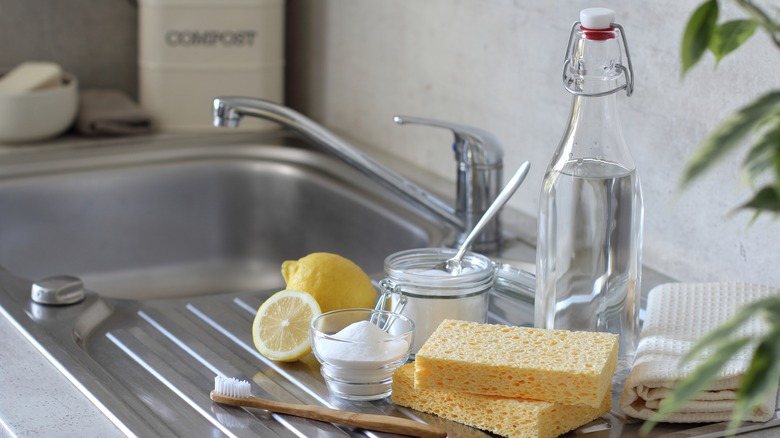
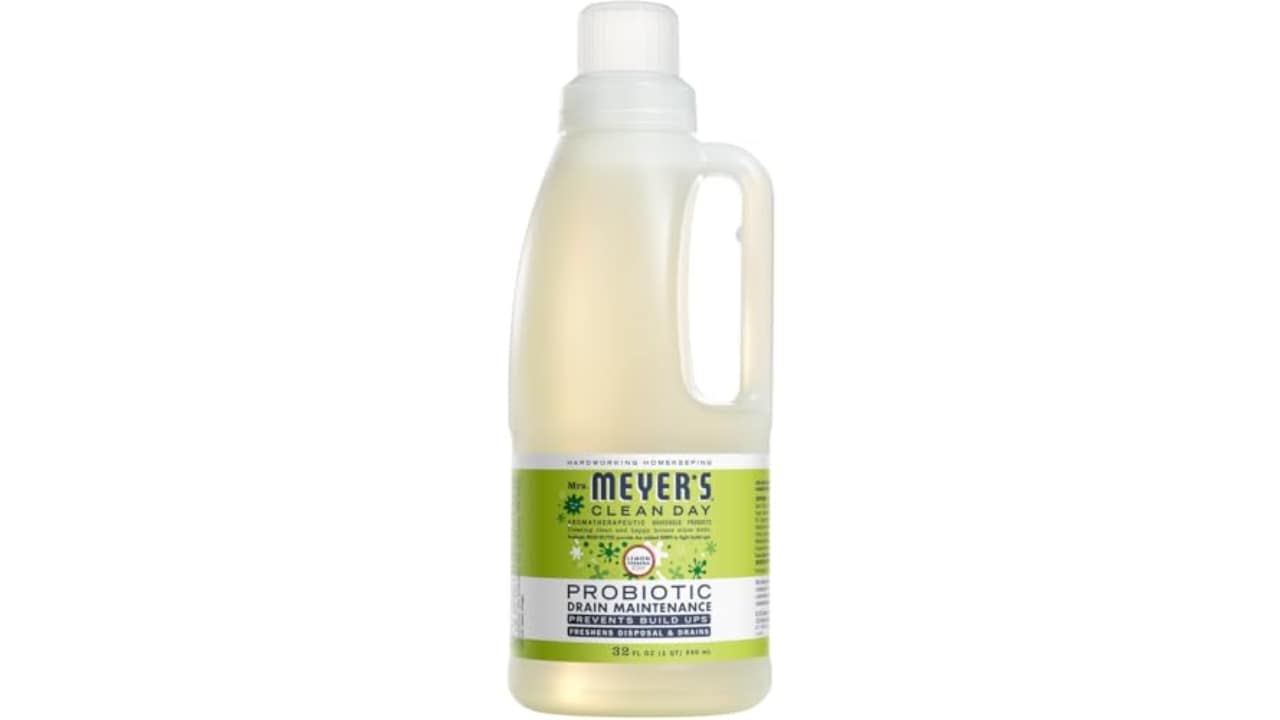
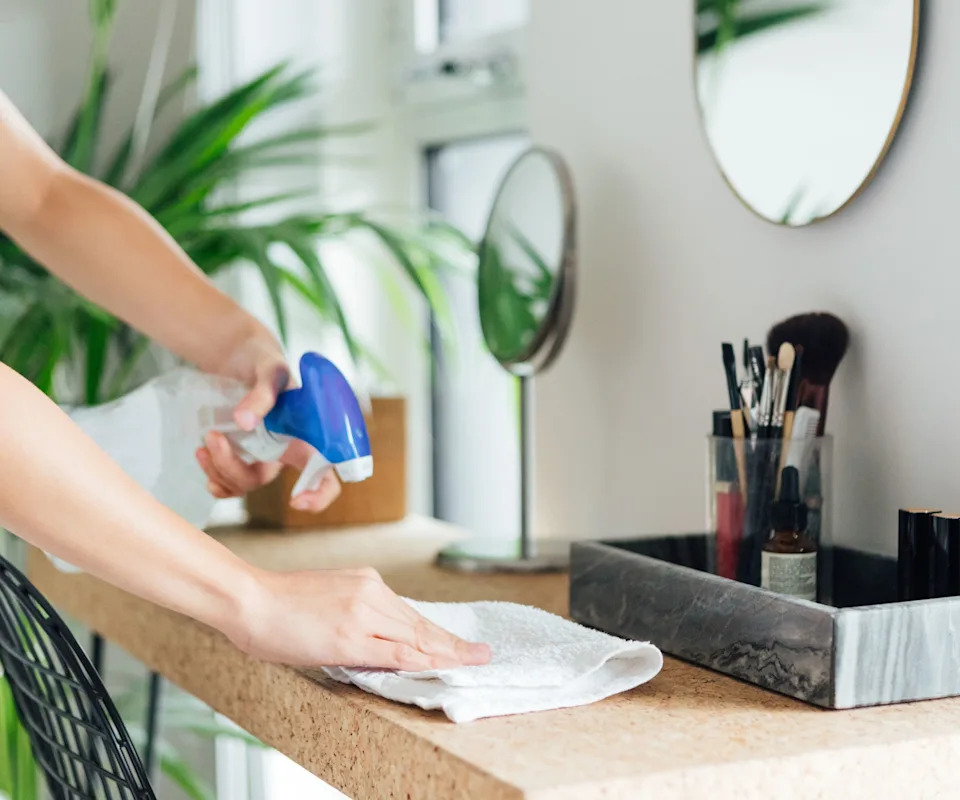
Kitchen hygiene extends beyond just the trash can; garbage disposals and sinks are notorious for harboring food particles and grime that lead to bacterial growth and foul smells. Weekly cleaning of kitchen sinks and monthly cleaning of garbage disposals using methods like boiling water, baking soda, and vinegar can effectively eliminate these odors. General neglect of cleaning chores is a broad but fundamental cause of a smelly home. A consistent weekly cleaning routine that includes dusting, washing bed sheets, cleaning toilets, disinfecting sinks, and sweeping/mopping floors is paramount. Incorporating scented cleaning products or linen sprays can further enhance the home's fragrance.
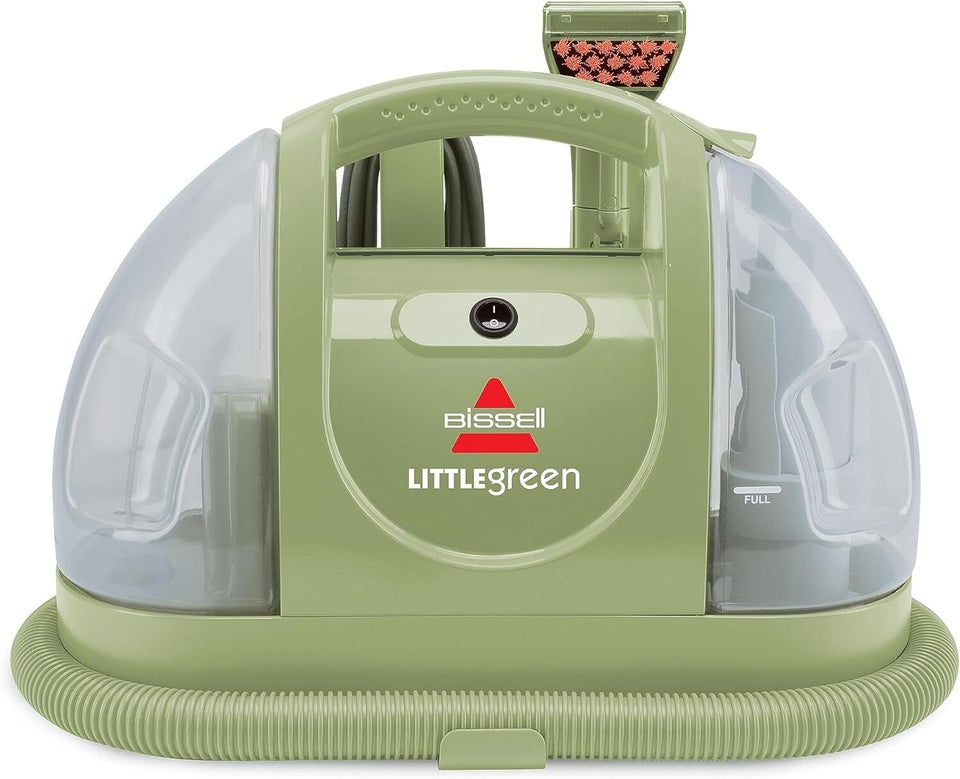
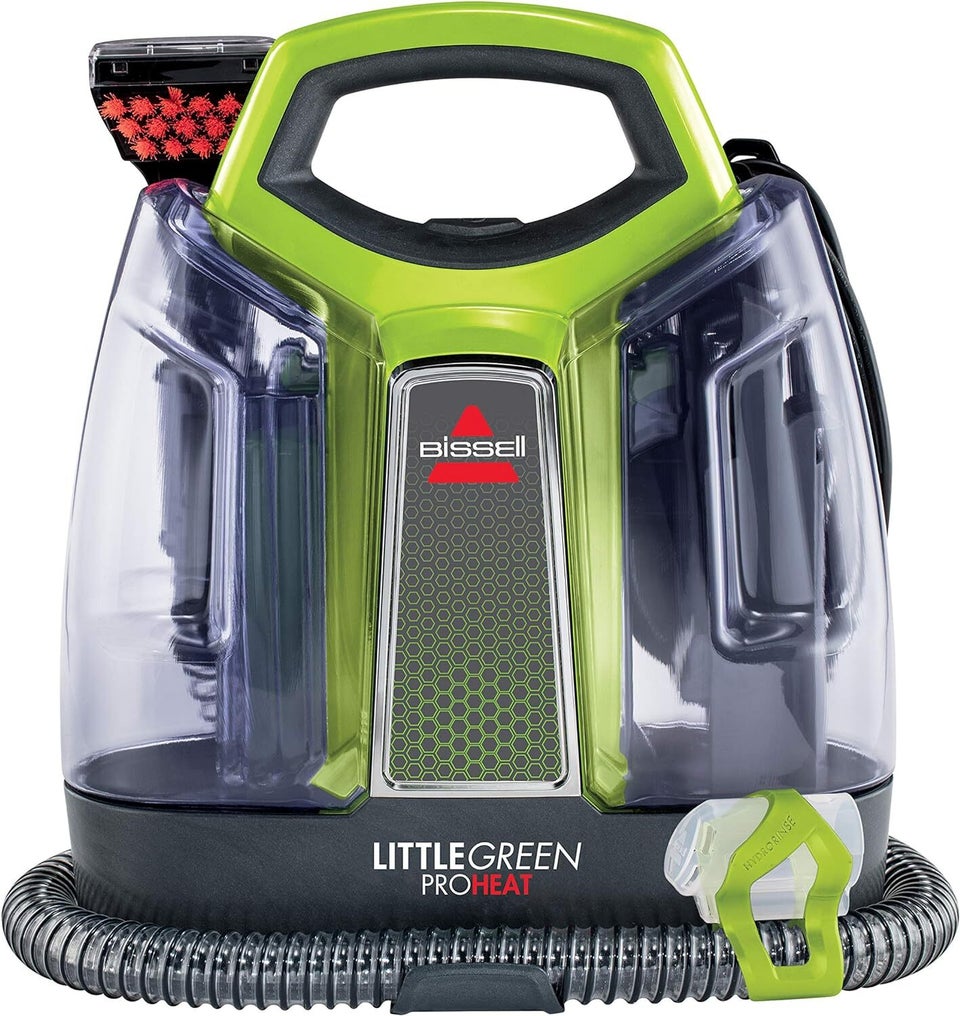
Carpets and rugs, due to their ability to trap dead skin cells, pet fur, spills, and moisture, significantly impact indoor air quality and scent. Beyond regular vacuuming, deep cleaning carpets and rugs annually through shampooing is advised to remove embedded odors and sanitize fibers. Personal items like smelly shoes, if left exposed, can also contribute to unwanted household odors. Using shoe deodorizers or washing them when appropriate can resolve this issue. Neglecting indoor plants, allowing them to wilt and die, can also introduce unpleasant smells, necessitating their prompt removal.
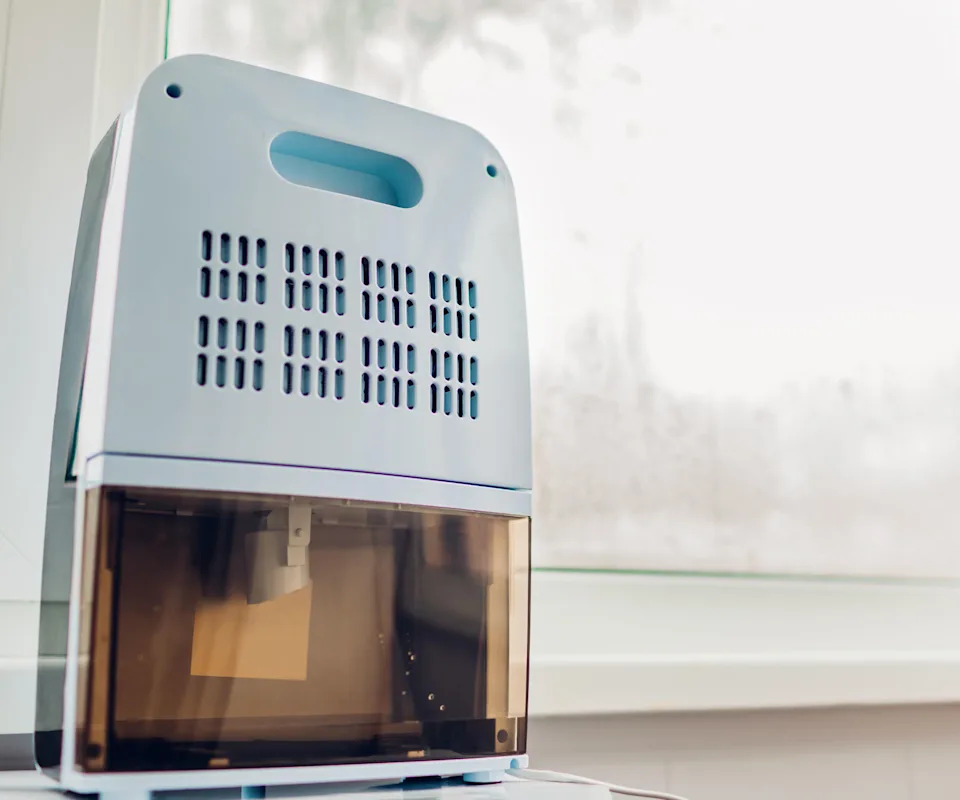
Similar to trash cans, refrigerators can become a source of bad smells due to expired or rotten food. Regular cleaning of the fridge's interior, including shelves, with soap and hot water, and using white vinegar and baking soda for deep cleaning, are effective strategies. Lastly, unregulated humidity levels, especially in basements or during humid seasons, can lead to mold and mildew, resulting in a distinct musty odor. Utilizing a dehumidifier can help regulate humidity and prevent mold growth.
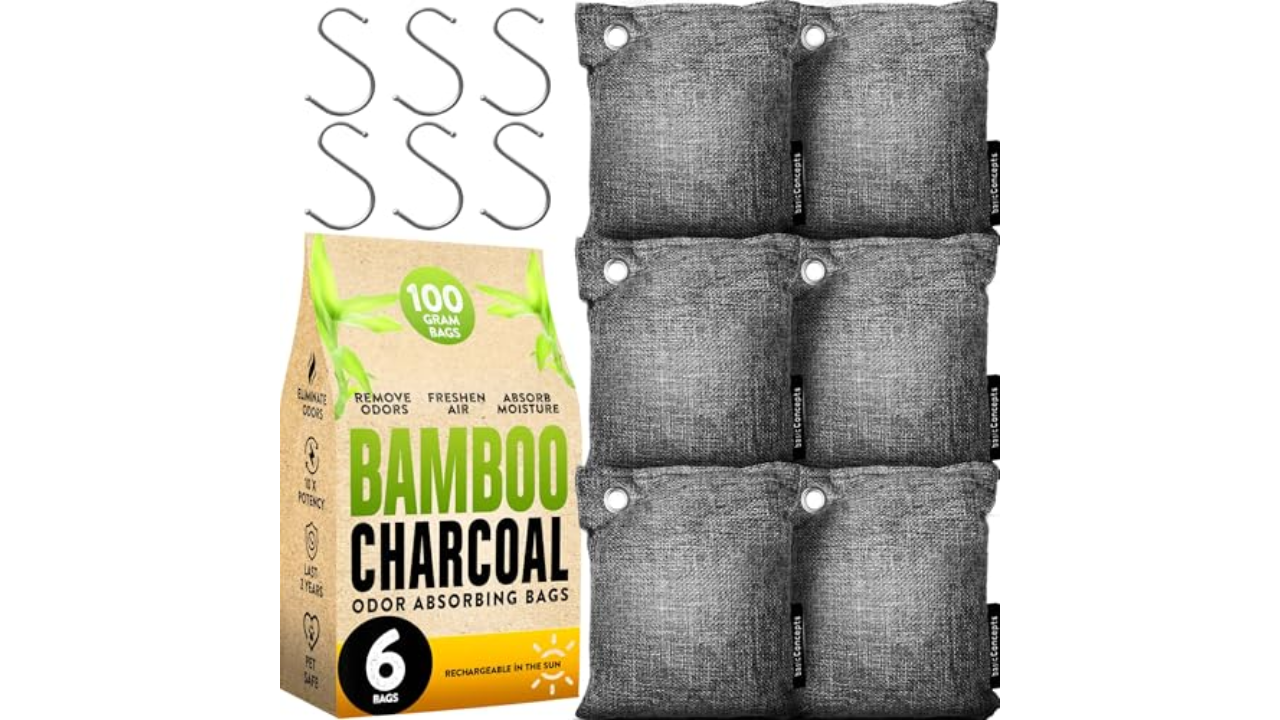
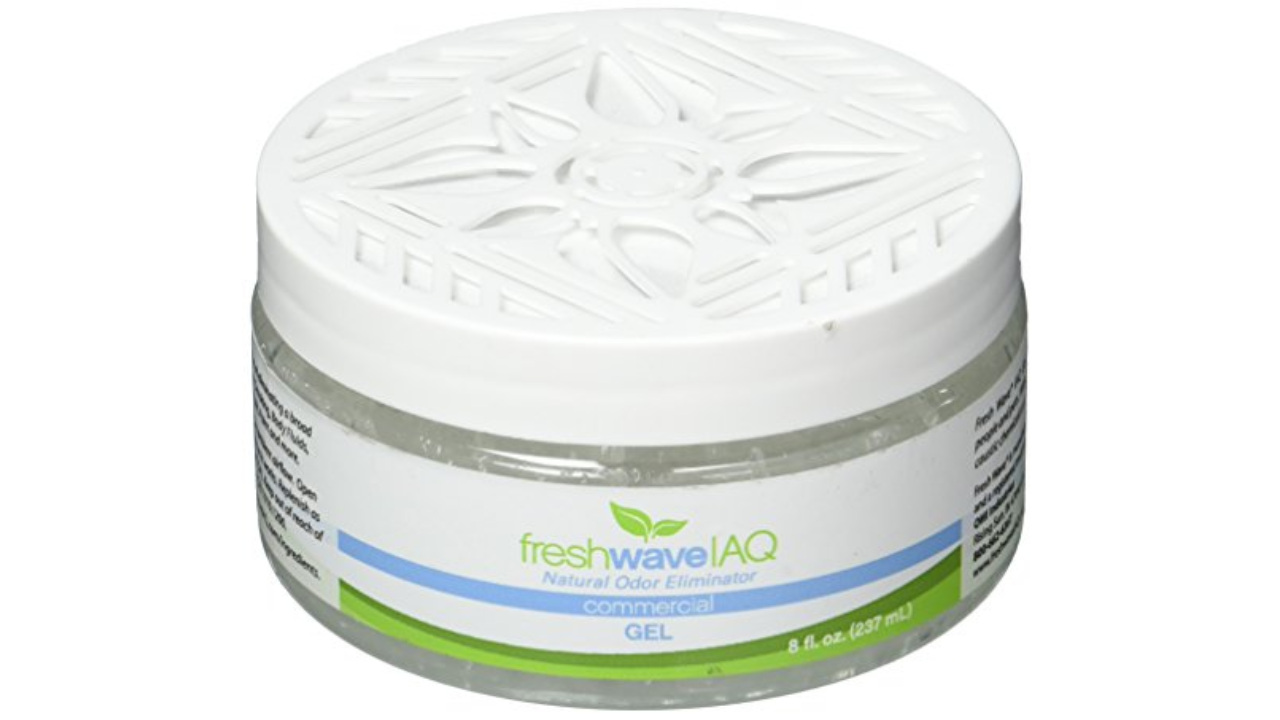
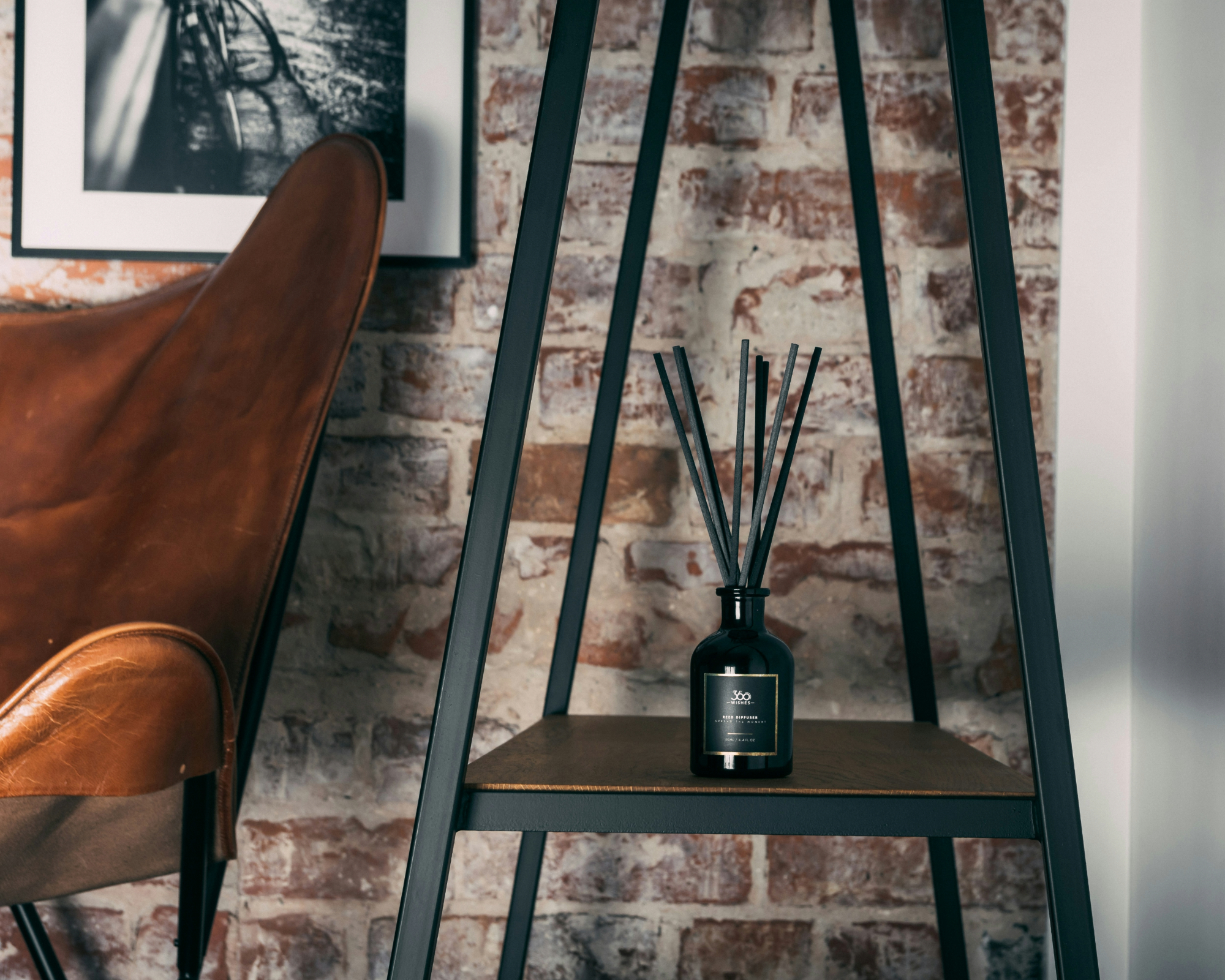
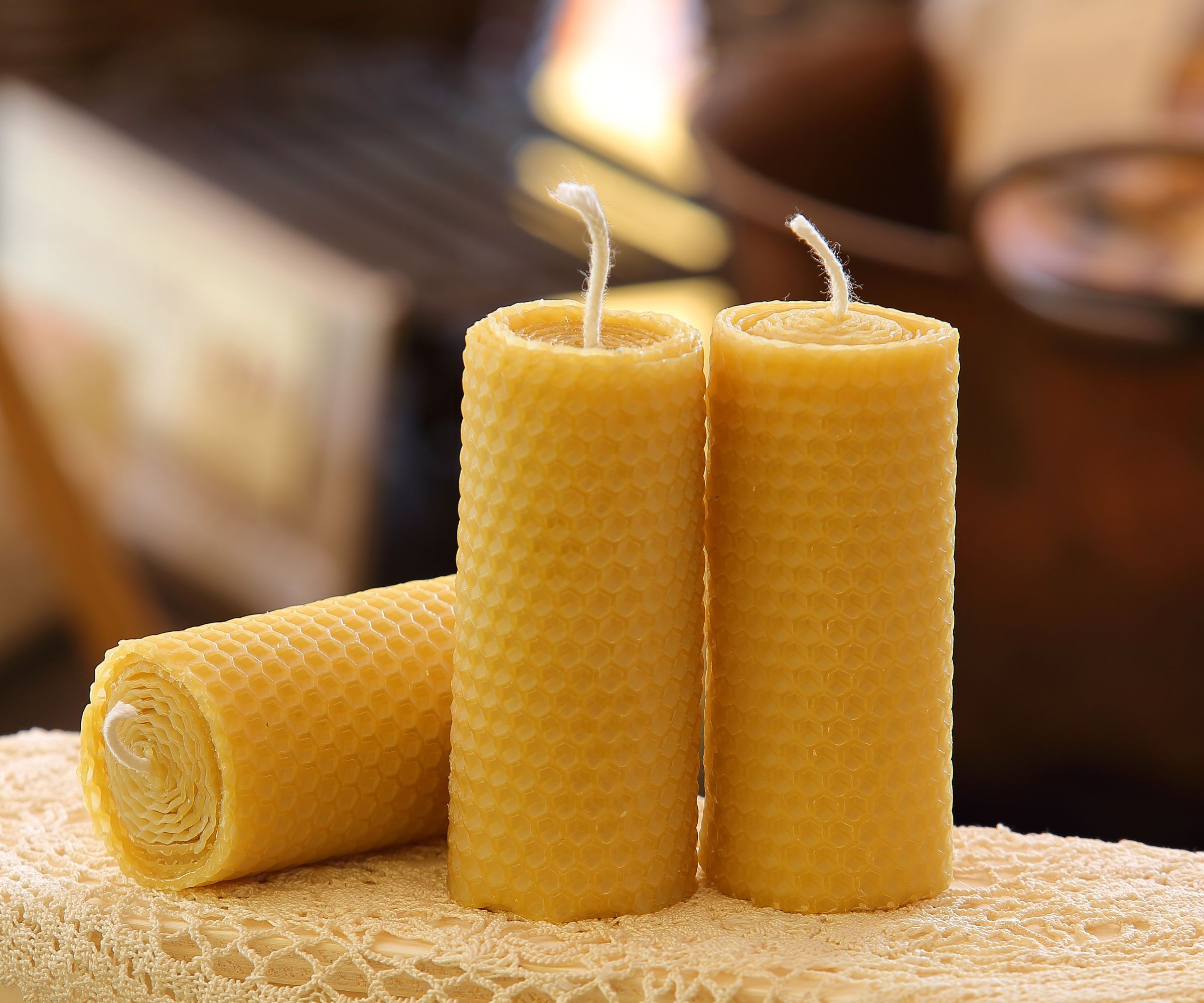
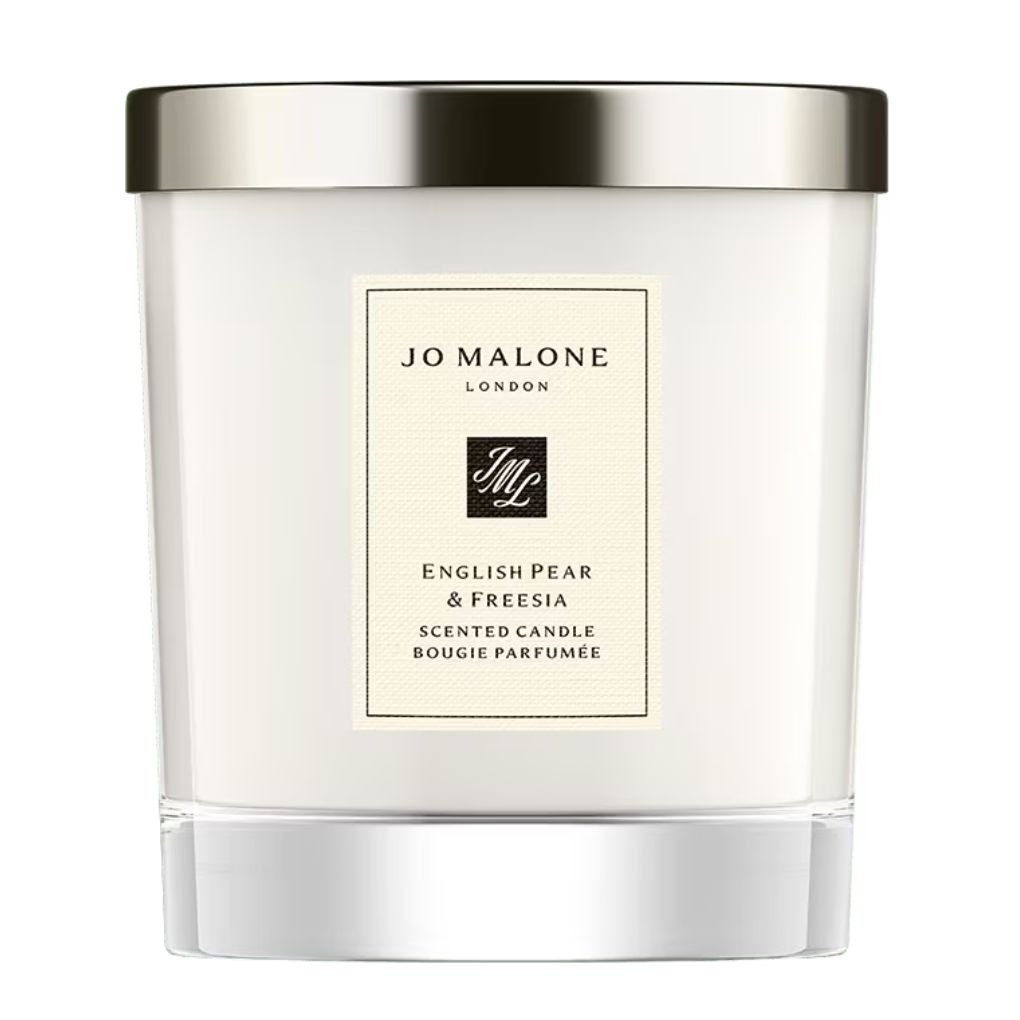
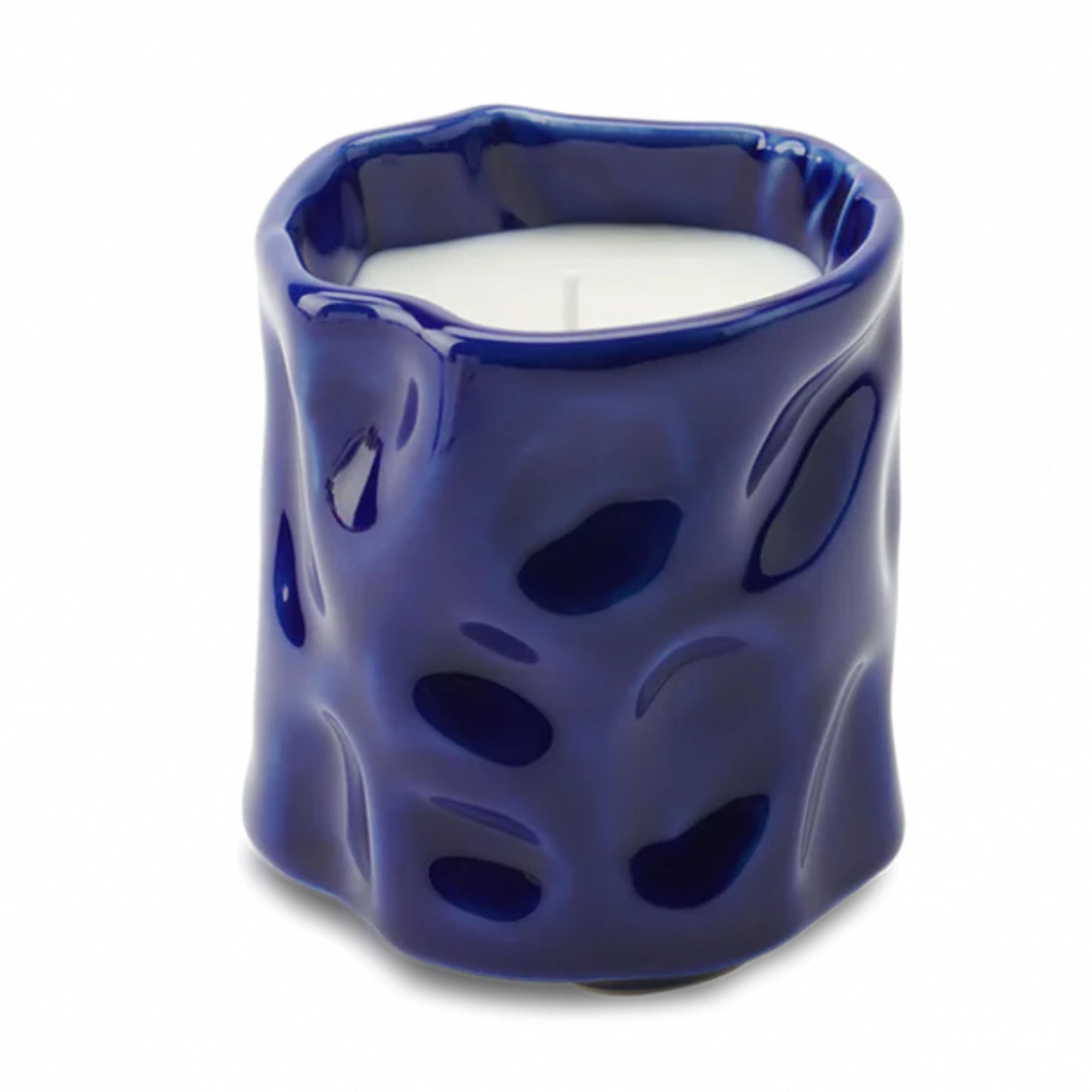
For immediate odor relief, several quick fixes are suggested: routinely cleaning high-traffic areas, lighting candles or using wax melts/air diffusers to mask smells, applying fabric spray to upholstery, opening windows for ventilation, and running a dehumidifier in humid spaces. By addressing these common habits, homeowners can significantly improve the freshness and overall aroma of their living spaces.
#HomeCleaning #OdorControl #PetCare #HomeMaintenance #IndoorAirQuality #KitchenHygiene #BathroomHygiene #CleaningTips #Dehumidification #HomeCleaning #OdorControl #PetCare #HomeMaintenance #IndoorAirQuality #KitchenHygiene #BathroomHygiene #CleaningTips #Dehumidification
0 commenti in totale
 Nessun commento ancora
Potresti anche gradire

The 10 Best Hacks To Control Gross Smells In Your Home

How to get rid of musty basement smells – 6 ways to combat odors and their causes


How to make your home smell nice when you’re sensitive to fragrance


7 tips to keep your house smelling good without air fresheners


Do You Have a Musty-Smelling House? 6 Worrying Causes — And What You Should Do to Get Rid of Them

We Tested Dozens of Air Fresheners to Find the Best Ones for Your Home


9 Odor Eliminators For Your Home That Reddit Users Swear By


How to stop your shed smelling musty – 9 expert-approved methods to banish bad odors
Your home stinks. Here's how to fix it, according to experts
Master odor removal with a little help from science
'If you can smell it, there's a problem in progress' – 5 expert-approved ways to get rid of musty smells in an attic
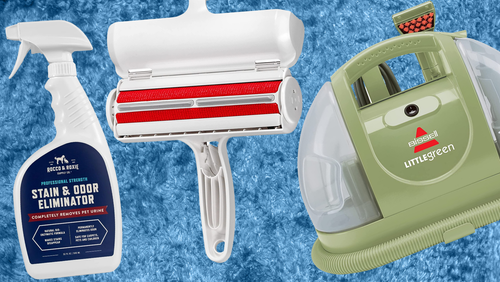
9 Products Pet Owners Swear By To Keep Their House Clean

If Your House Smells Weird, It Might Be Due to One of These Common Problem Areas

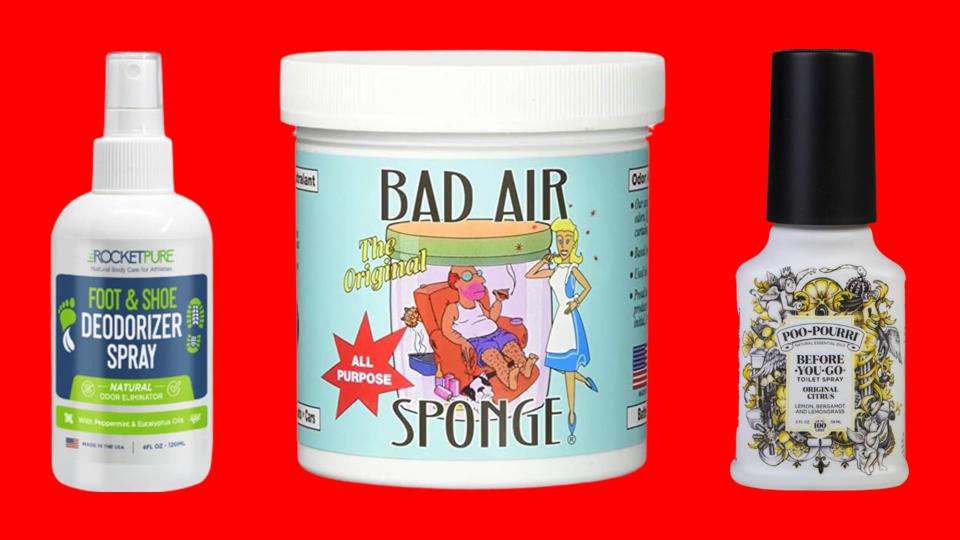
10 Best Odor Eliminators For Tackling Tough Smells In Every Room

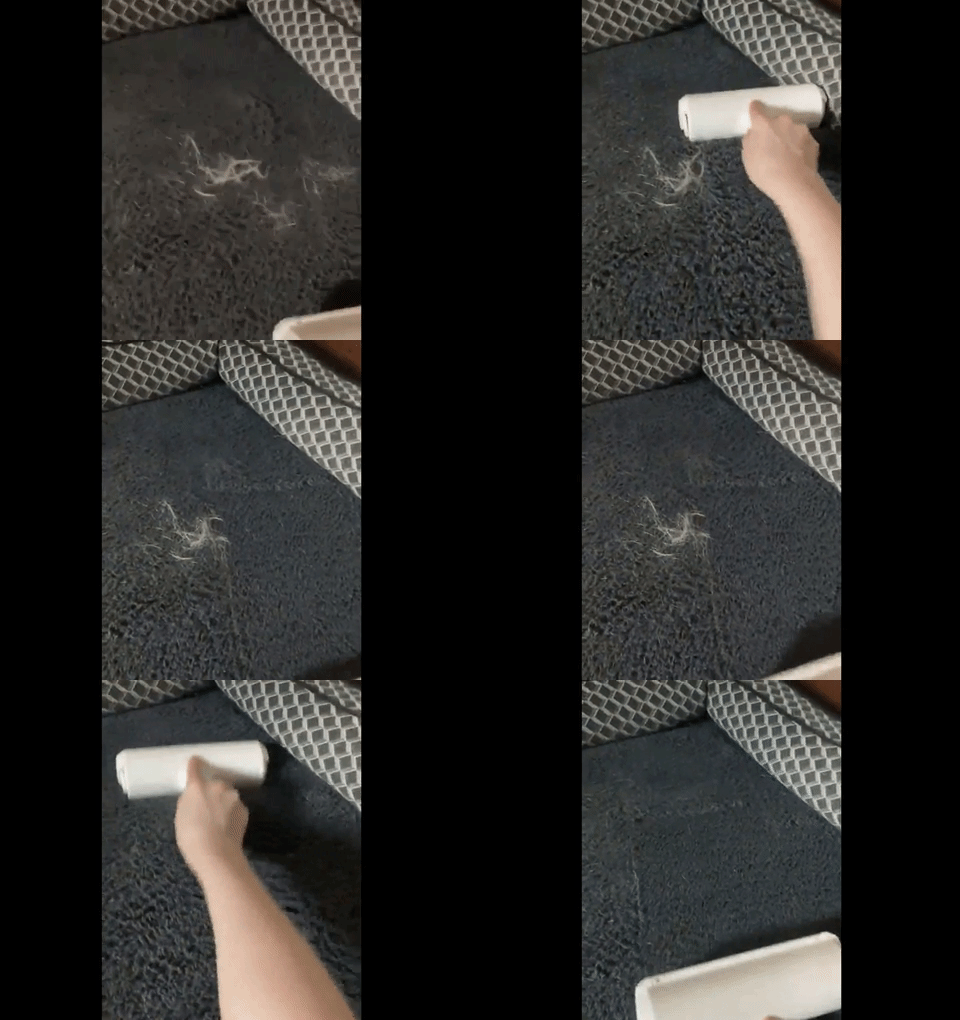
23 Things To Help You Keep Your Home Free From Pet Odors

This is What You Want Your Home to Smell Like for Good Feng Shui — 4 Scents To Boost Positivity at Home

7 things people with nice-smelling hallways always do – according to experts

7 things people with nice-smelling basements never do

What to Do When a Dirty, Smelly Dude Sleeps on Your Couch

Old House Smell: What Causes It and How To Get Rid of It