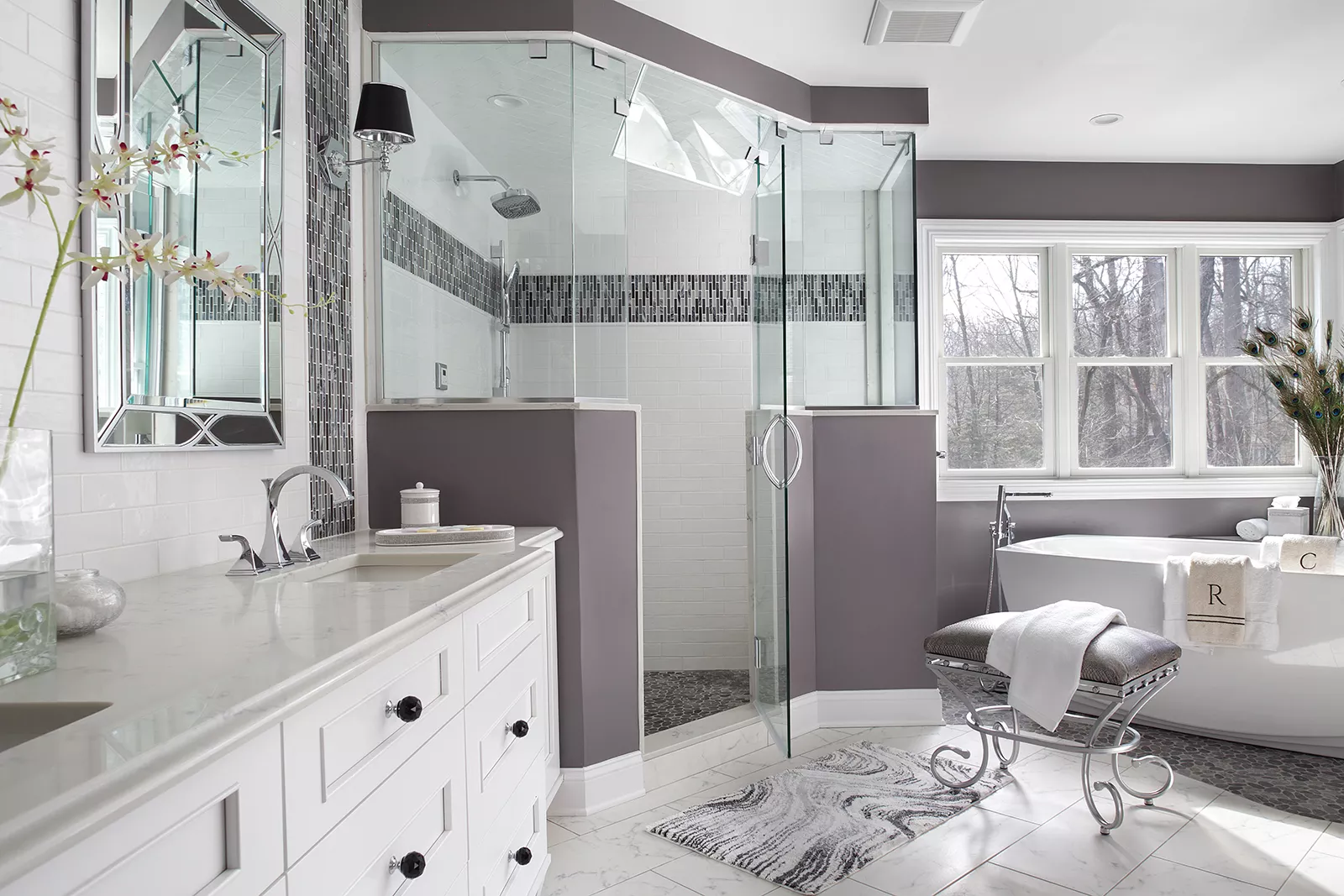
What Is a Steam Shower? A Guide to the Popular Bathroom Upgrade
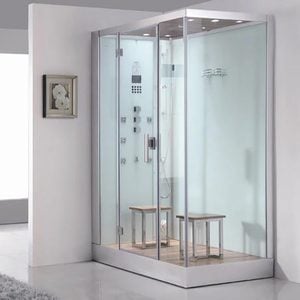
Steam showers are a growing trend in home wellness, offering a luxurious and therapeutic experience. Unlike traditional showers that merely release some steam, a steam shower is a fully enclosed space designed to trap steam produced by an external generator. This generator heats water until it vaporizes, then quickly releases the steam into the shower enclosure, ensuring a fully immersive experience. This differs significantly from saunas, which use dry heat from an internal stove at much higher temperatures (160°F to 200°F) with low humidity. Steam showers operate at a lower temperature range (105°F to 115°F) with nearly 100% humidity, utilizing materials like ceramic tile, natural stone, or glass blocks suitable for moist environments, as opposed to the kiln-dried wood used in saunas.
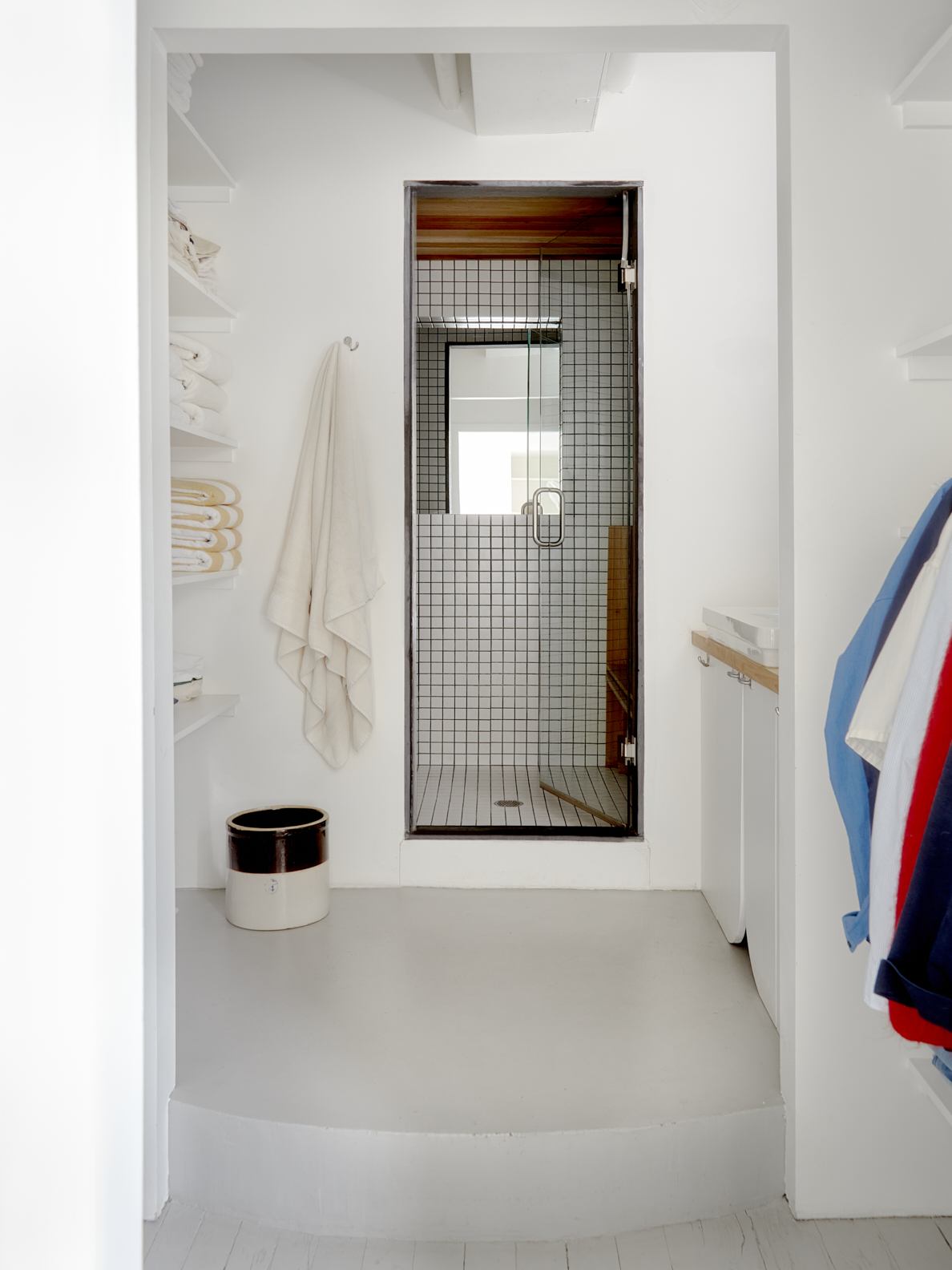
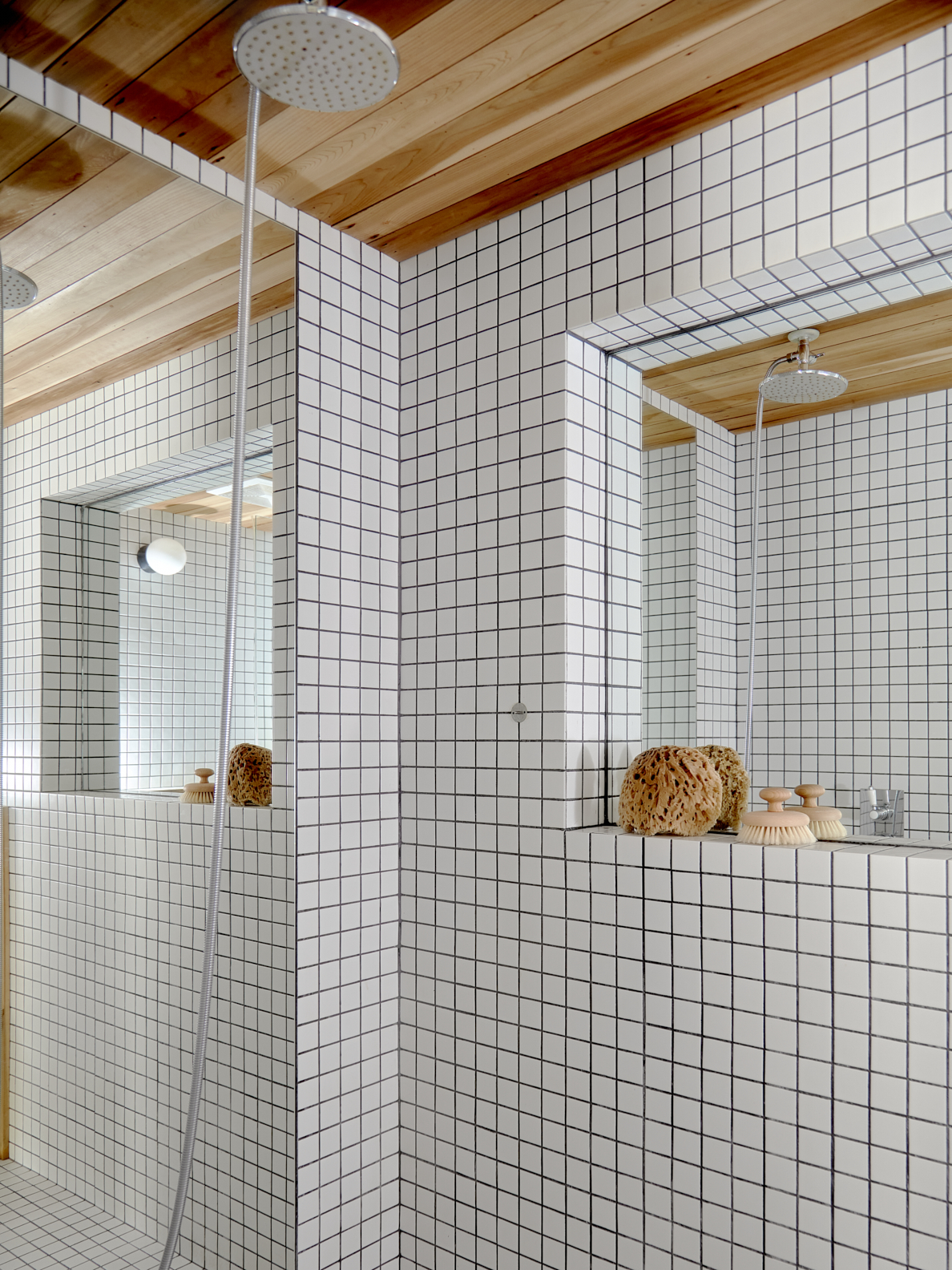
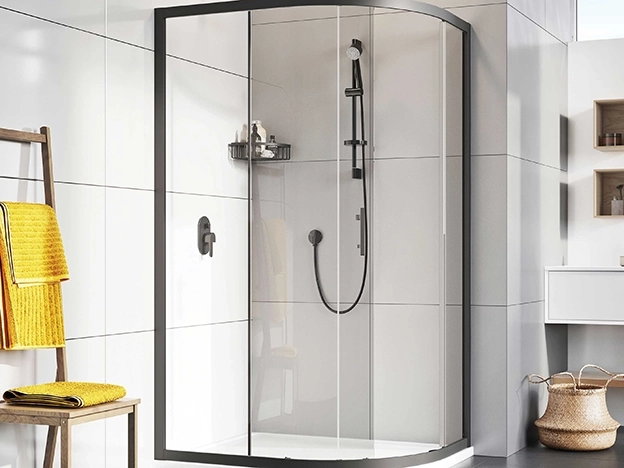
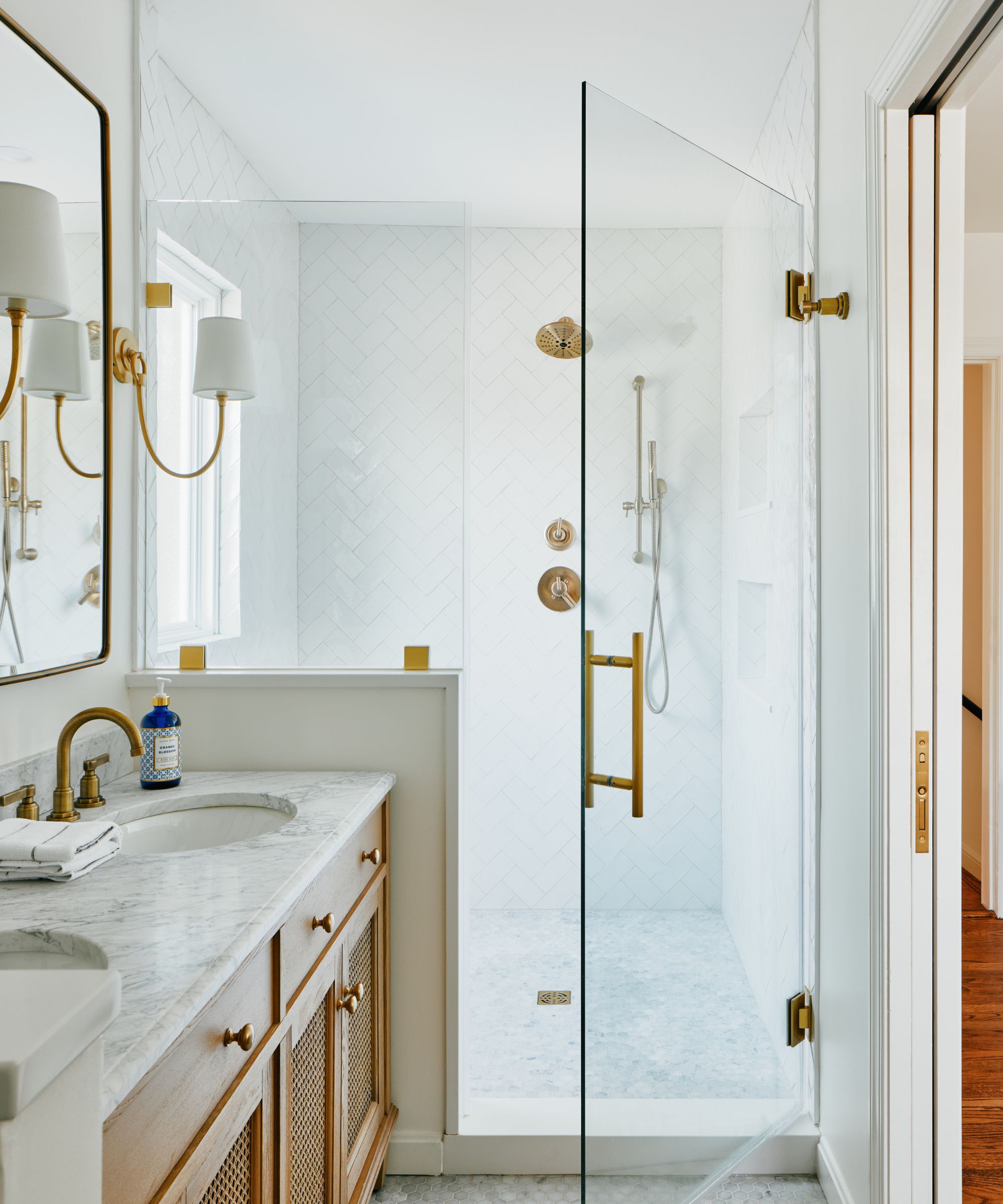
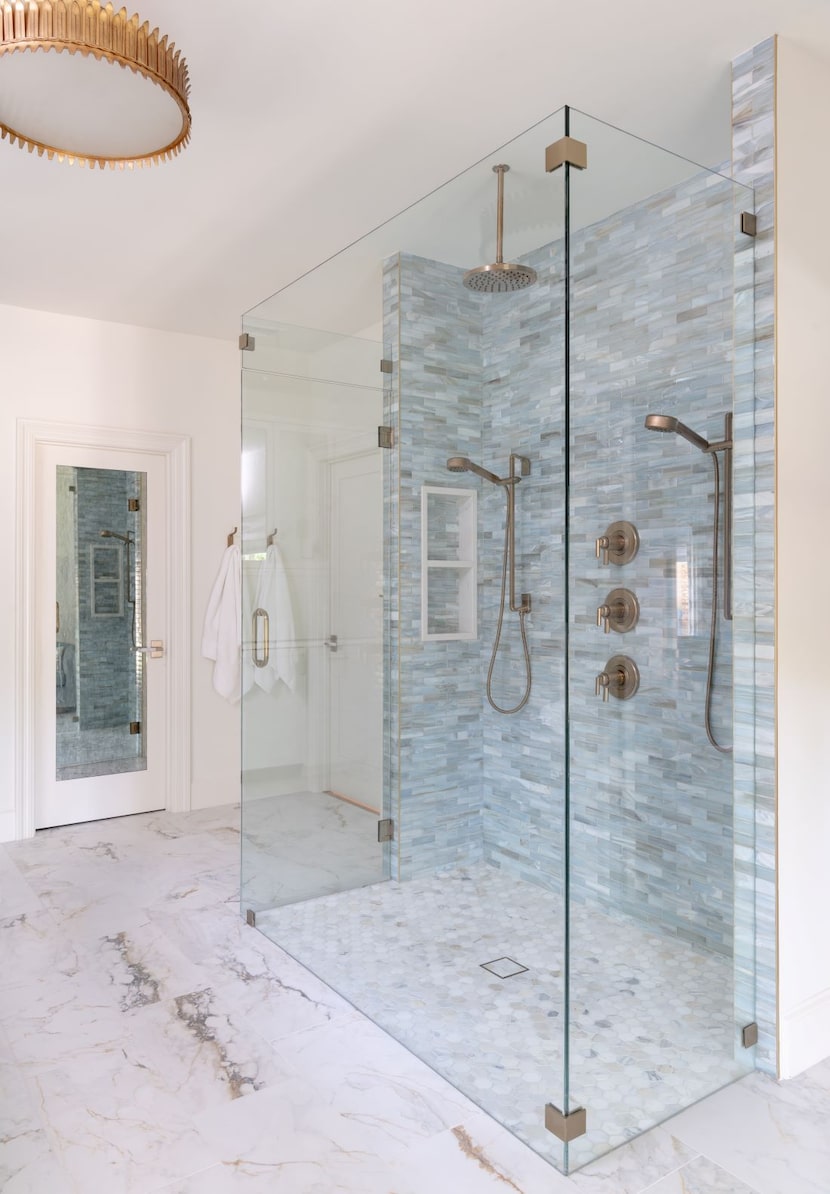
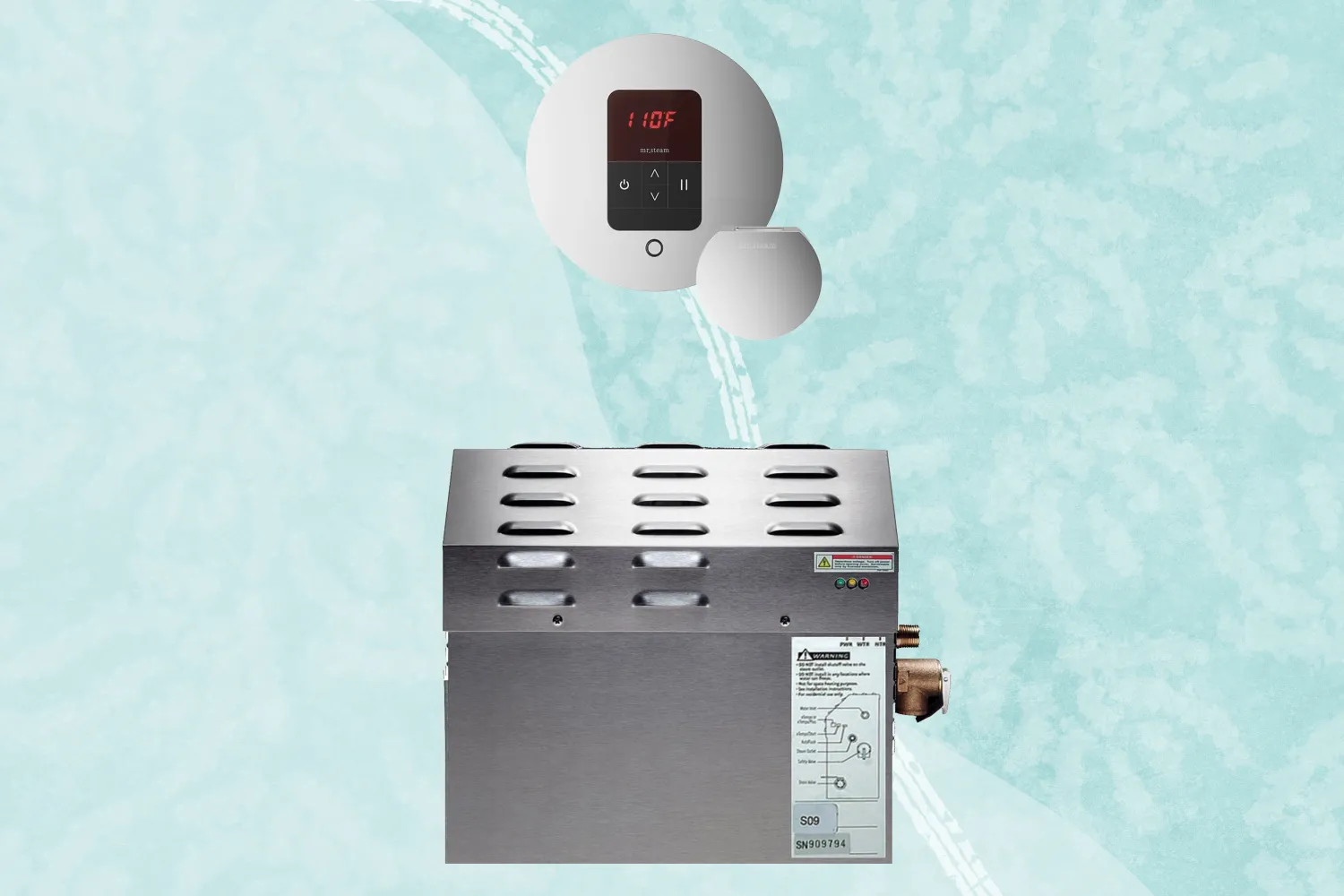
Installing a steam shower often integrates into an existing traditional shower space, provided it is enclosed, insulated, and sealed effectively. Key installation requirements include ensuring no heating, venting, or air-conditioning components are within the steam room, using double-paned windows, vapor-sealed light fixtures, and maintaining a ceiling height between 7 and 8 feet. The steam generator needs to be located within 60 feet of the shower with at least a foot of surrounding space for servicing. Large format tiles or slab walls are recommended for shower surrounds due to their reduced condensation collection. While a traditional shower DIY might be feasible for some, steam shower installation is complex and typically requires an experienced plumbing contractor to prevent issues like mold.
The benefits of steam showers are multifaceted, encompassing both wellness and practical advantages. From a wellness perspective, they can improve physical health, aiding respiratory, circulatory, skin, and joint conditions, and promoting mental well-being through stress relief and relaxation. The recent increase in their popularity is partly attributed to homeowners seeking to replicate the spa-like benefits experienced in gyms or resorts within their residences. Financially, steam showers can add significant real estate value. A Zillow study indicates they can increase a home's value by up to 31%, making them an attractive improvement project in competitive housing markets. Environmentally, steam showers are more sustainable than traditional long showers or baths; a 20-minute steam session uses about two gallons of water, compared to 80 gallons for a bath, leading to lower water and energy consumption and potentially reduced utility bills.
However, potential homeowners should also consider several factors before investing. Design and installation require specialized expertise, making it crucial to hire a contractor familiar with steam shower specifics to avoid common pitfalls. The cost involves not only the basic shower components but also the steam head, generator, controls, and professional installation, which can be substantial. Maintenance is also a critical consideration; steam showers require more upkeep than regular showers due to the generator and other components, which may need expert troubleshooting. Lastly, personal lifestyle and health should guide the decision. While appealing, busy individuals may not use it frequently enough to justify the investment. Consulting a physician is recommended, especially if the interest in a steam shower is linked to addressing specific health conditions, as doctors can provide crucial advice or warnings to ensure its safe and beneficial use.
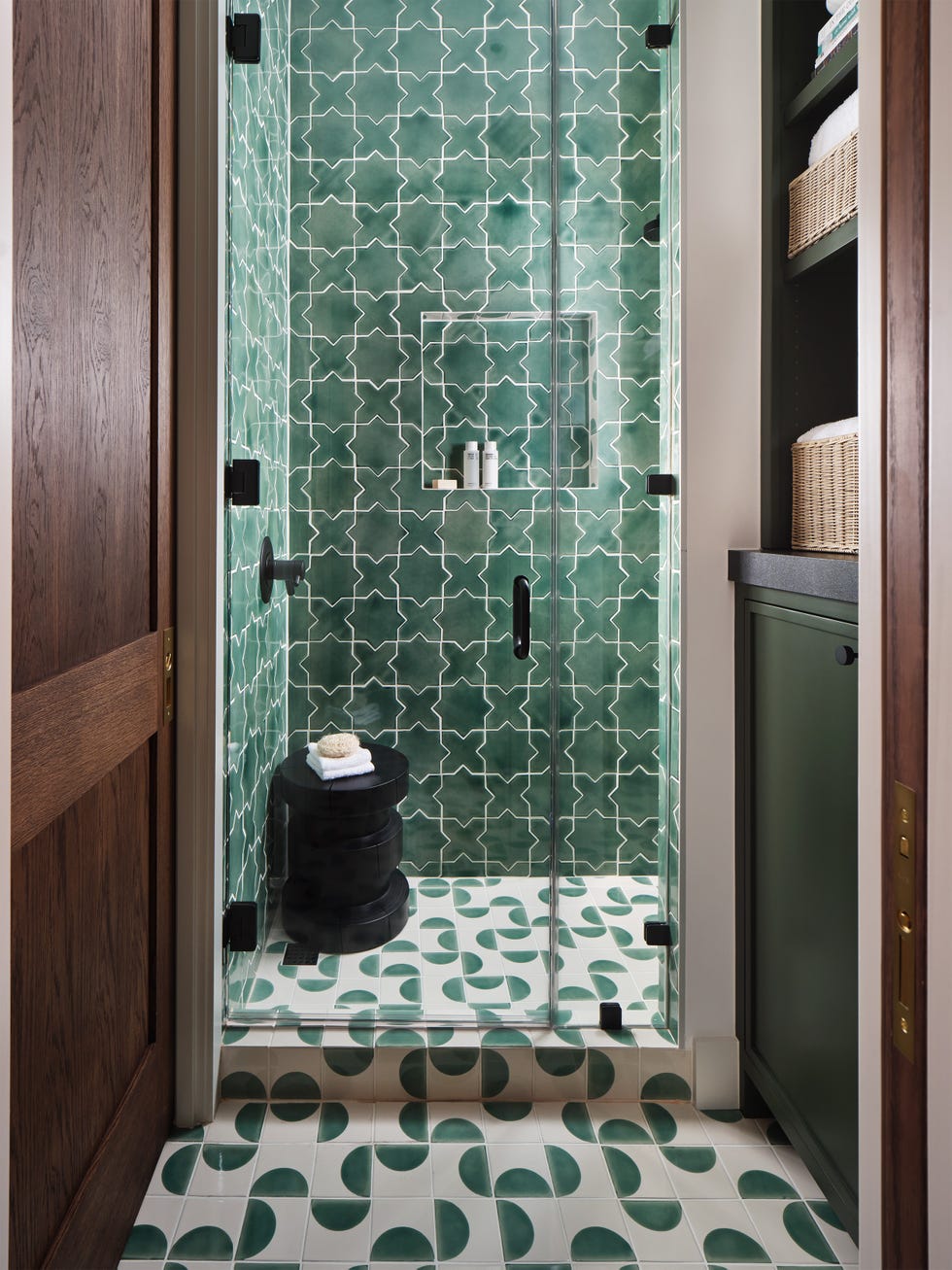
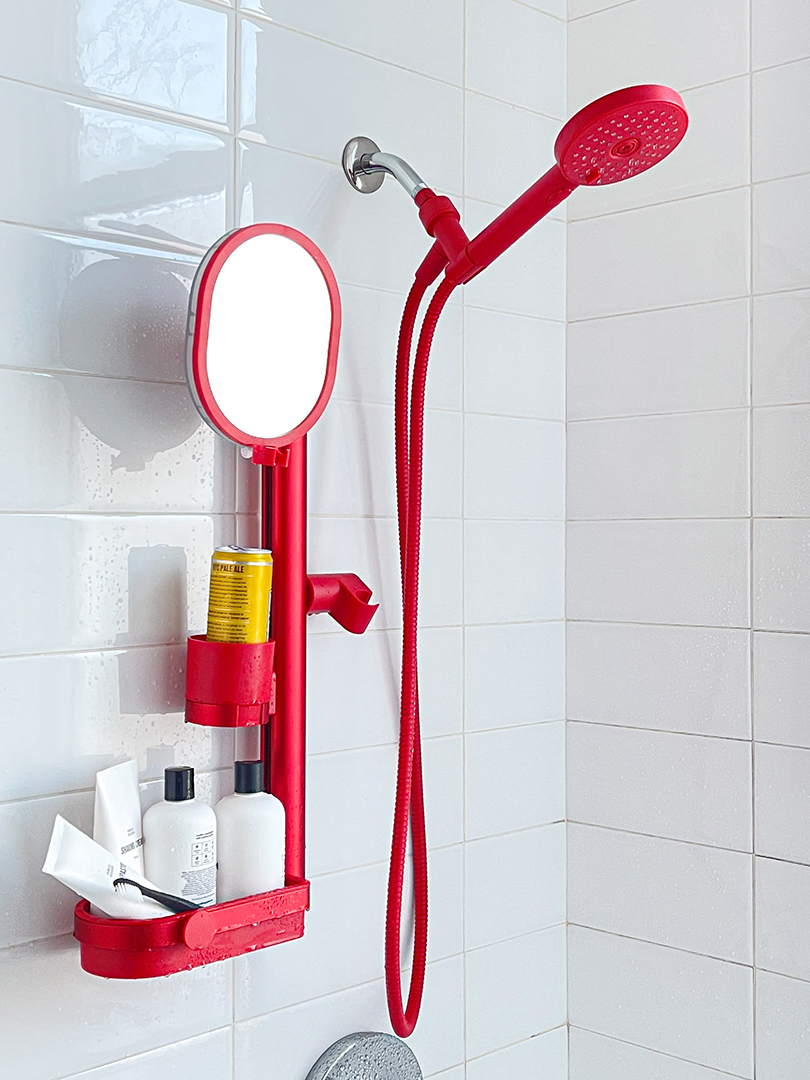
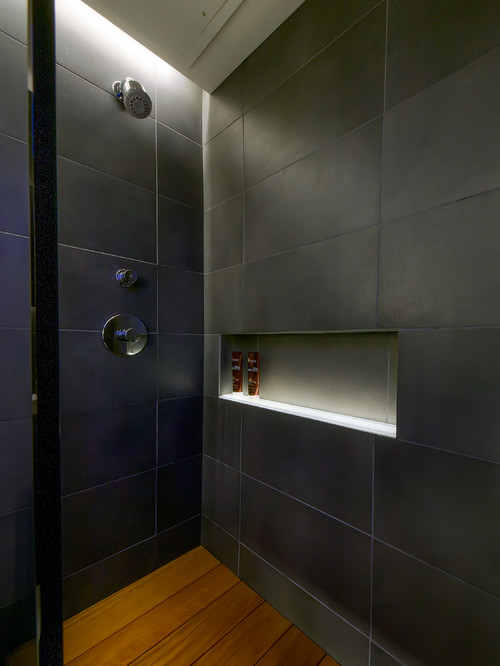
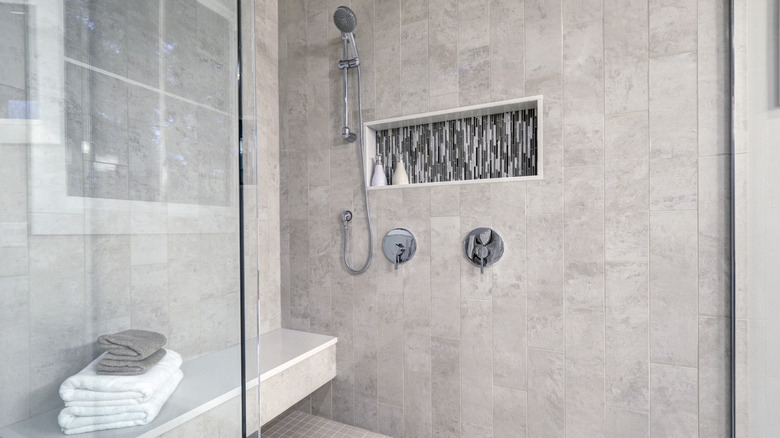
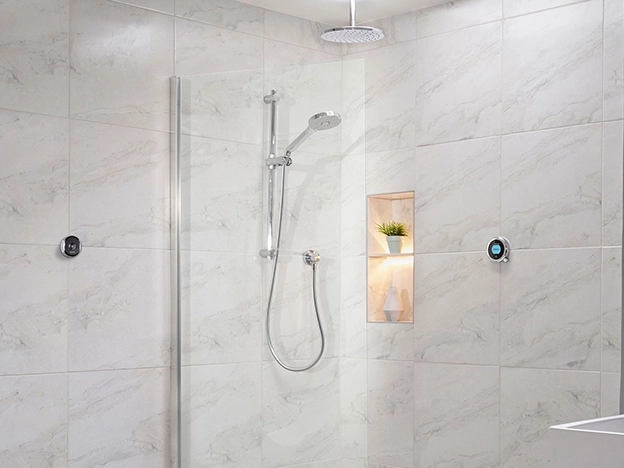
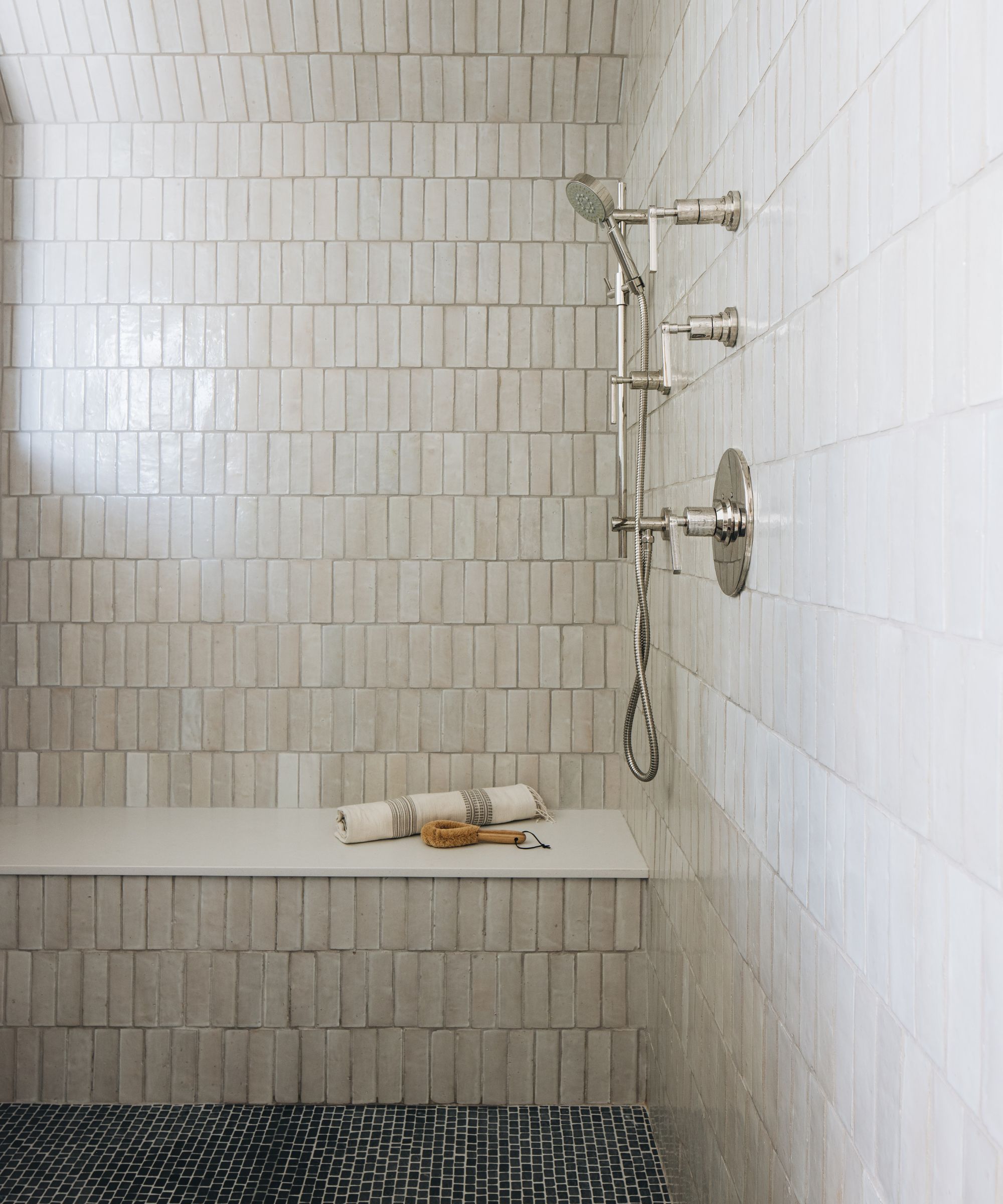
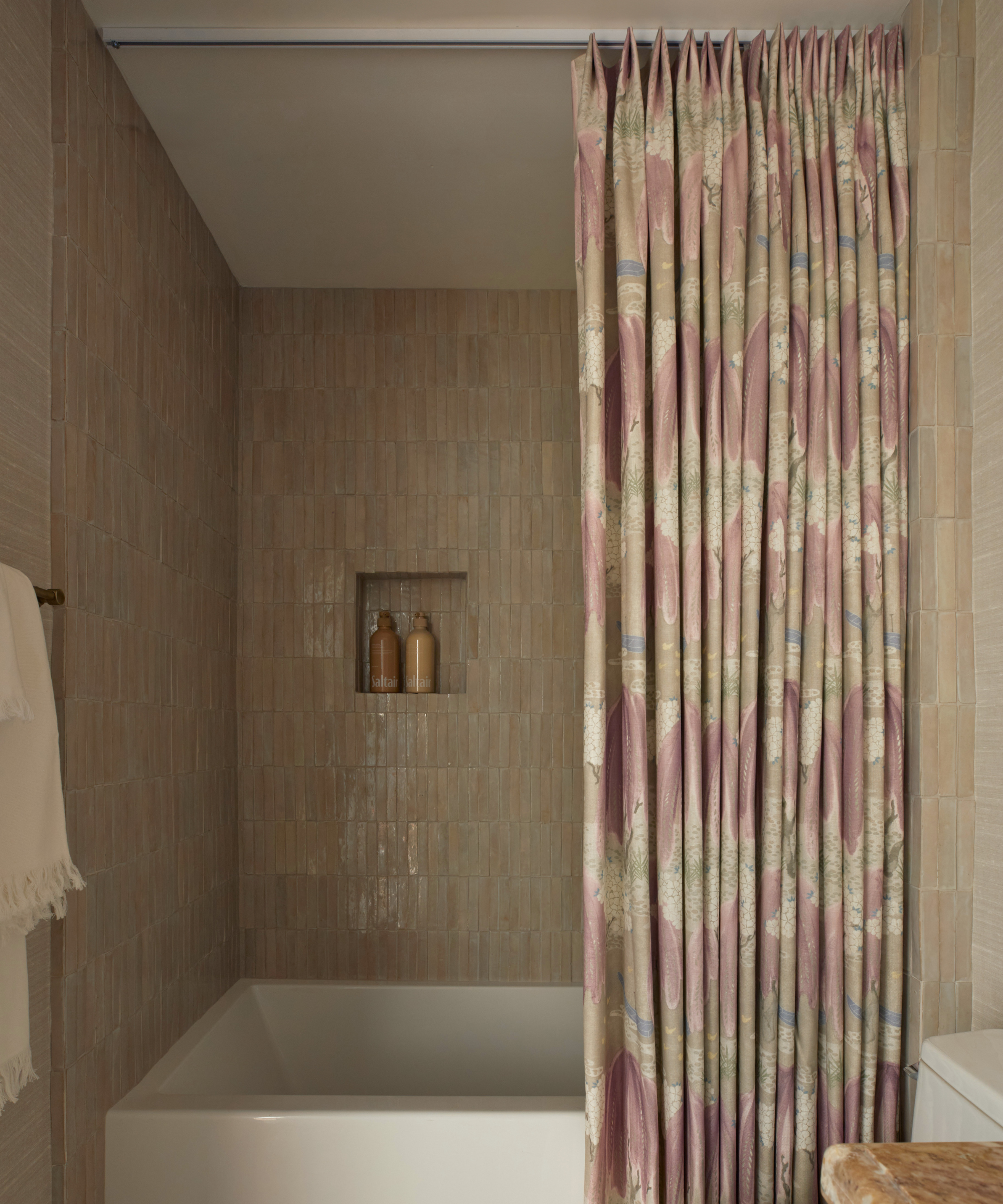
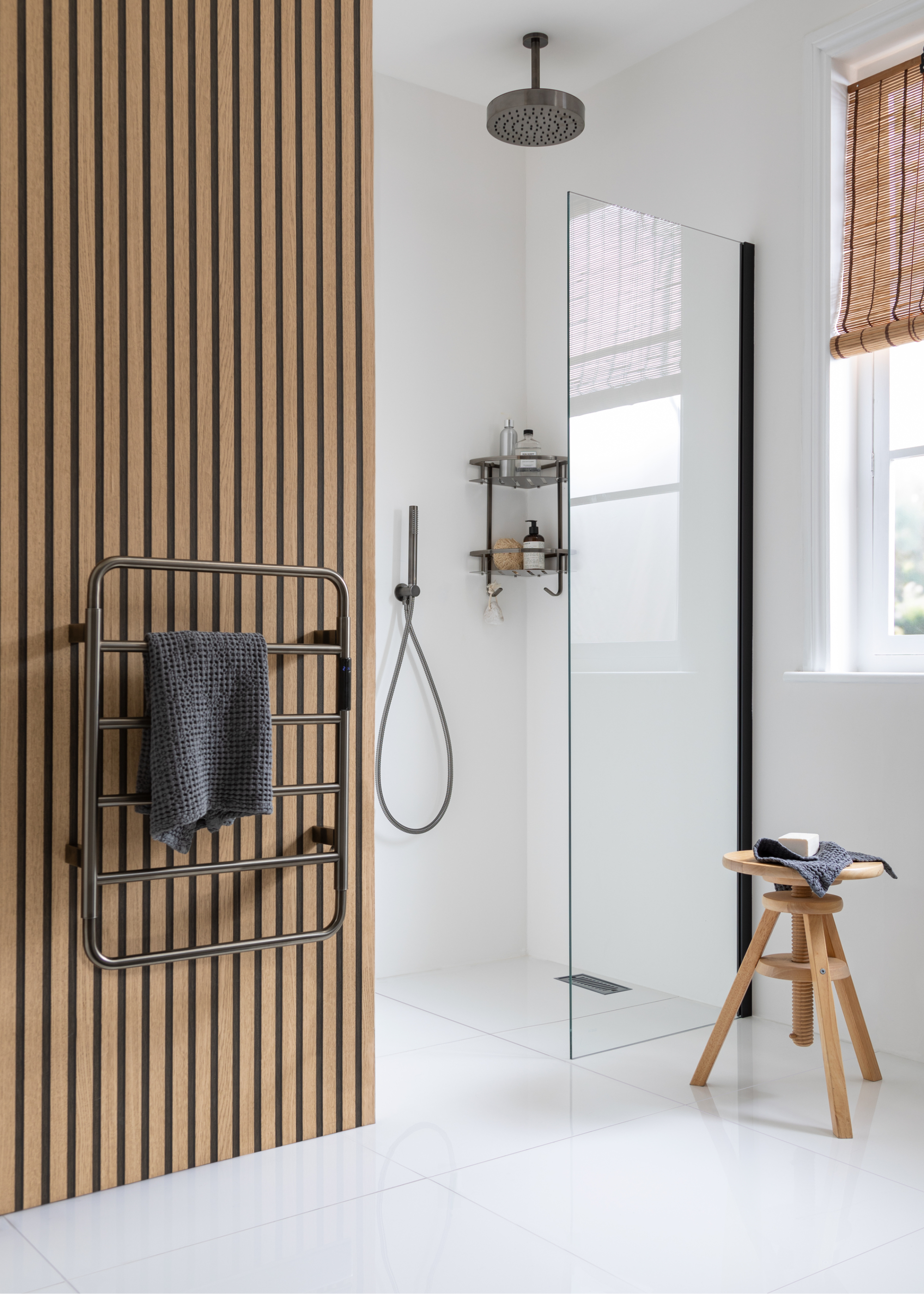
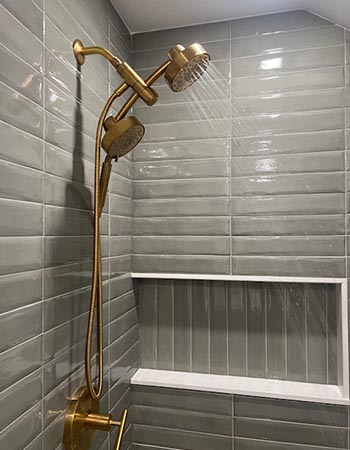
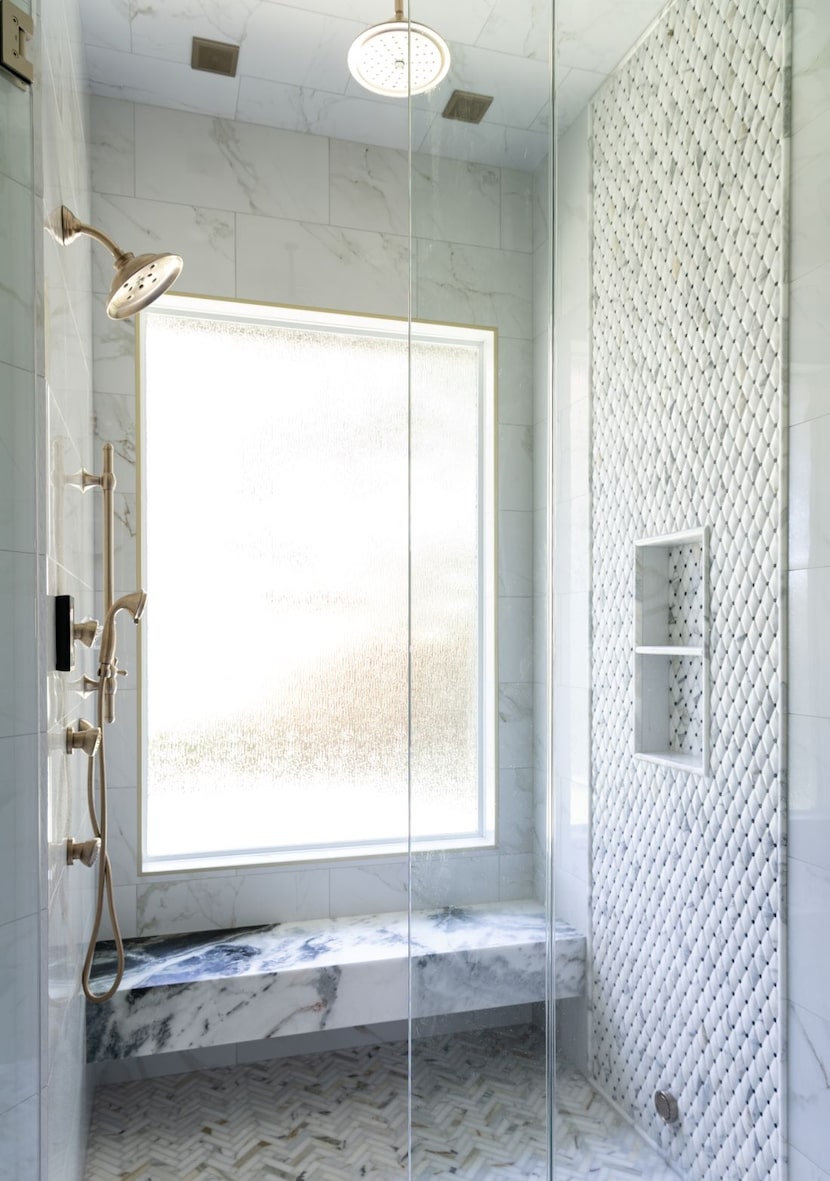
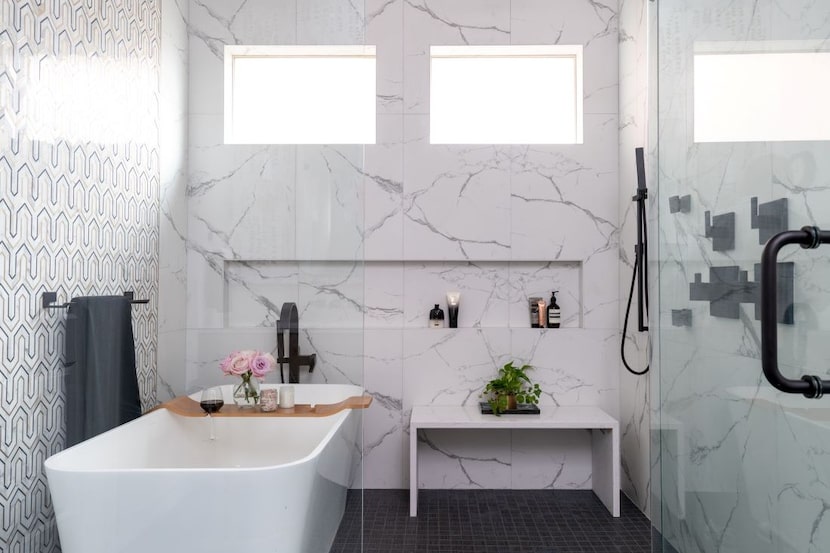
When adding a steam shower, it's an opportune moment to update the shower's aesthetic and functionality. Incorporating features like a shower seat can enhance the steam experience, while a shower niche or caddy provides practical storage for personal care items. After a steam session, it is advisable to take a traditional shower to rinse away sweat, a function that most steam showers can accommodate by simply adjusting controls. For new users, starting with 5-10 minute sessions and gradually increasing to 10-20 minutes is recommended. Typically, using a steam shower 2-3 times per week is ideal, but frequency can be adjusted based on personal tolerance and needs.
#SteamShower #HomeWellness #BathroomRenovation #HomeImprovement #SpaAtHome #RealEstateValue #SustainableLiving #WellnessDesign #SteamShower #HomeWellness #BathroomRenovation #HomeImprovement #SpaAtHome #RealEstateValue #SustainableLiving #WellnessDesign
कुल 0 टिप्पणियाँ
 कोई टिप्पणी नहीं
आपको यह भी पसंद आ सकता है
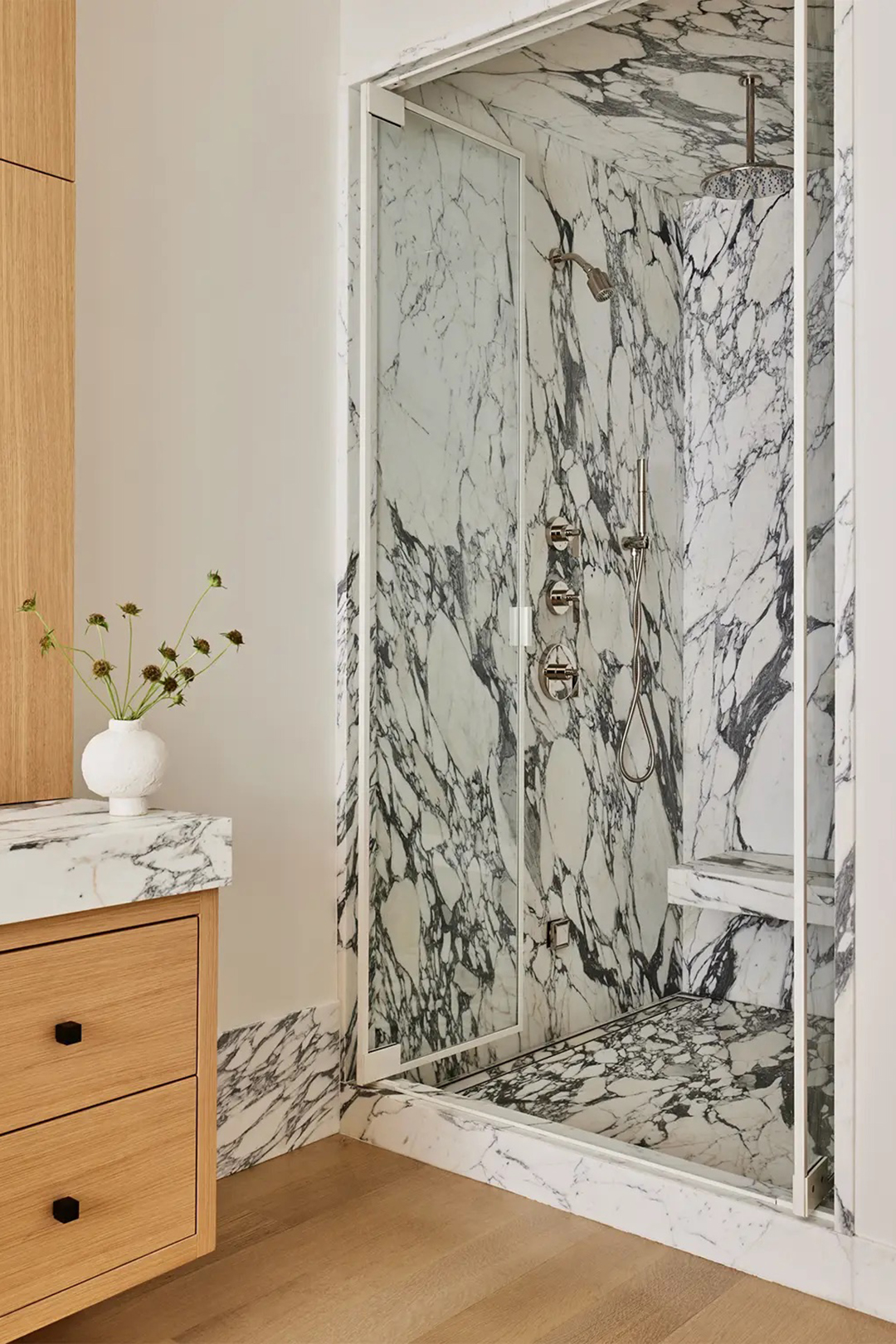
This Zen Home Upgrade Is Picking Up Steam—We Asked Designers to Weigh In

I Skipped the Plumber and Upgraded My Shower With This $163 Kit

10 Best Shower Heads for a Luxury-Filled
12 Bathroom Renovation Ideas for a Tranquil, Spa-Like Space

Steam Showers: What You Need To Know

No Bath? No Problem! 4 Ways To Elevate Your Shower Regardless of Your Budget
15 Incredible Shower Ideas That Will Make You Forget About a Soaking Tub

This Bathroom Upgrade Can Help Control Your Shower’s Temperature and Water Flow

4 Designer Bathroom Ideas That Offer a Tranquil Twist on Spa-Like Luxury

No More Tubs: The Shower Trend You'll See In More And More Bathrooms In 2026
Simple remodel tip: upgrade your bathroom shower head

This One Simple Swap Instantly Gave My Bathroom a Luxury Upgrade—Without the Price Tag
These 10 Steam Showers Will Instantly Turn Your Bathroom Into a Spa
Showers

5 Smart Bathroom Tech Trends to Adopt in 2025 That Make This Space Such a Joy to Use

Considering a bathroom reno? Take inspiration from these gorgeous shower designs
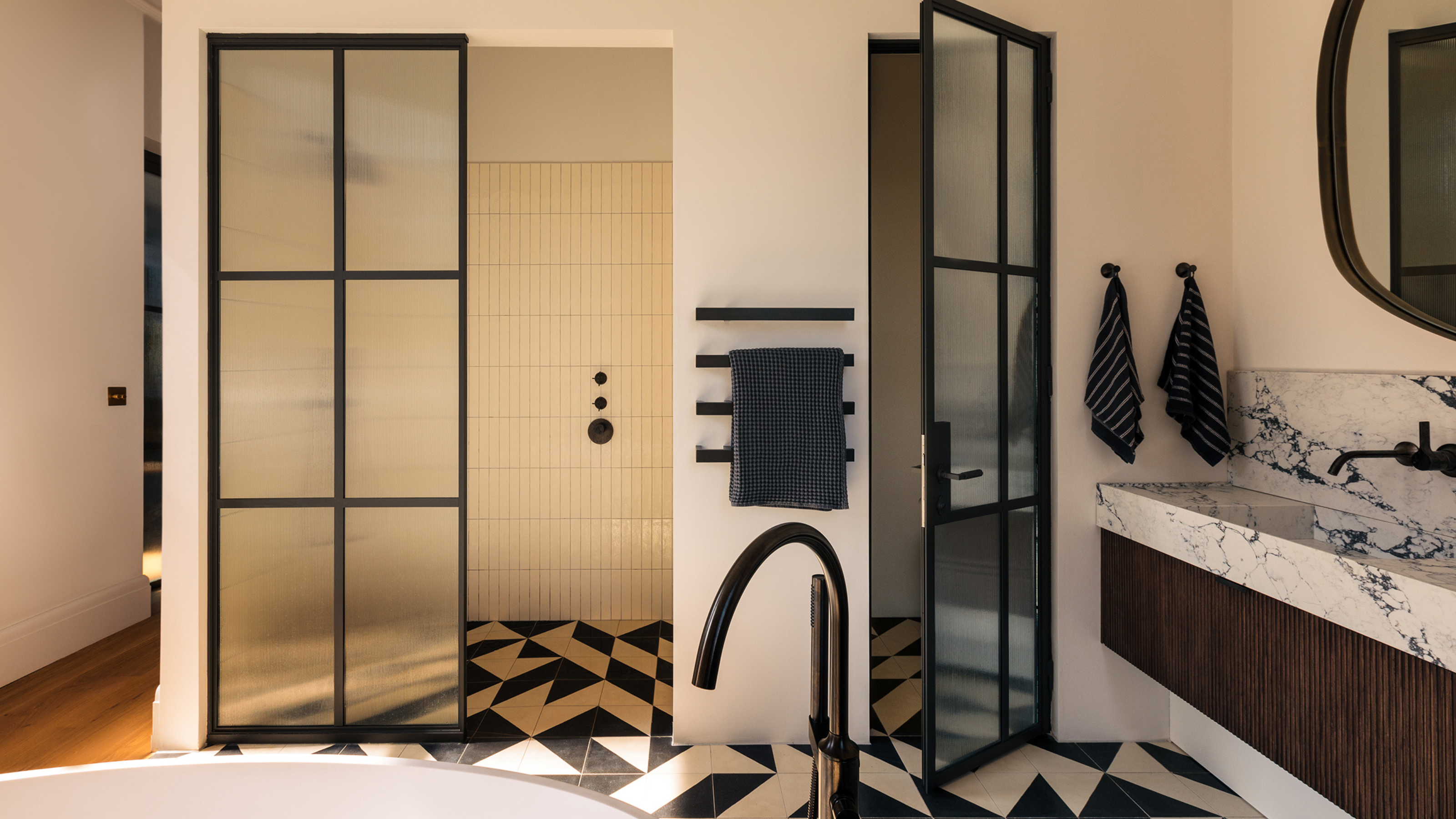
9 Shower Trends to Know for a 2025 Bathroom Reno
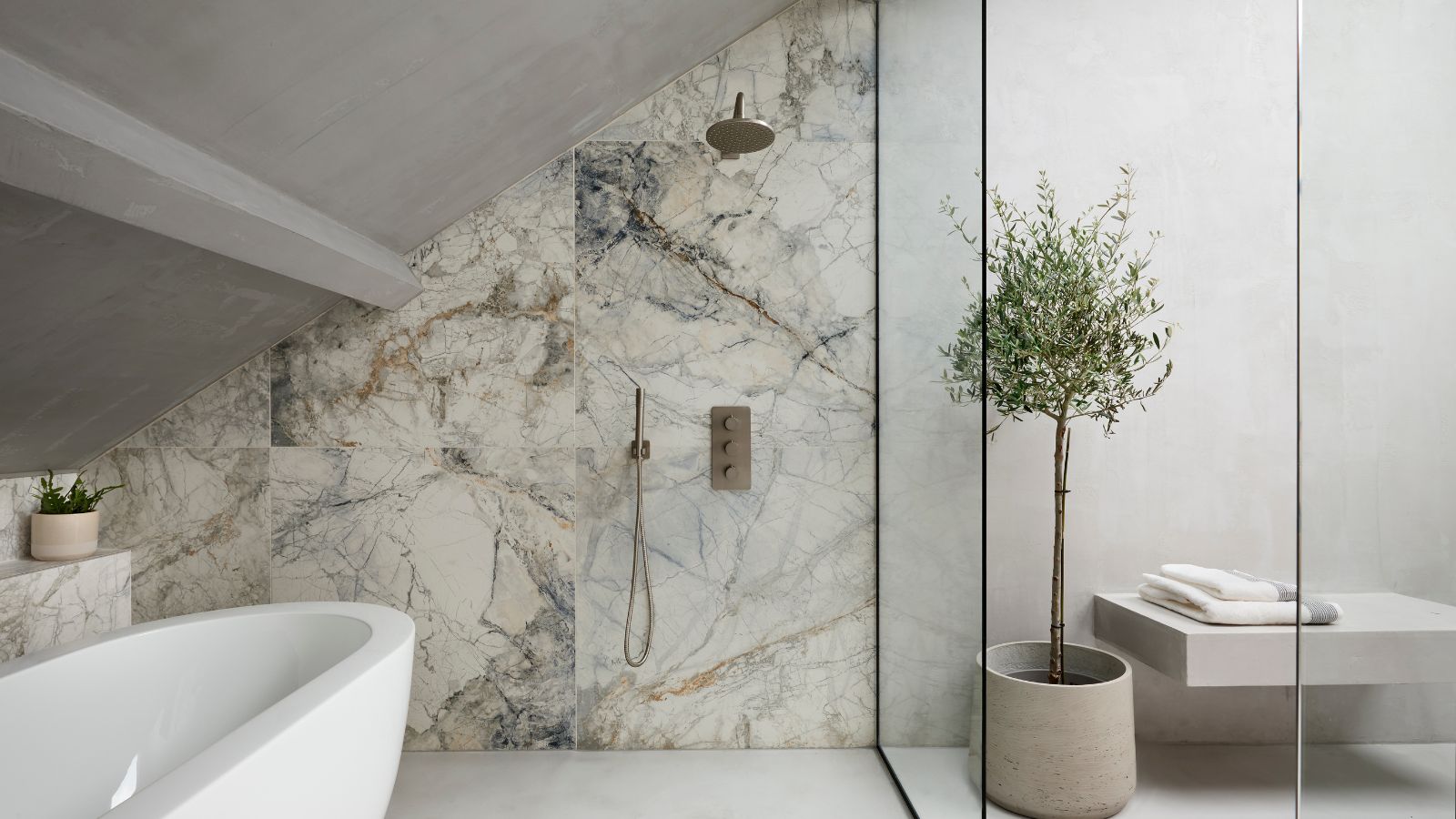
9 Shower Trends to Transform Your Bathroom in 2026, According to Interior Designers


Jennifer Aniston's luxury shower perfects a wellness trend
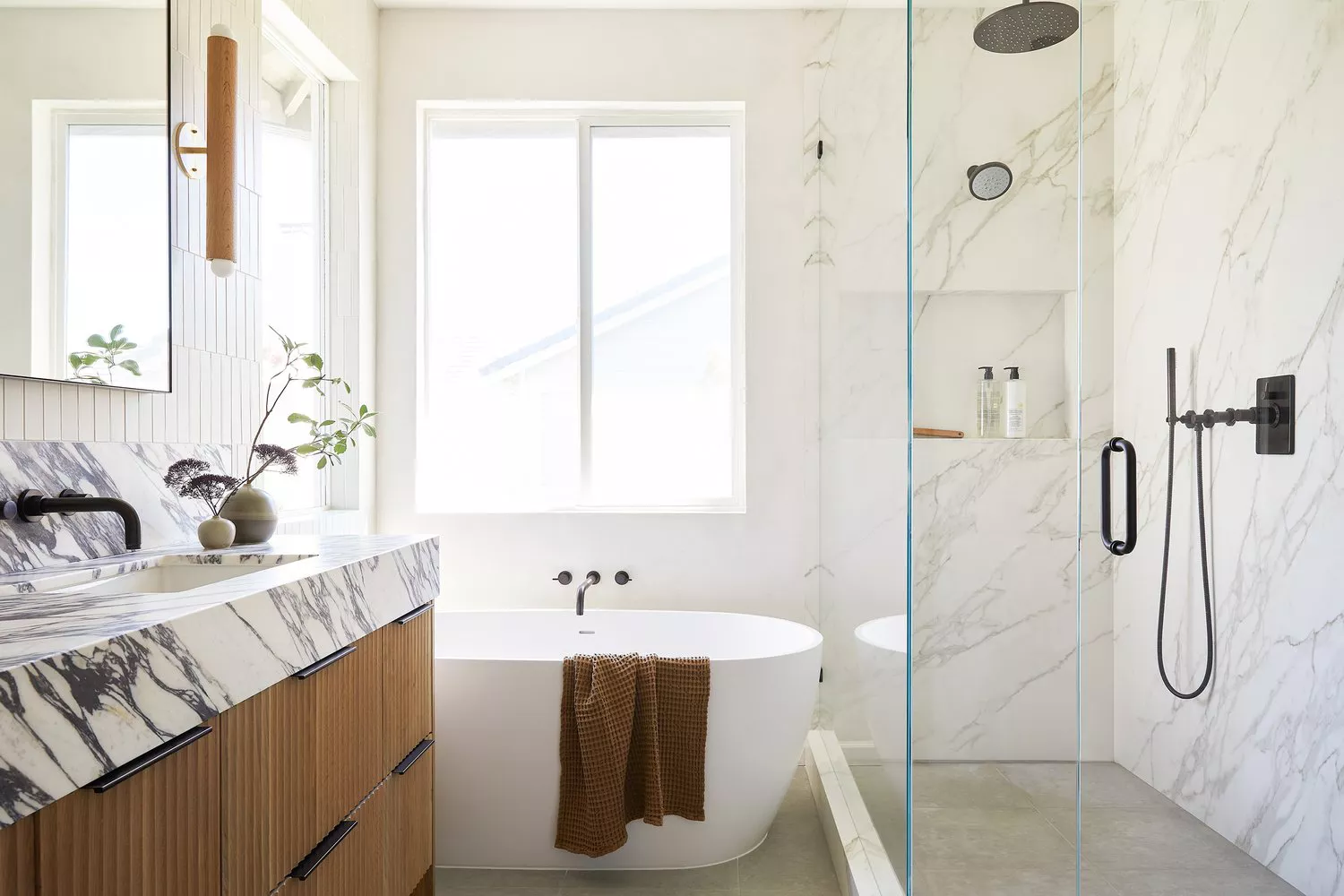
We Asked Contractors Which Bathroom Upgrades Add the Most Value—These 4 Were Clear Winners