This Old-World Wallpaper Trend Is Everywhere—Here’s How to Make It Work for You
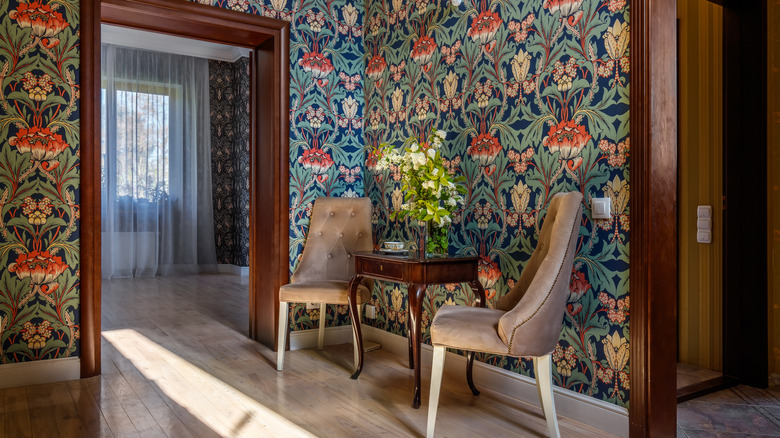
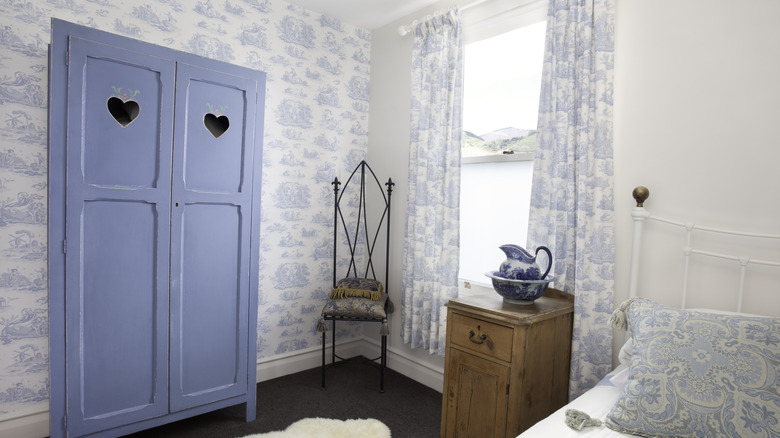
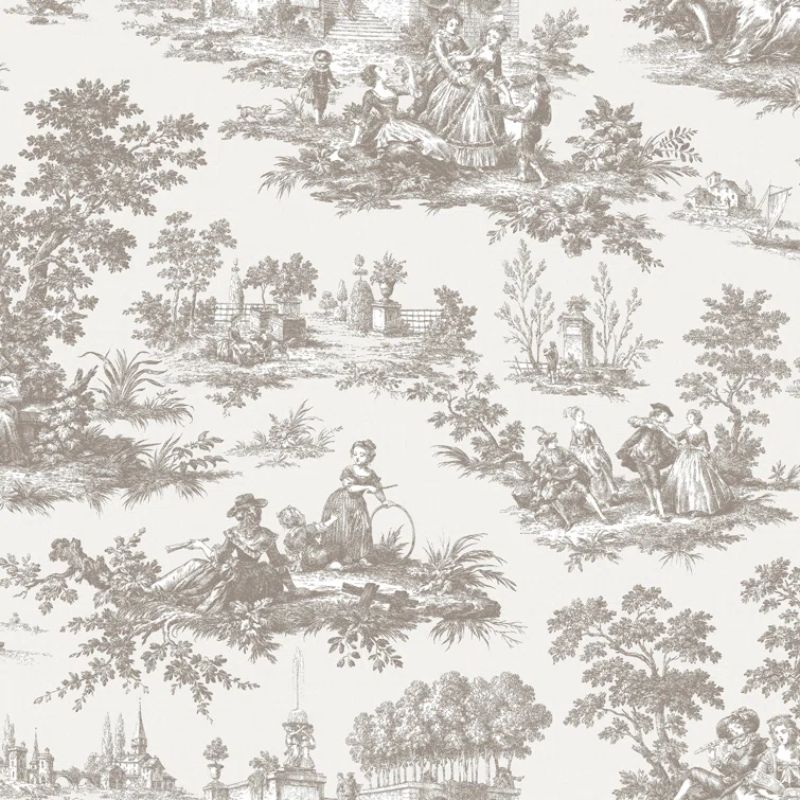
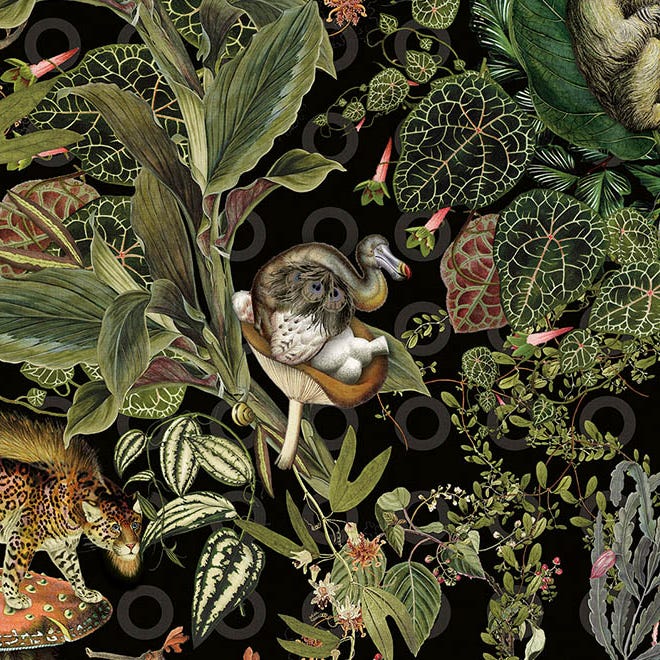
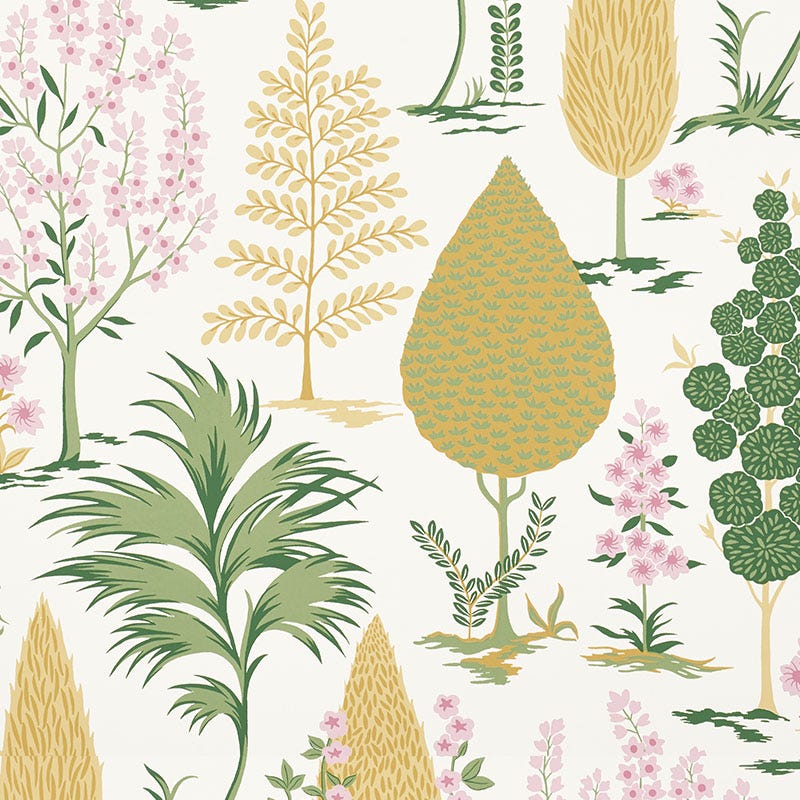
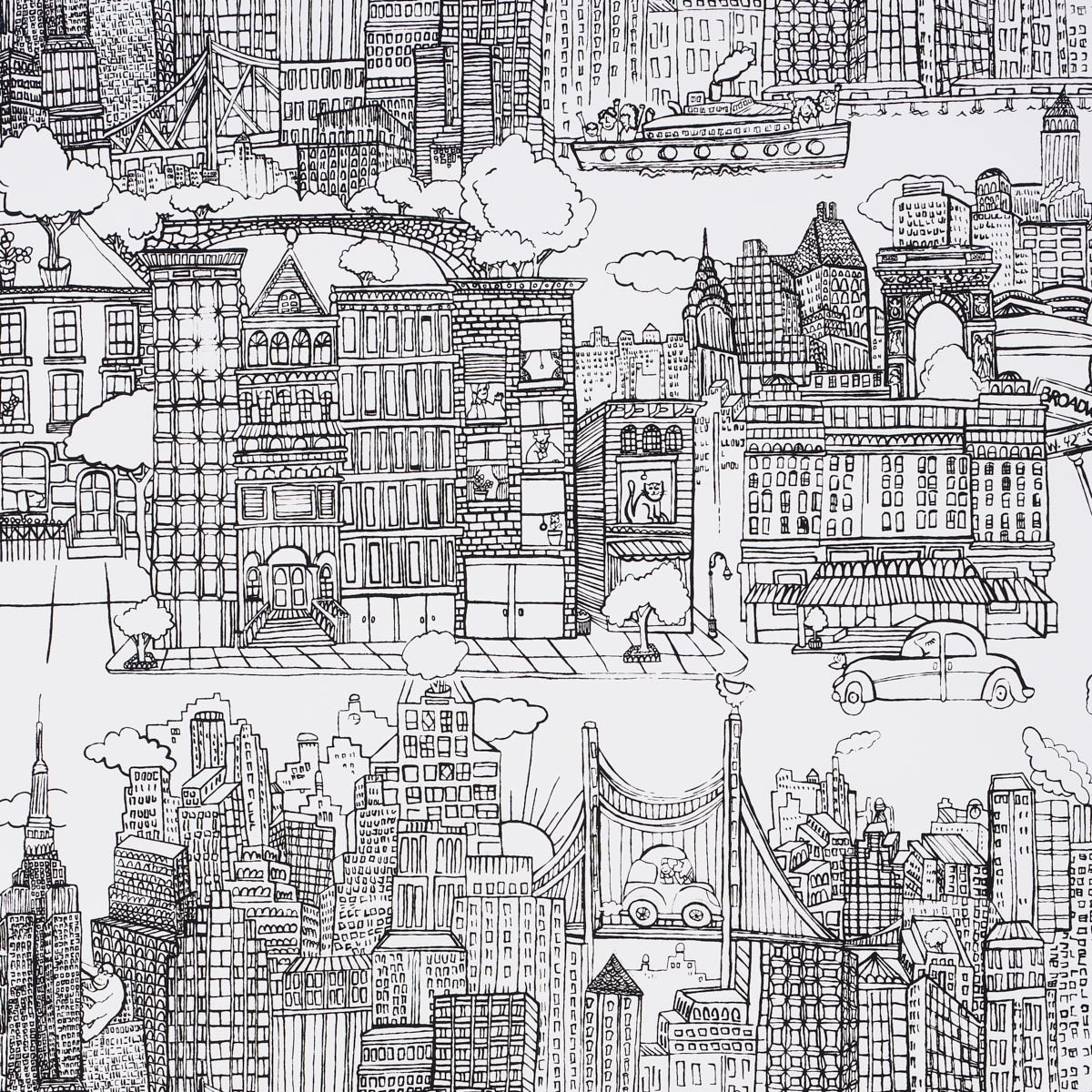
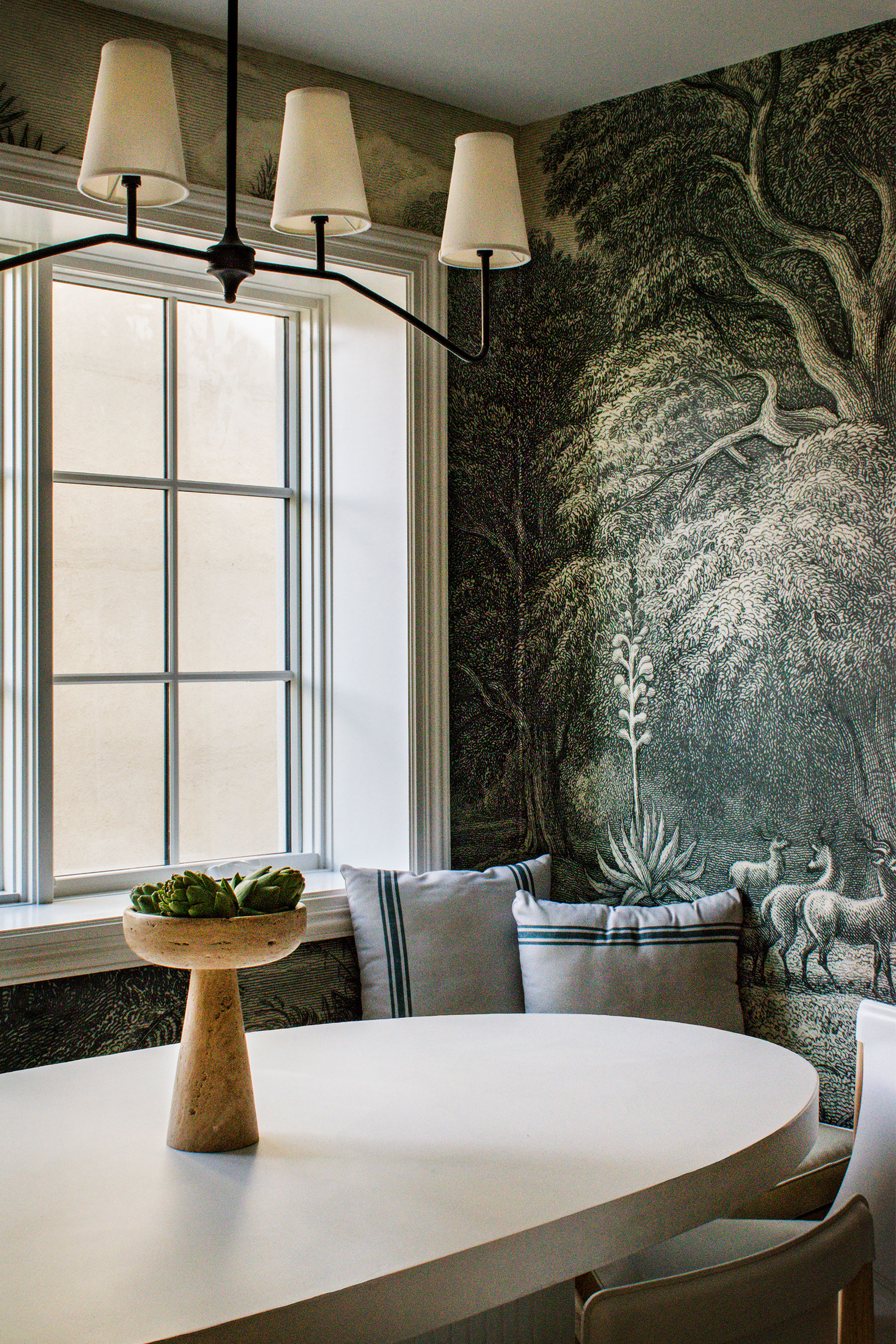
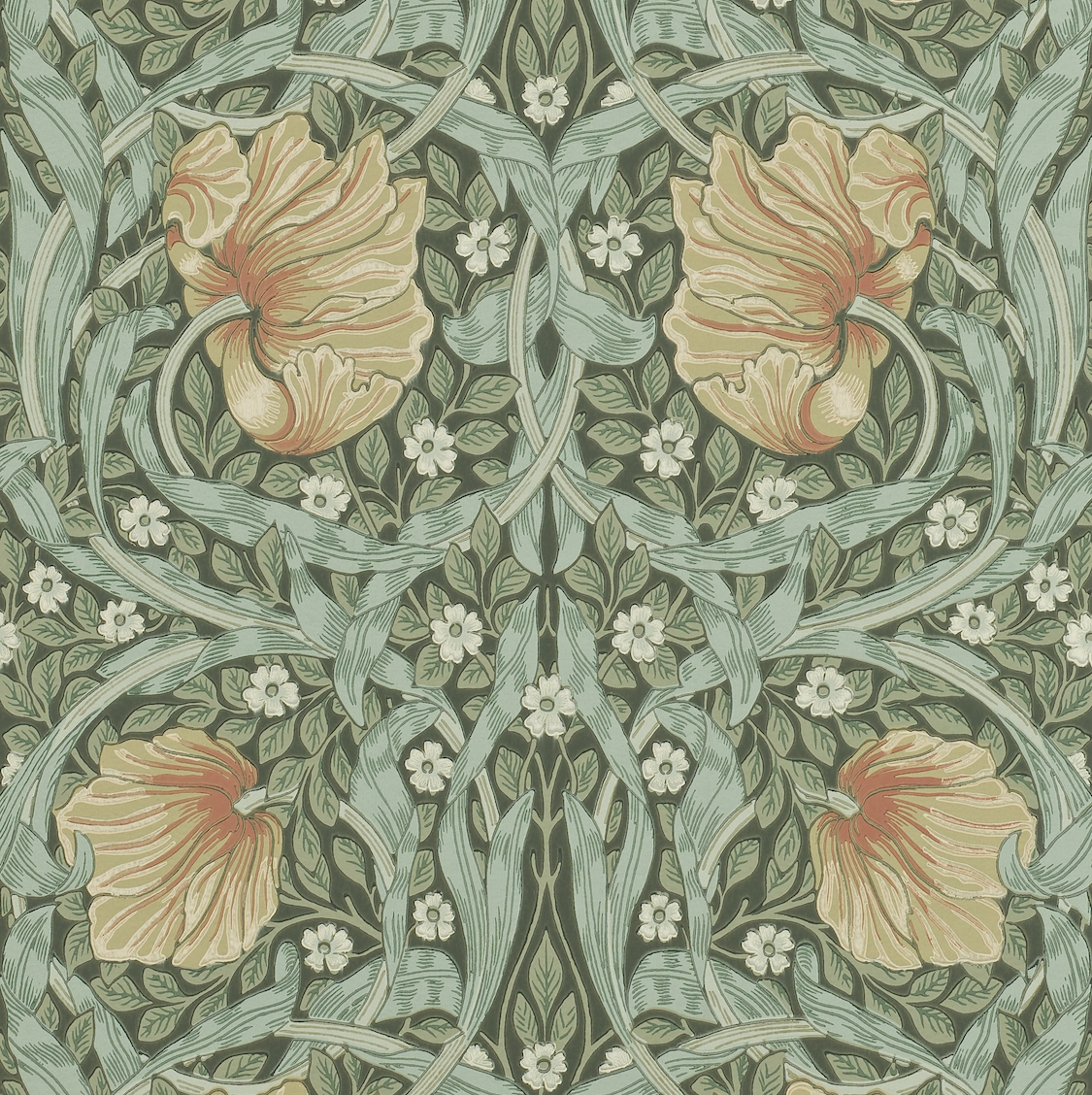
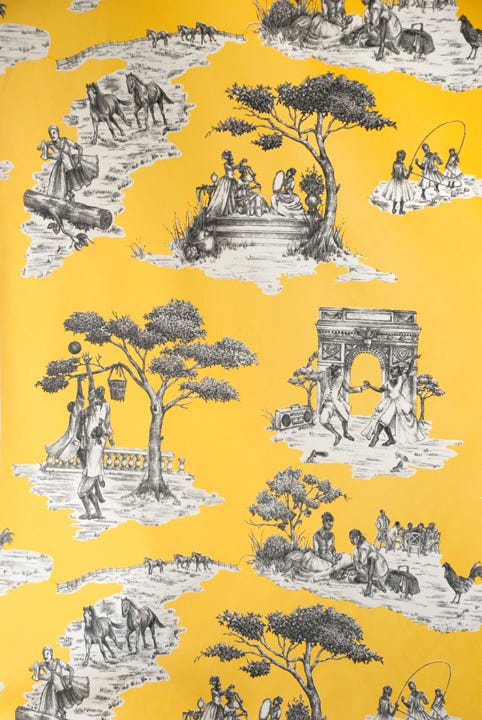
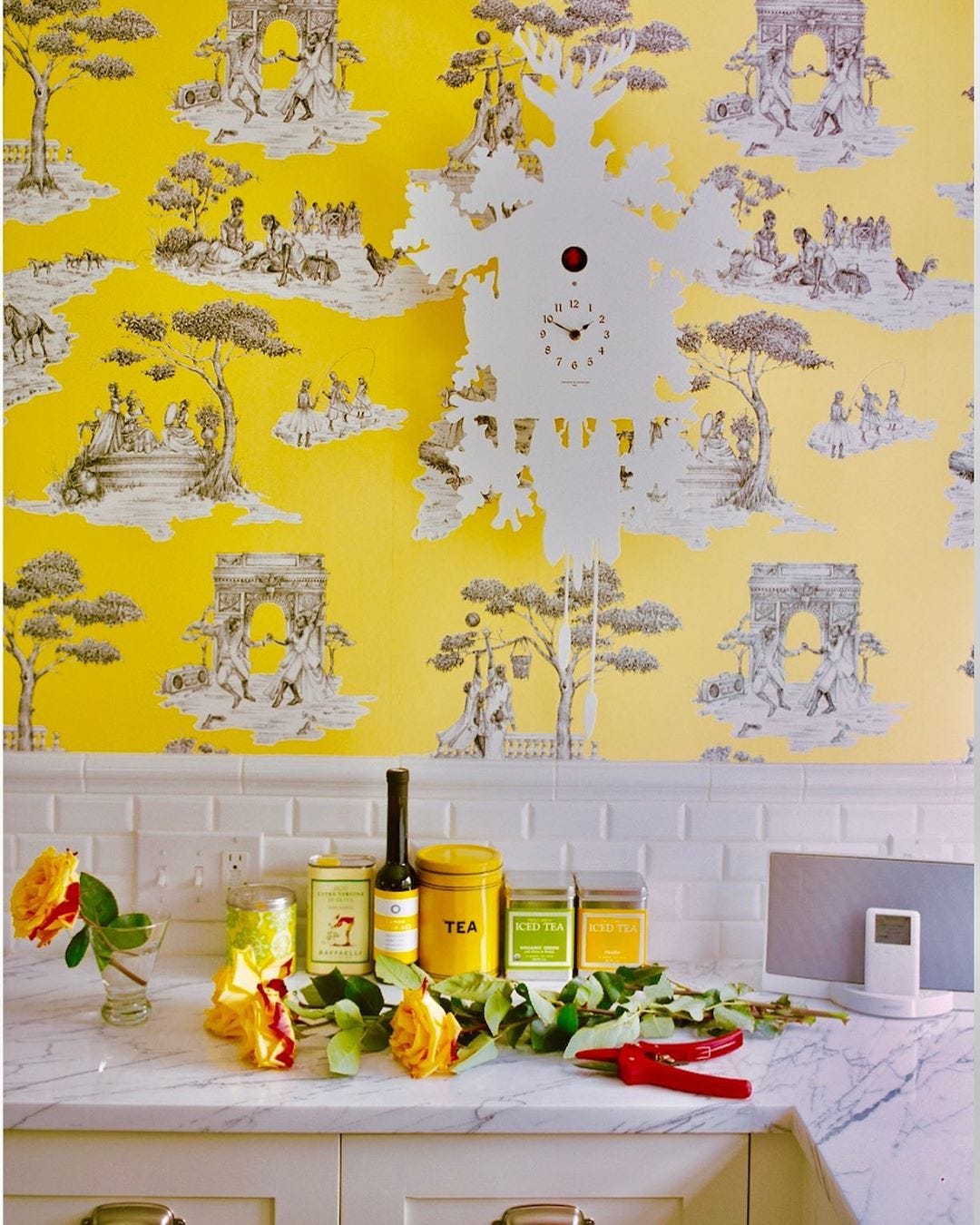
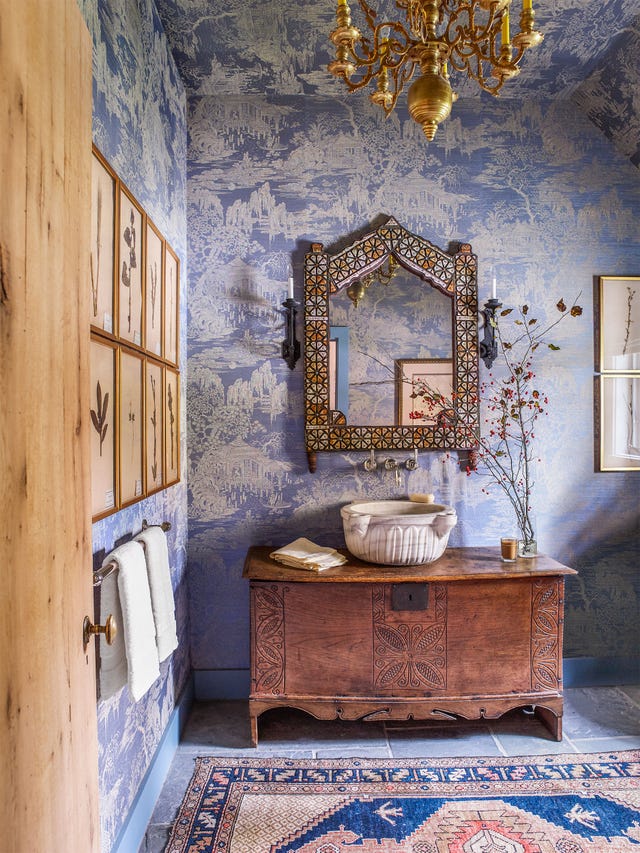
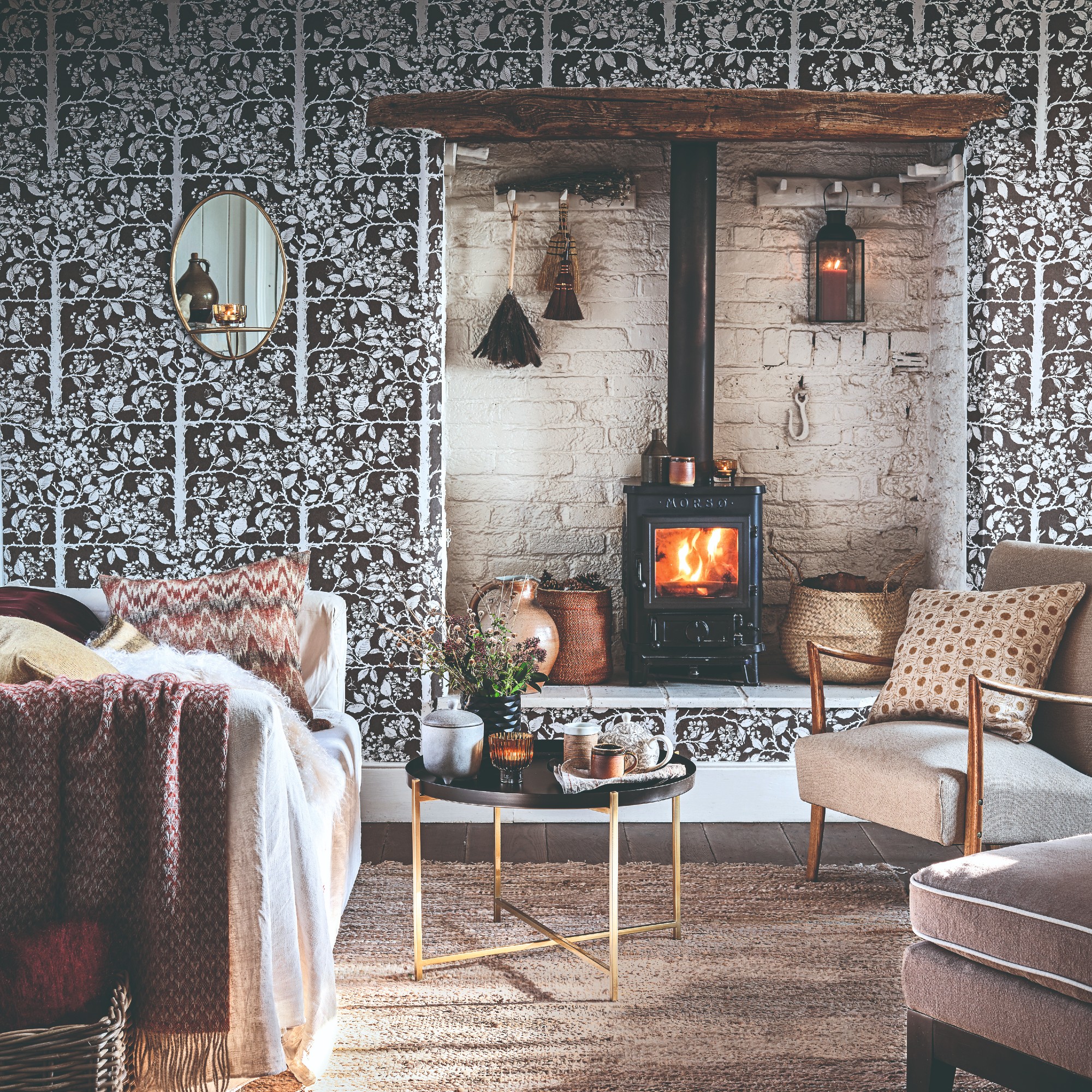
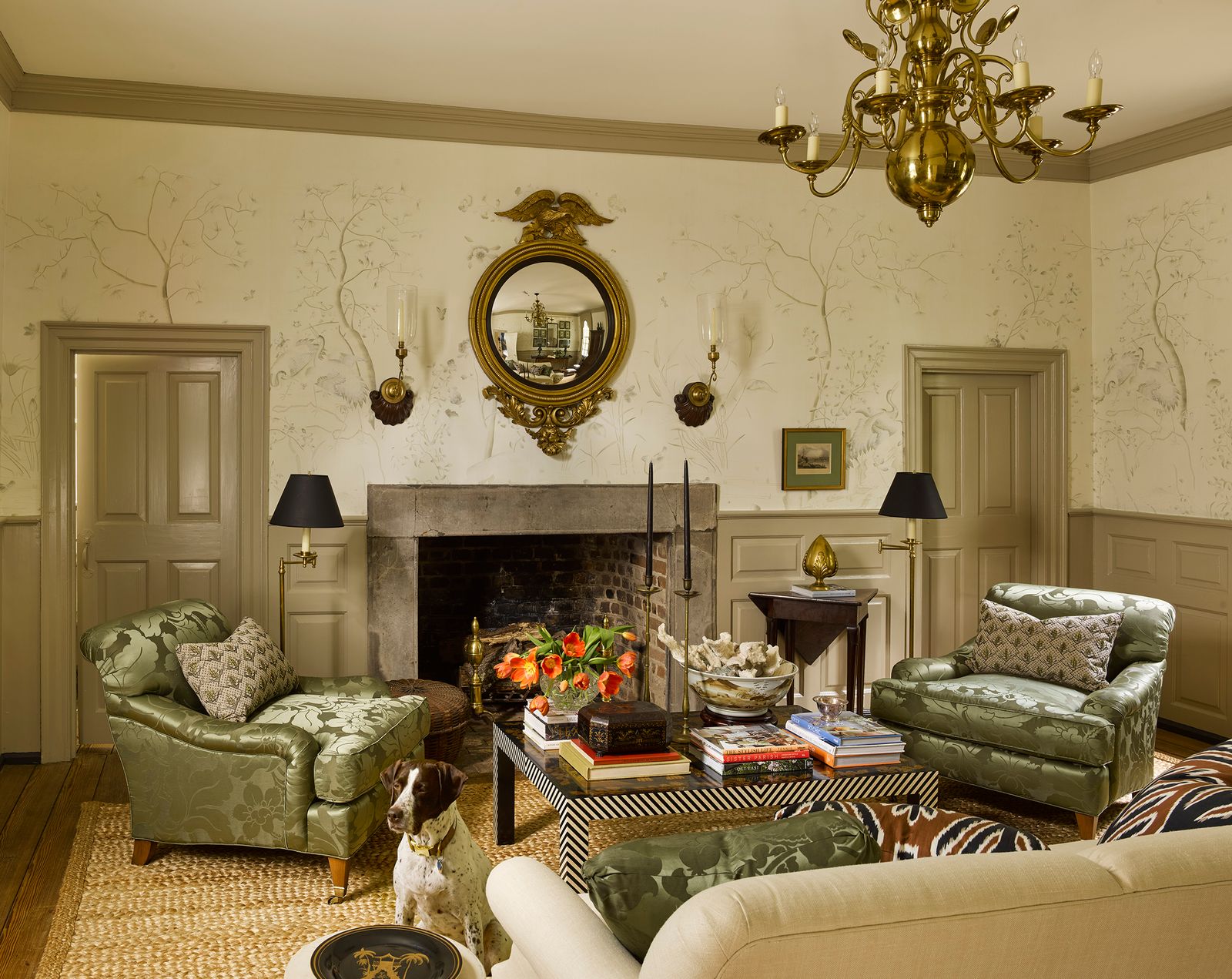
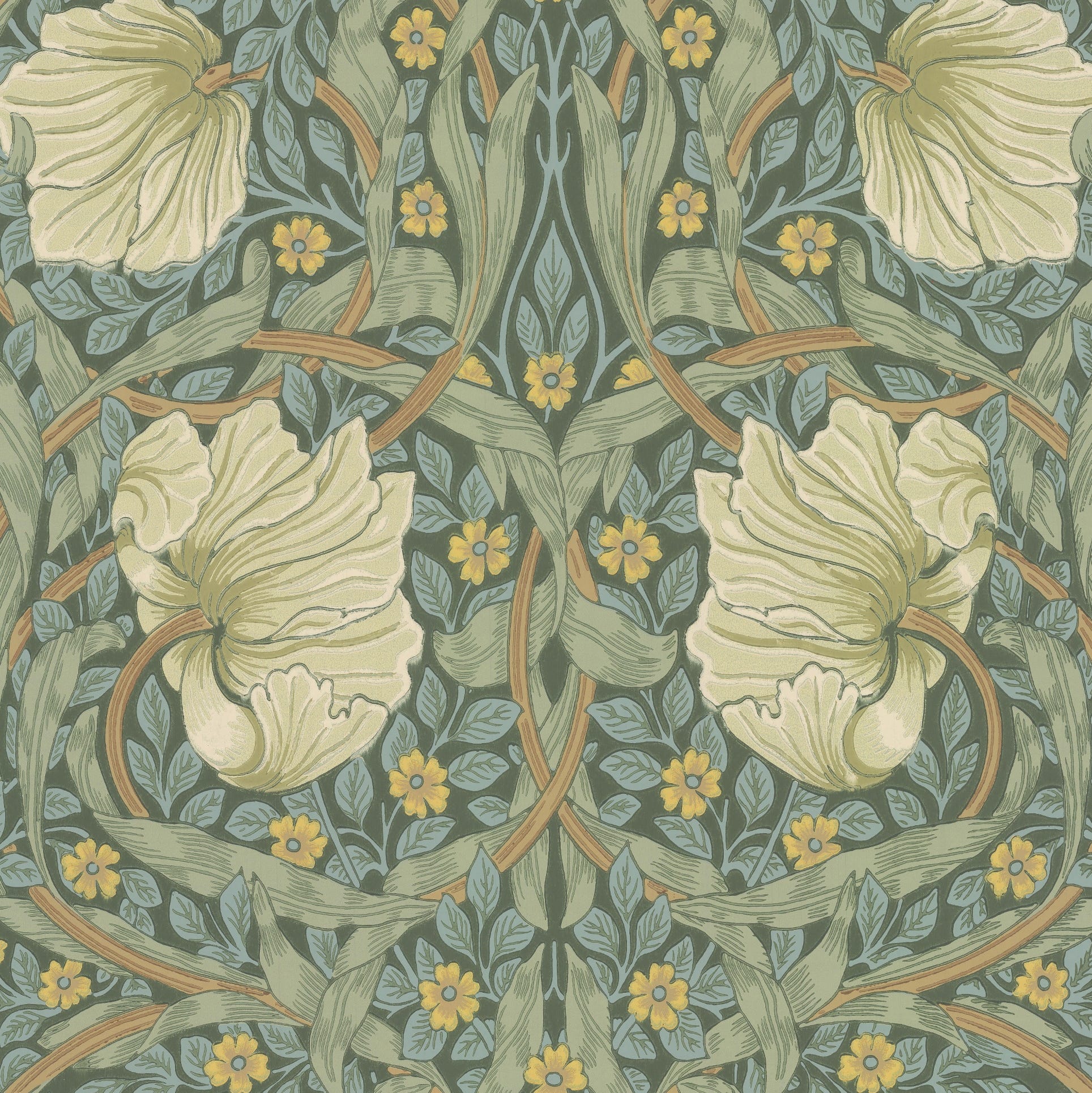
Old-world wallpaper, characterized by patterns drawing from classical European design traditions such as damasks, toiles, baroque florals, architectural etchings, and pastoral vignettes, is experiencing a significant resurgence in contemporary interior design. These motifs, which largely originated in the 18th and 19th centuries, served both as luxurious decorative art and as a medium for storytelling, reflecting cultural aspirations. The renewed interest in these classic prints stems from a collective desire for comfort, character, and a connection to the past, moving away from years of minimalism and pared-back interiors. In a fast-paced and uncertain world, these wallpapers offer emotional and sensory respite, evoking a sense of warmth, safety, and romanticized stability, often reminiscent of childhood homes or family heirlooms.
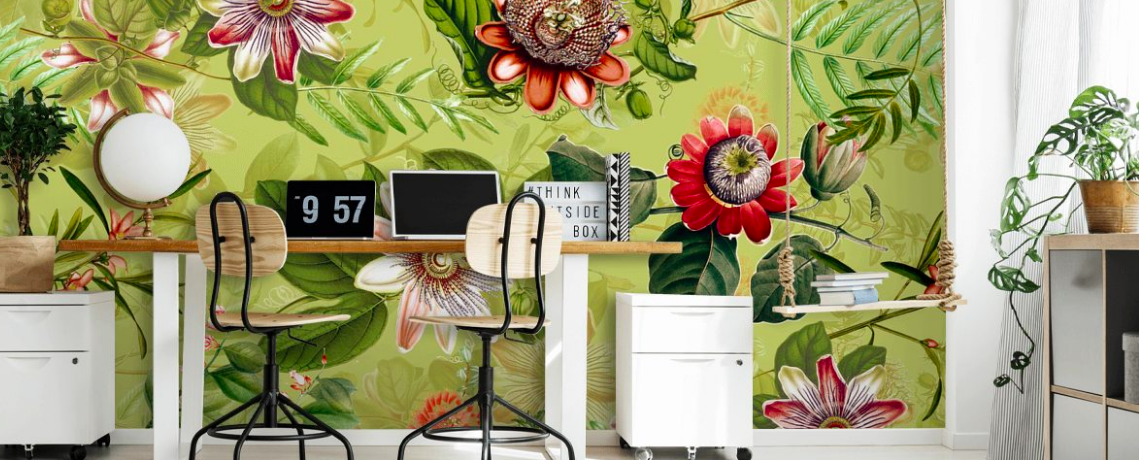
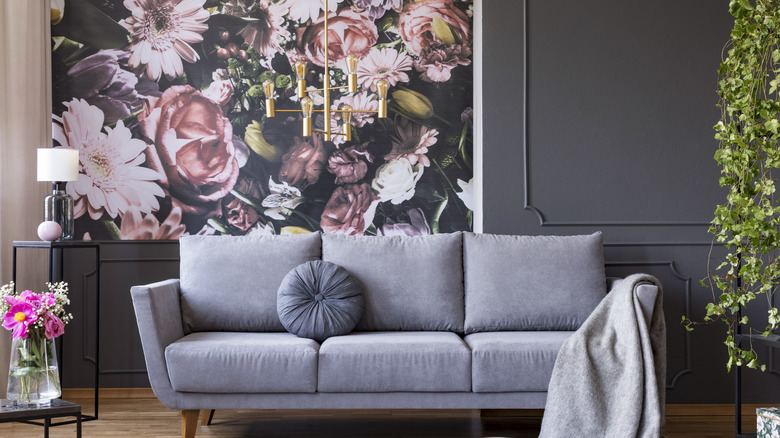
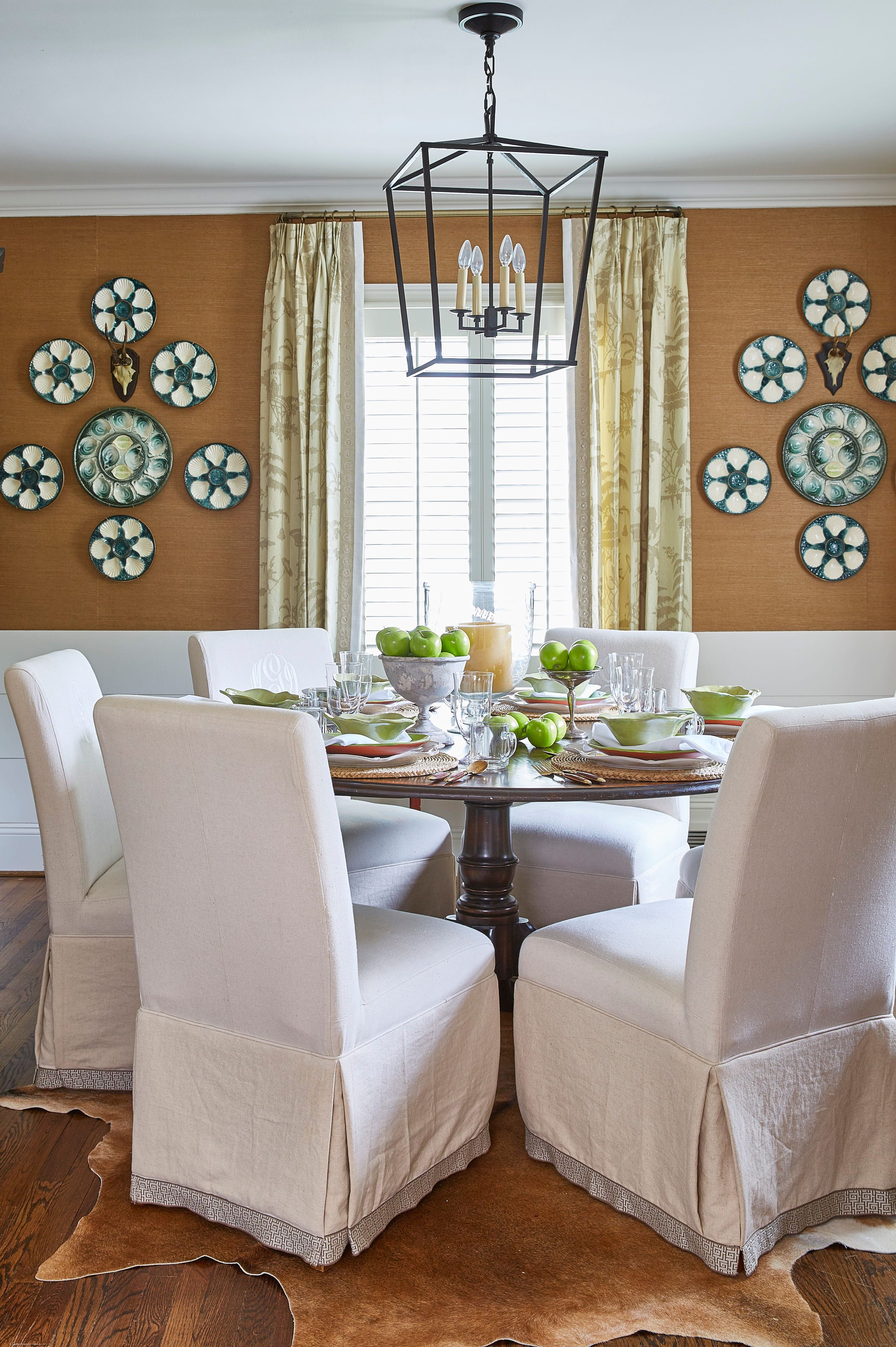
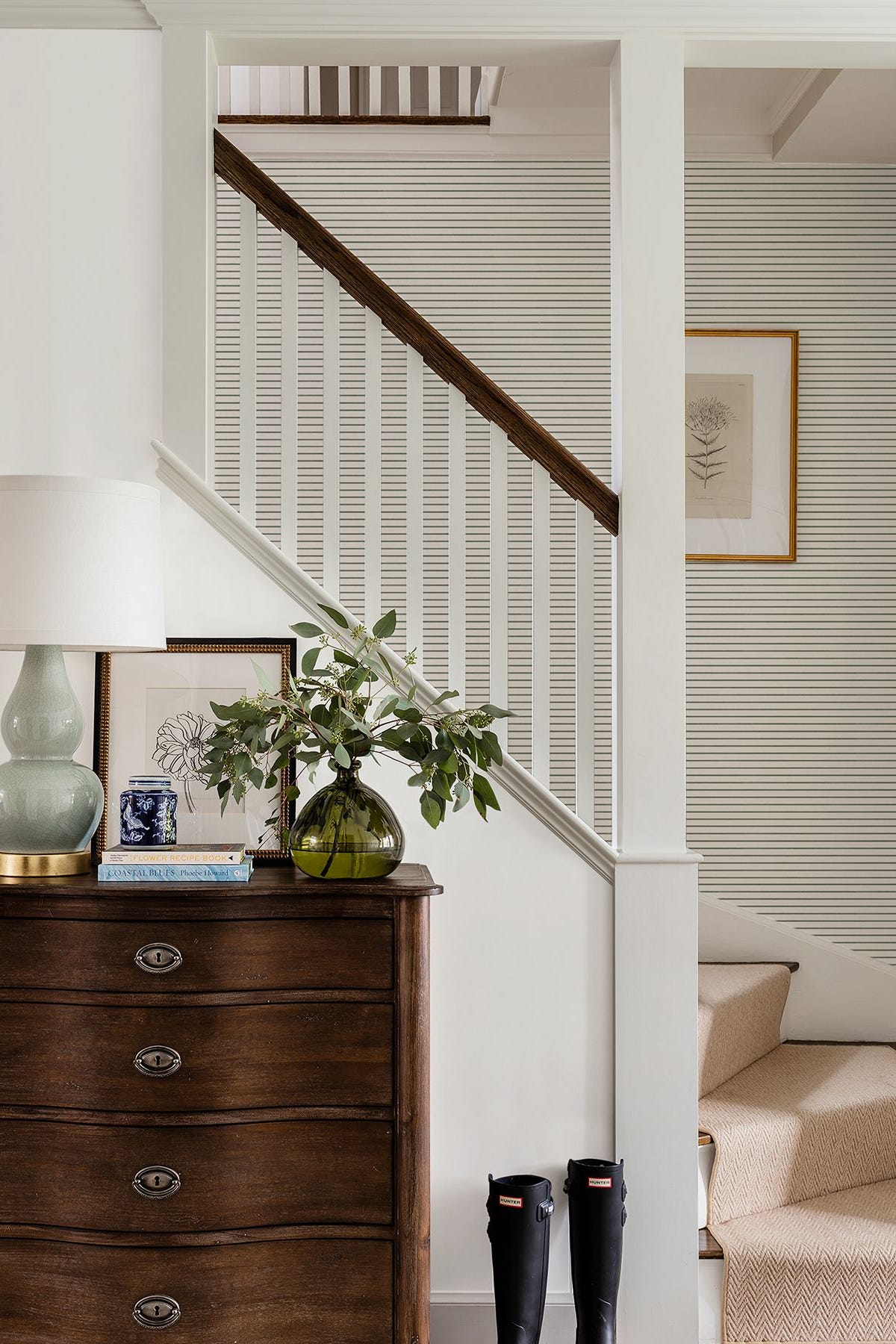
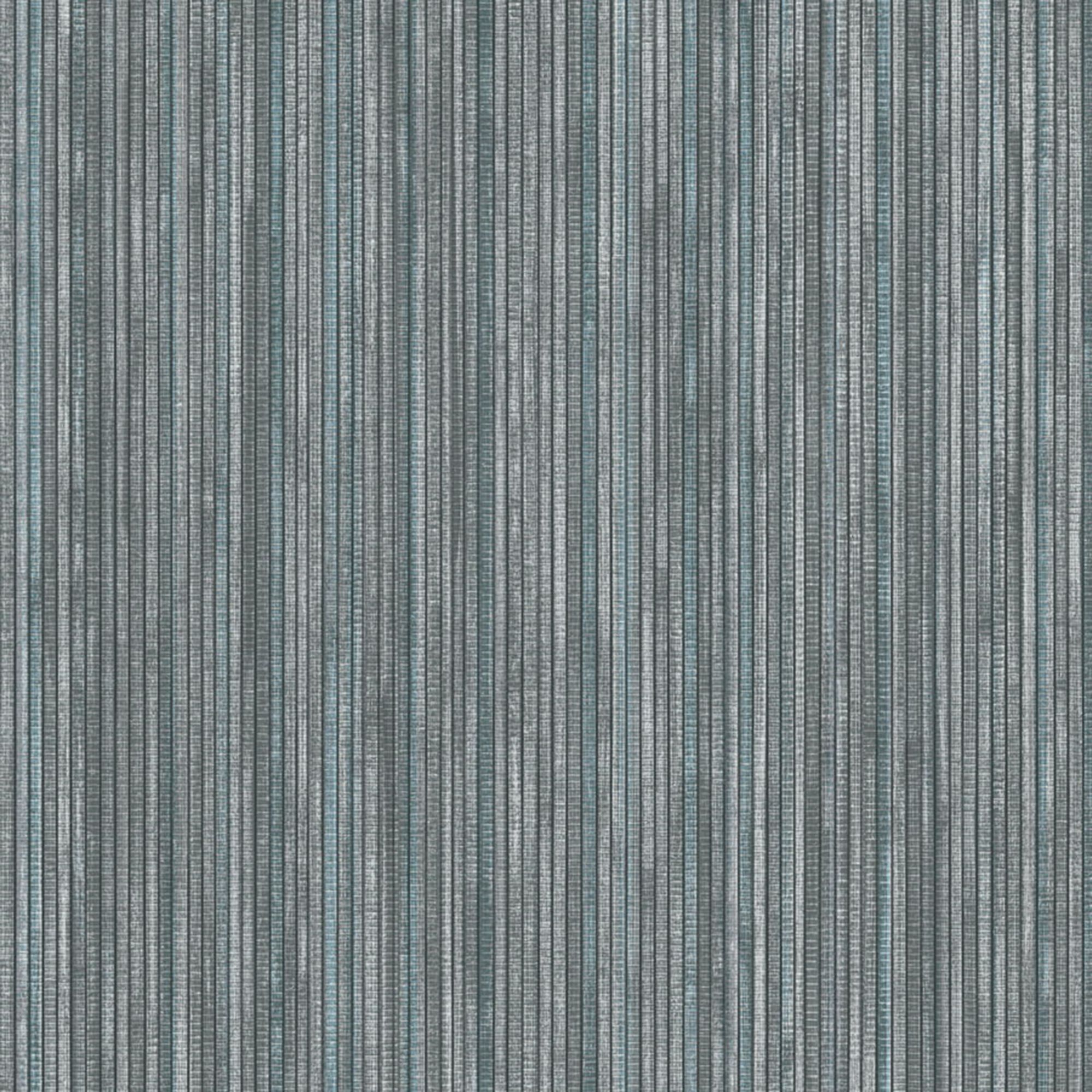
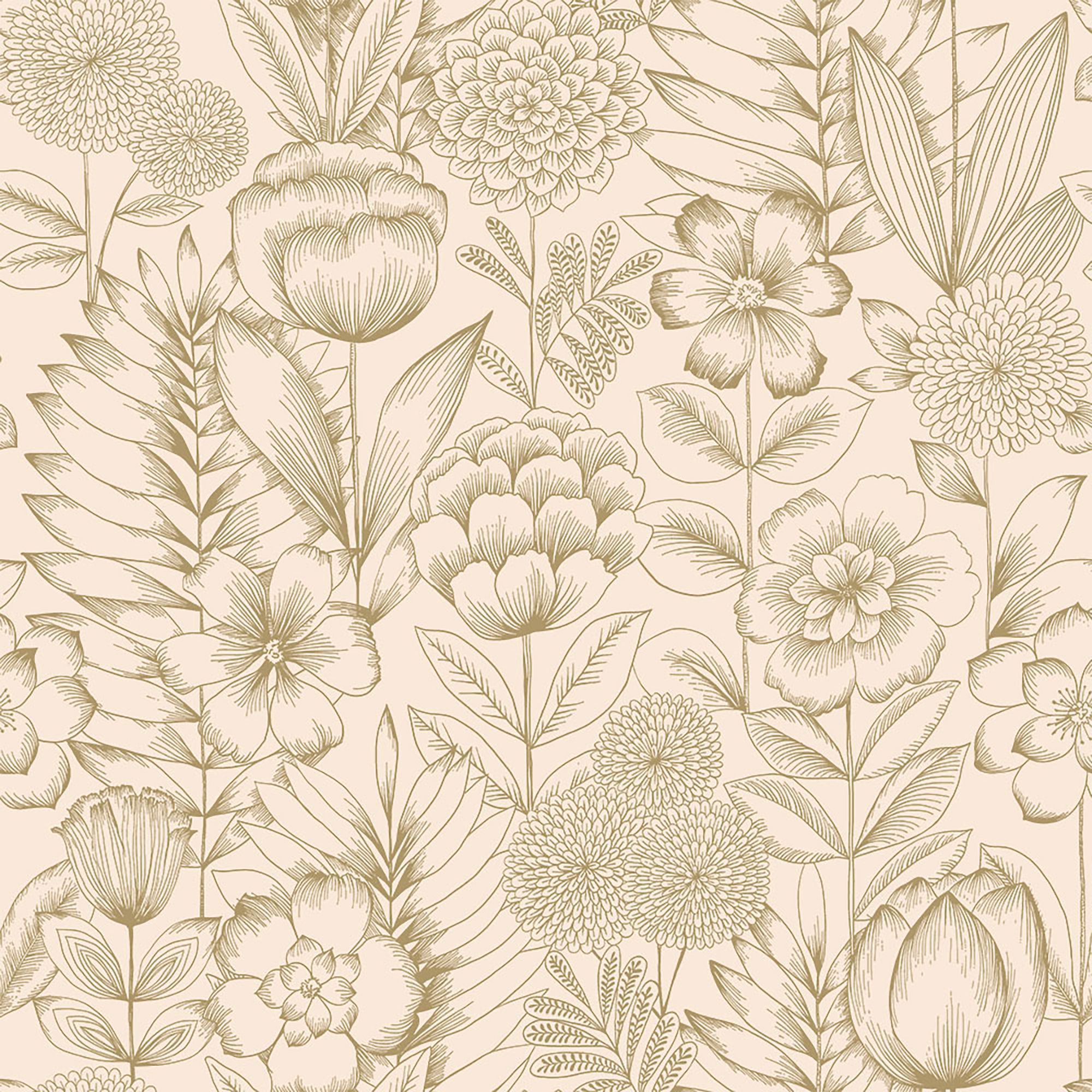
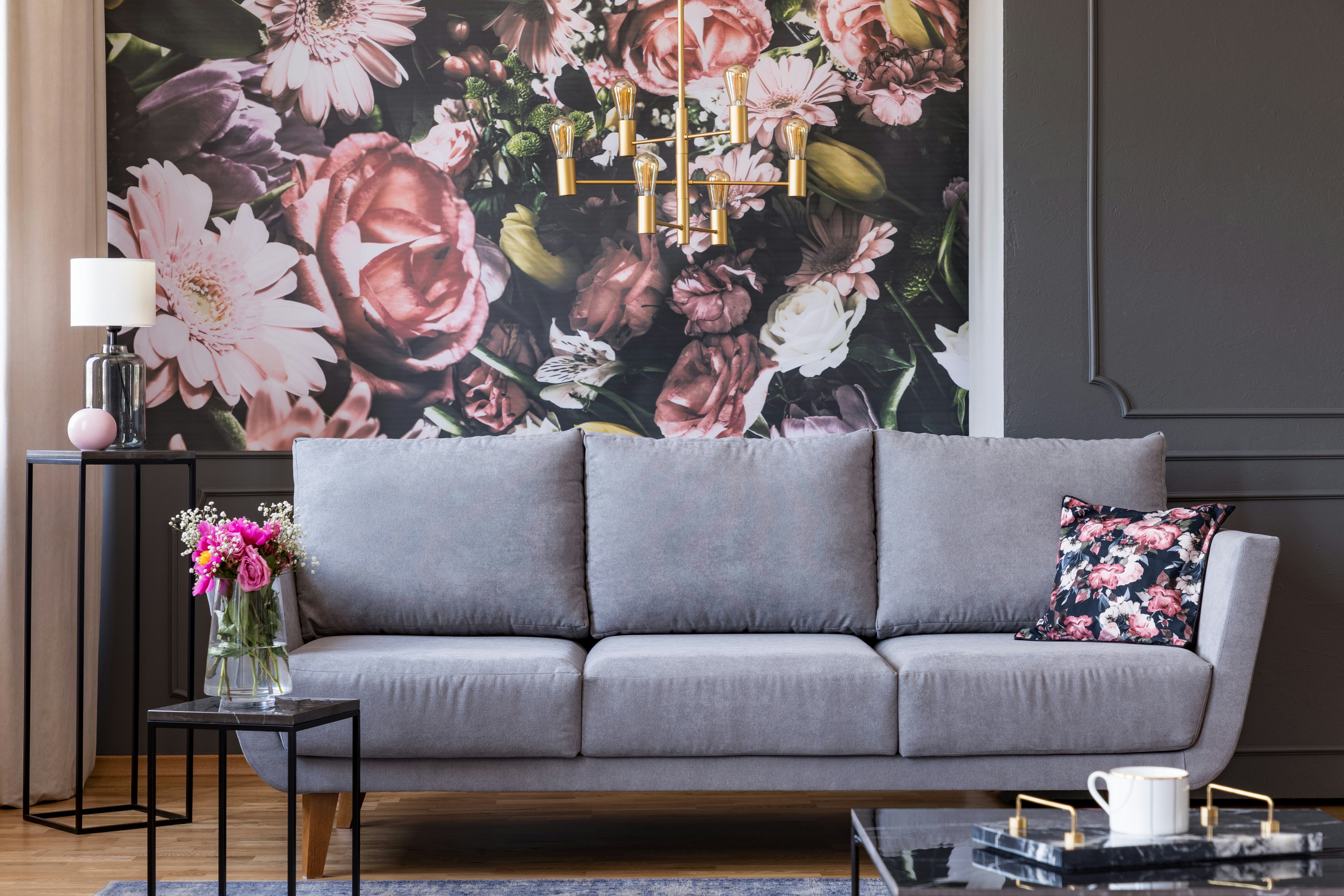
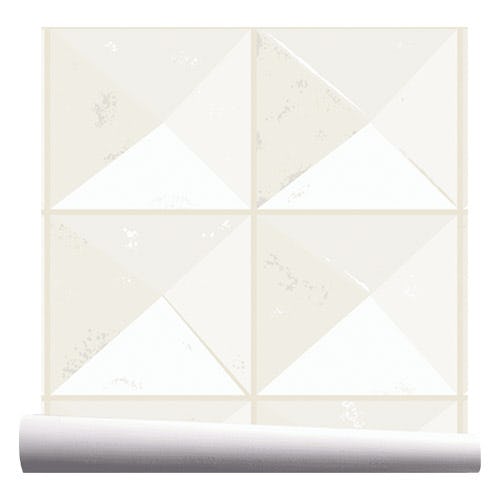
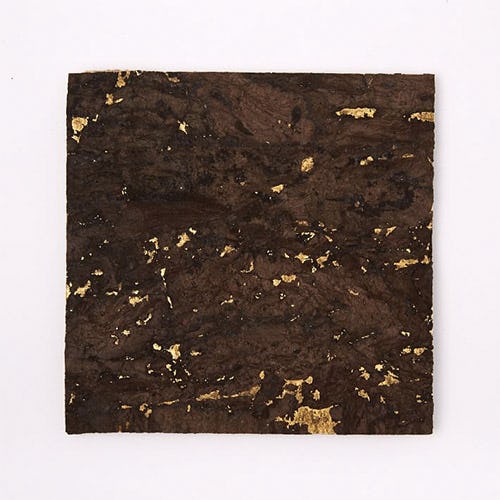
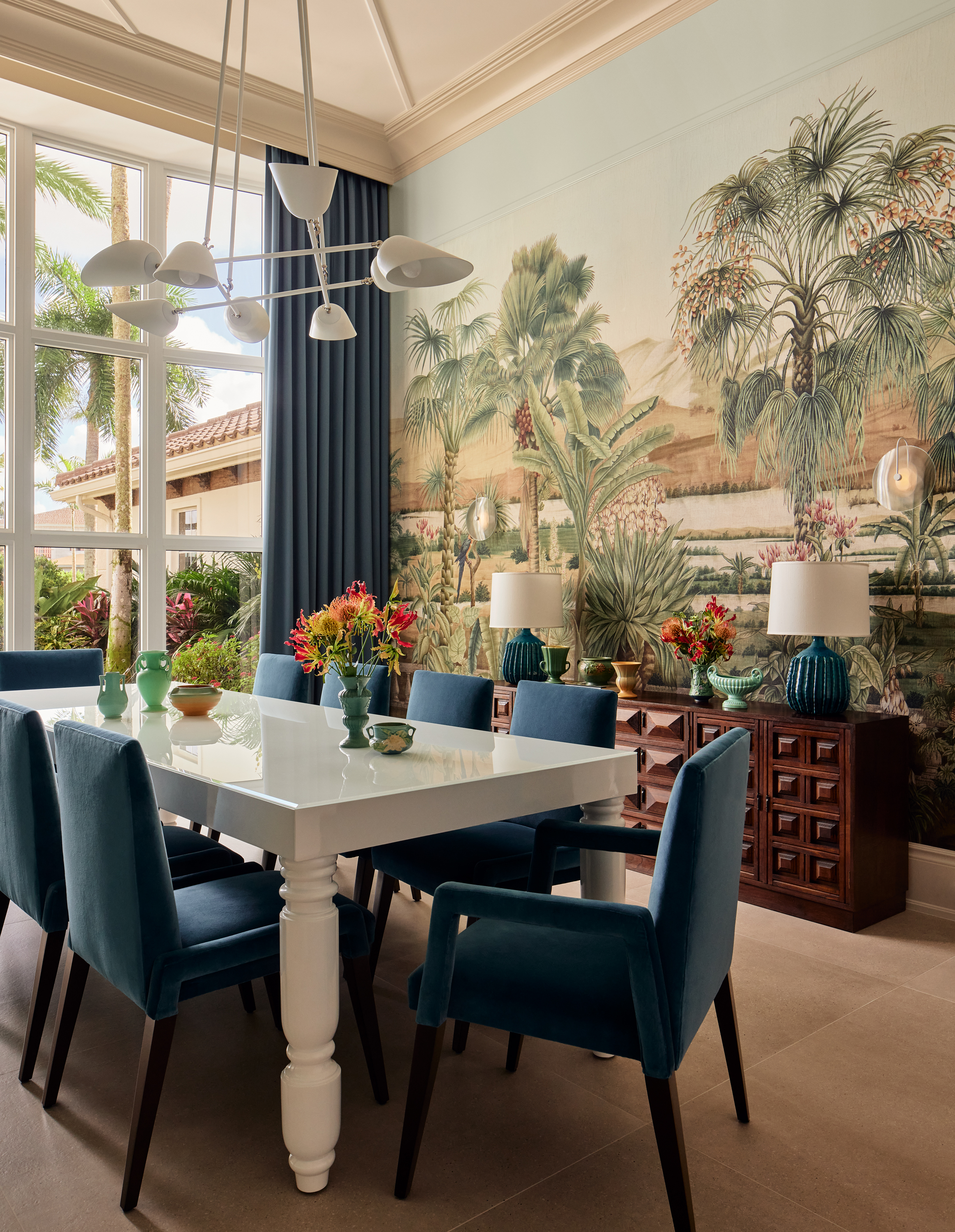
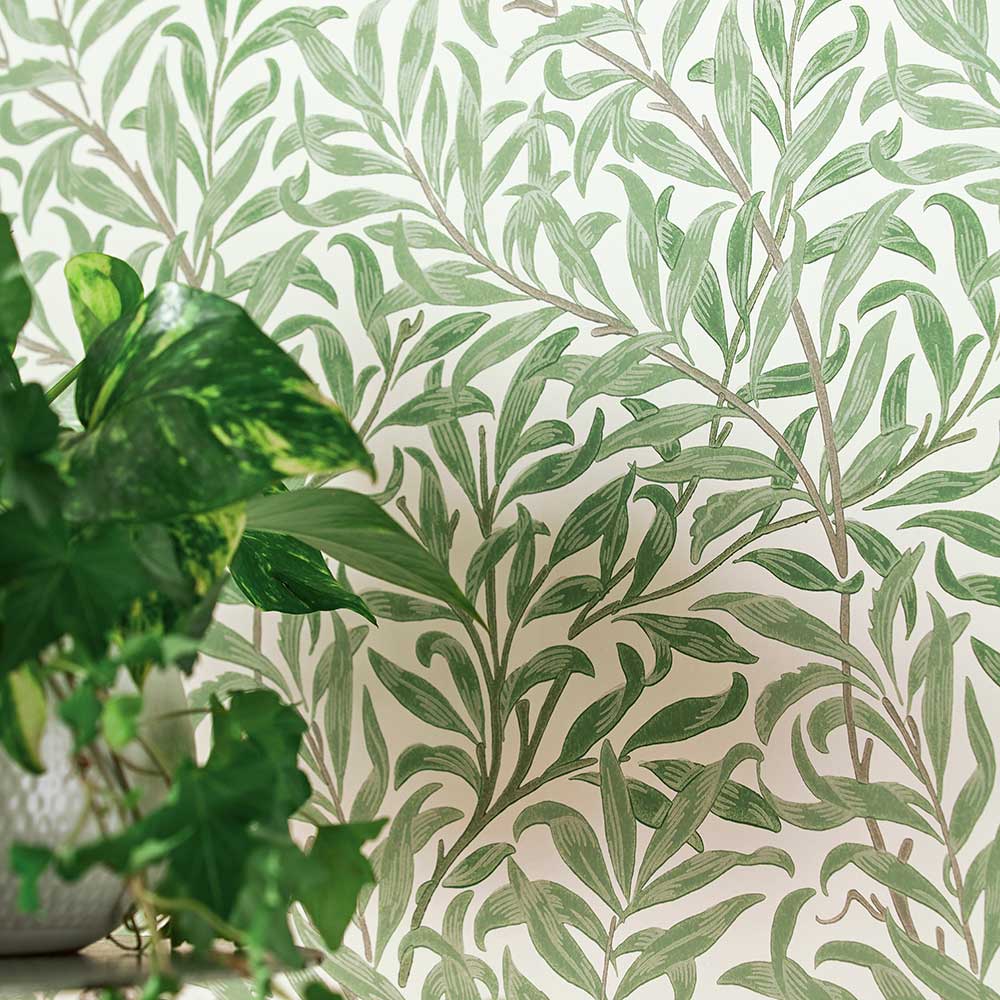
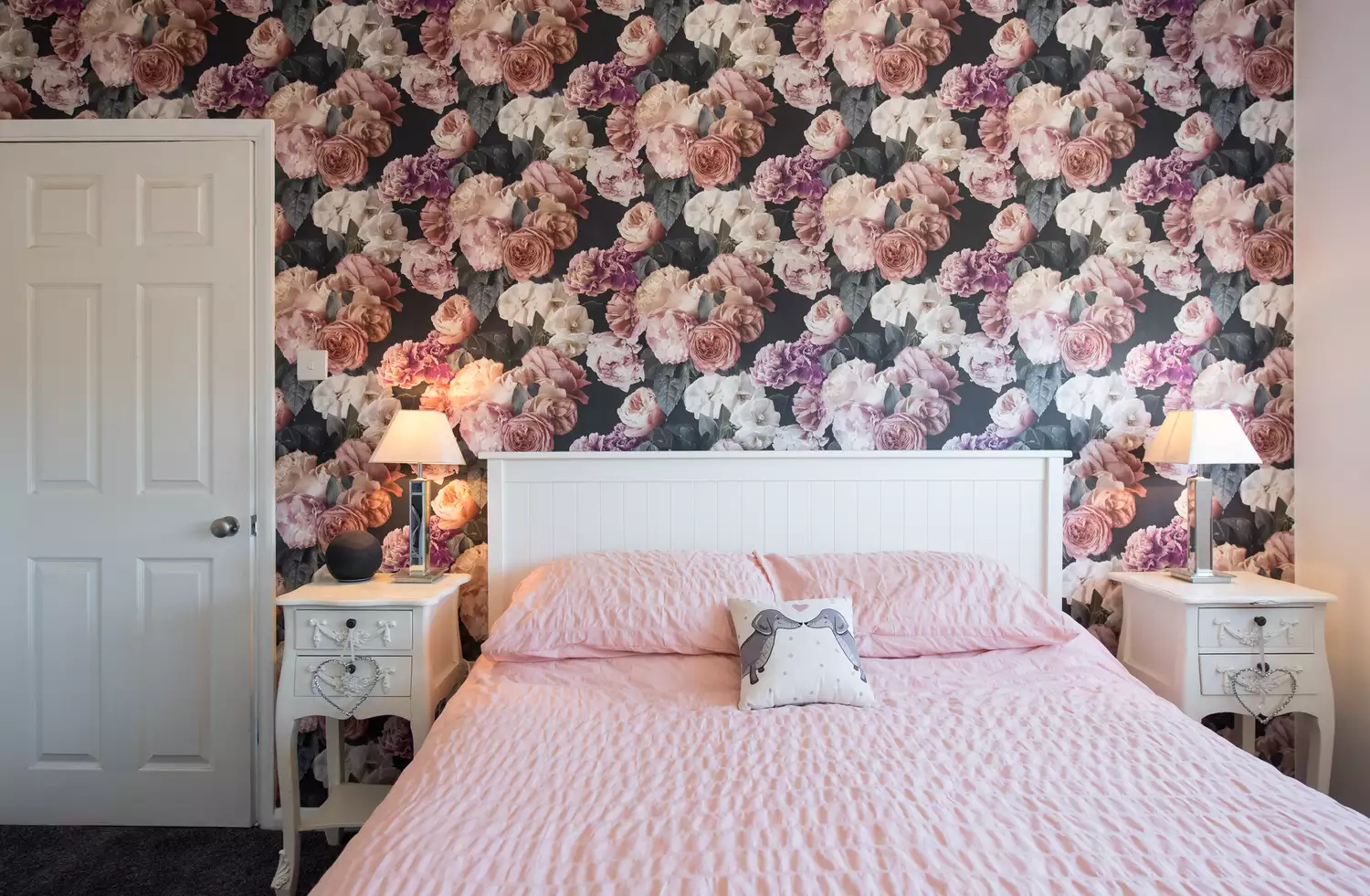
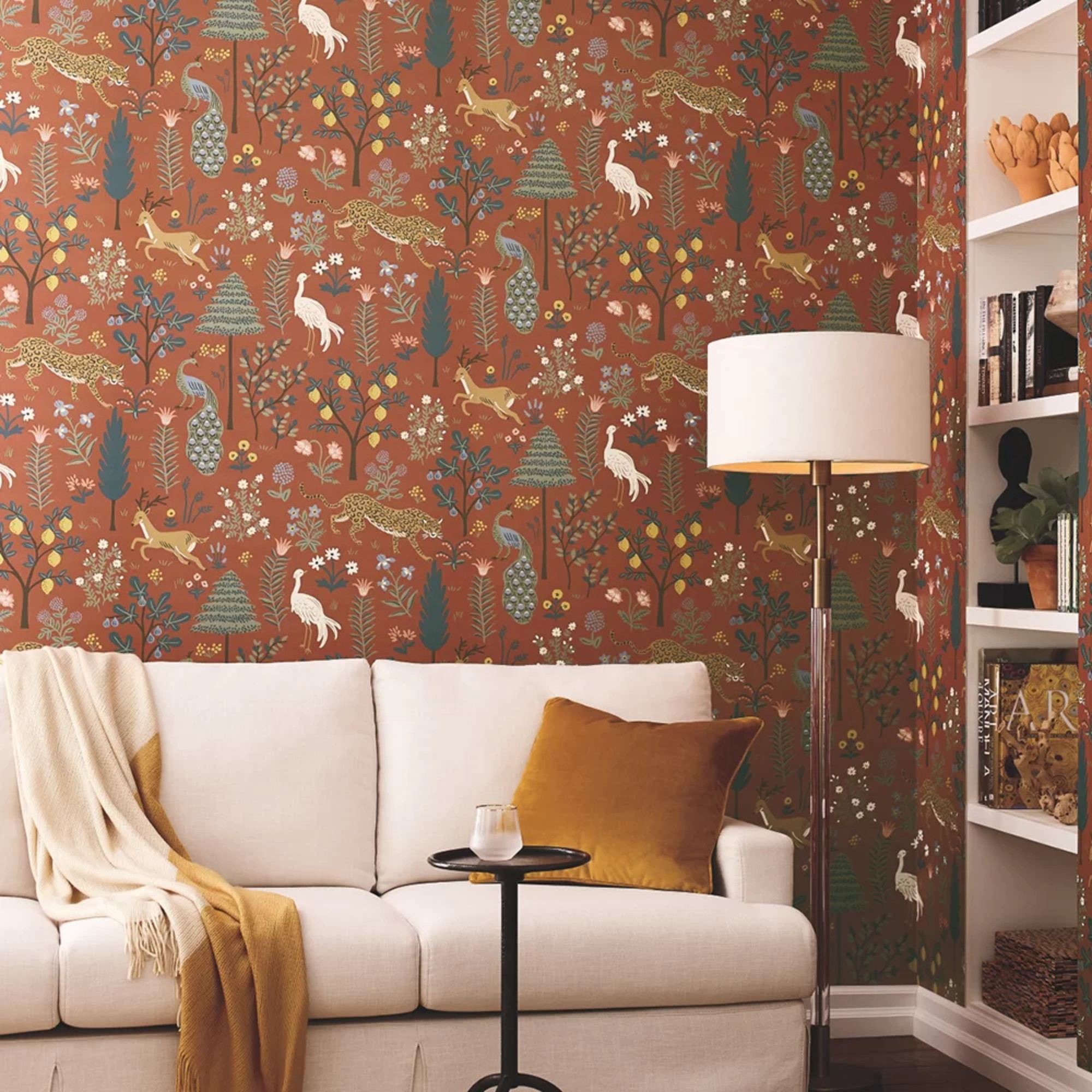
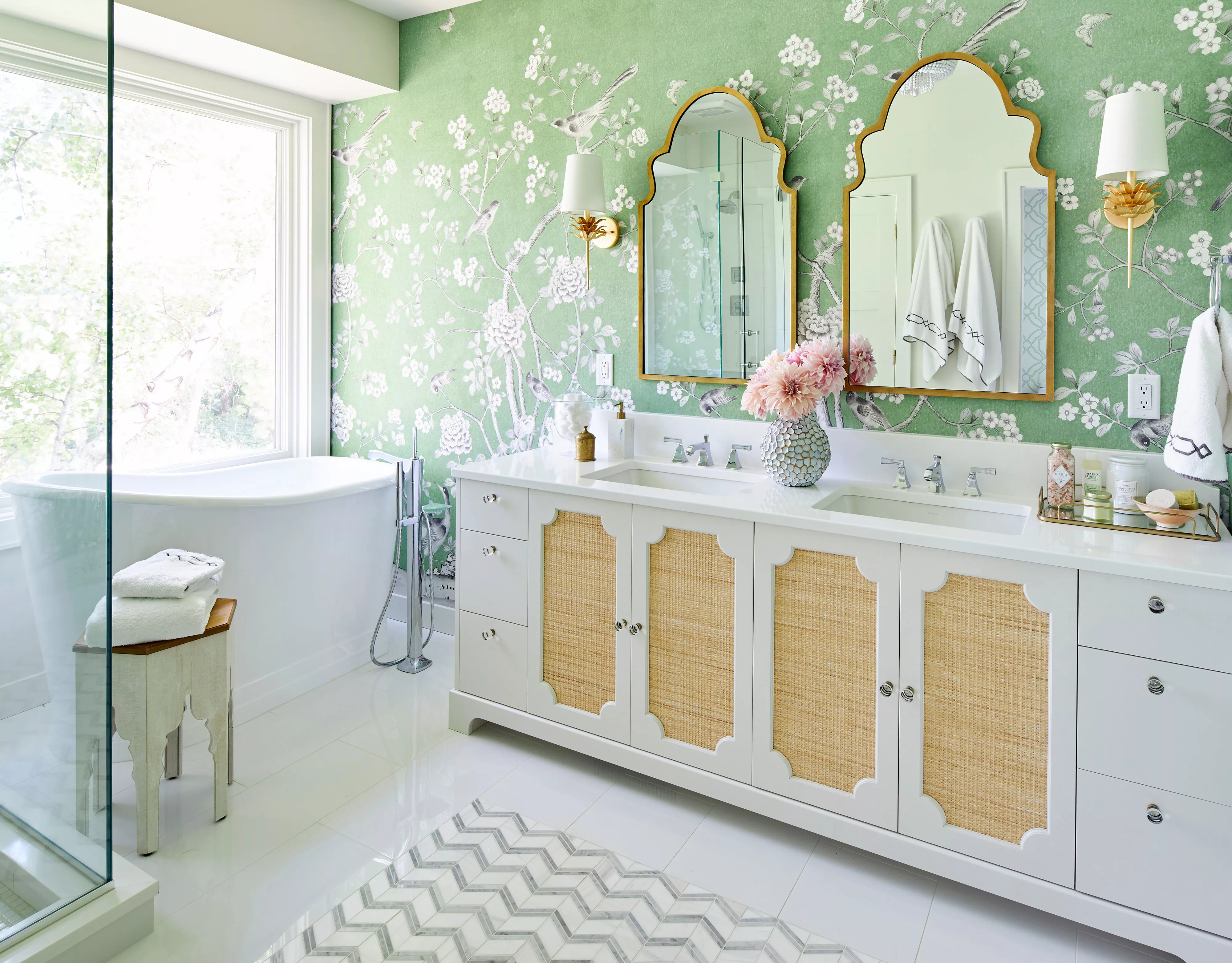
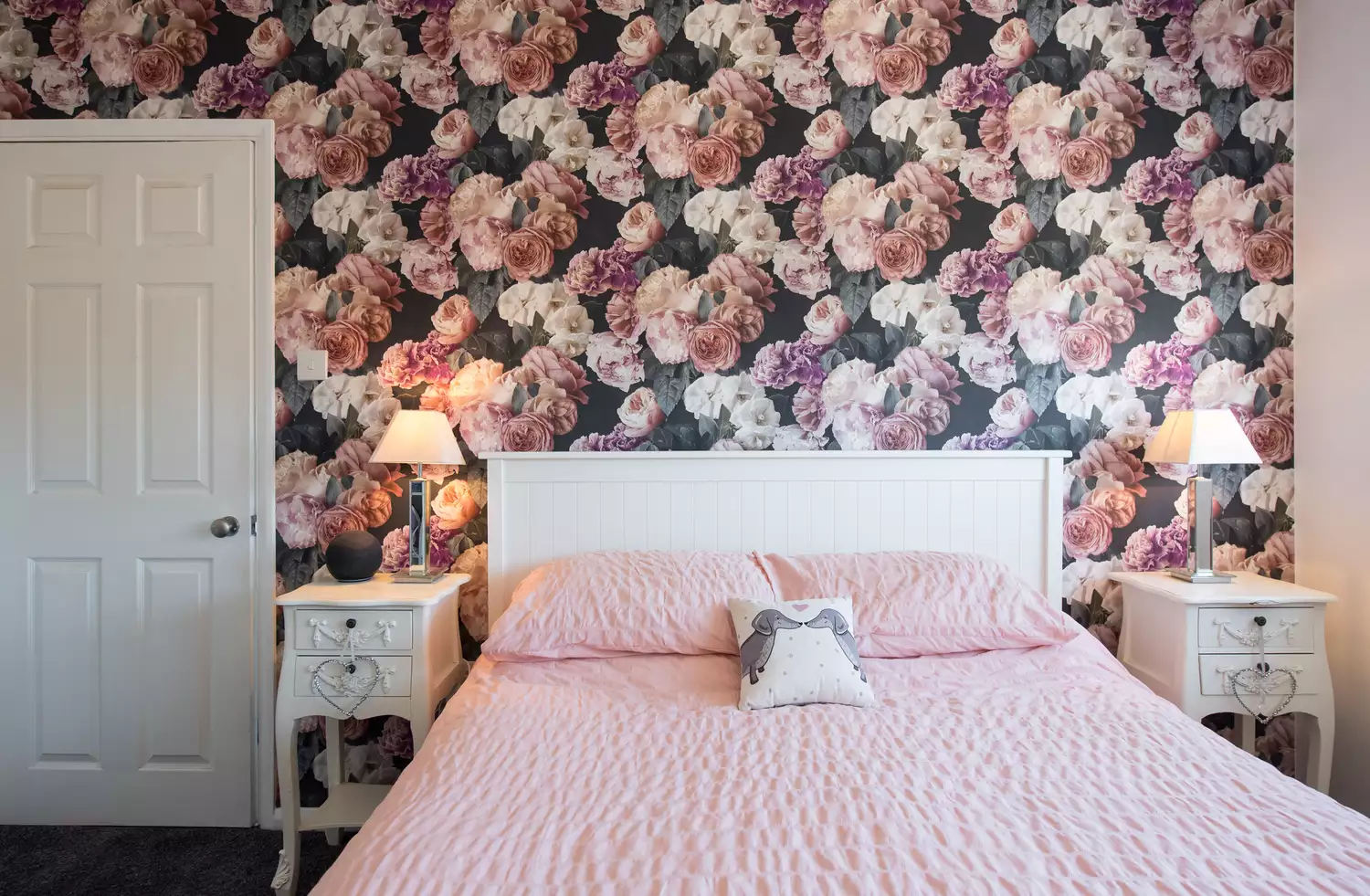
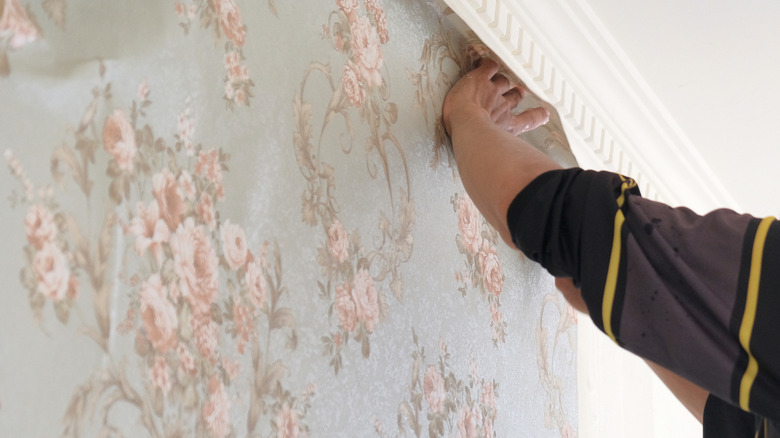
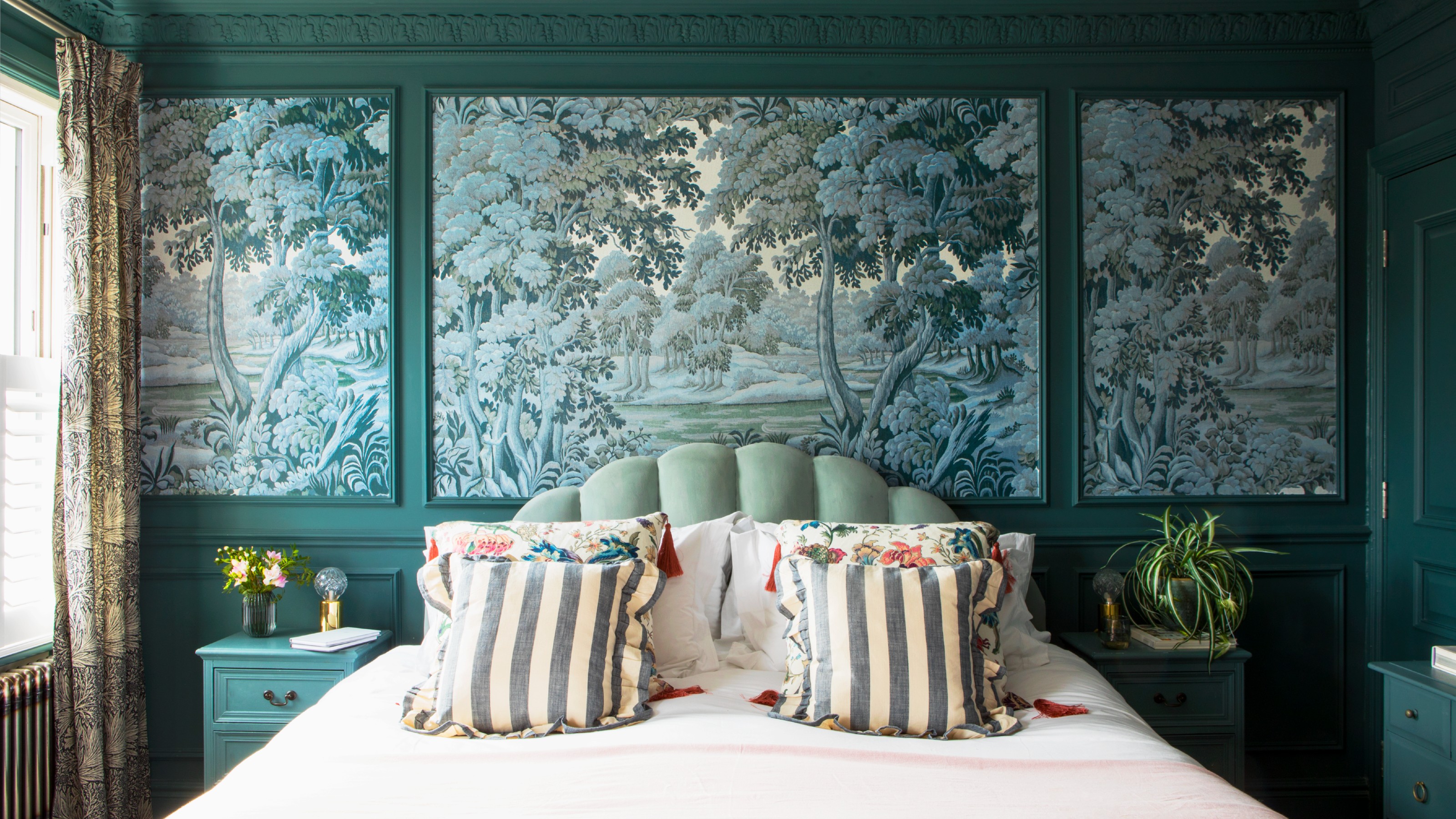
Contemporary designers are modernizing these historical prints through several key approaches. Color is a primary tool, with jewel tones like burgundy and plum being used to maintain the inherent drama of classic designs while introducing updated richness and saturation. Scale is another crucial element; traditional prints are being enlarged to create bold, graphic statements and a gallery-like presence, particularly for floral designs. Texture also plays a significant role, with new wallpaper substrates such as grasscloth, linen-look finishes, and matte or mica fibrous effects softening formal designs and introducing a tactile quality. This versatility allows Old-World-inspired art to feel fresh and integrated into modern interiors.
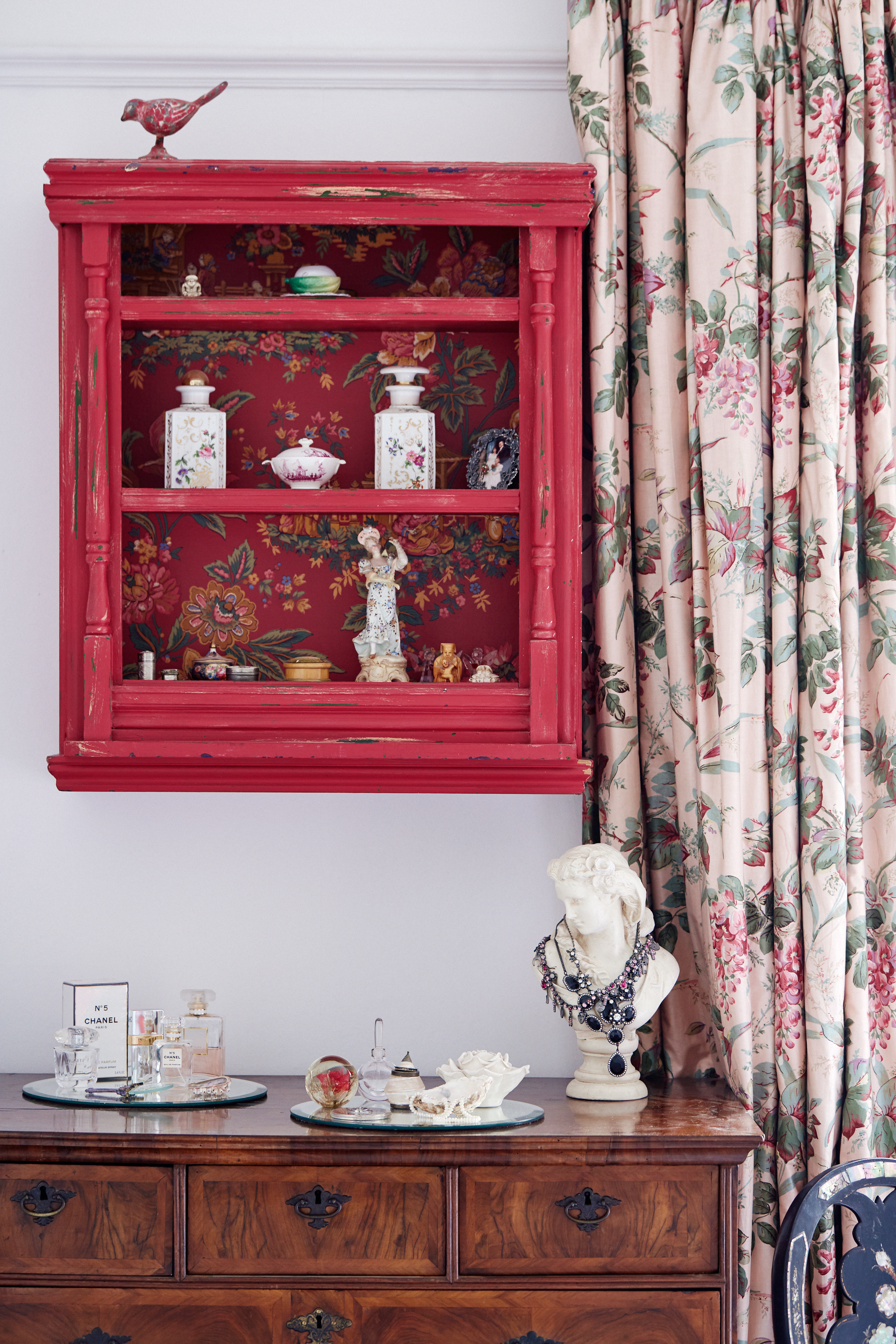
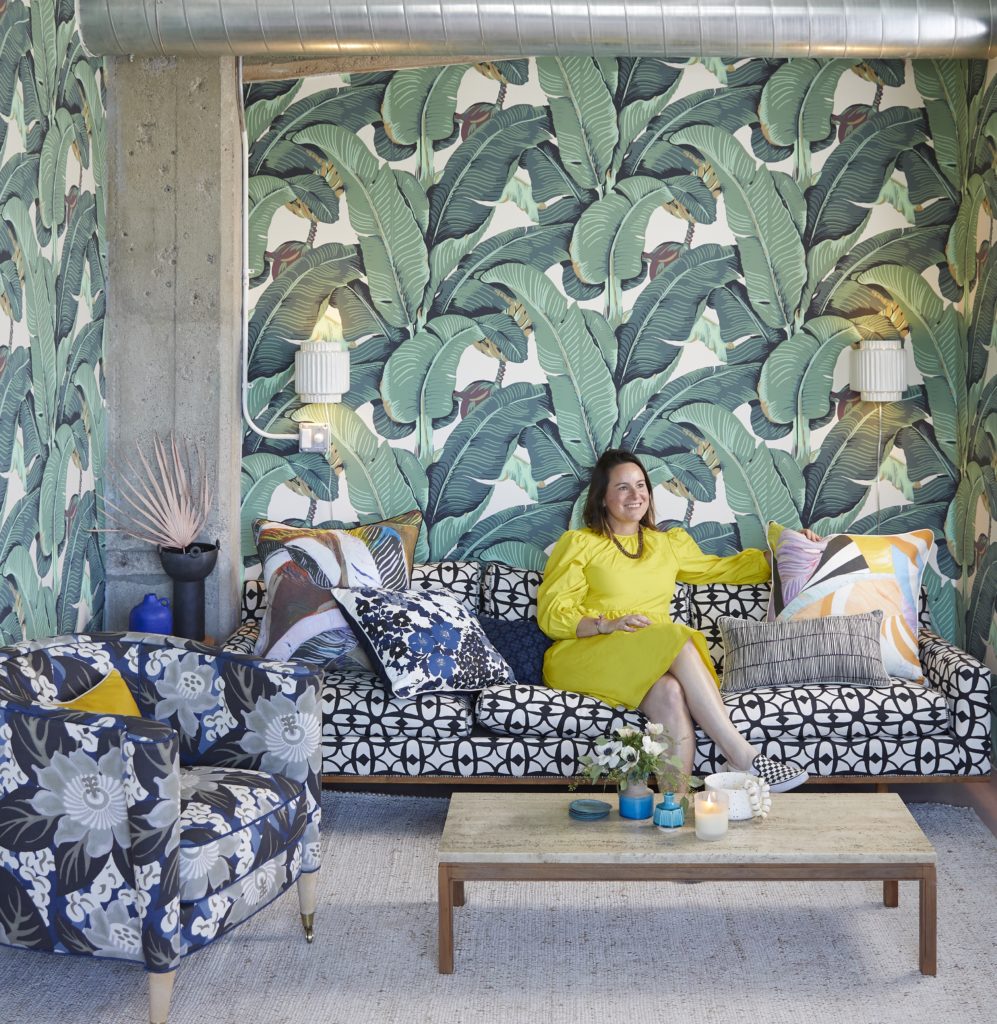
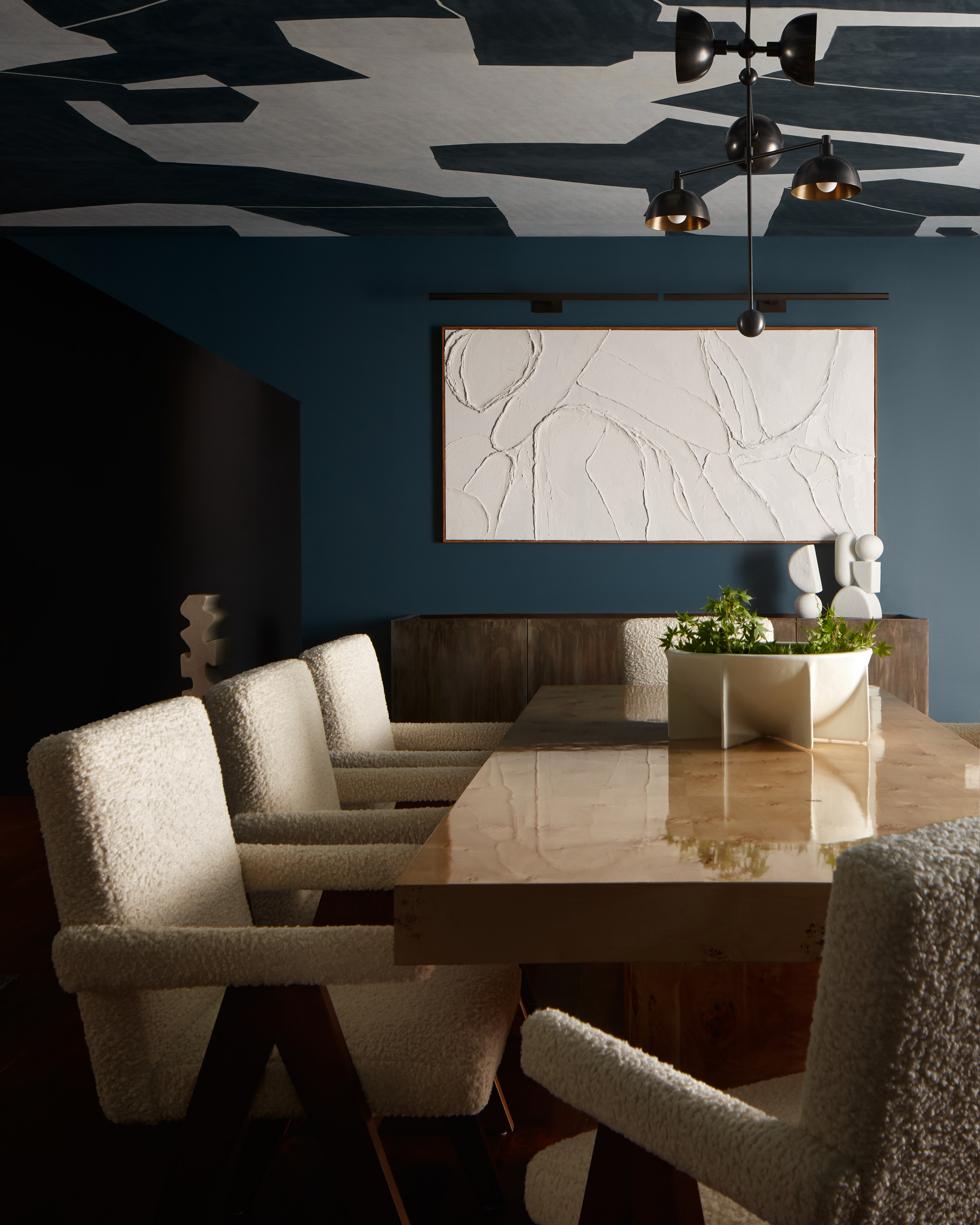
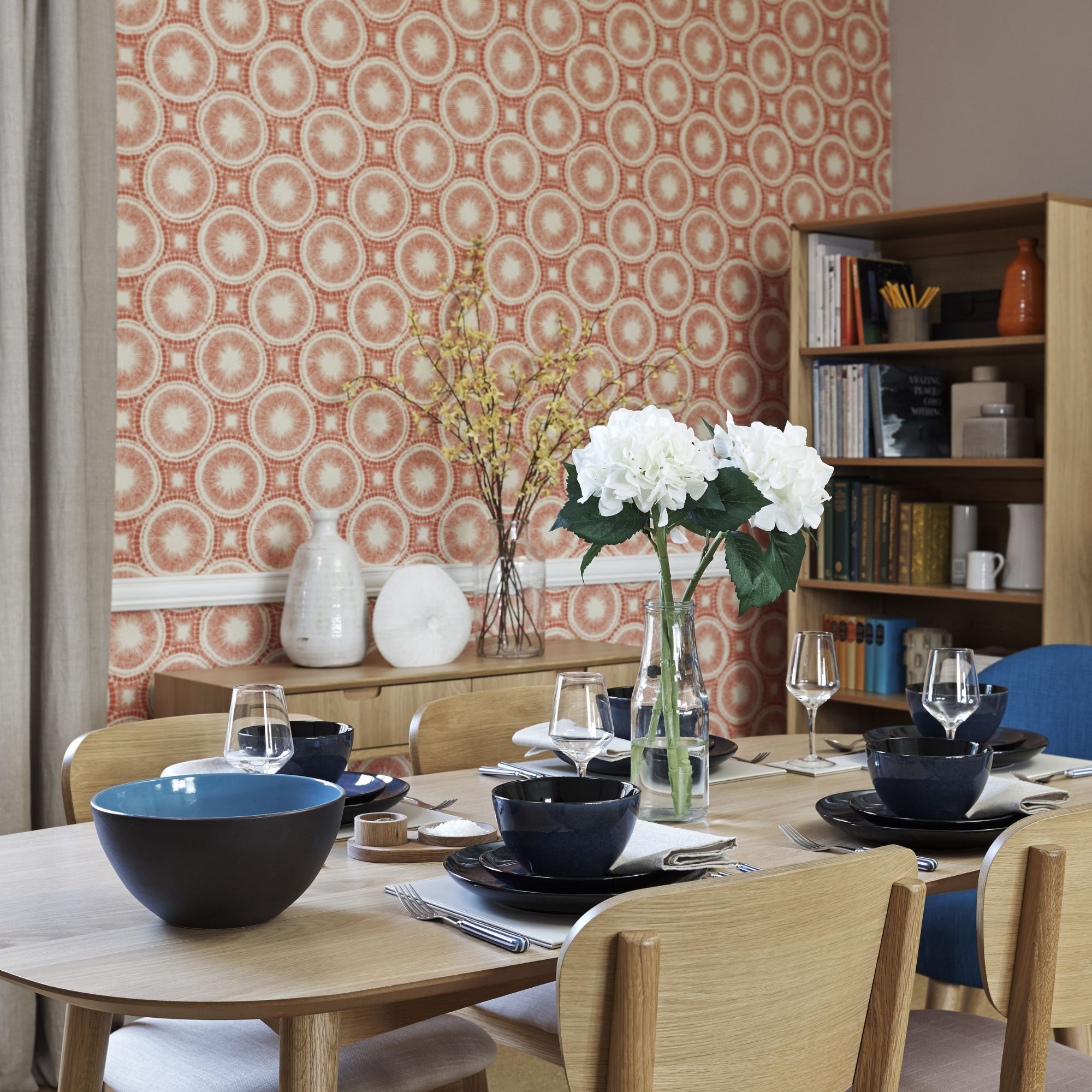
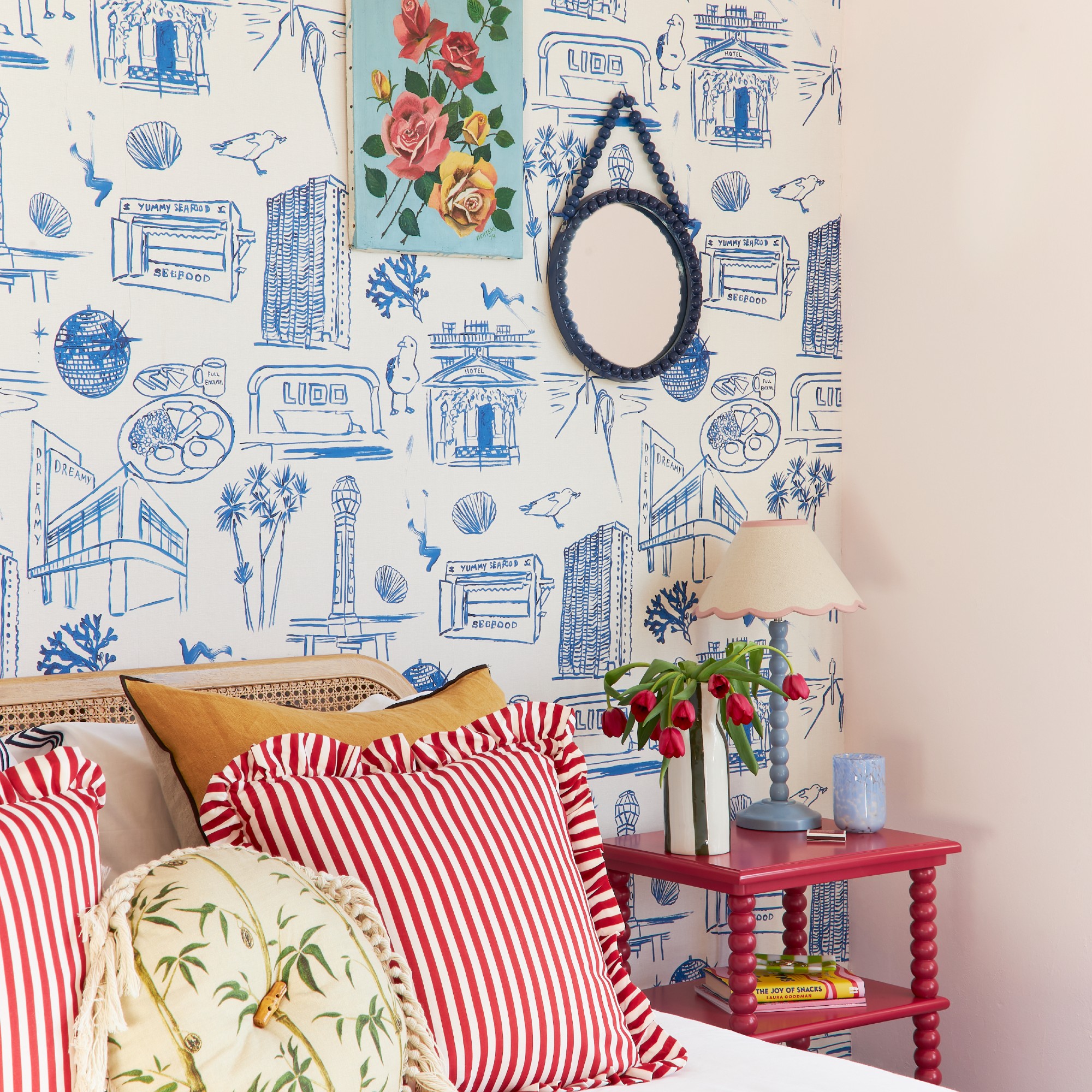
Designers emphasize that incorporating historical wallpaper is not about merely replicating the past but about layering it meaningfully into the present. This approach creates depth and visual interest, turning patterns into storytelling devices that add narrative layers to a space. For instance, an oversized heron print can be offset by clean modern geometry, bridging different eras and styles. To successfully integrate old-world wallpaper, it is recommended to let the print guide the rest of the room’s design, ensuring surrounding elements are subtle and cohesive. The color palette for the room should be derived from the wallpaper, either by pulling hues directly from the design or by choosing complementary tones. Accent patterns should contrast in scale to maintain a layered yet harmonious look.
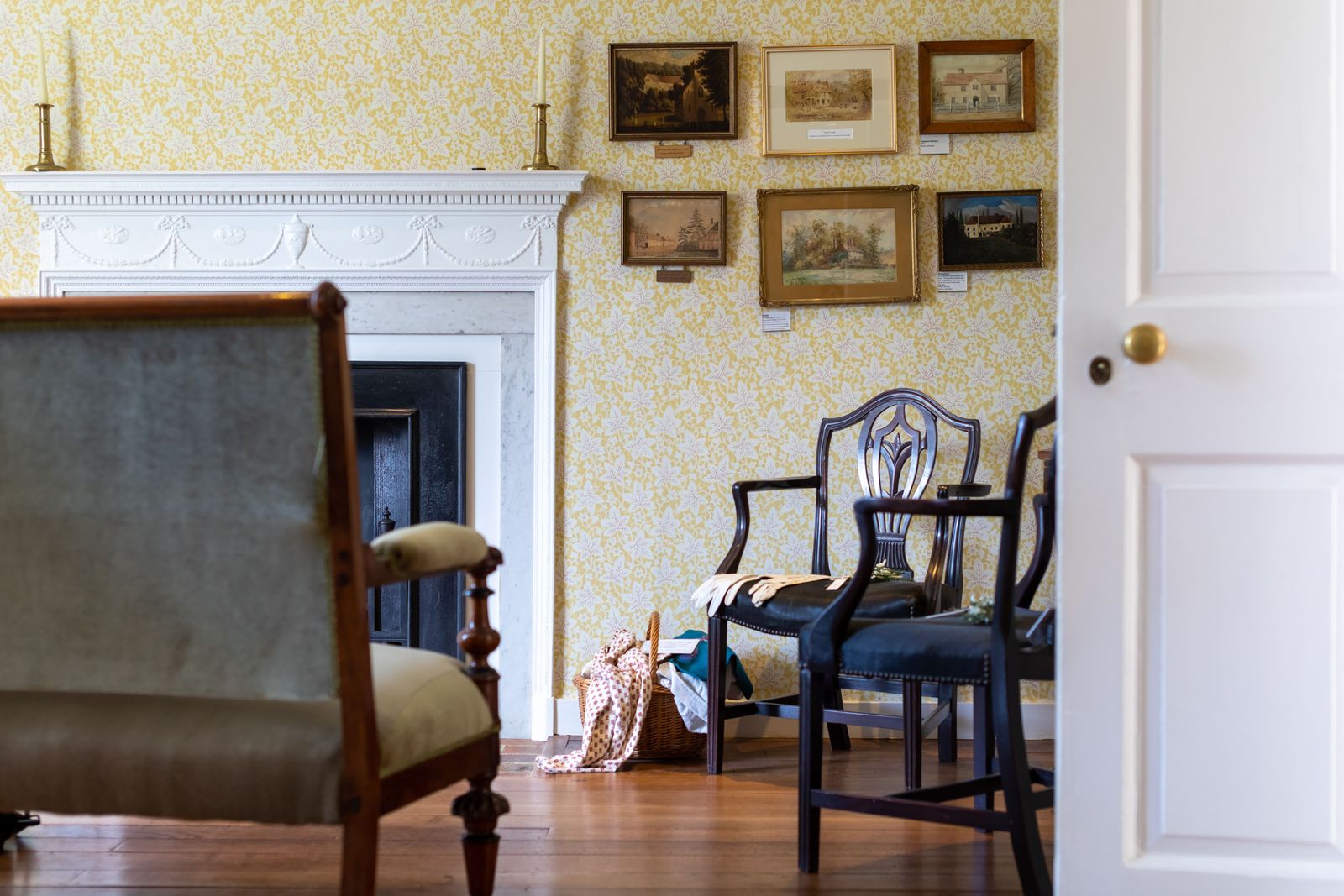
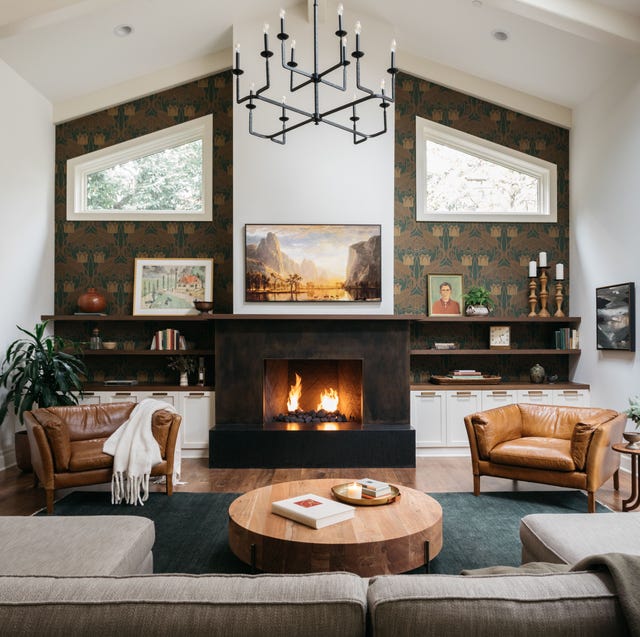
Balance is essential when working with highly detailed wallpapers. Pairing them with clean-lined furniture, natural materials, and layered textures like linen or velvet helps to prevent the space from feeling overwhelmed. Similarly, balancing bold prints with moments of rest through solid colors and negative space allows the pattern to be fully appreciated. Bridging eras with vintage accessories, such as lamps or decorative trinkets, amidst modern furnishings can extend the wallpaper’s ambiance and create visual cohesion. Utilizing wallpaper samples for each wall to observe how the print appears throughout the day is also advised for making informed decisions.
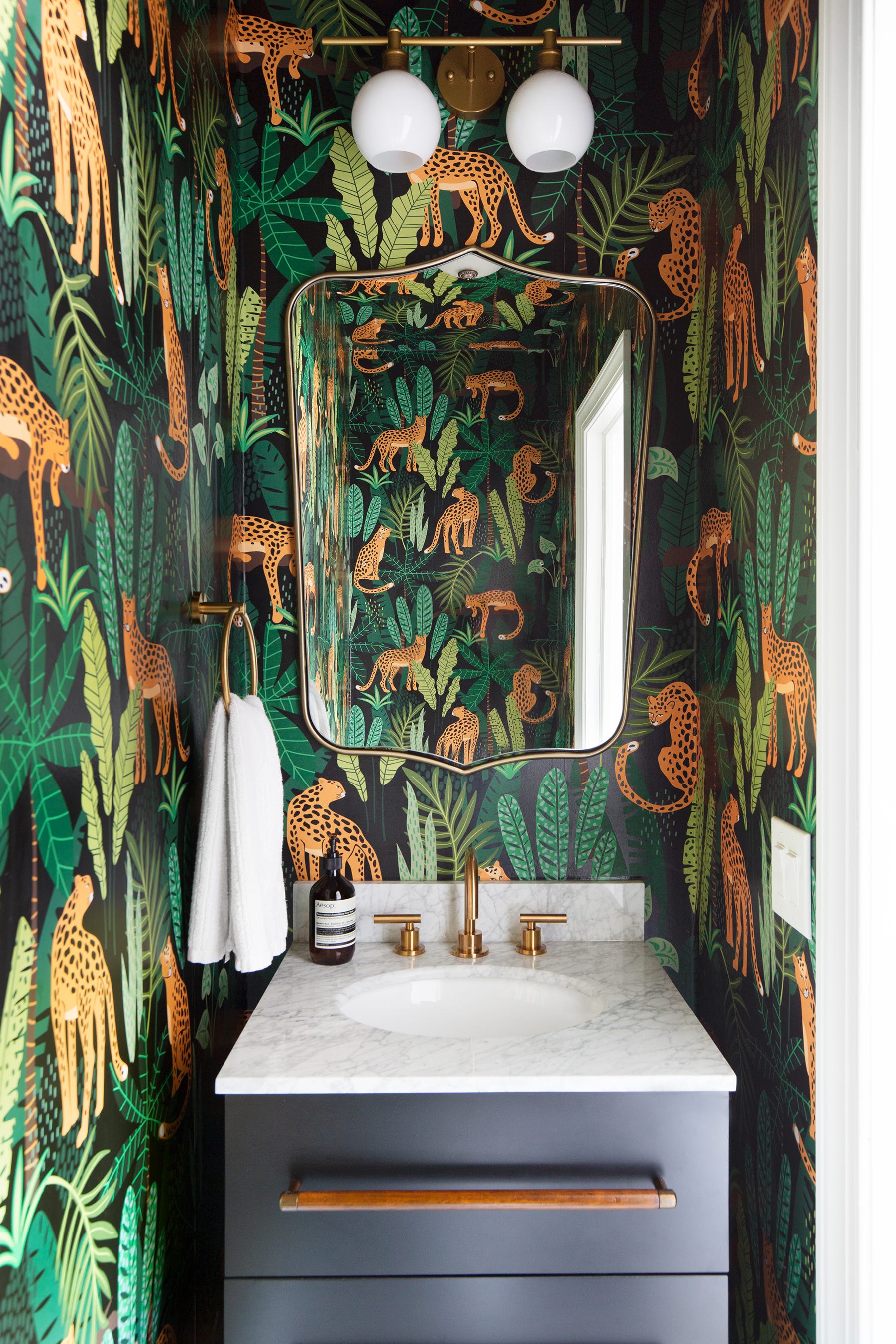
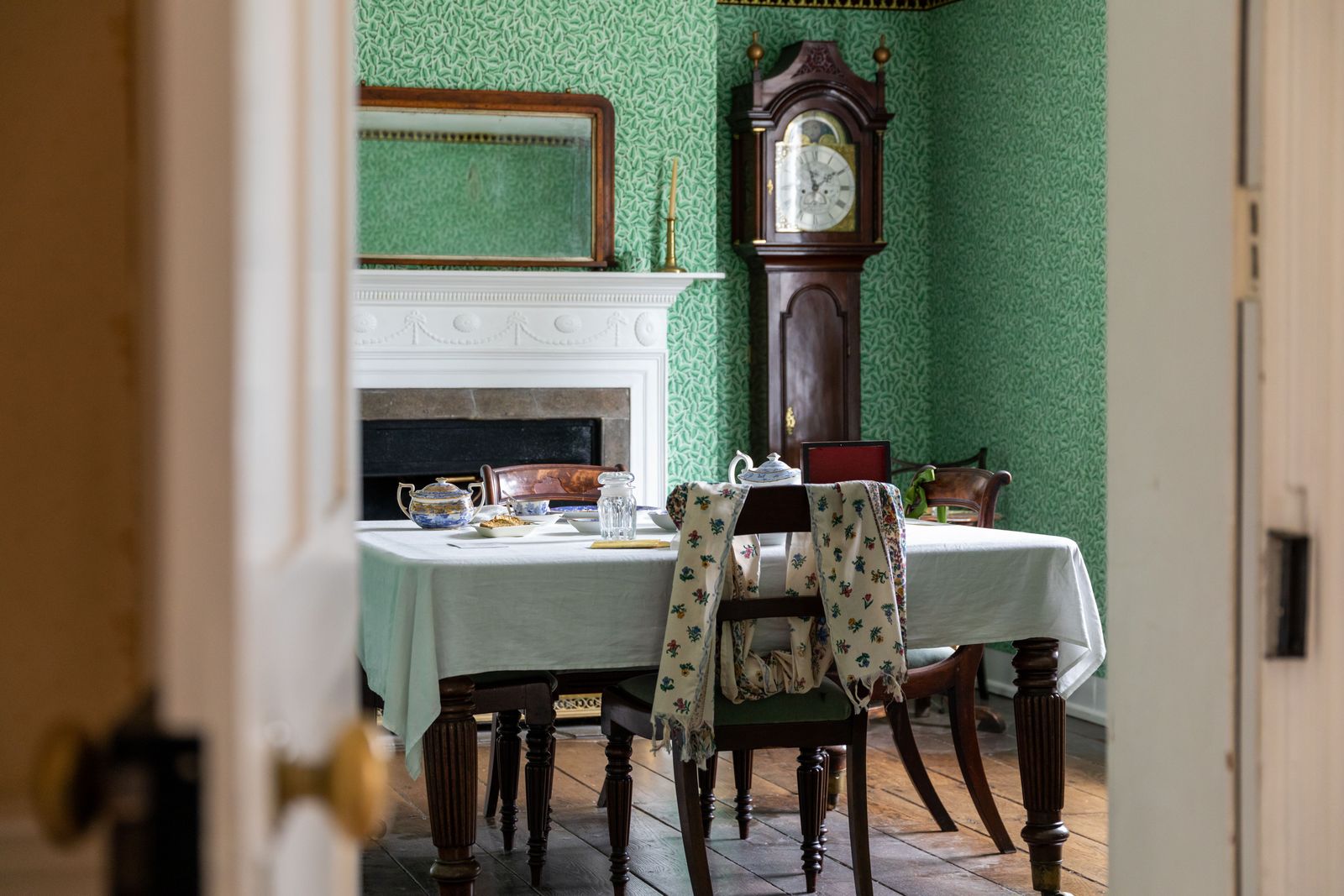
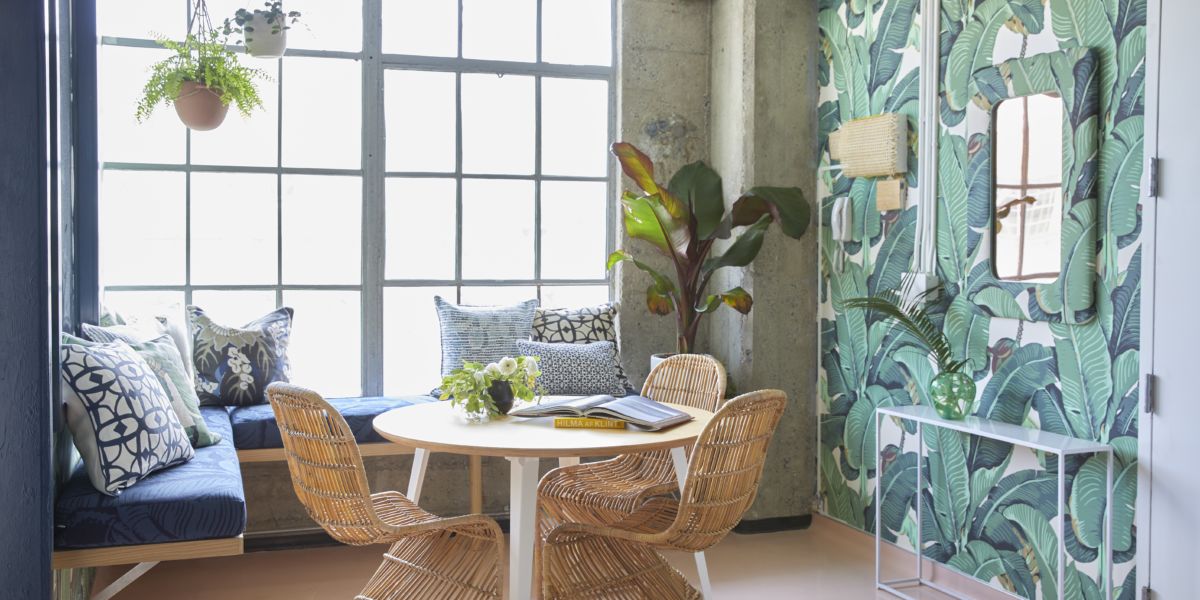
Old-world wallpaper works best in smaller, utilitarian spaces, such as bathrooms, where dramatic patterns can soften hard surfaces and transform a functional area into an unexpected experience. Home offices also benefit from these designs, as they impart a sense of grandeur that can motivate and visually separate work from home life. Bedrooms and dining rooms are further recommended spaces, benefiting from the romance and visual depth these prints offer. Experts believe this trend has lasting power because the desire for meaning, history, and beauty in our surroundings is enduring. These designs have stood the test of time for centuries, indicating that their appeal is not merely a fleeting trend but a timeless aesthetic preference.
#OldWorldWallpaper #InteriorDesignTrends #HomeDecor #WallpaperPatterns #ClassicalDesign #ModernInteriors #DesignTips #WallDecor #HomeImprovement #OldWorldWallpaper #InteriorDesignTrends #HomeDecor #WallpaperPatterns #ClassicalDesign #ModernInteriors #DesignTips #WallDecor #HomeImprovement
कुल 0 टिप्पणियाँ
 कोई टिप्पणी नहीं
आपको यह भी पसंद आ सकता है
This old-school wallpaper trend is everywhere—here's how to use it


Wallpaper Is Back. Here's How to Add this Bold Accent Into Your Home.

It’s official, retro wallpaper is cool again – here’s how to make it work in your home for 2026, according to the experts

6 Wallpaper Trends That Are So Outdated, According to Designers

11 Trendy Old-World Wallpaper Patterns (& The Best Way To Style Them)

Even Wallpaper Skeptics Can Tackle The Trend With This Foolproof Tip
7 Wallpaper Trends You're Going to See Everywhere in 2025
Wallpaper trends 2025 – the key styles and patterns to cover your walls with this year
16 Latest Wallpaper Trends That Designers Are Loving for 2023

Busy, Beautiful Grandmillennial Wallpaper Is Having a Moment…Again

The bestselling wallpaper designs of 2024: William Morris reigns

5 ways to transform your home now that wallpaper is back in style
The Latest Home Decor Trend Will Bring Old World Charm To Your Space
11 of the Best Wallpapers, According to Designers

These are the 14 Most Iconic Wallpaper Designs of All Time
Historical Wallpapers and Fabrics Have Never Felt More Contemporary

Christina Hendricks' landing sees a retro-inspired trend reimagined as a timeless staple

Wallpaper Trends for 2025 — 11 Exciting Ways to Embrace Wallcoverings in Your Home Now

Whimsical Wallpaper Is Making a Comeback. Are Your Walls Ready?
This Vintage Tile Pattern Is Popping Up Everywhere—and It’s Easy to Love