1/8
"They're Not Always the Most Flattering or Flexible Option" — So, Should You Pick an LED Mirror for Your Bathroom, or Not?
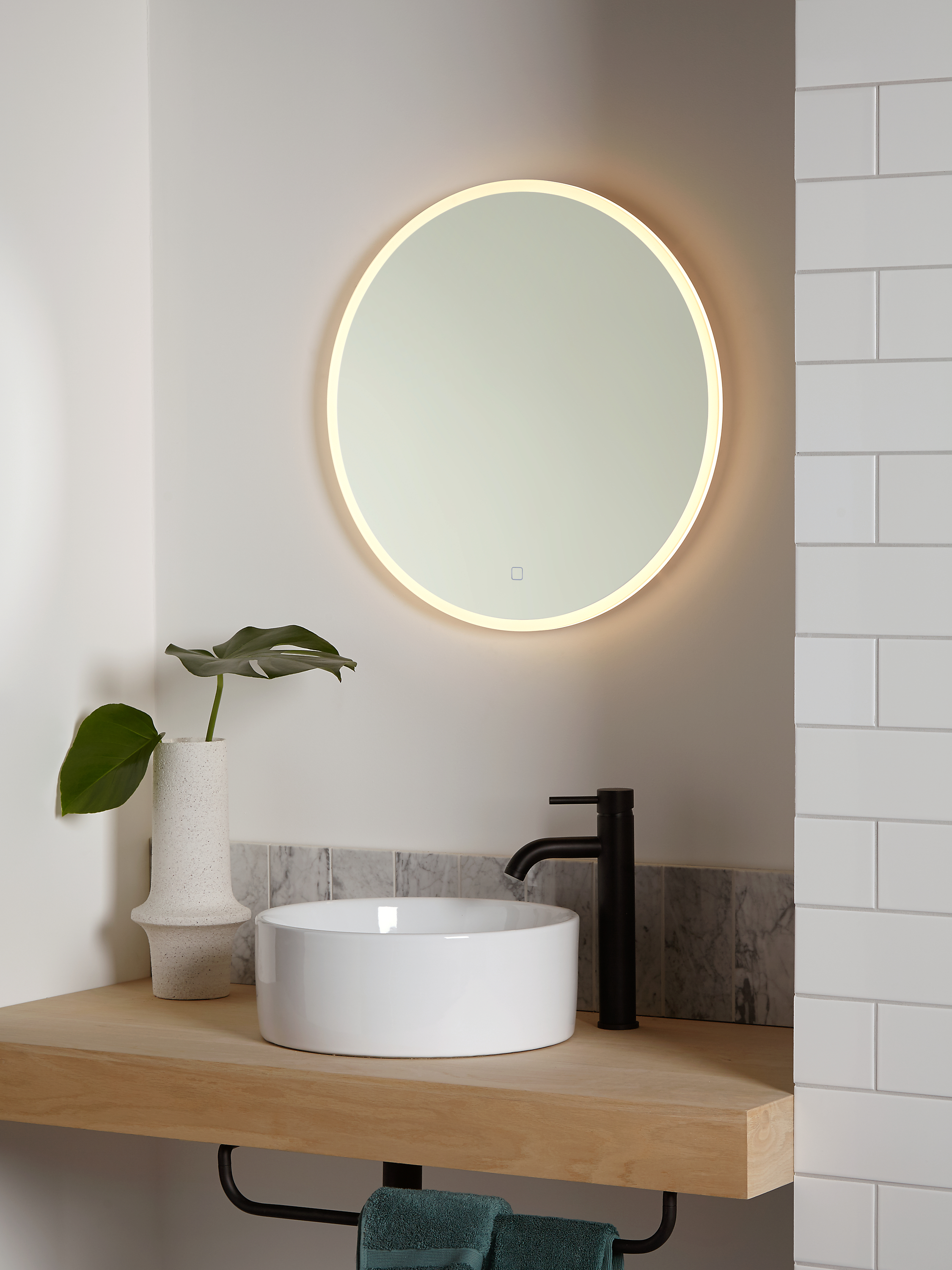
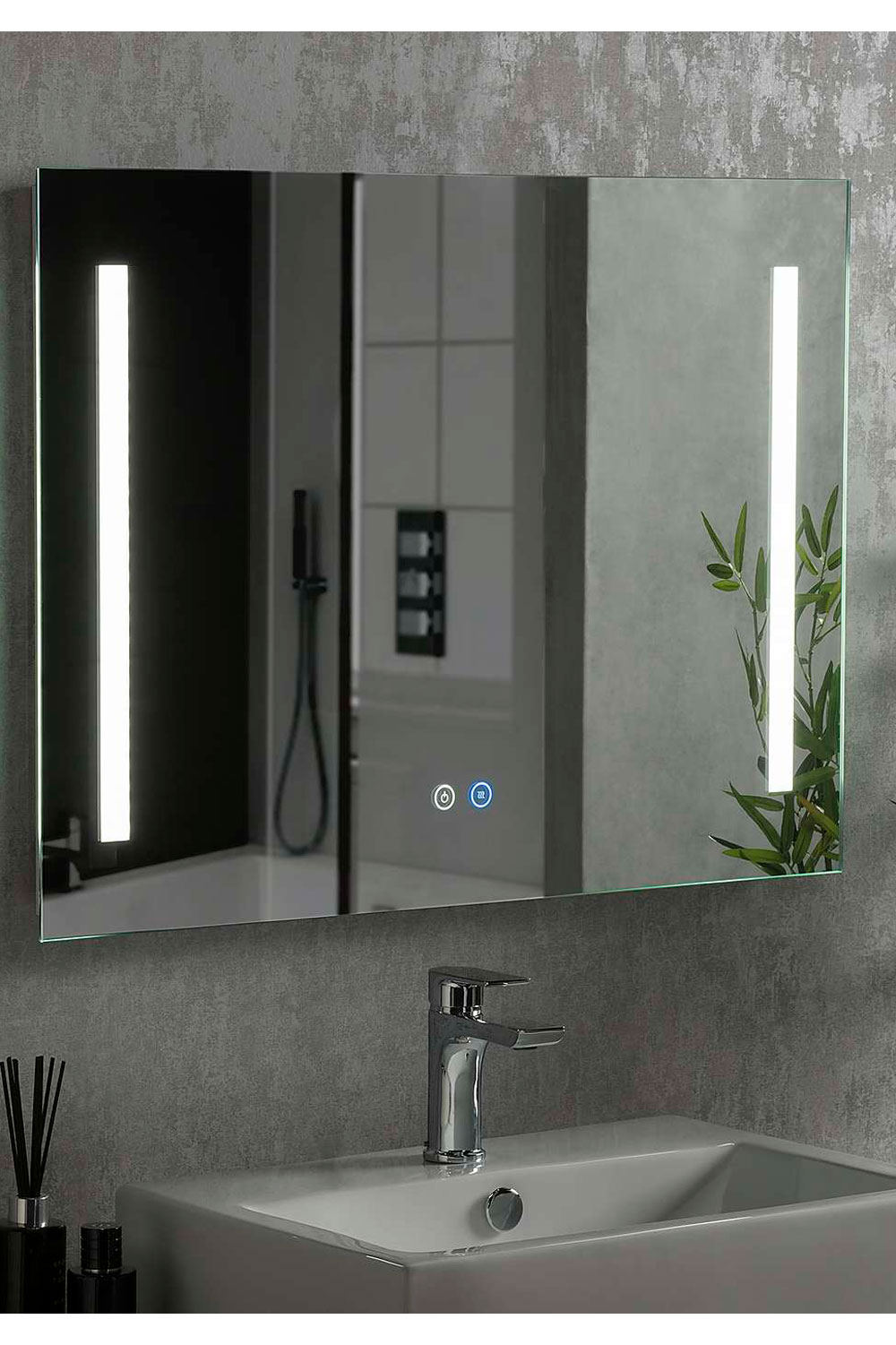
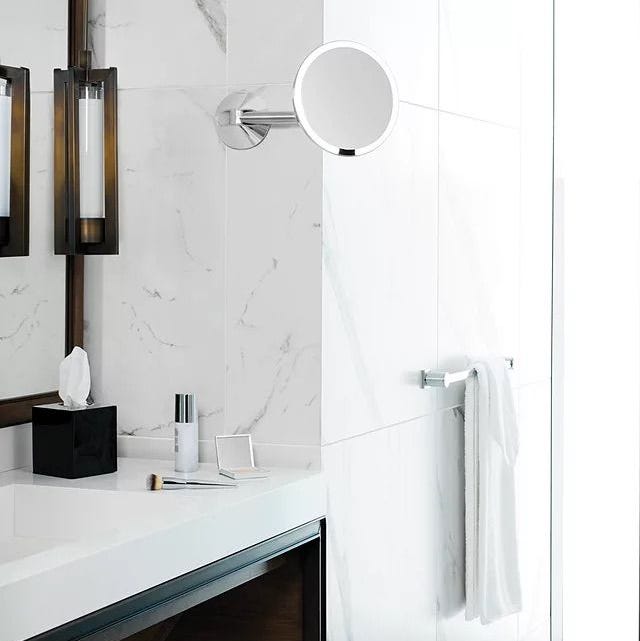
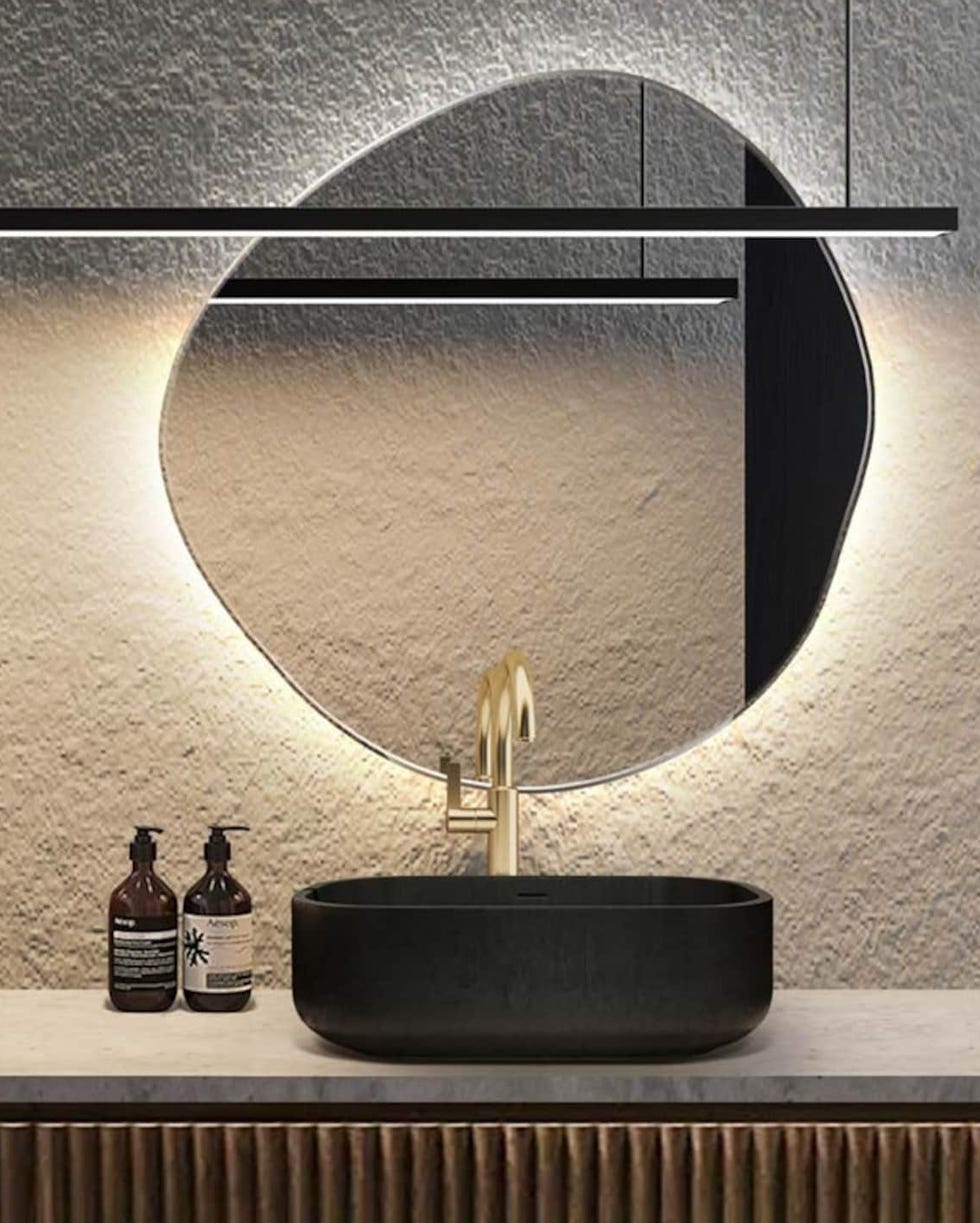
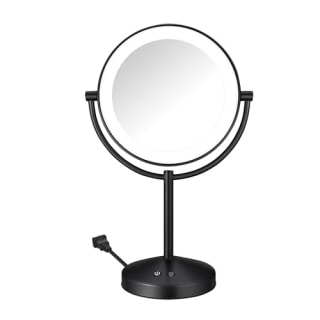
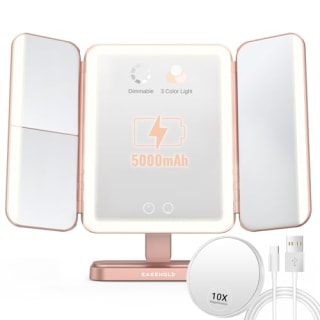
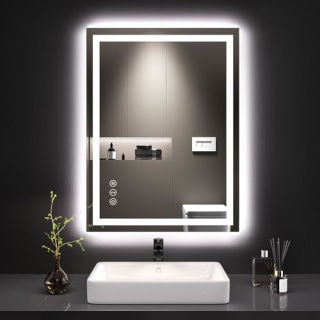
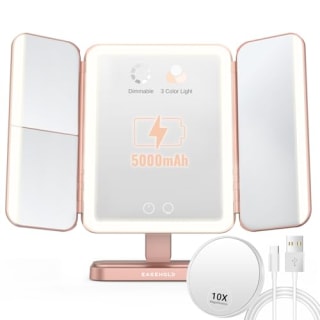
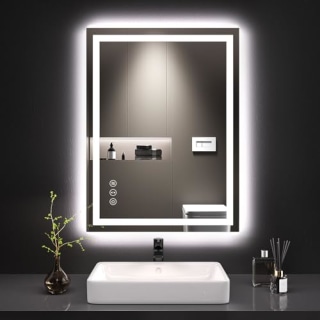
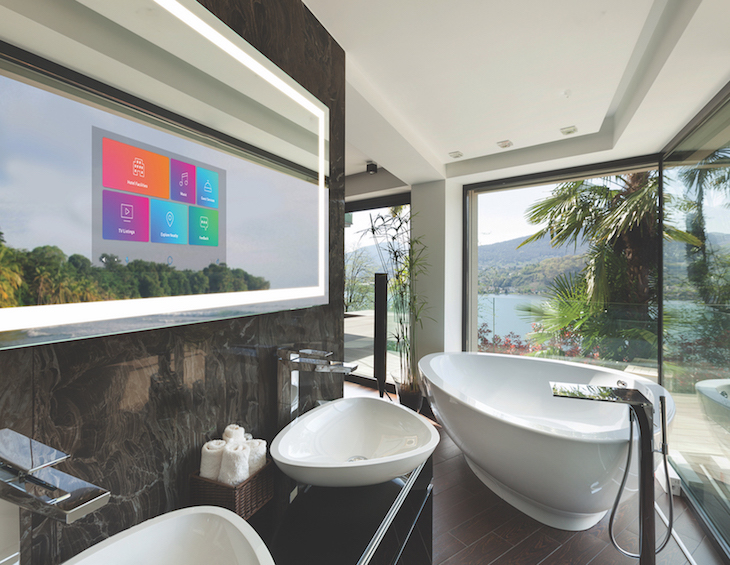
LED bathroom mirrors have gained significant popularity in modern interiors due to their sleek appearance and practical features. While some may associate LED lights with less sophisticated aesthetics, experts like Jo Mann of Light House Designs and Karina Diachok of Diachok Architects emphasize their utility when used correctly in bathroom settings. These mirrors offer adjustable brightness and color temperature, allowing users to tailor lighting for various needs, from bright, neutral light for grooming tasks to soft, warm tones for relaxation. This flexibility is a key advantage, reducing the issue of unflattering shadows often created by traditional overhead or wall-mounted bathroom lighting. LED mirrors provide even, front-facing illumination, making them ideal for activities such as makeup application or shaving, which require precise lighting.
Beyond their functional benefits, LED mirrors are often praised for their integrated, space-saving design, contributing to a clean and minimal aesthetic. Their energy efficiency and long lifespan also make them a practical and economical investment. Many models include additional features like anti-fog pads, dimming capabilities, and touch controls, enhancing convenience and value. Designers often integrate LED mirrors into projects not merely for technological advancement but for their ability to influence mood and overall user experience, considering them an essential element for creating comfortable and livable interiors.
However, LED mirrors also come with certain drawbacks. A common issue with many off-the-shelf models is the use of cool white light, which can make skin tones appear washed out and create a stark atmosphere, detracting from a desired spa-like ambiance. While higher-quality models offer better color rendering index (CRI) and light intensity adjustments, these options are typically more expensive. Cheaper alternatives may compromise on style and light quality, potentially leading to a less attractive mirror with harsh illumination. Betty Kajajian of John Cullen Lighting highlights that LED mirrors generally have a higher upfront cost and may necessitate professional installation due to the electrical requirements in damp bathroom environments. Furthermore, their integrated nature can make repairs or replacements challenging if components fail, often requiring the entire mirror to be replaced rather than just a part.
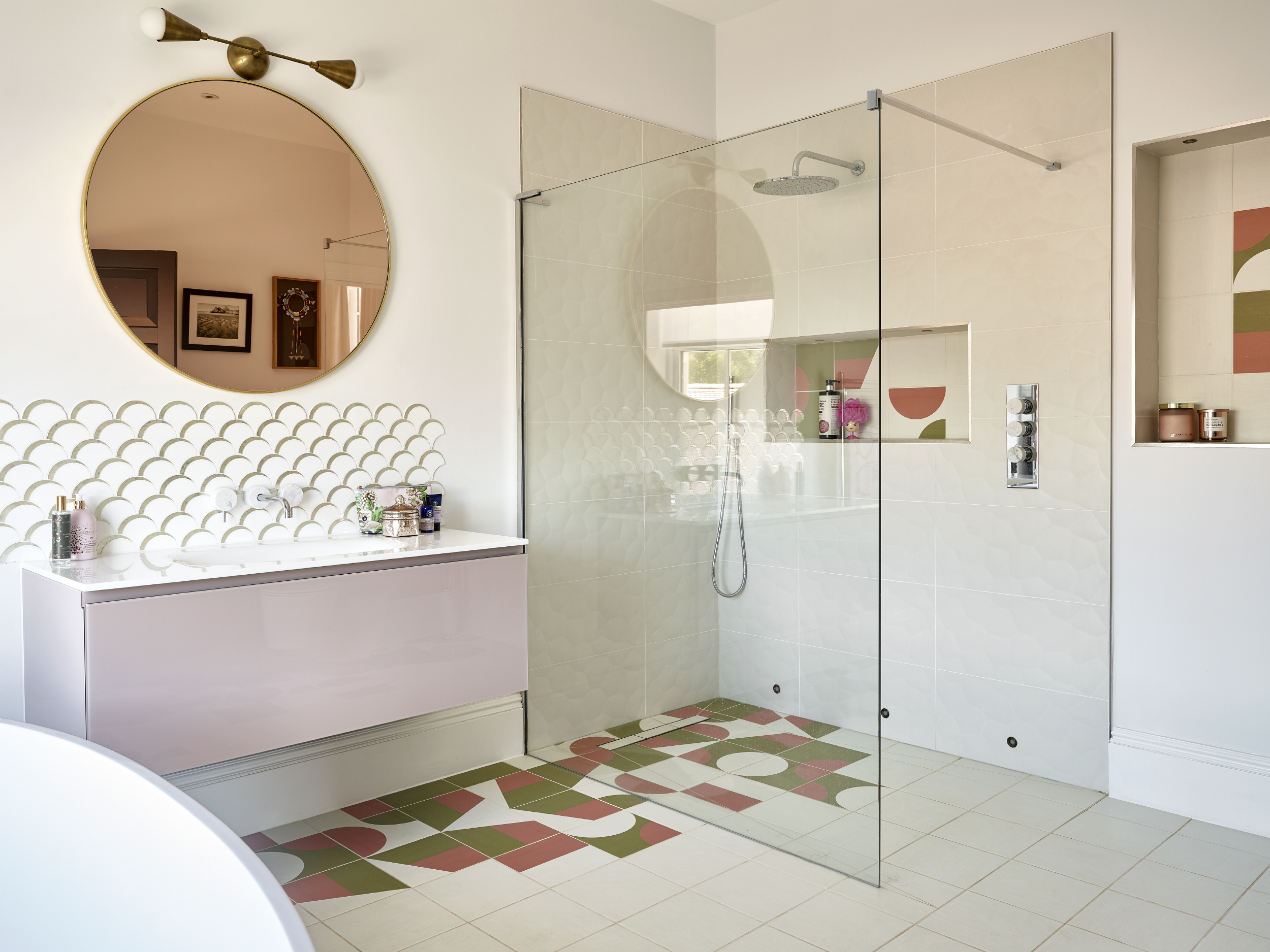
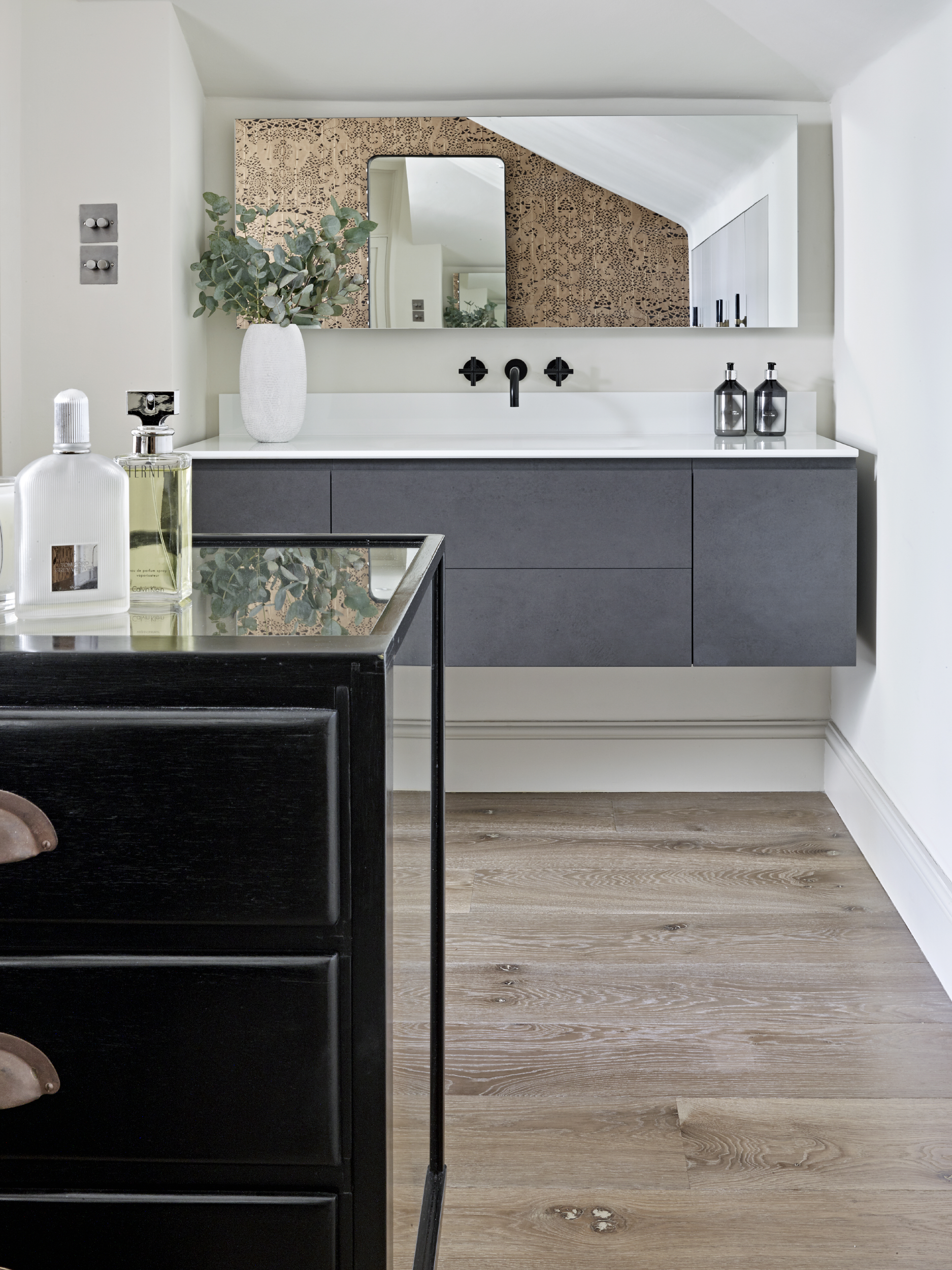
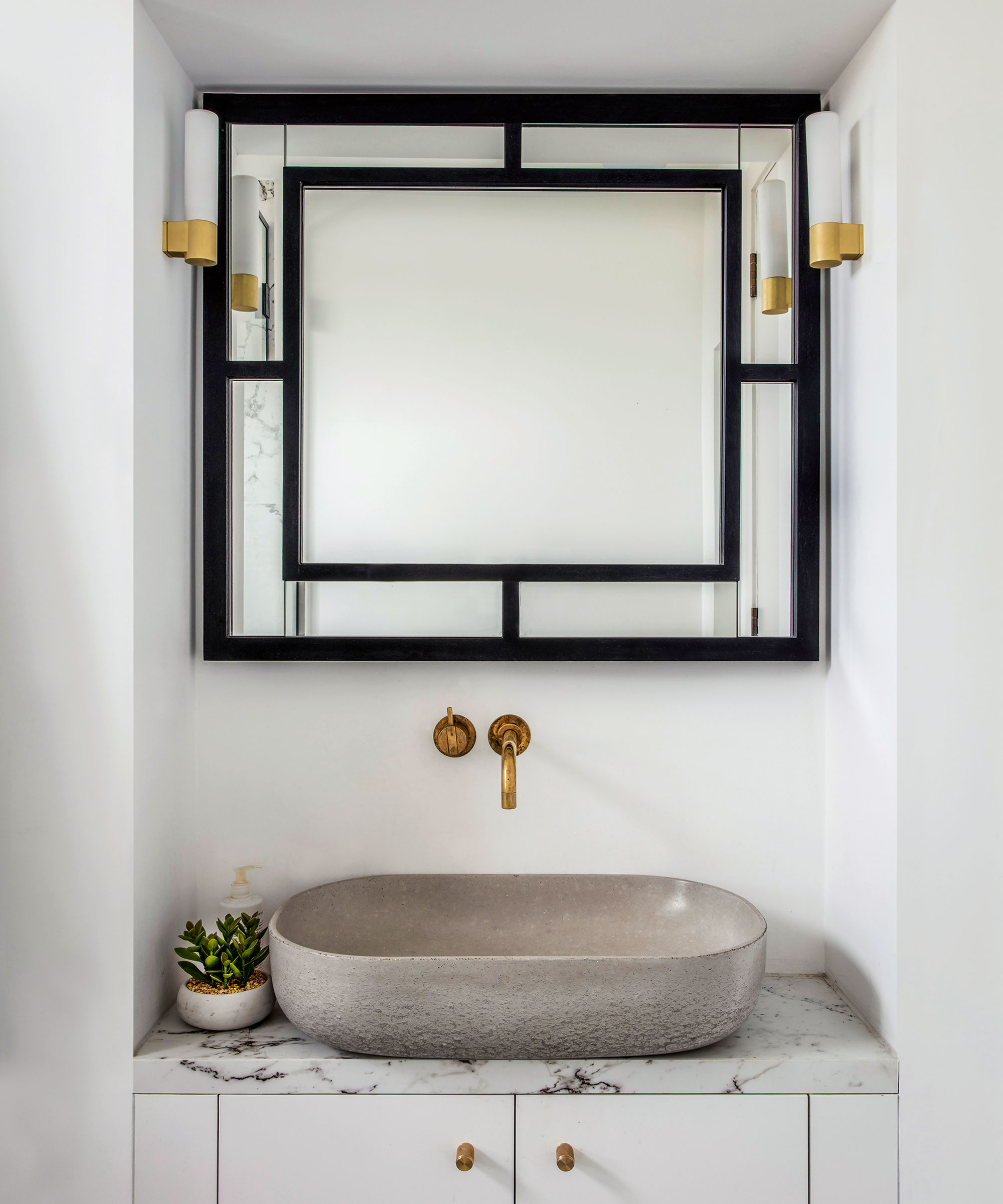
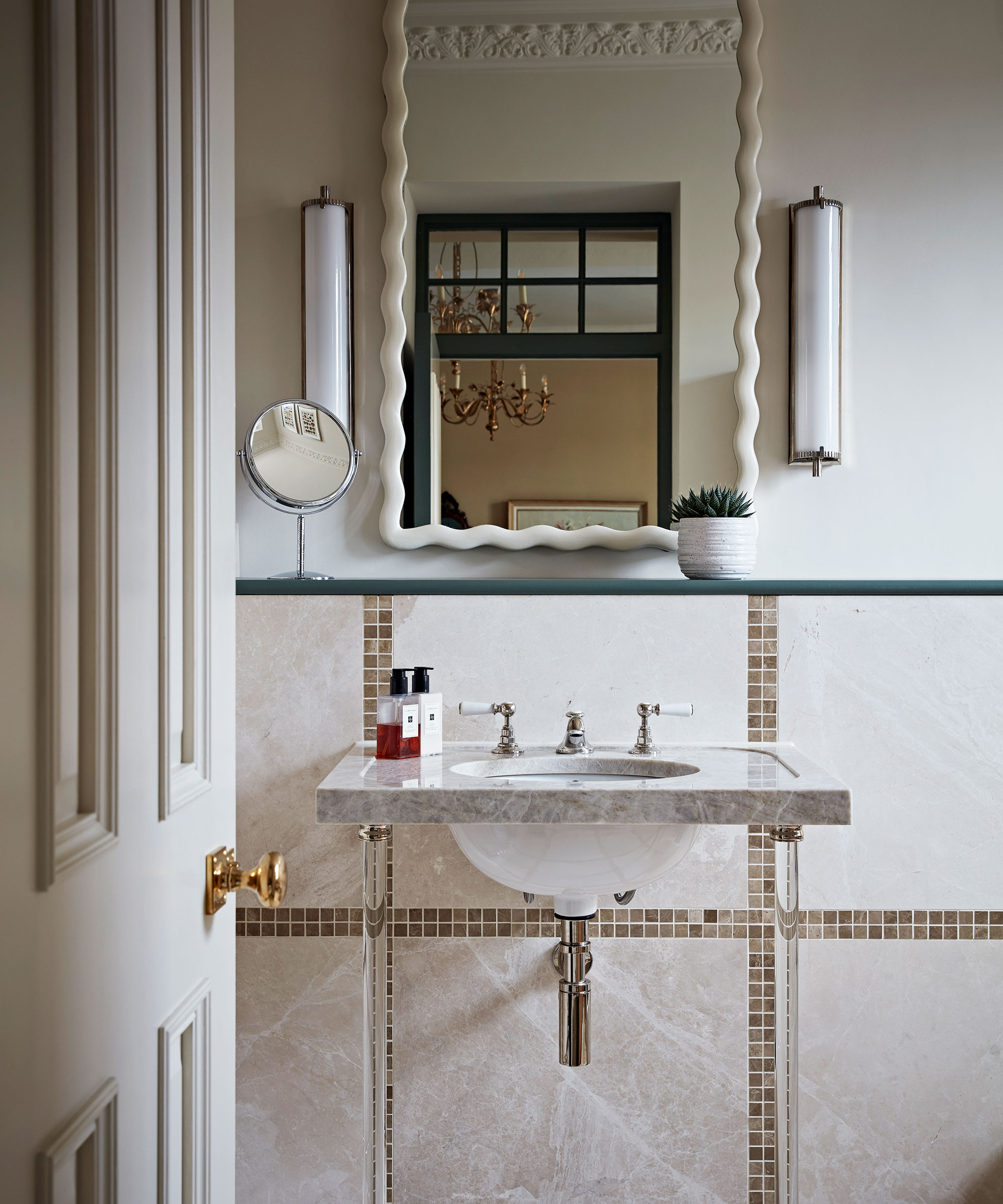
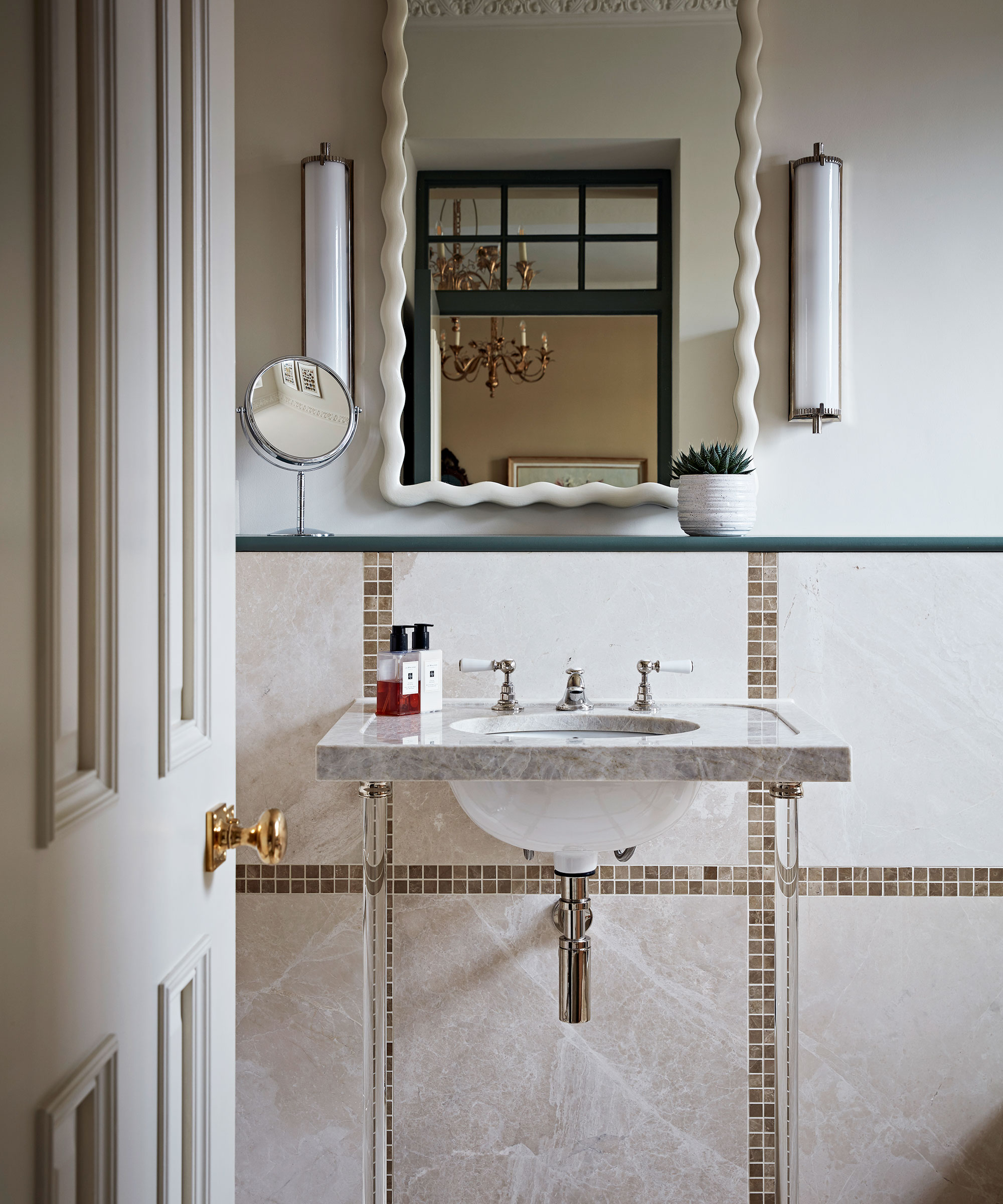
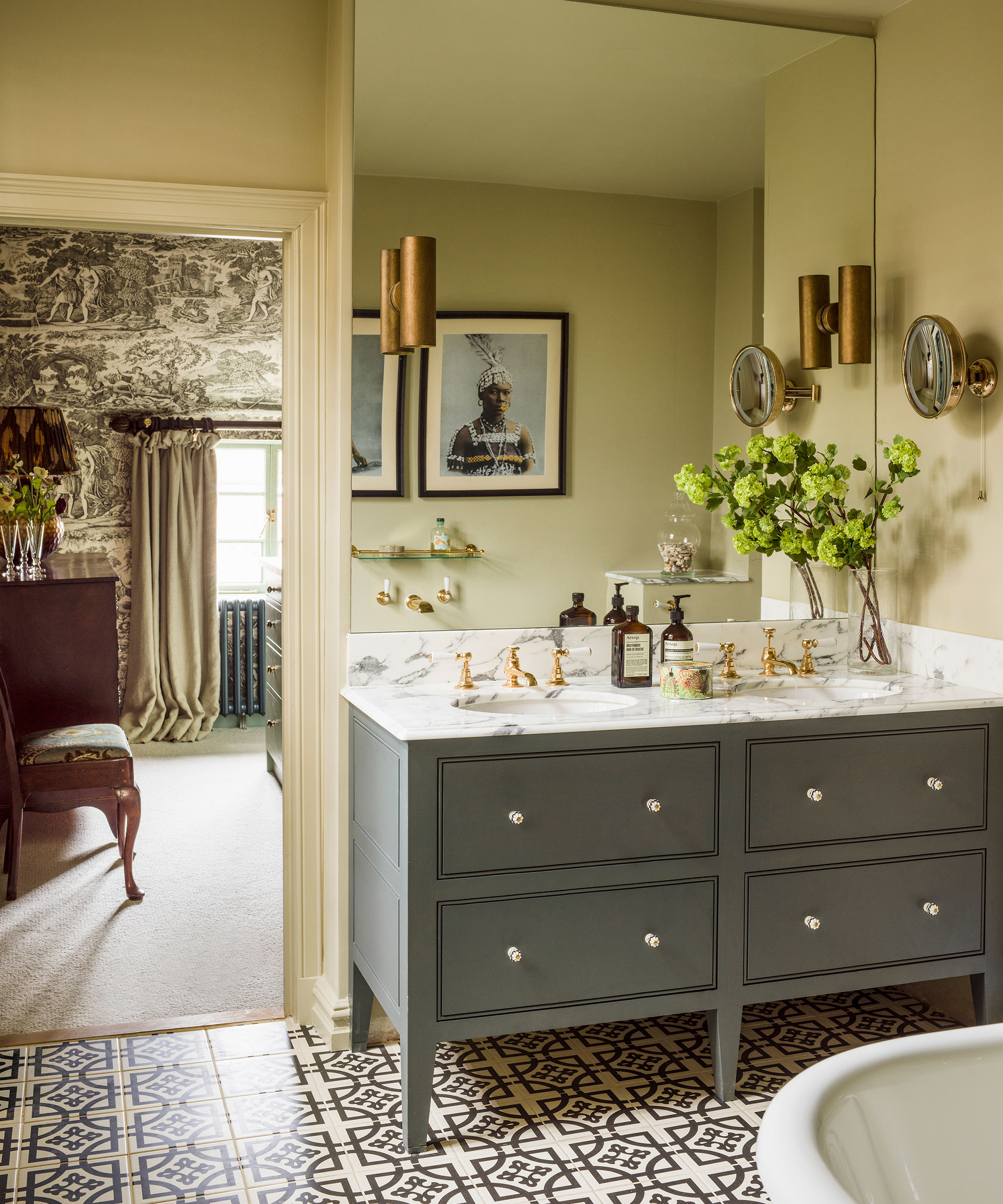
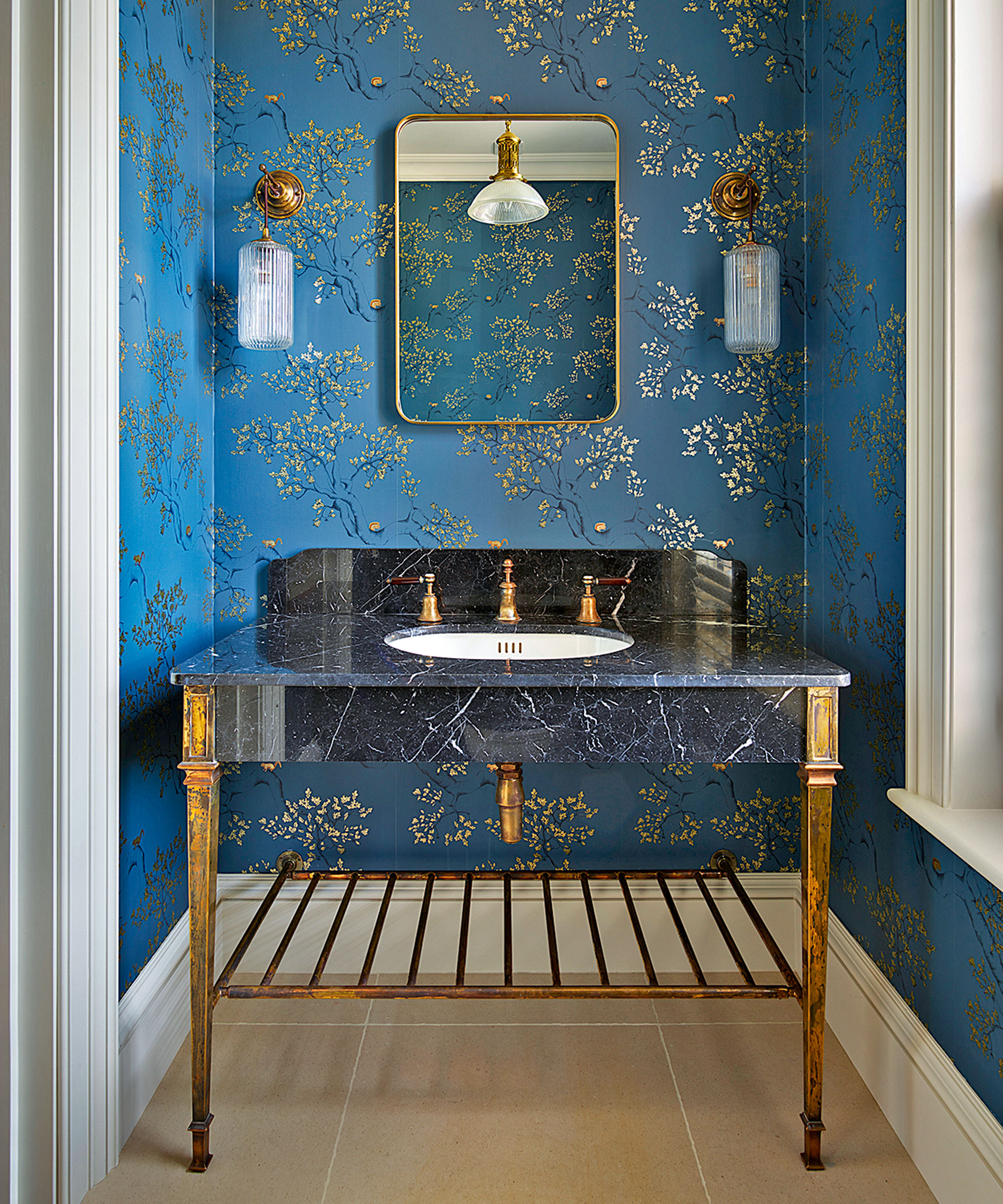
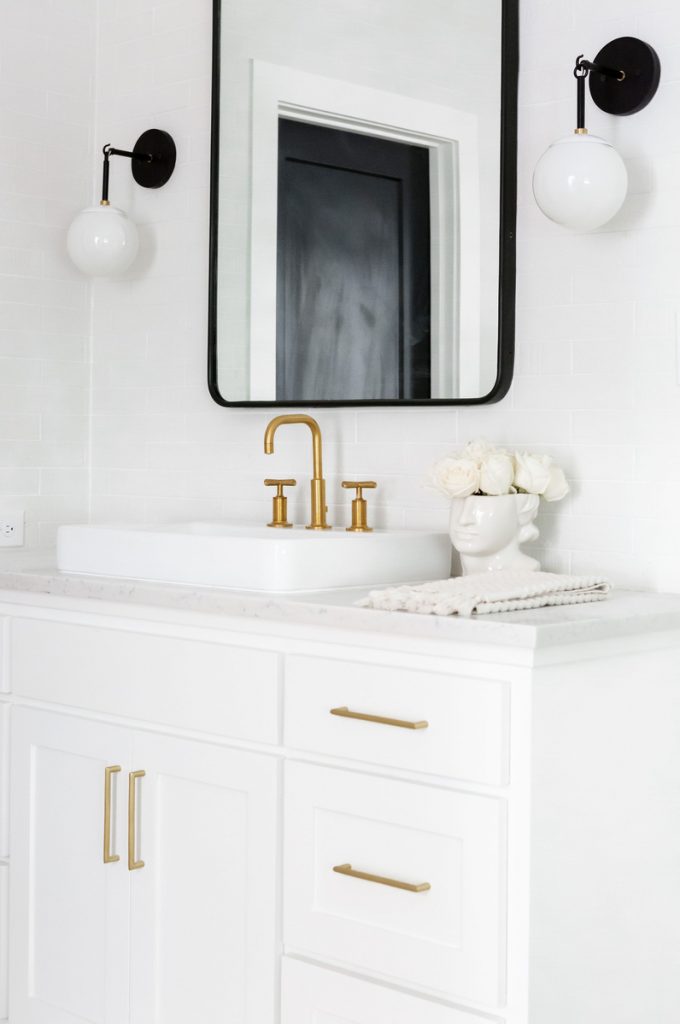
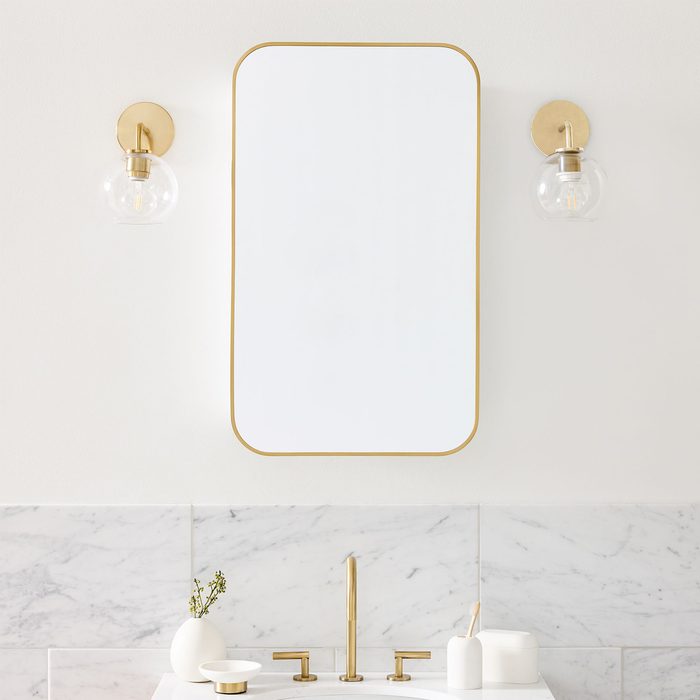
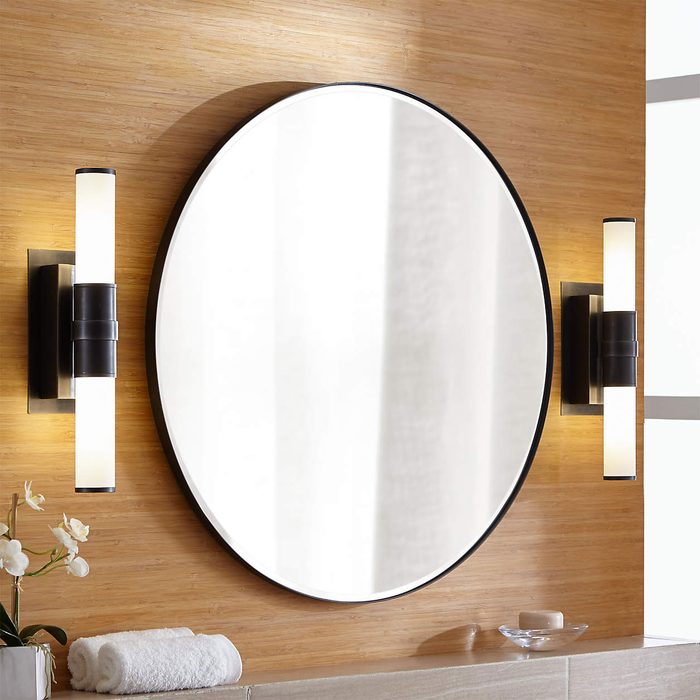
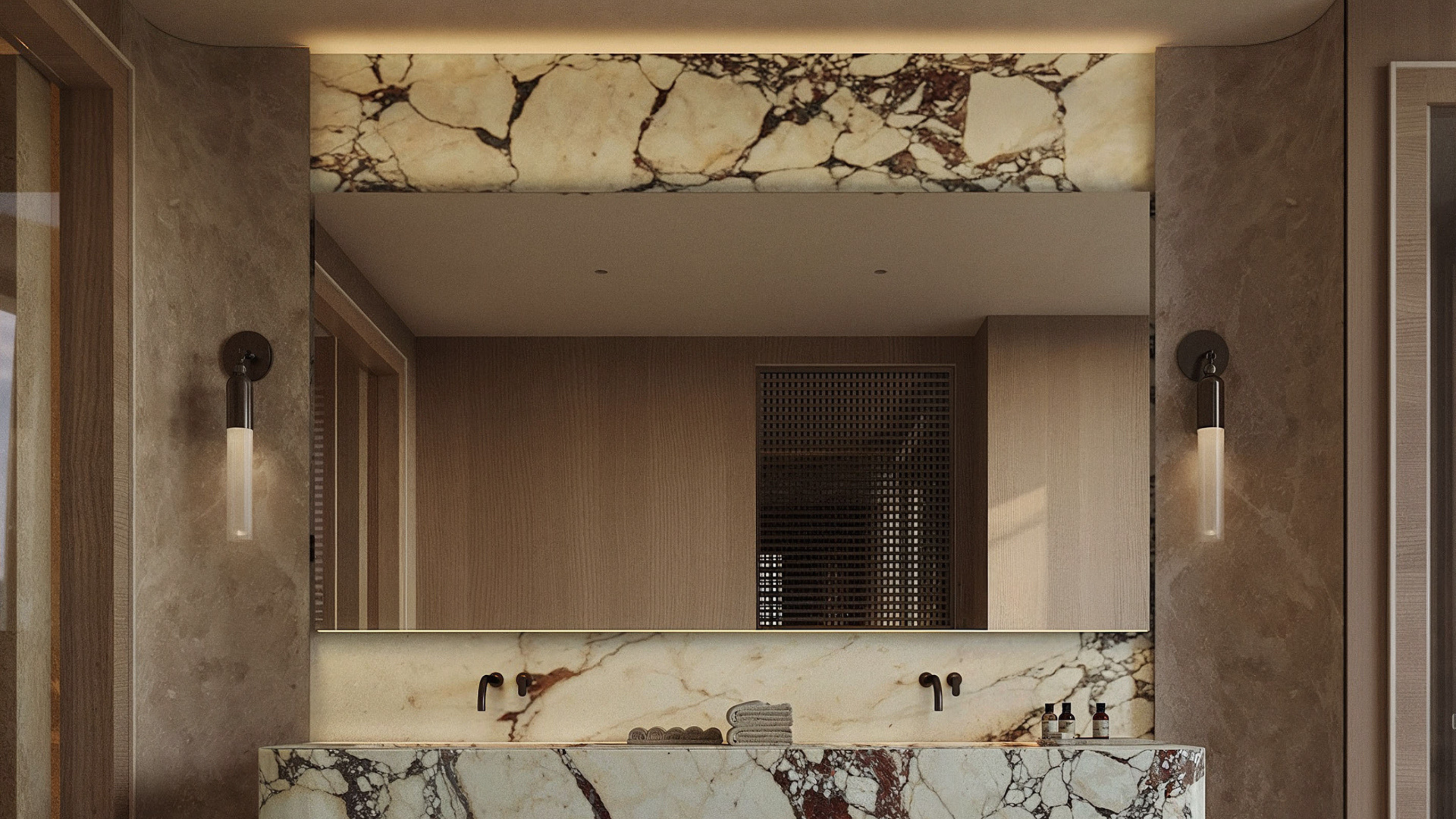
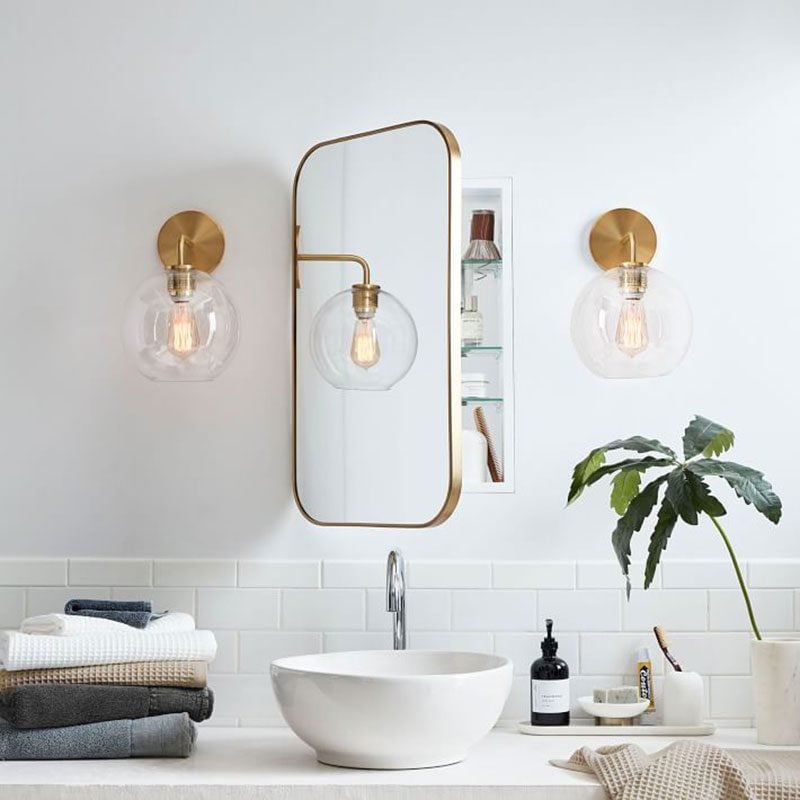
From an aesthetic perspective, many LED mirrors feature basic designs that, while suitable for bathrooms with other prominent design elements, may lack the character desired by those seeking a more distinctive mirror. To mitigate these cons and maximize the benefits, experts recommend combining LED mirrors with secondary light sources. Jo Mann suggests adding wall lights positioned at face height on either side of the mirror to soften shadows and introduce warmth. This layered lighting approach allows for the LED mirror's precise illumination when needed, while softer ambient lighting can create a more inviting backdrop for everyday use. Ultimately, a balanced lighting scheme that incorporates both functional LED mirrors and decorative, warm light sources is advised to achieve both practical benefits and an aesthetically pleasing bathroom environment.
#LEDMirror #BathroomLighting #InteriorDesign #HomeDecor #LightingTrends #BathroomDesign #EnergyEfficiency #SmartHome #ArchitecturalLighting #LEDMirror #BathroomLighting #InteriorDesign #HomeDecor #LightingTrends #BathroomDesign #EnergyEfficiency #SmartHome #ArchitecturalLighting
कुल 0 टिप्पणियाँ
 कोई टिप्पणी नहीं
आपको यह भी पसंद आ सकता है
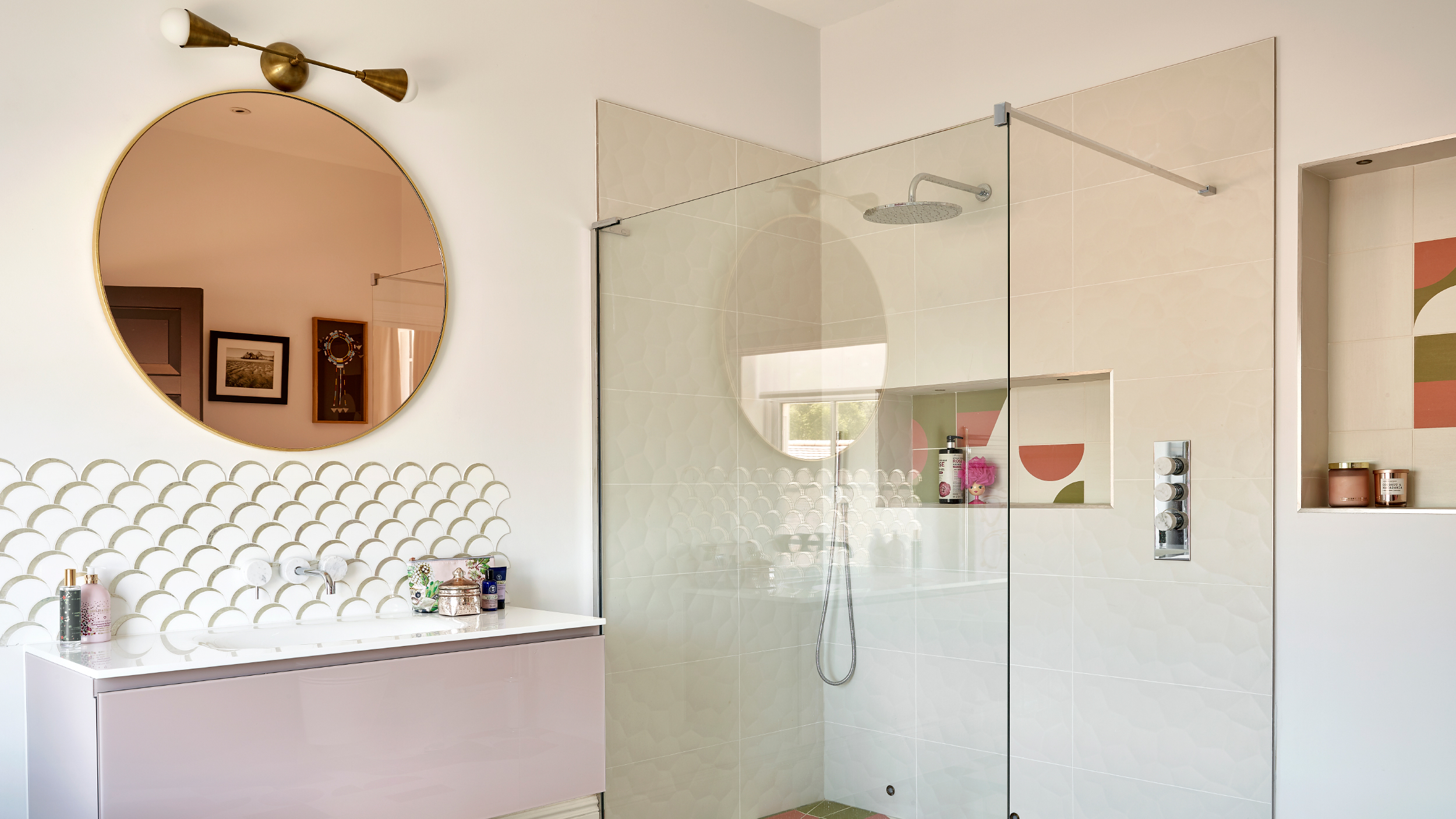
Bathroom mirror lighting ideas – how to pick the perfect flattering light for your space
Tired of shaving in bad bathroom lighting? These snap-on mirror-lights give you perfect visibility

Bathroom mirror ideas – 10 beautiful designs to suit any bath, shower or powder room
Illuminating Reflections

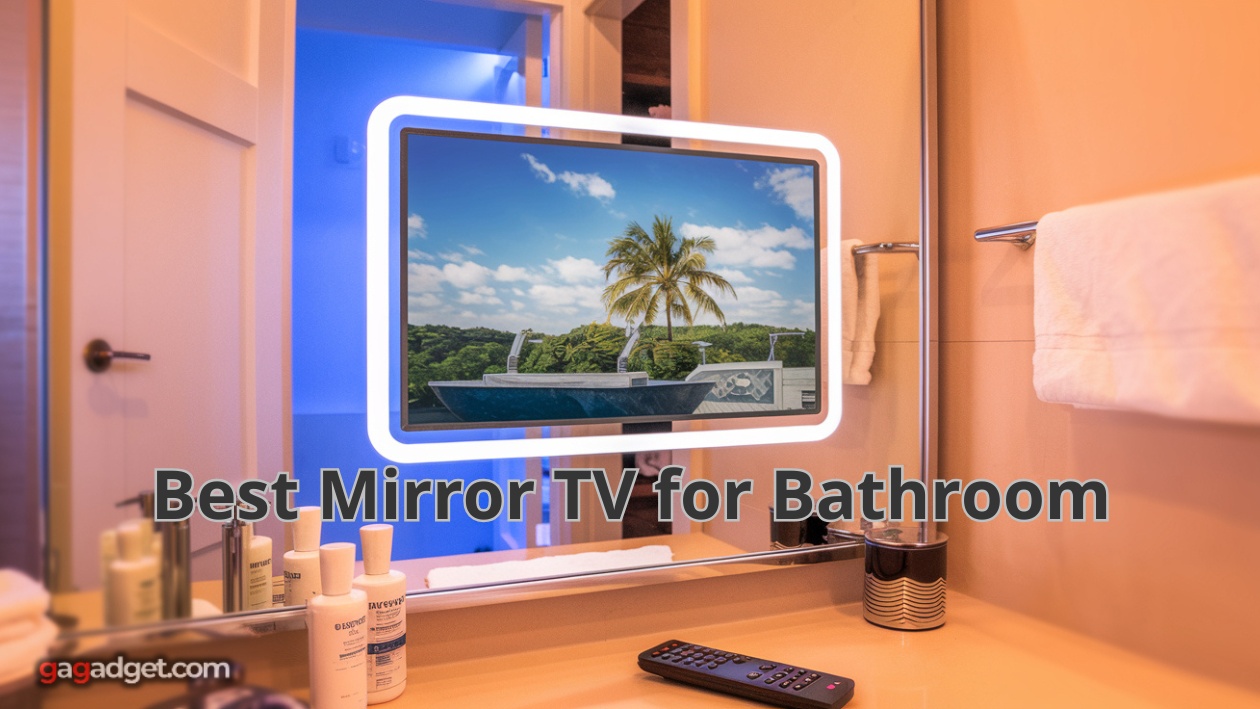
Best Mirror TV for Bathroom
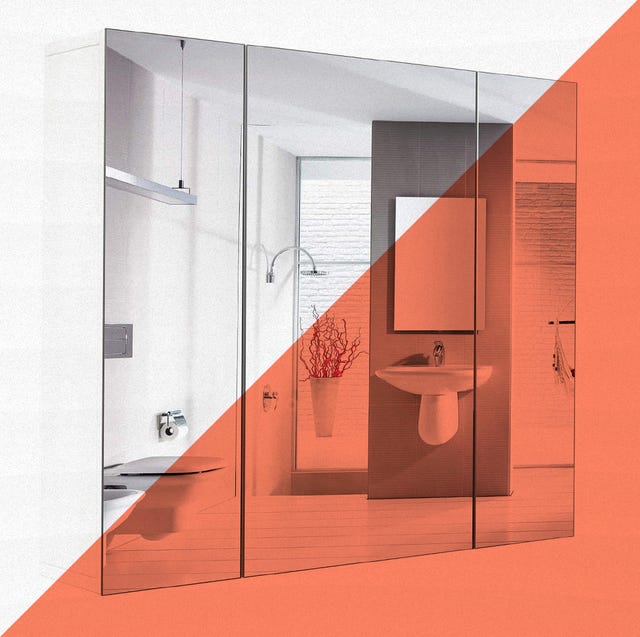
The 11 Best Bathroom Mirrors to Elevate Your Vanity
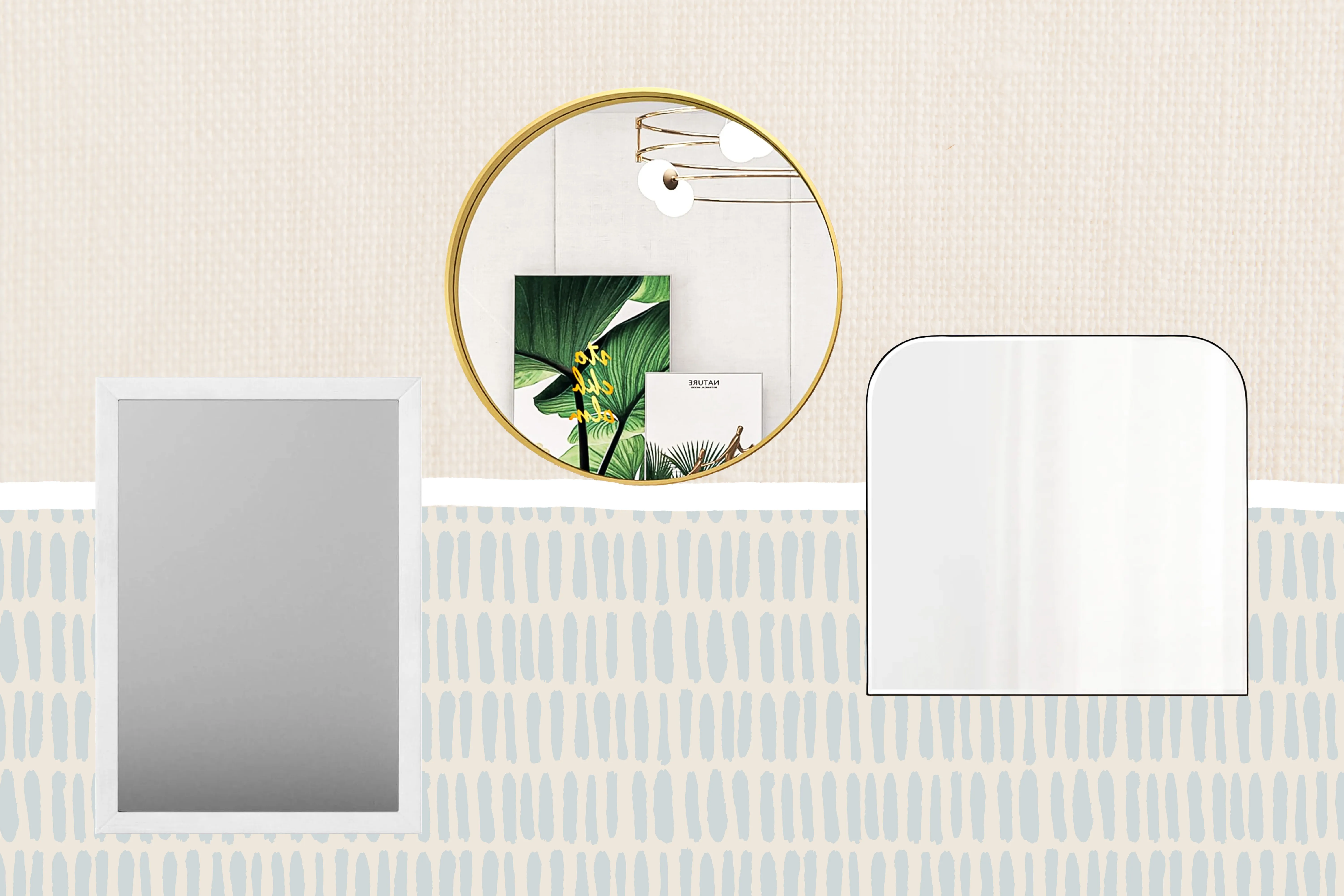
18 Editor-Loved Bathroom Mirrors That Will Instantly Upgrade Your Space

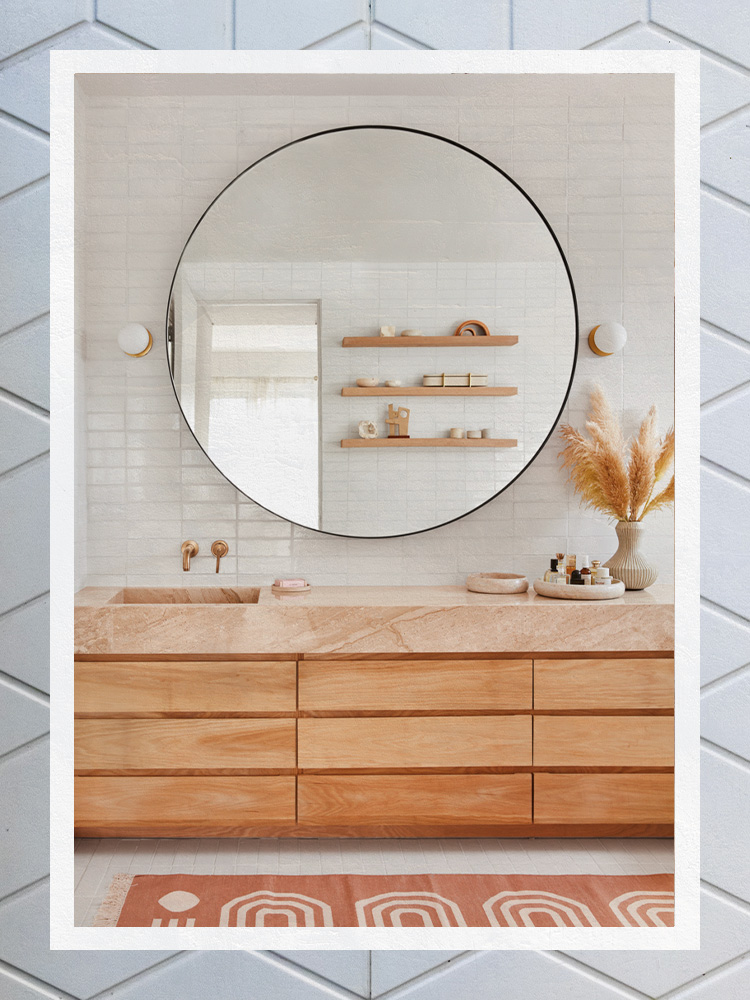
The Best Bathroom Mirrors Have These 4 Qualities, Above All Else

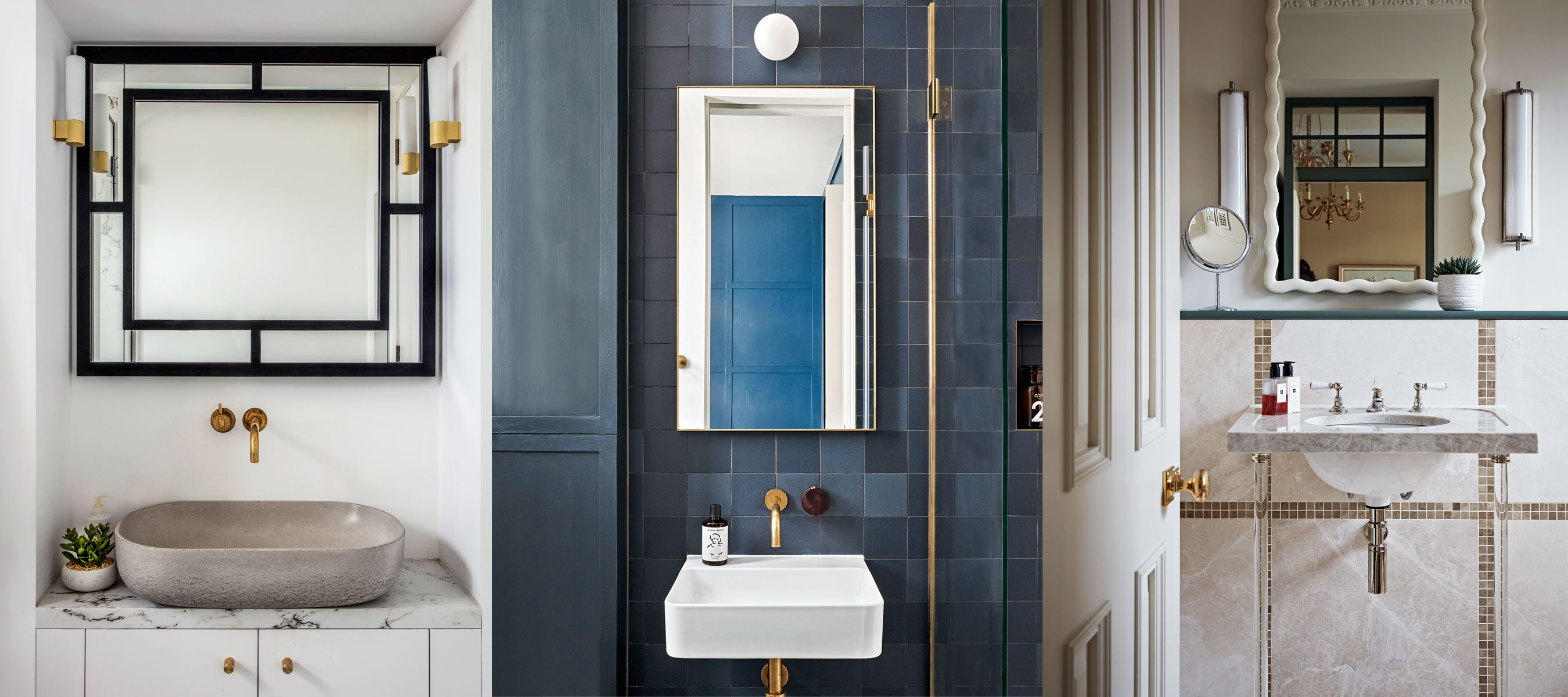
Bathroom lighting ideas over mirrors – 10 rules for side and over mirror lighting

INDUSTRY INSIGHT: Finding balance in bathroom mirror lighting

A lighted mirror is a getting ready essential — here’s how to choose the best one

Best Mirror Makeovers with these Bathroom Mirror Ideas and Pivot Designs

Good Lighting Starts With the Right Mirror—And These 6 Bathroom Mirrors Are the Best We Tested

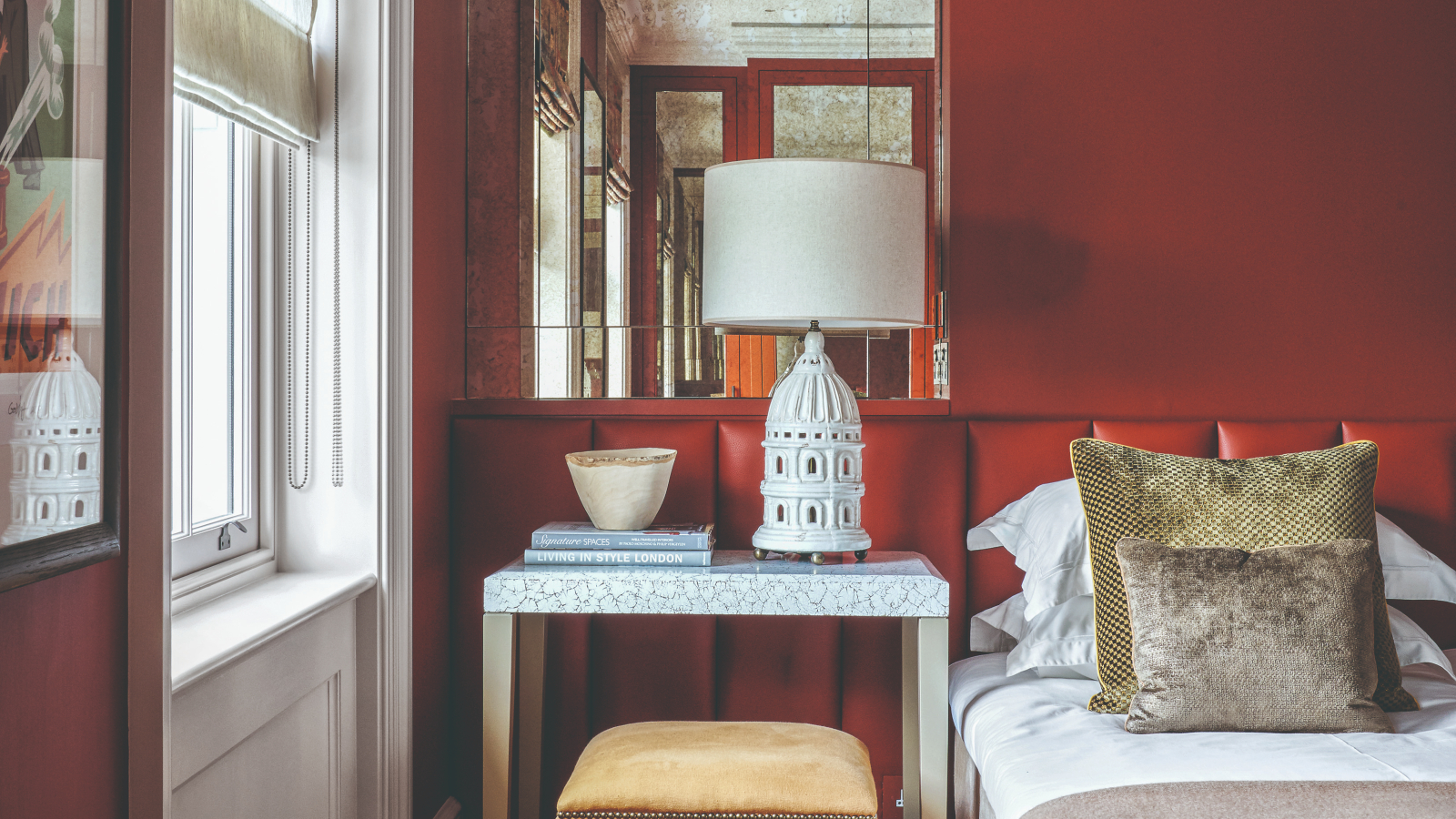
Should you have a mirror in your bedroom? Why Feng Shui experts warn against it
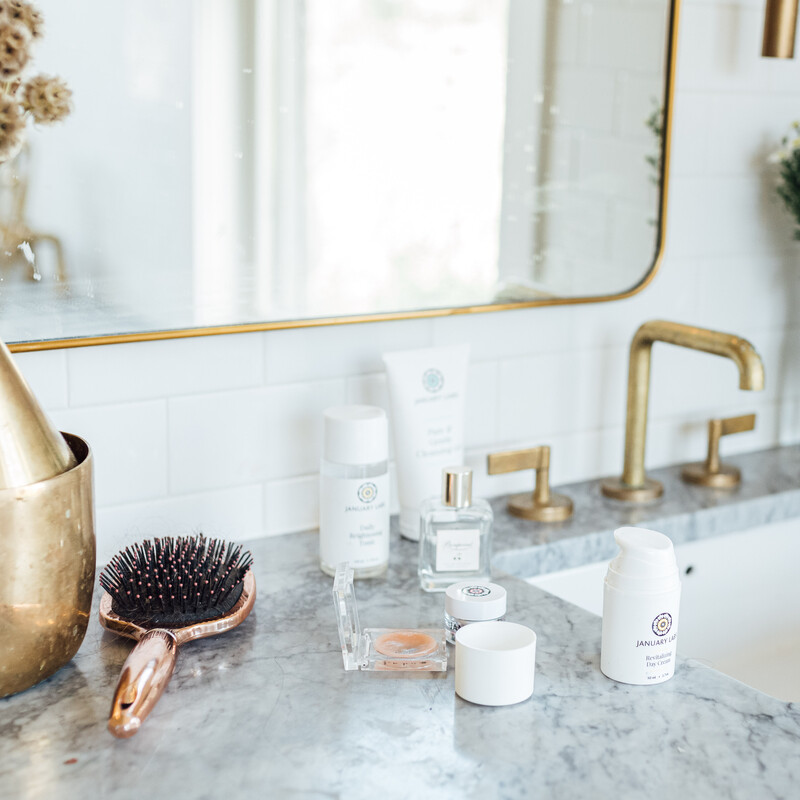
20 Design-Forward Mirrors to Majorly Upgrade Your Bathroom
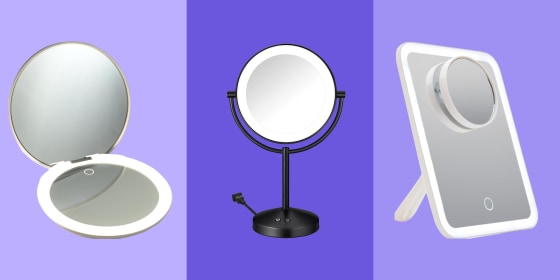
The 7+ Best LED Mirrors for Makeup and Hair, According to Experts

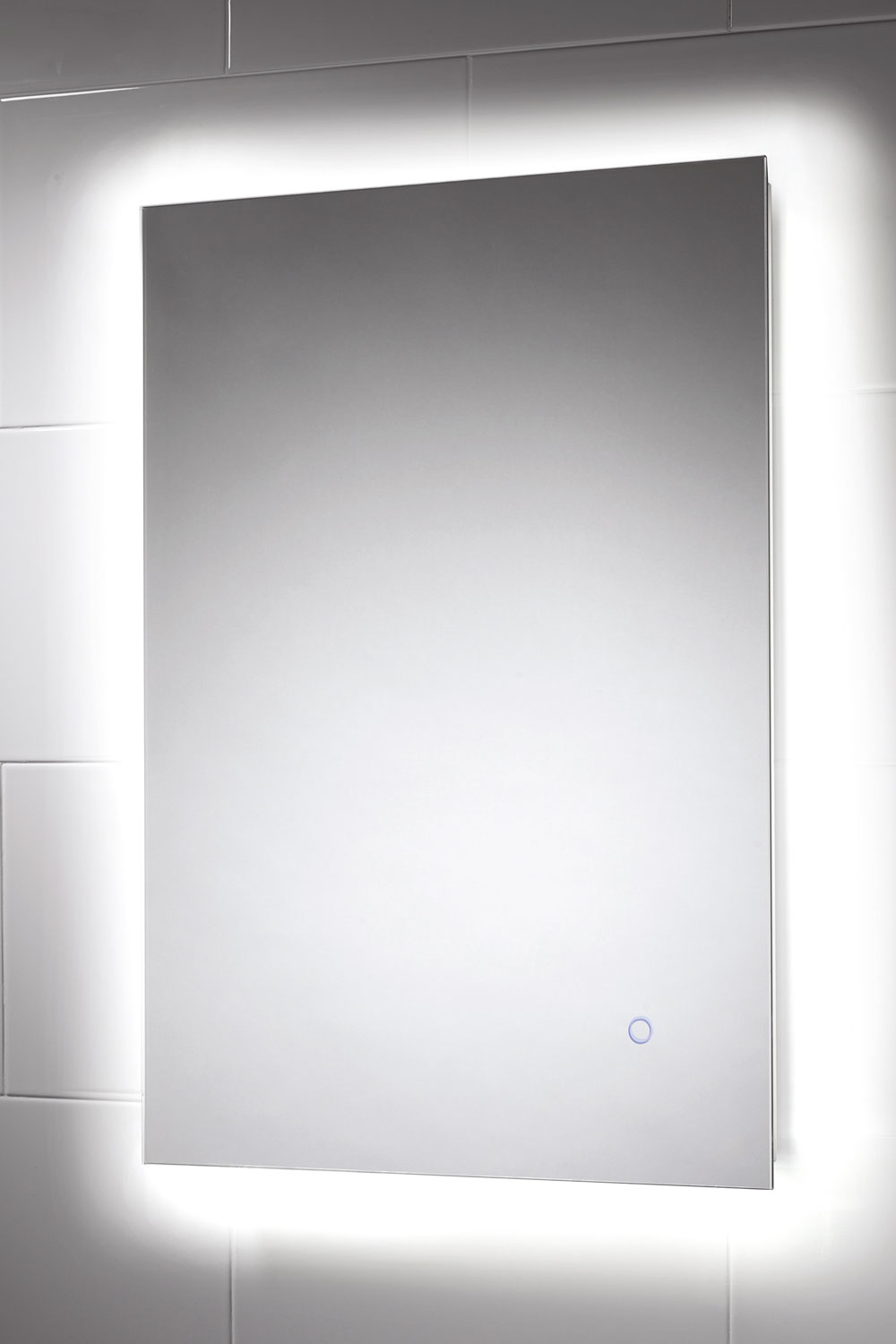
Shopping edit – best bathroom mirrors to enhance beauty, on every level

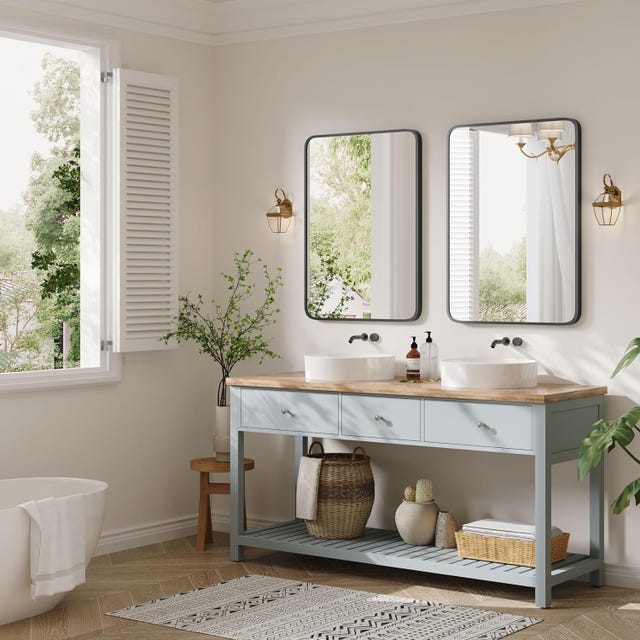
10 stylish bathroom mirrors to suit any home

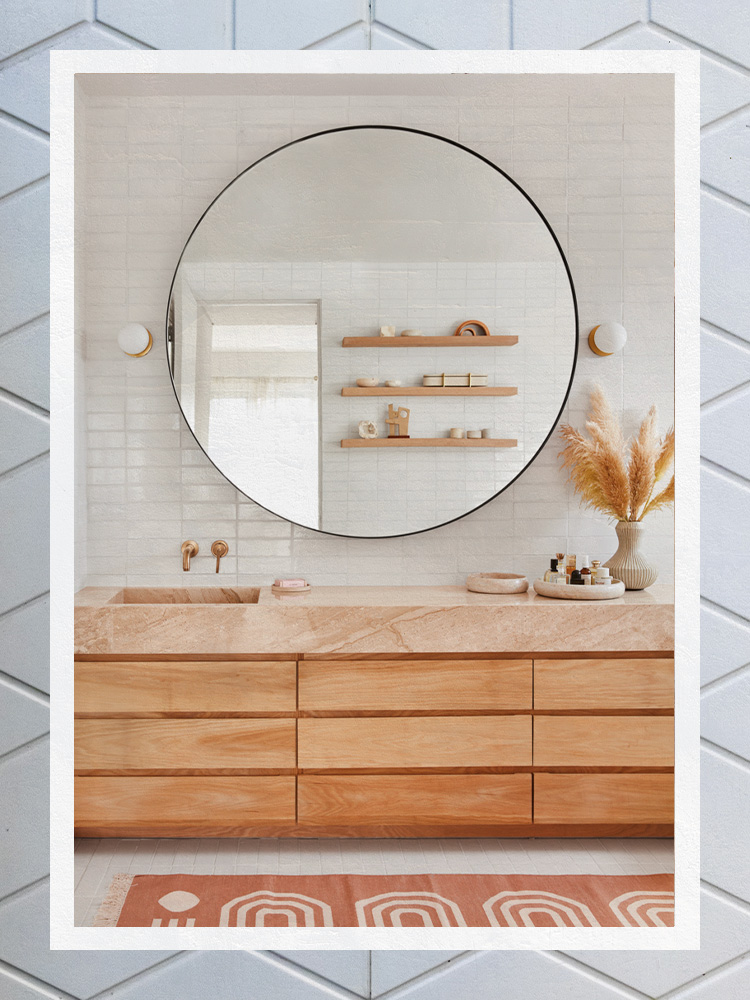
The Best Bathroom Mirrors Have These 4 Qualities, Above All Else

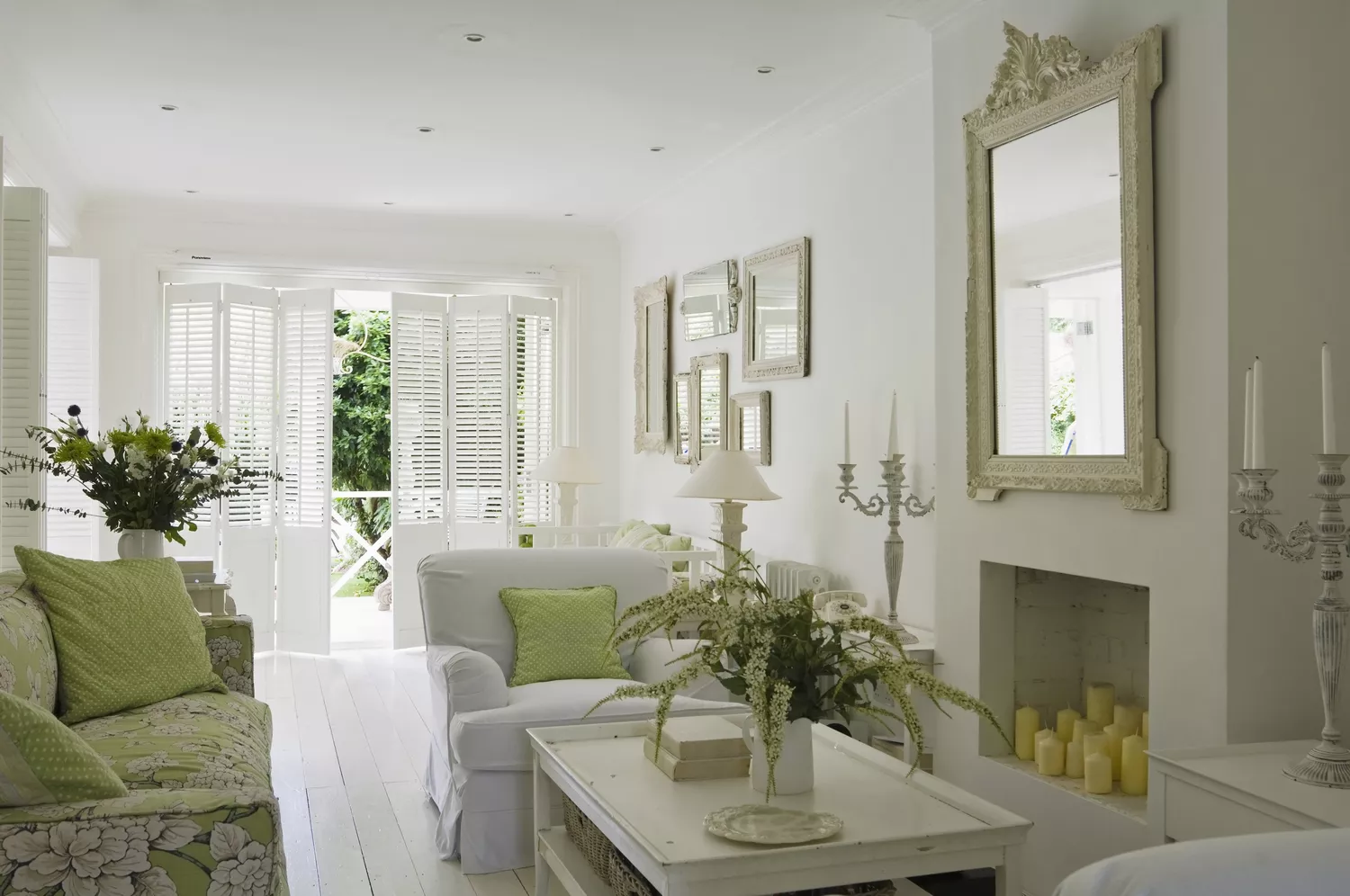
5 Mistakes You Might Be Making When Decorating With Mirrors, According To Designers