1/2
The Sleek Cabinet Trend That Has Been Quietly Sneaking Into Modern Kitchens
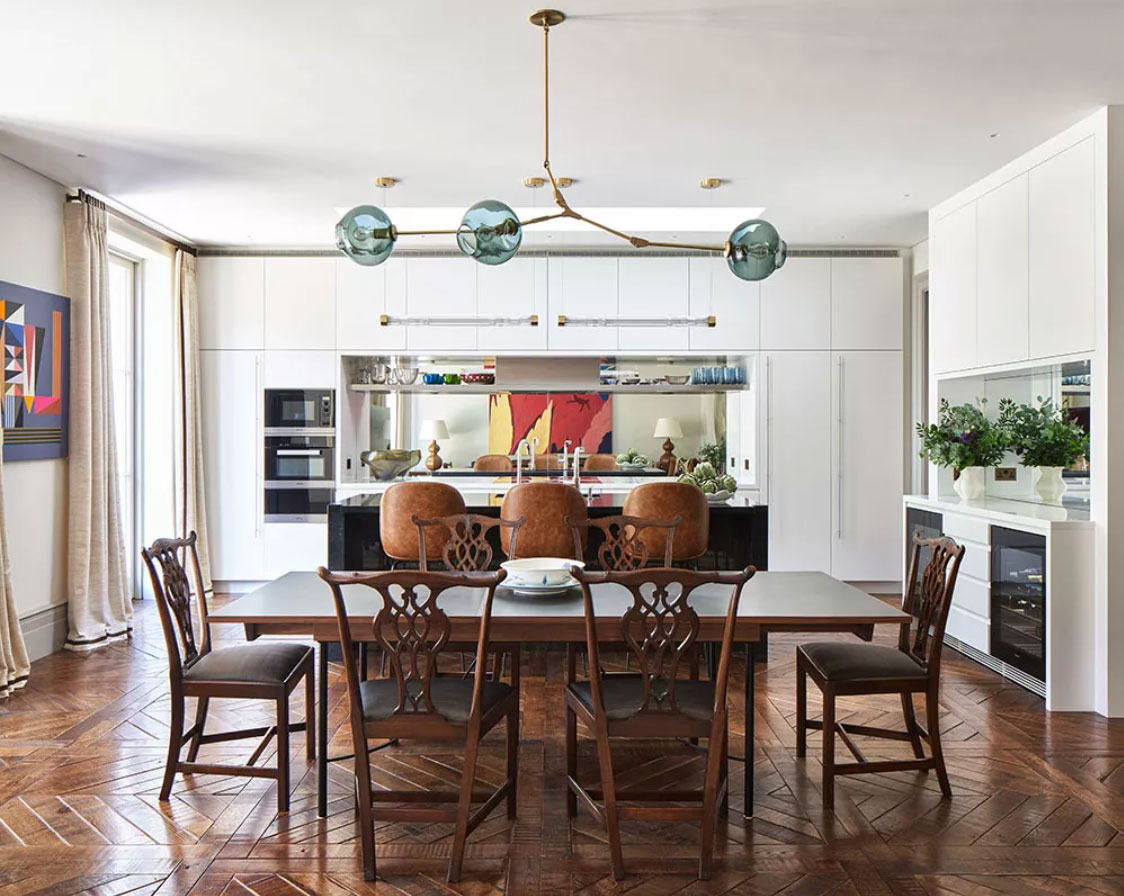
The visual impact of a kitchen is heavily influenced by its cabinetry. While eye-catching decor and expensive appliances can draw attention, the cabinets play a crucial role in defining the overall aesthetic. A rising trend in modern kitchen design involves moving away from traditional wood or simple white cabinets towards more contemporary materials, specifically metal cabinetry.
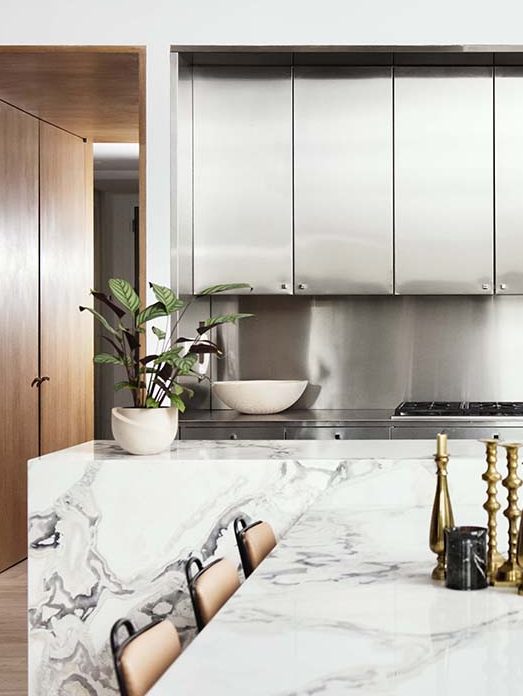
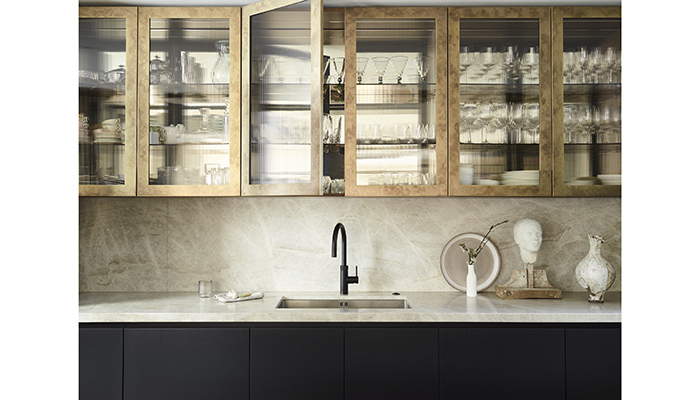
Interior designer Amanda Wyatt, founder of Design Insider, highlights that metal cabinetry, particularly stainless steel, is gaining significant traction. Stainless steel offers a sleek, industrial aesthetic, reminiscent of professional or commercial kitchens. Beyond its visual appeal, steel is also highly resistant to damage and bacteria, making it a practical choice for home chefs who frequently engage in intensive cooking. Another metallic option is aluminum, which is generally more affordable than steel and offers a wider range of styles and colors. However, aluminum is slightly more susceptible to blemishes compared to steel. Both stainless steel and aluminum provide ease of maintenance and possess a versatile appearance that is less likely to become outdated quickly, unlike some more niche cabinet trends.
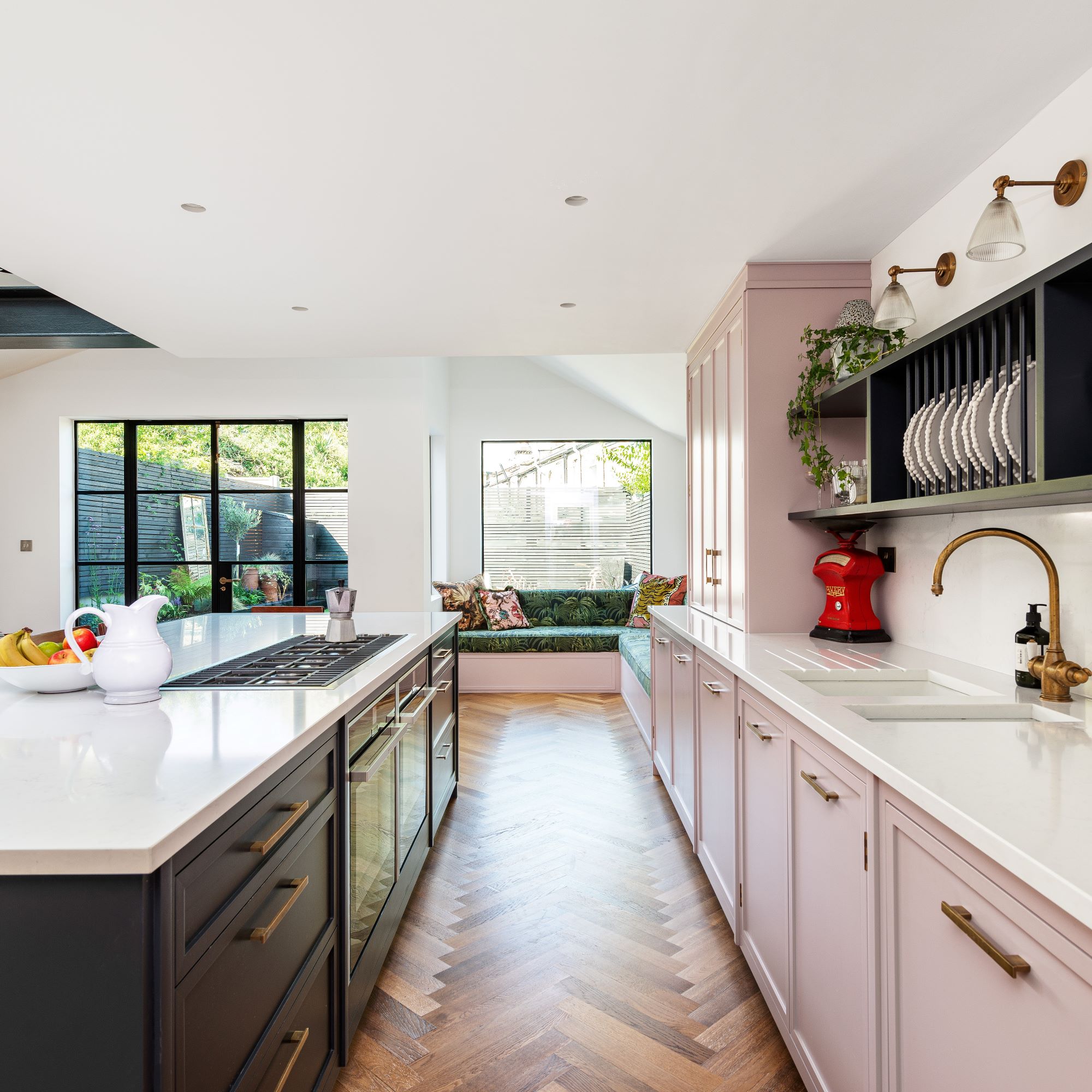
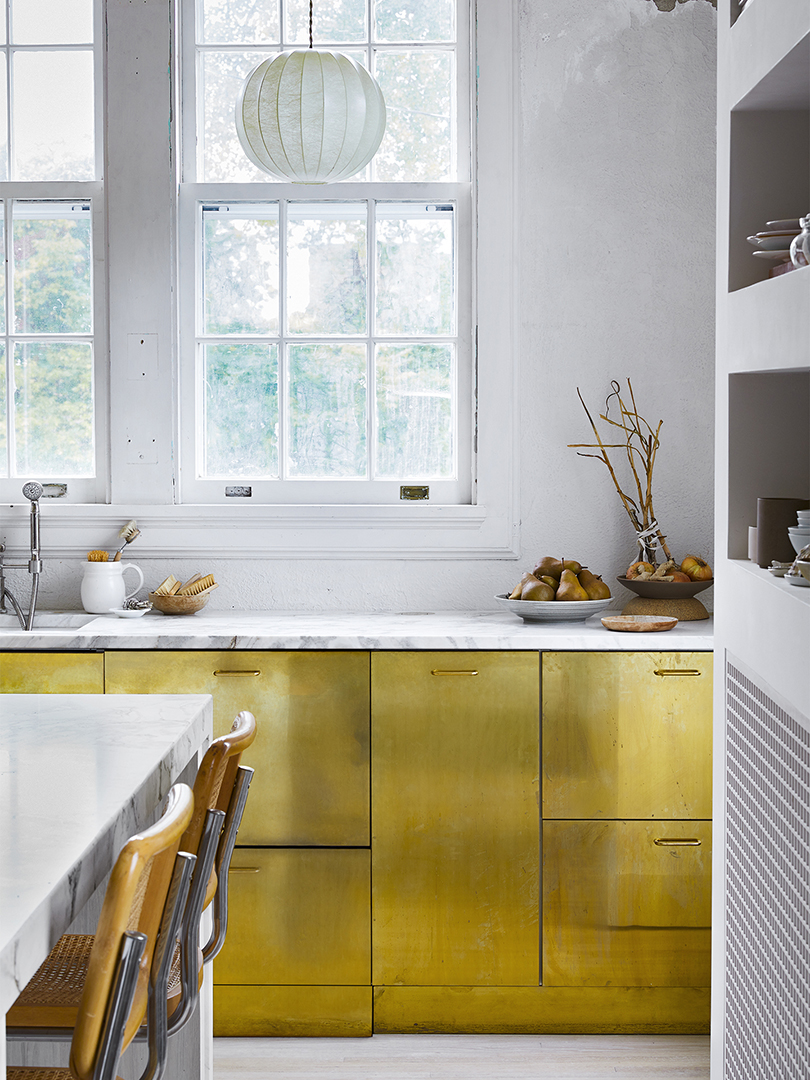
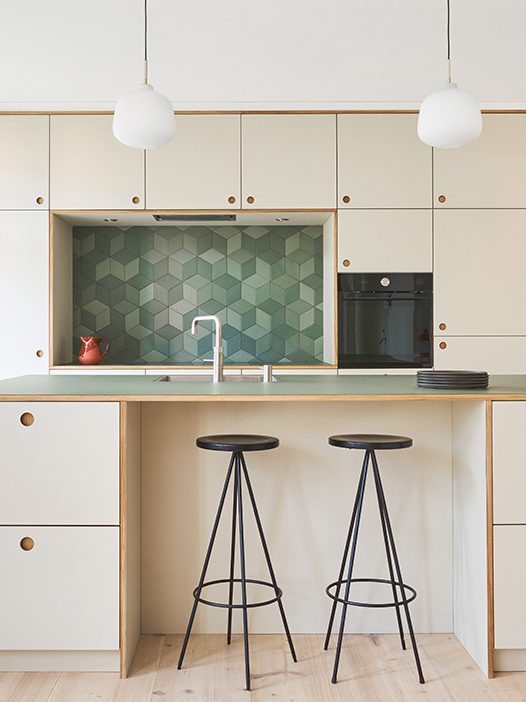
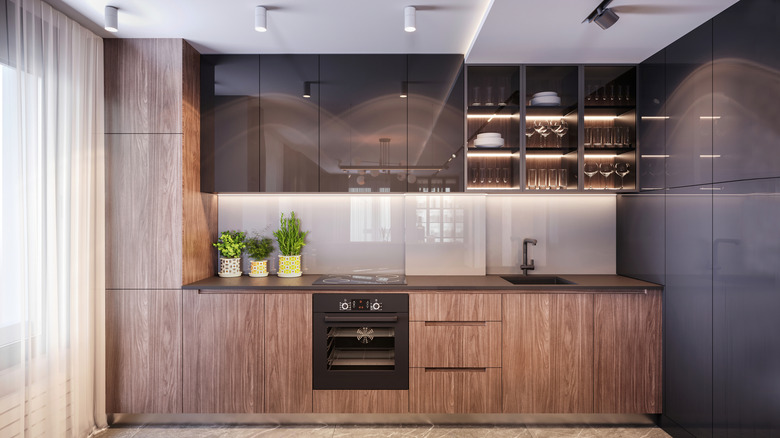
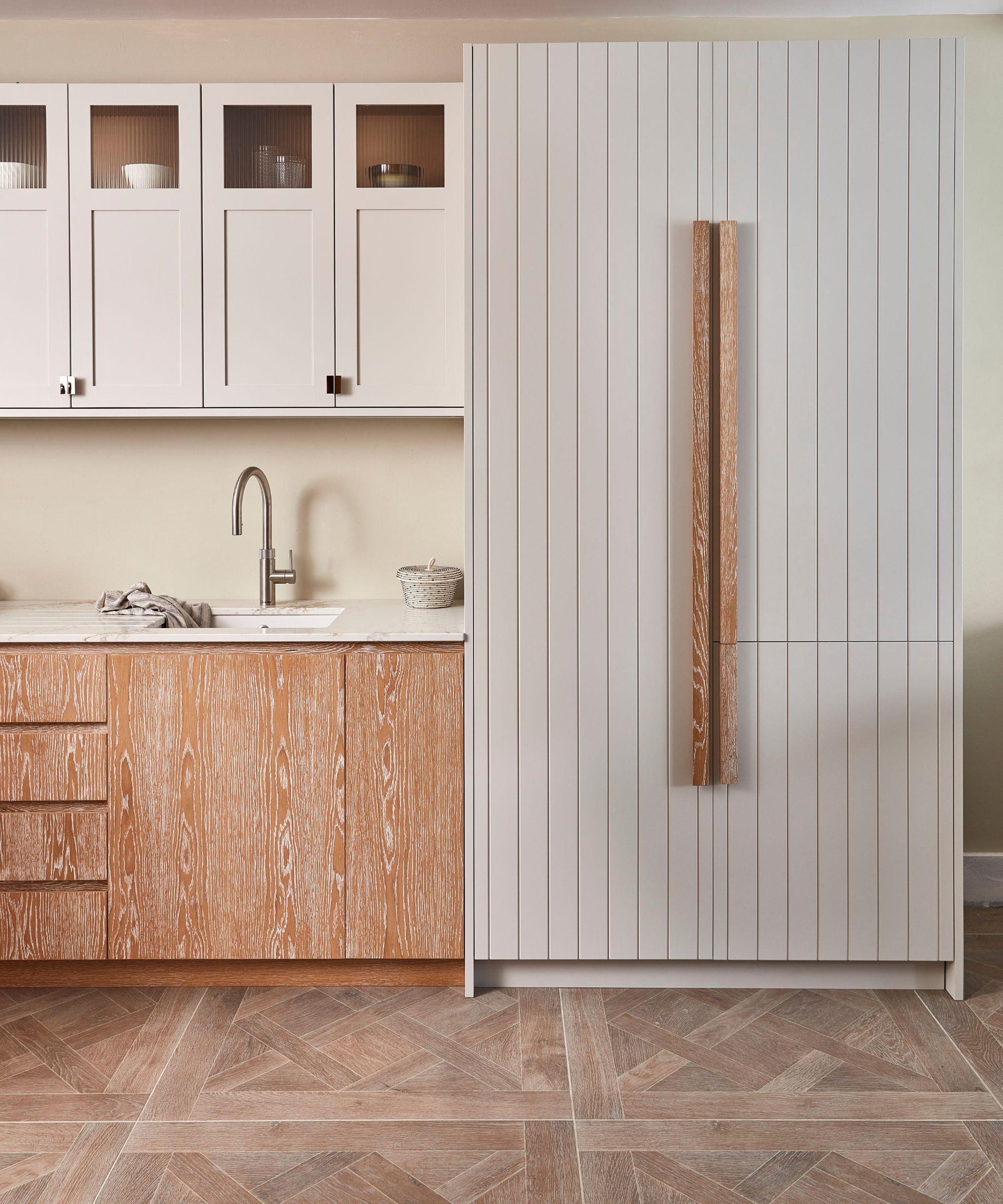
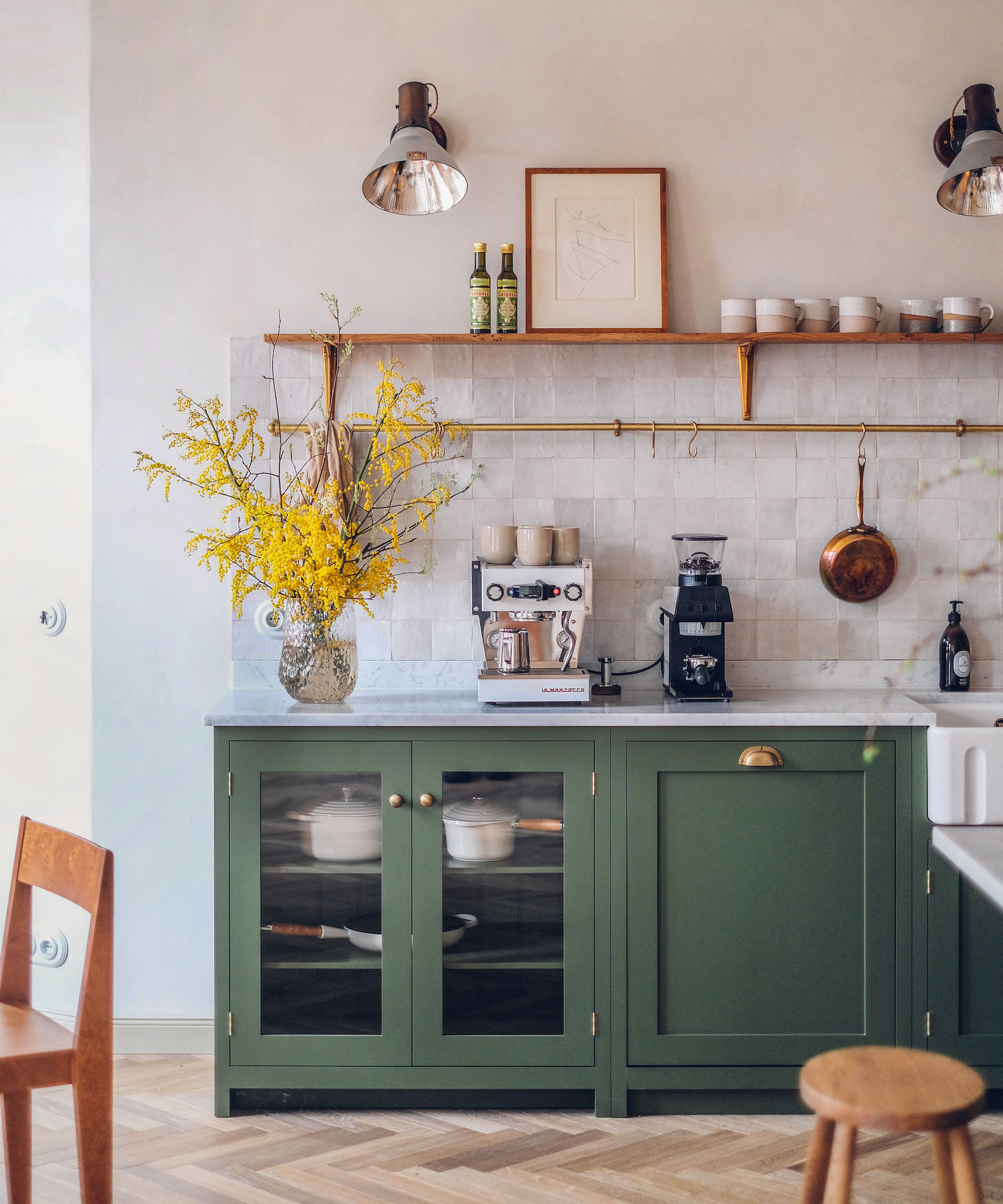
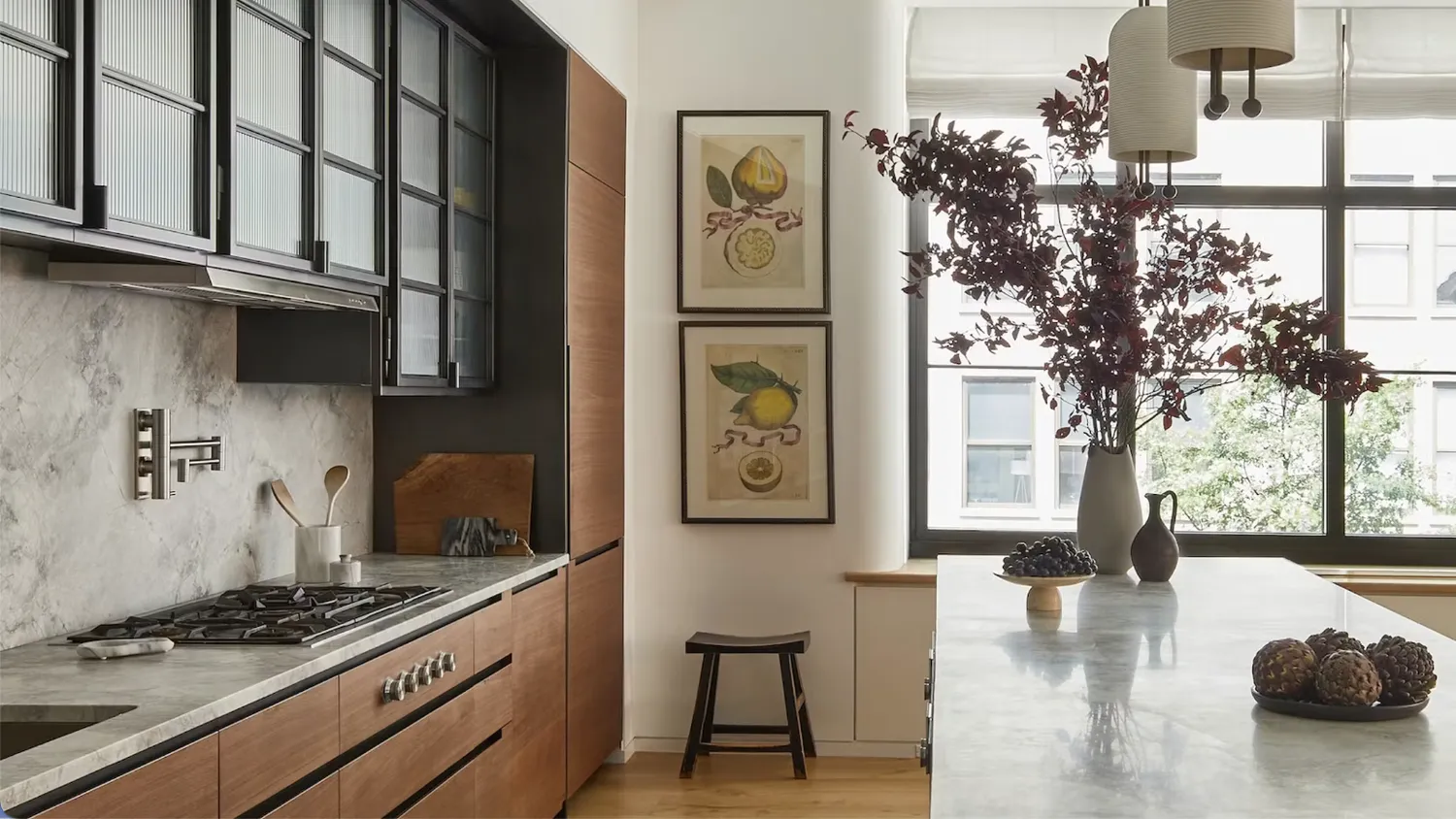
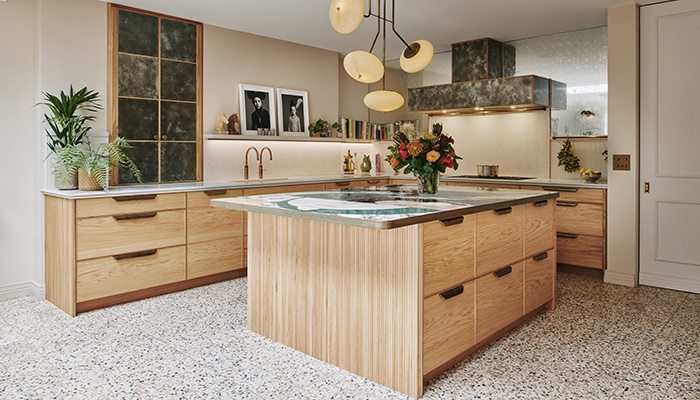
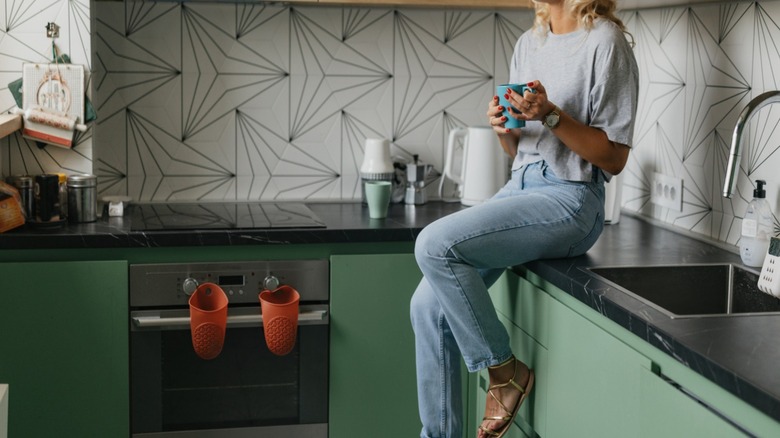
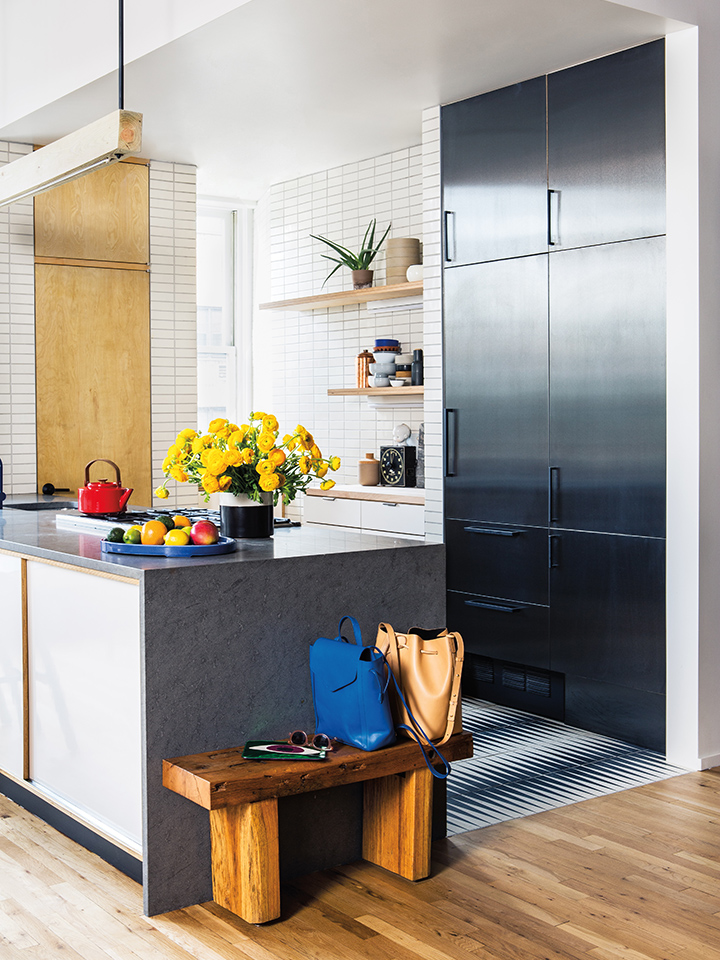
For those who are avid cooks but prefer not to embrace a purely minimalist or futuristic look, metal cabinets might initially seem unappealing. However, avoiding design choices that clash with daily habits is a common pitfall in kitchen design. Metal cabinetry can be integrated into various aesthetics, including cozy, artistic, or natural styles, through careful selection of complementary elements. Wyatt suggests pairing metal cabinets with warm wood accents or colorful tile backsplashes to mitigate a potentially cold atmosphere. This approach demonstrates the adaptability of metal cabinetry to diverse design preferences.
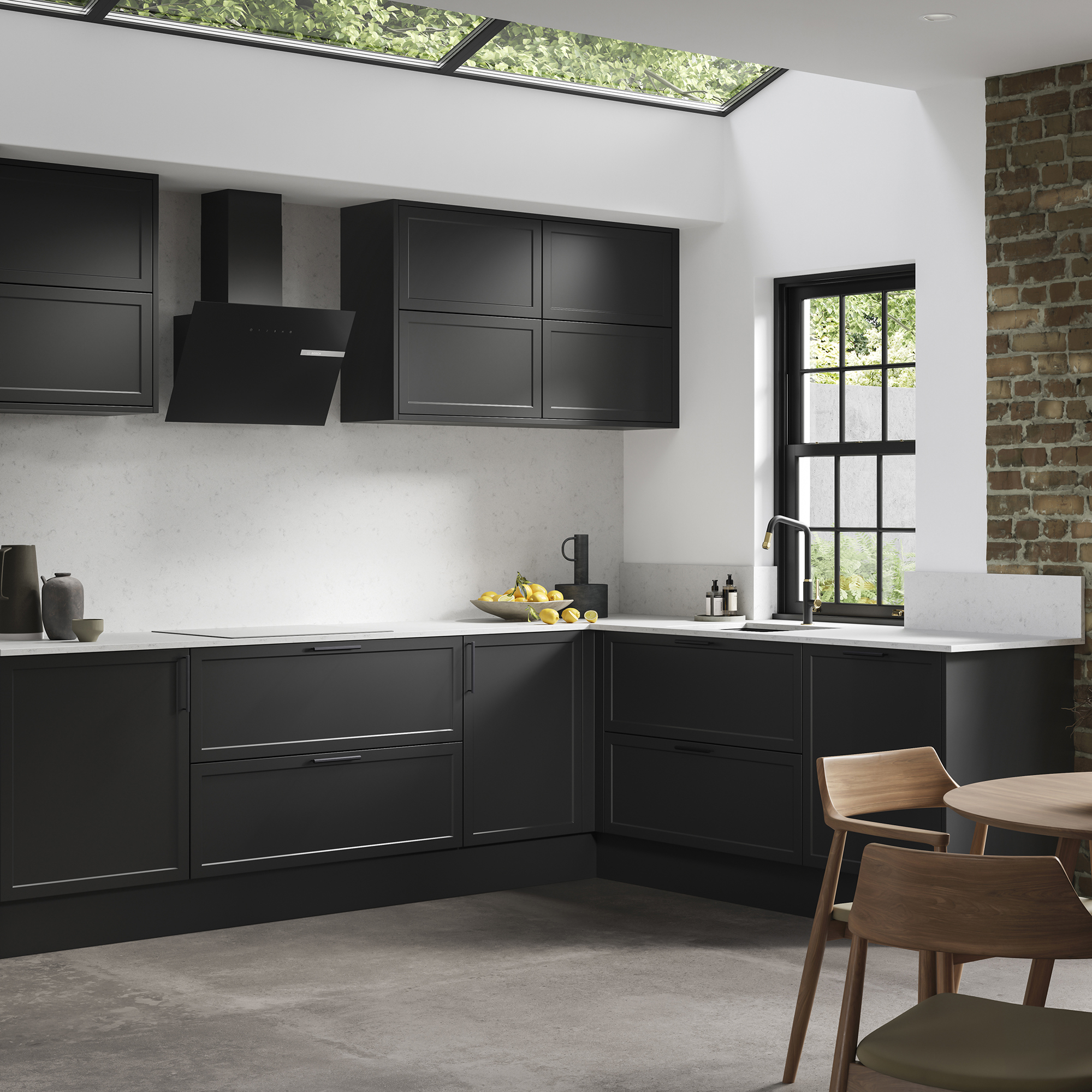
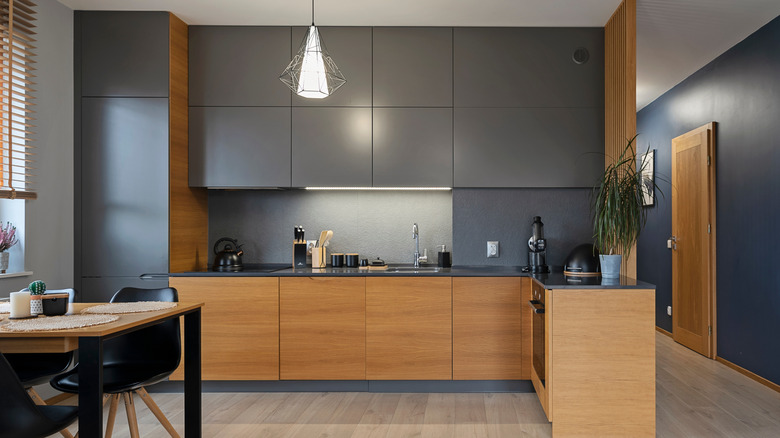
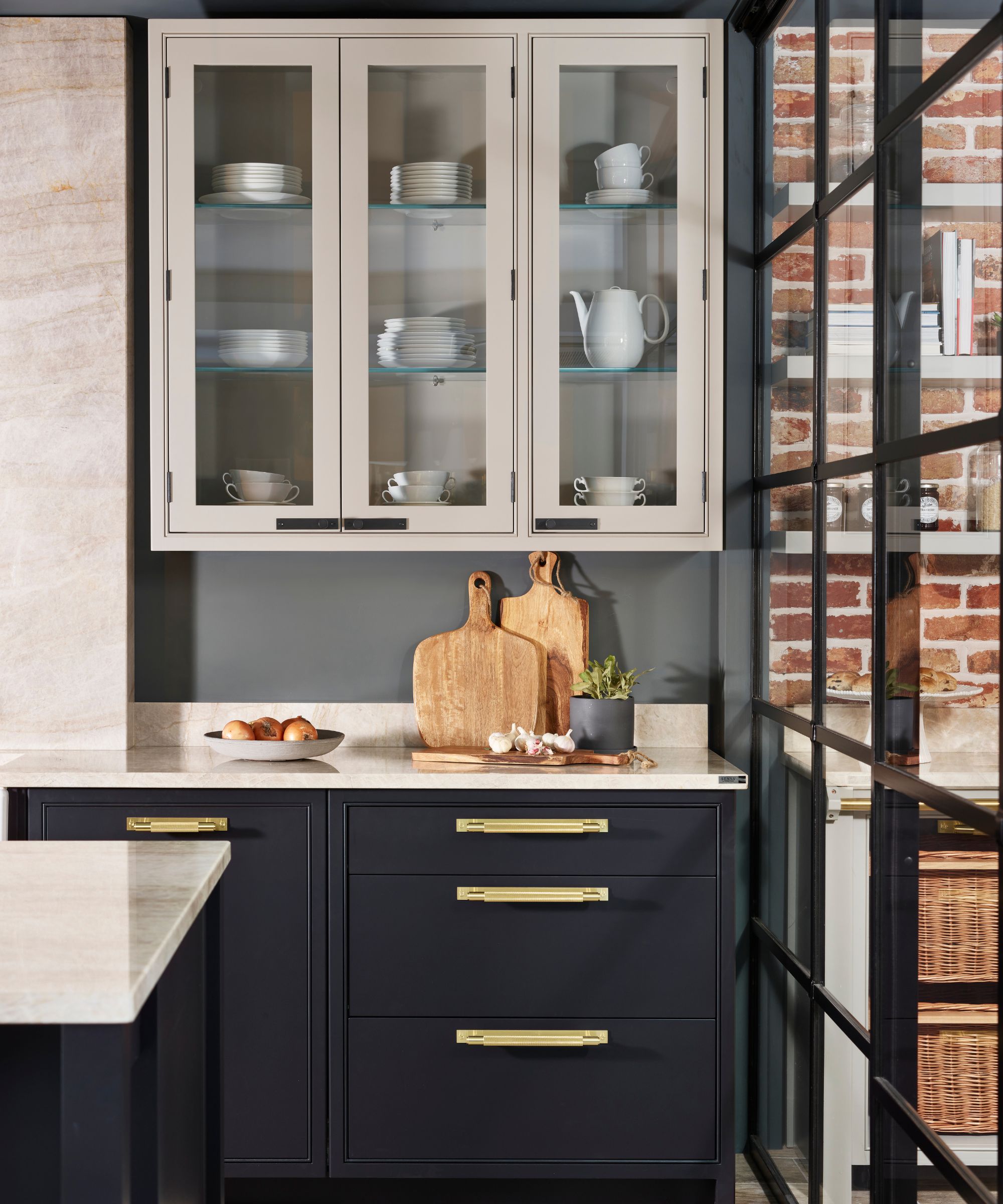
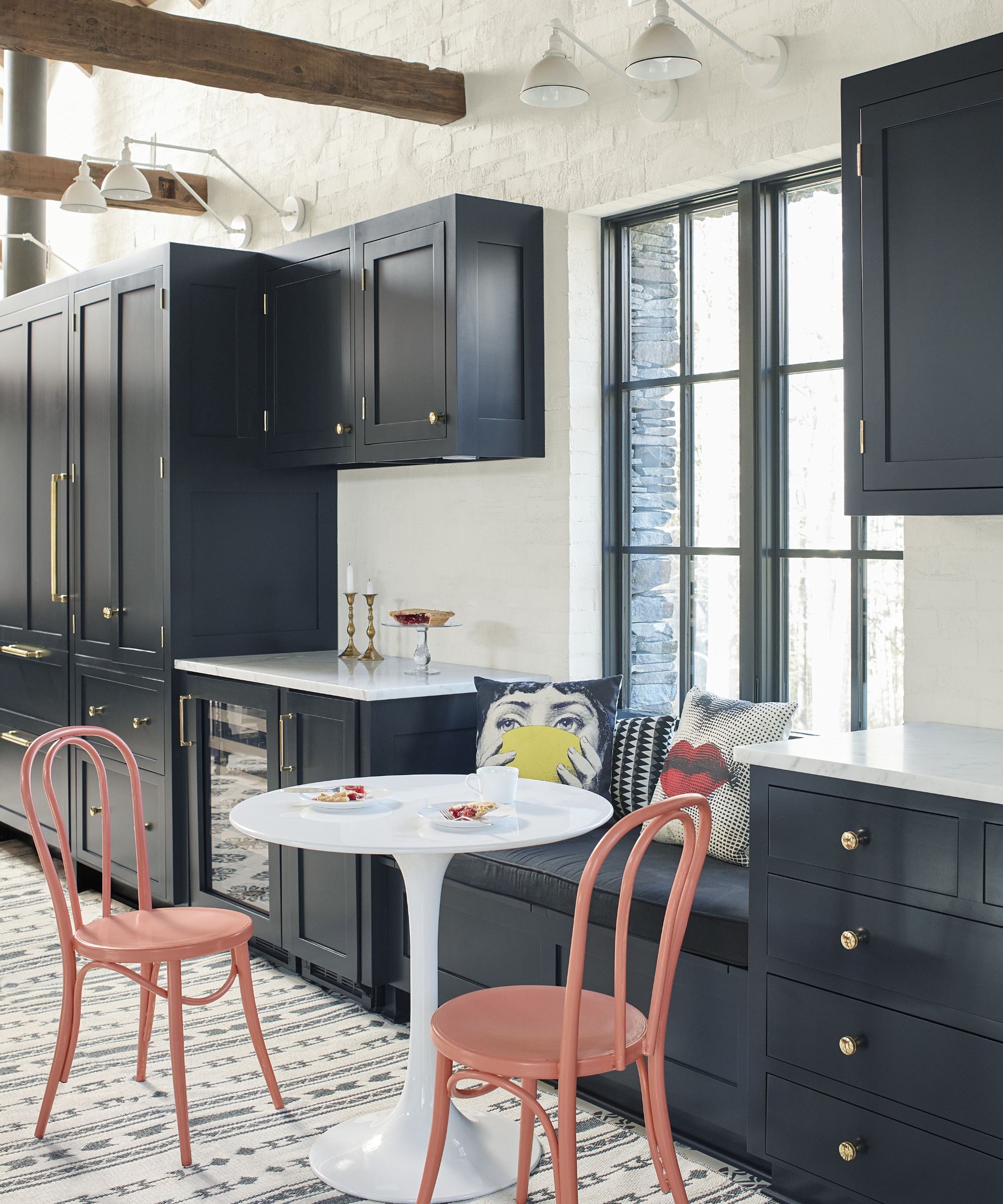
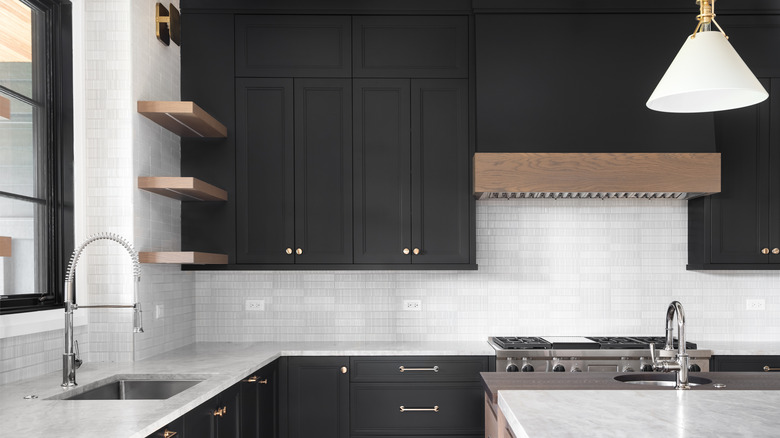
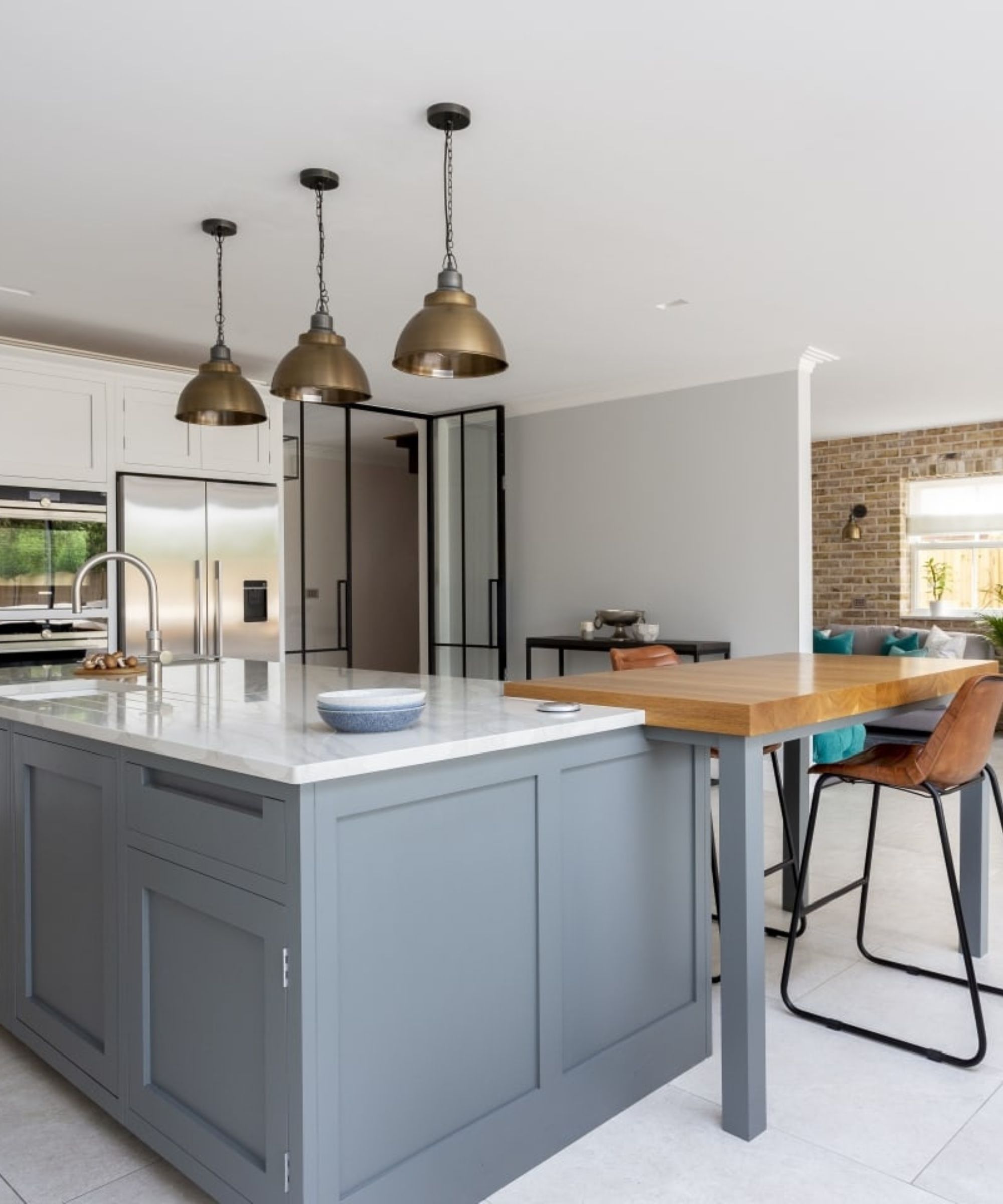
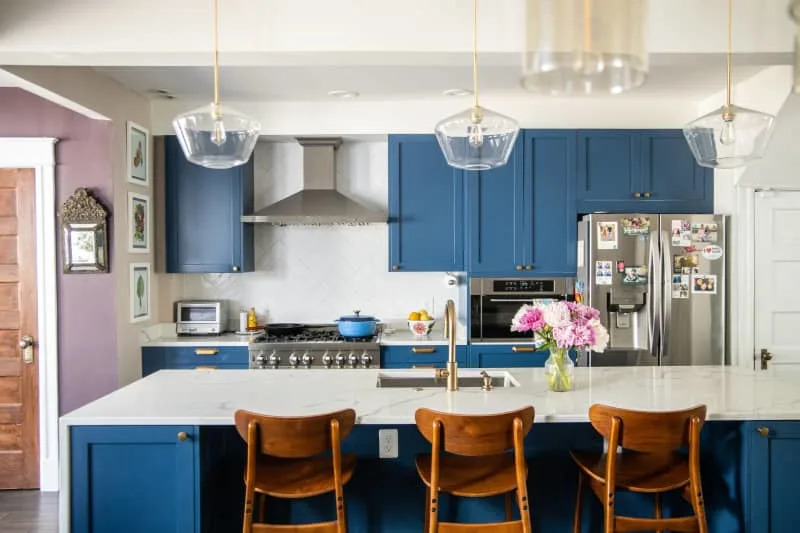
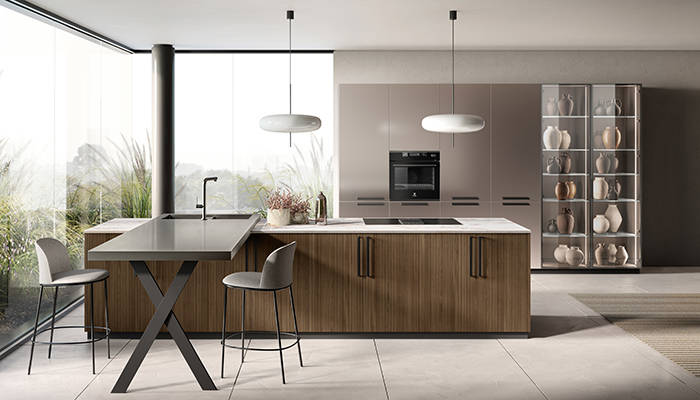
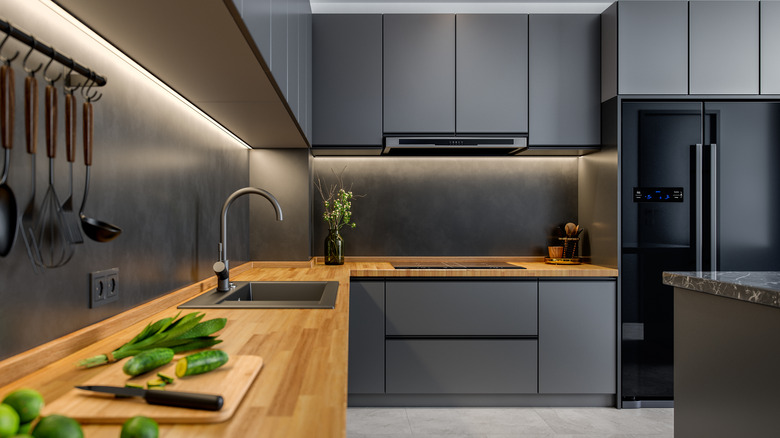
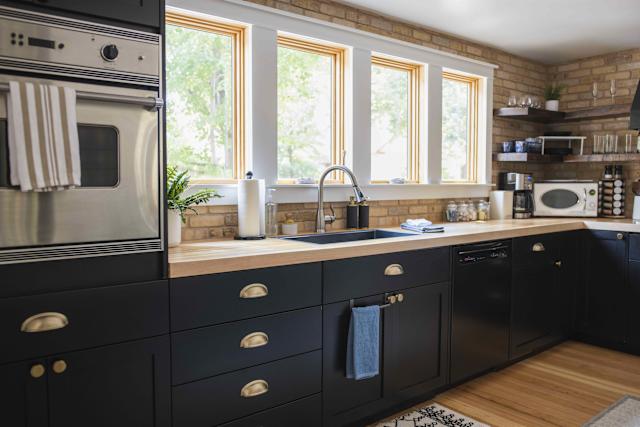
When embarking on a kitchen design project, the cabinets should be chosen before countertops and many other fixtures, as their prominent position dictates the kitchen's initial impression. The design process can begin by visualizing metal cabinets in the space and subsequently building the surrounding elements, such as walls, counters, backsplashes, and other fixtures, around them. For individuals who appreciate the clean and slick aesthetic of metal, pairing these cabinets with white, black, gray, or even steely blue tones is a natural choice. To prevent the room from appearing overly sterile, incorporating large windows to maximize natural light is beneficial. Adding visual interest can be achieved by using two-toned cabinets, for example, combining classic silver with black or navy blue. A key rule for two-toned cabinets is to place the lighter color on the upper cabinets.
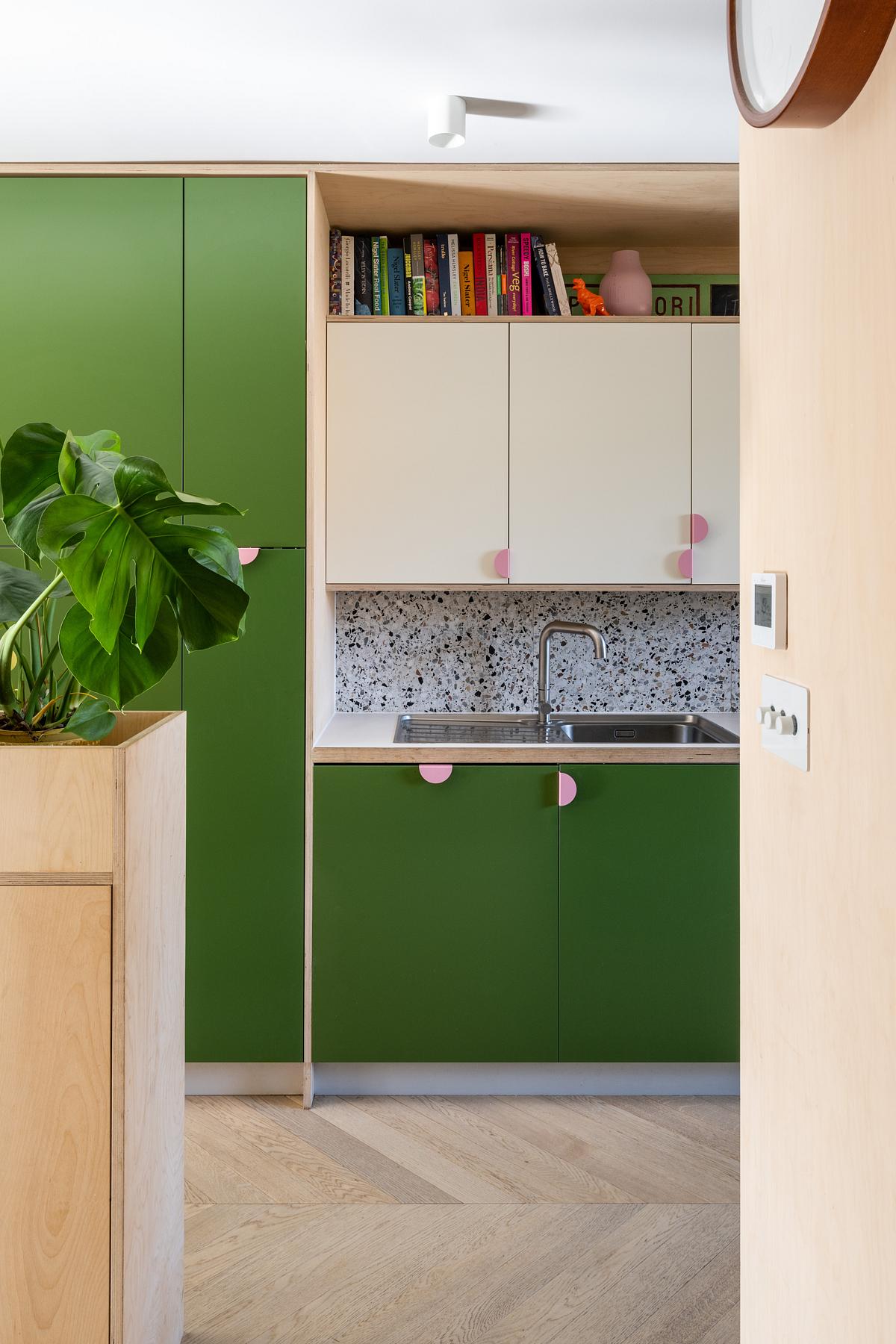
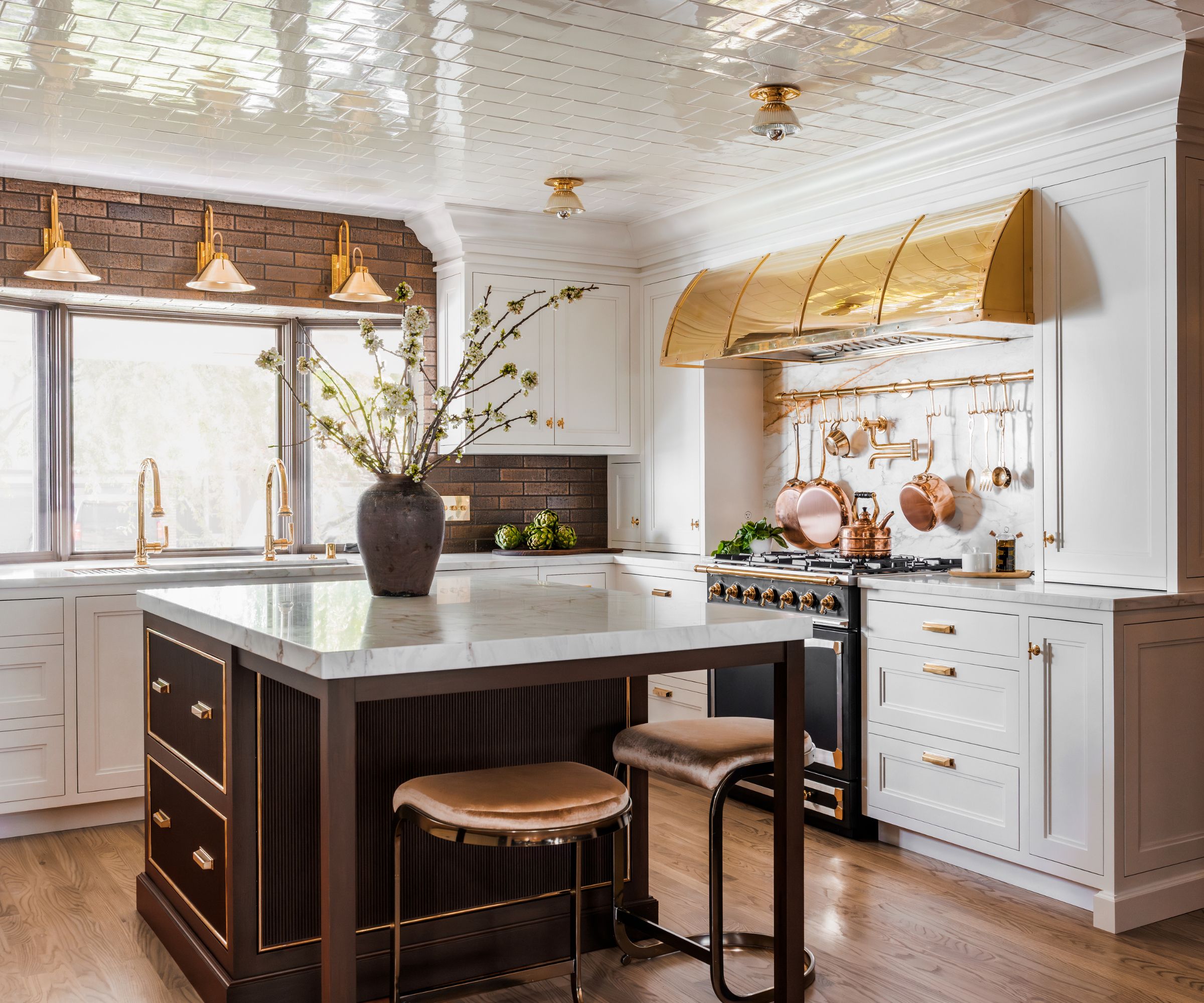
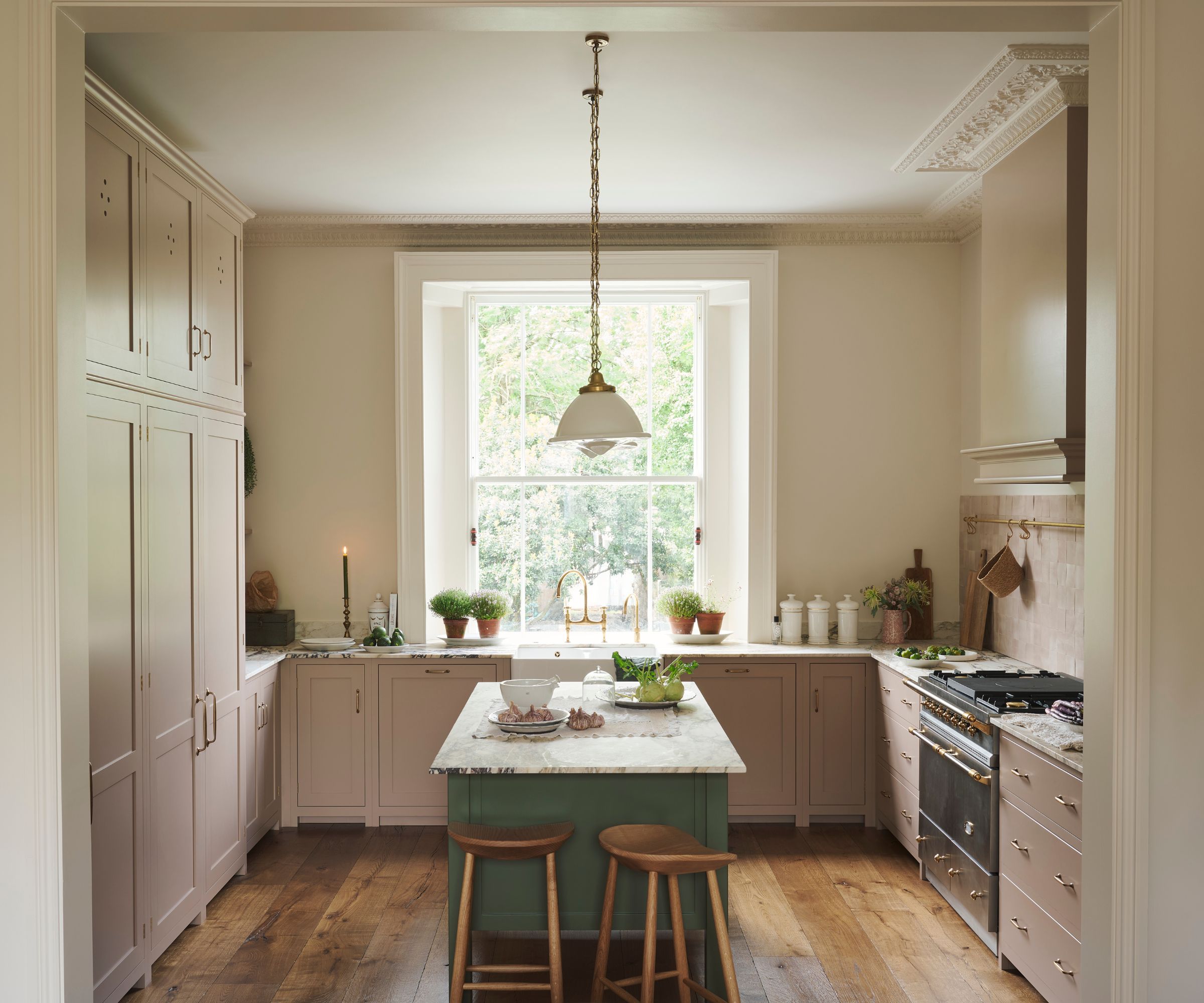
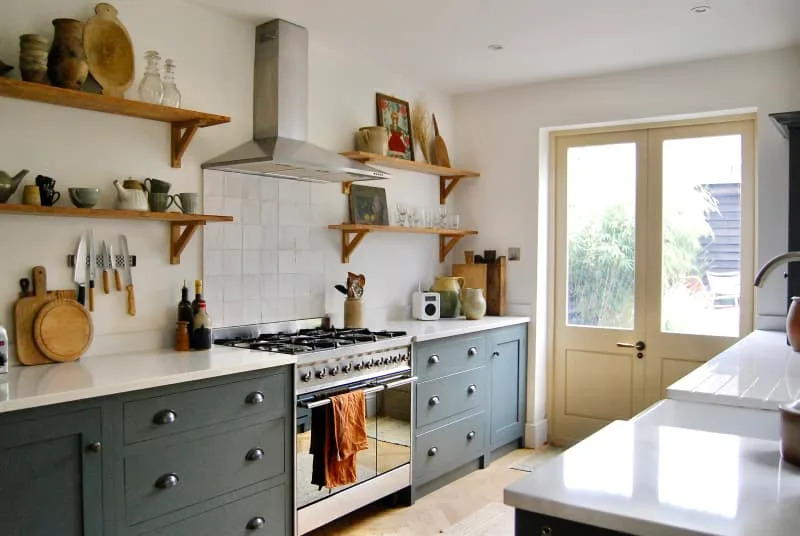
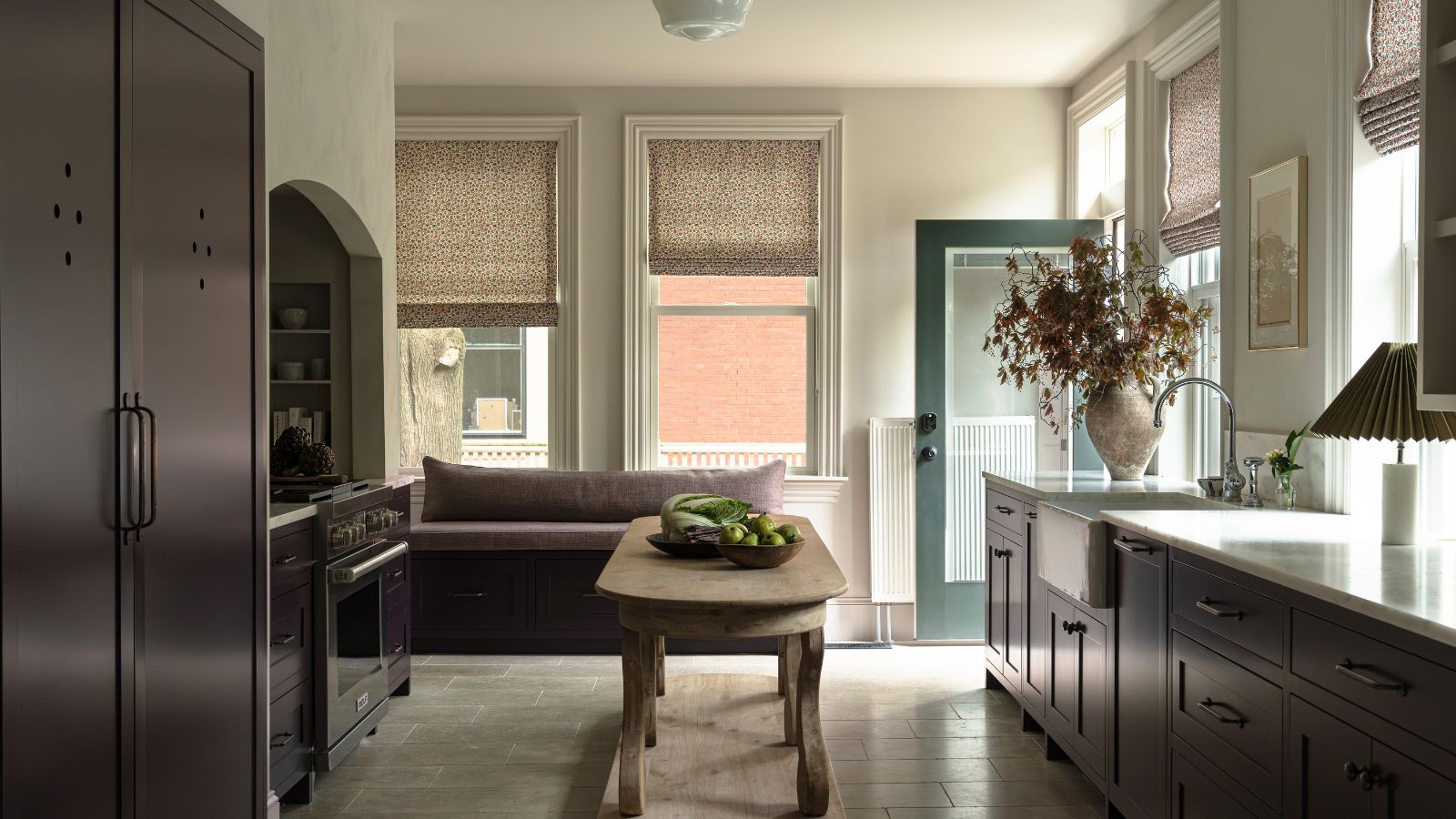
To soften the industrial feel of metal cabinets, integrating wood flooring and counters, along with a stone or brick backsplash, can create a balanced appeal that combines cleanliness with a homey, rustic touch. Introducing houseplants and airy curtains further contributes to offsetting the metal, resulting in a natural yet modern ambiance. For more vibrant complementary options, surfaces in warm yellow, bold orange or maroon backsplashes and accent walls, and pops of bright green through elements like doors or counters can be considered. Furthermore, a current trend involves reducing or eliminating upper cabinets in favor of open shelving or additional lighting. Utilizing just one row of cabinets can subtly lessen the impact of the metal and open up the kitchen space, enhancing its overall airiness.
#KitchenDesign #CabinetTrends #MetalCabinetry #StainlessSteel #AluminumCabinets #ModernKitchens #InteriorDesign #HomeDecor #KitchenDesign #CabinetTrends #MetalCabinetry #StainlessSteel #AluminumCabinets #ModernKitchens #InteriorDesign #HomeDecor
कुल 0 टिप्पणियाँ
 कोई टिप्पणी नहीं
आपको यह भी पसंद आ सकता है
Designers Reveal the Surprising Kitchen Cabinet Trend That's Taking Over

What Kind of Cabinet Pulls Should I Choose in 2024? An Expert Guide to the Big Trends in Hardware

Good News: This Kitchen Cabinet Trend Is Also Insanely Affordable

Say Goodbye to Bland Kitchens: 5 Kitchen Cabinet Trends You're About to See Everywhere in 2026

Slim Shaker cabinets are the modern trend for 2025
7 Gorgeous Cabinet Trends Set To Take Over Kitchens In 2026
The Once Trendy Cabinet Style That's Making A Comeback For A Timeless Look
This Traditional Kitchen Detail is Making an Unexpected Comeback This Year

7 kitchen cabinet trends designers say will elevate your cooking space

This Type of Kitchen Cabinet Is on the Rise

13 stylish kitchen cabinet trends to have on your radar in 2025
5 Kitchen Cabinet Trends on Their Way Out This Year (and 4 Replacing Them), According to Contractors

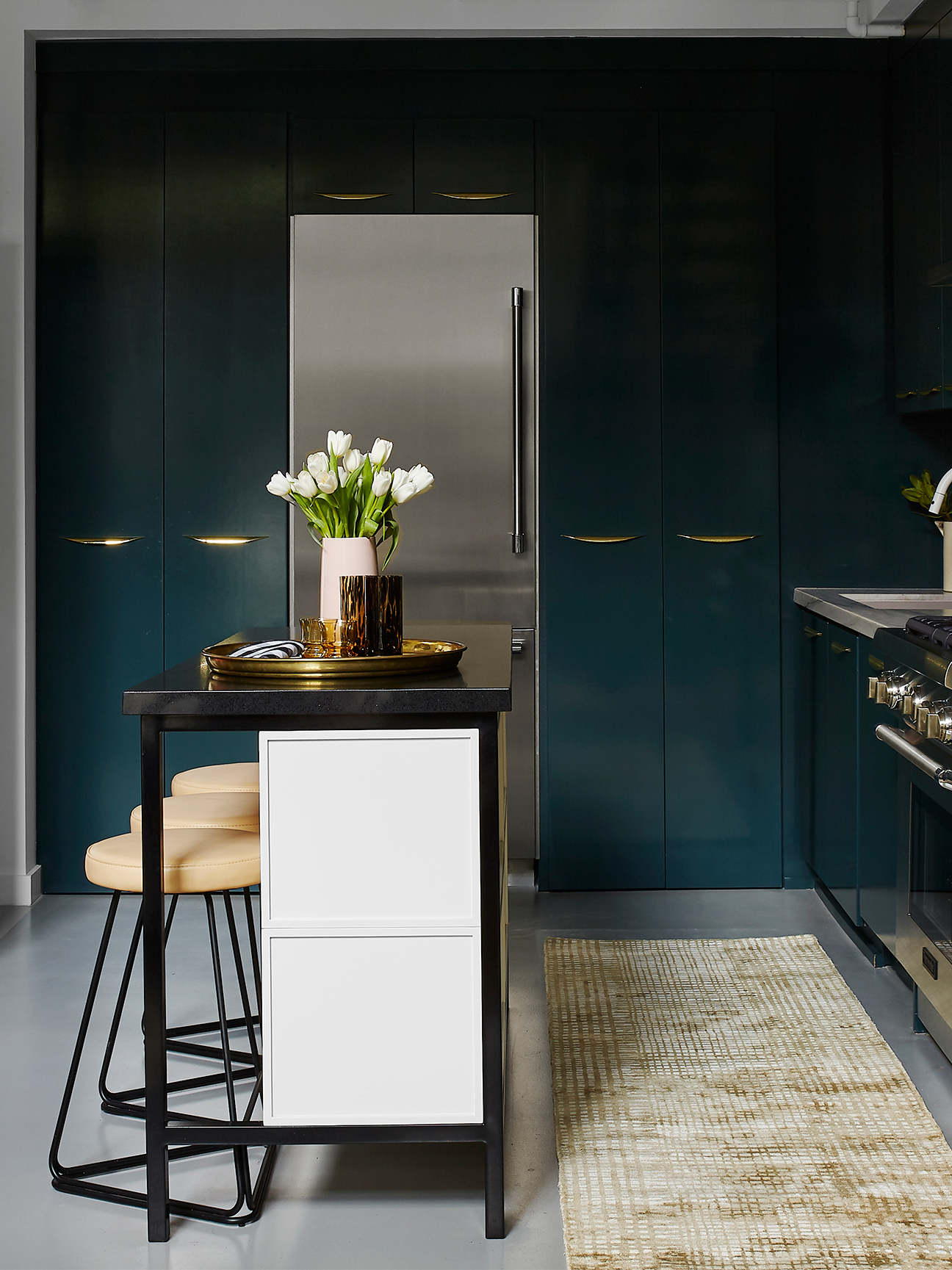
This Type of Kitchen Cabinet Is on the Rise
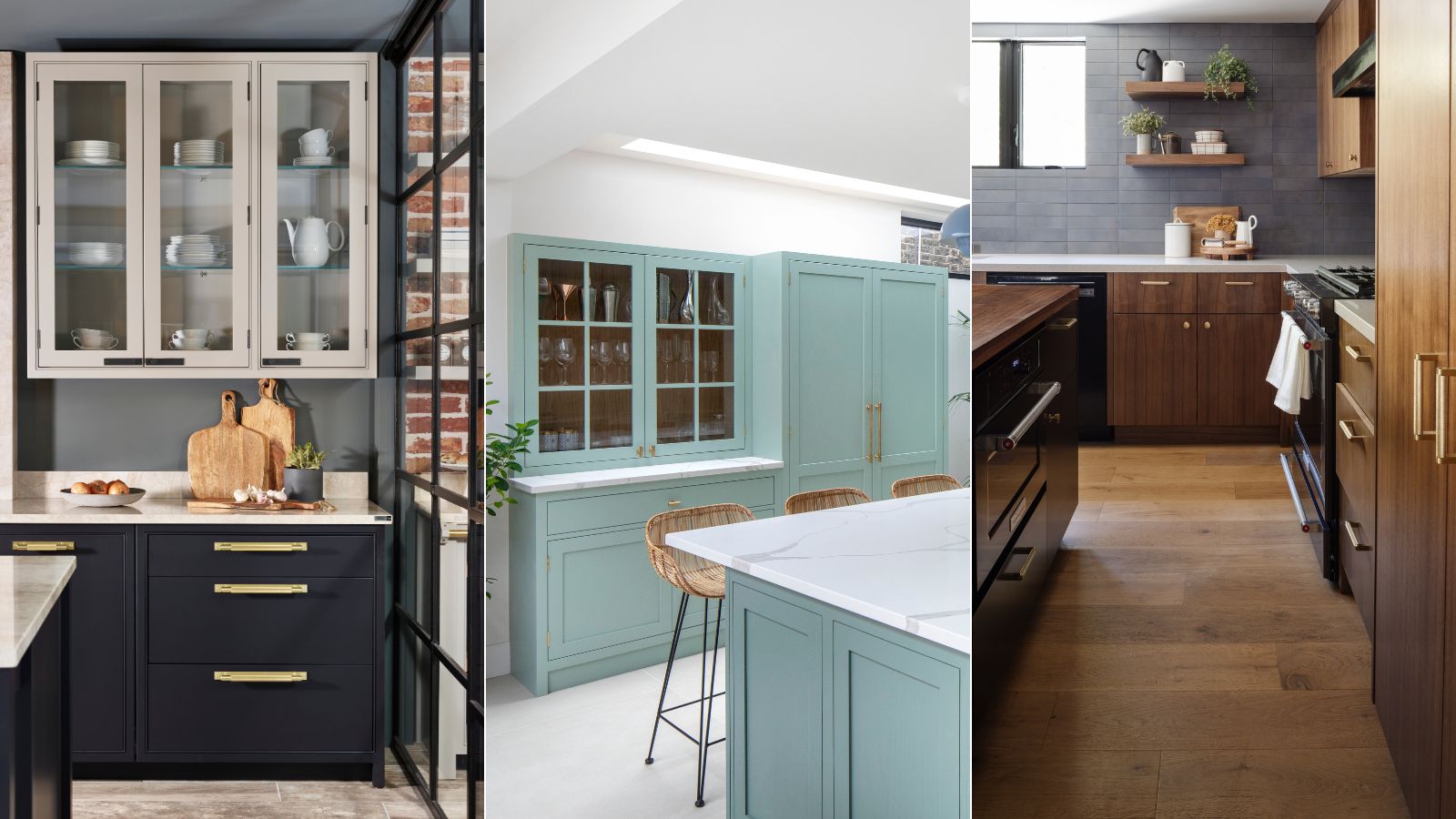
5 dated kitchen hardware trends that could be bringing down the look of your kitchen
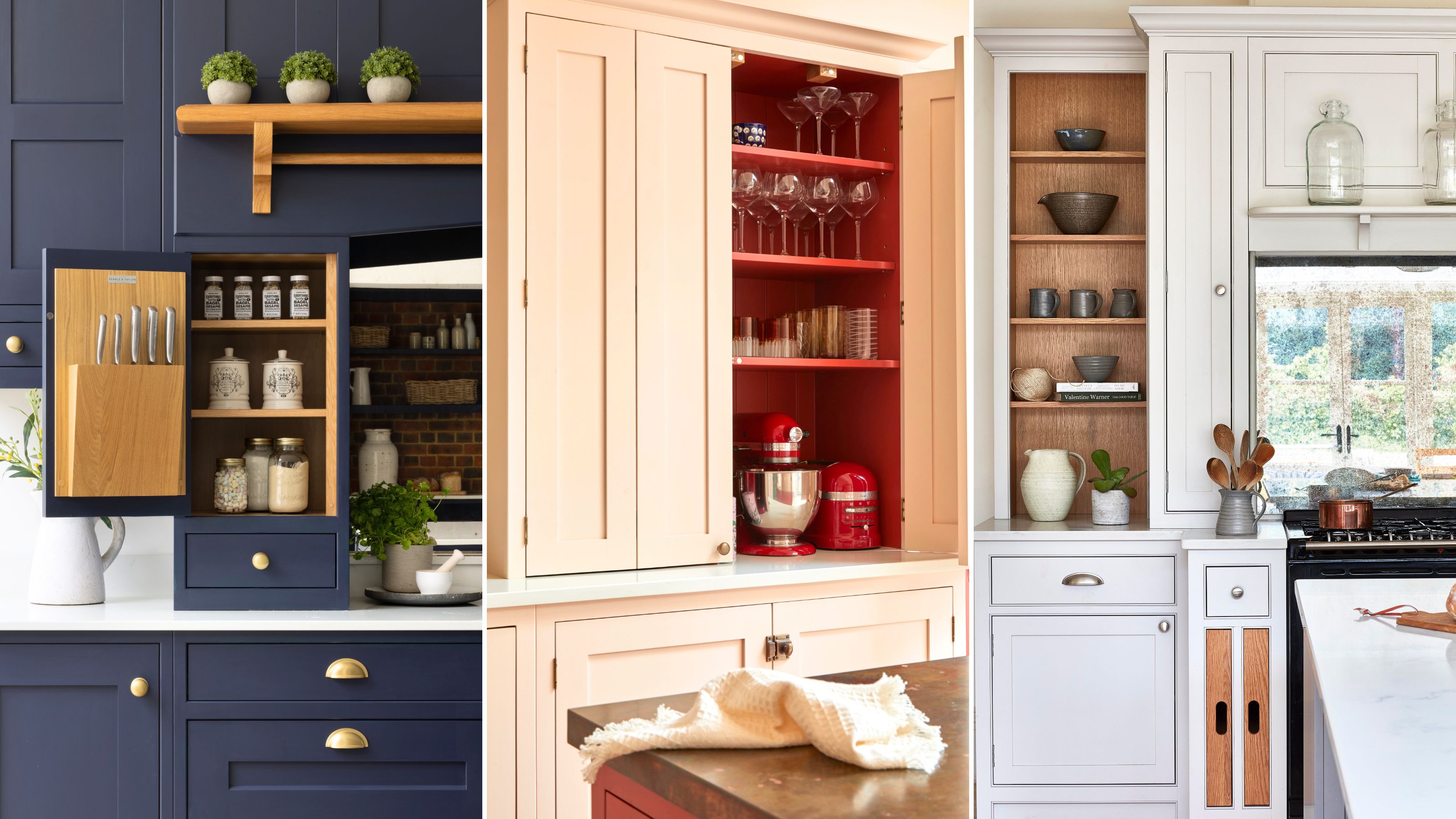
7 outdated kitchen cabinet trends to close the door on — and what to pick instead

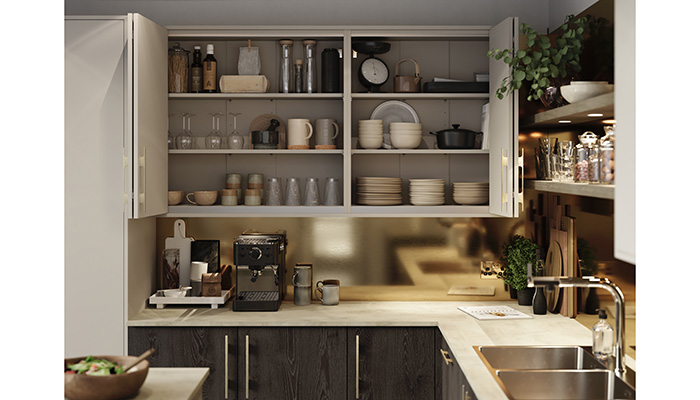
The shape of things to come – 4 ways kitchen cabinetry is evolving
4 Fresh Takes on Contemporary Kitchen Cabinets

These are the outdated kitchen cabinet trends designers say you should ditch in 2025
These 5 features make kitchen cabinets look dated, designers warn us
5 Outdated Kitchen Cabinet Trends That Interior Designers Say You Should Skip