1/9
Kitchen island trends – 8 shapes, materials and finishes designers are choosing for elevated spaces
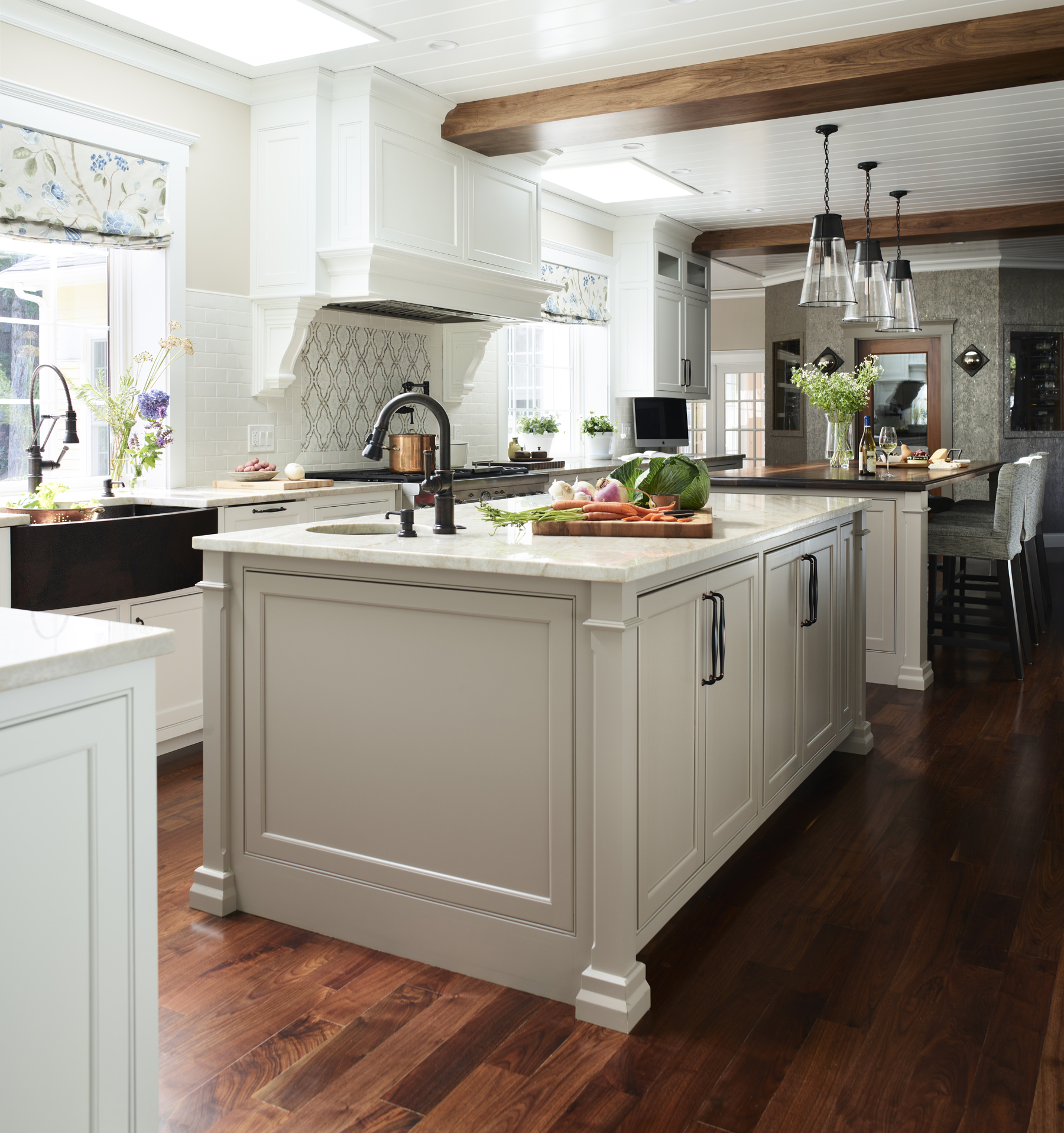
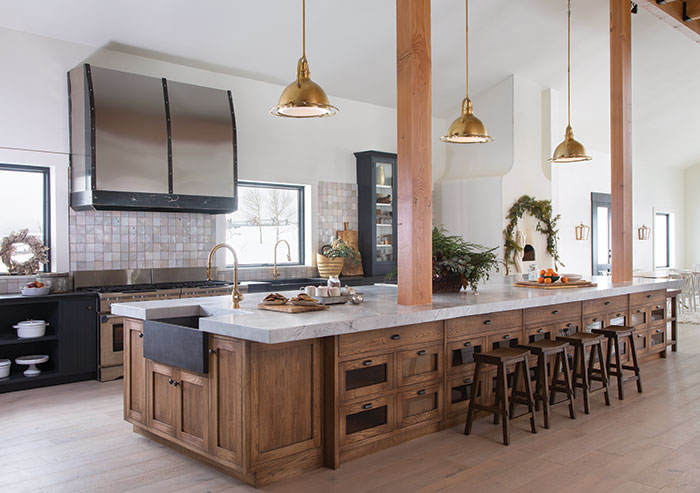
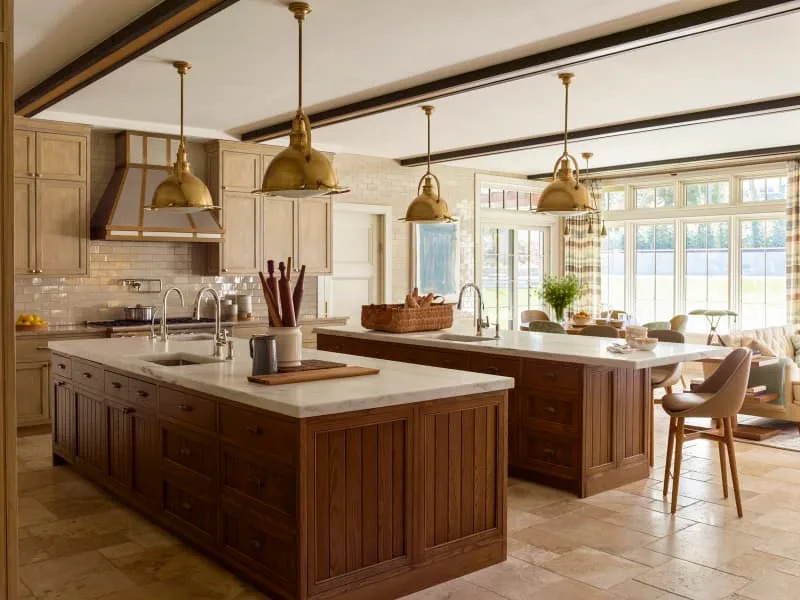
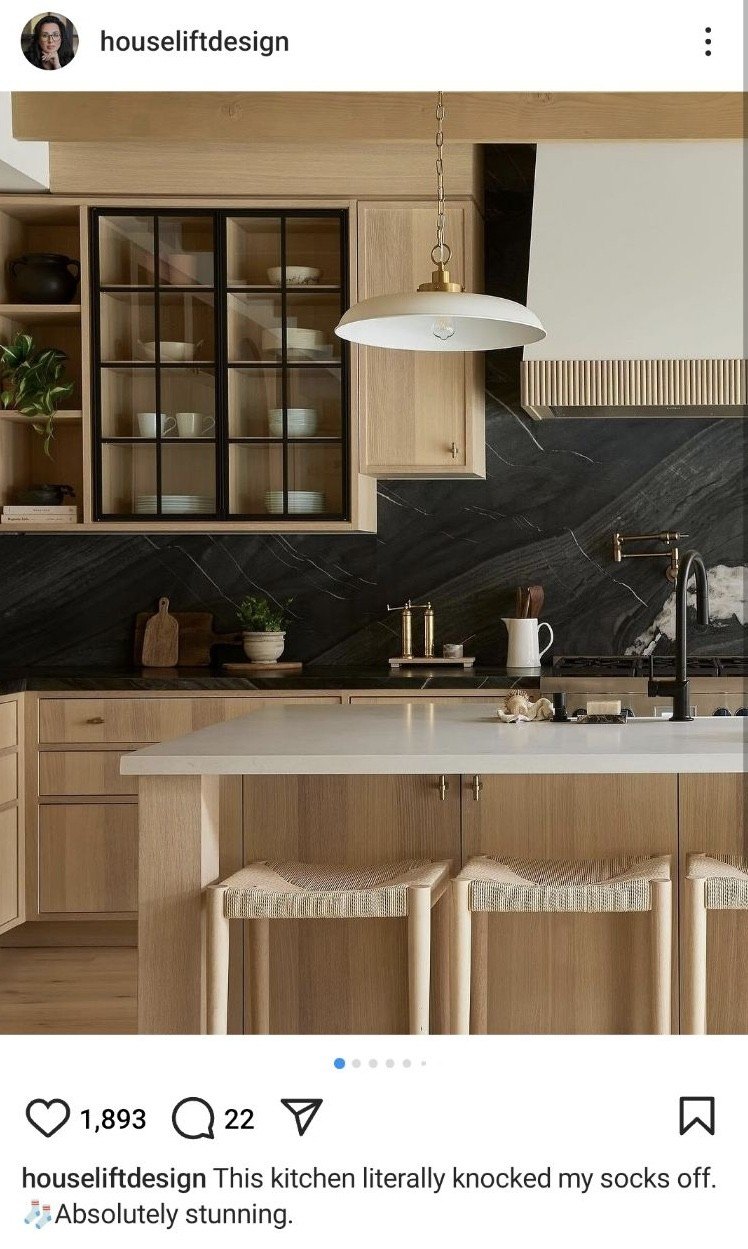
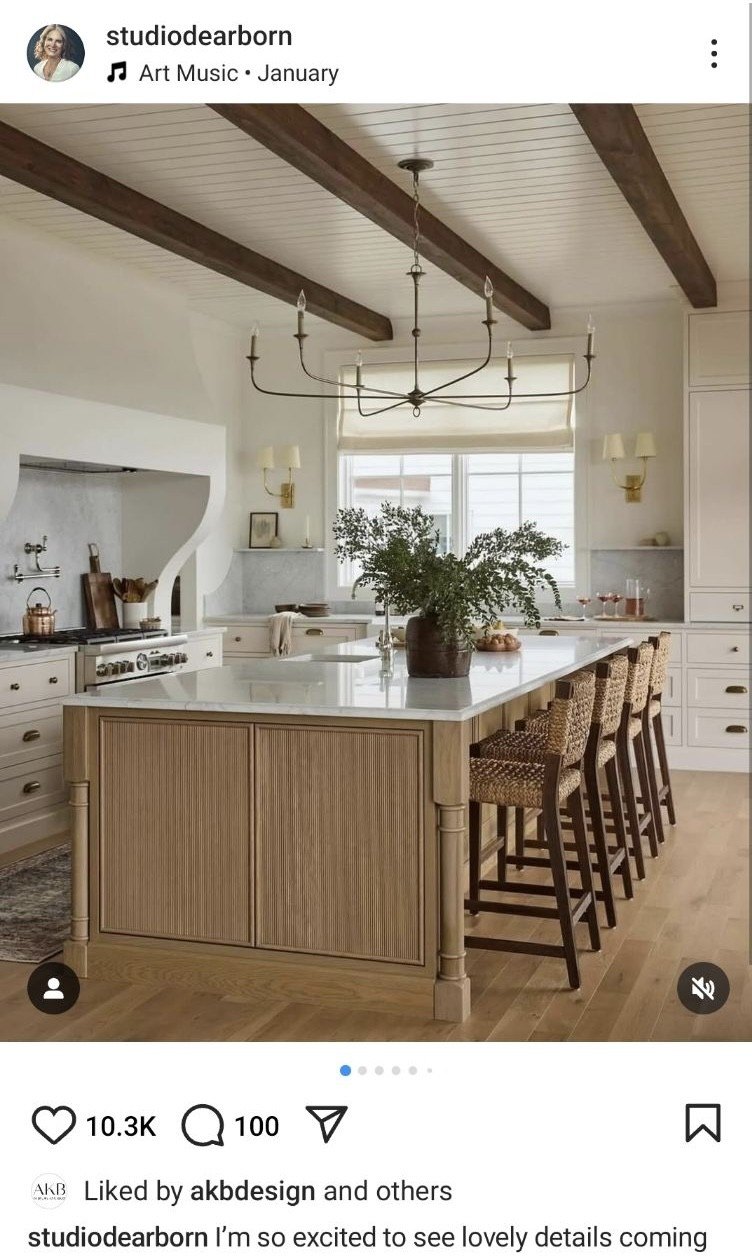
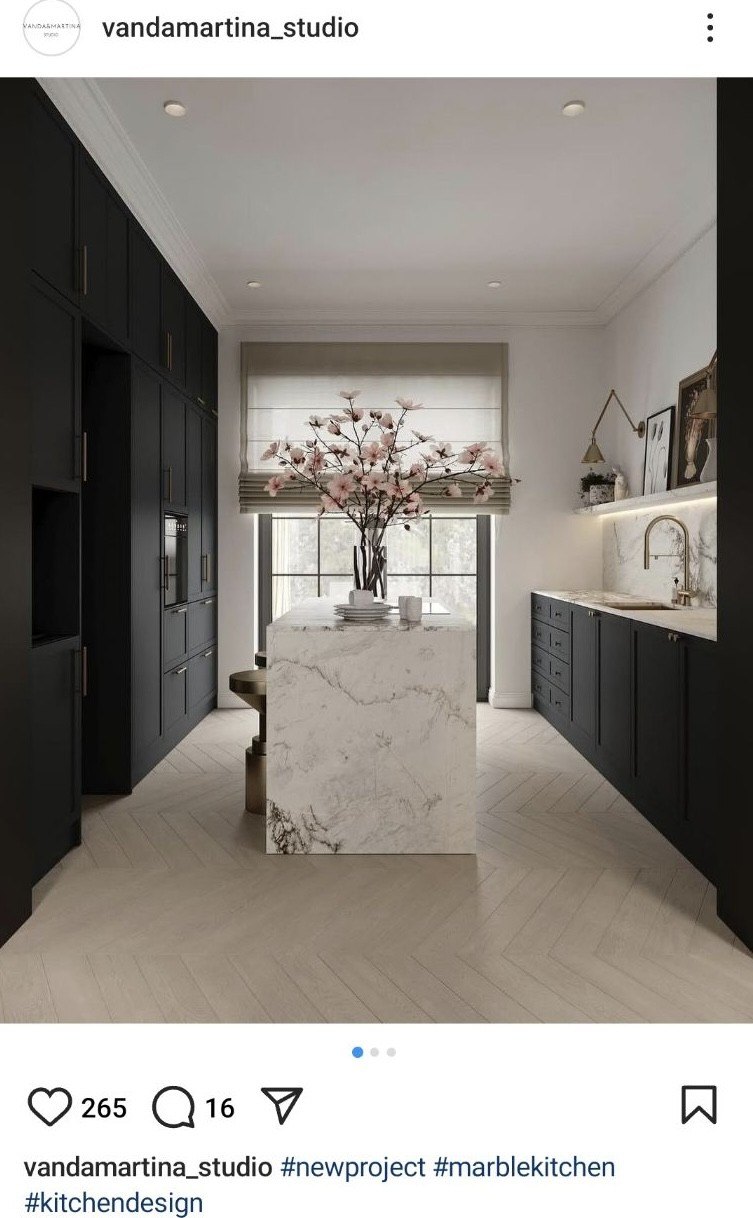
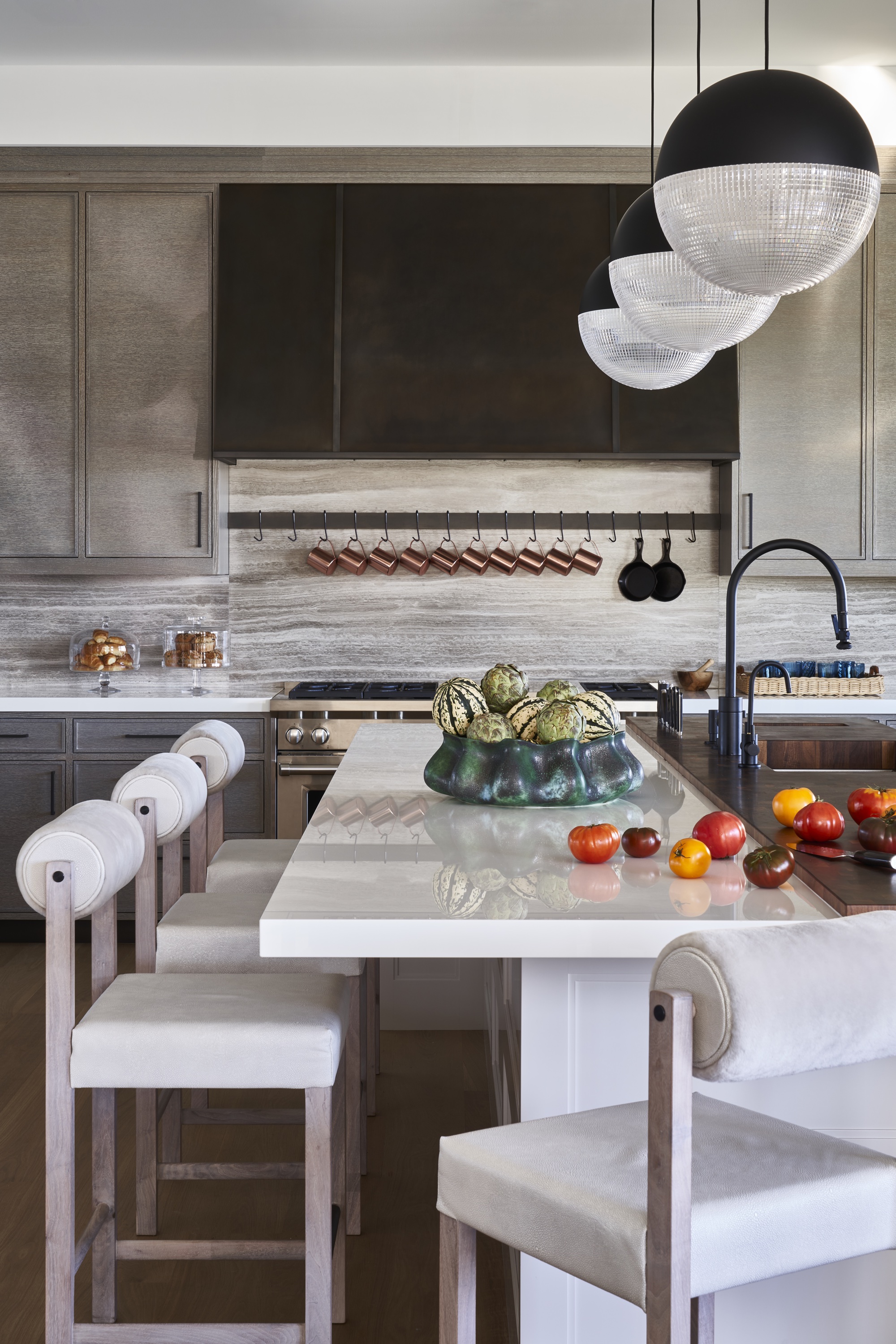
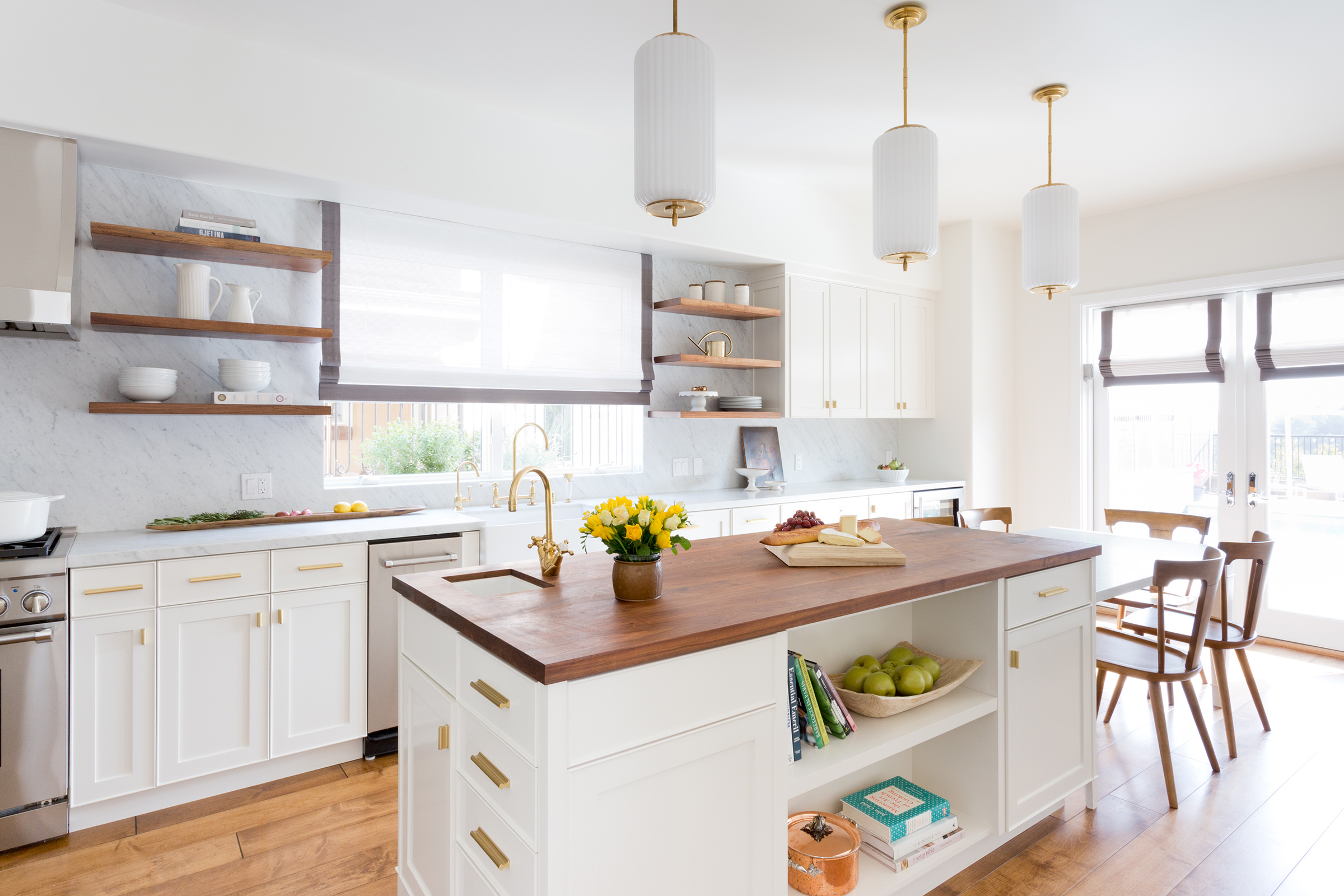
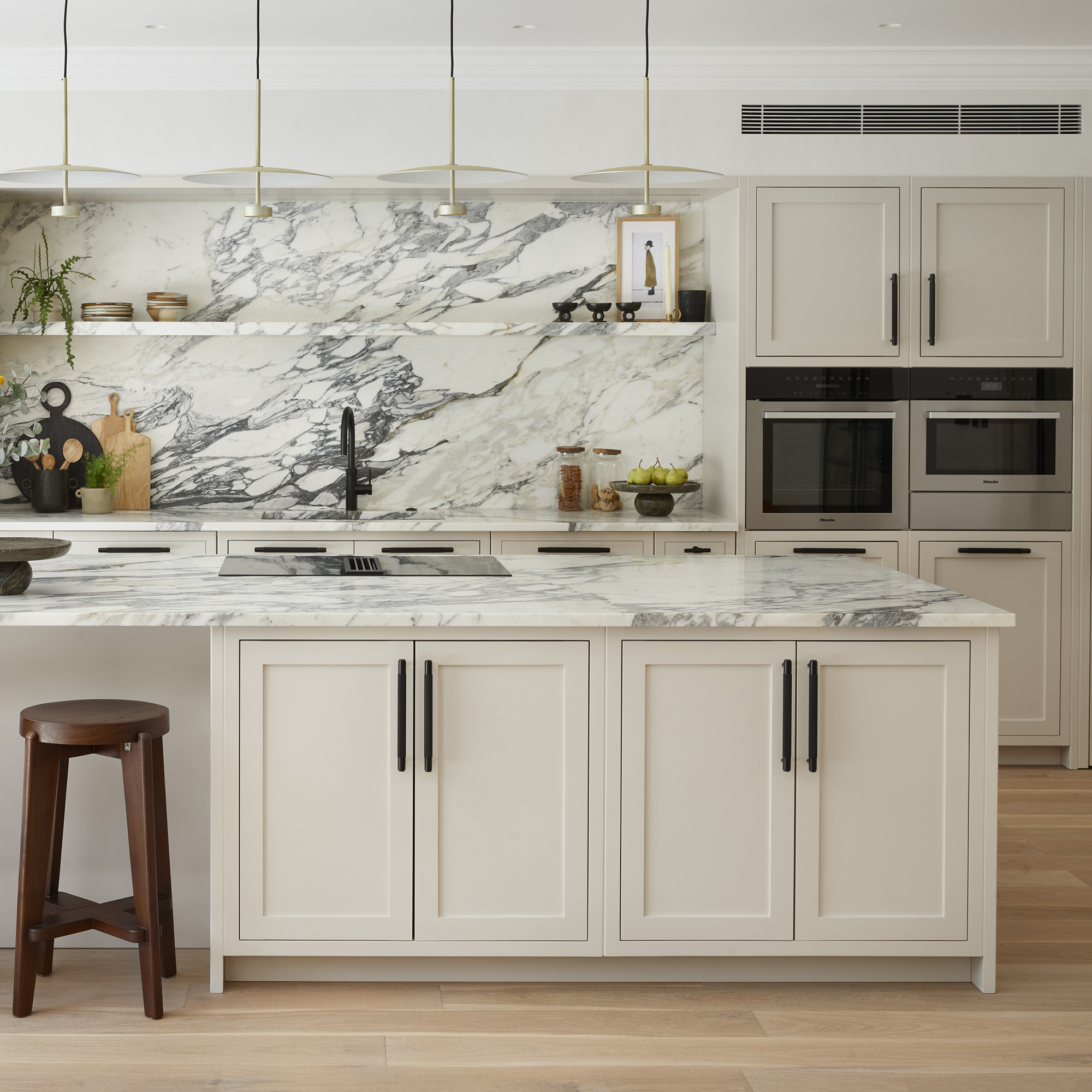
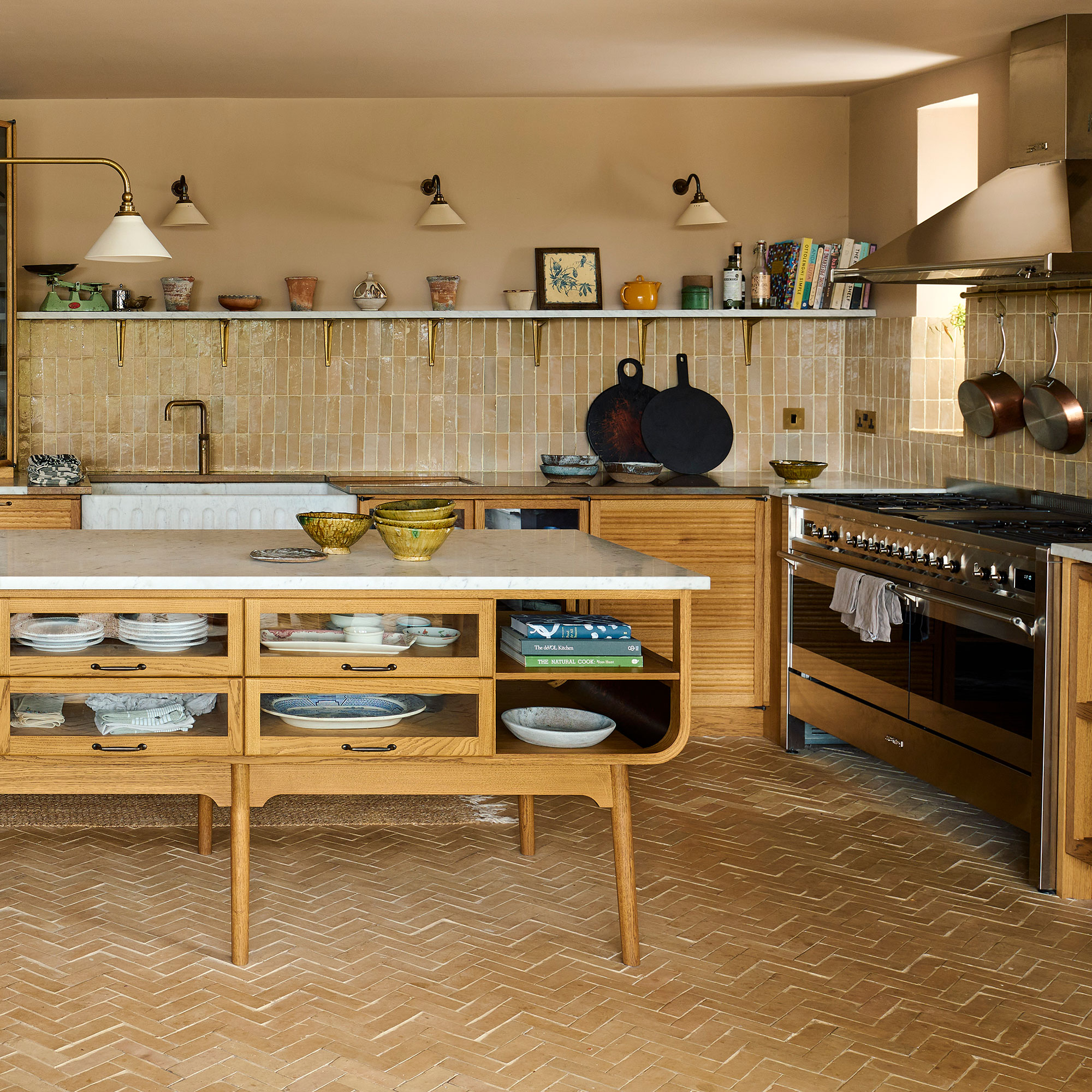
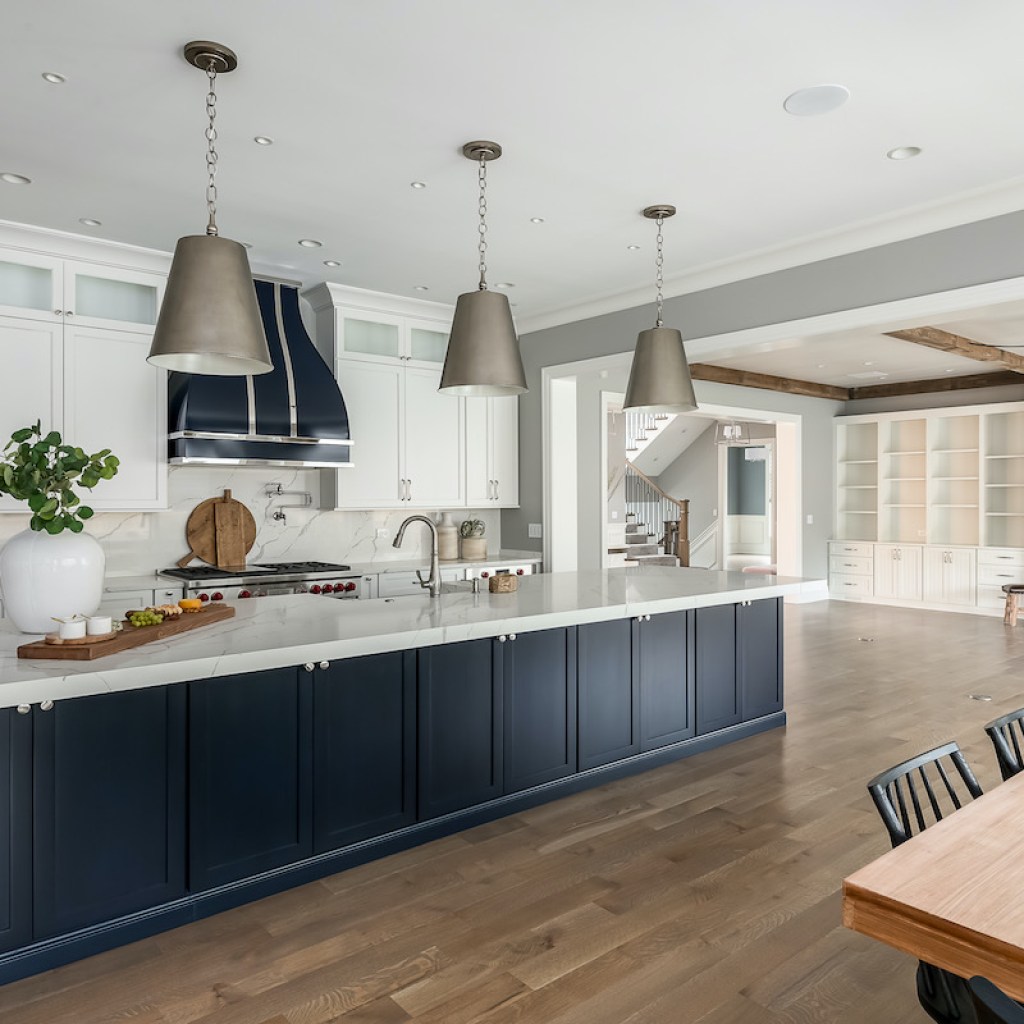
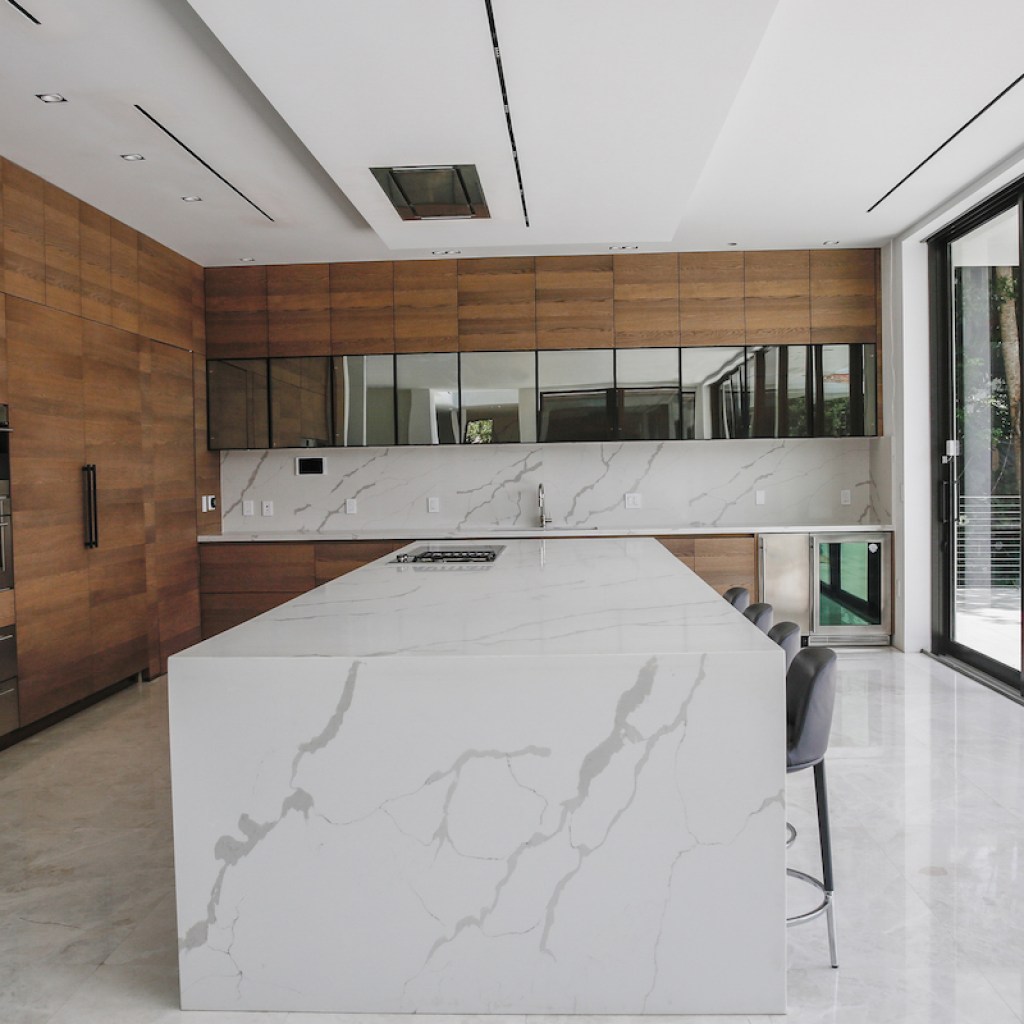
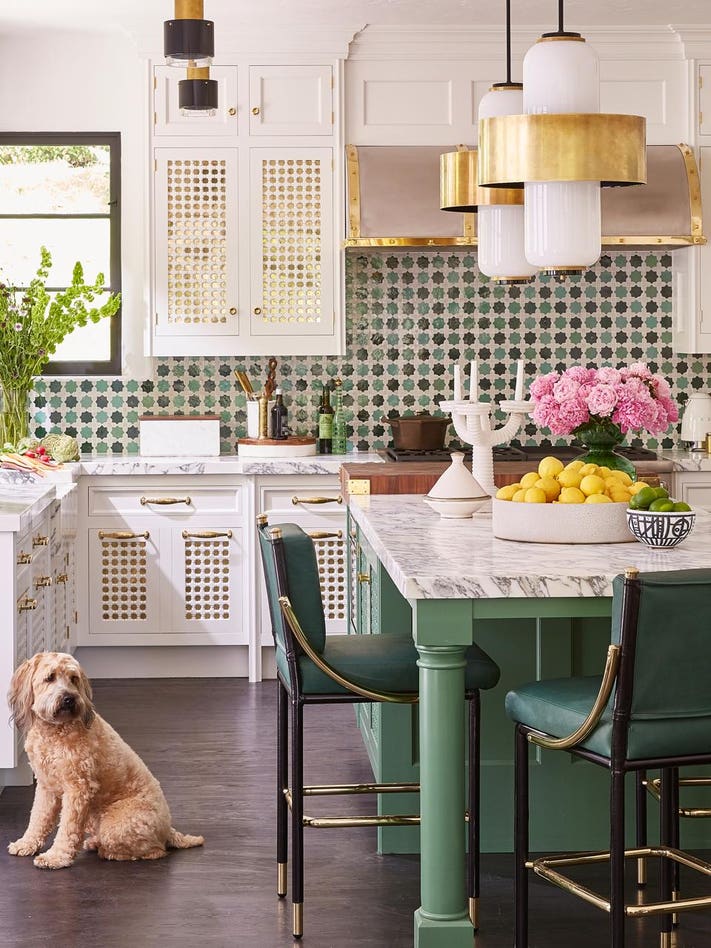
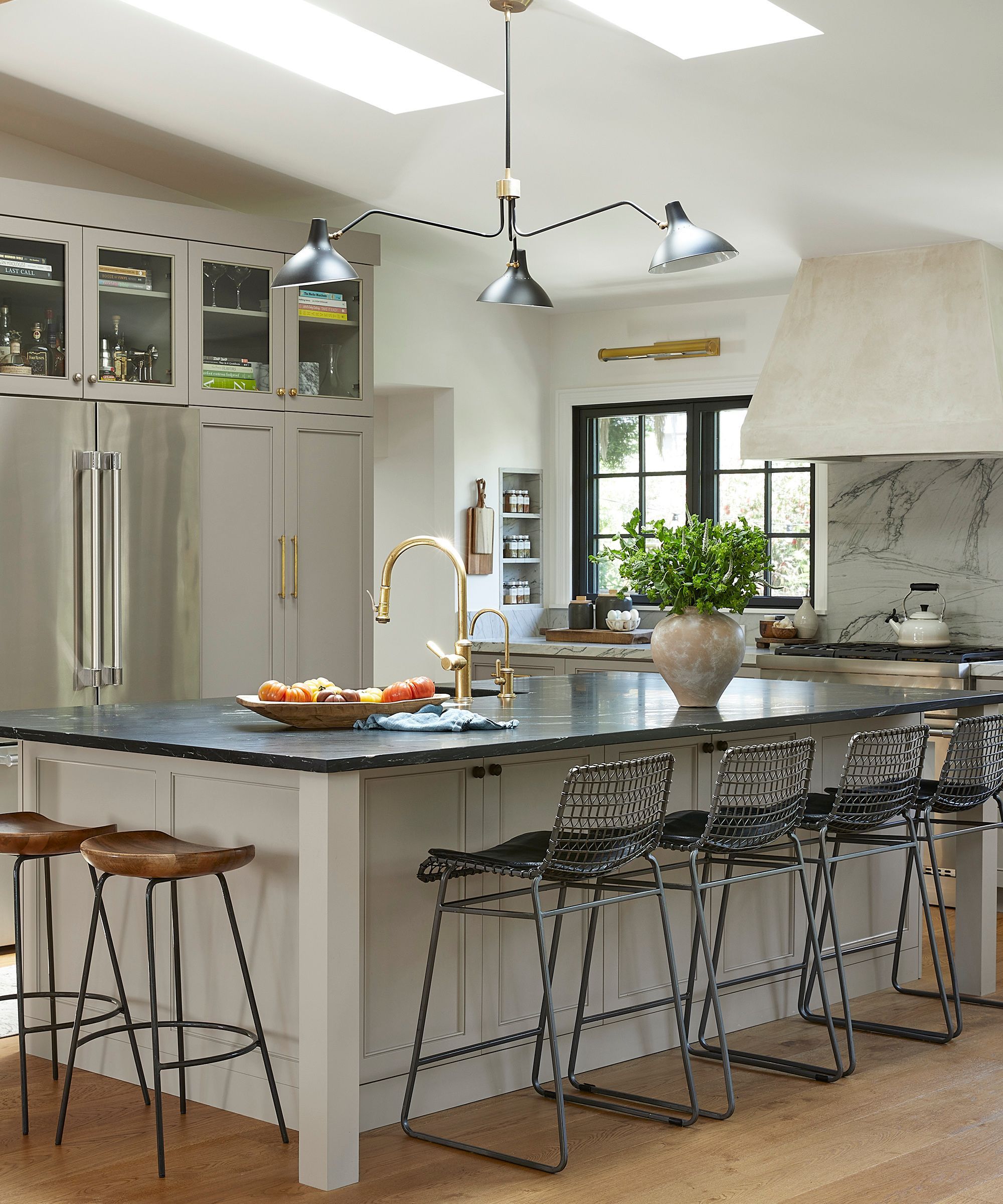
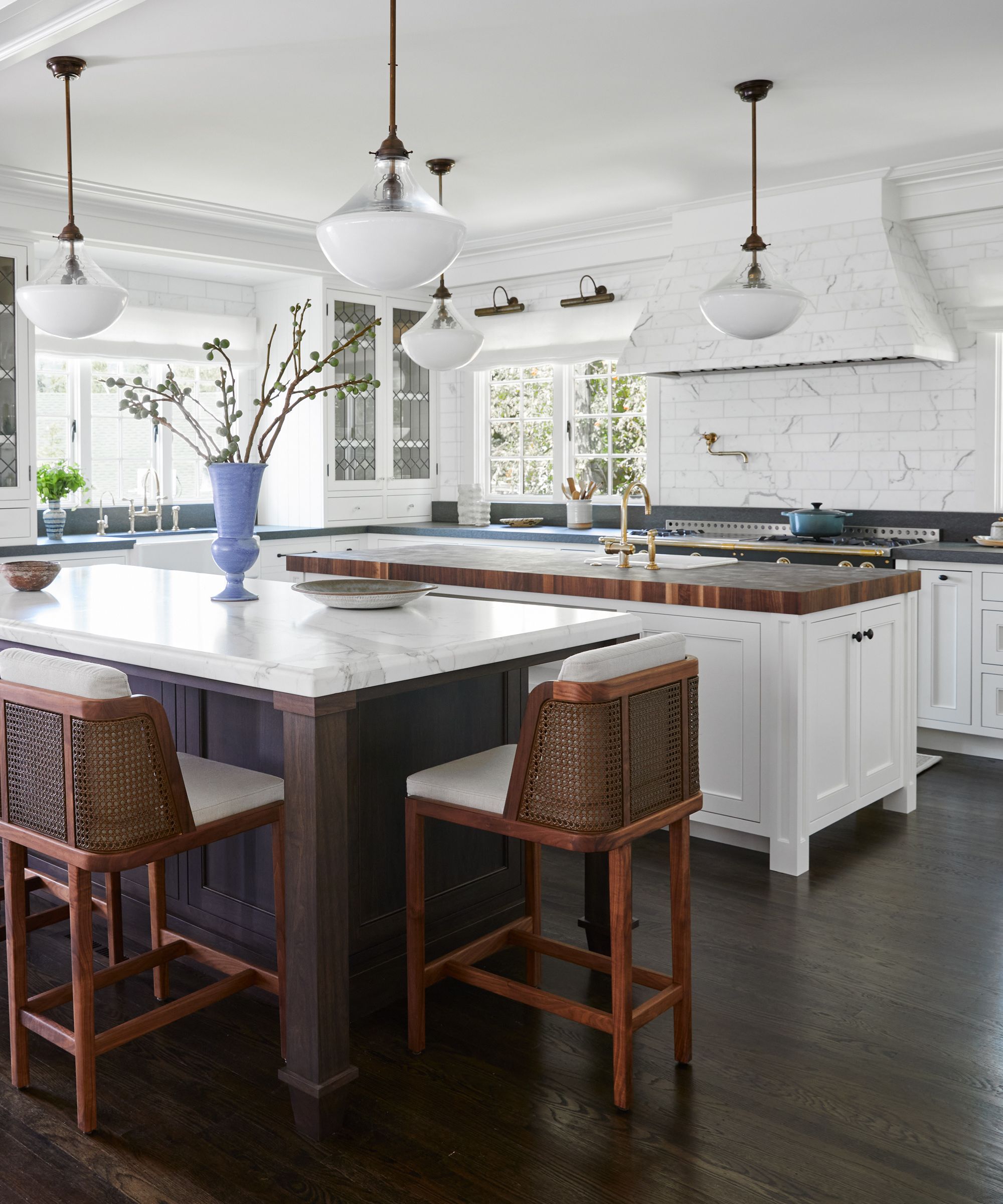
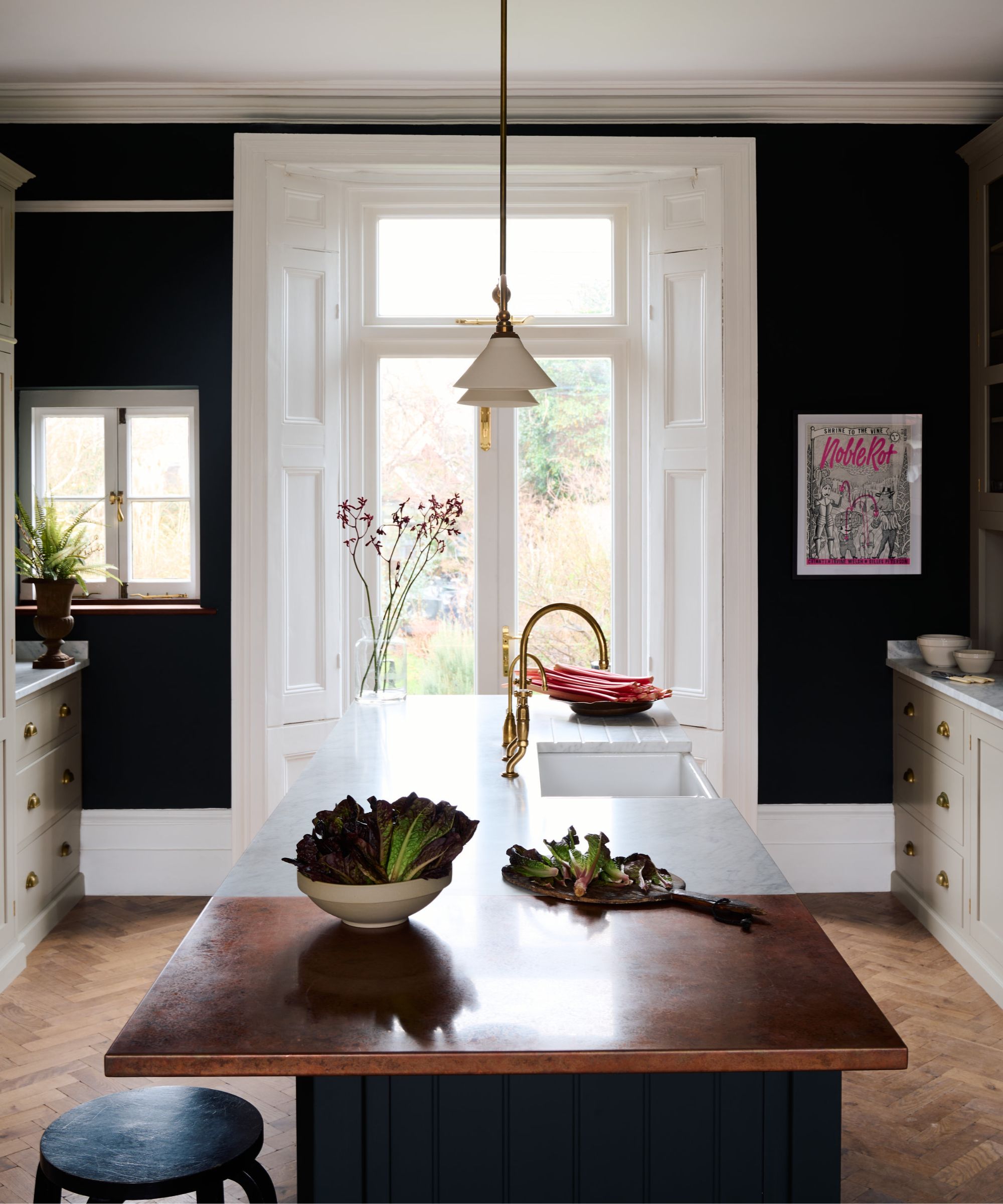
Kitchen islands are no longer just functional elements but have become central to defining the mood and aesthetic of modern kitchens, with designers moving away from islands that merely match surrounding cabinetry. Contemporary trends highlight the kitchen island as a standalone piece, inviting experimentation with various colors, textures, and shapes to create a focal point within the home. This shift reflects a broader inclination towards integrating unique design elements into the kitchen space.
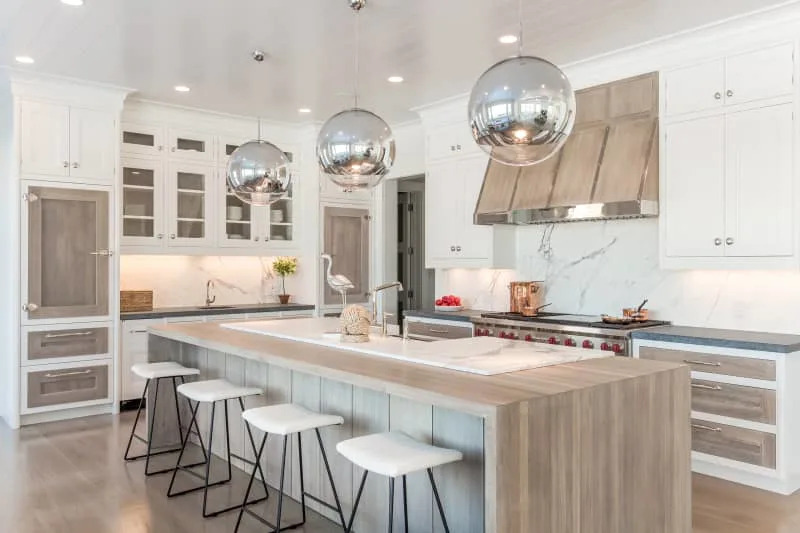
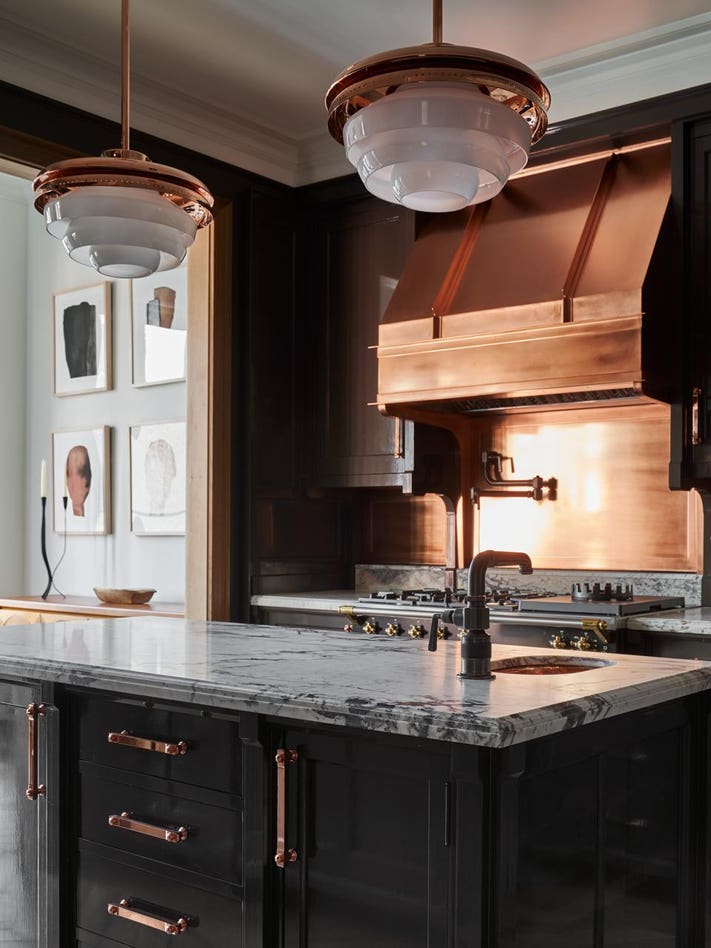
One prominent trend is the use of slim-profile countertops. These offer a sleek and sophisticated look, providing an elegant contrast to the chunkier countertop designs previously popular. For instance, a project by The Brownstone Boys featured a honed Jadore quartzite countertop that was 3/4” (2cm) thick. This material, chosen for its subtle green-grey color and durability, was also extended to the backsplash, ensuring a cohesive and refined appearance. The slim profile allows for graceful curves around the island's edges, emphasizing its refined aesthetic.
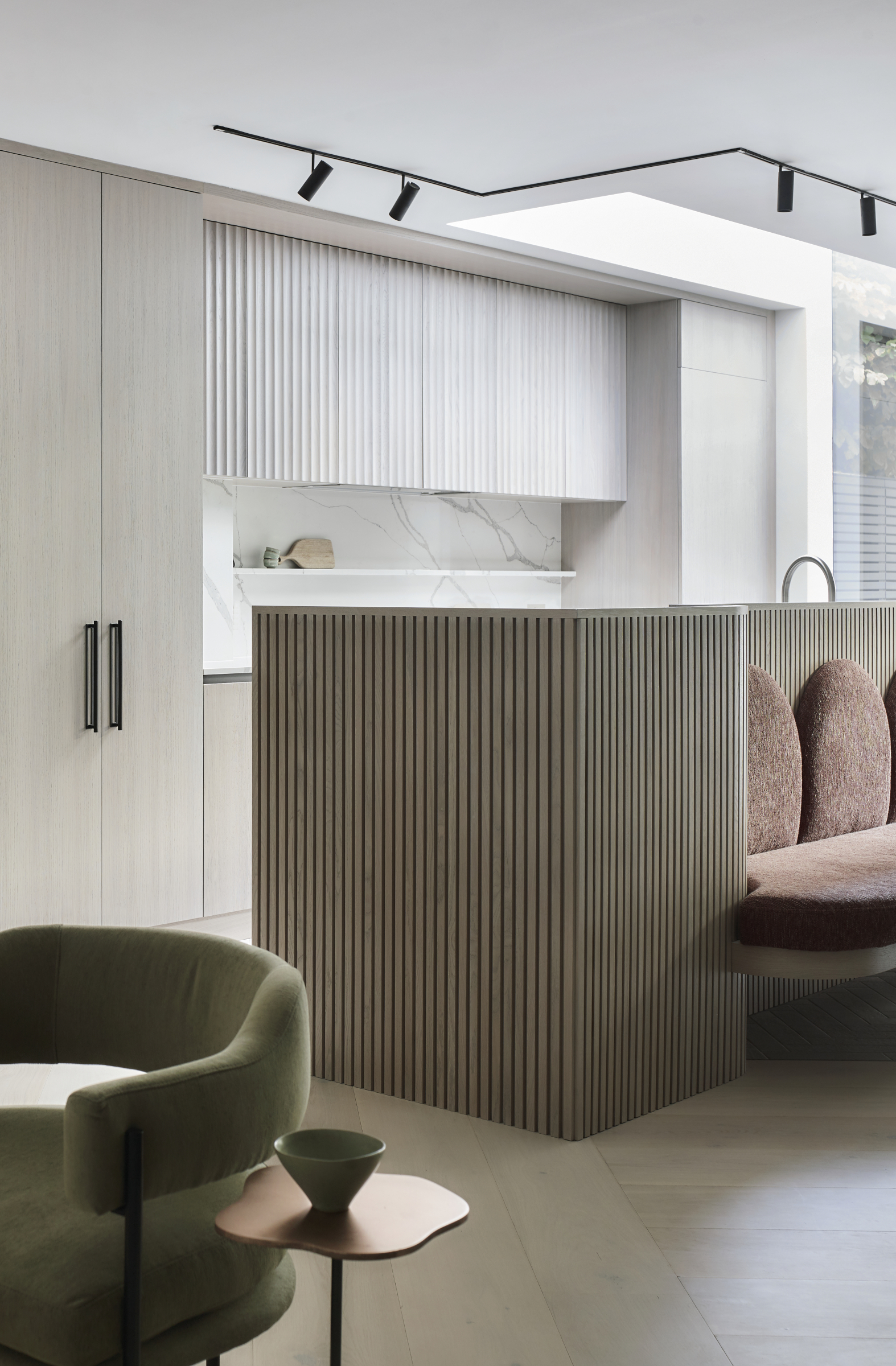
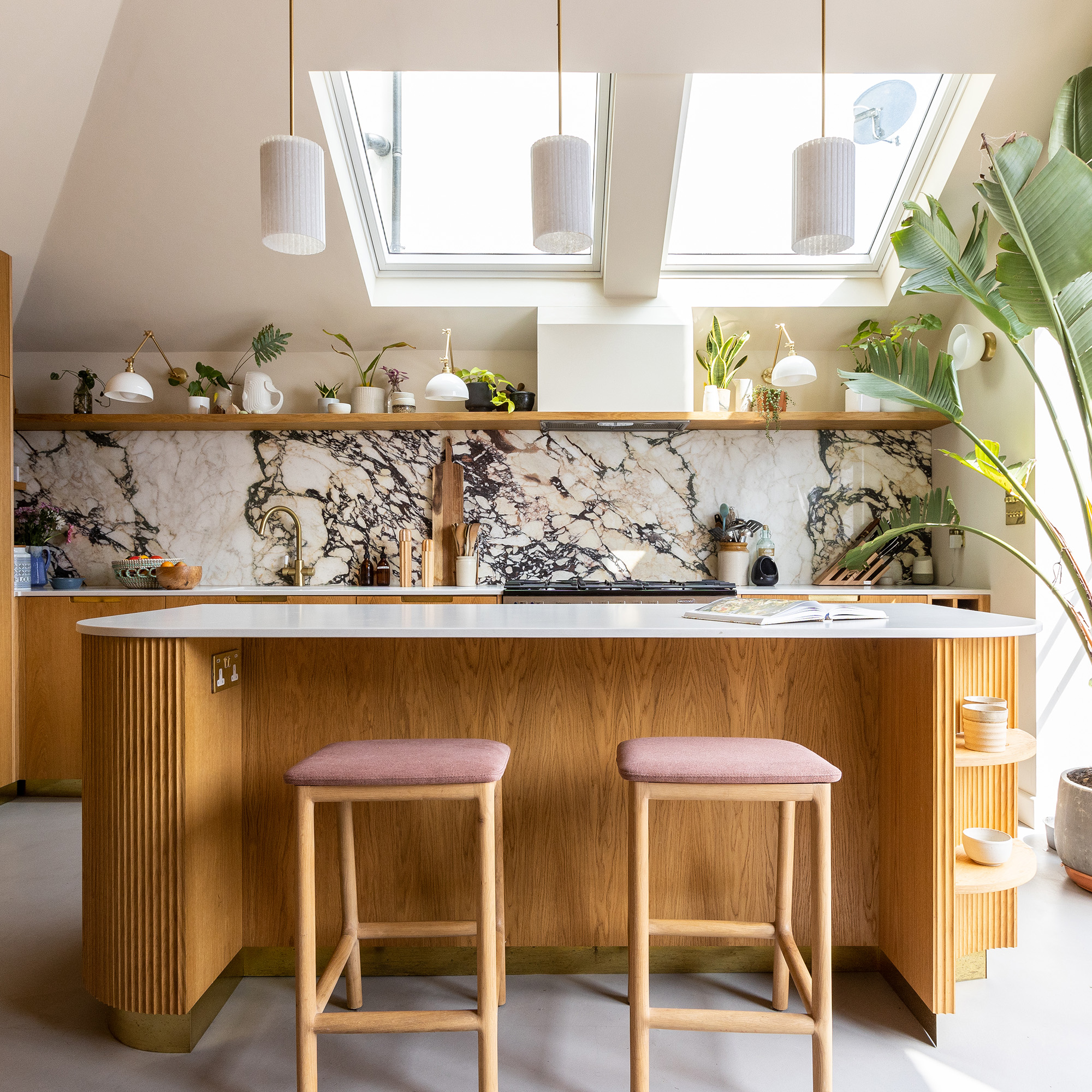
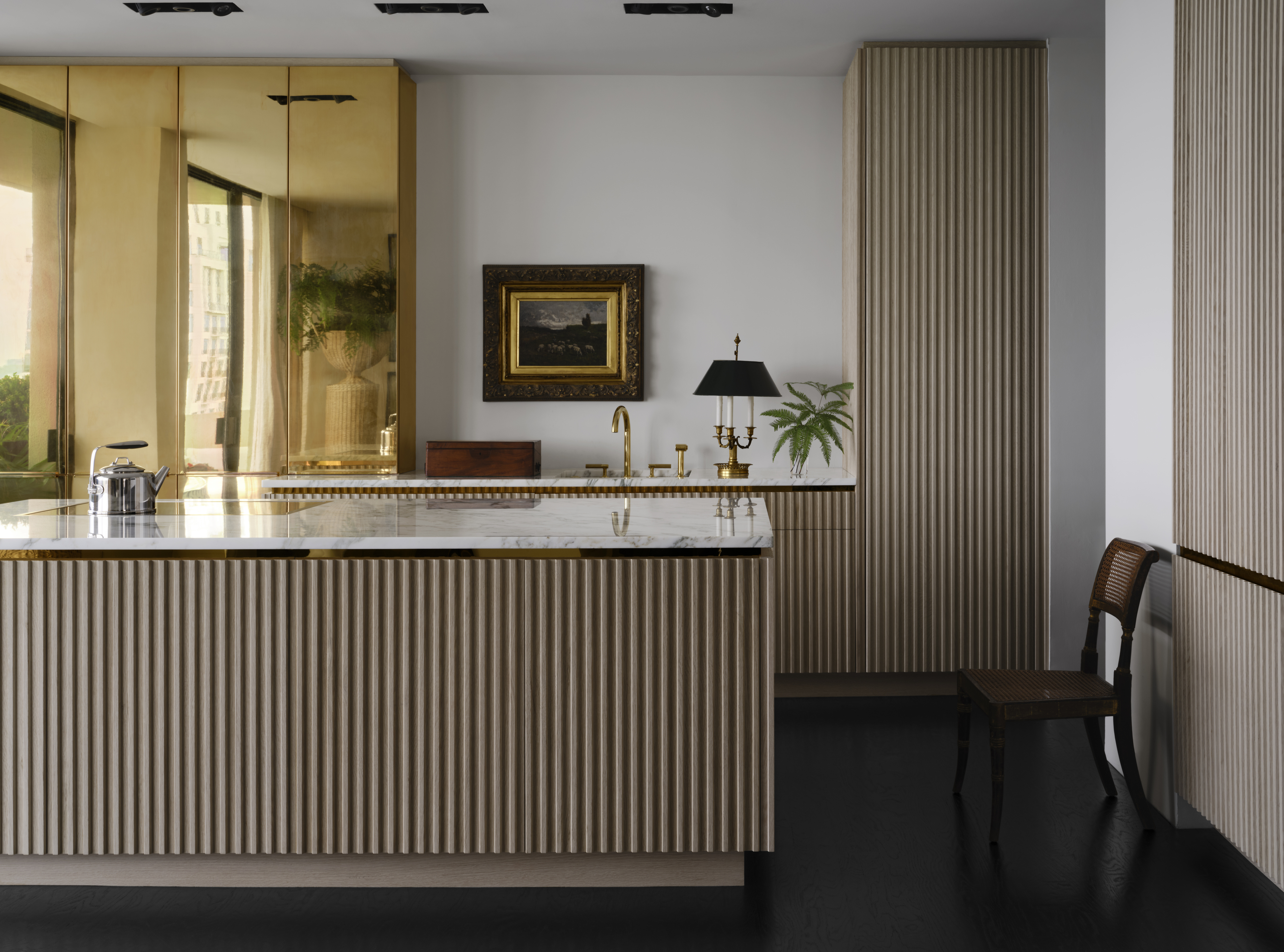
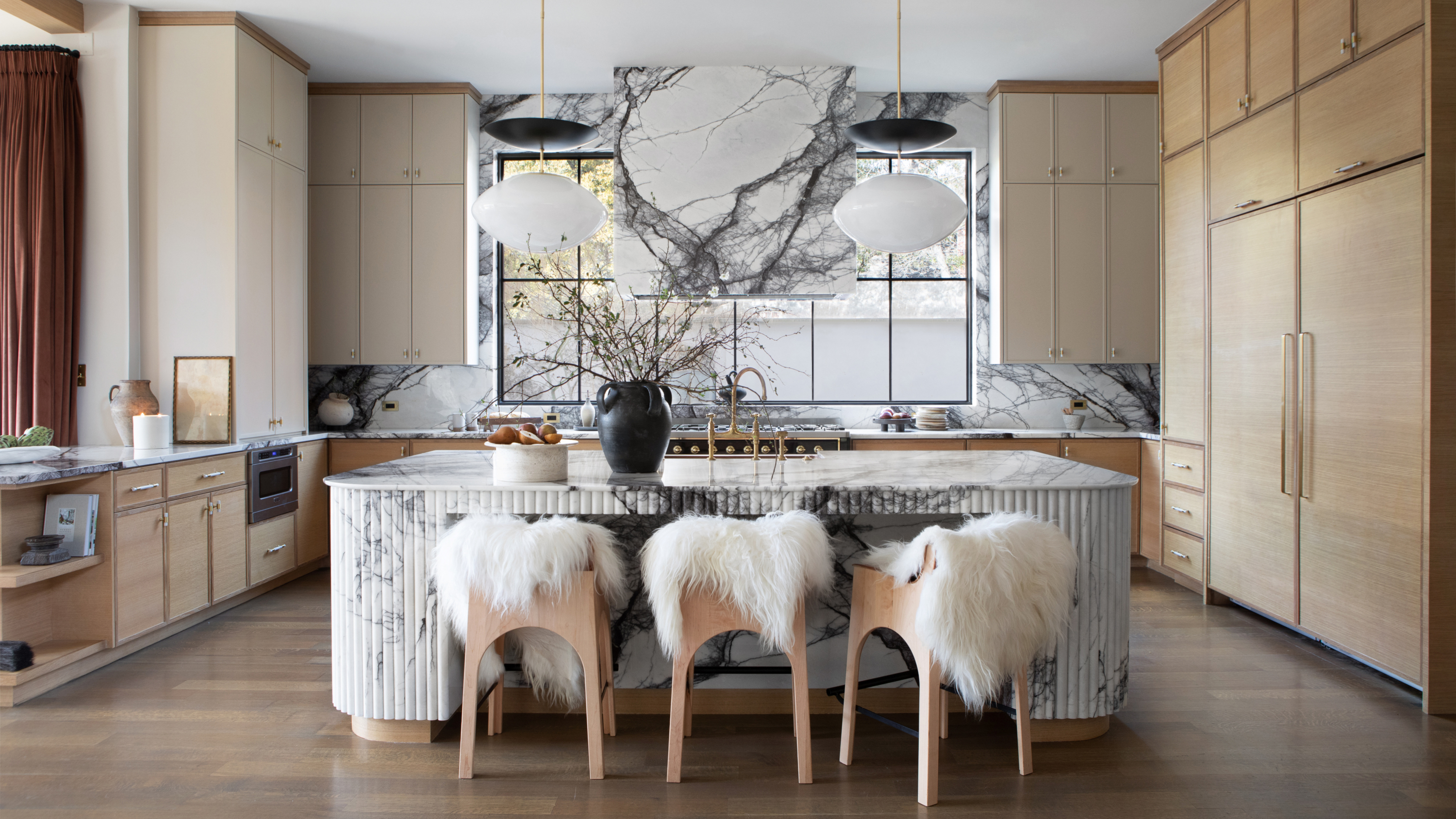
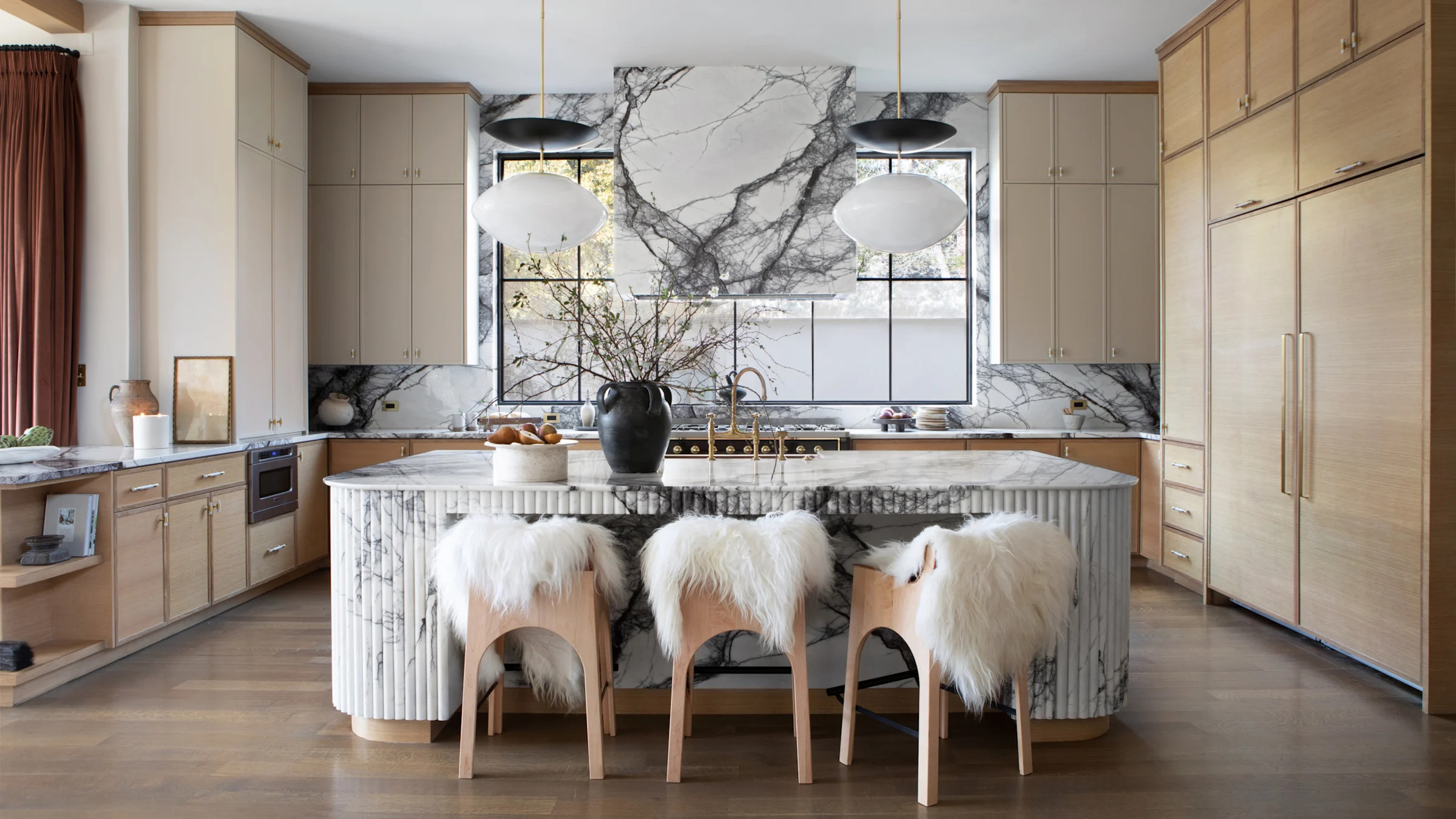
Textured marble represents another evolving trend, moving beyond simple marble blocks to incorporate techniques such as fluting. This approach draws more attention to the natural beauty and intricate patterns of the stone, elevating the island to a sculptural element. An example from Urbanology Designs showcases a lilac marble island with hand-cut reeded panels. Each panel was crafted to highlight the marble’s natural veining, and the material was continued into the vent hood for a luxurious and timeless kitchen design, demonstrating how texture can enhance natural materials.
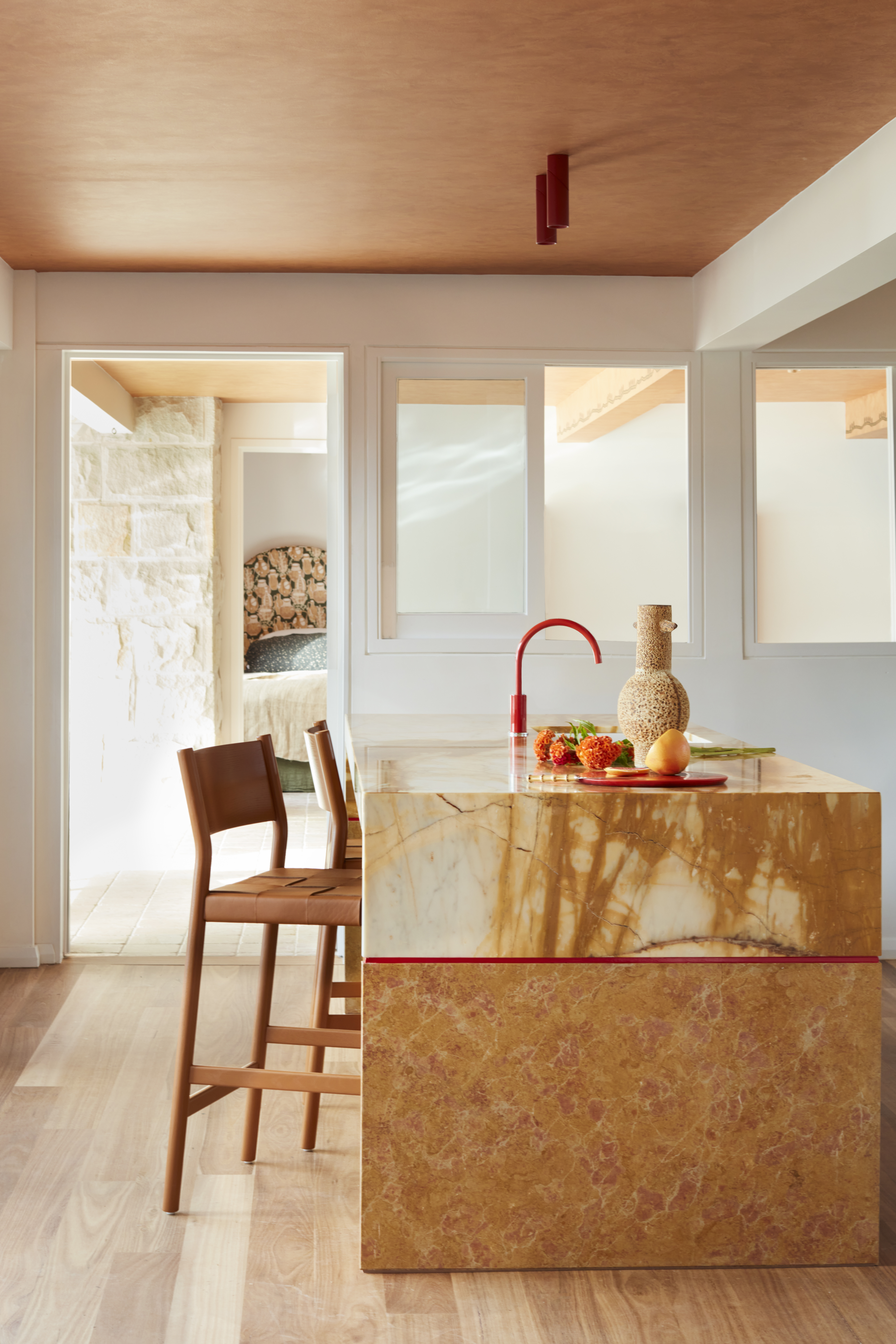
Color contrast is increasingly used to make kitchen islands stand out. Instead of blending in, islands are becoming statement pieces through the use of contrasting materials or bold colors. Studio PLOW, a San Francisco-based firm, used striking pink marble for an island that doubles as a dining table in a black kitchen. This deliberate contrast not only adds visual interest but also imbues the kitchen with a unique personality, transforming the island into a vibrant focal point.
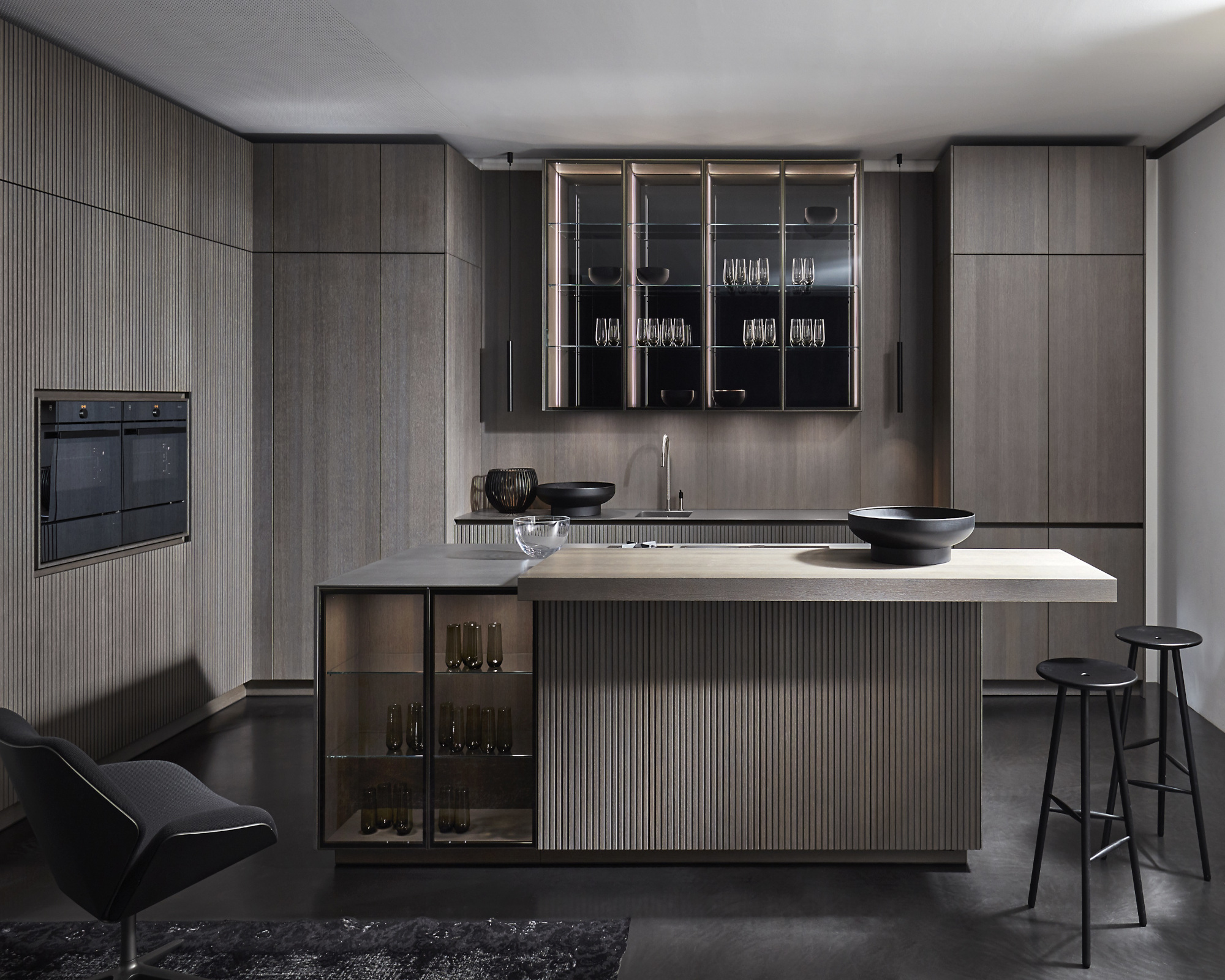
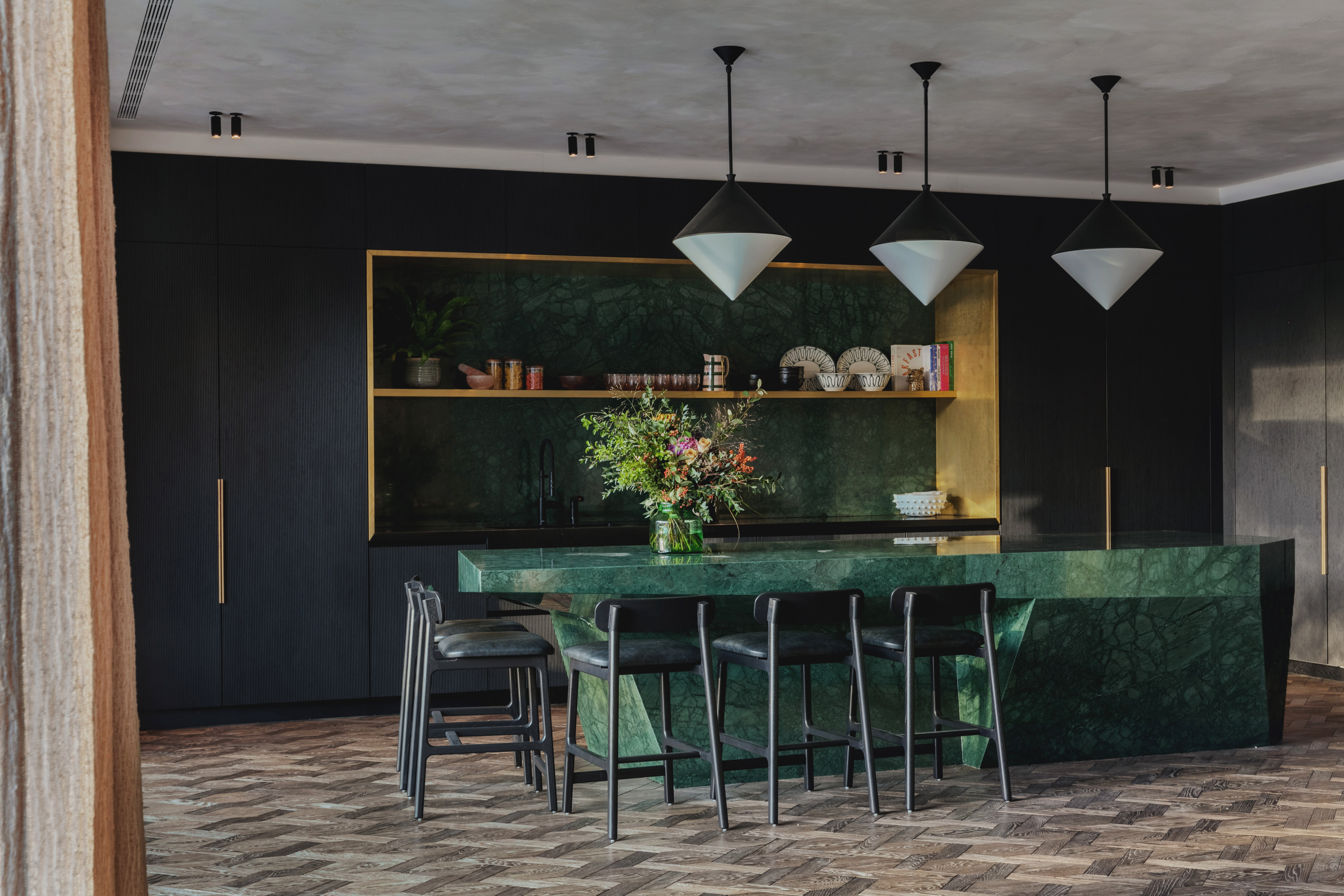
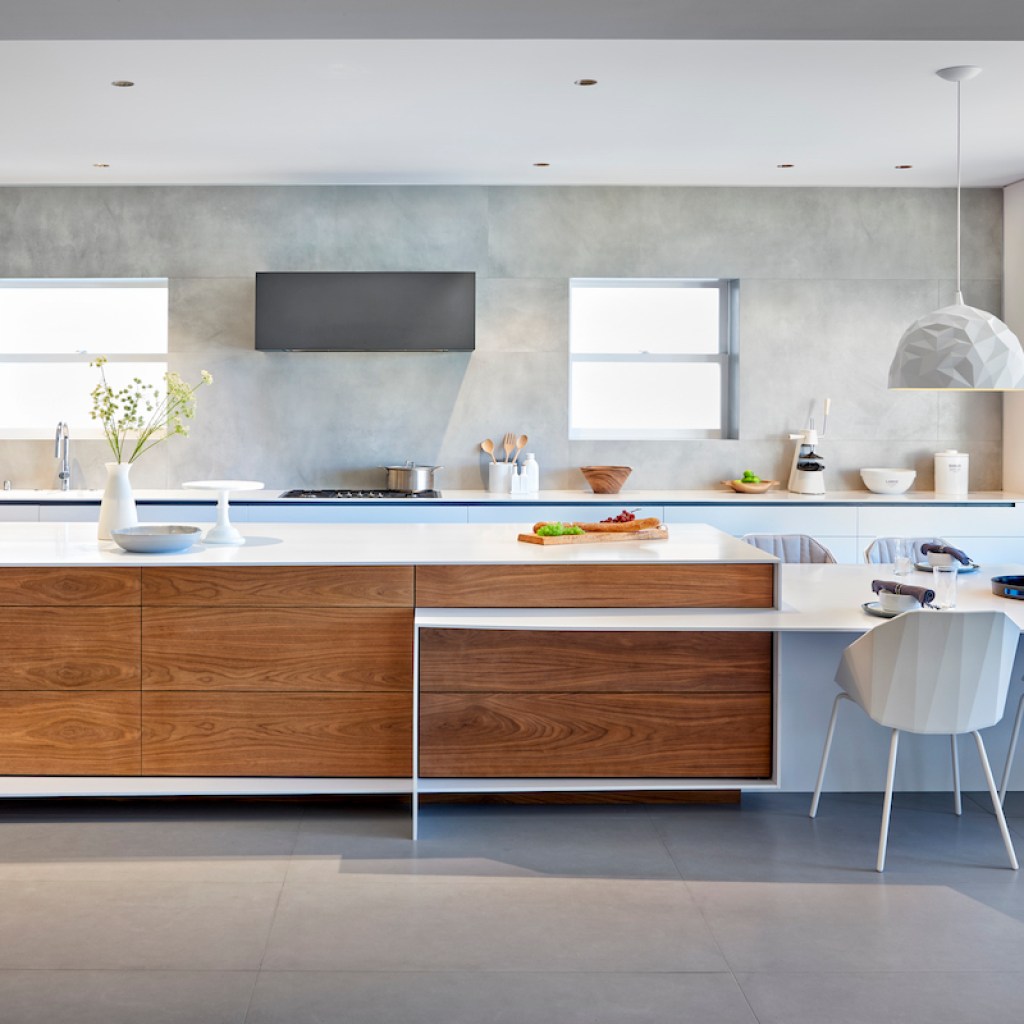
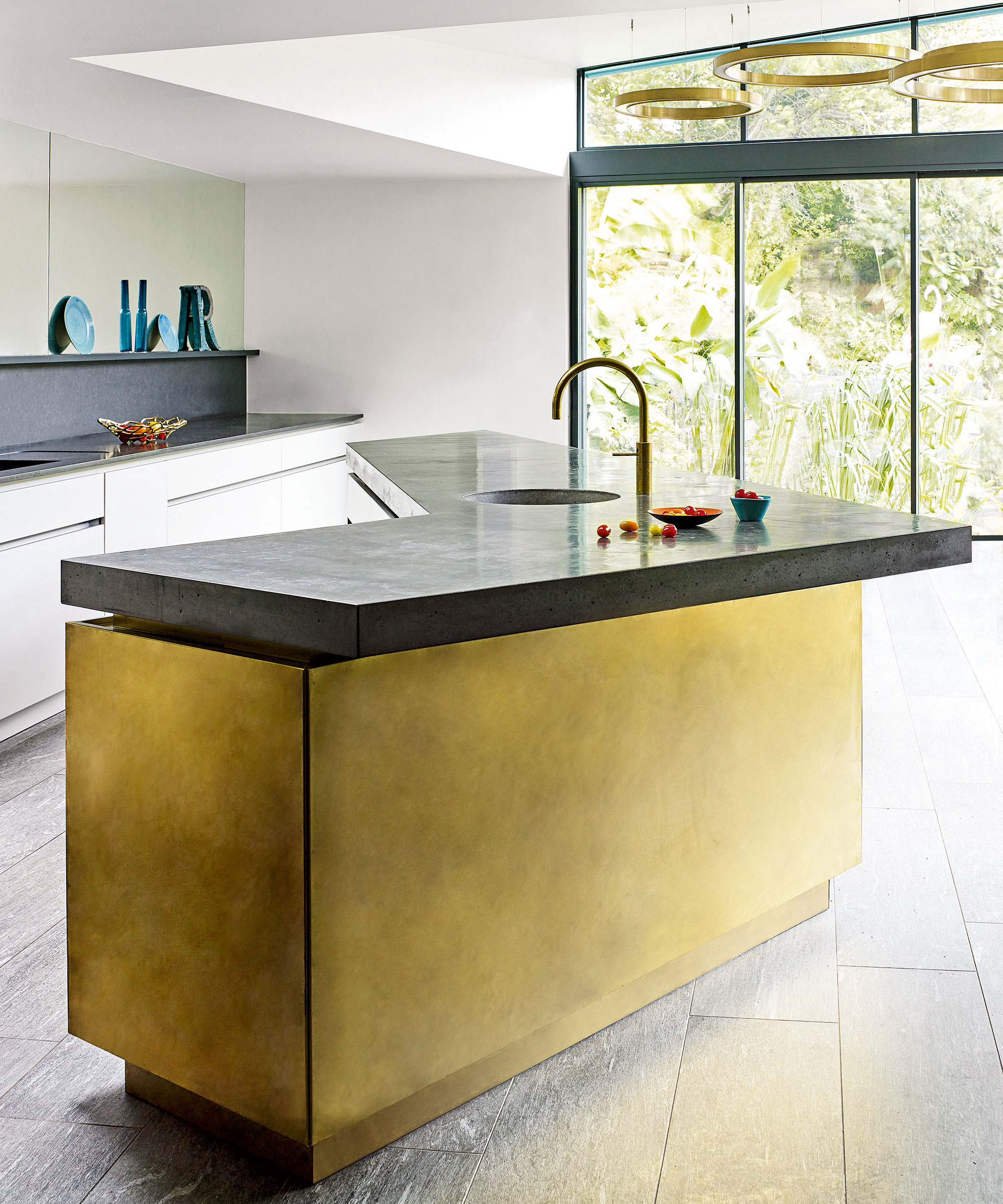
Stepped shapes in kitchen islands are gaining popularity for their dual benefits of functionality and style. These designs often incorporate cantilevered sections that extend to create seating or dining areas, effectively saving space in layouts where a separate table might be impractical. Such multi-layered designs, like those by SISSY + MARLEY and Studio Ater, introduce light and shadow play, adding depth and visual interest to minimalist kitchens while providing practical utility.
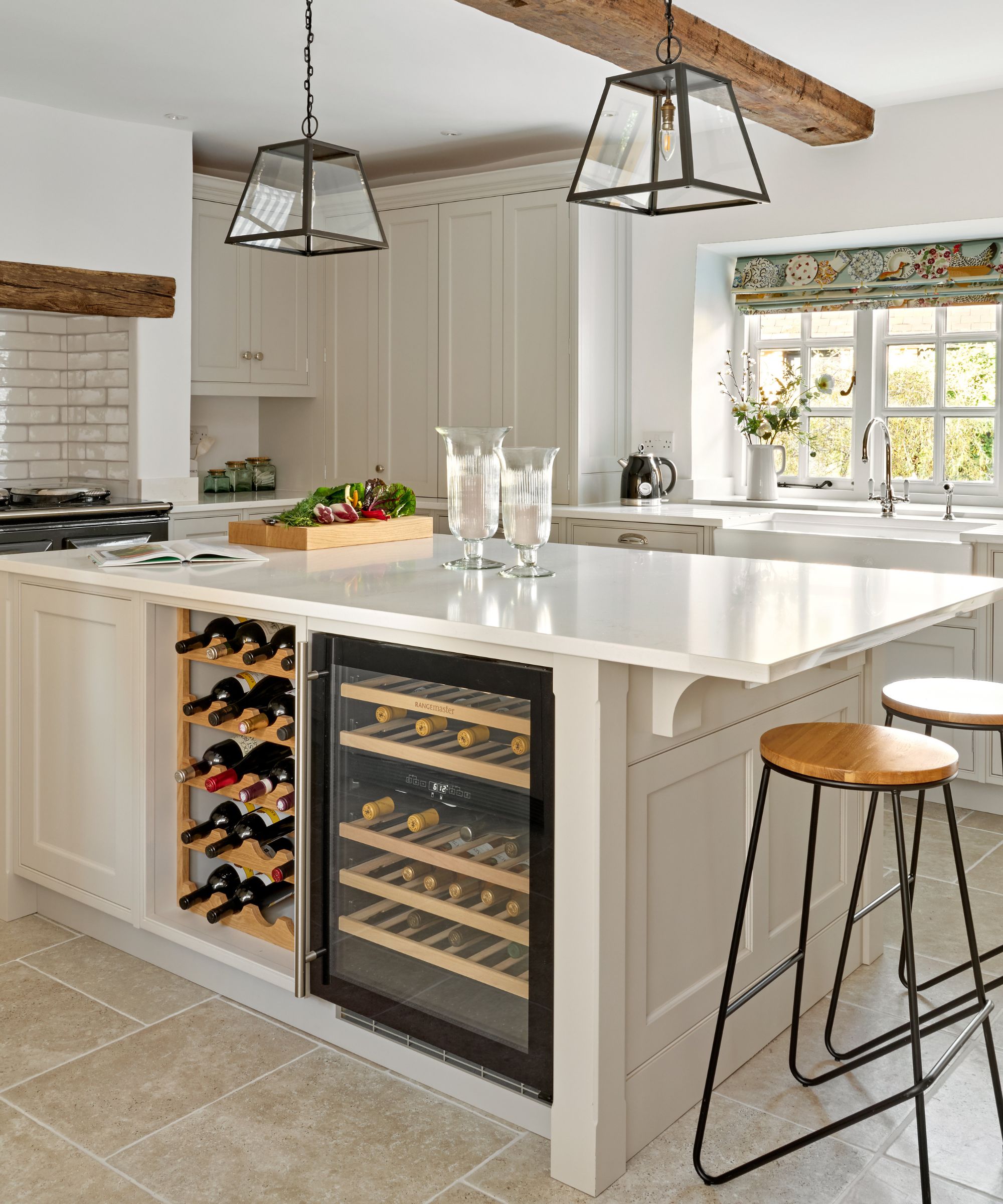
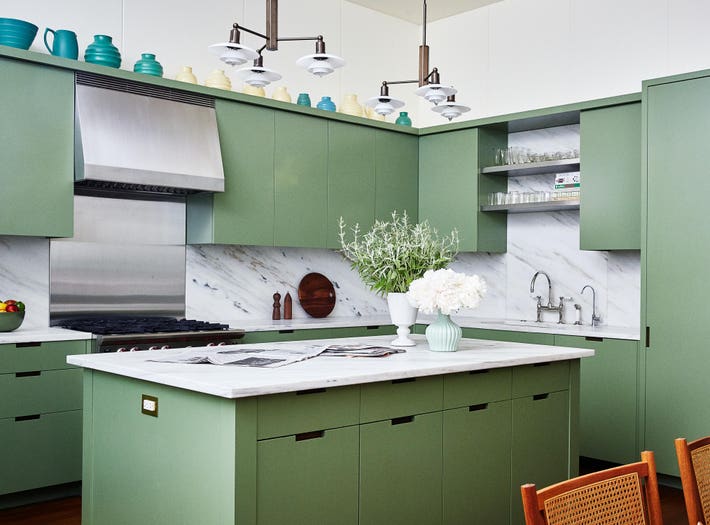
For smaller kitchens, square space-saver islands offer a smart alternative to traditional rectangular designs. These compact islands are ideal for providing a central workspace and can be enhanced with cantilevered countertops to include breakfast bar functionality. Melanie Lybrand of Happy House Interiors implemented a square island in a kitchen that was too small for a large rectangular unit but needed a landing area between work zones. The addition of an overhang accommodated seating, making the island versatile and efficient in a constrained space.
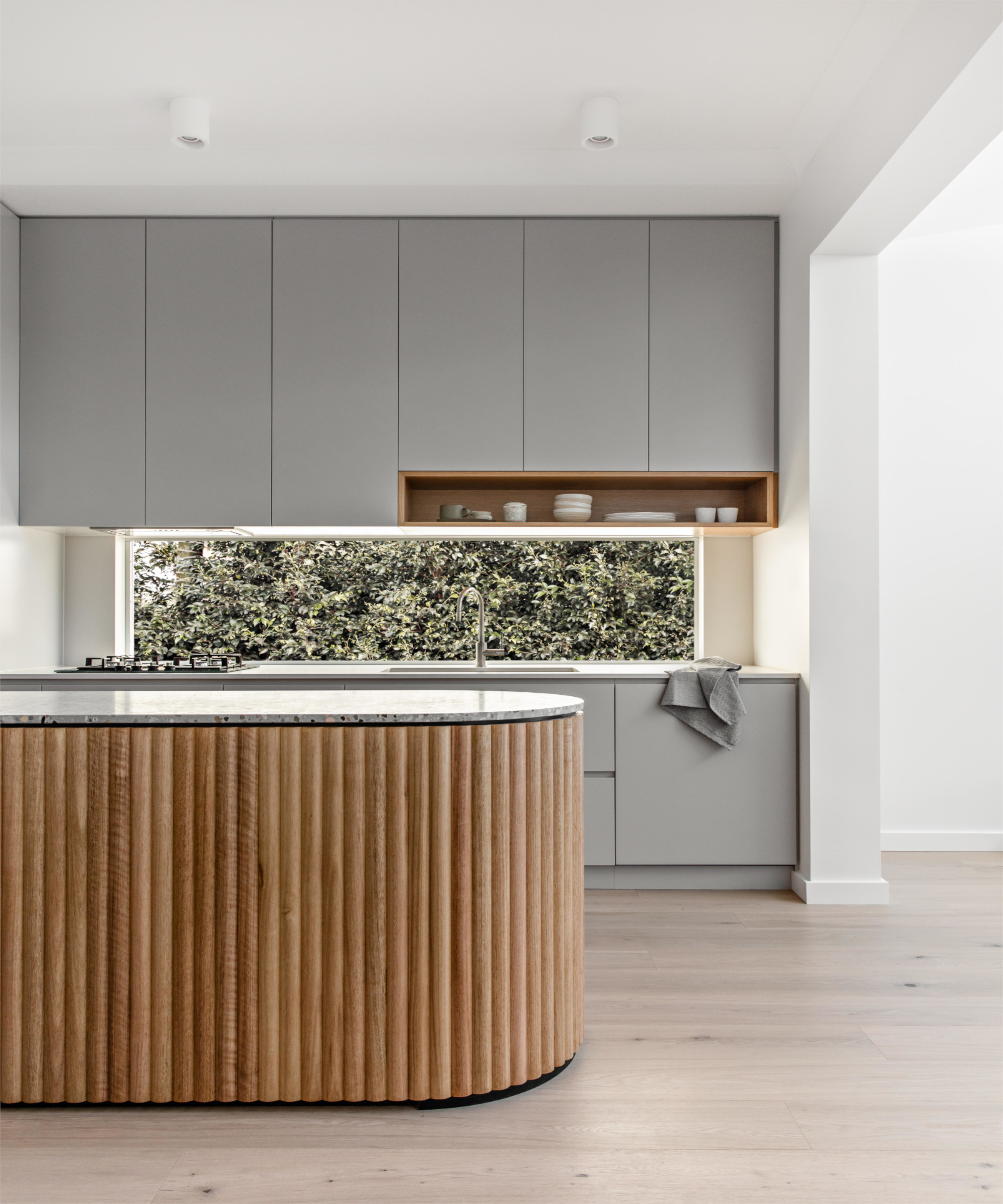
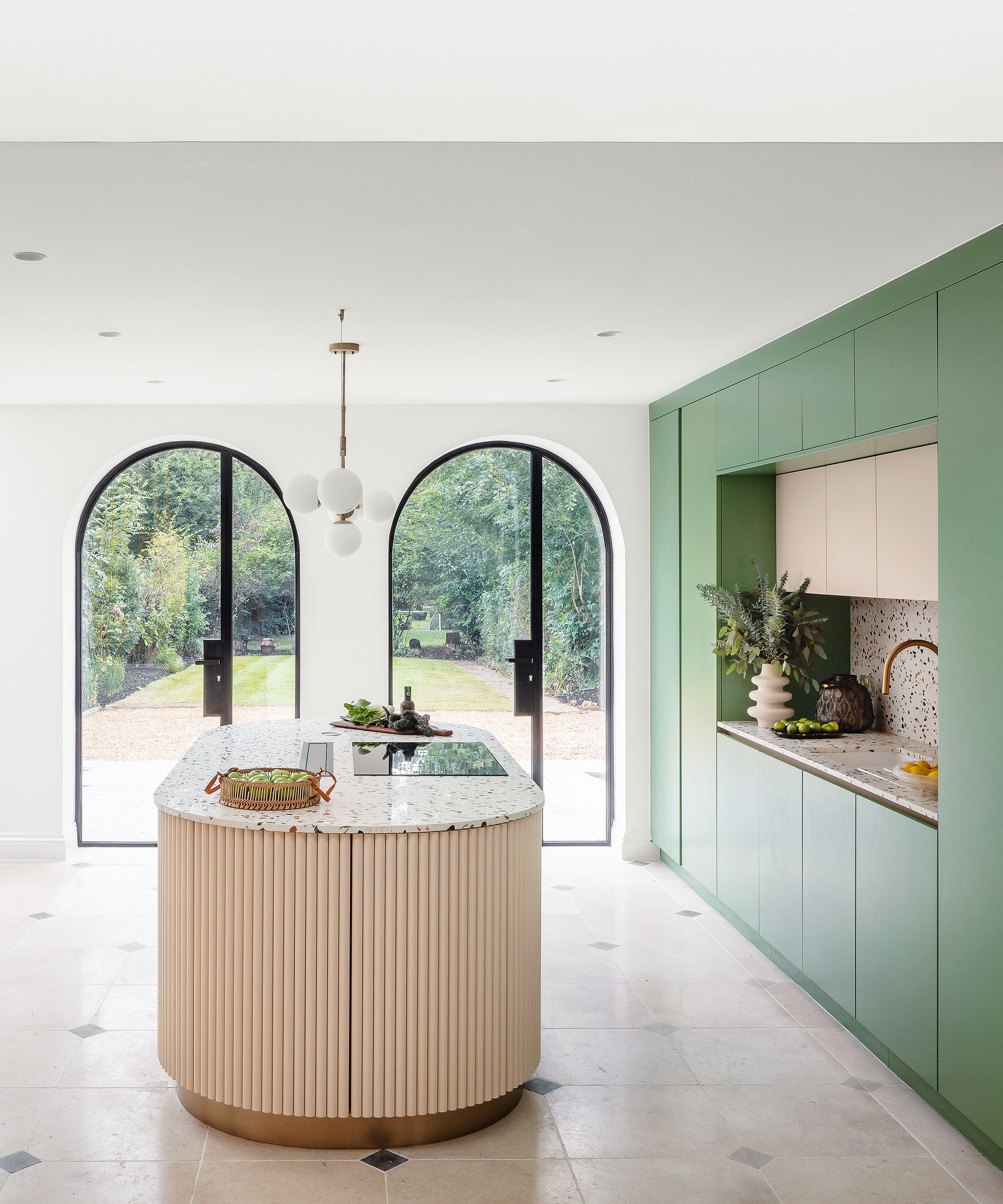
Curves are a significant design element, with kitchen islands increasingly featuring sinuous shapes. Rounded edges soften rigid materials like steel and stone, providing a visual contrast to straight-edged cabinetry. This trend, exemplified by Montreal-based yh2, also offers practical benefits, such as being more family-friendly due to the absence of sharp corners. Using a contrasting countertop can further highlight the island’s rounded form, enhancing its visual appeal.
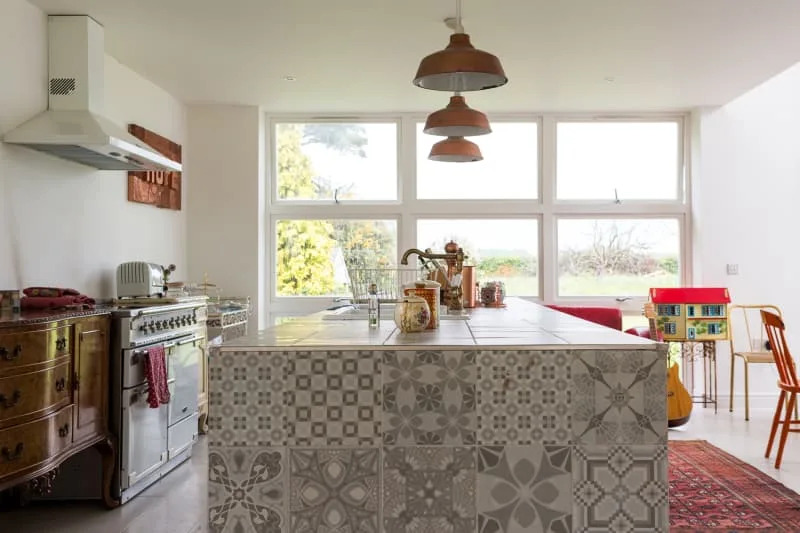
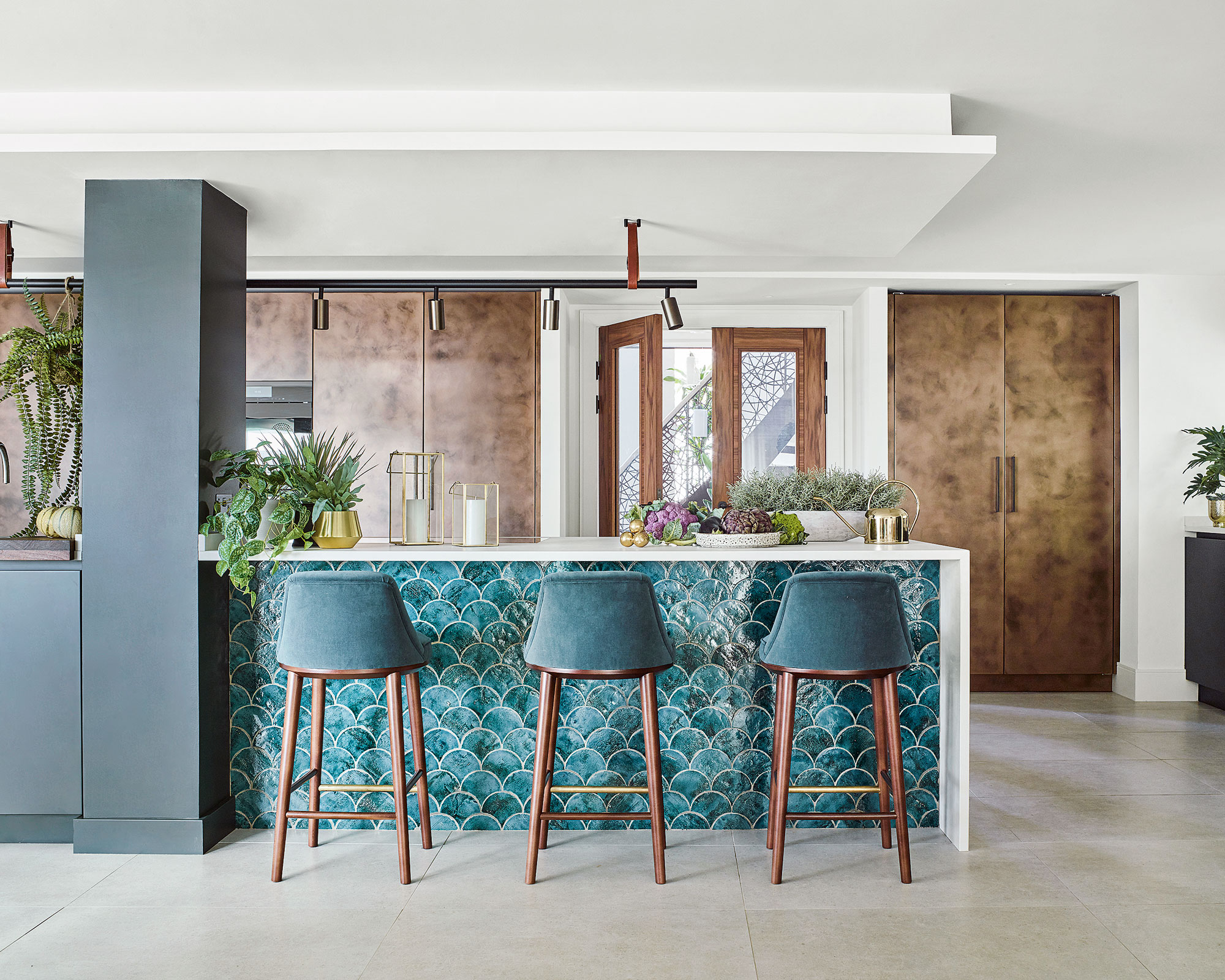
Tiled islands present a creative way to introduce color and texture. While tiled countertops may pose cleaning challenges, tiling the front of a kitchen island offers a lower-maintenance alternative to embracing the trend. Kitty Lee, a Sydney-based architect, used convex tiles laid vertically to clad a curved island bench, demonstrating how tiles can be a versatile material to add detailed yet durable surfaces. This method allows for unique patterns and colors to be incorporated without the practical concerns of a fully tiled worktop.
Finally, modern metal finishes, particularly stainless steel, are emerging as a trend for kitchen islands. These finishes evoke a commercial kitchen aesthetic and provide a stark contrast to surrounding cabinetry, making the island a distinctive feature. APPAREIL architecture in Montreal created a stainless steel island for clients desiring a professional and durable kitchen. The industrial aesthetic of the metal contrasts with warmer residential wood elements, creating a balanced and character-filled space.
#KitchenIsland #InteriorDesignTrends #HomeRenovation #ModernKitchen #MarbleDesign #CountertopTrends #KitchenCabinetry #SpaceSaving #MaterialInnovation #KitchenIsland #InteriorDesignTrends #HomeRenovation #ModernKitchen #MarbleDesign #CountertopTrends #KitchenCabinetry #SpaceSaving #MaterialInnovation
कुल 0 टिप्पणियाँ
 कोई टिप्पणी नहीं
आपको यह भी पसंद आ सकता है
Kitchen island trends — design pros say to try these 7 hot styles

5 Showstopping Kitchen Island Looks That Will Redefine Your Cook Space
These are the kitchen trends designers say will elevate your design
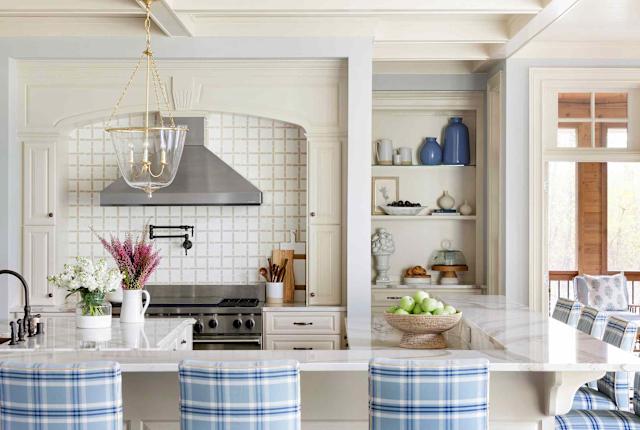
11 Kitchen Island Décor Ideas That Add Style and Elegance to Your Cooking Space

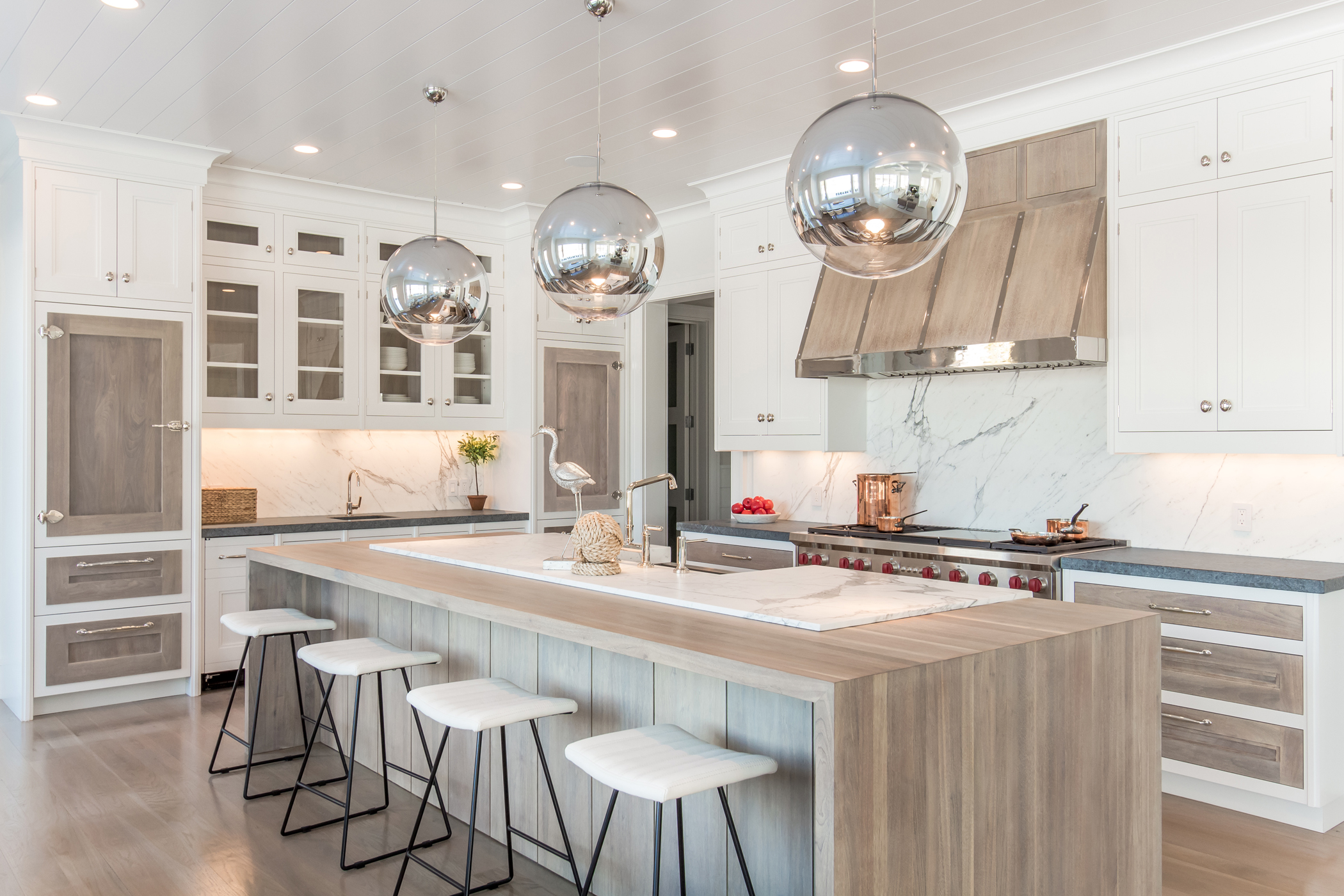
Four trending ways to reimagine kitchen islands
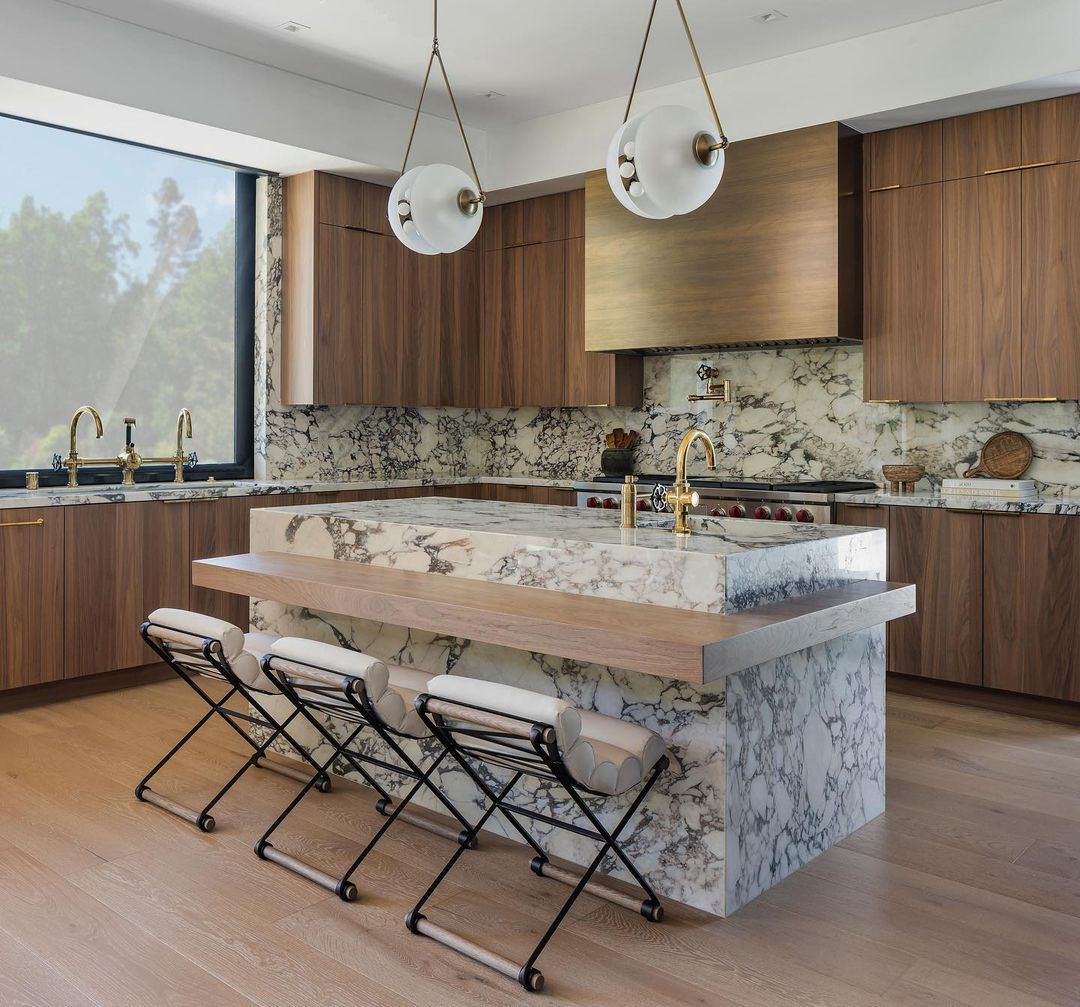
What's the best material for split-level kitchen islands? Designers on getting this luxe decor trend exactly right
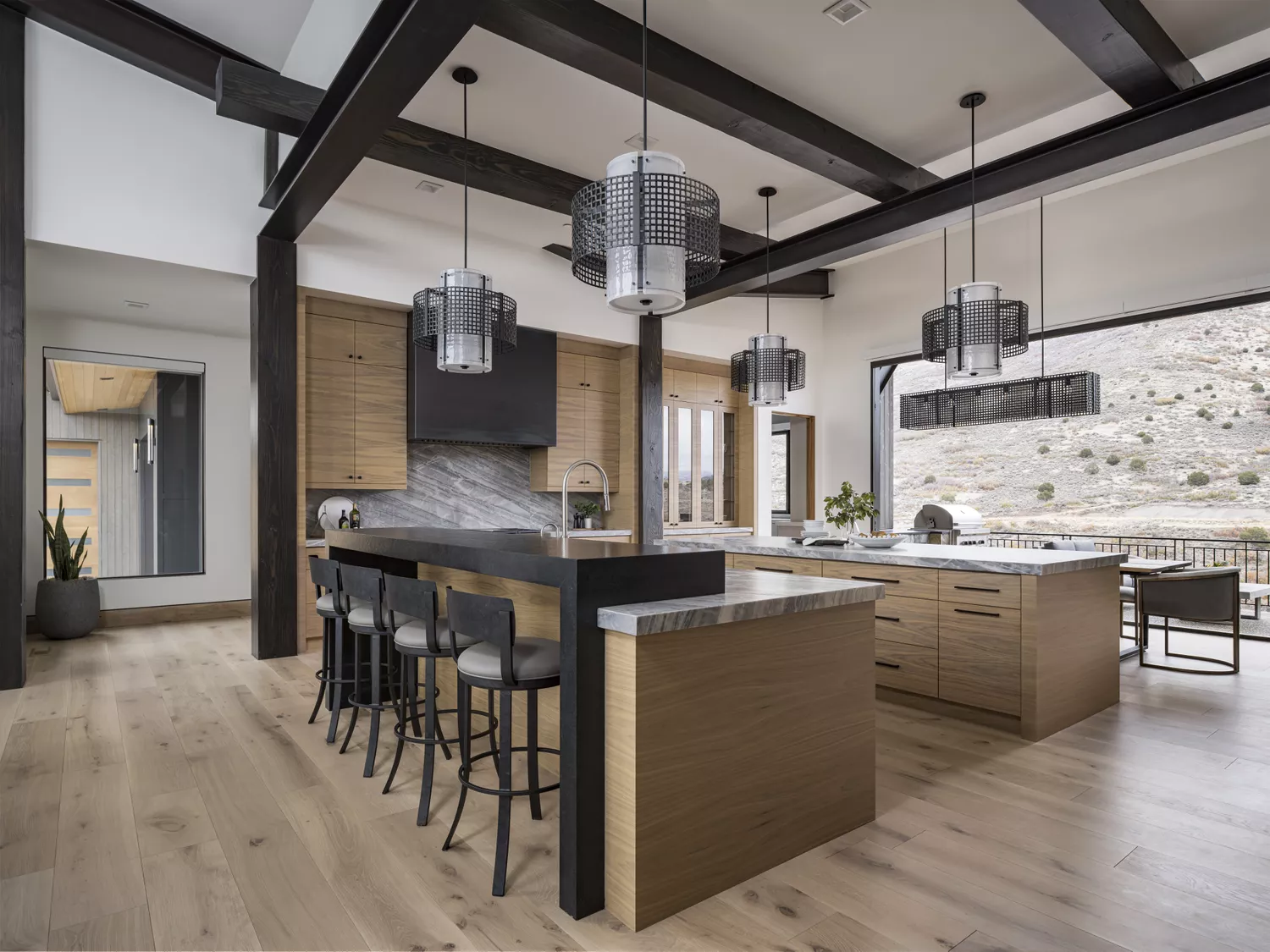
Vinyl Flooring Is the Top Choice for Kitchens—and 5 More Design Trends to Look Forward to This Year

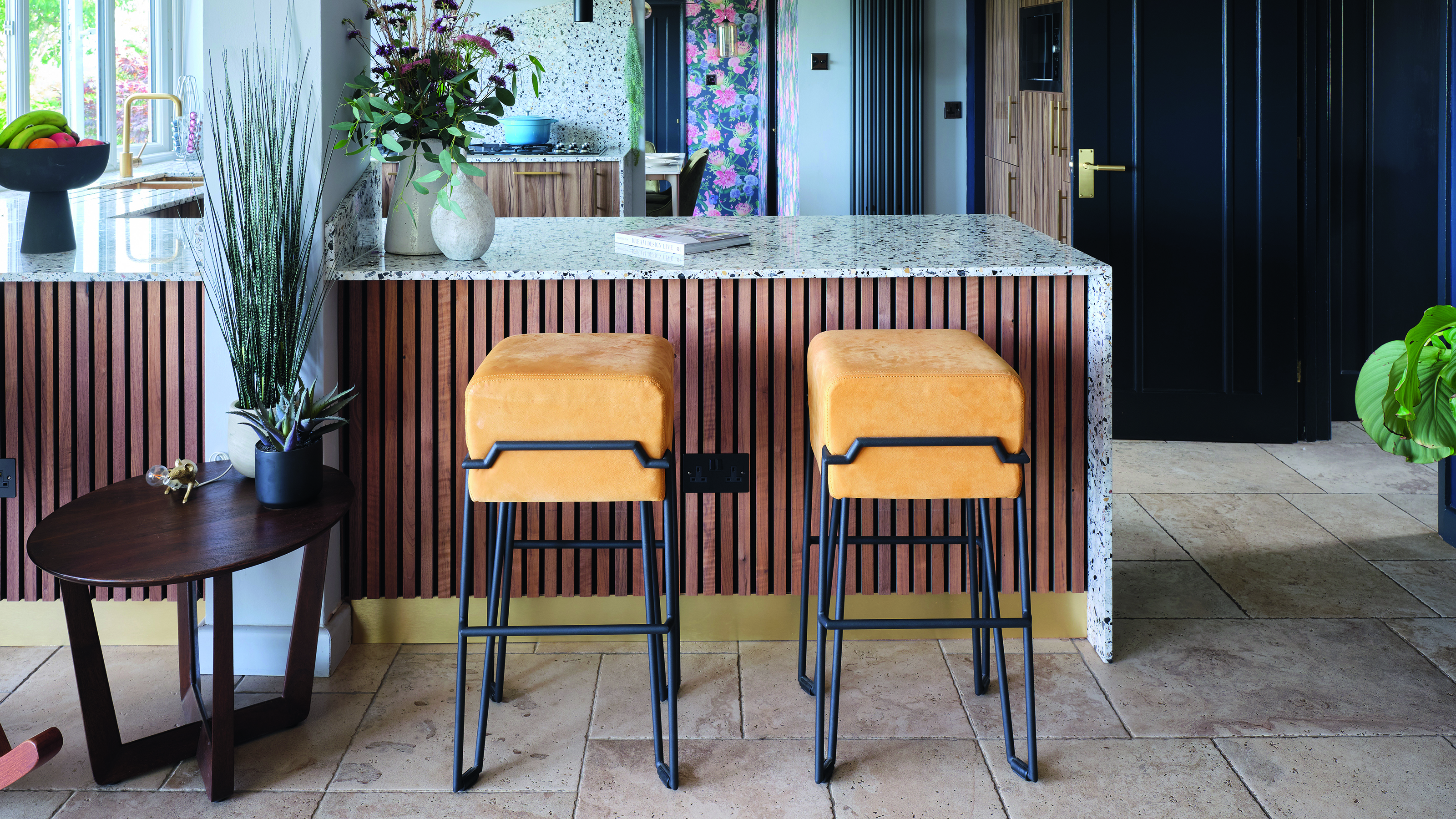
Kitchen panelling is trending - here are 8 ways to achieve this affordable but luxury look
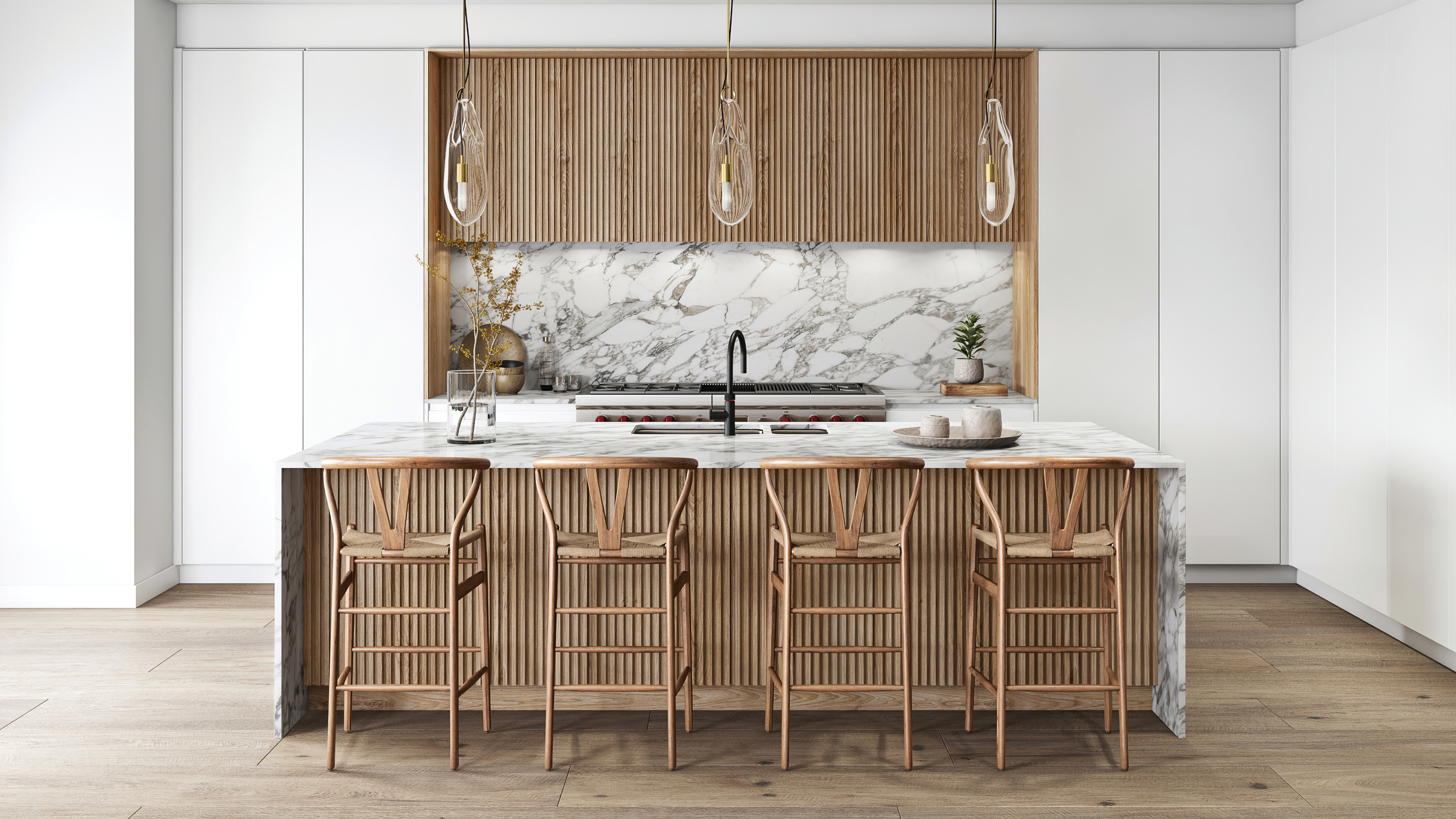
Fluted kitchen islands are the chicest new trend according to designers – here's how to get the look
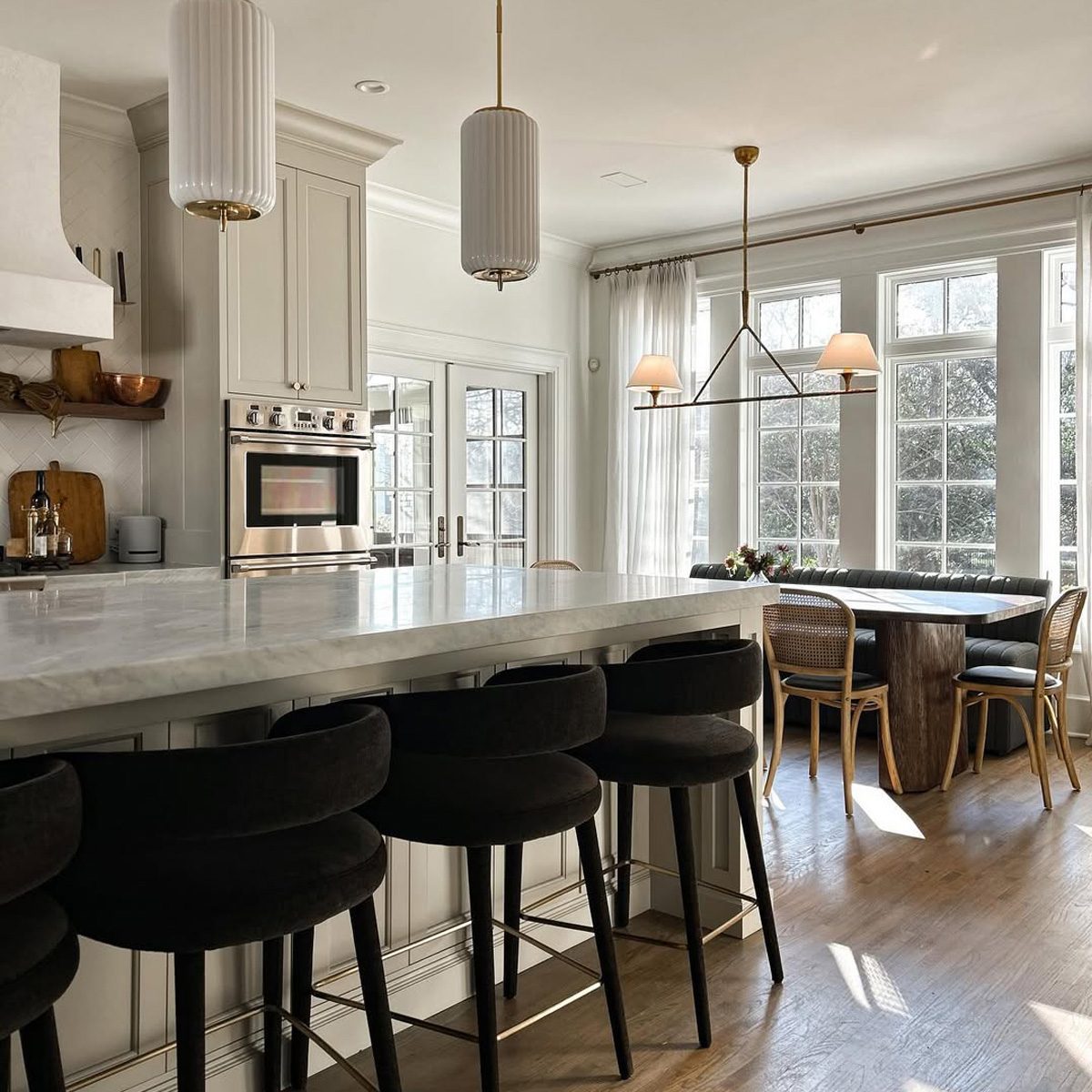
Elevate Your Space With 8 2025 Kitchen Trends You'll Love

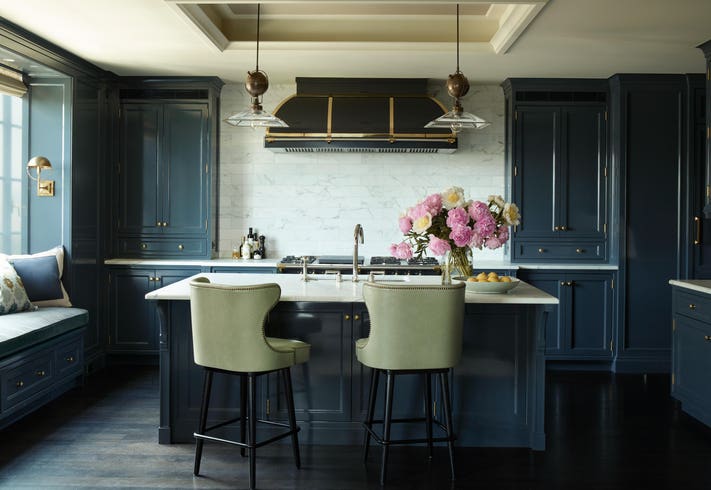
While We’re Spending Time At Home, Eight Kitchen Islands To Lust After

Current Kitchen Interior Design Trends

Kitchen island trends – 8 shapes, materials and finishes designers are choosing for elevated spaces

The kitchen island trends dominating 2025 - the liveable looks we predict will become new classics
Kitchen island trends 2023 – 9 new looks for your kitchen's focal point that marry style and functionality

7 successful kitchen island layout ideas experts swear by
3 Kitchen Island Trends That Interior Designers Love (and 2 to Skip)
13 Trending Kitchen Islands That You'll See in All the Coolest Schemes Next Year
8 Kitchen Design Ideas
24 Kitchen Island Ideas That Add Function and Style to Your Cooking Space