



1/5
I asked 6 interior designers what every hallway needs, and they all agreed on these 4 things
Hallways, often treated as mere transitional spaces, play a crucial role in setting the first impression of a home. Interior designers emphasize the importance of giving these areas proper attention to transform them from neglected zones into impactful design statements. The article identifies four key elements that interior designers consistently recommend for elevating hallways: repetition, strategic use of color and pattern, incorporating art, and judicious placement of mirrors.
Repetition is a powerful design tool, particularly effective in small or narrow hallways. Rather than cluttering the space with diverse styles, consistent design elements create a cohesive flow. This can be achieved through a series of identical wall sconces or flush mounts that guide the eye, or a gallery wall featuring uniform frames or a series of harmoniously flowing artworks. This approach adds structure and intentionality, preventing the space from appearing chaotic and making it feel considered rather than forgotten. The restraint in design, maintaining consistency in finish, scale, or style, is crucial for achieving this effect.
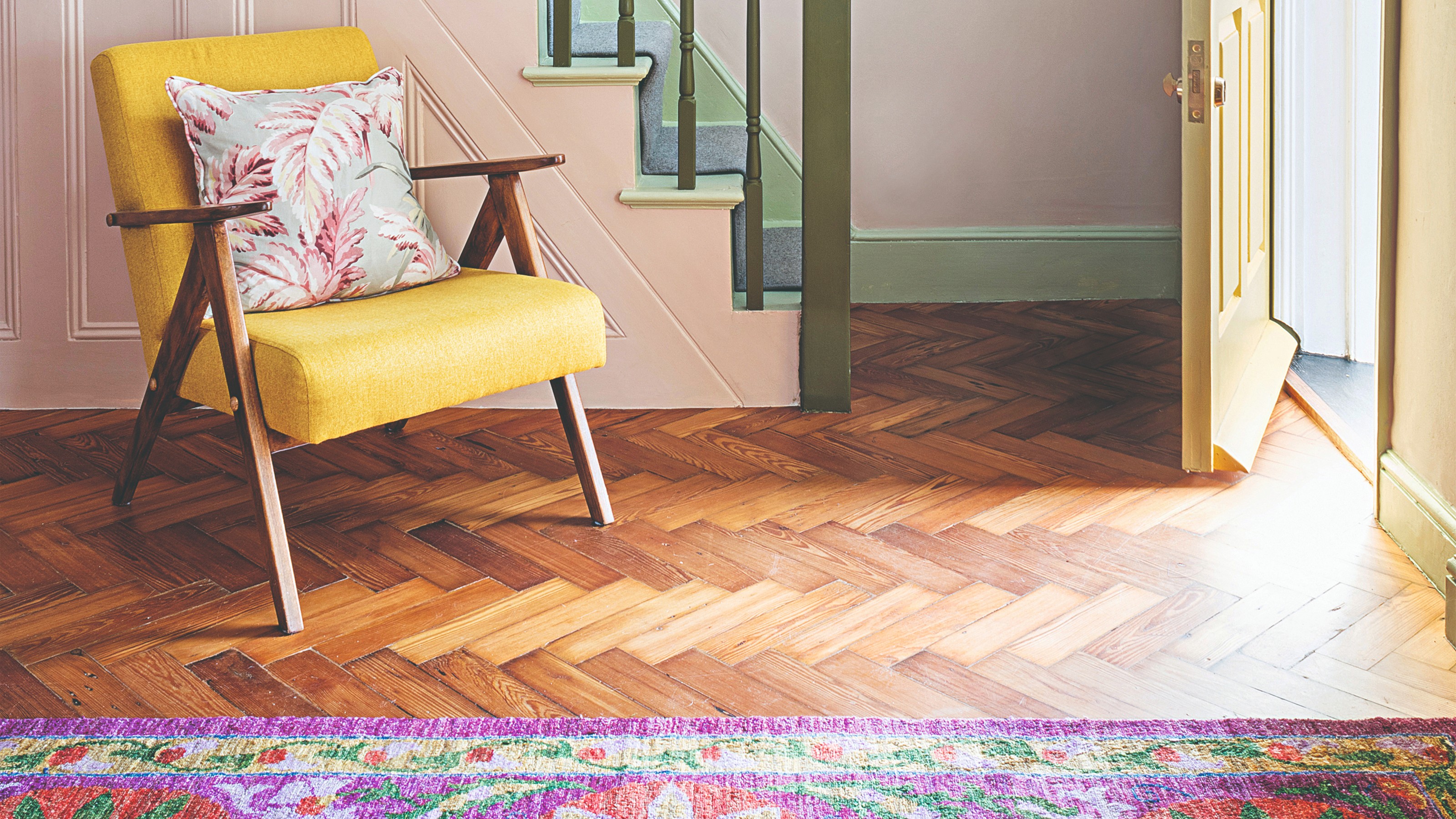
Contrary to common belief, hallways are ideal spaces to experiment with bold colors and patterns. Since individuals spend limited time in these areas, they present an opportunity for dramatic expression without overwhelming the occupants. Designers suggest using punchy color-blocking, extending patterns to ceilings with stencilling, gold leaf, or wallpaper to inject character. Flooring is also highlighted as an important canvas; celebrating original Victorian tiles, painting timber in stripes or checkerboards, or using bold patterned runners can elongate and energize narrow spaces. This bold approach ensures the hallway sets a distinctive tone for the entire home.
The strategic inclusion of art is another method for elevating hallway aesthetics. Large-scale artworks can serve as striking focal points, drawing the eye and adding drama. In smaller areas, clusters of mixed mediums and scales, such as gallery hangings of photographs or prints, can create depth and character. The selection of art should be personal and beloved by the homeowner, with the primary guideline being balance in materials, textures, and tones to complement the existing architecture and furnishings.
Finally, mirrors are highlighted as both practical and transformative elements for hallways. Beyond their functional use for last-minute checks, mirrors significantly impact the perception of space. They reflect light, making a hallway instantly brighter and appear twice its actual size. Designers recommend hanging large statement mirrors above console tables, dado rails, or mantels to maximize their effect. Placed opposite a light source, mirrors amplify illumination and add an element of grandeur, turning an often-overlooked area into a visually expanded and elegant entryway. These four strategies, when applied thoughtfully, can convert any hallway into a welcoming and memorable part of the home, introducing the homeowner's style and personality effectively.
#HallwayDesign #InteriorDesignTips #HomeDecor #SmallSpaceSolutions #ColorAndPattern #ArtInHome #MirrorPlacement #EntrywayDecor #HallwayDesign #InteriorDesignTips #HomeDecor #SmallSpaceSolutions #ColorAndPattern #ArtInHome #MirrorPlacement #EntrywayDecor
 कोई टिप्पणी नहीं