How to Organize Your Medicine Cabinet, According to Decluttering Experts
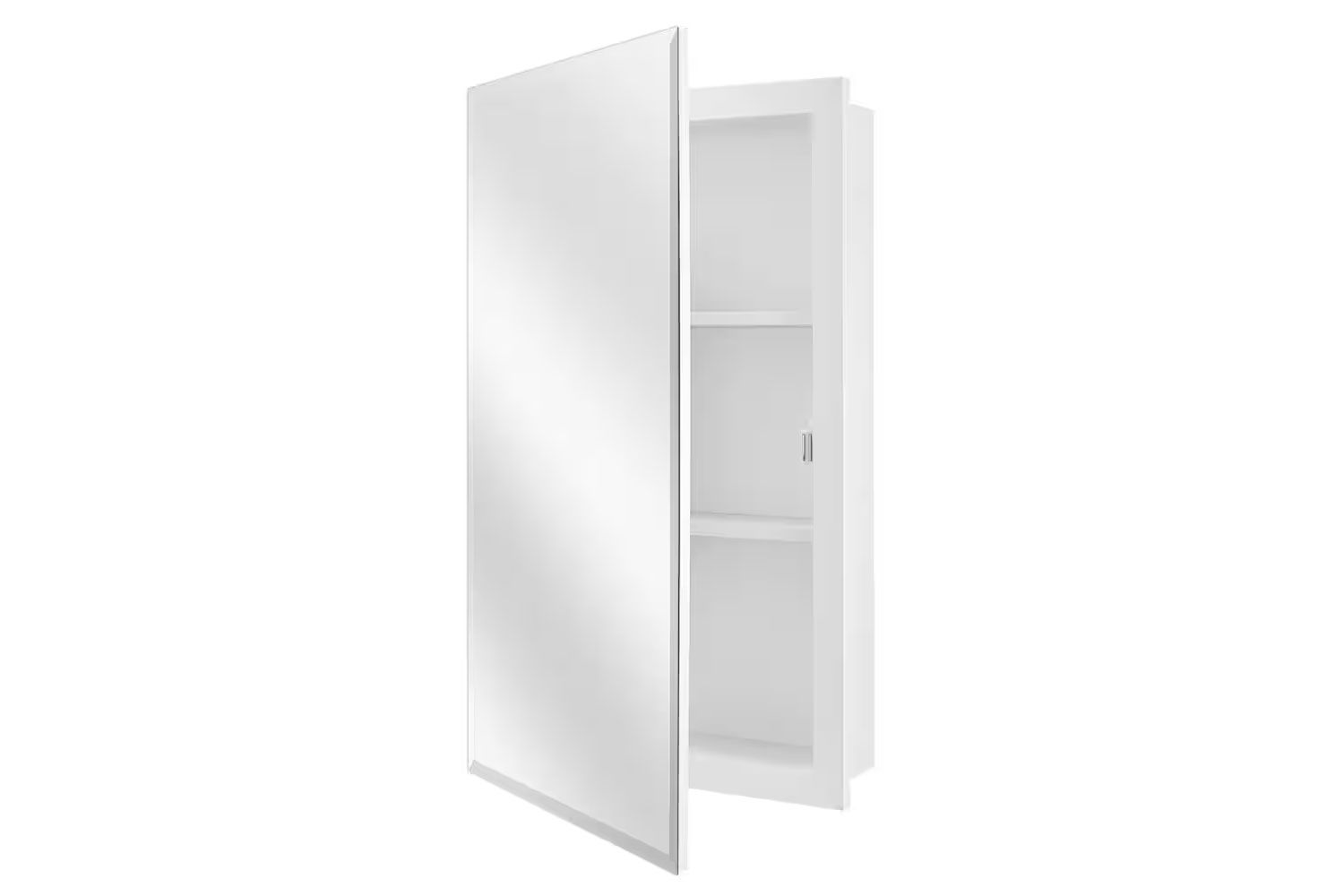
Maintaining an organized medicine cabinet is crucial for efficiency and safety, as highlighted by decluttering experts Tina Priestly, Courtney Cummings, and Carol Appelbaum. The first step in organizing involves completely emptying the cabinet to identify all items, determine what is needed, and what can be discarded. Following this excavation, it is important to thoroughly clean the cabinet shelves and interior walls to remove any spills, dirt, or grime.
A critical part of the organizing process is checking expiration dates on all products, including prescription medications, over-the-counter remedies, and even sunscreen. Expired items should be disposed of responsibly, as they may lose effectiveness or become dangerous. Any products that appear or smell unusual should also be discarded immediately. Additionally, staying informed about product recalls and responsibly disposing of any recalled medications is essential for safety.
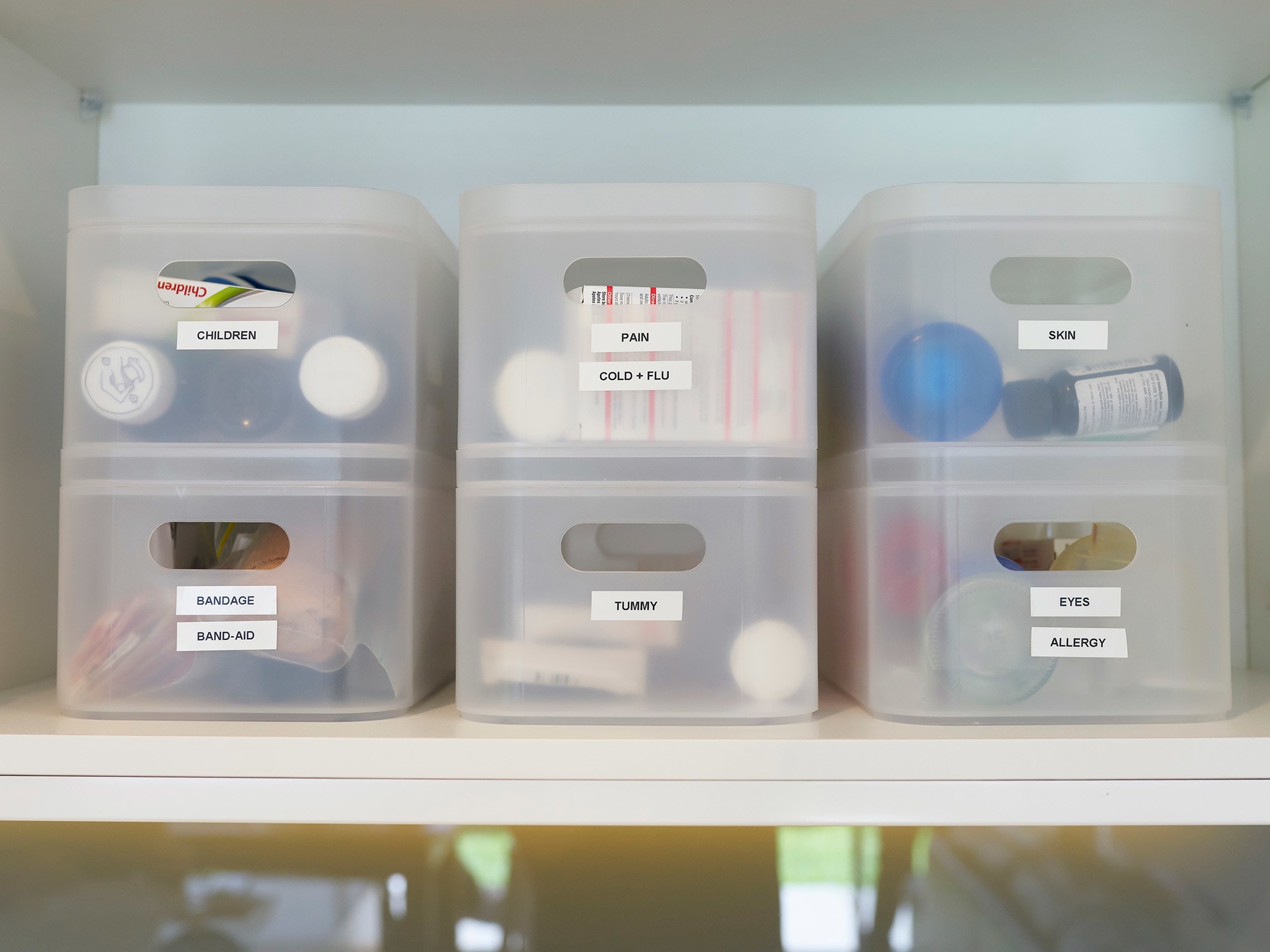
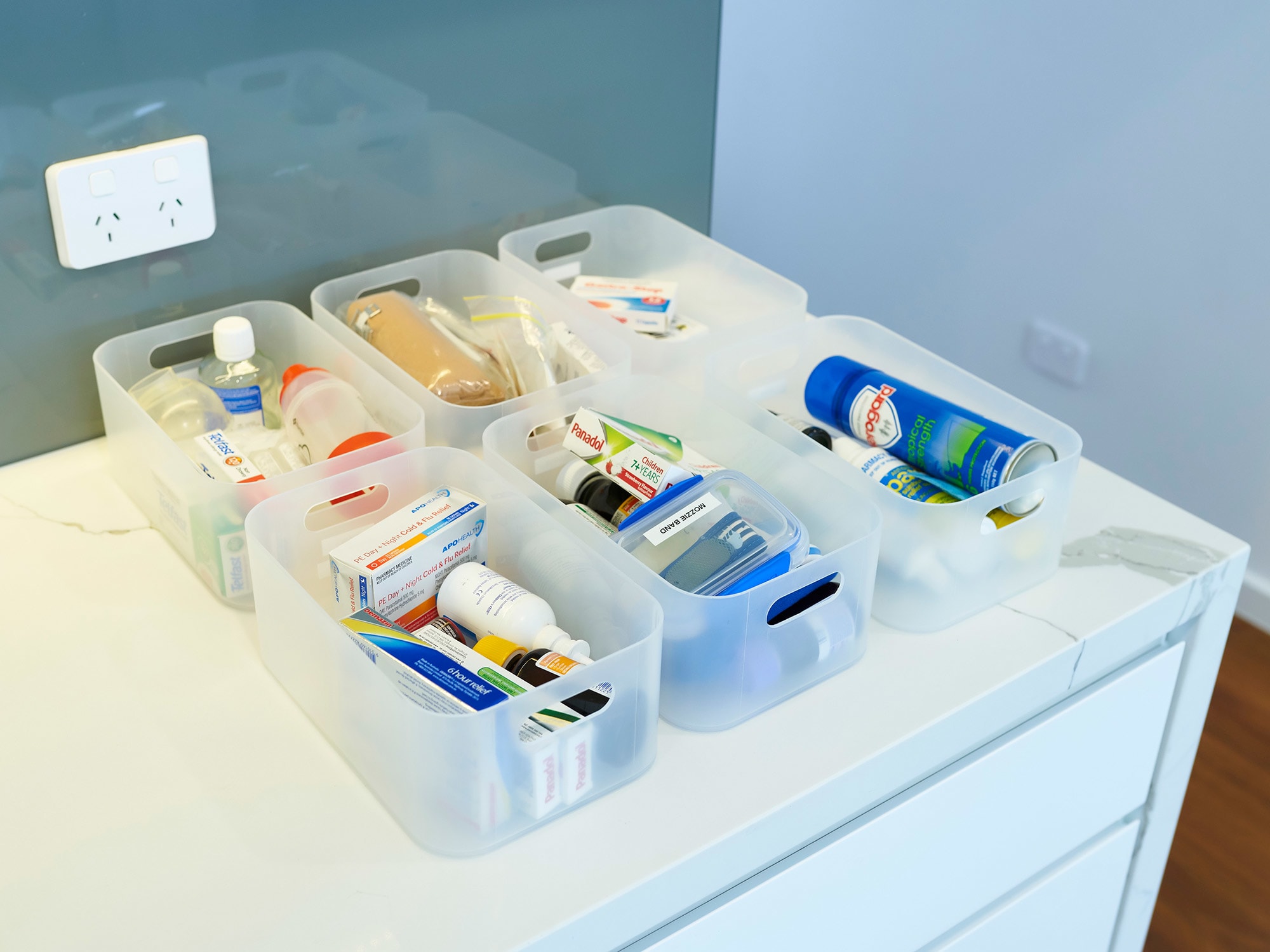
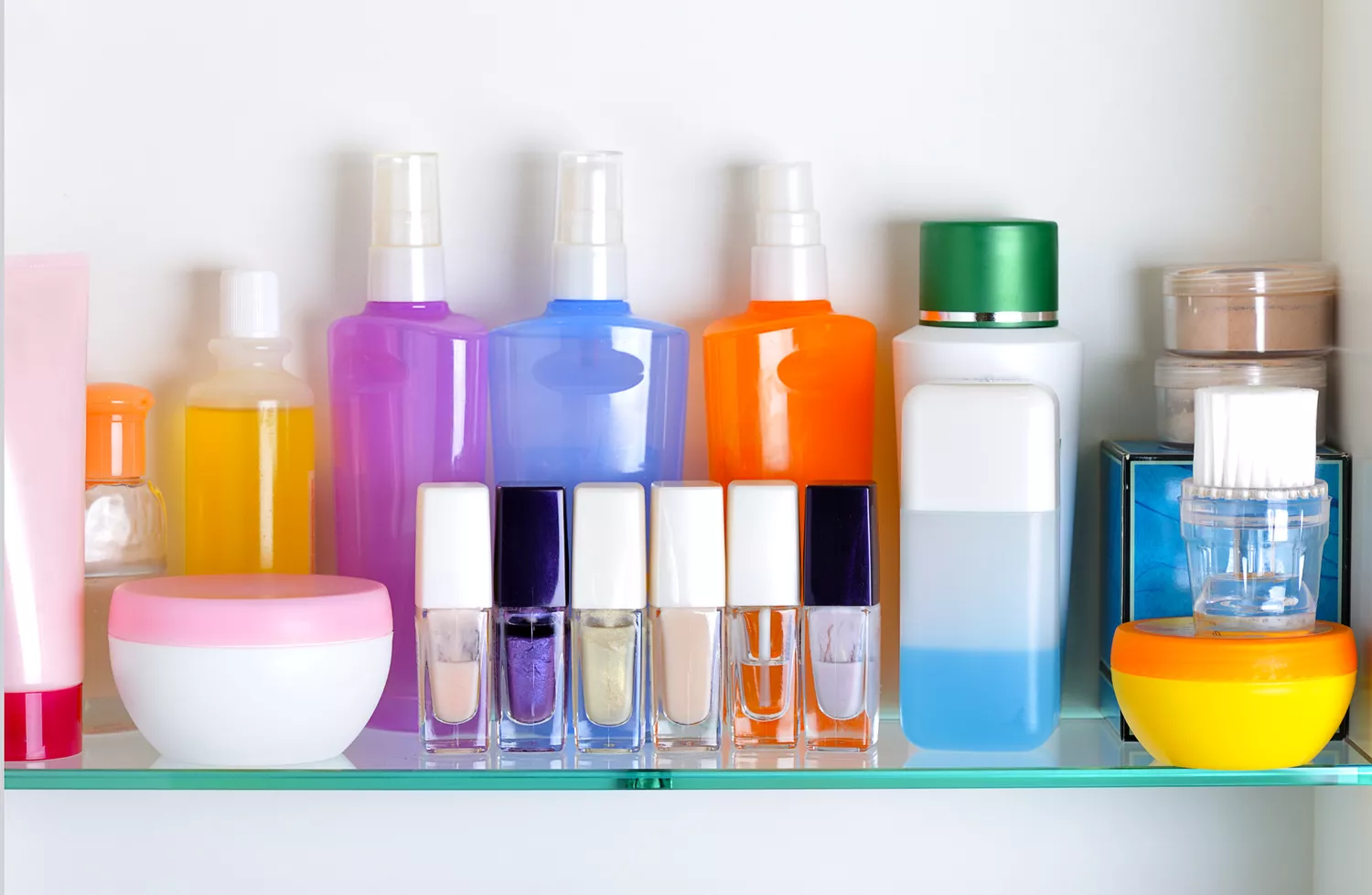
A well-stocked medicine cabinet should contain essential health remedies for common ailments. Experts recommend having a supply of pain relievers, bandages, throat lozenges, calamine lotion, and stomach upset remedies, alongside any personal prescription medications. Organizing these items effectively requires categorization. Grouping similar items, such as all cold and flu medications or all pain relievers, helps in quick identification and retrieval. If the cabinet is used for skincare, dental care, or cosmetics, these items should also be categorized into their respective groups.
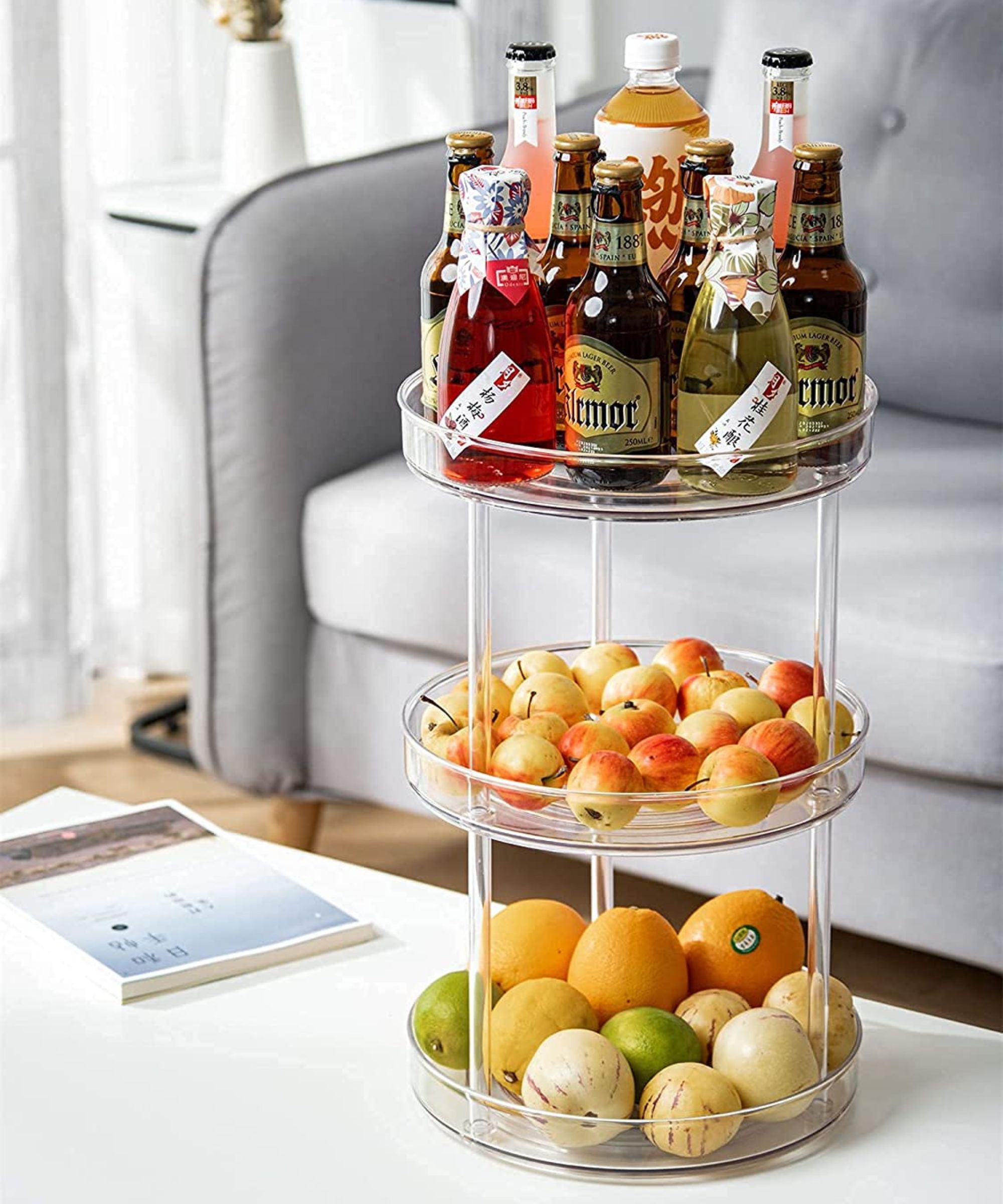

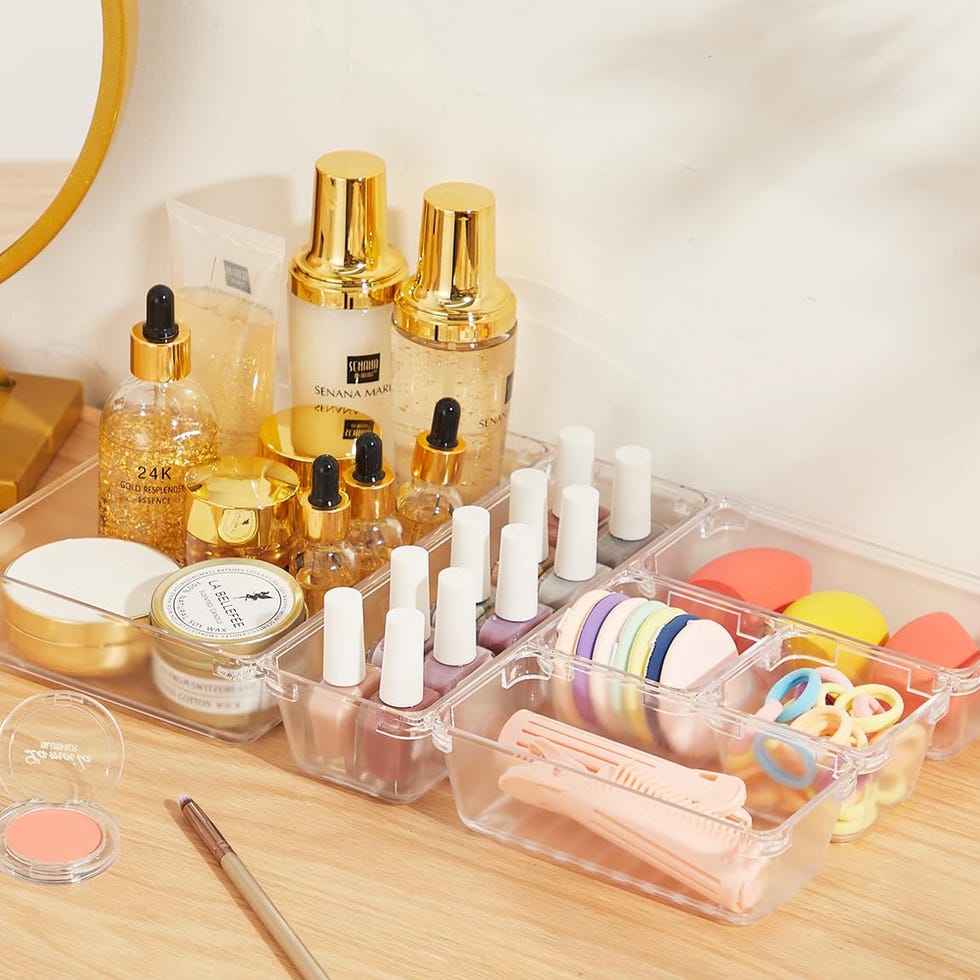
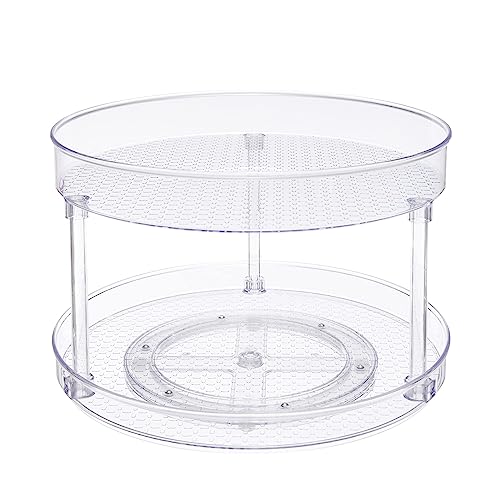
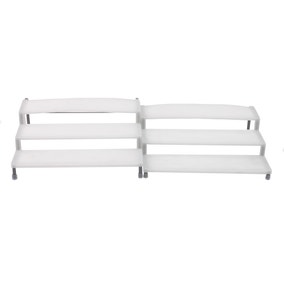
Choosing appropriate organizational tools is key to maximizing space and maintaining order. For shallow medicine cabinets, two-tier risers are recommended to utilize vertical space efficiently. For deeper cabinets, turntable trays allow easy access to numerous items within a single category with a simple spin. Strategic placement of items is also important; frequently used products like daily vitamins, facial cleansers, eye drops, and prescription medications should be stored at eye level or in the front for easy access. For those with specific routines, arranging items in the order they are used throughout the day can further enhance convenience.
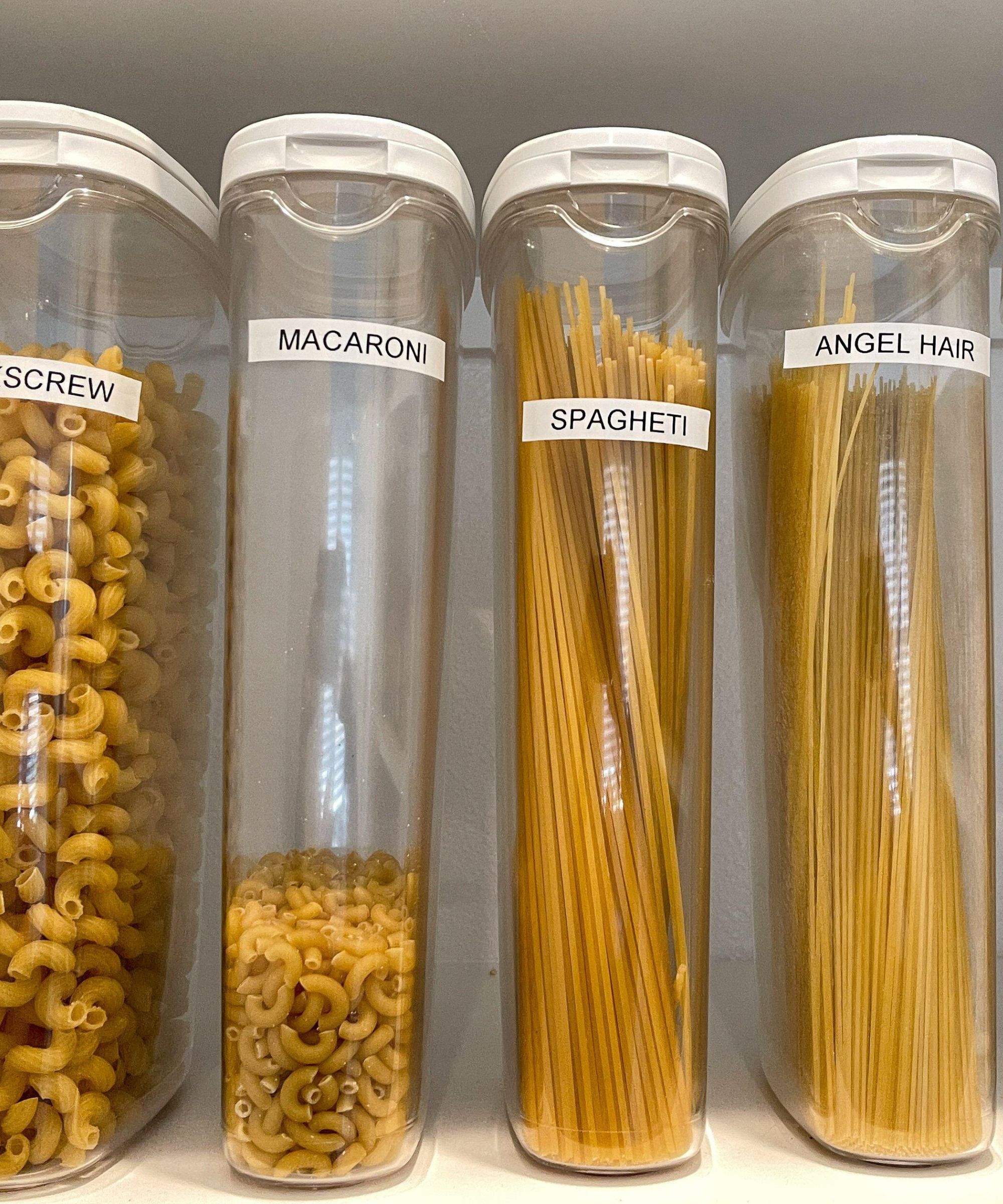
Using containers and labels significantly improves the functionality of the medicine cabinet. Clear containers allow easy visibility of contents, while large, easy-to-read labels help in quickly identifying what is inside each container. Safety, particularly regarding children, is a paramount consideration throughout the organizing process. Medications and potentially dangerous items must be stored securely. It is important to assess whether all users of the medicine cabinet should have access to prescribed medications and to secure any items without locking caps that could be mistaken for toys or ingestibles.
Finally, maintaining an organized medicine cabinet requires a regular purge schedule. Consistent organization ensures the cabinet remains effective and safe. Experts suggest taking inventory and checking expiration dates quarterly. Adhering to a regular maintenance routine prevents clutter from accumulating and ensures that necessary items are always on hand and readily accessible, promoting a functional and tidy space.
#MedicineCabinetOrganization #DeclutteringTips #HomeOrganization #BathroomStorage #ExpiredMedicationDisposal #ChildSafety #StorageSolutions #HouseholdEssentials #MedicineCabinetOrganization #DeclutteringTips #HomeOrganization #BathroomStorage #ExpiredMedicationDisposal #ChildSafety #StorageSolutions #HouseholdEssentials
कुल 0 टिप्पणियाँ
 कोई टिप्पणी नहीं
आपको यह भी पसंद आ सकता है

How to Organise a Medicine Cabinet in 4 Simple Steps
The 20 Best Medicine Cabinets to Store Your Items in Style


Hallway storage advice from the decluttering experts

Professional Organizers Use These 17 Clever Items Every Day to Keep Their Own Homes Neat and Tidy

Decluttering Experts Share Their Best Kitchen Cabinet Organization Ideas

13 Professional Organizers on the One Item They Tell Every Client to Buy
6 Medicine Cabinet Items You Should Throw Away Right Now

How to organise deep drawers – expert tips to maximise space


9 things to get rid of from your medicine cabinet right now – according to experts

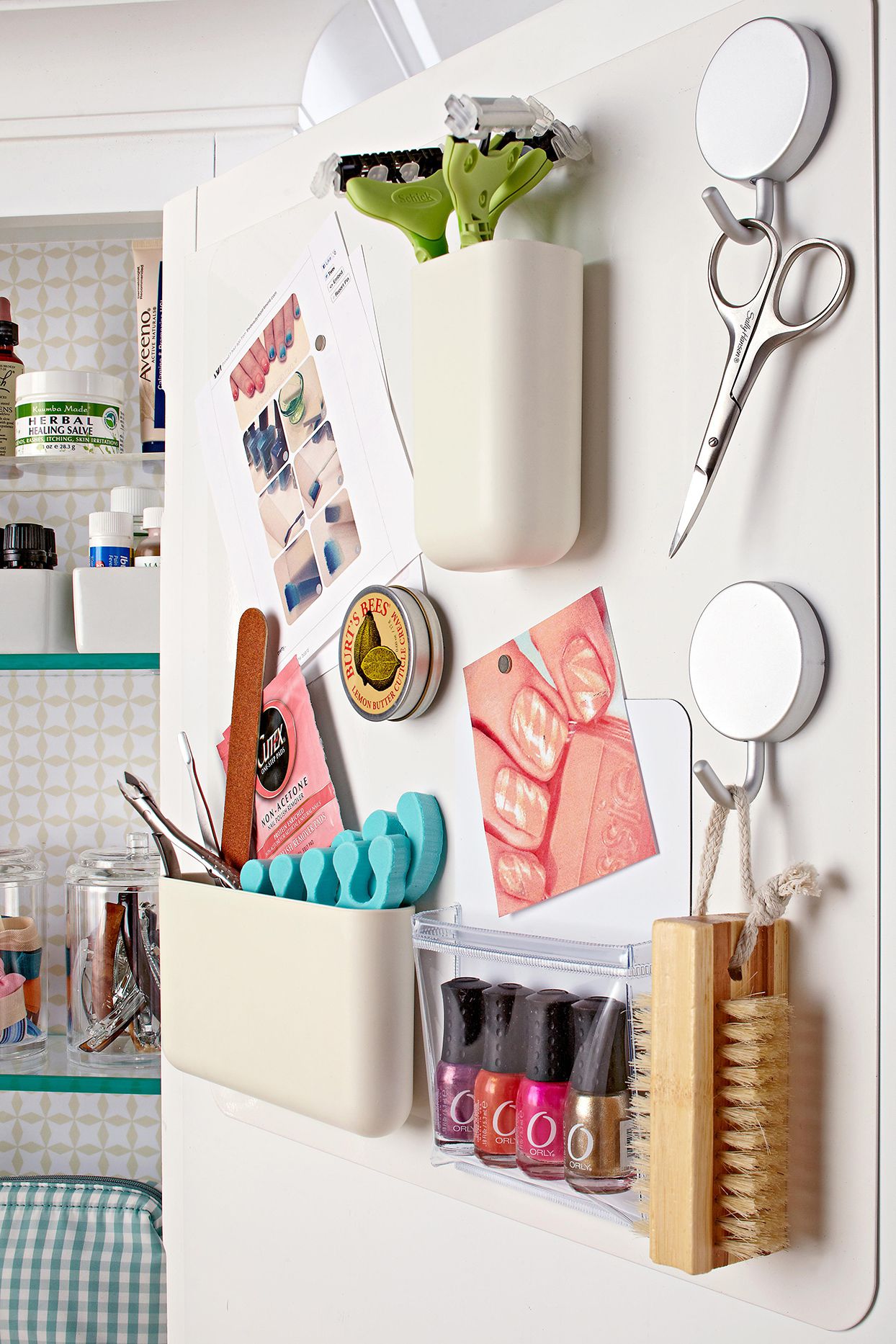
12 Medicine Cabinet Organization Ideas to Streamline Your Daily Routine
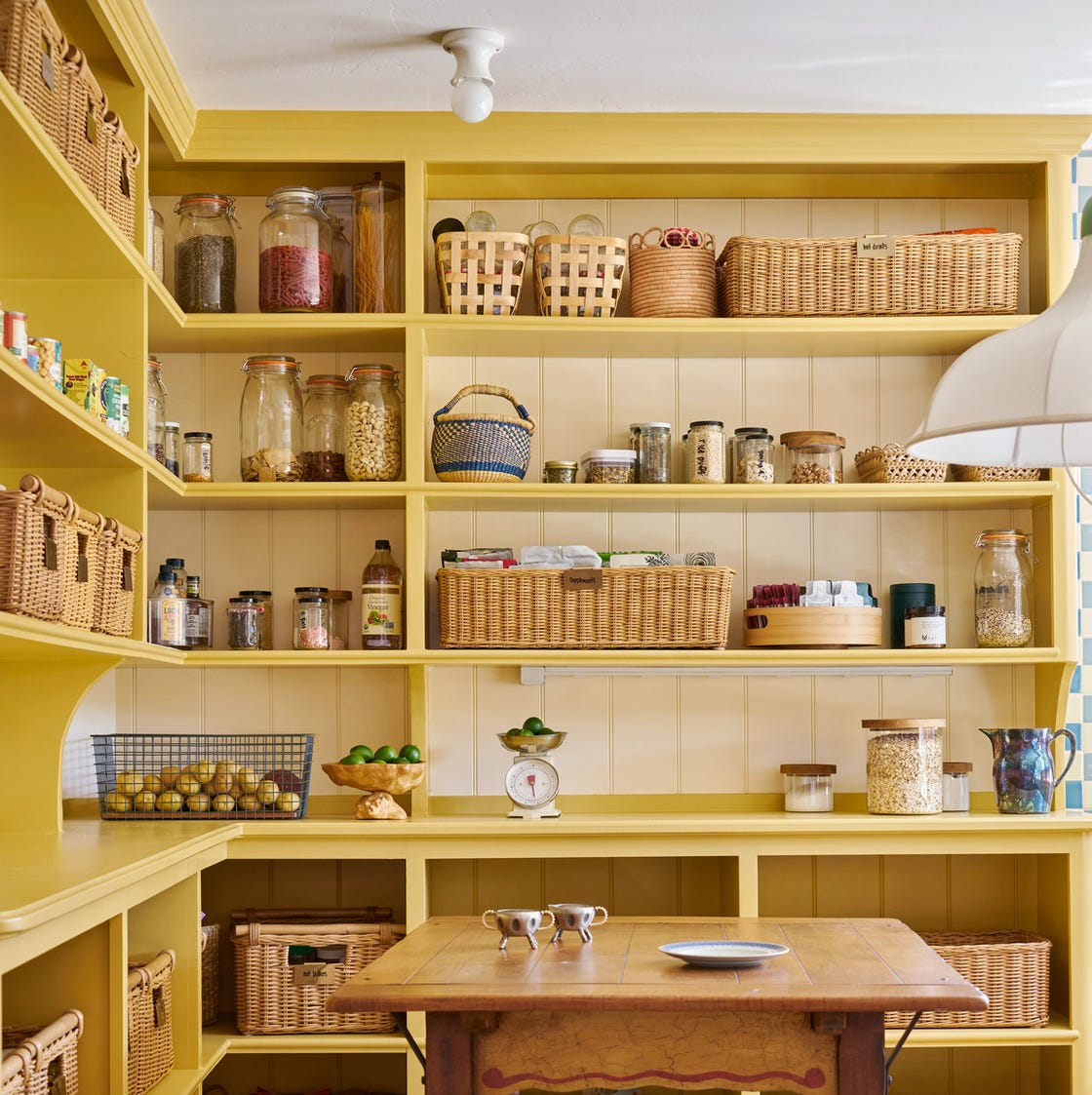
13 Things EVERY Professional Organizer Does to Keep Their Home Clutter-Free

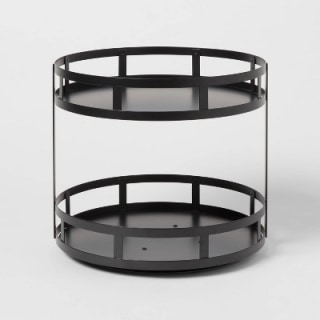
The best storage essentials to help maximize your space in 2025


8 Things to Remove From Your Medicine Cabinet ASAP, According to Experts

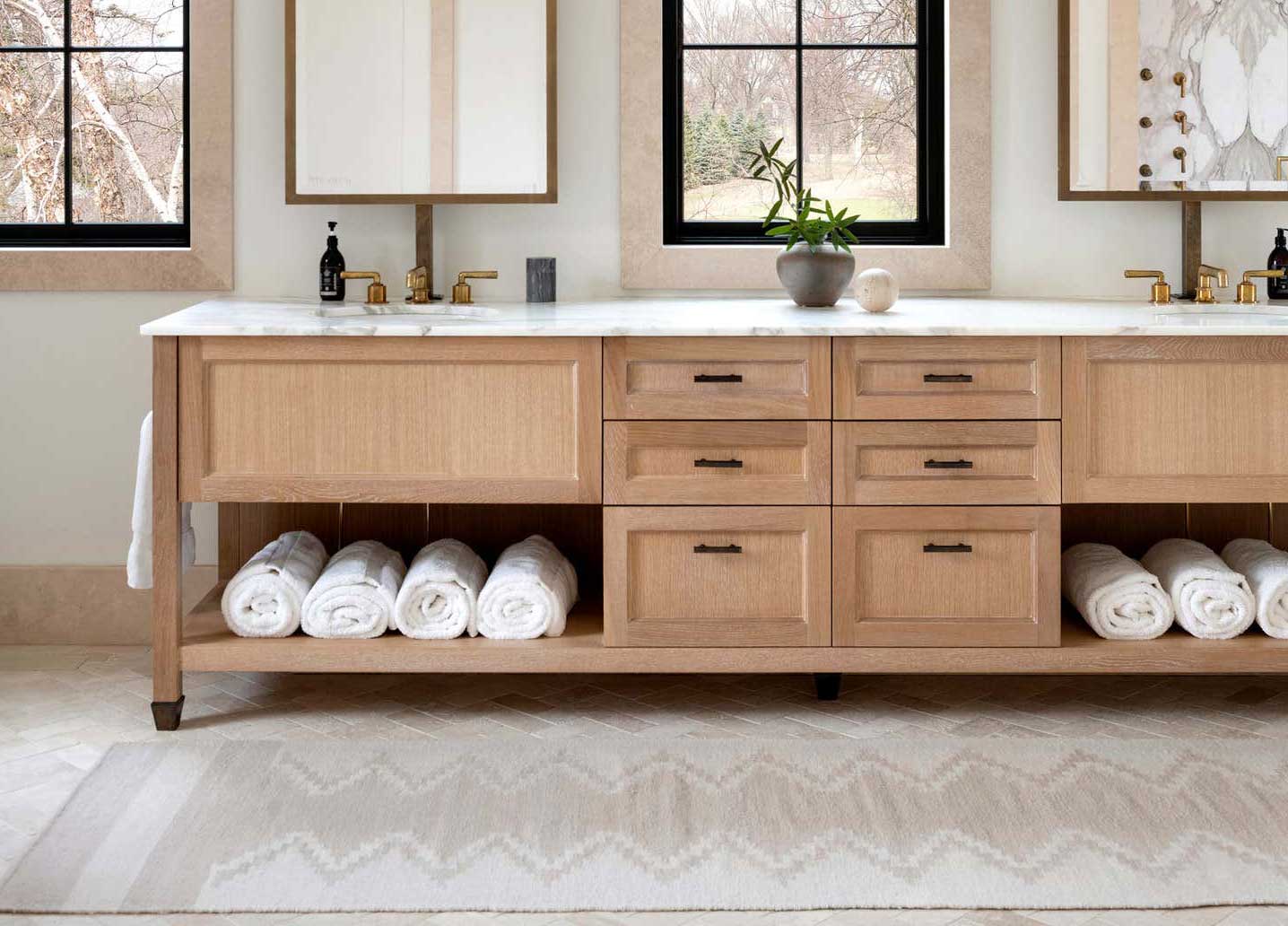
10 tricks for organizing bathroom cabinets that the best declutterers always use

12 Best Prime Day Storage Deals, According to Pro Organizers


9 ways to use hooks for increased storage where you need it
10 storage products professional organizers say they can't live without
5 things people with organized drawers always have – according to professional organizers
How to organize cleaning supplies – 12 tips to clean up your cleaning cabinet
Storage & Organization