




Finish Wood With Oil: How To Choose the Right One
Wood finishing is an age-old practice that predates the Christian era, traditionally focusing on preserving and enhancing wood's natural beauty. While synthetic materials like nitrocellulose lacquer and polyurethane have dominated since the late 19th century, offering robust protection, they are essentially plastics. For woodworkers who appreciate the inherent aesthetic of wood and prefer to avoid plastic-like finishes, penetrating wood oil provides an excellent alternative. Unlike surface coatings, wood oil penetrates the grain, ensuring it won't peel or chip, and is relatively easy to restore.
Wood oils function by drying and hardening within the wood grain, which is crucial for protecting furniture. Non-hardening oils, such as olive and mineral oil, are typically reserved for food-safe applications like cutting boards, not furniture. The hardening property of wood oils comes from their reaction with oxygen, forming cross-linked polymers. The primary sources of these hardening oils are tung oil, derived from the nut of the tung tree, and linseed oil, extracted from the ripe seed of the flax plant. Tung oil is known for its hardness and is often used independently, while linseed oil, especially in its boiled form, serves as a common base for paints and varnishes. Many commercial wood oil formulations combine these two oils with a solvent, like mineral spirits, and sometimes include varnish or pigments to create stains.
There are generally four main types of wood oils available. Pure tung oil is highly favored by woodworkers for its deep penetration, moisture-sealing capabilities, ease of application, and non-yellowing, spectacular finish. However, it is expensive, has a strong odor, and a short shelf life. Boiled linseed oil, while non-toxic and easy to apply like tung oil, provides a less hard finish that requires more frequent maintenance. It is also susceptible to UV radiation, tends to yellow over time, and can support mildew growth. Teak oil, despite its name, is not derived from teak wood but is a blend of tung and linseed oils, varnish, and a solvent. Its formula varies by manufacturer, and because it contains varnish, it is often considered a "wiping varnish." Teak oil's sun-blocking properties make it a popular choice for outdoor furniture. Danish oil is another wiping varnish that similarly combines tung and linseed oils, varnish, and a solvent, with compositions varying by brand and sometimes including pigments. It is designed to emulate the look of traditional Danish furniture and is intended for indoor use.
Choosing the right wood oil depends on the application. Tung oil is versatile but its cost and lengthy application process can be prohibitive. Most woodworkers opt for faster-drying oil blends that incorporate varnish for enhanced durability. Danish oil is generally recommended for interior woodwork, while teak oil is preferred for outdoor applications due to its protective qualities against the sun. Given that formulations differ significantly between brands, it is advisable to consult customer reviews to gauge product performance before making a purchase. Practical experience with a product is often the best way to determine if it will deliver satisfactory results.
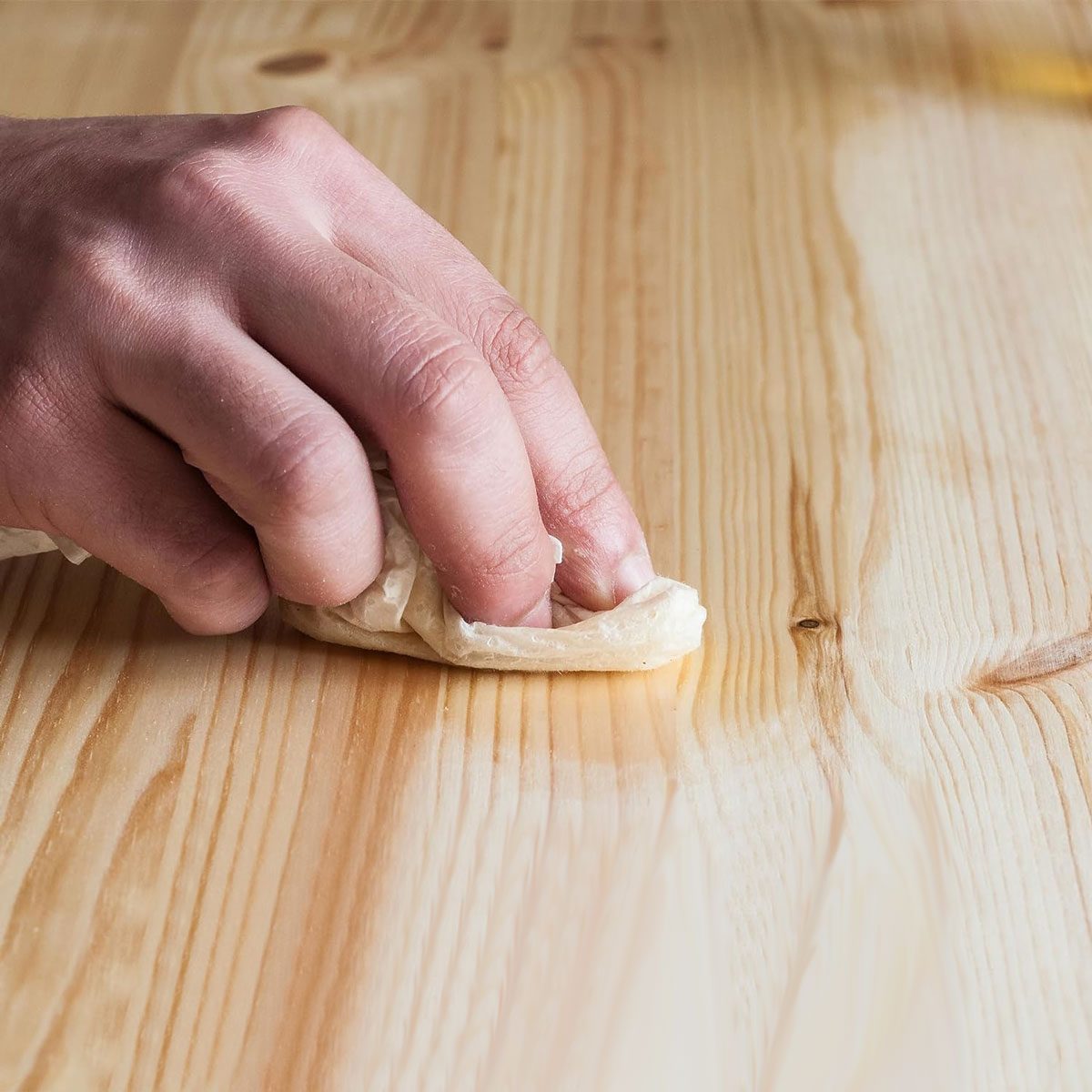
Applying wood oil involves using a rag or brush, moving with the grain, and wiping off any excess after 10 to 20 minutes. Multiple coats are almost always necessary. For optimal results, scuff-sanding between coats is recommended once the previous layer is completely dry. Pure tung oil, being slow-drying, can extend the finishing process over several days. In contrast, blended oils dry faster, making them a more efficient choice for projects requiring quicker completion, though not necessarily yielding a superior aesthetic outcome.
#WoodFinishing #WoodOil #TungOil #LinseedOil #TeakOil #DanishOil #WoodProtection #DIYWoodworking #FurnitureFinishing #WoodFinishing #WoodOil #TungOil #LinseedOil #TeakOil #DanishOil #WoodProtection #DIYWoodworking #FurnitureFinishing
 कोई टिप्पणी नहीं