1/6
Experts reveal how you can use the principles of Vastu for the home to bring in positive energy
This article explores the principles of Vastu Shastra for enhancing positive energy and good vibes within a home. Vastu expert Ashna Ddhannak provides practical tips for optimizing living spaces, especially in ready-to-move-in homes where structural alterations may not be feasible. The core idea is that each home emanates a unique energy that influences its occupants, making it crucial to align with Vastu principles to foster well-being and success.
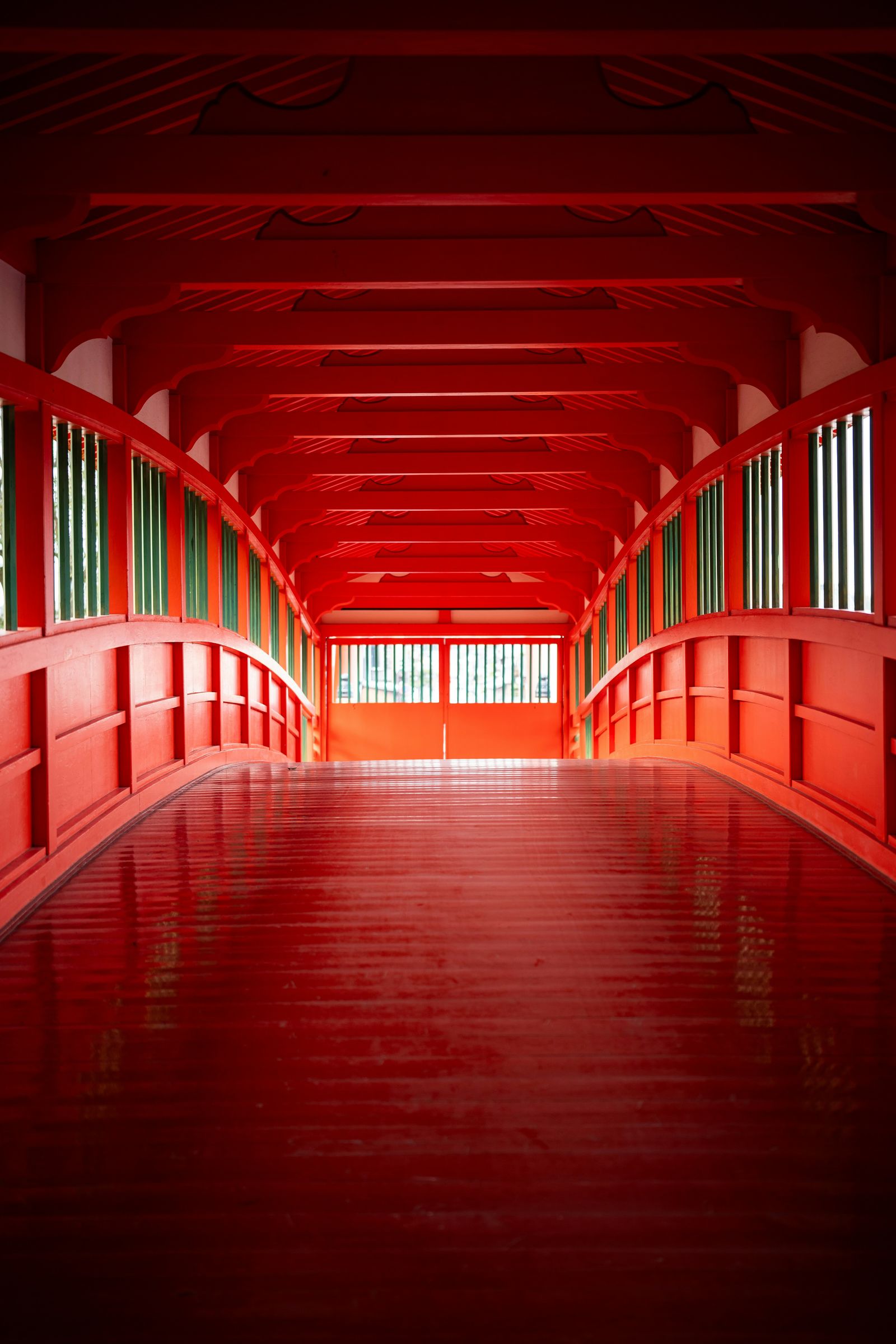
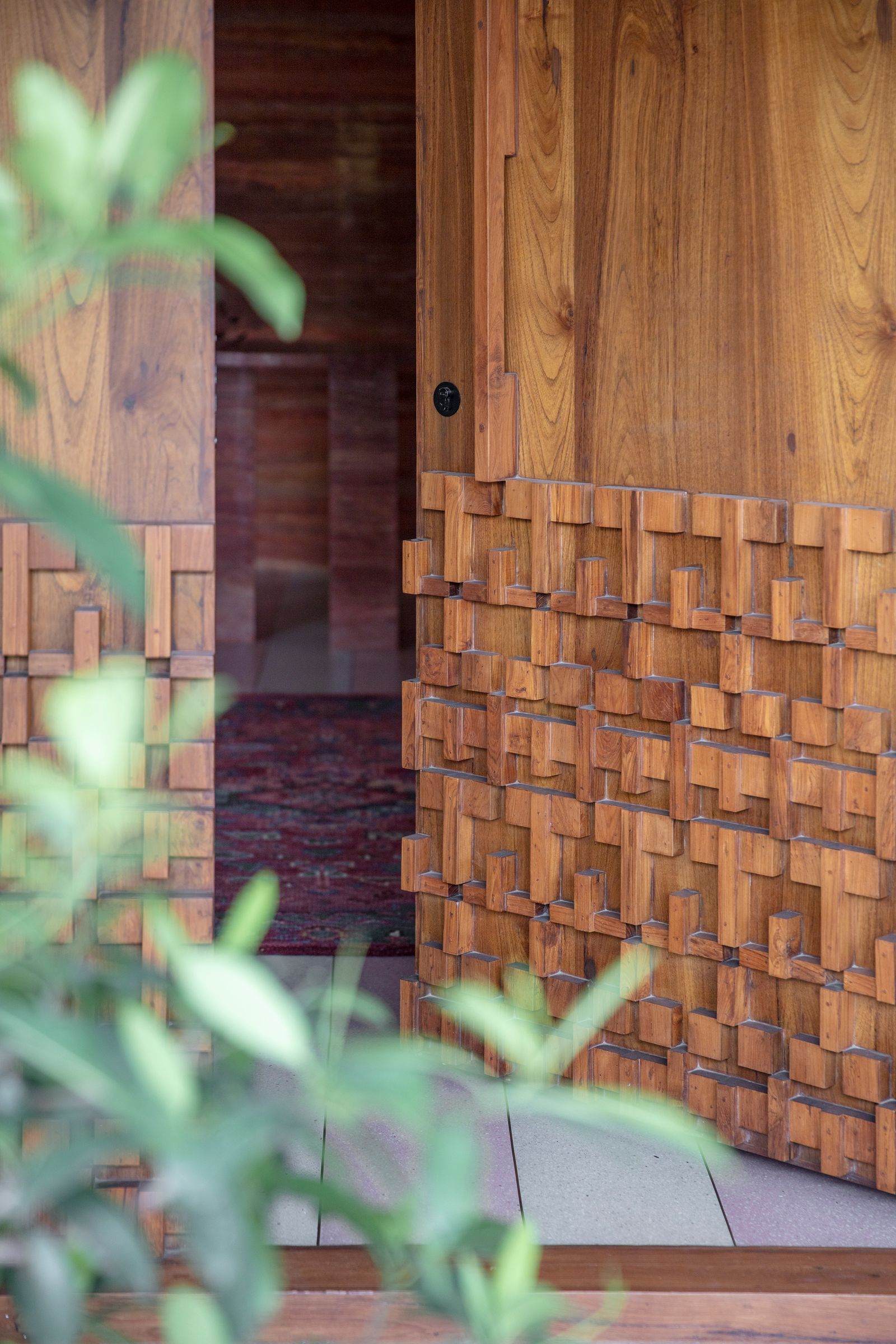
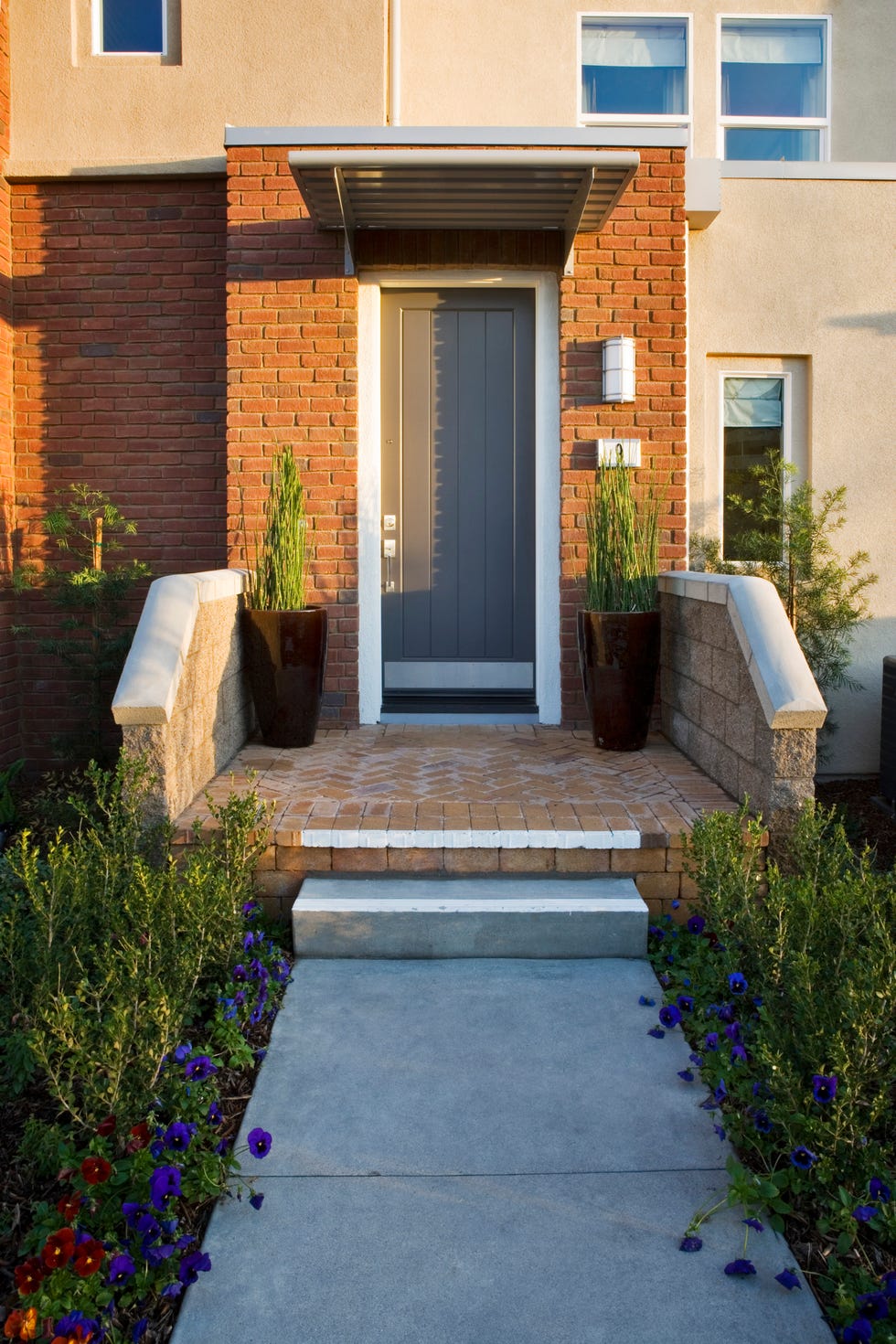
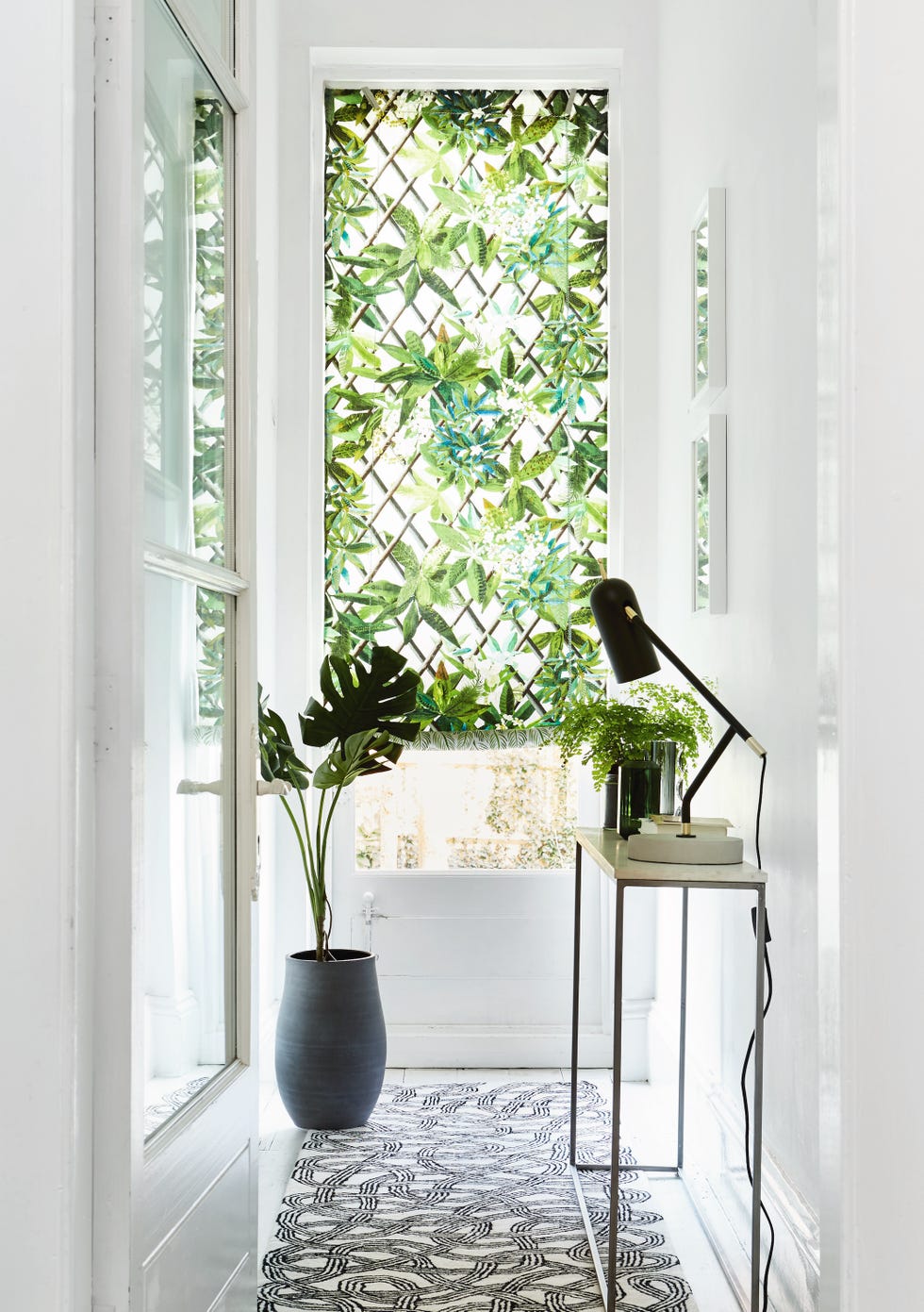
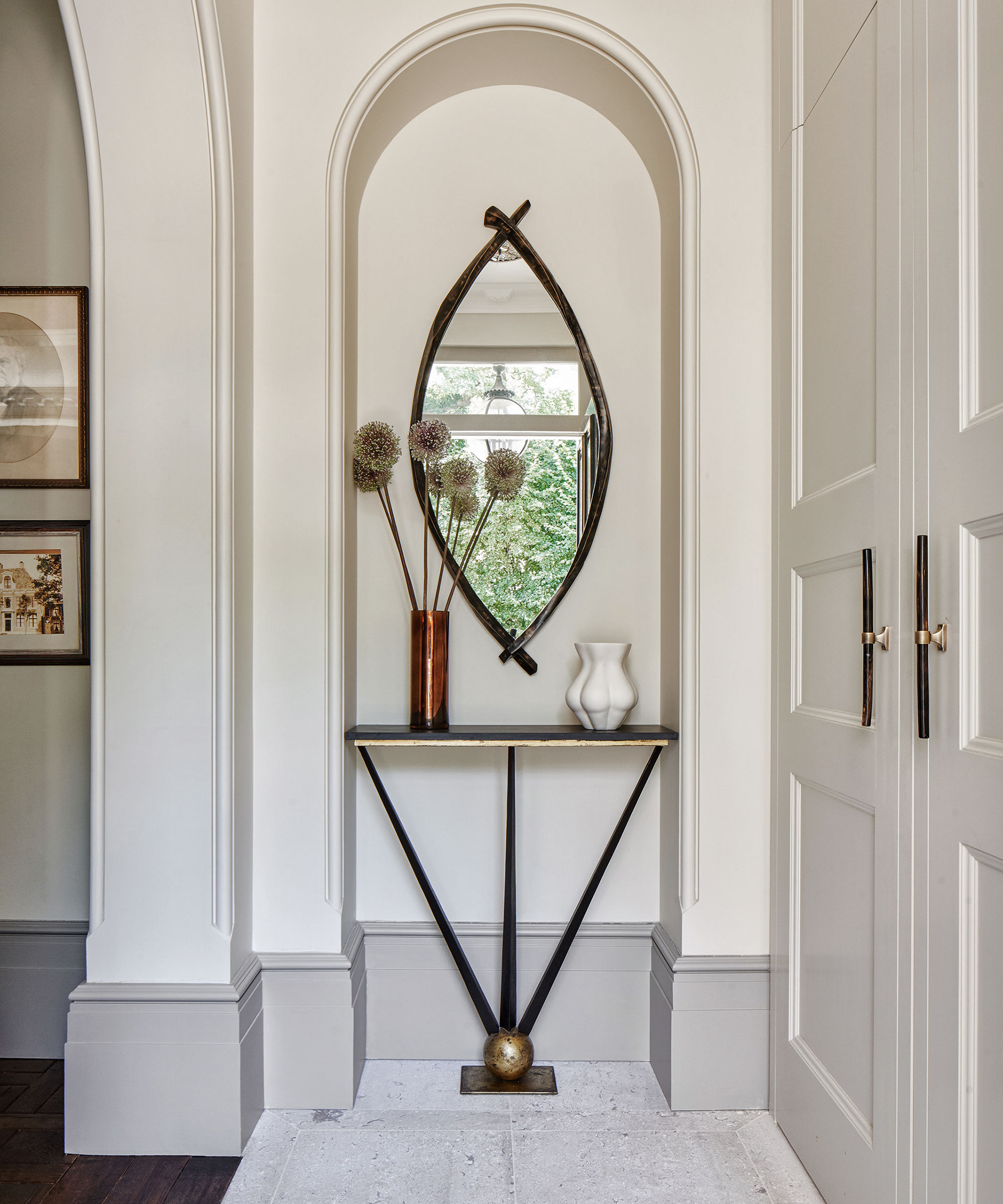
The main entrance, considered the gateway for both people and energy, is a critical focal point in Vastu. Ideally, the main door should face north, east, or north-east, ensuring that one faces these directions upon exiting. It should be constructed from high-quality wood, be taller than other doors, well-lit, and aesthetically pleasing with nameplates and auspicious torans. The door should always open clockwise. Certain elements should be avoided near the main entrance, such as fountains, decorative water features, shoe racks, or dustbins. Painting the main door black or placing animal statues or figurines nearby is also discouraged, as these can impede positive energy flow.
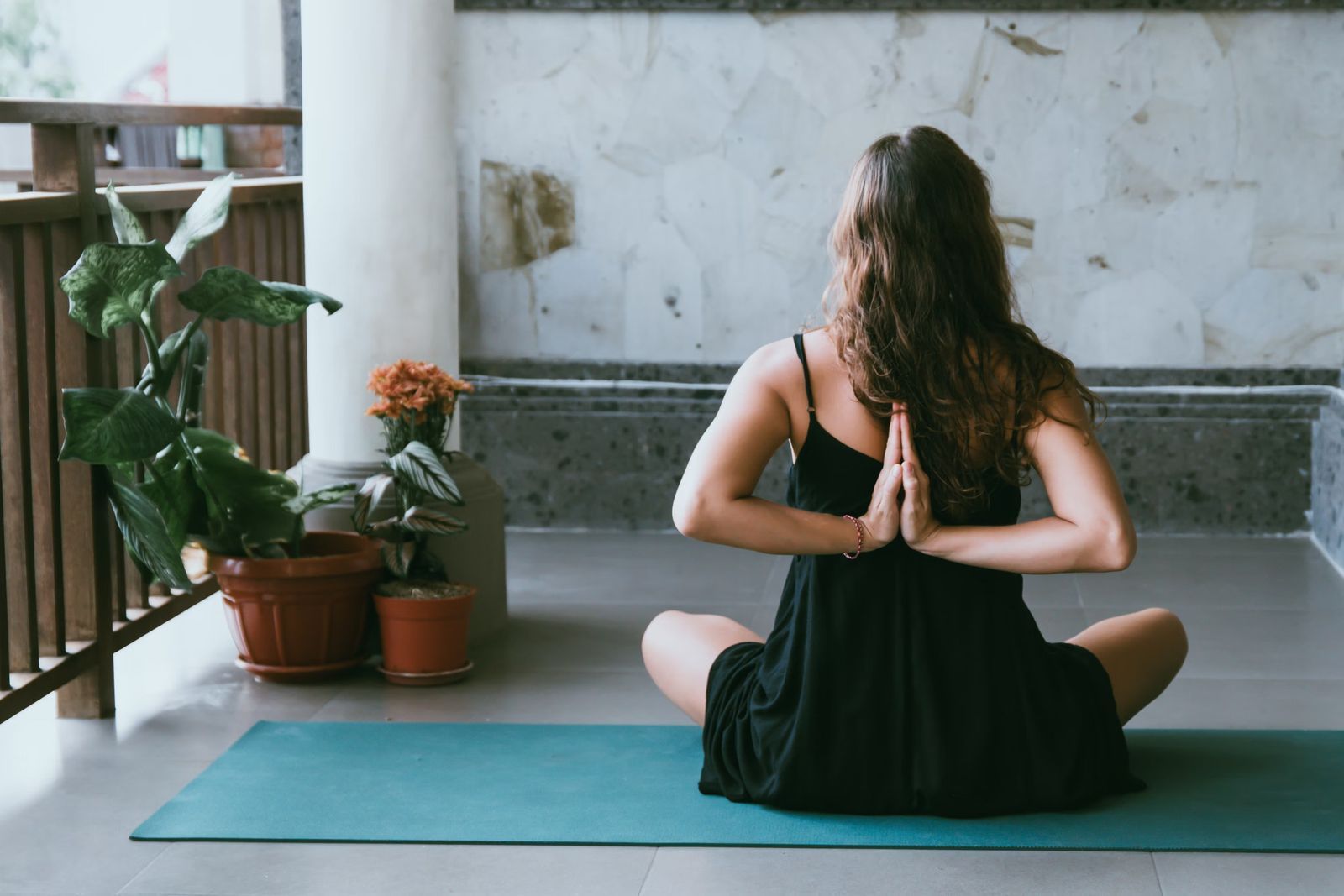
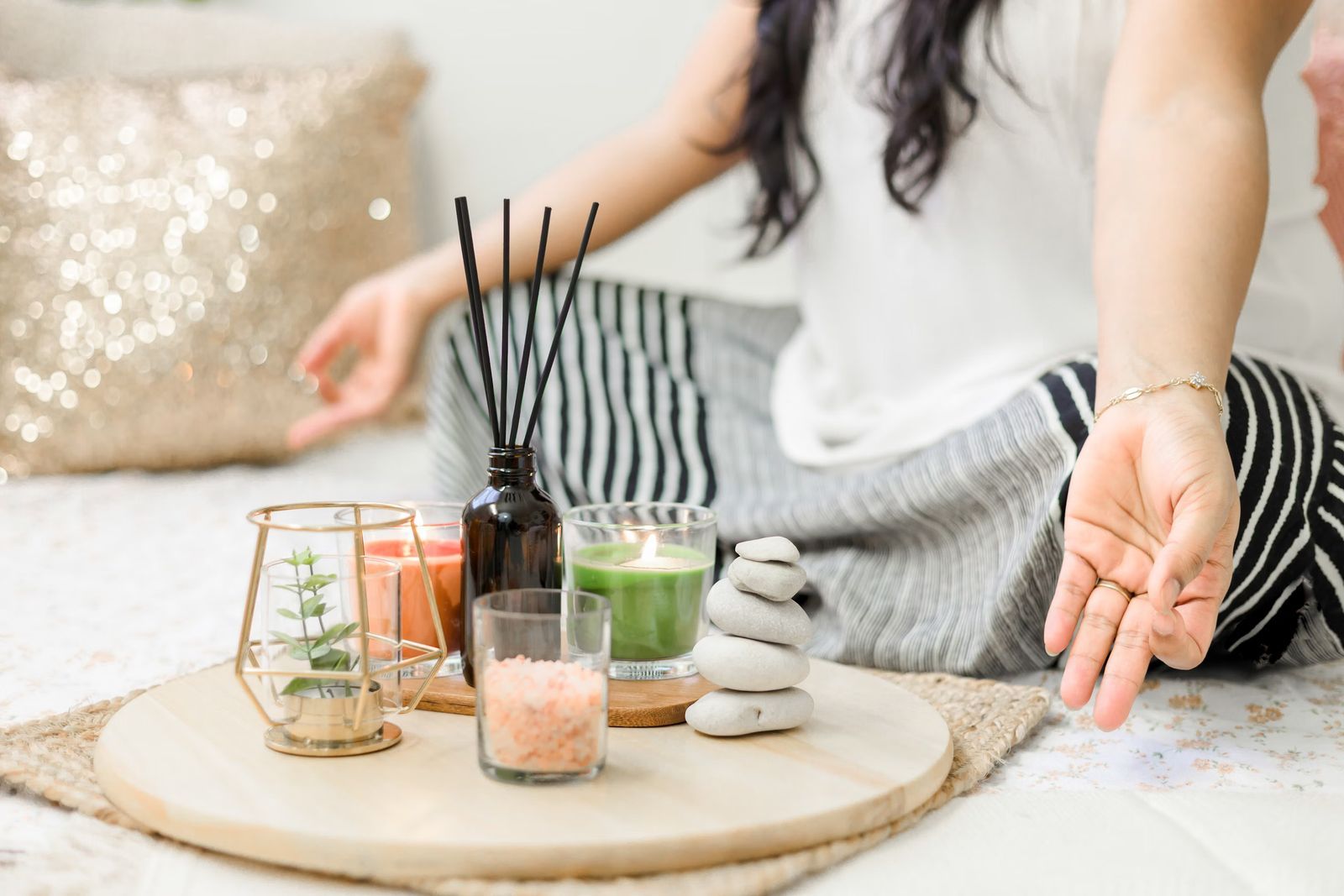
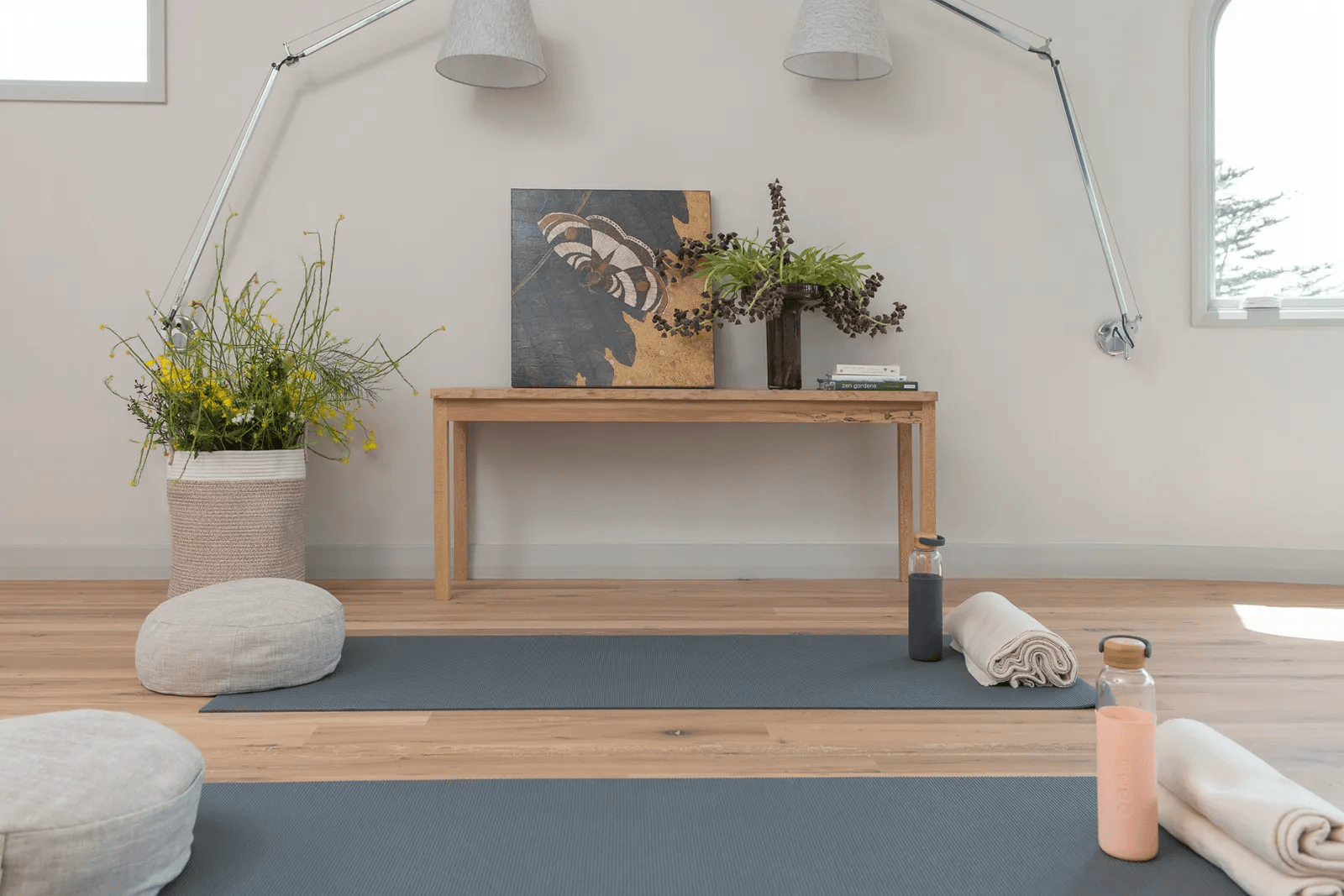
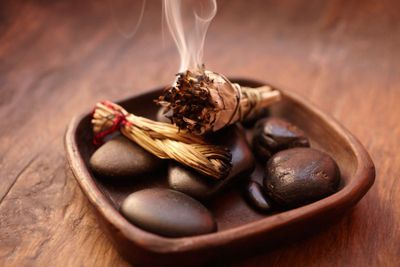
Creating a dedicated space for prayer or meditation is emphasized for spiritual growth and introspection. The east or north-east sections of the house are ideal for such activities. Facing east during meditation is believed to amplify positivity. This sacred space can be adorned with candles or incense sticks, and decorated in calming colors like white, beige, light yellow, or green to promote a serene atmosphere.
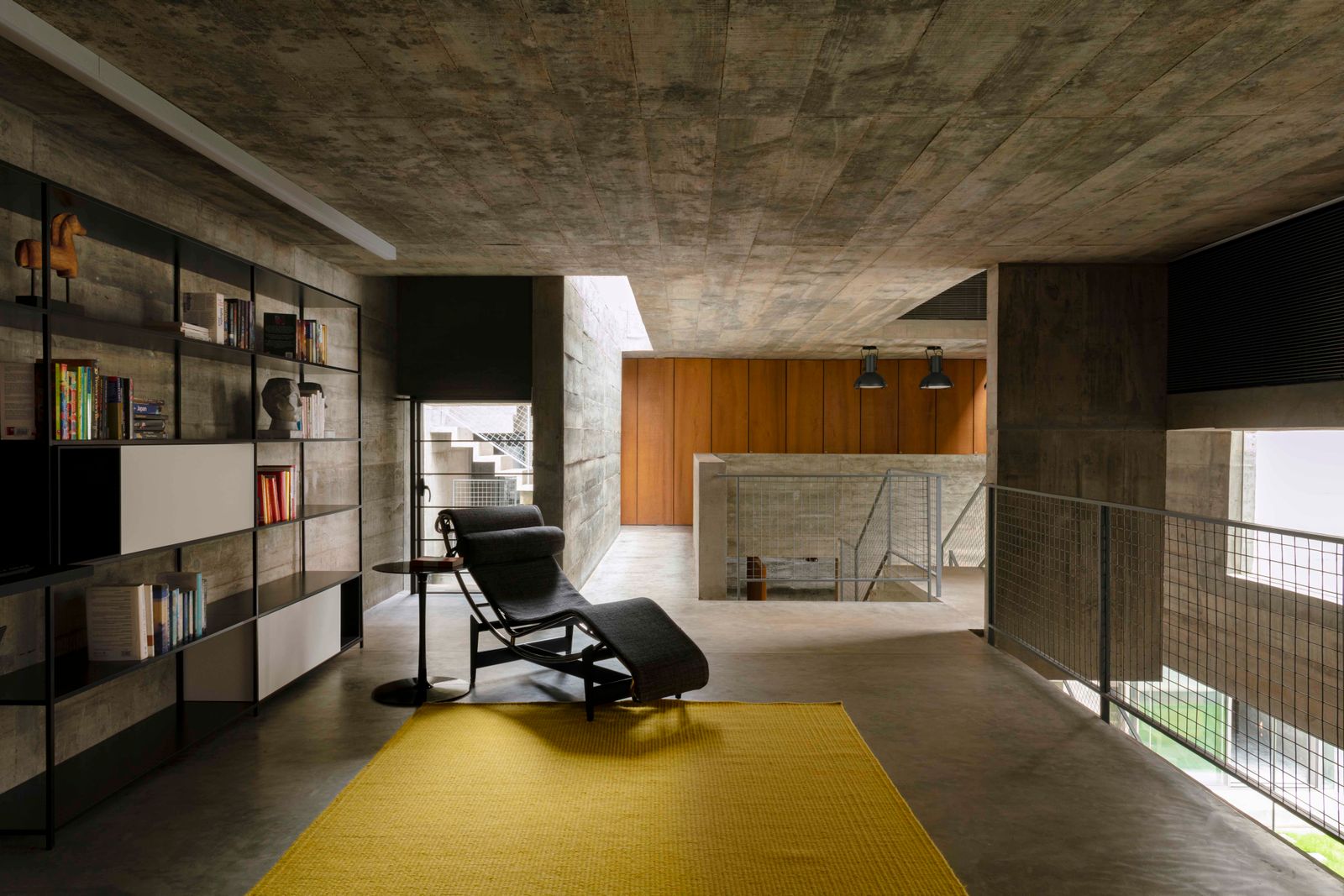
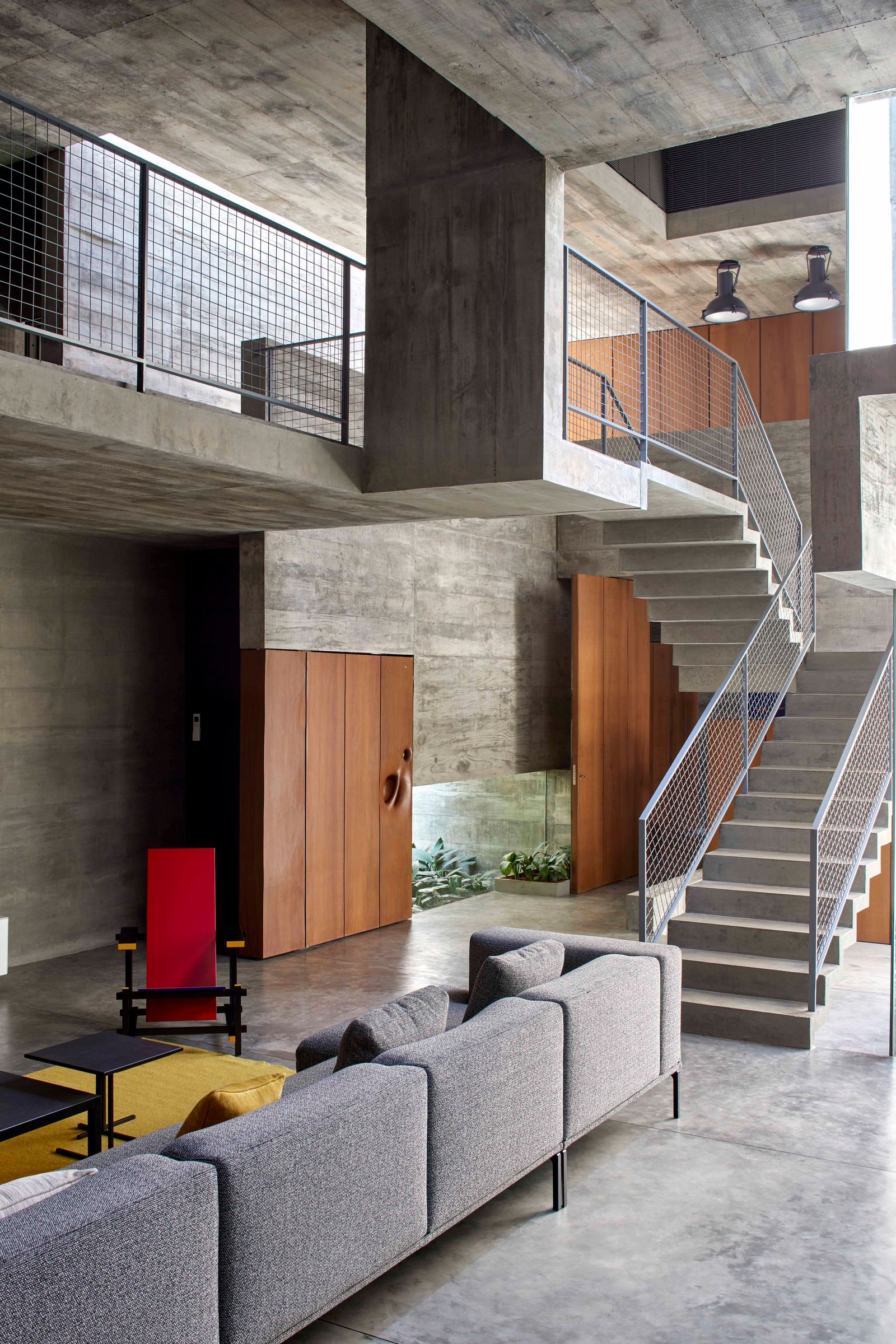
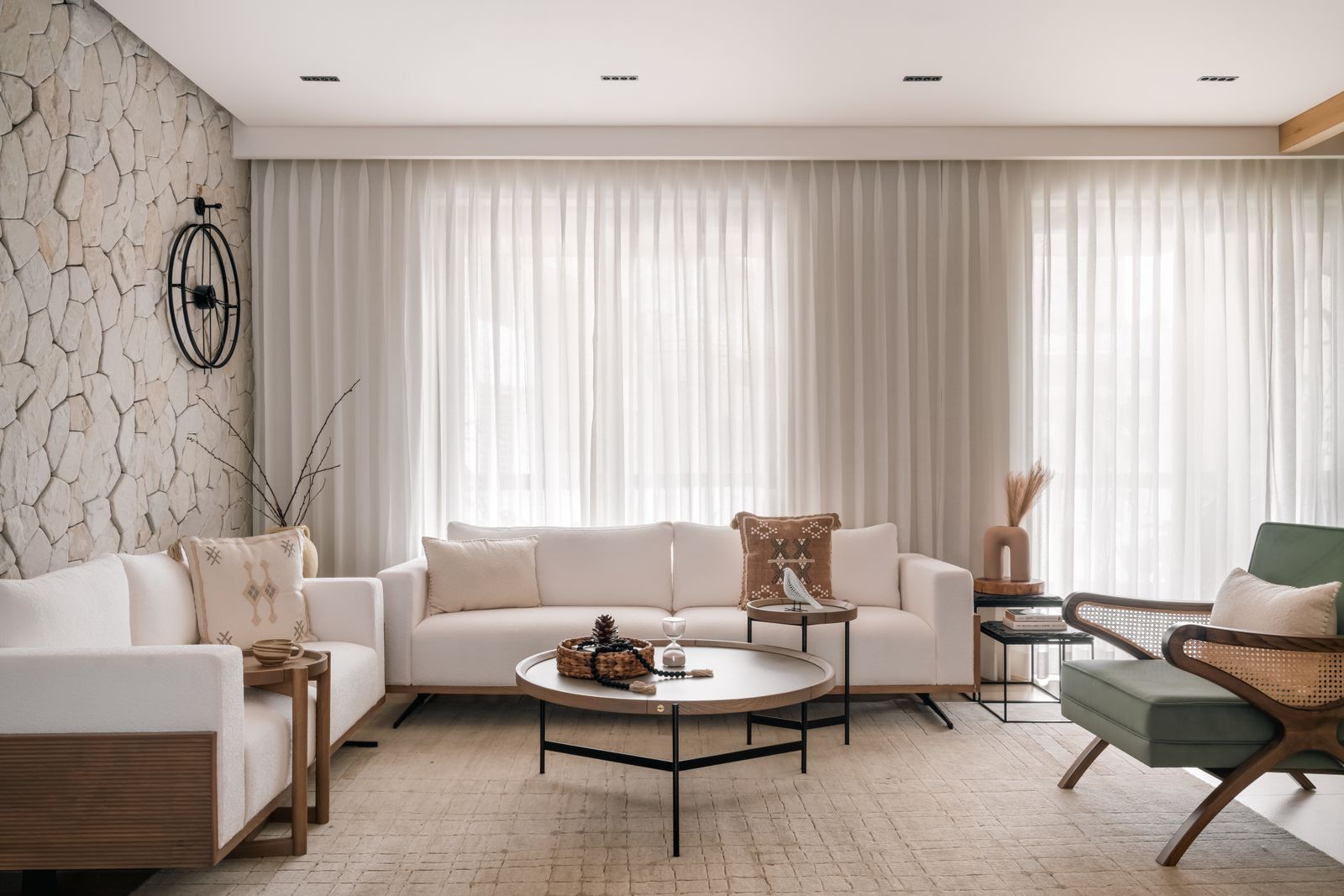
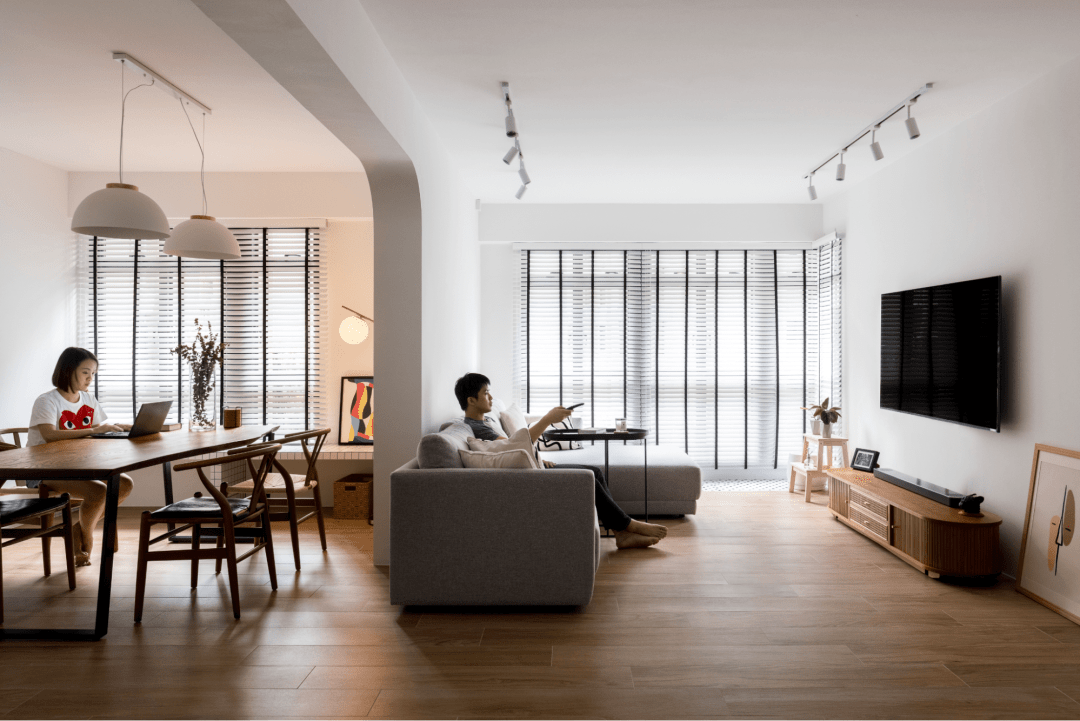
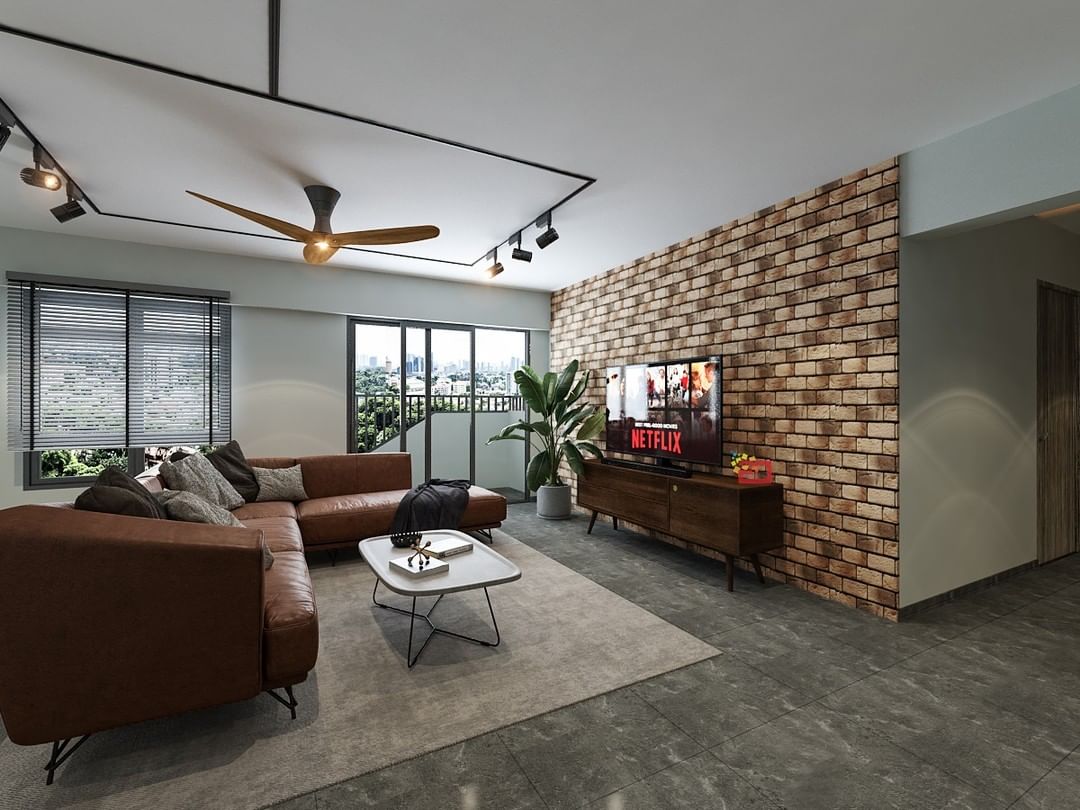
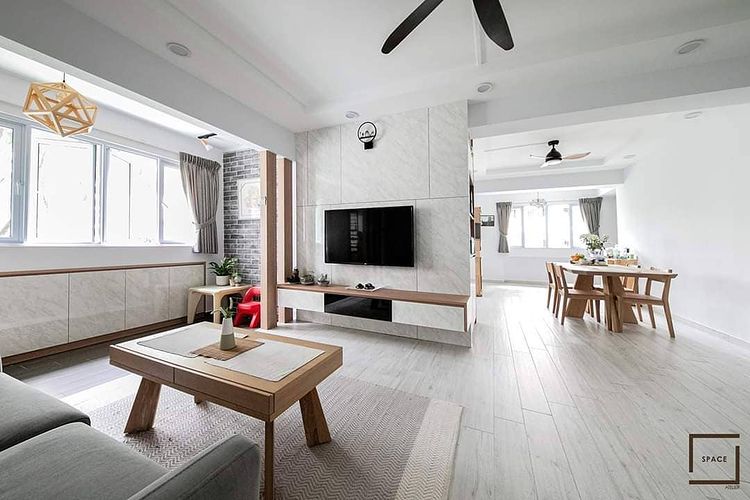
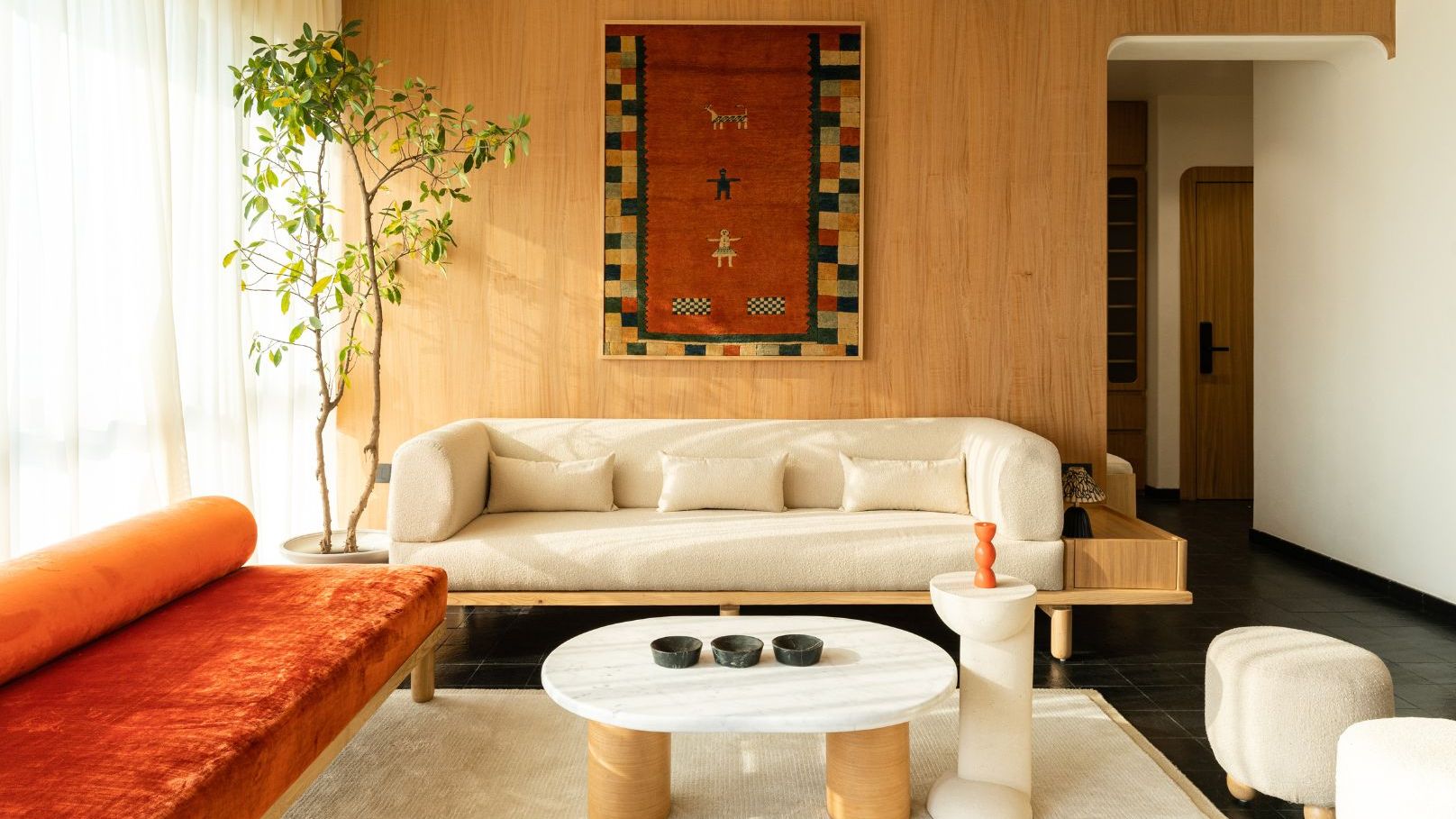
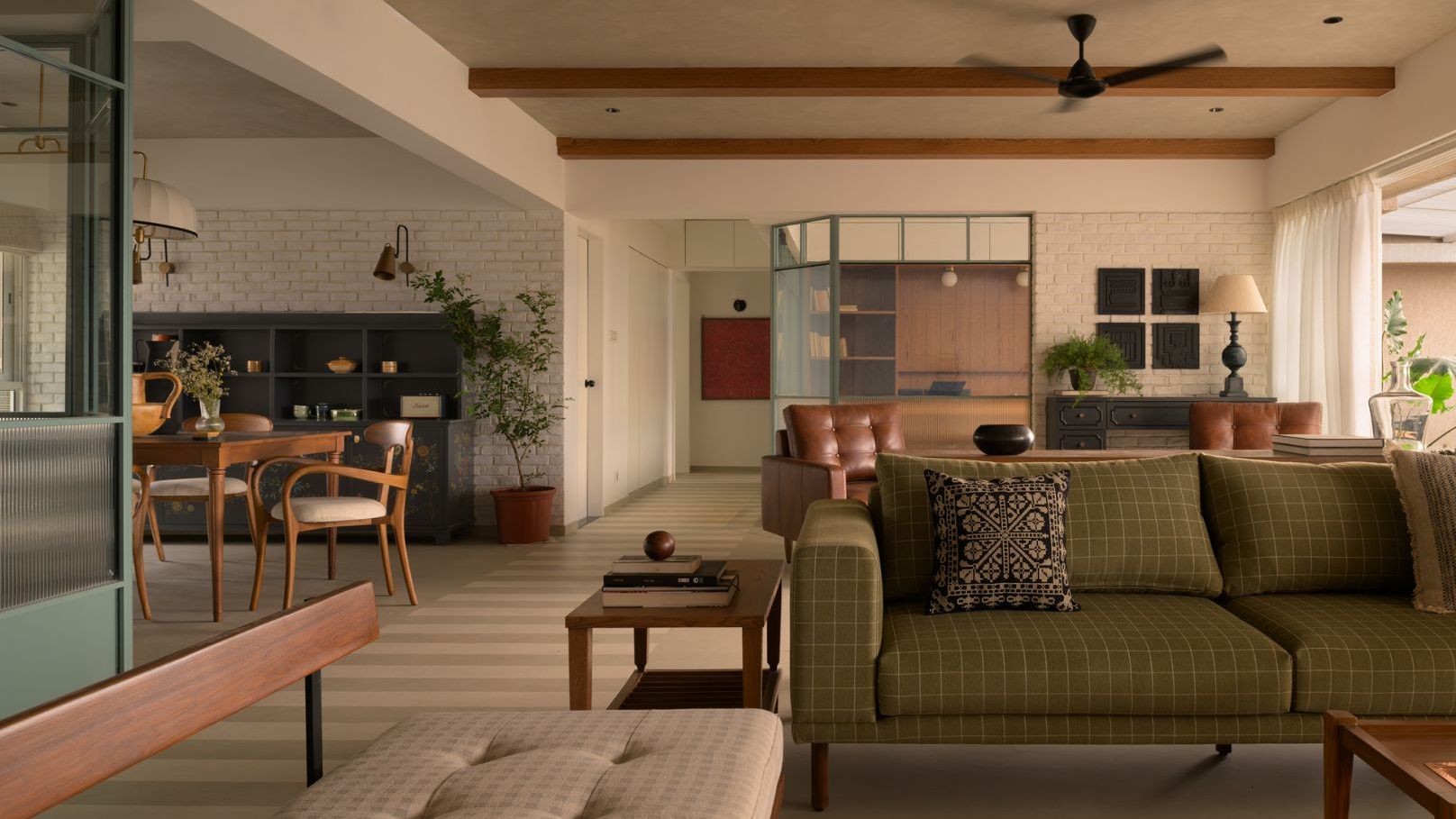
The living room, being the primary area for social interaction, significantly impacts first impressions and overall home energy. It should be kept clutter-free and ideally face east, north, or north-east. A north-west-facing living room is also considered favorable. Heavy furniture should be positioned in the west or south-west. Electronic appliances are best placed in the south-east. Mirrors, if used, should be on the north wall to reflect and distribute positive energy.
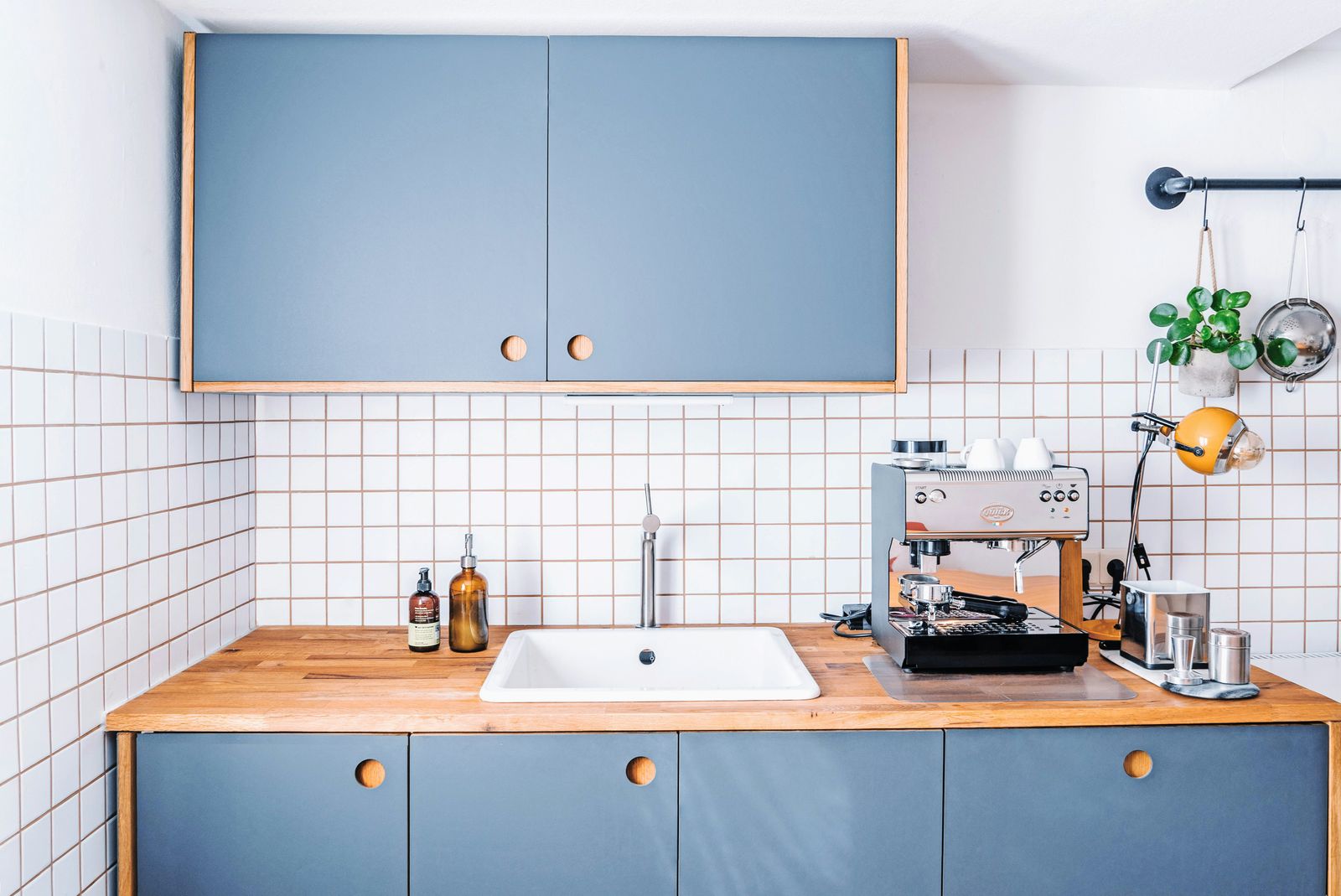
Brahmasthan, the central area of the home, holds significant importance in ancient Indian architecture based on Vastu Shastra. It is considered the holiest and most potent zone and must remain spotless and free of obstructions. A clear circumference of 1 to 1.5 meters around the Brahmasthan is crucial. The placement of kitchens, bathrooms, or pillars in this central area is believed to attract negative energy, potentially affecting the health of family members.
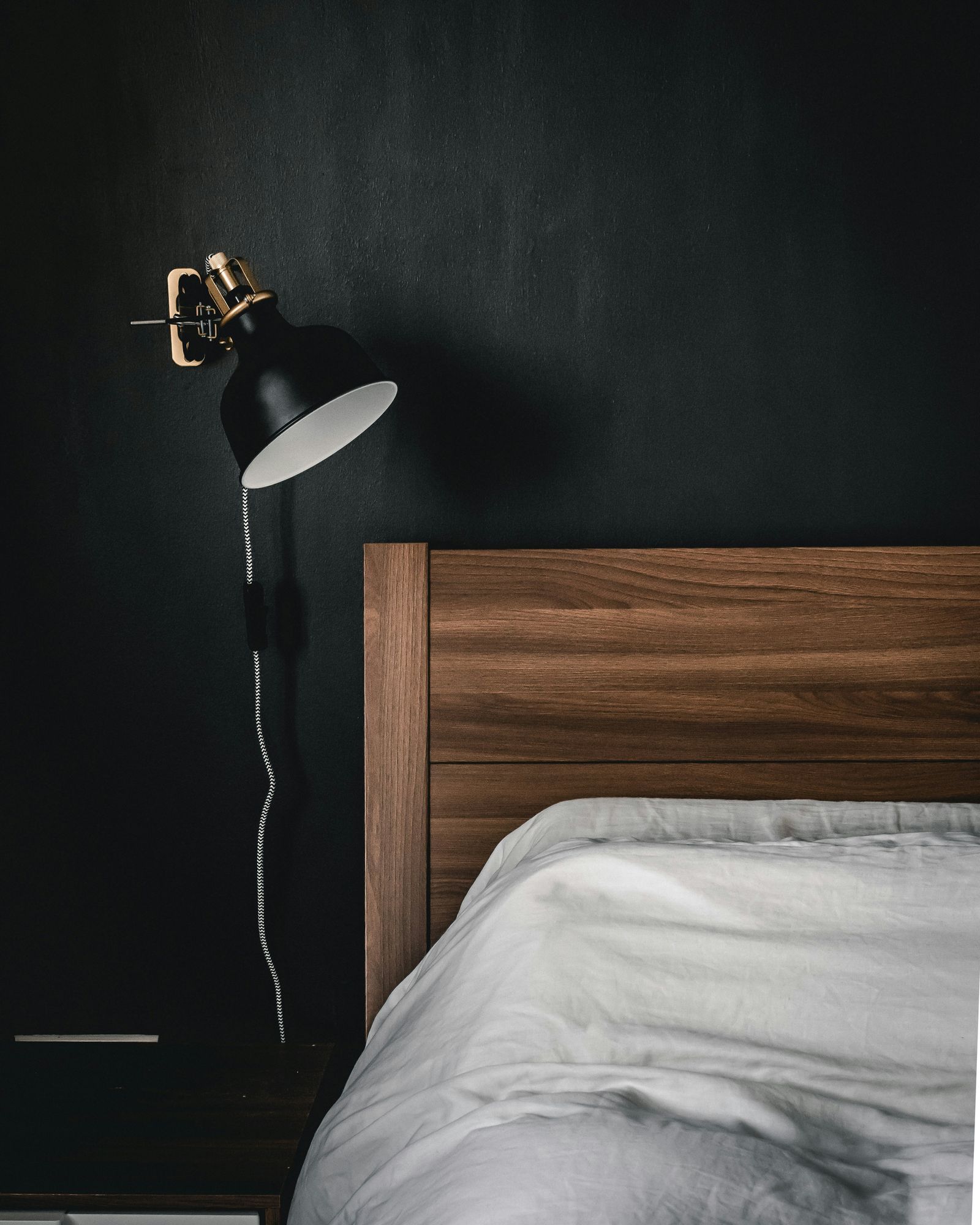
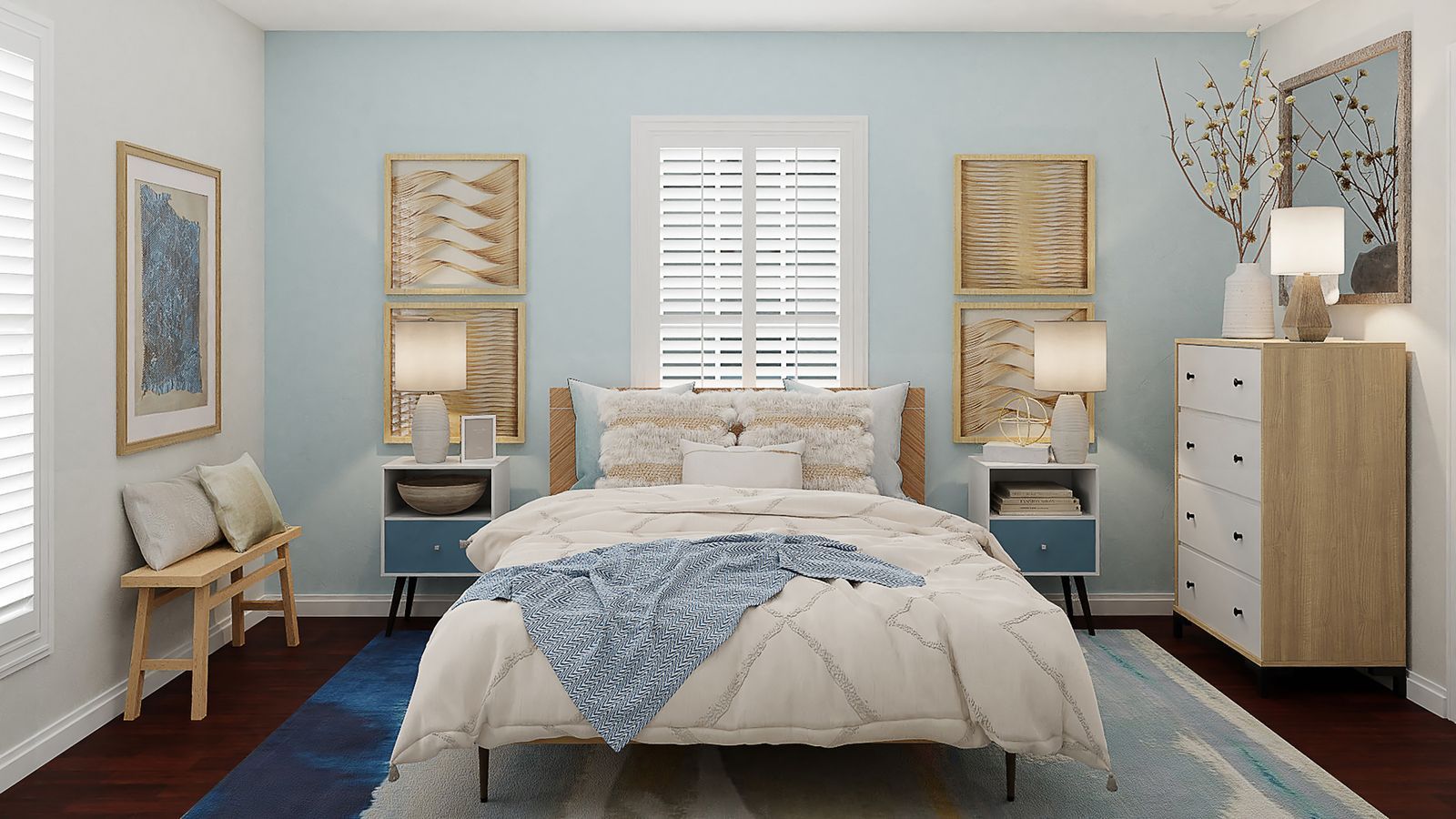
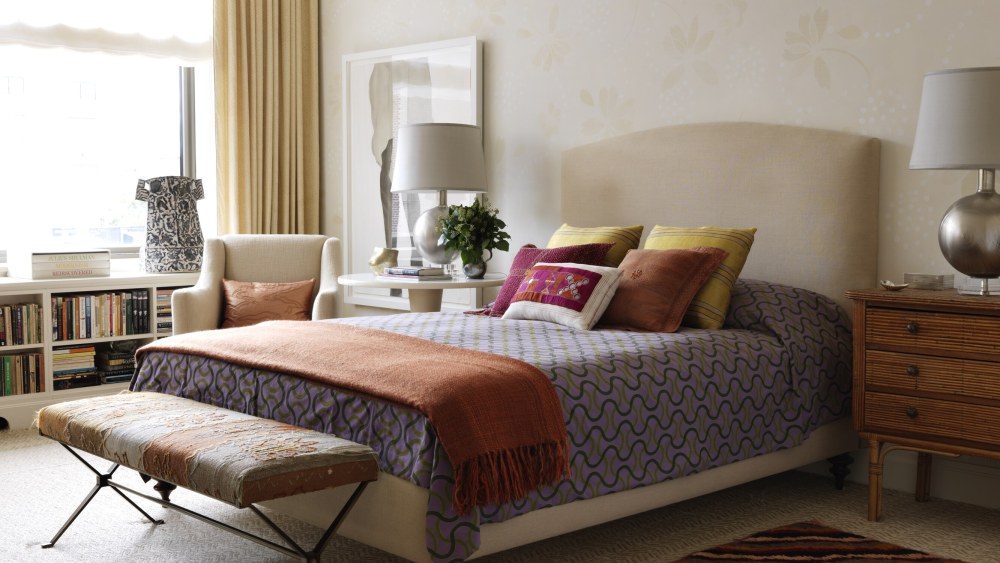
For the bedroom, Vastu principles suggest positioning it in the south-west direction to promote good health and prosperity. Bedrooms in the north-east can lead to health issues, while those in the south-east might cause marital discord. The bed should be placed in the southwest corner with the head facing west. Mirrors or televisions directly opposite the bed are to be avoided to prevent disturbed reflections. Neutral or earthy wall colors are recommended for their positive energy, while black should be avoided. Temples, paintings depicting water, or fountains within the bedroom are discouraged due to their potential to trigger emotional outbursts. Soft mood lighting and aromatic oils are suggested to create a tranquil environment, thereby enhancing positive energy and improving relationships within the home.
#VastuShastra #HomeDesign #PositiveEnergy #MainEntranceVastu #MeditationRoom #LivingRoomDesign #Brahmasthan #BedroomVastu #InteriorDecor #VastuShastra #HomeDesign #PositiveEnergy #MainEntranceVastu #MeditationRoom #LivingRoomDesign #Brahmasthan #BedroomVastu #InteriorDecor
कुल 0 टिप्पणियाँ
 कोई टिप्पणी नहीं
आपको यह भी पसंद आ सकता है
Vastu Colours 101: Here's what these 7 lucky colours mean for the Vastu of your home
Vastu for home bar: 5 lucky tips for the perfect bar placement
Nine home items that can bring good luck

Aligning with Mars: Vastu Tips for 2025

International Yoga Day: 5 Vastu tips for creating the perfect yoga and meditation room

Inside Govinda and Sunita Ahuja’s Mumbai home tour: English-style interiors, Vastu-aligned design, and fa
Vastu secrets for the perfect kitchen: The dos and don’ts for a balanced home
Feng Shui design mistakes to avoid – 5 things you may be getting wrong

Are these 7 unlucky colours messing with your home's Vastu?

Don't Hang Your Family's Pictures on the South Wall—Here's Why!
How to feng shui your home: 8 ways to attract positive energy

8 Feng Shui Tips You Need To Follow At Home, Revealed By A Local Master
Inside Interior Designer Sara Bengur's Vastu Practice
Vastu Shastra for financial abundance: 7 lucky tips to welcome prosperity at home
Vastu for toilets: Here's everything you need to know
Dining table Vastu: 8 mistakes you need to stop making
9 beautifully designed Vastu homes that know their directions
Feng Shui consultants say these are the unluckiest items to have in your home

8 Vastu tips for home wardrobes and cabinetry
6 Tips for Lighting a Lamp in Front of God