1/11
Camouflage kitchens are the next big 2025 trend getting designers excited – here's how to design a kitchen that doesn't look like a kitchen
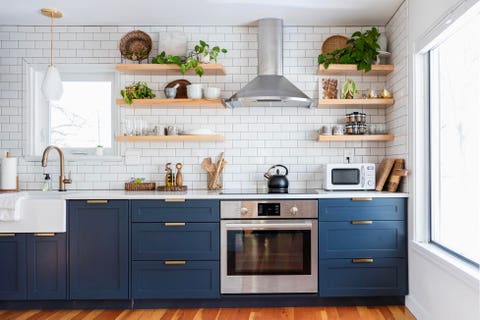
Over the last century, kitchens have undergone significant evolution, transitioning from purely utilitarian spaces for meal preparation to multi-functional areas integrated into living spaces. This shift has led to a growing trend of 'camouflage kitchens,' where the design aims to blend seamlessly with the rest of the home rather than overtly appearing as a traditional kitchen. This trend is fueled by several factors, including the rise of open-plan living, increased time spent at home, and a greater desire for personalized and aesthetically pleasing environments.
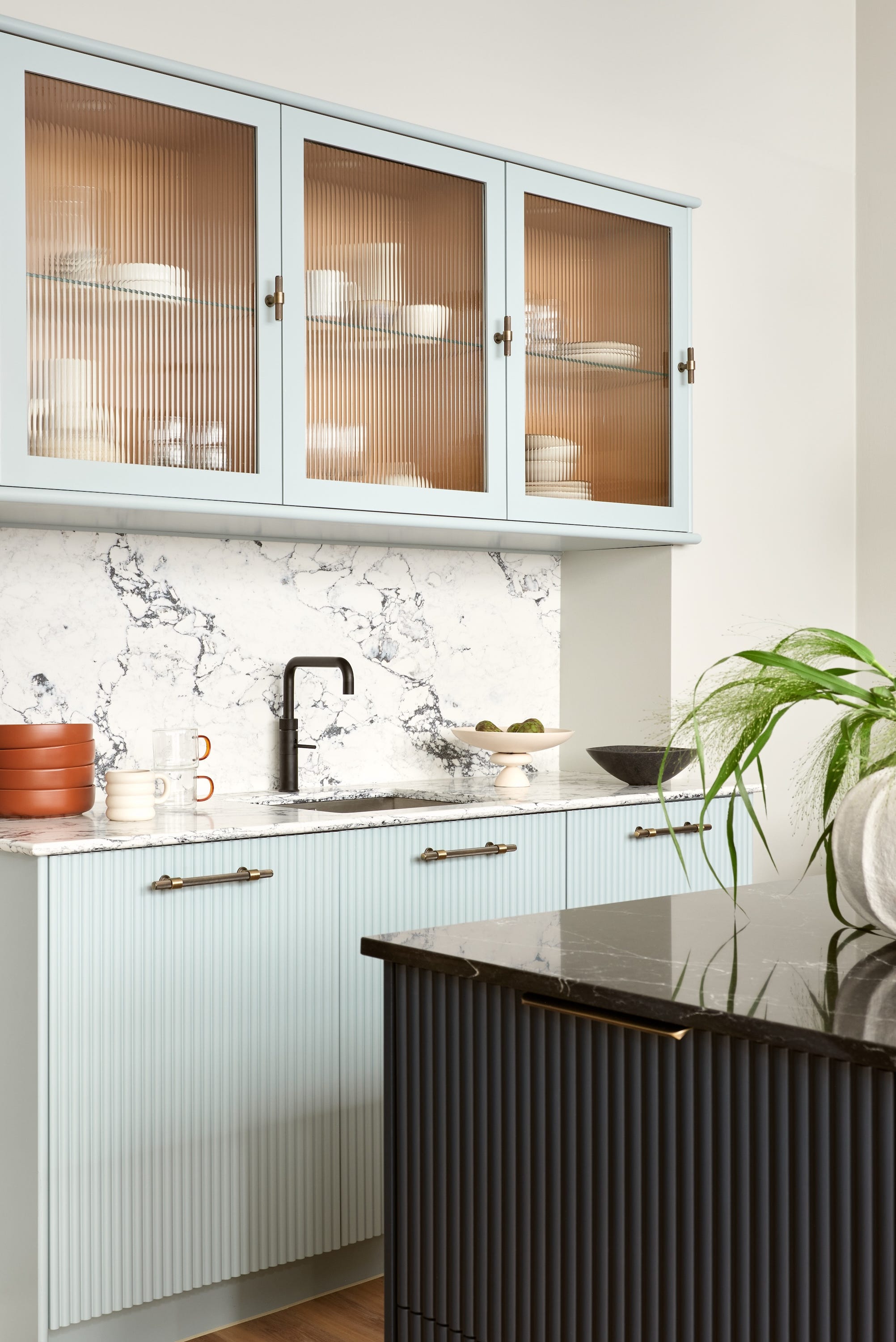
Designers emphasize that the kitchen is no longer just a practical room but an extension of the living area, requiring comfort and a reflection of personal style. Homeowners are moving away from conventional fitted kitchens, embracing more unique designs through diverse cabinet styles, materials, colors, and textures. This includes a willingness to experiment with design choices that prioritize well-being and self-expression, making kitchens more 'livable' with informal layouts, furniture, and material combinations.
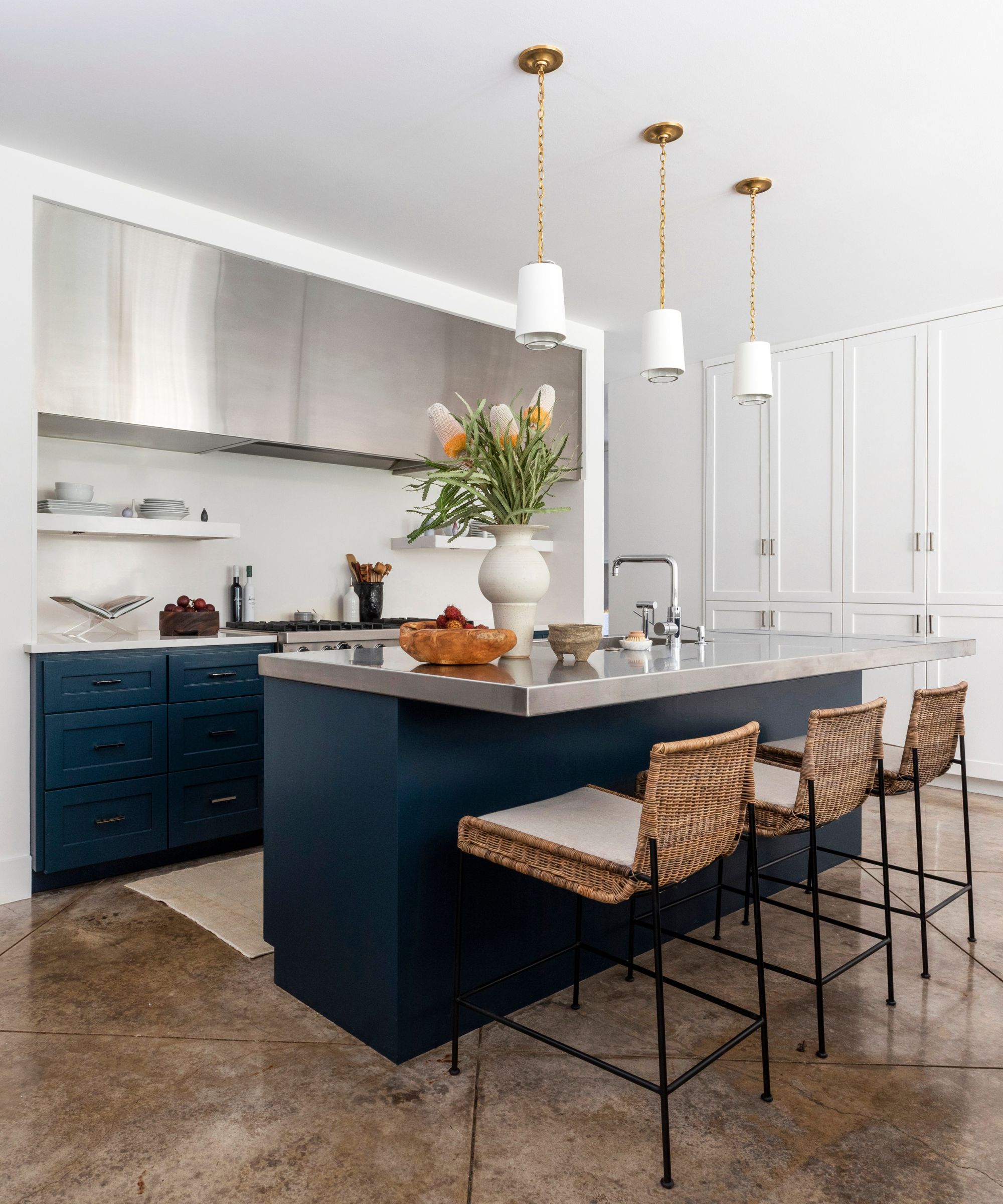
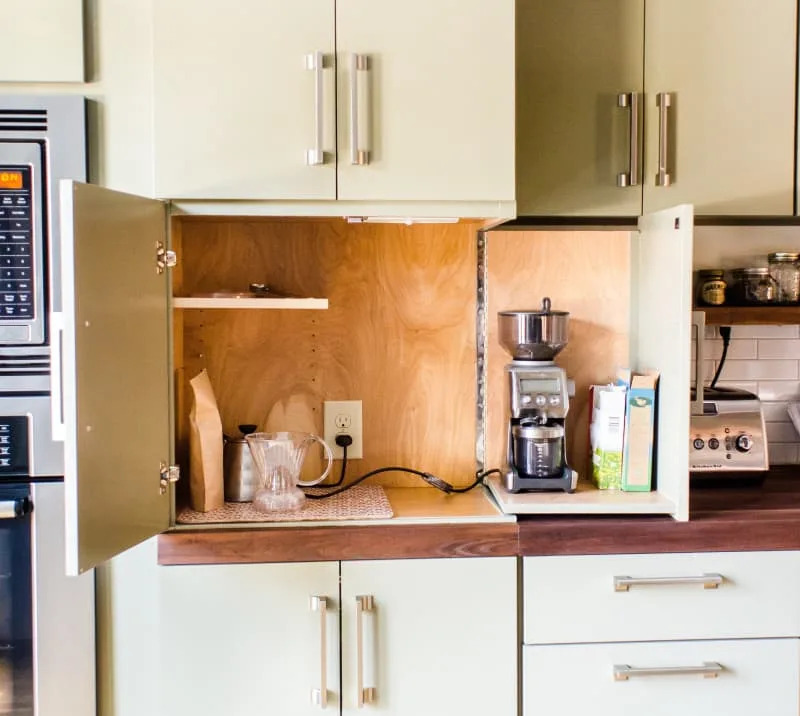
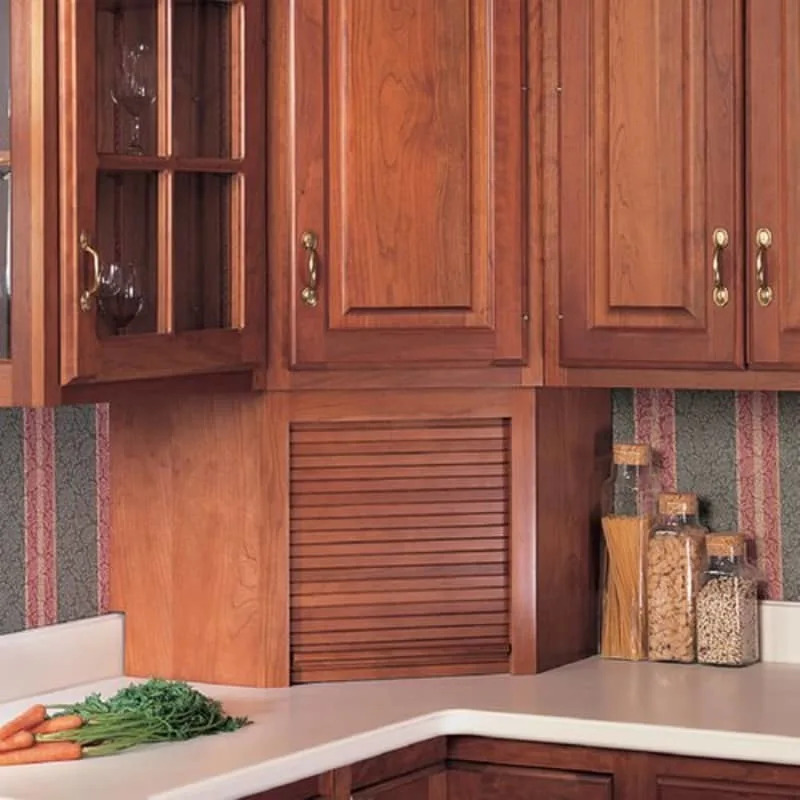
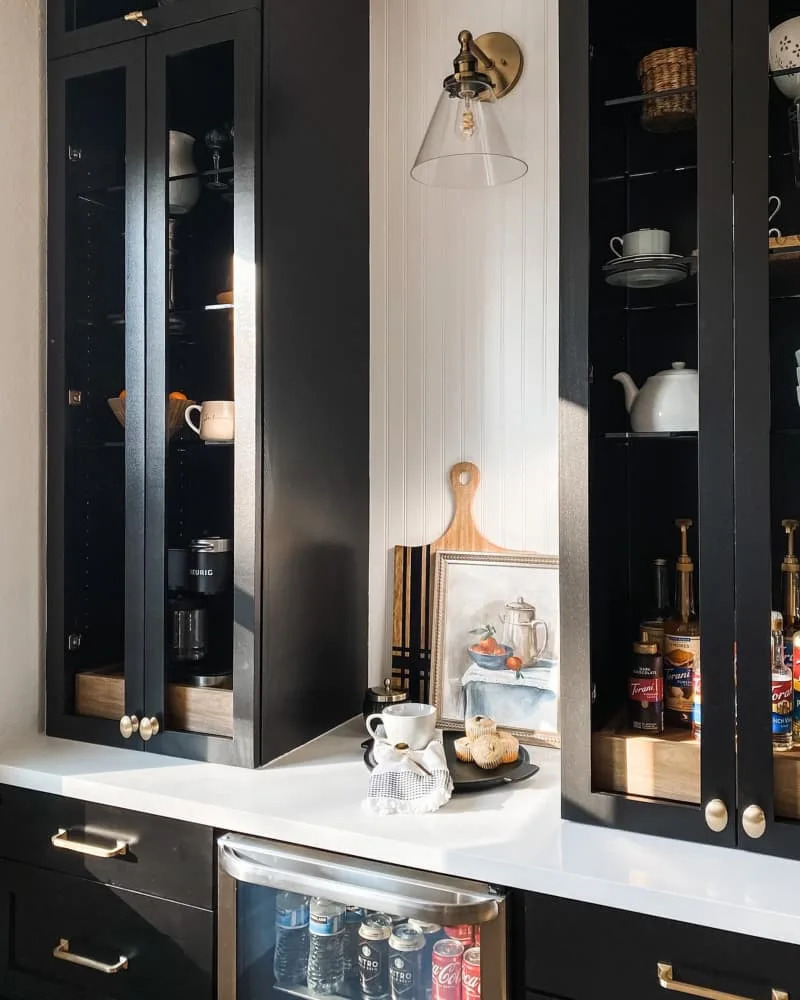
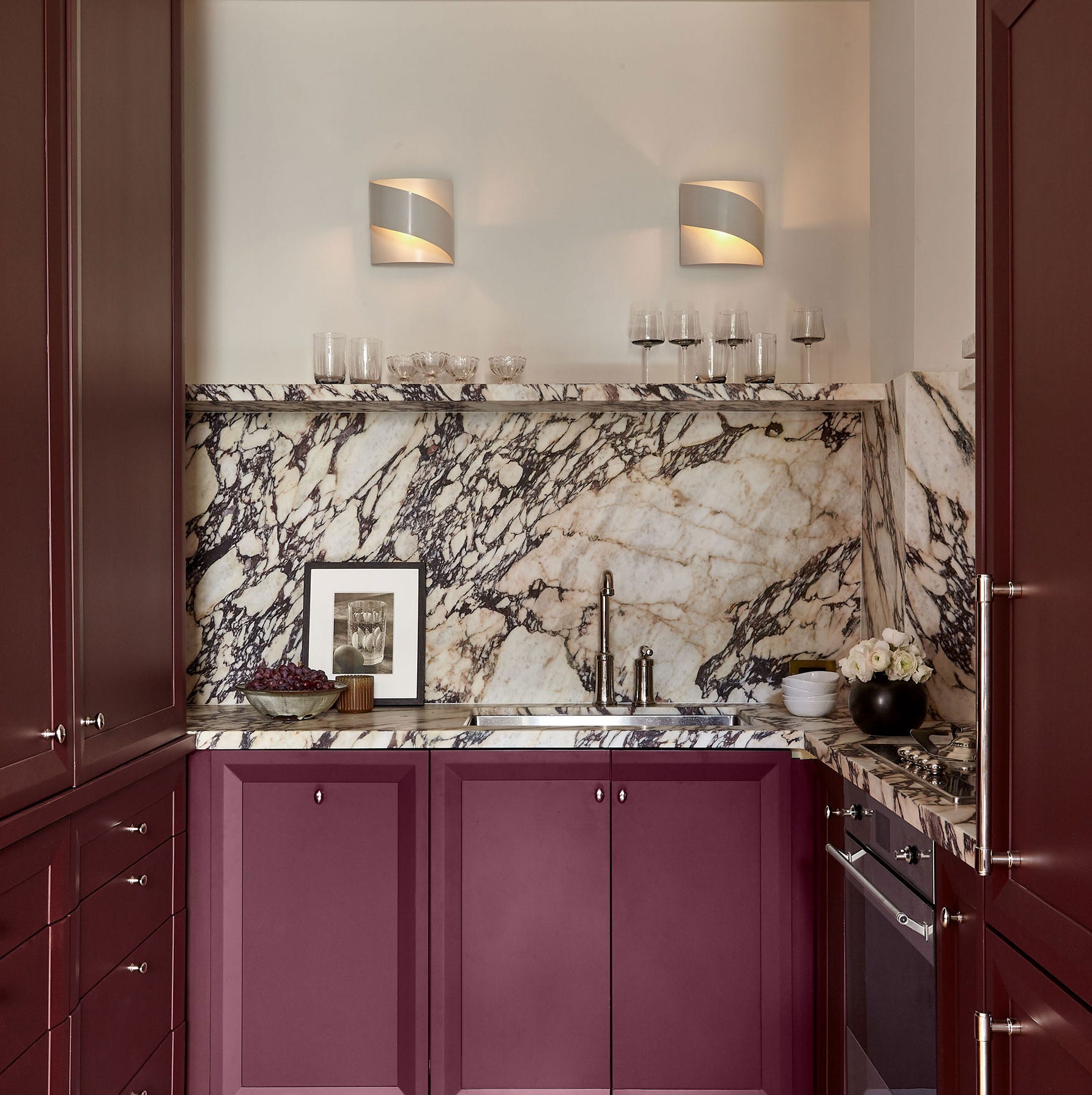
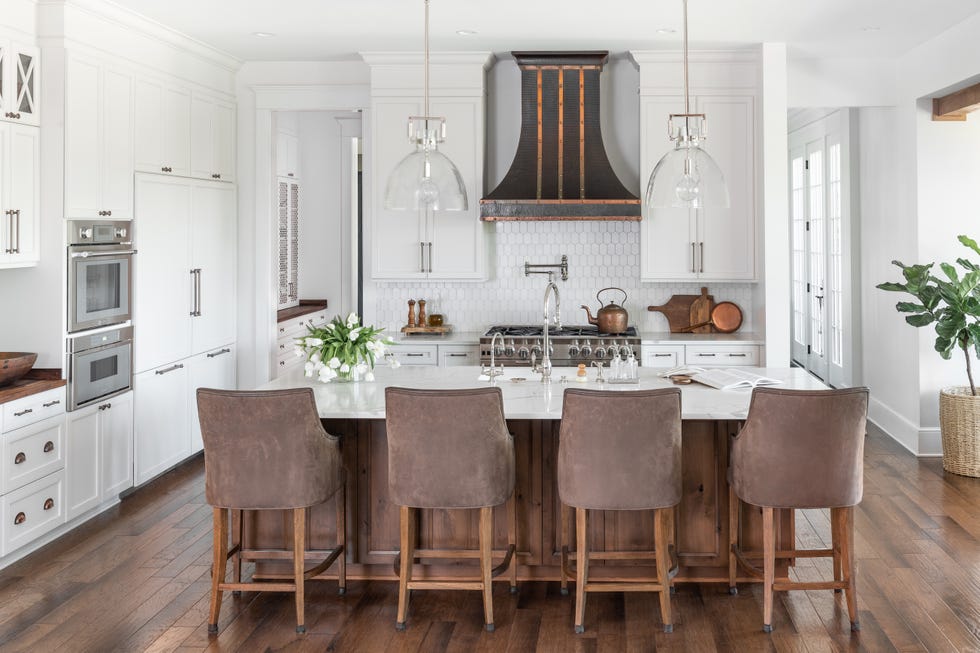
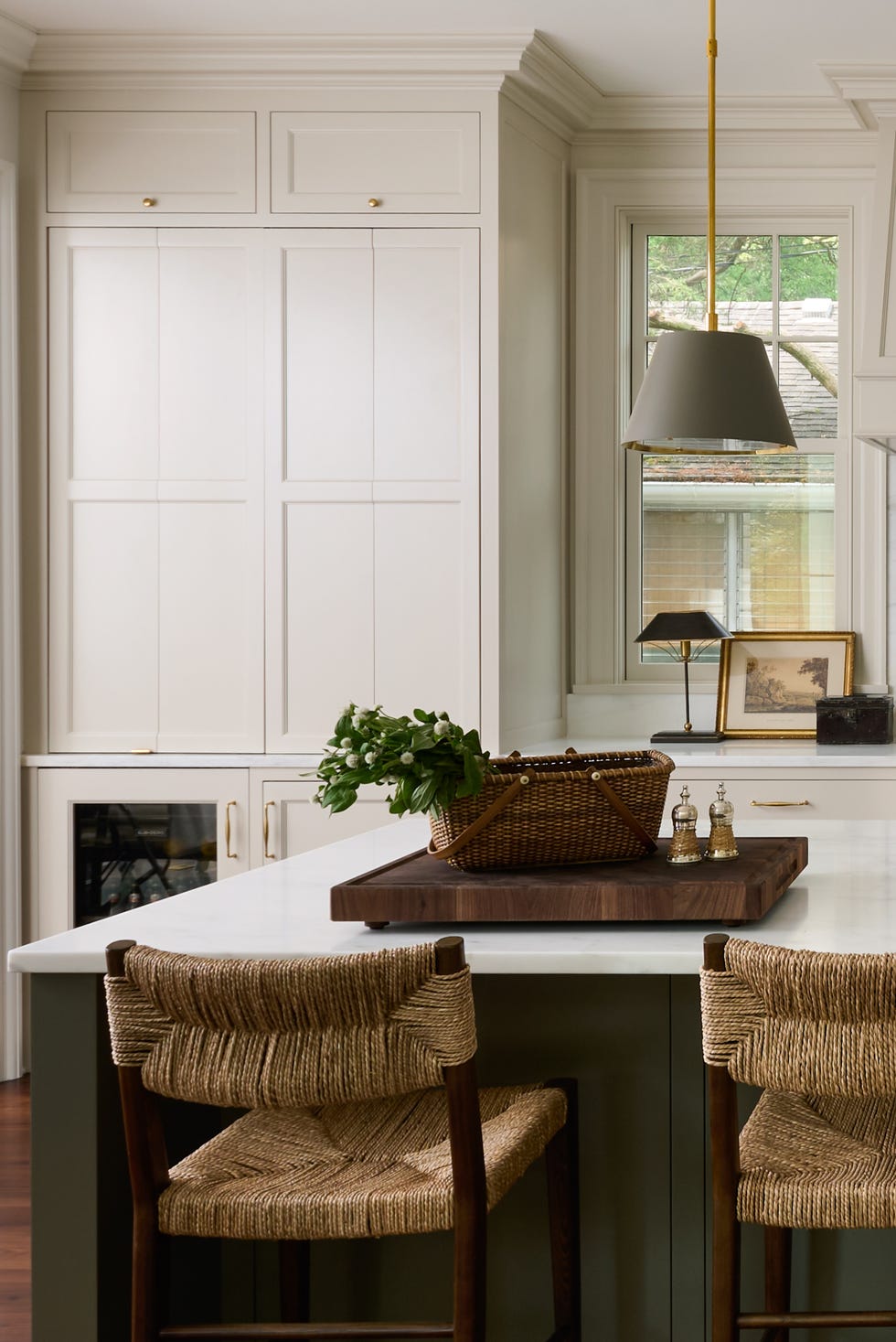
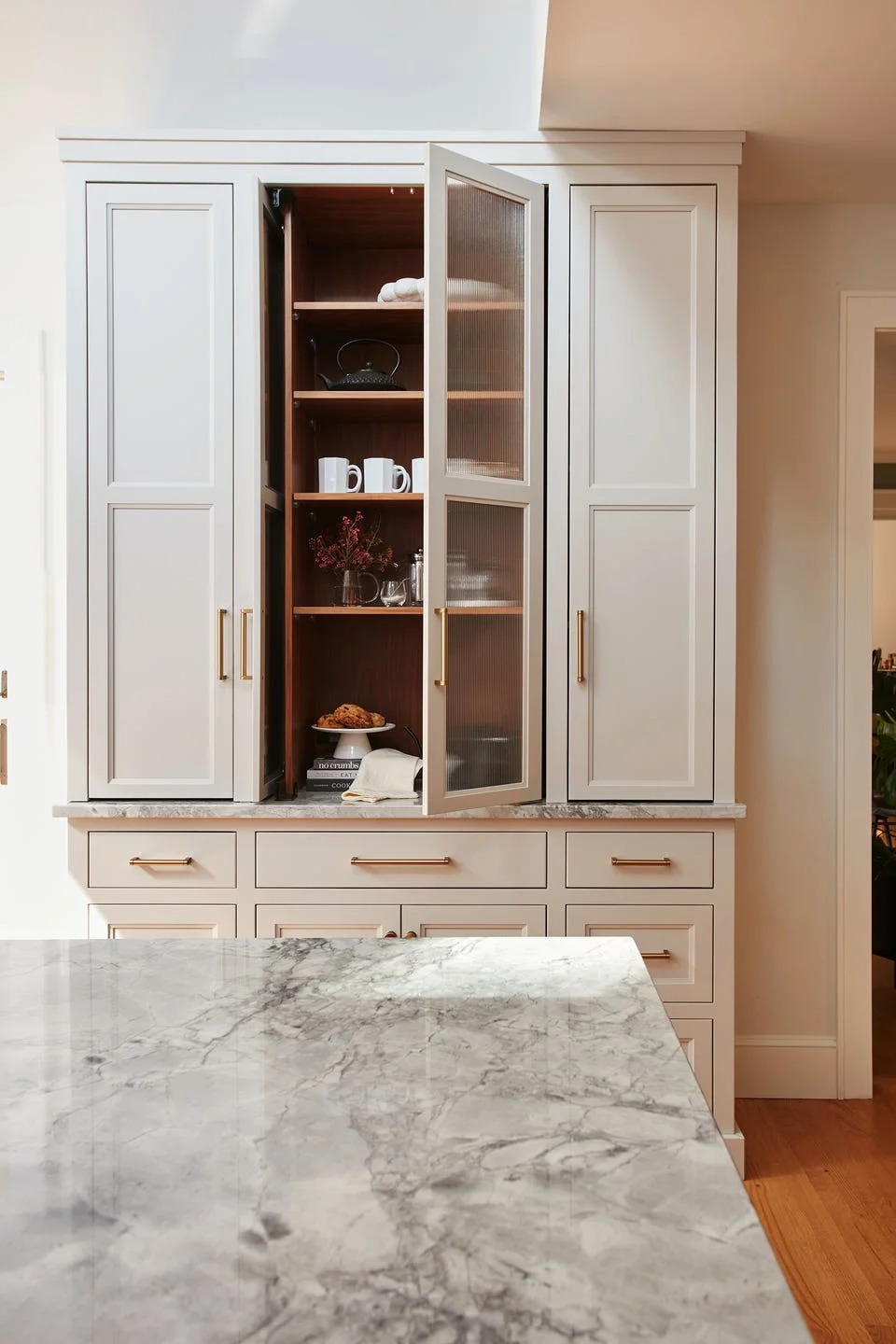
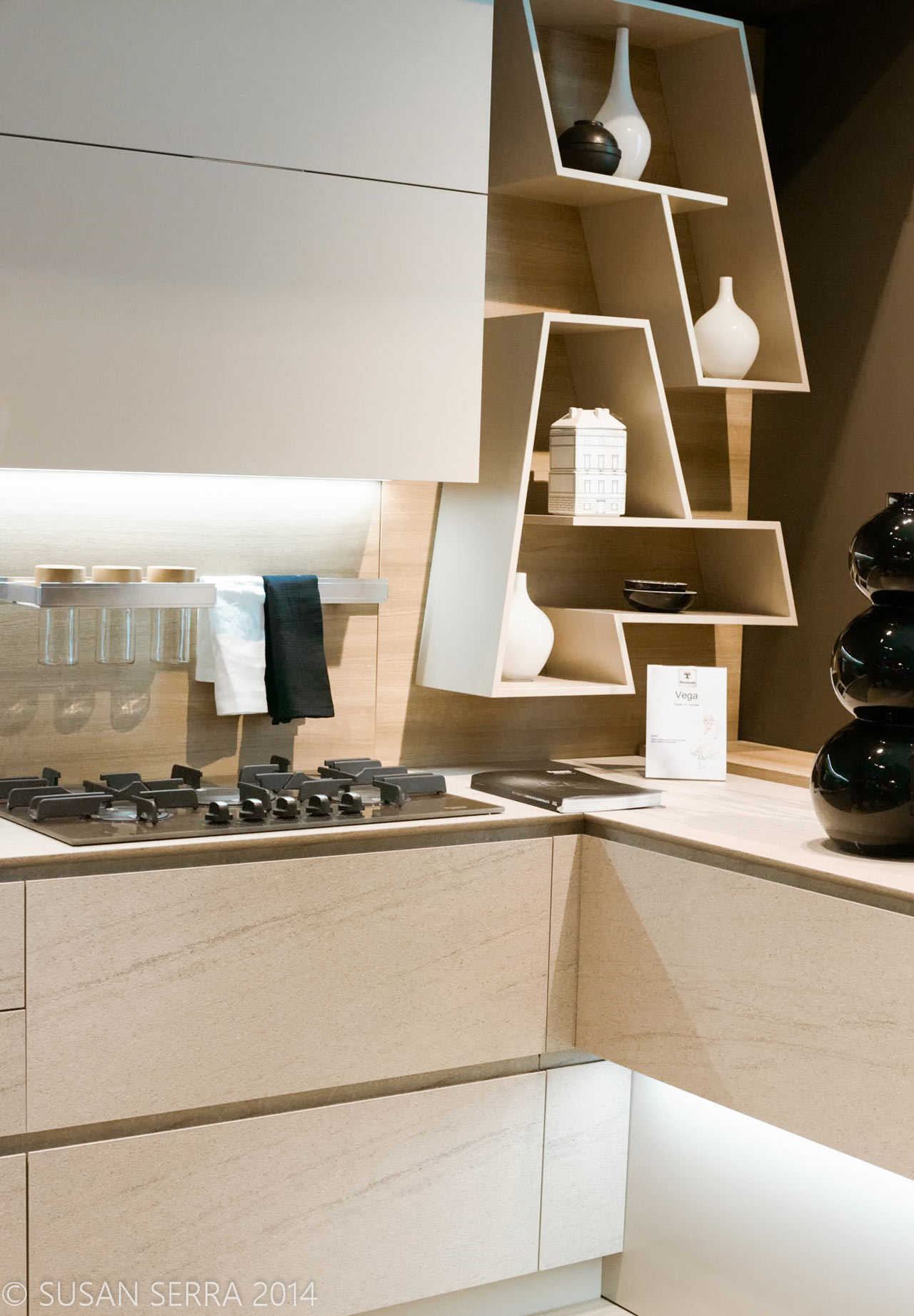
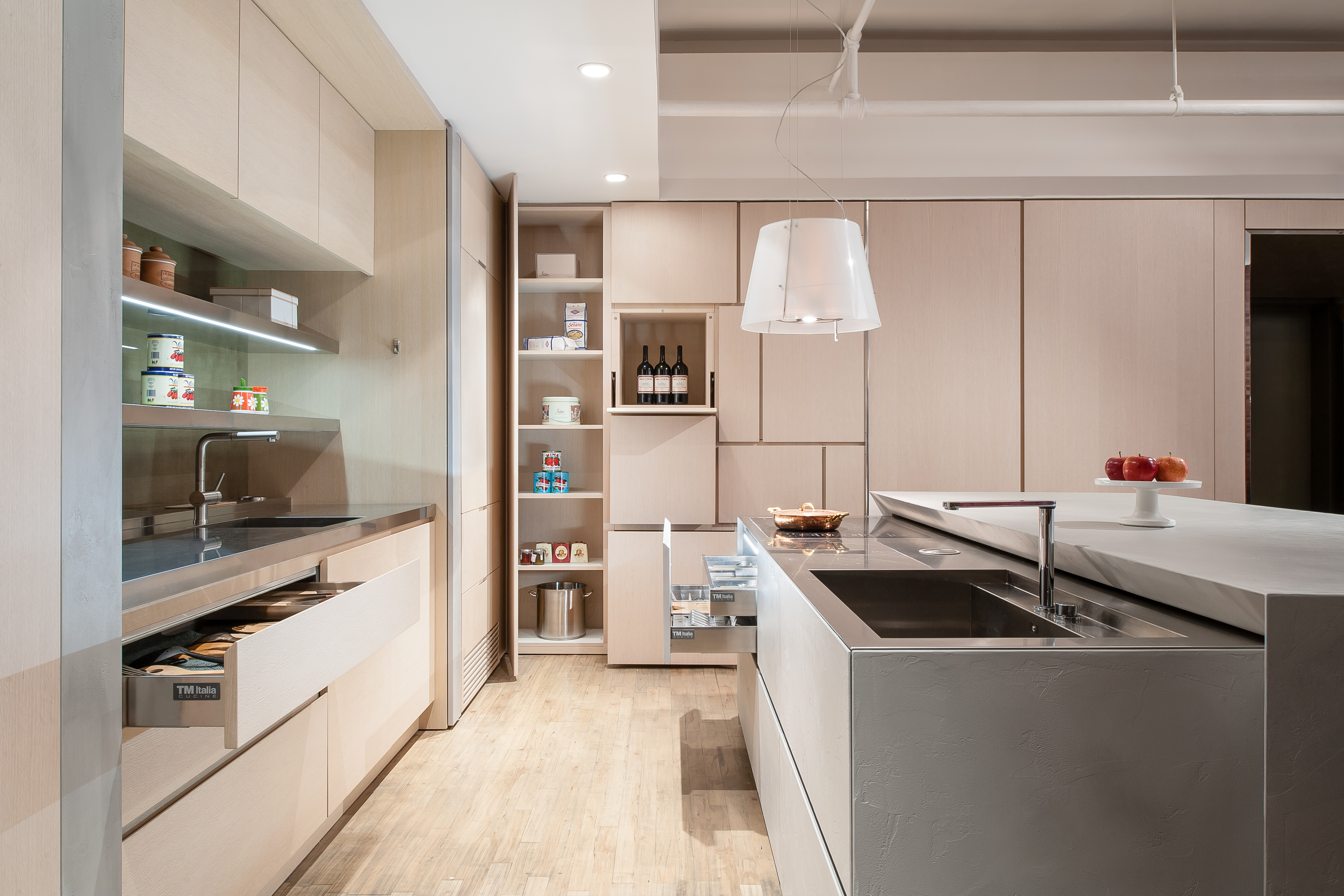
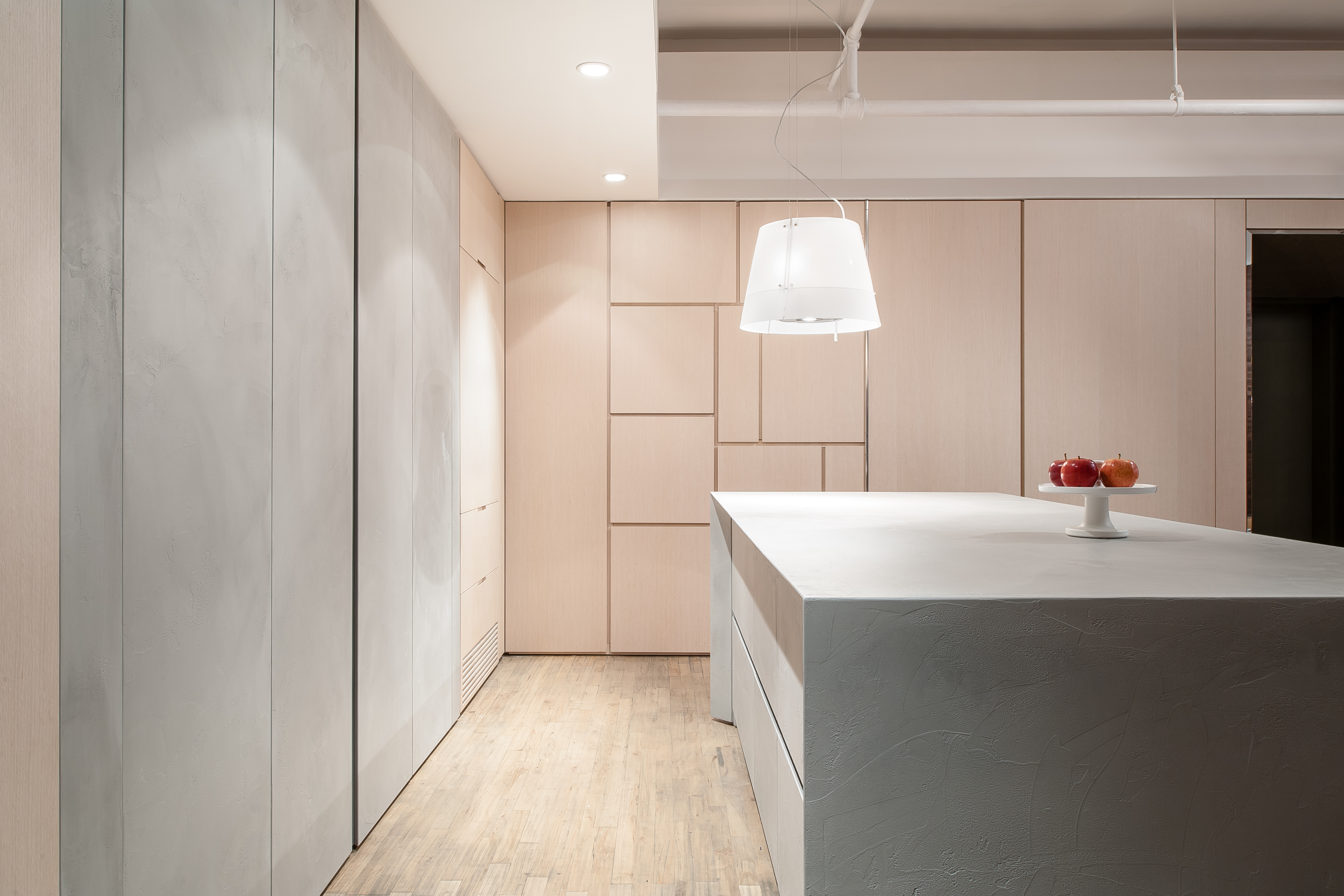
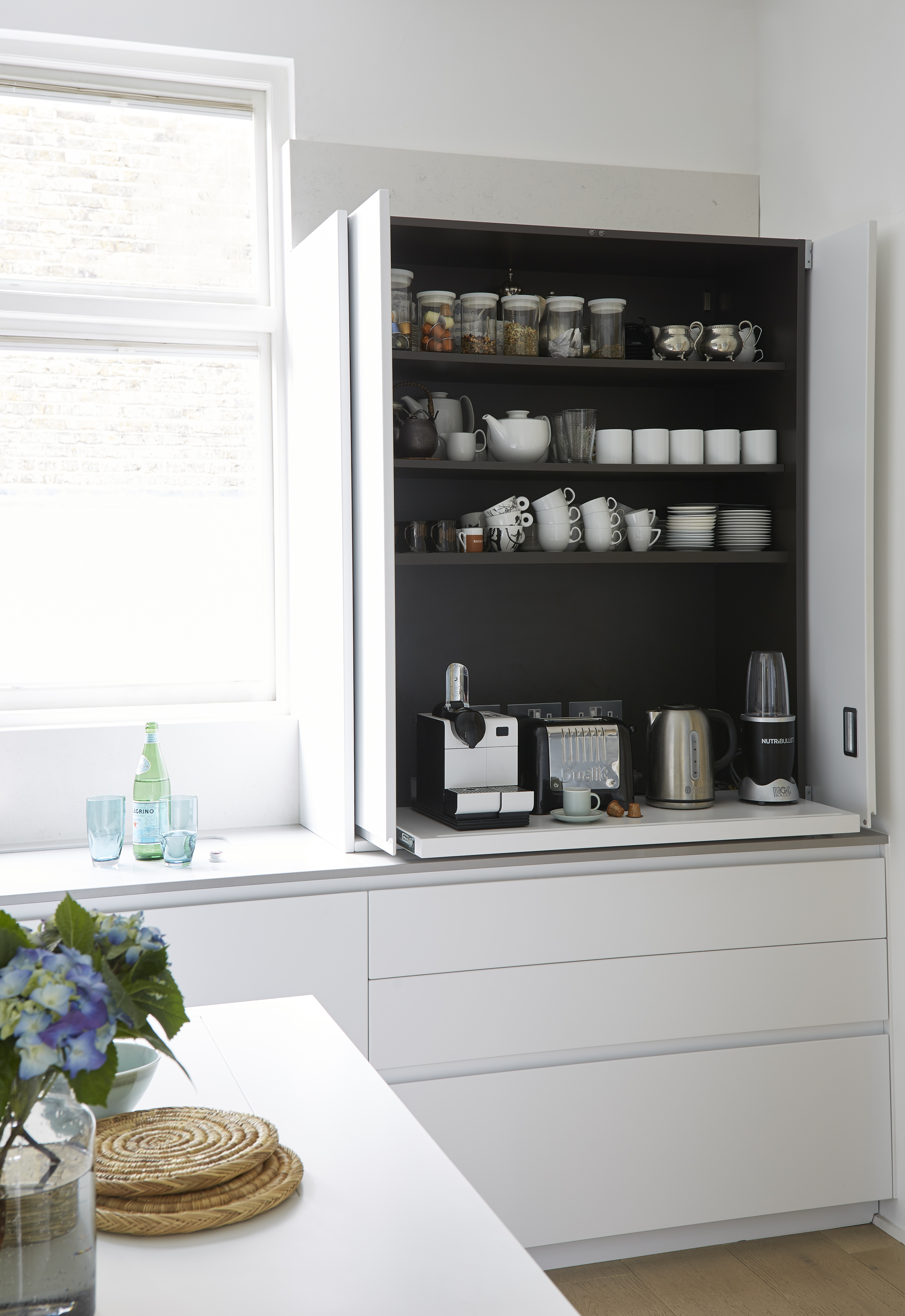
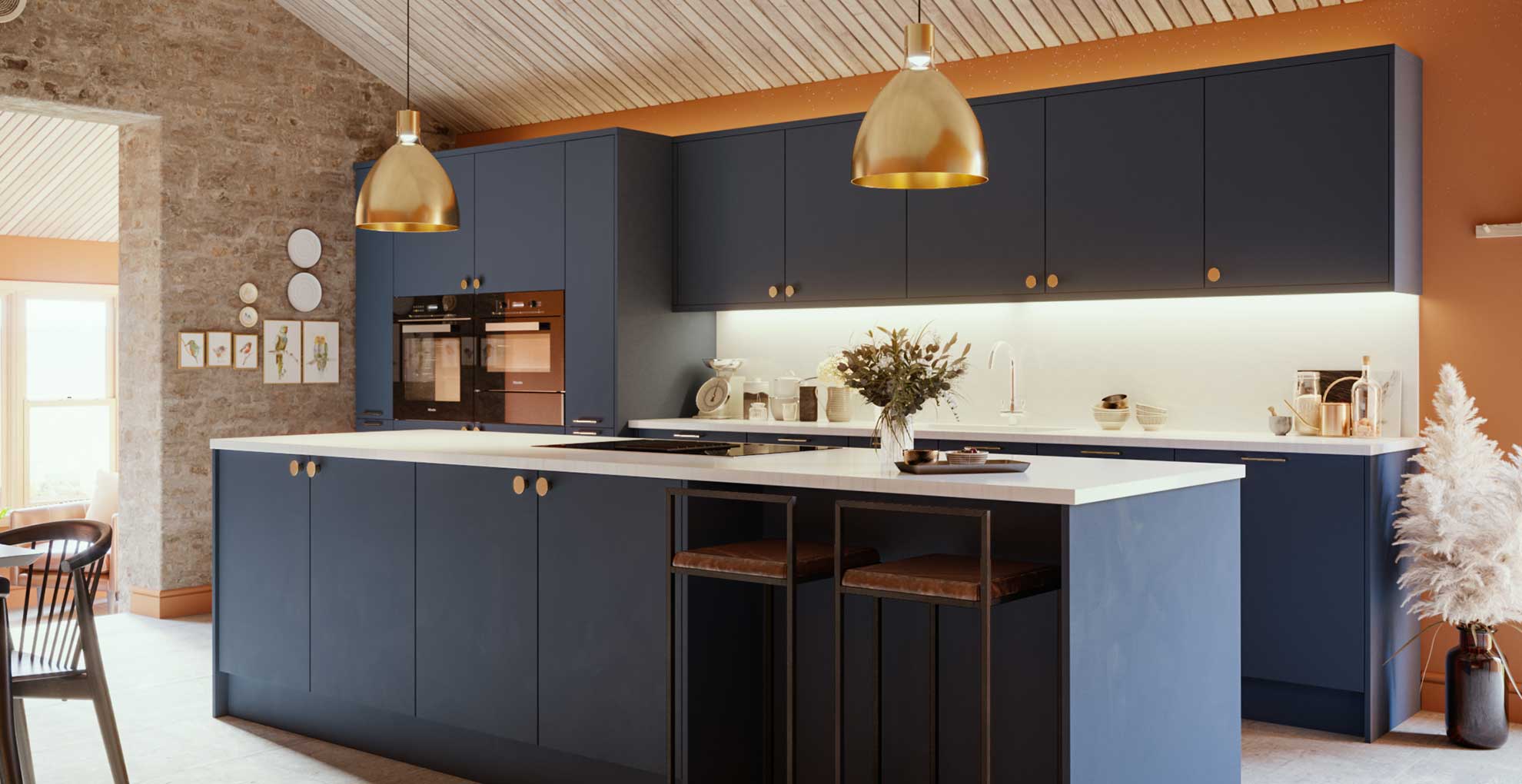
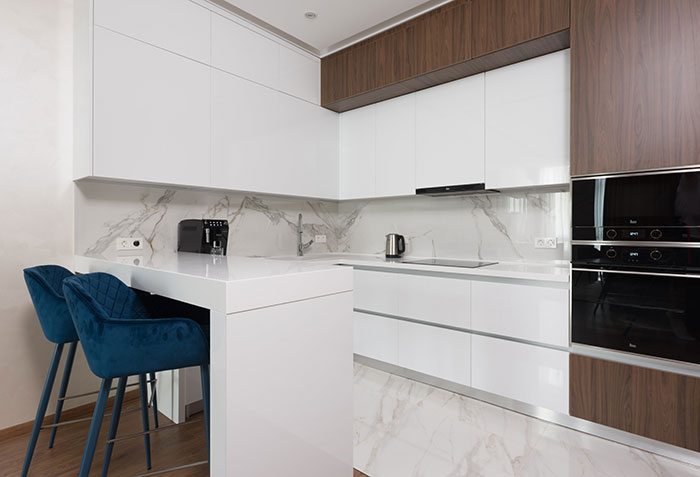
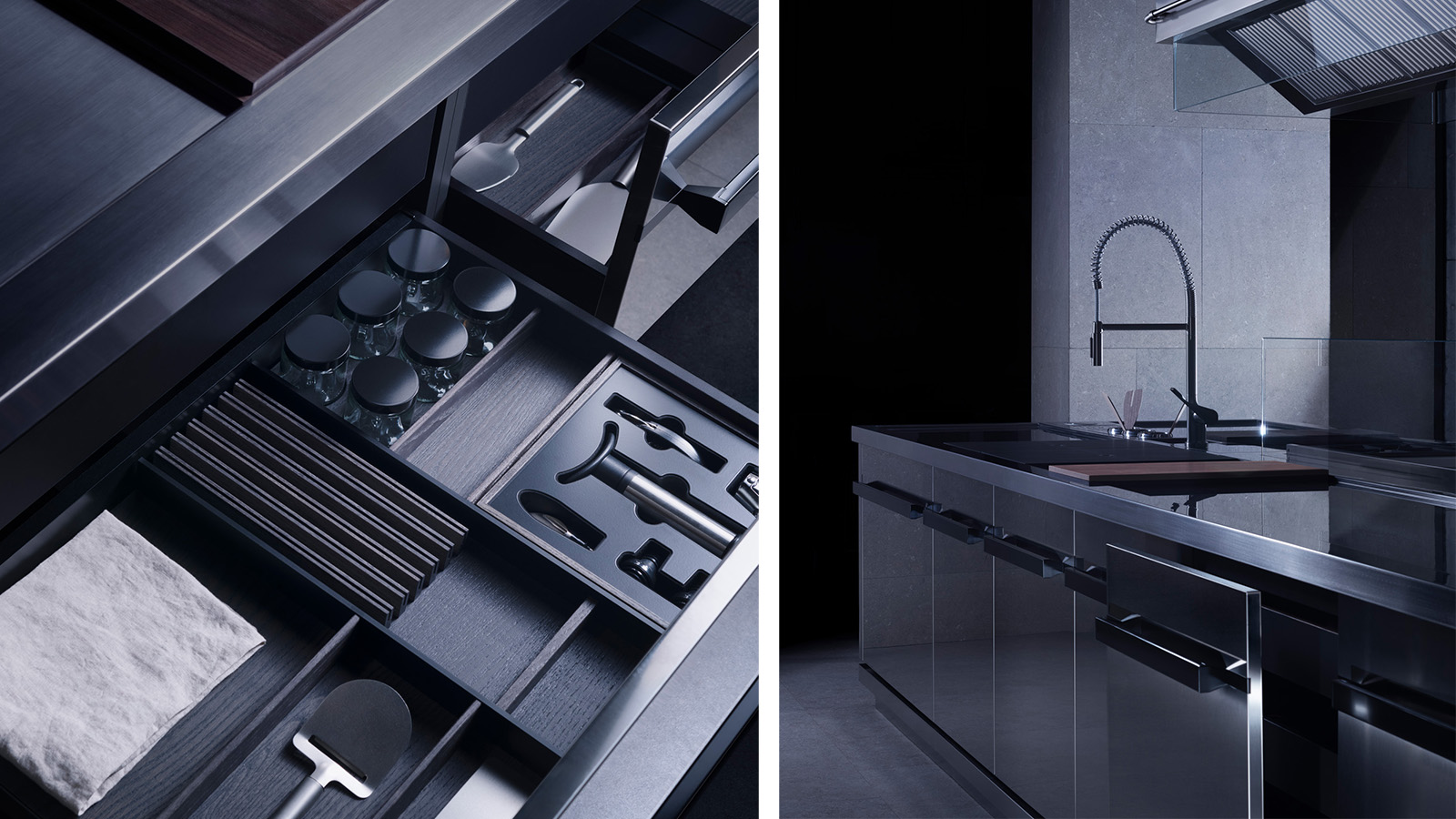
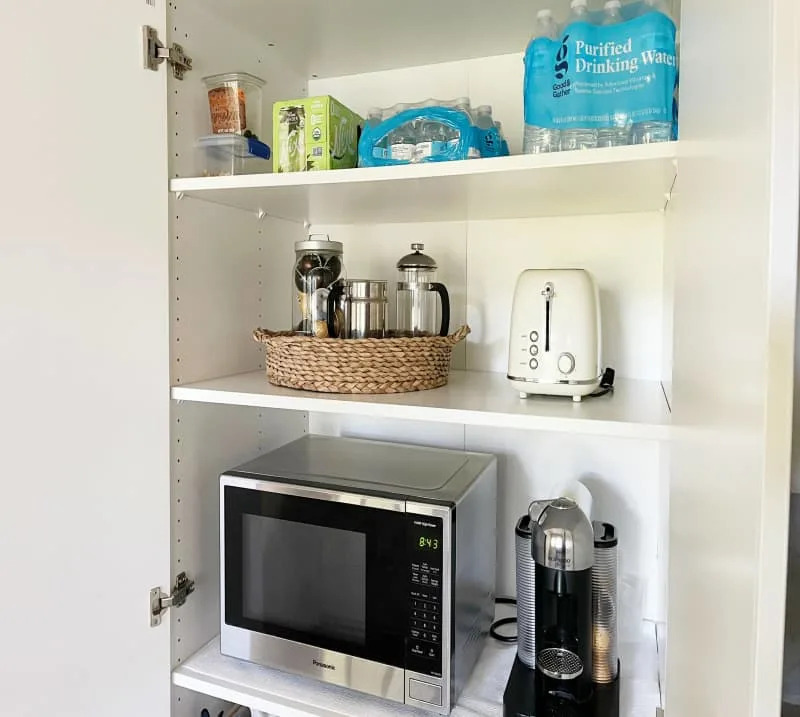
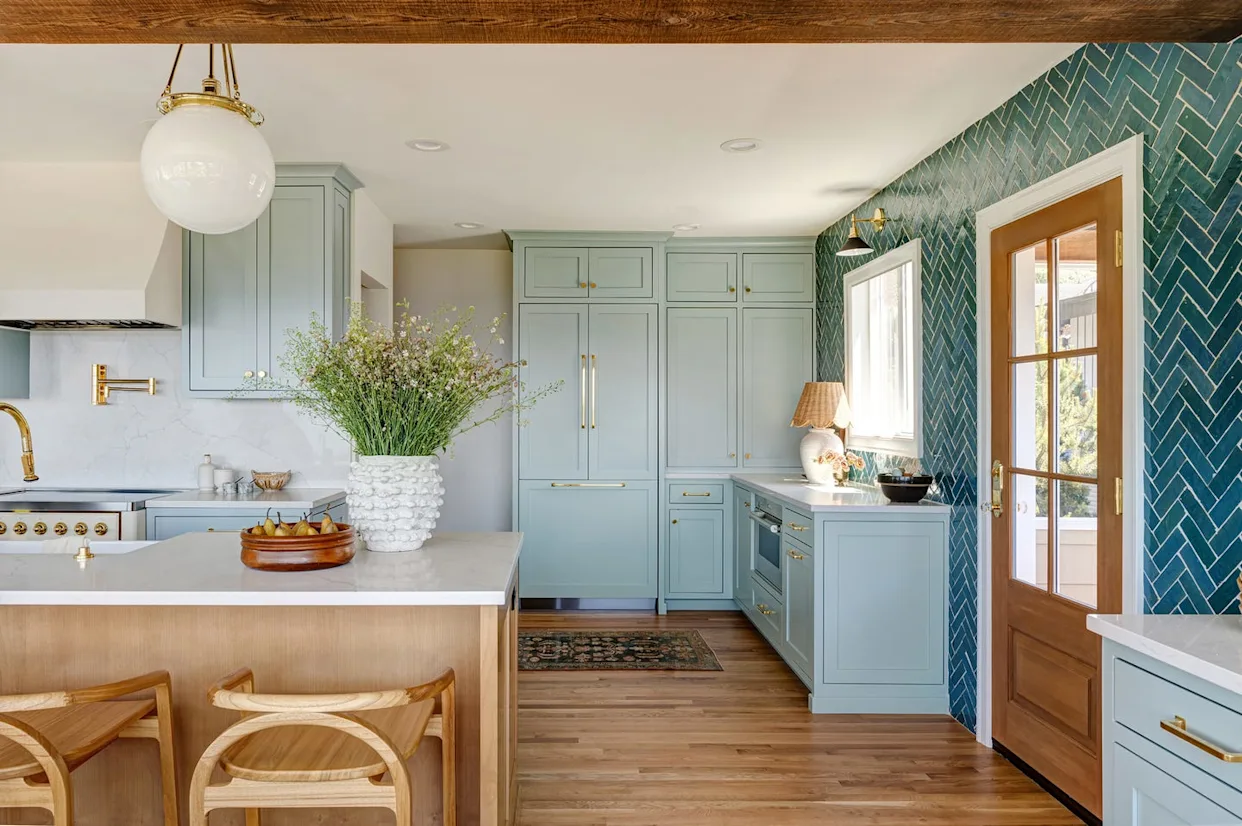
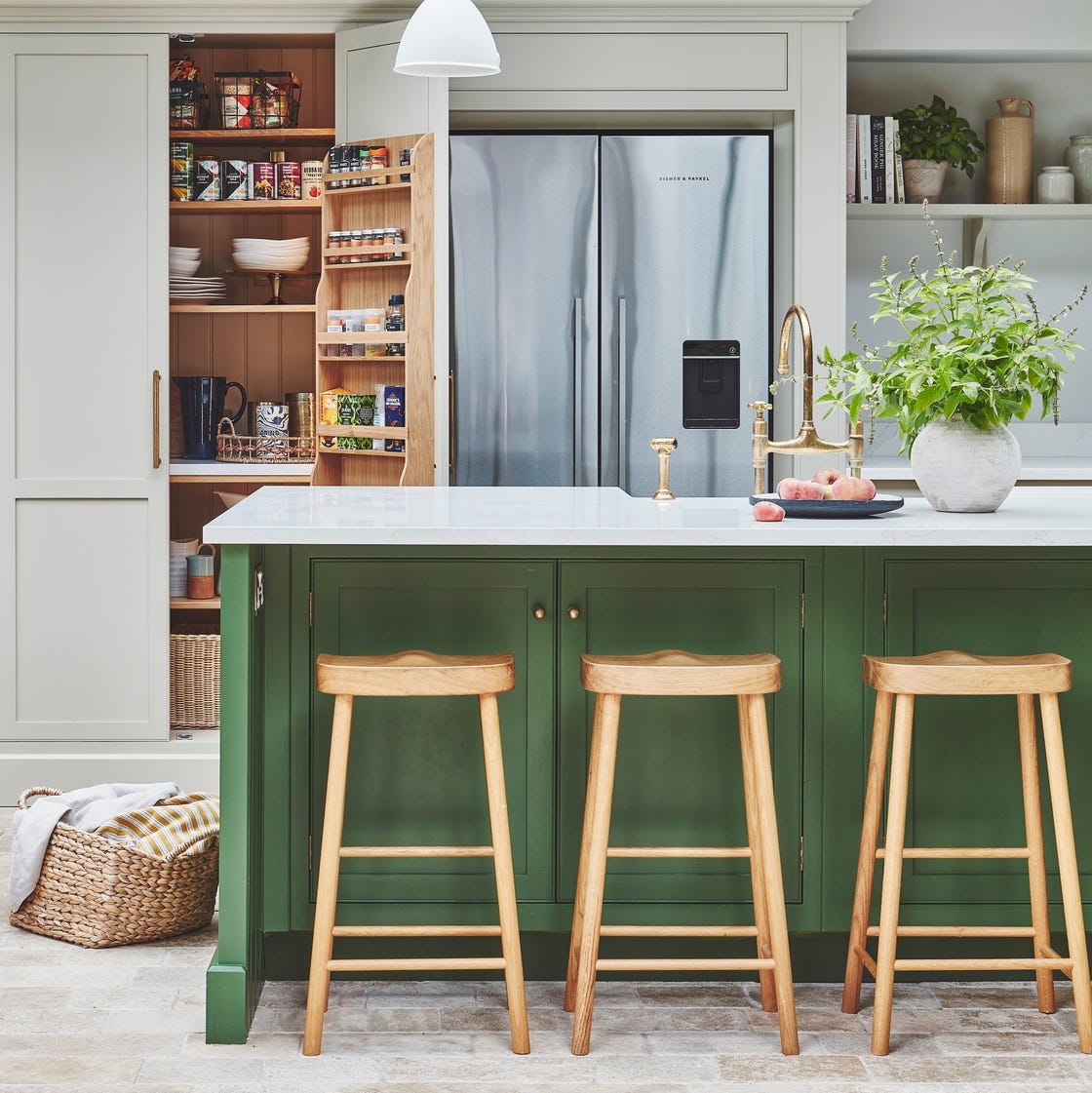
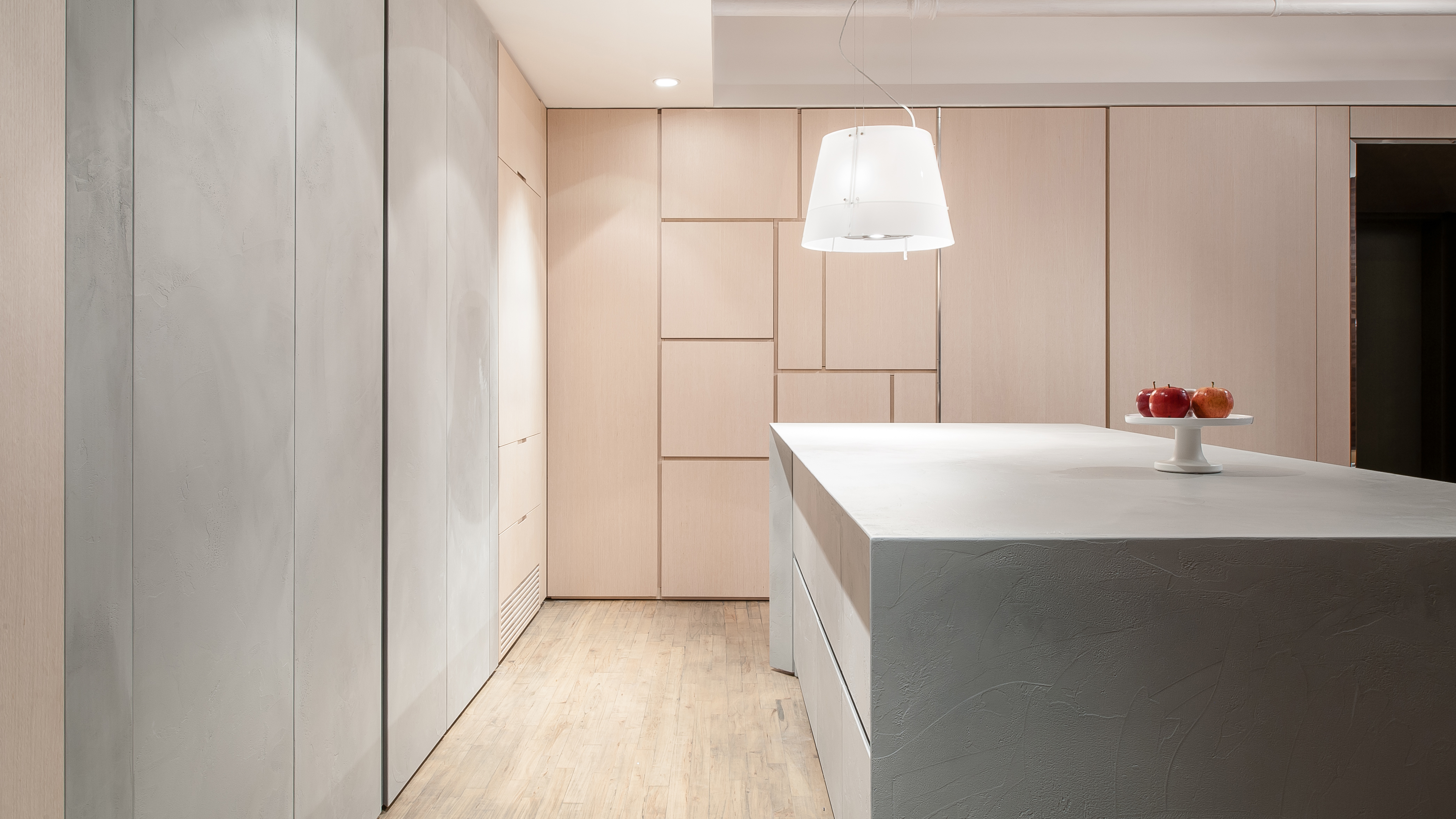
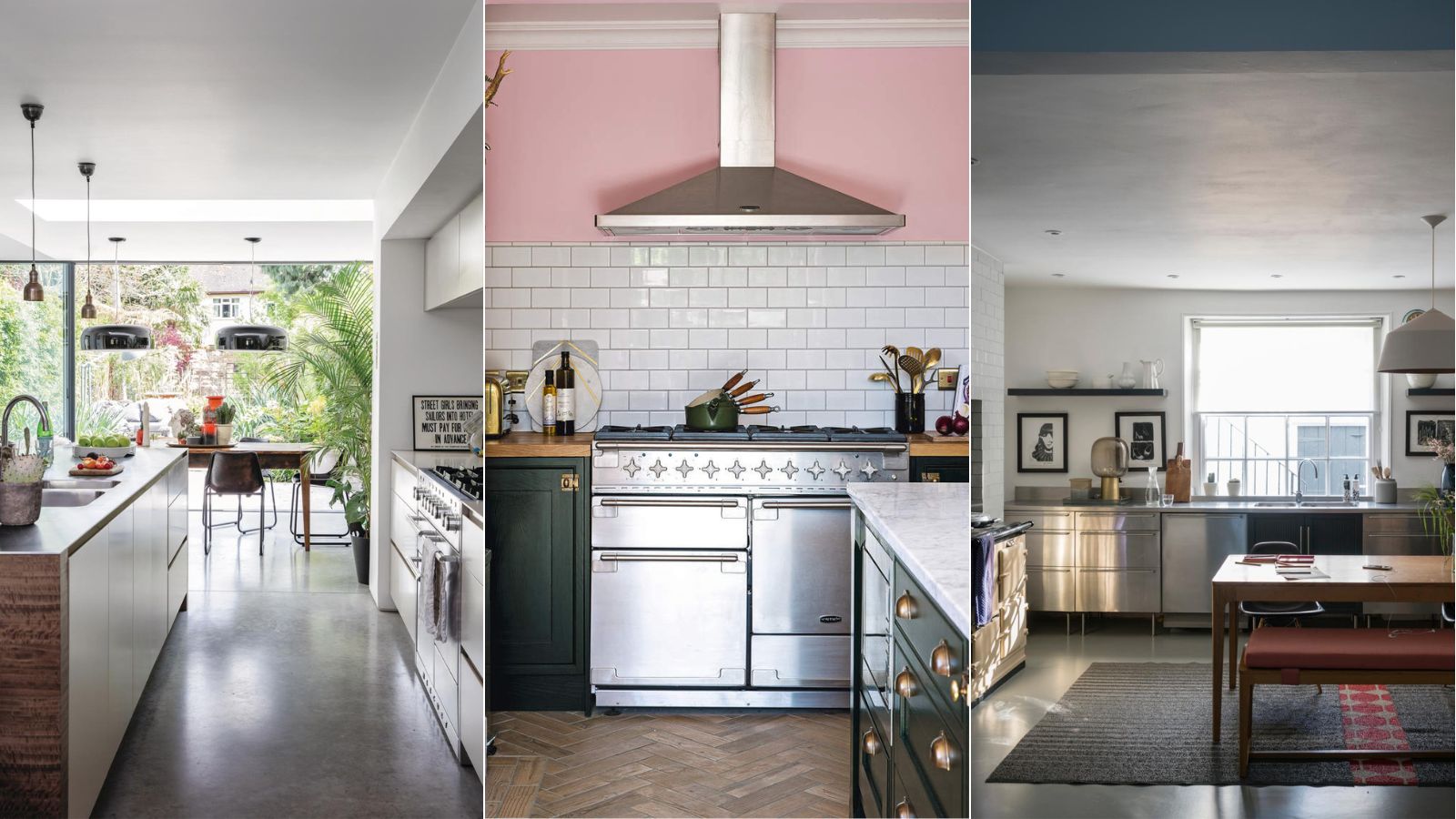
Several design strategies contribute to the camouflage kitchen aesthetic. One approach involves minimalist designs with sleek, handleless floor-to-ceiling cabinets that hide appliances and clutter, creating a clean, integrated look. Incorporating 'invisible kitchen ideas,' such as hidden pantries accessible through secret doors, further supports a clean and uncluttered main kitchen area. Another strategy is to limit cabinetry to complement existing architecture, particularly in historic buildings, where discreet base cabinets and integrated appliances maintain the period's aesthetic while providing modern functionality.
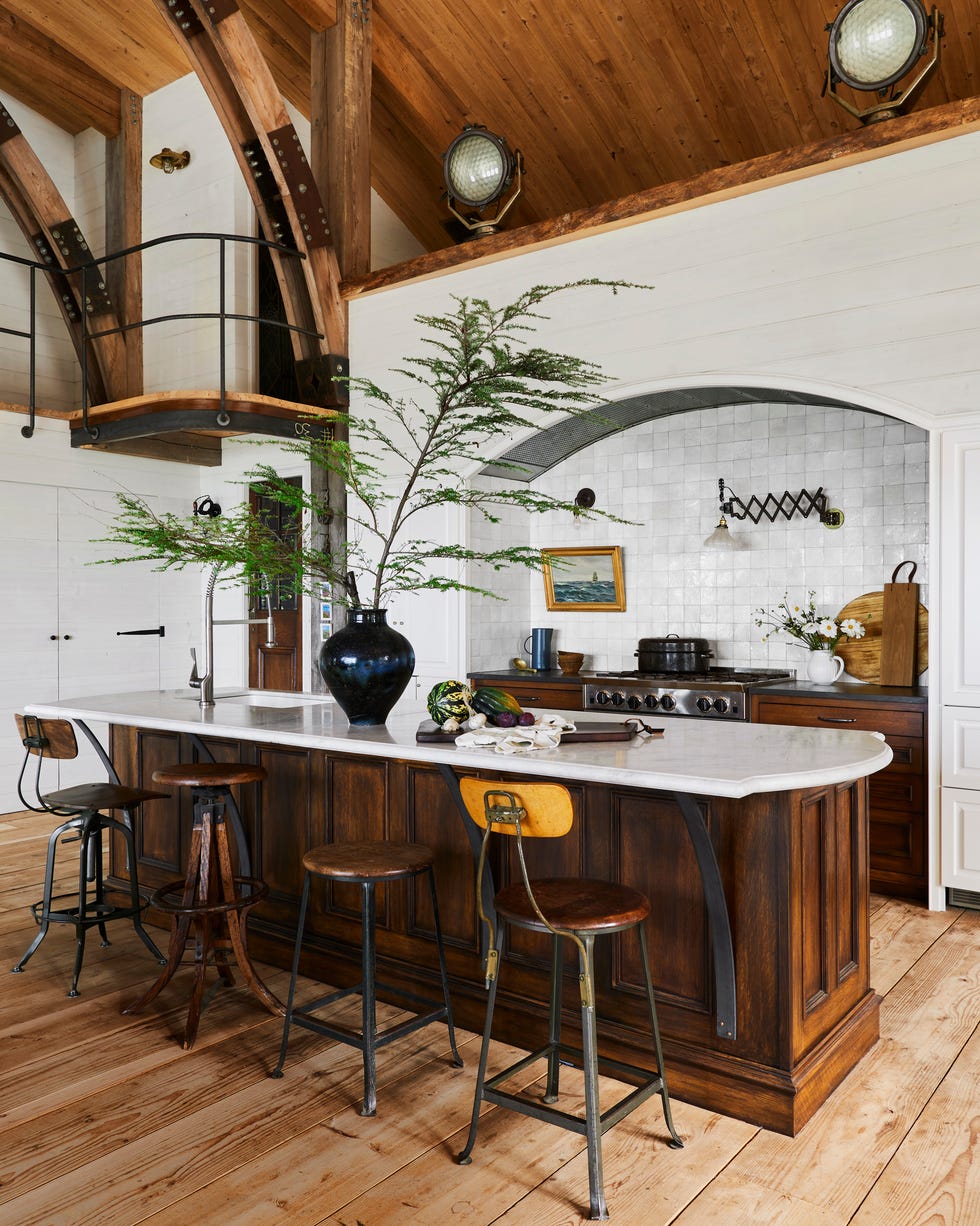
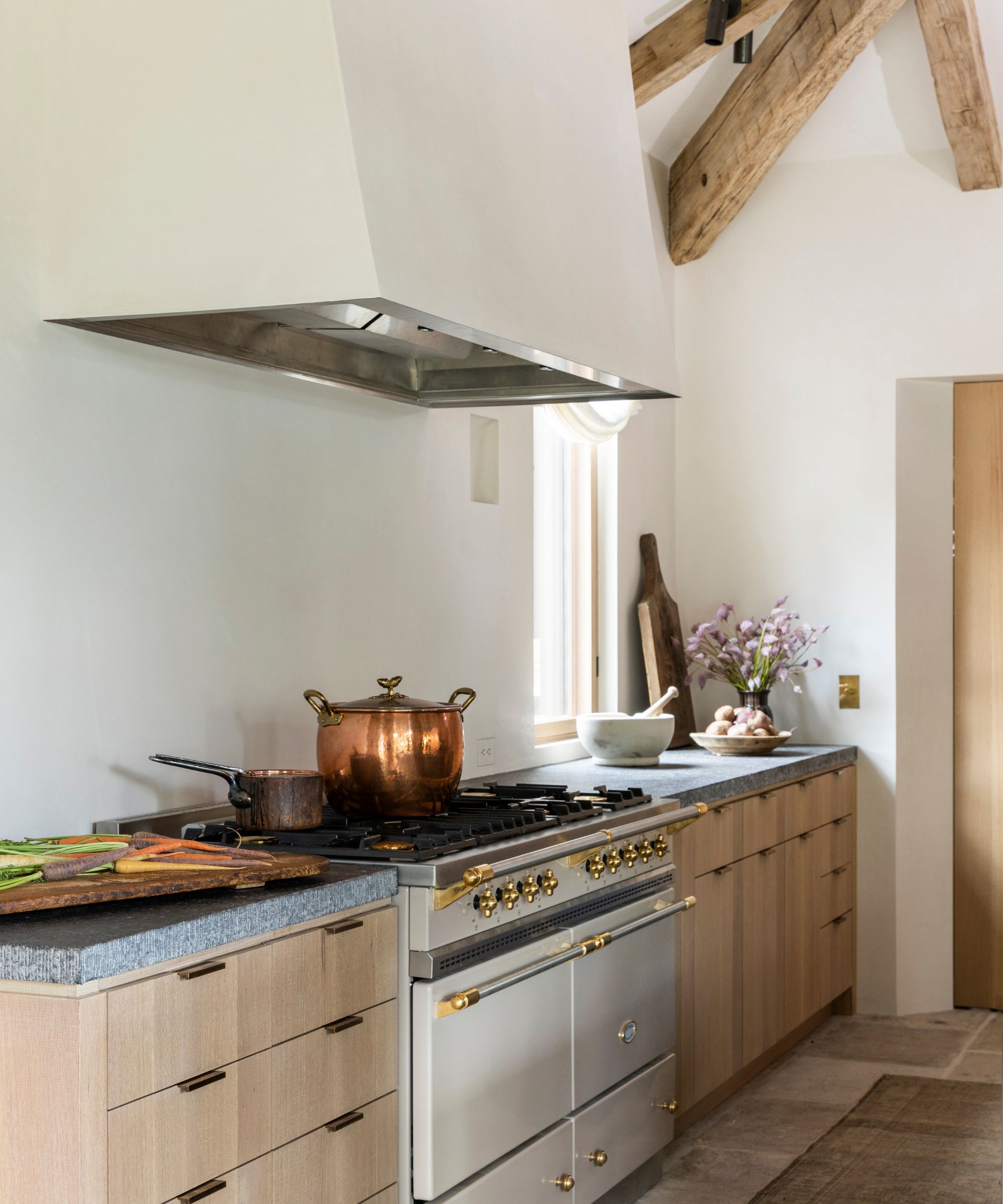
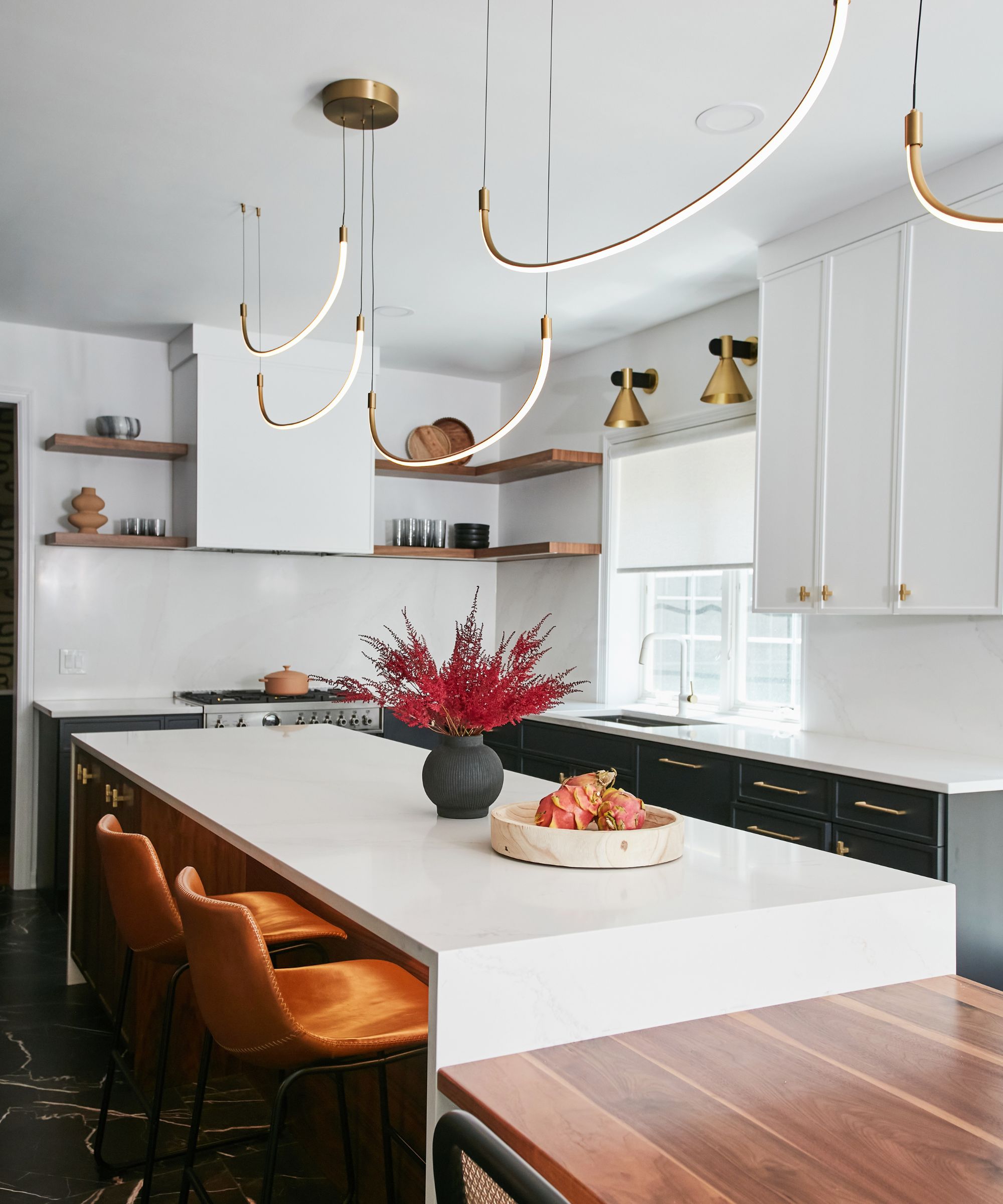
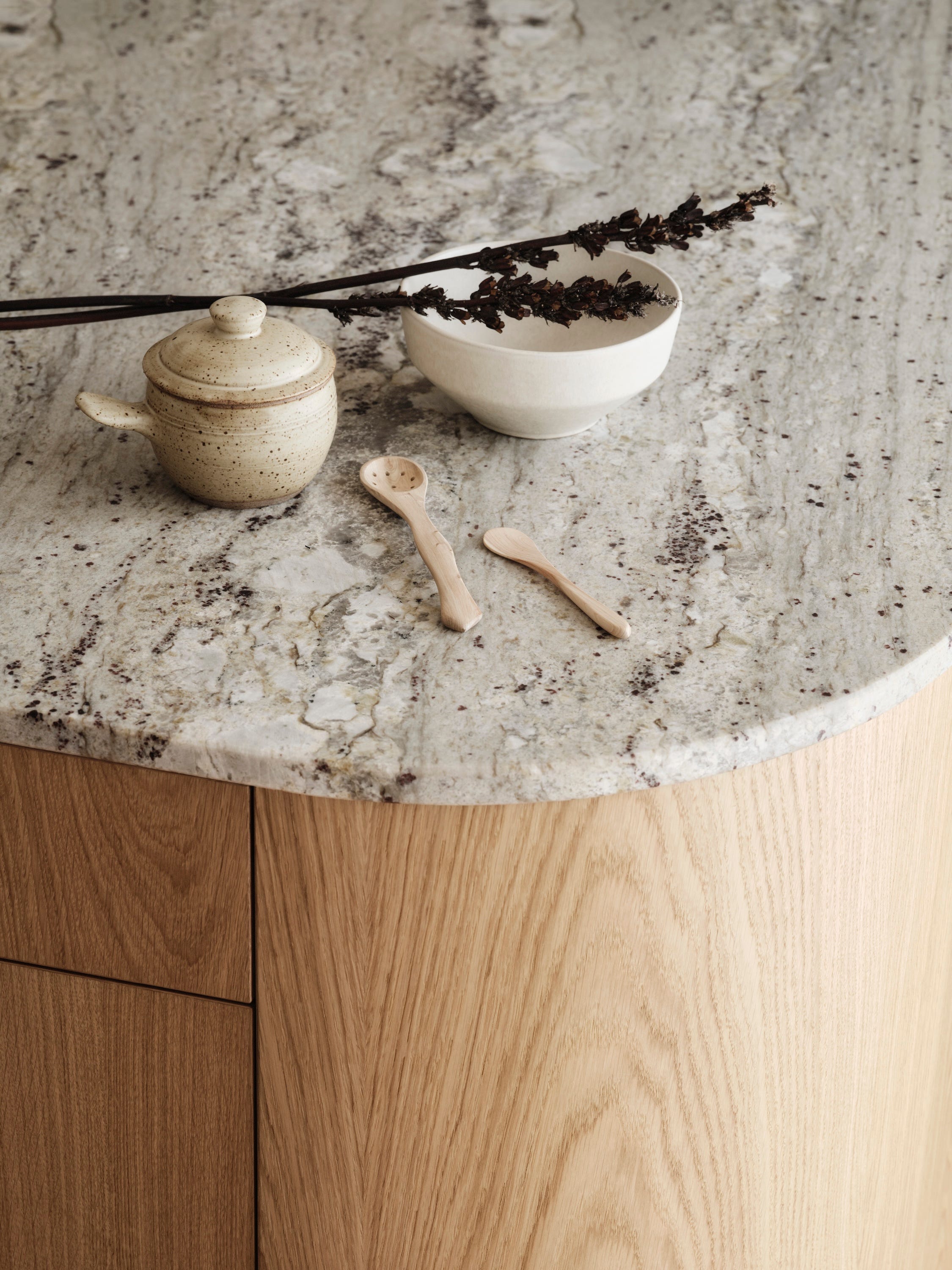
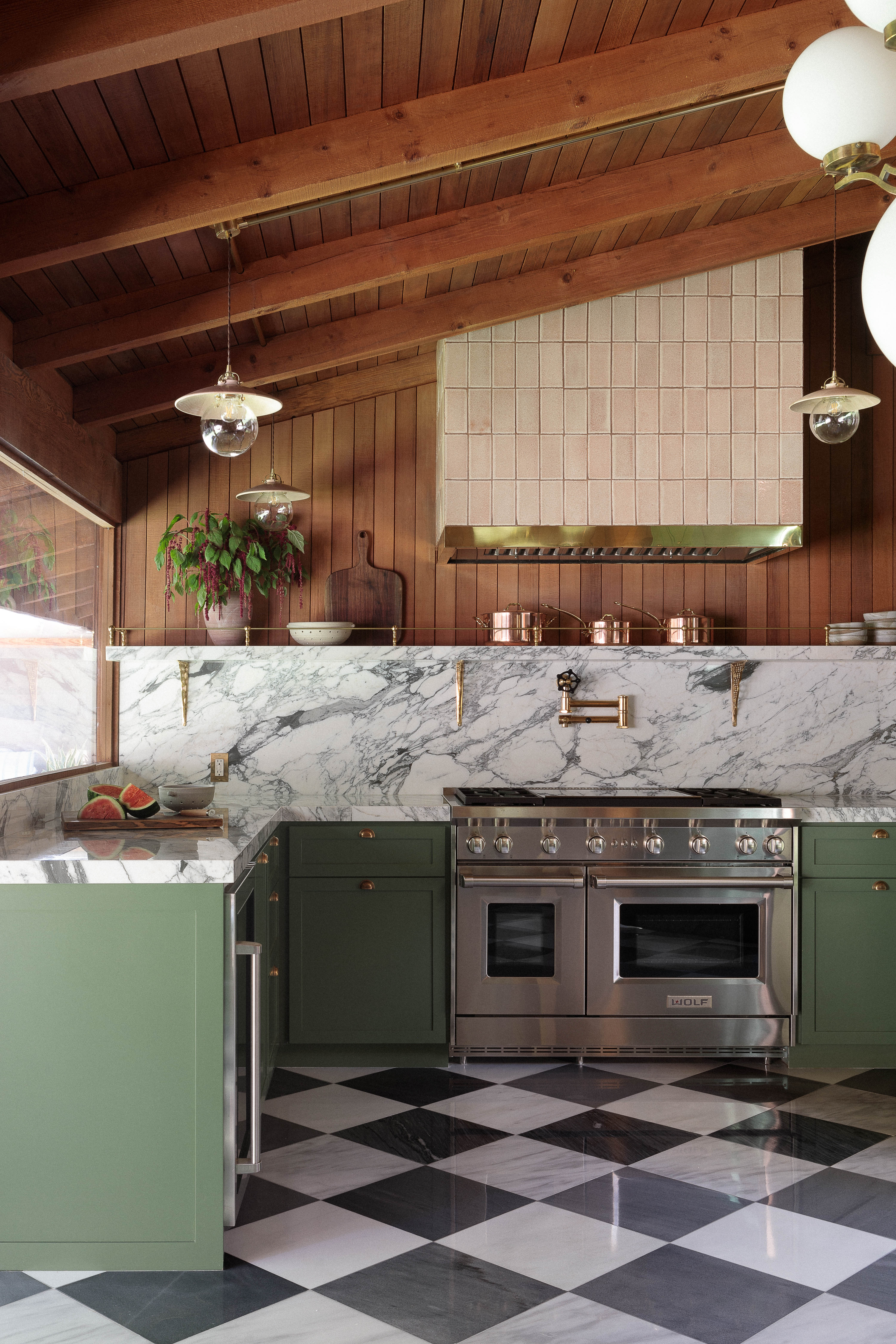
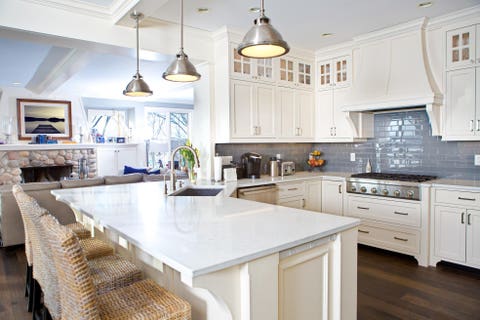
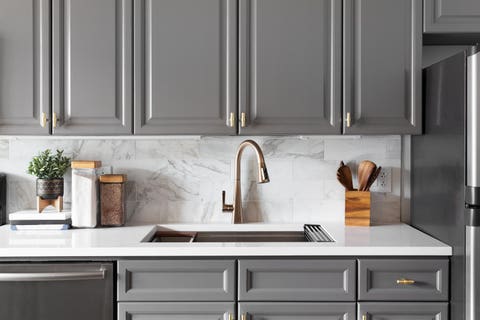
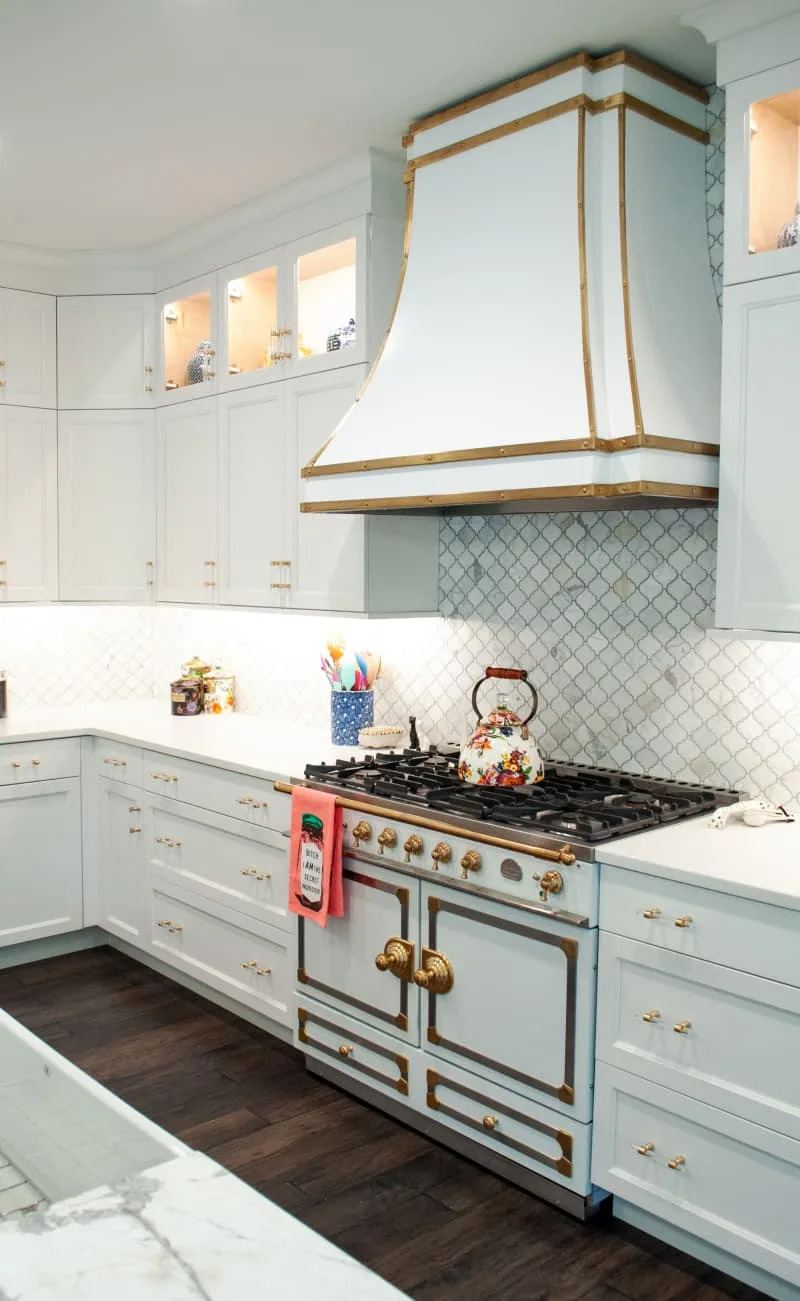
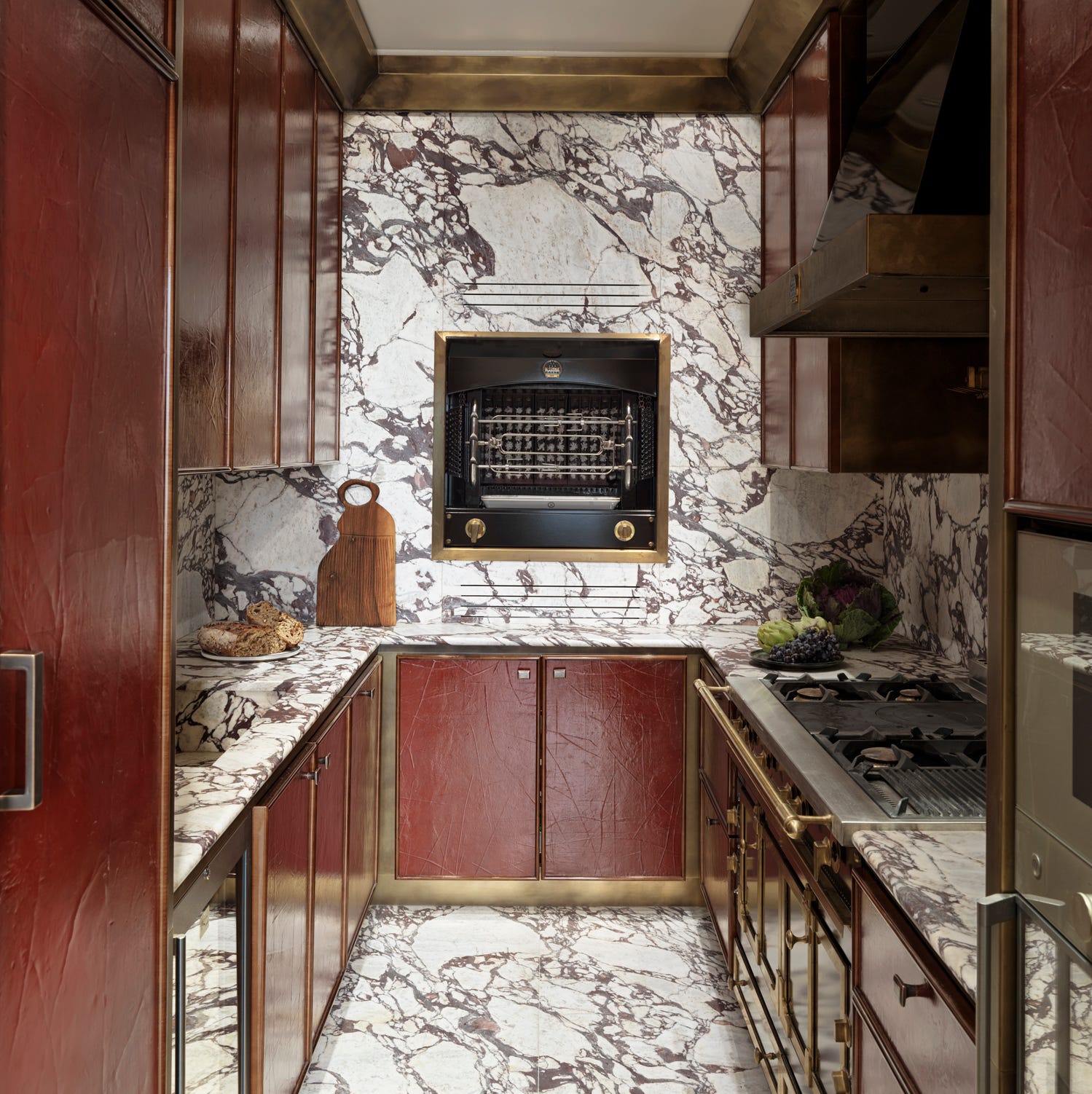
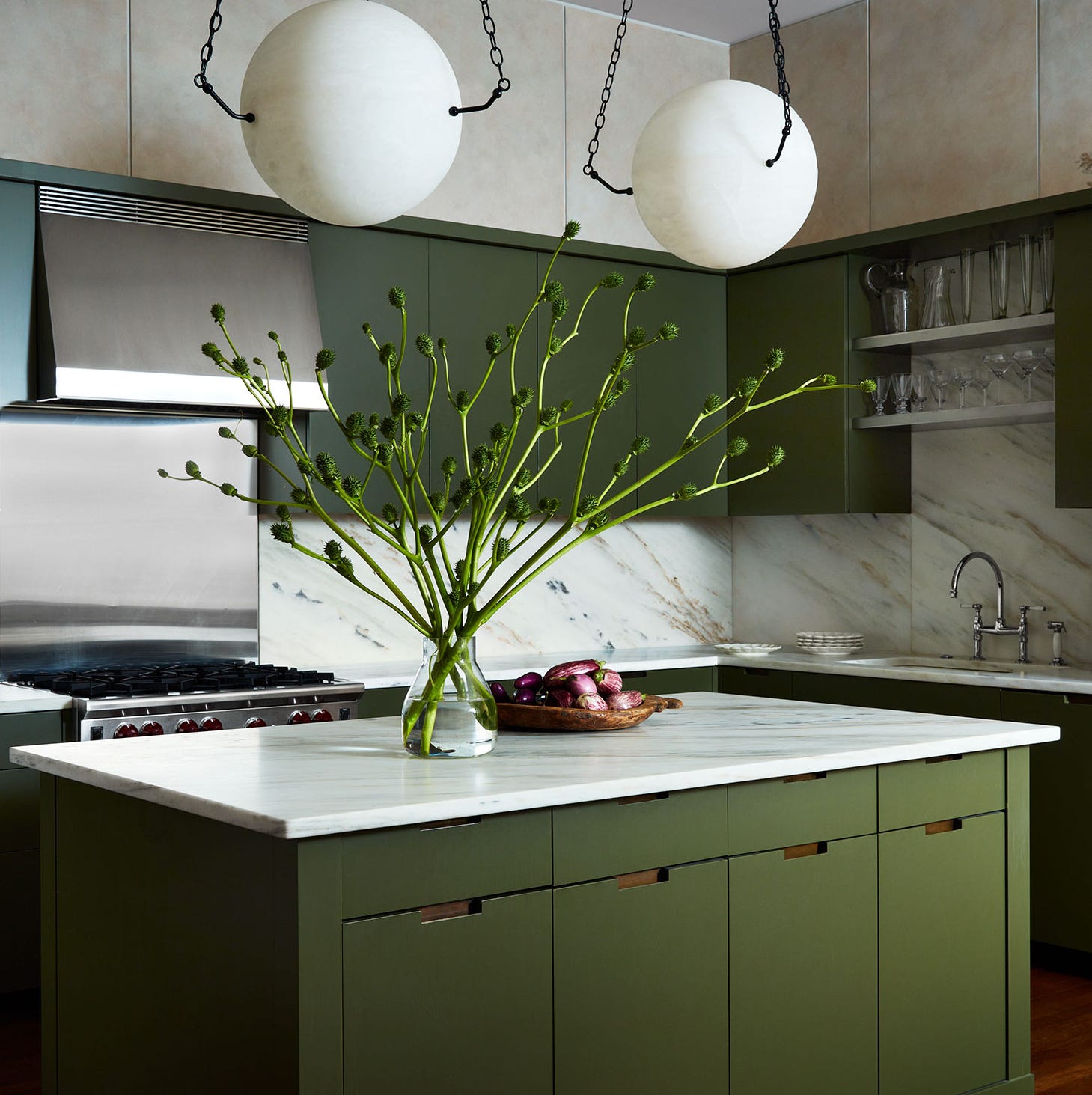
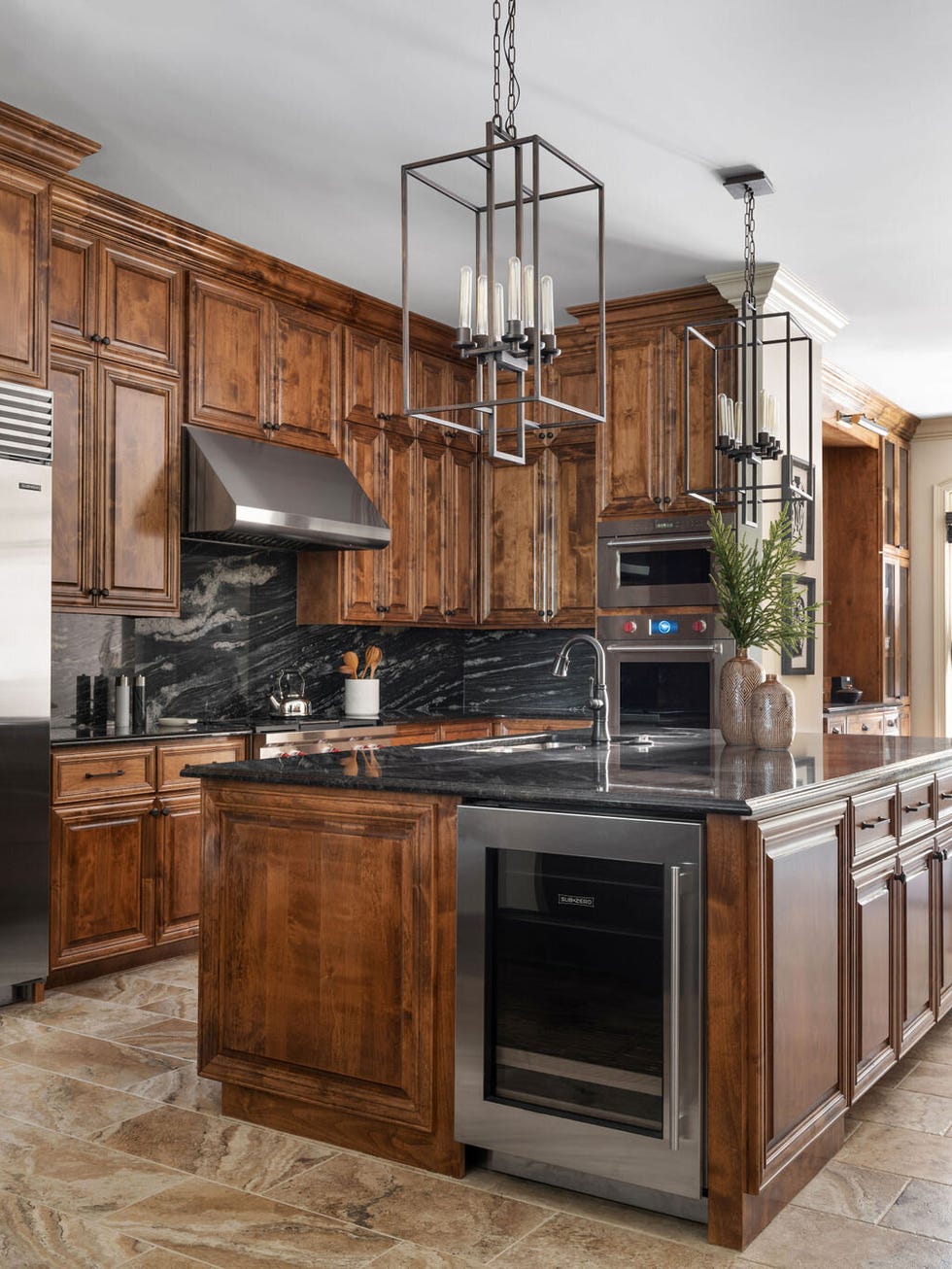
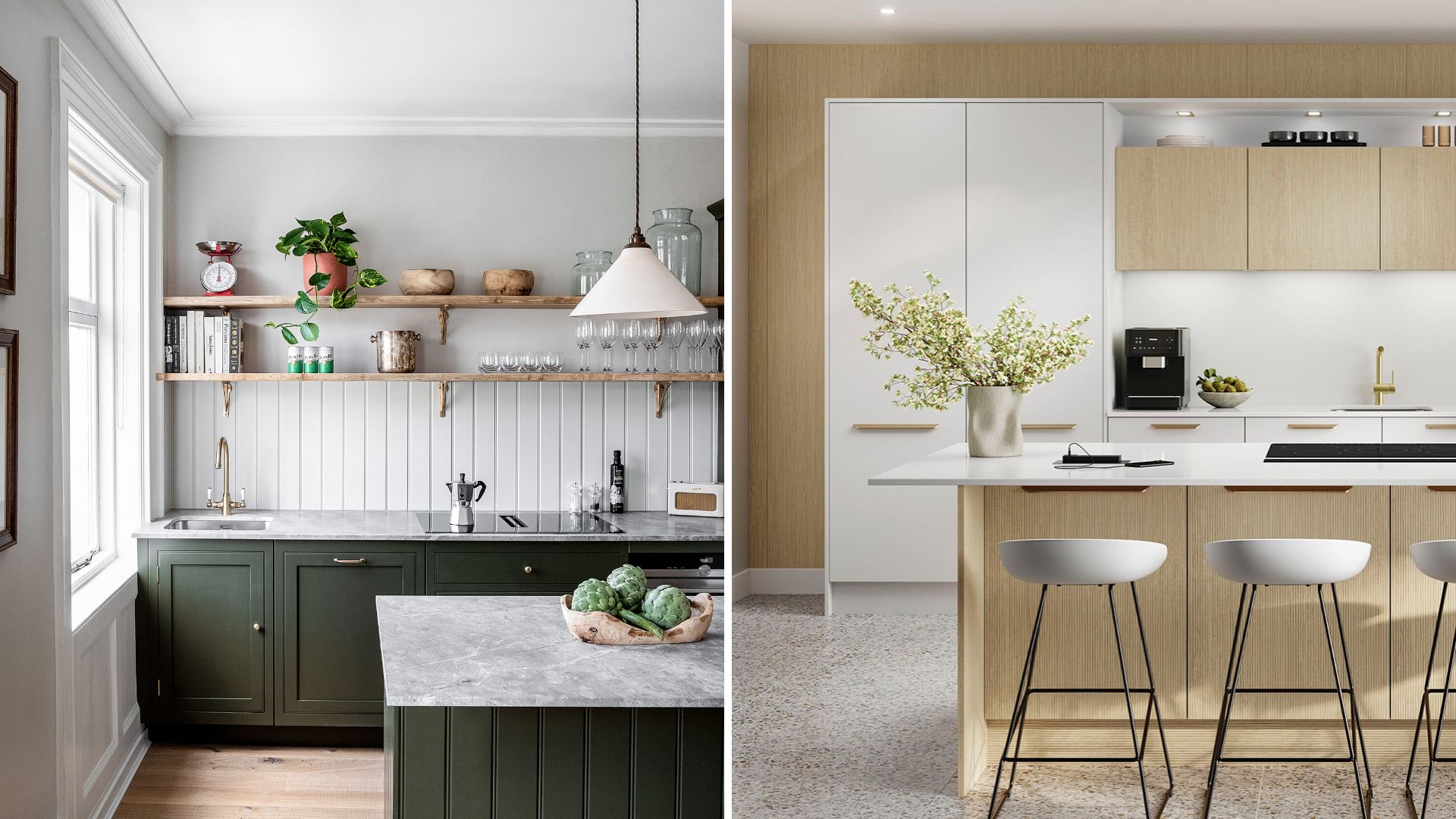
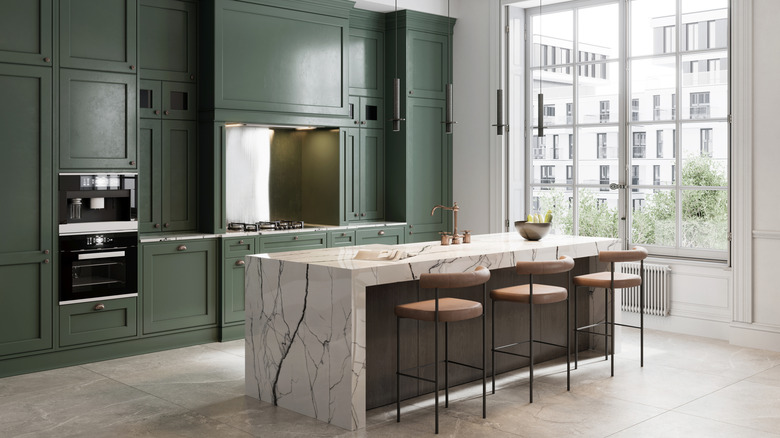
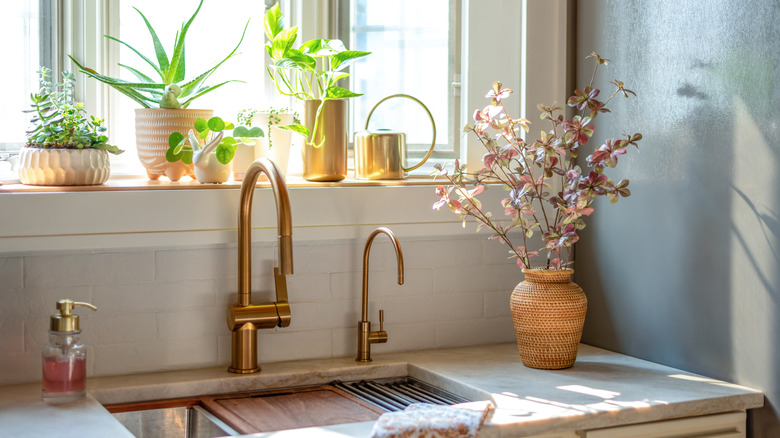
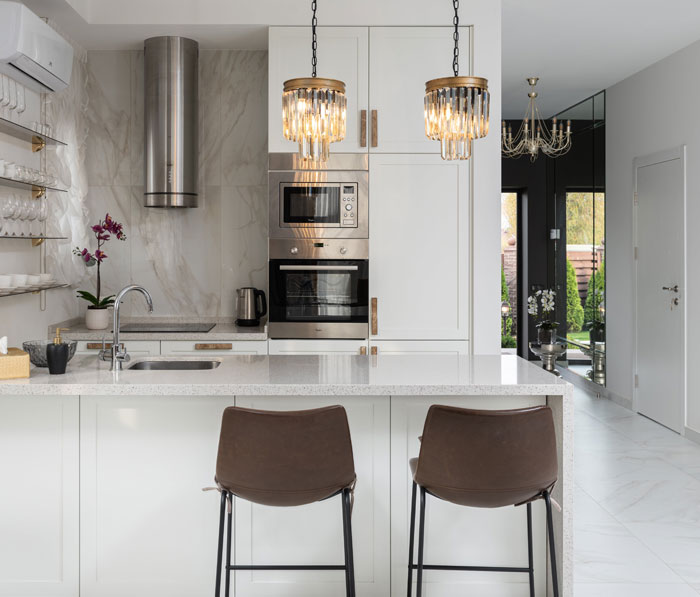
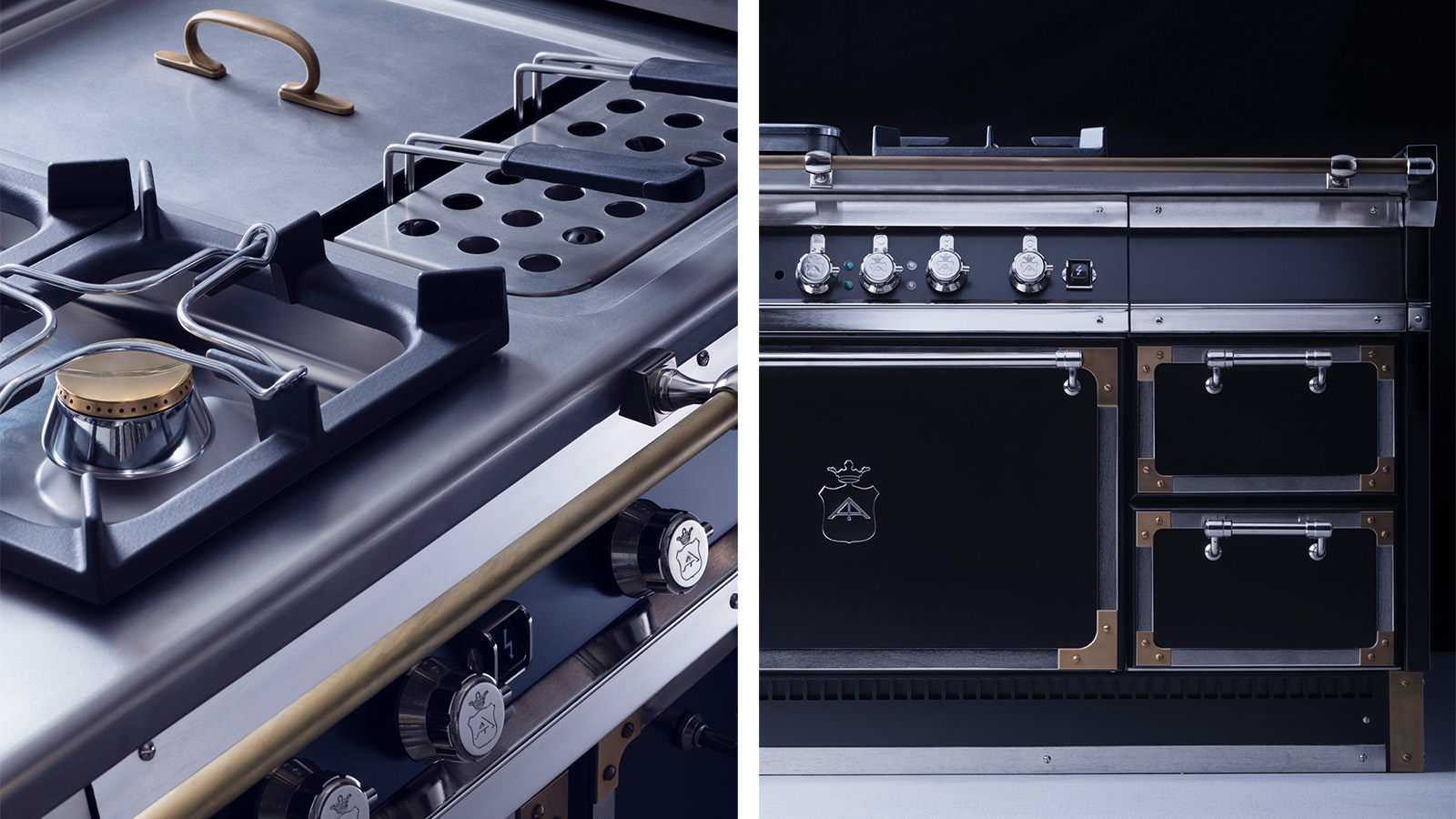
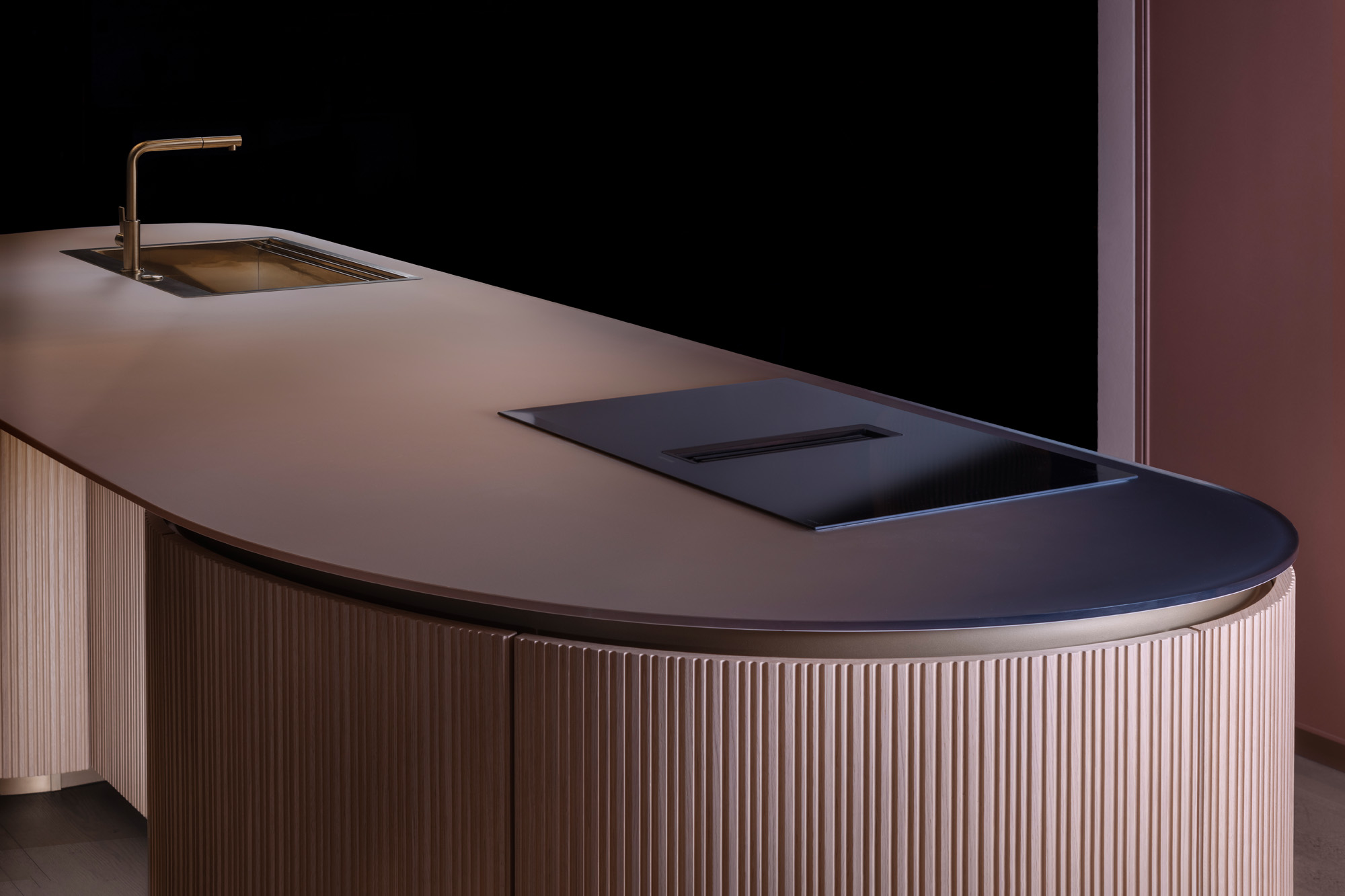
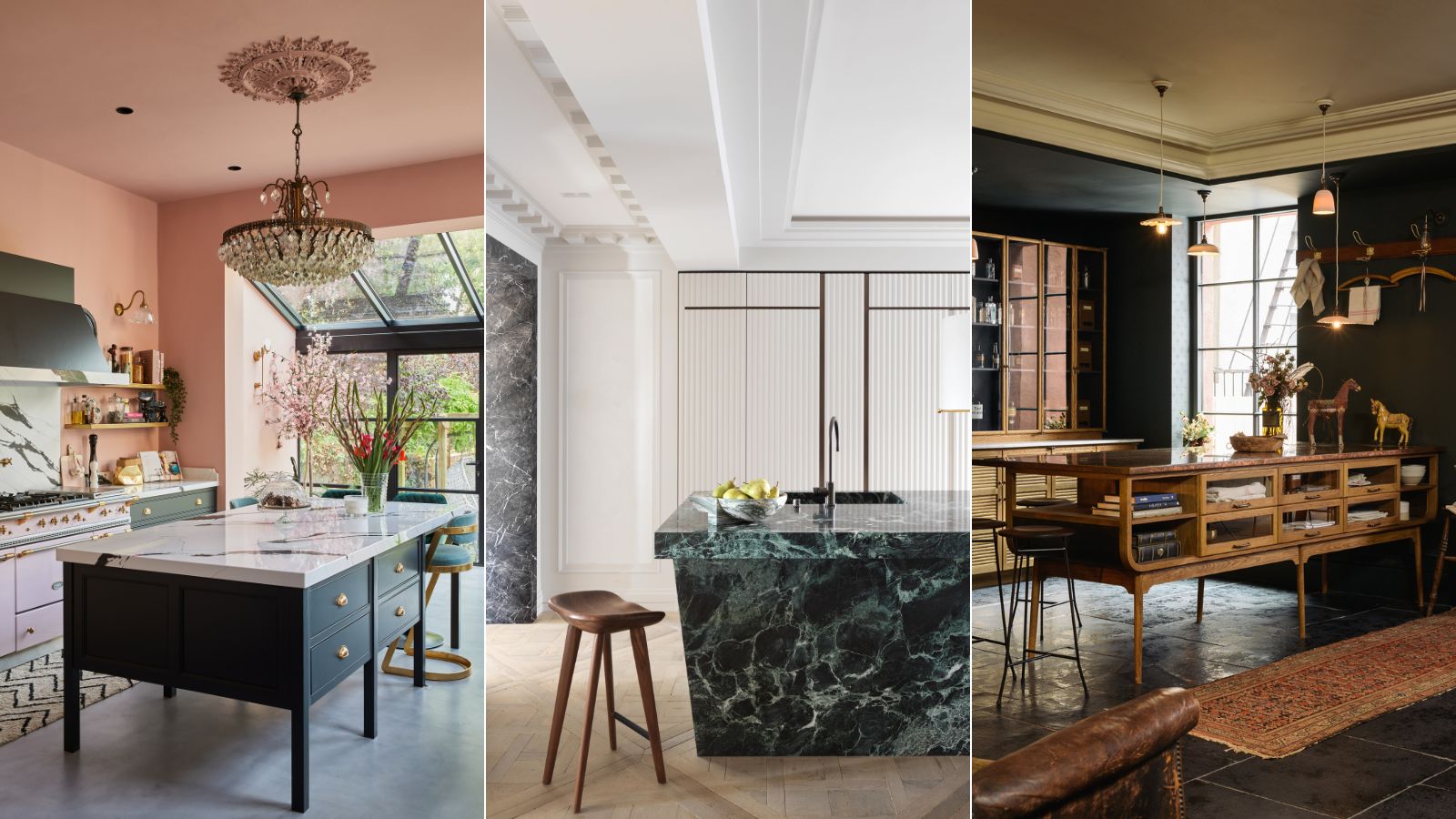
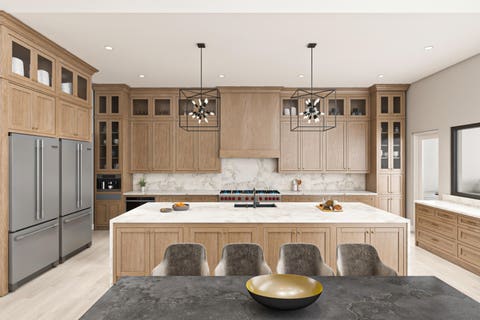
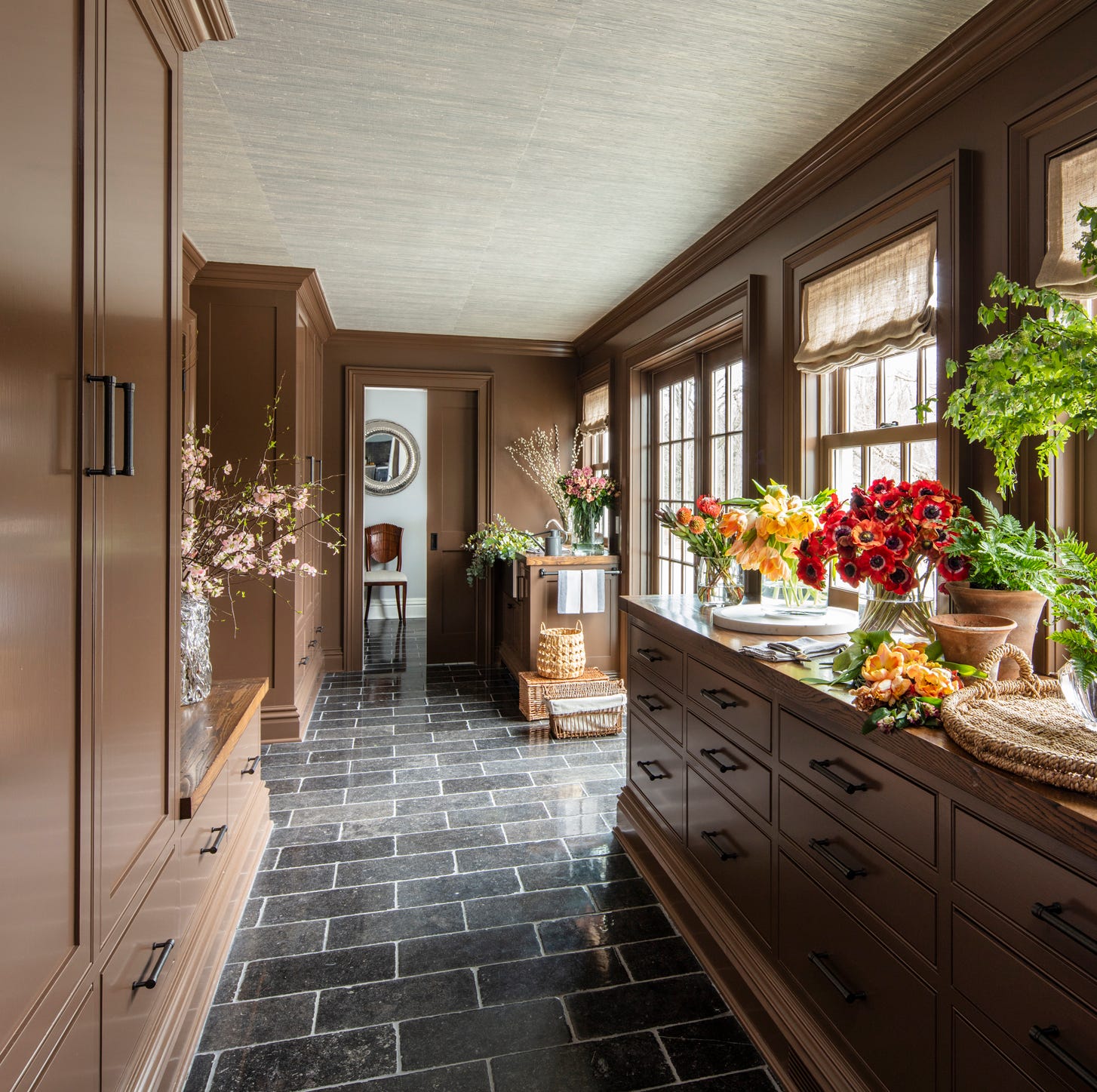
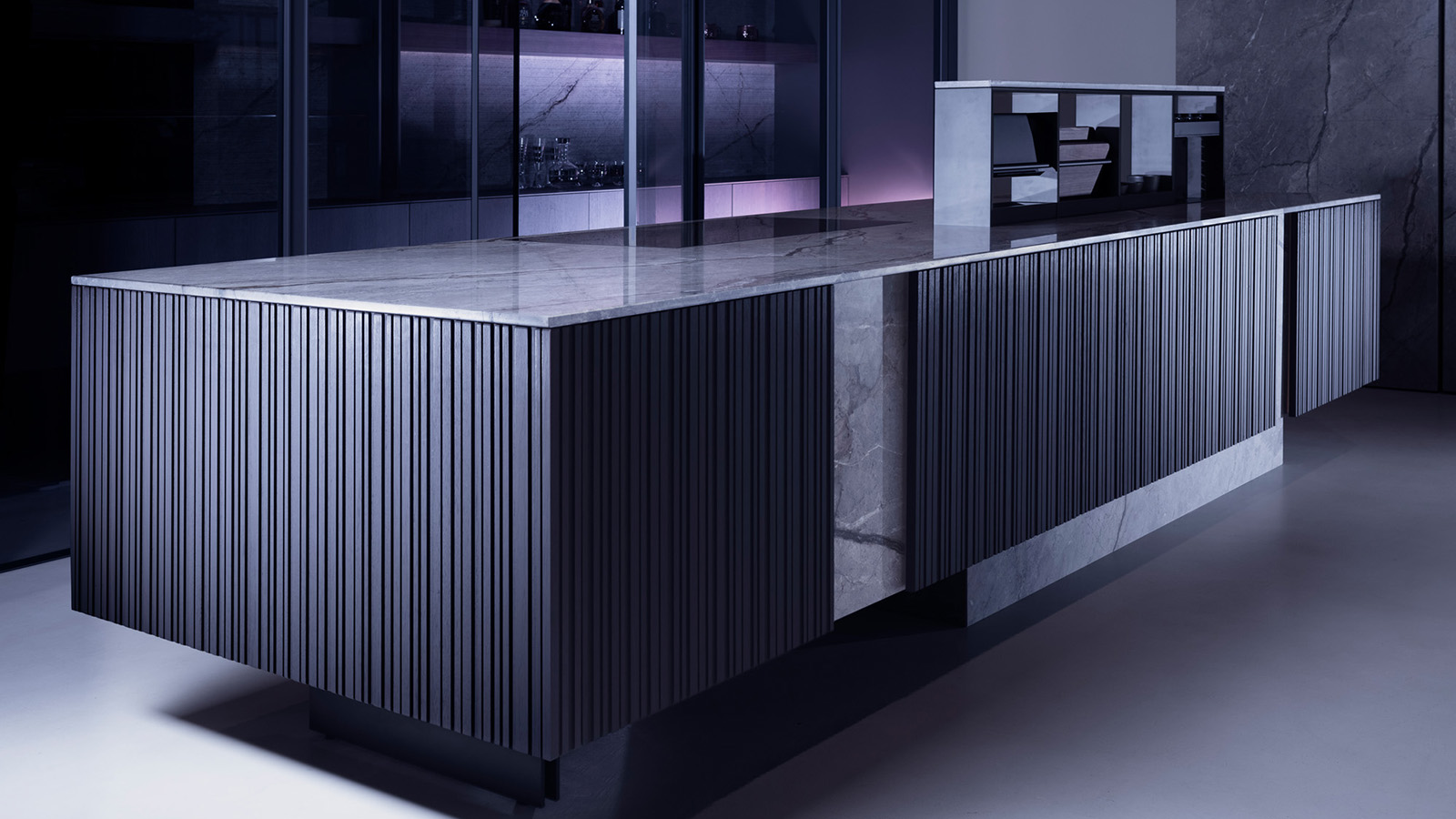
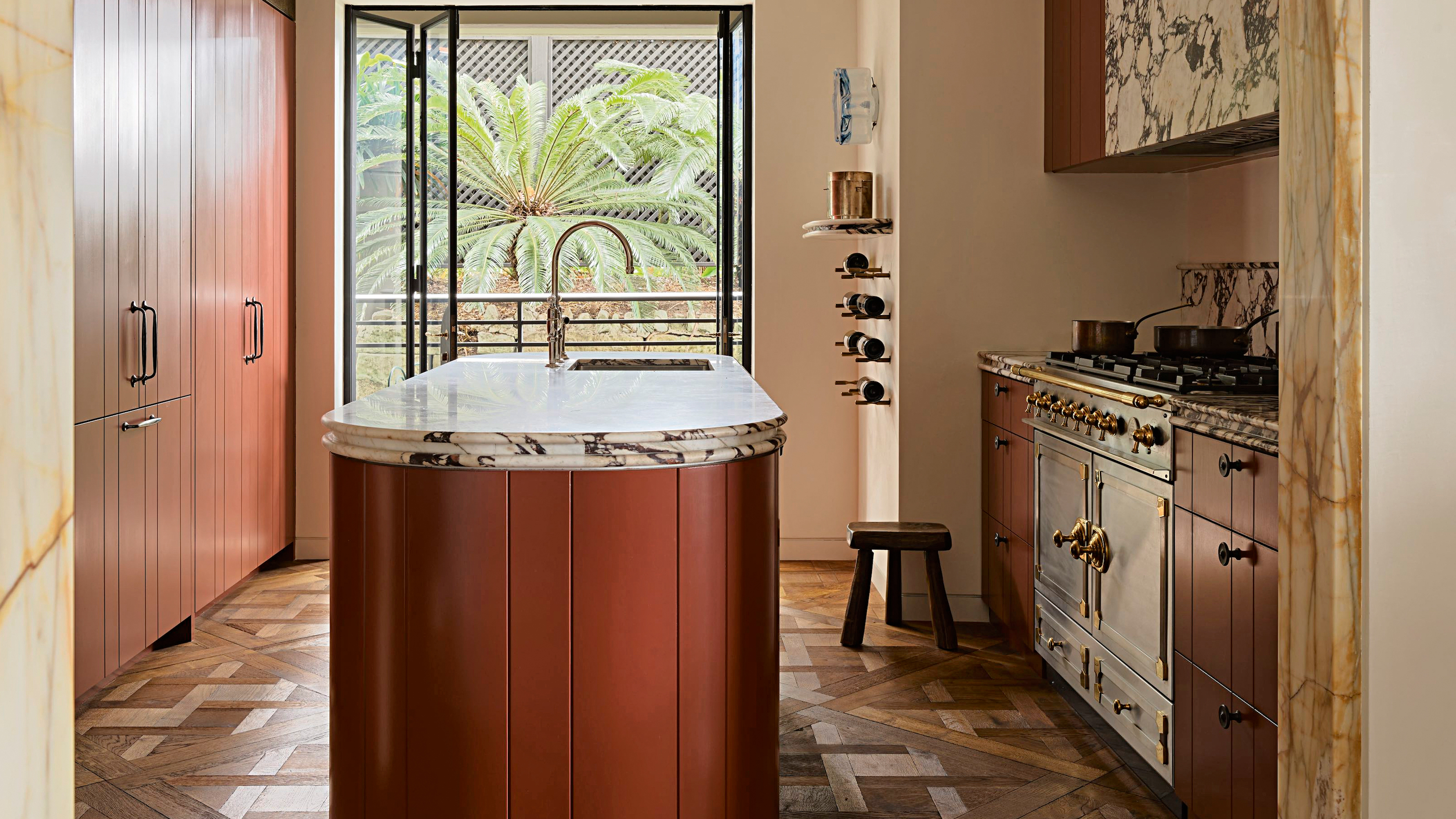
Statement kitchen islands are also a key element, often designed as artistic focal points using luxurious materials like marble, transforming them into stylish furniture pieces. Combining luxurious textural materials, such as brass joinery with blonde wood floors and granite, adds visual interest and a sophisticated, tailored look, with an emphasis on integrating all appliances to maintain sleekness. Embracing natural materials like wood finishes connects the kitchen to nature, creating warm, calming, and sensory spaces that blend seamlessly with the home's overall design.
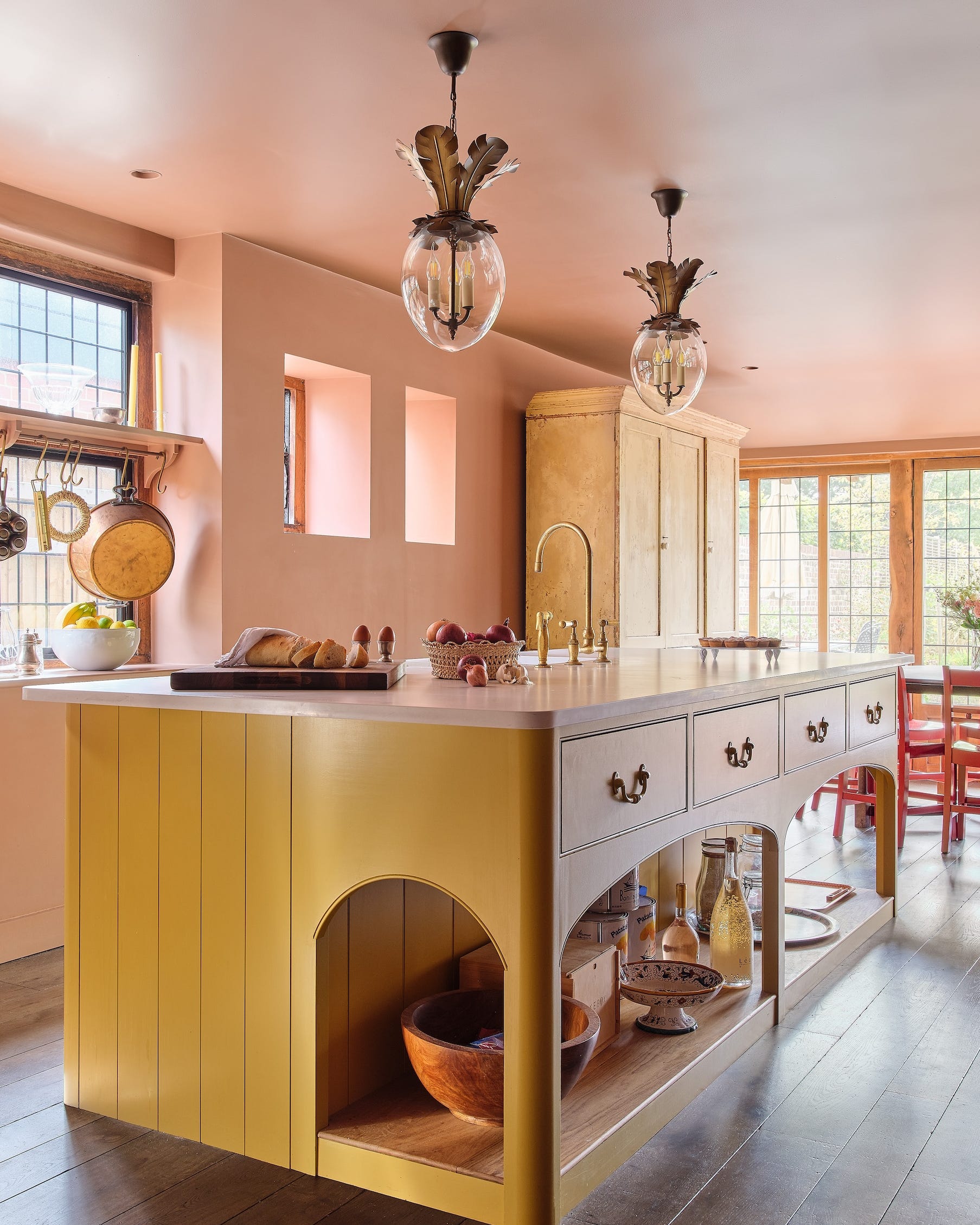
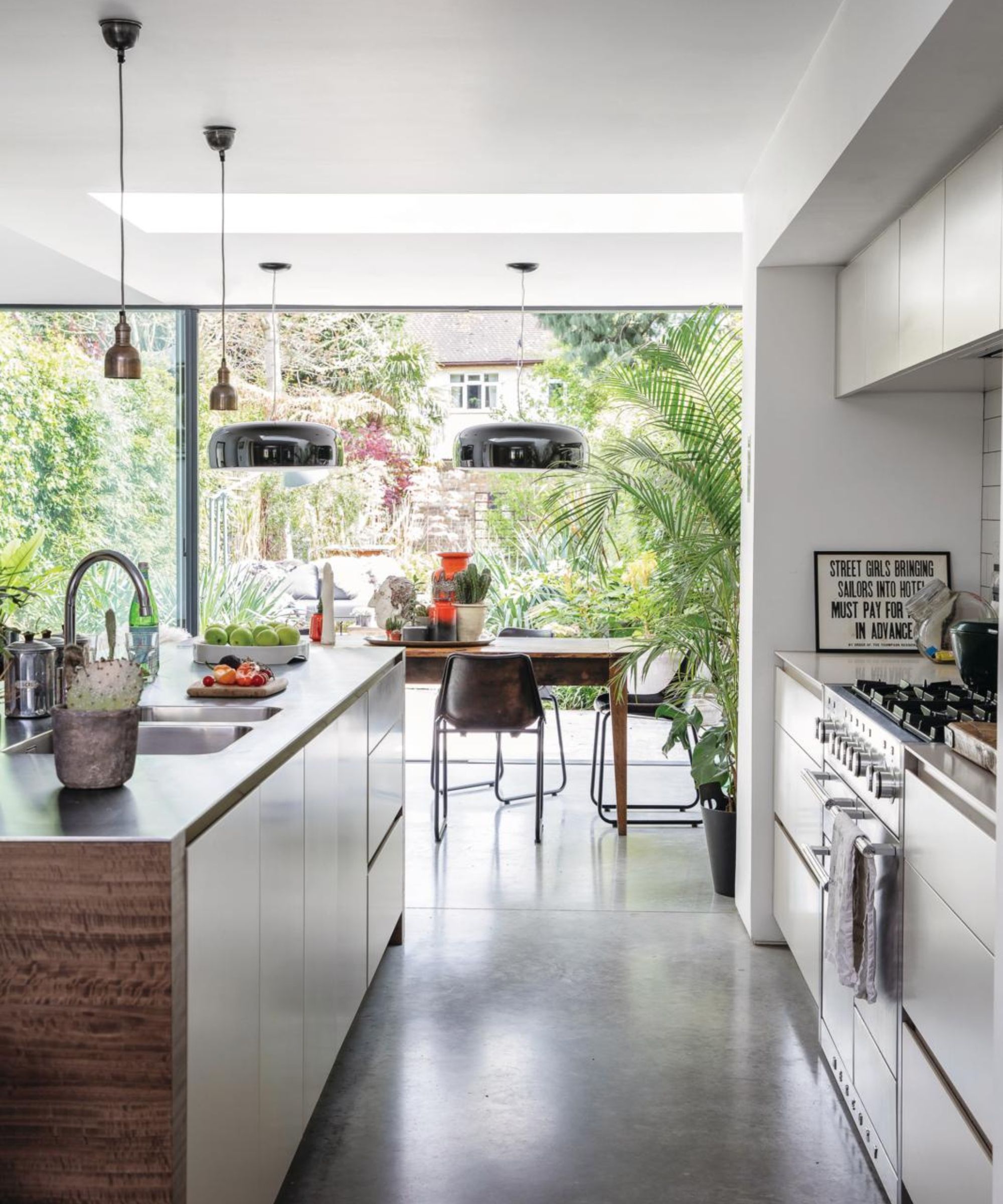
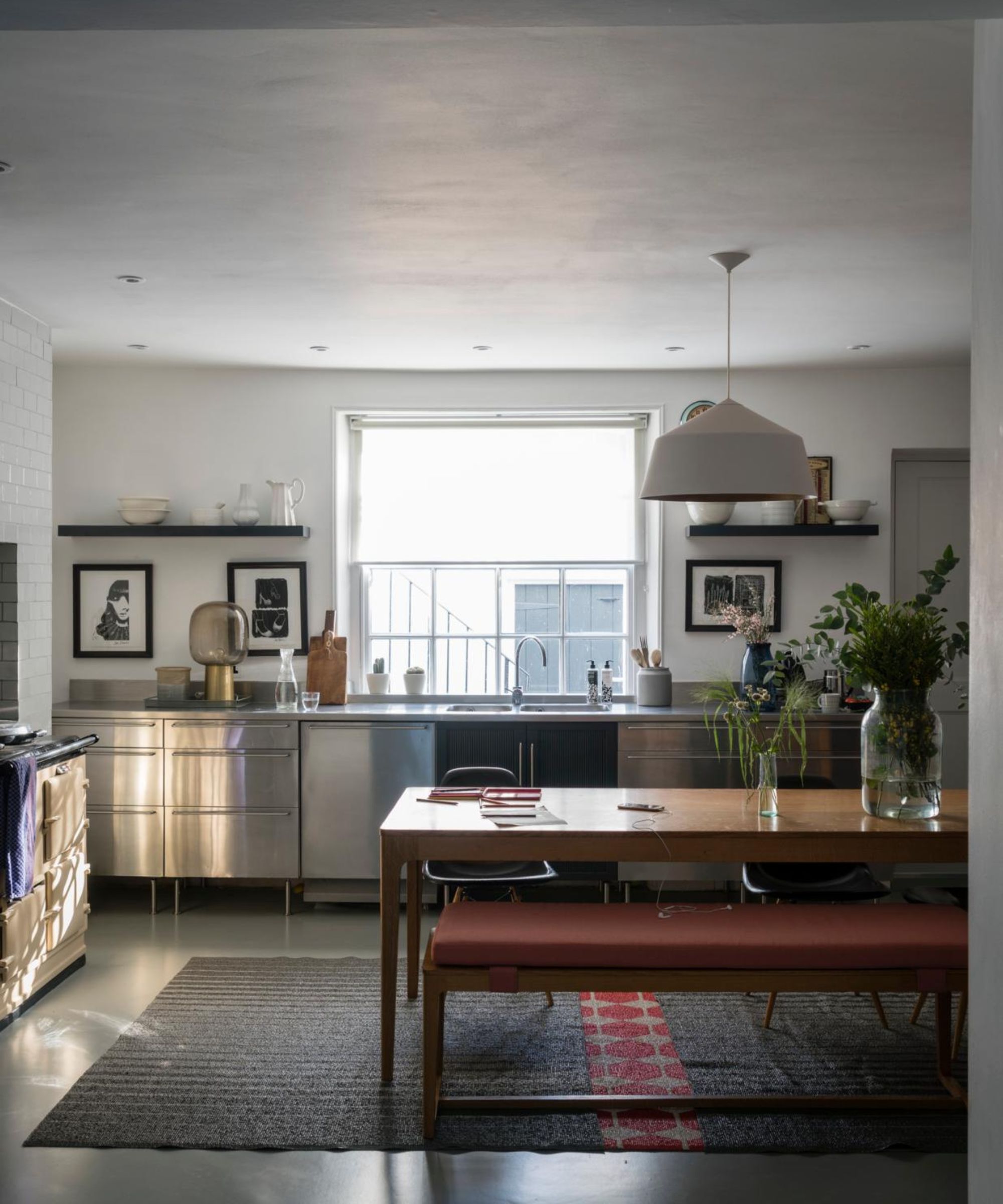
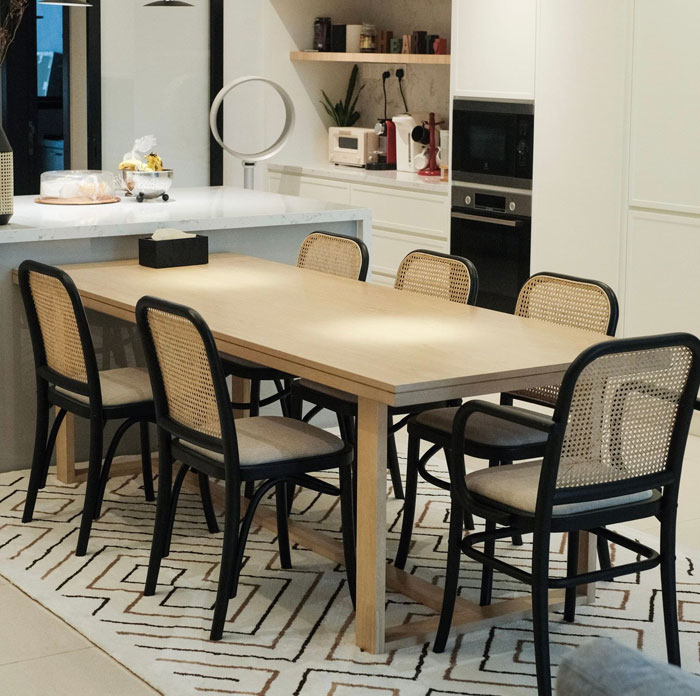
Views from large windows are also integrated into kitchen design, leading to streamlined layouts that allow the landscape to take precedence, supported by material choices that bring warmth and interest. Freestanding kitchens, which combine individual pieces of furniture in assorted styles, offer an eclectic alternative to sleek minimalist designs, creating a comfortable, living-space feel through items like butcher's blocks and vintage workbenches, often complemented by cozy kitchen rugs.
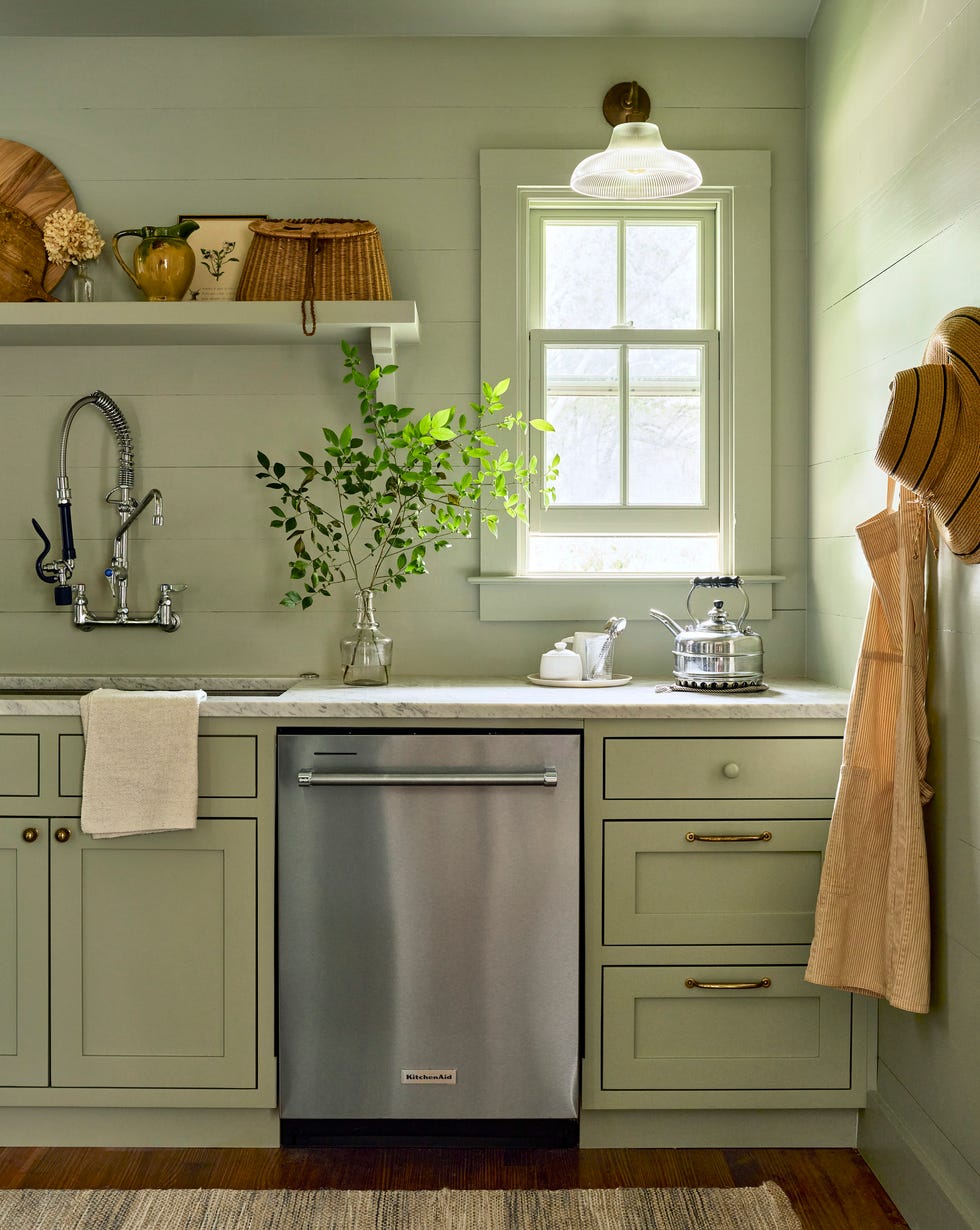
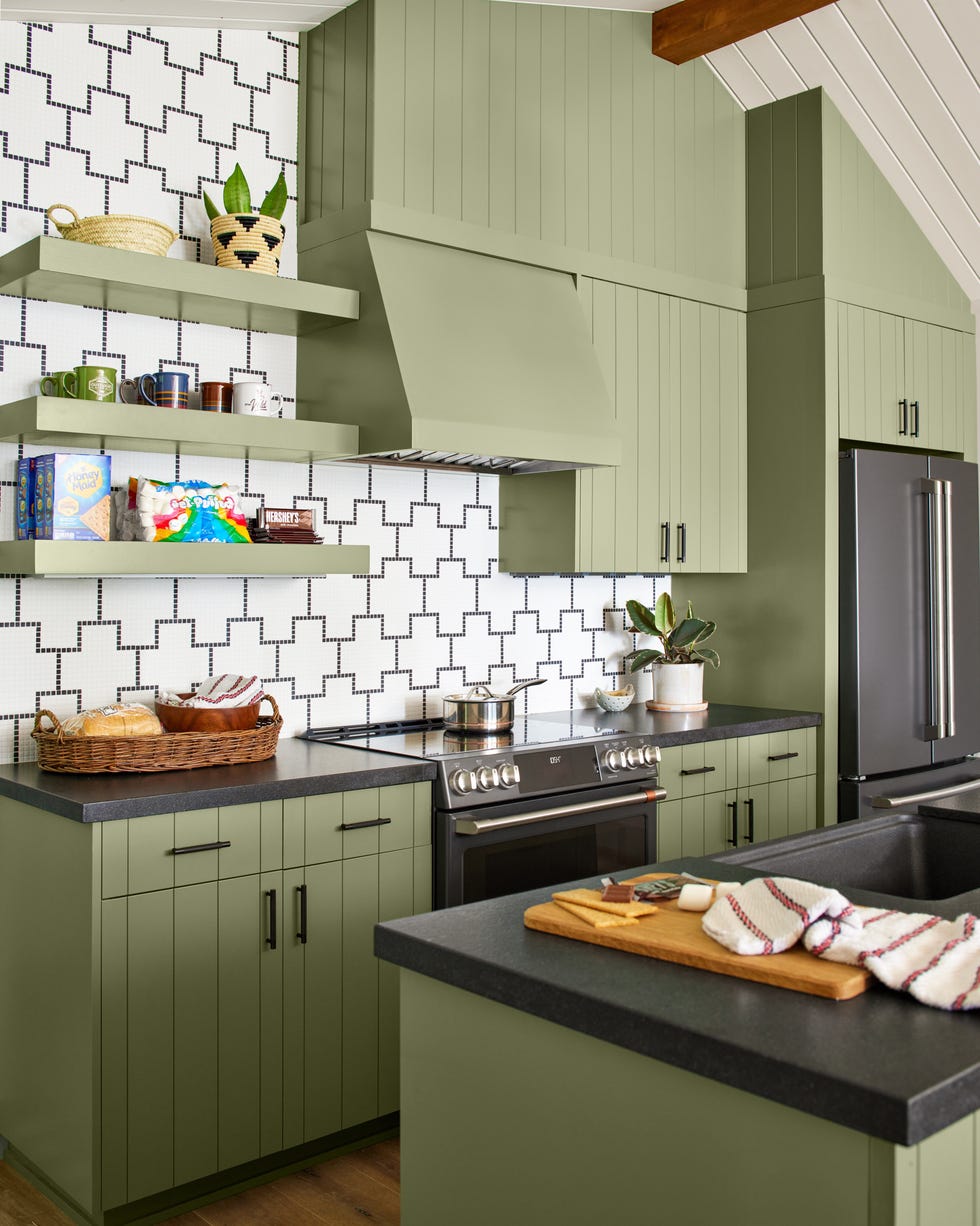
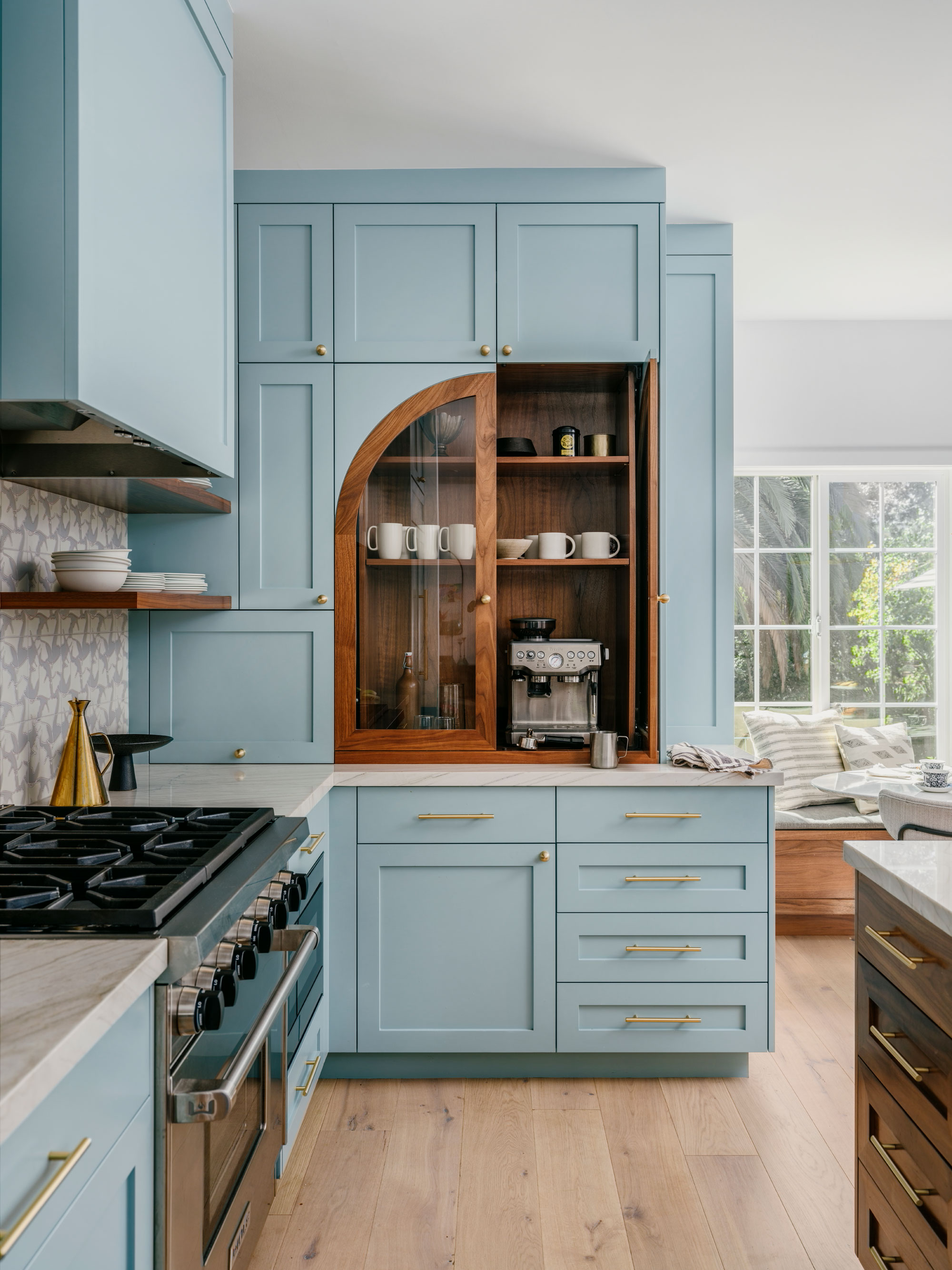
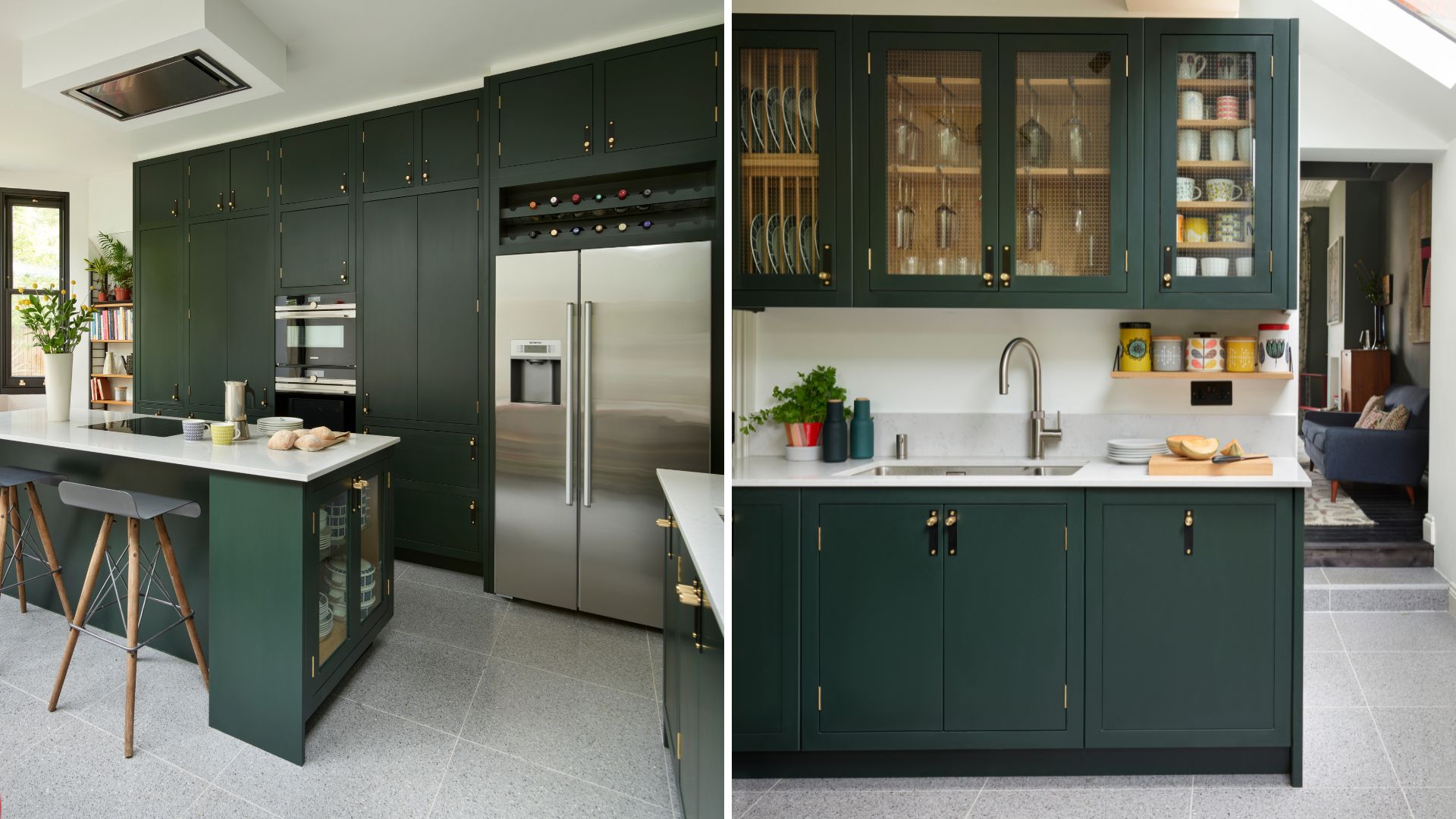
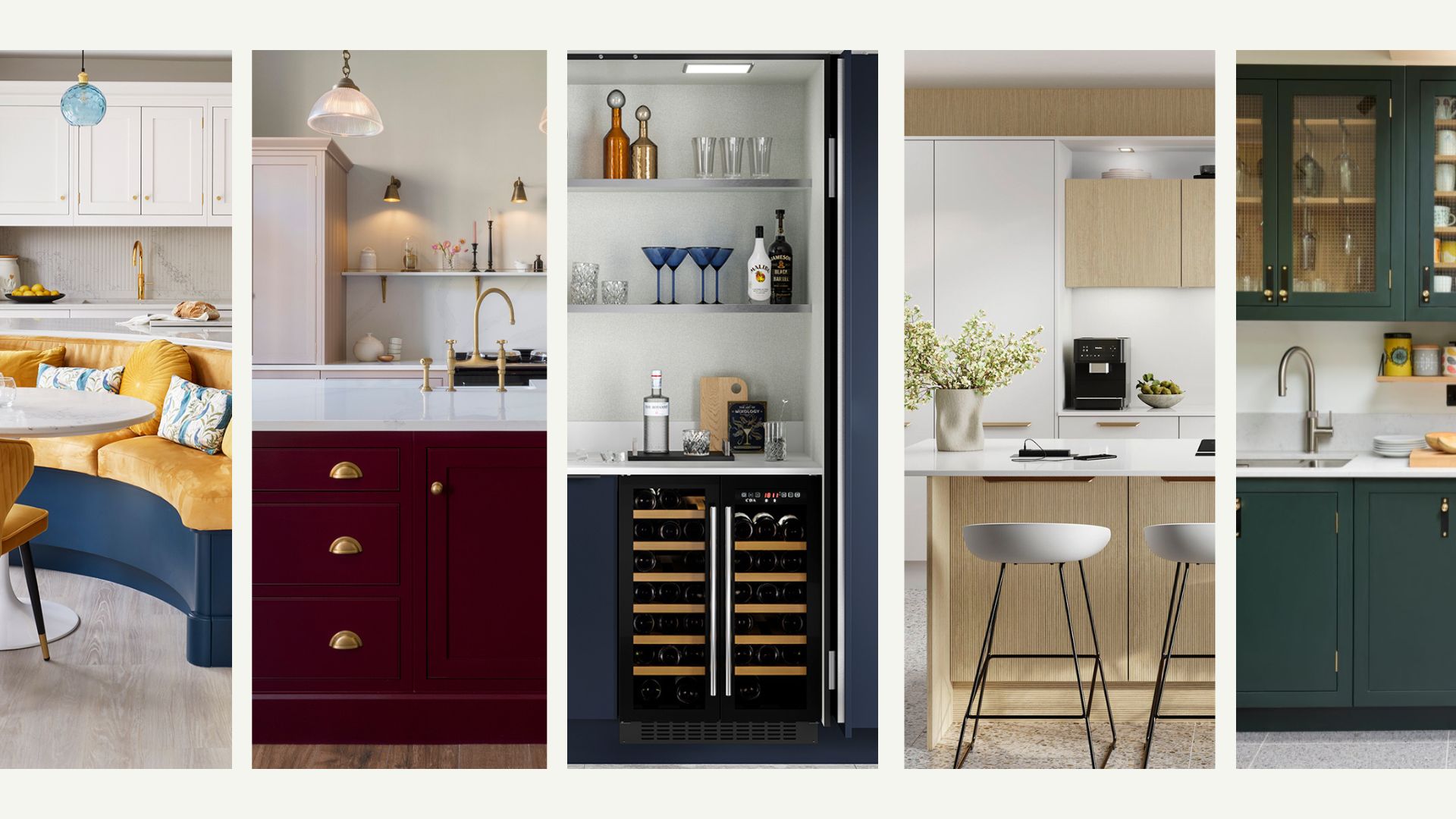
Integrating vintage furniture pieces, such as reclaimed filing cabinets transformed into kitchen islands, introduces unique character and warmth. For those who appreciate the vintage aesthetic but prefer new items, retro kitchen designs with rich, warm woods and abundant glazing, inspired by historical shops, offer a practical yet atmospheric collection of cupboards. Finally, embracing bold color combinations and coordinating kitchen decor with living room decor helps kitchens reflect personal style and integrate harmoniously into open-plan layouts, using warm, textural materials like wood, marble, and brass to create inviting atmospheres.
#CamouflageKitchens #KitchenDesign #InteriorTrends2025 #MinimalistKitchen #OpenPlanLiving #KitchenCabinetry #StatementIsland #NaturalMaterials #VintageKitchen #RetroKitchen #BoldColors #CamouflageKitchens #KitchenDesign #InteriorTrends2025 #MinimalistKitchen #OpenPlanLiving #KitchenCabinetry #StatementIsland #NaturalMaterials #VintageKitchen #RetroKitchen #BoldColors
कुल 0 टिप्पणियाँ
 कोई टिप्पणी नहीं
आपको यह भी पसंद आ सकता है
Say Goodbye to White Cabinetry, Plus More Kitchen Trends for 2025
5 Kitchen Design Trends Going Away In 2026

Designers Reveal the Surprising Kitchen Cabinet Trend That's Taking Over

The Kitchen Cabinet Color Trend Completely Taking Over 2025

All the most stylish kitchens in 2025 forgo this key feature
The Smart (Hidden!) Kitchen Design Trend You’ll See Everywhere in 2024
Design Pros Reveal the Surprising Kitchen Trend That's About to Take Over
13 Kitchen Trends That We Are Following In 2025

20 kitchen design trends you'll see everywhere in 2025, according to experts

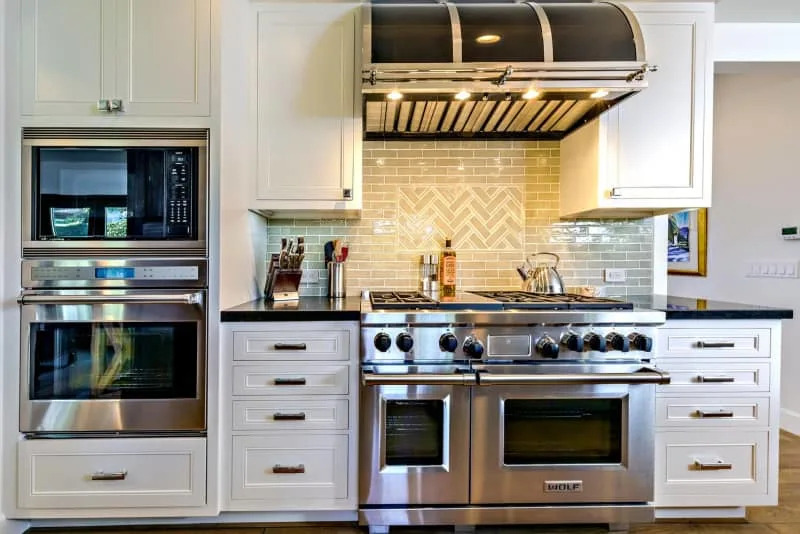
The Surprising New Kitchen Design Trend Taking 2024 by Storm
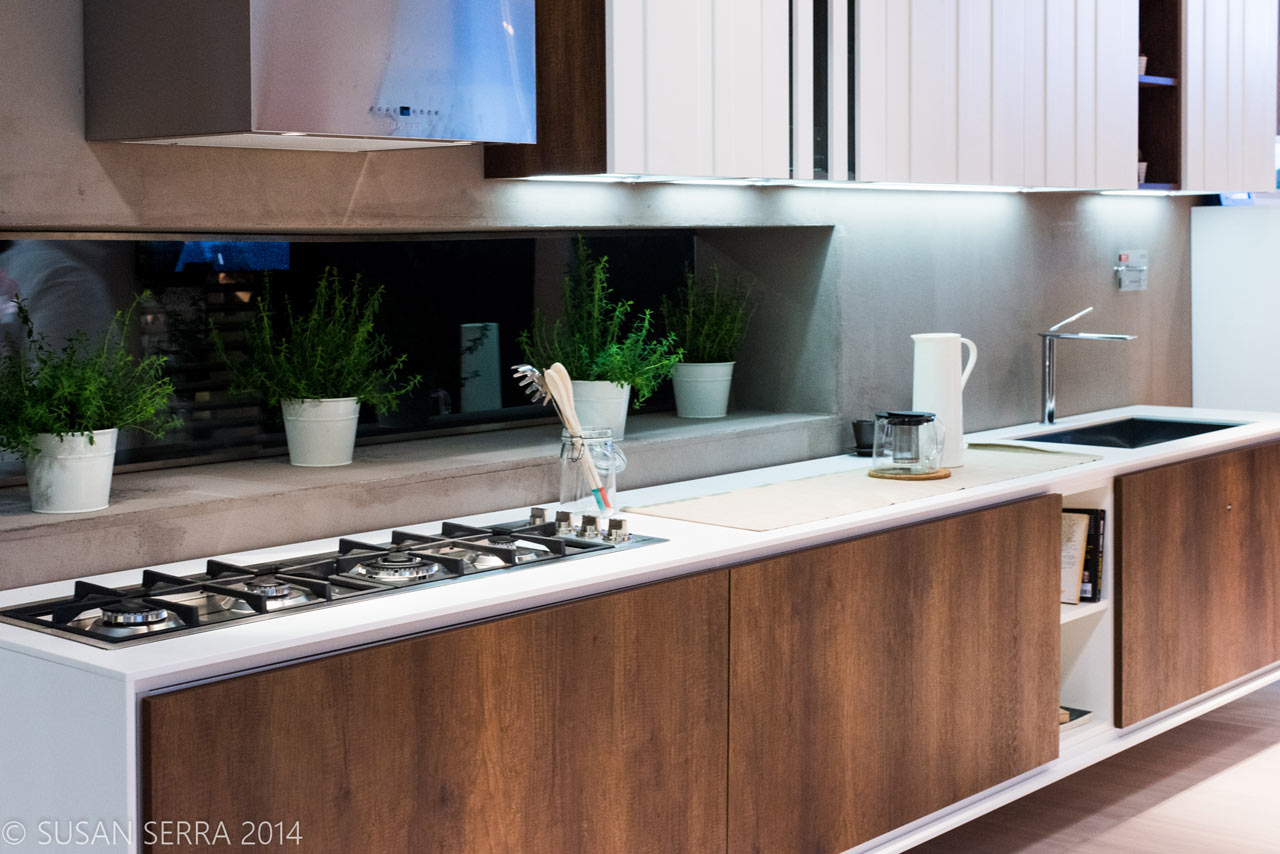
Current Kitchen Interior Design Trends

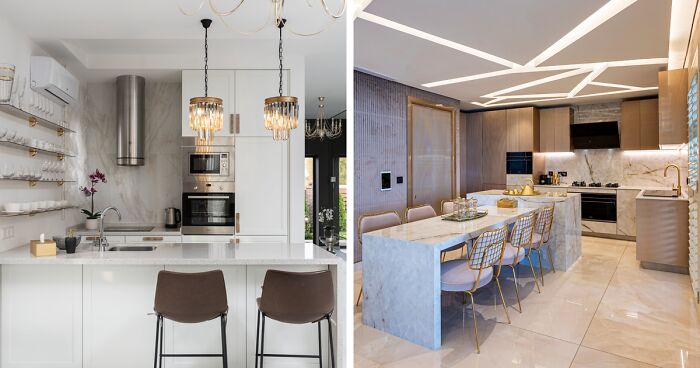
Kitchen Trends 2024: Revamp Your Kitchen In Style

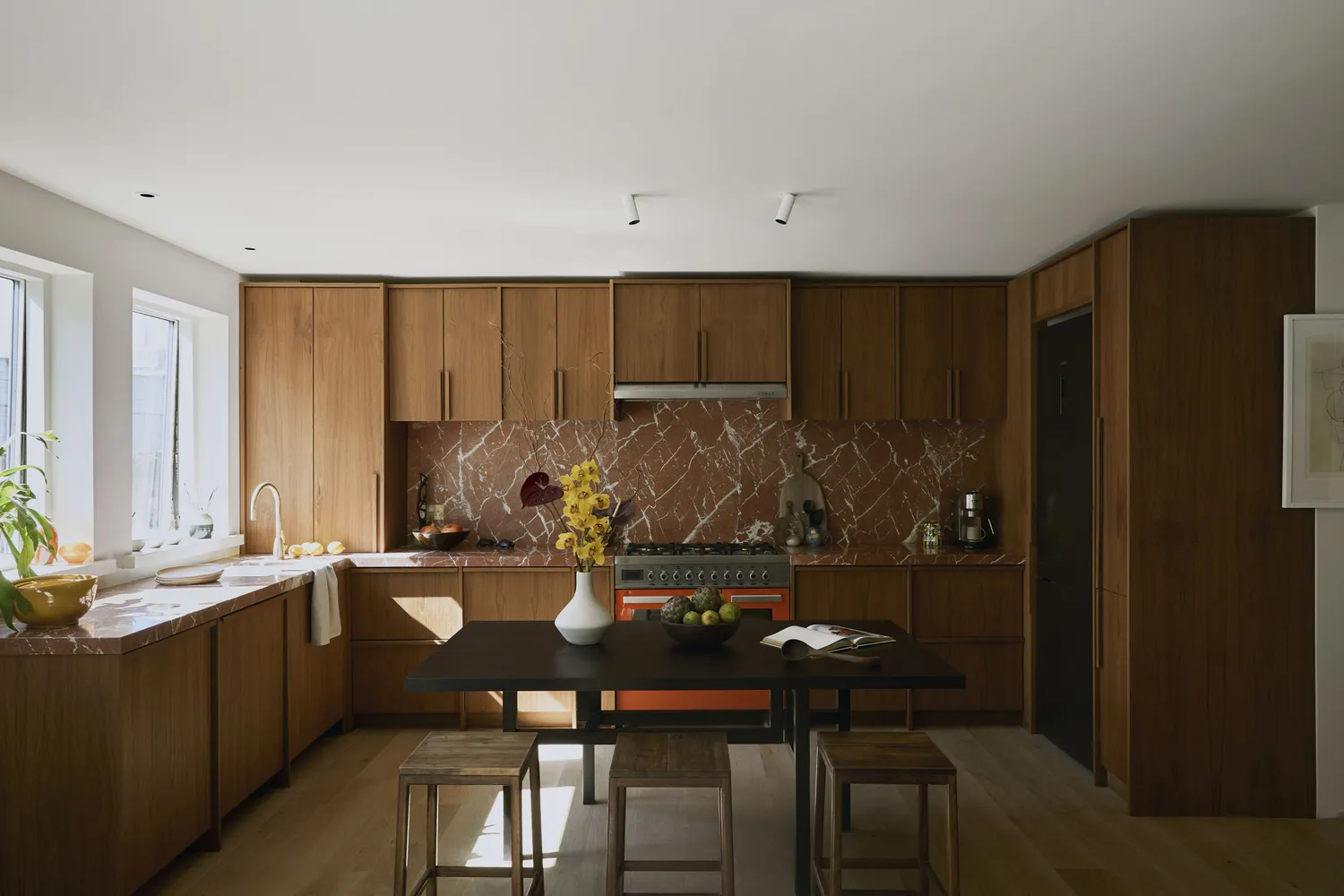
Why “Invisible Kitchens” Are the Sleekest New Trend Designers Can’t Stop Using

These 2025 Kitchen Color Trends Are Unexpectedly Chic

Small space living makes invisible kitchens the most practical (and stylish) of new design trends

Kitchen Trends 2025: these design ideas merge sleek design and utilitarian attitude

10 Lessons in Good Kitchen Design I Learned For 2025

This unexpected kitchen design is everywhere right now
Kitchen Trends 2025: standout designs and colours inspiring home improvement projects

The Kitchen Cabinet Color Trend Completely Taking Over 2025