1/11
8 Types of Tile Shapes to Consider For Your Next Bathroom Reno — Number 4 Is Our Favorite Pick for 2025
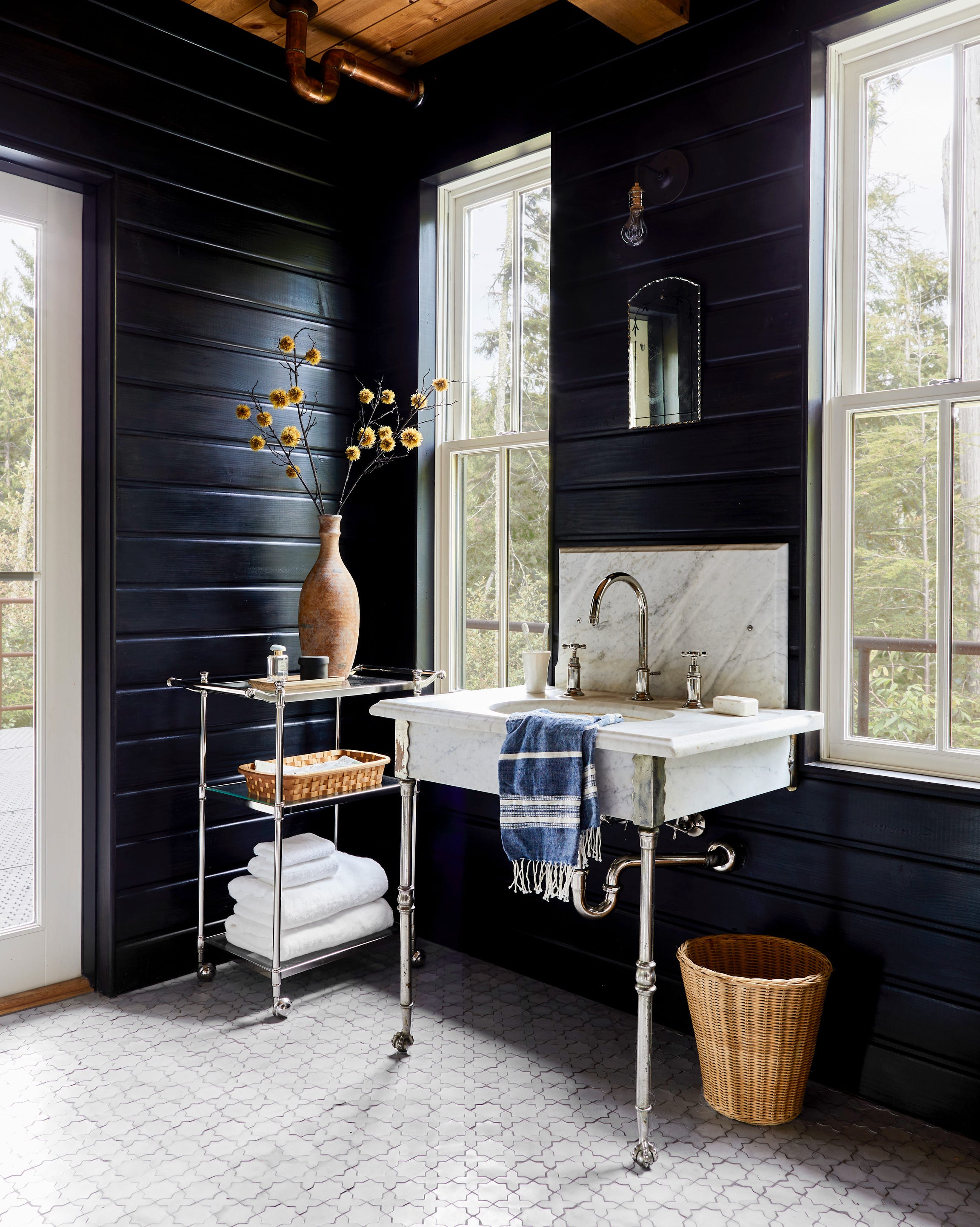
The choice of tile shape plays a significant role in defining the aesthetic and character of a bathroom, extending beyond considerations of material, finish, and color. Different tile shapes can introduce depth, style, and unique decorative elements to an interior space. Factors such as layout and grout selection are crucial, as they can accentuate the tile's geometry and overall design impact.
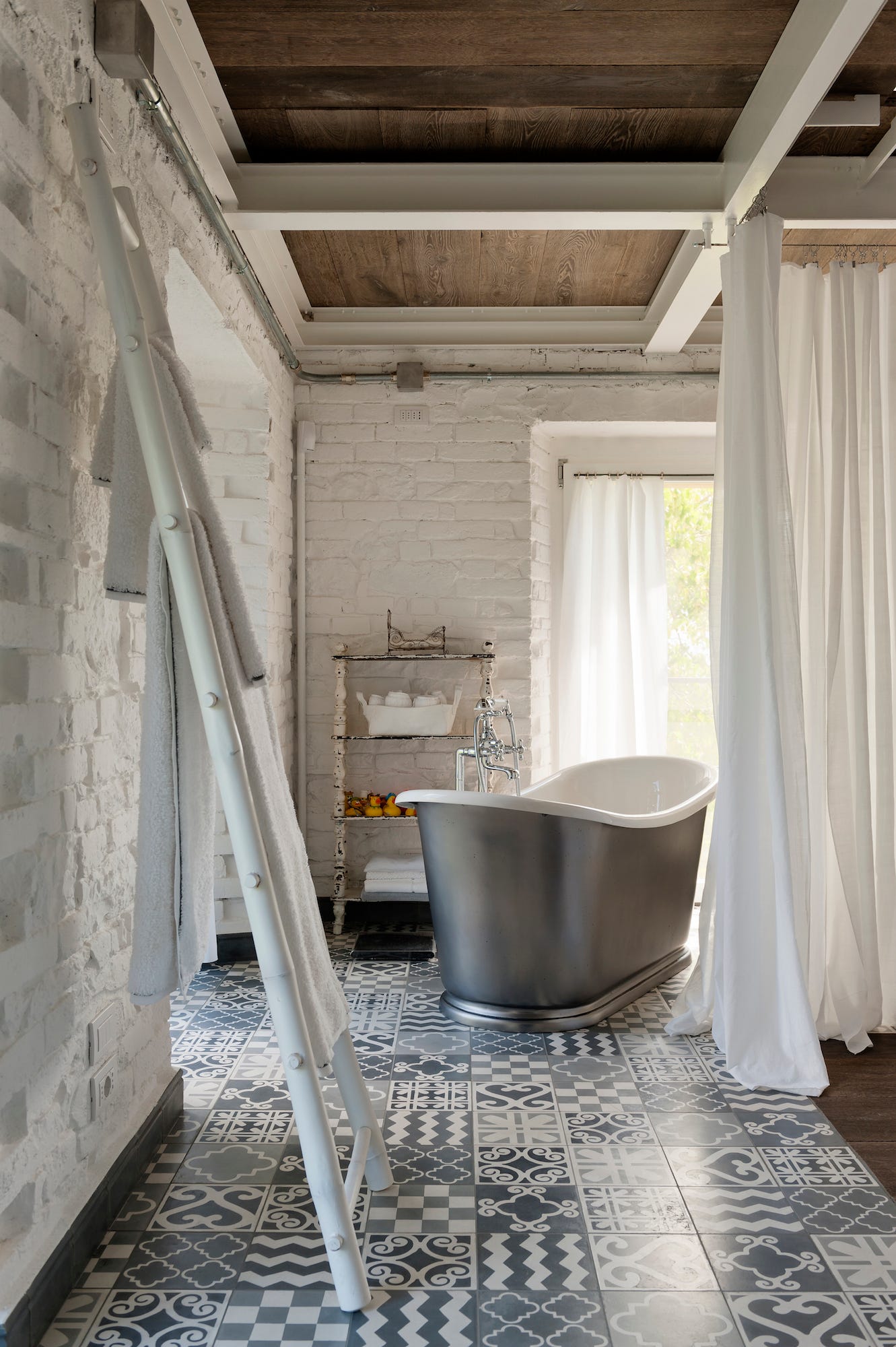
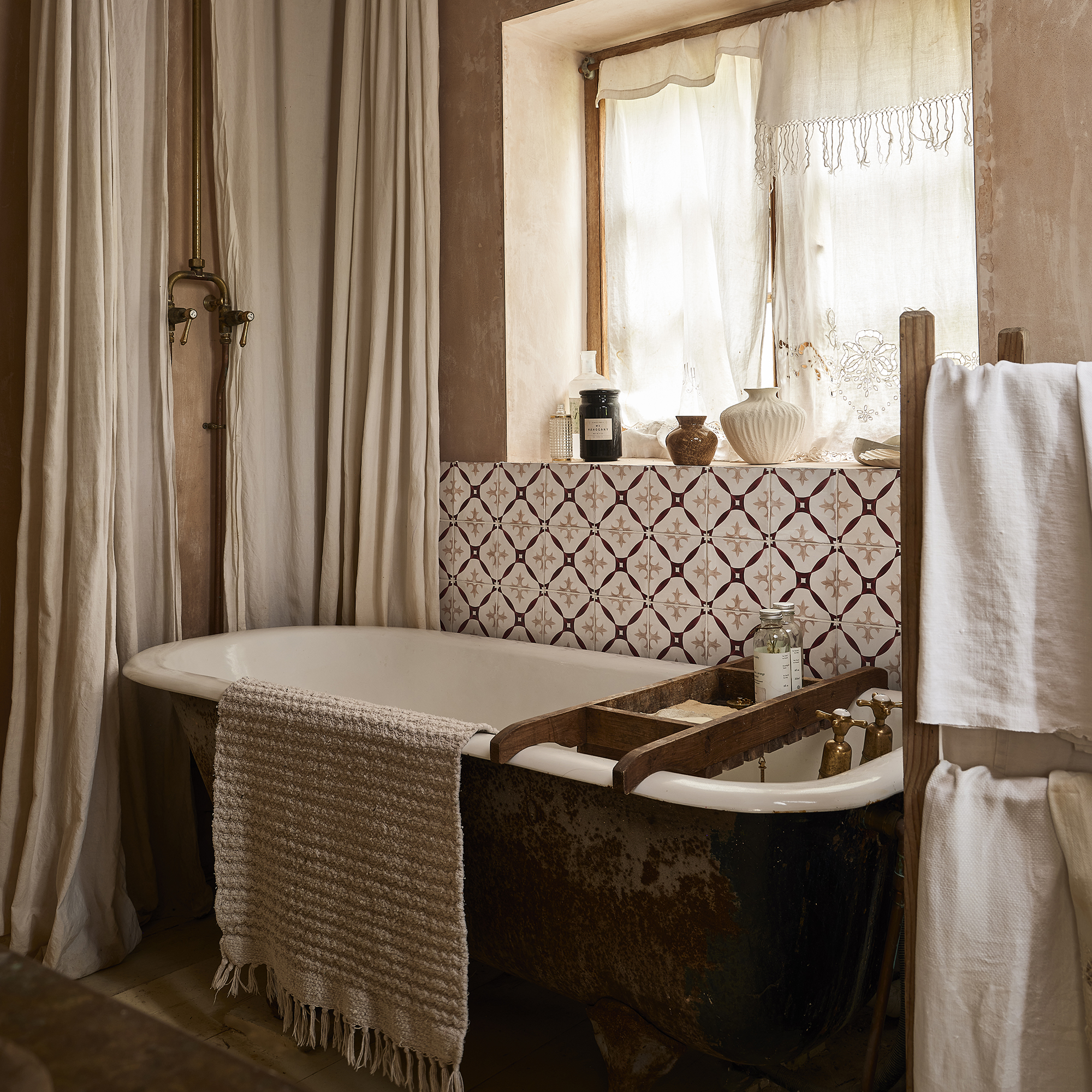
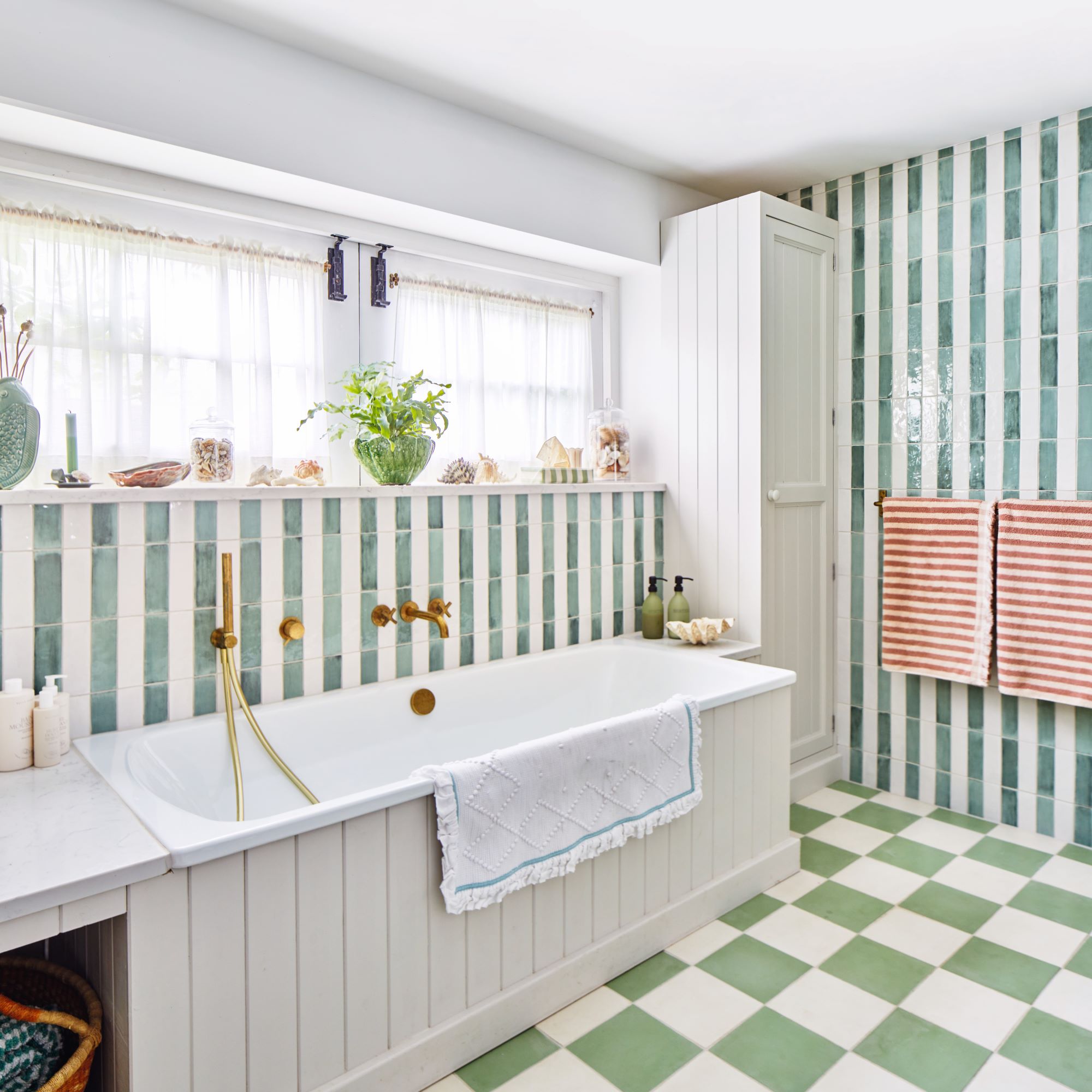
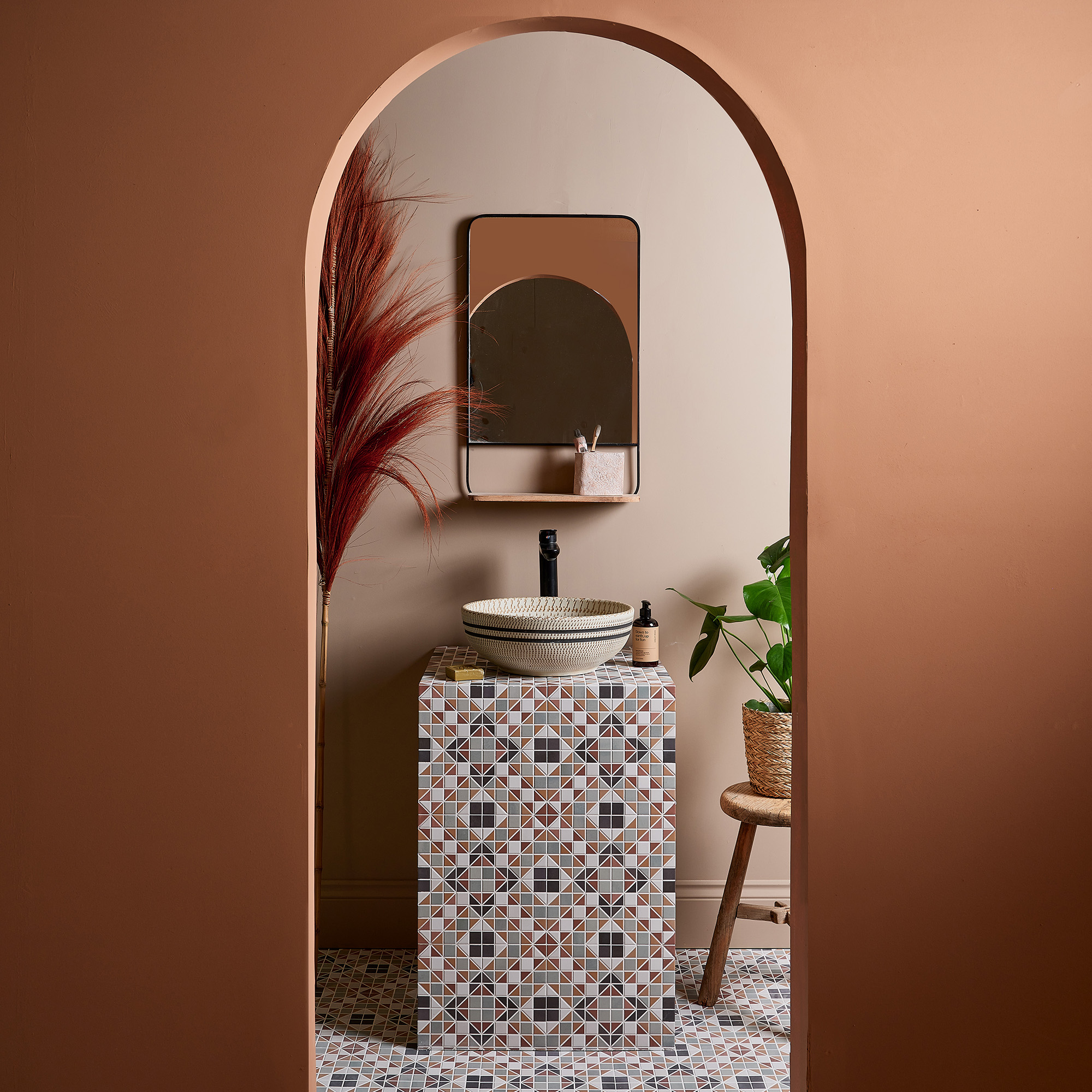
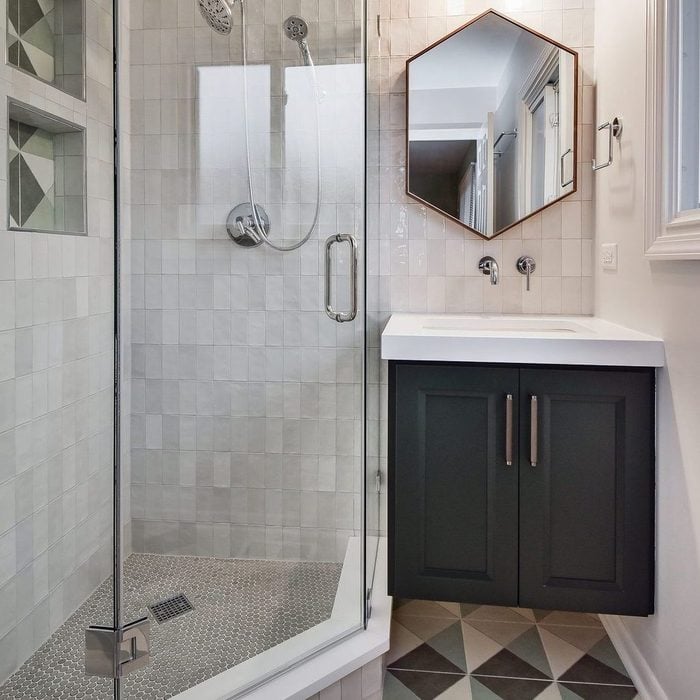
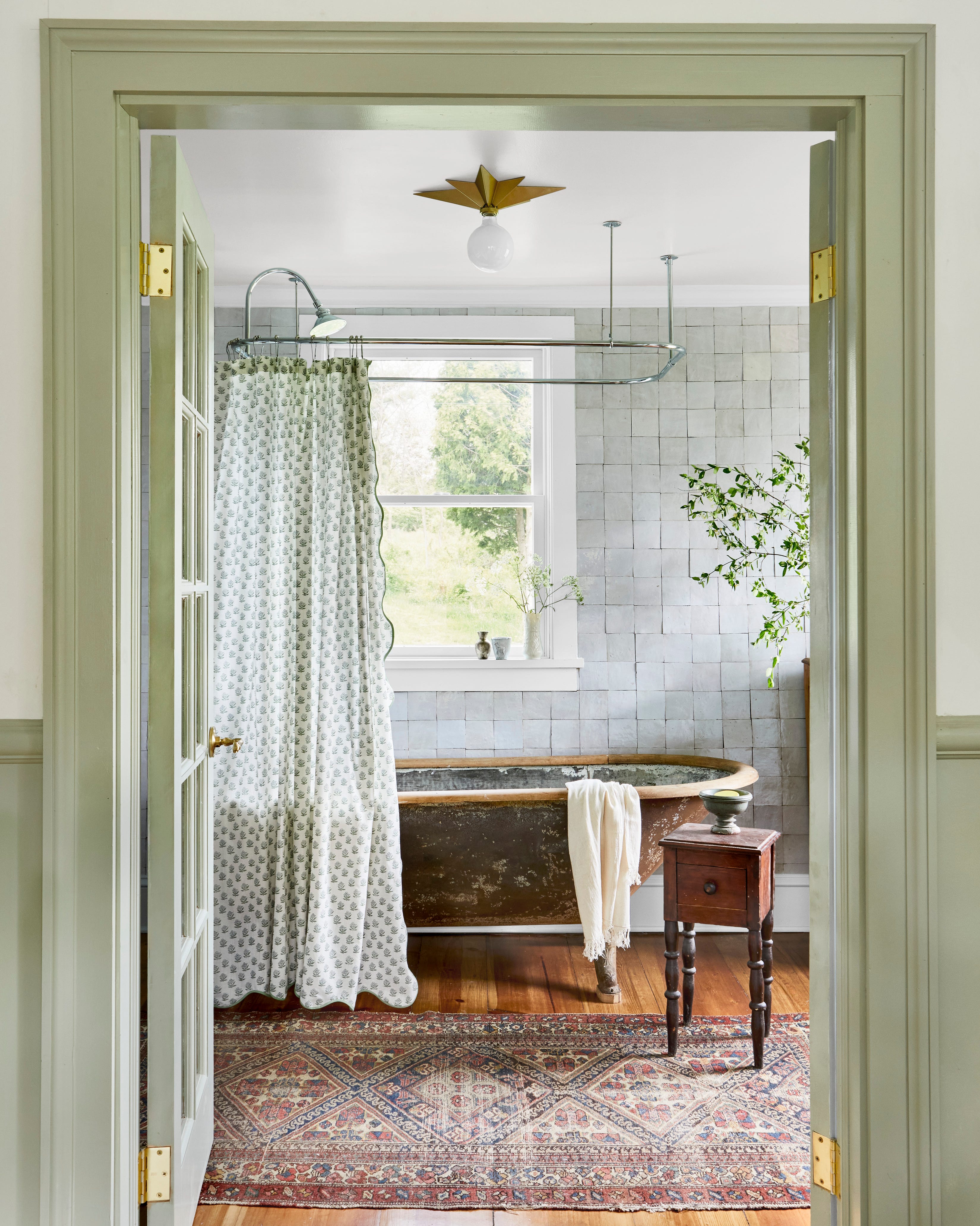
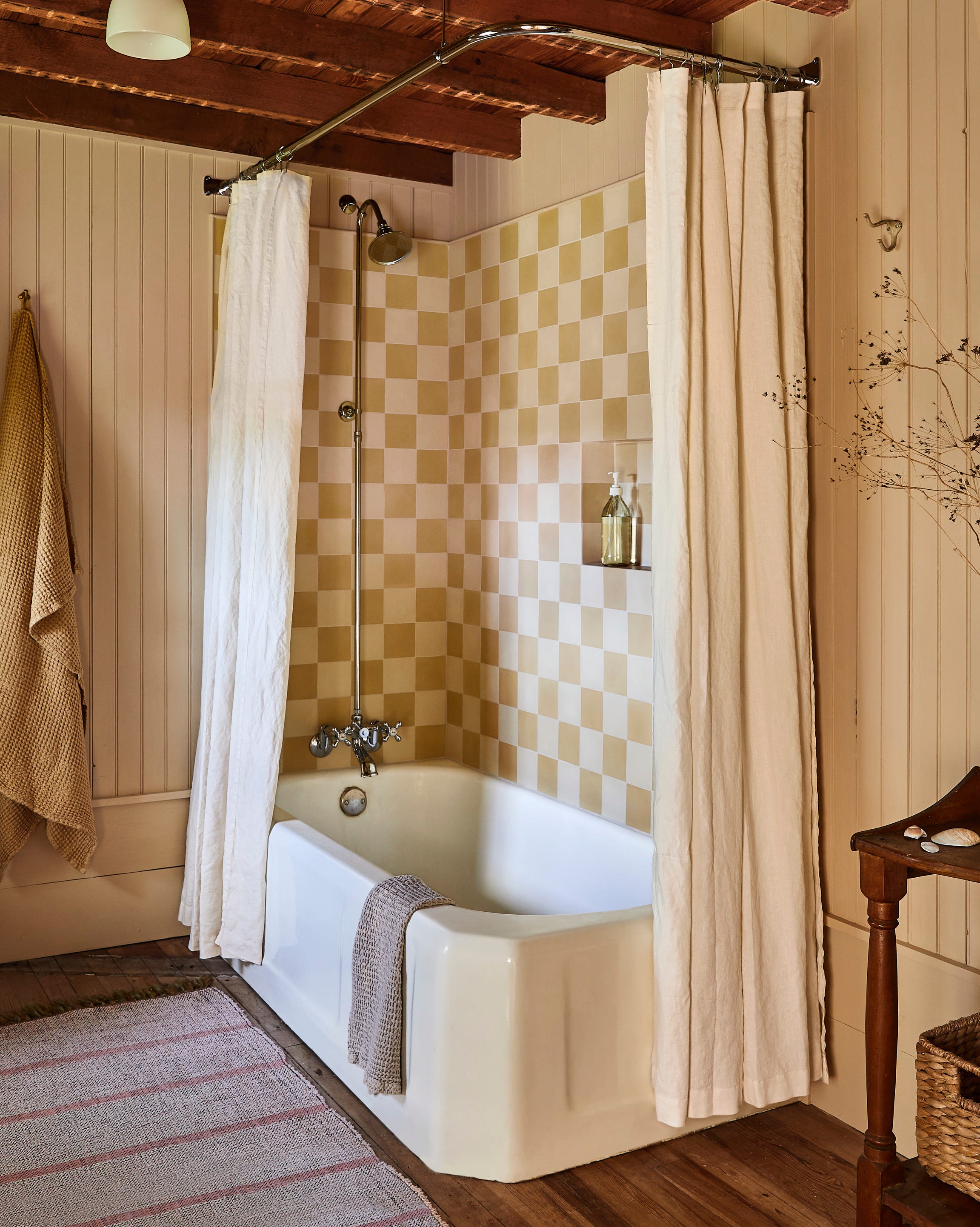
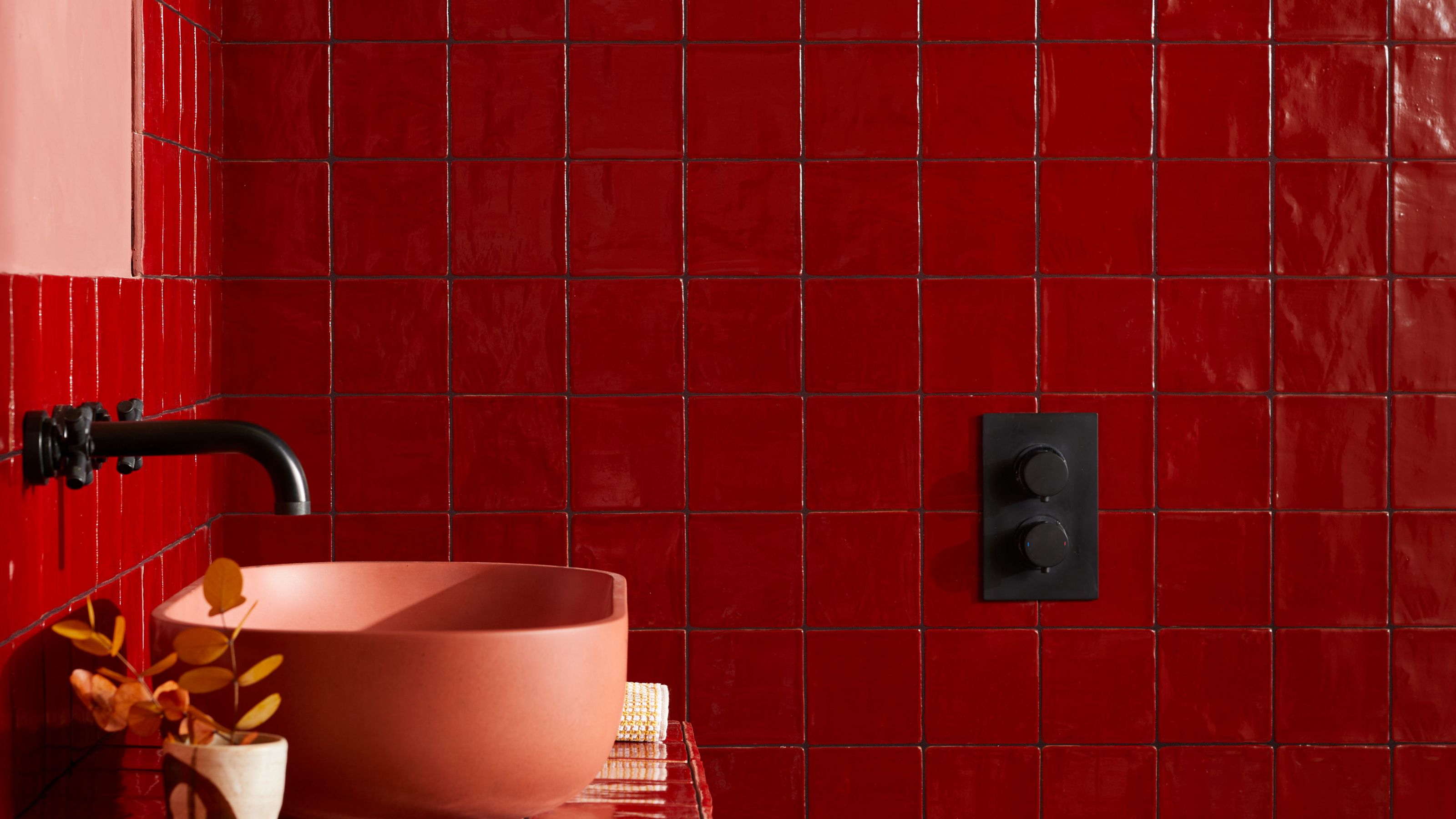
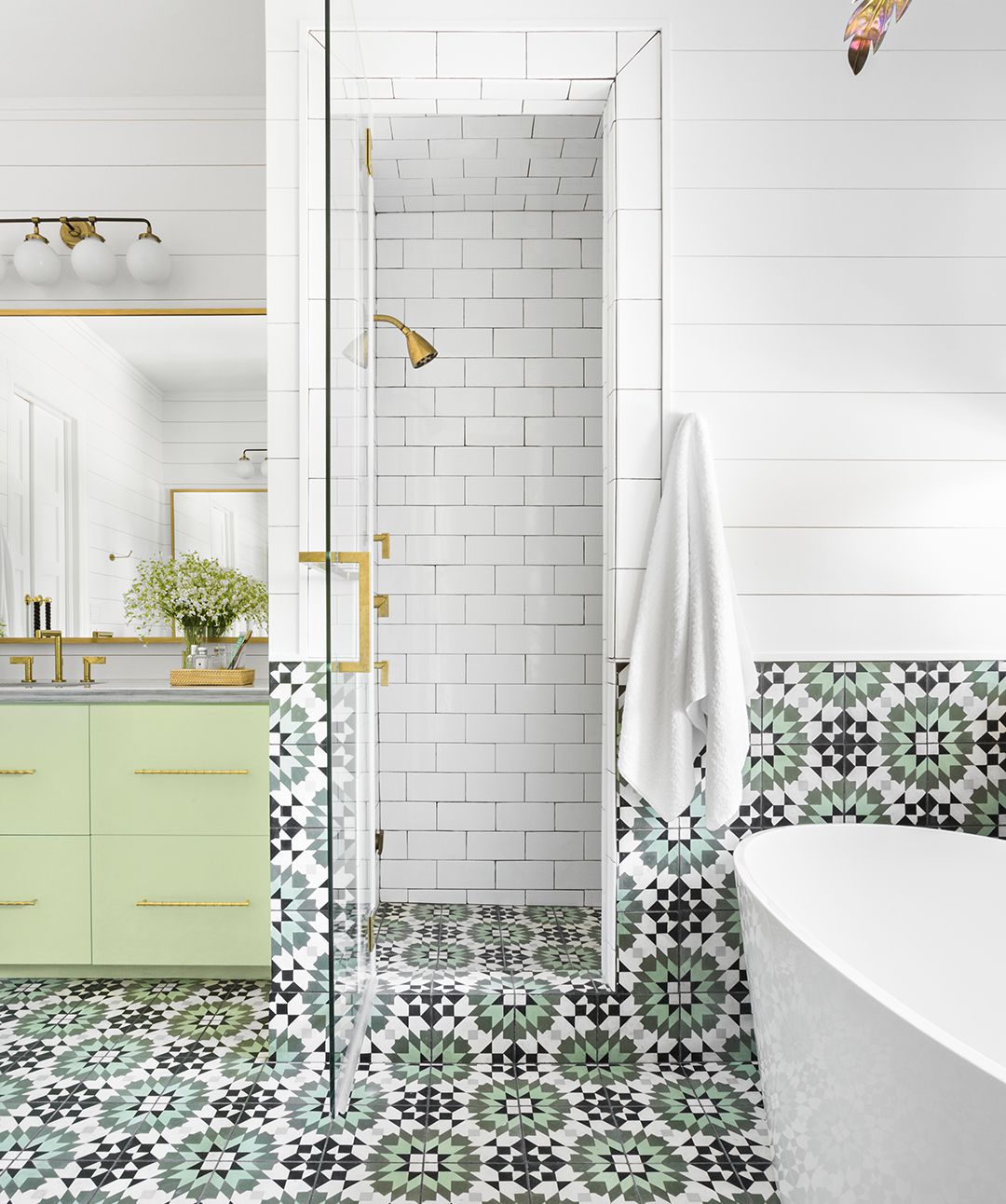
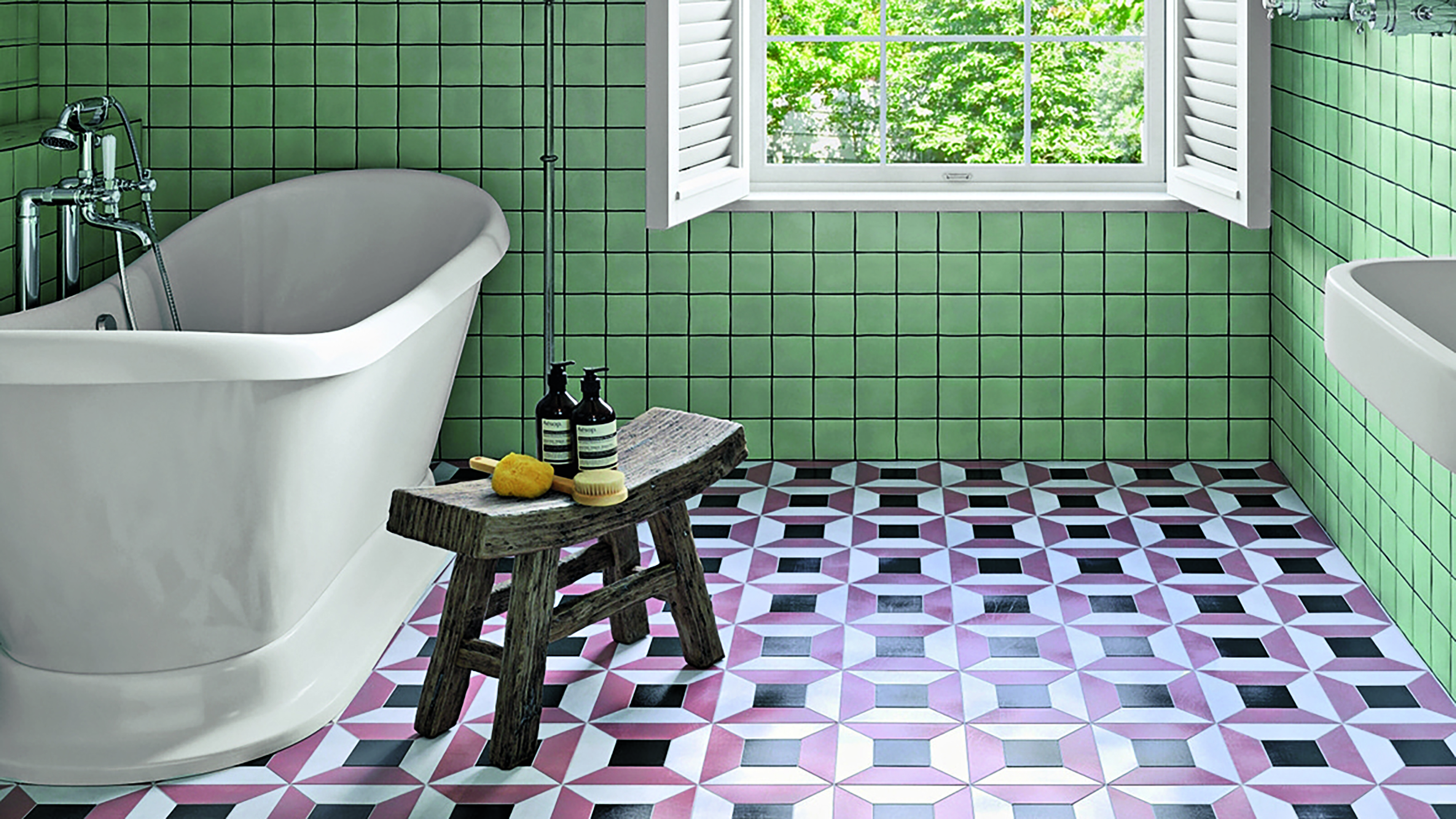
Square tiles are a classic and versatile option, suitable for both walls and floors. They can create clean lines or serve as a base for distinctive patterns like checkerboards, especially when combined with patterned designs. Their adaptability allows for various aesthetics, from casual to decorative, depending on the arrangement and finish. For instance, flat-finish square tiles in a running bond pattern or matte-finish tiles for slip resistance are practical choices. Handmade encaustic tiles in a square format facilitate the creation of traditional stripe or checkerboard designs.
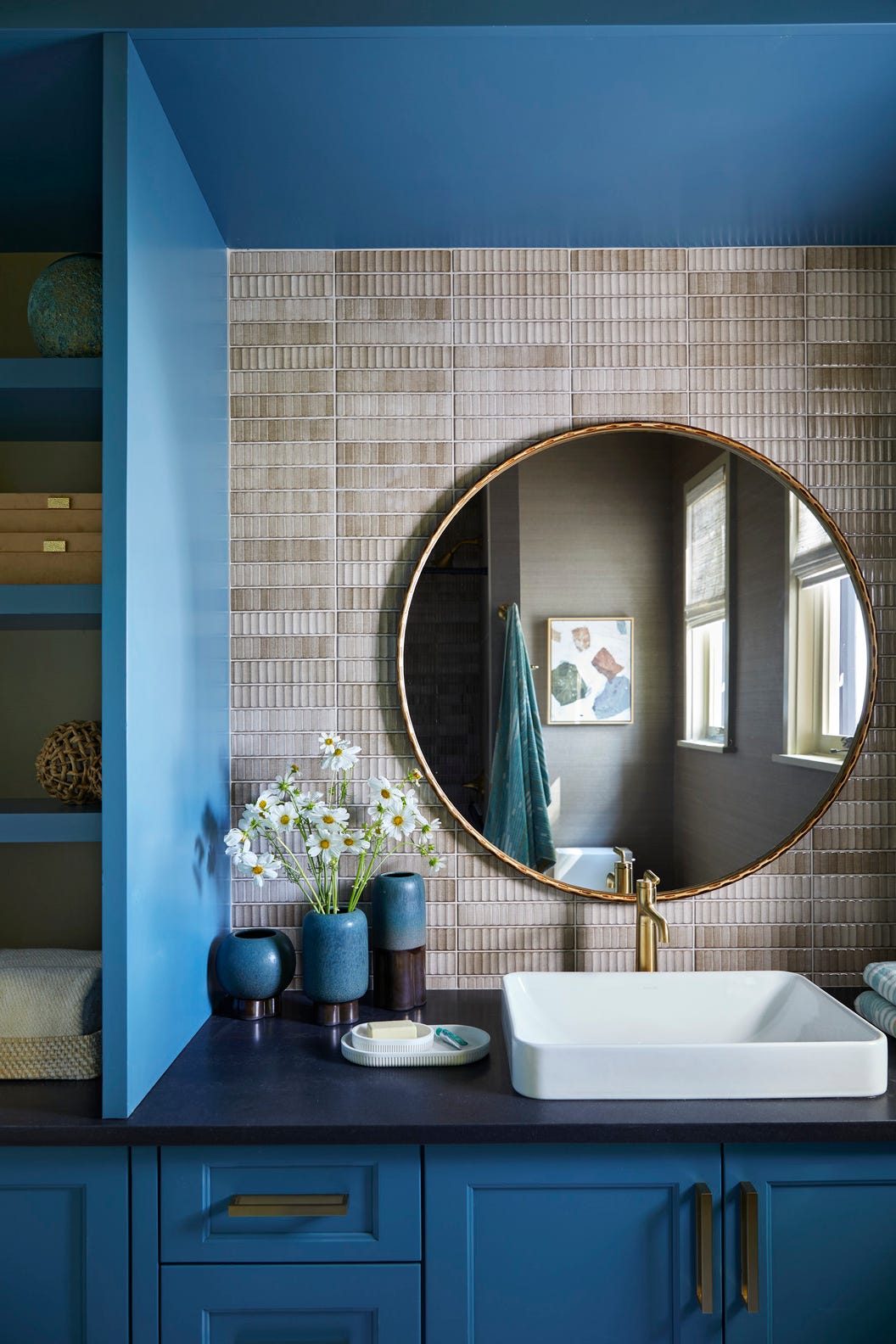
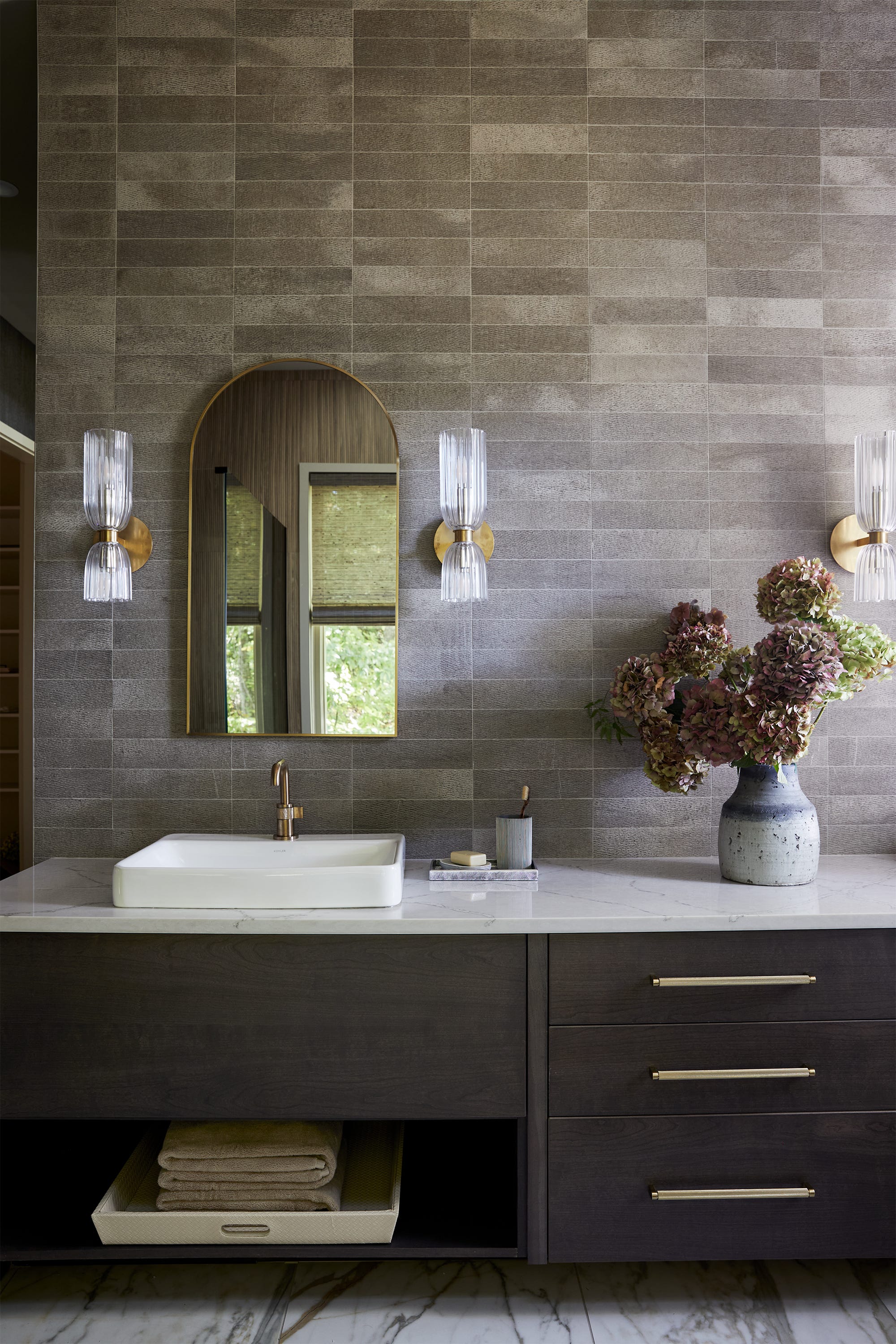
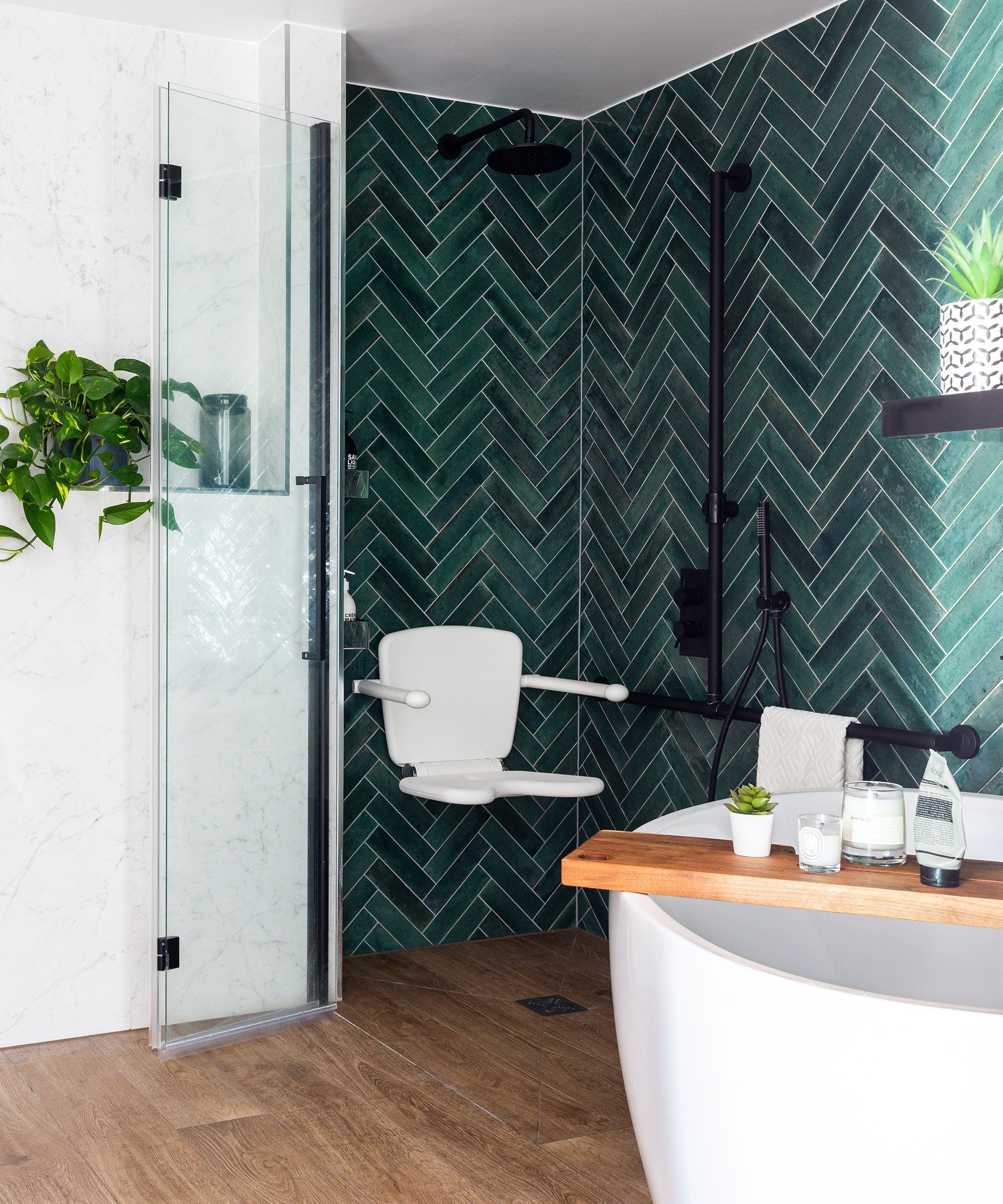
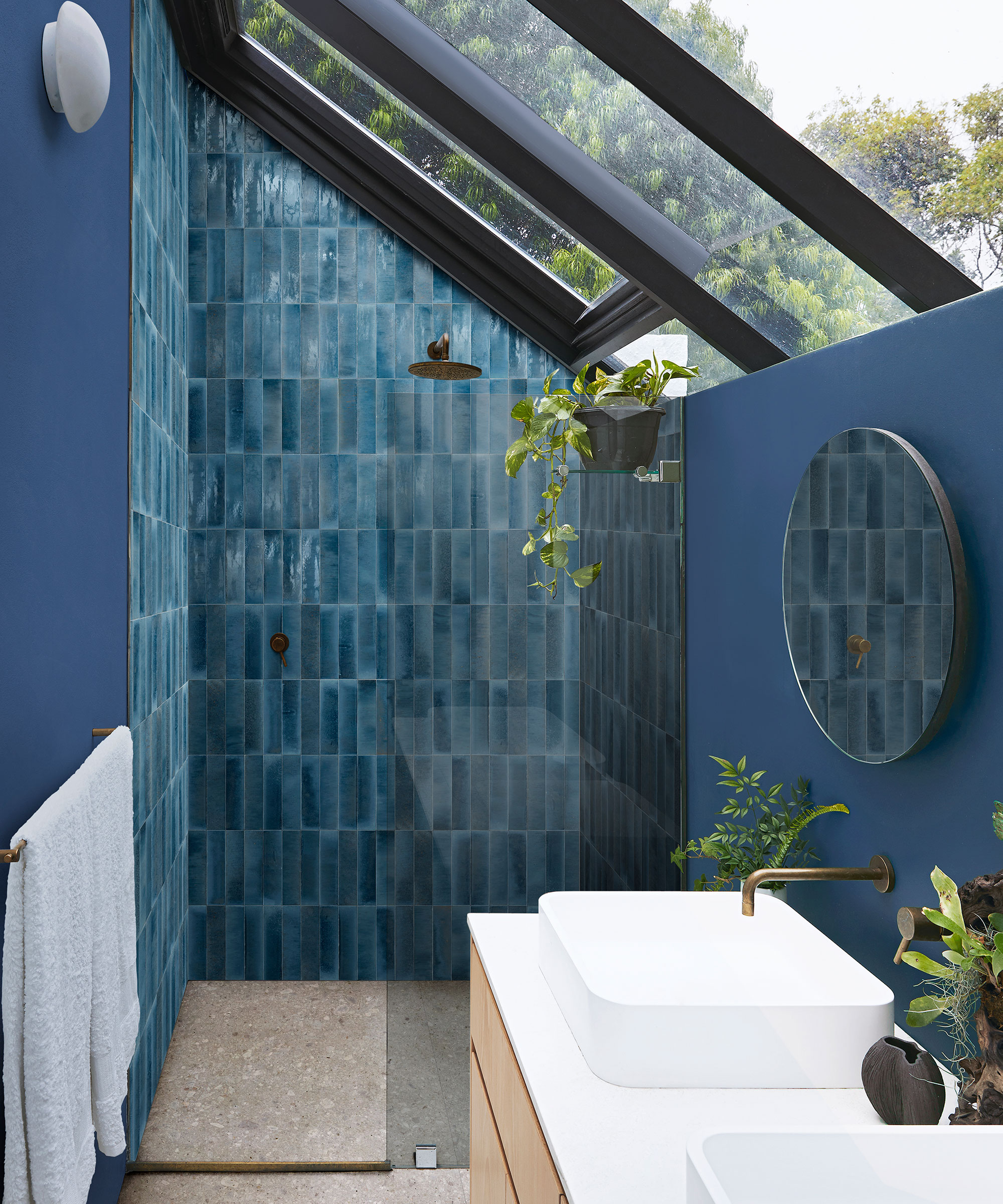
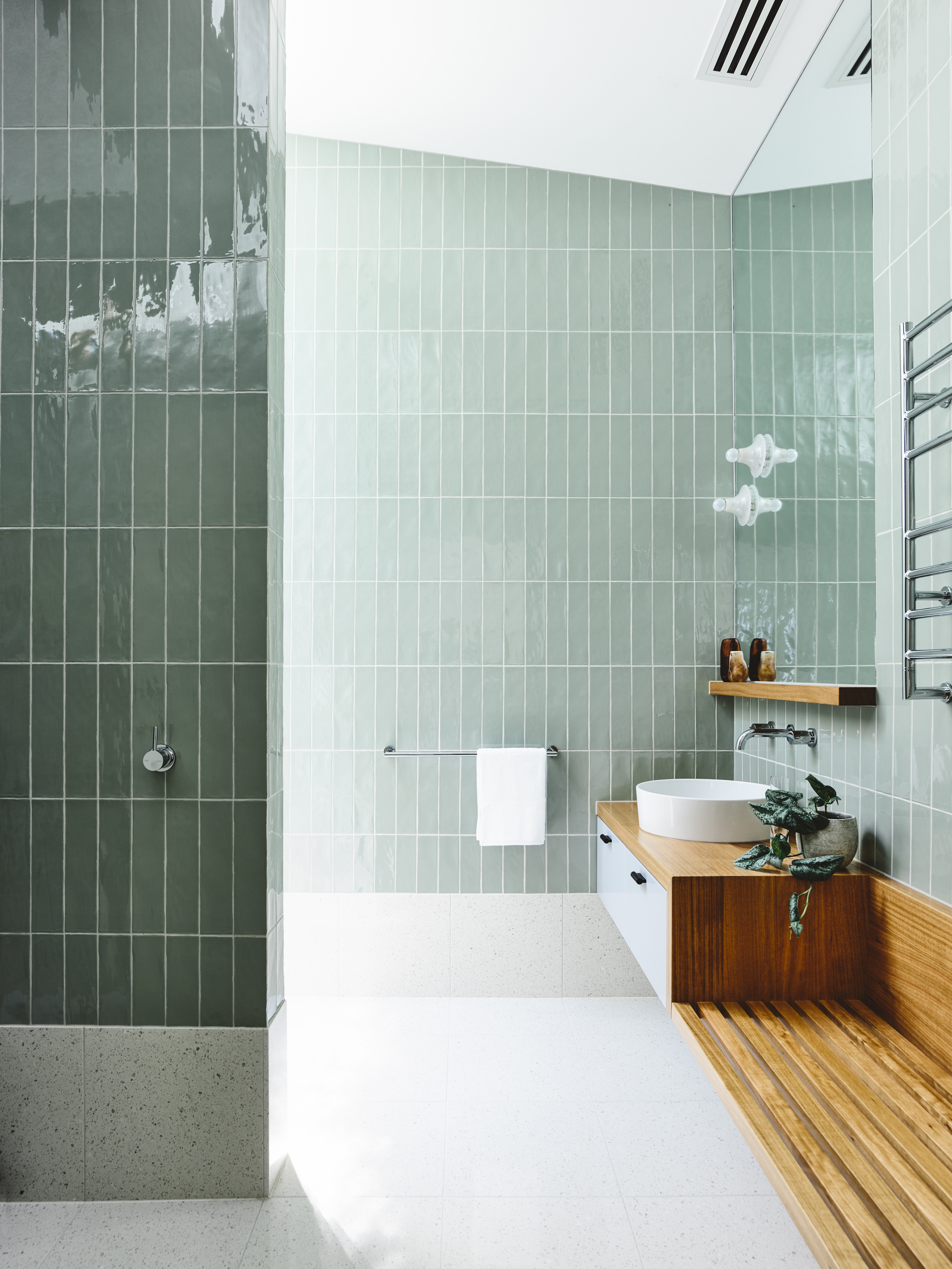
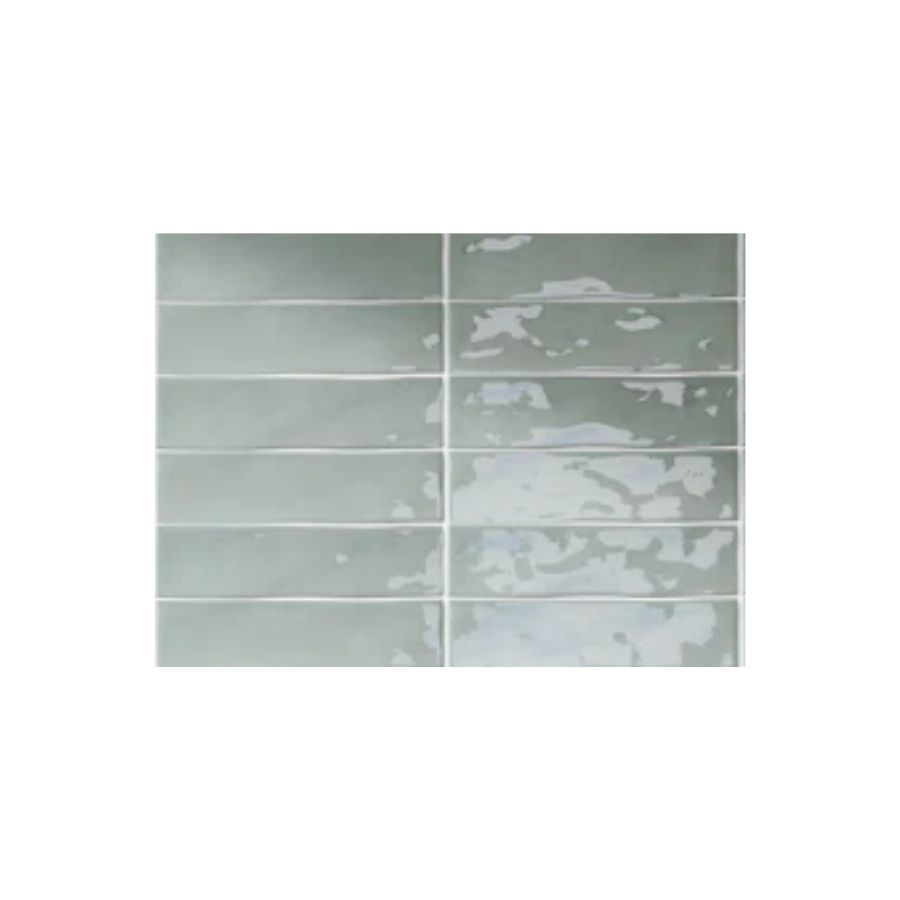
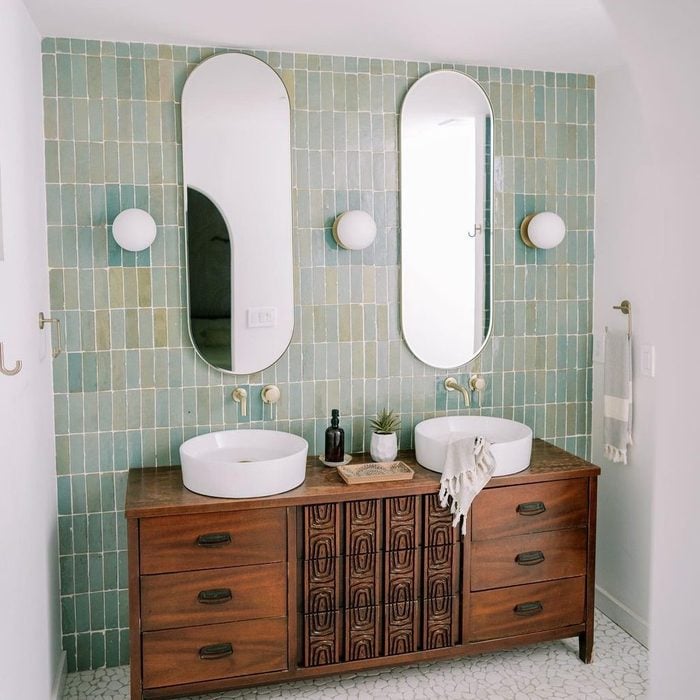
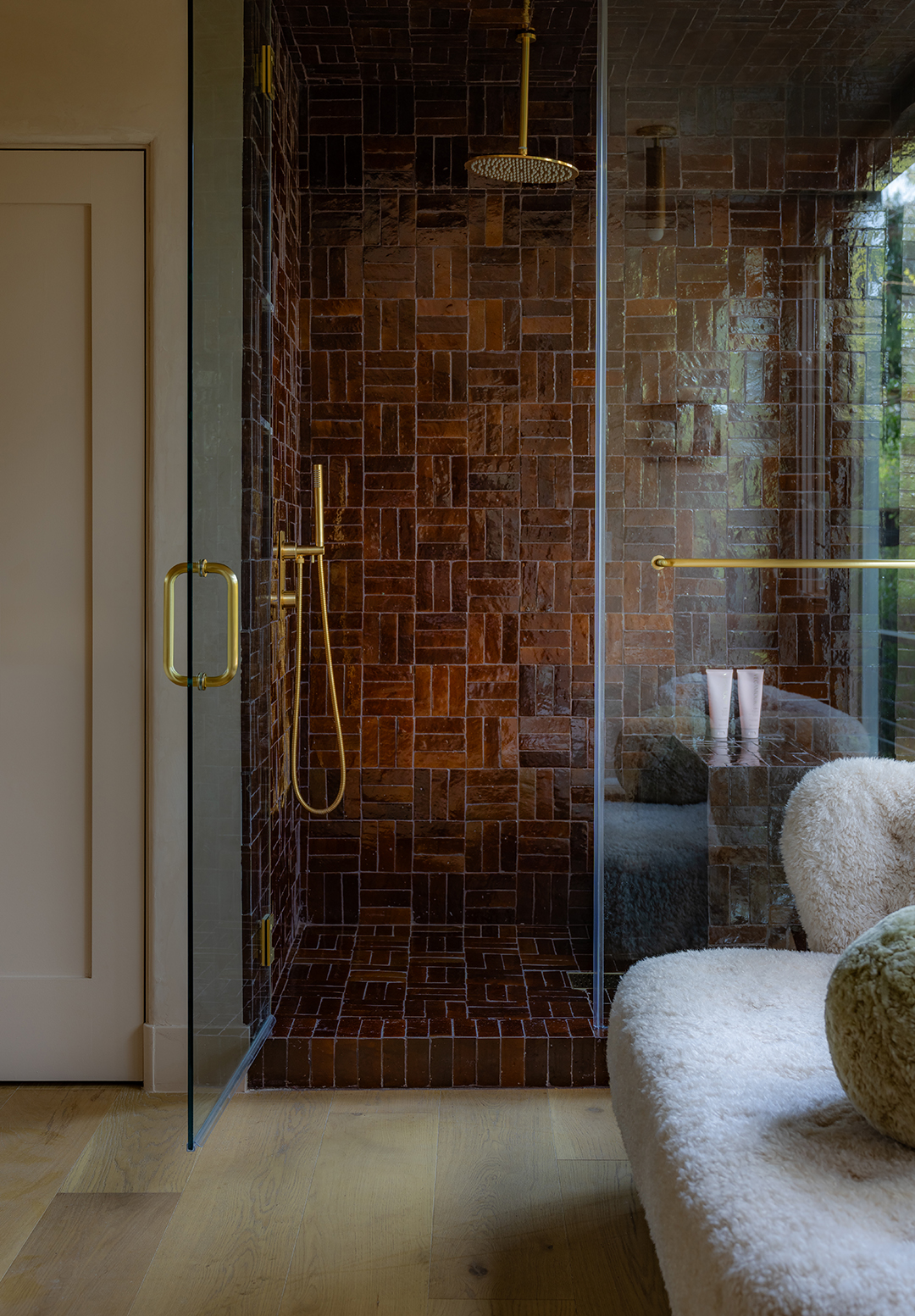
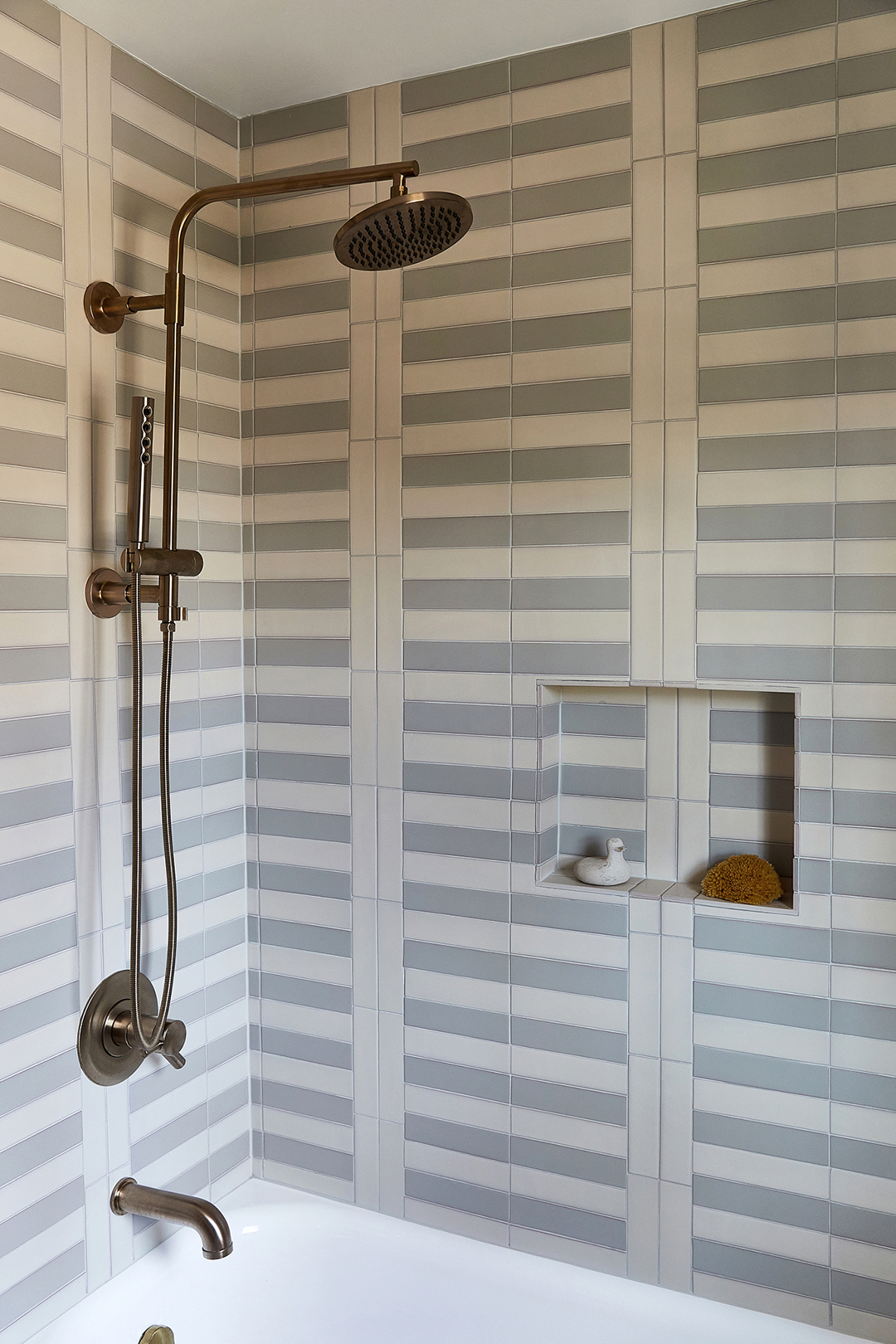
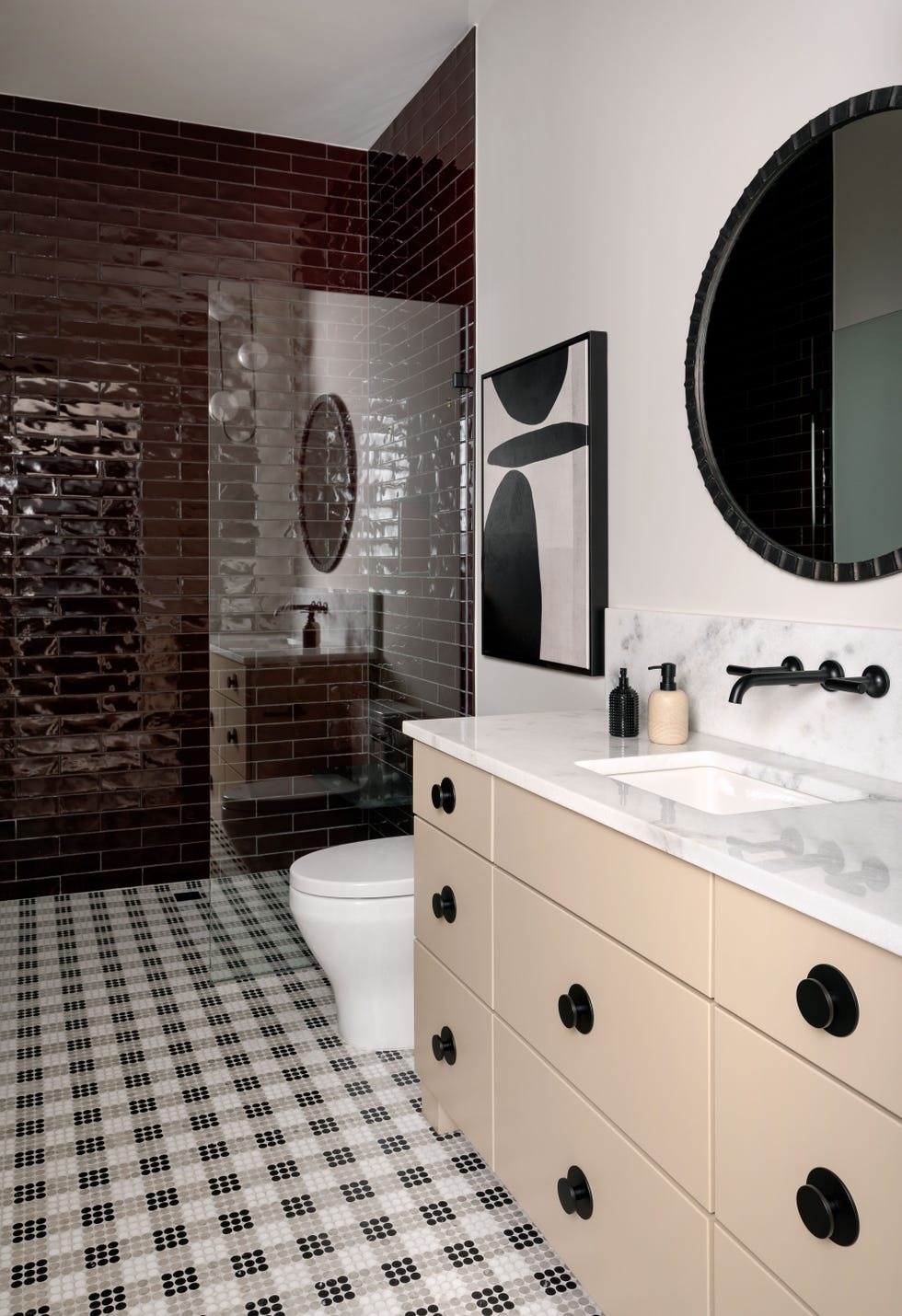
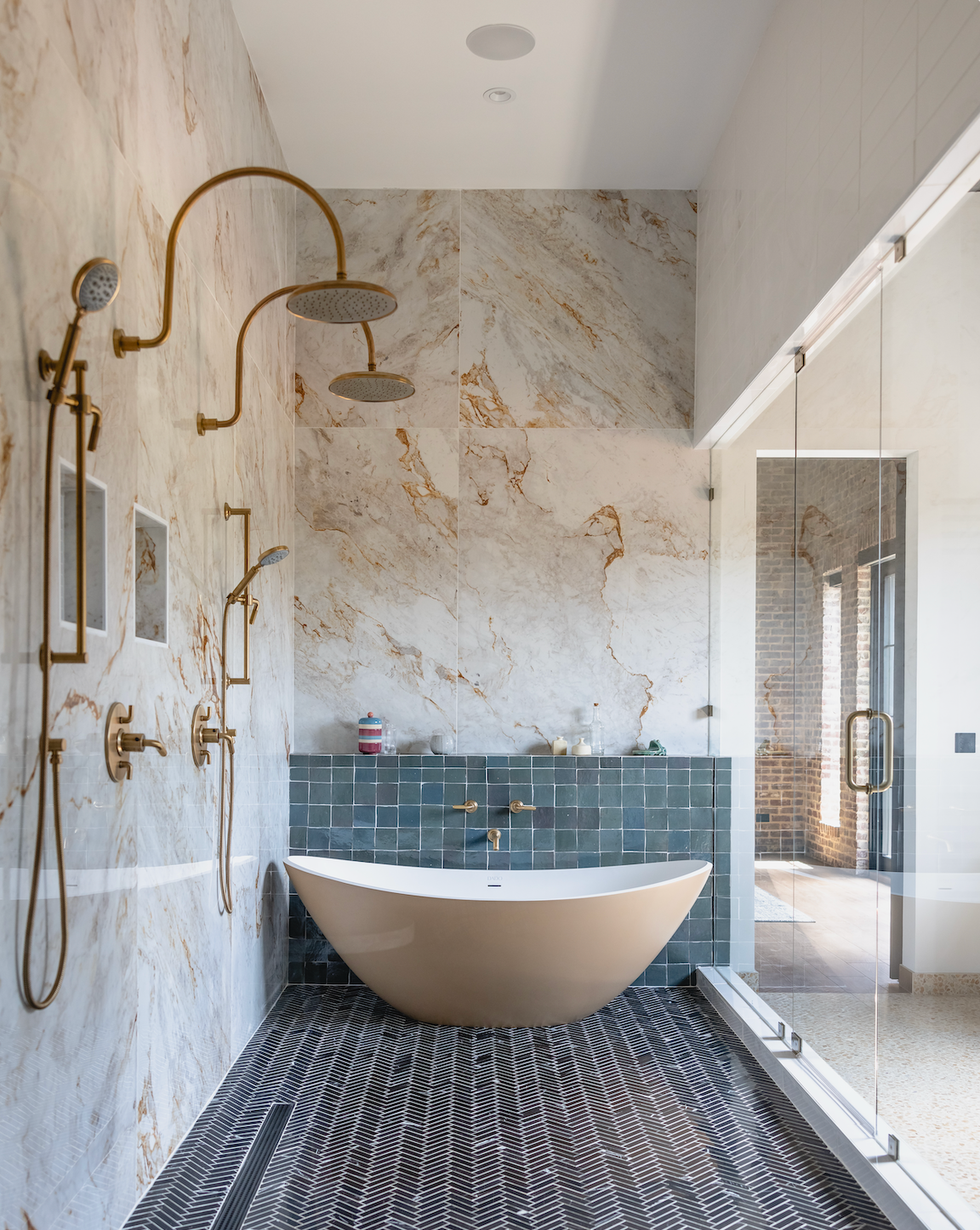
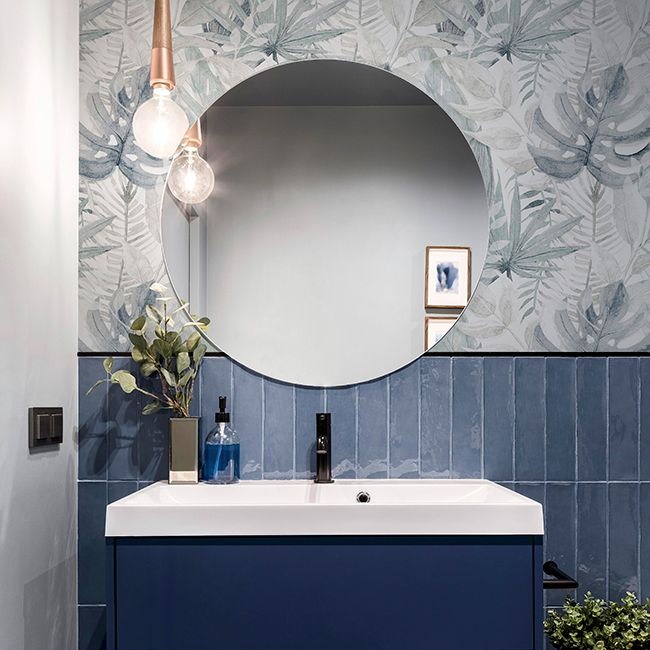
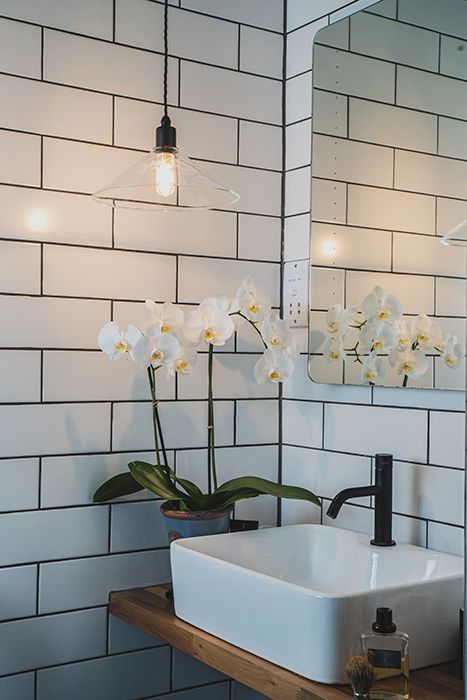
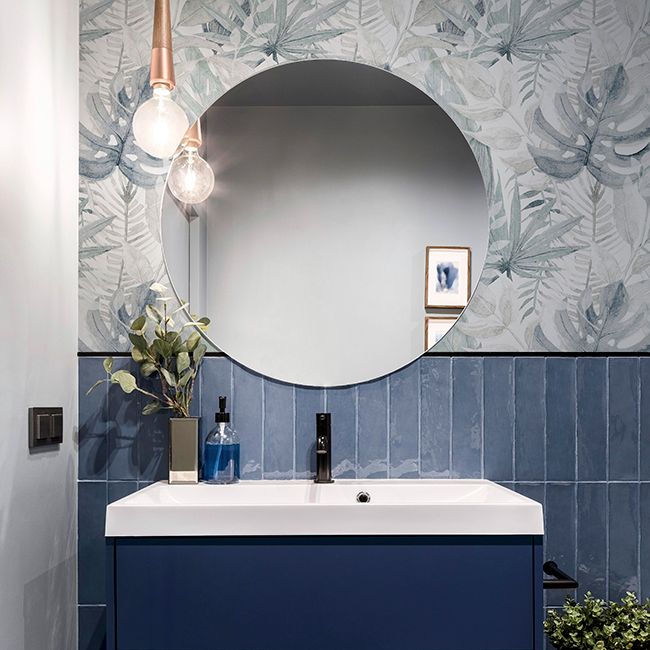
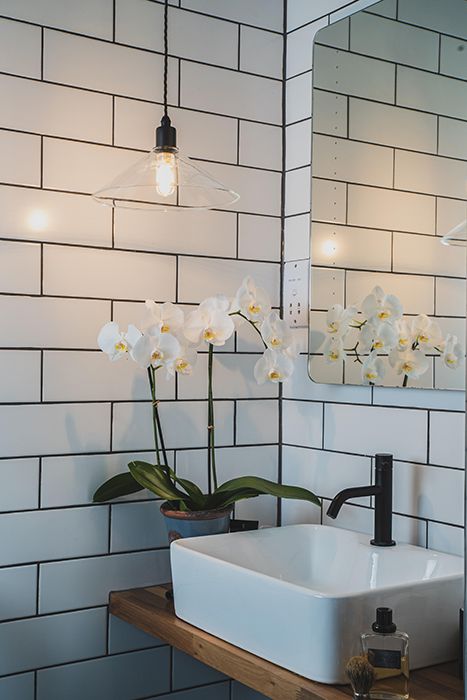
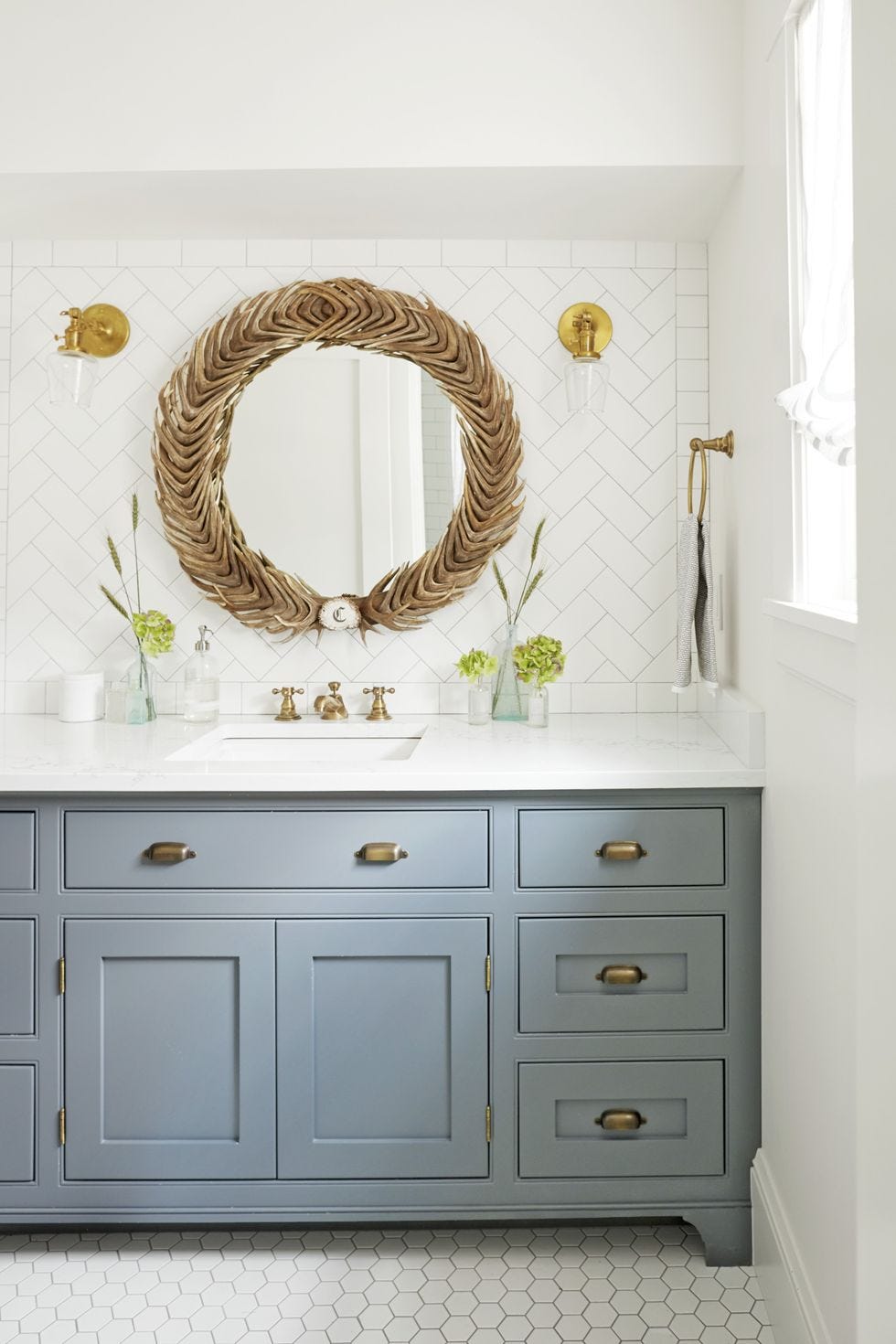
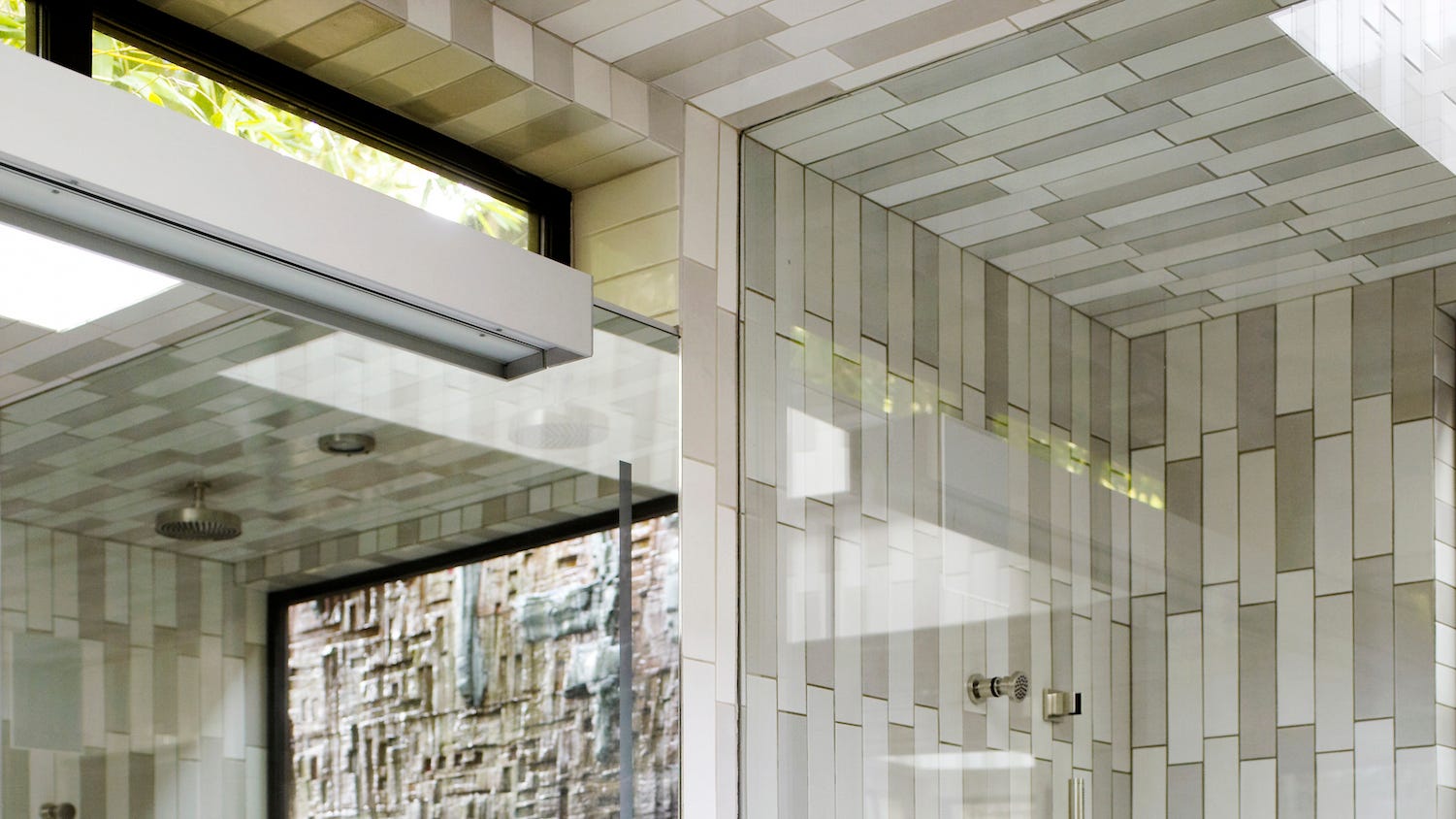
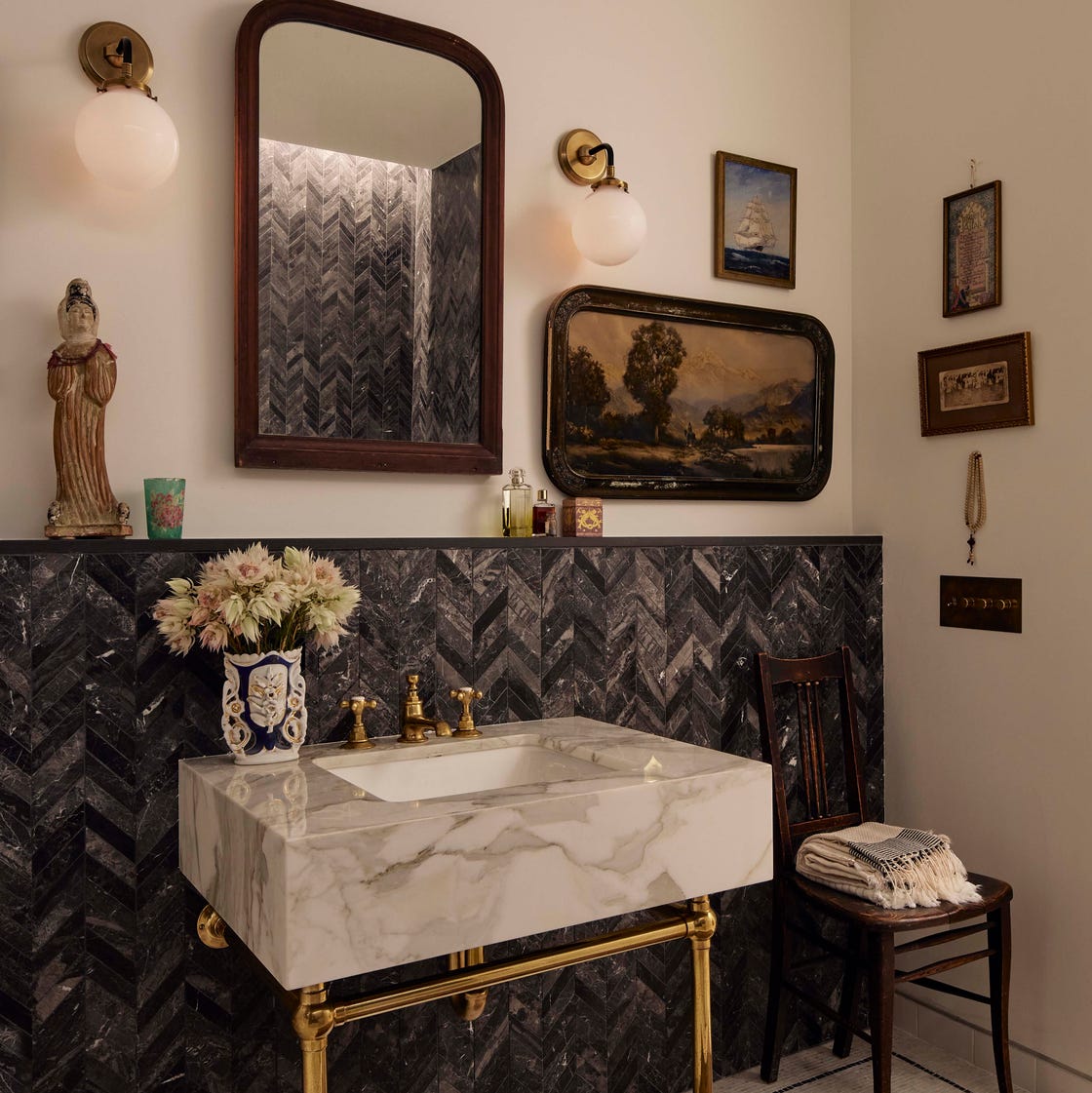
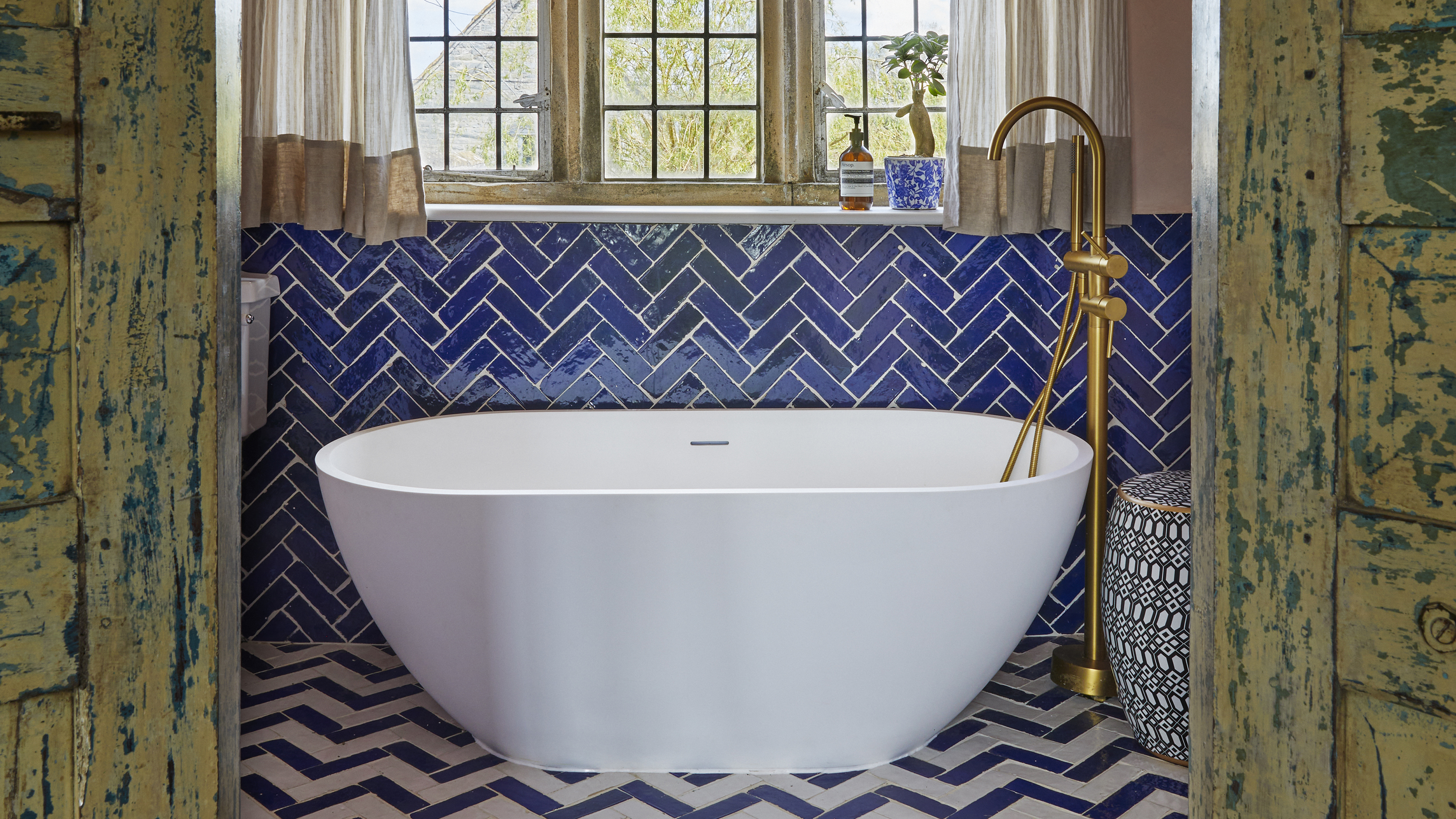
Rectangular tiles, also known as metro or plank tiles, are excellent for high-traffic areas and are particularly effective in smaller bathrooms, where they can visually enlarge the space. Laying them vertically can add height, while creative arrangements like chevrons introduce visual interest. Proportional experimentation, such as using skinny metro tiles, offers a contemporary take on traditional looks. The concept of "tile drenching," which involves using the same tile color and shape throughout a space, creates a cohesive and immersive feel. Zellige rectangular tiles are noted for their ability to introduce texture, with brickwork or herringbone layouts producing a rippling surface effect.
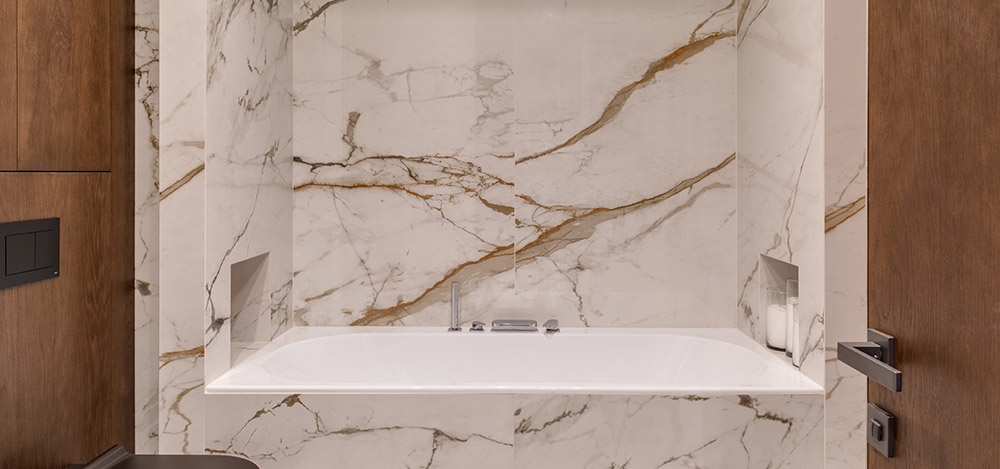
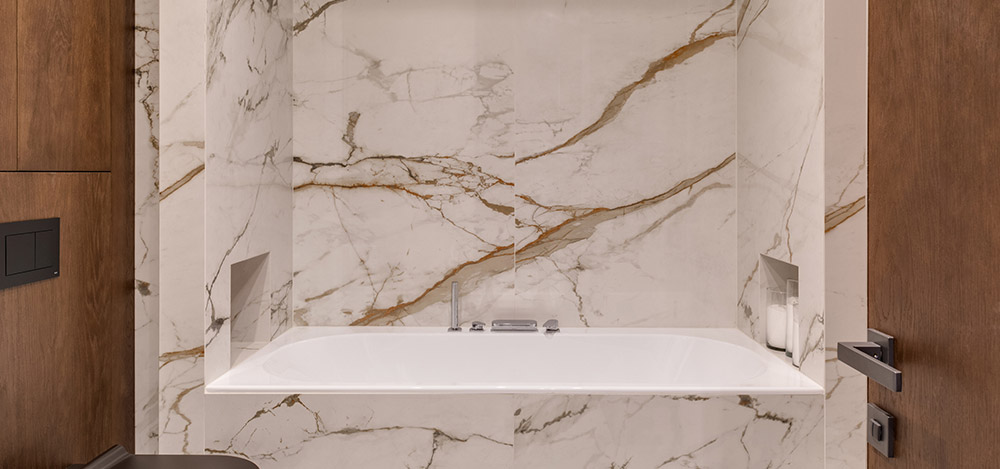
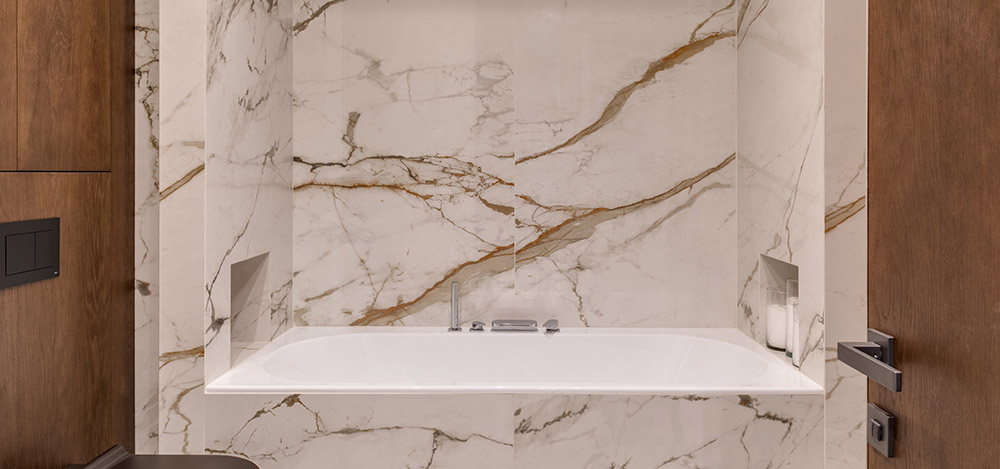
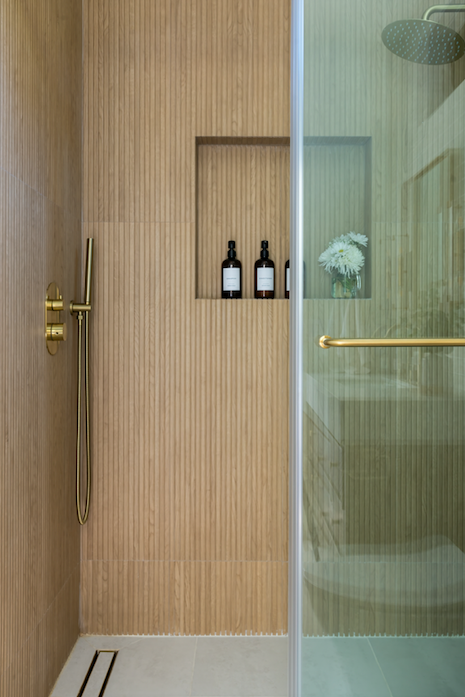
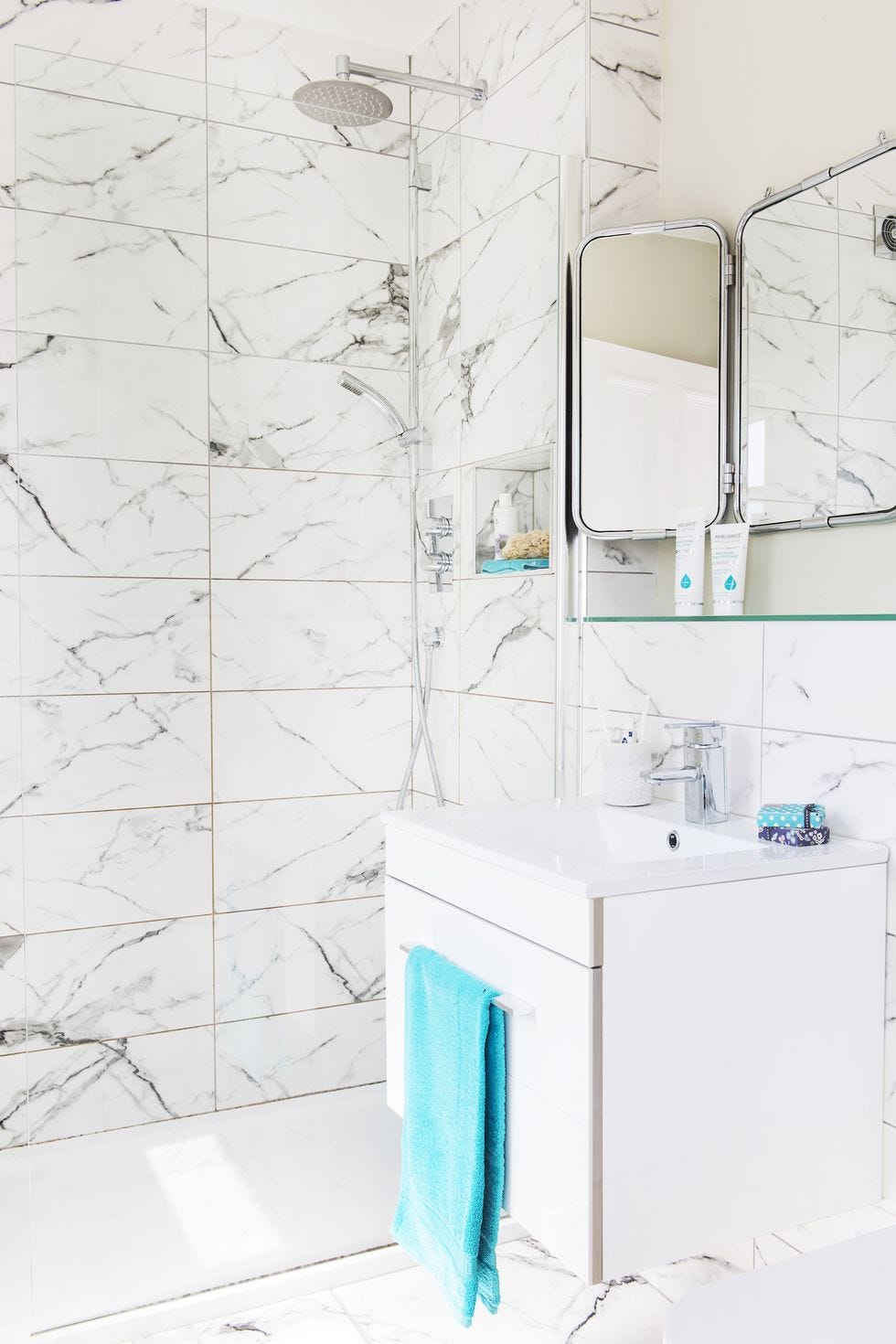
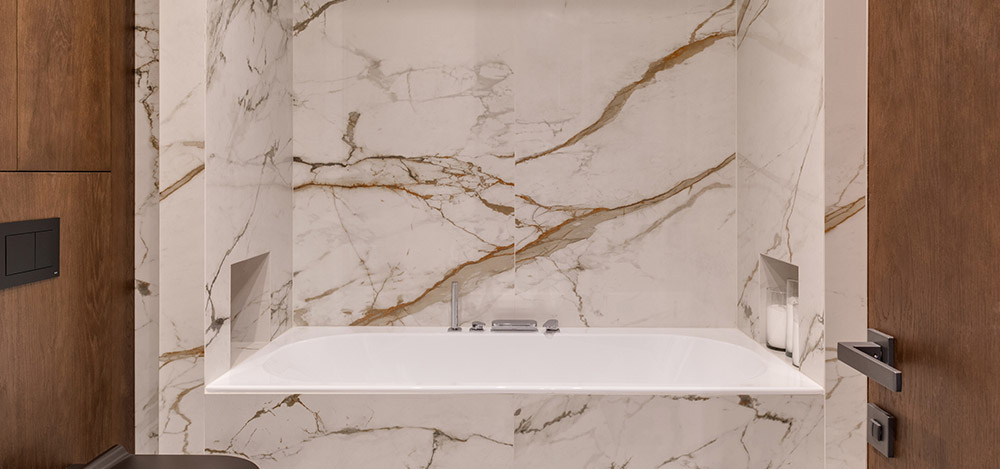
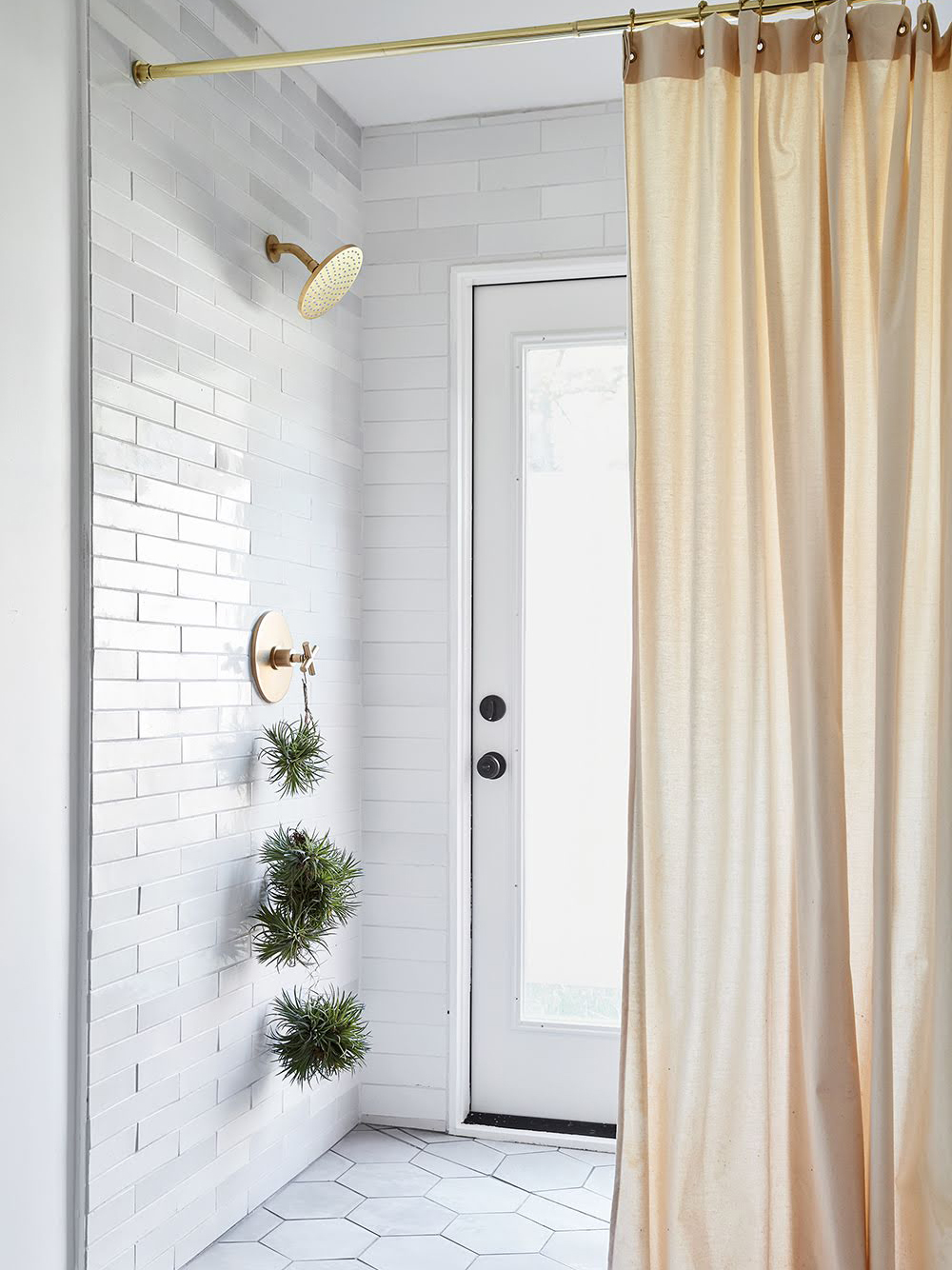
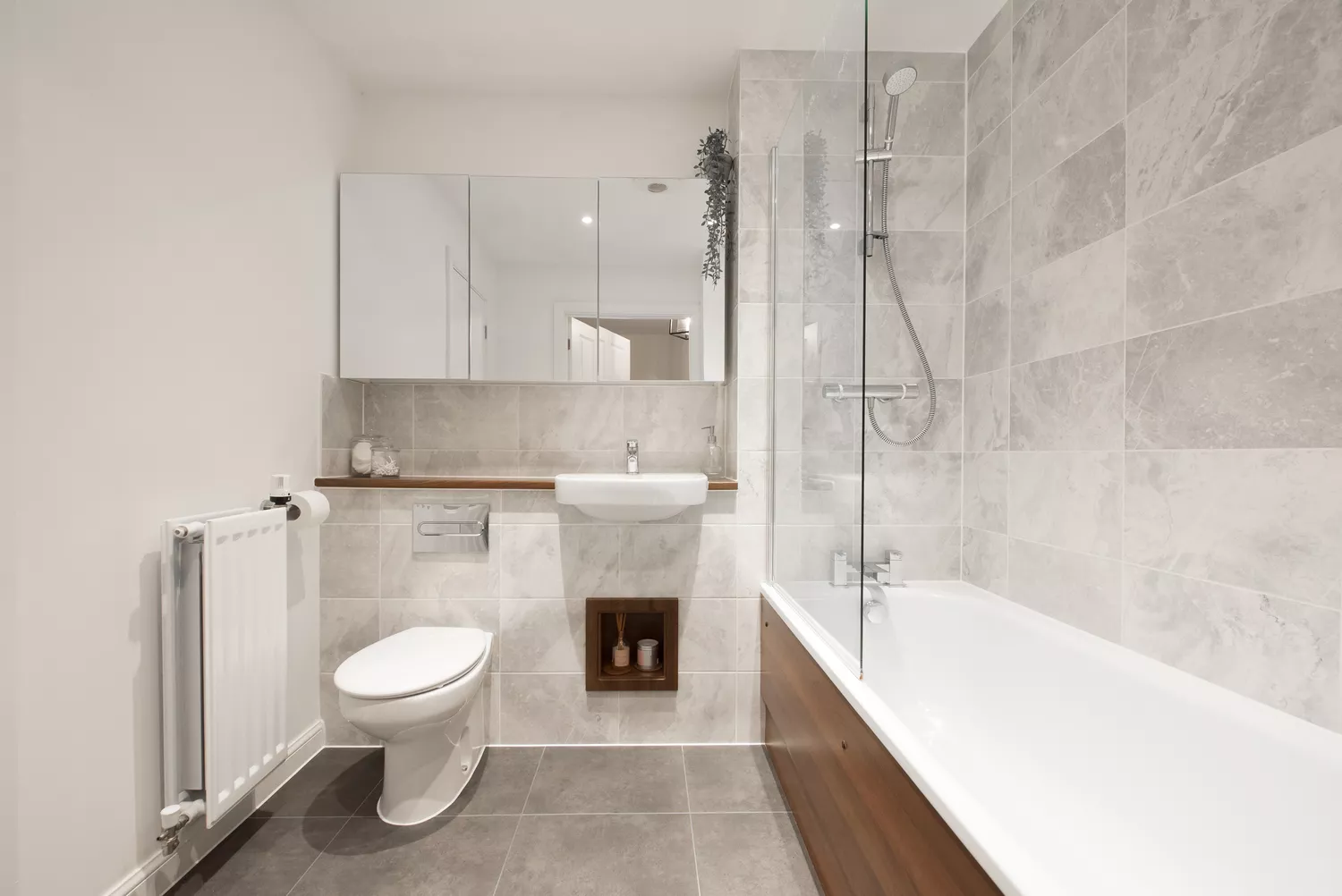
Large-format rectangular tiles provide a spacious, modern, and luxurious aesthetic, with fewer grout lines contributing to the illusion of a larger room. They are practical for their ease of cleaning and maintenance, and while initially appearing costly, they can be economical over time due to reduced installation labor. Matte and textured large-format tiles, particularly those made of cement and porcelain, offer good traction and durability, making them suitable for bathroom flooring. Materials like marble and porcelain are preferred for large rectangular tiles due to their sleek appearance and longevity.
Circular tiles, especially in large formats, also create a seamless, modern look with minimal grout lines, visually expanding a space. They are durable, easy to maintain, and available in a wide array of colors. The unique shape of circular tiles can soften the hard edges of a tiled floor. While marble, porcelain, and ceramic are ideal materials, specialized installation techniques for large circular tiles can affect overall costs, particularly on uneven or complex surfaces.
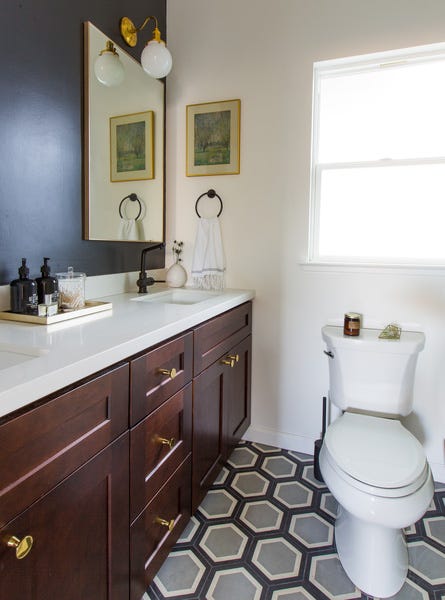
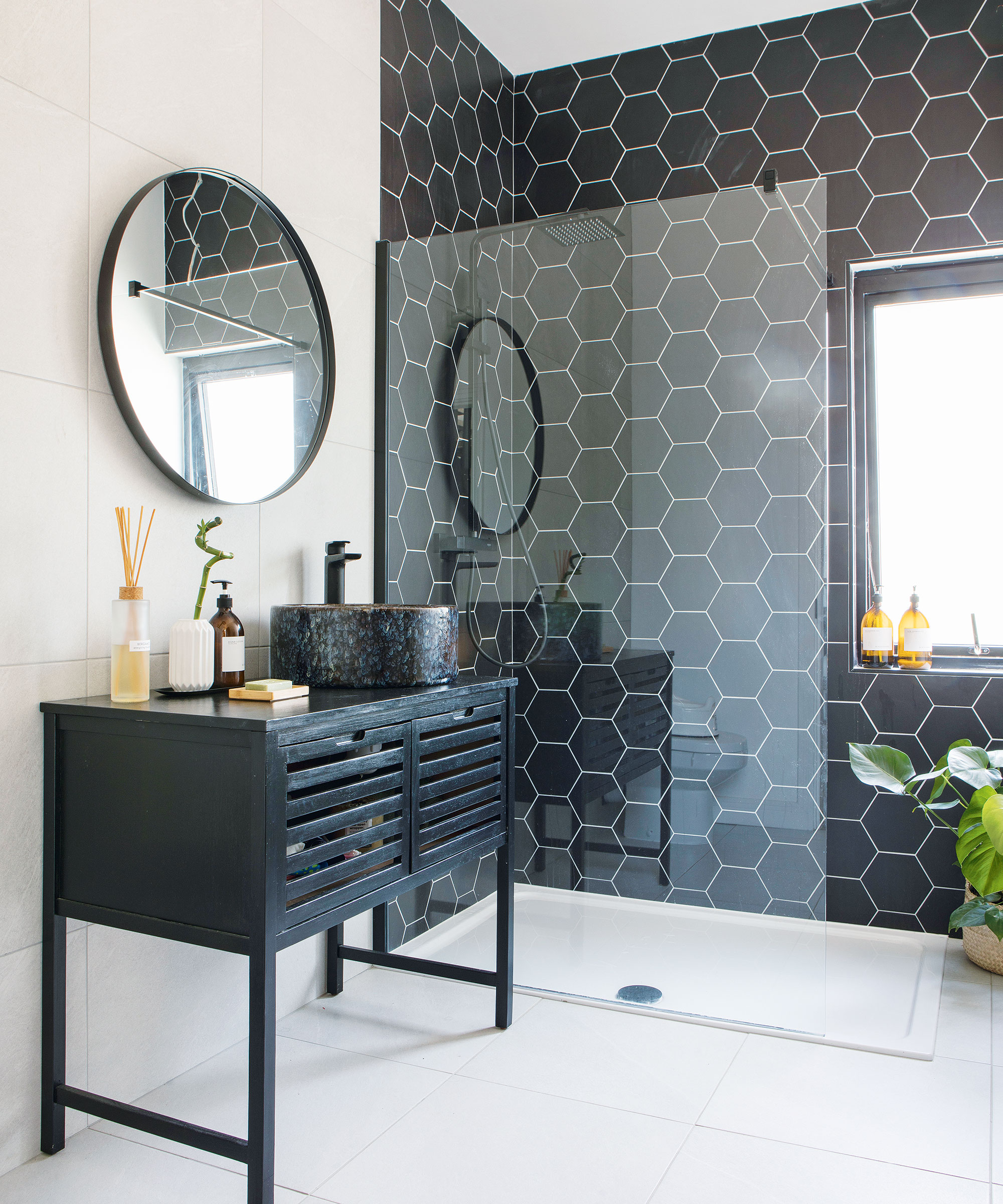
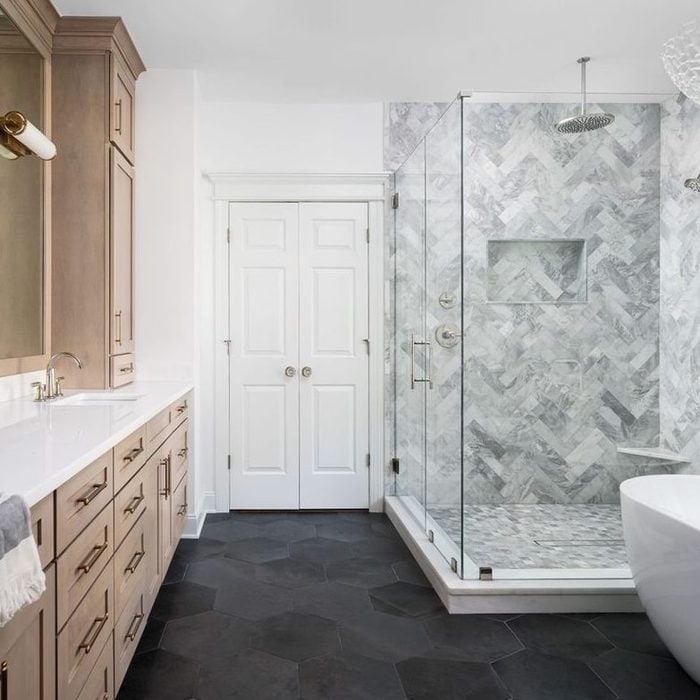
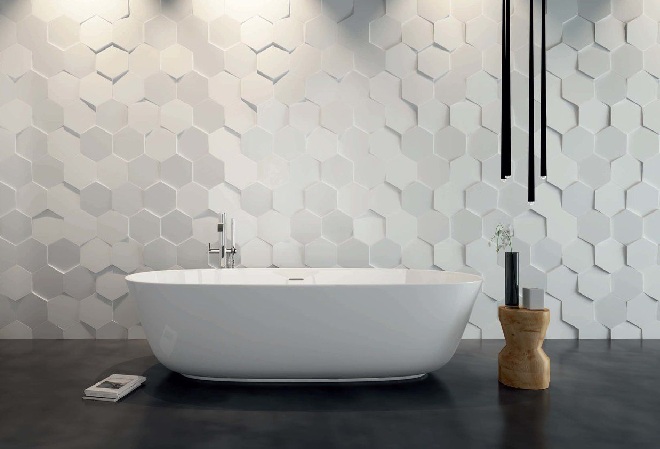
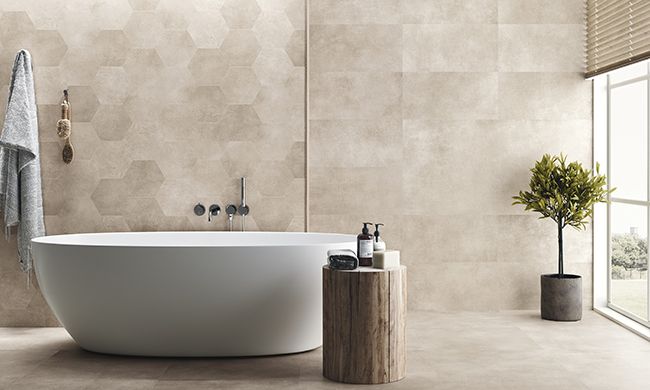
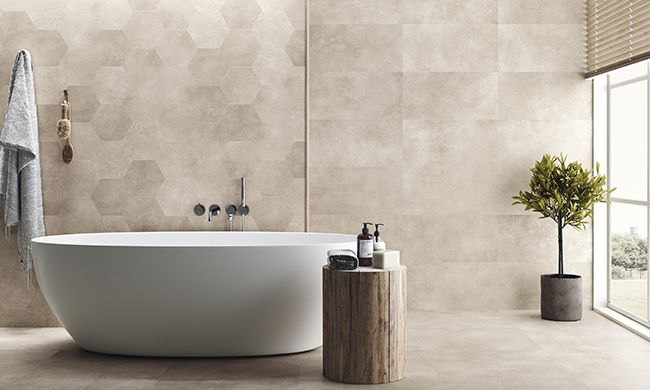
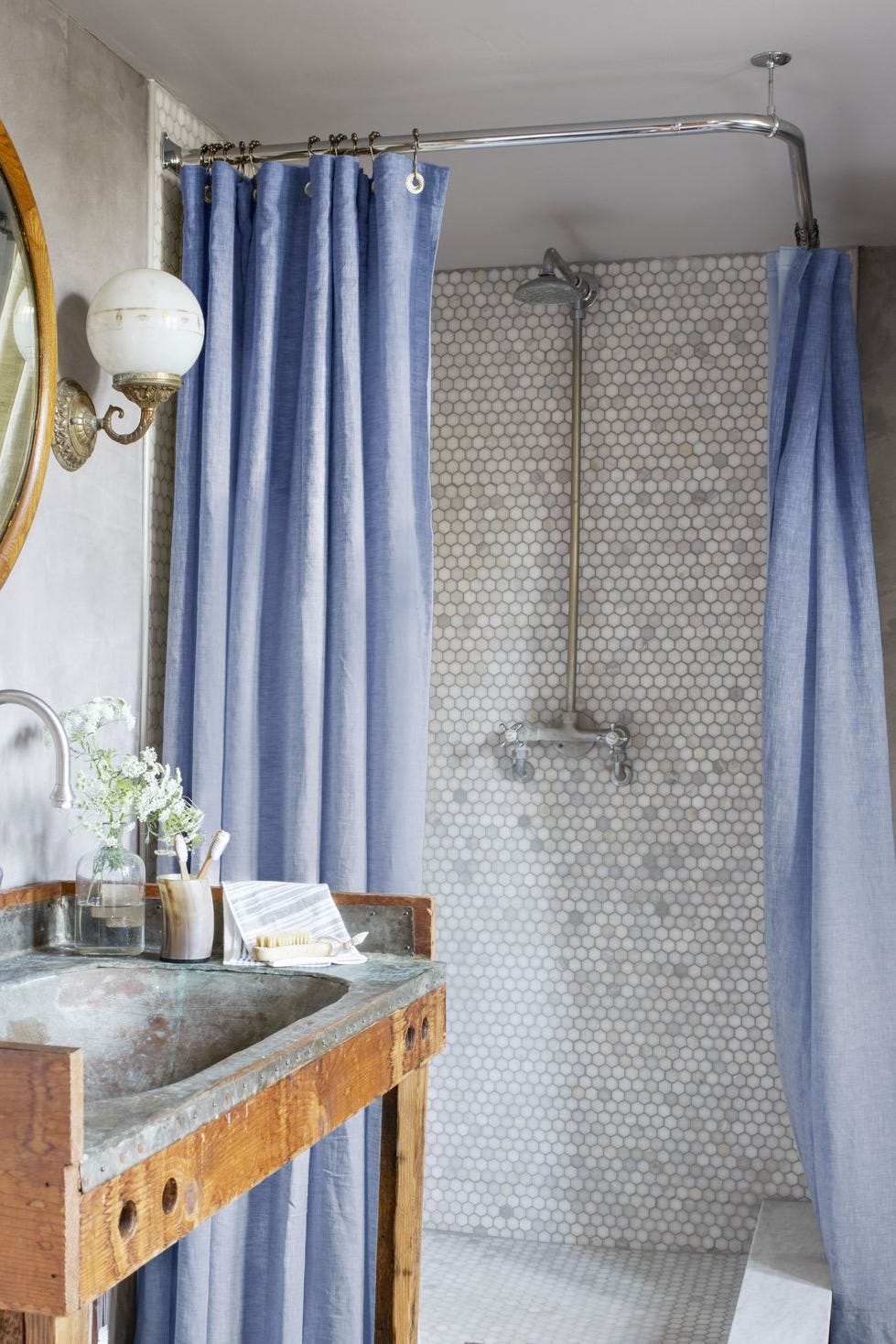
Hexagon tiles, available in various sizes, offer a distinctive geometric appeal. They are often recommended for accent walls, half-height features, or flooring to avoid overwhelming a space with their intricate patterns. Ceramic, porcelain, and encaustic hex tiles provide design flexibility, with smaller hexagons enhancing grip in wet rooms and elevating minimalist designs.
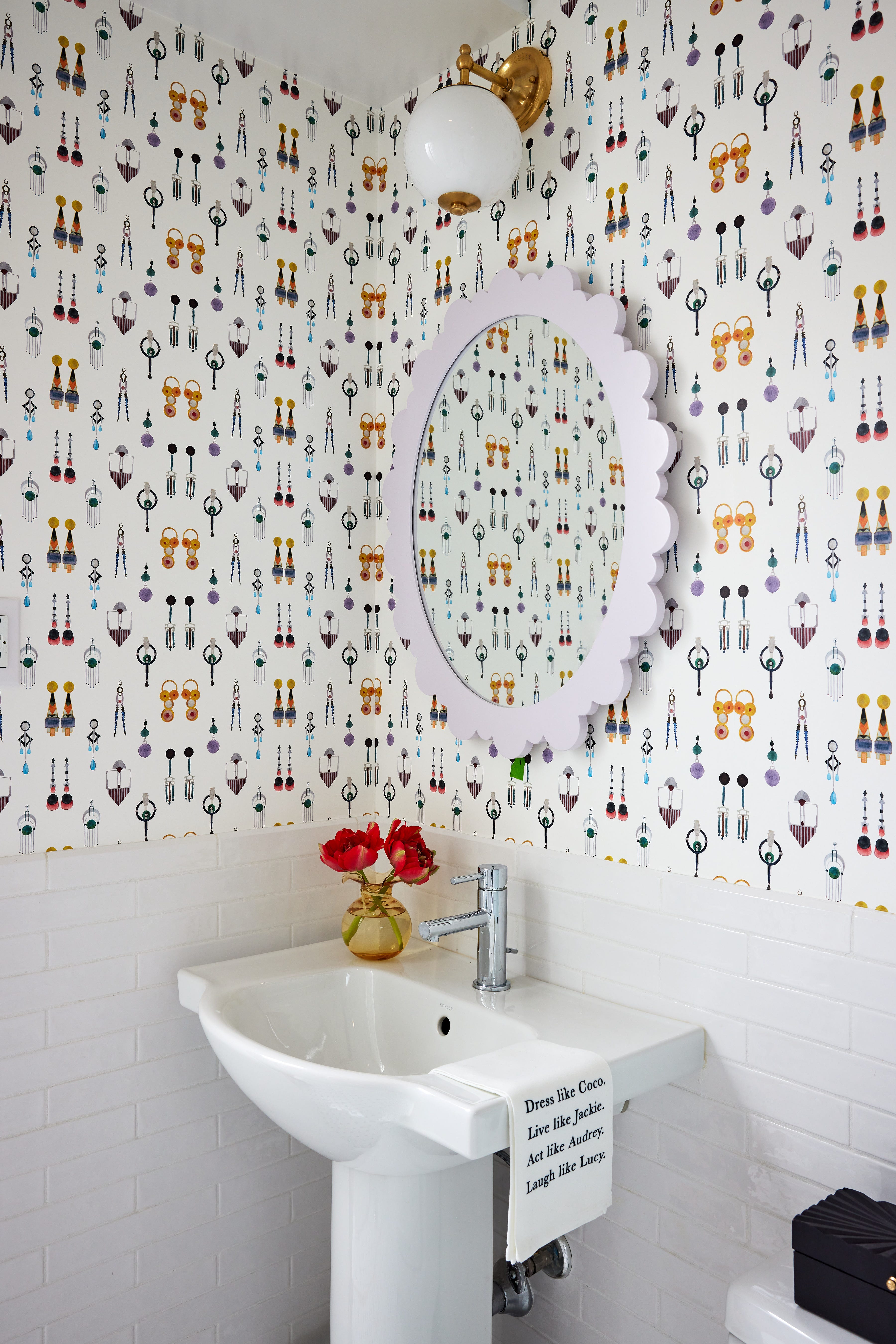
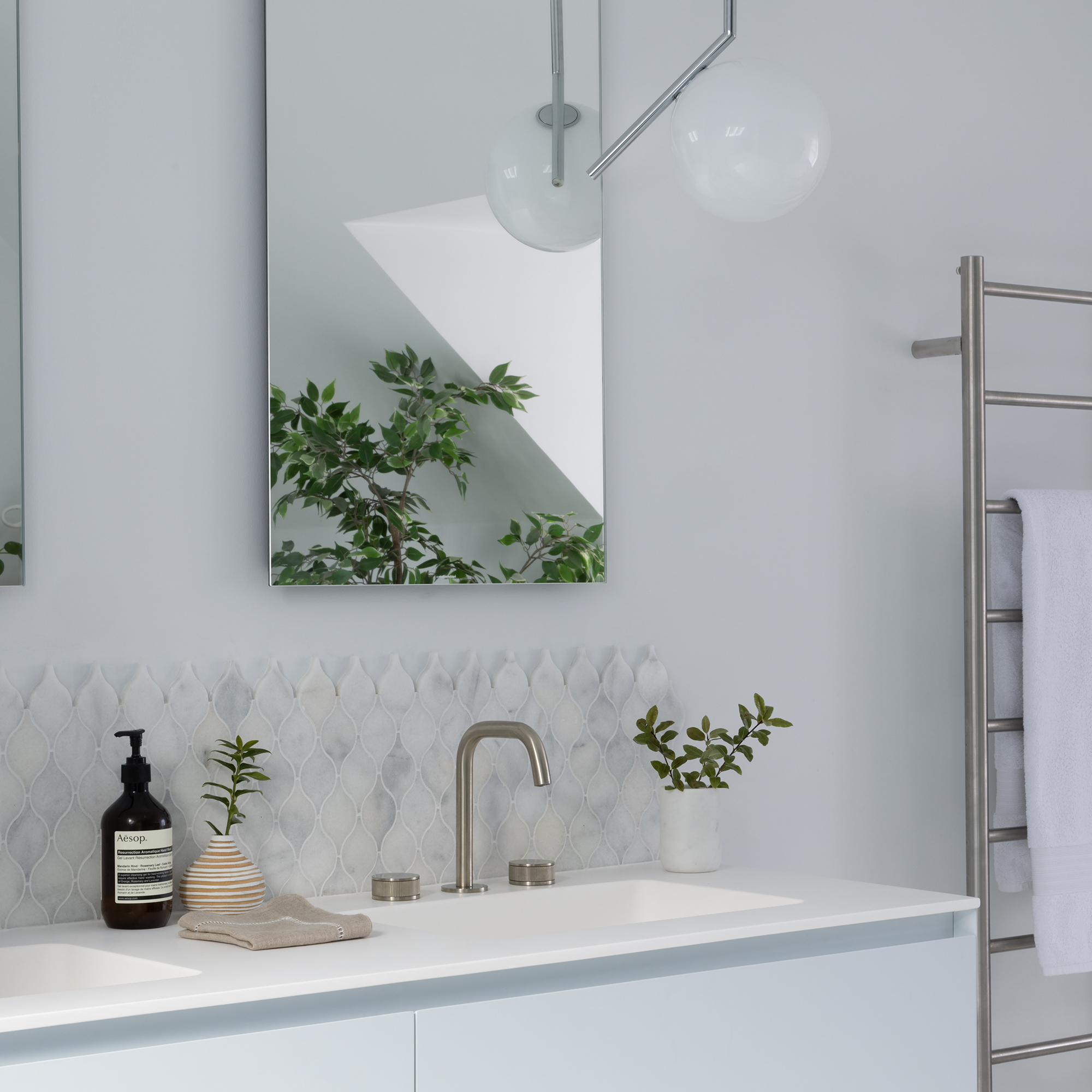
Scallop or fish scale tiles, a growing trend, introduce texture, dimension, and elegance through their curved, overlapping forms. They are highly versatile, available in diverse colors, materials, sizes, and finishes, making them suitable for coastal or spa-like aesthetics. They are particularly effective on walk-in shower walls, backsplashes, and accent strips, commonly found in ceramic, porcelain, or glass.
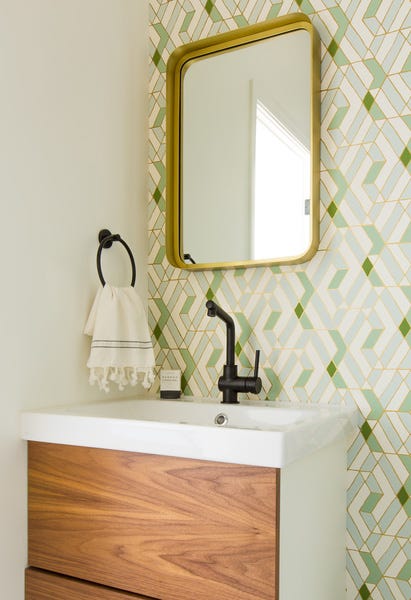
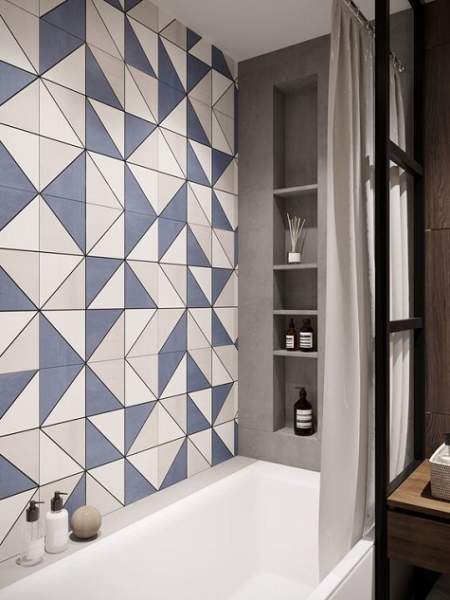

Diamond tiles, distinct from merely angled square tiles, are laid at a 90-degree angle to create a dramatic, geometric visual. They are gaining popularity as a bathroom flooring trend, especially in small spaces where they can make a room feel more dynamic and bring order to irregular layouts. Diamond tiles are available in ceramic, porcelain, marble, and glass.
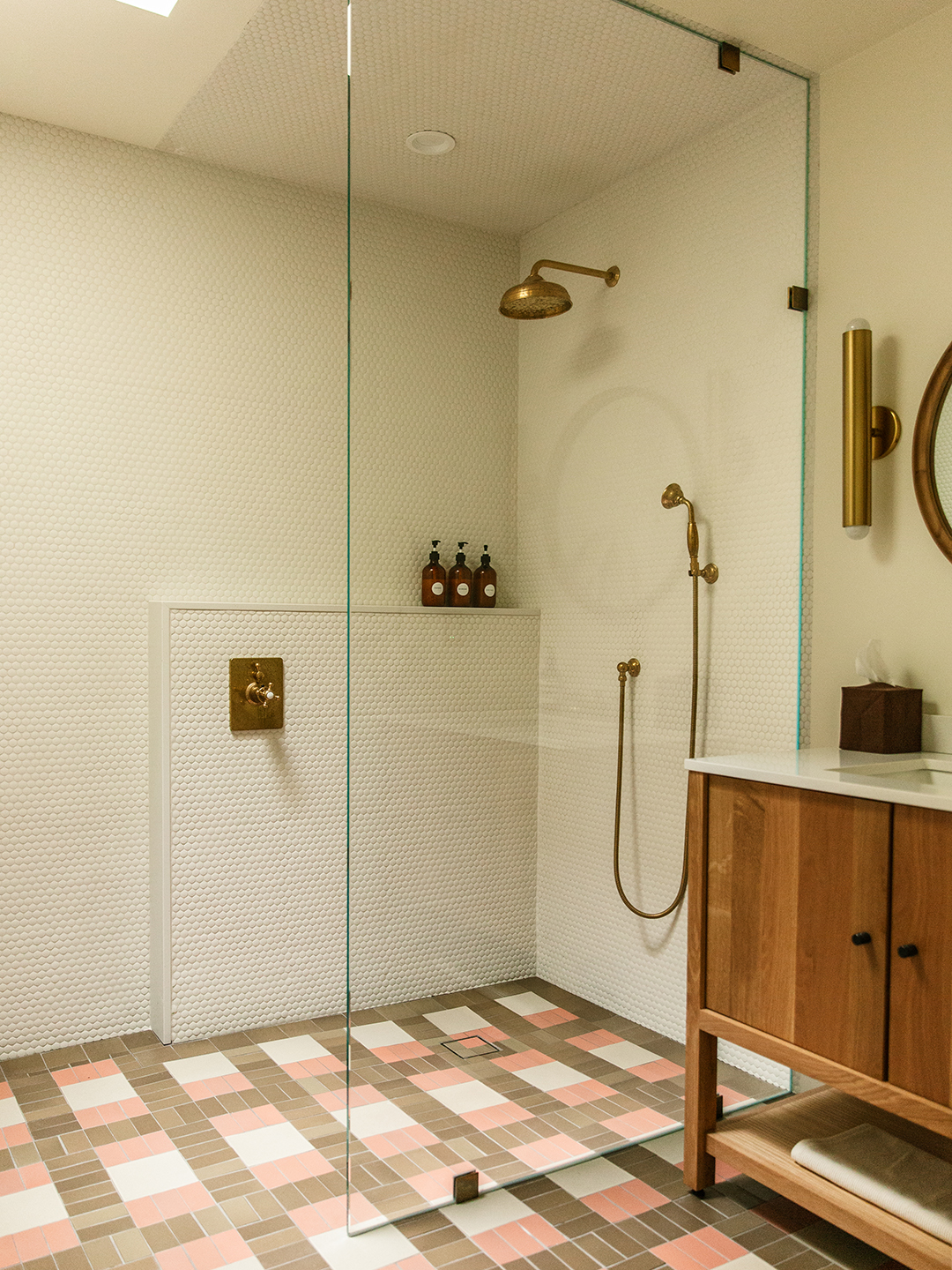
Penny tiles, small and decorative, blend style with practicality and are suitable for luxury, spa-inspired, or minimalist bathrooms depending on color and finish. They are easily sourced and installed, available in various colors and patterns. While popular for flooring, they can also extend to walls for a cohesive statement. Using contrasting grout colors, such as black borders or light grout with darker tiles, enhances their shape and pattern. They are typically made from ceramic or porcelain and can be used to create personalized messages on floors.
Ultimately, the best tile shape is contingent on the specific space, desired style, and intended layout. Square and rectangular tiles offer timeless versatility, while geometric options like hexagons and diamonds provide bold character and texture. Considering the room's dimensions, overall design vision, and desired visual impact is crucial for selecting the most appropriate tile shape.
#BathroomTiles #TileShapes #HomeRenovation #InteriorDesign #BathroomDesign #DesignTrends #TileInstallation #HomeDecor #BathroomTiles #TileShapes #HomeRenovation #InteriorDesign #BathroomDesign #DesignTrends #TileInstallation #HomeDecor
कुल 0 टिप्पणियाँ
 कोई टिप्पणी नहीं
आपको यह भी पसंद आ सकता है
8 Bathroom Tile Trends To Keep A Close Eye On This Year

8 Best Bathroom Design and Decor Ideas Taking Over 2024

25 Latest Bathroom Tiles Designs With Pictures In 2023

14 Types of Bathroom Tiles You Need to Know Before You Remodel

70 Beautiful Bathroom Tile Ideas That Will ELEVATE Your Space

Bathroom Tile Trends 2025 — What All the Best Dressed Bathroom Walls Are Wearing
25 Bathroom Tile Ideas for 2026 Designers Repeat Across High-End Remodels

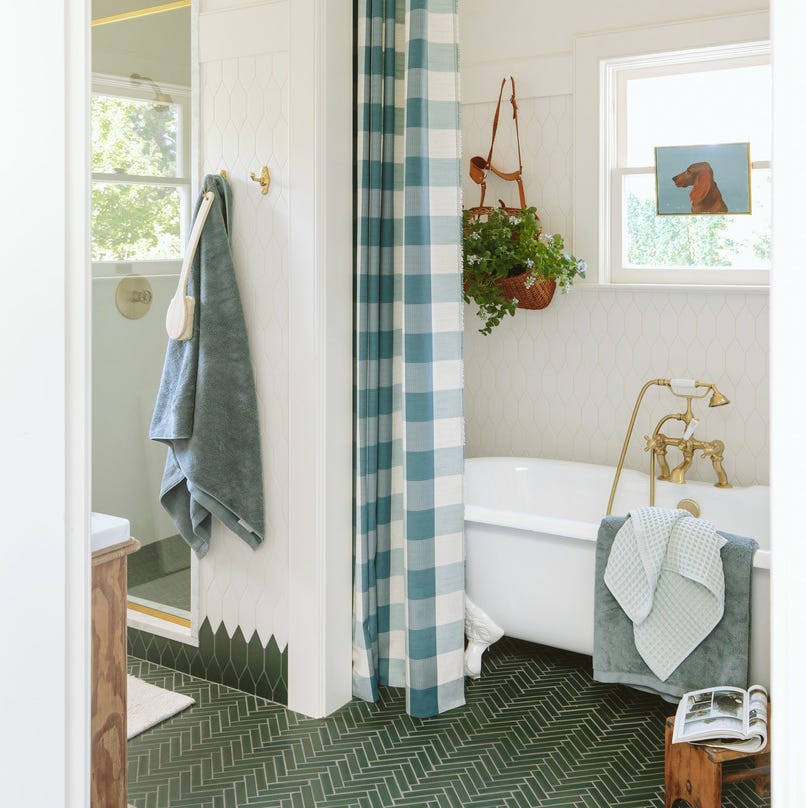
These Beautiful Bathroom Tile Ideas Will Make You Want to Renovate
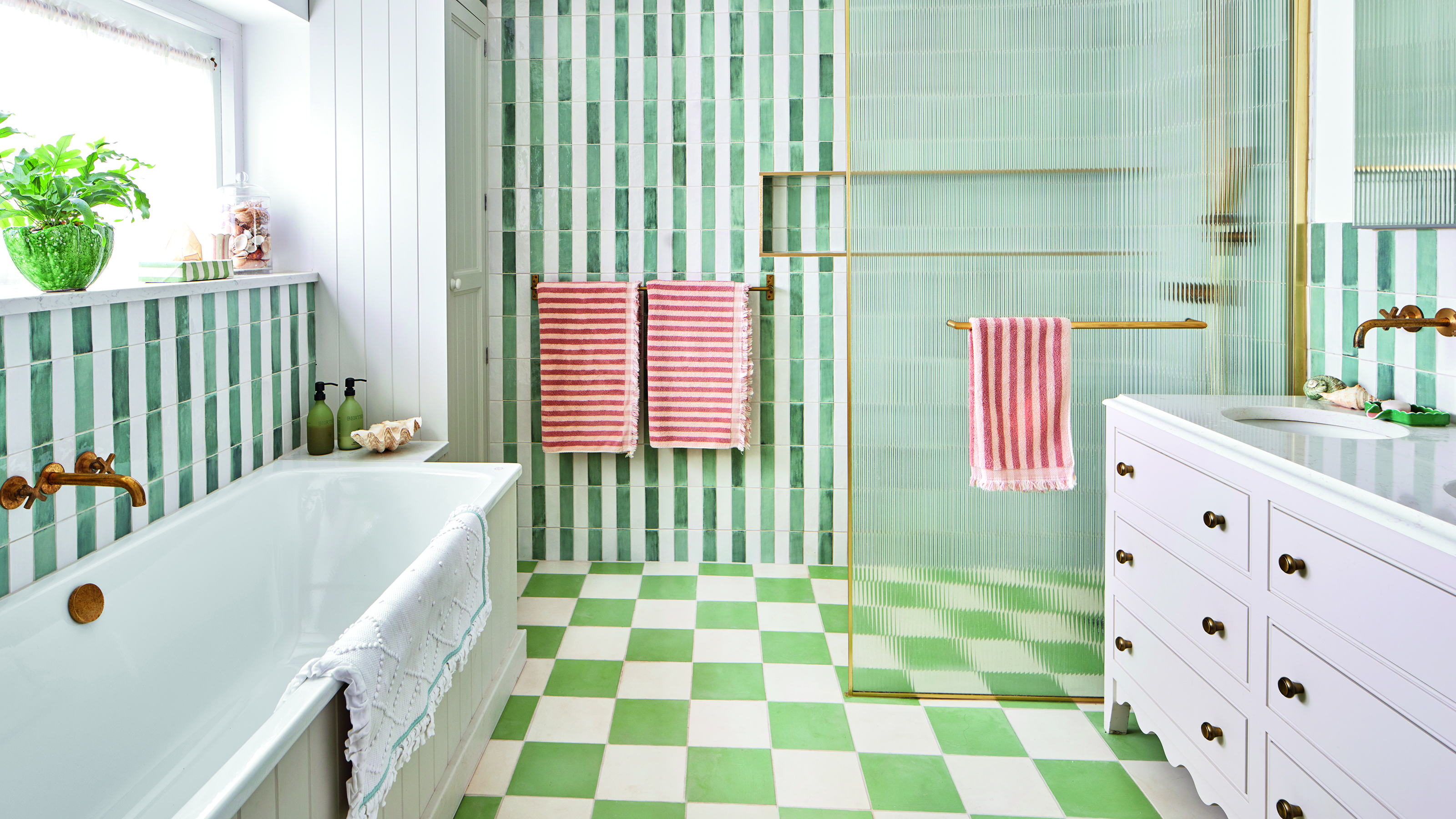
The bathroom tile trends to watch for 2025 — 7 inspiring new looks to have on your radar
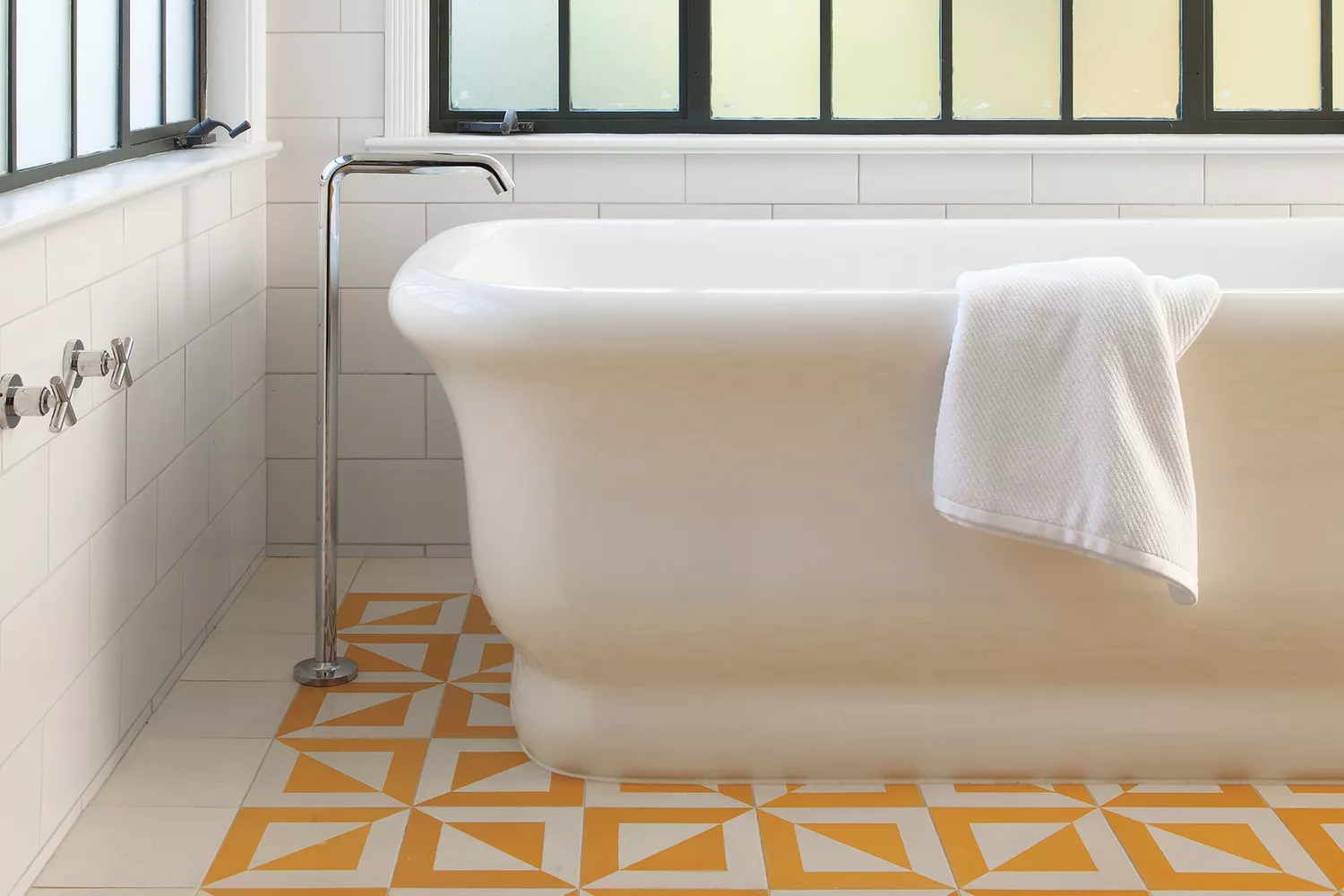
11 Bathroom Tile Trends to Try in 2024, From Black Marble to Mosaic
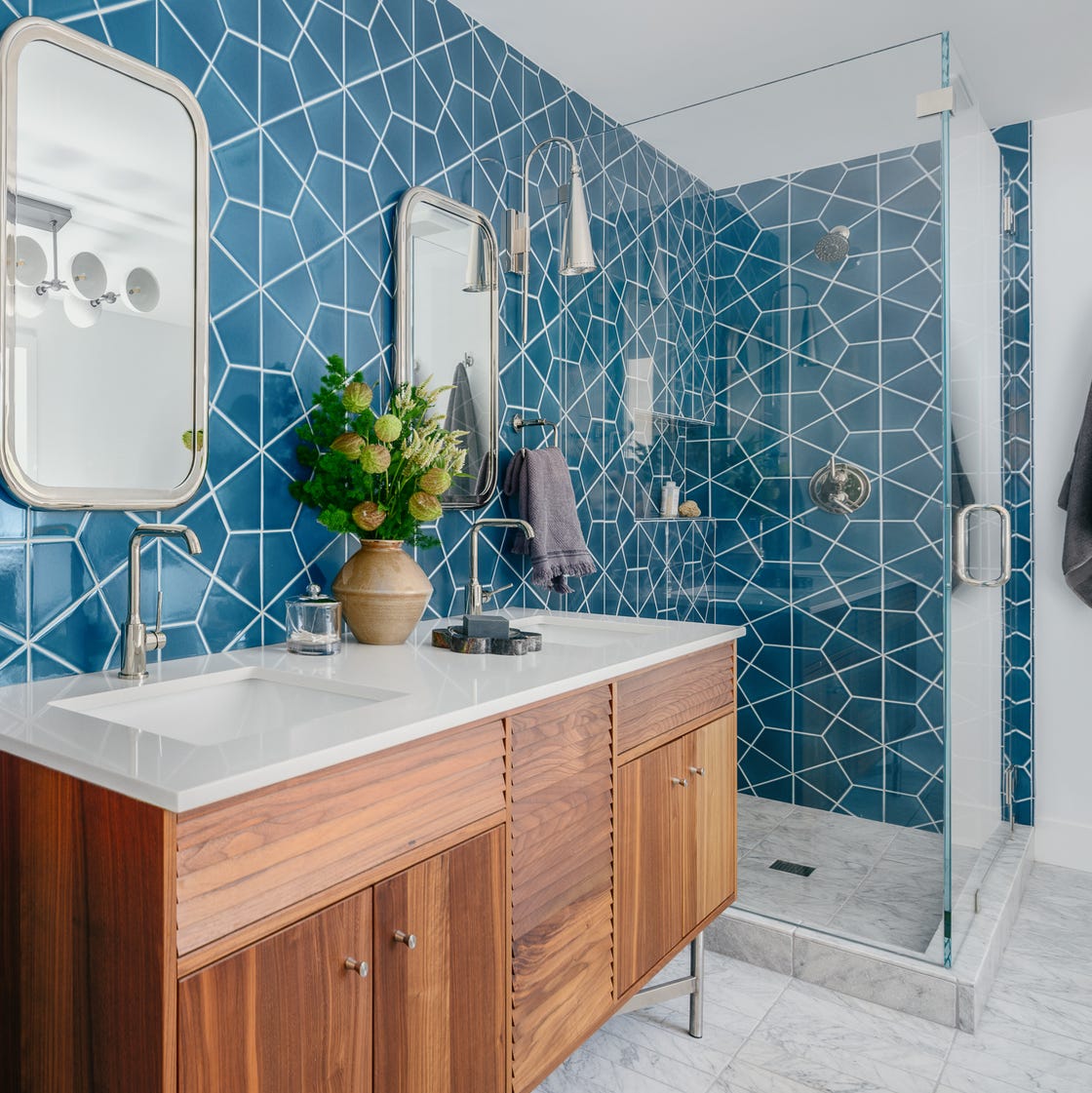
The "Stark Spa" Feel Is Out—Here Are 12 Bathroom Tile Trends That'll Define 2025
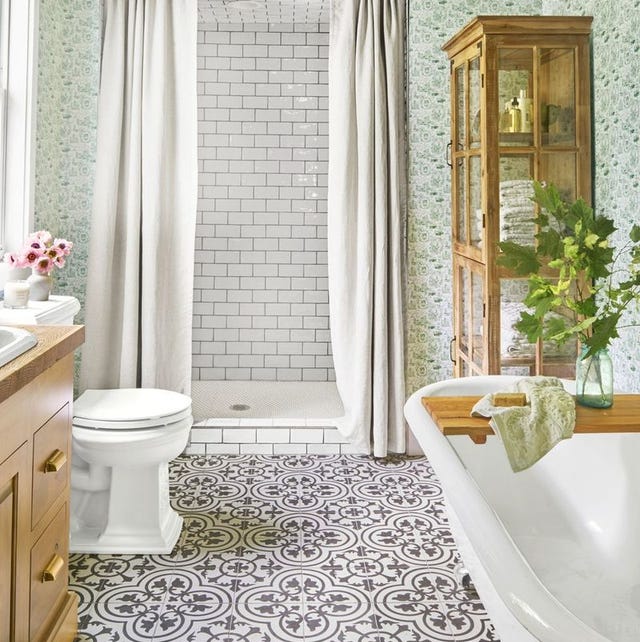
20 Bathroom Tile Ideas That Make a Major Design Statement

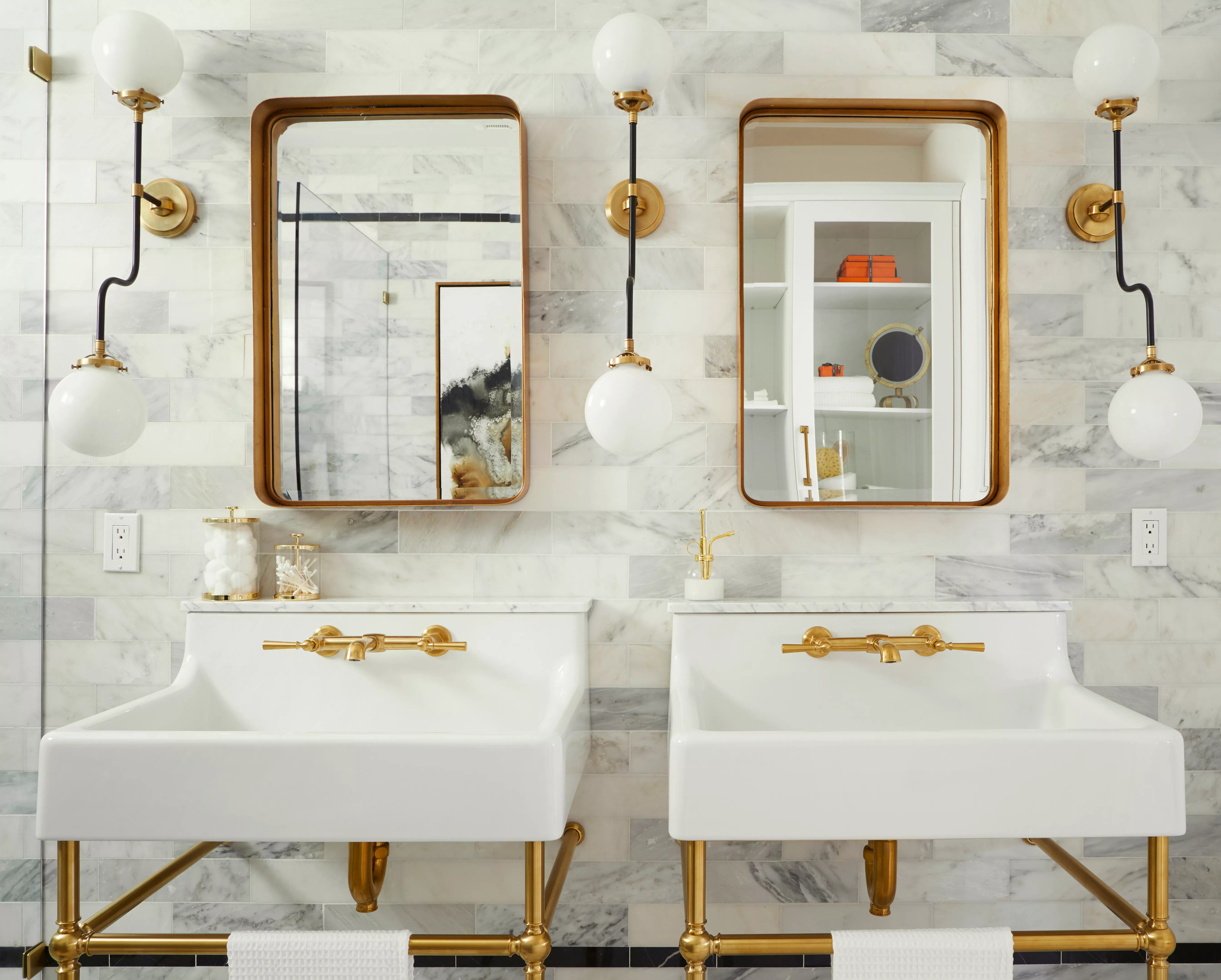
8 Bathroom Design Trends to Refresh Your Home and Routine in 2025

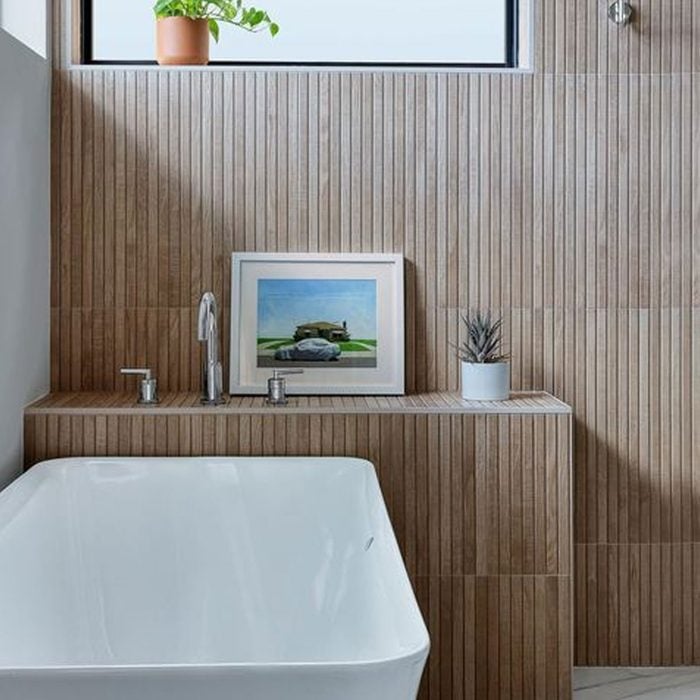
10 Bathroom Tile Trends That We Love

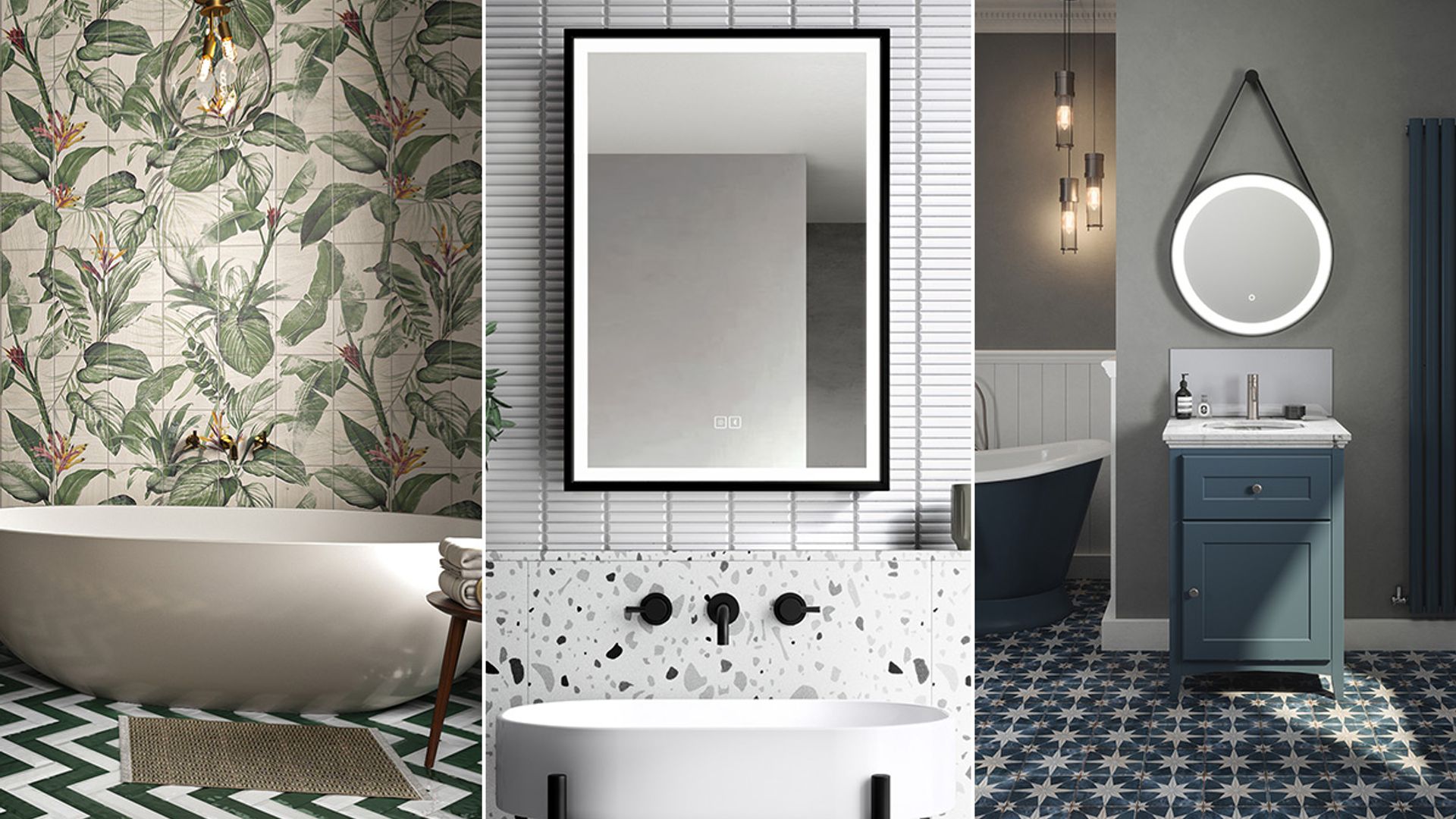
16 bathroom tile ideas to transform your space

Bathroom trends for 2025 – the 11 best styles, colours and surfaces to watch for the year ahead
24 bathroom tile ideas to add impact and transform your space
One-Third of Renovators Choose This Bathroom Tile Pattern, But We've Got Other (Just as Timeless!) Ideas

16 bathroom tile ideas to transform your space

4 Bathroom Tile Trends That Are So Outdated, According to Designers