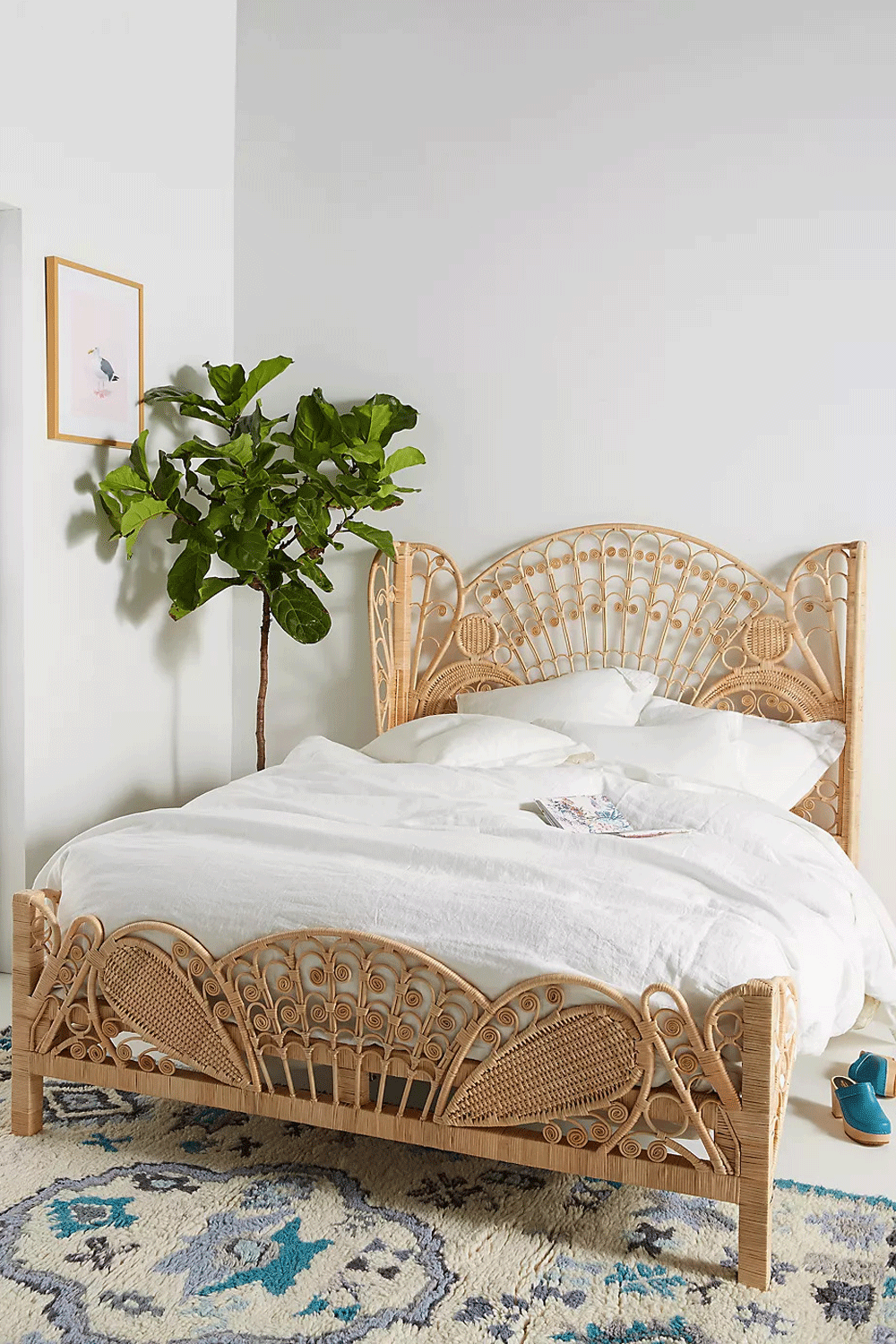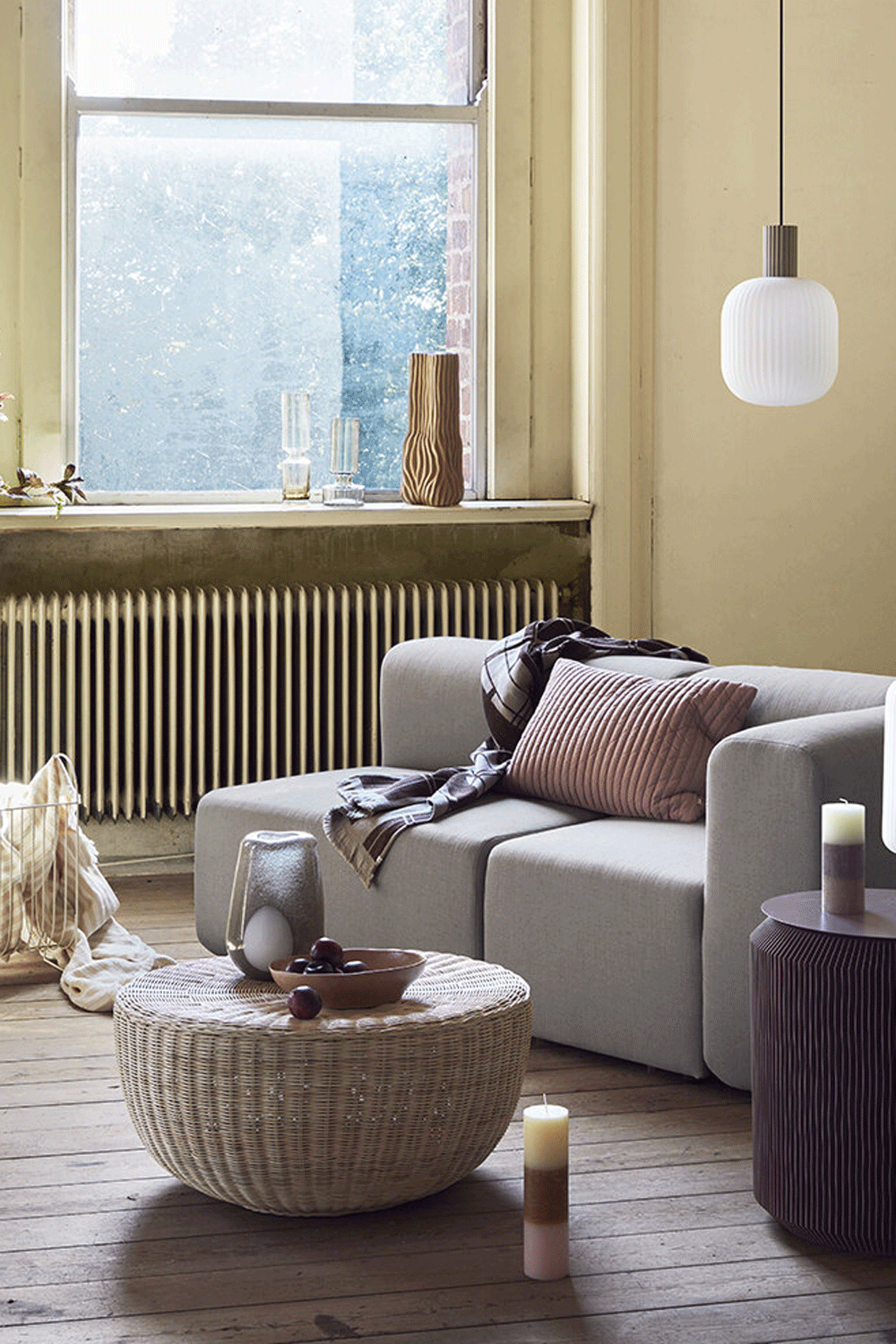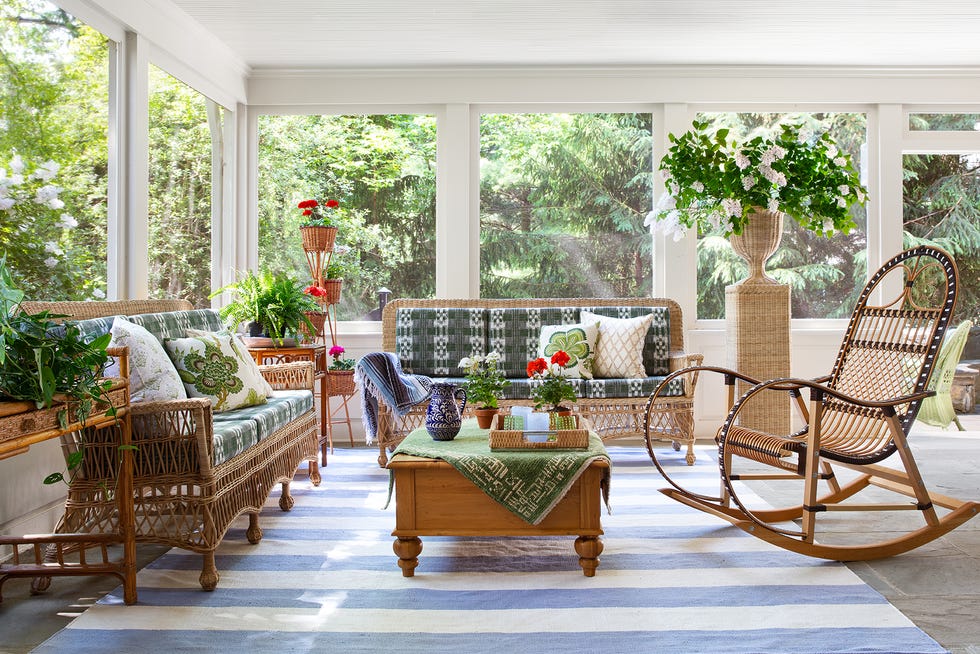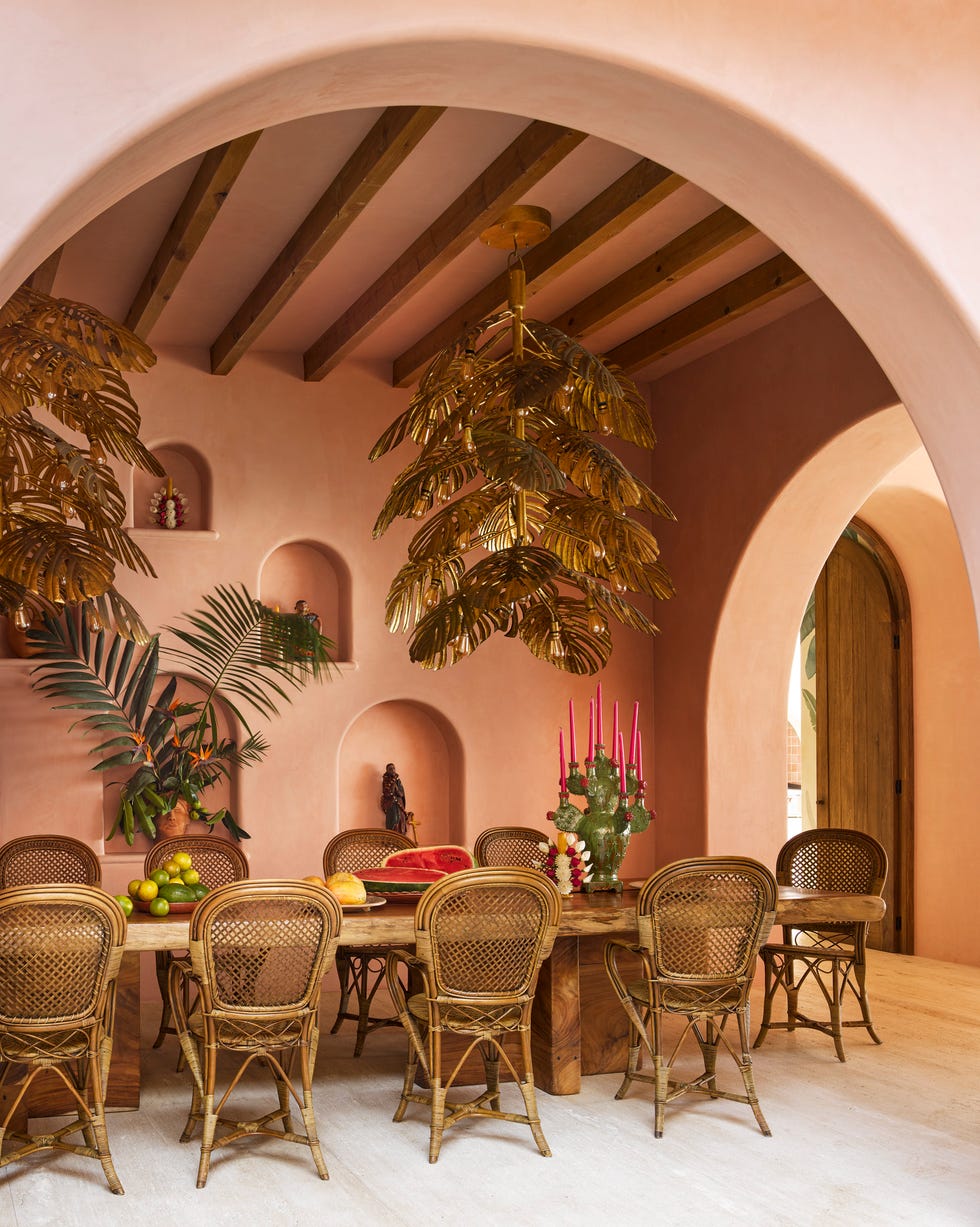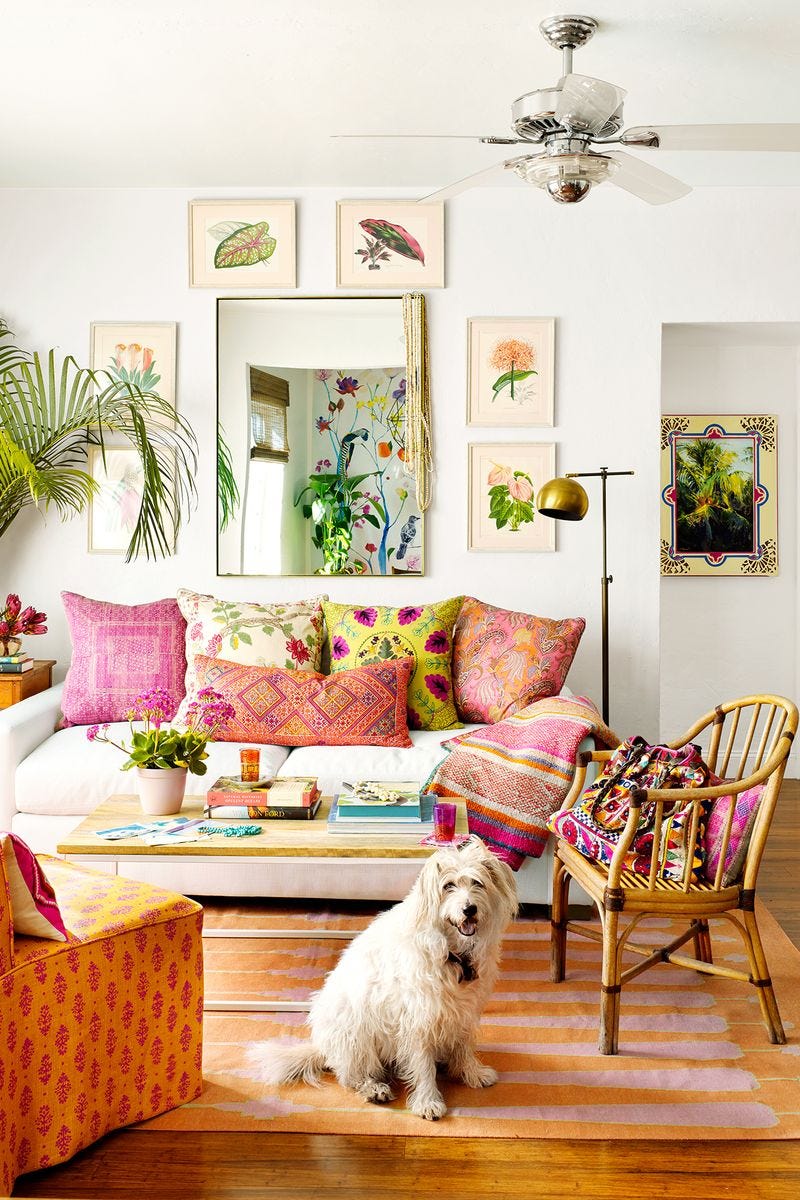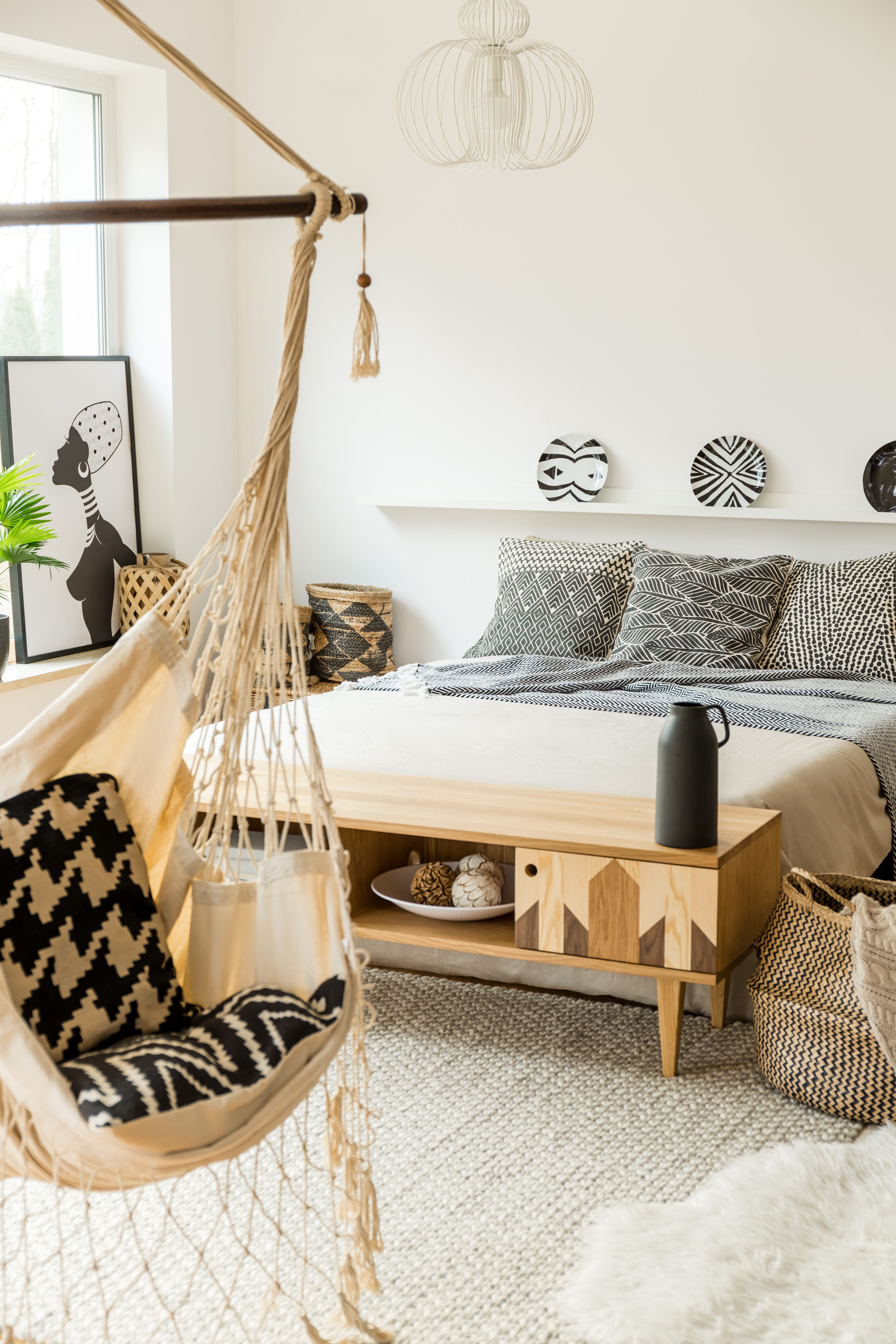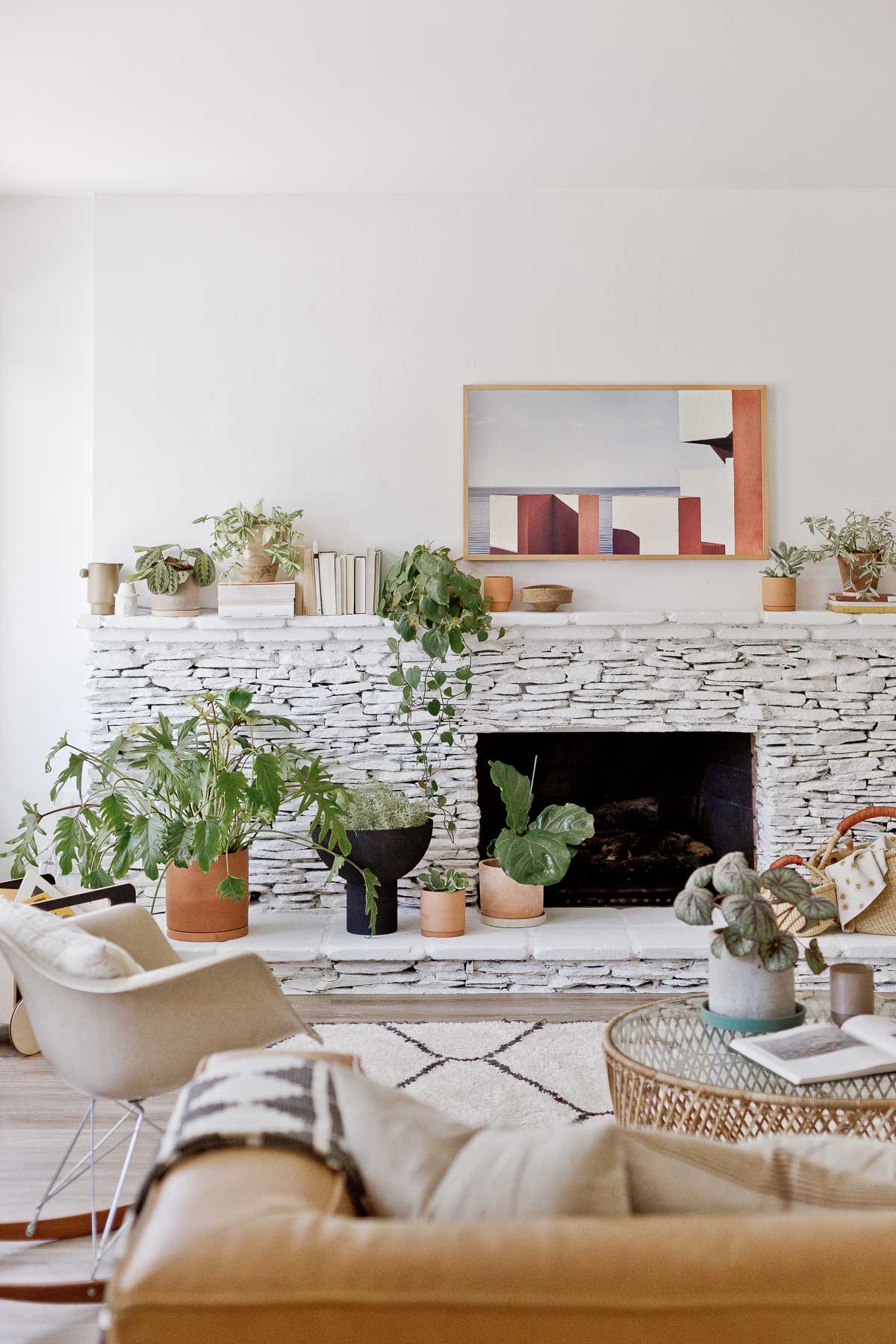
Woven Wonder: A look at the revival of rattan in interiors
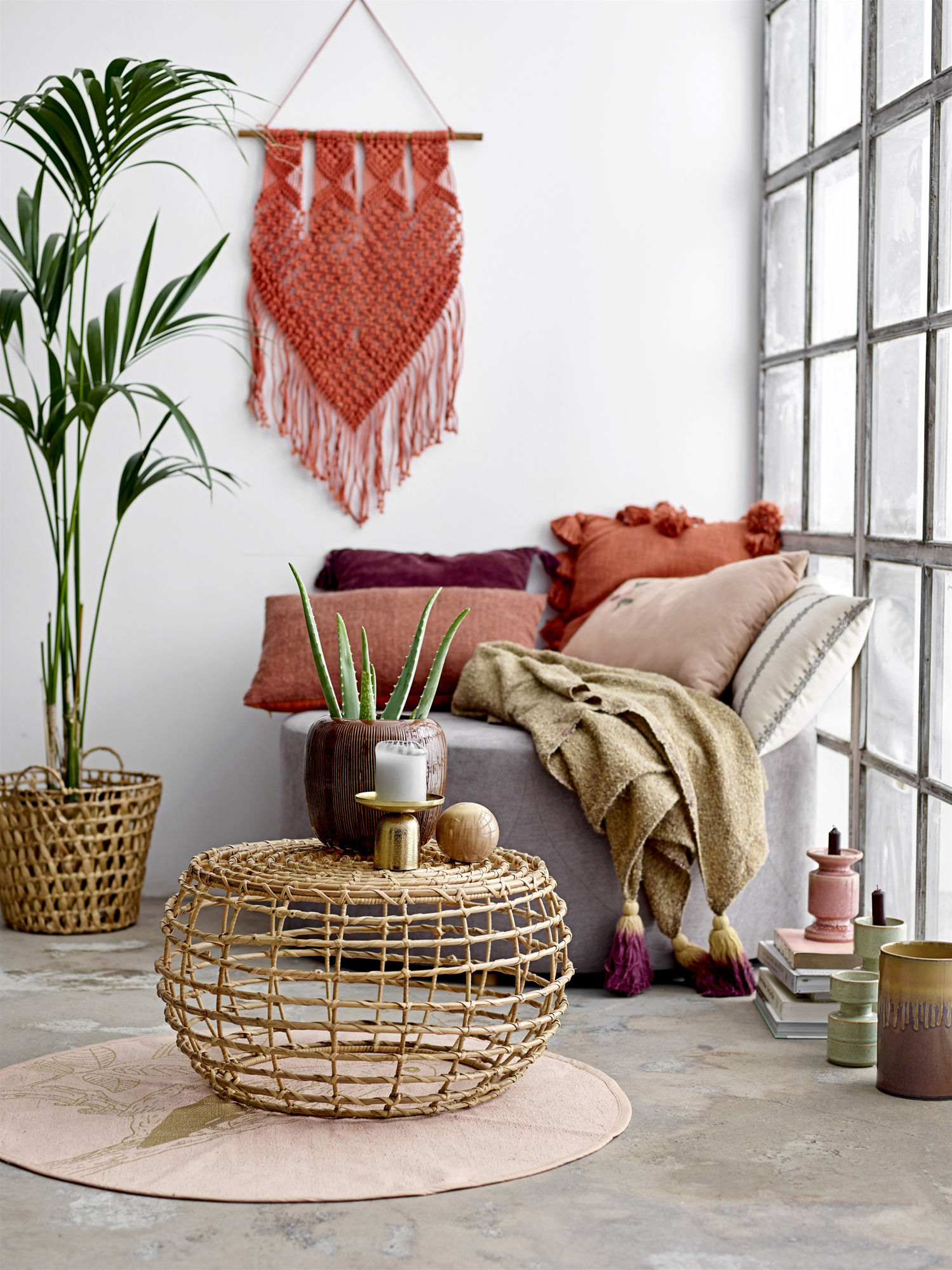
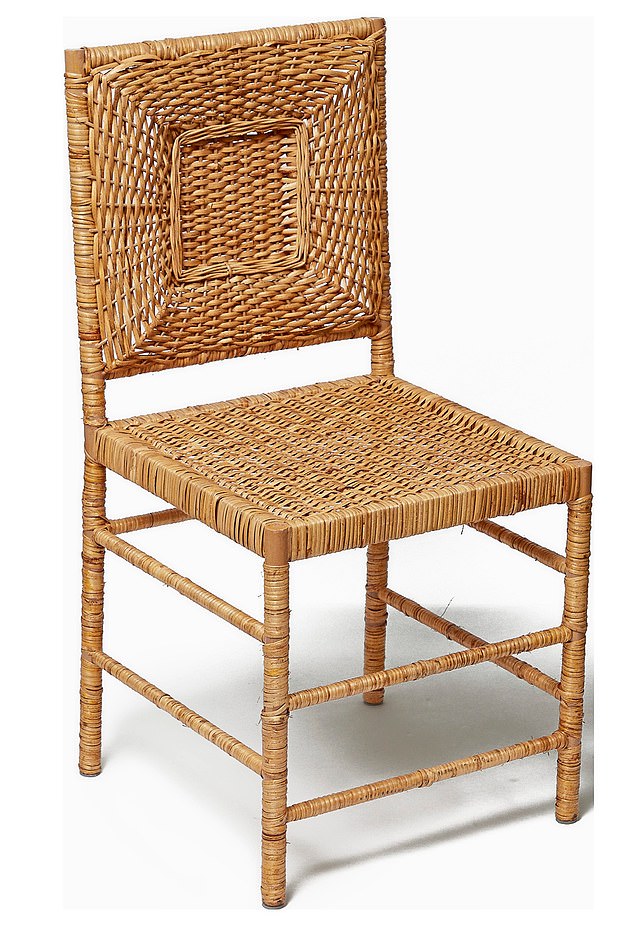
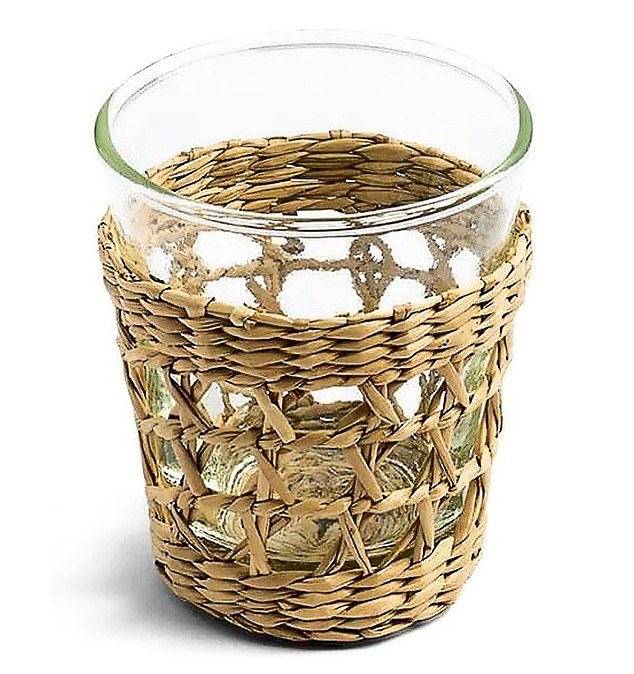
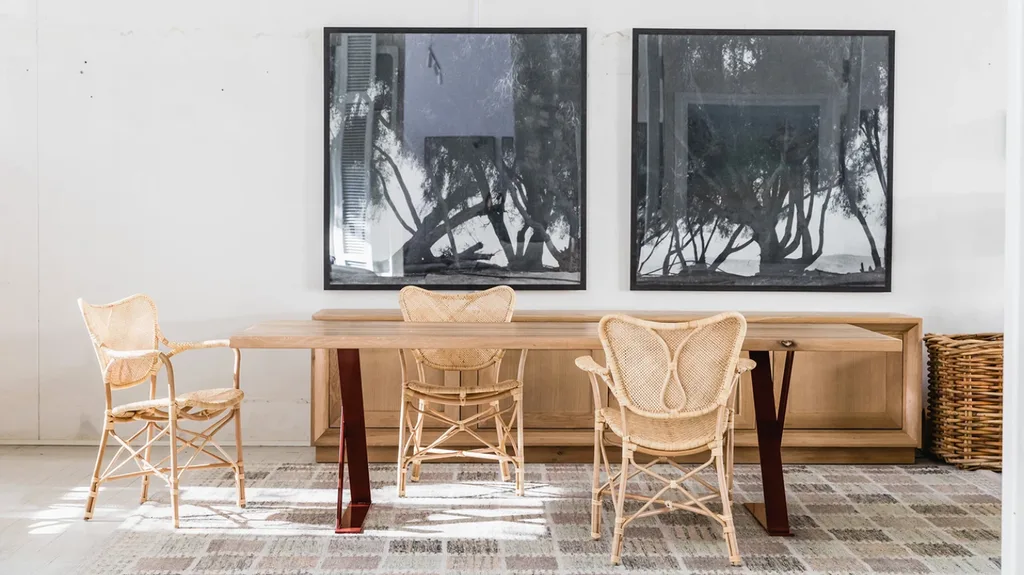
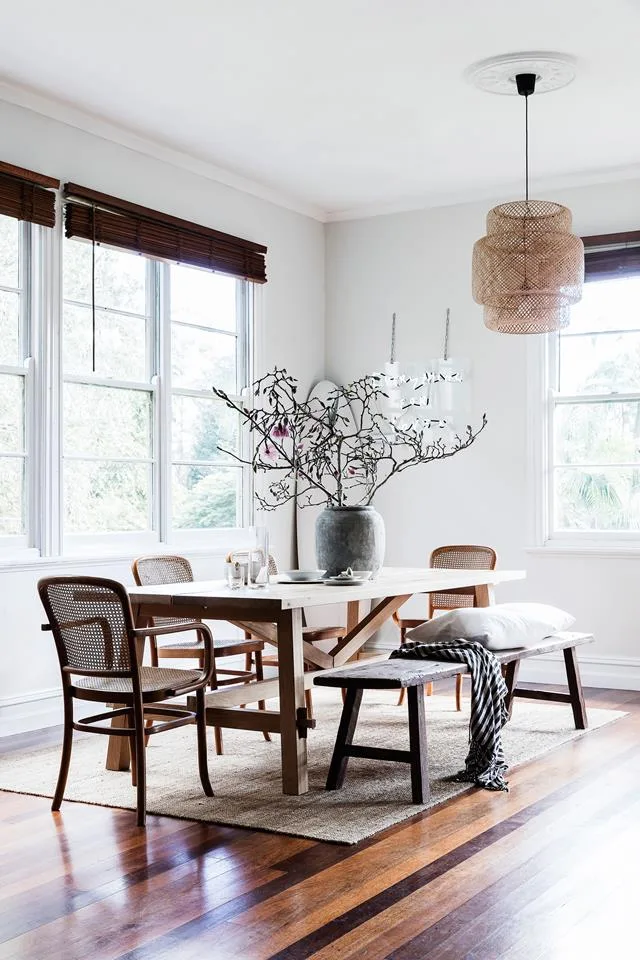
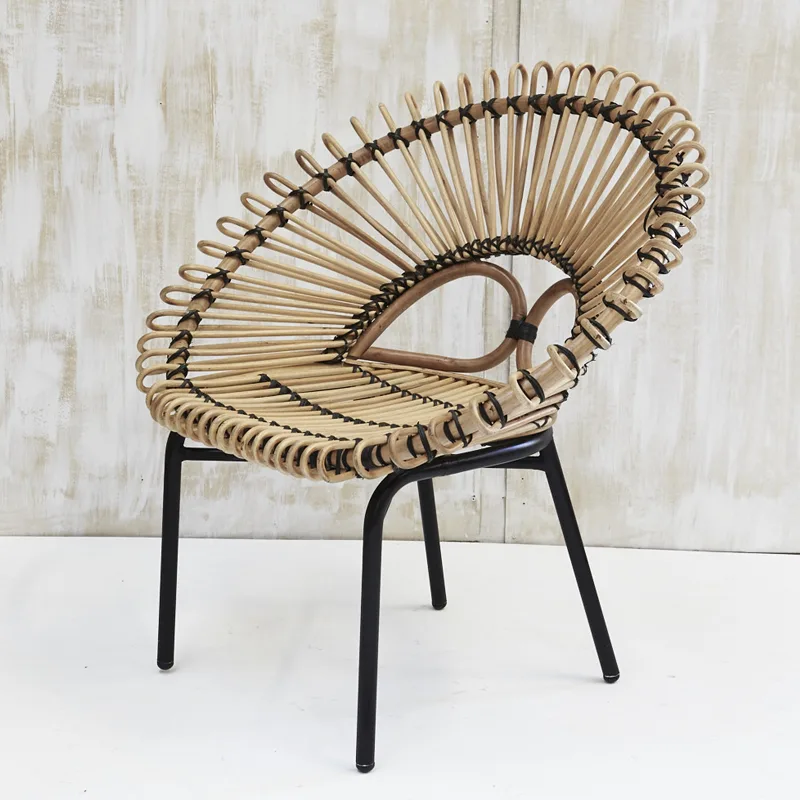
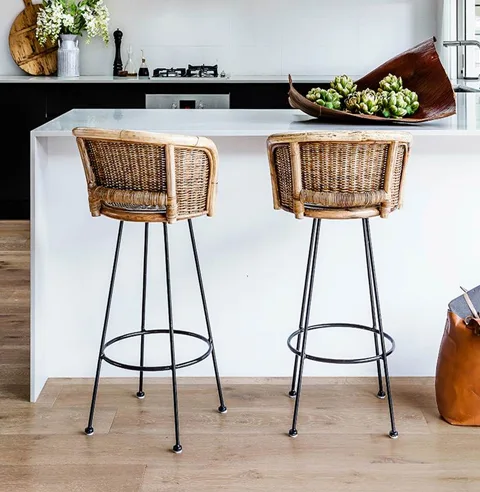
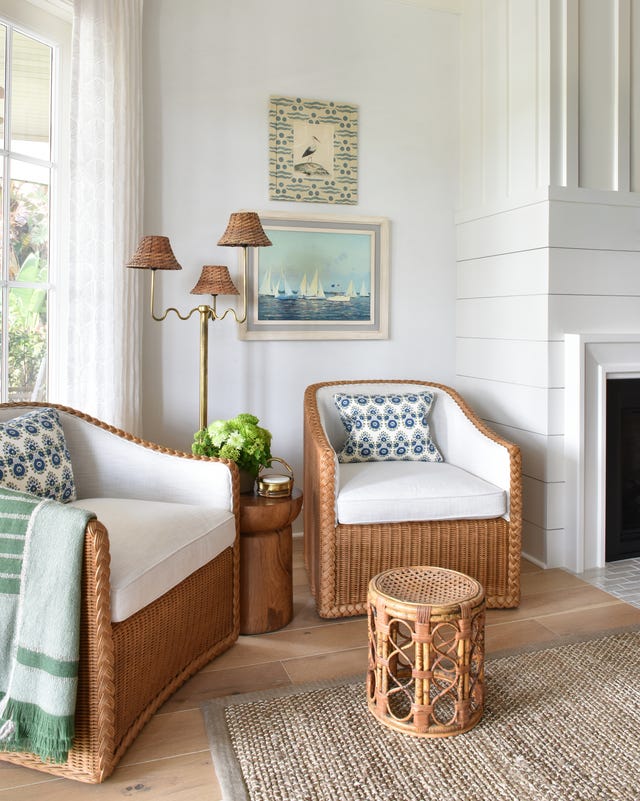
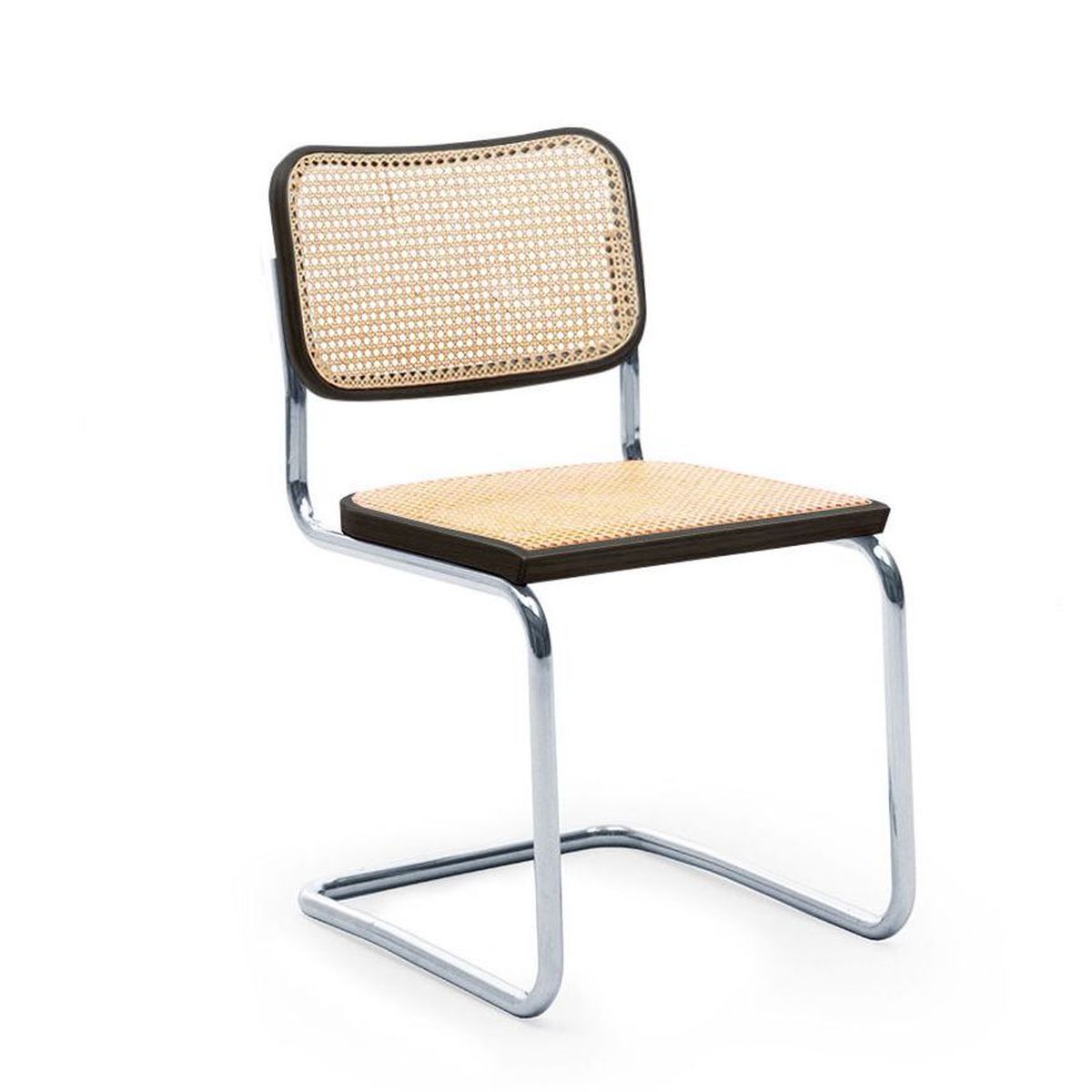
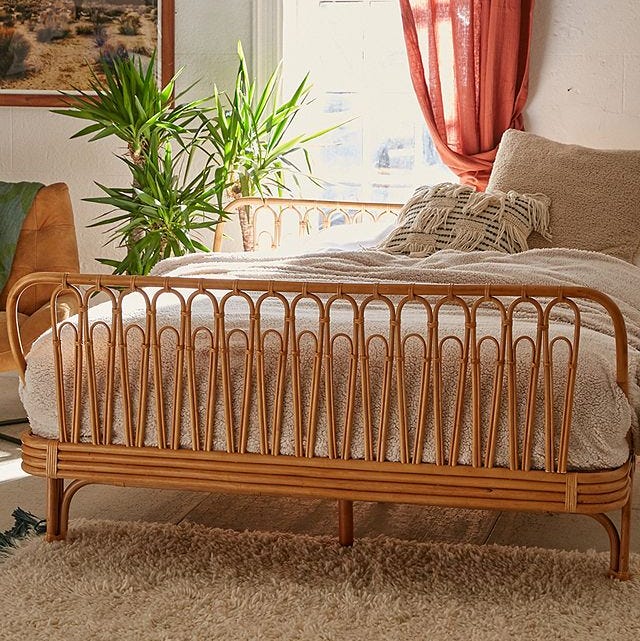
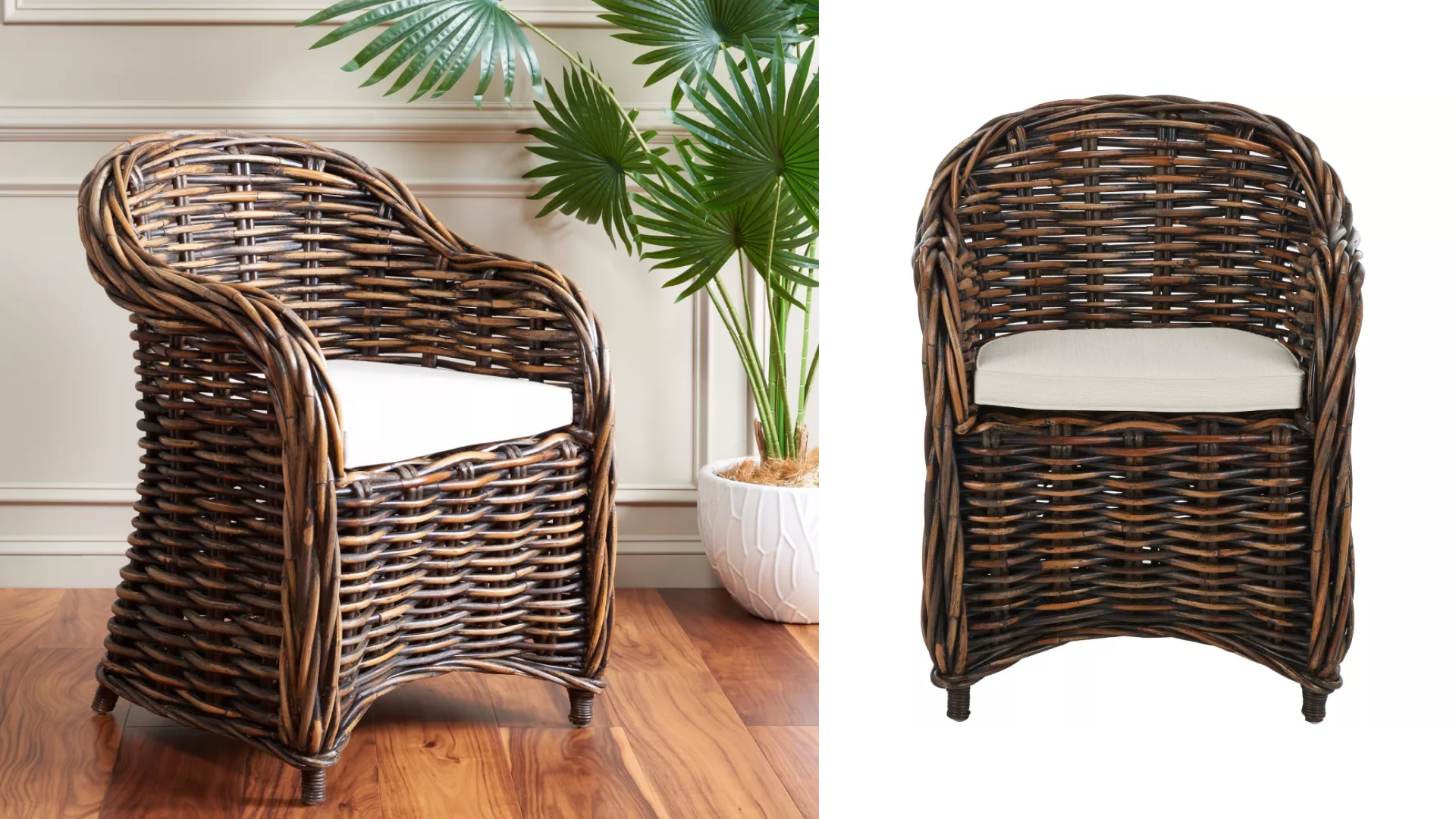
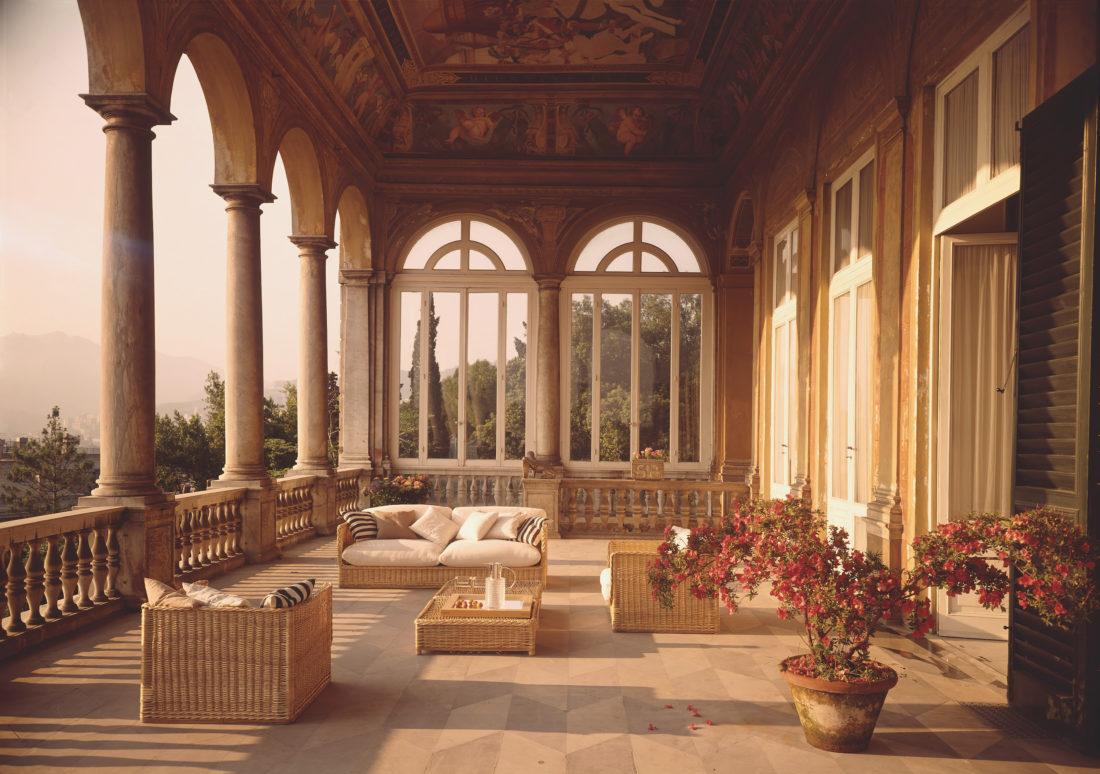
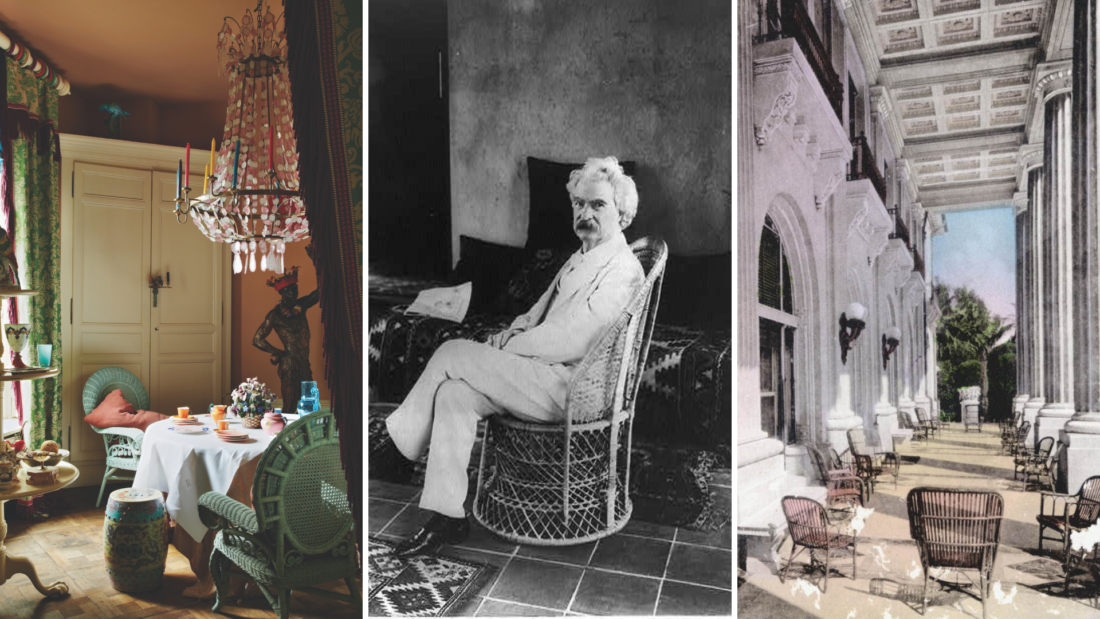
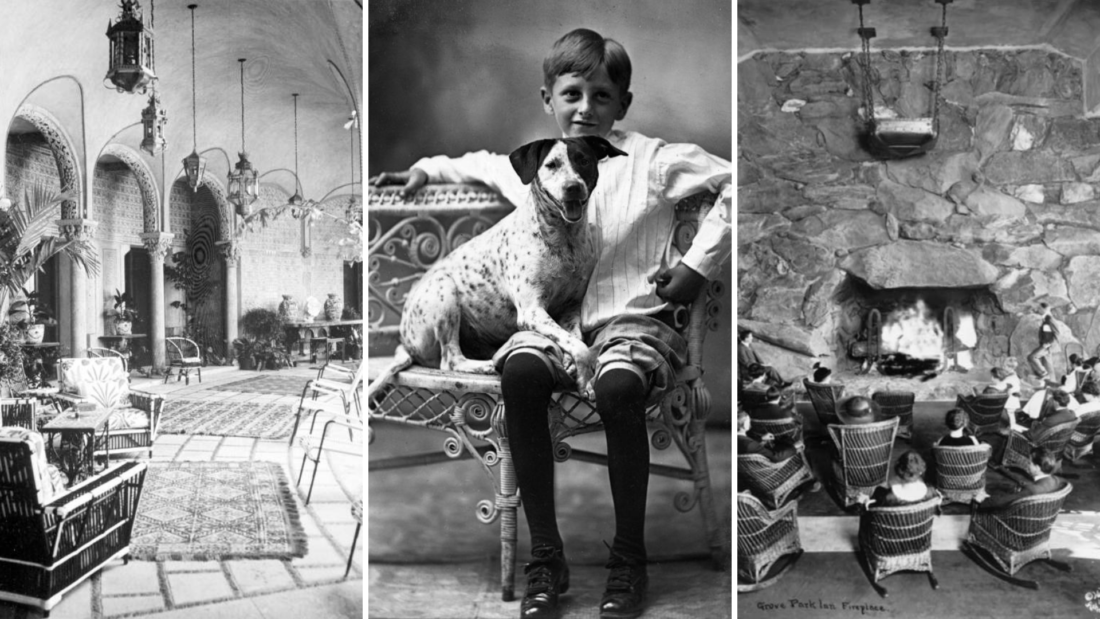
Rattan, a material historically prevalent in Indian homes during the 1970s and 1980s, has experienced a significant resurgence in contemporary interior design. Initially viewed as outdated, rattan is now celebrated for its versatility and aesthetic appeal, moving beyond its traditional uses in classic furniture like teak chairs and cane sofas. Industry experts, such as Madhu Sarangi, co-founder of Ishaan Kone Architects and Interior Designers, highlight its transformation into a trendy element used in diverse applications within the interiors industry over the past two to three years.
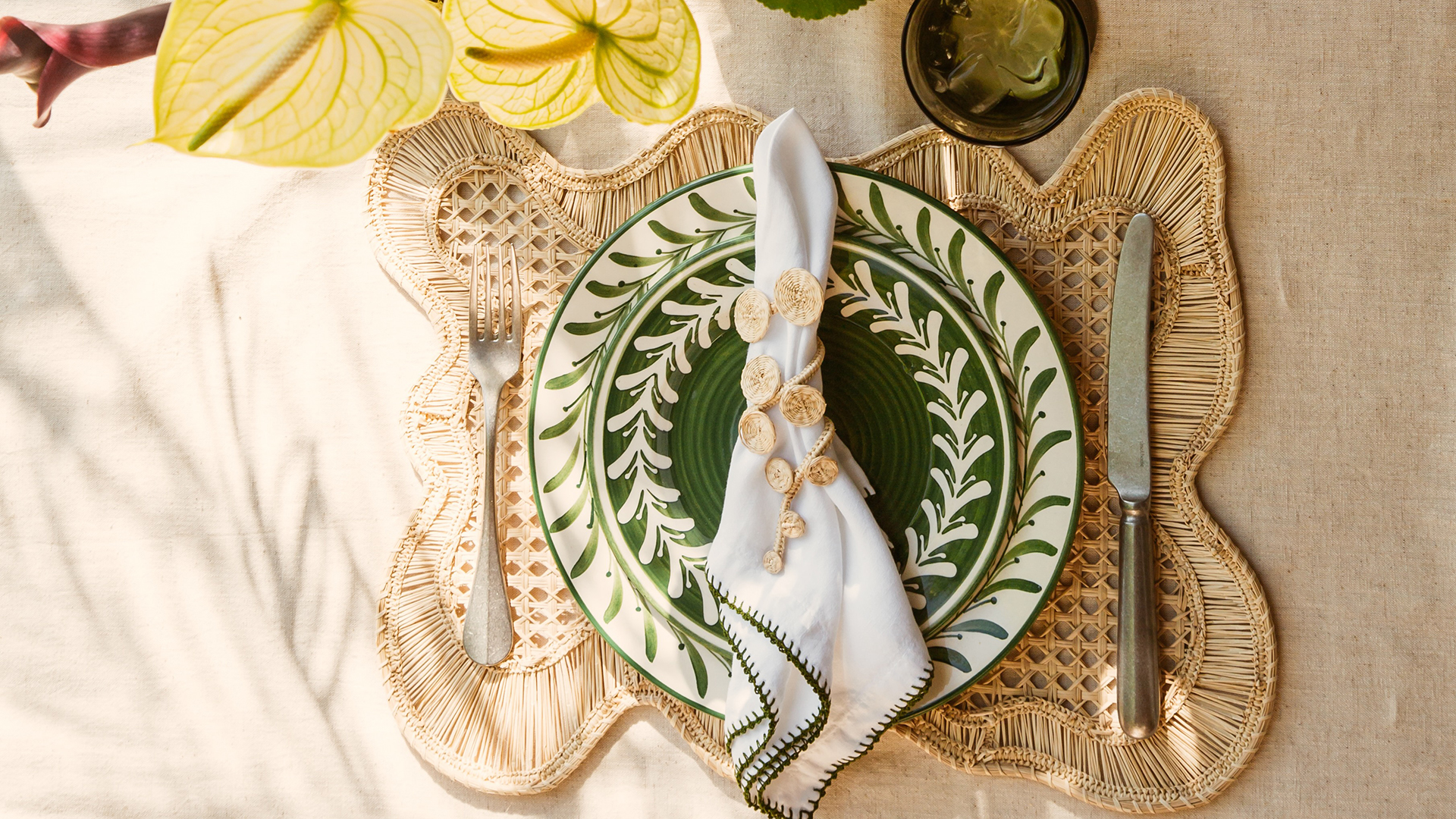
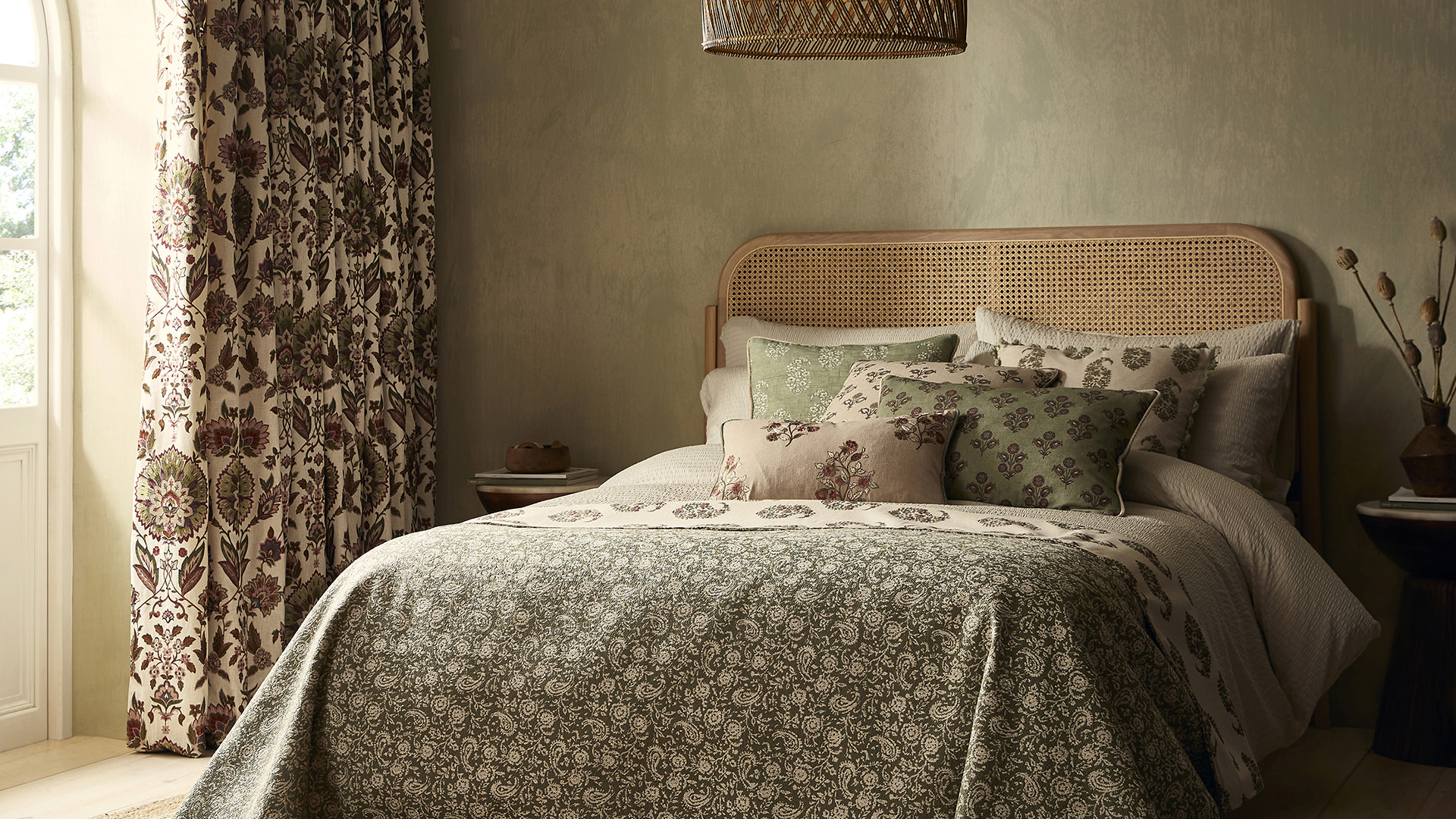
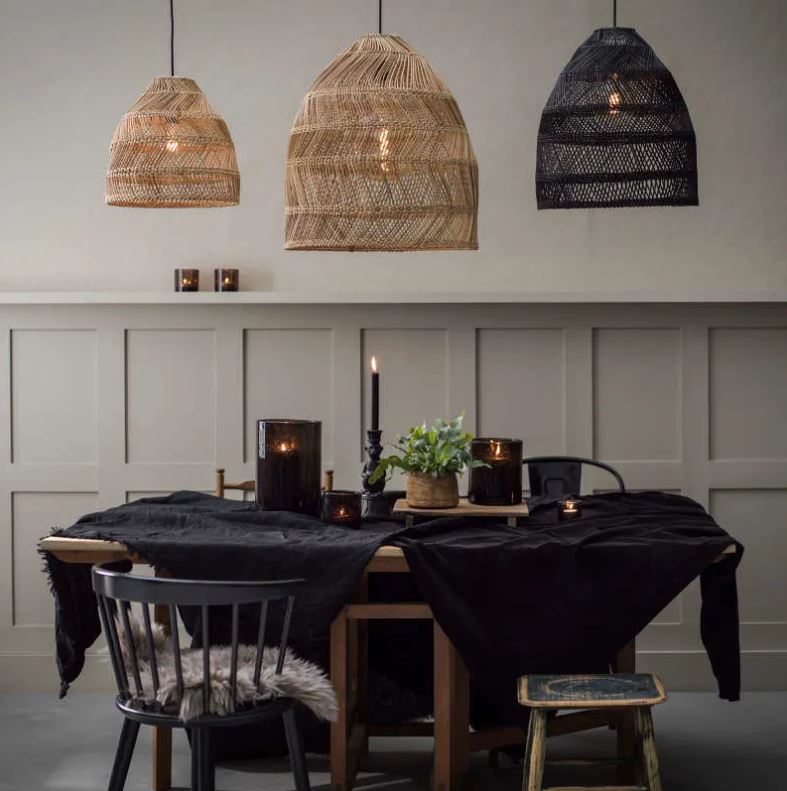
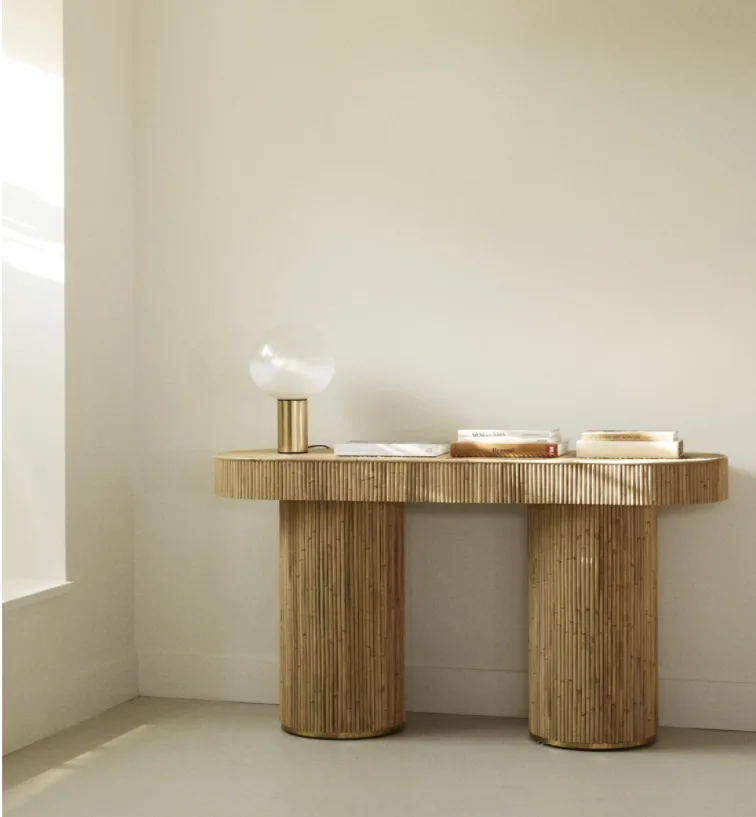
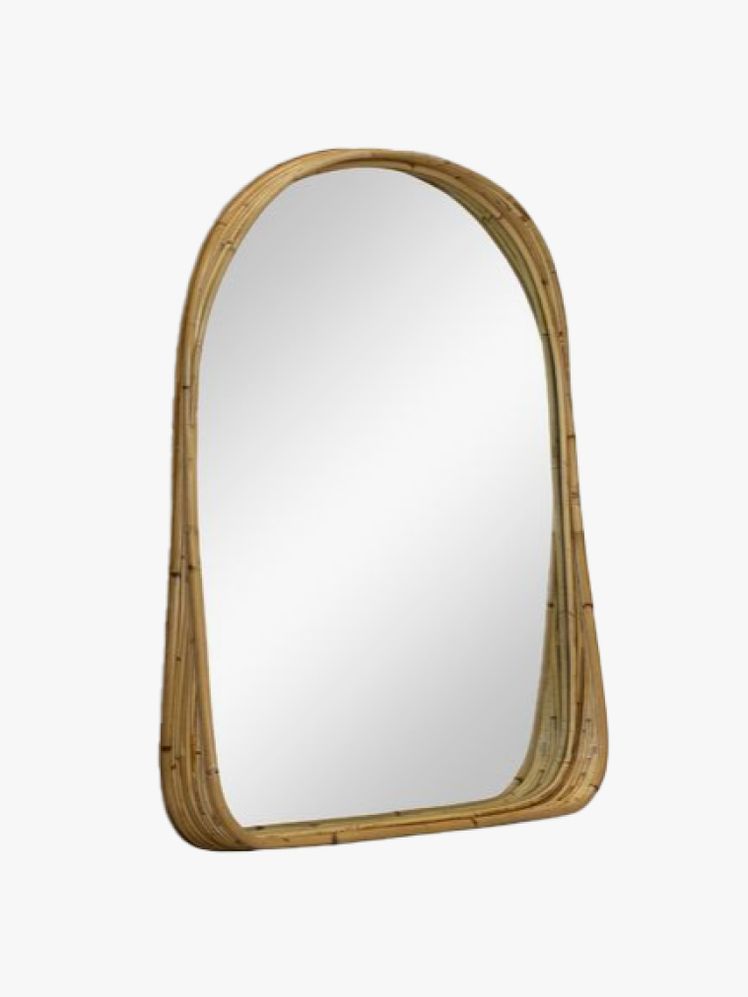
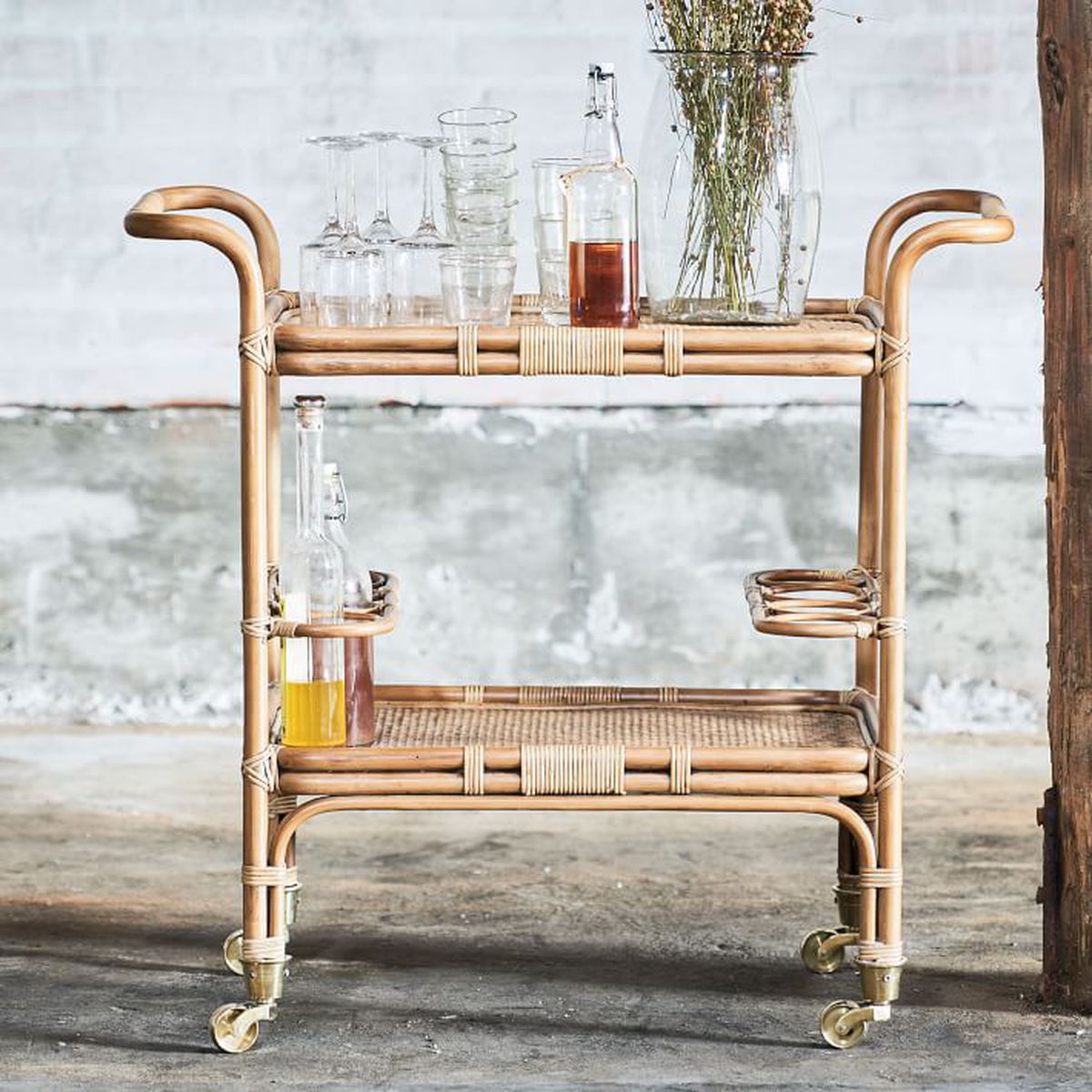
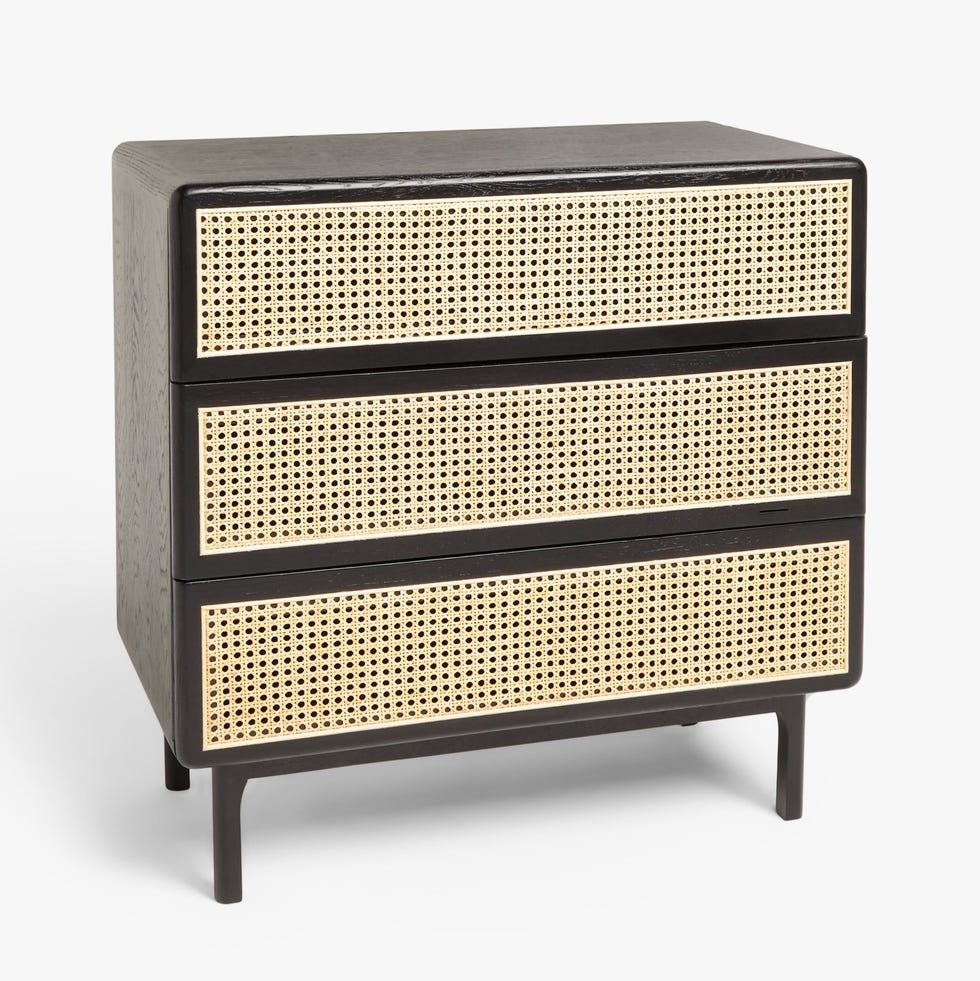
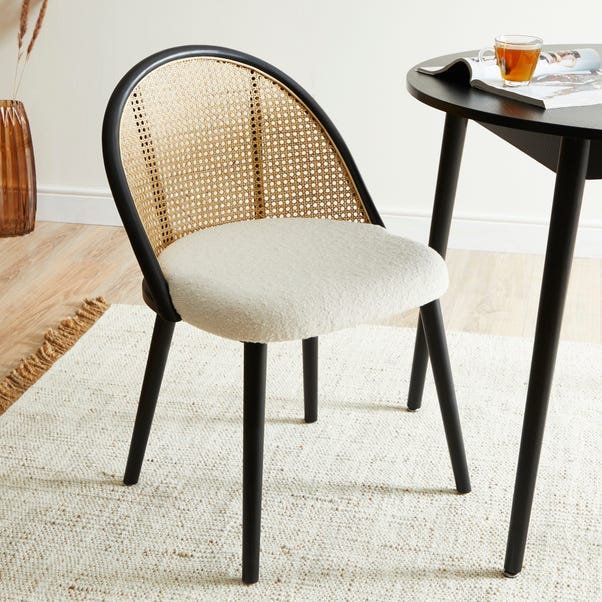
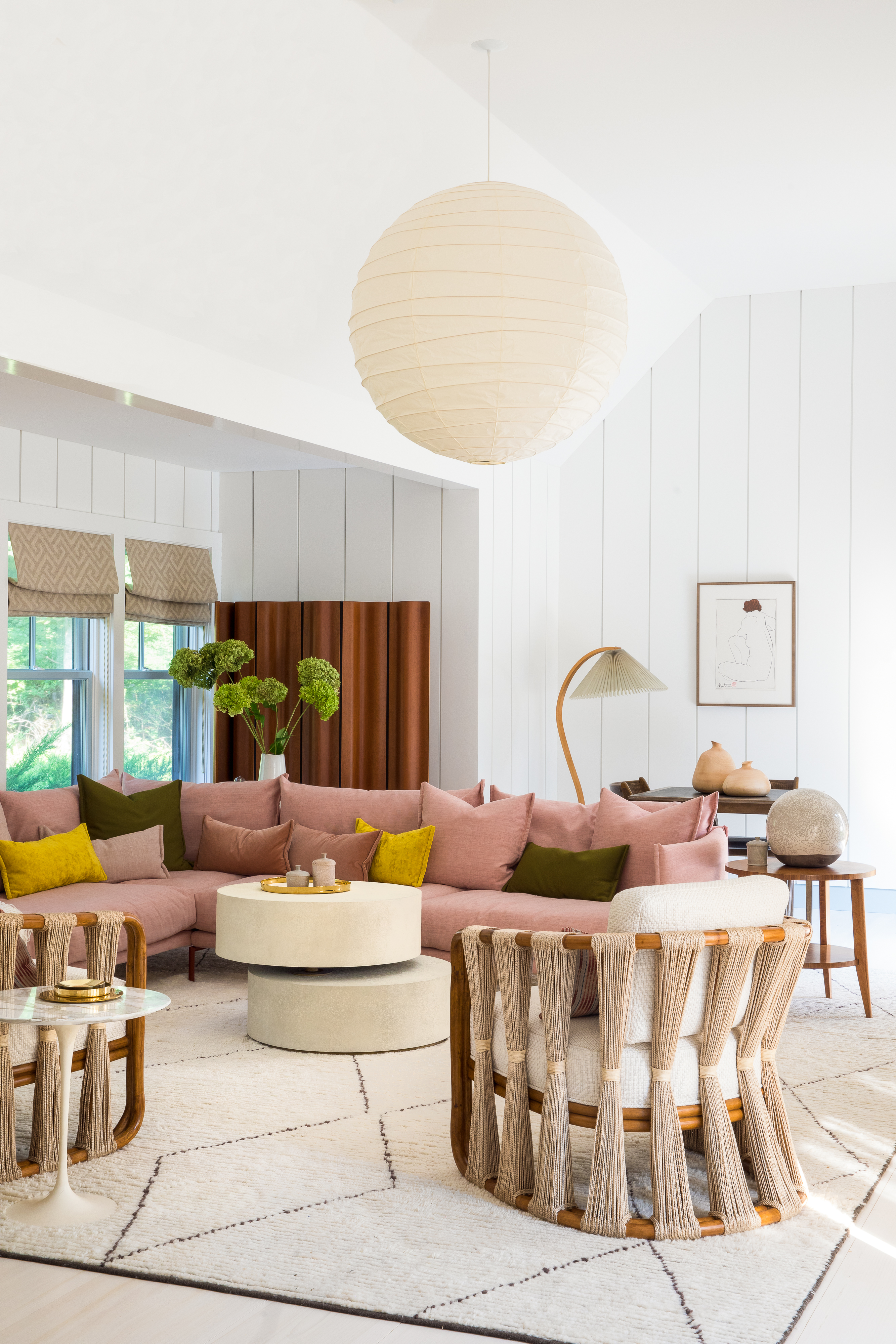
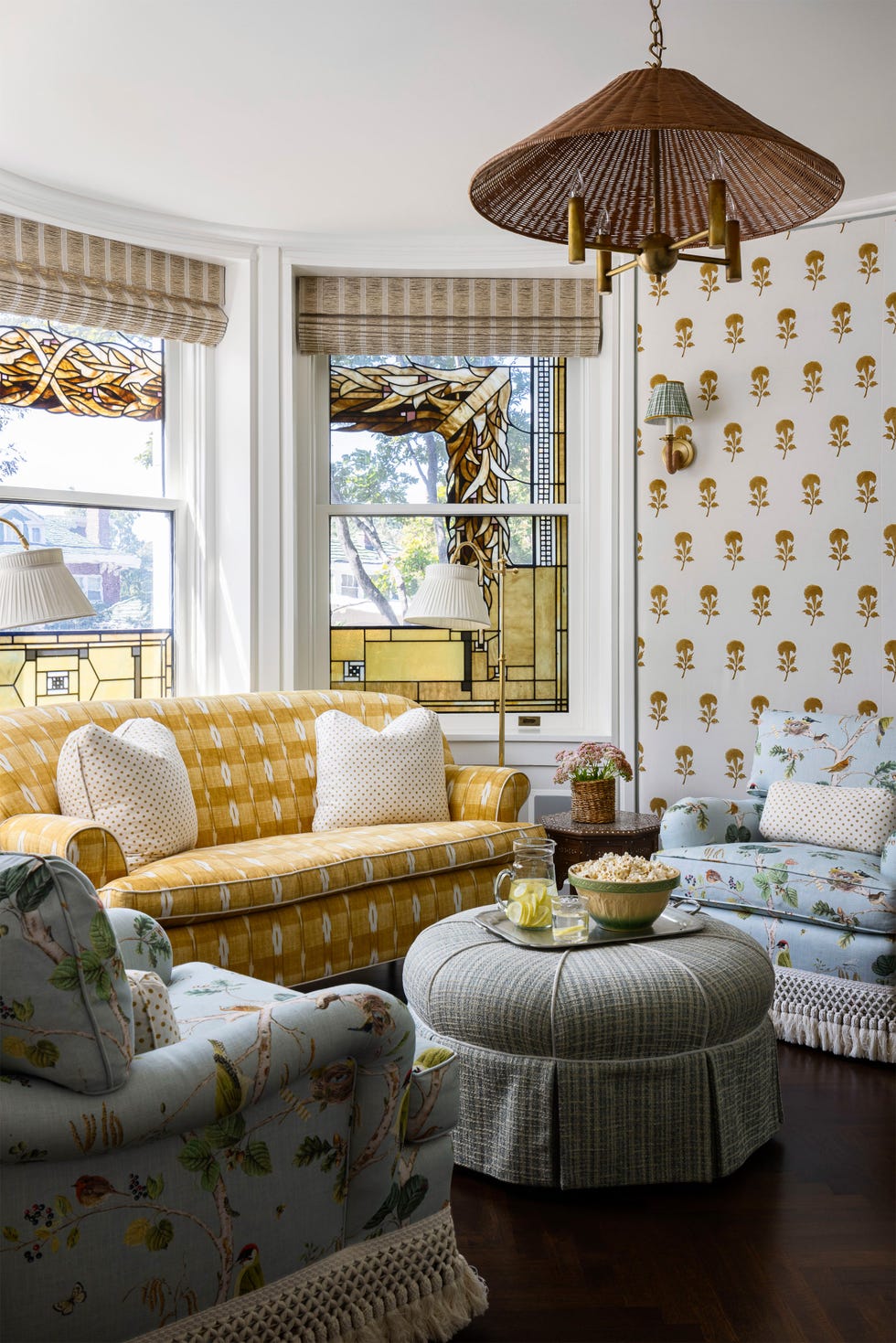
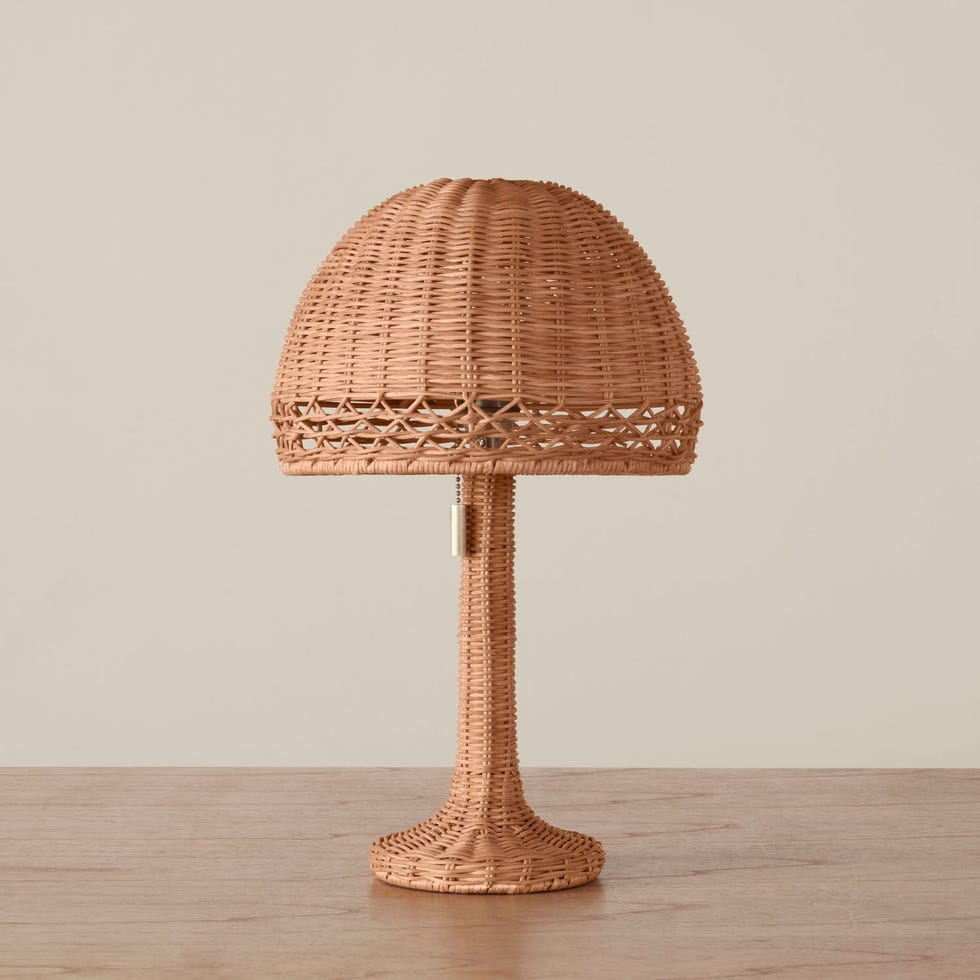
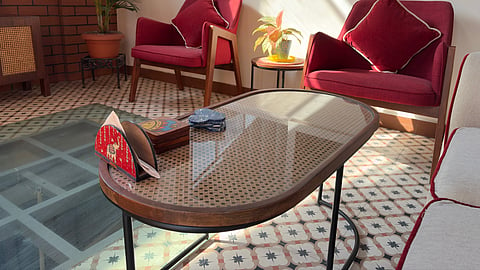
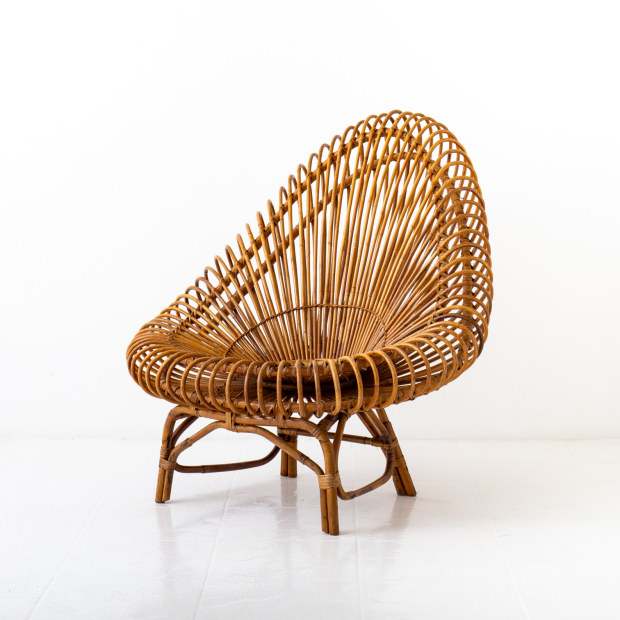
The renewed popularity of rattan stems from a blend of nostalgia and its inherent adaptability. Argha Sarkar, a design studio manager, exemplifies this trend by incorporating rattan into his terrace space. He chose rattan for its natural look, which blends seamlessly with wood without creating a heavy aesthetic, and for the comfort and familiarity it evokes from childhood memories. This nostalgic connection, combined with its ability to be molded into various shapes, has broadened rattan's application significantly. Poornima Shivaprasad Hiremath, principal architect at Studio Aura, notes that contemporary uses extend beyond loose furniture to partitions, privacy screens, wardrobe panels, console units, light fittings, and wall decor. Sarangi further elaborates on its use in wall paneling and ceilings, sometimes stretched over a wooden frame with backlighting to create intricate patterns that impart an Indian or bohemian vibe.
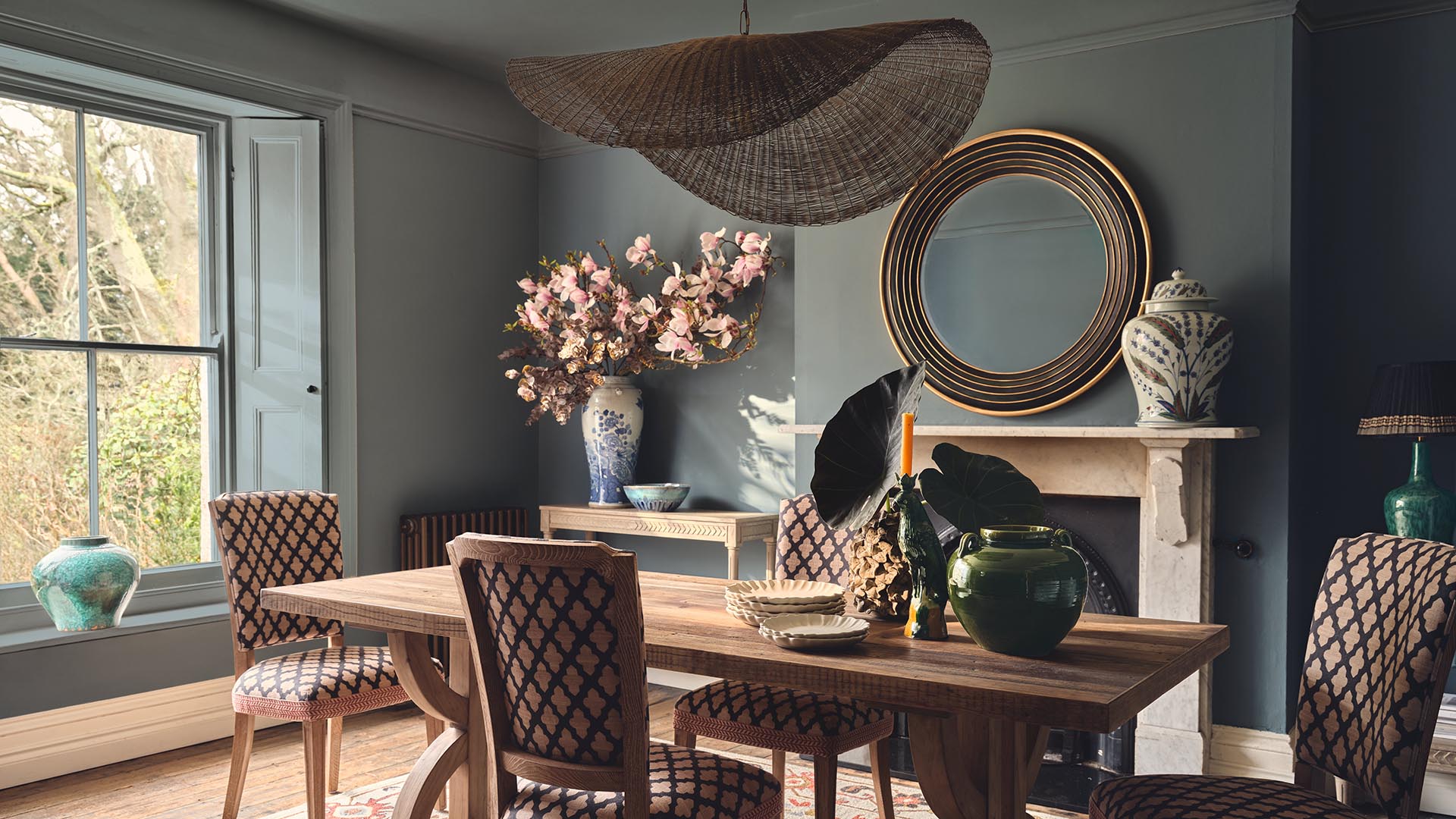
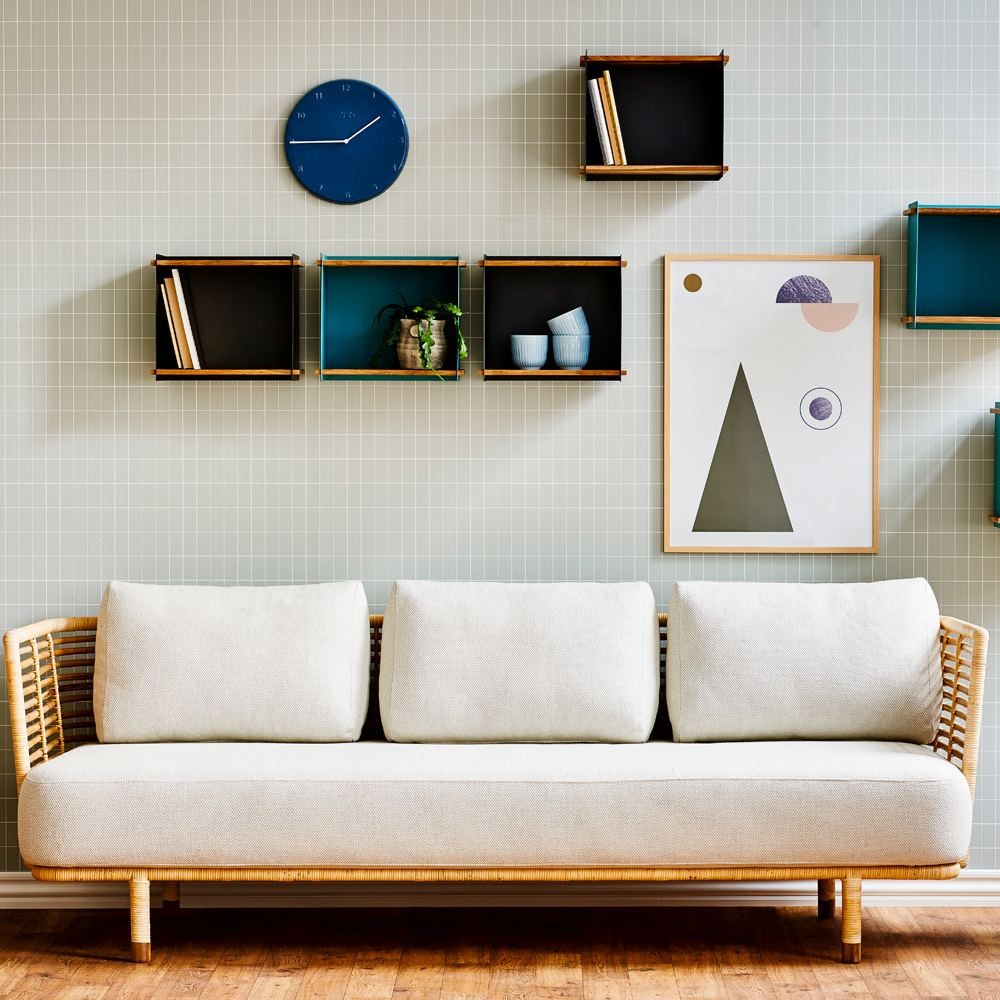
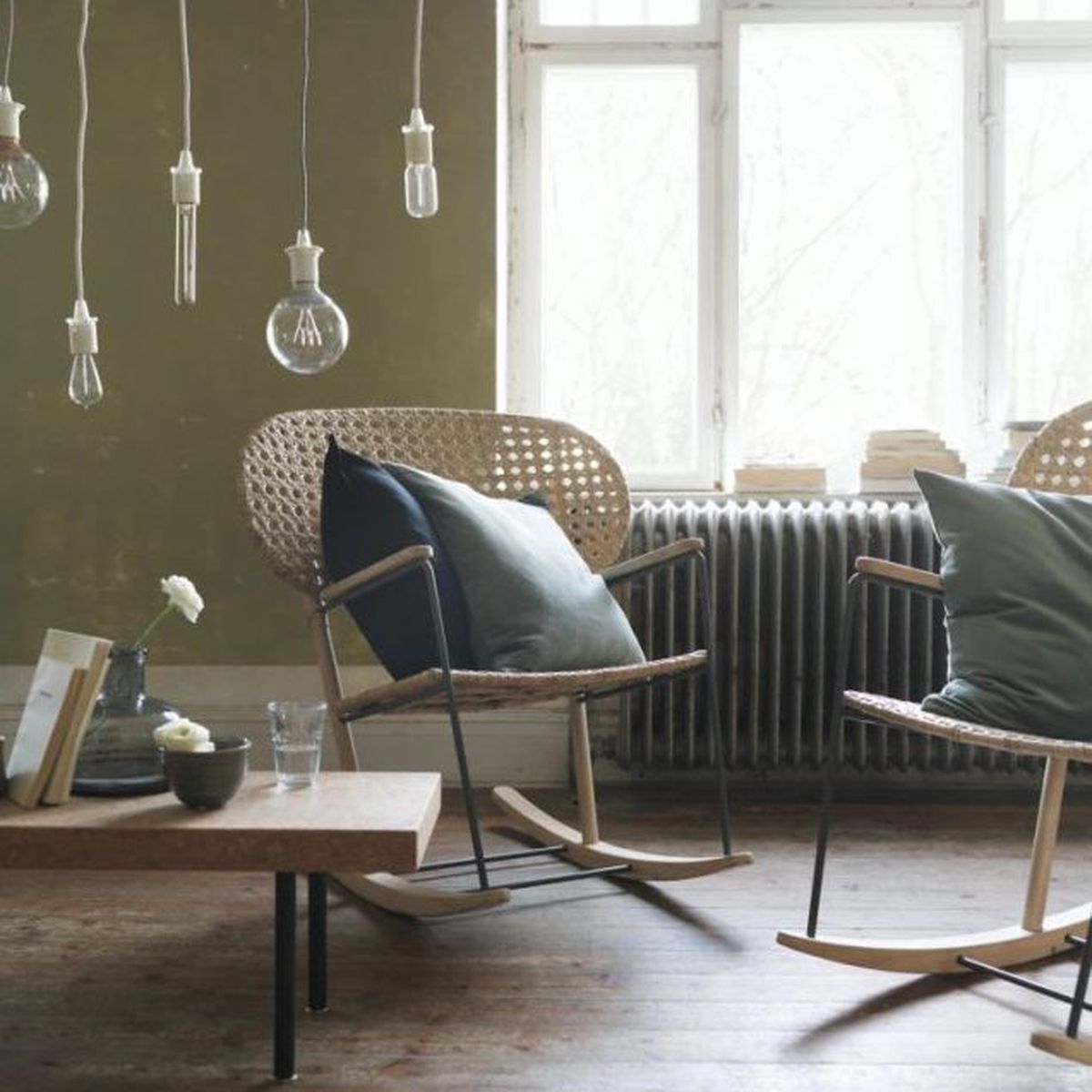
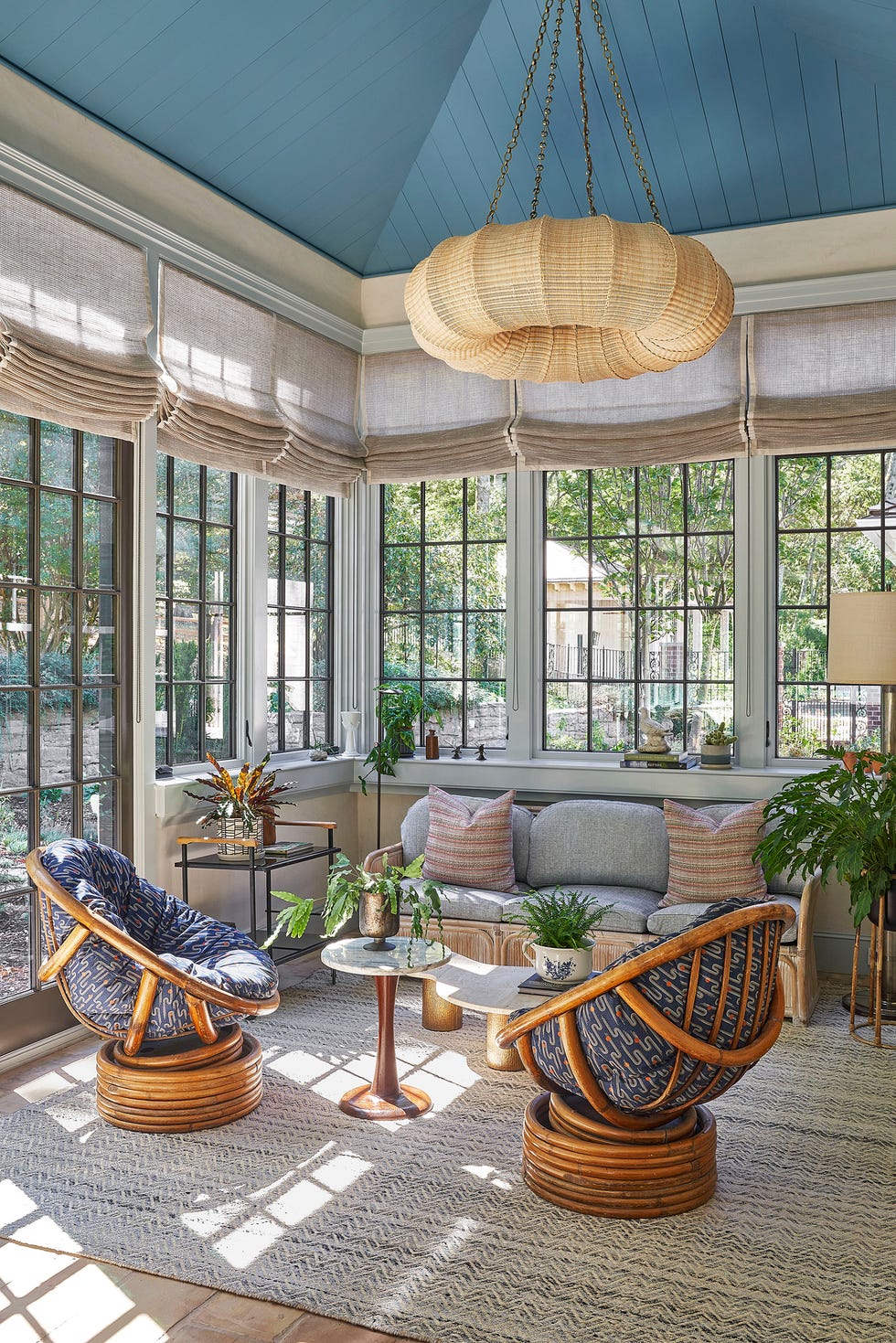
Beyond its aesthetic qualities, rattan is lauded for its versatility in adapting to different design styles. It integrates well with minimalist and biophilic designs, offering warmth and subtlety. Hiremath emphasizes its seamless blend with various decor styles, including modern, traditional, rustic, bohemian, and contemporary, stating that its unique texture softens harsh modern architectural lines and creates a welcoming atmosphere. Sarangi adds that rattan can even be incorporated into luxurious interiors by sandwiching it between glass with metal accents, achieving a sophisticated look.
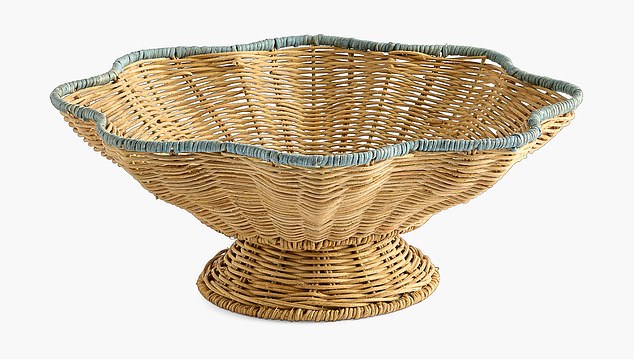
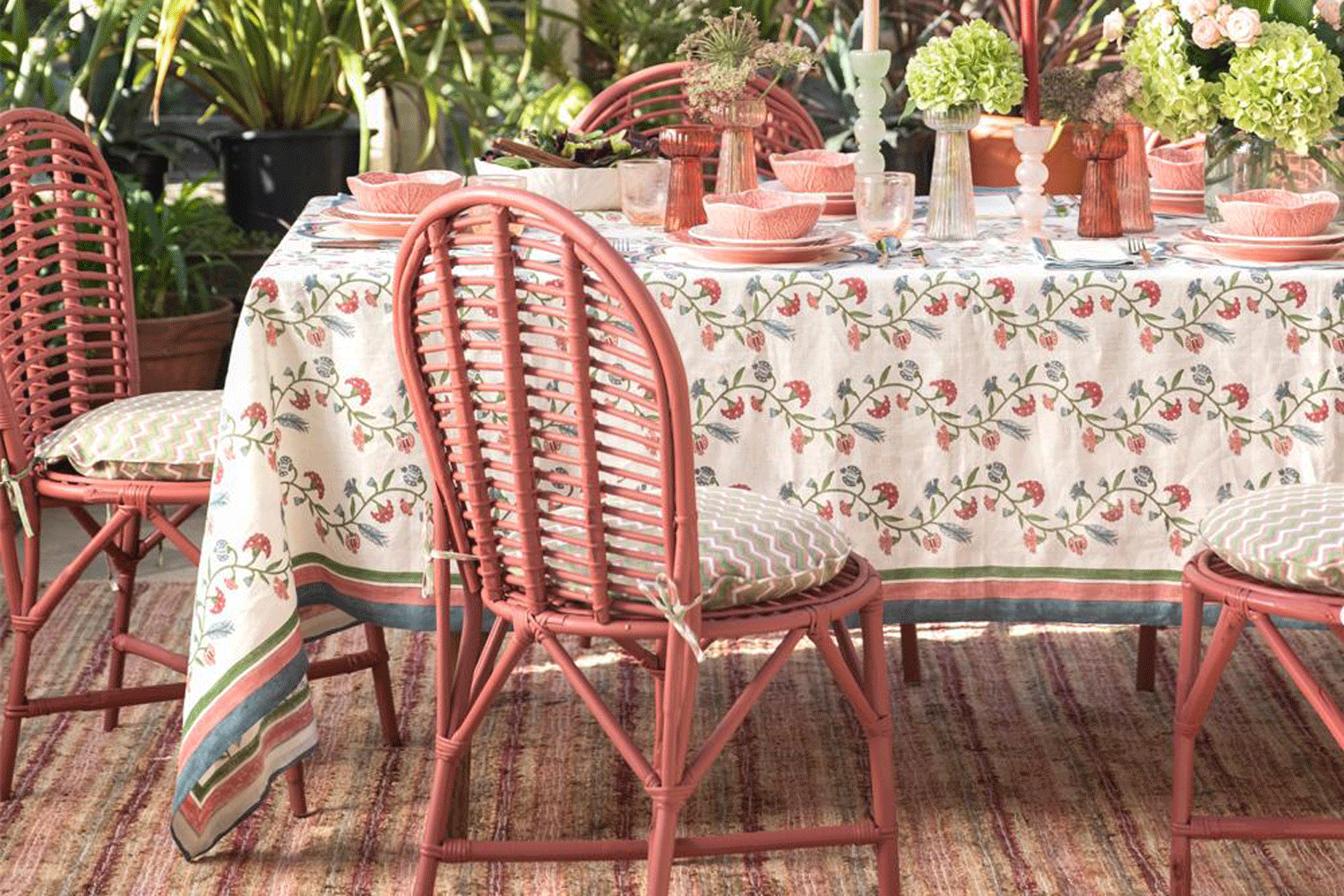
Sustainability is another key factor contributing to rattan's revival. As a long-lasting material derived from reeds widely grown in India, it aligns with eco-friendly principles. The article suggests that old rattan furniture can be upcycled and repurposed, offering an opportunity to modify existing pieces into unique art. These pieces can be stained, painted, or left in their natural state to match different interiors, or updated with pastel paints and new upholstery to align with current color trends.
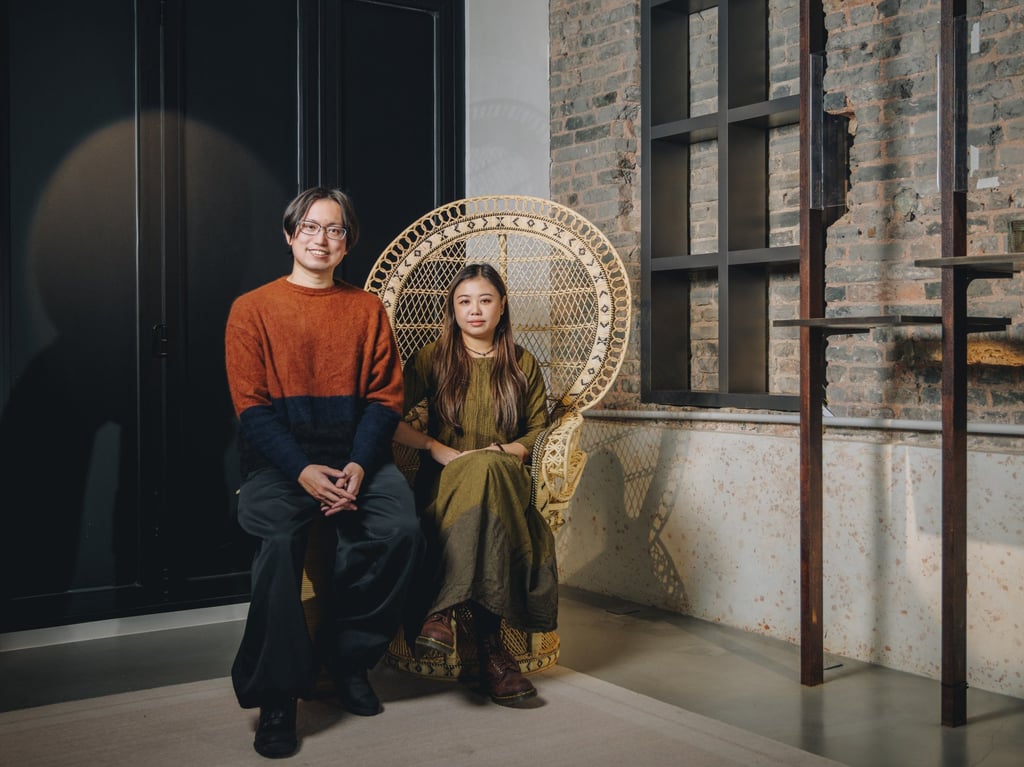
Artistic innovations are also emerging, as seen with Bengaluru-based store Vystrit, founded by Prashant and Saumya Kashyap. Vystrit specializes in rattan art, creating intricate cross-stitch designs featuring motifs like peacocks and Ganeshas on rattan bases. These artworks, made from upcycled materials, add vibrant splashes of color to any space. The Kashyaps also emphasize the social sustainability aspect, with Saumya training women housekeepers in embroidery, providing them with new skills. A unique offering from Vystrit is a table with a changeable rattan art tabletop, allowing customers to regularly refresh their decor. Practical tips for maintaining rattan include protecting it from direct sun and rain to prevent mold, regular cleaning to remove dust from its webbing, and exercising caution when purchasing to distinguish genuine rattan from plastic imitations.
#Rattan #InteriorDesign #HomeDecor #SustainableLiving #EcoFriendly #DesignTrends #Nostalgia #ArtisticFlair #Bengaluru #Rattan #InteriorDesign #HomeDecor #SustainableLiving #EcoFriendly #DesignTrends #Nostalgia #ArtisticFlair #Bengaluru
0 commentaire au total
 Aucun commentaire pour le moment
Vous aimerez aussi
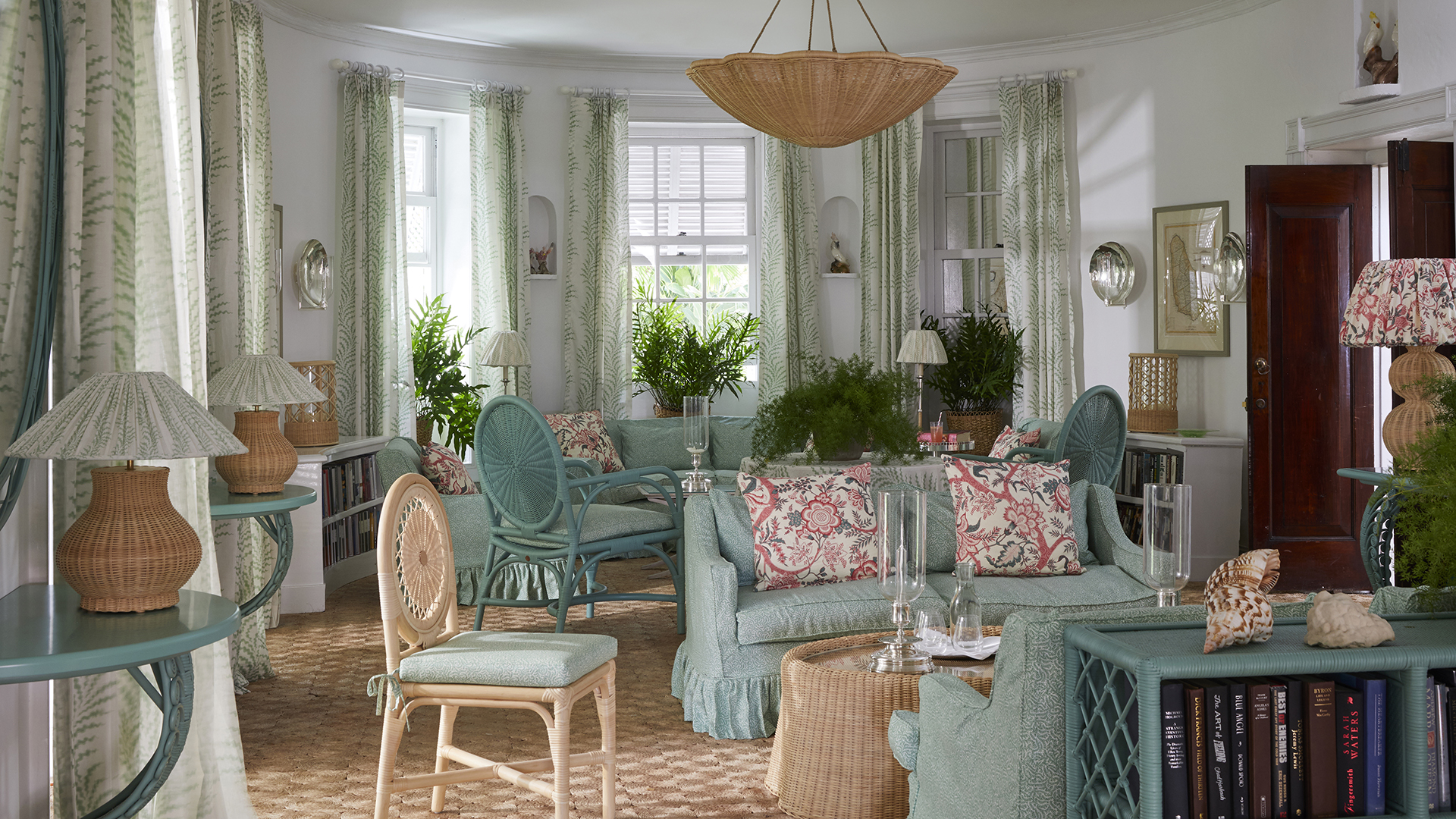
Tasteful rattan interiors that are inspiring the revival of the timeless material

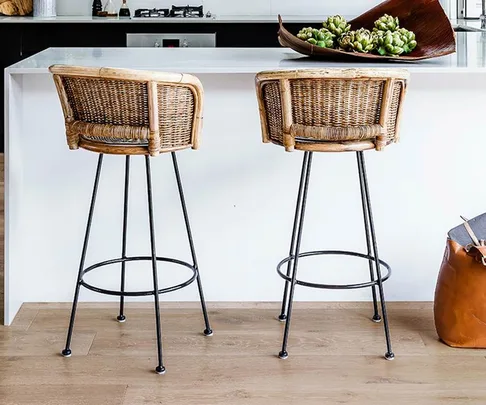
12 pieces of rattan furniture you won’t see everywhere

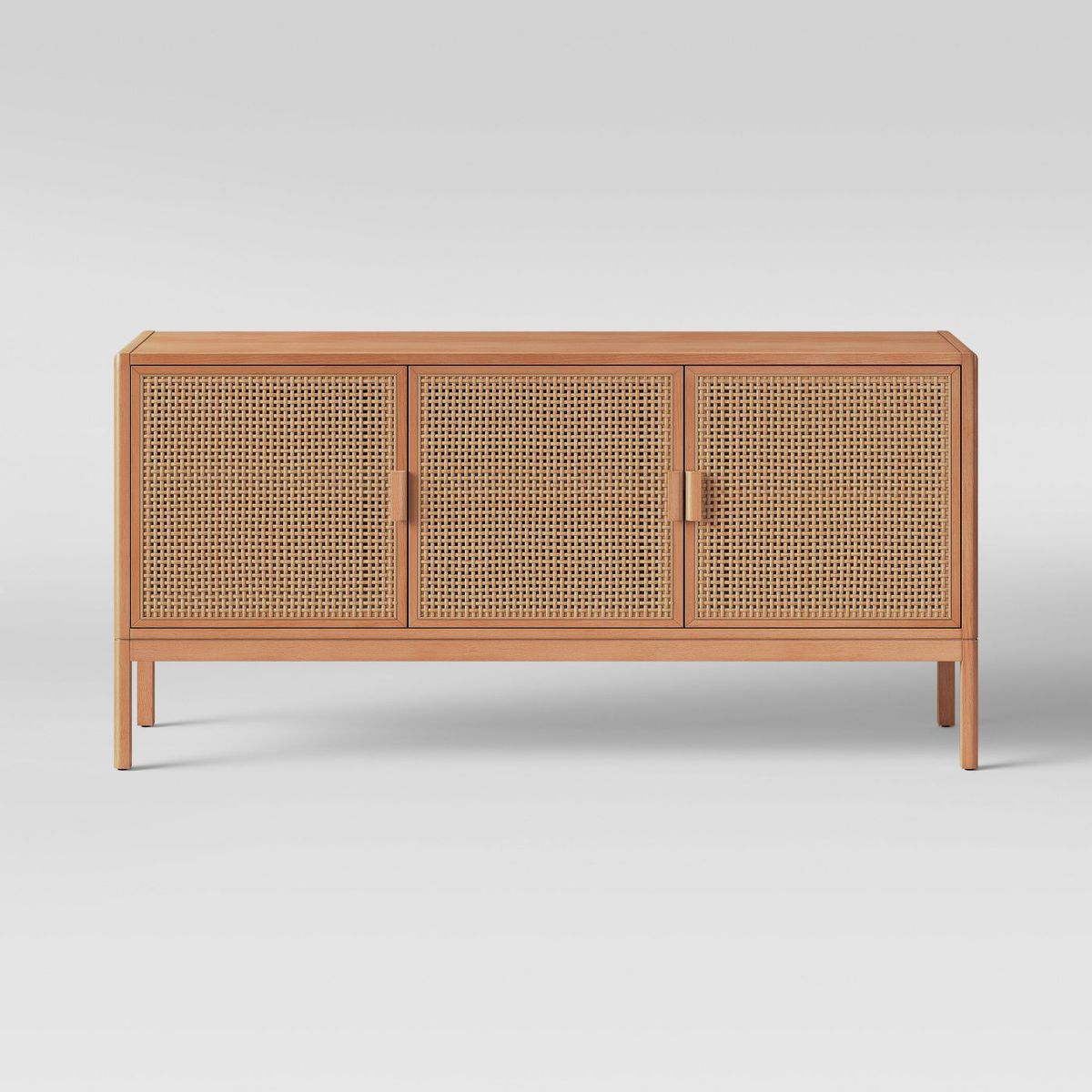
How to shop the wicker obsession
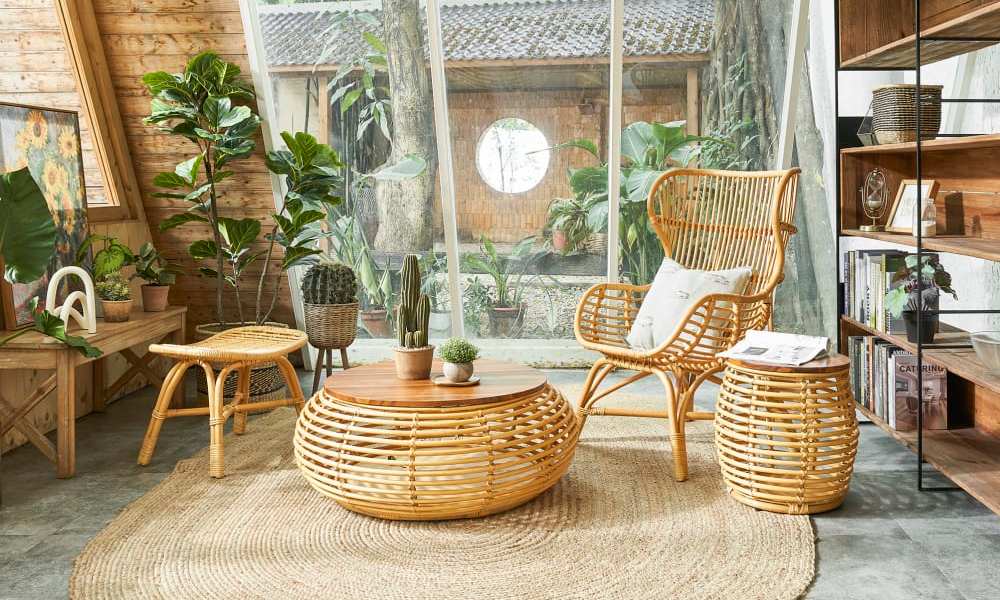
Rattan Is Here to Stay. Here’s How to Bring It into Your Home

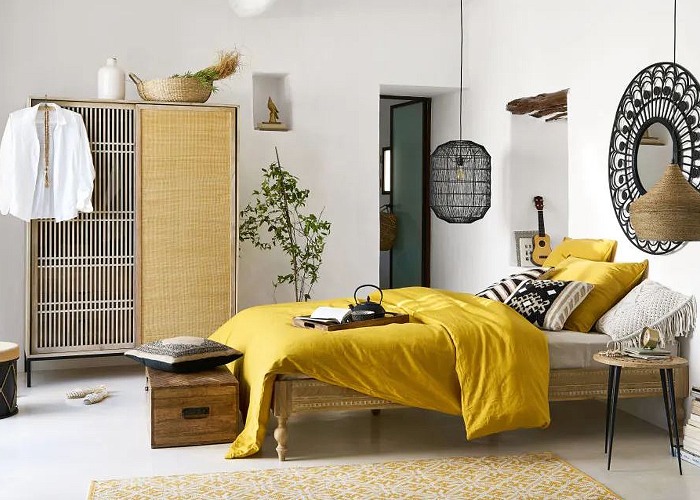
Rattan furniture: the 1970s throwback that's the hottest trend this year

Embrace the Natural Look With Raffia, Rattan, and Cane Design Pieces
The ’70s furniture trend making an unlikely (but welcome) comeback
Everything My Interior Designer Mom Is Buying for Her Home This Spring

22 rattan buys to upgrade your home, starting at just £8
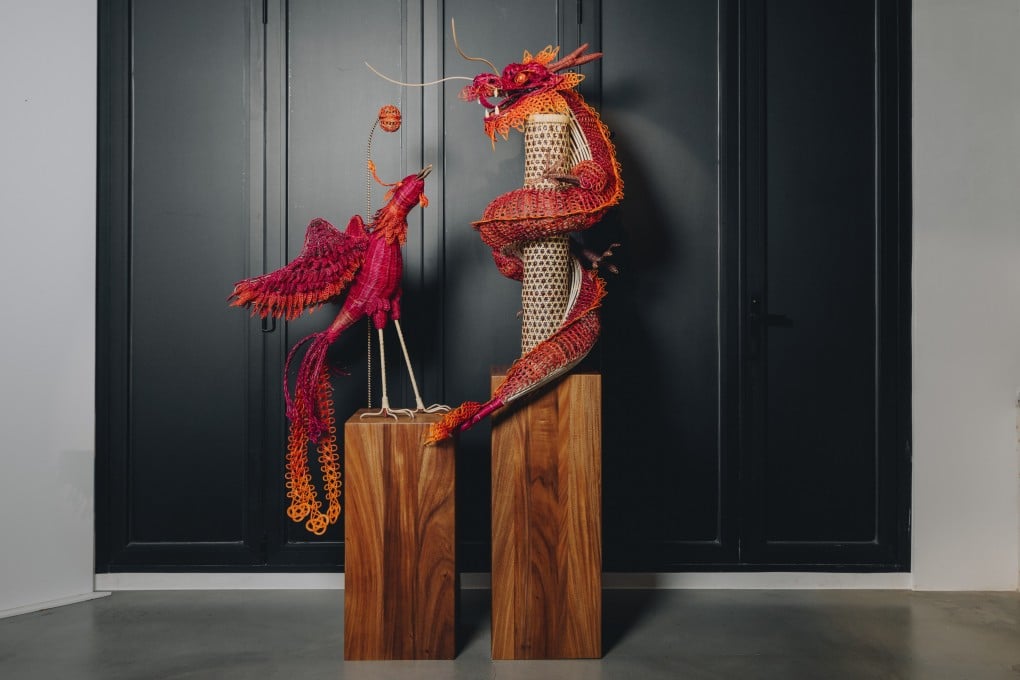
How humble rattan furniture is experiencing a modern renaissance

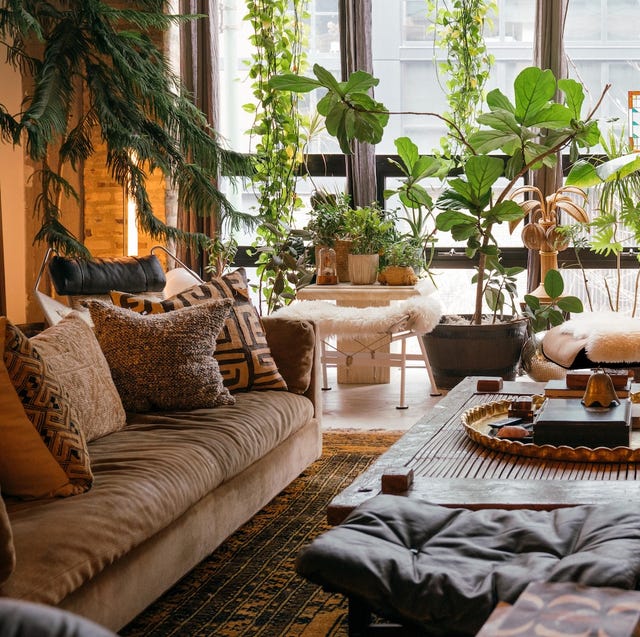
Boho Design Is Back — Here’s How to Nail the Look on a Budget


The South’s Historic Love Affair with the Laid-Back Glamour of Rattan
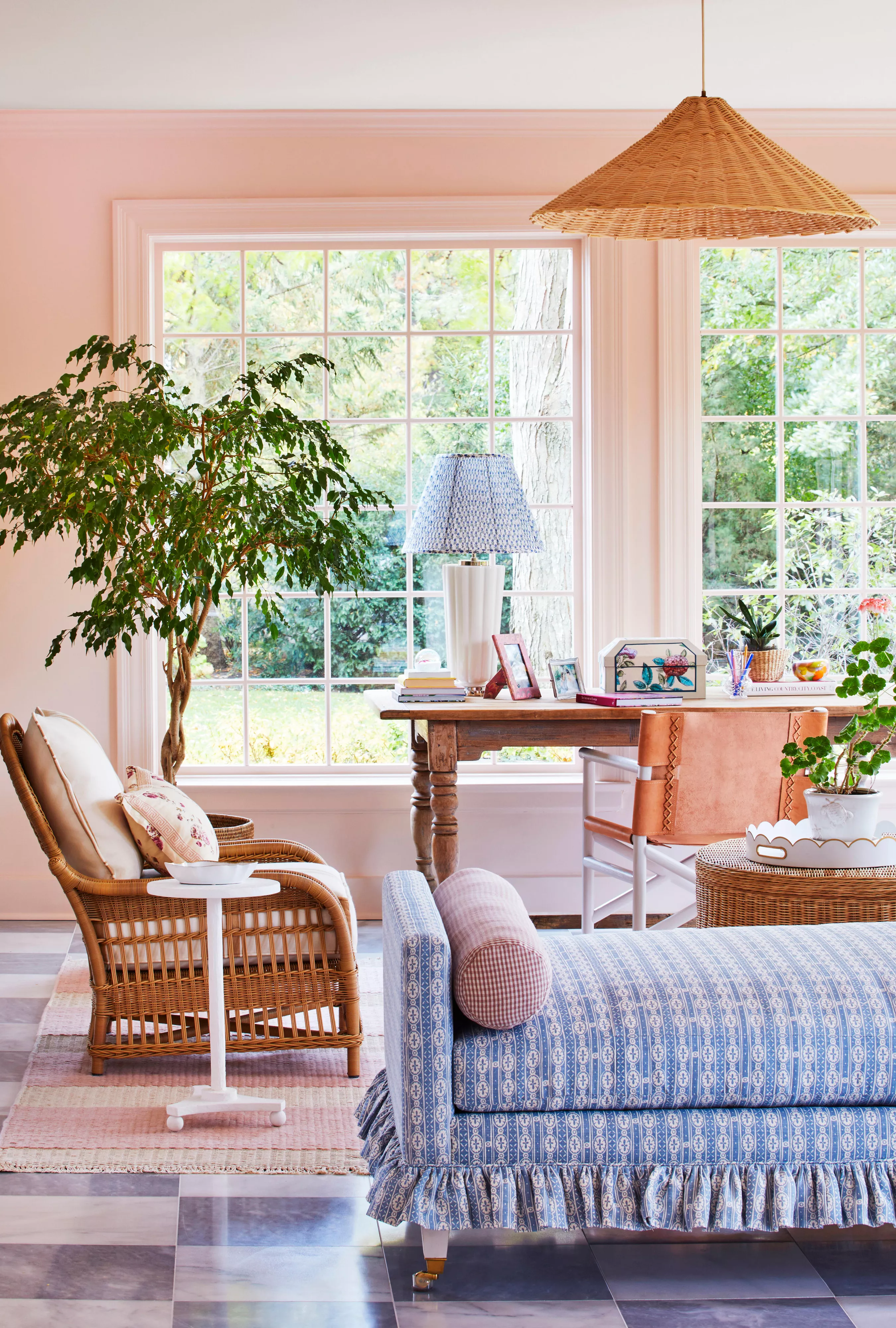
Rattan Decor Is More Popular Than Ever—Experts Reveal How to Decorate with the Trending Material

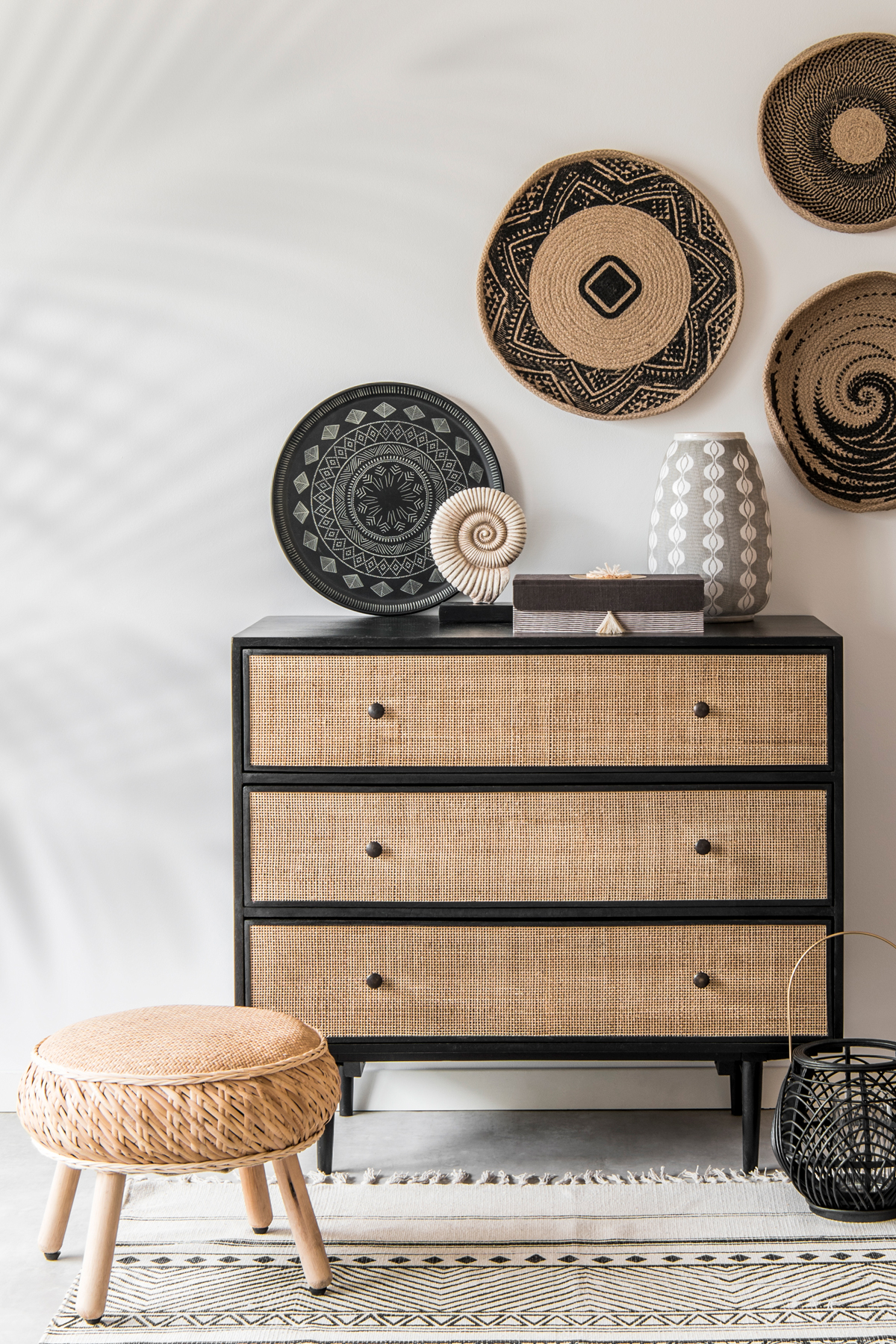
10 stylish rattan furniture and accessories for indoors and out

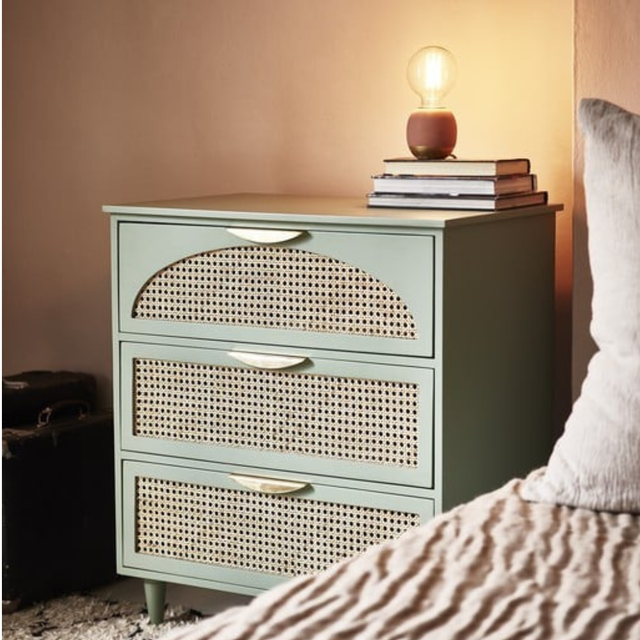
15 Gorgeous Rattan Bedroom Furniture Ideas 2024

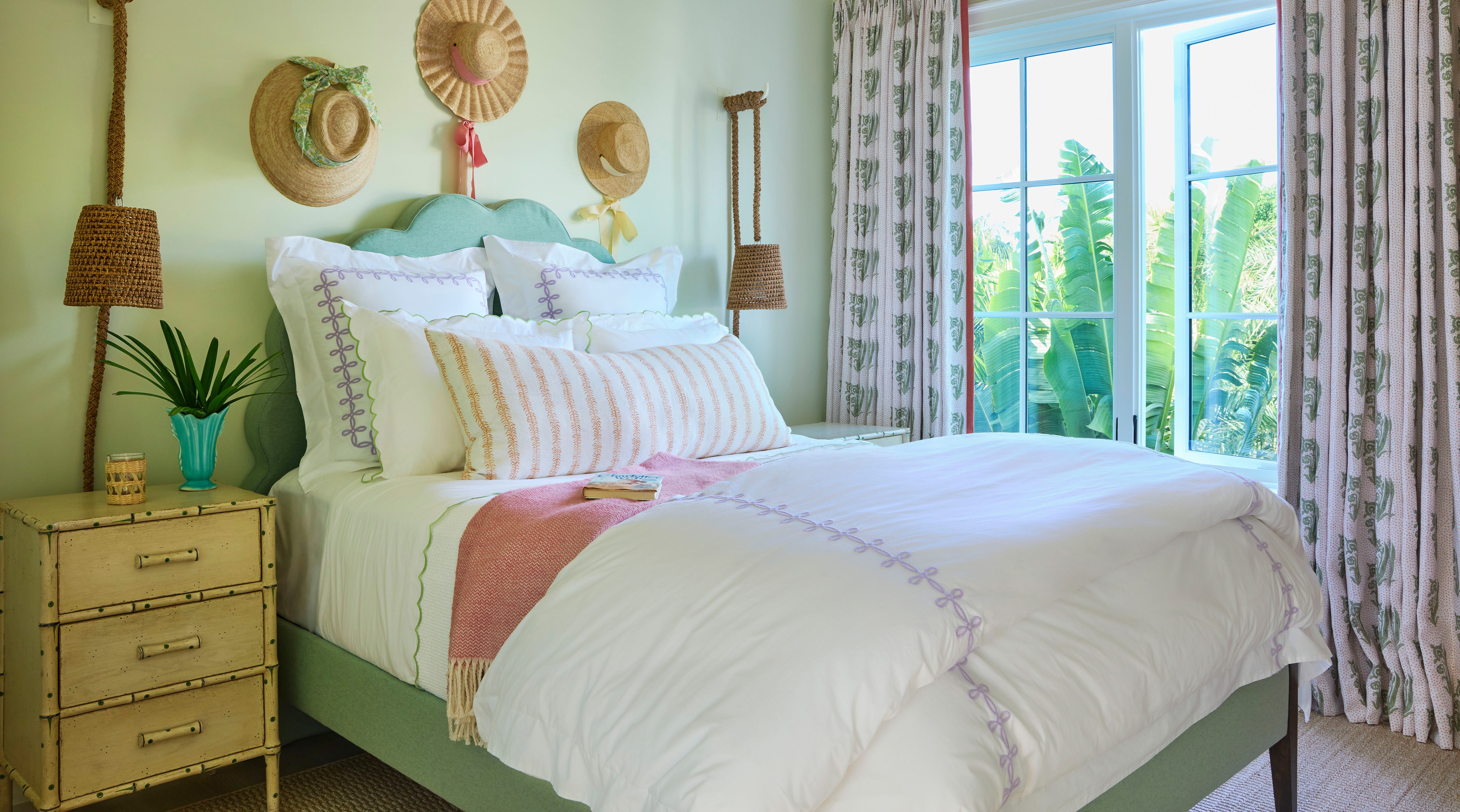
Why Rattan Lighting Deserves a Place in Your Home Year-Round

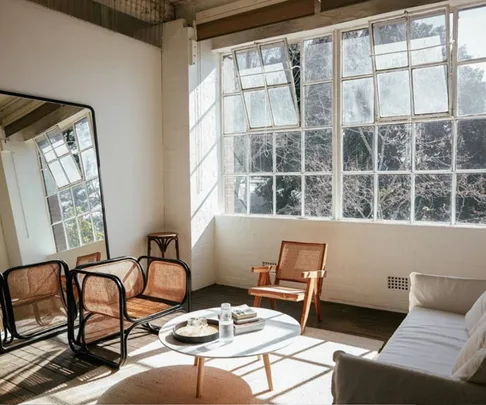
Trend alert: How to introduce rattan at home
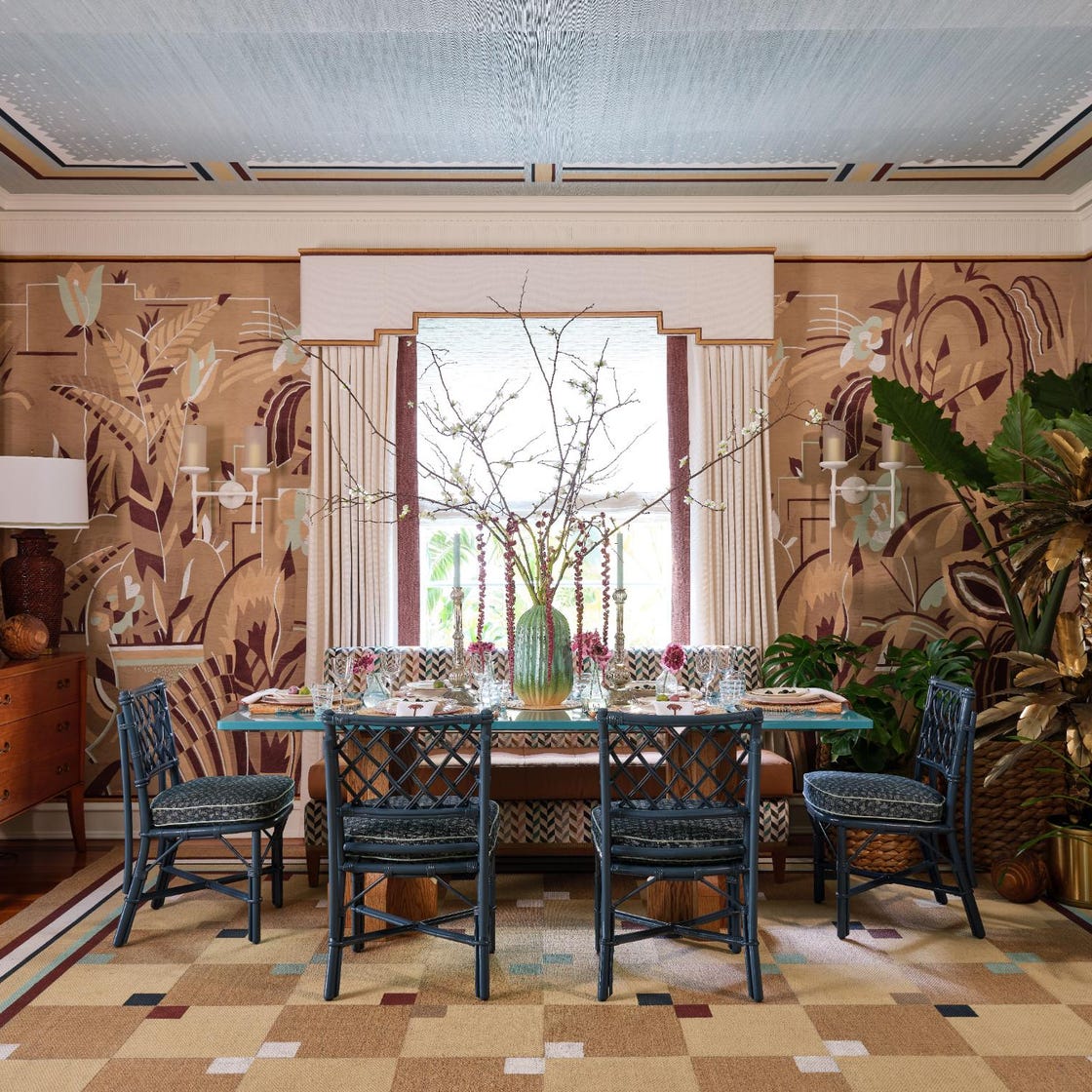
Rattan Is Trending Right Now—But Interior Designers Say It's as 'Timeless as a White Button-Down Shirt'

What Comes After Rattan? We Asked 4 Designers to Predict the Next Big Material

How rattan furniture from Thailand is making waves