Why You Should Skip the Toxic Floral Foam for Your Flowers (and What to Use Instead)
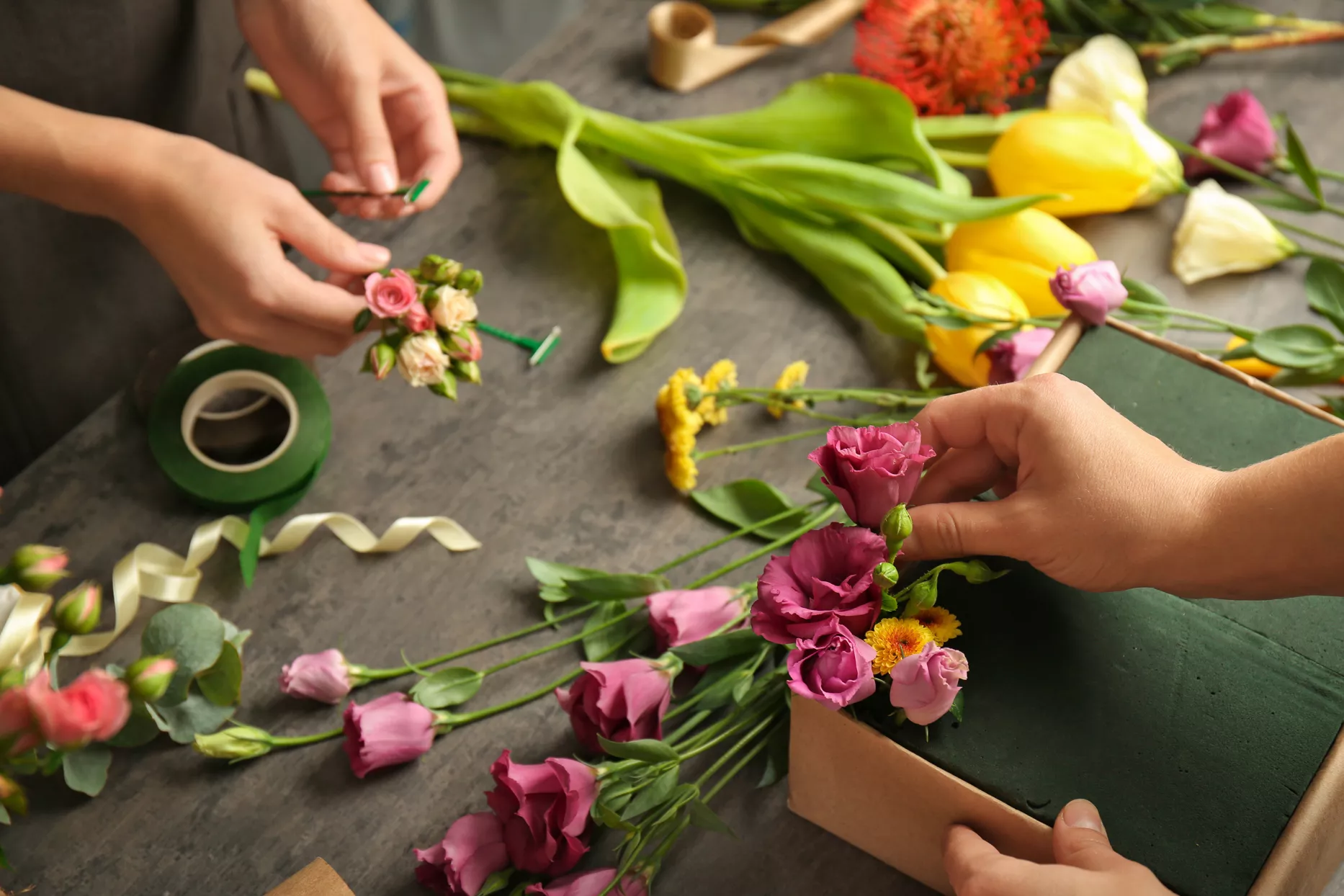
Floral foam, a familiar green block used to stabilize flower arrangements, has been identified as an environmental concern due to its composition and breakdown into microplastics. Despite its widespread use and convenience in floral design since its patenting in the 1950s by Vernon Smithers of Smithers-Oasis, scientific studies reveal that floral foam is a plastic product. Its decomposition contributes to microplastic pollution, which can persist in the environment for centuries, posing potential harm to both aquatic life and human health. Major events like the Royal Horticultural Society’s Chelsea Flower Show and the Slow Flowers Summit have consequently banned its use, prompting florists and consumers to seek more sustainable alternatives.
While floral foam contains trace amounts of known carcinogens like formaldehyde, the primary concern lies with microplastics. A 2019 study by RMIT University demonstrated that microplastics from floral foam physically and chemically harm various freshwater and marine species upon ingestion. Furthermore, research from Hull York Medical School discovered microplastics in human lungs, suggesting that airborne microplastics from sources including floral foam, packaging, and clothing contribute to significant human exposure. Although the long-term health implications are still under investigation, florists like Tobey Nelson express concern about inhaling dust from the product, advocating for a shift away from the convenience mentality towards more sustainable practices.
Fortunately, a growing awareness of these issues has led to the development and adoption of numerous eco-friendly floral foam alternatives. Several innovative products offer sustainable solutions for flower arrangements. TerraBrick, offered by Oasis, is a fully compostable product made from plant-based, renewable natural coir and a compostable binder. It functions similarly to traditional foam by absorbing water and supporting stems, but can be safely composted after use. Another option is the Oshun Pouch from New Age Floral, a compostable material that expands in water to support large floral designs. Sideau AgraWool, also from New Age Floral, is made from basalt rock fibers that absorb water and hold stems in place, available in various cuttable forms.
Beyond these specialized products, several traditional and DIY methods provide effective and sustainable ways to arrange flowers. The FloraGuppy is a malleable, recyclable plastic orb with stem holes that can be reshaped with warm water to fit different vases. Floral frogs, centuries-old tools made of metal, ceramic, or glass, offer a timeless solution for holding stems upright, often secured with putty. Chicken wire, shaped into a 'pillow,' creates a supportive structure for flowers, though caution is advised to protect delicate vases from scratches. Decorative pebbles or beads can fill clear cylindrical vases, providing stability and an aesthetic element while holding stems. Natural materials like sheet moss or Spanish moss can be compacted to form a base for arrangements. Wood wool, also known as excelsior, is a biodegradable packing material increasingly used by floral designers after being soaked in water, squeezed, and formed. Floral tape, used to create a grid over vase openings, is another effective tool for securing stems. Finally, DIY alternatives, such as using a hollowed-out watermelon for temporary arrangements, showcase creative ways to utilize household items for floral support. When disposing of existing floral foam, experts recommend placing it in landfill garbage rather than washing it down drains or adding it to yard waste to prevent microplastic contamination of water systems and soil. Straining drainage water through fine mesh can help capture foam particles.
#FloralDesign #SustainableFloristry #EcoFriendlyAlternatives #Microplastics #EnvironmentalImpact #FlowerArrangements #GardeningTrends #HomeDecor #DIYFlowers #FloralDesign #SustainableFloristry #EcoFriendlyAlternatives #Microplastics #EnvironmentalImpact #FlowerArrangements #GardeningTrends #HomeDecor #DIYFlowers
 Aucun commentaire pour le moment
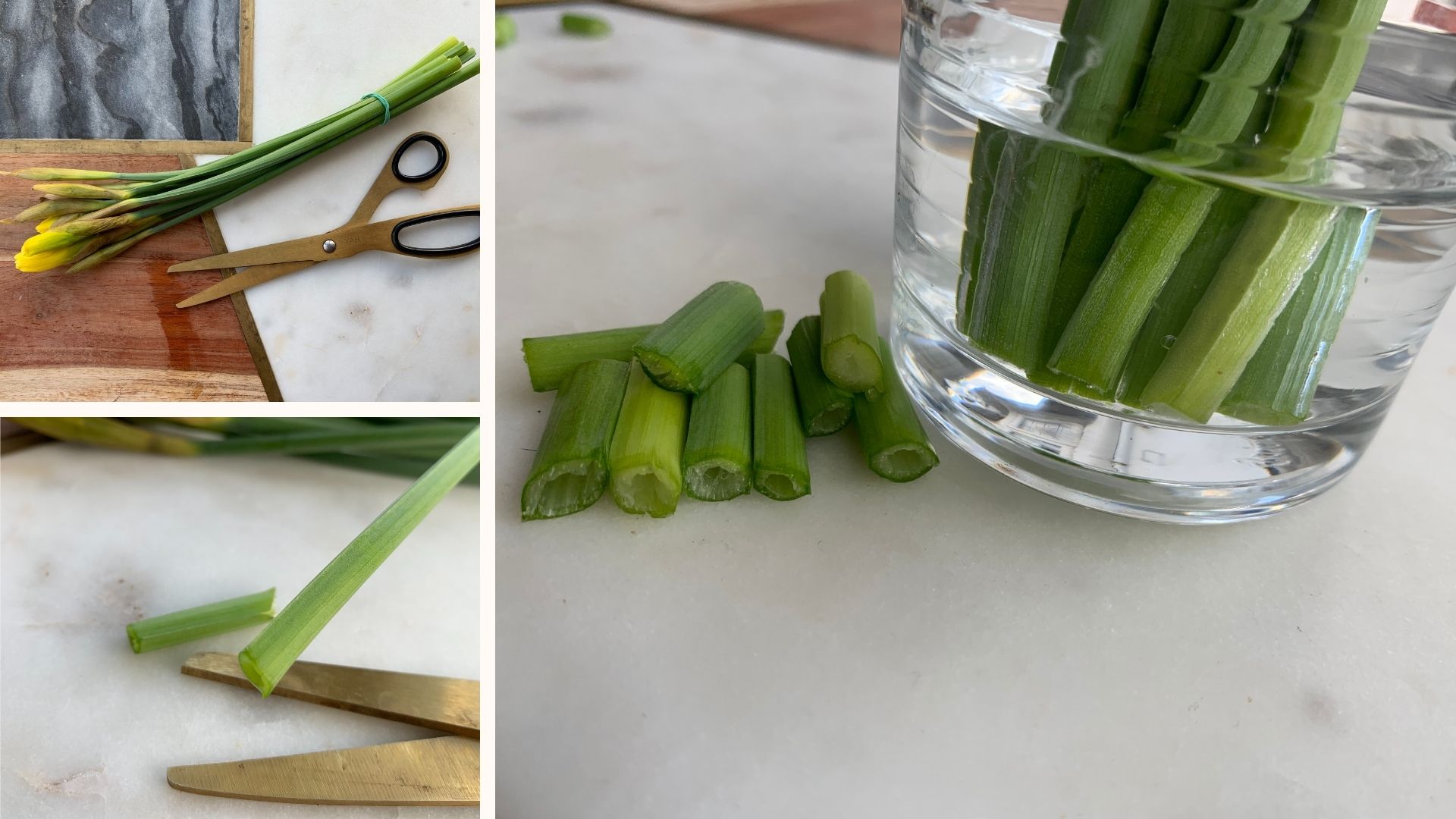
Don't put your daffodils in a vase without doing this one thing first, warns a florist

12 Toxic Flowers to Avoid in Your Garden

We Can’t Even Believe These Gorgeous Flowers Are Fake
Faux flowers got upgraded: Shop these realistic-looking blooms

8 Things You Should Never Do With Fresh Flowers If You Want Them To Last
The Purple Flower That Boosts Soil But May Be More Hassle Than It's Worth