1/4
Scandinavian Style 101: Everything You Need to Know About Scandi Design
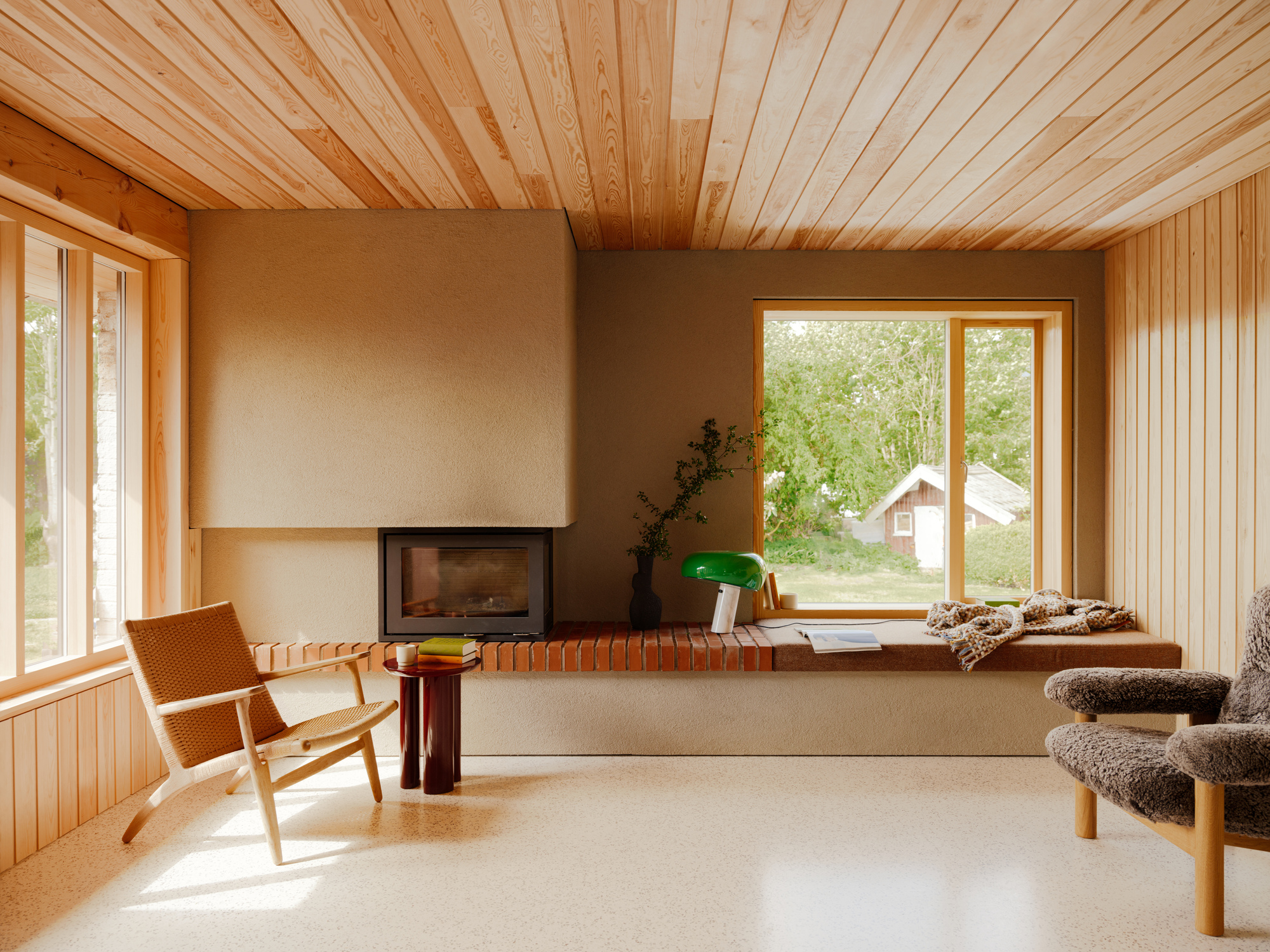
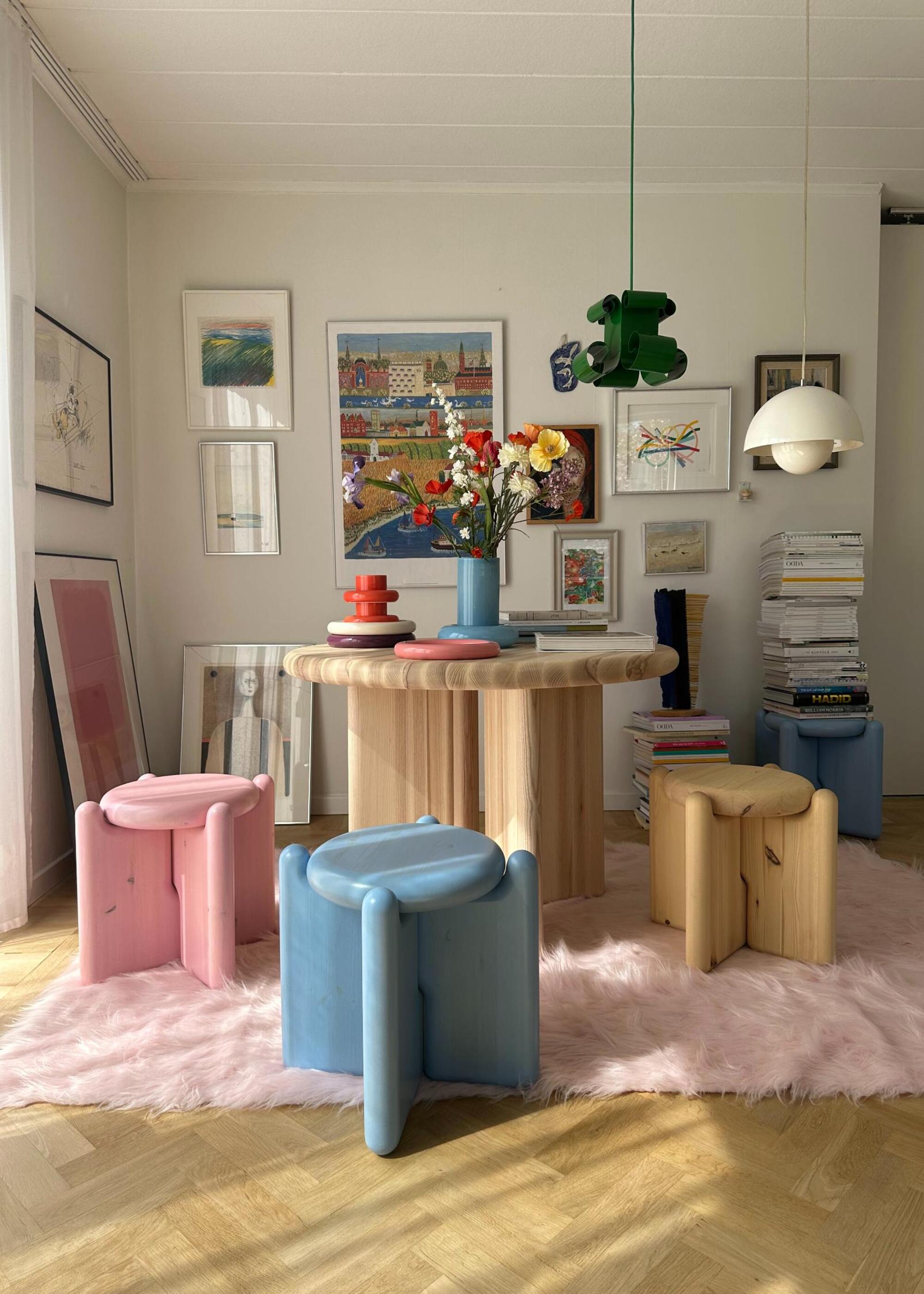
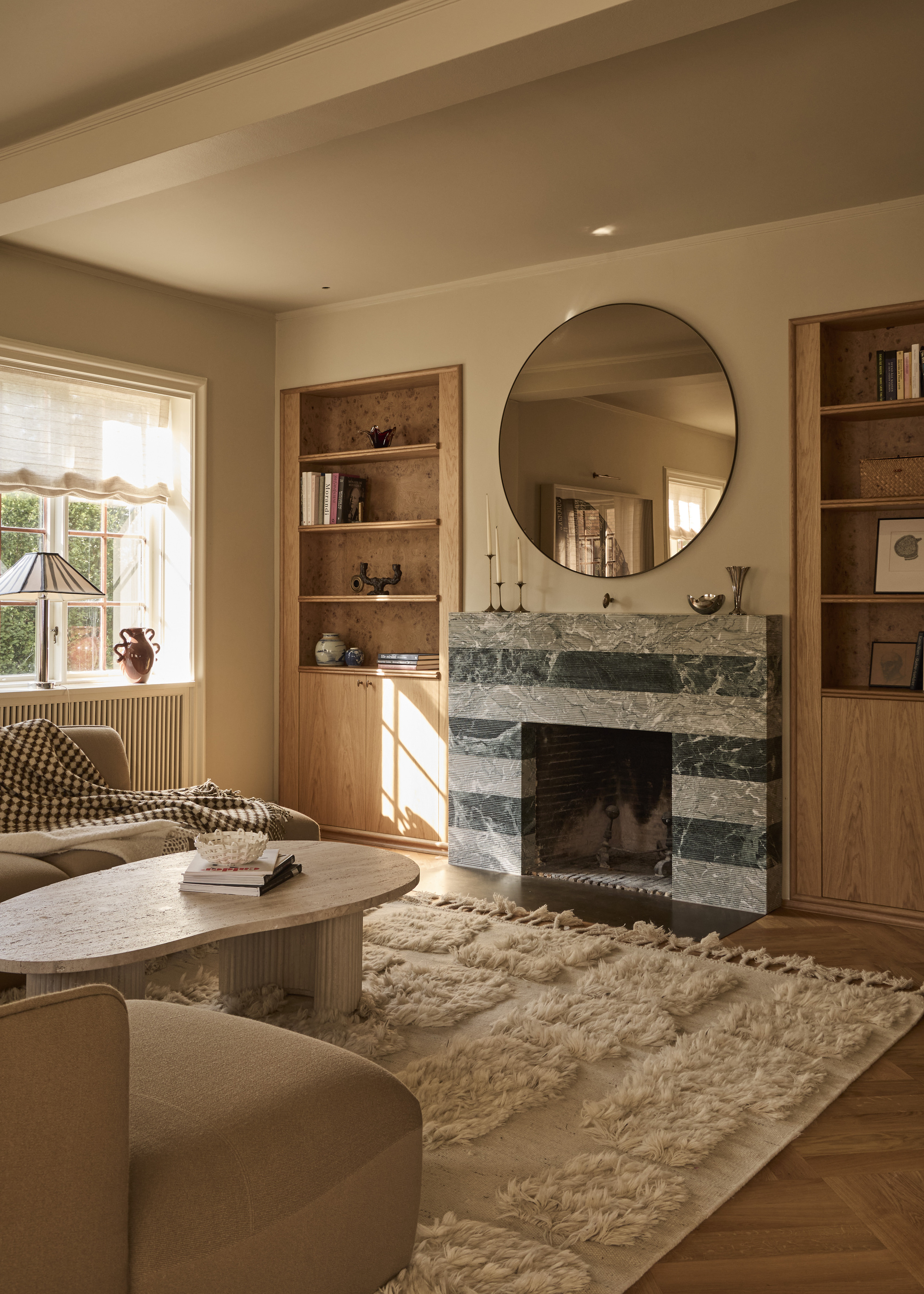
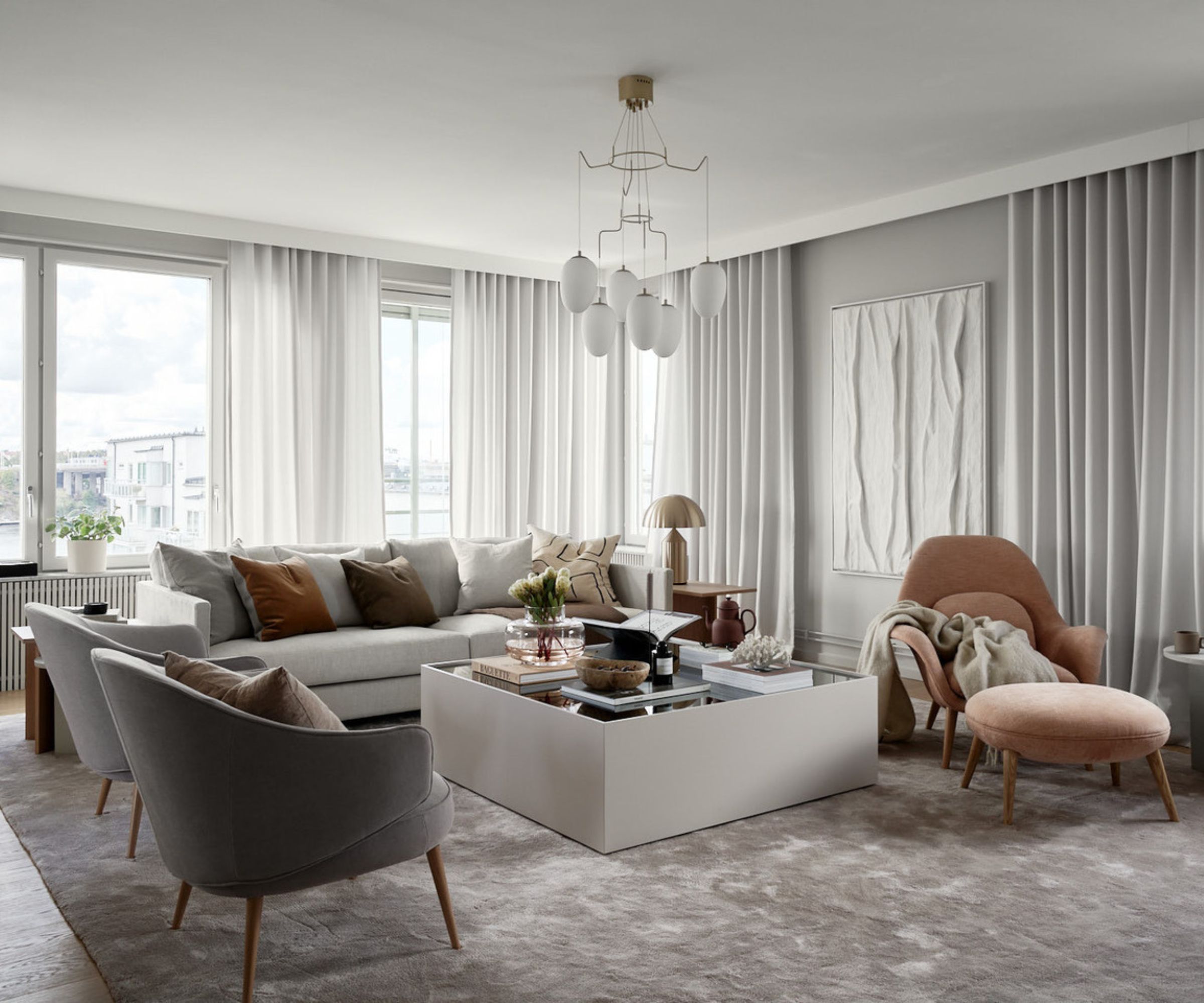
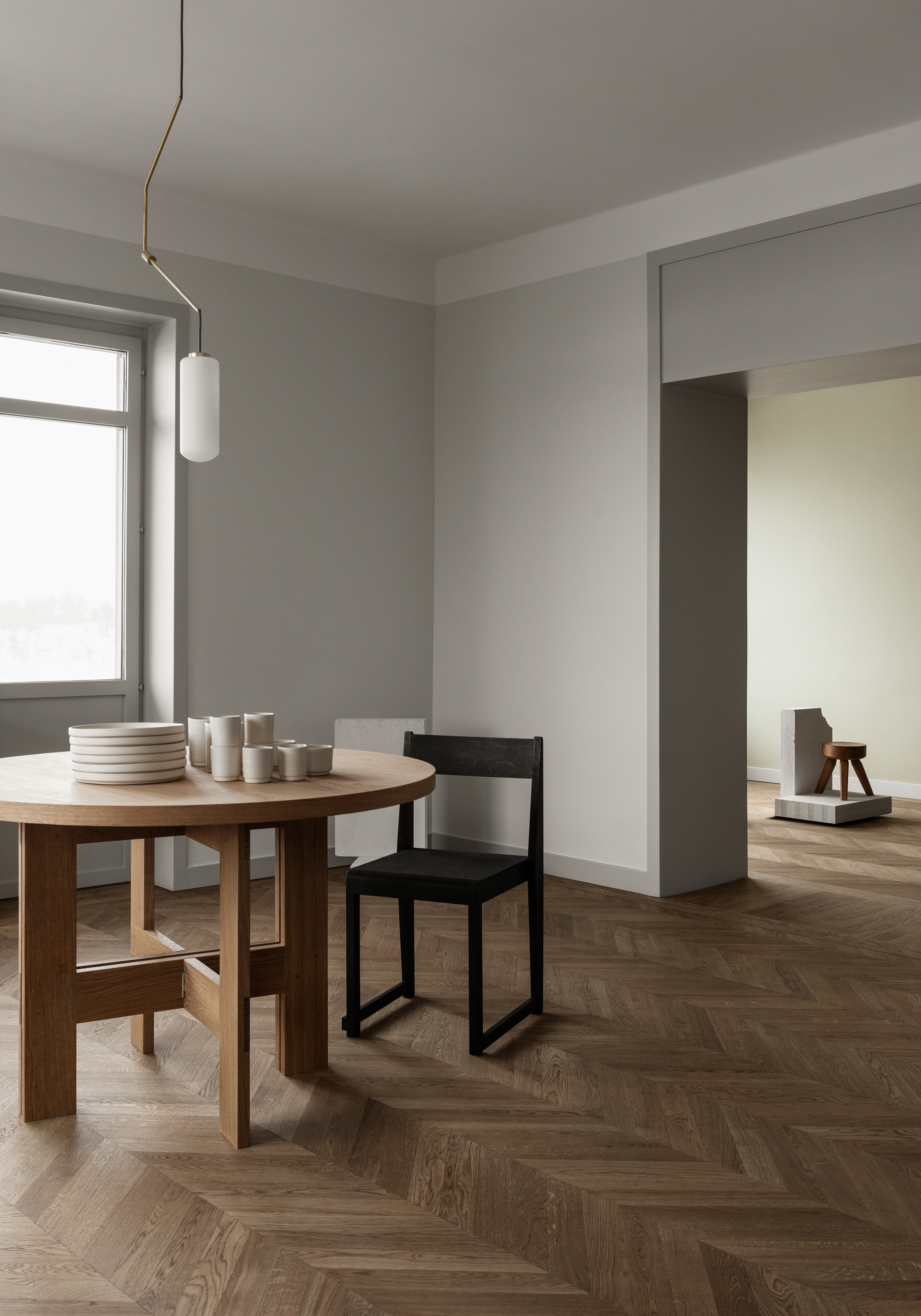
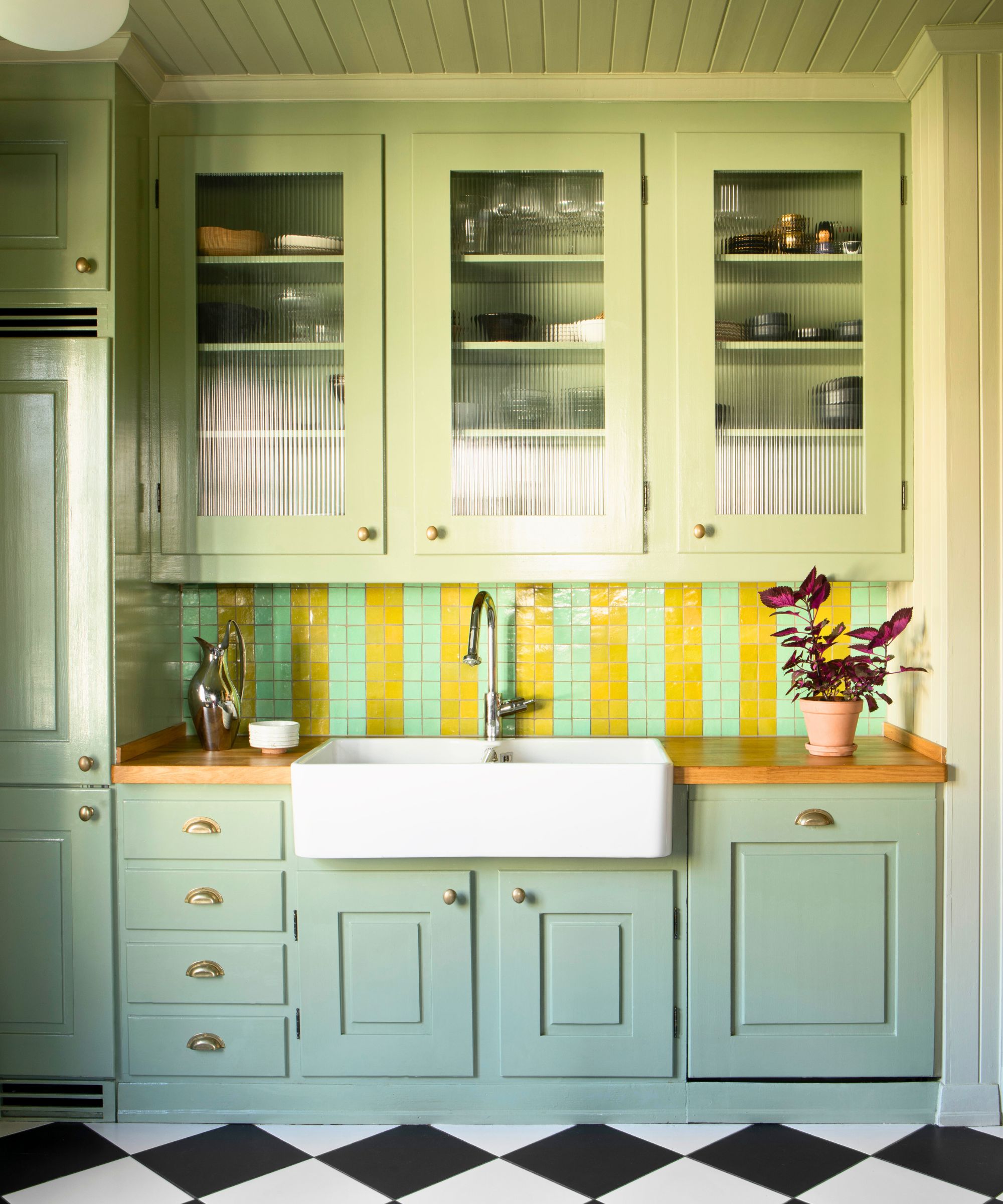
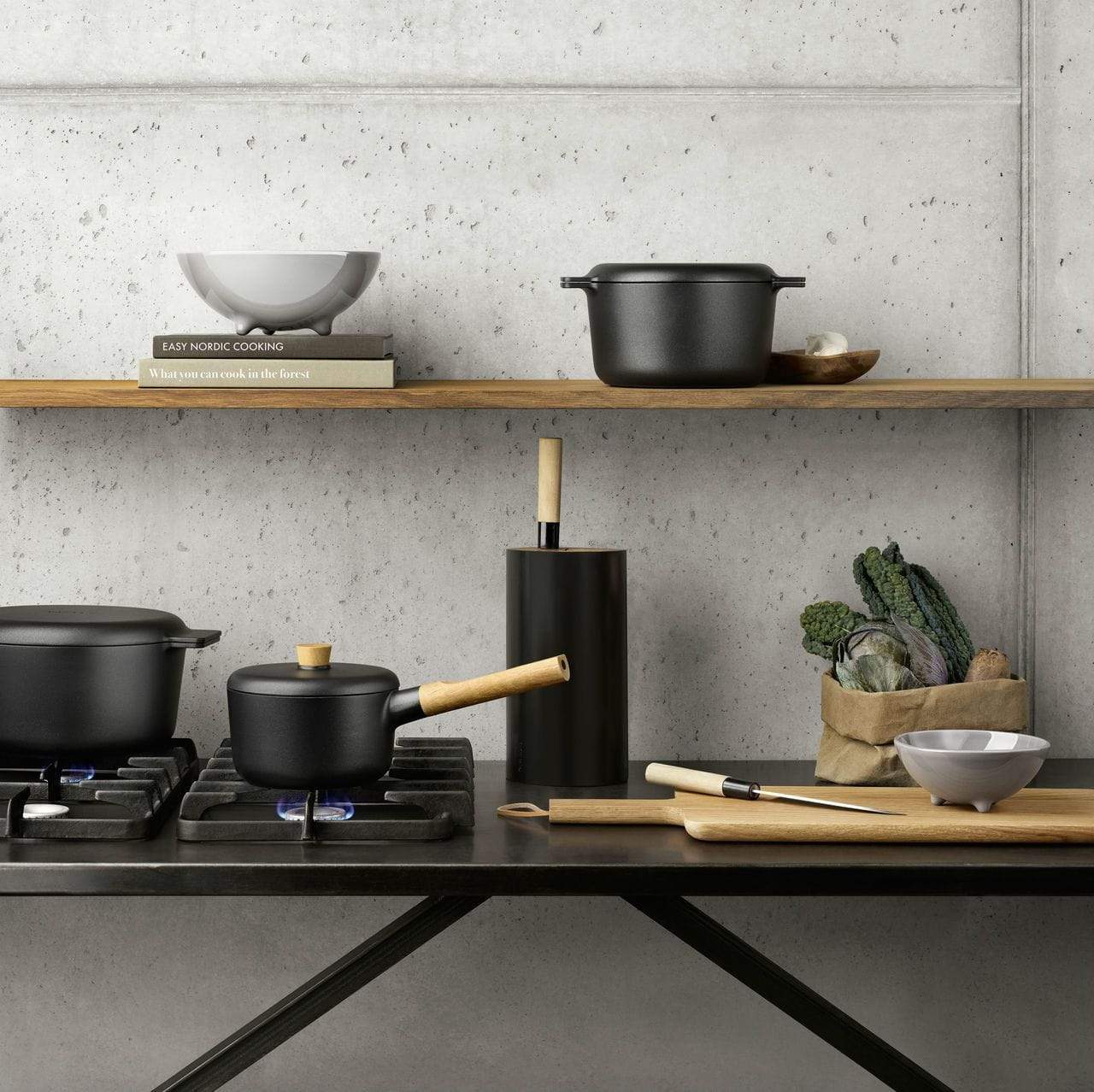
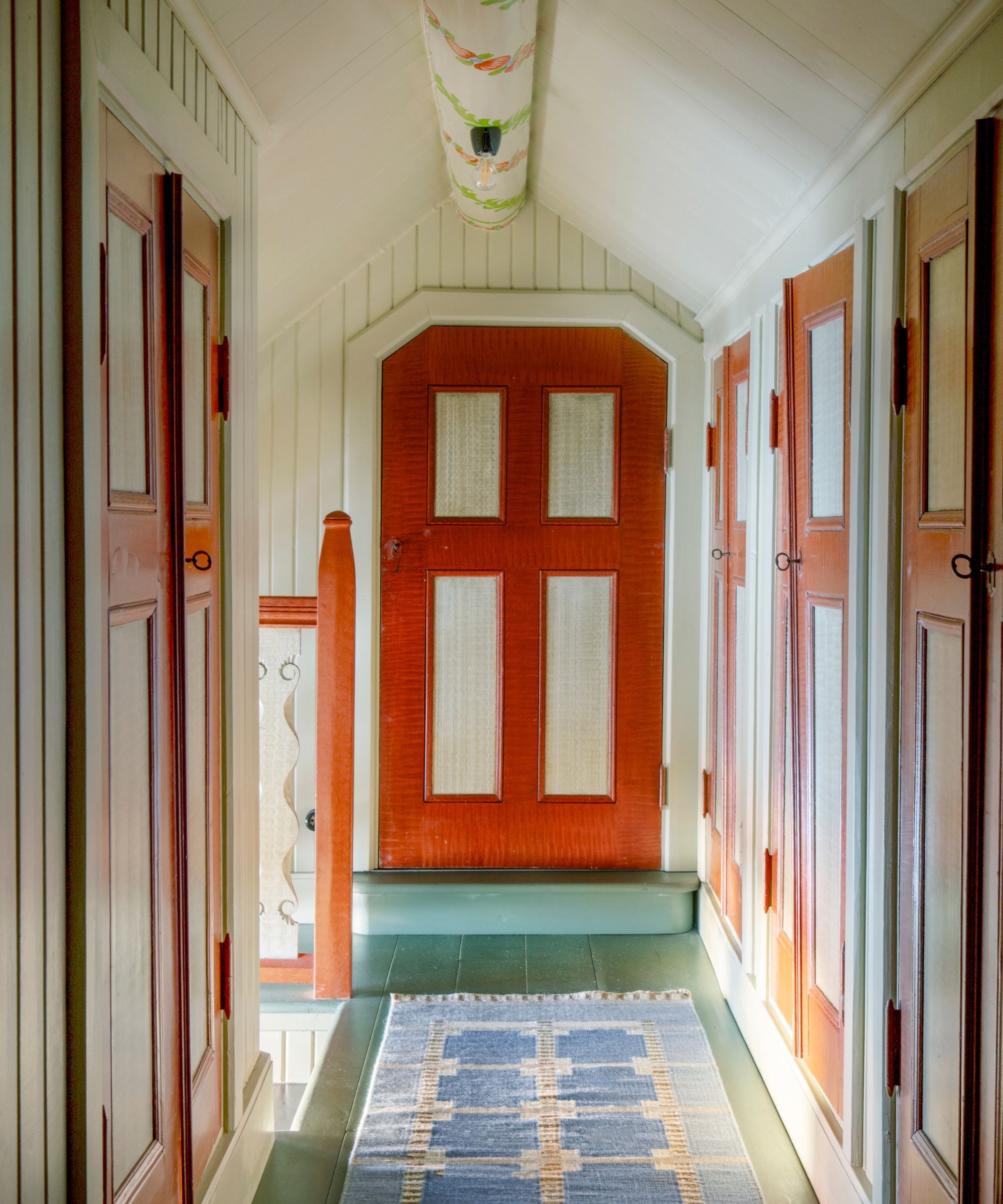
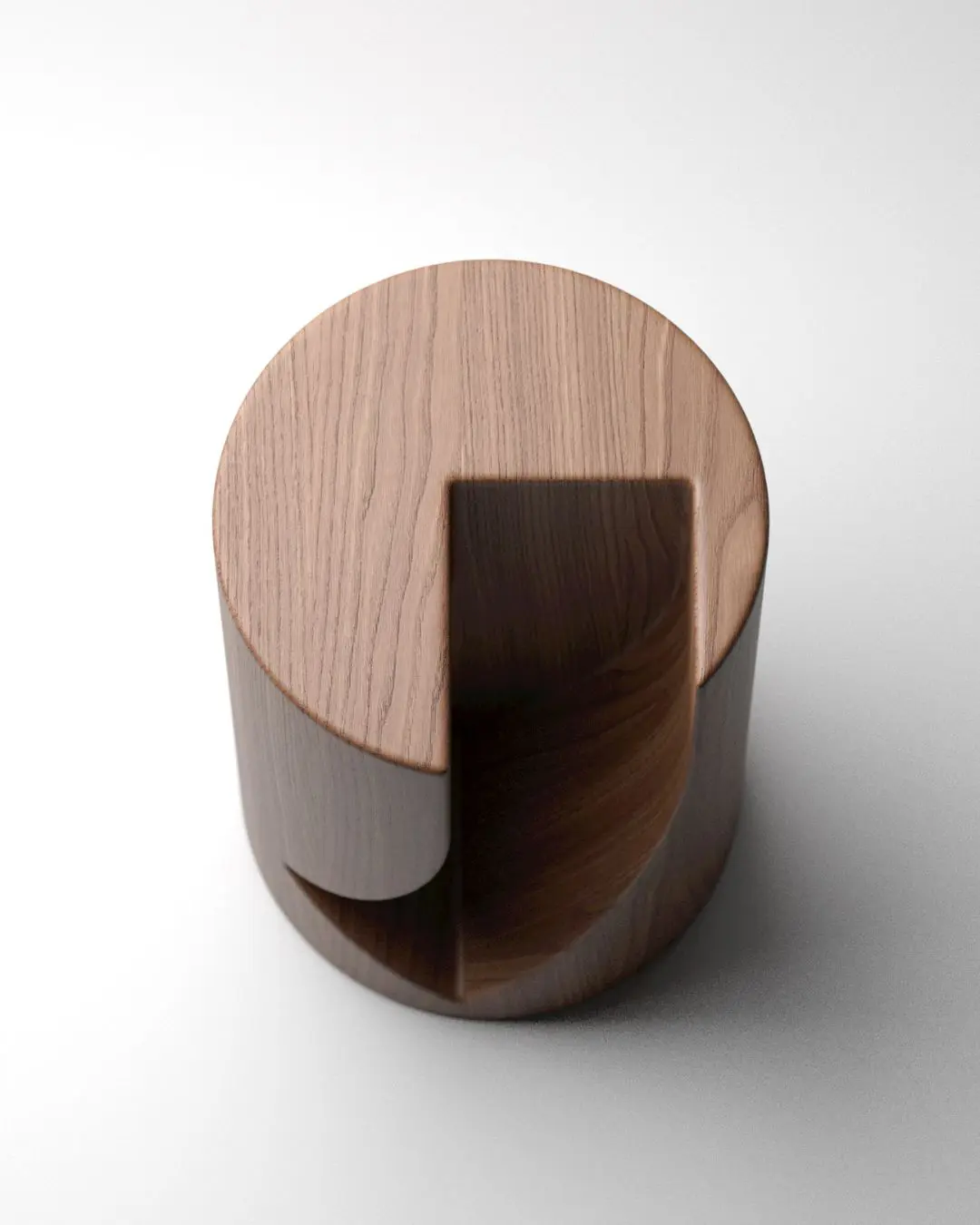
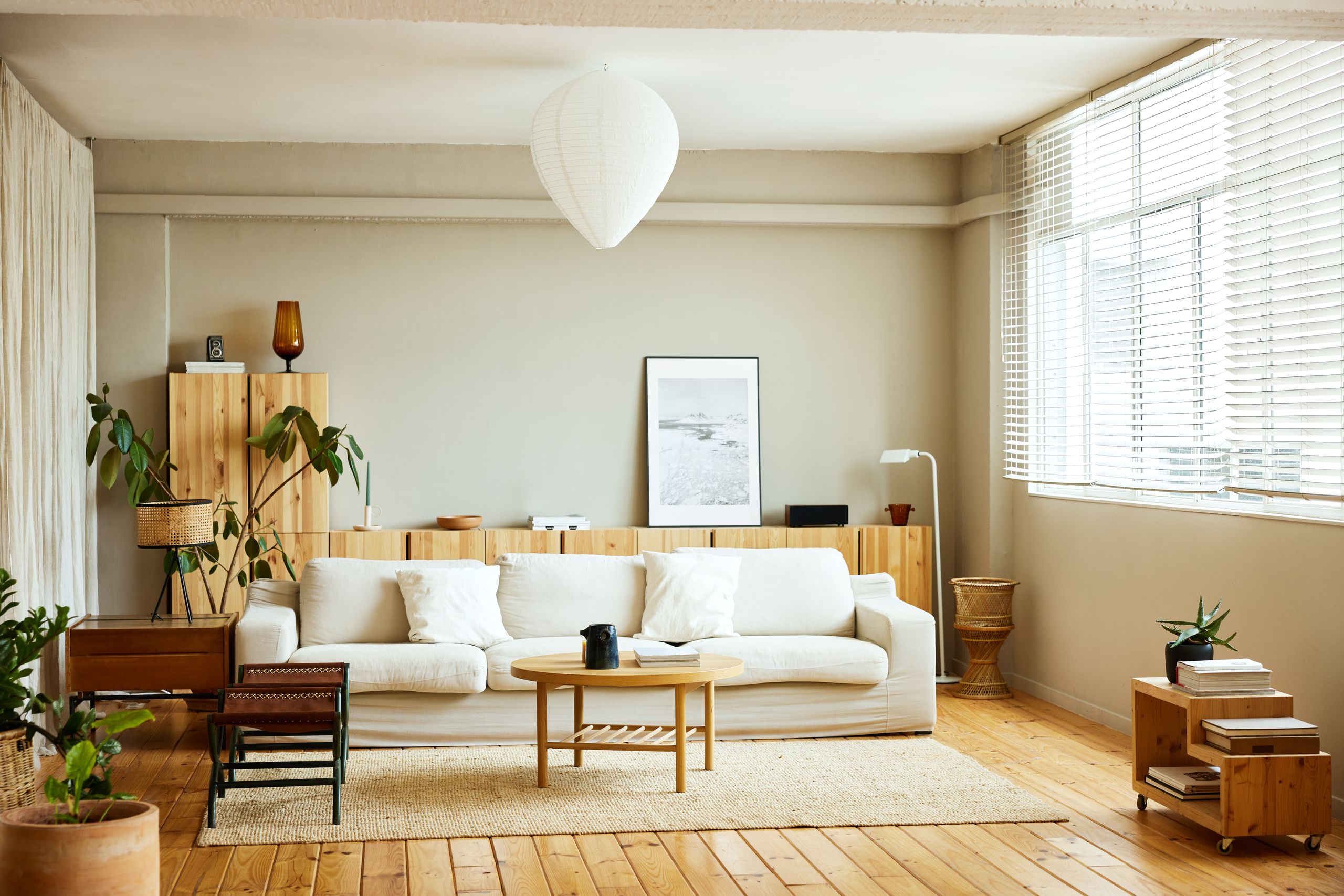
Scandinavian design is characterized by its emphasis on minimalism, functionality, and natural materials, creating interiors that are both aesthetically pleasing and comfortable. The design ethos gained significant attention with brands like IKEA and the 'hygge' craze, highlighting its enduring appeal. At its core, Scandinavian design appreciates natural materials, particularly wood, and simple forms. It strikes a balance between being minimal yet intentional, simple yet cozy, and clean yet warm.
Anthony Barzilay-Freund, editorial director at 1stDibs, notes that Scandinavian design principles are evident in living spaces, reflecting a strong cultural reverence for the home. This involves using high-quality, affordable everyday objects crafted with expertise. The design prioritizes simple, pared-down forms that are highly functional, a regional point of pride. Geographically, Scandinavia includes Norway, Sweden, and Denmark, with Finland and Iceland often included in design discussions due to their similar climate and cultural attitudes, though they are not technically part of Scandinavia.
The modern understanding of Scandinavian design largely stems from mid-century Scandinavian modernism, which emerged post-World War II. This period of optimism, progress, and urbanization saw rural furniture makers applying generational woodworking skills to designs influenced by modern ideals. Concurrently, the Danish concept of functionalism, epitomized by architects like Poul Henningsen and Vilhelm Lauritzen, championed the principle of 'form follows function,' resulting in minimalistic designs where utility was paramount.
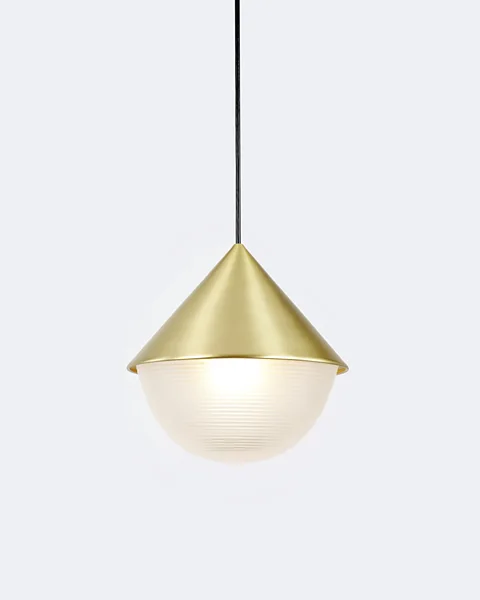
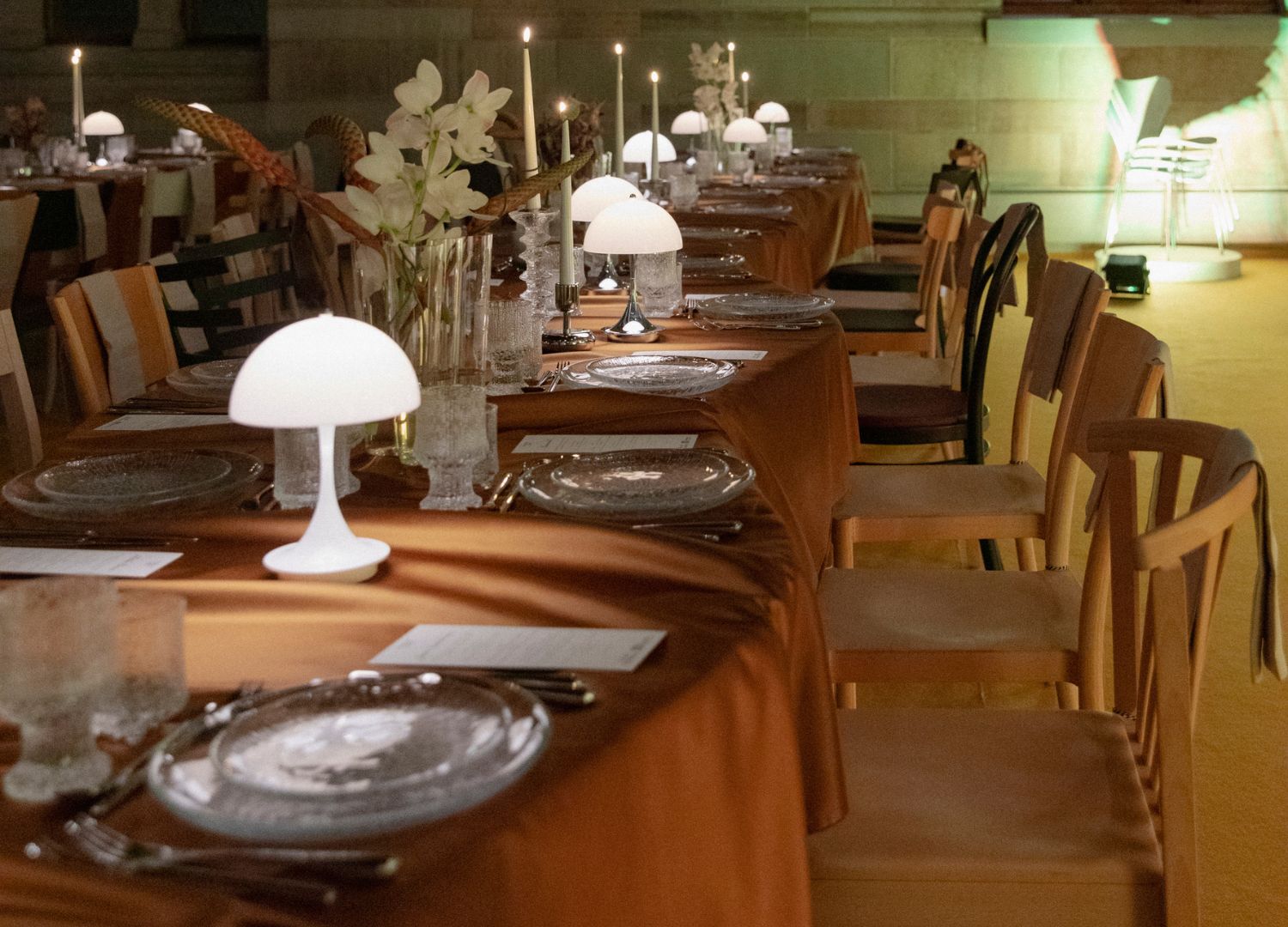
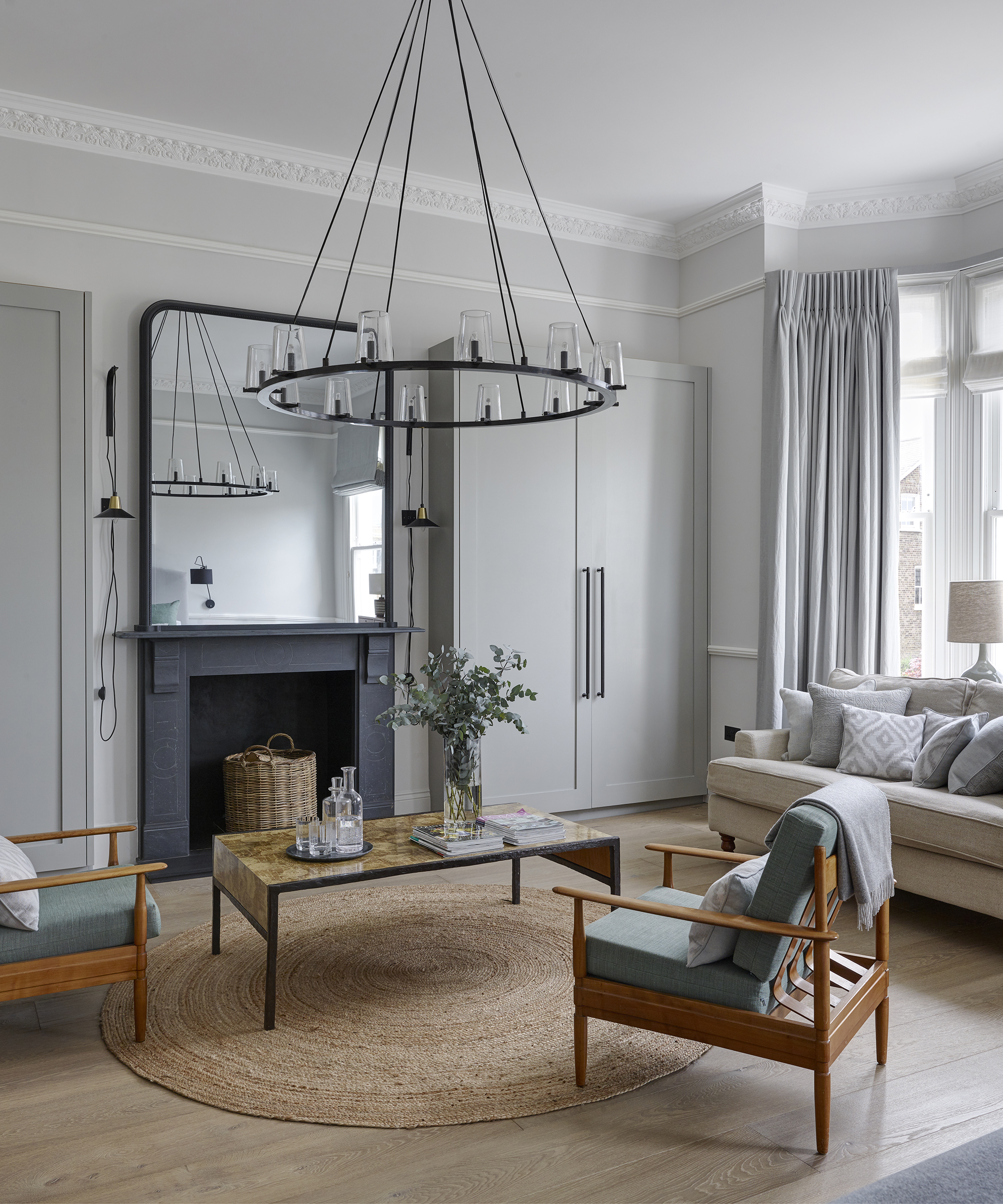
The Nordic region's harsh, short winter days profoundly influenced Scandinavian design. This climate fostered a desire for interiors that were both cozy and bright. Consequently, open-plan spaces, simple forms, lighter colors, and ample natural light became prominent features. Quality lighting remains crucial, as the early darkness of winter days necessitates well-designed artificial light. Monique Faber, chief design officer of Louis Poulsen, highlights the preference for harmonious and functional lighting arrangements using multiple lamps to create inviting 'islands' of light rather than relying on a single central fixture.
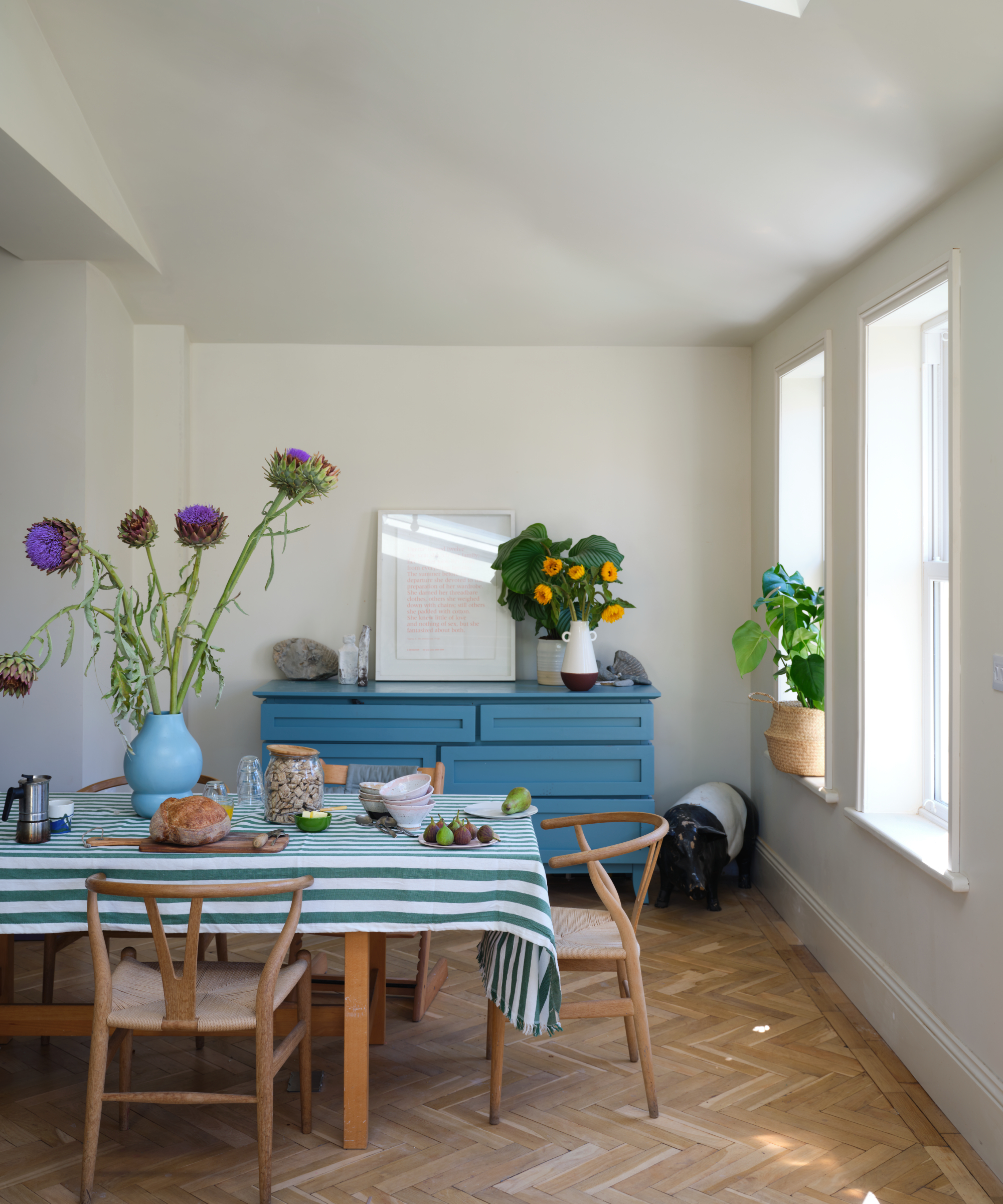
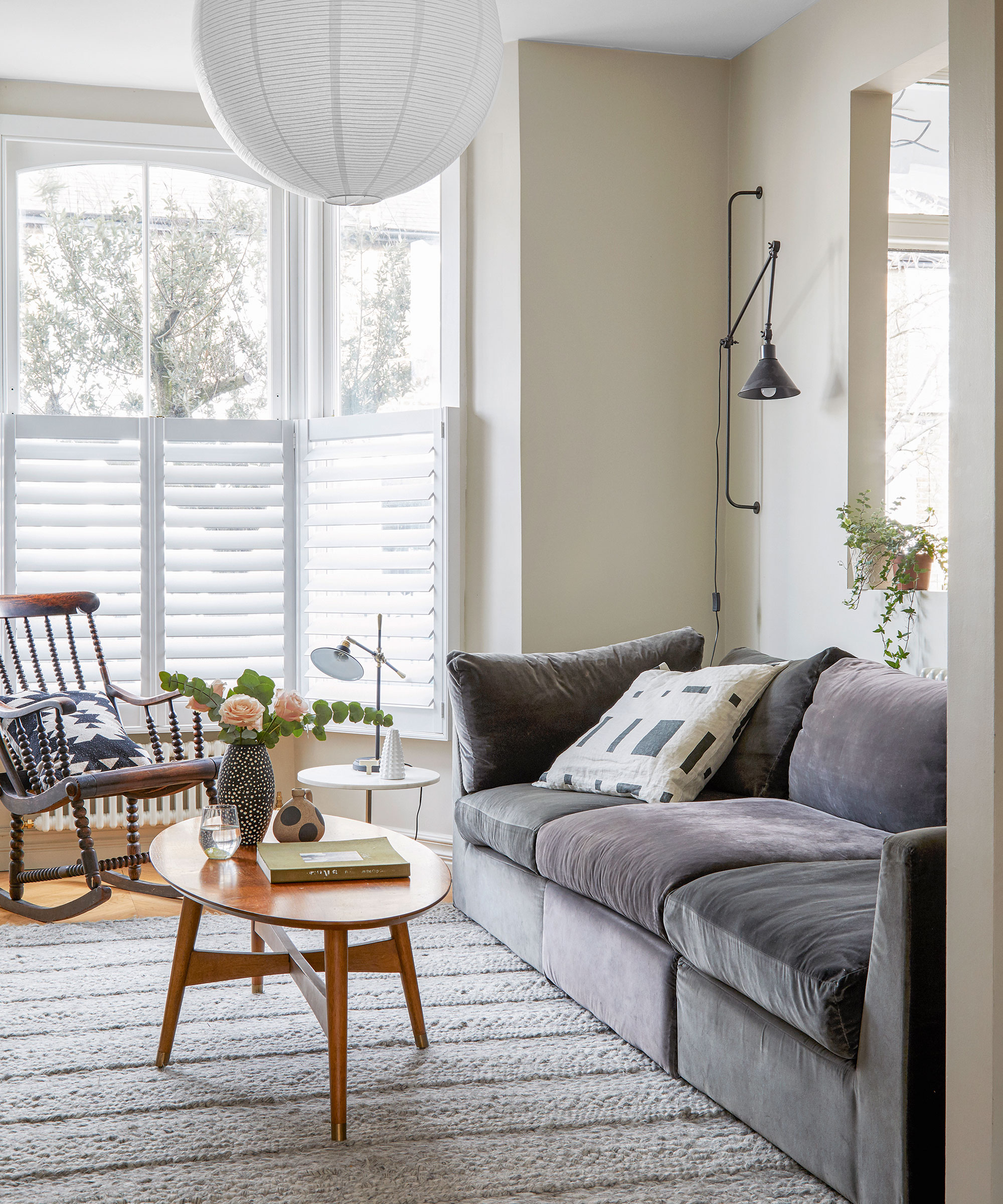
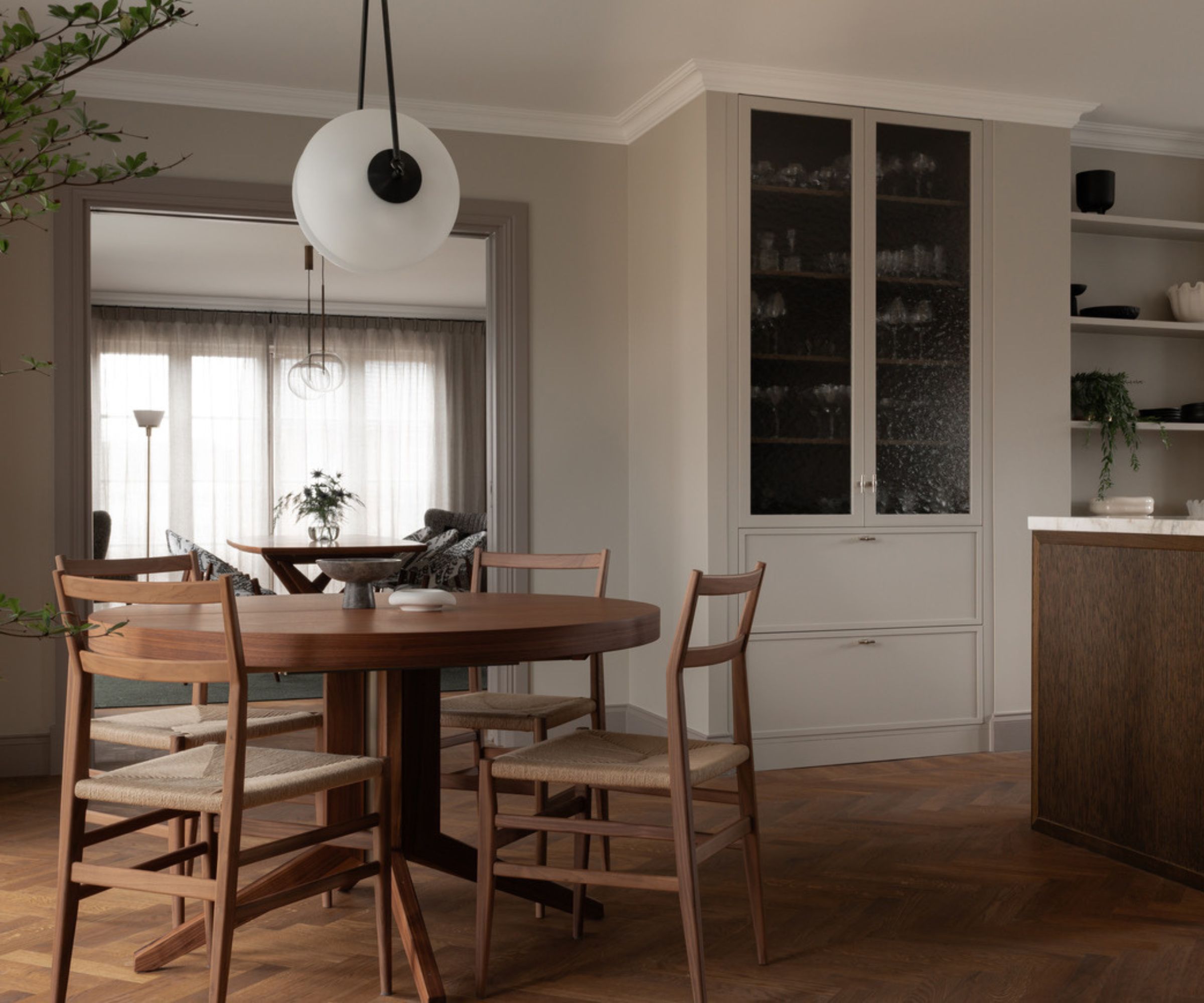
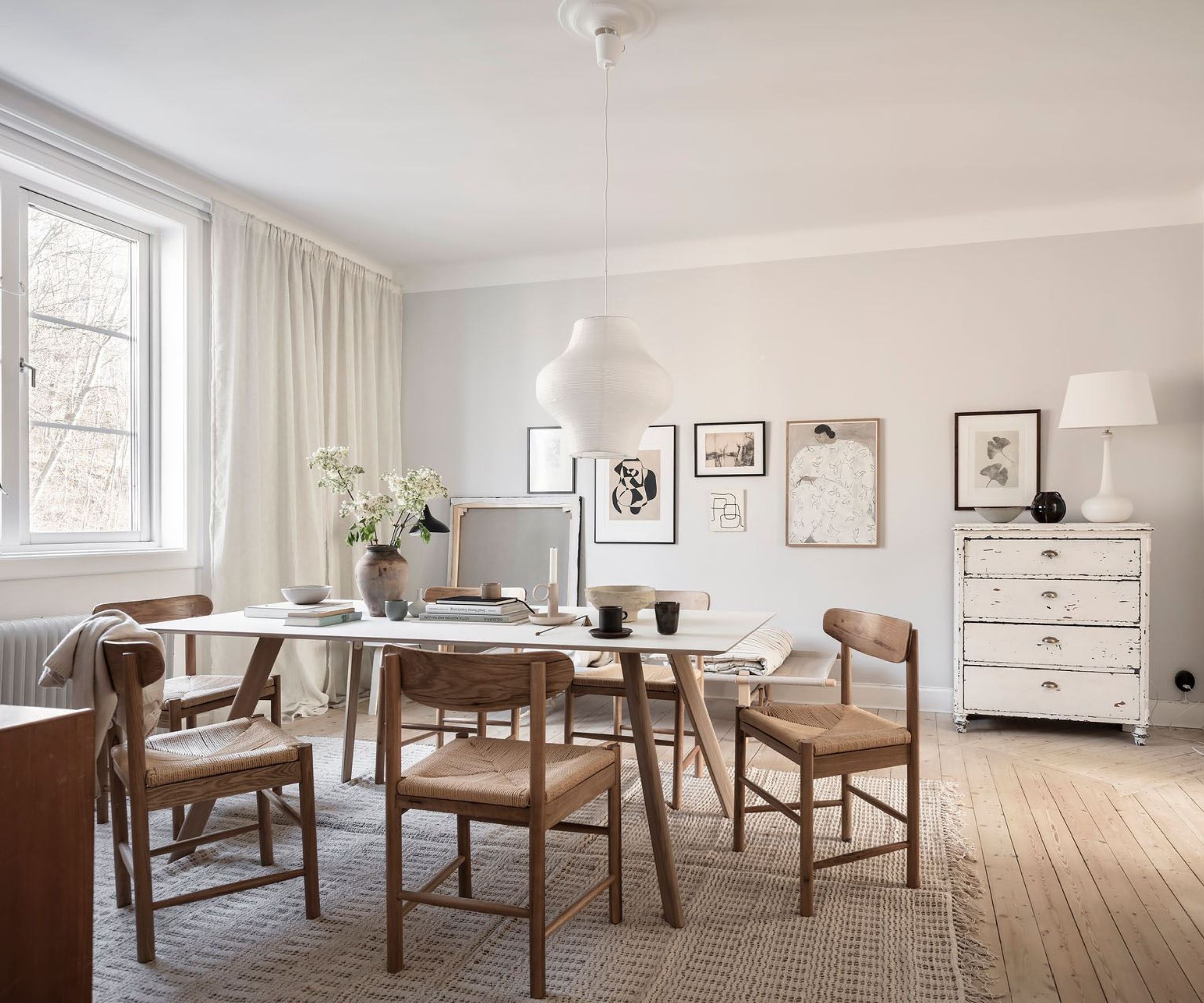
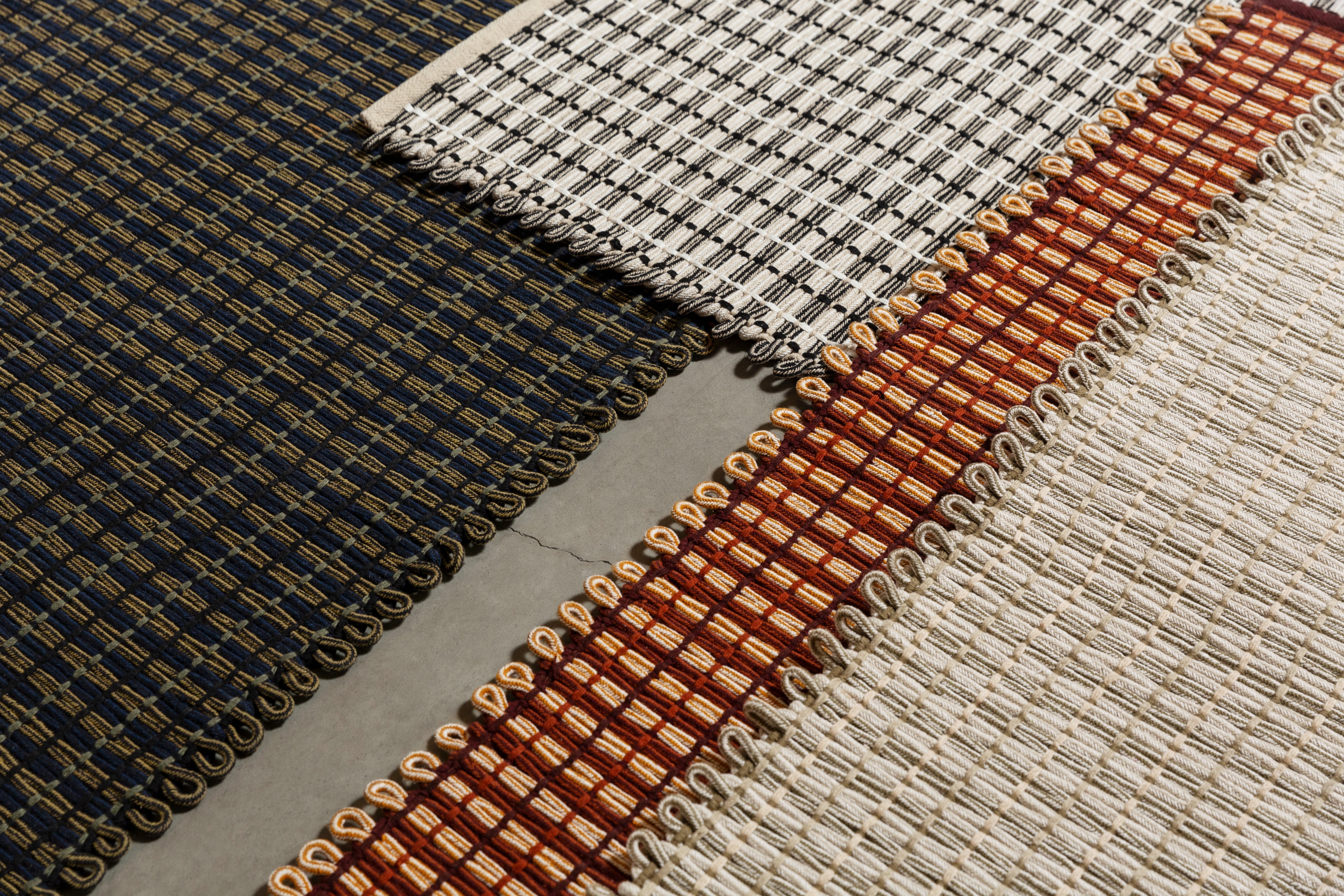
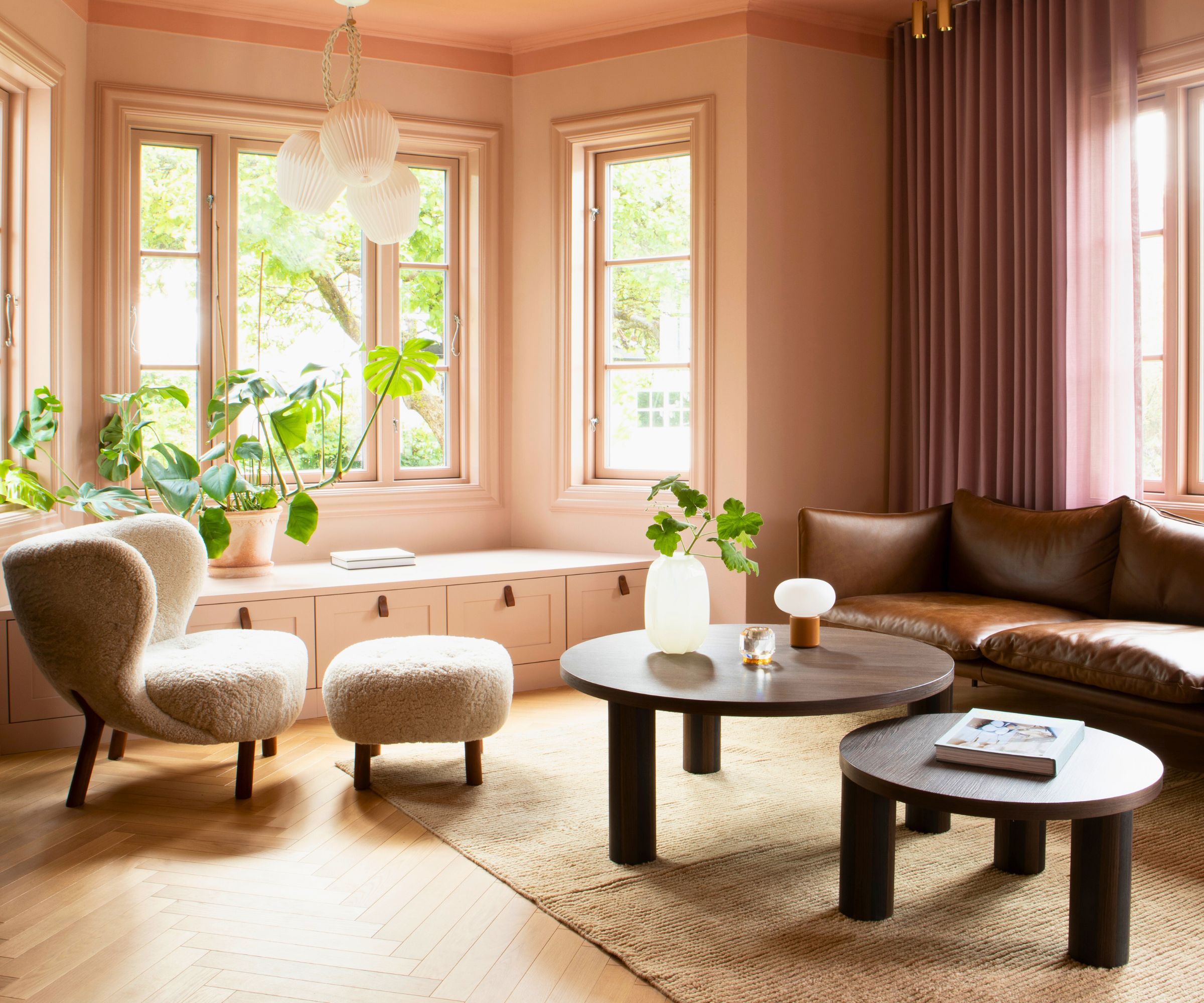
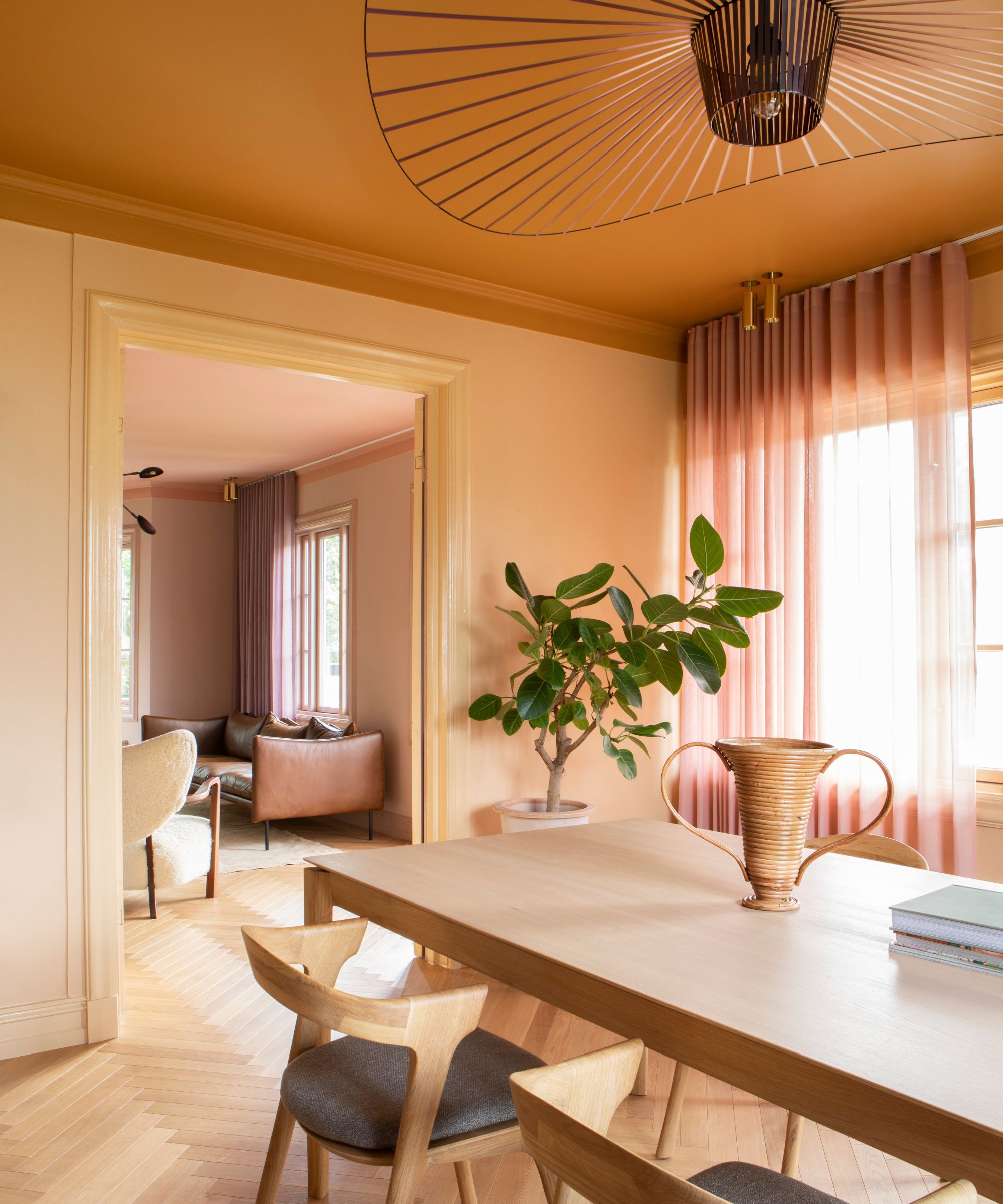
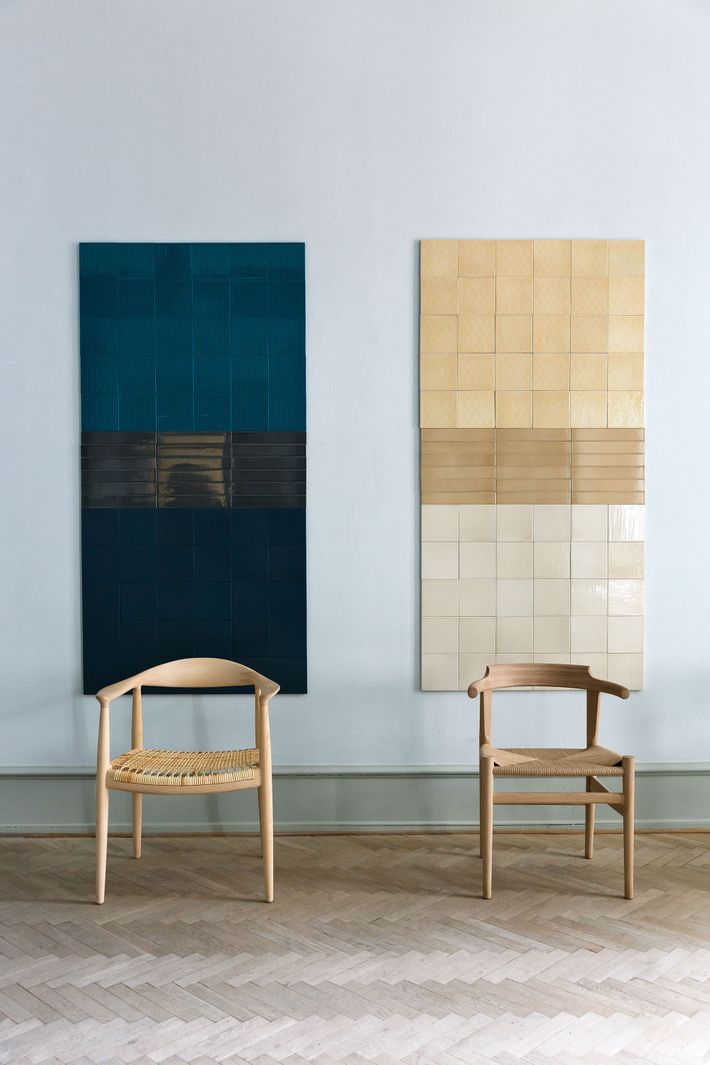
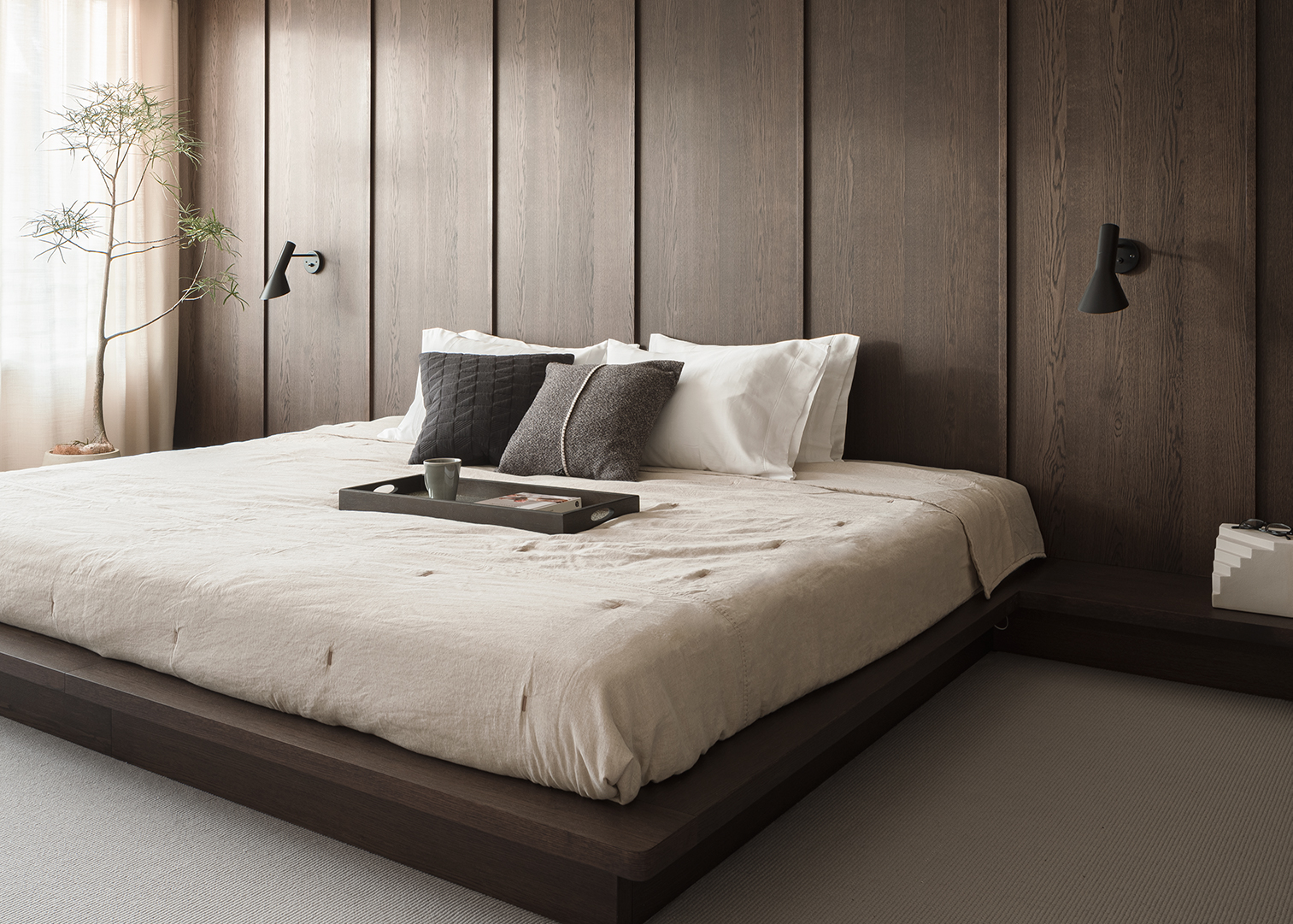
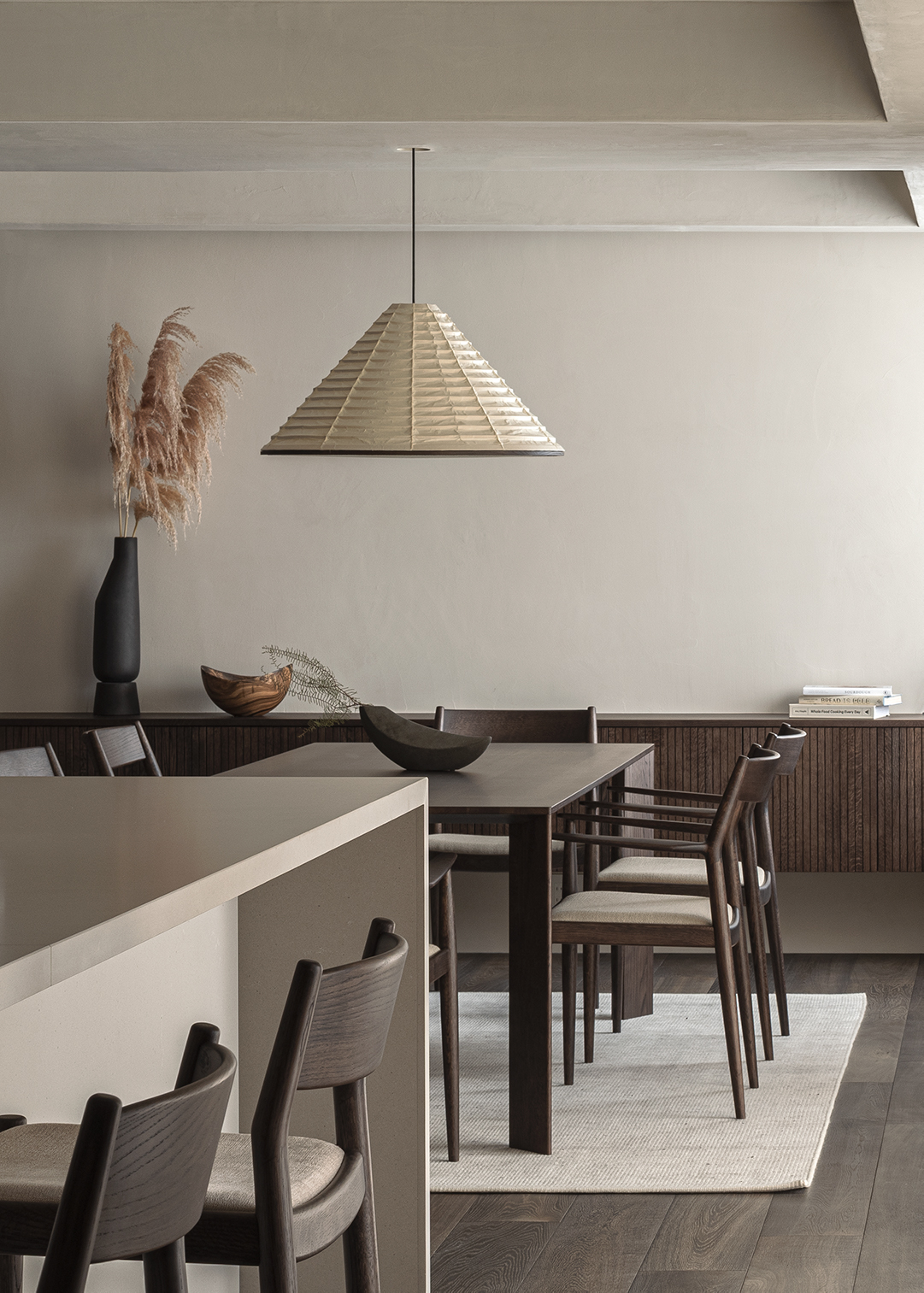
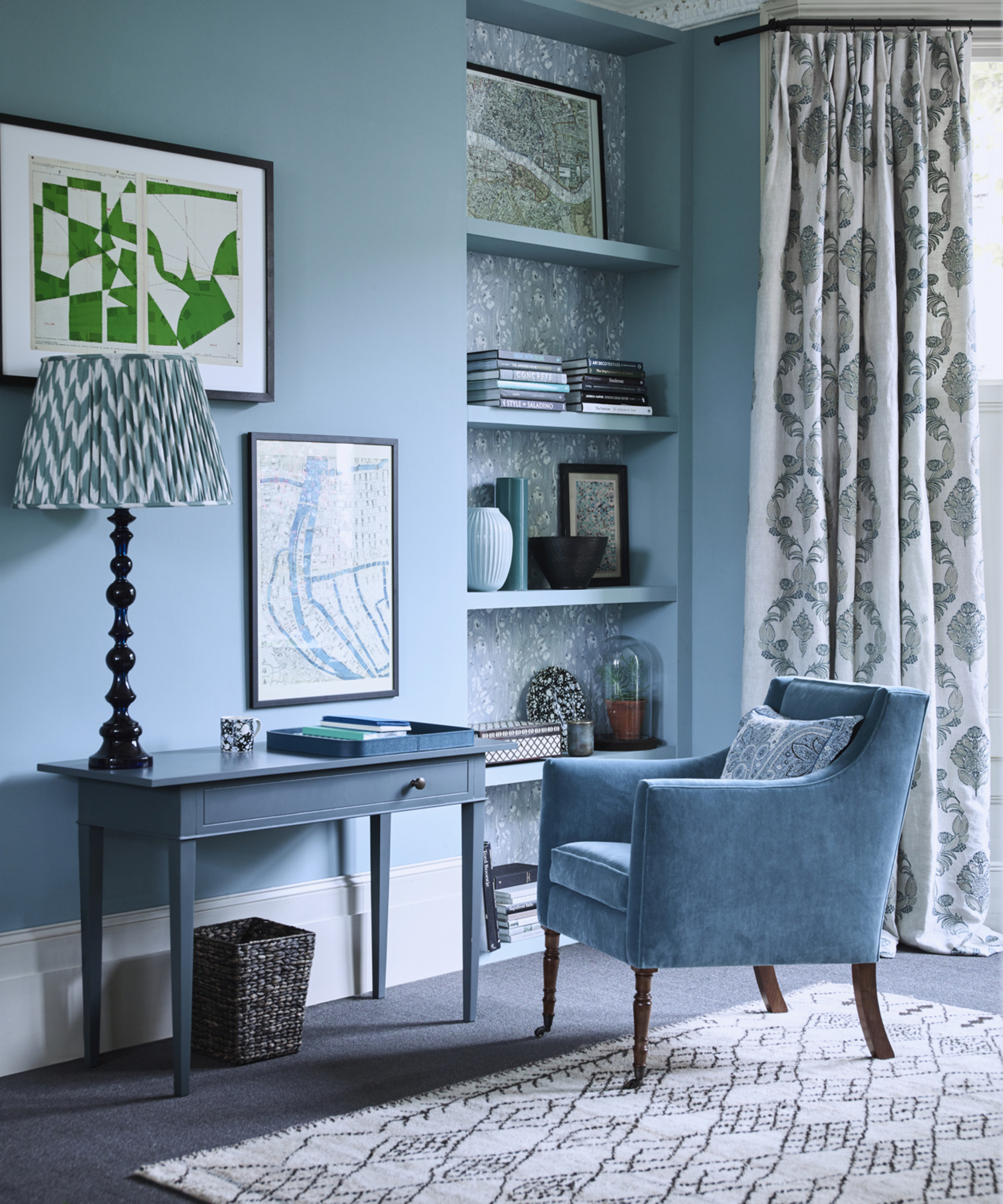
Key hallmarks of Scandinavian design include an artful approach to light, where large, often curtain-less windows maximize natural sun. The use of natural textures, especially woodworking, is another defining characteristic, reflecting a deep connection to the outdoors. Examples include Ole Wanscher’s shearling armchairs, which combine rosewood with tactile shearling upholstery. Minimalism is central, with clean lines, simple forms, and an absence of unnecessary ornamentation. Clutter-free, open-plan spaces are common, incorporating only items with a clear purpose. Functionality, driven by post-WWII ideals of simplicity and affordability, ensures that all decorative elements serve a utilitarian role. Finally, a light, neutral color palette creates calm, minimal environments and provides a cohesive backdrop for natural wood textures, cozy textiles, and indoor plants, all of which contribute to the serene and inviting atmosphere characteristic of Scandinavian design.
#ScandinavianDesign #InteriorDesign #Minimalism #Hygge #NaturalMaterials #Functionality #NordicStyle #MidCenturyModern #HomeDecor #DesignHistory #ScandinavianDesign #InteriorDesign #Minimalism #Hygge #NaturalMaterials #Functionality #NordicStyle #MidCenturyModern #HomeDecor #DesignHistory
0 commentaire au total
 Aucun commentaire pour le moment
Vous aimerez aussi
You're Missing Out If You Don't Follow These 7 Scandinavian Interior Designers

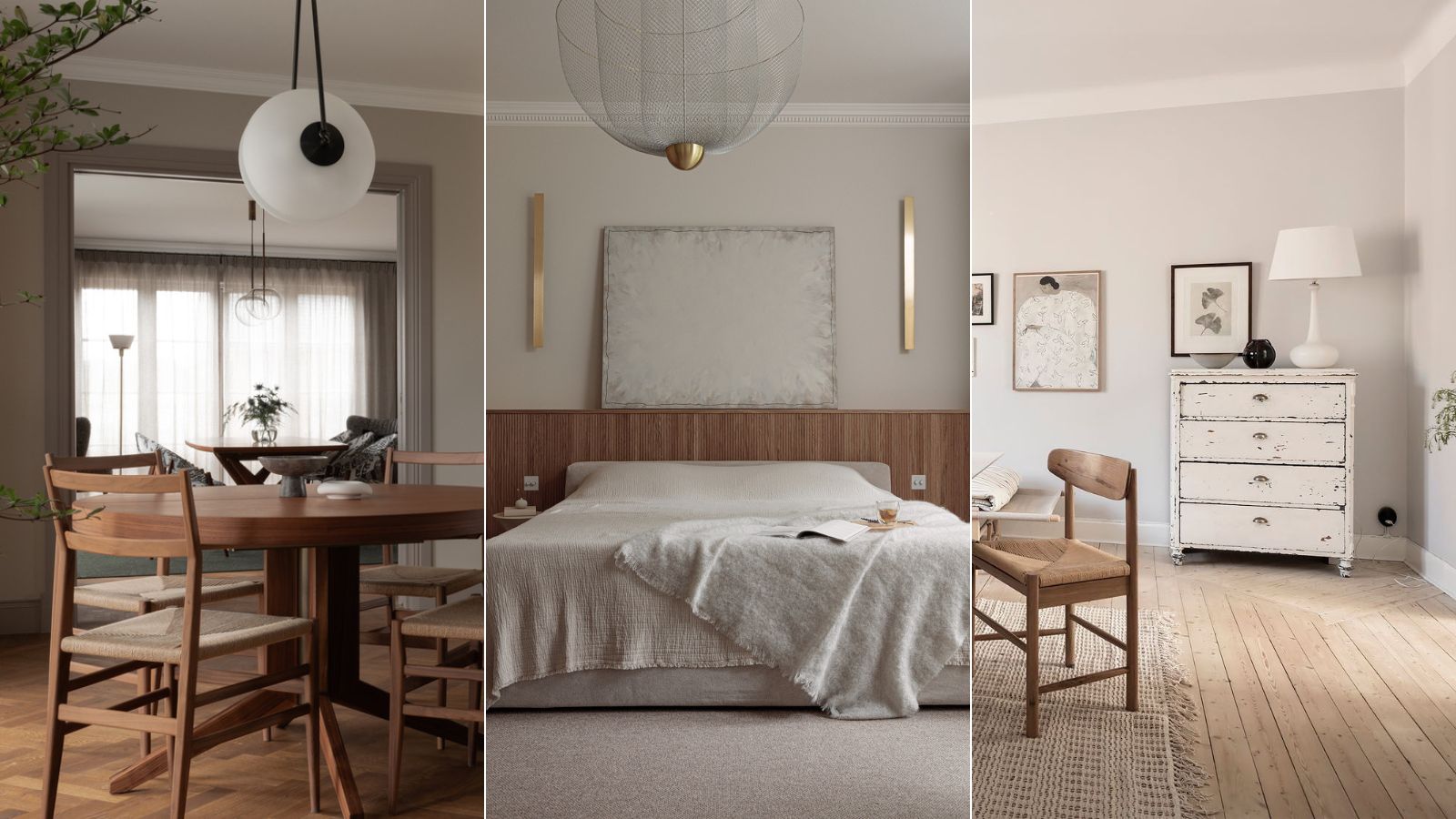
5 lessons to learn from Scandinavian interior designers about creating soft, minimalist spaces

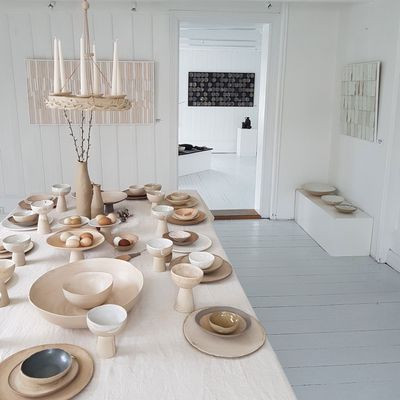
3 Nordic Women Designers Defining Modern Hygge
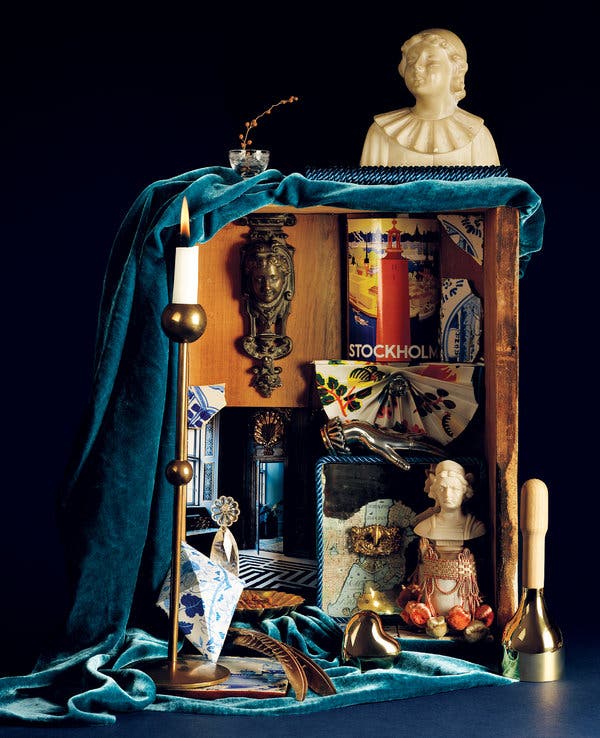
Not All Scandinavian Design is Minimalist (Published 2017)

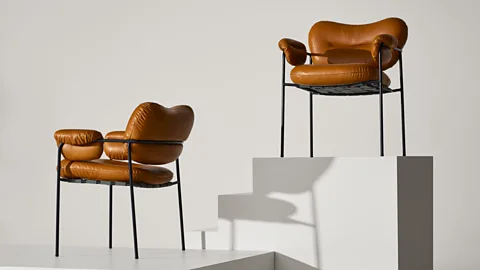
The quirky charm of Norwegian design
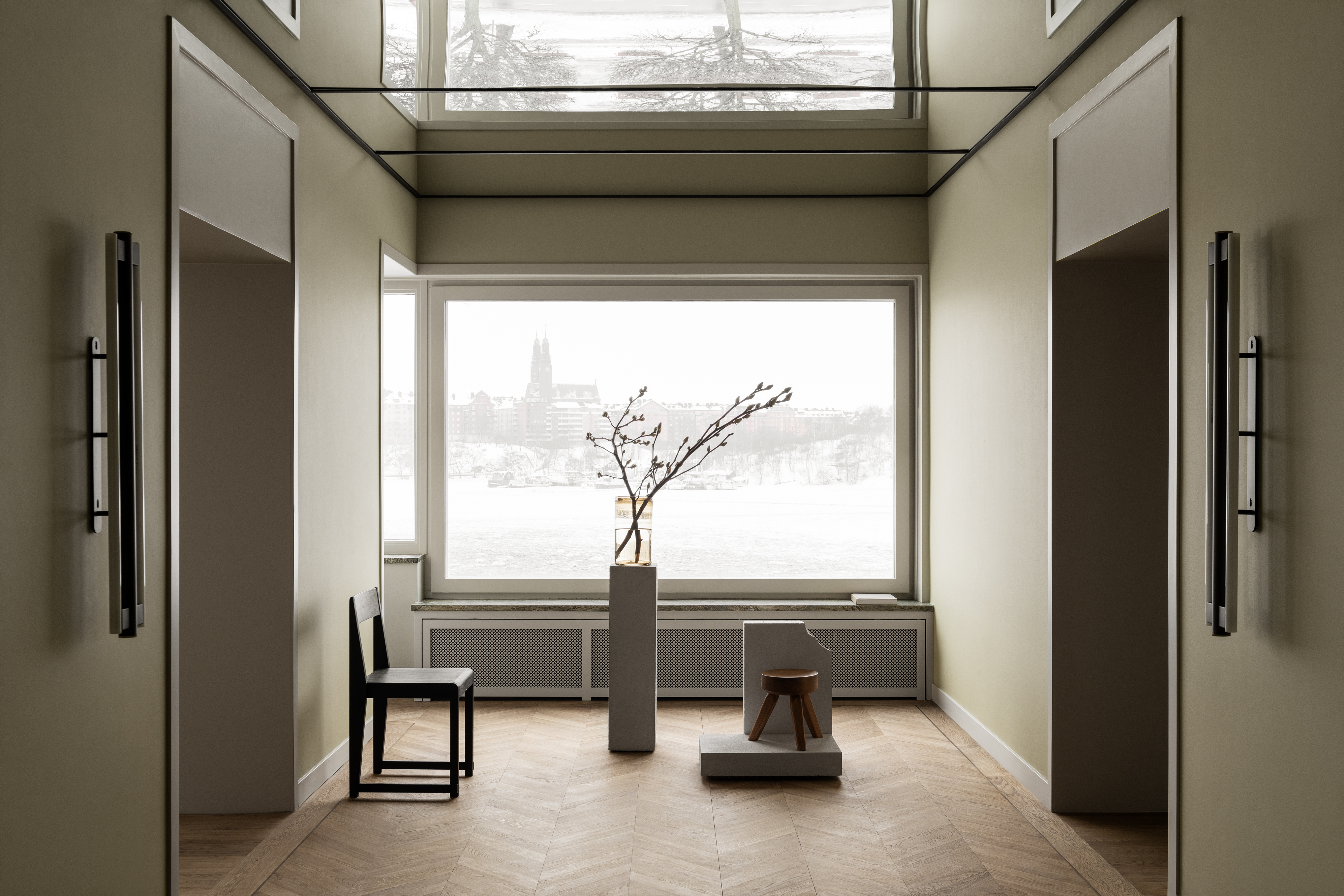
Stockholm Design Week reframes Swedish heritage, sustainability and village life

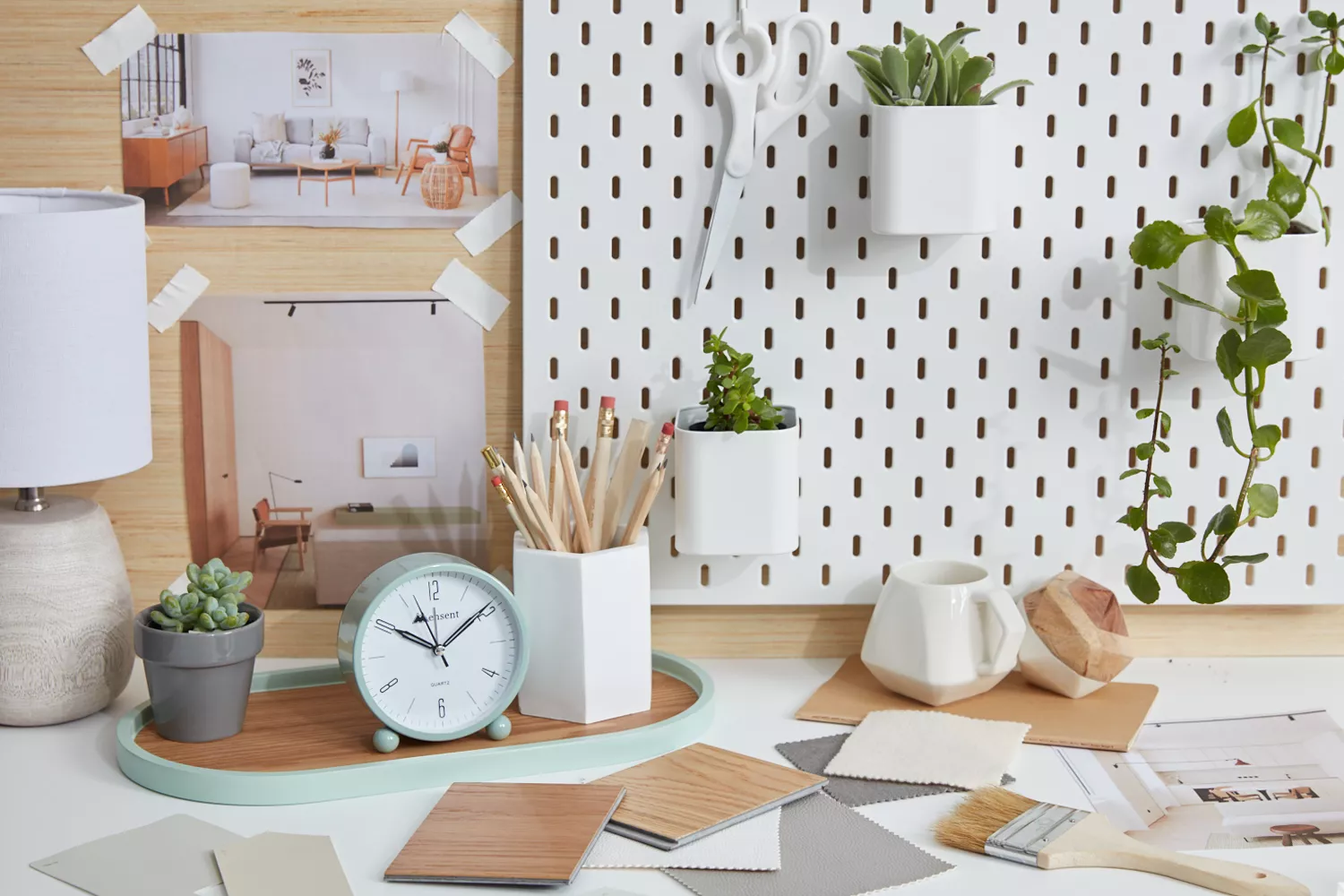
What Is Scandinavian Style? We Break Down the Popular Style

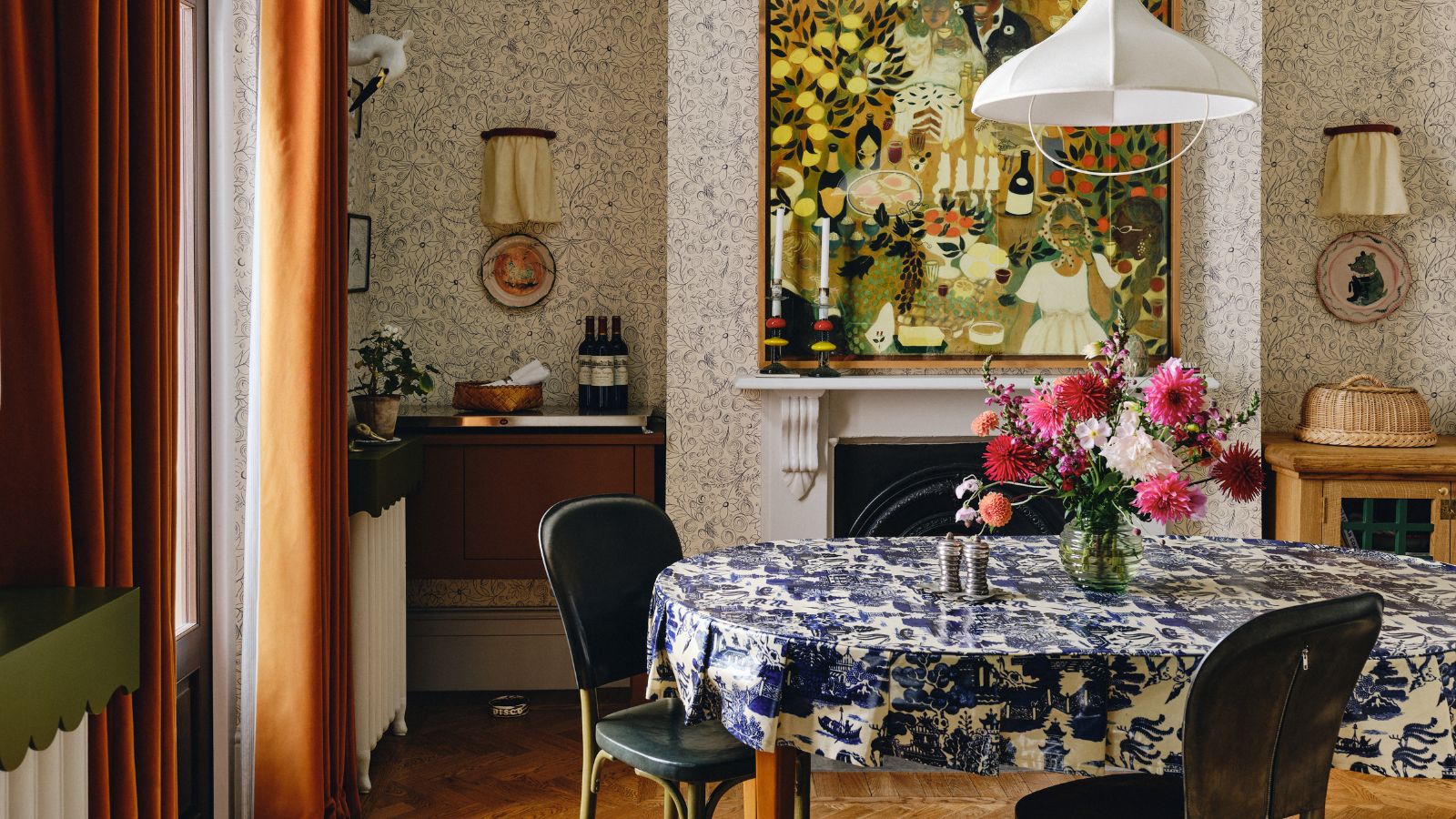
I've never been able to describe my interior design style until I came across the term Scandi Maximalism – here's everything you need to know about this folky, playful trend
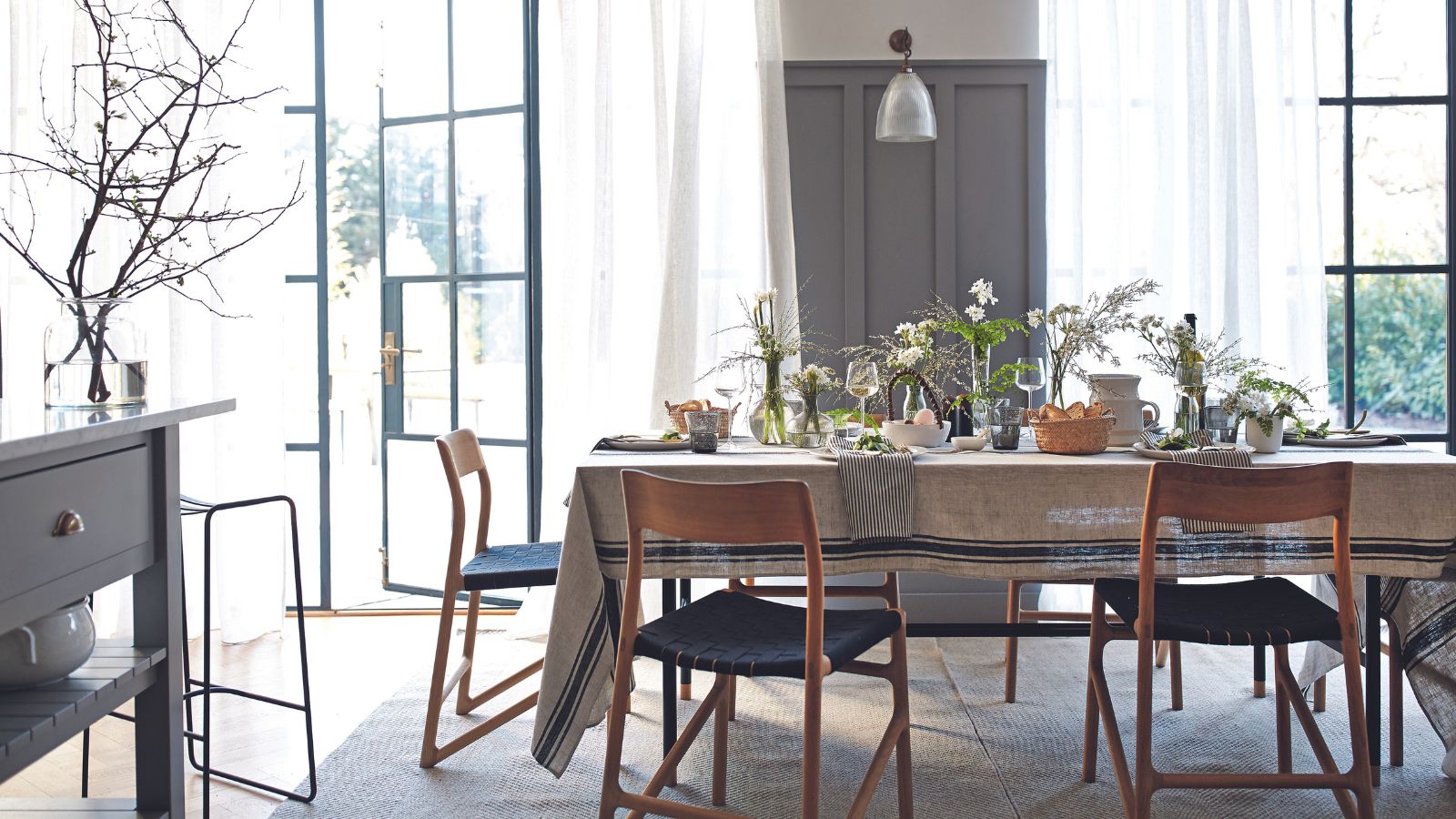
What is Scandinavian interior design? Experts explain its beauty and functionality
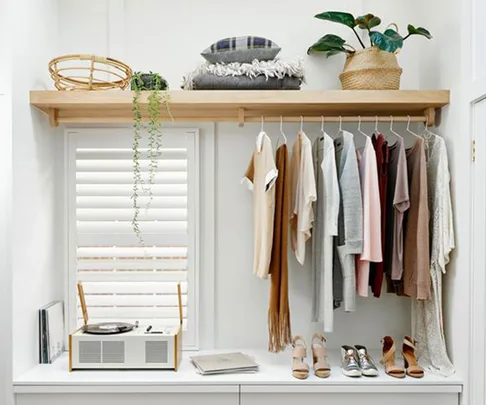
15 Instagram accounts to follow if you love Scandinavian design

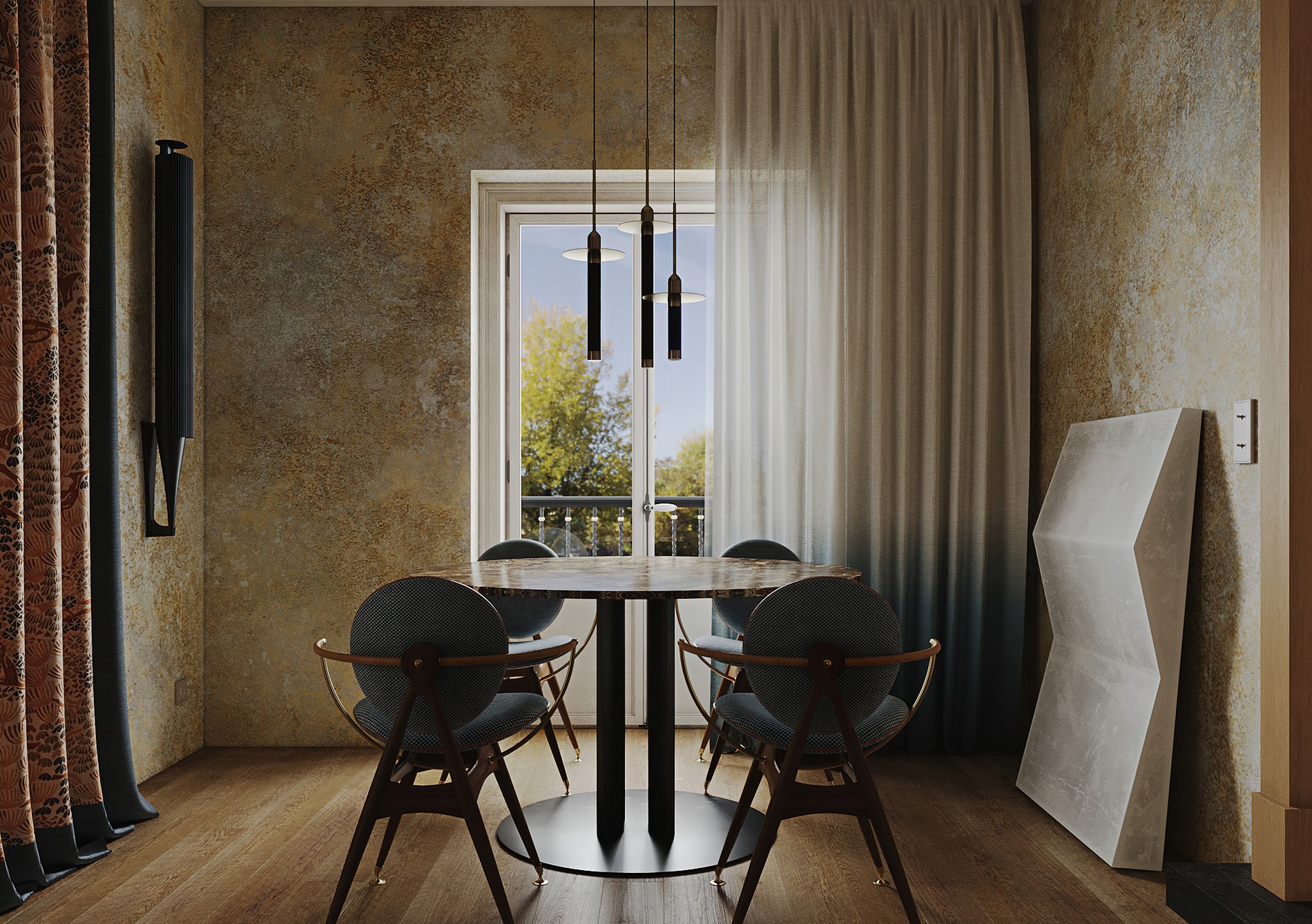
Interior Design Styles — 9 Ways to Decorate Everyone Should Know About
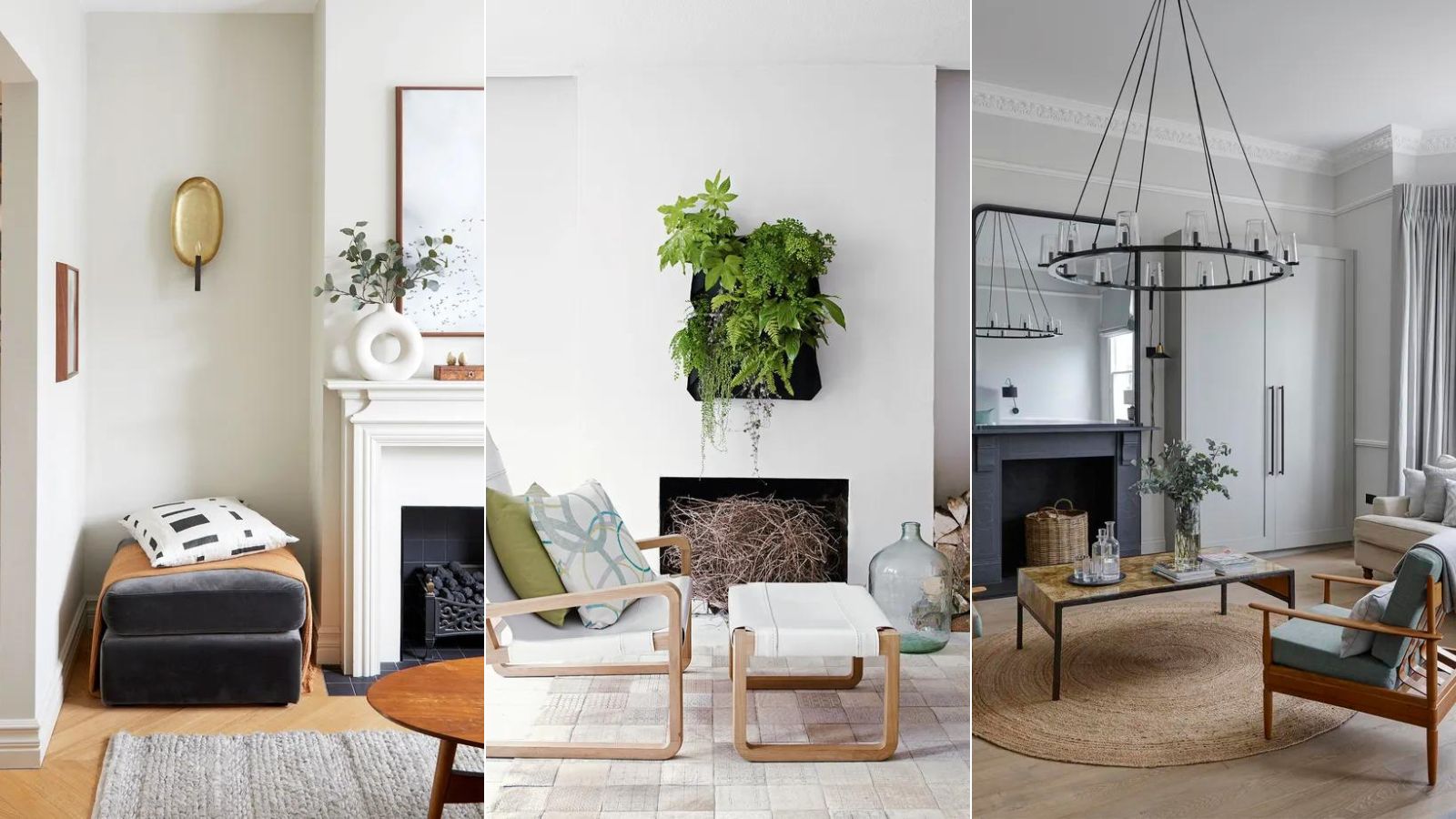
My whistle-stop tour of Copenhagen reaffirmed these 5 Danish design lessons in cool and cozy design
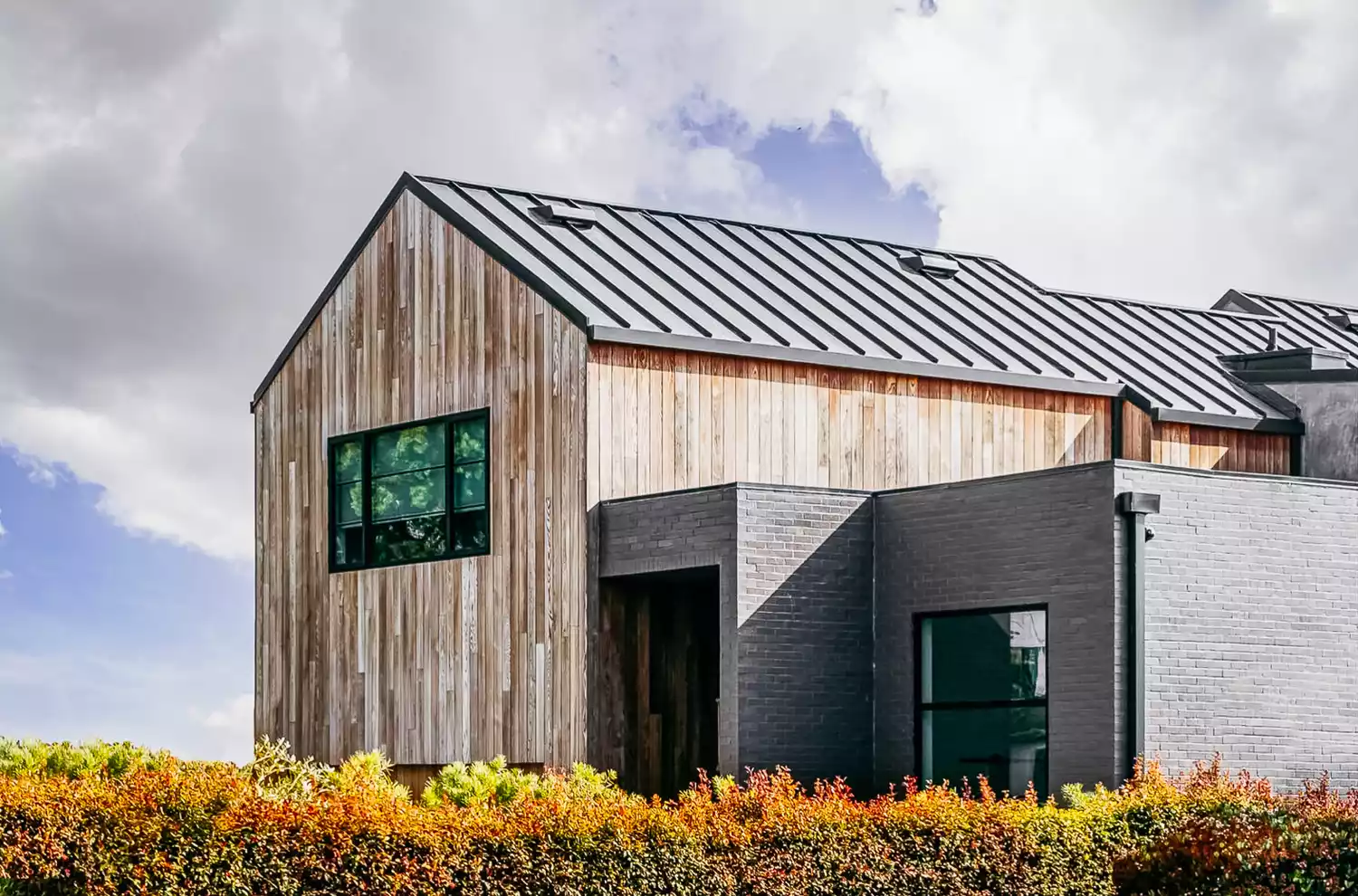
We Adore These 16 Scandinavian-Style Houses for Their Simplicity and Beauty
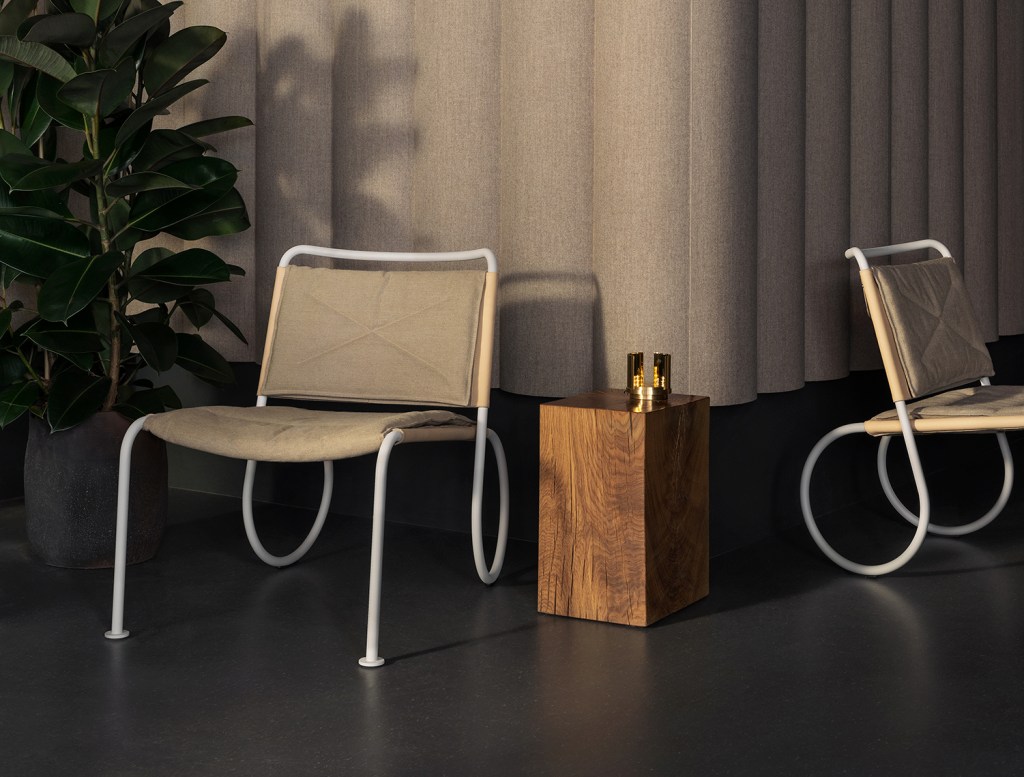
Stockholm Creative Edition: Glass, Wood + Metal
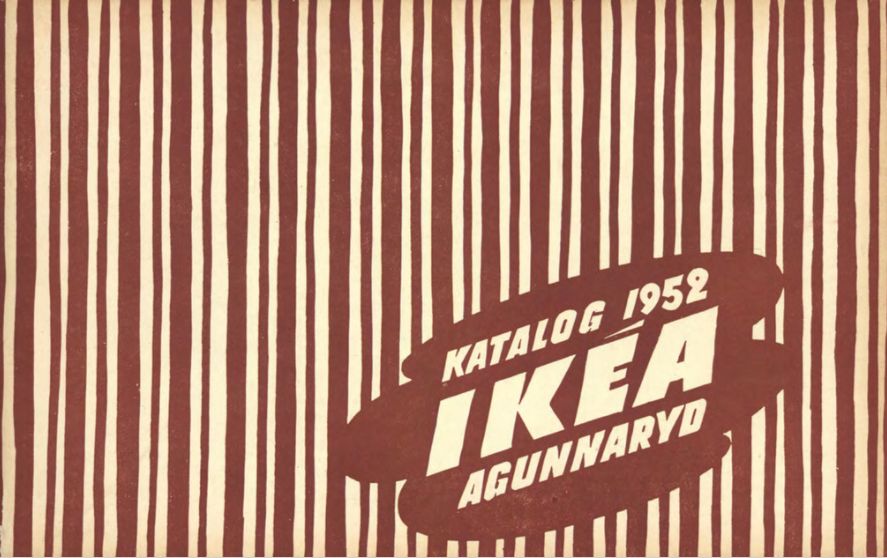
Your Moment of Design Zen: Every Single IKEA Catalog Since 1951 (!)

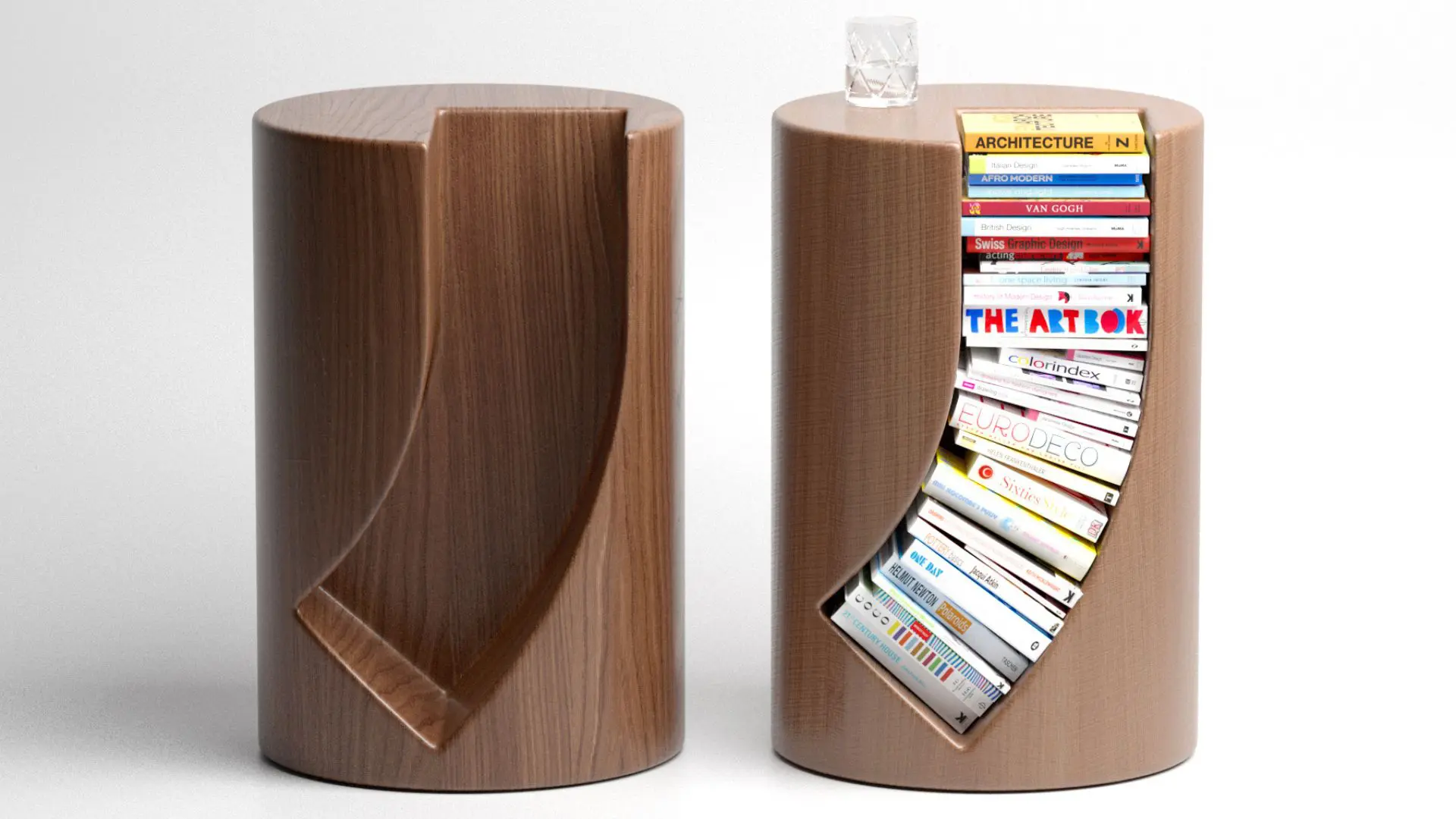
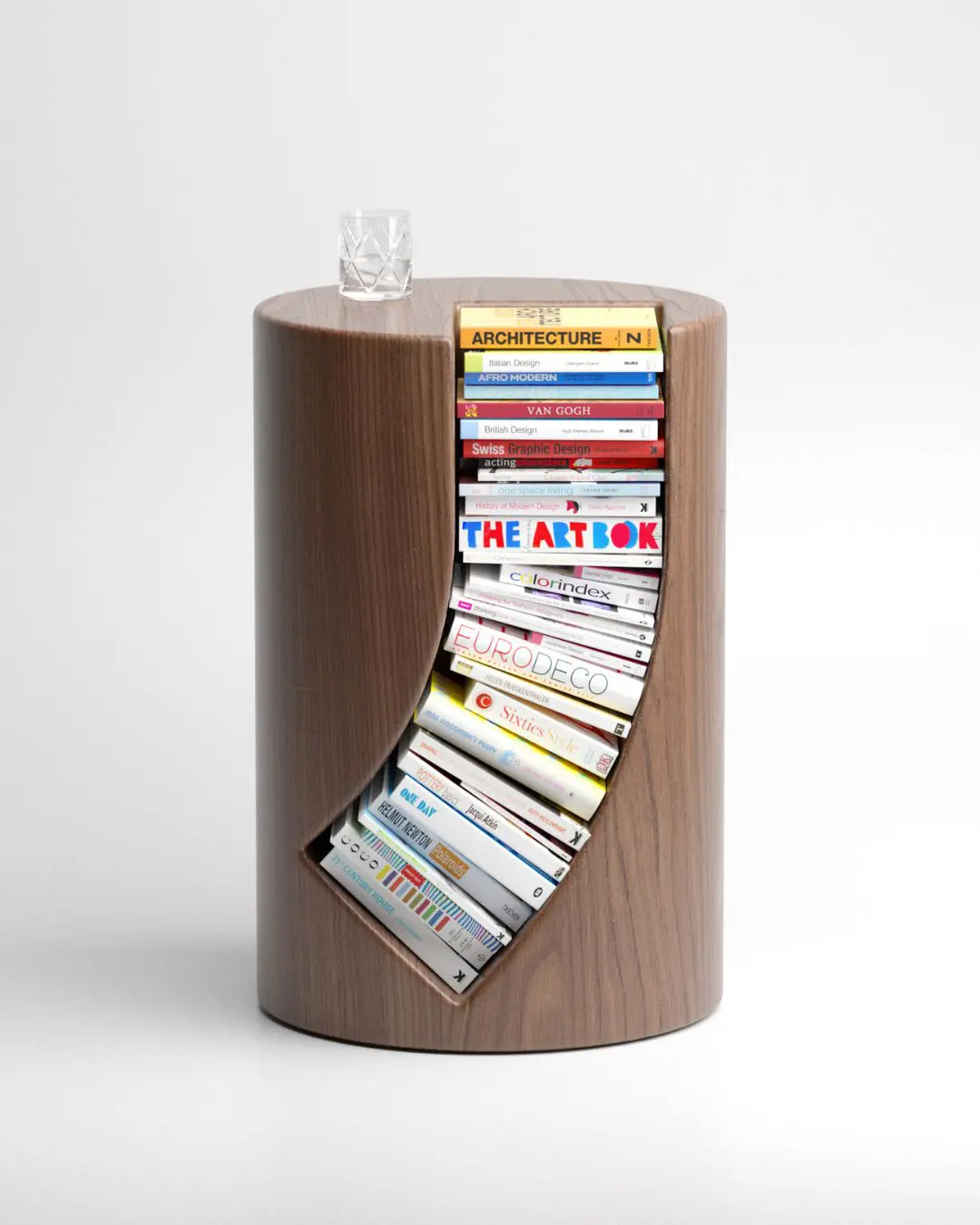
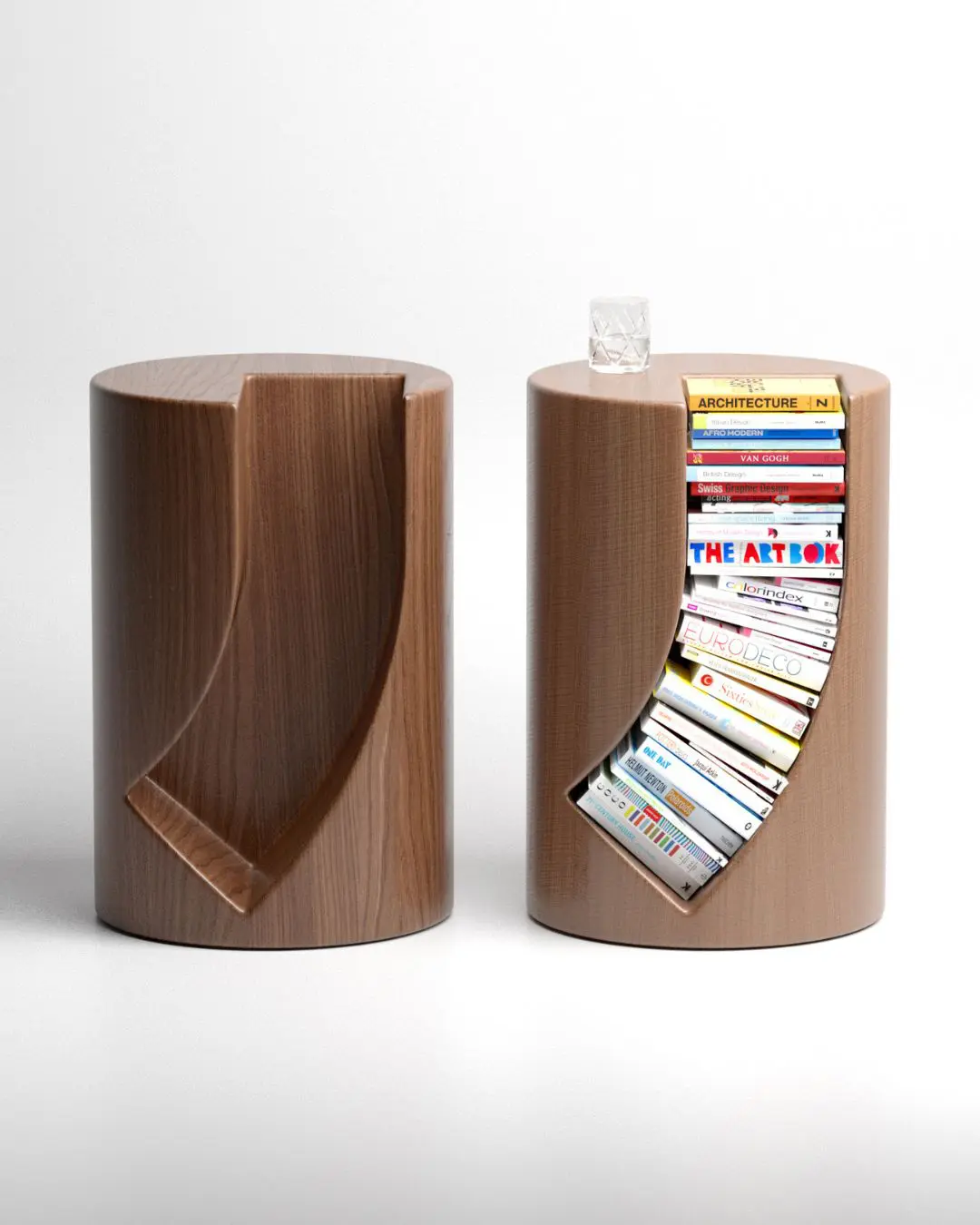
This sculpturally shaped side table serves as a book rack

Nordic Nest has sculpted a singular interior design spotlight
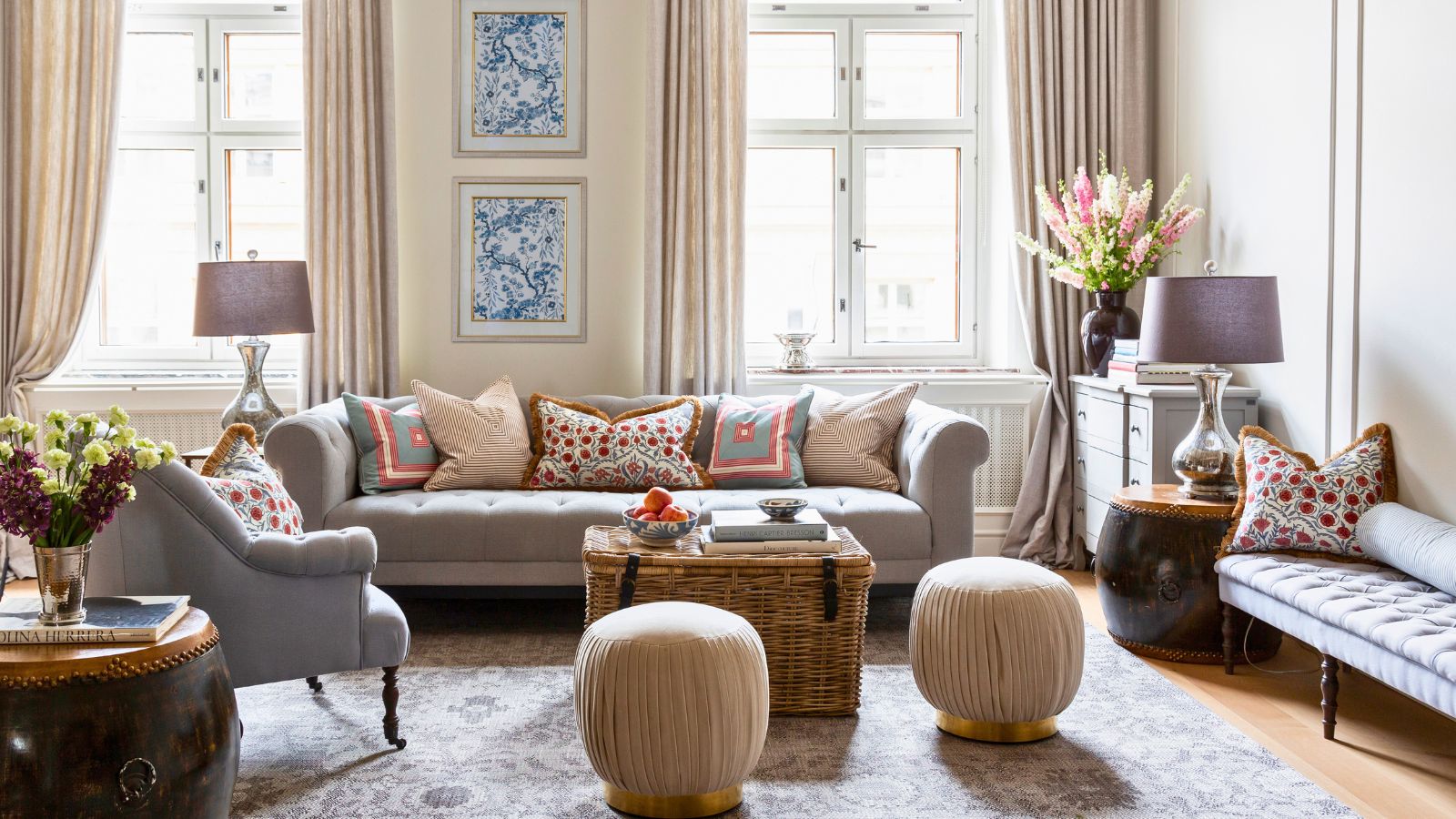
From uplifting pastel palettes to cool, crisp schemes, these 5 cozy homes showcase the best of Scandinavian style
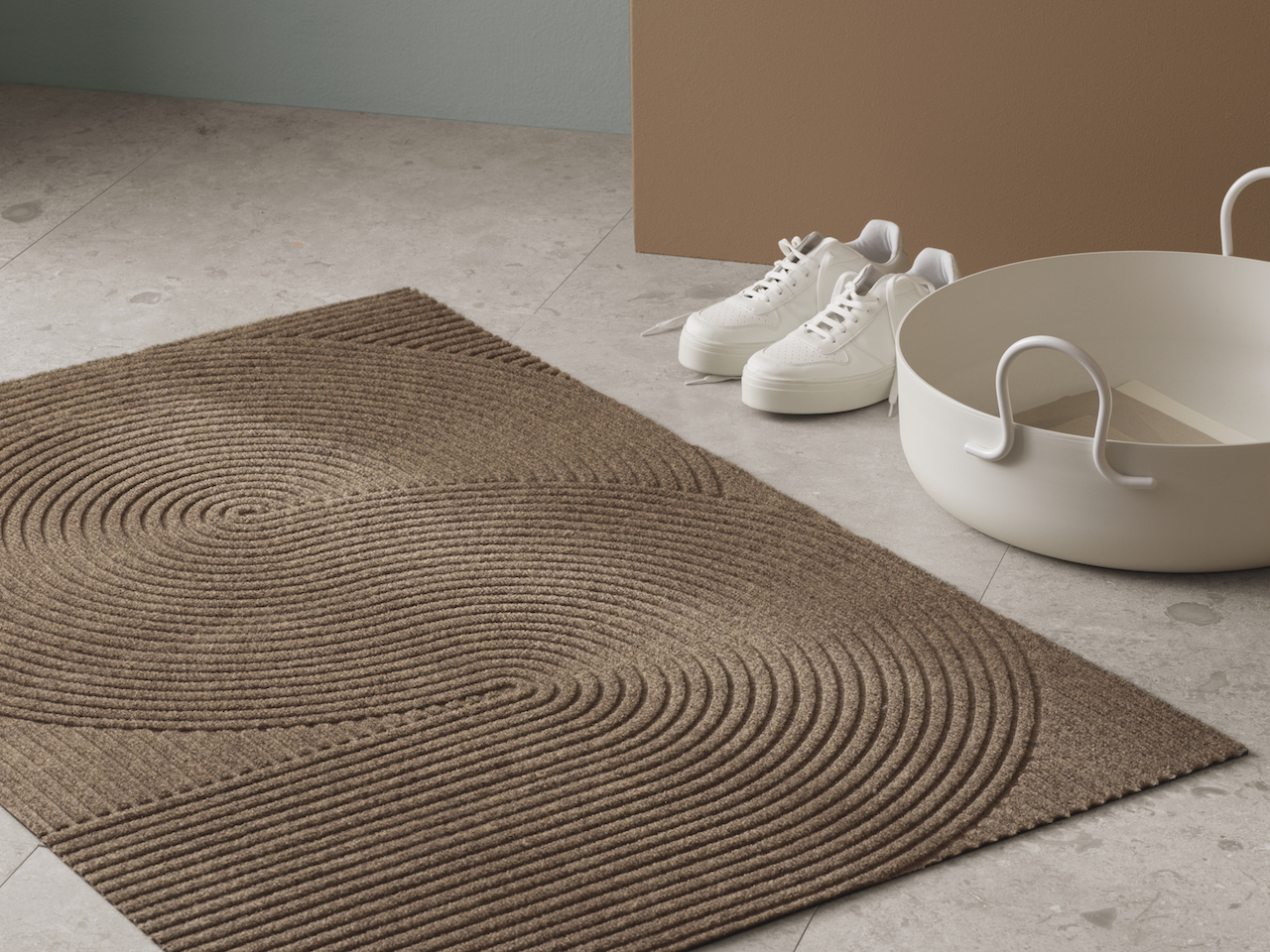
Brands You Have to Know if You Love Scandinavian Design
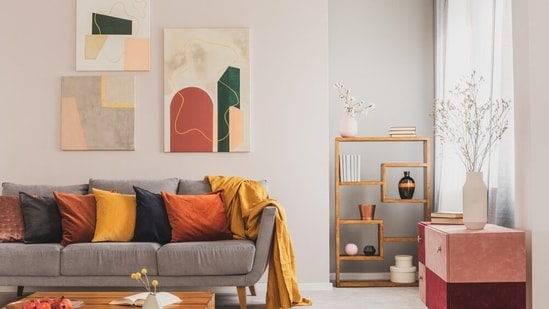
Hygge vs Lagom: Scandinavian design secrets that make homes feel like a warm hug | Hindustan Times