1/5
How to Get Rid of the Musty Smell in Your Basement
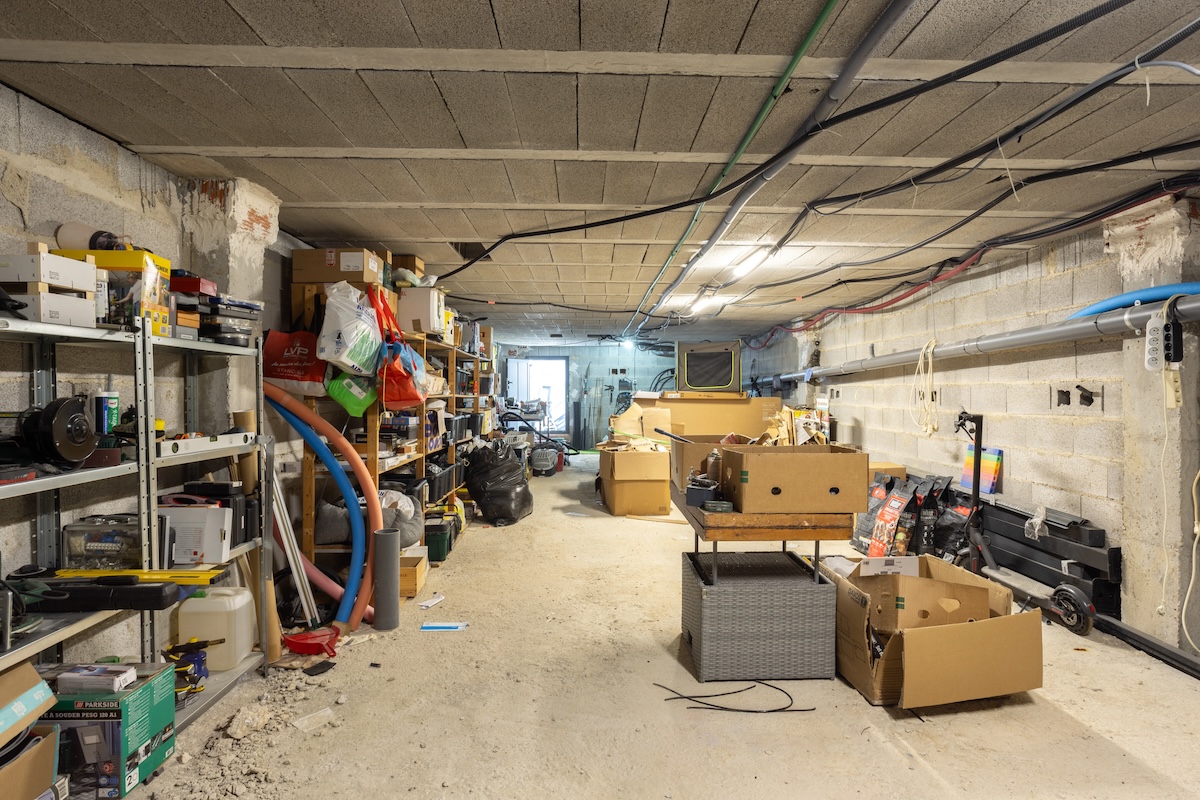
A musty smell emanating from a basement is a common indicator of mold and mildew presence, which can pose health risks and cause structural damage. In 2019, approximately 3.7 million occupied households in the U.S. reported mold issues. The unpleasant odor is caused by airborne microbial volatile organic compounds (VOCs) released by these fungi as they grow and reproduce. Basements provide an ideal environment for mold and mildew due to their inherent damp, dark, and cool conditions, where humid air can condense on cold surfaces.
While most indoor mold species are not severely harmful, some individuals may experience allergic reactions, including a stuffy nose, headache, fatigue, coughing, wheezing, and itchy eyes. Black mold (Stachybotrys chartarum) is associated with more severe symptoms like chest tightness, difficulty breathing, and dizziness, though it is less common than other types. Mold feeds on organic materials such as wood, fabric, paper, and glues, potentially leading to significant staining, decay of building materials like wood studs and drywall, and damage to carpets and wallpaper. Extensive mold growth often necessitates professional mold remediation, but minor cases of mildew smell and staining can be addressed by homeowners.
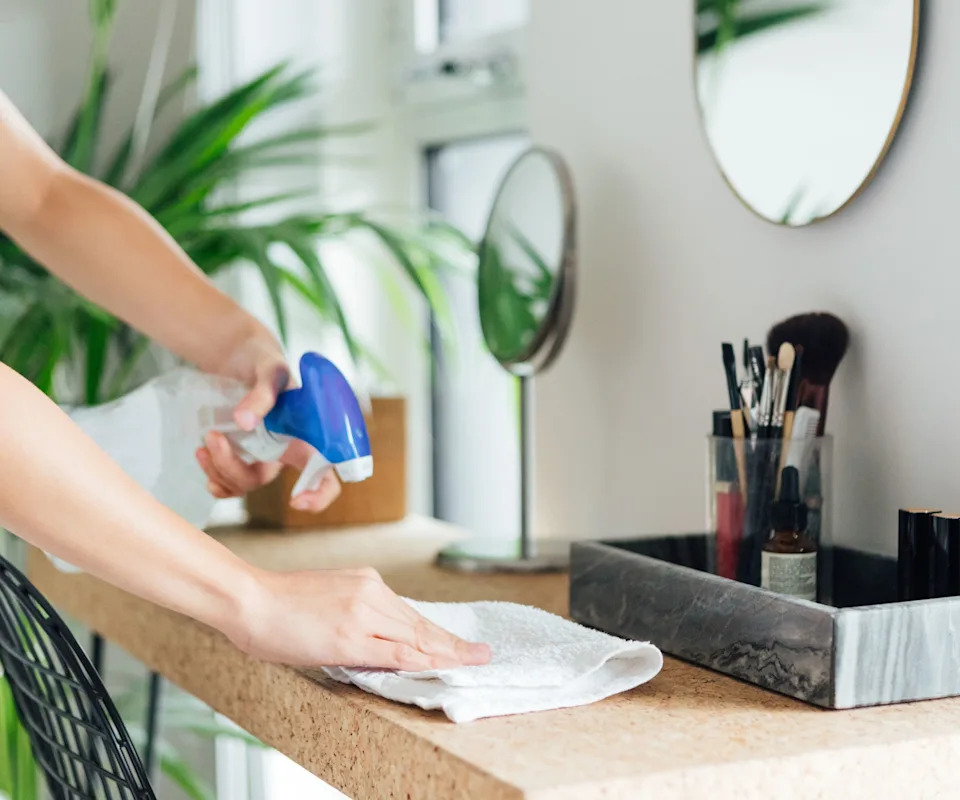
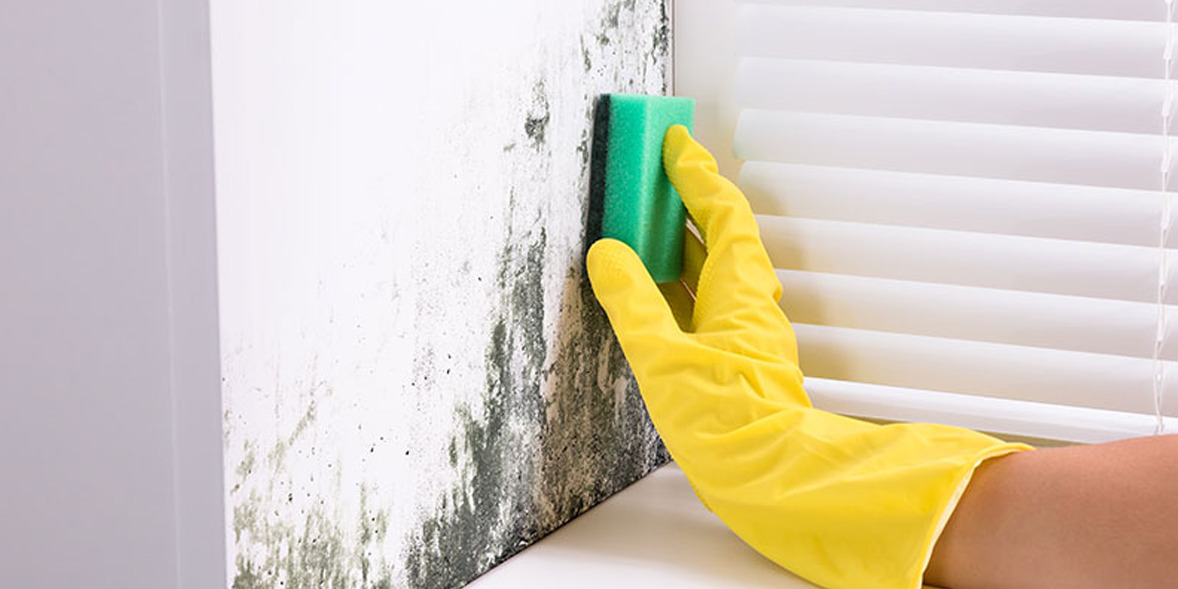
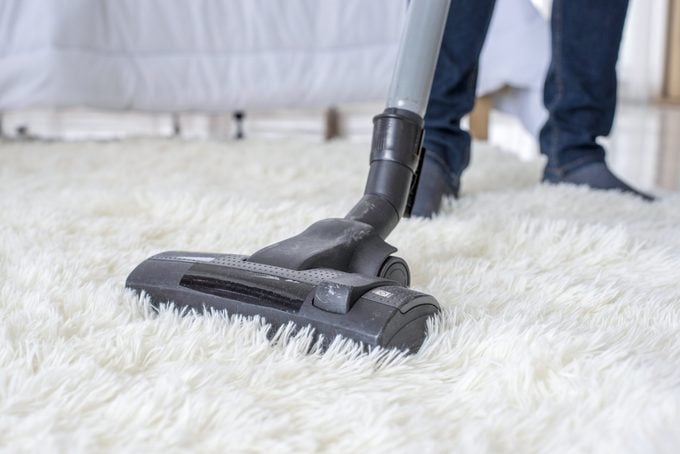
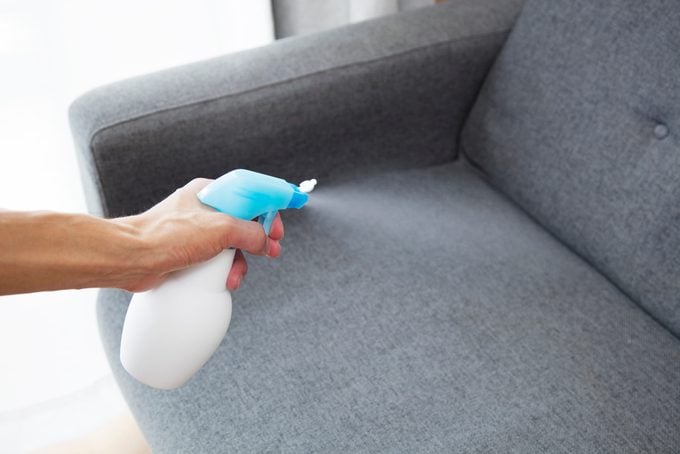
Effective odor elimination requires addressing the root cause, not just masking the smell. The first step involves thoroughly cleaning all mold and mildew patches. This includes discarding moldy paper products and cardboard boxes, washing and drying affected garments, and attempting to clean lightly affected upholstered furniture. For furniture, vacuuming followed by wiping with a rubbing alcohol and water solution, then air-drying in sunlight, can be effective. For mold on walls, ceilings, and floors, a solution of one part household bleach to four parts water applied with a stiff brush is recommended. It is crucial to clean all surfaces, even those without visible mold, to eliminate microscopic spores, and then rinse with clean water and allow to air dry.
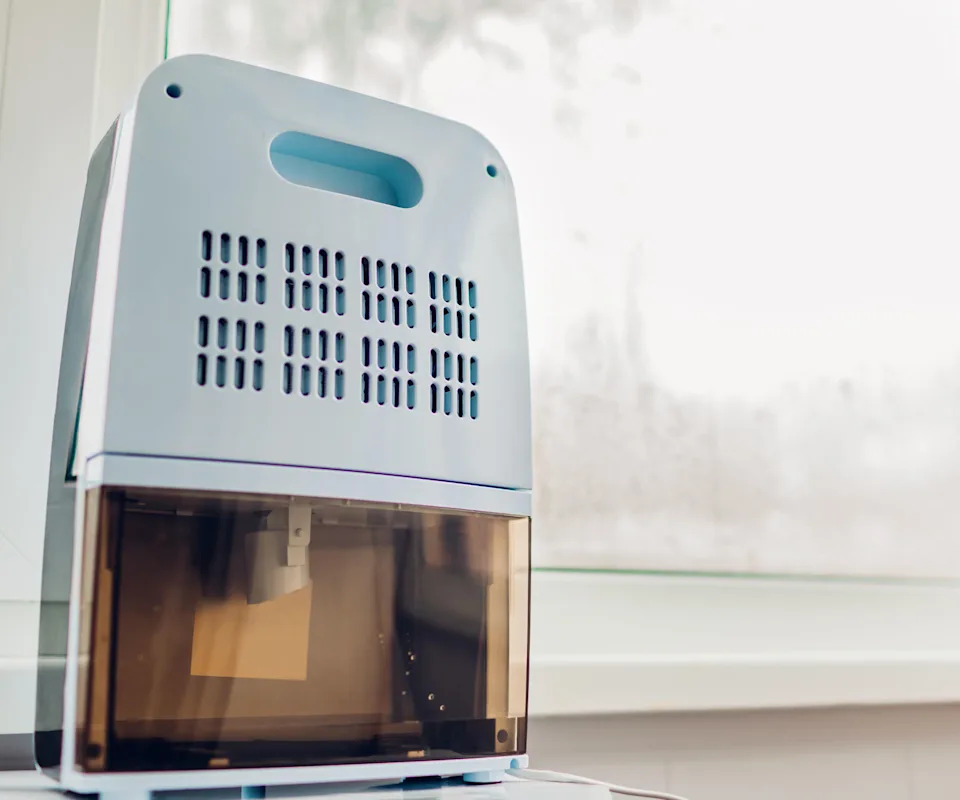
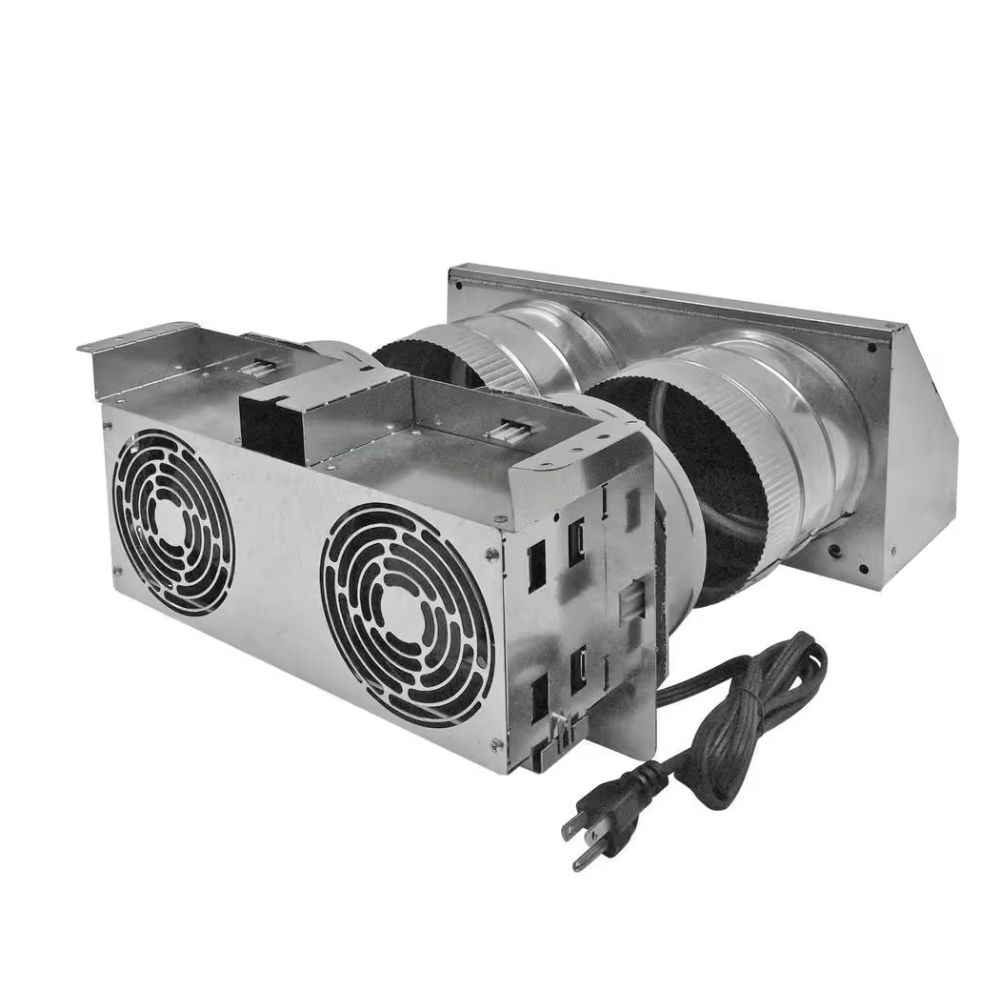
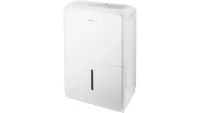
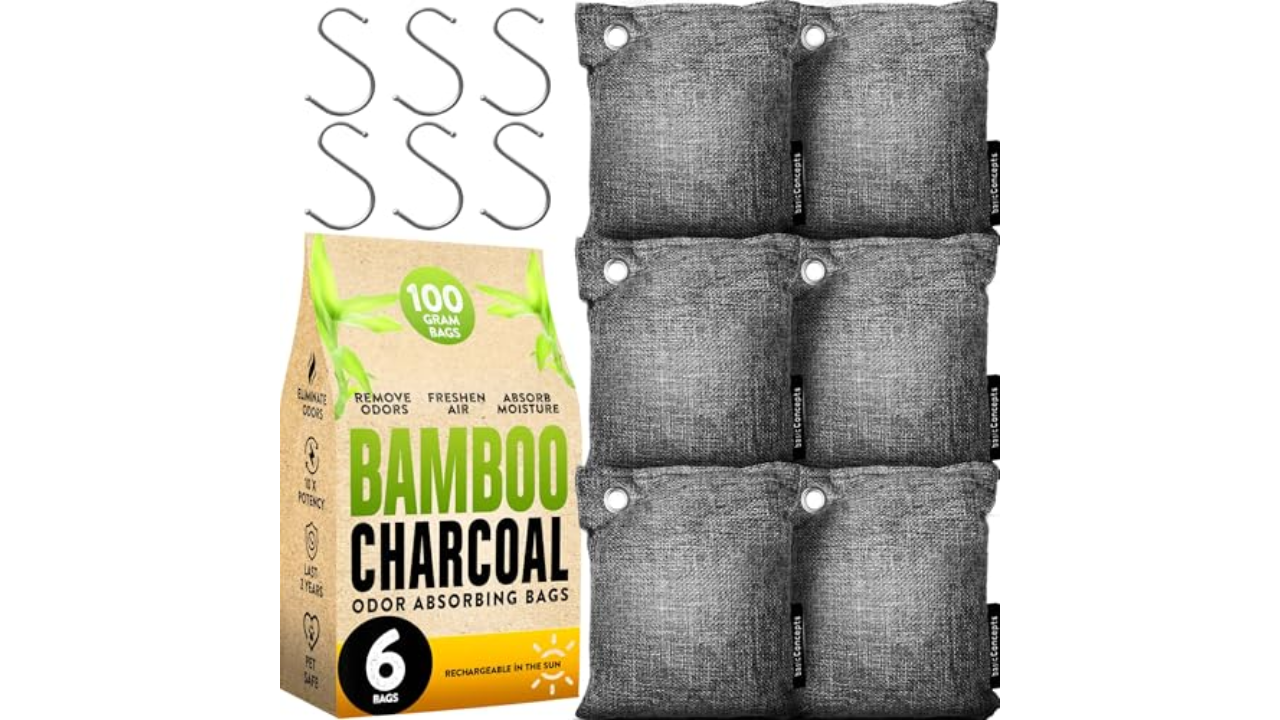
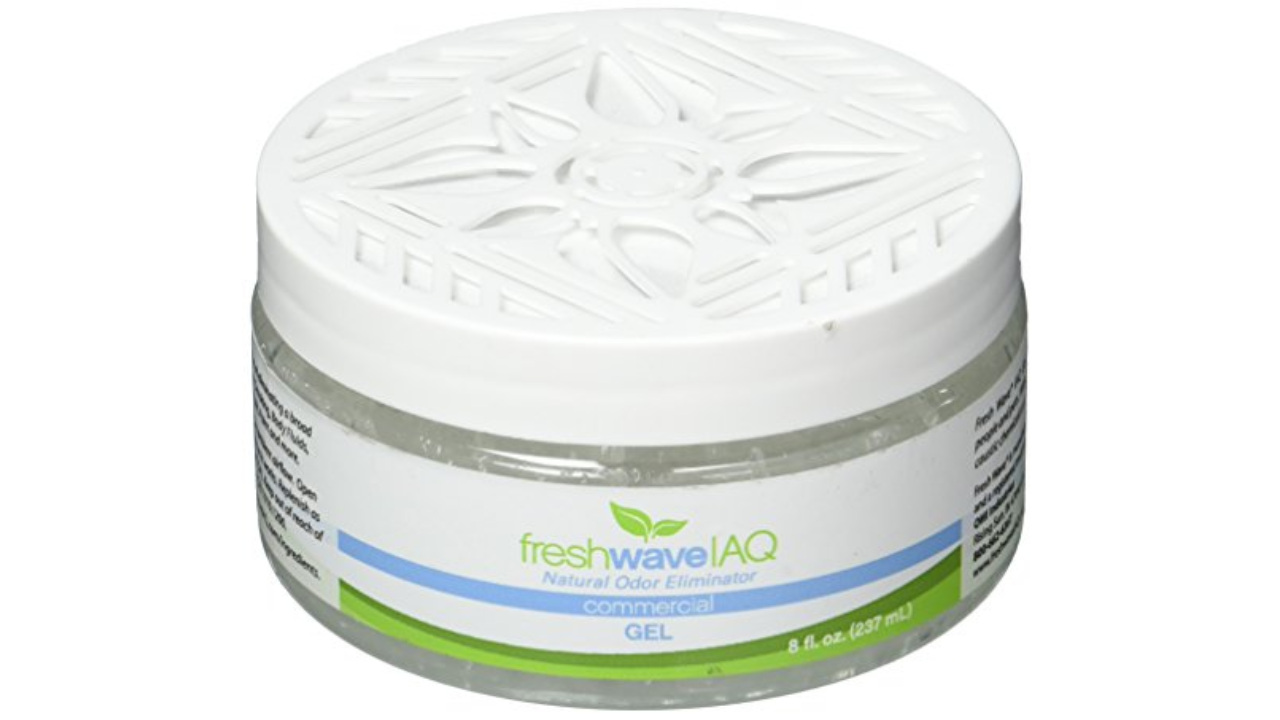
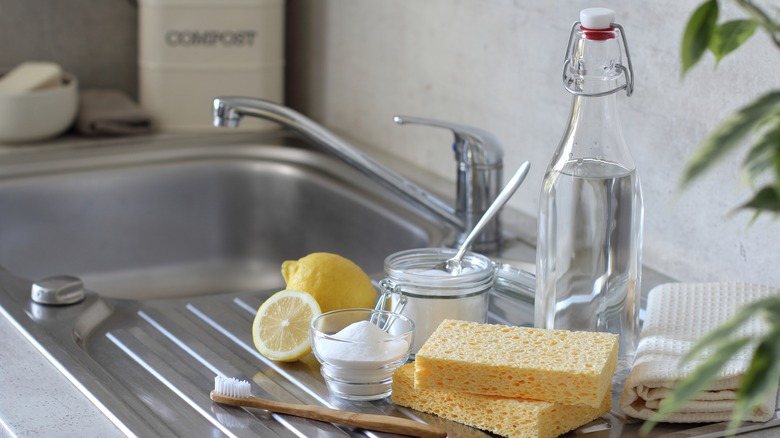
After cleaning, drying out the basement is essential to prevent future mold growth. This can be achieved by increasing ventilation, such as opening windows to allow fresh air circulation and moisture escape, and using fans to maximize airflow. Dehumidifiers play a crucial role in reducing dampness, although they do not eliminate existing odors on their own. To neutralize lingering musty smells, traditional remedies like placing bowls of baking soda or activated charcoal can absorb odors. White vinegar also serves as an odor neutralizer, and products like DampRid, which contain salt crystals, are effective moisture and odor absorbers.
Preventing the recurrence of musty odors involves eliminating or mitigating moisture sources. Regular inspection for leaks is vital. Common issues include condensation on uninsulated pipes, which can be resolved with foam pipe wrap, and water leaking through basement windows, addressed by clearing window wells, adding gravel, and replacing old weather stripping or caulk. More serious problems like water seeping through foundation cracks or from the soil necessitate professional intervention from contractors specializing in basement repairs and waterproofing. Moisture seeping through walls can be mitigated by painting with waterproof masonry paint after ensuring the walls are completely dry. Lastly, managing water vapor from warm air circulating into the cooler basement is critical. Wiping down condensation and installing a basement dehumidifier to maintain humidity levels between 30 and 50 percent, as measured by a hygrometer, is crucial, as mold thrives at 60 percent humidity or higher. Compressor dehumidifiers are particularly suitable for basements.
#BasementMaintenance #MoldRemediation #MildewControl #HomeCleaning #MoistureControl #AirQuality #HomeImprovement #DIYHomeCare #BasementMaintenance #MoldRemediation #MildewControl #HomeCleaning #MoistureControl #AirQuality #HomeImprovement #DIYHomeCare
0 commentaire au total
 Aucun commentaire pour le moment
Vous aimerez aussi

How to get rid of musty basement smells – 6 ways to combat odors and their causes


Do You Have a Musty-Smelling House? 6 Worrying Causes — And What You Should Do to Get Rid of Them

Your home stinks. Here's how to fix it, according to experts
My under-sink cabinet always smelled musty, but this 1 natural trick with common kitchen ingredients fixed it without harsh chemicals

How to stop your shed smelling musty – 9 expert-approved methods to banish bad odors


'If you can smell it, there's a problem in progress' – 5 expert-approved ways to get rid of musty smells in an attic

Old House Smell: What Causes It and How To Get Rid of It

How to get rid of mould
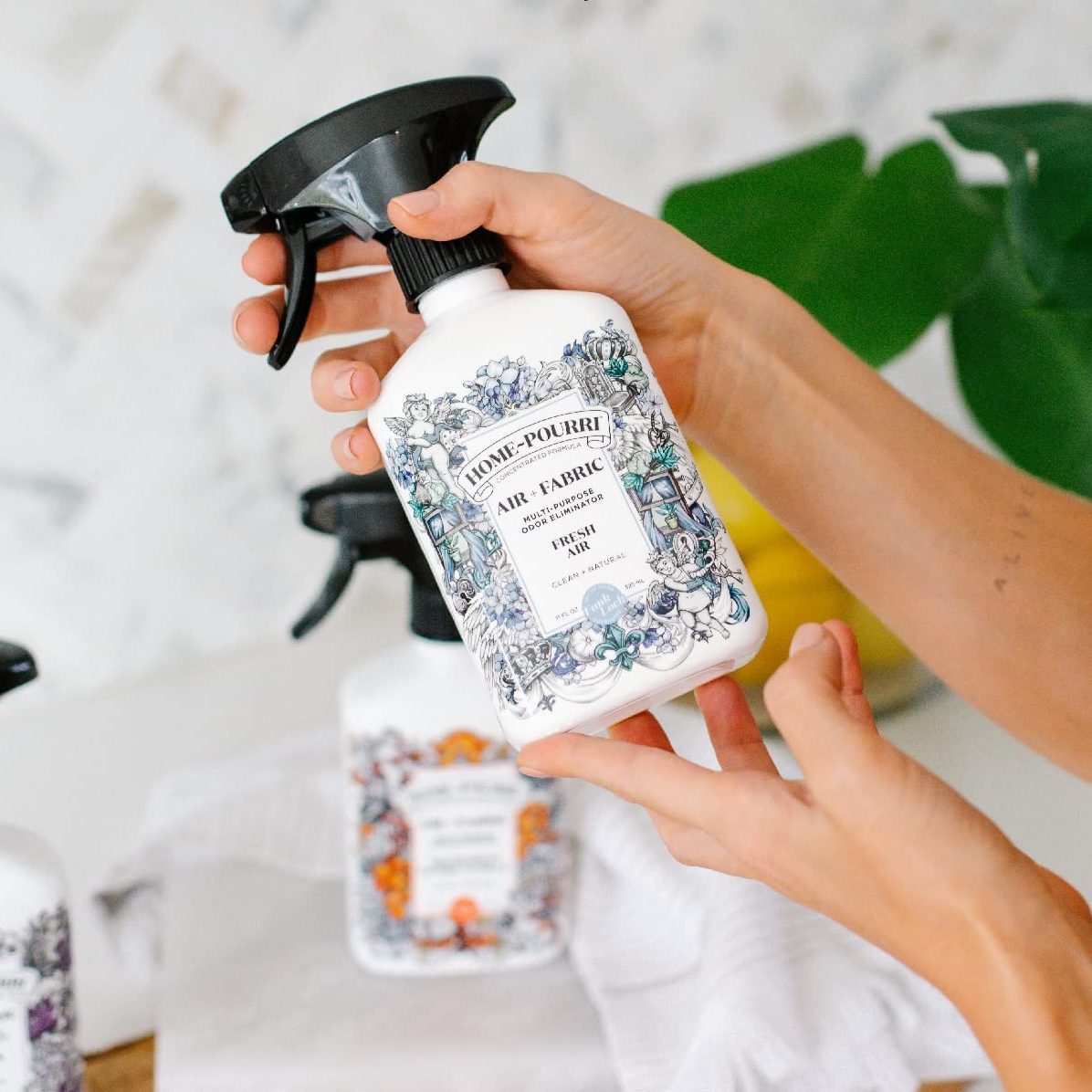
The 5 Best Basement Odor Eliminator Picks for Musty Cellars 2025

How To Get Rid Of That Musty Smell In Your Cabinets

The 10 Best Hacks To Control Gross Smells In Your Home

How to get rid of mould on walls – 7 home treatments tried and tested by the experts
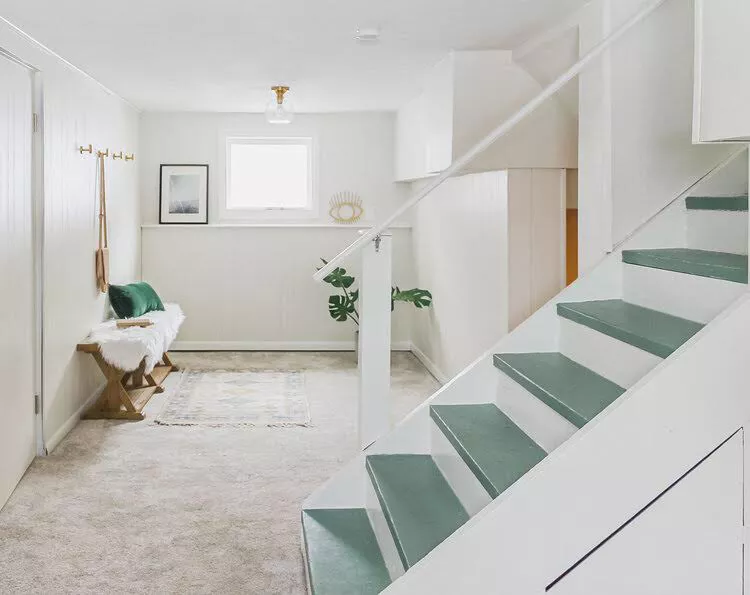
How to Get Rid of That Musty Basement Smell, According to Experts


How to ventilate a basement – expert tips to reduce damp and mold
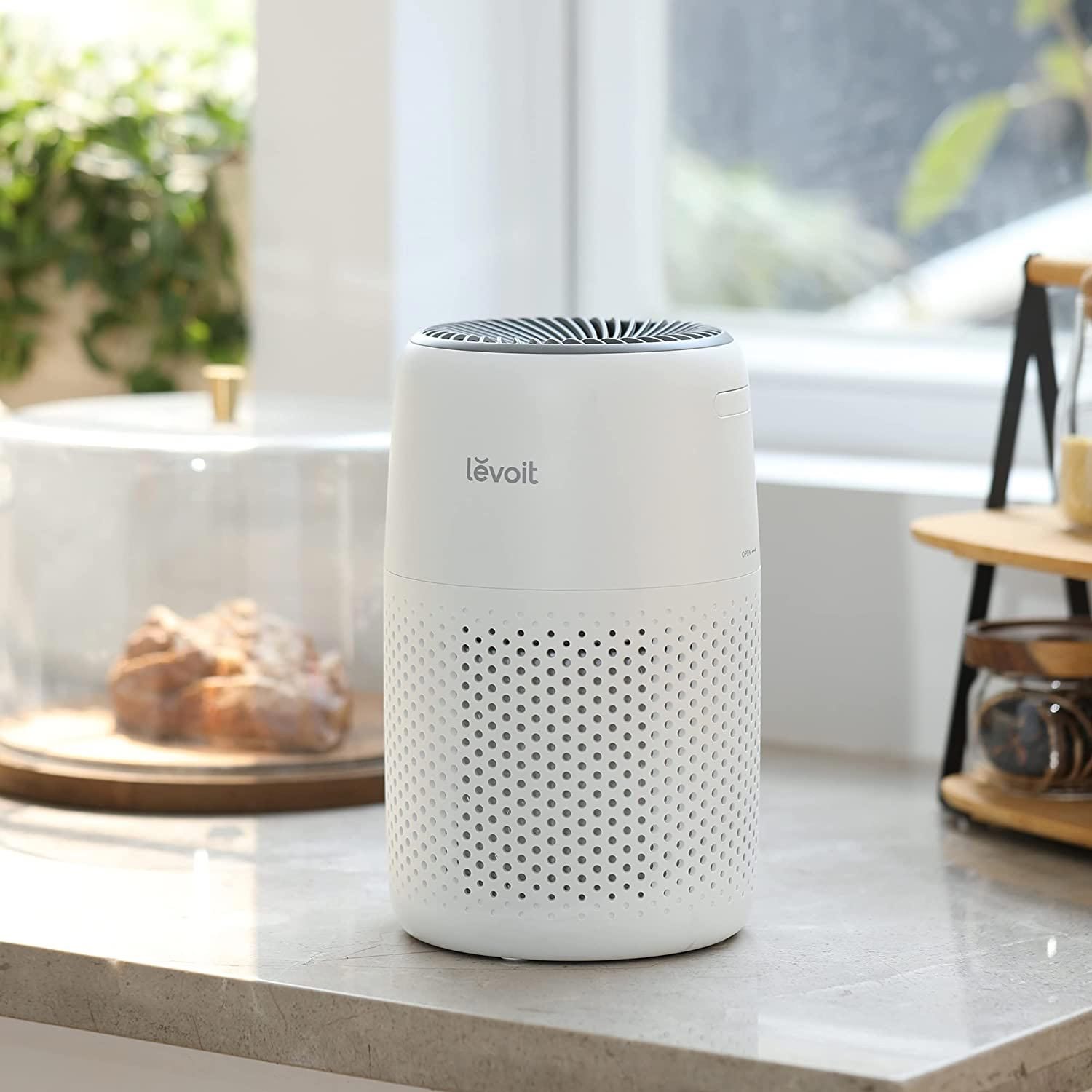
The 10 Best Air Purifiers for a Basement to Remove Dust, Allergens and Odors

How to Get Rid of Dog Smell from Everywhere in Your House


Experts explain how to install a basement extractor fan to remove damp and musty smells for good

7 things people with nice-smelling basements never do

How to stop damp in a bedroom - 10 foolproof ways to keep mould at bay

Master odor removal with a little help from science