1/8
How to Design a Meditation Room for Moments of Zen
This article explores the concept of creating a dedicated meditation space within one's home, emphasizing that such a space doesn't necessarily require an entire room but can be a quiet corner or nook. It highlights the importance of intentional design to foster a calm and meditative atmosphere, distinguishing between a forced or elaborate wellness room and a naturally inspiring sanctuary.
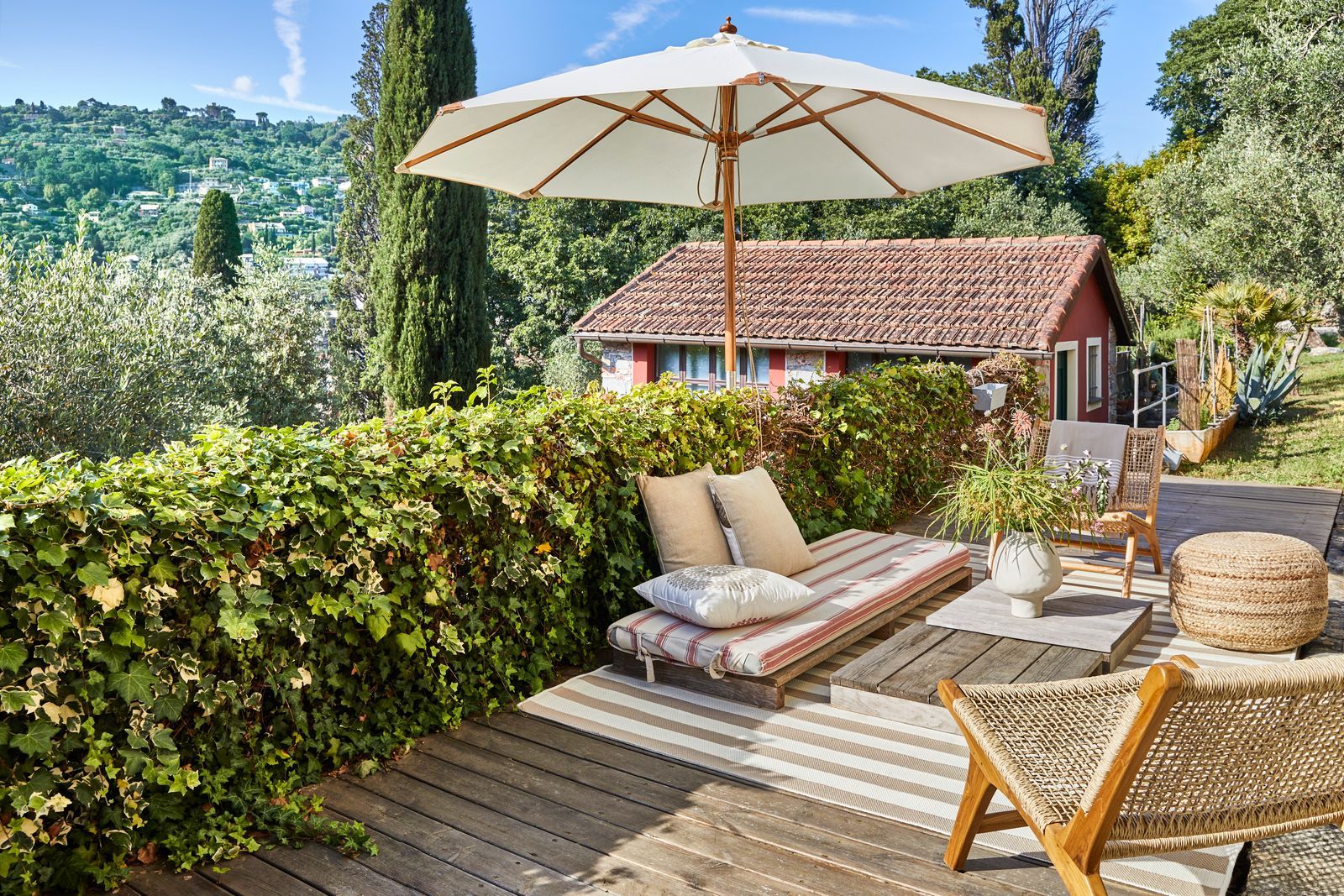
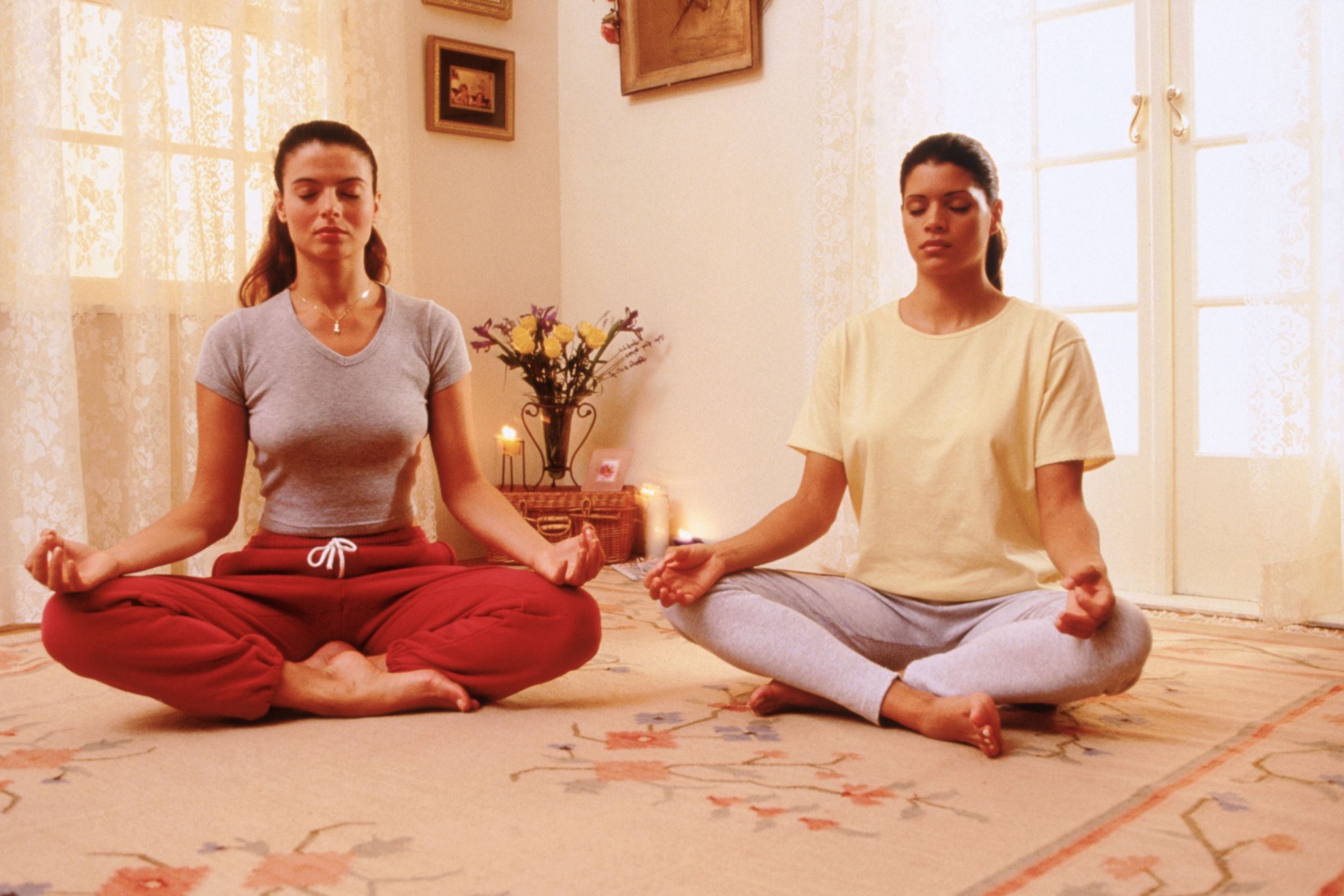
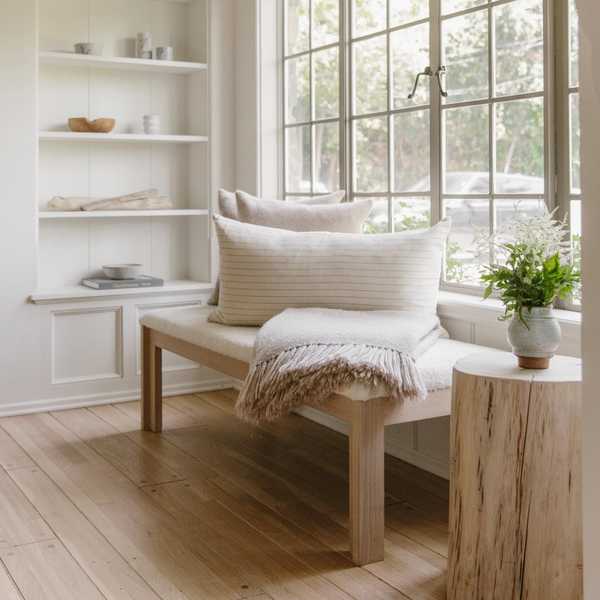
Farah Agarwal, founder of Chestnut Storeys, defines a meditation room as a space for pausing and re-centering, serving as a gentle escape from daily life. She stresses that the goal is not grandiosity but carving out a sanctuary that promotes slowing down, breathing, and reconnecting with oneself. Agarwal notes that this space can be a window nook, a naturally lit corner, or any cozy spot overlooking greenery, with the primary objective being the feeling of calm, grounding, and stillness it evokes.
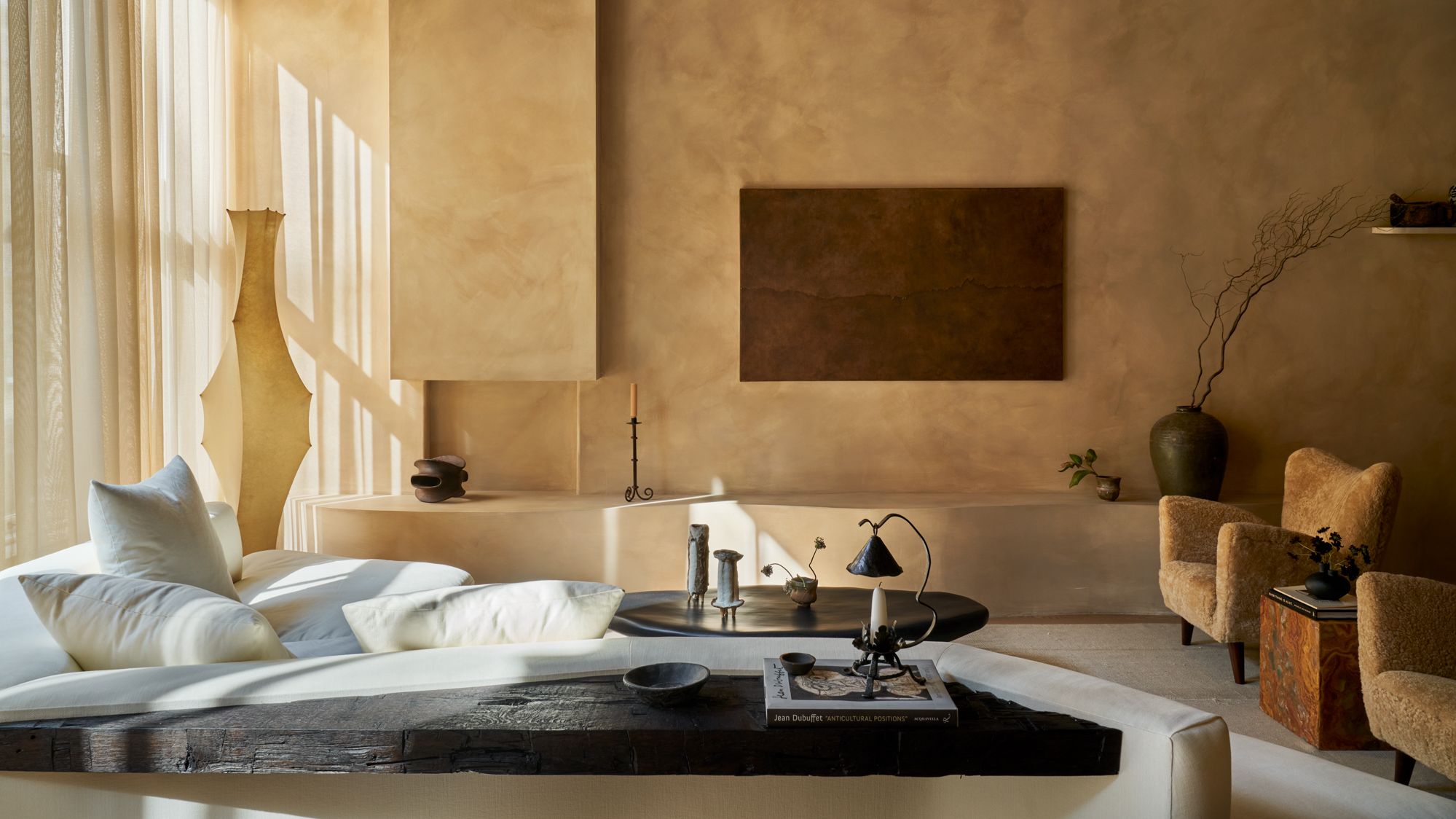
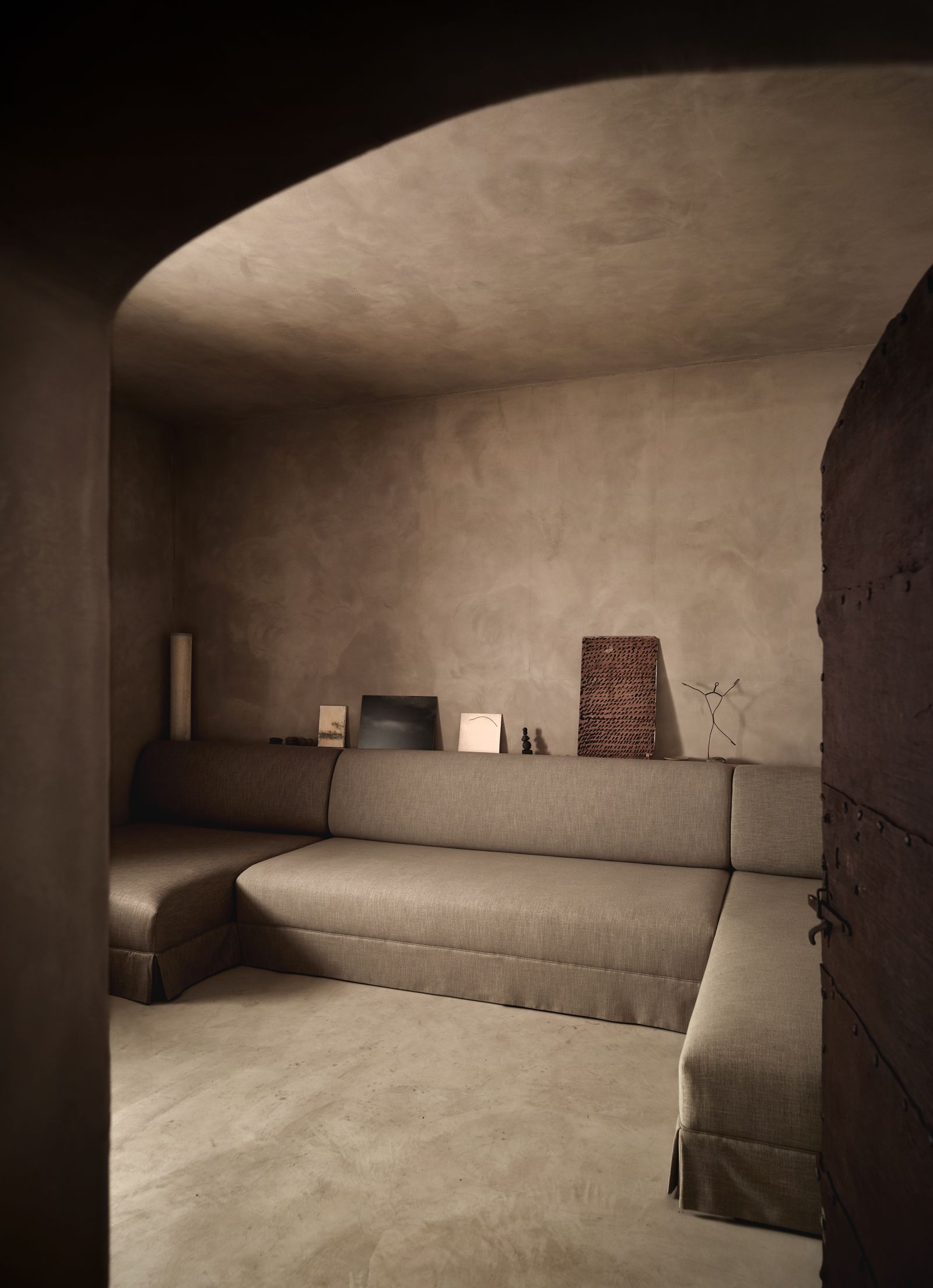
Laetitia Murguet, founder of ŌANI Studio, shares a similar sentiment, advocating for designing spaces that inspire stillness organically through textures, light, and nature. Murguet believes that true luxury in design lies in creating emotionally captivating spaces that encourage a meaningful relationship with home living, where the environment itself acts as an instrument to tune the individual to coherence between thought, feeling, and sensation. She advises against overly intentional or forced designs, emphasizing that the space should resonate with the senses and facilitate natural relaxation.
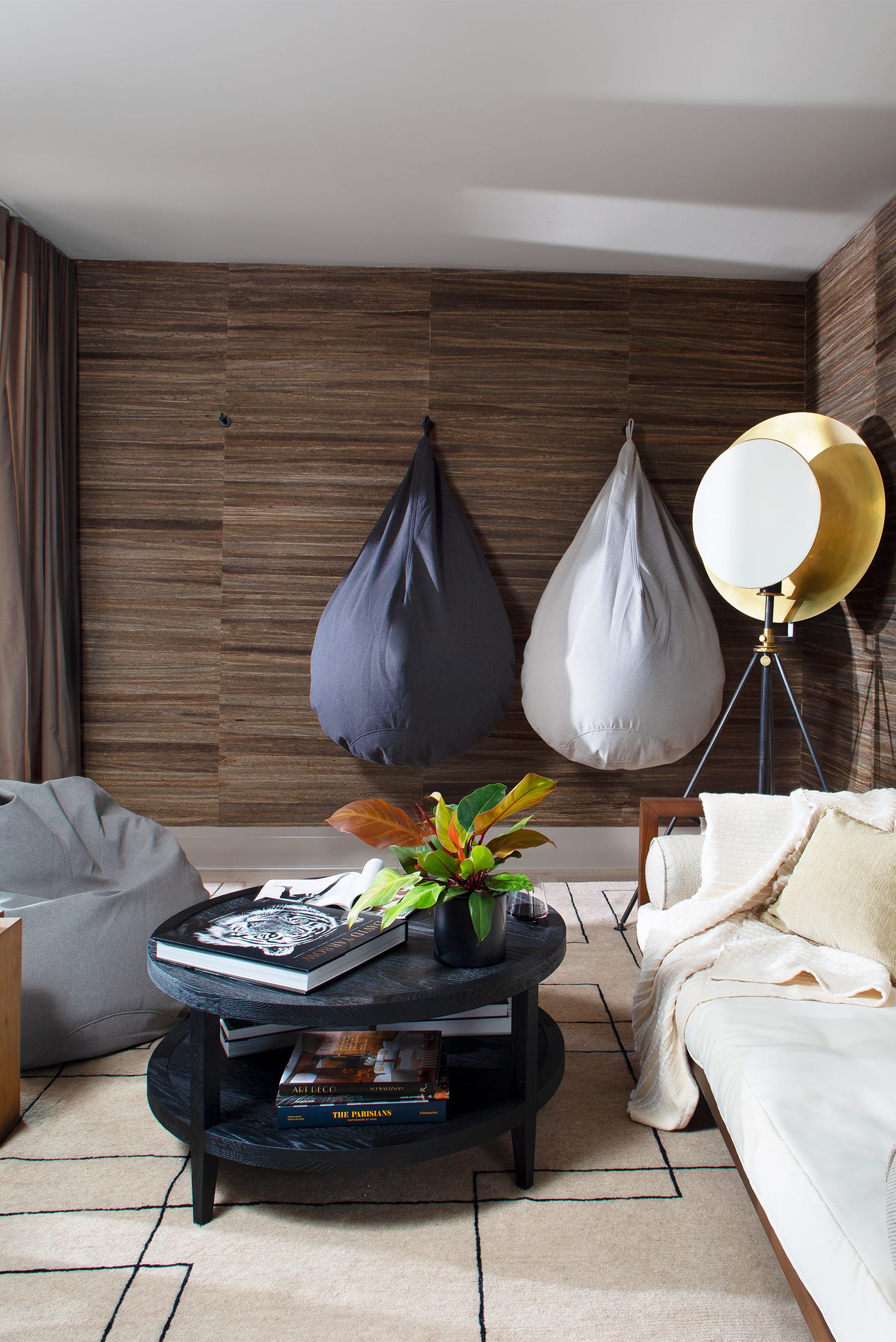
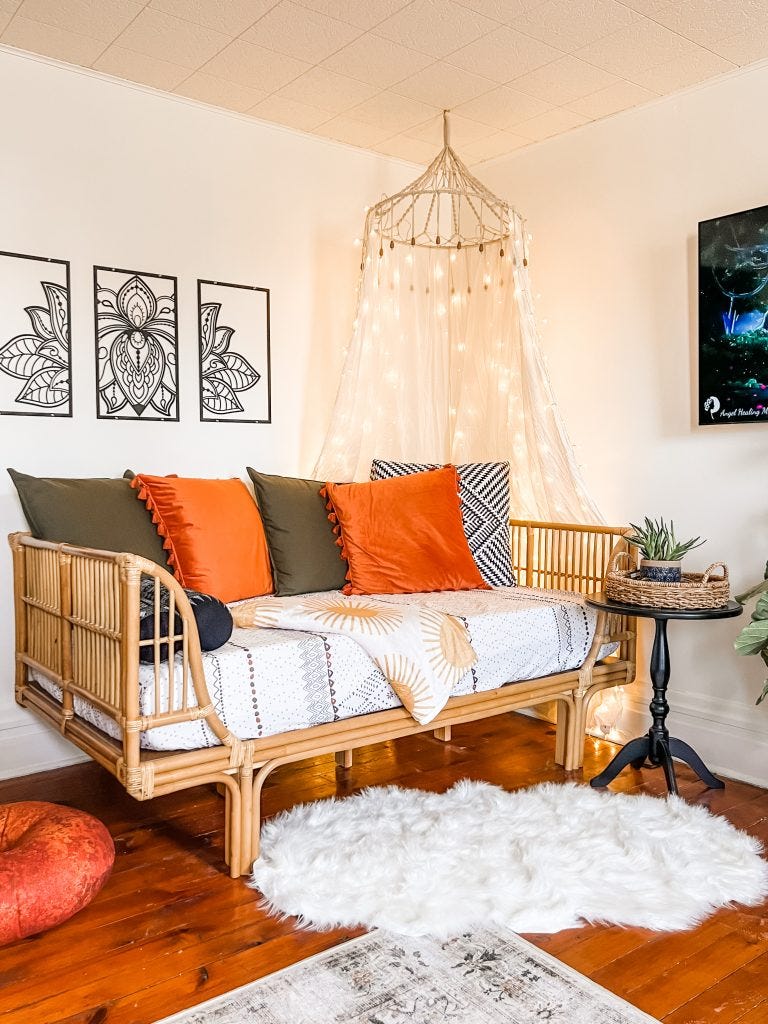
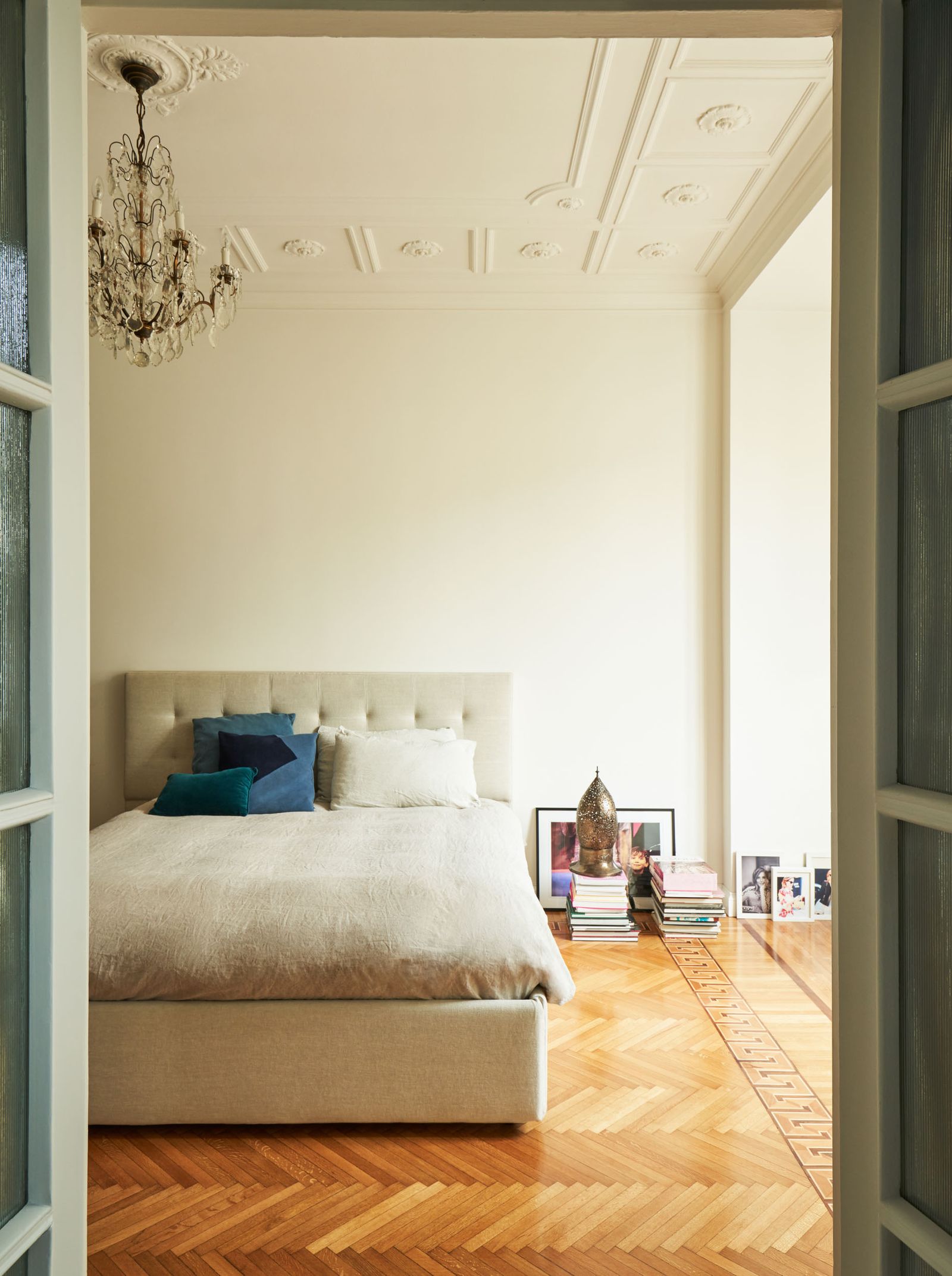
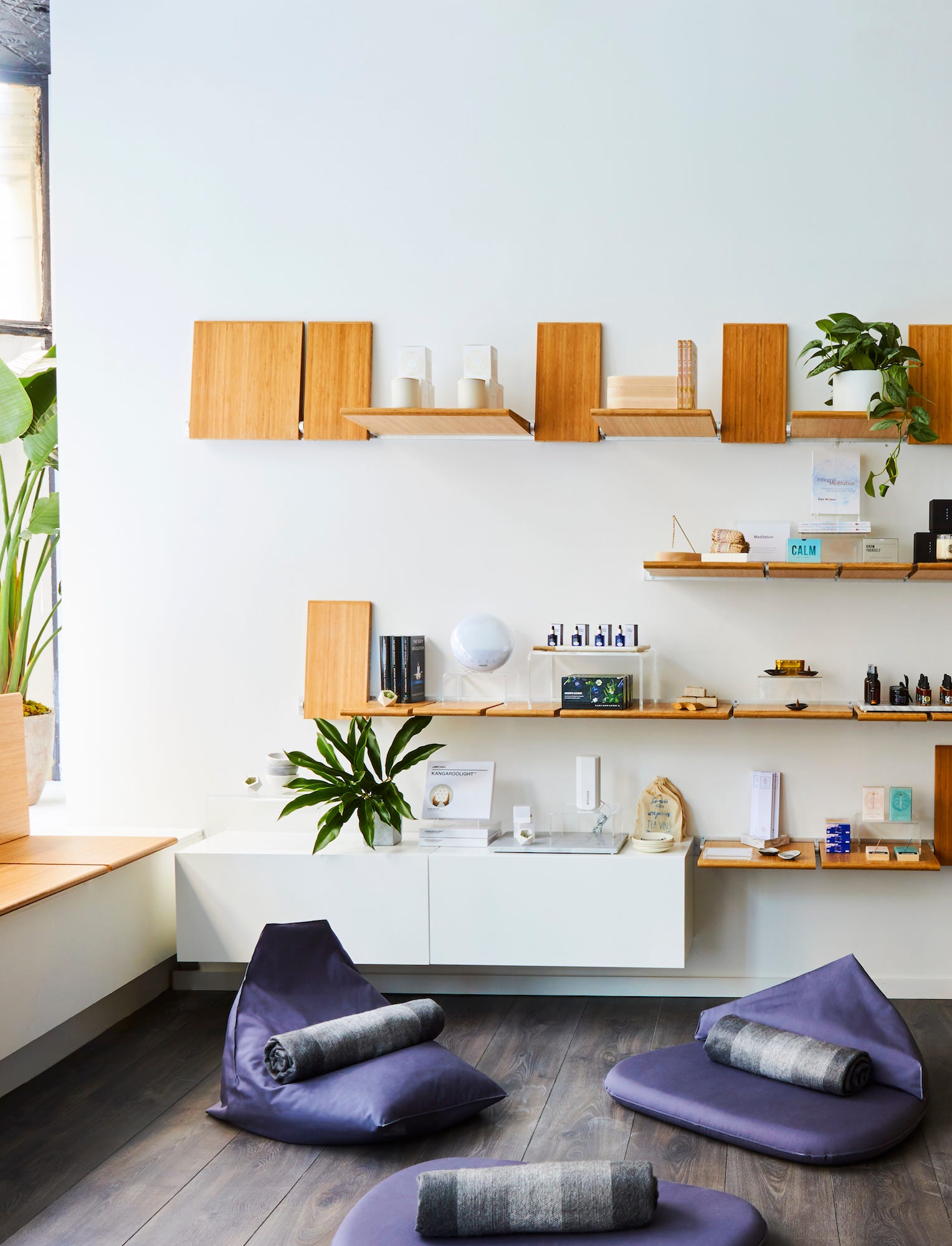
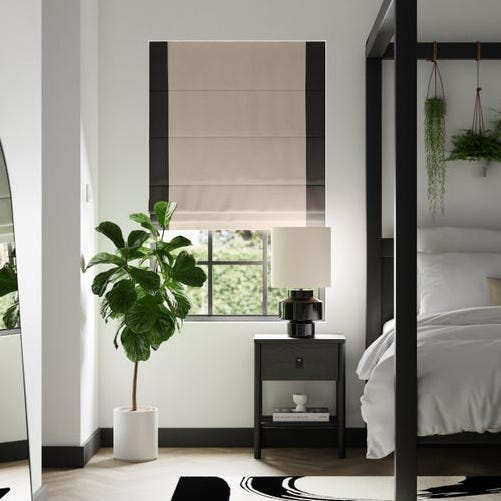
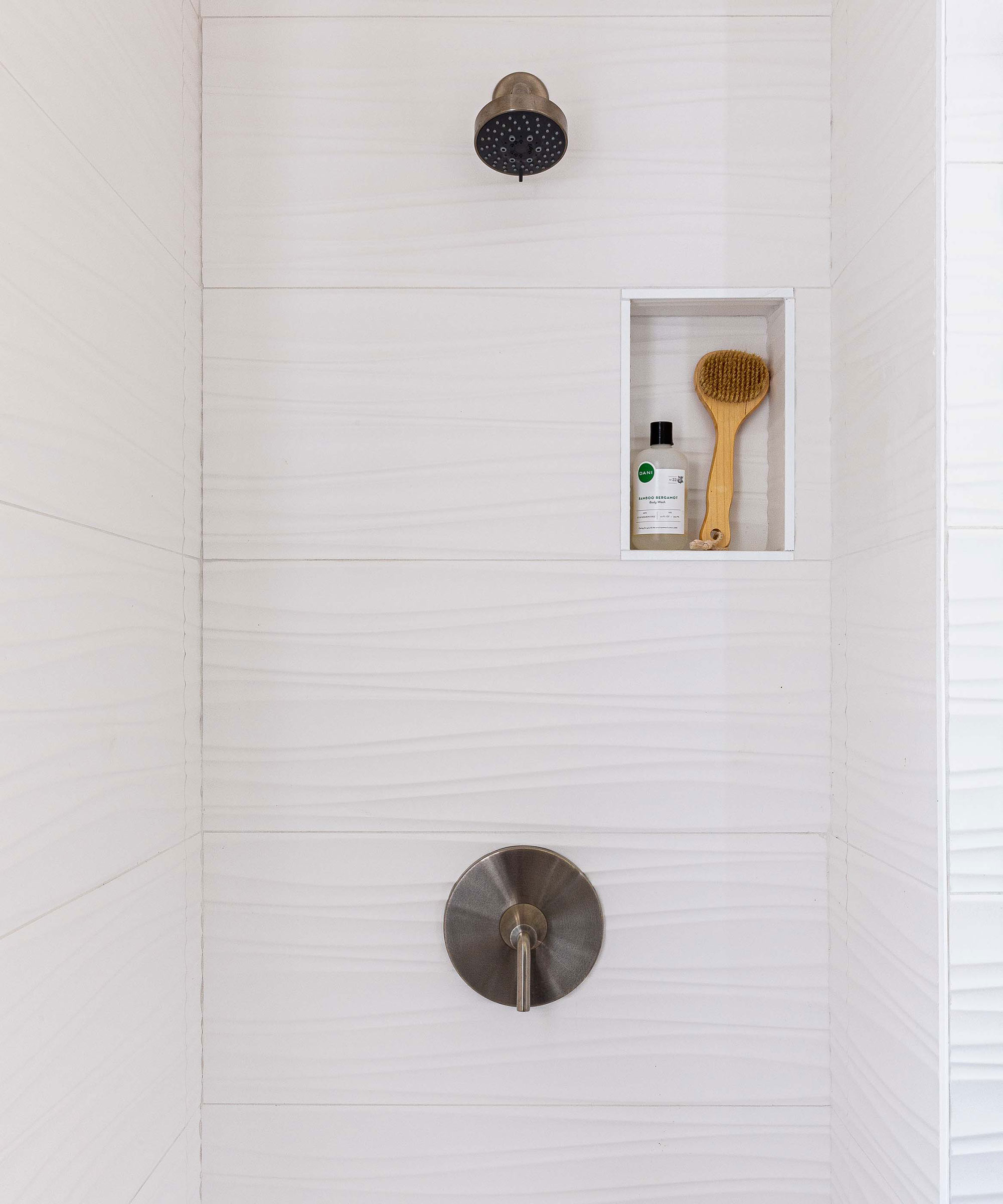
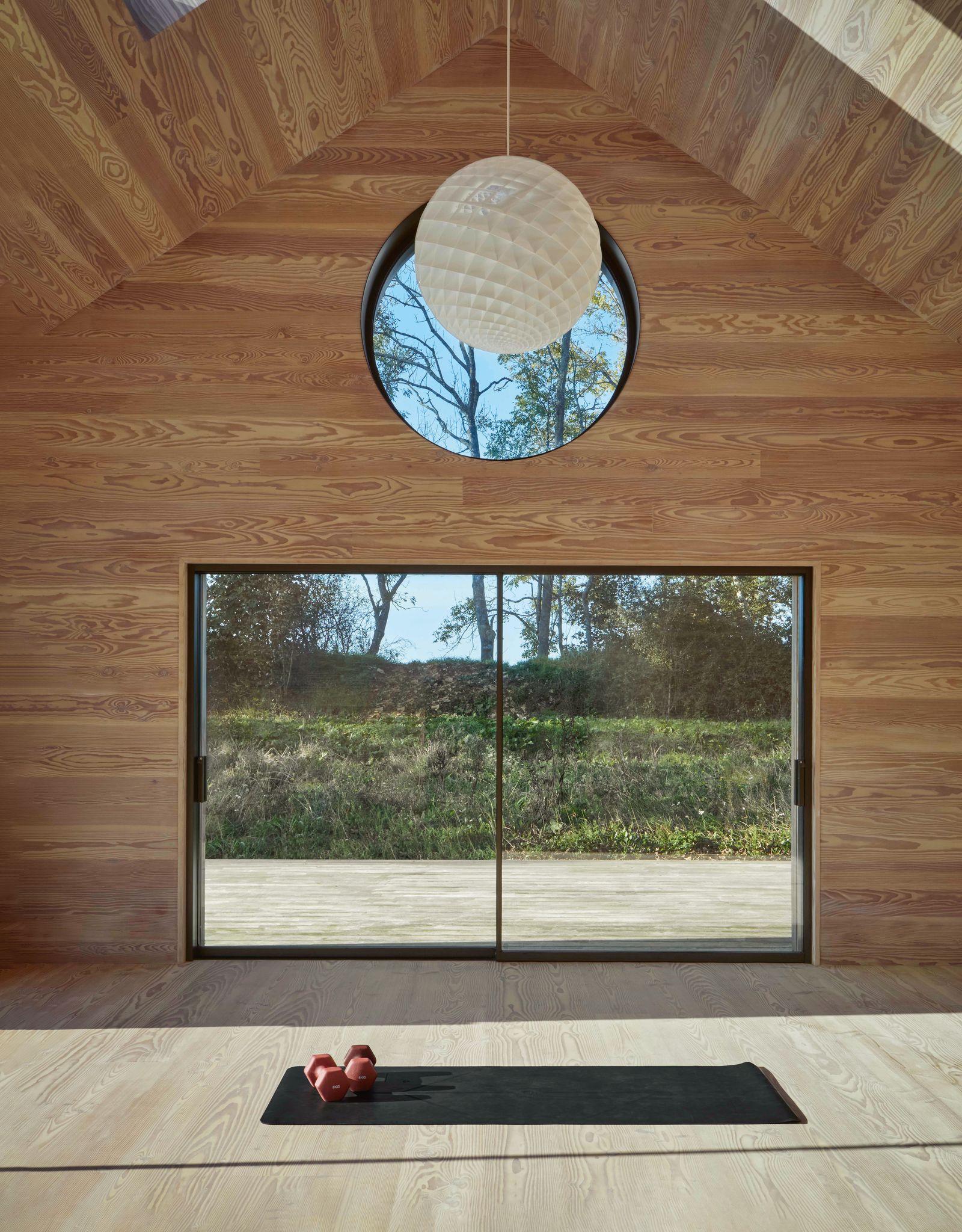
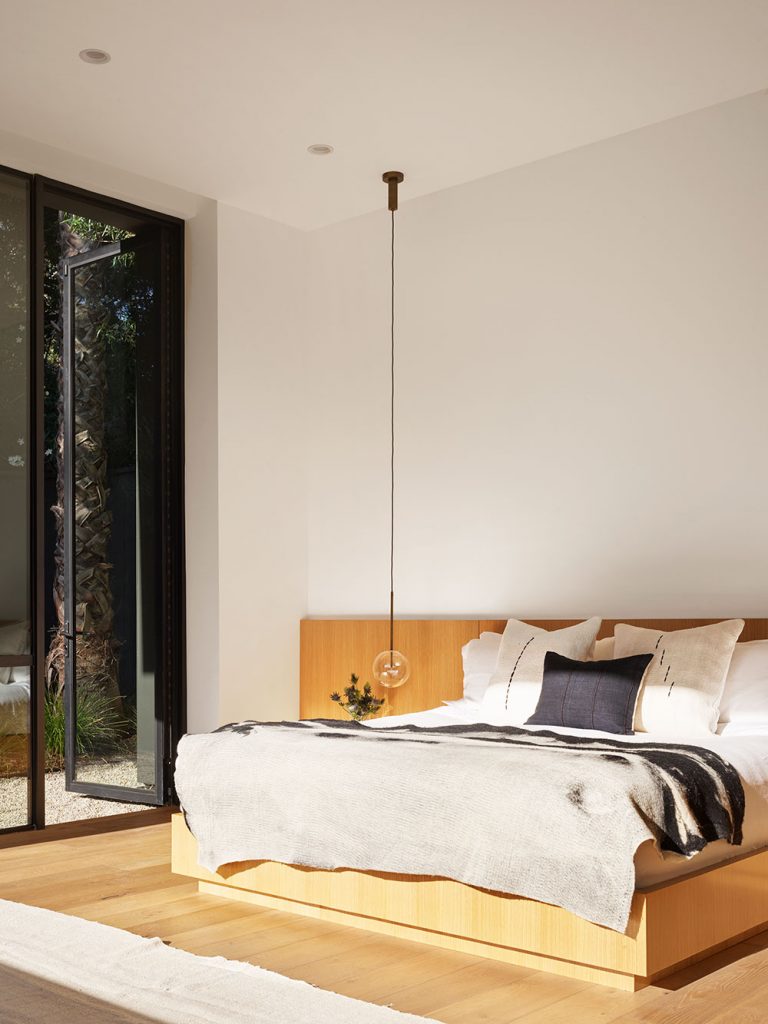
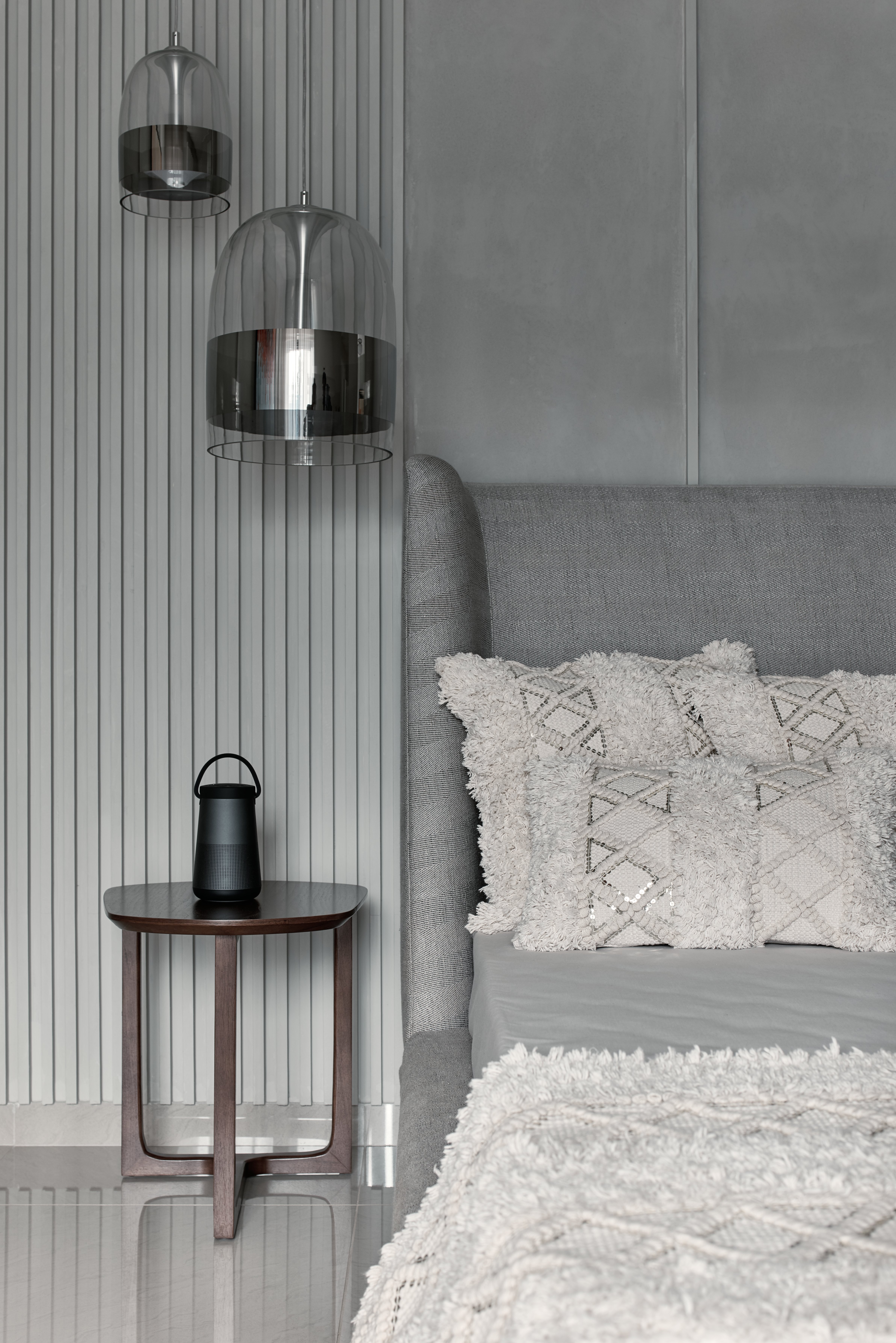
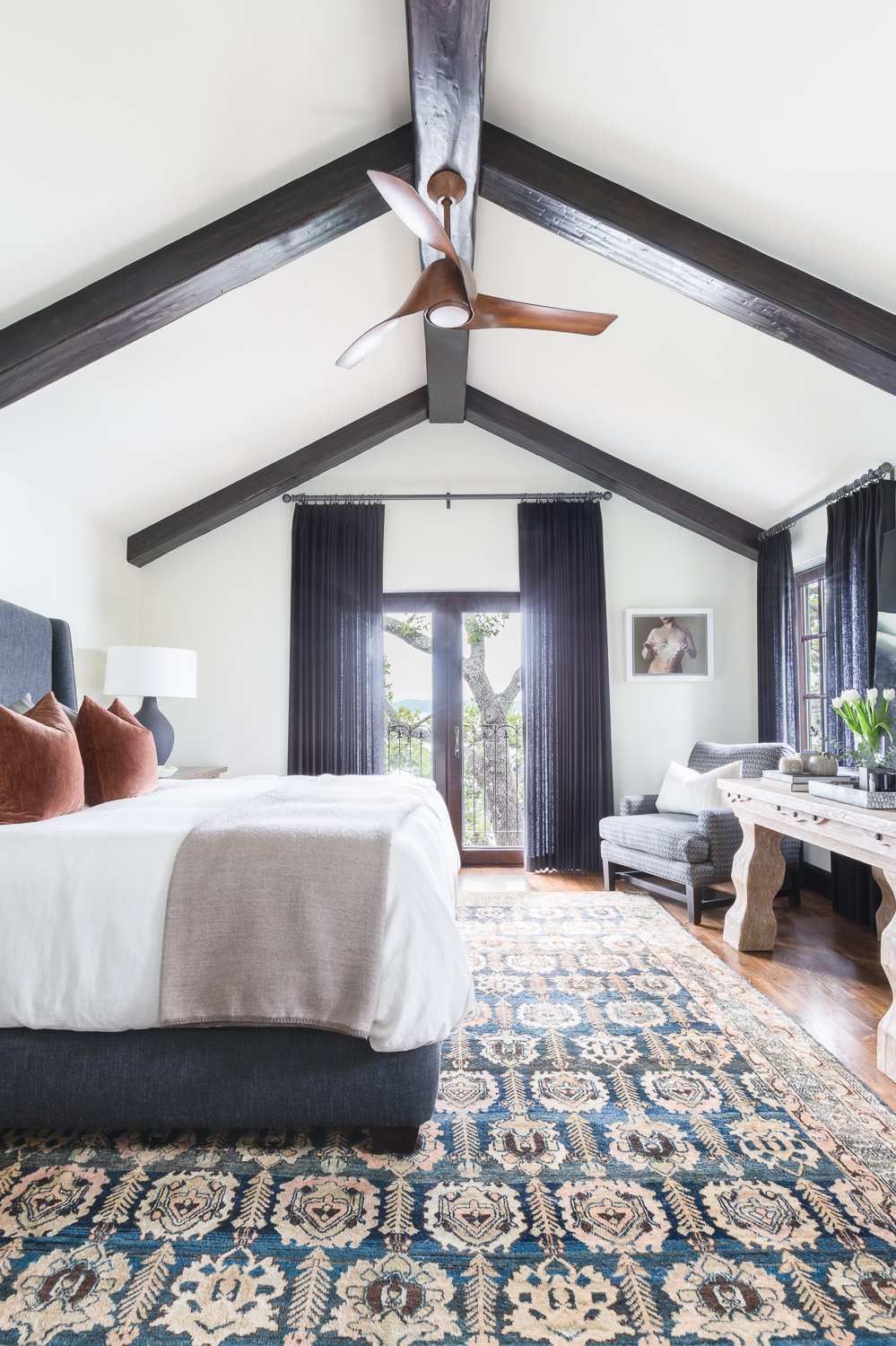
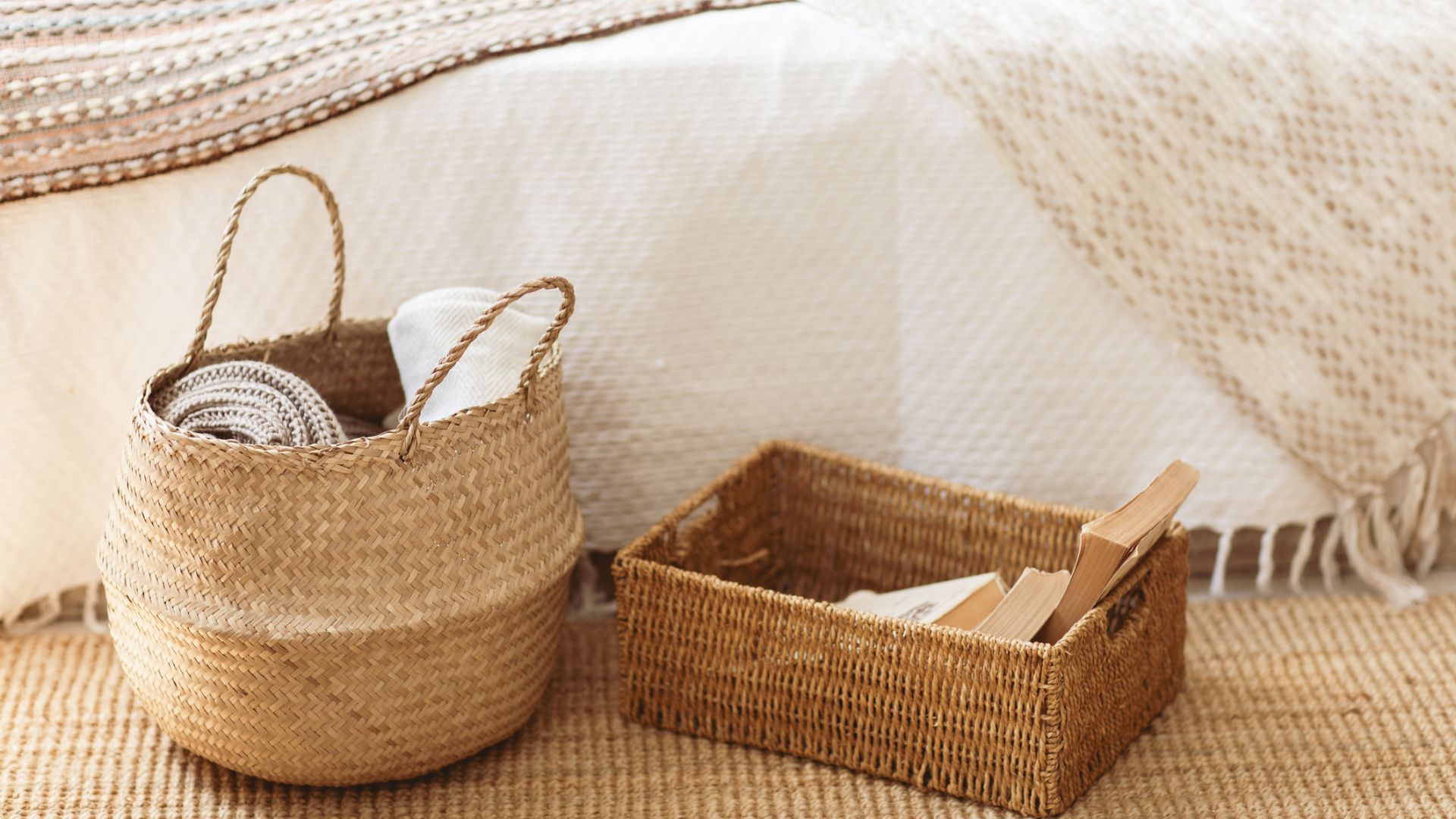
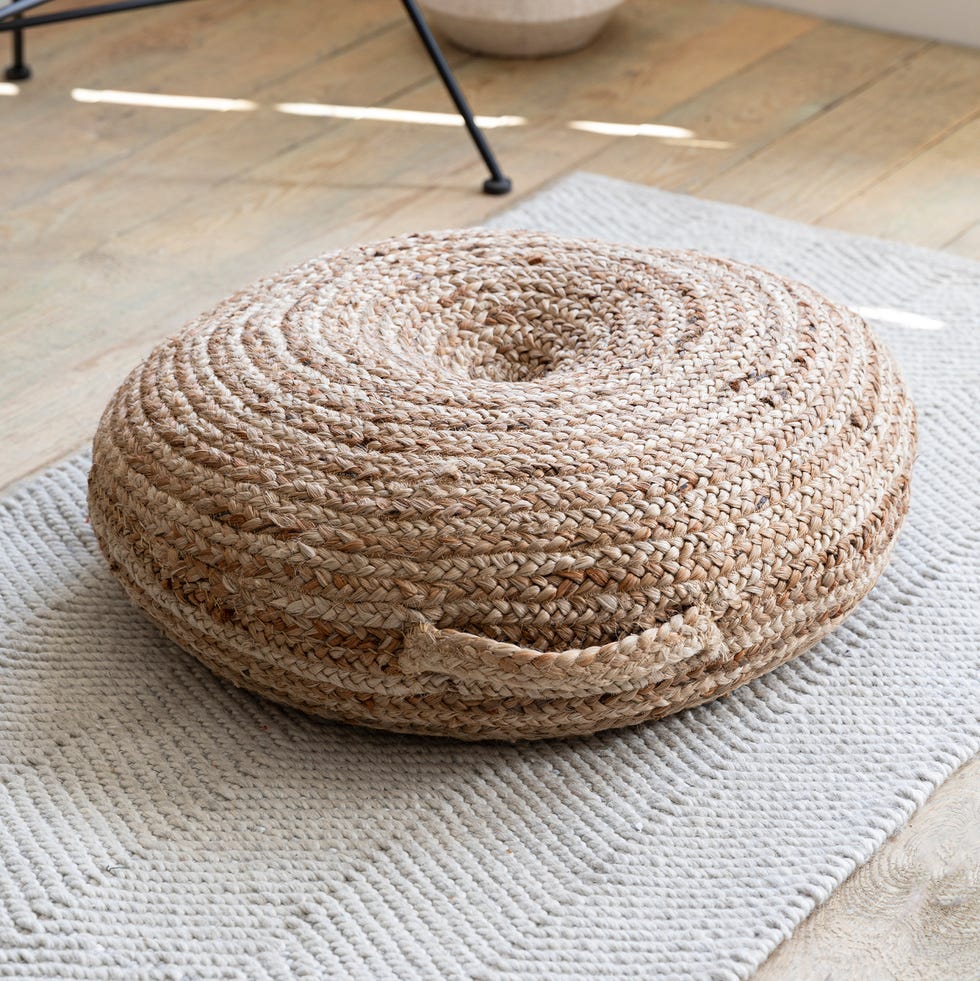
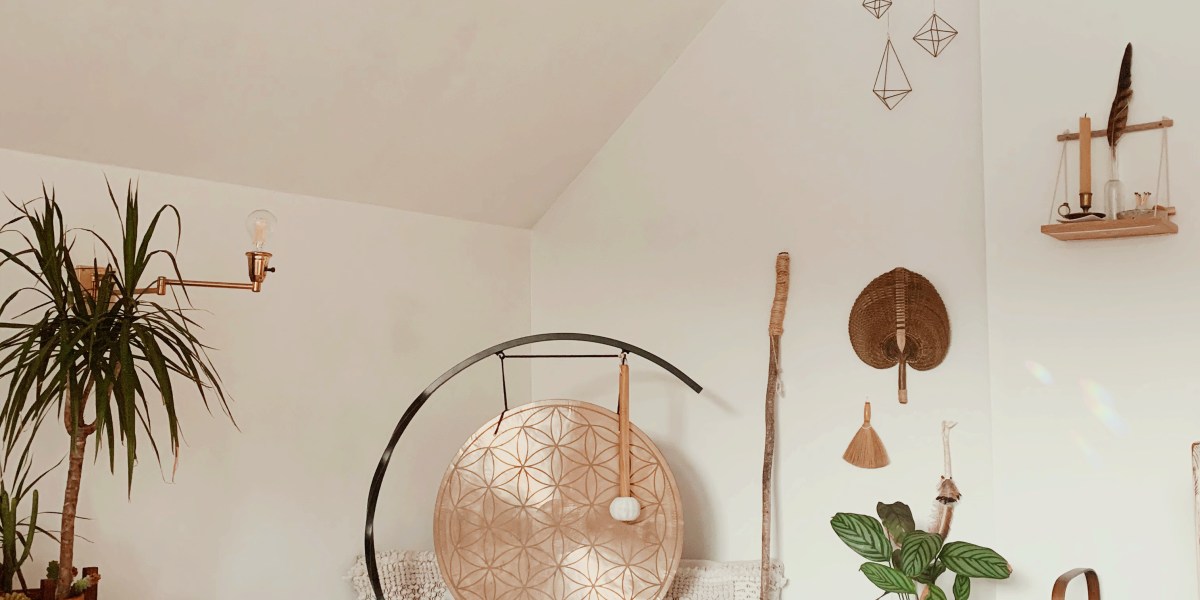
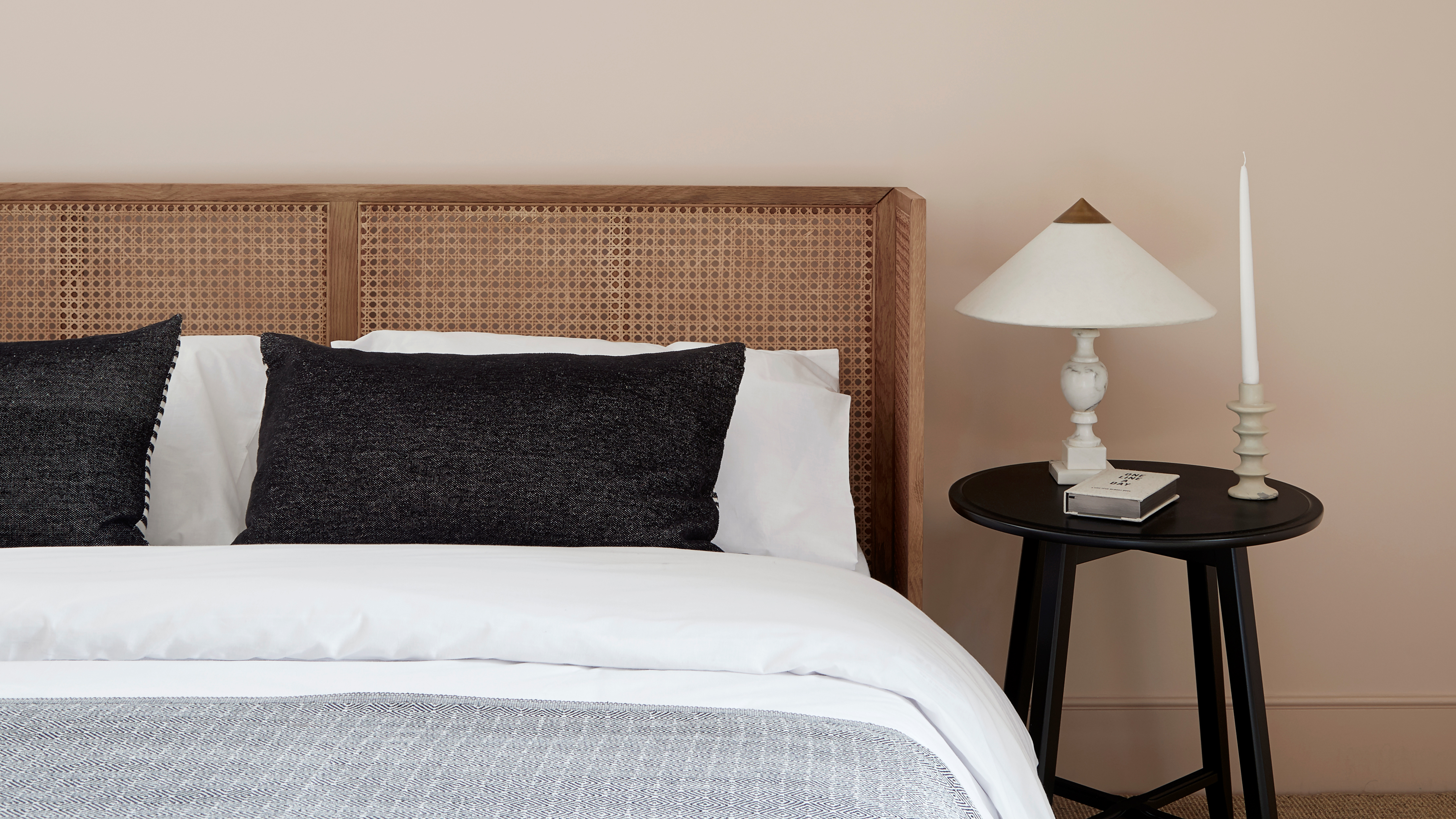
The article provides five key design principles for creating an effective meditation room. First, it recommends surrounding the space with a soft, muted palette, favoring neutral and natural colors like white, sage, beige, and soft grays to promote relaxation and avoid distraction. Interior designer Evelina Juzėnaitė suggests that the textures should reflect peace and quiet, incorporating natural and tactile surfaces such as wood, linen, stone, and rattan. These materials, when layered with items like woven rugs or cotton throws, create a warm, grounded, and human-centric environment, aligning with principles of cozy minimalism.
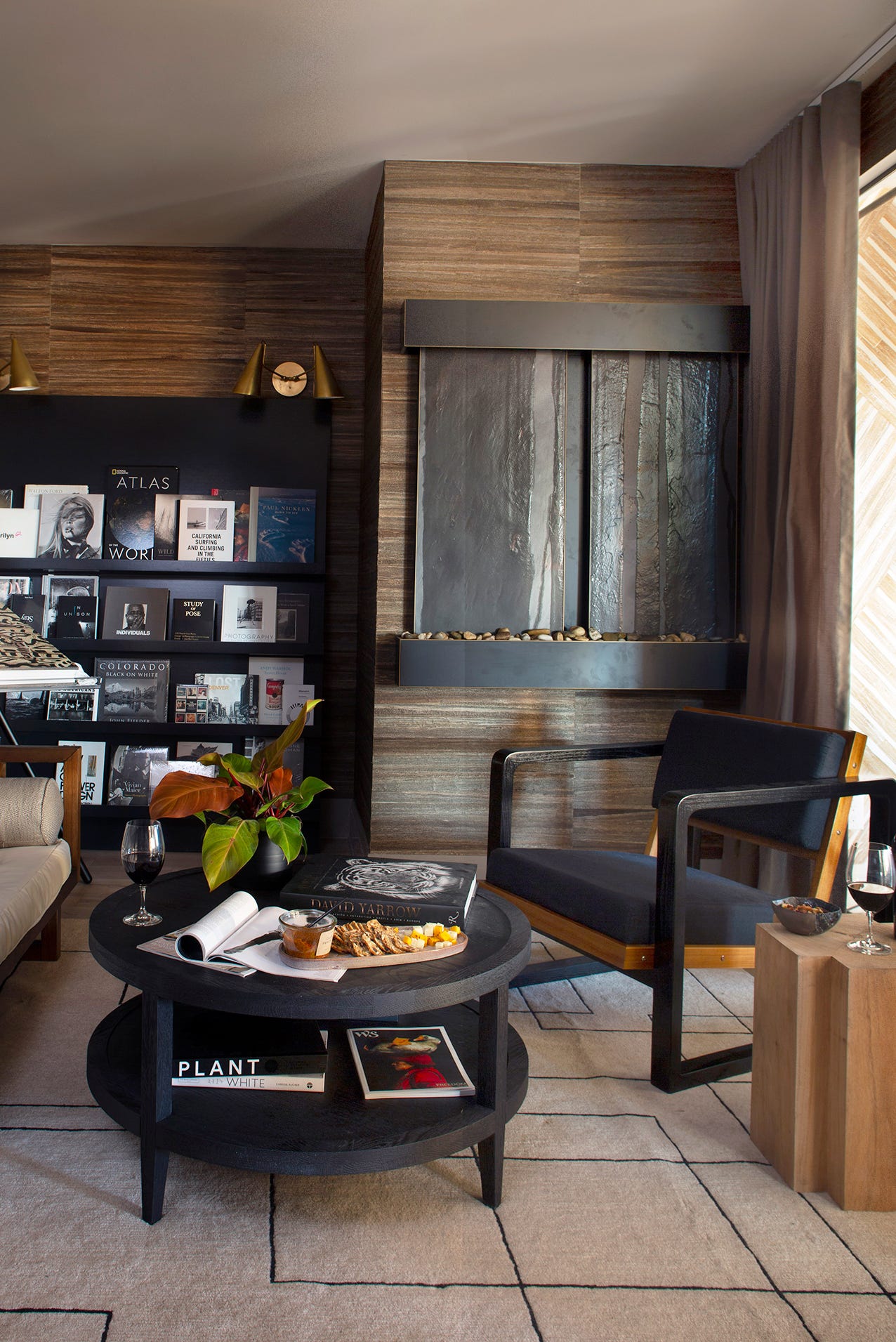
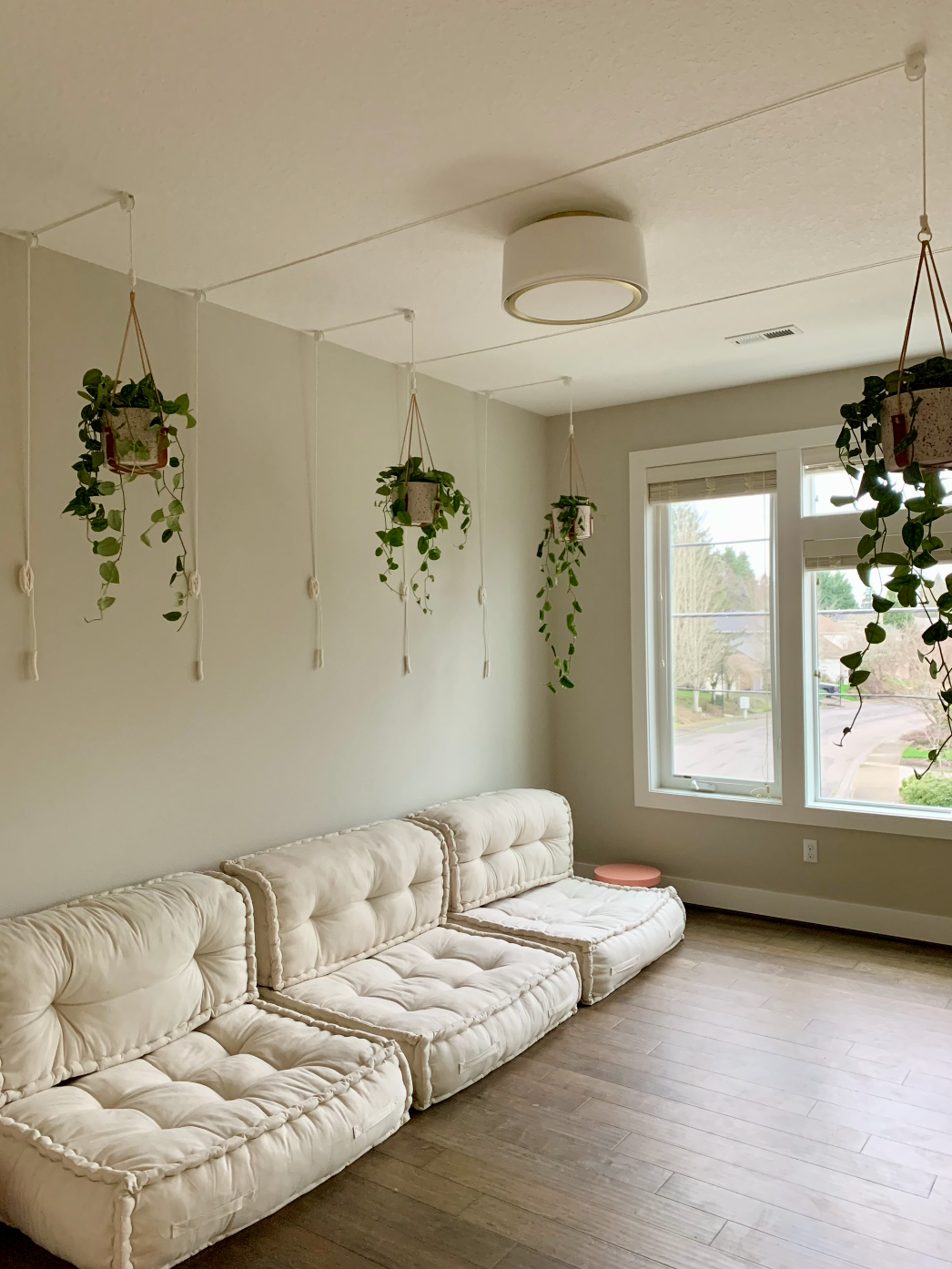
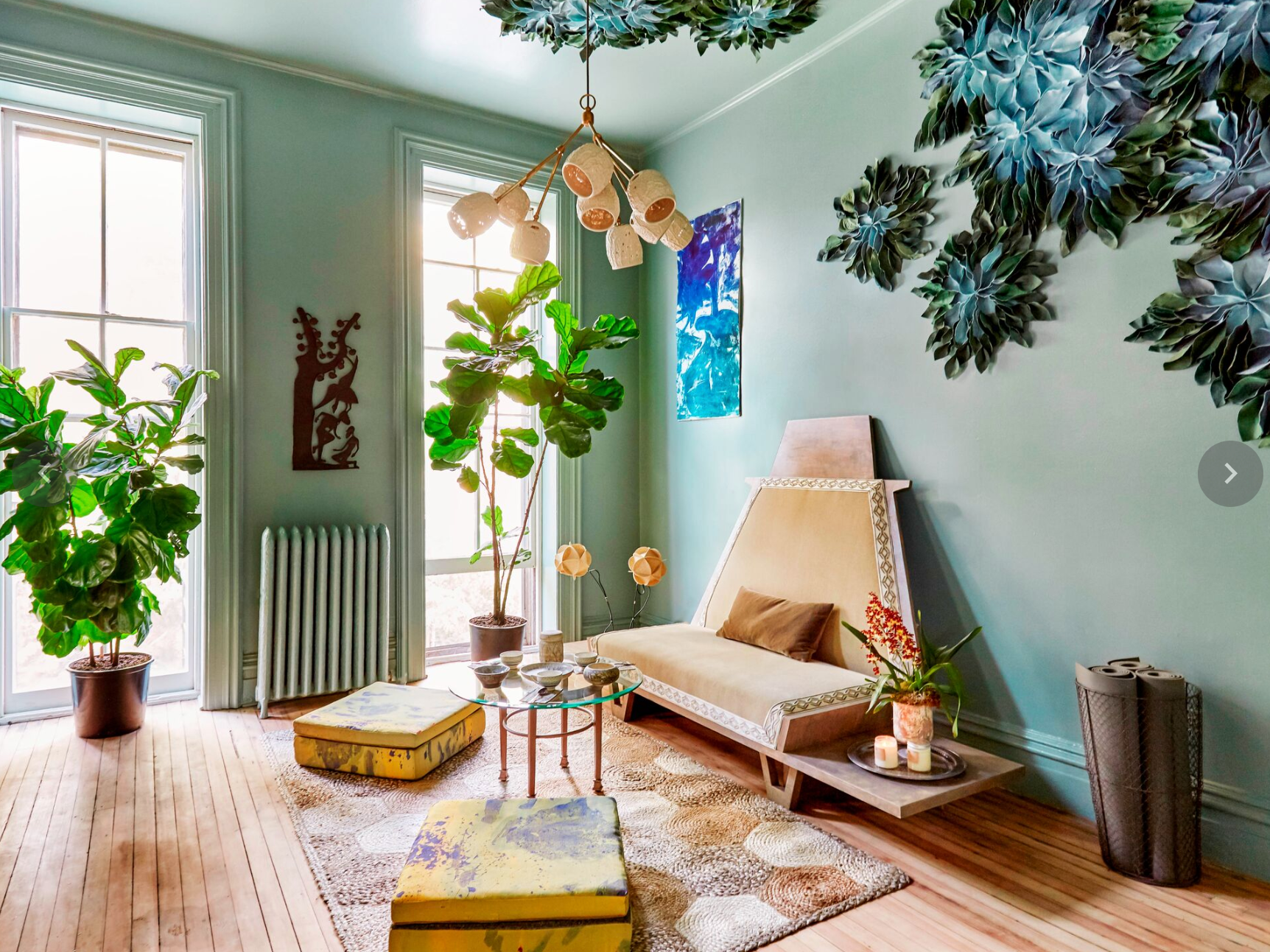
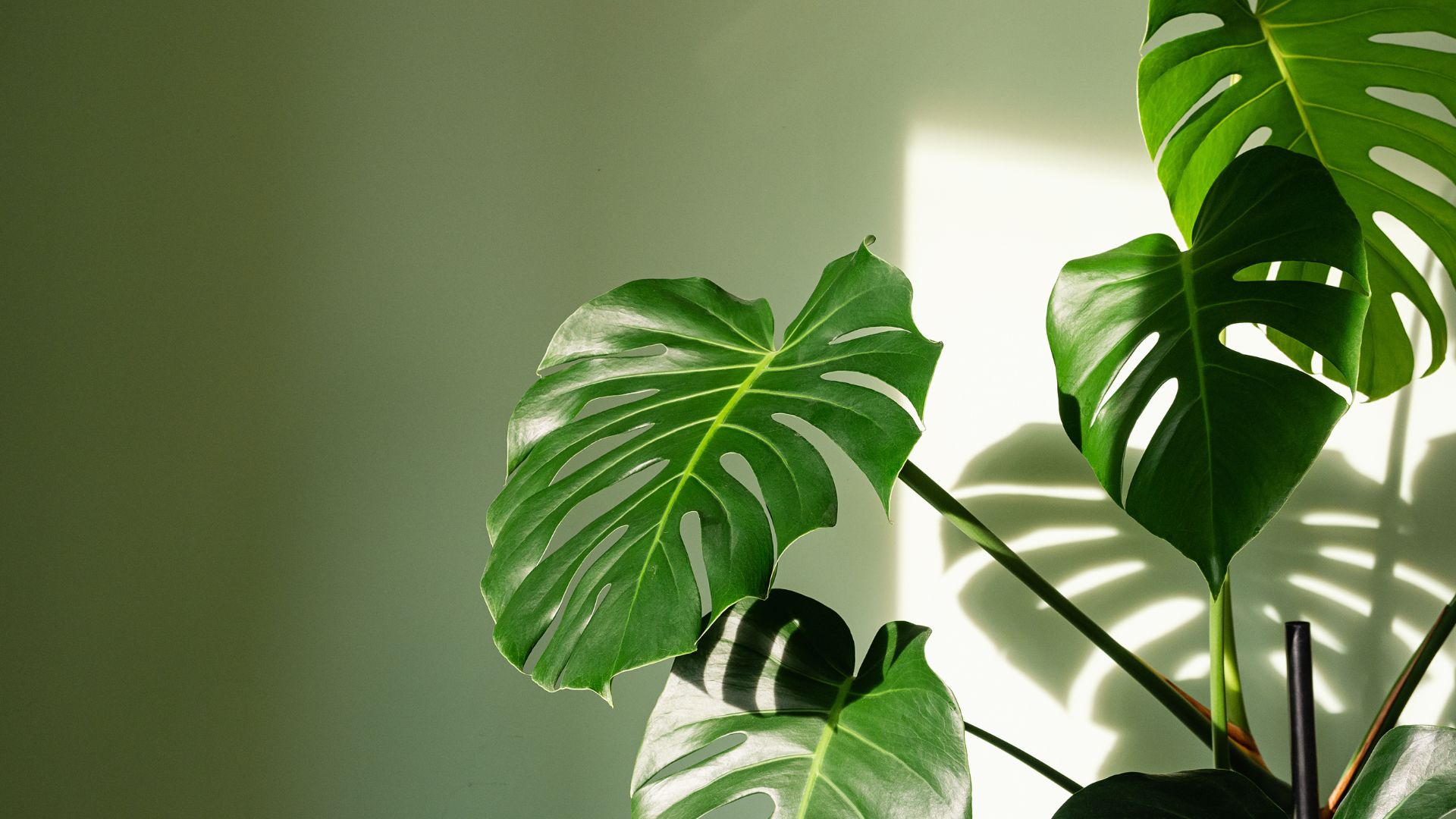
Second, the article advises channeling natural elements into the meditation space. Evelina Juzėnaitė suggests decorating with plants to introduce a rooted ambiance, comfort, and improved air quality. Feng Shui expert Helen Ye Plehn adds that incorporating crystals, specific elements, and flowers can further foster a serene environment. The inclusion of soothing water features, such as mini fountains, can also channel the element of water, enhancing the natural connection.
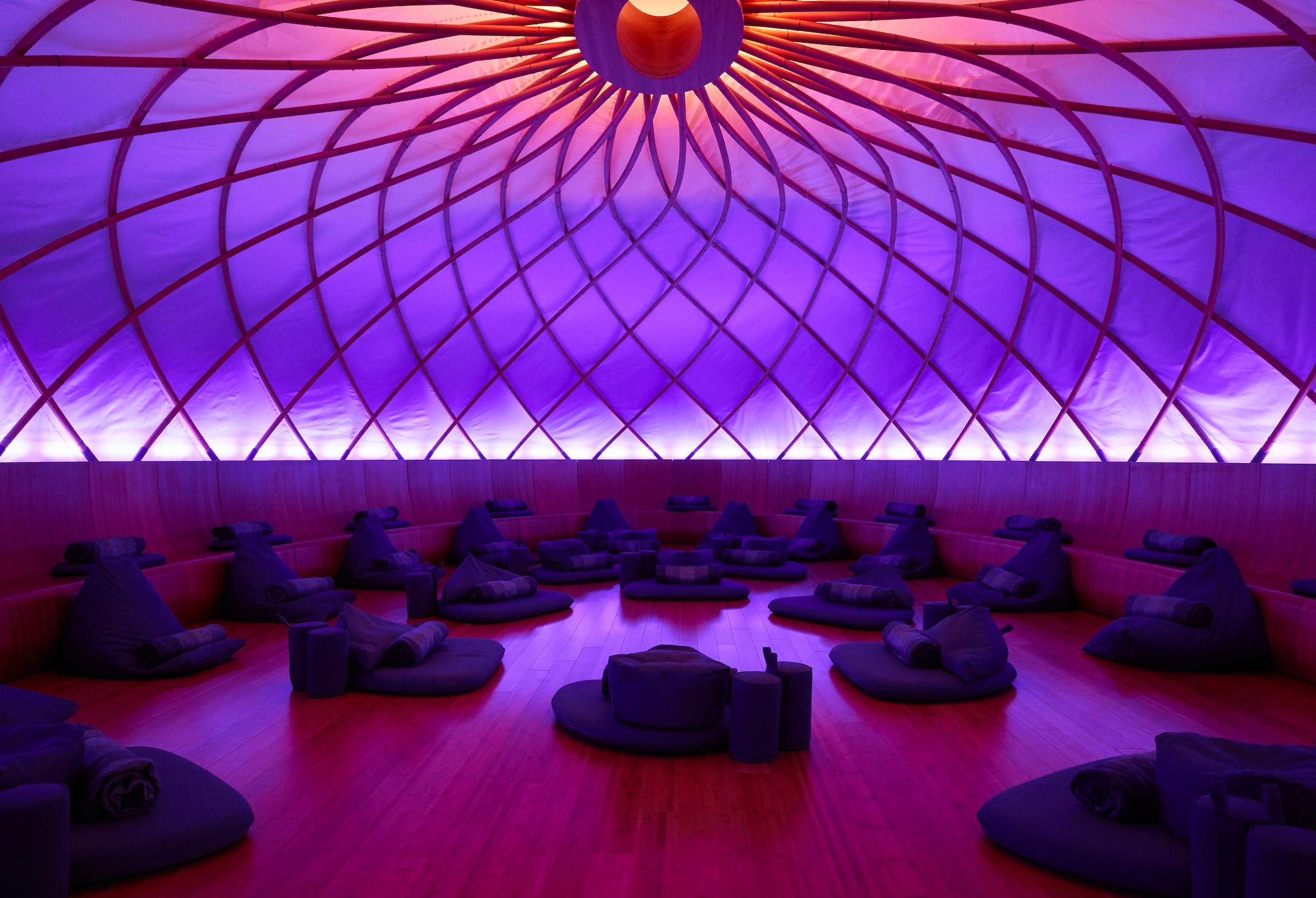
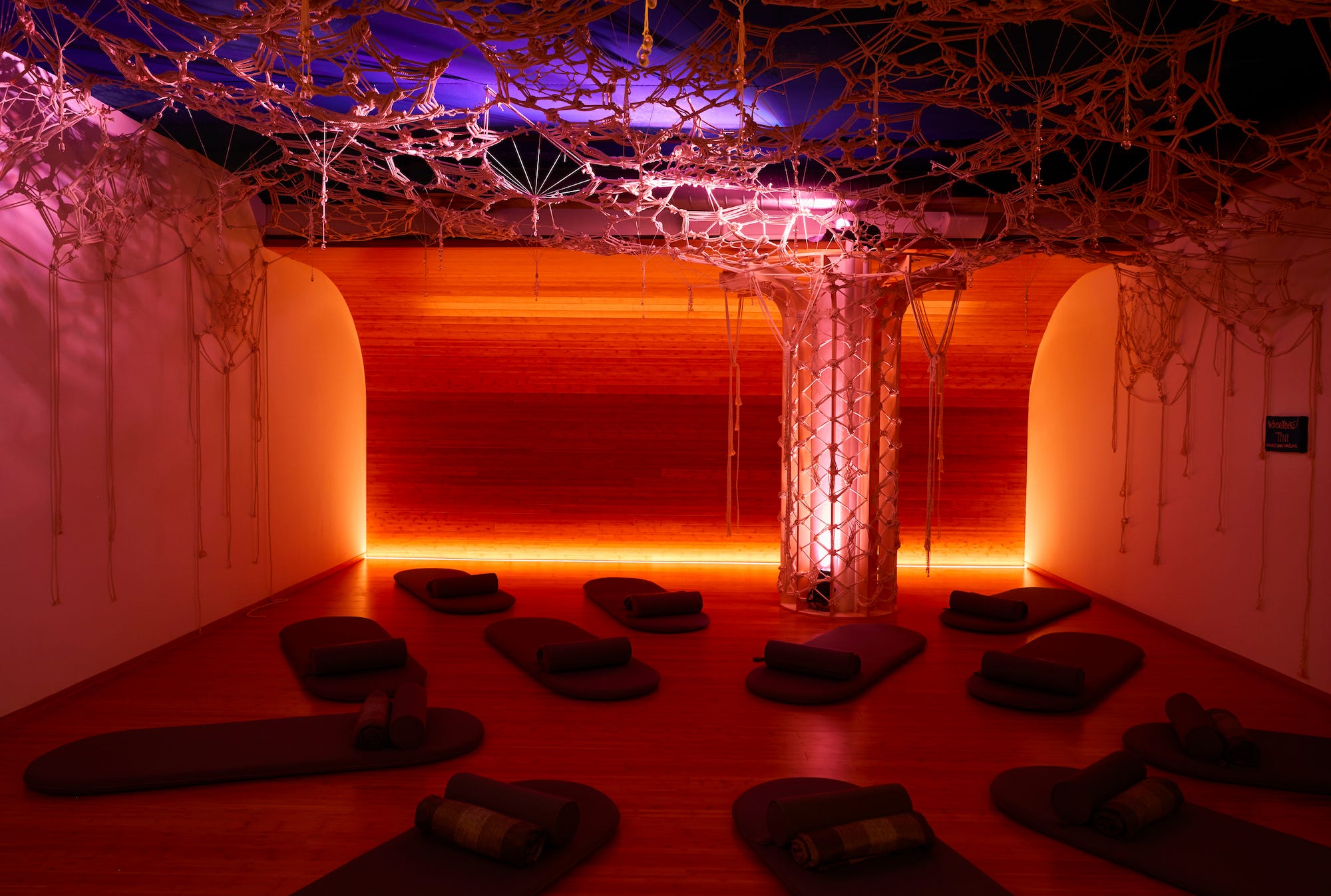
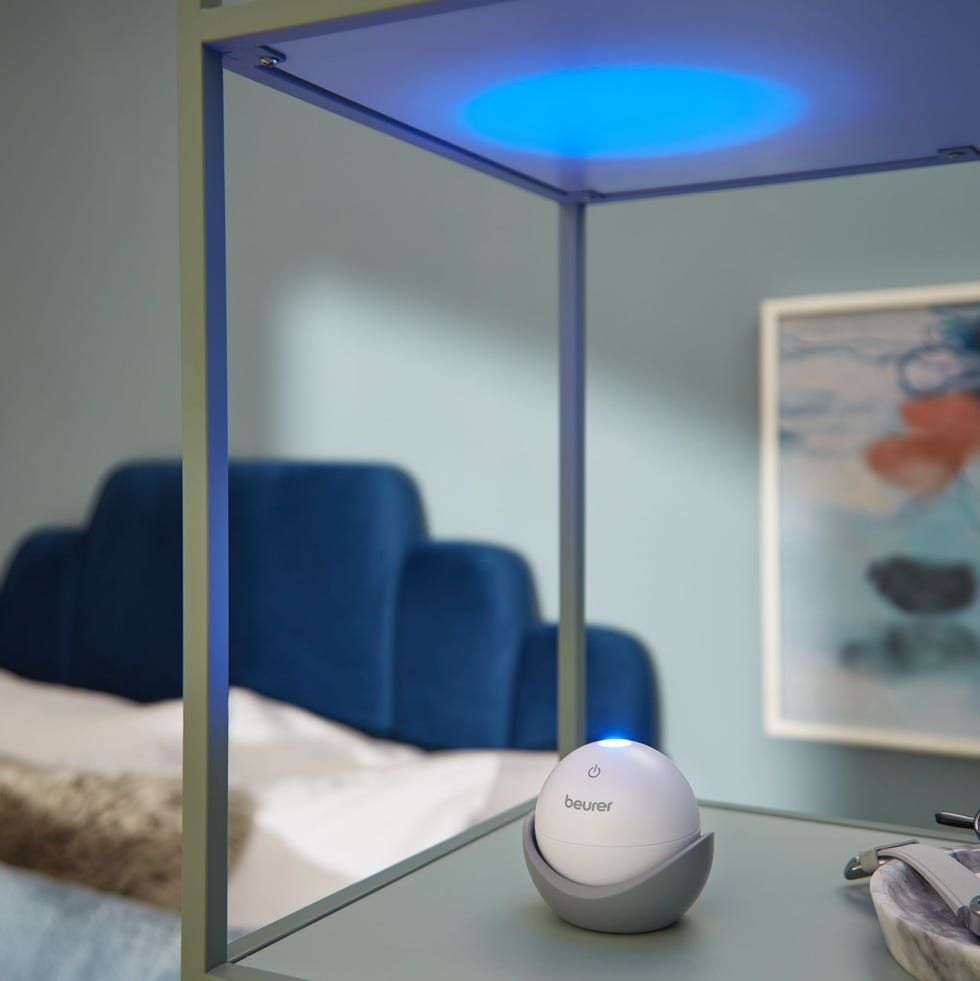
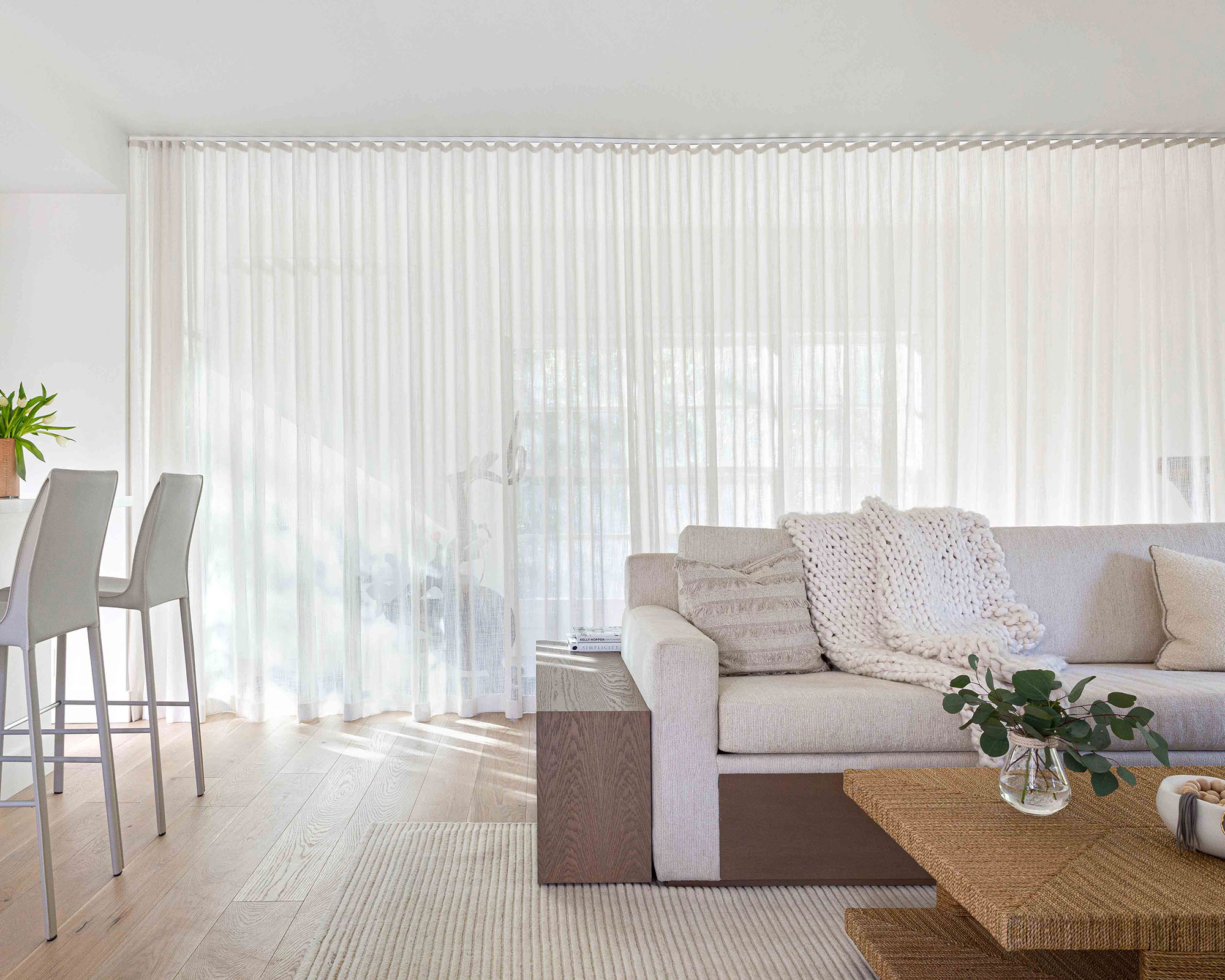
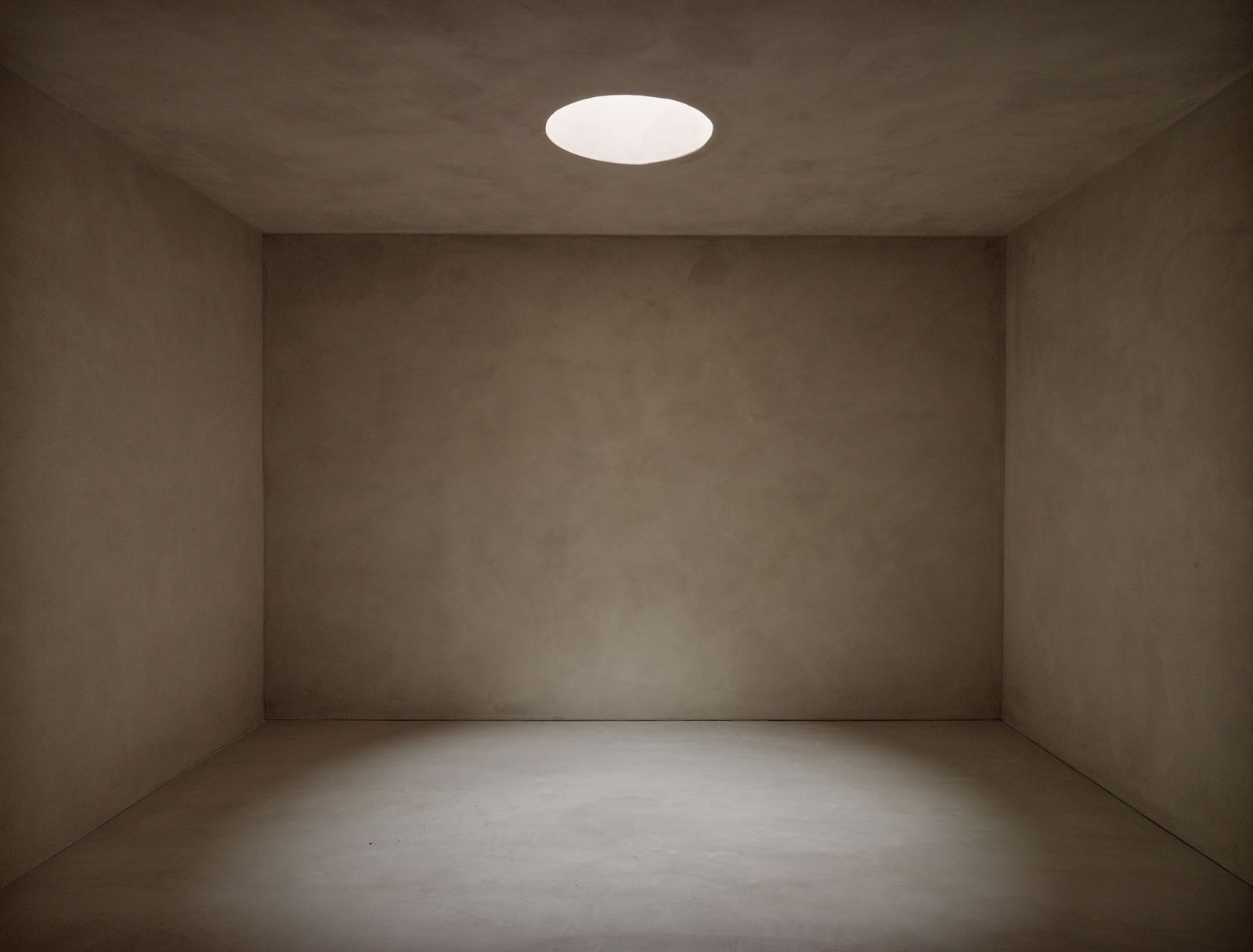
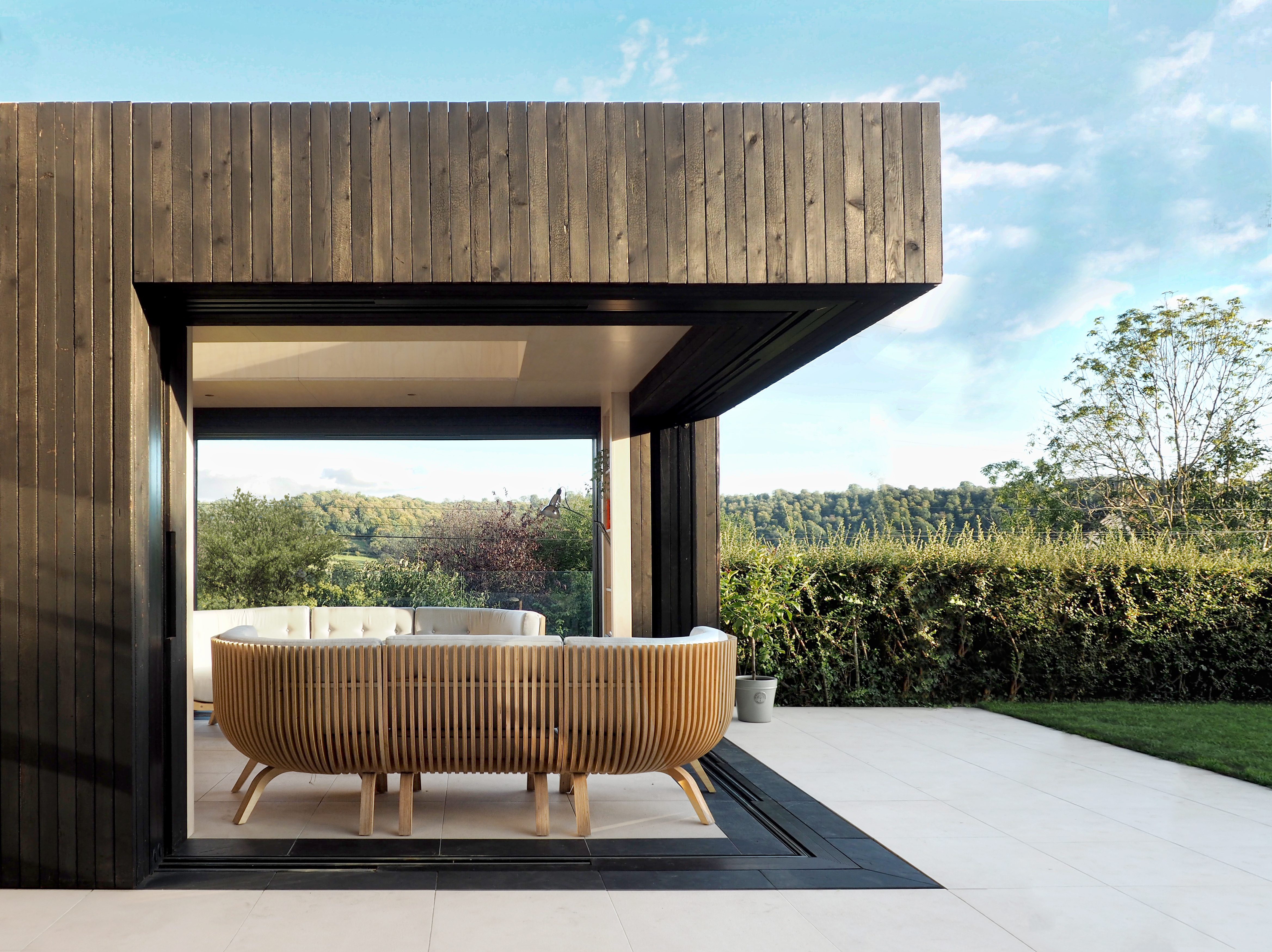
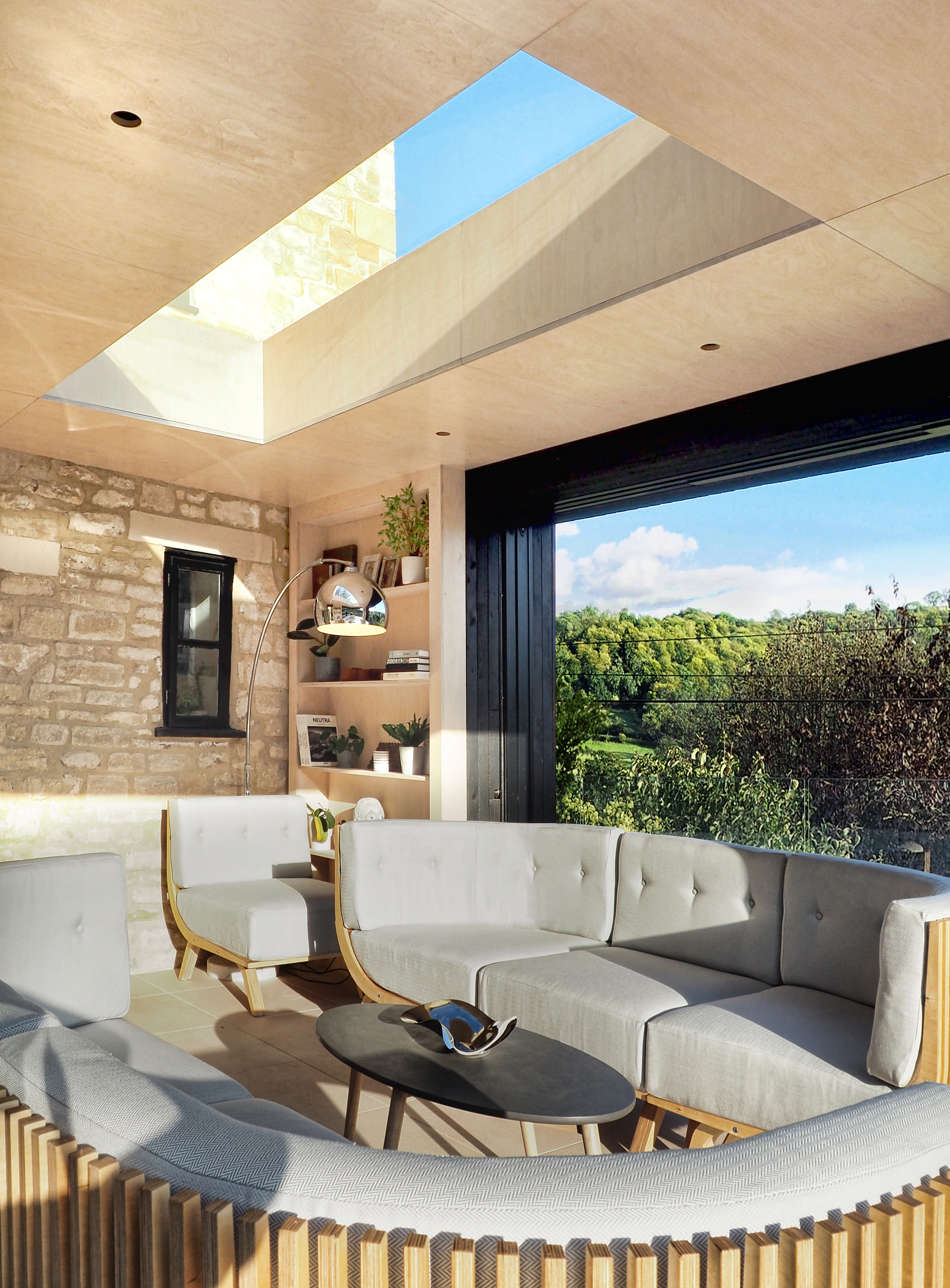
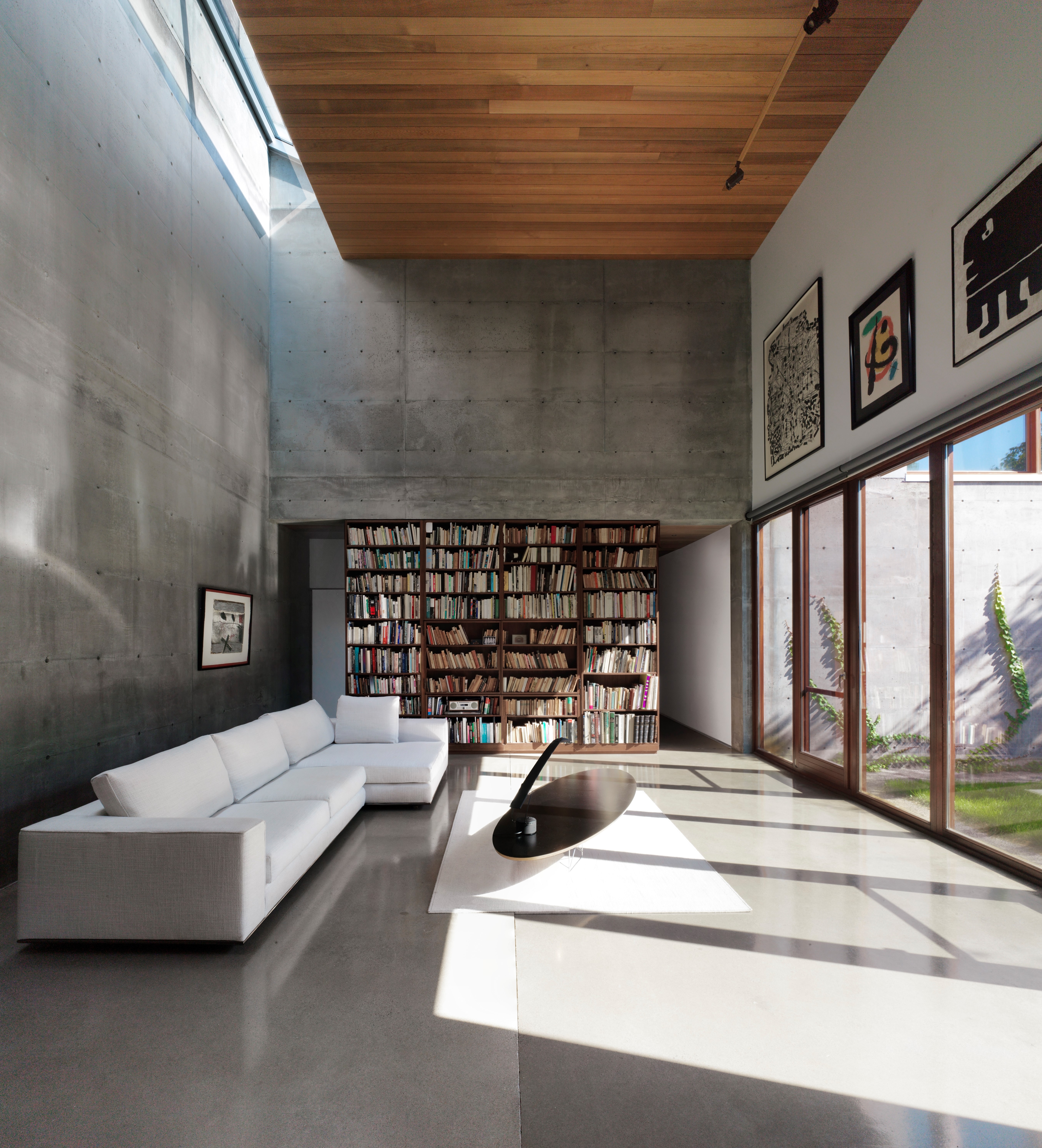
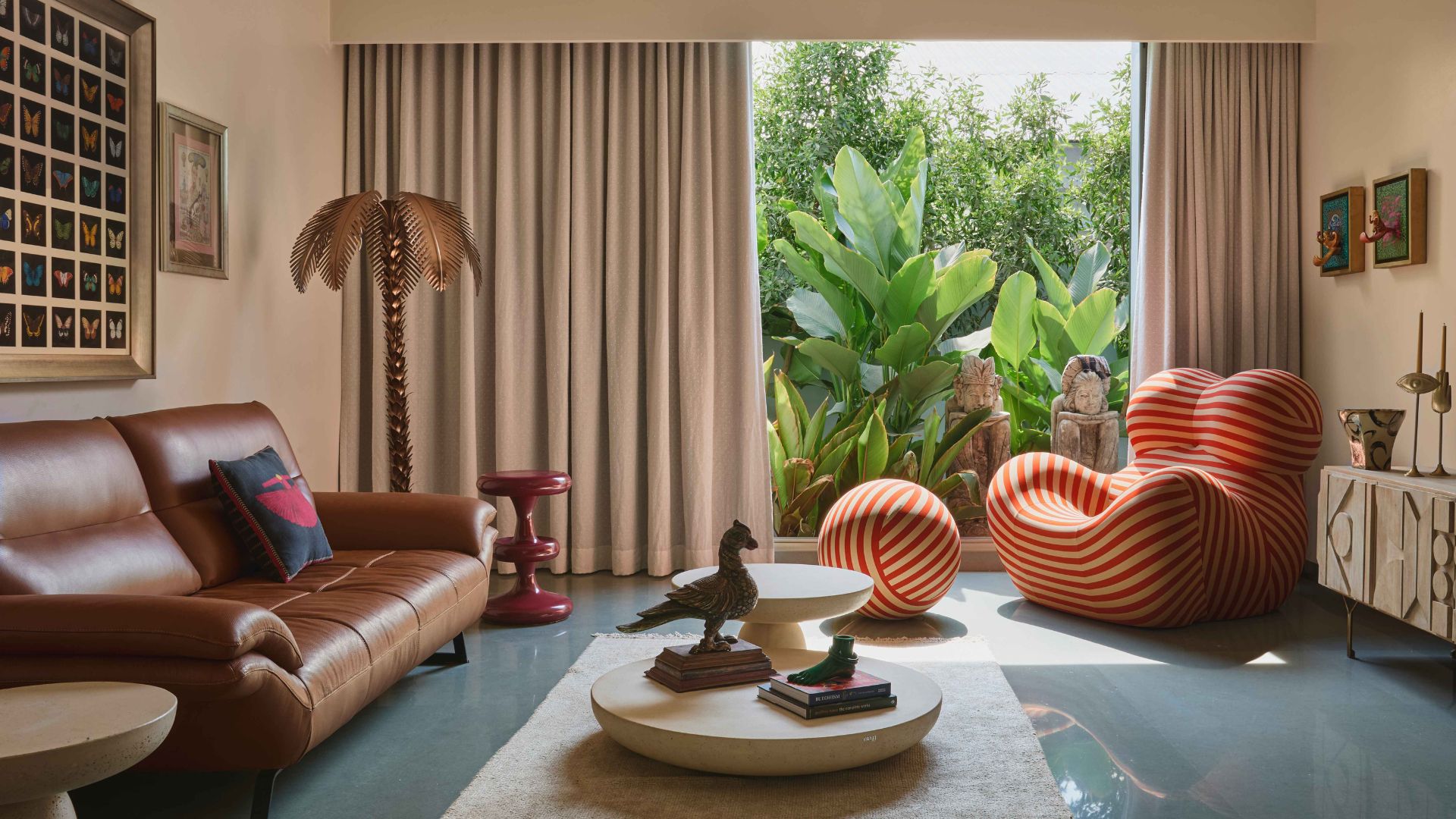
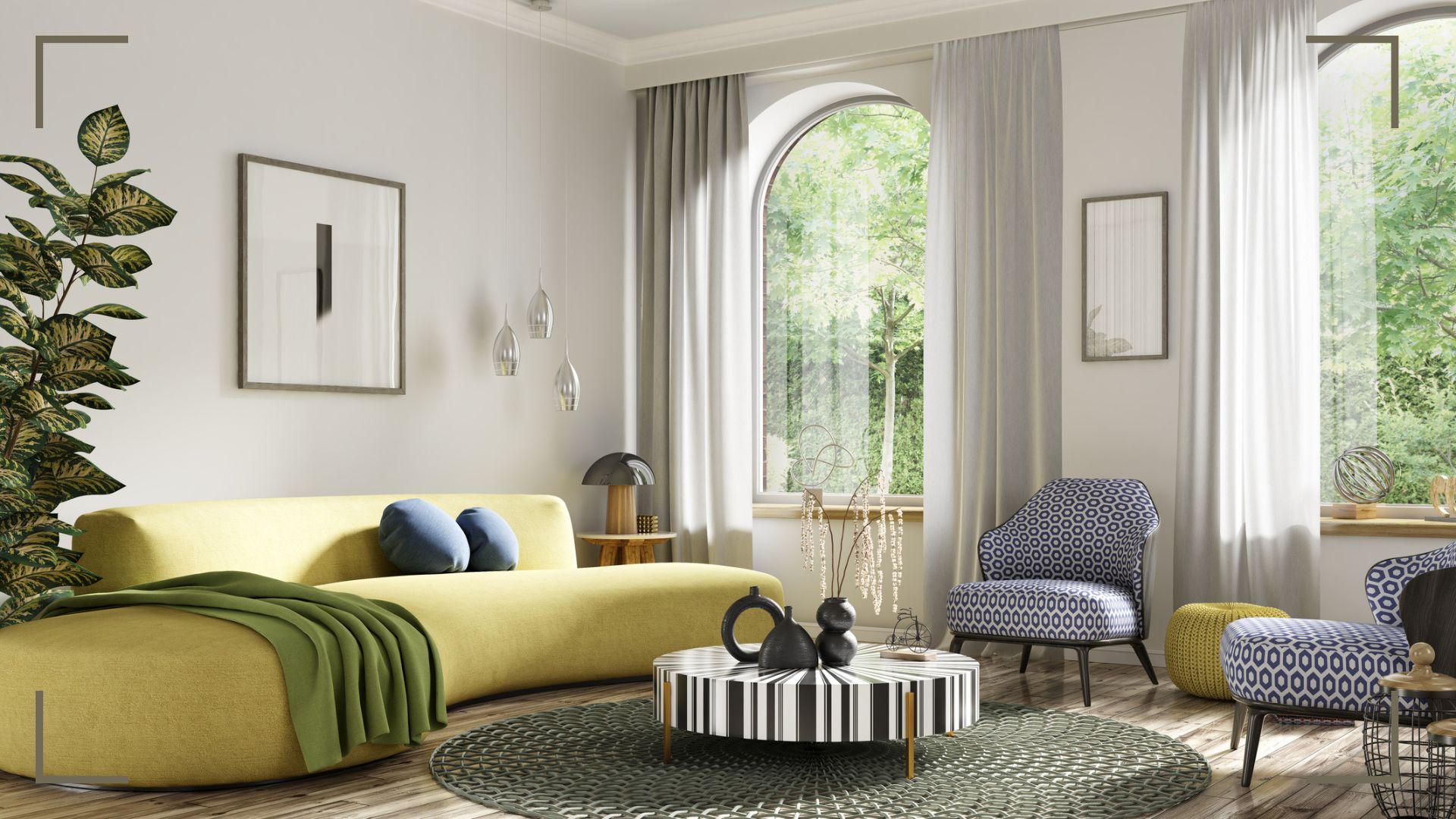
Third, maximizing natural light is highlighted as crucial. Ester Corti, co-founder of Mitchell + Corti, emphasizes the preference for natural light but offers alternatives for artificial lighting, suggesting concealed light sources and frosted fittings to produce a warm, soft glow. She also advocates for a connection to the outdoors, such as a framed view of a garden, a skylight, or an openable window to allow a breeze, which helps align the mind and body with the day's natural shifts.
Fourth, the importance of calming fragrances and soundscapes is discussed. While candles are an option, tranquil essential oil diffusers with calming scents like mint or lavender are recommended to avoid open flames. Helen Ye Plehn suggests incorporating sound healing, such as Solfeggio frequencies within 528 Hz for love and gratitude, and 852 Hz for intuition and focus, or sound baths, to enrich the meditative experience.
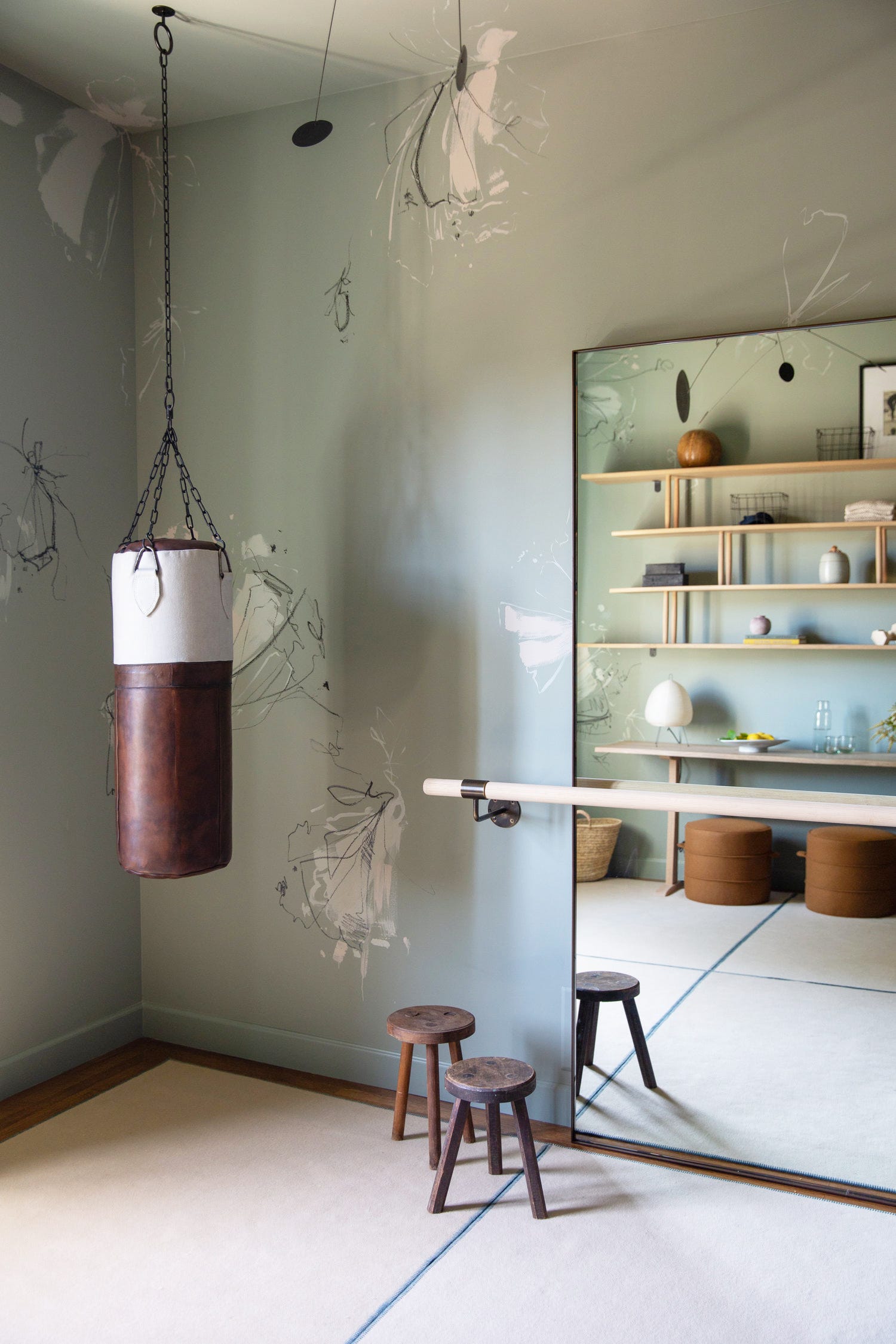
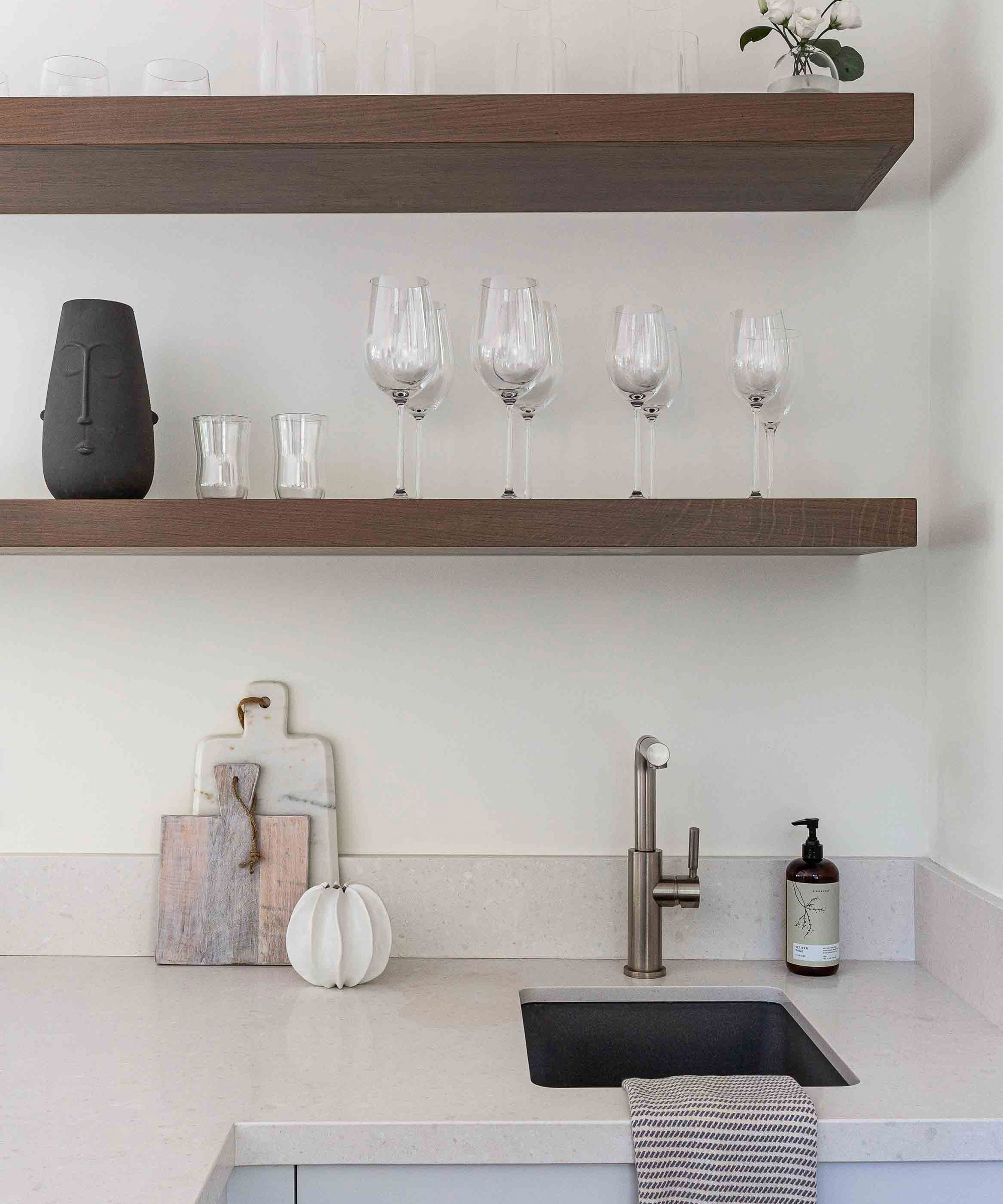
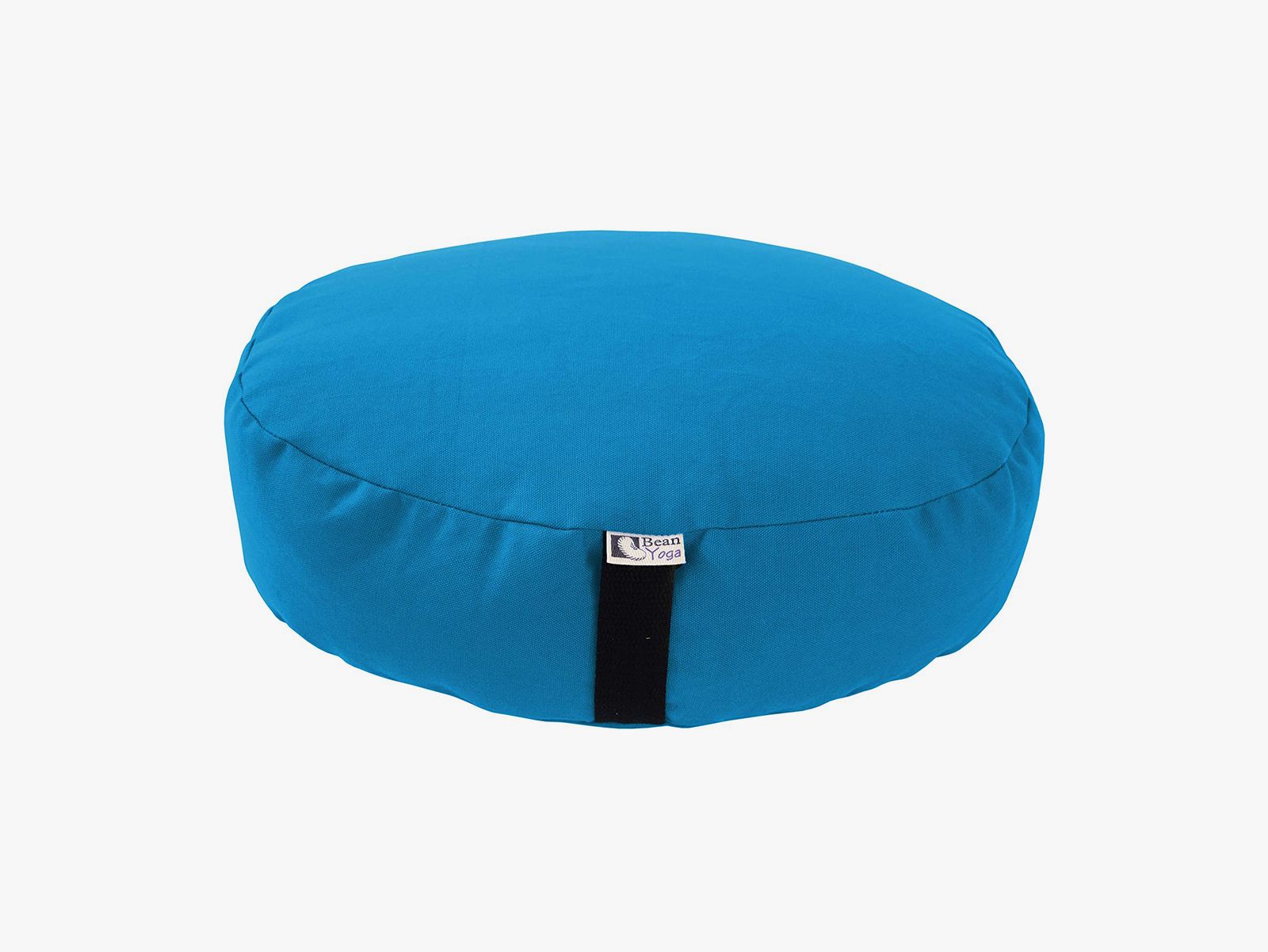
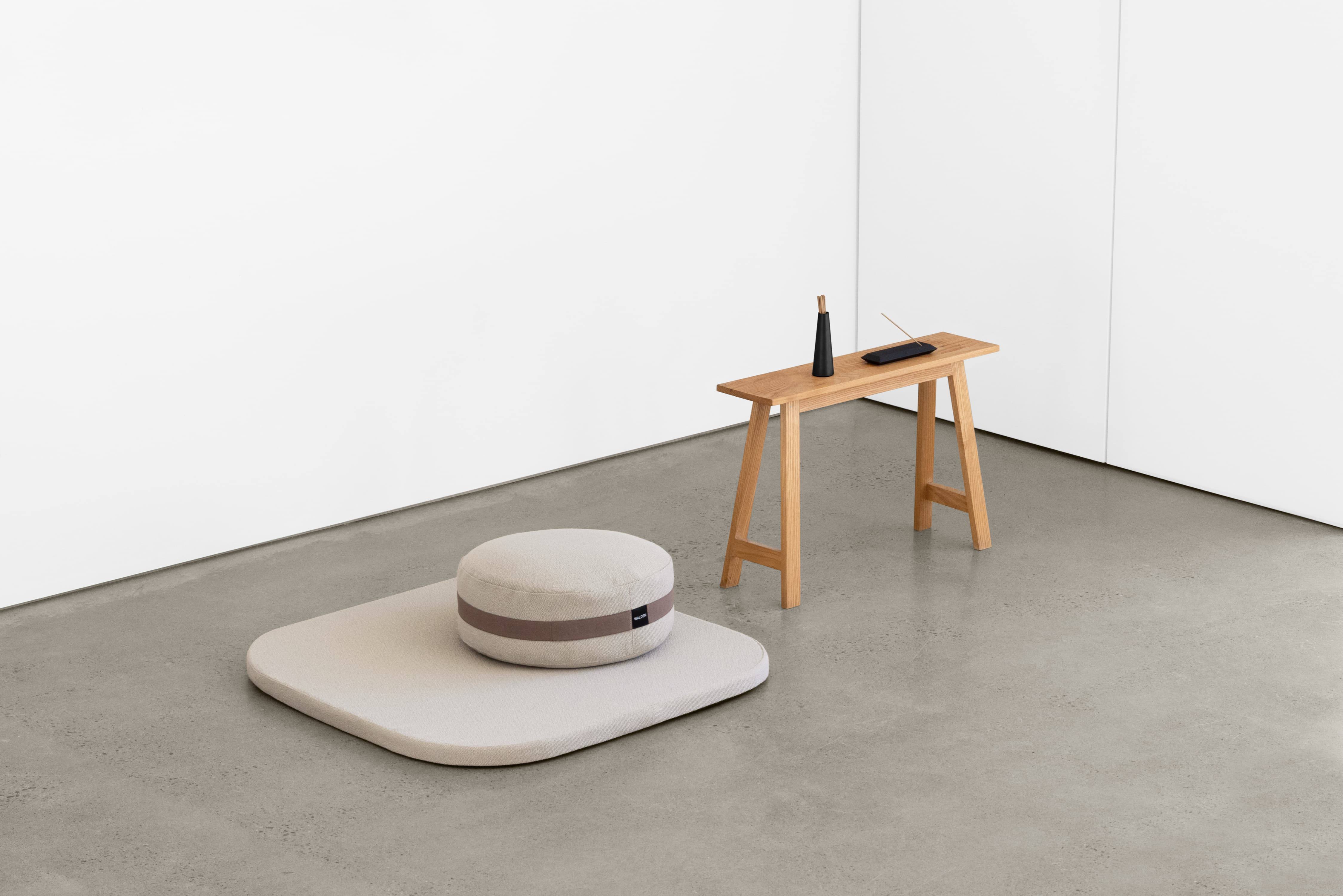
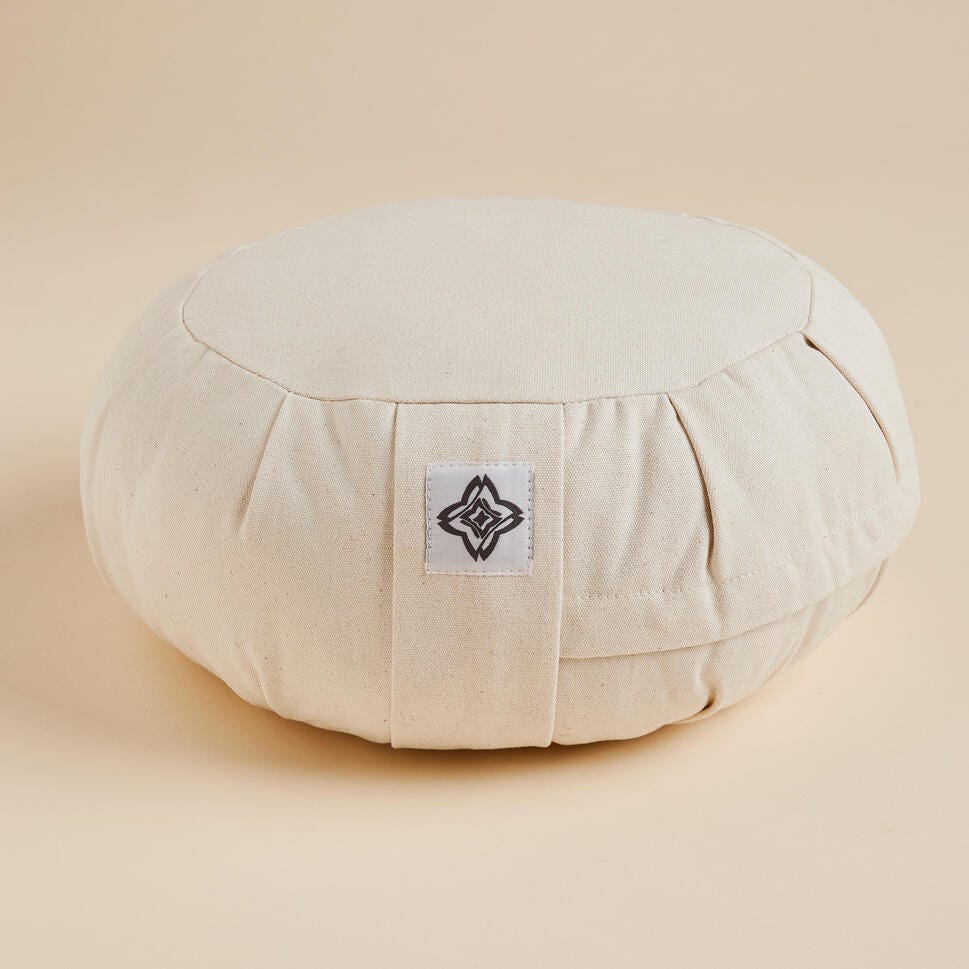
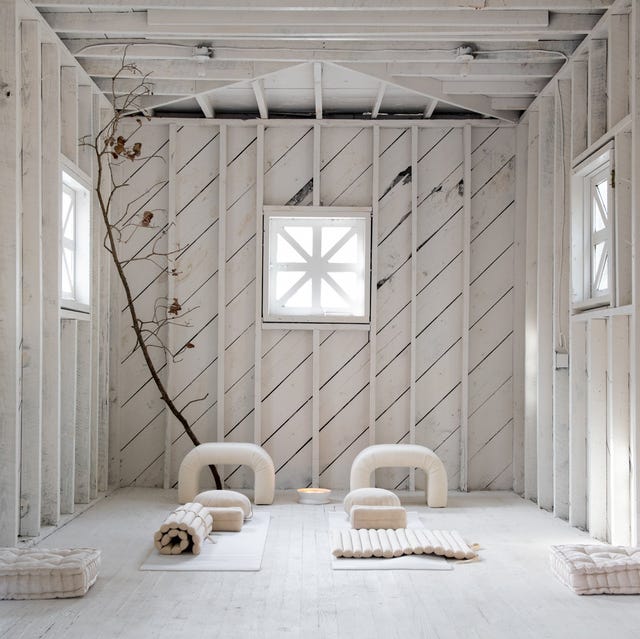
Finally, the article stresses the principle of creating with intention, not perfection. Farah Agarwal advises ensuring that every item in the space brings a sense of ease, advocating for an uncluttered environment that holds personal meaning. This could include a low seat, a small sculpture, an incense bowl, or even fresh flowers, with the understanding that every element should serve a quiet purpose, contributing to inner peace rather than external aesthetics. The overall message is to create a space that is unbusied and hushed, providing a perfect escape from the home's daily hustle.
#MeditationRoomDesign #WellnessHome #InteriorDesign #MindfulLiving #HomeDecor #NaturalElements #SoftPalette #FengShui #ScentScape #SoundHealing #MeditationRoomDesign #WellnessHome #InteriorDesign #MindfulLiving #HomeDecor #NaturalElements #SoftPalette #FengShui #ScentScape #SoundHealing
0 commentaire au total
 Aucun commentaire pour le moment
Vous aimerez aussi
Say Ohm: Meditation Room Ideas for Instant Destressing
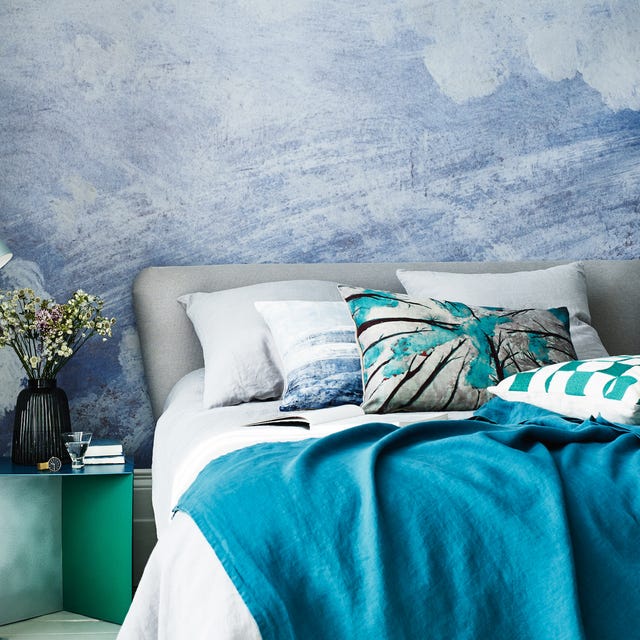
How to transform your bedroom into a wellbeing sanctuary, according to experts
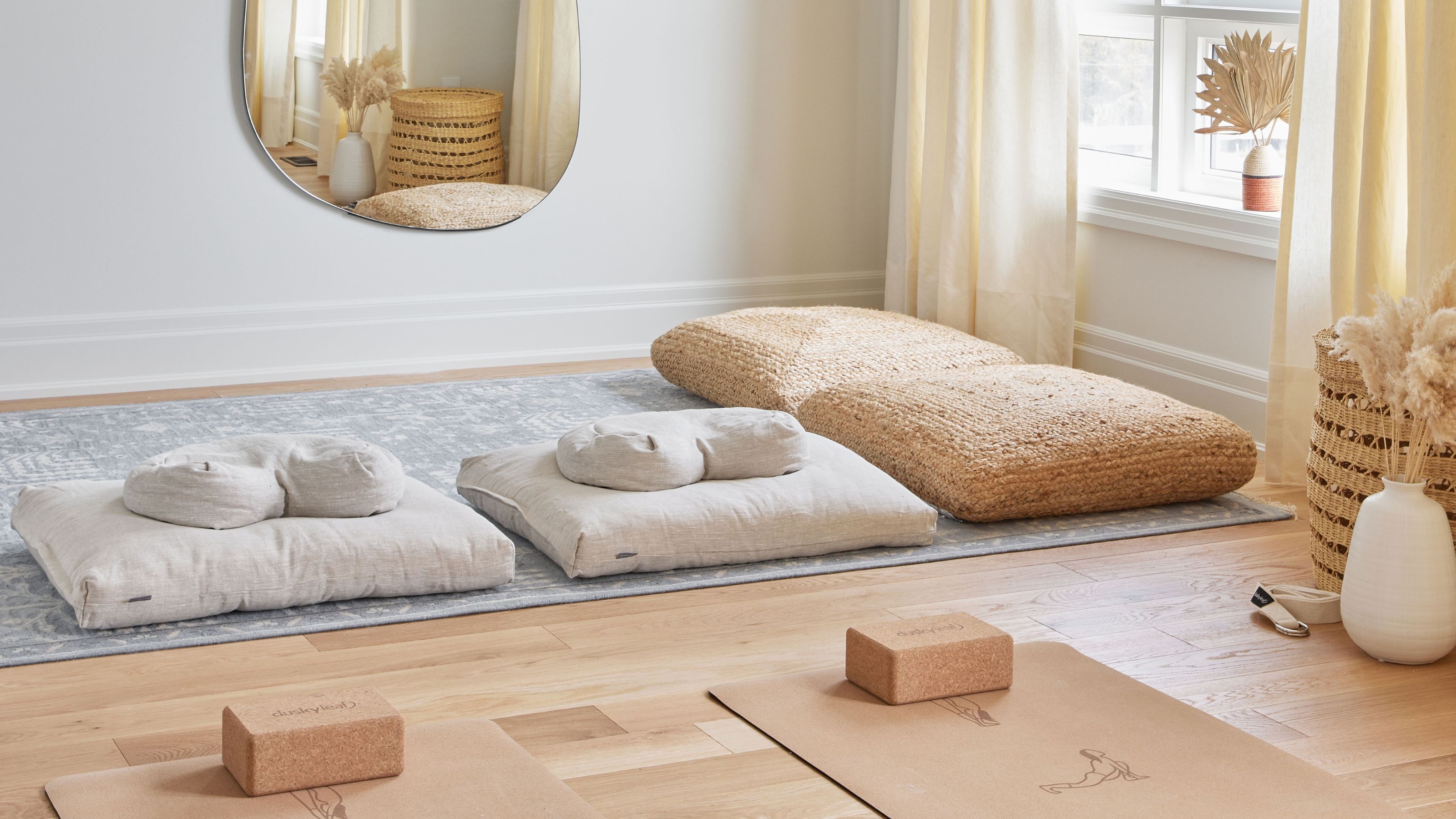
Forget a Home Gym, What You Need Is a "Wellness Room" — The Trend for Carving Out Space for Daily Rituals

From lighting to colour palette tips: Design the perfect yoga and meditation room with these tips and tricks | Hindustan Times

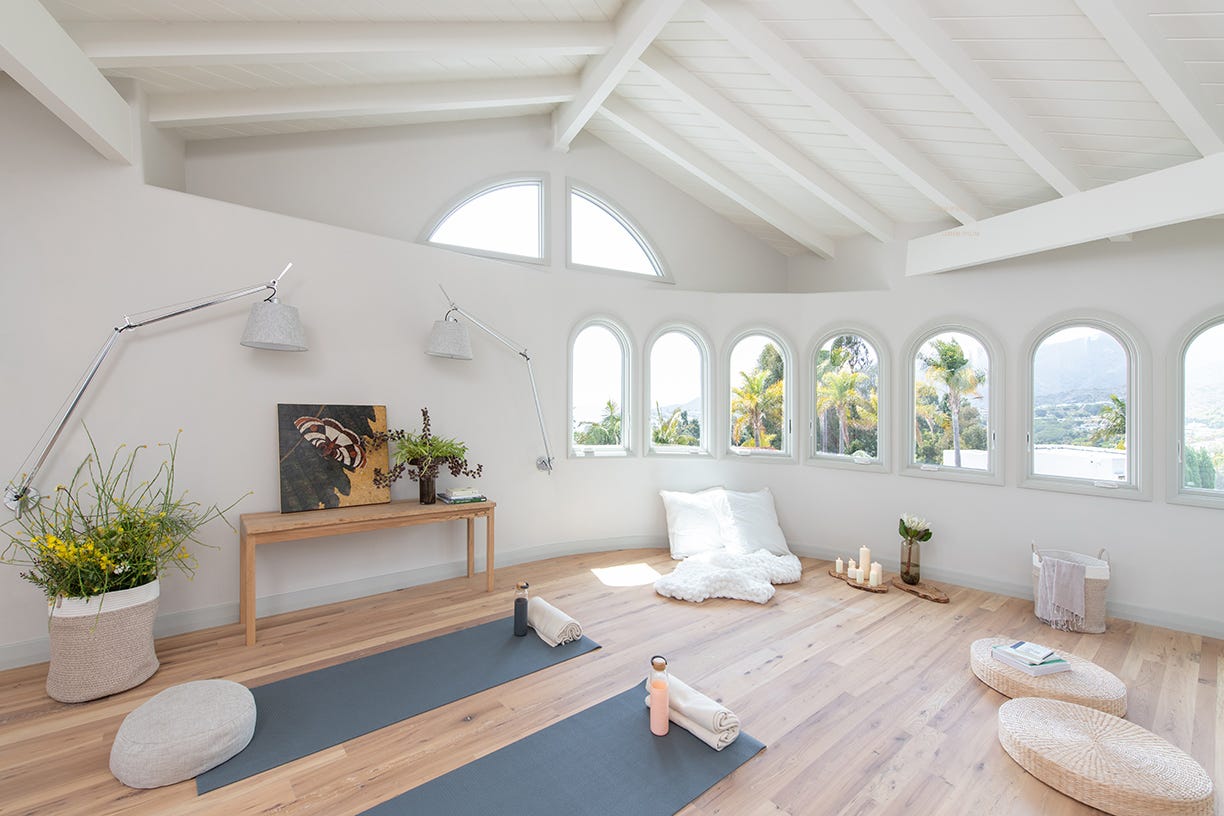
These Meditation Rooms Will Encourage You to Find Inner Serenity

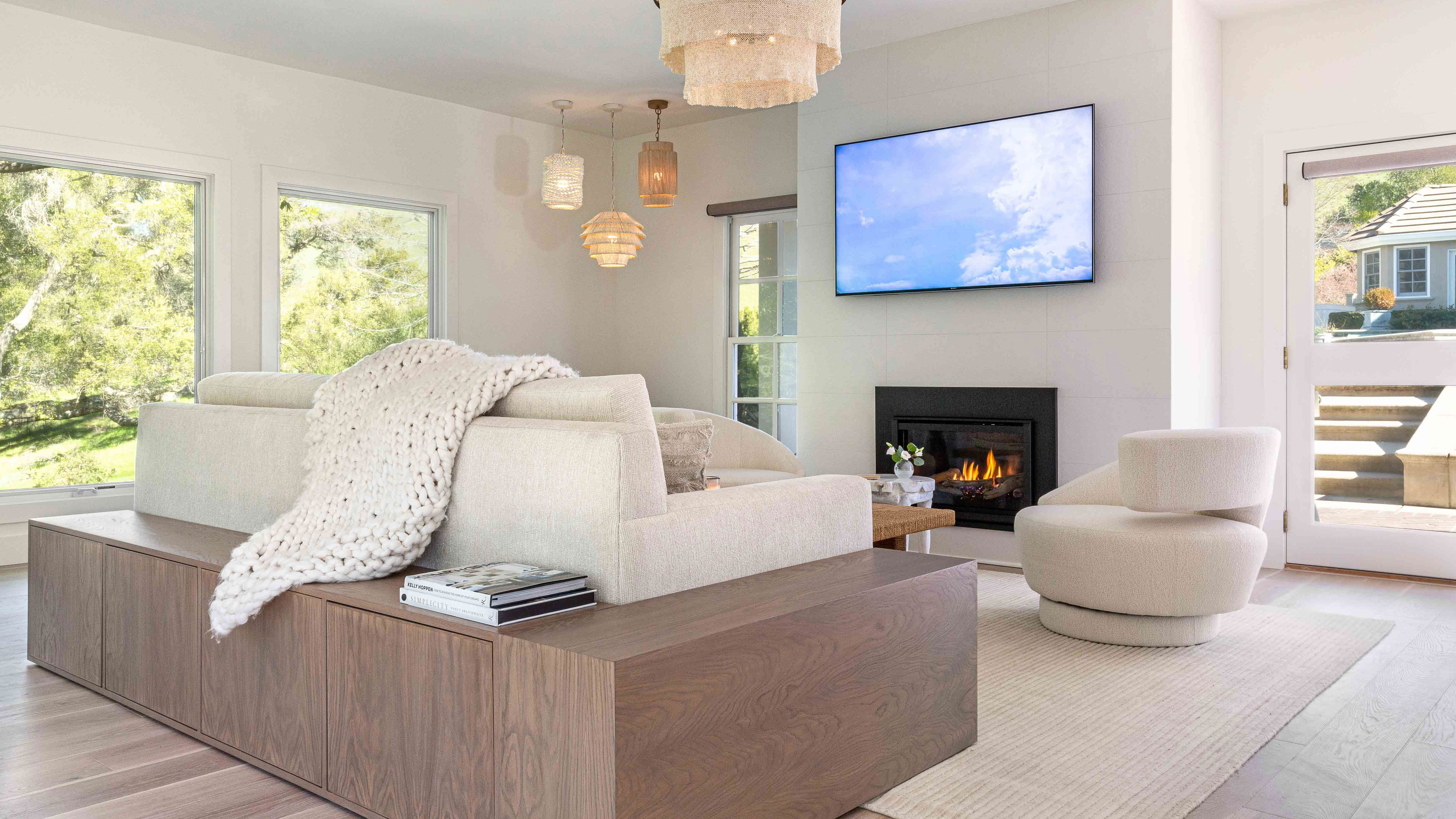
7 clever design tips to borrow from this zen retreat in California

Why You Need a Meditation Corner in Your Home—and How to Create One


'It's somewhere you can get lost in a book' - this interior trend is all about creating peaceful spaces for reading


Meditation Space at Home: 4 Ideal Spots to Block Out the World

How to Create a Home Meditation Space
Bedroom Feng Shui – 10 tips for creating a zen-like space to encourage sleep
How to transform your home into a zen oasis: 32 expert tips

Design A Meditation Space To Zen Out At Home


What is a meditation room and do you really need one?
11 of the best meditation cushions for finding your zen
11 meditation cushions to help you find your zen in 2024
How To Create A Meditation Space That's Also Tech-Friendly
Nine tips on how to turn a living room Zen

These yoga studios set a new standard for calming design


Discover serenity: 5 ways to create your zen corner at home | Hindustan Times